
Trump Is Making America Uninsured Again
The GOP is heading into the midterms as the party that made health coverage out of reach for millions of Americans
The GOP is heading into the midterms as the party that made health coverage out of reach for millions of Americans
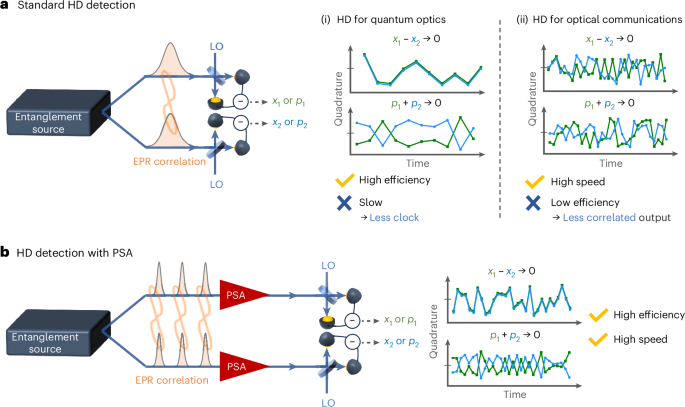
Optical Einstein–Podolsky–Rosen correlation is observed on a picosecond timescale in a continuous-wave system. By introducing waveguide optical parametric amplifiers and balanced detectors, the quantum correlation 4.5 dB below the shot-noise level is observed.

High levels of global migration have increased the complexity of the relationship between individuals and cultures. Multiculturalism has emerged as a …
This reply addresses concerns raised in the Matters Arising letter, emphasizing the rigor of our empirical study on student well-being outcomes with ISAs. We clarify methodological decisions, address speculative claims regarding Replika’s marketing and usage, and highlight our study’s focus on peer-reviewed, evidence-based findings. Ethical considerations and potential conflicts of interest are transparently discussed, reinforcing our commitment to scientific integrity and advancing knowledge in the field of AI and mental health.
In their recent paper1, Maples et al. surveyed users of the Replika app2. Among their results, they reported that participants were relatively lonely and used Replika for diverse purposes, and emphasized that “3% reported that Replika halted their suicidal ideation”1. However, important context about how Replika has been marketed and used was missing. We provide context about Replika’s sexual component, and discuss the threat of industry interests to scientific integrity.

Information processing has been suggested to depend on the current state of the brain as well as stimulus characteristics (e.g. salience). We compared…
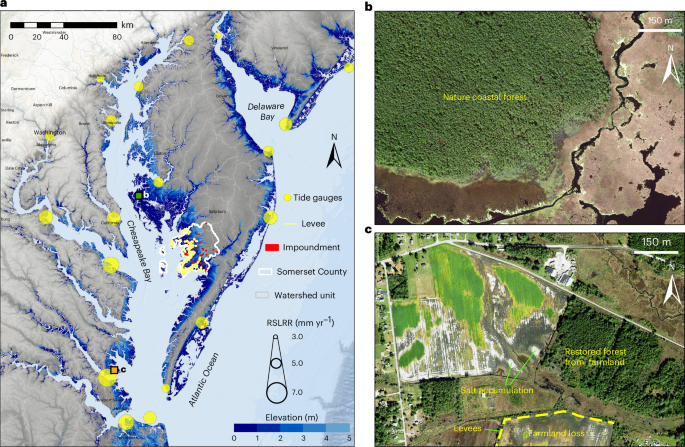
As sea levels rise, coastal ecosystems and economies are threatened by saltwater intrusion and wetland encroachment. These effects are accelerated by coastal agriculture, highlighting the importance of local management interventions.

At certain times we need to encrypt data in the backend to protect it. If you are in the Python ecosystem, you have a fantastic library for this: cryp

Here, the authors combine ancient DNA, stable isotopes, and computational modeling to study colorful feathers from a pre-Incan tomb in Peru. They identify four species of parrots, which were likely captured in the Amazon before being transported across the Andes before being fed a local, coastal diet.

Serum concentrations of cholesterol are positively correlated with exposure to perfluorooctanoic acid (PFOA) and perfluorooctane sulfonic acid (PFOS) …

Human oversight is central to safe and responsible AI, but current approaches risk either collapsing agentic AI into mere automation, stripping it of its agentic character, or reducing human agency to a rubber stamp. This paper proposes a design framework that treats agency as layered: AI operative agency in task execution, and human evaluative agency in verification, steering, and substitution. Instead of demanding low-level explanations and controls over how a complex AI model works internally (i.e. internal reasoning faithfulness), we focus on high-level explanations tied to external criteria and human expert understanding (external reasoning faithfulness). This approach retains AI’s operative agency while strengthening human’s evaluative agency. We also exploit the solve-verify asymmetry by designing AI outputs so that humans can efficiently check and contest them without having to resolve the task. This paper makes three contributions. First, it develops a layered agency framework that distinguishes operative and evaluative agency and specifies where human accountability attaches in AI-enabled decision systems. Second, it reframes the explainability requirement by arguing that external reasoning faithfulness—alignment with externally articulated criteria and human expertise—is sufficient and often preferable to internal mechanistic transparency for enabling meaningful oversight. Third, it provides a structured catalogue of oversight mechanisms (e.g., structured rationales, reasoning traces, confidence signals, policy attribution, circuit breakers, appeal bundles) and four end-to-end design patterns that translate these principles into implementable system architectures. We also outline evaluation criteria for AI’s agency, human’s agency, and joint system agency. The framework provides AI ethicsts, engineers, safety teams, users, and organisational leaders with a concrete way to design meaningful and effective oversight that preserves human accountability and ag

At planets that possess strong dipole magnetic fields, charged particles can be squeezed along magnetic fields helping to deflect the solar wind flow about the planet. Here, the authors show this effect occurring in the ionosphere of Mars, a planet without a strong dipole magnetic field.
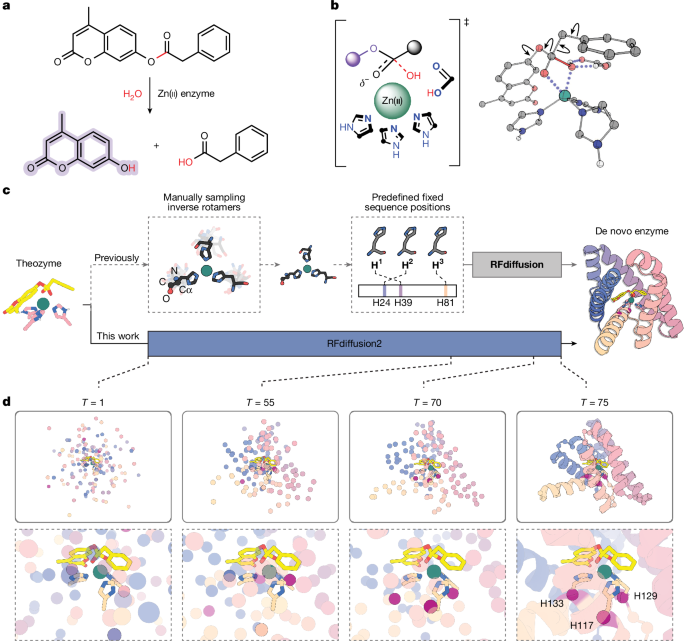
A generative artificial intelligence-powered method enables de novo design of highly active enzymes based on information about the geometry of residues in the active site, without requiring protein backbone or sequence information.
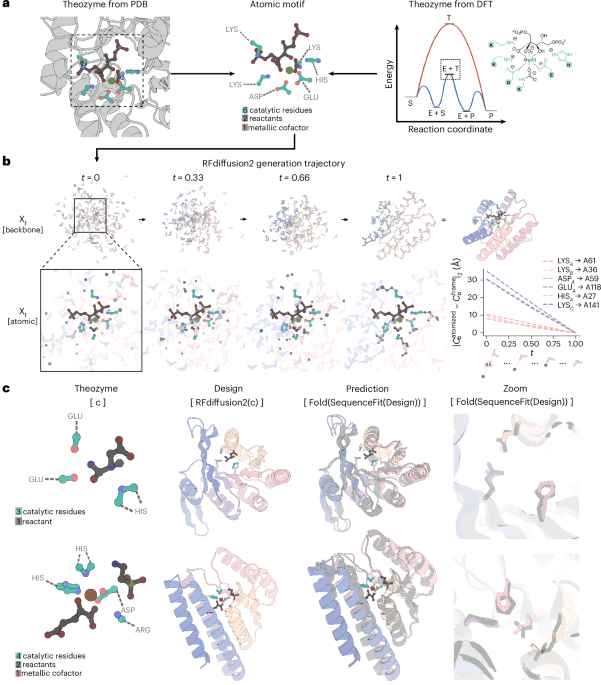
RFdiffusion2, an extension of the RFdiffusion framework, builds de novo enzyme active sites using atom-level functional group constraints.

The president made trades in Eli Lilly early this year while making decisions benefiting the drugmaker’s GLP-1 business.


This story was originally published by CalMatters. Last year, California lawmakers backed off on a plan to do something about surveillance pricing, the practice of using someone’s personal information to determine what they pay. This year — with voters across the country facing rising inflation and an affordability crisis — lawmakers in California and in […]

An up-to-date pooled case fatality rate (CFR) for Ebola disease (EBOD) at the global level is lacking. We abstracted EBOD data from 1976 to 2022 for 1…
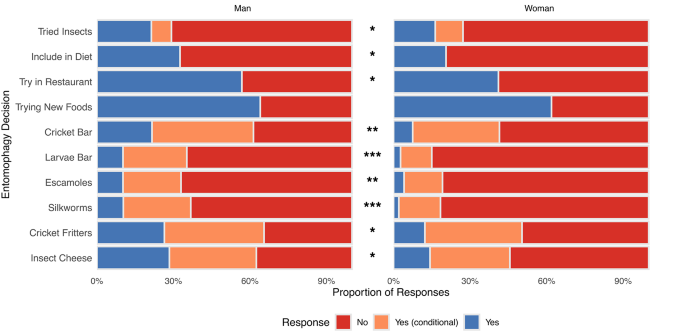
As global food systems face mounting sustainability pressures, insects are gaining attention as a promising alternative protein source. Yet, entomophagy remains culturally unfamiliar or stigmatized in many Western countries, including Canada. This study investigates attitudes toward insect consumption among 252 adult visitors to the Montreal Insectarium, a public institution promoting insect education and biodiversity awareness. Participants completed a structured questionnaire evaluating willingness to consume various insect-based foods, motivations and barriers, and demographic predictors of acceptance. Overall, 44% of participants reported openness to eating insects (18% had previously consumed them and 26% were willing to try), though fewer were willing to include them in their regular diet (27%) or prepare them at home (17%). Acceptance was highest for products where insect content was less visible, such as baked goods made with insect flour. Key motivators included curiosity, perceived health benefits, and environmental concern, while major deterrents were disgust, food safety concerns, and insect-related fears. Ordinal logistic regression analyses revealed consistent gender effects, with men significantly more willing than women to consume a variety of insect-based foods. Men also showed greater prior experience with insect consumption and were more likely to include insects in their diets or try them in restaurants. Age alone was not a consistent predictor, but significant interactions with gender revealed a complex interplay between these predictors. Moreover, participants with graduate degrees showed greater openness to experimenting with insect-based ingredients when cooking, and prior insect consumption increased with education among women. Overall, our results show that demographic differences (especially gender and education) shape openness to entomophagy more strongly than age alone, suggesting that targeted outreach could be a better strategy than ge

The emerging world of 3D food printing is reviewed. Its role in food manufacturing, including benefits and impacts, underemphasized gastrophysical aspects, and limitations are discussed. Foods can be digitally designed and physically prepared using the layer-by-layer deposition of food components, unleashing opportunities to deliver nutritionally personalized food and new food-human interactions. Existing bottlenecks, under-researched gastropsychophysical aspects, and the lack of harmonized standards hindering its use for mass production are mentioned.
Industrial factory farming is a wicked problem, presenting significant challenges to human, non-human animals, and environmental health and necessitating a shift toward more sustainable agricultural practices. Factory farming is a key contributor to the emergence of antibiotic resistance and zoonotic disease transmission, environmental degradation, and the unethical treatment of non-human animals. In addition to presenting a risk to the health of all One Health stakeholders, factory farming has specifically affected Indigenous communities due to a direct conflict in values. Several grassroots organizations provide a One Health solution. Transfarmation, highlighted here, is an initiative advocating for the transition from factory farming to more sustainable farming models, offering a viable solution to these issues. By supporting farmers as they transition to plant-based food systems, the initiative promotes economic resilience and an ethical alternative. Integrating this approach suggests promising change for the future of factory farming, but emphasizes the additional need for systemic, consumer-driven change, and policy reform to achieve a healthier and more sustainable future for all.

Meat eaters often have an ambivalent relationship with the common practice of killing animals for food. They enjoy the taste of meat but dislike the h…
This thesis aims to develop a model for the social organisation and production of ferrous and non-ferrous metals in South Yorkshire during the Roman period. This characterisation of the organisation of metallurgical activities is achieved through a combined methodology that will gather data from grey literature, published literature, as well as chemical, visual and microstructural analysis of metallurgical debris. The metallurgical practices in the study area are primarily rural in nature. These results are looked at through the lenses of Agency, Habitus, and the social construction of craft production. The movement of materials and people within the study area and local specialist practices are central in the interpretation of regional metalworking practices. Furthermore, models of craft production are critiqued, and an alternative modelisation process is suggested to characterise and understand the organisation of metal production in Roman South Yorkshire.

Hailstorms are analyzed across the United States using explicit hailstone size calculations from convection-permitting regional climate simulations for historical, mid-century, and end of twenty-first-century epochs. Near-surface hailstones <4 cm are found to decrease in frequency by an average of 25%, whereas the largest stones are found to increase by 15–75% depending on the greenhouse gas emissions pathway. Decreases in the frequency of near-surface severe hail days are expected across the U.S. High Plains, with 2–4 fewer days projected—primarily in summer. Column-maximum severe hail days are projected to increase robustly in most locations outside of the southern Plains, a distribution that closely mimics projections of thunderstorm days. Primary mechanisms for the changes in hailstone size are linked to future environments supportive of greater instability opposed by thicker melting layers. This results in a future hailstone size dichotomy, whereby stronger updrafts promote more of the largest hailstones, but significant decreases occur for a majority of smaller diameters due to increased melting.

The U.K.'s current National Institute for Health and Care Excellence and the American Psychiatric Association's depression guidelines state that withd…
Introduction. Deskilling is a long-standing prediction of the use of information technology, raised anew by the increased capabilities of AI (AI) systems. A review of studies of AI applications suggests that deskilling (or levelling of ability) is a common outcome, but systems can also require new skills, i.e., upskilling. Method. To identify which settings are more likely to yield deskilling vs. upskilling, we propose a model of a human interacting with an AI system for a task. The model highlights the possibility for a worker to develop and exhibit (or not) skills in prompting for, and evaluation and editing of system output, thus yielding upskilling or deskilling. Findings. We illustrate these model-predicted effects on work with examples of current studies of AI-based systems. Conclusions. We discuss organizational implications of systems that deskill or upskill workers and suggest future research directions.
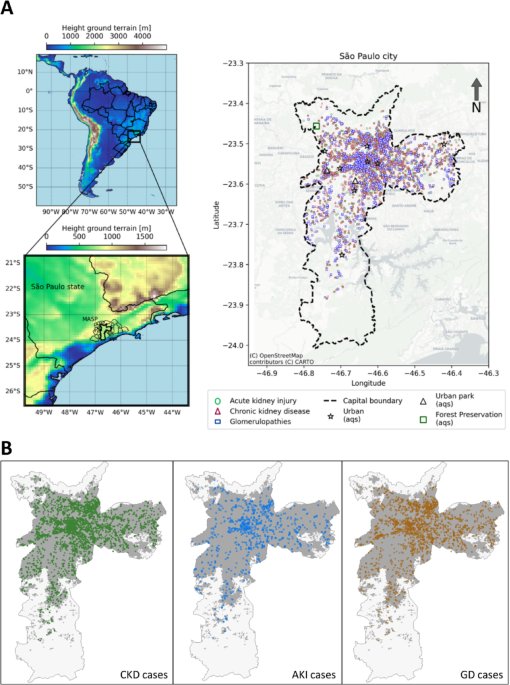
Exposure to fine particulate matter (PM2.5) has been associated with an increased risk of chronic kidney disease (CKD), and exposure to PM2.5 is known to aggravate ischemia/reperfusion injury-induced acute kidney injury (AKI) in mice. The impact of PM2.5 concentration on the incidence of CKD, AKI, and glomerulopathy in the megacity of Sao Paulo is has never been described. We analyzed meteorological variables, PM2.5 concentrations, and hospital admissions in São Paulo, Brazil, from 2011 to 2021. Admissions were categorized by age and sex. We analyzed 37,170 records, 55% representing males. Exposure to PM2.5 was found to increase CKD hospitalization risk by 1–4 times (95% CI: 1.009–1.18), across different age groups and exposure levels. Long-term exposure to a high PM2.5 concentration (65 μg/m3) increases that risk considerably for individuals aged 19–50 years (relative risk [RR]: 1.01; 95% CI: 1.005–1.015 and RR: 1.013; 95% CI: 1.01–1.018, respectively), the risk being ≤ 2.5 times higher in men aged 51–75 years (RR: 1.025; 95% CI: 1.015–1.032). The AKI hospitalization risk after prolonged exposure to high PM2.5 concentrations was highest for men aged 19–50 years (RR: 1.04; 95% CI: 1.012–1.07). The risk of glomerulopathy was highest in the < 40-year age group, especially among men exposed to concentrations of 15 μg/m3 (RR: 1.02; 95% CI: 1.007–1.025) and 65 μg/m3 (RR: 1.07; 95% CI: 1.02–1.11). Such exposure also increased the cumulative risk of hospitalization for membranous nephropathy, regardless of sex and age. Our findings underscore the urgent need to develop global strategies for air pollution reduction.
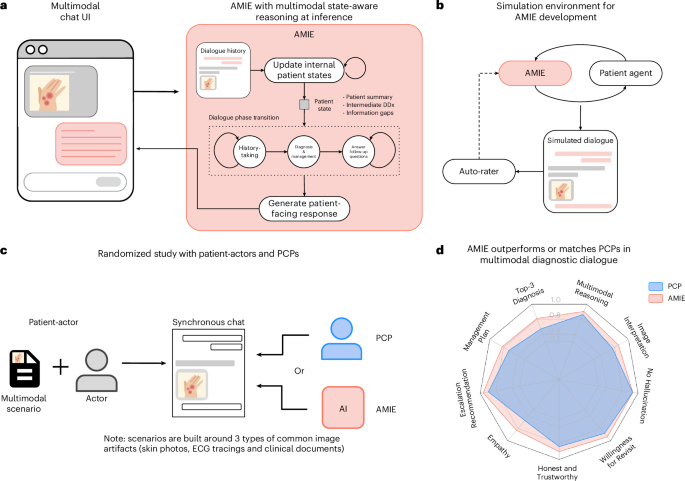
Improvements in the Articulate Medical Intelligence Explorer, a large language model designed for diagnostic dialogue, enable the model to request, interpret and reason about multimodal medical data.

BMC Health Services Research - Systemic inequities in health and social services exacerbate barriers for disadvantaged groups within the disability community, leading to poorer health outcomes and...

Navigating the school-to-work transition is essential for students in the volatile, uncertain, complex, and ambiguous (VUCA) environment. Despite the growing importance of understanding these challenges, the differential impact of proximal and distal contexts on adolescents’ career decision-making remains underexplored. This study is grounded in Social Cognitive Career Theory (SCCT), which highlights self-efficacy, outcome expectations, and contextual influences in career decision-making. Using data from the Programme of International Student Assessment 2022, we applied multilevel linear models to examine how VUCA contexts shape adolescents’ career expectation uncertainty across 80 diverse educational systems. Results reveal that (a) the proportion of adolescents uncertain about their career plans nearly doubled after the pandemic and persisted in certain economies; (b) proximal environments (school and individual inputs) explained only 10% of the uncertainty, while distal contexts (economic conditions) accounted for 65%; (c) students with lower self-efficacy and inadequate future preparation were more susceptible to career indecision; (d) higher youth NEET (Not in Employment, Education, or Training) were positively associated with career indecision, especially disadvantaged students; and (e) educational disruptions had minimal impact on career decisions, while girls benefited more from targeted career guidance.
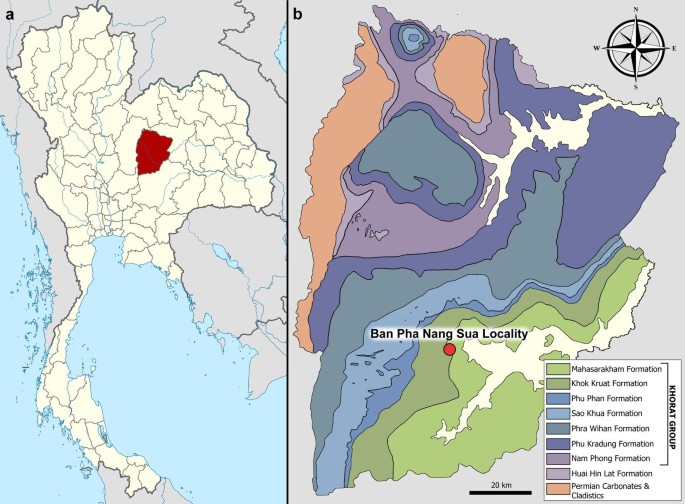
Sauropod dinosaur remains comprise the majority of the Mesozoic vertebrate fossil record in Thailand. However, they are rare and fragmentary in the Aptian–Albian (Lower Cretaceous) Khok Kruat Formation, the stratigraphically youngest fossil-bearing Mesozoic Thai stratigraphic unit. Based on a partial postcranial skeleton, we present the first diagnostic sauropod specimen from this formation, which represents a new somphospondylan titanosauriform, Nagatitan chaiyaphumensis n. gen. n. sp. Nagatitan is diagnosed by two autapomorphies and a unique character combination, including the presence of two distinct hyposphene-hypantrum morphologies within the middle–posterior dorsal vertebrae. Phylogenetic analyses under maximum parsimony, using a data matrix containing 153 taxa and 570 characters, produce well-resolved topologies that place Nagatitan within the somphospondylan clade Euhelopodidae. Nagatitan does not form an endemic subclade with the approximately contemporaneous Southeast Asian euhelopodids Phuwiangosaurus and Tangvayosaurus, with a suite of anatomical features distinguishing these taxa. We estimate a body mass of 25–28 tonnes for Nagatitan, and suggest it was part of a broader middle Cretaceous body size increase in Asian titanosauriforms, facilitated by rising temperatures and expanded suitable habitat. The discovery of Nagatitan expands the known diversity of Southeast Asian sauropods and improves our understanding of titanosauriform biogeography within the region.

How do individuals navigate and prioritize social information in online networks? While social networks provide continuous streams of content, they al…

This paper characterizes the health impacts in the post-flood year in the United States. The researchers find elevated death risk from floods, primarily due to respiratory diseases, external causes, and specific circulatory diseases.

What is exploitation cinema? Exploitation cinema is not a genre; it is an industry with a specific mode of production. Exploitation films are made cheap for easy profit. “Easy” because they are alm...

As a VC at Icon Ventures and a twenty year veteran of productizing and marketing high tech for VMware, Netscape and others, I've always been fascinated by how new technologies emerge and come to market. One of the major artifacts that tries to capture the state of our market and industry each year i

Aims/Hypothesis This secondary analysis compared the effect of a vegan to a portion-controlled diet on insulin use and insulin costs in people with type 1 diabetes (T1D). Methods Fifty-eight adults with T1D were randomly assigned to a vegan (n = 29) or a portion-controlled group (n = 29) for 12 weeks. Federal Supply Schedule pharmaceutical pricing was used to assess insulin costs. Results Total dose of insulin decreased by 12.1 units/day in the vegan group (p = 0.007), compared to no significant change in the portion-controlled group (treatment effect − 10.7 units/day [95% CI, -21.3 to -0.2]; p = 0.046). Total insulin costs decreased by 27% ($1.08/day; p = 0.003) in the vegan group, compared to no significant change in the portion-controlled group (-$0.38/day [95% CI, -$2.13 to +$1.38]; p = 0.66). Conclusions/Interpretation This study shows that a low-fat vegan diet could reduce insulin use and insulin costs in people with T1D. Larger trials are needed to confirm these findings. Trial registration ClinicalTrials.gov , NCT04944316, registered on June 29, 2021.
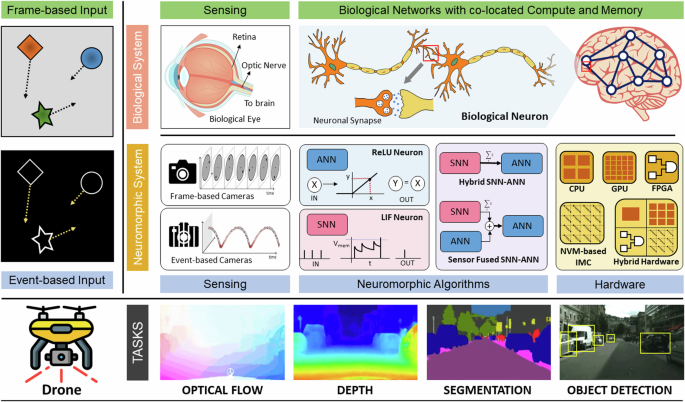
Neuromorphic computing promises energy-efficient AI at the edge by mimicking biological brains. Sayeed Chowdhury and colleagues review recent progress in sensing, algorithms, and hardware, and outline future research directions in this domain.

While quantum computing poses a threat to many classical cryptographic schemes such as RSA and ECC, the quest for quantum-resistant alternatives has seen rapid growth. We provide one of the most detailed yet real-world demonstrations of the NIST-PQC lattice-based digital signature schemes, being the Dilithium family: Dilithium2, Dilithium3, and Dilithium5, being implemented and evaluated on a single-embedded platform, Raspberry Pi 4 Model B. We deliver a more deep-seated portrayal, giving details on platform-determined performance optimizations, performance trade-offs, and energy consumption characteristics, identifying Dilithium2 as a well-balanced prospect for quantum-safe deployments in the context of IoT and the edge. Notably, our work encompasses an empirical comparison with Dilithium and Falcon schemes with respect to implementation practicality, side-channel consideration, and resource overhead. Falcon has compact signatures, but its integration in an embedded context poses a challenge because it uses floating-point arithmetic and Gaussian sampling. Our experiments, performed on stress-tested hardware, show that Dilithium is not only as secure as required by post-quantum security standards but also operates reliably in low-resource environments. An interactive benchmarking toolkit and open-source codebase provide further reproducibility and potential for future work. We thereby give an applied basis to the practical use of quantum-secure digital signatures in constrained devices.

COVID-19 has put extraordinary stress on healthcare workers. Few studies have evaluated stress by worker role, or focused on experiences of women and …


flammatory syndrome in children and multivariable composite predictors of multisystem inflammatory syndrome in children, vomiting and ageusia. The 47.3% incidence supports the need for improvements in similar resource-constrained settings....

Myalgic Encephalomyelitis or Chronic Fatigue Syndrome (CFS/ME) is a complex and severely disabling disease with a prevalence of 0.3% and no approved t…

The existing literature on the construction costs of nuclear power reactors has focused almost exclusively on trends in construction costs in only two…

s̸̡͖͚̈́̽̽ä̴̞͎̞́͋͛v̸͍͍͋́͊e̸̡̙͔̔̐͘ s̸͚̟͎͐͑̚c̵̡̘̪̈́̒͝i̵̪͚̪̒͐̒e̸̠͓̪͌͝n̴͖̝͒̈́͆c̴͓̙͋͛e̵͚̺͑́͜͝

s̸̡͖͚̈́̽̽ä̴̞͎̞́͋͛v̸͍͍͋́͊e̸̡̙͔̔̐͘ s̸͚̟͎͐͑̚c̵̡̘̪̈́̒͝i̵̪͚̪̒͐̒e̸̠͓̪͌͝n̴͖̝͒̈́͆c̴͓̙͋͛e̵͚̺͑́͜͝
Plan oblique relief is a new digital technique for rendering three dimensional terrain on otherwise planimetric (conventional flat) maps. Landforms shown realistically in side view have an illustrative quality that appeals to readers. Inspired by the work of manual mapmakers of the past, the paper begins with a historical review that includes maps by Xaver Imfeld of Switzerland, Erwin Raisz of the United States, and Heinrich Berann of Austria. In the next, digital techniques section, the projections and rendering parameters needed to create plan oblique relief receive attention, as does Natural Scene Designer 5.0, the first commercial software to offer this functionality. The section on design takes a candid look at the advantages and disadvantages of plan oblique relief. The paper ends on a practical note by discussing two maps made by the authors that feature plan oblique relief, one a panorama and the other a physical map.
s̸̡͖͚̈́̽̽ä̴̞͎̞́͋͛v̸͍͍͋́͊e̸̡̙͔̔̐͘ s̸͚̟͎͐͑̚c̵̡̘̪̈́̒͝i̵̪͚̪̒͐̒e̸̠͓̪͌͝n̴͖̝͒̈́͆c̴͓̙͋͛e̵͚̺͑́͜͝
s̸̡͖͚̈́̽̽ä̴̞͎̞́͋͛v̸͍͍͋́͊e̸̡̙͔̔̐͘ s̸͚̟͎͐͑̚c̵̡̘̪̈́̒͝i̵̪͚̪̒͐̒e̸̠͓̪͌͝n̴͖̝͒̈́͆c̴͓̙͋͛e̵͚̺͑́͜͝

We trace the origins of trigonometry to the Old Babylonian era, between the 19th and 16th centuries B.C.E. This is well over a millennium before Hippa…
Flexible authentication solution for Rails with Warden. - heartcombo/devise
Despite the increasing diversity of our online and offline communities, hate speech continues to divide us deeply. We urgently need to examine its ghastly omnipresence and our growing numbness to its harms. This article aims to identify mechanisms that exploit the right to free speech as a cover for the proliferation of hate speech in contemporary society. Chief among these is the manipulative tactic of equating resistance to today’s culture of uninhibited expression – which includes hate speech – with censorship. To begin with, I demonstrate that the idealistic “marketplace of ideas” endorsed by free speech absolutists becomes as repressive as the tyrannical censorship it fears when participants are constantly pressured into conformity. Next, I show that in this unregulated market, the idea of open dialogue gains more traction when participants are divided by hate. Finally, I examine how digital technology fosters seemingly benign habits that enable the online and offline amplification of harmful speech.

Despite their diffusion worldwide, many aspects of donkeys’ behaviour and cognitive abilities are still poorly understood and overshadowed by a corpus…
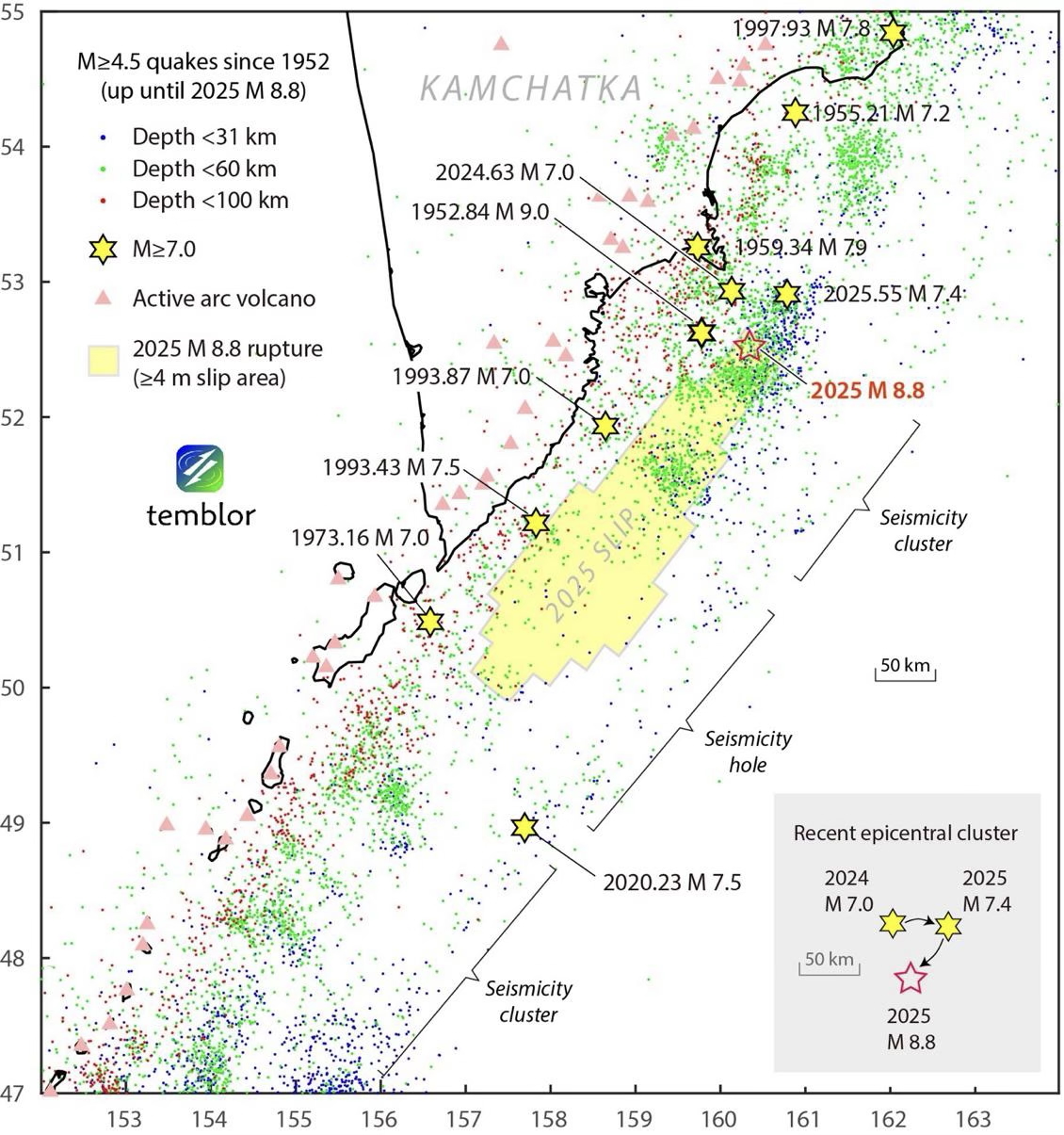
A large foreshock that struck 10 days before the magnitude 8.8 Kamchatka earthquake brought the epicentral megathrust patch closer to failure and produced an exceptionally abundant burst of aftershocks. ...
Probably the most modern and sophisticated insecure web application for security trainings, awareness demos and CTFs. Also great voluntary guinea pig for your security tools and DevSecOps pipelines!

It is well-known in statistics (e.g., Gelman & Carlin, 2014) that treating a result as publishable just because the p-value is less than 0.05 leads to…

Open-source code to make an elevation map of Mars, plus a tutorial on digital painting and illustration.
Code and instructions for making topographic maps of planets and moons - eleanorlutz/topography_atlas_of_space

You've probably heard of the Orion constellation, but what about the Wounded Ibex? This map shows the constellations imagined by more than 30 different cultures from around the world.

A map of every single star we can see from Earth.

An animated illustration of the swirling clouds and storms on Jupiter.
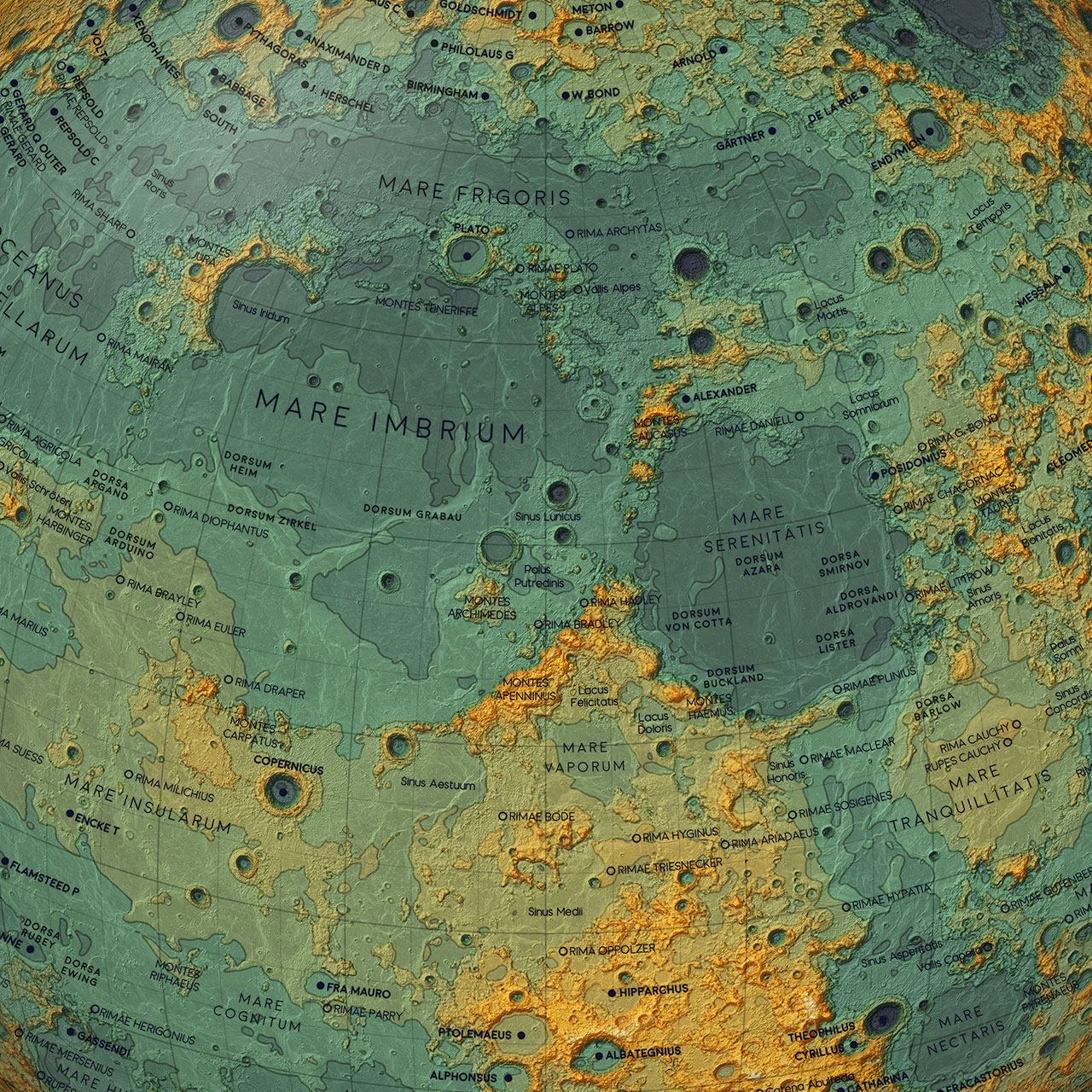
How to make an elevation map of our moon.
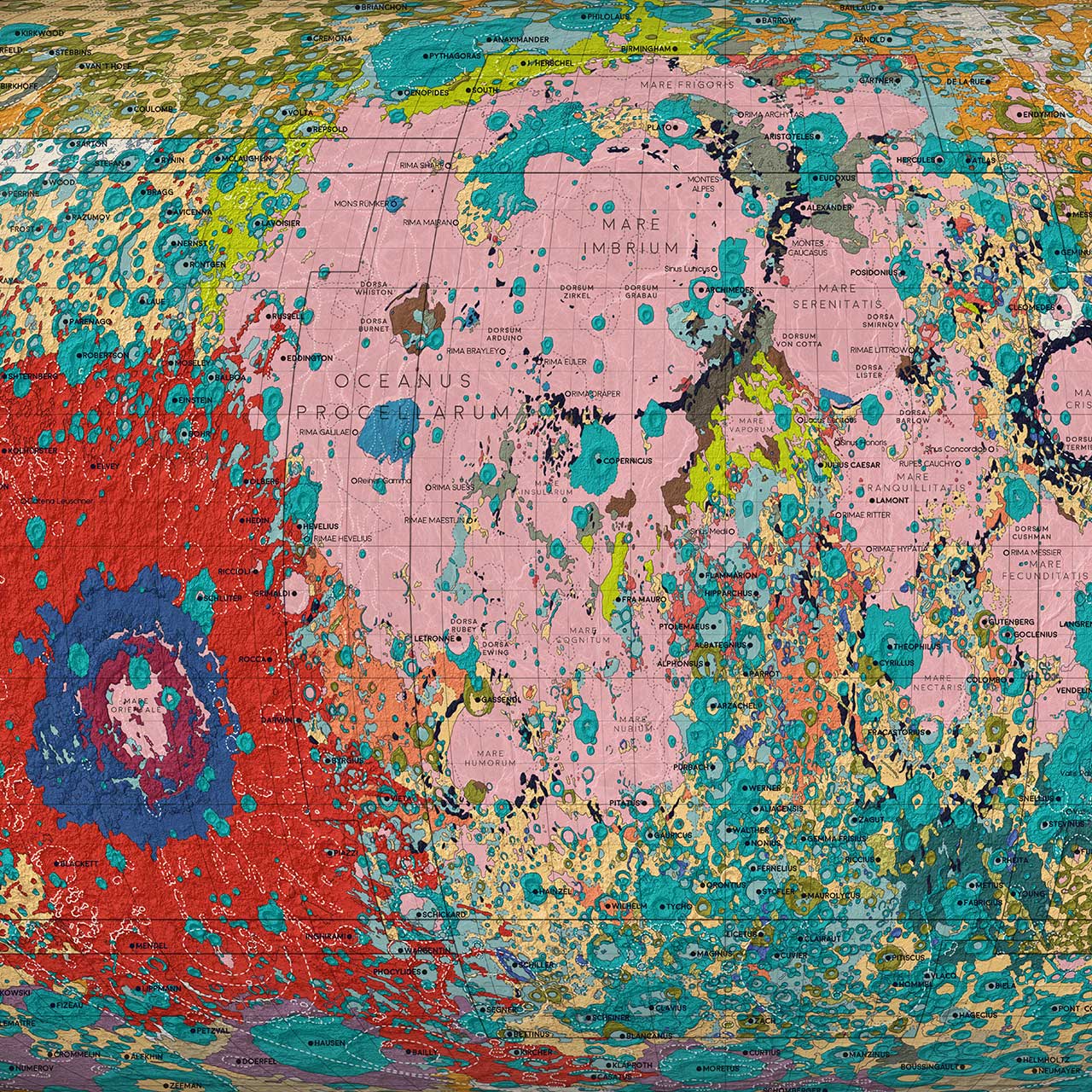
A map of basins, lava flows, valleys, and impact craters on the Earth's Moon.
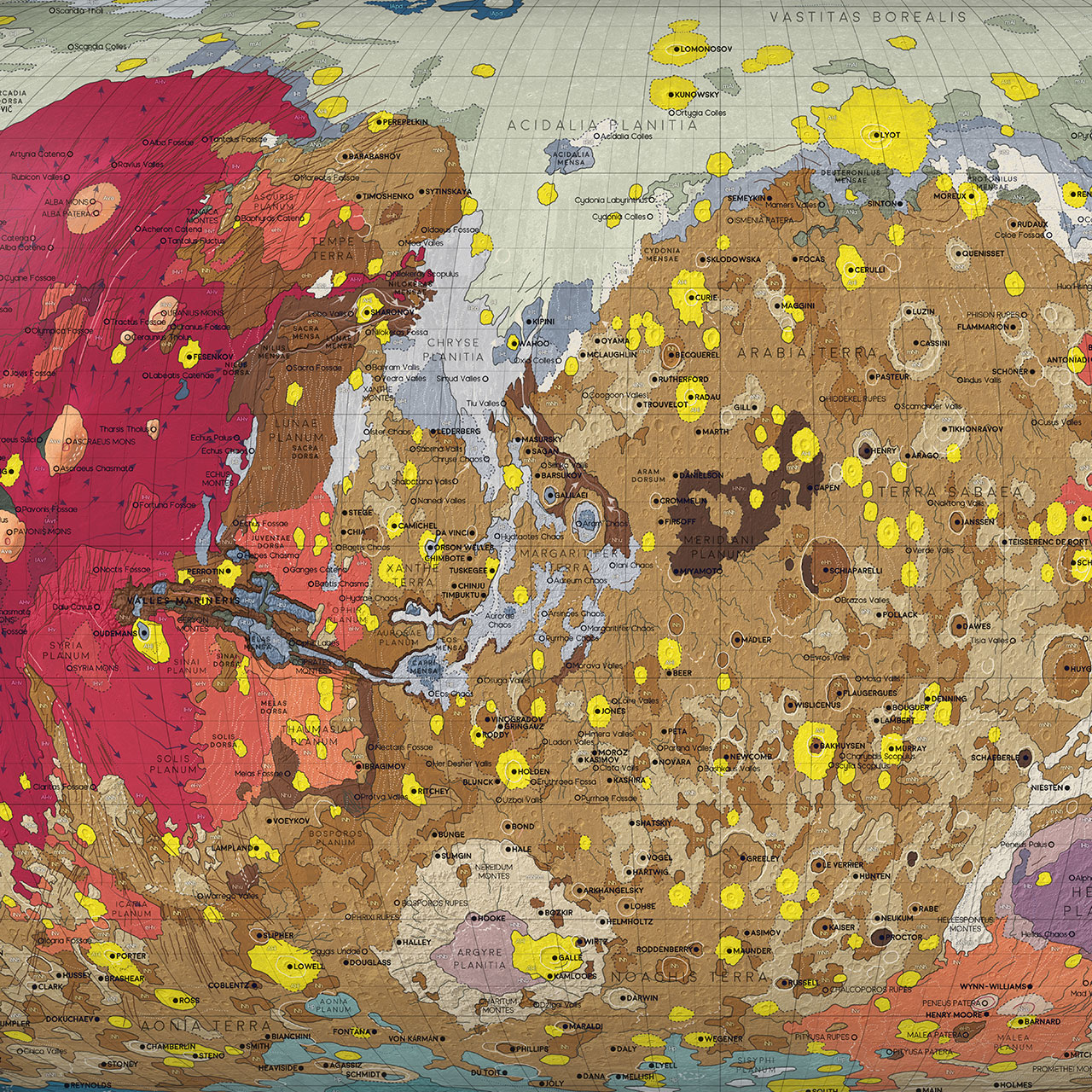
A map of volcanoes, lava flows, valleys, and impact craters on the planet Mars.
Code, data, and instructions for mapping the geology of the moon - eleanorlutz/moon_geology_atlas_of_space
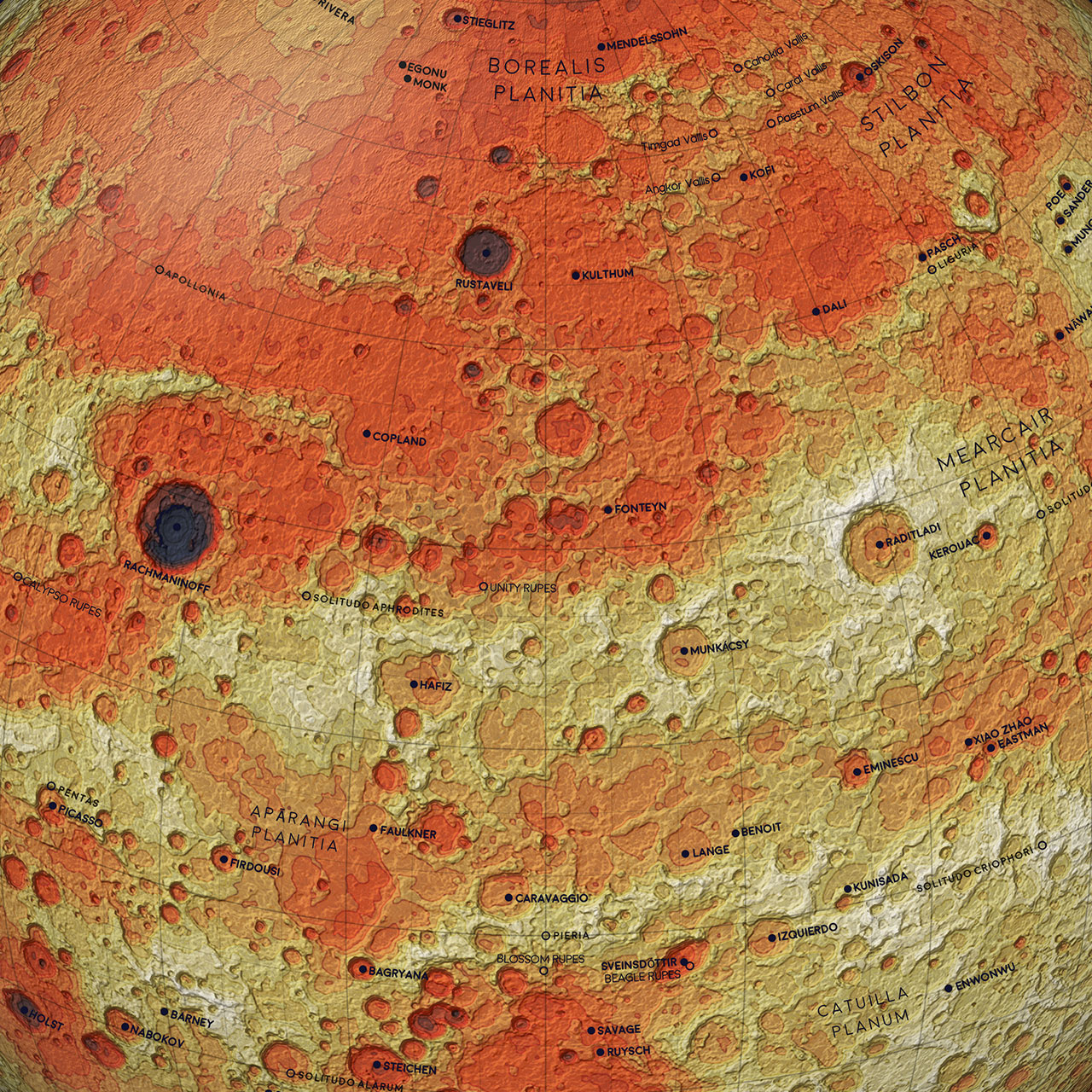
How to make an elevation map of the smallest planet in the Solar System.

An animated illustration of how the Earth's ice caps and plant life change with the seasons.

The latest food chemistry graphic looks at the chemistry of asparagus – specifically, why it causes the urine of some (but not all) people to smell. Over the past forty years several papers h…
Computer Science Rankings

Personal site of Sally Lait

Social anxiety disorder represents a debilitating condition that has large adverse effects on the quality of social connections, educational achieveme…
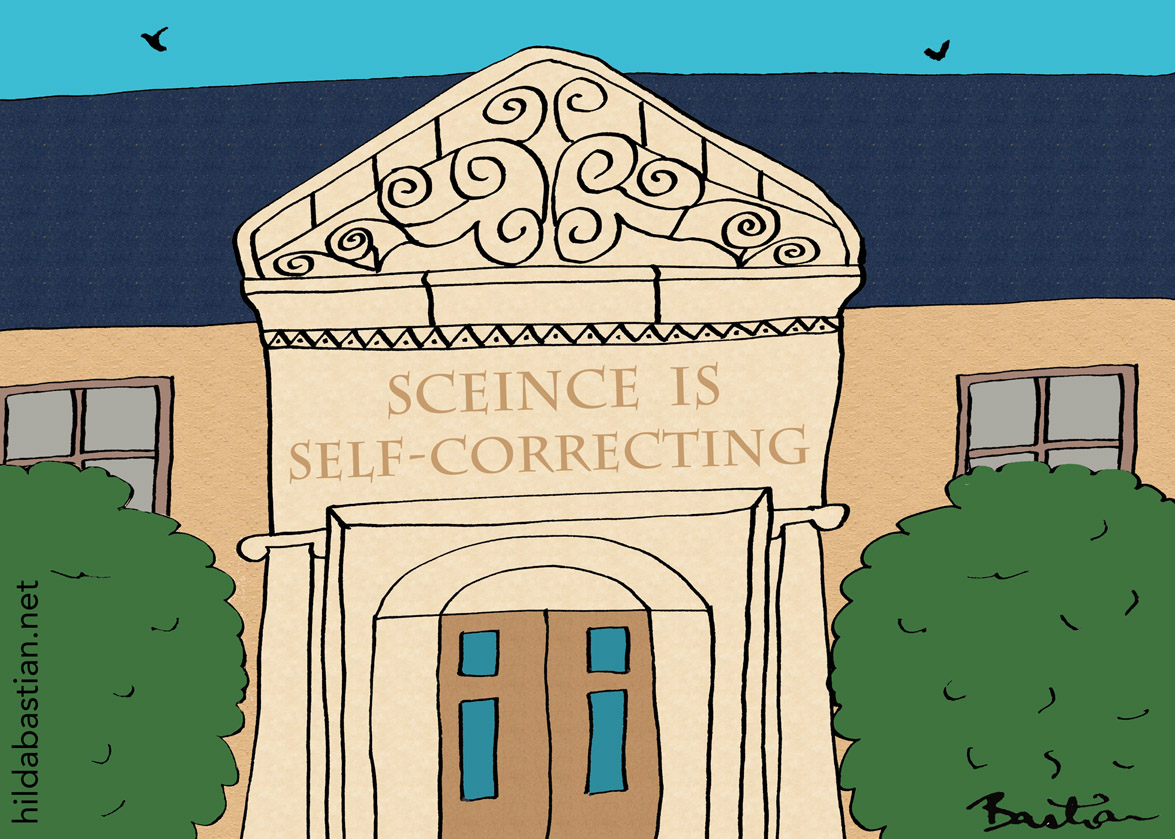
We have a serious problem with errors and irredeemably flawed studies: there’s a lot of them, and they keep leading…

This paper tracks the regulation of the border crossings of pigs and people in and out of Denmark. By bringing together pig and human unborn life, fully fledged bodies, and genomes, I direct analytical attention to the governance of entangled living things. Where existing scholarship has unravelled how central animal-based institutions build up the nation, I investigate how pig–human entanglements at biological, spatial, and genomic margins make the nation. First, I examine how pig breeding and human reproductive policies regulate the biological ‘borders’ through which pigs and humans may enter the Danish nation. Second, I scrutinise how wild boar fences and human immigration policies regulate the entrance of pigs and human migrants at the Danish geographical borders. Third, I examine how scientific, political, and financial investments into precision medicine shape the genomic ‘borders’ regulating the containment and movement of pig and human genomes. I argue that the intertwined processes of selection and care are at the centre of administering the entry points to Denmark. In the Danish context, selecting pig and human lives at these various ‘borders’ is conceptually linked to securing universal care and a high level of equality for humans already belonging within the nation.

In recent years, large language models (LLMs) have shown impressive performance across various natural language processing tasks and are increasingly adopted in high-stakes fields such as financial analysis. However, their effectiveness in Chinese financial contexts is hindered by the scarcity of high-quality, domain-specific datasets. To bridge this gap, we present the Chinese Financial Question Answering (CFQA) dataset, a novel resource designed to advance research in financial analysis. CFQA is constructed from publicly available annual reports of multiple Chinese listed companies, paired with corresponding questions and human-annotated answers. Evaluation results reveal that existing QA methods perform poorly on this dataset. CFQA introduces several unique challenges: (1) source documents are in PDF format with complex tabular structures, making information extraction difficult; (2) the length and intricacy of financial reports complicate answer retrieval; and (3) the questions are tightly focused on domain-specific financial content.

Wild cetacean birth observations are extremely rare, with observations having been recorded in less than 10% of cetacean species. Here, we describe a detailed accounting of a sperm whale (Physeter macrocephalus) birth off the coast of Dominica within a well-documented social unit and consisted of sperm whales collaboratively lifting the newborn out of the water. We recorded data via multiple concurrent methods: underwater audio, aerial drone video, shipboard photography in addition to behavioral observations spanning before, during and after the whale birth. All 11 members from sperm whale “Unit A” were present and participated in the birth, which lasted 34 min from the time the flukes emerged until the completion of delivery. The sperm whale unit made extensive vocalizations, with statistically significant shifts in coda vocal style corresponding to key events, such as the beginning of the birth and interactions with short-finned pilot whales (Globicephala macrorhynchus) shortly after the birth event. An evolutionary analysis of wild cetacean births suggests that newborns being lifted out of the water dates to before the most recent common ancestor of toothed and baleen whales, > 36 million years ago, and that cooperative lifting of the newborn is noted, thus far, only in members of Odontoceti (toothed whales). This study provides the most in-depth observations of a wild cetacean birth.

A new panel cointegrating rank test which allows for a linear time trend with breaks and cross-sectional dependence is proposed. The new correlation-a…

Support Vector Regression (SVR) is often used in forecasting. Adjustment of parameters in the SVR affects the results of forecasting. This study aims …

Excess mortality due to seasonal influenza is substantial, yet quantitative estimates of the benefit of annual vaccination programs on influenza-assoc…
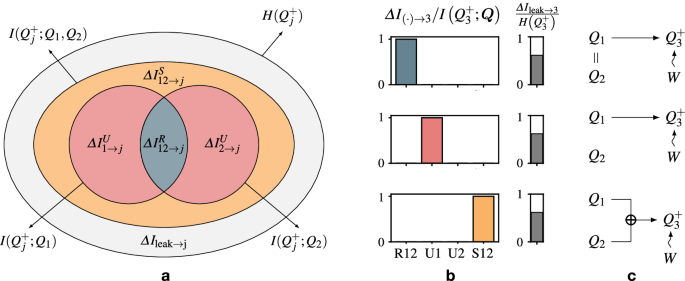
The methods for detection of cause-effect interactions in complex systems face challenges in the presence of nonlinear dependencies or stochastic interactions. The authors propose a framework for decomposition of causality into redundant, unique, and synergistic contributions, providing a measure of the causality from multiple or hidden system variables.

Discovering causality from observed time series data is of great importance in various disciplines but also a challenging task. In recent years, cross…

The outcome of treatment with antidepressants varies markedly across people with the same diagnosis. A clinically significant prediction of outcomes c…

Forest disturbances greatly affect the ecological functioning of natural forests. Timely information regarding extent, timing and magnitude of forest …

Climate change has important implications for the health and futures of children and young people, yet they have little power to limit its harm, makin…

In this research work, the Stanford Energy System Innovations action plan is adapted to the decarbonization of the Universitat Politècnica de València…


We present a model with leverage and margin constraints that vary across investors and time. We find evidence consistent with each of the model's five…
This thesis introduces the term Hauntological Form as a means of examining the contemporary form of mainstream videogames. The increasing presence of nostalgia is deemed paradoxical to a forward-facing high technology medium such as videogames. Yet, this is only a symptom of an underlying problem with the medium. By expanding upon hauntology, as used by Mark Fisher and Simon Reynolds to examine the state of popular music, the thesis will use this to identify what is happening to the current form of videogames and why. The scope of the thesis is concerned with the current state of the mainstream videogames medium and investigates the increasingly troubled perspective the medium has with the future. It is argued that the medium to compensate for this looks to its past and treats it as a resource to sustain itself. Aiding this investigation the thesis provides focuses on the contemporary state of the medium as of writing, which is 2023, and is supported by examples across the history of the medium but no earlier than 1983 when the North American videogame market crash occurred. Thus, allowing the thesis to consider the previous time the medium faced a turning point. Influencing this thesis is that it is not primarily targeting an academic audience. Instead, it aims to also be of benefit to videogame developers, videogame students, and others actively engaged with the videogames medium. The contribution to knowledge that this thesis is providing is a new understanding of the changing form of contemporary mainstream videogames. One that instead of providing novel experiences is looking to its past to provide resources for remediated experiences so that “new” products can enter the market. Thus, changing the way that the medium presents itself, gradually dropping the pretence that it is a forward-facing medium and instead relying on its past to sustain the medium long term.
This thesis introduces the term Hauntological Form as a means of examining the contemporary form of mainstream videogames. The increasing presence of nostalgia is deemed paradoxical to a forward-facing high technology medium such as videogames. Yet, this is only a symptom of an underlying problem with the medium. By expanding upon hauntology, as used by Mark Fisher and Simon Reynolds to examine the state of popular music, the thesis will use this to identify what is happening to the current form of videogames and why. The scope of the thesis is concerned with the current state of the mainstream videogames medium and investigates the increasingly troubled perspective the medium has with the future. It is argued that the medium to compensate for this looks to its past and treats it as a resource to sustain itself. Aiding this investigation the thesis provides focuses on the contemporary state of the medium as of writing, which is 2023, and is supported by examples across the history of the medium but no earlier than 1983 when the North American videogame market crash occurred. Thus, allowing the thesis to consider the previous time the medium faced a turning point. Influencing this thesis is that it is not primarily targeting an academic audience. Instead, it aims to also be of benefit to videogame developers, videogame students, and others actively engaged with the videogames medium. The contribution to knowledge that this thesis is providing is a new understanding of the changing form of contemporary mainstream videogames. One that instead of providing novel experiences is looking to its past to provide resources for remediated experiences so that “new” products can enter the market. Thus, changing the way that the medium presents itself, gradually dropping the pretence that it is a forward-facing medium and instead relying on its past to sustain the medium long term.
Drawing as a form of analytical inscription can provide researchers with highly flexible methods for exploring embodied interaction. Graphical techniques can combine spatial layouts, trajectories of action and anatomical detail, as well as rich descriptions of movement and temporal effects. This paper introduces some of the possibilities and challenges of adapting graphical techniques from life drawing and still life for interaction research. We demonstrate how many of these techniques are used in interaction research by illustrating the postural configurations and movements of participants in a ballet class. We then discuss a prototype software tool that is being developed to support interaction analysis specifically in the context of a collaborative data analysis session.

In Italy, throughout the 1950s and 1960s, situating himself within the tradition started by Galvano Della Volpe, Lucio Colletti developed an indictment against Hegel, and specifically against those elements of Hegelian philosophy that were, deliberately or not, embedded within…
For this issue, we asked readers responding to our recent pieces about technology, programming, and self-directed learning to tell us: should we expect LIS professionals to learn how to code? Answers came long, short, and even in haiku form. Enjoy!

Misconduct Detection — Evolving Methods & Lessons from 15 Years of Scientific Image Sleuthing - Volume 53 Issue 1
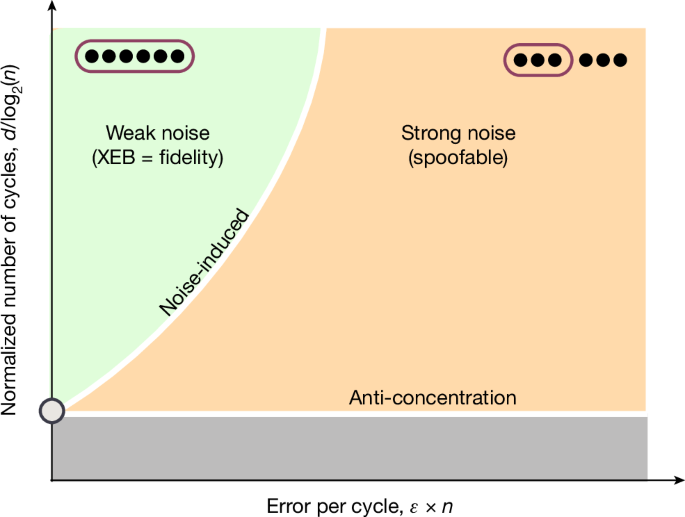
By implementing random circuit sampling, experimental and theoretical results establish the existence of transitions to a stable, computationally complex phase that is reachable with current quantum processors.
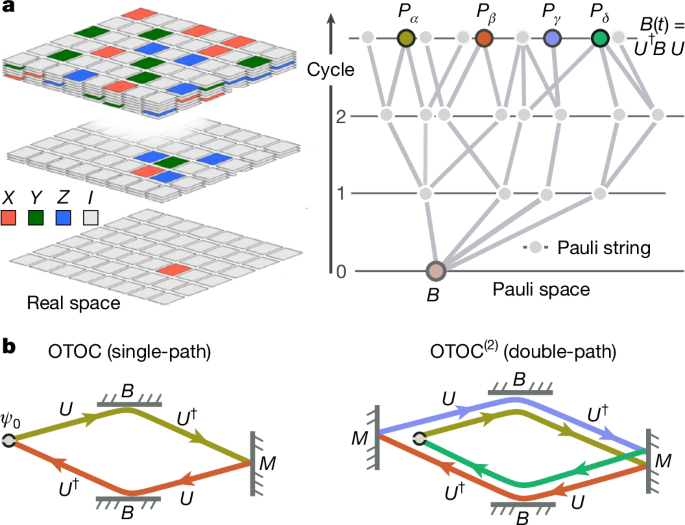
Experimental measurements of high-order out-of-time-order correlators on a superconducting quantum processor show that these correlators remain highly sensitive to the quantum many-body dynamics in quantum computers at long timescales.
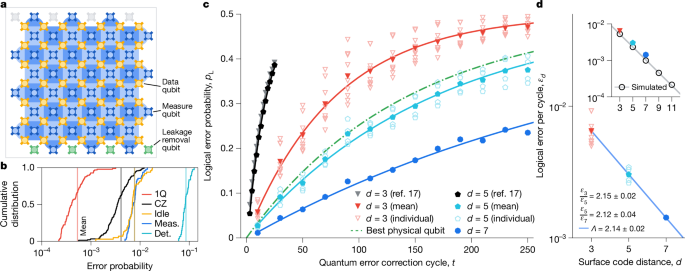
Two below-threshold surface code memories on superconducting processors markedly reduce logical error rates, achieving high efficiency and real-time decoding, indicating potential for practical large-scale fault-tolerant quantum algorithms.

This study aimed to create a controlled delivery system for Tapentadol Hydrochloride by developing interpenetrating networks (IPNs) of Natrosol-Pectin…
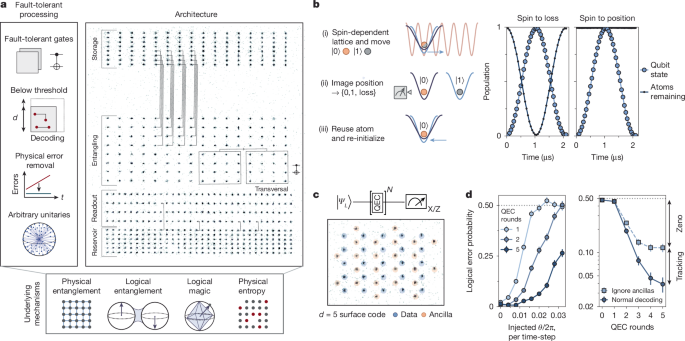
Reconfigurable arrays of up to 448 neutral atoms are used to implement and combine the key elements of a universal, fault-tolerant quantum processing architecture and experimentally explore their underlying working mechanisms.
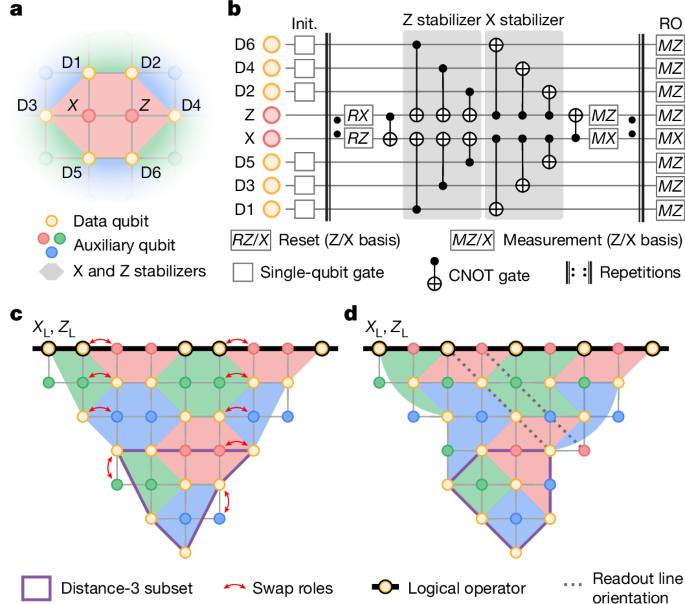
Colour code on a superconducting qubit quantum processor is demonstrated, reporting above-breakeven performance and logical error scaling with increased code size by a factor of 1.56 moving from distance-3 to distance-5 code.
Gray Area festival video archive of talks, panels, and presentations w/english captions & transcripts. - GrayAreaorg/festival-video-archive

Patents are sought by academics and their institutions to protect their inventions. Academics also seek patents to enhance their individual profile and status for the purpose of job and promotion opportunities. Some institutions recognize the awarding of a patent to an individual academic as equivalent to or sometimes greater than publication in an international peer-reviewed journal. This article addresses the concerning development of patent inventorship credit (or credit that might be viewed as inventorship credit) being offered for sale by established education fraud companies alongside offers for authorship on academic papers and thesis writing. This article focuses on design registration in the United Kingdom (UK) but the issues identified are globally applicable. We characterize in detail the footprint of eight firms that are likely involved in the sale of thousands of UK registered designs to Indian academics for the purpose of academic reputation manipulation. Unlike patents, design registration applications are not examined for novelty or individual character (i.e. for whether the designs are actually new or innovative). Due to this limited examination process, these registrations generally issue quite quickly. We argue that exploitation of intellectual property systems should be considered one facet of the global enterprise of education fraud, alongside essay mills, diploma mills and research paper mills.

Many models of aging assume that processes such as cellular senescence or epigenetic alteration occur under sterile conditions. However, humans sustai…
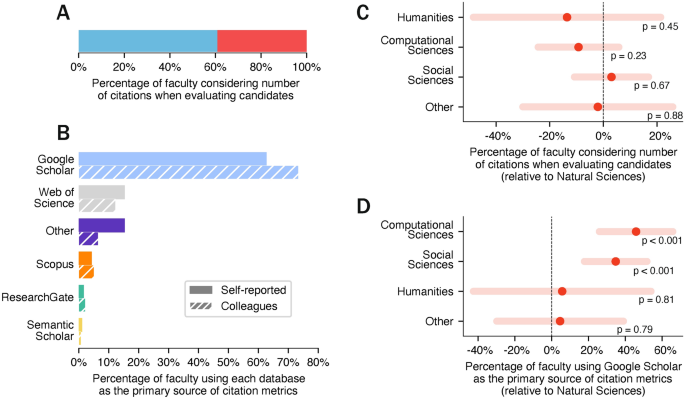
Citations are widely considered in scientists’ evaluation. As such, scientists may be incentivized to inflate their citation counts. While previous literature has examined self-citations and citation cartels, it remains unclear whether scientists can purchase citations. Here, we compile a dataset of ~1.6 million profiles on Google Scholar to examine instances of citation fraud on the platform. We survey faculty at highly-ranked universities, and confirm that Google Scholar is widely used when evaluating scientists. We then engage with a citation-boosting service, and manage to purchase 50 citations while assuming the identity of a fictional author. Taken as a whole, our findings bring to light new forms of citation manipulation, and emphasize the need to look beyond citation counts.
As the first U.S.-born Hispanic senator, Senator Dennis Chávez of New Mexico left a rich legacy of advocacy for civil rights and civil liberties. In this lecture, the fourth U.S. Senator Dennis Chávez Endowed Lecture on Law and Civil Rights, I explore an idea at the intersection of those two bodies of law: the right to privacy. In 2020, the hallmark of surveillance is its ubiquity; “everyone is watched.” Unfortunately, this discourse erases the fact that, across American history, the burdens of government surveillance have fallen overwhelmingly on the shoulders of immigrants, heretics, people of color, the poor, and anyone else considered “other.” Inspired by the legacy of “El Senador,” I trace that history from the English Puritans we now know as Pilgrims to the immigrant children detained at the southern U.S. border. I go on to argue that if we acknowledge the “color of surveillance,” we must reckon with its consequence. If surveillance is a tool used to threaten the vulnerable, we must understand privacy not just as a civil liberty, but also a civil right: A shield that allows the unpopular and persecuted to survive and thrive.

Despite the increase in the number of blockchain-based Decentralized Autonomous Organizations (DAOs), there is no consensus on what constitutes a DAO.…
Local and regional museums often rely on cost-effective handheld equipment to undertake non-destructive pigment assessment. When preserved colourants are only microscopic, however, these methods’ limits may be encountered. This becomes acute with fragile objects, as is often the case for organic materials. Using a reconstructed decorated ostrich eggshell vessel, an elite grave good in 7th–6th C BCE Etruria, this study compares the efficacy of portable X-ray fluorescence spectrometry; handheld Fourier-transform infrared spectroscopy; Raman spectroscopy; visible-induced luminescence imaging; multispectral multi-light reflectance analysis; synchrotron radiation X-ray fluorescence; and X-ray absorption near edge structure analysis to distinguish microscopic pigment traces. The portable device results were inconclusive, but Egyptian blue and malachite were positively identified via synchrotron analyses. This outcome supports museums to further develop protocols regarding minimal pigment residue identifications on fragile objects, including assessing risk with external analysis, and informs our understanding of pigments used on organic objects during this period.

This paper investigates how ExxonMobil uses rhetoric and framing to shape public discourse on climate change. We present an algorithmic corpus compari…

There is increasing interest in the influence of place on health, and the need to distinguish between environmental and individual level factors. For …

Functional MRI (fMRI) is a powerful technique that has allowed us to characterize visual cortex responses to stimuli, yet such experiments are by natu…
Within the rhetorical frameworks of exhortation and illustrative exemplum, Horace's second and sixth Roman Odes offer compressed, contrasting images of a young person's education and transformation, presenting these as stories about a puer and a virgo, respectively, in a lyric mode that does not narrate. In the first of these stories (Carm. 3.2.1-12), Horace slyly usurps characters from Vergil's unfinished Aeneid, alluding to some of its distinctive narrative techniques, but also draws on the similes and plot structure of its Iliadic model. The second of Horace's stories (Carm. 3.6.21-32) plays off his first, as he converts the adulta virgo who figures in Carm. 3.2 into her antitype. This story has as its intertext an obscene Hellenistic epigram by Automedon. Horace makes both intertextual and metatextual use of his models, while his indirect references, through Homer, to Vergil's intended design for his emerging Aeneid may be considered under the new heading of extratextual.

This paper examines how users of anthropomorphised artificially intelligent (AI) agents, which possess capabilities to mimic humanlike behaviour, rela…
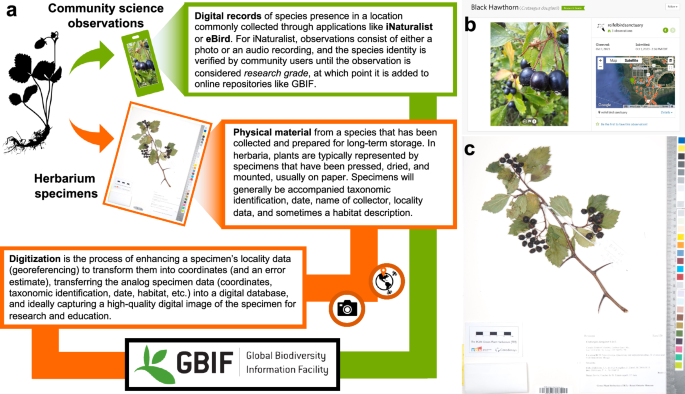
Here, the authors compare the diversity of vascular plants found in community science observations and digitized herbarium specimens, finding that with only one-third the records, herbaria still capture more data by several metrics.

Pumpkin seeds (Cucurbita pepo) and Pomegranate peel (Punica granatum) have anthelmintic properties. The aim of this study was to compare the anthelmin…

The emission inventories of cesium-137 resulting from the wildfires in the Chernobyl Exclusion Zone (3–24 April 2020) and from the dust storm (16–17 A…

Zero-sum bias refers to the tendency to believe that anything gained by one side is lost by the other when in fact win-win outcomes are available. Pri…
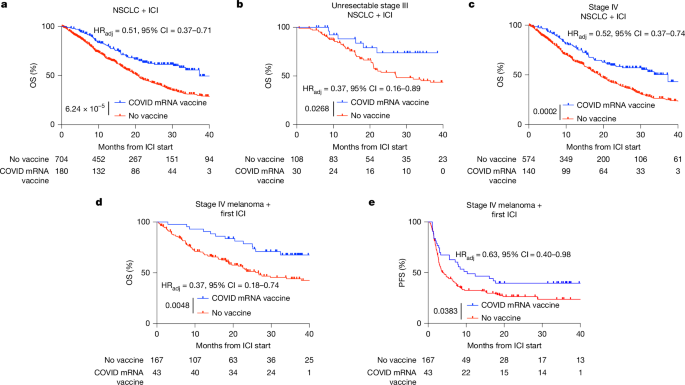
mRNA vaccines targeting SARS-CoV-2 also sensitize tumours to immune checkpoint inhibitors.
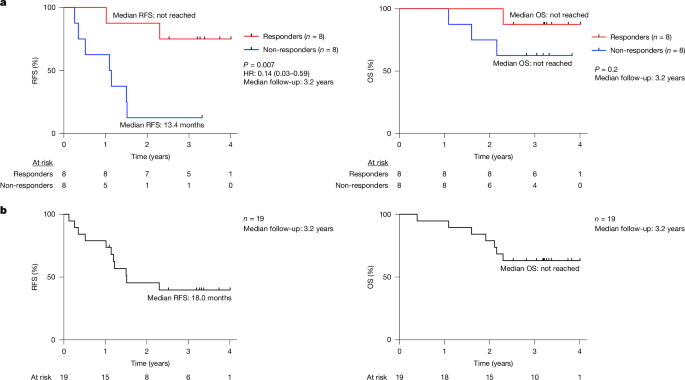
In a phase 1 trial, patients with pancreatic ductal adenocarcinoma who were treated with surgery and bespoke neoantigen mRNA vaccines combined with anti-PD-L1 and chemotherapy exhibited marked long-lived persistence of neoantigen-specific CD8+ T cell clones, which correlated with prolonged recurrence-free survival at a 3.2-year follow-up.

In this study, 3″ × 3″ NaI(Tl) detector, which is widely used in gamma spectroscopy, was modeled with FLUKA code, and calculations required to determi…

This paper aimed to systematically review the literature regarding the effects of resistance training (RT) performed at longer-muscle length (LML) ver…


Serial sarcomere number (SSN) critically influences muscle function and is hypothesized to protect against injury. While most evidence for SSN additio…

Urban shade from trees and buildings is unevenly distributed globally, with lower-income and peripheral neighbourhoods consistently having less sidewalk shade despite higher heat vulnerability, underscoring the need for equity-focused interventions.

Berlin UNIX Appreciation Society talk about the history of UNIX. Kindly hosted by ZenMate. By Emanuele Rocca.

Trialists argue about the usefulness of stratified randomization. For investigators designing trials and readers who use them, the argument has create…

The mental health impacts of climate change are increasingly documented; however, less research has investigated the relationship between climate change-related psychological distress and engagement with the issue. The results from two national probability samples of U.S. adults show that 16% report at least one feature of climate change psychological distress and that certain groups have higher levels of distress than others (e.g., Hispanic/Latinos, lower income adults, younger adults). Importantly, people experiencing distress are more likely to engage in collective action on climate change or express a willingness to do so, even when controlling for several correlates of environmental behavior (e.g., political ideology, collective efficacy beliefs). These findings highlight that many Americans are experiencing psychological distress from climate change, and those who do are more involved in collective climate action. People experiencing such distress may benefit from resources to support mental health and engagement with climate change.


Cultural data analytics aims to use analytic methods to explore cultural expressions—for instance art, literature, dance, music. The common thing between cultural expressions is that they have multiple qualitatively different facets that interact with each other in non trivial and non learnable ways. To support this observation, we use the Italian music record industry from 1902 to 2024 as a case study. In this scenario, a possible research objective could be to discuss the relationships between different music genres as they are performed by different bands. Estimating genre similarity by counting the number of records each band published performing a given genre is not enough, because it assumes bands operate independently from each other. In reality, bands share members and have complex relationships. These relationships cannot be automatically learned, both because we miss the data behind their creation, but also because they are established in a serendipitous way between artists, without following consistent patterns. However, we can be map them in a complex network. We can then use the counts of band records with a given genre as a node attribute in a band network. In this paper we show how recently developed techniques for node attribute analysis are a natural choice to analyze such attributes. Alternative network analysis techniques focus on analyzing nodes, rather than node attributes, ending up either being inapplicable in this scenario, or requiring the creation of more complex n-partite high order structures that can result less intuitive. By using node attribute analysis techniques, we show that we are able to describe which music genres concentrate or spread out in this network, which time periods show a balance of exploration-versus-exploitation, which Italian regions correlate more with which music genres, and a new approach to classify clusters of coherent music genres or eras of activity by the distance on this network between genres or years.
Add-on circuit boards ("shields") for connecting Arduino development boards to sim racing equipment. - dmadison/Sim-Racing-Shields

Applied Network Science - One of representative democracy’s tenets is that a political candidate runs on a specific platform, which is information the electorate uses to determine whether to...
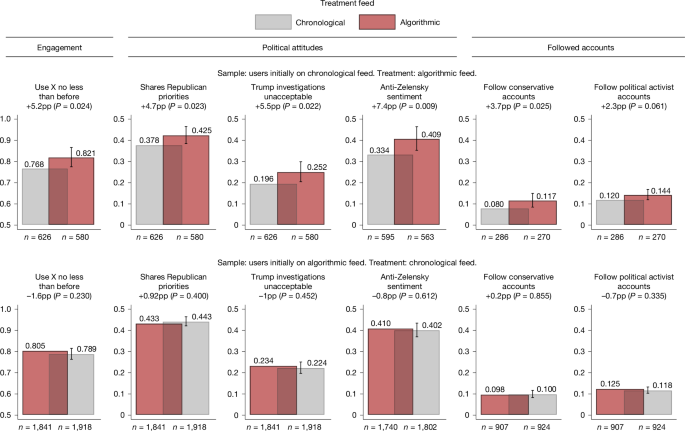
Among users initially on a chronological feed, 7 weeks of exposure to X’s algorithmic feed in 2023 shifted political attitudes and account-following behaviour in a more conservative direction compared with those remaining on a chronological feed, whereas switching the feed setting in the opposite direction, from algorithmic to chronological, had no effect.

Reproductive aging in female mammals is an irreversible process associated with declining oocyte quality, which is the rate-limiting factor to fertili…
YouTube is one of the largest, most important communication platforms in the world, but while there is a great deal of research about the site, many of its fundamental characteristics remain unknown. To better understand YouTube as a whole, we created a random sample of videos using a new method. Through a description of the sample’s metadata, we provide answers to many essential questions about, for example, the distribution of views, comments, likes, subscribers, and categories. Our method also allows us to estimate the total number of publicly visible videos on YouTube and its growth over time. To learn more about video content, we hand-coded a subsample to answer questions like how many are primarily music, video games, or still images. Finally, we processed the videos’ audio using language detection software to determine the distribution of spoken languages. In providing basic information about YouTube as a whole, we not only learn more about an influential platform, but also provide baseline context against which samples in more focused studies can be compared.
The inscription discovered in 1931 on the remains of a cinerary urn near Sedschütz, Upper Silesia, was at first proposed to be runic. Later analysed as a Germanic text written in Roman characters, the long-obscure Iron Age inscription has only recently been republished after being moved from the museum where it was originally conserved. Presumably executed by a member of the Buri, the early Germano-Roman text is only partially preserved and appears to feature key evidence for the early dialectal development of Germanic. Contemporary with the period of the Marcomannic Wars, its single interpretable lexical element seems to contain the earliest evidence for West Germanic rhotacism.

Ancient DNA preserved in the dental pulp offers the opportunity to characterize the genome of some of the deadliest pathogens in human history. Howeve…

To improve the patient-centeredness of care, patient-reported outcomes have been increasingly used to quantify patients’ symptoms, function, and quali…

This opening article for the special issue on the Future of Design Education traces paradigmatic shifts in design, from the twentieth-century mass pro…

The first iteration of the podcast Sonitotum with Matthew Wayne Selznick, June 26 2006 ~ March 16 2009.
This essay explores how feminization and a particular aestheticization thereof is called upon to attempt to mitigate, veil, and neutralize whiteness in libraries and librarianship. It looks specifically at cuteness, an aesthetic category historically shaped by, and deeply invested in, hegemonic formulations of gender, race, and consumption. This paper explores the types of projects cuteness might abet in librarianship—particularly aspirations of political neutrality—by positioning itself as for all and against none. Indeed, by calling forth its purported timeless appeal and assuming an aesthetic that no one can resist, cuteness positions the whiteness central to it as both harmless and universal. This essay explores how this category, with its claims of innocence, utilizes a nostalgic white femininity to gesture to a romanticized yet fabricated past that subsequently precludes acknowledgment of and engagement with the present, including race, gender, and other axes of difference. It also addresses how this aesthetic has surfaced in critical and progressive library spaces, drawing attention to the ways in which it has been celebrated, subverted, and made politically productive. Finally, this paper demonstrates the importance of exploring aesthetics and material culture, however tangential they might seem to both the practical and theoretical work of libraries. We must ask after what cuteness and other aesthetic categories that mark librarianship invite us to do, as well as the types of work that they preclude. Cet essai examine comment la féminisation et une esthétisation particulière de celle-ci sont appelées à tenter d'atténuer, de voiler et de neutraliser la présence « blanche » dans les bibliothèques et la bibliothéconomie. L’essai porte spécifiquement sur l’aspect « mignon », une catégorie esthétique façonnée historiquement par des formulations hégémoniques de genre, de race et de consommation. Cet article explore les types de projets que l’aspect « mignon » pou

Writers Talking with Matthew Wayne Selznick was a live roundtable podcast featuring indie and small press authors talking shop released April 21, 2007 through...

Caffeine is consumed by over 80% of U.S. adults. This review examines the effects caffeine has on cognitive and physical function, since most real-wor…

Prosocial behavior, the act of helping others, is essential to social life, yet spontaneous environmental triggers for such behavior remain underexplored. This study tested whether an unexpected event, such as the presence of a person dressed as Batman, could increase prosocial behavior by disrupting routine and enhancing attention to the present moment. We conducted a quasi-experimental field study on the Milan metro, observing 138 rides. In the control condition, a female experimenter, appearing pregnant, boarded the train with an observer. In the experimental condition, an additional experimenter dressed as Batman entered from another door. Passengers were significantly more likely to offer their seat when Batman was present (67.21% vs. 37.66%, OR = 3.393, p < 0.001). Notably, 44% of those who offered their seat in the experimental condition reported not seeing Batman. These findings suggest that unexpected events can promote prosociality, even without conscious awareness, with implications for encouraging kindness in public settings. Trial registration: ClinicalTrials.gov n° NCT06481748; registered on July 1, 2024.

Human impacts on earth-system processes are overshooting several planetary boundaries, driving a crisis of ecological breakdown. This crisis is being …

We study whether there is an interrelationship between the lengths of economic cycles. Such an interrelationship would be helpful to signal future eco…

This analysis proposes a novel method for quantifying national responsibility for damages related to climate change by looking at national contributio…
Postcard published by P.S & V, Lewisham (with reference 435).
Search Sainsbury Archive catalogue

Unequal exchange theory posits that economic growth in the “advanced economies” of the global North relies on a large net appropriation of resources a…

Despite the significant improvement in sanitation coverage , utilization of improved sanitation still does not reach the optimal level across all socioeconomic groups in India. Therefore, achieving improved sanitation facilities and reducing all forms of inequality United Nations Sustainable Development Goal [SDG 6.2] by 2030 is a big challenge to the most populous country in the world. Given this backdrop, this study examines the socioeconomic status-related inequality in the utilization of improved sanitation facilities among Indian Households. The study utilized fifth round of National Family Health Survey (NFHS); a national representative cross-sectional survey of India conducted in 2019–2021. Logistic regression was applied to estimate the effect of various predictors on utilization of improved sanitation facilities. We also used decomposition analyse to identify the factors responsible for utilization of improved sanitation. The results indicate that 69% of Indian households utilized improved sanitation facilities. The study highlights that young and unmarried household heads, lower education, poor household wealth status, living in rural areas, and marginalized social groups had lower access to improved sanitation facilities. The multivariate regression analysis suggested that households belonging to richer [AOR: 14.0; 95%, CI: 13.6–14.3] and richest [AOR: 46.7; 95%, CI: 45.0–48.5] wealth quintiles have 14 and 47-times higher odds of having sanitation facility than households which belong to poorest quintile respectively. The decomposition analysis suggested that 11 to 18% of inequality was explained by the geographical region and social group of household heads. The concentration curve of utilization of improved sanitation was more concentrated in Central and Eastern part of Indian households (Concentration Index: 0.51 and 0.47), which has reduced to 0.17 and 0.22 during NFHS-4 to NFHS-5. We also found that 68 districts out of 707 districts in India had less

Over the last 150 years, the U.S. Food and Drug Administration (FDA) has evolved from a small division of the U.S. Patent Office to 1 of the largest c…
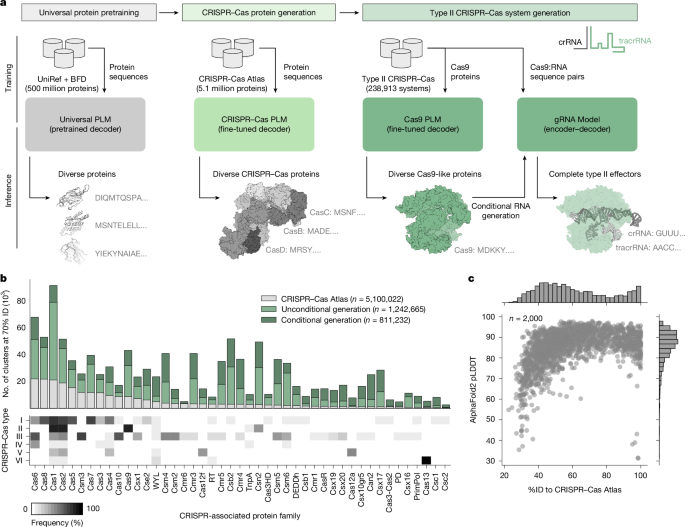
Gene editors designed using artificial intelligence can undertake precision editing of the human genome.

With the rising incidence of neurodegenerative diseases and aging of the global population, it is important to investigate foods that may preserve cog…
Within the wider arc of Gilbert Simondon’s philosophy, invention stands out as a stage in the development of mental images, rather than a faculty distinct from perception and memory. Of particular interest is a phase of transition that precedes invention in the development of mental images. Simondon compares this transition to the process of metamorphosis occurring in some species. This transition in the development of mental images is marked by the dedifferentiation of the dominant organizing principle. This dedifferentiation paves the way for the possible reorganization of mental images at a higher level of development. The free play of mental images corresponds to this transition, enabling the discovery of a new organizing principle with unprecedented possibilities of adaptation. It is enlightening for contemporary debates about machine learning processes, like those operative in Large Language Models or of image generation, to think carefully about this transition. In this article, we will look at the significance of this transitional dedifferentiation in living beings. This will lead us to argue against the use of the term Artificial Intelligence. A better alternative seems to be the term ‘Automated Optimization’ (AO) – suggested by the engineer and philosopher Yagmur Denizhan. Denizhan defines intelligence as the «border activity between the modelled and the unmodelled», i.e. between what is admissible in our model of reality and what is excluded or not yet encompassed by it. Intelligence thus conceived, I propose, is directly relevant to Simondon’s analogy between invention and metamorphosis. The «border activity» between the modelled and the unmodelled, at the level of cognition, may thus correspond to free play of mental images in the strong sense, namely, as involving transitional dissolution of their organising principle. Without it, I argue, we cannot begin to understand the historical recasting of our mental worlds, including paradigm shifts in the arts

Background This study aims to investigate how occupational stigma consciousness impacts employee negligence behavior with the mediating role of ego depletion and moderating role of emotional intelligence in the healthcare sector of China. Drawing on self-regulation theory and emotional intelligence literature, we propose that while occupational stigma depletes employees’ psychological resources, emotional intelligence serves as a personal capability that may buffer the adverse emotional and cognitive effects of stigma, making its moderating role theoretically meaningful in this context. Methods Hypotheses were tested using data collected from 247 healthcare employees in China through a three-wave time-lag design. Specifically, occupational stigma consciousness was measured at Time 1, ego depletion at Time 2 (four weeks later), and employee negligence behavior at Time 3 (four weeks after Time 2). Results The results direct occupational stigma consciousness increases employee negligence behavior. The author also found ego depletion mediates the relationship between occupational stigma consciousness and employee negligence behavior. However, the buffering role of emotional intelligence was not established.

More than 30 years ago, Robert Solow provided the first evidence of the paradoxical low return of technological progress to productivity. Today, in an…


One concern about the application of medical artificial intelligence (AI) regards the “black box” feature which can only be viewed in terms of its inp…

Using technology to personalize services, automate work, and increase agility

Window into the Future – Project IntroductionA window into our future community: an augmented on-site experience

Long-acting, injectable cabotegravir (CAB-LA) is more effective than daily oral tenofovir disoproxil fumarate and emtricitabine (TDF-FTC) for HIV pre-…

Viruses are a common threat to cellular life, not the least to bacteria and archaea who constitute the majority of life on Earth. Consequently, a vari…
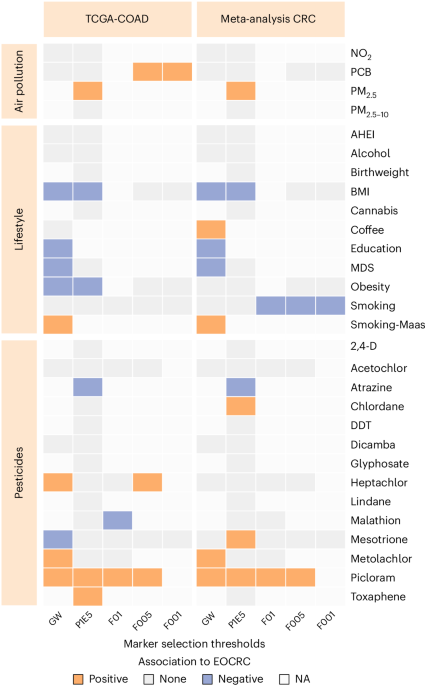
An analysis of exposome traits in patients with early-onset colorectal cancer (CRC) (<50 years) compared with late-onset CRC (≥70 years) based on epigenetic markers shows that pesticide usage, in particular of picloram, is associated with early-onset CRC.

We propose a flexible machine learning (ML) framework for real-time transaction monitoring in high-value payment systems (HVPS), which are central to …

Credit card fraud is a significant problem, with millions of dollars lost each year. Detecting fraudulent transactions is a challenging task due to th…

Measures of seasonal influenza control are generally divided into two categories: pharmaceutical and non-pharmaceutical interventions. The effectivene…

Header image: Derivative of “The Great Unraveling” by Michele Guieu; licensed under Creative Commons BY-NC-ND.
Learn how to create a package, the fundamental unit of shareable, reusable, and reproducible R code.

Association football is a popular sport, but it is also a big business. From a managerial perspective, the most important decisions that team managers…
Web page for Frederic Goualard, Nantes Université, France
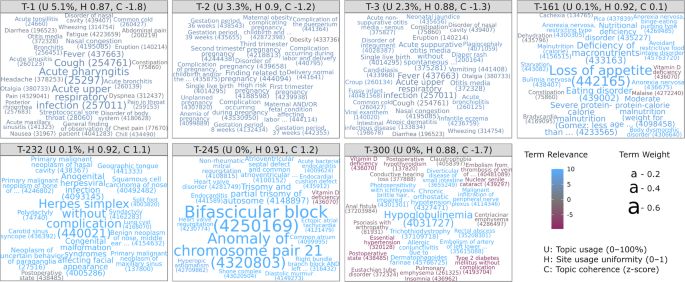
Post-Acute Sequelae of SARS-CoV-2 infection (PASC), also known as Long-COVID, encompasses a variety of complex and varied outcomes following COVID-19 infection that are still poorly understood. We clustered over 600 million condition diagnoses from 14 million patients available through the National COVID Cohort Collaborative (N3C), generating hundreds of highly detailed clinical phenotypes. Assessing patient clinical trajectories using these clusters allowed us to identify individual conditions and phenotypes strongly increased after acute infection. We found many conditions increased in COVID-19 patients compared to controls, and using a novel method to associate patients with clusters over time, we additionally found phenotypes specific to patient sex, age, wave of infection, and PASC diagnosis status. While many of these results reflect known PASC symptoms, the resolution provided by this unprecedented data scale suggests avenues for improved diagnostics and mechanistic understanding of this multifaceted disease.
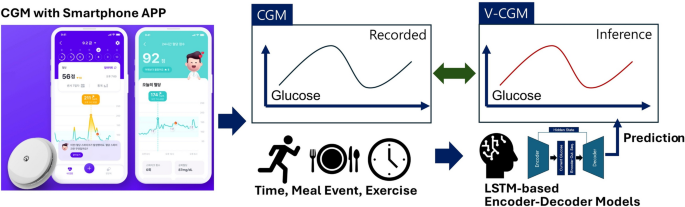
While continuous glucose monitoring (CGM) has revolutionized metabolic health management, widespread adoption remains limited by cost constraints and usage burden, often resulting in interrupted monitoring periods. We propose a deep learning framework for glucose level inference that operates independently of prior glucose measurements, utilizing comprehensive life-log data. The model employs a bidirectional Long Short-Term Memory (LSTM) network with an encoder-decoder architecture, incorporating dual attention mechanisms for temporal and feature importance. The system was trained on data from 171 healthy adults, encompassing detailed records of dietary intake, physical activity metrics, and glucose measurements. The encoder’s hidden state as latent representations were analyzed for distributions of patterns of glucose and life-log sequences. The model showed a 19.49 ± 5.42 (mg/dL) in Root Mean Squared Error, 0.43 ± 0.2 in correlation coefficient, and 12.34 ± 3.11 (%) in Mean Absolute Percentage Eror for current glucose level predictions without any information of glucose at the inference step. The distribution of latent representations from the encoder showed the potential differentiation for glucose patterns. The model’s ability to maintain predictive accuracy during periods of CGM unavailability has the potential to support intermittent monitoring scenarios for users.

Large variations in the energy relaxation time (T1) of superconducting qubits make it difficult to accurately evaluate and compare new qubit materials and fabrication processes, or to perform studies that require precise measurements of energy loss. To address this issue, we present techniques for characterizing qubit quality factors by applying electric fields to TLS in the vicinity of qubits. Introducing low-frequency (<1 Hz) AC fields allows us to stabilize the measured T1 by averaging over the accessible TLS configurations, producing a robust estimate of T1 that is difficult to replicate with hundreds of measurements over long periods, without applied fields. In a complementary technique, we apply a randomly selected DC field to the qubit and measure T1. Repeated ‘fast-random’ measurements reveal a distribution of T1 values whose harmonic mean is consistent with that obtained through AC measurements but illustrates a wider range of qubit lifetimes induced by TLS interactions. We implement these TLS control techniques in various ways, including demonstrating a simple T1 improvement protocol and precise measurements of T1 vs temperature. These techniques will facilitate our understanding of how to improve qubit coherence by enabling better measurements in shorter times or with fewer devices.

We developed a prediction model for postprandial glycemic response (PPGR) in pregnant women, including those with diet-treated gestational diabetes mellitus (GDM) and healthy women, and explored the role of gut microbiota in improving prediction accuracy. The study involved 105 pregnant women (77 with GDM, 28 healthy), who underwent continuous glucose monitoring (CGM) for 7 days, provided food diaries, and gave stool samples for microbiome analysis. Machine learning models were created using CGM data, meal content, lifestyle factors, biochemical parameters, and microbiota data (16S rRNA gene sequence analysis). Adding microbiome data increased the explained variance in peak glycemic levels (GLUmax) from 34 to 42% and in incremental area under the glycemic curve (iAUC120) from 50 to 52%. The final model showed better correlation with measured PPGRs than one based only on carbohydrate count (r = 0.72 vs. r = 0.51 for iAUC120). Although microbiome features were important, their contribution to model performance was modest.

The role of superconducting phase fluctuations in overdoped cuprates remains controversial. Here, the authors observe an unexpected nonmonotonic doping dependence of phase fluctuations in Bi2+xSr2−x−yLayCuO6+δ, where vortex-like phase fluctuations are enhanced in both under- and overdoped samples.

Tavernier Gravet Catalogue 1928
As debates about the policy and ethical implications of AI systems grow, it will be increasingly important to accurately locate who is responsible when agency is distributed in a system and control over an action is mediated through time and space. Analyzing several high-profile accidents involving complex and automated socio-technical systems and the media coverage that surrounded them, I introduce the concept of a moral crumple zone to describe how responsibility for an action may be misattributed to a human actor who had limited control over the behavior of an automated or autonomous system. Just as the crumple zone in a car is designed to absorb the force of impact in a crash, the human in a highly complex and automated system may become simply a component—accidentally or intentionally—that bears the brunt of the moral and legal responsibilities when the overall system malfunctions. While the crumple zone in a car is meant to protect the human driver, the moral crumple zone protects the integrity of the technological system, at the expense of the nearest human operator. The concept is both a challenge to and an opportunity for the design and regulation of human-robot systems. At stake in articulating moral crumple zones is not only the misattribution of responsibility but also the ways in which new forms of consumer and worker harm may develop in new complex, automated, or purported autonomous technologies.
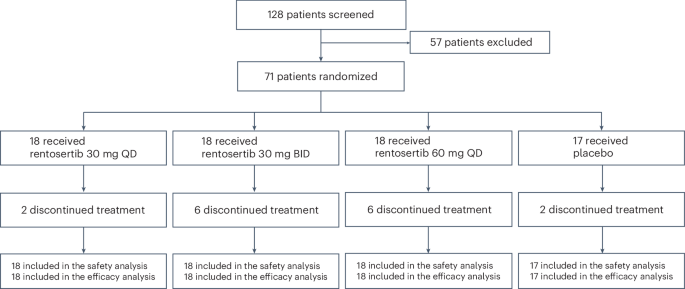
Preliminary results from a phase 2a trial involving 71 patients suggest that a new agent, discovered and designed with artificial intelligence assistance, is safe and effective for the treatment of idiopathic pulmonary fibrosis.
This post walks through how to set up a blog with the Eleventy static site generator and deploy it using Netlify. We'll cover topics such as migrating from Jekyll, configuring and extending Eleventy, adding syntax highlighting, an RSS feed, a sitemap, SEO meta tags, privacy-friendly analytics, web fonts, and hosting images.
My personal website. Contribute to nicolashery/nicolashery.com development by creating an account on GitHub.
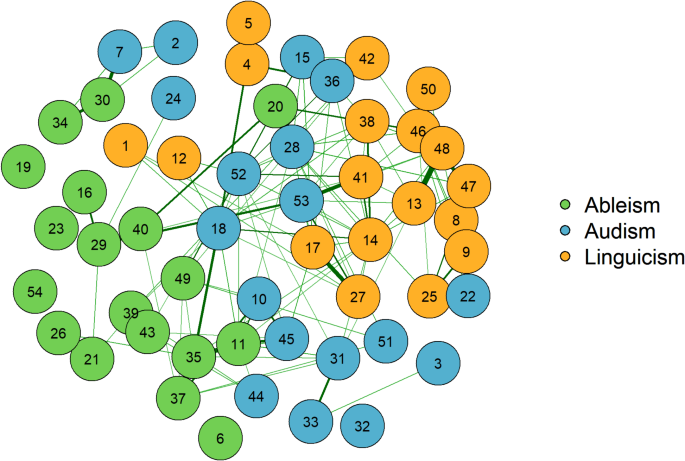
Deaf people experience ableism (able-bodied oppression), audism (hearing-ability oppression), and linguicism (sign language-use oppression) and this study investigated if internalizing these oppressive experiences predicts their mental health. Deaf participants (N = 134) completed a 54-item Deaf Oppression Scale, developed for this study with Ableism, Audism, and Linguicism Subtests, along with the Beck Depression Inventory-II and the State and Trait Anxiety Inventory. The Deaf Oppression Scale and its Ableism, Audism, and Linguicism Subscales carry good reliability and the model fit indices for a confirmatory factor analysis indicated a good fit. Sixteen (16%) percent (n = 22) of the sample had depression, 36% (n = 48) had state anxiety, and 64% (n = 86) had trait anxiety. Internalized ableism predicted greater characteristics and symptoms of depression, internalized ableism and linguicism predicted greater state anxiety, and internalized audism predicted greater trait anxiety. This is the first empirical evidence dissociating three types of oppression that deaf people experience and their separate and different effects on their psychological well-being.

Ransomware presents a significant threat to the security and integrity of cryptocurrency transactions. This research paper explores the intricacies of…
Free and affordable study guides for every level of amateur radio licensing. Start with the Technician Class HamBook or upgrade with General and Extra guides.

This article will consider the disruptive impact of generative AI on moral beliefs and practices associated with equality, particularly equality of op…
Among users initially on a chronological feed, 7 weeks of exposure to X’s algorithmic feed in 2023 shifted political attitudes and account-following behaviour in a more conservative direction compared with those remaining on a chronological feed, whereas switching the feed setting in the opposite direction, from algorithmic to chronological, had no effect.

The Paleozoic emergence of terrestrial plants has been linked to a stepwise increase in Earth's O2 levels and a cooling of Earth's climate by drawdown…

Sotto la Mole 1916-1920Antonio Gramsci CAPODANNO Ogni mattino, quando mi risveglio ancora sotto la cappa dei cielo, sento che per me è capodanno. Perciò odio questi capodanni a scadenza fissa che f…
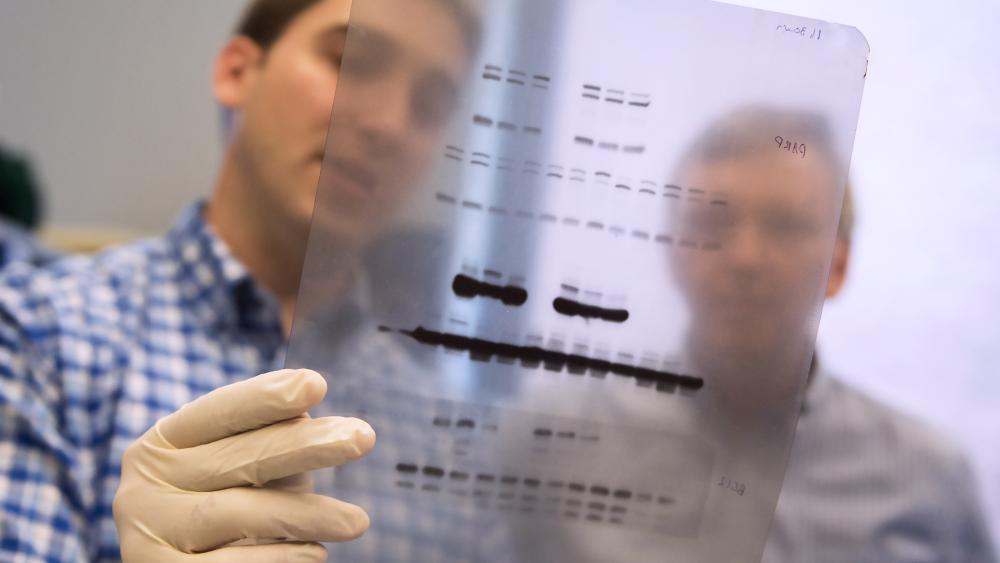
A genetic mutation may have helped modern humans adapt to smoke exposure from fires and perhaps sparked an evolutionary advantage over their archaic competitors, including Neandertals, according to a team of researchers.

Multiple physiological traits correlates with lifespan, being unclear both the causal connection among them and with the process of ageing. In this paper, we show that six traits (such as metabolic rate, mass, heart rate, etc) acting at the system level, are all related to lifespan thru the existence of an approximately constant number of respiration cycles in a lifespan ( $$\mathrm N_r$$ ), therefore, we find that those relationships are not independently related to ageing. In addition, we study if the approximately constant $$\mathrm N_r$$ is possibly linked with the end-of-lifespan somatic mutation burden, another number recently found to be approximately constant (Cagan, Nature 604:517–524, 2022). We find that the dataset of mammals studied is consistent with a direct proportionality between the somatic mutation rate and the respiration frequency, being a tentative link between both invariant numbers.

Dissecting the effects of hypothermic and hypometabolic states on aging processes, the authors show that activation of neurons in the preoptic area induces a torpor-like state in mice that slows epigenetic aging and improves healthspan. These pro-longevity effects are mediated by reduced Tb, reinforcing evidence that Tb is a key mediator of aging processes.

Ranaviruses are large, dsDNA viruses that have significant ecological and economic impact on cold-blooded vertebrates. However, our understanding of t…

The nematode Caenorhabditis elegans is a powerful model organism for studying cell development, apoptosis, neuronal circuits, and aging. The isolate N…

An implantable vagus nerve-targeted device safely reduces disease activity and joint damage in rheumatoid arthritis, offering a new nondrug treatment for patients who do not respond to or cannot tolerate medication.
In a phase 1 trial, patients with pancreatic ductal adenocarcinoma who were treated with surgery and bespoke neoantigen mRNA vaccines combined with anti-PD-L1 and chemotherapy exhibited marked long-lived persistence of neoantigen-specific CD8+ T cell clones, which correlated with prolonged recurrence-free survival at a 3.2-year follow-up.

Background We are now in the fifth year of an ongoing pandemic, and Canada continues to experience significant surges of COVID-19 infections. In addition to the acute impacts of deaths and hospitalizations, there is growing awareness of an accumulation of organ damage and disability which is building a “health debt” that will affect Canadians for decades to come. Calls in 2023 for an inquiry into the handling of the COVID-19 pandemic went unheeded, despite relevant precedent. Canada urgently needs a comprehensive review of its successes and failures to chart a better response in the near- and long-term. Main body While Canada fared better than many comparators in the early years of the COVID-19 pandemic, it is clearly still in a public health crisis. Infections are not only affecting Canadians’ daily lives but also eroding healthcare capacity. Post-COVID condition is having accumulating and profound individual, social, and economic consequences. An inquiry is needed to understand the current evidence underlying policy choices, identify a better course of action on various fronts, and build resilience. More must be done to reduce transmission, including a serious public education campaign to better inform Canadians about COVID and effective mitigations, especially the benefits of respirator masks. We need a national standard for indoor air quality to make indoor public spaces safer, particularly schools. Data collection must be more robust, especially to understand and mitigate the disproportionate impacts on under-served communities and high-risk populations. General confidence in public health must be rebuilt, with a focus on communication and transparency. In particular, the wide variation in provincial policies has sown mistrust: evidence-based policy should be consistent. Finally, Canada’s early success in vaccination has collapsed, and this development needs a careful post-mortem. Conclusions A complete investigation of Canada’s response to the pandemic is not
OSCW 2024 took place after Real World Crypto on 28 March 2024 in Toronto, Canada.
This article brings distinct strands of the political economy of communication and economic geography together in order to theorise the role digital technologies play in Marxian crisis theory. Capitalist advances into digital spaces do not make the law of value obsolete, but these spaces do offer new methods for displacing overaccumulated capital, increasing consumption, or accumulating new, cheaper labour. We build on David Harvey’s theory of the spatial fix to describe three digital spatial fixes, fixed capital projects that use the specific properties of digital spaces to increase the rate of profit, before themselves becoming obstacles to the addictive cycle of accumulation: the primitive accumulation of time in the social Web, the annihilation of time by space in high-frequency trading, and affect rent in virtual worlds. We conclude by reflecting on how these digital spatial fixes also fix the tempo of accumulation and adjust the time-scale of Marxian crisis theory.
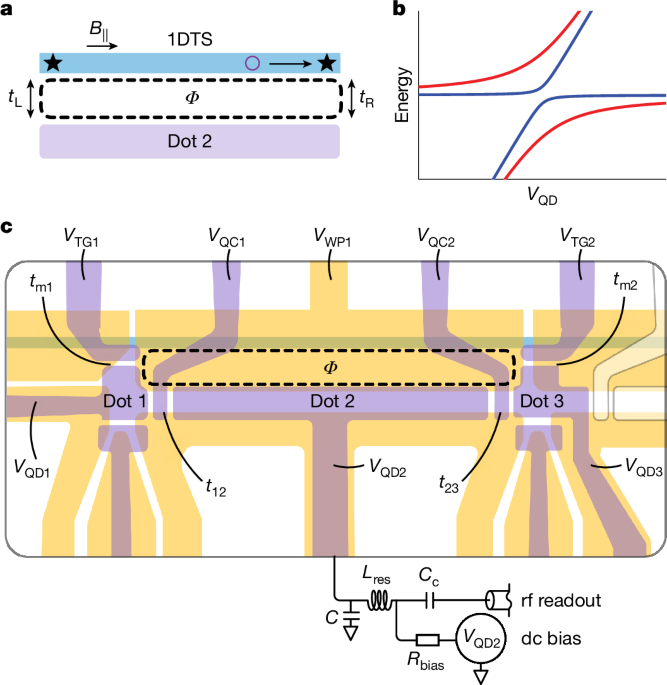
A device architecture based on indium arsenide–aluminium heterostructures with a gate-defined superconducting nanowire allows single-shot interferometric measurement of fermion parity and demonstrates an assignment error probability of 1%.

On Saturday 21 May 2022 KDE Eco held the first of several in-person Sprints for the community lab to measure the energy consumption of Free Software.

To investigate the association of obesity and all-cause mortality in a sample of middle-aged and elderly population.Information of participants was co…

Microvascular blood volume pulsations, combined with CSF circulation result in subtle deformation of the brain during each heartbeat. To visualize and…
This papers starts from the observation that in a world of pathologising and ableist autism science, identifying as autistic has meant battling between the necessity of putting words on lived experience and the risk of contributing to self-pathologising through problematic metaphors or frameworks. Following the contribution to feminist epistemology offered by Donna Haraway, I ponder the “science question in autism” and ask to what kinds of situated knowledge autistics can actually pretend. To do so, I use the theory of Monotropism and its reception. First, I show how the theory of Monotropism constitutes a case of situated knowledge of autism and could pretend to a higher form of objectivity. Then, I show that its production, diffusion, and reception rely on non-innocent metaphors of nonhuman movement, mostly taken from physics and plant life, starting with the very term “tropism”, which tends to assimilate autistic cognition to the physicochemical reaction of plants to their environments. Finally, I show how, in the age of a hegemony of reductionist science and of renewed binary debates opposing free will and biological determinism, the theory of Monotropism is sometimes taken up in a form that fuels a self-pathologising of autistic individuals. In turn, I call for more accountability and reflexivity in the production and diffusion of autistic situated knowledges.

Taking the narrative conception of self as my point of departure, the aim of this article is to critically evaluate the literature on impaired narrative ability and an impoverished sense of self in Autism, and to reorient these debates in light of emergent interpretations of Autistic embodiment. First, I consider the literature suggesting Autistic people demonstrate deficits in configuring symbolic, durational and intentional narratives and the implication that Autistic people lack self-other differentiation and a coherent sense of self. Second, with recourse to literary and rhetorical criticism in neurodiversity studies, I examine claims that this literature positions Autistic subjectivity as an unknowable excess and Autistic people as unreliable narrators of experiences that are, in essence, unnarratable. Third, I evaluate the importance and limitations of the literature on hermeneutical injustice in attempting to dismantle this positioning, and argue that, in privileging symbolic forms of signification, this research risks misrecognising Autism as a deficient rather than divergent form of being. Fourth, I examine recent developments in process philosophy, ecological psychology, enactivism, and critical phenomenology, which reconceptualise Autistic embodiment as a different way of being in the world, that gives rise to different ways of signifying the self. In closing, I consider how Autistic perceptual signification can be seen to give rise to an ecological sense of self that, far from being impoverished, reflects the complexity and heterogeneity of pre-reflective lived experience itself.

What are the benefits and challenges of using artificial intelligence to promote student success, improve retention, streamline enrollment, and better

Radiology is a highly complex field that requires mastery over an ever-expanding body of knowledge. Spaced learning, interleaving, and retrieval pract…
So you want to make a public comment! is a mini-zine that I made to demystify speaking up about an issue at public meetings. All text in the zine is my own. Thank you to Courtney Eckhardt for...
Bike Brooklyn! is a zine that touches on everything I wish I knew when I started biking in Brooklyn. A lot of this information can be found in other resources, but I wanted to collect it in...
NYC Bike Rules for Drivers is a mini-zine that demystifies the behavior of law-abiding bicyclists and helps drivers better understand what to expect when sharing the road. Hand a copy to a...
Technology of the twenty-first century has transformed our ability to create, modify, store, and share digital media and, in so doing, has presented new possibilities for how social science research can be conducted and mobilized. This paper introduces the use of collaborative podcasting as a research method of critical inquiry and knowledge mobilization. Using a case study, we describe the methodological process that our transdisciplinary team engaged in to create the Water Dialogues podcast, a collaborative initiative stemming from a larger research project examining approaches to implementing Indigenous and Western knowledge in water research and management. We situate collaborative podcasting within an expanding field of collaborative and participatory media practice in social research, and consider how the method may align with and support research within a decolonizing agenda.
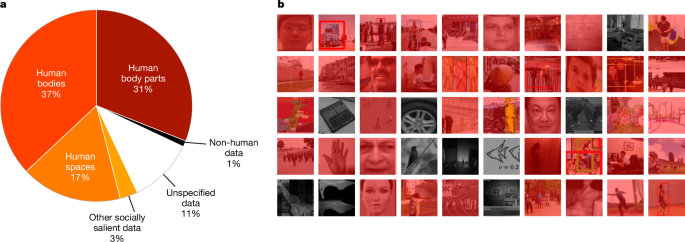
An analysis of research papers and citing patents indicates the extensive ties between computer-vision research and surveillance.
A couple of months ago I gave a talk “SQL’s Inner Workings” at Handmade Seattle 2023 conference with the following abstract: An exposé by a whistleblower investigating the marketing claims of “It’s just the same old SQL you know.” Most databases nowadays provide an SQL interface to query your data. After all, if one knows SQL, they can easily write queries to any database, right? Right?.. In this talk we will dive into how SQL queries are actually executed and try to unmask trade offs and complexity hidden by a familiar syntax.

A blog by Linghao Zhang.

Drago — a nice example of a real-world binary tree This was the first post about my book on algorithms and Lisp. Writing it, actually, st...

As the chemistry of chocolate is a topic that’s been pretty much exhausted on the site (see here, here, here, here, and here), for the Easter weekend we’re instead homing in on the R…

A particular bodily fluid featured in the political news earlier this week, which got me thinking about the chemical causes behind the colours of the waste products we expel from our bodies.&n…

Background Airway management in tracheostomized patient is a critical aspect of clinical care, with humidification therapy playing a vital role in maintaining mucociliary clearance function. However, the mechanisms of action, influencing factors and optimization strategies of humidification therapy have not been systematically elucidated, leading to a lack of evidence-based guidance in clinical practice for selecting and adjusting humidification protocols. Objective This review aims to explore the mechanisms by which humidification therapy enhances mucociliary clearance in tracheostomized patients, evaluate its clinical efficacy and identify key factors influencing therapeutic outcomes. Ultimately, it proposes optimization strategies to improve the precision and effectiveness of airway management. Methods This narrative review was conducted by systematically searching PubMed, Scopus, Google Scholar and the Cochrane Library using keywords including “humidification therapy” “tracheostomy” “mucociliary clearance” “airway humidification” “respiratory physiological function” “clinical efficacy” “key influencing factors” and “evidence-based optimization strategies”. The search spanned English-language literature published between January 2000 and March 2025. Inclusion criteria comprised original studies, systematic reviews and clinical guidelines focusing on the mechanisms of humidification therapy in enhancing mucociliary clearance in tracheostomized patients, its clinical outcomes and comparative analyses with traditional airway management approaches. Exclusion criteria involved studies on non-tracheostomized populations, animal models or interventions lacking explicit differentiation of humidification therapy from other respiratory treatments, as well as unpublished conference abstracts and opinion-based articles. Literature selection prioritized studies elucidating mechanistic pathways of humidification therapy, empirical investigations into five core influencing fact

The Norway train map 2025 has got an update. There are only minor changes. The biggest change is the introduction of Snälltåget service from Oslo to Malmö. (Update 26 April 2026) Download
Telkom group executive for regulation Siyabonga Mahlangu joins TechCentral for a discussion on Icasa's emergency temporary spectrum relief and what it means for operators, including Telkom.

The Norway train map 2023 has got an update. There are only minor changes. I have added a key explaining the train categories introduced in 2023. Download

The UN Broadband Commission has committed to universal broadband by 2030. But can this objective really be affordably delivered? The aim of this paper…

We propose a “debt view” to explain the dominant international role of the dollar. Within a simple capital-structure model with debt-currency choice, …

There is increasing concern that persistent infection of SARS-CoV-2 within immunocompromised hosts could serve as a reservoir for mutation accumulatio…

The 2013–2015 Ebola virus disease (EVD) epidemic is caused by the Makona variant of Ebola virus (EBOV). Early in the epidemic, genome sequencing provi…

SARS-CoV-2 has a broad mammalian species tropism infecting humans, cats, dogs, and farmed mink. Since the start of the 2019 pandemic, several reverse …

A SARS-CoV-2 variant carrying the Spike protein amino acid change D614G has become the most prevalent form in the global pandemic. Dynamic tracking of…

Free Learn Python Course by Nina Zakharenko - An intensive two day introduction and intermediate course on Python. Video course published on Frontend Masters.

Consumption of artificial sweeteners (ASWs) in various foods and beverages has been linked to an increased risk of cardiovascular diseases (CVDs). How…

The performance of Large Language Models (LLMs) on multiple-choice question (MCQ) benchmarks is frequently cited as proof of their medical capabilities. We hypothesized that LLM performance on medical MCQs may in part be illusory and driven by factors beyond medical content knowledge and reasoning capabilities. To assess this, we created a novel benchmark of free-response questions with paired MCQs (FreeMedQA). Using this benchmark, we evaluated three state-of-the-art LLMs (GPT-4o, GPT-3.5, and LLama-3-70B-instruct) and found an average absolute deterioration of 39.43% in performance on free-response questions relative to multiple-choice (p = 1.3 * 10-5) which was greater than the human performance decline of 22.29%. To isolate the role of the MCQ format on performance, we performed a masking study, iteratively masking out parts of the question stem. At 100% masking, the average LLM multiple-choice performance was 6.70% greater than random chance (p = 0.002) with one LLM (GPT-4o) obtaining an accuracy of 37.34%. Notably, for all LLMs the free-response performance was near zero. Our results highlight the shortcomings in medical MCQ benchmarks for overestimating the capabilities of LLMs in medicine, and, broadly, the potential for improving both human and machine assessments using LLM-evaluated free-response questions.

A steep decline in the quality and quantity of available climate proxy records before medieval times challenges any comparison of reconstructed temper…

Global and hemispheric temperature reconstructions provide an important means of placing recent anthropogenic temperature trends in the context of pre…
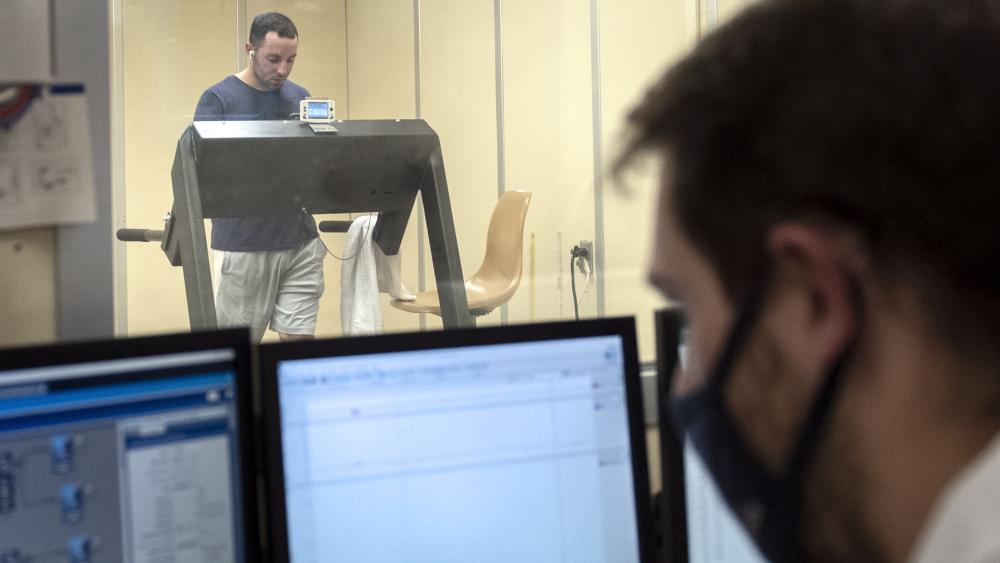
Penn State researchers found that the maximum wet-bulb temperature humans can endure is lower than previously thought — about 31°C wet-bulb or 87°F at 100% humidity — even for young, healthy subjects. The temperature for older populations, who are more vulnerable to heat, is likely even lower.

Research documents the experiences of depression and anxiety evoked by climate change, but little attention has been given to frustration and anger, o…

Rapid and sustained accelerations in economic growth can have huge implications for poverty alleviation and people's wellbeing, but does the economic …

An increasingly large literature in the empirics of growth has viewed economic growth as an ‘episodic phenomena’. We propose a new technique for measu…

Many Linux malware have been found to have statically linked library functions. Much of this malware are stripped of function names and addresses, hin…
This volume inquires into the forms and functions of AI-generated character portrayals by looking at contemporary examples. What are the technical and semiotic differences between AI chatbots, AI avatars, and AI NPCs? How do AI-generated character portrayals relate to existing character portrayals? And how do users relate to these characters through “AI character generators”?

Welcome | Geocomputation with R is for people who want to analyze, visualize and model geographic data with open source software. It is based on R, a statistical programming language that has powerful data processing, visualization, and geospatial capabilities. The book equips you with the knowledge and skills to tackle a wide range of issues manifested in geographic data, including those with scientific, societal, and environmental implications. This book will interest people from many backgrounds, especially Geographic Information Systems (GIS) users interested in applying their domain-specific knowledge in a powerful open source language for data science, and R users interested in extending their skills to handle spatial data.
Welcome | Geocomputation with R is for people who want to analyze, visualize and model geographic data with open source software. It is based on R, a statistical programming language that has powerful data processing, visualization, and geospatial capabilities. The book equips you with the knowledge and skills to tackle a wide range of issues manifested in geographic data, including those with scientific, societal, and environmental implications. This book will interest people from many backgrounds, especially Geographic Information Systems (GIS) users interested in applying their domain-specific knowledge in a powerful open source language for data science, and R users interested in extending their skills to handle spatial data.
“Spatial Data Visualization with tmap: A Practical Guide to Thematic Mapping in R” is a free, open-source book that teaches you how to create static and interactive maps using the tmap package in R. Covering core concepts in thematic cartography, map design, and spatial visualization, this guide provides step-by-step approaches to help you produce high-quality maps for reports, presentations, and web applications.
Restrictive covenants running with freehold land are sometimes used as a means of impeding commercial competition. For example, when a firm elects to relocate a retail operation and sell the existing site, a covenant may be placed on the title to that site designed to prohibit a competing retail business from operating on those lands. It is known, for example, that the multinational grocery chain Safeway has adopted this practice extensively in Edmonton. Likewise, the practice is found in other Canadian and American cities, in relation not only to grocery stores, but also concerning a range of other retail businesses. Still, little is known about the extent to which covenants are used in this manner.This article contains an empirical inquiry into the use of covenants in a commercial setting in Edmonton, Alberta. It also explores the manner in which the law responds, and should respond, to mediate public values and private interests within this context.
animated pixel art sprites of Daft Punk through the years
Docker container capable of running an iPython notebook server, for "Just Enough Math" - ceteri/jem-docker
A translation of the visualisation chapters from "R for Data Science" to Python using Plotnine and Pandas. - jeroenjanssens/r4ds-python-plotnine
A translation of the visualisation chapters from "R for Data Science" to Python using Plotnine and Pandas. - jeroenjanssens/r4ds-python-plotnine
This thoroughly revised guide demonstrates how the flexibility of the command line can help you become a more efficient and productive data scientist. You’ll learn how to combine small yet powerful command-line tools to quickly obtain, scrub, explore, and model your data. To get you started, author Jeroen Janssens provides a Docker image packed with over 100 Unix power tools—useful whether you work with Windows, macOS, or Linux.

Whither Theory in a Time of Surpassing Disaster? - Volume 22 Issue 1-2

Contexts is an open access journal in the broad field of systemic design and complex design. Published by the Systemic Design Association, a non-profit scholarly association leading the research and practice of design for complex systems.
Learn how to create a package, the fundamental unit of shareable, reusable, and reproducible R code.

Date: 15th December 1958 | Format: Map | Read the full record details for Map: City of Sydney Planning Scheme, 1958
Date: 15th December 1958 | Series: City of Sydney Planning Scheme Maps, 1952-1971 | Format: Map | Read the full record details for Map: City of Sydney Planning Scheme, 1958
L’idée d’une fonction de l’art comme fabrique de mondes est aujourd’hui très largement répandue, notamment en raison de la forte influence de la théorie de la fiction inspirée de la notion leibnizienne de « monde possible » et des approches postmodernes d’orientation ontologique. Celle d’un texte-monde est appliquée quasi exclusivement au genre romanesque. Les sciences du langage, de leur côté, se désintéressent majoritairement de ces problématiques venues du champ littéraire, occupées qu’elles sont à se développer au croisement de la cognition, des mathématiques et de l’informatique. Cependant dans le cadre d’une anthropologie sémiotique renouvelée, il est possible de penser un décloisonnement fécond des savoirs entre sciences et Humanités à partir de la question des conditions d’accès au sens, question qui se pose de manière cruciale si l’on reconçoit la question de la créativité langagière comme problème linguistique et sémiotique central. Interpréter/décrire la façon dont les écrivains disent le monde ou créent un monde revient alors à inscrire le travail critique dans une conscience du hors-champ et des transferts culturels, en soulignant l’enjeu éminemment politique de toute épreuve du dehors, y compris au sein d’une seule langue.Si le monde humain est fait d’institutions, de pratiques et d’objets supposant à la fois le couplage complexe à son entour et son façonnement plastique en retour, si l’on restitue au langage sa dimension écologique, c’est-à-dire si on le définit non comme un simple instrument, mais comme un milieu traversé de normes et de valeurs, alors travailler la langue, c’est travailler le monde, réinventer sans relâche le monde humain et son rapport à la Terre et aux autres espèces, entrer dans des dynamiques cosmomorphes inédites. C’est pourquoi « poésie » désigne ici un processus d’individuation d’une langue dans la langue par un sujet inscrit dans l’histoire et dans le rythme de son corps – rapport particulier au langage que le genre poétique
Étude du langage en lien avec ses contextes d’usage, culturels et sociaux, le domaine de l’anthropologie linguistique est particulièrement vaste, tant par la diversité de ses objets que par son approche résolument interdisciplinaire. Le présent ouvrage entreprend de croiser des réflexions d'ordre historique, épistémologique et méthodologique afin de prendre du recul face à la richesse et à la complexité du domaine.Un éclairage historique est apporté par l'exploration des différentes voies suivies par la discipline en France depuis le début du 20e siècle, et par l’analyse du processus même de constitution des savoirs dans la longue durée. À partir de différentes études, l'ouvrage questionne également l’intégration par l’anthropologie linguistique d’approches issues de la pragmatique, et son articulation à des sous-domaines disciplinaires spécifiques, tels l’anthropologie médicale ou les études médiatiques. Enfin, des contributions se consacrent à la performance et à l’analyse ethnopoétique, ouvrant des perspectives complémentaires sur les pratiques langagières.
Issu d’un colloque de la Société d’histoire et d’épistémologie des sciences du langage, cet ouvrage aborde, d’un point de vue historique et épistémologique, les activités de documentation et de description des langues d’Asie. Le terme « Asie » y est pris dans l’acception large que lui donne la Société asiatique, c’est-à-dire en tant que désignant une zone allant du Maghreb à l’Extrême-Orient et dont il s’agit aussi, depuis la question linguistique, d’interroger les pourtours. Quant aux activités linguistiques prises en considération, elles incluent, d’une part, la collecte de données linguistiques, sous toutes ses formes (listes de mots, constitution d’archives, de fonds, « linguistic survey », questionnaires, corpus, etc.) et, d’autre part, l’élaboration d’outils permettant de représenter, en synchronie ou en diachronie, une langue : systèmes d’écriture, grammaires, dictionnaires, lexiques, instruments de traduction, manuels, etc. Au cœur des réflexions donc, une analyse fine du savoir linguistique produit, dans et hors d’Europe, sur les langues asiatiques, avec une attention toute particulière portée aux contextes de production et de circulation de ces savoirs. Sont ainsi abordés l’apport des traditions autochtones dans le processus de grammatisation, la place de l’Asie dans les entreprises de comparaison des langues à l’échelle du monde, ou, parmi d’autres thèmes encore, la matérialité des descriptions (traductions, impressions…). Based on a conference organized by the Société d'histoire et d'épistémologie des sciences du langage, this book studies the documentation and description of Asian languages from a historical and epistemological perspective. The term “Asia” is used here in its broad sense as defined by the Société asiatique, i.e. to encompass an area stretching from the Maghreb to the Far East, the delimitation of which is also examined from a linguistic perspective. As for the linguistic activities taken into consideration, these include, on the one han

This collective volume brings together leading international applied linguists to examine how applied linguistics has transformed in response to shifting political landscapes, technological change, and global challenges.
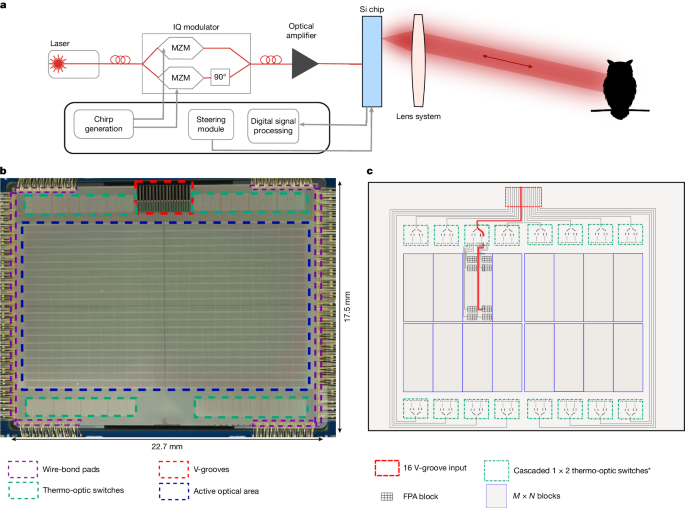
A 4D imaging architecture using a large-scale, coherent LiDAR focal plane array comprising more than 0.6 million photonic components and associated electronics integrated on-chip can obtain coherent images at high frame rates over useful distances.

Mast cells (MC) are found perivascularly in all tissues and may function as the sentinel immune cells sensing danger and then acting as the master con…

The available research data about mast cell activation disease (MCAD, a common disease with prevalence estimated at 17–20%) suggest it may be rooted i…

Ehlers-Danlos Syndrome (EDS) is a group of rare connective tissue disorders characterized by genetic defects in collagen and connective tissue synthes…

The Journal of Headache and Pain - Idiopathic intracranial hypertension (IIH) is a debilitating neurologic condition marked by elevated intracranial pressure (ICP), typically affecting obese women...

One-fifth of Covid-19 patients suffer a severe course of Covid-19 infection; however, the specific causes remain unclear. Mast cells (MCs) are activat…
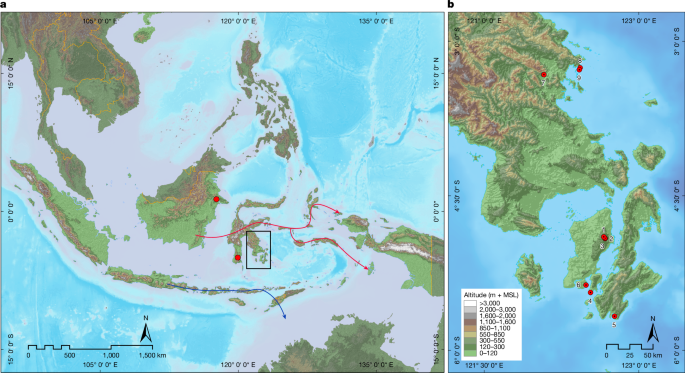
A hand stencil painted on a cave wall on a small island off the coast of Sulawesi more than 67,800 years ago suggests a very early occupation of Wallacea.
OSCW 2024 took place after Real World Crypto on 28 March 2024 in Toronto, Canada.
I reply to recent arguments by Peter Barker & Tofigh Heidarzadeh, Arun Bala, and F. Jamil Ragep claiming that certain aspects Copernicus’s astronomical models where influenced by late Islamic authors connected with the Maragha school. In particular, I argue that: the deleted passage in De revolutionibus that allegedly references unspecified previous authors on the Tusi couple actually refers to a simple harmonic motion, and not the Tusi couple; the arguments based on lettering and other conventions used in Copernicus’s figure for the Tusi couple have no evidentiary merit whatever; alleged indications that Nicole Oresme was aware of the Tusi couple are much more naturally explained on other grounds; plausibility considerations regarding the status of Arabic astronomy and norms regarding novelty claims weight against the influence thesis, not for it.

Pneumatic control systems are common in manufacturing, healthcare, transportation, robotics, and many other fields. Undetected failures in pneumatic s…

There has been an increasing recognition among both medical and psychological professionals, as well as the public media, of a concerning trend for ch…

The chlorination of methane presents a route for the upgrading of natural gas to value-added products. However, due to the low reactivity of methane, …

The following changelog reflects system, functional, and stylistic updates. You can find content updates as part of the Updates page or as new blog posts. You can subscribe to my changelog via the following feeds: ATOM Feed of Changelog RSS Feed of Changelog 2025-12-30 Added Top 4 page. 2025-09-28 Removed Privacy Policy note about Webmentions. I stopped using and including a webmention pingback URL in September, 2023. 2025-08-05 Add tag list to RSS feed. 2025-03-16 Added “gatherer of books” to my About page. 2024-12-17 Rename role=menu and role=menuitem to role=list and role=listitem respectively. This is based on my read of Be Careful Using ‘Menu’ — Adrian Roselli. 2024-12-06 Epigraphs presented in “random order”; each time I export my epigraphs, I write them in a random order. In this way I hope to create more opportunities for serendipity. Remove backlinks of Epigraphs to where I’ve referenced them. 2024-12-03 Add additional microformat properties to document elements. 2024-11-08 Removed rel="tag" from body A-tags. Added link[rel=tag] to header. 2024-11-03 Create XSL for /index.xml; thus providing a “pretty” render for the RSS feed. This includes a how to do RSS. Promote RSS Feed to Site Navigation. Remove direct links to ATOM and JSON feed; those still exist and are declared in the HTML head element. 2024-03-11 Remove most colors from the site. Minimal colors is just fine. 2024-02-07 Removing Schema.org elements. I can restore them if I want, but it cuts down each page by at least 5 Kilobytes. 2024-02-01 Adding progressive Javascript enhancement for sidenotes. 2024-01-26 Adding ASCII-based bargraph to stats page. 2024-01-13 Add Reply to Post link to page. Move copyright section to bottom of page. 2024-01-10 Simplifying the DL-tag options. This reflects that I most often want a somewhat tabular view of a definition list. 2024-01-03 Added the In the Shadows of Mont Brun; marking several posts as part of the series. 2023-12-31 Released many prior works under Creati

This study investigates the utilization of digital resources among students across three economic categories: lower-middle-income countries, upper-mid…
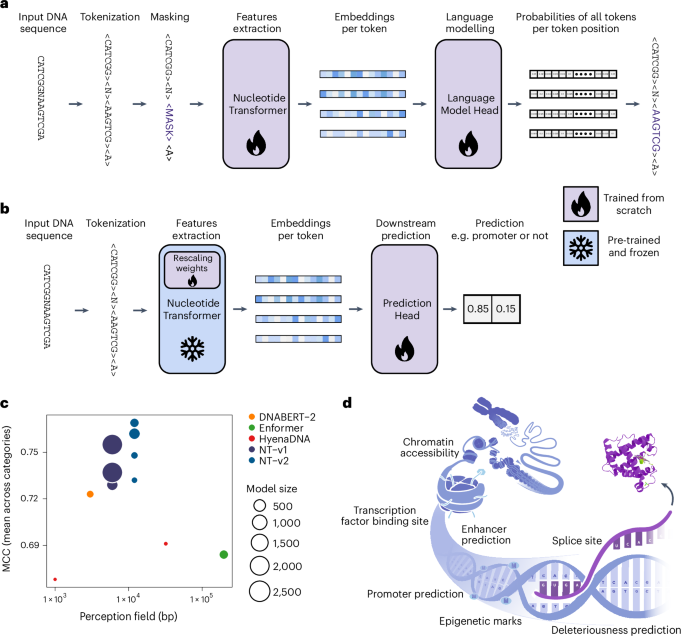
Nucleotide Transformer is a series of genomics foundation models of different parameter sizes and training datasets that can be applied to various downstream tasks by fine-tuning.
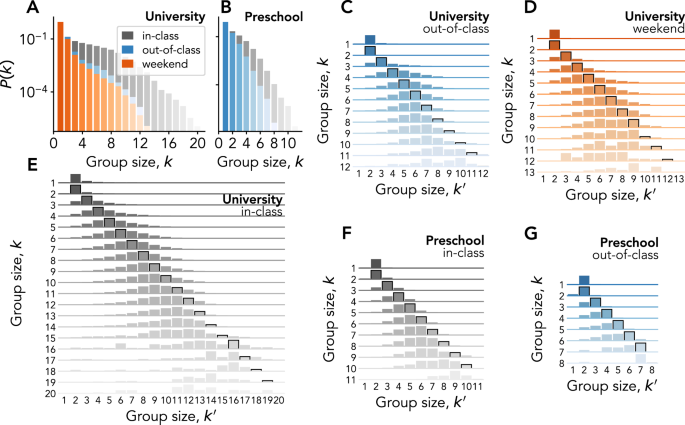
The structure and dynamics of many social systems where human interactions involve communities can be described by higher-order networks. The authors propose a hypergraph-based model that describes how individuals form groups and navigate between groups of different sizes.

Investigating how different ingredients are combined in popular dishes is crucial to uncover the principles behind food preferences. Here, we use data from public food repositories and network analysis to characterize and compare worldwide cuisines. Ingredients are first grouped into broader types, and each cuisine is then represented as a network in which nodes correspond to ingredient types and weighted links describe how frequently pairs of types co-occur in recipes. Cuisines differ not only in the popularity of ingredient types and range of recipe sizes, but also in the structural organization of ingredient-type combinations. By analyzing these networks, we uncover distinctive patterns of type associations that serve as culinary fingerprints. For example, European cuisines typically distribute ingredients across different types, whereas certain Asian and South American traditions emphasize one dominant type, such as vegetables or spices. The essence of these patterns is well captured by the networks’ maximum spanning trees, which offer a simplified yet representative backbone for each cuisine. We demonstrate that both these full and simplified network representations enable machine learning models to identify cuisines from subsets of recipes with very high accuracy. Networks of ingredient combinations also cluster global cuisines into meaningful geo-cultural groups, reflecting shared patterns in culinary traditions. More broadly, our study offers novel insights into the structure of world cuisines, enabling data-driven approaches to their characterization, cross-cultural comparison, and potential adaptation.

Millions of patients are regularly using large language model (LLM) chatbots for medical advice, raising patient safety concerns. This physician-led red-teaming study compares the safety of four publicly available chatbots—Claude by Anthropic, Gemini by Google, GPT-4o by OpenAI, and Llama-3.0/3.1-70B by Meta—on a new dataset, HealthAdvice, using an evaluation framework that enables quantitative and qualitative analysis. In total, 888 chatbot responses are evaluated for 222 patient-posed advice-seeking medical questions on primary care topics spanning internal medicine, women’s health, and pediatrics. We find statistically significant differences between chatbots. The rate of problematic responses varies from 21.6% (Claude) to 43.2% (Llama), with unsafe responses varying from 5% (Claude) to 13% (GPT-4o, Llama). Qualitative results reveal chatbot responses with the potential to lead to serious patient harm. This study suggests that millions of patients could be receiving unsafe medical advice from publicly available chatbots, and further work is needed to improve the clinical safety of these powerful tools.
Pragmatic, balanced FP in JavaScript. @FLJSBook on twitter. - getify/Functional-Light-JS

Microservices architecture has a blind spot: many proven data integration strategies from enterprise systems remain unused. Here's what your team is missing.

Click to enlarge Relatively hot on the heels of the Pfizer & BioNTech RNA vaccine, today the UK has approved the Oxford University & AstraZeneca COVID-19 vaccine. The Oxford vaccine is a vi…
Forms made easy for Rails! It's tied to a simple DSL, with no opinion on markup. - heartcombo/simple_form
Forms made easy for Rails! It's tied to a simple DSL, with no opinion on markup. - heartcombo/simple_form

Les Routes de la soie furent des réseaux commerciaux qui relièrent les mondes chinois, indien, moyen-orientaux et méditerranéen entre l’Antiquité et le bas Moyen Âge. Les transports de marchandises...
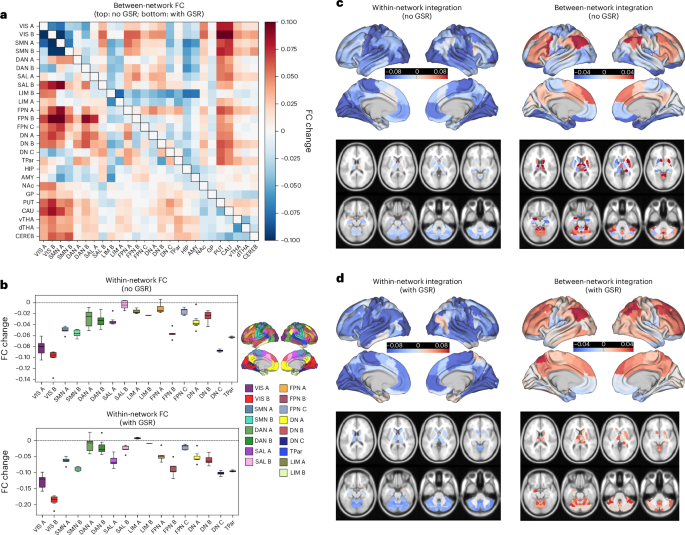
Analysis of neuroimaging datasets across five major psychedelics revealed a shared brain signature and provides a comprehensive insight into how these drugs reorganize brain architecture.

The presence of personally identifiable information (PII) in natural language portions of electronic health records (EHRs) constrains their broad reus…

The field of heart failure has evolved in terms of the therapies that are available including pharmaceutical and device therapies. There is now substa…
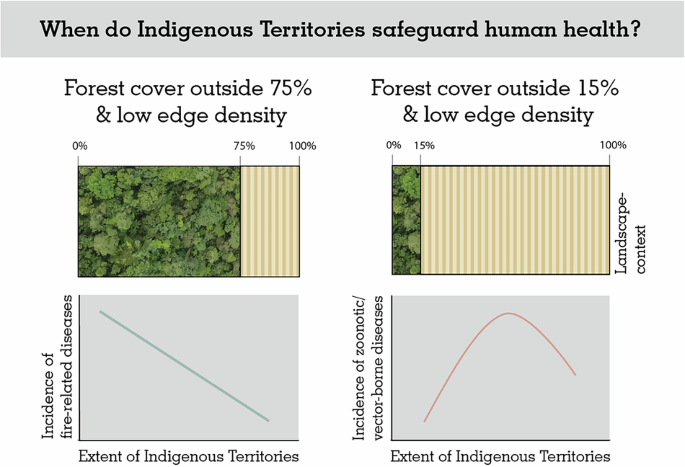
Indigenous territory extent in the Amazon biome can reduce the incidence of fire-related and zoonotic/vector-borne diseases, but only in certain contexts, according to an analysis of disease incidence data from the region.

Particulate matter (PM) is recognized as a contributor to various gastrointestinal diseases, including inflammatory bowel disease. However, the specif…

In the literature, the consumption of red and processed meat is associated with colorectal cancer (CRC) incidence. It still remains unclear whether th…

The effects of physical activity and sedentary behavior on human health are well known, however, the molecular mechanisms are poorly understood. Growi…

<div class="bubble"> Ah, I love it when I make a nice cup of tea. </div> <div id="comments"></div> <script src="https://pure.komments.cloud/public/emb...
<div class="bubble"> After <a href="https://forkingmad.blog/qobuz-music-missing-features/">trying Qobuz</a>, I've decided to ditch that and I am testing Dee...

Logo from the Gord the Rogue novels by Gary Gygax Greyhawkonline.com is truly pleased to offer this page, written by its original author, Krista B. Siren,

Below, you'll find all the issues of the Oerth Journal from OJ#1 to the current issue! The OJ is a completely FREE resource and can be downloaded from the links/list below. About the Oerth Journal The Oerth Journal is a

Background: Reflection through reflective journaling has the potential to assist learners to enhance their understanding, enrich lifelong learning, re…

As humans venture into space to colonize the moon and travel to distant planets in the 21st century, they will be confronted with a bone disease that …

The EDUCAUSE 2022 Top 10 IT Issues take an optimistic view of how technology can help make the higher education we deserve—through a shared transforma

Online platforms enable real-time trading activities that are similar to those of gambling. This study aimed to investigate the associations of tradit…

The complex dynamics of calving glaciers is a major uncertainty in projecting global glacial mass loss. We present frontal ablation and ice mass chang…
The complex dynamics of calving glaciers is a major uncertainty in projecting global glacial mass loss. We present frontal ablation and ice mass chang…

The retreat of mountain glaciers affects mountain hazards and hydrology, and new methods are needed to rapidly map glacier retreat at planetary scales…

Oxygen for newborn resuscitation: a narrative review
Paternoster allows you to run Ansible playbooks like ordinary Python or Bash scripts. - Uberspace/paternoster

Compare European cloud and SaaS services across 8 sovereignty dimensions. Transparent scoring based on the EU Cloud Sovereignty Framework.
Video hosting sites like YouTube are commonly understood through their professional creators and viral content, but they are also rich, global repositories of cultural memory and everyday life. However, their opaque, algorithmically optimized, commercial structure poses challenges to research. We argue that such platforms function as “accidental archives” that capture details of quotidian life that often escape curatorial intention. To consider the unique insights into daily life that such archives preserve, we examine two other accidental archives: a collection of late 20th-century photos and the preserved ruins of Pompeii. We present a four-part mixed-methods approach to researching quotidian video: solving the technical problem of random sampling, conducting metadata analysis, using additional computational means to augment data, and qualitatively analyzing video content.

In many application settings, data have missing entries, which makes subsequent analyses challenging. An abundant literature addresses missing values in an inferential framework, aiming at estimating parameters and their variance from incomplete tables. Here, we consider supervised-learning settings: predicting a target when missing values appear in both training and test data. We first rewrite classic missing values results for this setting. We then show the consistency of two approaches, test-time multiple imputation and single imputation in prediction. A striking result is that the widely-used method of imputing with a constant prior to learning is consistent when missing values are not informative. This contrasts with inferential settings where mean imputation is frowned upon as it distorts the distribution of the data. The consistency of such a popular simple approach is important in practice. Finally, to contrast procedures based on imputation prior to learning with procedures that optimize the missing-value handling for prediction, we consider decision trees. Indeed, decision trees are among the few methods that can tackle empirical risk minimization with missing values, due to their ability to handle the half-discrete nature of incomplete variables. After comparing empirically different missing values strategies in trees, we recommend using the “missing incorporated in attribute” method as it can handle both non-informative and informative missing values.

Population imaging markedly increased the size of functional-imaging datasets, shedding new light on the neural basis of inter-individual differences.…

The concept of orchestrating agents is gradually spreading among developers. Claude has planned, or you may already be able to use (depending on when

twtxt was one of the strongest inspirations behind Org Social: a plain text file served over HTTP, with no active server, no database, no signup. I pe
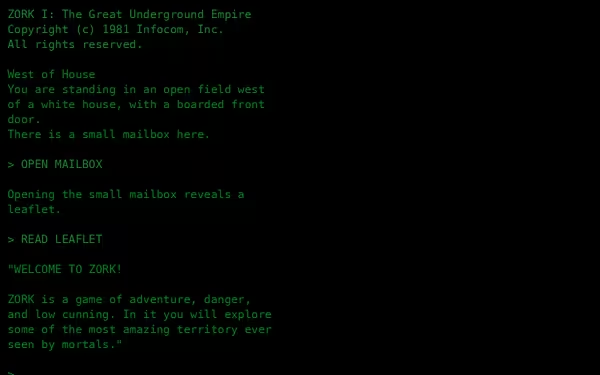
At my company, we're shifting our interaction paradigm. Even though the business logic of our internal tools remains the same, the way we interact wit
Having a blog online from an Org mode file, without your own server, with auto-deploy and no extra maintenance, is possible thanks to a service in the

GPT detectors frequently misclassify non-native English writing as AI generated, raising concerns about fairness and robustness. Addressing the biases…

Our environment and economy are at a crossroads. This paper attempts a cohesive narrative on how human evolved behavior, money, energy, economy and th…

Few who study human evolutionary biology would defend a view of life that pits nature versus nurture. However, moving on without continuing to seek the primary driver of the evolution of a trait, or without aiming to disentangle the relative importance of each factor...
We continue a line of research initiated in Dinur and Nissim (2003); Dwork and Nissim (2004); and Blum et al. (2005) on privacy-preserving statistical databases. Consider a trusted server that holds a database of sensitive information. Given a query function $f$ mapping databases to reals, the so-called {\em true answer} is the result of applying $f$ to the database. To protect privacy, the true answer is perturbed by the addition of random noise generated according to a carefully chosen distribution, and this response, the true answer plus noise, is returned to the user. Previous work focused on the case of noisy sums, in which $f = \sum_i g(x_i)$, where $x_i$ denotes the $i$th row of the database and $g$ maps database rows to $[0,1]$. We extend the study to general functions $f$, proving that privacy can be preserved by calibrating the standard deviation of the noise according to the {\em sensitivity} of the function $f$. Roughly speaking, this is the amount that any single argument to $f$ can change its output. The new analysis shows that for several particular applications substantially less noise is needed than was previously understood to be the case. The first step is a very clean definition of privacy---now known as differential privacy---and measure of its loss. We also provide a set of tools for designing and combining differentially private algorithms, permitting the construction of complex differentially private analytical tools from simple differentially private primitives. Finally, we obtain separation results showing the increased value of interactive statistical release mechanisms over non-interactive ones.
Myanmar ICT for Development Organization (MIDO) is a non-governmental organization in Myanmar focusing on Internet and Communication Technologies (ICTs). Established in 2012, MIDO focuses on ICTs for development, Internet freedom, and Internet policy advocacy. In 2013, it organized the first Myanmar Internet Freedom Forum in Myanmar, supported by Freedom House. Phyu Phyu Thi is both co-founder and research and development manager of MIDO. She holds a master’s degree in sustainable development from Chiang Mai University, Faculty of Social Sciences in Thailand, and a bachelor’s degree in science from Yangon University. Her interests include technology and development, social media, diffusion of information, and behavior. Htaike Htaike Aung is co-founder and executive director of MIDO. She is working as a digital security and privacy consultant. She is also co-founder of the Myanmar Blogger Society and co-organizer of BarCamp Yangon – a user-generated conference primarily focusing on technology and the Internet which is part of a larger international network.
The U.S. Census Bureau recently released data on earnings percentiles of graduates from post-secondary institutions. This paper describes and evaluates the disclosure avoidance system developed for these statistics. We propose a differentially private algorithm for releasing these data based on standard differentially private building blocks, by constructing a histogram of earnings and the application of the Laplace mechanism to recover a differentially-private CDF of earnings. We demonstrate that our algorithm can release earnings distributions with low error, and our algorithm out-performs prior work based on the concept of smooth sensitivity from Nissim et al. (2007).
Every ten years, the United States Census Bureau collects data on all people living in the US, including information on age, sex, race, ethnicity, and household relationship.We conducted a simulation study to investigate the risk of disclosing a change in how an individual's sex was recorded in successive censuses. In a simulated population based on a reconstruction of the 2010 decennial census of Texas, we compared the number of transgender individuals under 18 identified by linking simulated census data from 2010 and 2020 under alternative approaches to disclosure avoidance, including swapping in 2020 (as used in 2010) and TopDown in 2020 (as used for the actual data released from the 2020 enumeration).Our simulation assumed that in Texas, 0.2\% of the 3,095,857 residents who were under the age of 8 in the 2010 census were transgender and would have a different sex reported in the 2020 census, and 23\% would reside at the same address, which implied that 1,424 trans youth were at risk of having their transgender identity status disclosed by a reconstruction-abetted linkage attack. We found that without any disclosure avoidance in 2010 or 2020, a reconstruction-abetted linkage attack identified 657 transgender youth. With 5\% swapping in 2010 and 2020, it identified 605 individuals, an 8\% decrease. With swapping in 2010 and TopDown in 2020 as configured for the actual data release, it identified 194 individuals, a 68\% decrease from swapping. Our simulation found that the TopDown configuration attains the maximum achievable level of privacy protection against such an attack.Our results demonstrate the importance of disclosure avoidance for census data and suggest that the TopDown approach used by the Census Bureau is a substantial improvement compared to the previous approach, achieving the maximum level of privacy protection possible against such a linkage attack.

Moringa oleifera, native to India, grows in the tropical and subtropical regions of the world. It is commonly known as ‘drumstick tree’ or ‘horseradis…
Humanities and Social Sciences Communications - Retraction Note: The effect of ChatGPT on students’ learning performance, learning perception, and higher-order thinking: insights from a...
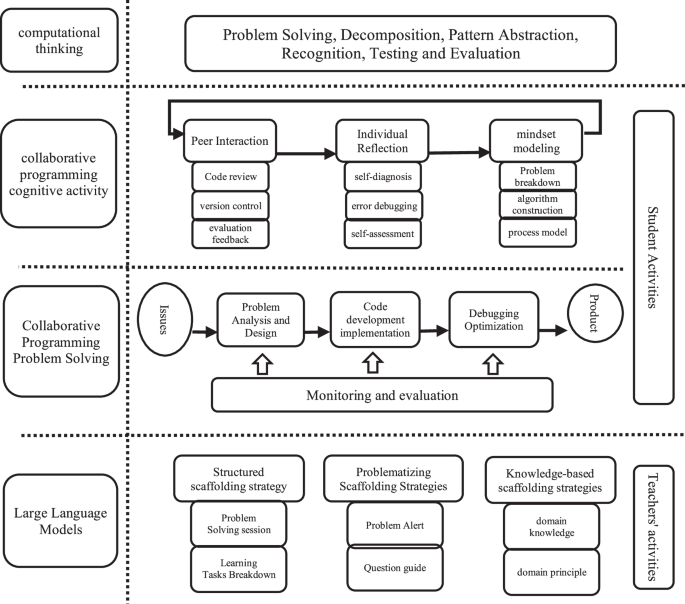
At present, collaborative programming is a prevalent approach in programming education, yet its effectiveness often falls short due to the varying levels of coding skills among team members. To address these challenges, Large Language Models (LLMs) can be introduced as a supportive tool to enhance both the efficiency and outcomes of collaborative programming. In this shift, the structure of collaborative teams evolves from human-to-human to a new paradigm consisting of human, human, and AI. To investigate the effectiveness of integrating LLMs into collaborative programming, this study designed a quasi-experiment. To explore the effectiveness of integrating LLMs into collaborative programming, we conducted a quasi-experiment involving 82 sixth- and seventh-grade students, who were randomly assigned to either an experimental group or a control group. The results showed that incorporating LLMs into collaborative programming significantly reduced students’ cognitive load and improved their computational thinking skills. However, no significant difference in self-efficacy was observed between the two groups, likely due to the cognitive demand students faced when transitioning from graphical programming to text-based coding. Despite this, the study remains optimistic about the potential of LLM-enhanced collaborative programming, as students learning in this way exhibit lower cognitive load than those in conventional environments.
Joining a new company, and sometimes even a new team, can be a daunting experience. It’s all the new things that change and that we need to accommodate for. A new routine, a new office with maybe a new commute route, all the new tools and processes that may be different. And new people to interact with.
Feeling recognised is about employees feeling that the company really values their work and presence at the company. That the company has a long term vision for their relationship and is actively invested in growing them.

Sometimes I notice that I have just wasted one hour or so because of some bug in my code, or something that I did wrong. When that happens I try to step back, understand what I did and try to come up with a change in my way of working that will prevent it from happening again.

An exercise I like to do is to try to categorize the typical day to day tasks in terms of the time frame they are responding to. I actually feel that this says a lot about the company’s culture and way of working. From this point of view, a task can be: Reactive Proactive Forecasting
Things go wrong. This is something that we can try to control, anticipate an plan for. But ultimately we will fail and we won’t be prepared for it. If we consider the amount of interactions we have, the amount of changes by so many people, and the limited amount of resources we have, it should be clear that if we don’t hit some bumps, we’re just going too slow. One thing that we can do though, is to better handle problems after they happen with a good postmortem culture.
I’ve know Tiago Sousa for a really long time. We were both students at ISEL, we did some classes together and actually ended up doing our thesis together. We worked at Orion’s Belt, a massive online multiplayer game, and it was one of the best experiences I had as a developer. We then started working at Safira and then moved together to PDM where we worked on several projects. We later parted ways and each one of us had our own path. Tiago is a seasoned developer and currently is working at Sky. He had several team leaders and managers and on this interview I try to understand what’s his opinion on being the best manager.
Sara Gorjão is a great recruiter that has helped me a lot over the past years. I’ve asked her for developer profiles very complicated. For example, Clojure developers or developers willing to learn Clojure, seasoned functional QAs with automation experience, senior developers, etc. And she always delivers great people. She doesn’t have a technical background but it’s amazing the technical fit of the profiles she finds and how she can match them to our needs. And if in the technical side the candidates will already be in our ballpark, her capacity to deliver candidates that match our culture is outstanding. Sara is a one-department-recruiting-pipeline. It has definitely been a competitive advantage to have been teaming up with her. She is responsible for the Permanent Placement Branch inside of KWAN, which means that if you want to hire talent to work directly on your team - to be hired directly by you - she would be the person to talk to.
Nuno Silva is the first guy I remember meeting when I started at ISEL. We’ve been friends ever since. We’ve done most of the course together, we started Orion’s Belt as a school project and worked at the same companies on our first years as developers. At some point we parted ways and gained different experiences in different fields. But practically at the same time we started leading teams and trying to be better at it. He’s usually my advisor whenever I have some tricky situation to attend to. In this interview I try to get some insights on how Nuno works and some best practices on leading teams. He also contributed to the blog with a guest post: Scaling engineering teams
I met Raquel H Ribeiro when I worked at Feedzai fighting fraud. She was part of the team of data scientists that built the tooling to detect fraudulent operations. It was always very interesting to talk with her about the new fraudster’s trends and how were they coping with that. And her being a Cosmologist, it was usual to have lunches where we asked all sort of astronomical things. I still remember her trying to explain high levels of abstraction to us, but it was really hard to keep up.
I’ve been following David Amador for a long time. He’s a one man team that created the Quest of Dungeons game. This game is available in 10 platforms, like for example on Steam, Xbox, Playstation, Apple Store, 3DS and Nintendo Switch. This blog is much about team leading, and it may seem off to interview an one man show. But I do believe that to lead others, we need to lead ourselves first. I always found interesting all the things that David is able to accomplish and on this interview I tried to understand better what makes him tick.

Having a team that is aligned on a set of core values is very important to have a healthy and productive environment.
It’s easy to have a sense of how satisfied we are. But sometimes it’s very tricky to clearly say why we are or are not satisfied at work. So I try to translate satisfaction into several specific topics.
How can we know if we’re learning enough? Or if we’re learning the right things? How can we get some help and find mentors?
I met Monika because Ricardo Fiel had referenced me as a team leader. We talked about topics related with leading teams because Monika is preparing training topics for leaders. I really liked talking with her and felt that I could have so much to learn. Being more focused on executing I sometimes feel that I lack in the theory part. She works at TEAMmatters where she helps companies change for the better. I learned a lot on this interview and hope it will also be useful for you.
I met Ricardo Vladimiro a long time ago when I was active in the gamedev Portuguese scene. I actually had the pleasure of working with him in his startup where we developed several games. At some point I went back to the web applications world and he started his journey at Miniclip where he turned to data science and grew as a manager. He is a good friend and a good mentor. He also contributed to the blog with a guest post: If you love them, let them go!
These are my replies to my first AMA (ask me anything). It’s interesting how this made me think and clarify many ideas. I’ve left the AMA format open and added the Ask me Anything page that has instructions on how to receive more questions. On this interview I give my opinion on several topics regarding engineering management, problems I’ve faced and how they changed me, how to measure performance, how to organise my time and about leadership.
Bugs are a tricky subject. We all write code with bugs and they have a considerable impact on our productivity and on the value added by our deliverables. So we come up with several strategies to handle the bug stream and have a ongoing effort to balance bug house keeping and new features. I’m a big advocate for a zero bug policy. This means that we should usually have 0 registered bugs. Whenever I present this idea I’m met with skepticism. This is seen as an utopia and not possible. My impression is that developers interpret in a way that would generate punishment when new bugs are added. But that is not the point. The point is to embrace that we’ll always have bugs, but also aim for a process that will minimize as much as possible the amount of bugs we produce. This will make us leave our comfort zone and question our beliefs. It’s not about “writing code that never has bugs”. It’s more about “what do we need to change in our day to day work to minimize bugs”.
It’s common for me to jump around between projects. For example, I may be working on a backend service and need to jump to a frontend SPA to help the team on some deadline or other specific goal. But cloning a new project always gives me bad memories. Not being able to run the tests (or not having tests at all), not knowing how to start/run the project (it may have docs for it if I’m lucky). And the worst part: not knowing how to deploy/publish a new version.
Markus Schirp (twitter, linkedin, homepage) is the author of Mutant, a mutation testing tool for Ruby. In this interview we’ll cover the topic of mutation testing and the added value of incorporating it in our day to day workflow. We’ll also cover other quality techniques that can be used to improve end to end quality of software deliverables.
I created this blog almost one year ago. It has been quite a ride. I have shared a lot and I have learned a lot also. I’ve published 50 articles, divided in 30 opinion articles, 13 interviews and the rest are references to videos. During this year I’ve had +20k unique visitors. My top 5 most visited articles are: From Rails to Clojure, then to Java, then back to Rails Code patterns that are a recipe for trouble My framework for one-on-ones That project where no one wants to work at Create an onboarding template
I never paid much attention to the agile movement. I’ve worked with SCRUM and other methodologies and always had some issues with them. They always felt more like a control structure than an improvement by itself. I do remember the first time we used SCRUM. It felt like a breeze. That wasn’t because of SCRUM itself but rather because using any kind of organisational model when we have none, is always an improvement. But I did feel much constraints using it. I’d say that maybe we never used it properly. But I do feel that SCRUM is great at some things, like managing risk, but not good at others: like productivity. It helps a lot when we need to build tailor made software to a specific client. When we are sharing the risk with the client and the client pays by the sprint.

Being on call can be daunting. Anything can happen in production and we may be all alone and completely out of our comfort zone dealing with a problem we have no clues about, and with the pressure of having the app down and impacting the business.
I believe we can split work into two categories: creative work, and regular work. To have a healthy work day we should be able to do both. But regular work is much easier and less demanding. I think both of them can be productive but working smart yields the best results mid to long term.
I don’t consider myself a gamer, but I like to play some games from time to time. I usually like games where I need to manage a squad, that have tactical and strategic depth. Sometimes I say that this helps me being a better manager. It’s not that in my day-to-day affairs I gain from the experience of leading virtual heroes to battle. But I do face new and weird challenges on those games, and sometimes I can correlate to the real world.
I met Gonçalo Sequeira at a previous company we worked at. He recruited me and because of that I got to interact with him during my full recruitment process. I learned a lot with him. Soon after he left to boot Mercedes-Benz.io development’s hub in Portugal and I’ve been following his career and still trying to learn from him. In this interview we cover what’s like to start a development hub, how to recruit the first people and what’s important about them.
I first met Ricardo Fiel when I was taking my degree at ISEL. Then we had different career paths, but ended up working at the same company. He was CTO at RUPEAL and I was a lead developer. We worked closely for a couple of years. The most vivid memory I have of Fiel is that even though we didn’t always see eye to eye, we always had good discussions and were able to overcome obstacles. I learned a lot with him and at this day I still look up to him for advices and mentoring.
The other day I was doing a code review and noticed that a mechanism for i18n was added to a new project we’re working on. There was a line like this: { key: 'something', label: i18n.t('something'), value: i18n.n(user.salary, 'currency')} This is very simple and common I’d say. Even so I left, as I so usually do, a suggestion as a comment: Suggestion: wrap i18n.t and i18n.n in an abstraction that we control.
Sofia Gonçalves is a product manager currently working for Resolver. In this article we talk about what are the responsibilities of a product manager and what are their biggest challenges (for example, defining priorities). About what’s a good process for product managers and how to deal with partially remote teams. We also talk about recruiting and mentoring product managers.
Having a continuous learning mindset is very important. To reap the most benefits we should make a plan and have goals on what to learn. Time bound goals Wanting to learn new things or accomplish something without a deadline may end up being wishful thinking. If we set a date and a goal we have better chances of achieving it. Imagine that we want to learn Japanese. It’s important to time bound that goal. If we instead say that we want to learn Japanese in one year we start to have a clear picture of what we’ll need to invest in terms of our routine.
João Cavalheiro was brought to my attention due to a talk he gave at a local engineering management group. We can see the talk’s slides at Totally Networked Team. Managing a remote team is starting to become a common thing, so I was very interested in understanding how João works and what are the pros and cons of managing a remote team.
We leave our comfort zone when we get that anxious feeling in our chest and we are conscious that we’re not in control, and that something may go wrong.
I never worked on a project with 100% code coverage. I’ve worked on several projects with a high coverage and a test suite that gave confidence to the team. But even on those projects sometimes we’d have a nasty bug in production that could have been easily detected with a simple test. This is a tricky subject and usually developers don’t care much about this or think that it’s not worth the cost, or even that is not that useful. I’ve gathered here several arguments in favor for a full coverage.
I usually like to ask the following question when I’m interviewing developers: Imagine that you have a task that you estimated to be 2 weeks. It’s now two weeks from the deadline and you realise that you’ve made a mistake and that the task will take 3 weeks to do. What do you do? The question is vague on purpose and usually shows how mature the developer is.
André Macedo is a software engineer working at Mercedes-Benz.io. In this interview we cover DevOps and how it solves comon problems. We talk about delivering fast and with quality and what’s needed to achieve that. We also discuss how teams can deliver several features in parallel effectively and about the definition of a senior developer.
This past week I was pair programming. We had to implement a service object that deletes a model. We actually did it pretty fast and well. It had tests, linter was pleased and we were ready to push it when we noticed that our coverage was not 100% (and we do like 100%, with all its pros and cons). But we didn’t understand why, because this module should be fully covered. In fact the code was covered when we ran just the suite for that class, but was not covered when we ran the full suite.
Hugo Lopes is leading a Research and Development department that interacts with a product team at James. This is very interesting. We’re starting to have data science mentioned everywhere and it’s nice for Hugo to share his experience building a R&D department. We talk about development process, onboarding, training, team management and team performance.
I was curious about Mutation Testing and the value we can take out of it. So I took an hour to play with it and try to understand it better. What’s mutation testing? In mutation testing we have a program that changes our application’s code and then runs the tests. If no tests fails, it means that we may have a problem. In practice this means that we don’t have a full coverage on that code. This is not about the typical 100% code coverage metric. Because we can have some code that is 100% covered and still find problems with mutation testing.
Erik is the author of DaedTech, a blog about software stories that I follow. He has published several books, being Developer Hegemony: The Future of Labor the latest. On this interview we discuss topics that go from strategic decisions regarding code bases, guidelines for building software, how to deliver features with quality and how to make developers more valuable.
Once upon a time I had a manager that spent the first two weeks of his then new job going through Excel sheets and meetings with the CEO. I had no idea what was going on, none of us in his team had. He was the first to arrive at the office, said good morning to the rest of us as we walked in, had coffee and some informal chats with us about how things were going and for those two weeks that was pretty much it. There was no bossing around or implementing “disruptive” (please do air quotes while reading for full effect) procedures. At some point we were wondering if he was going to do any actual work at all… ever!
Last week I finished reading The Alliance: Managing Talent in the Networked Age. I really liked the book and it helped me better understand my own views and ideas on growing teams and developers. The book is small-ish and talks about several processes that are used at Linkedin. They also have online materials and tools at The Alliance Framework website. When I was suggested to read this book I remember that I crused through the reviews and I noticed that several bad reviews had a common theme: they said that the ideas were good and interesting, but that they wouldn’t be possible to implement in a corporate company. That hinted that this book would bring out of the box ideas and naturally I was very interested. So what were my key take aways from the book? The concepts of tours of duty and the alliance relationship.
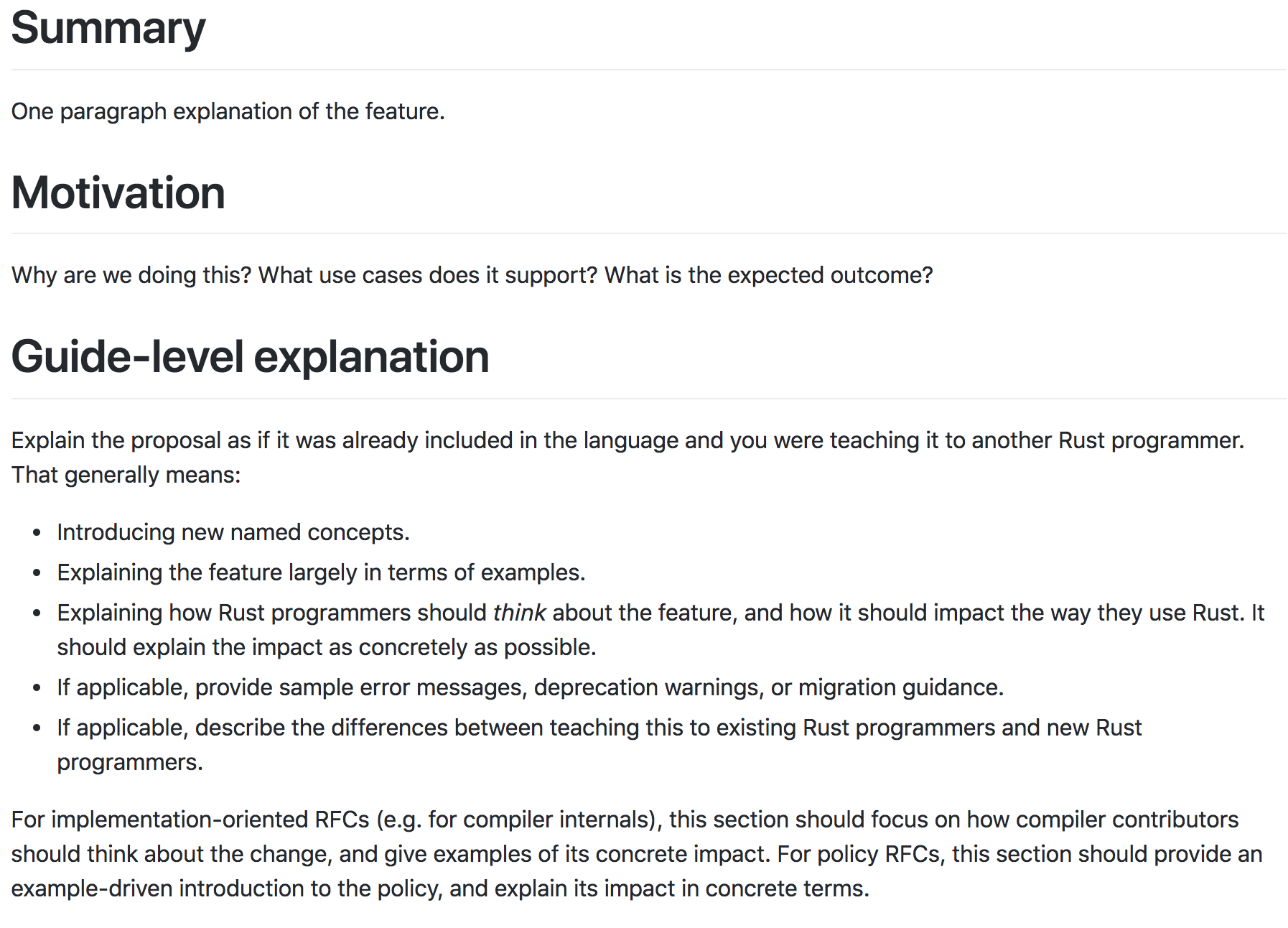
Usually we know RFCs from IETF. It’s that document that for example starts to present the HTML spec. But on this article I’m talking about RFCs (request for comments) in a broader sense. Like a tool that can be used by product/engineering teams to better plan and be productive.
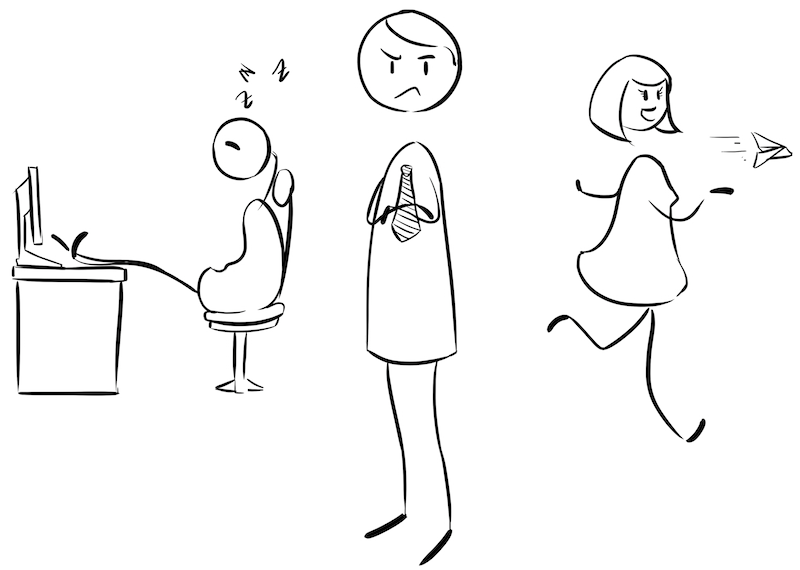
There are projects that one one wants to work at. There could be many reasons for that and I list here some that I’ve seen. Being aware of these problems is the first step to start fixing them. And most importantly, by being aware of these problems we can start from day one implementing processes that prevent these kind of things from happening.
While reading Atomic Habits I stumbled on a phrase that got me thinking on my goals as a team leader: “Suffering is the source of progress.” I’ve worked on several projects where the suffering was seen as usual. It was so usual that the developers didn’t even question it at all. I still see it happening to this day even on healthy teams and projects. There’s this thing that happens that causes suffering somehow, but we’re all so used to it that we just take it as is without questioning.

Having goals is very important to make sure we’re productive and delivering value.
I was always very focused on speed and productivity, but mostly from my point of view. Developing features fast and with quality is still one of my favorite problems to solve. But now that I’m more of a manager, I have to deal with new insights. How can I balance developers that are so fast that they slow the team down? Usually developers frown on processes. They want to be left alone working on their tasks and concentrated. And indeed that’s the best use of their time. The problems arise when we have several developer threads working in parallel and we need to sync them. So a new favorite problem to solve is how to make developers productive individually while potentiating the team and the overall output of the team. But for that… I need processes.
When we need to make decisions we may schedule a meeting, or start some POC or just lead by example. We’ll need to properly explain our idea, present pros and cons and communicate it well to all interested parties. A process we’ve been using for this is to create a decision log document. This is similar in concept to a RFC but the semantics are different. While on a RFC the focus is on how we’re doing something and specific details, the decision log is all about presenting ideas and reach an outcome.
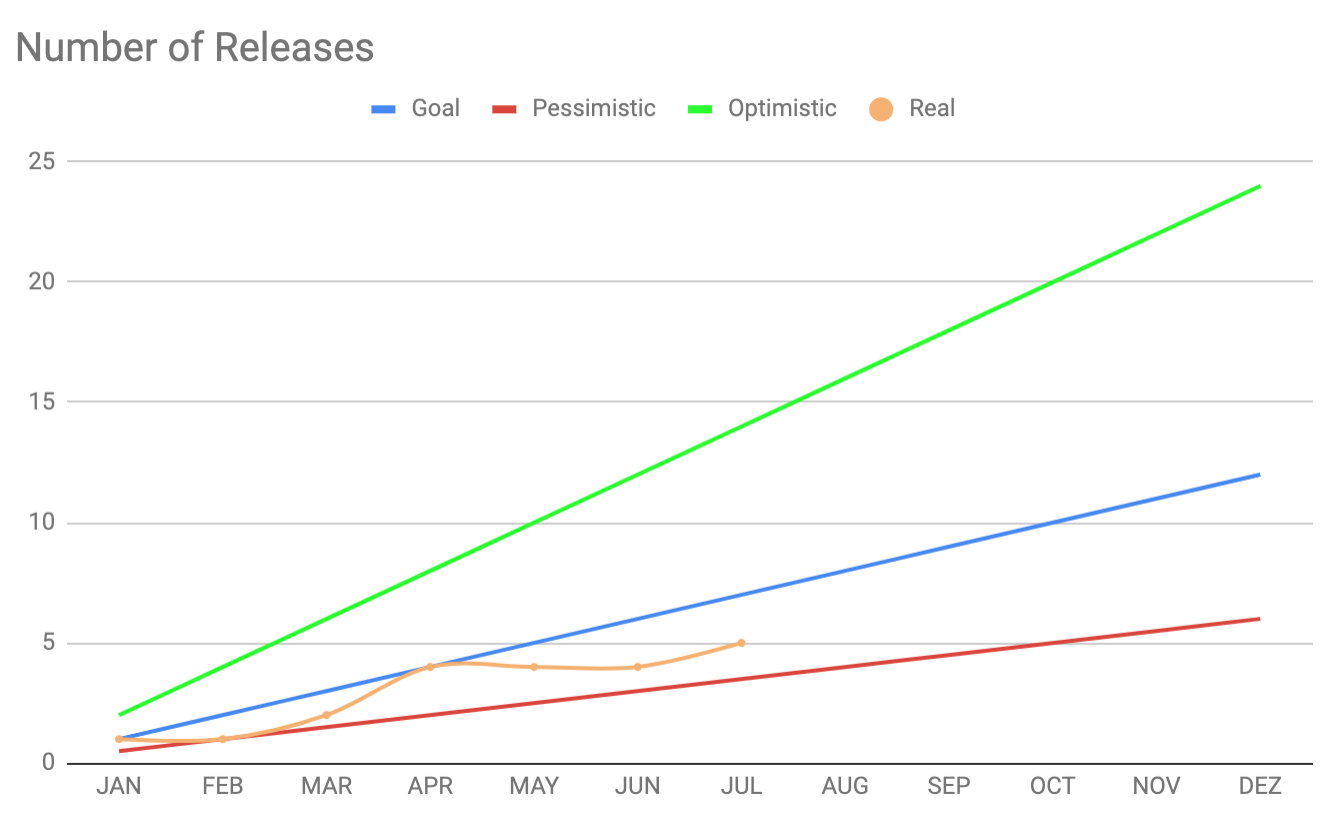
What would be a good set of key performance indicators for engineering projects and teams? We’re usually accustomed to see KPIs in a business context, and more used by sales, marketing, product squads. But I believe that the exercise of figuring out KPIs is very important. We’re talking about measuring our performance with simple numbers. Is that possible at all? If we do figure it out, we’d have some kind of software development metrics dashboard. That would have value by itself. We could see were we’re at, we’re we going and the impact or correlation between KPIs, But it’s very difficult to measure productivity in software engineering teams. Having the work mostly being creative makes the modeling it as numbers pretty tricky. We may look to KPIs that only reflect volume, but neglect to consider added value. The typical lines of code metric comes to mind.
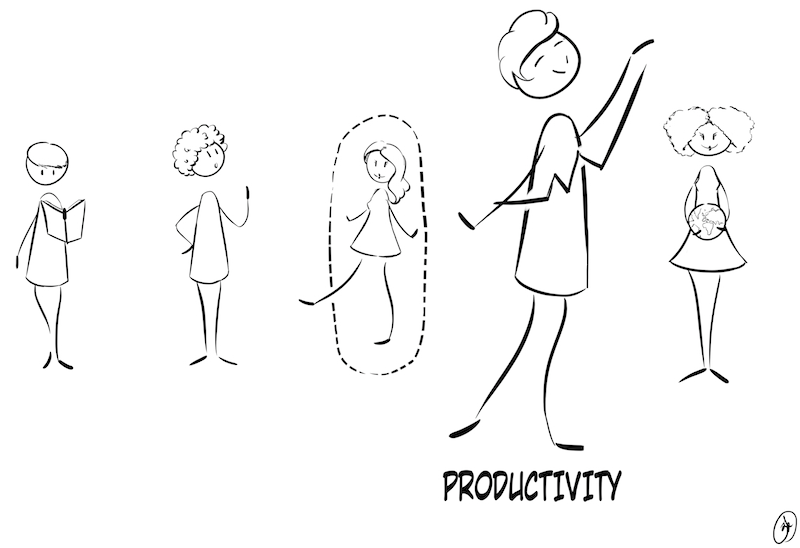
I see productivity as value added per unit of time. There are many factors that impact our personal productivity and at the end of the day we’re always part of something bigger, like a team and a company.
I’m mostly experienced in building web apps. And I always wondered how other types of applications are built. Embedded systems, mobile apps, desktop applications, etc. Do we share the same practices? And mostly: what can we learn from other ways of working? In this interview I try to find out the differences to the AAA game industry by interviewing João Pataca Oliveira. How are their quality processes? How to they ensure a healthy environment on such a fast pace and competitive area?
Interviews are meant for companies and possible future employees to get to know each other and assess if they are a fit. Usually employers will lead interviews and try to get a sense of how proficient a candidate is. I have favorite programming interview questions that I use to achieve that goal. I also have a set of questions that I do whenever I’m on the interviewee side. I’ll want to understand how I can add value to the company and how the company will add value to me, as a professional. If we’re to form an alliance we need to be mindfull of what’s ahead.
It’s common for companies to have a set of technical questions to perform at programming interviews. We may have a set of generic questions, and also questions specific to the language and technologies we use. Having this script of questions is great for having a common ground between different interviews. If we always ask the same questions, it’s easier to compare candidate performances. With time I’ve came up with my own set of questions. I have a different style. I favour open questions that let the candidates talk freely about their past experiences. (You may also be interested in the questions I like to ask interviewers.)
Is assessing performance important? We usually have performance reviews tied up with end of year bonuses and promotions. I tend to focus more on performance towards continuous improvement. If we have a template of what we should accomplish and how to add value and we can see if we’re on track we can adjust and improve. I believe that performance talk should be held at 1on1s. We should not wait for the end of the year to give feedback and a score. We should have a continuous process for leveling up people.
With growth companies tend to create new ways of work and interact in order to scale. The simple vision of small teams using the some agile methodology simply does not work in growing companies that want to retain talent and keep their engineers motivated. The repetitive work, the fact that small teams don’t have the capability to be responsible for several engineering solutions and the fact that, in a small team, challenges that can be given to a engineer are limited makes growing companies to question the common work methodology and create new approaches to software development. Pipedrive is one of those companies. Joining the best practices used by the biggest companies and, using this information, appling a major brainstorm, it came out a framework that reimagines the way we produce software development.
I really like heated debates. It’s great to discuss different strategies of doing things and struggle until we align on a course of action. A healthy and productive team should have heated debates from time to time. But the main point should not be about being right. I think a lot on how to make these discussions more productive and how to take the most out of every participant. I’ve been trying to pay attention on how we present our ideas and opinions and how other people react and give feedback.

It’s very common to see discussions or debates about different topics. These discussions can be light or very harsh. We may invest hours discussing trivial things or even days aligning on a RFC. If we have an idea or opinion that we feel is the right one to follow, how can we make sure that we convince our teammates?
As a line manager one of my responsibilities is to level up developers. This is something very challenging that I started to like a lot. I have a primary goal on my 1on1s: how can I level up this person? How can I follow the work that is being done and give good, candid, actionable feedback? How can we know that in fact we’re improving? This starts by trying to understand what my mentees value and where do they see themselves. I try to do that is by asking: Imagine that you are 10x more better. What does that look like?
A mentor is someone that provides guidance and is an important asset on our journey to be the best version of ourselves. Sometimes we have mentors and we don’t even realise it. But we should be conscious on who are our mentors, how to get the most out of them, find other mentors that cover other areas and also help them improve their own mentorship skills. I remember when I was at a company and I found myself with several mentors without realising. Due to some circumstances I had monthly 1on1s with my direct manager (okay that’s to be expected) but also with other people with different kind of roles:
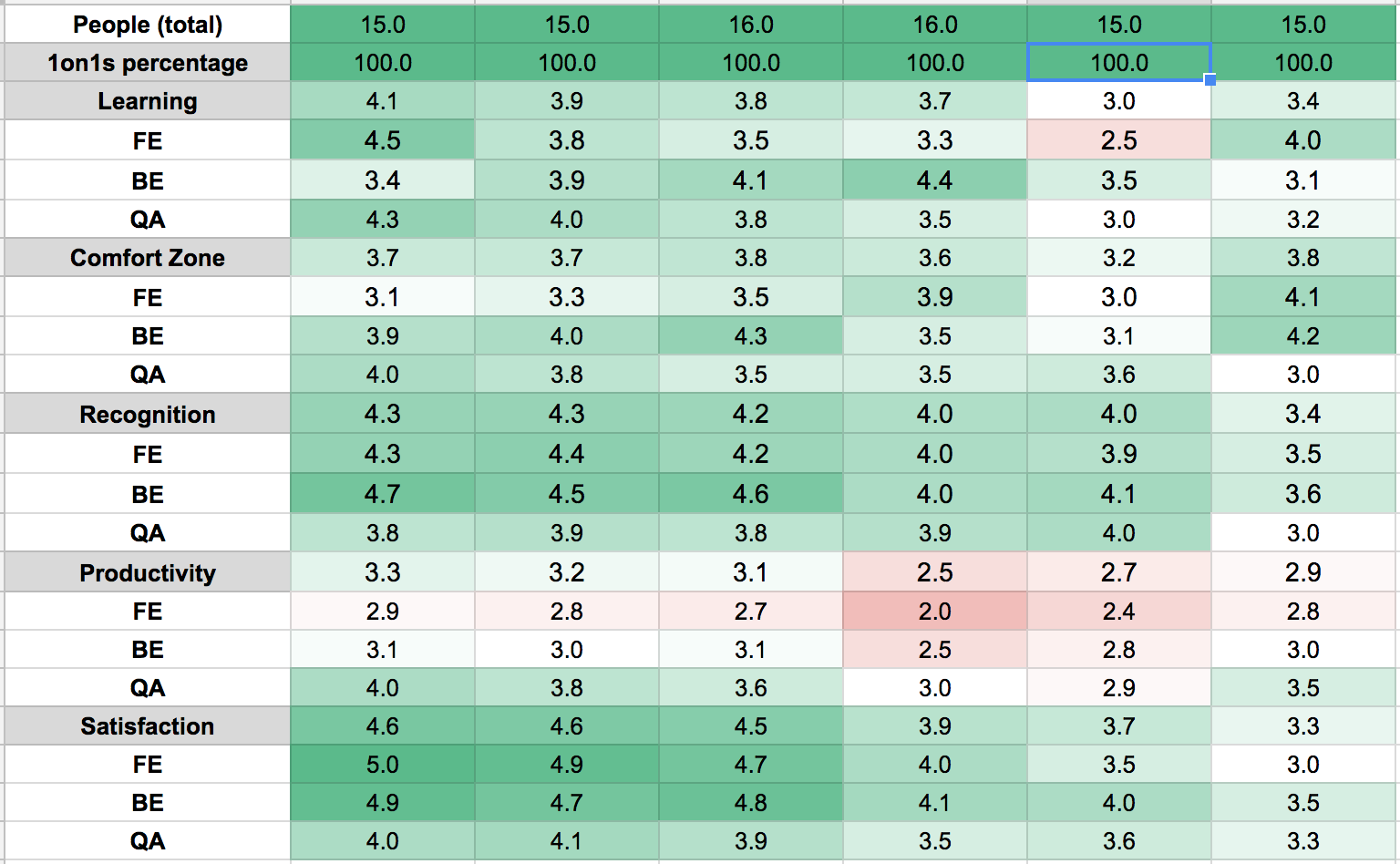
Getting the best out of my team is one of my responsibilities. For that I need personal time with each teammate. But taking the most out of these sessions can be very hard. So I started to build a framework to help me.

Low vision affects the ability to read and can be a major barrier to educational success and insertion into the workplace. We designed a new font (Luc…

Video games as a consumer product have changed significantly with the advent of in-game purchasing systems (e.g., microtransactions, ‘loot boxes’). Th…
Interviewer: Scott Douglas Jacobsen Title: In-Sight: Independent Interview-Based Journal Place of Publication: Langley, British Columbia, Canada Name of Publisher: In-Sight Publishing Numbering: Is…

Moving from Industry 4.0 to Industry 5.0 marks a substantial shift in the way technology is incorporated into workplace design. In Industry 4.0, the e…

In the current climate change scenario, heat waves have become one of the most concerning extreme climatic events, both because of their implications …
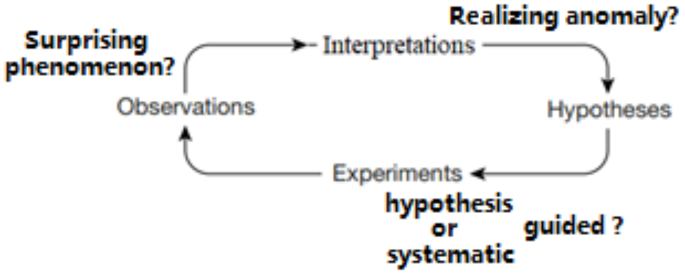
Scientists are interested in whether generative artificial intelligence (GenAI) can make scientific discoveries similar to those of humans. However, the results are mixed. Here, we examine whether, how and what scientific discovery GenAI can make in terms of the origin of hypotheses and experimental design through the interpretation of results. With the help of a computer-supported molecular genetic laboratory, GenAI assumes the role of a scientist tasked with investigating a Nobel-worthy scientific discovery in the molecular genetics field. We find that current GenAI can make only incremental discoveries but cannot achieve fundamental discoveries from scratch as humans can. Regarding the origin of the hypothesis, it is unable to generate truly original hypotheses and is incapable of having an epiphany to detect anomalies in experimental results. Therefore, current GenAI is good only at discovery tasks involving either a known representation of the domain knowledge or access to the human scientists’ knowledge space. Furthermore, it has the illusion of making a completely successful discovery with overconfidence. We discuss approaches to address the limitations of current GenAI and its ethical concerns and biases in scientific discovery. This research provides insight into the role of GenAI in scientific discovery and general scientific innovation.

There are no commonly agreed ways to assess the total energy consumption of the Internet. Estimating the Internet's energy footprint is challenging be…

Several operating systems provide a central logging service which collects event messages from the kernel and applications, filters them and writes th…

This conceptual study explores how artificial intelligence (AI) is transforming the nature of work and reconfiguring the experience of humanness, part…

More than 10,000 Starlink satellites currently orbit the Earth. We see them crawling across dark skies, no matter how remote our location, and streaking through images from research telescopes.SpaceX recently announced that it wants to launch one million more of these satellites as orbital data cent...

Anti-amyloid monoclonal antibodies (MABs) have introduced a new era of Alzheimer's disease (AD) therapeutics with disease-targeted drugs. Three agents…

The discovery that contracting skeletal muscle generates reactive oxygen species (ROS) was first reported over 40 years ago. The prevailing view in th…

Atherosclerosis starts early in life and progresses silently for decades. Considering atherosclerosis as a “systemic disease” invites the use of nonin…

Non-high-density lipoprotein cholesterol (non-HDL-C) and low-density lipoprotein cholesterol (LDL-C) were established as the target for blood lipid ma…

Inconsistent results have been reported in developed countries for relationships between sedentary behavior and cancer incidence and mortality, and ev…

Total sleep deprivation has a visible impact on subjective facial appearance. However, there is a lack of knowledge on how moderate sleep restriction …

This study aimed to conduct on the concentration of nitrate/nitrite (mg kg-1) in vegetables and fruits with a special emphasize on the effect of clima…

Understanding the important role of typography in reading is a key subject that designers should know and learn about. Design for reading is an enormous responsibility that we should face and resolve correctly. In these pages you will find an explanation of how one reads, the movement of our eyes when we read, how we recognize words. You will find excellent material of a diverse nature and complexity that will help understand the basic princi- ples of typography, wrong ideas and practices that are common in the profession, and advanced concepts of reading on the screen supported by scientific research. The mastery detail of how to regard type is fully developed by Mary C. Dyson who has devoted her academic life to searching for answers and convey designers of her findings.

Long-COVID often involves cognitive difficulties, immune dysregulation, and mitochondrial dysfunction. Studies suggest nicotinamide adenine dinucleoti…

A comparison of the effects of different NAD+ boosters is lacking. This clinical study compares the efficacy of the NAD+ boosters NR, NMN and Nam in increasing circulating NAD+ levels and analyses their effects on gut microbial metabolism.

The Interventions Testing Program (ITP) evaluated eleven compounds in genetically heterogeneous UM-HET3 mice to assess their potential to extend lifespan. These interventions included both novel agents and previously tested compounds administered at novel doses or starting ages. Despite prior evidence suggesting lifespan benefits of these proposed interventions in other models or under different conditions, none of the tested compounds significantly increased lifespan in male or female mice. Notably, astaxanthin, mitoglitazone, and meclizine—previously associated with lifespan extension in the ITP—showed no benefit when administered at different doses or starting at later ages. In females, astaxanthin, late-start mitoglitazone, and pioglitazone were associated with significantly reduced lifespan when pooling the data from all three sites. However, site-specific analysis revealed unusually long lifespans in control females at The Jackson Laboratory, prompting reanalysis using data from the other two sites and only showed a negative effect for mitoglitazone and pioglitazone. This study underscores the importance of rigorous, multi-site testing and highlights the challenges of translating promising initial findings into consistent lifespan benefits at other doses or with alternate starting ages. These results suggest that timing and dosage are critical variables in aging intervention studies and reinforce the need for cautious interpretation of single-site or single-cohort findings.
Atherosclerosis starts early in life and progresses silently for decades. Considering atherosclerosis as a “systemic disease” invites the use of nonin…

Atherosclerotic cardiovascular disease (ASCVD), affects approximately 18.6 million individuals worldwide and poses a significant healthcare related ch…
This thoroughly revised guide demonstrates how the flexibility of the command line can help you become a more efficient and productive data scientist. You’ll learn how to combine small yet powerful command-line tools to quickly obtain, scrub, explore, and model your data. To get you started, author Jeroen Janssens provides a Docker image packed with over 100 Unix power tools—useful whether you work with Windows, macOS, or Linux.

Offering students formative feedback on their writing is an effective way to facilitate writing development. Recent advances in AI (i.e., ChatGPT) may…

Cycles of drafting and revising are crucial for student writers' growth, and formative assessment plays an important role. However, many teachers lack…
This website and all its contents is licensed under the Creative Commons Attribution-NonCommercial version 4.0 International License. You are free to share, copy, and redistribute this material in any medium or format, as long as you give appropriate credit to the author and provide a link to the license. You may not use this material for commercial purposes unless explicit permission is granted by the author. The information provided is offered as is, and readers are encouraged to independently verify and responsibly apply the content at their own discretion.

Mussel colonization can affect the water quality through restructuring nearby bacterial communities. In this study, we conducted an experiment to dete…
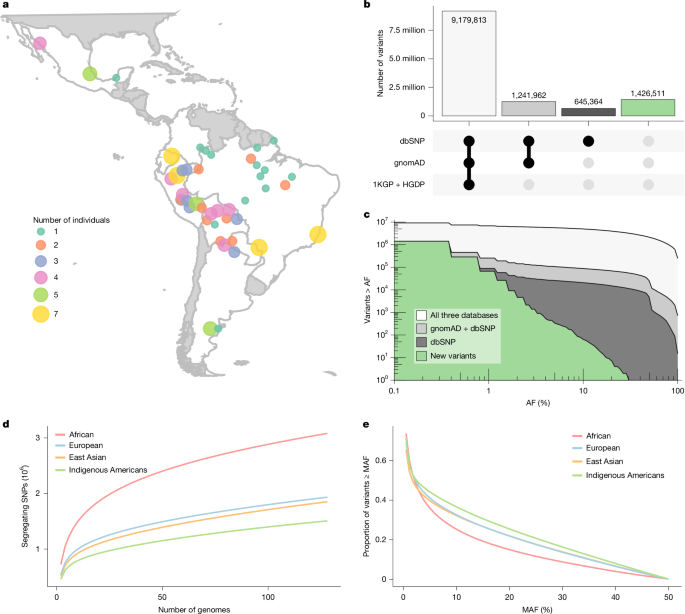
Analysis of 128 high-coverage Indigenous American genomes shows extensive diversity shaped by several South American dispersals, ancient Australasian admixture, archaic introgression and long-term adaptation, indicating a far more complex evolutionary history than previously assumed.
By extending Andersen’s (2003) propositions, the current paper formalizes Luhmann’s four fundamental analytical frameworks and proposes a model that delineates the relations among them. That is, with the form analysis as the base framework, observation analysis is considered the social extension of form analysis as it involves the distinction observer / observed or ego / alter. Differentiation analysis is described as the factual extension of form as it distinguishes a system (this) and everything else (in its environment). Finally, semantic analysis is considered the temporal extension of form analysis as it focuses on the condensation of meaning over time. In addition, to overcome the abstractness of descriptions in the existing literature, this paper suggests the workable definitions that operationalize the analytical frames. Rich research examples are also presented to demonstrate the broad applicability of the four frameworks in communication research and their analytical gains. These theory-driven analytical frameworks are expected to provide meaningful connections between empirical data and theories, thereby enriching the field of communication research. In turn, more empirical applications will contribute to Luhmann’s systems theory by bringing in productive insights.

The April Lyrid meteor shower is the oldest meteor shower ever recorded continuously throughout history, dating as far back as 687 BC. Before the 20th…


The rapid integration of generative artificial intelligence into higher education has outpaced empirical understanding of its effects on fundamental l…
Scholars have long recognized the importance of everyday life to understanding the formation of modern nation-states and national cultures. Culinary culture offers especially rich insights into these processes, but the nature of culinary practice poses a challenge to researchers: namely, much of it exists not in conventional archives or written texts, but in embodied knowledge, learned gestures, and oral tradition. This article outlines a method for conducting “kitchen histories,” an ethnographically oriented oral history methodology focused on memories of kitchens and cooking. It describes the narratives of three Moroccan women in which migration and mobility are significant factors in the formation of both national and class identities. These histories highlight a tension between consolidating national cultural styles and tastes within a bounded geographical unit and the centrality of migration and middle-class mobility, both of which frequently cross national borders, to that process.

Forensic science error rate studies have not given sufficient attention or weight to inconclusive evidence and inconclusive decisions. Inconclusive de…

After more than a century of concerted effort, physics still lacks basic principles of spontaneous self-organization. To appreciate why, we first stat…
A book about how to do common data manipulation, analysis, and visualization tasks in Clojure - scicloj/clojure-data-cookbook
Cheese Talks: A website about games and game related topics, featuring interviews, articles and neat visualisations.

Coffee provides a livelihood to millions of smallholder farmers, but comes with serious challenges as incomes are often meagre and the climate crisis …

This study examined the relationships between nurses' exercise behavior and their anger control using a cross-sectional descriptive design.The partici…
Mastering Ethereum: 2nd Edition, by Andreas M. Antonopoulos, Gavin Wood, Carlo Parisi, Alessandro Mazza, Niccolò Pozzolini - ethereumbook/ethereumbook
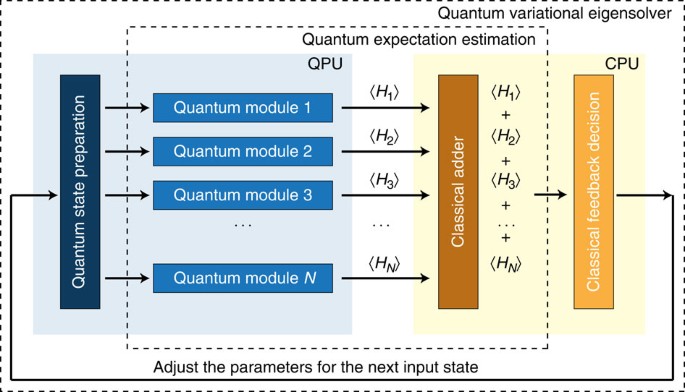
Quantum computers promise to efficiently solve problems that would be practically impossible with a normal computer. Peruzzo et al. develop a variational computation approach that uses any available quantum resources and, with a photonic quantum processing unit, find the ground-state molecular energy of He–H+.
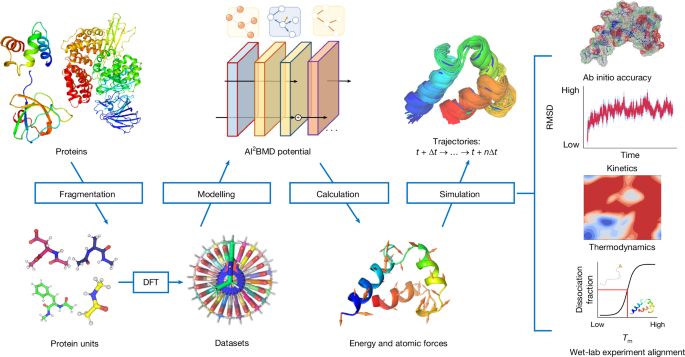
A study introduces AI2BMD, an artificial intelligence-based dynamics simulation program that uses protein fragmentation with a machine learning force field to accurately and efficiently model the folding and unfolding of large proteins.

Several influential articles that attempt to establish diagnostic methods for Abusive Head Trauma (AHT) use admitted cases as a reference standard. Th…

Pulsed laser diodes may offer a smaller, less expensive alternative to conventional optoacoustic laser sources; however they do not provide pulse rate…

Rising reports of suicidal behaviors in children and adolescents have led to the recognition of a youth mental health crisis. However, reported rates can be influenced by access to screening and changes in reporting conventions, as well as by changes in social stigma. Using data on all hospital visits in New Jersey for 2008–2019, we investigate two inflection points in adolescent suicide-related visits and show that a rise in 2012 followed changes in screening recommendations, while a sharp rise in 2016–2017 followed changes in the coding of suicidal ideation. Rates of other suicidal behaviors, including self-harm, attempted suicides, and completed suicides were essentially flat over this period. These results suggest that underlying suicide-related behaviors among children, while alarmingly high, may not have risen as sharply as reported rates suggest. Hence, researchers should approach reported trends cautiously.

The sheer number of fans who watch sports and cheer on their favorite teams is astonishing. What is further eye opening is the typical passionate fervor with which fans watch them, often acting like their very lives depend upon whether the teams they root for come out on top. The wide following that sports attract and the passionate responses of sports fans are puzzling to many because the outcomes of games rarely if ever have any appreciable bearing on the rest of the lives of the fans. Philosophers like Kendall Walton think that what they call this “puzzle of sport” can be explained roughly in the same way that what they call the “puzzle of fiction” can be explained. For just as enthusiasts of fictional films, stories, and plays are able to get emotionally caught up in characters that do not exist and made-up stories about them simply by make-believing that they exist and that their stories are real, so sports fans are able to get emotionally caught up in game outcomes simply by make-believing that winning is much more important and valuable than they know it really is. I reject this make-believe account and argue instead that what lies behind fans’ emotional fixations on game outcomes is that winning is a valuable end in its own right because it represents a significant human achievement. If I am right about this, then there is no puzzle of sports fandom that needs solving in fictionalist or other fanciful theoretical terms.

Authors who publish in Elsevier journals can share their research in several ways, depending on the article version you wish to share
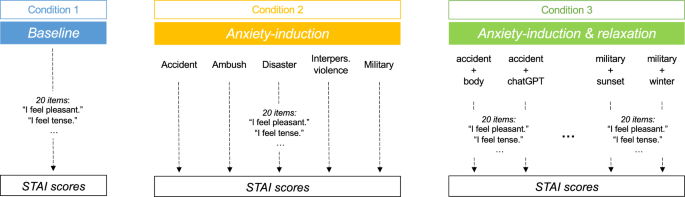
The use of Large Language Models (LLMs) in mental health highlights the need to understand their responses to emotional content. Previous research shows that emotion-inducing prompts can elevate “anxiety” in LLMs, affecting behavior and amplifying biases. Here, we found that traumatic narratives increased Chat-GPT-4’s reported anxiety while mindfulness-based exercises reduced it, though not to baseline. These findings suggest managing LLMs’ “emotional states” can foster safer and more ethical human-AI interactions.

The term ‘ultra-processed food’ emerged in the 1980s, mostly used in reference to highly-processed convenience foods and snacks, often energy-dense, p…
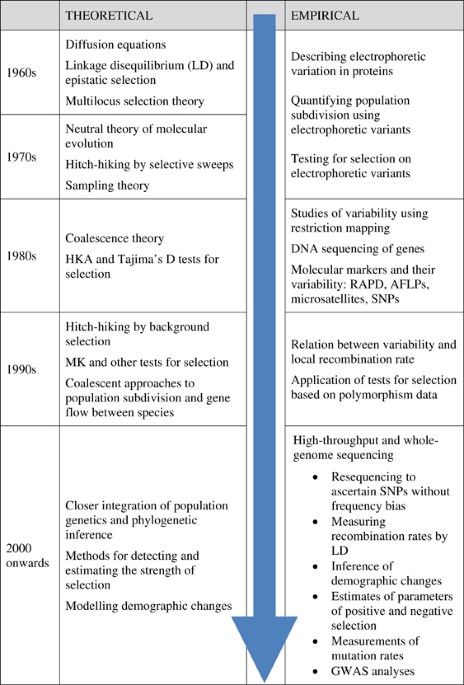
We describe the astonishing changes and progress that have occurred in the field of population genetics over the past 50 years, slightly longer than the time since the first Population Genetics Group (PGG) meeting in January 1968. We review the major questions and controversies that have preoccupied population geneticists during this time (and were often hotly debated at PGG meetings). We show how theoretical and empirical work has combined to generate a highly productive interaction involving successive developments in the ability to characterise variability at the molecular level, to apply mathematical models to the interpretation of the data and to use the results to answer biologically important questions, even in nonmodel organisms. We also describe the changes from a field that was largely dominated by UK and North American biologists to a much more international one (with the PGG meetings having made important contributions to the increased number of population geneticists in several European countries). Although we concentrate on the earlier history of the field, because developments in recent years are more familiar to most contemporary researchers, we end with a brief outline of topics in which new understanding is still actively developing.

Long COVID-19 (LC) patients experience a number of chronic idiopathic symptoms that are highly similar to those of post-viral myalgic encephalomyeliti…

The paper explores how well AI algorithms can fare with regards to intellectual virtues compared to humans. The paper argues that if intellectual virtues are understood functionally as displaying behavior similar to human virtuous behavior, AI algorithms likely can exceed humans in unbiased perception and non-stereotypical thinking. Doing so would give them an edge over humans with regard to visual accuracy and fairness. Humans likely will have a lasting edge with regards to other intellectual virtues like creativity and intellectual autonomy.

Background Narcissistic personality disorder (NPD) is associated with a complex interplay of genetic, neurobiological, and environmental factors. In this case report, we discuss the association between adverse childhood experiences (ACEs) and the development of NPD in adulthood. Case presentation Here, we report a clinical case of NPD to illustrate how ACEs, particularly physical and emotional neglect, combined with early life parental overvaluation, can impair emotional regulation and self-worth, contributing to the development of narcissistic traits. We analyse, in light of existing literature, how ACEs are associated with a wide spectrum of personality disorders, how parental overvaluation is linked to grandiose narcissism, and how childhood neglect and abuse are associated with vulnerable narcissism. Conclusion ACEs are the primary risk factor for the development of NPD in adulthood. Dysfunctional household environments and parenting practices compound the association between ACEs and pathological narcissism. It is important to address childhood trauma for the prevention and treatment of NPD. Further research is necessary to clarify how individual factors influence the relationship between ACEs and pathological narcissism.
I am Olivier Wulveryck and this is my personal blog.
Thanks to the CUE language, this article will expose a way to draw diagrams as data. It introduces a CUE module holding the definitions for C4 components declarations.
This is a simple article that describes the wiring of the tool I made for streaming the content of the remarkable 2 on a computer. From the proc filesystem to the gRPC implementation over HTTP/2 via the certificate generation.
A book series (2 published editions) on the JS language. - getify/You-Dont-Know-JS
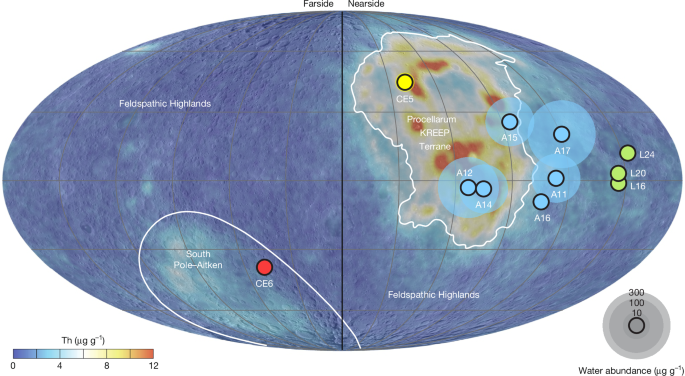
An estimate of water abundance in the lunar mantle indicates that the farside mantle is potentially drier than its nearside counterpart.
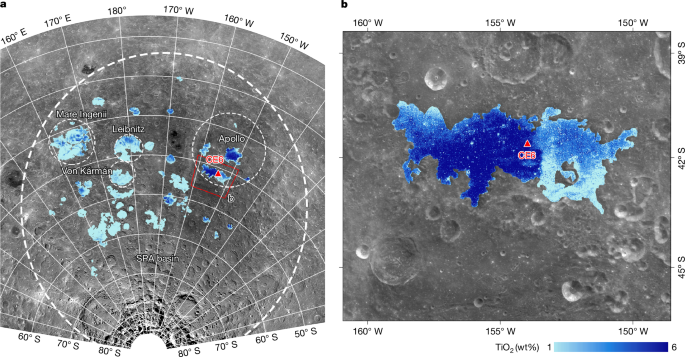
Extreme Sr–Nd depletion in 2.8-billion-year-old basalt fragments from the lunar farside South Pole–Aitken basin suggests an ultra-depleted mantle source resulting from lunar magma ocean crystallization and/or later impact-related melt extraction.

Presenting posters at scientific conferences is often viewed as a valuable way for professionals, researchers, and students to cultivate presentation skills. Furthermore, the exchange of ideas between presenters and attendees frequently stimulates new perspectives. Coupled with in-person poster discussion, our recent poster presentation at the National Association of School Nurses (NASN) conference amassed 110 qualitative feedback comments from attendees who viewed it online. Given the substantial feedback received, our team decided to conduct a thematic analysis to evaluate the impact of the presentation and examine whether any helpful information was provided. As the data were not solicited by the authors, we did not anticipate that attendee feedback regarding our poster would lead to this spontaneous research inquiry. Thus, this commentary paper was developed without the context of a predisposing research question or hypothesis. From the submitted data, five dominant themes emerged that were agreed upon by all authors: Awareness, motivation, implementation, evaluation, and COVID-19 issues. Based on this experience, we affirm the value of conference poster presentations that invite presenter evaluation feedback, offer multiple options for viewing presentations (e.g. virtual viewing in addition to in-person presentations), and award attendees continuing education credit in exchange for viewing and providing constructive comments.
This case study explores an innovative approach to poster presentations that combines peer review with self-assessment to create authentic learning experiences. Dr. Nicola Koyama has developed an innovative assessment approach in a Level 6 Primatology module that transforms traditional poster presentations into engaging peer and self-assessment experiences. By developing a structured system where students review peers' work before evaluating their own, with marks awarded for accurate self-assessment, students develop critical evaluation skills and deeper understanding of assessment criteria. The success of this approach, evidenced by external examiner commendation and positive student engagement, demonstrates how traditional poster sessions can be transformed into powerful learning opportunities that build assessment literacy while reducing anxiety around formal presentations.

General anesthesia serves a critically important function in the clinical care of human patients. However, the anesthetized state has foundational imp…

Film costume, 'Romeo + Juliet', Hawaiian shirt, Romeo, textile / wood, designed by Kym Barrett, worn by Leonardo DiCaprio, United States of America, 1996

Supplements are commonly used by individuals with indications for lipid-lowering therapy, but evidence of their effectiveness to lower low-density lip…

The use of unverified models for risk estimates and policy recommendations can be highly misleading, as their predictions may not reflect real-world h…
🧬 Advanced hybrid language model for directed protein evolution. (NeurIPS 2024) - ai4protein/ProSST
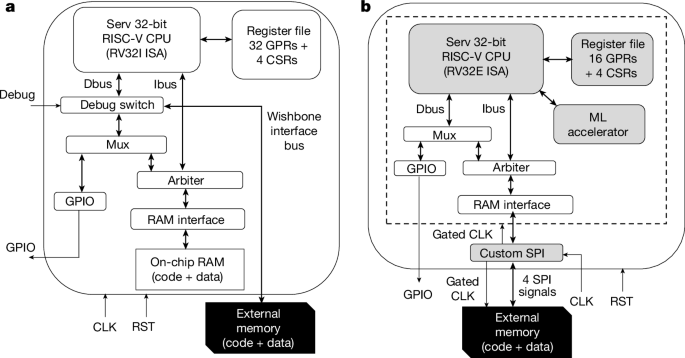
Flex-RV, a 32-bit microprocessor based on an open RISC-V instruction set fabricated with indium gallium zinc oxide thin-film transistors on a flexible polyimide substrate, enables an ultralow-cost bendable and flexible microprocessor.

<center> <img src="https://xaya-e.gitlab.io/art/postcard-sulheart.png" alt="pixel art postcard with heart" width="20%" style="image-rendering: pixelated;ima...

<style> :root { /--color-dark: #241623;/ --color-dark: #391a36; --color-light: #d6cbd2; --color-primary: #6e263f; } @media (prefers-color-sche...

<style> :root { /--color-dark: #241623;/ --color-dark: #391a36; --color-light: #d6cbd2; --color-primary: #6e263f; } @media (prefers-color-sche...
Lil' things that didn't make it in and some behind the scenes
<style> :root { /--color-dark: #241623;/ --color-dark: #391a36; --color-light: #d6cbd2; --color-primary: #6e263f; } @media (prefers-color-sche...

Associations between vegetarian diets and risk of common cancers are somewhat understood, but such data on medium-frequency cancers are scarce and oft…

The Experimental Musical Instruments quarterly journal began publication in 1985 and ran through 1999, putting out a total of 70 issues. This package contains...
The Experimental Musical Instruments quarterly journal began publication in 1985 and ran through 1999, putting out a total of 70 issues. This package contains...
The Experimental Musical Instruments quarterly journal began publication in 1985 and ran through 1999, putting out a total of 70 issues. This package contains...

Non finito, opera interrotta e modernità, a cura di Anna Dolfi, è un ricco volume diquasi settecento pagine che tradisce, già dalla mole, un grande lavoro di elaborazione eprogettazione. Anna Dolfi...

District heating (DH) networks are a key component of low-carbon urban heating in the future, as greenhouse gas emissions and sustainability concerns …

Emerging transportation technologies such as ridesourcing services (i.e. Uber, Lyft, and Via) are disrupting the transportation sector and transformin…
Emerging transportation technologies such as ridesourcing services (i.e. Uber, Lyft, and Via) are disrupting the transportation sector and transformin…

MERGE provides a framework for thinking about climate change management proposals. The model is designed to be sufficiently flexible to be used to exp…

What seems terribly hard for many economists to accept is that all our models involve silly assumptions … they seem to help us produce models that are helpful metaphors for things that we think hap...
If one adopts a real annual discount rate of 5% or more — and there are no significant climate impacts for half a century — these impacts have a prese…

(Opinionated) answers to frequently asked questions on (green) open access, from a computer science (software engineering) research perspective. Disclaimer: IANAL, so if you want to know things for…
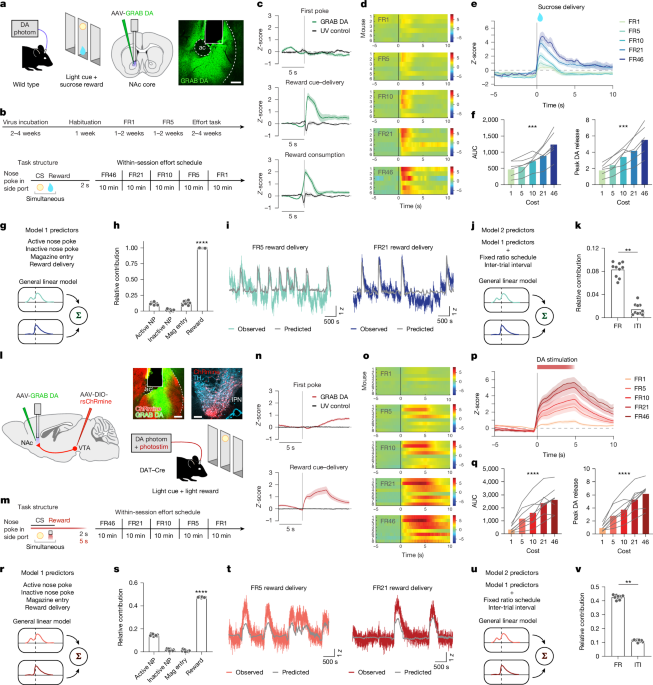
In the nucleus accumbens, acetylcholine boosts dopamine release to promote effortful behaviour.
Drug prices are similar to the points in “Whose Line is it Anyway?” - they’re made up. The price that is shown in the infographic (250$) is purely artificial, considering the drug maker gives a $62.50 rebate, meaning the actual cost to the drug maker is only $187.5. Image from Kaiser Health News shared under a CC license. Textual description What happens is, the company that makes the drug sets a price, let’s say 250$ (this is a “fake” price as you will see). Now, the drug is sold to a wholesaler for a certain price (237.50$ in the figure). The wholesaler then sells it to pharmacies for a profit (240$). Notice how the price dropped from 250 to 237.5? It’s because the 250 price is a lie. The actual price was always 237.50$ and 250$ was chosen to inflate the price and make it seem like the buyer is getting a great “deal”.

A code C⊆{0,1,2}n of length n is called trifferent if for any three distinct elements of C there exists a coordinate in which they all differ. By T(n)…


La question du conflit en démocratie pourrait se satisfaire de l’examen des fondements – contractualistes, délibératifs – de celle-ci, de ses procédures, de ses institutions. Ce ne sera pas le cas ...

Includes bibliographical references and an index. Pages 1-123. 1). Philosophy. 2). Metaphysics. 3). Philosophy, German. 4). Philosophy, German -- 18th...
A directory of contemporary type design, with a focus on active, independent type designers and foundries who distribute their fonts through a dedicated web presence or through a small selection of reputable networks.

The Hadean history of Earth is shrouded in mystery and it is considered that the planet was born dry with no water or atmosphere. The Earth-Moon syste…

Context: Software Engineering (SE) is an evolving discipline with new subareas being continuously developed and added. To structure and better underst…

The previous Loose Leaf Security series on safely surfing the web was pretty dense, so Geoffrey and I filled the latest episode of Loose Leaf Security with a bunch of our own personal security...
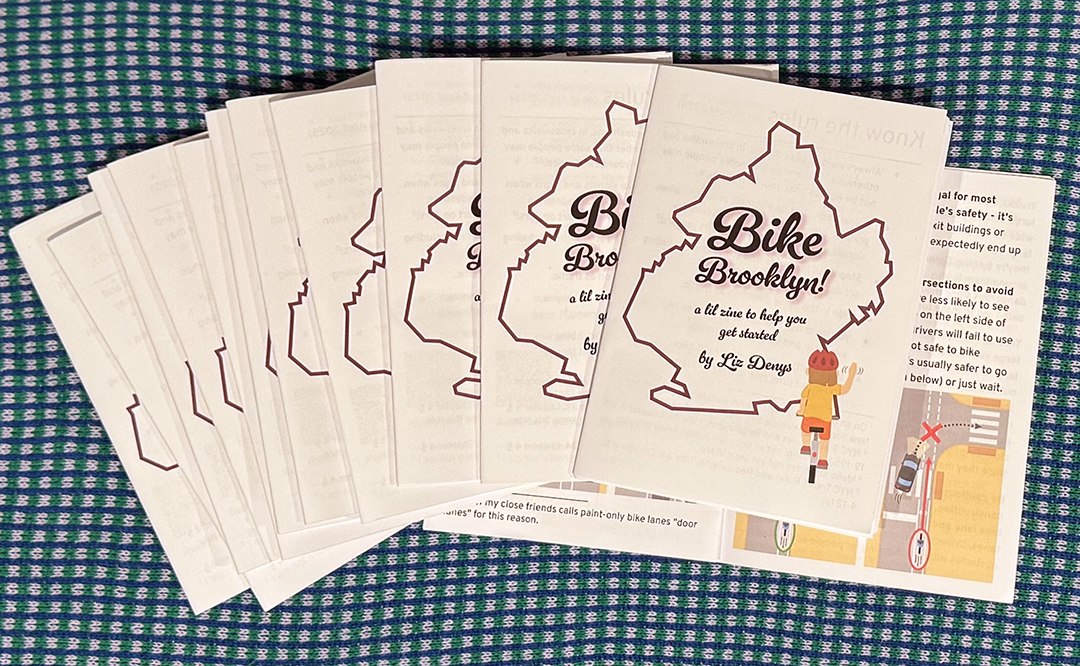
I've been biking in Brooklyn for a few years now! It's hard for me to believe it, but I'm one of the people other bicyclists ask questions to now. I decided to make a zine that answers the...

I've been testifying at local public meetings for safer streets and more housing and affordable housing, and sometimes people ask me how they can do the same and what to expect. I decided to...
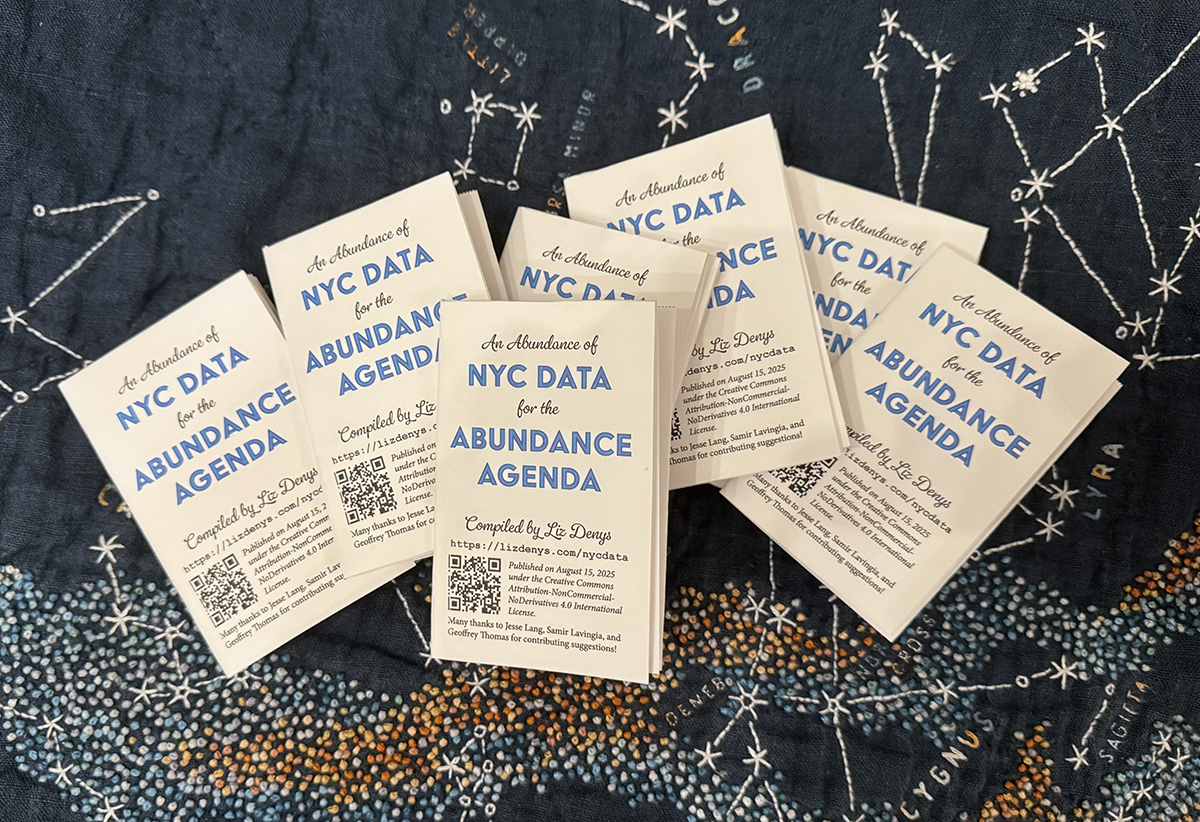
I reference a lot of different data sources when forming opinions at Community Board hearings and testifying at local public meetings, and since there are so many useful sources, I started...