GeistHaus
log in · sign up

The Dziedzice inscription and West Germanic rhotacism

pressto.amu.edu.pl

The inscription discovered in 1931 on the remains of a cinerary urn near Sedschütz, Upper Silesia, was at first proposed to be runic. Later analysed as a Germanic text written in Roman characters, the long-obscure Iron Age inscription has only recently been republished after being moved from the museum where it was originally conserved. Presumably executed by a member of the Buri, the early Germano-Roman text is only partially preserved and appears to feature key evidence for the early dialectal development of Germanic. Contemporary with the period of the Marcomannic Wars, its single interpretable lexical element seems to contain the earliest evidence for West Germanic rhotacism.

1 page links to this URL
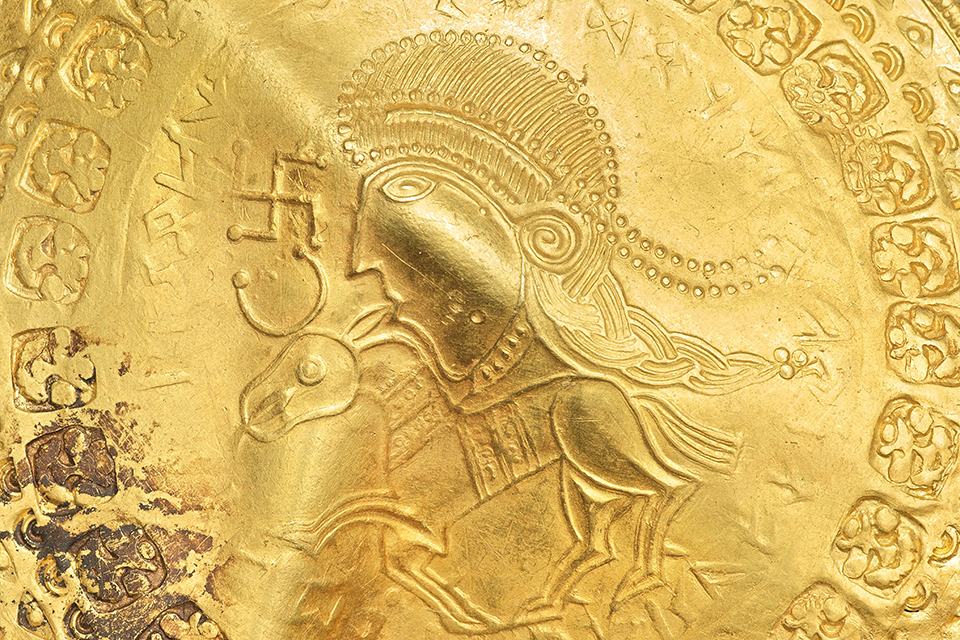
Winiþharjaz of Vindelev – A Military Leader in Fifth-Century Denmark

The village of Vindelev in Eastern Jutland was presumably a gift to a Vendish military commander, who operated east of Vejle in the middle of the 400s. An impressive gold hoard opens up the world, in which he lived.

0 inbound links Article en Medieval DenmarkMedieval HistoriesMigration Period bracteate