Simon Willison on llm-pricing
73 posts tagged ‘llm-pricing’. Posts about the pricing of various LLMs. See also my pricing calculator.
Anthropic is an AI safety and research company that's working to build reliable, interpretable, and steerable AI systems.
73 posts tagged ‘llm-pricing’. Posts about the pricing of various LLMs. See also my pricing calculator.
14 posts tagged ‘november-2025-inflection’. November 2025 felt like an inflection point for coding agents, with Opus 4.5 and GPT 5.1 (and GPT-5.1 Codex) increasing the utility of those agents in a very n…
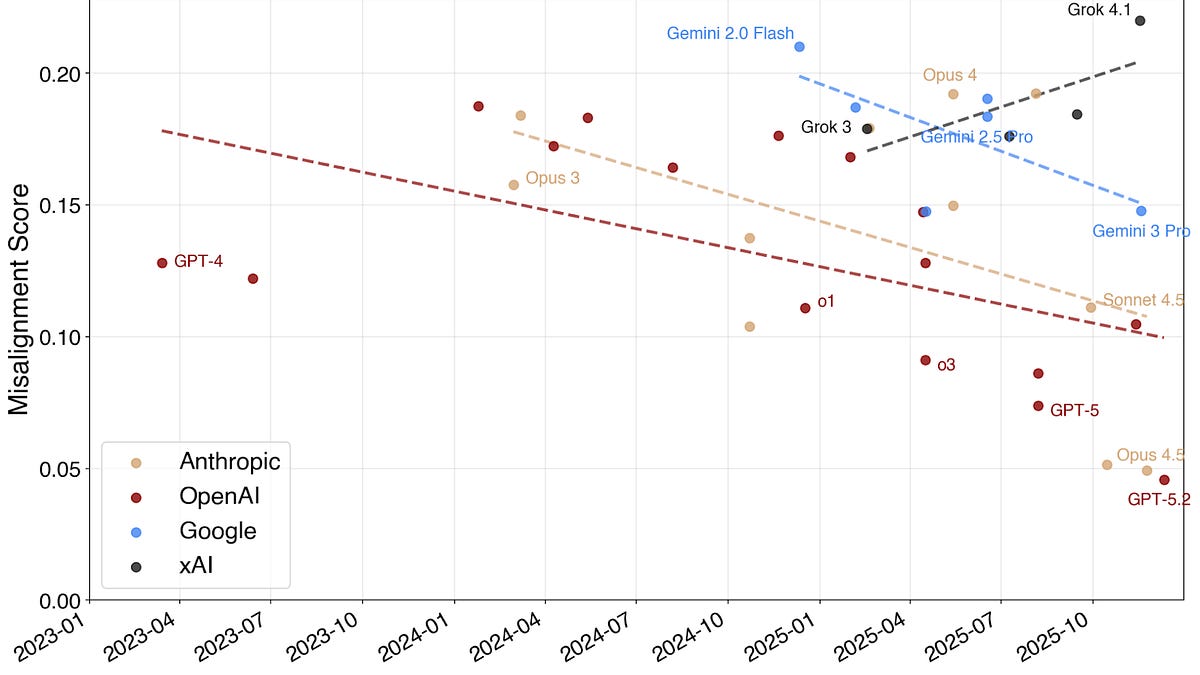
But it increasingly looks solvable

Spencer Schneidenbach - AI Architect and Software Engineer

How AI coding tools evolved from autocomplete to autonomous agents, and why I expect to abandon my IDE entirely this month.
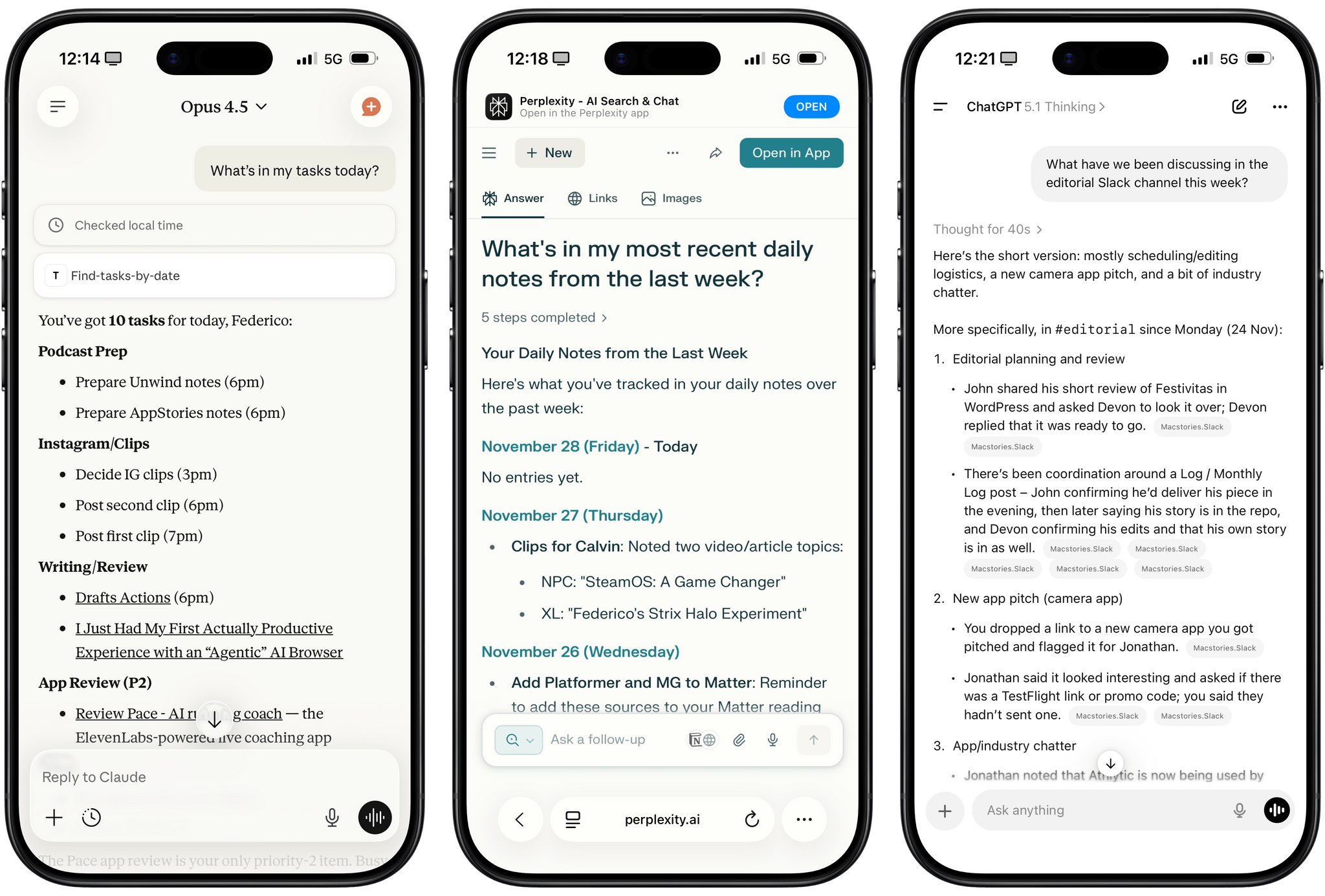
I was catching up on different articles after the release of Claude Opus 4.5 earlier this week, and this part from Simon Willison’s blog post about it stood out to me: I’m not saying the new model isn’t an improvement on Sonnet 4.5—but I can’t say with confidence that the challenges I posed it were
How I use AI as a design engineer on a daily basis.

Our DNA is written in Swift

Here's what's actually shocking about GLP-1s: they work by making the entire behavioral apparatus of weight loss obsolete. AI does the exact same violence to our model of intelligence.
I was catching up on different articles after the release of Claude Opus 4.5 earlier this week, and this part from Simon Willison’s blog post about it stood out to me: I’m not saying the new model isn’t an improvement on Sonnet 4.5—but I can’t say with confidence that the challenges I posed it were
A colorful interactive physics simulator with thousands of balls, but in your terminal! - minimaxir/ballin
An interactive terminal app/UI for MIDI composing, mixing, and playback—written in Rust - minimaxir/miditui
Fabric is an open-source framework for augmenting humans using AI. It provides a modular system for solving specific problems using a crowdsourced set of AI prompts that can be used anywhere. - dan...
Download directly Subagents are becoming a core primitive for serious AI-assisted development. In this episode, Kaushik and Iury disambiguate “agent” terminology, unpack plan mode vs subagents, and explain how parallel, scoped workers improve research quality without polluting the main thread. Full shownotes at fragmentedpodcast.com.
How I use AI as a design engineer on a daily basis.
Fabric is an open-source framework for augmenting humans using AI. It provides a modular system for solving specific problems using a crowdsourced set of AI prompts that can be used anywhere. - dan...
Less than half a year ago I was not only skeptical towards AI in my field, software development, but also not very impressed by the results it produced at the time. Now, however, I rarely write code myself anymore, and I'm not really observing the problems I envisioned would arise by the increased use. But. Some concerns I had, I still have.
The Who is Who in AI Land.

5 models in 5 weeks. Then Anthropic released a new model, Claude 4.5 Opus, and I thought my post would be about it. But a rush of new models in the past few days can’t be ignored. What does it mean? Let’s dive in. Model #6: Anthropic On November 24, Anthropic announced Claude 4.5 Opus, to complete their
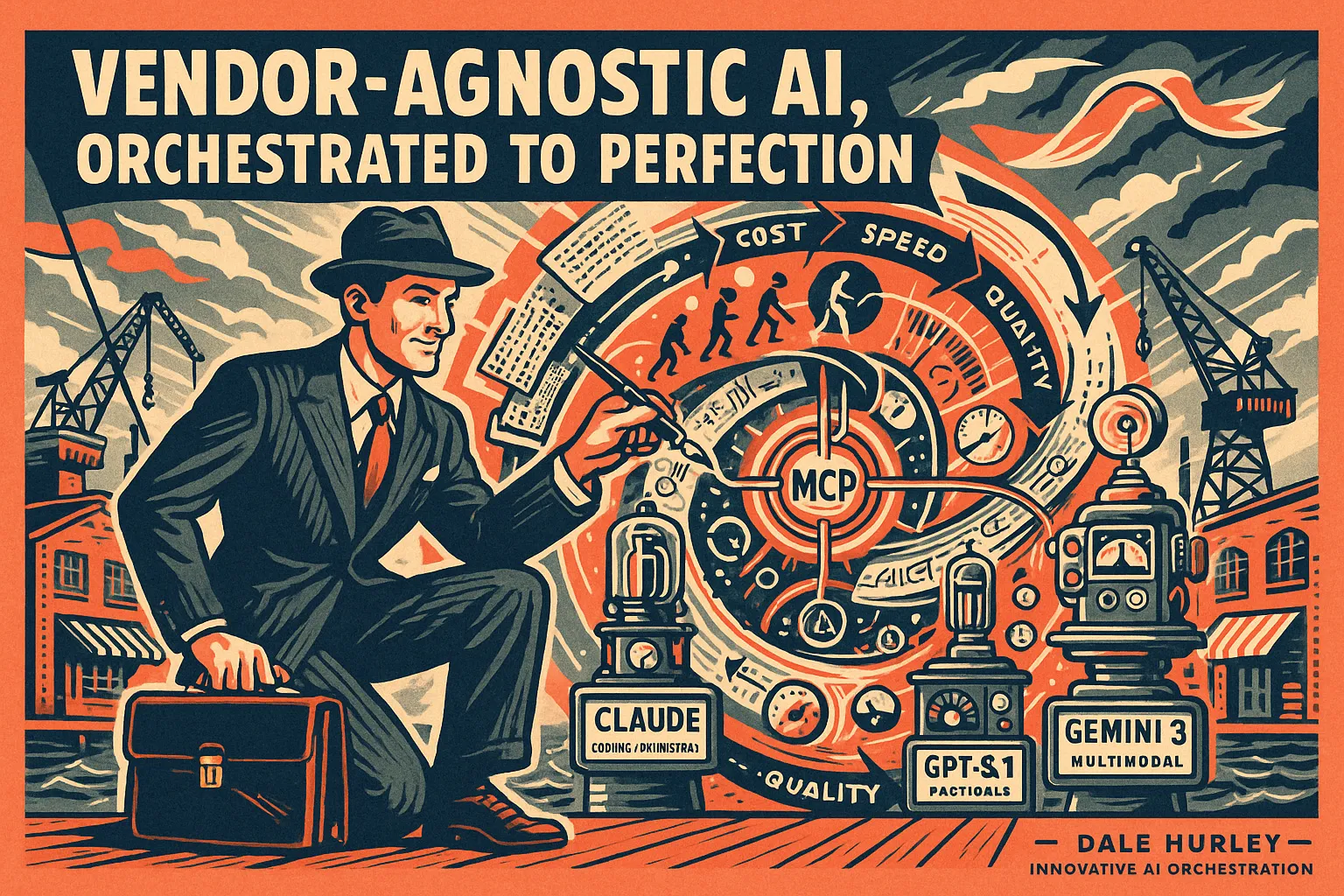
A comprehensive framework for intelligent orchestration of multiple large language models from different vendors, enabling vendor-agnostic AI systems with optimal cost-performance tradeoffs
Or: How I spent my Christmas vacation.
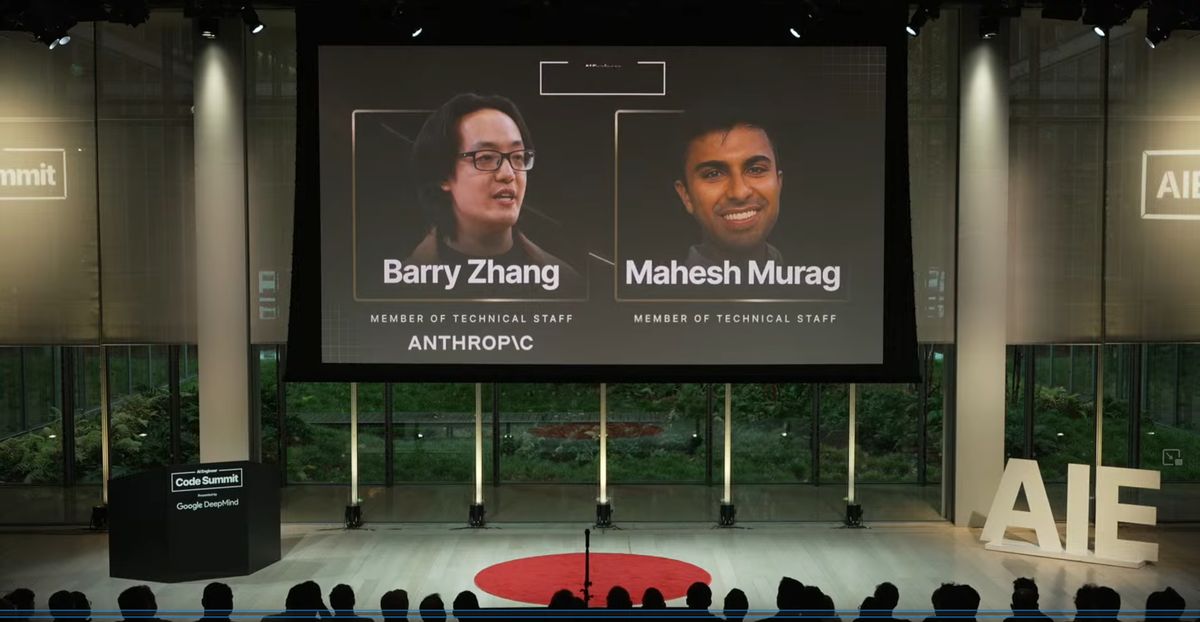
A great AIECS session from Barry Zhang & Mahesh Murag, the creators of Anthropic Agent Skills.
Cherny's thread on how he personally uses Claude Code gave me a roadmap.

Peter Steinberger's move to OpenAI marks the end of the saga; or Part 1 anyway.
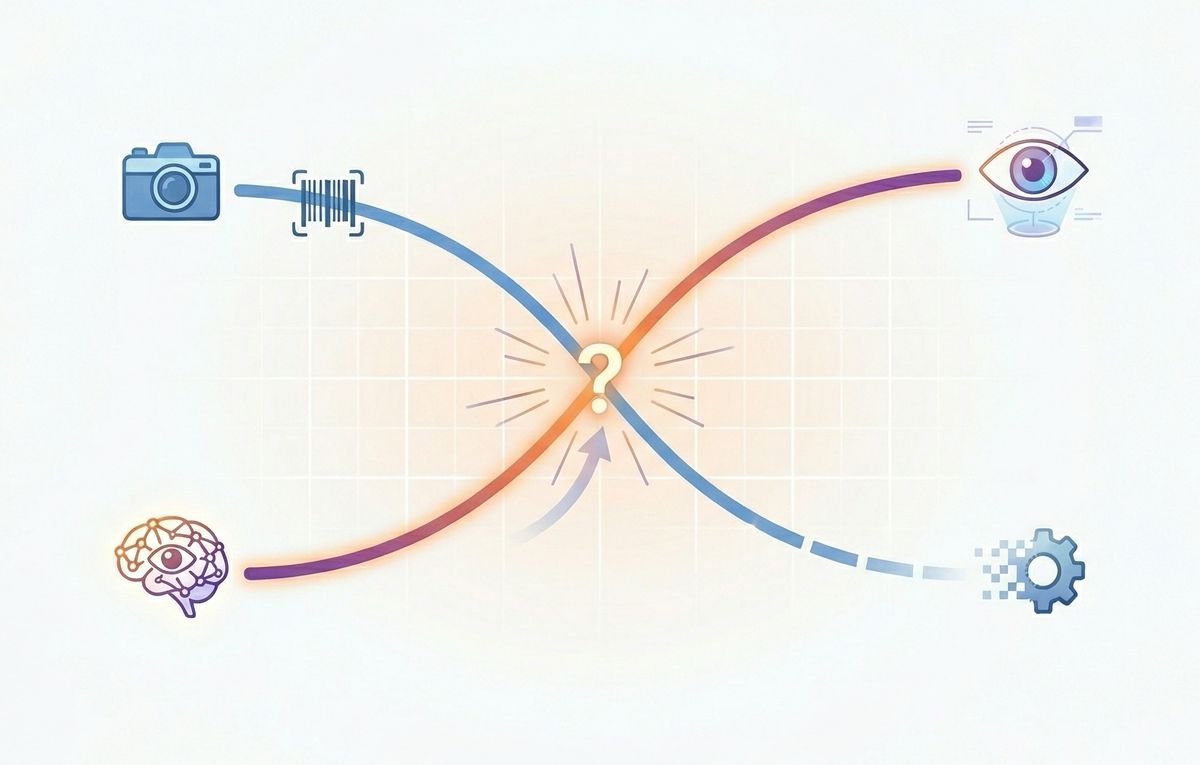
I was wrong about Computer Vision OCR being dead in 2024, but it appears that's about to change as AI Vision rises.
Listen now (114 mins) | How Peter Steinberger, creator of OpenClaw (formerly: Clawd), builds and ships like a full team by centering his development workflow around AI agents.
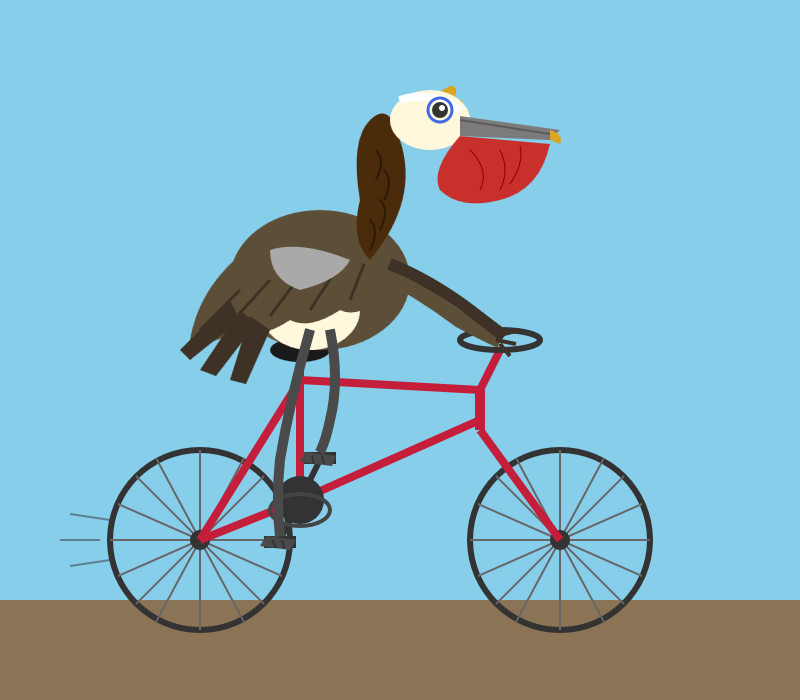
Anthropic released Claude Opus 4.5 this morning, which they call “best model in the world for coding, agents, and computer use”. This is their attempt to retake the crown for …
Fabric is an open-source framework for augmenting humans using AI. It provides a modular system for solving specific problems using a crowdsourced set of AI prompts that can be used anywhere. - dan...
The singularity started somewhere around Thanksgiving 2025. Maybe it was Opus 4.5, maybe it was just everything in the air, but we hit the point where the future is genuinely different from the past. There’s a kind of imagination block where we don’t even know how to think about what comes next. There will be a transition to something else – it’s actually quite different to have intelligence everywhere in the world.
Personal site and blog of Tim Vink

Last night I dreamt I was merging onto a rushing freeway. My on-ramp was far too short, a concrete embankment hemmed me in to the right. Faceless, speeding vehicles filled the lanes; integrating wi…
Salvatore Zappalà's Weblog
Tasting the future of invasive AI agents roused me to pursue a different direction.

Anthropic responds to OpenAI and Google with Claude Opus 4.5, a model that prioritizes coding dominance, cost-efficiency, and user-controlled reasoning.
Everything Android, Kotlin and other random topics

When I was building SwiftBash I made surprisingly quick headway on the basic CLI utilities — jq, awk, sed, grep. Each one is a small, well-scoped language, and once you sit down with the spec it re…

For the past year I have been teaching technical teams a five-step system for getting better results from AI. I call it the Prompt Cycle. Teams that adopt it...
AI is not yet improving in a runaway fashion, but most jobs in the economy will see a significant level of disruption from AI in the next few years.

You’re listening to the Naval Podcast. This is Nivi, his regular co-host. Today we’re going to talk about vibe coding. Let me tee up the conversation with a tweet from Naval from March 23rd: “AI coding agents can now deliver one-shot custom apps straight to your phone. More
No vagueposting here, just look at the Estimated Read Time.
No vagueposting here, just look at the Estimated Read Time.
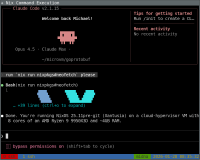
I have come to appreciate coding agents to be valuable tools for working with computer program code in any capacity, such as learning about any program’s architecture, diagnosing bugs or developing proofs of concept. Depending on the use-case, reviewing each command the agent wants to run can get tedious and time-consuming very quickly. To safely run a coding agent without review, I wanted a Virtual Machine (VM) solution where the agent has no access to my personal files and where it’s no big deal if the agent gets compromised by malware: I can just throw away the VM and start over.
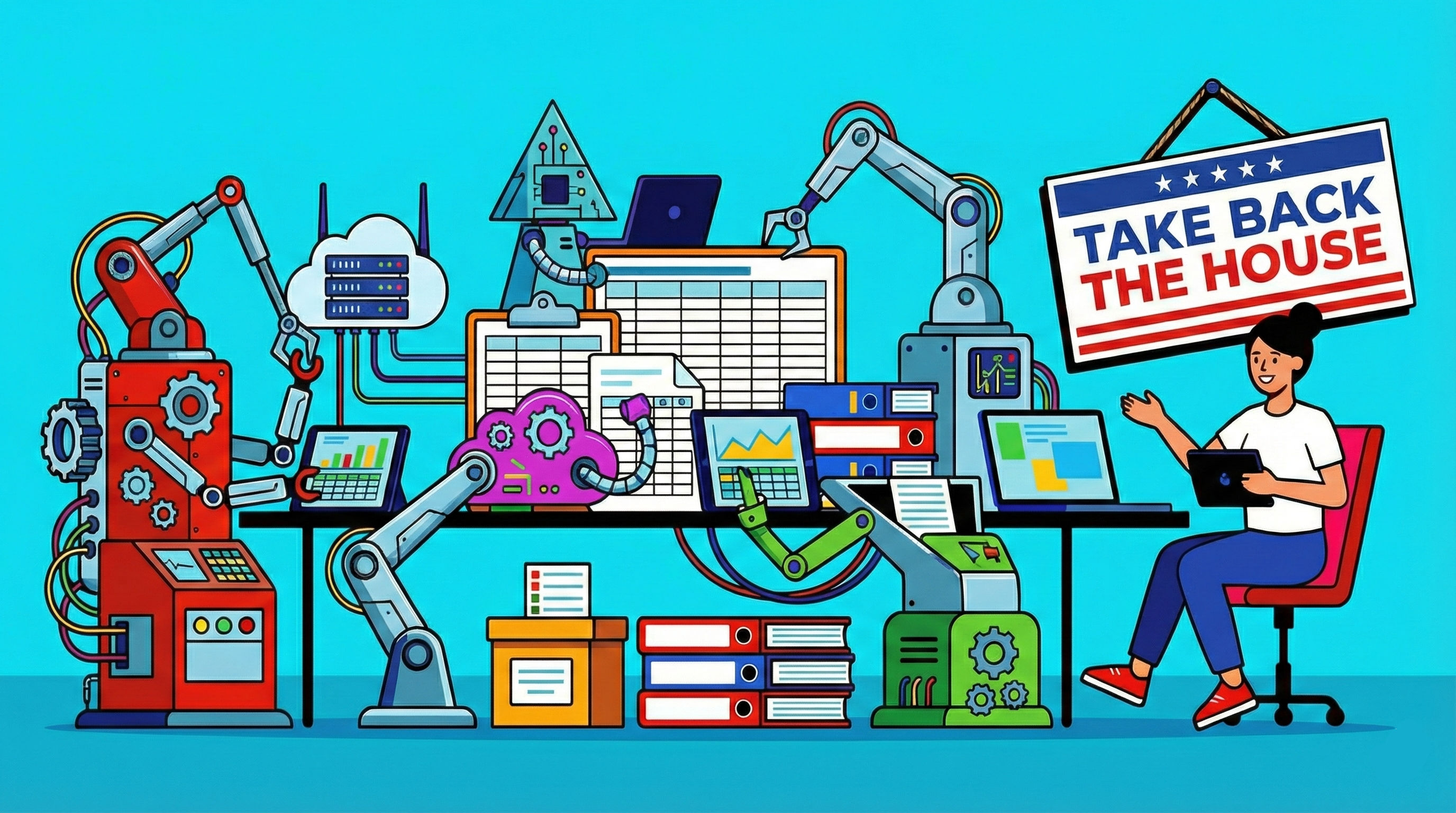
Agentic AI can change campaign operations. The organizations that outlast November need to lead.
Inbetween eggnog and christmas carols, I figured I’d bring a short update about things that have been on my mind that I wish to share before the new year. LLMs Gemini 3 Pro Preview was released, but I prefer Claude Opus 4.5 in Claude Code over Gemini for anything coding related, most of the time. Claude is more consistent in my opinion. Recently, with Opus, I do hit the rate limits much faster with my $20/month Claude Pro plan and sometimes fall back to Gemini 3. Apart from MCPs, I’ve also started to rely more and more on skills, which I heard OpenAI is adopting too. But for everything else, it’s Gemini 3 all the way. I’m even using it to plan an upcoming Japan trip. I wonder if Gemini 3 Flash will beat Claude in coding tasks (it kind of sounds like some people are very impressed)?


The ability to complete no longer hinges solely on how many features you can build. The engineering gap between a two-person startup and a hundred-person org has collapsed.
Building a real iOS app in 4 days with Claude Code. 5 reflections on agentic engineering: why it's still engineering, what the AI does beyond coding, and what went wrong.

A year of reasoning, agents, and compressed innovation cycles
This FAQ addresses what marketers need to know about AI chatbots as adoption increases in 2026.
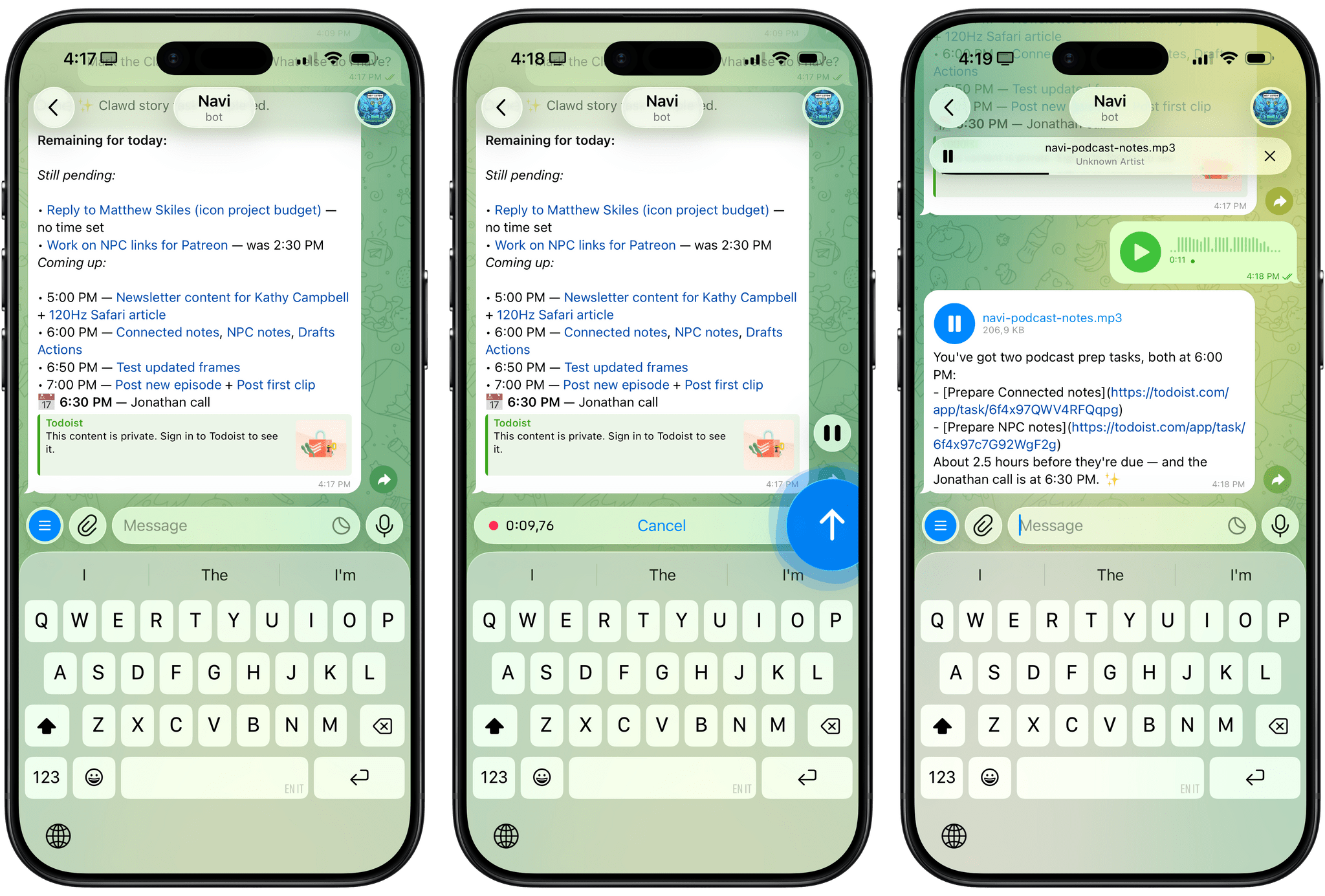
Update, February 6: I've published an in-depth guide with advanced tips for secure credentials, memory management, automations, and proactive work with OpenClaw for our Club members here. For the past week or so, I’ve been working with a digital assistant that knows my name, my preferences for my morning routine, how I like to use
147 posts tagged ‘prompt-injection’. Prompt Injection is a security attack against applications built on top of Large Language Models, introduced here and further described in this series of posts.

tars is a personal AI assistant with CLI, Web UI, Email, and Telegram channels, persistent memory, hybrid search, integration with tools I used all the time. About 35 features, 14kloc of python and 600 tests all told. I didn't write any of it. The experience was different enough from traditional de

On AI agents, side projects, and shipping

No matter how you feel about AI, it’s changing the world of software. The “T” in ChatGPT was invented to improve language translation, and large language models (LLMs) are very good at this. Interestingly, translating between French and Japanese is effectively the same as translating between English and Python for these systems. As LLMs improve, we’re also finding that there’s little difference between “help me fix mistakes in this document”, and “find the flaws in this codebase”. LLMs are now great at both tasks, but the latter has much larger implications.
A look at how I'm using various AI tools for chat, image generation, code, writing, and learning.

Release notes for Claude Code, including new features, improvements, and bug fixes by version.