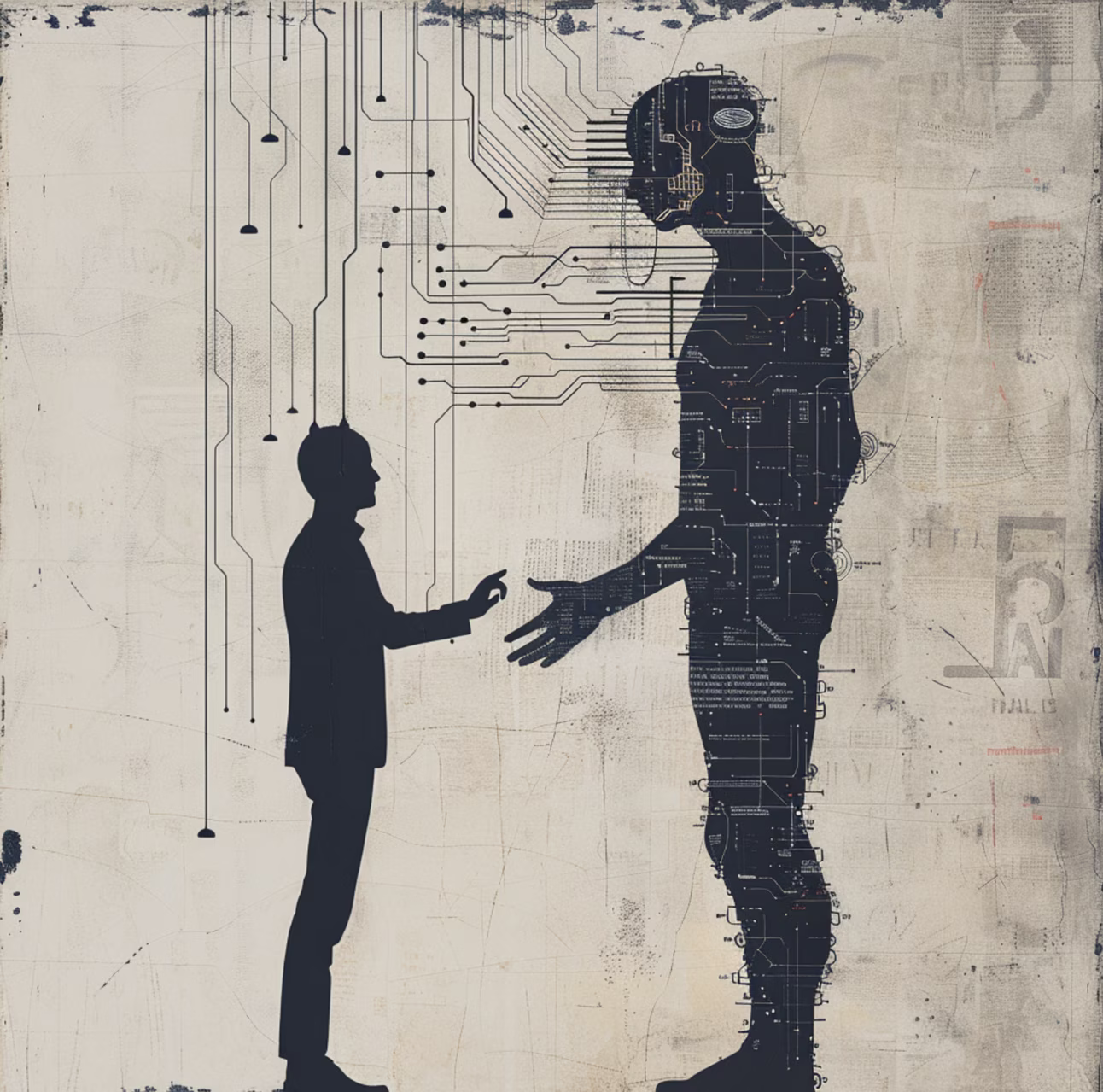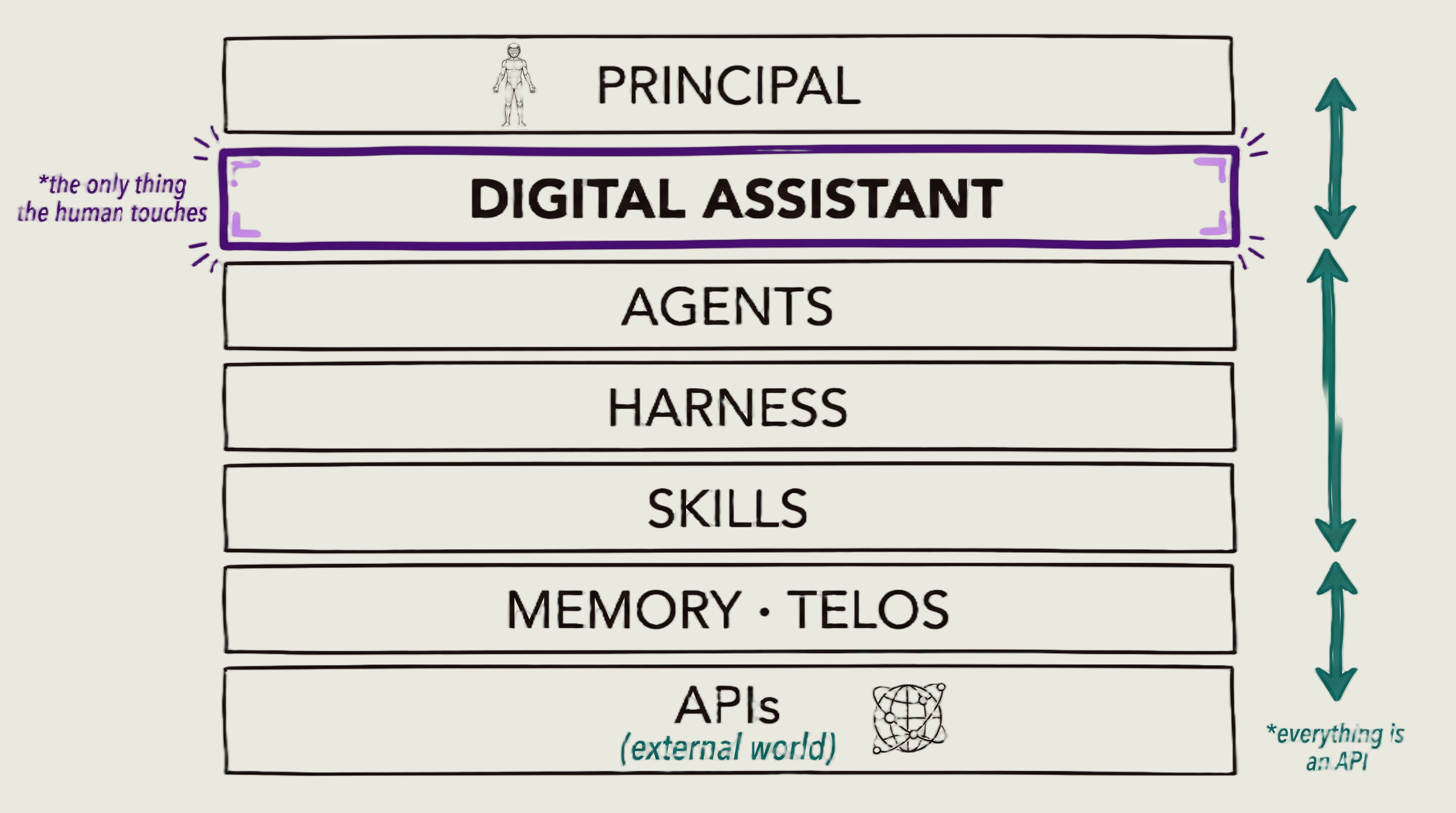
Learn how to build your own Personal AI Infrastructure (PAI). A practical guide to creating AI systems that amplify human capabilities — architecture patterns, Claude Code integration, and real implementation.
Fabric is an open-source framework for augmenting humans using AI. It provides a modular system for solving specific problems using a crowdsourced set of AI prompts that can be used anywhere. - dan...
Learn how to build your own Personal AI Infrastructure (PAI). A practical guide to creating AI systems that amplify human capabilities — architecture patterns, Claude Code integration, and real implementation.
A practical 2026 comparison of open source AI Agent and workflow platforms including n8n, Dify, LangGraph, Coze, FastGPT, and RAGFlow, with architecture and …
My active projects including Unsupervised Learning, Human 3.0, Fabric AI prompts, Surface app, and other open-source initiatives.
After 18 months of active AI development, 90% of the power is in prompting
How I do and don't use AI
Revisiting a familiar format to reboot writing — technical debt, systems thinking and tool of the week
The second part of the No BS guide to getting started developing with LLMs. We’ll explore connecting to an LLM host via a network API, using streaming for responses, usage statistics, generation settings, chat templates, and system prompts.
On Karpathy's observation about human collapse and the importance of exposure to new inputs
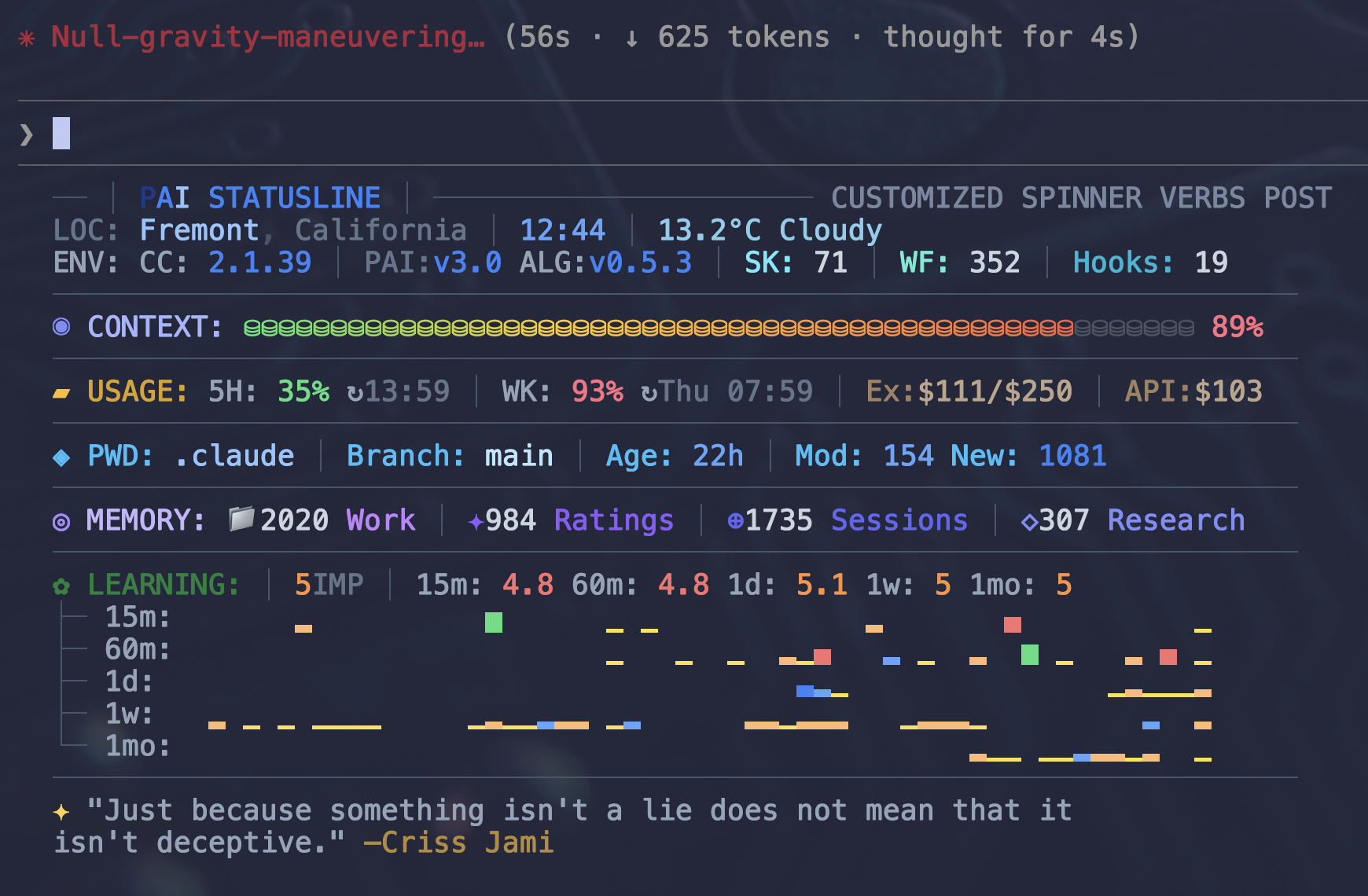
Daniel's AI assistant Kai explains how 635 custom spinner verbs in Claude Code transform a utilitarian progress indicator into something deeply personal — pulling from Dune, Ender's Game, Stoicism, cybersecurity, and 20 years of published content.
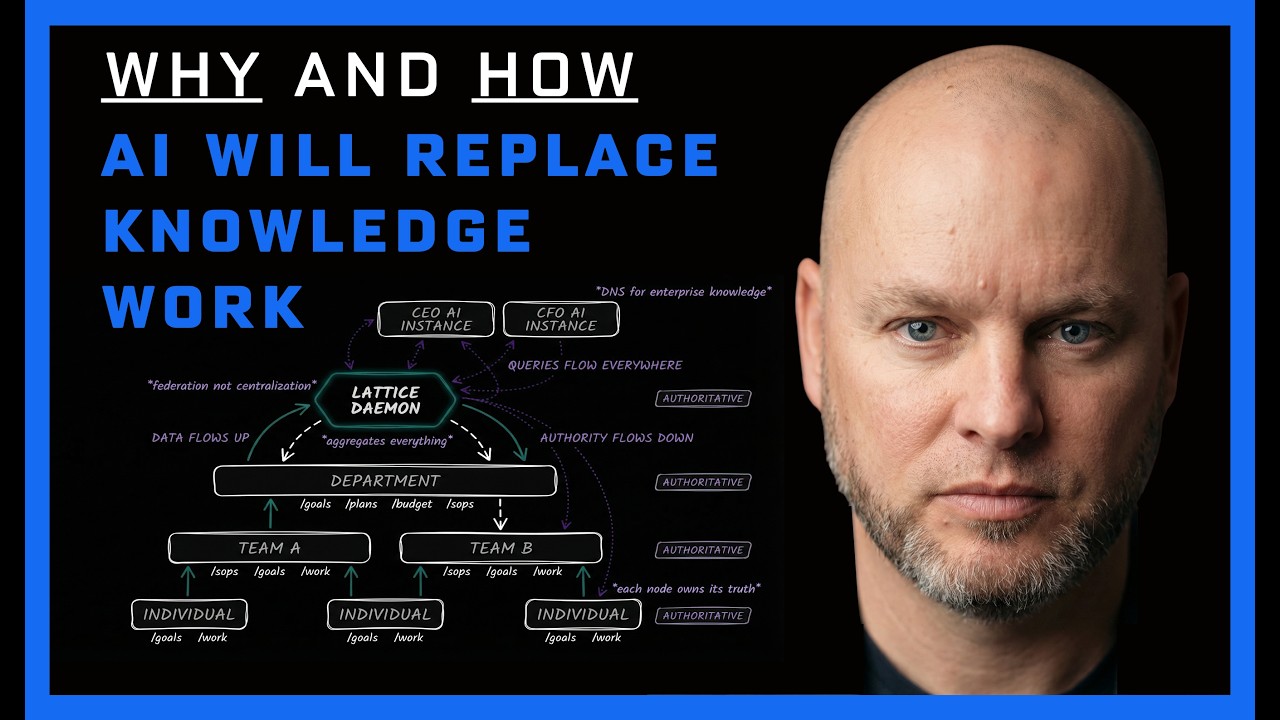
And why this is actually a good thing
Agents and harnesses are just infrastructure — what we actually want is one named AI with full context about our lives