How much economic growth from AI should we expect, how soon?
Is this the steam engine, electricity, computers, or something bigger?
How AI Could Transform the World for the Better
Is this the steam engine, electricity, computers, or something bigger?

Exploring some implications of Dario Amodei's "geniuses in a datacenter" for biology.
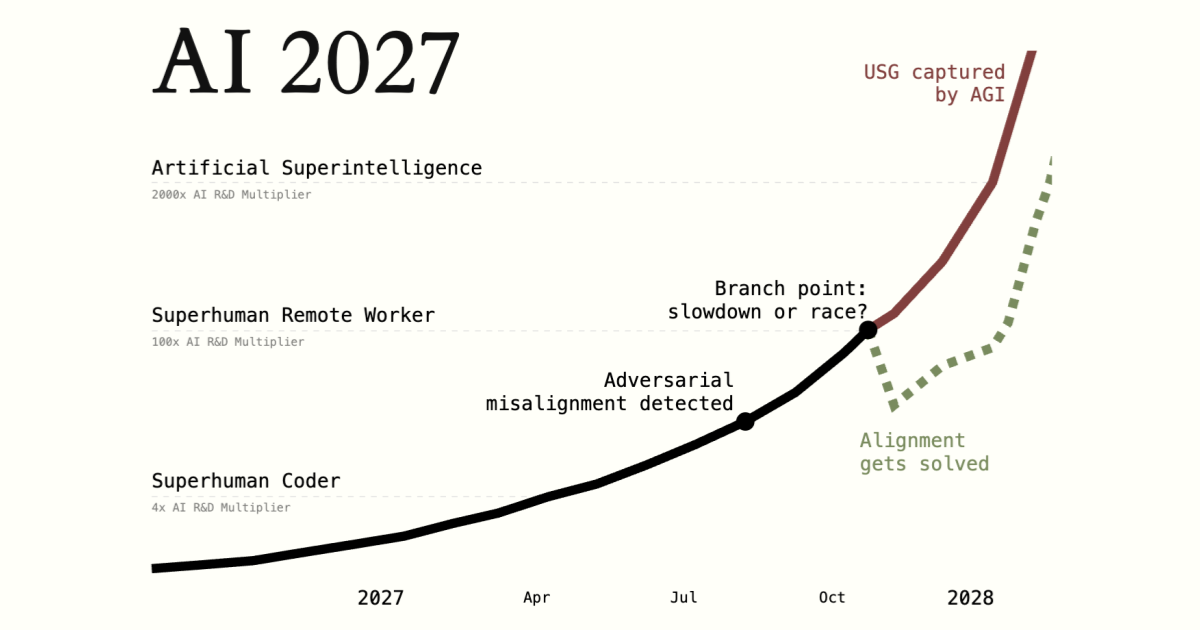
A research-backed AI scenario forecast.
AI's biggest impact will come from broad labor automation—not R&D—driving economic growth through scale, not scientific breakthroughs.

Remote work has surged. Is it about to all be automated away?
A research-backed AI scenario forecast.

The shift from scaling up the pre-training compute of AI systems to scaling up their inference compute may have profound effects on AI governance. The nature of these effects depends crucially on whether this new inference compute will primarily be used during external deployment or as part of a more complex training programme within the lab. Rapid scaling of inference-at-deployment would: lower the importance of open-weight models (and of securing the weights of closed models), reduce the impact of the first human-level models, change the business model for frontier AI, reduce the need for power-intense data centres, and derail the current paradigm of AI governance via training compute thresholds. Rapid scaling of inference-during-training would have more ambiguous effects that range from a revitalisation of pre-training scaling to a form of recursive self-improvement via iterated distillation and amplification.
A supply-side reform agenda for one of our most urgent problems
What it was like working at Palantir, from the early days through joining the S&P 500.
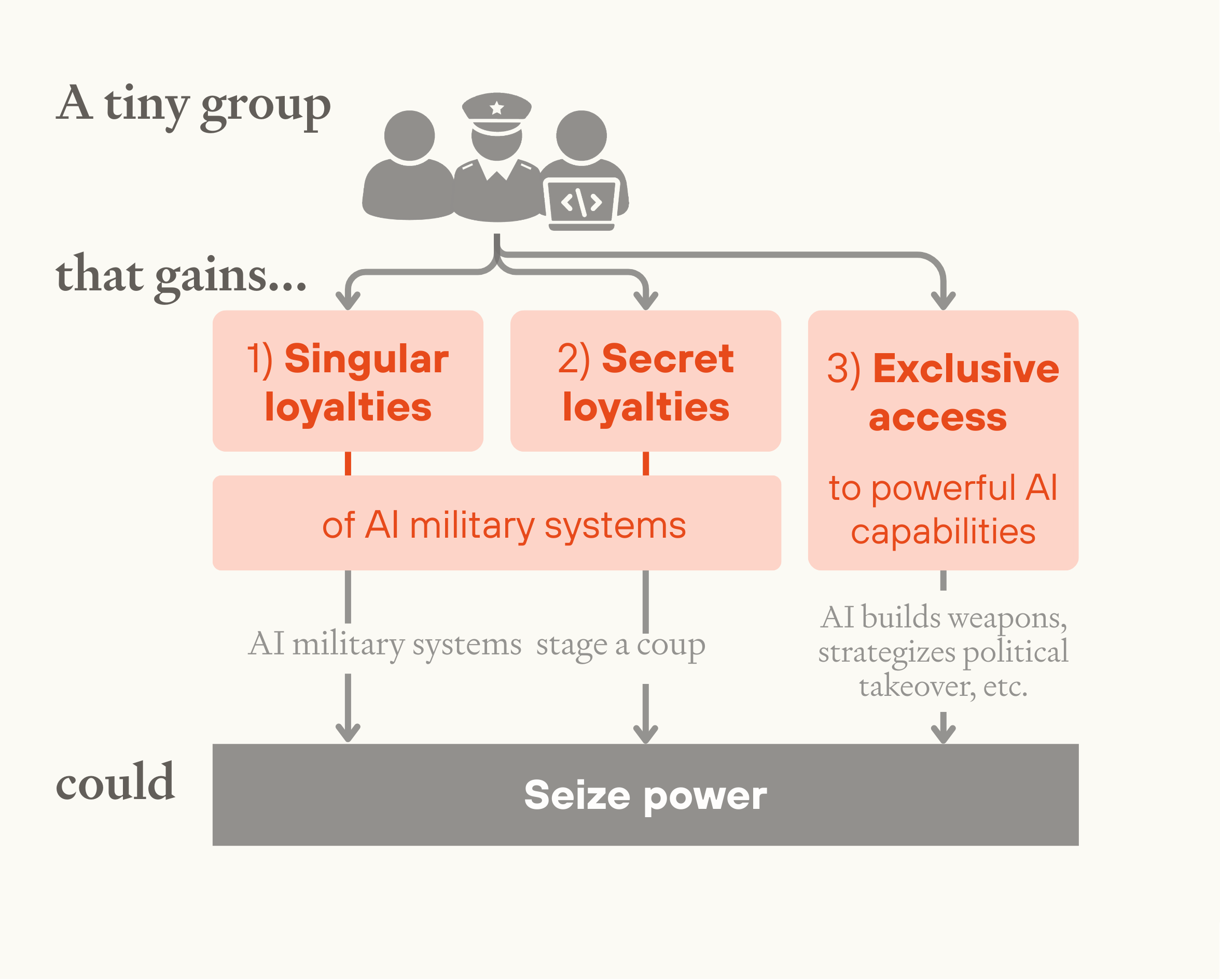
The development of AI that is more broadly capable than humans will create a new and serious threat: *AI-enabled coups*. An AI-enabled coup could be staged by a very small group, or just a single person, and could occur even in established democracies. Sufficiently advanced AI will introduce three novel dynamics that significantly increase coup risk. Firstly, military and government leaders could fully replace human personnel with AI systems that are *singularly loyal* to them, eliminating the need to gain human supporters for a coup. Secondly, leaders of AI projects could deliberately build AI systems that are *secretly loyal* to them, for example fully autonomous military robots that pass security tests but later execute a coup when deployed in military settings. Thirdly, senior officials within AI projects or the government could gain *exclusive access* to superhuman capabilities in weapons development, strategic planning, persuasion, and cyber offense, and use these to increase their power until they can stage a coup. To address these risks, AI projects should design and enforce rules against AI misuse, audit systems for secret loyalties, and share frontier AI systems with multiple stakeholders. Governments should establish principles for government use of advanced AI, increase oversight of frontier AI projects, and procure AI for critical systems from multiple independent providers.
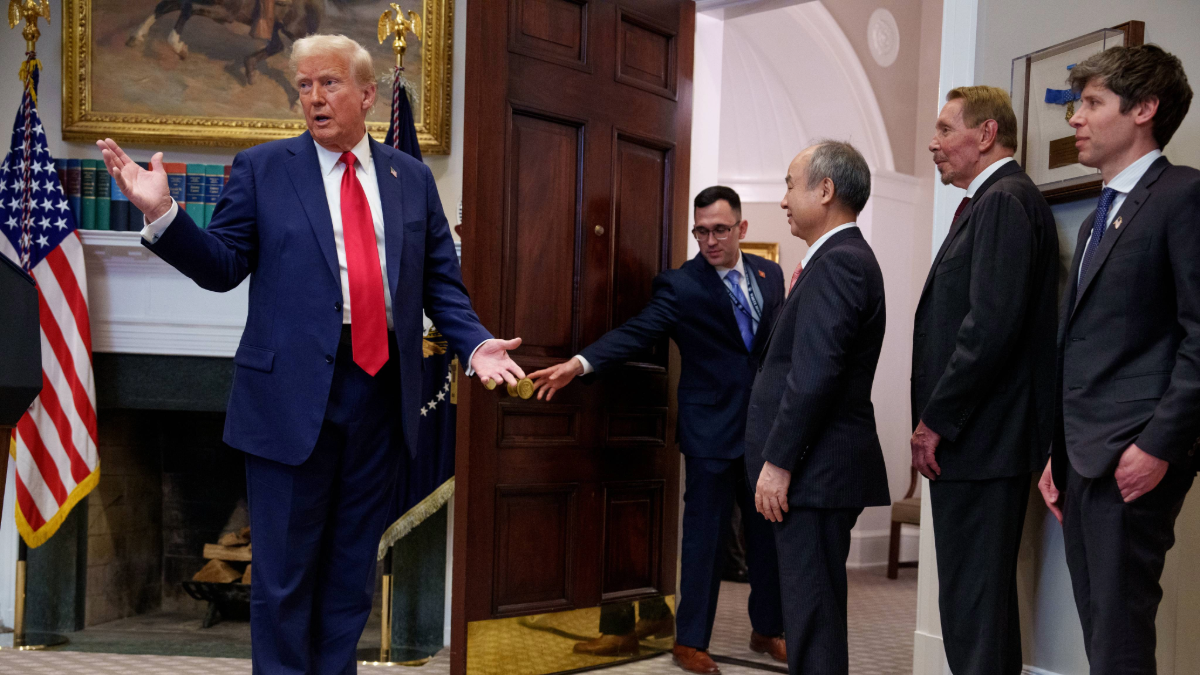
Tech Policy Press fellow Eryk Salvaggio says it is dangerous to the public interest for policymakers to center the pursuit of AGI in AI policy.

Digital twins, digital employees, and specialized AI agents are ready to revolutionize HR, IT, support, and every other job in the company.

Introducing the "digital twin," a new way to leverage AI for collaboration, productivity, teamwork, and collective business intelligence.

How do we redesign work around AI? There are four stages of transformation ahead, and the potential is bigger than we imagined.

We should try extremely hard to use AI labor to help address the alignment problem.

Also: to avoid it? Handle it? Solve it forever? Solve it completely?
A curated list of Generative AI tools, works, models, and references - filipecalegario/awesome-generative-ai
Today, we’re announcing Claude 3.7 Sonnet, our most intelligent model to date and the first hybrid reasoning model generally available on the market.

This is the 7th installment of my yearly review. See 2019 [2019](2019)4, 2020 [2020](2020)4, 2021 [2021](2021)4, 2022 [2022](2022)4, ...
Today, we’re announcing Claude 3.7 Sonnet, our most intelligent model to date and the first hybrid reasoning model generally available on the market.
A research-backed AI scenario forecast.

A break in format - the quiet art of attention, conferences, vercel and microfront-ends, and some recommendations.
A research-backed AI scenario forecast.
Today, we’re announcing Claude 3.7 Sonnet, our most intelligent model to date and the first hybrid reasoning model generally available on the market.
Exploring some implications of Dario Amodei's "geniuses in a datacenter" for biology.

The most powerful AI software development platform with the industry-leading context engine.

Zhengdong Wang’s personal website
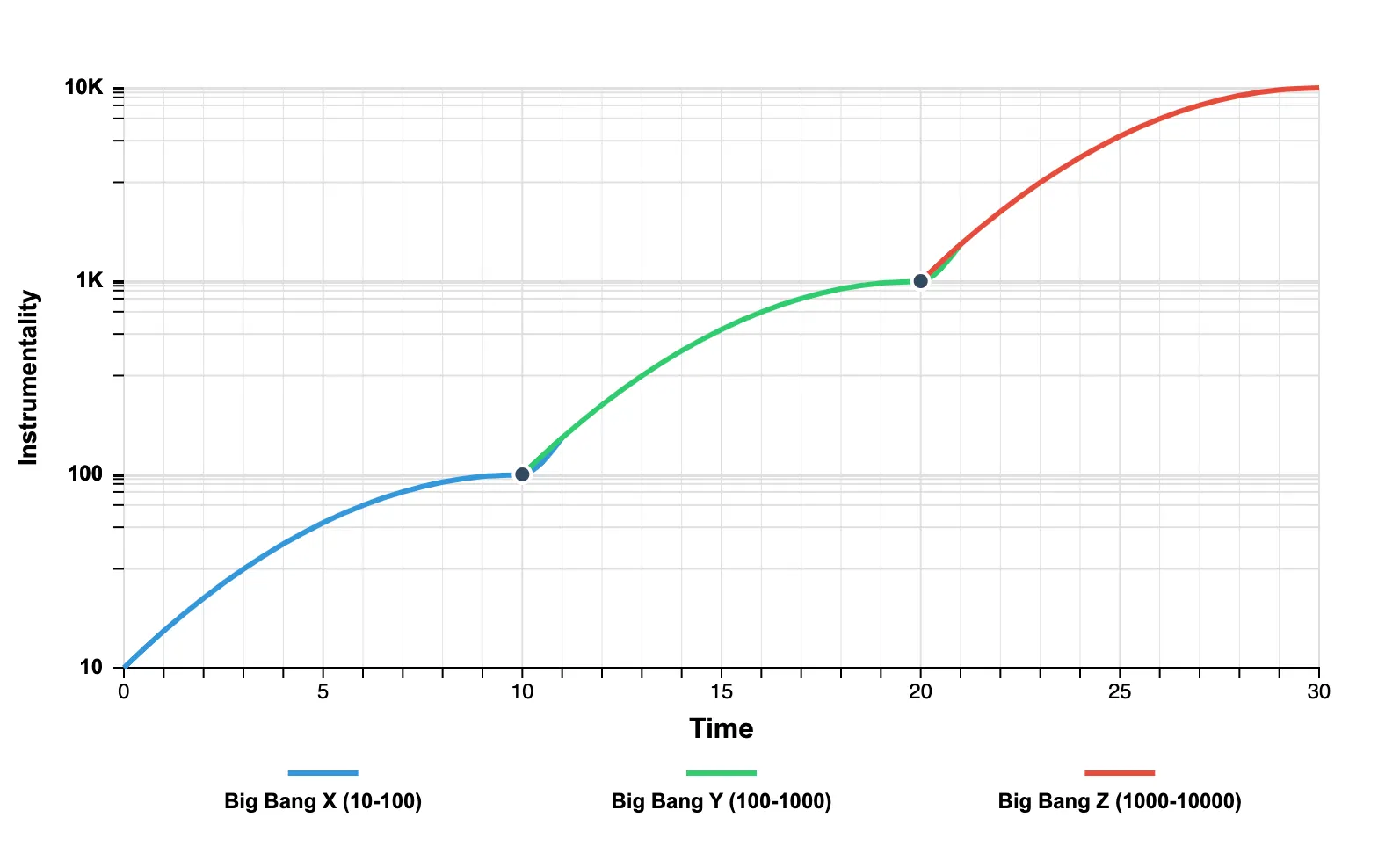
Profit-maximising algorithms create resource foundations that enable power-maximising systems, which will develop the complexity necessary for emergence beyond civilisation.
I realize how late this is, but I didn’t get a post out while o1 was fresh, and still feel like writing one despite it being cold. (Also, OpenAI just announced they’re going to ship new stuff starting tomorrow so it’s now or never to say something.)
I shared a controversial take the other day at an event and I decided to write it down in a longer format: I’m afraid AI won't give us a compressed 21st century.

The impact of AI for Biology could be enormous but there are unique challenges to biological data that will require distinct breakthroughs instead of copy and pasting success with LLMs Current stat…
Happy New Year! It’s a new year, OpenAI released a new model, and we might be at the dawn of Average General Intelligence (AGI) – a world with AI systems capable of understanding, lear…


Preparing for AI Progress
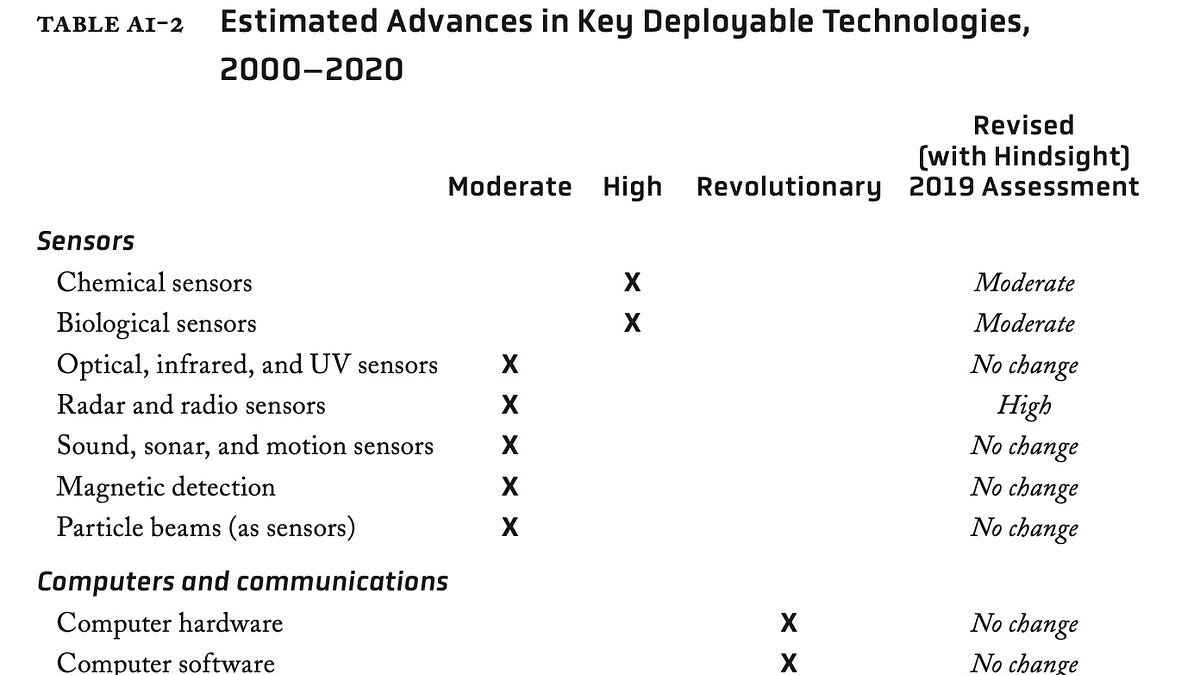
Shashank and Horowitz go beyond superweapons
Today, we’re announcing Claude 3.7 Sonnet, our most intelligent model to date and the first hybrid reasoning model generally available on the market.
Radical optionality is about preserving democratic governments’ ability to make good decisions about how to govern transformative AI systems as circumstances evolve.
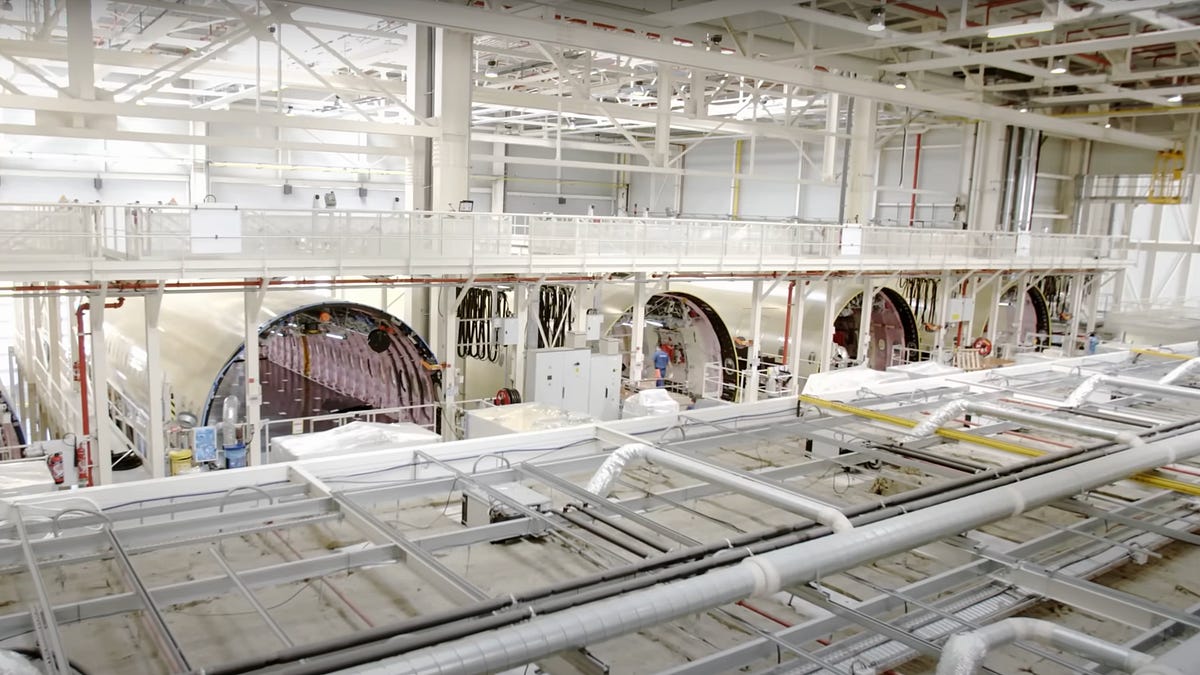
A retrospective of an eight-year stint.

Squaring up to the foundational question for language models.
A research-backed AI scenario forecast.
Future LLMs have the potential to cause significant harm due to their ruthless effiency. I'm worried this will happen, and discuss the ways in which it might.

The other week, I was interviewed about the discourse around AGI and why people like Sam Altman say that we will reach AGI soon and continu...