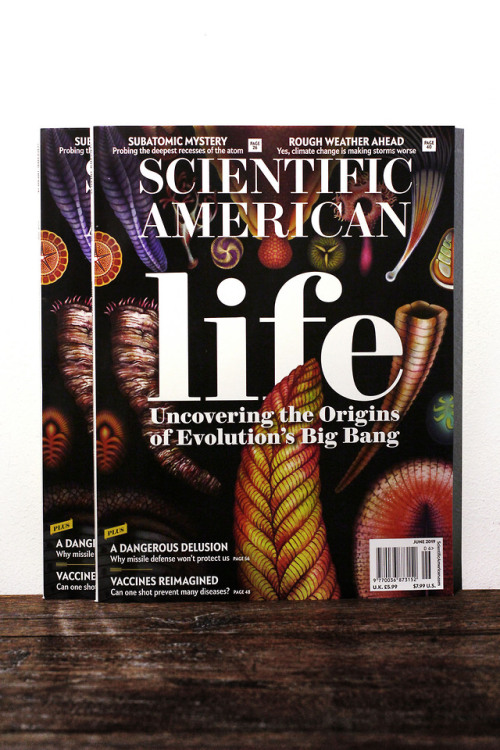
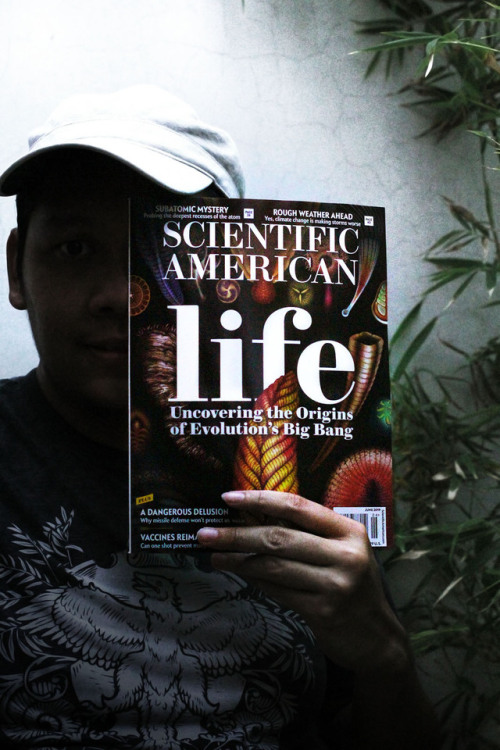
I’m E X C I T E D to announce that the June edition of Scientific American features my art on the cover. The original image I did in 2016 has taken me places, so it feels right that the revamped version is helping an Ediacaran expert tell her story to the world.
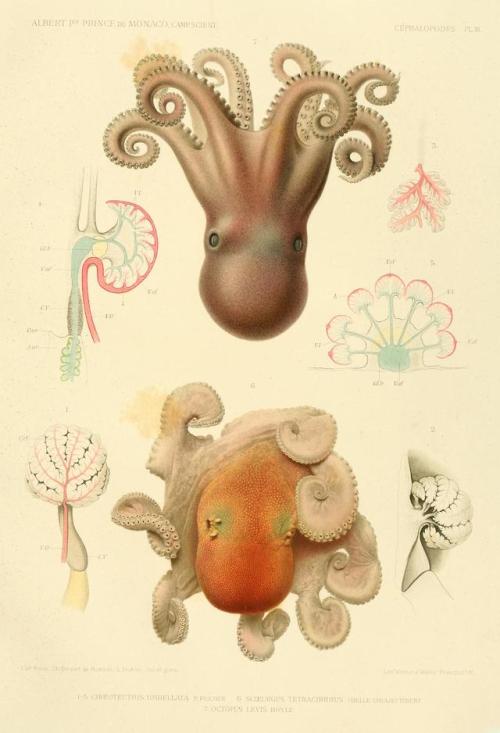
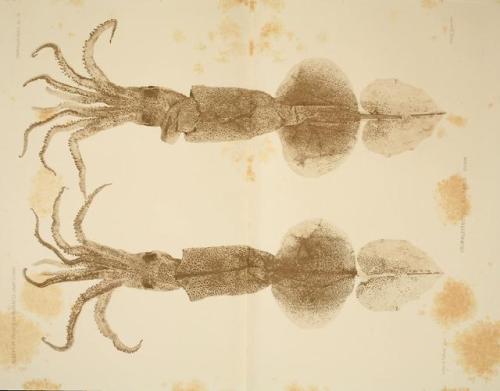
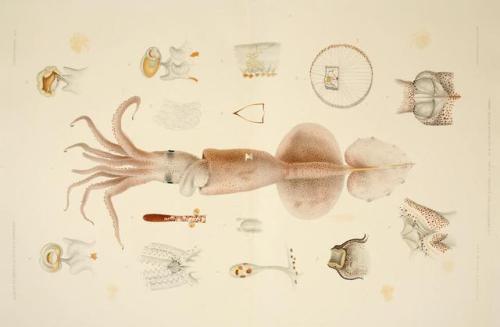
Illustrations from the voyages on the yacht of prince Albert I of Monaco (1848-1922). Albert was a keen oceanographer and owned four different research ships, which he used for his expeditions to survey the waters of the world. The prince would bring scientists on board and travel with them collecting data about ocean fauna, geology and meteorology. During his lifetime he established the Oceanographic Museum of Monaco and The Oceanographic Institute of Paris and provided much of his research and monetary resources to these institutions.
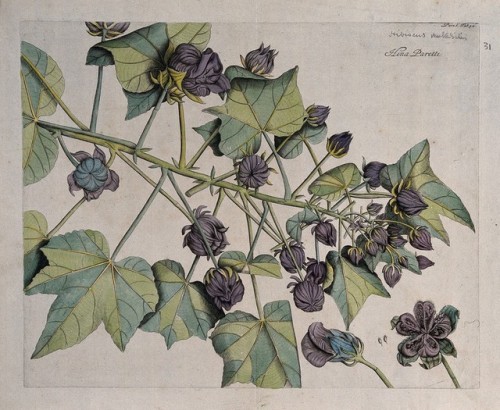
natural history of the animal kingdom: animals described in systematic order and all the families in illustrations from nature
By Borowski, George Henry, 1746-1801 Johann Friedrich Wilhelm, 1743-1807 Sotzmann, DF, Publication info Berlin ;bei Gottlieb August Lange,1780-1789. BHL Collections: Academy of Natural Sciences Library and Archives Ernst Mayr Library of the MCZ, Harvard University Smithsonian Libraries
This spectacular plant from the Amazon, with leaves growing up to 3m across, was named Victoria regia (now known as Victoria amazonica), in honour of Queen Victoria.
Illustration by W.H. Fitch.
This plant-like animal belongs to the group called “sea buds,” known as blastoids in science. Like its relatives the sea lilies, they lived on the ocean floor, catching plankton with their bristles.
—
252MYA creates custom-made artwork for private collections and editorial, scientific, or educational projects.
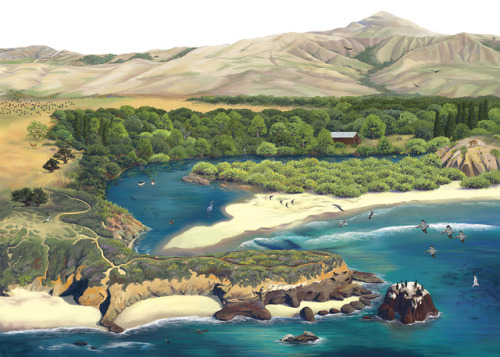
I’ve been promising to post this forever… and it’s finally done! This is the digital painting I’ve been working on of the Big Sur rivermouth in Andrew Molera State Park. It’s a special spot where a huge variety of plants, animals, and habitats can be seen. There are over 30 animal species featured in this painting! ⠀⠀ This will be printed very large for Ventana Wildlife Society’s new Discovery Center exhibit. I’ve been struggling to figure out how to display this on my website, because you need to be able to zoom in to see all the species in detail. If anyone has any suggestions, please let me know! 😅 In the meantime, you can all see the zoomed out version! This painting was so fun to make in collaboration with Mike Stake and Cathy Hamilton from VWS—even though I did the painting, we truly constructed this scene together. Collaborating with scientists and other artists is one of the things I love the most about being a science illustrator!
This upside-down bowling pin was a distant relative of the sea lilies. It lived partially buried under the sediment around 500 million years ago, with the pin part acting as an anchor.
—
252MYA creates custom-made artwork for private collections and editorial, scientific, or educational projects.