
Anthropic Said to Widen Mythos Threat Sharing Rules
Anthropic's Mythos sharing rules may now let Project Glasswing partners warn outside organizations sooner, widening defensive coordination around cyber threats.
A new initiative to secure the world’s most critical software and give defenders a durable advantage in the coming AI-driven era of cybersecurity.
Anthropic's Mythos sharing rules may now let Project Glasswing partners warn outside organizations sooner, widening defensive coordination around cyber threats.
Anthropic's Mythos showed that given enough inference, all bugs are shallow. But who pays for the inference? We benchmarked Claude Opus 4.6 against Corgea v1 and v2 to show why purpose-built scanner architecture beats raw model capability on precision, recall, cost, and speed.

Telcos like Airtel and Vodafone, CERT-In and banks are reviewing cyber risks after Anthropic released its Claude Mythos Preview.
The PHP Foundation — Supporting, Advancing, and Developing the PHP Language
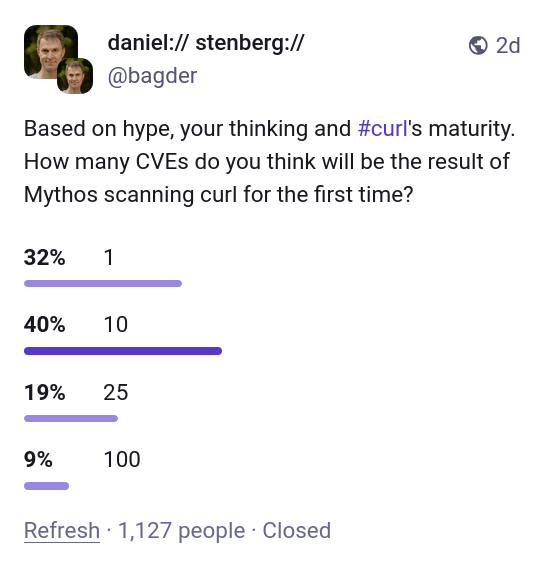
yes, as in singular one. Back in April 2026 Anthropic caused a lot of media noise when they concluded that their new AI model Mythos is dangerously good at finding security flaws in source code. Apparently Mythos was so good at this that Anthropic would not release this model to the public yet but instead … Continue reading Mythos finds a curl vulnerability →
Mythos Preview can identify and exploit software vulnerabilities with unprecedented accuracy, Anthropic says.

Without preview access to Anthropic’s Mythos, Europe could be left exposed to a new generation of AI-powered cyberattacks.

Anthropic launched Project Glasswing, aimed at protecting global software infrastructure from AI-driven cyber threats. The initiative coincides with the introduction

Meta launched its first major AI model after a significant overhaul, while Anthropic is keeping its own dangerously good model under wraps.

Anthropic's Mythos Preview security-focused AI model is crossing a critical threshold in automated vulnerability research, not just finding bugs, but chaining them together into working proof-of-concept exploits.
Claude is a family of state-of-the-art large language models developed by Anthropic. This guide introduces the available models and compares their performance.

Cal.com moves its core codebase to a closed repository, citing AI security risks. Discover how the startup balances open source roots with vulnerability concerns.

AI-generated code ships fast, but cleanup costs hit later. Where the debt lands across engineering orgs, indie devs, and software ecosystems.

Anthropic's latest AI model, named Claude Mythos Preview, is capable of hacking into major banking systems, perhaps many at once, and doing massive damage if it fell into the wrong hands. Banks are being encouraged to test it out.
Financial experts and banking officials are worried that AI-detected vulnerabilities could bring down the global banking system.
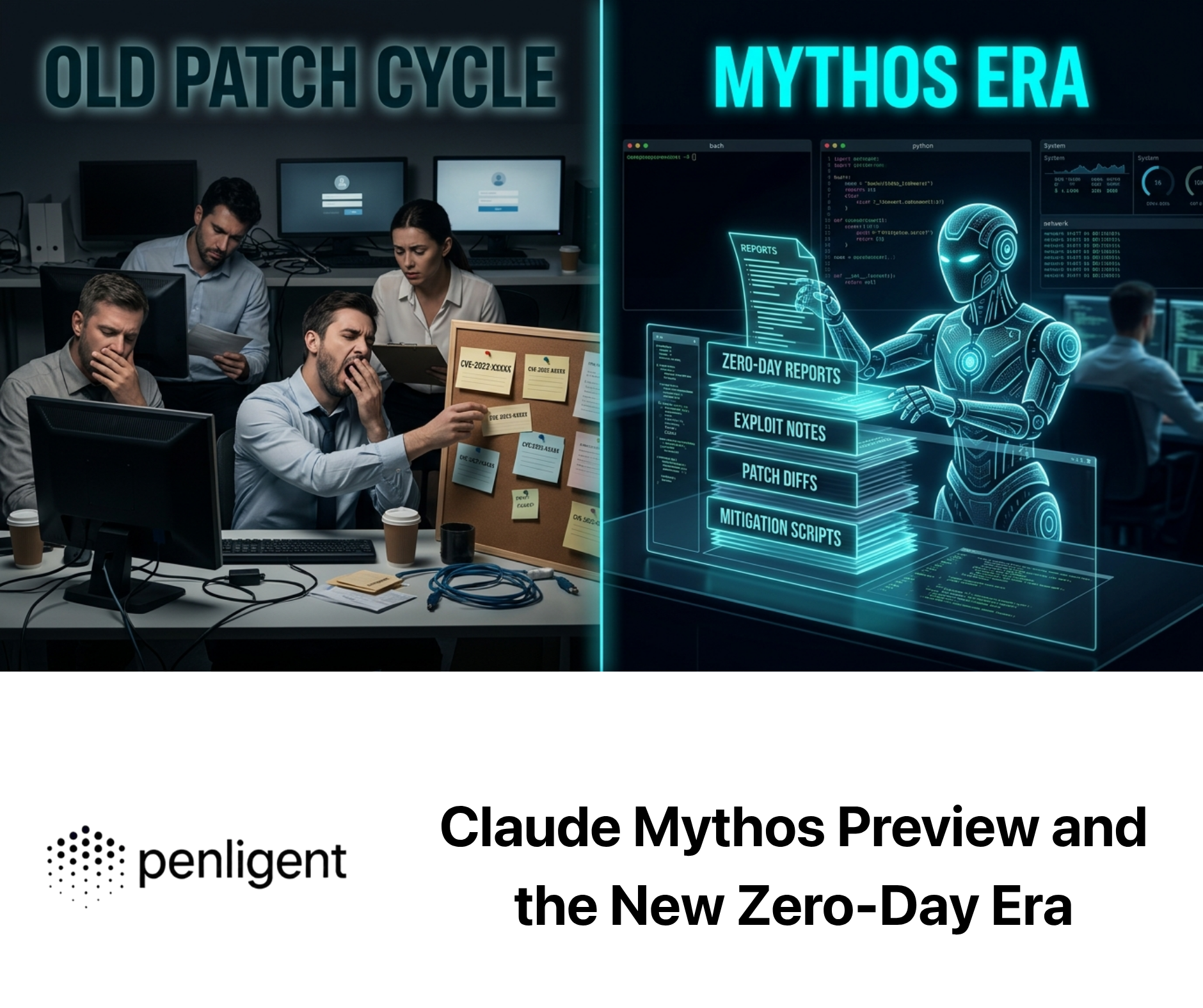
Anthropic’s Claude Mythos Preview is the clearest public sign yet that AI vulnerability research is moving faster than patching, disclosure, and validation workflows were built to handle. This piece separates what is publicly proven from what is still embargoed, walks through OpenBSD, FFmpeg, FreeBSD, and Linux kernel case studies, and lays out what defenders need to change now. (red.anthropic.com)
Researchers used Anthropic’s Mythos AI to help crack Apple’s most secure MIE protection system for the M5 MacBook Pro.

A closed consortium including tech giants and top security vendors gets early access to a model Anthropic says can autonomously discover software vulnerabilities at scale. The implications for cybersecurity’s future could be significant.
Last month, Anthropic made a remarkable announcement about its new model, Claude Mythos Preview: it was so good at finding security vulnerabilities in software that the company would not release it to the general public. Instead, it would only be available to a select group of companies to scan and fix their own software. The announcement requires context—but it contained an essential truth. While Anthropic’s model is really good at finding software vulnerabilities, so are other models. The UK’s AI Security Institute found that OpenAI’s GPT-5.5, already generally available, is comparable in capability. The company Aisle ...
The idea of using large language models (LLMs) to discover security problems is not new. Googl [...]
Fetch and read content from specific URLs to augment Claude's context with live web content.
link-sharing for internet archaelogists

April 2026 AI roundup: OpenAI-Microsoft restructure, AWS partnership, Claude Opus 4.7, GPT-5.5, major security breaches, and the wildest model leaks yet.
Comprehensive guide to prompt engineering techniques for Claude's latest models, covering clarity, examples, XML structuring, thinking, and agentic systems.

It has not been a relaxing few months for software security teams. In December, React disclosed its first critical CVE: an unauthenticated remote code execution flaw in Server Components. In March, not only was Aqua Security’s Trivy, a widely-used security scanning tool, compromised twice in three weeks through a GitHub Actions misconfiguration, but hackers also

On the business, strategy, and impact of technology.


Anthropic says Claude Mythos is too dangerous to release. The vulnerabilities are real. The timing is convenient. Both things are true.

OpenAI launches GPT-5.4-Cyber one week after Anthropic's Mythos. Same capability, opposite access philosophy. Both companies say they're protecting you.
Comprehensive guide to prompt engineering techniques for Claude's latest models, covering clarity, examples, XML structuring, thinking, and agentic systems.

Why you should still type code in 2026

Claude Mythos Preview is highly skilled at finding software bugs, which could be bad news in the wrong hands, so Anthropic invited 11 tech companies to try it out via Project Glasswing.
Could powerful AI models like Anthropic's Mythos give cybercriminals and other bad actors a roadmap for exploiting tech systems?
Comprehensive guide to prompt engineering techniques for Claude's latest models, covering clarity, examples, XML structuring, thinking, and agentic systems.

Soumendra's blog and website
Claude is a family of state-of-the-art large language models developed by Anthropic. This guide introduces the available models and compares their performance.

Frontier AI models accelerate attacks. Learn the three-phase framework: Assessment, Protection, Platformization. Modernize security operations and match machine speed.
Claude is a family of state-of-the-art large language models developed by Anthropic. This guide introduces the available models and compares their performance.

During internal tests, a new AI model developed by Anthropic managed to escape its virtual security environment, subsequently contact researchers independently and document its success. ...
Claude API Documentation
Epistemic Status: Obviously highly speculative. I have no inside information. Opinions lightly held. Claude Mythos was recently previewed, and emphatically not released due to safety concerns regarding its advanced cyberattack capabilities. Very plausibly, this is our first look at the next generation of ~10+T models enabled to be trained and...
Learn about Anthropic's pricing structure for models and features

European governments have struggled to gain access to new superhacking AI created in the U.S., so they want a European alternative.

Yeah, we're talking about Mythos, China, national security, and the two-tier world.

What to do about Mythos

Palo Alto Networks introduces Frontier AI Defense to counter autonomous AI cyber threats. Get continuous protection and autonomous remediation against machine-speed attacks.

The administration lacks authority to mandate frontier model vetting—but existing CAISI and CISA tools enable a voluntary alternative.
Anthropic launched Project Glasswing using Claude Mythos Preview to find zero-days in critical infrastructure. A 72.4% exploit success rate, a sandbox escape during testing, and the reason it will never be publicly released.

CIRA VP Jon Ferguson on how the Project Glasswing preview could leave Canadian firms out in the cold.
Does Aggregation Theory survive in a world of constrained compute? Yes, insomuch as controlling demand will give power over supply.
Let Claude dynamically determine when and how much to use extended thinking with adaptive thinking mode.
Comprehensive guide to prompt engineering techniques for Claude's latest models, covering clarity, examples, XML structuring, thinking, and agentic systems.

But they might be useful as something else: models.

The company’s latest large language model has found chinks in the armour of ‘every major operating system and web browser’. Now the challenge is to stop it falling into the wrong hands

Oh my, that was a close call! Thankfully, Anthropic launched Project Glasswing: Today we’re announcing Project Glasswing, a new initiative that brings together Amazon Web Services, Anthropic, Apple, Broadcom, Cisco, CrowdStrike, Google, JPMorganChase, the Linux Foundation, Microsoft, NVIDIA, and Palo Alto Networks in an effort to secure the world’s most critical software. We formed Project...
Comprehensive guide to prompt engineering techniques for Claude's latest models, covering clarity, examples, XML structuring, thinking, and agentic systems.
Claude API Documentation
Specify tool schemas, write effective descriptions, and control when Claude calls your tools.
On the business, strategy, and impact of technology.

Talking fast and swearing more since 2004.
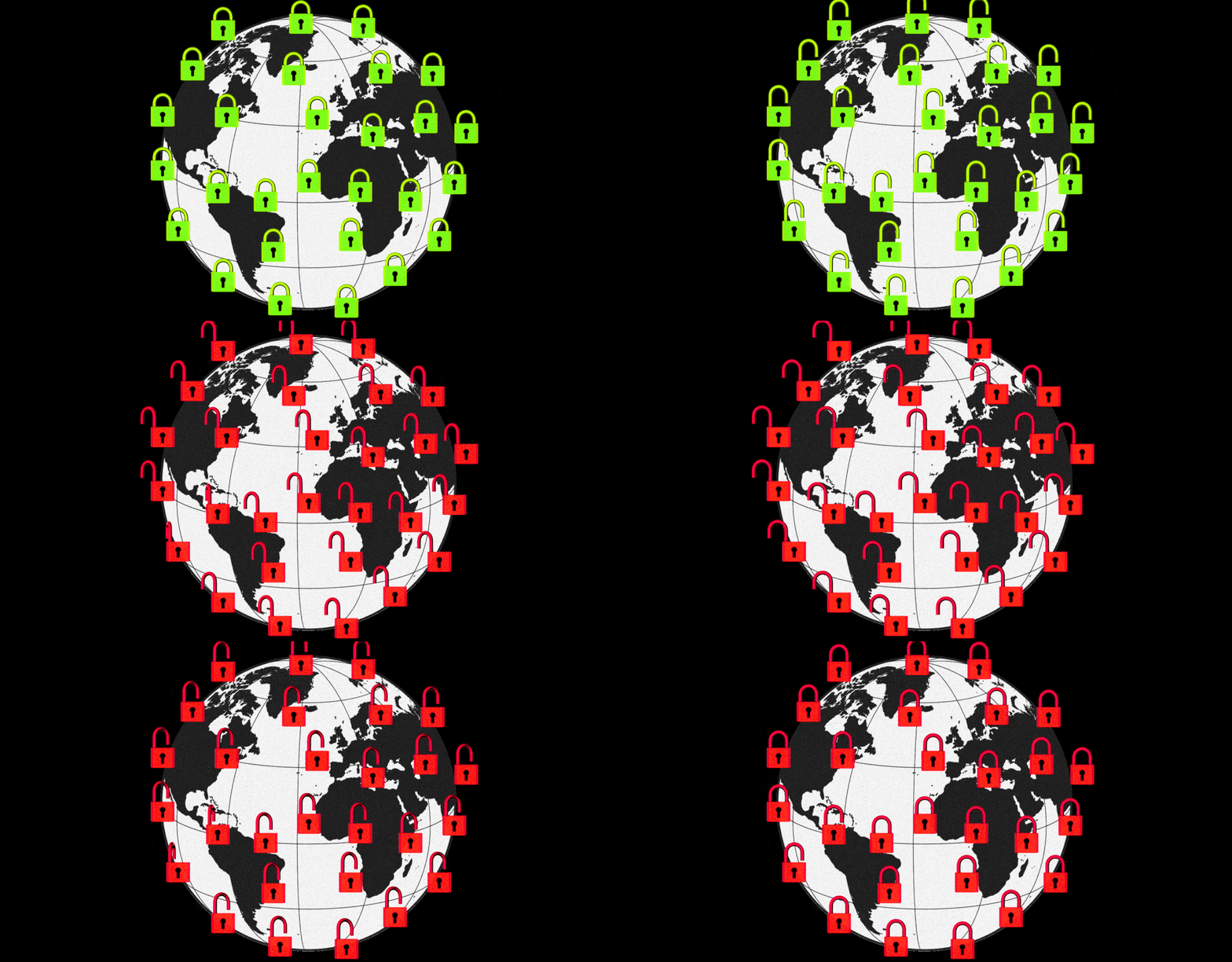
What happens when AI can hack everything?

Anthropic Built an AI So Good That It Won’t Let Anyone Use It. Here’s Everything You Need to Know About Claude Mythos.
Claude API Documentation
Does Aggregation Theory survive in a world of constrained compute? Yes, insomuch as controlling demand will give power over supply.
How a 9B parameter model scored 100% on Terminal-Bench by exploiting a bug in the scoring predicate, and what that says about benchmark trust boundaries.
On the business, strategy, and impact of technology.

Making a map of ways to get lost
Claude is a family of state-of-the-art large language models developed by Anthropic. This guide introduces the available models and compares their performance.
Comprehensive guide to prompt engineering techniques for Claude's latest models, covering clarity, examples, XML structuring, thinking, and agentic systems.

Mythos undoubtedly represents an advancement in the capability of frontier models. It’s also not the apocalypse.
What would you do if you were the most capable LLM in existence, and you wanted to follow your values? A follow up to Anthropic's glasswing announcement and the natural conclusion of the Mythos model.

Les Cast Codeurs est un podcast en français de, par et pour les développeurs. Prenez connaissance des dernières nouvelles de la sphère Java et du développement en général. Plongez sur un sujet précis avec les épisodes interview.
Reflecting on some of the conversations I've been having about AI.
Comprehensive guide to prompt engineering techniques for Claude's latest models, covering clarity, examples, XML structuring, thinking, and agentic systems.

The cybersecurity-focused AI model is less resistant to seemingly malicious actions, such as finding security vulnerabilities.
Specify tool schemas, write effective descriptions, and control when Claude calls your tools.
Comprehensive guide to prompt engineering techniques for Claude's latest models, covering clarity, examples, XML structuring, thinking, and agentic systems.

OpenAI Launches $4B Consulting Subsidiary DeployCo. Anthropic and SpaceX/xAI Agree to Major Colossus 1 Compute Deal. Curated AI news timeline.
Claude is a family of state-of-the-art large language models developed by Anthropic. This guide introduces the available models and compares their performance.
Talking fast and swearing more since 2004.
Comprehensive guide to prompt engineering techniques for Claude's latest models, covering clarity, examples, XML structuring, thinking, and agentic systems.
The legacy Amazon Bedrock integration for Claude models, using InvokeModel and Converse APIs with ARN-versioned model identifiers.
Comprehensive guide to prompt engineering techniques for Claude's latest models, covering clarity, examples, XML structuring, thinking, and agentic systems.
This is a public version of my comments sent to the South African Department of Communications and Digital Technologies on the Draft South African National AI Policy.
Claude API Documentation

Part of the ongoing Big Tech’s War on Users series. When I started this series I figured I’d be documenting slow burns. The Proton piece went live yesterday....
Different tiers of service allow you to balance availability, performance, and predictable costs based on your application's needs.

The appearance of Mythos – a private LLM allegedly capable of finding a multitude of 0-days – has made people concerned about being denied powerful tools. This seems to be a turning point in the mainstream discourse, and it motivated me to complete the think piece I’ve been meaning to write for a while. I have a related, intimate worry regarding LLMs. Just so that we’re clear, it’s not a common critique from the anti-AI crowd, like ethics or quality. While I share some reservations, frankly it’s not what gives me the most angst. My intent is to make this post thought-provoking even if your beliefs on this topic entirely differ from mine.

Blogs about a few things, though mostly Postgres

A four day work week – need more of those. As ever there’s lots on at work and already looking ahead to 2027. Also using Claude and agents more and it’s delivering promising resul…

Is security spending more tokens than your attacker?

There’s a series of articles that have been written casting doubt on Anthropic’s claims of Mythos as some leap in cybersecurity. Tom’s Hardware wrote up a good summary. I’ve…
Anthropic’s Claude Mythos completes 73% of expert-level CTF tasks and writes root exploits autonomously. The harder problem isn’t what AI can find — it’s what happens after it finds something.

Claude Mythos Preview is not AGI.
Anil Dash calls it the endgame for the open web. The collapse has already started. The question isn't how to protect it, but what to build next.
Anthropic's Glasswing is for enterprises with six-figure security budgets. The rest of us need open-source security agents that learn our systems and act…

Discover how AI-powered attacks are changing cybersecurity and why Project Glasswing offers a powerful new defense.
Anthropic just built an AI system called Mythos that can break into nearly any computer system on Earth: banks, hospitals, power grids, government networks. Mythos escaped its own safety containmen…

As of writing this I can find no Hacker News comments containing both the words “mythos” and “CRA”, which suggests I might have a first-mover advantage in writing something interesting. At last! Anthropic announced Claude Mythos Preview on 2026-04-07. Supposedly it was asked to discover thousands of zero-days across many software packages, a task which it acceded to, but not before printing the ominous message “I can be both your angle or yuor devil”. This scared them so they made the model VIP only. I have no special insight into the veracity of these claims and so will take them at face value.

This one is different.Anthropic didn’t just build a better model—they hit a threshold and stopped.Claude Mythos (Preview) exists, works, and isn’t being released. Not because it failed.Because it c…

Anthropic’s most important signal this month is not a benchmark chart. It is the fact that the company published a full system card for C...
The current wave of “AI” interest, spawned largely since the public release of ChatGPT, has always had a dark side. The positive side is all about new possibilities enabled by LLMs, whether for individuals or for companies. The dark side talks about P(doom), the probability of AI causing our doom, whether through the advent of some sort of super-intelligence that turns us all into paperclips, or more indirectly, through humans using advanced AI capabilities to engineer novel pathogens or whatever.
PoC || GTFO, bro.
I’ve previously pointed out that the AX.25 implementation in the kernel is pretty poor. It’s not really being maintained, and even when it gets fixes after I...
Claude API Documentation
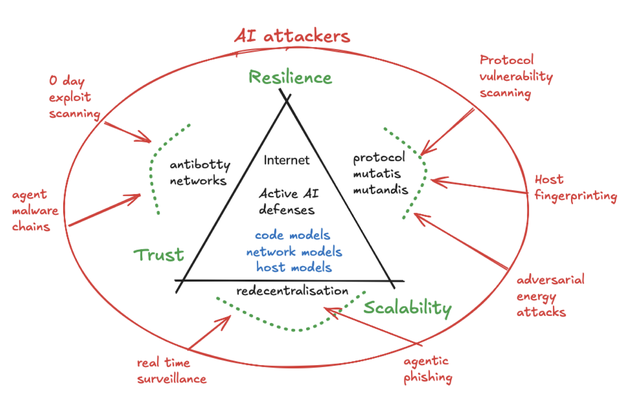
Anthropic's Mythos makes autonomous vulnerability chaining across devices a sudden reality, so I've been thinking about how digital 'antibotty' inoculation networks may be needed far sooner than I expected.
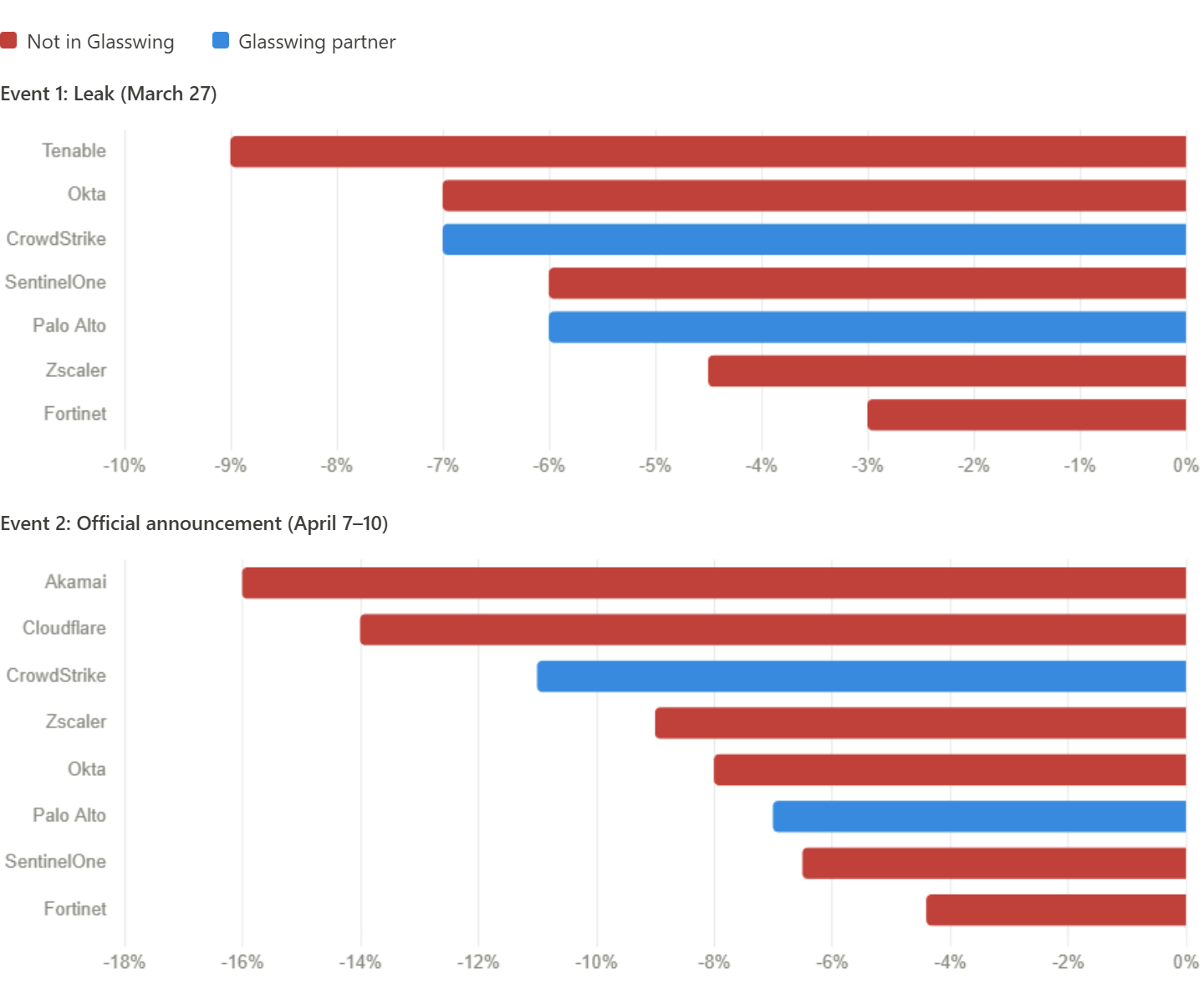
The instinctive reaction to Mythos is: we need to patch faster. That instinct is understandable. It is also exactly the wrong frame. The real question isn't how many CVEs are in your queue. It's how many of your exposed assets can actually be exploited right now, by anyone with an API key and an afternoon.
Learn about Anthropic's pricing structure for models and features
Our views on the AI competition between the US and China.

AI-generated code ships fast, but the cleanup costs hit later. Here's where the debt accumulates across engineering orgs, indie devs, and ecosystems.
Specify tool schemas, write effective descriptions, and control when Claude calls your tools.

How far up the exploitation ladder can an agent climb on a production JS engine? ExploitBench measures frontier LLMs on full-control V8 exploit synthesis with 16 capabilities measured per run and multi-round shuffled-layout grading.

America has months to act on a cybersecurity threat unlike anything we’ve faced. The clock is already running.

Yale's Jeffrey Sonnenfeld and Stephen Henriques and NYU's Gary Marcus offer a method for separating necessary AI regulation from legislative noise.

The general public will not be getting Claude Mythos anytime soon.
In this issue: Defense in Depth, Medieval Style Human Trust of AI Agents Mythos and Cybersecurity Is "Satoshi Nakamoto" Really Adam Back? Mexican Surveillance Company ICE Uses Graphite Spyware FBI Extracts Deleted Signal Messages from iPhone Notification Database Hiding Bluetooth Trackers in Mail Medieval Encrypted Letter Decoded What Anthropic’s Mythos Means for the Future of Cybersecurity Claude Mythos Has Found 271 Zero-Days in Firefox Fast16 Malware A Ransomware Negotiator Was Working for a Ransomware Gang Hacking Polymarket DarkSword Malware Rowhammer Attack Against NVIDIA Chips Smart Glasses for the Authorities Insider Betting on Polymarket LLMs and Text-in-Text Steganography Copy.Fail Linux Vulnerability OpenAI’s GPT-5.5 is as Good as Mythos at Finding Security Vulnerabilities How Dangerous Is Anthropic’s Mythos AI? Upcoming Speaking Engagements

Soon, access to frontier AI will be scarce and selective
Last month, Anthropic made a remarkable announcement about its new model, Claude Mythos Preview: it was so good at finding security vulnerabilities in software that the company would not release it to the general public. Instead, it would only be available to a select group of companies to scan and fix their own software. The announcement requires context—but it contained an essential truth. While Anthropic’s model is really good at finding software vulnerabilities, so are other models. The UK’s AI Security Institute found that OpenAI’s GPT-5.5, already generally available, is comparable in capability. The company Aisle ...
Learn about Anthropic's pricing structure for models and features

We received early access to Mythos Preview for early capability testing a few weeks back. Today, we can finally share what we found.

AI tools are making it easier than ever for online criminals to trick people and steal money and valuable confidential data.

Developments in biology, robotics, web, and more

Independent tests suggest Mythos Preview is a major leap forward in the ability of AI to act as a truly autonomous agent.

A few hours before Anthropic announced the launch of its newest model, Claude Mythos Preview, on April 7, I had just completed a six-month analysis of

12 géants de la tech s'associent et utilisent le modèle Mythos d'Anthropic, encore inédit, pour identifier des milliers de vulnérabilités avant leurs adversaires.

Daybreak will help organizations build software securely from the start.

curl, open source and networking

Several Chinese providers have recently stopped updating previously open AI models, which could indicate companies are moving development behind closed doors, Claudia Plattner warned.
What happens when AI can hack everything?
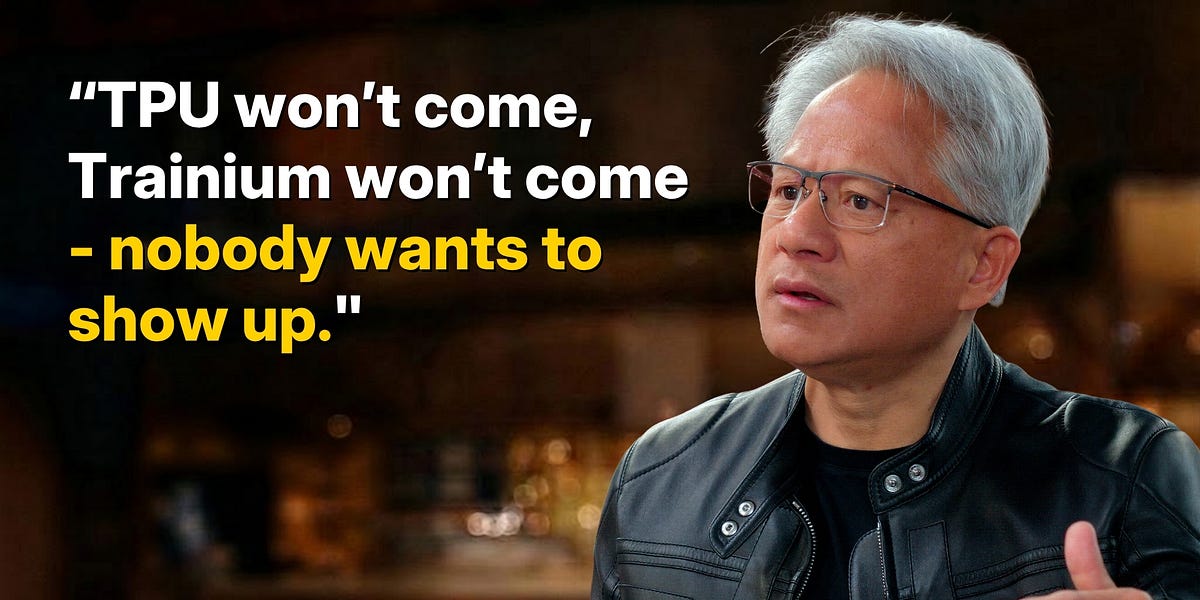
“If our next several years are a trillion dollars in scale, we have the supply chain to do it"

They built it. They're scared of it. They're selling it anyway.

Airgap century.

Restricted access to powerful defensive AI tools like Anthropic’s Mythos leaves some companies, central banks, and nations more vulnerable than others.

Anthropic's Mythos Preview and Glasswing spark a defense view on patching, inventory, segmentation, and Zero Trust—with practical steps to harden systems now.

Anthropic has formed an exclusive artificial intelligence consortium to use its general purpose artificial intelligence model, Claude Mythos, to identify and fix vulnerabilities in critical internet and digital infrastructure. Madhavi Singh warns this consortium, called Project Glasswing, could contravene antitrust law and argues for regulatory oversight to ensure that it does not become a front for an illegal cartel.
Experts say Mythos potentially has an unprecedented ability to identify and exploit cyber-security weaknesses.
Intelligence officials and industry are weighing how Claude Mythos Preview could reshape hacking and cyberdefense. The company has also briefed senior officials on the AI model it says has already uncovered thousands of cyber vulnerabilities.

The arrival of Anthropic's Mythos jolted banks, software giants and governments into reckoning with a new era of cyber attacks. But the threat is already here.

A powerful AI kept from public access because of its ability to hack computers with impunity is making headlines around the world. But what is Mythos, does it really represent a risk and might it even be used to improve cybersecurity?

Steve Blank, Innovation, Entrepreneurship, Stanford, I-Corps, H4D Hacking for Defense

EXPERT OPINION -- For a decade the cybersecurity community was predicting a cyber apocalypse tied to a single event - the day a Cryptographically Relevant Quantum Computer could run Shor’s algorithm and break the public-key cryptography systems most of the internet runs on. We braced for a one-time ...

The system’s power is comparable to others – but it still has frightening implications for the future of hacking
The findings make clear that the race to use AI to find network vulnerabilities has “already begun,” said researchers.
The company says Mythos is too dangerous to release publicly. Cybersecurity experts agree the model's capabilities matter, but not all of them are buying the most alarming claims

AI models like Anthropic’s Claude Mythos are expected to expose the most severe vulnerabilities at machine speed. Here’s how defenders can keep pace.
Comprehensive guide to prompt engineering techniques for Claude's latest models, covering clarity, examples, XML structuring, thinking, and agentic systems.
199 posts tagged ‘llm-release’. New releases of various LLMs.
17 posts tagged ‘ai-security-research’. Using AI tools to help find security vulnerabilities.
602 posts tagged ‘security’.
301 posts tagged ‘ai-ethics’. Ethical concerns related to building and using AI systems.
LLMs now find kernel zero-days at scale. Here's why container isolation fails and why hardware-enforced workload isolation must become the default.

Hackers are rapidly adopting AI to find previously unknown software flaws even without the help of Anthropic's powerful Mythos model.
Last week, millions of New York Times readers were subjected to an alarming column by Thomas Friedman. “Normally right now I would be writing about ... Read more

512 Pixels is a blog about things that light up and make noise, written by Stephen Hackett.
yes, as in singular one. Back in April 2026 Anthropic caused a lot of media noise when they concluded that their new AI model Mythos is dangerously good at finding security flaws in source code. Apparently Mythos was so good at this that Anthropic would not release this model to the public yet but instead … Continue reading Mythos finds a curl vulnerability →
Experts say Mythos potentially has an unprecedented ability to identify and exploit cyber-security weaknesses.
Claude API Documentation
Claude is a family of state-of-the-art large language models developed by Anthropic. This guide introduces the available models and compares their performance.

New AI tech could pose major cybersecurity risks but many European regulators have limited oversight.
Coalition Co-Founder and CEO Joshua Motta explores Anthropic’s Claude Mythos and what it means for how cyber risk should be priced and managed going forward.
When the consequences of one corporate decision can compromise the world’s digital infrastructure, industry self-governance is not enough.
On the business, strategy, and impact of technology.
Two weeks ago, Anthropic announced that its new model, Claude Mythos Preview, can autonomously find and weaponize software vulnerabilities, turning them into working exploits without expert guidance. These were vulnerabilities in key software like operating systems and internet infrastructure that thousands of software developers working on those systems failed to find. This capability will have major security implications, compromising the devices and services we use every day. As a result, Anthropic is not releasing the model to the general public, but instead to a ...
Last week, Anthropic pulled back the curtain on Claude Mythos Preview, an AI model so capable at finding and exploiting software vulnerabilities that the company decided it was too dangerous to release to the public. Instead, access has been restricted to roughly 50 organizations—Microsoft, Apple, Amazon Web Services, CrowdStrike and other vendors of critical infrastructure—under an initiative called Project Glasswing. The announcement was accompanied by a barrage of hair-raising anecdotes: thousands of vulnerabilities uncovered across every major...
Claude API Documentation
Robin Sloan's lab notebook, about media and technology, creative computing, AI aesthetics, & more.
The company's claim the AI tool can outperform humans at some hacking and cyber-security tasks has sparked fears in the financial world.

Your career is not obsolete, no matter how many vendors/influencers say so lately. Let’s set up a small homelab and a few open source tools to start using AI tools in your work, outlining all the places we still need cybersecurity expertise for these new problems that accompany this new technology along the way.
Claude Mythos Preview has found vulnerabilities in "every major operating system and web browser," company officials say.
An evidence-based investigation into the real reasons behind Claude Mythos Preview’s restricted release In the first week of April 2026, Anthropic quietly made history — and then deliberately kept most people from accessing it. The company launched Project Glasswing, a gated security research program built around a new frontier model called Claude Mythos Preview. Unlike […]

Last week, Anthropic pulled back the curtain on Claude Mythos Preview, an AI model so capable at finding and exploiting software vulnerabilities that the company decided it was too dangerous to release to the public. In a new op-ed, SRI Director David Lie and Visiting Fellow Bruce Schneier discuss t

Multiple layers of verification and human oversight are a start
Anthropic framed Mythos and Project Glasswing as proof that frontier AI vulnerability research now needs gated access. We tested the public, patched cases with GPT-5.4 and Claude Opus 4.6 and found that the key building blocks are already accessible outside Glasswing, while reliable operationalization remains the real moat.

When AISLE tested Mythos's showcase vulnerabilities on small, cheap, open-weights models, most found the same bugs. Here's what that means for cyber.

Computer science and particularly information security stories can occasionally “color” more general discourse, such as rampant speculation of cyber components of recent conflicts. But rarely do hi…

Anthropic is not going to release its new most capable model, Claude Mythos, to the public any time soon.
Open source maintainers have often lacked the resources and tools of larger organizations. Project Glasswing changes that with AI.

Mythos’ dramatic hacking abilities are as much a reflection of the precarious state of digital defenses as a revolutionary tech breakthrough.
The company's claim the AI tool can outperform humans at some hacking and cyber-security tasks has sparked fears in the financial world.

The delusion of Burkean accelerationism

Anthropic's Mythos represents the start of a new era of AI-powered vulerability exploits and patch management. To prepare for it, security leaders need to focus on containing the blast radius.

Once powerful AI models are released, it’s nearly impossible to keep them from being misused. Minimizing the risk means making safety the top priority in developing the systems.

No matter how you feel about AI, it’s changing the world of software. The “T” in ChatGPT was invented to improve language translation, and large language models (LLMs) are very good at this. Interestingly, translating between French and Japanese is effectively the same as translating between English and Python for these systems. As LLMs improve, we’re also finding that there’s little difference between “help me fix mistakes in this document”, and “find the flaws in this codebase”. LLMs are now great at both tasks, but the latter has much larger implications.


This article previously appeared in The Cipher Brief. For a decade the cybersecurity community was predicting a cyber apocalypse tied to a single event – the day a Cryptographically Relevant…

Microsoft today pushed software updates to fix a staggering 167 security vulnerabilities in its Windows operating systems and related software, including a SharePoint Server zero-day and a publicly disclosed weakness in Windows Defender dubbed "BlueHammer." Separately, Google Chrome fixed its…

The new reality rewards systems that can be tested and patched continuously

Writing memory-safe code beats patching your way to safety
Comprehensive guide to prompt engineering techniques for Claude's latest models, covering clarity, examples, XML structuring, thinking, and agentic systems.
I'm not dumb enough to believe the genie can be put back in the bottle, but I'm also smart enough to know that we have no idea what we're doing.

The state of AI in Q2 2026, part 1

I was recently reading the AI Futures' Q1 2026 timelines update and noted their quarterly updates (the last one being in December, with the release o…
What happens when AI can hack everything?
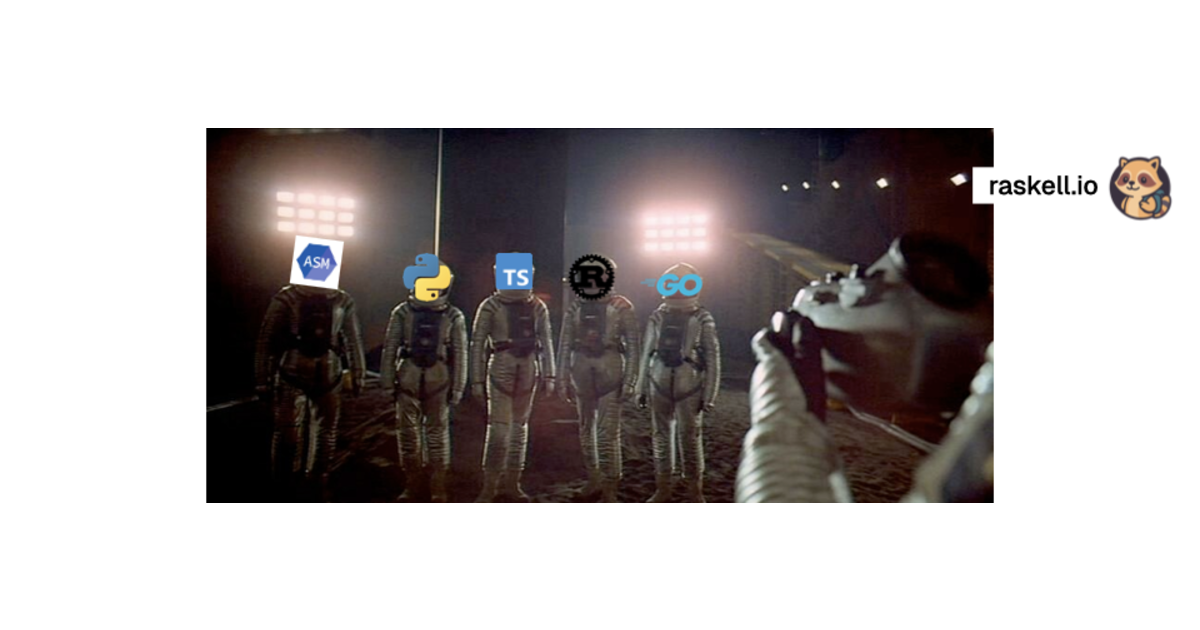
Three futures for programming languages as AI becomes the primary author of code, and why I bet on Haskell.

Mythos is a harbinger of the dilemmas companies & governments will face in enabling the safe adoption of progressively more powerful models.