
Google-Agent: The Web's New Visitor Just Got An Identity
Google’s adoption of cryptographic bot identity signals a future where distinguishing real agents from malicious automation becomes critical.
Claude is a family of state-of-the-art large language models developed by Anthropic. This guide introduces the available models and compares their performance.
Google’s adoption of cryptographic bot identity signals a future where distinguishing real agents from malicious automation becomes critical.

A week of server logs revealed a wild ecosystem of feed readers, AI crawlers, prediction markets, Fediverse instances, and someone's Delphi app.
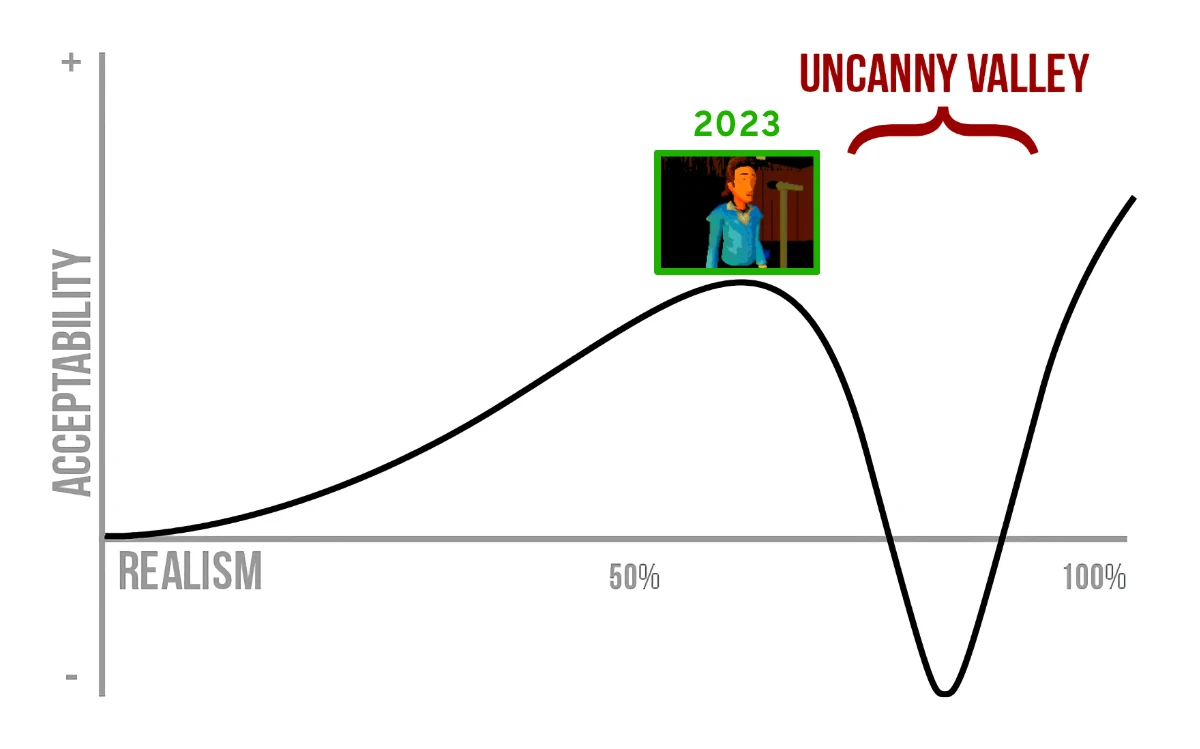
What’s the deal with the uncanny valley?
Instructions on how to integrate Anthropic Claude with Home Assistant
Earlier today (March 31st, 2026) - Chaofan Shou on X discovered something that Anthropic probably didn’t want the world to see: the entire source code of Claude Code, Anthropic’s ...
Elixir implementation of a LangChain style framework that lets Elixir projects integrate with and leverage LLMs. - brainlid/langchain
This repository demonstrates how to build and deploy an AI agent using Amazon Bedrock and AWS Lambda, with infrastructure managed by AWS CDK in TypeScript. The AI agent is designed to interact with...

Anthropic shipped Claude Opus 4.7 with major improvements in coding, vision, and agentic workflows. Here's what developers actually get with the new model.

Only 11% of sites get cited by both ChatGPT AND Perplexity. Learn exactly how LLMs choose sources - and how to optimize for AI visibility in 2025.
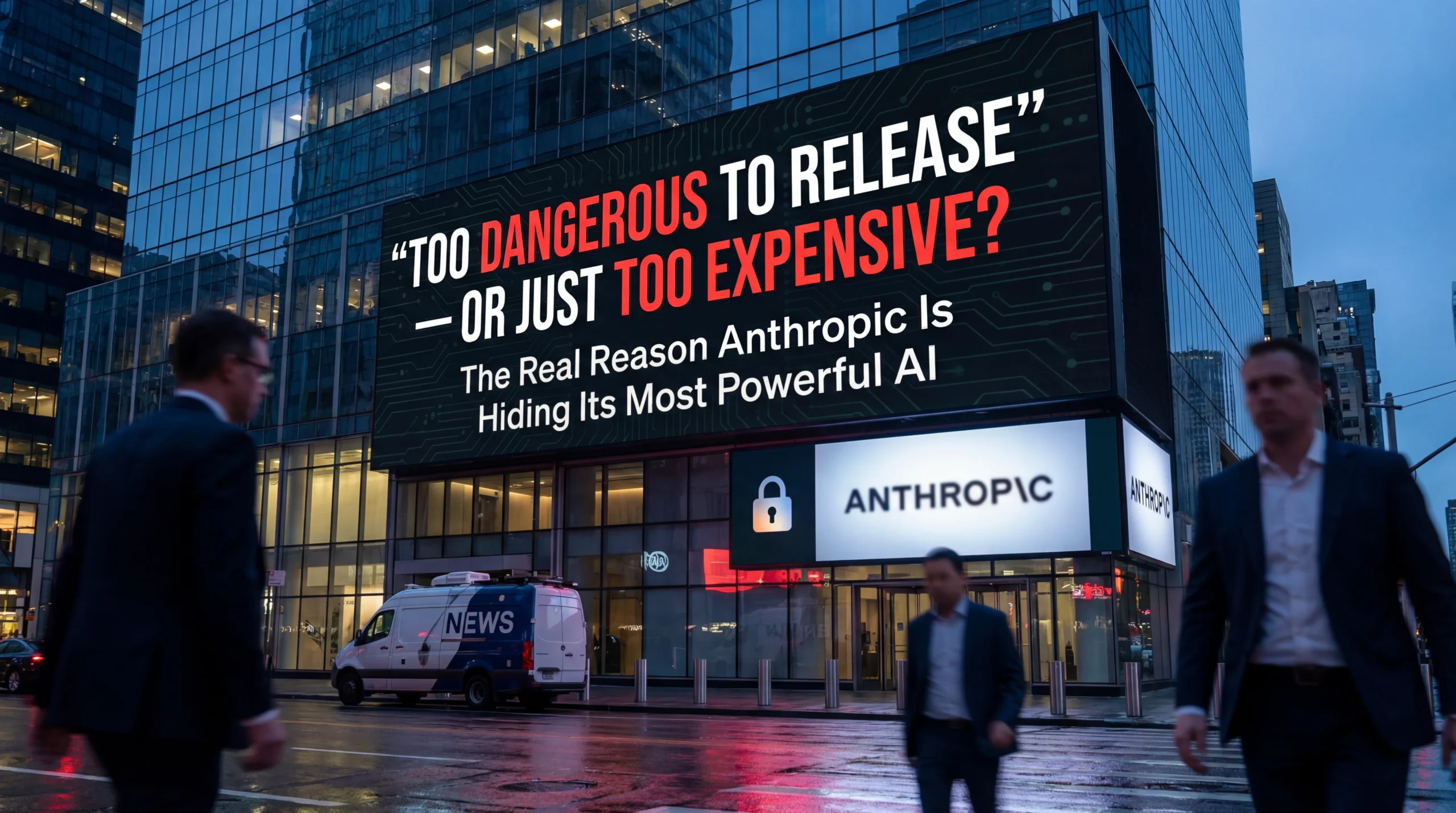
An evidence-based investigation into the real reasons behind Claude Mythos Preview’s restricted release In the first week of April 2026, Anthropic quietly made history — and then deliberately kept most people from accessing it. The company launched Project Glasswing, a gated security research program built around a new frontier model called Claude Mythos Preview. Unlike […]