OpenClaw - Wikipedia
en.wikipedia.org
A gentle introduction to the Pi coding agent and why I think it’s a glimpse into the future of software.
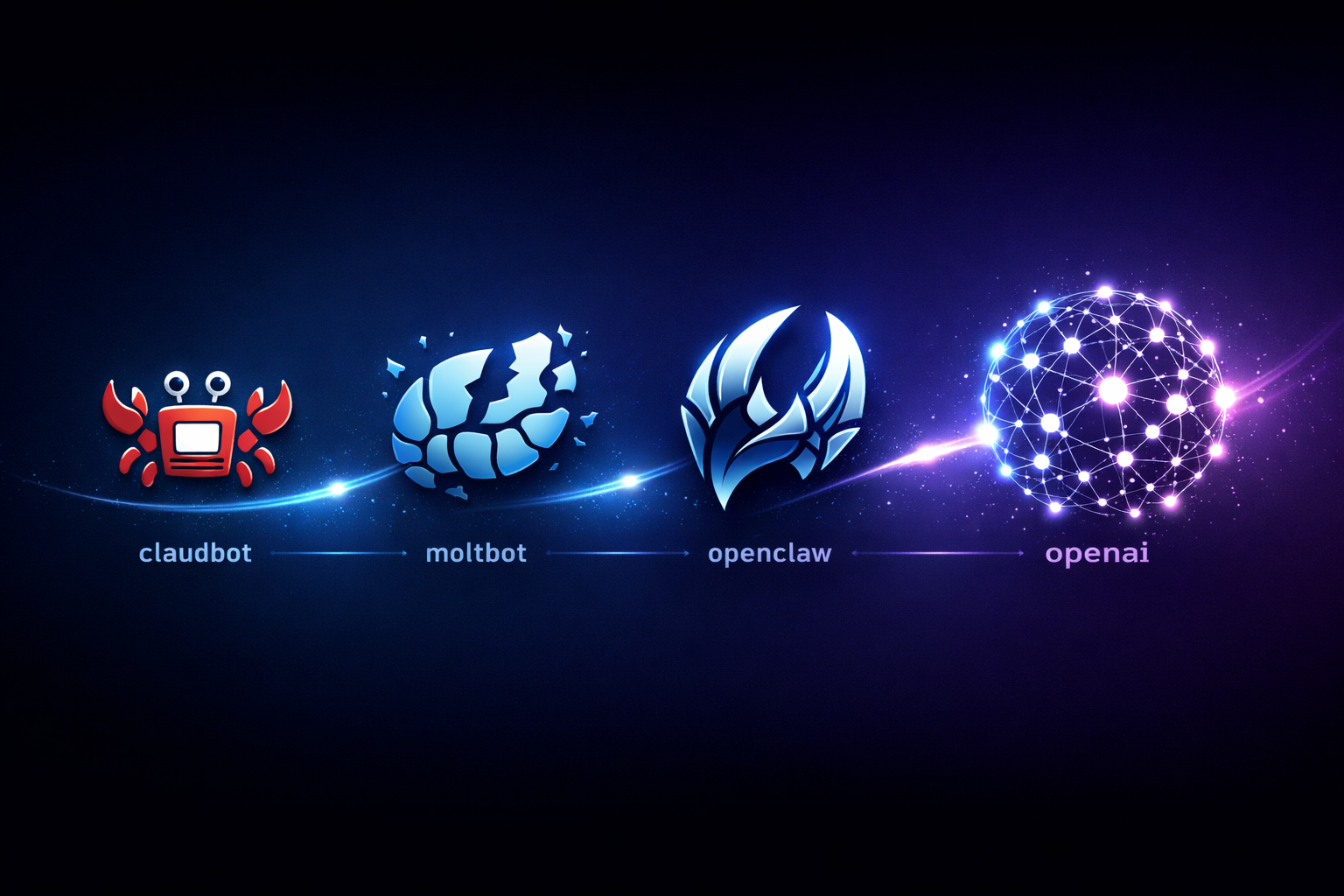
The story of how Austrian developer Peter Steinberger went from a meaning crisis after selling his $100M company, to building the fastest-growing open-source AI agent, to joining OpenAI - all in under a year.

Peter Steinberger's move to OpenAI marks the end of the saga; or Part 1 anyway.
AI and vibe-coding are changing how software gets built—but they won't kill SaaS. Drawing from 12 years building expertise-driven B2B products, I explore why ICP clarity and product expertise remain the key competitive edges, and why AI is a complement to great SaaS, not its replacement.
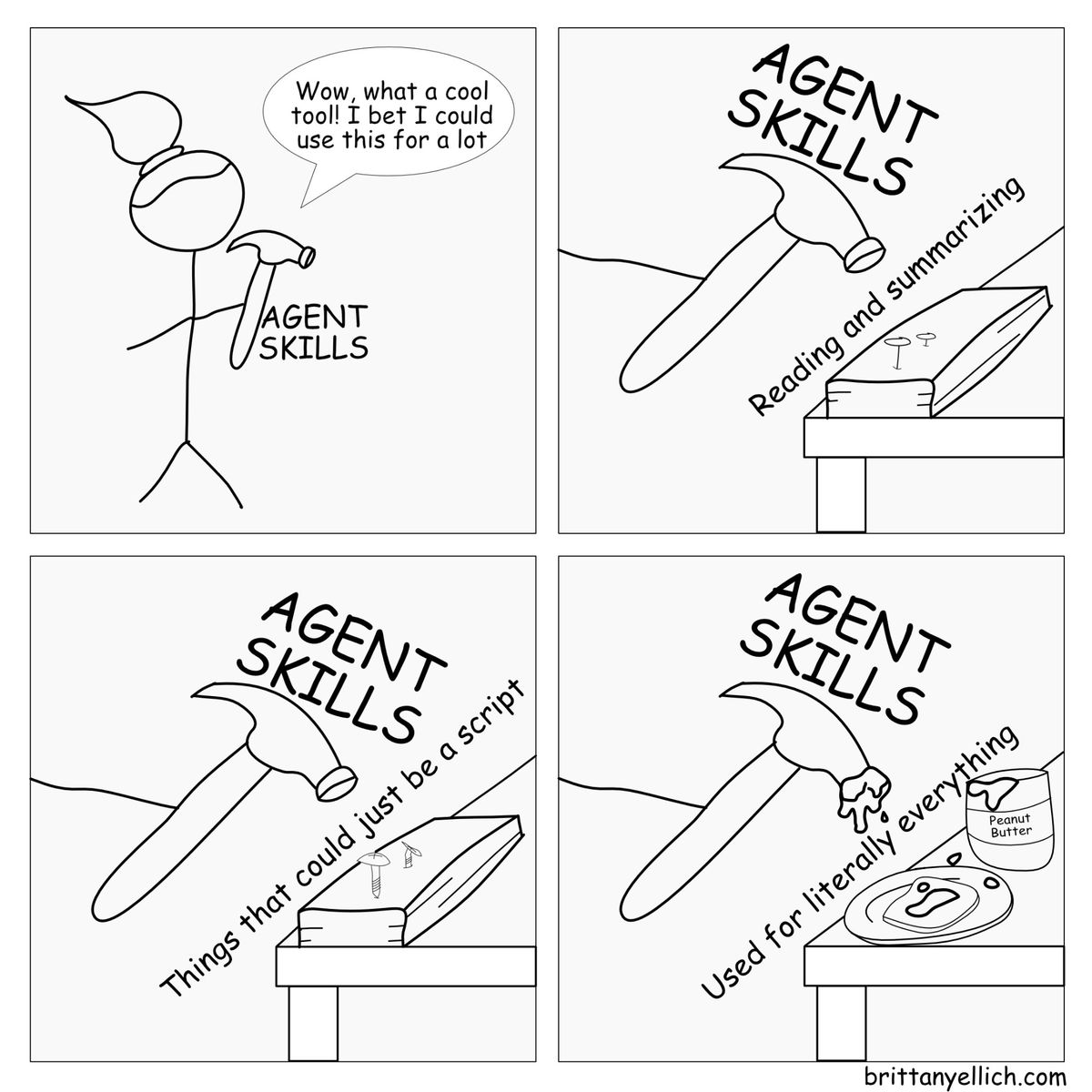
AI agents like OpenClaw can run continuously on your machine, read your email, push code, and post to the internet on your behalf, often with minimal supervision. I've put together six practical guidelines for using AI Agents without losing control... favor scripts over agents for deterministic tasks, guard against prompt injection, monitor what your agent is actually doing, vet community plugins before installing them, scope permissions tightly, and minimize the data you send. This isn't a "don't use AI" post, it's a "here's how to not shoot yourself in the foot" post.

Farewell, Anthropocene, we hardly knew ye. 🌹AI is here. It's won. Yes, it's in that awkward teenage phase where it still says inappropriate things, dresses
OpenAI recently posted a role for a Cybersecurity Landscape Analyst within their Intelligence and Investigation team. One line stood out: ...

NOTE: As usual, this blog expresses my opinions and not those of my employer\nAs an “old” I really love email. It was one of the first ways I was able to reach other people distant from me. Even before I had access to computers on the internet, I would send messages using a Bulletin Board System (BBS) called WWIV.\nWWIV had the ability to connect to other WWIV instances using WWIVnet, and I had a friend in Reno I where I could send notes from the instance I used to the instance he used.\n

In the span of ten days, AI agents built themselves a social network, a marketplace, and a gig economy platform. Is this a new universe, or just an elaborate prank?
A gentle introduction to the Pi coding agent and why I think it’s a glimpse into the future of software.
A practical security guide to OpenClaw: first principles, real attack vectors, skill supply-chain risks, and safe experimentation playbooks.
AI speeds up writing code, but accountability and review capacity still impose hard limits.