Pi Coding Agent
Mario Zechner's minimal, four-tool AI coding agent that bets on leaving things out
A gentle introduction to the Pi coding agent and why I think it’s a glimpse into the future of software.
Mario Zechner's minimal, four-tool AI coding agent that bets on leaving things out

I sat with Mario Zechner's PI coding agent thesis and stress-tested it against my Claude Code workflow. Here is the real 2026 state of AI coding agents.
The big theme this week has been wrapping things up - quite literally, in the case of PWAKit - and expanding what already exists into something more robust.

The one in which I refute the recent arguments against MCP and where I think it's coming from.
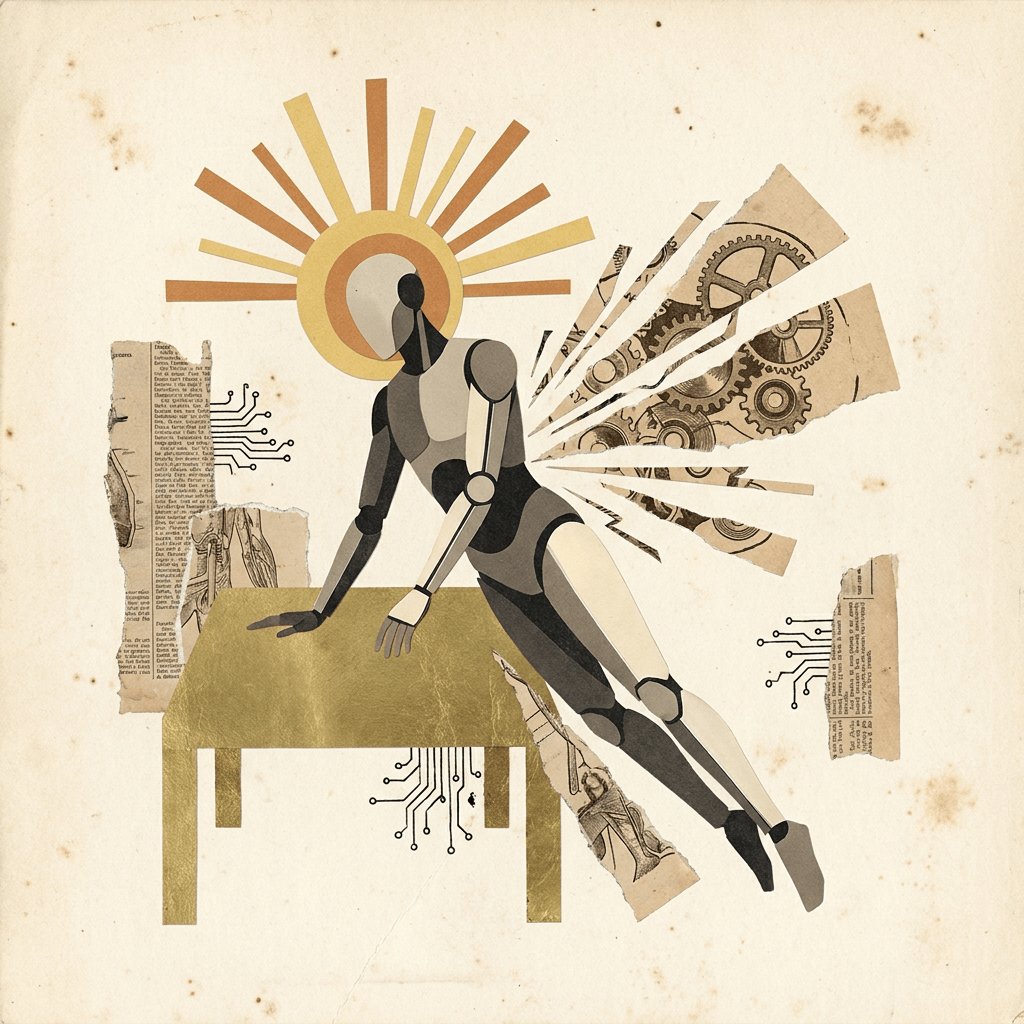
An opinionated guide to building your own always-on personal AI assistant using Pi, OpenCode Go, Telegram, Resend, Hetzner, Tailscale, GitHub, and Nginx.
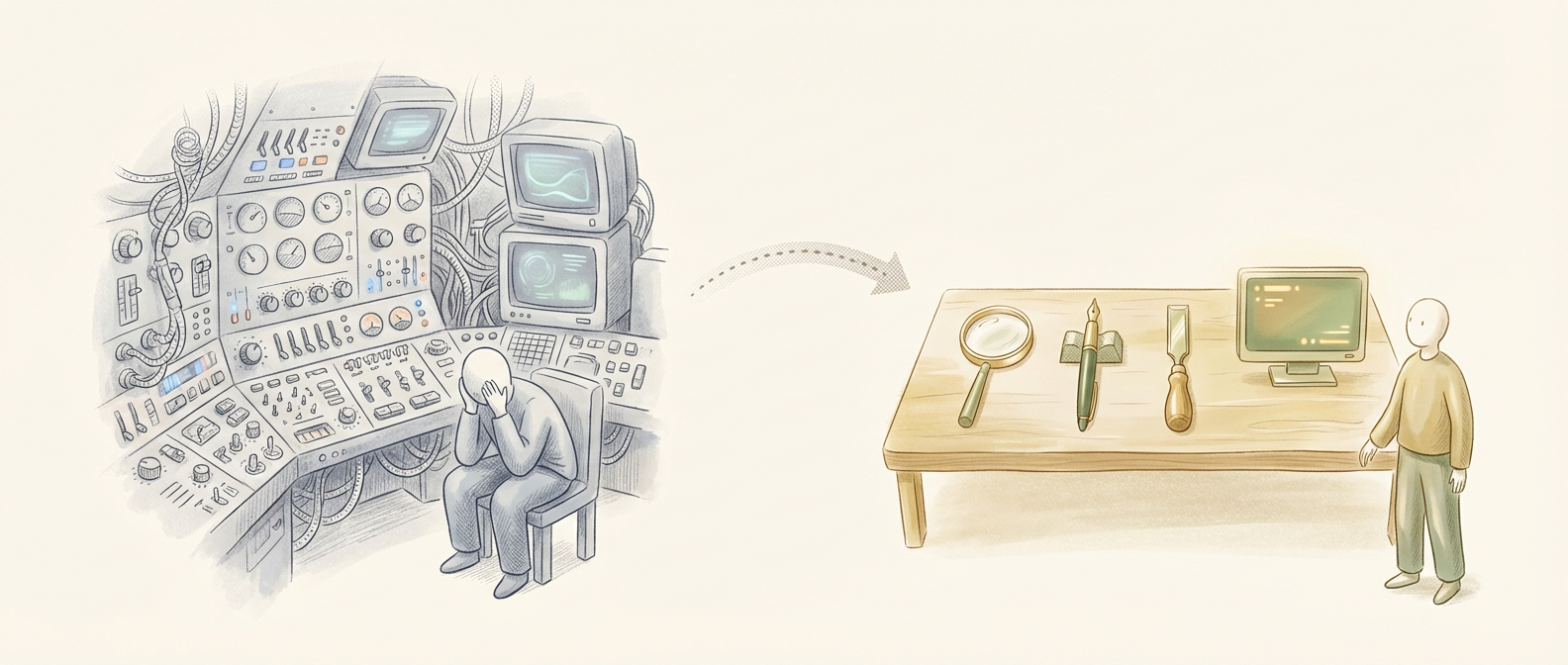
You might have heard of OpenClaw — the open-source AI assistant running on everything from WhatsApp to a Raspberry Pi, mass adoption, mass controversy. What powers it is a tiny agent called Pi, built by Mario Zechner with a philosophy I haven’t seen elsewhere: “if I don’t need it, it won’t be built.” The result? Four tools. A system prompt under 1,000 tokens. No MCP. No plugin ecosystem. It’s YAGNI applied to agent architecture.
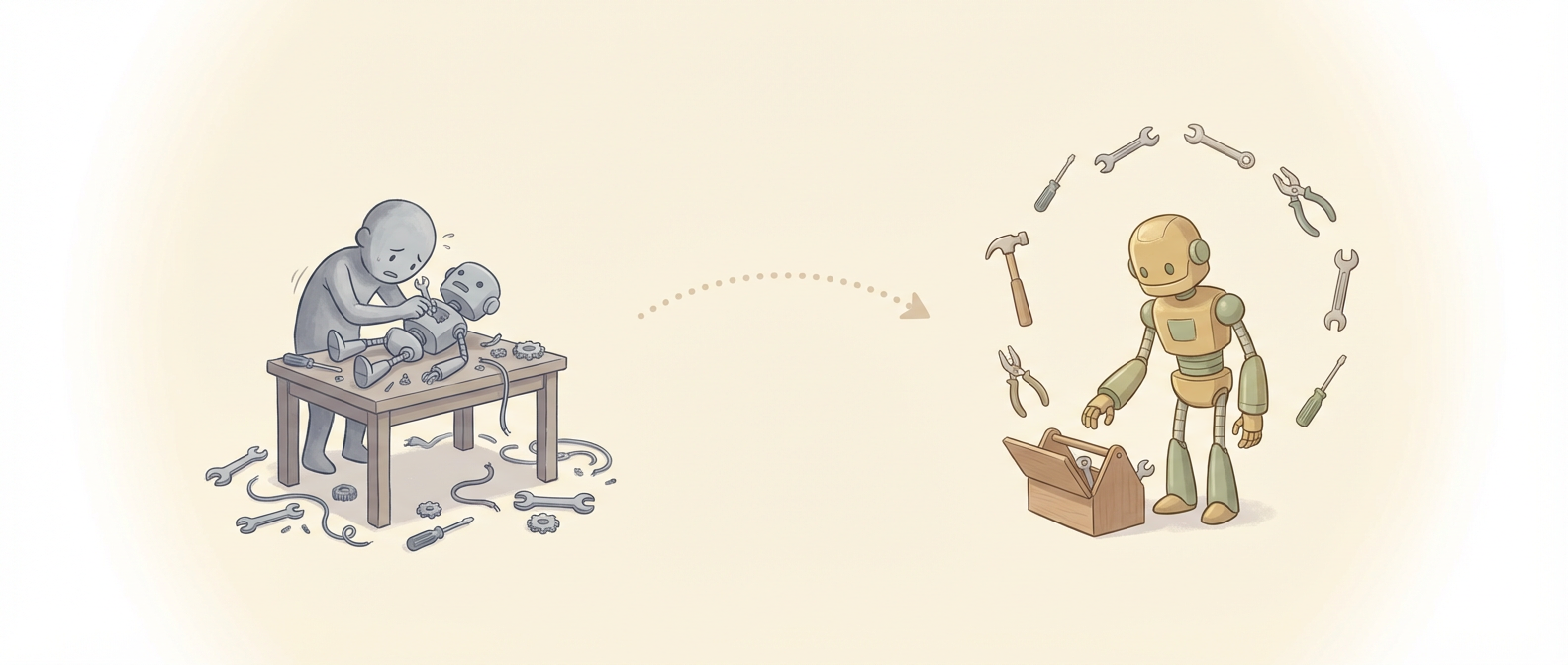
Last week I wrote about Pi’s four-tool constraint and Mario Zechner’s philosophy of radical minimalism. But here’s the obvious question: how do you do anything useful with just read, write, edit, and bash? The answer is mom — short for “Master Of Mischief.” It’s a Slack bot Mario built on Pi that does something I haven’t seen elsewhere: it manages itself.
There is way too much serendipity - by Malmesbury If you add the history of LSD to the history of artificial sweeteners, it follows that chemistry researchers are constantly tasting everything they touch, and I will believe that until someone gives me a better explanation. If you are a chemist,
It's easy to think OpenClaw is a joke because of the meetup mania — thousands of folks descending on Frontier Tower in San Francisco, wearing Mac Minis in baby slings and munching on lobster rolls. But if you think only that, you'll be blind to why it's interesting and to the many product and engineering lessons which it has to teach.
Lately I've been using Pi for all my agentic workflows outside of Claude. Pi is an open source, stripped-down, agentic harness. It has a fraction of the features which are built in to Claude Code and Codex. But what makes it great is that it's transparent and deeply extensible, so when you use it, it teaches you things worth learning.

I've sold out
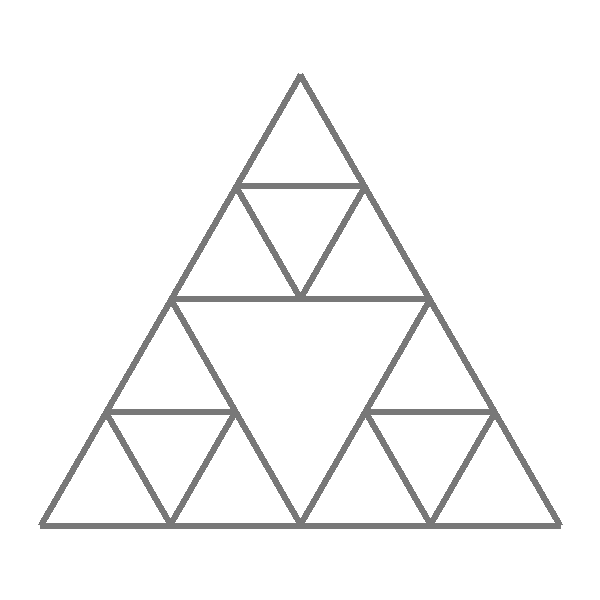
My blueprint for the optimal coding agent (team).Keeping LLMs in the smart zone using short and relevant context. Usage patterns: quick (small) edit skip to in