Internet-era ways of working
Internet-era ways of working helps organisations respond to people’s ever raising expectations
The UK government's design principles and examples of how they've been used.
Internet-era ways of working helps organisations respond to people’s ever raising expectations

When you can’t see the forest or the trees.

Proactive application of technology to business

Design your service using GOV.UK styles, components and patterns

You don't necessarily expect state of the art reccomendations from a government website, but if you try sometimes, you find, you get what you need.

JavaScript should only do what only JavaScript can do.

How to avoid buying your bike again every 6-12 months and tips for how to apply the same reasoning to other things, like computers
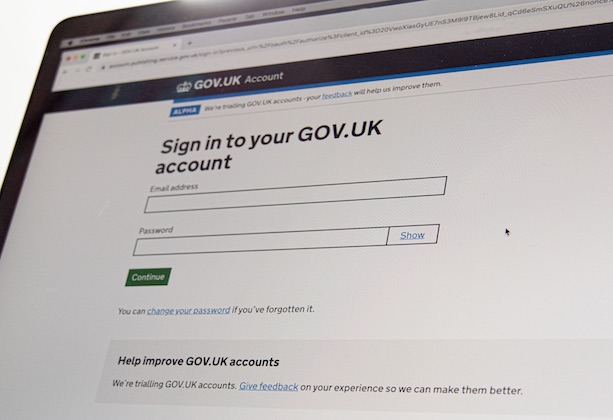
Adding a ‘show password’ option to GOV.UK accounts looked like a straightforward task, but it was more interesting and complicated than we expected.
Design your service using GOV.UK styles, components and patterns
I read a great post this week from Robin Rendle, about design systems and about the mismatch between how people describe their work publicly and how it’s really going on the inside: “My hunch is this: folks can’t talk about real design systems problems because it will show their company as being dysfunctional and broken in some way. But hiding those mistakes and shortcomings by glossing over everything doesn’t just make it harder for us personally, it hinders progress within the field itself.” This couldn’t be a better description of public service modernization efforts as well.
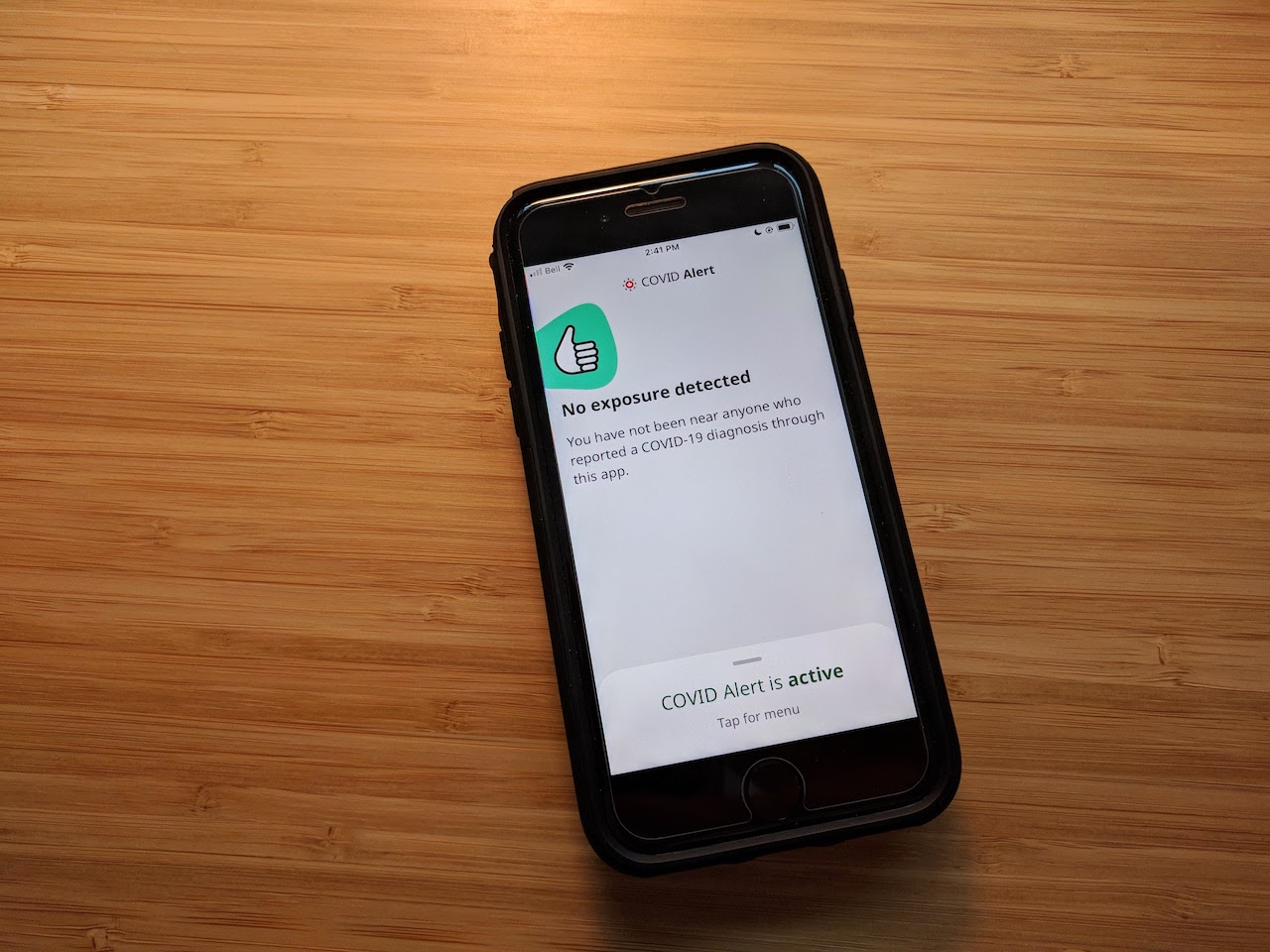
Working on COVID Alert has definitely been a career highlight, in a lot of unexpected ways. As of this week more than 4.8 million people have downloaded the app, and 2,600 people have used it to alert people close to them about their COVID exposure. For everyone that has worked on COVID Alert, it’s humbling and daunting to be part of something at this scale. COVID Alert also included some extra geeky “firsts” in the Canadian government that I was really thrilled to see, all related to working in the open.

Organisational structures and information architectures are both often visualised in artefacts described as “maps”. These constrained visualisations may embed siloed ways of working, and create problems for our users.

This began as a short post, that got longer, and added to, and added to some more, before becoming a seemingly messy collection of disparate opinions. There’s a thread running through it thou…
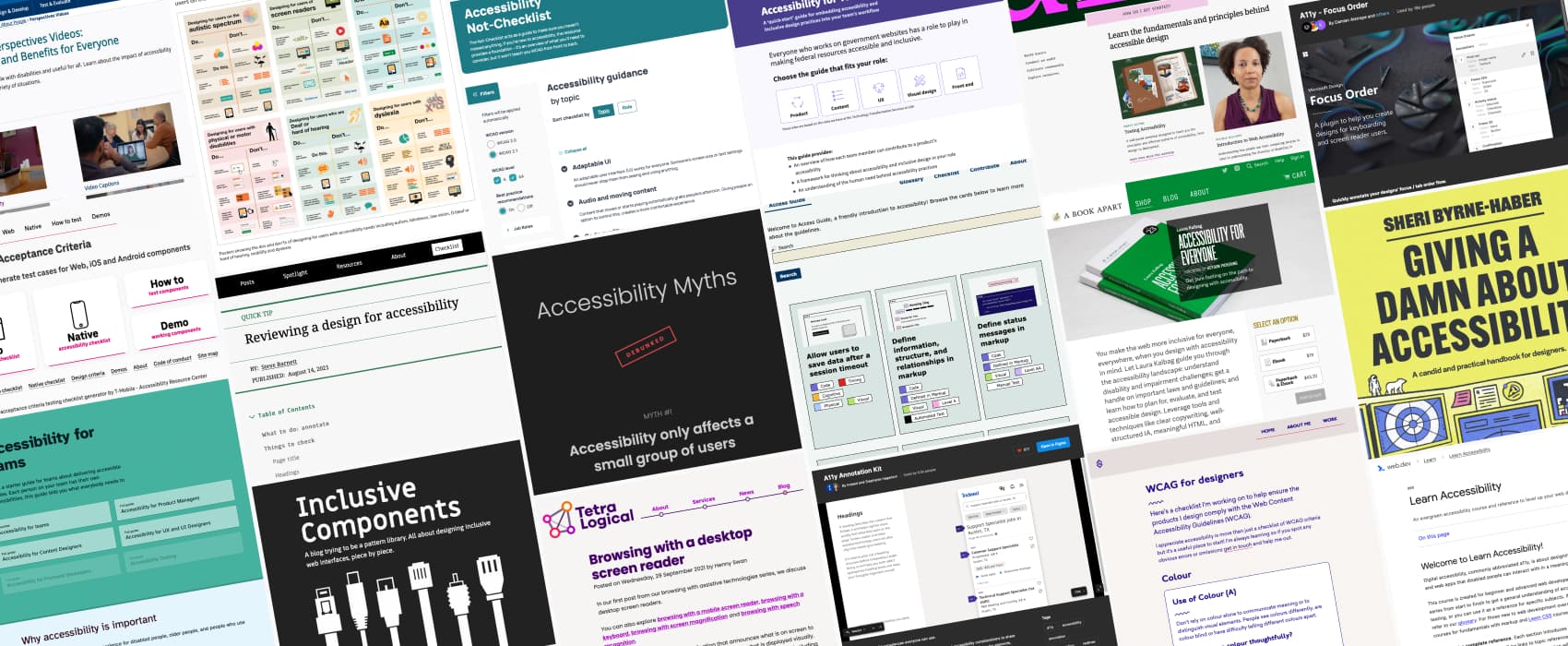
A big list of resources, articles, blog posts, and checklists to help you, designers, get started on your “building more accessible products” journey.

How I realised the value of mission badge-style stickers for teams… and how your team can make your own.
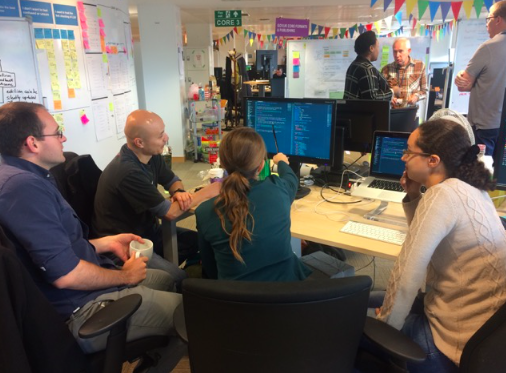
As part of the GDS commitment to code in the open, we have opened up GOV.UK’s application deployment code. This came with a number of challenges but it increased the development team’s efficiency and collaboration. Find out why we opened …
Anna Shipman looks back across the wintery landscape to her time spent working on the UK’s Government Digital Service. Like the busy elves in Santa’s workshop, government digital workers toil tirelessly for the benefit of people everywhere. The very best of them, however, also share their blueprints.

Extensive in-prison research leads to the first set of design principles for prisoner-facing services. Five years' of prisoner research In 2018, as part of the Launchpad in-cell technology programme, we researched, designed and built the Content Hub platform for prisoners. …
Design your service using GOV.UK styles, components and patterns
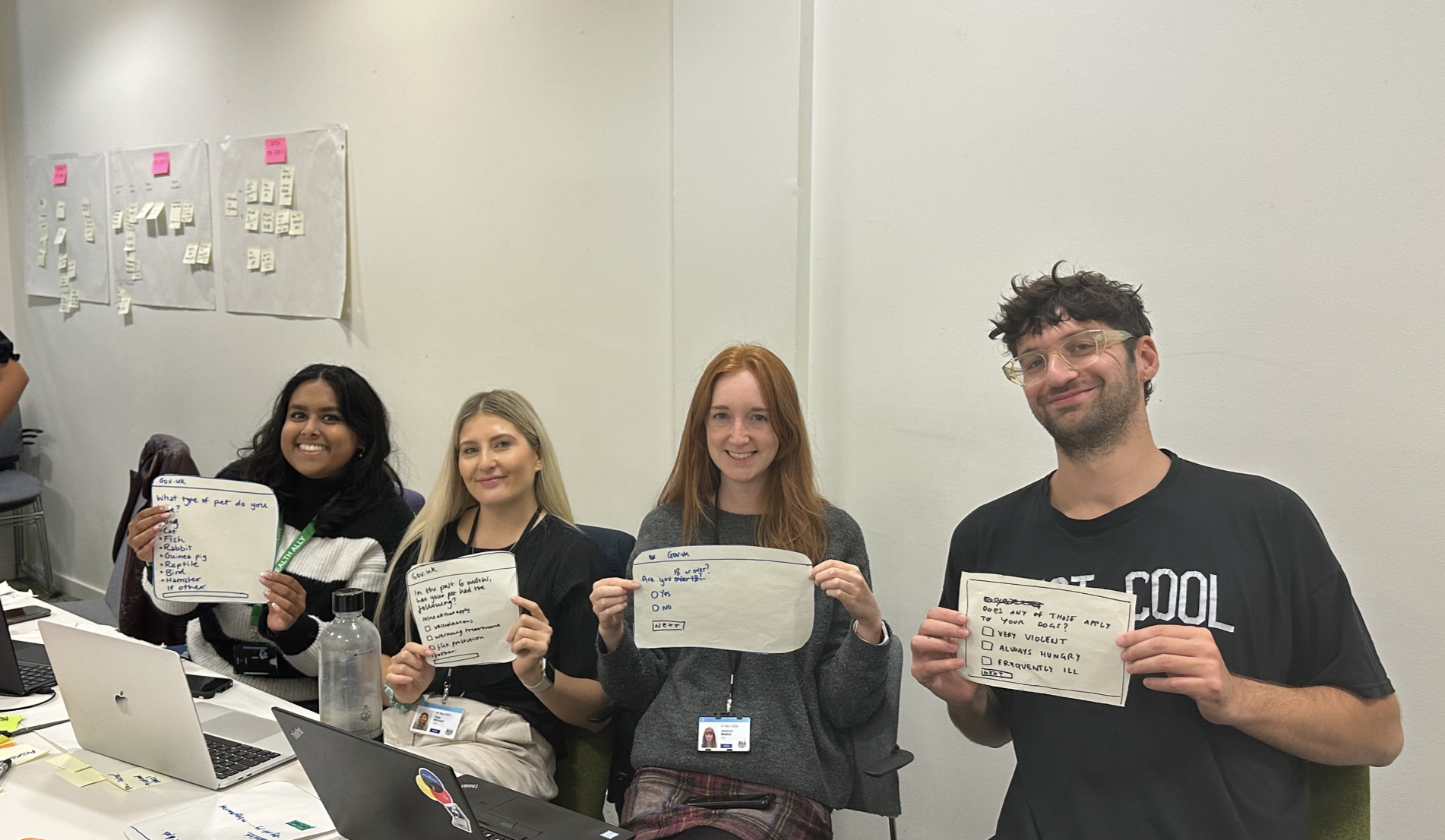
A step by step workshop for upskilling teams in user-centred design and working to the Service Standard.

This is the the unabridged version of the script for my Camp Digital talk in Manchester on 03/07/2025 – including all the stuff I had to cut to keep to time! The slides are here. The Power, P…
Notes on working in the open

The second of two blog posts about how teams can use riskiest assumptions to focus on learning the things with the most value. It explains when to use it and why it's a valuable method.

Learn how keeping a design history helped the DfE’s Becoming a Teacher team document the evolution of their services.
Contribute to alphagov/prototype-case-joined-up-services development by creating an account on GitHub.
Internet-era ways of working helps organisations respond to people’s ever raising expectations
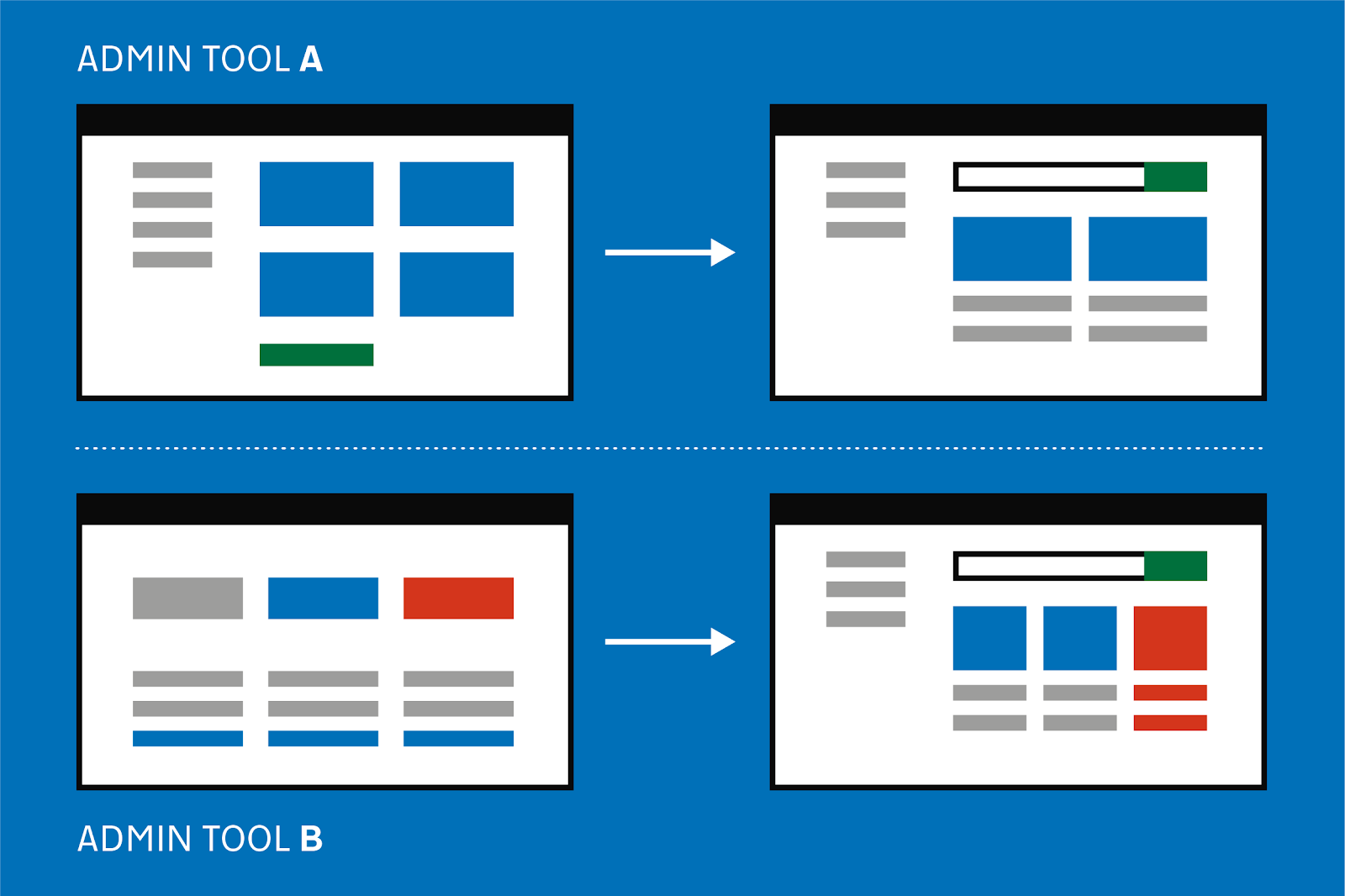
At the Government Digital Service, we run common platforms to help government build and deliver better and more user-focused services. In this post, Stephen McCarthy shares how we make the admin tools behind GOV.UK Notify and Pay easy to use.
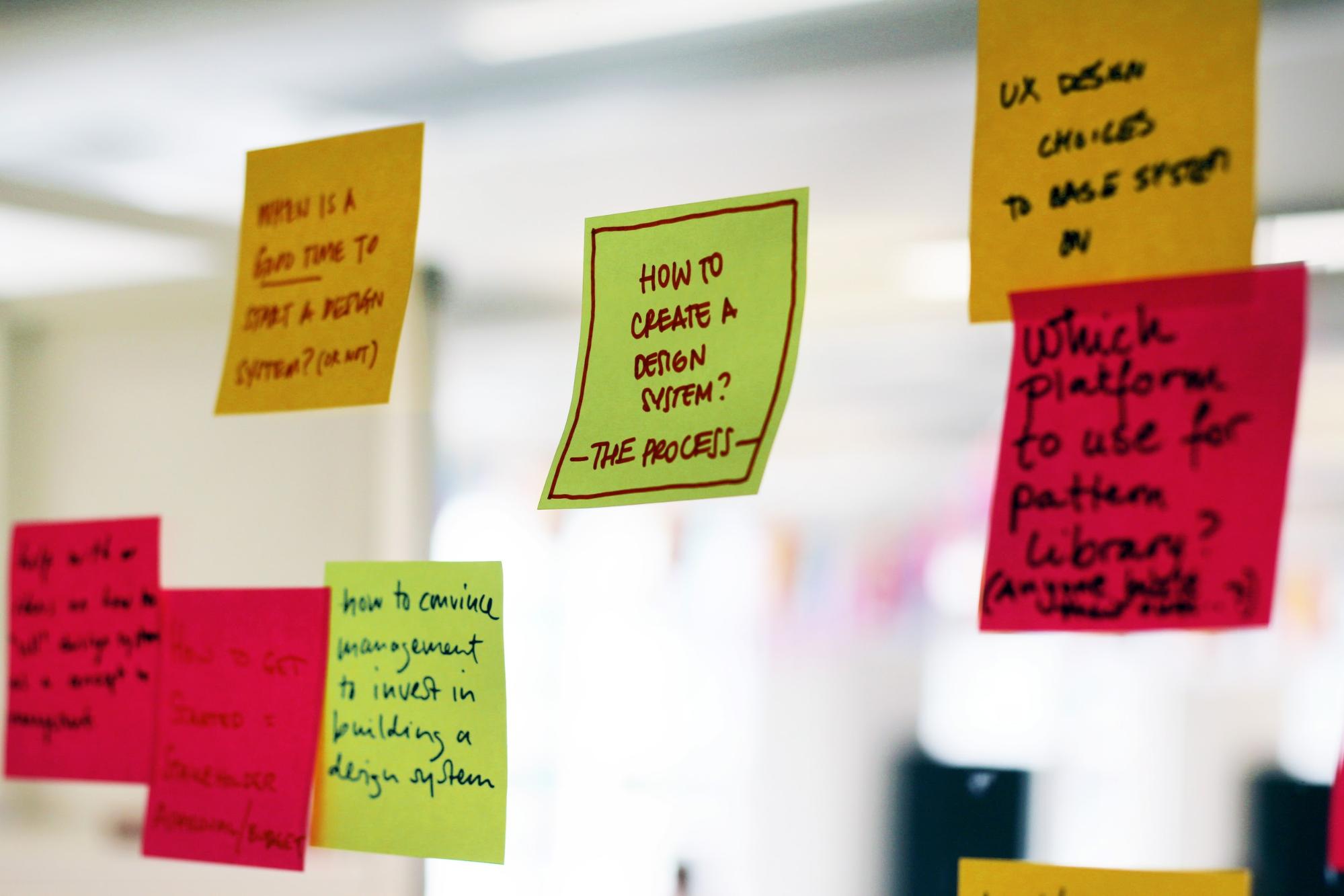
The GOV.UK Design System contains styles, components and patterns to help teams design and build services. In this post we look at how we're helping people from across government contribute to it.

Mick Ward is sick of people trying to sell him electric woks. As chief officer leading transformation and innovation for social care in Leeds, he sees a never-ending procession of providers claimin…

During my recent time at MHCLG I did a series of opinionated sessions on agile/digital ways of working I think of as the [IMHO] series. They were light on speakers note and long on rants – bu…

Exploring the need for a service mindset in product-focused organisations.
Weeknotes are a tool I use for reflecting, remembering stuff (to counter my Severely Deficient Autobiographical Memory), networking with others in the digital profession, radiating intent and public accountability. I write them mainly for my own benefit. But I put them online because I believe in working in the open, and I reflect and write better when anyone could

I was bored yesterday on a train and challenged myself to rapid fire (it was only Bristol to London) jot down as many (hardly) 🔥hot takes🔥 that might make for interesting blogposts that might gener…

A reminder, these weeknotes are a tool I use for reflecting, remembering stuff (to counter my SDAM), networking with others in the digital profession, and public accountability. I write them mainly for my own benefit. But I put them online because I believe in working in the open, and I reflect and write better when | Blogiversary, firebreak, Thursday I'm in love.
Third week in and we’re still writing, does this mean the habit is forming? Does it mean I start to enjoy it? Maybe?

Finding code we can re-use, sharing knowledge in a big collaboration session, and onboarding our user researcher. We’re building up steam.


Things I read about product management, digital teams, startups, the Web, class and managing our emotions in 2021.

This is a lightly-edited transcript of a talk I gave at UX Brighton 2018 . The theme of the conference was Advancing Research. I'm going to talk to you today about research heresies - three ways to think about user research to overcome unhelpful beliefs that get in the way of doing a great j

This post covers why we should prioritise assumptions by their risk, when to do it, when not to do it and provides three examples of when it’s been valuable.
What is Assisted Digital?
GDS is thinking about its strategy for 2025-30. I’m Head of Product in the Digital Service Platforms part of GDS - you might have previously known it as ‘Government as a Platform’, or ‘GaaP’. I’m having some conversations with my SMT colleagues and other well-wishers, and wanted to share some early thoughts-in-progress to elicit feedback from the many excellent thinkers on digital government. This is some early thinking about our platforms from one perspective, and not an official GDS blog post.
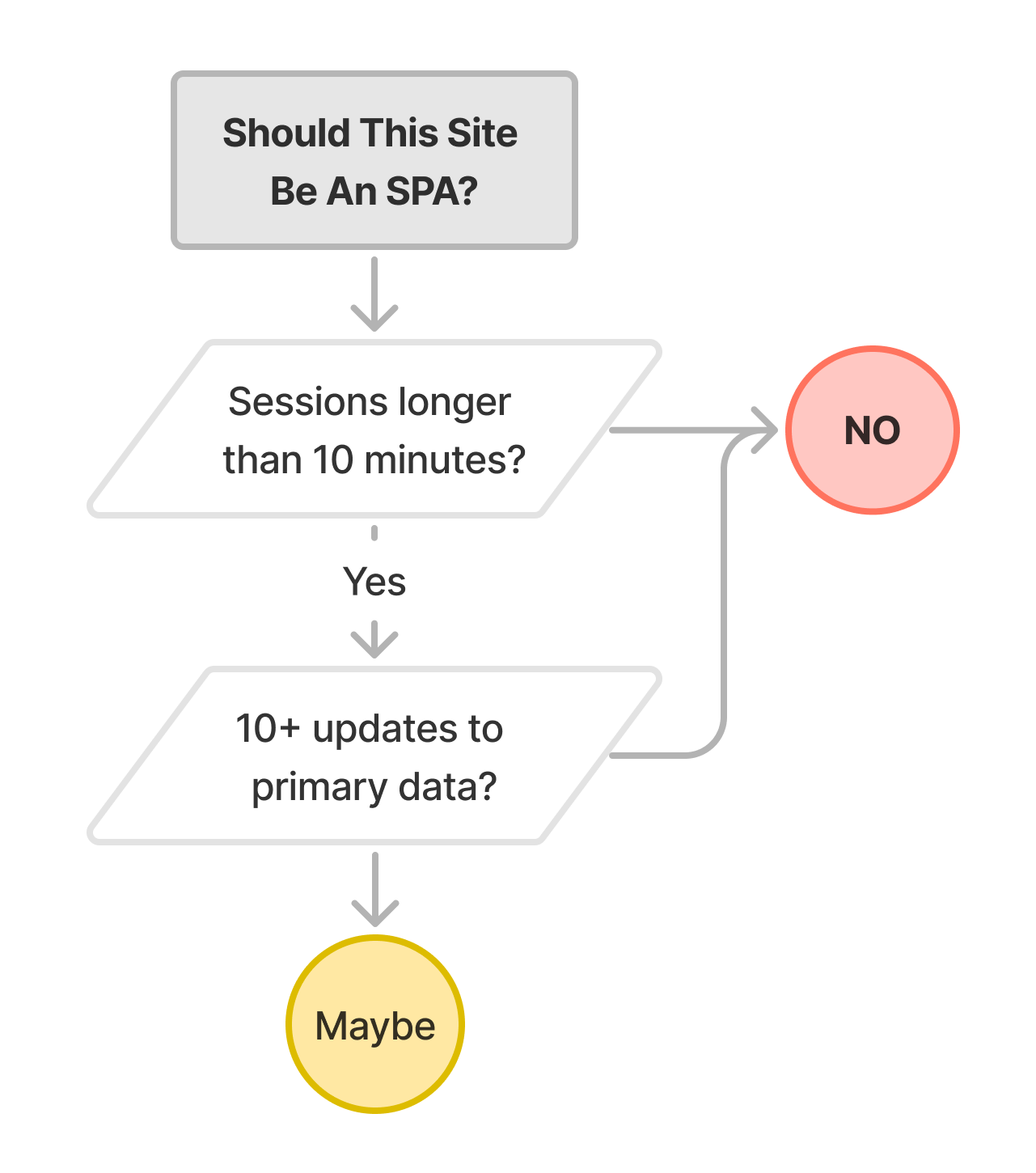
Frameworkism is now the dominant creed of today's frontend discourse, and it's bullshit. We owe it to ourselves and to our users to reject dogma and embrace engineering as a discipline that strives to serve users first and foremost.

Why the need for inclusive communication goes beyond products, services and users. How to communicate inclusively with colleagues and professional peers.
5 important lessons in supporting contribution to a design system
Should consistency be one of the main goals of a design system?

Adam Silver – interaction designer – London, UK
Strategic technology leader
Strategic technology leader