
AI, "Humanity", and Dr. Manhattan Syndrome
A communications intervention
How AI Could Transform the World for the Better
A communications intervention
Andreessen wrote the inversion. Musk kept the word. Amodei read the parable. The papers are still on the page.

Mordecai Kurz argues tech oligarchs erode democracy through monopolies – and predicts how the trend may end

Thinking Through Writing

Simons challenges the dominant story of AI-driven efficiency, arguing that the intelligence powering today’s systems is built from accumulated human interaction. As organizations automate work and offload thinking, they risk…
Tom Cunningham blog

Welcome back! Come one, come all, friends, foes, fart connoisseurs, all are welcome here at Camel Central.

Choose your story. Take your stand.

The historical roots of current-day tech sector is infected with eugenic ideals, misogyny, and fascism. The tech industry must reckon with this troubled past.

Anthropic is an AI safety and research company that's working to build reliable, interpretable, and steerable AI systems.
A statement from Anthropic CEO, Dario Amodei, on Anthropic’s commitment to advancing America's leadership in building powerful and beneficial AI
Humans in the post-ASI world.
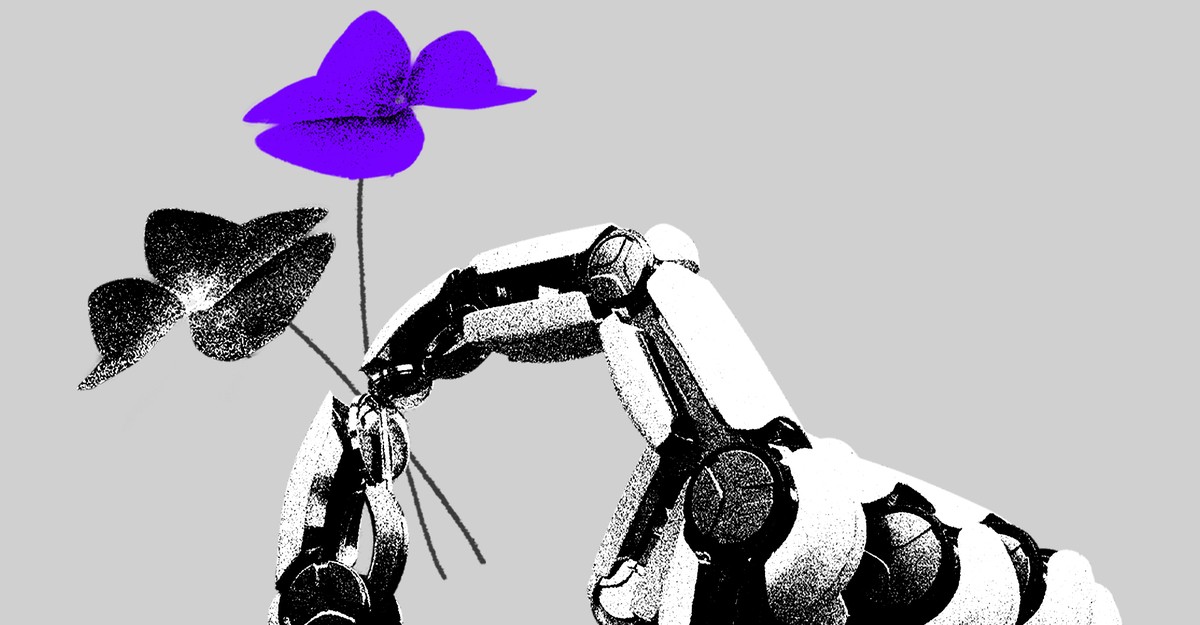
Those who predict that superintelligence will destroy humanity serve the same interests as those who believe that it will solve all of our problems.
Kindle-ready EPUB and PDF files for Dario Amodei’s “Machines of Loving Grace.”
Anthropic is an AI safety and research company that's working to build reliable, interpretable, and steerable AI systems.

We’re keeping them honest with the Sherwood News AGI Prediction Tracker....

AI promises transformation. Transformation of the way we work, possibly the way we live and the way we organize our societies. From the utopian dreamers to the doomers, everyone has an opinion of w…

If we want to accelerate biomedical progress, we need to understand the root causes of clinical trial inefficiency.
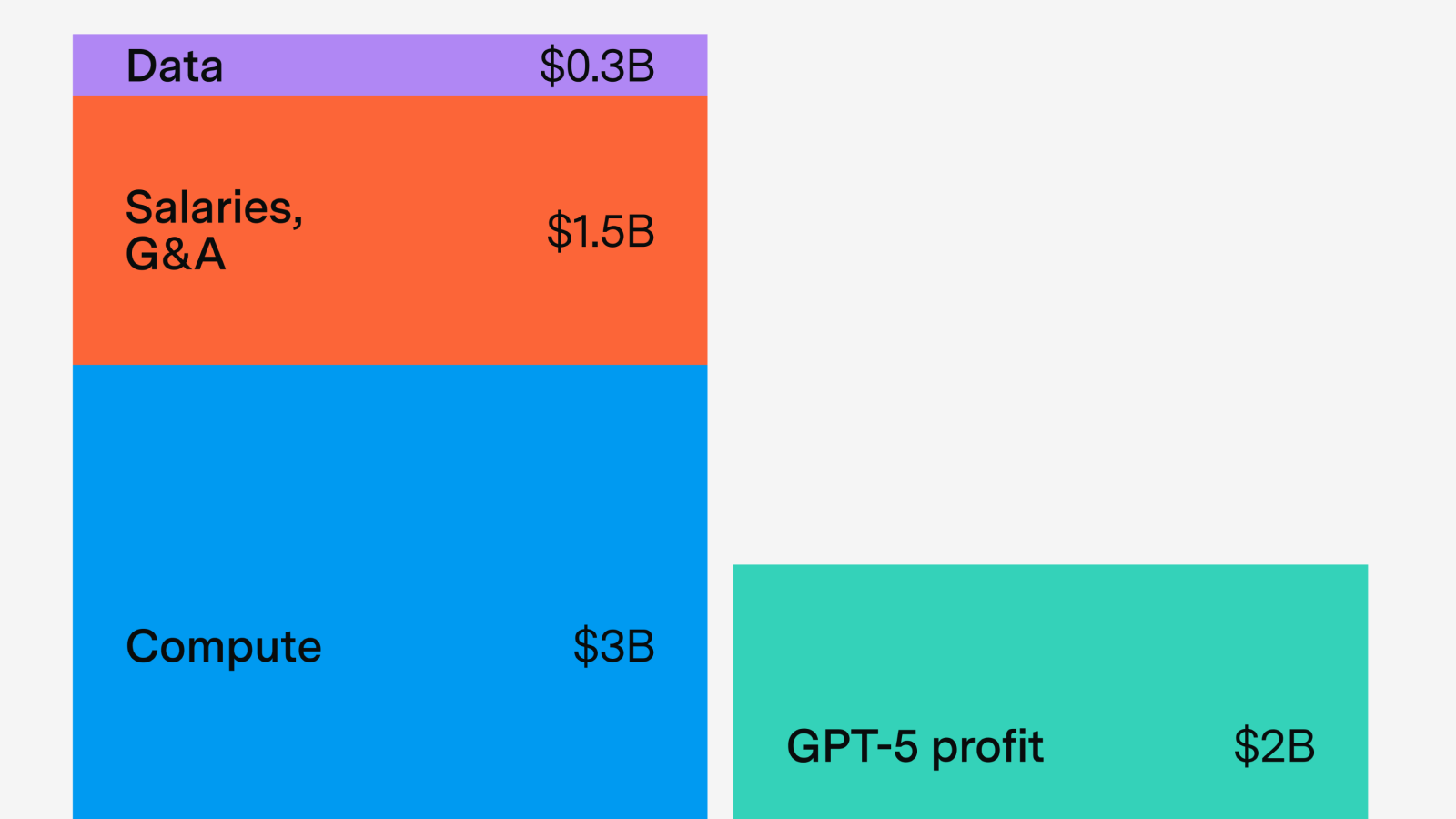
Lessons from GPT-5’s economics
Are the harms that LLMs have caused, and will soon cause, worth the benefits they may bring? This article (a written version of a keynote talk I gave at CoLM) tries to explore this question.

Could working on AI risks be the highest-impact career choice today? Explore why AI may trigger rapid, dramatic societal change — and what you can do about it.

My take on slowing down AI.

Despite what tech CEOs might say, large language models are not smart in any recognizably human sense of the word.

Scaling reinforcement learning, tracing circuits, and the path to fully autonomous agents

Thoughts on US-China Competition

Six years of AI and the world got stupider
The Anthropic vs. Pentagon standoff can be seen as both a contractual dispute and another skirmish in the never-ending culture war that has consumed public discourse in the United States. It is nei…

As Andy Massick explains well, if you are making a few requests per day to a simple non-reasoning text based AI model the carbon impact is, to use a technical term, bugger all 1. I probably ask ChatGPT and Claude around 8 questions a day on average. Over the course of a year of using them, this uses up the same energy as running a single space heater in my room for 2 hours in total. Not 2 hours per day, just a one-off use of a single space heater for 2 hours […] By being vegan, I have as much climate impact as not prompting ChatGPT 400,000 times each year

“God is dead” Nietzsche famously proclaimed. Humanity’s desire to be ruled by god, by contrast appears very much alive. Our latest hope for salvation rests with Artificial Intelligence. Climate crisis? AI will cool the planet. Death and disease? AI will make us immortal. War? AI will bring about peace. Machina deus ut deus ex machina (with apologies to my Latin teacher and asking for help from anyone who can come up with the right idiom; update: "Deus machinae ut deus ex machina" has been pro...

Regardless of where you sit in industry, government or civil society, the time to choose is now, writes Nathalie Maréchal.
OpenAI is in and Anthropic is out as a supplier of AI technology for the US defense department. This news caps a week of bluster by the highest officials in the US government towards some of the wealthiest titans of the big tech industry, and the overhanging specter of the existential risks posed by a new technology powerful enough that the Pentagon claims it is essential to national security. At issue is Anthropic’s insistence that the US Department of Defense (DoD) could not use its models to facilitate “mass surveillance” or “fully autonomous weapons,” provisions the defense secretary Pete Hegseth ...
A timeline of the many claims made about AI/LLMs over the past few years

[Crossposted on LessWrong] Throughout history, technological and scientific advances have had both good and ill effects, but their overall impact has been overwhelmingly positive. Thanks to scienti…

I am teaching CS 2881: AI Safety this fall at Harvard. This blog is primarily aimed at students at Harvard or MIT (where we have a cross-registering agreement) who are considering taking the course…

One of the hardest things about being a CEO in the AI era isn’t the technology itself — it’s the firehose of information about the technology. There’s so much being written about AI right now that it’s almost impossible to separate the signal from the noise. Hot takes, doomsday predictions, breathless hype, vendor pitches dressed up as thought leadership — it’s exhausting. So I thought I’d do something useful and share periodically a curated basket of the most interesting reading I’ve done. Think of it as the reading list I’d hand to a fellow CEO who said, “I know I need to get smarter about AI — where do I start?” This first batch is a bit of a catch-up,...

The AI boom is fueling a literal and metaphorical power grab by tech billionaires—and forcing a reckoning.

OR: if we were playing by Settlers of Catan rules, I'd be dead already

Peter Thiel says physics stalled in 1972. Then GPT-5.2 proved a new result in theoretical physics. The 75:1 AI compute gap between commerce and science.

The AI boom is based on a fundamental mistake.

Below is the text for a talk I’m giving tomorrow on Friday September 19th in St. Pölten, Vienna at a wonderful event called “Reenacting Dartmouth,” organized by Seppo Gründler and…

"In the year 5555, your arms are hangin' limp at your sides, your legs got nothing to do, some machine doin' that for you." Zager and Evans sang these words in 1969. Now, thirty-five centuries ahead of schedule, it's never been easier to tell the world "I didn't care about this and I don't care about you."
This is what I personally do to prepare for a world with AGI.

This famous 2024 essay by Dario Amodei makes the case that “powerful AI” could bring wondrous benefits to society. Powerful AI is defined as a technology that can interact with the digital world in…

Since they are trained on human writing, LLMs are fundamentally downstream of existing human ideas. This leads people to believe that all these models can do is remix and interpolate, rehashing what we already know. I don't buy that.
Scaling reinforcement learning, tracing circuits, and the path to fully autonomous agents
No person on earth today has any concrete idea how to build AGI, but LLMs are still worth investing in.

Making sense of rapid AI progress

Journal editors and peer reviewers are being flooded with AI-generated papers that are almost impossible to detect.

The AI boom is meant to overwhelm you.

"Just as we must be responsible for our bodies in an era of office work, we must now keep our minds active," says Jamil Zaki, director of the Stanford Social Neuroscience Lab.
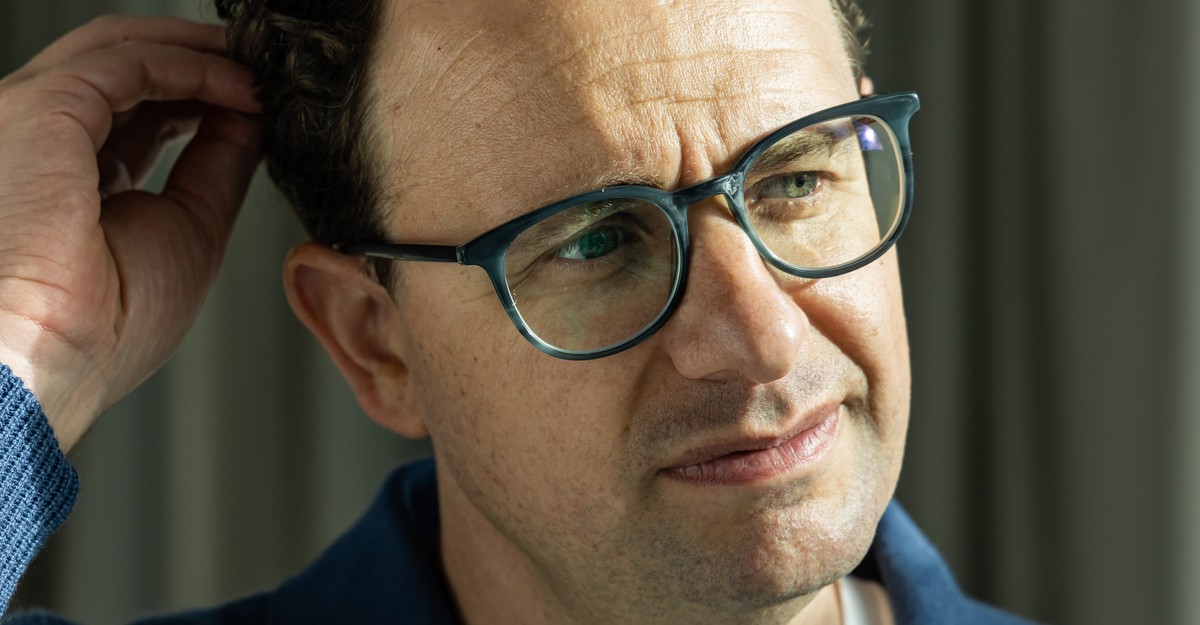
The AI company shouting about AI’s dangers can’t quite bring itself to slow down.

They built it. They're scared of it. They're selling it anyway.
We’re launching The Anthropic Institute, a new effort to confront the most significant challenges that powerful AI will pose to our societies.

"That's why I'm sending this message of urgency"

The post-chatbot era has begun.
Anthropic is an AI safety and research company that's working to build reliable, interpretable, and steerable AI systems.
The Darwin Gödel Machine: AI that improves itself by rewriting its own code
Donating to a 501(c)(4) focused on AI issues in the public interest

AI was meant to give us more time off, but instead many are finding it compels them to take on more and more work

Big Tech is remaking the U.S. map into an AI empire — kingdom-scale data centers, unprecedented debt, power constraints, and a near-religious belief in scaling.

Scott Aaronson’s Brief Foreword: Harvey Lederman is a distinguished analytic philosopher who moved from Princeton to UT Austin a few years ago. Since his arrival, he’s become one of my …

AI companies are sick of their favorite buzzword.

The making and breaking of scientific life

Fitting new technology to old doctrine is a perennial challenge for courts. Today, that technology is generative artificial intelligence (AI), and those doctrines now...
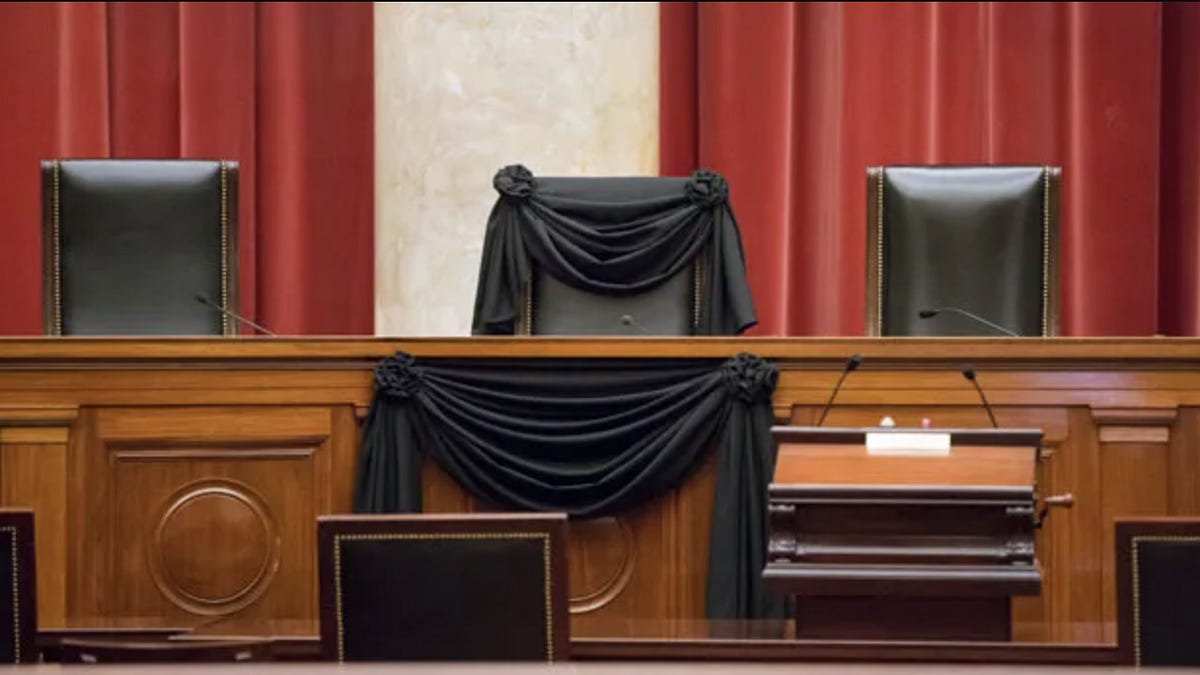
The end of accountability and the politics of AI

Kansas Reflector has not and will not run stories or columns created by generative artificial intelligence.


An exclusive conversation with OpenAI’s chief scientist, Jakub Pachocki, about his firm's new grand challenge and the future of AI.