The Era 100 SL provides a good alternative to Apple’s HomePod at a competitive price. The compact speaker packs a powerful punch, with a clear, detailed sound, and its AirPlay support ensures that it works well with Apple devices, as well as AirPlay speakers from other manufacturers.
Price When Reviewed
This value will show the geolocated pricing text for product undefined
Best Pricing Today
Price When Reviewed
$189
Best Prices Today: Sonos Era 100 SL
Retailer
Price
$189
View Deal
$189
View Deal
$189
View Deal
Price comparison from over 24,000 stores worldwide
Product
Price
Price comparison from Backmarket
The Sonos Era 100 SL is a compact wireless smart speaker designed to deliver premium sound quality at a more affordable price point. Built as a simplified version of the original Era 100, it removes voice assistant and microphone features while retaining the same powerful audio performance, sleek design, and wireless connectivity options.
The lower price tag of the Era 100 SL is intended to attract new users who may not have owned any Sonos speakers before. However, it can also be used in conjunction with other Sonos products, such as its soundbars and subwoofers, providing an affordable upgrade path for Sonos fans who may want to expand their existing multi-room or home cinema set-up.
One of the biggest drawbacks of the Sonos Era 100 SL is that its USB-C port cannot be used for direct audio input from devices like laptops, phones, or tablets, meaning users who want a wired connection must purchase a separate Sonos adaptor – an inconvenience that mainly affects people who prefer wired audio setups or want to connect non-wireless devices easily.
What’s different in the Era 100 SL vs Era 100
The original Sonos Era 100 was launched a couple of years ago, with a £249/$249 price tag that pitched it right up against Apple’s HomePod. The Era 100 is still available, but Sonos has just launched a new model called the Era 100 SL that aims to provide a “more accessible” – i.e. cheaper – option at just $189/£169.
As the name suggests, the Era 100 SL is very similar to the earlier Era 100 (which remains on sale, now at a reduced price of $219.00/£199). Available in black or white, the two speakers are virtually identical, with the Era 100 SL standing 183mm high, 120mm wide and 131mm deep. The Era 100 SL is fractionally lighter, though, as it omits the microphone and voice control features of the Era 100, which reduces the weight of the speaker by a few grams to 1.95kg.
The Era 100 SL also has the same internal set-up as its predecessor, with a pair of tweeters handling the higher frequencies, while a single woofer looks after the mid-range and bass. Each of the drivers has its own amplifier, although Sonos doesn’t provide specific details for the amplifier output.
FeatureOriginal Era 100Era 100 SLPrice$249 / £249 at launch, now reduced to $219 / £199$189 / £169 Voice Assistant / MicrophonesYesNoWeightSlightly heavier1.95kgTarget AudiencePremium smart speaker buyersBudget-conscious buyers / Apple users
What features does the Era 100 SL offer?
Sonos Era 100 SL Port.
Like all Sonos speakers, the Era 100 SL is primarily designed for wireless audio, supporting Bluetooth and dual-band wi-fi on the 2.4GHz and 5GHz bands. And, as always, it supports AirPlay 2 for Apple devices, allowing it to work alongside Apple’s HomePods and other AirPlay speakers as part of a multi-room audio system. The Era 100 SL doesn’t support Dolby Atmos or spatial audio, but it is possible to pair two Era 100 SL speakers together to create a stereo system, or use them with a soundbar as part of a surround-sound system for your TV.
Wired connections are more limited, though. There is a USB-C port on the back of the speaker, but this can’t be used to provide a wired connection from a USB-C port on your Mac or mobile devices. If you want to use a wired connection then you’ll have to buy a separate adaptor from Sonos, which costs $19.00/£19.00 for a basic adaptor with a 3.5mm audio connector, or $39.00 for a ‘combo’ adaptor that includes both a 3.5mm connector and an Ethernet interface for a wired network (although the 3.5mm and Ethernet cables are not included).Our only other complaint is that the power connector is recessed into the base of the speaker, which means that you have to use the special ‘angled power cable’ provided by Sonos and can’t simply use a standard power cable if you misplace the Sonos cable.
How does it sound?
Unsurprisingly, the Era 100 SL sounds very similar to its predecessor, providing very good sound quality for such a compact speaker. Despite the compact design, it works a treat with the atmospheric electronics of Madonna’s Frozen, creating a relaxed, spacious soundstage for the song’s ambient sounds. There’s a smooth tone to the opening strings, and the Era 100 SL picks out all the little details in the track, such as the jangling percussion and the gentle electronic chimes.
It’s got some muscle too, allowing the drums to crack like a whip as they kick us into the chorus, and the bass drum anchors the sound, while Madonna’s multi-tracked vocal floats gently above it all. That power really comes in handy for the raucous rock/dance mash-up of Sturgill Simpson’s Sing Along, and I’m worried about upsetting the neighbours even with the speaker cruising along at just 60% of maximum volume.
There’s a big, echoing sound to the fuzzy guitar riffs, while the electronic keyboards fizz along with infectious energy and, again, there’s a weighty sound from the bass drum that holds the whole song together. Admittedly, the bass drop at the end of the song could be a little firmer, but bass output is always a weakness with compact speakers such as this, and the Era 100 SL provides good sound quality for a speaker in this price range.
Should you buy the Sonos Era 100 SL?
If you simply want a Bluetooth speaker for use with mobile devices, then there are certainly cheaper options available that can match the sound quality of the Era 100 SL. But, for Apple users, it’s the AirPlay support that stands out, allowing the Era 100 SL to quickly and easily work with all your Apple devices and apps, as well as working with other AirPlay speakers as part of a multi-room audio system.
The latest report from Bloomberg’s Mark Gurman describes that the oft-rumored “AirPods with cameras” are nearing completion. He says the product has reached a new milestone, and is now in the late stages of development, where the prototypes have the “near-final design and capabilities.” This is the point where they make a few final tweaks and adjustments and finalize the software before entering production. The next stage is Product Validation Testing, where a limited production run is made and used for internal testing before being announced and sold to customers.
Of course, the product hasn’t yet been announced and could still be cancelled or delayed. However, given the stage of development they’re at, they could be on shelves by the end of the year—assuming the new Siri launch goes according to plan. Apple has to be happy with the quality of the new Visual Intelligence features before bringing these AirPods to market.
The new Siri, now expected to be part of the OS 27 updates, is reportedly a central component of these AirPods, because that’s what the cameras are for. According to Gurman’s report, the cameras are located on each earbud stem, which will be slightly longer than the current AirPods Pro, and provide low-res information for Siri, rather than being designed to take photos or videos for users.
They would allow you to simply look at things and ask Siri about them, from looking at a bunch of ingredients and asking what meal you could make (a scenario AI companies seem obsessed with for some reason), using landmarks when giving directions, or adding information from a poster to your calendar. Essentially, it’s the same experience you would get invoking Visual Intelligence on your iPhone, without having to pull out your phone, hold it up to something, and take a picture.
These new AirPods will appear similar to AirPods Pro 3, but with longer stems to accommodate the cameras and a visible LED light that will illuminate when visual data is being uploaded to the cloud. We don’t know what these AirPods will cost or Apple will call them, but might we suggest AirPods Ultra? Gurman says they have been in development for around four years and are part of a wave of AI-centered products, which include a pin/pendant and smart glasses as well. The new AirPods are further along in development than those.
If you’re looking for a great pair of over-ear noise-canceling headphones in the Apple ecosystem, you can either drop $549 on a new pair of AirPods Max or go the more sensible route and pick up a pair of Beats Studio Pro for hundreds less. Today at Amazon, you can get a new pair of Beats Studio Pro for just $170, half off the original $350 MSRP and the deepest discount we’ve ever seen.
The Beats Studio Pro are absolutely killer. In fact, when we reviewed them, we said they’re “better than AirPods Max and a lot more affordable,” and that’s still true even with the launch of the AirPods Max 2. We found the headphones to be lightweight, have great compatibility with both Apple and other devices, fabulous sound, and great battery life, leading to a 4.5-star rating and our Editors’ Choice award.
The Beats Studio Pro are known for delivering rich and immersive sound, and you can even experience true lossless audio if you connect the headphones to your device with a USB-C cable. The fully-adaptive Active Noise Cancelling will efficiently block out external distractions. The Transparency mode will make it easy to stay aware of your surroundings for your safety, too. They also have fantastic 40 hours of battery life, too, which is amazing. A quick 10-minute recharge gives you four hours of playback, so if that’s all the time you have before leaving home, it’ll be enough.
Don’t miss out on this chance to get the Beats Studio Pro for a great price. It’s not the absolute best deal we’ve seen, but it’s not that far off.
Mother’s Day is less than a week away, and we’ve got the perfect gift for your mom. Forget flowers and candy, and give her her very own pair of AirPods 4 this year: At Amazon right now, you can get a pair of AirPods 4 for just $99, a savings of $30, and the best price we’ve seen all year.
AirPods 4 aren’t Apple’s newest earbuds, but they’re still the best option you can get at their price. They’re pretty basic and don’t come with noise cancellation, but they still do offer personalized spatial audio and are resistant to both sweat and water when in the rain or on the treadmill or exercise bike. The H2 chip inside helps the buds deliver great sound and call quality with stellar voice isolation when you’re taking on calls. With reduced background noise and great isolation, whoever she’s talking to will hear every word she has to say.
Of course, AirPods 4 offer excellent battery life, with up to 5 hours of listening time and another 25 hours when using the USB-C charging case. And with easy pairing, hands-free Siri support including nodding and shaking for “yes and no” gestures, and quick sharing, she’ll never have to call to ask how to use them. So snag the AirPods 4 for $99 and make mom’s special day even more special this year.
Mother’s Day is coming, and summer is right around the corner, so it’s a perfect time to pick up a new set of AirPods—especially when you can get the AirPods Pro 3 for $200, saving a fantastic $49 at Amazon or Best Buy. We’ve only seen them cheaper one other time, so this is definitely a solid deal.
The earbuds were built for anyone who loves music. The advanced active noise cancellation is one of the things we loved most about these earbuds when reviewing them, blocking out unwanted noise while still letting you stay connected to the world around you with Transparency mode. And you won’t need to worry about charging either, with up to 8 hours of listening time with ANC active, or up to 10 hours in Transparency mode, and up to 24 hours when popping them into the charging case.
We gave the AirPods Pro 3 a near-perfect 4.5-star rating and our Editors’ Choice award, finding them to be super comfortable, with a secure fit, and loving how handy the heart rate sensor is when you’re working out. Without needing an Apple Watch or any fitness tracker, your AirPods Pro 3 can track every step you take and even help calculate the calories you burn.
Don’t miss out on the chance to get the AirPods Pro 3 for $200 before the price jumps back up.
Apple rarely confirms event dates far in advance, and there’s no guarantee an event will take place within its usual window. That leaves Apple fans – and anyone considering a new Apple device – wondering when the next Apple event will happen and what might be announced.
Based on Apple’s long-established schedule, recent announcements, and reliable industry rumours, we can make informed estimates about when the next keynote is likely and which products could headline it. Read on for a closer look at all of the events Apple is expected to hold in 2026, and what could launch.
When is Apple’s next event?
The next Apple event is the WWDC keynote, starting at 10am PT on Monday June 8.
Apple’s next major scheduled event will be the keynote presentation at the Worldwide Developers Conference (WWDC26), which will take place on June 8, 2026.
Apple is likely to broadcast the event live so that fans can watch Apple executives reveal details of the new features and changes coming to macOS, iOS and other operating systems later in 2026. We also expect the company to provide an update on its AI strategy. While WWDC is primarily a software-focused event, Apple may also unveil some new hardware products.
Usually the WWDC Keynote is hosted by Apple CEO Tim Cook, but with Cook shifting to the role of Chairman and current Apple’s SVP of Hardware Engineering, John Ternus, stepping into the CEO role from September, it is likely we will see more of Ternus at WWDC.
Apple event calendar 2026
TimescaleEvent themeDatesProductsMarch Special Experience2-4 MarchLaunched: iPhone 17e, MacBooks Neo, Pro & Air, iPad AirJuneWWDCJune 8Expected: iOS, macOS, other software, Mac updates, AI newsSeptember[iPhone event]TBCExpected: iPhone 18, new Apple WatchOctober or November[Late fall event]TBCPossible: Macs and iPads?
Apple has already held one “event” in 2026, although not in the traditional sense. On March 4, the company invited select media to hands-on “experiences” in multiple locations. In the run-up to that date, Apple also launched several products via press release, including the iPhone 17e, M4 iPad Air, and MacBook Pro M5 Pro and M5 Max, M5 MacBook Air and the MacBook Neo.
The next confirmed event is WWDC, which begins on June 8. This developer-focused conference opens with a keynote where Apple outlines upcoming changes to its operating systems – and occasionally introduces new hardware.
A second, late-fall event in October or November is possible, though less certain and typically focused on Macs or iPads.
Here’s when the 2026 Apple events might take place.
Foundry
FAQ
1.
What will Apple announce at the next event?
WWDC is Apple’s big developer event at which it reveals plans for the operating systems that run on Apple hardware.
At WWDC 2026 we expect Apple to unveil details of the iOS 27, iPadOS 27, a new macOS, updates to watchOS, tvOS, HomePod software, and an update to Apple’s realityOS.
Apple sometimes announces new hardware at WWDC, usually the high end models targeted at power users, so we could see new Macs.
This could include a new Mac Pro (the current model still utilizing the older M2 Ultra chip). The Mac Studio and Mac mini could also get an update.
2.
What time does the next Apple event start in U.S., U.K and other global time zones
Apple keynotes usually start at 10 am PT. That translates to the following times in the countries where most of our readers live:
U.S.: 10 am PDT, 11 am MDT, 12 pm CDT, 1 pm EDT
Canada: as above, plus 2 pm ADT
U.K.: 6 pm BST
Europe: 7 pm CEST, 8 pm EEST
India: 10:30 pm IST
Australia: next day — 1 am AWST, 2:30 am ACST, 3 am AEST
New Zealand: next day — 5 am NZST
Timings can be slightly different if Apple holds the event during the period of a couple of weeks when the clocks have changed in the U.S. but not elsewhere (in 2026 the clocks will change in the U.S. on March 8 and November 1, while in the U.K. they change on March 29 and October 25).
Sometimes Apple holds events at different times, for example, in October 2023 the event was held in late afternoon in San Francisco, which meant it was midnight in the U.K.
If Apple doesn’t hold an event and instead just issues a press release that usually happens around 8 am PT, 11 am ET and 4 pm U.K. time.
3.
How long do Apple events usually last?
Apple keynotes usually last between one and two hours and feature CEO Tim Cook along with various other Apple executives. WWDC and the September event tend to be longer keynotes; the spring and late-fall events can be slightly shorter.
The September 2024 event was 1 hour 38 minutes.
4.
How often does Apple hold events?
There can be as many as four Apple events in a year:
Spring Event
WWDC in June
iPhone Event in September
Late Fall Event in October
This event calendar is by no means set in stone, though, with the spring and October events being less regular. Some years, Apple doesn’t hold a spring event at all. In 2025 Apple only held two events preferring instead to announce new products via press release.
5.
Does Apple take part in other events?
Apple doesn’t participate in big industry-wide events such as CES, IFA or E3. Instead Apple invites the press and industry professionals to Apple Park to hear all about its latest products and services. Apple calls these ‘events’ and it streams them live online to millions of viewers.
6.
Does Apple ever announce products without an event?
Apple frequently announces products without a keynote event, often opting for press releases or multi-day announcement windows. In recent years, the company has increasingly reserved its large-scale media events for major flagship launches, such as the primary iPhone lineup in September, while using press releases for iterative updates or “chip bumps” that may not warrant a full hour-long presentation.
7.
How to watch an Apple event
Apple events are typically broadcast across several digital platforms, allowing viewers to tune in from almost any device. While the company previously restricted access to its own hardware or the Safari browser, these barriers have been removed in recent years.
You can access live Apple presentations through the following official channels:
YouTube: This is often considered the easiest way to watch. Apple streams its keynotes live on its official YouTube channel, which can be accessed via any web browser or the YouTube app on smartphones, tablets, and smart TVs .
Apple.com: The company hosts a dedicated “Events” page on its official website. For the best experience on a PC, it is recommended to use Microsoft Edge on Windows 10 or later .
Apple TV App: The stream is available within the Apple TV app on iPhone, iPad, Mac, and Apple TV hardware. Keynotes are usually listed in the app’s lineup a day or two before the event begins .
Apple Podcasts: Apple also showcases its events through the Podcasts app on Apple devices, where you can watch the video presentation
You may also like to rune in to our Live Blog which will provide minute-by-minute text updates and analysis as products are announced.
Following the end of the event, detailed breakdowns will also be available on the Macworld Podcast, which can be found on Spotify, Soundcloud, and Apple Podcasts.
When is WWDC 2026, and what will Apple announce?
Foundry
When is the WWDC keynote?
WWDC will open with a keynote on Monday June 8.
WWDC will then run throughout the second week of June, from Monday, June 8 to Friday, June 12.
What Apple could launch at WWDC
WWDC is Apple’s big developer event at which it reveals plans for the operating systems that run on Apple hardware.
In June 2026 we expect Apple to unveil details of the iOS 27, iPadOS 27, a new macOS, updates to watchOS, tvOS, HomePod software, and an update to Apple’s realityOS.
Apple sometimes announces new hardware at WWDC, usually the high end models targeted at power users, so we could see new Macs.
This could include a new Mac Pro (the current model still utilizing the generations-old M2 Ultra chip). The Mac Studio and Mac mini could also get an update.
Following the keynote on the Monday, developer events and sessions will run throughout the week. You can read more about WWDC date, times and everything you need to know in a separate article.
When is the iPhone 18 event and what will launch?
Apple
When is the iPhone event?
Apple’s iPhone launch event has become a regular fixture in September (aside from 2020 event when it was delayed until October – and the early January launches).
In recent years the event has been held on September 9, so we could see Apple make the unveiling in the week of September 7 in 2026, with the event perhaps taking place on September 8 or 9.
What will Apple launch at the September 2026 event?
We can be pretty confident that the iPhone 18 series will launch in late 2026, although there may be some changes to the line up: we may see the iPhone 18 Pro, Pro Max launch in September but the iPhone 18 may be held back until the spring of 2027. There are also rumors of a folding iPhone – aka iPhone Fold launching in September.
Alongside the new iPhone 18 Pro we may see new Apple Watches. In 2026 the Apple Watch Series 12 should get a chip update, since the Series 11 is using the same chip as the Series 10 did. The Apple Watch Ultra 4 is said to be getting a fingerprint scanner.
The last time Apple held a late fall event was October 30, 2023, and before that October 18, 2021. So a late fall event isn’t unprecedented, but it is uncommon. Right now there is no way of knowing if Apple will hold a late fall event in 2026, or indeed, if it ever will again. Usually this event is to launch consumer Macs, but in recent years Apple hasn’t felt the need to hold an event to do that. Nearer the time we will know if there are big things planned that might warrant an event.
What will Apple launch at the late fall 2026 event?
Mac or iPad launches are most likely for an event in this time frame, but Apple hasn’t seen the need to hold an event to launch Macs since the Scary Fast event in 2023 when Apple introduced the M3, M3 Pro and M3 Max in the MacBook Pro. As for iPads, the last time Apple featured an iPad launch at an event was in May 2024, so slightly more recent than Macs, but the new iPads could arrive at the spring event in 2026 meaning there would be no iPad news in the pipeline by the fall.
So far in 2026 Apple has held an ‘experience’, which rather than being an event in the traditional sense, was a chance for journalists to get a look at products Apple had launched in the days prior, including MacBook Neo and iPhons 17e.
In 2025 Apple only held two events. The first was its Worldwide Developers Conference (WWDC) on June 9, at which it introduced the new features coming in the next version of its operating systems, and the second was the huge September 9 Apple Event where it launched new Apple Watches, new AirPods Pro and the new iPhones for 2025.
Apple doesn’t have to hold an event to launch new products though. Prior to WWDC, Apple launched a new iPhone 16e via press release on February 19, a new iPad and iPad Air via press release on March 4, and a new MacBook Air and Mac Studio on March 5.
Apple then went on to launch a new M5 MacBook Pro and M5 iPad Pro in October. No event was held to mark these launches.
In 2024, Apple held three events: one on Tuesday, May 7, at which it launched new iPads, a keynote to kick off WWDC on June 10, and an event on September 9 at which Apple unveiled the new iPhone 16, Apple Watch Series 10 and the AirPods 4. In October 2024 there was no event, but Apple did announce new products (iMac, Mac mini and MacBook Pro) via press release.
In 2023 there were three events: WWDC in June, an iPhone event in September, and Apple’s second fall event on October 30 (or after midnight on October 31 if you weren’t in the U.S.).
In 2022 Apple held three events: a spring event on March 8, WWDC on June 6, and the iPhone 14 launch on September 7. In other years Apple has held four events though.
Foundry
When were Apple’s past events?
Spring Apple events have been held on the following dates:
2026: ‘Experience’ Wednesday March 4
2025: No event
2024: Tuesday May 7
2023: No event
2022: Tuesday March 8
2021: Tuesday April 20
2020: No event
2019: Monday March 25
2018: Tuesday March 27
2017: No event
2016: Monday March 21
2015: Monday March 9
2014: No event
2013: No event
2012: Wednesday March 7
WWDC events have fallen on the following dates:
WWDC 2025: June 9 (9-13)
WWDC 2024: June 10 (10-14)
WWDC 2023: June 5 (5-9)
WWDC 2022: June 6 (6-10)
WWDC 2021: June 7 (7-11)
WWDC 2020: June 22 (22-26)
WWDC 2019: June 3 (3-7)
WWDC 2018: June 4 (4-8)
WWDC 2017: June 5 (5-9)
Here are the past few Apple September event dates:
2025: Tuesday, September 9
2024: Monday, September 9
2023: Tuesday, September 12
2022: Wednesday, September 7
2021: Tuesday, September 14
2020: Tuesday, September 15
2019: Tuesday, September 10
2018: Wednesday, September 12
2017: Tuesday, September 12
In the past, Apple has held a second fall event on the following dates:
2025: No event
2024: No event
2023: Monday, October 30
2022: No event
2021: Monday, October 18
2020: Tuesday, October 13 and Tuesday, November 10
There are cheaper Bluetooth speakers available, but the use of Wi-Fi and AirPlay makes the Sonos Play a great choice for Apple users, frequent travellers, and those who want Wi-Fi music at home. Few portable speakers sound this good, combining power, detail and a strong bass sound, while still being able to fit into a backpack.
Price When Reviewed
This value will show the geolocated pricing text for product undefined
Best Pricing Today
Price When Reviewed
$299
Best Prices Today: Sonos Play
Retailer
Price
$299
View Deal
$299
View Deal
Price comparison from over 24,000 stores worldwide
Product
Price
Price comparison from Backmarket
Who is the Sonos Play for? Apple users who care about sound quality and want the flexibility of AirPlay at home, while still being able to stream from other devices and apps. It’s also a good fit if you want a single speaker that works both indoors and outdoors. However, it comes at a premium price.
We really liked the compact Sonos Roam speaker – and its Roam 2 update last year – which provides impressive sound quality for a highly compact speaker that can easily be carried around in a backpack or travelling bag. Sonos also makes a larger battery-powered speaker called the Move 2, but that’s too big and heavy to carry around in a backpack and is more likely to stay at home most of the time. However, the company has now released a third portable speaker, called the Sonos Play, which sits right between the Roam and Move.
Priced at $299/£299 and available in black or white, the new Sonos Play aims to offer the best of both worlds, combining the more powerful sound and longer battery life of the Move 2 with a portable design that is still small and light enough to carry around when you’re travelling.
Sonos fans will also notice that it revives the name of the original Play range of speakers, which gave the company its big breakthrough 15 years ago. That’s clearly an attempt to put its recent problems behind it and get the company back on track following the widely criticised update to the Sonos app back in 2024.
The Play is twice the size of the Sonos Roam, but provides more power, deeper bass and longer battery life.
The design of the new Play is fairly innocuous, simply consisting of an upright slab of plastic and metal, but it gets all the basics right. It’s about twice the size of the Roam, standing 192mm high, 112mm wide and 77mm deep, but you can still slip it into a bag when you’re out and about. It’s a little heavier than it looks, weighing in at 1.3kg – slightly heavier than the new MacBook Neo at 1.23kg – so you’ll notice the weight when you’re carrying it around.
What’s inside the Sonos Play?
It packs a lot into that compact design, though, with a large central woofer to handle the mid-range and bass, and two high-frequency tweeters that are angled out to the sides to create a greater sense of space.
There are also two bass radiators on the sides of the speaker that help to enhance the bass, and a larger battery that lasts for 24 hours on a full charge, compared to 10 hours for the smaller Roam. The battery is replaceable too, with a battery kit costing $69/£49.
There’s also a built-in microphone for using the Sonos Voice assistant – although you can turn off the mic using a switch on the back of the speaker if you prefer.
There’s a lot packed into the compact Play speaker, including a woofer, two tweeters, and two radiators to boost the bass sound.
Sonos Inc.
How portable and durable is the Sonos Play?
The Play boasts a rugged IP67 rating for water and dust-resistance, so it’ll be able to survive a beach holiday or a muddy music festival, and there’s a small strap on the back of the speaker so that you can just grab it and go whenever you want.
We were pleased to find that the Play includes a wireless charging dock in the box, whereas the charging dock for the Roam is an optional extra that costs $49/£49. However, the charging dock only comes with a USB-C cable, with no mains adaptor included, so you’ll need to supply that yourself or buy the official Sonos power adaptor for $29/£29.
I was able to use the Play’s charging dock with the mains adaptor that came with my HomePod Mini, although the mains adaptor for my Sonos Roam didn’t seem to be powerful enough for the Play.
How does the Sonos Play connect?
Like most Sonos speakers, the Play turns its back on wired connections, although it is possible to buy an optional 3.5mm adaptor for $19/£19. However, the Play does well with its wireless audio features, supporting both Bluetooth (5.3) and dual-band Wi-Fi (2.4GHz and 5.0GHz) with support for AirPlay 2 for Apple devices. For more AirPlay speakers see: Best AirPlay speakers for iPhones and Apple Music.
Is the Sonos app still a problem?
The AirPlay support means that Apple users weren’t too badly affected by the botched update to the Sonos app, since AirPlay allows Apple devices to directly control Sonos speakers without really needing to use the app very often.
The app still seems a little awkward though – it seemed to get confused when I had both the Play and my own Roam speaker connected to the app, and it was actually easier to switch between the two speakers, or even to use them together for multi-room music, by using the AirPlay controls on my iPad.
There’s a carrying strap on the back of the Play, along with a USB-C charging port and a Mute switch for the internal microphone.
The app still needs a little work then, but I can’t criticise the sound quality of the new Play.
Compact portable speakers often suffer from weak bass, but the first thing I notice as I fire up Bad Guy by Billlie Eilish on Apple Music is the bouncing electronic bass that gets you dancing straight away.
The Sonos Play has a deeper, more full-bodied bass sound than the smaller Sonos Roam, and it’s quite a bit louder too, so it’ll be a good option for listening to dance music when you’re on holiday or at a music festival with friends.
There’s also a nice rumbling sound to the slinky bass guitar riff on Leonard Cohen’s You Want It Darker, and the Sonos Play really captures the gritty, gravelly sound of Cohen’s own voice as well.
The bass isn’t overwhelming though, and the Play can pick out lighter details, such as the sharp tap on the snare and the smooth, multi-layered harmonies on the chorus.
Switching to something more delicate, the Play works wonderfully well with the strings on Max Richter’s On The Nature Of Daylight (check it out at the end of The Last Of Us, episode 3, but grab some tissues first). It captures the bittersweet tone of the violins and violas as they weave around each other, while still finding room for the deeper tone of the melancholy cello that underpins the piece.
Should you buy the Sonos Play?
If you just want a portable Bluetooth speaker for outdoor use then you may not need the additional Wi-Fi and AirPlay features provided by the Sonos Play. However, AirPlay is a real bonus for Apple users when you’re at home, and the excellent sound quality and sturdy IP67 rating make the new Sonos Play a great option for listening to music both indoors and outdoors.
We’d like to see more wired input options, but the sound quality of the updated Drumfire D-2 W speaks for itself. The size and power of the speaker allows it to create a bold, detailed sound, and it supports high-res audio for Apple Music and other streaming services. You can even buy it with an optional subwoofer too.
Price When Reviewed
This value will show the geolocated pricing text for product undefined
Best Pricing Today
Price When Reviewed
$400
Best Prices Today: Audio Pro Drumfire D-2 W
Retailer
Price
Audio Pro
$400
View Deal
Price comparison from over 24,000 stores worldwide
Product
Price
Price comparison from Backmarket
Who is the Drumfire D-2 W for? The Drumfire D-2 W is ideal for Apple users who stream high-resolution or lossless audio over AirPlay and want loud, room-filling sound with clarity and punch, but don’t mind limited connectivity and portability.
The Swedish company Audio Pro makes a range of attractive speakers that combine smart Nordic design with impressive sound quality. We’ve reviewed its new ‘W’ generation, which focuses on wireless audio, with AirPlay 2 and other streaming features that make it particularly well suited to Apple users.
What’s new in the Drumfire D-2 ‘W‘ model?
The ‘W’ model is a wireless-focused update rather than a full redesign, including the following features:
AirPlay 2 support for Apple devices and multi-room audio
Dual-band Wi-Fi (2.4GHz and 5GHz) for improved streaming
High-resolution audio up to 24-bit/96kHz over Wi-Fi
The company’s product names can be a bit confusing at times, often collapsing into a jumble of alphanumeric codenames that make it rather tricky to find the exact model that you need. For instance, the Drumfire D-2 W that we review here is the latest model, but the previous Drumfire D-2 model is still available, so you need to look out for that ‘W’ suffix to make sure you buy the latest model because they look the same.
And, just to complicate things even further, you can buy the Drumfire D-2 W on its own for $400/£350, and simply sit it on any convenient desk or shelf. However, you can also buy it as part of a larger two-piece system called the Drumfire II W (see what I mean about those names?) which costs $700/£600 and includes a big, fat floor-standing subwoofer to really pump up the bass. That’s a little over the top though, so we tested the D-2 W on its own, as it provides a good alternative to Apple’s HomePod.
In short: the D-2 is the older model, the D-2 W adds AirPlay and improved wireless streaming, and the Drumfire II W adds a separate subwoofer for deeper bass.
Drumfire D-2 W design and dimensions
The Drumfire is larger than rivals such as the Apple HomePod, but has a smart, minimalist design.
Even on its own, the D-2 W is a fairly beefy speaker, measuring a full 365mm wide, 155mm high and 190mm deep, and weighing in at a hefty 4.9kg (more than twice the weight of the HomePod).
It’s smartly designed, though, available in black, white or grey, and finished with a faux leather covering, with a fabric cover on the front panel and aluminium details on the top control panel.
The size of the speaker is due to the fact that it provides a true stereo system, with two 4.5-inch woofers handling the mid-range and bass, and two 1-inch tweeters for the higher frequencies. That combination provides a frequency range of 61Hz – 22KHz, backed up by 100W of amp output, so the D-2 W has got enough power to get the mood going at a party.
How it fits with an Apple setup
As mentioned, the ‘W’ suffix on this new model indicates an emphasis on wireless streaming, and the Drumfire supports both Bluetooth and dual-band Wi-Fi (2.4GHz and 5GHz), along with support for AirPlay and multi-room audio. That makes it an excellent option for use with Apple devices, and it supports audio formats up to 24-bit/96KHz when streaming music over Wi-Fi, so it can handle most of the high-res and lossless tracks on Apple Music and other streaming services.
The Drumfire provides Bluetooth and Wi-Fi for wireless audio, but its wired inputs are limited to just a set of RCA connectors.
The lack of wired inputs is a little disappointing, though, even if the Drumfire is clearly designed to focus on wireless connectivity. The only option provided for a wired connection is a single set of RCA stereo connectors, but at this price we’d like to see at least USB-C for digital audio as well.
How does it sound in real use?
When playing the bombastic rock of Queen’s Seven Seas Of Rhye on Apple Music, the Drumfire was loud enough for casual listening at just 25% of maximum volume, and loud enough to annoy my neighbours at barely 50%, so it’s got plenty of power if you want to have a party or BBQ. The Drumfire does require mains power though, so it’s not likely to go outside very often, unless you have a pretty long extension lead.
If you’re happy to stick with wireless streaming, then the Drumfire’s sound quality is undeniably impressive. I recently found a high-res version of Temple Of Love by The Sisters Of Mercy on Apple Music, and the Drumfire handles the song’s contrasts really well. It balances the crystal clear tones of Ofra Haza with the rumbling bass of lead singer Andrew Eldritch, while both voices are underpinned by the firm, precise bass drum that leads us through the opening section. The Sisters Of Mercy are often described as a goth band, but many of their songs have really catchy dance rhythms, and the Drumfire catches the bright, energetic sound of the electronic keyboards, and the chopping rhythm of the guitars.
The Audio Pro app has built-in support for a wide range of streaming music services.
Switching to something a little more soothing, the Drumfire shows a delicate touch on the ambient sound of Max Richter’s Shadow Journal. The size of the speaker and its stereo drivers allow it to create a hazy, ambient sound as the electronic loops shimmer through the air, and it captures the piercing tone of the violins and viola as they cut through and add a sense of melancholy to the piece. And, although the Drumfire D-2 W doesn’t include a subwoofer, it does a good job of digging deep for the electronic bass effects that rumble off into the distance like a storm passing overhead.
It sounds noticeably bigger and more powerful than Apple’s HomePod, with greater volume and room-filling presence.
Should You Buy The Audio Pro Drumfire D-2 W?
The Drumfire D-2 isn’t the cheapest AirPlay speaker currently available, but it provides a powerful, precise sound that few speakers in this price range can match. The lack of USB-C or 3.5mm inputs may deter some people who still like to use wired audio connections from time to time.
However, the Drumfire’s high-res wireless audio features work really well with the high-res tracks available on Apple Music and other streaming services, and leave Apple’s HomePod looking distinctly under-powered.
The AirPods Pro 3 are easily Apple’s best earbud model, delivering a better fit than previous models, improved battery life, better noise cancelling and transparency modes, and more. In fact, we loved these earbuds so much, we gave them a near-perfect 4.5-star rating and our Editors’ Choice award. This fantastic mix of features means you’ll be able to block out the world around you whenever you want, but also keep connected with your surroundings when needed.
The integrated heart rate sensor makes for a fun addition to these headphones, as they give you info about your health without having to wear an Apple Watch or any other smart health gear. It can track your pulse and measure calories burned across some 50 workout types, which is awesome. When you’re traveling, the AirPods Pro 3 can provide Live Translation, so that’s something to look forward to as vacation season approaches.
Create a fun workout routine, block out the world around you, and have fun with the AirPods Pro 3, especially now that you get to buy them for $199.99.
Apple’s HomePod lineup may be on the verge of its biggest shake-up since launch with multiple new products coming from Apple with a number of new smart-speaker-adjacent products on the horizon.
Among the new products are:
Placeholder nameWhat is it When Likelihood HomePod mini 2Updated internals, faster chip, and new colors including redMid-202610/10HomePod 3Updated internals, faster chipMid-202610/10HomePod TouchHomePod with a built-in 6-7in touchscreenLate-20266/10HomePadA smart display with a 6-7in screen possibly wall-mounted. To be the command centre of the home. Late-20266/10HomeHubCombining a HomePod speaker, display, and advanced home-control features (building on HomePod Touch concept, may not be separate product)Late-20266/10Screen mounted on robot arm Display mounted on a robotic arm (could be evolution of HomePod concept)2027 or beyond5/10Security cameraA security camera is said to be part of Apple’s smart home roadmap2027 or beyond5/10
These new products are said to have been plagued by delays while Apple addresses issues improving the reliability of Siri and combining Siri with AI so it can handle real-time conversations.
In this article, we round up all the latest rumors and reports surrounding Apple’s upcoming HomePod products, from expected release timelines and hardware upgrades to Apple Intelligence features and potential pricing, covering everything Apple may have planned for the future of its smart speakers and home hubs.
HomePod mini 2: Rumors & release date
Rumored release: Mid 2026
Expected changes: New red color, major processor upgrade, improved connectivity
Foundry
Apple introduced the original HomePod mini in November 2020, making it long overdue for an update.
Bloomberg’s Mark Gurman had previously indicated that a new HomePod mini could arrive toward the end of 2025. In an August 2025 newsletter, referencing Apple code that briefly appeared, and was then withdrawn, he wrote: “The findings corroborate a lot of what I’ve reported, including that fresh Apple TV and HomePod mini models will arrive this fall.”
That prediction didn’t materialise – Apple released neither a new HomePod mini nor an updated Apple TV in 2025. However, a refresh may not be far off. Current rumours now point to a mid-2026 release, with delays attributed to ongoing software development challenges relating to Siri and Apple Intelligence.
HomePod mini 2 Design
New red color option rumored.
n September 2025, Bloomberg’s Mark Gurman reported that Apple had tested a new red colour option for the next-generation HomePod mini. Beyond this cosmetic tweak, however, the update is expected to focus primarily on internal improvements.
The overall design is likely to remain largely unchanged. The current HomePod mini has not received a hardware update since its debut in 2020, and Apple is reportedly more focused on modernising the internals to support upcoming software features.
HomePod mini 2 New Features & Specs
S9 chip or newer
The most consistent rumours point to a faster processor, improved connectivity, and potential support for Apple Intelligence. As Gurman noted in August 2025: “We don’t know what, if anything, will be new with the speaker other than a faster chip, though Apple will likely keep the same design.”
Rumored upgrades include:
Upgraded chip: The new model is expected to feature a significantly upgraded chip—possibly the S9, S10, or even S11—all of which would represent a major leap from the current S5 (first introduced in the Apple Watch Series 5). Newer chips like the S9 and S10 already power more recent Apple Watch models, offering improved performance and efficiency.
Apple Intelligence Support: The new chip could enable Apple’s AI-powered features, including an AI-enhanced Siri. However, full support may not be available at launch due to Siri development delays.
Improved Connectivity: Apple may include its in-house networking chip (sometimes referred to as N1), alongside Wi-Fi 6E bringing faster and more reliable wireless performance compared, and an upgraded U2 Ultra Wideband chip, enabling more precise and seamless interactions such as Handoff between Apple devices.
Audio Enhancements: Some reports suggest upgraded drivers for improved sound quality, and possibly support for spatial audio or Dolby Atmos—features currently limited to the full-size HomePod. See: Five upgrades the HomePod mini needs.
Hardware Refinements: There is also speculation that Apple could introduce a removable power cable, similar to the second-generation HomePod, which would improve repairability.
In late March 2026 Bloomberg’s Mark Gurman indicated that a new model is in development and could launch alongside updated HomePod mini and Apple TV devices.
Unlike the HomePod mini 2, there are relatively few leaks about hardware upgrades coming to the full-size HomePod.
It’s likely that this updated model will gain the following, just like the HomePod mini:
Improved chip: HomePod 2 runs on the S7 chip as found in the Apple Watch Series 7. The HomePod 3 may use the S9 or later.
Apple Intelligence Support: A faster chip will enable Apple’s AI-powered features, including an AI-enhanced Siri. However, full support may not be available at launch due to Siri development delays.
Improved Connectivity: Apple may include its in-house networking chip (sometimes referred to as N1), alongside Wi-Fi 6E and an upgraded U2 Ultra Wideband chip.
Audio Enhancements: Upgraded drivers are likely to improve sound quality.
However, there could be even more in store for the bigger HomePod. There are rumors that it may gain a screen and we that we discuss in the next section.
HomePod 3 with screen: Rumors & release date of HomePod Touch
Possible launch: Delayed until fall-2026
Display size: Touchscreen 6 and 7-inches
Software: Custom touchscreen operating system running apps like Weather, Calendar, Photos, HomeKit as well as Apple Music
Foundry and Apple
One of the HomePod’s biggest limitations is its reliance on Siri, which still struggles with complex commands. Many users end up controlling the speaker via their iPhone instead, which can be inconvenient and drain battery life. A built-in screen could provide a more direct and reliable way to interact with the device.
There has long been speculation Apple is working on a HomePod with a built-in display, which could be called HomePod Touch. This device is expected to feature a 6-7-inch touchscreen that would allow the HomePod to function as a smart hub with apps and visuals in addition a smart speaker.
This new HomePod would run homeOS or a similar touch-optimized UI for apps like Weather, Calendar, Photos, Apple Music, and HomeKit.
Apple has been working redesigning the HomePod to include a display for some time. Back in March 2023, analyst Ming-Chi Kuo claimed Apple would “unveil a redesigned HomePod featuring a 7-inch panel.” Kuo initially expected this product to arrive in the first half of 2024, but that timeline slipped. In December 2024, he reported further delays had pushined the launch to after WWDC 2025, citing software development challenges. Then, in March 2025, Kuo suggested the device had been delayed again, due to Apple Intelligence setbacks.
Current speculation suggests a possible release in the later half of 2026, with the release slipping as the major updates to Siri and Apple’s AI platform have been further delayed. Alternatively, the HomePod Touch may gain AI related features as part of a later software update.
HomePod with display incoming?
Foundry
HomePod Touch Features & Specs
As with the HomePod mini 2, the touchscreen HomePod is expected to feature a chip capable of supporting the AI-enhanced Siri, but it will also need to support a custom touchscreen operating system, possibly derived from tvOS. Given the demands of such a touchscreen interface and advanced software, this would likely mean A-series or even M-series silicon, possibly an A17 (iPhone 15 Pro) or A18 (iPhone 16).
Rather than just being a speaker with a screen, it is thought the device will be a central smart home controller with enhanced HomeKit and Matter device control, potentially rivalling Google Nest Hub and Amazon Echo Show devices.
Other expected features include:
Specs: New chip, rather than S-series could use A18 or similar. Apple’s N1 networking chip, Wi-Fi 6E support, and an upgraded U2 Ultra Wideband chip for improved device handoff.
Modular design: Some rumors point to a modular design, where a screen-based hub could magnetically dock onto a full-size HomePod speaker. This could allow the device to function as a stationary high-fidelity speaker while also supporting FaceTime calls and smart home management.
Display: The display is widely rumored to measure around 7-inches, putting it in direct competition with smart displays from Amazon and Google.
Camera: Could incorporate a camera for FaceTime calls.
Amazon Echo Show beside the HomePod mini,
Ben Patterson/Foundry
HomePod Touch Design
Unlike current HomePods, which rely on a small LED surface for controls and animations, this model is expected to feature a 7-inch full display capable of showing useful information and acting as a touchscreen control interface.
Some time ago Swiss website Handy Abovergleich and designer Eric Huismann created a series of concept illustrations of how this new generation of HomePod could look. Here’s how they imagine the HomePod Show—a speaker with a camera and a small touchscreen—could look.
Foundry
However, this updated HomePod could offer a lot more than a screen to tap when you want to choose a playlist or skip a track. There are rumors that suggest putting a screen on HomePod could transform it into a new device entirely.
HomePad or HomeHub smart hub: Rumors & release date for smart display with robot arm
Possible launch: Late 2026 or 2027 if Siri updates are delayed
Strategy: Brand new category of products
HomePad release date
Apple’s first-ever smart home display had been rumored to launch in the spring of 2026, but it’s been delayed due to issues with Siri, according to Bloomberg’s Mark Gurman. He claims the hardware has been ready for some time, according to anonymous sources with knowledge of the matter.
Another leaker, known as Kosutami, who has made accurate predictions in the past, posted on X on March 5 to predict: “Autumn. Home. Integrated with Pad. Now coming.” That somewhat cryptic post doesn’t necessarily refer to the HomePad, but it seems likely.
What is the HomePad?
Apple has reportedly been exploring a broader smart home strategy for years, and the HomePad could be its most ambitious step yet.
Reports suggest Apple may be planning multiple smart home hub products, potentially split into two tiers:
Low-end smart display (J490): A stationary device with an approximately 7-inch screen, designed for wall mounting or docking. It would focus on HomeKit control and FaceTime calls.
High-end robotic hub (J595): A more advanced version featuring a display mounted on a robotic arm. This “Luxo Jr.-like” device could function as a videoconferencing system and home security tool, though it may not arrive until late 2026 or even 2027.
A revamped, AI-powered Siri is expected to be central to the experience – and its ongoing development is widely believed to be the main reason these products have yet to launch.
Imagen 3 (Gemini)
HomePad Smart Hub Design, Features & Specs
Speculation regarding the HomePad’s internal specifications and software capabilities includes:
Processing Power: Internal code suggests the device, codenamed J490, may be powered by the A18 chip, which is capable of supporting advanced Apple Intelligence features.
Operating System: The hub will likely run a version of TVos that incorporates iOS-like features. For instance, the inclusion of the “ChatKit” framework in recent software betas suggests the HomePad may support iMessage and texting, features not currently available on Apple TV or standard HomePods.
Kitchen Integration: A new “CookingKit” framework and expanded food sections in Apple News indicate that kitchen assistance, such as searching for recipes by ingredient, could be a primary selling point.
Entertainment: Beyond home control, the device is expected to function as an entertainment hub for streaming music and video, as well as making FaceTime calls via a built-in camera.
Advanced Home Control: Code found in the iOS 26 Home app describes an “Adaptive Temperature” feature, which could allow the HomePad to offer more granular control over smart thermostats, including energy-saving optimizations based on local electricity rates.
Camera: There are suggestions that the device could combines a HomePod with a camera, or place a camera on a robot arm. This camera could also be used to recognize gestures. Some years ago a patent was filed that related to a future HomePod that could interpret 3D hand gestures. That patent describes a HomePod that can “interpret three-dimensional hand gestures as a means of controlling the device so as to execute an action or function.”
New HomePod Prices
The current prices for the HomePods are as follows:
HomePod: $299/£299
HomePod mini: $99/£99
We don’t expect prices to change for the existing configurations. The HomePod mini is likely to remain at the sub-$100 price point.
However, a HomePod with a built-in screen could command a higher price. It may launch as a separate product altogether, potentially starting around $399 / £399, or higher, depending on features.
What is on Apple’s Smart Home Roadmap
Apple’s smart-home roadmap is expected to accelerate in 2026 and beyond, as the company expands its Home ecosystem with new hardware, AI features and services designed to compete with Amazon and Google.
Ongoing: Apple continues to lean on the Matter standard to increase device compatibility. Updates like Matter 1.5 have added support for security cameras and energy management, which Apple is expected to integrate into the Home app.
February 2026: On February 10, 2026, Apple ended support for its legacy HomeKit architecture. This transition removed the ability to use an iPad as a home hub, restricting that role to the Apple TV 4K or HomePod.
Mid 2026: Launch of new HomePod mini 2 and HomePod 3.
Later in 2026: Apple intends to overhaul Siri. A completely redesigned, LLM-based Siri is expected to debut in early 2026 to power the new smart hubs. Previous delays in the smart home roadmap were largely attributed to Siri’s development “snags”
September 2026: iOS 27 (expected September 2026) may include AI vision recognition, allowing cameras to recognize specific users and their actions to trigger automations while maintaining privacy.
Fall 2026: Launch of Apple’s HomePad device(s).
Other Smart Home products coming from Apple
AppleSecurity Camera: Reports indicate Apple plans to enter the security camera market with its own hardware. Code discovered in iOS 26.2 includes a new “isFirstPartyAccessory” flag, suggesting support for Apple-branded cameras and doorbells that integrate deeply with the ecosystem.
Robotic HomeHub: A home assistant with a display mounted on a robotic arm
We love AirPods of course, but the design isn’t for everyone. If you fall into that group, the Beats Studio Buds are worth a look. They’re normally cheaper than AirPods, but instead of paying $150 for them, you can get them for $59 at Amazon’s Woot, a massive savings of more than 60 percent and the best price we’ve ever seen by $20.
Now, listen, we know these buds aren’t the newest, but that doesn’t make them any less awesome. When we reviewed them, we gave them a 4-star rating as we appreciated their super compact, comfortable design, and excellent music quality. That’s at their $150 MSRP, and we’d recommend them at their usual $99 sale price. But at $59, they’re practically an impulse buy.
Beats Studio Pro have many of the same features as AirPods, including instant pairing, Spatial Audio, “Hey Siri,” and Find My support. If you don’t use an iPhone as your main phone, with several features exclusive to Android users.
This deal is set to expire later today, so hurry up and place your order for the Beats Studio Buds for $59 before it runs out.
Affordable with either perpetual and subscription licenses
Clip launcher, live performance, and project mastering modules
Excellent virtual instruments and effects
Interfaces with Splice and other music-related services
Cons
Can be pricey over time
Some minor bugs in this release.
Our Verdict
Presonus’s powerful Studio One DAW has been rebranded and significantly upgraded to Fender Studio Pro 8. Guitarists will be especially intrigued by the new amp sims, while program remains a more-than-worthy competitor to Logic Pro X and Mainstage for all musicians.
Price When Reviewed
This value will show the geolocated pricing text for product undefined
Best Pricing Today
Price When Reviewed
$200 perpetual license
Best Prices Today: Fender Studio Pro
Retailer
Price
Fender
$199
View Deal
Price comparison from over 24,000 stores worldwide
Product
Price
Price comparison from Backmarket
We assumed that with the release of Fender Studio, a free basic audio recording app, somewhere down the line a pro version would appear and that it would also be based on Presonus’s flagship Studio One digital audio workstation. Presonus being the Louisiana company that Fender acquired for its highly-regarded software and audio interfaces.
Well, said pro DAW is here and it’s monikered as Fender Studio Pro. While it’s rebranded, it remains true to the power of its forebearer, and has evolved significantly as of the just-released version 8.
There’s also been a rebranding of Presonus’s other software as well as the Quantum LT/HD and AudioBox interfaces and controllers. Yup, basically it’s goodbye to the Presonus name, though the brand transition is not complete.
What are Fender Pro Studio’s features?
Studio Pro’s features are vast, varied, and in a couple of cases, unique. Primarily, it’s a DAW that lets you record and play back MIDI info and audio, then edit, process, assemble, and output both in myriad ways. These are saved as “sessions” (formerly “songs”). Why the change? Don’t know.
But Studio Pro is also unusual in integrating a module which allows you to create live performance “shows” with sets of songs including backing/canned tracks. You can assign tracks to various players as well. It’s similar to Apple’s Mainstage, a $30 standalone application.
Studio Pro’s live performance module.
Completely unique to Studio Pro is a mastering module that lets you create “projects” where you apply similar effects and processing to multiple mixdowns so that all they have the same timbre, volume, etc. There are a host of features such as advanced metering, and output to various types of media, including online services.
Fender Studio Pro’s project mastering section. Note the advanced metering options.
Fender Studio Pro presents tracks in the traditional way, stacked vertically. Along with MIDI and audio tracks, there are time signature, lyric, marker, tempo, etc. tracks. There’s also an arranger track that allows you to divide sessions into regions (Arranger sections in Fender-speak) and move/copy those regions about about the arranger timeline. Don’t like that bridge after the second chorus? Move to after the third.
Additionally, there’s a clip/scene-based launcher of the kind that made Ableton Live famous. Basically you create independent clips (from arranger track material), play them independently or stack them in scenes so they can also be played in groups. It’s a boon for on-the-fly music creation, DJ’ing, and live performance.
All DAWs these days support virtual instruments, i.e. software simulations of just about any instrument you can think of, and some you haven’t. A few that Fender includes with Studio Pro are a drum sampler (Impact), regular samplers (SampleOne and Presence), synthesizers (Mojito, Mai Tai), plus some cinematic soundscapes and a lot more.
Studio Pro’s Mai Tai synthesizer.
If you want even more loops, sounds, etc., Studio Pro interfaces with Splice.com, the online sound and loop service ($4.99 a month to start) as well as Fender’s own curated Studio Pro + collection (see the pricing section below). Fender also provides a license for the brand-new Tonalic, a guitar-focused loops and performance instrument that integrates into Studio Pro via ARA or as a standalone instrument — think of it as EZ Drummer on steroids for strummers.
Tonalic, the guitar-oriented loop/performance instrument/service shown deeply integrated into Studio Pro via ARA.
Personally, I have no need for someone to play guitar for me. However, I did have fun bouncing some of the Tonalic clips to audio, then extracting the MIDI and playing various games with the results, such as creating grooves from them.
There are also numerous audio processing plug-ins (over 45 of them in Studio Pro) that simulate real life audio effects such as compressors, reverbs, delays, etc. They can even simulate various types of amplifiers and guitar FX.
Just a few of Fender Studio Pro’s FX.
Which brings us to the somewhat unique, and (by my ear) extremely authentic replications of Fender (and other popular) amplifiers, courtesy of plugin versions of the Fender’s Mustang (Guitar) and Rumble (Bass) modeling amps.
Note that the majority of the virtual instruments and plug-ins found in Fender Pro Studio are proprietary and can’t be used in other DAWs. Same with grooves, etc. Bummer.
The Fender Mustang modeling amp plug-in that ships with Fender Studio Pro.
In case you’re reading this, but know nothing of the musical instrument industry, Fender was started way back in the late 1940s by Leo Fender, who created both iconic guitars and guitar amplifiers. It’s no longer privately owned, but what is these days?
Iconic? Look at any ancient Buddy Holly video and you’re likely to see him strumming a Fender classic, and mainstay of countless guit-fiddlers, the Stratocaster. Same with any recent Eric Clapton video. I have three. Most guitar players own at least one. Most country players also own another classic, the Telecaster.
Other features include AI stem separation (pulling individual vocal and instrument tracks out of recorded songs.), inline notation, and ARA integration for inline advanced audio editing (pitch and phoneme adjustment) using third-party programs such as Celemony Melodyne. A license for the essential version of the latter is included with Fender Studio Pro.
The Fender Studio Pro Stem separation dialog. Other means pianos, guitars, etc.
I’ve only scratched the feature surface here. Long-time users could list (and no doubt ask for…) a lot more, but I’ll just say that nearly everything I went looking for, I found. Below is the audio menu demonstrating just how many features you’ll find, as well as just how large and cumbersome Studio Pro’s menus have become.
The audio menu demonstrating just how many features you’ll find in Studio Pro, and just how labyrinthine the programs menus have become.
What’s new in Fender Studio Pro?
Fender Studio Pro adds two new overviews to help you visualize your song/session: the arrangement/timeline overview that helps you better navigate your session (in the image below at the top of the window), and a channel plugin overview shown in the next image.
The session overview panel at the top lets you quickly navigate the contents of a session. Also shown is the Melodyne via ARA and the various lyric, tempo, marker, etc. tracks.
The channel overview pane shows control-focused versions of the plugins and instruments present on a track. This lets you adjust major parameters without having to open their child windows (mostly). It also lets you map controls from third-party plug-ins if they don’t show up automatically.
This plugin overview pane (just above the transport in the image below) is common in other DAWs, but the Studio developers likely didn’t feel the need because you can switch between the virtual instruments and FX within one child window via a list of them at the top of said window. Few other DAWs allow this.
Fender Studio Pro 8 with the new channel/plug-in overview and browser shown.
Two things I don’t care for in the channel overview is its fixed size (most are), and the navigation tabs at the bottom which take up a lot of screen real estate. It does detach and float which somewhat mitigates those criticisms.
Next up is Audio to Notes (converting audio to MIDI messages), something the program is also a bit tardy to the table with. For example, with audio to MIDI you can take a guitar recording, extract the notes and fatten up the mix using said MIDI notes to play a virtual guitar instrument. That’s just one example.
Extract notes and drums are audio to MIDI conversions.
If you find metronome click tracks boring, there’s a new and unique-among-DAWs musical metronome that plays drum beats. You can select from a wide range of styles and grooves if you want to spice things up or just swing along. Think of it as Logic Pro X’s Drummers (sans fills) linked to the metronome. You can also stick with a plain click, but replace the sound with any number of other percussive audio samples.
The Fender Studio Pro metronome set to play ’60s Rock rather than a plain click.
A feature I particularly appreciate is the Record Now option in the new file dialog. Selecting this opens a new project with a single audio track armed and ready to rumble (record), reducing the configuration overhead that might spoil that ephemeral inspiration you’re experiencing.
Even better would be an option to immediately start recording without further user intervention (it’s only a single keystroke, but…) and a MIDI track set to record as well. Maybe in the next version.
Record Now gets you up and running before that ephemeral inspiration disappears.
There’s of course direct import from the free Fender Studio app. For those seeking creative stimulation, there are also a chord plug-in and chord track that will help you create and flesh out progressions (series of chords).
Note that the Fender amp simulations are also a new feature in Studio Pro 8, though they first appeared in the app.
How easy is Fender Pro Studio to use?
Visit any DAW forum, you’ll soon realize that ease-of-use is in the eye of the beholder. Opinions (and emotions) vary wildly, and much depends on your habits, needs, and experience. However…
Given the extremely complex and feature rich nature of modern DAWs (vendors have been piling on features for a good three decades now), Fender Studio Pro is easy to use and offers a decently short learning curve given some previous DAW experience.
It utilizes a paned/sectioned interface, though you can detach some of the panes as floating windows. For some reason you can’t do this with the toolbar or transport bar which would be best-served by this in my book.
Fender Studio Pro’s clip launcher.
Generally speaking, the updated look of the interface is a bit less angular and harsh (my take on the original). It’s a little rounder in spots, and sections in the toolbar and transport are easier for the eye to delineate than before.
I also appreciate that you’re now able (this was added previously) to customize the Inspector (Track info pane), Transport (play, record, etc. buttons) bar, the toolbar, and the file browsing pane to reduce clutter quite a bit. New for this version is customization of the track header. You’ll notice in some of the screen caps that the number of icons in the transport and toolbar were greatly reduced by yours truly.
There is still more small text and monochromatic icons than I’d like, as well as those decidedly long-winded menus pictured above in the features section. But on the whole the program is far, far easier to navigate, less visually confusing, and easier to use than it once was. I’d say it was vying for the top spot in that category.
Studio Pro also allows multiple songs, sessions, and mastering projects to be open without devolving into a crash fest or completely bogging down your system. That’s kind of rare and can make large ventures a lot easier.
How does Fender Studio Pro sound and perform?
There’s a continual, nonsensical debate among some concerning the overall sound of a DAW, which is often more about shape consciousness than the actual audio engine–all of which are basically flawless sonically at this point. If there ever were DAWs that didn’t sound as good as others, they’re long gone.
Fender Studio Pro’s audio setup page.
What’s really in play is not the DAW, but the quality of the instruments and FX, which are almost uniformly fantastic these days. All the Fender Studio Pro instruments and FX I played with (all of them at some point) are aurally excellent, as were all my recordings: guitar, bass, and really bad vocals.
I found the stem separation as good, or in some cases better than any other program I’ve tried. Most DAWs feature stem separation these days, and big hint: You’ll get much better results from audio to MIDI algorithms if you first separate mixdowns into stems.
When using separated stems, said audio to MIDI (Extract commands) for drums was nearly perfect note-wise, though velocities tended to miss subtleties. Bass notes were close, though some attacks didn’t make it through. To be fair, I play bass with my fingers and sharper attacks would likely register better. The guitar track was… Well the ideas were there.
As with all the other audio to MIDI I’ve tried, success depends on the quality of the audio you’re processing and sounds involved. Distinct transients help. A lot of editing can be required to match the MIDI results to the source audio, or not. Again, this is all par for the course with the current state of the technology.
The blue bar is actually audio performance, the MIDI plug only shows input as MIDI has little to now effect on overall performance.
I found Studio Pro’s playback and audio recording performance more than adequate, with decently low resource consumption. Full disclosure: I worked on a very, very fast M4 Max Studio and never exceeded 24 tracks.
I did, unfortunately run into an issue with MIDI which seems to have been a conflict with already installed Studio One 7.2. The MIDI monitor showed that messages were arriving from my keyboards, MIDI guitar controller, etc. However, they were not passed on to the track or the virtual instruments they contained, i.e., I could not record MIDI or play virtual instruments.
Uninstalling Studio One 7.2, then uninstalling and reinstalling Fender Studio Pro with an app cleaner fixed the issue (just reinstalling did not fix things), but they should be able to co-exist. Regardless, I like Studio Pro 8 so much that I won’t miss 7.2 in the least.
How much does Fender Studio Pro cost?
There’s some pretty good news in the cost-of-ownership department. Fender Studio Pro is available for macOS, Windows, and even Linux (Ubuntu is supported officially) with a perpetual license for $200, the same as Apple’s own Logic Pro X, and a lot cheaper than alternatives such as Ableton Live, Steinberg Cubase, Bitwig Studio, etc.
The current pricing for Fender Studio Pro.
A perpetual license is the best bet if you have your own FX and instrument plug-ins or can make do with Studio Pro’s very competent bundled stuff, though your $200 only covers updates for the subsequent 12 months. To be honest, the updates from Presonus were hardly what were promised when they first started offering the subscription so you’re likely going to have to upgrade for $99 if that “must have” feature appears more than a year later. Or…
There’s also a subscription plan for $180 a year that includes the perpetual license plus 12 months access to the Pro + content: samples, loops, the Notion notation software, etc. You may also pay $20 monthly for the program and Pro + if you only need music production for a little while. It’s also a good way to scope out the program to see if you like it, and or use once in a while for the mastering section.
There’s no trial or demo version available, so that’s pretty much your only way to kick the tires. Upgrades from 7.2 are $99.
Should you opt for Fender Studio Pro?
There’s absolutely no musical task that Studio Pro doesn’t cover or excel at, and mastering project section is worth the price of admission on its own for multi-song projects and publishing. Additionally, I think the amp simulations are top-notch. I really enjoyed playing through them.
But as I said earlier, a DAW must fit your needs and habits, aka workflow. There’s no trial or demo, but $20 and you can kick the tires for a full month.
Current users with perpetual licenses and no subscription will likely want to upgrade, and I think there’s enough new stuff to warrant it. That said, 7.2 is still plenty capable. You’re on your own with that decision.
With the weather finally starting to warm up, there’s no reason to wait around to get yourself some new earbuds. Over at Amazon, AirPods Pro 3 are down to $199 right now, a $50 discount and the best price we’ve seen all year.
These earbuds are easily among our favorites, as we gave them a 4.5-star rating when we reviewed them, as well as our Editors’ Choice award. We loved how our favorite tracks sound with the buds in our ears, as well as the long-lasting battery life. Of course, you’ll also get advanced active noise cancellation that effectively removes unwanted background sounds, while the improved Transparency mode helps you stay connected to your surroundings without losing focus on the music.
Another feature that will help when you’re working out is the integrated heart rate sensor that will give you info about your health without having to wear an Apple Watch. If you’re into traveling, the Live Translation feature will come in handy too. Plus, you’ll get Conversation Awareness, Voice Isolation, Hearing Protection, and a slew of other useful features.
So grab the AirPods Pro 3 for $199 while Amazon still has the earbuds down to this price.
Apple’s 50th anniversary is coming in just a couple of weeks, and everyone’s getting in on the fun. Now you can dress your AirPods Pro 3 to look like an iconic 1984 accessory to match your iPhone 17 Pro.
That original Mac-like iPhone case has been joined by accessories for another modern-day Apple product—an AirPods Pro 3 Case with its own lanyard and strap, alongside a special MagFit MagSafe wallet— in Spigen’s Classic LS range that is “inspired by the design language” of the Macintosh 128k and Apple Lisa.
Spigen
The AirPods Pro 3 LS Case blends a retro Mac aesthetic with modern case features, including MagSafe and a lanyard cutout. In particular, the AirPods case is a clever homage to the original Macintosh Mouse. Its locking mechanism is designed to mimic the classic tactile “mouse click” function, while reducing the risk of dropped or lost earbuds. Precise cutouts allow full access to all functions, including wireless charging compatibility and the visible charging LED.
Spigen
The included lanyard is also a nod to Apple’s Platinum aesthetic of the 1990s “Classic” Mac OS (System 8-9).
Spigen
If you don’t have AirPods Pro 3, the Spigen Classic LS (MagFit) clamps magnetically to the back of any MagSafe iPhone and holds three cards. It joins Spigin’s existing MagFit wallets that mimic other Apple design classics, such as the Bondi Blue iMac G3.
The same company also recently teased a retro MacBook Air case concept design, but it has yet to reveal information about whether it will become a shipping product.
It’s been a long time since Apple was able to release something without the whole internet knowing about it beforehand. But we were surprised by the announcement of AirPods Max 2, a product we weren’t really expecting anytime soon.
AirPods Max were released in December of 2020, and received a minor USB-C update with new colors in 2024. AirPods Max 2 changes very little from a design standpoint. It’s the same headphones, with the same speakers and microphones. But Apple has replaced the H1 chip with the H2, and that brings with it a lot of improvements and new capabilities. Here’s how the AirPods Max models stack up
AirPods Max vs. AirPods Max USB-C vs. AirPods Max 2
AirPods Max got a minor update to USB-C in 2024, but the new H2 version adds a lot on top of that. Here’s a look at everything that’s different bettern the three versions:
AirPods Max (Lightning)AirPods Max (USB-C)AirPods Max 2ReleasedDecember 2020September 2024April 2026Price$549$549$549ColorsSpace Gray, Silver, Sky Blue, Green, PinkMidnight, Starlight, Blue, Purple, OrangeMidnight, Starlight, Blue, Purple, OrangeSize7.37 x 6.64 x 3.28 inches7.37 x 6.64 x 3.28 inches7.37 x 6.64 x 3.28 inchesWeight13.6 ounces13.6 ounces13.6 ouncesProcessorH1H1H2ConnectionLightningUSB-CUSB-CWired AudioLightning-to-3.5mmUSB-to-3.5mm, USB-C (with software update)USB-to-3.5mm, USB-CLow-latency audioNoYes (USB-C only)Yes (USB-C only)Lossless audioNo24-bit, 48 kHz (USB-C only)24-bit, 48 kHz (USB-C only)Noise CancellationYesYesYes (1.5x better)TransparencyYesYesYes (More natural)Adaptive AudioNoNoYesConversation AwarenessNoNoYesSiri support“Hey Siri”“Hey Siri”“Hey Siri” and just “Siri”Live TranslationNoNoYesVoice IsolationNoNoYesPersonalized VolumeNoNoYesCamera remoteNoNoYesBattery LifeUp to 20 hours w/ANC enabledUp to 20 hours w/ANC enabledUp to 20 hours w/ANC enabledSmart CaseYesYesYes
Three years after their introduction, Apple updated AirPods Max to swap out the Lightning port for USB-C and refresh the colors. It only impacted charging, though, and was hardly worth mentioning. Then, in the iOS 18.4 and macOS 15.4 update (along with a firmware update), Apple added USB-C audio with enabled 24-bit, 48 kHz lossless audio with “ultra-low latency” when plugged in via USB-C.
AirPods Max 2 appear to be identical to the USB-C updated version, but by swapping out the H1 chip for the newer H2, you get a lot of benefits. Apple says noise cancellation is up to 1.5x better, transparency mode sounds more natural, and you get all the other features common to H2-enabled AirPods: Adaptive Audio, the ability to say just “Siri” instead of “Hey, Siri,” Voice Isolation, Live Translation, and so on. They also come in the same five colors with the same magnetic Smart Case.
The price has remained $549 throughout, but they’re almost always on sale from third-party retailers, with sites like Amazon usually selling them for $449 or less, and we’ve seen as low as $399 during sales events.
Apple AirPods Max 2
Price When Reviewed:
$549
Best Prices Today:
$549 at Apple
The new headphones look the same, come in the same five colors, and have the same maligned Smart Case for the same $549. The only difference appears to be the inclusion of the H2 chip, which was introduced in the AirPods Pro 2 back in 2022. Like in that model, the H2 chip brings several overdue upgrades to AirPods Max 2, including Adaptive Audio, Conversation Awareness, Live Translation, and Voice Isolation.
Notably, Apple doesn’t list the AirPods Max as being compatible with its Hearing Health features, which can turn AirPods Pro into a hearing aid. The H2 chip does bring 1.5x improved Noise Cancellation and “more natural” Transparency mode.
The AirPods Max 2 also bring a new high-dynamic-range amplifier for “even cleaner audio.” They still support 24-bit, 48 kHz lossless audio when listening via USB-C, as well as Personalized Spatial Audio with head tracking.
While AirPods Max 2 is a welcome update, it’s hard not to wish these were released in 2024, if not sooner. The inclusion of the H2 chip only catches them up to the 3-year-old AirPods Pro 2, and does little to correct the flaws in the original model. And based on the frequency of updates, this model could be on shelves until 2030.
But if you’ve been on the fence about buying a pair, now’s your chance. You can preorder them on March 25 for delivery “early next month.”
Five years after the arrival of the AirPods Max (in December 2020) Apple has introduced that AirPods Max 2. These are Apple’s next-generation premium over-ear headphones, powered by the H2 chip and designed to deliver improved audio processing, noise cancellation, and spatial audio capabilities.
They build on the original AirPods Max by refining connectivity, features, and audio performance while retaining the same design.
In the past couple of years Apple has launched the AirPods 4 (in September 2024) and the AirPods Pro 3 (in September 2025). The only changes to the AirPods Max were updated color options and changed the adapter from Lightning to USB-C.
AirPods Max 2 Buying Information: Release date and where to buy
Announcement: March 16, 2026 (via Apple Newsroom press release)
Pre-orders: March 25, 2026
Shipping / availability: Expected to start in April 2026
Apple typically releases new hardware within weeks of announcement and sells it simultaneously online and through retail stores.
AirPods Max 2 Price: Has the AirPods Max price changed?
The starting price is the same for this generation:
In the U.S. the AirPods Max cost $549. Apple has historically kept the same U.S. pricing across AirPods Max revisions.
In the U.K. the AirPods Max cost £499. The UK price dropped to £499 in September 2024, it was £549 at launch in 2020.
We recommend: Apple AirPods Max 2
Price When Reviewed:
$549
Best Prices Today:
$549 at Apple
Apple also typically offers:
Monthly financing
Trade-in credit for old devices
Optional engraving when purchased directly from Apple.
AirPods Max 2 vs AirPods Max 1: What’s New and what’s Missing?
New features
H2 chip for improved computational audio
Improved active noise cancellation (1.5x better than original)
Adaptive Audio: Adjusts sound depending on surroundings
Conversation Awareness: Making it easier to talk to someone while wearing AirPods
Enhanced Spatial Audio
Better power efficiency
Improved wireless connectivity
The H2 chip powers features like adaptive audio processing, Live Translation and better voice isolation on newer AirPods models.
What’s unchanged
Overall industrial design
Premium materials
Control scheme (Digital Crown)
High-end pricing
AirPods Max 2 Audio: How have the audio features improved?
The original AirPods Max didn’t support true Lossless Audio, even when connected via cable. Earlier AirPods Max models couldn’t deliver true lossless sound because of the way Bluetooth and Lightning wired playback processed audio signals.
Over time Apple did address this limitation. In September 2024, Apple introduced new AirPods Max, which though still positioned as if they were the original AirPods Max, now used a USB-C port instead of Lightning. Small changed paved the way for other audio quality improvements.
Then, via a software update in 2025, Apple enabled lossless audio and ultra-low latency audio for AirPods Max when using a USB-C wired connection.
Since that 2025 update, the AirPods Max have been able to deliver 24-bit / 48 kHz lossless audio, preserving the full detail of the original recording rather than compressing it. This means more detail and clarity in music, better reproduction of studio recordings and improved listening quality for movies and games. Lossless playback is a benefit to those listening to music from Apple Music’s lossless catalogue.
However, the AirPods Max still can’t do Lossless over Bluetooth. This is because AirPods Max use AAC over Bluetooth, which compresses audio to maintain a stable wireless connection.
Another improvement came with a March/April 2025 firmware update, when Apple introduced ultra-low latency audio. This reduced the delay between what is seen on screen and the sound reaching your ears – important for gaming and video. The new headphones should reduced this delay significantly.
That is where the AirPods Pro Max was at by mid 2025. Now for what’s new with the 2026 model:
The main difference is that the AirPods Max 2 uses more advanced audio processing hardware (including the H2 chip) to improve computational audio. The AirPods Max 1 (both versions) used Apple’s H1 chip.
AirPods Max 2 audio features include:
BetterActive Noise Cancellation: Blocks environmental noise using external and internal microphones.
Adaptive audio tuning: Uses internal microphones and software processing to analyse the sound and adjust the audio to suit you better.
Personalised volume: Automatically adjusts the volume of your audio based on your environment and listening habits.
Conversation Awareness: Automatically lowers your audio when you start speaking so you can talk to someone without removing your headphones
New custom high dynamic range amplifier
Voice Isolation: Reducing background noise and prioritising your voice for improved clarity during calls.
Live Translation:
AirPods Max 2 Color Options : Have the AirPods colors changed?
Apple
AirPods Max 2 generally offer configuration based on color only, with the same internal specs.
The color choices are:
Blue
Purple
Midnight
Starlight
Orange
Those are the same color options as were introduced to the line with he 2024 color refresh.
At launch the original AirPod Max were available in:
Space Gray
Silver
Sky Blue
Green
Pink
AirPods Max 2 Design: Has anything changed to the design?
The AirPods Max retain the same premium design language as the first model. They still feature the same stainless steel headband, aluminum ear cups, and breathable knit mesh canopy that distributes weight to reduce pressure on the head.
The dimensions remain similar to the original, including the 386.2g weight.
Apple also hasn’t changed the design of the Smart Case.
AirPods Max 2 Battery Life: Is battery life better?
The new AirPods Max 2 offer the same “up to 20 hours listening time” as the predecessor.
These affordable wired earbuds don’t include any extra features such as Bluetooth or noise-cancellation. However, the sound quality is good for the price, and the adoption of USB-C for a wired connection provides compatibility with a wide range of computers and mobile devices.
Price When Reviewed
This value will show the geolocated pricing text for product undefined
Best Pricing Today
Price When Reviewed
$39.95
Best Prices Today: Sennheiser CX 80U
Retailer
Price
$39.95
View Deal
$39.95
View Deal
$39.99
View Deal
Price comparison from over 24,000 stores worldwide
Product
Price
Price comparison from Backmarket
Price: $39.95 / £34.99
Connection: USB-C wired earbuds (works with modern phones and laptops)
Sound: Strong bass and clear vocals for the price
Extras: Inline controls and microphone
Missing features: No Bluetooth, no noise cancellation
The first set of headphones that I ever bought back in my student days was from the affordable Sennheiser CX range. That was way back in the pre-iPod era and, needless to say, they were wired headphones equipped with the traditional 3.5mm audio connector that Apple eventually removed from the iPhone 7 almost a decade ago. The CX range has developed since then and now includes a number of wireless models as well, but I was pleased to hear that Sennheiser is sticking to its guns and recently released a new set of low-cost wired earbuds called the CX 80U.
Design and comfort: Do the CX 80U stay in your ears?
Priced at just $39.95/£34.99, the CX 80U earbuds are a little more expensive than Apple’s Earpods, but they provide good sound quality for such inexpensive earbuds and – unlike the EarPods – they don’t fall out of my ears every five minutes. To be fair, some people do like the design of the EarPods – shared with the less expensive AirPods 4 as well – which have a loose fit with the earpiece resting in the outer ear, rather than fitting more firmly into the inner ear. However, I find myself constantly adjusting the EarPods simply to stop them falling out, and I much prefer the more conventional in-ear design of the CX 80U.
Sennheiser also provides removable ear-tips in three different sizes to help you get a good fit, and I had no problem wearing the CX 80U whilst wandering around during the day. The CX 80U only weighs around 14g, so you’ll hardly notice the weight, even after hours of listening time.
The USB-C interface can handle the latest lossless and high-res audio formats on Apple Music.
There are no noise-cancellation features either – not at such a low price – but the firm fit of the ear-tips does help to block out some of the background noise when you’re travelling. Inside the compact earpieces, the CX 80U houses 9.7mm drivers that boast 17–20KHz frequency response. The cable that connects the earpieces to your iPhone or other devices provides simple in-line controls for music playback and voice calls, and there’s a noise-reducing microphone for voice calls as well. However, the traditional 3.5mm audio connector has gone at last, with Sennheiser switching to a more modern USB-C connection, which will work with most recent iPhones, iPads and other mobile devices (although Sennheiser does still make other earbuds and headphones with 3.5mm connectors if you prefer).
The other advantage of using USB-C is that it allows the CX 80U to support digital audio formats up to 24-bit/96KHz, so it can handle most of the lossless and high-res audio tracks that are available on Apple Music and other streaming services (Apple Music does go up to 24-bit/192KHz for some tracks, but if you’re that fussy about sound quality then you won’t be buying the CX 80U).
Why buy wired headphones in 2026?
Wired earbuds and headphones are experiencing a resurgence among listeners who prioritize high-fidelity audio, reliability, and value. While wireless options offer convenience, they often rely on data compression that compromises sound quality. Wired earbuds, like the Sennheiser CX 80U are able to offer true lossless and high-resolution audio, despite their low price.
Also, because they draw power directly from the source device, you never have to worry about them running out of charge during a long journey or a workday.
Sound Quality: How do they sound for the price?
The 17–20KHz frequency response of the CX 80U lets it dig a little deeper on bass response than many low-cost earbuds, so I start with the rumbling tonsils of Leonard Cohen on You Want It Darker. The CX 80U does a good job with the track’s slinky bass riff, which glides along with a smooth, hip-swaying rhythm. And, of course, there’s the gravelly voice of Cohen himself, which has a rich, gritty texture to it. The CX 80U also handles the contrasts in the song well, capturing the more high-pitched staccato stab of percussion, and the smooth multi-tracked harmonies on the chorus.
The CX 80U includes a microphone, with in-line controls for playing music and taking voice calls.
Muse offer more of a challenge with the dense wall of sound on Knights Of Cydonia, but the CX 80U hits the ground running, landing the galloping-horses rhythm of the drums with a taut, precise sound that really drives the track forward. This is Muse during their imperial Queen phase, and the CX 80U captures all the details in the band’s multi-tracked harmonies, and the piercing edge on Matt Bellamy’s falsetto as he wails – “no one’s gonna take me alive!” (almost as good as Roger Taylor’s…). The final instrumental section is a headbanging delight and the CX 80U manages to maintain its composure, keeping each instrument clear and precise as the galloping drums and riffing guitars charge off into the sunset, and there’s no distortion even when I push the little earbuds right up to maximum volume.
Should you buy the Sennheiser CX 80U?
You’re not going to get Hi-Fi sound quality from a set of earbuds costing less than $40, but the CX 80U provides very good sound quality at a competitive price. It’s got enough power for headbanging rock, and respectable bass for such an inexpensive set of earbuds, so it’ll be a good option for anyone that wants an affordable set of wired earbuds that they can wear around town or working out at the gym.
There are no digital features such as noise-cancellation or Bluetooth, but the HD 400U provides very good sound quality at a competitive price. The lightweight design is comfortable to wear, and its USB-C connection supports lossless and high-res audio on Apple Music and other streaming services.
Price When Reviewed
This value will show the geolocated pricing text for product undefined
Best Pricing Today
Price When Reviewed
$99.95
Best Prices Today: Sennheiser HD 400U
Retailer
Price
$99.95
View Deal
$99.95
View Deal
$99.99
View Deal
Price comparison from over 24,000 stores worldwide
Product
Price
Price comparison from Backmarket
Sennheiser’s new HD 400U wired headphones show that you don’t need to spend a fortune to enjoy high-quality sound. Priced at $99.95/£69.99, the over-ear headphones use a USB-C wired connection that delivers what Sennheiser calls “pure, uncompressed audio,” supporting lossless and high-resolution music up to 24-bit/96kHz on services such as Apple Music.
Despite the modest price, the HD 400U delivers impressive sound quality, strong bass and a lightweight, comfortable design, making it an affordable option for listeners who want the best possible audio quality from modern streaming services.
Wired headphones may feel like a throwback in the age of wireless earbuds, especially since Apple removed the 3.5mm headphone jack from the iPhone 7 in 2016 — a move that helped accelerate the rise of Bluetooth devices such as AirPods. While wireless headphones have dominated ever since, Bluetooth audio still relies on data compression, which means it can’t deliver true lossless sound. As streaming services such as Apple Music increasingly offer lossless and high-resolution audio, wired headphones like the HD 400U are enjoying something of a comeback among listeners who want the best possible sound quality.
USB-C and Lossless Audio Support
The HD 400U includes a USB-C cable that works with recent Macs, iPhones and other USB-C devices, allowing listeners to enjoy lossless and high-resolution audio without spending hundreds of dollars on premium models such as Apple’s AirPods Max, which cost $549/£499. Instead, Sennheiser focuses on the essentials: a comfortable, lightweight design and strong sound quality at an affordable price.
Padded earpieces and lightweight design ensure that the HD 400U is comfortable to wear for hours at a time.
Padded earpieces and the lightweight design ensure that the HD 400U is comfortable to wear for hours at a time. The headphones weigh just 217g — far lighter than the 386g AirPods Max — and the thick padding helps reduce pressure during long listening sessions.
The design itself is straightforward and practical. The headphones are made from matte-black plastic, which doesn’t feel as premium as metal-clad rivals like the AirPods Max but should be durable enough to survive life in a backpack. The earcups fold flat for easier storage, and Sennheiser includes a fabric carrying pouch.
Features and Limitations
Of course, the low price does mean that the HD 400U lacks some features that certain users may want. There’s no Bluetooth option and no noise-cancellation, and the headphones don’t include a dedicated volume control, so you’ll need to adjust volume on your phone or other device. However, the cable does include simple inline controls, with a microphone for voice calls and a single button for Play/Pause and handling incoming calls.
Sound Quality
Most importantly, Sennheiser gets the basics right, with sound quality that’s impressive for headphones costing less than $100. Cheaper headphones often struggle with bass, but the HD 400U – with a frequency response of 18–20kHz – handles the bouncing bass that opens Bad Guy by Billie Eilish with a big, firm thud that immediately gets your body swaying. The deep, reverberating bass pulse later in the track adds a sinister edge as Billie whispers, “you said she’s scared of me?”
The USB-C cable supports lossless and high-res audio, and includes inline controls for music and voice calls.
Crucially, the bass doesn’t overwhelm the rest of the mix. The finger snaps cut crisply through the bass and drums, while Billie’s whispered vocals retain a smooth, velvety tone.
Switching to the sonic chaos of Planetary Go! by My Chemical Romance presents no problems either. It’s a dense track, with heavy rock guitars colliding with electronic keyboards, yet the HD 400U keeps each element clear and distinct. The chopping guitar riffs have real punch, while the fizzing EDM keyboards burst with energy.
Should You Buy The Sennheiser HD 400U?
If you need noise-cancellation or the flexibility of Bluetooth, you’ll need to look elsewhere. But if you simply want an affordable pair of wired headphones that delivers high-quality sound, the HD 400U offers excellent value for money. The lightweight, comfortable design also makes it a good option for long journeys – especially since the wired connection means there’s no battery to worry about.
If you’re buying a new iPhone 17e, iPad Air, or MacBook Neo, you’re going to want some new headphones to go with them. Apple’s AirPods Max are usuall very expensive, but this Amazon deal brings them down to just $430, a savings of $120, and the best price we’ve seen all year.
The AirPods Max are some of our favorite headphones. When we reviewed these, we gave them a 4-star rating, finding that they sound great, they feature “industry-leading active noise cancelling,” as well as an eye-catching design that’s sturdy and colorful. These headphones were built to deliver high-fidelity audio, ensuring rich and detailed sound no matter what you’re listening to. When ANC is turned on, the headphones minimize background noise to create the best, immersive listening environment, while the Personalized Spatial Audio with dynamic head tracking places you right in the middle of the sound at all times.
The AirPods Max deliver high-fidelity audio through an Apple-designed dynamic driver, ensuring rich and detailed sound. The headphones feature pro-level Active Noise Cancellation, which effectively minimizes background noise to create an immersive listening environment. And this model has USB-C charging so you won’t need a separate cable when traveling.
Don’t waste any more time and get the AirPods Max for $430 while they’re still on sale.
 $189
View Deal
$189
View Deal
 $189
View Deal
$189
View Deal
 $189
View Deal
Price comparison from over 24,000 stores worldwide
Product
Price
Price comparison from Backmarket
$189
View Deal
Price comparison from over 24,000 stores worldwide
Product
Price
Price comparison from Backmarket
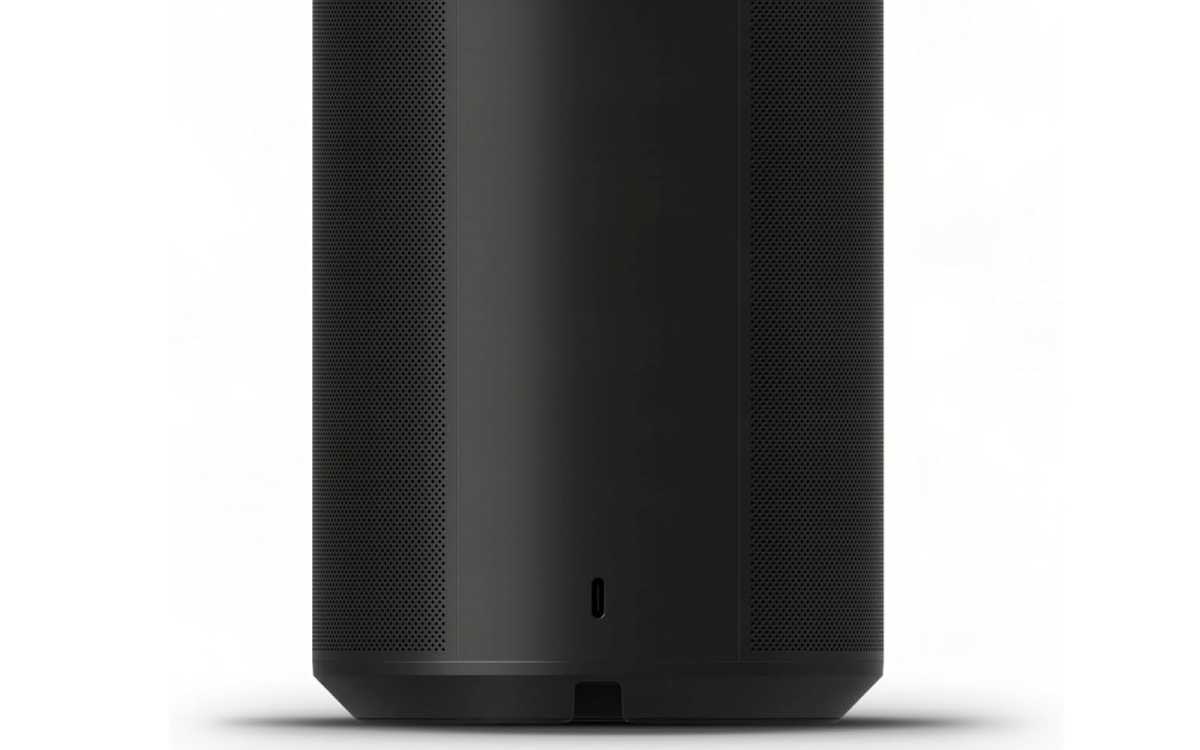




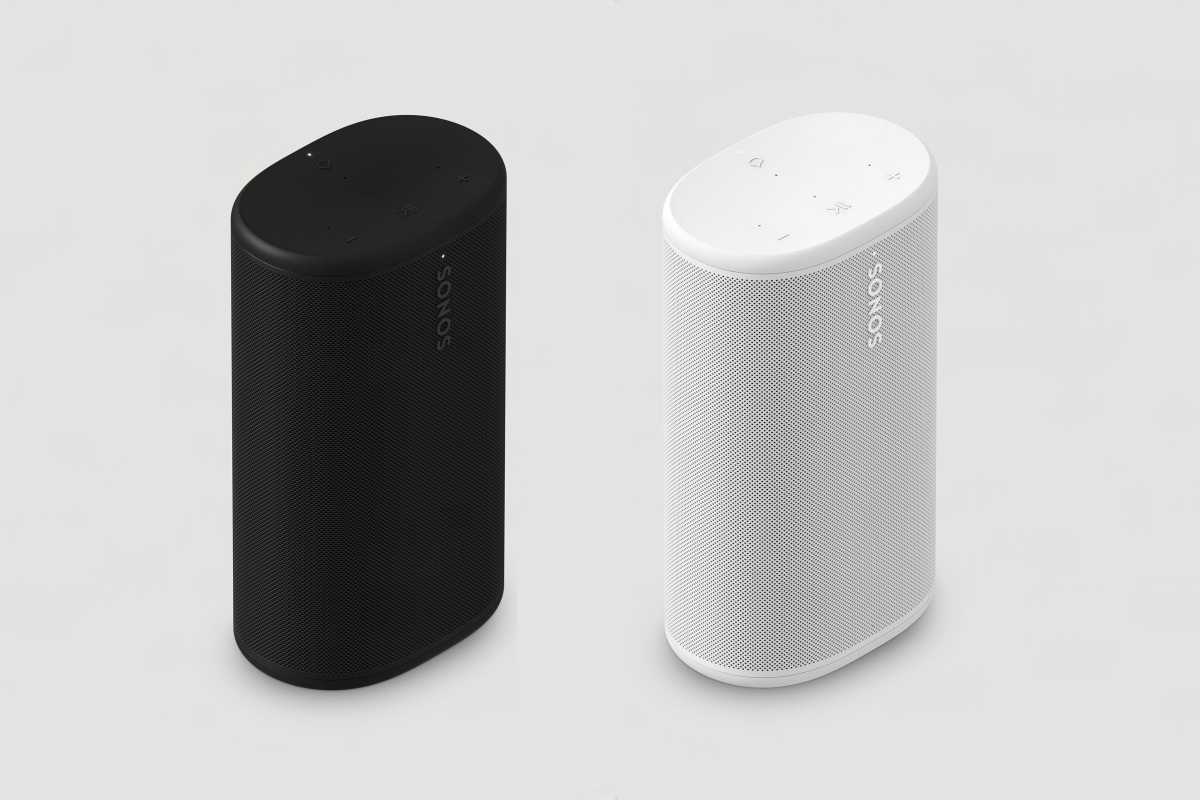
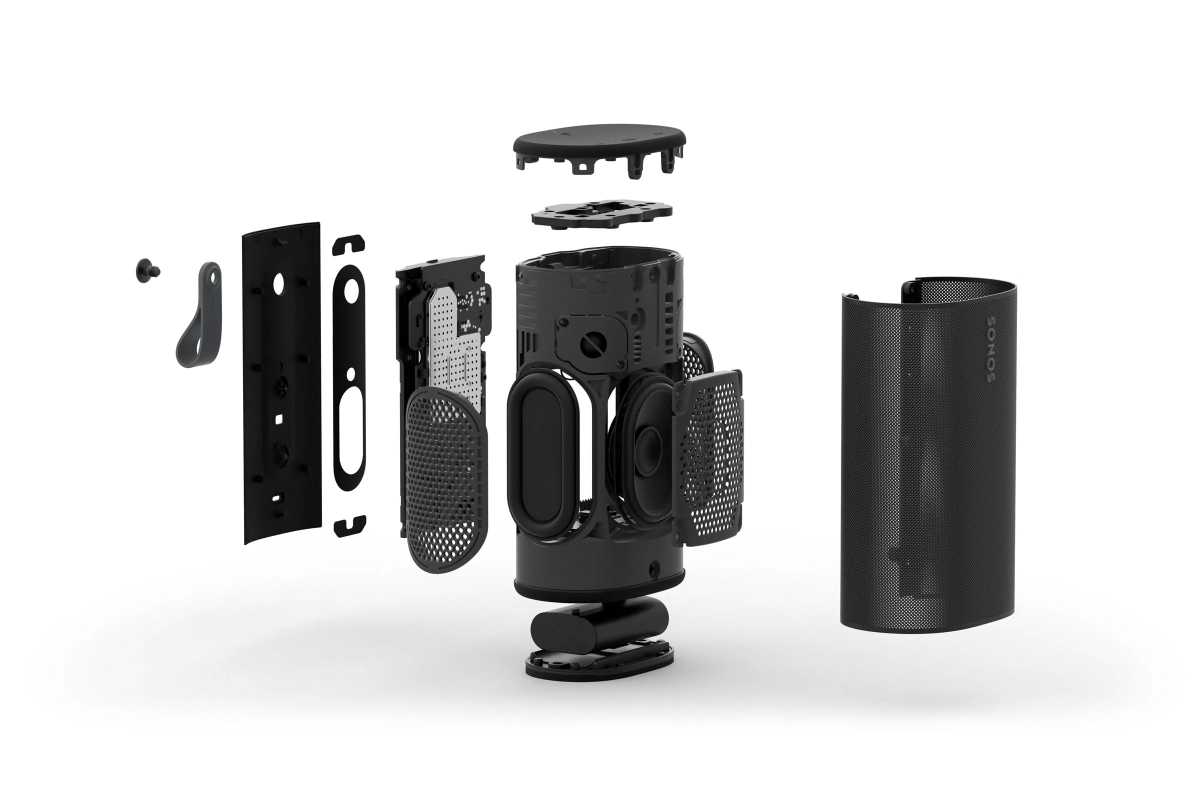
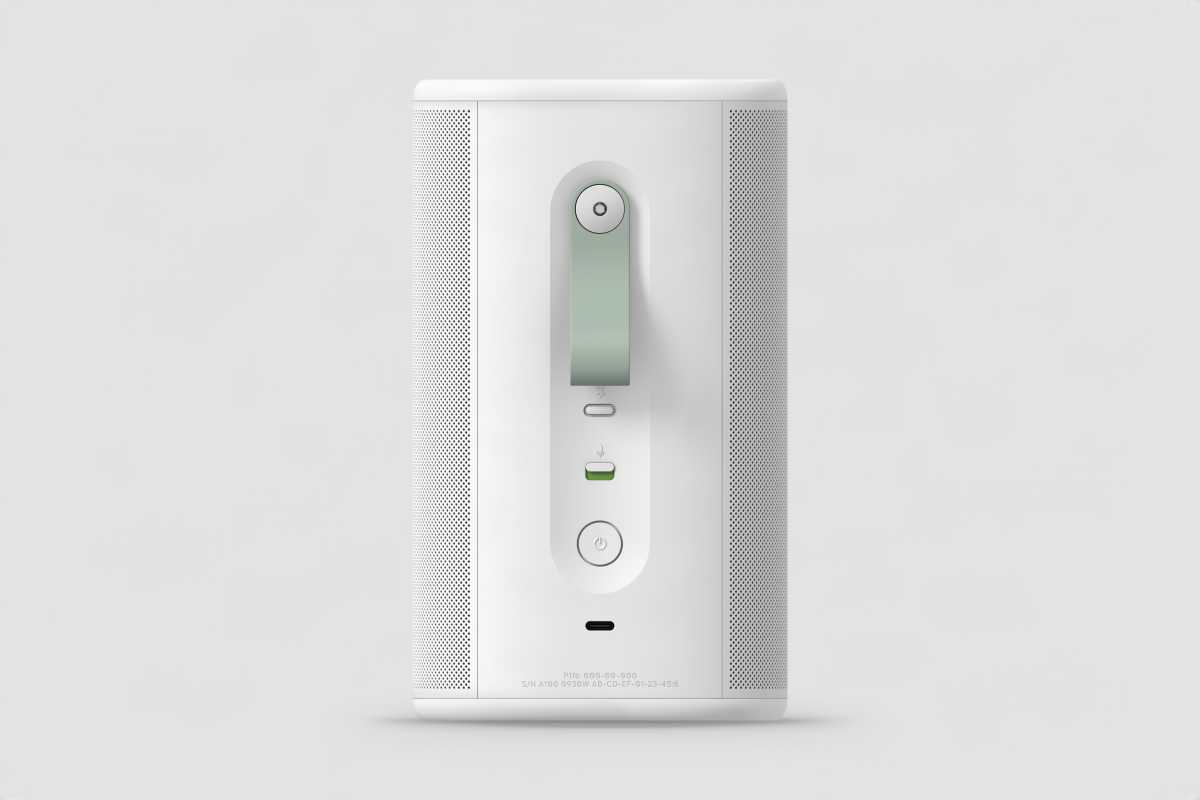

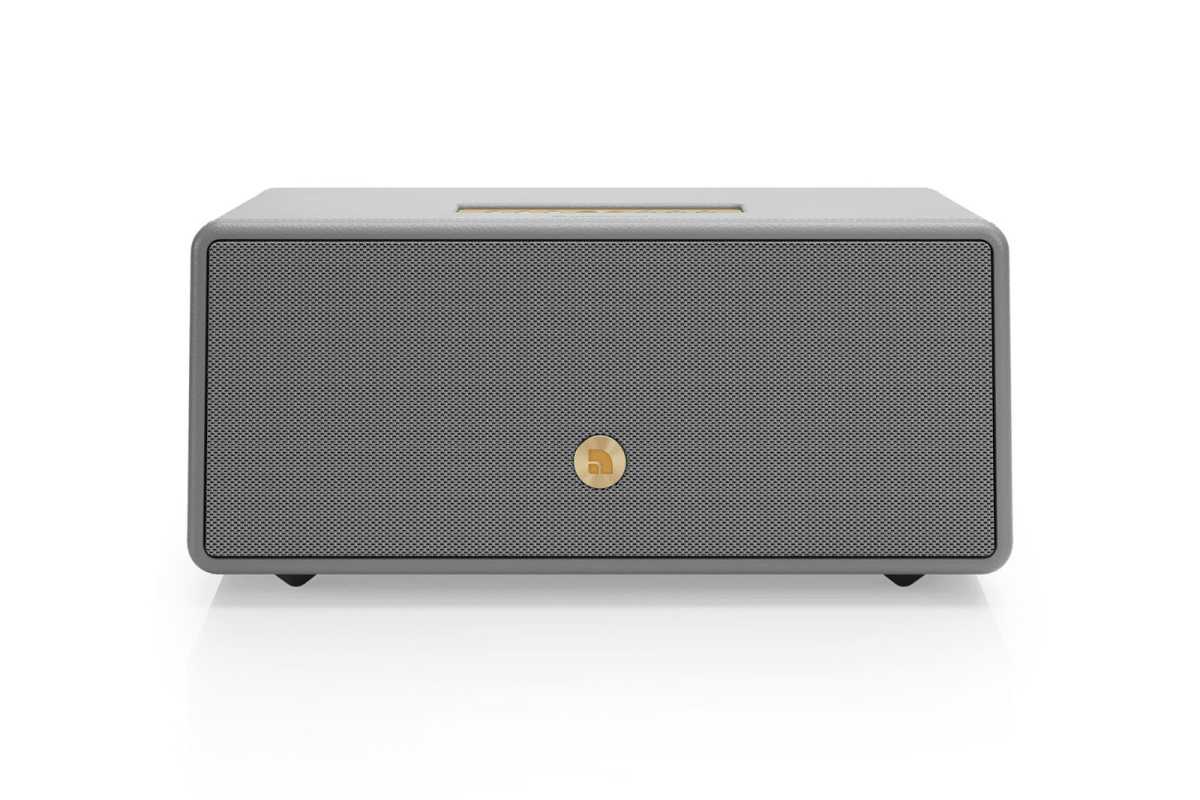
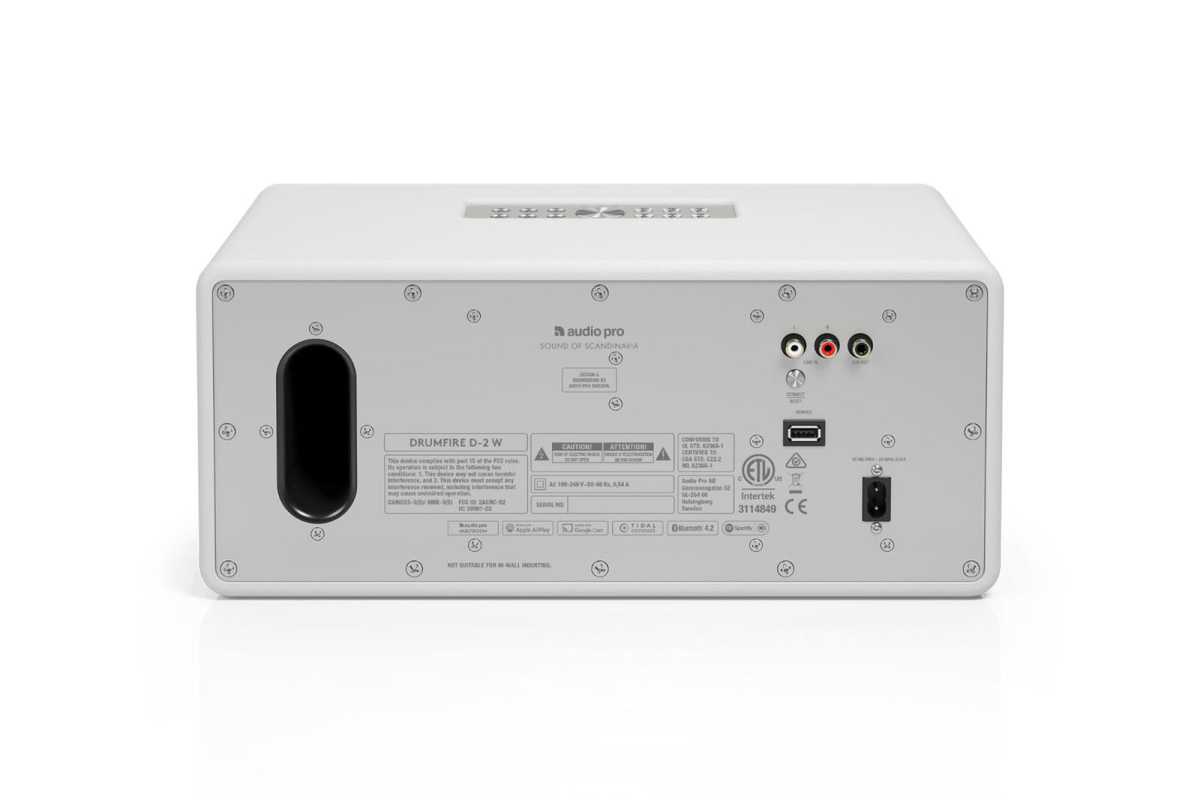
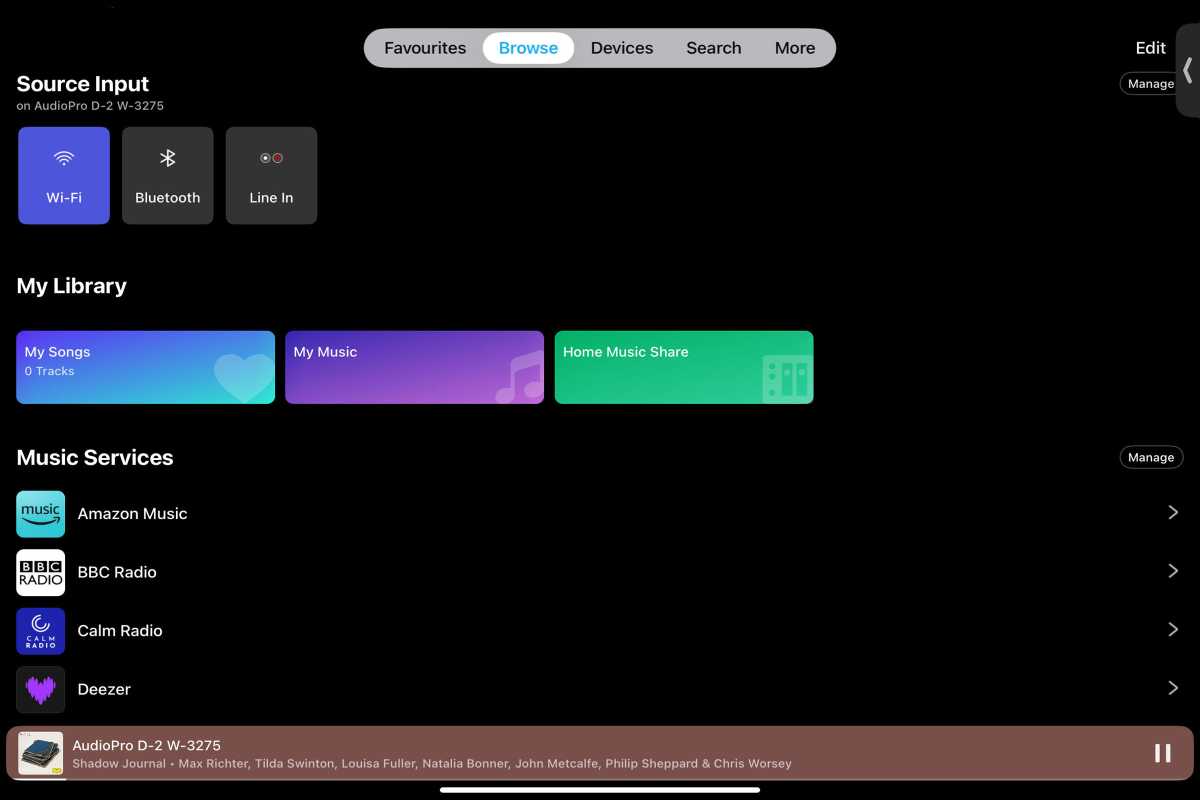


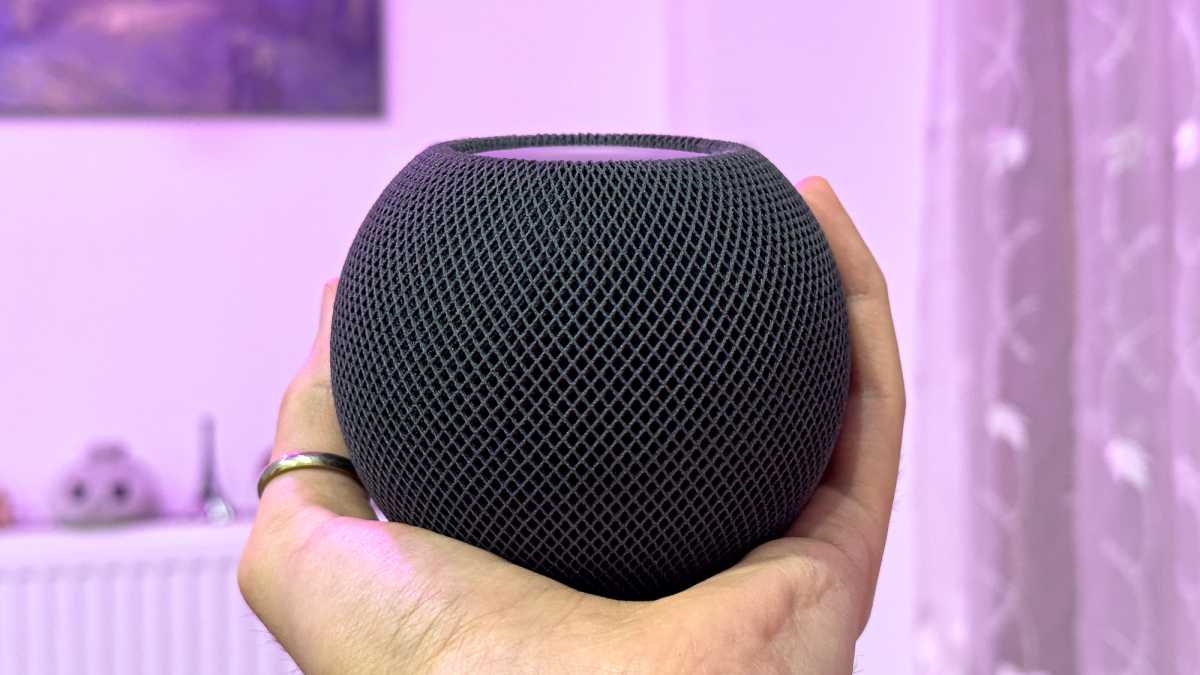
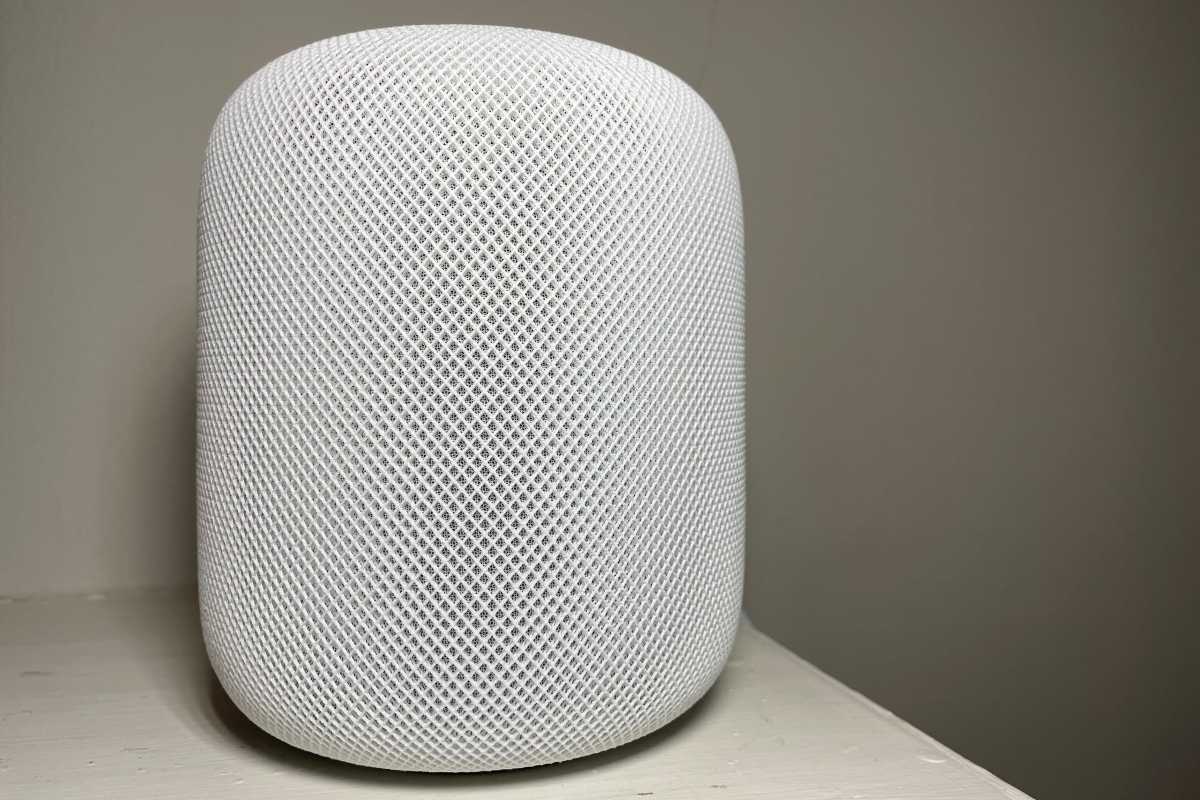
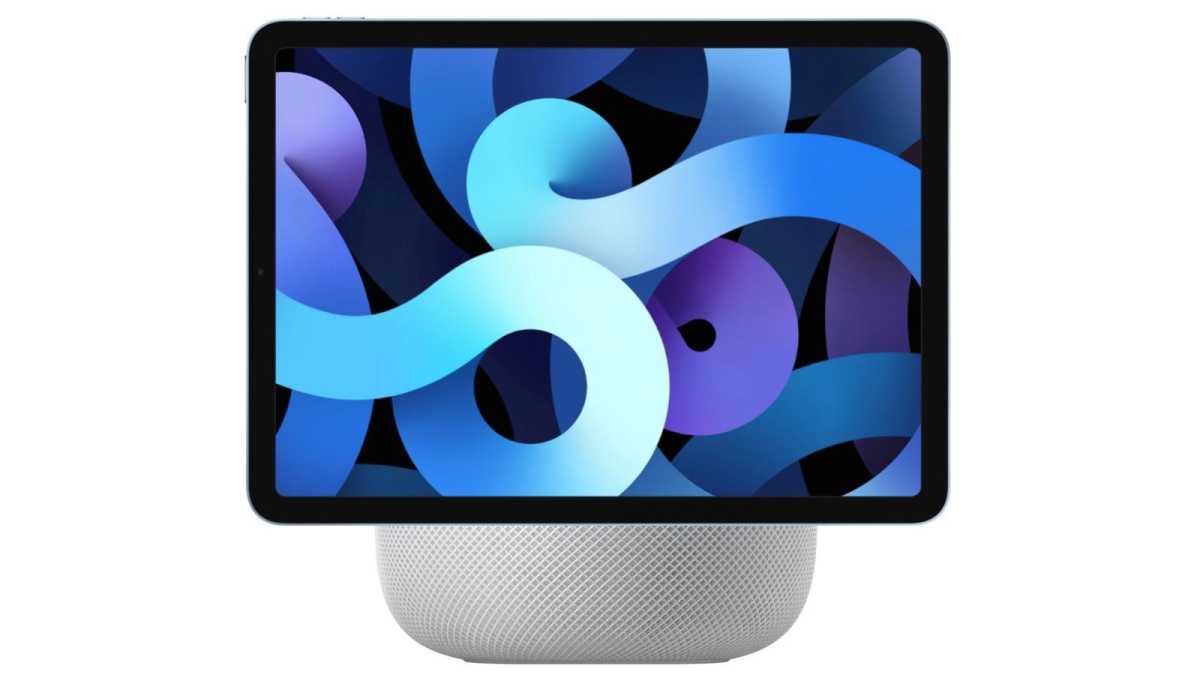
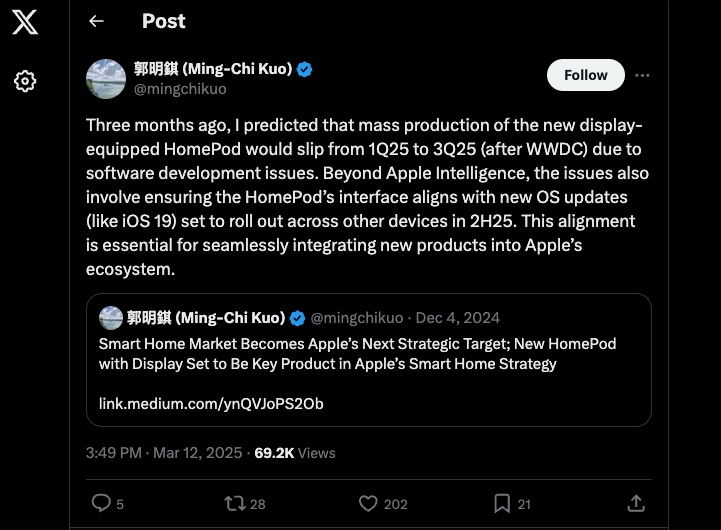
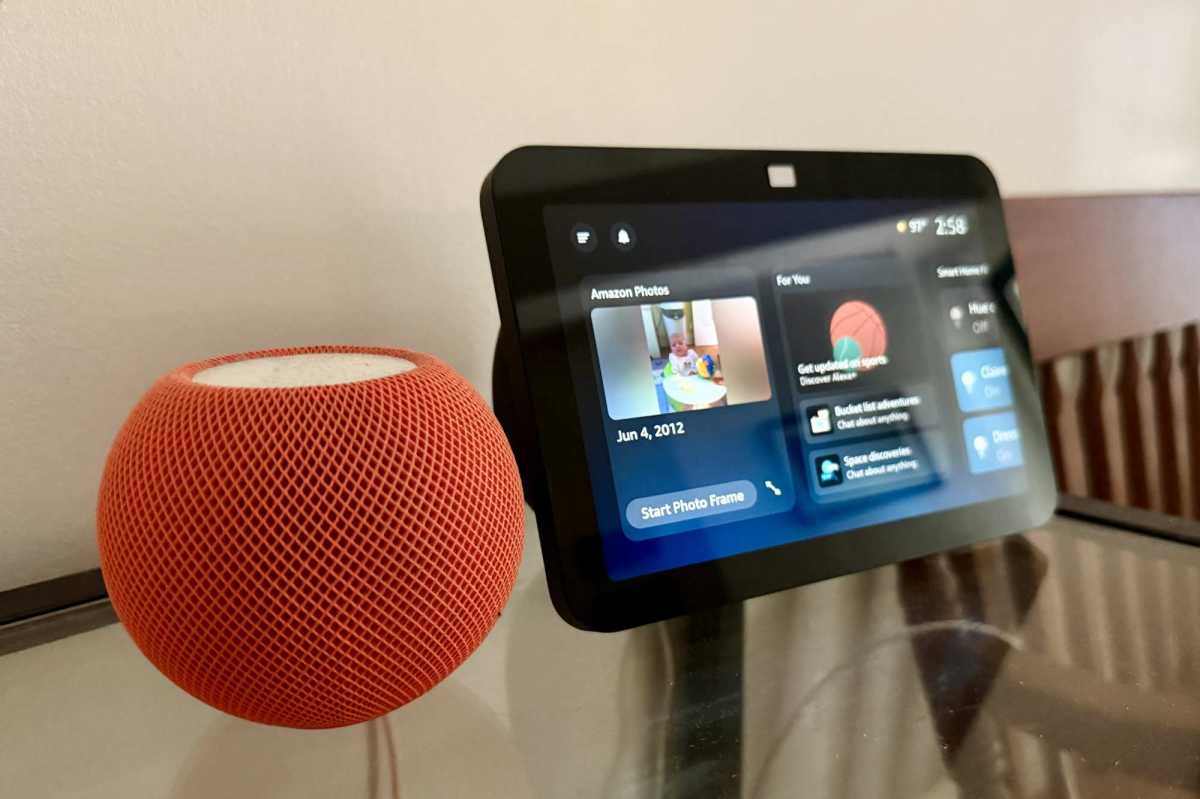



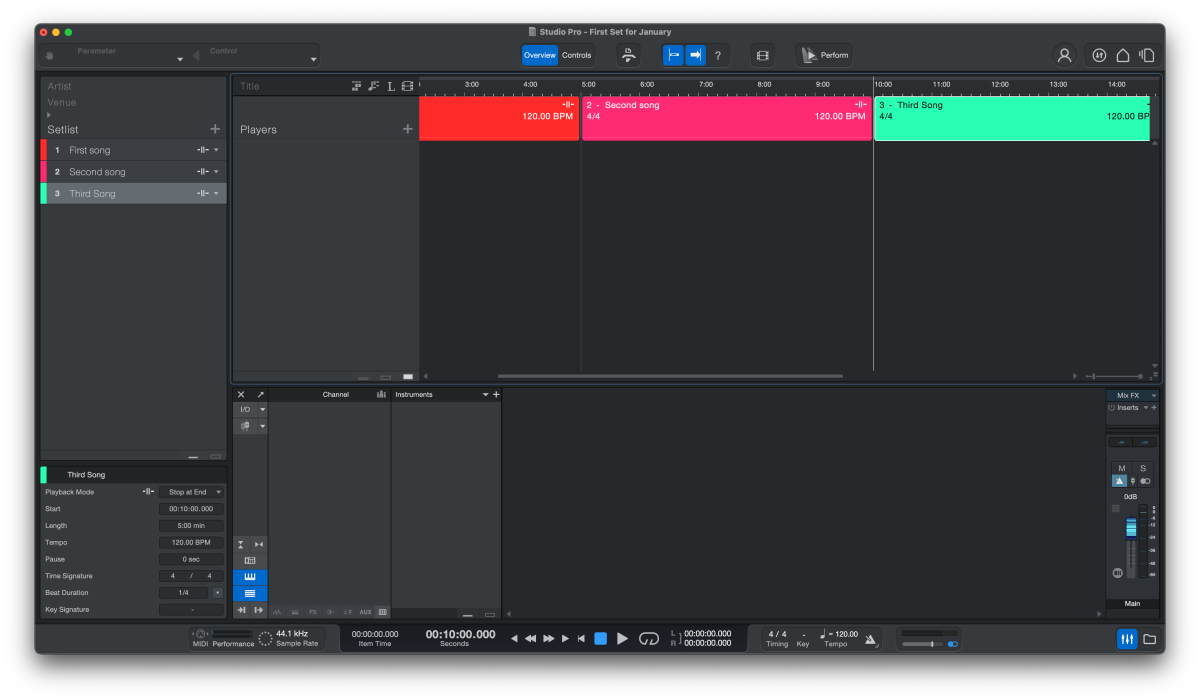
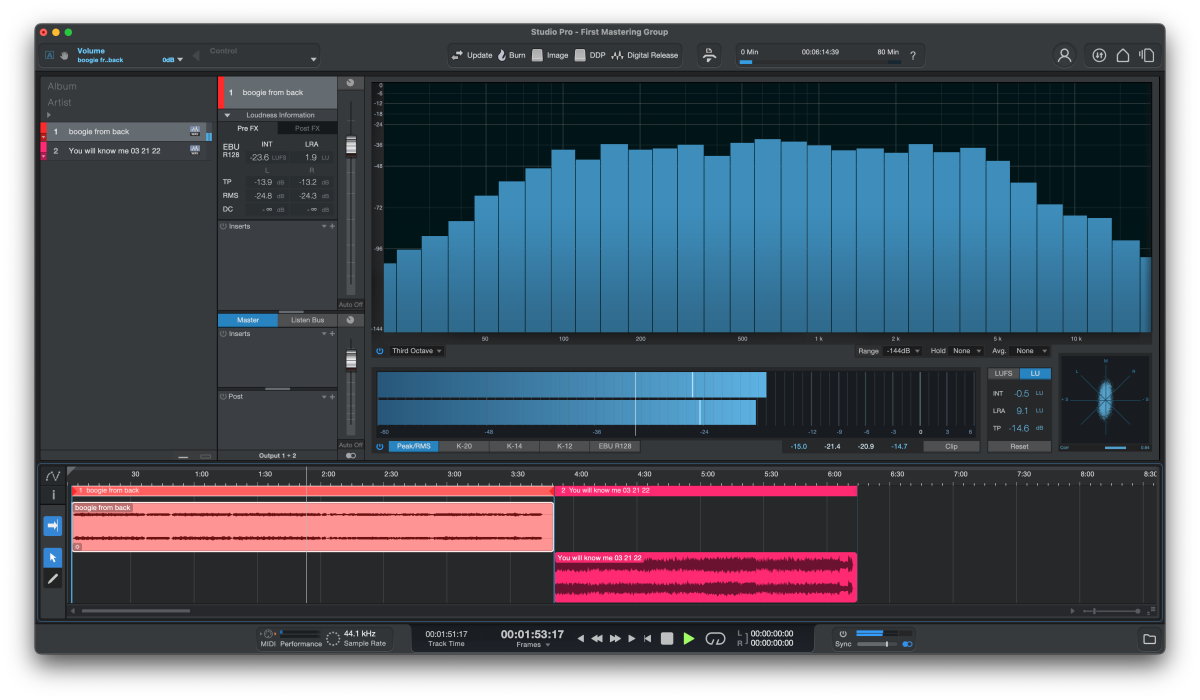
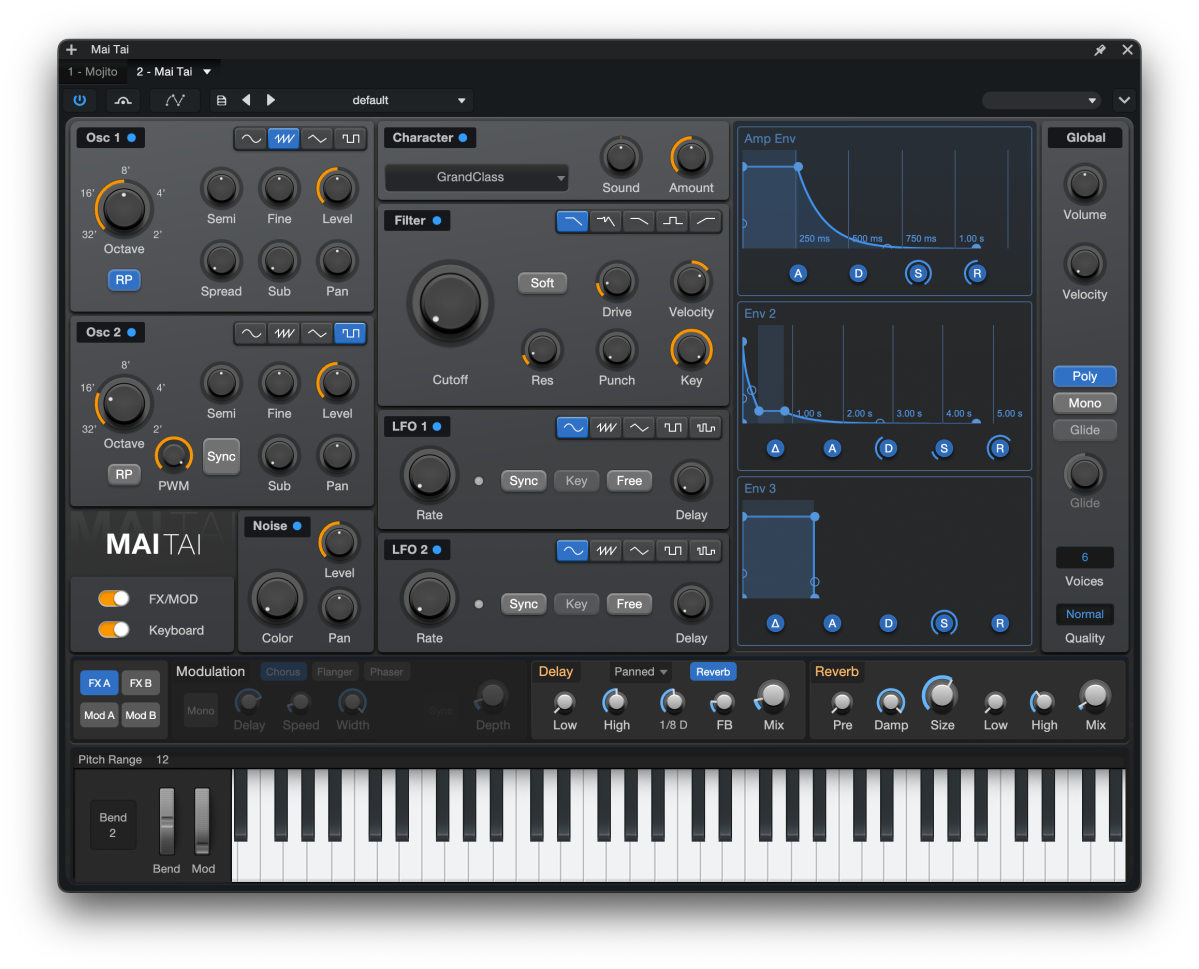
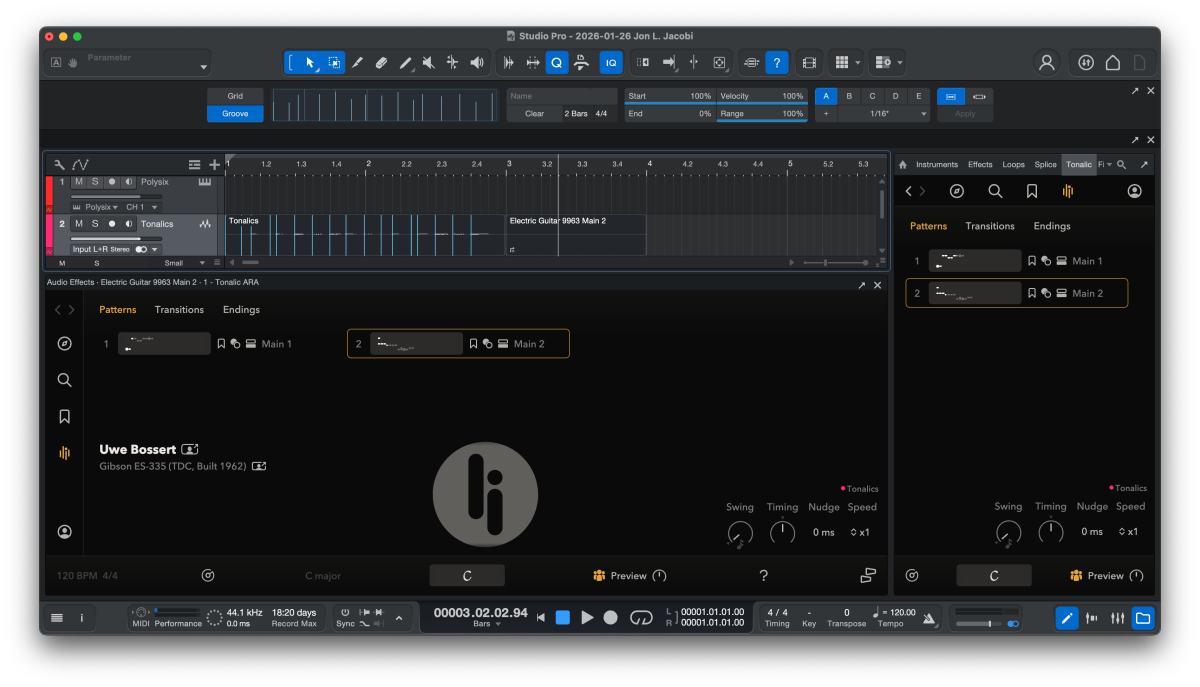
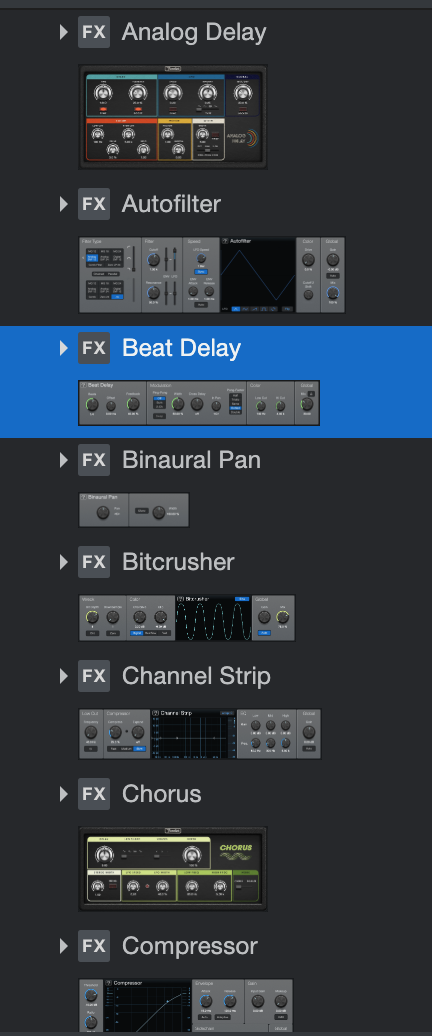
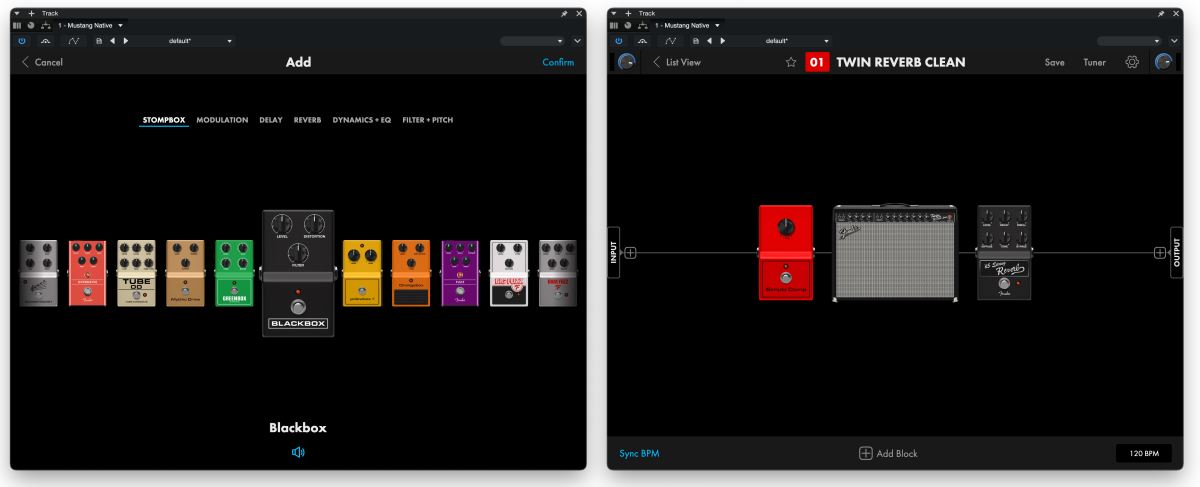
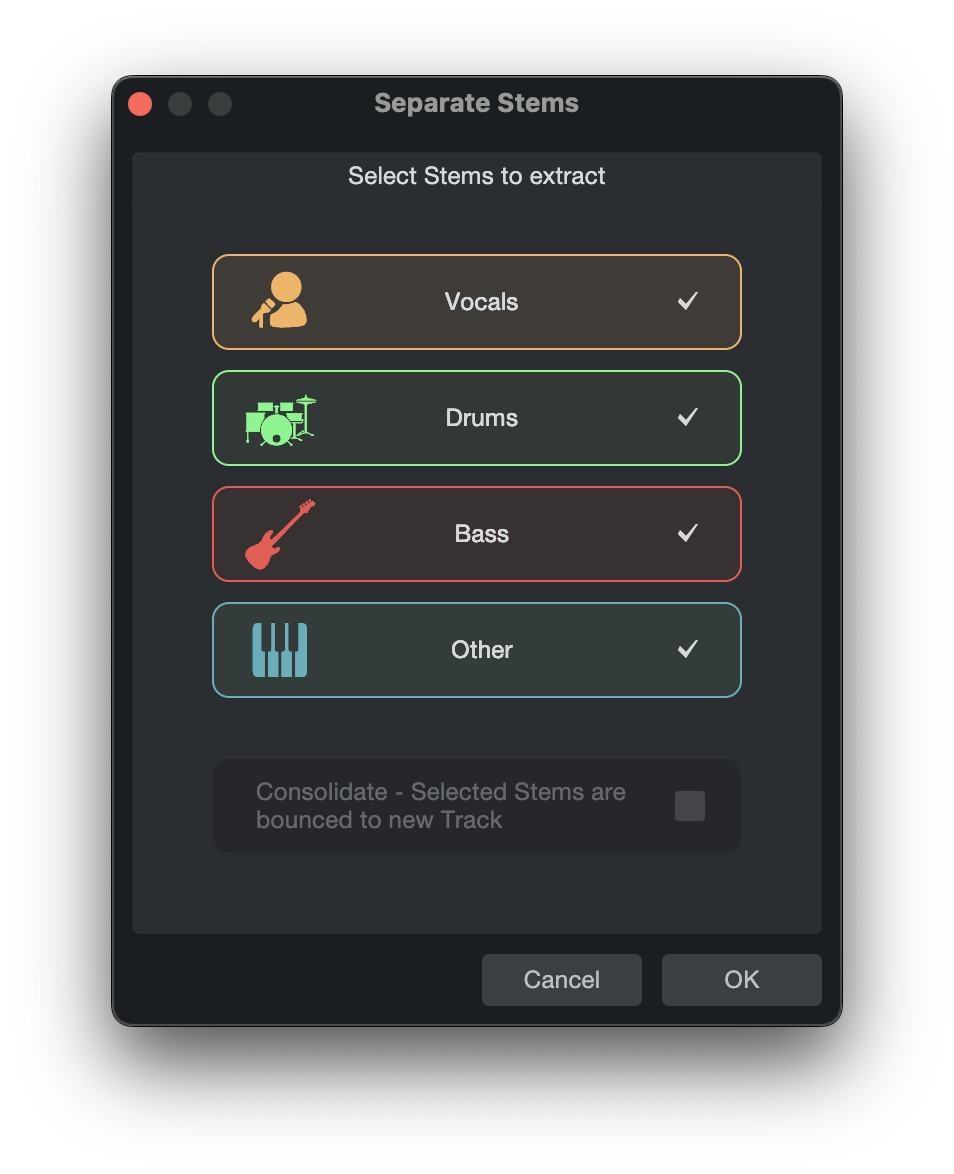
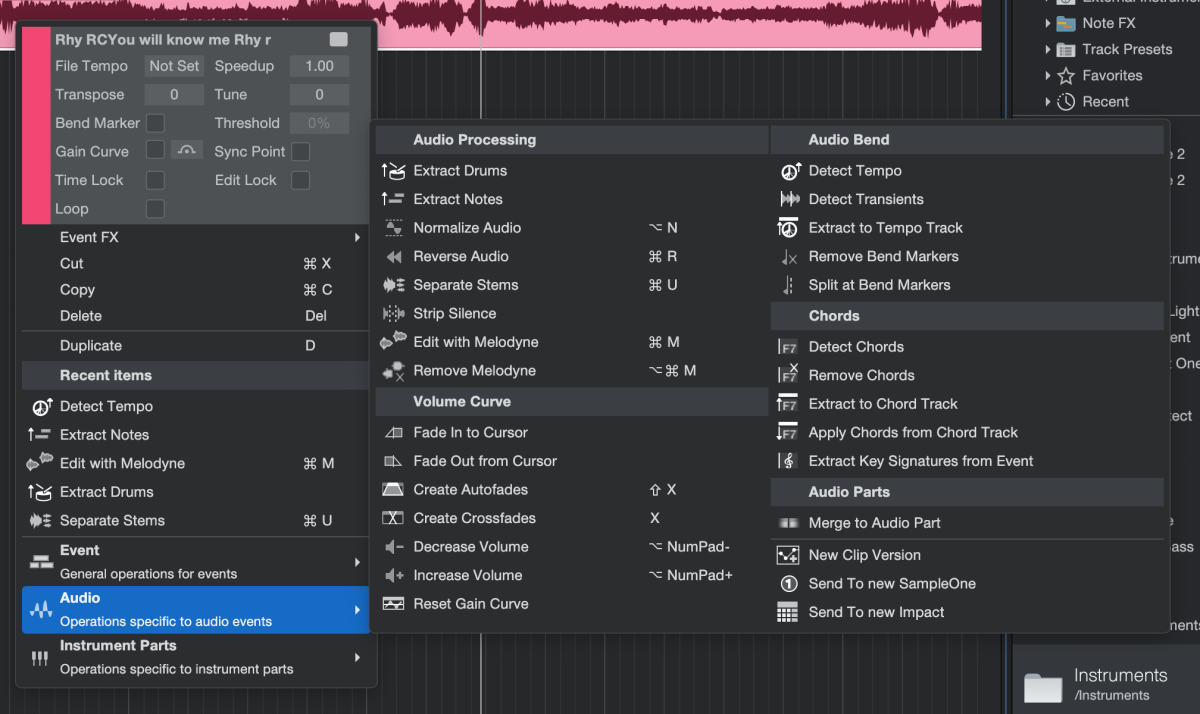
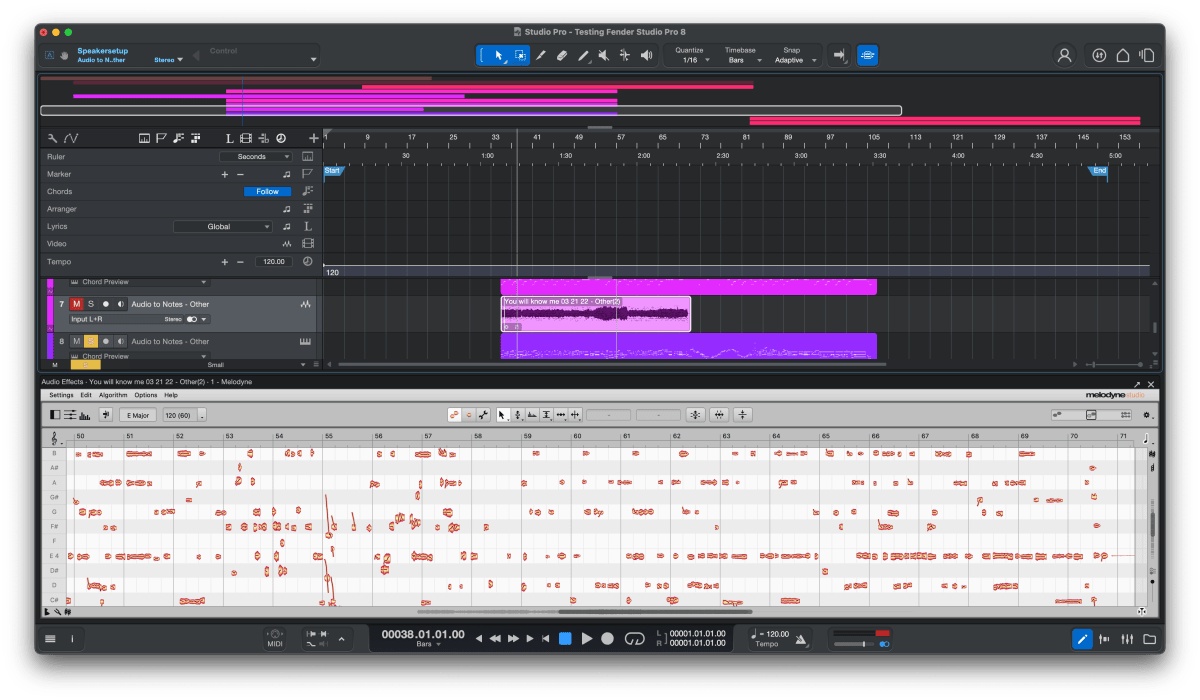
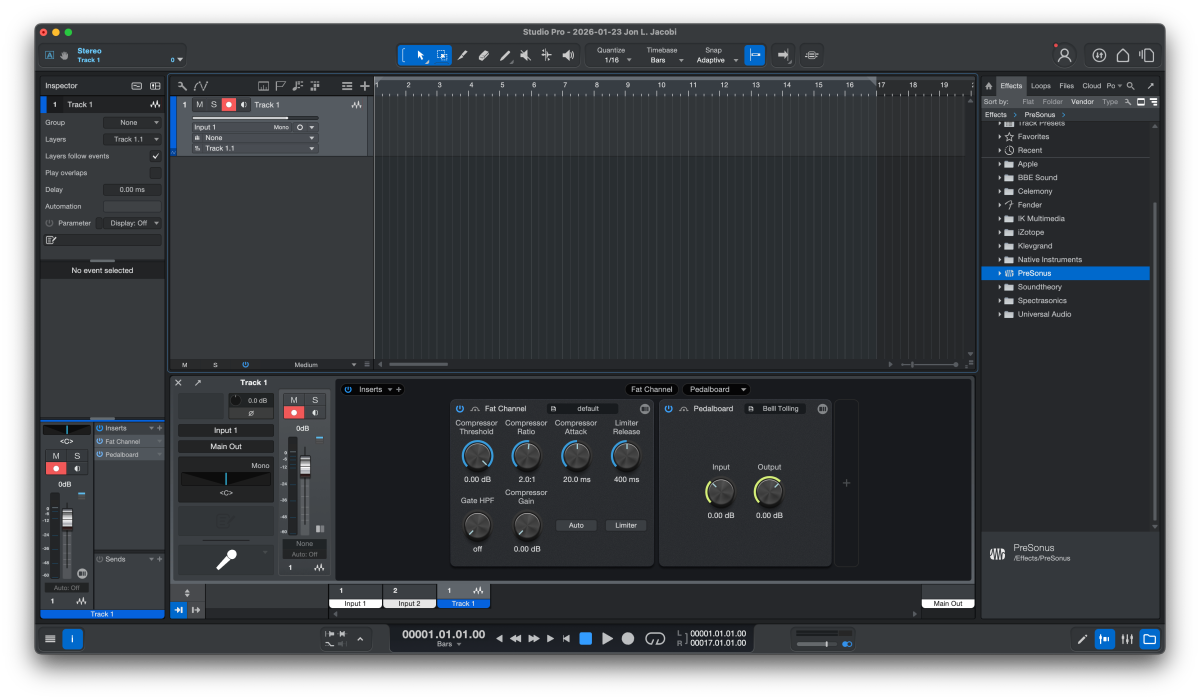
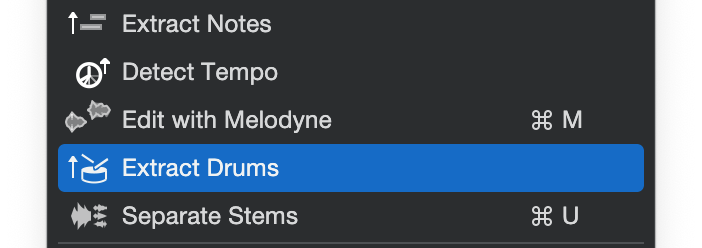
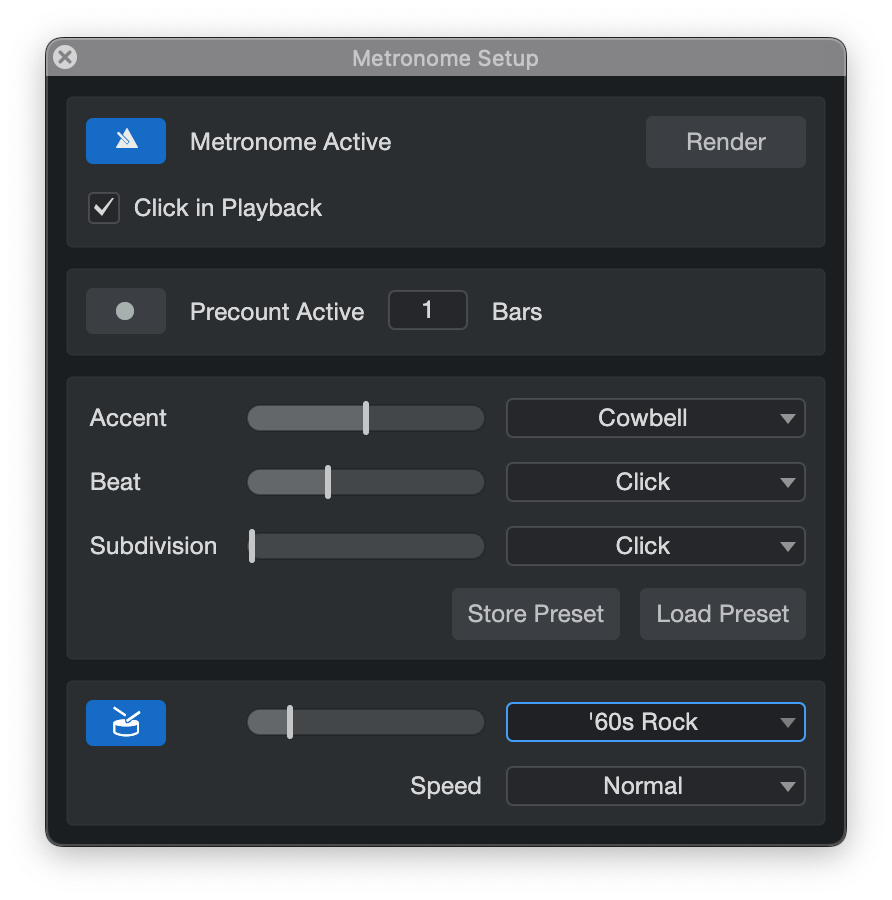
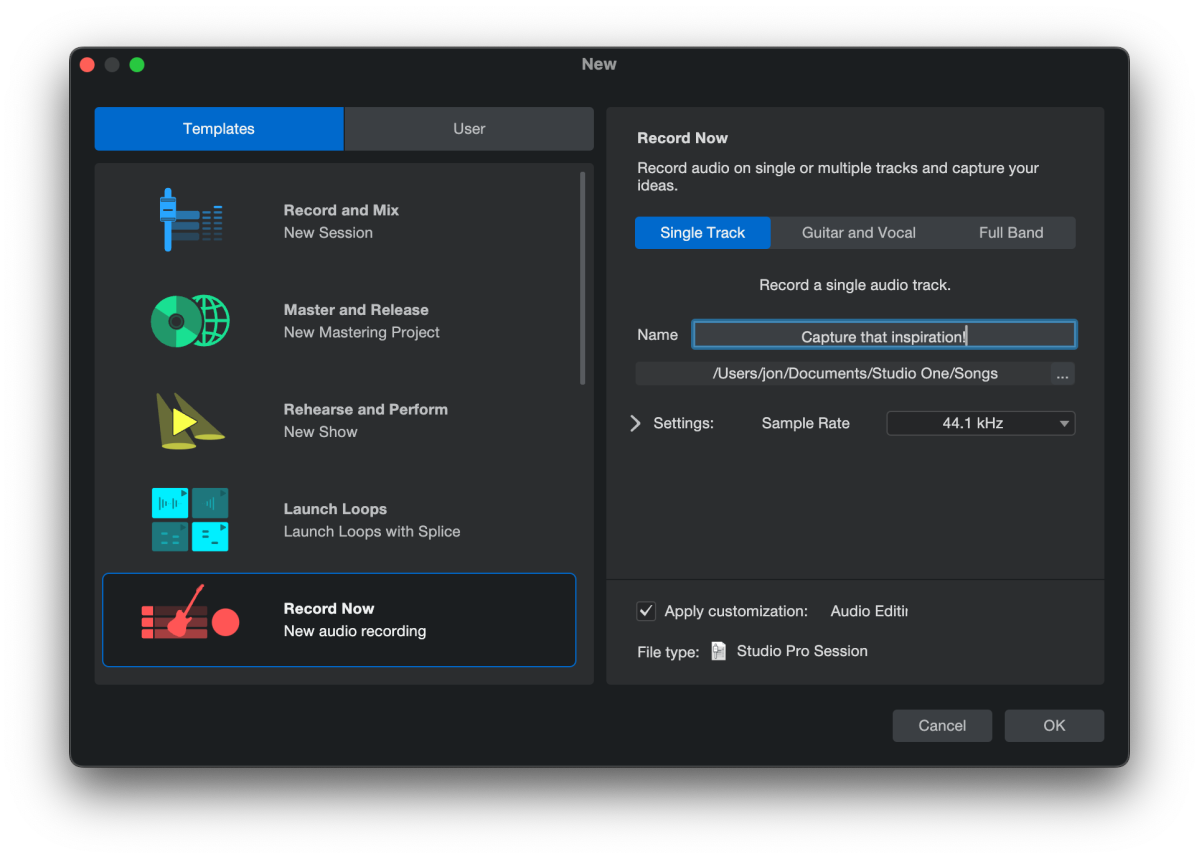
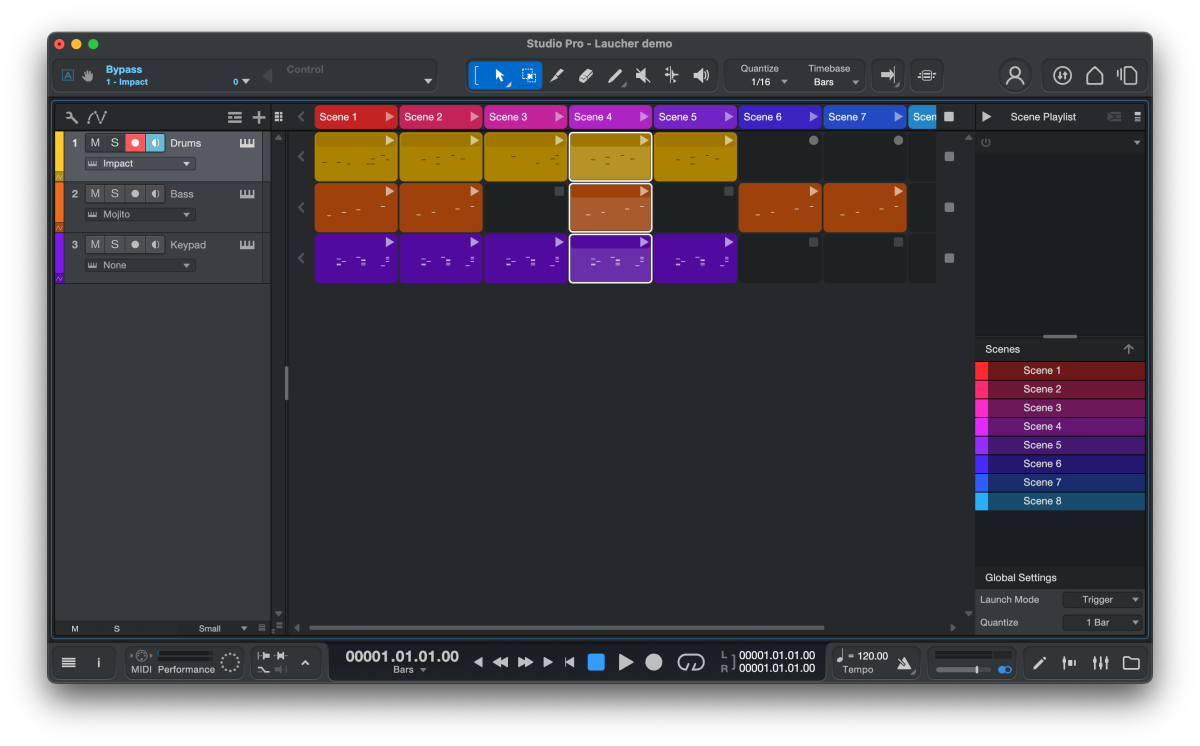
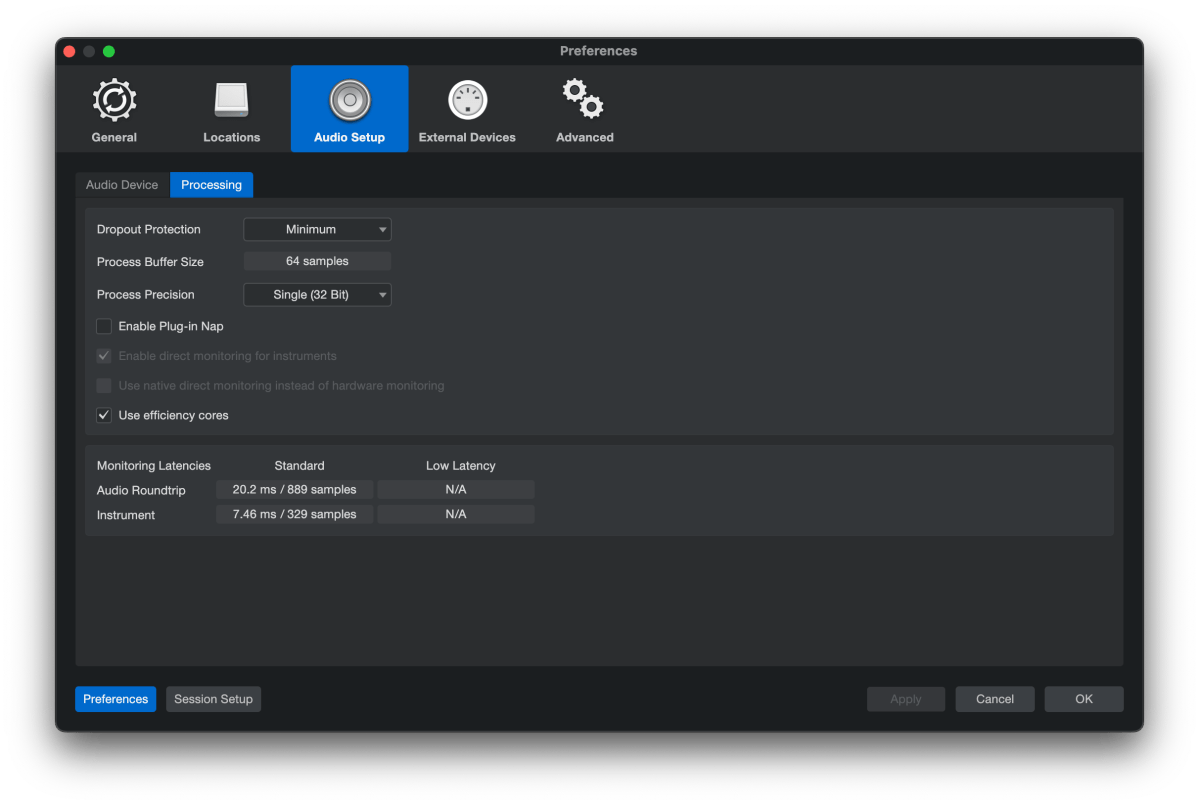

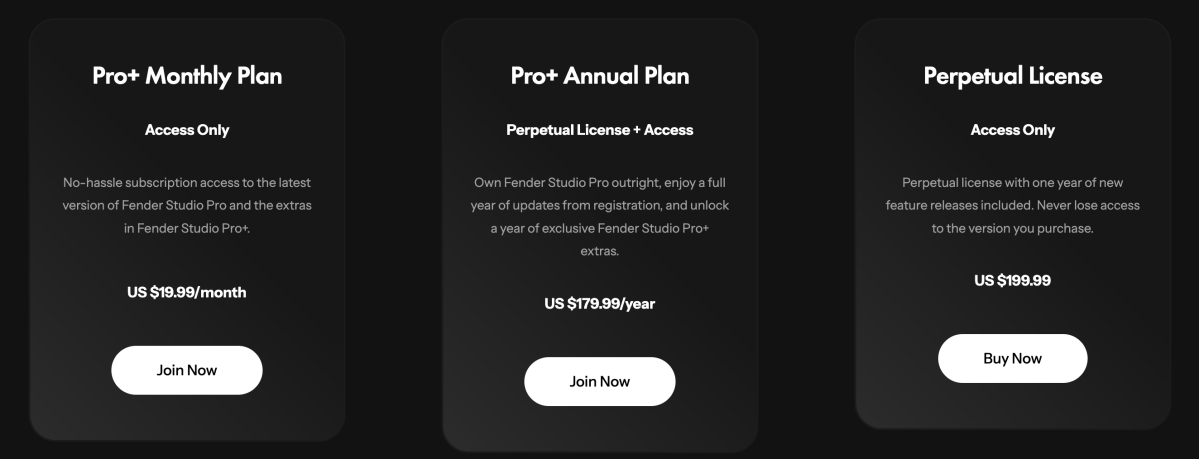


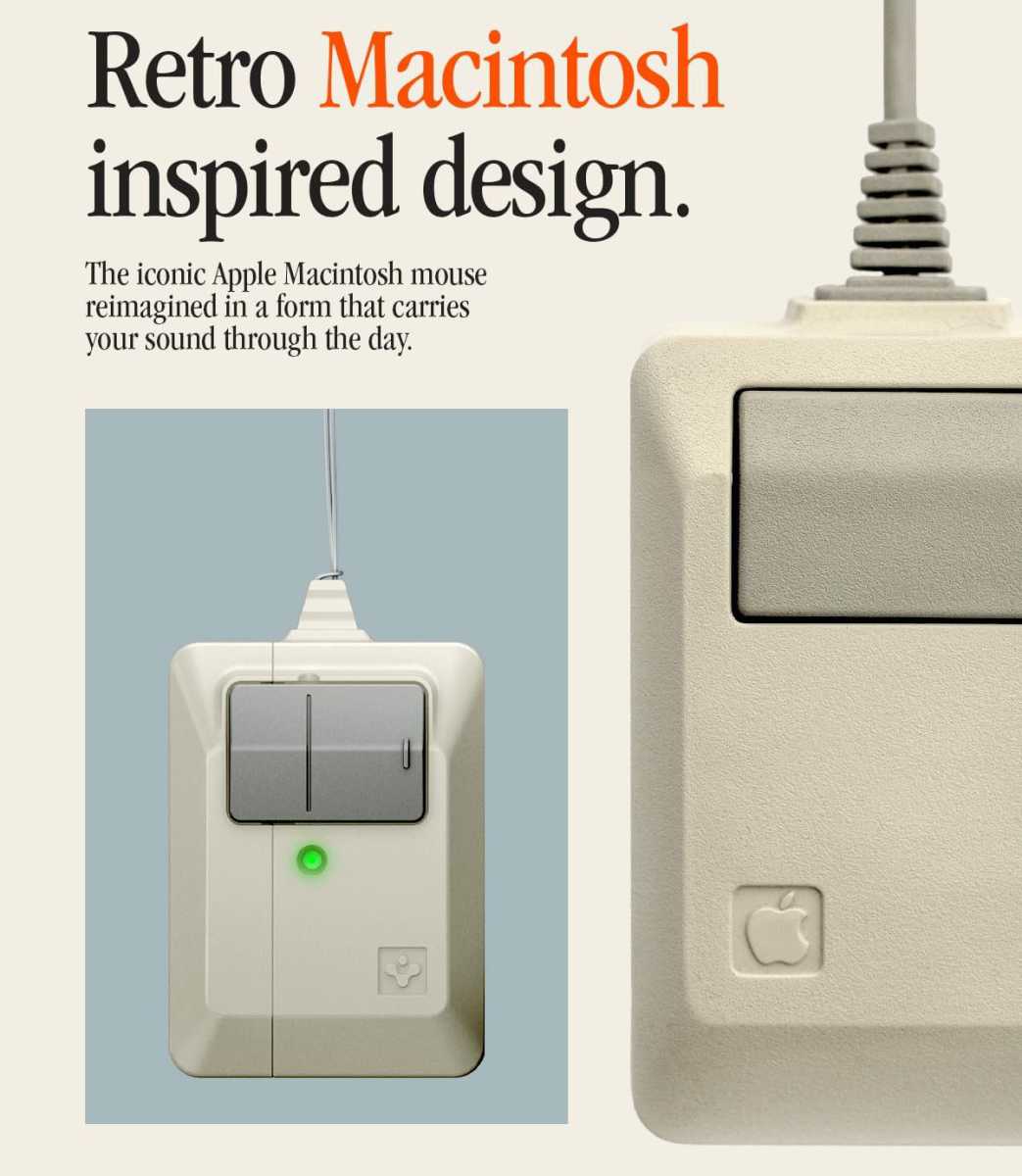
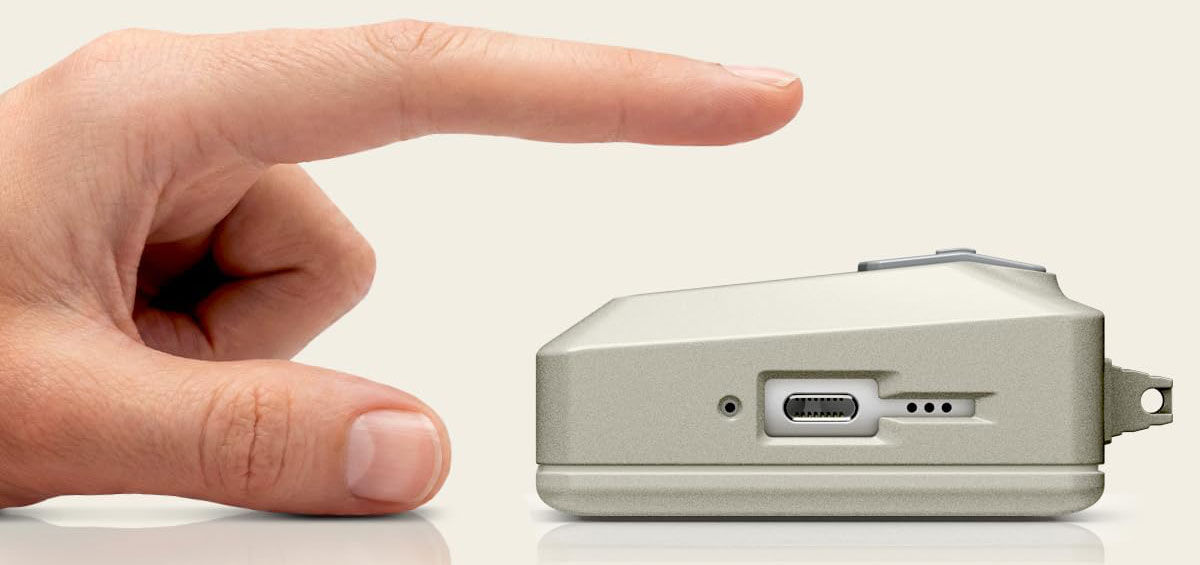


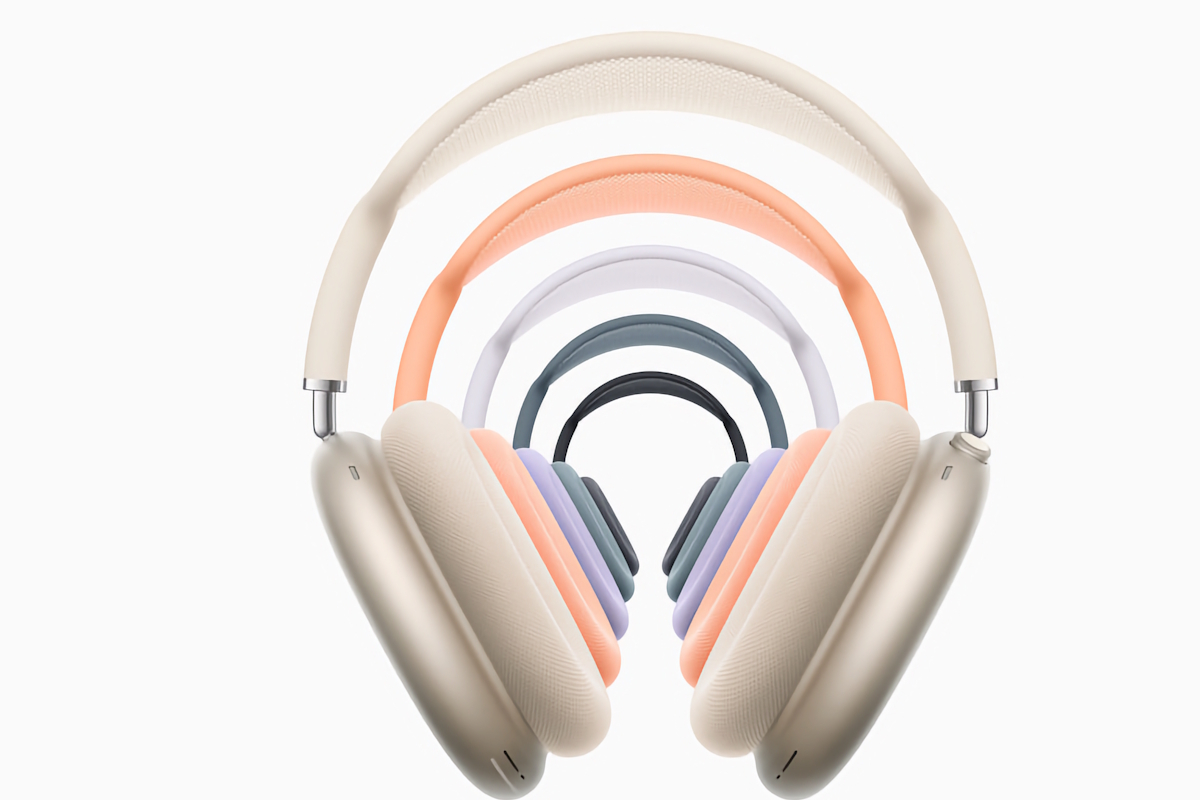 Price When Reviewed:
$549
Best Prices Today:
Price When Reviewed:
$549
Best Prices Today:


 $39.99