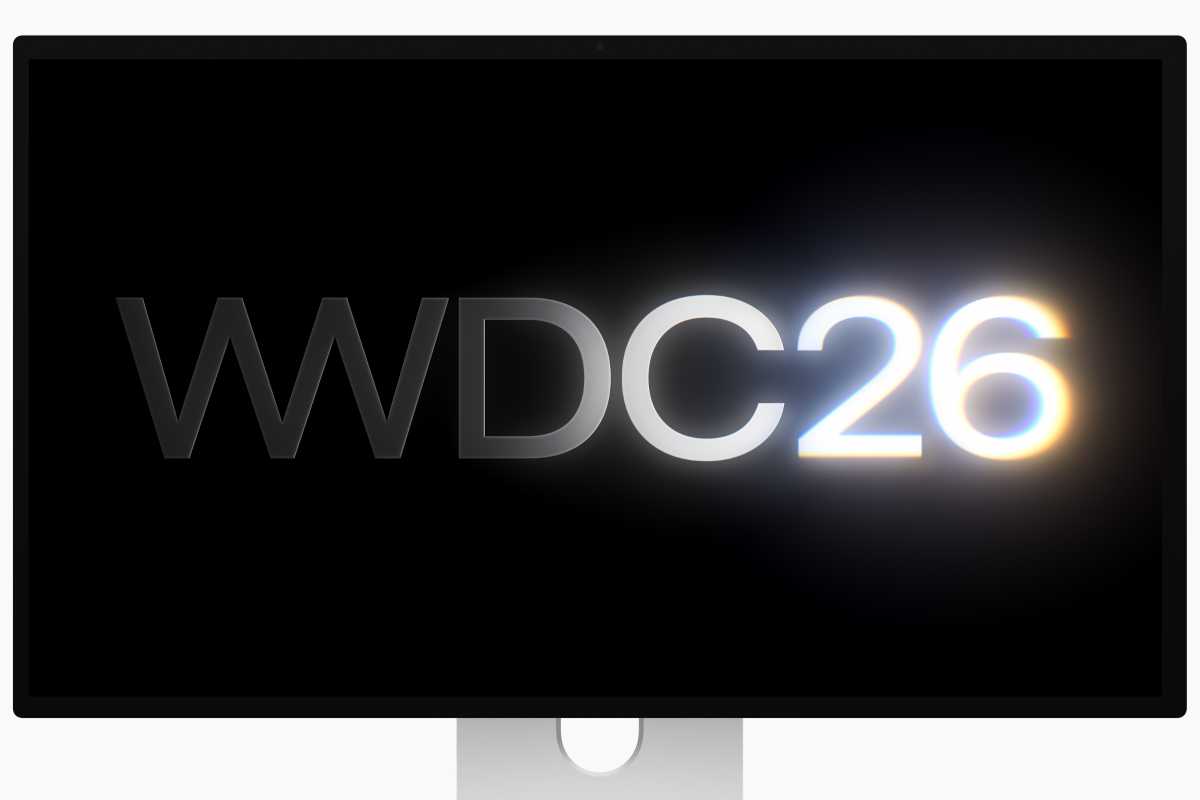
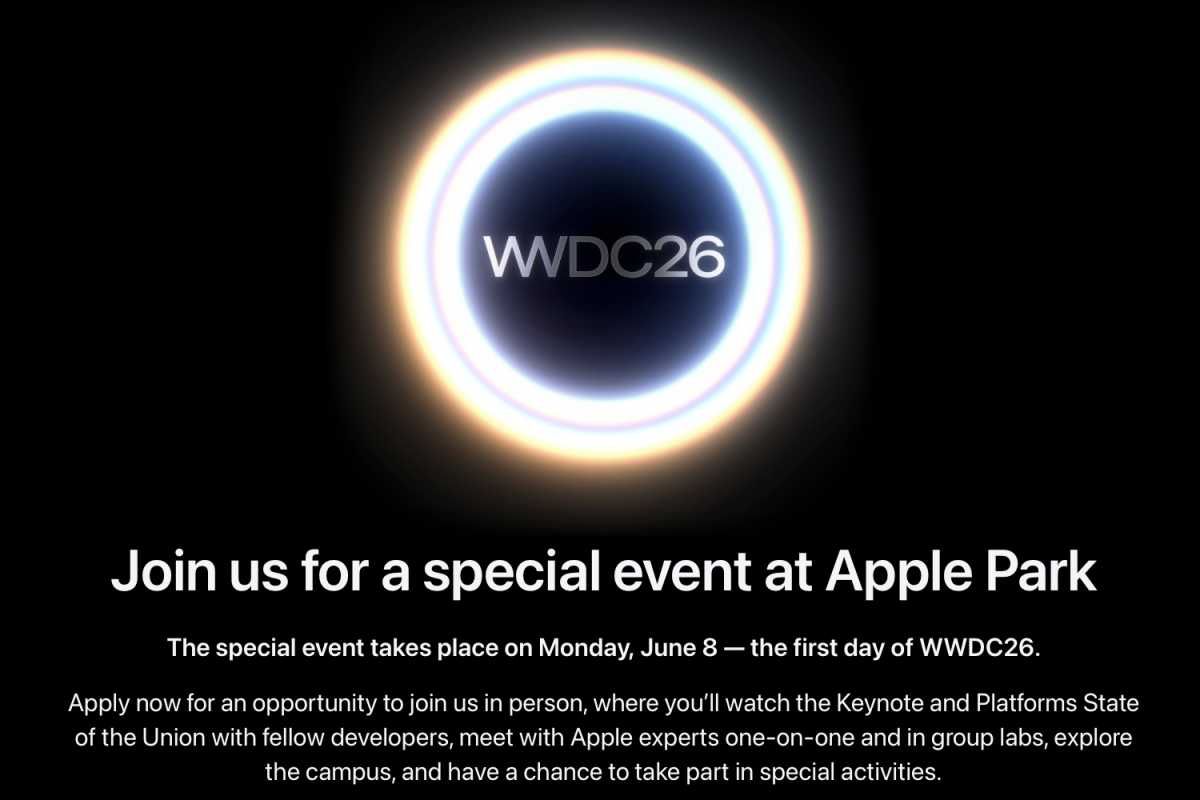
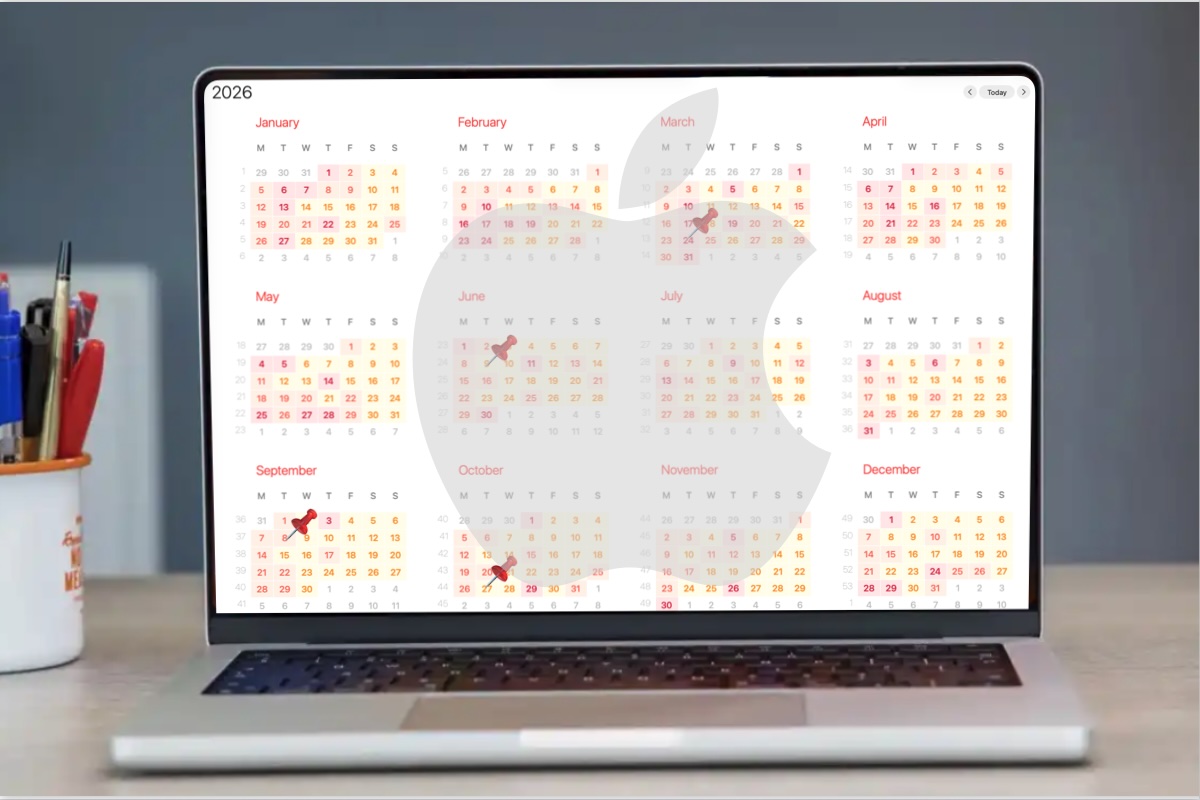
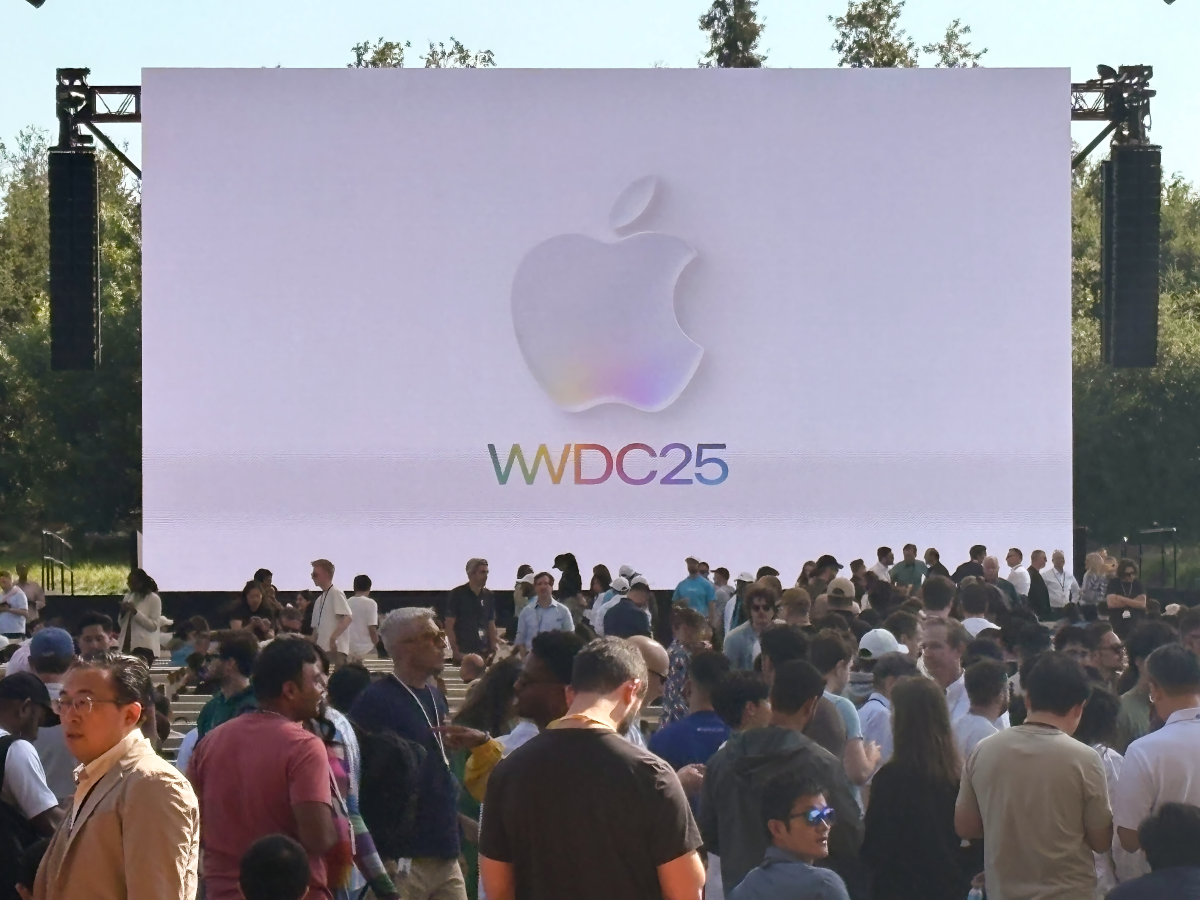
Apple just sent out its media invitations to the WWDC 26 keynote, which takes place at 10 a.m. Pacific Time on June 8. The media will gather at Apple Park to watch the same video that Apple streams on Apple TV, the Apple website, and YouTube, with introductions by Apple execs like Tim Cook and incoming CEO John Ternus.
In addition to the invitations to the media, Apple has published the schedule of events for WWDC. It begins, as always, with the keynote presentation followed by the Platforms State of the Union, with additional developer sessions and group labs and such following all week long. Developers can find the schedule for those on the developer site, but don’t look for details on unannounced features there just yet. Apple fills in the schedule for those later.
The invitation features the Swift logo glowing brightly on a dark background. It’s not unusual for Apple to feature Swift at a developer event, and there are always big updates for Swift users at WWDC, but this placement is especially prominent. Apple may have big things in store for Swift this year.
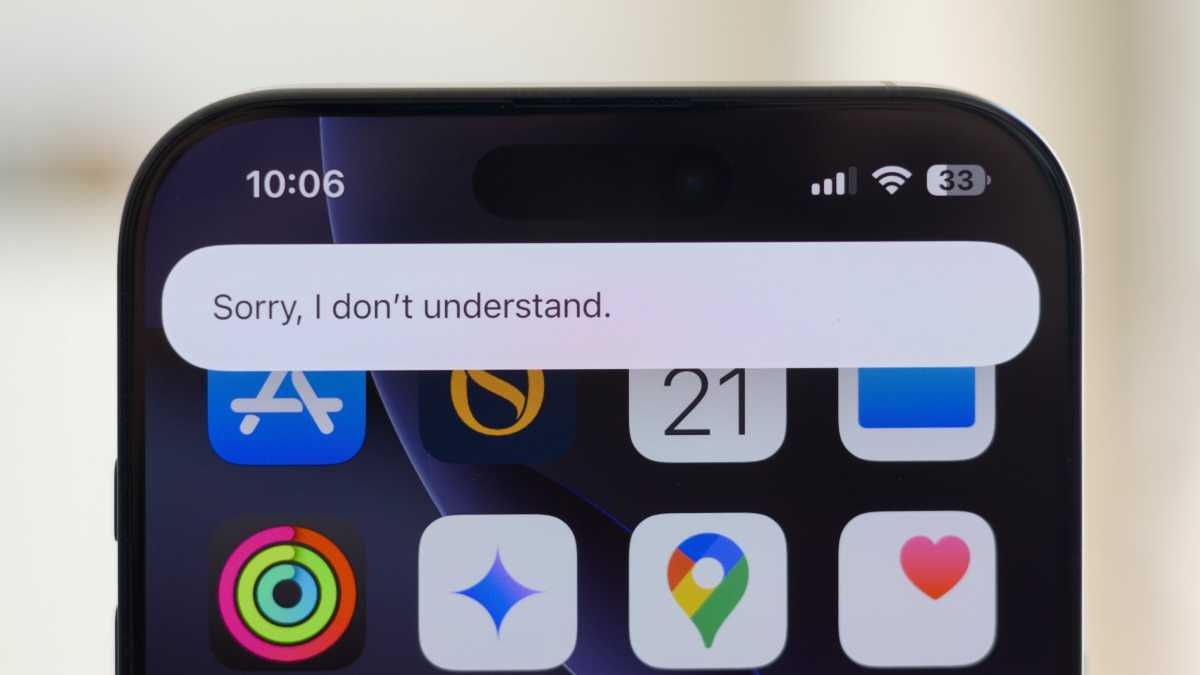
Apple events are usually accompanied by a tagline, usually some play on words that gives a clue about an expected new feature to be announced. “Coming Bright Up” is the tagline this time, and our best guess about its meaning is the same as when the WWDC 26 date and logo were first announced with brightly glowing text: Siri is expected to get a major overhaul with a new interface to match, and a key part of that interface will be a glowing dynamic island when Siri is in use.
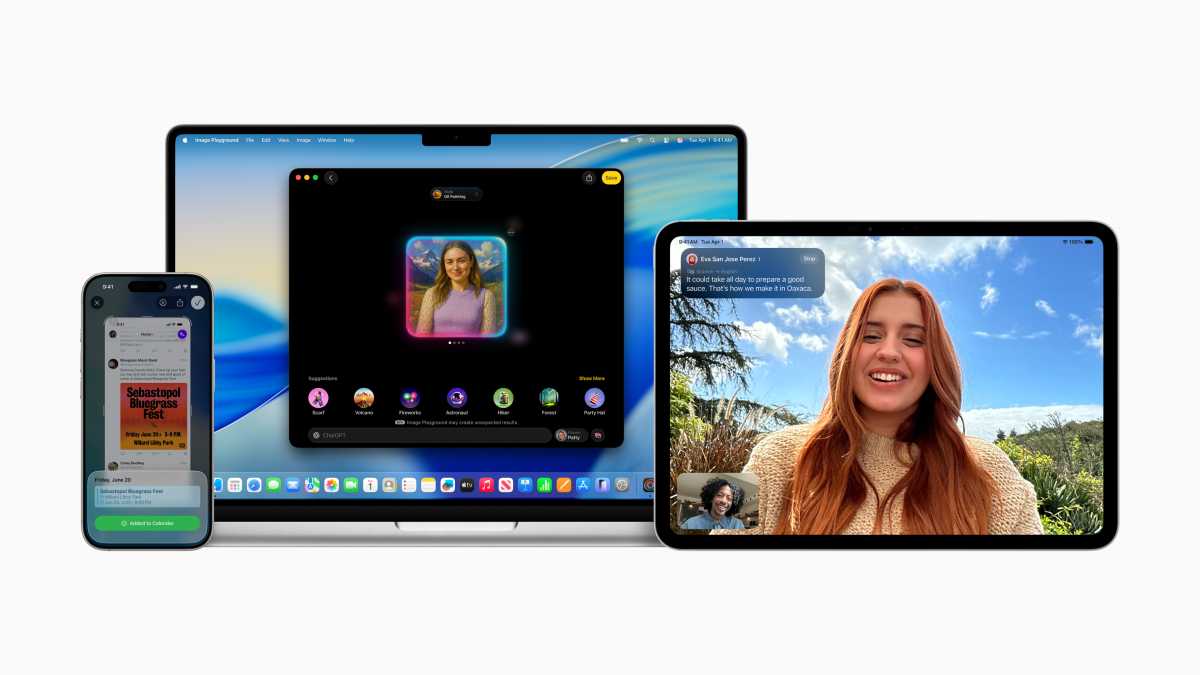
The brightly glowing interface convention may be used for other Apple Intelligence features as well—iOS 27 is expected to get improved AI for visual intelligence, writing tools, photo editing, and more.
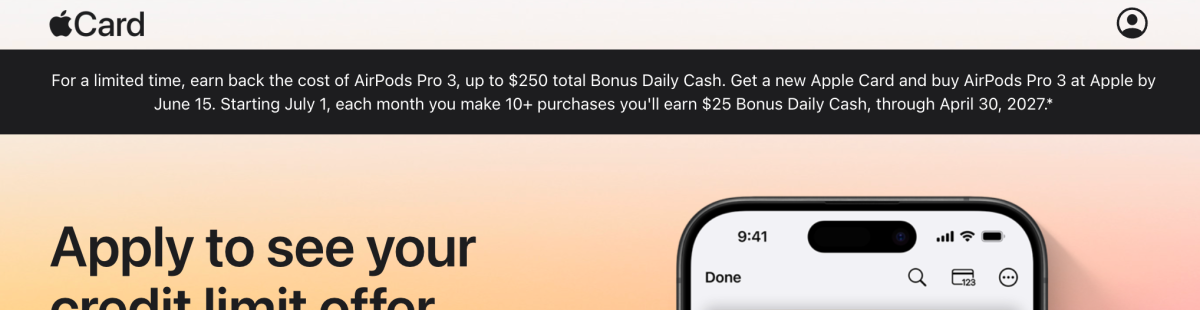
Apple announced a new promotion this week that seems too good to be true: Sign up for a new Apple Card and get a pair of AirPods Pro 3 for free. That sounds great (no pun intended), but take a closer look at the fine print, and it’s not nearly as generous as it seems.
To start, notice that you don’t actually get AirPods Pro 3 free. You have to buy them, and then you eventually get reimbursed by Apple. It says as much right in the big banner at the top of the Apple Card signup page.
For a limited time, earn back the cost of AirPods Pro 3, up to $250 total Bonus Daily Cash. Get a new Apple Card and buy AirPods Pro 3 at Apple by June 15. Starting July 1, each month you make 10+ purchases you’ll earn $25 Bonus Daily Cash, through April 30, 2027.*
Apple
Oh, what’s that? An asterisk? Let’s just scroll down to the fine print and find out what that asterisk is all about…
Obviously, this is a promotion to get new applicants, so it doesn’t apply to anyone who already has an Apple Card. If you’re new to Apple Card, you have to apply for a new Apple Card, be approved, and then use that Apple Card to buy AirPods Pro 3 directly from Apple by June 15. You will then earn $250 in “bonus Daily Cash” equal to the cost of your AirPods Pro 3, minus sales tax and any other fees (you’re on the hook for that). Also, the AirPods need to be new, so you can’t buy a refurbished set, or different AirPods, or buy in bulk.
You can, however, use the various purchase options tied to Apple Card, including paying in installments, and a trade-in offer won’t affect your eligibility.
Daily Cash is one of Apple’s signature features, where the cashback you earn is deposited into a virtual Apple Cash card or the Apple Card’s high-yield savings account each day as your purchases clear. Most Apple Pay purchases give you 2-3 percent cash back.
So the cost of the AirPods Pro 3 you purchase will be reimbursed to you as a one-time Daily Cash bonus? No problem, you’ll just pay them off right away and avoid the interest, right? Sorry, it’s paid to you at the rate of $25 per month over 10 months, from July 1, 2026, through April 30, 2027.
What’s more, you have to use your Apple Card to make at least 10 purchases each month (of at least $0.01). If you use the Apple Card Family feature to add family members to your account with other family members, their purchases will not count toward the 10 you need to make. You’ll also need to watch out for multiple purchases from a single vendor that get bundled into a single purchase. The App Store does this: make several in-app purchases within one or two days, and your card will usually be billed only once. Those bundle purchases only count as a single transaction for this.
The $25 of bonus daily cash is earned and deposited in your account after your 10th purchase each month. The fine print does not say what happens if you make fewer than 10 purchases in a month, but it would appear that you simply don’t get your $25 that month, but you can resume getting the $25 bonus in future months by making 10 or more purchases. You’ll just run out of time to get your full $250 back before the promotion ends.
In short, you don’t actually get a free pair of AirPods Pro 3. You have to buy them first, and then you need to make a lot of purchases with your new Apple Card every month for almost a year to get paid back the purchase price.
As is always the case with credit cards, nothing is actually free; the bank will extract the value of whatever you think you’re getting for free one way or the other.
Apple Card is a perfectly reasonable cashback credit card with no fees, especially if you buy a lot of Apple stuff. If you were going to get an Apple Card anyway and you know you are going to use it about three times a week for the next year, and you can pay off those AirPods Pro 3 before you start racking up monthly interest, then there’s no reason not to take advantage of this offer. But the stipulations and conditions on this promotion should probably not convince anyone to get Apple Card that wasn’t already going to do it anyway.
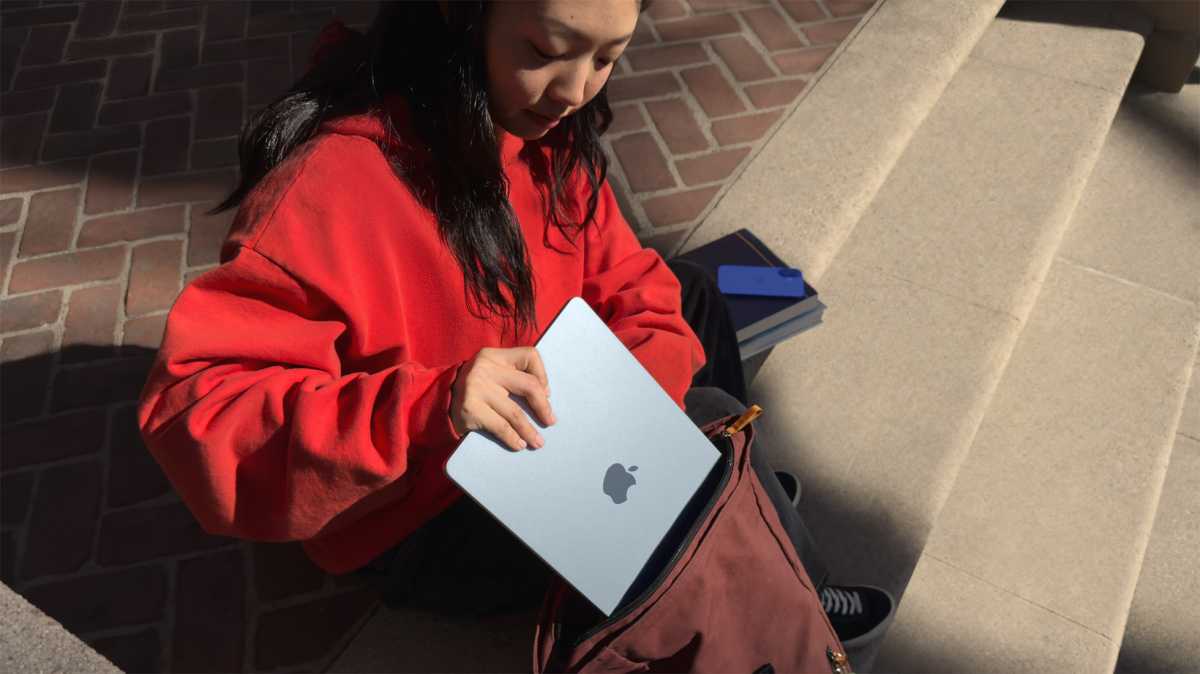
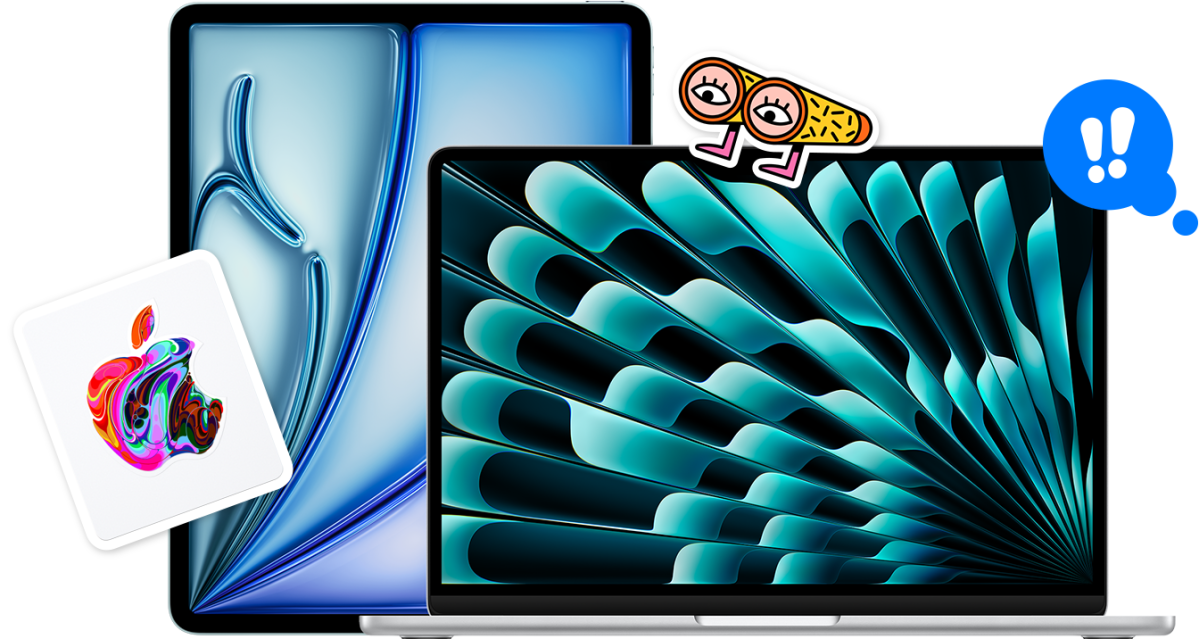
Apple holds what has traditionally been referred to as its “Back to School” promotion every year – although it is now referred to by Apple as the “College Student Offer” or “Higher Education Offer” to avoid confusion, because it is only open to students in higher education, along with qualifying educational staff and teachers, rather than school-age children.
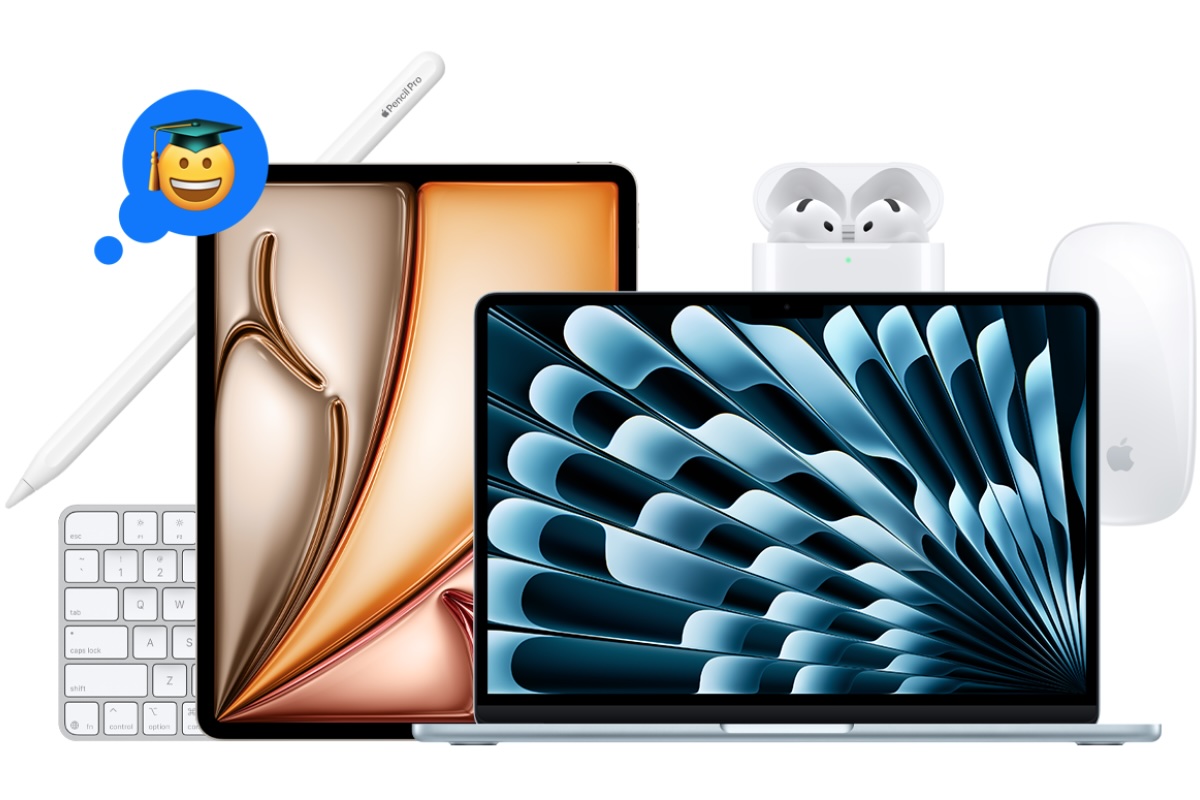
As part of the promotion, eligible students can qualify for an incentive when purchasing qualifying Apple products, which are already discounted through Apple’s Education Store. In recent years, these incentives have included free AirPods, a free Apple Pencil and other accessories.
Apple’s “Back to School” deal runs in various regions around the world during the summer break for universities and colleges. The promotion typically ends around a month after the first university semester or term begins in each country, so it will be starting in North America very soon.
Region2026 Start date2026 End Date2026 DealNorth AmericaMid-June (TBC) Mid-September (TBC)Expected: Free/discounted AirPods, Apple Pencil, Keyboards and MiceU.K. & Europe Mid-July (TBC)Mid-October (TBC)Expected: Free/discounted AirPods, Apple Pencil, Keyboards and MiceAustralia January 7, 2026March 11, 2026Confirmed: Free/discounted AirPods, Apple Pencil, Keyboards and Mice
Read on to find out everything you need to know about Apple’s Higher Education promotion this year, including when it is expected to begin in your region, what products and incentives may be included, who qualifies, and how to take advantage of the offer.
Apple’s “Back to school” deal: At a glance
What is Apple’s “Back to School” deal? The 2026 deal is expected to be free AirPods, Apple Pencil, and other accessories with purchases of qualifying Macs and iPads.
When is Apples “Back to School” deal? It is expected to run during June to September in North America, July to October in the U.K. and Europe.
Is this the only student saving from Apple? No, Apple offers a discount on Macs and iPads all year round to qualifying students.
Who qualifies? Verified students in higher education institutions – and their parents.
Who can get Apple’s “Back to School” give-away?
Current and newly accepted higher education students – and their parents
Apple
If you are enrolled at a higher education institution (post-K12 education, such as a university or college), or are the parent of a student who is enrolled, you qualify for Apple’s year-round education pricing as well as the “Back to School” promotion while it is running.
You will need to verify your eligibility before you can access the offer. Prior to May 2026, verifying student status in some countries – including the U.S. – only required an .edu email address and the name of a higher education institution. Apple has since tightened its verification requirements.
As a result, shoppers now need to verify their student status through UNiDAYS (as was already the case in the U.K.). Students are typically required to provide their name, date of birth, and school email address, then search for their institution and wait for their student status to be confirmed.
Apple’s education pricing is not available to parents buying for school-age children, but it is available to parents who are homeschooling their children.
When does Apple’s “Back to School” deal start?
U.S. & Canada: From mid June – end September 2026.
In North America, the “Back to School” deal is expected to run from mid-June through the end of September. Apple has not yet confirmed the official dates, but last year the promotion ran from June 17 to September 30 in the U.S. and Canada, so a mid-June launch is likely again this year.
Because the academic summer break begins and ends later in Europe, the promotion is expected to launch in the U.K. and across Europe in mid-July. In 2025, for example, the offer began on July 10 and ended on October 21.
The deal ran from January 7 to early March 11 this year in the Southern Hemisphere. Similar timings are expected in 2027.
What is Apple’s “Back to School” deal this year?
Free AirPods/Apple Pencil/keyboard/mouse were offered with qualifying purchases in the Australian promotion earlier in 2026.
The same giveaway is expected to launch later in 2026 in North America, the U.K., and Europe.
Foundry
During the Australian promotion, which ran from January 7 to March 11, 2026, Apple offered free or discounted accessories – including AirPods, AirPods Pro, Apple Pencil models, and Apple Keyboard, Mouse, or Trackpad products – with the purchase of qualifying Macs and iPads.
The following products were offered for free or discounted, earlier in 2026:
AirPods 4
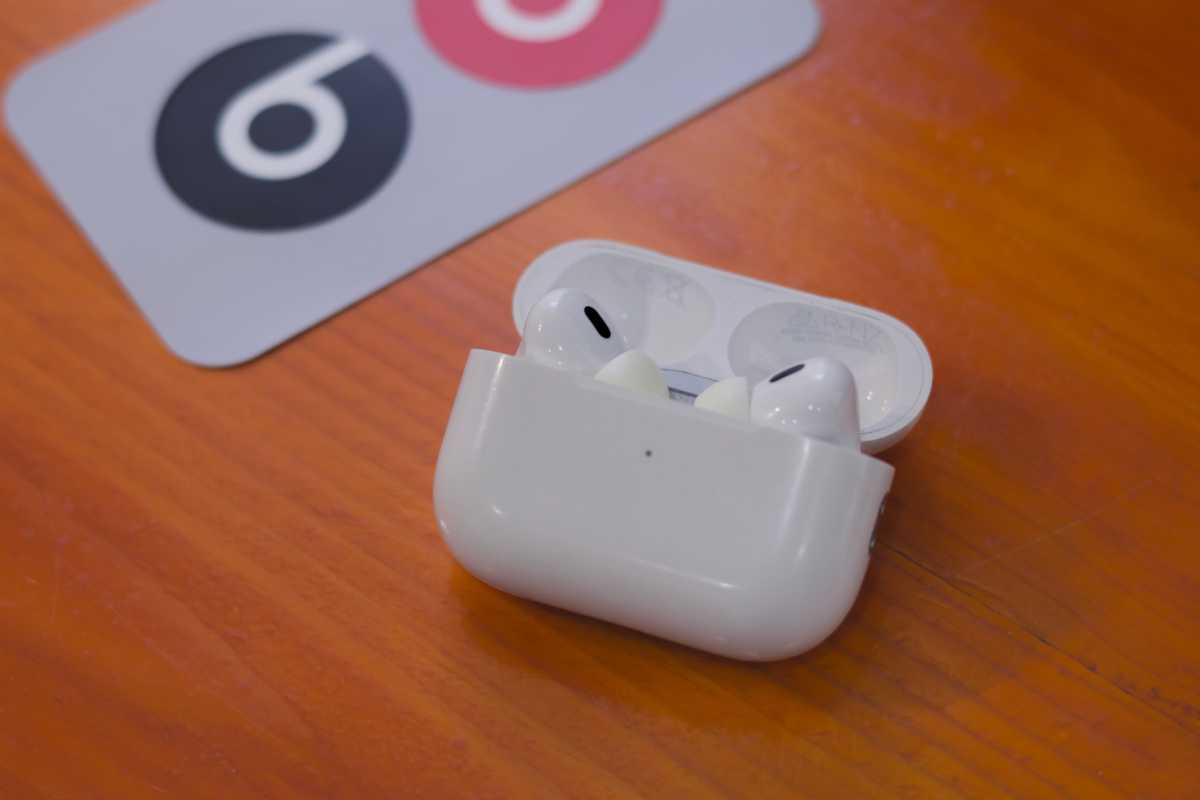
AirPods Pro 3
Magic Mouse
Magic Trackpad
Magic Keyboard
Apple Pencil Pro
Magic Keyboard (for iPad Air/iPad Pro)
Apple also offered similar giveaways during its 2025 promotion, and, previously, Apple also included a discount for the AirPods Max.
However, this has not always been the company’s approach. From 2022 to 2024 in the U.S., U.K., and some other regions, Apple instead offered gift cards worth up to $150/£130, depending on the products purchased during the promotional period. While Apple could return to that format, it is not currently expected to do so.
As of May 2026, Apple has yet to officially confirm this year’s promotion in North America or Europe, but the company is widely expected to continue offering AirPods and the other accessories listed above as part of the deal.
Can students qualify for other savings at Apple?
Yes. Apple’s “Back to School” promotion is not the only education-related discount the company offers. Macs and iPads sold through Apple’s Education Store are discounted year-round, so qualifying students and educational institutions can save up to $100/£100 of a Mac or iPad at any time of the year.
The summertime Back to School promotion is offered in addition to these ongoing education discounts. We explain everything you need to know about qualifying for Apple’s education pricing – including how much you can save and how to shop through the Apple Education Store – in our Guide to shopping in the Apple Education Store.
In order to get Apple’s “Back to School” Deal you need to purchase a qualifying Mac or iPad from your local Apple Education Store during the promotional period.
You will need to verify your student status via UNiDAYS, as explained above.
Visit the Apple Education Store for your region using the links below:
Logging in from your university network may help simplify the verification process.
When you purchase a qualifying Mac or iPad, you will then be able to claim the promotional freebie or discounted accessory.
You can choose which of the giveaway product you want to receive when you make your order. In some cases the freebee comes with an additional cost, we include details of how much more you may need to pay in the tables below.
Which products qualify for Apple’s “Back to School” deal this year?
Apple’s Back To School deal in 2025.
Apple
Apple has yet to confirm which products will qualify for the the 2026 promotion in North America, the U.K. and Europe.
However, during the Australian promotion earlier in 2026, the following products qualified:
MacBook Air
MacBook Pro
iMac
iPad Pro
iPad Air
Will Apple include the MacBook Neo in the 2026 “Back to School” promotion?
Since the Australian promotion ended, Apple has launched the MacBook Neo, a new laptop aimed specifically at students.
As for whether Apple will offer free AirPods or other accessories with purchases of the MacBook Neo, we think that is unlikely.
While the new MacBook is clearly targeted at students, we do not expect Apple to include it in the promotion because of its already relatively low starting price.
Will Apple include the Mac mini in the 2026 “Back to School” promotion?
Apple has previously allowed the purchase of a Mac mini to qualify for the promotion, but not in 2025 or, so far, in 2026.
In recent times, the Mac mini has surged in popularity, especially among AI developers looking for a relatively inexpensive Apple Silicon machine capable of handling local AI workloads. This popularity, combined with ongoing global component shortages, has left Mac mini supply constrained as of May 2026, so we do not expect Apple to include it in the “Back to School” promotion.
Apple could also launch an updated Mac mini in the coming months, but even if it does, we still think it is unlikely to be included in the student deal.
Will Apple include the iPad A16 in the 2026 “Back to School” promotion?
Apple has previously allowed entry-level iPads to qualify for its Back to School promotion, but that was not the case in 2025 and, so far, it has not been the case in 2026 either.
With a new entry-level iPad expected later in 2026 – and the current iPad A16 lacking support for Apple Intelligence — our recommendation would be to choose an iPad Air instead.
Will Apple include the iPad mini in the 2026 “Back to School” promotion?
Apple has included the iPad mini in some Back to School promotions in the past. A new iPad mini is expected to launch in 2026 and that may affect Apple’s decision to include it in the deal.
Will Apple include the iPhone in the 2026 “Back to School” promotion?
Apple has never included the iPhone, Apple Watch, or any products other than selected Macs and iPads as qualifying purchases for its “Back to School” promotion.
The additional savings available through Apple’s “Back to School” promotion depend on both the product purchased and the promotional accessory being offered.
In previous promotions, students could save up to $199 by choosing a free Magic Keyboard, up to $179 by selecting AirPods 4 with Active Noise Cancellation, or up to $129 by choosing an Apple Pencil Pro.
If you select one of the more expensive accessories offered as part of the promotion, you typically need to pay the difference above the promotional discount amount. For example, in 2025, choosing AirPods Pro 3 required an additional payment of $70.
Below, you can see the kinds of savings Apple has offered in previous years. Once Apple confirms the 2026 promotion details for North America, the U.K., and Europe, we will update these tables accordingly
U.S. “Back to School” giveaway details: 2025
In summer 2025, U.S. students making the following purchases could either get free Mice, TrackPad, Keyboard, Apple Pencil, or AirPods 4, or get a discount on the price of the AirPods Pro 2 and Magic Keyboard cases for iPad. The terms and conditions of the deal are here: U.S.
BuyGetSavingAdditional spendMacBook Air or MacBook Pro AirPods 4 with ANC$179
AirPods Pro 2 $179$70 Magic Mouse $79 or $99
Magic TrackPad$129 or $149
Magic Keyboard $179 or $199 iMacAirPods 4$179
AirPods Pro 2 $179$70iPad Air or iPad ProApple Pencil Pro $119
AirPods 4$129
AirPods 4 with ANC$129$50 AirPods Pro 2 $129$120 Magic Keyboard for 11-inch iPad Air$119$130 Magic Keyboard for 13-inch iPad Air$119$180 Magic Keyboard for 11-inch iPad Pro$119$160 Magic Keyboard for 13-inch iPad Pro$119$210If you want AirPods Pro you have to pay a little more, but you are still getting $179 off.
U.K. “Back to School” giveaway details: 2025
U.K. students making the following purchases could either get free Mice, TrackPad, Keyboard, Apple Pencil, or AirPods 4, or get a discount on the price of the AirPods Pro 2 and Magic Keyboard cases for iPad. The terms and conditions of the deal are here: U.K.
BuyGetSavingAdditional spendMacBook Air or MacBook Pro AirPods 4 with ANC£179
AirPods Pro 2 £179£100 Magic Mouse £79 or £99
Magic TrackPad£29 or £149
Magic Keyboard $179 or $199 iMacAirPods 4£179
AirPods Pro 2 £179£100iPad Air or iPad ProApple Pencil Pro £119
AirPods 4£129
AirPods 4 with ANC£129£50 AirPods Pro 2 £129£100 Magic Keyboard for 11-inch iPad Air£119£130 Magic Keyboard for 13-inch iPad Air£119£180 Magic Keyboard for 11-inch iPad Pro£119£160 Magic Keyboard for 13-inch iPad Pro£119£210If you want AirPods Pro you have to pay a little more, but you are still getting £179 off.
Australian “Back to School” giveaway details: 2026
In summer 2026, Australian students making the following purchases can either get free Mice, TrackPad, Keyboard, Apple Pencil, or AirPods 4, or get a discount on the education price of the AirPods Pro 3 and Magic Keyboard cases for iPad. The terms and conditions of the Australian deal are here.
BuyGetSavingAdditional spendMacBook Air or MacBook Pro AirPods 4 with ANCA$299
AirPods Pro 3A$299A$130 Magic Mouse A$119 or A$149 Magic TrackPadA$179 or A$209
Magic Keyboard A$249 or A$279 iMacAirPods 4 (with ANC)A$299
AirPods Pro 3 A$299A$130iPad Air or iPad ProApple Pencil Pro $199
AirPods 4A$219
AirPods 4 with ANCA$219A$80 AirPods Pro 3A$219A$210 Magic Keyboard for 11-inch iPad AirA$199A$220 Magic Keyboard for 13-inch iPad AirA$199A$270 Magic Keyboard for 11-inch iPad ProA$199A$270 Magic Keyboard for 13-inch iPad ProA$199A$350If you want AirPods Pro you have to pay a little more, but you are still getting A$130 off.
Europe “Back to School” giveaway details: 2025
European students making the same purchases as those above could either get free Mice, TrackPad, Keyboard, Apple Pencil, or AirPods 4, or get a discount on the price of the AirPods Pro 2 and Magic Keyboard cases for iPad.
French details here. German details here. Spanish details here. Italian details here. Netherlands details here.
India “Back to School” giveaway details: 2025
The 2025 deal in India the Back to University was the same as in the U.S.: AirPods or Apple Pencil discounts.
Brazil and South Korea “Back to School” giveaway details: 2025
In Brazil and South Korea Apple gave away AirPods with Mac purchases and Apple Pencil with iPad purchases from January to March 13, 2024. The deal was the same in 2025.
Other ways to save money on a Mac or iPad
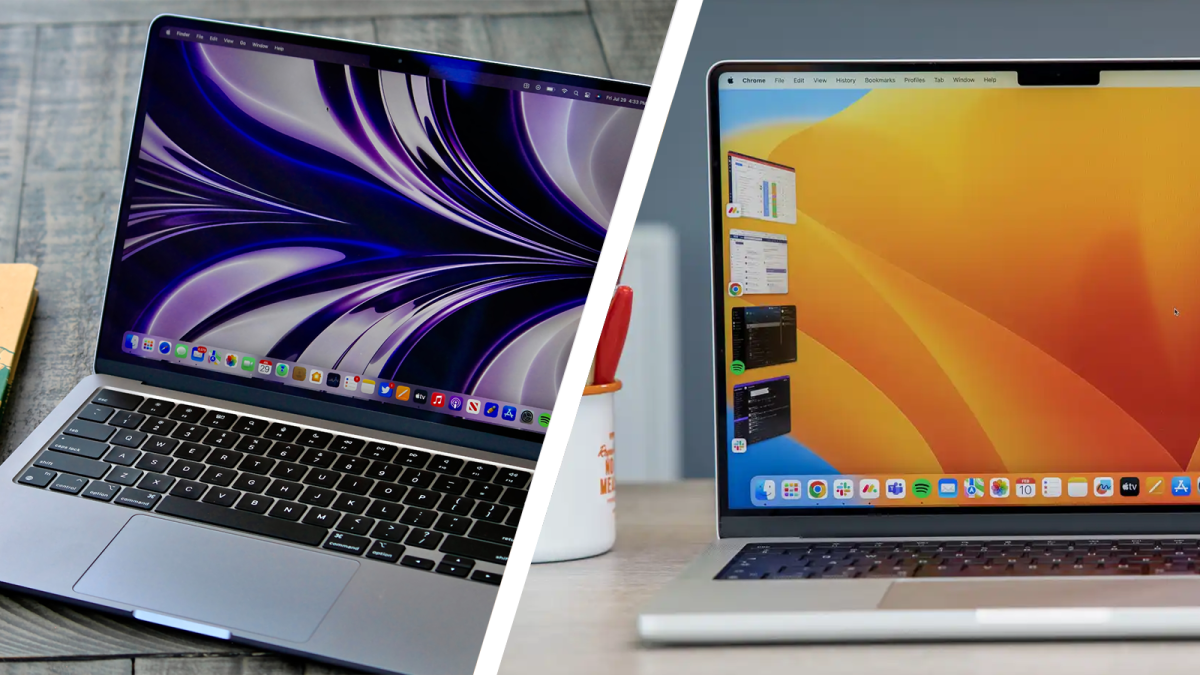
Even with the arrival or the MacBook Neo, a MacBook Air is still a good choice for students.
Foundry
If you don’t qualify for an education discount have a look at these round-ups of the best deals on a new Mac and iPad:
If you ever go to a local supermarket or convenience store to buy an Apple gift card, you may think twice after reading a new report from New Hampshire Public Radio. The state of New Hampshire in the U.S. appears to be the center of a global criminal operation that involves stolen Apple gift cards, huge quantities of Apple hardware bought with those cards, and sales of the gear to gray-market importers who then sell the devices overseas.
The N.H. operation started with the theft of Apple gift cards in retail outlets. The cards were carefully opened so the PIN and other vital statistics could be recorded, but otherwise looked unused. Then the cards are repackaged and placed back in the stores. When the card was activated with a balance, the organization was notified, took the money from the card, and then used it to buy Apple products, such as iPhones and MacBooks.
The Apple products were bought in New Hampshire because the state doesn’t charge sales tax, which allowed the organization to make the most of the stolen money. The products were then shipped to a warehouse in New Hampshire, where the devices were repackaged and sold to gray-market importers in China, Dubai, or South America, who then turned around and sold the devices to individuals or other outlets.
According to the report, police in New Hampshire partnered with the U.S. Department of Homeland Security to crack down on the operation that was run by Chinese nationals and involved hundreds of millions of dollars. In one bust, a New Hampshire warehouse housed 4,000 iPhones, estimated to be valued at $8 to $9 million. Nearly 20 people have been charged, with charges including wire fraud, stealing gift cards, and receiving stolen property. The report also states that Apple fully cooperated in the investigation, though it did not comment on NHPR’s article.
NHPR’s report is compelling, explaining in detail how the scam works, the process of laundering the purchases, some of the problems that have arisen in court, and how one person was murdered during a robbery of a warehouse. I encourage you to give it a read.
How to protect yourself from gift card scams
In 2024, the Federal Trade Commission reported that losses from gift and prepaid card scams totaled over $212 million, and the number of scams continues to rise. The FTC has a website that explains how gift card scams work, the common types of scams, and what to do if you think you’ve been scammed.
Apple
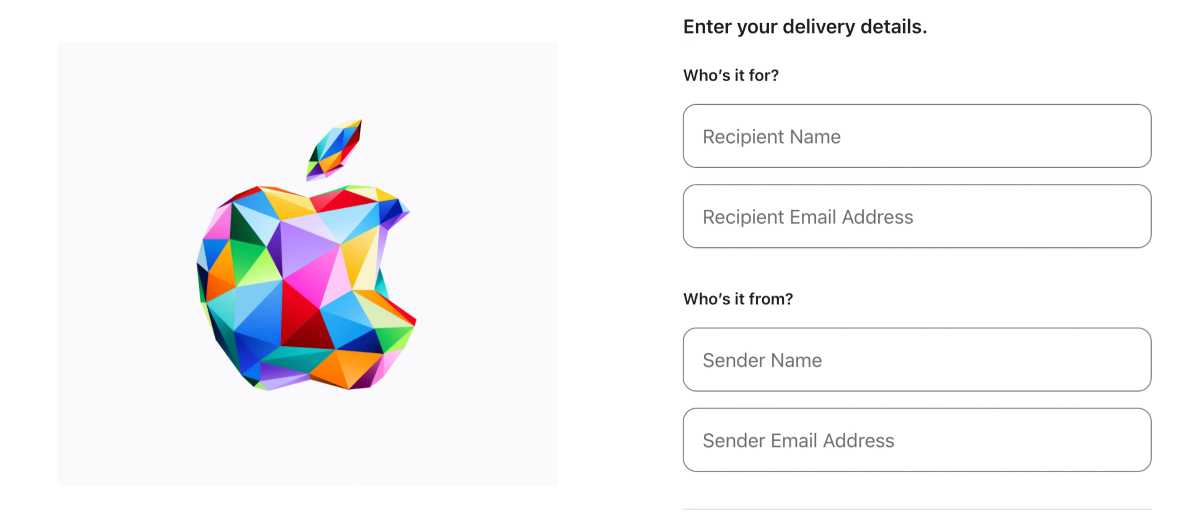
There are also several things you can do to protect yourself. It’s convenient to buy a gift card from a retail store, but if you can avoid it, you minimize your risk. Many stores allow you to buy gift cards online, which requires you to send an email address for the recipient, and the store sends a redemption code that the recipient can use when making a purchase. Don’t buy from online auctions, since the cards could be stolen. Buy directly when you can–Apple sells gift cards online.
But sometimes you can’t avoid buying a gift card from a store. If you need to, there are a few things you can do to minimize your risk. The FTC recommends the following:
Stick to stores you know and trust. Avoid buying from online auction sites because the gift cards may be fake or stolen.
Inspect the gift card before you buy it. Make sure the protective stickers are on the card and that it doesn’t look like someone tampered with them. Also check that the PIN number on the back isn’t showing. Pick a different gift card if you spot a problem and show the tampered card to a cashier or manager.
Always keep a copy of the gift card and store receipt. Take a picture of the gift card and store receipt with your phone. The number on the gift card and store receipt will help you file a report with the gift card company if you lose the gift card or if you need to report fraud.
Almost 15 years after his death, Apple’s late founder has been selected to appear on a commemorative coin celebrating American innovation and the state of California.
In 2026, as part of the nation’s Semiquincentennial, the US Mint has announced four additions to its American Innovation $1 coin program. These represent the states of Iowa, Wisconsin, California, and Minnesota. Steve Jobs, unsurprisingly, is on the California coin.
The tails side of the California coin depicts a young Steve Jobs sitting in front of what the blurb describes as “a quintessentially northern California landscape of oak-covered rolling hills” and enjoying a quiet moment of reflection. The cross-legged pose is spot-on, as is the turtleneck/jeans/sneakers combo, but based on the publicity pictures, the likeness isn’t perfect. He looks a tiny bit like Princess Diana. The choice of denomination also has a pleasing aptness to it, since for many years, Jobs’ salary at Apple was a nominal $1 a year. (He joked that 50¢ was for showing up, and the other 50¢ was a performance-related bonus.)
There are four phrases inscribed around the picture: California, United States of America, Steve Jobs, and “Make something wonderful.” The latter is a snippet from a 2007 video in which Jobs discusses ways to be as a person. “One of the ways that people express their appreciation to the rest of humanity,” he says, “is to make something wonderful.” It’s a pretty good and very concise distillation of Jobs’ philosophy and best qualities.
The coins can be purchased directly from the U.S. Mint, and, perhaps appropriately for a product with an Apple connection, cost slightly more than you might expect. The cheapest way to get one is a roll of 25 coins for $61 ($2.44 per coin), or you can get 100 for $154.50 ($1.55 per coin). The U.S. Mint ships to most countries for an additional $17.90 shipping fee plus a $2.95 handling fee per item.
For completeness, this year’s other coins celebrate mobile refrigeration (Minnesota), agronomist Norman Borlaug (Iowa), and Cray supercomputers (Wisconsin).
The American Innovation program was announced in 2018 and will eventually include a $1 coin for every state, plus coins for the District of Columbia and each U.S. territory. Previous subjects include naval engineer Raye Montague (Arkansas), agricultural scientist George Washington Carver (Missouri), and the first human lung transplant (Mississippi). In 2027, the Mint will release coins representing Kansas, Nevada, Oregon, and West Virginia.
Despite what you might think, given the volume of words the Macalope has spilled over the issue, he is extremely tired of talking about AI. He’s honestly pretty tired of talking about a lot of tech topics that pervade our current doomscape.
So this week, let’s take a week off. Instead of talking about AI or the worrisome intersection of tech and politics or the sad collection of billionaires that dominate technology, let’s talk about something fun.
That is… fun.
Apple is not a completely joyless company, but it’s also not a stretch to point out that it’s not really as much fun as it has been in the past. By and large, Apple runs like a well-oiled machine. Events like the WWDC keynote and product introductions are heavily scripted and filmed in advance. The company’s quarterly results have even become a non-event, thanks to everything being a subscription. Software is a subscription, services are a subscription, even buying hardware can easily be done with interest-free loans that make Apple’s revenue as smooth as the sides of Timothée Chalamet’s face, which seem as yet unable to grow facial hair, forcing him to sport some sort of reverse mutton chop.
Don’t get the Macalope wrong, it is no bad thing to have a company that is stable, dependable, wildly profitable, and still churns out products you genuinely want to buy. This is pretty much the aspirational state for any company. Whining that Apple isn’t as fun as it used to be is some real old-man-yelling-at-an-iCloud energy.
What is the Macalope even talking about when he says “fun”? Remember the iPod nano? It seemed like every year Apple would show up on stage, out of breath, and hold up some weird little device and say, “Here’s the new iPod nano. Honestly, even we don’t know what’s going on with this one.” One year the iPod shuffle was a wild shot that failed, but they took the shot. The “Rip, Mix, Burn” campaign was ostensibly predicated on you owning the music, but c’mon. We knew better.
Can you imagine the Apple of today flirting with illegality like that? (Sure, it currently allows apps that let you create non-consensual porn on the App Store, but it doesn’t exactly advertise that or really want anyone to talk about it.)
Yes, it’s easy to exaggerate how much fun Apple used to be in hindsight, and some of it was just the nature of having unscripted events. When interns were scurrying around backstage trying to figure out why the slideshow was stuck, Steve Jobs would just tell a story about his criminal activity in the ‘70s. That was fun! But you don’t have to have unscripted events to have fun.
Apple also lets you do less with your devices these days. iPhones and iPads have proliferated and are more restricted than Macs. Meanwhile, Macs are less repairable and upgradeable than they used to be. There are reasons for that, some good, some bad, but it also just kind of sucks.
Apple devices also often used to come in real colors. Sure, every now and again Apple will allow a blue or a red or an orange to land on an iPhone as if by clerical mistake and the iMacs aren’t bad, but there’s no denying that the company has deliberately toned things down color-wise.
Of course, there are some exceptions to the drabification of Apple. The Little Finder guy is very fun. The MacBook Neo, priced to move and coming in at least a couple of colors that actually register to the human eye as not silver or black, is also fun.
If you’d like to receive regular news and updates to your inbox, sign up for our newsletters, including The Macalope and Apple Breakfast, David Price’s weekly, bite-sized roundup of all the latest Apple news and rumors.
Foundry
But some of the company’s attempts at fun–Image Playground and last year’s “Crush” ad–have landed like lead balloons. The Macalope isn’t sure who’s making lead balloons or why, but they aren’t getting any more air than they ever did.
While there are many very good reasons not to (investors particularly love stability), the Macalope hopes Apple under John Ternus takes a few more risks product-wise.
Actual colors, for example, would be an easy win here. Yeah, it’s not like Tim Cook picked the colors for the iPhone every year, but he also didn’t say “Is this the best we can do? Gray, dark gray, black, and what’s the other one? ‘Shimmer’? It looks like gray.” If this rumor is true, the last iPhone fully developed under his tenure won’t break the pattern.
A foldable iPhone is certainly a change of pace, but it’s not exactly like it’s a new concept. For the past number of years, the iPhone’s trajectory can be described as “bigger with better cameras”. That’s pretty much it. Sure, it works, it’s just not that much fun.
Ultimately, the Macalope would like to see Apple be a little less stodgy and a little more willing to experiment, even if it means failing from time to time. Is that too much to ask?
WWDC (Worldwide Developers Conference) is Apple’s week-long annual developer event, where the company sets the agenda for the next twelve months with a preview of the changes coming to its various operating systems in the fall. While WWDC is primarily a technical conference for developers – for whom it is the most important date on Apple’s calendar – it is also a major consumer-facing showcase.
This year, WWDC will be an important opportunity for Apple to prove its competence in AI following its failure to deliver on the Siri and Apple Intelligence promises it made two years ago. In the meantime, competitors have already shipped mature assistants and on-device AI workflows. After years of delays, a new Siri with chatbot capabilities and more competitive performance is expected to be a major part of Apple’s 2027 software roadmap. Apple is also expected to introduce additional AI features and improve existing ones, potentially leveraging its multi-year partnership with Google and Gemini technology as a foundation for future Apple Intelligence capabilities.
The event begins with a keynote, during which Apple reveals the new features coming to the iPhone, iPad, Mac and more later in the year. This year, the WWDC keynote will take place on Monday, June 8, 2026, starting at 10am PT. During the presentation, Apple is expected to unveil major updates to its operating systems, including iOS, macOS, iPadOS, watchOS, tvOS and visionOS. Among the anticipated announcements are a significant overhaul of Siri, expanded use of AI across the system, and the potential launch of new Mac hardware.
Following the keynote, developers will be able to install the first developer betas and begin the summer-long process of updating their apps and building new features ahead of the public release in the fall. A public beta will likely follow in July, giving users the chance to try out the upcoming features early. Learn about participating in Apple’s beta software program so you can test the new software as soon as the beta arrives. Eventually, the new software will be available for everyone to download in the fall (usually September for iOS/iPadOS/watchOS and either September or October for macOS. In this guide, we cover everything expected at WWDC 2026, along with details on how to watch the keynote wherever you are. If you want a first look at the features coming to Apple’s software – and insight into the company’s future direction – read on.
What to expect from WWDC 2026 at a glance
Apple’s WWDC keynote will begin at 10am PT on Monday, June 8, 2026.
The event will likely be streamed live on Apple’s website.
Expected announcements include iOS 27 and macOS 27 with a focus on stability, new AI-related features, major Siri updates, and potential Mac hardware updates.
WWDC 2026 Date: When is WWDC?
WWDC (Apple’s Worldwide Developers Conference) runs from June 8 to June 12, 2026
The WWDC Keynote starts at 10am PT on Monday June 8
Apple has announced the dates for WWDC 2026. As we predicted, the WWDC event will run from June 8 to 12. The keynote is likely to take place on Monday June 8.
WWDC 2026 keynote time: What time does WWDC start?
The keynote will start at the usual time of 10am in California. If you are wondering what time will the WWDC keynote start where you are, use this as a quick reference:
Singapore and China: 1 a.m. the next day (SGT/CST)
Japan: 2 a.m. the next day (JST)
Australia: 1 a.m. the next day (AWST), 2:30 a.m. the next day (ACST), 3 a.m. the next day (AEST)
New Zealand: 5 a.m. the next day (NZST)
How to watch WWDC 2026
You can watch the WWDC keynote live on your screen.
Foundry
Apple will livestream the WWDC 2026 keynote across multiple platforms, including its website, YouTube, the Apple TV app and the Apple Developer app. This means you’ll be able to watch the presentation on iPhone, iPad, Mac, Apple TV and even a Windows PC.
If you miss the event, the keynote will be available to watch on demand shortly after it ends.
Ahead of the event, we will embed Apple’s YouTube livestream at the top of this article so you can watch it easily. We will also be running a live blog, bringing you real-time updates along with our analysis and commentary.
Where to watch
Apple.com: Watch the keynote live on Apple’s website.
Apple TV App: Available on Apple TV, smart TVs, iPhone, iPad and Mac.
Other platforms: You can watch via recent versions of Chrome or Firefox (supporting MSE, H.264 and AAC) by visiting Apple’s website.
Apple Developer App and Website: Developers can watch the keynote as well as the Platforms State of the Union and all WWDC sessions that take place after the keynote.
Biggest WWDC rumors: At a glance
OS updates: The next generation of operating systems, including iOS 27 and macOS 27, are expected to focus on stability and battery life rather than redesigns.
Siri 2.0/Chatbot Evolution: Siri is expected to finally evolve into a full-fledged chatbot with on-screen awareness and personal context understanding.
Google Gemini Integration: Google’s Gemini models and cloud technology will help power future Apple Intelligence features.
Mac mini and Mac Studio updates: These two Macs, beloved of developers, are overdue an update.
What will Apple announce at WWDC 2026?
WWDC is primarily a software-focused event, and the main emphasis in 2026 will be the unveiling of Apple’s next-generation operating systems, including iOS 27, macOS 27, iPadOS 27, watchOS 27, visionOS 27 and other operating system updates. These updates are likely to reflect Apple’s reinvigorated push into AI.
While the conference centres on software, Apple has occasionally used WWDC to introduce new hardware. In 2026, the company could announce updated versions of the Mac mini and Mac Studio, although global RAM shortages could mean the wait extends beyond WWDC.
This year’s event is expected to be dominated by Apple’s push into artificial intelligence. In particular, attention will be on further developments in Apple Intelligence and a major overhaul of Siri.
Here’s what we expect Apple to reveal at this year’s event, from software and hardware to the possibility of entirely new products.
Siri & Apple Intelligence overhaul: Revamped and redesigned Siri
One of the central themes of WWDC 2026 is expected to be the completion of Apple’s Apple Intelligence roadmap, alongside a fundamental shift in Siri’s underlying architecture toward modern large language models (LLMs). The aim is to give Siri a much stronger understanding of natural language, broader world knowledge and more useful, context-aware responses – while maintaining Apple’s emphasis on user privacy.
Many of these features were originally planned for 2024 and 2025, but have since been pushed back into 2026. Following news earlier in 2026 of a multi-year collaboration between Apple and Google, Apple is now expected to use Google’s Gemini technology as a foundation for its next-generation AI systems, including the long-promised significantly upgraded Siri.
However, rather than relying directly on Google’s infrastructure, Apple is likely to deploy a customised version of these models, running either on-device or via its Private Cloud Compute system, in order to maintain its strict privacy standards.
The updated Siri is expected to be a cornerstone of Apple’s announcements. The next-generation assistant will likely feature a more conversational interface, deeper contextual awareness and significantly improved reliability, positioning it as a far more capable and integral part of the Apple ecosystem. Apple really needs to prove Siri’s AI capabilities at WWDC 2026.
Anticipated Siri capabilities include:
Chat-bot like capabilities: Rumors indicate a “modernized, conversational version of Siri”.
Updated interface: A totally new Siri interface is expected, which may include a dedicated Ask button.
On-Screen Awareness: The ability for Siri to understand and act upon what is currently visible on a user’s screen.
Personal Context: Siri will build a private, on-device “knowledge graph” using a user’s mail, messages, and history to provide personalized answers.
In-App Actions: Siri will have the ability to take actions across different apps in an expansion of “App Intents”.
Smart HomeIntegration: Apple is reportedly planning a major smart home strategy for 2026, where the new Siri will serve as a primary interface for new devices like smart displays and cameras.
Beyond Siri, Apple’s partnership with Google is expected to underpin its broader AI platform, Apple Intelligence. This could translate into smarter on-device features, deeper integration of AI across apps, and new developer APIs that allow third-party software to tap into Apple’s AI capabilities.
WWDC software updates: What’s coming to Apple’s operating systems?
Apple
iOS 27
The centerpiece of iOS 27 is expected to be the conversational version of Siri. Other new features include:
Folding iPhone: The introduction of software features specifically designed for Apple’s first folding iPhone. The software is expected to prioritize features tailored to the folding display, potentially drawing inspiration from iPadOS to ensure a seamless transition between the external cover and the larger internal screen.
AI powered features: Apple is likely to unveil more advanced generative AI capabilities. These may extend across its Pro apps, as well as system-wide tools in iOS 27 and beyond.
Health app: Apple promised an overhaul of the Health app for iOS 26. Instead smaller updates and improvments were rolled out. iOS 27 will surely deliver on Apple’s promise.
Performance & Stability: Reports indicate that instead of a massive overhaul, iOS 27 will focus heavily on bug fixes and system stability.
macOS
macOS 27 is expected to bring deep AI integration as well as performance improvements.
Performance & Stability: As with iOS 27, Apple is thought to be focused on speed and stability improvements for macOS 27.
AI & Siri integration: Siri/Apple Intelligence upgrades will impact macOS 27.
Interface unification: Apple may continue to unify its design language across platforms.
Dynamic Island: One of the new interface elements could be Dynamic Island-style functionality on Mac with a Notch.
No more Intel support: When Apple announced macOS 26 it said it would be the last macOS to support Intel. WWDC will mark the end of Intel Macs.
Touchscreen hints: With rumors that Apple will be launching a touchscreen MacBook later in 2026 or early 2027, we could see more touchscreen oriented features coming to macOS.
watchOS 27
Those Siri developments will no doubt feature heavily in the Apple Watch operating system. In addition we expect:
Health app overhaul: The Apple Watch is likely to benefit from Apple’s promised overhaul of the Health app, including a redesigned interface, a health coach, and more insights.
Readiness score: AI powered “readiness” score based on sleep quality, heart rate and other factors, similar to the Body Battery feature offered by Garmin.
iPadOS 27
Many of the iOS 27 updates—especially those related to Siri and AI—are expected to carry over to iPadOS 27. However, Apple is likely to introduce features that take advantage of the iPad’s larger display, while also focusing on creative and professional users. Expected improvements include:
Multitasking improvements: Further moves toward desktop-style workflows, with more flexible multi-app usage and better support for pro applications.
Better background processing: The ability to render projects and export video in the background, allowing users to continue working without interruption.
File management changes: Enhancements to the Files app, including better project organisation and improved support for external drives.
macOS inspired touch-screen features: With the arrival of the MacBook Neo, the iPad may not appear as compelling as a laptop replacement, but it will continue to appeal as a touch-first pro device. It also gives Apple an opportunity to refine touch interfaces that could reportedly make their way to the rumored Touchscreen MacBook in late 2026 or early 2027.
tvOS 27, HomePodOS 27, visionOS 27 and other platforms
Updates across Apple’s home and spatial computing platforms are also expected. These are also likely to be impacted by the Siri and AI enhancements coming in fall 2026.
New Apple TV hardware: The next Apple TV is said to have been delayed to accommodate the upcoming Siri improvements.
AI powered recommendations: The Apple TV app already shows which service content is available on, but it could become even more powerful with personalised, AI-driven recommendations.
HomeHubsoftware: Apple TV or HomePod devices could further evolve as the centre of the smart home, acting as a more capable and intelligent home hub.
Developer Tools and APIs
For developers, Apple typically introduces new versions of Xcode and updated Swift frameworks.
Updated APIs: APIs are likely to be updated to allow third-party apps to integrate more deeply with Apple’s identity and payment systems.
Metal Updates: Metal, a key technology for Mac game developers, enabling features like MetalFX Frame Interpolation, will likely see further expansion at WWDC.
Intel no longer manufactures the primary processors for Apple’s current product lineup, as Apple completed its transition to in-house “Apple silicon” back in 2023. Macs that feature Intel processors will not be able to run macOS 27 (there were only a few that could run macOS 26).
While Apple will no longer support Macs with Intel chips with the next version of macOS, there are reports that Apple and Intel have reached an agreement to work together, with Intel manufacturing some Apple-designed chips as a foundry partner.
WWDC hardware updates: Will Apple launch new hardware?
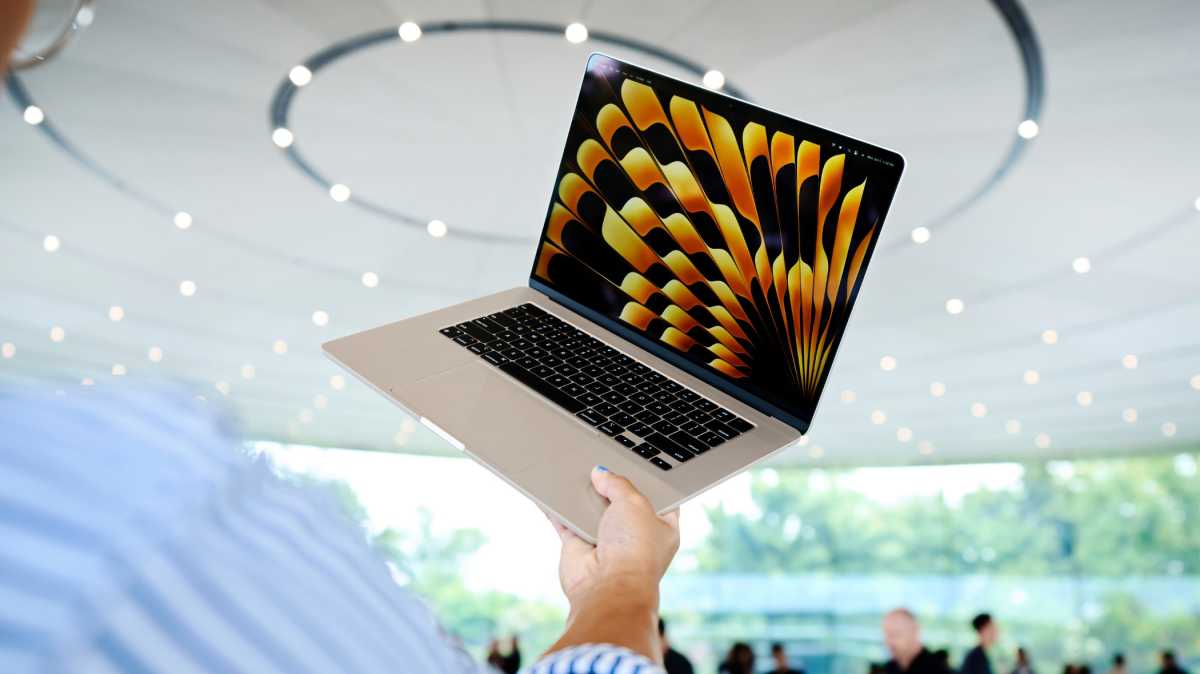
The 15-inch MacBook Air was introduced at WWDC 2023.
Apple
WWDC tends to be a software-focused event, so new hardware is never guaranteed. In addition, Apple has already completed a major spring launch cycle in March 2026, which included the MacBook Neo, iPhone 17e, M4 iPad Air, and M5 Pro/Max MacBook Pro models. However, there are still several hardware products that are rumored or expected to appear at the June 2026 event.
Expected Mac Updates
Based on current release cycles and expert analysis, several Mac models are due for an M5-series upgrade, however, global RAM shortages could impact on Apple’s ability to release these updates in June, so the launches could be pushed back to later in 2026.
Mac Studio: The professional desktop is expected to gain the M5 Max and M5 Ultra chip by June 2026.
Mac mini: The compact desktop is expected to benefit from a M5 and M5 Pro update.
iMac: The consumer-focused all-in-one is a candidate for an M5 chip refresh during the WWDC timeframe.
Other rumored products
Smart Glasses and Wearables: Reports from late 2025 suggested Apple might provide a “first glimpse of its smart glasses” soon. Given the developer focus of WWDC, a preview of the software platform for these glasses or a new AI-powered pendant is possible.
Home Automation: Apple is reportedly developing a new home hub and a doorbell camera featuring Face ID, which could be integrated into the broader HomeKit discussions at the conference.
HomePod/HomeHub: There are lots of rumors about different products, from a HomePod with a display to a screen with a robot arm.
Q&A
What is WWDC?
WWDC stands for the Worldwide Developers Conference and is dedicated to the third-party software and hardware developers that create apps and accessories for Apple’s platforms: iPhone, iPad, Mac, Apple TV, Apple Watch, HomePod and Vision Pro.
At the event Apple previews the software that will be coming to iPhones, Macs, iPads, Apple Watches, and so on, later in the year. A beta program starts after the event so that developers can start testing the new software, find out ways to use new features, and make sure it works with their apps.
Sometimes Apple launches new hardware at WWDC, but the key focus is always software.
What happens at WWDC?
The event typically begins with a high-profile keynote presentation that provides a “sneak peek” at the next versions of Apple’s software. Beyond the announcements, it is a week-long conference designed for the global developer community to learn about new technologies and APIs.
What time does WWDC start in the U.K.?
Apple’s 10am start in California translates to 6pm in the U.K.
How long is the WWDC keynote?
The WWDC Keynote is usually a long one because Apple has so much to cover. Recent examples include:
1 hour, 45 minutes in 2025
1 hour, 50 minutes in 2024
2 hours in 2023
We expect that 2026’s WWDC keynote will be a long one, especially with the major AI related announcements expected.
What happened at WWDC 2025
Watch the WWDC event as it happens here.
This event was particularly significant due to a massive visual overhaul and a change in how Apple names its software. It included:
The “Liquid Glass” Redesign: Apple introduced a new design language called Liquid Glass, which brought translucent, reflective, and glossy elements across all platforms . This aesthetic features curved “squircles,” glass-like layers that react to content beneath them, and a fully transparent menu bar in macOS.
Unified Version Numbering: Starting with the 2025 event, Apple synchronized the version numbers of all its operating systems to reflect the upcoming year. Consequently, the successors to iOS 18 and macOS 15 were named iOS 26 and macOS 26 Tahoe.
Apple Intelligence and Siri: While Apple continued to integrate AI features—such as AI-powered battery management and smarter Reminders—the long-awaited “New Siri” revamp faced further delays. Reports following the event indicated that the more conversational, context-aware version of Siri might not arrive until late 2026 or 2027.
Key Software Features included:
macOS 26 Tahoe: Introduced a significant overhaul to Spotlight, new mobile apps for the Mac (like Journal), and “Live Translation” for real-time communication in FaceTime and Messages.
iPadOS 26: Added “Mac-like” multitasking, allowing apps like Final Cut Pro to continue intensive processes in the background, and replaced the circular cursor with a desktop-style arrow . watchOS 26: Opened the Apple Watch Control Center to third-party widgets for the first time, allowing apps like Spotify or Strava to offer one-tap toggles
Who should watch WWDC
Apple’s Worldwide Developers Conference (WWDC) is a cornerstone event for anyone deeply embedded in the Apple ecosystem, ranging from professional software creators to casual device owners. While the week-long program is technically dense, the opening keynote is designed for a global audience.
WWDC is considered the second-biggest event on Apple’s calendar, surpassed only by the fall iPhone launch. It’s the event to watch if you want to get insight into Apple’s long-term strategic vision. If you own an iPhone, iPad, Mac, Apple Watch, or Apple TV, the WWDC keynote is highly relevant because it give you a sneak peek at the new software coming to your devices later in the year.
How to attend WWDC
Apple
WWDC is primarily a digital event with all registered Apple developers able to get online access to session videos, slides, and sample code throughout the week.
There is usually an in-person event at Apple Park though. If you want to attend WWDC and the keynote in person you have to enter a lottery and apply for a ticket to attend the keynote alongside other developers. There is a lot of competition for those tickets, which are randomly selected from those who apply and aren’t transferable. The good news is that tickets are free, at least.
To be in with a chance of attending, it is necessary to enter the lottery, for which you have to apply through Apple’s website. Eligibility is generally restricted to the following groups:
Current members of the Apple Developer Program or Apple Developer Enterprise Program.
Apple Entrepreneur Camp alumni.
Swift Student Challenge winners (who are often included in a separate selection process, with notifications typically sent in May).
The lottery for tickets allocated for 2025 started at the end of March and those interested had to apply by the beginning of April. The lucky applicants were notified of their success in getting a ticket at the beginning of April.
Apple invites developers to participate in a series of classes, workshops, and sessions to learn about the system-wide changes coming to the major software platforms in the coming year so they can update their apps. Some lucky developers even get to watch the event live in person.
Apple usually confirms the date for WWDC around the end of March when it allows developers to enter a lottery and apply for a ticket to attend the keynote. Those who qualify have until the beginning of April to apply for tickets. We explain how current Apple Developer Program members, Apple Developer Enterprise Program members and Swift Student Challenge winners are able to apply for free tickets below.
How much does WWDC cost to attend
The format of WWDC has shifted significantly in recent years. While it was once a paid event costing $1,599 with tickets that sold out instantly, the modern conference is primarily an online experience.
Even without a lottery win, all registered developers receive online access to session videos, sample code, and workshops throughout the week
When was WWDC last held
In recent years Apple has held WWDC in early June.
WWDC 2026: June 8-12
WWDC 2025: June 9-13
WWDC 2024: June 10-14
WWDC 2023: June 5-9
WWDC 2022: June 6-10
WWDC 2021: June 7-11
WWDC 2020: June 22-26
WWDC 2019: June 3-7
WWDC 2018: June 4-8
Apple has held a WWDC event every year since 1983. Over the past couple of decades WWDC has generally been held in June, with only one exception.
If you’re looking for thoughtful discussion of the latest tech news, it might be wise to avoid Twitter, aka X, aka Elon Musk’s Idiot Circus. The algorithm rewards engagement, which in turn incentivises controversy, disinformation, and unthinking knee-jerk hot takes. So when Google tweeted a promo for the upcoming Android 17 update last week, it was inevitable that the most visible comments would contain more rage than reason.
Which isn’t to say they’re necessarily wrong.
A decent number of Android fans were outraged by the hint, offered in an accompanying promotional video, that Google is about to pivot to a new but simultaneously familiar aesthetic. “Please don’t tell me Android is going to have a Liquid Glass look,” pleaded by far the most polite of this group. “Stay original, Android,” said another, summing up the majority view. And it’s probably fair to say that the shimmery, glowing, translucent new appearance shown off by The Bot had more than a touch of the WWDC 2025 about it.
Android ecosystem president Sameer Samat quickly denied that Google is copying Apple and insisted that Liquid Glass on Android is “Not happening! Y’all are wild.” Maybe this is true. The glowy, somewhat glassy look has only been seen in one (non-UI) video, and it’s easy to jump to the wrong conclusions when you haven’t yet got all the facts. Particularly if you’re on Twitter.
But it’s also true that copying can be both nebulous and easy to deny. One’s judgment of how visually similar one UI is to another, for example, is completely subjective. Google may in due course announce its new Fluid Crystal design language and insist that it isn’t the same as Liquid Glass because the toggles are different or there’s a slightly different transparency effect on the home screen. It’s not a pyramid scheme, true believers will insist, it’s a reverse funnel system.
In any case, you’ll have to forgive us for raising an eyebrow and wondering if Google’s designers have been getting their inspiration from Apple Park, because this sort of thing happens constantly.
Only a couple of months ago, Apple launched the MacBook Neo to instant acclaim, and what do you know, a bunch of PC builders suddenly decided to take their lines in a new direction. The iPhone Ultra won’t even launch for another four months, and Huawei and Samsung are already pivoting to the strange wide form factor it’s expected to use.
Samsung’s Galaxy Buds and Galaxy Watch Ultra are astonishingly shameless rip-offs of the AirPods and Apple Watch Ultra, respectively, and while the company denies that the Galaxy S25 Edge was based on early leaks of the iPhone Air, the similarities are striking. And as for Honor’s Power 2, which even comes in a color almost identical to Cosmic Orange… well, the word is probably “blatant. At this point, Apple must feel like it can’t release an internal memo without someone from a rival company making one of their own with a worse interface.
Some will say that imitation goes both ways, and that Apple has practised its fair share of plagiarism over the years. This charge isn’t entirely unfair, although Apple’s borrowings usually take the form of smaller software features rather than whole-cloth interfaces. In the hardware sphere, the company prefers to regard rival projects not as exemplars but as flawed prototypes it can learn from and then vastly improve. This is a practice that goes right back to the foundational but not yet commercially viable GUI ideas it learned from Xerox in the late 1970s and then polished for use in the Mac. (Apple paid for that visit with lucrative stock options, by the way. There’s a right way to go about copying someone else’s ideas.) Neither the iPod nor the Vision Pro was technically the first of its kind, but each took its respective product concept and raised it to the next level.
No, Apple definitely gets copied more than it copies. And in some ways, it’s good for the tech market that it does. Apple has grown so powerful that it can serve as a useful lightning rod for other companies: it drops the optical drive, it removes the headphone jack, it takes the charger out of the box, it cops all the flak, and then everyone else can do the same thing three months later with a fraction of the negative publicity. Where Apple leads, the industry follows… in everything except privacy and data harvesting, unfortunately.
So no, I’m not terribly inclined to give Google the benefit of the doubt when it comes to Glassdroid. Maybe Android 17 will look like iOS 26, and maybe it won’t, but Apple’s designers have been copied so many times in the past that despair and irritation are natural responses to a promotional video that was either weirdly clueless or deliberately provocative. In fact, I think I’ll go and complain about the situation on Twitter.
Foundry
Welcome to our weekly Apple Breakfast column, which includes all the Apple news you missed last week in a handy bite-sized roundup. We call it Apple Breakfast because we think it goes great with a Monday morning cup of coffee or tea, but it’s cool if you want to give it a read during lunch or dinner hours too.
Remember those Siri commercials promoting features that never shipped? Thanks to them, if you bought an iPhone last year, you may have a $95 check coming.
Podcast of the week
In the latest episode of the Macworld Podcast, we discuss everything that’s new with the iMac. What are the latest rumors, when can we expect to see an update, and what would we like to see Apple do with its iconic all-in-one. We also discuss the current Mac mini shortage.
And with that, we’re done for this week’s Apple Breakfast. If you’d like to get regular roundups, sign up for our newsletters, including our new email from The Macalope–an irreverent, humorous take on the latest news and rumors from a half-man, half-mythical Mac beast. You can also follow us on Facebook, Threads, Bluesky, or X for discussion of breaking Apple news stories. See you next Monday, and stay Appley.
According to the Wall Street Journal, Apple and Intel have reached a preliminary deal to manufacture some of Apple’s chips. The WSJ and Bloomberg reported earlier this week that Apple had been in talks with both Intel and Samsung to diversify its suppliers for advanced chips, which currently rest almost entirely with TSMC.
Now, it would appear that there is a deal in place—at least in principle. Intel was a leading chip manufacturer for decades, but only for chips of its own design. More recently, Intel’s manufacturing prowess has fallen behind the state of the art, where TSMC is the go-to company to manufacture the most advanced chips in the world. Its bleeding-edge processes are used by Apple, AMD, Nvidia, and others.
Intel’s new CEO, Lip-Bu Tan, has promised to revitalize Intel’s chip foundry business until its manufacturing processes are no longer second-best, while opening up the company’s chip manufacturing to make other companies’ products. It’s not clear which chips would be first in line for Intel’s plants.
It’s not clear what chips Intel would manufacture for Apple, nor when production would begin. Intel’s most advanced new production process, called “18A” (for “18 angstrom”), is generally considered to be a competitor for TSMC’s most advanced 2nm process (18 angstroms is 1.8 nanometers). At the big Computex conference next month, Intel will be showing off its Nova Lake desktop processors, Panther Lake mobile/handheld chips, and Clearwater Forest server processors, all made on the 18A process.
If this process is as good as it appears to be, Apple could theoretically produce its latest M-series and A-series chips with Intel. However, chip designs are largely fab-specific, and it’s not trivial to simply take an existing design and have it made with another company’s exclusive foundry process. It seems more likely that Apple would start by manufacturing chips that are a little further behind the bleeding edge, such as S-series chips for Apple Watch or the company’s N or C series networking chips.
Apple has updated its surprisingly lax requirements for buying its products with an educational discount. Students and teachers will now need to verify their educational status using UNiDAYS in order to buy products from the Apple Education Store. The change applies to the United States as well as Australia, Hong Kong, Turkey, Canada, and Chile.
Before this change, all you really needed was the name of an affiliated institution to access the Apple Education Store and, at most, an .edu email address to qualify for the discount. In some regions, including the UK, Apple already requires UNiDAYS verification to get an educational discount.
Apple’s educational discounts vary by product, but generally range from $20-50 for less expensive items and $100 on more expensive items such as the MacBook Neo. Apple’s educational pricing applies to Macs, iPads, and certain related accessories, including, for the first time, Apple Watch models.
In addition, shoppers are limited to how many items they can purchase with an educational discount each year: one desktop Mac, one Mac mini, one Mac laptop, two iPads, and two accessories that have education pricing.
Education pricing is available for college students, all teachers and faculty for K-12 or higher education, parents buying on behalf of a higher-education student, or homeschool parents. Homeschool parents are still eligible after the change to UNiDAYS verification, but will need to provide additional documentation to verify their legitimacy. For more information about using the Education store read: How to get an Apple student discount at Apple’s Education Store and how much you can save.
Back in January 2022, Apple added the UNiDAYS requirement to the U.S. educational store, only to remove it a week later.
May is usually a slow month for Apple releases, and it should be no different this year. Apple’s OS 26es are still getting updates—the latest version, 26.5, will arrive this month—but they’re really minor at this point, as most of the work in Cupertino has long since shifted to the next major release.
With the WWDC keynote set for June 8, big releases or major announcements would likely wait for that event. We don’t expect much to be announced in May, leaving most of Apple’s releases to be the minor 26.5 software updates and content for Apple TV and Apple Arcade.
New hardware releases
Apple started off 2026 with a flurry of releases, including the M5 MacBook Air and MacBook Pro, AirTag 2, AirPods Max 2, and the all-new MacBook Neo, but it’s been quiet for a few weeks. And it’s likely to be quiet for a few more. While we’re waiting for several new devices to launch in spring or summer, with WWDC so close, we’ll likely have to wait until June for anything new to arrive. Here’s what Apple has waiting in the wings:
M5 Mac mini: With Apple discontinuing the 256GB version of the M4 Mac mini, it’s unclear where the M5 Mac mini stands. We were expecting the new model to launch this spring, but with severe supply constraints due to the memory crunch, we might need to wait until fall.
M5 Mac Studio: The Mac Studio is in the same boat as the Mac mini, with memory issues forcing Apple to cut back on some models, including the higher-end versions with 256GB of RAM.
Apple TV 4K: Apple’s streaming box hasn’t been updated since 2022, when it got an A15 Bionic chip, USB-C Siri Remote, and a price cut. It’s been rumored to get an update to a newer chip, but Apple may have requisitioned those chips for the MacBook Neo.
iPad: Apple’s entry-level iPad is the only tablet that can’t run Apple Intelligence, and with the new Siri likely to finally arrive this year, Apple is almost certain to give it an update with an AI-ready chip.
-Apps and software updates
OS 26.5 updates: The iOS 26.5 and iPadOS 26.5 updates bring a few new features, including suggested places (and advertisements) in Maps, end-to-end encryption in RCS messages (in beta), and new Pride wallpapers for iPhone, iPad, and Apple Watch. On Apple Watch, you get a new Pride watch face, too. Of course, there are bug fixes and security updates on the way, too.
While the 26.5 updates will be out by the second week of May, Apple doesn’t usually start the x.6 beta tests until after WWDC in June. And by then, all eyes will be on the first betas of iOS/macOS/watchOS 27, so this is essentially the last notable iOS 26 release, with no sign of the new Siri.
Services
Apple TV+
Here are the shows, series, and movies we expect to release on Apple TV+ in May. If you want to know what’s coming later, check our full guide to upcoming Apple TV+ content.
Unconditional: A mother-daughter vacation turns in to a nightmare when 25-year-old Gali (Talia Lynne Ronn) is arrested for drug smuggling in Moscow. May 8
Maximum Pleasure Guaranteed: Newly divorced mom Paula falls down a dangerous rabbit hole of blackmail, murder, and youth soccer. May 20
Propeller One-Way Night Coach: Set in the golden age of aviation, a young airplane enthusiast and his mother set off on a one-way cross-country odyssey to Hollywood, which transforms a simple flight into the trip of a lifetime. May 29
Star City: A spin-off of the For All Mankind universe, Star City takes explores the story from behind the Iron Curtain, showing the lives of the cosmonauts, the engineers, and the intelligence officers embedded among them in the Soviet space program. May 29
Apple Arcade
Apple releases most Apple Arcade games on the first Friday of each month. Check our Apple Arcade FAQ for a full list of Apple Arcade games and more details on the service. Occasionally, games are released with no forewarning, but you’ll usually see next month’s releases listed in the Coming Soon section.
Good Pizza, Great Pizza+: A cozy pizza business simulator. May 7
Nick Jr. Replay!: Education game for preschoolers with Nick Jr. characters. May 7
Perchang World: Glossy physics puzzle game where you use gadgets to guide marbles to a finish line. May 7
Ultimate 8-Ball Pool+: Sophisticated 3D pool/billiards simulation. May 7
Remember those Siri ads starring Bella Ramsey that promoted the iPhone 16 by showing off all the cool new Siri features Apple announced at WWDC in 2024? The Siri features that never shipped? Remember those?
Well, someone filed a class action lawsuit about those very ads, and Apple has agreed to a $250 million settlement rather than taking it to court. As always, a bunch of that sum will go toward legal and administrative fees, but if you bought an iPhone 15 Pro or iPhone 16, you could have as much as $95 coming your way.
If you bought an iPhone 15 Pro or iPhone 15 Pro Max or any iPhone 16 between June 10, 2024, and March 29, 2025, anywhere in the United States, you’re eligible to collect at least $25 and as much as $95, depending on how many people claim their portion of the settlement. Eligible users will be notified will need to provide proof that they’re part of the eligible group. That could be a receipt, serial number, Apple Account information, phone number, or other information, depending on exactly how and where you purchased your iPhone.
Since the launch of Apple Intelligence, we have introduced dozens of features across many languages that are integrated across Apple’s platforms, relevant to what users do every day, and built with privacy protections at every step. These include Visual Intelligence, Live Translation, Writing Tools, Genmoji, Clean Up and many more.
Apple has reached a settlement to resolve claims related to the availability of two additional features. We resolved this matter to stay focused on doing what we do best, delivering the most innovative products and services to our users.
The Digital Markets Act, or DMA, is a piece of EU legislation created with the stated aim of fostering competition and user choice, principally by forcing larger companies to make their products and platforms more accommodating to and interoperable with those made by the smaller ones. Unsurprisingly, it proved unpopular with the tech giants, but despite significant pushback, it came into force in May 2023 and continues to operate to this day.
Apple is particularly unhappy about the DMA, which makes it difficult to cultivate digital monopolies and “walled gardens,” such as the iOS app ecosystem. The legislation has consistently pushed Apple towards allowing “sideloading,” or the installation on the iPhone of apps from non-official sources, and thanks to the DMA, users in the EU can even delete the official App Store app.
In March 2025, the EU cited the DMA in ordering Apple to open up iOS connectivity features, a decision Apple decried as “bad for our products and for our European users.” Then, in April of the same year, the company was fined roughly $570m after its contract terms concerning alternative app distribution were found to breach the DMA.
All in all, the legislation has proved deeply inconvenient for Apple. European regulators, unsurprisingly, do not feel the same. And in the European Commission review of the DMA’s first two years, published at the end of April, it was praised in lavish terms:
The DMA has already had a positive impact on the contestability and fairness of digital markets during the short period it has been in application. The DMA has significantly changed the conduct, technical design choices, and contractual arrangements of gatekeepers, which has begun to open up new opportunities for business users and competitors. The DMA has also strengthened end-user autonomy and agency in several key areas by empowering citizens to take back control over their data and make their own choices.
All very complimentary. But Apple has now hit back. Speaking in an interview with German-language Handelsblatt, spotted by AppleInsider, Kyle Andeer, Apple’s chief compliance officer and VP of corporate law, accused the review of being “self-serving.”
“We had hoped that the review would prompt some sober reflection for the EU,” he said (via Google Translate). But instead, what emerged was “a kind of self-serving defense… After all, they were evaluating their own work.”
In the interview, Andeer insisted that the DMA has not yet caused any loss of revenue for Apple, with the key word being yet. But he repeatedly referred to the company’s frustration with the legislation and its fears that users are being put at risk.
He pointed out, for example, that the DMA’s interoperability requirements could allow Meta or another social media company to access the Wi-Fi login details of an iOS user, and thereby build a highly tailored user profile without permission. “This is a vulnerability that threatens privacy,” Andeer said, adding that Apple had raised the issue with the EU, but that “they seem to be ignoring it.”
Despite Apple’s displeasure, the EU currently appears highly unlikely to kill the DMA. The company has had better luck in its home country; however, only last week we reported on its success lobbying to death a similar bill in California in “little more than a month.”
As it does every year, Apple has announced a new Apple Watch collection to celebrate Pride month that includes a new Apple Watch face and a special-edition Apple Watch band to buy. There’s also a matchinfg Pride Luminance wallpaper for iPhones and iPads.
The 2026 Pride Collection this year includes a Sport Loop band ($49) with bright rainbow stripes along the length, along with a matching Pride Luminance watch face designed in “two geometric patterns: radial, featuring rays of color that align with the hour marks, and vertical, reflecting the colorful linear stripes of the weaving pattern.” iPhone and iPad users can also download a matching Pride Luminance wallpaper for their devices.
The new watch face and wallpapers will be available for everyone in iOS/iPadOS/watchOS 26.5, which will be available in May. The Sport Loop band is available for purchase now online or in the Apple Store app, and will be in retail locations later this week.
Sure, Apple just released its most affordable MacBook ever, but you probably shouldn’t expect a big wave of affordable Apple products anytime soon. To hear CEO (for now) Tim Cook tell it, the company is facing the same exorbitant RAM prices as everyone else as AI server demand gobbles up the entire planet’s chip capacity.
Apple’s ultra-efficient architecture makes it better-suited for phones, tablets, and laptops with limited RAM, but that can only go so far. And even that limited RAM is going up in price.
During its investor conference call after announcing record revenue for the March-ending quarter, Cook said for the last quarter and the current (June-ending) quarter, the impact of high memory prices is “partly offset by carry-in inventory.” In other words, all the chips Apple’s already got on hand. But beyond the June quarter, memory costs will “drive an increasing impact on our business.”
We will look at a range of options with memory costs increasing…
Tim Cook
What are they going to do about it? It’s impossible to say without resorting to plain guesswork. Cook again said Apple is looking at “a range of options” and noted that Mac mini and Mac Studio will likely remain in short supply for a few more months. What exactly those “range of options” are is anyone’s guess.
Will Apple raise prices, either on whole products or on RAM upgrades?
Will Apple ship products with less RAM, forgoing expected RAM increases?
Will some products just remain in short supply, affecting total sales figures?
Will Apple keep hardware prices steady and make up the margin on Services and new revenue streams such as ads in Maps?
The answer to each of these is… maybe. Apple is second-to-none in the consumer tech industry at managing supply, prices, and keeping an absolutely crazy-high profit margin. This quarter, the company had a gross margin of 49.3 percent, and that’s with the impact of tariffs. For the next quarter, despite the chip challenges, Apple expects a margin of around 48 percent.
Apple doesn’t give guidance beyond the next quarter, though. And that’s the point at which the carry-in inventory dries up, and the RAM price hikes are really going to hit. It looks like Tim Cook might be leaving John Ternus with the an “incredible roadmap” when he takes over as CEO on September 1, but he’s also inheriting a ticking time bomb of chip prices for a company that is already oft-criticized for the relative price of its products.
It will be managing this chip crisis, and not the launch of the iPhone Ultra or smart glasses, that will be the first real test of John Ternus’ tenure as CEO.
If you thought Apple would show any signs of slowing down following its record-breaking Q1 results, you’d be mistaken. Apple on Thursday announced its Q2 earnings results, and they’re just as glittery as last quarter, with record revenue of $111.2 billion and strong showings for the iPhone and Mac.
Every category of Apple product saw growth over the year-ago quarter, with the iPhone hitting nearly $57 billion in sales, a whopping 22 percent increase over last year. This quarter saw the launch of the iPhone 17e, but it’s likely the bulk of the revenue is from higher-priced iPhone 17 Pro models.
Additionally, Apple hit another all-time Services high, with revenue of nearly $31 billion. Mac sales also grew from just under $8 billion last year to about $8.4 billion this year. Apple released the MacBook Neo in March and has faced supply constraints ever since its launch, so it likely does not play a significant role in this quarter. Outgoing CEO Tim Cook noted that Apple’s new laptop is “captivating customers all around the world.”
Additionally, Apple’s iPad sales grew to $6.9 billion from $6.4 billion and its Wearables line pulled in $7.9 billion compared to $7.5 billion a year ago.
During its conference call with investors, Cook addressed the coming CEO turnover to John Ternus, saying there is “no one I trust more on this planet to lead Apple.” John Ternus spoke on the call as well, repeating the oft-heard phrase that Apple has an “incredible roadmap ahead” and that this is “the most exciting time in my 25 year career at Apple.”
Apple has announced that Tim Cook will no longer serve as Apple’s CEO and John Ternus will have the job starting on September 1. In this episode of the Macworld Podcast, we talk about the announcement and what it could mean.
I’m hearing again about the possible future discontinuation of the iMac. I have had iMacs from grape color to M-series chip (6 of them) and they have been family workhorses. If and when that dread day happens, what will be a reasonable replacement for about the same cost? Mini or MacBook with a monitor? Apple I with a TV? Right now it’s good to be able to use external hard drives for backup and music.
Nobody outside of those who follow Apple or the chip industry closely has ever heard of Srouji. (For that matter, they hadn’t heard of Ternus, either.) But this is not a minor executive promotion. The fact that Apple made the announcement simultaneously with Cook’s departure and Ternus’s elevation shows that. Srouji’s promotion–and more importantly, retention– is vitally important for Apple.
The importance of Apple silicon
Calling Srouji the “father of Apple silicon” doesn’t go quite far enough, but it’s a good start. Apple began using the phrase “Apple silicon” to refer to Macs running Apple-designed M-series processors, but the Apple silicon story goes all the way back to the 2010 launch of the first Apple-designed processor, the A4, which powered the iPhone 4 and the original iPad. Srouji led the team that designed the A4, and has led Apple’s chip efforts ever since.
Through the decade of the 2010s, it became clear that one of Apple’s enormous advantages in the smartphone market was that it designed its own processors. Because Apple creates its own chips for its own products, it’s able to make decisions about the specs and features of those chips that fit perfectly with the plan for the products they’re going to be used in. (Contrast this with companies that have to buy off-the-shelf chips from vendors like Intel and Qualcomm, where the chips are designed to appeal to a broad selection of clients. Every Apple chip is made for specific Apple products, and that’s it.)
Apple being able to dictate the features of its own chips might be an advantage enough, but it turns out that Apple’s chips were also faster than the competition. A lot faster. Every summer, Qualcomm would release a new chip that they would boast about, offering performance similar to iPhone chips. Then, in September, Apple would introduce a new iPhone powered by a chip that offered performance that would blow Qualcomm away. In the most dynamic and profitable tech market, the smartphone, Apple basically lapped the competition.
Next up, Apple used the iPad Pro as a testing ground to see if it could scale its phone-class processors to provide the kind of power that might drive a full-on computer. In 2018, Apple introduced an iPad Pro powered by the A12X processor, which scaled up the processor cores to create a much more powerful device–a hint of things to come. It followed that up with the 2020 introduction of an iPad Pro powered by the A12Z processor, which Apple explicitly boasted was more powerful than most PC laptops currently being sold.
In hindsight, that was one of Apple’s biggest tells ever. Are you getting it yet? Apple silicon is powerful enough to run full-on computers, not just iPads and iPhones! And with the release of the M1 later in 2020, the prophesy was fulfilled. Apple’s advantage on smartphones and tablets has become Apple’s advantage, well, everywhere. (Even in low-cost laptops, as it turns out.)
Keep Srouji happy!
This brings us back to the man in charge, Johny Srouji. Apple’s chip efforts have gotten a lot of notice in the industry. Key members of the team left Apple to create their own startup, which was in turn bought by archrival Qualcomm. Srouji is in his early 60s and may be considering one last big career move before retirement.
Apple’s hardware won’t be where it is today without Johny Srouji leading the way.
Apple
Amid all of that, Srouji’s longtime boss, Tim Cook, started planning his departure. One of Srouji’s peers at the Senior Vice President level, John Ternus, was going to be the new CEO–Srouji’s boss. I don’t know anything about the personal relationships between these people, but it’s human nature to react a bit negatively to the prospect of losing your longtime boss and having him replaced with someone you see as your peer. This transition, necessary though Cook feels it is, put Srouji’s standing at Apple at risk.
This is almost certainly the reason why Bloomberg’s Mark Gurman reported in December that Srouji was considering leaving Apple. That report seemed like a real red alert, because–see above–Srouji is the leader of one of Apple’s strongest groups, providing it advantages across its entire product line.
Gurman’s report said that Srouji “recently told Cook that he is seriously considering leaving in the near future,” but it’s not hard to read between the lines and assume that, in a moment of change, Srouji was pondering how much Apple valued his contributions. Two days later, Srouji released a designed-to-leak memo to his staff, saying he didn’t plan on leaving anytime soon.
Here’s what obviously happened. Cook and Ternus, like everyone else, recognized Srouji’s importance to Apple and offered him a new role. And in this case, the role–becoming Apple’s Chief Hardware Officer–was one that seems to have satisfied Srouji. (He’s the first person to be in charge of that entire group since Bob Mansfield retired in 2012.) With Ternus becoming CEO, his entire hardware division has been handed to Srouji. It’s an enormous portion of the company, and it belongs to Srouji now.
Srouji now seems to have gotten what he wants. The next question is, how will Ternus’s former division respond to their new manager? Gurman reports that Srouji has a “hard-driving approach” and that the hardware division is in for a “cold shower.”
Look, different managers have different styles. Conflicts are inevitable. Srouji’s new division will need to adapt to him, and he’ll need to adapt to them. Ternus will no doubt be well aware of how the transition in his former division is going, and Srouji reports to Ternus. They’ll all need to work it out, and change can be difficult, but in the end, it can also be refreshing to be guided by some new perspectives.
The most important thing is that, in a moment of transition that could have had some brutal side effects, Apple has retained one of its top players. I’m looking forward to seeing what Johny Srouji will do with an even larger portion of Apple as his responsibility.
Apple has avoided an inconvenient constraint on the way it runs the App Store, thanks to what a political opponent has described as “a tidal wave lobbying effort.” The Cupertino company, along with other owners of very large software storefronts, can now carry on promoting its own apps and giving them preferential treatment, leaving smaller developers to struggle for exposure.
Last month, Sen. Scott Wiener (D-San Francisco) proposed the BASED Act, the name standing for Blocking Anticompetitive Self-preferencing by Entrenched Dominant platforms. The idea of this legislation was to prohibit owners of platforms with a market cap above $1 trillion and at least 100 million monthly users in the U.S. from pushing those users towards their own offerings, which is clearly aimed at Apple.
“Anticompetitive behavior is everywhere on the internet,” argued Wiener. “From rigged search results, to manipulative nudges boosting the ‘house’ product, to anti-discount policies that raise prices, to the dreaded green bubble that ‘breaks’ the group chat. When the world’s largest digital platforms rig the game to favor their own products and services, we all lose. By prohibiting these anticompetitive practices, the BASED Act will protect competition online, empower consumers and startups, and promote innovations to improve all our lives.”
This sounded promising for smaller app makers, many of whom formed an alliance to support the bill. But they were unable to defeat the far greater resources brought to bear by Apple and Google, which would also have been affected because of the size of its Play store, and the measure was “buried in little more than a month,” Bloomberg reported this week.
The trade group Chamber of Progress, of which both Apple and Google are partners, reportedly identified defeating the BASED Act as its top priority for this year. Lobbyists against the bill also included the California Chamber of Commerce.
“They absolutely flooded the Capitol with lobbyists to trash the bill and to spread misinformation,” complained Wiener. “It was a tidal wave lobbying effort, and we were at a real disadvantage.”
Apple has never been shy about dabbling in politics and is fairly open about its lobbying activities. On the company’s site, it describes this process as working to “help policy makers at every level of government understand our products, our innovations, and our business.” You can scrutinise these activities using the dropdown state-selection tool.
As well as the Chamber of Progress, Apple is a sponsor of the App Association, which works “to promote a policy environment that rewards and inspires innovation”; the Digital Media Association, which “advocates for music streaming services by championing policies and public conversations that encourage innovation”; NetChoice, which is very keen on “light-touch regulation”; and more than 40 other groups and trade associations.
At the start of this decade, a report found that Apple spent $1.56m on political lobbying in three months, and that number is likely to have risen significantly in recent years. Tim Cook, meanwhile, has given time and money to develop a fruitful relationship with President Trump, an occupation that will likely dominate his duties as chairman of the board from this fall. Any further attempts to curb the company’s power through political means will face an uphill struggle.
I’m a Tim Cook fan. I placed him at No. 2 on my list of important Apple people earlier this month, and once argued that he’s been a better CEO than Steve Jobs. The man’s a legend. But that doesn’t mean Apple needs a Tim Cook clone (a copyCook, if you will) as its next boss.
Different times call for different leaders. When Cook inherited the crown in 2011, Apple boasted an enviable roster of market-defining products but faced a raft of strategic and regulatory hurdles. What the company needed was a safe pair of hands to further monetise the product brilliance that was already in place, while threading a path through a series of pivots and political minefields. Cook achieved those things with aplomb, and his legacy is secure. His successor, however, will need a different set of skills.
The 2026 version of Apple is long on money, influence, and logistical savvy. It extracts favorable treatment from suppliers and presidents alike, dominates multiple markets, and regularly beats its own stratospheric revenue records. But if we’re honest, it’s short on spark. It’s increasingly in danger of losing its reputation as a company that makes insanely great products.
Focusing on the product above all else was the philosophy that made Apple the powerhouse Cook inherited and stewarded so carefully. At the end of the 90s, Steve Jobs and Jony Ive bonded over their refusal to compromise until a product was perfect, whether that meant hiding the cost of materials from engineers so they wouldn’t be influenced by profit motives, or shouting at staff until they achieved the impossible. It led to the iMac, iPod, and iPhone. But that perfectionism appears to have taken a backseat under Cook’s management.
We had the Apple Maps debacle as early as 2012, which Cook has since described as his first really big mistake as CEO. But it certainly wasn’t his last. There were products that never made it to release, from AirPower in 2019 to the Apple Car in 2024. Far more serious were the bad products which did: the Magic Mouse with a charging port on the bottom in 2015; the Apple Pencil dongle in 2022; Liquid Glass last year; and Siri, endlessly. There were plenty of memorable missteps under Jobs, with Antennagate perhaps the most obvious example. But Apple was never this fallible under its demanding, unreasonable founder.
In that context, I find it pleasing to see that John Ternus, the incoming Apple CEO whose reign will begin this fall, shows every sign of following Steve Jobs’ philosophy rather than Cook’s. Last week, Workweek business writer Trung Phan unearthed and posted to Twitter/X a speech Ternus made two years ago, and it offers a glimpse into the way he regards the product development process. Addressing Penn Engineering School’s class of 2024, Ternus related an anecdote about the Cinema Display, the first product he worked on at Apple:
At some point in my first year, I found myself at a supplier facility. I was far away from home, and it was well past midnight. I was using a magnifying glass to count the number of grooves on the head of the screws on the back of the display. And I was arguing with the supplier because these parts had 35 grooves. They were supposed to have 25.
I remember stepping back for a minute and thinking to myself, ‘What the hell am I doing? Is this normal?’ And I realised it might not be normal, but it’s right. It’s right because I’d already spent months working on that product, and if you’re going to spend that much time on something, you should put in your very best effort. Maybe a customer notices, maybe they don’t, but either way, whenever I saw one of those displays on someone’s desk, it mattered to me to know that my teammates and I had considered everything about it and done the very best job we could.
That right there is not a Tim Cook anecdote. That’s a Steve Jobs anecdote. He’s almost word for word, in fact, when it comes to the principle that details matter whether the customer sees them or not: Paul Jobs, a skilled carpenter, instilled in his son the importance of properly crafting the backs of fences and cabinets even if they were hidden, and the younger Jobs took a similar stance on motherboards and the inside of Mac casings.
Sometimes this obsession created logistical problems, which may be why the efficiency-focused Cook took a different approach. But it also led to the MacBook Air and the iPod. Tim Cook achieved a huge amount, but Apple didn’t release a product of that caliber during his entire time as CEO. Many hits, many sensible updates, nothing to make a real dent in the universe. Perhaps John Ternus will change that.
Foundry
Welcome to our weekly Apple Breakfast column, which includes all the Apple news you missed last week in a handy bite-sized roundup. We call it Apple Breakfast because we think it goes great with a Monday morning cup of coffee or tea, but it’s cool if you want to give it a read during lunch or dinner hours too.
Mahmoud Itani reminds us of 10 iPad milestones that changed the tablet computer forever.
Want to improve your iPhonography? Here’s how we’re taking much better photos with the iPhone.
The end of the iPad is beginning. With a touchscreen MacBook and folding iPhone coming, Apple’s tablet will be obsolete before we know it.
Podcast of the week
The iPhone 18 Pro is just a few months away. We talk about the latest iPhone 18 Pro rumors, and what’s involved in reporting Apple leaks on the latest episode of the Macworld Podcast.
Apple is developing a 200MP iPhone camera, but we might not get it for a while.
Video of the week
Macworld contributor Filipe Esposito recently broke an exclusive report about the upcoming iPhone 18 Pro and its colors. Esposito has a solid reputation for breaking Apple stories, and in this interview, he talks with Macworld’s Michael Simon and Jason Cross about his process for getting inside information. Enjoy more Macworld videos on YouTube, TikTok or Instagram.
And with that, we’re done for this week’s Apple Breakfast. If you’d like to get regular roundups, sign up for our newsletters, including our new email from The Macalope–an irreverent, humorous take on the latest news and rumors from a half-man, half-mythical Mac beast. You can also follow us on Facebook, Threads, Bluesky, or X for discussion of breaking Apple news stories. See you next Monday, and stay Appley.
Apple rarely confirms event dates far in advance, and there’s no guarantee an event will take place within its usual window. That leaves Apple fans – and anyone considering a new Apple device – wondering when the next Apple event will happen and what might be announced.
Based on Apple’s long-established schedule, recent announcements, and reliable industry rumours, we can make informed estimates about when the next keynote is likely and which products could headline it. Read on for a closer look at all of the events Apple is expected to hold in 2026, and what could launch.
When is Apple’s next event?
The next Apple event is the WWDC keynote, starting at 10am PT on Monday June 8.
Apple’s next major scheduled event will be the keynote presentation at the Worldwide Developers Conference (WWDC26), which will take place on June 8, 2026.
Apple is likely to broadcast the event live so that fans can watch Apple executives reveal details of the new features and changes coming to macOS, iOS and other operating systems later in 2026. We also expect the company to provide an update on its AI strategy. While WWDC is primarily a software-focused event, Apple may also unveil some new hardware products.
Usually the WWDC Keynote is hosted by Apple CEO Tim Cook, but with Cook shifting to the role of Chairman and current Apple’s SVP of Hardware Engineering, John Ternus, stepping into the CEO role from September, it is likely we will see more of Ternus at WWDC.
Apple event calendar 2026
TimescaleEvent themeDatesProductsMarch Special Experience2-4 MarchLaunched: iPhone 17e, MacBooks Neo, Pro & Air, iPad AirJuneWWDCJune 8Expected: iOS, macOS, other software, Mac updates, AI newsSeptember[iPhone event]TBCExpected: iPhone 18, new Apple WatchOctober or November[Late fall event]TBCPossible: Macs and iPads?
Apple has already held one “event” in 2026, although not in the traditional sense. On March 4, the company invited select media to hands-on “experiences” in multiple locations. In the run-up to that date, Apple also launched several products via press release, including the iPhone 17e, M4 iPad Air, and MacBook Pro M5 Pro and M5 Max, M5 MacBook Air and the MacBook Neo.
The next confirmed event is WWDC, which begins on June 8. This developer-focused conference opens with a keynote where Apple outlines upcoming changes to its operating systems – and occasionally introduces new hardware.
A second, late-fall event in October or November is possible, though less certain and typically focused on Macs or iPads.
Here’s when the 2026 Apple events might take place.
Foundry
FAQ
1.
What will Apple announce at the next event?
WWDC is Apple’s big developer event at which it reveals plans for the operating systems that run on Apple hardware.
At WWDC 2026 we expect Apple to unveil details of the iOS 27, iPadOS 27, a new macOS, updates to watchOS, tvOS, HomePod software, and an update to Apple’s realityOS.
Apple sometimes announces new hardware at WWDC, usually the high end models targeted at power users, so we could see new Macs.
This could include a new Mac Pro (the current model still utilizing the older M2 Ultra chip). The Mac Studio and Mac mini could also get an update.
2.
What time does the next Apple event start in U.S., U.K and other global time zones
Apple keynotes usually start at 10 am PT. That translates to the following times in the countries where most of our readers live:
U.S.: 10 am PDT, 11 am MDT, 12 pm CDT, 1 pm EDT
Canada: as above, plus 2 pm ADT
U.K.: 6 pm BST
Europe: 7 pm CEST, 8 pm EEST
India: 10:30 pm IST
Australia: next day — 1 am AWST, 2:30 am ACST, 3 am AEST
New Zealand: next day — 5 am NZST
Timings can be slightly different if Apple holds the event during the period of a couple of weeks when the clocks have changed in the U.S. but not elsewhere (in 2026 the clocks will change in the U.S. on March 8 and November 1, while in the U.K. they change on March 29 and October 25).
Sometimes Apple holds events at different times, for example, in October 2023 the event was held in late afternoon in San Francisco, which meant it was midnight in the U.K.
If Apple doesn’t hold an event and instead just issues a press release that usually happens around 8 am PT, 11 am ET and 4 pm U.K. time.
3.
How long do Apple events usually last?
Apple keynotes usually last between one and two hours and feature CEO Tim Cook along with various other Apple executives. WWDC and the September event tend to be longer keynotes; the spring and late-fall events can be slightly shorter.
The September 2024 event was 1 hour 38 minutes.
4.
How often does Apple hold events?
There can be as many as four Apple events in a year:
Spring Event
WWDC in June
iPhone Event in September
Late Fall Event in October
This event calendar is by no means set in stone, though, with the spring and October events being less regular. Some years, Apple doesn’t hold a spring event at all. In 2025 Apple only held two events preferring instead to announce new products via press release.
5.
Does Apple take part in other events?
Apple doesn’t participate in big industry-wide events such as CES, IFA or E3. Instead Apple invites the press and industry professionals to Apple Park to hear all about its latest products and services. Apple calls these ‘events’ and it streams them live online to millions of viewers.
6.
Does Apple ever announce products without an event?
Apple frequently announces products without a keynote event, often opting for press releases or multi-day announcement windows. In recent years, the company has increasingly reserved its large-scale media events for major flagship launches, such as the primary iPhone lineup in September, while using press releases for iterative updates or “chip bumps” that may not warrant a full hour-long presentation.
7.
How to watch an Apple event
Apple events are typically broadcast across several digital platforms, allowing viewers to tune in from almost any device. While the company previously restricted access to its own hardware or the Safari browser, these barriers have been removed in recent years.
You can access live Apple presentations through the following official channels:
YouTube: This is often considered the easiest way to watch. Apple streams its keynotes live on its official YouTube channel, which can be accessed via any web browser or the YouTube app on smartphones, tablets, and smart TVs .
Apple.com: The company hosts a dedicated “Events” page on its official website. For the best experience on a PC, it is recommended to use Microsoft Edge on Windows 10 or later .
Apple TV App: The stream is available within the Apple TV app on iPhone, iPad, Mac, and Apple TV hardware. Keynotes are usually listed in the app’s lineup a day or two before the event begins .
Apple Podcasts: Apple also showcases its events through the Podcasts app on Apple devices, where you can watch the video presentation
You may also like to rune in to our Live Blog which will provide minute-by-minute text updates and analysis as products are announced.
Following the end of the event, detailed breakdowns will also be available on the Macworld Podcast, which can be found on Spotify, Soundcloud, and Apple Podcasts.
When is WWDC 2026, and what will Apple announce?
Foundry
When is the WWDC keynote?
WWDC will open with a keynote on Monday June 8.
WWDC will then run throughout the second week of June, from Monday, June 8 to Friday, June 12.
What Apple could launch at WWDC
WWDC is Apple’s big developer event at which it reveals plans for the operating systems that run on Apple hardware.
In June 2026 we expect Apple to unveil details of the iOS 27, iPadOS 27, a new macOS, updates to watchOS, tvOS, HomePod software, and an update to Apple’s realityOS.
Apple sometimes announces new hardware at WWDC, usually the high end models targeted at power users, so we could see new Macs.
This could include a new Mac Pro (the current model still utilizing the generations-old M2 Ultra chip). The Mac Studio and Mac mini could also get an update.
Following the keynote on the Monday, developer events and sessions will run throughout the week. You can read more about WWDC date, times and everything you need to know in a separate article.
When is the iPhone 18 event and what will launch?
Apple
When is the iPhone event?
Apple’s iPhone launch event has become a regular fixture in September (aside from 2020 event when it was delayed until October – and the early January launches).
In recent years the event has been held on September 9, so we could see Apple make the unveiling in the week of September 7 in 2026, with the event perhaps taking place on September 8 or 9.
What will Apple launch at the September 2026 event?
We can be pretty confident that the iPhone 18 series will launch in late 2026, although there may be some changes to the line up: we may see the iPhone 18 Pro, Pro Max launch in September but the iPhone 18 may be held back until the spring of 2027. There are also rumors of a folding iPhone – aka iPhone Fold launching in September.
Alongside the new iPhone 18 Pro we may see new Apple Watches. In 2026 the Apple Watch Series 12 should get a chip update, since the Series 11 is using the same chip as the Series 10 did. The Apple Watch Ultra 4 is said to be getting a fingerprint scanner.
The last time Apple held a late fall event was October 30, 2023, and before that October 18, 2021. So a late fall event isn’t unprecedented, but it is uncommon. Right now there is no way of knowing if Apple will hold a late fall event in 2026, or indeed, if it ever will again. Usually this event is to launch consumer Macs, but in recent years Apple hasn’t felt the need to hold an event to do that. Nearer the time we will know if there are big things planned that might warrant an event.
What will Apple launch at the late fall 2026 event?
Mac or iPad launches are most likely for an event in this time frame, but Apple hasn’t seen the need to hold an event to launch Macs since the Scary Fast event in 2023 when Apple introduced the M3, M3 Pro and M3 Max in the MacBook Pro. As for iPads, the last time Apple featured an iPad launch at an event was in May 2024, so slightly more recent than Macs, but the new iPads could arrive at the spring event in 2026 meaning there would be no iPad news in the pipeline by the fall.
So far in 2026 Apple has held an ‘experience’, which rather than being an event in the traditional sense, was a chance for journalists to get a look at products Apple had launched in the days prior, including MacBook Neo and iPhons 17e.
In 2025 Apple only held two events. The first was its Worldwide Developers Conference (WWDC) on June 9, at which it introduced the new features coming in the next version of its operating systems, and the second was the huge September 9 Apple Event where it launched new Apple Watches, new AirPods Pro and the new iPhones for 2025.
Apple doesn’t have to hold an event to launch new products though. Prior to WWDC, Apple launched a new iPhone 16e via press release on February 19, a new iPad and iPad Air via press release on March 4, and a new MacBook Air and Mac Studio on March 5.
Apple then went on to launch a new M5 MacBook Pro and M5 iPad Pro in October. No event was held to mark these launches.
In 2024, Apple held three events: one on Tuesday, May 7, at which it launched new iPads, a keynote to kick off WWDC on June 10, and an event on September 9 at which Apple unveiled the new iPhone 16, Apple Watch Series 10 and the AirPods 4. In October 2024 there was no event, but Apple did announce new products (iMac, Mac mini and MacBook Pro) via press release.
In 2023 there were three events: WWDC in June, an iPhone event in September, and Apple’s second fall event on October 30 (or after midnight on October 31 if you weren’t in the U.S.).
In 2022 Apple held three events: a spring event on March 8, WWDC on June 6, and the iPhone 14 launch on September 7. In other years Apple has held four events though.
Foundry
When were Apple’s past events?
Spring Apple events have been held on the following dates:
2026: ‘Experience’ Wednesday March 4
2025: No event
2024: Tuesday May 7
2023: No event
2022: Tuesday March 8
2021: Tuesday April 20
2020: No event
2019: Monday March 25
2018: Tuesday March 27
2017: No event
2016: Monday March 21
2015: Monday March 9
2014: No event
2013: No event
2012: Wednesday March 7
WWDC events have fallen on the following dates:
WWDC 2025: June 9 (9-13)
WWDC 2024: June 10 (10-14)
WWDC 2023: June 5 (5-9)
WWDC 2022: June 6 (6-10)
WWDC 2021: June 7 (7-11)
WWDC 2020: June 22 (22-26)
WWDC 2019: June 3 (3-7)
WWDC 2018: June 4 (4-8)
WWDC 2017: June 5 (5-9)
Here are the past few Apple September event dates:
2025: Tuesday, September 9
2024: Monday, September 9
2023: Tuesday, September 12
2022: Wednesday, September 7
2021: Tuesday, September 14
2020: Tuesday, September 15
2019: Tuesday, September 10
2018: Wednesday, September 12
2017: Tuesday, September 12
In the past, Apple has held a second fall event on the following dates:
2025: No event
2024: No event
2023: Monday, October 30
2022: No event
2021: Monday, October 18
2020: Tuesday, October 13 and Tuesday, November 10
But while everyone knows about the headline triumphs – the iPhone X, the Apple Watch, AirPods, MacBook Neo – Cook has had a hand in a vast array of more understated achievements. Here, we take a look at some of the most underrated Apple products that came to fruition during Tim Cook’s tenure – and a couple he’d probably rather forget.
Services
Under Steve Jobs, Apple was primarily a hardware company. Sure, it introduced a smattering of applications and Internet services—iTunes, iWork and MobileMe (ahem) being a few notable examples—but the focus was far and away on physical devices.
When Tim Cook ascended to the throne, however, he threw Apple headfirst into the digital era. But it wasn’t just about selling software to customers, as Cook made a specific pivot towards services – that is, apps and electronic products that often featured ongoing subscriptions and recurring payments.
That includes Apple Music, Apple TV+, Apple Arcade, AppleCare+, and more. Instead of hoping to sell a device to a user and collecting a one-time fee, Apple has expanded its sources of ongoing revenue to the tune of $109.16 billion for the 2025 fiscal year. That’s a whole heap of cash.
Health and fitness
One of the services offered under Cook’s guidance is Fitness+, but that’s just one small way the outgoing CEO has put health and wellbeing at the forefront of what Apple does. Indeed, thanks to Cook, Apple is now one of the world’s leading fitness companies.
For one thing, there’s the Apple Watch, first revealed in 2014 and initially framed largely as a fashion accessory. When that angle failed to take off, Cook quickly pivoted the device towards health and fitness, expanding activity tracking and health metrics, adding the specialized Apple Watch Ultra model for athletes and explorers, and linking up with Nike to offer exclusive bands, faces and training plans.
The Apple Watch has become one of the leading health and fitness devices under Tim Cook’s watch.
Britta O’Boyle
On the wellbeing side, Apple has continually added features to its devices, particularly the Apple Watch. It can now alert you to potentially dangerous conditions and call emergency services on your behalf if you need assistance. There’s also Hearing Protection on AirPods that can turn them into hearing aids when not listening to music.
Thanks to Cook’s decision, the Apple Watch has become one of the best fitness wearables on the market, while services like Apple Fitness+ have helped to bring in additional revenue on a continuing basis. And without the health and wellbeing pivot, the Apple Watch might not have made it through its bumpy first year.
Apple Pay and Apple Card
The best Apple products are so simple and seamless to use that you quickly forget what life was like without them. For many people, that’s the case with Apple Pay. You no longer need to remember your credit cards or fumble with cash – just tap your iPhone on a payment terminal and you’re good to go.
Apple Pay is so good because it combines two things that have defined Apple under Tim Cook: simplicity and security. All it takes is two clicks of your iPhone’s side button and a quick Face ID or Touch ID verification. Your payment data is safely stored and protected without ever inconveniencing you or slowing you down. And that’s helped it become a much-loved feature that’s often overlooked.
A few years after Apple Pay, Apple introduced its own credit card designed for iPhone users with no fees and daily cash back. Oh, and the coolest physical card ever made.
The Apple Pencil has taken the iPad in a whole new direction.
Mahmoud Itani / Foundry
Apple Pencil
If you’re a tablet user, Apple’s iPad obviously gets all the limelight. But it would be a travesty to pass over the impact of the Apple Pencil and the way it’s proven to be an enduring, if underappreciated, success story of the Tim Cook era.
There are many pens and styli out there, but none come close to the Apple Pencil. Its strength comes from the way it can adapt to exactly what you need to do: it’s incredibly easy to get started with but incorporates advanced, innovative features like the barrel roll gesture and hover functionality.
One of its best aspects is the way the Pro model magnetically snaps to your iPad, which not only keeps it safely stowed but charges it up, too. Interestingly, this feature was reportedly the brainchild of John Ternus, making the Apple Pencil a collaborative project of both the current and forthcoming Apple CEOs.
Pre-recorded events
It’s something of an understatement to say that the Covid-19 pandemic completely upended the world. One small effect it had on Apple was the way the company could no longer invite people to in-person events whenever it wanted to announce new products. Instead, Apple was forced to adapt and prepare pre-recorded shows when launch day rolled around. And in the end, I think that was a massive improvement.
No longer do we have to sit through slightly awkward presenters fumbling their lines or listen to that one overenthusiastic fan cheering Craig Federighi’s every utterance. Now, we get slickly produced videos that are gorgeously shot and get straight to the point. Freed from the constraints of a physical conference hall, Apple has been able to spread its wings and turn its launch events into the kind of polished presentations that its rivals can only dream of emulating.
Apple events went from simple stage presentations to slick, prerecorded videos.
Apple
AirTag
One of Apple’s cheapest products is also one of its most useful, with AirTag proving that mini can often mean mighty. This little item tracker might appear to exist outside Apple’s core range of iPhones, iPads and Macs, but it sits alongside them as a device that improves users’ lives and ties in effortlessly with their existing Apple gear.
As with so many Apple products, the difference between AirTag and rival devices is the way it integrates into your iPhone. Go looking for an AirTag and its Precision Finding feature will guide you there using your iPhone, while it also provides a straightforward way to locate all your AirTags on a map. It’s an incredibly intuitive way to find what’s lost quickly and easily.
Continuity and Handoff
We’ve already covered how well Apple products work together, and one of the purest examples of this is Continuity and Handoff. This software system covers a range of features, all of which bring your Apple devices ever-closer together, and they’ve truly thrived under the watch of Tim Cook.
It’s that Continuity and Handoff magic that demonstrates Apple’s ethos in its purest form and it’s one reason why Apple insists on controlling the whole widget, as Steve Jobs would say.
Universal Control is just one of the ways Apple’s devices work seamlessly together thanks to Tim Cook’s vision.
Willis Lai/IDG
Privacy
One of Tim Cook’s most underrated contributions to Apple is not a product at all, but instead a set of beliefs and principles. Namely, the commitment to privacy and security that he has instilled in the company and that guides every decision it makes.
This isn’t just some marketing spin either – Apple has taken real risks here, such as when it refused to build an iPhone backdoor for the FBI or pulled Advanced Data Protection from the U.K. rather than compromise the system for everyone. Sure, Apple could do better–its kowtowing to censorship laws in China and Russia is a privacy black eye–but Tim Cook has been far more committed than most to the ideals of privacy and security. If you care about these concepts, Apple’s work has been encouraging.
Environmental action
Another key principle that has flourished under Tim Cook is Apple’s dedication to environmental action. The company has led the way in minimizing its environmental impact and improving its record in this area. Given the size of Apple, that’s no meaningless feat.
Unlike some companies, this isn’t simple “virtue signaling” – Apple actually takes this stuff seriously. It’s insisting that not only should its own properties and products be entirely carbon neutral by 2030, but those of its suppliers must too. It’s significantly reduced the size of its packaging so more products can fit on every transit truck and thus fewer journeys are required, and has all-but eliminated toxic chemicals and compounds from its devices. There’s more to do, but Apple’s efforts are laudable.
Siri
Of course, not everything Tim Cook worked on was a success. In some cases, the opposite was true: Apple put out products that overpromised and underdelivered. And perhaps the most egregious example of that is the new version of Siri powered by Apple Intelligence.
Siri has long been the butt of tech jokes that claimed it was so underpowered that it couldn’t organize a booze up in a brewery, and comments like that were sadly often on the money. So when Apple demoed a next-gen revamp of the virtual assistant at WWDC 2024 that was powered by Apple Intelligence, the tech world’s collective ears pricked up.
Siri was supposed to get an upgrade in 2024 but we’re still waiting for it to arrive.
Foundry
And yet here we are, two years later, with almost nothing to show for it. Siri has been tangled up in the broader mess that is Apple Intelligence, and in March 2025 Apple was forced to admit that things hadn’t gone well with the Siri overhaul. With the firm throwing up its hands and asking Google Gemini for help powering Siri’s upcoming features, it now looks like Apple’s 2024 Siri reveal was nothing more than a speculative tech demo – one that prompted prominent Apple loyalist and pundit John Gruber to post an expletive-laden rant claiming that “something is rotten in the state of Cupertino.”
Vision Pro
While Siri might be a software failure, over on the hardware side, perhaps the most egregious example of an overhyped product during Tim Cook’s tenure has been the Vision Pro headset. Far from revolutionizing the world in the way Apple promised, the Vision Pro has been a letdown from start to finish.
For one thing, there’s the $3,499 price tag, a sticker shock so profound that it prompted audible gasps from the WWDC crowd when it was revealed in 2023. Then there’s the weight, which has been significant enough to cause neck pain in many of the people who have used the device. Throw in a lackluster selection of apps and experiences, and there’s little reason to plump for the device.
While Apple didn’t overpromise in terms of the Vision Pro’s features – it’s undoubtedly one of the most high-end headsets on the market – those same features pushed its price tag well out of reach for most people. And because of that, it failed to take off in the way Apple had hoped, leading it to become an expensive and disappointing dud under Tim Cook’s stewardship.
Following this week’s surprise announcement that Tim Cook will step down from his role as Apple CEO in September, analysts are busy working out all the ramifications. Most obviously the Cook-shaped gap at the top of the company will be filled by a promoted John Ternus, but that in turn will lead to a succession of other changes, including both promotions and departures.
One senior member of staff who is weighing up his options, according to a report this week, is Mike Rockwell. In an article for Bloomberg, Mark Gurman warns that the new CEO faces an “exodus of top talent” and names Rockwell as one key employee who has been considering either leaving the company entirely or moving into an advisory role. (Such roles can be a fig leaf for departures which could spook the shareholders, as seems to have been the case with Jony Ive.) In both cases, the change would reportedly take place next year.
Rockwell became known to Apple fans through his supervisory work on Vision Pro. While it was something of a commercial flop, the success of this project (at least from a logistical and technical point of view), coupled with Siri’s ongoing failures, meant Rockwell was then tasked with improving Apple’s troubled voice assistant, an assignment that has conspicuously not been achieved at the time of writing.
According to Gurman, however, the magnitude of this task is not what has prompted Rockwell to think about leaving. Rather, the issue is about the new structure of Apple under Ternus, and Rockwell’s ability to advance within that. “He has had reservations about reporting to his new boss, software chief Craig Federighi,” Gurman explains, “and desires a larger role.” He doesn’t doubt his ability to fulfil the responsibilities currently assigned to him. He wants more of them.
Ternus doesn’t take up the CEO mantle until the fall, which leaves plenty of time for him to convince Rockwell of the merits of his vision for Apple. He may not even know yet how he wants to structure and run the company, although by all accounts, this is a transition that’s been in the works for some time. It’s also possible that Rockwell’s ambivalence about staying is a negotiating position intended to leverage his importance to the Siri project into a better role and job title. We’ll find out more later in the year, but Gurman feels it’s unlikely Rockwell will leave before the Siri revamp is complete. Cook and Ternus will hope that’s true.
But one thing’s for sure: Cook’s announcement is sure to spur some changes to key roles at Apple this year. John Ternus just has to ensure that acceptable churn doesn’t turn into a succession crisis.