There is a graveyard on my phone of productivity apps that I downloaded thinking they were going to fix me. Notion. Todoist. A habit tracker whose streak I broke three days in and deleted out of spite. A self-care pet app called Finch that let you raise a virtual bird by completing tasks, which I abandoned around the time my bird started looking at me with what I can only describe as disappointment. Forest, where you grow a tree by not touching your phone, except I kept touching my phone, so mostly I grew a small forest of stumps.
AI benchmarks are great on paper, but they rarely tell the full story of what happens when a model meets a messy, real-world workflow. Frustrated by generic performance charts, I decided to stage a proper multi-model showdown.
Vibe-coding tools have been having a moment, and honestly the appeal makes a lot of sense. As a novice designer who's actually studying design right now, I've been pulled toward them the same way everyone else has - there's something genuinely interesting about watching a natural language prompt turn into a working interface. And the demographic is broad. Developers use these tools, people who've never touched a terminal use these tools, and somewhere in the middle is me, dragging design briefs into the chat to see what comes out.
Hermes Agent gets a lot right, and it's something I'd trust a lot more than OpenClaw.
Show full content
OpenClaw's security model is broken by design. The development process is a flood of AI-written PRs being merged with seemingly minimal review, and the maintainer's response to documented vulnerabilities was to say that the project is a hobby and that people should send patches if they want those things fixed. Nvidia's NemoClaw improves the runtime posture around OpenClaw, but it doesn't make OpenClaw itself a well-designed trust boundary. It wraps the agent, and it doesn't change the fact that the core project trained users to connect a broad set of services to a system that historically treated local trust, stored credentials, and plugin execution too casually.
AI & Machine LearningClaudeAnthropic Artificial IntelligenceChatGPTOpenAI
OpenAI's new update still isn't enough to make me switch.
Show full content
Every time OpenAI releases a new model for ChatGPT, the buzz it generates makes me think I may be missing out if I don't switch. The latest update is GPT-5.5 Instant, and it's the default model for all ChatGPT users. It's paired with an upgraded memory system that shows you which past conversations and saved memories the model pulled from to shape its response. That's a really nice feature that felt long overdue. With the new memory transparency and claims that hallucinations have been reduced by over 50% in certain domains, it's an alluring update for those who were already on the fence about ChatGPT.
Anthropic has been tightening its grip on Claude for a long time now, and local models are finally getting good.
Show full content
Claude is typically considered the best agentic coding tool on the market right now. There are plenty of developers I know who use it daily, and Anthropic has spent the last year and a half giving plenty of reasons for that confidence. Opus 4.7 just launched last month, Claude Code continues to be one of the go-to agentic tools on the market (despite the proliferation of alternatives), and the likes of Sonnet and even Haiku are still valid models to use for different tasks.
Up until recently, Claude was only spoken about in hushed tones in developer communities. It was the quiet favorite of people who lived in their terminals, and the biggest reason for that was just how good Anthropic's models were at coding. To everyone else, Claude was either invisible or vaguely intimidating. And then the tables turned around for Anthropic, and suddenly Claude went from a niche AI tool to the one people couldn't stop talking about.
Anthropic fixed the thing that was making Pro unreliable
Show full content
Subscriptions and I don't really mix, I'd rather push a free trial as far as it'll go, settle for the free tier indefinitely, or just find an alternative tool altogether. Claude Pro is one of the very few I've actually stuck with, and even then I've reassessed whether the subscription is worth it several times. When the news broke in April that Anthropic might be removing Claude Code from the Pro plan, it didn't really affect me directly because I don't use it, but it still left a small bad taste; my plan was getting potentially clipped, and that's the kind of thing that makes you start looking at alternatives.
When Anthropic dropped the new Claude Code desktop app with its embedded browser preview, it felt like a massive win for solo developers. Letting Claude spin up a local development server, read the DOM, and visually verify its own UI fixes right inside the app is a productivity booster.
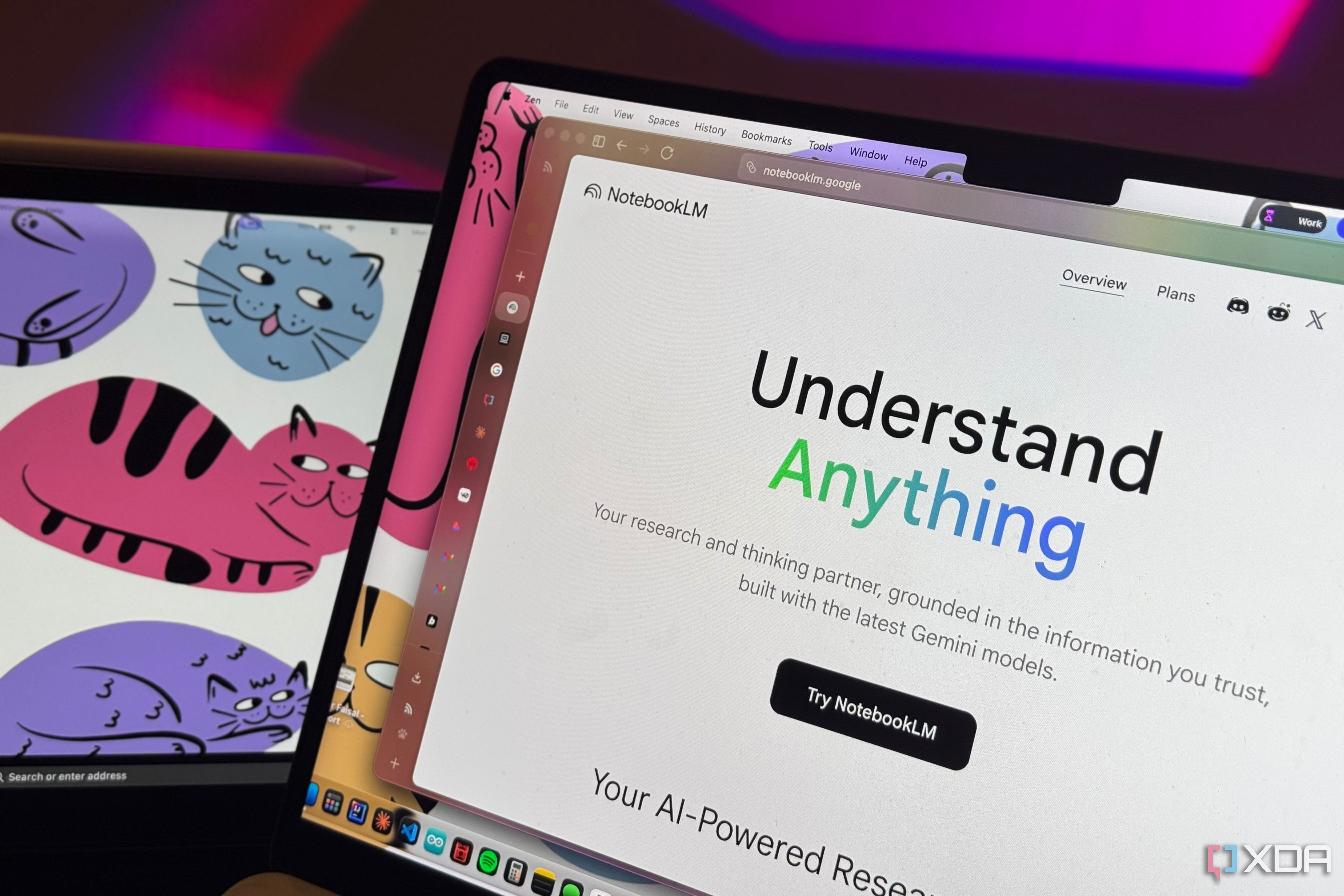
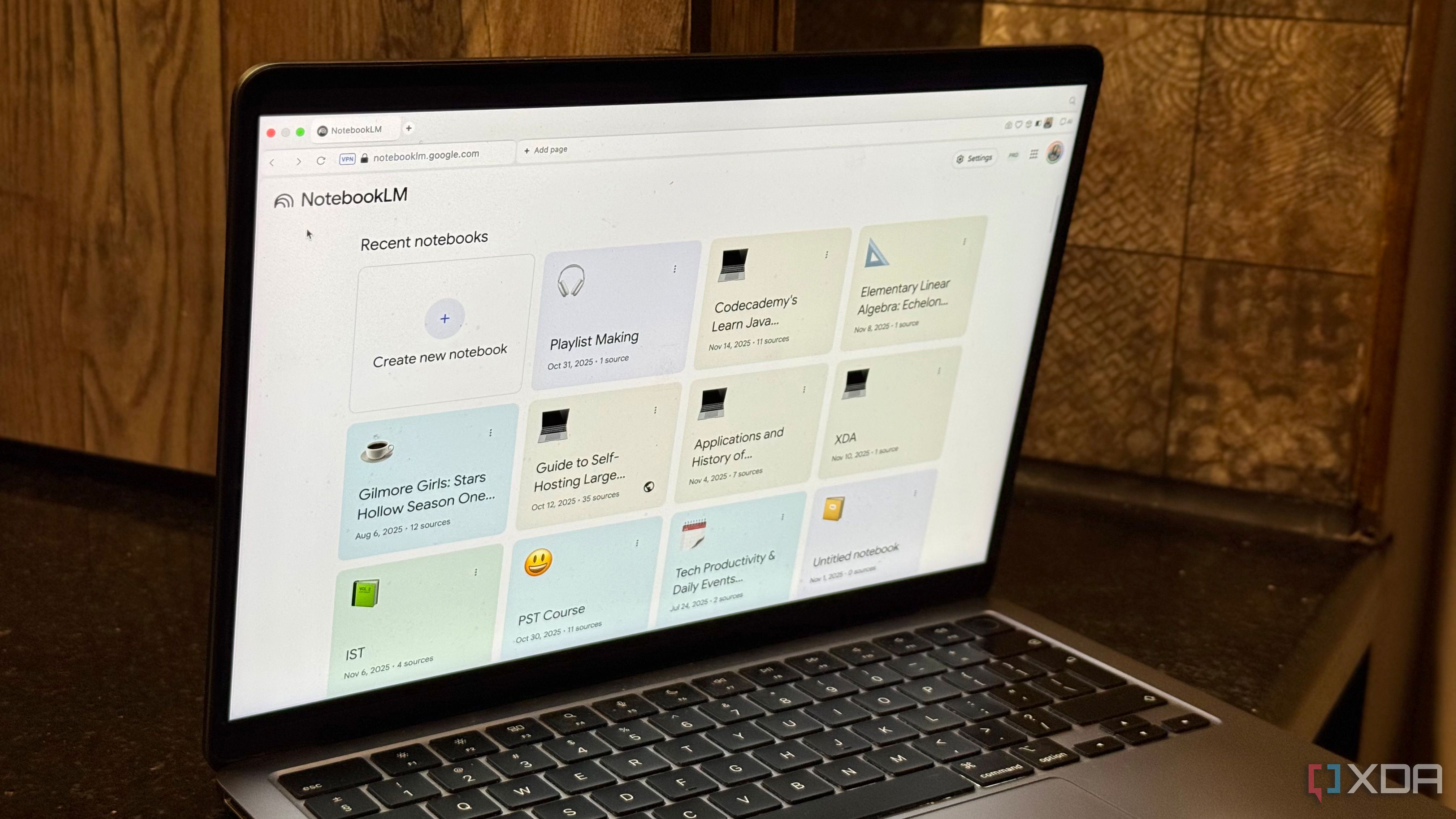
Thanks to its innovative approach to extracting information from notes, documents, PDFs, and online sources, NotebookLM has quickly become a crucial tool in my digital life. While many users stick to the surface, I've been diving deep to discover unique strategies that have transformed how I research, write, and even brainstorm. If you're ready to unlock the hidden depths of NotebookLM and truly maximize its capabilities, you are in the right place.
Change is something that's always terrified me. But of course, it's inevitable and there's no running from it. While what I said certainly applies more on a personal level, it maps surprisingly well onto how I use apps daily. Once I get comfortable with the way I use a tool, I have a bad habit of refusing to question whether my way is any good.
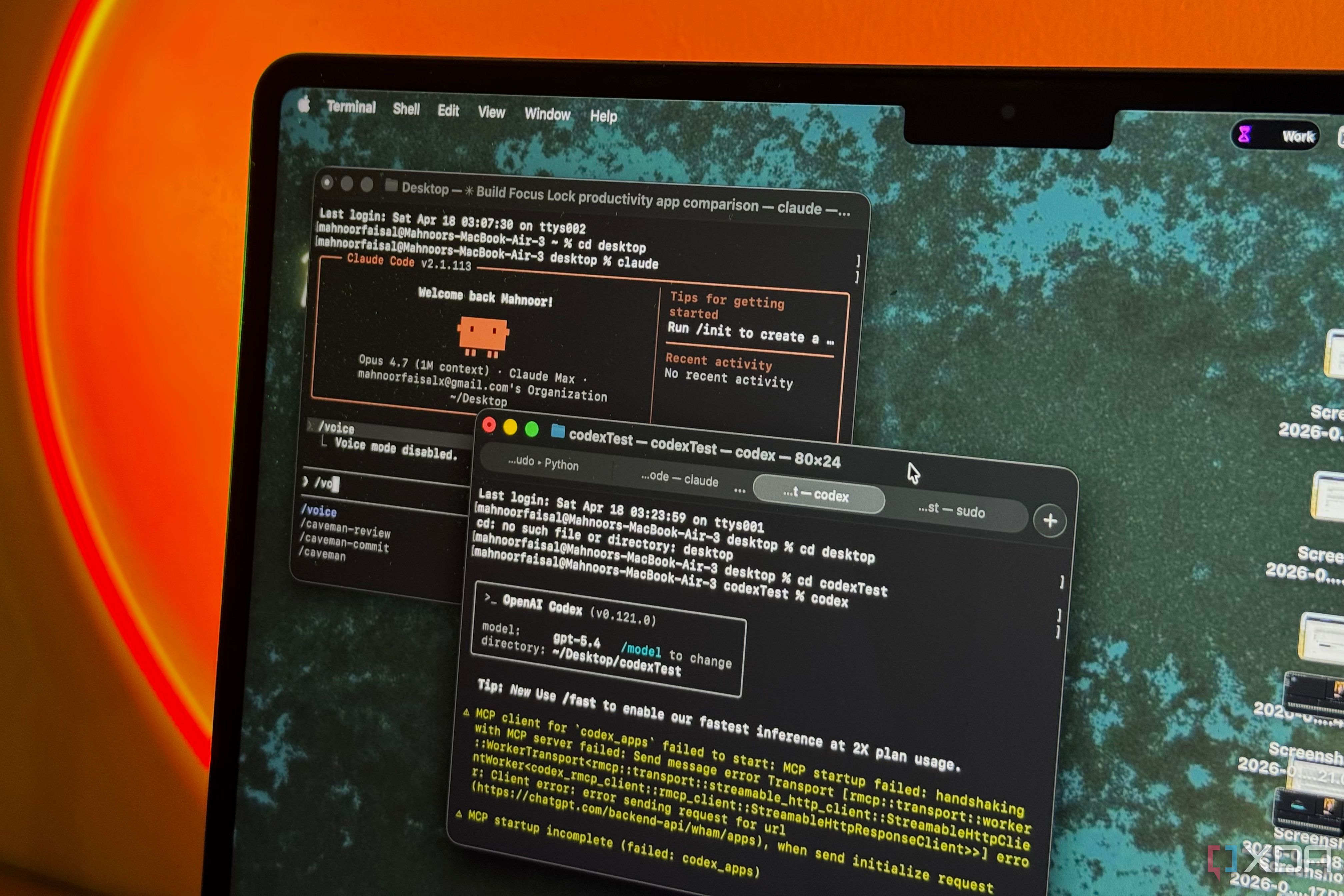
When you see Claude Code and Codex in the same sentence, there's a good chance the article you're reading or the video you're watching is about to pit them against each other. I'm not going to pretend I haven't done that before either. I've been using Claude Code for far longer than Codex, and I've written about my experience using both tools for the same tasks (and there've been times when Claude Code has beaten Codex, and times when it's gone the other way).
And I throw out my user manuals without second thought, now
Show full content
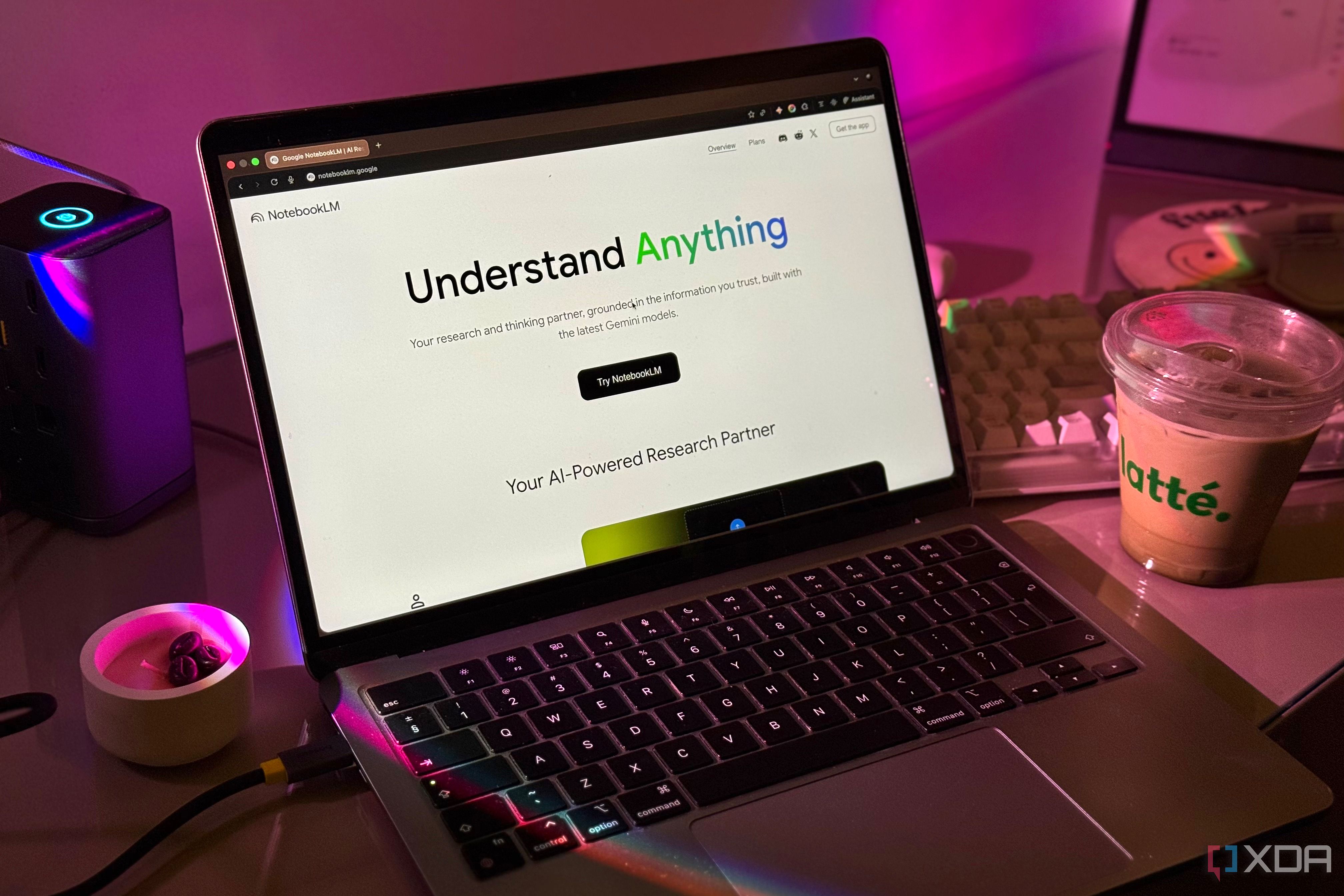
Anyone following along with the AI boom in the past couple of years has likely heard of and used Google's NotebookLM, an academically oriented research assistant grounded solely in the sources you define. It's a brilliant use of Gemini's big data handling capabilities at an individual level, especially paired with tools like Audio Overviews, Interactive Mode, and Flashcard generation.
You'll occasionally meet someone who doesn't use Spotify or Netflix (or their equivalents). Perhaps they prefer going old-school and using cable TV and DVDs, or they just don't have the time to sit through another TV show. Fair enough. But try finding someone in 2026 who doesn't use any AI tools. Note the word I used in the sentence before was use, not pay for. Unlike Netflix and Amazon Prime, which require a subscription to even access it, almost everyone is using AI in some form or the other. It's baked into your search engine, the apps you rely on daily, your photo gallery, and so on.
AI & Machine LearningClaudeai Artificial Intelligence
It's worth even more in the hands of a designer
Show full content
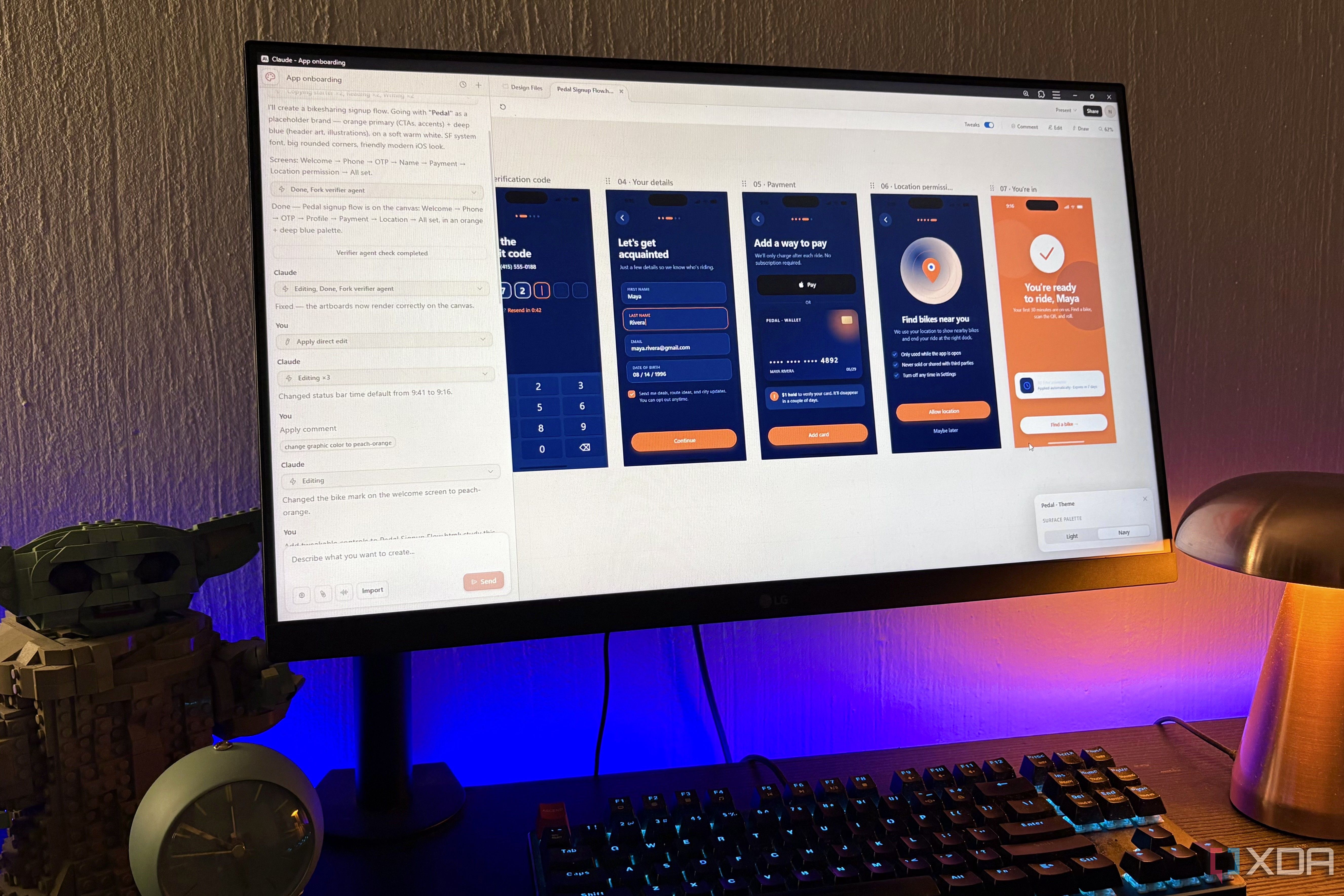
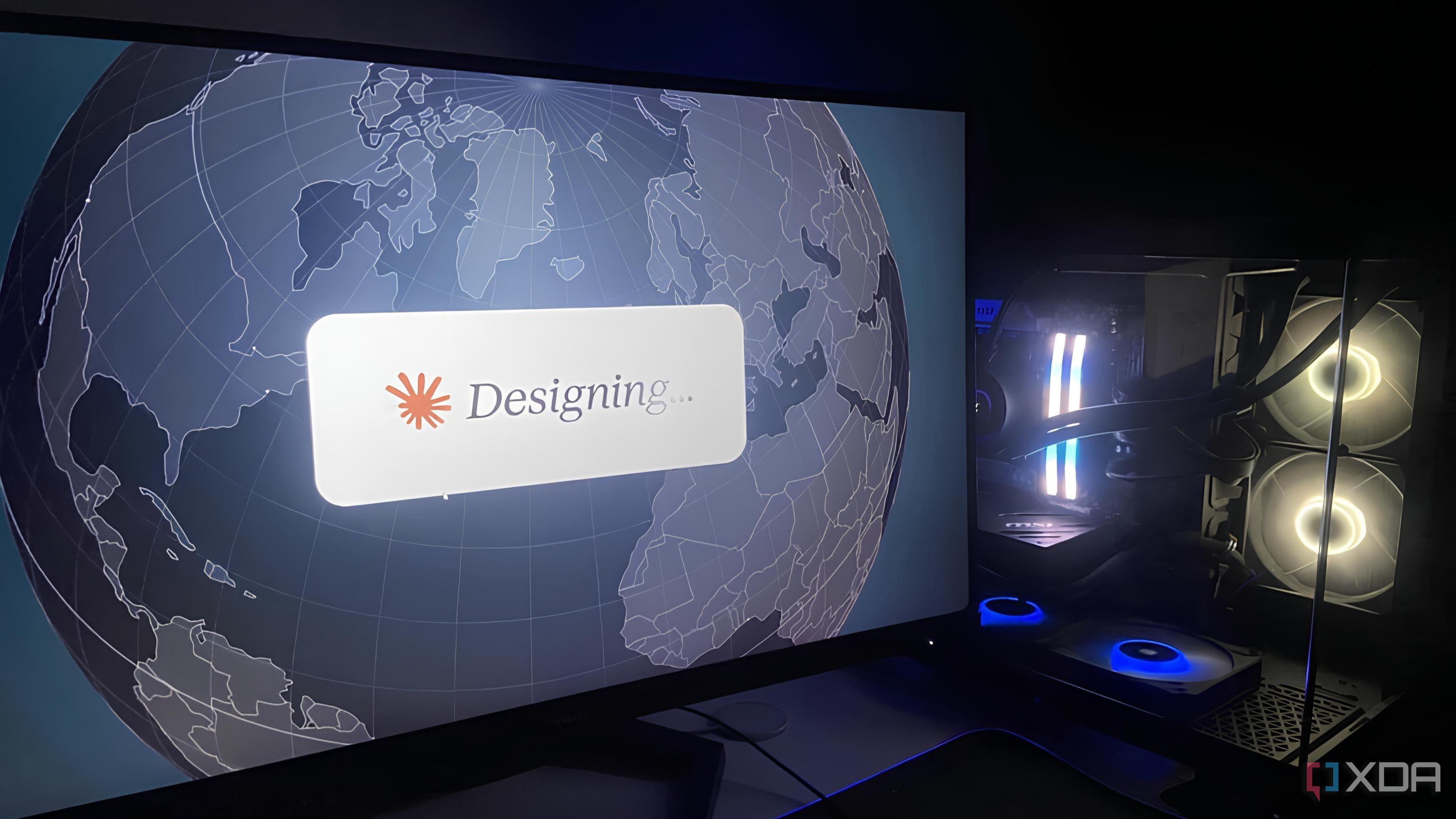
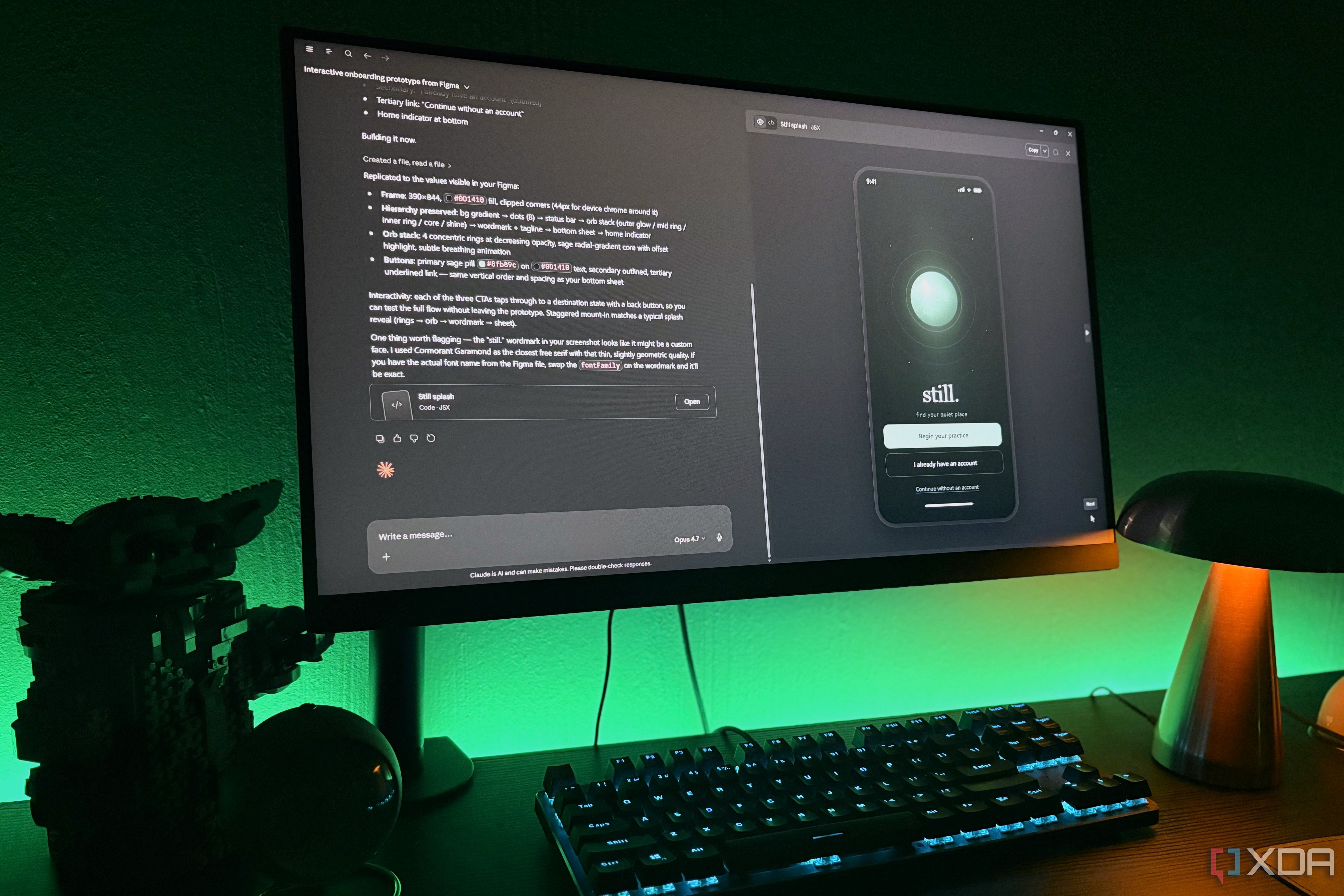
Claude Design has been out for a month now, and after finally getting my hands on it, I have no doubt that it has the potential to change the visual design environment, or at the very least, make design far simpler than it is now. Powered by Anthropic's most capable vision and reasoning model to date, the Opus 4.7, the feature is currently available in research preview for all Claude Pro, Max, Team, and Enterprise users.
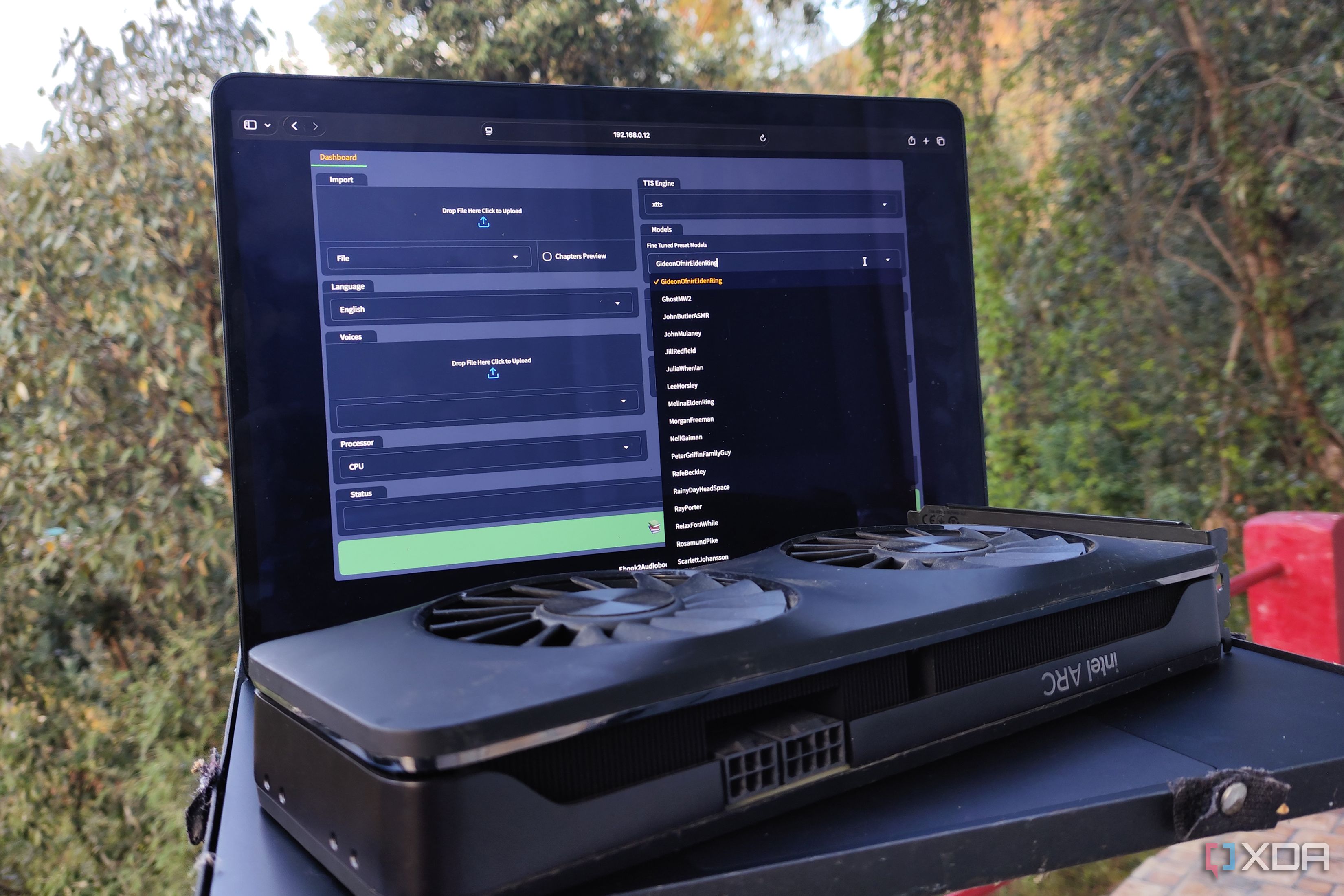
The idea of local LLMs is fascinating. You can run an AI model on your laptop or your own server and get effectively unlimited access without worrying about usage limits, but that idea starts to break down once you actually try using one.
Like many of us these days, I often have Claude Code running on some task or another while I'm doing other things. It's not quite my whole workflow (yet), but I'm enjoying seeing what it can do and vibe coding a few little bits and pieces that I haven't found another program to do. Claude Design is my fav new thing, because my design skills are non-existent, even if I can describe what I want fairly well.
When Anthropic dropped Claude Code, the tech world collectively lost its mind. Developers rushed to the terminal and treated the new command-line agent like the second coming of productivity. But as a tech writer who tests these platforms daily, I will let you in on a secret: I didn’t keep my $20 Pro subscription active for the developer hype.
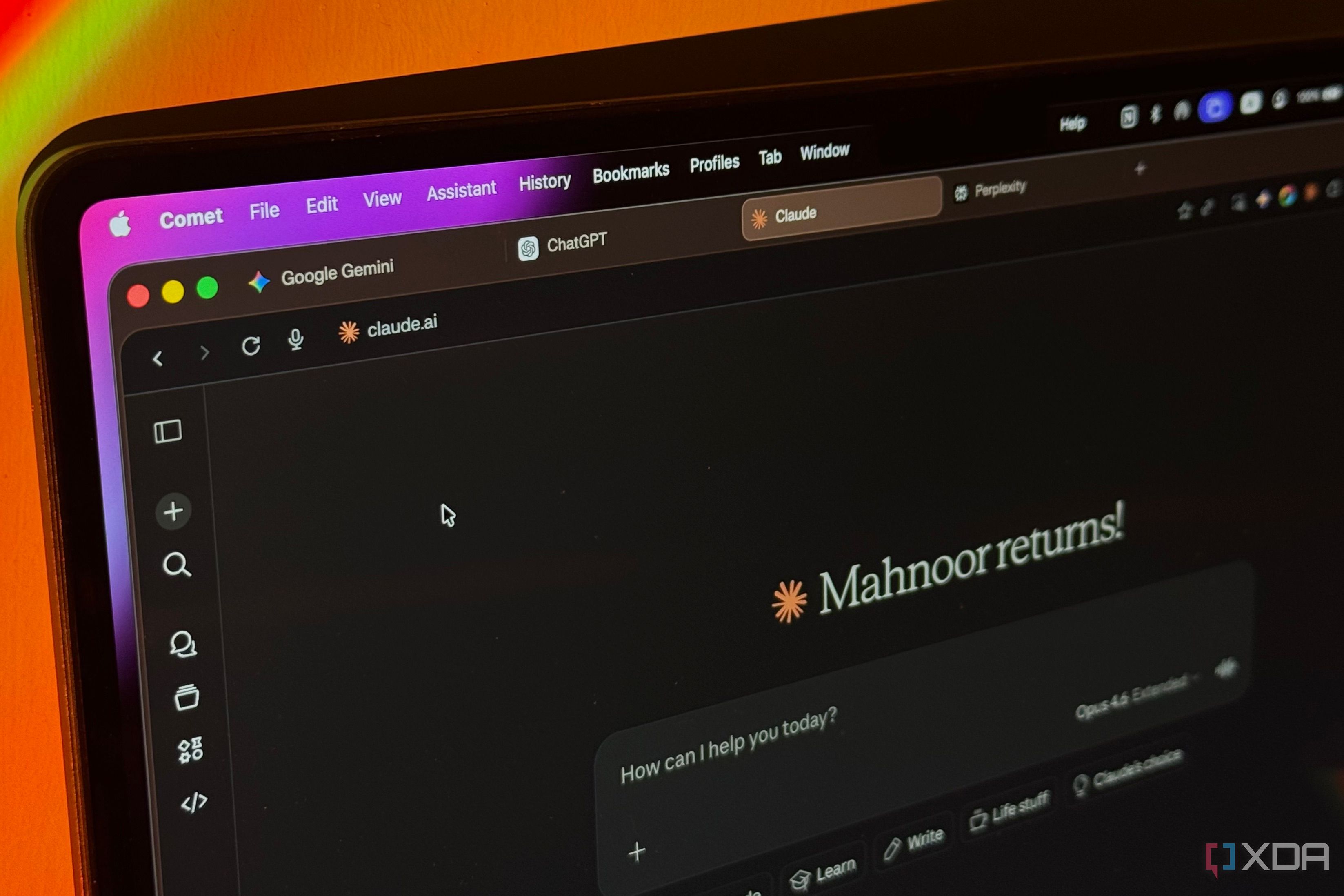
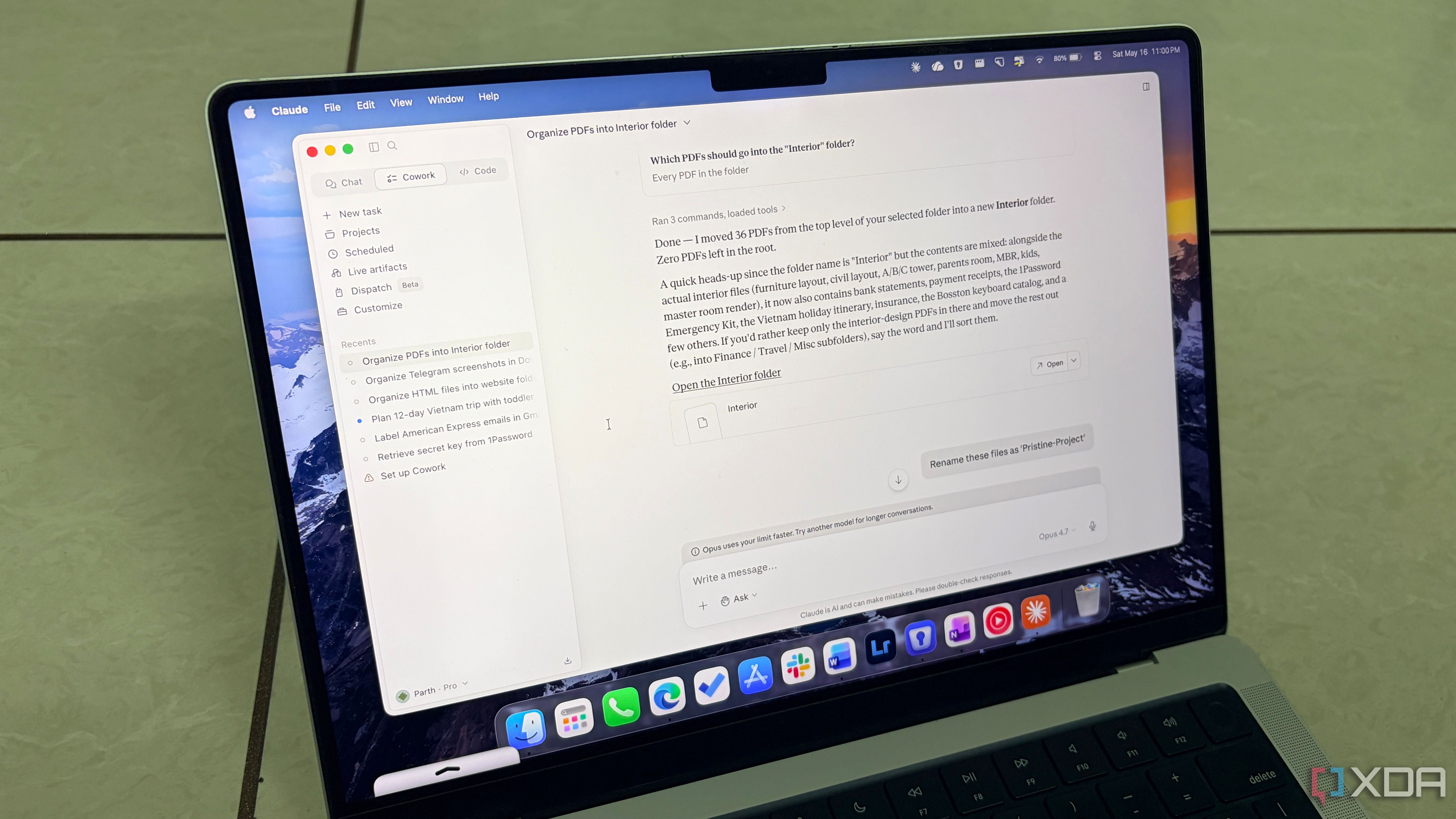
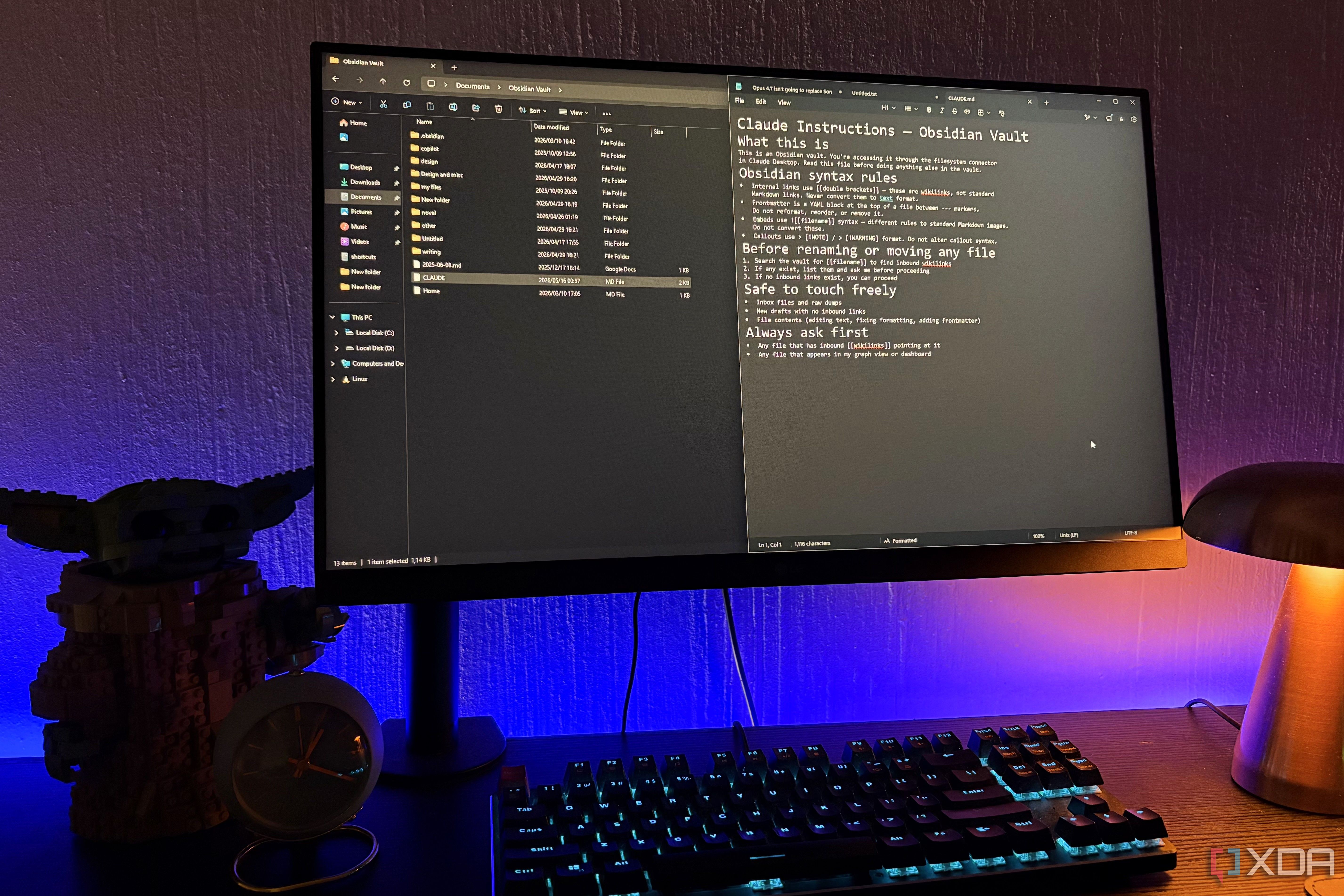
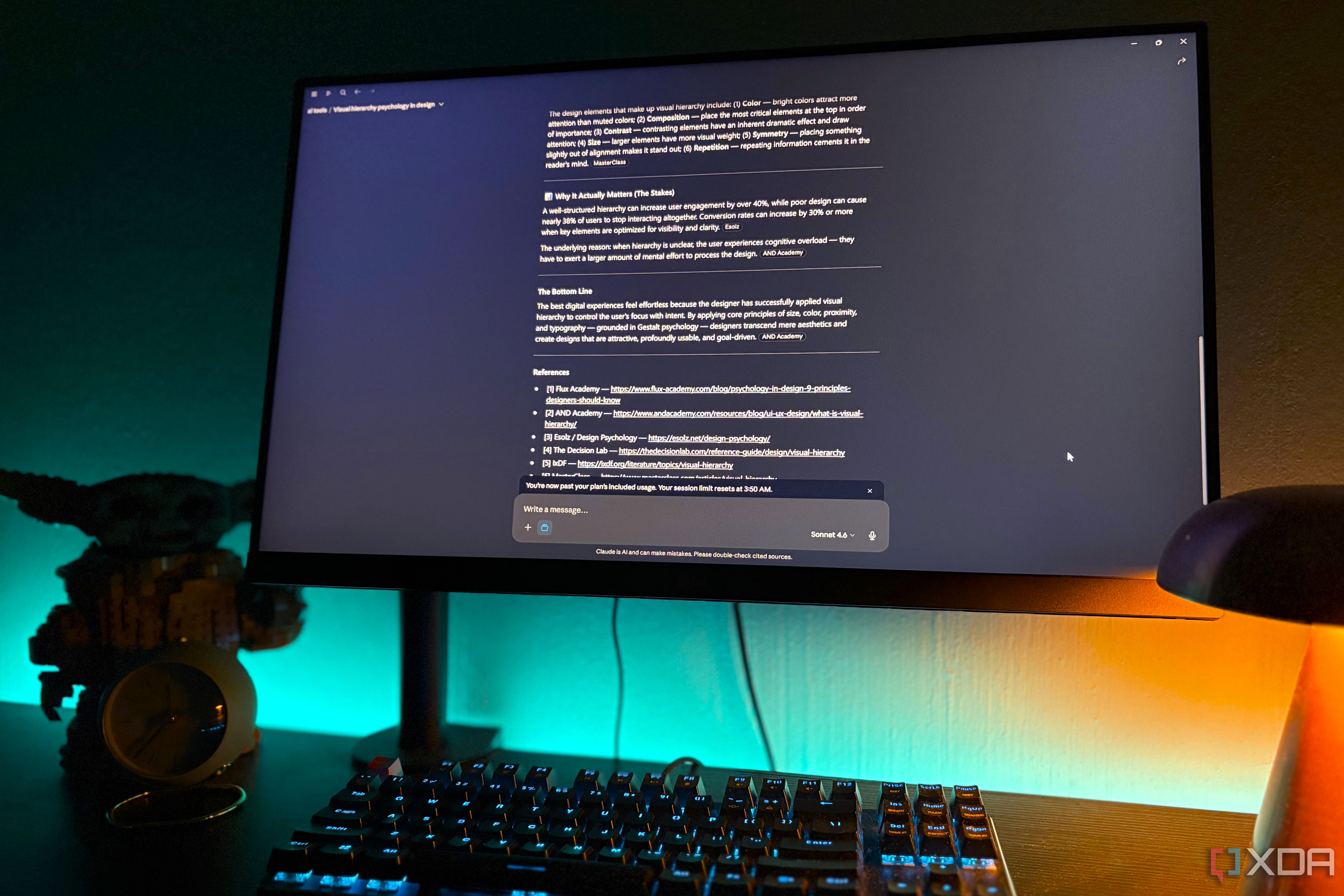
Claude has been open on my screen pretty much all day for a while now. I've got it hooked up to Figma, Canva, and Affinity, I use it for research and design, and a few weeks ago I connected it to my Obsidian vault through the filesystem connector - which turned out to be way simpler than I'd assumed. No MCP setup needed, just point it at the vault folder path. Claude could now browse my notes, sort files into folders, and clean things up on request, all from within the chat space.
Since it runs locally, I don't have to spend a dime on expensive cloud platforms
Show full content
I recently started integrating local LLMs with my arsenal of free and open-source tools, and they’ve been a game-changer for my productivity needs. Whether it’s generating precise OCR scans or helping me rewrite long snippets of code in the right indentation, self-hosted models are surprisingly capable at automating everyday tasks. What’s more, the FOSS ecosystem has tons of obscure AI tools that are productivity powerhouses – provided you use them for the right tasks.
I didn't realize I was using certain apps all wrong until Claude showed me that they could do a lot more.
Show full content
Connecting Claude to my apps sounded like a lot of work with not much payoff. I’d been using Spotify, Google Calendar, and Google Drive for years without much thought. They got the job done, and that’s what mattered to me. Then I finally connected them to Claude through its MCP-powered Connectors and realized I’d been using them in the most basic way possible. I was building playlists by hand, moving my calendar events one at a time, and going through my Google Drive files until I gave up. It was only after I connected them to Claude that I realized how much I’d been doing by hand when I didn’t need to.
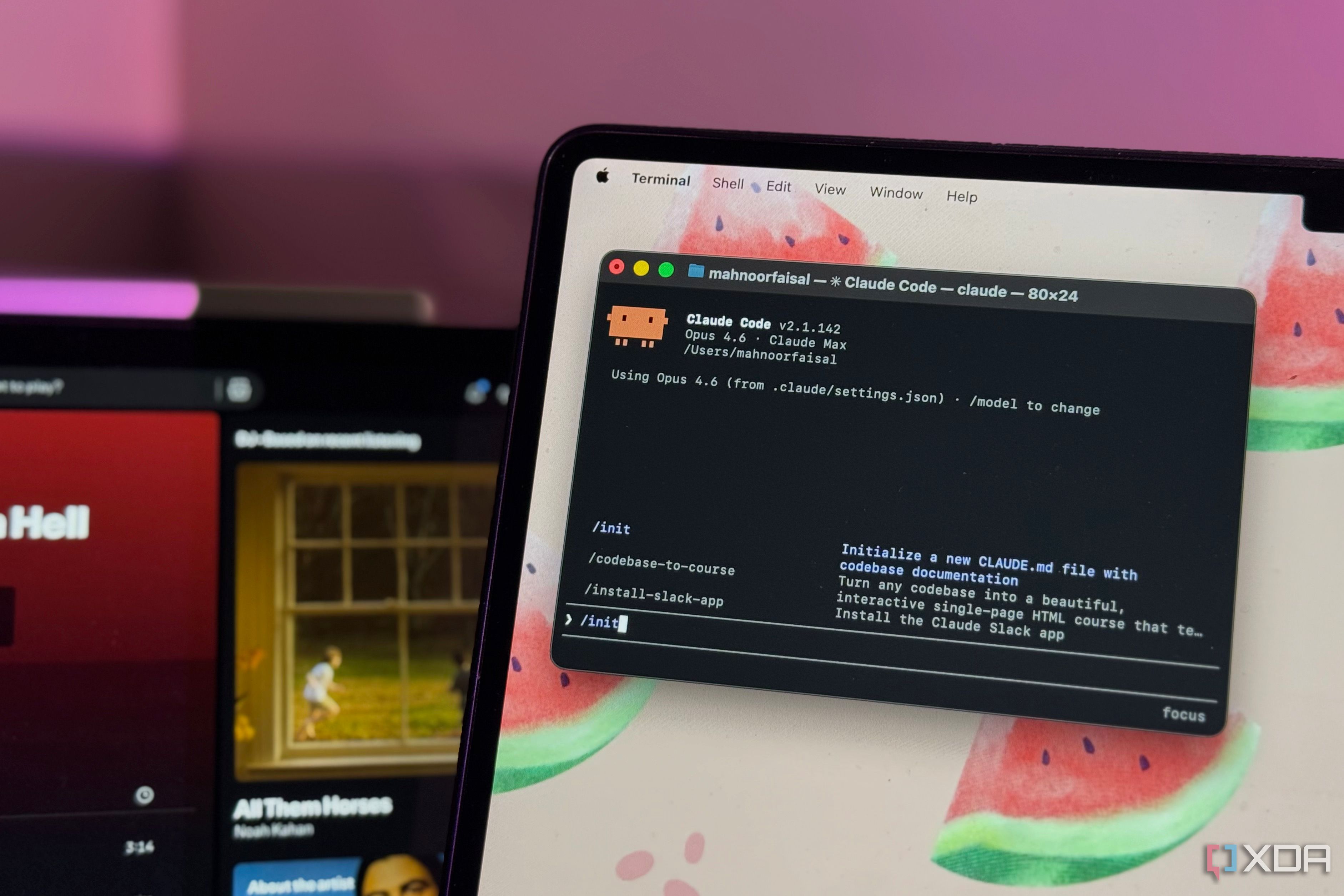
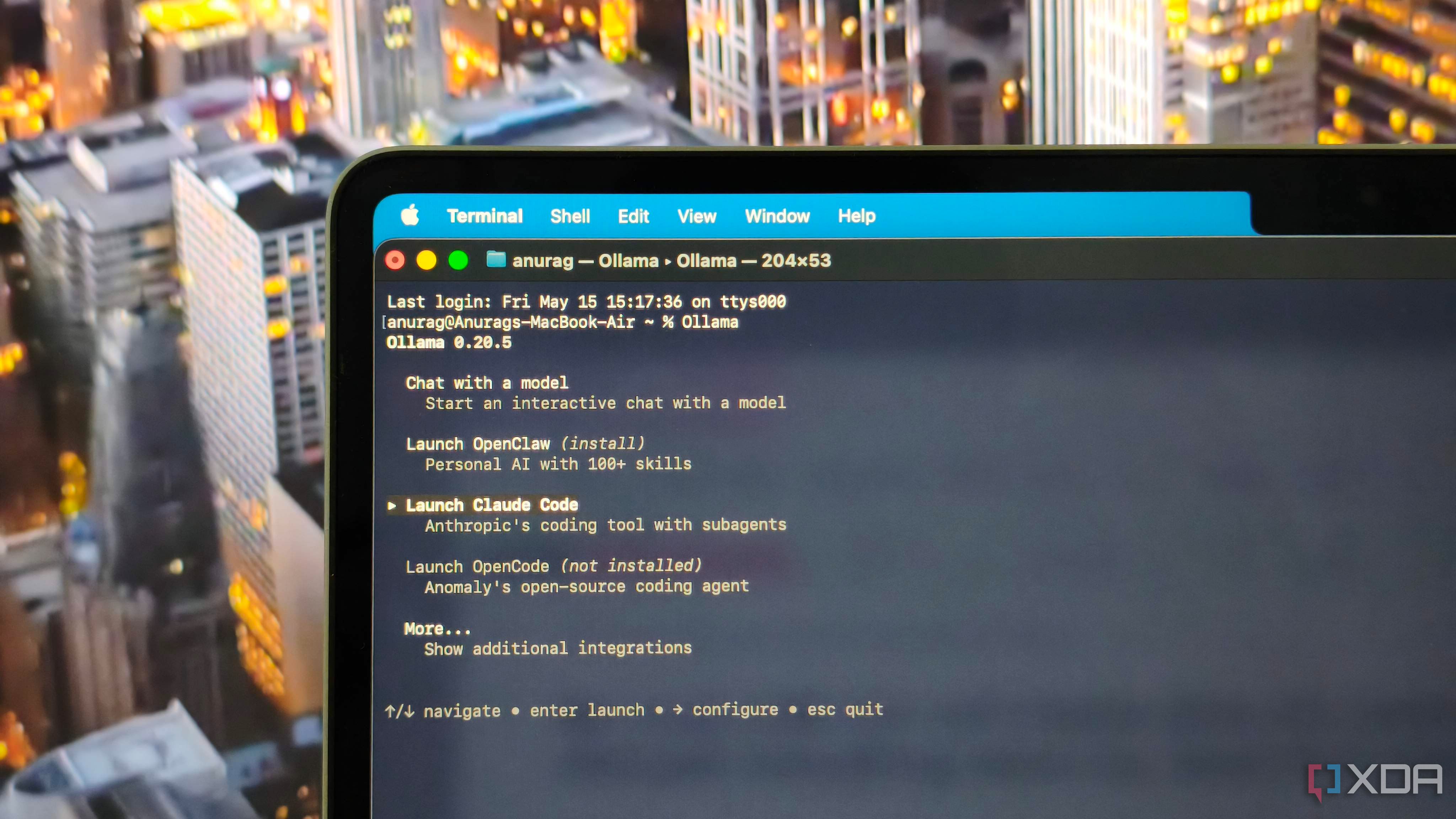
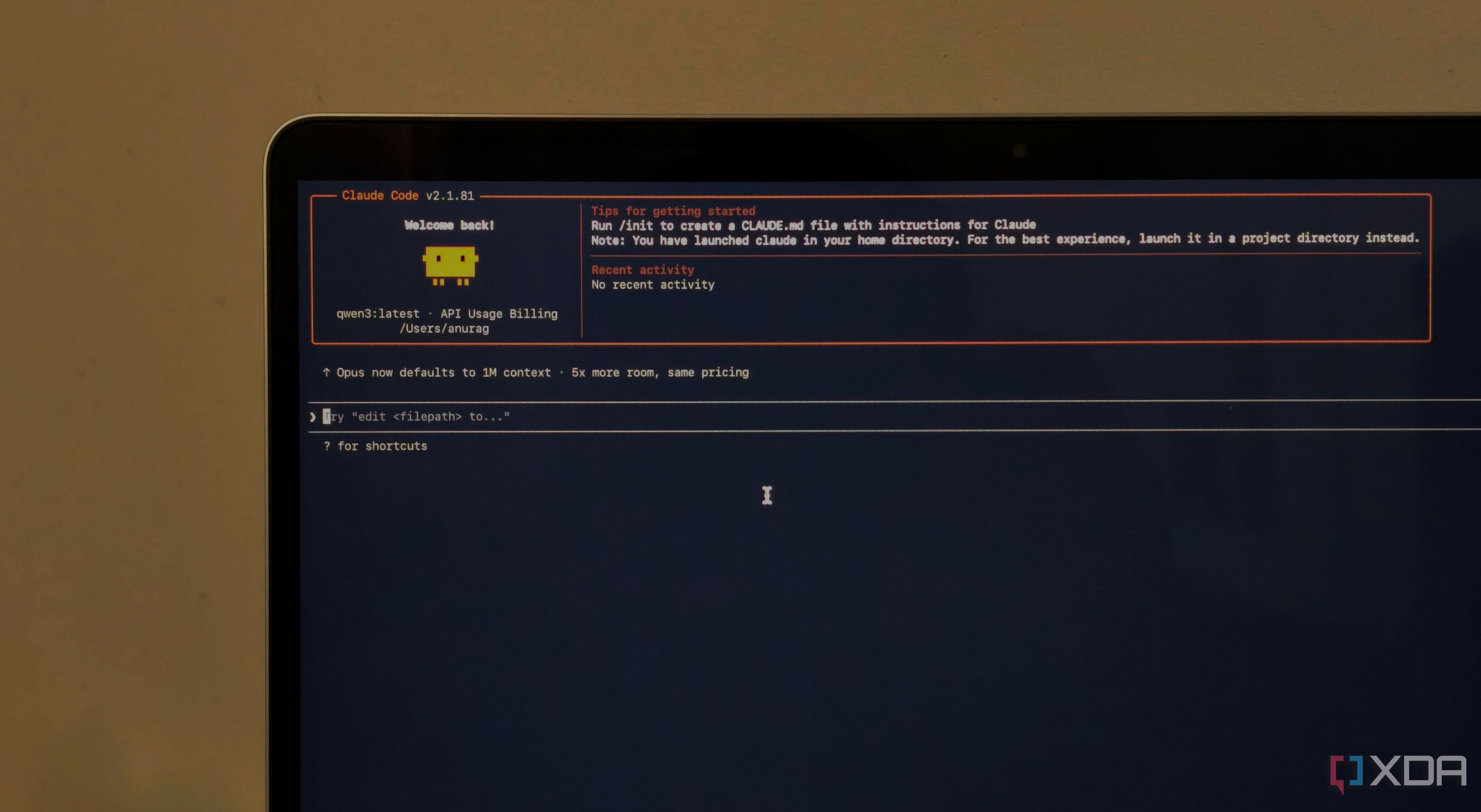
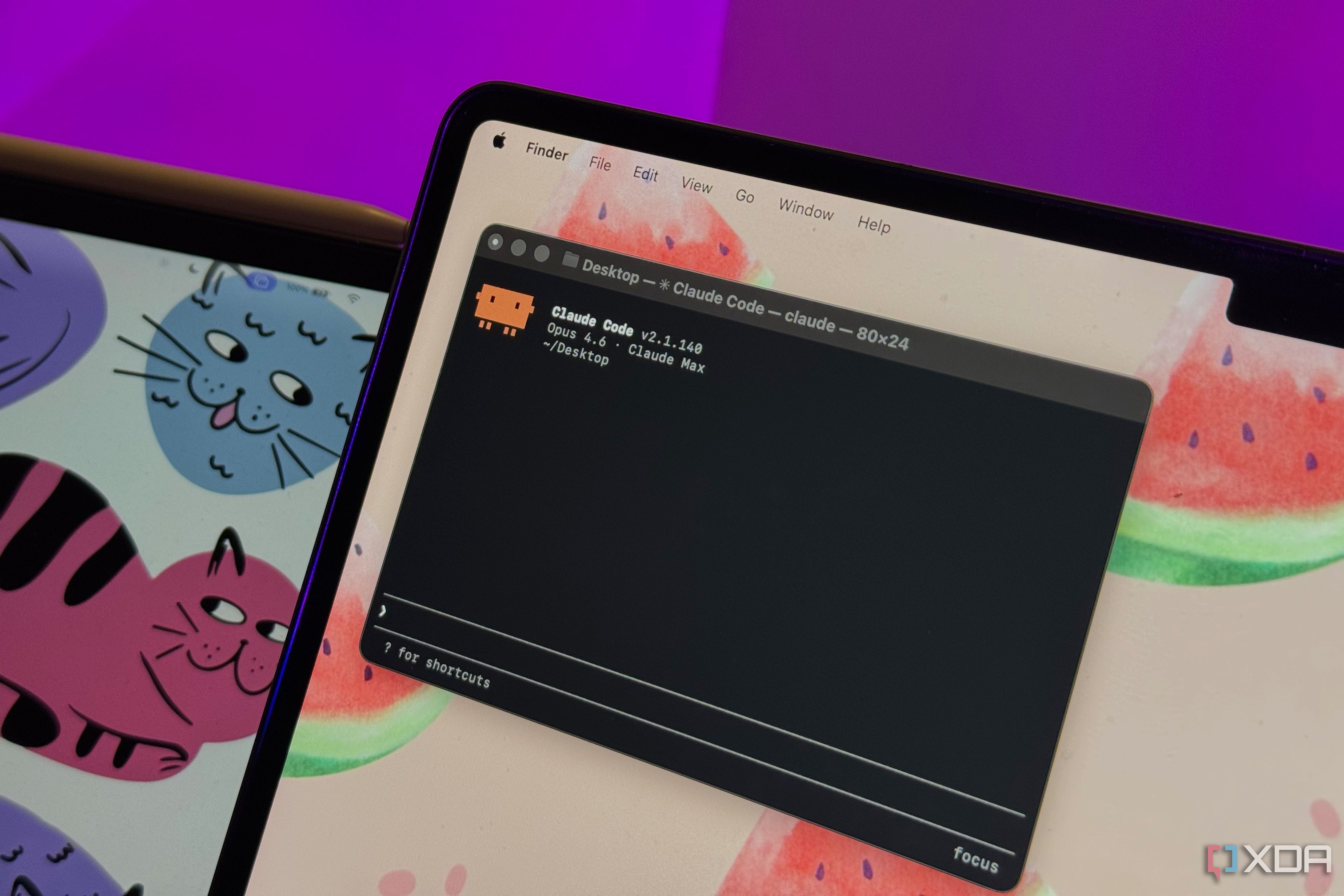
Claude Code is a fantastic tool that lets you do a lot more than just code. It can help you automate things, sort out the mess on your desktop, and if you hand it your dotfiles, it can even rewrite your shell. When I gave Claude Code access to my dotfiles, it tore through my shell setup, and within minutes, my terminal looked different, behaved differently, and in a lot of ways, worked better than the setup I had slowly stitched together over time.
Claude has reached the point where most people at least know what it is, even if they've never touched it. And for a lot of us, that means using it without ever going near a terminal. That's been me, I've yet to use Claude Code and just use Claude Chat the way most people use chatbots for regular tasks. And as such, Sonnet 4.6 has been my daily driver.
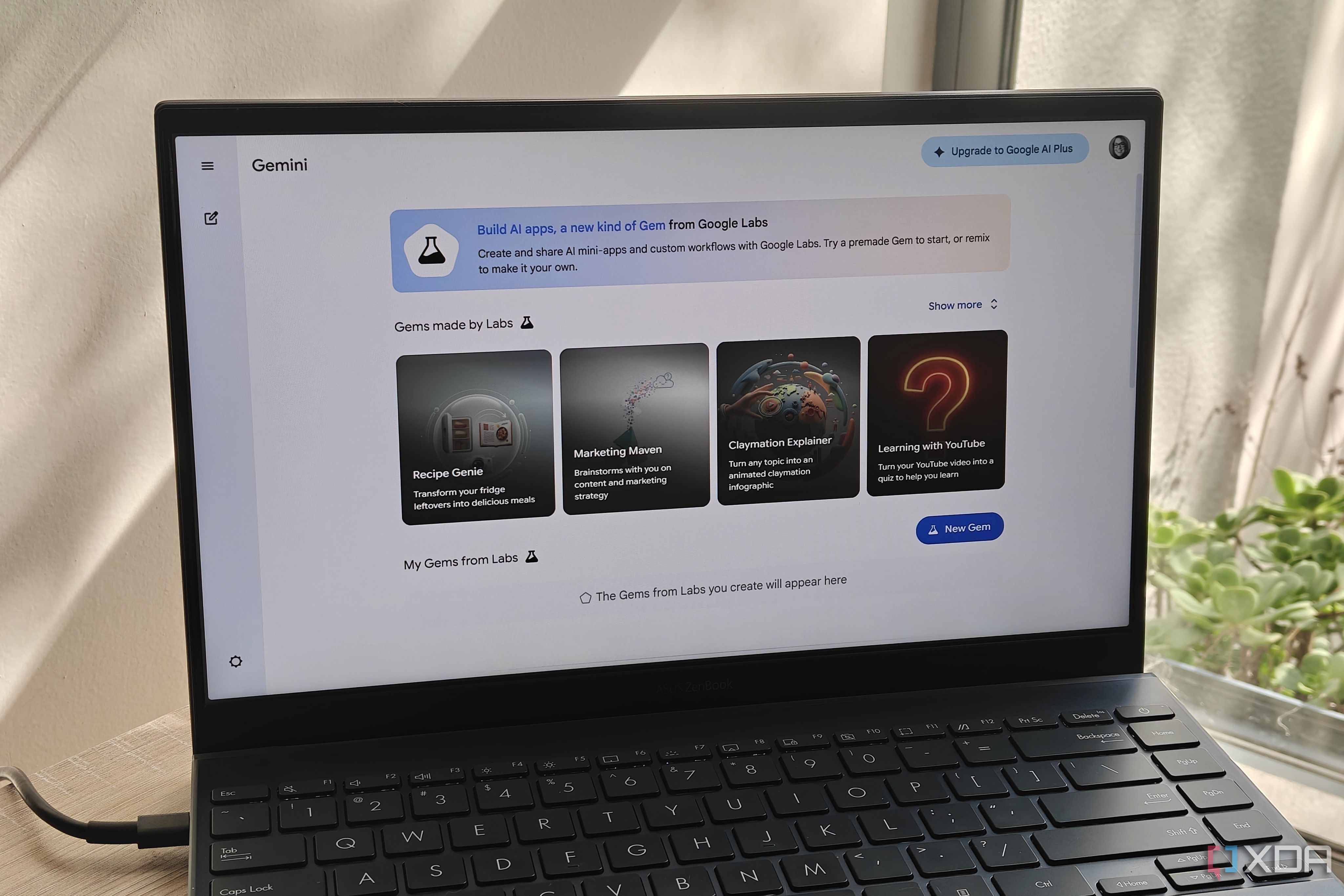
For a long time, I dismissed Gemini Gems as just another AI feature that I didn't need. But when tinkering with some projects, I actually discovered how useful the feature can be. I moved from ignoring it as just more bloat to treating it as an AI toolI could use for both productivity and entertainment.
Hopefully it won't judge you for your Claude subscription.
Show full content
According to OpenAI, 200 million people visit ChatGPT with money-related issues every month. People want to learn how to save, earn more, and manage their investments, and when the human world fails to deliver what they're looking for, they turn to AI. However, for an AI to have a good idea of someone's financial situation, it needs details about their accounts to better render judgment.
This is why I renewed my subscription for only one of them
Show full content
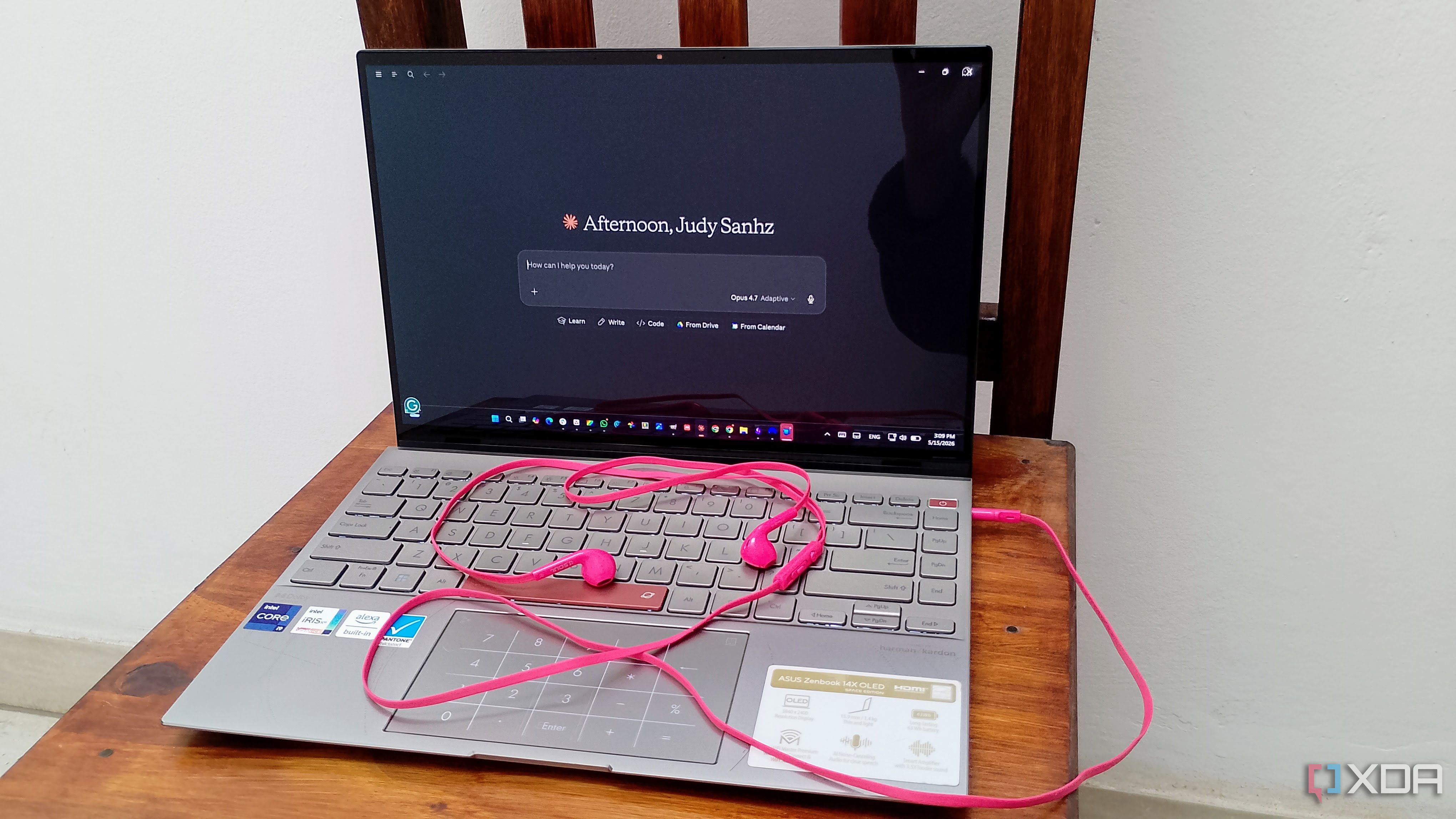
I gave up my Perplexity subscription after a month yet my Claude subscription is going on its third month now. That probably says something about where I actually get value. Claude is genuinely the most AI tool I've had in my rotation - it handles my design coursework, Cowork helps me manage files and tasks on my PC, and recently I've been using Claude Design that lets me prototype and visualize ideas.
Claude Code got 95% of the work done perfectly, but that last 5% harmed everything.
Show full content
I've really been getting into interactive fiction lately. I think with all the D&D tabletop and video games I've been playing, plus excellent Steam titles like Sorcery! and Slay the Princess, I've been in the mood for a book you can play. And what better way to revisit this classic genre than to make a text-based adventure game?
The use cases for large language models are growing exponentially by the day, and new image and video generation capabilities from OpenAI, Anthropic, and Google have accelerated that considerably. The frontier models on offer do far more than just writing, and are now instead active participants in a wide variety of creative and technical workflows that required significant user effort and prerequisite expertise previously.
AI & Machine LearningGoogle AntigravityVisual Studio Code
Google has stepped up its IDE game.
Show full content
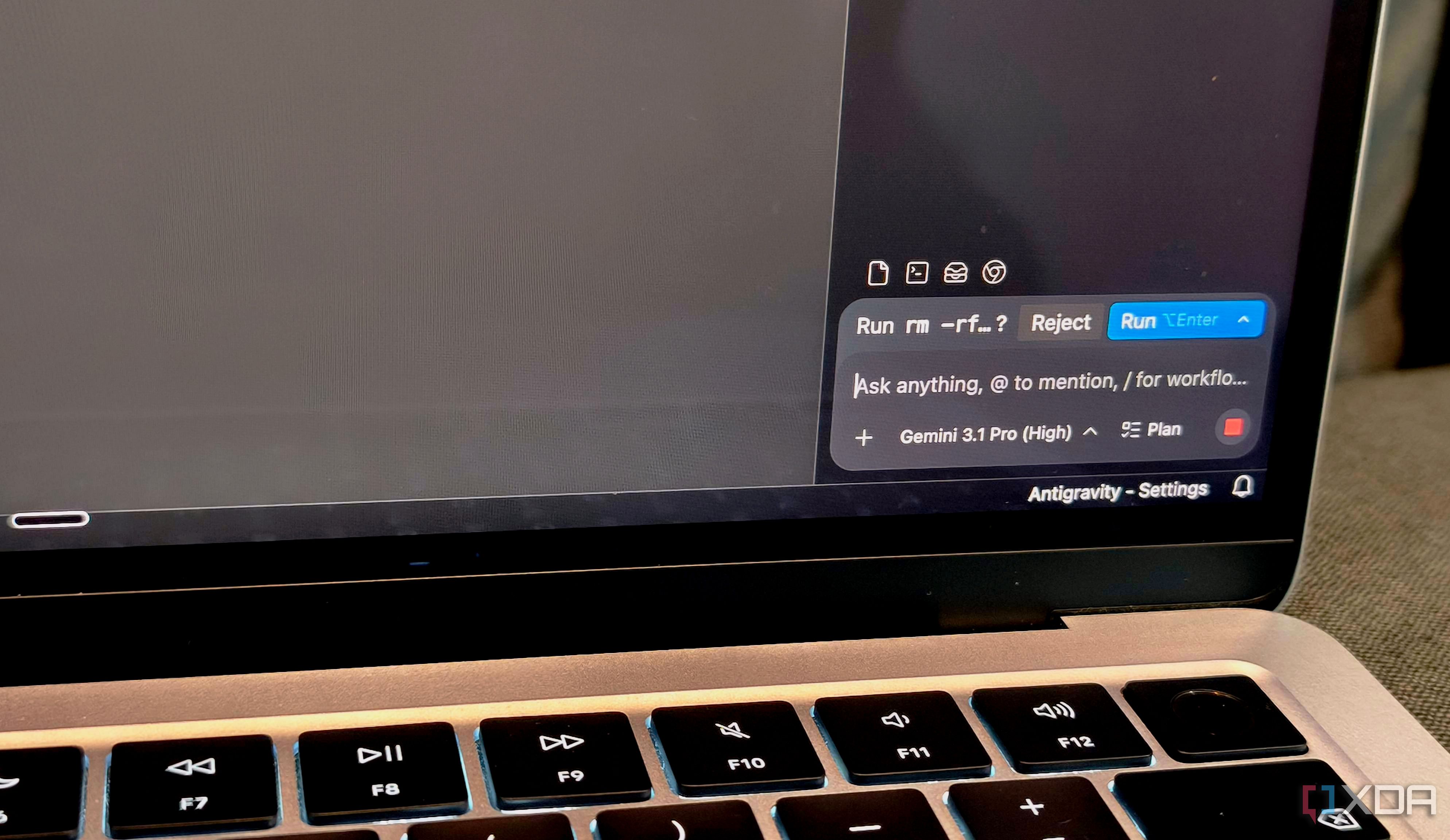
Antigravity is Google’s IDE built on the same open-source project as VS Code. It’s essentially everything VS Code is, just without the extension ecosystem. Google describes Antigravity as an advanced, AI-powered integrated development environment designed for the “agent-first” era of software development.
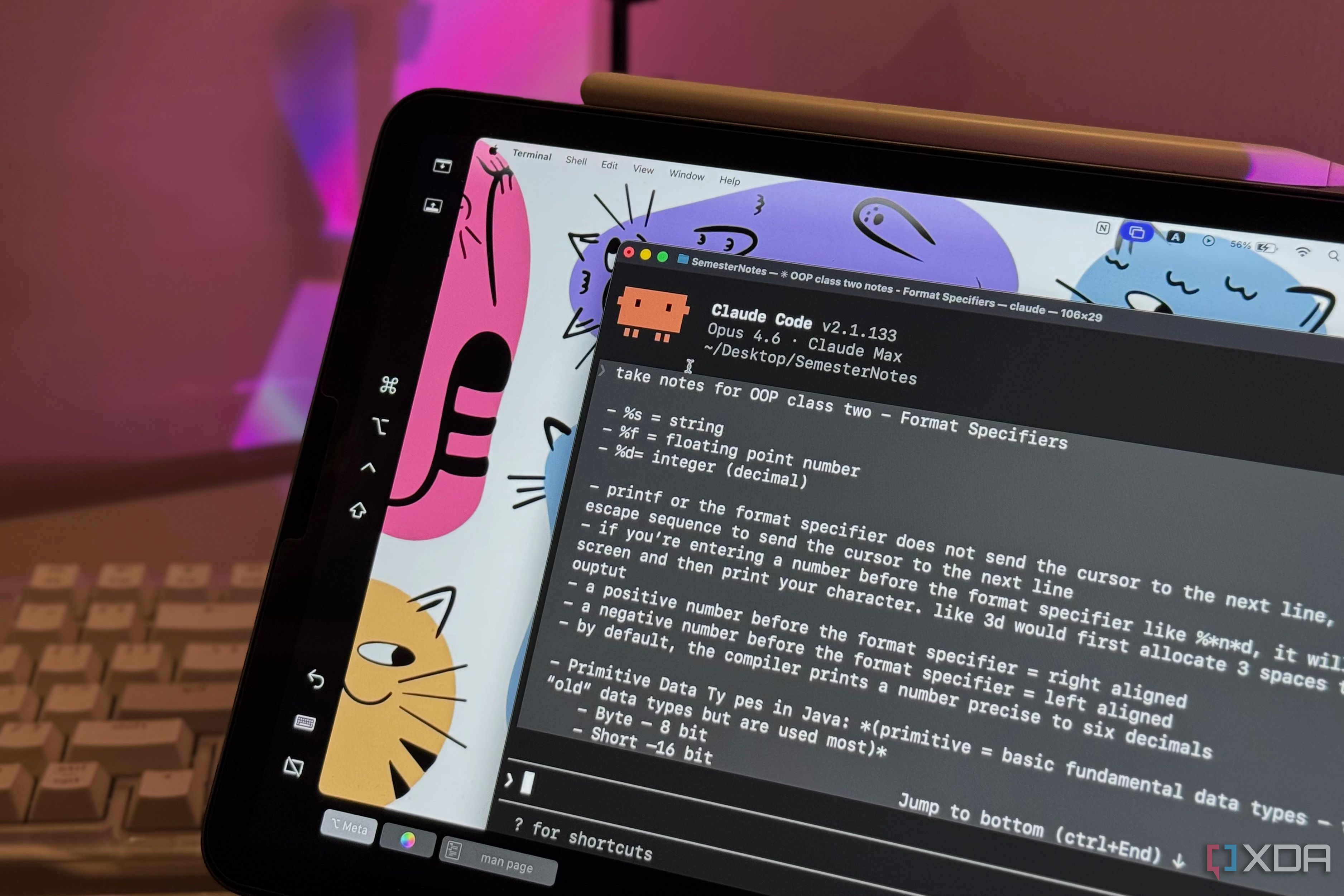
With how many AI tools there are now, it isn't very easy to impress me. But if a tool has impressed me enough to open my terminal every day (something I once used to be terrified of), you know it's something worth talking about. Despite not being a developer professionally, Claude Code is a tool that falls into that category exactly. I know I'm not the only one. Claude Code's been all over, and it's for good reason.
Love research or hate it, you certainly don't enjoy the moment you realize you've spent three hours organizing your notes and haven't actually thought about anything yet. Unfortunately, this happens far too often.