Show full content
AI benchmarks are great on paper, but they rarely tell the full story of what happens when a model meets a messy, real-world workflow. Frustrated by generic performance charts, I decided to stage a proper multi-model showdown.
Part of xda-developers.com
The world’s best source for computing news, reviews, editorials guides, and more.
AI benchmarks are great on paper, but they rarely tell the full story of what happens when a model meets a messy, real-world workflow. Frustrated by generic performance charts, I decided to stage a proper multi-model showdown.
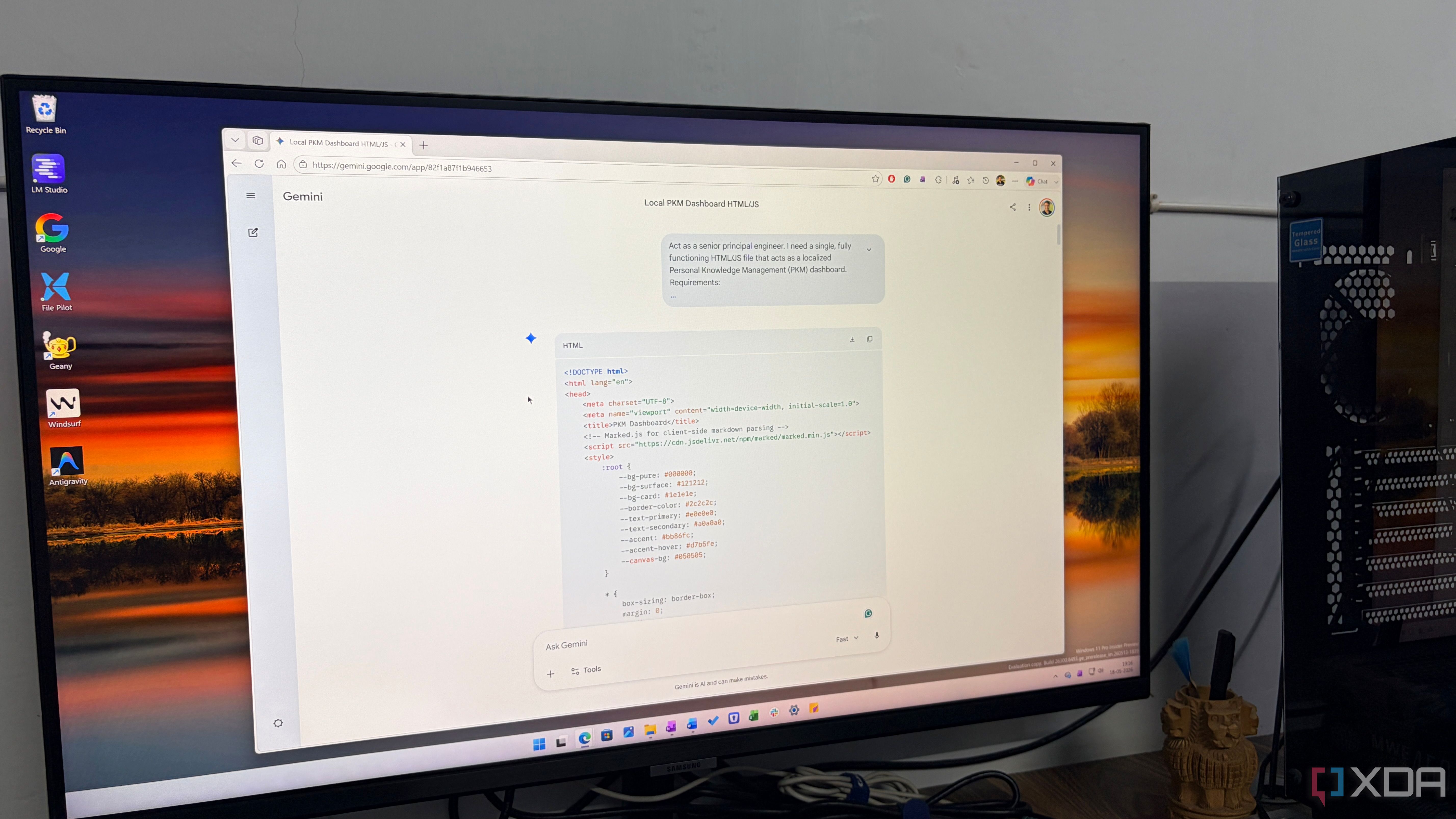
AI benchmarks are great on paper, but they rarely tell the full story of what happens when a model meets a messy, real-world workflow. Frustrated by generic performance charts, I decided to stage a proper multi-model showdown.
For multi-room home audio, I’ve had my eyes on Sonos for a while. Though expensive, the reviews said that it just works. When the Sonos app redesign removed features that many had been using for years, I paused my plans. Then, I learned about quiet cloud dependency. That makes you realize that you don’t really own anything, even after paying for it.
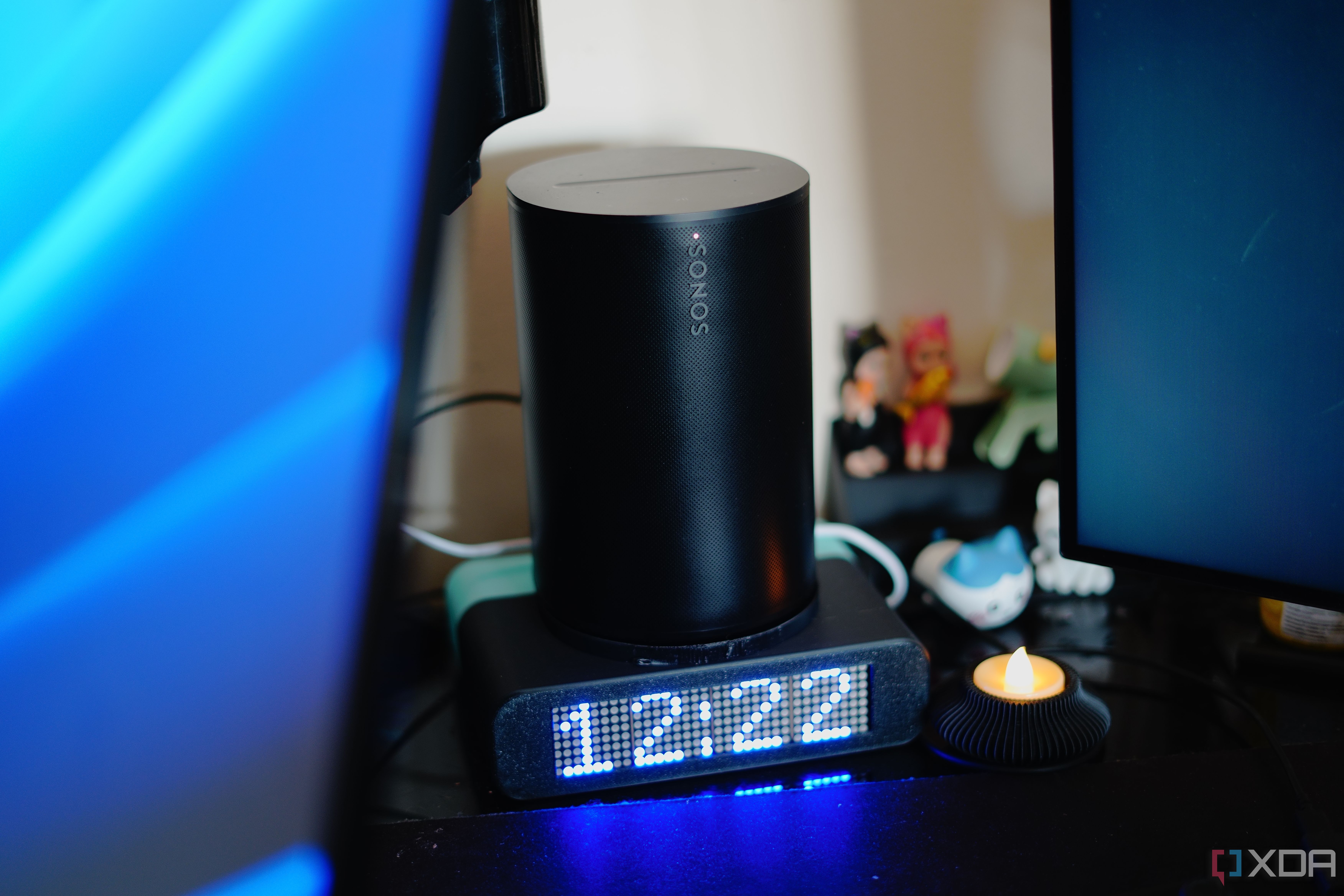
For multi-room home audio, I’ve had my eyes on Sonos for a while. Though expensive, the reviews said that it just works. When the Sonos app redesign removed features that many had been using for years, I paused my plans. Then, I learned about quiet cloud dependency. That makes you realize that you don’t really own anything, even after paying for it.
For multi-room home audio, I’ve had my eyes on Sonos for a while. Though expensive, the reviews said that it just works. When the Sonos app redesign removed features that many had been using for years, I paused my plans. Then, I learned about quiet cloud dependency. That makes you realize that you don’t really own anything, even after paying for it.
Vibe-coding tools have been having a moment, and honestly the appeal makes a lot of sense. As a novice designer who's actually studying design right now, I've been pulled toward them the same way everyone else has - there's something genuinely interesting about watching a natural language prompt turn into a working interface. And the demographic is broad. Developers use these tools, people who've never touched a terminal use these tools, and somewhere in the middle is me, dragging design briefs into the chat to see what comes out.
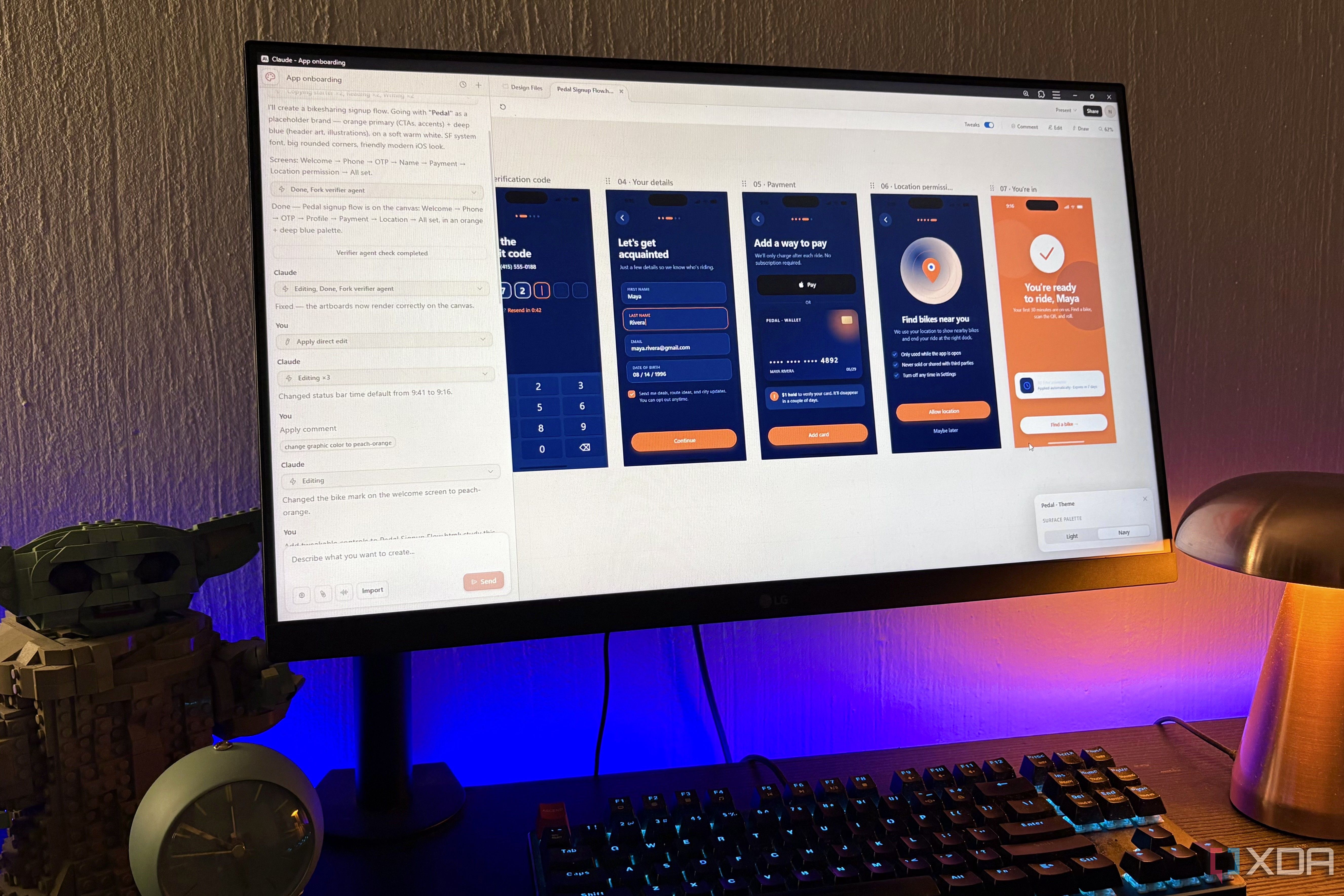
Vibe-coding tools have been having a moment, and honestly the appeal makes a lot of sense. As a novice designer who's actually studying design right now, I've been pulled toward them the same way everyone else has - there's something genuinely interesting about watching a natural language prompt turn into a working interface. And the demographic is broad. Developers use these tools, people who've never touched a terminal use these tools, and somewhere in the middle is me, dragging design briefs into the chat to see what comes out.
Vibe-coding tools have been having a moment, and honestly the appeal makes a lot of sense. As a novice designer who's actually studying design right now, I've been pulled toward them the same way everyone else has - there's something genuinely interesting about watching a natural language prompt turn into a working interface. And the demographic is broad. Developers use these tools, people who've never touched a terminal use these tools, and somewhere in the middle is me, dragging design briefs into the chat to see what comes out.
Vibe-coding tools have been having a moment, and honestly the appeal makes a lot of sense. As a novice designer who's actually studying design right now, I've been pulled toward them the same way everyone else has - there's something genuinely interesting about watching a natural language prompt turn into a working interface. And the demographic is broad. Developers use these tools, people who've never touched a terminal use these tools, and somewhere in the middle is me, dragging design briefs into the chat to see what comes out.
When you look at a market, you gauge whether it is healthy or not based on two things: the choice that exists for consumers, and the value that's offered to them. To an extent, it's also defined by meaningful differentiation between competitors, with healthy pricing emerging as a natural consequence of competition rather than tacit alignment between the major players in it. When these criteria are met, the consumer benefits.
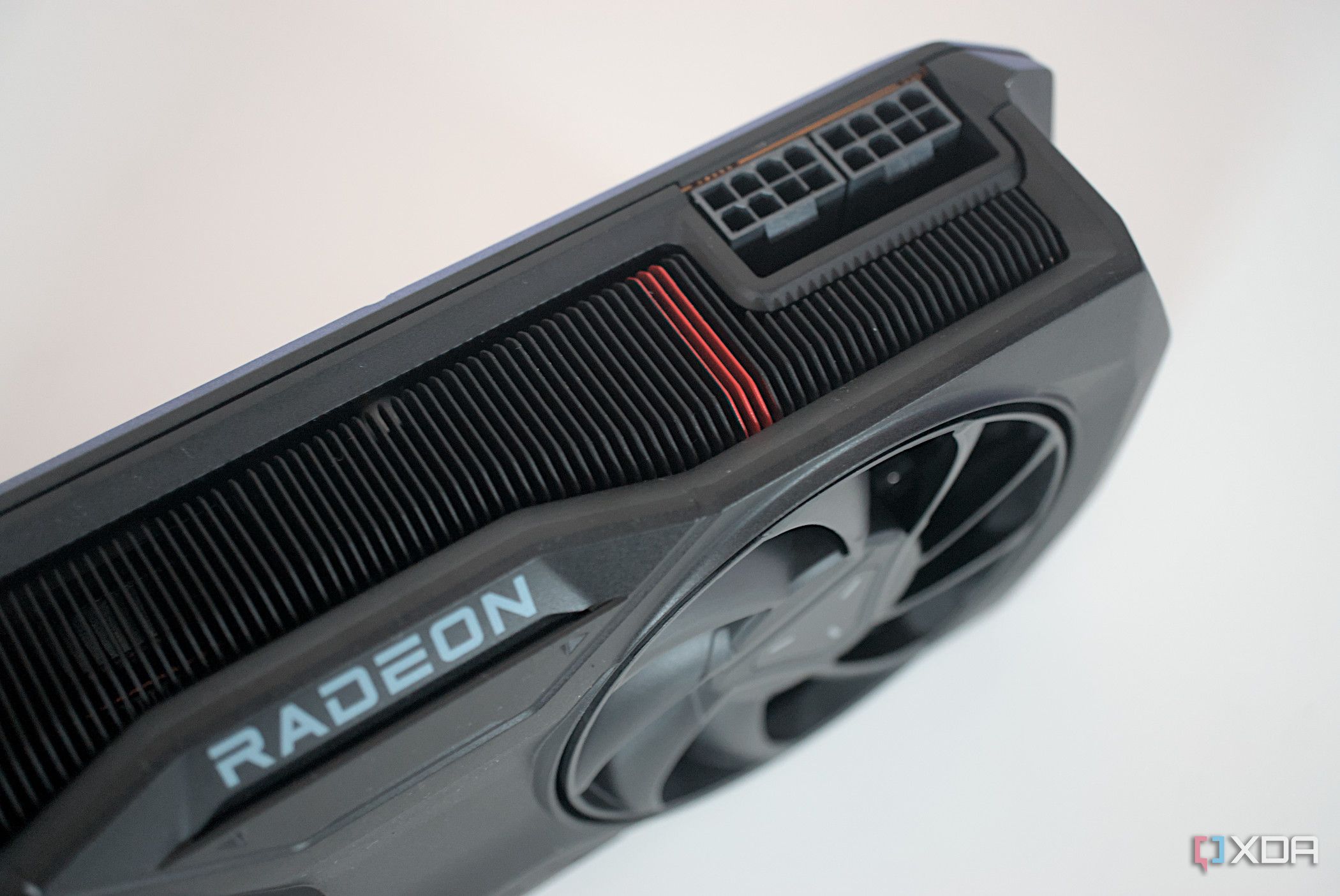
When you look at a market, you gauge whether it is healthy or not based on two things: the choice that exists for consumers, and the value that's offered to them. To an extent, it's also defined by meaningful differentiation between competitors, with healthy pricing emerging as a natural consequence of competition rather than tacit alignment between the major players in it. When these criteria are met, the consumer benefits.
When you look at a market, you gauge whether it is healthy or not based on two things: the choice that exists for consumers, and the value that's offered to them. To an extent, it's also defined by meaningful differentiation between competitors, with healthy pricing emerging as a natural consequence of competition rather than tacit alignment between the major players in it. When these criteria are met, the consumer benefits.
OpenClaw's security model is broken by design. The development process is a flood of AI-written PRs being merged with seemingly minimal review, and the maintainer's response to documented vulnerabilities was to say that the project is a hobby and that people should send patches if they want those things fixed. Nvidia's NemoClaw improves the runtime posture around OpenClaw, but it doesn't make OpenClaw itself a well-designed trust boundary. It wraps the agent, and it doesn't change the fact that the core project trained users to connect a broad set of services to a system that historically treated local trust, stored credentials, and plugin execution too casually.
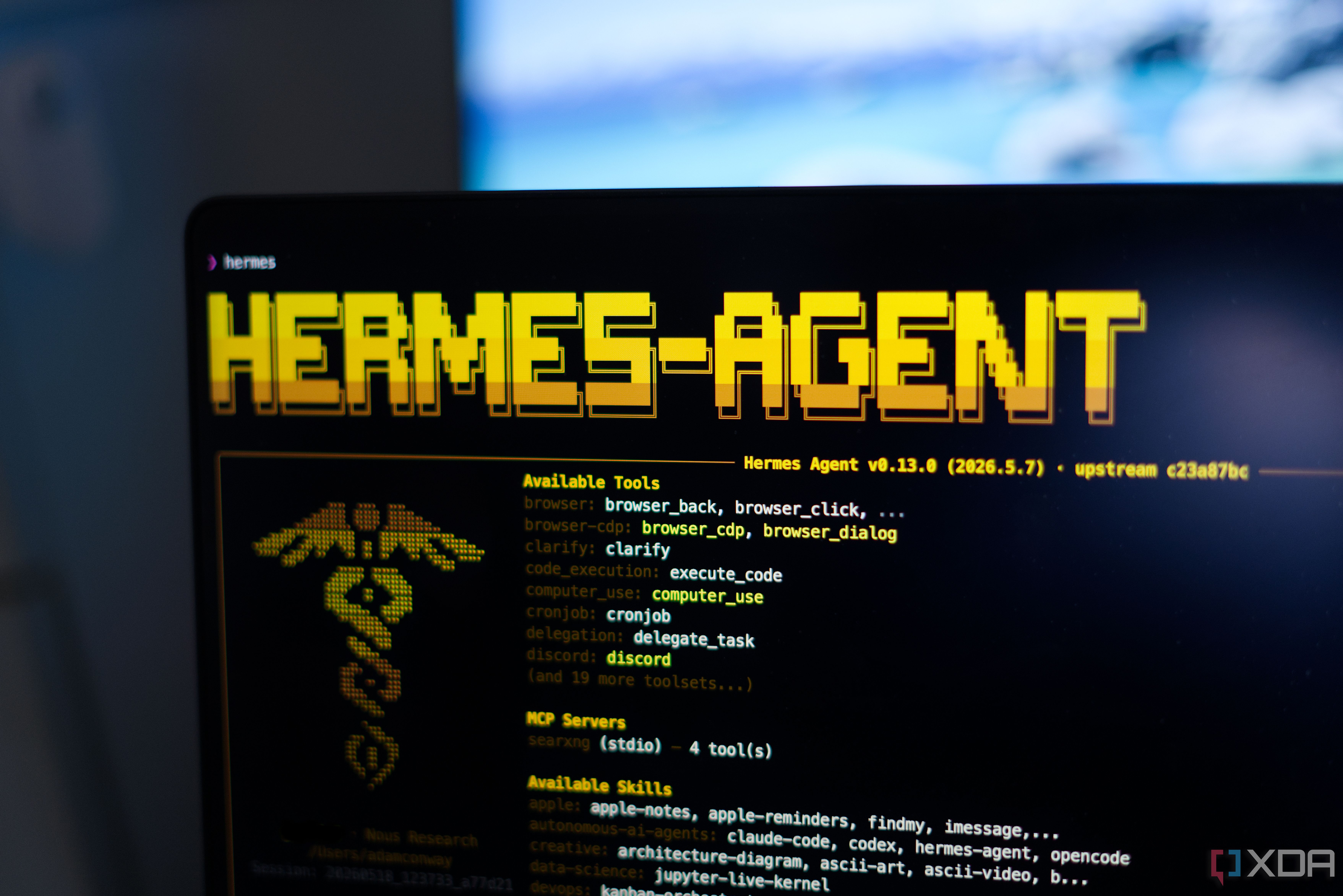
OpenClaw's security model is broken by design. The development process is a flood of AI-written PRs being merged with seemingly minimal review, and the maintainer's response to documented vulnerabilities was to say that the project is a hobby and that people should send patches if they want those things fixed. Nvidia's NemoClaw improves the runtime posture around OpenClaw, but it doesn't make OpenClaw itself a well-designed trust boundary. It wraps the agent, and it doesn't change the fact that the core project trained users to connect a broad set of services to a system that historically treated local trust, stored credentials, and plugin execution too casually.
OpenClaw's security model is broken by design. The development process is a flood of AI-written PRs being merged with seemingly minimal review, and the maintainer's response to documented vulnerabilities was to say that the project is a hobby and that people should send patches if they want those things fixed. Nvidia's NemoClaw improves the runtime posture around OpenClaw, but it doesn't make OpenClaw itself a well-designed trust boundary. It wraps the agent, and it doesn't change the fact that the core project trained users to connect a broad set of services to a system that historically treated local trust, stored credentials, and plugin execution too casually.
OpenClaw's security model is broken by design. The development process is a flood of AI-written PRs being merged with seemingly minimal review, and the maintainer's response to documented vulnerabilities was to say that the project is a hobby and that people should send patches if they want those things fixed. Nvidia's NemoClaw improves the runtime posture around OpenClaw, but it doesn't make OpenClaw itself a well-designed trust boundary. It wraps the agent, and it doesn't change the fact that the core project trained users to connect a broad set of services to a system that historically treated local trust, stored credentials, and plugin execution too casually.
Back when Microsoft was going all-in on Copilot, we saw an update to the Windows keyboard for the first time in years. The update took the Right Ctrl key and turned it into a Copilot key. That way, you always have easy access to Microsoft's AI assistant; just give the Copilot key a press, and it'll pop up.
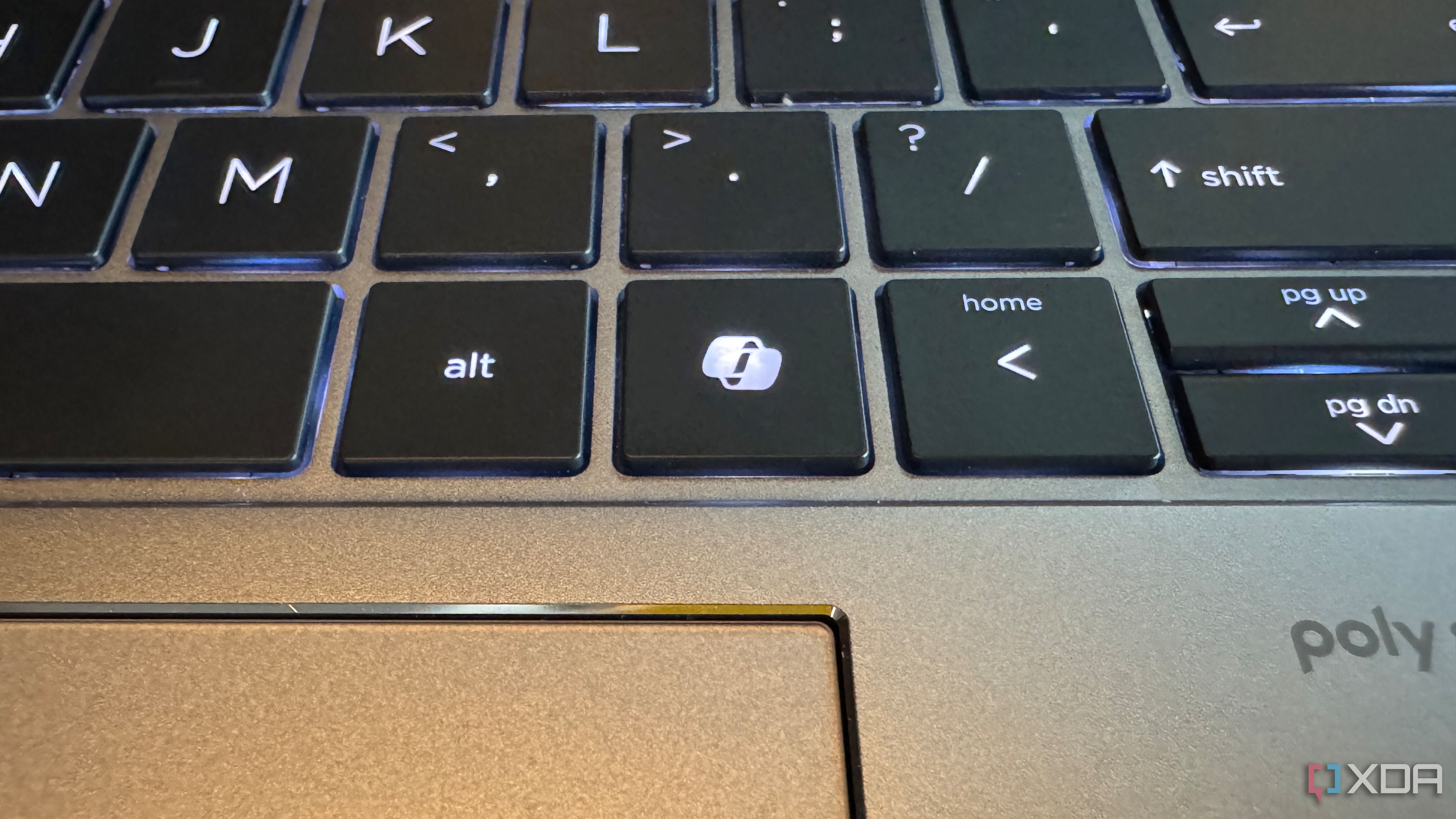
Back when Microsoft was going all-in on Copilot, we saw an update to the Windows keyboard for the first time in years. The update took the Right Ctrl key and turned it into a Copilot key. That way, you always have easy access to Microsoft's AI assistant; just give the Copilot key a press, and it'll pop up.
Back when Microsoft was going all-in on Copilot, we saw an update to the Windows keyboard for the first time in years. The update took the Right Ctrl key and turned it into a Copilot key. That way, you always have easy access to Microsoft's AI assistant; just give the Copilot key a press, and it'll pop up.
Back when Microsoft was going all-in on Copilot, we saw an update to the Windows keyboard for the first time in years. The update took the Right Ctrl key and turned it into a Copilot key. That way, you always have easy access to Microsoft's AI assistant; just give the Copilot key a press, and it'll pop up.
While having two-factor authentication (2FA) enabled is always safer than not having it, not all methods are equal. We're used to the trusty SMS 2FA method, where a company sends you a text during the login process and asks you to enter a code. However, when a security measure goes on long enough without any major revamps, bad actors find ways to get around it.

While having two-factor authentication (2FA) enabled is always safer than not having it, not all methods are equal. We're used to the trusty SMS 2FA method, where a company sends you a text during the login process and asks you to enter a code. However, when a security measure goes on long enough without any major revamps, bad actors find ways to get around it.
While having two-factor authentication (2FA) enabled is always safer than not having it, not all methods are equal. We're used to the trusty SMS 2FA method, where a company sends you a text during the login process and asks you to enter a code. However, when a security measure goes on long enough without any major revamps, bad actors find ways to get around it.
While having two-factor authentication (2FA) enabled is always safer than not having it, not all methods are equal. We're used to the trusty SMS 2FA method, where a company sends you a text during the login process and asks you to enter a code. However, when a security measure goes on long enough without any major revamps, bad actors find ways to get around it.
For years, I treated motherboard audio as one of those PC features that simply existed in the background. As long as sound came through my headphones and my microphone worked well enough for Discord calls, I never paid much attention to the audio side of my setup. I spent more time thinking about GPUs, monitors, and storage upgrades while completely ignoring the fact that my PC audio experience had quietly become frustrating.
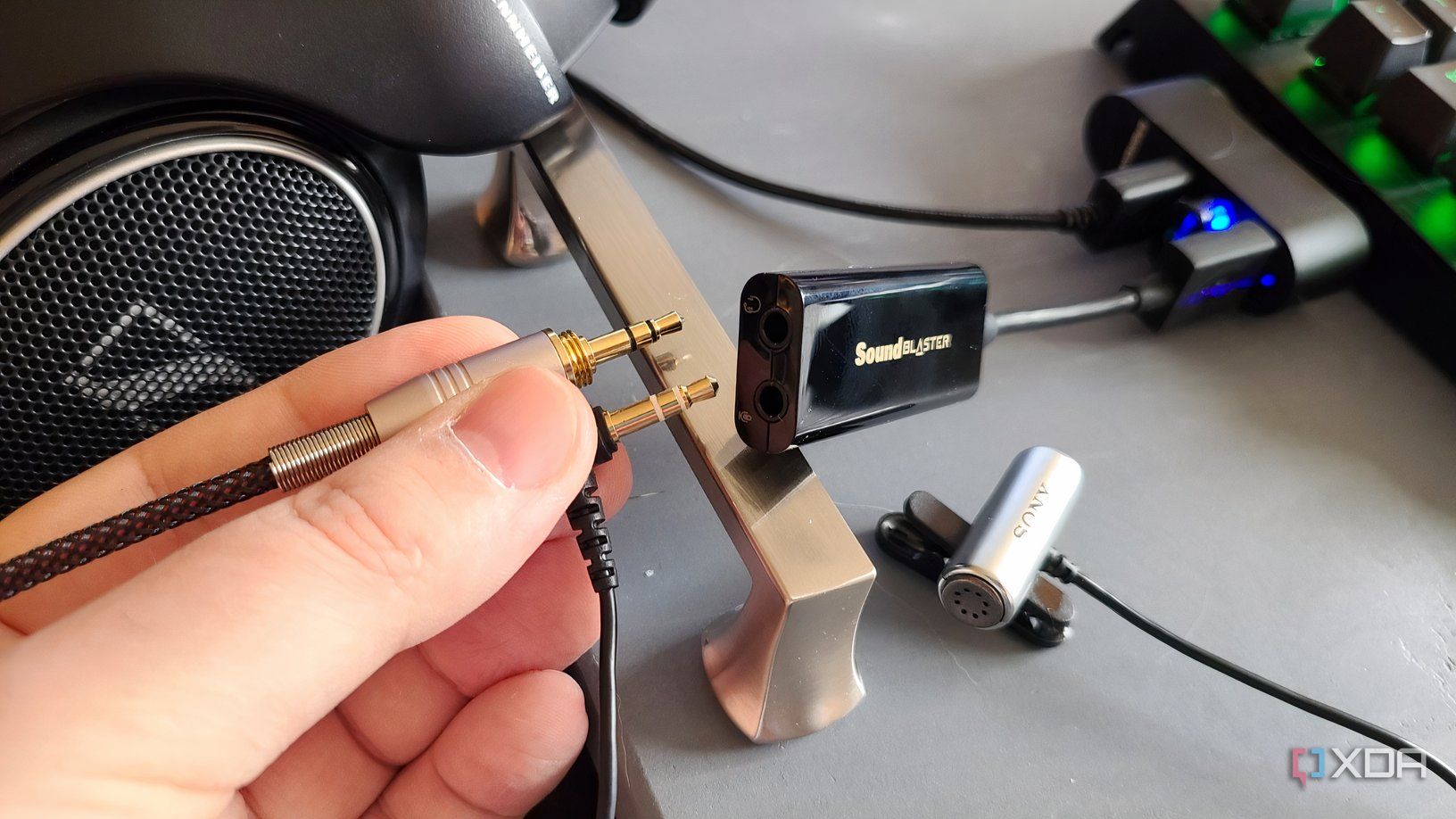
For years, I treated motherboard audio as one of those PC features that simply existed in the background. As long as sound came through my headphones and my microphone worked well enough for Discord calls, I never paid much attention to the audio side of my setup. I spent more time thinking about GPUs, monitors, and storage upgrades while completely ignoring the fact that my PC audio experience had quietly become frustrating.
For years, I treated motherboard audio as one of those PC features that simply existed in the background. As long as sound came through my headphones and my microphone worked well enough for Discord calls, I never paid much attention to the audio side of my setup. I spent more time thinking about GPUs, monitors, and storage upgrades while completely ignoring the fact that my PC audio experience had quietly become frustrating.
I totally understand why many people think enabling DLSS makes the most sense on a 4K monitor. At native 4K, you're almost always GPU-bound even if you have a flagship card like the RTX 5090, so DLSS is a great way to avoid paying the performance tax that comes with maxed-out settings and ray tracing. But here's the thing. Most people aren't using flagship cards, so they're GPU-bound even at 1440p, especially in newer AAA titles.
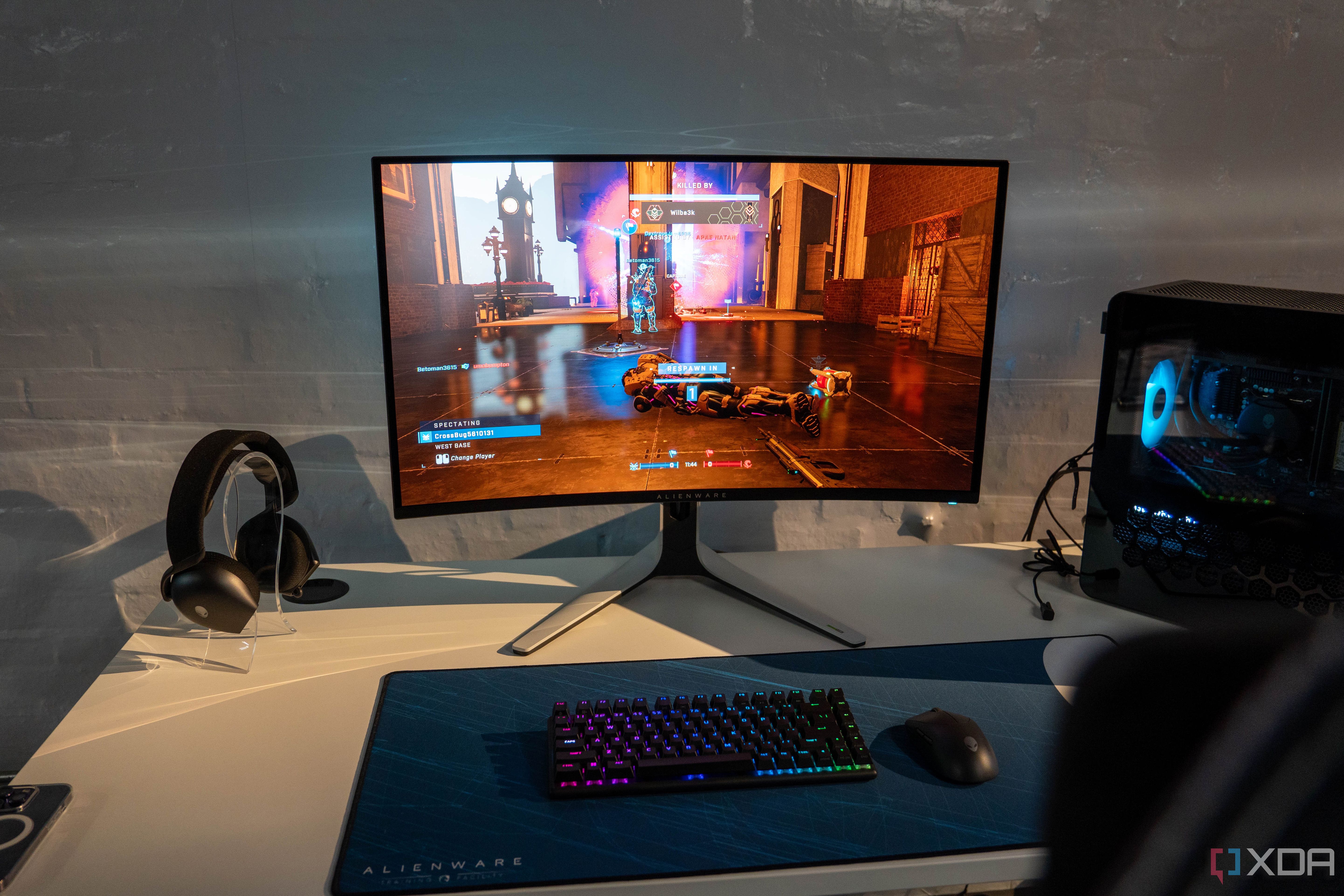
I totally understand why many people think enabling DLSS makes the most sense on a 4K monitor. At native 4K, you're almost always GPU-bound even if you have a flagship card like the RTX 5090, so DLSS is a great way to avoid paying the performance tax that comes with maxed-out settings and ray tracing. But here's the thing. Most people aren't using flagship cards, so they're GPU-bound even at 1440p, especially in newer AAA titles.
I totally understand why many people think enabling DLSS makes the most sense on a 4K monitor. At native 4K, you're almost always GPU-bound even if you have a flagship card like the RTX 5090, so DLSS is a great way to avoid paying the performance tax that comes with maxed-out settings and ray tracing. But here's the thing. Most people aren't using flagship cards, so they're GPU-bound even at 1440p, especially in newer AAA titles.
Every time OpenAI releases a new model for ChatGPT, the buzz it generates makes me think I may be missing out if I don't switch. The latest update is GPT-5.5 Instant, and it's the default model for all ChatGPT users. It's paired with an upgraded memory system that shows you which past conversations and saved memories the model pulled from to shape its response. That's a really nice feature that felt long overdue. With the new memory transparency and claims that hallucinations have been reduced by over 50% in certain domains, it's an alluring update for those who were already on the fence about ChatGPT.
Every time OpenAI releases a new model for ChatGPT, the buzz it generates makes me think I may be missing out if I don't switch. The latest update is GPT-5.5 Instant, and it's the default model for all ChatGPT users. It's paired with an upgraded memory system that shows you which past conversations and saved memories the model pulled from to shape its response. That's a really nice feature that felt long overdue. With the new memory transparency and claims that hallucinations have been reduced by over 50% in certain domains, it's an alluring update for those who were already on the fence about ChatGPT.
Every time OpenAI releases a new model for ChatGPT, the buzz it generates makes me think I may be missing out if I don't switch. The latest update is GPT-5.5 Instant, and it's the default model for all ChatGPT users. It's paired with an upgraded memory system that shows you which past conversations and saved memories the model pulled from to shape its response. That's a really nice feature that felt long overdue. With the new memory transparency and claims that hallucinations have been reduced by over 50% in certain domains, it's an alluring update for those who were already on the fence about ChatGPT.
Every time OpenAI releases a new model for ChatGPT, the buzz it generates makes me think I may be missing out if I don't switch. The latest update is GPT-5.5 Instant, and it's the default model for all ChatGPT users. It's paired with an upgraded memory system that shows you which past conversations and saved memories the model pulled from to shape its response. That's a really nice feature that felt long overdue. With the new memory transparency and claims that hallucinations have been reduced by over 50% in certain domains, it's an alluring update for those who were already on the fence about ChatGPT.
For the last few years, Warp has largely dominated the modern terminal space. The command blocks, AI command generation, agentic mode, Warp Drive, and other QoL features all made it a popular choice, and when Warp arrived natively on Windows early last year, it made the default Windows Terminal look like yet another first-party app that needs replacing.
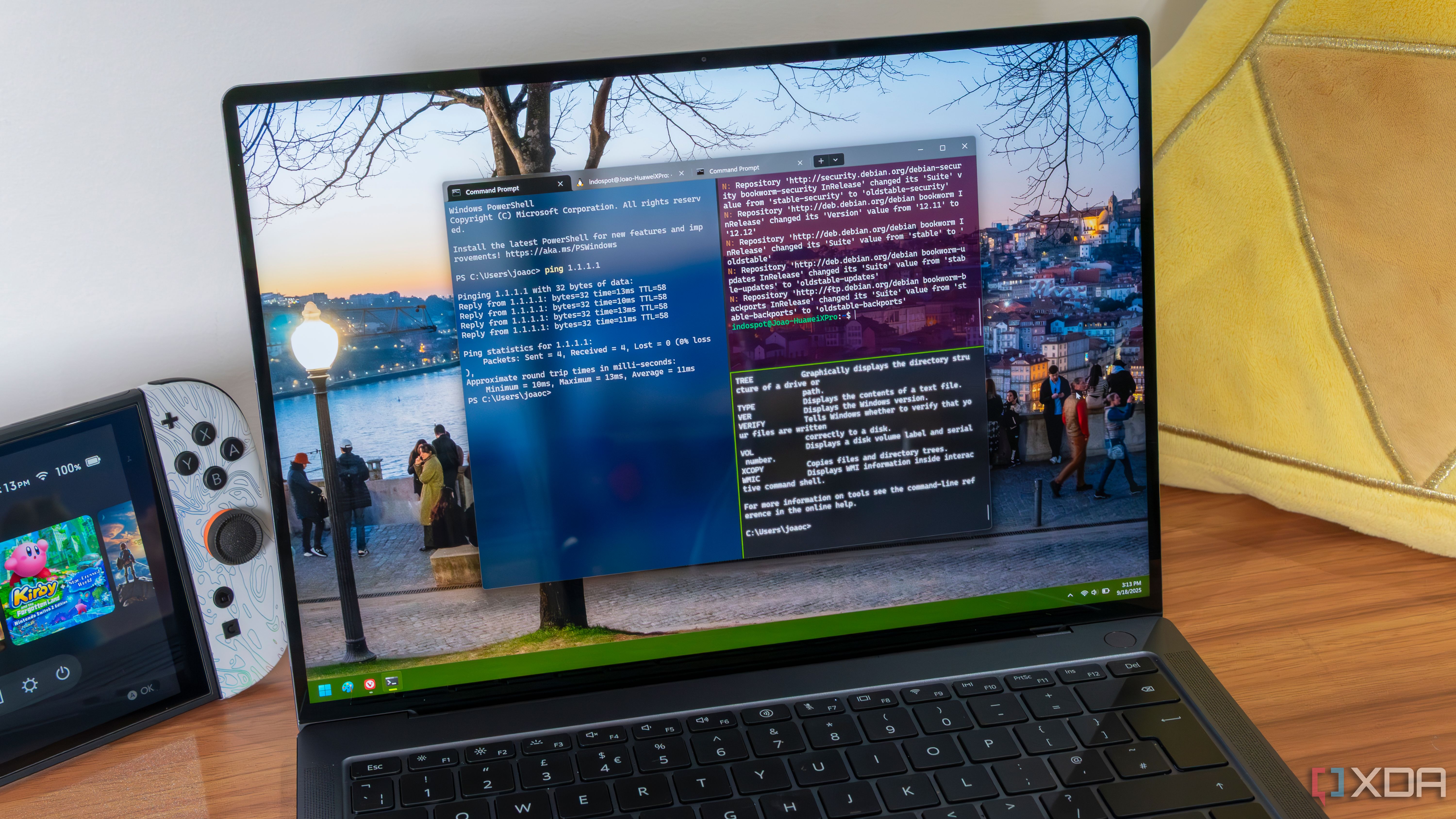
For the last few years, Warp has largely dominated the modern terminal space. The command blocks, AI command generation, agentic mode, Warp Drive, and other QoL features all made it a popular choice, and when Warp arrived natively on Windows early last year, it made the default Windows Terminal look like yet another first-party app that needs replacing.
For the last few years, Warp has largely dominated the modern terminal space. The command blocks, AI command generation, agentic mode, Warp Drive, and other QoL features all made it a popular choice, and when Warp arrived natively on Windows early last year, it made the default Windows Terminal look like yet another first-party app that needs replacing.
Modern-day SSDs are fast enough for most of us to not really think about their upkeep every day. Back when SSD technology was new, everyone treated their SSDs like fragile glass, sharing notes and advice on how to prolong the life of their drive by any means unnecessary.
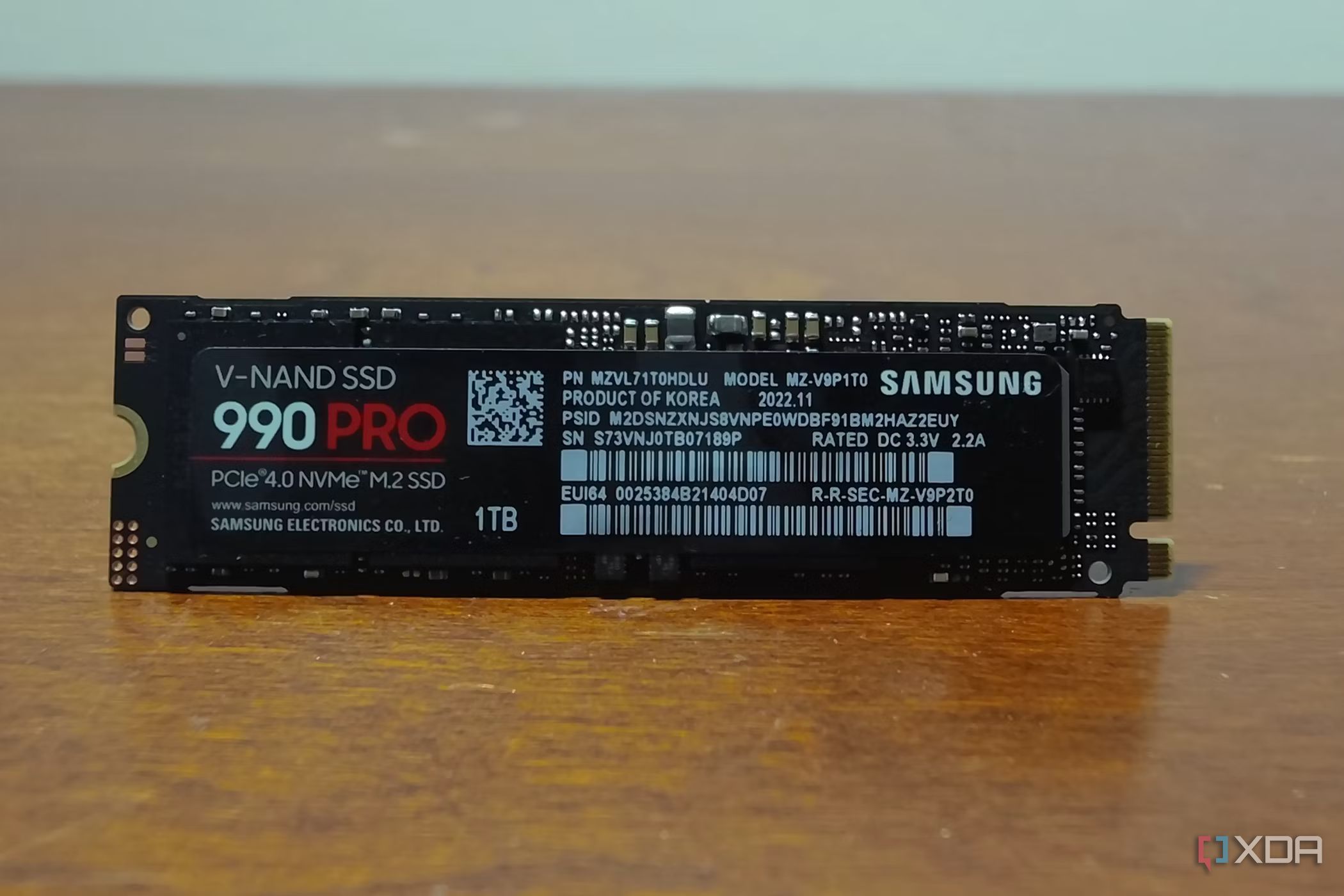
Modern-day SSDs are fast enough for most of us to not really think about their upkeep every day. Back when SSD technology was new, everyone treated their SSDs like fragile glass, sharing notes and advice on how to prolong the life of their drive by any means unnecessary.
Modern-day SSDs are fast enough for most of us to not really think about their upkeep every day. Back when SSD technology was new, everyone treated their SSDs like fragile glass, sharing notes and advice on how to prolong the life of their drive by any means unnecessary.
Modern-day SSDs are fast enough for most of us to not really think about their upkeep every day. Back when SSD technology was new, everyone treated their SSDs like fragile glass, sharing notes and advice on how to prolong the life of their drive by any means unnecessary.
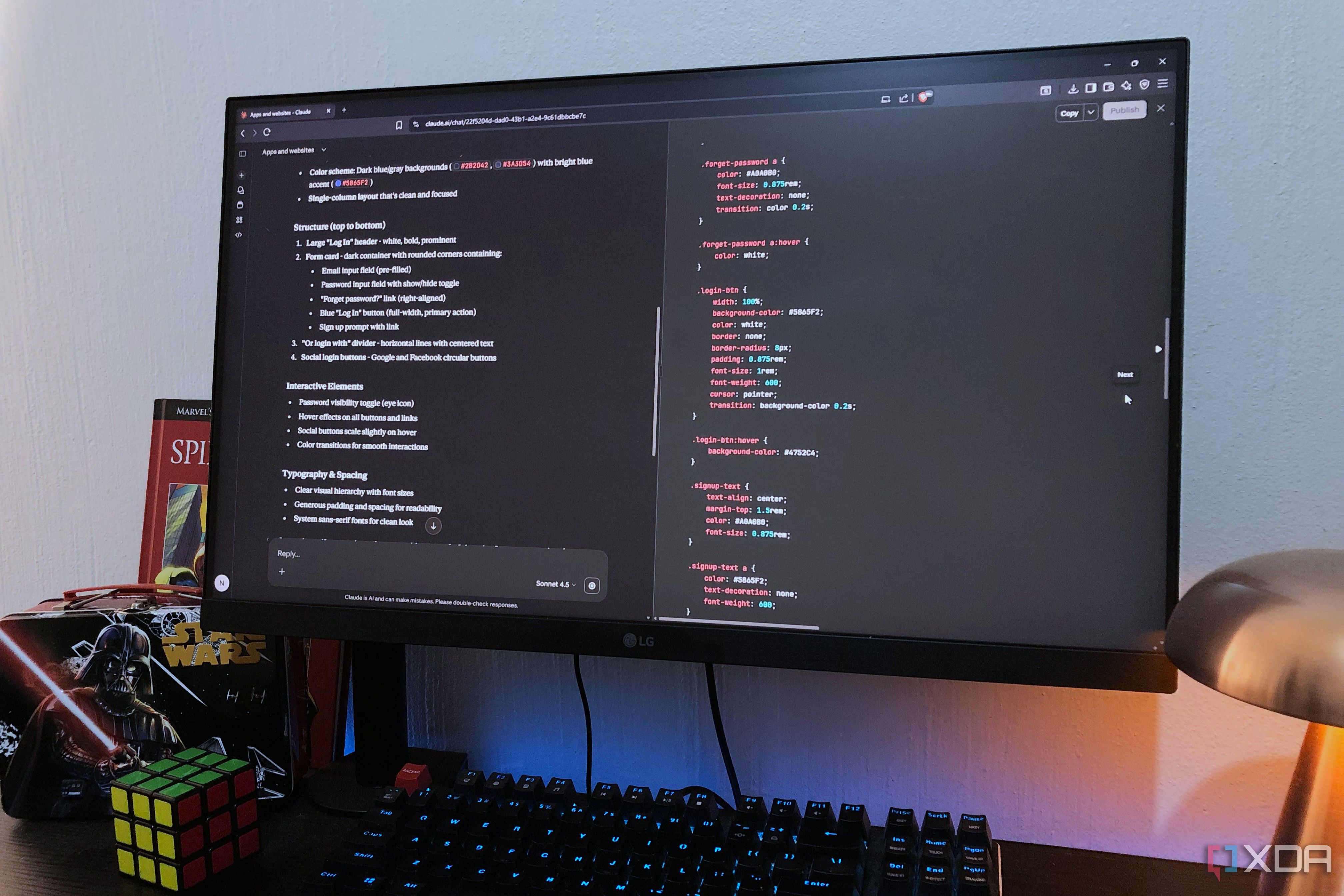
Claude is typically considered the best agentic coding tool on the market right now. There are plenty of developers I know who use it daily, and Anthropic has spent the last year and a half giving plenty of reasons for that confidence. Opus 4.7 just launched last month, Claude Code continues to be one of the go-to agentic tools on the market (despite the proliferation of alternatives), and the likes of Sonnet and even Haiku are still valid models to use for different tasks.
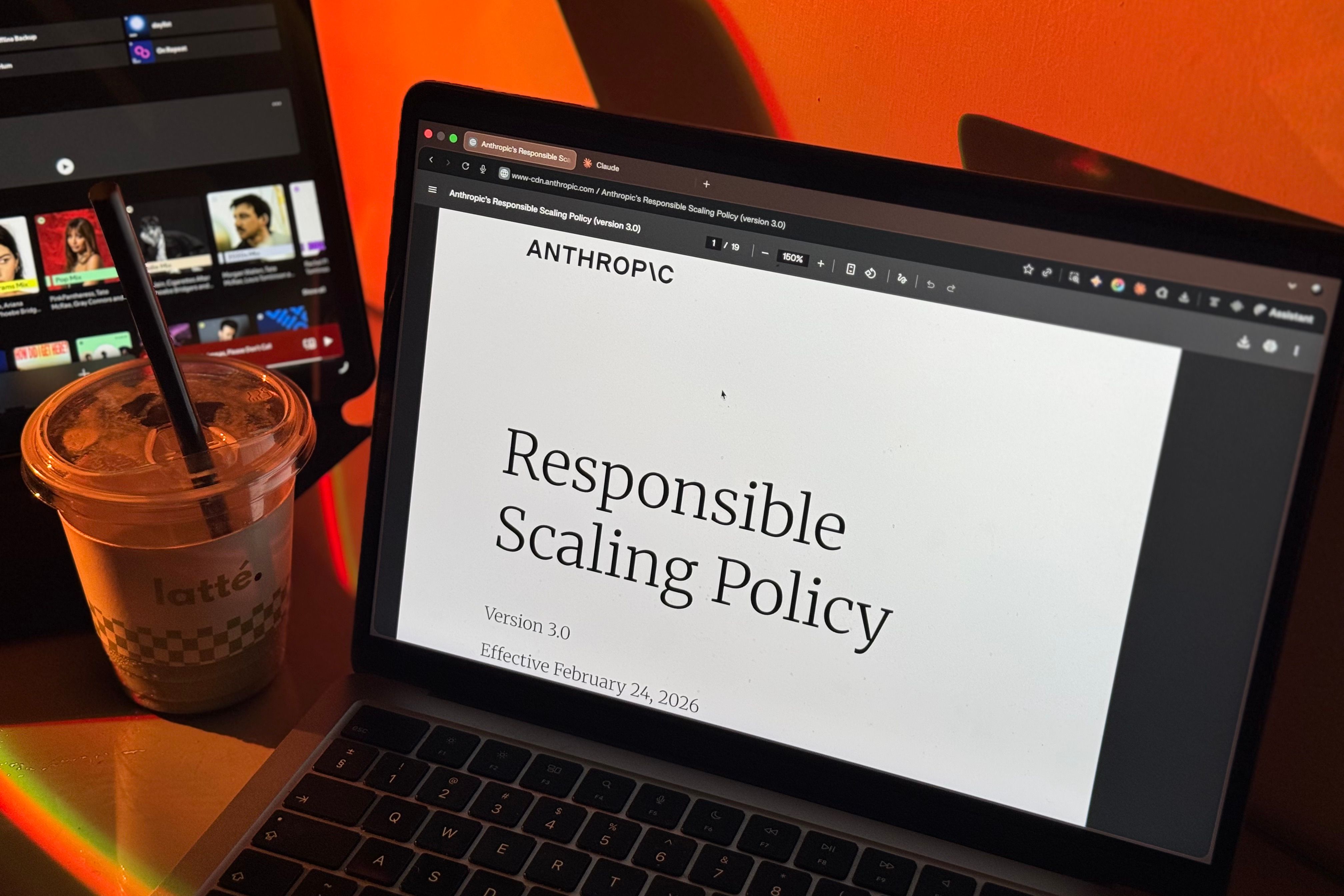
Claude is typically considered the best agentic coding tool on the market right now. There are plenty of developers I know who use it daily, and Anthropic has spent the last year and a half giving plenty of reasons for that confidence. Opus 4.7 just launched last month, Claude Code continues to be one of the go-to agentic tools on the market (despite the proliferation of alternatives), and the likes of Sonnet and even Haiku are still valid models to use for different tasks.
Claude is typically considered the best agentic coding tool on the market right now. There are plenty of developers I know who use it daily, and Anthropic has spent the last year and a half giving plenty of reasons for that confidence. Opus 4.7 just launched last month, Claude Code continues to be one of the go-to agentic tools on the market (despite the proliferation of alternatives), and the likes of Sonnet and even Haiku are still valid models to use for different tasks.
Claude is typically considered the best agentic coding tool on the market right now. There are plenty of developers I know who use it daily, and Anthropic has spent the last year and a half giving plenty of reasons for that confidence. Opus 4.7 just launched last month, Claude Code continues to be one of the go-to agentic tools on the market (despite the proliferation of alternatives), and the likes of Sonnet and even Haiku are still valid models to use for different tasks.
Nothing ever quite beats couch gaming. That's why I often prefer playing on my PS5 Pro sitting under the TV. However, a problem that kept nagging me over and over again was that most of the experiences I wanted simply lived on my desktop PC instead. High ray-tracing, path tracing, DLSS, endless mod support, and my entire Steam and Epic library I've built over years — these weren't going to migrate themselves over to a console. Plus, after getting a new TV, I found myself wanting to spend more time in the living room than I used to.

Nothing ever quite beats couch gaming. That's why I often prefer playing on my PS5 Pro sitting under the TV. However, a problem that kept nagging me over and over again was that most of the experiences I wanted simply lived on my desktop PC instead. High ray-tracing, path tracing, DLSS, endless mod support, and my entire Steam and Epic library I've built over years — these weren't going to migrate themselves over to a console. Plus, after getting a new TV, I found myself wanting to spend more time in the living room than I used to.
Nothing ever quite beats couch gaming. That's why I often prefer playing on my PS5 Pro sitting under the TV. However, a problem that kept nagging me over and over again was that most of the experiences I wanted simply lived on my desktop PC instead. High ray-tracing, path tracing, DLSS, endless mod support, and my entire Steam and Epic library I've built over years — these weren't going to migrate themselves over to a console. Plus, after getting a new TV, I found myself wanting to spend more time in the living room than I used to.
Nothing ever quite beats couch gaming. That's why I often prefer playing on my PS5 Pro sitting under the TV. However, a problem that kept nagging me over and over again was that most of the experiences I wanted simply lived on my desktop PC instead. High ray-tracing, path tracing, DLSS, endless mod support, and my entire Steam and Epic library I've built over years — these weren't going to migrate themselves over to a console. Plus, after getting a new TV, I found myself wanting to spend more time in the living room than I used to.
Did you know that there's an entire scene around stuffing chips into an Altoids tin and making it do all sorts of things? We've seen it before with the Raspberry Pi, where someone even created a Kickstarter to help get an Altoid tin console up and running. There's something about the size of an Altoid tin that makes people want to turn them into teeny-tiny electronic devices.
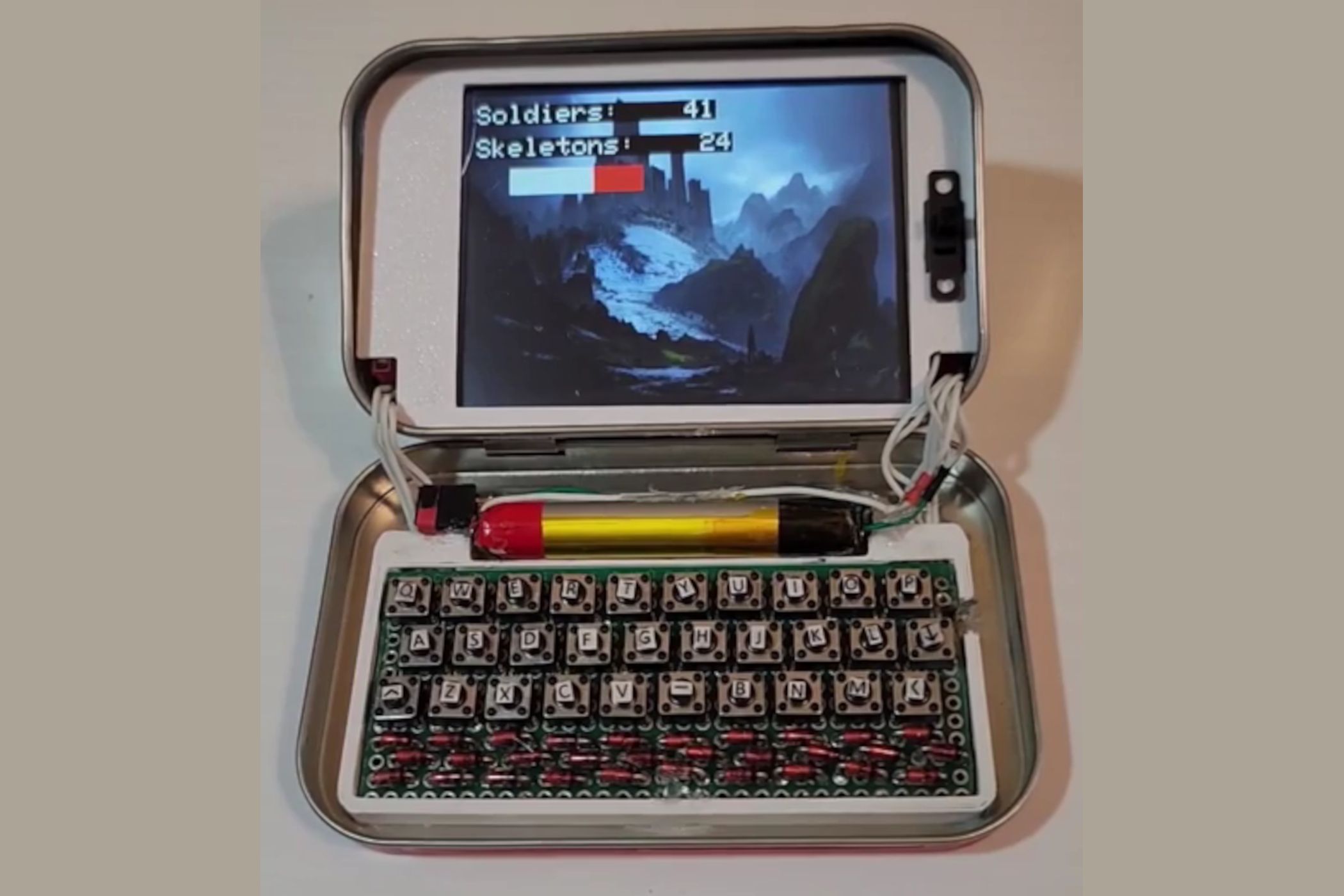
Did you know that there's an entire scene around stuffing chips into an Altoids tin and making it do all sorts of things? We've seen it before with the Raspberry Pi, where someone even created a Kickstarter to help get an Altoid tin console up and running. There's something about the size of an Altoid tin that makes people want to turn them into teeny-tiny electronic devices.
Did you know that there's an entire scene around stuffing chips into an Altoids tin and making it do all sorts of things? We've seen it before with the Raspberry Pi, where someone even created a Kickstarter to help get an Altoid tin console up and running. There's something about the size of an Altoid tin that makes people want to turn them into teeny-tiny electronic devices.
Did you know that there's an entire scene around stuffing chips into an Altoids tin and making it do all sorts of things? We've seen it before with the Raspberry Pi, where someone even created a Kickstarter to help get an Altoid tin console up and running. There's something about the size of an Altoid tin that makes people want to turn them into teeny-tiny electronic devices.
Over time, Windows PCs start to feel slow. It happens to most of us, and we automatically assume this is linked to hardware limitations. But more often than not, Windows system slowdowns are due to neglect and bad usage habits. Over the years, I have made simple changes to my workflow, and it has noticeably improved performance, even on my roughly 10-year-old laptop.
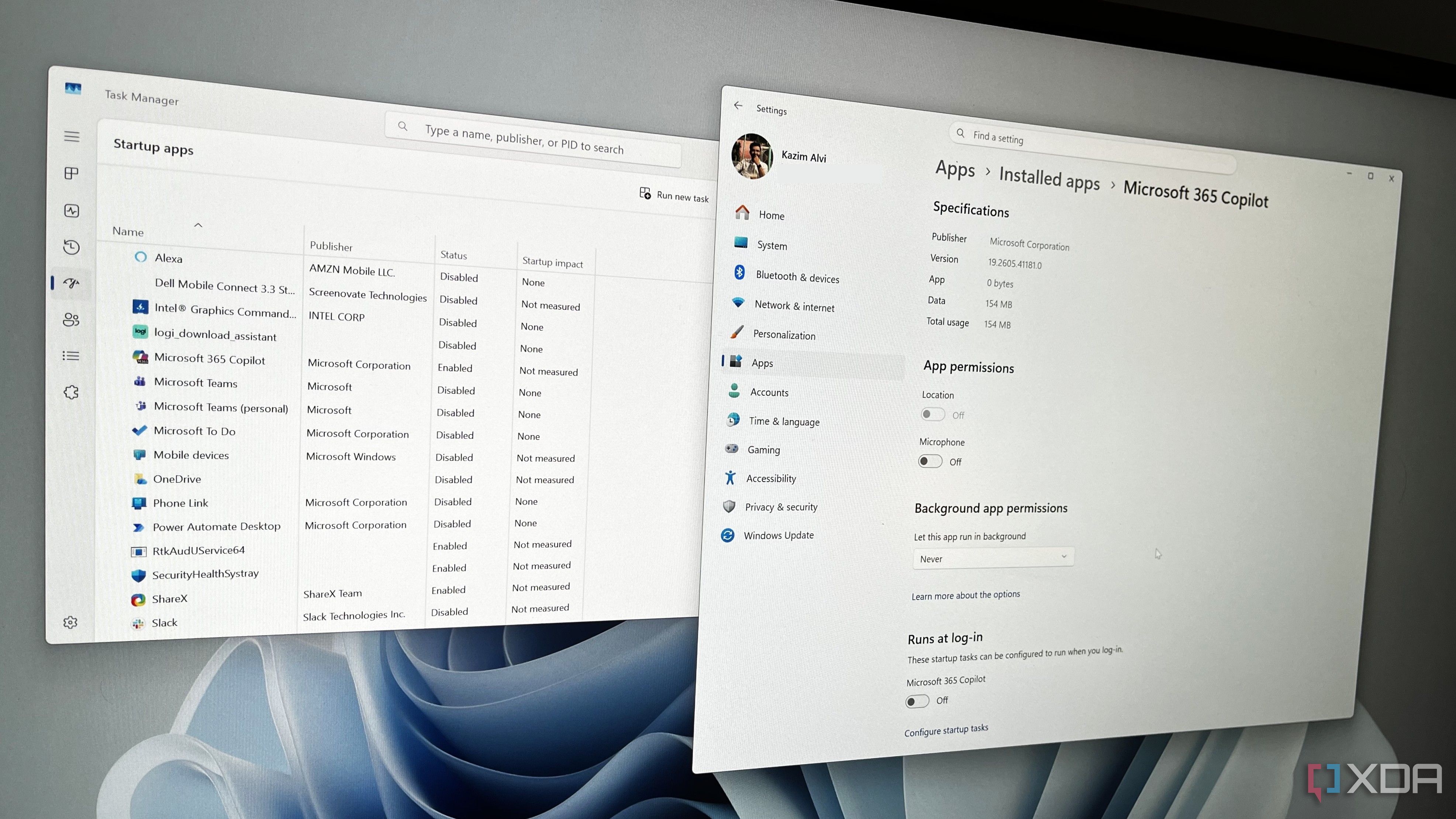
Over time, Windows PCs start to feel slow. It happens to most of us, and we automatically assume this is linked to hardware limitations. But more often than not, Windows system slowdowns are due to neglect and bad usage habits. Over the years, I have made simple changes to my workflow, and it has noticeably improved performance, even on my roughly 10-year-old laptop.
Over time, Windows PCs start to feel slow. It happens to most of us, and we automatically assume this is linked to hardware limitations. But more often than not, Windows system slowdowns are due to neglect and bad usage habits. Over the years, I have made simple changes to my workflow, and it has noticeably improved performance, even on my roughly 10-year-old laptop.
Up until recently, Claude was only spoken about in hushed tones in developer communities. It was the quiet favorite of people who lived in their terminals, and the biggest reason for that was just how good Anthropic's models were at coding. To everyone else, Claude was either invisible or vaguely intimidating. And then the tables turned around for Anthropic, and suddenly Claude went from a niche AI tool to the one people couldn't stop talking about.
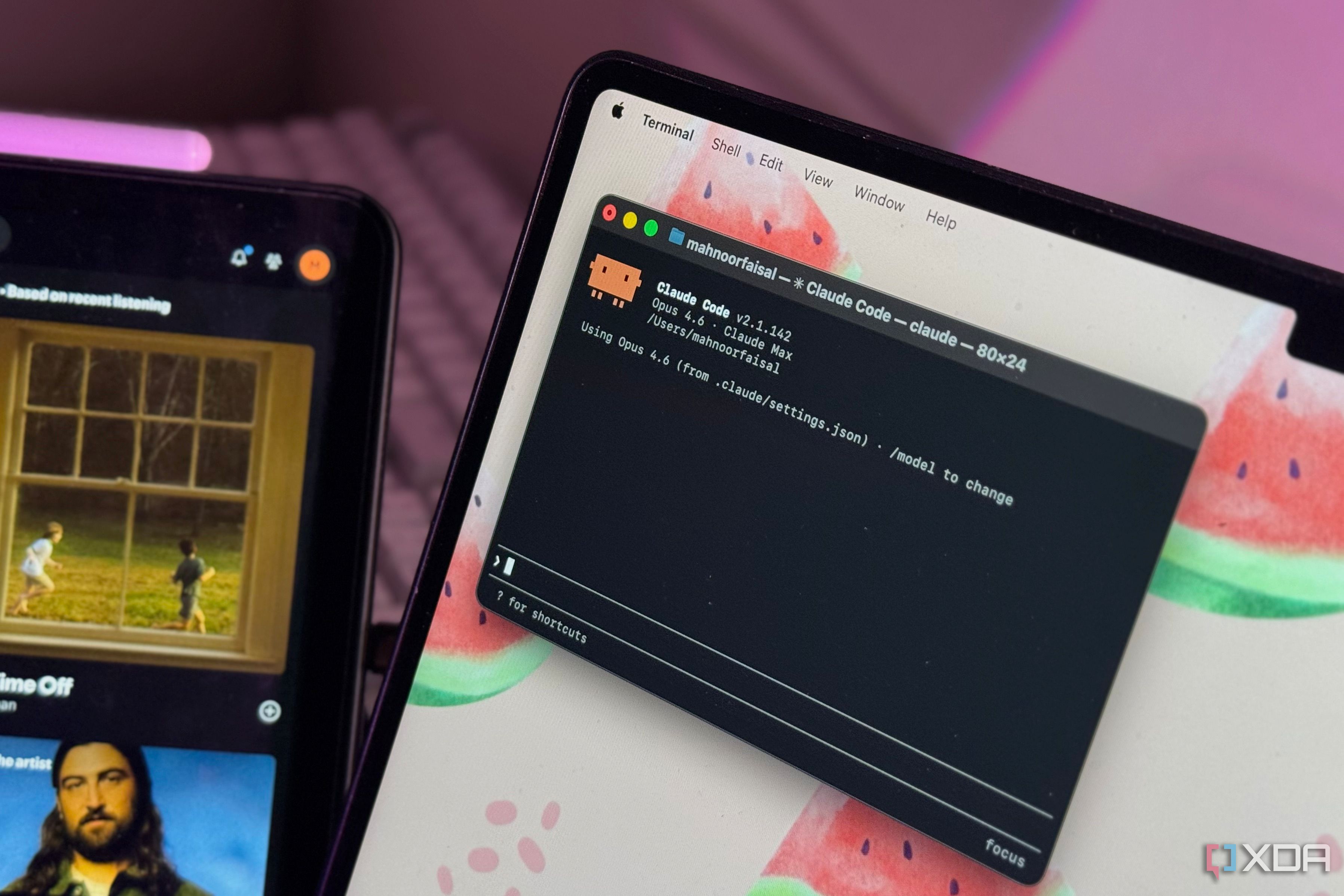
Up until recently, Claude was only spoken about in hushed tones in developer communities. It was the quiet favorite of people who lived in their terminals, and the biggest reason for that was just how good Anthropic's models were at coding. To everyone else, Claude was either invisible or vaguely intimidating. And then the tables turned around for Anthropic, and suddenly Claude went from a niche AI tool to the one people couldn't stop talking about.
Up until recently, Claude was only spoken about in hushed tones in developer communities. It was the quiet favorite of people who lived in their terminals, and the biggest reason for that was just how good Anthropic's models were at coding. To everyone else, Claude was either invisible or vaguely intimidating. And then the tables turned around for Anthropic, and suddenly Claude went from a niche AI tool to the one people couldn't stop talking about.
Up until recently, Claude was only spoken about in hushed tones in developer communities. It was the quiet favorite of people who lived in their terminals, and the biggest reason for that was just how good Anthropic's models were at coding. To everyone else, Claude was either invisible or vaguely intimidating. And then the tables turned around for Anthropic, and suddenly Claude went from a niche AI tool to the one people couldn't stop talking about.
Windows Phone might have vanished from existence a long time back, but the intent behind it was so good that phone software enthusiasts still praise it. Microsoft might not be keen to bring it back, but the NexPhone concept is trying to launch a phone that runs two operating systems: Android and Windows 11. However, niche phones have niche demand, and while you cannot use an old Windows Phone in today's times due to unmaintained software and the risks it carries, there are ways to relive the nostalgia on your Android phone.
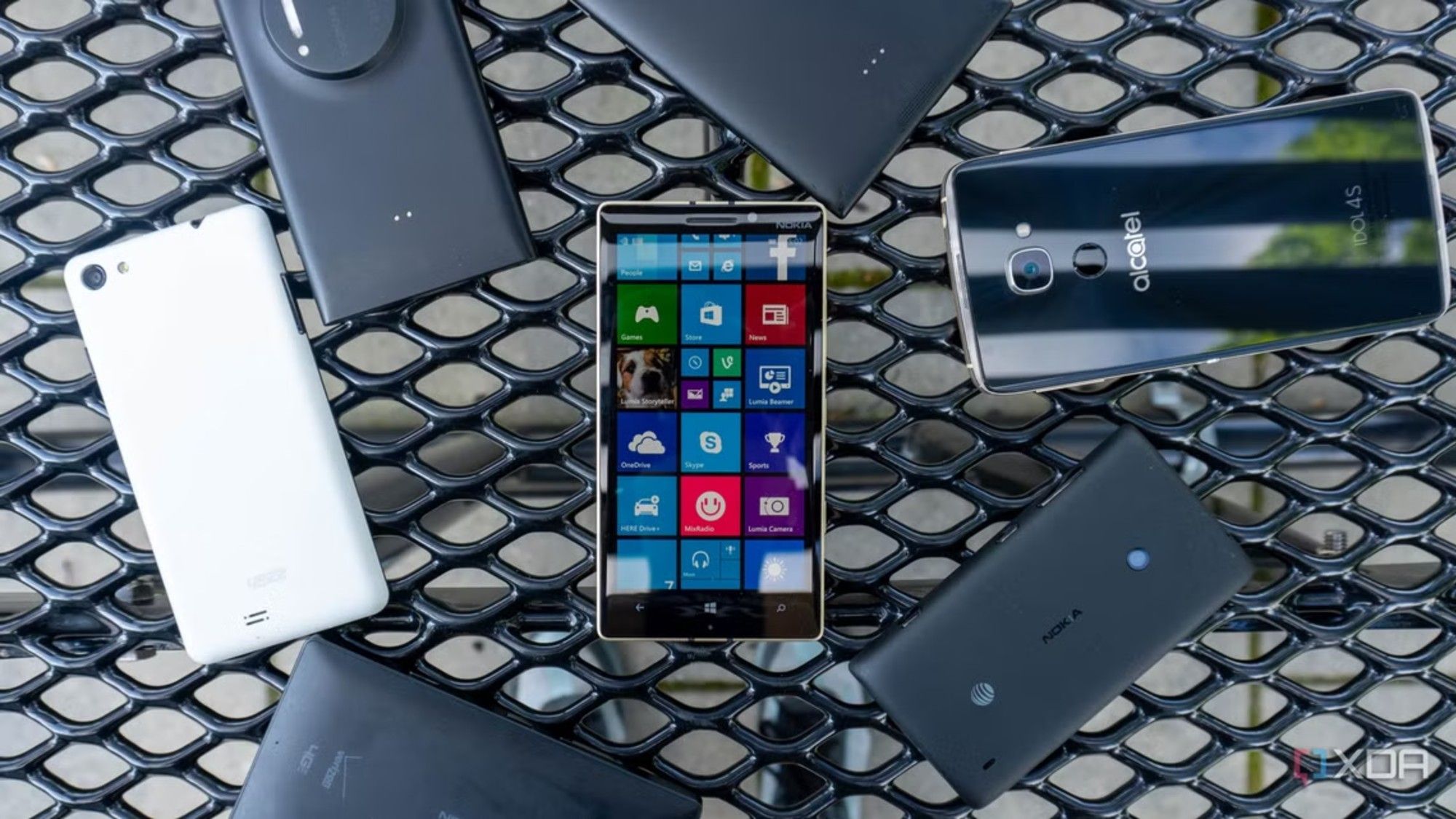
Windows Phone might have vanished from existence a long time back, but the intent behind it was so good that phone software enthusiasts still praise it. Microsoft might not be keen to bring it back, but the NexPhone concept is trying to launch a phone that runs two operating systems: Android and Windows 11. However, niche phones have niche demand, and while you cannot use an old Windows Phone in today's times due to unmaintained software and the risks it carries, there are ways to relive the nostalgia on your Android phone.
Windows Phone might have vanished from existence a long time back, but the intent behind it was so good that phone software enthusiasts still praise it. Microsoft might not be keen to bring it back, but the NexPhone concept is trying to launch a phone that runs two operating systems: Android and Windows 11. However, niche phones have niche demand, and while you cannot use an old Windows Phone in today's times due to unmaintained software and the risks it carries, there are ways to relive the nostalgia on your Android phone.
I would love to say that each of my builds was meticulously put together with every aspect taken care of. That, however, would be a lie. I built my previous PC at a time when I had just started earning, so I didn't have a great budget to start with. This naturally affected the choice of components, especially for the chassis, which can sometimes be an afterthought in budget builds. Picking a cheap case left me stuck with a single fan, installed at the front, and it was barely equipped to do its job. The PC ran hot and loud, begging for some intervention. At first, I thought the stock cooler was at fault, but then I settled on the boring upgrade of buying new case fans. With a set of good-quality PWM fans covering both intake and exhaust, my PC became considerably quieter. Seeing what I spent on these fans, it was one of the most impactful upgrades I had made on any of my builds.
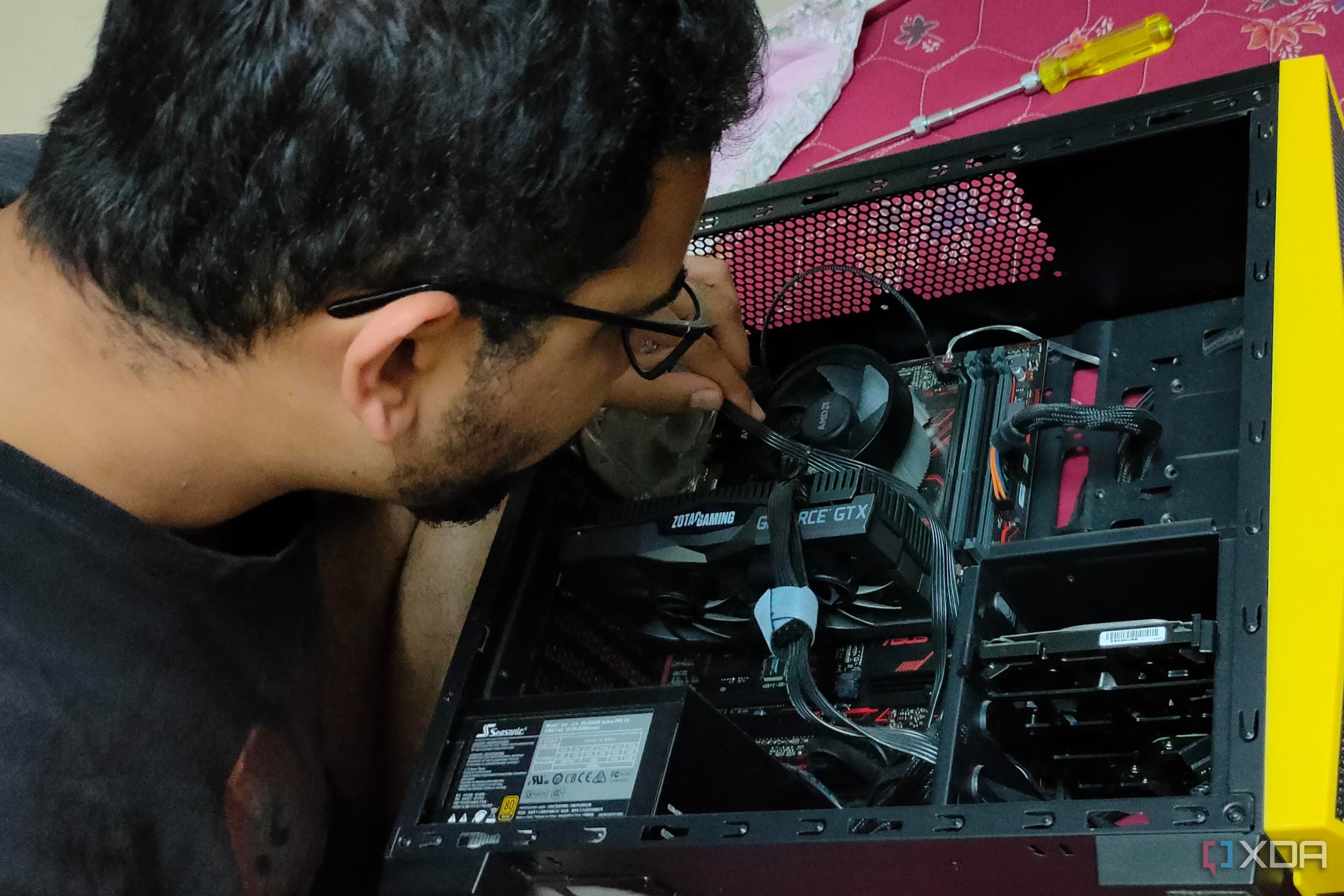
I would love to say that each of my builds was meticulously put together with every aspect taken care of. That, however, would be a lie. I built my previous PC at a time when I had just started earning, so I didn't have a great budget to start with. This naturally affected the choice of components, especially for the chassis, which can sometimes be an afterthought in budget builds. Picking a cheap case left me stuck with a single fan, installed at the front, and it was barely equipped to do its job. The PC ran hot and loud, begging for some intervention. At first, I thought the stock cooler was at fault, but then I settled on the boring upgrade of buying new case fans. With a set of good-quality PWM fans covering both intake and exhaust, my PC became considerably quieter. Seeing what I spent on these fans, it was one of the most impactful upgrades I had made on any of my builds.
I would love to say that each of my builds was meticulously put together with every aspect taken care of. That, however, would be a lie. I built my previous PC at a time when I had just started earning, so I didn't have a great budget to start with. This naturally affected the choice of components, especially for the chassis, which can sometimes be an afterthought in budget builds. Picking a cheap case left me stuck with a single fan, installed at the front, and it was barely equipped to do its job. The PC ran hot and loud, begging for some intervention. At first, I thought the stock cooler was at fault, but then I settled on the boring upgrade of buying new case fans. With a set of good-quality PWM fans covering both intake and exhaust, my PC became considerably quieter. Seeing what I spent on these fans, it was one of the most impactful upgrades I had made on any of my builds.
I immediately shifted from cable TV to streaming as soon as I got the chance. It was advertised as the cheaper alternative to cable, and individually, each service was. Every subscription I added made sense at the time. I worked from home, and content was a part of my daily routine. But I didn’t realize how many subscriptions I had until I actually sat down and counted them. The stack had accumulated quietly, and the total had become more expensive than cable ever was.
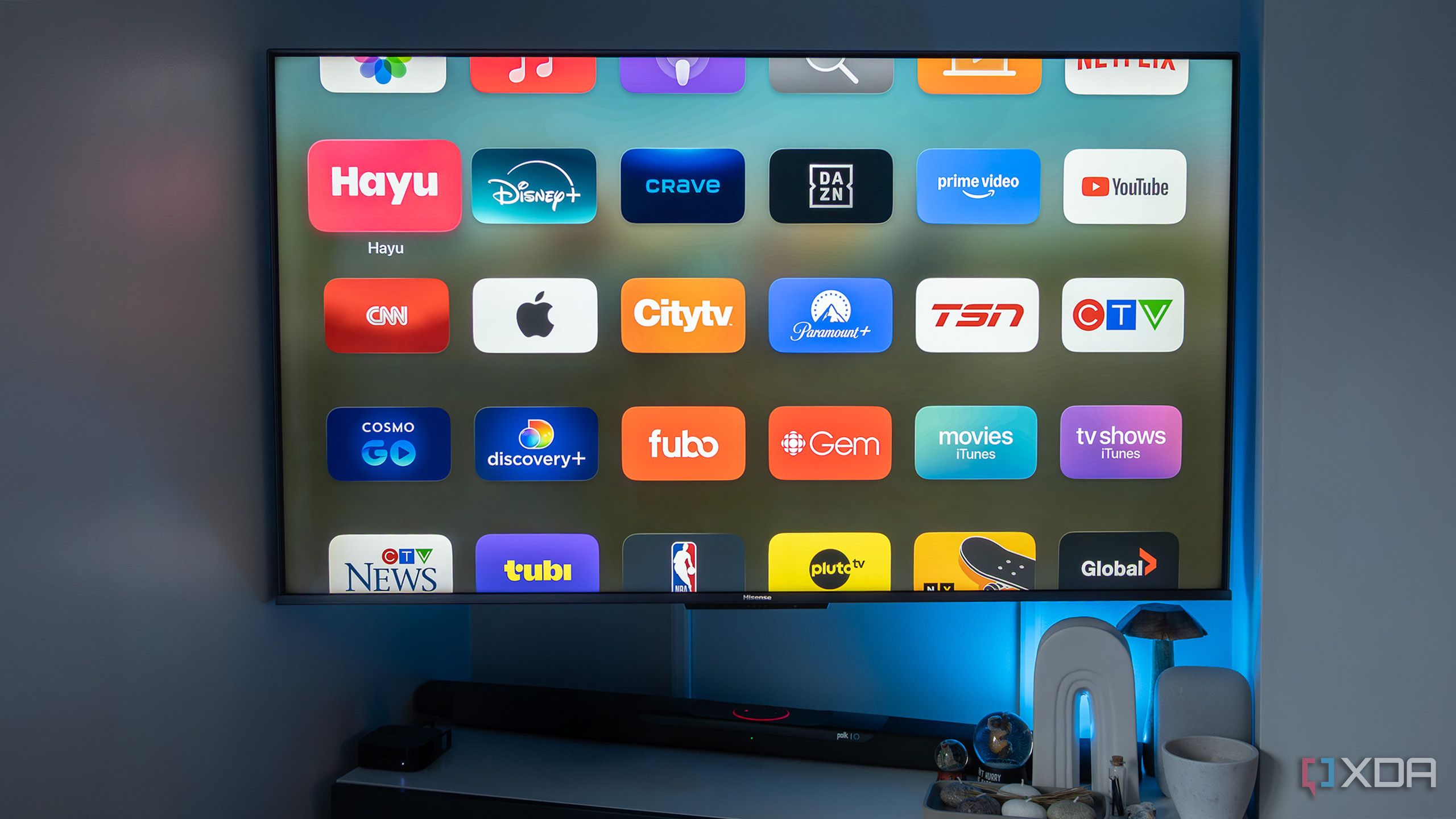
I immediately shifted from cable TV to streaming as soon as I got the chance. It was advertised as the cheaper alternative to cable, and individually, each service was. Every subscription I added made sense at the time. I worked from home, and content was a part of my daily routine. But I didn’t realize how many subscriptions I had until I actually sat down and counted them. The stack had accumulated quietly, and the total had become more expensive than cable ever was.
I immediately shifted from cable TV to streaming as soon as I got the chance. It was advertised as the cheaper alternative to cable, and individually, each service was. Every subscription I added made sense at the time. I worked from home, and content was a part of my daily routine. But I didn’t realize how many subscriptions I had until I actually sat down and counted them. The stack had accumulated quietly, and the total had become more expensive than cable ever was.
Subscriptions and I don't really mix, I'd rather push a free trial as far as it'll go, settle for the free tier indefinitely, or just find an alternative tool altogether. Claude Pro is one of the very few I've actually stuck with, and even then I've reassessed whether the subscription is worth it several times. When the news broke in April that Anthropic might be removing Claude Code from the Pro plan, it didn't really affect me directly because I don't use it, but it still left a small bad taste; my plan was getting potentially clipped, and that's the kind of thing that makes you start looking at alternatives.
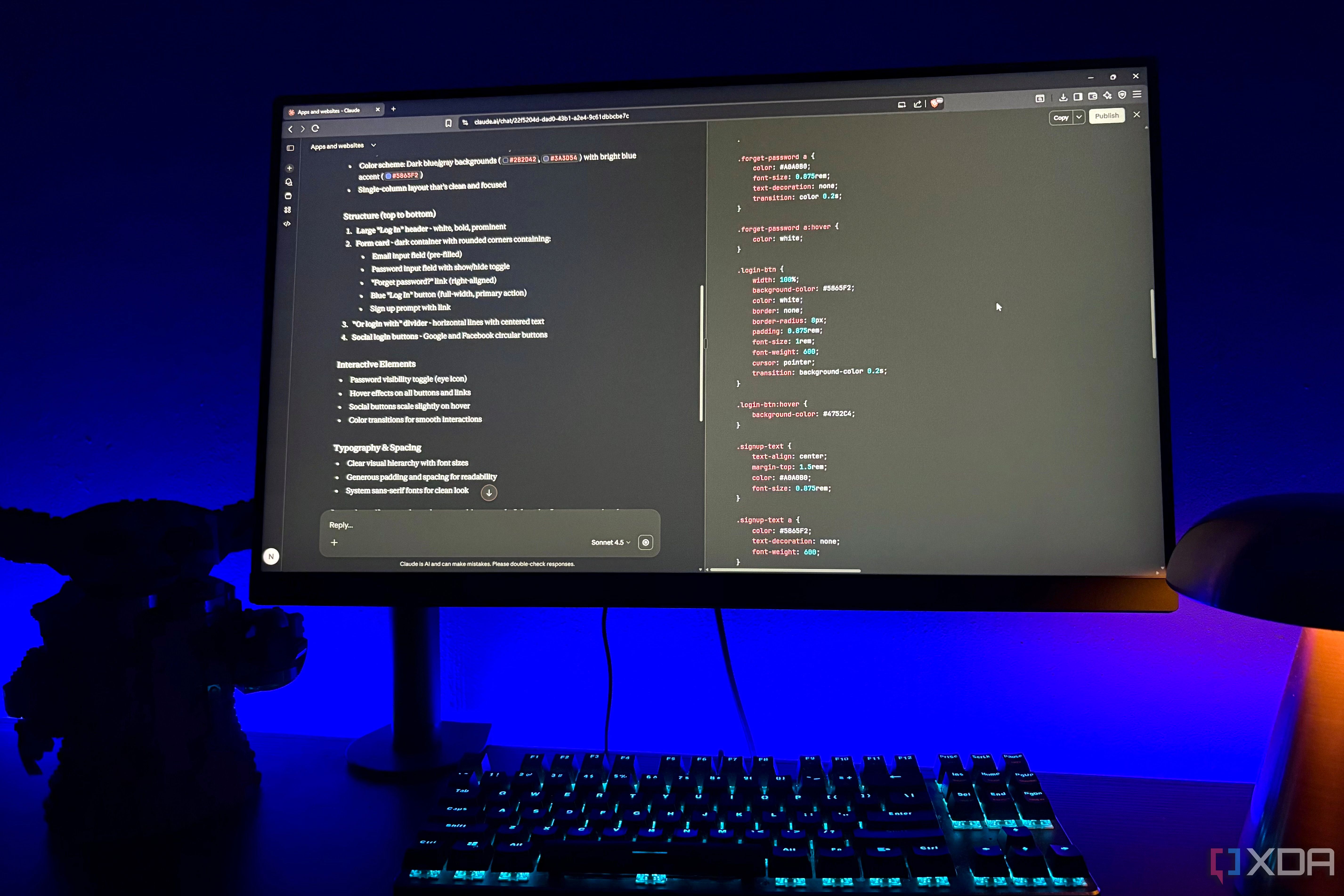
Subscriptions and I don't really mix, I'd rather push a free trial as far as it'll go, settle for the free tier indefinitely, or just find an alternative tool altogether. Claude Pro is one of the very few I've actually stuck with, and even then I've reassessed whether the subscription is worth it several times. When the news broke in April that Anthropic might be removing Claude Code from the Pro plan, it didn't really affect me directly because I don't use it, but it still left a small bad taste; my plan was getting potentially clipped, and that's the kind of thing that makes you start looking at alternatives.
Subscriptions and I don't really mix, I'd rather push a free trial as far as it'll go, settle for the free tier indefinitely, or just find an alternative tool altogether. Claude Pro is one of the very few I've actually stuck with, and even then I've reassessed whether the subscription is worth it several times. When the news broke in April that Anthropic might be removing Claude Code from the Pro plan, it didn't really affect me directly because I don't use it, but it still left a small bad taste; my plan was getting potentially clipped, and that's the kind of thing that makes you start looking at alternatives.
Subscriptions and I don't really mix, I'd rather push a free trial as far as it'll go, settle for the free tier indefinitely, or just find an alternative tool altogether. Claude Pro is one of the very few I've actually stuck with, and even then I've reassessed whether the subscription is worth it several times. When the news broke in April that Anthropic might be removing Claude Code from the Pro plan, it didn't really affect me directly because I don't use it, but it still left a small bad taste; my plan was getting potentially clipped, and that's the kind of thing that makes you start looking at alternatives.
Between the modularity of the PC and the simplicity of a console, many buyers tend to prefer the latter, and it isn't all that difficult to understand why. Consoles have always offered a dedicated, curated gaming experience that the PC ecosystem, or more accurately, the Windows ecosystem has historically lacked. Booting into a game without first dealing with the OS, the launchers, the background optimization has always been a console privilege.
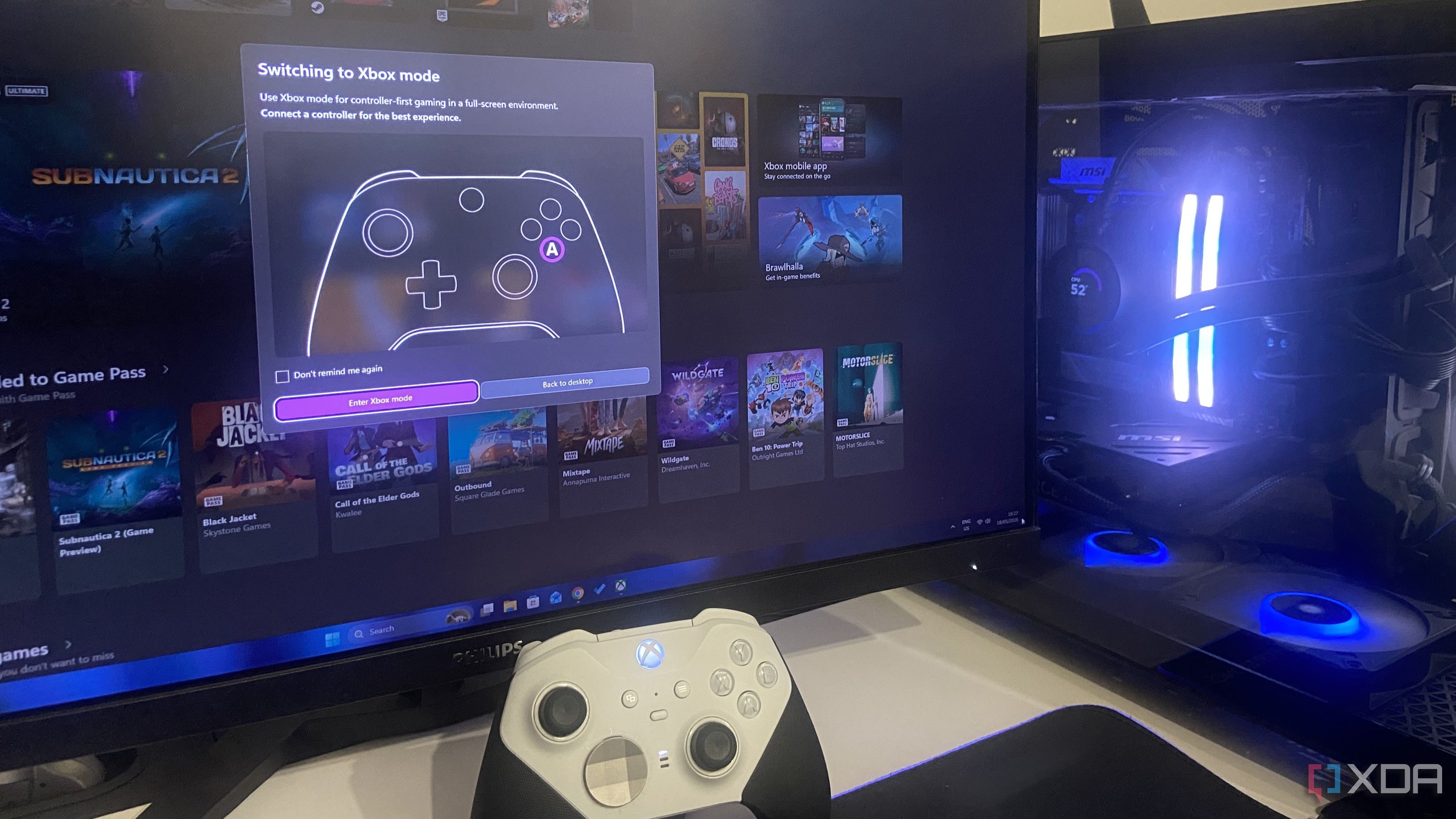
Between the modularity of the PC and the simplicity of a console, many buyers tend to prefer the latter, and it isn't all that difficult to understand why. Consoles have always offered a dedicated, curated gaming experience that the PC ecosystem, or more accurately, the Windows ecosystem has historically lacked. Booting into a game without first dealing with the OS, the launchers, the background optimization has always been a console privilege.
Between the modularity of the PC and the simplicity of a console, many buyers tend to prefer the latter, and it isn't all that difficult to understand why. Consoles have always offered a dedicated, curated gaming experience that the PC ecosystem, or more accurately, the Windows ecosystem has historically lacked. Booting into a game without first dealing with the OS, the launchers, the background optimization has always been a console privilege.
The motherboard isn't something you upgrade during the lifetime of your build. It's your PC's foundational platform, meant to enable other upgrades over the course of 5–7 years. Most PC builders might make one CPU or GPU swap, add a second SSD or more RAM, replace the CPU cooler, and call it a day. They ignore the other upgrade possibilities available on their motherboard, either because they're unaware or because they don't consider them important enough. These oft-ignored expansion slots and headers aren't really "hidden," but they can come as a surprise to most people. Once you know the power of your spare PCIe and M.2 slots, you won't look at them the same way again. You might even delay your next build and instead add missing features to your motherboard using these expansion slots.
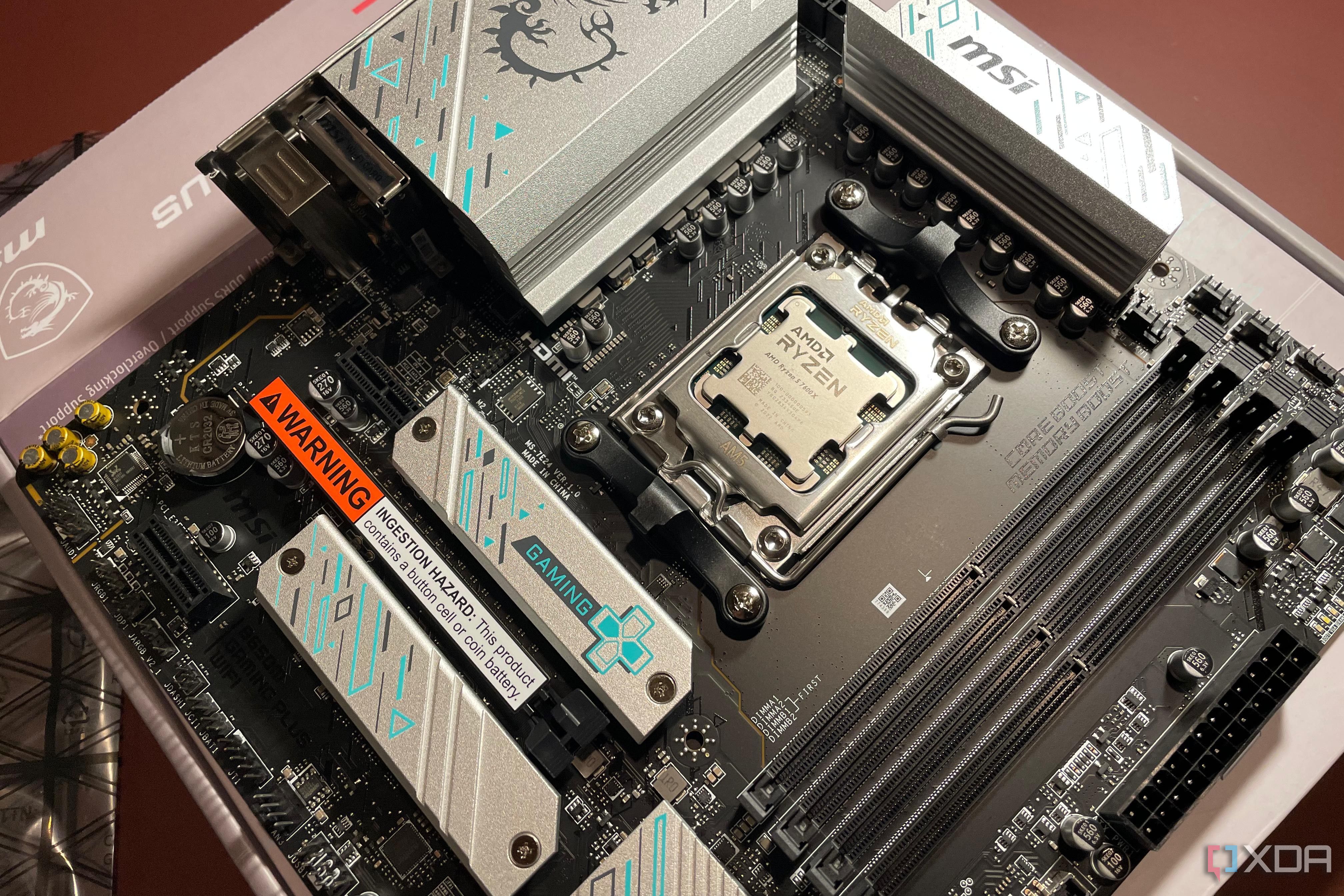
The motherboard isn't something you upgrade during the lifetime of your build. It's your PC's foundational platform, meant to enable other upgrades over the course of 5–7 years. Most PC builders might make one CPU or GPU swap, add a second SSD or more RAM, replace the CPU cooler, and call it a day. They ignore the other upgrade possibilities available on their motherboard, either because they're unaware or because they don't consider them important enough. These oft-ignored expansion slots and headers aren't really "hidden," but they can come as a surprise to most people. Once you know the power of your spare PCIe and M.2 slots, you won't look at them the same way again. You might even delay your next build and instead add missing features to your motherboard using these expansion slots.
The motherboard isn't something you upgrade during the lifetime of your build. It's your PC's foundational platform, meant to enable other upgrades over the course of 5–7 years. Most PC builders might make one CPU or GPU swap, add a second SSD or more RAM, replace the CPU cooler, and call it a day. They ignore the other upgrade possibilities available on their motherboard, either because they're unaware or because they don't consider them important enough. These oft-ignored expansion slots and headers aren't really "hidden," but they can come as a surprise to most people. Once you know the power of your spare PCIe and M.2 slots, you won't look at them the same way again. You might even delay your next build and instead add missing features to your motherboard using these expansion slots.
Modern TVs are best known as smart TVs. You'd be hard-pressed to find a normal television set on display at your local appliance store. Everything has "smart" slapped onto it with impressive features on the marketing sheet. These sets all have wireless capabilities, integrated streaming, vast app collections, and an OS that can be continuously updated with improvements and new features. That all sounds well and good until you realize that smart TVs can often be underpowered.
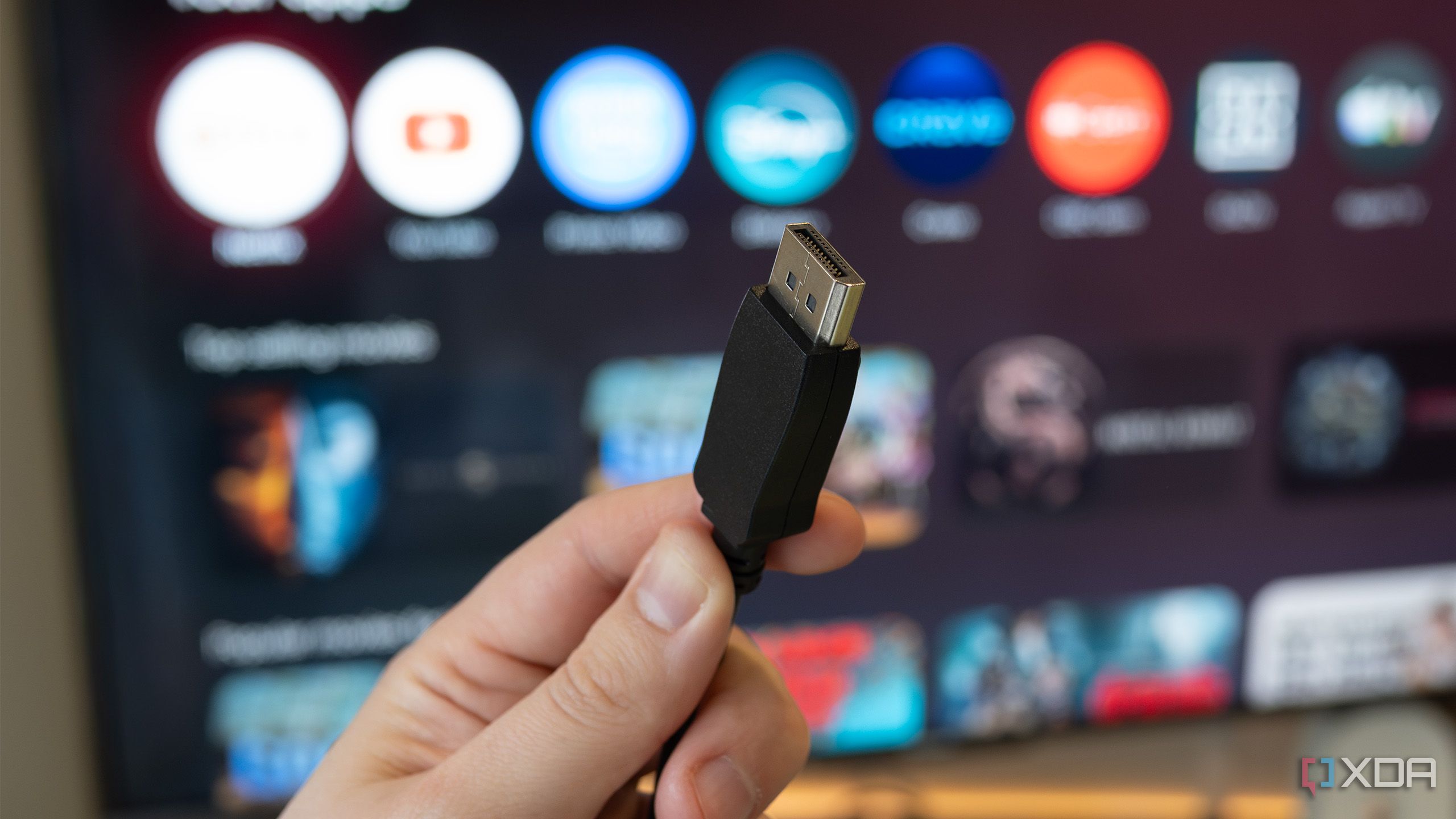
Modern TVs are best known as smart TVs. You'd be hard-pressed to find a normal television set on display at your local appliance store. Everything has "smart" slapped onto it with impressive features on the marketing sheet. These sets all have wireless capabilities, integrated streaming, vast app collections, and an OS that can be continuously updated with improvements and new features. That all sounds well and good until you realize that smart TVs can often be underpowered.
Modern TVs are best known as smart TVs. You'd be hard-pressed to find a normal television set on display at your local appliance store. Everything has "smart" slapped onto it with impressive features on the marketing sheet. These sets all have wireless capabilities, integrated streaming, vast app collections, and an OS that can be continuously updated with improvements and new features. That all sounds well and good until you realize that smart TVs can often be underpowered.
Back when I started my home lab, it consisted of a compact mini PC. It evolved over the years, taking the form of multiple used enterprise rack servers, finally ending up as a few small business desktop PCs with low-power CPUs. But it all started with a Minisforum U850 with an Intel Core i5-10210U processor, Windows 10 Pro, and 16GB of DDR4 RAM. The chip had integrated graphics powered by Intel UHD 630. In terms of specs at the time of release, this wasn't a terrible mini PC. It had some serious horsepower under the hood, especially when compared to a Raspberry Pi.
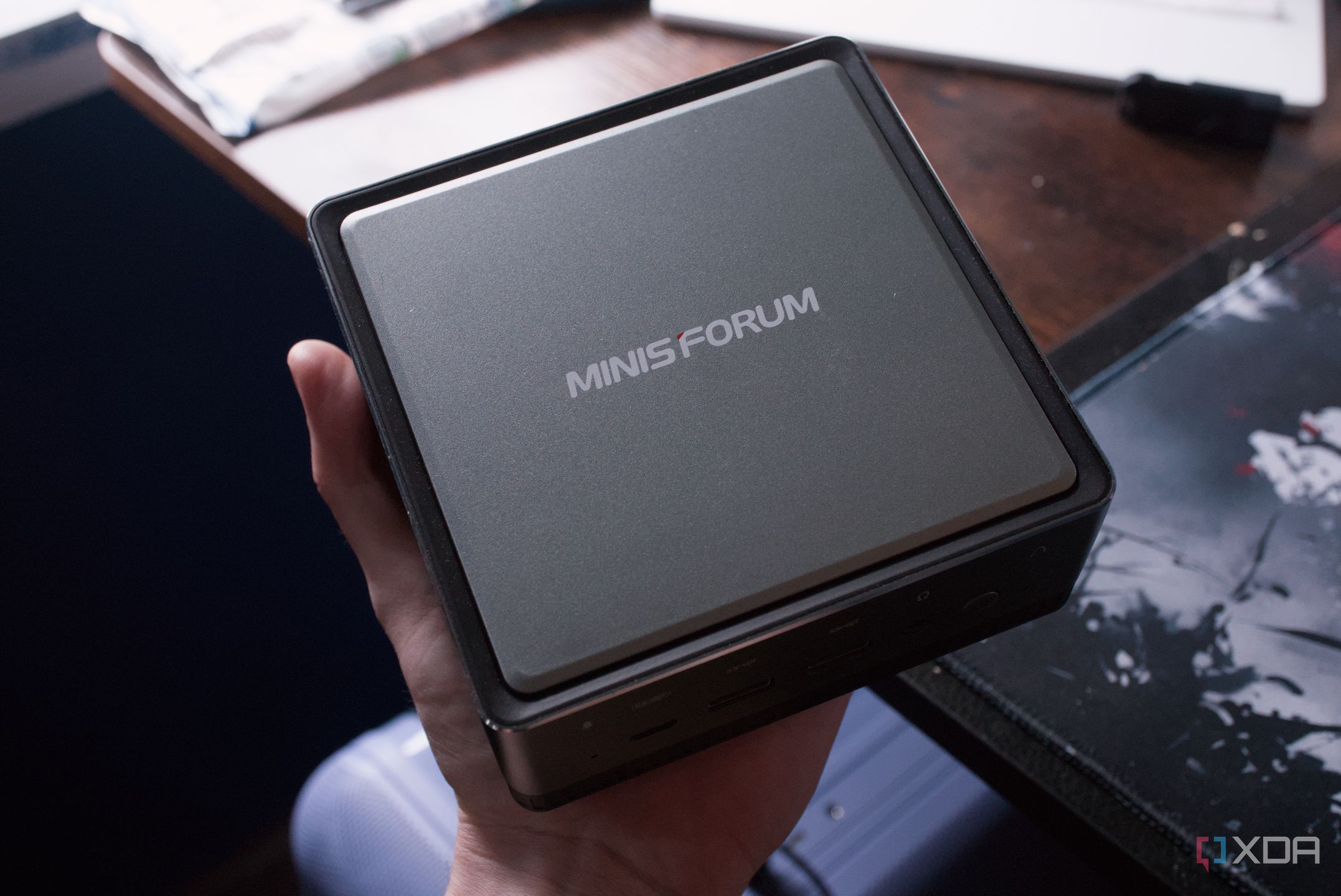
Back when I started my home lab, it consisted of a compact mini PC. It evolved over the years, taking the form of multiple used enterprise rack servers, finally ending up as a few small business desktop PCs with low-power CPUs. But it all started with a Minisforum U850 with an Intel Core i5-10210U processor, Windows 10 Pro, and 16GB of DDR4 RAM. The chip had integrated graphics powered by Intel UHD 630. In terms of specs at the time of release, this wasn't a terrible mini PC. It had some serious horsepower under the hood, especially when compared to a Raspberry Pi.
Back when I started my home lab, it consisted of a compact mini PC. It evolved over the years, taking the form of multiple used enterprise rack servers, finally ending up as a few small business desktop PCs with low-power CPUs. But it all started with a Minisforum U850 with an Intel Core i5-10210U processor, Windows 10 Pro, and 16GB of DDR4 RAM. The chip had integrated graphics powered by Intel UHD 630. In terms of specs at the time of release, this wasn't a terrible mini PC. It had some serious horsepower under the hood, especially when compared to a Raspberry Pi.
When Anthropic dropped the new Claude Code desktop app with its embedded browser preview, it felt like a massive win for solo developers. Letting Claude spin up a local development server, read the DOM, and visually verify its own UI fixes right inside the app is a productivity booster.
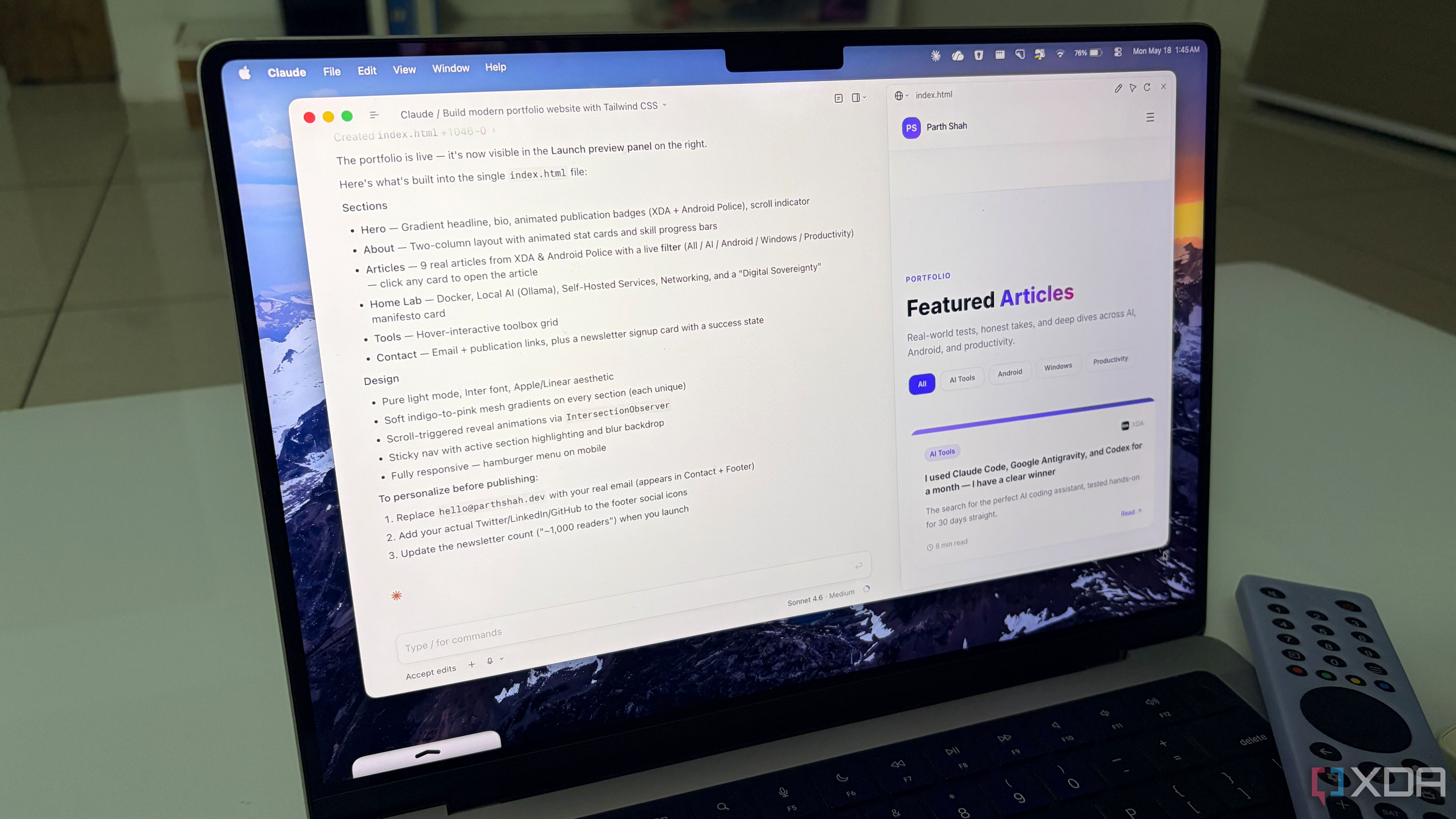
When Anthropic dropped the new Claude Code desktop app with its embedded browser preview, it felt like a massive win for solo developers. Letting Claude spin up a local development server, read the DOM, and visually verify its own UI fixes right inside the app is a productivity booster.
When Anthropic dropped the new Claude Code desktop app with its embedded browser preview, it felt like a massive win for solo developers. Letting Claude spin up a local development server, read the DOM, and visually verify its own UI fixes right inside the app is a productivity booster.
When Anthropic dropped the new Claude Code desktop app with its embedded browser preview, it felt like a massive win for solo developers. Letting Claude spin up a local development server, read the DOM, and visually verify its own UI fixes right inside the app is a productivity booster.
Synology used to be the biggest player in the Network-Attached Storage ecosystem, but it has slowly lost its footing since 2025. Removing HEVC drivers from certain NAS units massively reduced their utility for Jellyfin/Plex tasks. Couple that with the fact that rival manufacturers (heck, even makeshift SBC/mini-PC setups) tend to surpass Synology’s pre-built rigs in terms of computational and networking prowess while costing roughly the same, and you can see why folks such as myself tend to prefer other brands when picking up a new storage server.
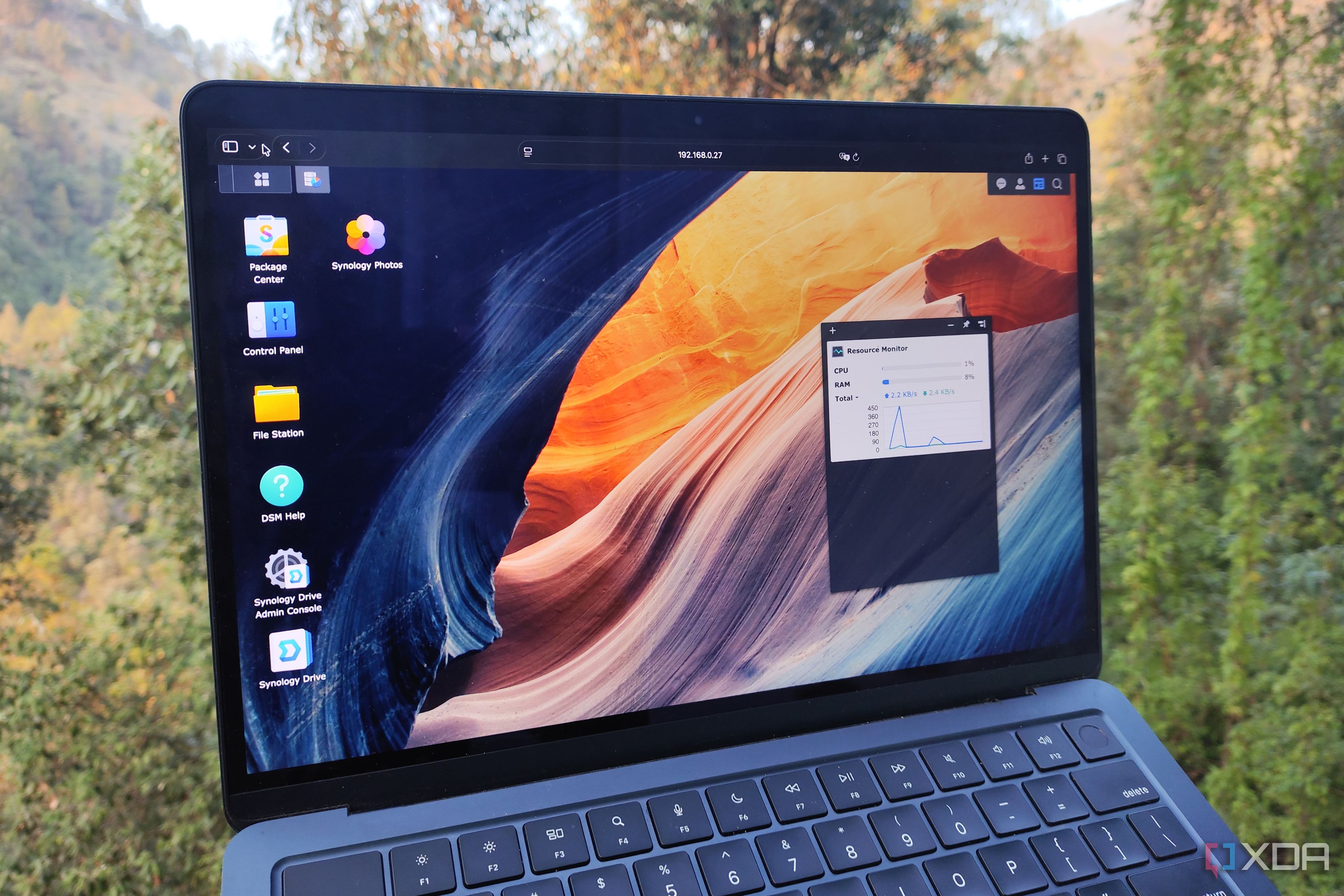
Synology used to be the biggest player in the Network-Attached Storage ecosystem, but it has slowly lost its footing since 2025. Removing HEVC drivers from certain NAS units massively reduced their utility for Jellyfin/Plex tasks. Couple that with the fact that rival manufacturers (heck, even makeshift SBC/mini-PC setups) tend to surpass Synology’s pre-built rigs in terms of computational and networking prowess while costing roughly the same, and you can see why folks such as myself tend to prefer other brands when picking up a new storage server.
Synology used to be the biggest player in the Network-Attached Storage ecosystem, but it has slowly lost its footing since 2025. Removing HEVC drivers from certain NAS units massively reduced their utility for Jellyfin/Plex tasks. Couple that with the fact that rival manufacturers (heck, even makeshift SBC/mini-PC setups) tend to surpass Synology’s pre-built rigs in terms of computational and networking prowess while costing roughly the same, and you can see why folks such as myself tend to prefer other brands when picking up a new storage server.
Thanks to its innovative approach to extracting information from notes, documents, PDFs, and online sources, NotebookLM has quickly become a crucial tool in my digital life. While many users stick to the surface, I've been diving deep to discover unique strategies that have transformed how I research, write, and even brainstorm. If you're ready to unlock the hidden depths of NotebookLM and truly maximize its capabilities, you are in the right place.
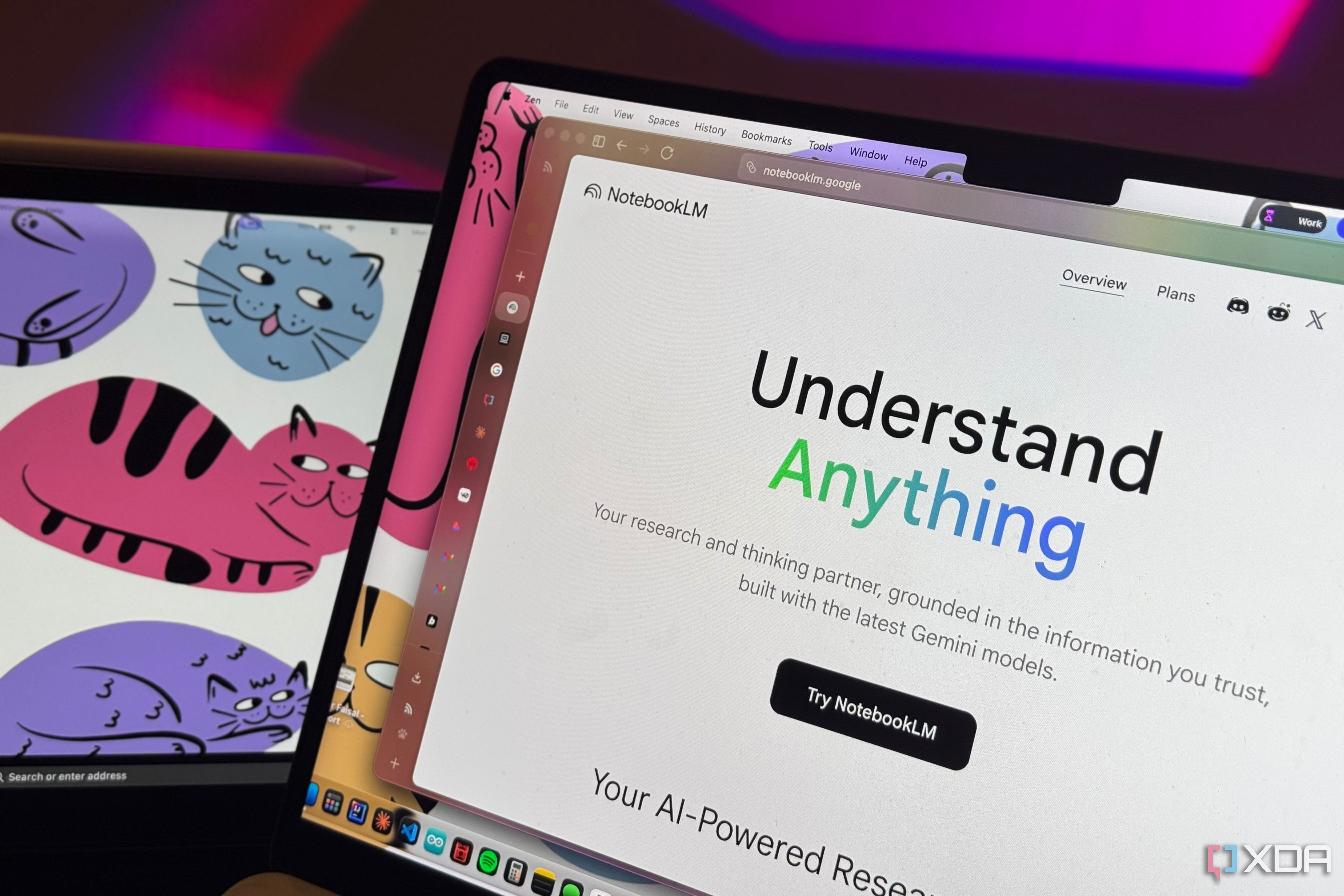
Thanks to its innovative approach to extracting information from notes, documents, PDFs, and online sources, NotebookLM has quickly become a crucial tool in my digital life. While many users stick to the surface, I've been diving deep to discover unique strategies that have transformed how I research, write, and even brainstorm. If you're ready to unlock the hidden depths of NotebookLM and truly maximize its capabilities, you are in the right place.
Thanks to its innovative approach to extracting information from notes, documents, PDFs, and online sources, NotebookLM has quickly become a crucial tool in my digital life. While many users stick to the surface, I've been diving deep to discover unique strategies that have transformed how I research, write, and even brainstorm. If you're ready to unlock the hidden depths of NotebookLM and truly maximize its capabilities, you are in the right place.
Thanks to its innovative approach to extracting information from notes, documents, PDFs, and online sources, NotebookLM has quickly become a crucial tool in my digital life. While many users stick to the surface, I've been diving deep to discover unique strategies that have transformed how I research, write, and even brainstorm. If you're ready to unlock the hidden depths of NotebookLM and truly maximize its capabilities, you are in the right place.
The smartphone landscape is essentially a duopoly these days, with Google's Android and Apple's iOS completely dominating the market. And while we all know that Android is a Linux-based operating system, it's quite a bit different than your typical Linux distro, and there's always been some curiosity about running Linux on a phone. Efforts like Ubuntu Touch or Fedora KDE Plasma Mobile show there's interest in this idea, but it hasn't really taken off yet.
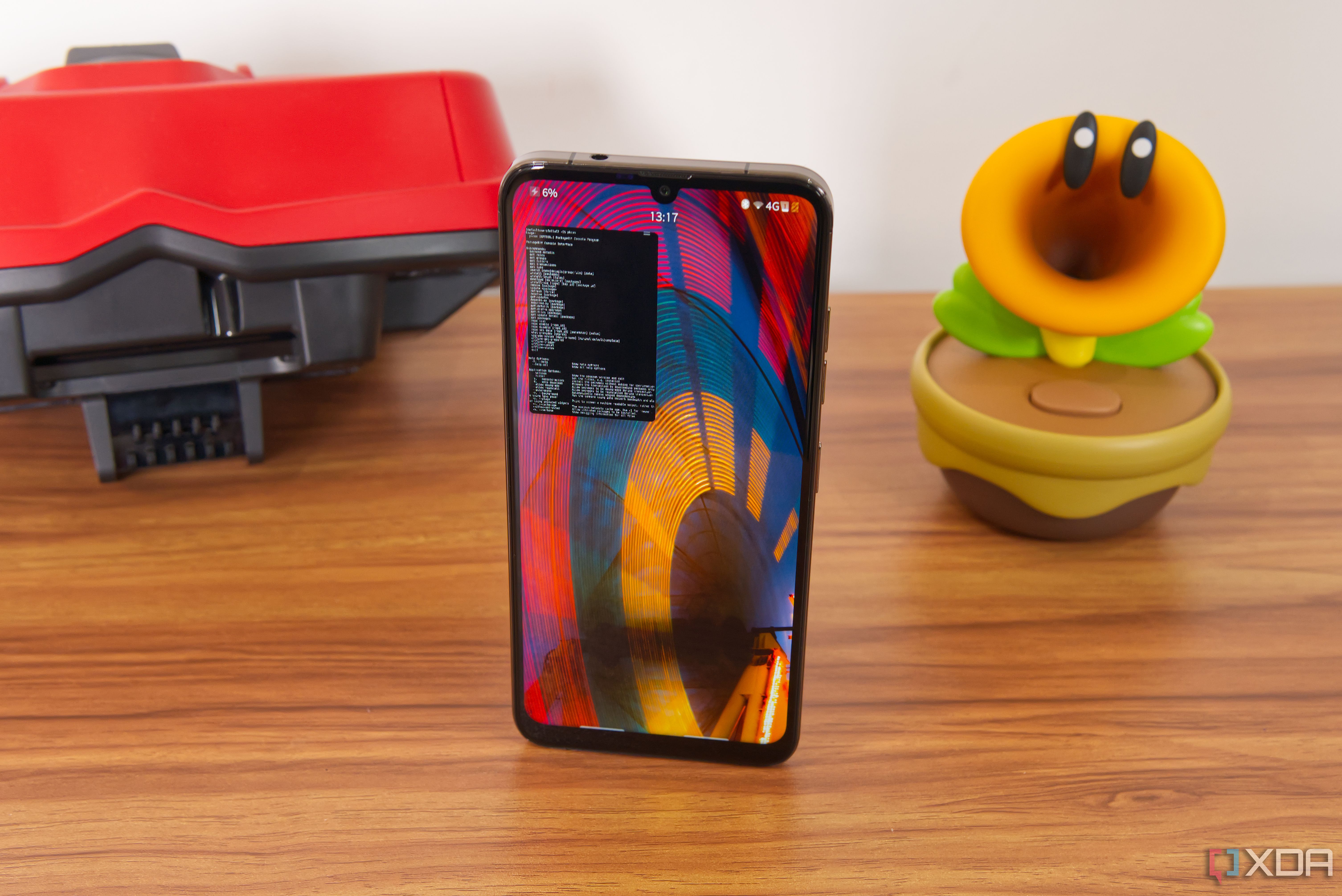
The smartphone landscape is essentially a duopoly these days, with Google's Android and Apple's iOS completely dominating the market. And while we all know that Android is a Linux-based operating system, it's quite a bit different than your typical Linux distro, and there's always been some curiosity about running Linux on a phone. Efforts like Ubuntu Touch or Fedora KDE Plasma Mobile show there's interest in this idea, but it hasn't really taken off yet.
The smartphone landscape is essentially a duopoly these days, with Google's Android and Apple's iOS completely dominating the market. And while we all know that Android is a Linux-based operating system, it's quite a bit different than your typical Linux distro, and there's always been some curiosity about running Linux on a phone. Efforts like Ubuntu Touch or Fedora KDE Plasma Mobile show there's interest in this idea, but it hasn't really taken off yet.
Change is something that's always terrified me. But of course, it's inevitable and there's no running from it. While what I said certainly applies more on a personal level, it maps surprisingly well onto how I use apps daily. Once I get comfortable with the way I use a tool, I have a bad habit of refusing to question whether my way is any good.
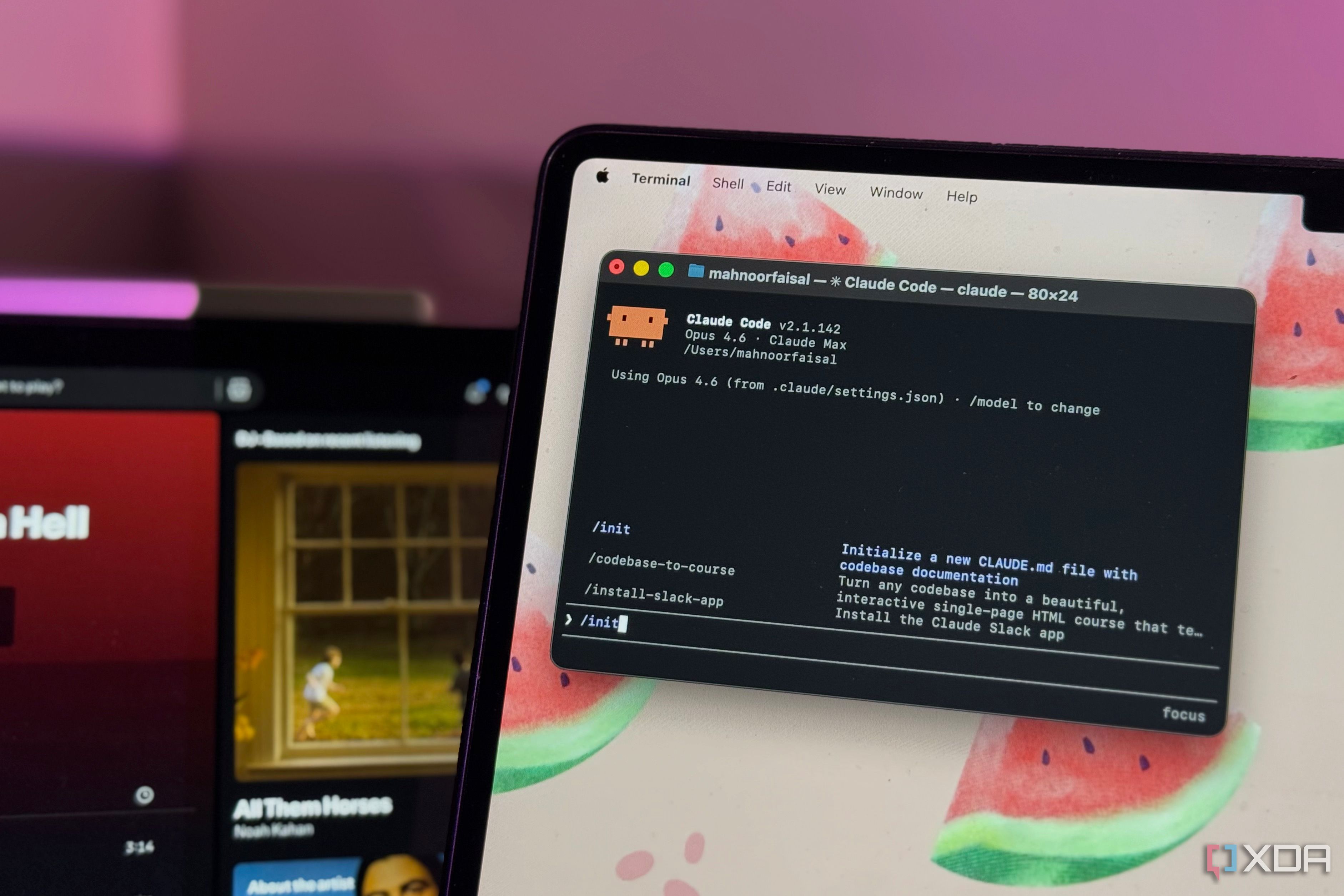
Change is something that's always terrified me. But of course, it's inevitable and there's no running from it. While what I said certainly applies more on a personal level, it maps surprisingly well onto how I use apps daily. Once I get comfortable with the way I use a tool, I have a bad habit of refusing to question whether my way is any good.
Change is something that's always terrified me. But of course, it's inevitable and there's no running from it. While what I said certainly applies more on a personal level, it maps surprisingly well onto how I use apps daily. Once I get comfortable with the way I use a tool, I have a bad habit of refusing to question whether my way is any good.
Change is something that's always terrified me. But of course, it's inevitable and there's no running from it. While what I said certainly applies more on a personal level, it maps surprisingly well onto how I use apps daily. Once I get comfortable with the way I use a tool, I have a bad habit of refusing to question whether my way is any good.
This is one of those situations where I take a second to think about how I got here.
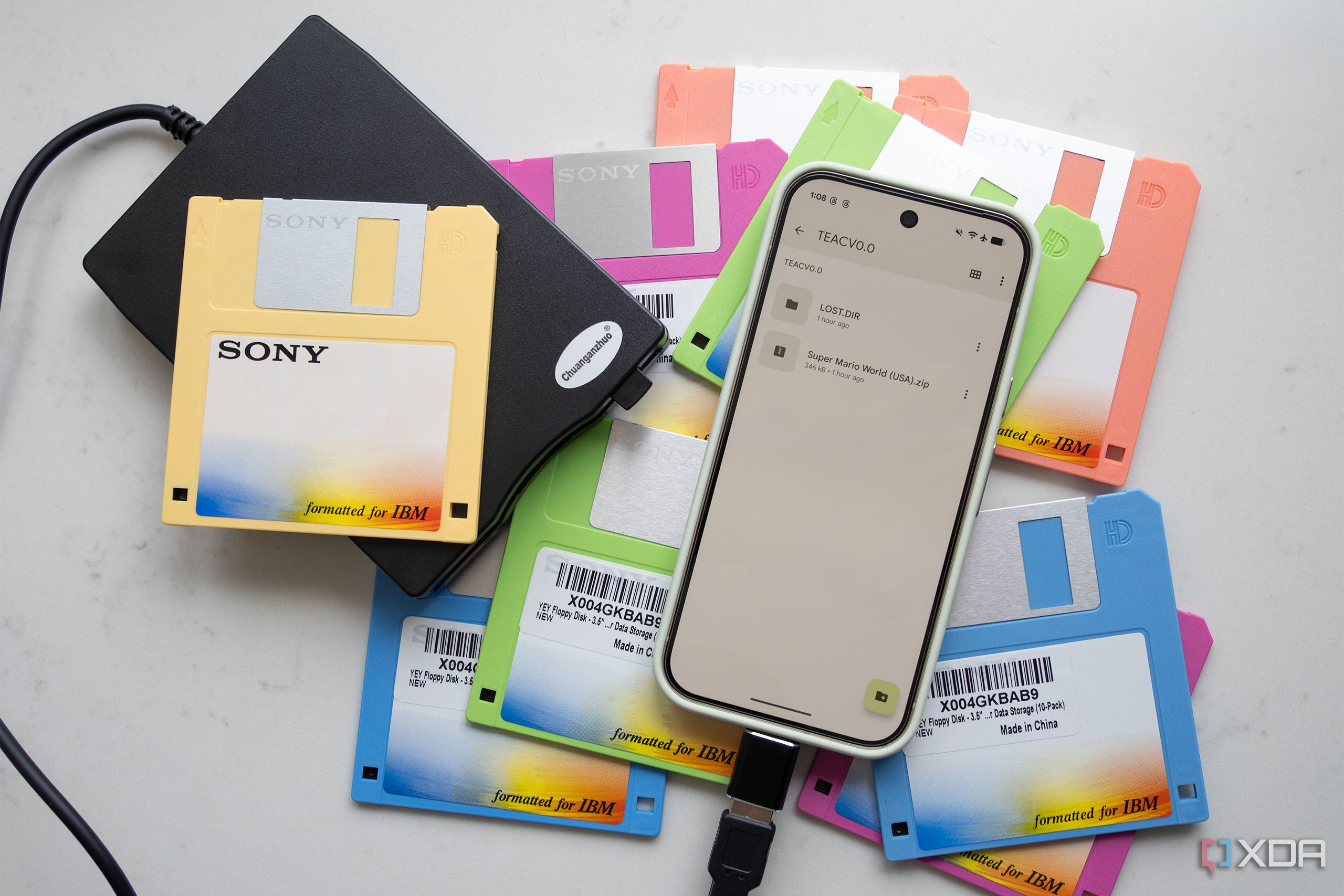
This is one of those situations where I take a second to think about how I got here.
This is one of those situations where I take a second to think about how I got here.
I've been self-hosting Jellyfin for some time now. I initially hosted it on my Mac, and that worked perfectly fine. I was able to watch movies, stream high-resolution and 4K content, and generally do everything I wanted without any issues. A big reason for that was the hardware itself. Macs have enough processing power to comfortably handle a Jellyfin server for personal use.
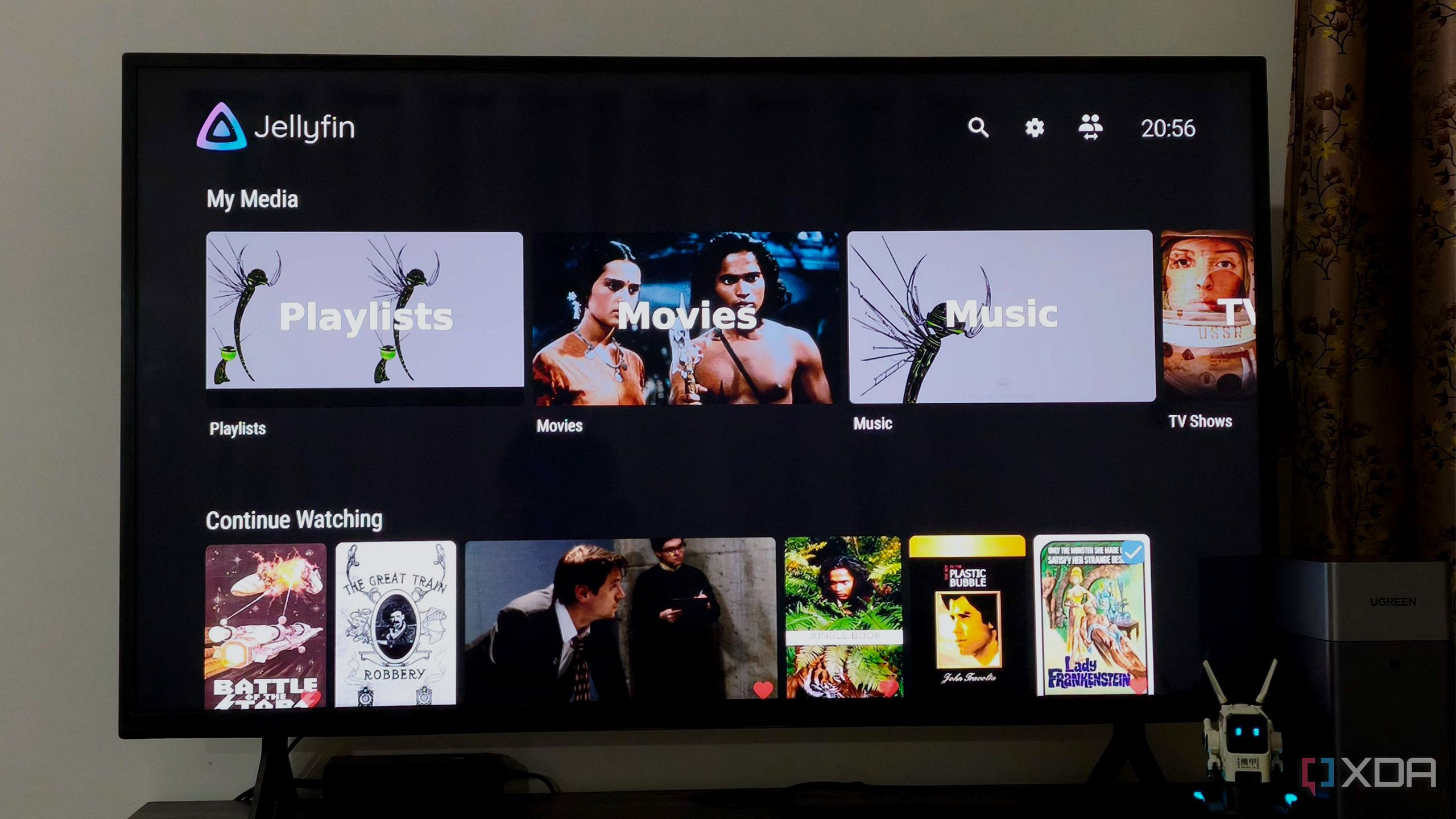
I've been self-hosting Jellyfin for some time now. I initially hosted it on my Mac, and that worked perfectly fine. I was able to watch movies, stream high-resolution and 4K content, and generally do everything I wanted without any issues. A big reason for that was the hardware itself. Macs have enough processing power to comfortably handle a Jellyfin server for personal use.
I've been self-hosting Jellyfin for some time now. I initially hosted it on my Mac, and that worked perfectly fine. I was able to watch movies, stream high-resolution and 4K content, and generally do everything I wanted without any issues. A big reason for that was the hardware itself. Macs have enough processing power to comfortably handle a Jellyfin server for personal use.
I've been self-hosting Jellyfin for some time now. I initially hosted it on my Mac, and that worked perfectly fine. I was able to watch movies, stream high-resolution and 4K content, and generally do everything I wanted without any issues. A big reason for that was the hardware itself. Macs have enough processing power to comfortably handle a Jellyfin server for personal use.
While modern TVs are engineering marvels, their out-of-the-box settings are often a massive letdown. Have you ever unboxed a brand-new panel only to find the picture looking flat, washed out, or strangely clinical? You aren’t alone.
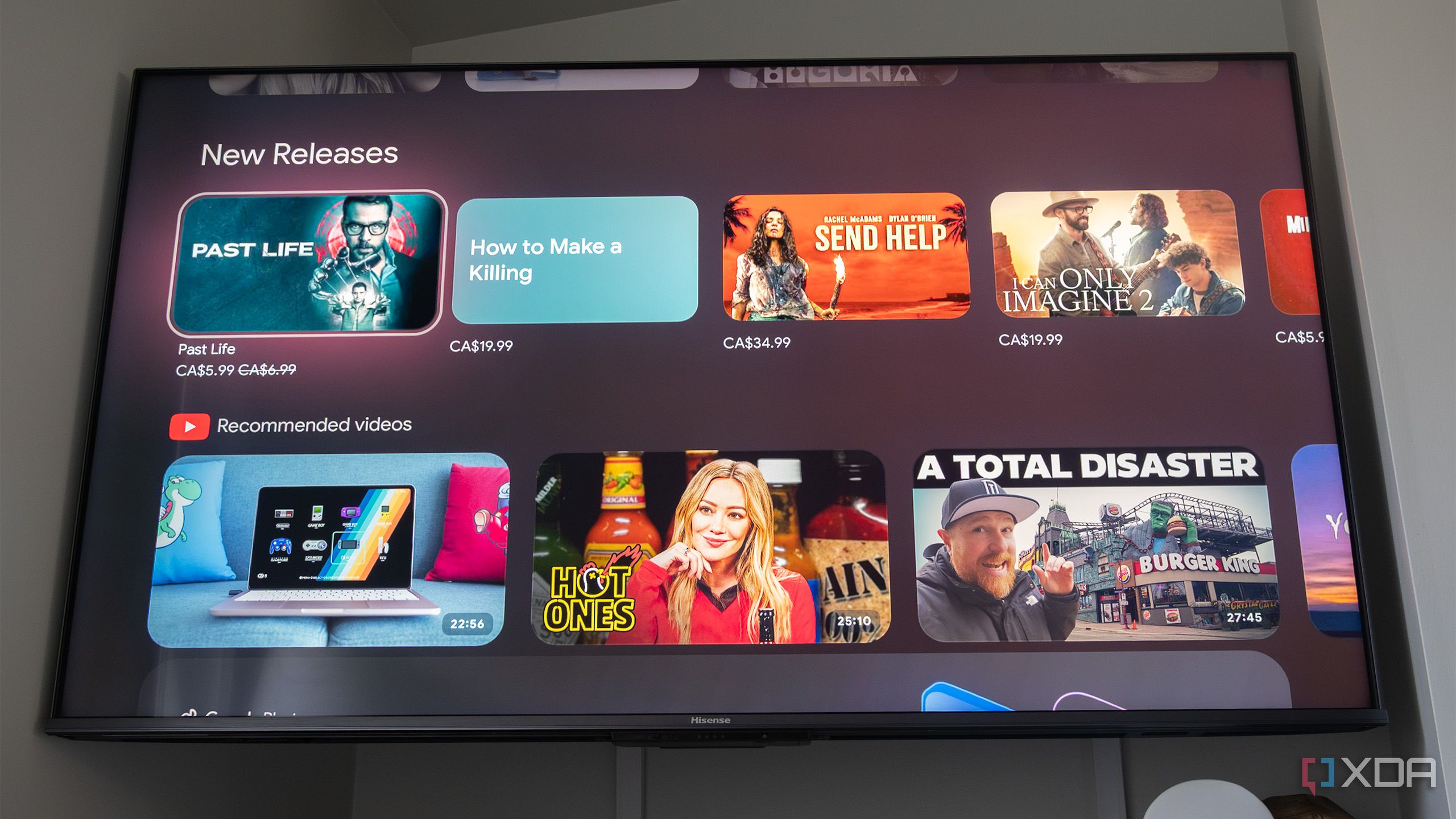
While modern TVs are engineering marvels, their out-of-the-box settings are often a massive letdown. Have you ever unboxed a brand-new panel only to find the picture looking flat, washed out, or strangely clinical? You aren’t alone.
While modern TVs are engineering marvels, their out-of-the-box settings are often a massive letdown. Have you ever unboxed a brand-new panel only to find the picture looking flat, washed out, or strangely clinical? You aren’t alone.
I've never really had any particular gripes with Figma, it's probably the best design tool on the market. I have it open most days and most of my coursework and personal projects live in it. But I always go poking around for an open-source equivalent for whatever tool I'm using. There's Penpot, which is practically a mirror of Figma, it's my top open-source Figma alternative recommendation. However, it's still paywalled. I recently came across OpenPencil, which is an incredible open-source Figma alternative with a great AI-powered workflow. But the search didn't stop there…
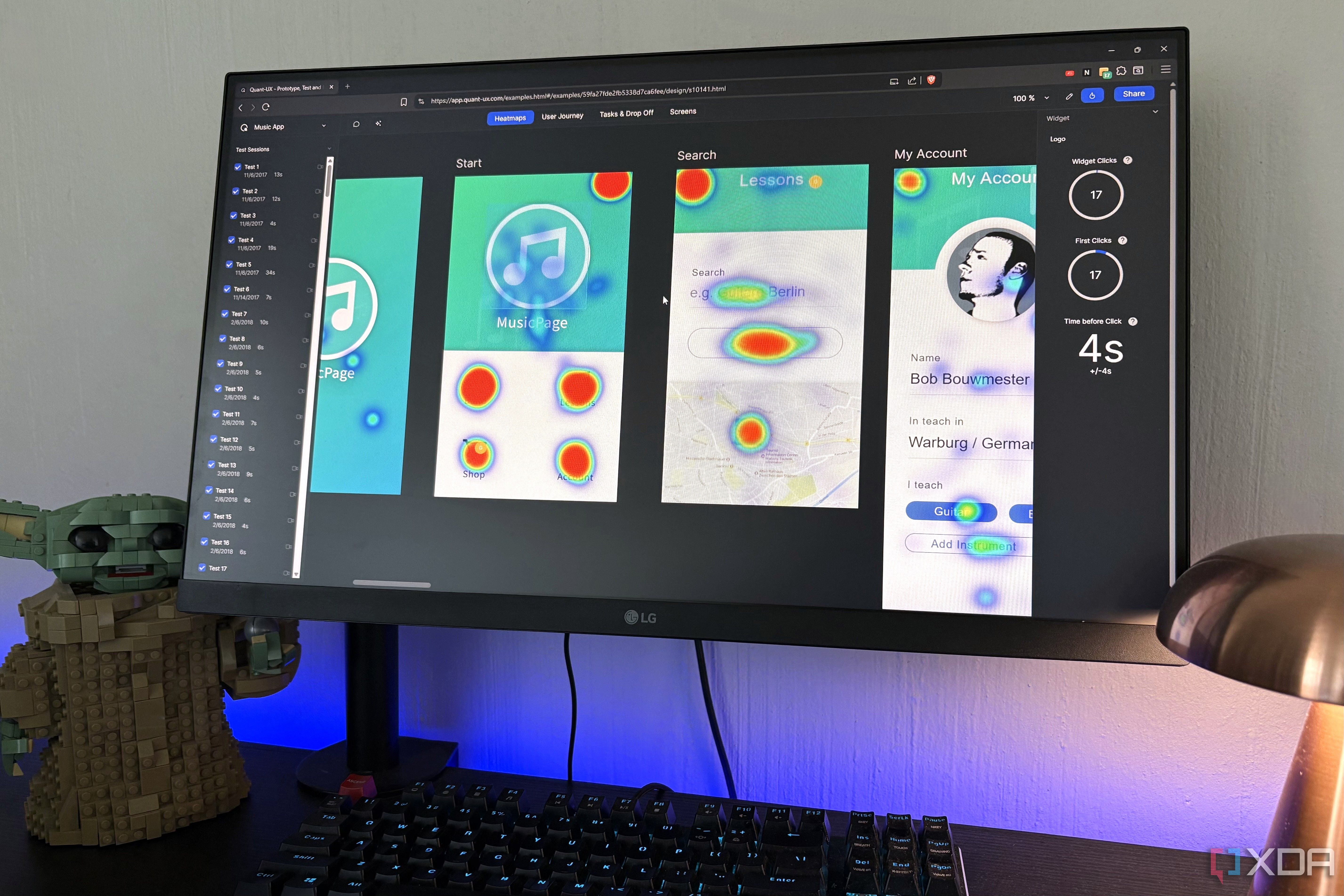
I've never really had any particular gripes with Figma, it's probably the best design tool on the market. I have it open most days and most of my coursework and personal projects live in it. But I always go poking around for an open-source equivalent for whatever tool I'm using. There's Penpot, which is practically a mirror of Figma, it's my top open-source Figma alternative recommendation. However, it's still paywalled. I recently came across OpenPencil, which is an incredible open-source Figma alternative with a great AI-powered workflow. But the search didn't stop there…
I've never really had any particular gripes with Figma, it's probably the best design tool on the market. I have it open most days and most of my coursework and personal projects live in it. But I always go poking around for an open-source equivalent for whatever tool I'm using. There's Penpot, which is practically a mirror of Figma, it's my top open-source Figma alternative recommendation. However, it's still paywalled. I recently came across OpenPencil, which is an incredible open-source Figma alternative with a great AI-powered workflow. But the search didn't stop there…
During the release candidate cycle for Linux 7.0, Linus began noticing something weird. The number of bug reports for Linux 7.0 was more than usual, but at the same time, the bugs being found were pretty minor and not worth delaying the release. At the time, Linus suspected that the rise in reports was due to people using AI tools to scan for and identify bugs, and it turns out, he was right.
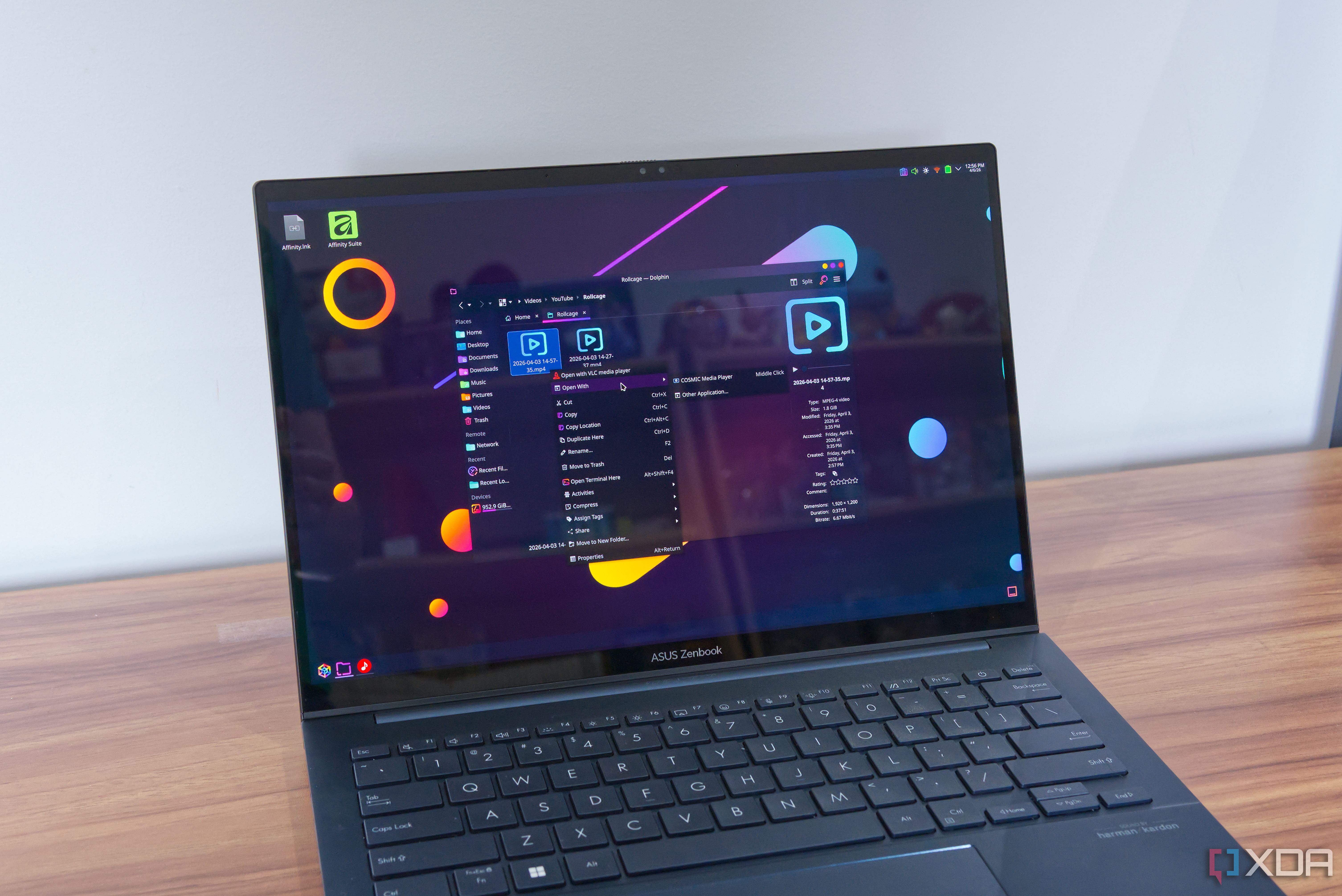
During the release candidate cycle for Linux 7.0, Linus began noticing something weird. The number of bug reports for Linux 7.0 was more than usual, but at the same time, the bugs being found were pretty minor and not worth delaying the release. At the time, Linus suspected that the rise in reports was due to people using AI tools to scan for and identify bugs, and it turns out, he was right.
During the release candidate cycle for Linux 7.0, Linus began noticing something weird. The number of bug reports for Linux 7.0 was more than usual, but at the same time, the bugs being found were pretty minor and not worth delaying the release. At the time, Linus suspected that the rise in reports was due to people using AI tools to scan for and identify bugs, and it turns out, he was right.
During the release candidate cycle for Linux 7.0, Linus began noticing something weird. The number of bug reports for Linux 7.0 was more than usual, but at the same time, the bugs being found were pretty minor and not worth delaying the release. At the time, Linus suspected that the rise in reports was due to people using AI tools to scan for and identify bugs, and it turns out, he was right.
When it comes to retro gaming, nothing beats having the authentic hardware in front of you while you play your favorite games. However, sometimes you just have to play the original Super Smash Bros with your friends overseas, and having a physical N64 just won't cut it. Fortunately, emulators allow us to play these classics online with friends, as if we were huddled around an actual console, albeit with a bit of lag.
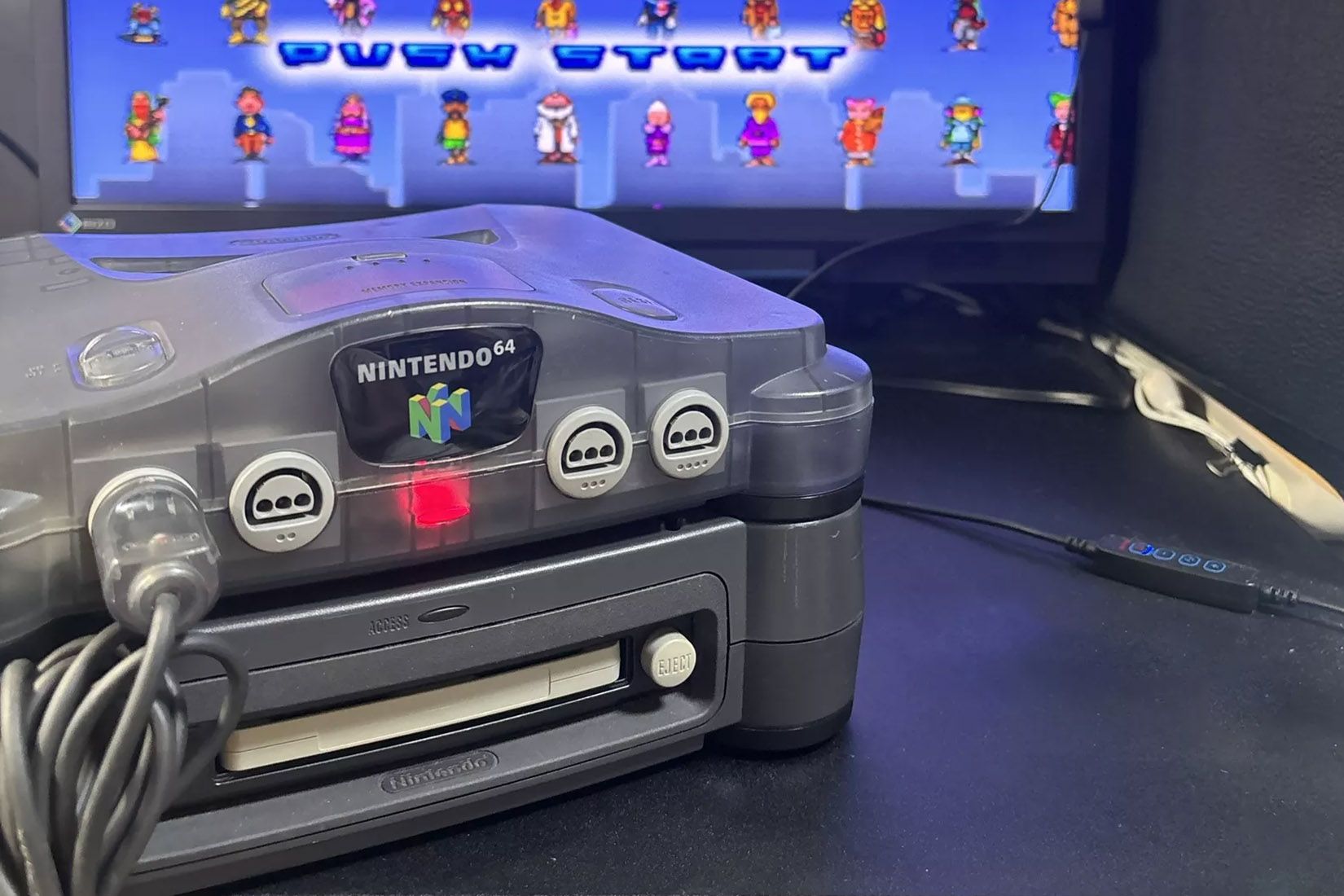
When it comes to retro gaming, nothing beats having the authentic hardware in front of you while you play your favorite games. However, sometimes you just have to play the original Super Smash Bros with your friends overseas, and having a physical N64 just won't cut it. Fortunately, emulators allow us to play these classics online with friends, as if we were huddled around an actual console, albeit with a bit of lag.
When it comes to retro gaming, nothing beats having the authentic hardware in front of you while you play your favorite games. However, sometimes you just have to play the original Super Smash Bros with your friends overseas, and having a physical N64 just won't cut it. Fortunately, emulators allow us to play these classics online with friends, as if we were huddled around an actual console, albeit with a bit of lag.
When it comes to retro gaming, nothing beats having the authentic hardware in front of you while you play your favorite games. However, sometimes you just have to play the original Super Smash Bros with your friends overseas, and having a physical N64 just won't cut it. Fortunately, emulators allow us to play these classics online with friends, as if we were huddled around an actual console, albeit with a bit of lag.
If the Windows 10 to 11 fiasco taught me anything, it's that people are more than happy to hold onto old hardware if it still works perfectly okay. And who can blame them? People are often sold devices on their merits, only to be told years later that those same boons are now old and outdated, and they should really just throw out what they have and buy the next best thing.
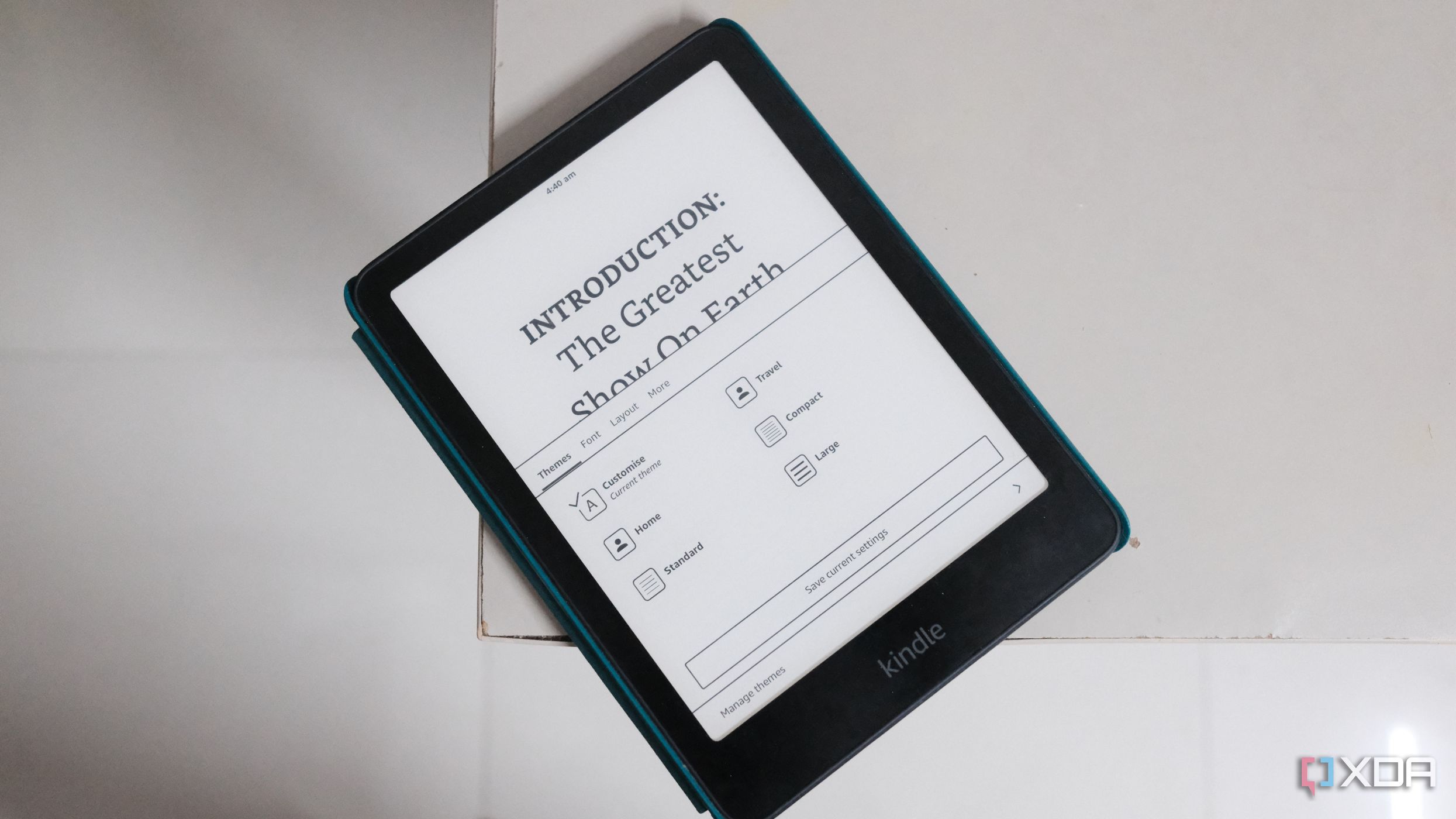
If the Windows 10 to 11 fiasco taught me anything, it's that people are more than happy to hold onto old hardware if it still works perfectly okay. And who can blame them? People are often sold devices on their merits, only to be told years later that those same boons are now old and outdated, and they should really just throw out what they have and buy the next best thing.
If the Windows 10 to 11 fiasco taught me anything, it's that people are more than happy to hold onto old hardware if it still works perfectly okay. And who can blame them? People are often sold devices on their merits, only to be told years later that those same boons are now old and outdated, and they should really just throw out what they have and buy the next best thing.
If the Windows 10 to 11 fiasco taught me anything, it's that people are more than happy to hold onto old hardware if it still works perfectly okay. And who can blame them? People are often sold devices on their merits, only to be told years later that those same boons are now old and outdated, and they should really just throw out what they have and buy the next best thing.
I have a lot of devices on my desk, but it's not often I get something in a new format. It's even less often that I get something that I've daydreamed about owning for most of my life, but that's what is here with the HP EliteBoard G1a. It's a mini PC stuffed inside a slimline keyboard, and it's every bit as fun as it sounds. It's essentially an HP EliteBook G1a but without the screen or the extra weight, and I'm here for that.
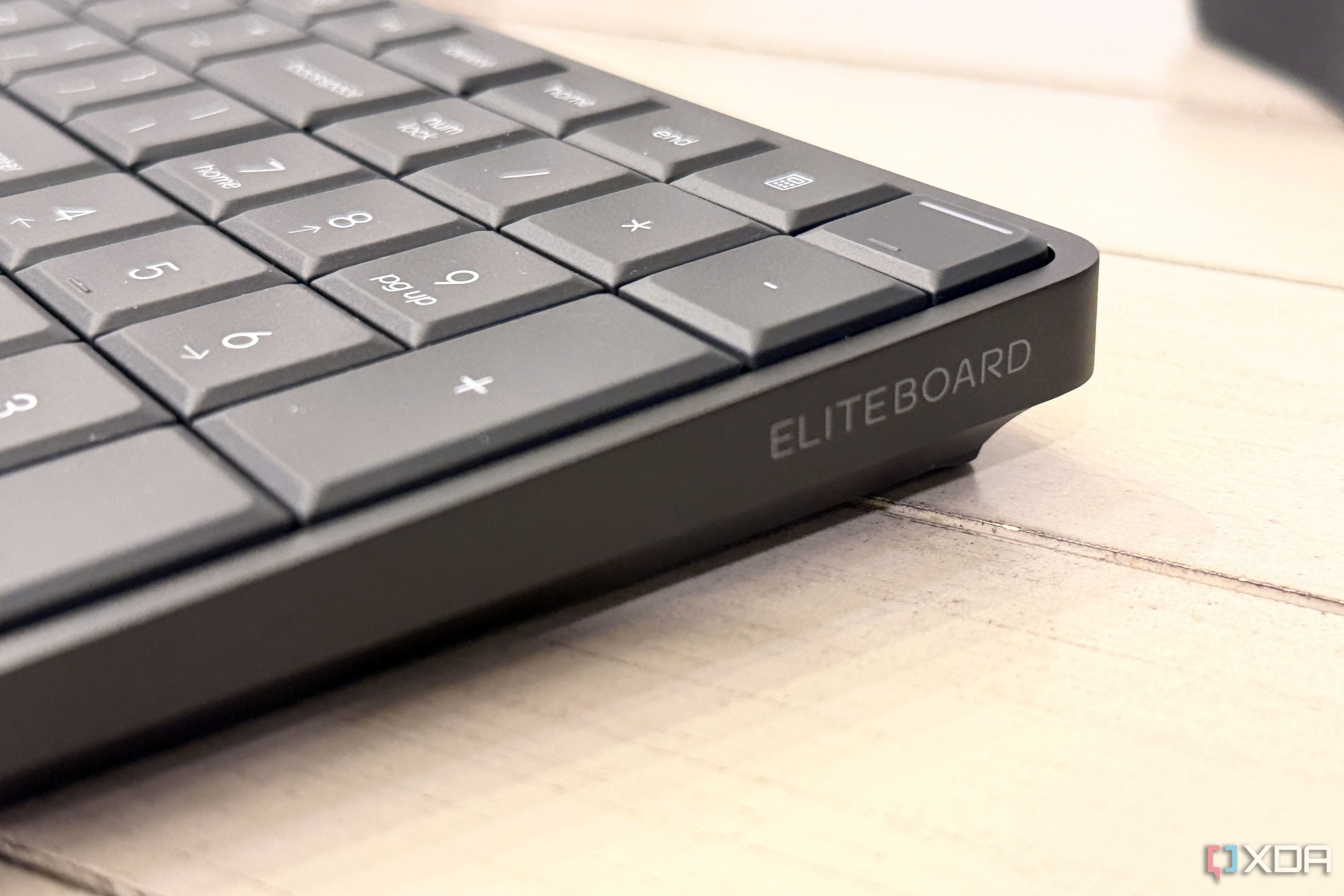
I have a lot of devices on my desk, but it's not often I get something in a new format. It's even less often that I get something that I've daydreamed about owning for most of my life, but that's what is here with the HP EliteBoard G1a. It's a mini PC stuffed inside a slimline keyboard, and it's every bit as fun as it sounds. It's essentially an HP EliteBook G1a but without the screen or the extra weight, and I'm here for that.
I have a lot of devices on my desk, but it's not often I get something in a new format. It's even less often that I get something that I've daydreamed about owning for most of my life, but that's what is here with the HP EliteBoard G1a. It's a mini PC stuffed inside a slimline keyboard, and it's every bit as fun as it sounds. It's essentially an HP EliteBook G1a but without the screen or the extra weight, and I'm here for that.
Say what you will about ChromeBooks, but it’s hard to deny the utility of lightweight laptops that support most productivity tasks and integrate seamlessly with cloud-based apps – all while significantly less than conventional Windows machines. But as a staunch member of the home lab faction, I’m not very fond of relying on third-party servers for my everyday tasks. With Google doubling down on Gemini-powered services for the upcoming Googlebook, I’m a bit on the fence about clanker tools that not only drain my wallet, but also store data on company servers.
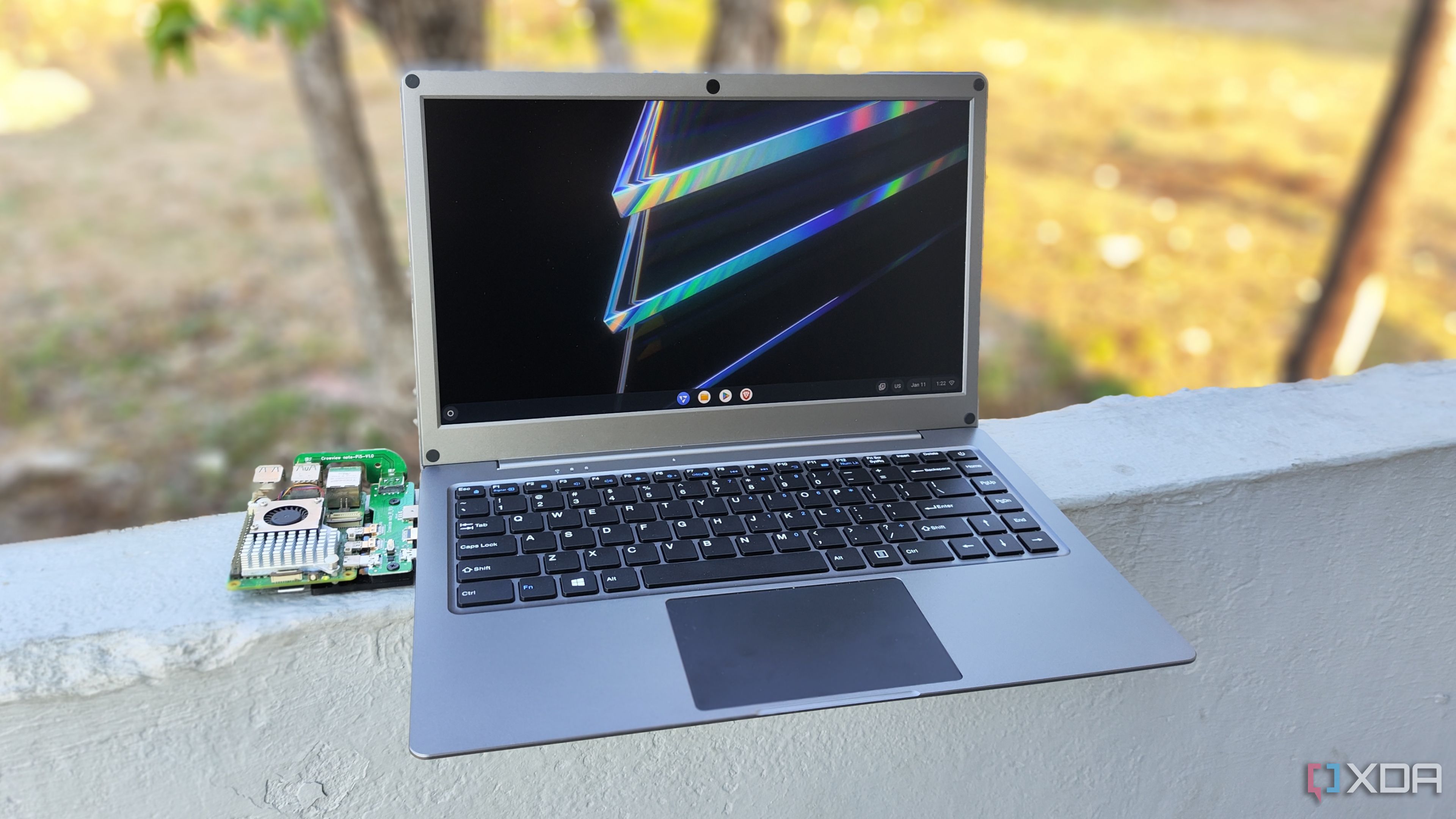
Say what you will about ChromeBooks, but it’s hard to deny the utility of lightweight laptops that support most productivity tasks and integrate seamlessly with cloud-based apps – all while significantly less than conventional Windows machines. But as a staunch member of the home lab faction, I’m not very fond of relying on third-party servers for my everyday tasks. With Google doubling down on Gemini-powered services for the upcoming Googlebook, I’m a bit on the fence about clanker tools that not only drain my wallet, but also store data on company servers.
Say what you will about ChromeBooks, but it’s hard to deny the utility of lightweight laptops that support most productivity tasks and integrate seamlessly with cloud-based apps – all while significantly less than conventional Windows machines. But as a staunch member of the home lab faction, I’m not very fond of relying on third-party servers for my everyday tasks. With Google doubling down on Gemini-powered services for the upcoming Googlebook, I’m a bit on the fence about clanker tools that not only drain my wallet, but also store data on company servers.
When you see Claude Code and Codex in the same sentence, there's a good chance the article you're reading or the video you're watching is about to pit them against each other. I'm not going to pretend I haven't done that before either. I've been using Claude Code for far longer than Codex, and I've written about my experience using both tools for the same tasks (and there've been times when Claude Code has beaten Codex, and times when it's gone the other way).
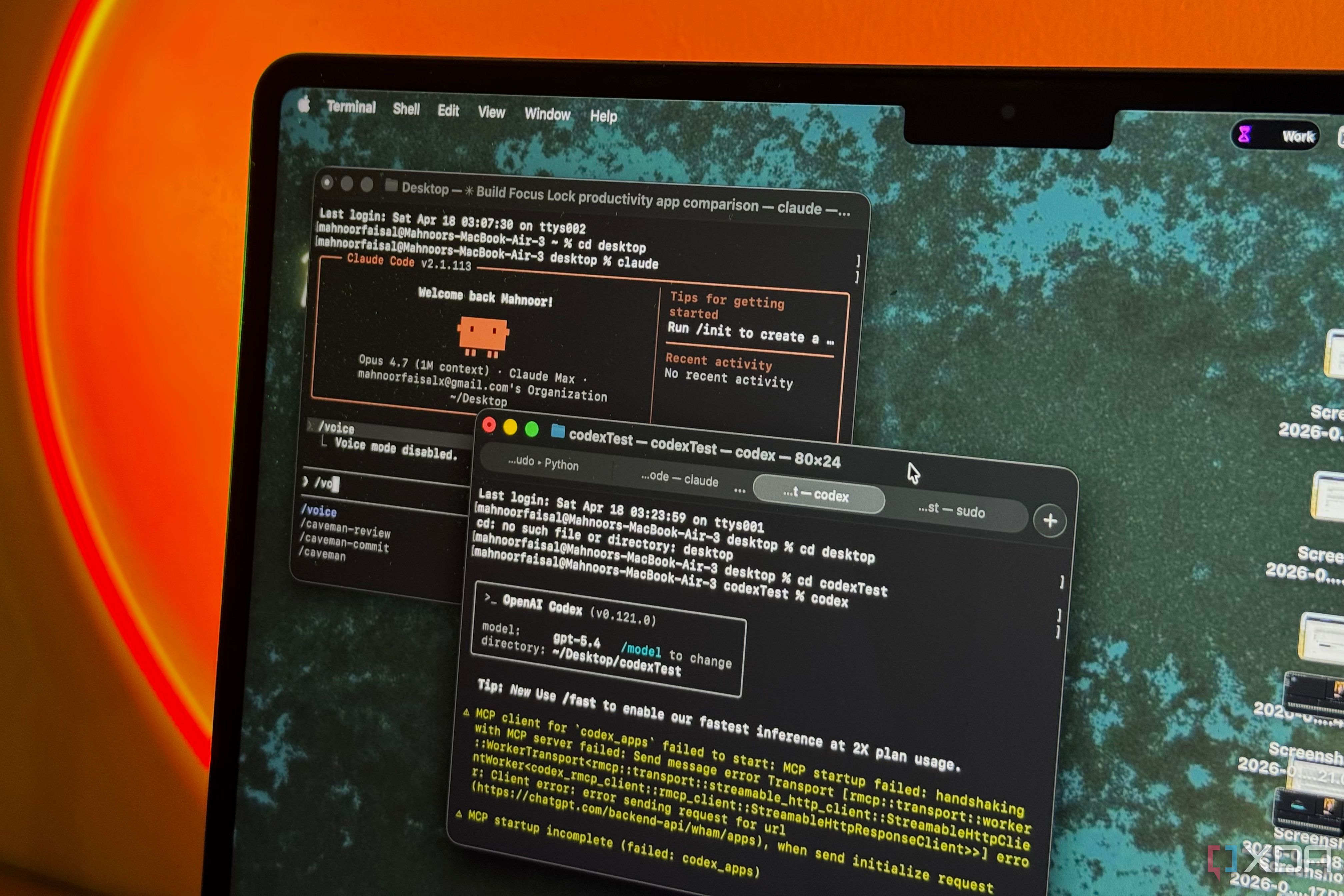
When you see Claude Code and Codex in the same sentence, there's a good chance the article you're reading or the video you're watching is about to pit them against each other. I'm not going to pretend I haven't done that before either.
When you see Claude Code and Codex in the same sentence, there's a good chance the article you're reading or the video you're watching is about to pit them against each other. I'm not going to pretend I haven't done that before either.
When you see Claude Code and Codex in the same sentence, there's a good chance the article you're reading or the video you're watching is about to pit them against each other. I'm not going to pretend I haven't done that before either.
Anyone following along with the AI boom in the past couple of years has likely heard of and used Google's NotebookLM, an academically oriented research assistant grounded solely in the sources you define. It's a brilliant use of Gemini's big data handling capabilities at an individual level, especially paired with tools like Audio Overviews, Interactive Mode, and Flashcard generation.
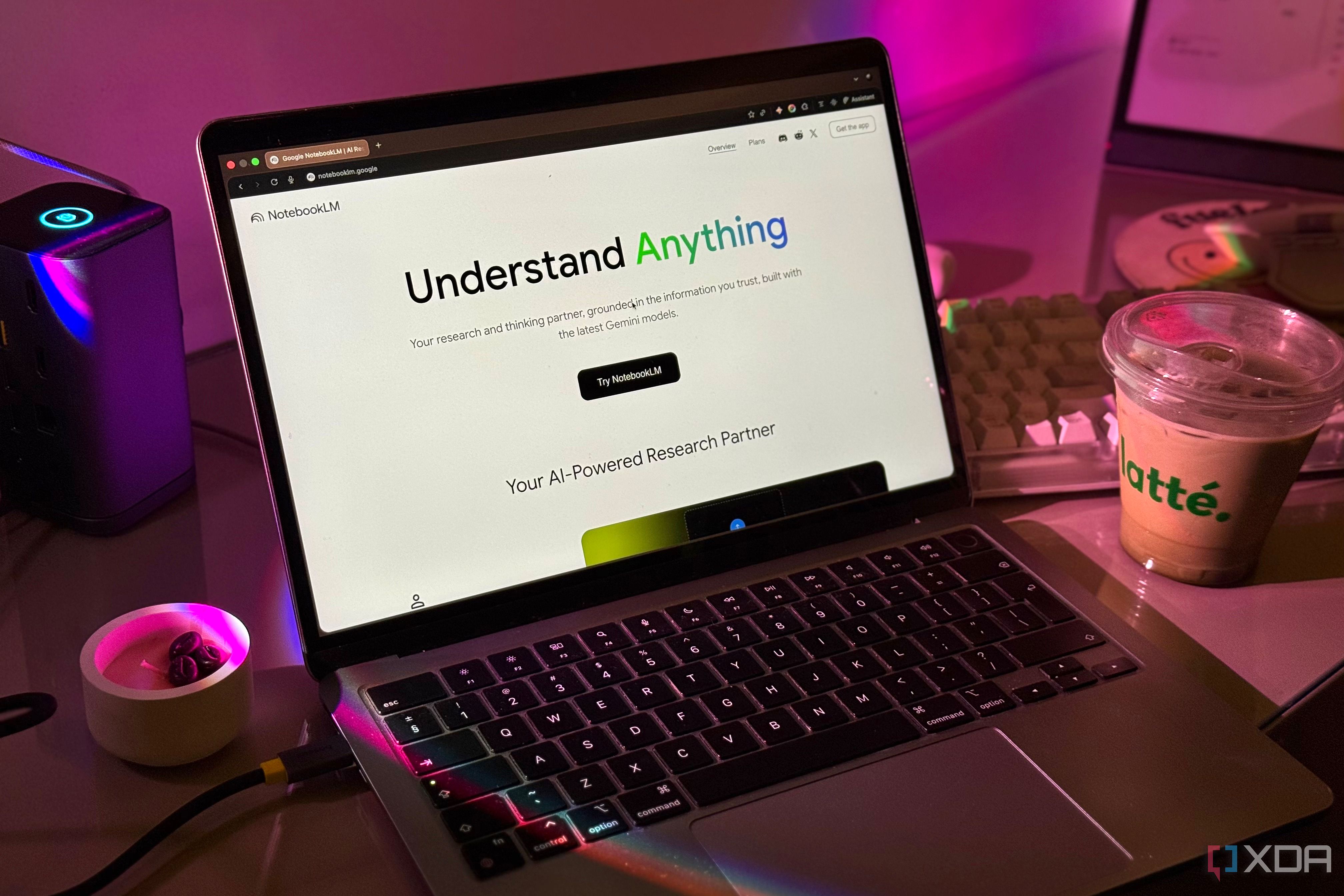
Anyone following along with the AI boom in the past couple of years has likely heard of and used Google's NotebookLM, an academically oriented research assistant grounded solely in the sources you define. It's a brilliant use of Gemini's big data handling capabilities at an individual level, especially paired with tools like Audio Overviews, Interactive Mode, and Flashcard generation.
Anyone following along with the AI boom in the past couple of years has likely heard of and used Google's NotebookLM, an academically oriented research assistant grounded solely in the sources you define. It's a brilliant use of Gemini's big data handling capabilities at an individual level, especially paired with tools like Audio Overviews, Interactive Mode, and Flashcard generation.
Anyone following along with the AI boom in the past couple of years has likely heard of and used Google's NotebookLM, an academically oriented research assistant grounded solely in the sources you define. It's a brilliant use of Gemini's big data handling capabilities at an individual level, especially paired with tools like Audio Overviews, Interactive Mode, and Flashcard generation.
I might be all-in on self-hosting, but I'm also a sucker for things that make my life easier while managing my servers. I always hated needing a monitor nearby, even if it was a portable one, partly because of the clutter but also because it takes up a valuable power socket.
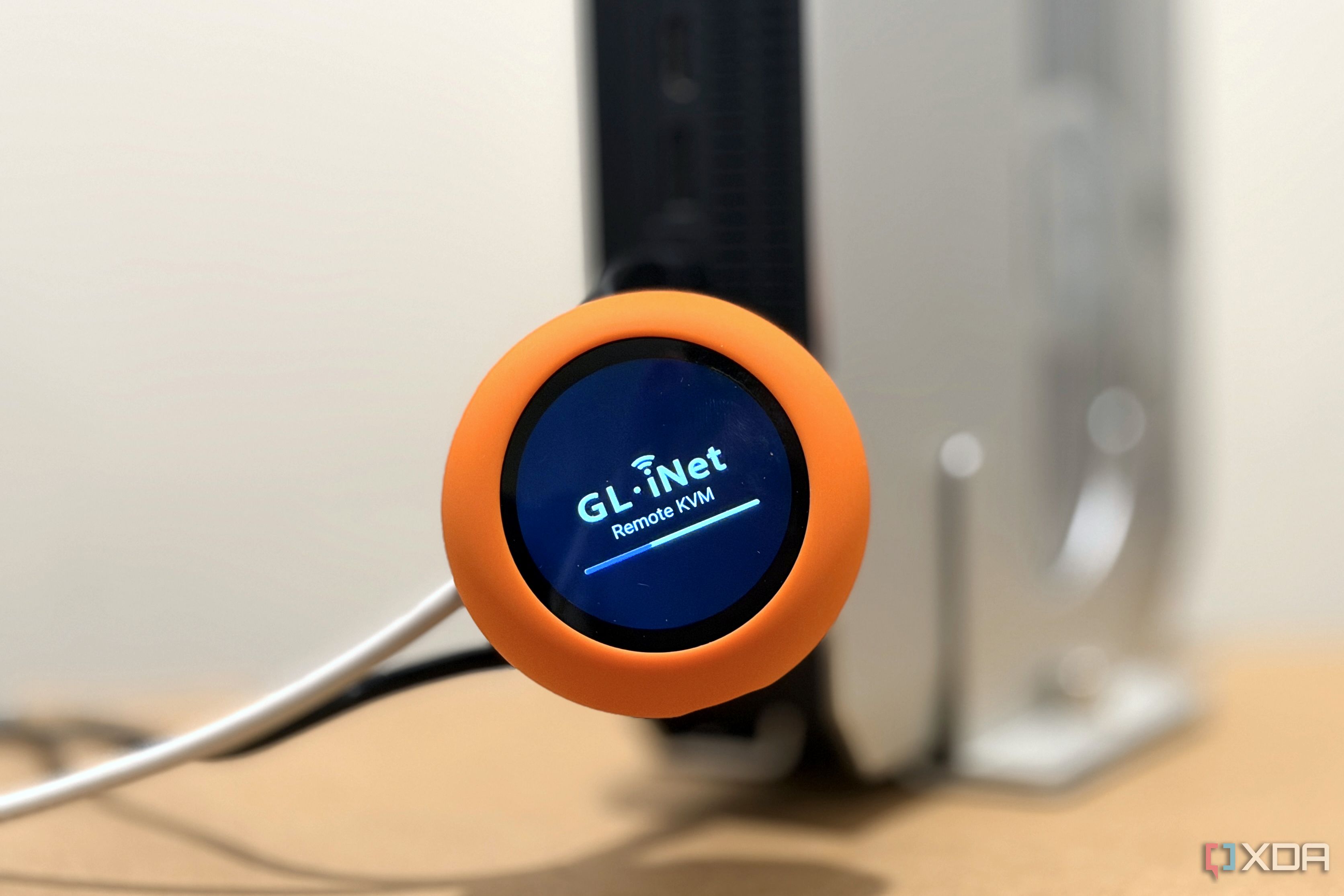
I might be all-in on self-hosting, but I'm also a sucker for things that make my life easier while managing my servers. I always hated needing a monitor nearby, even if it was a portable one, partly because of the clutter but also because it takes up a valuable power socket.
I might be all-in on self-hosting, but I'm also a sucker for things that make my life easier while managing my servers. I always hated needing a monitor nearby, even if it was a portable one, partly because of the clutter but also because it takes up a valuable power socket.
You'll occasionally meet someone who doesn't use Spotify or Netflix (or their equivalents). Perhaps they prefer going old-school and using cable TV and DVDs, or they just don't have the time to sit through another TV show. Fair enough. But try finding someone in 2026 who doesn't use any AI tools. Note the word I used in the sentence before was use, not pay for. Unlike Netflix and Amazon Prime, which require a subscription to even access it, almost everyone is using AI in some form or the other. It's baked into your search engine, the apps you rely on daily, your photo gallery, and so on.
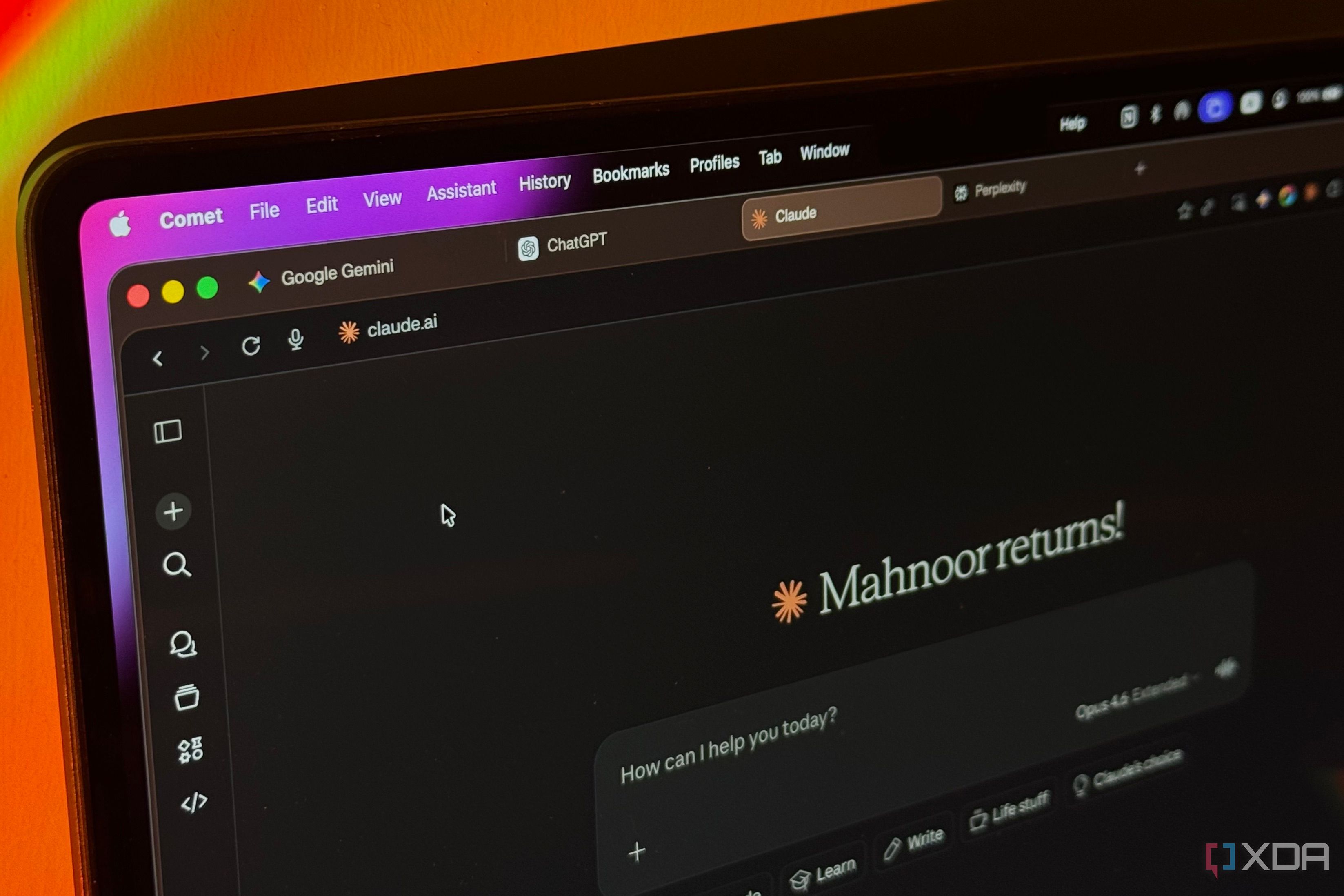
You'll occasionally meet someone who doesn't use Spotify or Netflix (or their equivalents). Perhaps they prefer going old-school and using cable TV and DVDs, or they just don't have the time to sit through another TV show. Fair enough. But try finding someone in 2026 who doesn't use any AI tools. Note the word I used in the sentence before was use, not pay for. Unlike Netflix and Amazon Prime, which require a subscription to even access it, almost everyone is using AI in some form or the other. It's baked into your search engine, the apps you rely on daily, your photo gallery, and so on.
You'll occasionally meet someone who doesn't use Spotify or Netflix (or their equivalents). Perhaps they prefer going old-school and using cable TV and DVDs, or they just don't have the time to sit through another TV show. Fair enough. But try finding someone in 2026 who doesn't use any AI tools. Note the word I used in the sentence before was use, not pay for. Unlike Netflix and Amazon Prime, which require a subscription to even access it, almost everyone is using AI in some form or the other. It's baked into your search engine, the apps you rely on daily, your photo gallery, and so on.
You'll occasionally meet someone who doesn't use Spotify or Netflix (or their equivalents). Perhaps they prefer going old-school and using cable TV and DVDs, or they just don't have the time to sit through another TV show. Fair enough. But try finding someone in 2026 who doesn't use any AI tools. Note the word I used in the sentence before was use, not pay for. Unlike Netflix and Amazon Prime, which require a subscription to even access it, almost everyone is using AI in some form or the other. It's baked into your search engine, the apps you rely on daily, your photo gallery, and so on.
Every PC gamer has internalized the same basic logic from the first day they learn about frames per second: more FPS means a better experience. It's the reason we obsess over benchmark numbers, chase GPU upgrades, and leave our framerates uncapped.
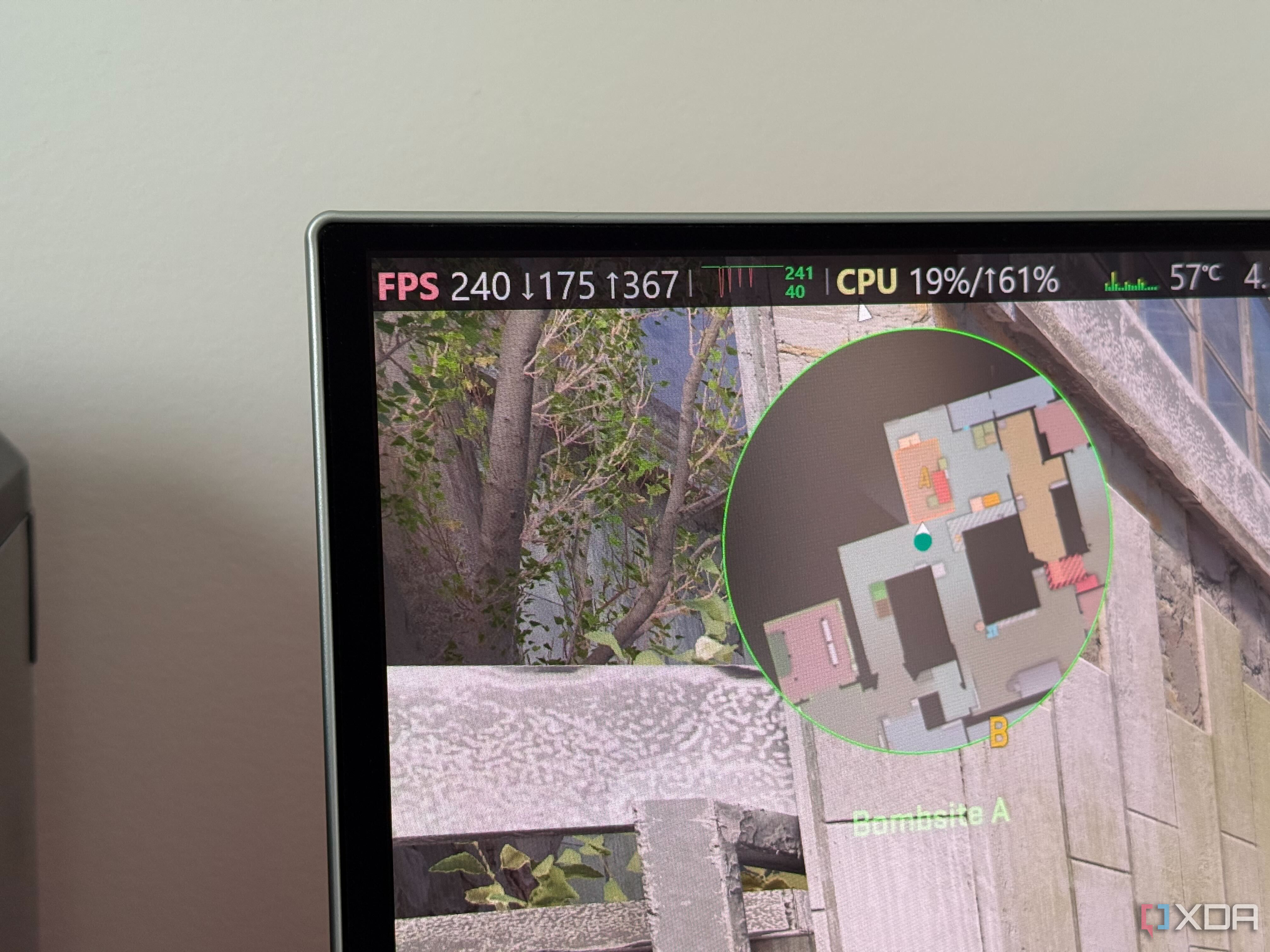
Every PC gamer has internalized the same basic logic from the first day they learn about frames per second: more FPS means a better experience. It's the reason we obsess over benchmark numbers, chase GPU upgrades, and leave our framerates uncapped.
Every PC gamer has internalized the same basic logic from the first day they learn about frames per second: more FPS means a better experience. It's the reason we obsess over benchmark numbers, chase GPU upgrades, and leave our framerates uncapped.
When Amazon first introduced the Kindle Scribe, it was a quantum leap for E Ink. It brought one big feature that nobody else had: a stylus to scribble annotations or notes on documents, and the ability to save them and forward them to other people. I got one early and loved it, but it didn't take long to find the limits. Most of that was down to how locked down the Kindle software is, as I could only use the stylus where Amazon wants me to, which often wasn't where I wanted to use it.
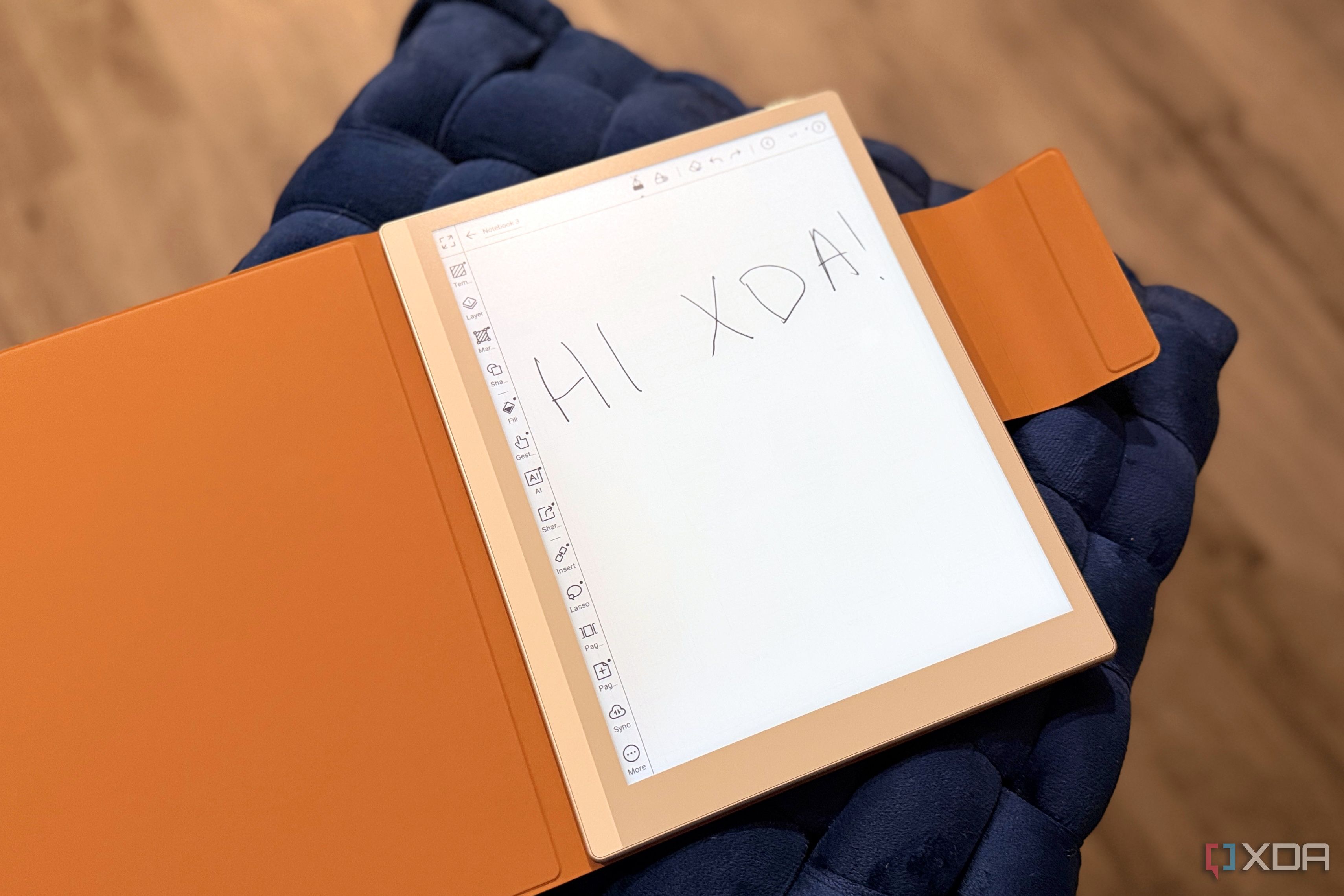
When Amazon first introduced the Kindle Scribe, it was a quantum leap for E Ink. It brought one big feature that nobody else had: a stylus to scribble annotations or notes on documents, and the ability to save them and forward them to other people. I got one early and loved it, but it didn't take long to find the limits. Most of that was down to how locked down the Kindle software is, as I could only use the stylus where Amazon wants me to, which often wasn't where I wanted to use it.
When Amazon first introduced the Kindle Scribe, it was a quantum leap for E Ink. It brought one big feature that nobody else had: a stylus to scribble annotations or notes on documents, and the ability to save them and forward them to other people. I got one early and loved it, but it didn't take long to find the limits. Most of that was down to how locked down the Kindle software is, as I could only use the stylus where Amazon wants me to, which often wasn't where I wanted to use it.
Claude Design has been out for a month now, and after finally getting my hands on it, I have no doubt that it has the potential to change the visual design environment, or at the very least, make design far simpler than it is now. Powered by Anthropic's most capable vision and reasoning model to date, the Opus 4.7, the feature is currently available in research preview for all Claude Pro, Max, Team, and Enterprise users.
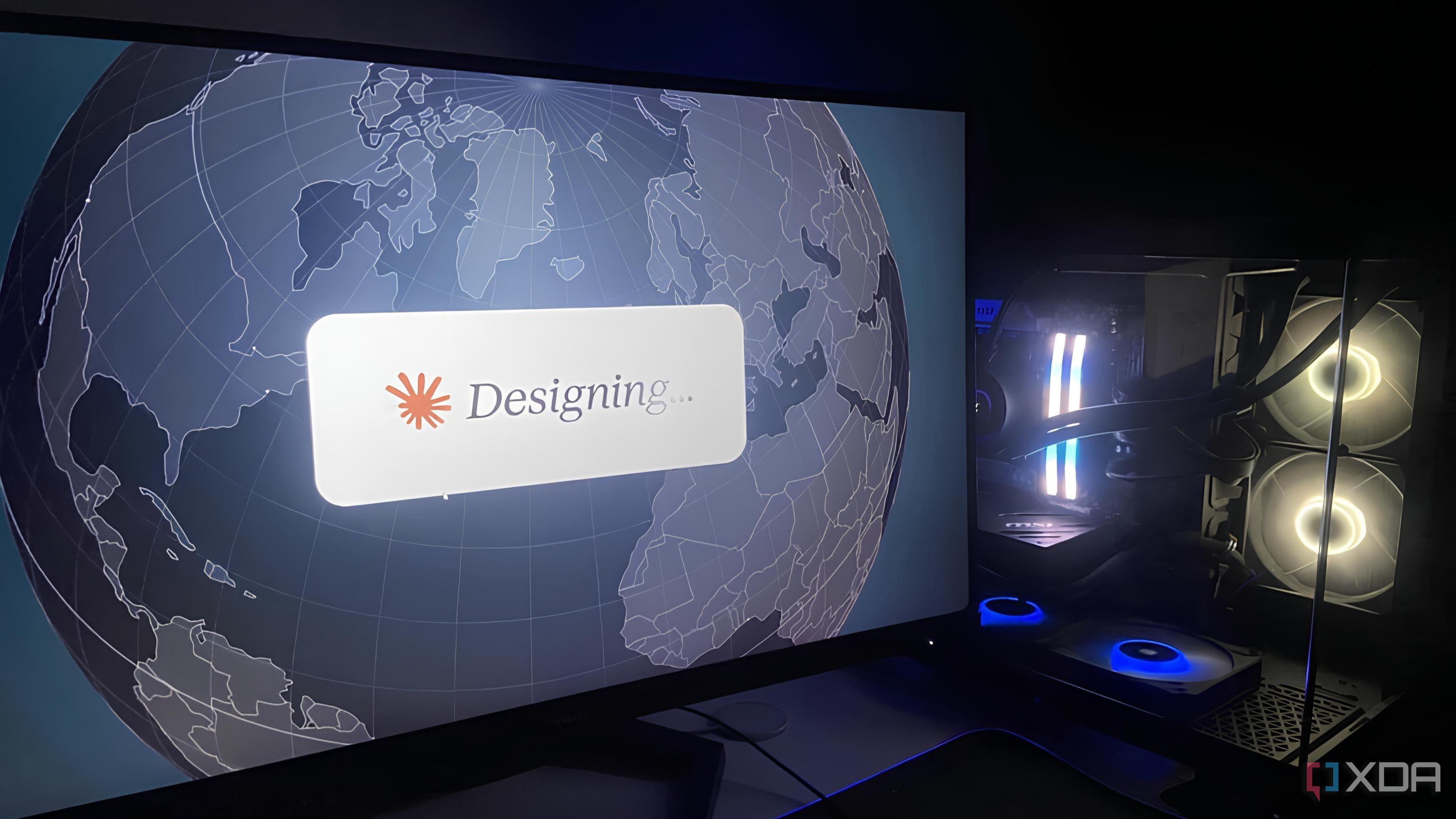
Claude Design has been out for a month now, and after finally getting my hands on it, I have no doubt that it has the potential to change the visual design environment, or at the very least, make design far simpler than it is now. Powered by Anthropic's most capable vision and reasoning model to date, the Opus 4.7, the feature is currently available in research preview for all Claude Pro, Max, Team, and Enterprise users.
Claude Design has been out for a month now, and after finally getting my hands on it, I have no doubt that it has the potential to change the visual design environment, or at the very least, make design far simpler than it is now. Powered by Anthropic's most capable vision and reasoning model to date, the Opus 4.7, the feature is currently available in research preview for all Claude Pro, Max, Team, and Enterprise users.
Claude Design has been out for a month now, and after finally getting my hands on it, I have no doubt that it has the potential to change the visual design environment, or at the very least, make design far simpler than it is now. Powered by Anthropic's most capable vision and reasoning model to date, the Opus 4.7, the feature is currently available in research preview for all Claude Pro, Max, Team, and Enterprise users.
VS Code is full of features some of us never use, and one such feature I discovered very recently is the task runner. It’s one of those features that quietly changes how you work once you start using it properly. Most people open a terminal, type the same commands every day, rerun scripts manually, switch between windows, and waste time on repetitive setup. Task runner automates all of that directly inside VS Code.
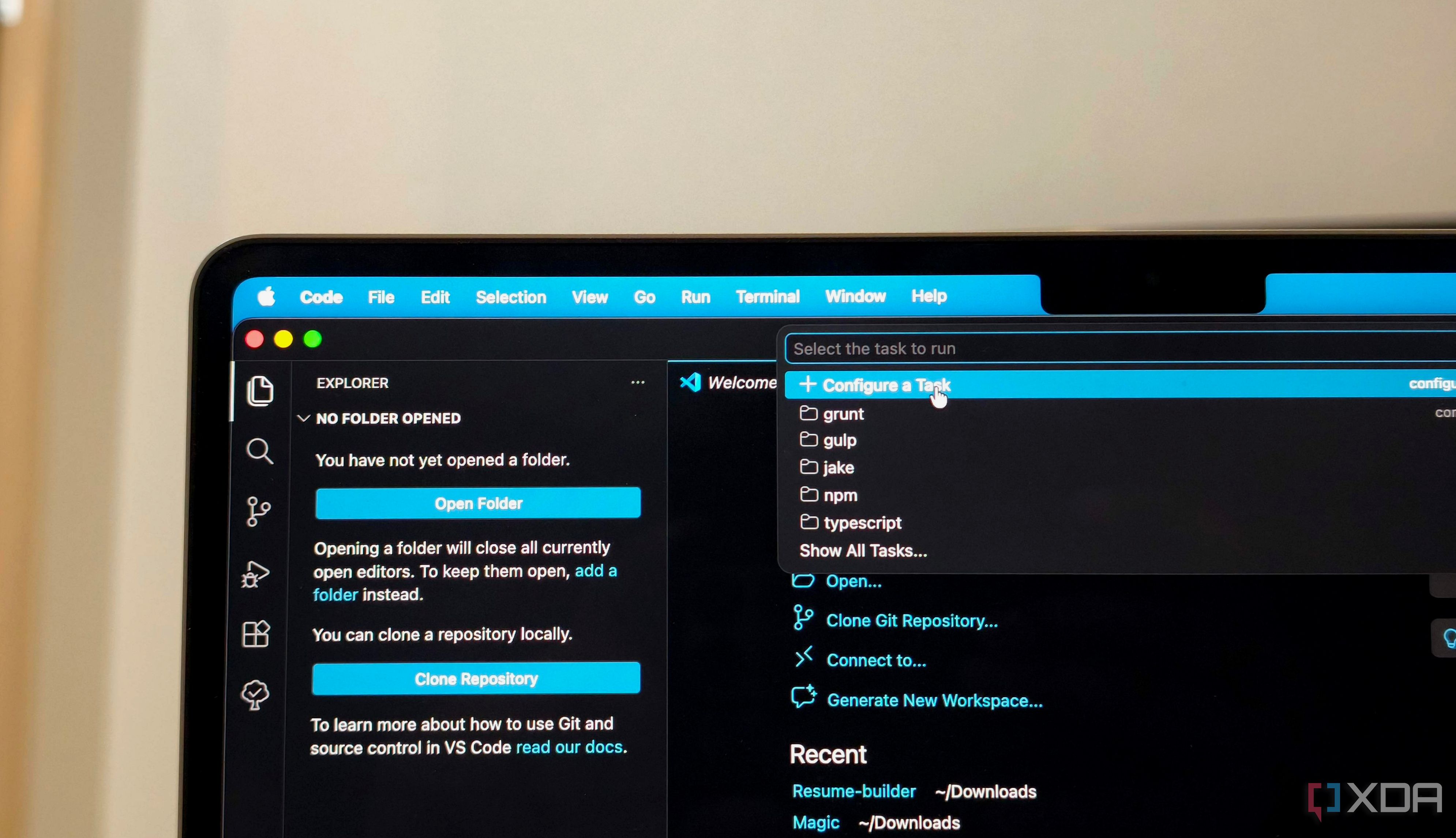
VS Code is full of features some of us never use, and one such feature I discovered very recently is the task runner. It’s one of those features that quietly changes how you work once you start using it properly. Most people open a terminal, type the same commands every day, rerun scripts manually, switch between windows, and waste time on repetitive setup. Task runner automates all of that directly inside VS Code.
VS Code is full of features some of us never use, and one such feature I discovered very recently is the task runner. It’s one of those features that quietly changes how you work once you start using it properly. Most people open a terminal, type the same commands every day, rerun scripts manually, switch between windows, and waste time on repetitive setup. Task runner automates all of that directly inside VS Code.
Ever since AMD launched the 7950X3D, enthusiasts have been asking for a flagship CPU with 3D V-Cache on both CCDs. From a technical standpoint, this meant not letting Windows and AMD's scheduler decide which CCD should handle your games. Even though the 7950X3D and the 9950X3D had no trouble splitting workloads, core parking played a vital role in how they behaved compared to single-CCD X3D chips like the 7800X3D and 9800X3D.

Ever since AMD launched the 7950X3D, enthusiasts have been asking for a flagship CPU with 3D V-Cache on both CCDs. From a technical standpoint, this meant not letting Windows and AMD's scheduler decide which CCD should handle your games. Even though the 7950X3D and the 9950X3D had no trouble splitting workloads, core parking played a vital role in how they behaved compared to single-CCD X3D chips like the 7800X3D and 9800X3D.
Ever since AMD launched the 7950X3D, enthusiasts have been asking for a flagship CPU with 3D V-Cache on both CCDs. From a technical standpoint, this meant not letting Windows and AMD's scheduler decide which CCD should handle your games. Even though the 7950X3D and the 9950X3D had no trouble splitting workloads, core parking played a vital role in how they behaved compared to single-CCD X3D chips like the 7800X3D and 9800X3D.
Ever since AMD launched the 7950X3D, enthusiasts have been asking for a flagship CPU with 3D V-Cache on both CCDs. From a technical standpoint, this meant not letting Windows and AMD's scheduler decide which CCD should handle your games. Even though the 7950X3D and the 9950X3D had no trouble splitting workloads, core parking played a vital role in how they behaved compared to single-CCD X3D chips like the 7800X3D and 9800X3D.
I truly cannot believe I'm saying this, but I might've found a Windows laptop to replace my MacBook Air.
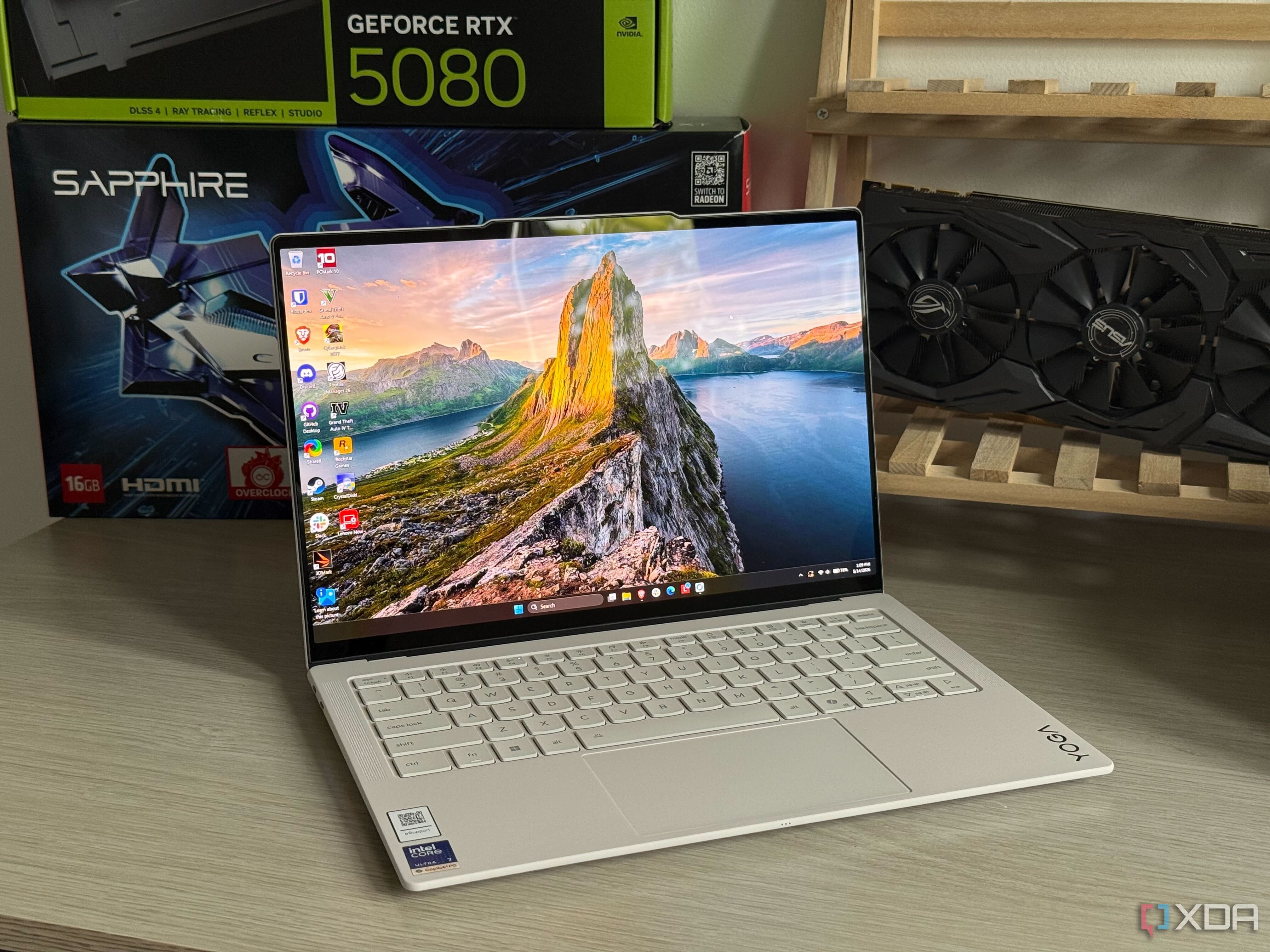
I truly cannot believe I'm saying this, but I might've found a Windows laptop to replace my MacBook Air.
I truly cannot believe I'm saying this, but I might've found a Windows laptop to replace my MacBook Air.
The idea of local LLMs is fascinating. You can run an AI model on your laptop or your own server and get effectively unlimited access without worrying about usage limits, but that idea starts to break down once you actually try using one.
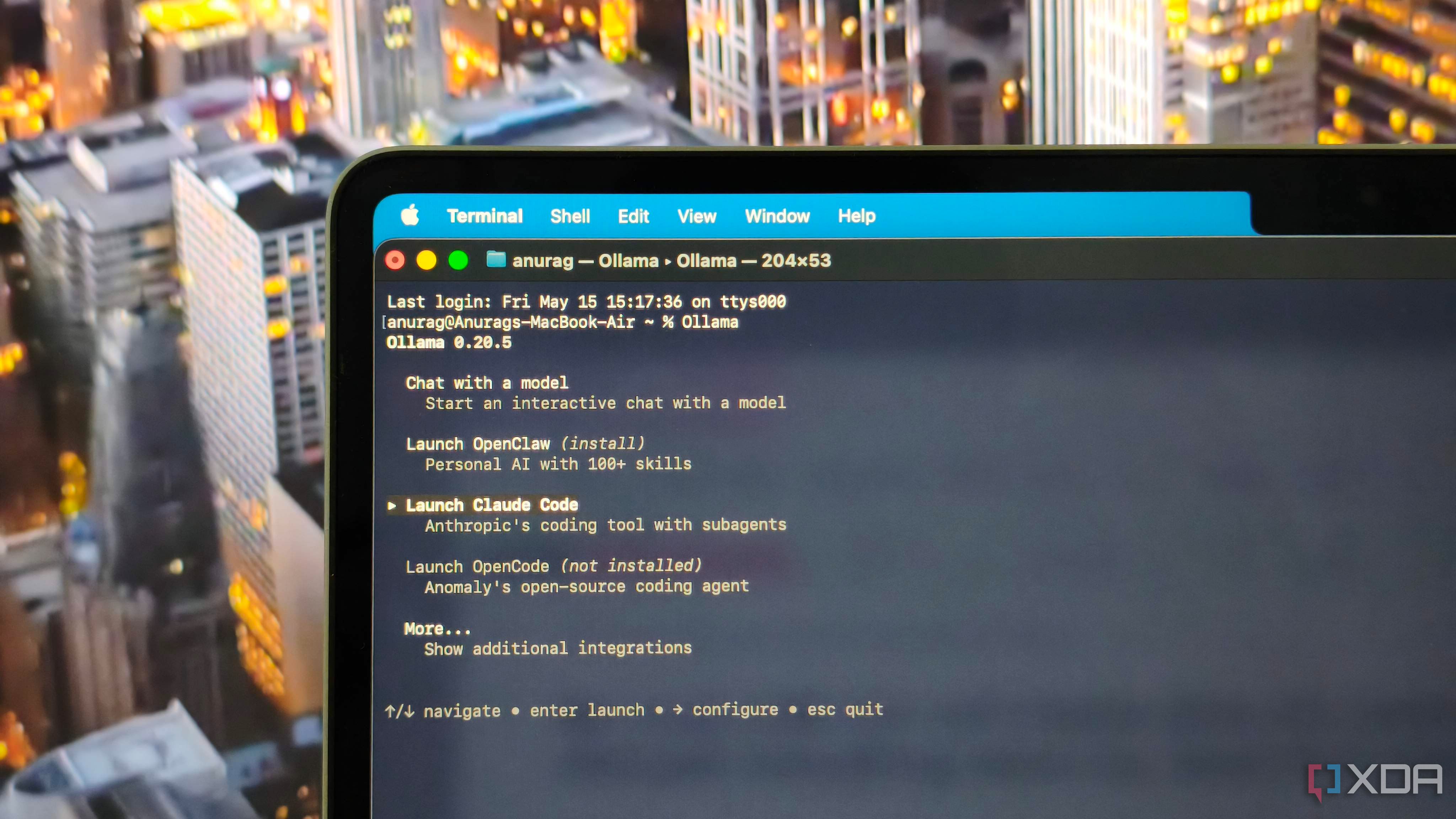
The idea of local LLMs is fascinating. You can run an AI model on your laptop or your own server and get effectively unlimited access without worrying about usage limits, but that idea starts to break down once you actually try using one.
The idea of local LLMs is fascinating. You can run an AI model on your laptop or your own server and get effectively unlimited access without worrying about usage limits, but that idea starts to break down once you actually try using one.
The idea of local LLMs is fascinating. You can run an AI model on your laptop or your own server and get effectively unlimited access without worrying about usage limits, but that idea starts to break down once you actually try using one.
For years, I treated HDMI accessories as simple cables that only existed to connect one device to another. As long as I had a working HDMI port and a decent cable, I never thought much about the ecosystem surrounding them. That mindset started changing once I began upgrading my gaming and work setup with multiple monitors, streaming devices, gaming consoles, and newer gadgets that all needed to work together seamlessly.
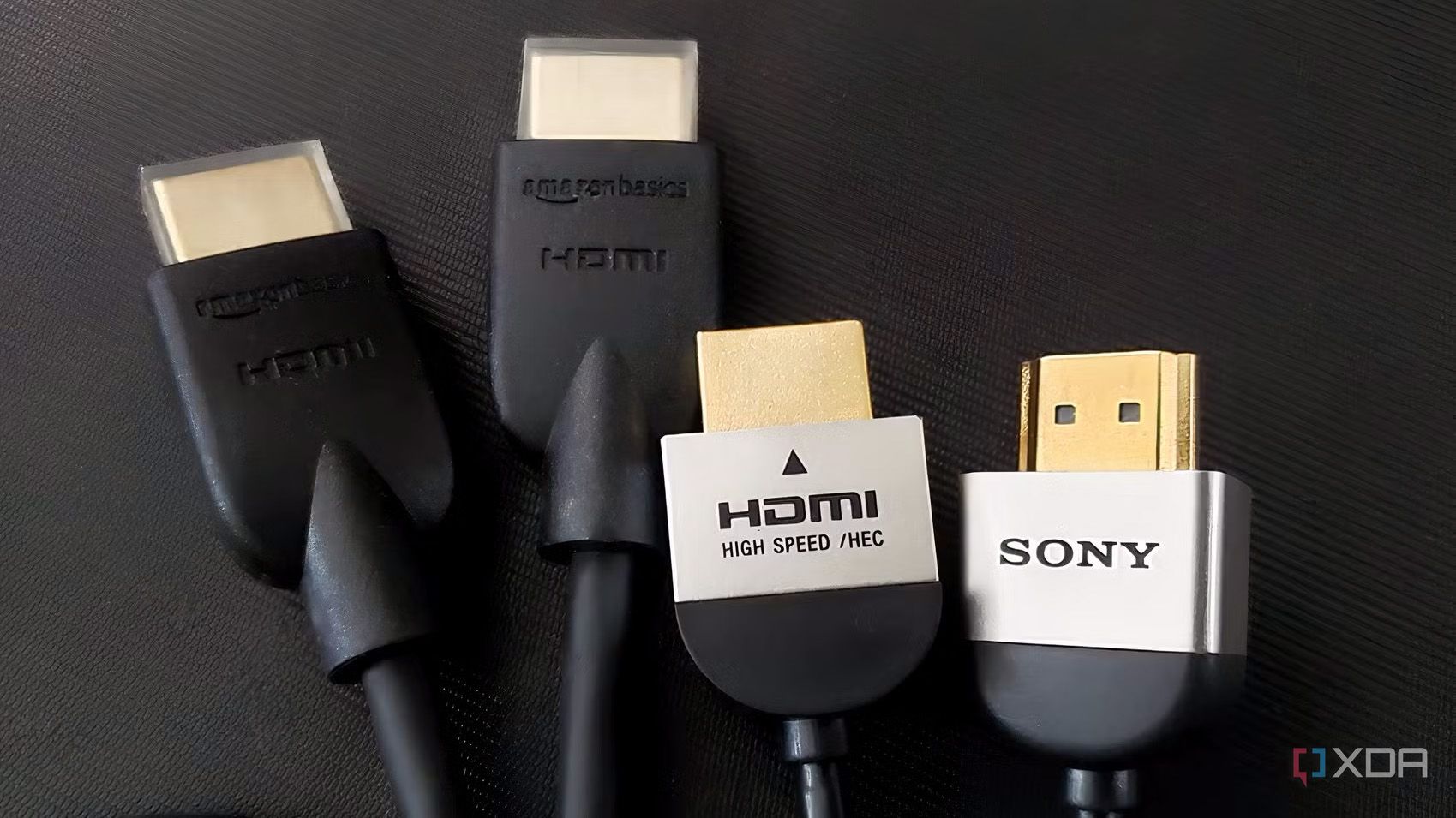
For years, I treated HDMI accessories as simple cables that only existed to connect one device to another. As long as I had a working HDMI port and a decent cable, I never thought much about the ecosystem surrounding them. That mindset started changing once I began upgrading my gaming and work setup with multiple monitors, streaming devices, gaming consoles, and newer gadgets that all needed to work together seamlessly.
For years, I treated HDMI accessories as simple cables that only existed to connect one device to another. As long as I had a working HDMI port and a decent cable, I never thought much about the ecosystem surrounding them. That mindset started changing once I began upgrading my gaming and work setup with multiple monitors, streaming devices, gaming consoles, and newer gadgets that all needed to work together seamlessly.
The ThinkNode M5 got me into Meshtastic, and after carrying one around for a few weeks I started looking at what else could plug into the same network. Most of the answers point you at more dedicated nodes, which makes sense, but it also means committing to another single-purpose device sitting on a shelf if the mesh in your area never quite materializes. Elecrow sent me the CrowPanel Advance for Meshtastic for review recently, and that's exactly why it clicked: it's a Meshtastic node that doesn't have to stay a Meshtastic node.
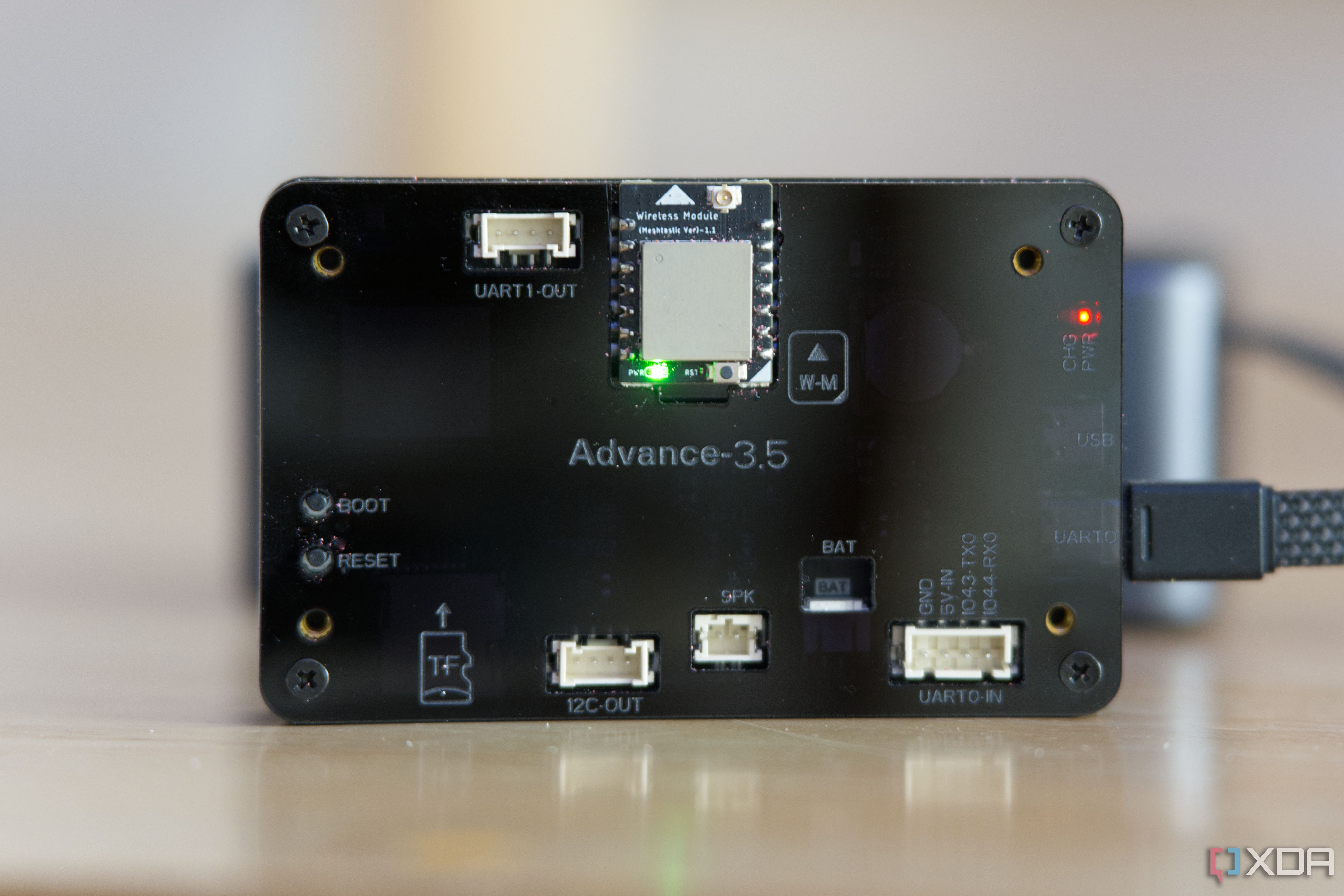
The ThinkNode M5 got me into Meshtastic, and after carrying one around for a few weeks I started looking at what else could plug into the same network. Most of the answers point you at more dedicated nodes, which makes sense, but it also means committing to another single-purpose device sitting on a shelf if the mesh in your area never quite materializes. Elecrow sent me the CrowPanel Advance for Meshtastic for review recently, and that's exactly why it clicked: it's a Meshtastic node that doesn't have to stay a Meshtastic node.
The ThinkNode M5 got me into Meshtastic, and after carrying one around for a few weeks I started looking at what else could plug into the same network. Most of the answers point you at more dedicated nodes, which makes sense, but it also means committing to another single-purpose device sitting on a shelf if the mesh in your area never quite materializes. Elecrow sent me the CrowPanel Advance for Meshtastic for review recently, and that's exactly why it clicked: it's a Meshtastic node that doesn't have to stay a Meshtastic node.
The older I get, the more I realize that gaming has become one of the most powerful marketing terms in tech. Slap a few RGB strips onto something, add a black-and-red color scheme, throw in words like "pro" or "esports-ready," and suddenly people become willing to spend absurd amounts of money chasing an experience that often doesn't meaningfully improve their games at all. In fact, sometimes, it actually makes things worse.
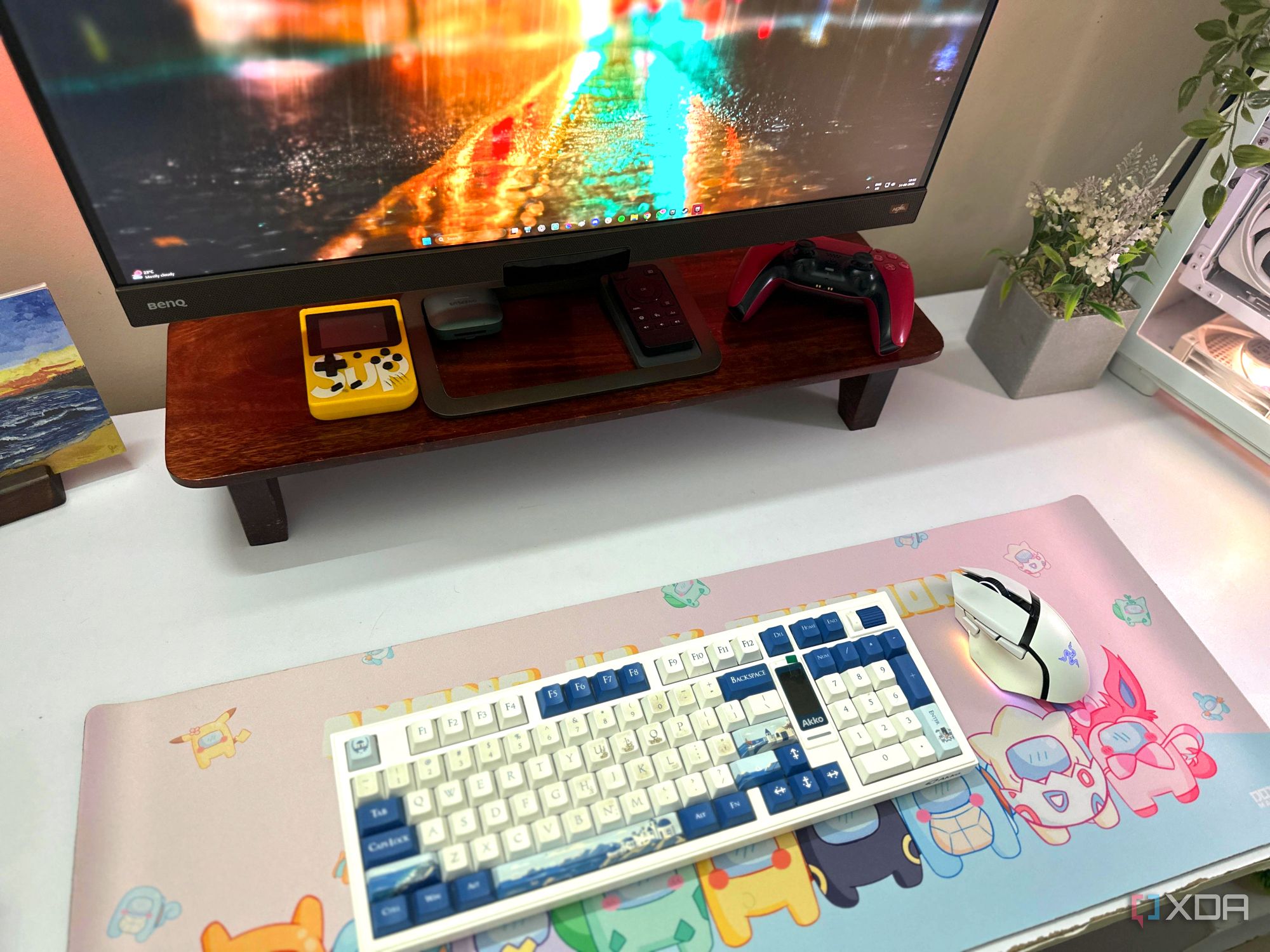
The older I get, the more I realize that gaming has become one of the most powerful marketing terms in tech. Slap a few RGB strips onto something, add a black-and-red color scheme, throw in words like "pro" or "esports-ready," and suddenly people become willing to spend absurd amounts of money chasing an experience that often doesn't meaningfully improve their games at all. In fact, sometimes, it actually makes things worse.
The older I get, the more I realize that gaming has become one of the most powerful marketing terms in tech. Slap a few RGB strips onto something, add a black-and-red color scheme, throw in words like "pro" or "esports-ready," and suddenly people become willing to spend absurd amounts of money chasing an experience that often doesn't meaningfully improve their games at all. In fact, sometimes, it actually makes things worse.
Since last year, I’ve been building my smart home using Home Assistant. The journey has been rewarding, and Thread was the last hurdle. So far, my Apple TV 4K has served as the accidental Thread Border Router. To move away from Apple’s HomeKit, I turned a Raspberry Pi 4 into an OpenThread Border Router.
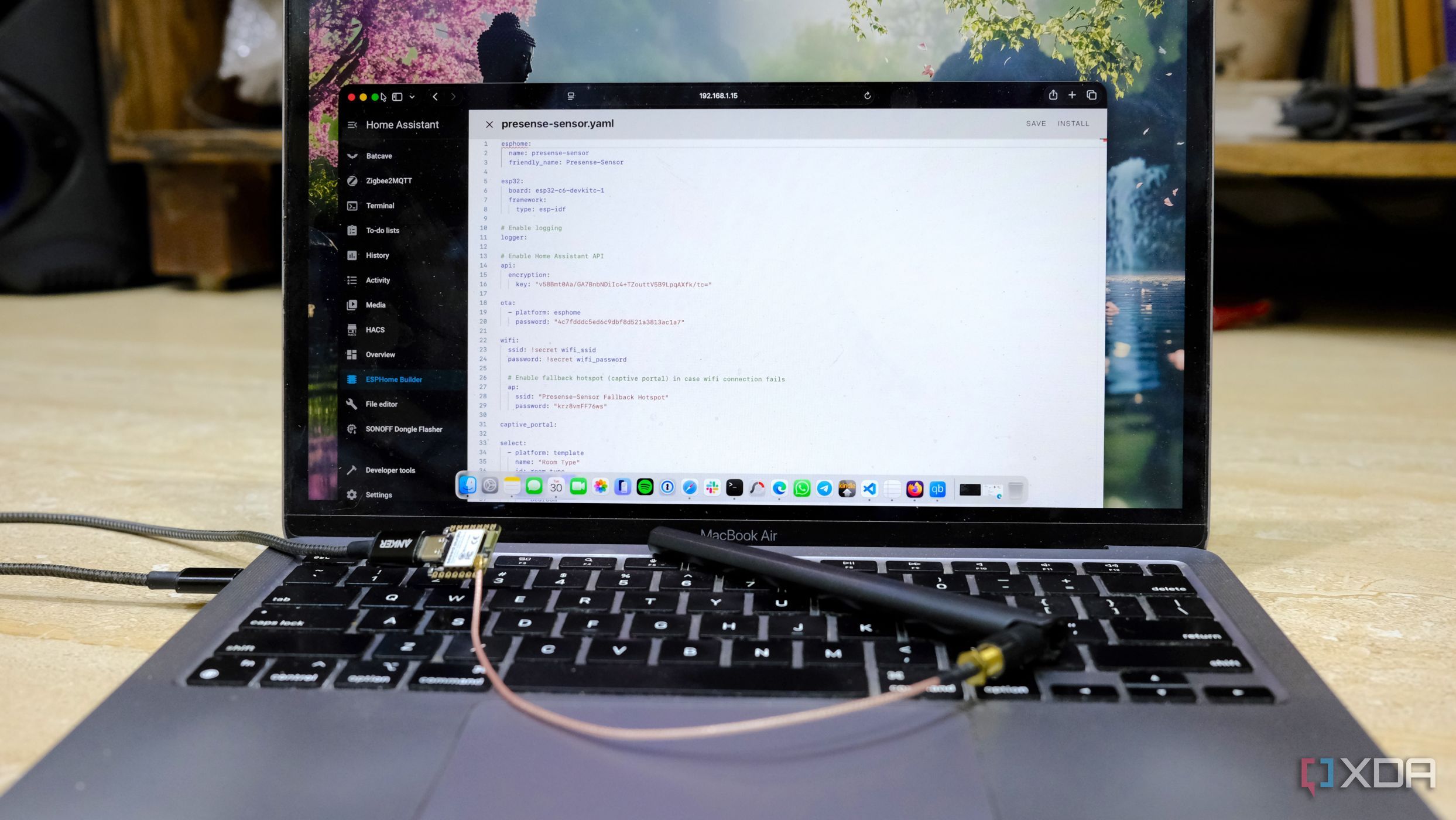
Since last year, I’ve been building my smart home using Home Assistant. The journey has been rewarding, and Thread was the last hurdle. So far, my Apple TV 4K has served as the accidental Thread Border Router. To move away from Apple’s HomeKit, I turned a Raspberry Pi 4 into an OpenThread Border Router.
Since last year, I’ve been building my smart home using Home Assistant. The journey has been rewarding, and Thread was the last hurdle. So far, my Apple TV 4K has served as the accidental Thread Border Router. To move away from Apple’s HomeKit, I turned a Raspberry Pi 4 into an OpenThread Border Router.
Like many of us these days, I often have Claude Code running on some task or another while I'm doing other things. It's not quite my whole workflow (yet), but I'm enjoying seeing what it can do and vibe coding a few little bits and pieces that I haven't found another program to do. Claude Design is my fav new thing, because my design skills are non-existent, even if I can describe what I want fairly well.
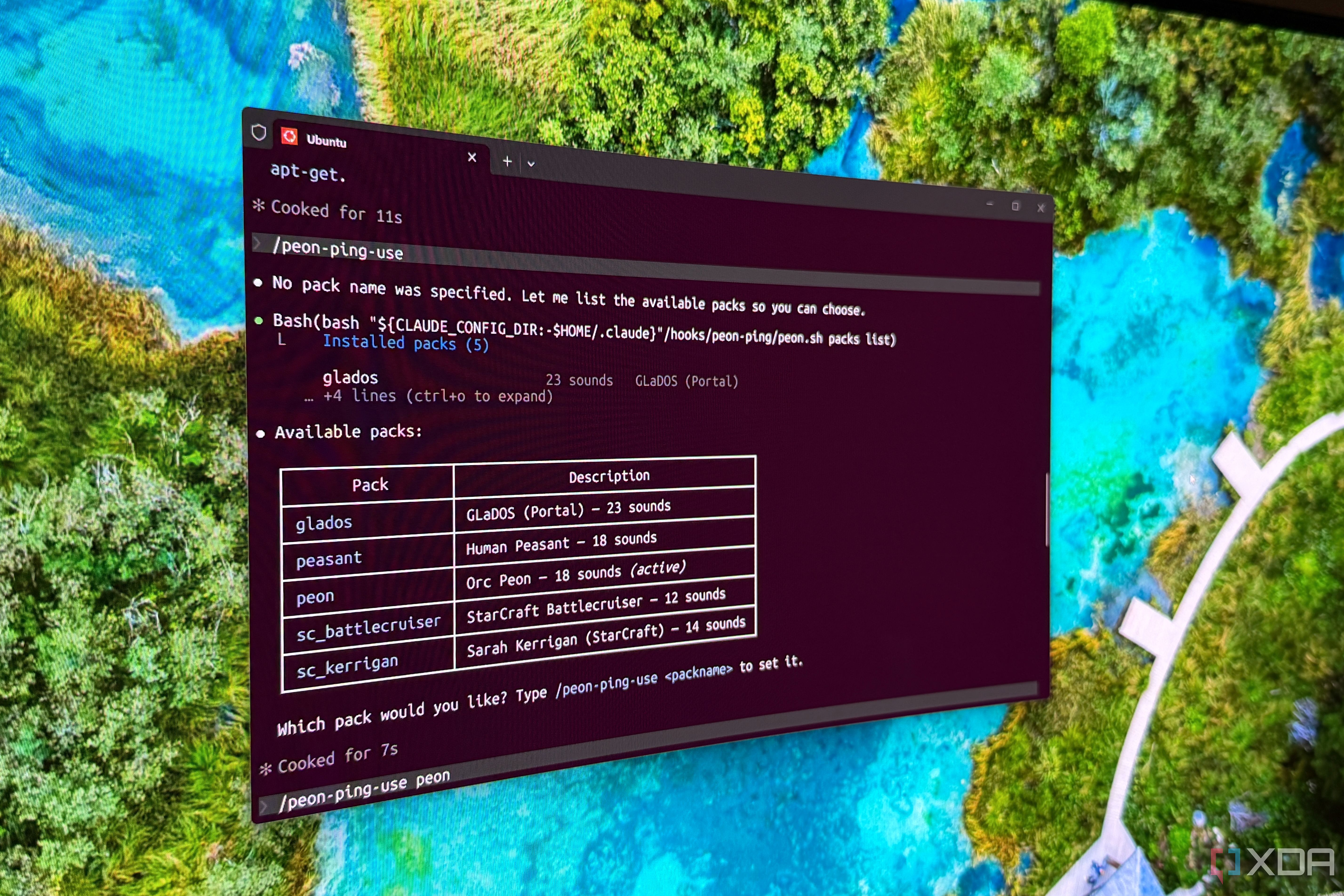
Like many of us these days, I often have Claude Code running on some task or another while I'm doing other things. It's not quite my whole workflow (yet), but I'm enjoying seeing what it can do and vibe coding a few little bits and pieces that I haven't found another program to do. Claude Design is my fav new thing, because my design skills are non-existent, even if I can describe what I want fairly well.
Like many of us these days, I often have Claude Code running on some task or another while I'm doing other things. It's not quite my whole workflow (yet), but I'm enjoying seeing what it can do and vibe coding a few little bits and pieces that I haven't found another program to do. Claude Design is my fav new thing, because my design skills are non-existent, even if I can describe what I want fairly well.
Like many of us these days, I often have Claude Code running on some task or another while I'm doing other things. It's not quite my whole workflow (yet), but I'm enjoying seeing what it can do and vibe coding a few little bits and pieces that I haven't found another program to do. Claude Design is my fav new thing, because my design skills are non-existent, even if I can describe what I want fairly well.
As much as I adore self-hosted services, I still have to use cloud platforms for mission-critical services. For example, I don't plan to run Email servers locally anytime soon, as their overly complicated setup process and constant maintenance issues make them worse than cloud-based email providers.
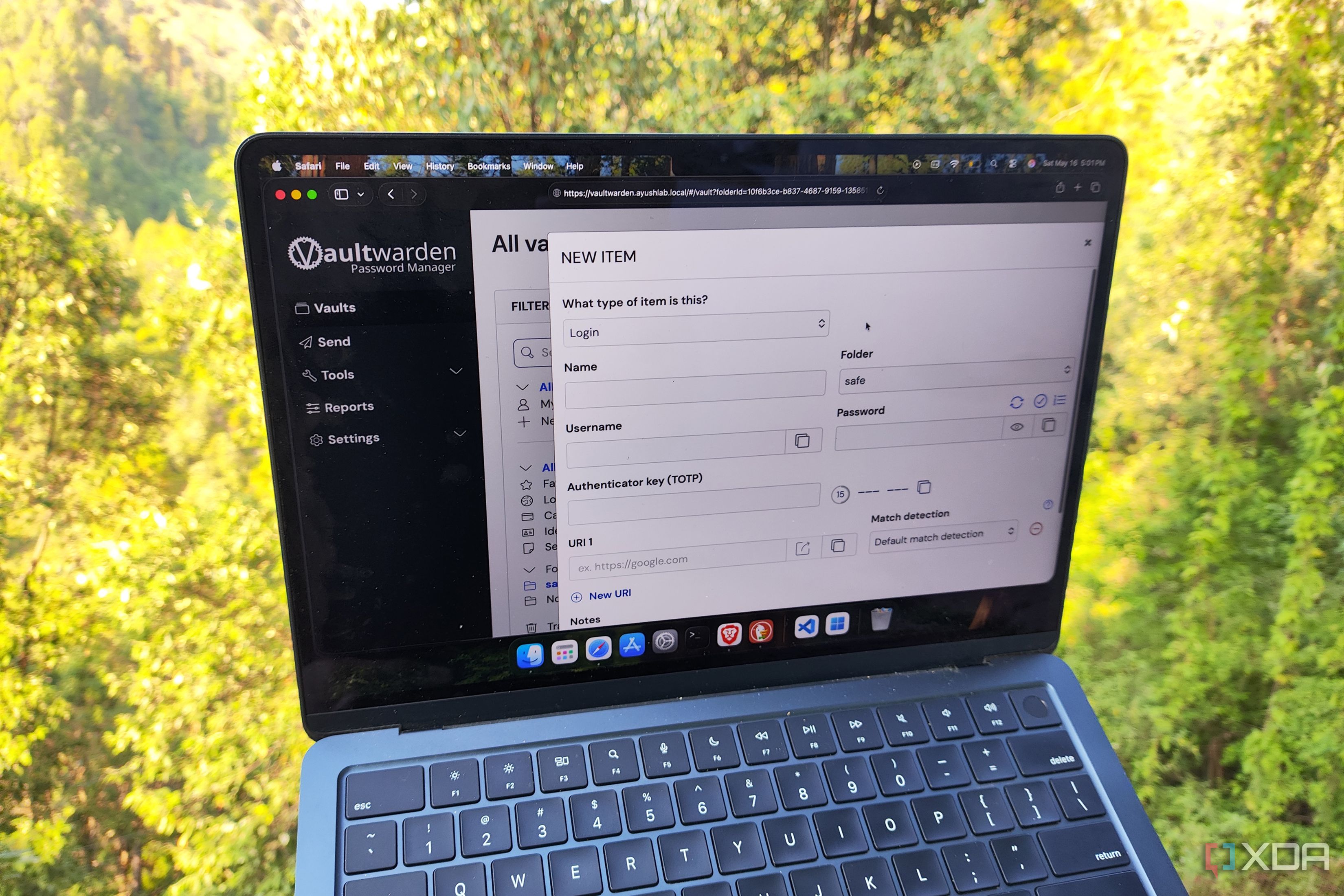
As much as I adore self-hosted services, I still have to use cloud platforms for mission-critical services. For example, I don't plan to run Email servers locally anytime soon, as their overly complicated setup process and constant maintenance issues make them worse than cloud-based email providers.
As much as I adore self-hosted services, I still have to use cloud platforms for mission-critical services. For example, I don't plan to run Email servers locally anytime soon, as their overly complicated setup process and constant maintenance issues make them worse than cloud-based email providers.
The world of tech is often dominated by huge corporations constantly finding new ways to monetize their users, whether it's by directly charging users or by collecting and potentially selling their data. But in the midst of all that, there are a ton of fully free, open-source apps that can help you in your everyday life without those downsides. And there's a very good chance you've never heard of them.
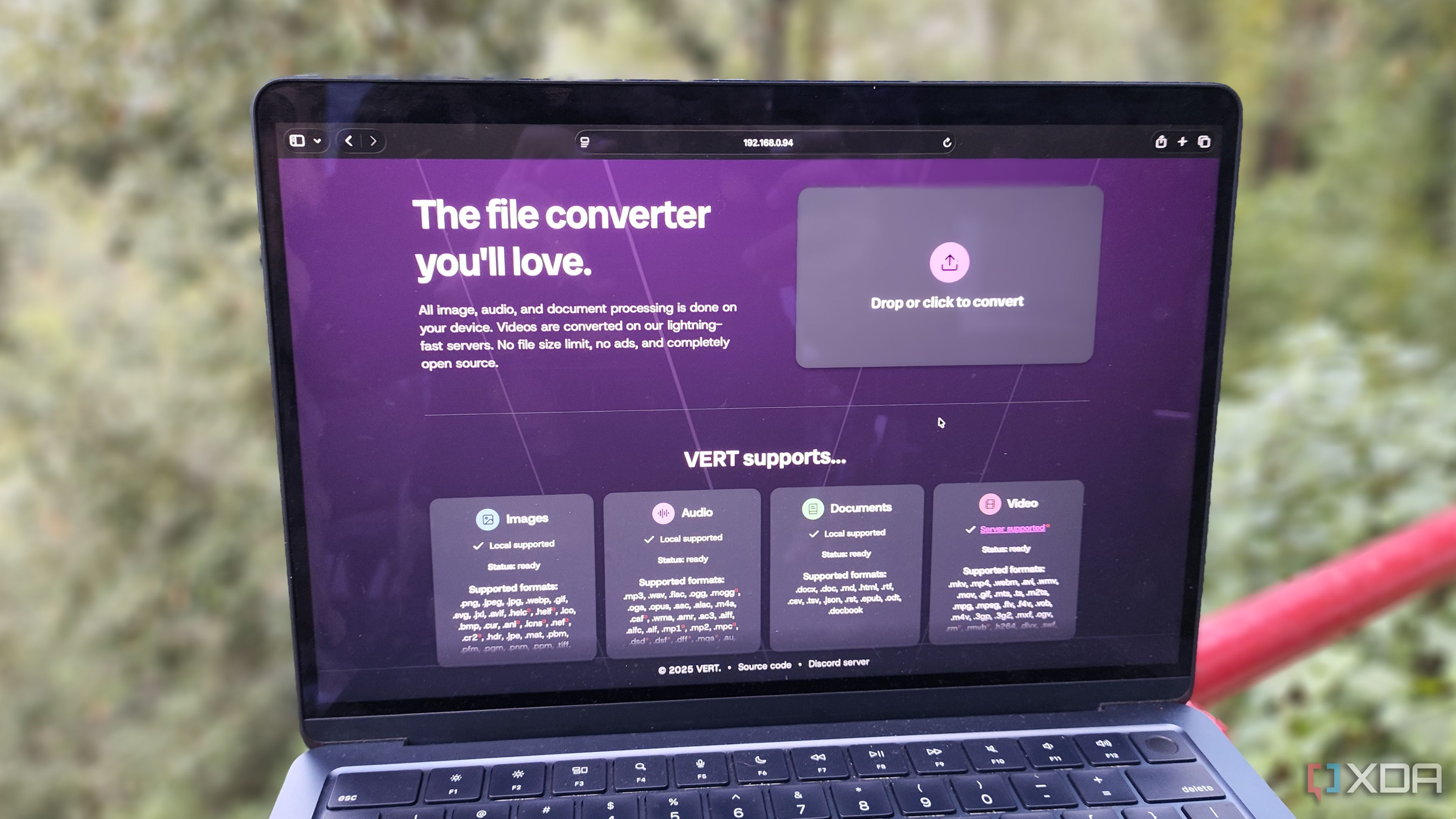
The world of tech is often dominated by huge corporations constantly finding new ways to monetize their users, whether it's by directly charging users or by collecting and potentially selling their data. But in the midst of all that, there are a ton of fully free, open-source apps that can help you in your everyday life without those downsides. And there's a very good chance you've never heard of them.
The world of tech is often dominated by huge corporations constantly finding new ways to monetize their users, whether it's by directly charging users or by collecting and potentially selling their data. But in the midst of all that, there are a ton of fully free, open-source apps that can help you in your everyday life without those downsides. And there's a very good chance you've never heard of them.
When Anthropic dropped Claude Code, the tech world collectively lost its mind. Developers rushed to the terminal and treated the new command-line agent like the second coming of productivity. But as a tech writer who tests these platforms daily, I will let you in on a secret: I didn’t keep my $20 Pro subscription active for the developer hype.
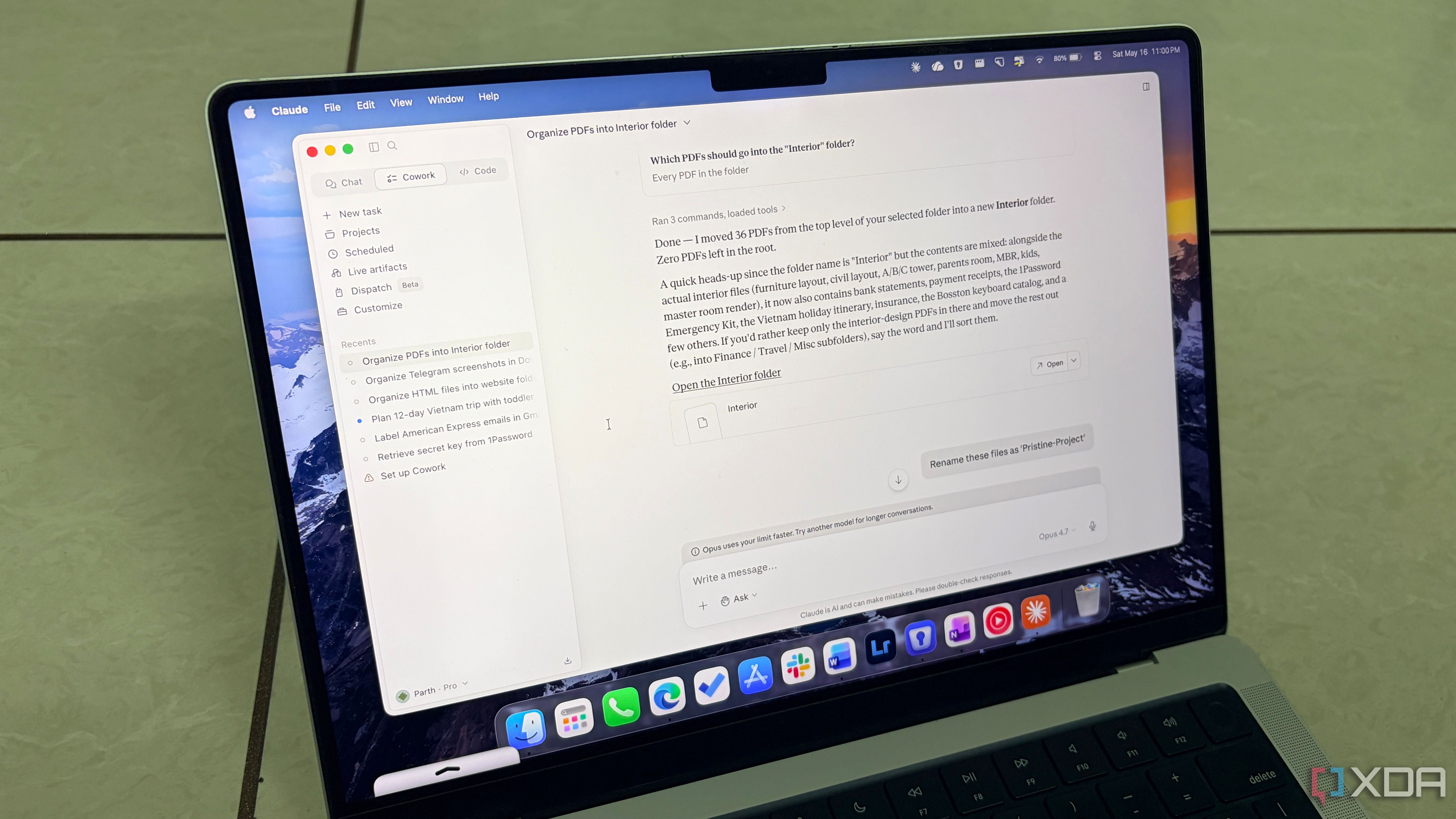
When Anthropic dropped Claude Code, the tech world collectively lost its mind. Developers rushed to the terminal and treated the new command-line agent like the second coming of productivity. But as a tech writer who tests these platforms daily, I will let you in on a secret: I didn’t keep my $20 Pro subscription active for the developer hype.
When Anthropic dropped Claude Code, the tech world collectively lost its mind. Developers rushed to the terminal and treated the new command-line agent like the second coming of productivity. But as a tech writer who tests these platforms daily, I will let you in on a secret: I didn’t keep my $20 Pro subscription active for the developer hype.
When Anthropic dropped Claude Code, the tech world collectively lost its mind. Developers rushed to the terminal and treated the new command-line agent like the second coming of productivity. But as a tech writer who tests these platforms daily, I will let you in on a secret: I didn’t keep my $20 Pro subscription active for the developer hype.
Claude has been open on my screen pretty much all day for a while now. I've got it hooked up to Figma, Canva, and Affinity, I use it for research and design, and a few weeks ago I connected it to my Obsidian vault through the filesystem connector - which turned out to be way simpler than I'd assumed. No MCP setup needed, just point it at the vault folder path. Claude could now browse my notes, sort files into folders, and clean things up on request, all from within the chat space.
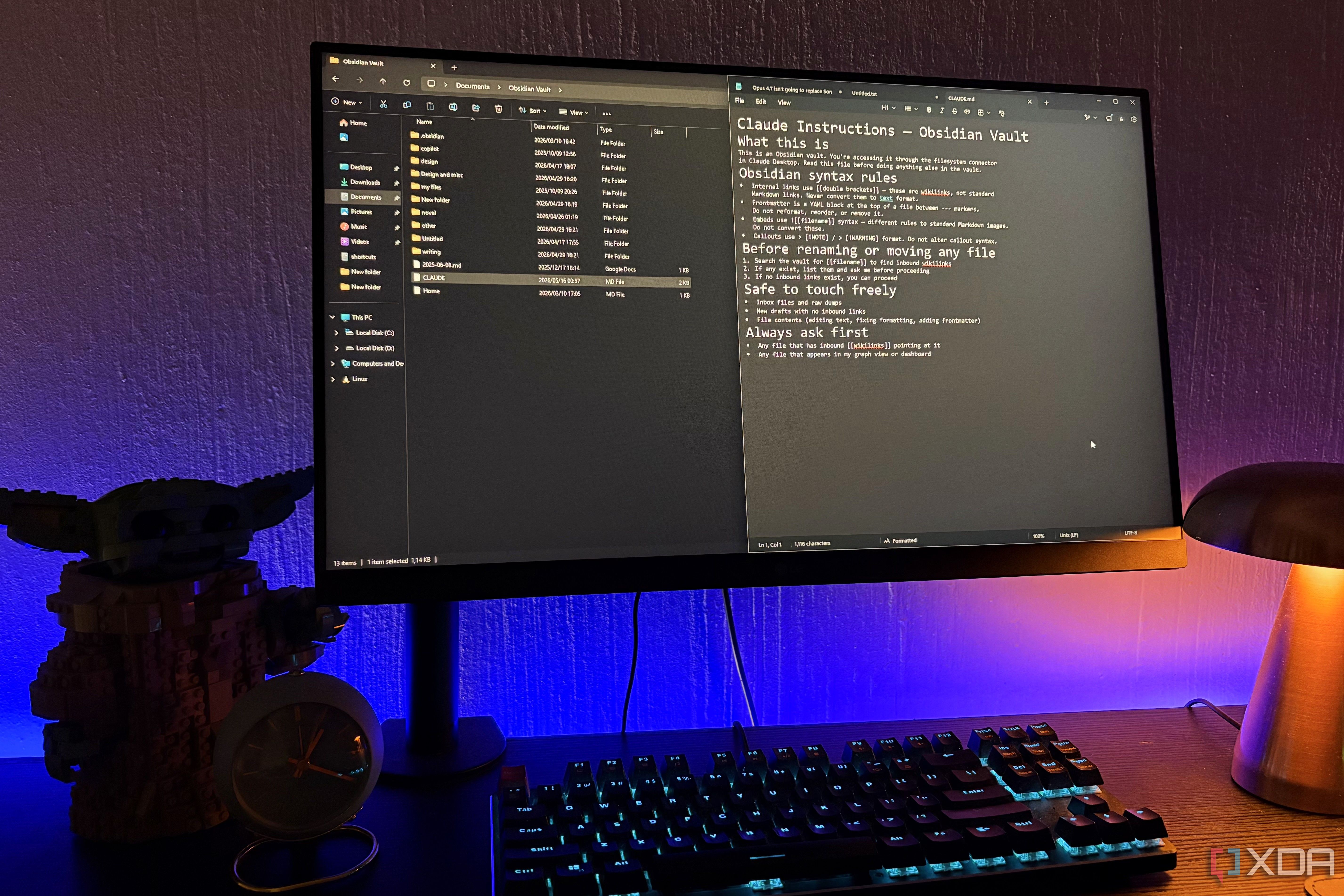
Claude has been open on my screen pretty much all day for a while now. I've got it hooked up to Figma, Canva, and Affinity, I use it for research and design, and a few weeks ago I connected it to my Obsidian vault through the filesystem connector - which turned out to be way simpler than I'd assumed. No MCP setup needed, just point it at the vault folder path. Claude could now browse my notes, sort files into folders, and clean things up on request, all from within the chat space.
Claude has been open on my screen pretty much all day for a while now. I've got it hooked up to Figma, Canva, and Affinity, I use it for research and design, and a few weeks ago I connected it to my Obsidian vault through the filesystem connector - which turned out to be way simpler than I'd assumed. No MCP setup needed, just point it at the vault folder path. Claude could now browse my notes, sort files into folders, and clean things up on request, all from within the chat space.
Claude has been open on my screen pretty much all day for a while now. I've got it hooked up to Figma, Canva, and Affinity, I use it for research and design, and a few weeks ago I connected it to my Obsidian vault through the filesystem connector - which turned out to be way simpler than I'd assumed. No MCP setup needed, just point it at the vault folder path. Claude could now browse my notes, sort files into folders, and clean things up on request, all from within the chat space.
It finally happens: a smart plug goes offline, and you're not sure which one. You open your router dashboard and you're greeted by a list of devices with names like "ESP_88bc," "Android_4f91," and three separate entries that just say "Amazon Echo." You know one of those plugs controls the lamp in the office, but which IP address belongs to which physical device is anybody's guess. What should take two minutes turns into twenty, and you haven't even touched a cable yet. Your gear can be the smartest, your setup can be the sickest, but it's only as organized as you make it. Taking the time to label things both physically and digitally saves so much grief later on, and it should be the first thing you do when you first set up your smart home.
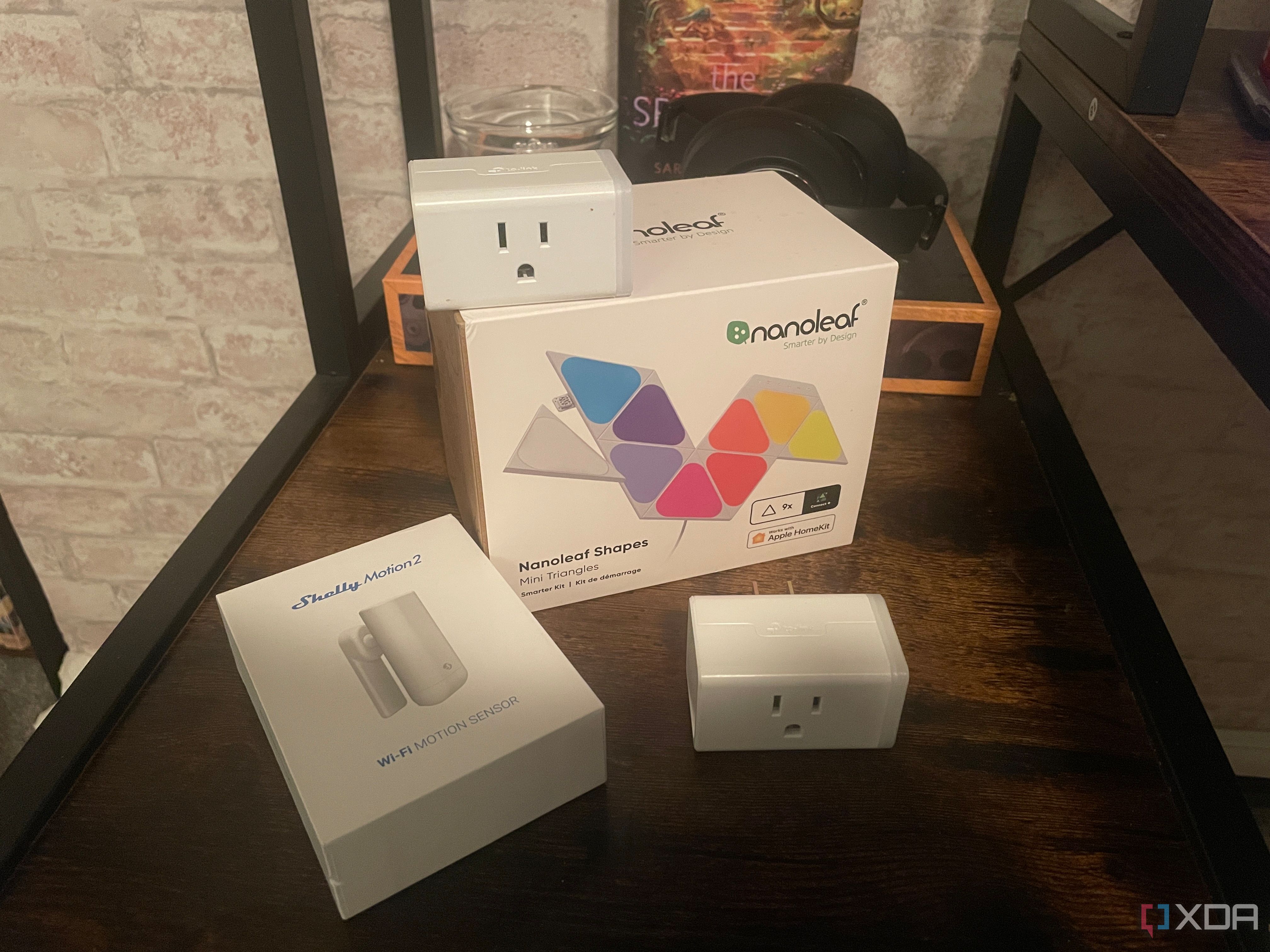
It finally happens: a smart plug goes offline, and you're not sure which one. You open your router dashboard and you're greeted by a list of devices with names like "ESP_88bc," "Android_4f91," and three separate entries that just say "Amazon Echo." You know one of those plugs controls the lamp in the office, but which IP address belongs to which physical device is anybody's guess. What should take two minutes turns into twenty, and you haven't even touched a cable yet. Your gear can be the smartest, your setup can be the sickest, but it's only as organized as you make it. Taking the time to label things both physically and digitally saves so much grief later on, and it should be the first thing you do when you first set up your smart home.
It finally happens: a smart plug goes offline, and you're not sure which one. You open your router dashboard and you're greeted by a list of devices with names like "ESP_88bc," "Android_4f91," and three separate entries that just say "Amazon Echo." You know one of those plugs controls the lamp in the office, but which IP address belongs to which physical device is anybody's guess. What should take two minutes turns into twenty, and you haven't even touched a cable yet. Your gear can be the smartest, your setup can be the sickest, but it's only as organized as you make it. Taking the time to label things both physically and digitally saves so much grief later on, and it should be the first thing you do when you first set up your smart home.
Some home lab services earn a dangerous reputation for being simple. You install them, point them at the right devices, confirm the dashboard loads, and then mentally file them under “handled.” That sounds comforting, especially when your home lab already has enough blinking lights, dashboards, containers, and mystery alerts demanding attention. The problem is that the services most often described as “set and forget” are usually the ones quietly sitting closest to the foundation.
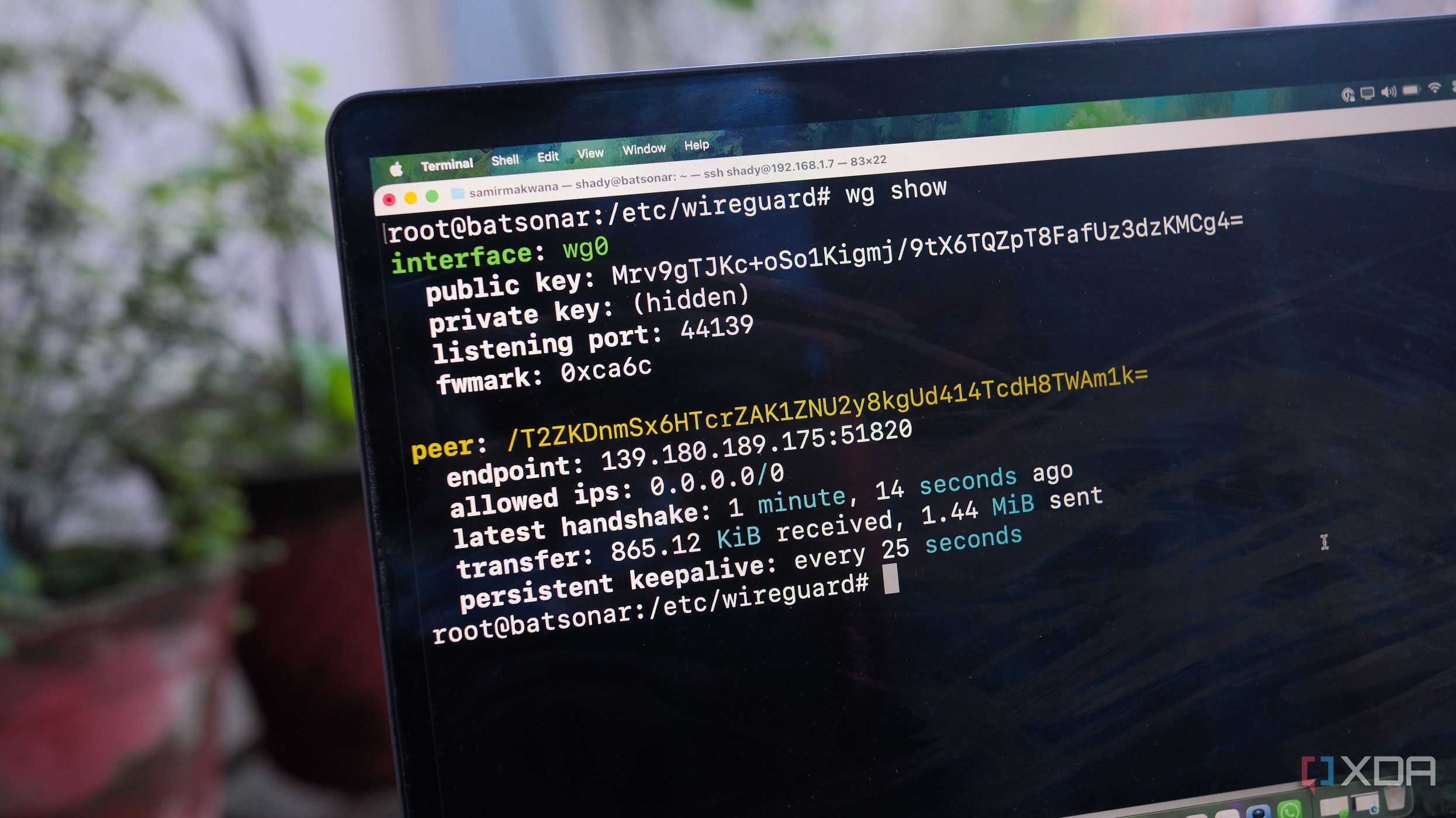
Some home lab services earn a dangerous reputation for being simple. You install them, point them at the right devices, confirm the dashboard loads, and then mentally file them under “handled.” That sounds comforting, especially when your home lab already has enough blinking lights, dashboards, containers, and mystery alerts demanding attention. The problem is that the services most often described as “set and forget” are usually the ones quietly sitting closest to the foundation.
Some home lab services earn a dangerous reputation for being simple. You install them, point them at the right devices, confirm the dashboard loads, and then mentally file them under “handled.” That sounds comforting, especially when your home lab already has enough blinking lights, dashboards, containers, and mystery alerts demanding attention. The problem is that the services most often described as “set and forget” are usually the ones quietly sitting closest to the foundation.
Some home lab services earn a dangerous reputation for being simple. You install them, point them at the right devices, confirm the dashboard loads, and then mentally file them under “handled.” That sounds comforting, especially when your home lab already has enough blinking lights, dashboards, containers, and mystery alerts demanding attention. The problem is that the services most often described as “set and forget” are usually the ones quietly sitting closest to the foundation.
After years of using ChatGPT and Claude, I'm finally starting to dabble in local LLMs. I'm not replacing cloud AI yet, but running Qwen2.5 or Llama 3.2 on my PC comes in handy when I don't want to hit message caps or censorship walls. You might think that running an LLM locally requires significant compute, but even an old GPU can handle several smaller models. I can't expect Claude-like intelligence from my local AI setup, but it's surprisingly good for general queries, document analysis, and productivity tasks, once I have the right tweaks dialed in. I was on the lookout for a cheap card to act as my dedicated local AI GPU, and was curious how low I could go. Fortunately, even an 8GB VRAM GPU that's several generations old has enough power to host 7B–8B models. I got a pre-owned RTX 3060 12GB, and it cost me much less than upgrading my primary GPU to one of the latest high-end models.
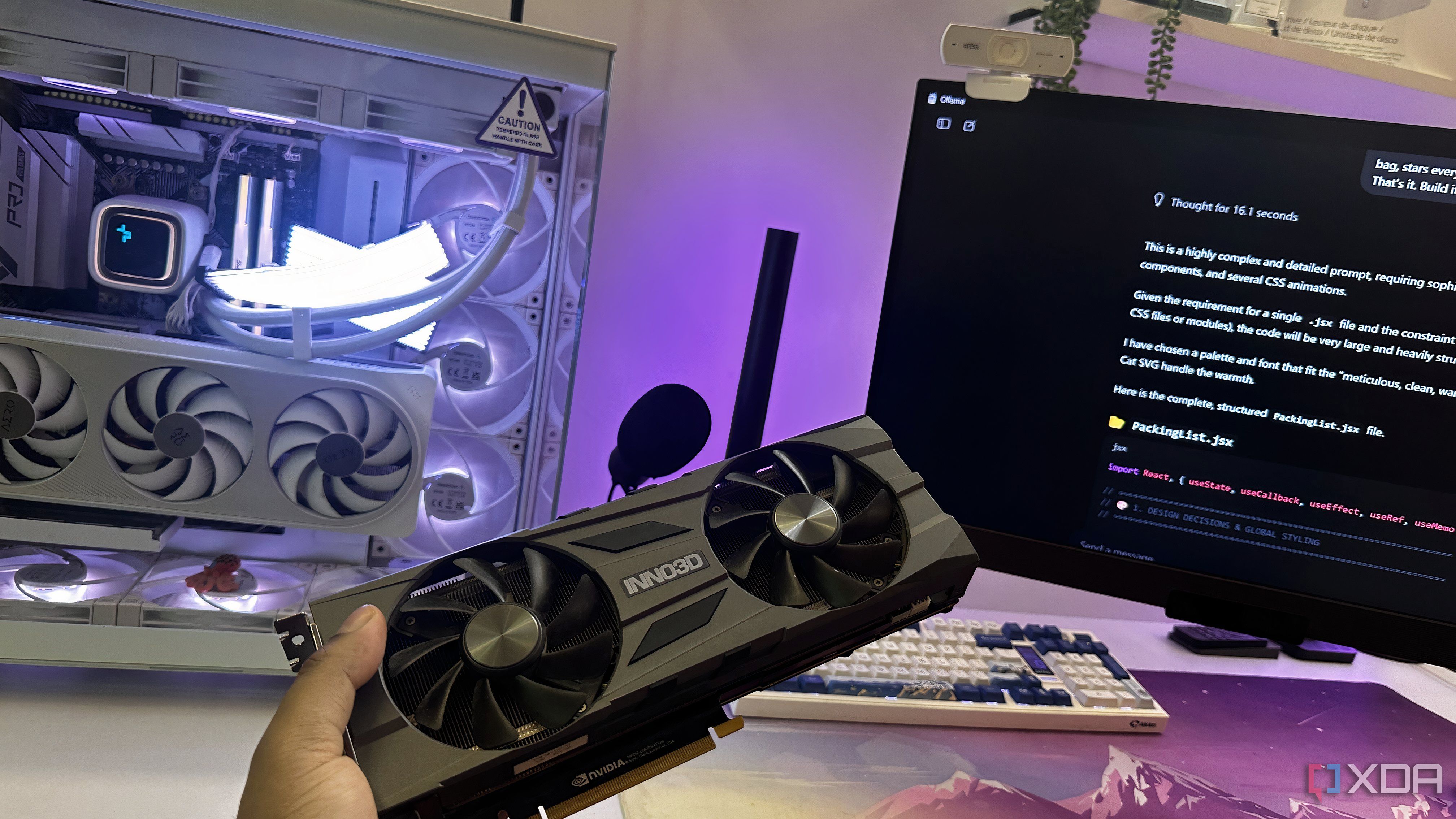
After years of using ChatGPT and Claude, I'm finally starting to dabble in local LLMs. I'm not replacing cloud AI yet, but running Qwen2.5 or Llama 3.2 on my PC comes in handy when I don't want to hit message caps or censorship walls. You might think that running an LLM locally requires significant compute, but even an old GPU can handle several smaller models. I can't expect Claude-like intelligence from my local AI setup, but it's surprisingly good for general queries, document analysis, and productivity tasks, once I have the right tweaks dialed in. I was on the lookout for a cheap card to act as my dedicated local AI GPU, and was curious how low I could go. Fortunately, even an 8GB VRAM GPU that's several generations old has enough power to host 7B–8B models. I got a pre-owned RTX 3060 12GB, and it cost me much less than upgrading my primary GPU to one of the latest high-end models.
After years of using ChatGPT and Claude, I'm finally starting to dabble in local LLMs. I'm not replacing cloud AI yet, but running Qwen2.5 or Llama 3.2 on my PC comes in handy when I don't want to hit message caps or censorship walls. You might think that running an LLM locally requires significant compute, but even an old GPU can handle several smaller models. I can't expect Claude-like intelligence from my local AI setup, but it's surprisingly good for general queries, document analysis, and productivity tasks, once I have the right tweaks dialed in. I was on the lookout for a cheap card to act as my dedicated local AI GPU, and was curious how low I could go. Fortunately, even an 8GB VRAM GPU that's several generations old has enough power to host 7B–8B models. I got a pre-owned RTX 3060 12GB, and it cost me much less than upgrading my primary GPU to one of the latest high-end models.
I recently started integrating local LLMs with my arsenal of free and open-source tools, and they’ve been a game-changer for my productivity needs. Whether it’s generating precise OCR scans or helping me rewrite long snippets of code in the right indentation, self-hosted models are surprisingly capable at automating everyday tasks. What’s more, the FOSS ecosystem has tons of obscure AI tools that are productivity powerhouses – provided you use them for the right tasks.
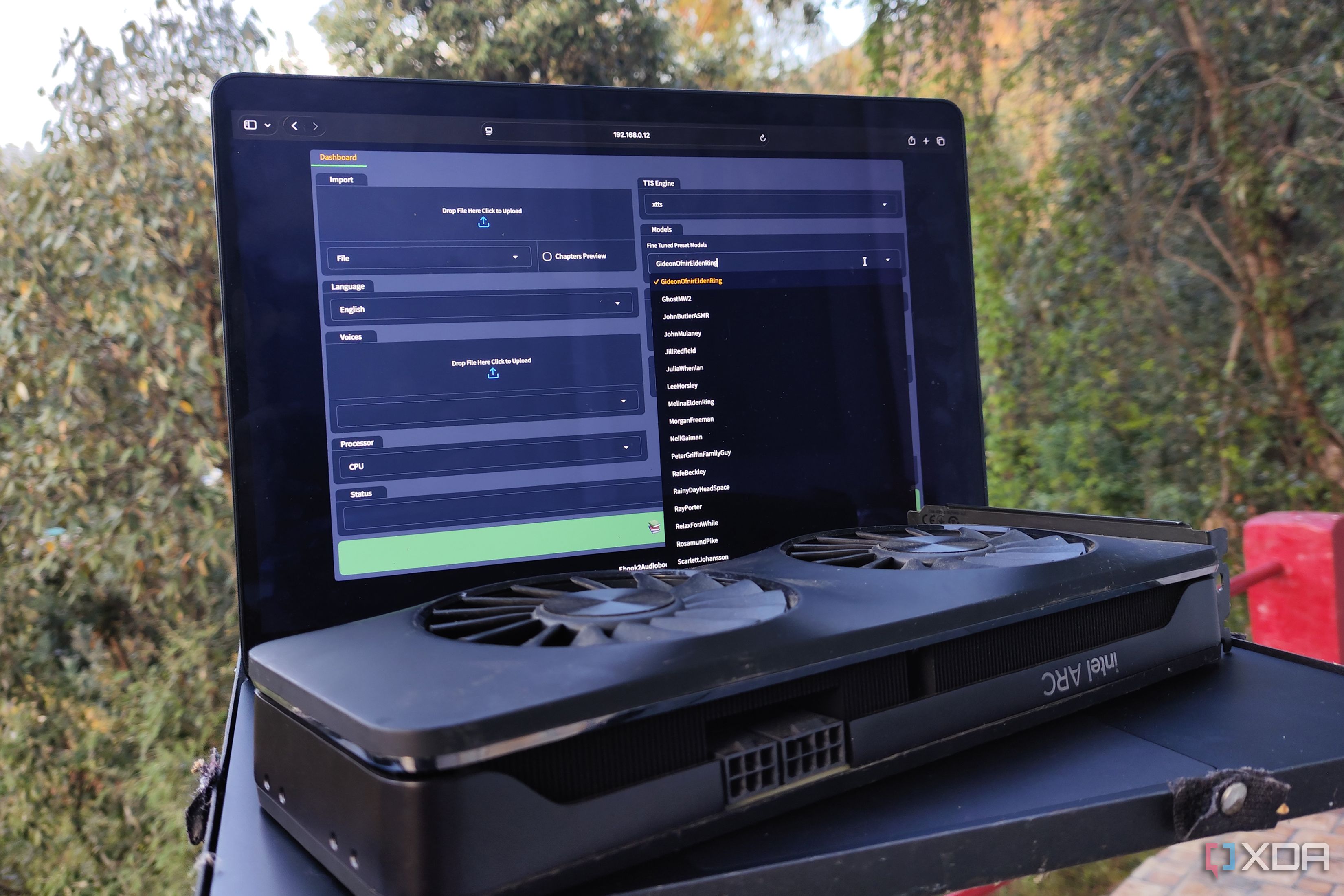
I recently started integrating local LLMs with my arsenal of free and open-source tools, and they’ve been a game-changer for my productivity needs. Whether it’s generating precise OCR scans or helping me rewrite long snippets of code in the right indentation, self-hosted models are surprisingly capable at automating everyday tasks. What’s more, the FOSS ecosystem has tons of obscure AI tools that are productivity powerhouses – provided you use them for the right tasks.
I recently started integrating local LLMs with my arsenal of free and open-source tools, and they’ve been a game-changer for my productivity needs. Whether it’s generating precise OCR scans or helping me rewrite long snippets of code in the right indentation, self-hosted models are surprisingly capable at automating everyday tasks. What’s more, the FOSS ecosystem has tons of obscure AI tools that are productivity powerhouses – provided you use them for the right tasks.
I recently started integrating local LLMs with my arsenal of free and open-source tools, and they’ve been a game-changer for my productivity needs. Whether it’s generating precise OCR scans or helping me rewrite long snippets of code in the right indentation, self-hosted models are surprisingly capable at automating everyday tasks. What’s more, the FOSS ecosystem has tons of obscure AI tools that are productivity powerhouses – provided you use them for the right tasks.
I recently started integrating local LLMs with my arsenal of free and open-source tools, and they’ve been a game-changer for my productivity needs. Whether it’s generating precise OCR scans or helping me rewrite long snippets of code in the right indentation, self-hosted models are surprisingly capable at automating everyday tasks. What’s more, the FOSS ecosystem has tons of obscure AI tools that are productivity powerhouses – provided you use them for the right tasks.
Ever since Windows 11 was released, it has had a surprisingly large number of missing features. We're not talking about minor things, either; we're talking about things people got used to over decades of Windows use, only to vanish for seemingly no reason. To make matters worse, the AI boom caused Microsoft to invest a ton of money and time into Copilot, as the core Windows 11 experience was pushed aside.
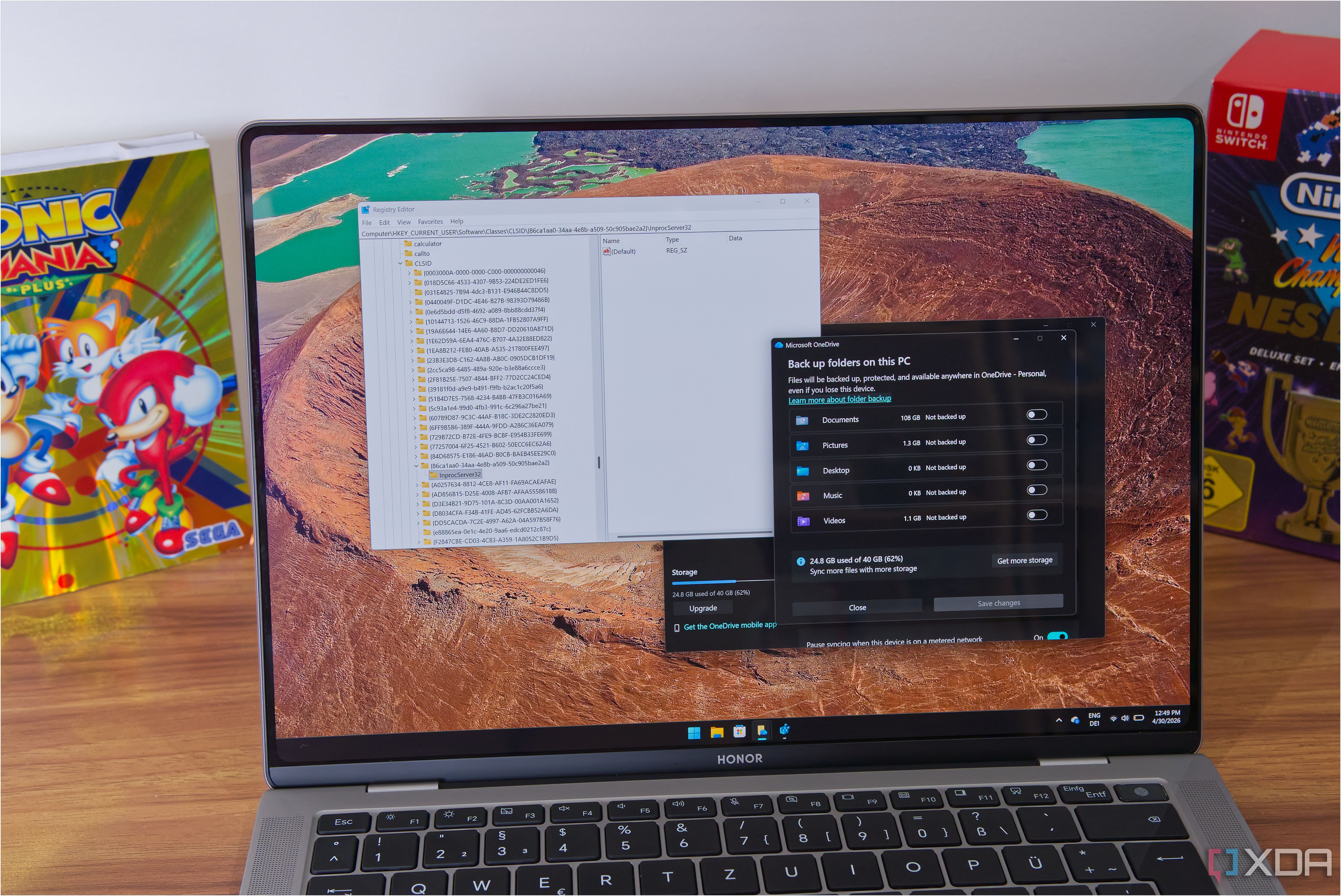
Ever since Windows 11 was released, it has had a surprisingly large number of missing features. We're not talking about minor things, either; we're talking about things people got used to over decades of Windows use, only to vanish for seemingly no reason. To make matters worse, the AI boom caused Microsoft to invest a ton of money and time into Copilot, as the core Windows 11 experience was pushed aside.
Ever since Windows 11 was released, it has had a surprisingly large number of missing features. We're not talking about minor things, either; we're talking about things people got used to over decades of Windows use, only to vanish for seemingly no reason. To make matters worse, the AI boom caused Microsoft to invest a ton of money and time into Copilot, as the core Windows 11 experience was pushed aside.
Ever since Windows 11 was released, it has had a surprisingly large number of missing features. We're not talking about minor things, either; we're talking about things people got used to over decades of Windows use, only to vanish for seemingly no reason. To make matters worse, the AI boom caused Microsoft to invest a ton of money and time into Copilot, as the core Windows 11 experience was pushed aside.
When you're busy at work and need a document ASAP, the last thing you want is a buggy, slow preview pane when you receive a file. Unfortunately, if you use Microsoft Teams to share and receive Office files, you've likely experienced this first-hand with previews that take too long to load, hog resources, or sometimes even fail to load at all. Well, here's some good news: not only does Microsoft know the problem exists, but it'll publish an update soon that should fix things.
When you're busy at work and need a document ASAP, the last thing you want is a buggy, slow preview pane when you receive a file. Unfortunately, if you use Microsoft Teams to share and receive Office files, you've likely experienced this first-hand with previews that take too long to load, hog resources, or sometimes even fail to load at all. Well, here's some good news: not only does Microsoft know the problem exists, but it'll publish an update soon that should fix things.
When you're busy at work and need a document ASAP, the last thing you want is a buggy, slow preview pane when you receive a file. Unfortunately, if you use Microsoft Teams to share and receive Office files, you've likely experienced this first-hand with previews that take too long to load, hog resources, or sometimes even fail to load at all. Well, here's some good news: not only does Microsoft know the problem exists, but it'll publish an update soon that should fix things.
When you're busy at work and need a document ASAP, the last thing you want is a buggy, slow preview pane when you receive a file. Unfortunately, if you use Microsoft Teams to share and receive Office files, you've likely experienced this first-hand with previews that take too long to load, hog resources, or sometimes even fail to load at all. Well, here's some good news: not only does Microsoft know the problem exists, but it'll publish an update soon that should fix things.
Ever since I discovered the joy that is Rescueshark, it has become an essential part of my toolbox. My favorite use for it is putting operating systems in 'stasis,' which lets me swap between distros or go between Windows and Linux without losing any data.
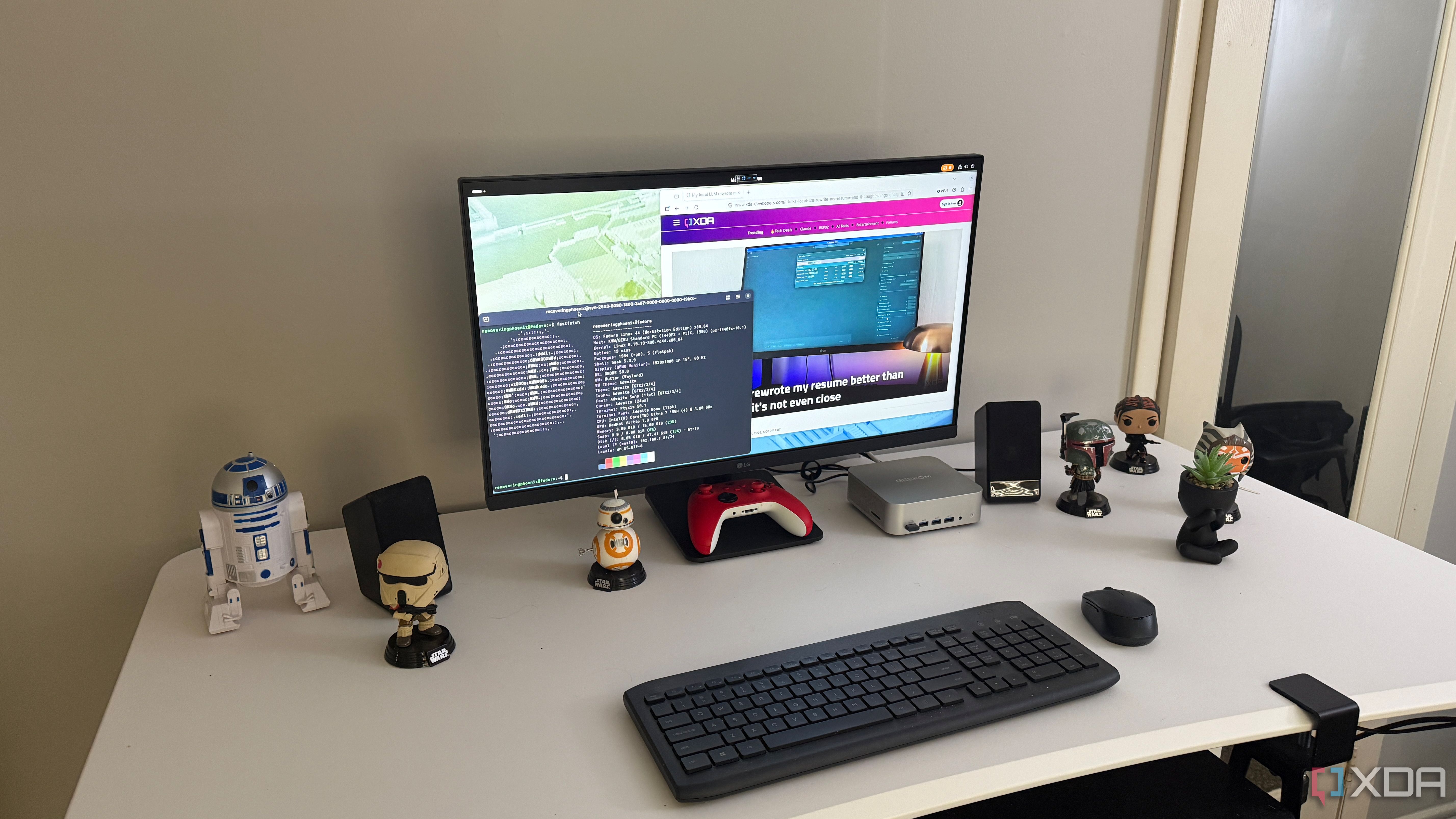
Ever since I discovered the joy that is Rescueshark, it has become an essential part of my toolbox. My favorite use for it is putting operating systems in 'stasis,' which lets me swap between distros or go between Windows and Linux without losing any data.
Ever since I discovered the joy that is Rescueshark, it has become an essential part of my toolbox. My favorite use for it is putting operating systems in 'stasis,' which lets me swap between distros or go between Windows and Linux without losing any data.
Ever since I discovered the joy that is Rescueshark, it has become an essential part of my toolbox. My favorite use for it is putting operating systems in 'stasis,' which lets me swap between distros or go between Windows and Linux without losing any data.
Valve is known for a lot of masterstrokes in the PC gaming space. With its unrivaled storefront, iconic game franchises, SteamOS, the Steam Deck, and even the company culture, Valve is a bit of a unicorn. The upcoming Steam Machine is set to join the Steam Deck and Steam Controller in Valve's gaming hardware lineup. While Valve's past performance, both in hardware and software, has been impeccable, there's also the original "Steam Machines" blot on its report card. The new Steam Machine is a curious device, marketed not as a console but as a PC running SteamOS and powering 4K 60 FPS gaming. Its underpowered internals were already cause for alarm, but even if you assume Valve will nail the optimization, the target consumer for the Steam Machine is a bit up in the air. We know that Valve has confirmed a 2026 launch, but with worse pricing than that of consoles and hardware that can't rival budget PCs, who is the Steam Machine really for?
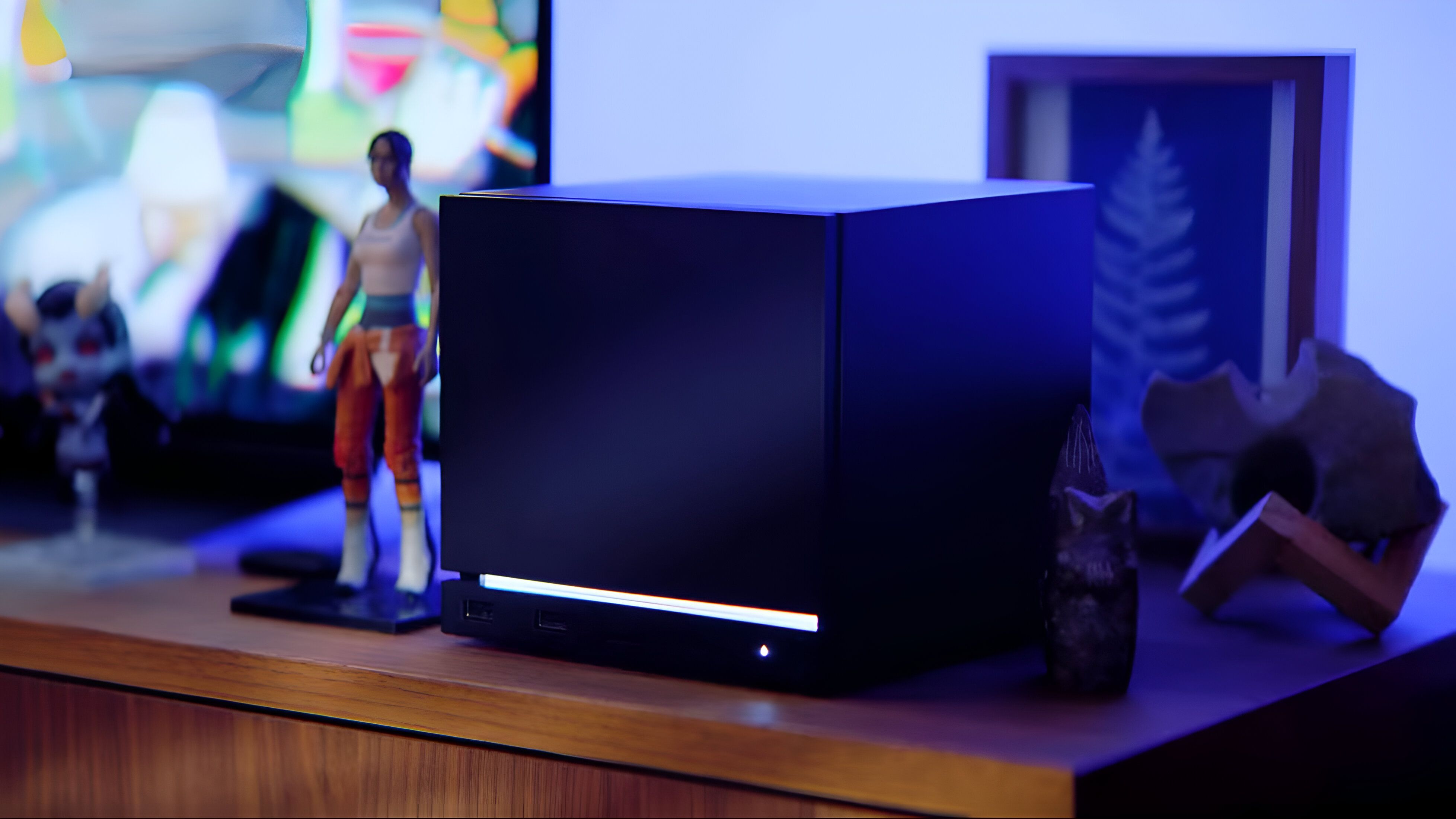
Valve is known for a lot of masterstrokes in the PC gaming space. With its unrivaled storefront, iconic game franchises, SteamOS, the Steam Deck, and even the company culture, Valve is a bit of a unicorn. The upcoming Steam Machine is set to join the Steam Deck and Steam Controller in Valve's gaming hardware lineup. While Valve's past performance, both in hardware and software, has been impeccable, there's also the original "Steam Machines" blot on its report card. The new Steam Machine is a curious device, marketed not as a console but as a PC running SteamOS and powering 4K 60 FPS gaming. Its underpowered internals were already cause for alarm, but even if you assume Valve will nail the optimization, the target consumer for the Steam Machine is a bit up in the air. We know that Valve has confirmed a 2026 launch, but with worse pricing than that of consoles and hardware that can't rival budget PCs, who is the Steam Machine really for?
Valve is known for a lot of masterstrokes in the PC gaming space. With its unrivaled storefront, iconic game franchises, SteamOS, the Steam Deck, and even the company culture, Valve is a bit of a unicorn. The upcoming Steam Machine is set to join the Steam Deck and Steam Controller in Valve's gaming hardware lineup. While Valve's past performance, both in hardware and software, has been impeccable, there's also the original "Steam Machines" blot on its report card. The new Steam Machine is a curious device, marketed not as a console but as a PC running SteamOS and powering 4K 60 FPS gaming. Its underpowered internals were already cause for alarm, but even if you assume Valve will nail the optimization, the target consumer for the Steam Machine is a bit up in the air. We know that Valve has confirmed a 2026 launch, but with worse pricing than that of consoles and hardware that can't rival budget PCs, who is the Steam Machine really for?
Every tech enthusiast in the world has grown up discussing the best GPUs of their time. For some, it was the GeForce 3 at the beginning of this century. The Radeon HD 5870 is spoken of with reverence, too. There's the GTX 1080 Ti, of course, but one card that's often left out of the conversation is an Nvidia GPU that truly deserves a place in the annals of gaming and tech history — the GTX Titan.
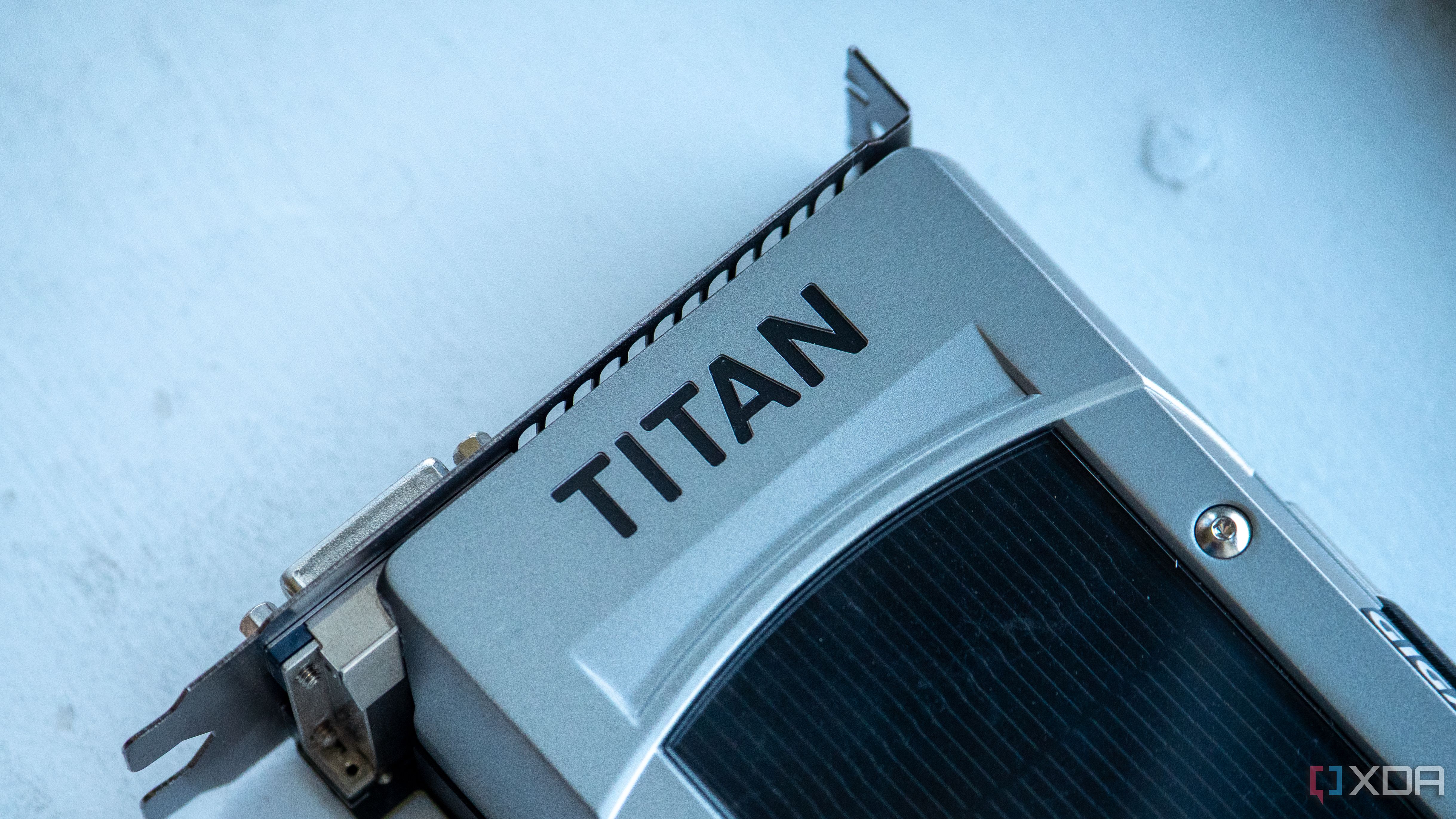
Every tech enthusiast in the world has grown up discussing the best GPUs of their time. For some, it was the GeForce 3 at the beginning of this century. The Radeon HD 5870 is spoken of with reverence, too. There's the GTX 1080 Ti, of course, but one card that's often left out of the conversation is an Nvidia GPU that truly deserves a place in the annals of gaming and tech history — the GTX Titan.
Every tech enthusiast in the world has grown up discussing the best GPUs of their time. For some, it was the GeForce 3 at the beginning of this century. The Radeon HD 5870 is spoken of with reverence, too. There's the GTX 1080 Ti, of course, but one card that's often left out of the conversation is an Nvidia GPU that truly deserves a place in the annals of gaming and tech history — the GTX Titan.
Connecting Claude to my apps sounded like a lot of work with not much payoff. I’d been using Spotify, Google Calendar, and Google Drive for years without much thought. They got the job done, and that’s what mattered to me. Then I finally connected them to Claude through its MCP-powered Connectors and realized I’d been using them in the most basic way possible. I was building playlists by hand, moving my calendar events one at a time, and going through my Google Drive files until I gave up. It was only after I connected them to Claude that I realized how much I’d been doing by hand when I didn’t need to.
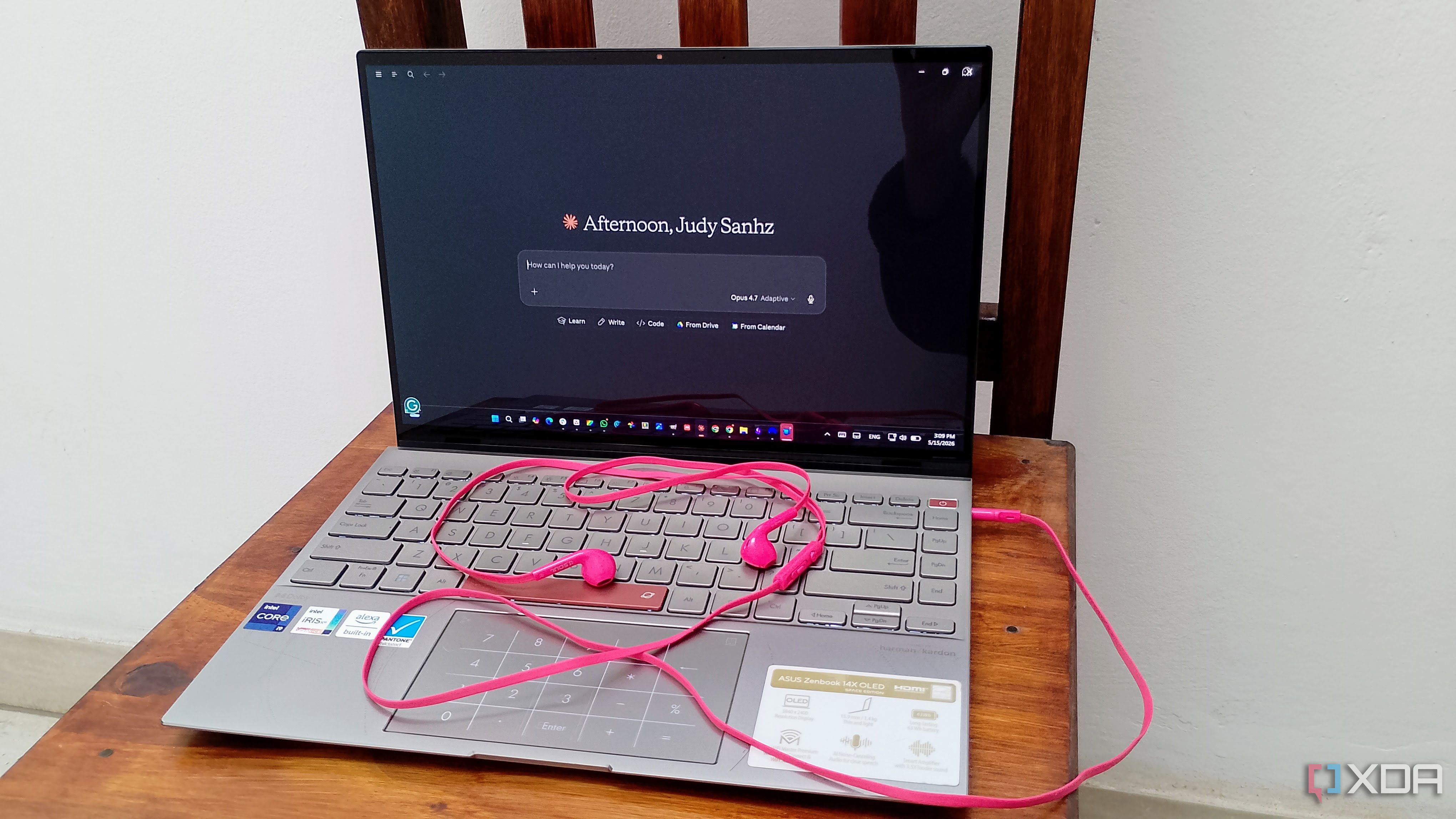
Connecting Claude to my apps sounded like a lot of work with not much payoff. I’d been using Spotify, Google Calendar, and Google Drive for years without much thought. They got the job done, and that’s what mattered to me. Then I finally connected them to Claude through its MCP-powered Connectors and realized I’d been using them in the most basic way possible. I was building playlists by hand, moving my calendar events one at a time, and going through my Google Drive files until I gave up. It was only after I connected them to Claude that I realized how much I’d been doing by hand when I didn’t need to.
Connecting Claude to my apps sounded like a lot of work with not much payoff. I’d been using Spotify, Google Calendar, and Google Drive for years without much thought. They got the job done, and that’s what mattered to me. Then I finally connected them to Claude through its MCP-powered Connectors and realized I’d been using them in the most basic way possible. I was building playlists by hand, moving my calendar events one at a time, and going through my Google Drive files until I gave up. It was only after I connected them to Claude that I realized how much I’d been doing by hand when I didn’t need to.
Connecting Claude to my apps sounded like a lot of work with not much payoff. I’d been using Spotify, Google Calendar, and Google Drive for years without much thought. They got the job done, and that’s what mattered to me. Then I finally connected them to Claude through its MCP-powered Connectors and realized I’d been using them in the most basic way possible. I was building playlists by hand, moving my calendar events one at a time, and going through my Google Drive files until I gave up. It was only after I connected them to Claude that I realized how much I’d been doing by hand when I didn’t need to.
Package managers are one of the best parts of Linux, making it easier to manage what's installed on your system, including specific versions of software you may need for specific projects. But they come with the downside that different distros often use different package managers, so installing the tools you need on a new PC with a new distro, or making the jump to a different flavor of Linux, can come with more hurdles than you'd like.
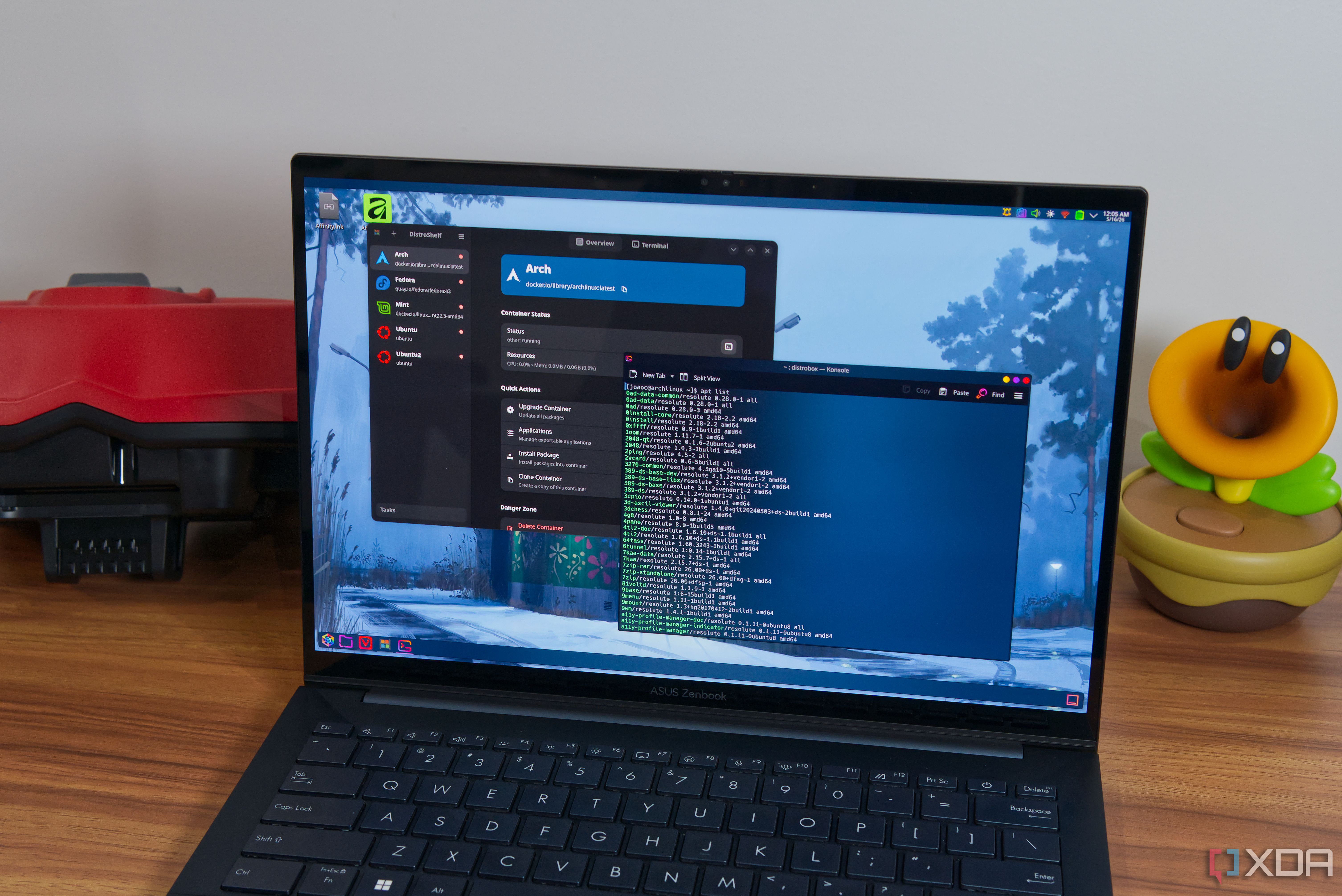
Package managers are one of the best parts of Linux, making it easier to manage what's installed on your system, including specific versions of software you may need for specific projects. But they come with the downside that different distros often use different package managers, so installing the tools you need on a new PC with a new distro, or making the jump to a different flavor of Linux, can come with more hurdles than you'd like.
Package managers are one of the best parts of Linux, making it easier to manage what's installed on your system, including specific versions of software you may need for specific projects. But they come with the downside that different distros often use different package managers, so installing the tools you need on a new PC with a new distro, or making the jump to a different flavor of Linux, can come with more hurdles than you'd like.
The AMS is easily the most frustrating part of my Bambu Lab P1S Combo. The printer itself feels almost boringly reliable most of the time, which makes every AMS tantrum stand out even more. When a spool refuses to feed, a filament path gets fussy, or a retract error interrupts an otherwise clean print, it feels like the smartest part of the setup has decided to become the least cooperative. That would be easier to dismiss if the AMS were just a flashy add-on, but it has worked its way too deeply into my printing routine for that.
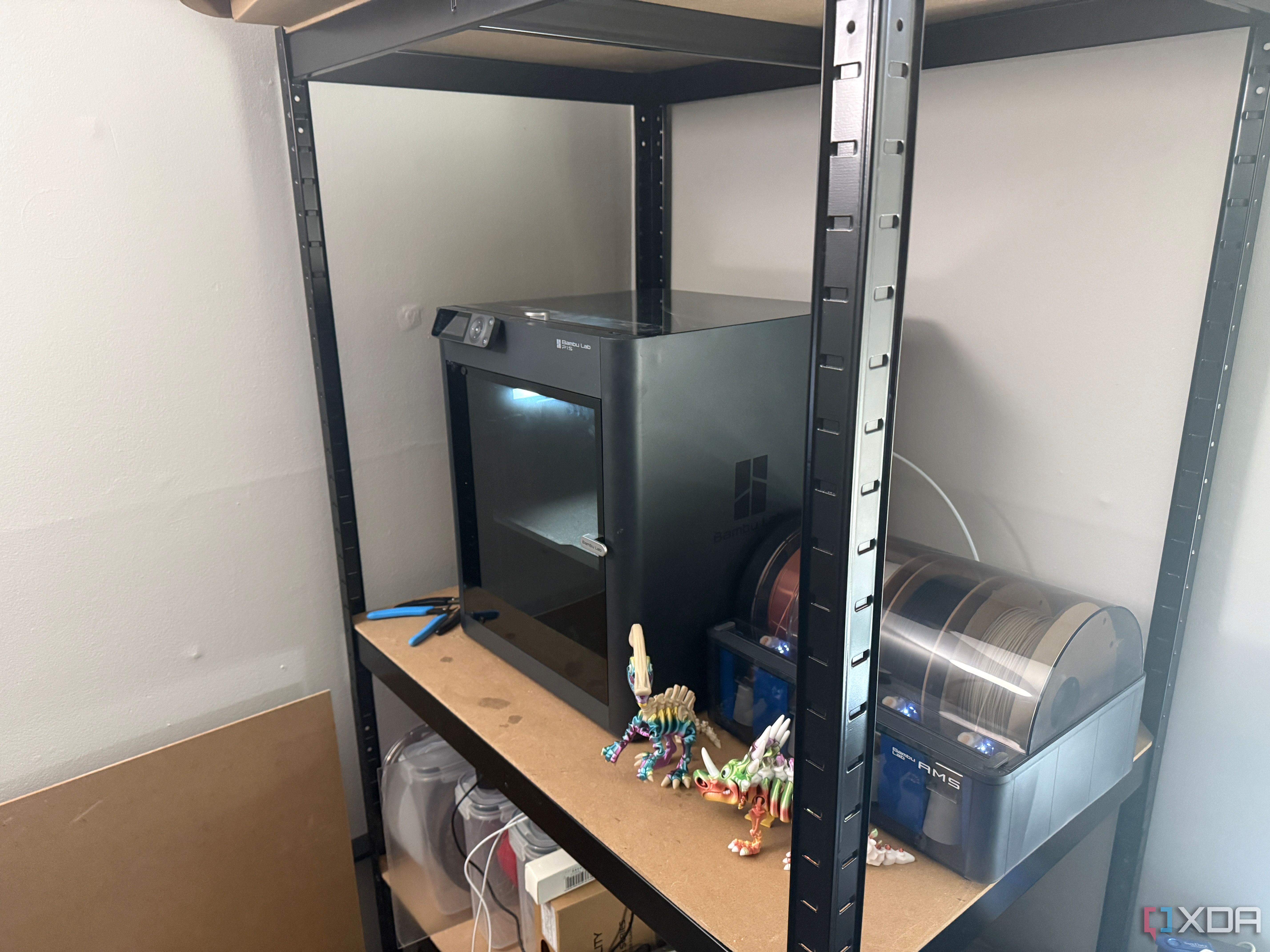
The AMS is easily the most frustrating part of my Bambu Lab P1S Combo. The printer itself feels almost boringly reliable most of the time, which makes every AMS tantrum stand out even more. When a spool refuses to feed, a filament path gets fussy, or a retract error interrupts an otherwise clean print, it feels like the smartest part of the setup has decided to become the least cooperative. That would be easier to dismiss if the AMS were just a flashy add-on, but it has worked its way too deeply into my printing routine for that.
The AMS is easily the most frustrating part of my Bambu Lab P1S Combo. The printer itself feels almost boringly reliable most of the time, which makes every AMS tantrum stand out even more. When a spool refuses to feed, a filament path gets fussy, or a retract error interrupts an otherwise clean print, it feels like the smartest part of the setup has decided to become the least cooperative. That would be easier to dismiss if the AMS were just a flashy add-on, but it has worked its way too deeply into my printing routine for that.
PowerToys is a utility that I use on my main Windows PC and a couple of virtual machines. It's grown from a small set of tools to over 30 utilities that fill the enormous gap left by Windows 11. Most of these features are extremely useful from a power user standpoint, and the successive upgrades in PowerToys have made it a robust app for multiple tasks.
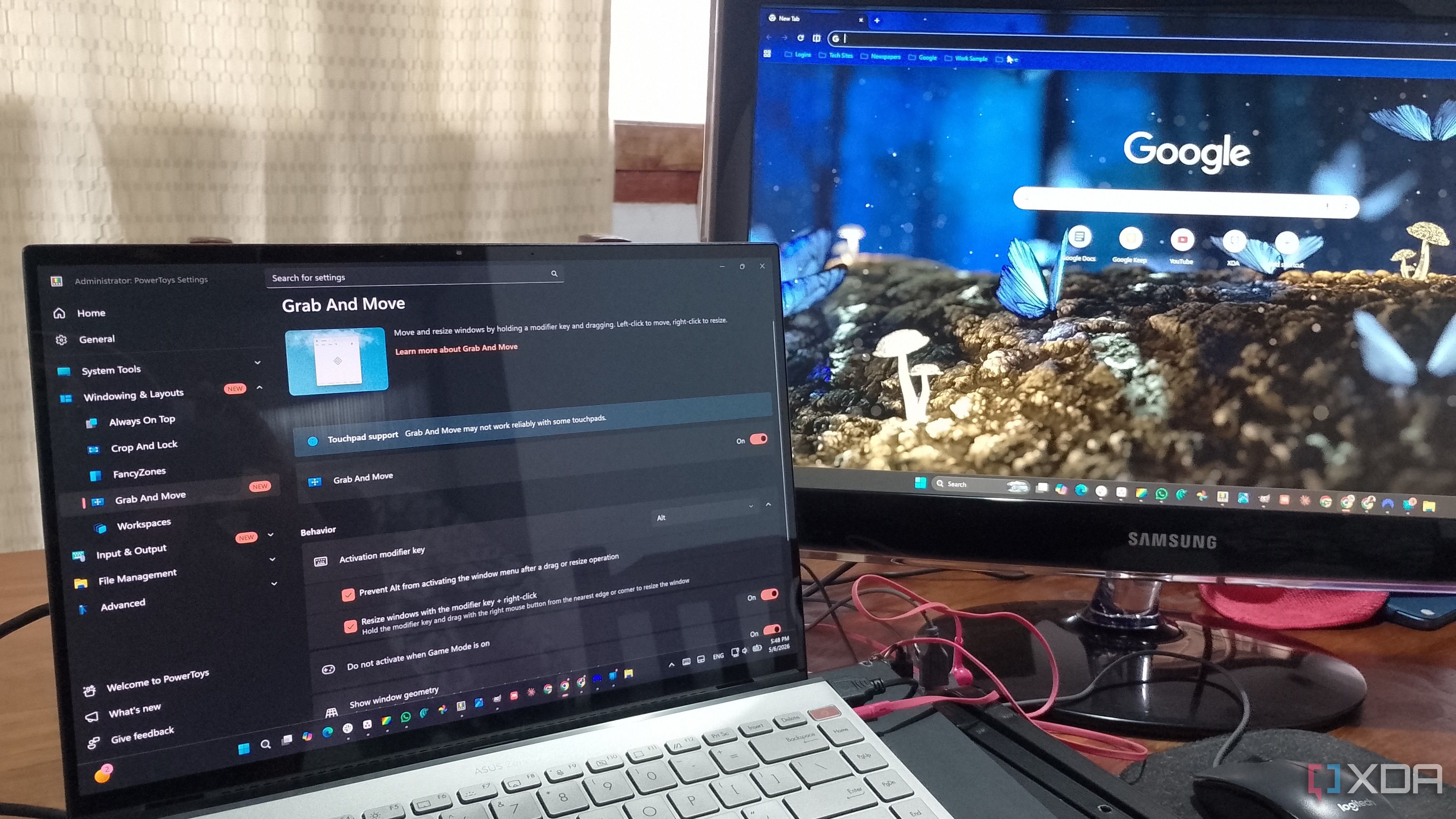
PowerToys is a utility that I use on my main Windows PC and a couple of virtual machines. It's grown from a small set of tools to over 30 utilities that fill the enormous gap left by Windows 11. Most of these features are extremely useful from a power user standpoint, and the successive upgrades in PowerToys have made it a robust app for multiple tasks.
PowerToys is a utility that I use on my main Windows PC and a couple of virtual machines. It's grown from a small set of tools to over 30 utilities that fill the enormous gap left by Windows 11. Most of these features are extremely useful from a power user standpoint, and the successive upgrades in PowerToys have made it a robust app for multiple tasks.
The modern car dashboard has come a long way from simple Bluetooth pairing. But for me, the real shift happened when Gemini replaced Google Assistant with Android Auto and took the wheel.
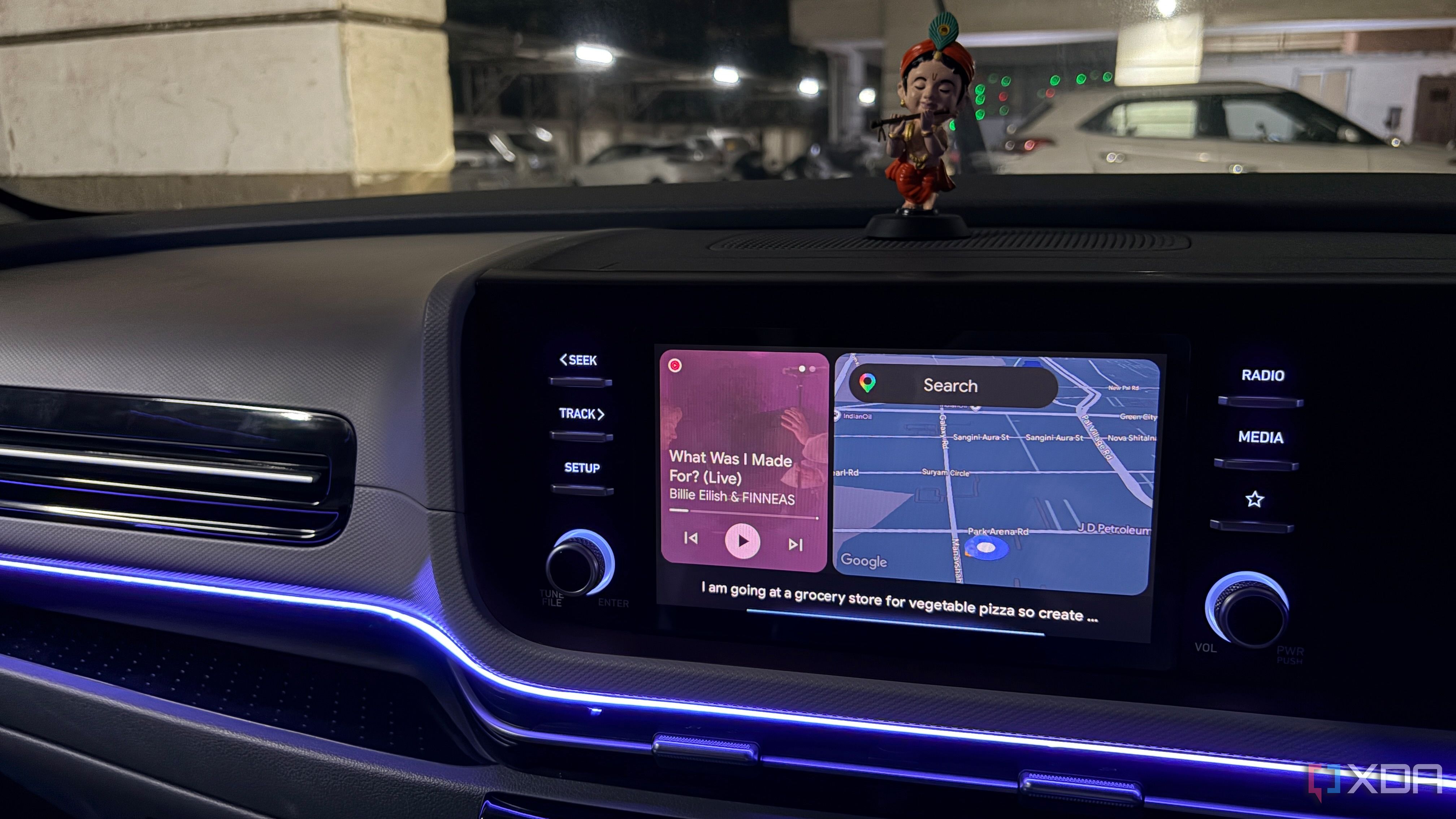
The modern car dashboard has come a long way from simple Bluetooth pairing. But for me, the real shift happened when Gemini replaced Google Assistant with Android Auto and took the wheel.
The modern car dashboard has come a long way from simple Bluetooth pairing. But for me, the real shift happened when Gemini replaced Google Assistant with Android Auto and took the wheel.
I always thought the hardest part of personal knowledge management was consistently capturing information. But after years of collecting notes, I realized accumulation is easy. The difficult part is building a system that stays usable as your work, ideas, and responsibilities grow over time.
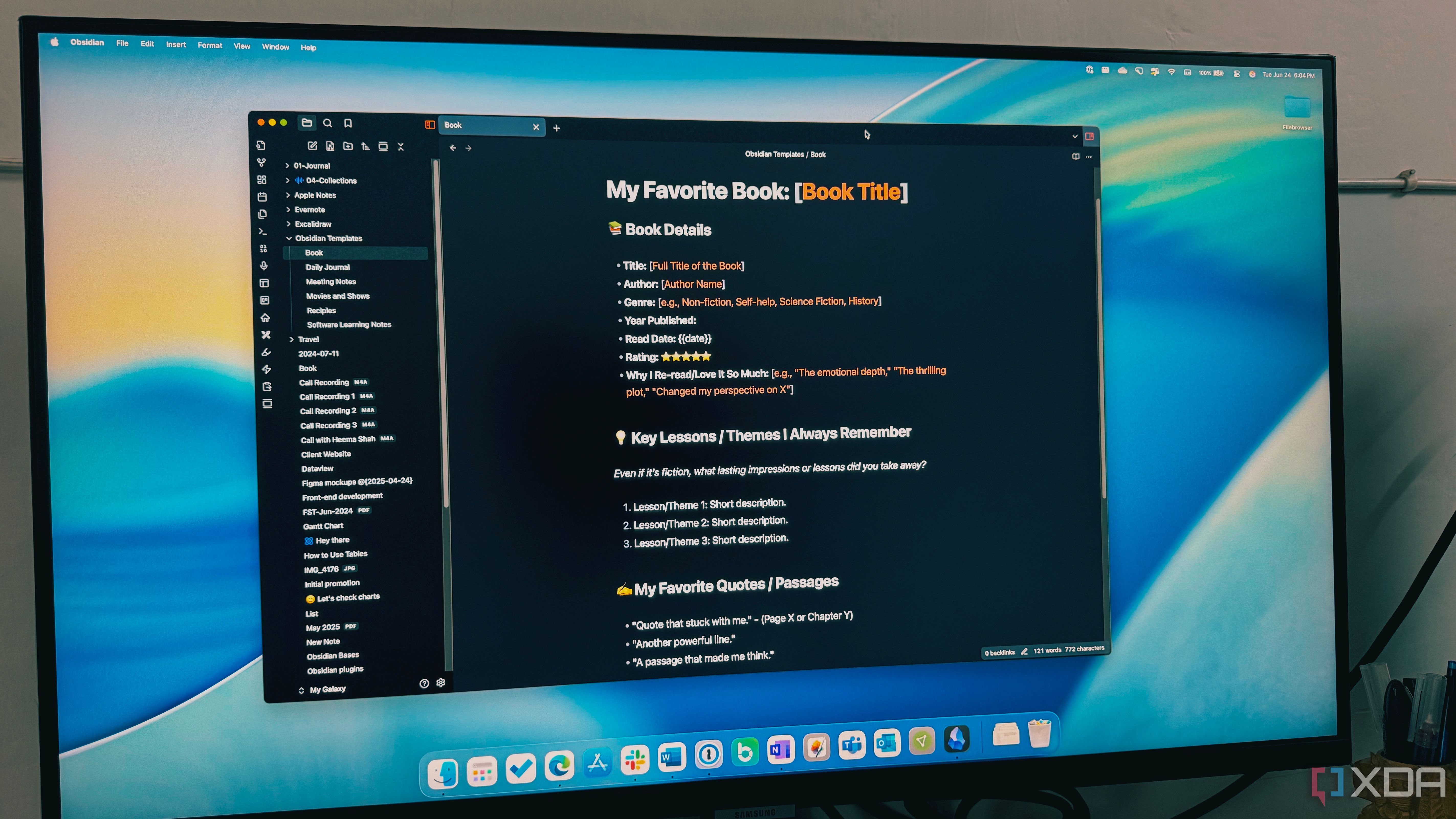
I always thought the hardest part of personal knowledge management was consistently capturing information. But after years of collecting notes, I realized accumulation is easy. The difficult part is building a system that stays usable as your work, ideas, and responsibilities grow over time.
I always thought the hardest part of personal knowledge management was consistently capturing information. But after years of collecting notes, I realized accumulation is easy. The difficult part is building a system that stays usable as your work, ideas, and responsibilities grow over time.
I always thought the hardest part of personal knowledge management was consistently capturing information. But after years of collecting notes, I realized accumulation is easy. The difficult part is building a system that stays usable as your work, ideas, and responsibilities grow over time.
I like productivity apps, and I switch between task apps more often than I'd like to admit. Of all of these apps, Google Tasks is the one that sticks around the longest, every single time, mostly because it does one thing and stays out of the way by being simple, fast, and efficient. Plus, if you're already inside the Gmail and Google Calendar ecosystem, it just works.
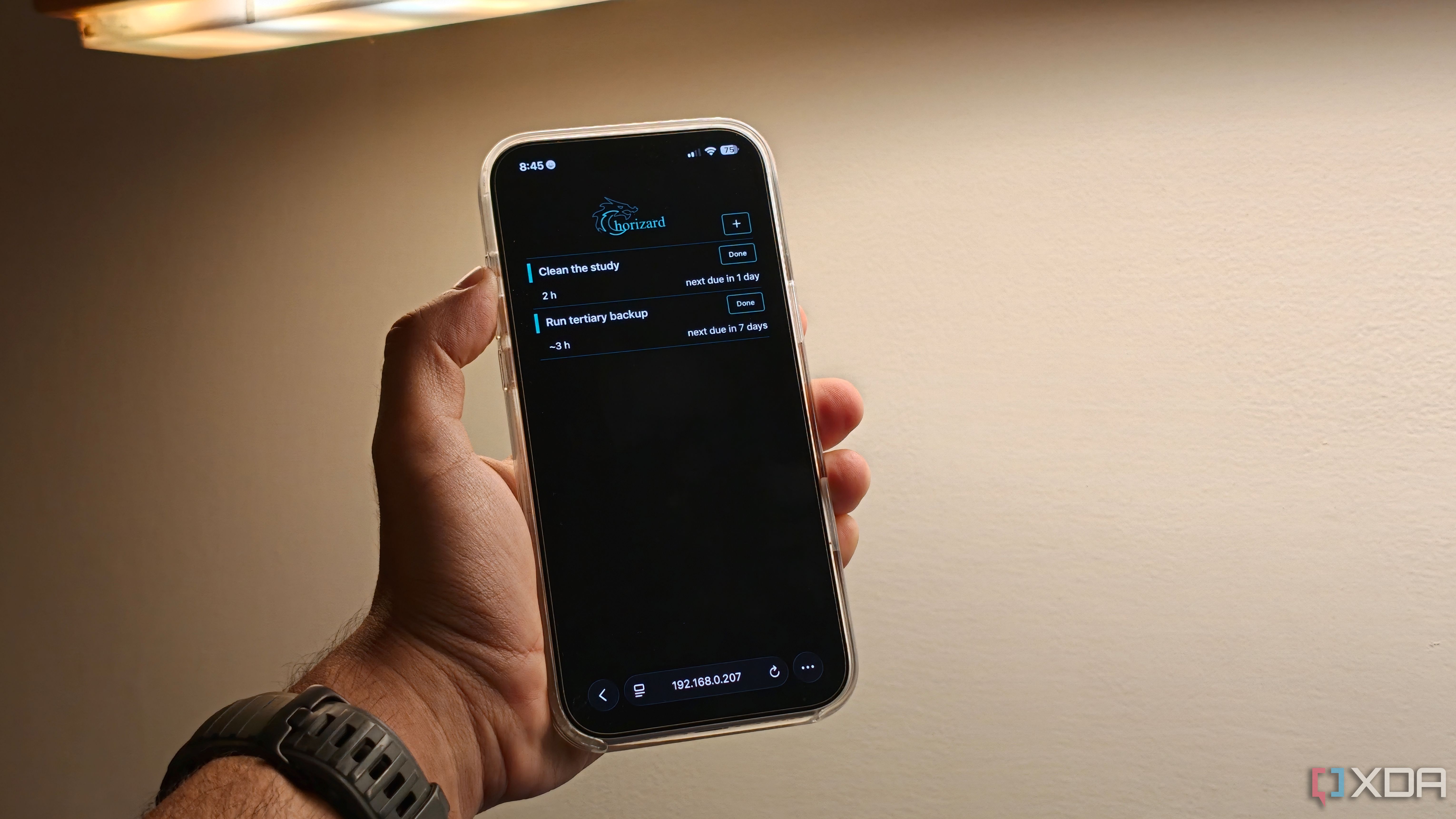
I like productivity apps, and I switch between task apps more often than I'd like to admit. Of all of these apps, Google Tasks is the one that sticks around the longest, every single time, mostly because it does one thing and stays out of the way by being simple, fast, and efficient. Plus, if you're already inside the Gmail and Google Calendar ecosystem, it just works.
I like productivity apps, and I switch between task apps more often than I'd like to admit. Of all of these apps, Google Tasks is the one that sticks around the longest, every single time, mostly because it does one thing and stays out of the way by being simple, fast, and efficient. Plus, if you're already inside the Gmail and Google Calendar ecosystem, it just works.
I like productivity apps, and I switch between task apps more often than I'd like to admit. Of all of these apps, Google Tasks is the one that sticks around the longest, every single time, mostly because it does one thing and stays out of the way by being simple, fast, and efficient. Plus, if you're already inside the Gmail and Google Calendar ecosystem, it just works.
If you want to tweak anything on Windows, you need to know where everything is hidden away before you do. Display settings are in Settings, but color calibration is in Control Panel. Services live in services.msc. Scheduled tasks live in taskschd.msc. Group policy hides behind gpedit.msc, which isn't even installed on Home editions. Half the things I might actually want to do still require regedit and a path I have to look up every single time. It's tiring.
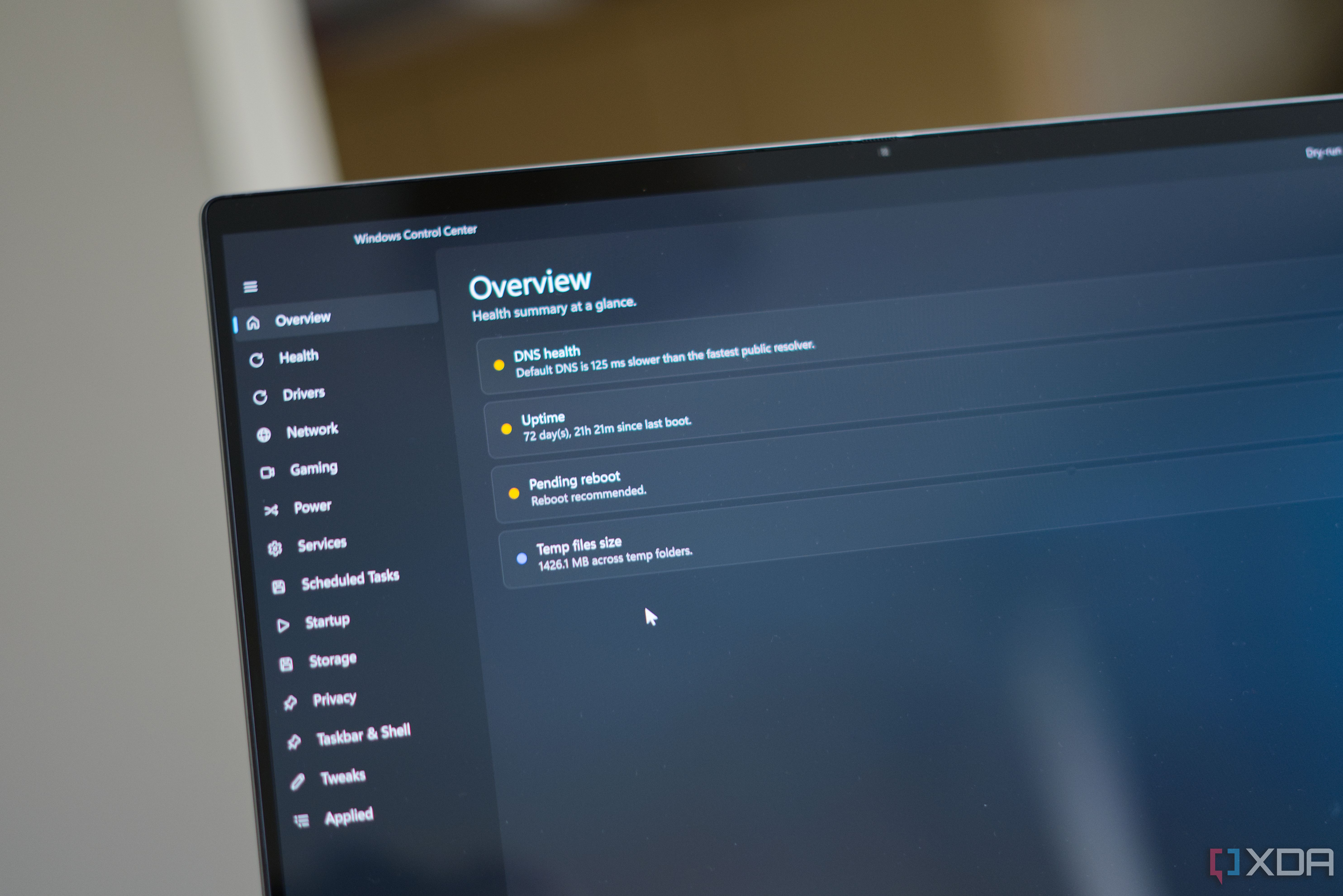
If you want to tweak anything on Windows, you need to know where everything is hidden away before you do. Display settings are in Settings, but color calibration is in Control Panel. Services live in services.msc. Scheduled tasks live in taskschd.msc. Group policy hides behind gpedit.msc, which isn't even installed on Home editions. Half the things I might actually want to do still require regedit and a path I have to look up every single time. It's tiring.
If you want to tweak anything on Windows, you need to know where everything is hidden away before you do. Display settings are in Settings, but color calibration is in Control Panel. Services live in services.msc. Scheduled tasks live in taskschd.msc. Group policy hides behind gpedit.msc, which isn't even installed on Home editions. Half the things I might actually want to do still require regedit and a path I have to look up every single time. It's tiring.
Updating drivers often feels like a digital chore that we postpone until the "Remind me" tomorrow button becomes a daily ritual. For years, I have been treating updates like background maintenance that could easily wait for another day, carrying on with gaming or whatever I was doing. Basically, if it's not broken, don't fix it, thinking the Windows update will handle the essentials. However, during critical moments, I have experienced several frustrating moments involving random crashes, audio glitches, unstable internet speeds, and performance issues that made perfectly good hardware feel unreliable.
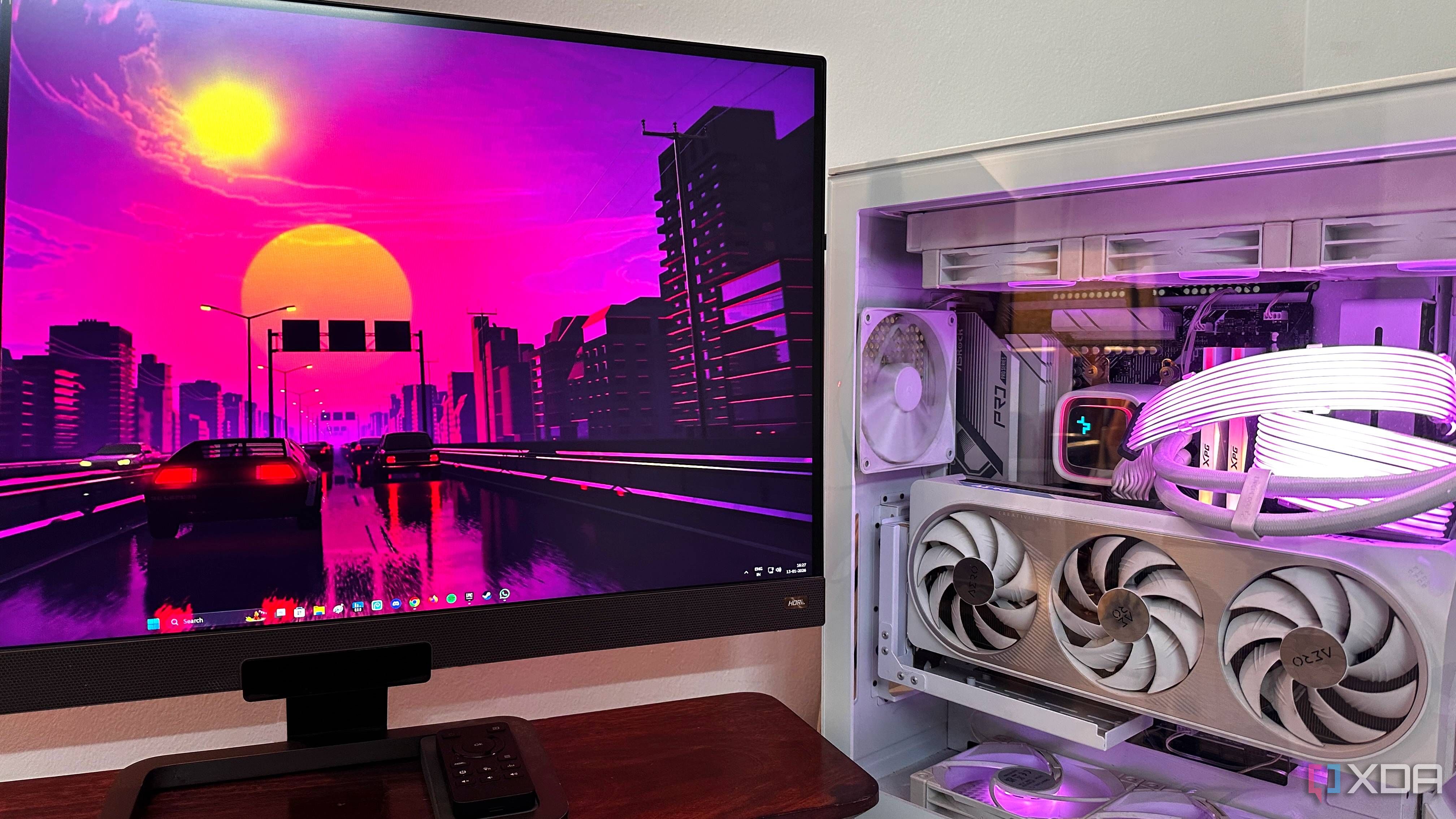
Updating drivers often feels like a digital chore that we postpone until the "Remind me" tomorrow button becomes a daily ritual. For years, I have been treating updates like background maintenance that could easily wait for another day, carrying on with gaming or whatever I was doing. Basically, if it's not broken, don't fix it, thinking the Windows update will handle the essentials. However, during critical moments, I have experienced several frustrating moments involving random crashes, audio glitches, unstable internet speeds, and performance issues that made perfectly good hardware feel unreliable.
Updating drivers often feels like a digital chore that we postpone until the "Remind me" tomorrow button becomes a daily ritual. For years, I have been treating updates like background maintenance that could easily wait for another day, carrying on with gaming or whatever I was doing. Basically, if it's not broken, don't fix it, thinking the Windows update will handle the essentials. However, during critical moments, I have experienced several frustrating moments involving random crashes, audio glitches, unstable internet speeds, and performance issues that made perfectly good hardware feel unreliable.
We typically retire our smartphones from active duty because the software dies before the hardware, and the idea of using something missing critical security updates sends chills down my spine. However, there are several ways to continue using the excellent hardware without ever exposing your dated device to the internet, regardless of the operating system on board.
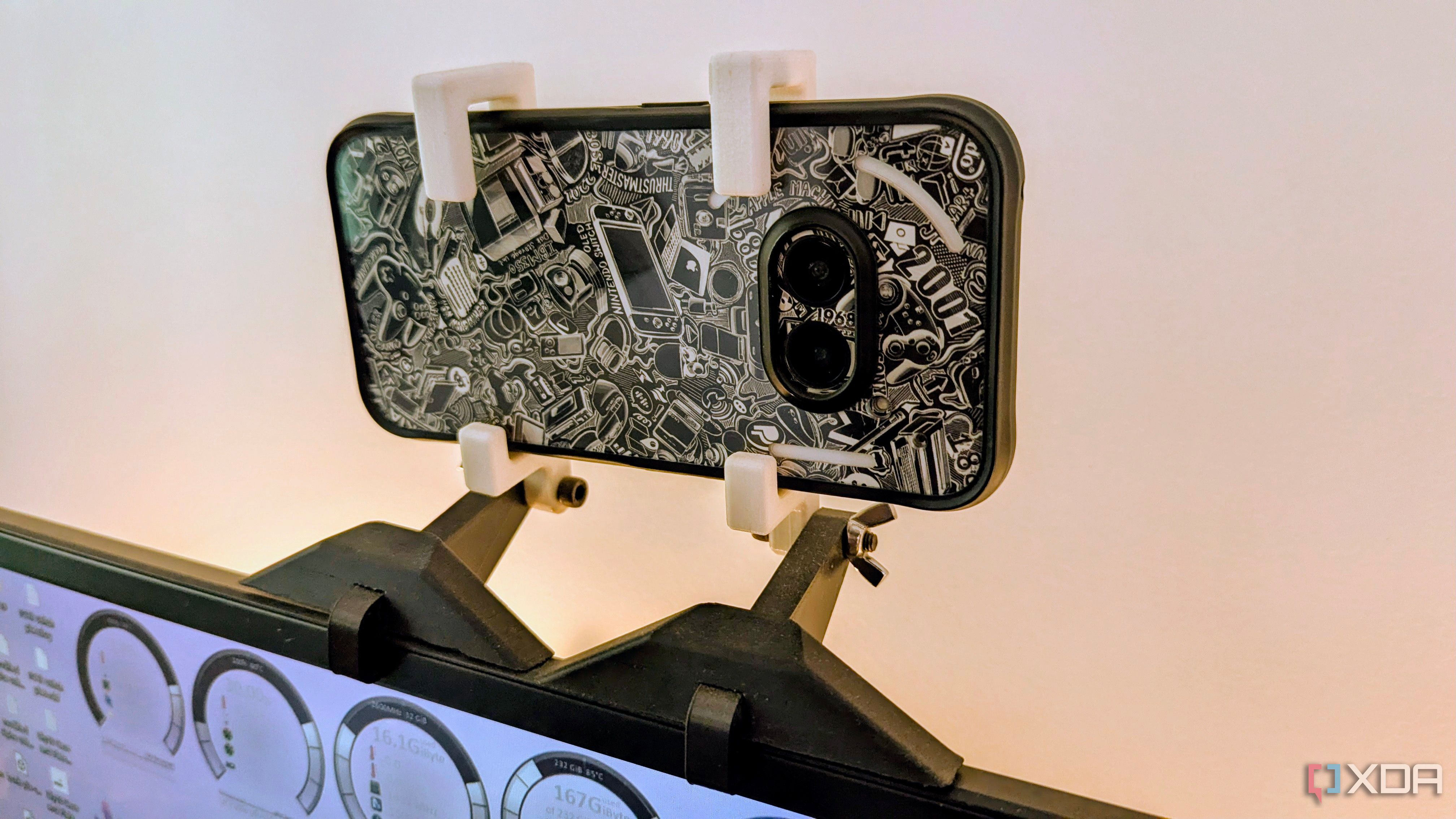
We typically retire our smartphones from active duty because the software dies before the hardware, and the idea of using something missing critical security updates sends chills down my spine. However, there are several ways to continue using the excellent hardware without ever exposing your dated device to the internet, regardless of the operating system on board.
We typically retire our smartphones from active duty because the software dies before the hardware, and the idea of using something missing critical security updates sends chills down my spine. However, there are several ways to continue using the excellent hardware without ever exposing your dated device to the internet, regardless of the operating system on board.
The Motorola Razr Fold just might be the best foldable phone you can buy right now. Gone are the days of having to make compromises with bulkiness and weight in order to get a screen inside your screen. The form factor has finally matured, as we're also seeing from competitors like Samsung's Galaxy Z Fold 7 and Google's Pixel 10 Pro Fold.
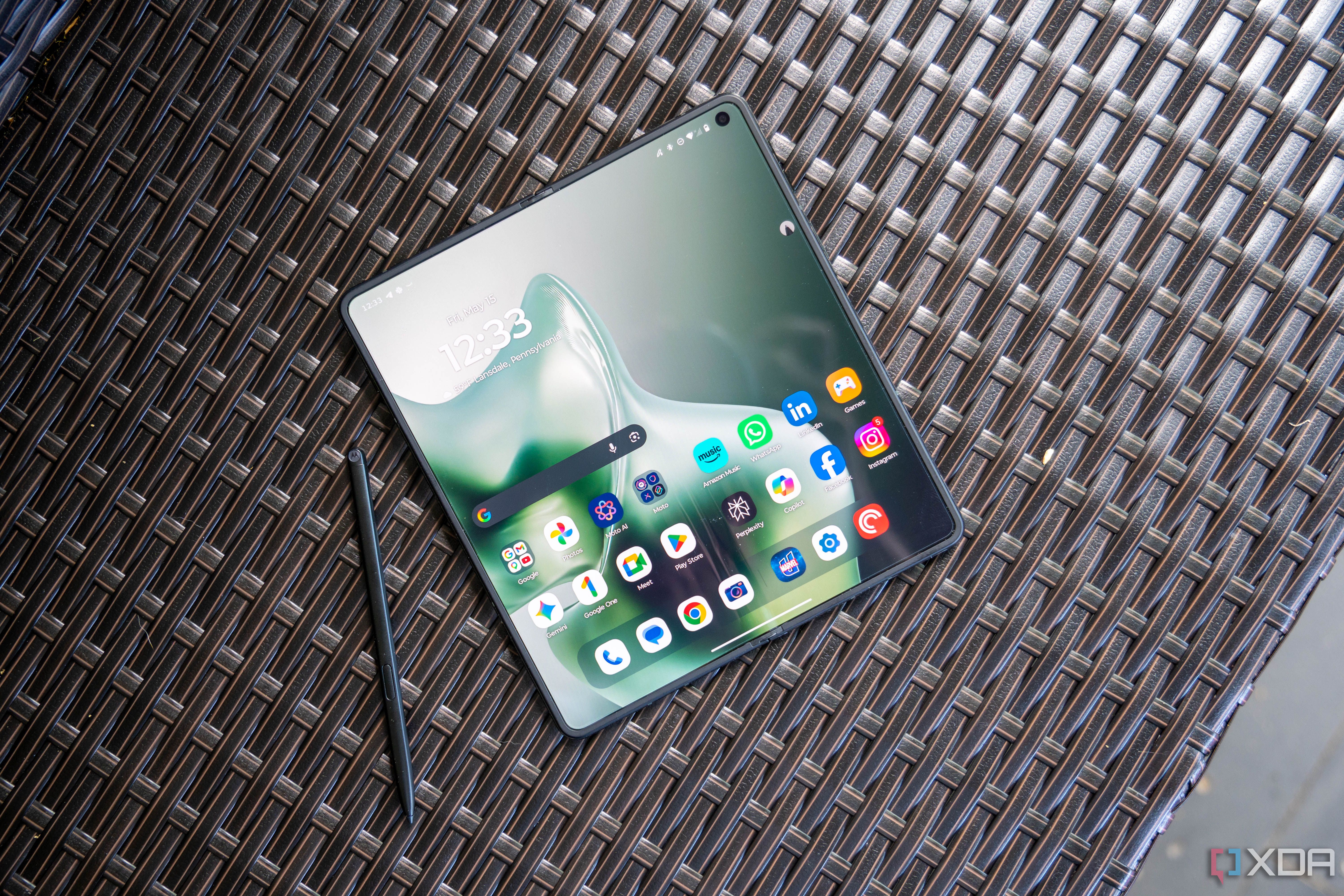
The Motorola Razr Fold just might be the best foldable phone you can buy right now. Gone are the days of having to make compromises with bulkiness and weight in order to get a screen inside your screen. The form factor has finally matured, as we're also seeing from competitors like Samsung's Galaxy Z Fold 7 and Google's Pixel 10 Pro Fold.
The Motorola Razr Fold just might be the best foldable phone you can buy right now. Gone are the days of having to make compromises with bulkiness and weight in order to get a screen inside your screen. The form factor has finally matured, as we're also seeing from competitors like Samsung's Galaxy Z Fold 7 and Google's Pixel 10 Pro Fold.
I used to think my heavily customized VS Code setup was peak productivity. I had the keyboard shortcuts mapped to muscle memory, a perfectly curated list of extensions, and a refusal to believe the AI editor hype train. But as development shifted toward agentic workflows, I decided to see if the old king had truly lost its crown.
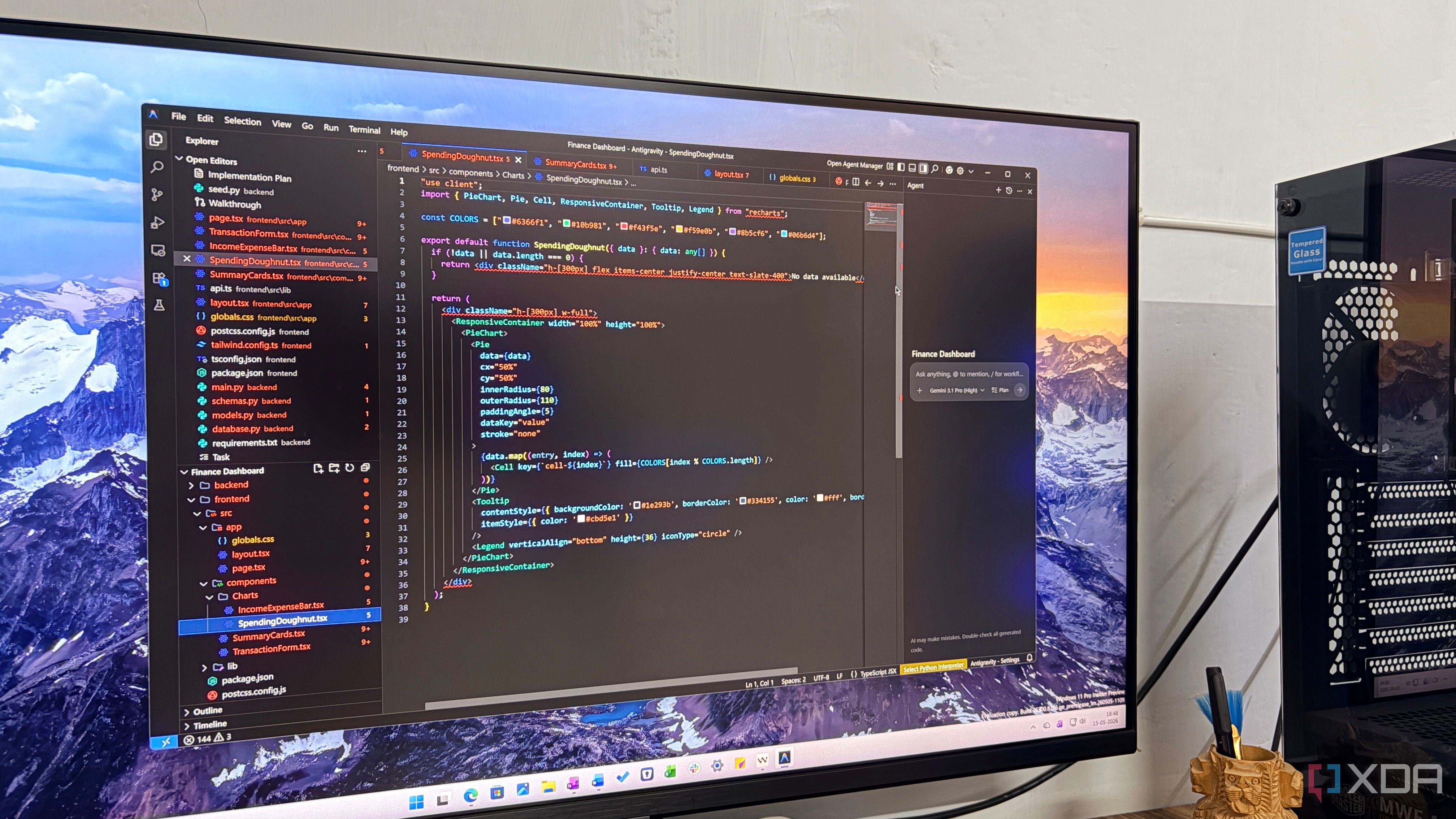
I used to think my heavily customized VS Code setup was peak productivity. I had the keyboard shortcuts mapped to muscle memory, a perfectly curated list of extensions, and a refusal to believe the AI editor hype train. But as development shifted toward agentic workflows, I decided to see if the old king had truly lost its crown.
I used to think my heavily customized VS Code setup was peak productivity. I had the keyboard shortcuts mapped to muscle memory, a perfectly curated list of extensions, and a refusal to believe the AI editor hype train. But as development shifted toward agentic workflows, I decided to see if the old king had truly lost its crown.
Most gamers optimize for one number, and that's average FPS. It's intuitive, it's easy to benchmark, and it's the figure that shows up first in every GPU review. However, it's important to understand that average FPS is a throughput metric, not a feel metric. The number that actually determines whether a game feels smooth or not is frametime, or more specifically, how consistently your hardware is delivering frames. I've already written an article on Smooth Motion and how it doubled my framerate, but the real gains were had in the other performance metrics, and they're arguably more important for how games actually feel.
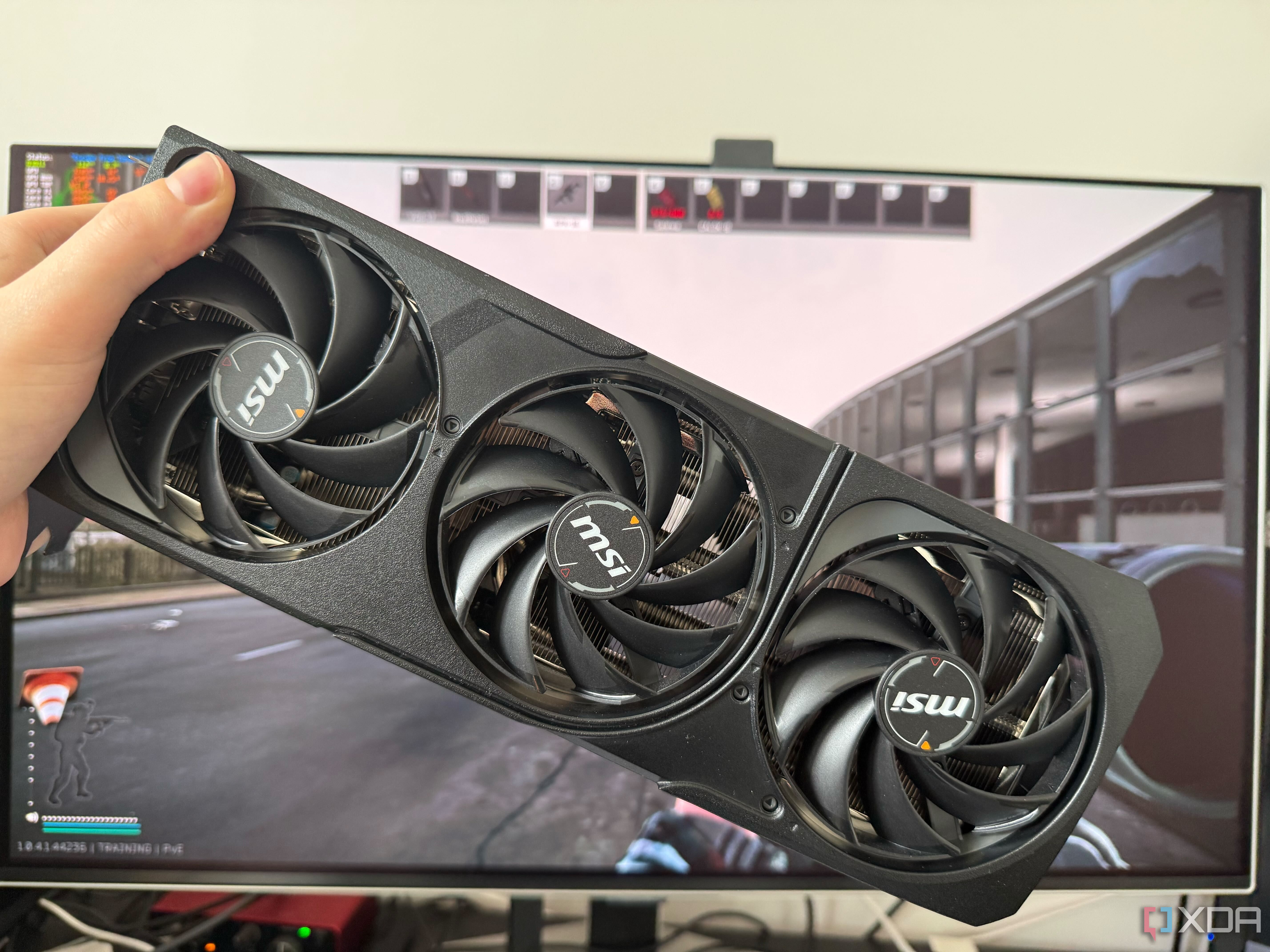
Most gamers optimize for one number, and that's average FPS. It's intuitive, it's easy to benchmark, and it's the figure that shows up first in every GPU review. However, it's important to understand that average FPS is a throughput metric, not a feel metric. The number that actually determines whether a game feels smooth or not is frametime, or more specifically, how consistently your hardware is delivering frames. I've already written an article on Smooth Motion and how it doubled my framerate, but the real gains were had in the other performance metrics, and they're arguably more important for how games actually feel.
Most gamers optimize for one number, and that's average FPS. It's intuitive, it's easy to benchmark, and it's the figure that shows up first in every GPU review. However, it's important to understand that average FPS is a throughput metric, not a feel metric. The number that actually determines whether a game feels smooth or not is frametime, or more specifically, how consistently your hardware is delivering frames. I've already written an article on Smooth Motion and how it doubled my framerate, but the real gains were had in the other performance metrics, and they're arguably more important for how games actually feel.
Every self-hosting enthusiast runs a home media server. Whether it's Plex, Emby, or Jellyfin-based, a NAS chock-full of movies and shows is basically the norm.
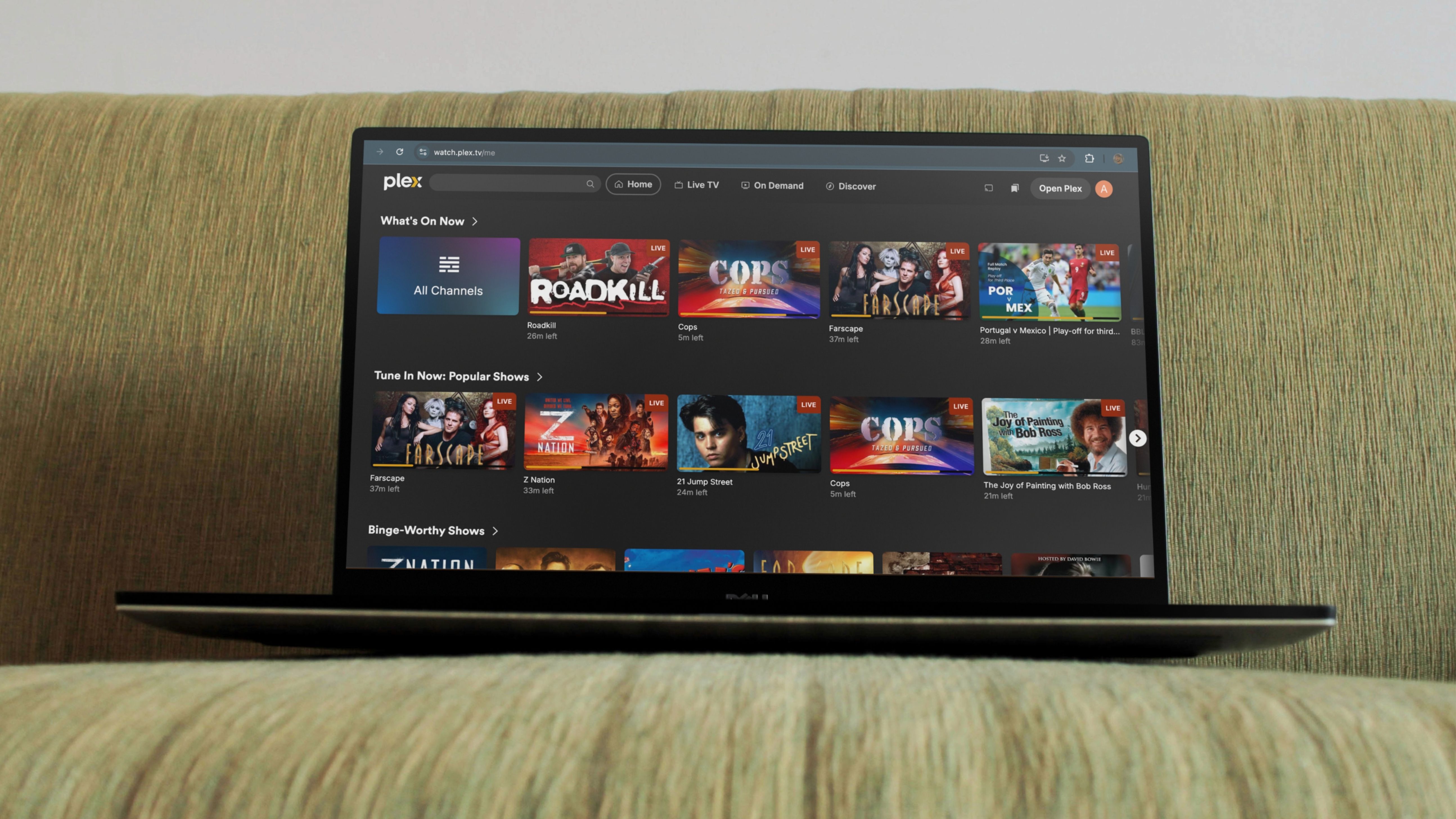
Every self-hosting enthusiast runs a home media server. Whether it's Plex, Emby, or Jellyfin-based, a NAS chock-full of movies and shows is basically the norm.
Every self-hosting enthusiast runs a home media server. Whether it's Plex, Emby, or Jellyfin-based, a NAS chock-full of movies and shows is basically the norm.
I stare at screens pretty much all day, whether it's a laptop display, an external monitor (both at work and when gaming on my Windows 11 PC), a TV, my ROG Xbox Ally X, or my smartphone. This obviously isn't great for my eyes, so whenever possible, I turn on dark mode across all of my devices, and take advantage of features that adjust the device's screen color to better match the ambient light in a room.
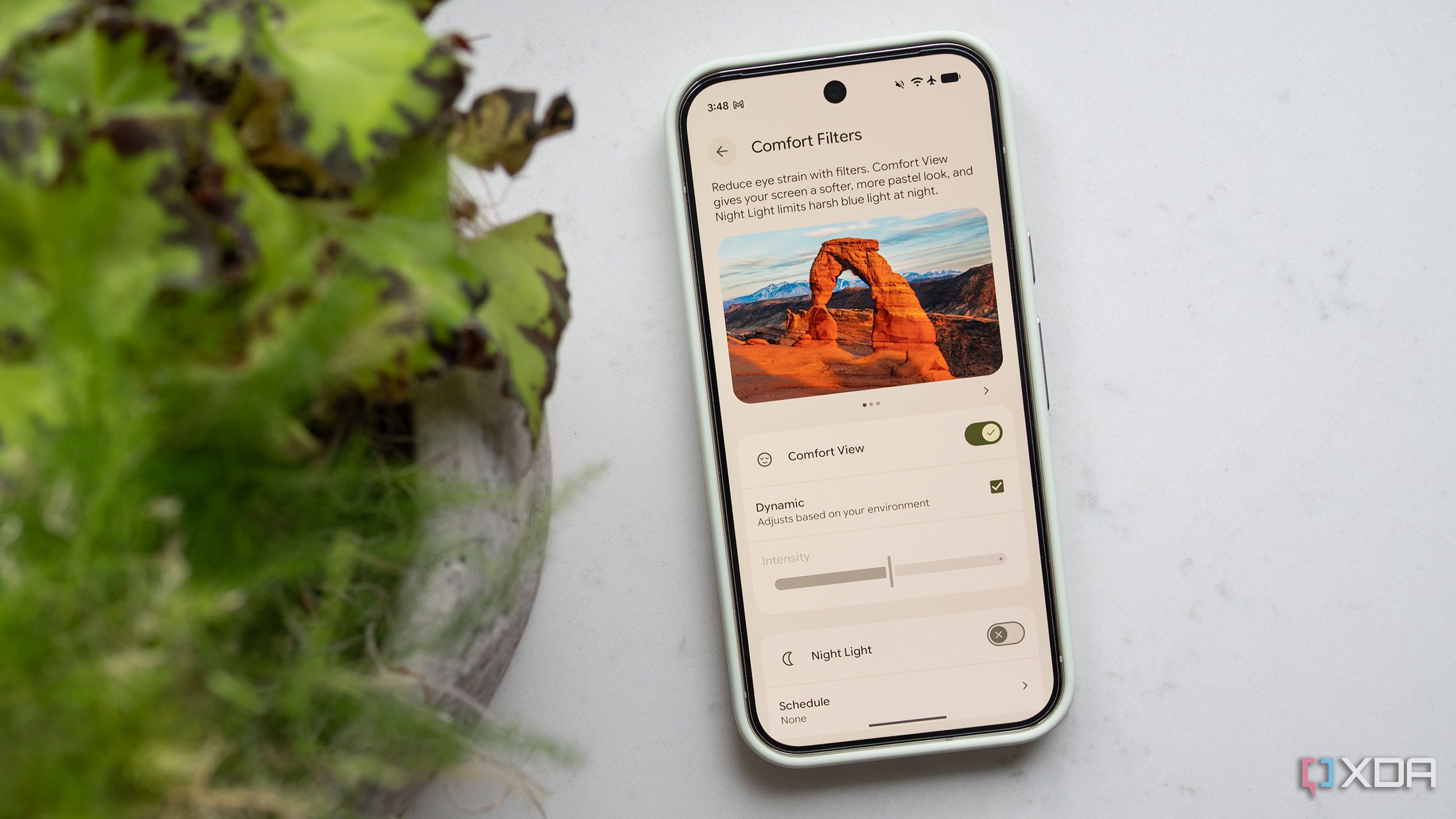
I stare at screens pretty much all day, whether it's a laptop display, an external monitor (both at work and when gaming on my Windows 11 PC), a TV, my ROG Xbox Ally X, or my smartphone. This obviously isn't great for my eyes, so whenever possible, I turn on dark mode across all of my devices, and take advantage of features that adjust the device's screen color to better match the ambient light in a room.
I stare at screens pretty much all day, whether it's a laptop display, an external monitor (both at work and when gaming on my Windows 11 PC), a TV, my ROG Xbox Ally X, or my smartphone. This obviously isn't great for my eyes, so whenever possible, I turn on dark mode across all of my devices, and take advantage of features that adjust the device's screen color to better match the ambient light in a room.
Claude Code is a fantastic tool that lets you do a lot more than just code. It can help you automate things, sort out the mess on your desktop, and if you hand it your dotfiles, it can even rewrite your shell. When I gave Claude Code access to my dotfiles, it tore through my shell setup, and within minutes, my terminal looked different, behaved differently, and in a lot of ways, worked better than the setup I had slowly stitched together over time.
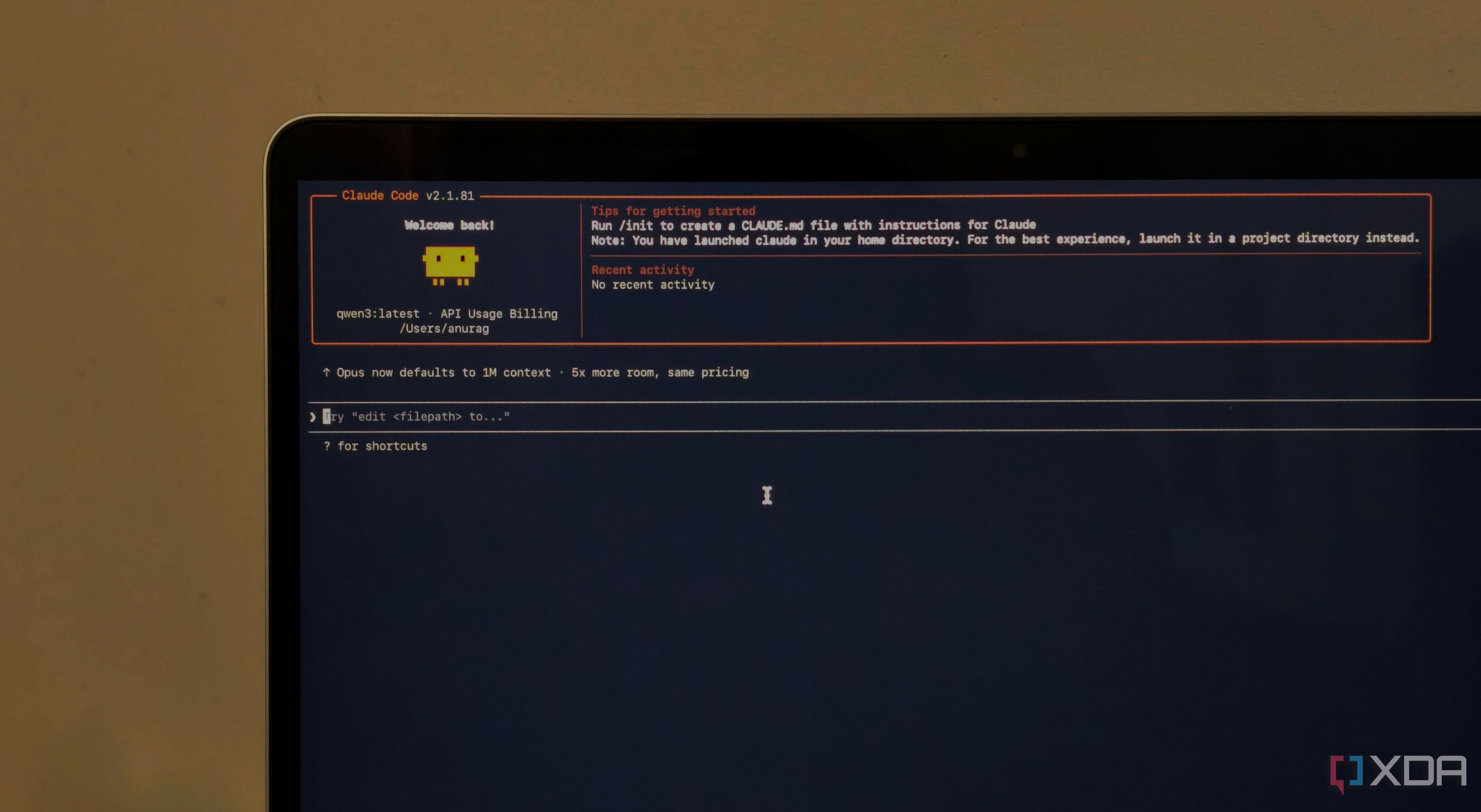
When you're deciding which operating system to put on your home server, you've got tons of options. But when you decide to go beyond a NAS storage box, why would you install an operating system that is NAS-first, programs-second? That's not going to take advantage of the power of your home server hardware, because NAS OSes are built to work on potato CPUs.
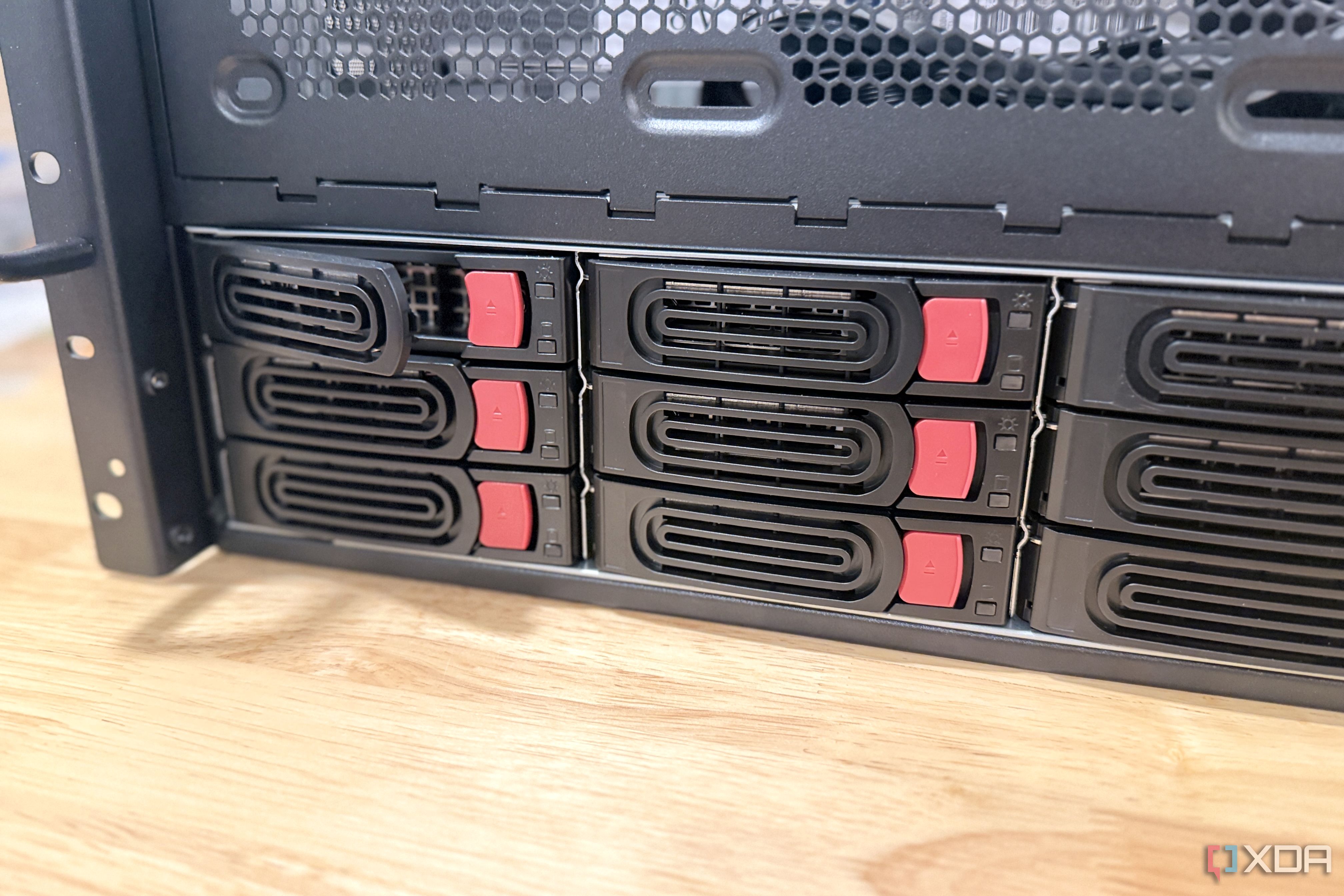
Docker was a huge change for me; instead of installing and running individual tools. Its containerized approach changed the way I managed my self-hosted services, and now I use Docker on multiple small-scale home servers. Initially, I became familiar with the Docker terminal, and then switched to Portainer for a better visual interface, rather than SSHing or directly using the terminal on the host system. Soon, Portainer became too cumbersome for me, and I found solace in Dockhand, which tries to incorporate the best bits of Portainer while adding a few useful ones into the mix.
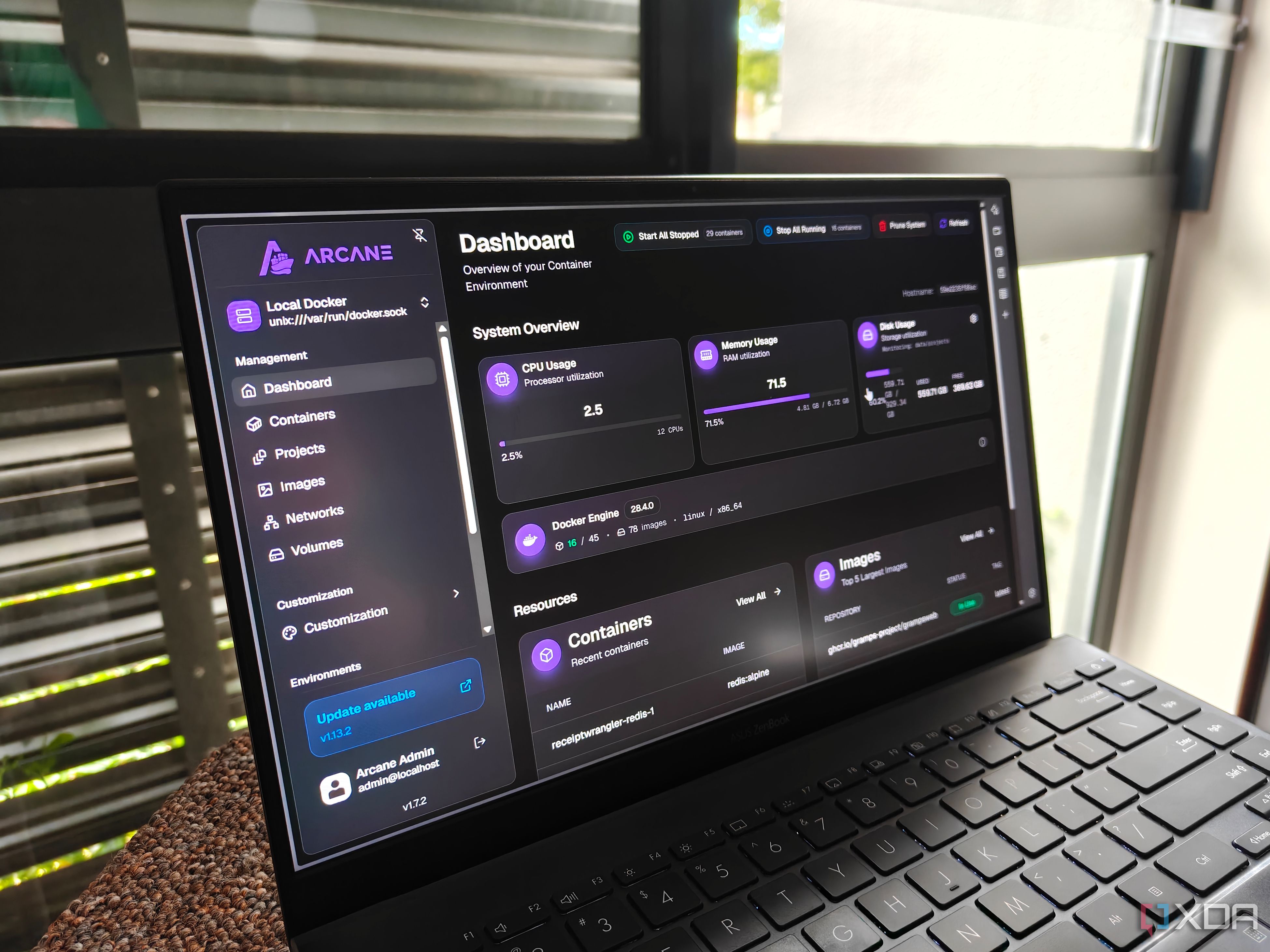
When I first started using my NAS, it was for the traditional use case — storage that I could access on my home network. However, with multiple drives on my desktop PC, as well as cloud backups of important files, the NAS ended up feeling mostly redundant.
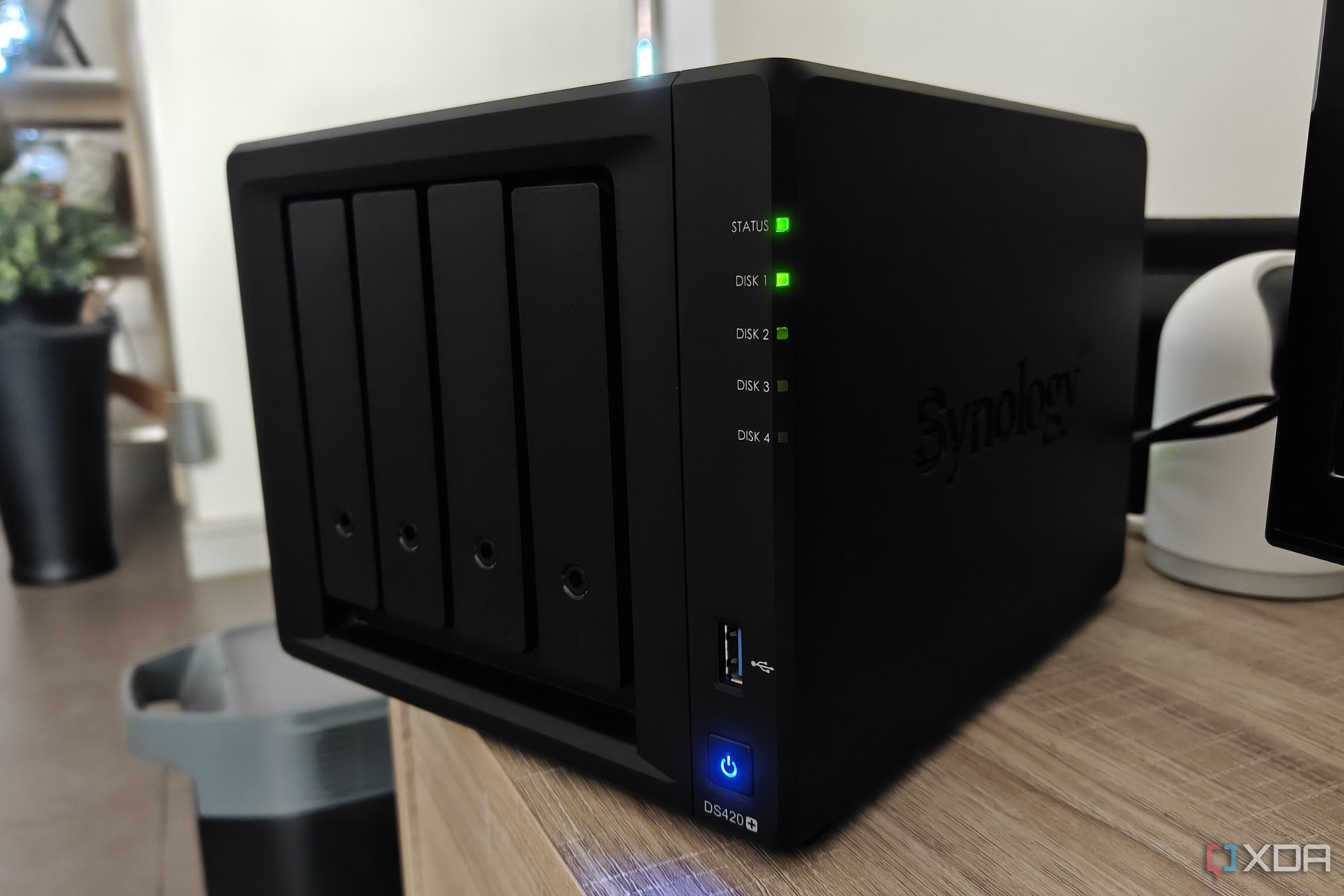
Claude has reached the point where most people at least know what it is, even if they've never touched it. And for a lot of us, that means using it without ever going near a terminal. That's been me, I've yet to use Claude Code and just use Claude Chat the way most people use chatbots for regular tasks. And as such, Sonnet 4.6 has been my daily driver.
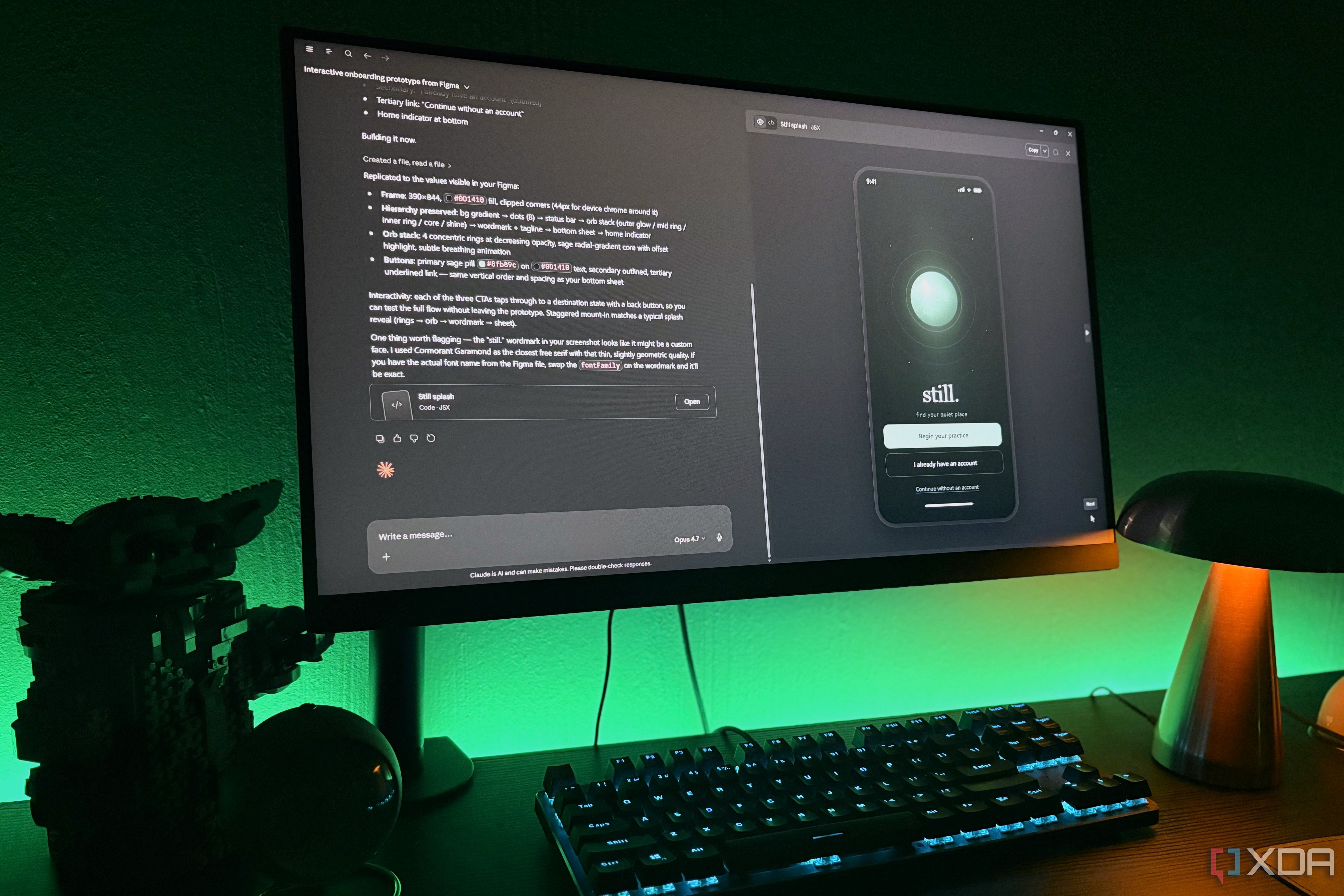
For a long time, I dismissed Gemini Gems as just another AI feature that I didn't need. But when tinkering with some projects, I actually discovered how useful the feature can be. I moved from ignoring it as just more bloat to treating it as an AI toolI could use for both productivity and entertainment.
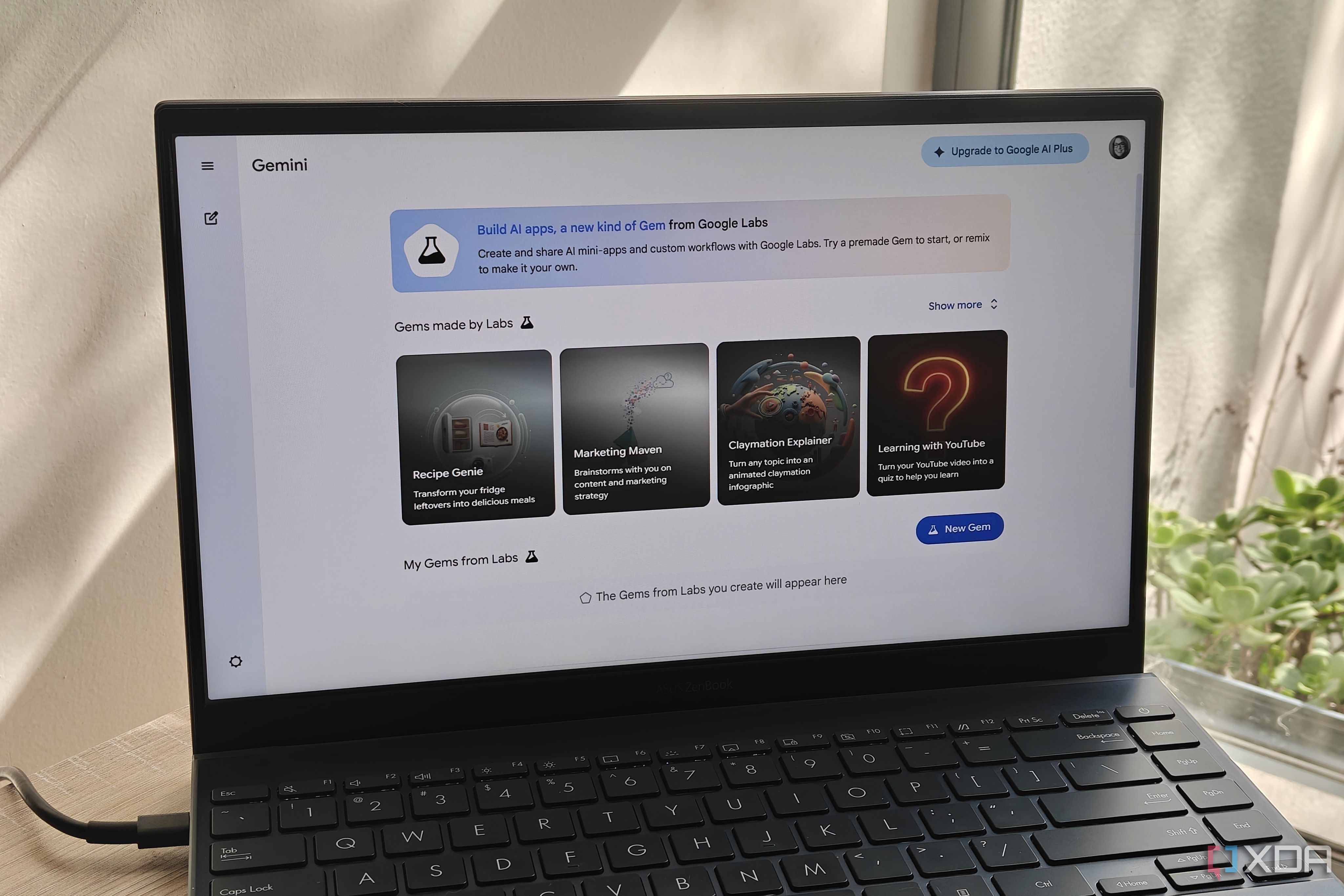
According to OpenAI, 200 million people visit ChatGPT with money-related issues every month. People want to learn how to save, earn more, and manage their investments, and when the human world fails to deliver what they're looking for, they turn to AI. However, for an AI to have a good idea of someone's financial situation, it needs details about their accounts to better render judgment.
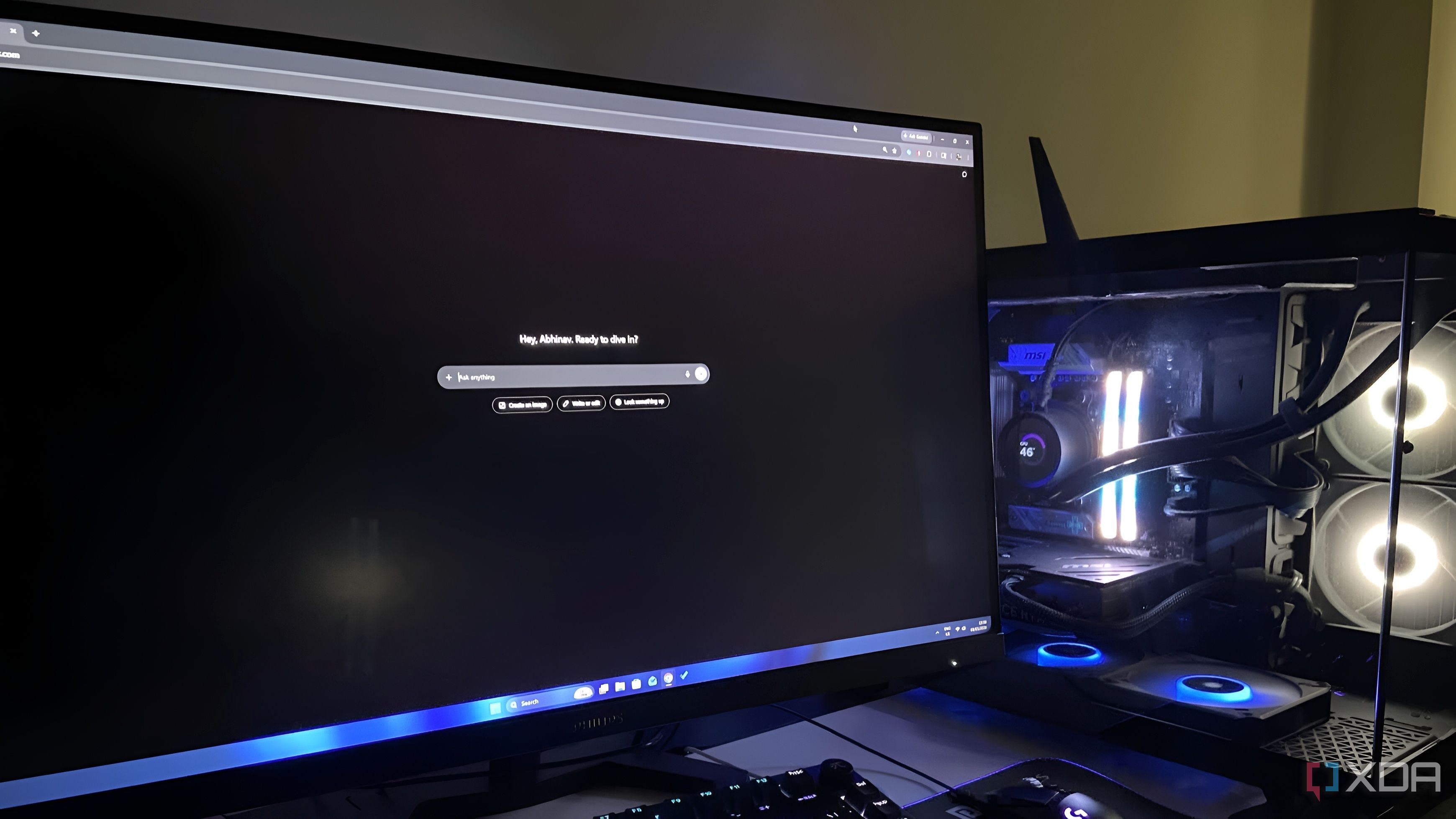
According to OpenAI, 200 million people visit ChatGPT with money-related issues every month. People want to learn how to save, earn more, and manage their investments, and when the human world fails to deliver what they're looking for, they turn to AI. However, for an AI to have a good idea of someone's financial situation, it needs details about their accounts to better render judgment.
Covering really big, ambitious ESP32 projects is always a ton of fun, but we also need to take some time to check out the little things, too. After all, some people may not want to learn how an ESP32 works by creating a full-blown map of their local subway or building a life-size arcade cabinet; some people want something easy and practical. And what better way to get started with a clock?
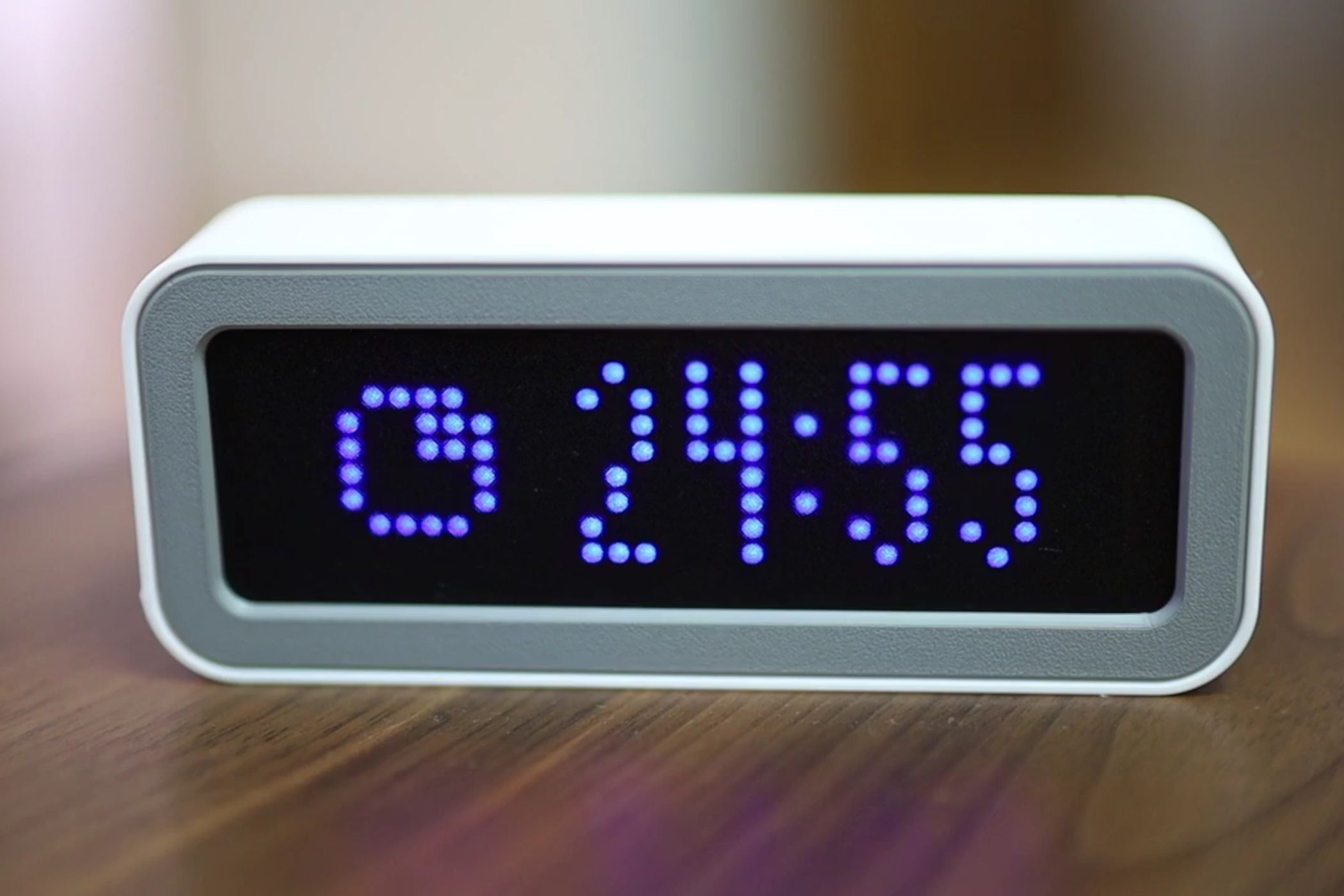
Look, I love complaining about Microsoft as much as the next guy (especially given my recent move to Linux), but even curmudgeons like myself need to admit defeat when Microsoft does something right. So, when I read that Microsoft was fixing two of my biggest gripes with Windows, I realized I needed to start eating humble pie, and fast. The company has announced that it's re-adding some key Taskbar and Start menu customization options, and it's about time.
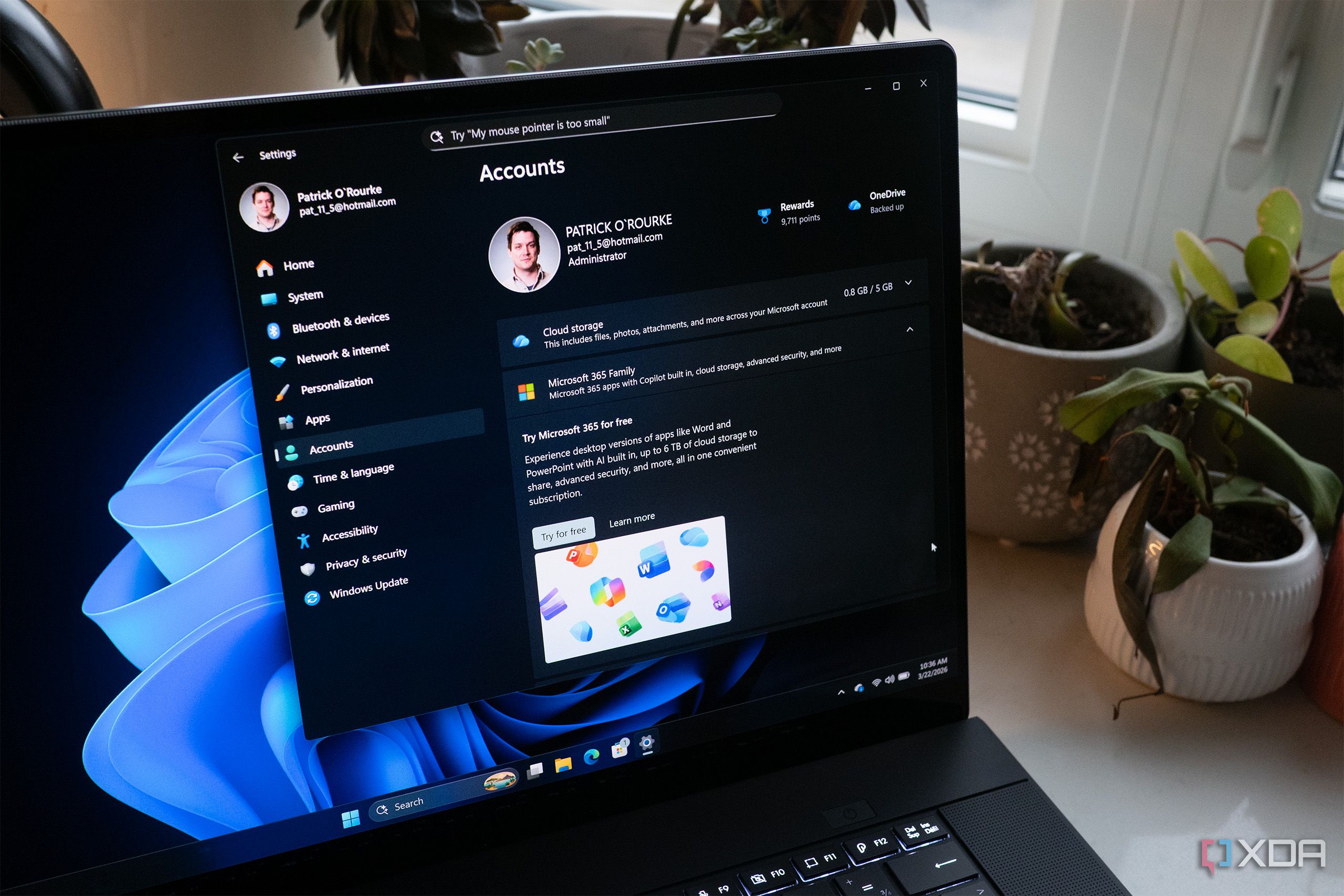
I gave up my Perplexity subscription after a month yet my Claude subscription is going on its third month now. That probably says something about where I actually get value. Claude is genuinely the most AI tool I've had in my rotation - it handles my design coursework, Cowork helps me manage files and tasks on my PC, and recently I've been using Claude Design that lets me prototype and visualize ideas.
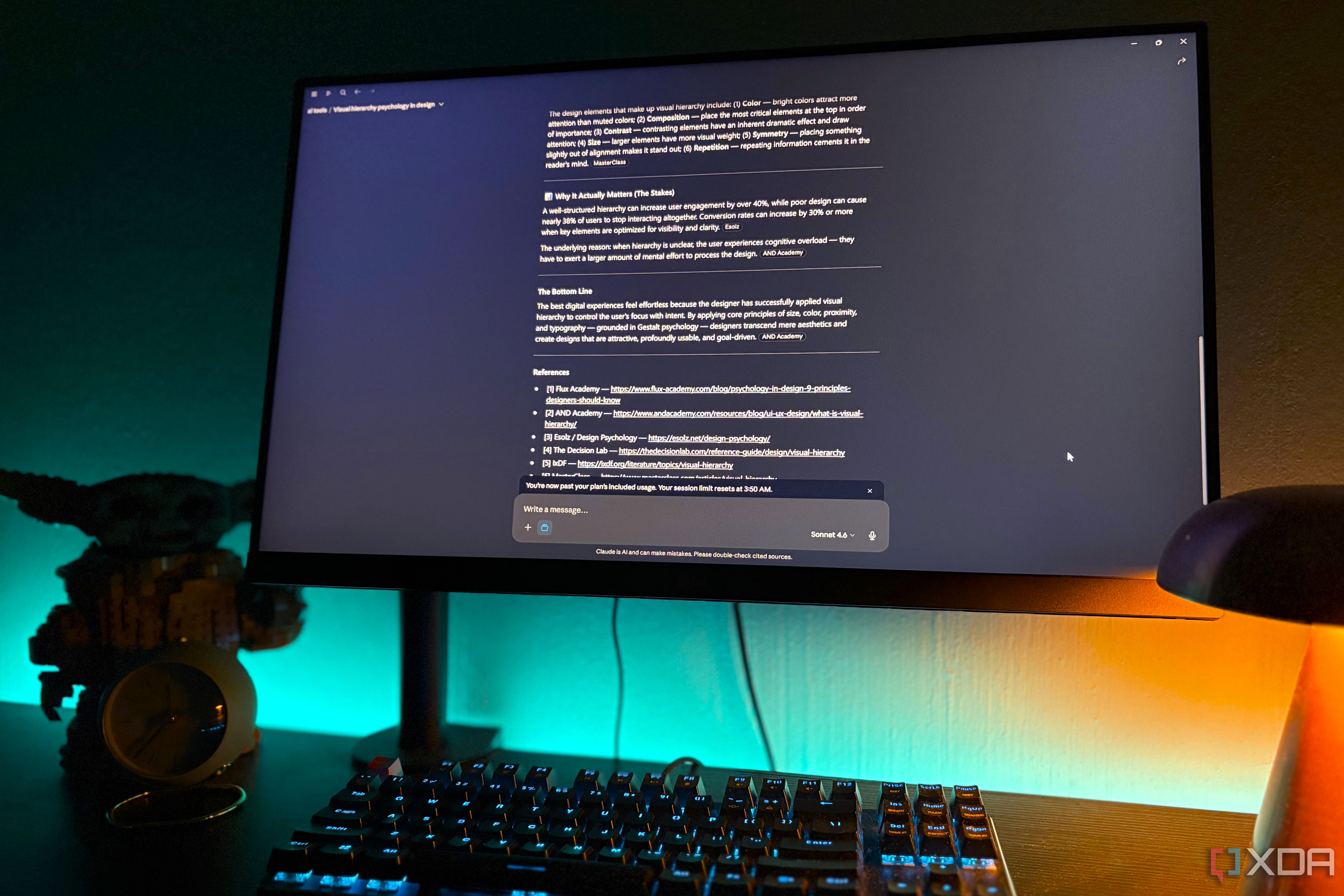
I've really been getting into interactive fiction lately. I think with all the D&D tabletop and video games I've been playing, plus excellent Steam titles like Sorcery! and Slay the Princess, I've been in the mood for a book you can play. And what better way to revisit this classic genre than to make a text-based adventure game?
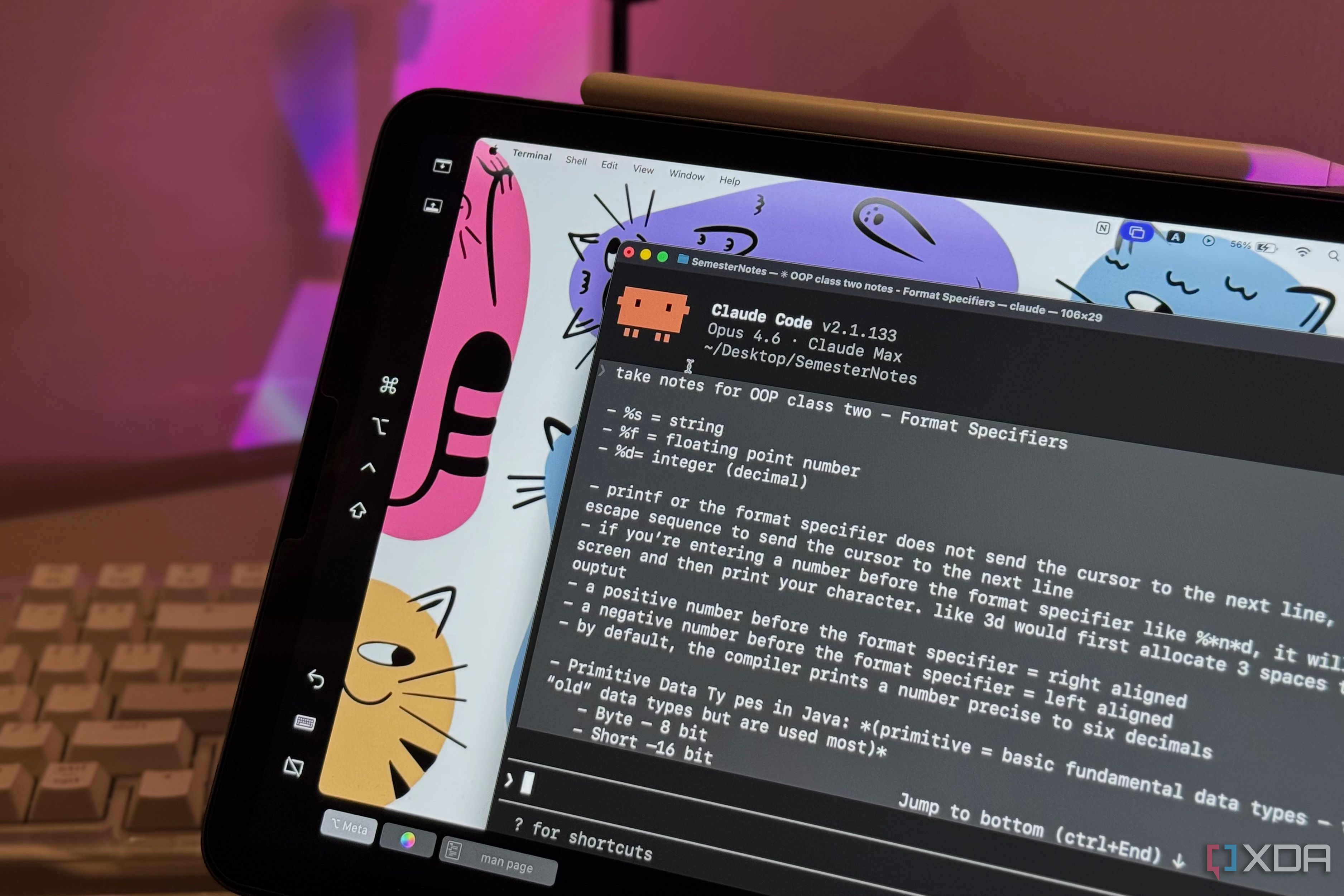
The use cases for large language models are growing exponentially by the day, and new image and video generation capabilities from OpenAI, Anthropic, and Google have accelerated that considerably. The frontier models on offer do far more than just writing, and are now instead active participants in a wide variety of creative and technical workflows that required significant user effort and prerequisite expertise previously.
Antigravity is Google’s IDE built on the same open-source project as VS Code. It’s essentially everything VS Code is, just without the extension ecosystem. Google describes Antigravity as an advanced, AI-powered integrated development environment designed for the “agent-first” era of software development.
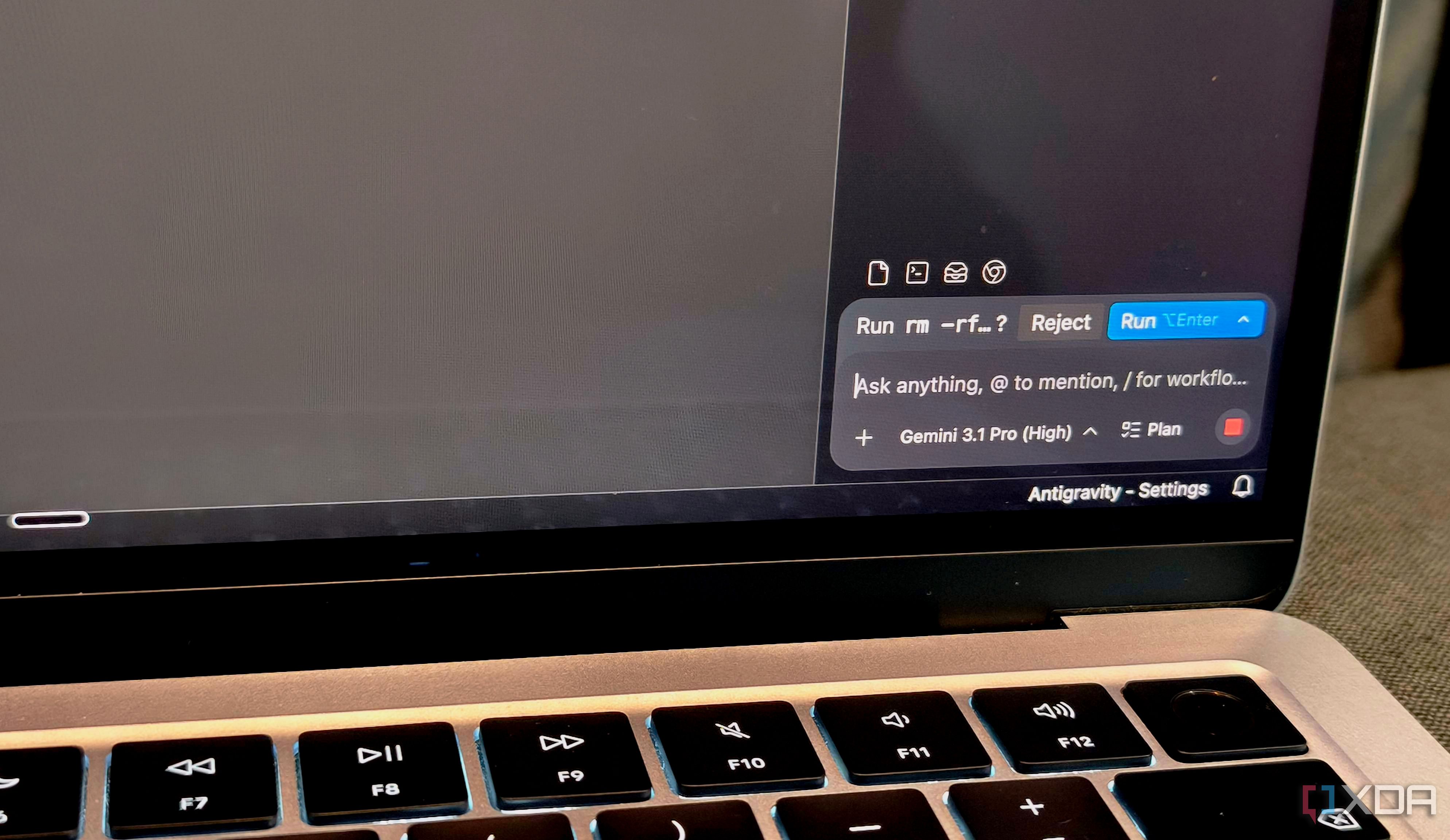
Until recently, I used to repaste my CPU almost every year. I know I didn't have to, but when these modern CPUs hover around 85C while gaming, despite using a 360mm AIO, I'll gladly take every degree of thermal headroom I can get. Usually, I'm satisfied with the thermals after repasting, but I've noticed how the temperatures creep up by 2–3 degrees after a year or so while playing the same games.
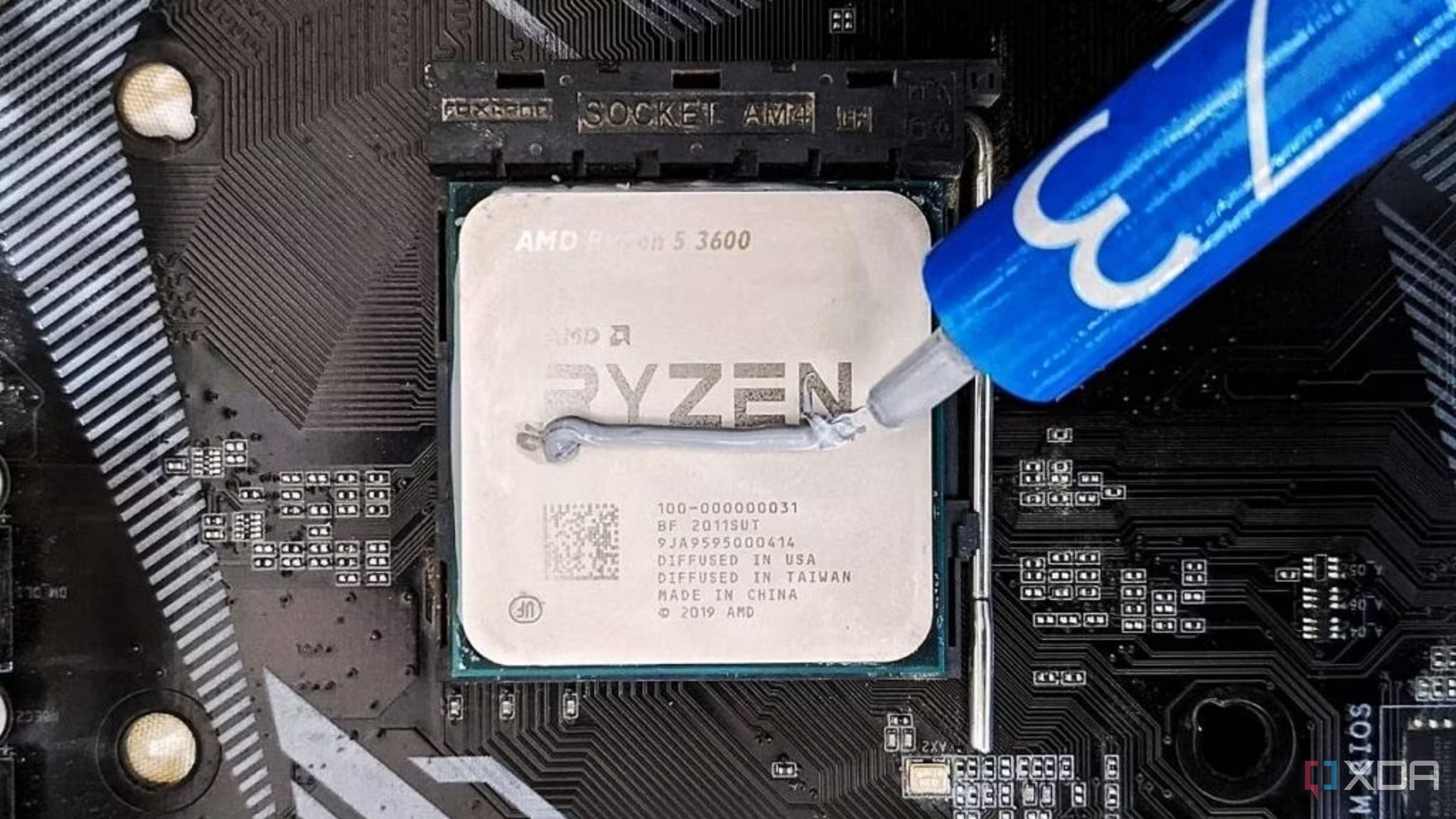
If you really want to get immersed in your games, there's not much that beats having the screen resting on your face. VR headsets are a good example of that, but if you prefer to keep things 2D, there are always gaming glasses. They're like regular glasses, except the lenses are replaced with screens, giving you a front-row view of whatever's going on in-game.

With how many AI tools there are now, it isn't very easy to impress me. But if a tool has impressed me enough to open my terminal every day (something I once used to be terrified of), you know it's something worth talking about. Despite not being a developer professionally, Claude Code is a tool that falls into that category exactly. I know I'm not the only one. Claude Code's been all over, and it's for good reason.
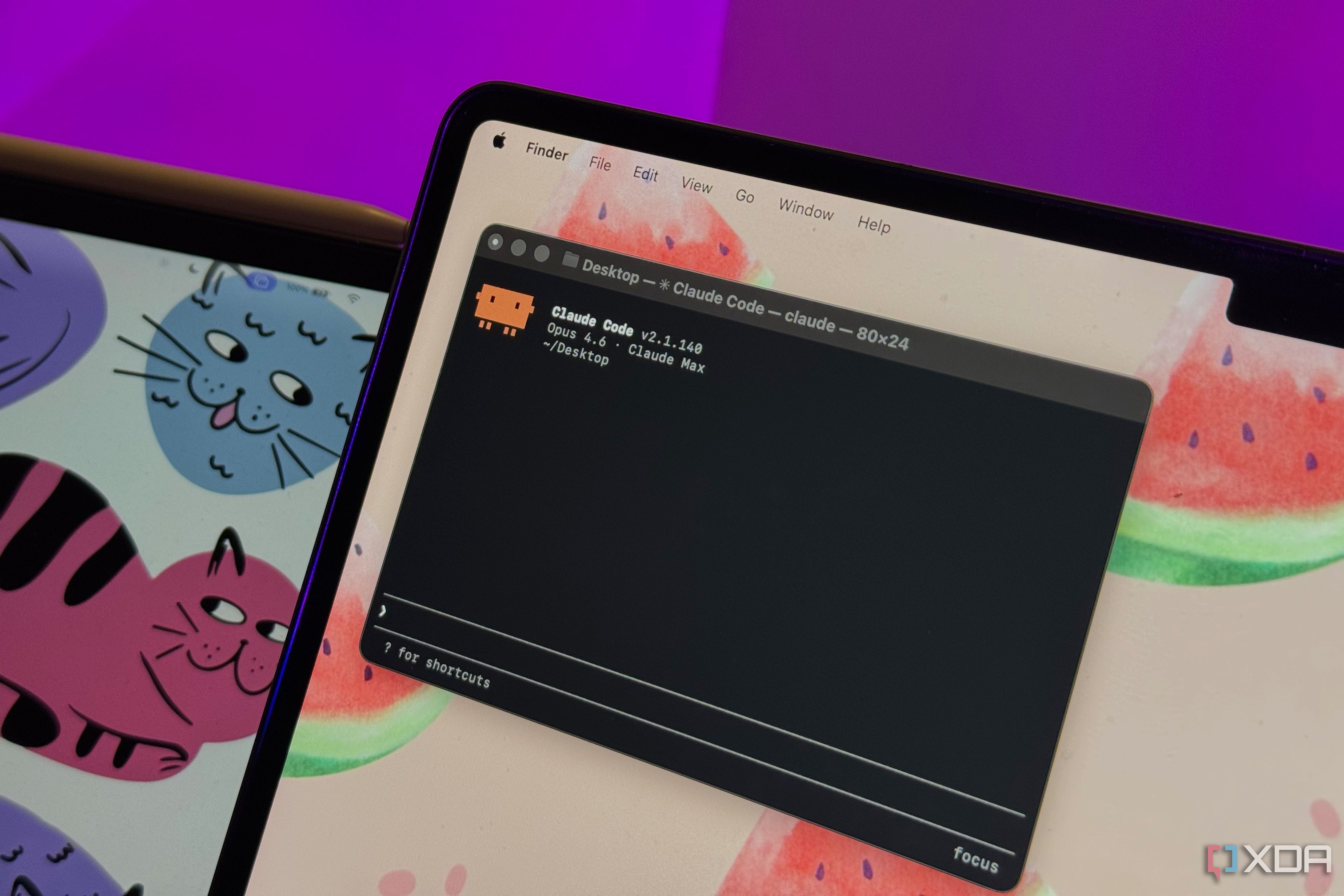
Developers build muscle memory around opening a terminal as soon as they open a project in a code editor like VS Code to run the project locally. For a long time, it was my routine as well. I would open VS Code, then immediately open a terminal window, and start typing the same command I had already run tens of times before. npm run dev for React frontends, uvicorn app:main for FastAPI, and go run main.go for Go backends and then Docker Compose and watch commands. None of these commands were too lengthy or difficult to remember, but they were repetitive in each session.
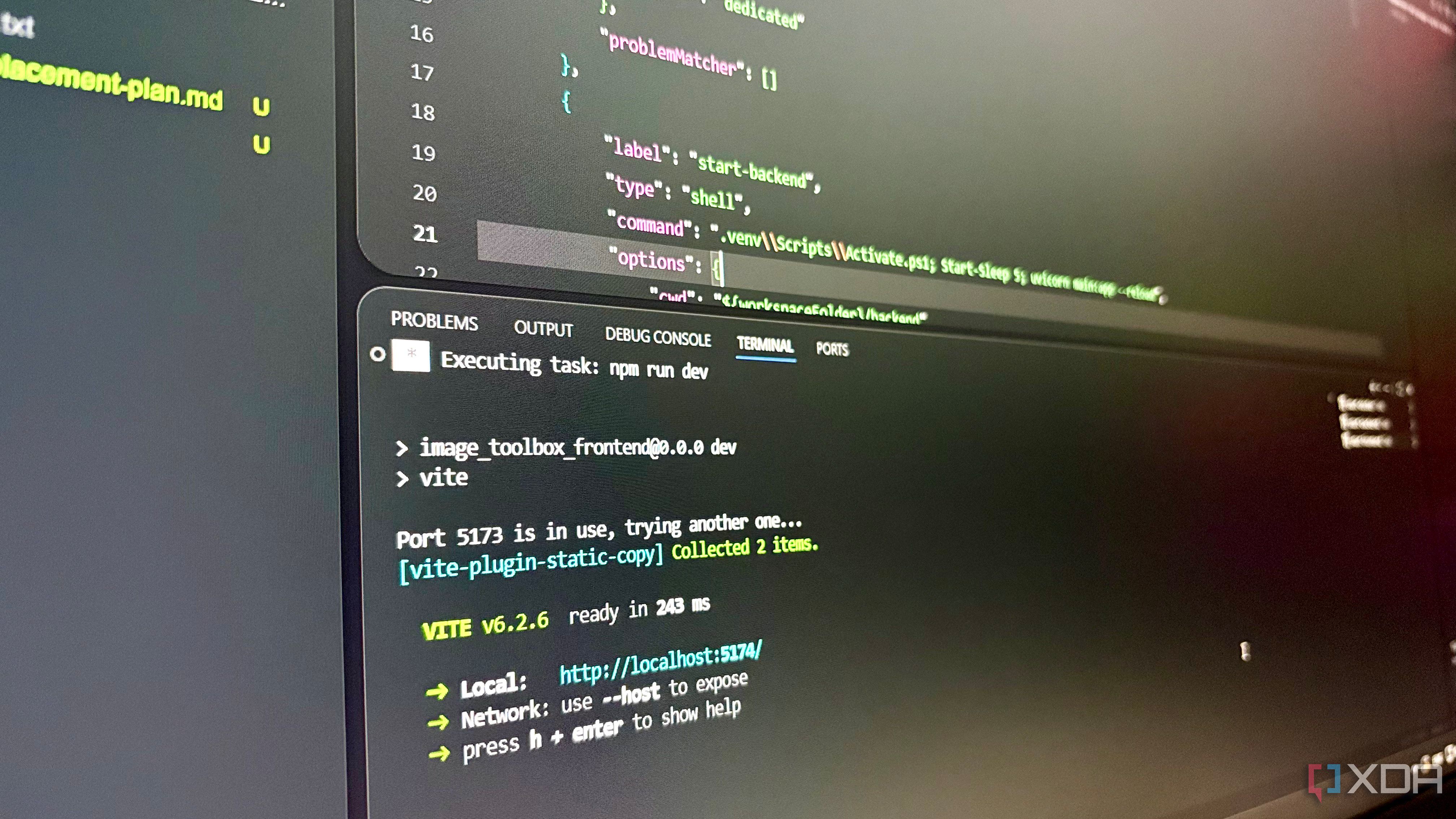
Ever since SSDs became mainstream, lifespan anxiety has become a bit of an enthusiast rabbit hole. Most people buy a drive, install Windows, fill it with games, and then completely forget it exists for the next five years. That's perfectly fine, too, since modern SSDs are built to survive far more abuse than many people give them credit for, and the average gamer will probably replace their PC long before the drive itself starts waving a white flag.
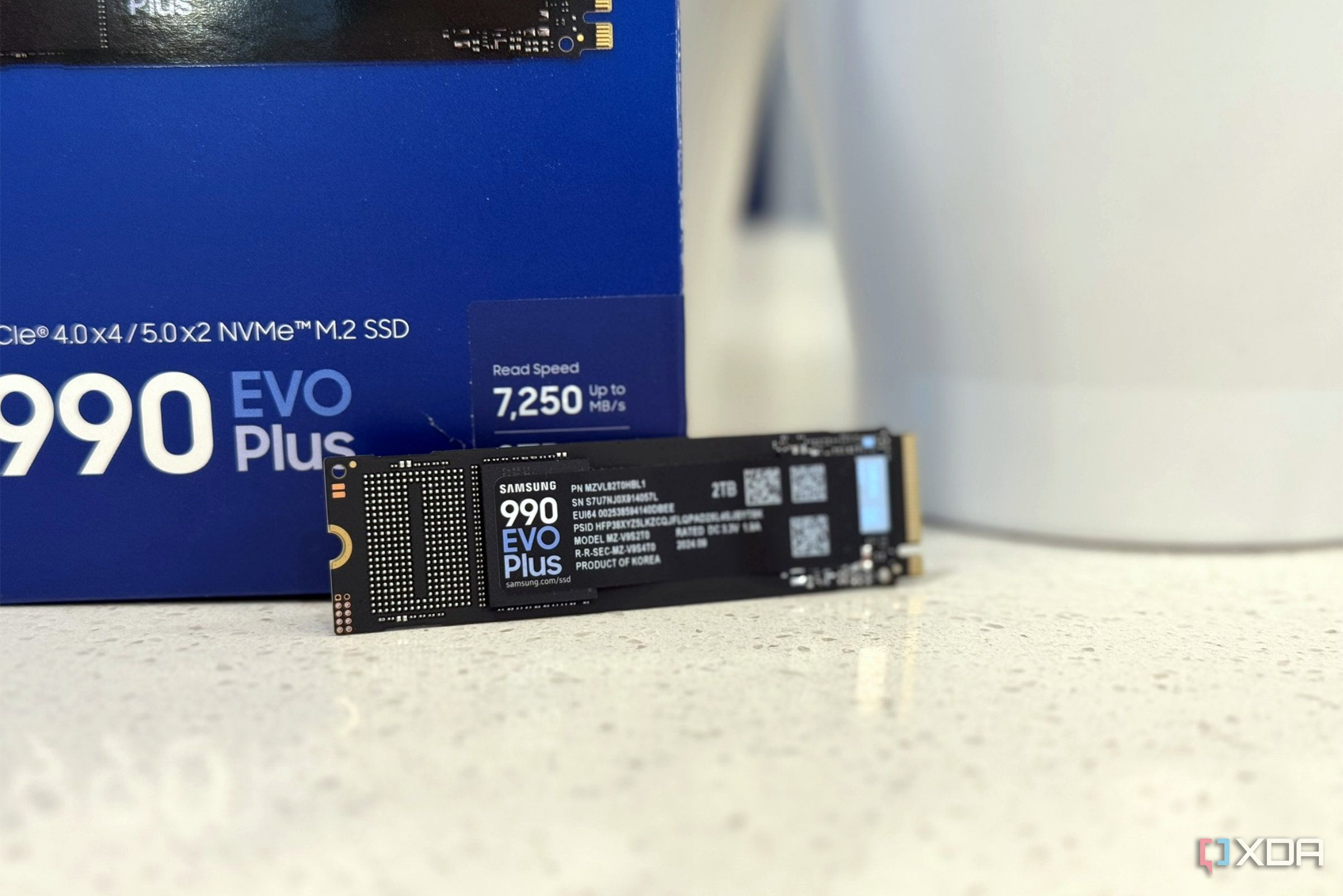
Love research or hate it, you certainly don't enjoy the moment you realize you've spent three hours organizing your notes and haven't actually thought about anything yet. Unfortunately, this happens far too often.
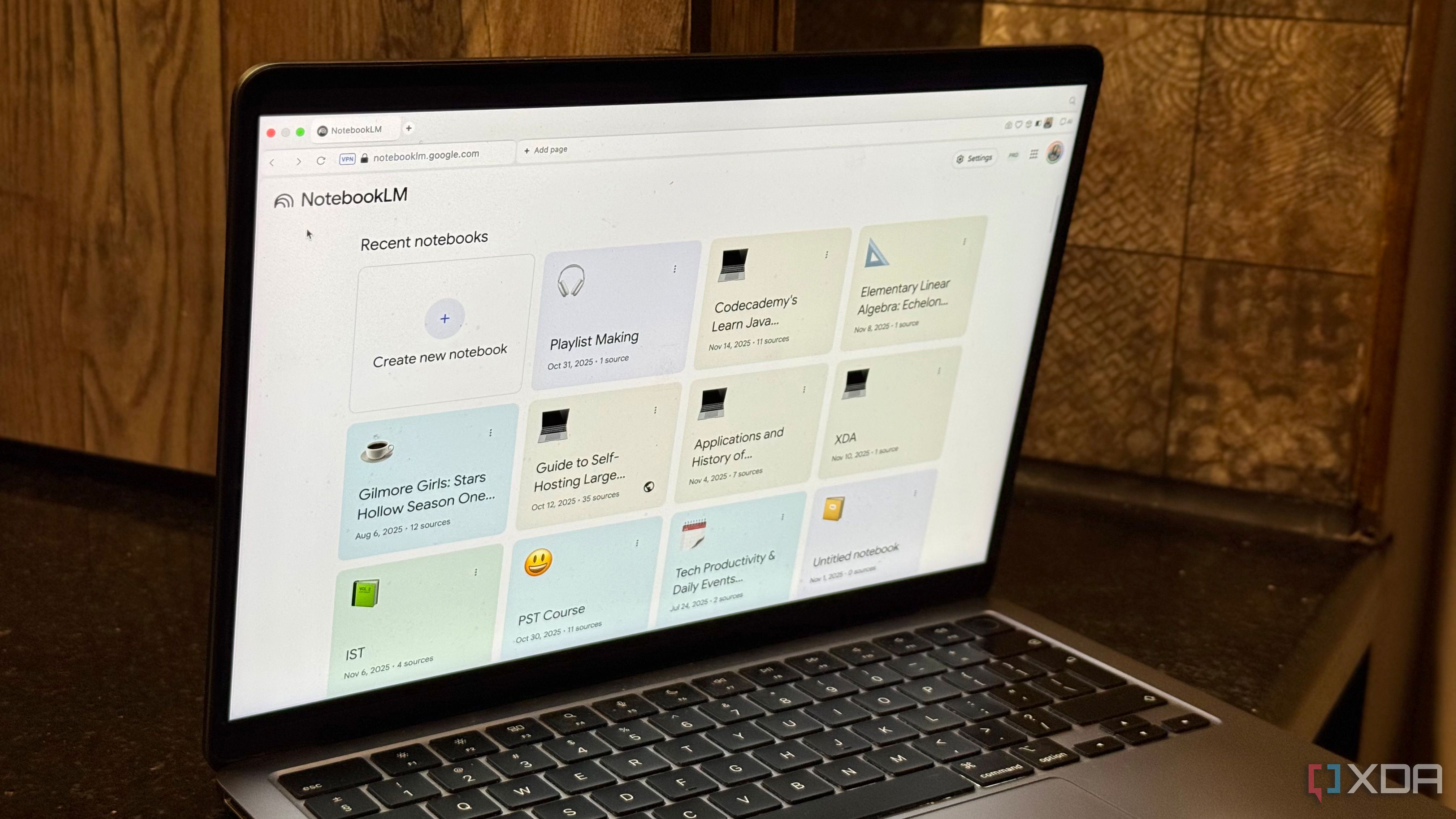
Back in July 2020, to better serve the influx of companies moving to remote work, Microsoft added the Together mode feature to Teams. The idea was to remove the endless square grid of people's webcams and instead place people into scenes such as a theater or a room. That way, people would feel they're together, without actually being together.

Using the shower after someone else is always a gamble. You're not sure if the water will be just the right temperature, freezing cold, or scalding hot. I know that if my dad has used the shower before me, I need to turn it down before I get in, or else it'll feel like my skin is melting off.
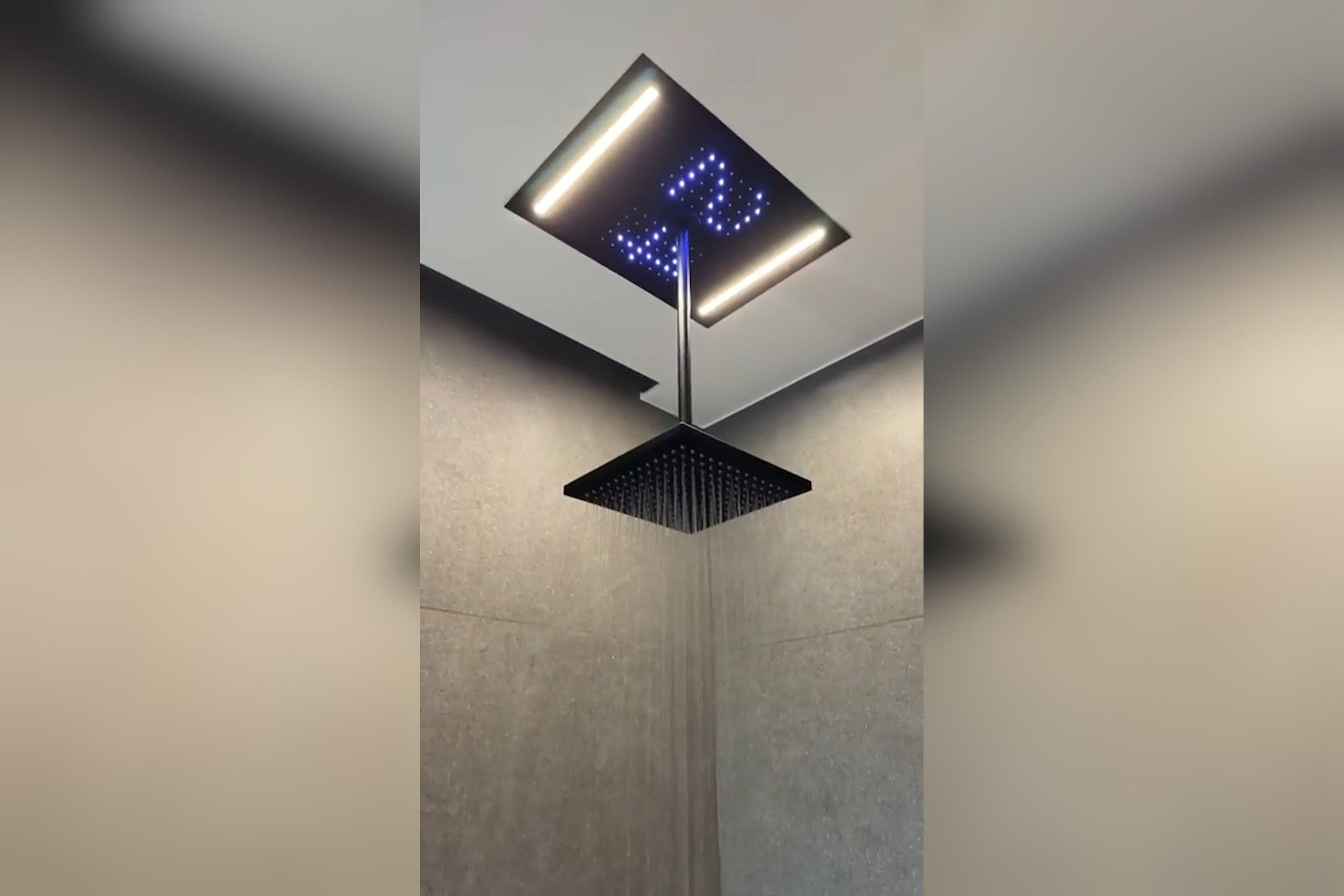
When I upgraded to Gen 5 SSDs, I let my old PCIe 3.0 NVMe drives sit around for quite a while because I didn't know if I should give them away or keep them as spare storage. After all, my Crucial T700's 12,000MB/s sequential speeds made them feel outdated, so it didn't make much sense to have them in my build, especially since I already had a Corsair MP600 Gen 4 as secondary storage. Then, when I came across NVMe enclosures on Amazon while shopping for external SSDs, I realized what I'd been missing out on.
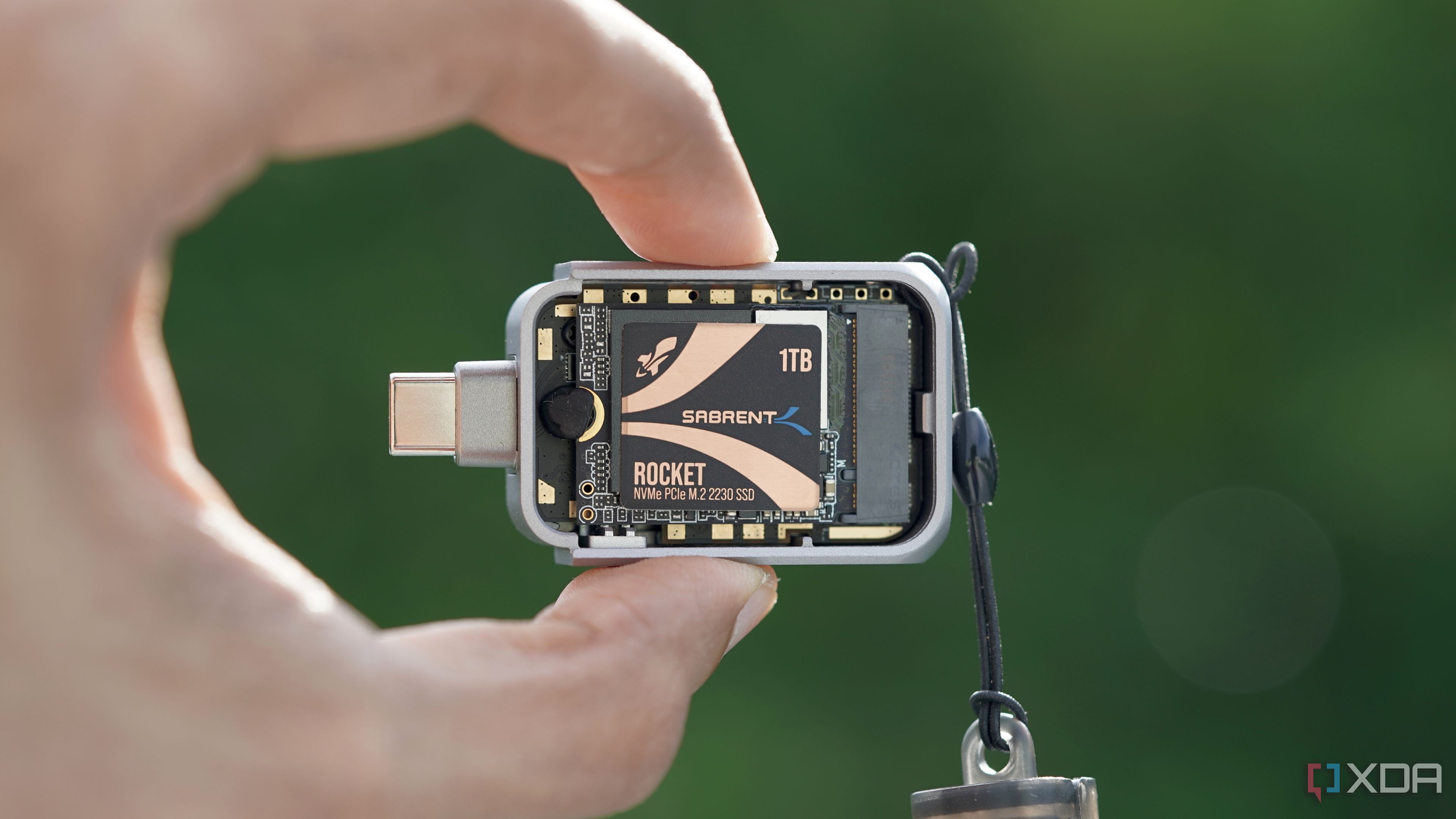
I do a fair amount of image editing, but the depth doesn't match the frequency. For a while, I used Adobe Creative Cloud and its bevy of programs for my editing, but then I realized the features far exceeded what I actually needed. I don't manipulate layers; most of my work involves removing something from a background or increasing resolution. There are plenty of options that perform those tasks while demanding far less power than Adobe's suite of apps.
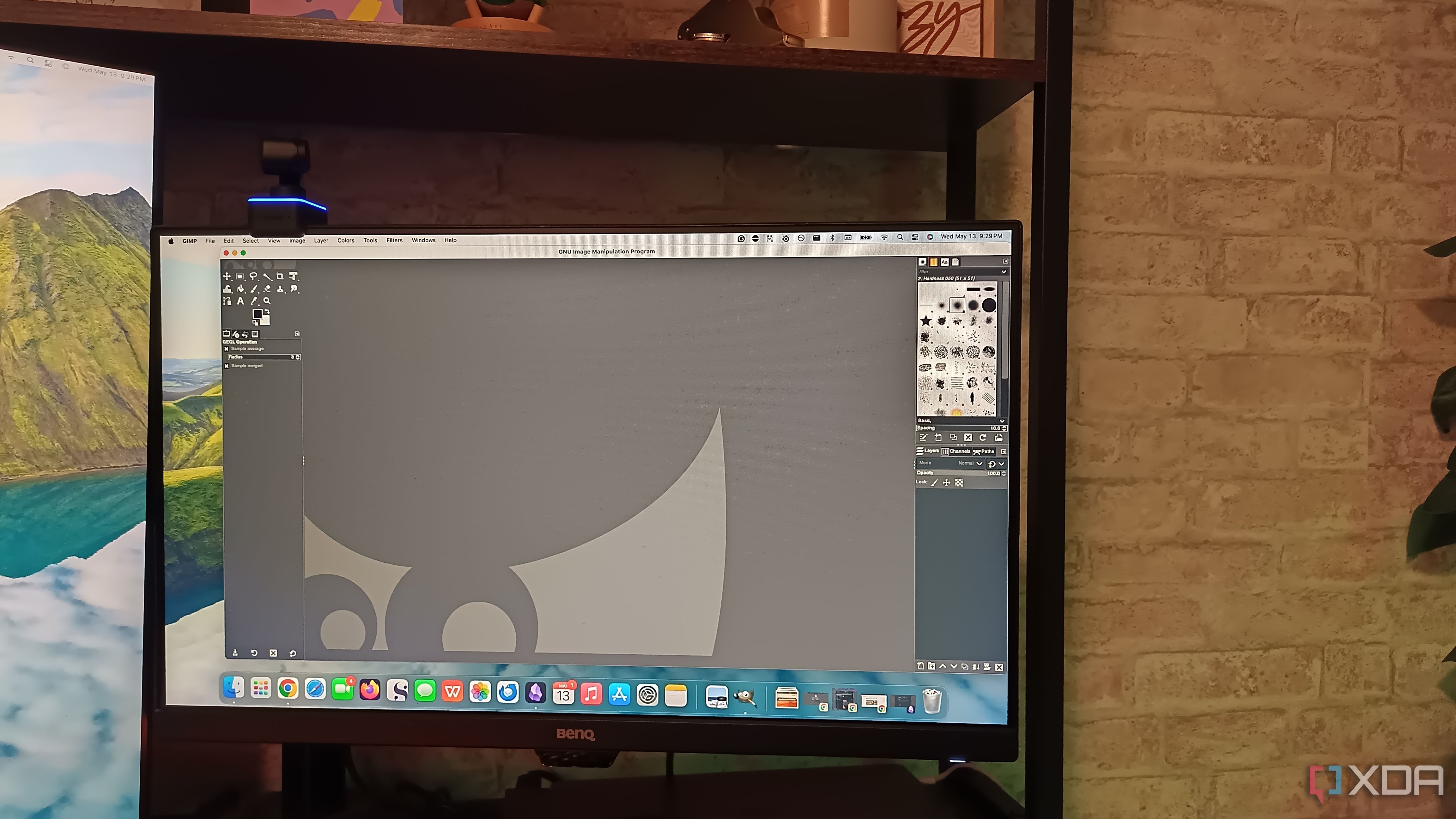
It's been a wild few days for Chromebook fans.
At Microsoft's Windows Hardware Engineering Conference (WinHEC 2026), the tech giant announced its Cloud-Initiated Driver Recovery (CIDR) for Windows Update, a new system that more easily rolls back faulty drivers that are detected during the company's evaluation process, all without users needing to do anything.
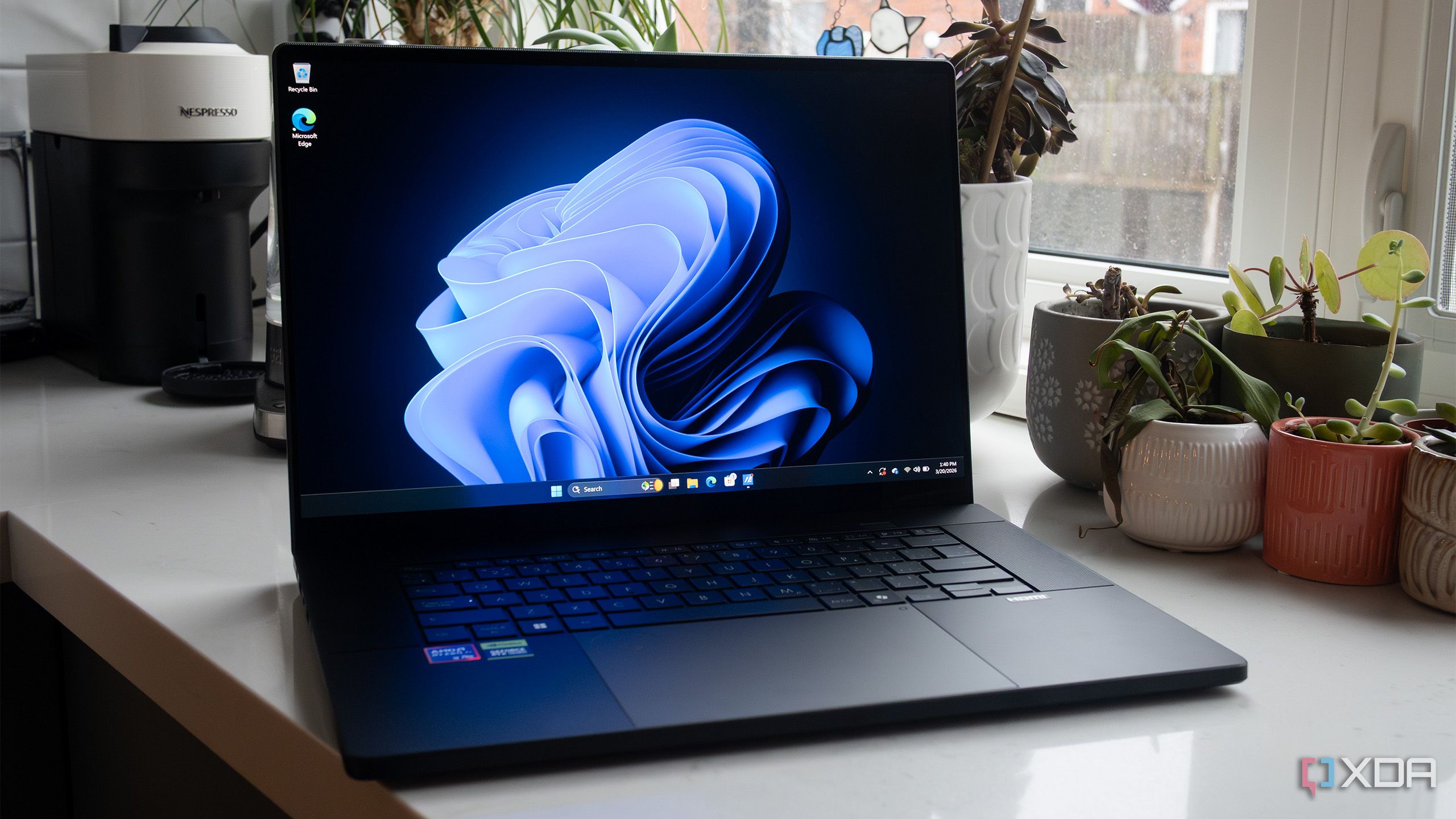
Since the days of Windows XP desktops running on underpowered Pentium chips, the processor has always been the first suspect when a PC starts feeling slow. That mindset doesn't exist without reason, though, because back in the day, CPUs were central to almost every meaningful performance conversation. This perception, though, has outlasted its relevance. Modern PCs of the day are far more complex systems than the desktops from a decade ago, and performance is rarely the story of a single component anymore.
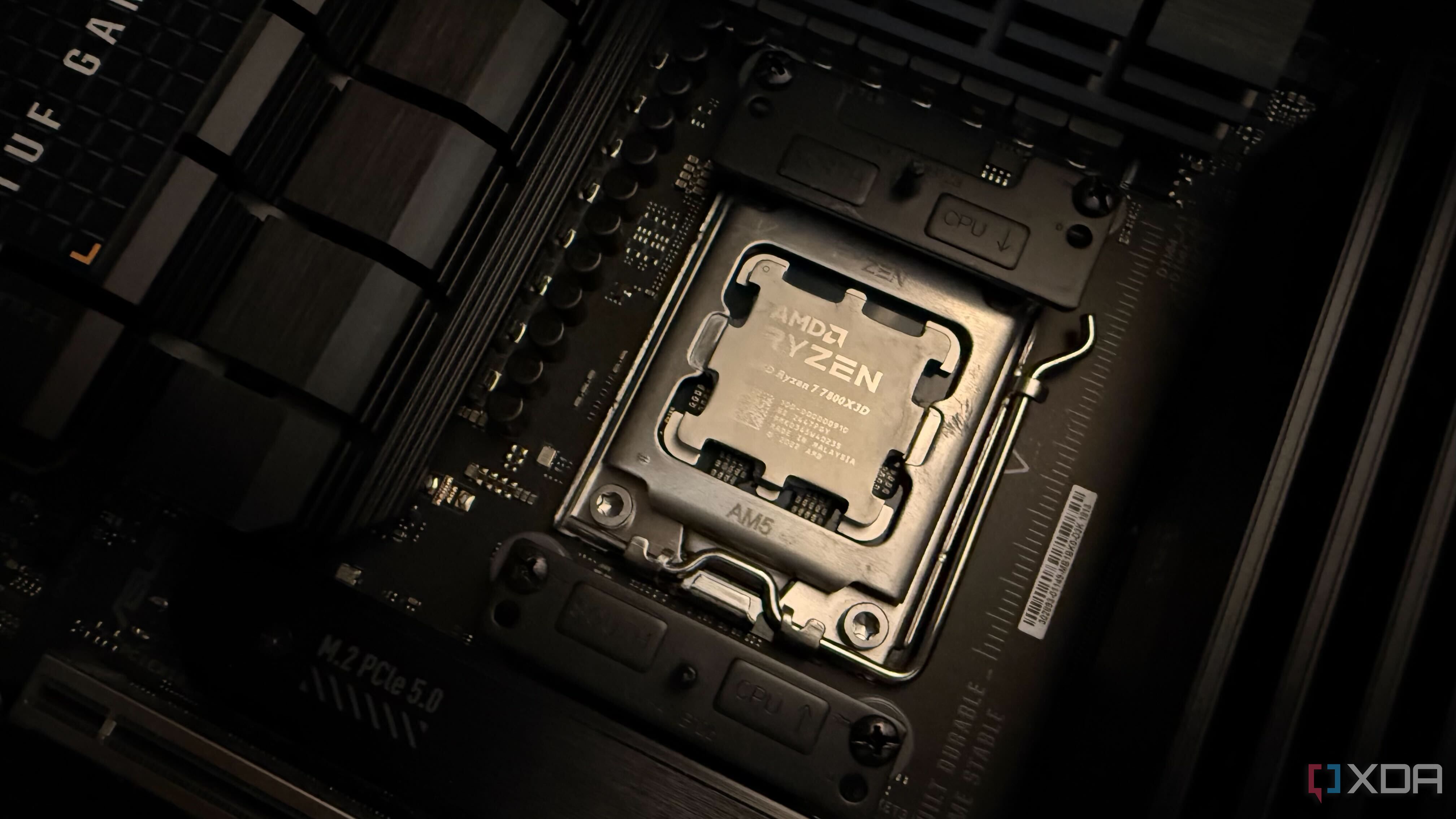
AMD has revealed that it's bringing its FidelityFX Super Resolution 4.1 (FSR) AI upscaling technology to its older graphics cards.
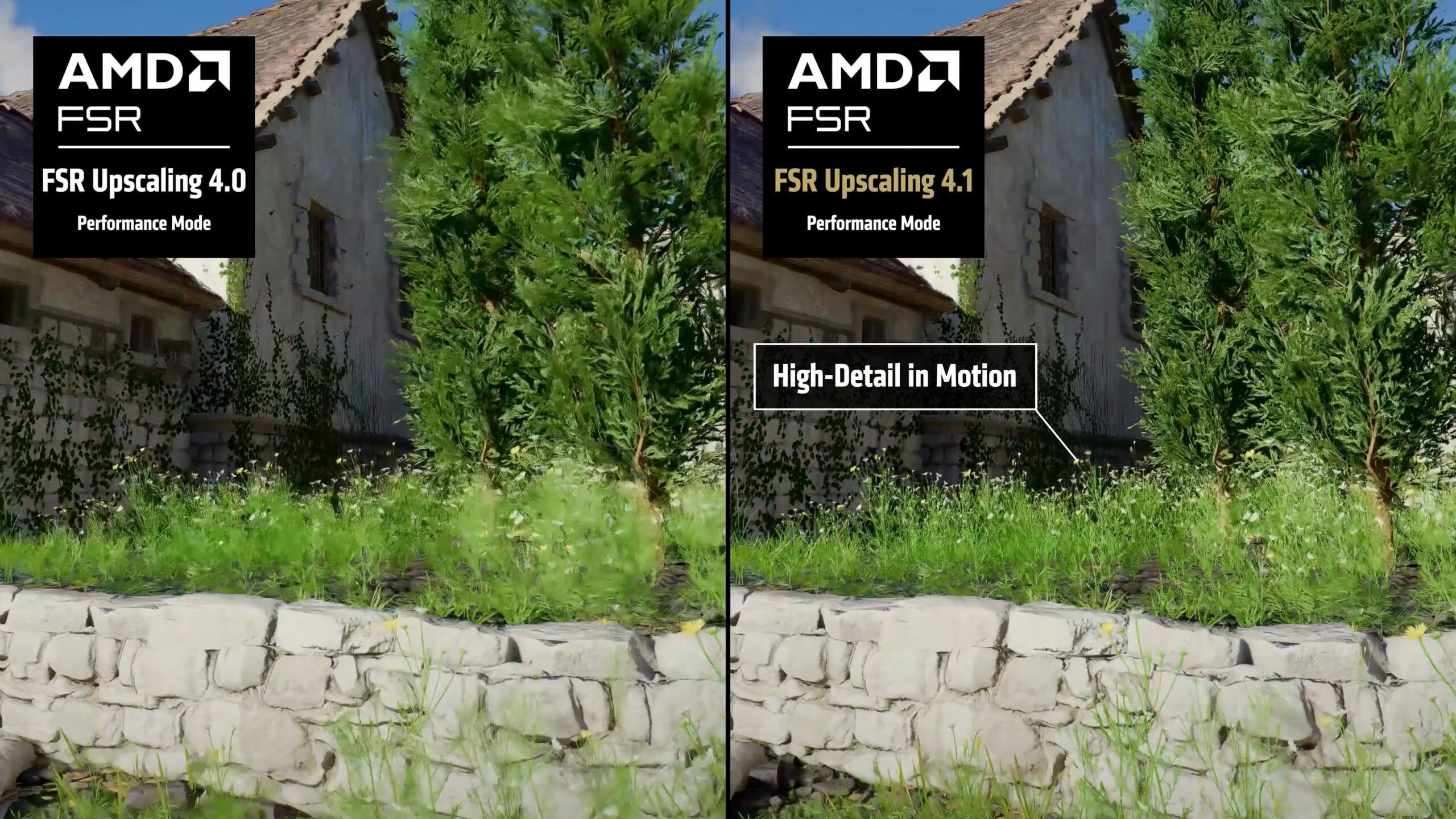
I spent a long time building the gaming PC I wanted, iterating over the last decade and finally landing on a PC that the younger me could have only dreamed of. I've got an Nvidia RTX 5090 and an AMD Ryzen 7 9800X3D, and it handles every game that I throw at it without breaking a sweat. On top of that, I do a lot of local heavy computational workloads, like machine learning, data analysis, and development.
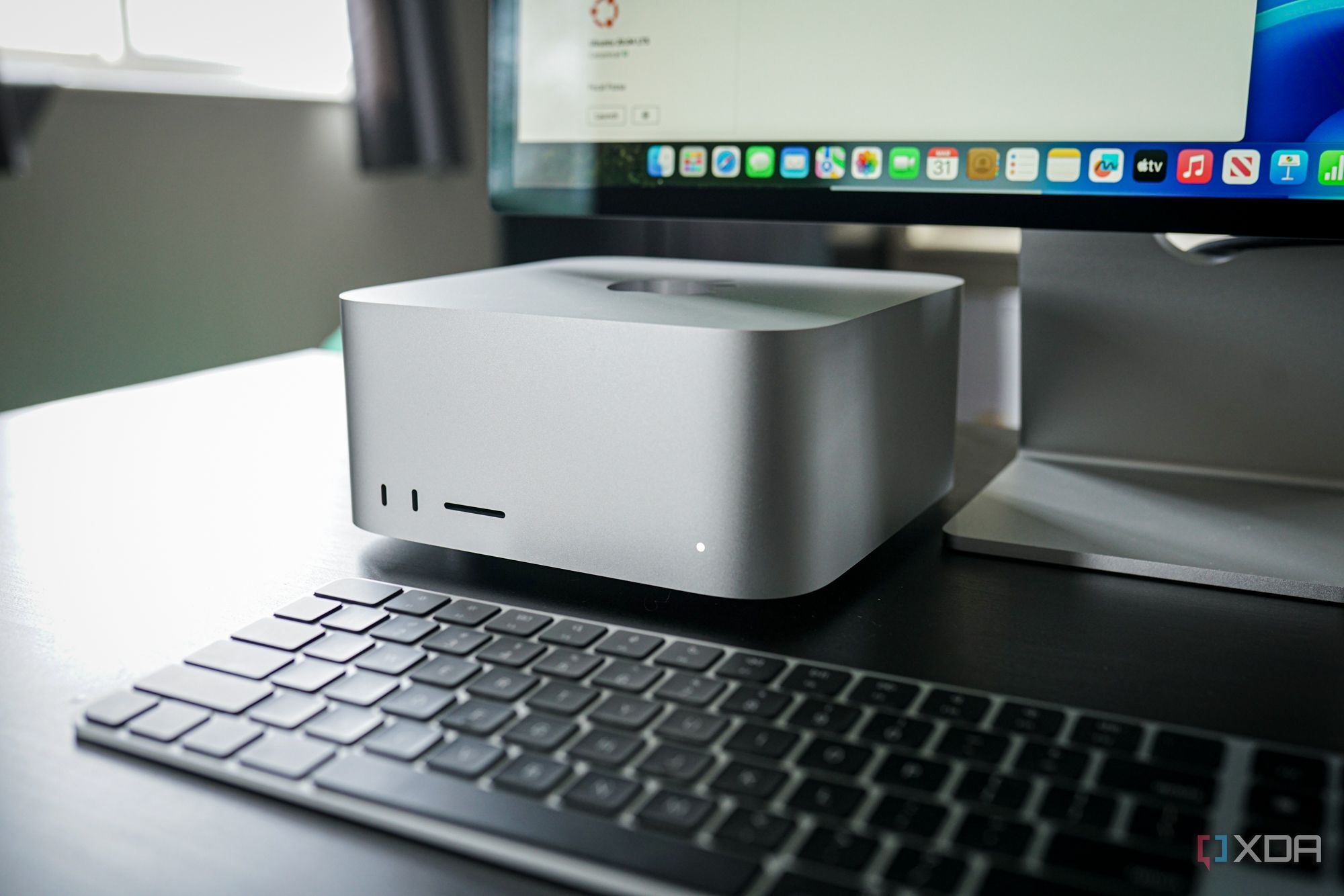
PCIe 5.0 or Gen5 SSDs have been on the market for a few years now, even dropping to relatively affordable levels before the DRAM crisis upended everything. The adoption, however, has been rather tepid. For one, countless PC users are still using PCIe 4.0 systems, and building a new PC with PCIe 5.0 support is anything but affordable right now. Even before PC hardware prices skyrocketed, there was little incentive for a complete platform overhaul. Secondly, the much-hyped transfer speeds of Gen5 SSDs don't translate to any real-world benefits for the majority of gamers. Gen4 SSDs are still more than enough for gaming. PCIe 5.0 storage does, however, benefit heavy file transfer and productivity workloads, more than justifying the investment in these cases. Before you shell out a premium for an expensive Gen5 drive with 15,000 MB/s speeds, decide whether it will even benefit your use case.
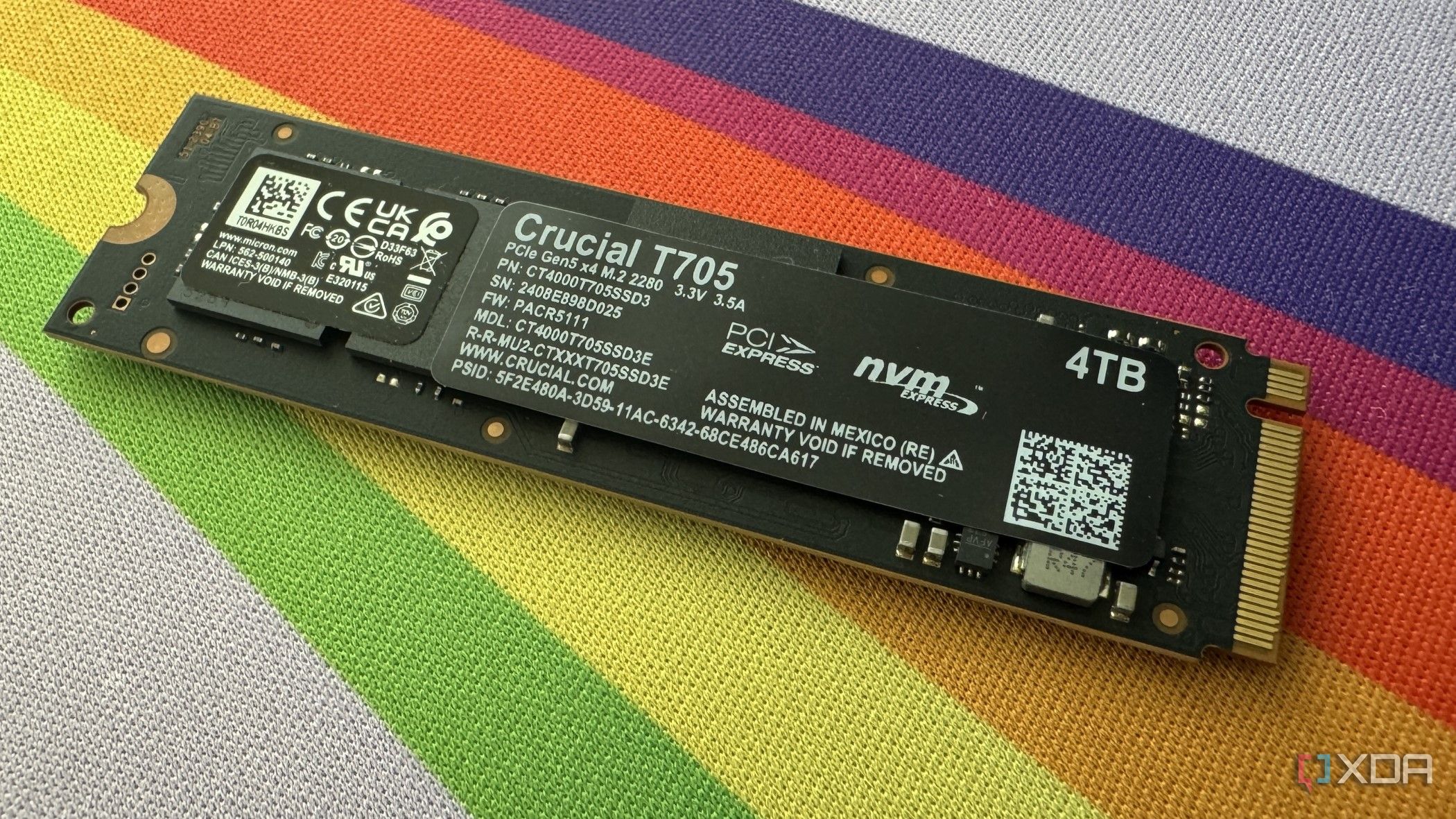
It has been pretty confusing keeping track of what you can and can't use with your Claude subscription right now. Anthropic tried removing Claude Code from new Pro tier subscribers as part of an A/B test, and then we caught wind about the company potentially locking Opus behind a minor paywall, which ended up being just some unupdated documentation.
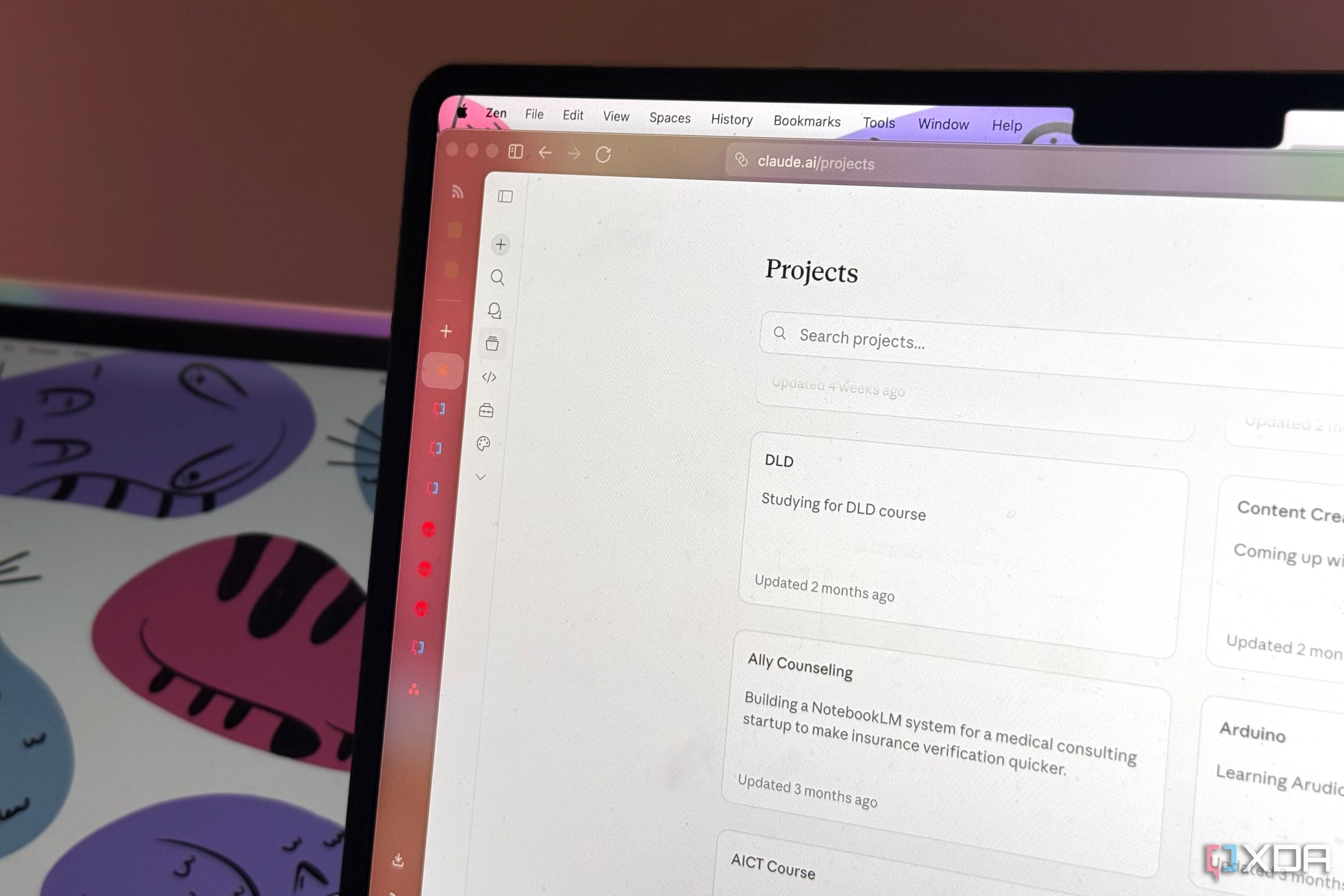
Despite Cursor and Antigravity making the rounds, VS Code is still the only code editor I need for my programming tasks. Sure, it doesn’t have the same bells-and-whistles as its AI-heavy offshoots, but it’s the perfect companion for my local-only setup. In fact, I’ve been using it ever since I got into coding my own apps, and despite some minor quirks, I doubt I’ll be ditching VS Code anytime soon.
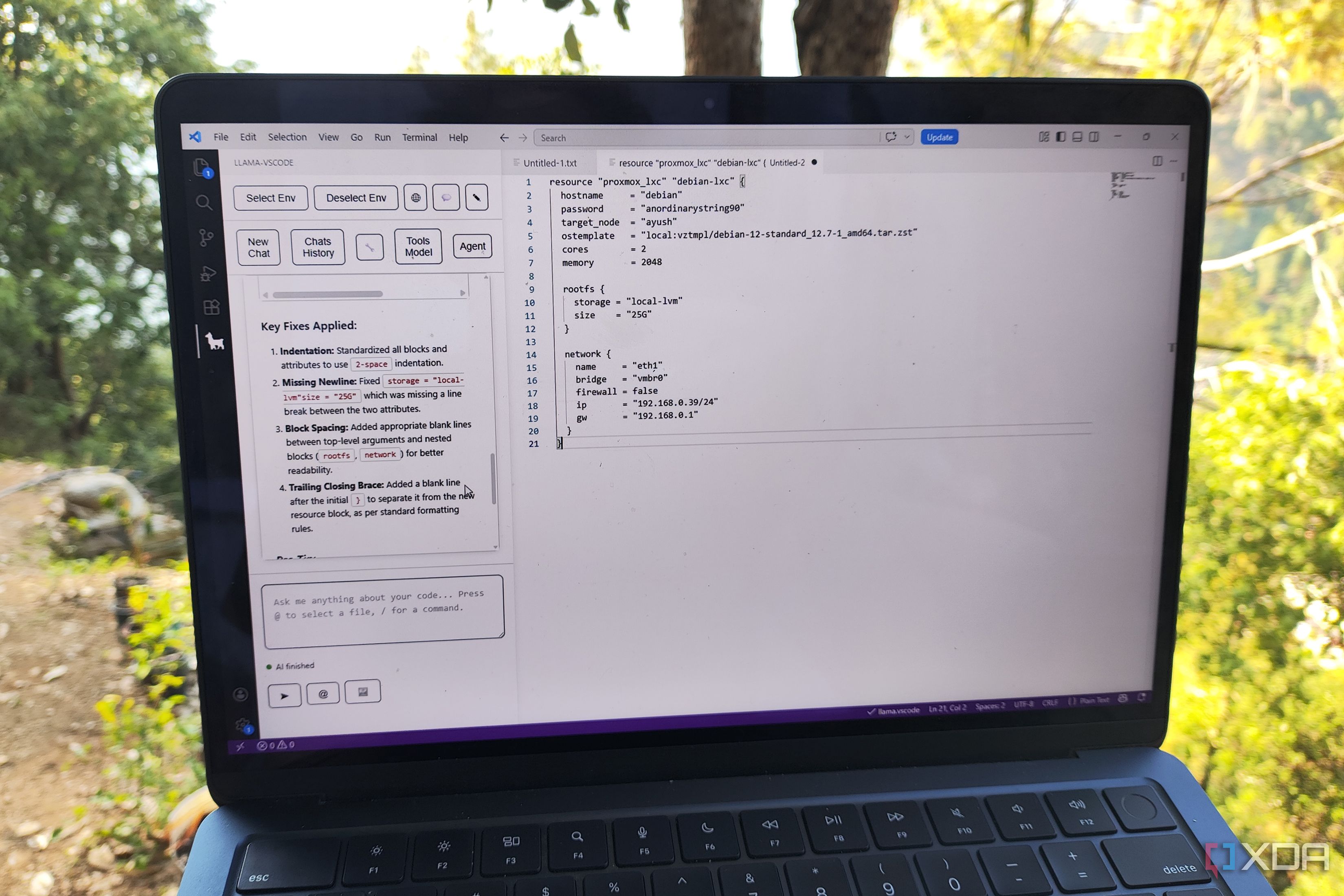
AMD has revealed several new Ryzen Pro series CPUs that are part of its Ryzen 9000 series, bringing 3D V-Cache tech to its workstation-focused CPU lineup and unlocking higher TDPs.
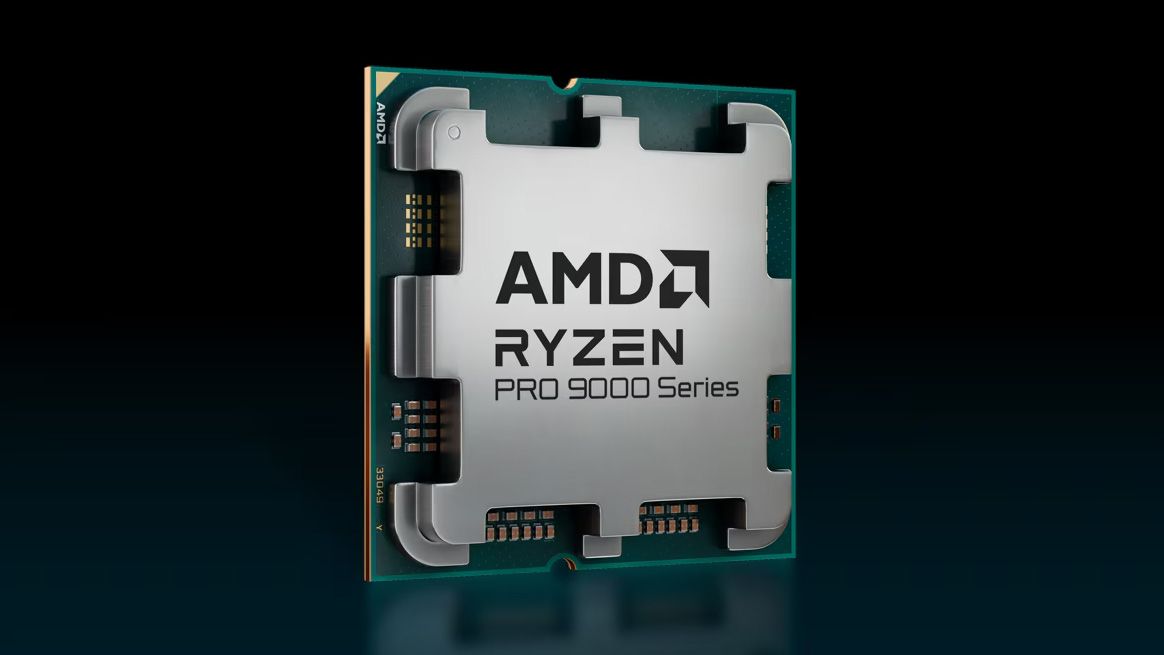
When I first bought the Crucial T700 a couple of years ago, I didn't really have huge expectations because my older Corsair MP600 PCIe 4.0 SSD was already fast enough that game loading times never bothered me in the first place. Still, there was a part of me that expected at least some kind of noticeable improvement going from 7,000MB/s to 12,000MB/s. But that wasn't the case because games loaded pretty much the same as they did before.
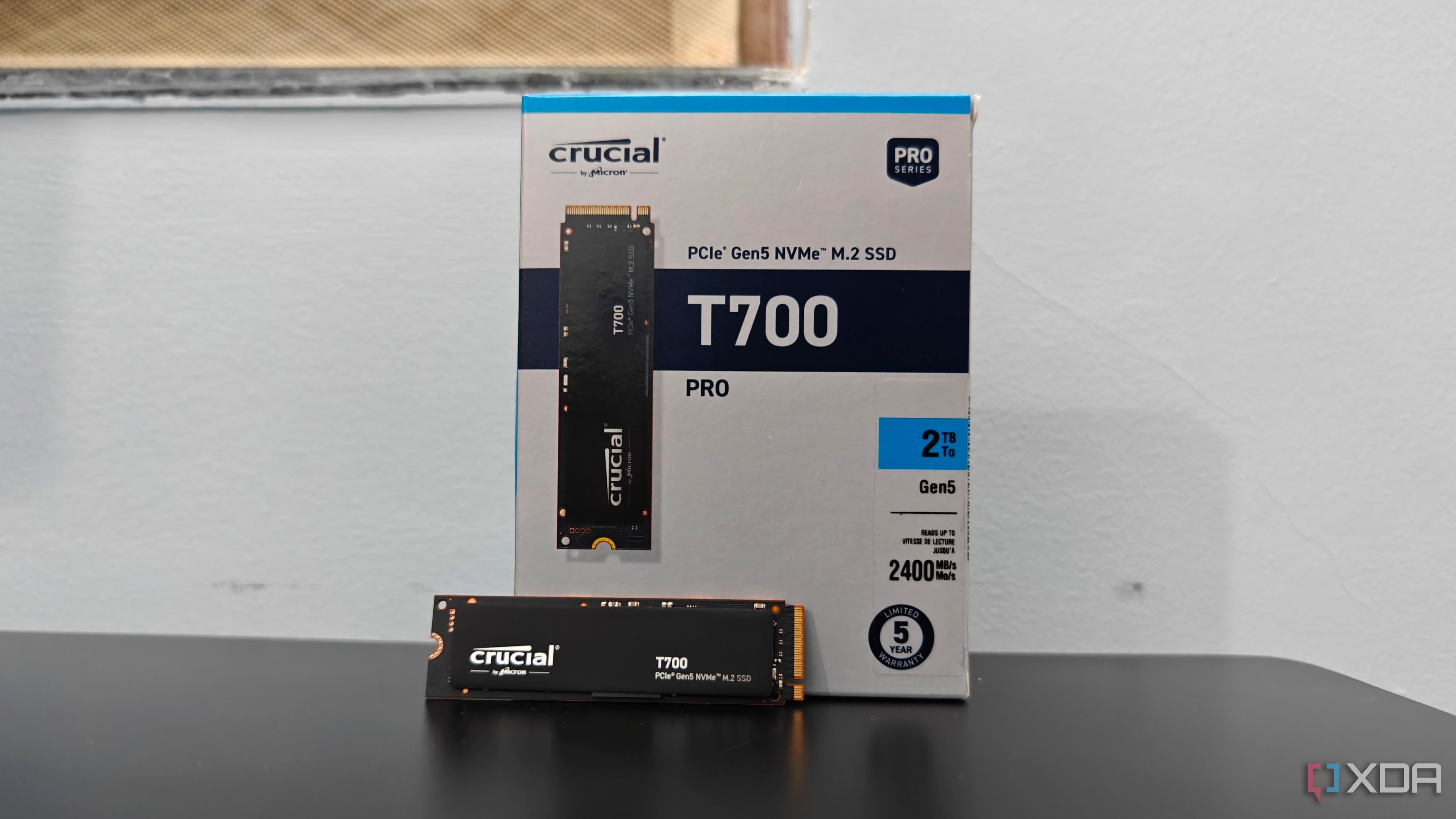
The idea of canceling my Microsoft 365 subscription was something I wouldn’t even consider. I didn’t want to lose access to all the great features I could use in Word or Excel. But I noticed that I wasn’t using it as much. One day, I was like, “I’m going to do it, I’m canceling my subscription!” I did it, and weeks later, I just feel relieved that things didn’t turn out to be as chaotic as I thought they would be.
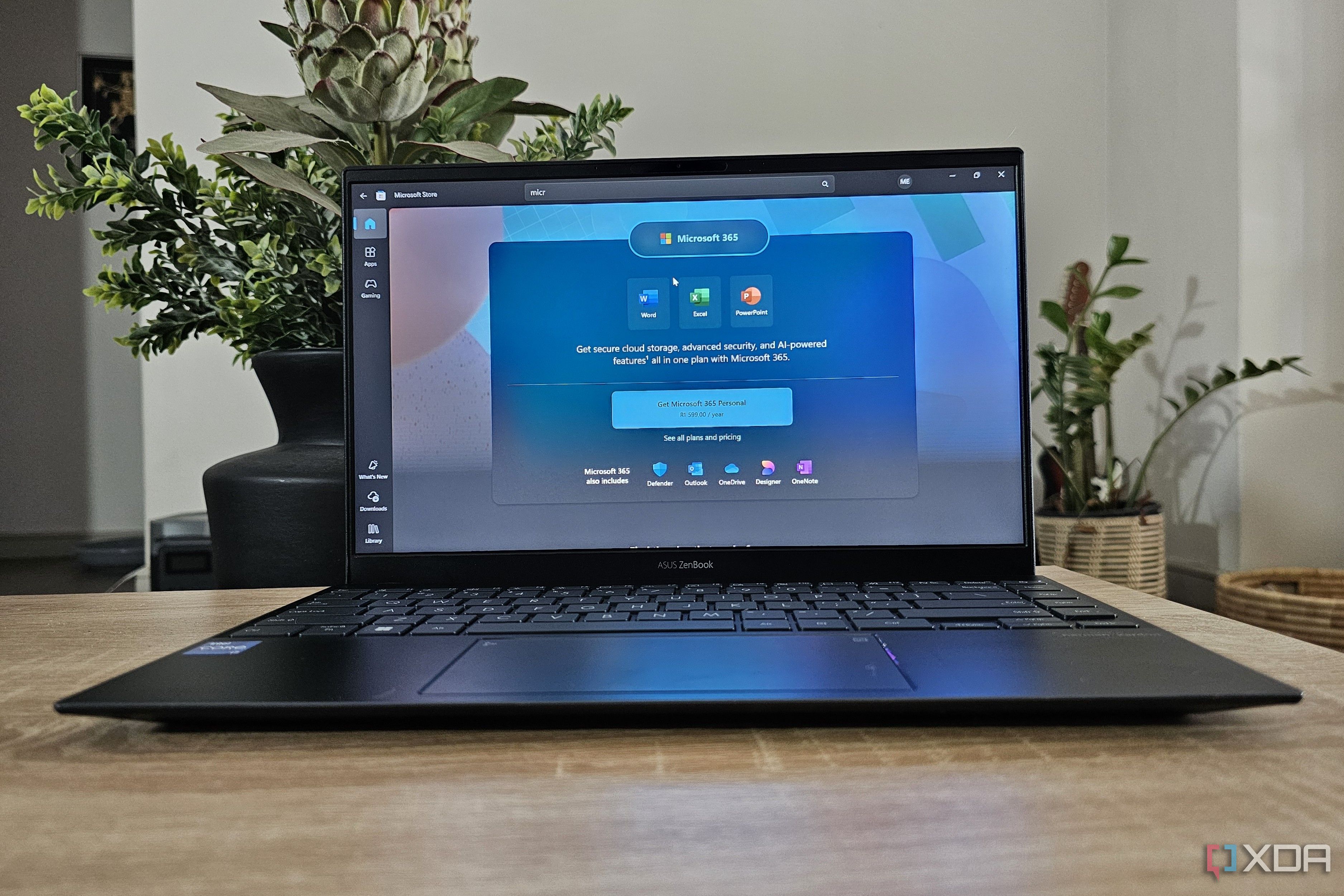
Building a PC on any recent Intel platform has always come with a very specific sacrifice. Intel's socket platforms have had really poor longevity, often requiring a purchase of a completely new platform when an upgrade is performed.It's a cycle that's played out so reliably that many builders have simply priced it in as a cost of staying on Team Blue. AMD's AM4 platform, which ran officially from 2017 through 2022 and spanned four generations of Ryzen CPUs, showed that things didn't have to work this way. Now, with Nova Lake on the horizon and Intel's own VP on record saying he expects that to change, it's worth asking whether Intel is finally serious about platform longevity, because it's beginning to look like that's finally the case.
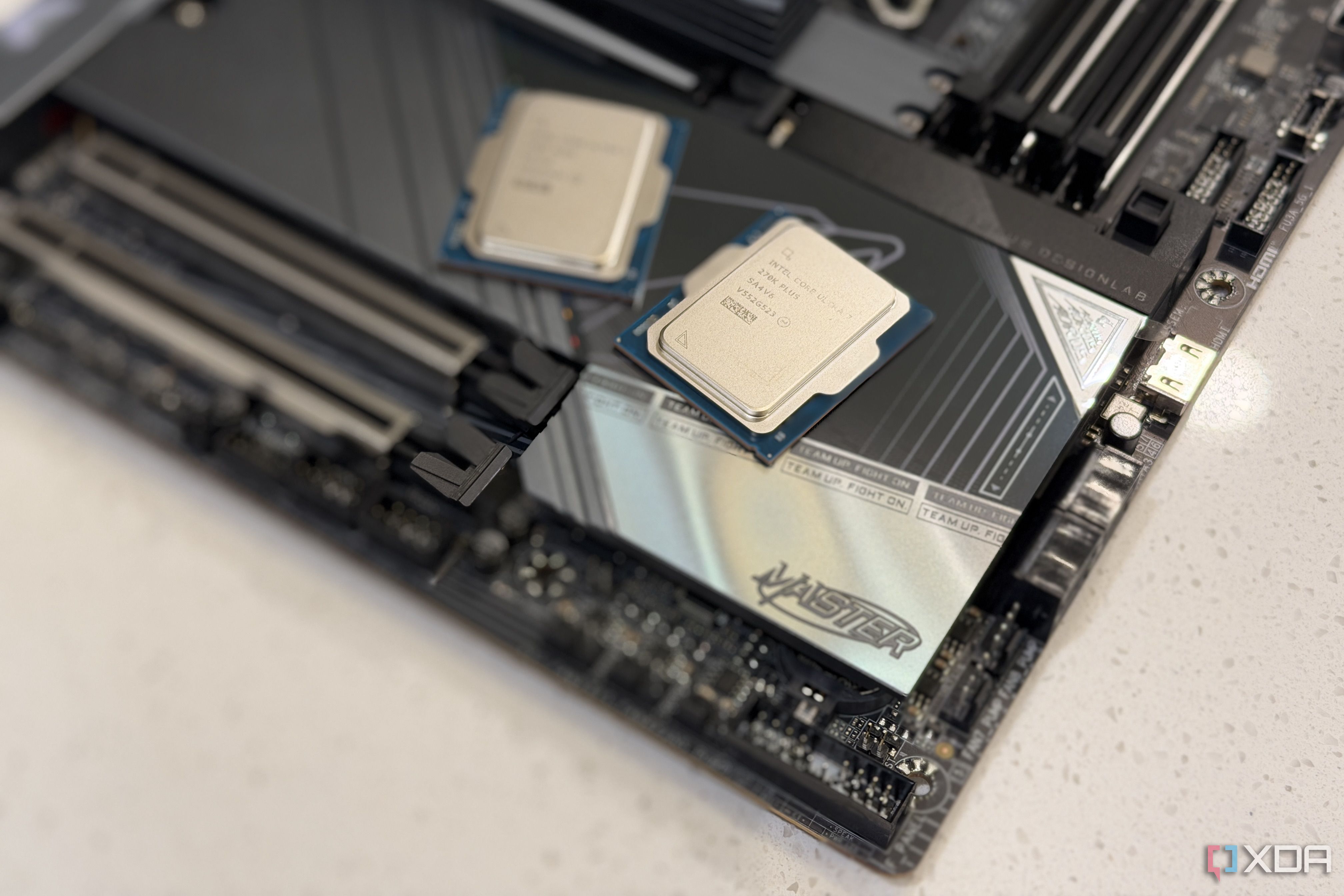
The Wilhelm Scream is one of those weird examples of sounds you've likely heard a million times before, but you had no idea it had a name. But it does have a name, and as soon as you know what the Wilhelm Scream sounds like, you'll never stop hearing it in TV shows, movies, and video games.
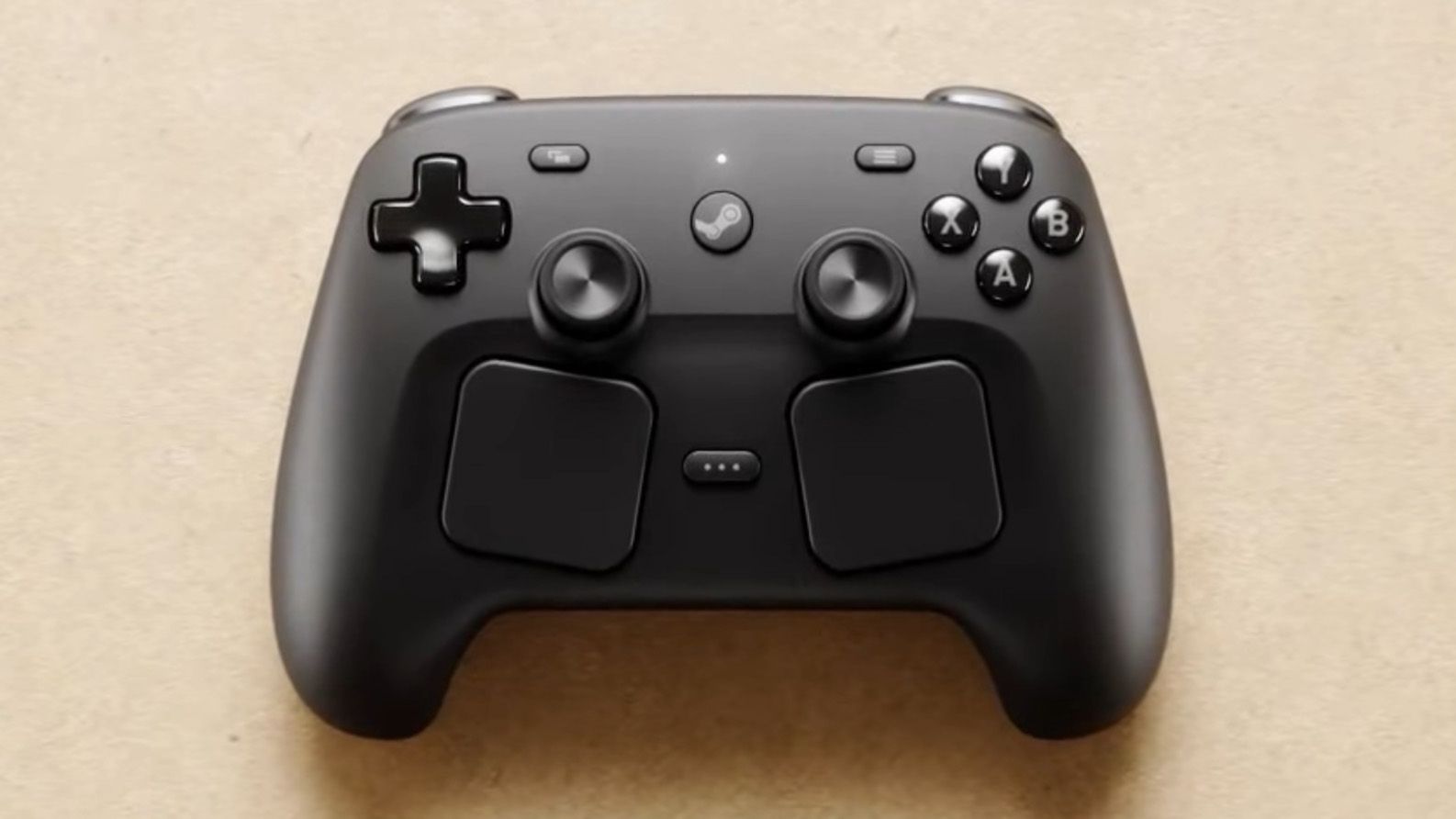
Ever since I bought the Alienware AW3423DW and AW2725DF OLED monitors for my multi-monitor setup, I've always had a hard time switching back to my LG LCD for gaming, even though it's a higher resolution panel. I'd still happily use it for regular desktop work because it's brighter and sharper, but when it came to gaming, I'd only really use it if I wanted to experience a game at 4K. Then again, resolution alone wasn't enough to make up for weaker contrast, IPS glow, and slower pixel response times.
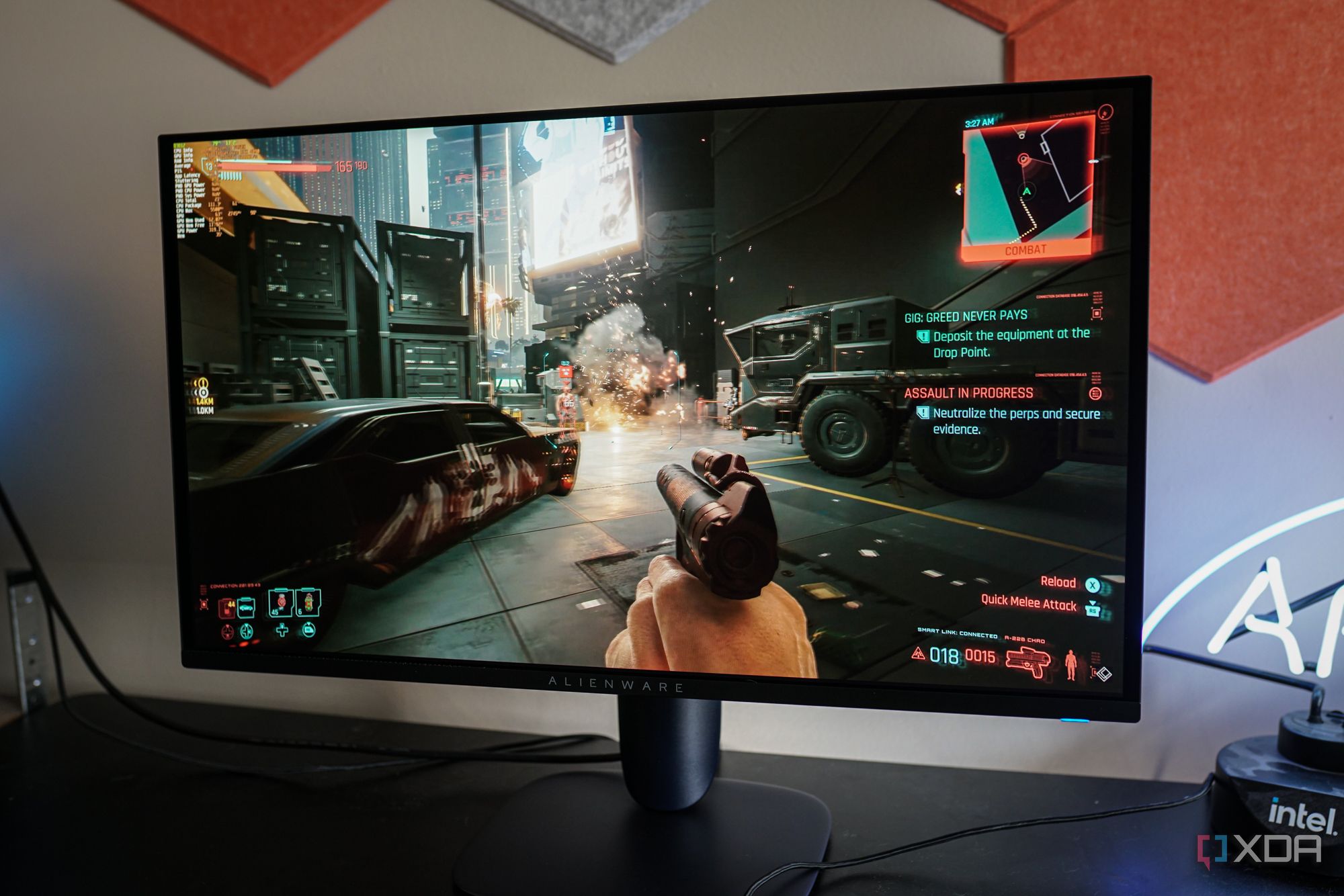
In the past, the DIY approach was the default choice for anyone shopping for a capable PC that wouldn't break the bank. The market has, however, seen some major changes throughout the last few months, and building a computer isn't necessarily the most practical option for most mainstream users.
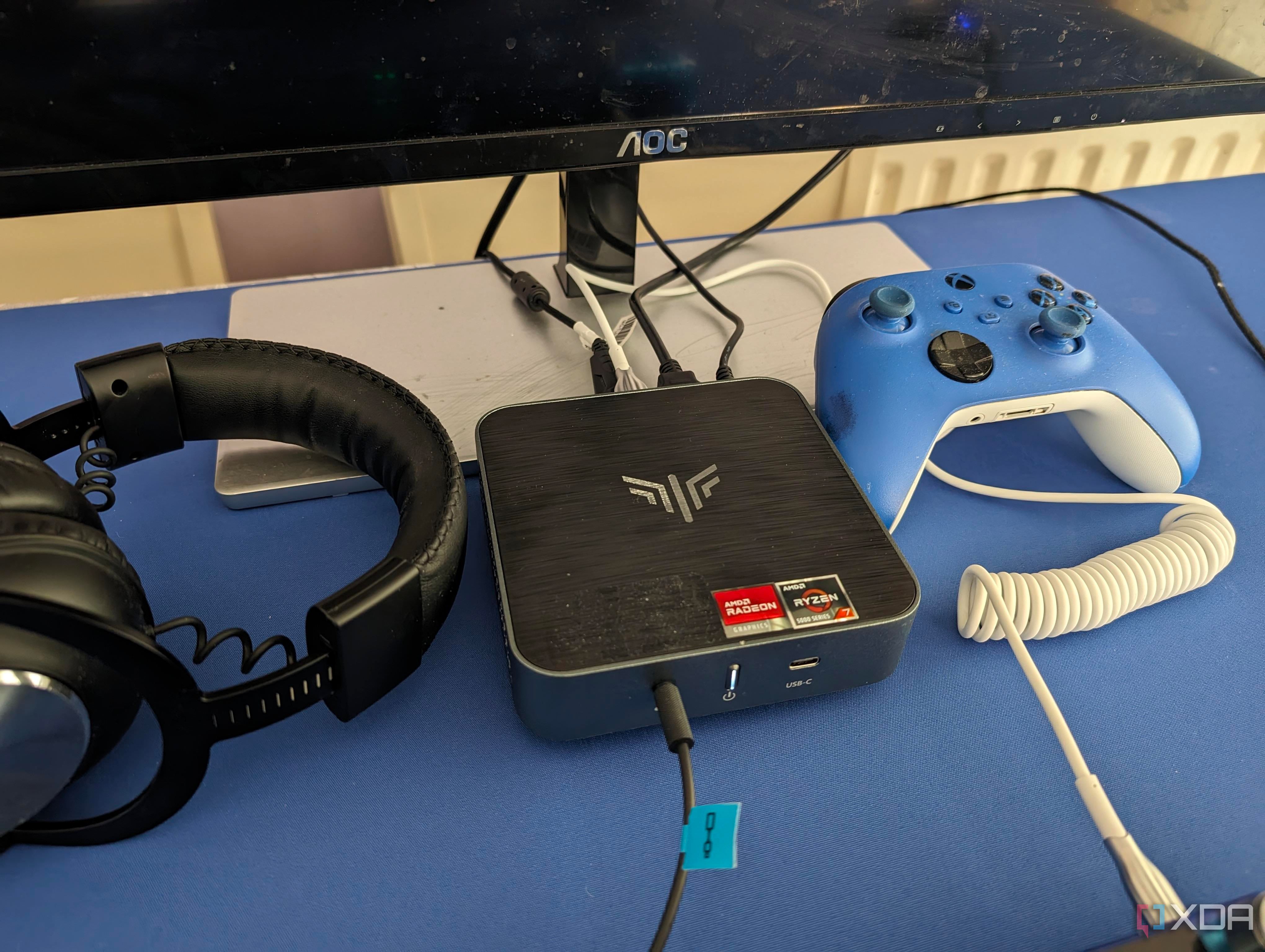
I've been happily using Plex for a while now, especially thanks to the Lifetime Pass I secured for myself in early 2024. Over the course of two years, my Plex server has been serving as the media library for three different families across three houses in separate cities. Of course, I've come to appreciate some of the features that have made my life a lot easier, and it's been particularly enjoyable seeing Jellyfin slowly but surely catch up.
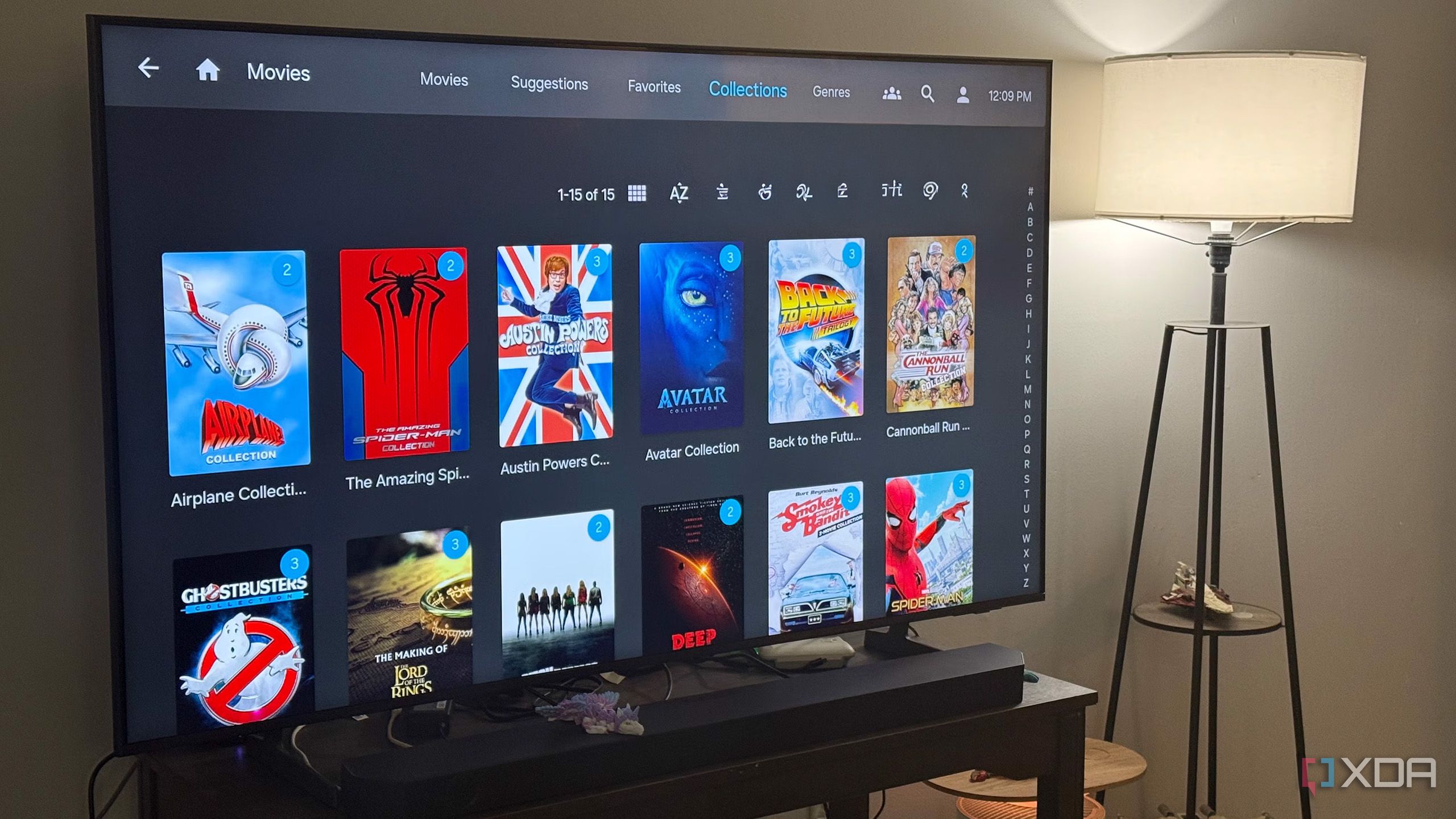
As a journalist, I've spent a lot of time refining and reworking my workflow. Discovering news and keeping up with it is just as important to me and my job as reporting and writing. For my morning routine, I have a mental list of websites to check and keep tabs on. And while the system works, it's far from ideal. Every morning I open the same set of tabs, check author pages, skim through product and open-source blogs, check changelogs, and hope that I haven't missed out on something important. It's a productive start to the day, but it is far from efficient. In fact, it's a slow, repetitive process that depends too much on me remembering what to check. Elsewhere, there are RSS readers, but as it turns out, in 2026, way too many websites have either poor or no RSS support at all.
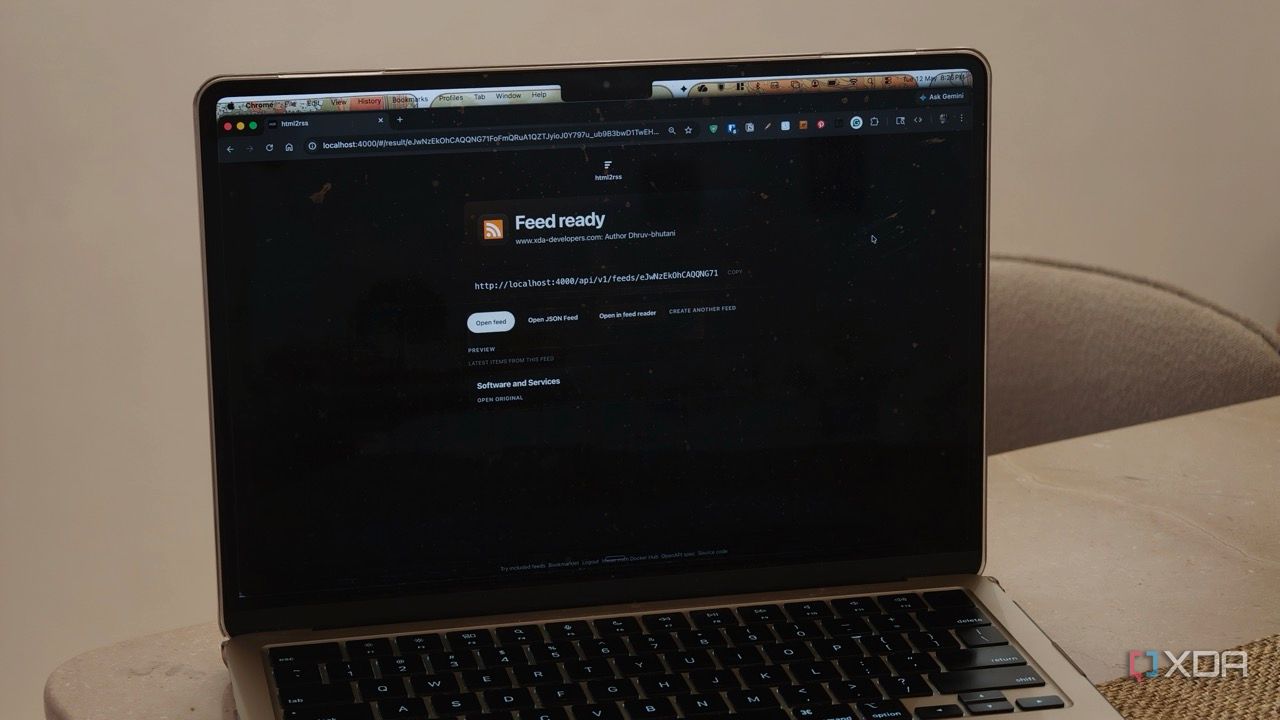
Ever since I got my first G-Sync monitor, the LG 27GN950, I've always been on the fence about VRR. Despite that, I went on to buy two more monitors that supported adaptive sync, the Alienware AW3423DW and the AW2725DF. Honestly, I didn't care whether they had G-Sync or FreeSync certification specifically because, at that point, adaptive sync support just felt like a standard feature you naturally get with a high-end gaming monitor.
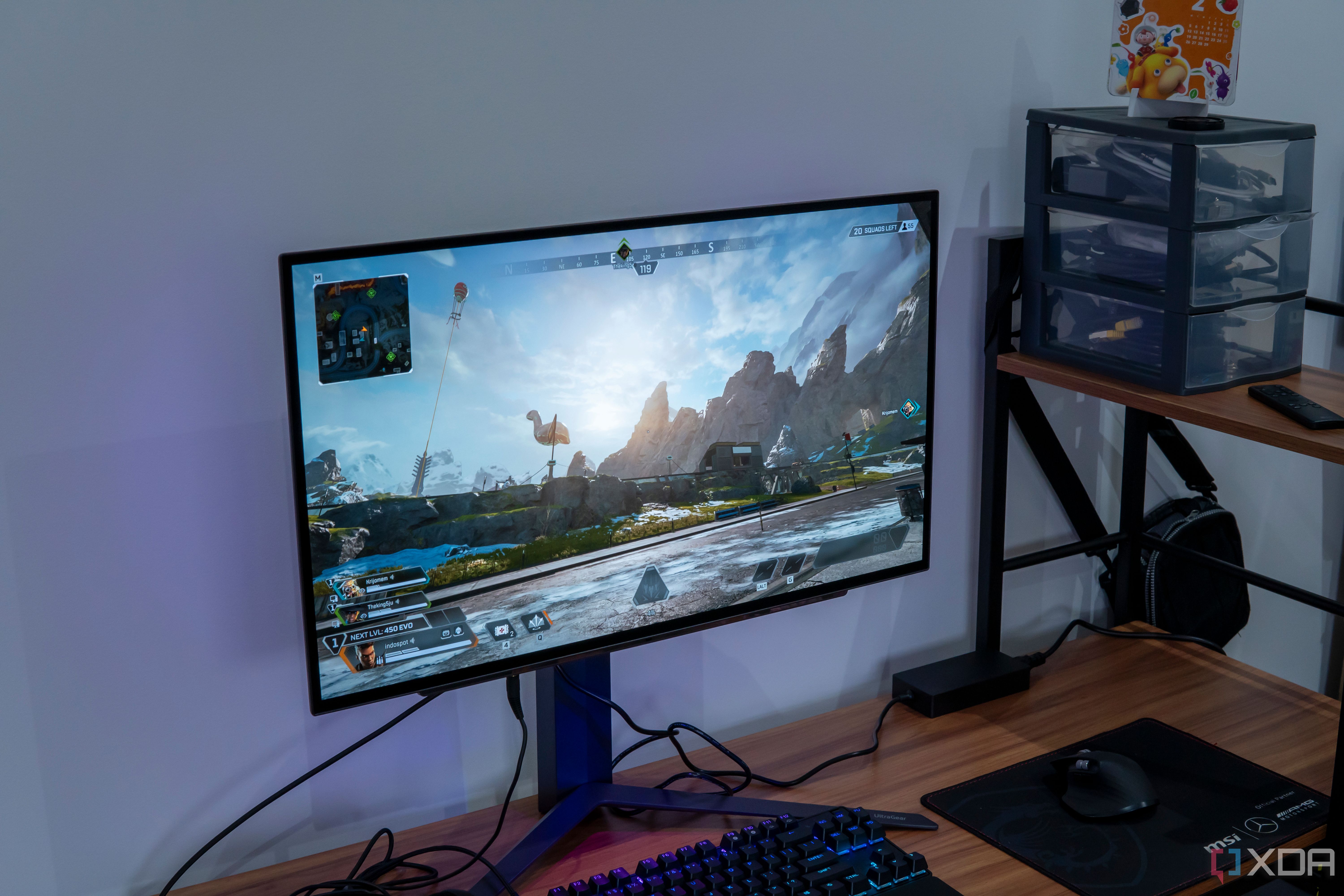
With its databases, linked views, and relational tables, Notion can start to feel indispensable. The level of depth and organization it provides is hard to find in other apps. I was using Notion for all sorts of things: tracking project changes, my reading lists, a personal wiki, and task management. But one thing never quite sat right with me. It was a lot of data sitting on someone else's servers. I've seen other services go belly up, and I don't want my workflow to hinge on a company that could paywall services or disappear one day.
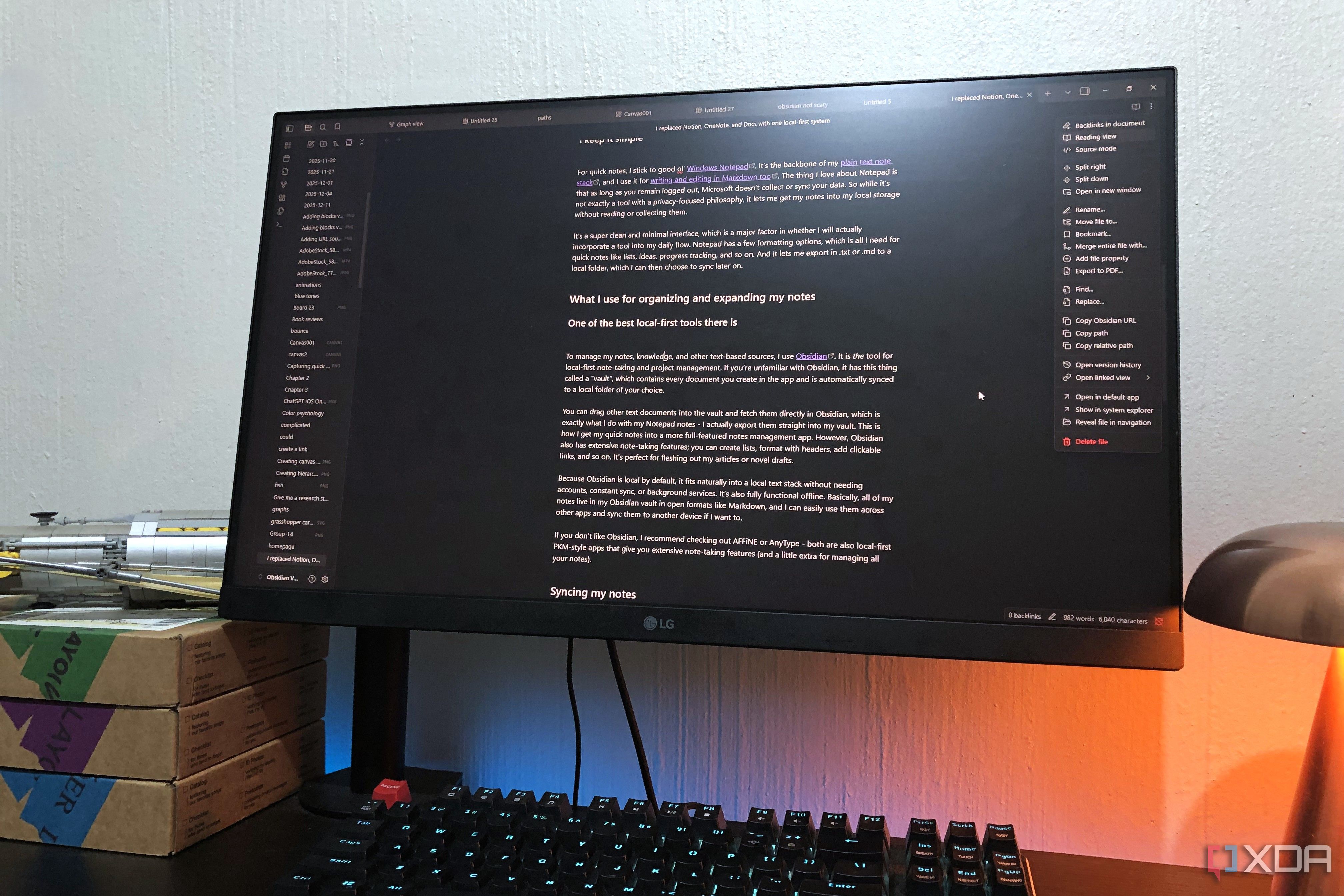
I didn’t build my Proxmox cluster the way most sane documentation would quietly prefer. Instead of buying three identical nodes with matching CPUs, memory, and network adapters, I used three different mini PCs that fit my budget, desk, and tolerance for fan noise. One is a small office box with more patience than power, one is a newer machine with a better CPU, and one is an oddball that I probably wouldn’t recommend unless you enjoy reading BIOS menus. On paper, it sounds like a recipe for a fragile home lab theater.
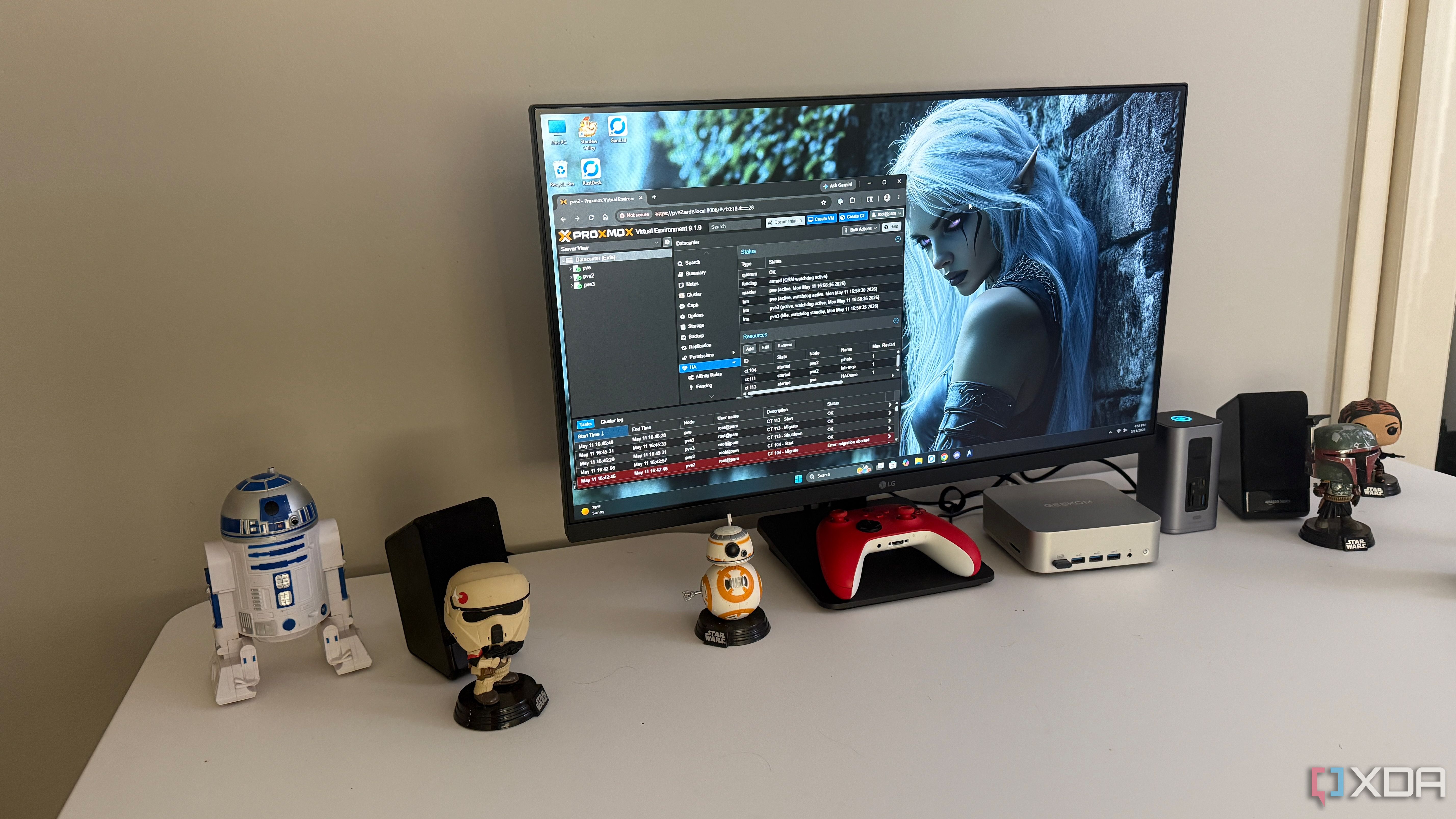
Obsidian is my favorite application by a long shot, but it isn't without flaws. It integrates so well with other software, but at the same time, it acts like a closed ecosystem. The reminders and tasks I have set up within Obsidian aren't visible outside of it. Sure, I can use Todoist to sync tasks, but that hasn't always worked as well as I would like. I wanted a solution, and then I stumbled across Remindian, an Obsidian plugin that syncs tasks with my Reminders so they're visible across my laptop, my phone, and more.
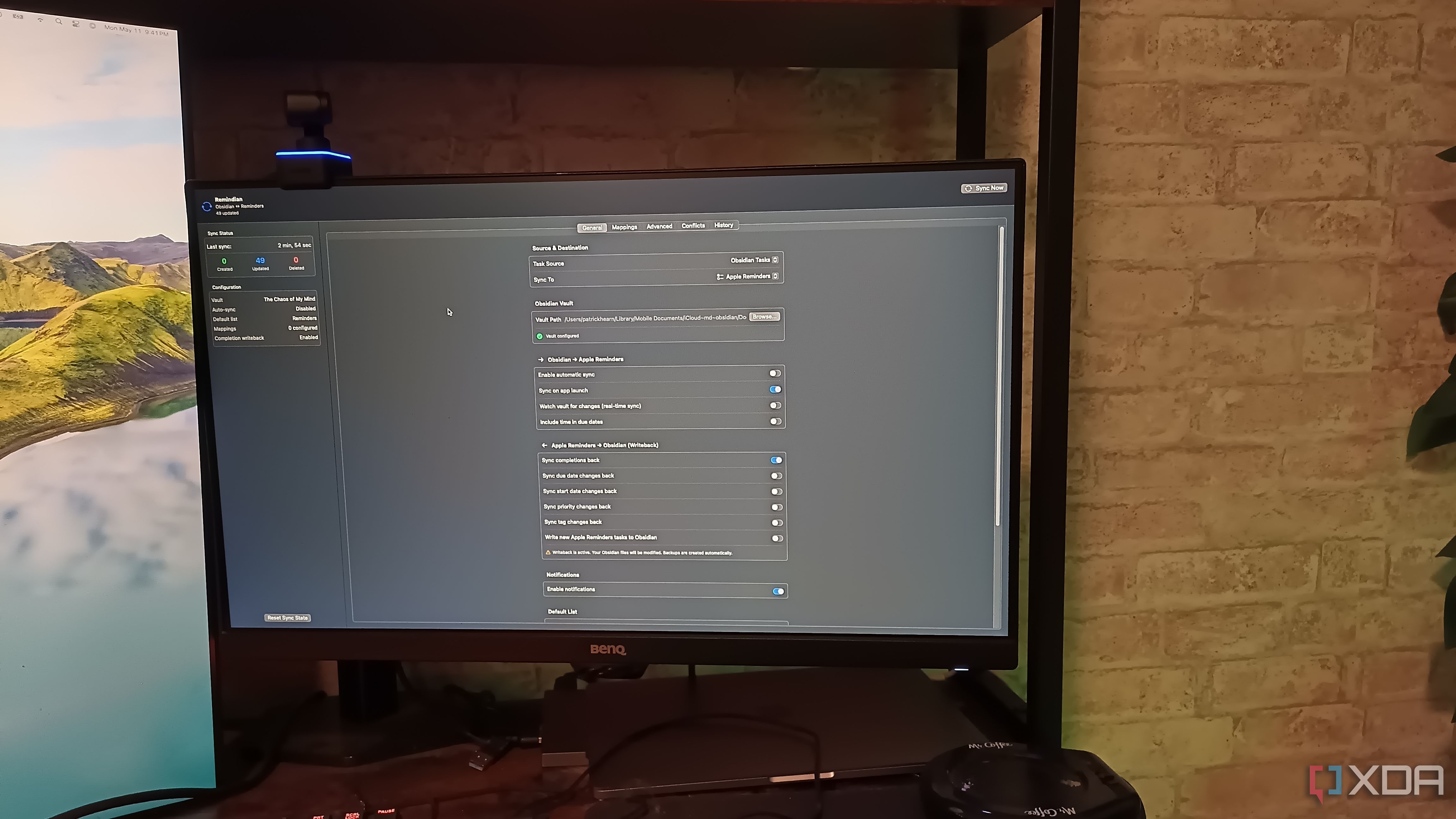
Notion and Obsidian are probably the two most recommended tools any time someone asks how to build a proper personal knowledge base. And for good reason - both have massive communities, both are highly capable, and both have been around long enough that there's no shortage of guides, YouTube setups, and plugin lists telling you how to use them. I've long now moved away from Notion in pursuit of open, local, and just simpler options. Obsidian is still in my stack, but it's not always the smoothest user experience either.
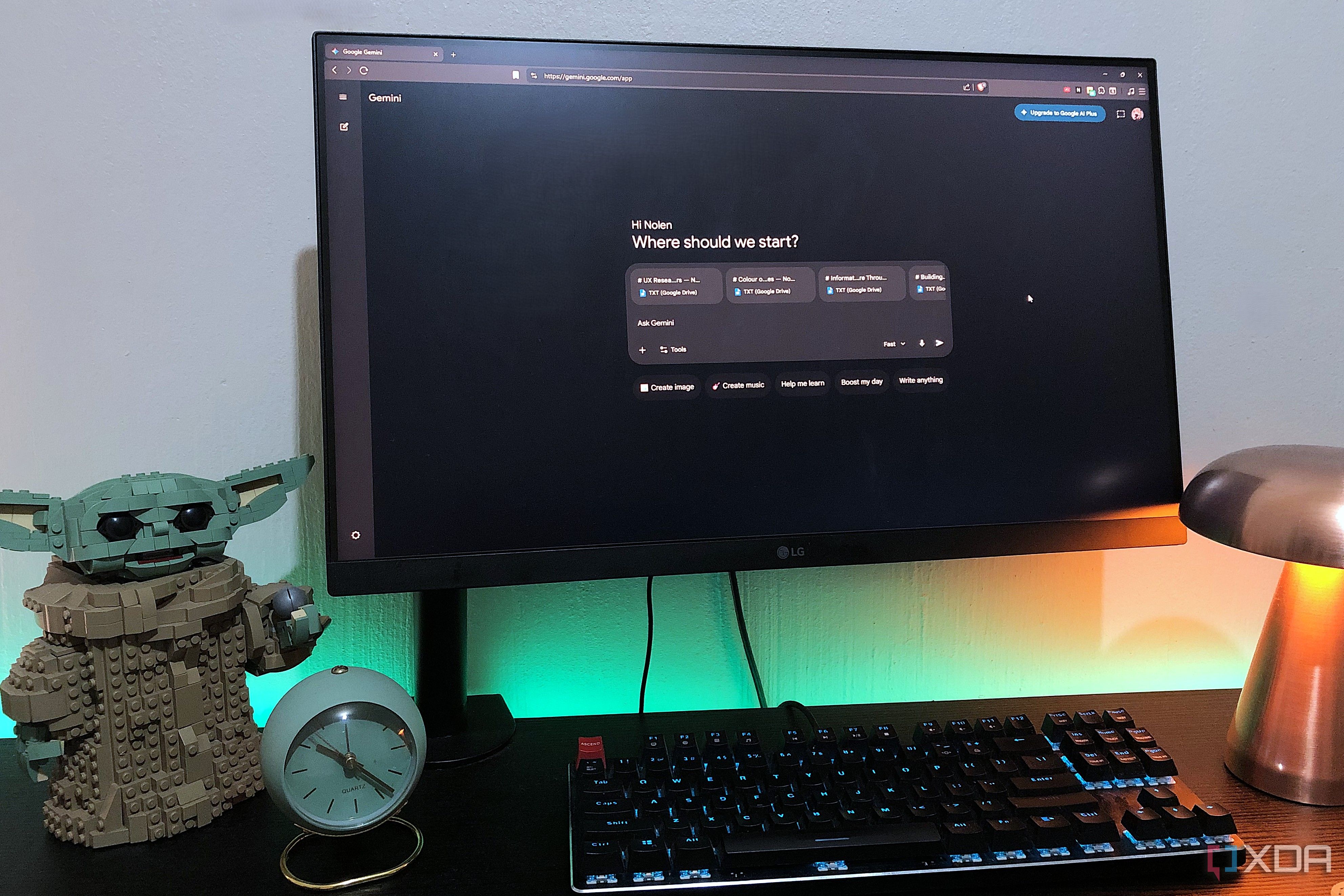
I was a very early adopter of the AM4 platform because, at the time, I was part of AMD's influencer team, received pre-release hardware, and was physically at the Zen launch event. At the time, it was a huge jump from the older Intel platform I'd been using, which had DDR3, PCIe 2.0, and a short expected lifespan because of Intel's release cadence. I used that hardware until very recently, and only upgraded when my daily tasks felt slower to accomplish.
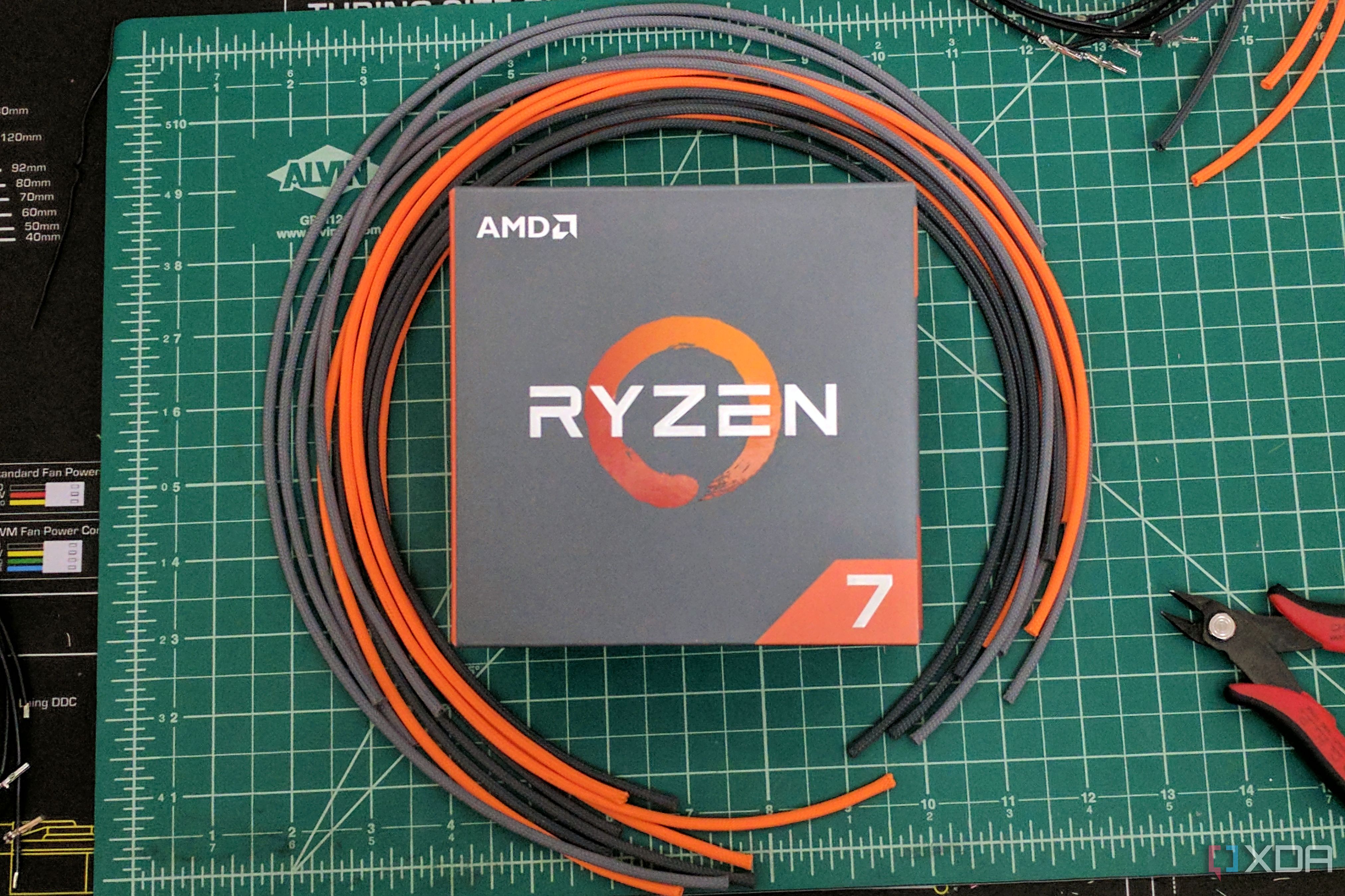
My home lab has never suffered from a lack of dashboards. I have separate pages for Proxmox, Pi-hole, Home Assistant, Jellyfin, Uptime Kuma, and whatever I happened to spin up during a productive weekend. Each one is useful on its own, but together they create a strange kind of administrative clutter. I knew where everything lived, yet I still spent too much time jumping between tabs just to answer basic questions.
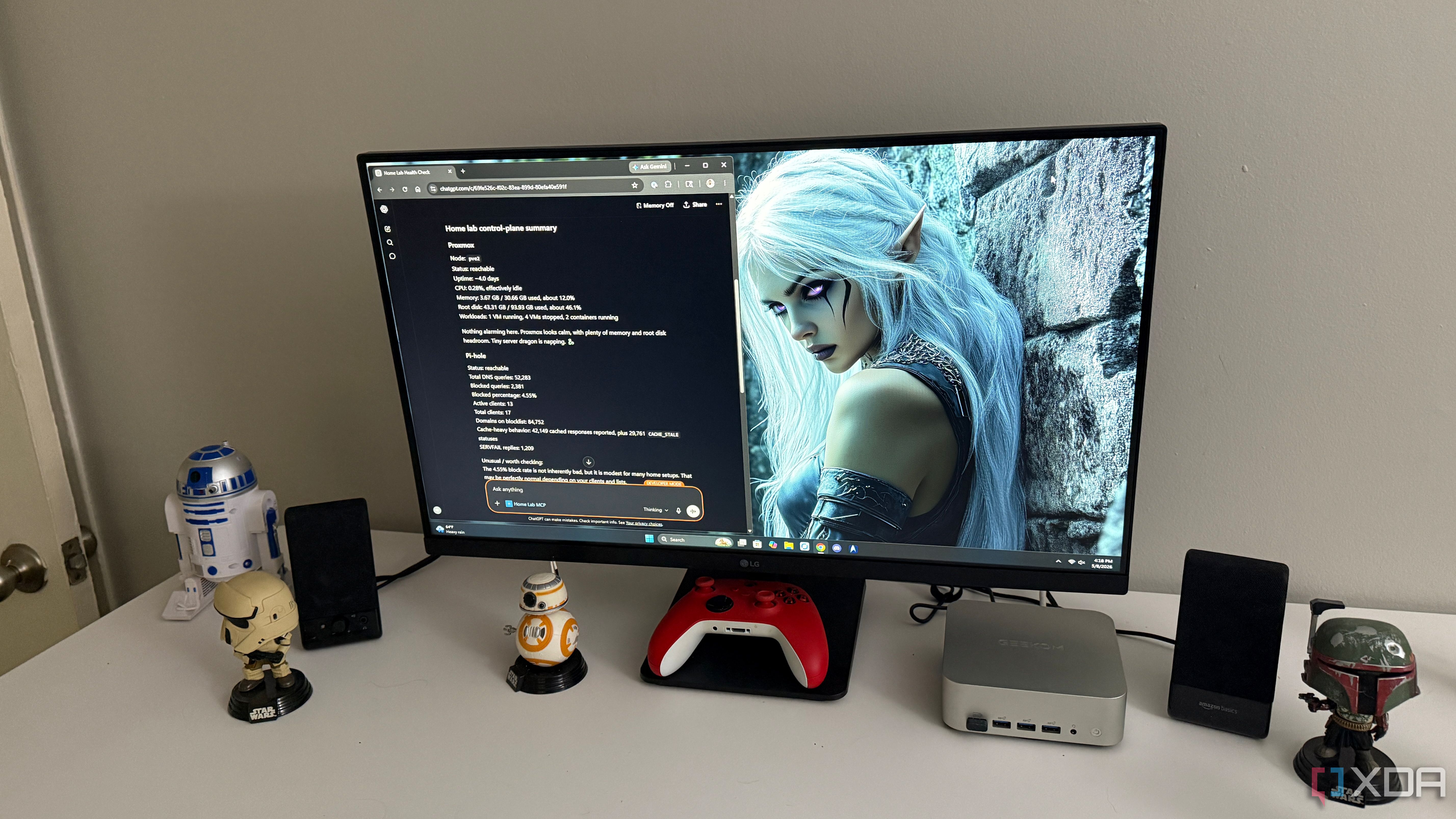
Back in December 2025, I figured I could stop my Pascal-era GTX 1080 from gathering dust by using it to host LLMs on Ollama. Despite some snags with the drivers, this experiment turned out pretty well, and its utility skyrocketed when I began pairing it with my self-hosted FOSS stack. But having spent the last couple of weeks tinkering with different providers and LLMs, I realized that 8B models weren’t the only ones I could run on my aged gaming companion. With a little bit of elbow grease, I managed to build a fully Linux-based LLM pipeline using repurposed hardware that not only frees me from the API limits on cloud models, but also ensures my private files don’t leave my local network.
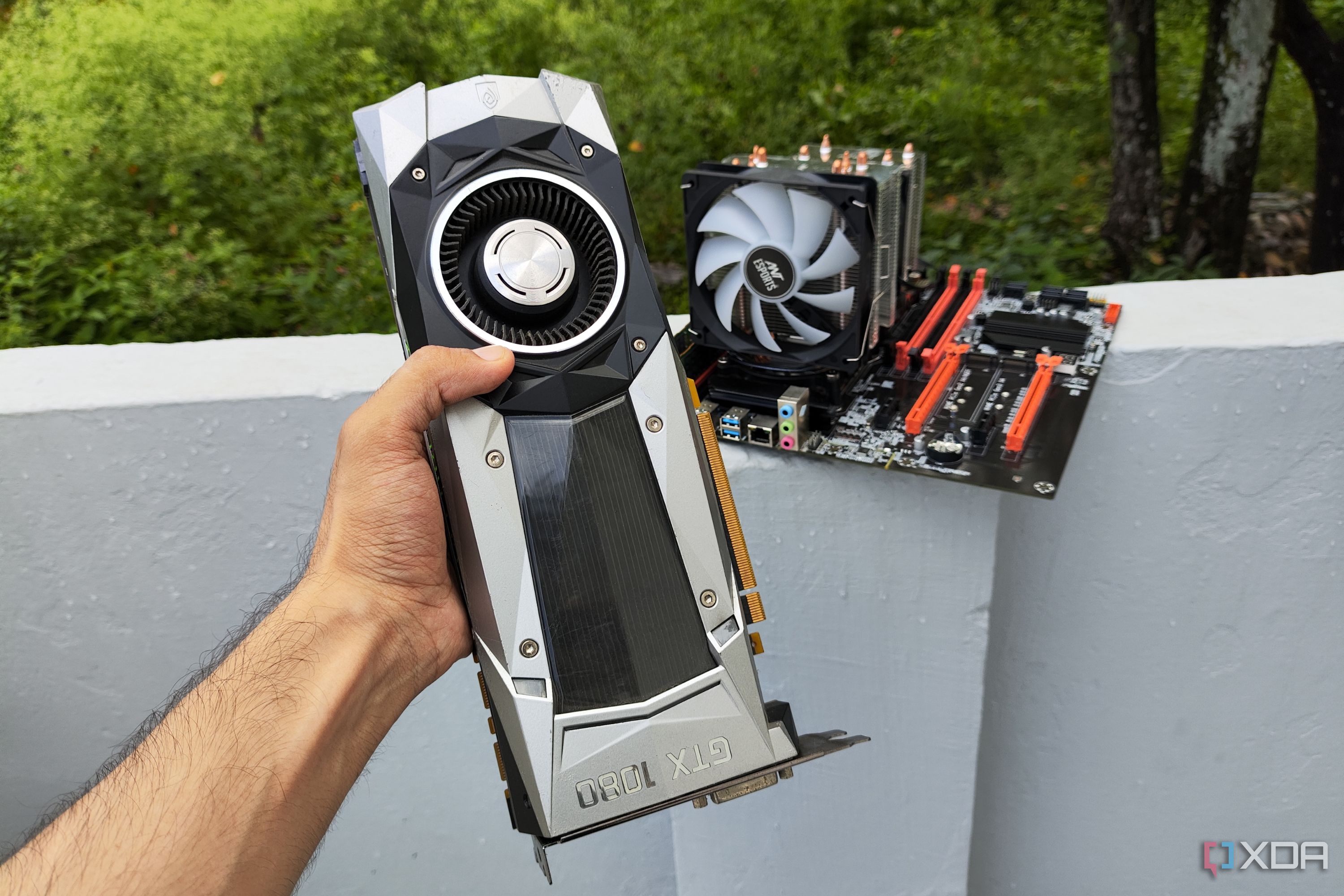
I’ve spent a lot of time trying to find a Plex alternative.
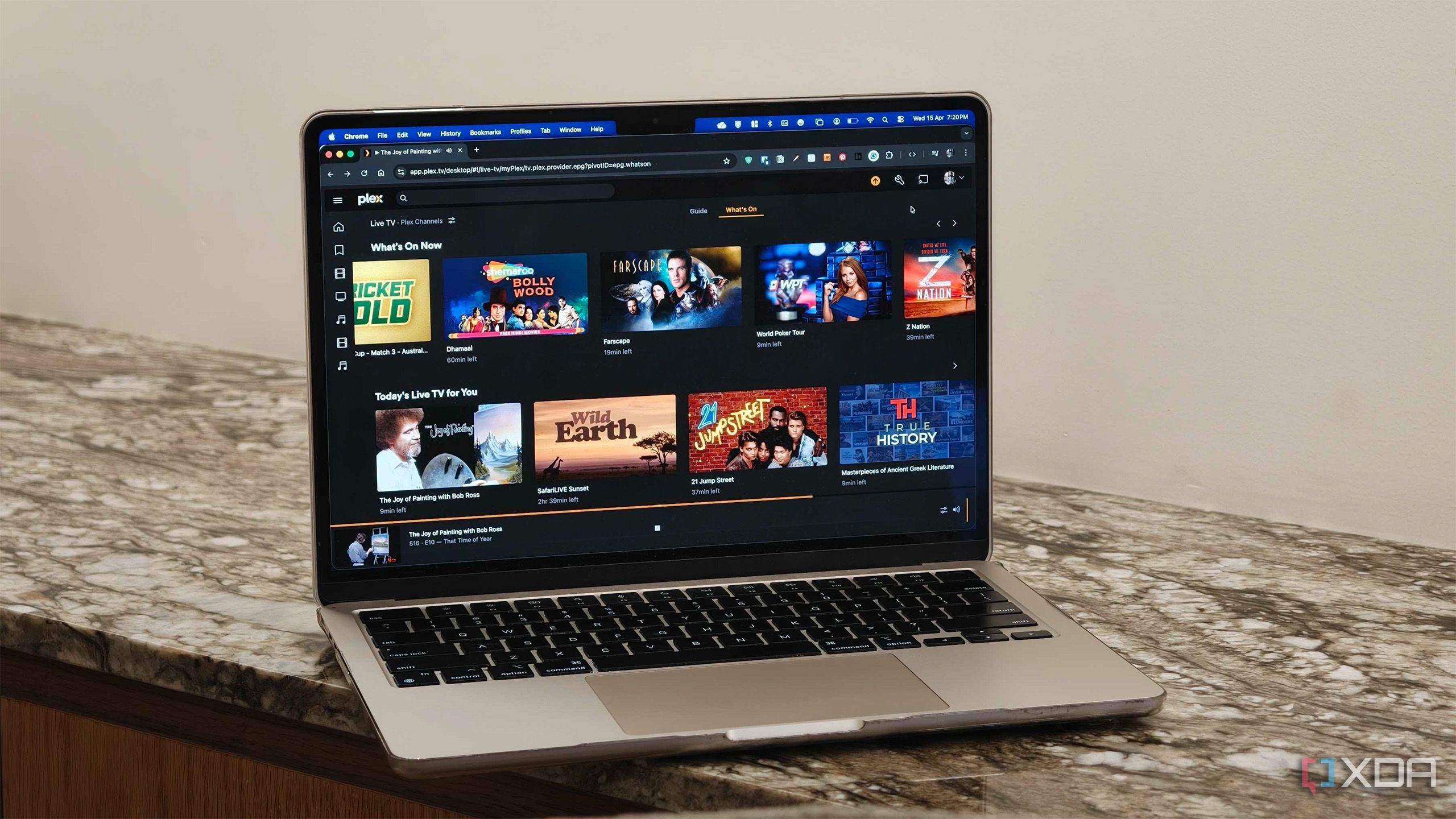
Every NAS I've bought over the years has been laser focused on storage and backups. Like most people who get into home servers, I started with the simple and straightforward goal of keeping my files organized in one place, and ensuring that nothing important got lost if a drive failed. But over the years, I've taken to using my Synology NAS for more than just storage.
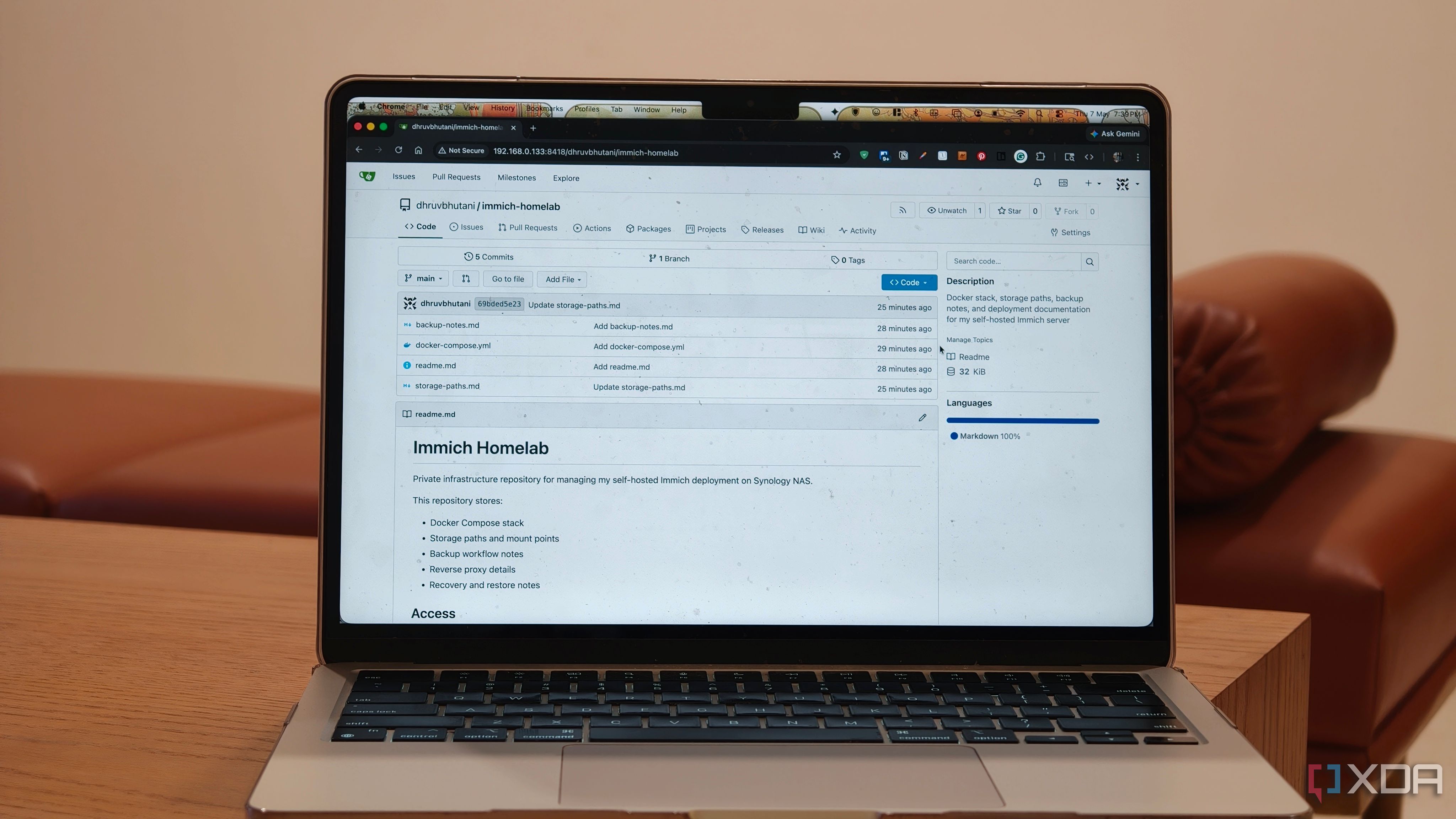
For a long time, I treated my NAS with a very narrow kind of respect. It was the box that held files, backed up machines, and gave me somewhere safer to put things than a random external drive. That was useful, but it also made the NAS feel strangely passive. It sat there doing its job, but it rarely felt like the center of anything.
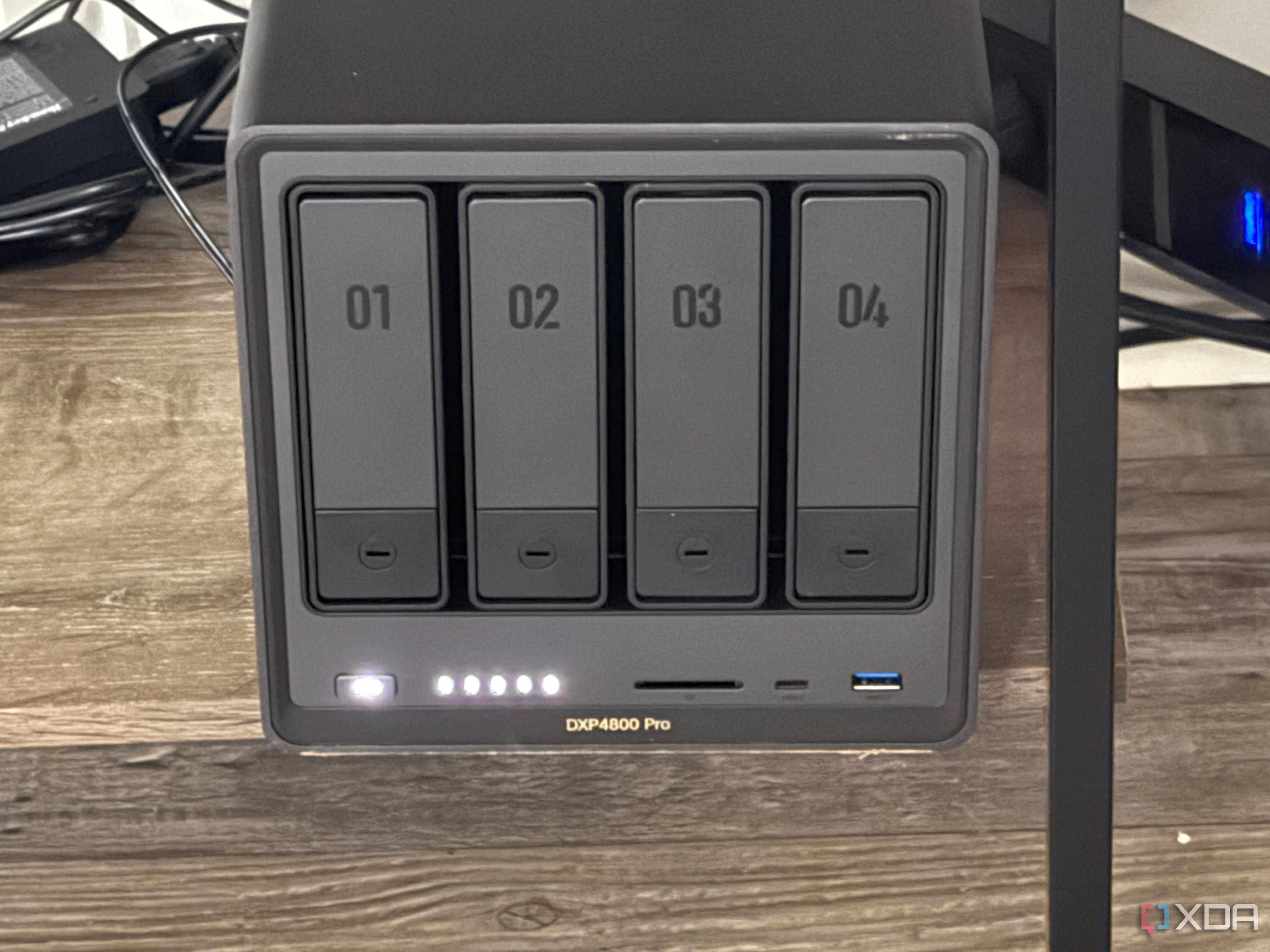
I've been daily driving OLED monitors since 2022. First, I got the Alienware AW3423DW ultrawide panel, and then later in 2024, I picked up the AW2725DF purely for competitive gaming. I didn't ditch the ultrawide, though. I ended up using both depending on what I was playing, because each monitor scratched a different itch. The AW3423DW's 21:9 aspect ratio made single-player AAA games look incredible, whereas the AW2725DF gave me near-perfect motion clarity and responsiveness for esports titles.
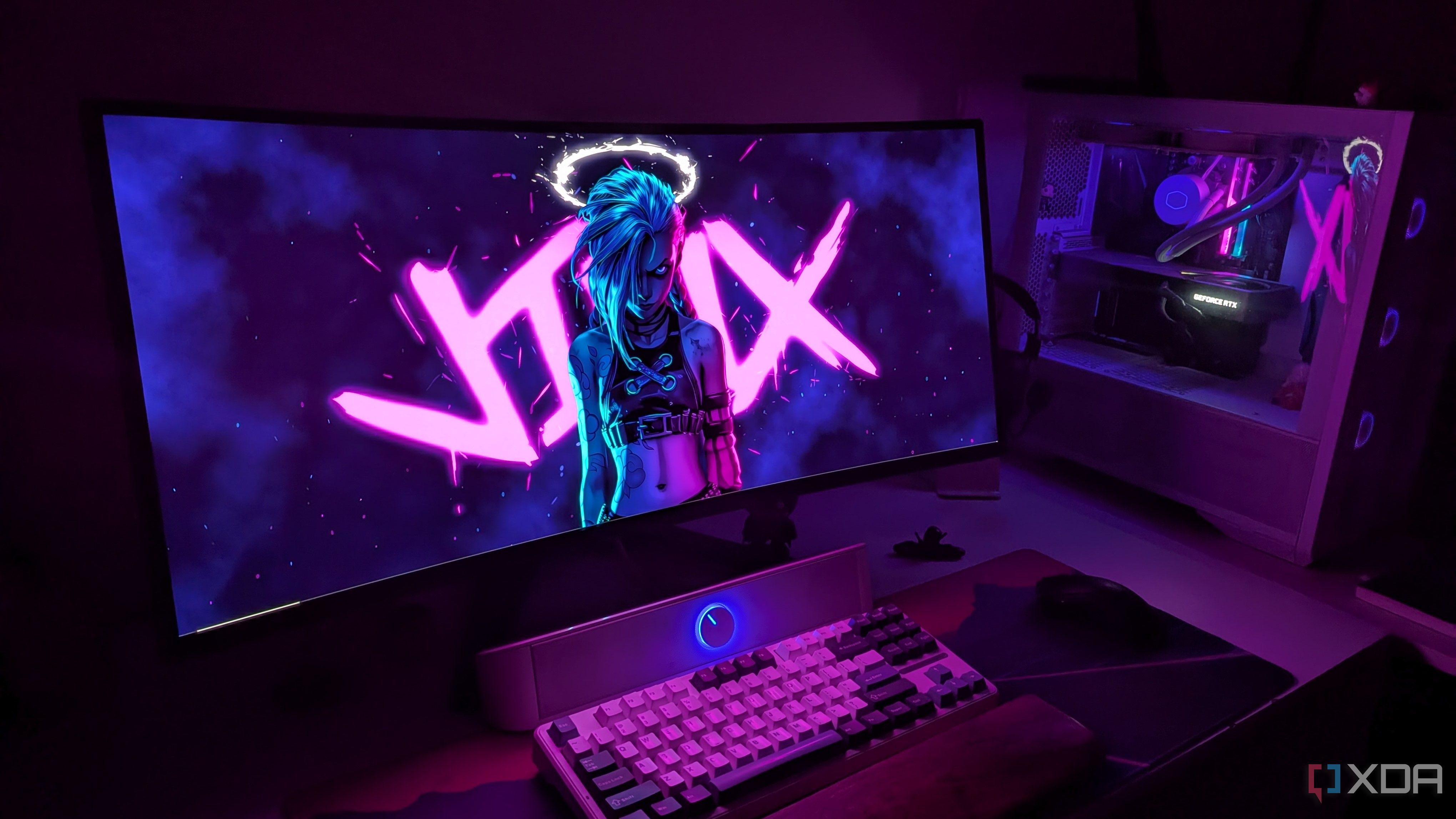
When I first got the RTX 4090 in 2022, I paired it with a 4K/160Hz IPS monitor because I knew it was powerful enough to handle almost any game I threw at it. Moreover, at that resolution, the GPU is usually the limiting factor, so I didn't have to worry about any other bottlenecks in my build. A couple of years later, though, I wanted a faster monitor purely for competitive gaming, so I got the Alienware AW2725DF 360Hz OLED.
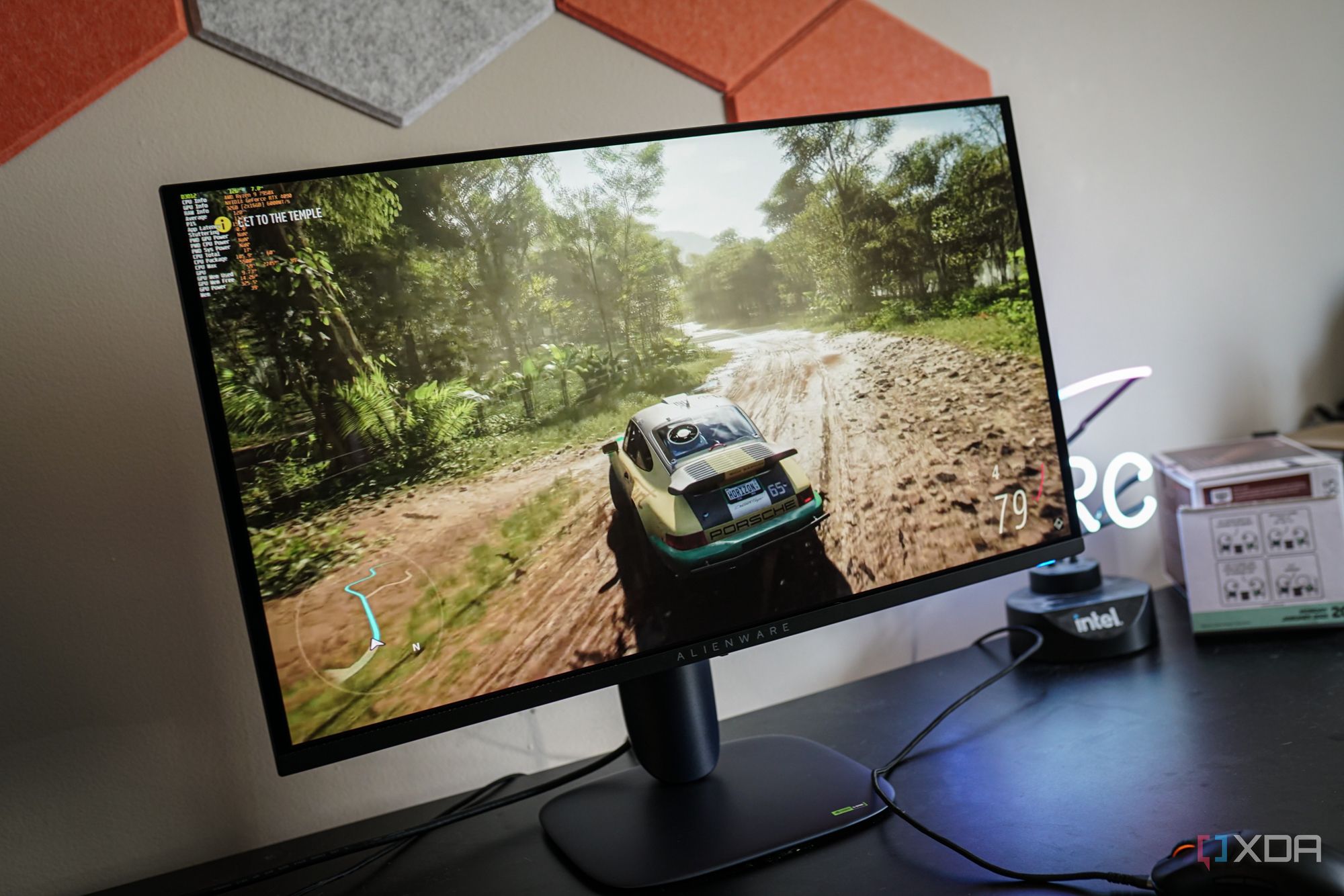
SSDs don't live forever. Just like a hard drive, an SSD has a limited lifespan, denoted (most commonly) by the number of terabytes of data that can be written to it (TBW). Most SSDs have TBW ratings that will take you 5 to 6 years to reach, even with unrealistic amounts of data written every day. Still, you might be unknowingly reducing this figure by ignoring certain best practices on your desktop or laptop PC. The chances of your SSD failing within the warranty period are pretty slim, but you can still do your bit to ensure that never happens.
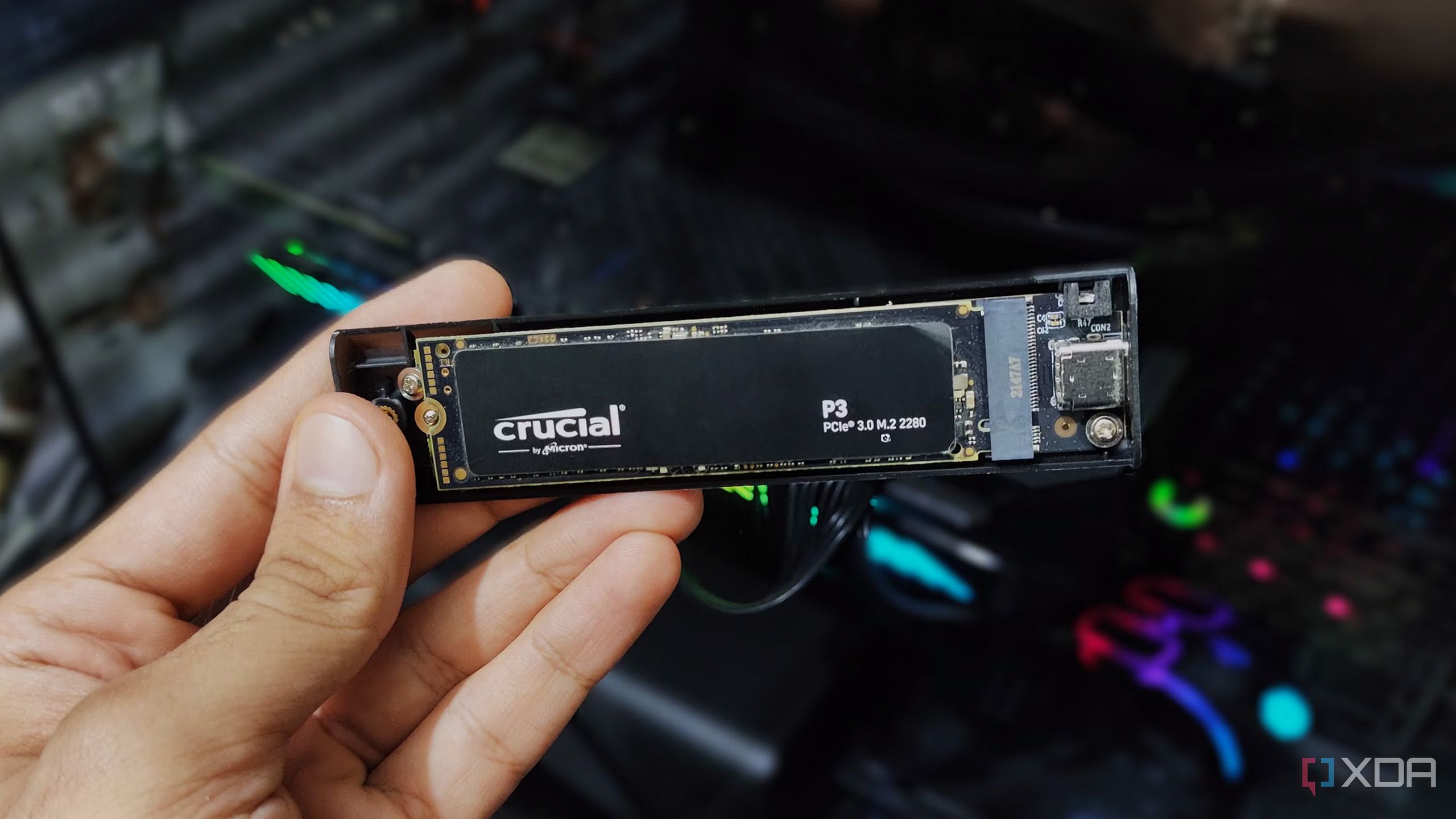
If you are looking to add more storage to a system, an NVMe SSD is naturally the first thing that comes to mind. It's fast and reliable, and the price difference between SATA and NVMe is not as big as it used to be. With NVMe Gen3, you get maximum speeds of up to 3500 MB/s, and with every subsequent generation, this doubles. Gen4 and Gen5 deliver 7000 MB/s and 14000 MB/s, respectively. But is speed the only thing that matters, especially as Gen5 isn't all that faster than Gen4 in everyday use?
There is a widespread assumption among homelab users that if the server is running and services are working as expected, then everything must be fine. Like most users, I also neglected the SSD's health. I hadn’t checked the SSD health in over a year, since there were no visible problems.
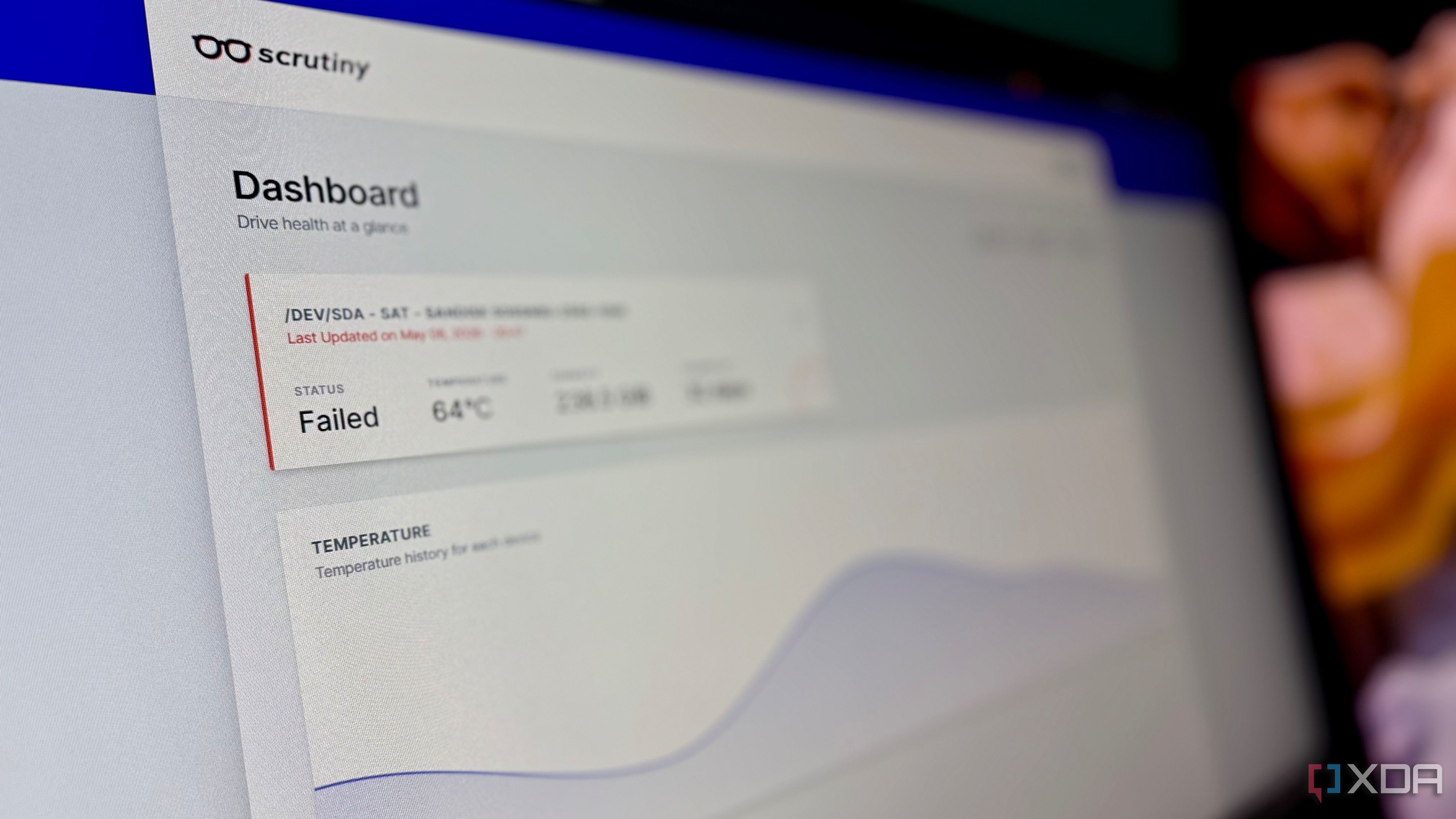
You can't go wrong with this monitor if you need one for entertainment. You get an impressive WOLED panel that's big, features beautiful colors, deep black levels, and also delivers plenty of performance. While it's usually priced at $1,600, it can now be had for far less, thanks to a steep 52% discount from Amazon that drops it down to just $773. It's still pricey, but the discount is huge, making it a great time to pick one up.
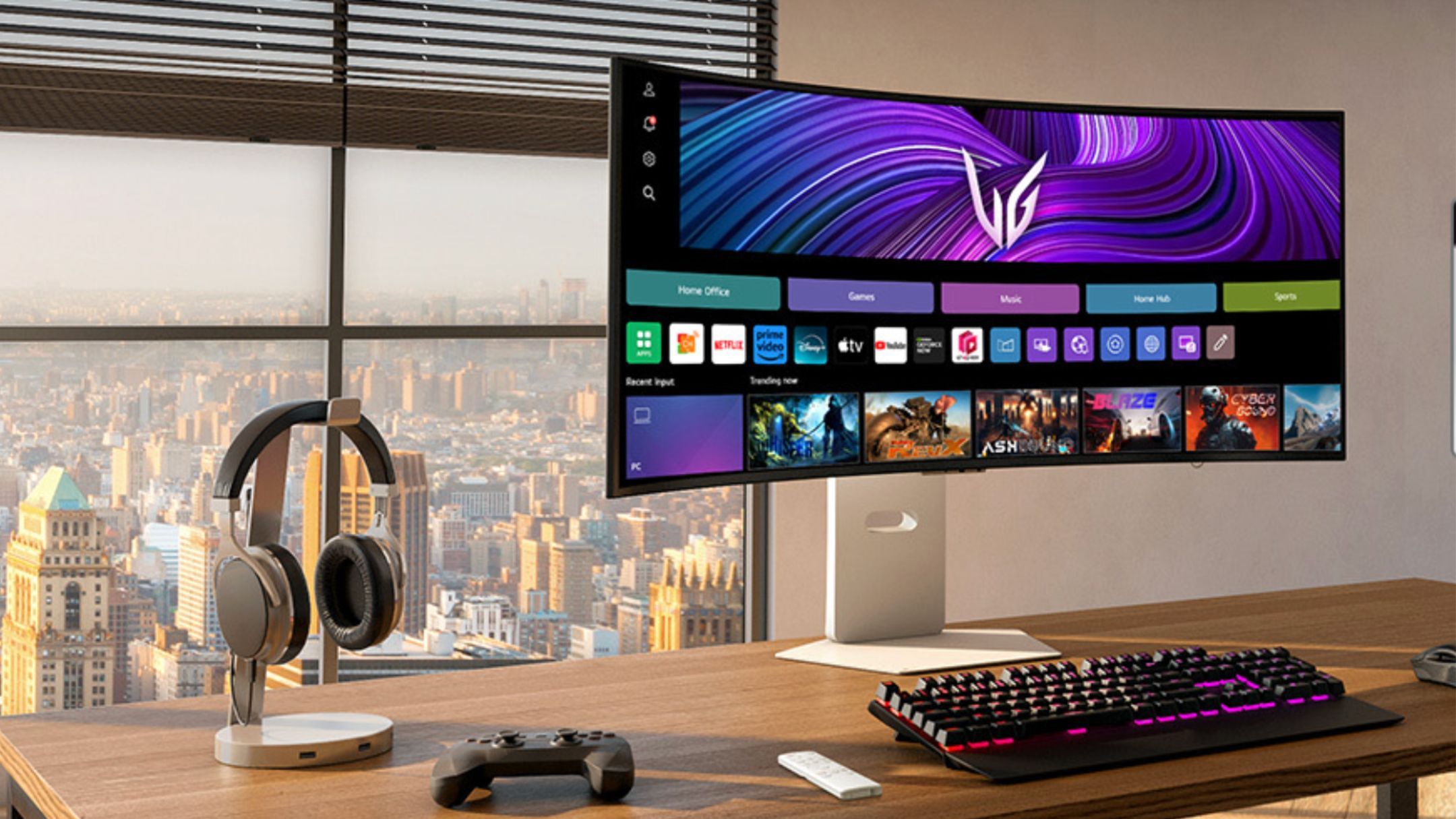
PC component prices are at an all-time high right now, making it harder to build a new PC. Of course, if you're just looking to build something cheap or want to use some spare parts you have lying around, this AMD Ryzen 5 5500 chip is just the thing.
Everybody loves a new CPU launch these days. We talk for hours about stacked cache, absurd core counts, hybrid architectures, and compare benchmarks against games we'll either never play, or software we barely touch. However, somewhere in the middle of all that noise sits the Ryzen 5 7600, quietly existing without demanding attention.
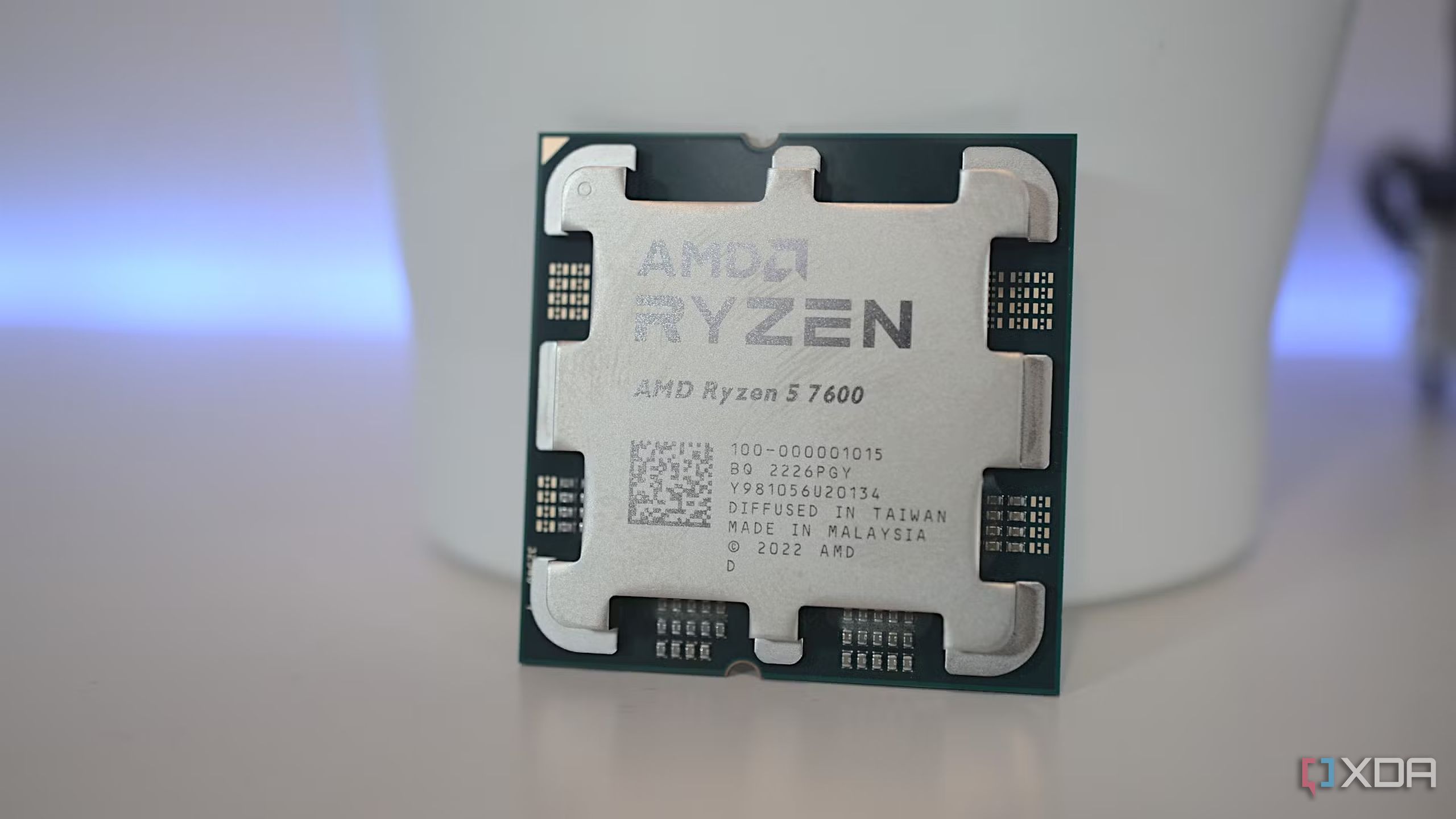
Unless the PC you're using right now is your first, you probably have at least one old SSD lying around. It's most likely a 250GB or 500GB drive that you once used, but no longer have any need for. I abandoned my 250GB Samsung SATA SSD after switching to NVMe SSDs, since the older drive was too small to remain relevant in my setup — until I found a use for it. If you, too, have an old SSD gathering dust in a drawer, you should take it out of hibernation and repurpose it for non-gaming use cases that are less than ideal on your main SSD. You could use it for testing risky software, installing other operating systems, or as a scratch disk. This way, you avoid excessive writes, data loss, and needless cluttering on your primary drive, while also avoiding the scrapyard for your old drive.
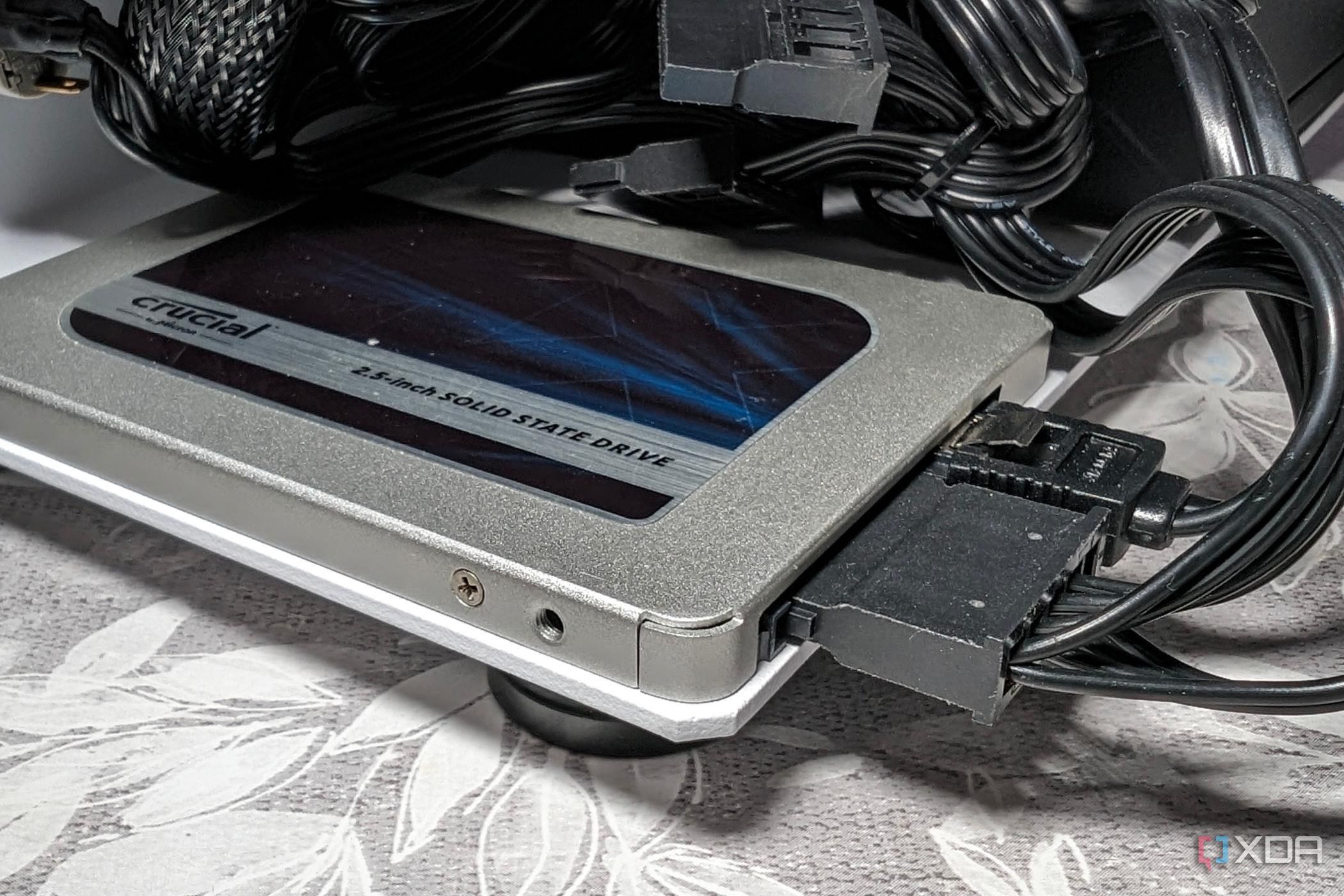
Most people don't often upgrade their CPUs, at least not frequently. Over time, they begin to endure what comes with an aging chip. The frame rates dip, the load times stretch, the micro-stutters start creeping in, and without them realizing, it becomes the new normal. As the system's performance starts to suffer, they blame drivers, the OS, or even the GPU. But the processor rarely gets questioned in older builds, especially when it should be the prime suspect.
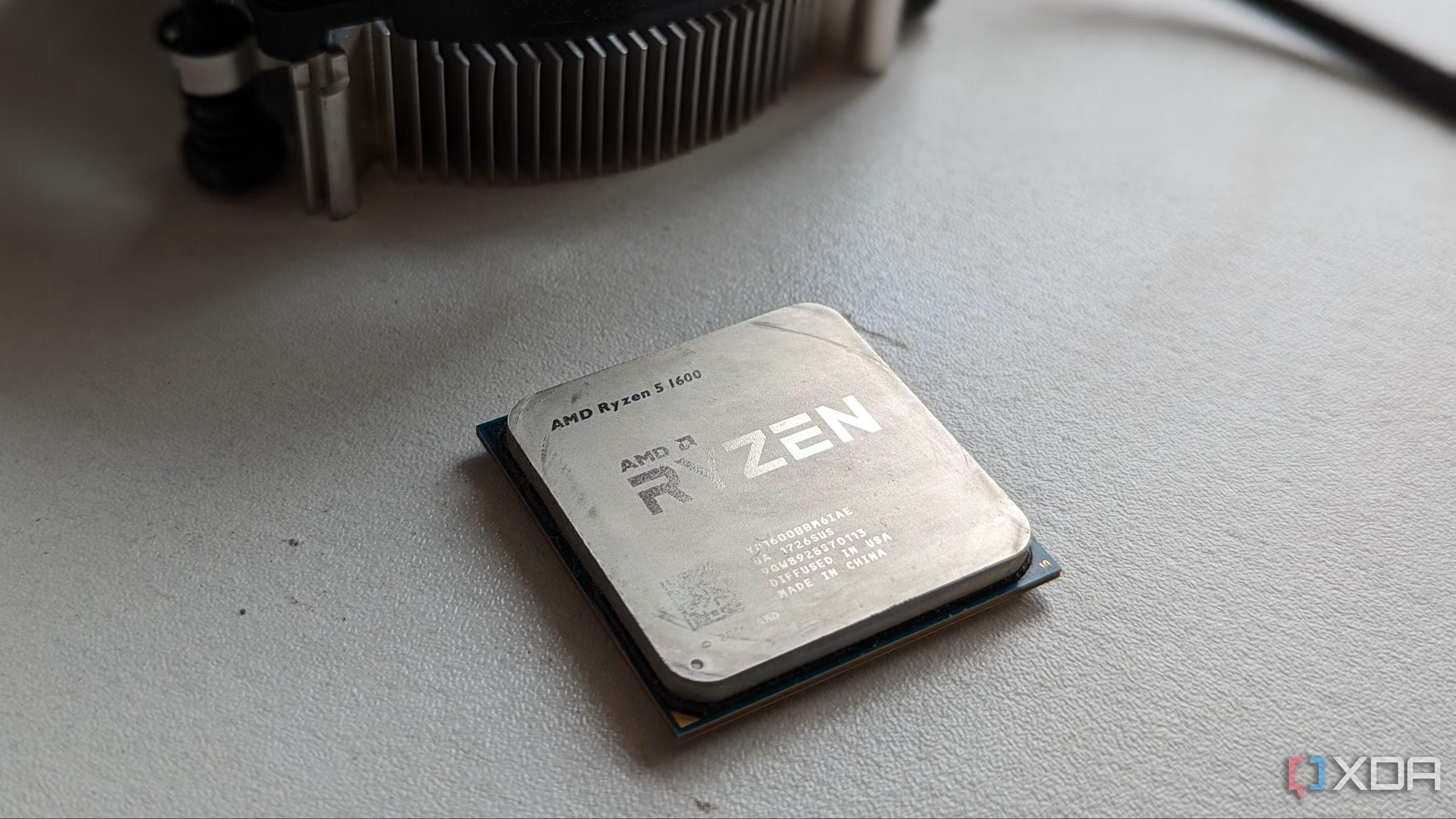
If you were to conduct a random survey among desktop and laptop owners asking, "When was the last time you updated your SSD firmware?", there's no doubt that the overwhelming majority would respond with "never", and a select few wouldn't even know the option existed.
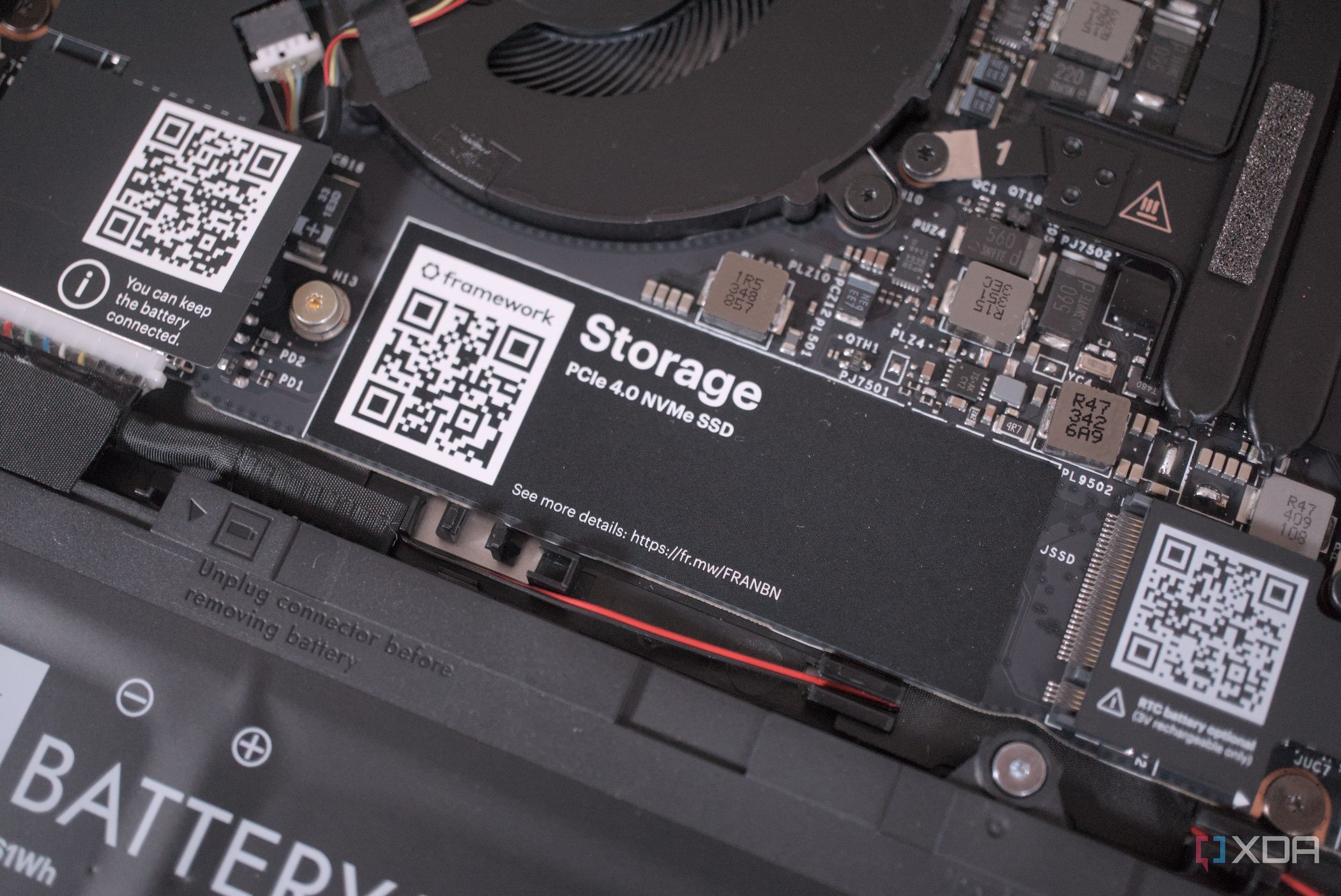
Talking about hard drives in 2026 might be a bit odd, but not everyone uses an all-SSD PC yet. Spinning drives were left behind by SSDs long ago, at least for primary storage, but they remain quite valuable for secondary and NAS storage. In fact, buying HDDs rather than SSDs in this market may be the smarter move, given the sky-high SSD prices. If your PC has one or more hard drives spinning away 24/7, you may be stressing them more than you really need to. Hard drives don't need to be operating at their maximum speed all the time, and can spin down when not in active use. However, Windows doesn't make this setting apparent, hiding it in the power settings, making it practically invisible to most users. Configuring this setting once you know where to look is pretty simple, so let's get into it.
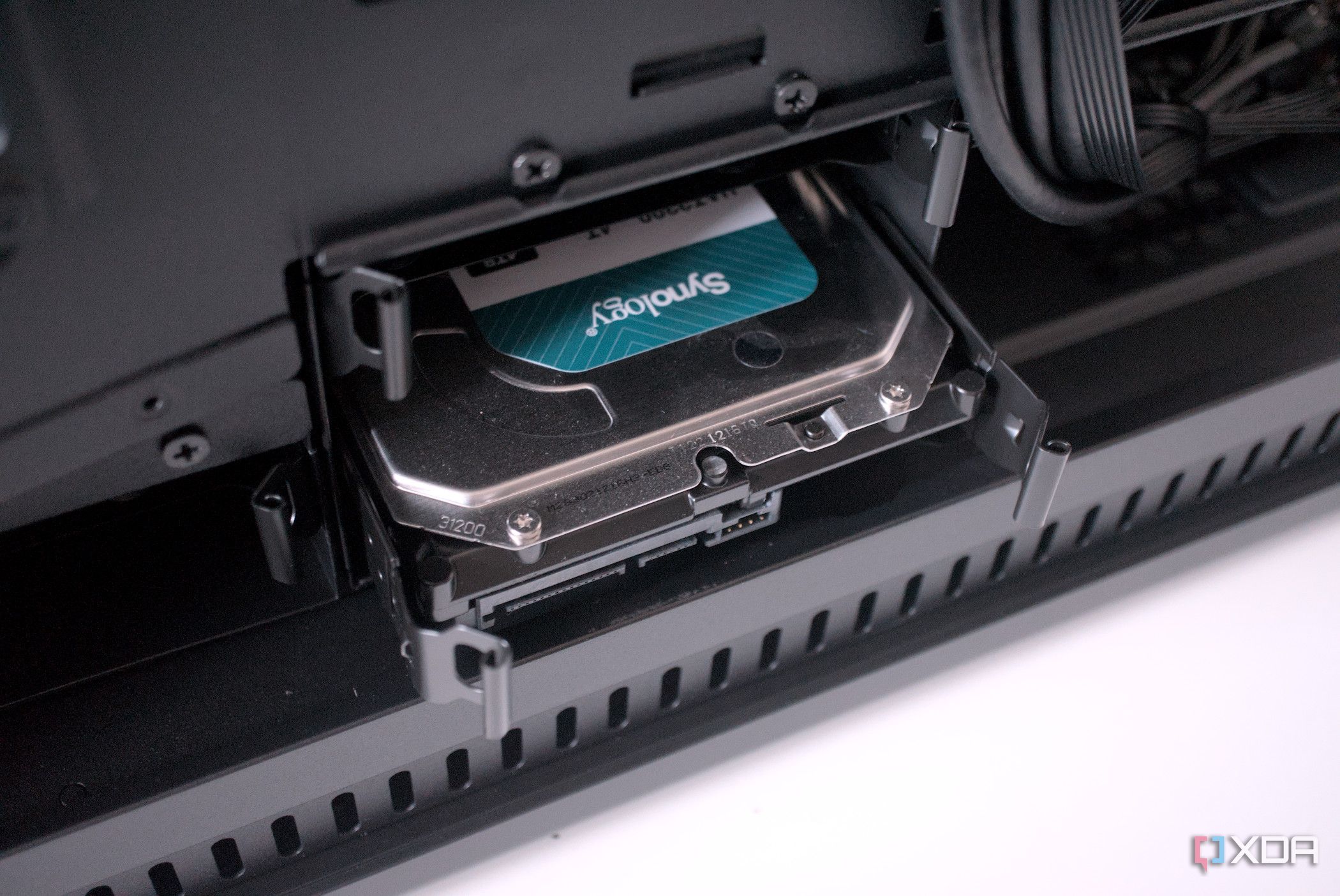
If you need a high-performance gaming monitor on the cheap, then this one from Asus is going to be right up your alley. It features a 380Hz refresh rate, 0.03ms response time, along with a host of other features that should make gaming a true pleasure.
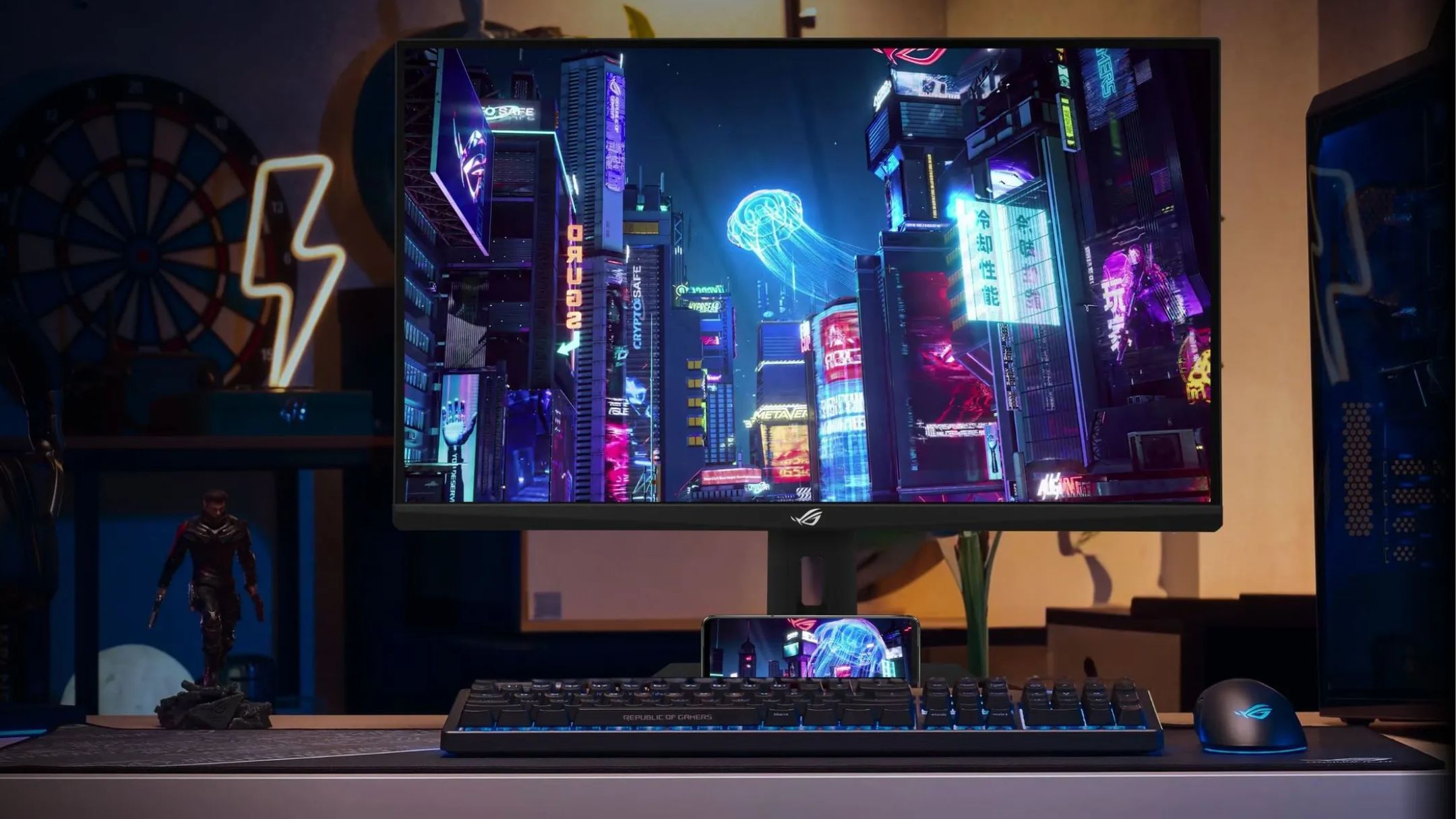
Anyone who knows me knows how much I love ultrawide monitors. I've been using one since the form factor first launched, and I currently have two 34-inch models side by side on my desk. They make me more productive, and they're immersive when I get the chance to play games.
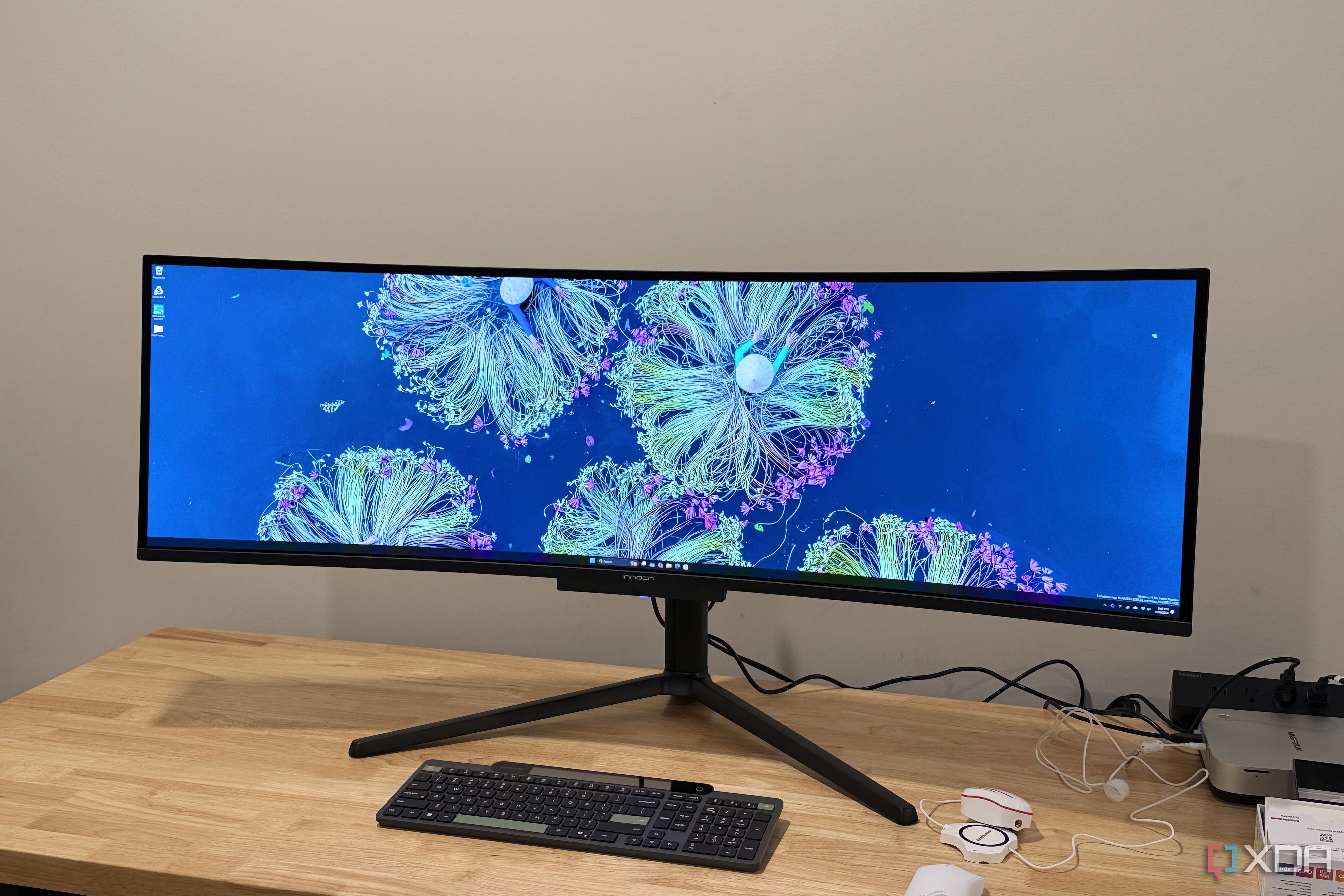
It's no surprise that I'm a huge fan of e-ink displays. Usually, I'm checking out ESP32 and Raspberry Pi projects that use the technology in some way. They don't update very often, but that just makes them perfect for status displays and dashboards. And they use so little power that you barely notice them on your energy bill.
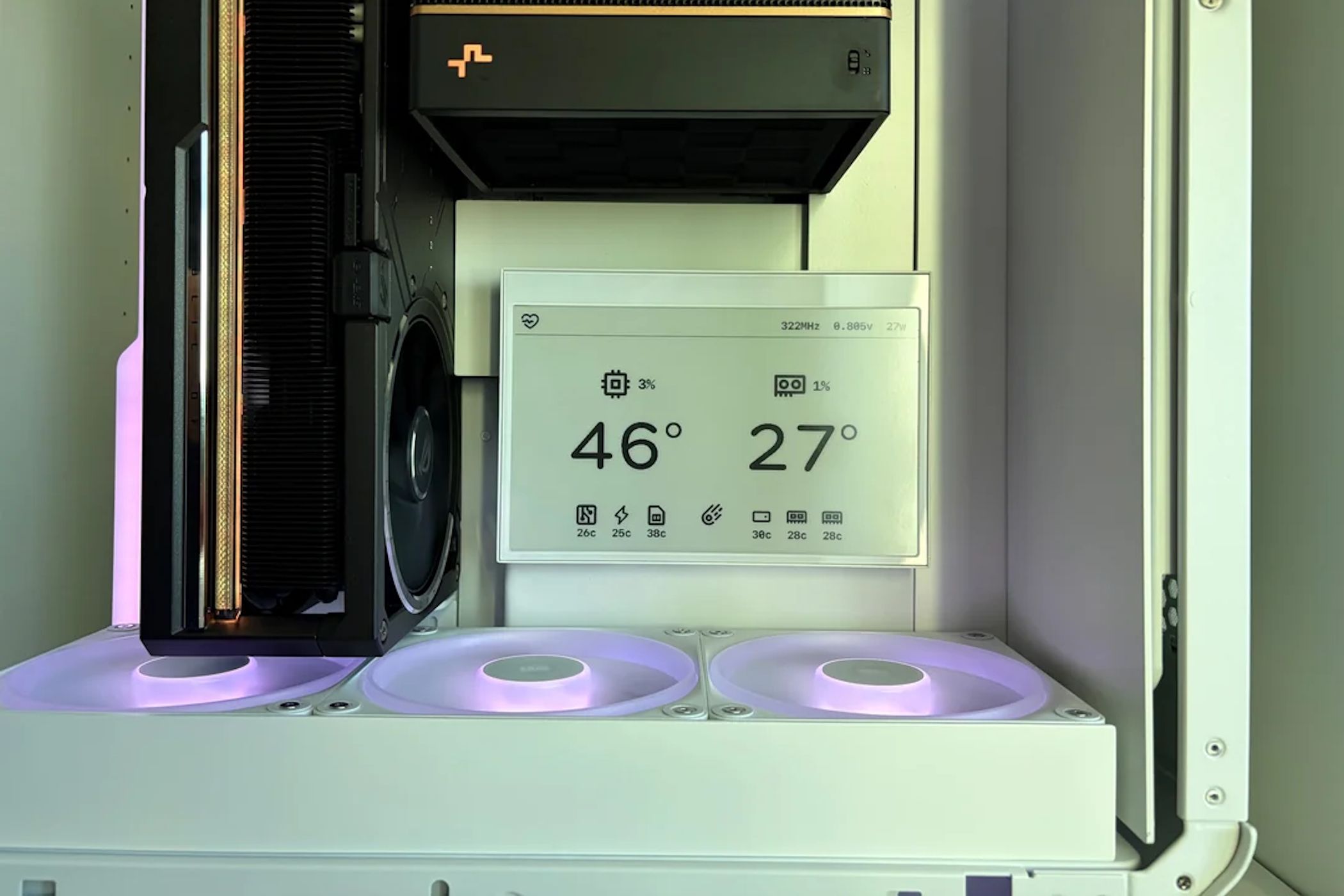
You can't go wrong with a TV that costs just $100. Not only do you get a slim design with great colors and contrast, but this model also packs Amazon's Fire TV. That means access to some of the best streaming services out there right now. So, if you've been thinking about buying something new, this 40-inch Hisense A4 smart TV might be just what you're looking for.

One of the coolest things about the tinkering community is that, if you have a problem connecting two pieces of hardware together, they've likely already figured out a way to bridge the two. It'll usually feature a Raspberry Pi or an ESP32 that sits between the two, but whatever computing device they pick, you can be sure that it'll be cheap, easy to set up, and best of all, really useful at what it does.
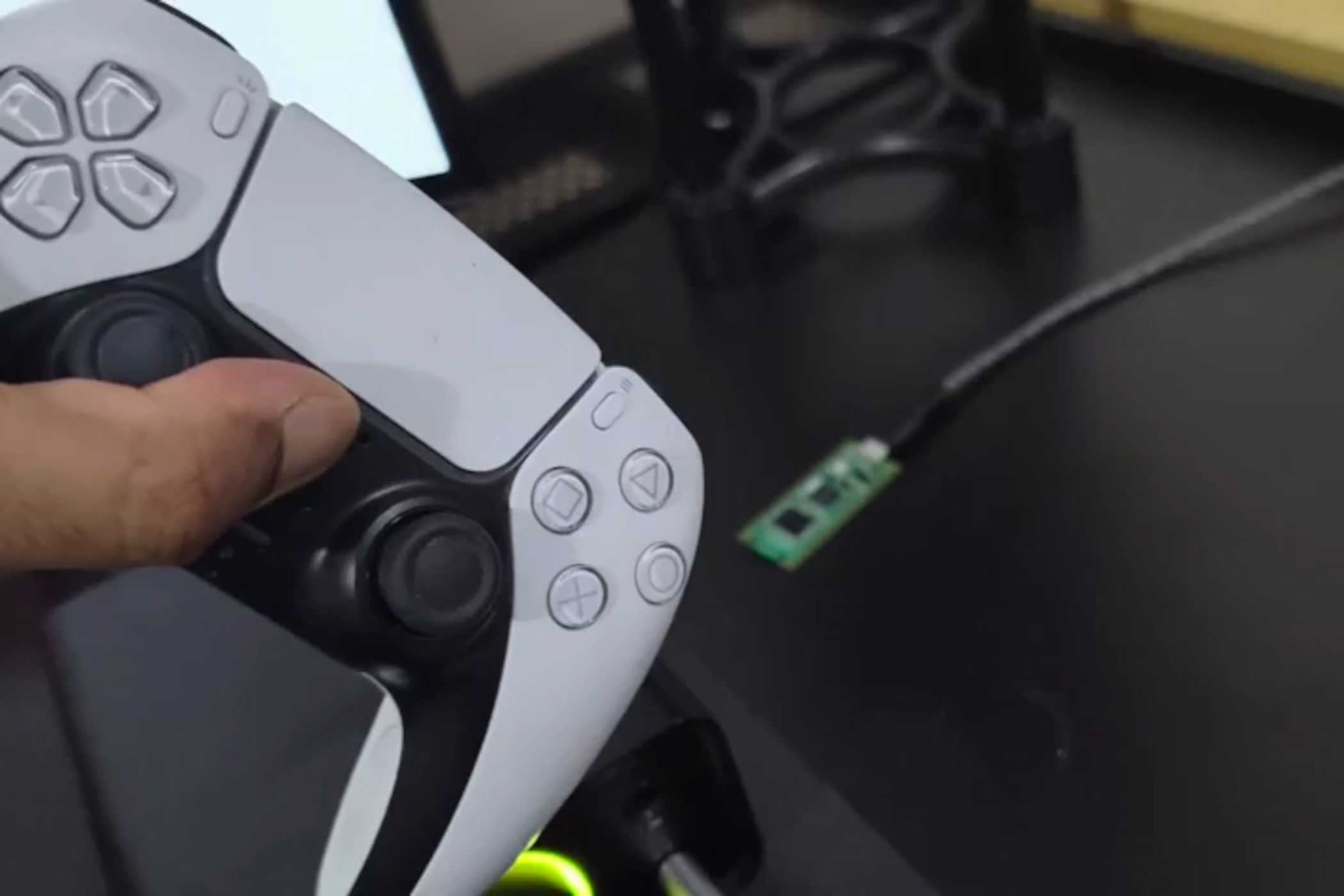
If you've been looking for a monitor that delivers impressive sharpness and color accuracy, the Asus ProArt PA329CV monitor is going to be right up your alley. This 32-inch 6K monitor features an IPS panel with a resolution of 6016 x 3384, 98% DCI-P3 color coverage, and 100% sRGB wide color gamut.
Recently, my Chromebook keyboard has been glitching, with some keys not working. I tried prying the keycaps and checking the button underneath, but to no avail; I had no clue how to fix it. So, not wanting to buy a whole new internal keyboard and set it up myself, I looked for cheap keyboards that would offer a similar experience and came across the KoorUI BKM01. It supported Bluetooth for my Chromebook and Wi-Fi for my PC, which is so old it doesn't have Bluetooth. And it is better than I expected in many ways, the most important being that it was responsive, worked instantly on all my devices, and was silent, but it did come with the drawback of frequent disconnections.
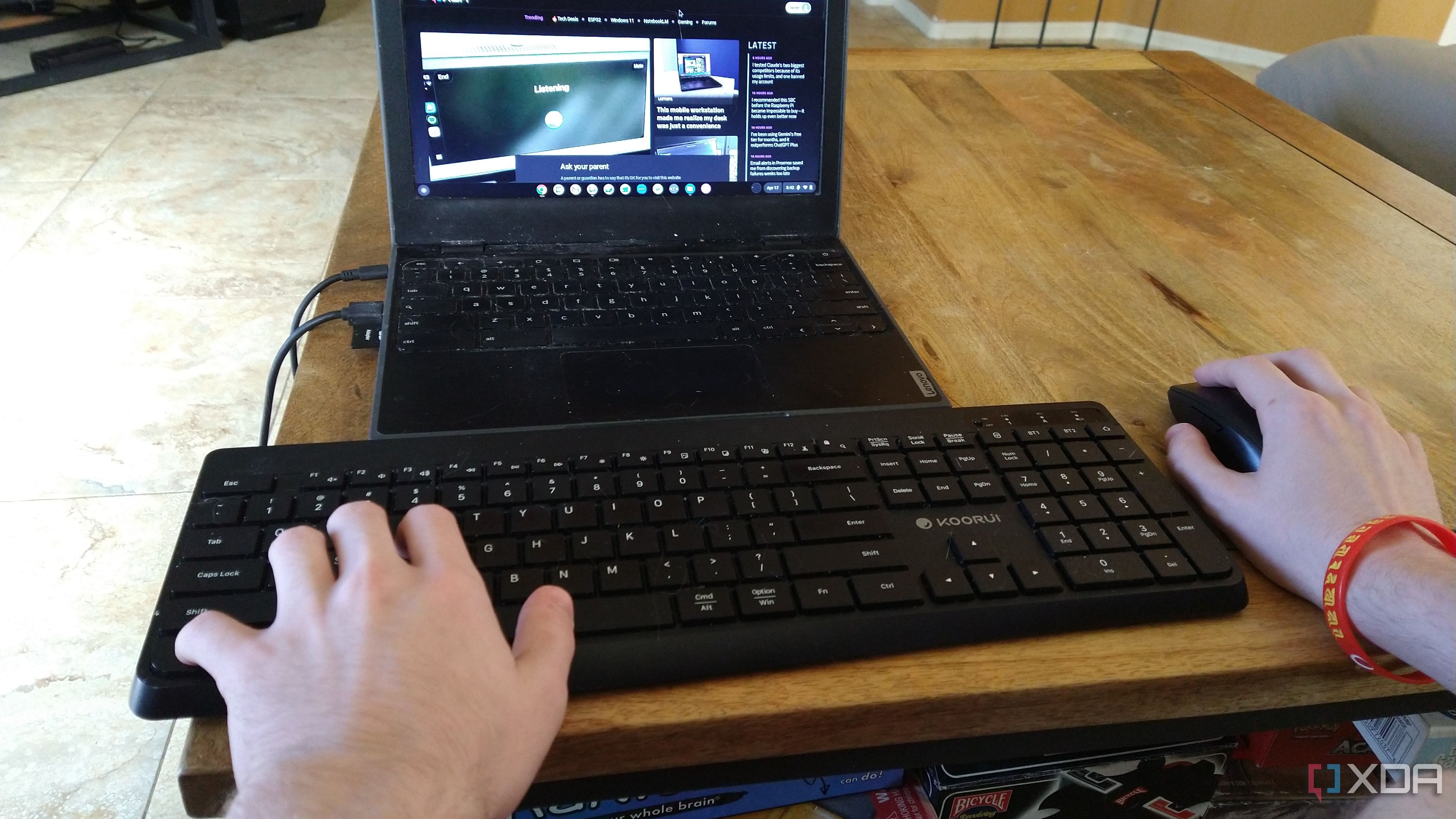
In recent months, Valve has been working on three hardware releases: the Steam Machine, the Steam Frame, and the Steam Controller, but things haven't been going well for their release. We know they exist, and Valve itself has confirmed they exist, but due to rising RAM and storage prices, the company has been forced to delay the release date, as it seems to want to release all three at the same time.
In a market where Razer and Logitech dominate with $160-plus flagship mice, Akko, a brand that is usually known for mechanical keyboards, has quietly dropped a giant killer. The Razer Viper V3 Pro and the Logitech G Pro X Super Lite 2 are the gold standards, but they carry a premium price tag as well as some features you might not need that most gamers just accept as the cost of entry.
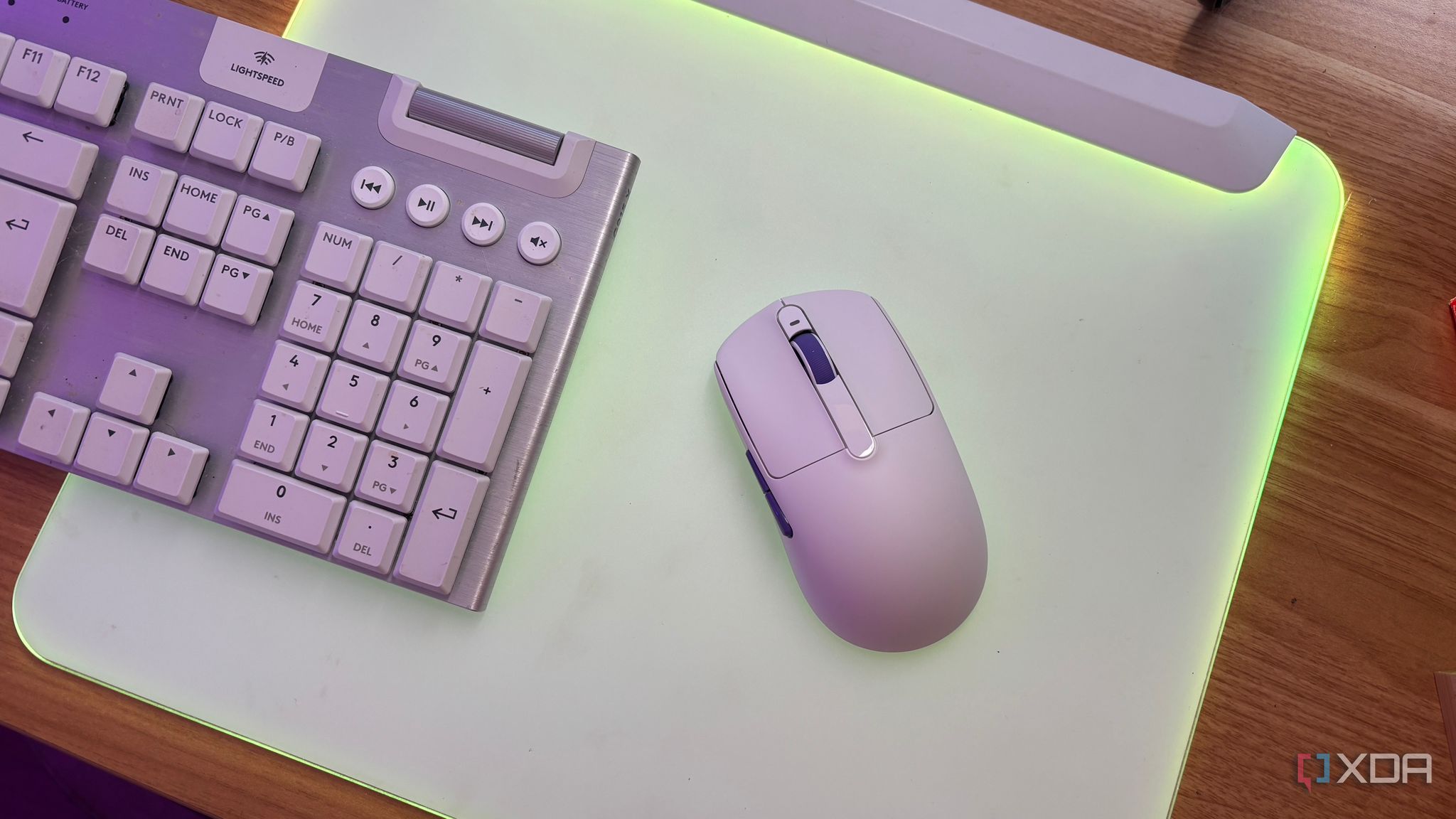
There are plenty of options out there when it comes to budget mice, but if you want something reliable and cheap, we think these are some of the options that stand out from the rest. The G502 and G305, both of which come from Logitech, are fan favorites, offering plenty of features for great prices. You can't really go wrong here if you're looking for something new.
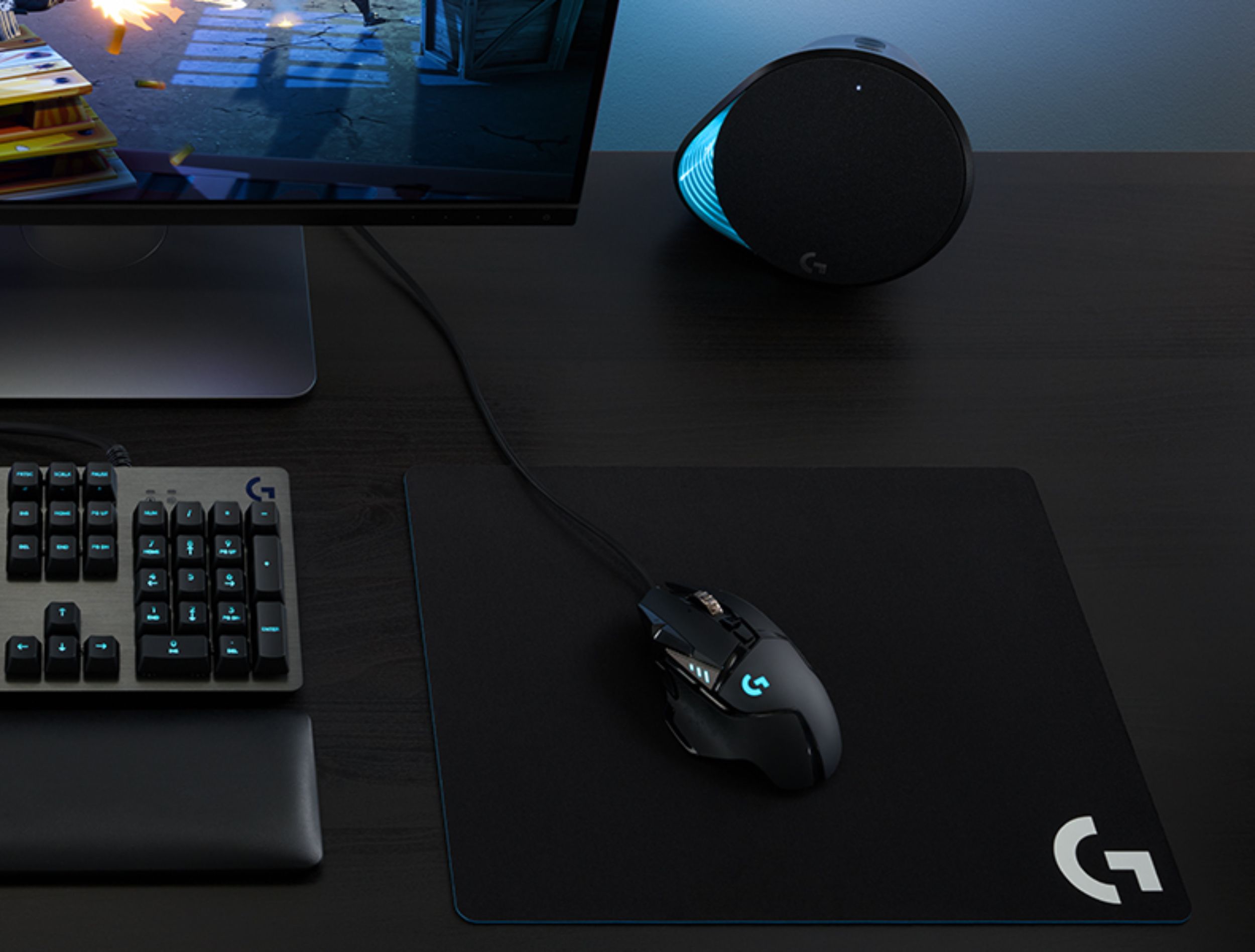
We got a chance to review the SteelSeries Apex Pro TKL some time ago, and we were blown away. The keyboard offers a minimal look, but still packs plenty of features. The keyboard feels comfortable after a long day, and the customization options should leave most people satisfied.
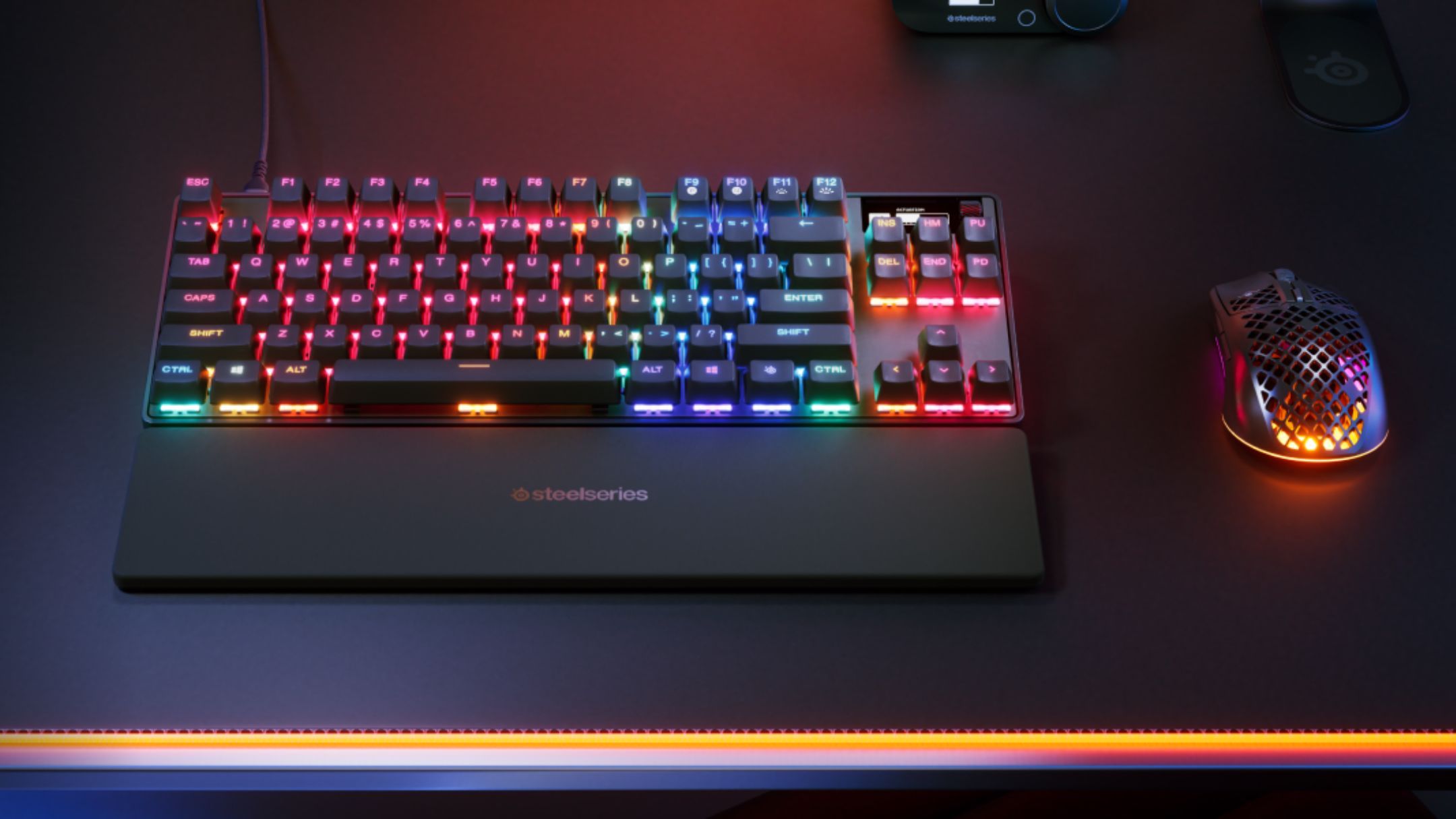
If you need a small PC that's plenty capable, the Mac mini M4 is the way to go. It does everything you need it to and more. Perhaps the only thing that it needs is more ports and a way to easily expand the storage. Apple is going to change those points on the Mac mini any time soon, so you'll have to take things into your own hands by buying a dock.
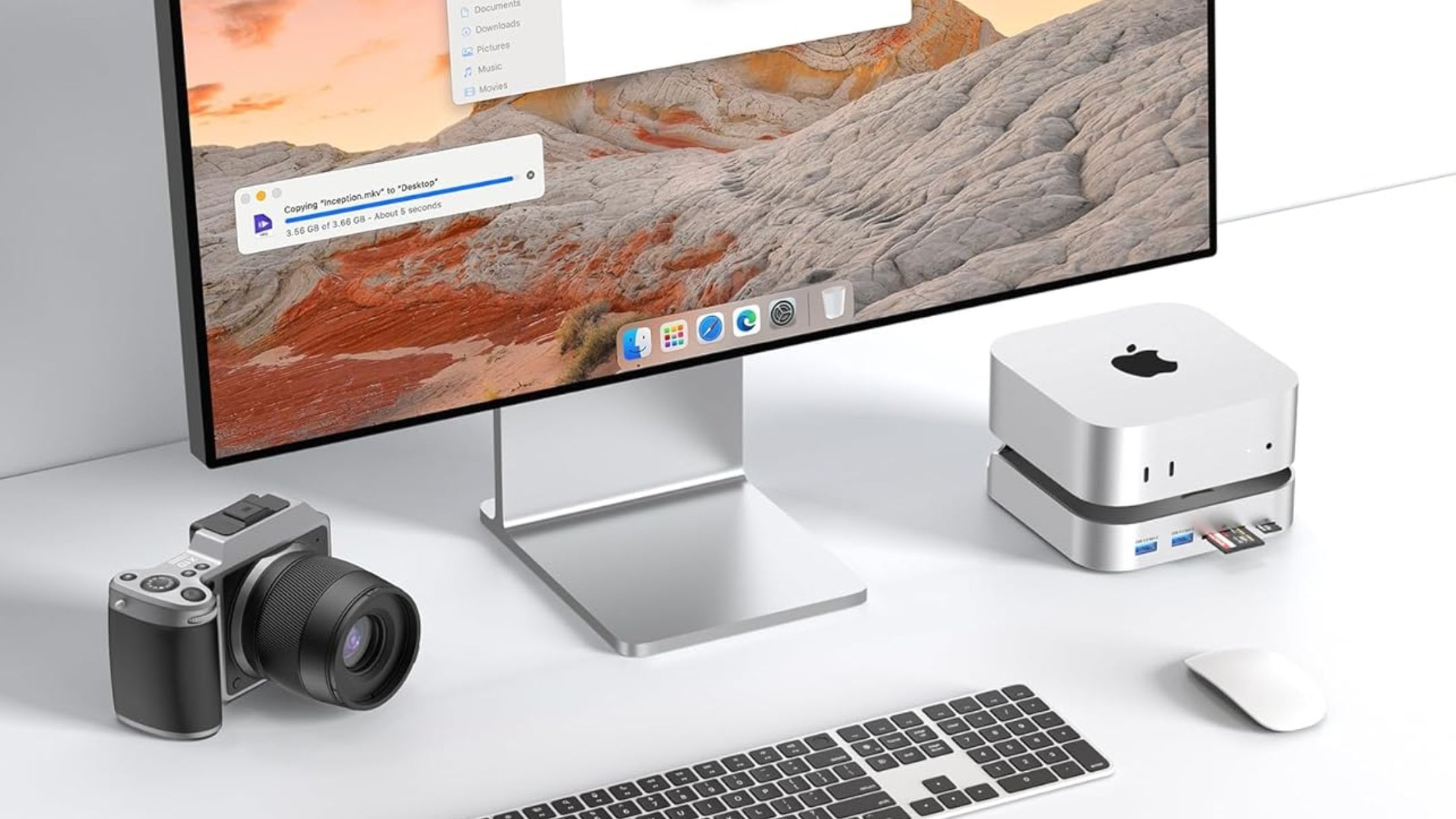
If you're looking to go all out, this is the docking station you need. This new addition to Ugreen's growing lineup delivers impressive connectivity, along with lightning-fast speeds with support for Thunderbolt 5. Naturally, this 17-in-1 docking station isn't going to come cheap, but you can now grab it for less thanks to a steep discount that knocks $110 off.
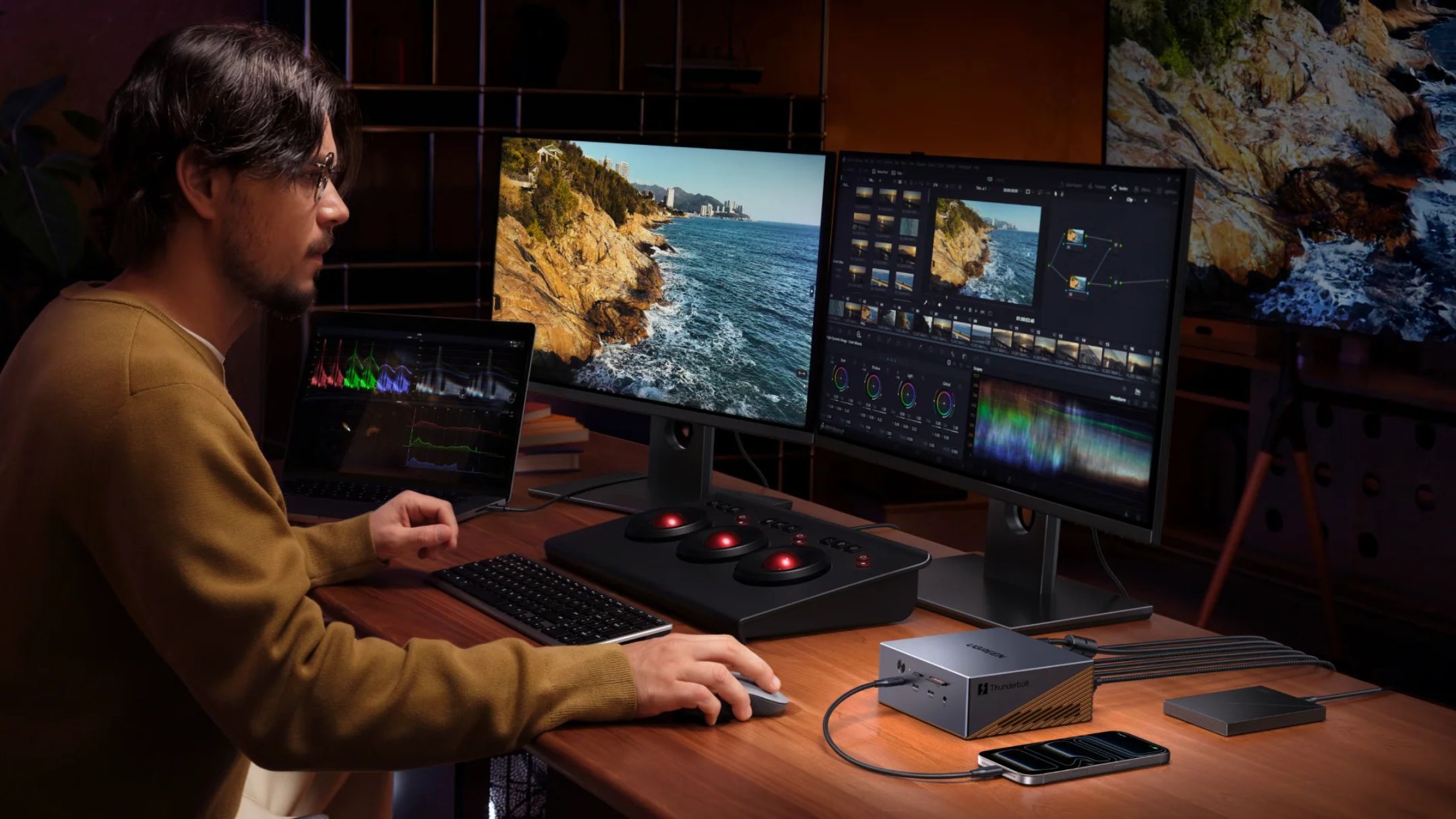
Mechanical keyboards aren't just for gamers, and can be a real upgrade for anyone that's hammering out hours of text every day. And while mechanical keyboards used to be pretty costly, some of the best options are now quite affordable.