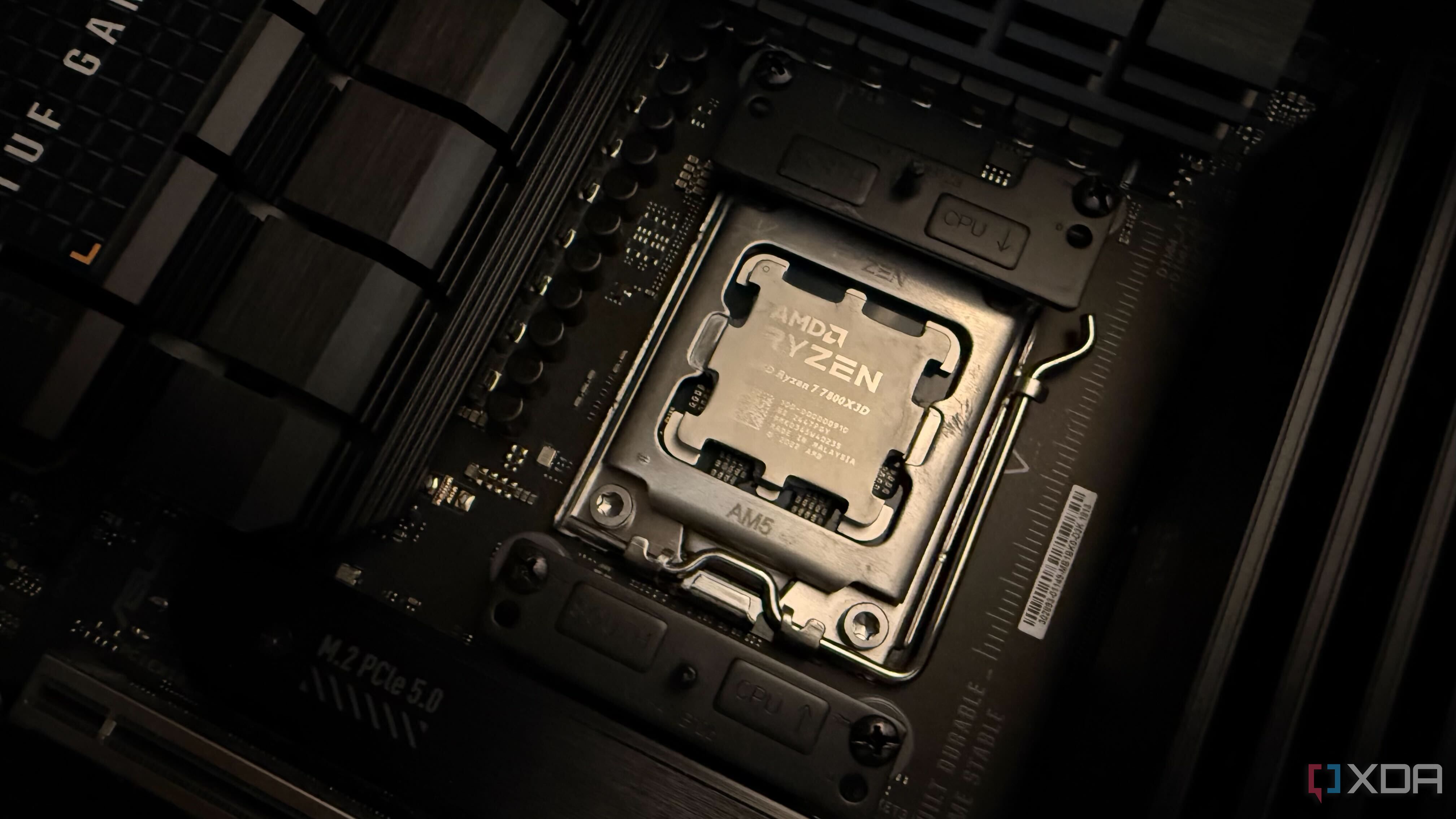
Ever since AMD launched the 7950X3D, enthusiasts have been asking for a flagship CPU with 3D V-Cache on both CCDs. From a technical standpoint, this meant not letting Windows and AMD's scheduler decide which CCD should handle your games. Even though the 7950X3D and the 9950X3D had no trouble splitting workloads, core parking played a vital role in how they behaved compared to single-CCD X3D chips like the 7800X3D and 9800X3D.
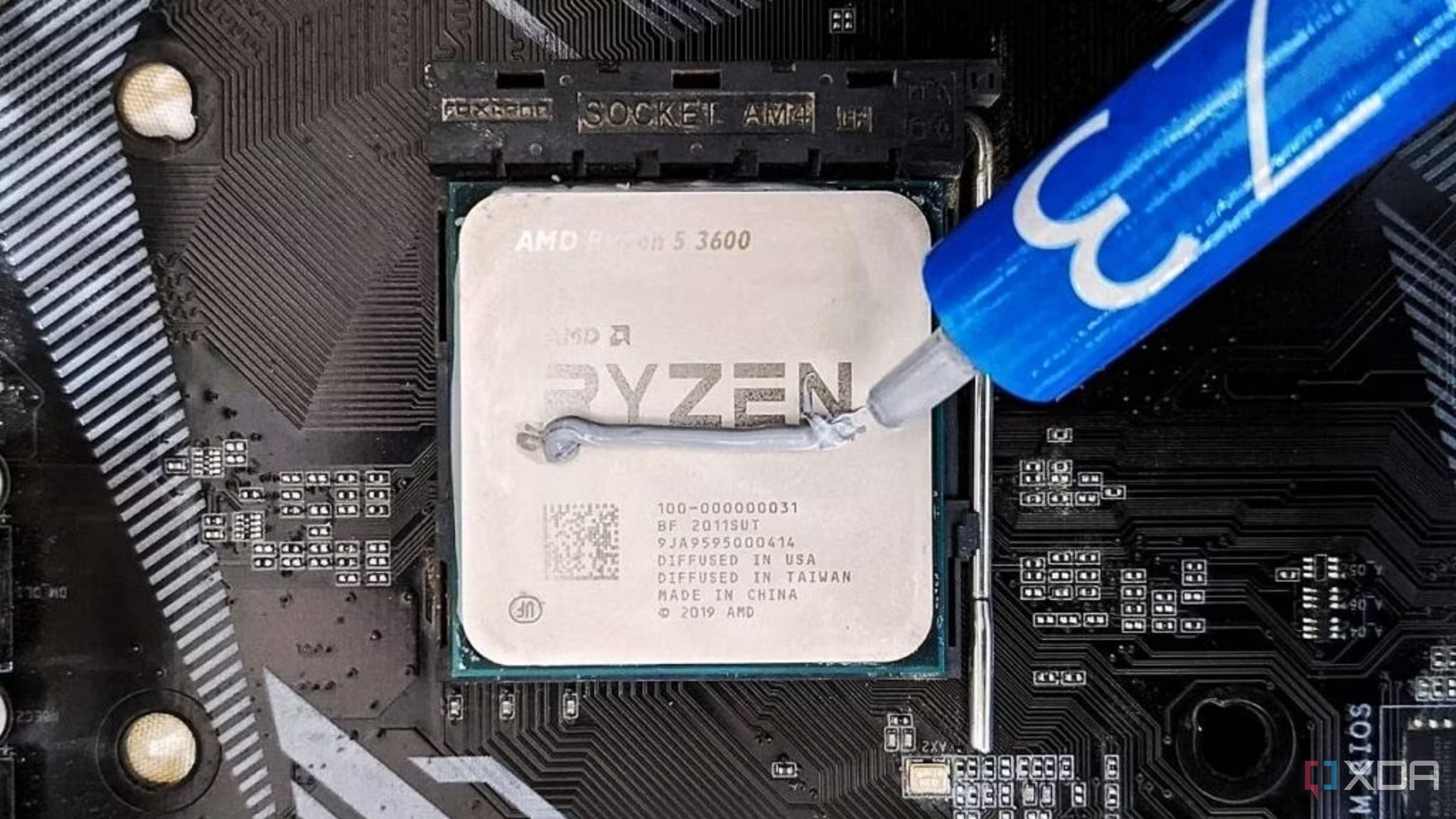
Turns out, I just needed thermal paste that lasted longer.
Show full content
Until recently, I used to repaste my CPU almost every year. I know I didn't have to, but when these modern CPUs hover around 85C while gaming, despite using a 360mm AIO, I'll gladly take every degree of thermal headroom I can get. Usually, I'm satisfied with the thermals after repasting, but I've noticed how the temperatures creep up by 2–3 degrees after a year or so while playing the same games.
A new processor won't fix your stutters as much as addressing these issues will
Show full content
Since the days of Windows XP desktops running on underpowered Pentium chips, the processor has always been the first suspect when a PC starts feeling slow. That mindset doesn't exist without reason, though, because back in the day, CPUs were central to almost every meaningful performance conversation. This perception, though, has outlasted its relevance. Modern PCs of the day are far more complex systems than the desktops from a decade ago, and performance is rarely the story of a single component anymore.
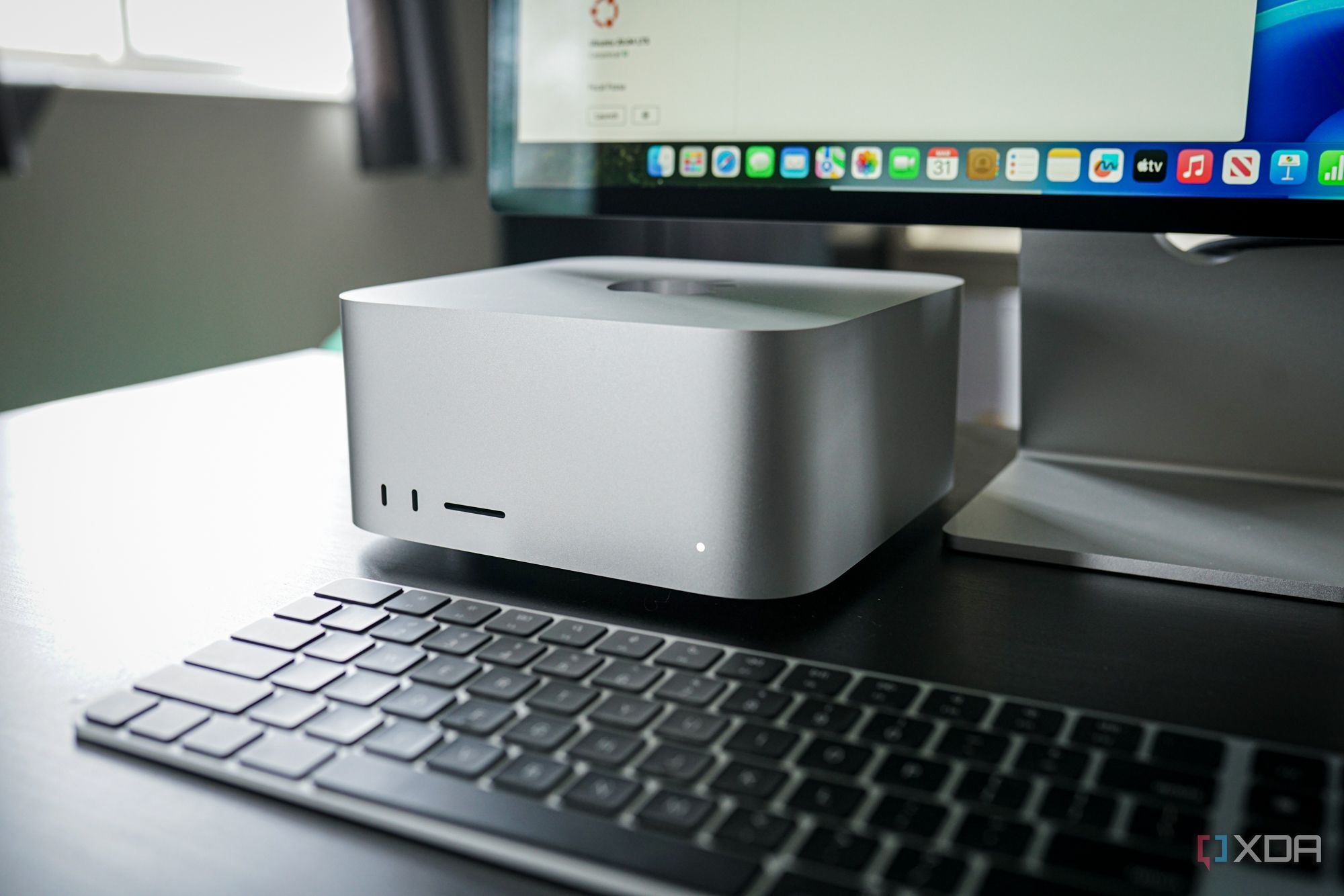
They don't win on speed, but they do win on being able to run them in the first place.
Show full content
I spent a long time building the gaming PC I wanted, iterating over the last decade and finally landing on a PC that the younger me could have only dreamed of. I've got an Nvidia RTX 5090 and an AMD Ryzen 7 9800X3D, and it handles every game that I throw at it without breaking a sweat. On top of that, I do a lot of local heavy computational workloads, like machine learning, data analysis, and development.
The workstation-focused CPUs will make their way to PC manufacturers later this year.
Show full content
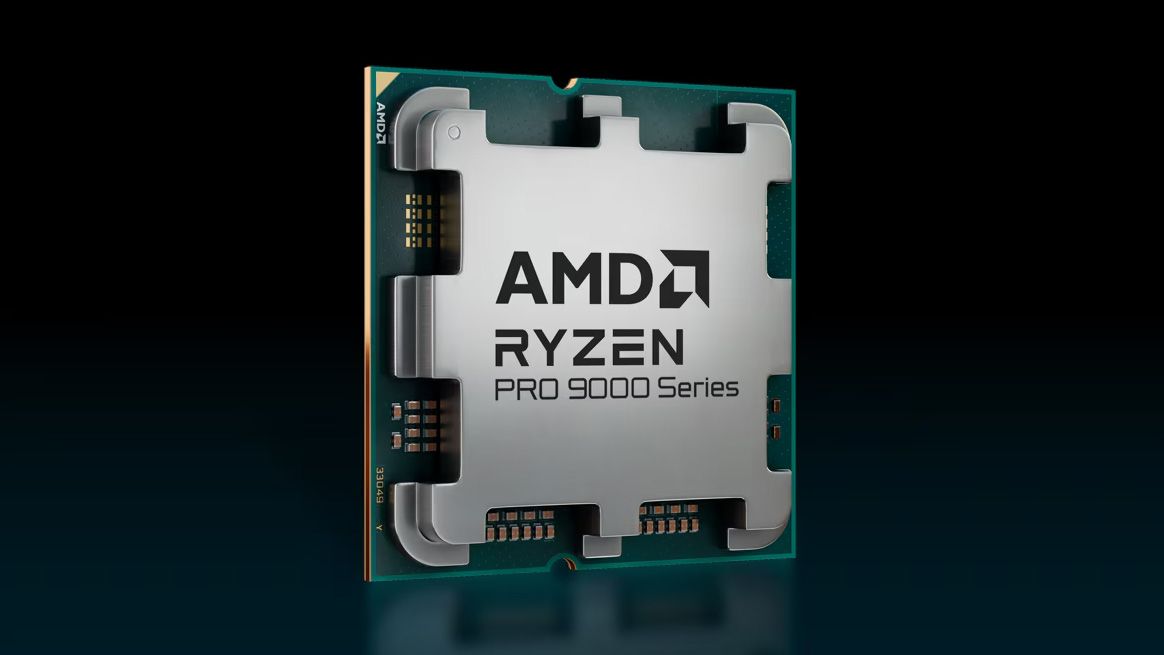
AMD has revealed several new Ryzen Pro series CPUs that are part of its Ryzen 9000 series, bringing 3D V-Cache tech to its workstation-focused CPU lineup and unlocking higher TDPs.
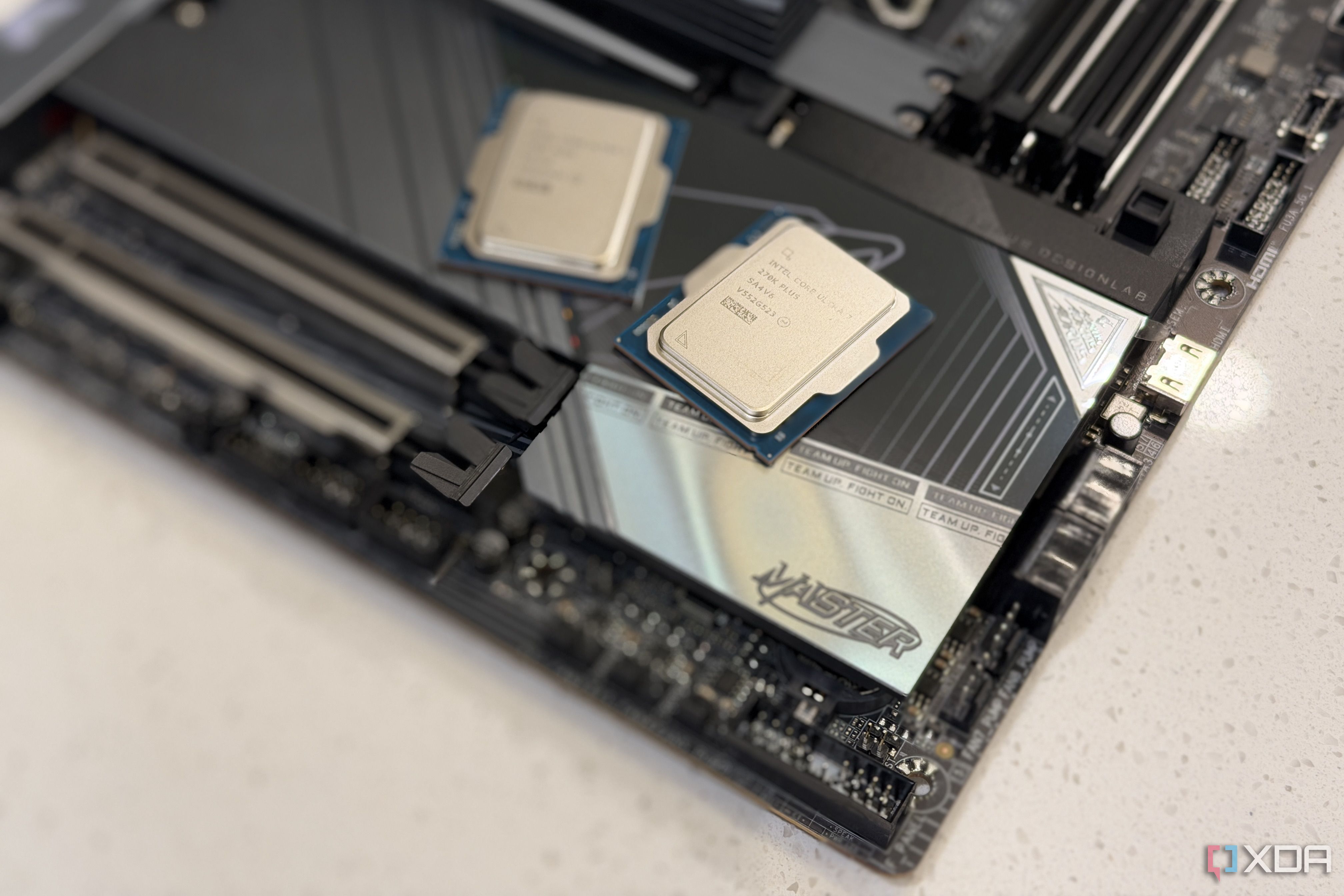
Building a PC on any recent Intel platform has always come with a very specific sacrifice. Intel's socket platforms have had really poor longevity, often requiring a purchase of a completely new platform when an upgrade is performed.It's a cycle that's played out so reliably that many builders have simply priced it in as a cost of staying on Team Blue. AMD's AM4 platform, which ran officially from 2017 through 2022 and spanned four generations of Ryzen CPUs, showed that things didn't have to work this way. Now, with Nova Lake on the horizon and Intel's own VP on record saying he expects that to change, it's worth asking whether Intel is finally serious about platform longevity, because it's beginning to look like that's finally the case.
In the past, the DIY approach was the default choice for anyone shopping for a capable PC that wouldn't break the bank. The market has, however, seen some major changes throughout the last few months, and building a computer isn't necessarily the most practical option for most mainstream users.
We often jump to the next platform for the latest CPUs but the rest of the package is the impressive part
Show full content
I was a very early adopter of the AM4 platform because, at the time, I was part of AMD's influencer team, received pre-release hardware, and was physically at the Zen launch event. At the time, it was a huge jump from the older Intel platform I'd been using, which had DDR3, PCIe 2.0, and a short expected lifespan because of Intel's release cadence. I used that hardware until very recently, and only upgraded when my daily tasks felt slower to accomplish.
The perfect storm of affordability and functionality
Show full content
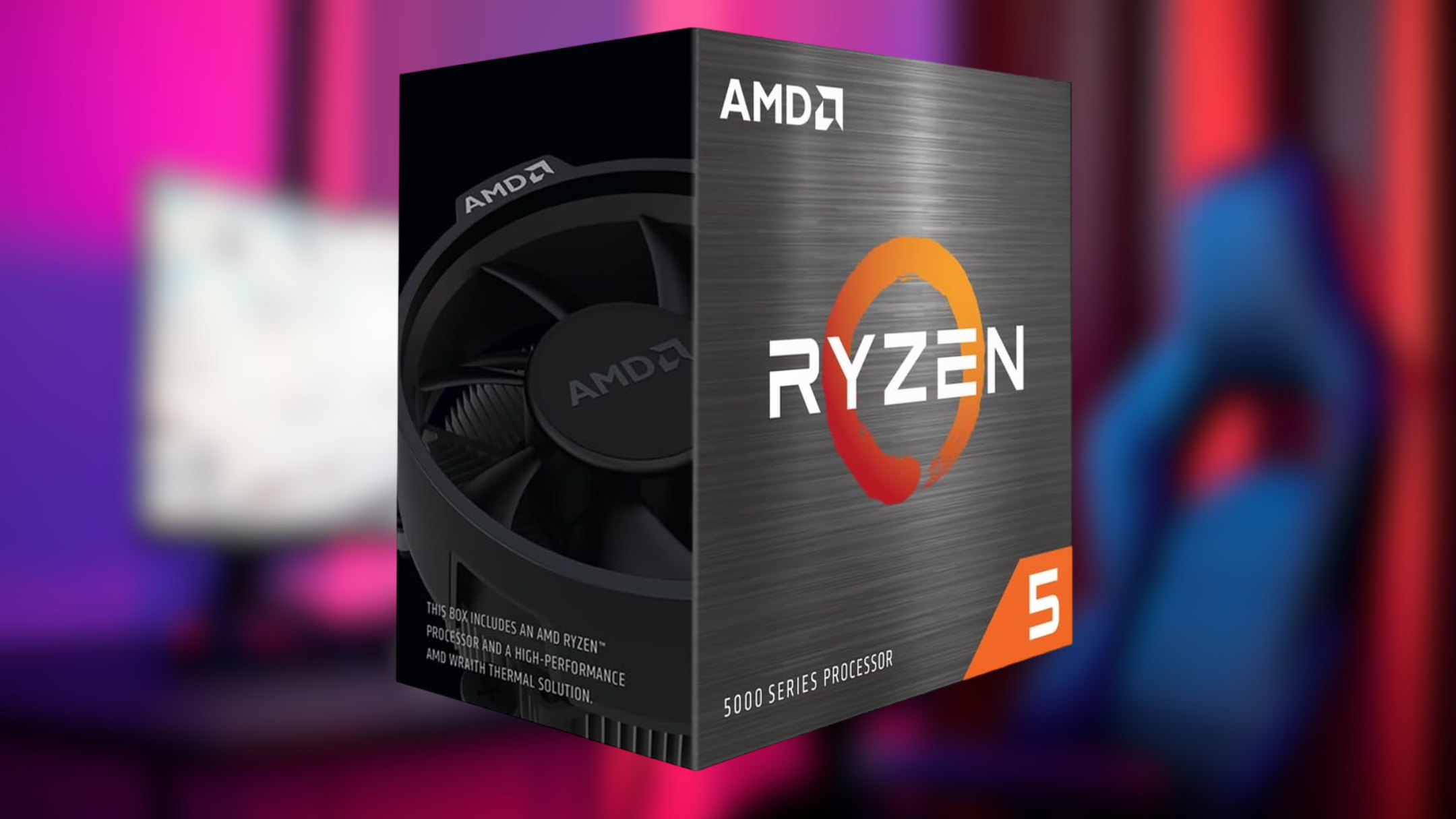
PC component prices are at an all-time high right now, making it harder to build a new PC. Of course, if you're just looking to build something cheap or want to use some spare parts you have lying around, this AMD Ryzen 5 5500 chip is just the thing.
It disappears into your build, and that's exactly the point
Show full content
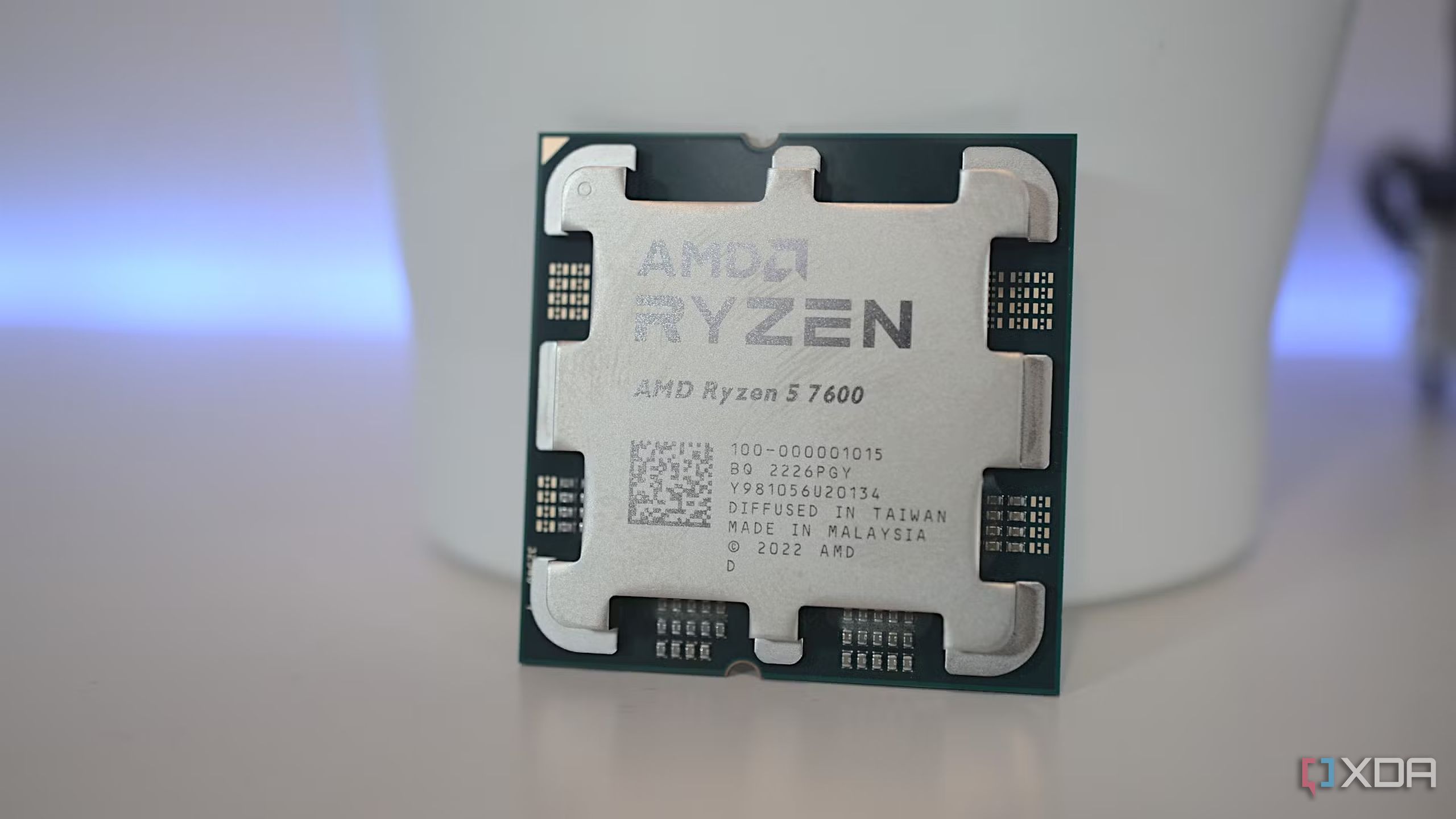
Everybody loves a new CPU launch these days. We talk for hours about stacked cache, absurd core counts, hybrid architectures, and compare benchmarks against games we'll either never play, or software we barely touch. However, somewhere in the middle of all that noise sits the Ryzen 5 7600, quietly existing without demanding attention.
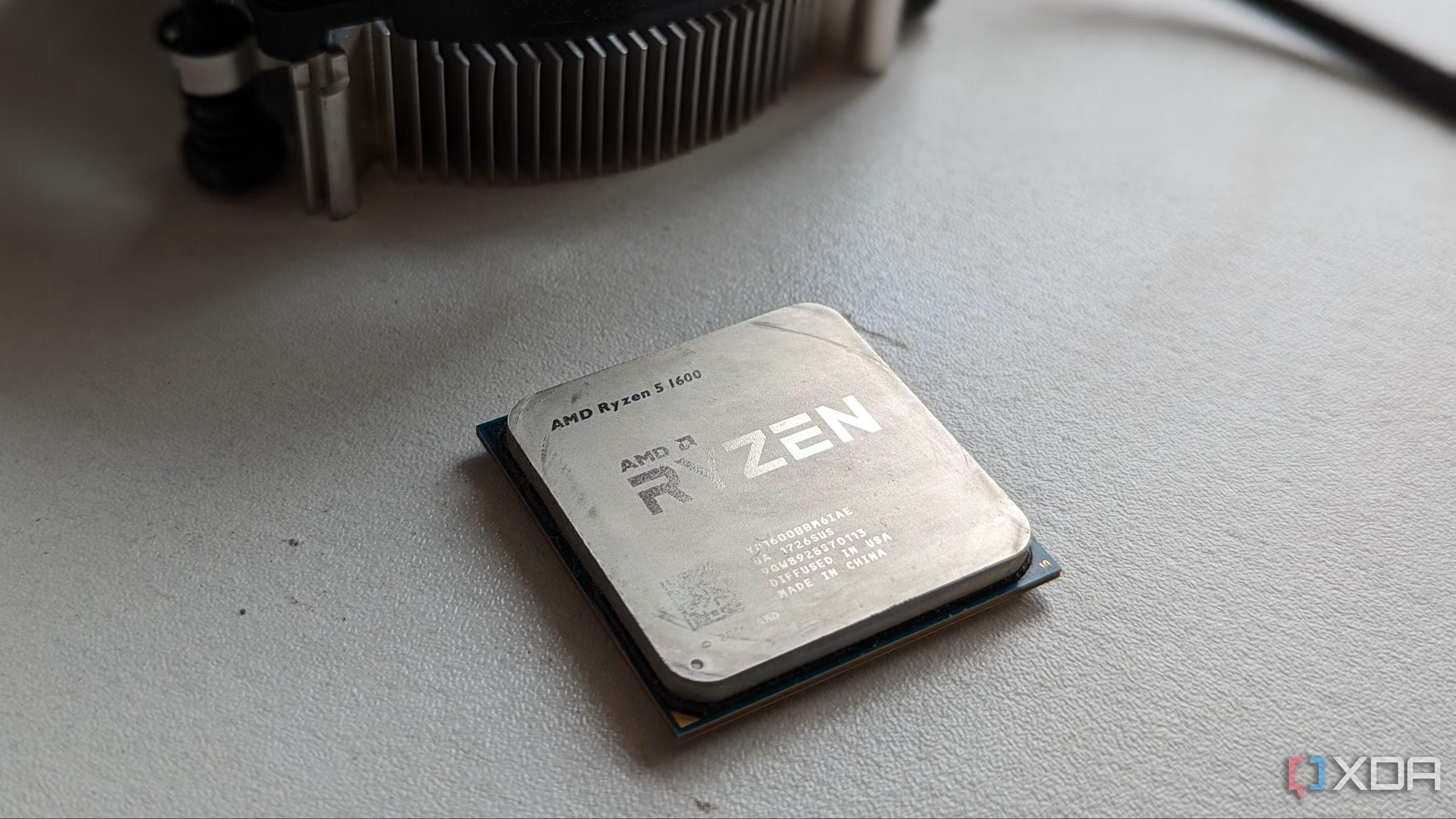
Most people don't often upgrade their CPUs, at least not frequently. Over time, they begin to endure what comes with an aging chip. The frame rates dip, the load times stretch, the micro-stutters start creeping in, and without them realizing, it becomes the new normal. As the system's performance starts to suffer, they blame drivers, the OS, or even the GPU. But the processor rarely gets questioned in older builds, especially when it should be the prime suspect.