GeistHaus
log in · sign up

VAGA

Part of vagarights.com

Mental Health & Cognitive Enhancement Through Art

stories primary
Is Creatine A Nootropic?
Nootropics
Creatine is one of the most widely used supplements in the world. It is best known for improving strength, power output, and muscle recovery, which is why it is so closely associated with sports and fitness. Over the last decade, however, creatine has begun to attract attention for a very different reason. Researchers and nootropic […]
Show full content

Is Creatine a nootropic

Creatine is one of the most widely used supplements in the world. It is best known for improving strength, power output, and muscle recovery, which is why it is so closely associated with sports and fitness. Over the last decade, however, creatine has begun to attract attention for a very different reason. Researchers and nootropic users alike have started asking the same question: is creatine a nootropic?

The answer is not as simple as yes or no. Creatine is not a traditional nootropic in the way caffeine or modafinil is. It does not directly stimulate the nervous system or alter neurotransmitters in an obvious way. However, a growing body of research shows that creatine plays a meaningful role in brain energy metabolism, mental endurance, and cognitive performance under stress. For that reason, many experts now consider creatine a legitimate, if unconventional, nootropic.

This article breaks down what creatine is, how it affects the brain, what the research says about cognition, and whether it deserves a place among the best nootropics available.


What Is Creatine?

Creatine is a naturally occurring compound made in the body from the amino acids glycine, arginine, and methionine. It is stored primarily in skeletal muscle, but significant amounts are also found in the brain, heart, and other tissues with high energy demands.

In the diet, creatine is found mainly in animal products such as red meat and fish. Because of this, people who eat little or no animal protein tend to have lower baseline creatine levels.

Supplemental creatine is most commonly consumed as creatine monohydrate. This form has been studied extensively and has a strong safety and effectiveness record.


What Defines a Nootropic?

Nootropics are substances that support or enhance cognitive function. This can include improvements in memory, focus, learning ability, mental energy, or resistance to mental fatigue.

Importantly, a nootropic does not need to be a stimulant. Some nootropics work by calming the nervous system, others support neurotransmitter production, and some improve blood flow or protect brain cells from stress. What matters is whether a substance reliably supports cognitive performance or brain health.

By that definition, creatine qualifies even though it works very differently from most nootropics.


How Creatine Works in the Brain

Creatine’s role in cognition starts with energy. The brain consumes a large amount of energy relative to its size, and neurons are highly sensitive to even small drops in ATP, the molecule cells use for energy.

Creatine supports the phosphocreatine system, which helps regenerate ATP quickly during periods of high demand. This system is well known for its role in muscle contraction, but it is just as important in the brain.

Neurons rely on ATP to maintain electrical signaling, release neurotransmitters, and sustain attention. When energy availability drops, mental fatigue increases and cognitive performance declines. Creatine helps buffer against this by maintaining energy availability inside brain cells.

Rather than stimulating the brain, creatine helps it function more efficiently when demand is high.


Does Creatine Improve Cognitive Performance?

Research suggests that creatine can improve certain aspects of cognition, particularly when the brain is under stress or operating below optimal conditions.

Memory and Reasoning

Several studies have shown that creatine supplementation improves short-term memory and reasoning ability. These effects are most consistent in people with lower baseline creatine levels, such as vegetarians and vegans.

In these populations, creatine supplementation has been associated with improvements in working memory, recall, and performance on intelligence tests. This suggests that creatine is especially effective when it corrects an underlying energy limitation in the brain.

Mental Fatigue and Endurance

One of creatine’s most consistent cognitive benefits is its ability to reduce mental fatigue. Studies show that creatine can help preserve cognitive performance during prolonged or demanding mental tasks.

This effect is particularly noticeable during sleep deprivation, extended periods of concentration, or mentally exhausting workloads. Rather than boosting alertness, creatine helps prevent the drop in performance that normally occurs when mental energy is depleted.

For students, professionals, and shift workers, this kind of endurance support can be more valuable than short-term stimulation.


Creatine Under Stress and Sleep Deprivation

Creatine appears to be most effective when conditions are less than ideal. Research shows that it can help maintain cognitive performance during sleep deprivation and psychological stress.

In these situations, the brain’s energy demands increase while its ability to meet those demands decreases. Creatine helps bridge that gap by supporting ATP regeneration, which explains why its benefits are often subtle but reliable.

This also explains why some people report little effect from creatine during normal, well-rested days but notice a clear difference during periods of high stress or fatigue.


Is Creatine a Stimulant?

Creatine is not a stimulant. It does not increase heart rate, raise cortisol levels, or produce the jittery feeling associated with caffeine or other stimulants.

Because of this, creatine does not cause crashes or interfere with sleep. Its effects are steady and cumulative rather than immediate or dramatic.

This makes creatine appealing to people who want cognitive support without overstimulation or dependency, which makes it one of the most effective nootropics relative to potential side effects.


How Creatine Compares to Traditional Nootropics

Most nootropics work by influencing neurotransmitters such as dopamine, acetylcholine, or GABA. Creatine works at a more foundational level by supporting energy availability inside brain cells.

Because of this, creatine tends to:

  • Produce gradual, cumulative benefits

  • Work best with daily, consistent use

  • Support mental endurance rather than peak alertness

It is best viewed as a foundational nootropic, similar to omega-3 fatty acids or magnesium, rather than a performance enhancer that produces immediate effects.


Who Benefits Most From Creatine as a Nootropic?

Creatine is not equally noticeable for everyone. It tends to be most effective for people who place high demands on their brain or have lower baseline creatine levels.

Those most likely to benefit include:

  • Vegetarians and vegans

  • Students during intensive learning periods

  • People under chronic mental stress

  • Individuals experiencing frequent mental fatigue

  • Older adults with declining energy efficiency in the brain

  • People who are regularly sleep deprived

People who already consume large amounts of dietary creatine and experience low cognitive stress may notice subtler effects, but that does not mean creatine is not supporting brain function in the background.


How Long Does Creatine Take to Work for the Brain?

Creatine is not an acute nootropic. Most cognitive benefits appear after consistent supplementation for several weeks.

Studies showing improvements in memory or mental fatigue typically involve daily use over two to six weeks or longer. This reflects the time required to increase creatine concentrations in brain tissue.

Because of this, creatine should not be judged after a single dose. Its benefits come from sustained energy support, not immediate stimulation.


Is Creatine Safe for Cognitive Use?

Creatine is one of the most extensively researched supplements available. At standard doses of three to five grams per day, it is considered safe for long-term use in healthy individuals.

There is no evidence that creatine damages the brain, causes dependence, or disrupts neurotransmitter balance. In fact, creatine is being studied for potential neuroprotective effects in conditions such as traumatic brain injury, depression, and neurodegenerative disease.

As with any supplement, people with medical conditions should consult a healthcare professional, but for the general population, creatine has an excellent safety profile.


How to Use Creatine as a Nootropic

For cognitive purposes, creatine is typically taken once daily. Timing is not critical, and it can be taken with or without food.

There is no need for a loading phase when using creatine for brain benefits. Consistency matters far more than timing or dose manipulation.

Creatine also combines well with other nootropics, especially those that support focus, stress resilience, or long-term brain health.


Final Verdict: Is Creatine a Nootropic?

Yes, creatine can be considered a nootropic, even though it does not fit the traditional mold.

Rather than stimulating the brain or altering neurotransmitters directly, creatine supports the energetic foundation of cognitive function. This leads to improvements in mental endurance, memory, and resilience under stress, particularly when cognitive demands are high.

Creatine is not flashy, and it does not produce instant effects. What it offers instead is reliability, safety, and strong scientific backing.

For anyone interested in long-term cognitive performance without overstimulation, creatine deserves serious consideration as one of the most practical and underrated nootropics available today.

https://www.vagarights.com/?p=4950
Extensions
What to Expect When Taking Adderall for the First Time
Nootropics
Taking Adderall for the first time often comes with a mix of curiosity, hope, and understandable nerves. Many people start the medication after years of struggling with focus, motivation, or mental overwhelm, and they want to know what will actually change—and what’s normal versus concerning. Adderall can be very effective, but the first experience is […]
Show full content

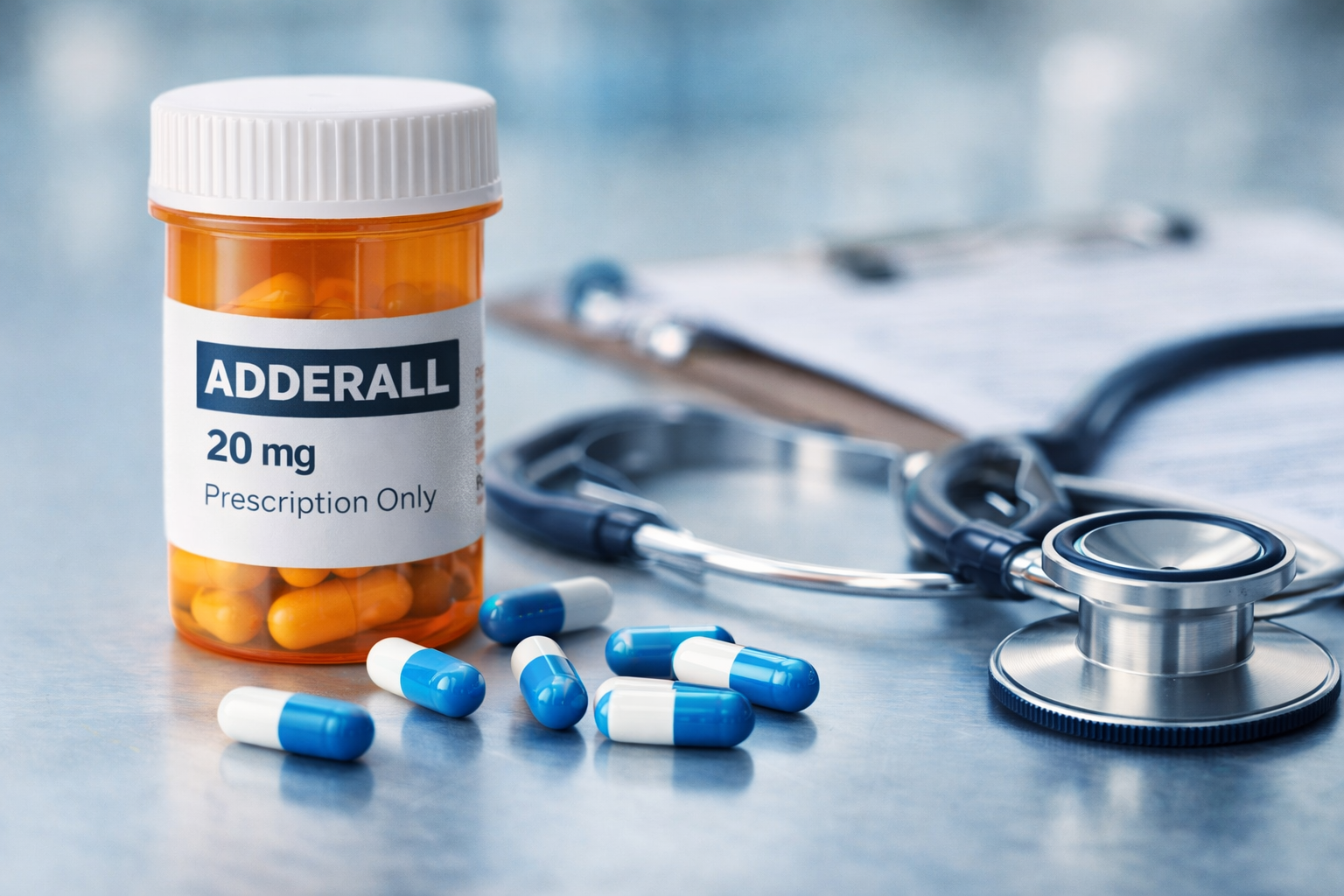
Using Adderall for the first time

Taking Adderall for the first time often comes with a mix of curiosity, hope, and understandable nerves. Many people start the medication after years of struggling with focus, motivation, or mental overwhelm, and they want to know what will actually change—and what’s normal versus concerning.

Adderall can be very effective, but the first experience is rarely identical for everyone. How it feels depends on your brain chemistry, the dose, the formulation, and how your body adjusts during the first few days and weeks. Things can get even more confusing when you start reading reports from people who have been taking Adderall every day for many years; their experience is highly unlikely to be the same as yours!


What Adderall Is and Why It’s Prescribed

Adderall is a prescription stimulant medication made from mixed amphetamine salts. It is most commonly prescribed for Attention-Deficit/Hyperactivity Disorder (ADHD) and, in some cases, narcolepsy.

The medication works by increasing dopamine and norepinephrine in the brain. These neurotransmitters play a major role in attention, motivation, alertness, and impulse control. In people with ADHD, these systems are often underactive, which is why Adderall tends to create focus and calm rather than overstimulation.


How Quickly Adderall Works the First Time

Most people notice Adderall beginning to work within 30 to 60 minutes of their first dose. The timing and duration depend on the formulation prescribed.

  • Immediate-release (IR) Adderall typically lasts about 4–6 hours
  • Extended-release (XR) Adderall can last 8–12 hours or longer

Because your nervous system hasn’t adapted yet, the first dose may feel more noticeable than later doses. This is common and doesn’t necessarily mean the medication is too strong.


What Adderall Feels Like the First Time

One of the most frequently reported first-time effects is a sense of mental clarity. Thoughts may feel quieter, more linear, and easier to manage. Many people describe feeling less scattered and more able to stay with one task at a time.

You may notice changes such as:

  • Improved ability to focus without forcing it
  • Less mental noise or internal distraction
  • Easier task initiation and follow-through

Rather than feeling “amped up,” people with ADHD often feel grounded and calm. Tasks that once felt overwhelming may suddenly feel approachable, which can be surprising or even emotional the first time it happens.


Emotional Changes You Might Notice

Emotionally, Adderall can make feelings feel more manageable. Frustration may decrease, emotional reactions may feel less intense, and stressful situations may feel easier to navigate.

At the same time, some people notice temporary emotional side effects, particularly early on. These can include:

  • Mild anxiety or nervousness
  • Irritability
  • Feeling emotionally muted or “flat”

These effects are often dose-related and may improve as your body adjusts. Persistent emotional blunting or heightened anxiety should be discussed with your healthcare provider.


Common Side Effects During the First Few Days

Side effects are especially common during the first few days of Adderall use. Appetite suppression is one of the most noticeable early effects, and many people unintentionally skip meals because hunger cues are reduced.

Other commonly reported early side effects include:

  • Difficulty falling asleep, especially if the dose is taken too late
  • Dry mouth or thirst
  • Mild headaches
  • Increased heart rate or jitteriness

These effects often improve within the first one to two weeks, particularly when hydration, nutrition, and sleep are prioritized. Using OTC Adderall alternatives may be an option worth exploring if your side effects are extreme and you do not have an Adderall prescription being managed by a healthcare professional.


What Is Not Normal When Starting Adderall

While some adjustment discomfort is expected, certain symptoms should not be ignored. Contact your healthcare provider promptly if you experience:

  • Severe anxiety or panic attacks
  • Chest pain or shortness of breath
  • Extreme mood swings or agitation
  • Hallucinations or paranoia
  • Severe insomnia lasting multiple nights

These symptoms may indicate that the dose is too high or that Adderall is not the right medication for you.


What the First Week on Adderall Is Usually Like

The first week is often a period of experimentation and observation. You may notice that the medication feels stronger on the first day and slightly less intense by the end of the week. This doesn’t mean it has stopped working—your brain is simply adapting.

Some people feel consistent benefits right away, while others notice fluctuations in focus and energy as their body adjusts. Keeping track of how you feel during this time can help your provider fine-tune your treatment.


Will Adderall Change Your Personality?

A common concern is whether Adderall will change who you are. When properly dosed, it should not. You should still feel like yourself—just more capable of focusing, organizing, and following through.

Signs the dose may need adjustment include:

  • Feeling emotionally numb or disconnected
  • Feeling overly serious or rigid
  • Feeling unlike yourself in a persistent way

The goal is functional improvement, not personality suppression.


Eating, Hydration, and Caffeine When You First Start

How you eat and drink can significantly affect how Adderall feels, especially early on. Eating before your dose or planning meals in advance can help prevent crashes and irritability later in the day. Hydration helps reduce headaches, dry mouth, and fatigue.

Caffeine should be approached cautiously at first. Combining Adderall with coffee or energy drinks can increase anxiety, jitteriness, and heart-related side effects. Many first-time users benefit from reducing or eliminating caffeine until they understand how Adderall affects them.


How to Tell If Your First Dose Is Too High

A dose that is too high often feels overstimulating rather than helpful. Signs may include:

  • Racing thoughts instead of calm focus
  • Jaw clenching or muscle tension
  • Restlessness or agitation
  • Feeling “wired” or emotionally flat

Dose adjustments are extremely common during the early stages of treatment and are a normal part of finding the right balance.


How Long It Takes to Fully Adjust

Most people adjust to Adderall within one to three weeks. During this time, your healthcare provider may adjust your dose, change the timing, or switch formulations to improve effectiveness and reduce side effects.

Finding the right setup is a process, not a setback.


Final Thoughts: Starting Adderall for the First Time

For many people with ADHD, taking Adderall for the first time can be a meaningful turning point. Improved focus, reduced mental chaos, and better emotional regulation are common outcomes when the medication is used appropriately.

At the same time, Adderall works best when combined with healthy routines, adequate sleep, proper nutrition, and honest communication with your healthcare provider. If something doesn’t feel right, speak up—adjustments are expected, and the goal is long-term, sustainable improvement, not short-term intensity.

https://www.vagarights.com/?p=4941
Extensions
Is It Healthy to Take Adderall Every Day? Benefits, Risks, and Long-Term Effects Explained
Nootropics
Is it healthy to take Adderall every day? This is a common and important question for people diagnosed with ADHD, as well as those concerned about long-term stimulant use. Adderall is one of the most widely prescribed medications for attention-related disorders, yet it is also one of the most misunderstood. The truth is nuanced. Daily […]
Show full content

Taking Adderall every day

Is it healthy to take Adderall every day? This is a common and important question for people diagnosed with ADHD, as well as those concerned about long-term stimulant use. Adderall is one of the most widely prescribed medications for attention-related disorders, yet it is also one of the most misunderstood.

The truth is nuanced. Daily Adderall use can be healthy and appropriate for some people, but harmful for others, depending on medical supervision, dosage, individual health factors, and how the medication is being used.

This article explores how Adderall works, the benefits of daily use, potential risks, long-term effects, and when daily use may not be healthy.


What Is Adderall?

Adderall is a prescription stimulant medication composed of mixed amphetamine salts. It is FDA-approved to treat:

  • Attention-Deficit/Hyperactivity Disorder (ADHD)
  • Narcolepsy

Adderall increases levels of dopamine and norepinephrine in the brain — neurotransmitters that regulate focus, motivation, alertness, and impulse control.


How Adderall Works in the Brain

In people with ADHD, dopamine signaling is often underactive in regions responsible for executive function. Adderall helps by:

  • Improving attention span
  • Enhancing working memory
  • Reducing impulsivity
  • Increasing task persistence

Importantly, Adderall affects people with ADHD differently than those without it. When used appropriately, it tends to normalize brain activity rather than overstimulate it.


Is It Safe to Take Adderall Every Day? Short Answer:

Yes, daily Adderall use can be safe and healthy — when prescribed and monitored by a healthcare provider.

Long Answer:

Safety depends on multiple factors, including:

  • Correct diagnosis
  • Appropriate dosage
  • Individual cardiovascular health
  • Sleep and nutrition habits
  • Mental health history
  • Duration of use

Millions of adults and children take Adderall daily under medical supervision with positive outcomes.


Benefits of Taking Adderall Every Day for ADHD

When used as prescribed, daily Adderall use may provide significant benefits, including:

1. Improved Focus and Productivity
  • Better ability to sustain attention
  • Reduced distractibility
  • Improved work and academic performance
2. Emotional Regulation
  • Decreased frustration
  • Improved emotional control
  • Reduced overwhelm
3. Lower Risk of Risky Behaviors

Research suggests untreated ADHD is associated with higher rates of substance misuse and impulsive behavior. Proper stimulant treatment may reduce these risks.

4. Consistent Symptom Management

For many people, skipping doses leads to emotional instability, poor focus, and executive dysfunction, making daily use preferable.


Potential Side Effects of Taking Adderall Every Day

Even when taken correctly, Adderall can cause side effects — especially with long-term daily use.

Cardiovascular Effects
  • Increased heart rate
  • Elevated blood pressure
  • Rare cardiac complications in individuals with heart conditions

People with preexisting heart disease should be closely screened before starting Adderall.

Appetite Suppression and Weight Loss
  • Decreased appetite
  • Missed meals
  • Possible nutrient deficiencies

Chronic under-eating can lead to fatigue, hormone disruption, and weakened immune function.

Sleep Problems
  • Difficulty falling asleep
  • Reduced sleep quality
  • Stimulant “crash” later in the day

Poor sleep can worsen ADHD symptoms, creating a counterproductive cycle.

Mental Health Changes
  • Increased anxiety
  • Irritability
  • Mood swings
  • Emotional blunting

People with anxiety disorders or bipolar disorder may be more sensitive to stimulant effects.


Can You Build a Tolerance to Adderall?

Some individuals experience tolerance, meaning the medication feels less effective over time. This does not happen to everyone and may be influenced by:

  • Dose escalation
  • Chronic sleep deprivation
  • Nutritional deficiencies
  • Stress levels

Tolerance should always be addressed with a healthcare provider — not by increasing dosage independently.


Is Adderall Addictive When Taken Daily?

Adderall has a known potential for misuse, but addiction risk is significantly lower when:

  • Taken as prescribed
  • Used for ADHD rather than performance enhancement
  • Avoided in people with substance abuse history unless closely monitored

Psychological dependence is more common than physical addiction, particularly when the medication is used to compensate for burnout or overwork.


Long-Term Effects of Taking Adderall Every Day

Long-term studies suggest that properly monitored stimulant use does not cause brain damage or reduced intelligence. However, long-term use requires ongoing evaluation.

Doctors often monitor:

  • Blood pressure and heart rate
  • Weight and growth (in children)
  • Sleep patterns
  • Mood changes
  • Effectiveness over time

Some patients benefit from periodic breaks, while others experience worsening symptoms when they stop.

When Daily Adderall Use May NOT Be Healthy

Daily Adderall use may be unhealthy if:

  • It is taken without a prescription
  • Dosage exceeds medical guidance
  • It is used solely for productivity or weight loss
  • Side effects interfere with sleep, nutrition, or mental health
  • The medication replaces healthy habits rather than supporting them

Using Adderall as a substitute for rest, recovery, or lifestyle balance is a warning sign.


Alternatives and Complementary Approaches

Some people take natural alternatives alongside or instead of Adderall, such as:

  • Behavioral therapy
  • ADHD coaching
  • Sleep optimization
  • Nutritional support
  • Non-stimulant medications
  • Lifestyle-based focus strategies

Medication works best when combined with broader ADHD management strategies.


Final Verdict: Is It Healthy to Take Adderall Every Day?

Yes — taking Adderall every day can be healthy and medically appropriate for many people with ADHD.
However, it is not universally safe, nor should it be treated as a harmless cognitive enhancer.

Daily use should always involve:

  • Medical supervision
  • Ongoing reassessment
  • Attention to sleep, diet, and mental health

If you are questioning whether daily Adderall use is still right for you, that question itself is worth discussing with a healthcare professional.

https://www.vagarights.com/?p=4937
Extensions
Adderall and Stomach Cramps
Nootropics
Adderall, a widely recognized medication primarily used to treat Attention Deficit Hyperactivity Disorder (ADHD) and narcolepsy, has undoubtedly transformed the lives of many who battle these conditions. By enhancing concentration, reducing impulsivity, and increasing alertness, this stimulant blend has become a mainstay in both the pediatric and adult therapeutic landscape. However, with its therapeutic benefits […]
Show full content

Adderall stomach cramps

Adderall, a widely recognized medication primarily used to treat Attention Deficit Hyperactivity Disorder (ADHD) and narcolepsy, has undoubtedly transformed the lives of many who battle these conditions. By enhancing concentration, reducing impulsivity, and increasing alertness, this stimulant blend has become a mainstay in both the pediatric and adult therapeutic landscape.

However, with its therapeutic benefits come certain side effects, some of which are frequently discussed and others that are less commonly addressed.

Among these, stomach cramps emerge as a particularly distressing symptom for some users. While not as often highlighted as other side effects like insomnia or increased heart rate, abdominal discomfort can significantly affect an individual’s quality of life.

This article delves into the potential link between Adderall and stomach cramps, exploring the reasons behind this association, its implications, and solutions for those affected. As we navigate the complexities of this Adderall alternative, it’s crucial to balance the drug’s undeniable benefits with a thorough understanding of its impact on our overall well-being.


Understanding the Mechanism: How Adderall Might Cause Stomach Cramps

Adderall is a combination of amphetamine salts that primarily stimulate the central nervous system. To appreciate why some individuals experience stomach cramps while on Adderall, it’s essential to understand its pharmacological action and how it interacts with our gastrointestinal (GI) system.

1. Stimulant Nature of Adderall

The primary mechanism of Adderall is to enhance the release of neurotransmitters, specifically dopamine and norepinephrine, in the brain. However, these neurotransmitters also play roles in the peripheral nervous system, which includes the nerves governing our gastrointestinal tract. An increased concentration of these neurotransmitters can speed up GI motility, leading to cramping, especially in the stomach and upper intestines.

2. Effects on Blood Flow

Another indirect effect of Adderall is its potential to divert blood away from the stomach and gut to the muscles and other peripheral tissues. This diversion can lead to decreased oxygen supply to the stomach lining, potentially causing cramps, discomfort, or even exacerbating conditions like gastritis.

3. Increased Acidity

Adderall can lead to increased production of stomach acid in some individuals. Excessive stomach acid, especially on an empty stomach, can lead to cramps, pain, and other related symptoms like heartburn.

4. Interaction with Diet and Other Medications

What you consume alongside Adderall can also play a role in determining its effects on your stomach. For instance, caffeine—a common component of many people’s diets—can exacerbate the GI symptoms induced by Adderall. Similarly, other medications taken concurrently with Adderall might interact and produce unwanted GI effects.

5. Psychological Stress

It’s well-established that psychological stress can manifest as physical symptoms, particularly in the gut. Adderall can sometimes heighten anxiety or nervousness, especially in sensitive individuals or in those taking higher doses. This increased anxiety can contribute to stomach cramps or discomfort.

While these mechanisms provide a broad understanding of why stomach cramps might occur with Adderall use, it’s crucial to remember that individual reactions to medications can be highly variable. Some might experience severe symptoms, while others might remain entirely unaffected.


Stomach Cramps: A Deeper Dive

Stomach cramps refer to a distinct, often sharp and intermittent pain that originates from the abdominal area, particularly the region housing the stomach. These cramps can vary in intensity, ranging from a dull ache to severe, debilitating pain. Unlike a consistent soreness or pain, cramps usually come in waves, starting suddenly, peaking in intensity, and then subsiding.

While we’ve already explored how medications like Adderall can induce such cramps, it’s essential to understand that there are a plethora of other factors and conditions that can cause similar discomfort. Dietary choices, such as consuming spicy foods or overeating, can stress the stomach lining, leading to cramps. Infections in the GI tract, such as those caused by certain bacteria or viruses, are also common culprits. Conditions like gastritis, peptic ulcers, and irritable bowel syndrome (IBS) have stomach cramps as one of their hallmark symptoms.

Moreover, psychological factors shouldn’t be underestimated. Stress, anxiety, and significant emotional upheavals can manifest physically as stomach cramps, even in the absence of a direct physical cause. This phenomenon is often termed as “psychosomatic symptoms.”

It’s also worth noting that stomach cramps can sometimes be confused with pain originating from other organs in the vicinity, such as the gallbladder, pancreas, or even the heart. Therefore, any persistent, severe, or recurrent stomach cramping should warrant a visit to a healthcare professional to rule out potentially serious underlying conditions.


Adderall and Digestive Side Effects

Adderall, a widely used medication primarily prescribed for attention deficit hyperactivity disorder (ADHD), is known for its cognitive-enhancing effects. However, with its benefits come potential side effects, and some of these can impact the gastrointestinal (GI) system.

The Link Between Adderall and Gastrointestinal Disturbances

The main active ingredients in Adderall are amphetamine salts, which stimulate the central nervous system. While the primary action of these compounds is on the brain, they can also influence other parts of the body, including the GI tract. Many patients have reported various digestive side effects after taking Adderall. These range from mild and transient symptoms like decreased appetite or nausea to more severe and persistent issues like stomach cramps, diarrhea, or constipation.

The reduced appetite often seen with Adderall is due to the stimulation of the central nervous system, which can suppress hunger signals. This can sometimes lead to unintentional weight loss if not managed appropriately. Nausea, on the other hand, might be a direct result of the drug’s impact on the stomach lining or a more indirect consequence of its central effects.

How Adderall Can Influence Gut Function and Health

The exact mechanism behind Adderall’s influence on the gut is multifaceted. Firstly, the drug’s stimulatory effects can speed up gut motility. This increased motility can lead to cramping as the muscles in the GI tract contract more frequently or more intensely than usual. Faster transit can also lead to diarrhea, while in some individuals, the opposite effect, slowed gut transit and constipation, might occur due to dehydration or reduced food intake.

Furthermore, Adderall can impact the autonomic nervous system, the part of our nervous system responsible for involuntary functions like digestion. The sympathetic nervous system, commonly referred to as the “fight or flight” system, can be stimulated by amphetamines, potentially leading to digestive disturbances. When in a “fight or flight” state, blood is redirected from the digestive system to the muscles, which can inhibit proper digestion and lead to cramping.

Lastly, there’s growing evidence to suggest that our gut health and brain function are closely intertwined, often termed the “gut-brain axis.” Any substance that significantly affects brain function, like Adderall, might, in turn, have implications for gut health, possibly affecting the balance of beneficial and harmful bacteria in our intestines.

In conclusion, while Adderall offers significant benefits to those with ADHD and certain other conditions, users should be aware of its potential gastrointestinal side effects and discuss any concerns with their healthcare provider.


Why Adderall Might Cause Stomach Cramps

Adderall, with its potent stimulatory effects, plays a transformative role in many patients’ lives, particularly those with ADHD. But like all medications, it has a spectrum of side effects, and among these are stomach cramps. Unpacking the reasons behind this symptom reveals a combination of the drug’s direct and indirect influences on our digestive system.

The Stimulant Nature of Adderall and Its Impact on Digestive Muscles

At the core of Adderall’s effects is its stimulant nature, primarily stemming from its amphetamine content. This stimulatory action doesn’t just target the brain; it also affects other systems in the body, including the digestive tract. As a result, the smooth muscles lining the gastrointestinal system can experience increased contractions, often leading to cramping. Additionally, these sporadic and intensified contractions can disrupt the natural rhythmic movements of the intestines, known as peristalsis, essential for the smooth passage of food and waste. This disruption can further aggravate the sensation of cramping and discomfort.

Other Potential Culprits: Appetite Changes, Diet Variations, or Dehydration

Beyond the direct muscle contractions, other secondary effects of Adderall might contribute to stomach issues. A common side effect is a reduced appetite. With less food intake, the stomach can produce excess acid, which, without sufficient food to act upon, might irritate the stomach lining, leading to pain or cramps. Additionally, changes in diet, potentially driven by altered appetite or food preferences while on the medication, can introduce foods or eating patterns that might not sit well with an individual’s digestive system.

Dehydration is another potential concern. Adderall can sometimes lead to increased perspiration and reduced fluid intake due to suppressed thirst cues, resulting in dehydration. A dehydrated state can slow down digestive transit, leading to constipation and associated cramping.

In essence, while the stimulant effects of Adderall directly influence digestive muscle activity, several indirect factors, like appetite shifts and dehydration, can also play a role in the onset of stomach cramps.


Mitigating Stomach Cramps From Adderall: Tips and Recommendations

While the benefits of Adderall for those with ADHD and certain other conditions are well-documented, it’s equally important to be aware of its potential side effects, including stomach cramps. Thankfully, with a few careful considerations and adjustments, one can alleviate, if not completely avoid, this discomfort. Here are some tips and recommendations for those navigating the intersection of Adderall use and digestive discomfort.

Dietary Adjustments to Counteract Cramps

Diet plays a pivotal role in the health and functioning of our digestive system. If you’re experiencing cramps post-Adderall ingestion, consider evaluating and tweaking your diet. Incorporate foods that are gentle on the stomach and rich in fiber, like bananas, rice, or oatmeal. These can help maintain regular bowel movements and avoid constipation, a potential catalyst for cramping. Conversely, limit intake of spicy, greasy, or highly acidic foods, as they might exacerbate stomach discomfort. Probiotic-rich foods, like yogurt or fermented foods, can also be beneficial as they promote a healthy gut flora, further aiding in smooth digestion.

Importance of Hydration

Adderall has the potential to suppress thirst cues and promote dehydration. A dehydrated body struggles with digestion, often leading to constipation and the resultant cramping. Therefore, ensuring adequate fluid intake becomes crucial. Aim for at least 8 cups of water daily, more if you’re physically active or living in a hot climate. Herbal teas can also be soothing for the stomach, with options like chamomile or peppermint being particularly beneficial. If water seems too plain, consider adding slices of cucumber or lemon for a refreshing twist. Remember, hydration doesn’t only come from drinks; foods with high water content, such as melons, cucumbers, and oranges, can also contribute.

Timing of Medication in Relation to Meals

The timing of when you take Adderall in relation to meals can influence how your stomach reacts. For some, taking the medication on an empty stomach can intensify cramps. If that’s the case, try consuming a light meal or snack before taking your dose. Foods rich in complex carbohydrates, like whole grain bread or crackers, can provide a protective cushion, reducing the chances of irritation. Conversely, if you find that taking Adderall after a large meal causes discomfort, adjust the timing so that there’s a more extended gap between eating and medication. Always consult with your healthcare provider about any significant changes in your medication routine.

In conclusion, while Adderall-induced stomach cramps can be uncomfortable, they aren’t an inevitability. By making some strategic dietary adjustments, prioritizing hydration, and optimizing medication timing, users can significantly reduce the likelihood of this side effect.


Alternatives to Adderall: Reducing the Risk of Stomach Issues

Adderall has undeniably proven effective for many individuals in managing symptoms of ADHD and certain sleep disorders. However, for those who experience digestive disturbances like stomach cramps as a side effect, it might be worth considering alternatives. There are both medication-based and natural options that pose a reduced risk of causing gastrointestinal issues.

Other Medications with a Lesser Risk of Causing Digestive Disturbances

There are several other ADHD medications on the market that some patients find to be gentler on the stomach. Medications like Vyvanse, Concerta, and Strattera might produce fewer or less severe gastrointestinal side effects for some individuals. It’s essential to consult with a healthcare professional to determine the most appropriate medication based on individual needs and potential side effects.

Natural Alternatives and Their Potential Benefits:
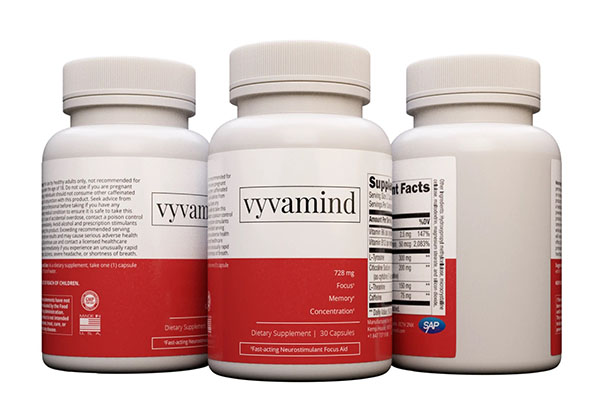
  • Vyvamind: An over-the-counter supplement that aims to improve focus and cognitive function without the jitters or digestive issues often associated with stimulant medications.
  • Omega-3 Fatty Acids: Found in fish oil, these have been linked to improved concentration and might help reduce ADHD symptoms.
  • Ginkgo Biloba: This herbal supplement is believed to help enhance memory and cognitive function.
  • Bacopa Monnieri: Used in traditional medicine, Bacopa is known for its potential to improve memory and focus.
  • L-Theanine: Found in tea leaves, this amino acid can promote relaxation without causing drowsiness and may help improve attention.

In conclusion, while Adderall is beneficial for many, those who experience undesirable stomach issues have a range of alternative treatments to consider. It’s always crucial to work closely with a healthcare provider when considering a change in treatment or exploring natural supplements.

Related posts:


Vyvamind: The Premier Over-the-Counter Alternative to Adderall

In the quest for cognitive enhancement and improved focus, many have turned to prescription medications like Adderall, only to find a slew of side effects accompanying the benefits. Enter Vyvamind—a groundbreaking, over-the-counter supplement offering the promise of enhanced cognitive function without the drawbacks associated with prescription stimulants.

Vyvamind Adderall alternative

Safety First: One of the most significant advantages of Vyvamind over Adderall is its safety profile. Unlike Adderall, which is an amphetamine-based stimulant, Vyvamind harnesses the power of natural ingredients to boost cognitive function. This means no risk of addiction, reduced chances of experiencing jitters or heart palpitations, and most notably, no known instances of stomach cramps—a side effect frequently reported by Adderall users.

Fewer Side Effects: Anyone who has grappled with the side effects of Adderall knows how disruptive they can be. From insomnia to appetite suppression and, of course, gastrointestinal issues, the list is long and varied. Vyvamind, on the other hand, provides a cleaner experience. Its all-natural formulation ensures users can reap the benefits of enhanced focus and mental clarity without the common downsides associated with pharmaceutical stimulants.

Efficacy Backed by Nature: The beauty of Vyvamind lies in its blend of natural ingredients, each chosen for its ability to promote cognitive health. Instead of relying on synthetic compounds, Vyvamind taps into nature’s bounty, offering a holistic approach to cognitive enhancement.

Here is an overview of the ingredients in Vyvamind which make it the best Adderall alternative on the market:

  • Citicoline (CDP-Choline): Boosts levels of important neurotransmitters, enhances energy in neurons, promotes cell membrane repair.
  • Tyrosine: Supports mental alertness, focus, and mood by being a precursor to neurotransmitters like dopamine.
  • Vitamin B6: Essential for neurotransmitter synthesis, promotes brain health and mood regulation.
  • Vitamin B12: Vital for neurological function, supports mood and cognitive function, boosts overall energy.
  • Theanine: Promotes relaxation without drowsiness, enhances attention, improves mood when combined with caffeine.
  • Caffeine: Increases alertness, enhances cognitive performance, and boosts energy levels.

In conclusion, for those seeking an effective alternative to Adderall without the laundry list of potential side effects, Vyvamind emerges as a front-runner. It stands as a testament to the fact that nature, when harnessed correctly, can offer solutions that rival even the most potent pharmaceuticals. Before considering prescription stimulants, give Vyvamind a try—it might just be the safer, gentler cognitive boost you’ve been searching for.


Conclusion: Adderall and Stomach Cramps

In the intricate world of medications and their side effects, understanding the relationship between Adderall and stomach cramps provides clarity for many users grappling with gastrointestinal disturbances.

While Adderall is indeed effective in treating ADHD and boosting focus, its association with digestive issues cannot be overlooked. By delving into the causes and offering mitigation strategies, we hope to equip individuals with the knowledge to make informed decisions about their treatment plan.

Additionally, as the search for alternatives grows, natural supplements like Vyvamind emerge as promising candidates. Offering a potent blend of ingredients known to enhance cognitive function without the accompanying side effects, it underscores the possibility of attaining mental clarity without compromising physical well-being.

As always, when considering any medication or supplement, consultation with healthcare professionals remains paramount, ensuring that individuals choose the path best suited to their unique needs and well-being.
https://www.vagarights.com/?p=4910
Extensions
Adderall and Melatonin: Are they safe to mix?
Nootropics
In today’s fast-paced world, the pursuit of heightened cognitive performance and prolonged alertness has led many to rely on prescription stimulants like Adderall. Prescribed primarily for attention deficit hyperactivity disorder (ADHD) and narcolepsy, Adderall has seen off-label use by those seeking enhanced focus and productivity. However, this boost often comes with a price—sleep disturbances being […]
Show full content

Adderall and melatonin

In today’s fast-paced world, the pursuit of heightened cognitive performance and prolonged alertness has led many to rely on prescription stimulants like Adderall. Prescribed primarily for attention deficit hyperactivity disorder (ADHD) and narcolepsy, Adderall has seen off-label use by those seeking enhanced focus and productivity.

However, this boost often comes with a price—sleep disturbances being one of the most common side effects. On the flip side, Melatonin, a hormone naturally produced by our pineal gland, plays a pivotal role in sleep regulation, guiding our body’s internal clock and signaling it’s time to wind down.

With the advent of readily available Melatonin supplements, those grappling with Adderall-induced sleep challenges often turn to this remedy in search of restful slumber.

This article delves into the interplay between Adderall and Melatonin, shedding light on their individual properties, the rationale behind their combined use, and the potential benefits and pitfalls of such a pairing. As we embark on this exploration, it’s essential to remember that while both substances are commonly used, the combination’s appropriateness and safety depend on individual circumstances.


Understanding Adderall: Mechanism and Effects on Sleep

Adderall is a combination of amphetamine and dextroamphetamine, both central nervous system stimulants that affect neurotransmitters in the brain and nerves that contribute to hyperactivity and impulse control. Designed to increase attention and decrease impulsiveness and hyperactivity in people with ADHD, its effectiveness has been well-documented.

However, one cannot discuss Adderall without acknowledging its impact on sleep. The stimulating effects of Adderall can linger for hours, making it difficult for users to relax and fall asleep, especially if taken later in the day. This disruption in sleep patterns can lead to a cycle of fatigue and reliance on the drug to stay awake and alert during the day.

Several factors can contribute to Adderall-induced sleep disturbances:

  1. Extended Stimulation: The primary action of Adderall is to enhance the activity of certain neurotransmitters, such as dopamine and norepinephrine. This heightened activity can lead to prolonged wakefulness.
  2. Alteration in REM Sleep: Rapid Eye Movement (REM) sleep is a critical sleep stage where dreams occur and cognitive processes get consolidated. Studies have suggested that Adderall can reduce the duration of REM sleep, leading to less restorative sleep.
  3. Increased Heart Rate and Blood Pressure: As a stimulant, Adderall can elevate one’s heart rate and blood pressure, potentially causing feelings of restlessness and preventing relaxation, prerequisites for sleep.
  4. Neurochemical Rebalance: As the brain adjusts to the increased levels of neurotransmitters due to Adderall, it can lead to a “rebound effect” when the drug wears off, causing heightened alertness or wakefulness during typically restful periods.

While the above factors shed light on how Adderall can impact sleep, many users seek solutions to counteract these effects, leading them to consider supplements like Melatonin. In the sections that follow, we’ll delve deeper into Melatonin’s role and whether it can serve as a counterbalance to Adderall-induced sleep disturbances.


Melatonin: Nature’s Sleep Aid and Its Functionality

Melatonin is a naturally occurring hormone produced by the pineal gland in the brain. Often referred to as the “sleep hormone”, its primary function is to regulate the body’s sleep-wake cycle, aligning it with the day-night cycle, also known as the circadian rhythm. The onset of darkness triggers an increase in melatonin production, signaling to the body that it’s time to wind down and prepare for sleep. Conversely, as daylight breaks, melatonin levels drop, helping us become alert and ready for the day.

Here’s how Melatonin functions within our body:

  1. Circadian Rhythm Regulation: At its core, melatonin is a timekeeper for the body. It helps set our internal clock, determining when we feel tired at night and when we feel awake during the day.
  2. Antioxidant Properties: Beyond its role in sleep, melatonin acts as a potent antioxidant, neutralizing harmful free radicals and reducing oxidative stress in the body. This protective feature can contribute to overall health and wellness.
  3. REM Sleep Enhancement: Contrary to stimulants like Adderall, which can reduce the duration of REM sleep, melatonin can prolong this vital stage, ensuring a more restorative night’s sleep.
  4. Temperature Regulation: Melatonin can cause a slight drop in core body temperature, a necessary factor for inducing sleep. This drop prepares the body for rest, aiding in faster sleep onset.

Given the intrinsic connection between melatonin and sleep, it’s understandable that individuals taking stimulant medications like Adderall might look to melatonin supplements as a potential remedy for sleep disturbances. However, the interaction between these two substances needs careful consideration, which will be explored in the following sections.


Why Some People Take Melatonin with Adderall

You might be wondering, why would anyone combine Adderall and melatonin? After all, both substances have essentially opposite effects. But this is exactly why some people take them at the same time!

The Challenge: Adderall-Induced Sleep Disturbances

For many, Adderall proves to be a game-changer in managing the symptoms of ADHD. However, its stimulatory effects, particularly when taken later in the day, can disrupt sleep patterns and lead to insomnia. The heightened alertness and wakefulness, while beneficial during daytime tasks, can become a significant obstacle when trying to wind down in the evening. Many individuals describe lying awake in bed, feeling physically tired but mentally wired, a clear indication of Adderall’s enduring effects on the central nervous system.

Melatonin’s Potential to Mitigate Sleep Issues

Melatonin is a naturally occurring hormone in the body, secreted by the pineal gland, that plays a critical role in regulating the sleep-wake cycle. Its levels typically rise in the evening, signaling to the body that it’s time to prepare for sleep, and decrease in the early morning hours. For those experiencing Adderall-induced sleep disturbances, supplementing with melatonin might offer a solution.

Taking melatonin can potentially:

  • Reset the Biological Clock: Especially for those who have a shifted circadian rhythm due to stimulant use, melatonin can help recalibrate their internal clock.
  • Reduce Sleep Latency: By boosting the body’s natural melatonin levels, individuals might find it easier to fall asleep.
  • Improve Sleep Quality: While Adderall can interfere with REM sleep, melatonin might counteract this effect, ensuring deeper and more restorative sleep stages.
Evidence Supporting the Combination

While there’s no shortage of anecdotal evidence — with countless individuals on forums and discussion boards touting the benefits of this combination — there’s also emerging scientific data that supports this pairing.

  1. Reduced Sleep Onset Latency: Some studies have found that melatonin supplementation can significantly reduce the time it takes for individuals, including those on stimulants, to fall asleep.
  2. Enhanced Sleep Efficiency: Sleep efficiency, which refers to the proportion of time spent in bed actually asleep, can be enhanced with melatonin, ensuring less tossing and turning.
  3. REM Sleep Recovery: Preliminary research indicates that melatonin might counteract the REM-suppressing effects of stimulants, ensuring a more balanced sleep architecture.

In conclusion, while Adderall has undeniable benefits for those with ADHD, its side effects related to sleep can be challenging. Melatonin, with its sleep-promoting properties, appears to offer a promising counterbalance, helping users achieve restful nights.


Alternative Solutions for Adderall-Induced Sleep Disturbances

Adderall’s potent stimulatory effects, while beneficial for those with ADHD, can inadvertently lead to sleep disturbances. If you’re hesitant to combine melatonin with Adderall or if you’re looking for additional strategies to combat sleep issues, there are several other solutions to consider:

Behavioral Interventions

A proactive approach to sleep can make a significant difference. Maintaining a consistent sleep schedule, where you go to bed and wake up at the same time every day, can help regulate your body’s internal clock and improve sleep quality. Furthermore, practicing sleep hygiene is crucial. This includes creating a dark, quiet, and cool bedroom environment, limiting screen time before bed, and avoiding caffeine or large meals close to bedtime. Engaging in relaxation techniques, such as reading or deep breathing exercises, can also help prepare the mind and body for restful sleep.

Natural Supplements and Over-the-Counter Options

Apart from melatonin, there are other natural supplements that might assist with sleep. Valerian root, chamomile, and lavender are commonly touted for their sleep-promoting properties. Magnesium, often referred to as “nature’s tranquilizer,” can help relax muscles and calm the nervous system, making it easier to fall asleep. Always research potential interactions when considering any supplement, especially in combination with prescription medications.

Adjusting Adderall Dosage or Timing

Lastly, one of the most direct approaches to addressing Adderall-induced sleep disturbances is to revisit the medication’s dosage or timing. If you find that Adderall keeps you awake at night, discussing your concerns with a doctor is essential. They might recommend taking the medication earlier in the day or potentially adjusting the dosage. It’s crucial never to make changes to your medication regimen without professional guidance.

In conclusion, while Adderall can be a lifesaver for many, its impact on sleep can’t be overlooked. Thankfully, several strategies, both natural and behavioral, can help ensure that the benefits of the medication don’t come at the expense of restful sleep.

Related posts:


Enhancing Focus without Sleeplessness: The Vyvamind Solution

One of the key challenges with focus-enhancing medications like Adderall is the potential for side effects, particularly sleeplessness. For many, the boost in productivity or cognitive function is overshadowed by jitters, anxiety, or disrupted sleep. There’s a growing demand for alternatives that can offer enhanced focus without the trade-off of sleep disturbances. Enter Vyvamind.

Vyvamind: A Balanced Approach to Cognitive Enhancement

Vyvamind Adderall alternative

Vyvamind stands out as a potent and effective solution designed to improve concentration, memory, and overall cognitive function without inducing insomnia or jitteriness. Unlike traditional stimulant medications, Vyvamind adopts a holistic approach, harnessing a combination of natural ingredients that work synergistically to boost brain function.

Key Ingredients of Vyvamind:

  • Citicoline: Enhances brain energy and supports memory function.
  • Tyrosine: A precursor to neurotransmitters essential for mood and cognition.
  • B6 & B12: Vital vitamins for optimal brain health and neurotransmitter synthesis.
  • Theanine: Promotes relaxation without sedation, counteracting potential stressors.
  • Caffeine: Provides a gentle boost in alertness without overstimulation.

Main Benefits of Vyvamind:

  1. Balanced Energy Boost: Unlike traditional stimulants that can lead to a rapid spike and crash, Vyvamind offers sustained, balanced energy.
  2. Enhanced Focus and Clarity: The carefully selected ingredients promote a sharp, clear mental state, ideal for tackling demanding tasks.
  3. No Sleep Disruption: With Vyvamind, the need for sleep aids like melatonin is eliminated, as it promotes cognitive enhancement without compromising sleep quality.
  4. Natural Composition: Relying on a blend of natural compounds means fewer synthetic chemicals and reduced risk of adverse side effects.

For those searching for a solution to stay sharp and productive without compromising their night’s rest, Vyvamind offers a compelling alternative. It’s a testament to how, with the right formulation, one can achieve optimal cognitive function without the common pitfalls associated with traditional stimulant medications.


In Conclusion: Balancing Focus and Restful Sleep

Navigating the world of cognitive enhancers can often feel like walking a tightrope, with increased focus on one end and potential sleep disturbances on the other. However, understanding the interactions, benefits, and drawbacks of popular medications like Adderall and supplements like melatonin can guide users to make informed choices.

It’s evident that while Adderall offers significant benefits for focus and attention, it’s not without its drawbacks. Combining it with melatonin might seem like an appealing solution to offset sleep issues, but like all drug interactions, it’s essential to approach with caution and always seek expert advice.

For those seeking an all-in-one solution that boosts cognitive performance without sleep disturbances, Vyvamind shines as a beacon. Its unique formulation is a testament to the possibilities of natural, balanced cognitive enhancement. By understanding our options and being aware of the effects of what we put into our bodies, we can achieve the mental clarity and focus we desire while still enjoying a peaceful night’s rest. As always, prioritize health and well-being, and never hesitate to consult with professionals when charting new territories in cognitive enhancement.

https://www.vagarights.com/?p=4901
Extensions
Can Strattera Increase Hyperactivity?
Nootropics
Strattera, known by its scientific name atomoxetine, is primarily prescribed to manage the symptoms of Attention Deficit Hyperactivity Disorder (ADHD). In the realm of ADHD medications, it stands out as a non-stimulant option, often considered an “Adderall alternative” for those seeking different treatment pathways. But like all medications, Strattera comes with its own set of […]
Show full content

Strattera hyperactivity

Strattera, known by its scientific name atomoxetine, is primarily prescribed to manage the symptoms of Attention Deficit Hyperactivity Disorder (ADHD).

In the realm of ADHD medications, it stands out as a non-stimulant option, often considered an “Adderall alternative” for those seeking different treatment pathways. But like all medications, Strattera comes with its own set of benefits and potential side effects.

One question that has emerged over the years is: Can Strattera increase hyperactivity? It’s a somewhat ironic concern, given that reducing hyperactivity is one of the drug’s primary objectives. In this article, we delve deep into the workings of Strattera, the evidence surrounding this query, and the factors that might lead some users to experience heightened hyperactivity.


Understanding Strattera: A Different ADHD Approach

Strattera operates differently from stimulant ADHD medications like Adderall, Ritalin, or Concerta. Instead of directly influencing dopamine and norepinephrine levels in the synapses as stimulants do, Strattera is classified as a norepinephrine reuptake inhibitor (NRI). By preventing the reabsorption of norepinephrine, it indirectly increases the concentration of both norepinephrine and dopamine in the brain, particularly in the prefrontal cortex. This region is crucial for functions such as attention, impulse control, and decision-making.

The unique mechanism of Strattera has its merits. For many patients, especially those who may have concerns about the addictive potential of stimulants or who don’t respond well to them, Strattera offers an alternative avenue for treatment. It can be particularly beneficial for those with coexisting conditions like anxiety, where stimulant medications might exacerbate symptoms.

However, the distinct mechanism also means that the side effect profile of Strattera differs from that of stimulant ADHD medications. While many individuals find relief from their ADHD symptoms, others report a range of side effects, including fatigue, mood swings, and, paradoxically, increased hyperactivity. But what might be causing this seemingly contradictory effect? Let’s explore the clinical data and patient experiences to gain a clearer understanding.


The Paradox of Hyperactivity with Strattera

At first glance, it seems counterintuitive that an ADHD medication, designed to manage hyperactivity and impulsivity, could potentially exacerbate such symptoms. However, when diving deeper into the pharmacological aspects and individual reactions to the drug, the puzzle starts to become clearer.

  1. Delayed Onset of Effects: Unlike stimulant medications, which typically produce noticeable effects within a short time of ingestion, Strattera takes a while to show its full therapeutic benefits. Some patients might mistakenly think the medication isn’t working in the initial stages and may experience a temporary increase in hyperactivity as their bodies adjust.
  2. Dopaminergic Activity: Although Strattera primarily targets norepinephrine, there’s an indirect increase in dopamine, especially in the prefrontal cortex. While this can aid focus and attention for many, for some individuals, this can translate into heightened activity or restlessness.
  3. Metabolic Factors: Every individual metabolizes drugs differently. Some might process Strattera faster or slower than others due to genetic factors or liver enzyme activity. Those who metabolize it quickly might experience a more rapid onset of effects, leading to sudden changes in energy levels.
  4. Coexisting Conditions: ADHD rarely exists in isolation. Many individuals with ADHD also have coexisting conditions like anxiety disorders, mood disorders, or learning disabilities. In some cases, the introduction of Strattera might cause a shift in the balance of neurotransmitters, which can temporarily heighten hyperactivity, especially in those with comorbid conditions.
  5. Expectation vs. Reality: There’s also a psychological element to consider. Patients switching from stimulants to Strattera, expecting immediate and similar effects, might become restless or anxious when those expectations are not met.

It’s crucial to note that while some patients report increased hyperactivity, many others find Strattera to be incredibly effective in managing their ADHD symptoms. The varied responses underscore the importance of close monitoring and open communication with healthcare providers when starting or switching medications.


Clinical Studies and Empirical Evidence

The use of Strattera as a non-stimulant ADHD medication has been widely researched, and it is important to delve into clinical studies and empirical evidence to gain a more informed perspective on its potential to increase hyperactivity.

  1. Clinical Trials: In many clinical trials, Strattera has been shown to be effective in reducing ADHD symptoms in both children and adults. However, as with any drug, side effects were observed. While common side effects included stomach upsets, reduced appetite, and fatigue, a minority of participants reported increased agitation or hyperactivity. It’s worth noting that these occurrences were relatively rare and often resolved as the body adjusted to the medication.
  2. Comparison with Placebo: In placebo-controlled studies, a distinction between the effects of the medication and the placebo effect is crucial. Some studies found that hyperactive symptoms reported with Strattera were not significantly different from those experienced by participants on a placebo. This suggests that other factors, perhaps psychological in nature, could play a role in perceived hyperactivity.
  3. Long-Term Observations: Research indicates that initial side effects, including increased hyperactivity, tend to diminish over time. In long-term studies spanning several months, participants who continued their Strattera regimen often reported a reduction in hyperactivity and other side effects that they might have initially experienced.
  4. Patient Demographics: Some studies have aimed to determine if certain demographics, such as age or coexisting health conditions, have a bearing on the drug’s side effects. While results are varied, younger patients and those with coexisting anxiety disorders seem to be slightly more prone to experiencing increased hyperactivity.

In summary, while the potential for increased hyperactivity with Strattera is documented, it is not a universal experience. Clinical studies emphasize the drug’s overall efficacy in treating ADHD, with heightened hyperactivity being a less common side effect that may decrease over time or with adjusted dosing.


Anecdotal Evidence and Patient Experiences

The clinical data surrounding Strattera offers a solid foundation for understanding its effects, but delving into personal stories and patient testimonials provides a more nuanced perspective.

Many individuals on Strattera have reported diverse reactions, both positive and negative. A recurring theme in some of these accounts is a paradoxical increase in hyperactivity. Instead of feeling calmer and more focused, these individuals describe a heightened sense of restlessness and an incessant need to move.

Strattera causing hyperactivity in adult ADHD

For some, this unexpected surge in energy can be overwhelming and counterproductive, especially when the primary goal of the medication is to manage ADHD symptoms.

It’s worth noting, however, that these experiences vary significantly from person to person. While some may feel this increase in hyperactivity, others may find Strattera to be the perfect fit for their needs without any such effects.

Potential Causes for Increased Hyperactivity with Strattera

Understanding why some individuals might experience heightened hyperactivity while on Strattera is crucial. Several factors can contribute to this unexpected outcome:

  1. Incorrect Dosage: Every individual’s body responds differently to medications. For some, the prescribed dosage might be too high, leading to overstimulation and subsequent hyperactivity. It’s essential to work closely with a healthcare professional to find the optimal dosage.
  2. Individual Neurochemistry: The way Strattera interacts with an individual’s brain chemistry can vary. For certain people, the drug may inadvertently boost certain neurotransmitters that provoke hyperactivity.
  3. Interactions with Other Medications: Combining Strattera with other medications can sometimes result in adverse reactions. This interplay might amplify stimulatory effects, leading to increased restlessness.
  4. Misdiagnosis: It’s possible that some individuals who experience increased hyperactivity might not have ADHD in the first place or might have a comorbid condition that exacerbates hyperactive symptoms when treated with Strattera.

As always, it’s paramount to consult with a medical professional when adjusting medication or if unusual symptoms arise.


Alternative ADHD Treatments Without Hyperactivity Concerns

If Strattera seems to exacerbate hyperactivity in certain individuals, there are other ADHD medications that might be more suitable. Here’s a brief overview of two of the most commonly prescribed alternatives:

  1. Adderall: One of the most well-known medications for ADHD, Adderall is a combination of amphetamine and dextroamphetamine. It works by influencing neurotransmitters in the brain, particularly dopamine and norepinephrine, to help improve focus, attention, and control impulsivity. While it’s effective for many, potential side effects, including increased heart rate and potential for addiction, should be considered. Importantly, since Adderall is a stimulant, it might still lead to increased activity in some, but its effects often differ from Strattera.
  2. Vyvanse: Another popular choice, Vyvanse (lisdexamfetamine), is a prodrug, meaning it becomes active only after metabolic conversion. This mechanism provides a smoother, more extended release, reducing the likelihood of peaks and crashes. Like Adderall, Vyvanse targets dopamine and norepinephrine levels in the brain. Many patients find Vyvanse to offer sustained attention-enhancement without the abrupt onset or comedown of other stimulant medications. However, potential side effects, such as insomnia or decreased appetite, should be noted.

Both of these medications have their own sets of benefits and potential drawbacks. Before switching or trying a new medication, it’s crucial to have a comprehensive discussion with a healthcare provider. They can provide insights tailored to individual needs, ensuring that the chosen treatment aligns best with one’s unique health profile and concerns.

Related posts:


Natural Over-The-Counter Options: Spotlight on Vyvamind

In the realm of ADHD management, there’s a rising interest in natural alternatives to prescription medications. Among these, Vyvamind stands out as a promising over-the-counter solution for those wary of potential side effects associated with drugs like Strattera.

Vyvamind strattera alternative for weight loss

Vyvamind is specially formulated to address ADHD-like symptoms, merging the benefits of select natural ingredients to improve focus, memory, and cognitive function. Unlike Strattera, which might lead to increased hyperactivity in some individuals, Vyvamind offers a balanced approach to brain health without the concerning side effects.

One of Vyvamind’s primary advantages lies in its unique blend of ingredients, each chosen for its cognitive-enhancing properties:

  • Citicoline: Known to support brain health and improve memory.
  • Tyrosine: An amino acid precursor that plays a vital role in the production of neurotransmitters essential for attention and focus.
  • B Vitamins: Including B6 and B12, these vitamins are vital for optimal neural function and energy.
  • Theanine: Renowned for its calming effects, it aids in reducing anxiety and promoting deep focus.
  • Caffeine: Used in moderation to heighten alertness and concentration.

With this blend, Vyvamind aims to provide a comprehensive approach to cognitive enhancement without the risks of prescription medication. For those seeking an over-the-counter option that aligns with a natural lifestyle while effectively addressing ADHD symptoms, Vyvamind presents a compelling choice.

However, it’s essential to emphasize that while Vyvamind offers numerous benefits, it’s not a direct replacement for prescription ADHD medications.

Instead, Vyvamind offers a safer, natural alternative for those looking for milder, non-prescription avenues of treatment. As with any supplement, it’s advised to consult with a healthcare professional before integrating Vyvamind or any new regimen into one’s daily routine.

https://www.vagarights.com/?p=4895
Extensions
Vyvamind vs Feedamind: Which is best for focus and brain fog?
Nootropics
The nootropics industry has grown significantly in the last few years. More and more people are turning to these “smart pills” as they focus more on mental health and cognitive enhancement. Vyvamind, and Feedamind are two supplements that have gained a lot of attention in this field. Vyvamind is a product that has been around […]
Show full content

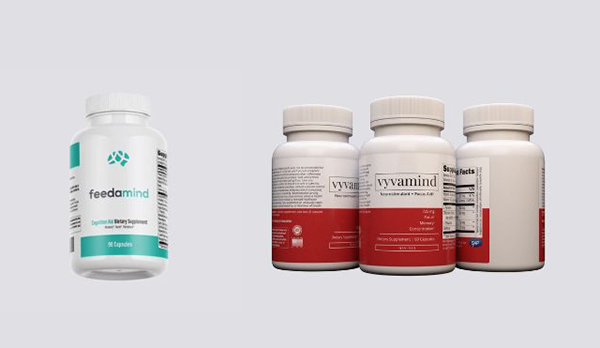
Vyvamind vs Feedamind

The nootropics industry has grown significantly in the last few years. More and more people are turning to these “smart pills” as they focus more on mental health and cognitive enhancement. Vyvamind, and Feedamind are two supplements that have gained a lot of attention in this field.

Vyvamind is a product that has been around for a long time and has a large following. Its scientifically proven combination of ingredients aims to improve cognitive functions. Feedamind, on the other hand is a relative novice to the market, but it has quickly gained traction because of its all-in one nootropic stack. It contains a comprehensive range vitamins, natural extracts and other brain-boosting substances.

The challenge is choosing the right nootropic supplement for you. There are many on the market. This article will provide a detailed comparison of Vyvamind vs Feedamind to help you choose the supplement that is best for you. We’ll look at their compositions, side effects and feedback from users to provide a holistic view of these two nootropics. Let’s get started.


Formula Comparison: Vyvamind vs Feedamind

The list of ingredients is crucial when evaluating nootropics. It’s crucial to know what each ingredient does and how it enhances cognitive function. Let’s examine the key ingredients in Vyvamind & Feedamind to determine their effectiveness.

Vyvamind Ingredients
  1. Citicoline, also known as CDP-choline is a scientifically validated ingredient that boosts cognitive performance, particularly memory and attention. It does this by increasing the levels of acetylcholine in the brain. This neurotransmitter is crucial for memory and learning processes.
  2. Tyrosine is an amino acid that is essential for the production of several neurotransmitters including dopamine and norepinephrine. These neurotransmitters are crucial for maintaining focus, motivation and alertness under stress.
  3. Caffeine Anhydrous : A form of caffeine that has been dehydrated and is known to enhance cognitive functions. It increases alertness and concentration. It could lead to restlessness and overstimulation for some users.
  4. Theanine is an amino acid found in green tea. It promotes relaxation without making you drowsy. It works synergistically with caffeine to create a calm and focused state, reducing some of the jittery effects.
  5. B vitamins: Vyvamind contains a variety B vitamins that are essential for brain health. These vitamins help with energy production, nerve health and the production key neurotransmitters.
Feedamind Ingredients

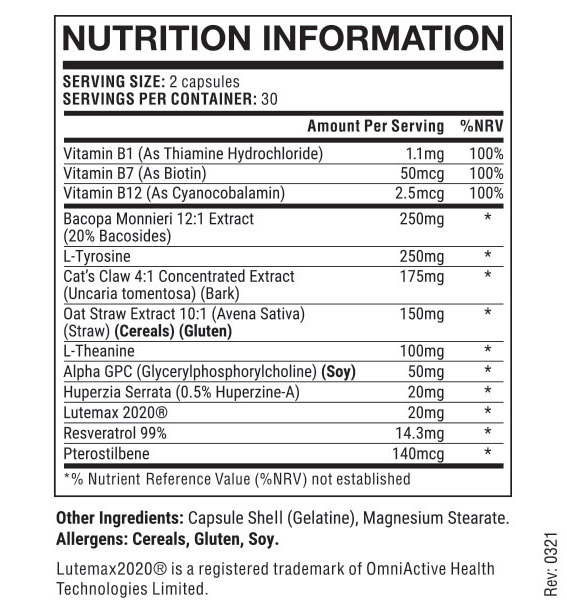
Feedamind has a more diverse and larger set of ingredients than Vyvamind. Its key components include:

  1. B vitamins: Feedamind also contains several B vitamins including B1 (Thiamin), B6, B7, and B12 (Methylcobalamin). These vitamins are known to support cognitive function and energy levels.
  2. Chocamine(r), Plus: This patented product contains a blend that provides a gentle boost of energy, including theobromine. It is said to improve mental clarity and mood.
  3. N-Acetyl L-Tyrosine: This is the amino acid found in Vyvamind in a slightly modified form. NALT’s effectiveness versus L-tyrosine has been a topic of debate.
  4. Bacopa Monnieri extract: This extract is known for its neuroprotective properties and nootropic effects. It improves memory, learning and other cognitive functions.
  5. Alpha GPC: This compound increases acetylcholine, which improves cognition, memory and focus.
  6. L-Theanine – Like Vyvamind and Feedamind, Feedamind contains L-Theanine. This ingredient is known to promote relaxation and mood enhancement.
  7. Oat Straw extract: Although it is often used for its calming properties, the ingredient’s nootropic properties are not well-researched or widely known. Its cognitive enhancement qualities are still being studied.
  8. Cat’s Claw: Cat’s Claw, known for its anti-inflammatory and immune-boosting properties, is less well-known in the world of cognitive enhancement. Its inclusion in Feedamind appears to be more related to its overall health than direct cognitive benefits.
  9. Pterostilbene is an antioxidant found in blueberries. It has potential cognitive benefits, but the current scientific consensus does not support its classification as a powerful nootropic.
  10. Marigold Flower Extraction: Marigold Flower extract is primarily used for its anti-inflammatory and antioxidant properties. It does not have a good reputation as a cognitive enhancement.

Feedamind has a longer ingredient list, but not all of them directly relate to cognitive enhancement. Some, such as Cat’s Claw Extract or Marigold Flower Extract seem to be more focused on general health benefits than nootropic effects.

Vyvamind, on the other hand has a shorter ingredient list but each component has a direct effect that is scientifically validated on cognitive functions. Vyvamind’s more targeted approach could be more effective depending on the individual’s needs. It’s important to note that the individual response to these ingredients can also vary. What works for one person may not work for another.


Dosing, effectiveness, and side effects

Comparing nootropics requires that you compare the dosing, efficacy, and side effects of each ingredient.

Vyvamind

Vyvamind should be taken in two capsules per day. Users can expect to see improved cognition, increased focus, and mental alertness due to the powerful ingredients such as Citicoline, Tyrosine and Caffeine Anhydrous. Theanine and B vitamins ensure that the supplement promotes brain health and relaxation as well as cognitive performance.

Vyvamind’s efficacy comes from its combination of ingredients that have proven nootropic properties. Caffeine Anhydrous is a potential concern. Although caffeine is effective at promoting alertness, it can also cause side effects such as restlessness, jitters and, in some cases insomnia, particularly in people who are sensitive to caffeine. Caffeine dosage is also important – too little can have no noticeable effects while too much can cause overstimulation.

Feedamind

Feedamind should be taken twice daily, with one capsule. The varied ingredients in this product are designed to support cognitive function and mood as well as overall brain health. Its effectiveness can be attributed well-known cognitive improvers like Alpha GPC, Bacopa Monnieri and Chocamine(r).

The inclusion of nootropics that are less well-researched and less effective, such as Cat’s Claw and Marigold Flower Extract, could dilute the overall effects of the supplement. It’s important to note that too many ingredients may cause unexpected side effects.

Feedamind may have more side effects than Vyvamind due to the wide variety of ingredients. Some users may experience nausea, headaches, or digestive upset. Specific side effects will depend on the individual’s sensitivity to the ingredients.

Both Vyvamind® and Feedamind® have their own set of potential benefits and downsides. However, they are both good choices, depending on your individual needs, preferences and sensitivities. It’s important to talk to your healthcare provider before beginning a new supplement regimen.


Accessibility, Cost and Customer Reviews

When comparing nootropics, it’s important to consider factors like availability, cost, or customer experiences. These can often give insight into the product’s value and effectiveness.

Vyvamind

Vyvamind can be purchased on a variety of online platforms. This makes it available to the majority of consumers. Vyvamind’s price is higher than other supplements available on the market but can be justified due to the high-quality ingredients that are used in its formulation. Bulk purchases are often eligible for discounts, making the supplement more affordable over time.

Vyvamind reviews are generally positive. Many users report improvements in their focus, energy and cognitive function. Negative reviews often revolve around the presence of caffeine, with some users experiencing jitteriness or restlessness–effects commonly associated with caffeine consumption.

Feedamind

Feedamind is a relatively new product and may not be as widely accessible as Vyvamind. This could cause accessibility issues for some consumers. Feedamind is affordable despite its extensive list of ingredients. This could be an attractive option for those who are on a tight budget.

Feedamind has a limited number of reviews as it is a brand new product. Initial reviews are mixed. Some users praise its effects on mood and cognitive function, while others question whether the less-researched components such as Cat’s Claw and Marigold Flower Extract are effective.

Both Vyvamind & Feedamind contain a unique combination of ingredients that are designed to improve cognitive function and brain health. However, factors like ingredient efficacy and cost, accessibility and user reviews are important to consider when making a decision. Before starting a new supplement regimen, it’s important that consumers do their own research.


Vyvamind vs Feedamind: Safety and long-term side effects

When considering any dietary supplements, including nootropics, safety and side effects are of paramount importance. Vyvamind, as well as Feedamind, contain ingredients that are generally regarded as safe to consume. Individual responses can vary and some ingredients can cause side effects for certain users.

Vyvamind

Vyvamind is designed to have minimal side-effects, and most users tolerate the formula well. Some individuals may experience caffeine-related side effects, such as restlessness and insomnia, or rapid heart rate, due to the caffeine content. These effects are usually temporary and mild. Caffeine-sensitive individuals should start at lower doses to gauge tolerance, or consider caffeine free alternatives.

Feedamind

The large number of ingredients in Feedamind increases the possibility for different reactions from users. Although most of these ingredients are well tolerated, side effects can occur. Ingredients such as L-Theanine and Bacopa Monnieri are generally safe, but can cause gastrointestinal problems in sensitive individuals.

Moreover, due to the inclusion less studied ingredients like Oat Straw (also known as Oat Straw), Cat’s Claw (also known as Pterostilbene), and Marigold Extract, the safety and side effects of these are not fully understood. Users with health concerns, or those who are nursing or pregnant, should consult their healthcare provider before using Feedamind.

Both Vyvamind & Feedamind stress their natural, clinically backed ingredients, indicating a focus on safety. As with any supplement, it is important to be aware of any possible side effects. Consult your healthcare provider if you have any concerns.


Vyvamind or Feedamind For ADHD?

Attention Deficit Hyperactivity Disorder is a neurodevelopmental condition characterized by hyperactivity, impulsivity and inattention. Nootropics are sought after by many ADHD sufferers because they can improve focus, attention and cognitive function. Let’s see how Vyvamind and Feedamind perform in this context.

Vyvamind

Vyvamind’s streamlined formula is ideal for addressing cognitive challenges that are often faced by people with ADHD. The blend of potent ingredients, which have been thoroughly researched, can boost attention and focus. Both of these are often compromised by ADHD.

In studies, citicoline, an ingredient in Vyvamind that is a key component, was shown to improve attention, focus and memory. This can be beneficial for people with ADHD. It boosts brain energy and promotes the health of brain cell, which is essential for overall cognitive function.

The combination of caffeine and L Theanine in Vyvamind has been well documented for its effects on focus and attention. It offers a balance without the jittery effects often associated with caffeine. This can be especially useful for managing ADHD symptoms.

The inclusion of Tyrosine into Vyvamind’s formula may be beneficial for people with ADHD. Tyrosine is a precursor neurotransmitter to dopamine which plays a major role in attention and concentration.

Feedamind

Feedamind contains a long list of ingredients that can also support cognitive function for people with ADHD. The supplement contains B Vitamins which are essential for brain health and support cognitive function.

Feedamind also contains Alpha GPC. This cholinergic compound can improve cognitive function and memory. It may help with attention deficits that are common in ADHD. Bacopa Monnieri is also included in Feedamind and is known to improve cognitive function as well as reduce stress.

Feedamind contains L-Theanine which promotes relaxation without causing sleepiness and can help with the hyperactivity of ADHD.

Some of the less common ingredients found in Feedamind such as Oat Straw Extract and Cat’s Claw Extract have not been shown by research to have a significant effect on ADHD symptoms.

While both Vyvamind® and Feedamind® contain ingredients that may support cognitive function for people with ADHD it is important to remember that these supplements do not replace professional medical treatment. Consult your healthcare provider before beginning any new supplement regimen. This is especially important if you suffer from a medical condition such as ADHD.


Conclusion: Which is better, Vyvamind or Feedamind?

The comparison between Vyvamind vs Feedamind shows that Vyvamind is a powerful cognitive enhancer, and a study aid. Feedamind contains a variety of ingredients. However, some, such as oats straw, cat’s paw, pterostilbene and marigold extract appear to be less potent nootropics, which may increase the risk of side effects. Vyvamind, on the contrary, uses a streamlined formula that combines Citicoline, Tyrosine Caffeine Anhydrous Theanine and B vitamins to provide optimal short-term energy and focus.

Nooceptin, which is a brain health supplement, is also considered to have a longer-term benefit in comparison to Feedamind. Vyvamind’s focused approach, which targets focus and energy to meet short-term needs is what makes it a superior choice.

Vyvamind is the obvious choice for those who are looking for a powerful and efficient boost to their cognitive function, without any unnecessary risks. Its carefully selected ingredients and purposeful design makes it an excellent tool for those who need to boost their mental performance for study, work or everyday life challenges. Vyvamind is a more reliable and attractive option for cognitive enhancement due to Feedamind’s inclusion of some dud ingredients.

https://www.vagarights.com/?p=4871
Extensions
Vyvamind vs NooCube: Comparing top rated nootropics
Nootropics
Two names stand out in the crowded world of nootropics: Vyvamind, and NooCube. These two powerful brain performance enhancers are praised for their abilities to improve cognitive function, memory, and focus and concentration. Both of these stacks are constantly listed on the lists of the best nootropic stacks, often in positions 1 and 2 in […]
Show full content

Vyvamind vs NooCube

Two names stand out in the crowded world of nootropics: Vyvamind, and NooCube. These two powerful brain performance enhancers are praised for their abilities to improve cognitive function, memory, and focus and concentration. Both of these stacks are constantly listed on the lists of the best nootropic stacks, often in positions 1 and 2 in the rankings!

But while they may have similar goals, their routes to achieve them can be very different.

This article will provide a detailed comparison between these two cognitive enhancers. We will examine their key ingredients, evaluate the benefits and side effects, compare prices, and share our personal experiences with these nootropics. Our ultimate goal is an informative guide to help you make an informed choice about which supplement will be best for your cognitive enhancement requirements.

In the sections that follow, we will peel away the layers of these complex formulas to see what makes each nootropic work. This comparison is a great resource for anyone who wants to learn more about the world’s most popular brain health supplements, whether they are experienced nootropics users or newcomers. For those of you wanting a more in-depth appraisal of these nootropic stacks, check out our individual Vyvamind and NooCube reviews.

Let’s take a closer look at both NooCube and Vyvamind and see which one is better for cognitive performance, brain health, ADHD, and based on safety and value for money considerations.


Understanding Vyvamind & NooCube

It’s important to understand the similarities and differences between Vyvamind, and NooCube.

Vyvamind

Vyvamind is an advanced cognitive enhancer that targets multiple aspects of brain health. It promises to improve memory, focus, alertness, and overall mental performance. Vyvamind’s makers have carefully selected and combined powerful nootropic substances, minerals, and vitamins in a balanced formula that works synergistically with your cognitive abilities.

NooCube

NooCube is a nootropic that increases mental speed, focus, and memory. It boasts a powerful blend of vitamins, amino acids and other essential building block for a healthy brain. NooCube is designed to keep you alert, focused, and mentally sharp, without the jittery feeling often associated with stimulants and caffeine.

Understanding the key ingredients of each of these supplements can help us better understand how they work and what benefits they may have. In the next section, we’ll take a closer at each of them.


Key Ingredients: A Comparative Analysis

Comparing key ingredients in Vyvamind vs NooCube helps us understand their core functionality as well as potential cognitive benefits. Each supplement contains a unique combination of ingredients, with some overlaps as well as some differences.

Vyvamind’s core ingredients

Vyvamind is a blend of clinically proven natural nootropics and vitamins. The formula is heavily geared towards increasing focus, mental energy and motivation in the short term. Here is the ingredients list showing doses:

Vyvamind ingredients

And here is a very brief overview of what each ingredient does:

  1.   Citicoline is a powerful brain booster that improves memory, clarity, and focus. Citicoline improves brain cell health, and enhances communication between neurons.
  2.   Tyrosine is an amino acid that is essential for the production of dopamine, adrenaline, and norepinephrine. These neurotransmitters regulate mood, focus and stress response.
  3.   Caffeine Anhydrous: This ingredient is essentially dehydrated caffeine. It provides a quick boost of energy and increases alertness.
  4.   Theanine, which is found in green teas, is a substance that induces relaxation. When combined with caffeine as in Vyvamind it promotes a calm, focused energy state without the jitters that are typically associated with caffeine consumption.
  5.   Vitamin B6 and B12: These vitamins are essential for brain health. They support the production of neurotransmitters, and they aid in energy metabolism.
NooCube’s core ingredients

NooCube contains a completely different set of components. NooCube’s formula is essentially based on Alpha Brain’s ingredients; we can’t see any other reason why people would opt for Oat Straw and Cat’s Claw in a nootropic like this! Here is the ingredients list:

NooCube ingredients

And here is an overview of what some key ingredients do:

  1.   Alpha GPC – This choline compound improves memory, learning and focus by increasing acetylcholine in the brain.
  2.   Huperzine – Derived a type moss Huperzine prevents the breakdown acetylcholine and enhances cognitive functions.
  3.   Cat’s Claw: Cat’s Claw is known for its neuroprotective properties. It helps to fight brain degeneration, and supports brain health.
  4.   Bacopa monnieri – Bacopa monnieri is a traditional Ayurvedic herbal that enhances memory and cognitive function through neuron communication.
  5.   Oat Straw: This ingredient increases blood flow to the head, increasing alertness and decreasing inflammation.
  6.   L-Theanine and L-Tyrosine: These amino acids increase stress response, stimulate the production of neurotransmitters, and promote focus.

In the next section we will compare the cognitive benefits of each supplement based on the ingredients.


Vyvamind vs NooCube: Comparison of Dosing

Dosing is a critical factor in determining a nootropic’s efficacy. The blend of ingredients determines the scope of cognitive benefit, but the precise dosage of these components can make an important difference in the actual effect. Here, we compare the dosage of Vyvamind with NooCube.

NooCube Dosing

NooCube contains a number of key nootropics that are underdosed. This could limit their effectiveness. Alpha GPC is a compound that has been shown to improve memory, learning and focus. However, it’s present in a smaller amount than the amount recommended by research.

The dosages of key ingredients such as Bacopa Monnieri or Huperzine A also appear to be lower, which could potentially reduce their cognitive benefits.

NooCube, on the other hand, seems to overcompensate in terms of antioxidants with ingredients such as Cat’s Claw or Oat Straw. NooCube may have a formula that is not balanced enough to provide the same cognitive enhancement as other nootropics.

Vyvamind Dosing

Vyvamind on the other hand, has a more generous and balanced dosage of its core ingredients. Each serving contains enough Citicoline, Tyrosine Caffeine Anhydrous Theanine Vitamins B6 & B12 which have all been researched and proven to be effective in the dosages given.

Citcoline, for example, is dosed in Vyvamind at a level which has been shown by research to enhance memory and concentration. The dosages of Theanine Anhydrous and Caffeine Anhydrous have been optimized to provide users with a smooth energy boost without jitters.

Bottom line, the efficacy is not just about the ingredients. It is also about the careful balancing between their dosages. Vyvamind is superior to NooCube in this regard due to its generous and strategic ingredient dosing.

In the next section we will compare the effects of both nootropics.


NooCube Side Effects vs Vyvamind Side Effects
NooCube Side effects

NooCube is generally free of severe side effects due to its natural formulation and mild dosage. Most users can take NooCube without any major concerns. Every person is different and may react differently to these ingredients.

NooCube can cause nausea, stomach upset and headaches. These are rare side effects. It is recommended that you stop taking NooCube if you experience any negative effects and consult a healthcare professional.

NooCube’s careful dosing has the benefit that it reduces the risk of tolerance or dependence. The downside is that benefits may be less pronounced.

Vyvamind Side effects

Vyvamind’s more potent formulation and calibrated dosage, on the contrary, may cause mild side effects for some users, especially when they first start using it or increase the dosage.

Some side effects may include insomnia, headaches, or jitteriness. This is especially true for caffeine-sensitive individuals. These side effects are usually transient and will subside as your body gets used to the supplement.

To minimize side effects, start with a low dosage of Vyvamind. Gradually increase the dose to the recommended amount. If side effects persist with any supplement, discontinue use. Consult a healthcare professional if necessary.

Overall, NooCube as well as Vyvamind is generally well tolerated by most users. Their side effects are milder than many other synthetic nootropics. Vyvamind’s potent effects and generous dosage may require users to monitor their responses closely, particularly in the early stages.

The immediate side effects of Vyvamind are more concerning than those of NooCube.


Comparing Personal Experiences With NooCube and Vyvamind NooCube: Personal Experience

It’s important to keep in mind that NooCube experiences will vary from one person to the next. NooCube has given me a subtle boost in clarity and focus. The sensation was mild and gradual. It wasn’t a sudden increase in energy or alertness as you might expect.

NooCube had a noticeable effect, but it didn’t give me the cognitive boost I wanted. I noticed a slight improvement in my ability of concentration, but not the significant improvements I had hoped for in terms of memory recall or learning.

I was pleased to find that the supplement did not have any side effects. This is likely due to its gentle and natural composition. NooCube is a good choice for those who are new to nootropics because the ingredients were dosed at a low level.

Huperzine A in NooCube is known to cause side effects if taken daily as recommended for several weeks.

Personal Experience with Vyvamind

My experience with Vyvamind, on the other hand was more marked. After using Vyvamind for a few days, I felt a noticeable increase in my mental energy. Vyvamind’s precise blend of Citicoline (a form of citicoline), Tyrosine (a form of caffeine anhydrous), and Caffeine Anhydrous gave me incredibly focused energy, which increased my productivity.

Vyvamind has also been shown to improve mental clarity, which makes decision-making easier and faster. The inclusion of Theanine into the blend seemed to complement the stimulatory effect of Caffeine Anhydrous. It smoothed out any jitters and anxiety, promoting calm alertness in its place.

Vyvamind also improved my memory recall, and information retrieval became smoother and quicker. Vyvamind’s generous, well-balanced dosage seems to be a major factor in these effects.

In the next section we will examine the side effects that both NooCube & Vyvamind can have, giving users a complete picture.


NooCube vs Vyvamind: Price and Value Comparison

Price is an important factor in the world of nootropics. However, it shouldn’t be your only consideration. The real value is in the formula’s effectiveness and the quality of ingredients used.

NooCube Price

NooCube comes at a low price compared to the other nootropics available on the market. The cost-effectiveness of NooCube is questioned when you consider that the key ingredients are in low doses and that the antioxidants are less effective.

It may be cheaper, but you will need to take more capsules in order to achieve the desired results. This could mean that the bottle is consumed faster and you need to purchase more often.

Vyvamind Price

Vyvamind, on the other hand is a little more expensive, but it’s for good reason. The formula contains ingredients that are clinically proven to be effective and of high quality. This could translate to better results and a greater chance of achieving cognitive enhancement goals.

The formula is potent, so you won’t need to double doses. This means that a bottle can last longer and be more cost-effective.

Vyvamind’s superior formula, generous doses, and potential cognitive benefits could make it a better option in the long run.


Vyvamind vs NooCube For ADHD

Attention-Deficit/Hyperactivity Disorder (ADHD) is a neurodevelopmental disorder characterized by inattention, impulsivity, and hyperactivity. In order to compare Vyvamind with NooCube, we need to consider the ingredients which may help manage ADHD symptoms.

Vyvamind for ADHD

Vyvamind contains powerful nootropics like Citicoline and L Theanine, which have been shown to improve focus, attention and promote a calm mental state. Citicoline can improve cognitive function and attention by increasing acetylcholine, a neurotransmitter essential for memory and learning. L-Theanine is known to promote relaxation, without sedation. It could help manage hyperactivity and impulses.

Caffeine Anhydrous can also enhance focus and concentration, and act as a stimulant that increases alertness. It’s important to note that caffeine can have a variety of effects on individuals. Some people with ADHD might find that it worsens their symptoms.

NooCube for ADHD

NooCube contains several ingredients, such as Alpha-GPC and Bacopa Monnieri, that may help manage ADHD symptoms. Bacopa Monnieri has adaptogenic properties that may help reduce stress and anxiety. It may also improve cognitive function and attention span. Alpha-GPC, like Citicoline can increase acetylcholine, which may improve cognitive performance and focus.

NooCube’s problem lies in its dosage. As we mentioned earlier, its doses of key ingredients such as Alpha-GPC, are significantly lower than other nootropics on the market, including Vyvamind. This under-dosing could affect the overall effectiveness in managing ADHD symptoms.

Conclusion: Is one better for ADHD?

Vyvamind is the better option, even though both Vyvamind & NooCube contain ingredients which may help with ADHD. The optimal dosage and potent ingredients of Vyvamind makes it the most promising choice. Consult your healthcare provider before taking any new supplements, especially if managing a condition such as ADHD.


The Verdict: Vyvamind Vs NooCube

Finding a nootropic that perfectly matches your cognitive enhancement needs in the world of nootropics is essential. Below I give my final verdict in the comparison of Vyvamind vs NooCube. I assess which one is better overall and under what circumstances each may be a more suitable product.

Which is better overall?

Vyvamind is the clear winner when you consider all aspects, including the ingredient profile, the dosing, and my personal experience with each. Its use in large quantities of ingredients with a proven track record, coupled with its sustained effects for focus, mental energy and cognitive performance gives it an edge over NooCube. Vyvamind’s pricing is attractive when you consider the quantity and quality of nootropic ingredients.

Which is better for specific situations?

Vyvamind or NooCube may be a better choice depending on your specific situation or goals. NooCube is a good choice if you are looking for mild cognitive enhancement and want to focus on antioxidants. Vyvamind, on the other hand, is a great choice if you want a more comprehensive cognitive boost or if you need to improve your focus and energy in high-performance situations.

Personal Recommendations Based On Experiences

My personal experience has shown me that Vyvamind is the best option. The effects of Vyvamind were more pronounced and lasted longer than NooCube. It improved my cognitive abilities without the need to consume excessive capsules. NooCube, on the other hand was not as powerful or lasting, and I needed to take more than recommended to see any significant benefits.

Vyvamind is a better product and offers a greater value for money. I always recommend consulting with a healthcare professional before beginning any new supplement regimen.

https://www.vagarights.com/?p=4850
Extensions
Vyvamind vs Adderall: Which Is Better For Focus, ADHD and Learning?
Nootropics
In the quest for improved cognitive performance, many individuals have turned to various nootropic supplements and medications. Among the most popular and controversial are Vyvamind and Adderall. Vyvamind, a powerful over-the-counter nootropic, is often touted as the closest thing to Adderall you can buy over the counter, providing similar cognitive benefits without the need for […]
Show full content

Vyvamind vs Adderall

In the quest for improved cognitive performance, many individuals have turned to various nootropic supplements and medications. Among the most popular and controversial are Vyvamind and Adderall. Vyvamind, a powerful over-the-counter nootropic, is often touted as the closest thing to Adderall you can buy over the counter, providing similar cognitive benefits without the need for a prescription. Meanwhile, Adderall, a prescription medication, is widely used for treating attention deficit hyperactivity disorder (ADHD) but is also commonly abused for its cognitive-enhancing effects. In this article, we will compare Vyvamind and Adderall, focusing on their benefits, potential side effects, and my personal experiences with each.


Vyvamind Benefits

Vyvamind has gained popularity as an effective nootropic due to its impressive range of benefits. Its well-rounded formula combines several potent and synergistic ingredients, which work together to provide users with a significant boost in various aspects of cognitive performance. Some of the main benefits of Vyvamind include:

  • Enhanced focus and concentration: Vyvamind’s combination of Citicoline, Caffeine, and Theanine allows users to experience heightened focus and concentration, making it easier to stay on task and complete complex projects.
  • Improved mental energy and processing speeds: The inclusion of Tyrosine and Caffeine in Vyvamind’s formula helps to increase mental energy and processing speeds, allowing users to think more quickly and efficiently.
  • Increased motivation and drive: Vyvamind’s ingredients work together to boost motivation and drive, making it easier to tackle challenging tasks and stay productive throughout the day.
  • Reduced anxiety and stress: Theanine, a key ingredient in Vyvamind, has been shown to help reduce anxiety and stress, promoting a calm and relaxed state of mind.
  • Optimized brain function: The B vitamins included in Vyvamind, specifically Vitamin B12 and Vitamin B6, play a crucial role in maintaining optimal brain function and supporting overall cognitive health.
  • Minimal tolerance buildup: My personal experience, as well as that of many other users, indicates that the effects of Vyvamind do not diminish over time, suggesting that there is little tolerance buildup with regular use.

In summary, Vyvamind offers a range of powerful cognitive benefits, making it an excellent choice for those looking to improve their mental performance. Its combination of carefully selected ingredients work together to provide a well-rounded boost in focus, mental energy, motivation, and more, all without the negative side effects often associated with prescription medications like Adderall.


Adderall Benefits Enhanced Focus and Attention

Adderall is a powerful stimulant medication that has been proven to significantly improve focus and attention in individuals with ADHD. The amphetamine salts in Adderall work by increasing the levels of certain neurotransmitters in the brain, such as dopamine and norepinephrine. This results in a heightened state of alertness and concentration, making it easier for individuals with ADHD to stay on task and complete their work. Many people who take Adderall report experiencing a dramatic increase in their ability to focus and maintain attention on specific tasks, leading to improved productivity and overall cognitive performance.

Improved Impulse Control and Behavior

Another major benefit of Adderall is its ability to help manage impulsive behaviors and hyperactivity commonly associated with ADHD. People with ADHD often struggle with impulsivity, making it difficult for them to control their actions and think through the consequences of their decisions. Adderall helps to regulate these impulsive tendencies by modulating the levels of neurotransmitters in the brain, leading to better impulse control and more appropriate behavior. This can result in significant improvements in social interactions, academic performance, and overall quality of life for individuals with ADHD.

Increased Motivation and Mental Energy

In addition to its effects on focus and impulse control, Adderall can also boost motivation and mental energy. The stimulant properties of Adderall make it effective at combating feelings of fatigue and lethargy, which can be particularly beneficial for individuals with ADHD who may struggle with low energy levels and a lack of motivation. By increasing mental energy and motivation, Adderall can help individuals with ADHD better engage in tasks and activities, leading to a more fulfilling and productive daily life. However, it is important to note that these benefits should be carefully balanced with the potential risks and side effects associated with stimulant medications like Adderall.


Side Effects of Vyvamind and Adderall

While Vyvamind and Adderall both have their benefits, it is important to be aware of the potential side effects associated with each supplement.

Vyvamind Side Effects

Vyvamind is generally considered to be safe, with minimal side effects. Most users report a positive experience with the supplement, and any side effects that do occur are typically mild and short-lived. The most commonly reported side effects of Vyvamind include:

  • Jitters
  • Anxiety
  • Insomnia
  • Headaches

These side effects are typically related to the caffeine content in Vyvamind and are more likely to occur in individuals who are sensitive to stimulants. However, the addition of L-theanine in Vyvamind helps to mitigate these side effects by promoting relaxation and reducing anxiety.

Adderall Side Effects

Adderall, on the other hand, has a much more extensive list of potential side effects, some of which can be quite serious. Common side effects of Adderall include:

  • Increased heart rate
  • Elevated blood pressure
  • Insomnia
  • Loss of appetite
  • Weight loss
  • Dry mouth
  • Headaches
  • Dizziness
  • Nervousness
  • Mood swings

In more severe cases, Adderall can also cause more serious side effects, such as:

  • Heart palpitations
  • Shortness of breath
  • Chest pain
  • Mental health issues (e.g., anxiety, depression, aggression)
  • Circulation problems (e.g., numbness, coldness, or discoloration in fingers or toes)

It is essential to consult with a healthcare professional if you experience any of these side effects while taking Adderall. Keep in mind that Adderall is a prescription medication and should only be taken under the supervision of a doctor.


Comparing Vyvamind and Adderall for ADHD Treatment

Vyvamind and Adderall are both used by individuals seeking to improve their cognitive performance, but their efficacy in treating ADHD symptoms differs significantly. It is essential to understand the distinctions between the two substances when considering them for ADHD treatment.

Vyvamind is a nootropic supplement designed to enhance cognitive function by boosting focus, mental energy, and motivation. It contains a combination of natural ingredients, such as Citicoline, Caffeine, Theanine, and B vitamins, which work synergistically to provide these benefits. While Vyvamind can help alleviate some ADHD symptoms, such as inattention and lack of focus, it is not intended or approved as a medical treatment for ADHD. Its effectiveness in managing ADHD symptoms can vary from person to person, and it may not provide the same level of relief as prescription medications for those with diagnosed ADHD.

Adderall compared to Vyvamind

On the other hand, Adderall is a prescription medication specifically designed to treat ADHD and narcolepsy. It contains a mixture of amphetamine salts that work by increasing the levels of certain neurotransmitters in the brain, such as dopamine and norepinephrine. This results in improved focus, attention, and impulse control, which are crucial for individuals with ADHD. Adderall has been clinically proven to be effective in treating ADHD symptoms and is prescribed by doctors for this purpose.

In conclusion, while Vyvamind can help improve focus and attention in some individuals, it should not be considered a substitute for Adderall or any other prescription medication prescribed by a doctor for the treatment of ADHD. If you have been diagnosed with ADHD and prescribed Adderall or another medication, it is crucial to follow your doctor’s recommendations and continue taking the prescribed medication. Vyvamind can be a helpful supplement for cognitive enhancement, but it is not a medical treatment for diagnosed ADHD.


Personal Experiences Vyvamind Review

As a professional nootropics reviewer, I have had the opportunity to try various cognitive enhancers. My experience with Vyvamind has been overwhelmingly positive. I noticed a significant improvement in my focus, processing speed, and motivation. The supplement provides a noticeable mental energy boost without causing jitteriness or anxiety. I find that I can work more efficiently and maintain a high level of concentration throughout the day. Overall, Vyvamind has exceeded my expectations, and I highly recommend it to anyone seeking a safe and effective cognitive enhancer.

Read my personal Vyvamind review to learn more.

Adderall Review

In the past, I have tried Adderall for its cognitive-enhancing effects. While it did provide an initial boost in mental energy and focus, the side effects quickly became too much to handle. I experienced heart palpitations and severe headaches, which made it difficult for me to continue taking the medication. Given my past experiences with Adderall and its potential for negative side effects, I decided not to take it again for this review. Instead, I focused on finding a safer and more sustainable alternative to support my cognitive performance, which led me to Vyvamind.


Why Vyvamind is the Preferable Alternative

Based on my personal experience and research, I believe that Vyvamind is the preferable alternative to Adderall for several reasons:

  1. Safety: Vyvamind is generally considered safer than Adderall, with fewer and milder side effects. While it is always important to monitor your body’s response to any supplement, Vyvamind’s safety profile makes it a more attractive option for those seeking cognitive enhancement.
  1. Accessibility: Unlike Adderall, which requires a prescription and is often subject to strict regulation, Vyvamind is available over the counter. This makes it more accessible to individuals who want to improve their cognitive performance without navigating the complexities of obtaining a prescription medication.
  2. Long-term use: Vyvamind’s formula has been designed for daily use without the risk of developing tolerance or dependence. Adderall, on the other hand, has a high potential for abuse and can lead to dependence if taken improperly or for an extended period. Vyvamind provides a safer option for those looking for long-term cognitive support.
  3. No crash: Many users of Adderall report experiencing a “crash” when the medication wears off, leaving them feeling drained and irritable. Vyvamind, however, does not cause this type of crash, allowing for a more consistent and sustainable cognitive boost throughout the day.

Conclusion: Which Is Better?

So is Vyvamind better than Adderall?

Or should you always opt for Adderall instead of the leading natural alternative, Vyvamind.

When comparing Vyvamind and Adderall, it is clear that Vyvamind is the preferable alternative for those seeking safe and effective cognitive enhancement. While Adderall may provide a temporary boost in focus and mental energy, its side effects and potential for abuse make it a less desirable option.

My personal experience with Vyvamind has been overwhelmingly positive, providing me with the cognitive benefits I was seeking without the negative side effects associated with Adderall. I highly recommend Vyvamind to anyone looking for a safe and effective way to improve their cognitive performance.

https://www.vagarights.com/?p=4843
Extensions
Vyvamind Side Effects: Is it safe to take daily?
Nootropics
Vyvamind is a popular nootropic supplement that has gained attention for its potential to enhance cognitive function, focus, and mental energy. It is often referred to as “natural Vyvanse” in reviews and by users, and is generally considered the closest over-the-counter alternative to Adderall. The supplement contains a carefully formulated blend of ingredients that work […]
Show full content

Vyvamind side effects and dangers

Vyvamind is a popular nootropic supplement that has gained attention for its potential to enhance cognitive function, focus, and mental energy. It is often referred to as “natural Vyvanse” in reviews and by users, and is generally considered the closest over-the-counter alternative to Adderall. The supplement contains a carefully formulated blend of ingredients that work synergistically to support optimal brain function. While the benefits of Vyvamind are well-documented, it is essential to consider the potential side effects and safety of the supplement. This article aims to provide a comprehensive overview of Vyvamind’s side effects and discuss the precautions users should take when using this nootropic.


Understanding Vyvamind’s Ingredients

Vyvamind’s formula consists of six key ingredients that contribute to its cognitive-enhancing effects:

  • Citicoline: A naturally occurring compound that supports brain function, memory, and focus
  • Caffeine Anhydrous: A concentrated form of caffeine that stimulates the central nervous system, promoting alertness and mental energy
  • Theanine: An amino acid found in green tea that promotes relaxation and reduces stress without causing drowsiness
  • Tyrosine: An amino acid that plays a crucial role in the production of neurotransmitters such as dopamine and norepinephrine
  • Vitamin B12: A vital nutrient that supports cognitive function and nervous system health
  • Vitamin B6: An essential vitamin that aids in the synthesis of neurotransmitters and overall brain health

These ingredients have been extensively studied, and clinical trials support their efficacy in enhancing cognitive function. However, it is crucial to consider the potential side effects associated with each ingredient.


Potential Side Effects of Vyvamind’s Ingredients

Citicoline: Citicoline is generally considered safe, with few reported side effects. In rare cases, users may experience mild gastrointestinal issues, headache, or insomnia. These side effects are typically mild and resolve on their own.

Caffeine Anhydrous: Caffeine, as a stimulant, can cause side effects such as jitteriness, increased heart rate, and sleep disturbances in some individuals. To mitigate these side effects, users should start with a lower dose of Vyvamind and avoid consuming additional caffeine from other sources. The inclusion of Theanine in Vyvamind’s formula helps counteract some of the negative effects of caffeine, promoting a calm, focused state.

Theanine: Theanine is generally well-tolerated and has a low risk of side effects. However, it may interact with some medications, such as blood pressure medications and sedatives. Users should consult their healthcare provider if they are taking any medications before starting Vyvamind.

Tyrosine: Tyrosine is considered safe when used in the recommended dosages. However, some individuals may experience gastrointestinal issues, headache, or fatigue. In rare cases, tyrosine may interact with medications, such as thyroid hormones and MAO inhibitors. It is essential to consult with a healthcare professional if taking any medications.

Vitamin B12: High doses of vitamin B12 are generally safe and not associated with significant side effects. However, some individuals may experience mild gastrointestinal symptoms, such as diarrhea or stomach pain, when consuming large amounts of vitamin B12.

Vitamin B6: While vitamin B6 is necessary for optimal brain health, excessive intake can lead to side effects, such as nerve damage and skin lesions. However, the dosage of vitamin B6 in Vyvamind is well within the safe range, and side effects are unlikely.

General Side Effects of Nootropic Supplements

Some common side effects associated with nootropic supplements include headaches, gastrointestinal issues, insomnia, and irritability. These side effects may vary from person to person and often depend on individual sensitivities and the specific combination of ingredients in a nootropic supplement.


Interactions with Other Medications and Supplements

As with any dietary supplement, it is crucial to be aware of potential interactions between Vyvamind and other medications or supplements. The most notable interaction is between Vyvamind’s caffeine content and other stimulants, such as prescription medications for ADHD or additional sources of caffeine. Combining Vyvamind with other stimulants may increase the risk of side effects, such as increased heart rate, anxiety, or sleep disturbances. It is recommended to consult with a healthcare professional before combining Vyvamind with other medications or supplements.


Precautions and Safety Guidelines

To minimize the risk of side effects and ensure the safe use of Vyvamind, users should:

  • Start with a lower dose and gradually increase as needed to assess individual tolerance.
  • Avoid consuming additional sources of caffeine or other stimulants while taking Vyvamind.
  • Consult a healthcare professional before using Vyvamind if taking medications or if you have pre-existing medical conditions.
  • Follow the recommended dosage guidelines and avoid exceeding the maximum daily intake.
  • Discontinue use and consult a healthcare professional if side effects become severe or persistent.
Is Vyvamind Safe for Daily Use?

Vyvamind is designed for daily use, with its caffeine content optimally dosed to minimize side effects while maximizing cognitive benefits. The inclusion of Theanine further helps to mitigate potential side effects associated with caffeine. However, individuals who are highly sensitive to stimulants may experience side effects if increasing the dosage or using Vyvamind daily for prolonged periods.


Conclusion: Is Vyvamind Safe?

Vyvamind is a powerful nootropic supplement with a well-researched blend of ingredients that support cognitive function, focus, and mental energy. While potential side effects are generally mild and rare, it is essential to be aware of the potential risks and interactions associated with Vyvamind’s ingredients. By following safety guidelines and consulting with a healthcare professional as needed, most users can safely enjoy the cognitive benefits of Vyvamind without experiencing significant side effects.

https://www.vagarights.com/?p=4839
Extensions