Thank you for all the responses on my last post, where I told the story of how I got into strength training and got in the best shape of my life this year.
Thank you for all the responses on my last post, where I told the story of how I got into strength training and got in the best shape of my life this year.
There was a certain response that I received quite a lot, and I want to zoom in on that.
The gist of it can be summed up as follows: "I could never do that."
People were talking about my dedication to exercise and the strict diet that I followed to achieve the results that I did.
And here's the funny thing: this cutting phase was easy, I barely had to change anything about my lifestyle.
Training? Stayed the same: 4x per week, which has been my habit since 2020 (I had a gym at home, so the Rona didn't stop me).
Nutrition? The meals I ate were the same, only the amount of food I could eat changed.
For example: my usual breakfast (oatmeal, 1 scoop of whey, milk/water, almonds, fruit) was exactly the same during the cutting phase, but instead of 80-90 grams of oats I ate 40 grams. And I was more careful with how much fruit I added. All this to drop the calories to stick to my temporarily lower kcal budget.
Do this for each meal, and voila, you are eating in a caloric deficit, meaning you will lose weight. Add "training hard enough" in the mix and you can be almost entirely sure that you lose bodyfat and not muscle mass when your weight drops.
Other than eating my normal meals with different amounts, I made sure I ate more veggies than normal to keep my stomach busy, and I really did not snack at all. When you eat only meals (which was already my habit), even in a cutting phase the meals can be decently sized.
For a long time I could eat 4 meals a day: breakfast, lunch, dinner, pre-bed at 9PM. When this rhythm stopped working I simply dropped the pre-bed meal and the fat loss continued.
Do you now see why the cutting phase was so simple?
This way of life is my normal. It isn't called lifestyle for no reason.
Your abnormal is my normal.
And what is considered normal is truly wild to me!
eating a shitty diet
knowing almost nothing about nutrition, or wildy untrue things about nutrition
being nearly completely sedentary
having low muscle mass
drinking alcohol in problematic amounts
not exercising at all
having back pain, neck pain, all sorts of pains as a result of the sedentary lifestyle
Too many people blame things on "getting older" while ignoring what they don't do. There is a different path.
And don't come at me with "I am too busy" to choose a different path. Please. Aren't we all? This isn't a factor that sets you apart from everybody else.
Time passes, regardless.
You have to eat, regardless.
Your body exists, regardless, little aches and all.
The truly wild thing to me is that, even if you truly don't have time to exercise, you gotta eat. Why not eat healthier then? What's stopping you? What's the reason you eat like a toddler?
I have a list of like 10-15 meals that I enjoy, and that are healthy. I cycle through this list endlessly. Solved.
Meal prep is hard? It doesn't have to be. Figure out a meal you like that is easily made with components (this is often a pasta or rice meal with veggies and a good protein source). Create a huge batch of this meal, put it in smaller containers, take it with you to the office. Bam, you have a good lunch.
No, the truly dividing and deciding factor is: will. You have to want it. There has to be a why. I can't make you, nobody can make you.
Society is full of temptations when it comes to food. In too many countries, the car is the default mode of transport, making you miss out on gym of life activities such as walking or cycling.
Yes, the cards are stacked against you. It isn't your fault that you are where you are now.
Yet, the only one who can change it for you, is you. What is abnormal for you now can become your normal. You can change.
However, when you start out by telling yourself that you can't do it, you have lost before you have even started.
This is the story of how and why I decided to pursue a muscular physique as a woman in my thirties. Most of it was sort of unplanned, but the start of it all has a very common reason: back pain.
It's 2018 (I'm 32 years
Show full content
This is the story of how and why I decided to pursue a muscular physique as a woman in my thirties. Most of it was sort of unplanned, but the start of it all has a very common reason: back pain.
It's 2018 (I'm 32 years old), and the Desk Dweller lifestyle is starting to make its presence known in the form of neck pain and back pain. I was sitting too much, looking at phones too much because of my job as mobile app tester, and not moving enough. The only saving grace is that my weight was normal, I wasn't eating too much.
how I looked in 2018, at the start of my journey
I wasn't happy with how I looked though, in typical female self-loathing style. Thinking I wasn't thin enough (I was), hating my belly fat, there was always something wrong with the way I looked. The back pain was where I drew the line though: "I'm too young for this shit!". This felt actionable.
I didn't know where to start, so I went to a small local gym for personal training twice per week. I only had one request to my trainer: I wanted to work towards being able to do a pull-up. Why I chose this goal is something I don't remember, I think it just sounded cool. And also, you train your back quite effectively with this exercise.
The first good feedback loop started here: within a month my back pain was gone. Dear reader, you aren't really strong after just one month of strength training, but apparently the movement alone was a good medicine to start with. I also enjoyed the training I was doing, which was an important discovery. Not that the training was effective (a sadly common theme among personal trainers), but I didn't know that at the time.
Key point: enjoyment will help with consistently showing up
Serendipity
I told two of my colleagues (Jacob & Stephano) that I had started strength training because they were also on the "gain train". Their reaction and enthusiasm was instrumental in my journey in the gym. I showed them that I was able to do a pull-up after 6 months of training, and they loved it!
Jacob, Stephano, Stephano's wife, and me!
Key point: receiving support from people around you can be instrumental
My colleague Stephano was like "why don't you try powerlifting?". This was a serendipity moment! He explained that you specialise in the squat, bench press and deadlift. I had done all three lifts already with my personal trainer, so the exercises themselves weren't completely new any more. Not that I was squatting to standards, I think I was doing "quarter squats" at that point. I now think it's odd that my personal trainer never really corrected my technique on this.
Anyway, it didn't really matter at that time. I started doing more powerlifting on my own, adding weight where I could. With the help of Jacob and Stephano, I also started to learn more about how nutrition mattered. You have to eat enough protein, for one. They also got me taking creatine, the number 1 supplement for people that do strength training. It gives you a slightly larger supply of ATP, enabling you to squeeze out extra reps, therefore leading to more muscle mass over time (compared to when you didn't take it).
At the time, Oliver and I were looking to buy a house. We ended up buying a house in a neighbourhood of Utrecht that is close to a powerlifting gym: Iron House. I remember being so intimidated by the people who trained there. I thought I was quite strong, but then I saw what the women there were lifting, and I was like "oh, I'm not strong at all". This was a huge motivator. It showed me what was possible!
Key point: having role models to look up to and aspire towards
my first 100kg deadlift, 2019
At the end of 2019 I decided to work with a powerlifting coach via my new gym: Leontine. She actually knew what she was doing, and thus started my real journey towards results. Not that the first gym was totally useless, but the trainers I had were only reluctantly helping me with my goals (the pull-up). They'd rather do a HIIT training with me. HIIT training is a bit insidious, if you ask me. It will give you the feeling that you did a hard workout, but it's more cardio focused than strength focused. Most people don't know the difference, and will feel good about themselves because the workout felt hard. But at that point: I wanted strength, not HIIT!
Iron House gave me strength, all right. Leontine taught me how to squat to powerlifting standards, improved my bench press and deadlift technique, and forced me to keep adding weight every week. This is key. Progressive overload is needed in order to keep progressing.
Key point: you need to train hard enough: volume, intensity, frequency, consistency
The Rona happened, but I had bought a home-gym just in time. I kept working with Leontine while the gym itself was closed. I never missed a training, I trained 4x per week at that point. Good to mention that I trained 3x per week at that first gym, and I have never struggled with consistency. When I decide something, and I like it, I do it.
Powerlifting era
I stuck with powerlifting for 5 years in total (January 2020 - April 2025).
I brought my squat up from empty bar to 132.5 kg (292 lbs). My bench press from empty bar to 81 kg (178.5 lbs). And my deadlift from empty bar to 185 kg (408 lbs). I participated in Dutch National championships in 2023 and secured the last place! Somebody has to do it, lmao.
My body weight went from 62 kg (2018) to a peak of 75.5kg (2024) after a particularly long bulk. The calories I ate went from around 2000 kcal (I think, I never really tracked my food) to over 3000 kcal during a bulk.
More importantly, though: my self perception shifted. I no longer hated the way I looked, I started appreciating my body for what it could do. Food was no longer the enemy, but fuel. I overhauled my diet completely. I went from being a grazer (somebody who eats tiny bits all day long) to a meal-only girl. Stopping snacking gave me a lot of mental peace around food. And it's not like this is a religion or something, I still have a snack here and there if life presents itself in unpredictable ways (parties, holidays, going out all day, etc).
Key point: food went from a constant stressor to a neutral entity (mentally speaking) and fuel to do well in the gym
The funny thing is though, my physique wasn't really impressive. Because I started out as a "skinny fat" person (someone with low muscle mass, and a bit on the higher side of body fat) I could just start eating a bit more and slowly gain weight in the form of muscle mass. My body fat therefore stayed about the same. If I have to wager a guess: somewhere in the 27-30% range. This is still in the healthy range for a woman, but it doesn't give you a shredded look. Life is really easy on this body fat percentage though! You can eat a lot, you don't need to be super strict with your diet, you can enjoy plenty of fun foods.
To show you what I mean, here's a picture of me in bikini back in september 2021. This was right after I overhauled my diet from grazer to meal-only girl. I had also done my first ever cutting phase, which is a way of saying that you are losing weight with a focus on fat loss only. You want to keep your muscle mass or even add muscle mass while you're losing weight.
I did this cutting phase for 6 weeks to see if I could achieve a meaningful result before I went on holiday to Greece. When I look at this photo, I'm quite critical. You can't really tell I lift weights from this photo. This was 1.5+ years into my powerlifting journey, mind you. I added a couple of kilos of muscle mass already, but the higher body fat percentage cloaks this.
This is one of the areas were a lot of people are clueless. Because so many people are overweight these days, the idea of what a fit body looks like has undergone inflation. This photo shows me sitting at around 27% body fat. Again, not unhealthy for a woman, but not really low either!
This was not the physique I wanted. But I am thankful that I gave myself a few more years (!) of bulking and muscle building before I truly started peeling away the body fat with a serious cutting phase.
Because the thing is: as a powerlifter, you don't really care about your physique. The main thing is to lift as much weight as you can. That doesn't mean that it isn't relevant to work on your body composition (% of muscle mass up, % of body fat lower) in order to fill in your weight class, but I wasn't ever truly competitive in my weight class, so I never did this.
My physique December 2025
As you can see, I did end up adding lots more muscle. I weighed around 74kg in this photo. My arms and shoulders got a lot bigger, and my back also is very muscular (thanks, deadlifts!)
I'm grateful for powerlifting to force me to lift crazy weights. It developed my resilience, helped me overcome fears, I met a lot of nice people through the sport. In these years I also did more than just squat, bench and deadlift. That's not the only thing powerlifters train. We also do: accessories (what the rest of you call normal gym exercises). I learned to push hard on all other exercises as well, truly learned what training to failure is.
Key point: you have to learn to train to failure on non-compound exercises
Photo shoot prep
From April 2025, when I quit powerlifting, to the end of the year I was without a coach. I scaled back my training to 3x per week, and just maintained my current physique. It was nice to take a step back from intensive training for a few months.
Then, I made the decision to finally peel away some of the body fat I had accumulated over the years with the bulking phases. At the top of my last bulk (April 2024) I weighed 75.5 kg, and I hated food because I had to eat too much of it. I went back to eating as much as I wanted, and my weight drifted downwards to a steady 73-74 kg.
To reiterate: I didn't hate how I looked. I was okay with it. Not super pleased, but okay. That was still a different feeling compared to how I felt at 62 kg, with no muscle mass to speak of. Back then I actively hated my body. So being okay with it was actually a huge improvement.
I was healthy, I was strong. And now, I was curious how cool my muscles would look at a lower body fat percentage.
I hired a coach specialised in hypertrophy training, nutrition, and working towards a photo shoot. In the year I turn 40 (2026), I wanted to give myself this gift of looking lean and shredded. A sort of cherry on top of the 8-year muscle building cake.
How does this work?
It's simple, really. You eat less kcal than you need (about 500-600 below maintenance), make sure you eat enough protein, eat quality foods, and go to the gym 4x per week, where you train hard enough to signal to your muscles "keep hanging on please, or better yet, grow please!". Doing it well, however, is not easy for some people (for various reasons).
Key point: cardio is overrated for fat loss
I also did cardio, but I do cardio for my general (heart) health and activity level. For fat loss, cardio is just not really that interesting. Strength training is so much more important!
Why do people fail?
crash diets
not enough consistency
they don't train hard enough
they think cardio is the way
mental health issues around food, mild to moderate disordered eating habits like binging, restricting, guilt cycle
eating like a toddler (not enough quality foods)
making excuses for themselves
putting short-term pleasures over long-term results
the base habits aren't in place so they're spinning their wheels.
they forbid certain foods, thereby increasing cravings for those foods
they feel like this is a punishment instead of choice they made themselves
I don't say this to be a dick, or to brag, but a cutting phases should be easy and clear.
My base habits were already good:
consistent training
established food habits: meals only, lots of quality foods
I barely drink alcohol
I train hard enough, and feel confident about my technique being good enough
For the cut, I hadn't had to drastically change my lifestyle. I ate the same meals, but with a little less carbs and fat in them, and more veggies added. I quit alcohol entirely, I quit fun foods for 99%. I did NOT forbid certain foods, however.
For me, it was quite easy to flip a mental switch and stick to the plan. That's not to say that it was easy the entire time.
I struggled with hunger and low energy at times. I felt like a zombie at times. I only had energy for the things that were required of me, but it was hard to do spontaneous extra things. And then, in the last month, my body gave up on all feelings of hunger and it got easy again, even as I had to lower my calories to 1800 kcal per day. Mind you, my maintenance kcal was about 2700 kcal, so yeah, 1800 is low.
And then, after a little more than 3 months, it was done! I went from about 73 kg to 66.4 kg as the lowest weight. My waist shrank from 73 cm to 67 cm, meaning all my trousers are now too big. But more importantly: I lost zero strength, and actually got stronger. Training kept going really well, the entire time!
Key point: if you lose strength during a cutting phase, you're doing something wrong.
Mission accomplished!!
The eating and training protocol towards photoshoot day was also really fun. 5 days out I could increase my kcal back to maintenance, which is now lower than before the cut because I weigh less, at around 2300-2400 kcal. Carbs were back to normal numbers, which was a relief!!
The goal of the protocol was to de-stress the body out of the diet-state. Make sure the muscles look nice and full, while the waist looks nice and lean. So after a few days of high carb, on the day of the shoot (and possibly the day before) you scale back the volume of food you eat a little to look as good as possible.
I didn't do dehydration protocols (which are normal in bodybuilding) because I didn't want to. The only thing I did was have a shot of whisky the evening before the shoot and take extra magnesium before bed (that will ehhhh make sure you do a lot of number 2 on the toilet the next day, I got to 5!) to dehydrate a tiny bit without any risk to my health.
May the results speak for themselves.
Now what?
My body truly peaked that day of the shoot, I don't look like that any more, lol!
I am now 1 kg heavier than my lowest weight, and the look is a lot softer already. That's because I eat more kcal and carbs on a daily basis again. The stomach area is therefore fuller (literally food in the GI-tract), the glycogen stores in all my muscles are filled up again, removing that defined look, making it softer.
This is normal. Almost no one walks around shredded all year around. I didn't want to keep eating so few calories, I'm glad to eat more food again. That's why I am so happy I have the photo's! They are proof of my hard work and dedication.
Also: isn't it funny how 8 years of building muscle is revealed with just one serious cutting phase?
Key point: building muscle takes a lot longer than lowering your body fat %
To build that muscle: train hard, fuel yourself, be patient. That's truly it. There's no magic, no short cuts (if you want to stay natural like me, that is).
I am so incredibly glad I gave myself the gift of muscles in my thirties. It transformed me, physically and mentally. How I perceive myself is so much different compared to when I was just thin. I have so much more selfconfidence.
And, my muscle mass is the insurance I have against menopause. I have to see what my forties will bring, hormone shenanigans wise, but I am prepared. I will continue building, hopefully until old age.
Questions about my journey? Shoot.
Please be aware that I also offer strength training and nutrition coaching. It is my mission to get more women into the gym, as muscle is so important for us. Screw being thin, choose strong. If you're interested to become a client, please shoot me a message.
I can't begin to tell you how often I was met with disdain when I told my colleagues that I studied history. "That's not even a real science!"
computer science also isn't a science, bite me.
Correct, but that doesn't
Show full content
I can't begin to tell you how often I was met with disdain when I told my colleagues that I studied history. "That's not even a real science!"
computer science also isn't a science, bite me.
Correct, but that doesn't hurt my feelings. Computer science is also not a science, there are very few true "sciences" out there. Get over yourself, and stop feeling better than other people just because of something you did at uni that others didn't do.
But I digress.
Even considering the fact that the field of history isn't a real science, that doesn't mean that it's not important to study it!
you when you start learning from history
Studying history will make your eyes bleed because you learn that humans are basically idiots who make the same mistakes, over and over again.
Problematic fact is that many developers have not studied history, and I can tell. They think their jobs are safe, that they are on the good side of a non-existing line. That they have more in common with the billionaires, that they are important in this awful late-stage capitalist system.
Enter the LLM-era.
Slowly, some developers are starting to notice something. That their well paying job isn't as safe as they thought. That their work isn't as necessary as they thought.
They might even have thoughts that have an awful lot in common with the OG Luddites. But...being a Luddite is a faux-pas in their mind because that would mean they are anti-technology?! And they're not!! Most definitely not. Unthinkable.
I present you, this guy:
His point is valid, but I find it hard not to be infuriated by it.
Why?
Because he's goddamned late to a party that has been started about....checks notes ... over 2 centuries ago?!
Ever since the start of the Industrial Revolution, the goal has been to deskill labour, scale up production, lower the wages of the people working in said production, making fewer people ever so much richer. I think they even teach this shit in school, although they probably put a more neutral spin on it; don't wanna depress the kids right out of the gate.
Another layer of my anger stems from the fact that, as a software tester, for the entirety of my career I've been told that "testing can be automated" by many a developer. But now that's it happening to developers itself it's suddenly a problem.
NOW THEY'RE WAKING UP.
Bruh, I'm so mad.
The reward for scaling up the speed of work has always been....more work. Like, BRO, your entire job as developer is literally automation. You know, making things scale and...speeding them up? How dumb are you for not seeing this?
And I can't even with this "I am not anti-technology" quip that so many people use. Technology IS NOT NEUTRAL. Again: get your head out of your ass. Technology can be wielded for many purposes, by humans, with agenda's.
So far "the agenda" of how technology was being wielded by companies (and the rich assholes behind those) has largely worked in favour of developers. They've been coddled with massages, Nintendo Switches, free food, gyms at work. They were well paid. That's because, apparently, there was a time when that was worth it for companies.
Not because you were special. You just thought you were special, and that's the problem.
And now, that time is over.
The developers are finding out that they aren't special, that it's now their turn to be sacrificed on the great altar of capitalism like so many people before them, whose job was automated away BY DEVELOPERS cooperating with companies whose agenda it was to lower costs, get rid of those pesky humans.
Slowly, developers are connecting the dots, seeing the patterns. They are intelligent enough for that. Too bad that up to this point they felt safe, thinking that it wouldn't happen to them....Oh how the turntables.
And now? Panic, I guess?
Or....let it burn.
But yeah, ignoring history doesn't work out so well for you now, does it? Perhaps...have a little more respect for people who have walked a different path in life? Empathy? Sympathy?
Whatever you do, ignore the humanities at your own peril.
I work in IT, but I am a historian. I studied “Language and Culture Studies, with a specialization in the history of international relations” to be exact, but that’s too much of a mouthful, so historian it is!
As a historian, you basically study the repeated
Show full content
I work in IT, but I am a historian. I studied “Language and Culture Studies, with a specialization in the history of international relations” to be exact, but that’s too much of a mouthful, so historian it is!
As a historian, you basically study the repeated fuck-ups of humanity and try to distil lessons from it. In effect, you see that we never learn, and our mistakes come back in cycles. It's painful.
During my time in university I had to read a lot, digest the main message and remember the details. At no point did I ever think my history degree would be useful for my work in IT, but it is!
Reading, writing, thinking, communicating, seeing the bigger picture; these are all skills that can be applied in IT. To me, IT is a people sport. We should make software to improve the world, not make it a worse place. The pure focus on technology for the sake of technology has brought us where we are today, and I’m deeply troubled by this.
So let me make a counteroffer. This is what I consider essential reading for people who work in IT and are still serious about it. People that want to be responsible adults, making software that actually helps people and society. Craftsman, if you will.
Let’s start with an easy read.
Mistakes were made, but not by me - Carol Tavris & Elliot Aronson
A very relevant book, that dives into the topic of how people fuck up, don’t admit they fucked up, but instead double down on their mistakes. It’s always somebody else’s fault, never your own. Cognitive dissonance is one hell of a drug, and LLM’s have made this problem worse. I have written about this on my blog in the past.
This book gives a very easy to understand framework with the cognitive dissonance pyramid. This model helps you to understand why it's near impossible to change people's minds when they have slid down the pyramid too much. The more intense your belief or conviction, the more you're likely to double down on it when people point out flaws in your position or argument.
Apply this model to the LLM era, and you'll see it's more relevant than ever. People who intensely believe that LLM's are the future will find my position to not use them ridiculous, whereas I can only see how harmful LLM's are for humanity, the planet, not to speak of the awful eugenist ideology underlying them. These positions are on opposite sides of the pyramid.
Thinking, Fast and Slow - Daniel Kahneman
Well, this book is just a classic at this point. It's not as easy of a read as Mistakes Were Made, but well worth your time.
LLM's aren't neutral, no technology is neutral. Which biases do you expose yourself to by using an LLM? Which mental shortcuts are too alluring? What risks are there for you, for the quality of your work, for your cognitive abilities?
Read this book with an open mind: learn what System 1 and System 2 thinking is and the risks of using System 1 when you shouldn't. Which cognitive biases do you see with LLM usage?
I see: anchoring effect, availability heuristic, confirmation bias, cognitive dissonance, technology bias. I'm not going to explain what these are in this blog, read the book to find out.
The Dawn of Everything - David Graeber & David Wengrow
This is not an easy read, even I struggled with this book. To me, this book is about freedom and the lack of freedom we have in current society. How is this relevant for IT? Well, you'll have to do some lateral thinking to connect the two.
In the past, if you were tired of where you lived, you could just....fuck off and move somewhere else. There was no government, no nation state, no system that anchored you to computer systems and certain places. Life surely was harder, but most humans were a lot more free than we are today.
Today, if you don't exist in computer systems, you don't exist in real life. You can't opt out of the nation state and tax system any more. You can't opt out of using certain technology any more. In that sense, we are less free than just a few hundred years ago. We got plenty of upsides in return, but at its core you can't escape the current system. It's not optional.
This is to me what Big Tech wants with LLM's: they want them to be inescapable. To permeate everything from education, to our daily interaction with technology, the government, war, our jobs, our livelihoods... There's no way to give consent to any of this, and I find this incredibly fucked up.
Small sidestep: Daily, I get DM's on LinkedIn or in my e-mail about people who agree with my views on LLM's, but they don't dare to speak up about this in public. They are forced to use them at work, and they hate it. Lack of consent, y'all. It's sickening.
Anyway, this book, even though it's a tough read, will give you a new perspective on the history of humanity and what it means to be free.
If you want a lighter read by David Graeber, I also recommend the book "Bullshit Jobs". May he rest in peace.
Blood in the Machine - Brian Merchant
People think that Luddites are against technology, but that's not true. We are against how technology is used to deskill labour, suppress wages and the eternal cycle of capitalism that ensures just a few people hoard most of the money and resources.
History is about crafting stories with hindsight bias, it's truly a lovely discipline. One could argue that the current LLM hype is just another example of an enshittification process that has started in the Industrial Revolution. That is what Brian Merchant does in this book, and I agree with him.
This is a proper history book, with a very detailed story about the OG Luddites. Why were they against the cotton mills? Why didn't they succeed in stopping the trend? This book will make you view the current LLM hype with a fresh perspective.
Four Thousand Weeks - Oliver Burkeman
And now for something completely different. Another thing that annoys the everloving SHIT out of me is how people keep droning on about how more productive they are with LLM's.
I don't know about you, but I'm not on this world to be a productive little capitalist slave. I am here to make a meaningful difference for the people around me, to do work that matters, to write, to think, to laugh, to play my clarinet, to love the people around me (Oliver first <3).
People who take productivity (with output as the sole metric) as serious as religion need to go touch some fucking grass.
This book puts into perspective how little time you have on this earth, and why you shouldn't focus on productivity only. It's a trap. Getting more done just leads to more work on your plate. Also: are you dumb? Do you really benefit from a bigger output in a shorter timeframe? Does the world benefit? Did the work actually need to be done?
Go forth and read.
This list of books isn't complete, and doesn't aim to be. But I believe this gives a good range of perspectives that in some cases seem to have very little to do with IT, but if you apply systems thinking you'll see that everything is linked.
Technology doesn't exist in a vacuum. It has influence on us, and how the world functions. It's our job to push back on this influence, and we seem to be failing at this at the moment.
Use your brain, read, gather information, think on it. Don't let them take that away from you. I don't care if you read these books via paper, e-book or audiobook. All methods are valid and count as reading.
For as long as I can remember, I've had contrasting opinions. I never really fit into a group, and can never figure out whether that's a bad thing or not. I want to belong, and at the same time, I don't. Observing from the
Show full content
For as long as I can remember, I've had contrasting opinions. I never really fit into a group, and can never figure out whether that's a bad thing or not. I want to belong, and at the same time, I don't. Observing from the sidelines also has its advantages: not falling prey to groupthink, being able to listen, think, and ultimately form an opinion about what's going on.
Yet, I don't feel like I want to be different just for the sake of being different, or difficult. It's like I'm an actor that's being typecast for the same role, over and over again. But I'm not an actor, this is truly "who I am".
In work, I feel like this way of seeing and being has given me an edge. It makes me an excellent tester, for one. When everybody gets excited about a solution or technology, you can count on me to point out the possible downsides and risks.
I'm a technology sceptic anyway, which is ironic when you're working in a field where most people are enthusiasts.
Not that I am always right, or think I am always right, but offering a contrasting opinion gets people to reconsider their thoughts and opinions. That is often enough.
The most difficult thing for me is to witness the consequences of having offered a contrasting opinion or point of view. Sometimes, making people face a reality that they didn't want to face can make them feel incredibly emotional. I don't get joy from doing this, it's more like "oh, shit, did I do it again?".
I don't have much hope for the world, for humanity and the course we're taking. On a personal level, I have already gone through the stages of grief, especially sadness. I am at acceptance, and on a personal level I feel happy and better than ever. But when I express my bleak worldviews, I have to accept that it can make people feel sad. I get it, I've been there as well.
I don't want to rob people of hope, and, this might be hard to believe, but I am weirdly hopeful myself. Not for humanity at large, but for the people who are trying to do the best they can in their local circle of influence. I just don't think that us "normal" people (non-billionaires) can truly change the course of humanity.
I am okay with this (not really okay with it, but thanks to my history degree I've basically studied the repeated fuck-ups of humanity. we are not improving or learning, that's why I've come to the conclusion that I have to be okay with it).
I am also okay with being the disruptor, I have accepted that this is the role I play in group processes. I don't mind letting people face a grim reality. It doesn't give me joy, but it's truly preferable over blindly believing in fairytales.
Too bad the word disrupt has been tainted by big tech as well 😬
The more they want to force me to offload my work to an LLM, the more I'll grab my pen and paper to take notes, take my time to think, to plan my work, to do my work; slowly and thoroughly.
The more they want to de-skill me,
Show full content
The more they want to force me to offload my work to an LLM, the more I'll grab my pen and paper to take notes, take my time to think, to plan my work, to do my work; slowly and thoroughly.
The more they want to de-skill me, the more I'll study my craft and care about doing my craft well.
The more they want me to offload responsibilities onto a machine that doesn't care, doesn't feel, doesn't think, the more I'll search for humans around me who care and want to do good work as well.
They will not break me.
Who is "they", Maaike?
This is where you either agree with me, or think I'm a nutter.
For me, the LLM craze ("AI") is an ideology, not a technology (read this brilliant article by Mandy Brown to learn more). Big Tech has decided what intelligence is, and is now on a mission to force this ideology on all of us. This then permeats everything in society: education (gotta start when the kids are young!), government, work, personal life. There's no way for us normal people to give consent, there's no way to fully avoid it. Their goal is to de-skill us, make us into dumb, poor slaves. Fearmongering is a very well-known tactic to make you feel like you "have to learn how to use LLM's, or you'll be left behind!!!"
Needless to say, I hate it.
So yeah, one "they" is Big Tech, the ultra rich awful men at Silicon Valley (and I guess, to a certain extent, the US government too. Seems like the two are pretty interwoven at this point).
Surprisingly, there's also a large managerial class "they", who are happily parrotting whatever it is Big Tech claims that "AI" is able to do. They are just getting a hard-on for this "technology" because it means they'll be able to fire people, and make the shareholders happy with a full focus on short-term profit.
The dumbest class of "they" is the average idiot on LinkedIn, who is spouting nonsense about what they were able to do with Lovable or Claude. Most of these morons don't realise that they have more in common with a beggar than with a billionaire. They think they're staying relevant because they use this "technology", but they shouldn't be surprised to get fired as well. I have zero sympathy for these people, and I'm so disappointed that so many of my peers seem to have very little capacity for critical thinking. Posts by these kinds of people are of course written by an LLM, so you can already assume their brain cells are in the process of dying anyway.
I'm so disappointed by the amount of people who seem to think they can now avoid work like thinking, writing, crafting, creating. If you're not good at something, you have to practice it. I'm learning to play the trumpet now, and it's incredibly hard. I can ask ChatGPT to blow me a trumpet melody, I guess, and then say that I learned to play the trumpet? That's how dumb these LLM users seem to me.
Bonus thought about the current hype vs the Industrial Revolution so far
One of the things proponents of the seemingly unstoppable cycle of modernisation say is that "well, now things can be done at scale, and that was needed". This is surely true when it came to the creation of clothing at scale, food production at scale. There's no way we could have the current world population without it (whether this is a good thing, is another matter!).
One thing has always happened in these modernisation cycles: some people have paid the price of being the victim of de-skilling, loss of labor, loss of income. Overall, the earth has surely paid a price. We lost so much nature and wildlife thanks to this snowball effect.
But okay, let's say the scaling was necessary. The current LLM craze, in my view, is then not necessary. Software (automation) already scaled very well, it was a solved problem in that sense. There's no need to pour extra crap on top of that. I'd say that this LLM craze rather makes things worse because it removes responsiblity. It's scary how excited people are to no longer make software in a responsible manner, we already sucked at doing it well.
But this is how this hype seems a different kind of beast compared to the modernisation changes since the start of the Industrial Revolution. It breaks the pattern of "scaling was missing here and it is really needed". This seems like "we'll add more scaling because it makes us money because data centers have to be built (sorry Earth), chips produced, stock markets rallied."
It's all just so dumb and infuriating. I do not give my consent to be de-skilled, to be forced to use an LLM. I do not want to, I prefer to work at my normal pace and use my brain. If that is no longer accepted in my work as Test Consultant, then I'll find other work to do. That is how I use my autonomy and agency, even though it comes at a risk of my money earning ability.
I know that bullshit has won. Nobody in mainstream software developments gives a damn about craftsmanship anymore, as they've all put their faith into the big sloppification machine. Software engineering? Nope, that's for suckers.
The only thing left for me to do is to write, to
Show full content
I know that bullshit has won. Nobody in mainstream software developments gives a damn about craftsmanship anymore, as they've all put their faith into the big sloppification machine. Software engineering? Nope, that's for suckers.
The only thing left for me to do is to write, to yell at clouds, and then hope that there are still a few people with morals and values out there. People who do mean well, but perhaps don't take care what words they use to describe what they do.
Words matter, especially when it comes to describing software testing. When you look at what testing realistically can do, you see that it's a tough marketing message.
Yes, with testing we'll look for problems, but we cannot guarantee that we've found them all. It could be that we missed a pretty big one!
The best we can do as testers is promise that we will use a "best we have at the moment" kind of process, that is inherently flawed because software development is inherently flawed and to a certain degree, unpredictable.
The process should focus on doing as much testing as possible because that is when we learn most about the product. As little time as possible should be spent on the meta-stuff: writing test cases up front, endlessly talking about what testing should comprise of, writing test plans that span too many pages, etc. The "flawed-but-best-we-have-process" I'm talking about has a name: the Context-Driven Testing Approach.
It's up to the individual tester to shape this approach given the context they are working in. Shaping this approach into a process that works in your current context is one of the joys in software testing. It requires working at a company where you have agency, responsibility and autonomy.
So much about the ideal situation as I see it, let's see what the real situation is in too many places, as sold by too many people. Testing is sold as gold, the gold being:
quality assurance
certainty
confidence
The claims are made because wrangling software testing into a Magic Process™️ (TMAP, ISTQB) makes it easier to sell. This is what the people in the Factory School want you to believe about testing.
The appeal is clear, the marketing message is a lot easier too. Who doesn't want guaranteed quality, more certainty, more confidence in their software? I would!
The thing is, I'd rather believe in things that are actually possible, not bullshit. Testing can't do all this. Testing quality in is a myth, testing doesn't provide certainty or confidence, and also doesn't assure quality.
To repeat: the best we have is an imperfect process and a mission to support the business in finding the problems that threaten the value of the product. We'll tell compelling stories about our findings, but after that it's up to the business to decide what to do with this identified risk.
Yet, so many testers call themselves QA, claim their work provides confidence and certainty. Why? I see these possible reasons:
they care less about words. Like I said earlier in the post, words matter a lot. Being precise with words shapes how people think. When you say you can assure quality (because you claim that as your job title), then you give the impression that this is possible. If that is not your intention because you agree with my above points: please change your job title! Being "just" a tester is perfectly fine!
some people do believe in selling gold. Some testers actually think that testing is correlated to quality, assurance, confidence. These people probably won't read this post. They'd have no qualms calling themselves QA, though. They make the problem bigger for the rest of us.
the marketing message makes it easier and that's why they do it. It's hard not to feel empathy for this reason, as it can be difficult enough to get people to care about testing. On the surface, it's easier to sell testing when you claim it solves a very tangible business problem. Say you can provide certainty and confidence, sell it, and then....FAFO when reality doesn't play out like that?
In my opinion, it's irresponsible to link testing with quality, assurance and confidence. It gives a false impression. At worst, it opens you up to being blamed when reality doesn't match the gold that is being sold.
As I said in the opening sentence: I know bullshit has won. I know that at large, companies don't care what testing can or cannot do. They keep buying the fake gold. Then there's another set of companies that have thrown testing away completely because they don't see the value it brings; they know that assurance and confidence are lies. Testing is seen as a cost only, too slow, too bloated. These are usually companies that embraced DevOps, and we all know that the T in DevOps stands for Testing...
I don't have a big fix, other than to ask you to stop aiding in selling the fake gold. If you work in software testing, call yourself a tester: be clear about what testing can and cannot do. Don't claim that testing leads to better quality, more confidence, or that it can assure things.
The work of developers is more related to improving quality compared than the work of testers. I mean, how can finding problems on its own improve the quality? There is something missing here, do you see what? Leave a comment if you know what I mean!
By making "confidence as a service" your goal, you are muddying the waters. Finding problems and telling stories about those problems to the people who matter is our goal. When I test, I often find that I have less confidence in the product than before, but I am not in the "insecurity as a service"-business. I'm in the story telling business, if I had to choose a business at all.
Please do you part to not add to the giant amount of bullshit that's so prevalent in the big tech and software testing discourse these days. Don't sell gold when all you've got to offer is a process as a service. Thank you.
When you browse LinkedIn, you mostly see people drone on about "AI": How it made them more productive without sacrificing quality. How they fear the pace at which things (tools) are changing and whether they can adapt to what is expected of them (by management, or self-inflicted fear
Show full content
When you browse LinkedIn, you mostly see people drone on about "AI": How it made them more productive without sacrificing quality. How they fear the pace at which things (tools) are changing and whether they can adapt to what is expected of them (by management, or self-inflicted fear from reading too much LinkedIn posts by people preaching the tool-gospel).
However, when I look at the software I'm using every day, I'm left wondering where the hell these so-called productivity and quality benefits are?
Software is getting worse, not better. Where exactly is the quality at speed?
I'll tell you where it is: nowhere, because it's a lie.
The birth of quality at speed
I first learned about the phrase "quality at speed" during an Agile Testers meetup, back in 2014-2015 (not entirely sure exactly when). I only know that it was in Veenendaal, at InfoSupport. There was a guy from Atlassian, and his talk was about the concept of "quality at speed". Atlassian claimed they were able to release more often without sacrificing quality. If you look at the state of their products today, I wonder if this still holds true, but I digress.
Back then, I was still pretty junior at testing with about 4 years work experience total, 2 years as an agile tester. I remember being pretty impressed with the concept because it sounded so nice. Who doesn't want to deliver software quicker while the quality remains? It's something you can't disagree with, on the surface.
This was the era of working agile, scrum. Focusing on team effectiveness and test automation. I still liked working with Jira back then, lmao! Because of my lack of experience I had no inner criticism towards this concept, but I do now.
Quality == speed?
Quality and speed aren't concepts you want to tie to each other. Quality and testing aren't concepts you want to tie to each other, either, for that matter.
The way I see it, the word quality is in the phrase quality at speed, but in reality it isn't. Everybody talks about quality, but no one actually delivers it. That's because you can't deliver it, no matter how fast or slow you go. Quality is a perception, in the eye of the beholder.
Quality at speed is insidious, as it's meant for the people on the creation side of things: the development team, the managers. Of course, management loves it when you go faster and do more in less time! This creates a precedent, to go faster and faster, until.....STONKS?
In the LLM era, it's extremely clear to me that this seems to be the goal. Go faster, prompt your way to a solution, vibe it, ship it. The knowledge you lose on the way? Lol, sorry about that! It's strange to me that so many individuals I held in high esteem seemed to have jumped on this train as well. Productivity is the new tech-religion, with speed as its main KPI.
Quality at speed is for the companies creating the software, and no longer for the users. And what the words quality means is that it is fast. The fact that it's speedy is the quality. Nothing else seems to matter.
This erosion of looking at quality pains me, honestly. It's extremely simplistic and harmful. Who is actively looking for problems in these speedy vibe-coded "solutions"? I bet almost no one if those "tests" can't run in a pipeline!
If you truly want quality at speed, then you should turn down the speed. Talk to users. Listen to their needs. Less vibing, more critical thinking and problem-searching.
But I'm truly speaking into the void here because the mainstream opinion almost entirely clashes with my own. My message is terrible marketing: go slower. Respect and appreciate craftsmanship. The tide is fully against my way of seeing things, and that makes me sad.
Quality is value to someone who matters. This has two sides: the internal side, and the external side. I feel like barely anyone looks at the external side any more. We're all just navel-gazing towards LLM's and want to squeeze out what they can offer us on the speed and productivity spectrum.
Whether the users have a quality experience is irrelevant. They'll use the software anyway because for a lot of apps they have no choice. Their OS, their browser, the apps they have to use for work. The enshittification, quality at speed, has permeated largely everything. The word quality is a joke now, an empty shell.
Other than on a personal level refusing to engage with the nonsensical concept of quality at speed, I have nothing to offer. No hope, no solution. Just sadness and anger for the loss of craftsmanship that seems to be all the rage right now.
Bonus
Some examples of my struggles with software:
I have refused to update to iOS 26 because I do not want to use Liquid Glass (Liquid Ass). The UX and UI have deteriorated significantly. However, my iPhone and iPad won't leave me alone. I get a pop-up shoved in my face reminding me to update. I choose "Remind me later" because there's no option for me to turn off these pop-ups. I feel disrespected as a user, like my agency for deciding when to update to the new OS version is taken away from me.
"AI" helpers added to so many apps I use, and they never deliver anything of value to me. They only cost me time, and bring me extra irritability. I view the quality of software that forces this onto me as worse than before.
Overall, I constantly feel that my attention is being hoarded. Fake notifications (LinkedIn is especially horrible in this aspect), worse UX/UI on purpose to make me spend more time to reach a goal, so some manager's KPI goes up.
I have become adept at skirting around the bullshit in software. My base assumption is now: "how is this app trying to lure me into bullshit behaviour? Where are the dark patterns?" instead of "How can this app help me?". Honestly, this is wild! My current base assumption of tech is that it's harmful, not helpful. Tech doesn't excite me any more, it horrifies me. I loathe most apps and software, and that is painful for someone who used to enjoy software and computers a lot.
Software that I still enjoy using has one thing in common: simplicity. Obsidian remains an example of software that is simple at its core (it's just a UI around Markdown files), that you can extend according to your own needs. There's no AI being shoved down my throat, and that is a breath of fresh air these days.
One of the best things as a software tester is working with developers. One of the most frustrating things as a software tester is working with developers. The frustration stems from the fact that developers and testers often have completely different thought models around what testing is and isn'
Show full content
One of the best things as a software tester is working with developers. One of the most frustrating things as a software tester is working with developers. The frustration stems from the fact that developers and testers often have completely different thought models around what testing is and isn't.
These differences never get spelled out because we all assume that the other party knows what testing is. This post is my attempt to verbalise the frustrations as I have experienced them.
a lovely Venn diagram for ya.
Even though I will use harsh language at times, this post is not meant to personally affront developers. It's just that the situation regarding who has had to change their behaviour to accommodate the mainstream belief around testing has been very lopsided (not in favor of testers), and that's what I'm fed up with.
The T in DevOps stands for Testing
For as long as I've been a tester, developers have looked down upon what they call "manual testing". It's seen as simplistic, repetitive work. As if a tester using the application shuts down their brain and behaves like a robot.
With the rise of the DevOps way of working, the general belief among developers has been that you should put all your tests in a pipeline. Testers that use the application "by hand" (lmao) are something to get rid of. All testing can and should be automated, so you have fast feedback loops.
This is the first hint that testing is gravely misunderstood. The baby has been thrown out with the proverbial bathwater here.
The result of this is that a lot of testers have had to morph into half-arsed developers. SDET's, Quality Engineers. There is now a class of testers who have fully absorbed this belief about "all testing should live in a pipeline", which is truly wild to me.
I've tried going down that path, having been a DevOps Engineer at one point in time, but it just didn't sit well with me. I kept doing testing as I truly saw it deliver value as an extra job next to my new set of tasks as DevOps Engineer because only automating testing seemed so silly to me!
In the process of software development, we are searching for information. This information can confirm or deny that we're going in the right direction (solving problems that the business wants to be solved, to put it succinctly). This information comes in three domains: known-knowns, known-unknowns, unknown-unknowns.
In an ideal world we know all the facts, but in the messy world we live in we only know some. So this is our reality:
Guess in which domain testing as developers see it lives? Yup, in the known-known domain. You can only write an assertion when you have a known outcome. So this is the part of testing that is being largely ignored by a lot of developers: everything else! The best part, the most important part!
At the time (10–8 years ago, sometimes still), there was some commotion in the testing community about calling test automation checking instead of testing. Personally, I think it would have helped to create a distinction because I am still dealing with the ramifications of people not understanding what testing truly is to this day.
Guess what the main mission of testing actually is? Finding problems that threaten the value of the product. Sometimes, these problems surprisingly live in the known-known domain (even requirements are just a model, folks! And all models are wrong, but some are useful). But more often, you have to willingly go into the domains of the unknown. It's not possible to consciously go in the unknown-unknown domain, finding issues there is often done by the users or with a bit of luck/serendipity.
The human is the central point of testing
However, this still leaves a huge part to explore with testing: the known-unknown domain. Btw, you can still use automation here, I call it throw-away test automation because it doesn't live in a pipeline and the code can be ugly as hell. You can use scripting, data injection, what have you, to improve testability to get to your goal faster. But the core of this type of testing is: the human who is doing the actual testing. The essence of it cannot be automated, cannot live in a pipeline.
The tester is responsible for searching for problems in a risk-based, systemic manner. The tester is responsible for reporting what they did and why. The tester has to tell the compelling story of their test decisions, and stand by it.
These are the tasks that make testing so interesting and valuable to do, so excuse me for feeling extremely pissed off that the tech industry has largely ridiculed this type of work! Has made testers feel lesser, not "technical" enough.
On a local scale I have showed developers around me that there were (sometimes huge) problems in the code they produced, but on a large scale the DevOps viewpoint and Factory School viewpoint have "won". You can also see this reflected in job offerings for testers. Almost no one asks for a context-driven tester, they all ask for half-arsed developers to churn out test cases in a pipeline.
The core of testing (and development!) is that it's centred around humans, not the tools. The roots of what we do are centred in psychology, sociology, emotion. Software is made for humans, so why would it make sense to have as few humans as possible testing the application during development? That's highly irresponsible!
However, I think this explains why it's ridiculed because the last thing a tech bro would do is to admit that their profession isn't rational or technical.
Because the situation has been so lopsided for years (testers had to adapt, while developers have been coddled. Although I guess the coddling era is now over with the LLM bullshit), I ask developers this: it's time for you to learn more about what testing truly is. Not all of it can live in a pipeline. Testing isn't about covering lines of code, confirming what you know.
It's actually the opposite: it's about showing that there are still problems that should be solved. (Gah, I hate how this "it's not x, but y" sentence structure has made it sound like an LLM wrote this post. I assure you that I don't touch LLM's with a ten-foot pole!).
If I've made you think, I have this simple request. Subscribe to my website and slowly learn more about testing from the perspective of someone who has done this for 15 years.
Let's go to this situation, shall we? Developers and testers should have at least a part of a shared internal model around what testing is and isn't. It's time for developers to be less wrong about testing, and to update their internal models.
Bonus: a more nuanced take on DevOps from a tester
Even though I dislike DevOps from having erased testing even more than was already happening, it did change the way I test.
I no longer had to guess what was happening in production, observability made me spot problems the users ran into. I changed my test strategy more often when I had this power available to me!
It "cured" me of my frontend focus. I got way better at API and backend testing. It felt good to delete so many useless UI-tests, man!
Releases were almost non-events. We were releasing tens of times per day. We could do canary-releases, exposing only a small subset of our users to a new backend version, and use the observability tools to spot if there were problems.
What didn't change with DevOps? The fact that system integration testing was done by almost no one. Except by me! Too many people think if you test every component well on its own, the integration of those components is risk-free or whatever?
Guess where I often found the most terrible of problems. Yeah.... Real fun to be a mobile tester, yet you are the one to uncover a bug 5 systems deep in the chain that could have been solved by a unit test! Great work, y'all! And then product management was mad at me for "delaying the project". No matter that this bug would have been a huge problem if we pushed it to production, freaking idiots! Yeah, these kinds of situations are almost a given for testers to experience: finding the problems that matter, and then dealing with people who'd rather shoot the messenger than look reality in the face, can't win sometimes! Still love this profession, lmao.
Right now seems like the perfect moment to write about my mission as a test consultant because it seems that a lot of people in tech simply stopped caring. They swallowed the proverbial red pill and are droning on about tools, technology, "AI", speed, productivity.
I thought technology
Show full content
Right now seems like the perfect moment to write about my mission as a test consultant because it seems that a lot of people in tech simply stopped caring. They swallowed the proverbial red pill and are droning on about tools, technology, "AI", speed, productivity.
I thought technology on its own was meaningless. I thought we were making software solutions to actually help people with their problems. Technology as a supporting thing, not as raison d'être. But hey, what do I know?
Do you care?
I'm quite sure many people out there do share my point of view: Technology for the sake of technology is not the way to go. Speed doesn't matter if you're driving down a cliff. You can be productive on a road to nowhere. Technology can be used to advance a terrible mission, it can be part of an ideology that hurts a lot of people. Shall we do less of this, preferably zero?*
Mainstream (big) tech is going in this bad direction I just described. Or, in an even darker view, it has already arrived in enshittification hell?
My mission, as a test consultant, is therefore the exact opposite of what I've just described.
I want to work for, and work with, people who still care. Companies that still care.
I want to play a role, to the best of my testing abilities, in creating software that actually solves problems. That actually delights the users. As a context-driven tester, you can be sure I'll bring my A-game in finding problems that threaten the value of the product!
I will find problems, not to be an asshole, but because I genuinely want to improve the state of things. When you work with people who care, this is not a problem; they understand. They want the same thing!
People who share this mission, whether they are testers, developers, agile coaches, managers, you name it: they are my tribe. Let's call ourselves the "we still care about craftsmanship"-tribe.
Are you part of it?
*I cannot view LLM's as "technology". To me, they are part of an ideology that is meant to deskill people, to hurt people, to control people, to demonize groups of people. It's all based on one giant pile of theft, slave labour, and we're destroying the earth even further by using this. But sure, for your use case it has been helpful? It has made you more productive? Congrats, you're still advancing an ideology that will bite you in the ass at a later point. Think about me when you are laid off from your job because a manager thought the AI could now do it on its own, no matter if the output isn't good enough. You are nothing more than blood in the machine. Shame on you if you willingly offer your blood.
Heavy metal warning! I don't exclusively listen to heavy metal, but yeah, it is my preferred genre.
Here are my personal favourite releases of this year, in no particular order.
Buried Realm - The Dormant Darkness
This was a very good "play it in the gym"
Show full content
Heavy metal warning! I don't exclusively listen to heavy metal, but yeah, it is my preferred genre.
Here are my personal favourite releases of this year, in no particular order.
Buried Realm - The Dormant Darkness
This was a very good "play it in the gym"-album. It just has that death metal chug chug which ensures you can go to RPE 10, or RPE 11 if you're really lucky.
Favourite track: Futuristic Hollow Nation
...And Oceans - The Regeneration Itinerary
Black metal is not only about a constant wall of noise, it can be much more! You can add....different kinds of noise! What about electronic? That has to be the thought process of this band, and it works!
In Mourning - The Immortal
Yeah, I'm into metal because of the vibes, so what!? I also enjoy a good riff to accompany the vibe, and this band has got plenty where that came from.
Favourite track: Silver Crescent (begins with juicy riff at once)
Raunacht - Zwischenwelten
More black metal, more vibes. This one was also on heavy rotation in the gym, although it didn't lead to much RPE 10 work.
Mors Principium Est - Darkness Invisible
This is my most played album this year! Just great death metal, man, what can I say.
Favourite track: All Life is Evil (lol, ain't that the truth).
Novembre - Words of Indigo
Yeah, this was my true love this year. Italians can be dramatic at the best of times, and when you pour that drama into music, it can have great results.
This album fascinated me from the start. The way the singer goes about his task...almost as if he's bored? Like he's singing from between his teeth? At first, I thought I disliked it, and then after a couple of spins I started enjoying it. The singing style intrigues me.
The melodic guitar work on this album is also superb. It reminds me of what Agalloch used to do in their songs. Example: Statua (what the melodic guitar does at the 0:40 second mark). It lays down such an emotional foundation that is exactly up my alley. The dramatic teenager in me will never die.
Let me jump on a trend for once, yeah? For some reason, I'm seeing the "two wolves" meme making a comeback over on Mastodon, which is admittedly pretty niche as far as social media platforms go. But it made me think!
It made me realise that
Show full content
Let me jump on a trend for once, yeah? For some reason, I'm seeing the "two wolves" meme making a comeback over on Mastodon, which is admittedly pretty niche as far as social media platforms go. But it made me think!
It made me realise that software testers live with these two wolves inside them, and I think one of the painful realities of being in this profession is that you can never resolve these two wolves.
Working as a tester means living with permanent cognitive dissonance. Let me explain.
Developers are hired to build the product, but as a tester, you are hired to critique the product. To find problems.
However, when your main task is to find problems, that might not feel so nice. It can feel negative (some people at work call testers negative), like you are not truly working on the product because you are not building like a developer.
What if you also want to feel like you are part of building the product, like the developers? Well, you are! But not in the way that might feel like you are.
Testers find problems because we want to make the product better. We do this in a risk based manner, we don't go out and critique the product just for the heck of it. This is a very important part of creating good software!
Important business decisions can be made based on the problems that testing has uncovered, and this is an indispensable step in making good software.
But for some reason, many testers feel uncomfortable when they're "only" finding problems, and thus branch out into other tasks in software development, thereby muddying their value as a tester. Like peanut butter that you spread too thin over a large slice of bread.
For some reason, the industry encourages this behaviour. Being "only" a tester is widely looked down upon, like it's a second rate job that anyone can do. Testing is dead, testers aren't needed, bla bla bla. I've heard it all.
I've written about this before, but I've also gone through this cycle of self-doubt. And, I've come out of the other side, fully confident that I can be very valuable to any software project in the tester role.
If you cannot feel okay with having "finding problems" as your main mission without feeling highly uncomfortable, you should really figure out if the testing profession is the right profession for you.
Or, try this: fully embrace the tester role and show people what we can do.
For reasons I cannot fathom so many people can step over these fundamental objections to use "AI". They use it because they believe it will enable them to be more productive, get to their goals faster. Or they apply it out of fear to be left behind. They buy into the relentless FOMO that's being created by AI grifters that are extremely prevalent in the online space.
To me, the fact that so many people I thought were intelligent are so readily accepting the lies they are being fed is making me feel like this:
I honestly cannot believe how many people are enjoying working in the shit factory.
That is what "AI" is to me: it's about producing shit. Most people call it slop, I just happen to like the word shit more. Slop factory, shit factory, potatoe potato.
"AI" is being shoved down our throats in so many apps we have to use at work or in our daily life. Like we are geese that are being fattened up to be made into liver pate. Even worse, so many people also engage willingly with it.
Why are so many of us willingly agreeing to deskill our work? To make the quality of our work worse? To hand over creative processes to a machine? So we can then only check if the machine made errors (which it most certainly will have)?! This is stupid!
We've been here before, so many times! The Luddites were the first to fight against this phenomenon, and they failed. Their work was deskilled, automation and machines won. Money won. Capitalism won.
Our reverence for automation, money and technology has only grown since then, and so few of us question the costs of it.
In a way, the current "AI" awfulness can be seen as a culmination of a vibe that has been centuries in the making.
I hate it, and I want off this ride.
"AI" is anti-quality, it's anti craftsmanship, it's anti-human, it's anti learning.
The fact that some tech bros think they know what intelligence is, and that they put their ideology of intelligence into a machine and declare it superior to most people, should be enough to give you pause. (They are not your ally, hello!!!)
But here we are. Many people are willingly stepping foot into the shit factory, and I'm just over here scratching my head at the stupidity of it all.
I still value learning, craftsmanship, the struggle, making mistakes, putting in effort, working with people. Please tell me I'm not alone. Please tell me you also refuse to work in the shit factory.
I'm about to make a huge mistake by publishing this post, as today's topic is: quality.
Is there a concept, a word, that's more divisive in the software testing community than quality? I have to admit, I have considered writing a book about it.
Show full content
I'm about to make a huge mistake by publishing this post, as today's topic is: quality.
Is there a concept, a word, that's more divisive in the software testing community than quality? I have to admit, I have considered writing a book about it. That would have been an even bigger mistake than publishing this post. Glad to report that I didn't even try, and this blog will hopefully be the last thing I'm writing about this topic.
Let me propose a thinking model for quality.
Quality = Engineered + Experienced.
Last week, I posted a controversial take on LinkedIn, namely that I do not believe quality engineering is possible. This post is my attempt to explain my stance in more detail. Feel free to disagree, but at least hear me out.
Here's how I understand "quality engineering", with the help of a fountain pen.
Here's the architecture of a fountain pen:
The parts that make up a fountain pen
Every part of the fountain pen should be engineered correctly, or the pen as a whole might not work. There are more crucial aspects to it, for example, if the nib is broken that would render the whole pen useless. Whereas, with a slightly cracked cap, you could still write normally.
This is what I think the people who call themselves quality engineers are focussing on. They're trying to make sure that every bit in the architecture of their software functions well enough, and they also look at the whole. They are then confident enough to declare that their software has good quality. All because they looked at all the quality attributes they consider relevant and took measures to "quality-engineer" those to their satisfaction.
Sure, they'll take user satisfaction into consideration, but apparently, that doesn't stop them from being convinced that they can engineer quality.
I could never. To me, this feels wrong. I could never work on software and declare that the quality is good enough. There's just too much we don't know about our own product to ever make that claim.
Software as a whole just sucks too much. The tech industry does NOT have a good enough track record to be able to claim that we can engineer quality.
Speaking of feelings, that leads me to the next part of my model. Quality is experienced.
To go back to the fountain pen example, you can craft a pen with perfect technical quality, and it will still be hated by some people. That's because using a fountain pen is a highly subjective experience. What pen you would like to use depends on your mood, your overall preferences and your other experiences with the brand.
I have a Japanese pen (Sailor Pro Gear) that has a scratchy nib. This is a divisive feature in a fountain pen. Some days I like it, other days I don't. Some people don't like scratchy nibs at all, and for them, most Japanese pens would feel like there's something wrong with them.
Some people avoid certain brands completely because they made weird marketing choices (Lamy chose to create Harry Potter branded pens, leading to some people never buying from them again). To those folks, it doesn't matter that Lamy engineers quality pens, to them the brand is anti-quality (because quality can also concern not supporting a company that does business with a woman who fights trans rights).
Dear reader, you are either on my side at this part of the argument, or you are not.
I'm quite sure that some of you will scoff at the notion that quality is experienced and that you can't engineer this bit, thinking: what does this matter if it's beyond our control? But to me this is the more important part of the equation!
I wouldn't go as far as to say that a pen that is technically well engineered but doesn't fit my mood at an exact moment in time is of "bad quality", I'm only saying that it is part of the quality story AND that you cannot engineer this bit. And that it matters.
And that is, in more words than fit a short rage-baity LinkedIn post, my issue with quality engineering.
Testing focus
I'm okay with the fact that the quality experience is largely out of my hands. I don't feel a need to control everything.
As a tester, I focus on finding problems that threaten the value of the product. A lot of the work I do could be classified as "quality engineering", but I just don't choose that branding.
There's nothing wrong with testing as a role, as a profession. Too many of us have simply bought into the notion that testing isn't enough, and that's a shame. Well, I'm going to buck that trend.
Quality nirvana
To close off, here's a Venn diagram I made with this quality model.
What would you call it, if a product manages to be well engineered and pleasantly experienced? Quality nirvana?
Does it ever happen? Have you ever experienced it with software?
quality = engineered + experienced. What if both these things come together?!
Alternatively, here's my proposed realistic situation:
most software SUCKS, however.
Most software sucks. Even if testers, or quality engineers (or whatever the fuck you want to call yourselves), are involved.
Instead of talking about quality, which I will now stop yapping about, we'd be better off taking a good hard look in the mirror. We have to figure out how we, as a tech industry, failed our users.
Quality isn't engineered, my god, there's barely any quality at all. It's not even a focus for most companies. Oh sure, they say that they care, but actions speak louder. They only care about money, and focus on extracting as much of it as they can in the short term.
There's not much quality engineering happening in a late stage capitalist world, I'm afraid. Just a minority of people who keep trying to do the good work in a world that largely doesn't care any more. So no, if you call yourself a Quality Engineer, I'm not mad at you or something. I just think you are slightly delusional.
Alright, that was this week's post. I'm going to go back to writing with my fountain pens, which surely puts me in quality nirvana. Cheers.
Why do so many testers think they aren’t enough? That they should be ashamed of their role? That they should be called something different in order to get the respect they desire and deserve?
Well, I can venture a guess!
Many other people in our work context hold
Show full content
Why do so many testers think they aren’t enough? That they should be ashamed of their role? That they should be called something different in order to get the respect they desire and deserve?
Well, I can venture a guess!
Many other people in our work context hold testing in low regard. Most people, who aren't testers, think testing is a Factory kind of process, centred around test cases that are easy to automate. No wonder they have a low opinion about testing.
I have gone through this circle myself. I will explain why I was trying to escape being a tester and why I am now back to calling myself a tester (test consultant, to be exact). And this time, I'm 100% okay with it.
The problem
When I was a junior tester, all was well. I saw no problems with being a tester because I lacked the knowledge to see them. Testing was sold to me as a viable career with impact on the software that was made, and it appealed to me.
It wasn't until I had a few years of experience, that I was starting to doubt testing. People around me had opinions about testing: It should "shift left", you should automate as much of it, you should catch all the testing work in test cases. Just to name a few things.
My authority and self-confidence weren't yet established enough to push back against these notions.
The opinions of other people clawed themselves as little hooks into my brain. I started thinking that my role as tester wasn't good enough, that I should strive to be something different.
Our options
I know that I wasn't alone. Testers around me also changed their role. Some went the process route, becoming scrum masters or agile coaches. Usually a choice by the people who enjoyed the people-problems in software development the most.
Then there was the toxic hook of "testers aren't technical enough". God, that one hurt me on a personal level. It caused me the most self-doubt. It made me think that I should be a developer to be deserving of respect. This is the route that makes testers become SDET's, DevOps engineers or just plain ole' developers.
I am not saying all testers have done this out of self-doubt, I am sure it is a better fit for some people. But there are also plenty of testers, like me, who were trying to become something "more technical" in order to fit in and gain manager approval (or developer approval), and not out of an innate desire.
Then, there are the testers who still do things that I would call testing, but they now started calling themselves QA (Quality Assurance) or Quality Engineer. By doing this, they try to move away from the word "tester", which, I guess, has become tainted. By framing their work around quality, they find a path forward. I do not agree with centering test work around the word "quality", so this route never appealed to me.
My journey there and back again.
So let me explain what I did over the last 10–15 years. I started as a tester, but like I said, other people's opinions about testing did a number on me. Going the "process route" didn't initially appeal to me, but I did end up doing a lot of work there. I morphed into a scrum master-lite, personal support to the Product owner, like a project manager-lite. I ended up doing the glue work, all the tasks that people with clear role definitions (and firmer boundaries) said "no" to.
At the same time, I also tried to desperately gain the respect of developers. Becoming more technical morphed into a personal quest. I always thought I was too dumb to learn how to code, so I had to prove to myself that this wasn't true. After lots of anger and tears I managed to break through the barrier, only to find out that coding does not make me happy, at all. It is useful to understand how it works, so it doesn't have that "unicorn aura" around it for me any more, but beyond that it's a dead end for me.
So the time spent learning it wasn't wasted! I learned an important lesson, namely that I don't want to be a developer. Coding is just part of the work that has to be done in order to make good software, it's not the end-all be-all that some people make it out to be.
Also, whatever role you have, in the end we all run into the same big problem. I've written about that before.
Knowing that whatever role you have, you end up with a different flavor of the same problem, I could now frame my testing work differently. As added value, an entirely different way of looking at things. This mattered for myself the most, being able to do this.
This wasn't yet the full journey back. Now that the developer route was closed off by personal preference, I thought it would be best if I escaped IT all together. I started my nutrition & strength training coaching company and tried to make that work for 2 years. I didn't make enough money to live from, so when someone in my network offered me a test manager role, I took it.
I'm now back in IT. I mainly do testing work, and some other things (process, automation, agile coaching). I don't neatly fit into the box entirely, but role titles are still a thing, so Test Consultant it is. I am okay with this, I stand behind my work and behind my role.
Why am I now okay with the tester role? Why am I confidently carrying this title?
Most importantly, I now have a ton of experience under the belt. I know what doesn't work for me, and I have learned how to speak about testing with people who don't understand the profession. I have more vocabulary at my disposal and examples that illustrate that testing isn't only a process of test cases and automation. Usually, just one pair session exploratory testing is enough to open people's eyes.
Of course, there are also people whose minds you cannot change. You have to be okay with this, and not let their opinion about testing dictate how you do your job! Don't do shoddy testing because other people say so! Grow some backbone, stop bending over so quickly.
As testers, we have to stand up for the quality of our work, it is our profession!
Why are we so quick to please, to change, to doubt ourselves? Yes, testing is widely misunderstood, and that is a big problem. But by abiding these people with awful opinions about testing, we become part of the problem.
We shouldn't pretend automation is the answer. We shouldn't frame our work around "quality" as the answer (this is controversial, I know. If you believe quality can be measured, or that you can sit in the chair of the "decider that it's good enough" you will not agree with me here). We shouldn't pretend that testing is a factory process, consisting of only test cases and algorithms.
We should have a better story ready about testing.
Know that story, for yourself, and you'll find that you have increased confidence that you are enough, as a tester. I cannot do this work for you, but I wanted to show you that it is possible.

 Maaike Brinkhof's blogMaaike Brinkhof

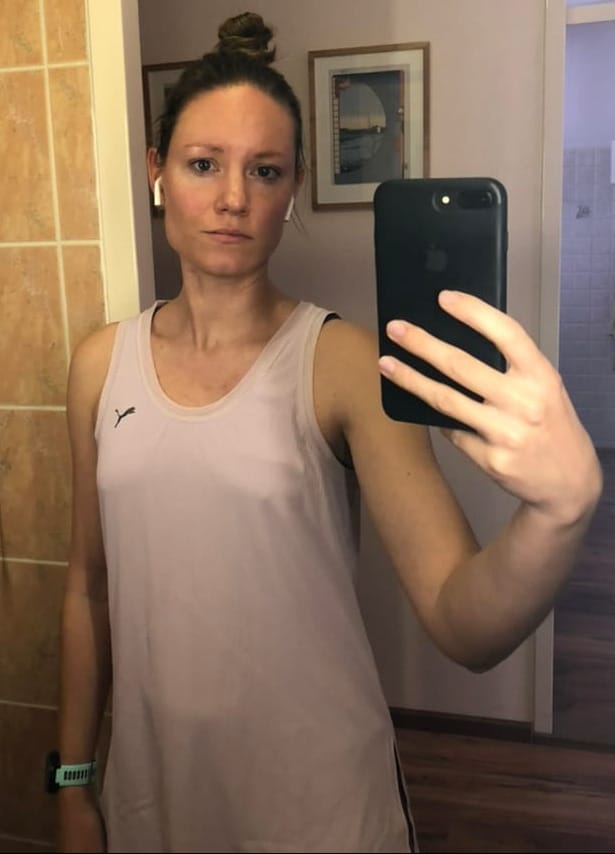
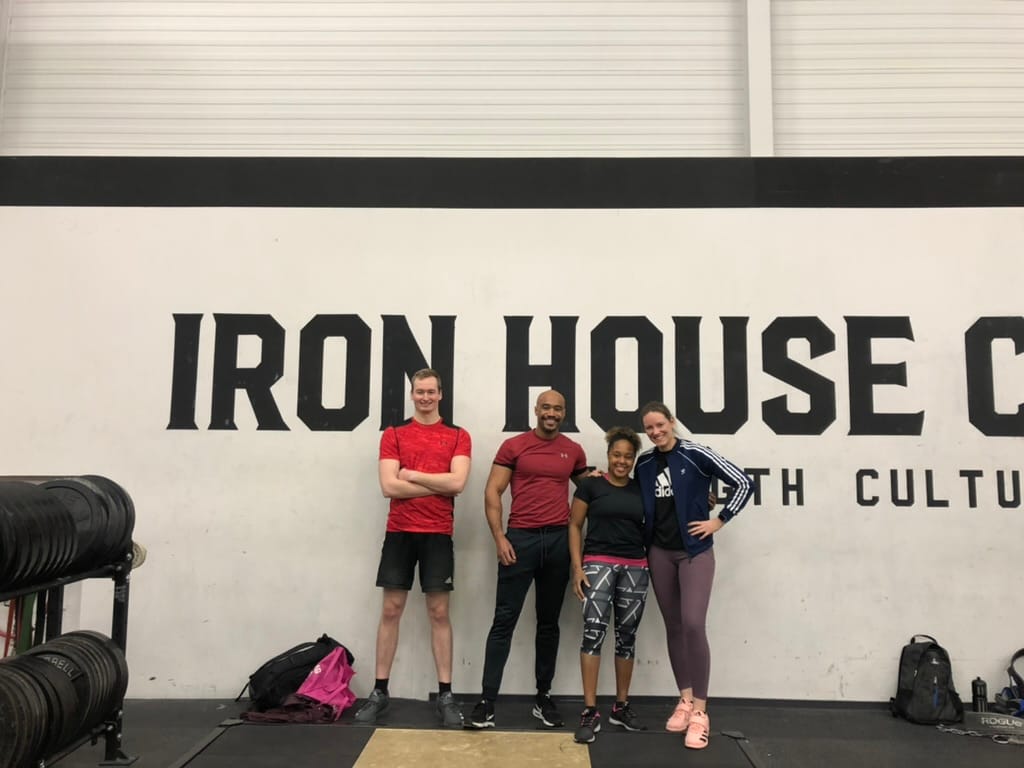
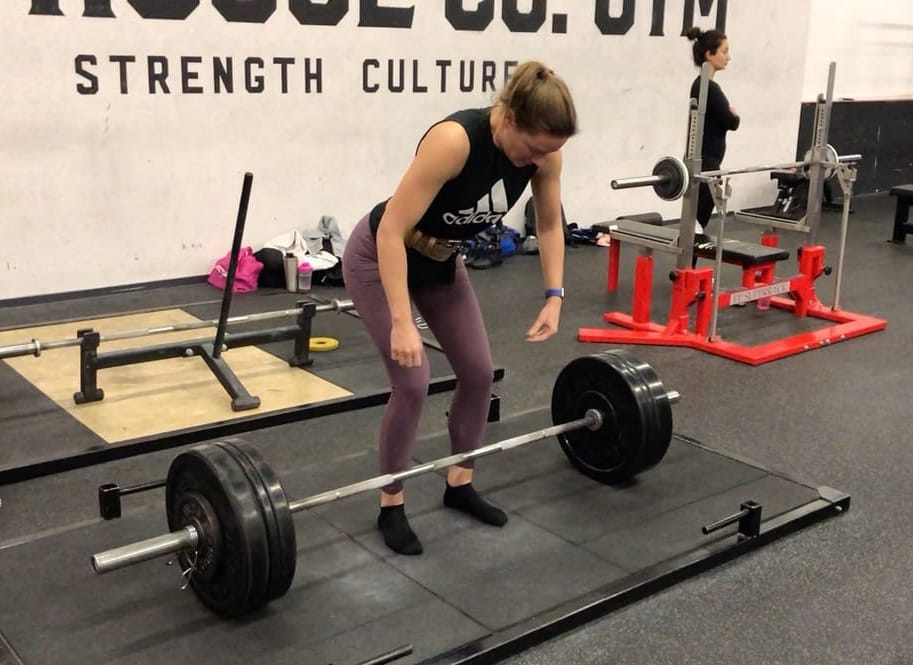
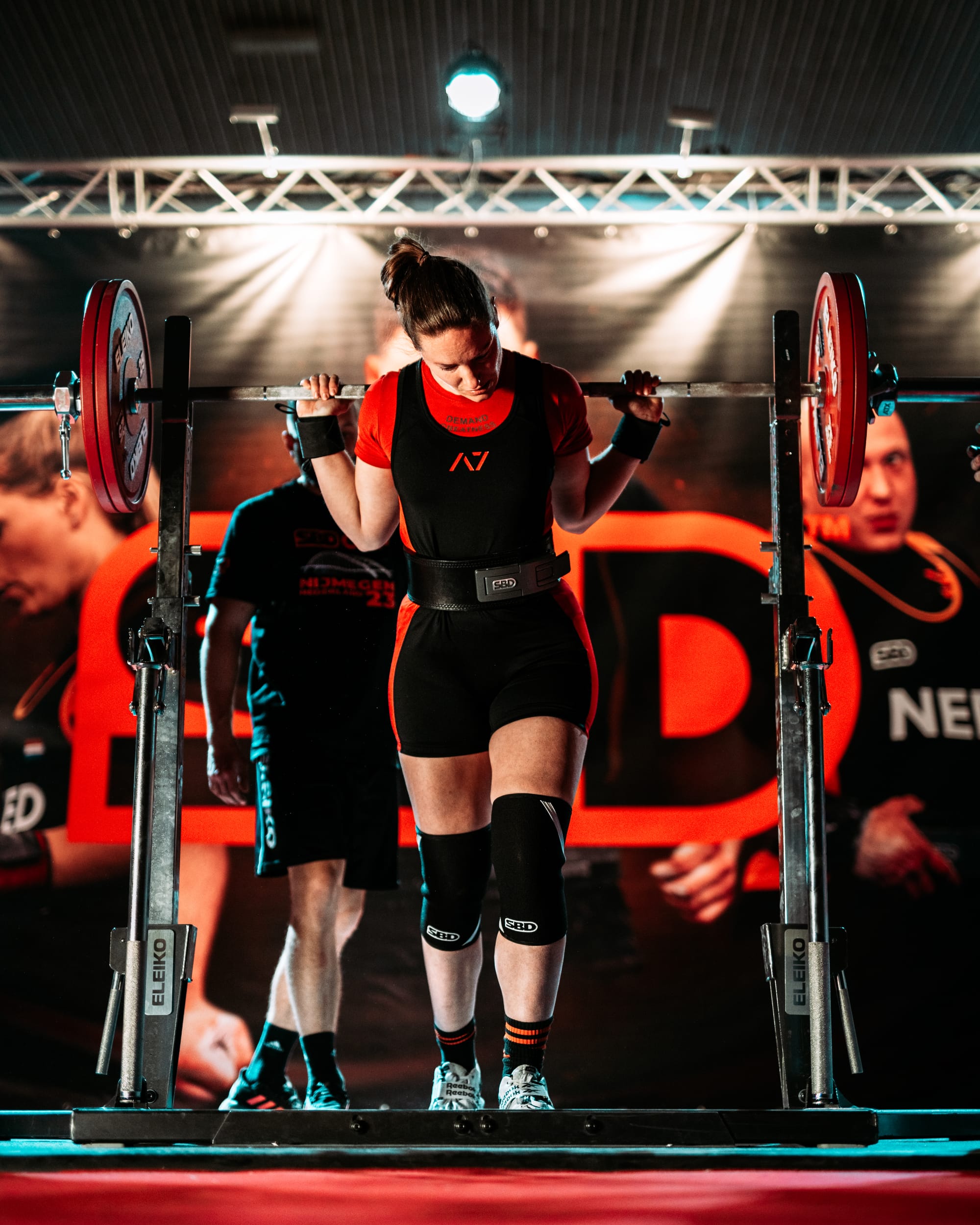

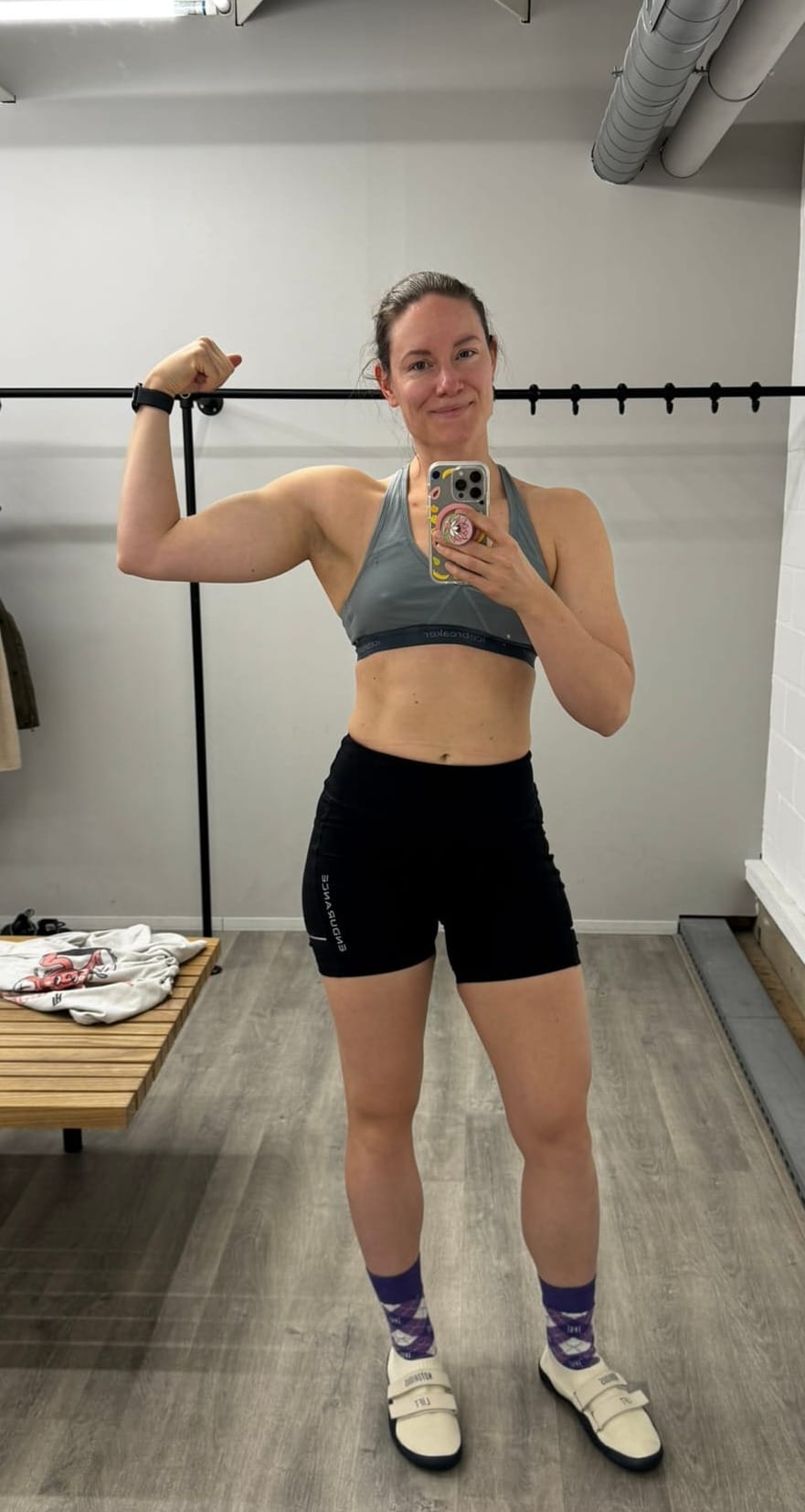
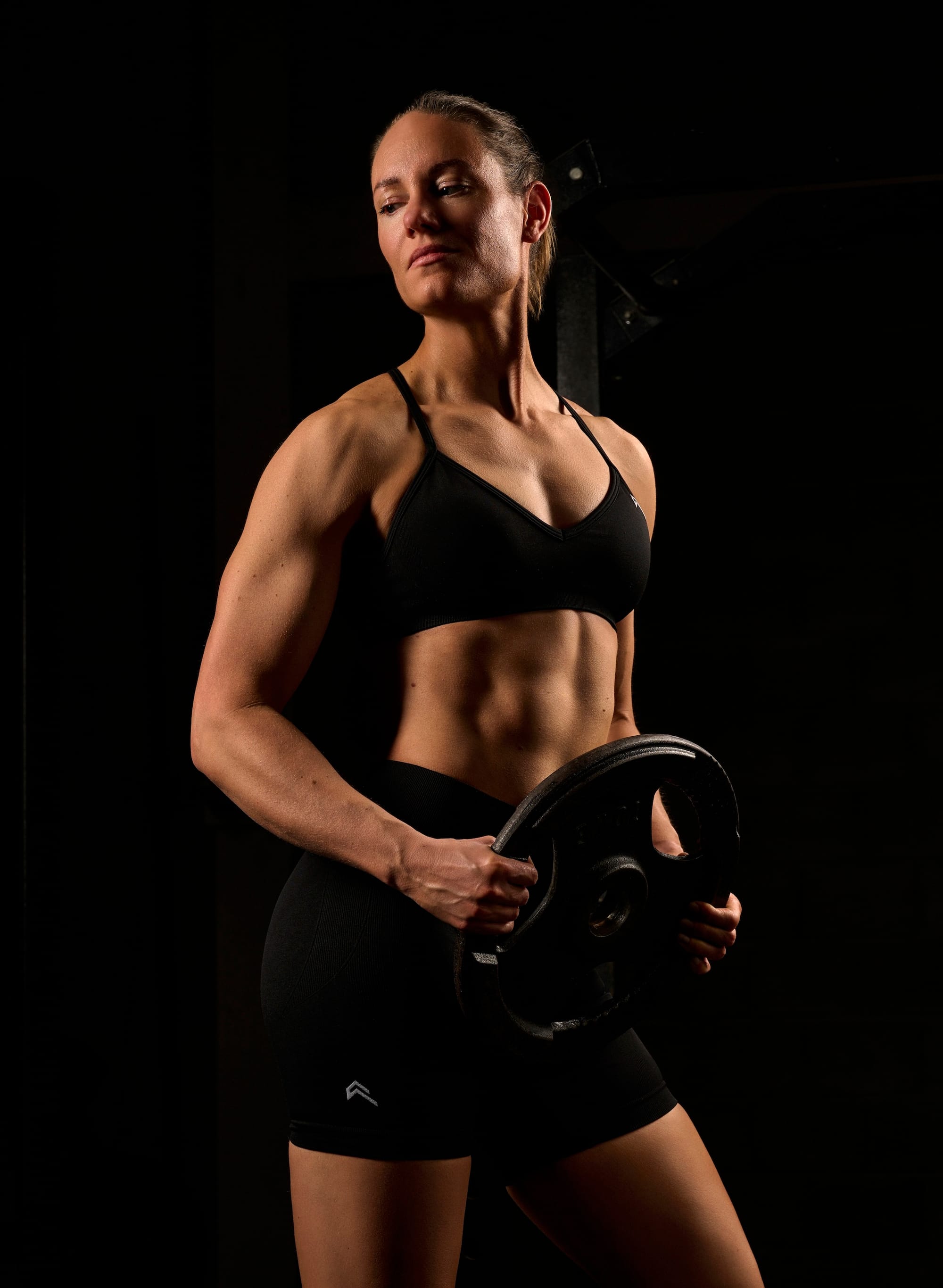







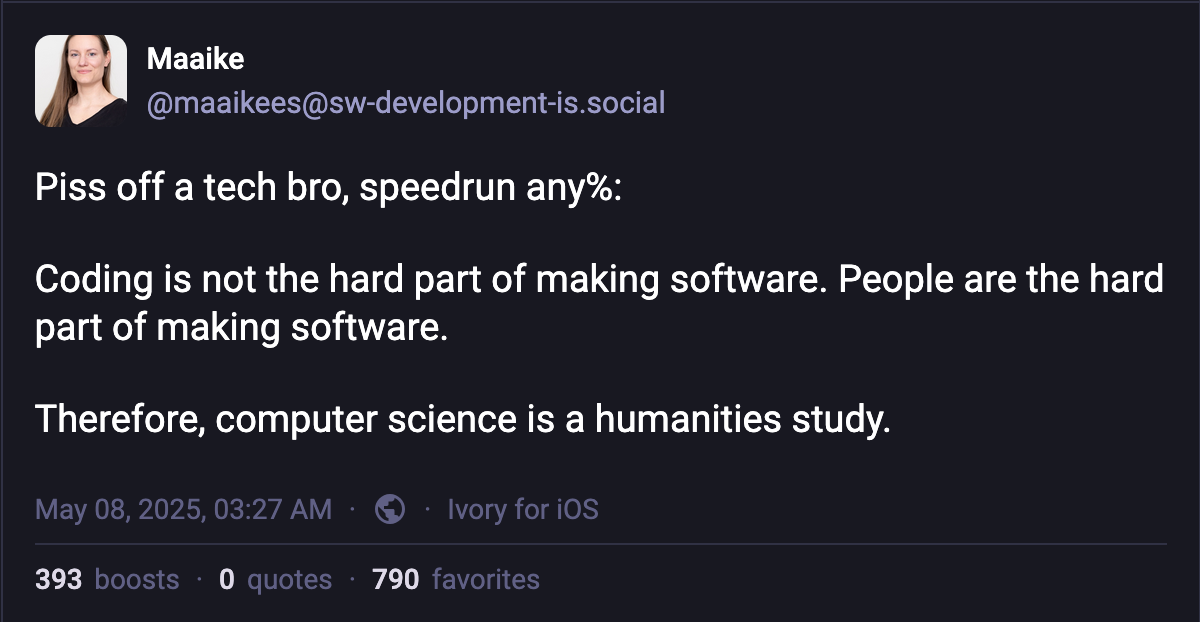

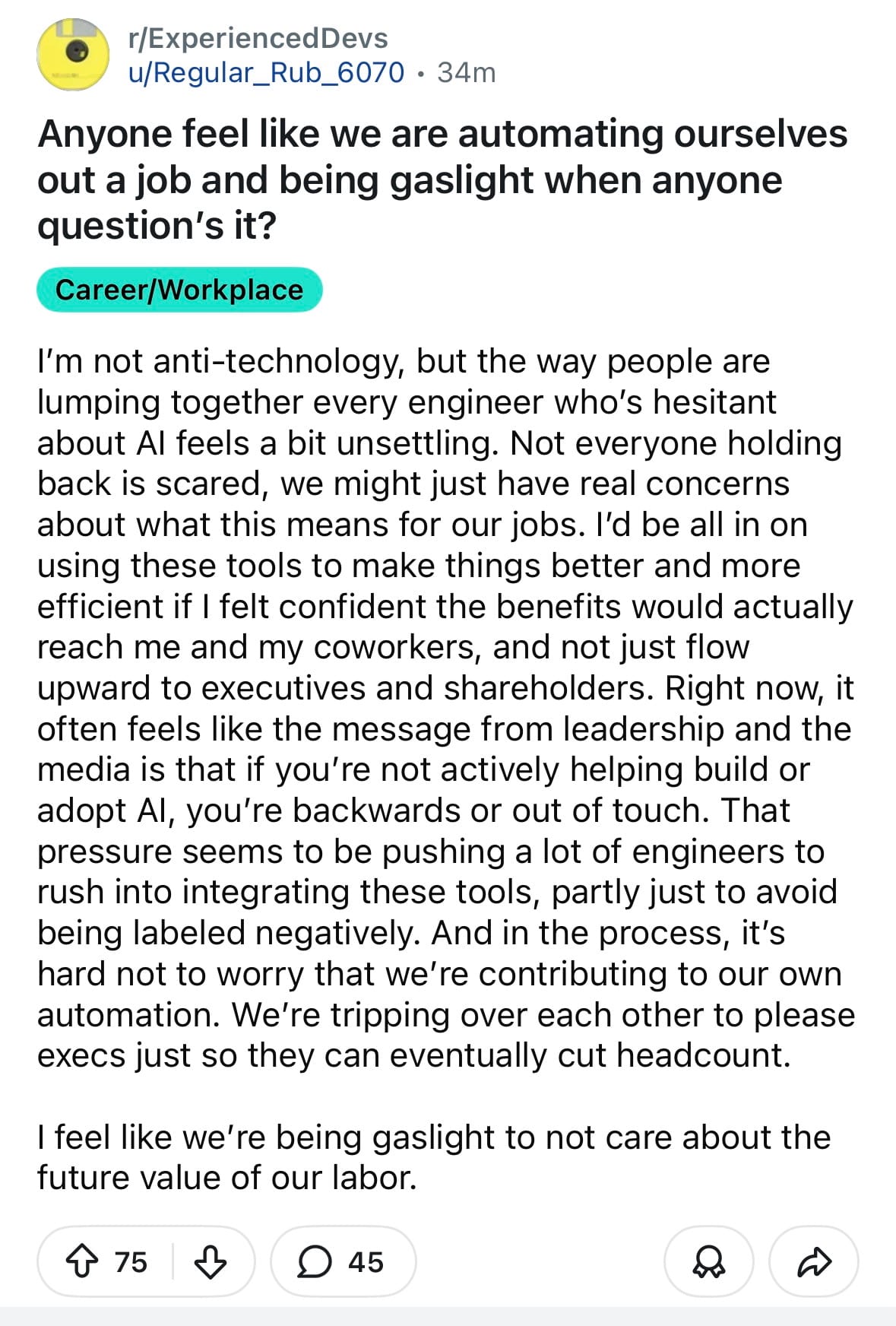
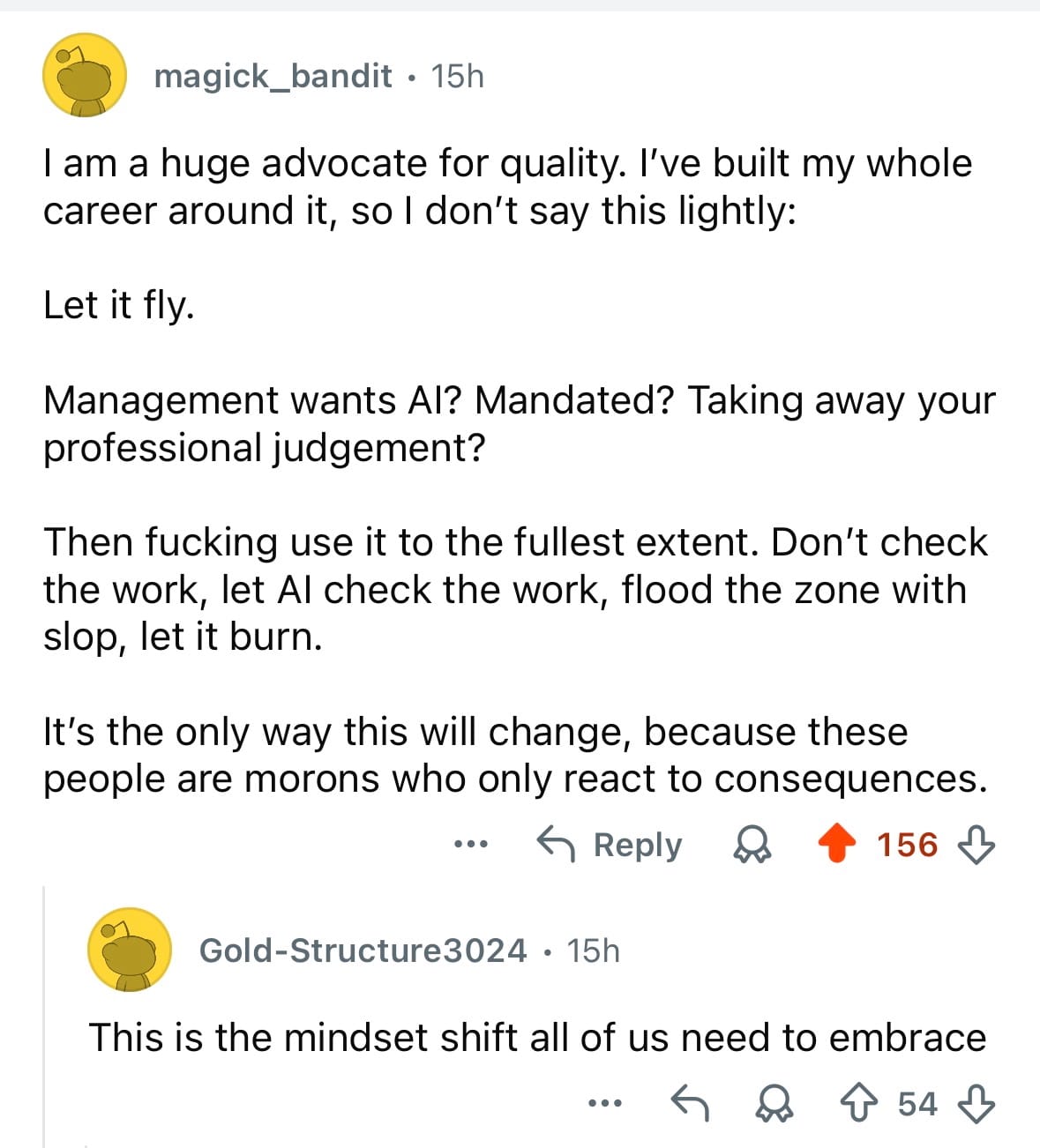
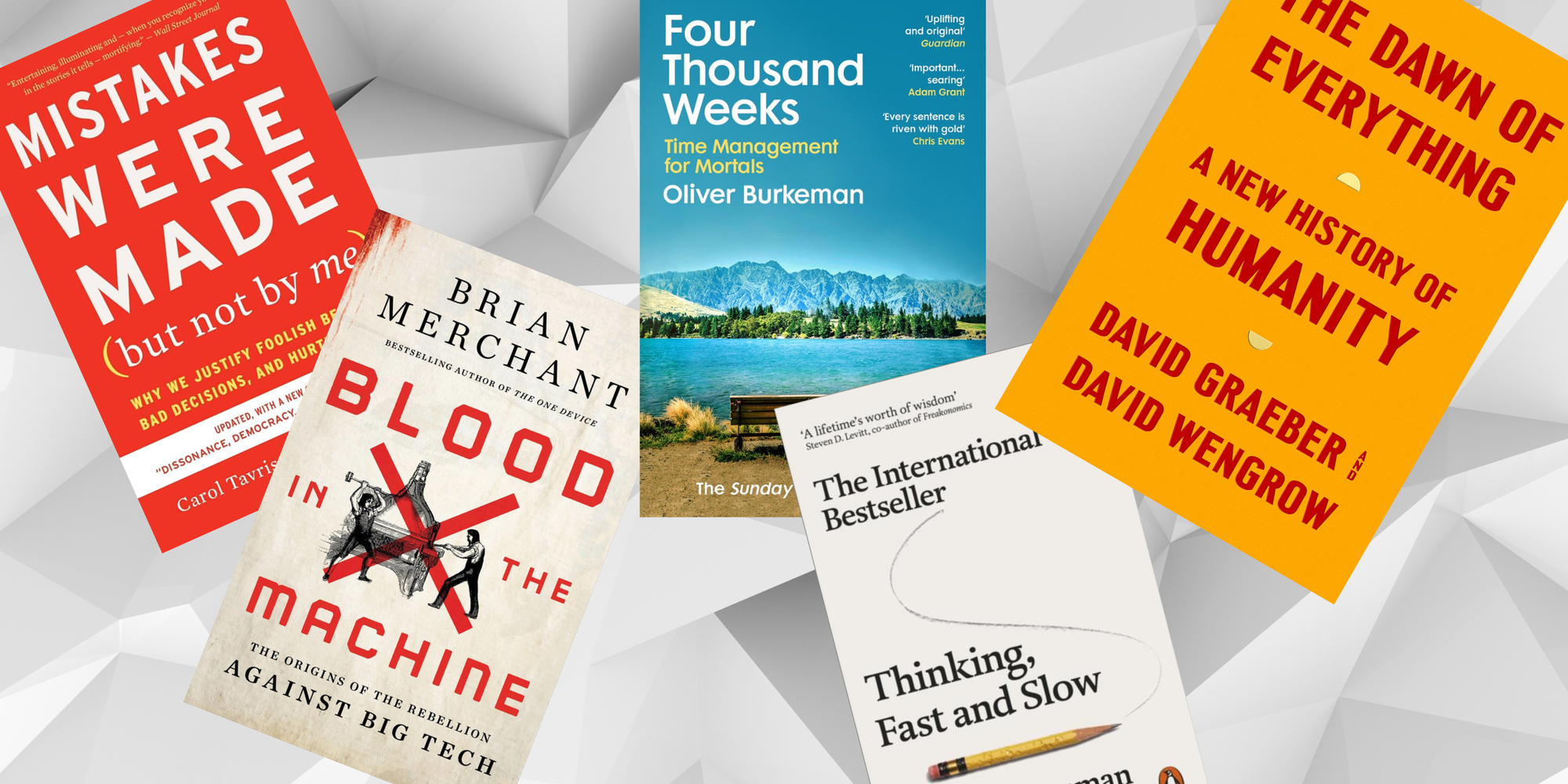
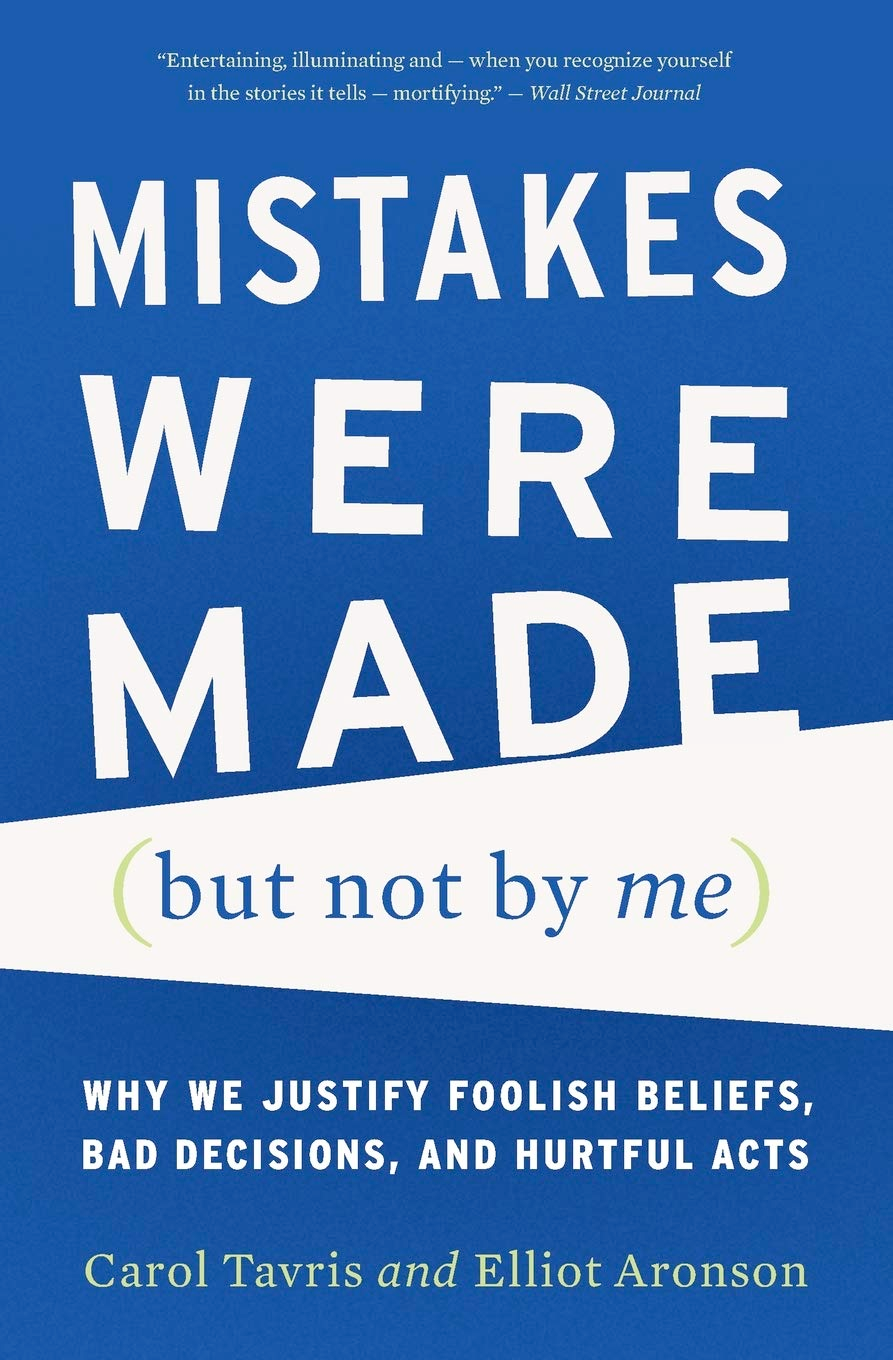
 Maaike Brinkhof's blogMaaike Brinkhof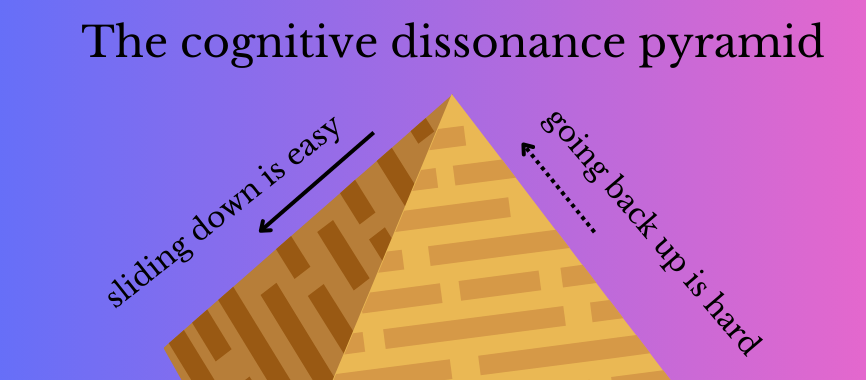
 Maaike Brinkhof's blogMaaike Brinkhof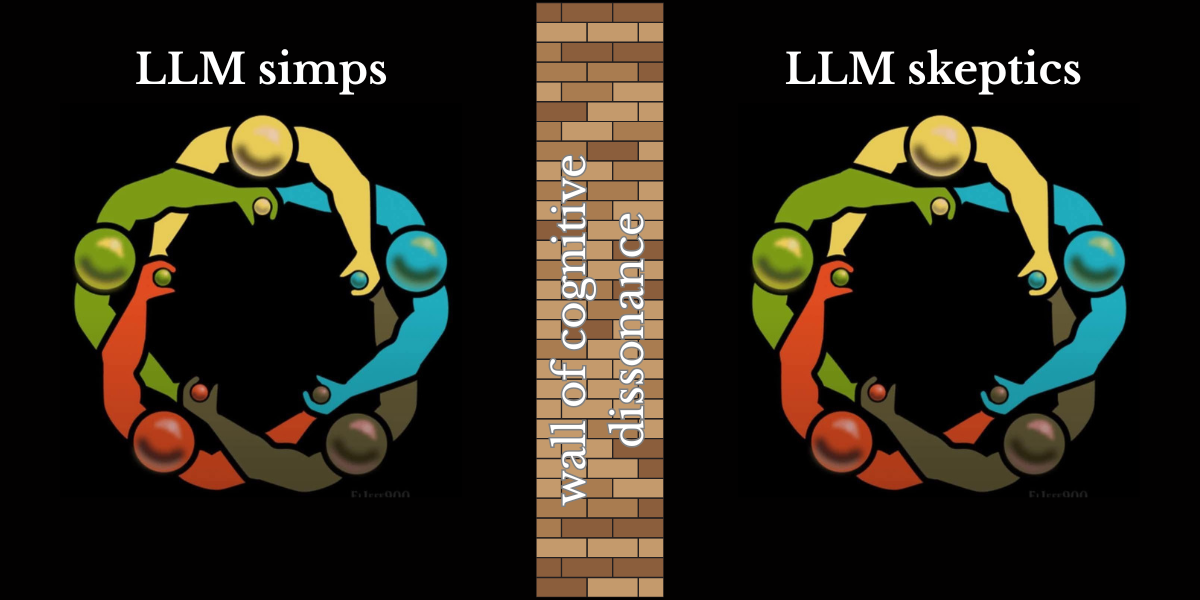
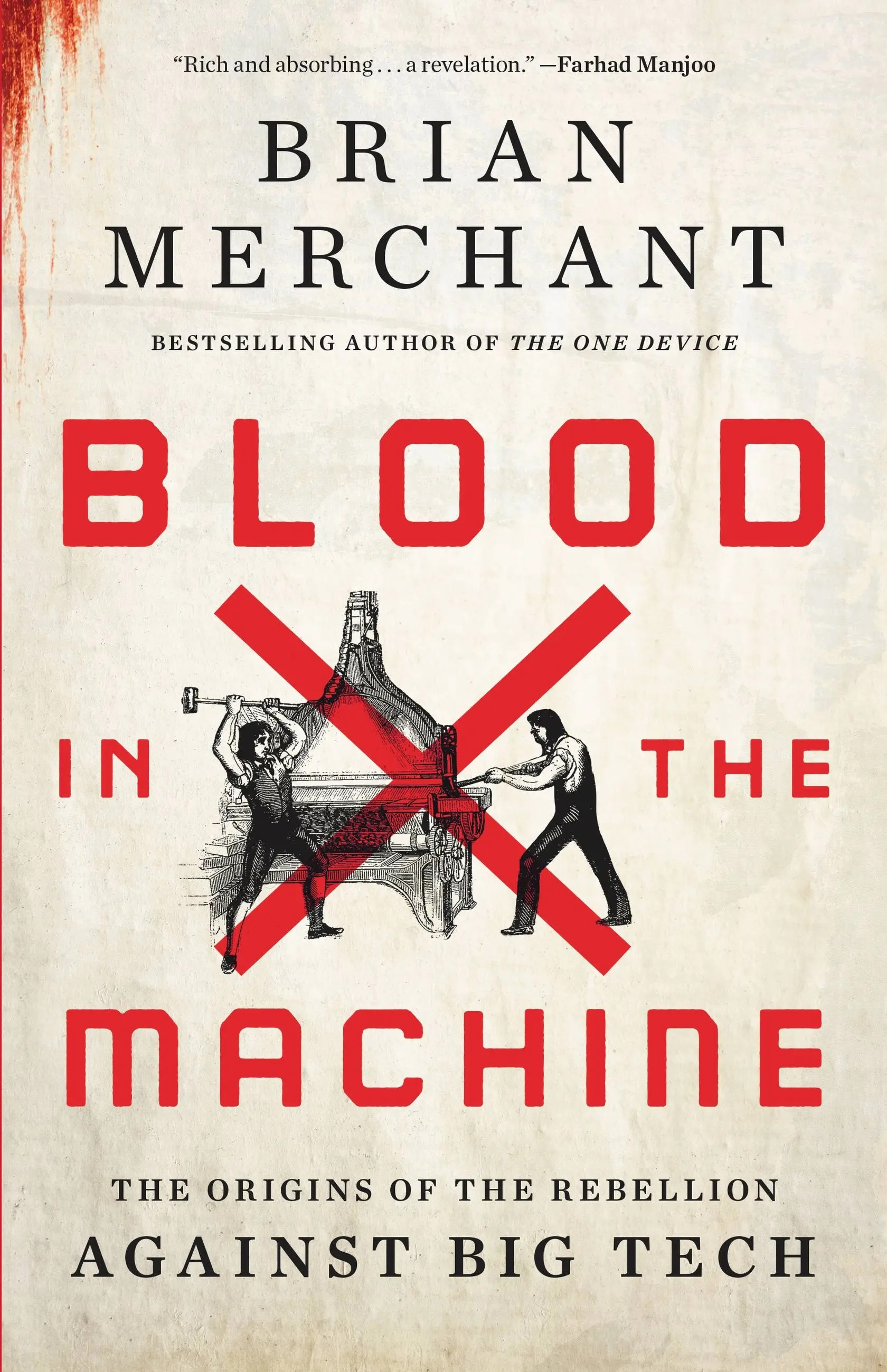
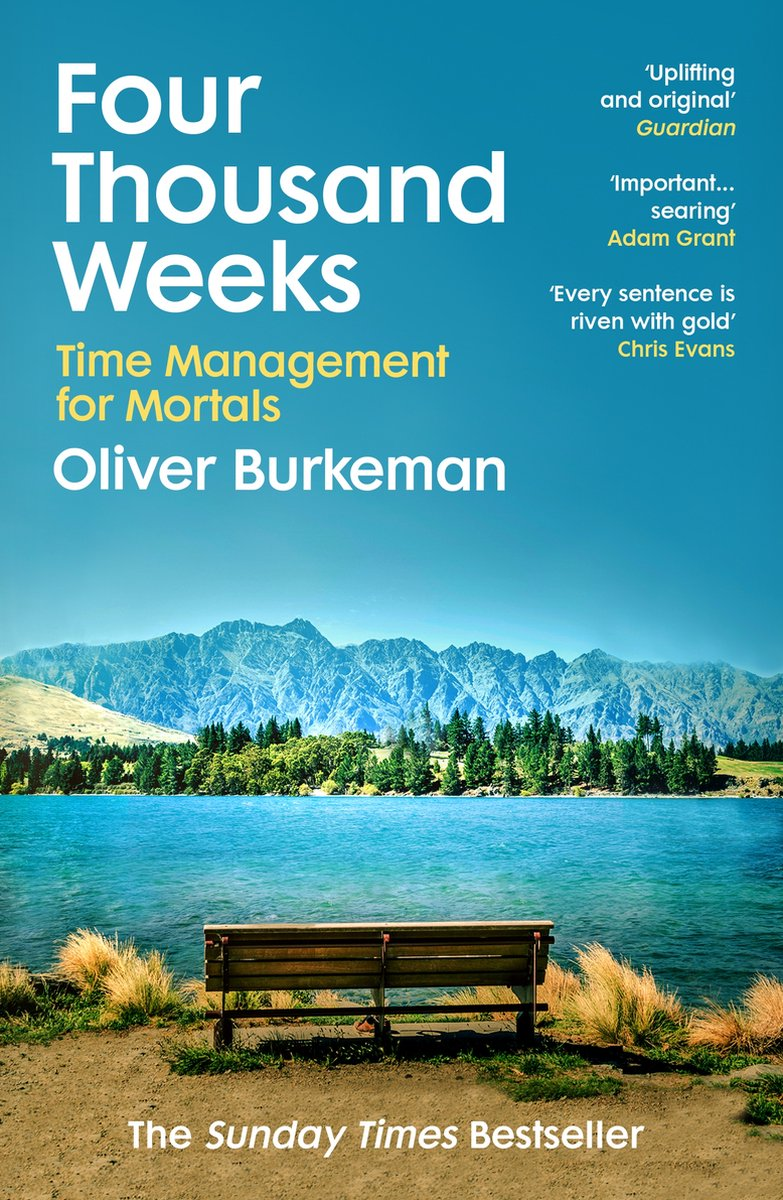



 Maaike Brinkhof's blogMaaike Brinkhof


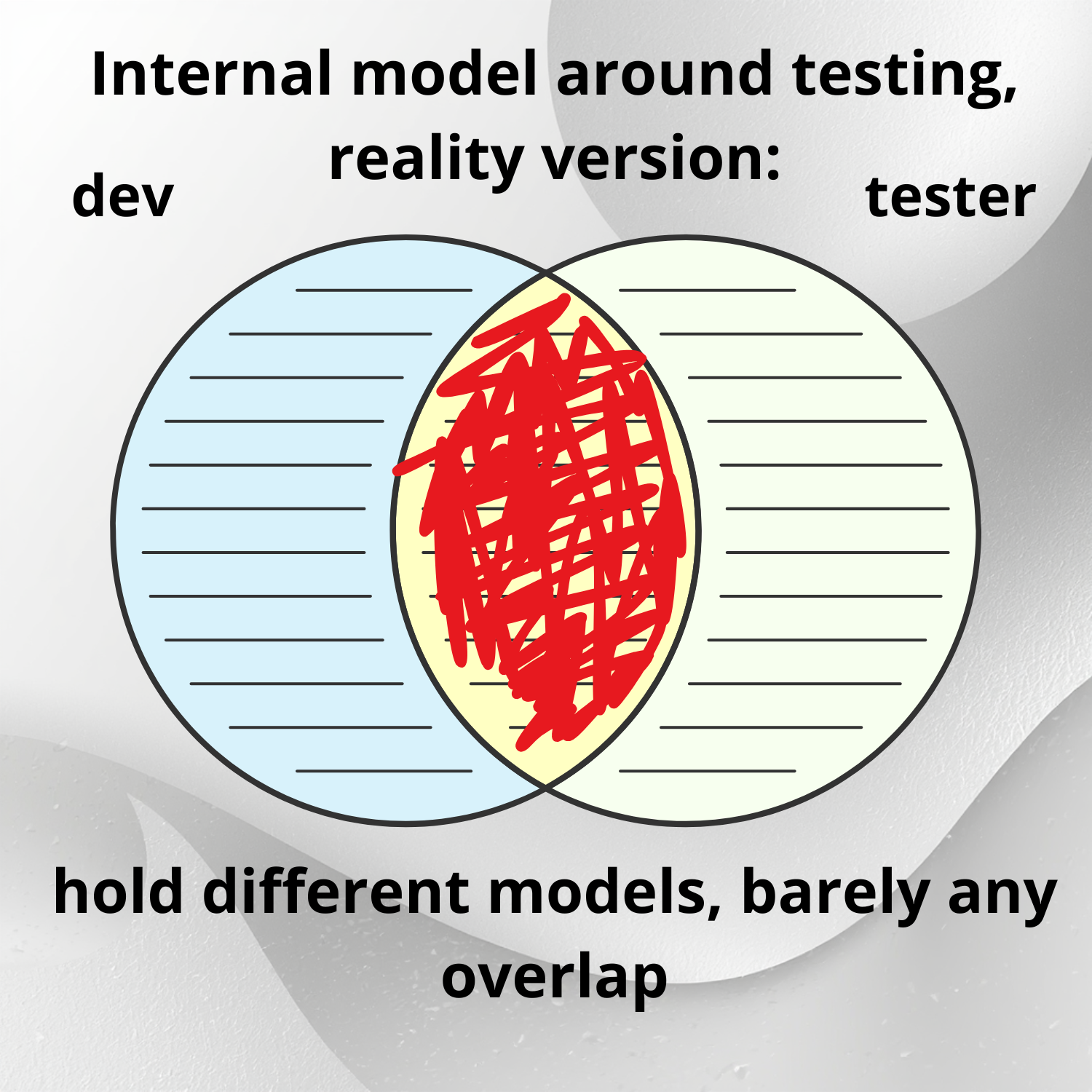
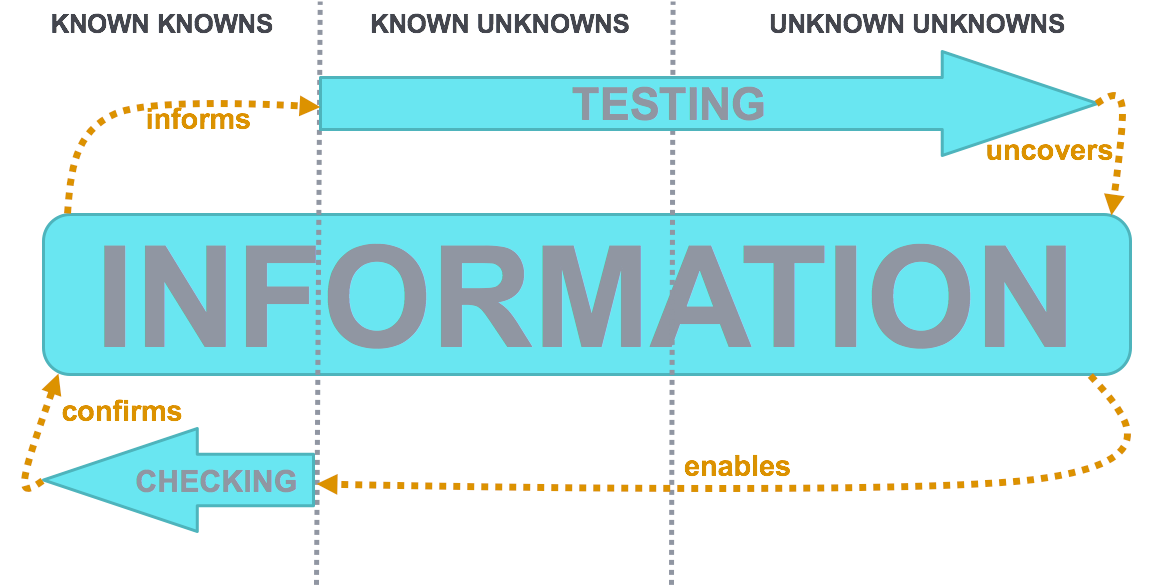
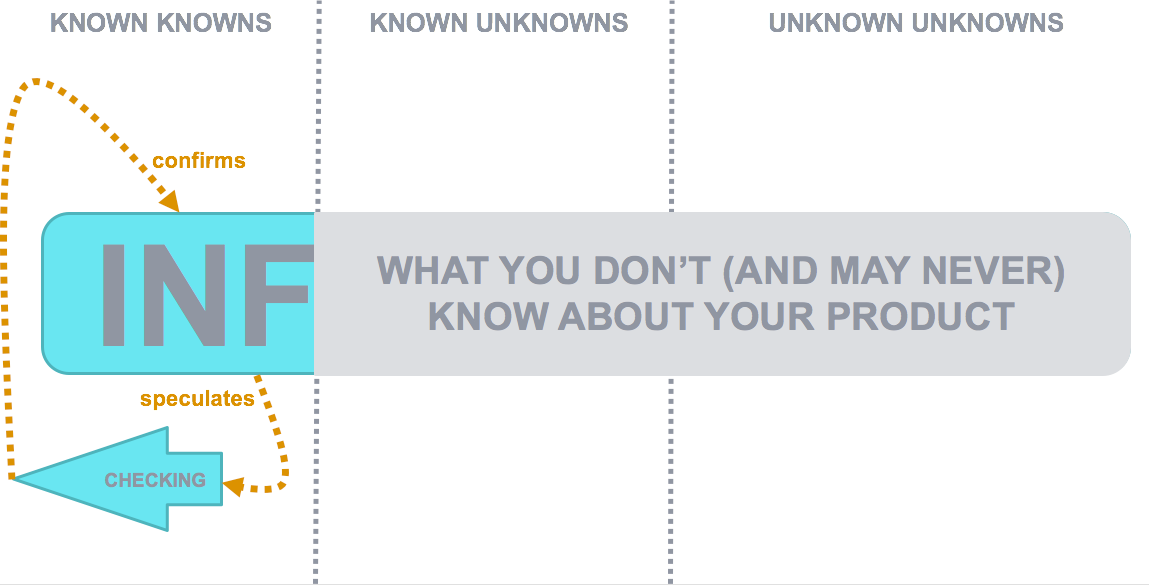
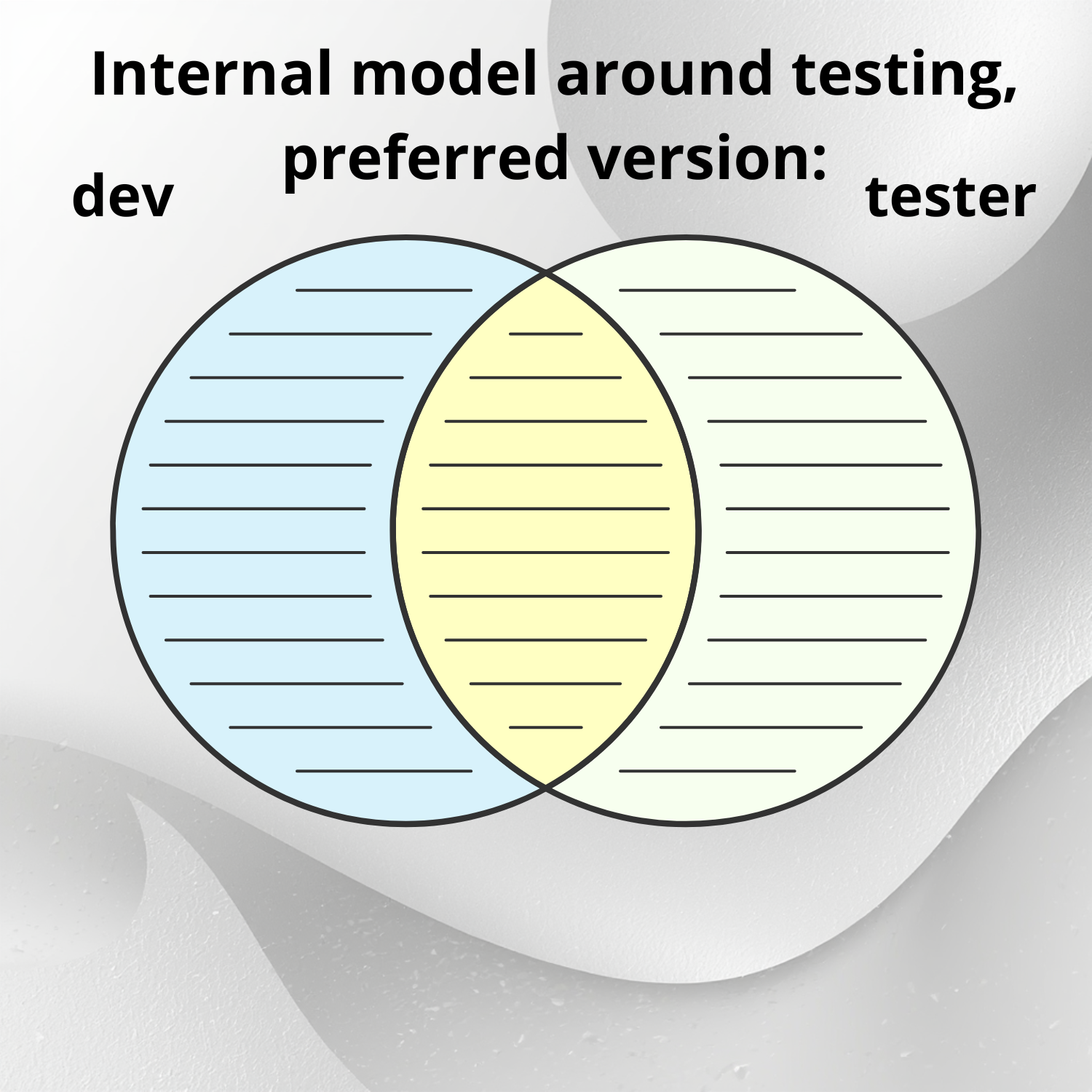







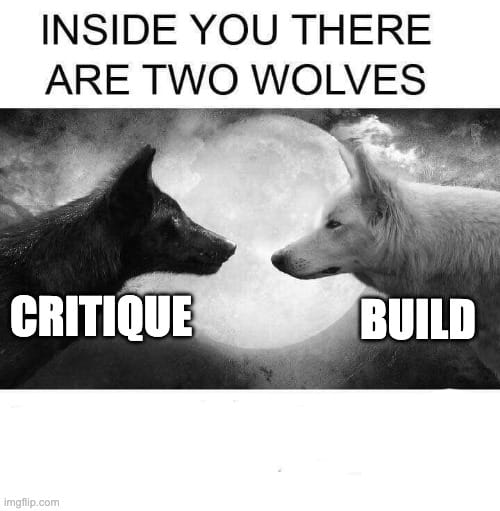
 Maaike Brinkhof's blogMaaike Brinkhof

 Random ThoughtsColin Cornaby
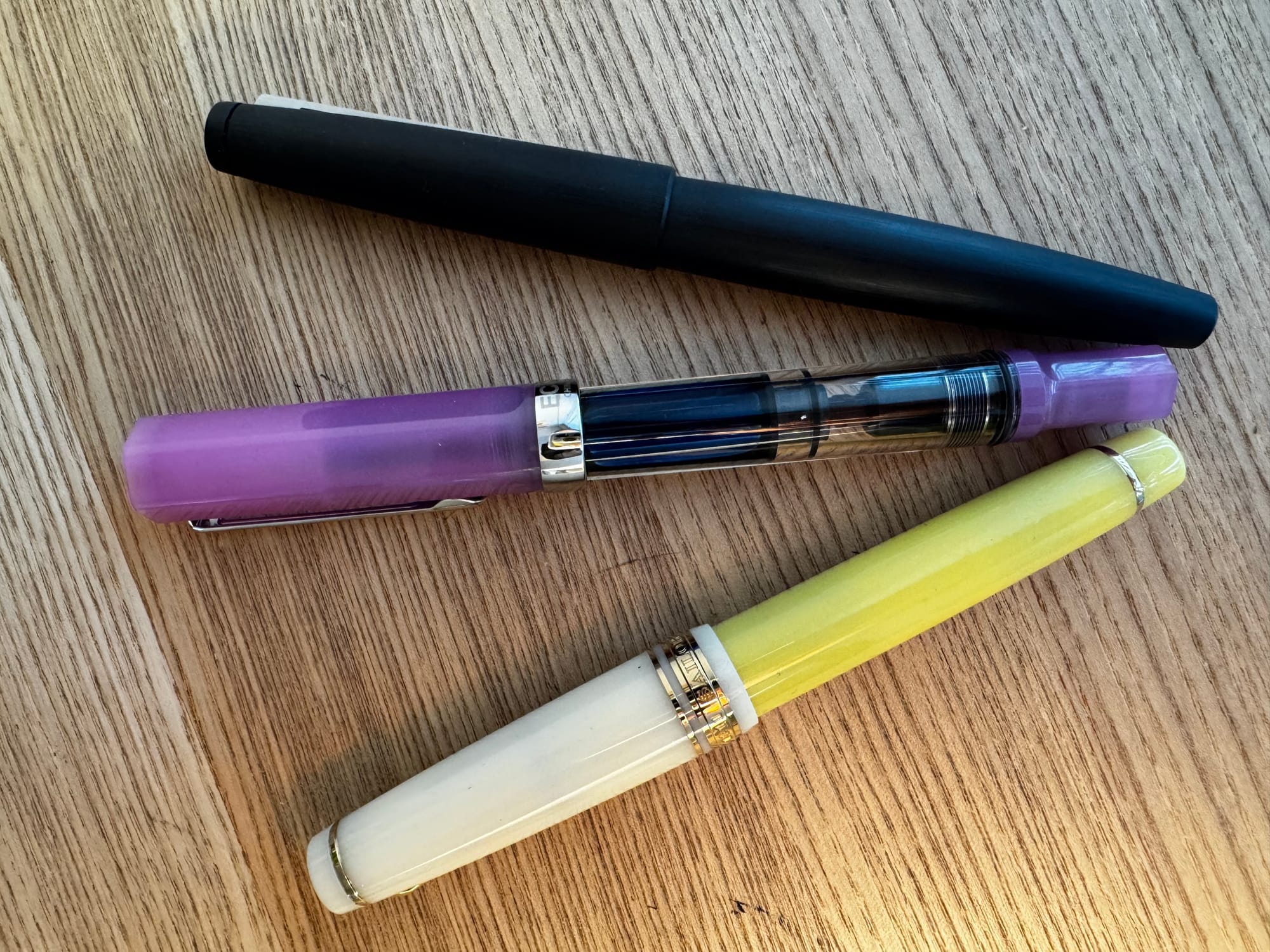
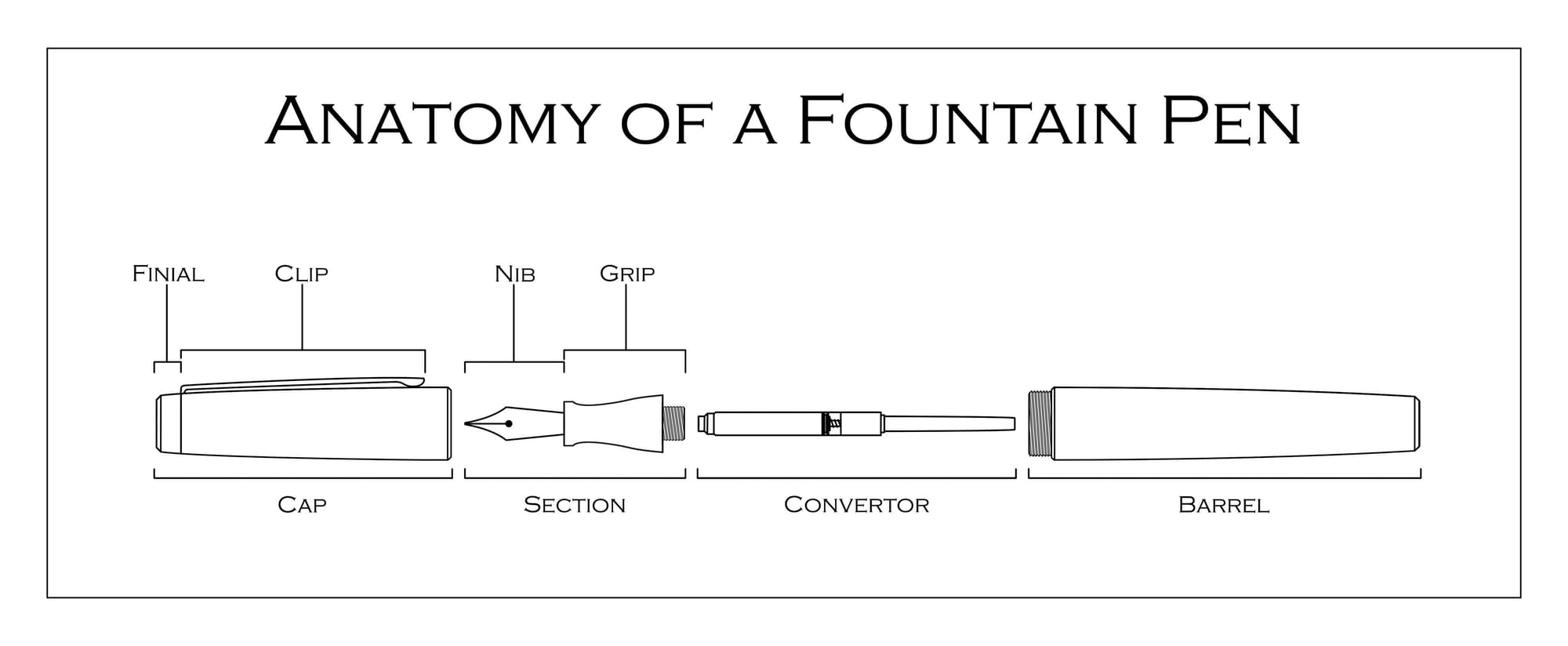
 Maaike Brinkhof's blogMaaike Brinkhof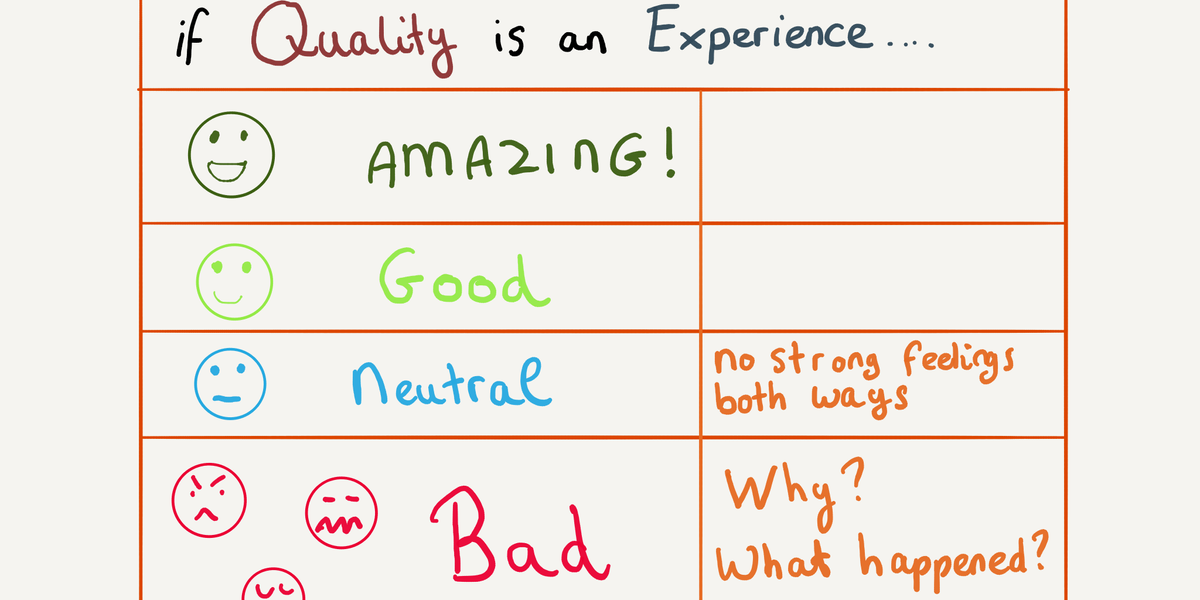
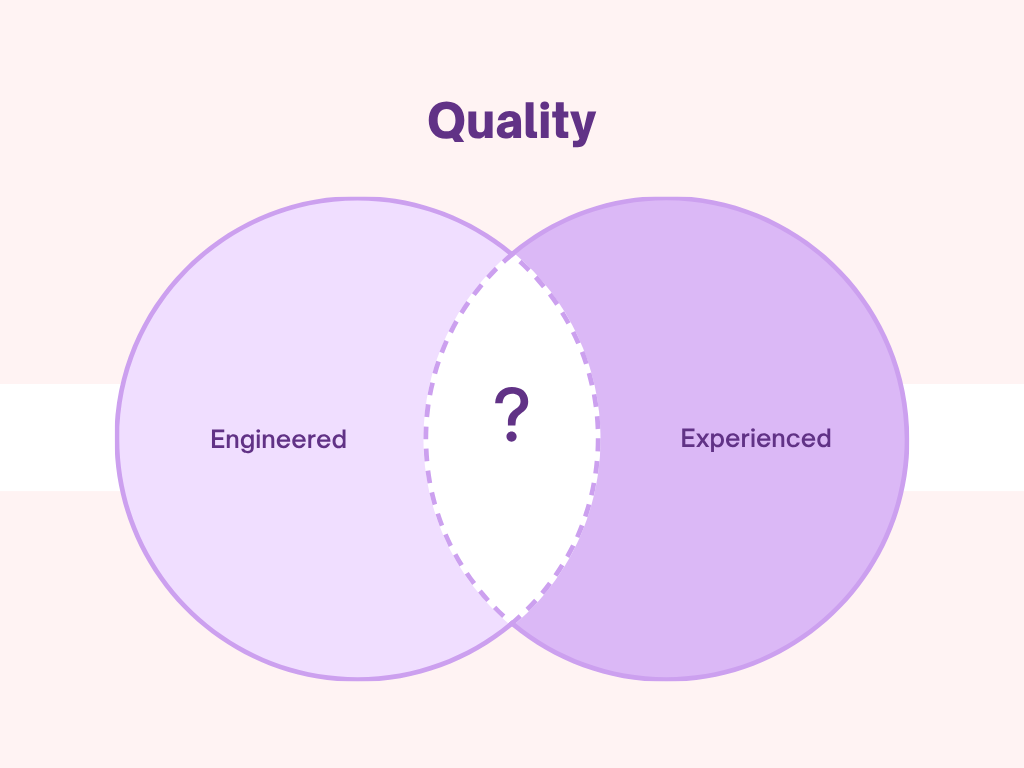
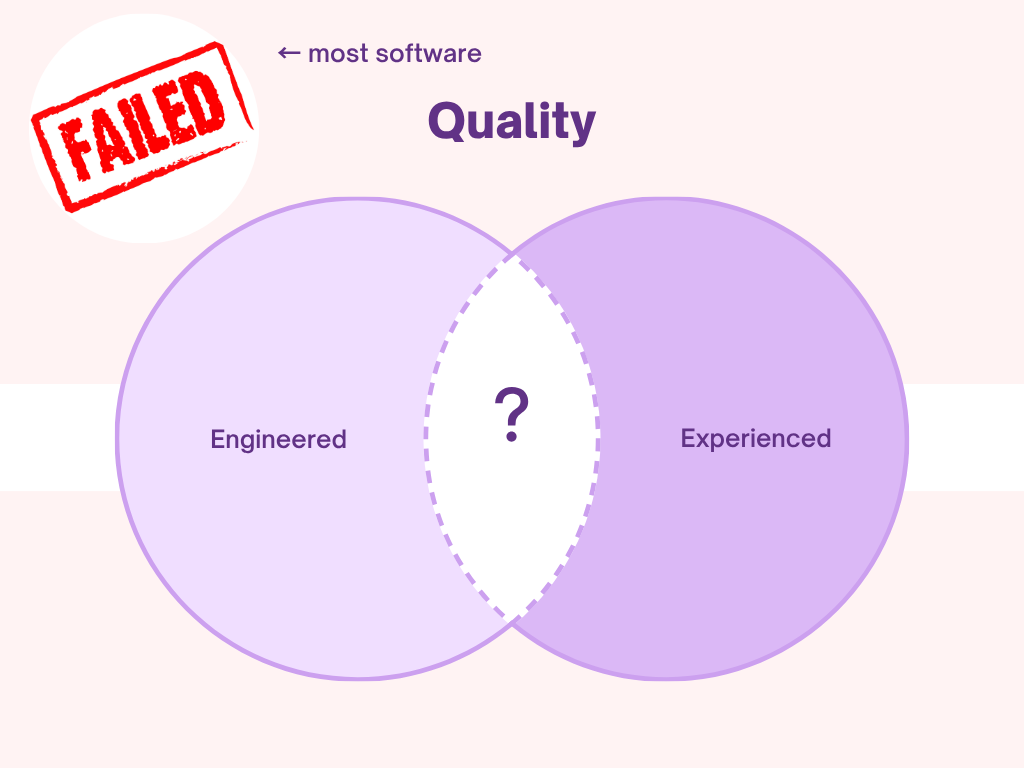
 Maaike Brinkhof's blogMaaike Brinkhof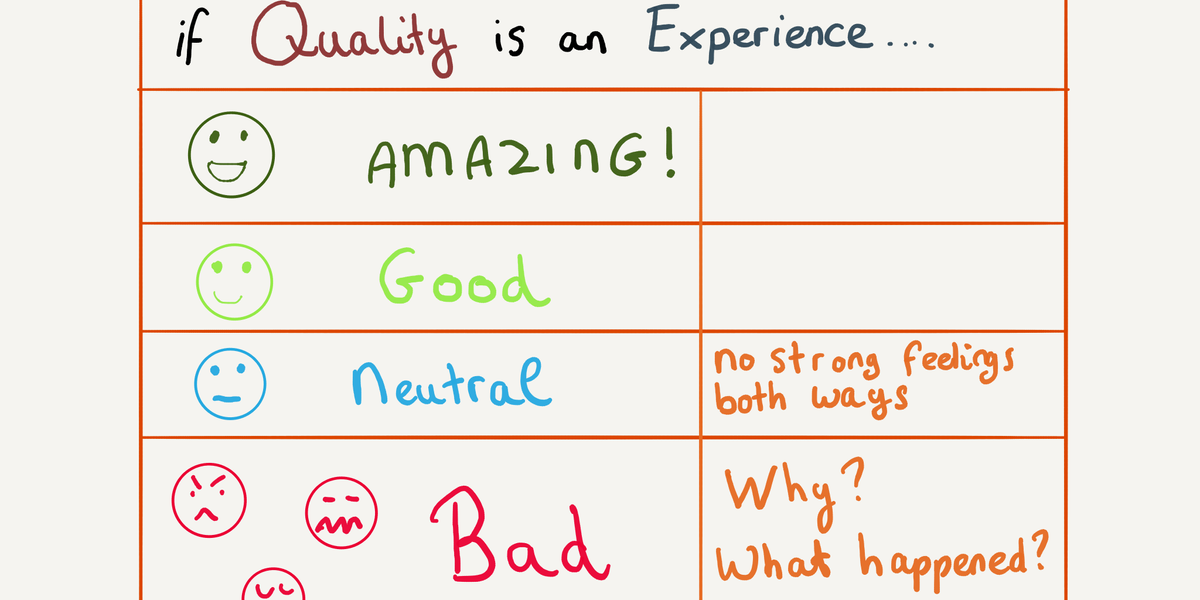

 Maaike Brinkhof's blogMaaike Brinkhof
 Maaike Brinkhof's blogMaaike Brinkhof