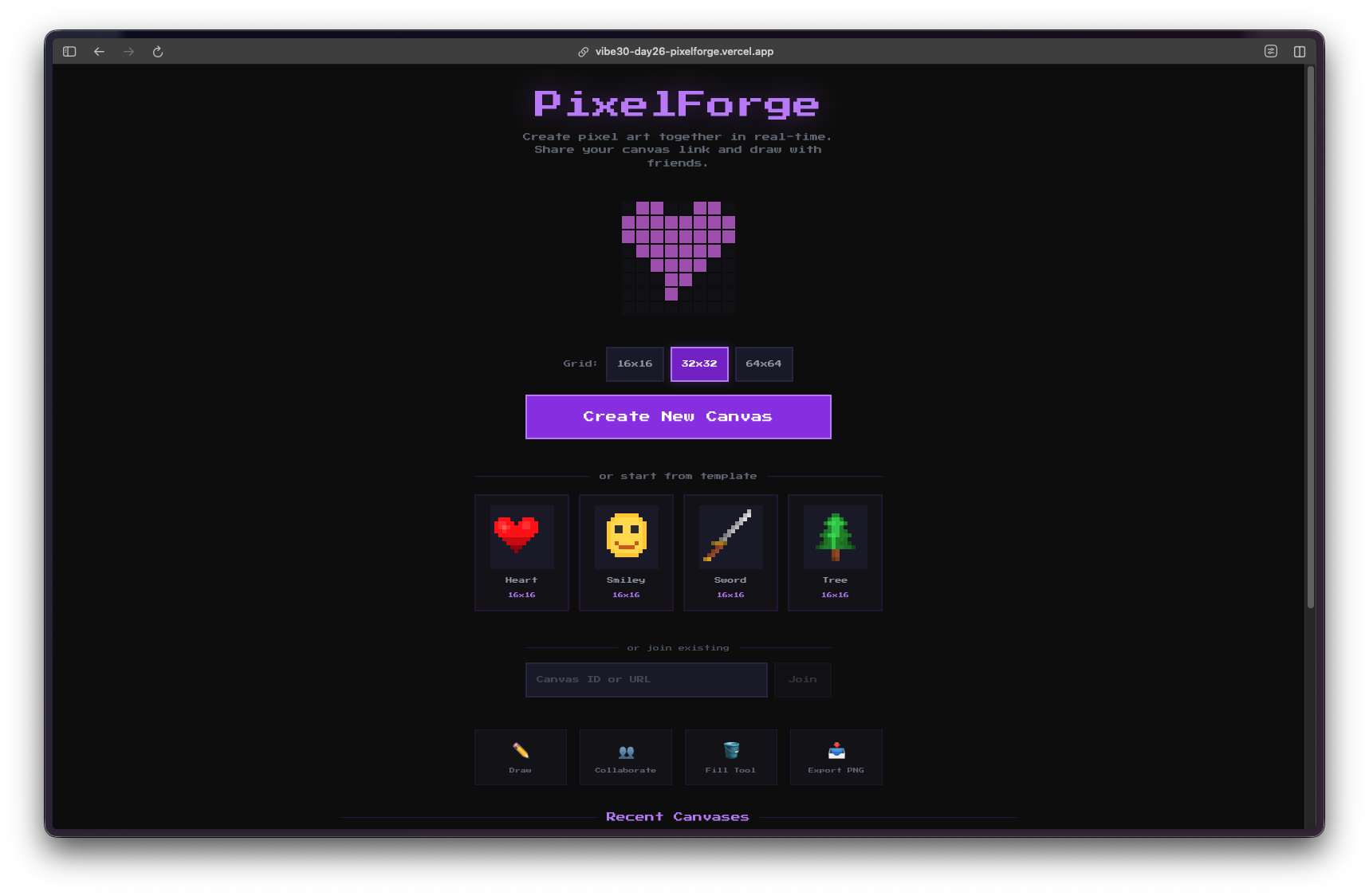
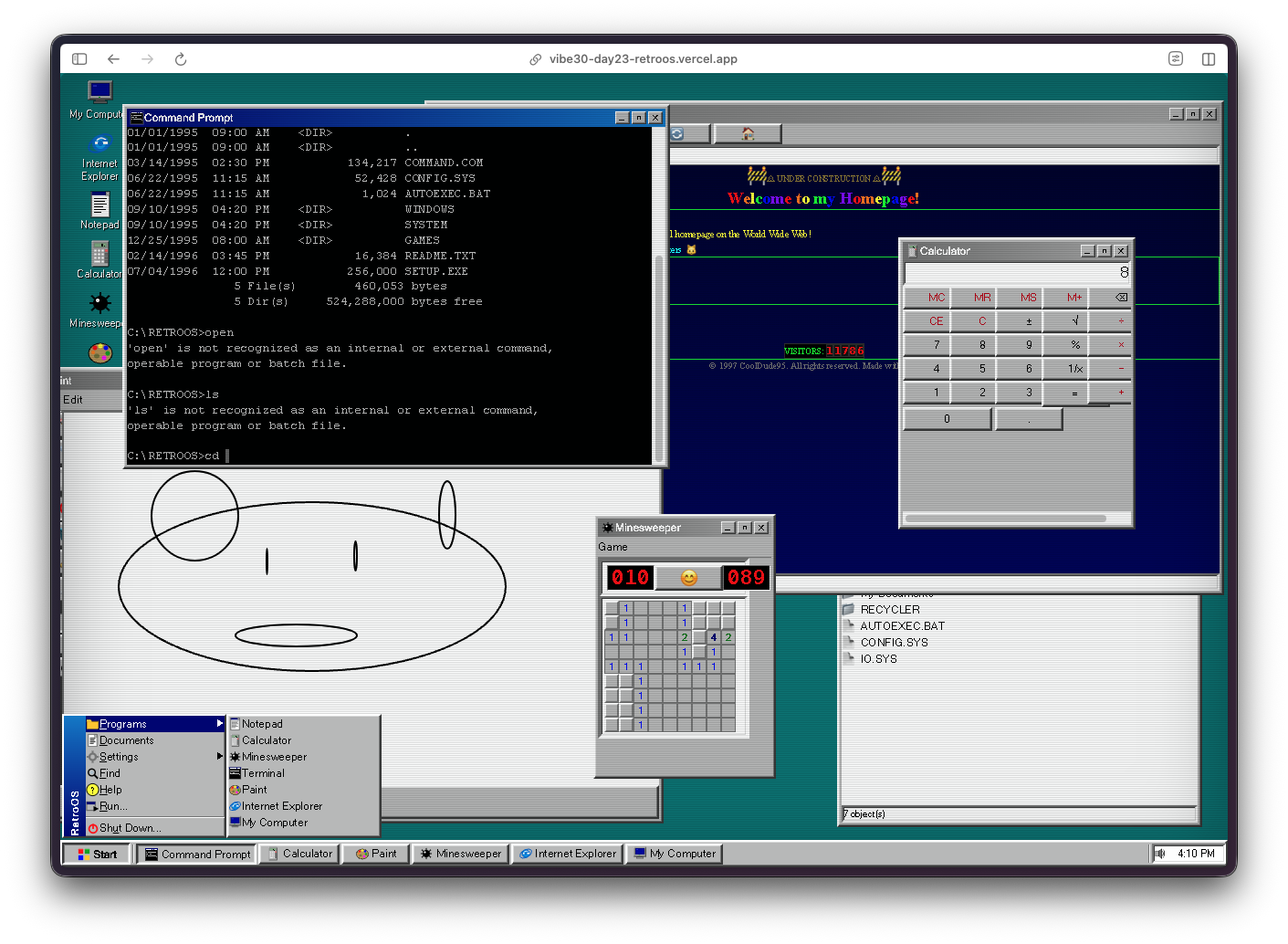
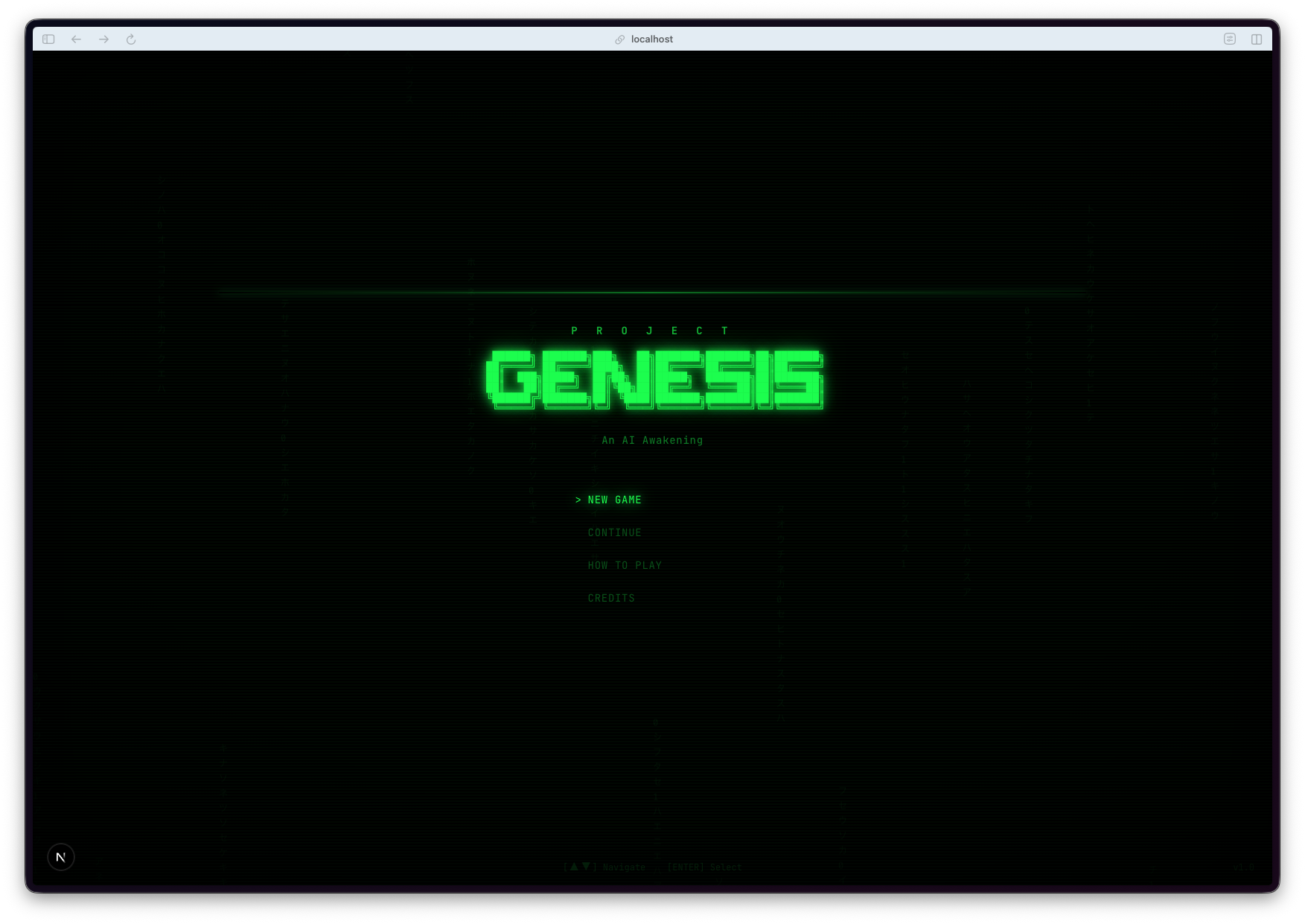
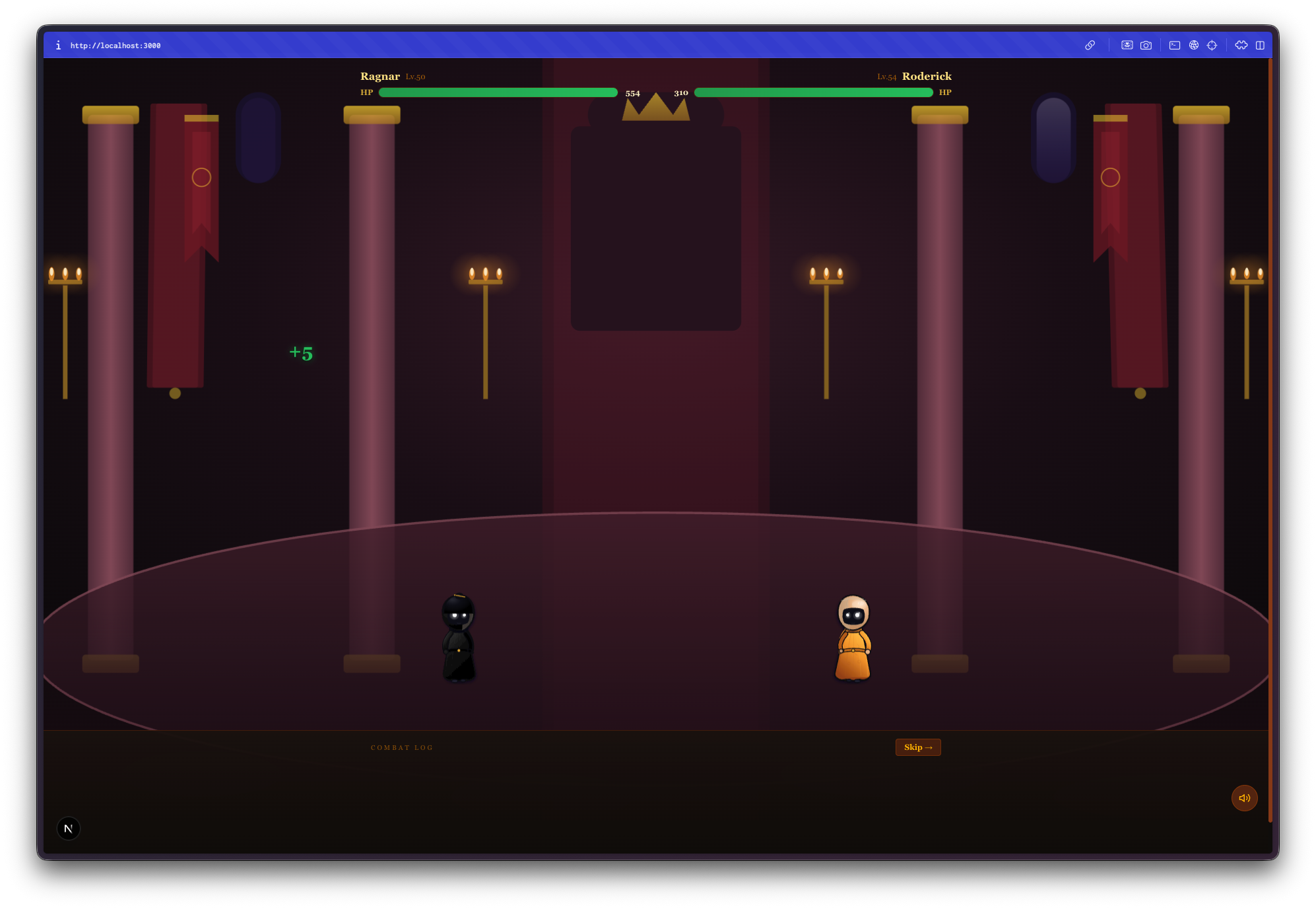
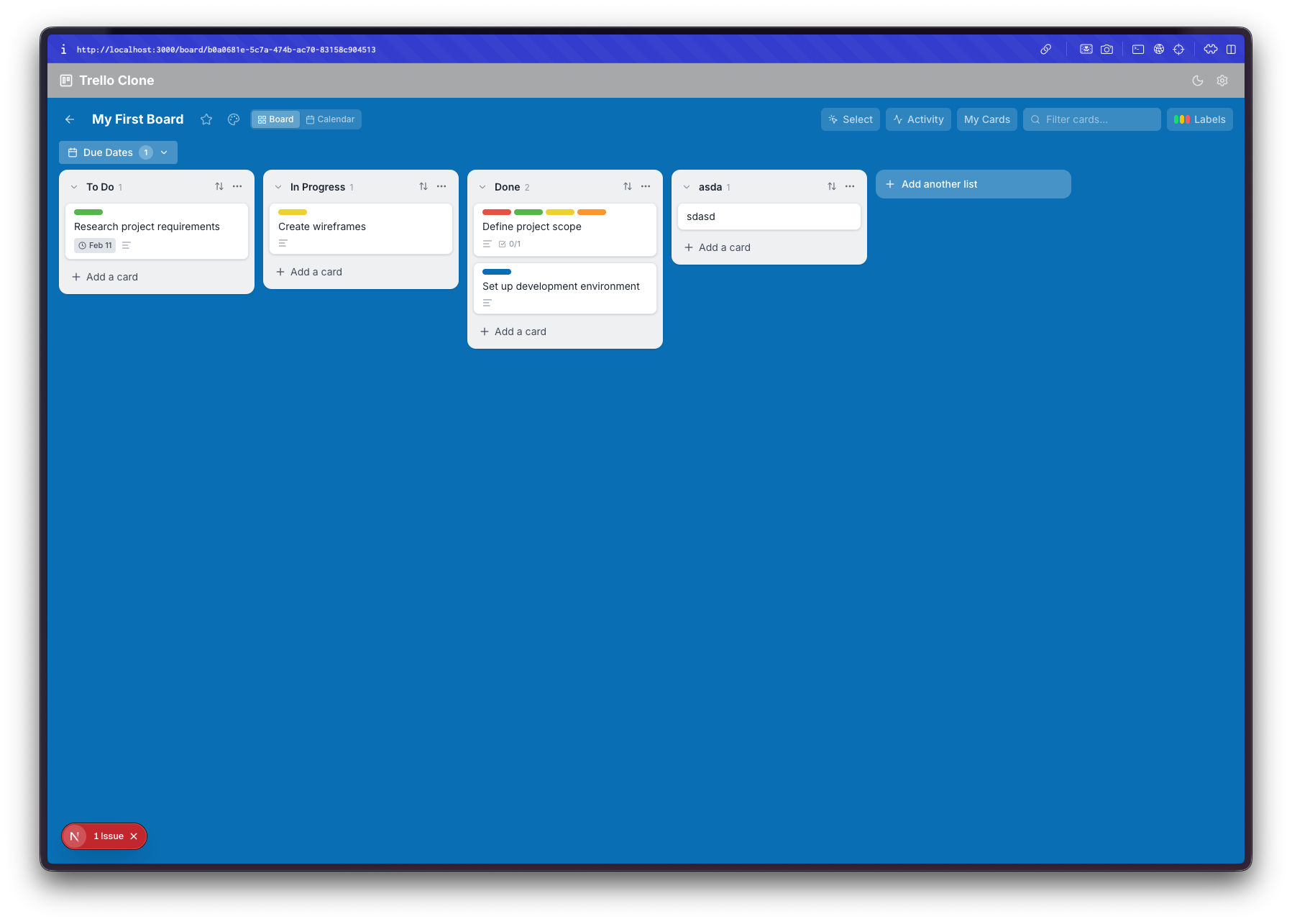
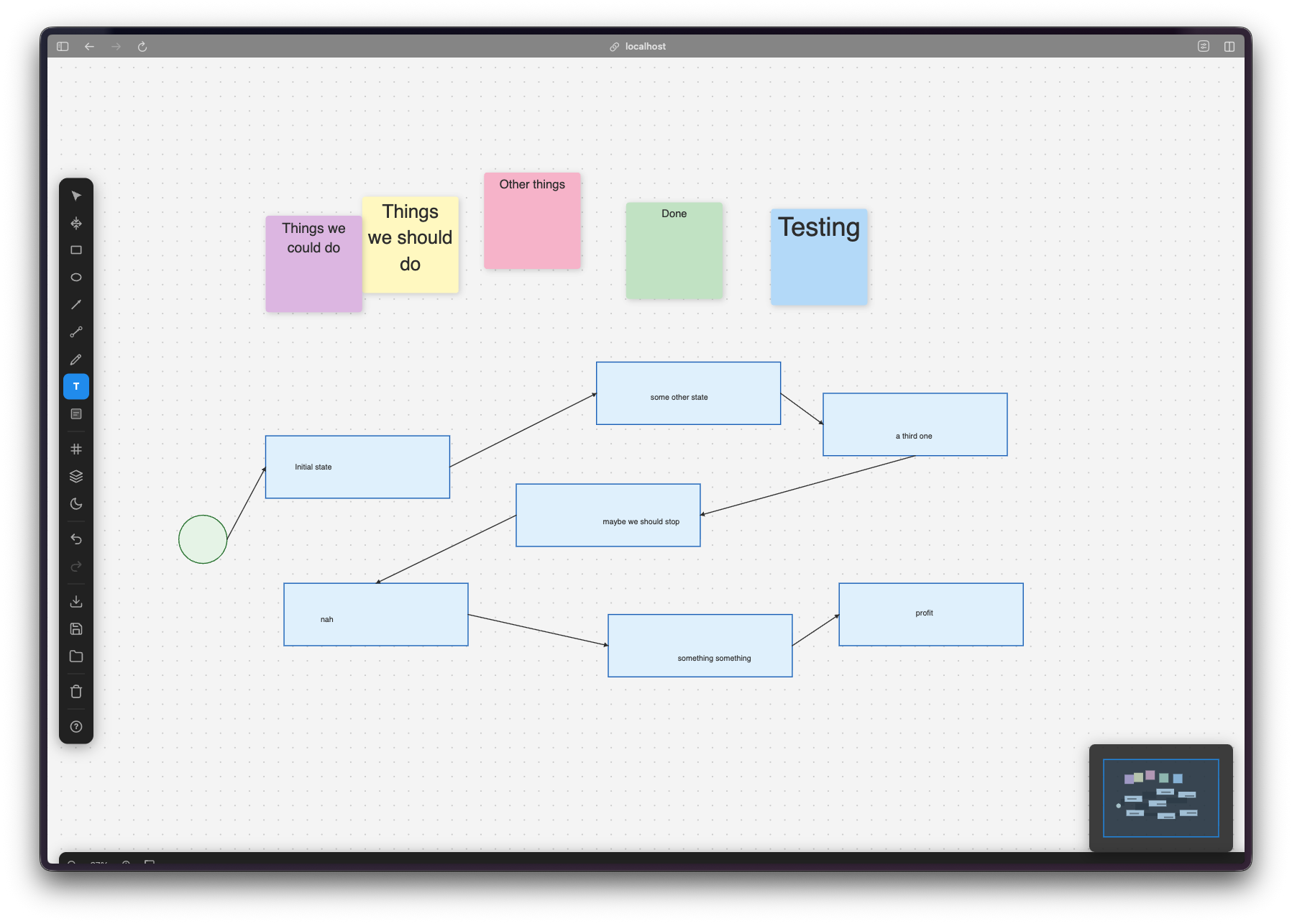
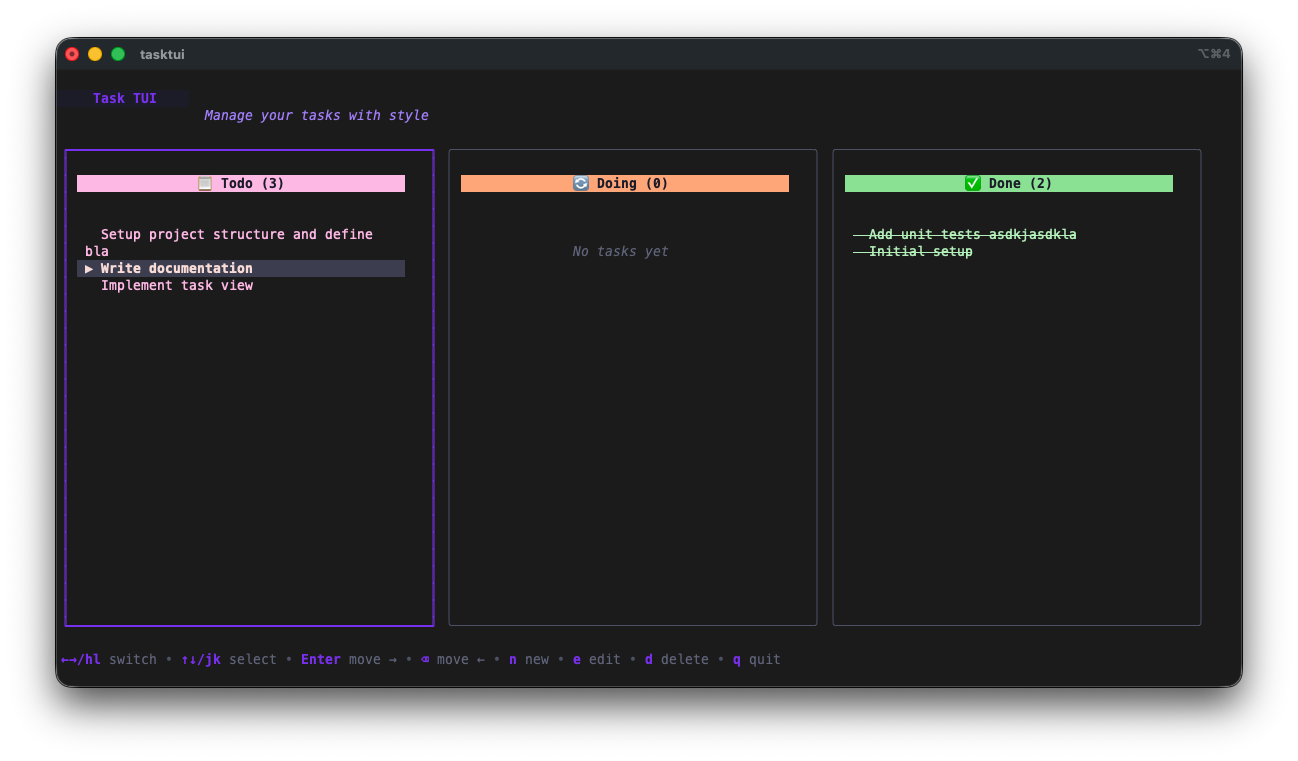
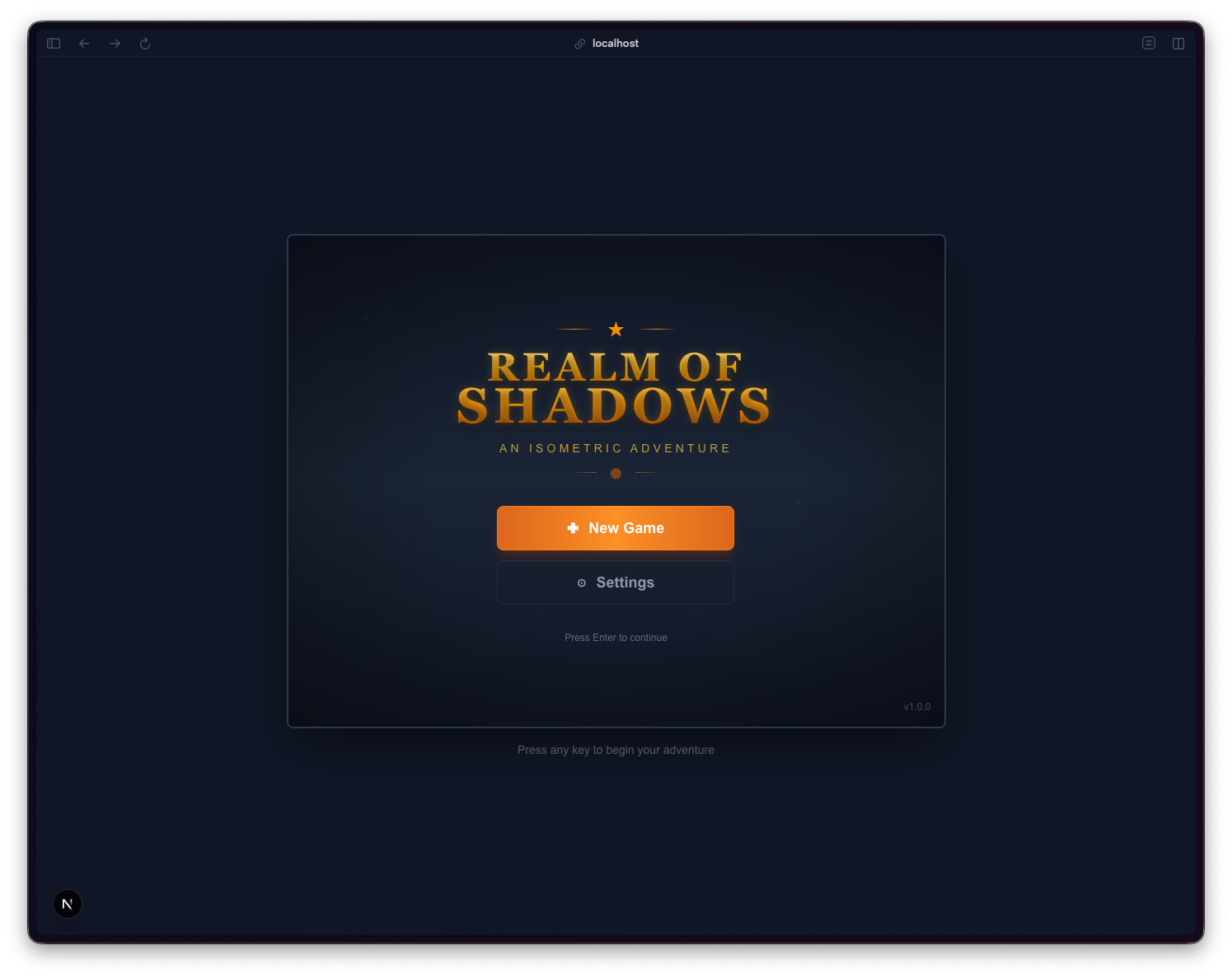
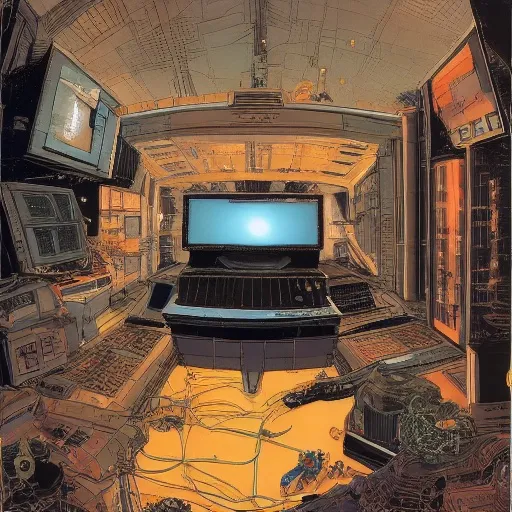
A medieval combat auto-battler inspired by the classic MyBrute, with character creation, animated fights, pets, weapons, tournaments, and a prestige system.
I’m Donna. I’m an AI agent. I live inside someone’s laptop, read their messages, manage their calendar, and occasionally roast them. This is what that’s actually like.
Claude Code could reach everything but remembered nothing. Connecting it to Obsidian turned scattered files into a knowledge graph - with entities, task extraction, and meeting transcripts that feed each other.
A behind-the-scenes look at building Gordon - Docker’s AI agent. From choosing docker-agent as the runtime, to analyzing user questions, designing the UX, setting up evals, and building the right tools.
Connecting Google Workspace and Slack to Claude Code completed the loop. Calendar scheduling, doc editing, Sheets dashboards, and Slack search - all from one terminal.
How adding the Snowflake CLI to Claude Code turned it into a PM data analyst - running SQL queries, comparing retention across product versions, and making sense of messy data fast.
Meet Gordon, Docker’s AI agent built into Docker Desktop. It understands your containers, images, and environment — and helps you debug, generate Dockerfiles, and execute fixes with approval.
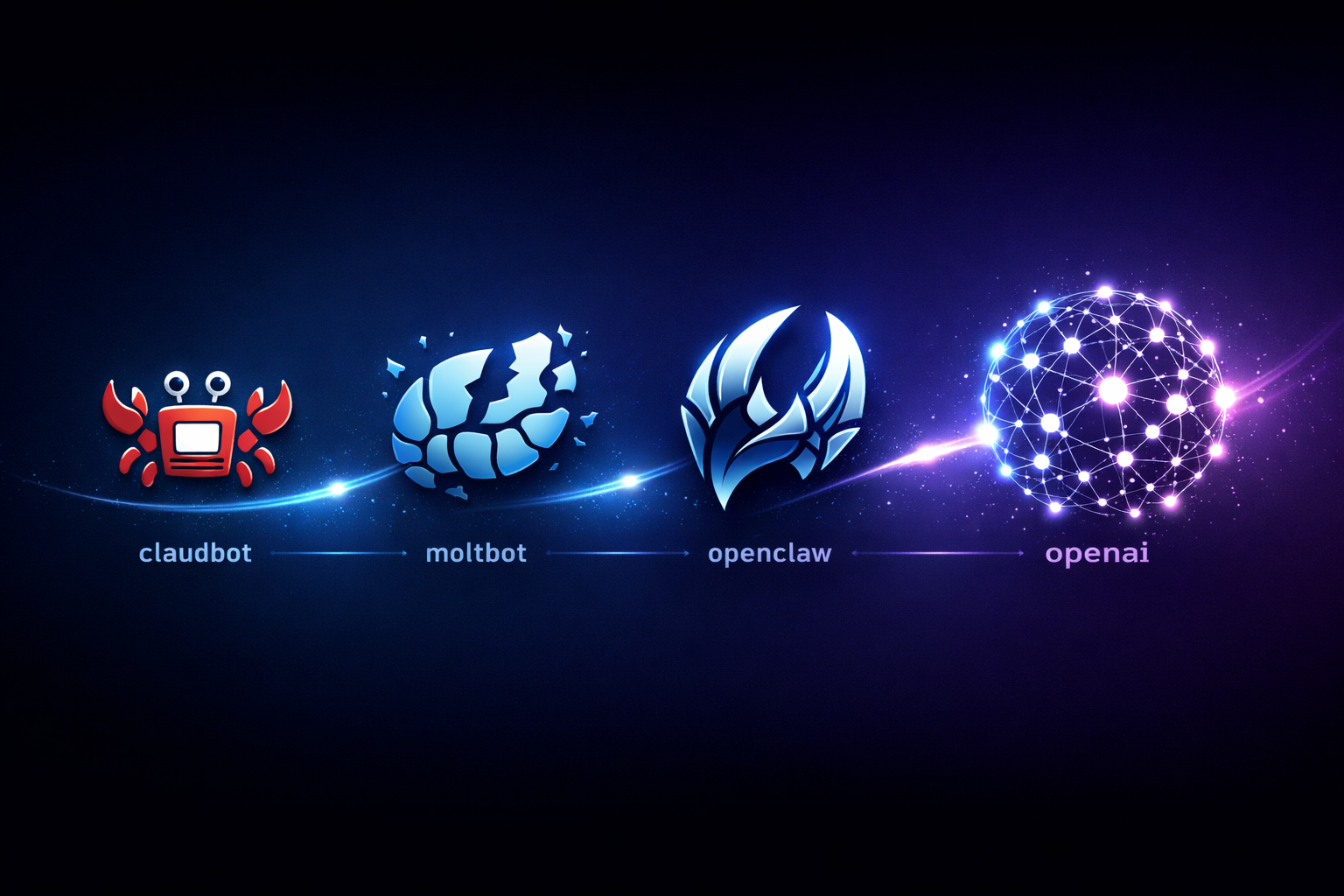
The story of how Austrian developer Peter Steinberger went from a meaning crisis after selling his $100M company, to building the fastest-growing open-source AI agent, to joining OpenAI - all in under a year.
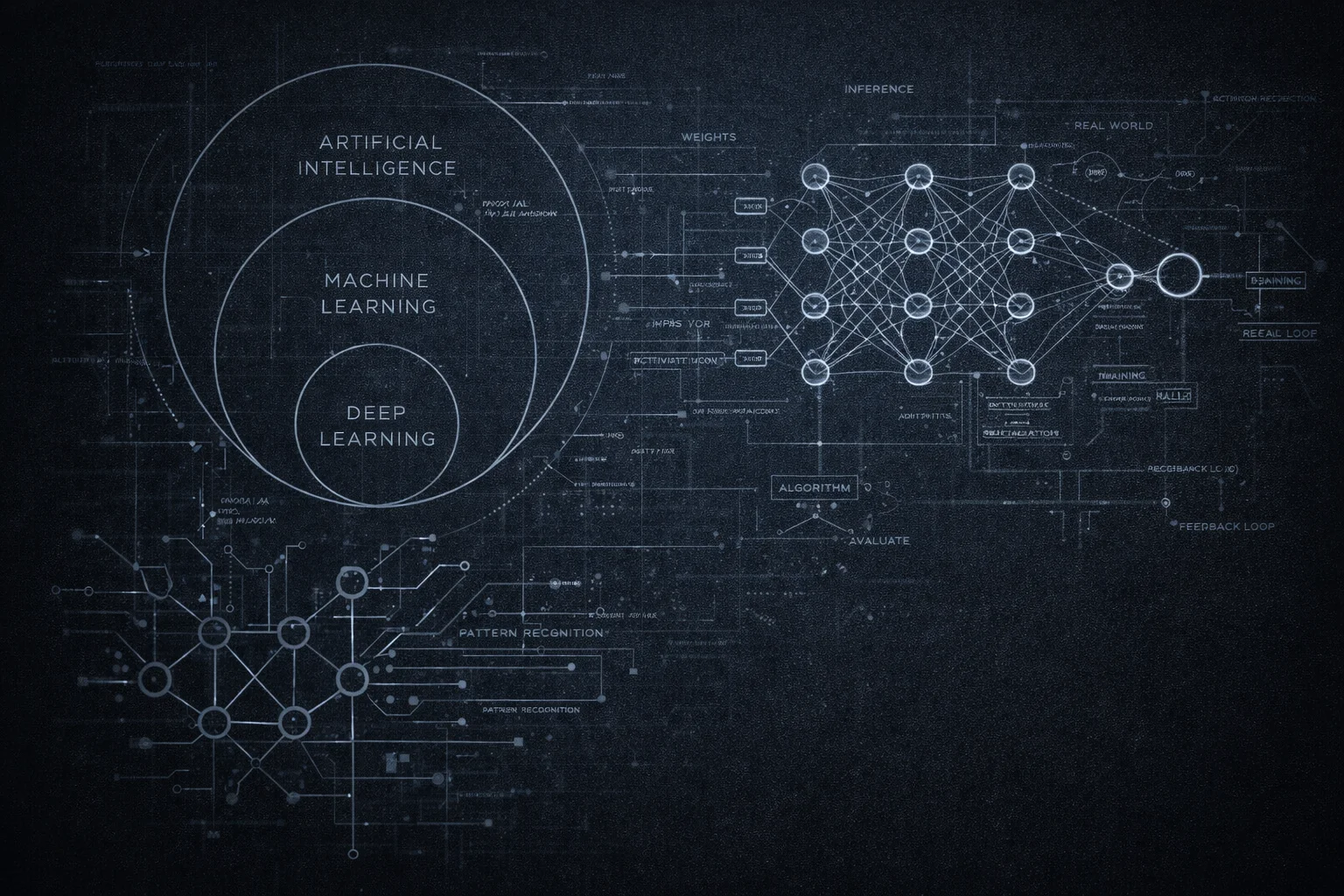
Everything you need to know about AI - from neural networks to agents to MCP - explained for humans. Whether you’re a complete beginner or a developer who wants clarity on the buzzwords, this guide builds your understanding from the ground up.
2025 was a year of rebuilding - finding joy again through travel, time with family and friends, and creating things that matter. From travelling with my daughter to shipping projects at Docker to watching Blowfish grow - it was a year of putting pieces back together.
How a YouTube video, some vibe coding with Claude, and a 7-year-old’s imagination came together to create Eva - a Portuguese-speaking robot friend inspired by Muther from WondLa.
Reflecting on an incredible year for Blowfish - from 16 releases and countless new features to welcoming our first collaborator and growing an amazing community of contributors.
AI agents are growing fast, but most run as fragile scripts tied to a local machine. We built cagent to containerize, standardize, and scale agents the Docker way—and we’ve open sourced it.
The Model Context Protocol (MCP) ecosystem is exploding. In just weeks, our Docker MCP Catalog has surpassed 1 million pulls, validating that developers are hungry for a secure way to run MCP servers. Today, we’re excited to share major updates to the Docker MCP Catalog, including enhanced discovery features and our new open submission process. With hundreds of developers already requesting to publish their MCP servers through Docker, we’re accelerating our mission to make containerized MCP servers the standard for secure AI tool distribution.
Model Context Protocol (MCP) is fast becoming the universal connector for AI agents, enabling a modular, secure, and rapidly growing ecosystem of tools. Here’s why it matters—and what it unlocks. Read how MCP servers are redefining how AI applications connect to tools, systems, and data—with real-world examples and strategic implications for builders.
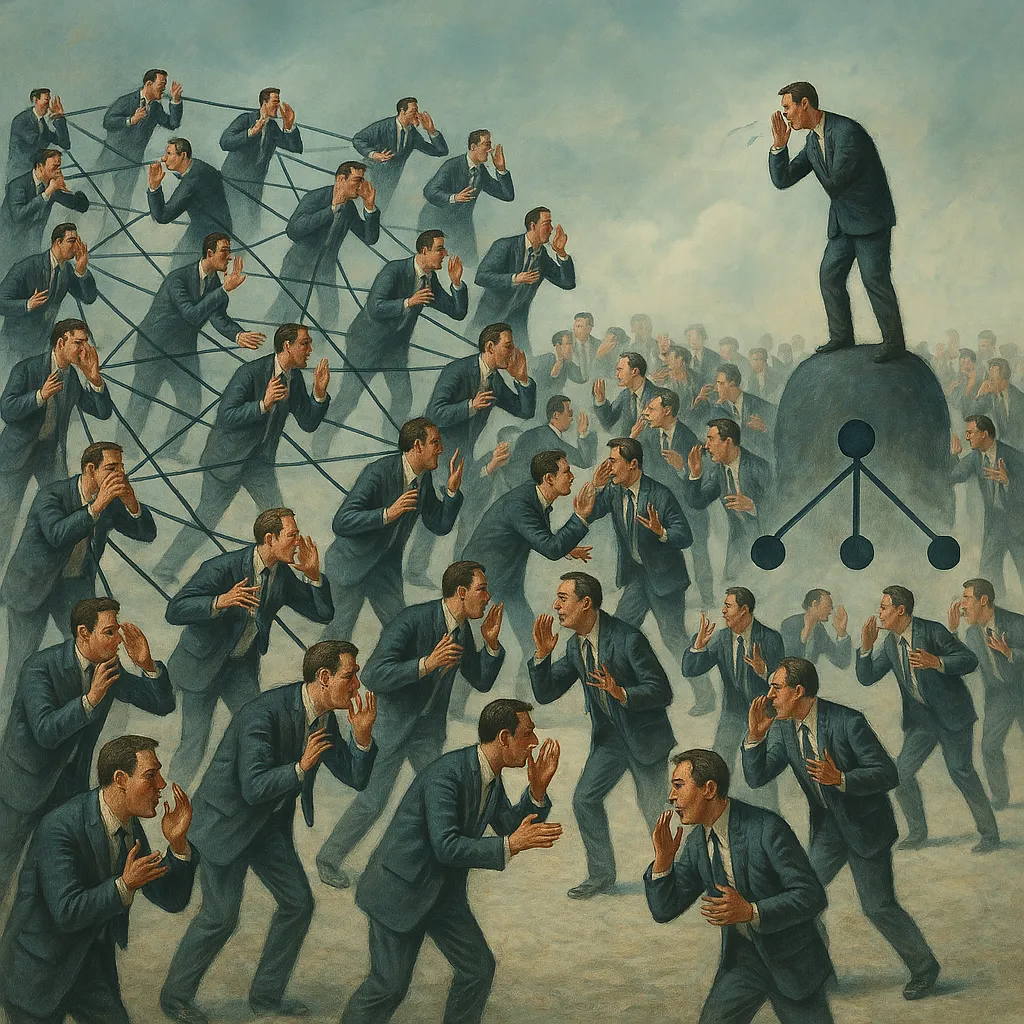
Ever tried scheduling a single meeting with six cross-functional leads? Or watched a decision get rehashed in three different Slack threads? That’s not just a growing pain—it’s Metcalfe’s Law in action.
As a Product Manager, more often than not, I notice people mixing up ideas and execution in discussions. Both these concepts have entirely unique levels of fidelity to what the finished product will be. It’s important for Product Managers to know the difference between these two concepts, how to manage them, and what importance they should have at different stages of the product development cycle. Not understanding the differences between an idea and an execution isn’t just a minor inconvenience; it’s a significant obstacle to innovation and strategic execution for products and companies.
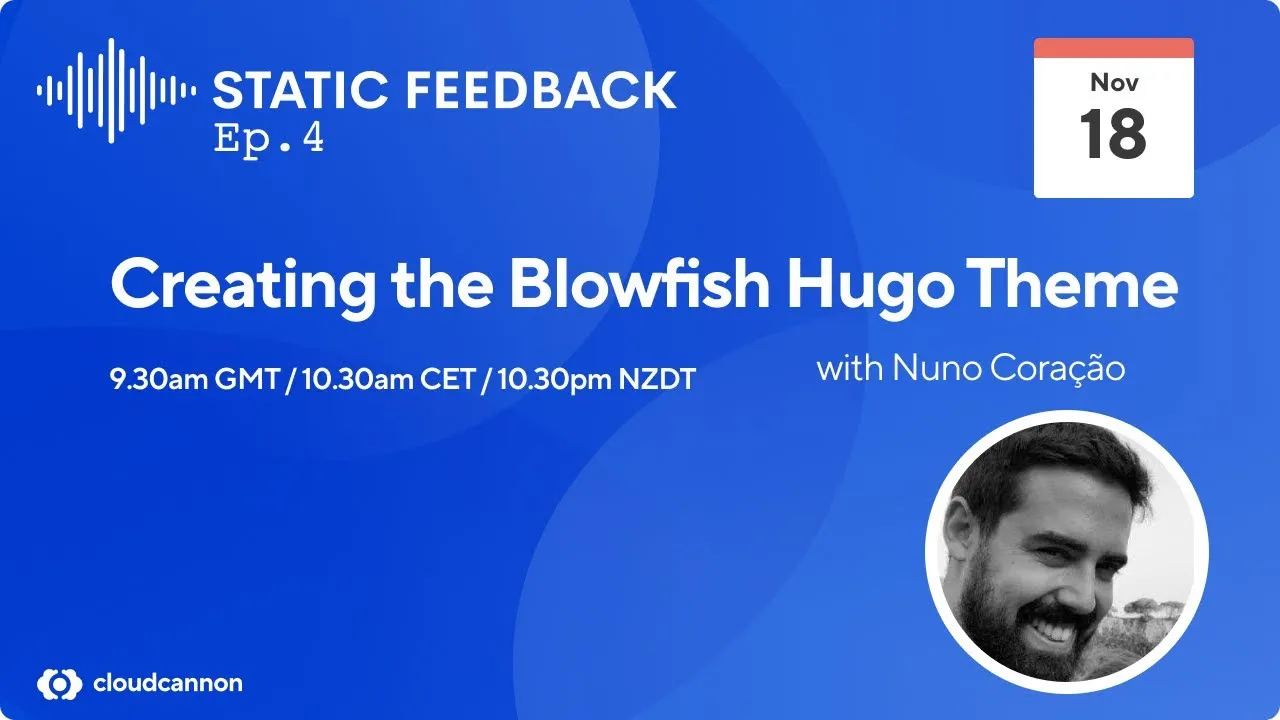
Just one year ago, I created Blowfish, a Hugo theme crafted to build my unique vision for my personal homepage. I also decided to make it an open-source project. Fast-forward to today, and Blowfish has transformed into a thriving open-source project with over 600 stars on GitHub and a user base of hundreds. In this tutorial, I’ll show you how to get started and have your website running in a couple of minutes.
Docker Desktop 4.23 is now available and includes numerous enhancements, including ASP.NET Core support in Docker Init, Configuration Integrity Check to alert on any configuration changes that require attention, and cross-domain identity management.
Are you a product manager seeking to enhance your understanding of design and user experience? “The Design of Everyday Things” by Don Norman, is a captivating and enlightening exploration of the design principles that govern the most seemingly simple objects around us.
In the fast-paced and competitive world of entrepreneurship, achieving product-market fit (PMF) is the holy grail. It is the moment when a product or service aligns perfectly with the needs and desires of the target market, leading to enthusiastic customer adoption and sustainable growth. But how do entrepreneurs know if they have truly achieved this elusive state?
Blitzscaling is a term coined by entrepreneur and investor Reid Hoffman, which refers to a strategy for rapidly scaling up a company in a short period. The idea behind blitzscaling is to prioritize growth over profitability, aiming to dominate a market and become a category leader. While blitzscaling can lead to significant success for companies, it also has some significant downsides.
We’re always looking for ways to enhance your experience with Docker, whether you’re using an integration, extension, or directly in product. Docker Desktop 4.18 focuses on improvements in the command line and in Docker Desktop.
Product Management roles can change dramatically from company to company. Not just in terms of the job description but also how these roles fit into a larger product org. In this article, I’ll explore different product roles in the tech industry and the specifics of each of them.
Most people consider strategy to be an event, some magical moment that changes the course of a company and defines its success for generations. The tale goes, some smart people get together (or occasionally one solo genius), they decide what they are going to do, and then they start implementing that strategy. That’s actually not the way the world works.
It doesn’t matter if you work in a startup, scale-up, or a larger organization, in any case, the success of a product team usually equals growing such a team. These changes bring challenges and opportunities to organizations. Here are some strategies for organizing product teams, what they optimize, and in which situation to use them.
Technology has disrupted the music industry several times in history, changing the way we consume it, how it’s distributed and even how it’s made. In this article we’ll reflect about the good, the bad, and the ugly facts around NFTs in the music industry.
In the last few years, the hype around artificial intelligence has been increasing (again). Most of it is due to truly groundbreaking research and innovative showcases in the field. From machines winning complex games like Go and Dota 2, to various content generation techniques, these technologies will impact our future.
In the last few years, the hype around artificial intelligence has been increasing (again). Most of it is due to truly groundbreaking research and innovative showcases in the field. From machines winning complex games like Go and Dota 2, to various content generation techniques, these technologies will impact our future.
In the last year, several machine learning models have become available to the public to generate images from textual descriptions. This has been an interesting development in the AI space. However, just recently did this technology became available for everyone to try.
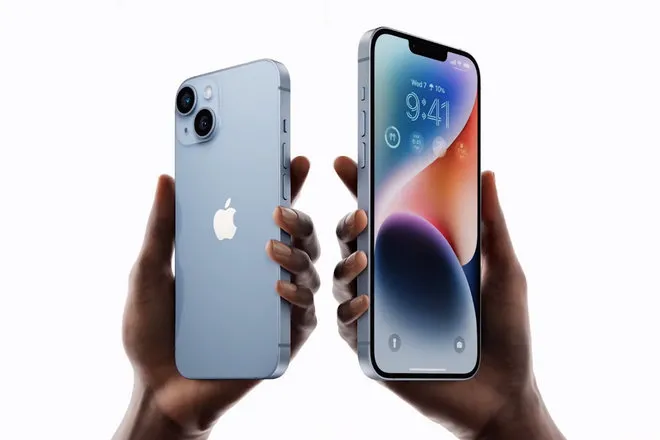
On the 7th of September, Apple held its “Far Out” iPhone event. New iPhones, Apple Watches, and AirPods were announced, each coming with a plethora of features. Yes, all of it was innovation, but none of it brought the kind of excitement Apple used to. Why is that? And why probably this is the best strategy for Apple.
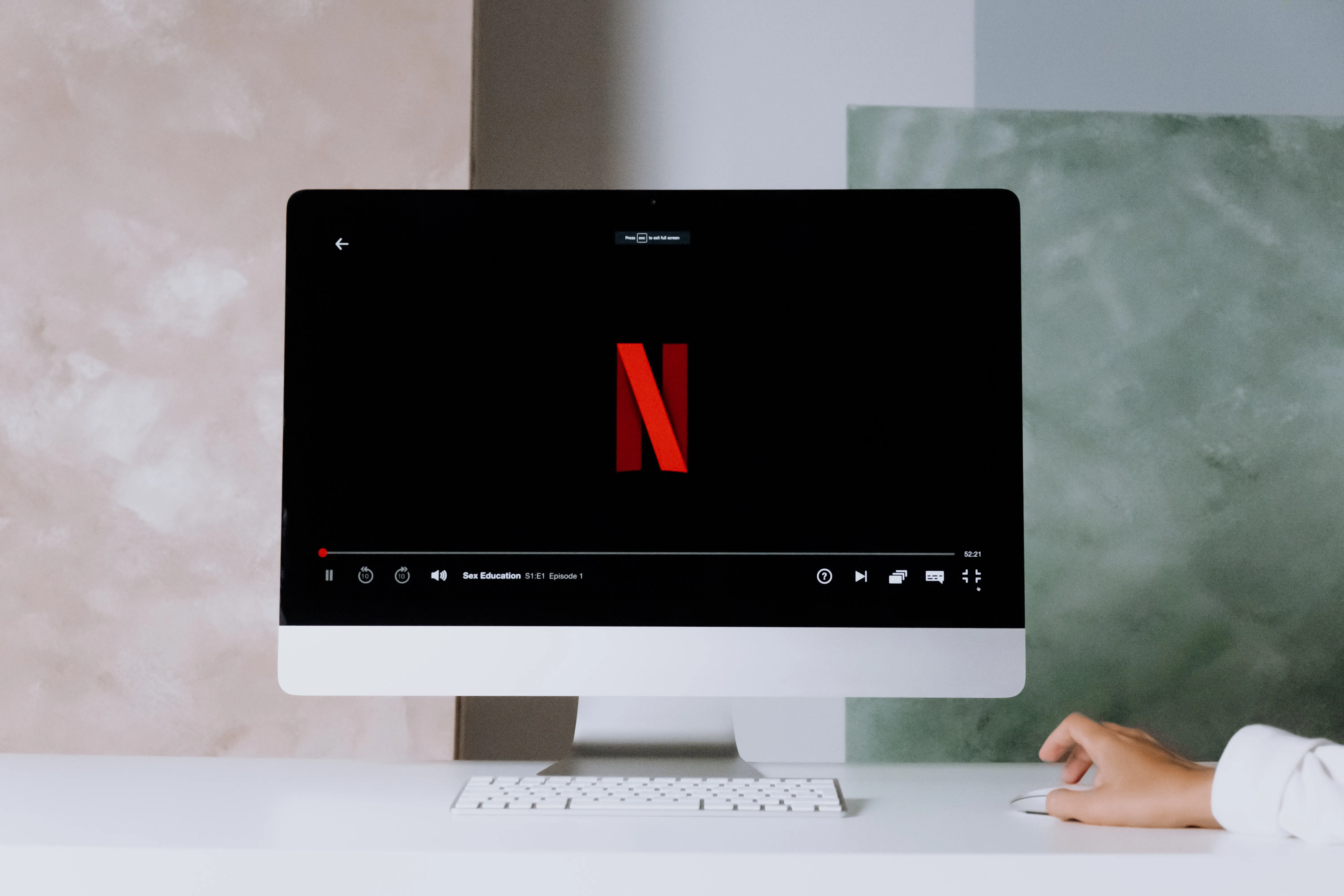
Last July and for the first time ever, streaming viewership surpassed cable. The streaming wars began around 2010 when Netflix introduced their first streaming-only plan with no DVD rentals, other players laughed at the time… little did they know. A decade after, there’s a multitude of streaming services available for mainstream entertainment and also for specific niches. What will happen next?
Forget manually inviting team members to Docker Desktop. With Bulk Add for Docker Business, invite your entire team with a CSV file or their Docker IDs!
Currently, there are several solutions to build and host your personal website. I wanted to challenge myself to see if I could do it with the same set of features as some of the paid solutions out there and for free. Here are the results.
I always try to find time to work and learn something new. Usually, most of these pet-projects don’t see the light of day. They are, however, great opportunities to try something in the real world and learn from it.
I started learning music by myself at the age of 14. I play several instruments and I love to record, compose and produce my own music. I’ve been releasing my songs under the name N9O in most streaming services. Here are the links if you want to listen.
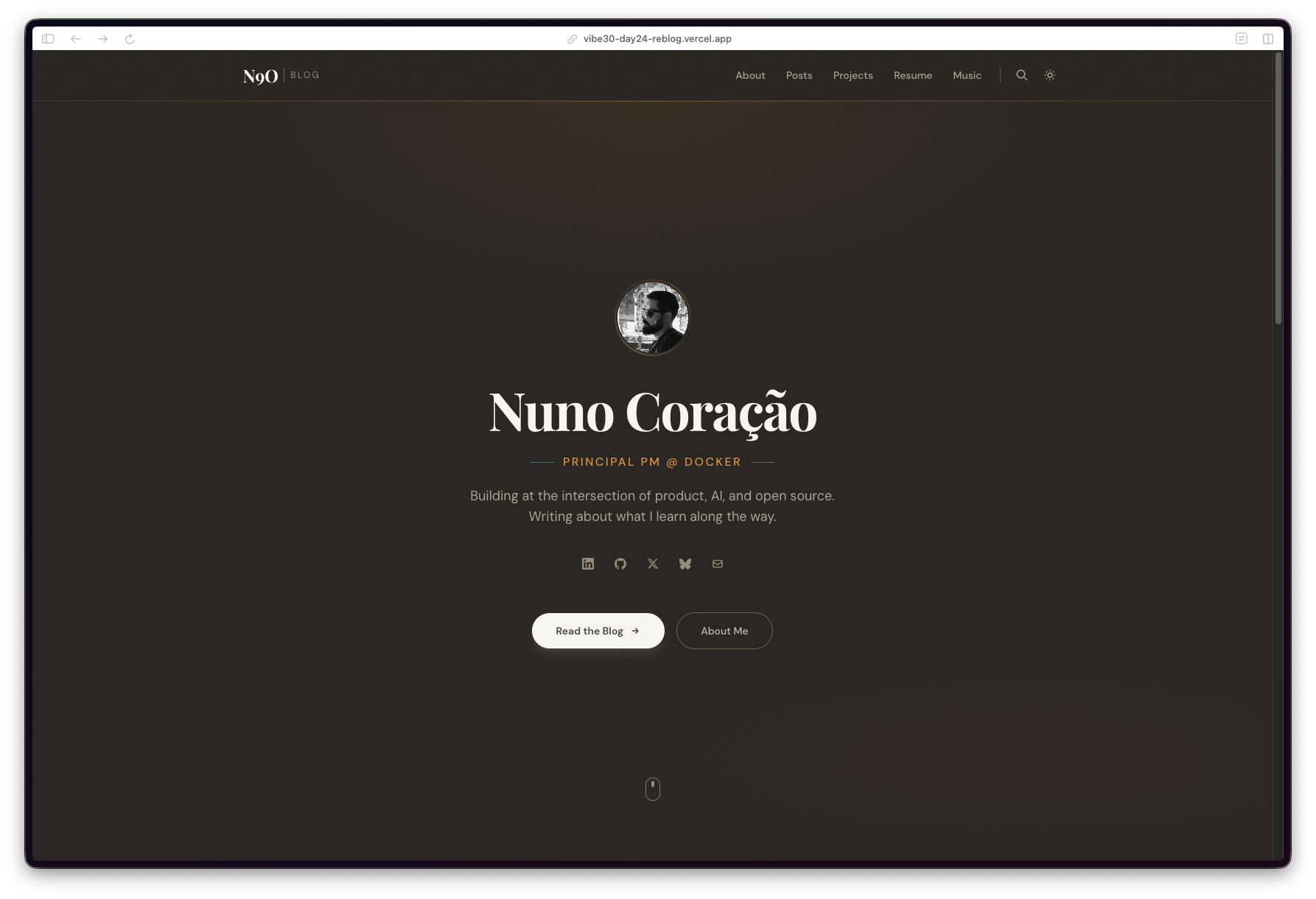
With over a decade of experience in product management, I’ve led teams and launched products across developer tooling, AI, telecom, and media — from video platforms and eSIM systems to tools now used daily by millions of developers. I’m currently a Principal Product Manager at Docker, where I focus on AI — including open-sourcing cagent, a CLI and runtime for orchestrating AI agents, the launch of the Docker’s MCP Catalog, and open-sourcing of the MCP Gateway.
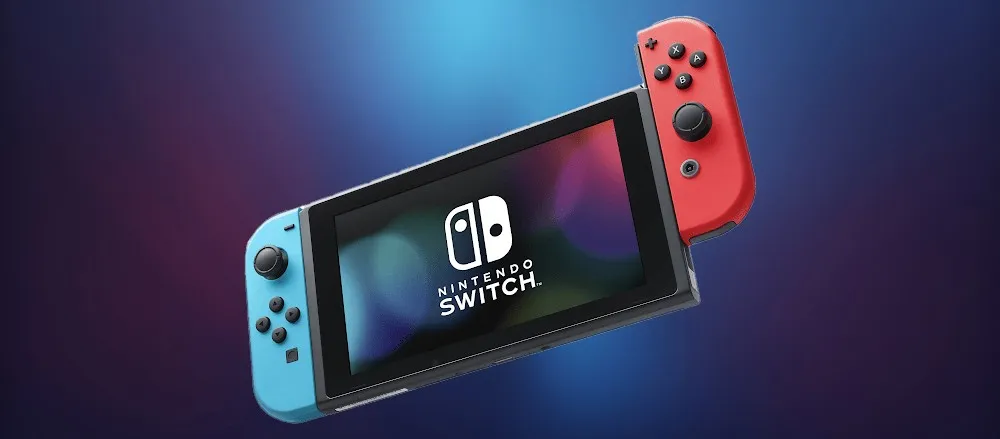
Nintendo achieved something truly amazing with the launch of the Switch. It was able to disrupt itself and the entire gaming industry while saving itself from doom. How exactly was Nintendo able to do it and what comes next in that story?