Show full content
Esej za revijo Razpotja na temo tehnodistopij (št. 59, pomlad 2025).
Part of ialja.com
My passion is to imagine a more inclusive future in which tech innovation supports learning and community building, helps us take better care of each other and our planet, and brings joy and playfulness into our lives. Writing & creating content about technology, education, and other related topics since 2006.
Esej za revijo Razpotja na temo tehnodistopij (št. 59, pomlad 2025).
In this Newmoonsletter, we wonder about the state and practice of rest in these end times.

In the latest episode of Pathfinders Podcast, we share our scepticism of the promises of AI salvation, question our internalised industrial logic, and explore how we might find our way back to hhuman being and belonging.
In this Newmoonsletter, we share reflections on lives lost, mugs broken and repaired, and an invitation to give love one more chance before we collectively break under pressure beyond repair.
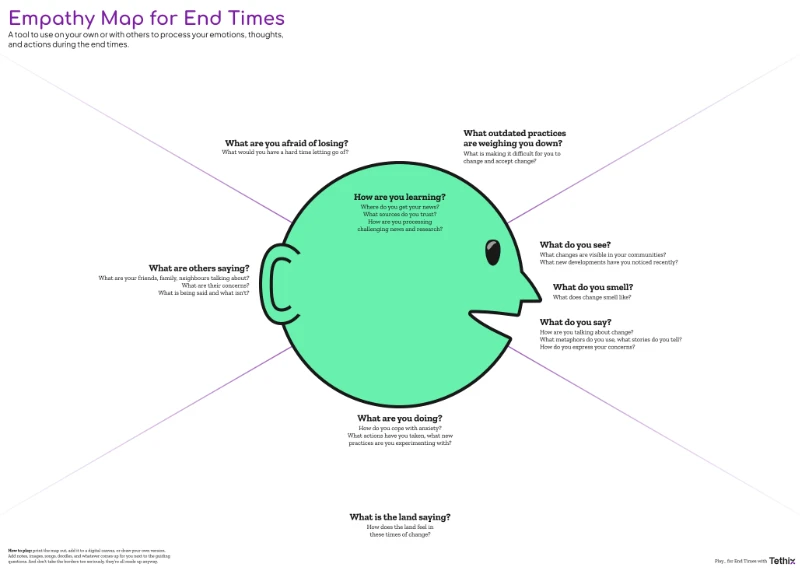
In the latest episode of Pathfinders Podcast, we play with metaphors to process difficult emotions, nurture empathy for ourselves, and imagine alternatives to future dystopias.
In this Newmoonsletter, we invite you to make your to-let-go-of and to-make-space-for lists as you practice some empathy towards yourself in these dark times of transformation.
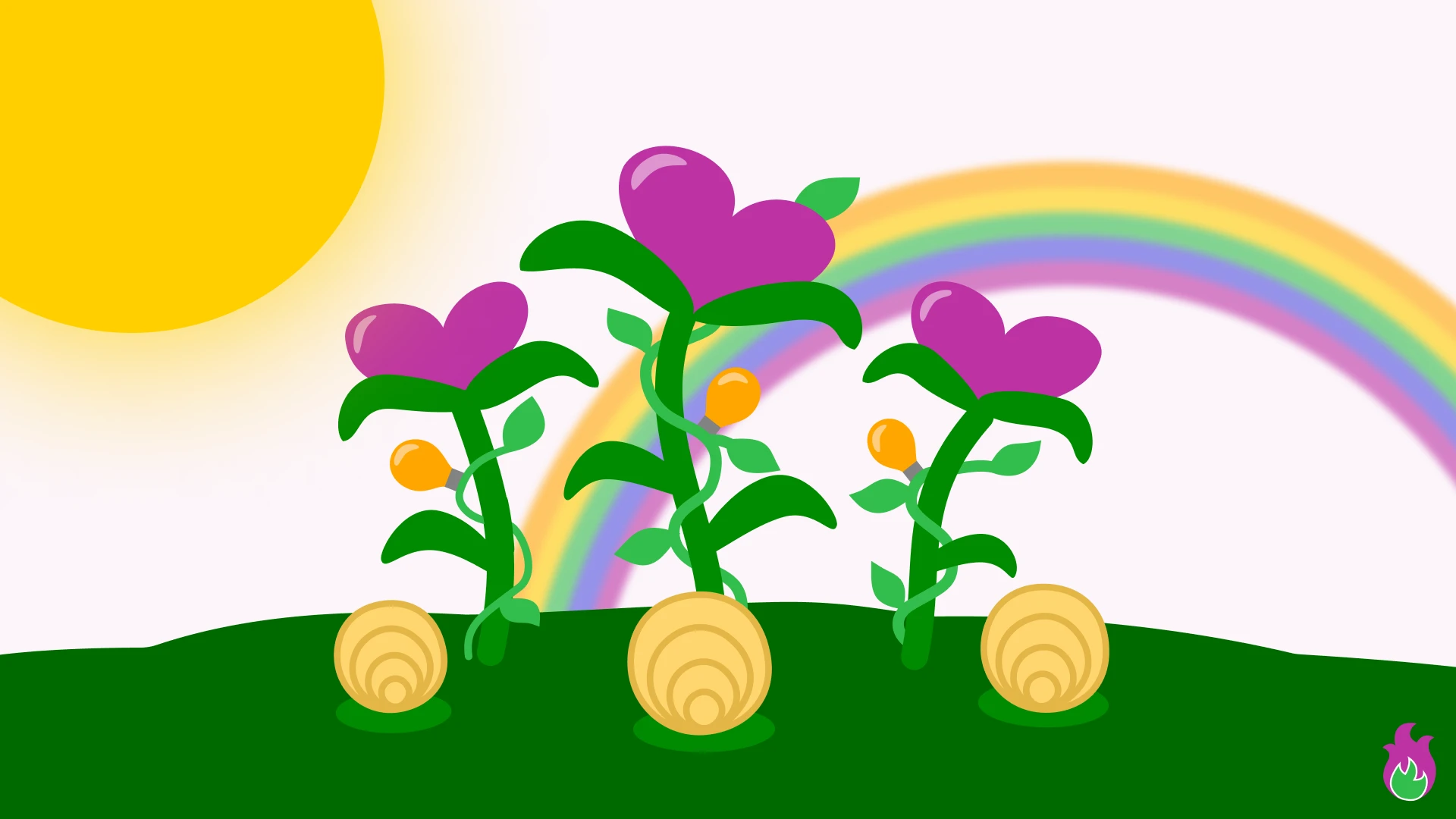
In the latest episode of Pathfinders Podcast, we dare you to dream, to imagine ways of coming together, both online and onland, and ways of taking the future into our caring, loving hands.
Hatred, harassment, trolling have become normalised online. “What else did you expect when posting stuff online?” is what we often hear in response to an avalanche of hateful comments, even death threats. As if posting online, in a public forum, is “asking for it”, asking for hate.
Is hate really the price you have to pay when reaching out to fellow Earthians? Do we really hate each other so much we cannot have a civilized conversation outside of gated interest-based communities?
I certainly felt the internet becoming an increasingly hostile place. With Twitter obviously leading the way when it comes to the enshittification of social media platforms.
However, in the past couple of weeks I witnessed trends on TikTok, a very public – and arguably increasingly enshittified – online space, that made me question the “this is just the way things are” story about public internet discourse.
In this post, I wanted to document my experience on TikTok in the weeks prior and after the app’s January shutdown in the US, and reflect on how it might actually be possible to nurture conditions for kindness in public online squares despite their current enshittification.
And given everything that’s currently going on in the world, I do believe we need functional public online spaces where we can keep learning from each other and collectively imagine a better world more than ever.
If you’re willing to spend a bit of time in my company, join me as I reflect on my personal experiences with TikTok as a place for learning and connecting. But if you’re in a hurry, you can jump directly to my exploration of the seeds, soil, and climate our online communal gardens might need to create conditions for kindness and learning to thrive.
TikTok as a learning platformIf you’re not on TikTok, you might be raising an eyebrow or two in suspicion at my choice of platform. After all, isn’t TikTok just a silly dance app for kids and somehow also a major threat to national security? These are also stories we have been told repeatedly.
But curiosity got the best of me and after my initial reluctance, I joined TikTok a couple of years ago. And this “silly app” ended up having a major impact on my life. I learned things about myself, I learned things about the world, I learned things about other people. And yes, I was also entertained – and possibly distracted – by various frivolous trends.
While this isn’t the case for everyone on TikTok, a significant number of us embraced TikTok’s seemingly magic algorithm because it kept offering new perspectives, new things to learn. We decided the more negative parts of the app were a reasonable price to pay for being enrolled in what almost felt like a free university of the human condition.
One of the many things that fascinated me about the app was seeing US people learning about how the rest of the world viewed their country for the first time in their lives. The first cracks in the story of American exceptionalism started appearing for many people as we compared notes on healthcare, education, and other aspects of our lives.
TikTok was filling in the gaps of both educational systems and social support systems for many.
First came the great US-China cultural exchange on Xiaohongshu …And then the much publicised US TikTok ban started looming. The US is not the first and probably not the last country to ban TikTok, predominantly over concerns of user data being stored in China and being accessed by the Chinese government. (While everyone outside the EU is expected to be just fine with US-based entities stealing and selling our data.)
But the US has about 120 million active users on TikTok. These users produce massive amounts of content in English, and consequently have a significant impact on people around the world, who tend to speak (or at least understand) English as an additional language. So the US ban was a big deal for everyone. Popular US creators kept wondering how and where they might be able to move their follower base, not to mention the significant income many have been making as part of the Creator Fund, which rewards creators for the engagement they generate through their content.
As it became increasingly unlikely that the ban would be delayed, a spiteful exodus to Xiaohongshu, a Chinese app whose name literally means Little Red Book, unexpectedly went viral, along with jokes about saying goodbye to “My Chinese Spy”.
About a week before January 19, the day when the ban was supposed to come into effect, Xiaohongshu – the app also known as RedNote – became the top free app not just in the US, but in other countries – including Slovenia! – basically overnight.
The most fascinating thing about the so-called “TikTok refugees” trend was that US citizens were, for the most part, acting more like refugees than colonizers on Xiaohongshu. They started learning Mandarin on Duolingo, made an effort to add Chinese captions to their posts on Xiaohongshu, and generally tried to learn the rules of the new place. Instead of claiming Xiaohongshu as their own, they made an effort to respect the existing culture, showed cultural sensibility, and were eager to learn about the lives of Chinese people.
What they learned further challenged the story of American exceptionalism and the demonization of Chinese people most of us in the West have been subjected to in one way or another.
When we, the people, collectively logged onto Xiaohongshu, we came face to face with regular Chinese people. Living their lives. In big, modern cities, in rural villages. People like us. We shared cat pictures, as one does on the internet to ease the language barrier, and we started learning just how similar we are. Developers at Xiaohongshu rushed to translate the app to help foreigners understand Chinese, while obviously many Chinese people had no trouble welcoming us in fluent English.
We started comparing notes on what we’ve been told about each other’s countries, and the notes didn’t quite match. US users, in particular, were shocked to discover yet another country where people called an ambulance without worrying about sinking into medical debt, and were shaken by how affordable groceries are for regular working people in China – which doesn’t seem to be the case anymore for an increasing number of US-based Americans.
And we, the Europeans and the rest of the world who followed our favourite US creators to Xiaohongshu, watched in awe at how reasonably well-behaved the US TikTok refugees were. And how friendly the atmosphere on the app was. Much friendlier than on TikTok, in fact.
Meanwhile, back on TikTok, our feeds were flooded with emotional goodbyes. And in the case of some large US creators, confessions on how they lied and cheated their way to the top. Plus ample coverage of whether TikTok might be somehow miraculously saved at the last moment.
The rest of the world watched what felt like the final performances of the circus with mixed feelings. It felt like an end for us too, even though we knew we’d still be able to use the app when – if? – the ban came into place.
… then came the great algorithmic reset …And then came the day. January 19. We opened the app. At first, our feeds – the algorithmically curated For You Page (FYP) – looked normal. But the more we scrolled, the quieter it got. Calmer. The ads disappeared. The bots disappeared. The trolls disappeared. The hateful comments disappeared.
It got so quiet that many of us, who weren’t used to posting before, pressed the record button in the app and shared our feelings with one another. “It’s like all the loud extroverts left the room and we can finally hear each other,” some commented. “We can finally talk in metric!” came the jokes.
Even I chimed in with a poorly lit video, with a hoodie over my head, recorded while I was watching the eery calm and absence of ads take over my FYP. I wondered about the absence of ads and pondered our next steps, should TikTok end up being taken over by Meta – a strange connection between the two companies started appearing the same weekend. I thought I’d probably delete that silly video soon anyway.
But then we kept talking and connecting. Even when our US friends started coming back to the app less than 24 hours after the great algorithmic reset – some even call it the Thanos snap – and resumed their US-centric content creation machinery.
… and a calmer, kinder #WorldTok emerged.But what had been seen could not be unseen. We realized we quite enjoyed our day of quiet and calm. We started coming up with hashtags like #eutok, #eurotok, #commonwealthtok, and the more inclusive ones like #worldtok to stay connected.
We kept reflecting on just how US-heavy our feeds were “in before times” and sharing ideas on how to preserve a more diverse FYP focused on ordinary people rather than on brands and influencers. We kept wondering how much of the negative and spammy content is actually connected to the larger influencer economy that seems to be predominantly based in the US.
We started adding national or regional flags and other symbols to our names to make it easier to spot each other after the return of the exiled nation. We started following each other, actively scrolling past typical influencer content in search of calmer, authentic content from smaller creators we now knew the algorithm has been hiding from us.
Meanwhile, the algorithm is already fighting back. Trying to push monetized content with larger views. Trying to push more angry content. Trying to get us to pay more attention to the US creators again. The ads are back. The bot accounts are back. But for now, we’re still able to preserve our little spaces of calm and quiet by actively seeking out and engaging with #WorldTok content.
This doesn’t mean we avoid difficult topics and politics altogether on #WorldTok. But we approach them in a calmer way, speaking in diverse accents, taking time to develop our thoughts, and considering diverse perspectives. We talk about the complicated feelings we have about our flags as they’re being used to promote hateful ideologies. We talk about the rise of fascism across Europe. We share news of anti-fascists protests from around our continent. We are having respectful and supportive conversations in the comments under our videos. We are actively connecting with people from all continents, actively avoiding getting sucked back into the US-centric vortex of rage and consumerism. And yes, we also welcome people from the US who are seeking refuge from their anger-filled feeds.
I didn’t delete the silly videos I made while the US users were locked out. Instead, I keep recording more videos – raw, unpolished, unfiltered – and creating spaces for conversations. About two thousand people (and probably some bots) decided to start following me within the past two weeks, and I followed back many wonderful, kind, thoughtful people from around the world. I find that number of connections plenty – even a bit overwhelming at times – to have quality conversations.
For instance, in the past two weeks I had wonderful conversations about:
I also enjoy recording video replies to thought-nourishing comments I receive, and stitching videos from other small #WorldTok creators to contribute my thoughts to the discussions they are starting. Just the other day, we discussed how important it is that we help each other co-regulate our nervous systems as we’re facing increasingly darker times.
And because we, the people of #WorldTok, are not influencers with millions of followers, we watch each other’s posts, write each other supportive comments, and are able to reply to the friendly comments. All of this further encourages higher quality discussions, even from people who might not yet feel comfortable talking on video. But we enjoy seeing each other talk, without filters, without shouting, just ordinary humans speaking at a normal human pace. Sometimes making mistakes, sometimes getting distracted. But that’s just the beauty of life.
The demographics of #WorldTokAnd we soon realized the demographics of our friendly world bubble are interesting and very unlike those we’re used to seeing in other similar places. It appears that #WorldTok is a female-led space. I – and many others – are seeing 70% of our followers identified as women. Interestingly enough, Xiaohongshu, with its friendly welcoming atmosphere, is also a women-led app.
But unlike Xiaohongshu, #WorldTok appears to be a bit older. Among my followers, Gen Xers have the lead, followed by Millennials, and a good number of Boomers as well.
Given the demographics, it’s unsurprising that we’re sharing plenty of arts and crafts, local recipes, daily walks in nature, and our beloved pets. But we’re not connecting just over a niche interest. We are connecting over our shared humanity, our appreciation of the diversity of life, a love for lifelong learning, our concern about our future, and, most importantly, from a place of care and love.
And sadly, that sort of thing appears to be rather rare in public online places. But across #WorldTok – as well as Xiaohongshu – we’re showing each other how much more alike we are than apart. And that yes, we can be kind and supportive even when we’re anonymous, even when we’re divided by invisible borders and different beliefs. In the end, we are all humans who are looking for connection. To love and be loved.
So why do experiences like these seem rare in public online spaces?
How our social experiences in public online spaces got enshittifiedBefore #WorldTok, I – and many others – had always been a bit hesitant to post videos because we kept seeing negative comments even on videos that were educational, friendly, and fun. We had all assumed that is the price you have to pay for posting publicly and putting yourself out there.
But we didn’t see many smaller creators before, with dozens, maybe hundreds of followers. Our expectations of engagements and virality were calibrated to the views and likes of larger influencers. The 1% of the creator economy. Many people thought there was no point in creating content that “only” got 50 likes. But 50 likes is already a big room of people you’re speaking to!
Many of us also didn’t bother because we thought we had to post content that was just as polished and just as catchy as the content we kept seeing from the 1%. And so we stayed quiet, rarely commenting. Mainly consuming. Largely allowing the people who were getting paid to professionally produce their content to set the tone, set the pace. And TikTok was slowly but surely becoming less social media and more a professional marketplace where people are the product, constantly competing with each other for attention.
Of course, occasionally somebody would unexpectedly go viral and join the chosen ones blessed by the algorithm. But the prospect of going viral and suddenly getting millions of views and thousands of hateful comments didn’t seem like something to aspire to either. We all saw many creators be overwhelmed by unexpected virality, or, even worse, being brought to tears when their videos went viral “on the wrong side of TikTok”.
Posting seemed like a risky game in which a finicky algorithm randomly picks the winners and losers of the creator economy, often unexpectedly shifting favours, while consistently increasing the power of its owners.
Yet, we stayed on the app despite these concerns because we still enjoyed watching people sharing their stories and helping us learn. The TikTok algorithm was still helping us learn new things – although we did not realize just how US-centric so much of the content was until we felt its void on January 19 – and it still made a better alternative to the hyper-consumerism of Instagram, the conspiracy theories and AI slop that took over Facebook, the conservative-leaning ways of YouTube’s algorithm, not to mention the cesspool of hate Twitter turned into after Musk’s takeover.
So we stayed on TikTok even though in the past months the app has been collectively making us feel more stressed. We stayed because we wanted to stay informed. We stayed because we didn’t want to avert our gaze. And we also stayed because it was still quite a playful place, full of humour – the latter getting increasingly darker as well.
And we are staying now – for now – because we have #WorldTok, our calmer bubble of small creators from around the world. In this bubble, we are helping each other co-regulate our emotions, but we are also aware the calm will probably not last.
I mentioned the algorithm is fighting back. And the app is not the same as it was “in before times”. We see US users getting more censored. It’s likely that a US Big Tech takeover is coming soon, which might cause another major exodus. We are increasingly considering decentralized platforms and protocols – BlueSky1 has been gaining a lot of attention recently, and there are several projects trying to build a TikTok-like short-form video platform on top of the BlueSky’s AT Protocol. (Obviously, the Protocol will also need to be protected from the long, greedy fingers of tech billionaires.)
I’ve gotta be honest: the future of public online spaces does not look bright, but I believe there’s value in trying to imagine a better one. Maybe not even a bright one, but a rainbow one that supports plurality rather than giving unchecked power to the tech oligarchs.
So how do we nurture conditions for kindness and learning?Regardless of which platform, protocol, or app we end up using, it’s worth exploring the nutrients an online communal garden needs for kindness to thrive and conditions for learning to emerge. Again, this does not mean shying away from challenging conversations. But nurturing conditions in which even challenging topics are addressed in a spirit of kindness. Conditions in which the goal is not to “be right” or “prove a point”, but rather to learn from each other.
The seeds: Design for Human Conversations and Connection (rather than consumption)First, I want to reflect on the seeds that might be necessary to plant in your communal garden if you want to grow kindness and enable learning. Here we might take inspiration from the Three Sisters method of companion planting2 , in which a trio of friendly plants – such as corn, beans, and squash – are planted together to support and strengthen each other.
The Three Sisters of online communal gardens might be:
Next, our garden also needs nutritious soil, the tech and the algorithms that nurture the seeds we have planted. The soil should nourish the seeds of kindness and learning, help them germinate, and grow.
Here’s what we might add to the soil to make it more nourishing:
And finally, the environmental conditions have to be favourable as well. In periods of prolonged droughts, extreme flooding, or even wildfires, the kindness and learning we’re trying to grow will not last long.
In terms of climate, we might need the following weather conditions and occasional irrigation:
Note that I do not intend this to be a new theory or framework for how to build and tend to kinder online communal gardens. Gardening is about trial and error, about accepting setbacks. It’s also about questioning different approaches to gardening, exploring permaculture gardening, and generally decolonising our gardens in ways we probably cannot imagine yet.
We all have a lot of work to do to shift our thinking and language away from ownership, control, and more towards stewardship and working with the land, even if that land is digital. This is also why I tried to weave in nature-inspired language and metaphors into this post.
And for those shouting “FEDIVERSE!” while reading this post: I’m sorry, no. At least not yet, based on how unwelcoming many spaces on the Fediverse are to the uninitiated. Technology, the soil, is just part of the picture. An important part, mind you, and I welcome all the experimentation that’s happening in federated soil laboratories right now. But we cannot forget the seeds and the climate.
My main intention behind this post is to inspire further discussions and to challenge the stories of how things are on the internet when it comes to public social spaces. The way things are on the internet are symptoms of the wrong stories we’ve been telling each other. The story of misaligned incentives, of prioritizing competition over cooperation, of designing for scale and hyper growth.
And so, I invite you to wonder and ponder, what kind of public online spaces would we build if we allowed ourselves to tell different stories?
Obviously, this post would likely never emerge without all the wonderful people of #WorldTok that were generous enough to visit my conversational spaces and share their kindness and love for learning with me and each other. I hope we can continue nurturing our calmer space, whether on TikTok or whatever comes next.
As is often the case, this reflection was also inspired and nourished by the many yarns I had with my dear friend and colleague Mat. We also previously explored this topic on our podcast in the episode How do we nurture weird online communal gardens where we can play together? And if my message resonates, we invite you to check out the Collective Futurecrafting project we’re both trying to pour more of our energies towards.
I am currently semi-active on BlueSky as well, but I have yet to figure out how to carve out a calmer, kinder space for conversations on there. It feels like most people have brought over their Twitter urge to offer clever hot takes on every bit of absurd news. We don’t need to repeatedly offer hot takes and direct our attention to amplifying what’s obviously broken. We need to direct our attention and energy into imagining alternatives. If you have suggestions on feeds or accounts that are better at nurturing kindness and learning instead of rewarding hot takes, do let me know. ↩
I learned about the Three Sisters in Braiding Sweetgrass by Robin Wall Kimmerer. ↩
In this Newmoonsletter, Mat and I reflect on our journey with Tethix so far, and explore how play might be what we need to match the absurdity of current end times.
In the latest episode of Pathfinders Podcast, we explore the tension between how Big Tech wants to shape our bodies with AI and what our bodies actually need, as current events force us to face the traumas and shadows of extractive colonialism.