Apple's retail operation turns 25 years old today, marking a quarter century since the company opened its first stores on May 19, 2001.
Steve Jobs personally guided members of the press through the Tysons Corner store four days before it opened, after Apple announced the retail initiative on May 15. Some 500 visitors lined up before dawn on opening day, with the queue growing to over 1,000 by the time the doors opened at 10 a.m. The two stores, located at Tysons Corner Center in McLean, Virginia and Glendale Galleria in California, welcomed over 7,700 visitors and recorded $599,000 in combined sales across their opening weekend.
The decision to enter brick-and-mortar retail came at a precarious moment for Apple. With a market share hovering around 2.8%, the company was struggling to showcase its products through third-party retailers, where Macs were routinely relegated to dusty corners staffed by clerks with limited product knowledge. Jobs believed Apple would never shed its "cult" image unless it controlled the entire customer experience right down to the point of purchase. As he told Walter Isaacson for his biography: "Unless we could find ways to get our message to customers at the store, we were screwed."
To lead the retail push, Jobs recruited Ron Johnson, who had transformed Target's image with his designer merchandise line. Together they refined the store concept in a secret warehouse prototype, working through every detail from the single-entrance layout to the Genius Bar, which Johnson modeled on the service experience at Ritz-Carlton hotels. Gap CEO Mickey Drexler, who had joined Apple's board in 1999, also played a key role in shaping the retail vision.
Skepticism was widespread at the time. Apple's sales had dropped 29% the previous year, Gateway had just shuttered 40 of its own stores, and Channel Marketing analyst David Goldstein publicly predicted Apple would be "turning out the lights on a very painful and expensive mistake" within two years.
By 2003, Apple was recording $3 million in profit per store, per quarter, with approximately 60,000 visitors at each location. Apple Retail hit $1.2 billion in revenue in 2004, breaking the record for the fastest retail operation to reach a billion-dollar milestone. The company today operates more than 500 stores across 27 countries, with each location generating approximately $5,500 per square foot annually, among the highest figures in the retail industry.
The original Tysons Corner store relocated and reopened in a larger, redesigned space within the same mall in May 2023. Apple retail stores in both Tysons Corner and Glendale Galleria locations remain open today.Tag: Retail This article, "Apple's First Retail Stores Opened 25 Years Ago Today" first appeared on MacRumors.com
WhatsApp is rolling out a new media attachment sheet on iOS, providing iPhone users with a faster way to share their most recent files without losing sight of the chat.
Usually in WhatsApp, sharing media within a chat requires you to tap a plus button to reveal the app's custom share sheet, and then tap into photos to see your full library, which takes over most of the screen.
As spotted by app tinkerer WABetaInfo, the updated media sharing interface makes it easier to directly browse recent photos and videos without losing the thread of the conversation, thanks to a new recents section.
The recents section appears under the share menu icons as a compact 4x4 grid that acts as a horizontal strip that you can swipe through. If you keep scrolling to the end of the strip and still can't find what you're looking for, WhatsApp expands the view and reveals the full media gallery. It can also be quickly invoked by pressing and holding on the plus button in the input bar.
The new interface is showing up for some users of the latest WhatsApp for iOS 26.19.75, but not everyone who updates will see it immediately. It seems WhatsApp is still testing performance before a global rollout for iPhone users.
Best Buy kicked off its annual Memorial Day sale this week, with notable markdowns on Apple devices, TVs, headphones and speakers, monitors, appliances, and much more. This sale is set to last through Memorial Day on Monday, May 25, and you don't need to be a My Best Buy Plus or Total member to see the deals.
Note: MacRumors is an affiliate partner with Best Buy. When you click a link and make a purchase, we may receive a small payment, which helps us keep the site running.
In terms of Apple devices, you can find solid deals on MacBook Air, iPad, MacBook Pro, Beats accessories, and more. In most cases Best Buy is offering same day pick-up on these products, and there are several free shipping options as well.
Some of the biggest discounts you'll find in Best Buy's Memorial Day Sale are on TVs, with major savings from popular brands like Insignia, Samsung, and LG. Best Buy has Samsung's popular line of The Frame TVs on sale, including the 65-inch 2025 model for $999.99 ($600 off) and the 65-inch The Frame Pro for $1,499.99 ($400 off), both of which match record low prices.
If you're on the hunt for more discounts, be sure to visit our Apple Deals roundup where we recap the best Apple-related bargains of the past week.
Deals Newsletter
Interested in hearing more about the best deals you can find in 2026? Sign up for our Deals Newsletter and we'll keep you updated so you don't miss the biggest deals of the season!
Apple today re-released the Hikawa Grip & Stand for iPhone in three new colors, after the original version sold out last year. The accessory is exclusively available on Apple's online store worldwide, with U.S. pricing set at $54.95.
Designed by Bailey Hikawa and produced by PopSockets, Apple says the accessory was created with accessibility in mind, in close collaboration with individuals with a wide range of disabilities affecting grip, strength, and mobility. The ergonomic grip magnetically attaches to any iPhone with MagSafe, and it doubles as an iPhone stand.
Apple says the grip is made with "premium silicone with a soft touch feel."
Given the accessory is no longer a limited-edition product and is now being mass produced by PopSockets, hopefully supply will be more plentiful this time around. At the time of this writing, Apple's online store in the U.S. is currently showing mid-June delivery estimates for the grip, so there is still a one-month wait.Tags: Accessibility, Hikawa, MagSafe, PopSockets This article, "Apple Re-Releases a Sold-Out iPhone MagSafe Grip in Three New Colors" first appeared on MacRumors.com
Ray-Ban has kicked off a major discount across numerous retailers this week, taking 15 percent off the second generation Meta smart glasses, and 25 percent off the first generation. We're tracking these deals at Amazon and Best Buy below, and they are set to last through May 26.
Note: MacRumors is an affiliate partner with some of these vendors. When you click a link and make a purchase, we may receive a small payment, which helps us keep the site running.
Starting with the new Ray-Ban Meta Wayfarer (Gen 2), you can get these sunglasses starting at $322.15, down from $379.00. Both Amazon and Best Buy have this deal, along with numerous other options with different lens colors and frame colors.
For the first generation models, you can get the Ray-Ban Meta Wayfarer for $223.99, down from $299.00. Both models have a free delivery estimated by the end of this week, with many locations offering same-day delivery on Amazon as well.
The Ray-Ban Meta smart glasses allow you to take hands-free photos and short videos, listen to music, make phone calls, and ask Meta AI questions. You can also livestream directly through Instagram or Facebook with the glasses.
The big difference between each generation is in improved photo and video quality on the gen 2, plus better battery life. If you're on the hunt for more discounts, be sure to visit our Apple Deals roundup where we recap the best Apple-related bargains of the past week.
Deals Newsletter
Interested in hearing more about the best deals you can find in 2026? Sign up for our Deals Newsletter and we'll keep you updated so you don't miss the biggest deals of the season!
FeaturedApple AntitrustApp StoreAustraliaEpic GamesEpic Games vs. Apple
Fortnite is back on the App Store in every country except Australia, Epic Gamesannounced today, as the company declared it is entering the "final battle" of its long-running legal dispute with Apple.
Epic said the decision to push Fortnite back onto iOS globally was prompted by Apple's own words to the U.S. Supreme Court, in which Apple acknowledged that "regulators around the world are watching this case to determine what commission rate Apple may charge on covered purchases in huge markets outside the United States." Epic CEO Tim Sweeney framed the move as a strategic provocation, writing on X that the return marks "the beginning of the end of the Apple Tax worldwide."
The return follows Fortnite's reinstatement to the U.S. App Store in May 2025 after nearly five years off the platform. The return was forced after District Judge Yvonne Gonzalez Rogers threatened to require the Apple official overseeing app decisions to appear in court, which prompted Apple to approve the submission. Today's worldwide rollout extends that comeback to most remaining markets, with Epic expressing confidence that an upcoming court-ordered transparency process will expose what the company calls Apple's "junk fees."
Apple knows the U.S. federal court will force it to be transparent about how it charges its App Store fees. Fortnite is returning to the App Store now because we are confident that once Apple is forced to show its costs, governments around the world will not allow Apple junk fees to stand.
In late April, the Ninth Circuit Court of Appeals reversed a stay that had allowed Apple to pause its compliance with rulings on App Store fees, sending the case back to Judge Gonzalez Rogers to determine what commission Apple can charge on purchases made via external links, if any.
Epic said it will "continue to challenge Apple's anticompetitive App Store practices of banning alternative app stores and competition in payments," pointing to regulatory momentum in Japan, the European Union, and the United Kingdom. The company alleged that Apple has "evaded the laws with scare screens, fees and onerous requirements" in each of those jurisdictions.
Apple today announced a suite of accessibility updates that use Apple Intelligence to expand capabilities across VoiceOver, Magnifier, Voice Control, and Accessibility Reader, with additional new features for generated subtitles and wheelchair control via Apple Vision Pro.
Apple Intelligence powers several of the new features coming later this year:
VoiceOver Image Explorer uses Apple Intelligence to produce more detailed descriptions of images throughout the system, including photographs, scanned bills, and personal records. Users can also press the Action button on the iPhone to ask questions about what the camera viewfinder sees, with follow-up questions supported in natural language.
Magnifier brings Apple Intelligence-powered visual descriptions to its high-contrast interface for users with low vision, also accessible via the Action button, with support for spoken commands like "zoom in" or "turn on flashlight."
Voice Control gains natural language input so users can describe onscreen elements conversationally, such as "tap the guide about best restaurants" or "tap the purple folder," rather than memorizing exact label names or numbers. Apple says the feature can also help where on-screen elements lack proper accessibility labels.
Accessibility Reader gains support for more complex document layouts including scientific articles with multiple columns, images, and tables, plus on-demand summaries and built-in translation that retains a user's custom font, color, and formatting preferences.
Generated Subtitles use on-device speech recognition to automatically transcribe spoken audio in uncaptioned video content, including clips recorded on iPhone, received from friends and family, or streamed online, across the iPhone, iPad, Mac, Apple TV, and Apple Vision Pro. Initially available in English in the U.S. and Canada.
Power Wheelchair Control for Apple Vision Pro uses the headset's precision eye-tracking system as an alternative input method for users who cannot operate a joystick, launching with support for the Tolt and LUCI alternative drive systems in the U.S. via Bluetooth and wired connections.
Apple also announced a number of smaller additions coming later this year:
Vehicle Motion Cues are coming to visionOS to help reduce motion sickness when using Vision Pro as a passenger in a moving vehicle.
Apple Vision Pro will support face gestures for performing taps and system actions, plus a new way to select elements with one's eyes while using Dwell Control.
Made for iPhone hearing aids will gain more reliable pairing and handoff between Apple devices, with an improved setup experience across iOS, iPadOS, macOS, and visionOS.
Name Recognition, which notifies users who are deaf or hard of hearing if someone says their name, expands to more than 50 languages globally.
Larger Text support is coming to tvOS, allowing viewers with low vision to increase onscreen text size.
Sony Access controller is gaining support as a game controller on iOS, iPadOS, and macOS, with full button and thumbstick customization and support for combining two controllers.
FaceTime gains a new API allowing sign language interpretation app developers to add a human interpreter to an ongoing video call.
Touch Accommodations gain a new way to personalize setup in iOS and iPadOS.
Starting today, the Hikawa Grip & Stand for iPhone, an adaptive MagSafe accessory designed by Los Angeles-based designer Bailey Hikawa, is available globally in three new colors via the Apple Store online. The accessory was developed in collaboration with individuals with disabilities affecting grip, strength, and mobility, and is now available internationally via a partnership with PopSockets.
All of the announced features are expected to arrive later this year. Voice Control's natural language capabilities will be available in English in the U.S., Canada, the UK, and Australia.
An Indian court has ruled that Apple must cooperate with a government investigation into its App Store practices, rejecting the company's attempt to put the case on hold (via Reuters).
The Delhi High Court ruling keeps a probe by the Competition Commission of India (CCI) alive, which found in 2024 that Apple had abused its dominant position in the iPhone apps market. The CCI wants Apple's financial data to calculate potential penalties, but Apple has refused to hand it over so far.
Apple's argument is largely procedural; it is separately challenging the legality of India's penalty framework in court, and says the CCI should wait until that challenge is resolved. India's updated competition law allows fines to be based on a company's global revenue rather than just local earnings, which given Apple's scale could mean enormous exposure.
The court did not give Apple the pause it wanted, but it did prevent the CCI from issuing a final ruling before July 15, buying the company some time. Apple also succeeded in getting certain documents placed on the legal record, though the court order didn't say what they were.
India is one of Apple's most important growth markets. Counterpoint Research puts the company's iPhone market share there at 9%, up from just 4% two years ago. Apple has also been ramping up iPhone manufacturing in the country through Foxconn and Tata as it reduces its dependence on China. A hostile regulatory environment complicates that ambition.
Apple allegedly wants to switch away from aluminum for future iPhones, with two materials being considered for their greater balance between weight and heat dissipation.
Apple introduced titanium to the iPhone with the iPhone 15 Pro and Pro Max back in 2023, with the change even becoming the device's defining tagline. The iPhone 16 Pro models also showcased the material, but while the devices were said to be more durable, they also suffered from complaints about overheating. That's when Apple switched to aluminum for the current iPhone 17 Pro models.
In a new Weibo post, however, leaker Instant Digital argues that Apple's switch away from titanium to aluminum is just a compromise solution while it continues to look into the use of liquid metal or an "improved" version of titanium that solves the original material's poor thermal conductivity.
Apple is said to be using both liquid metal and improved titanium alloys in its first foldable iPhone, expected this year, so the leaker's claim may not be completely wide of the mark. The body of the device is said to use a revised titanium material that improves strength while reducing overall weight when compared with existing titanium iPhone frames, despite having virtually the same surface area.
The iPhone Air currently uses a titanium frame, courted for its light weight and strength, and the next model is also likely to have one.
Meanwhile, liquid metal has been described as an "amorphous" material that Apple has been exploring for over 15 years. Apple has reportedly chosen the material, which is manufactured using a die-casting process, as a key component in addressing common issues with foldable devices. The material choice reportedly aims to enhance screen flatness and minimize the crease marks that typically plague folding displays. The alloy's unique properties are said to include high strength, corrosion resistance, light weight, and malleability.
According to Instant Digital, achieving mass production at scale will be extremely difficult, but once the foldable's manufacturing is established, costs could come down, paving the way for future Pro models to adopt it as well.
Apple is still developing a large foldable iPad despite technical hurdles, and it should feature the same crease-free hinge design as Apple's rumored "iPhone Ultra," its first foldable iPhone expected to launch in the fall.
That's according to Weibo-based Digital Chat Station. The popular Chinese-language leaker implies that Apple's large foldable iPad will create a new market for giant folding tablets, but it's likely to still be some ways off yet.
A report in July last year claimed Apple had decided to pause work on a larger-screened foldable iPad because of development issues, but Bloomberg reported in March that development continues.
According to Bloomberg's previous reporting, Apple wanted to launch the device in 2028, but problems with weight and display technology are likely to cause it to be pushed back until 2029.
The device is believed to have a Samsung-made 18-inch display, and will challenge Apple's long-running tradition of keeping the Mac and iPad as separate devices. Some have referred to it as a foldable iPad, while others have called it an all-display MacBook, but concerns remain about its practicality when it comes to typing.
When closed, the iPad resembles a MacBook, with an aluminum exterior and no outer display. When opened, it unfolds to roughly the size of a 13-inch MacBook Air, but without a physical keyboard. Due to its large display and aluminum chassis, current prototypes weigh about 3.5 pounds, making them considerably heavier than existing iPad Pro models.
An 18-inch OLED foldable display will surely be expensive, too, given that Apple charges $1,299 for the 13-inch iPad Pro. If prices don't come down for components over the next few years, the foldable iPad could cost as much as $3,900.
iOS 27 will include a custom wallpaper generator and an option to automatically create shortcuts using AI, reports Bloomberg.
When choosing a new wallpaper, users will have the option to generate something custom using the Image Playground app. Image Playground is used for generating custom emoji and images that can be used throughout iOS, and it is set to get an upgrade in iOS 27.
Apple is testing models that produce more lifelike images, so the version of Image Playground that's used for generating custom wallpapers could be different from the current version.
Shortcuts is also getting a major update, with users able to use natural language to ask Siri to make a shortcut. There is an option for users to tell Siri what they want to accomplish with a shortcut to have the workflow created using AI.
Bloomberg says the Shortcuts app has a prompt that says "What do you want your shortcut to do?" with a text field to enter a description. Shortcuts that are created using AI are then automatically installed and immediately available for use.
Shortcut creation is largely done manually now, and it is a tool that has remained out of reach of many casual iPhone users. A Shortcuts app that's able to work with natural language capabilities will see the app getting more widespread use.
iOS 27 and iPadOS 27 will include a revamped AI chatbot version of Siri with new capabilities, but Apple is also planning to introduce new Apple Intelligence features across the operating system, reports Bloomberg.
Apple is testing an expanded version of Writing Tools that will do more rewriting and text generation than the current version. There is a "Write With Siri" toggle at the top of the keyboard, along with a "Help Me Write" option that comes up when Siri is activated while a text field is open.
Apple is planning to introduce a dedicated AI grammar checker for Writing Tools that will work like Grammarly. When writing in Messages, Mail, and other apps there will be a translucent menu that slides up from the bottom of the iPhone's screen, and it will show suggested revisions next to the original written text.
Users can go through the suggestions and accept or reject them one by one, approve all of the changes at once, or ignore all of the changes. Apple has an option for pausing grammar checking and for moving between different flagged sections of text. Apple already has a spellchecking feature, but the new feature will add grammar suggestions.
In preparation for the 2026 Worldwide Developers Conference that is set to begin on June 8, Apple today announced its finalists for the 2026 Apple Design Awards. Apple picks top apps and games annually, and announces winners at WWDC.
The Apple Design Awards recognize apps with innovation, ingenuity, and technical achievement in app and game design.
Delight and Fun - Apps
Blippo+
Metaballs
Grug
Delight and Fun - Games
PowerWash Simulator
Is This Seat Taken?
Ball x Pit
Inclusivity - Apps
Guitar Wiz
Hearing Buddy
Structured
Inclusivity - Games
Sago Mini Jinja's Garden
Pine Hearts
Civilization VII
Innovation - Apps
Detail: AI Video Editor
NBA: Live Games & Scores
D-Day: The Camera Soldier
Innovation - Games
TR–49
Blue Prince
Pickle Pro
Interaction - Apps
The Outsiders: Athlete Tracker
Moonlitt: Moon Phase Tracker
Tide Guide: Charts & Tables
Interaction - Games
TR–49
Sago Mini Jinja's Garden
Grand Mountain Adventure 2
Social Impact - Apps
Primary: News in Depth
Katha Room
Harvee
Social Impact - Games
Consume Me
Despelote
Spilled!
Visuals and Graphics - Apps
Tide Guide: Charts & Tables
Caradise
(Not Boring) Camera
Visuals and Graphics - Games
Cyberpunk 2077 Ultimate Edition
Arknights: Endfield
SILT
One app and one game will be chosen in each category, with Apple to announce winners during the 2026 Worldwide Developers Conference. Winners will receive a physical award and hardware to help them continue to create apps and games.
Apple today provided a schedule for its 2026 Worldwide Developers Conference, which starts on June 8 and ends on June 12. Apple also sent out invites to members of the media who have been invited to attend an in-person keynote viewing at Apple Park.
Both the invites and schedule confirm that the keynote will begin at the standard time, 10:00 a.m. Pacific Time or 1:00 p.m Eastern Time.
Apple says the keynote event will be available to stream on Apple.com, the Apple TV app, and the Apple YouTube channel. We'll also be providing live coverage at MacRumors.com for those who are unable to watch.
Apple also plans to host the Platforms State of the Union for developers at 1:00 p.m. Pacific Time, and video sessions and guides will start coming out after the keynote event. Group Labs and Q&A sessions will be hosted by Apple engineers and designers throughout the week, providing more insight into the new software coming at WWDC 2026.
Apple Watch UltraFeaturedDigiTimesHealth and FitnessHealth Technologies
The Apple Watch Ultra 4 could feature a complete redesign and blood pressure monitoring, according to DigiTimes.
Apple will apparently add a new high blood pressure notification feature to the Apple Watch that uses the optical heart-rate sensor on the back of the device to analyze how blood vessels respond to each heartbeat, sending alerts when an abnormal pattern is detected. The feature is said to be under FDA review.
It is not entirely clear how it differs from the Hypertension Notifications feature Apple introduced with watchOS 26 last fall, which itself uses the optical heart sensor to analyze blood vessel responses over 30-day periods. DigiTimes says that earlier Apple Watch models already had some blood-pressure sensing capabilities, and the new feature appears to represent a more refined or clinically validated implementation of that underlying hardware.
After this, Apple's next health monitoring capabilities are expected to focus on noninvasive blood-glucose monitoring, a capability Apple has been pursuing for a number of years, pending government approval.
The report is largely consistent with a DigiTimes report from last year, which said at least one new Apple Watch model would feature a "significant redesign," with supply chain sources pointing to exterior design changes including eight sensors arranged in a ring pattern on the back of the device. Today's update describes the changes more forcefully, calling it a "full redesign" alongside a "significant upgrade to sensing functions."
According to market observers cited by the report, the redesign could boost Apple Watch shipments by 20% to 30% compared to 2025. The sensor upgrades are expected to be a major boost for Taiwan-Asia Semiconductor (TASC), Apple's exclusive supplier of sensor components, with large-volume orders anticipated as early as July.
Apple today launched a new promotion offering new Apple Card holders the chance to earn back the cost of AirPods Pro 3 through monthly cash rebates, but there is a recurring spend requirement attached.
Customers who open a new Apple Card account and purchase AirPods Pro 3 directly from Apple by June 15 will qualify. Starting July 1 and running through April 30, 2027, cardholders can earn $25 in Bonus Daily Cash each month, up to $250 total, but only in months where they make at least ten purchases on the card. Each qualifying purchase must be at least $0.01, and the AirPods Pro 3 purchase itself does not count toward the monthly ten-purchase threshold.
The offer is open to new Apple Card applicants only, and is not available to existing cardholders or anyone with a pending application. The AirPods Pro 3 purchase must be made directly from Apple, either online or in an Apple Store. Refurbished products, purchases through third-party retailers, international transactions, and business bulk orders are all excluded. The AirPods Pro 3 purchase cannot be made entirely with an Apple Gift Card or Apple Account balance.
All Apple Card payment options are eligible, including paying in full or financing via Apple Card Monthly Installments, and any trade-in applied to the purchase does not affect eligibility. Returning the AirPods Pro 3 purchase may result in forfeiture of the offer.
Anker's new Prime 3-in-1 Wireless Charging Station has been marked down to $104.99 on Amazon, down from $149.99. This is one of Anker's newest accessories, and Amazon's sale today is a match of the all-time low price.
Note: MacRumors is an affiliate partner with some of these vendors. When you click a link and make a purchase, we may receive a small payment, which helps us keep the site running.
The Prime 3-in-1 Wireless Charging Station features Qi2.2 support, which lets a compatible MagSafe iPhone charge at up to 25W. It's the same speed as Apple's MagSafe charger, and it is 10W faster than the standard Qi2 MagSafe chargers. You can also simultaneously charge an Apple Watch and AirPods with the device.
There are plenty of other Anker discounts happening on Amazon this week, including Anker's Prime 14-in-1 Docking Station for $339.99, down from $399.99. Below you'll find a list of the best Anker discounts on Amazon this week, also including wall chargers, portable chargers, and more.
If you're on the hunt for more discounts, be sure to visit our Apple Deals roundup where we recap the best Apple-related bargains of the past week.
Deals Newsletter
Interested in hearing more about the best deals you can find in 2026? Sign up for our Deals Newsletter and we'll keep you updated so you don't miss the biggest deals of the season!
Trial production of Apple's long-anticipated foldable iPhone, likely called the "iPhone Ultra," has run into a significant engineering hurdle centered on hinge reliability, according to a known leaker.
The leaker known as "Instant Digital" posted on Weibo that the foldable device's hinge is consistently failing to meet Apple's quality control standards under conditions of prolonged, high-frequency opening and closing. The leaker described the mechanical wear issue as one that "must be resolved with absolute perfection; otherwise, progress will simply have to be stalled for the time being."
The hinge has been a key focus of Apple's foldable development for years. Supply chain analyst Ming-Chi Kuofirst reported that the device would use Liquid Metal components in the hinge mechanism, with Dongguan EonTec serving as the exclusive supplier of the amorphous alloy. Instant Digital subsequently elaborated that the material, also known as metallic glass, features a disordered atomic structure that is more resistant to bending and deformation than traditional metals, and more durable than titanium alloy. This makes it suitable for a foldable's hinge.
Apple has previously used the material only in small components such as SIM ejector pins, so the iPhone Ultra would mark its first major use in a critical mechanical part. A subsequent report in January corroborated the liquid metal hinge plans, noting that Apple has been exploring the material for over 15 years, tracing back to a 2010 licensing deal with Liquidmetal Technologies.
Screen creasing is a concern that has followed the foldable smartphone category since its inception. Instant Digital says Apple has essentially accepted some degree of crease as inevitable, but that test results have demonstrated the device can maintain a visually crease-free state over the long term. That aligns with previous reporting: leaker "Fixed Focus Digital" reported in February that production orders had been placed with a crease depth under 0.15mm and a crease angle under 2.5 degrees. Apple has reportedly pursued eliminating the crease "regardless of cost," with engineering solutions including a dual-layer ultra-thin glass structure designed to spread mechanical stress across multiple layers, and advances in optically clear adhesive to keep display layers in precise alignment.
A follow-up post from the leaker suggested the hinge difficulties are unlikely to push back the device's expected release window somewhat, noting that there is still ample time remaining. That is broadly consistent with earlier reporting: DigiTimes reported in April that production was running roughly one to two months behind schedule, but that a fall 2026 launch remained on track, with mass production planned to begin in July. Apple is expected to announce the foldable iPhone alongside the iPhone 18 Pro models at its September event, though some reports suggest customer availability could slip as late as December.
In a third post, Instant Digital offered a note on the device's experience, suggesting that despite its larger form factor the foldable feels like an iPhone rather than an iPad when in use. The leaker added that the screen size offers limited practical utility for a stylus, casting doubt on whether Apple Pencil support would be a meaningful feature for the device.
AMC+ has kicked off a major new discount this week, offering 74 percent off your entire first year of the service via Amazon channels. This knocks the price of AMC+ Premium down to $29.99 per year, down from $109.99 per year.
Note: MacRumors is an affiliate partner with Amazon. When you click a link and make a purchase, we may receive a small payment, which helps us keep the site running.
This is the Premium tier of the subscription service, allowing you to stream without ads (with limited exceptions), access to six live TV channels, and the ability to download and watch programs on the go. It also features full access to Shudder, BBC America, and Sundance Now.
To get the deal, you can follow this link on Amazon and click "select plan" under the AMC+ Premium tier option. From there, you can select the Annual option to add the AMC+ Premium subscription to your channels list for just $29.99 for one year.
Shoppers should note that the price will increase to $109.99 per year at the end of your first year unless canceled. This discount is expected to expire on May 25, so be sure to lock in the sale soon if you're interested.
If you're on the hunt for more discounts, be sure to visit our Apple Deals roundup where we recap the best Apple-related bargains of the past week.
Deals Newsletter
Interested in hearing more about the best deals you can find in 2026? Sign up for our Deals Newsletter and we'll keep you updated so you don't miss the biggest deals of the season!
Sony's latest noise-canceling headphones have been leaked. Images of the 10th anniversary models, called 1000X "The Collexion" Edition, were shared online today by OnLeaks. They're expected to launch tomorrow, coming just a year after the company's WH-1000XM6 series.
From what we can tell based on the leaked materials, the changes are largely design-based. The new cans have a thicker leatherette padding than their predecessors, as well as larger ear cups, while the buttons are more separated and the microphone grilles get more breathing room. But it's the headband stems that stand out. Depending on the color choice, they're glossy black or chrome-on-white. The touch control surface has also been moved to the side and rear of each cup.
The biggest difference though is said to be a more robust design. Durability was reportedly a recurring complaint with the XM6's, so Sony has reinforced the stems by making them a single piece of polished metal rather than a fork. A purse-style carry case comes along for the ride, as does a headphone cable, but a USB-C charging cable may not be included (the leaked materials are contradictory on this point).
Battery life on a single charge sounds roughly comparable to the XM6's, with up to 24 hours of playback with acoustic noise-canceling enabled and 32 hours with ANC off. There's also a five-minute quick-charge feature that gets you 1.5 hours of battery life.
Sony says it has partnered with three world-class mastering studios for the driver tuning, including Battery Studios, Sterling Sound and Coast Mastering.
The new headphones will be available on Tuesday for $649 in the United States – $200 more than the cost of the XM6 headphones at launch, suggesting they are being marketed as a luxury product. It's only a short step up from the category occupied by Apple's $549 AirPods Max, which received a refresh earlier this year with a H2 chip.
Woot today has Apple's first generation AirTag 4-Pack for $45.59 with the code SAVETWENTY, down from $99.00. This code works on numerous products sitewide this week on Woot, taking 20 percent off for existing customers and 30 percent off for new customers. This means that if you've never purchased anything at Woot, you can get the AirTag 4-Pack for around $40 this week.
Note: MacRumors is an affiliate partner with Woot. When you click a link and make a purchase, we may receive a small payment, which helps us keep the site running.
The AirTag 4-Pack is in new condition and comes with a 90-day Woot limited warranty, and the sale is set to last for four more days. Be sure to check out the rest of the products that you can use the SAVETWENTY code on, including monitors, video game accessories, smart home products, apparel, and much more.
If you're on the hunt for more discounts, be sure to visit our Apple Deals roundup where we recap the best Apple-related bargains of the past week.
Deals Newsletter
Interested in hearing more about the best deals you can find in 2026? Sign up for our Deals Newsletter and we'll keep you updated so you don't miss the biggest deals of the season!
Apple wants users to look again at their use of generative Genmoji in iOS 27, according to Bloomberg's Mark Gurman.
Genmoji is an Apple Intelligence feature that lets you use AI to generate all-new emoji characters based on text input. All Genmoji generation happens directly on-device, but the feature has had a rocky run.
Writing in his latest Power On newsletter, Gurman says that the generated images often looked nothing like Apple's polished marketing examples, and the underlying models were demanding enough to heat up iPhones and drain their batteries.
Apple has apparently made some tweaks so that no longer happens, while also adding a new supplementary feature.
"Suggested Genmoji" will reportedly offer you custom emoji ideas automatically based on your media and text history, rather than you having to think them up yourself. The feature is said to be optional in the next iPhone and iPad software update.
Gurman says a new toggle in the Keyboard settings of iOS 27 reads: "Suggested Genmoji are created from your photos and your commonly typed phrases."
Apple in iOS 27 will include an enhanced Siri with a dedicated app that gives users options to keep conversations in memory for a limited time, according to Bloomberg's Mark Gurman.
Writing in his latest Power On newsletter, Gurman says that Apple is keen to market its privacy credentials as a key advantage in the way it is implementing AI across its software compared to rivals.
Cognizant of the perception that it has fallen behind other companies in the race to integrate AI into its operating systems, Apple will lean into privacy as a core tenant of its approach – starting with giving users options to auto-delete chats.
In the Settings panel for the new Siri app, "users will be able to choose to keep conversations for 30 days, one year, or forever," says Gurman, based on his sources. A similar feature can already be found in the Messages app's Settings.
"Most leading AI chatbots today rely heavily on histories and memory systems to personalize responses and improve future interactions," says Gurman. "But Apple will place tighter limits around how memory works, including restrictions on what information can persist and how long it can be retained."
Gurman also mentions that users will be able to decide if the Siri app opens showing either a grid of prior conversations or a new chat screen.
Apple's enhanced Siri will be powered by Google's Gemini models, but Apple apparently won't emphasize this, given that Google is historically known as an ad-driven business that farms users' data.
Amazon this weekend has brought back a major sale on the M4 iPad Air, with a trio of all-time low prices on the tablet. This includes both 11-inch and 13-inch models of the brand new 2026 M4 iPad Air.
Note: MacRumors is an affiliate partner with Amazon. When you click a link and make a purchase, we may receive a small payment, which helps us keep the site running.
Specifically, the 128GB Wi-Fi 11-inch M4 iPad Air has dropped to $519.99, down from $599.00, beating the previous low price by about $40. You'll also find low prices on the 256GB Wi-Fi 11-inch model and 256GB Wi-Fi 13-inch model, both of which we're only tracking on Amazon.
The new iPad Air features the M4 chip, C1X modem, and N1 networking chip, which brings support for Wi-Fi 7 and Bluetooth 6. In terms of design, the 2026 models are identical to the 2025 iPad Air tablets, with an edge-to-edge display, slim bezels, and aluminum chassis.
If you're on the hunt for more discounts, be sure to visit our Apple Deals roundup where we recap the best Apple-related bargains of the past week.
Deals Newsletter
Interested in hearing more about the best deals you can find in 2026? Sign up for our Deals Newsletter and we'll keep you updated so you don't miss the biggest deals of the season!
The best Apple deals this week include AirPods Max 2 for $40 off, 2026 MacBook Pro for up to $216 off, and Apple Watch Series 11 for up to $130 off. You'll also find Anker's best charging accessories on sale on Amazon right now, including the new Prime 3-in-1 Wireless Charging Station.
Note: MacRumors is an affiliate partner with some of these vendors. When you click a link and make a purchase, we may receive a small payment, which helps us keep the site running.
Anker
What's the deal? Save on Anker charging accessories
Anker's new Prime 3-in-1 Wireless Charging Station has been marked down to $104.99 on Amazon, down from $149.99. This is one of Anker's newest accessories, and Amazon's sale today is a match of the all-time low price.
Amazon this week has a record low price on the AirPods Max 2, now available for $509.00, down from $549.00. This sale is available in three colors of the headphones.
MacBook Pro
What's the deal? Take up to $249 off M5 Pro/M5 Max MacBook Pro
Amazon has all-time low prices on the Apple Watch Series 11 this week, with up to $130 off numerous models of the smartwatch. A highlight of the sale is the 46mm cellular model at $130 off, which is a match of the all-time low price.
If you're on the hunt for more discounts, be sure to visit our Apple Deals roundup where we recap the best Apple-related bargains of the past week.
Deals Newsletter
Interested in hearing more about the best deals you can find in 2026? Sign up for our Deals Newsletter and we'll keep you updated so you don't miss the biggest deals of the season!
WWDC is less than a month away, so the focus of the Apple world is turning toward what we might see in the next major operating system updates, but we're also looking ahead to the busy hardware update season in the fall.
This week also saw a significant change to Apple's education pricing program in some countries, while a new commemorative U.S. coin featuring Steve Jobs made a brief appearance, so read on below for all the details!
Despite cost pressures from industry-wide memory shortages that are forcing some Android smartphone manufacturers to raise prices, one analyst believes Apple will be "aggressive" on pricing with the iPhone 18 Pro models.
The headline features in iOS 26.5 include a beta of end-to-end encryption for RCS messages exchanged between iPhone and Android users on supported carriers, a new "Suggested Places" section in the Maps app for recommendations based on your location and recent searches, and a new Pride Luminance wallpaper option.
macOS 27: Two More Changes Leaked Ahead of WWDC Next Month
macOS 27 will have a "slight redesign" compared to macOS Tahoe, according to the latest word from Bloomberg's Mark Gurman. In his Power On newsletter this week, Gurman said the design changes will help to improve the readability of macOS Tahoe's Liquid Glass interface.
In addition, Gurman said macOS 27 will have a new Safari feature that can automatically organize browser tabs into groups. This feature, previously revealed by MacRumors, is also expected to be available on iOS 27 and iPadOS 27.
macOS 27 and Apple's other major operating system updates will be revealed during the WWDC keynote on June 8.
Apple Watch Series 12 and potentially Apple Watch Ultra 4 models are expected to be released in September, and we recently recapped some of the key rumored hardware and software changes. A new Apple Watch SE is not expected this year, as that model was just updated last year and it typically goes two to three years between refreshes.
Touch ID is one interesting rumor that has been circulating based on leaked Apple code, but one leaker recently claimed it won't be coming to the next-generation Apple Watch models, so we'll have to wait and see whether it makes an appearance. Otherwise, it seems battery life improvements, new Apple Intelligence and satellite features, and a few other quality-of-life improvements are likely.
Apple Now Requires UNiDAYS Verification for Education Discounts in U.S. and Canada, Adds Apple Watch
Apple has long offered discounted pricing on an array of products to educational customers, but in the U.S. and Canada this has largely been on the honor system outside of the occasional audit.
On the positive side, Apple Watch is now eligible for education pricing in a number of countries, delivering a roughly 10 percent discount compared to regular pricing.
The $1 Steve Jobs Coin features a young Steve Jobs in a turtleneck, jeans, and sneakers, sitting in front of the Northern California landscape. Jobs is said to be "captured in a moment of reflection," in which "his posture and expression reflect how this environment inspired his vision to transform complex technology into something as intuitive and organic as nature itself."
The coin is part of the American Innovation $1 Coin Program that has been graudally honoring groundbreaking innovations and innovators from every U.S. state, territory, and the District of Columbia for nearly a decade.
MacRumors Newsletter
Each week, we publish an email newsletter like this highlighting the top Apple stories, making it a great way to get a bite-sized recap of the week hitting all of the major topics we've covered and tying together related stories for a big-picture view.
Over the years, the iPhone's operating system has gotten complicated. Apple adds new features with every version of iOS, and many of them aren't always obvious, leading to hidden iPhone capabilities you might not be aware of.
The tips below assume that you have iOS 26 or later installed.
Turn an App Into a Widget
You can turn most app icons into widgets right from the iPhone's Home Screen. Just long press on an app icon, and select one of the squares from the top to choose a widget size. It works with any Apple or third-party app that has a widget option. Long press again and select the top left icon with four squares to turn it back into a standard app icon.
See Where You've Been
In the Maps app, you can look back at your location history to see places that you've visited. It's useful if you've been on a weekend trip, found a great restaurant, and want to remember where it was the next time you visit.
You can get to this feature by opening up the Maps app, tapping on your profile, selecting Places, and then choosing Visited Places. Places are organized by category like leisure or shopping, and by city.
You can clear your history by scrolling down to the bottom of the interface, or select a period of time for visits to be kept. Go to Settings > Maps > Location > Visited Places to turn it off entirely.
Set Custom Vibrations
You probably know you can set custom sounds for people that call or text, but you can also do the same thing for vibration patterns if you keep your iPhone on silent all the time, as civilized people do.
Important people you message can each have a different vibration pattern, so you know who is texting without having to look at your phone.
To set a vibration pattern for someone, open up the Contacts app and select them. Tap Edit in the upper right corner, then tap on Text Tone or Ringtone. Tap on Haptics and then select Create New Vibration. From there, you can use taps and presses to make your own vibration patterns.
Customize Your Lock Screen Buttons
Your Lock Screen buttons don't have to open up the Flashlight and the Camera app. You can set them to any Control Center option, including those from third-party apps.
To do so, go to the Lock Screen and long press. Tap on Customize if you want to edit your current wallpaper and Lock Screen, or the "+" button to make a new one. From there, tap on the "-" button on the apps at the left or right of the screen to remove them, and then tap on "+" to choose something new to add.
Back Tap Gestures
Back Tap has been around for a long time, but it's easy to forget it exists. You can use it to set a tap on the back of the iPhone to do whatever you want, from snapping a screenshot to activating the flashlight. It even works with Shortcuts you've created.
Go to Settings > Accessibility > Touch and then scroll down to Back Tap to set it up. You can set actions for a double tap or a triple tap.
Screenshot a Webpage
When you press the side button and volume buttons to take a screenshot, the default is a capture of what's currently on your display. If you want to screenshot a whole webpage or a PDF, there is a way to do it. Take the screenshot as normal, then tap it (if you have full-screen previews off). Select "Full Page" at the top of the interface, and then choose where to save your extra long screenshot.
Hide Apps
If you have apps that you don't want to show up on the Home Screen, you can hide them one by one by long pressing and tapping the Face ID option, or you can hide a whole app page at once. To hide an app page, long press on the Home Screen to enter jiggle mode.
Tap on the dots at the bottom of the display, and then select the app page you want to hide from view. Apps hidden this way don't show up in the Hidden folder in the App Library. You can still find them through Spotlight Search and they're visible in their appropriate App Library category. To unhide a page, follow the same steps and tap the checkbox to bring it back.
Quick Set a Timer
If you add the Timer option to Control Center, you can long press on it to get an easy slider that lets you select an amount of time you want to set it for.
In Control Center, tap the "+" button and then choose Add a Control. Select the Timer icon to add it to Control Center. Long press on the timer, choose an amount of time from the slider, and then tap Start. Times range from two hours to one minute.
Remove Photos Location Data
If you're sending a photo to someone, you might want to remove metadata like location first. To do so, select an image in the Photos app, swipe up, and tap on Adjust Location. From there, you can choose No Location.
Alternatively, when you go to share a photo, you can turn off metadata there. Select a photo, and tap on the Share button. Tap on Options, and toggle off Location.
Use a Timer to Turn Off Media
You can use timers to control how long music, podcasts, audiobooks, and other media play for, which is useful if you only want to listen for a short period at night.
In the Clock app, tap on Timers. Set a time period, and then tap on the When Timer Ends option. Scroll down and select Stop Playing. When your timer goes off, any media you have playing will stop.
SwitchBot today debuted the SwitchBot Lock Vision and the Lock Vision Pro, two Matter-enabled smart locks that include facial recognition technology for quick door unlocking.
With Matter-over-WiFi, the locks are compatible with HomeKit and they support NFC, so you can use them with an Apple Home setup. SwitchBot also included "advanced 3D structured light" facial recognition that's able to recognize approved lock users in under one second.
SwitchBot says the facial recognition is comparable to 3D facial recognition used by "flagship smartphones," and it can't be spoofed with photos or videos, even when wearing glasses, hats, or makeup. It uses more than 20,000 infrared dots to create an accurate 3D facial map that SwitchBot says is capable of millimeter-level recognition.
The locks also include multiple other unlocking methods, including NFC, passwords, iPhone app controls, the Apple Watch, Siri-based voice commands, geofencing, and physical keys. The Pro version of the lock adds palm vein and fingerprint access too, for even more ways to get into your house. Palm vein detection works without touching the lock, even if hands are wet or dirty.
SwitchBot's Lock Vision and Lock Vision Pro have 12-month battery life and emergency backup power options. They are meant to replace a standard deadbolt, and include mmWave radar detection to determine when someone is approaching the door. No hub is required for the locks, and biometric data is stored on-device.
If you have a Mac and a cat, you've probably run into a situation where your cat sits on your computer keyboard. Whether it's because Macs are warm or because they want to distract you from the screen absorbing all of your attention, laptops tend to attract cats.
A new Mac app called Cats Lock adds cat-proofing that keeps your cat from doing damage to whatever you're working on when it gets on your keyboard, and it can even be set to shoo the cat off.
You can click to turn on Cats Lock from the menu bar or use a quick keyboard shortcut, and it prevents cats from being able to activate the keys. Cats can be particularly good at finding odd keyboard shortcuts you never knew existed and making changes that are annoying to undo, so Cats Lock is useful for preventing that. It also has an option to cut sound, so there's no more incessant beeping of keys when your cat gets on your keyboard and holds down a button.
Putting your Mac in sleep mode is an alternative, but you can also set Cats Lock to alert you or make a loud noise when your cat gets on the keyboard. Some of the built-in sounds like a barking dog, vacuum cleaner, or hissing cat might serve as a deterrent even when you're not around. You can also upload your own sounds.
Cats Lock stays on until your Mac goes to sleep, at which point it turns off so you're not locked out of your Mac because of the app.
The best Apple deals this week include AirPods Max 2 for $40 off, 2026 MacBook Pro for up to $216 off, and Apple Watch Series 11 for up to $130 off. You'll also find Anker's best charging accessories on sale on Amazon right now, including the new Prime 3-in-1 Wireless Charging Station.
Note: MacRumors is an affiliate partner with some of these vendors. When you click a link and make a purchase, we may receive a small payment, which helps us keep the site running.
Anker
What's the deal? Save on Anker charging accessories
Anker's new Prime 3-in-1 Wireless Charging Station has been marked down to $104.99 on Amazon, down from $149.99. This is one of Anker's newest accessories, and Amazon's sale today is a match of the all-time low price.
Amazon this week has a record low price on the AirPods Max 2, now available for $509.00, down from $549.00. This sale is available in three colors of the headphones.
MacBook Pro
What's the deal? Take up to $249 off M5 Pro/M5 Max MacBook Pro
Amazon has all-time low prices on the Apple Watch Series 11 this week, with up to $130 off numerous models of the smartwatch. A highlight of the sale is the 46mm cellular model at $130 off, which is a match of the all-time low price.
If you're on the hunt for more discounts, be sure to visit our Apple Deals roundup where we recap the best Apple-related bargains of the past week.
Deals Newsletter
Interested in hearing more about the best deals you can find in 2026? Sign up for our Deals Newsletter and we'll keep you updated so you don't miss the biggest deals of the season!
OpenAI is adding a new personal finance feature to ChatGPT, letting people connect their financial accounts to the chatbot to get budgeting advice.
Through a partnership with Plaid, ChatGPT users can connect their bank accounts, credit cards, investment accounts, and other financial accounts to get advice. OpenAI says ChatGPT supports more than 12,000 financial institutions.
ChatGPT will provide a dashboard of how money is being spent, along with an up-to-date view of portfolio performance, spending, subscriptions, upcoming payments, and more. It will also let users ask finance-related questions, and OpenAI provided a sample of questions ChatGPT will be able to answer with access to a user's financial accounts.
Help me build a plan to buy a house in my area in the next 5 years
What did my recent vacation actually cost me?
I feel like I've been spending more recently. Has anything changed?
Can I afford to take a lower-paying job if it gives me more flexibility to be home with the kids?
What's the biggest risk in my portfolio?
Look at my subscriptions and help me choose what to cancel
OpenAI says that connecting financial accounts lets ChatGPT provide a more personal and complete finance guidance experience. ChatGPT will be able to see balances, transactions, investments, and liabilities, but it can't see full account numbers or make changes to accounts.
The new personal finance feature is available to Pro ChatGPT users located in the United States, and it works on iOS and the web. While integration is limited to Plaid right now, OpenAI is adding Intuit soon. Support for ChatGPT Plus subscribers will be added in the future after OpenAI improves it after feedback from Pro users.Tags: ChatGPT, OpenAI This article, "ChatGPT Can Now Connect to Your Financial Accounts for Budgeting Advice" first appeared on MacRumors.com
A couple of years ago, I reviewed iVANKY's FusionDock Max 1, a powerful Mac dock utilizing dual Thunderbolt chips and dual-cable connectivity to drive 20 ports of various types for extreme versatility. Since that time, iVANKY has taken things further with the 23-port FusionDock Max 2 and now the 26-port FusionDock Ultra, and I've spent the past few weeks testing out the top-of-the-line FusionDock Ultra to see how it performs.
Similar to the FusionDock Max 1, the FusionDock Ultra features a dual Thunderbolt chip architecture that supports an impressive set of ports for power users. You'll find a huge array of USB ports, plus Gigabit Ethernet, SD/TF card slots, and more.
The FusionDock Ultra offers an appealing and practical design, although the front of the dock is littered with ports. That's a positive for ease of access if you need to connect and disconnect things, but it results in a less clean look and can make it harder to keep cables out of sight. But with this many ports, it more or less requires using the full front and rear panels of the dock just to fit them all in, so it's an understandable compromise.
The main body of the dock appears to float within a larger enclosure, only sitting on a few small pegs within the extruded black aluminum exterior shell. This design offers visual appeal while also providing room for airflow and a hefty amount of aluminum for heat dissipation via the copper-alloy midframe. In my testing, I found the exterior shell to get a bit warm with use, but not uncomfortable to touch at any point.
On the front of the FusionDock Ultra, you'll find a whopping six 10 Gbps USB-C ports, an additional 10 Gbps USB-C port with Power Delivery support up to 45 watts, two 10 Gbps USB-A ports, a 3.5mm combo audio port, UHS-II SD and TF/microSD 4.0 card slots, and an LED power light that's bright enough to let you know it's on while remaining dim enough to not be a distraction, even in a dark room when your screens are sleeping.
The rear of the dock features more than a dozen additional ports, including a pair of Thunderbolt/USB-C ports for the upstream connection to the Mac, four downstream Thunderbolt/USB-C ports for displays with the ability to support up to 80 Gbps or even 120 Gbps of data connection, an HDMI 4K port, a DisplayPort 2.1 port, one additional 10 Gbps USB-C port, two 10 Gbps USB-A ports, a 10 Gb Ethernet port, an S/PDIF optical port, and separate 3.5mm audio in and out ports, plus a Kensington lock slot to help secure the dock if used in a public environment.
There are dual fans inside the dock to help move air for heat dissipation, and they are audible when they kick on in a quiet environment, but I have not found them to be distractingly loud. Adaptive fan control modulates the speed depending on the heat being generated, and they will turn off or run very quietly at low speed under light to moderate workloads before ramping up under more demanding conditions. iVANKY says the fans register at 44–46 dBA when measured at a 1 cm distance, and that sounds about right: audible but more of a low white noise in a quiet environment and becoming nearly unnoticeable in busier environments.
As mentioned, the FusionDock Ultra connects to a Mac over a double Thunderbolt cable, and iVANKY has a clever cable design to help keep things neat. The two Thunderbolt connectors at the Mac end of the cable attach to each other magnetically, creating what amounts to a single connector for machines such as the MacBook Pro that have standard horizontal spacing between Thunderbolt ports.
If you're using something like a Mac Studio or Mac mini with a different alignment of the ports, the cable connectors can be separated. iVANKY's solution also includes a pair of slidable clips to help keep the two cables together and organized.
Notably, the FusionDock Ultra can provide up to 140 watts of upstream power to a connected Mac over this Thunderbolt connection, delivering quick charging to even Apple's most power-hungry portable Macs. In order to drive all of this, the dock comes with a fairly large 240-watt external power brick, but most users shouldn't find it too hard to tuck it away on the floor or behind other equipment.
Turning to display connectivity, while the FusionDock Ultra can drive four 6K displays natively, support ultimately depends on the Mac you're connecting it to. For full quad-display support, you'll need to be using a Mac with a Max or Ultra flavor of chip, anywhere from M1 up to M5. The latest MacBook Pro with an M5 Pro chip supports up to three displays, as does the latest Mac mini with either the M4 or M4 Pro chip. Machines with most other chips can support two external displays, while some older base chips like the M1 or M2 in a MacBook Pro or MacBook Air can only support a single external display.
Simply put, go off Apple's published specs for your model to see how many external displays you can use, as iVANKY's dock won't supersede those limits by using tricks like DisplayLink compression. This ensures optimal performance without degraded image quality or lag.
Users of the LG UltraFine 5K or Samsung ViewFinity S9 5K displays should note that the FusionDock Ultra only supports up to two of these being connected simultaneously. Apple Studio Displays are fully supported up to the maximum number specified for your machine. Generally speaking, I've been regularly using the FusionDock Ultra with two external displays throughout my testing and had a brief opportunity to test it with four displays, and I've seen no hiccups in performance with everything working seamlessly through the dock.
10Gb Ethernet connectivity is a major selling point for power users, as most docks deliver Ethernet at lower speeds as they seek to balance demands on the overall connection bandwidth, but the FusionDock Ultra's dual-chip and dual-cable design gives it the headroom to support the higher data speed.
There aren't a whole lot of Intel Macs left at this point, but it's worth noting that the FusionDock Ultra is only compatible with Apple silicon Macs, so it won't work with Intel Macs or PCs.
All of this doesn't come cheaply, with the FusionDock Ultra normally priced at $749.99, although iVANKY is currently discounting it to $649.99 on the iVANKY website and at Amazon. But for power users looking to connect a boatload of accessories to their Macs with minimal fuss, the FusionDock Ultra is an excellent companion. And if your needs aren't quite as high as what the FusionDock Ultra supports, iVANKY also offers the FusionDock Max 2 currently discounted to $399.99 or the original FusionDock Max 1 on sale for $299.99.
Note: iVANKY provided MacRumors with the FusionDock Ultra for the purposes of this review. No other compensation was received. MacRumors is an affiliate partner with Amazon. When you click a link and make a purchase, we may receive a small payment, which helps us keep the site running.Tag: iVANKY This article, "Review: iVANKY's FusionDock Ultra is a Premium 26-Port Thunderbolt 5 Dock for Your Mac" first appeared on MacRumors.com
Lululook makes all kinds of accessories for Apple devices, and it has several Apple Watch charging options with different capabilities and price points. The $68 3-in-1 Charging Station is one of Lululook's newest options, and it supports the Qi2.2 specification for MagSafe charging speeds up to 25W.
With 25W charging, the Lululook Charging Station can charge an iPhone at the same speeds as Apple's 25W MagSafe chargers. Faster charging is available on the iPhone 17 models, the iPhone 16 Plus, and the iPhone 16 Pro Max. The iPhone 16 and 16 Pro charge at up to 22.5W, and the iPhone Air charges at up to 20W. Other models charge at 15W. Lululook's charger provides enough power to get an iPhone to 50 percent battery in 30 minutes.
There's also a pop-out Apple Watch charger and a charging platform for the AirPods, so you can charge up three devices at once. The Apple Watch charger is a fast charger, so you'll get maximum charging speeds on the Apple Watch Ultra models and standard Apple Watch models that support faster charging.
When not in use, the charger folds down into a slim square, making it ideal for travel. Lululook offers the 3-in-1 Charging Station in three colors to match Apple's iPhone 17 Pro lineup, including a bright orange. There are silicone pads on each charging area to keep devices scratch-free.
Strong magnets keep the iPhone in place while it is charging, and the hinged design lets it be positioned at appropriate angles for watching videos or gaming. It supports an iPhone in either landscape or portrait mode, and it is powered with USB-C. It comes with a 45W power adapter, a 3.2-foot USB-C cable, and a portable organizer for keeping everything together when on the go.
For those who don't need fast charging and want to spend less money, Lululook also has a Qi2 3-in-1 Charging Station that's available for $35. Qi2 charging is limited to 15W, and that's the main difference compared to the Qi2.2 charger that Lululook offers.
The chargers otherwise have a similar design, and the Qi2 Charging Station features a platform for charging the iPhone, a pop-out Apple Watch charger, and a Qi charging pad at the base for the AirPods. It comes in black or gray, and when not in use, it folds into a square.
The charger can be used upright or laid flat on a desktop if preferred. It ships with a 30W power adapter, USB-C cable, and travel case.
We have an Apple Watch Ultra 3 and a Qi2.2 3-in-1 Charging Station for one lucky MacRumors reader. To enter to win, use the widget below and enter an email address. Email addresses will be used solely for contact purposes to reach the winner and send the prize. You can earn additional entries by subscribing to our weekly newsletter, subscribing to our YouTube channel, following us on Twitter, following us on Instagram, following us on Threads, or visiting the MacRumorsFacebook page.
Due to the complexities of international laws regarding giveaways, only U.S. residents who are 18 years or older, UK residents who are 18 years or older, and Canadian residents who have reached the age of majority in their province or territory are eligible to enter. All federal, state, provincial, and/or local taxes, fees, and surcharges are the sole responsibility of the prize winner. To offer feedback or get more information on the giveaway restrictions, please refer to our Site Feedback section, as that is where discussion of the rules will be redirected.
Starting as early as next week, customers who sign up for an Apple Card at Apple's retail stores in the U.S. will receive $249 cash back when they purchase AirPods Pro 3, according to Bloomberg's Mark Gurman. The promotion has yet to be officially announced by Apple, so exact terms and conditions are not available at this time.
AirPods Pro 3 are priced at $249 in the U.S., so customers who sign up for an Apple Card will effectively get free AirPods Pro through this promotion.
Apple Card cash back is known as Daily Cash, so customers would receive the $249 cash back on the same day as they sign up for the card.
As a refresher, the Apple Card launched in 2019, and it remains available in the U.S. only. The credit card can be managed in the iPhone's Wallet app, with color-coded spending summaries. The card has no annual fee, and it offers 2% to 3% cash back on purchases via Apple Pay and 1% back on purchases with the physical card.
Apple Card holders can also open a high-yield savings account.
Apple's iPhone 17 Pro has been named the fastest-charging phone overall in a new CNET lab test covering 33 smartphones, with Samsung's Galaxy S26 Ultra taking the top spot for wired charging speed.
To determine the rankings, CNET's lab team ran each phone through a 30-minute wired charging test starting at 10% battery or less, using the phone's included cable and a wall charger rated at or above the device's maximum supported speed. Phones that support wireless charging went through a matching 30-minute wireless test using a Qi (7.5W), Qi2 (15W), or Qi2.2 (25W) charger matched to the phone's peak supported speed. CNET then averaged the wired and wireless results into an overall charging score.
The iPhone 17 Pro's win in the overall category is partly a function of its relatively compact 4,252mAh battery, which is smaller than the 5,000mAh or larger capacities common among competing flagships. With less capacity to fill, the 17 Pro charges faster in absolute terms, and it supports both 40-watt wired charging and 25-watt Qi2.2 wireless charging. CNET notes that battery size is just one factor in overall battery life, alongside processor and software efficiency, and in its battery life testing, the iPhone 17 Pro Max came out on top for endurance.
For wired charging, Samsung's Galaxy S26 Ultra took the top spot, adding 76% charge in 30 minutes via its 60-watt wired charging speed, the fastest of any Samsung flagship to date. The iPhone 17 Pro came in second at 74%, tied with Motorola's Moto G Stylus (2025). The OnePlus 15 followed with 72%, while the iPhone 17, iPhone 17 Pro Max, and Samsung Galaxy S25 FE each reached 69%.
Apple's iPhone 17 Pro also claimed the fastest wireless charging result, gaining 55% in 30 minutes. The iPhone 17 Pro Max added 53%, followed by the iPhone 17 at 49%, the iPhone Air at 47%, and the Galaxy S26 Ultra at 39%. CNET again attributes the 17 Pro's edge over the 17 Pro Max largely to its smaller battery, since both devices share the same A19 Pro chip and software.
Across all brands tested, Apple had the most consistent fast-charging performance by a considerable margin, averaging 54.6% across the four iPhone 17 models and the iPhone Air. Samsung's nine-phone average came in at 38.5%, with the Galaxy S26 Ultra as its strongest performer and the Galaxy Z Fold 7 as its weakest at 29%.
Silicon-carbon batteries, which use a silicon-based anode rather than graphite to enable higher capacities and faster charge rates, appeared among several of the top performers. The OnePlus 15, for example, recharged 72% of its 7,300mAh silicon-carbon battery in 30 minutes using a proprietary 80-watt charger. Silicon-carbon phones in the U.S. remain limited to OnePlus, RedMagic, and Poco. Apple, Samsung, and Google have not yet adopted the technology.Related Roundup: iPhone 17 ProTag: CNETBuyer's Guide: iPhone 17 Pro (Caution)Related Forum: iPhone This article, "iPhone 17 Pro Named Fastest-Charging Smartphone" first appeared on MacRumors.com
Apple WatchFeaturedFeatured (sticky)The MacRumors Show
On this week's episode of The MacRumors Show, we discuss Google's latest wave of announcements for Android and Gemini, the newly announced Fitbit Air, and Apple Watch Series 12 rumors.
Subscribe to The MacRumors Show YouTube channel for more videos
The centerpiece of Google's announcements this week was Gemini Intelligence, Google's new umbrella platform for AI across phones, watches, cars, and laptops. Its headline capability is cross-app automation: users can photograph an event flyer and ask Gemini to find tickets on Expedia, or pull up a grocery list and have it build a cart in a shopping app. A companion feature called Create My Widget lets users describe a home screen widget in natural language and have Gemini generate it, drawing from Gmail and Calendar to build a personalized dashboard.
Google also unveiled the Googlebook, a new laptop category designed from the ground up around Gemini with partners including Acer, Asus, Dell, HP, and Lenovo arriving this fall. Gemini in Chrome for Android gained an agentic browsing layer rolling out end of June, and Android Auto received AI-generated contextual replies and DoorDash voice ordering. A Meta partnership brings Ultra HDR, native stabilization, and night mode to Instagram on Android flagship devices.
In January, Apple and Google announced a partnership under which Gemini would power the next generation of Apple Foundation Models, including a more personalized Siri expected this year. Apple's equivalent cross-app Siri actions were announced at WWDC 2024 but have not yet shipped; Gemini Intelligence is rolling out this summer using the same underlying technology.
Google also unveiled the Fitbit Air this week, a screenless fitness tracker priced at $99 that ships on May 26. The device weighs just 12 grams with the band and tracks heart rate, AFib, HRV, SpO2, and sleep stages in a small pill-shaped design with no display, no buttons, and no notifications. Battery life lasts for seven days, with a five-minute fast charge delivering a full day of use. A Stephen Curry Special Edition is priced at $129, with core tracking free and Google Health Premium adding an AI Coach for $9.99 per month after a three-month trial.
The launch accompanies a broader rebrand. The Fitbit app becomes Google Health on May 19, with Google Fit folded in, Apple Health data supported on iOS, and APIs for Garmin, Whoop, and Oura. Bloomberg's Mark Gurmanreported earlier this year that Apple has scaled back a comparable Health+ coaching service, with the feature now unlikely to launch. The Apple Watch SE starts at $249 and requires daily charging, and the Fitbit Air's $99 price with no mandatory subscription addresses a segment Apple does not cover.
We also discuss the Apple Watch Series 12, which is shaping up to be an incremental upgrade. Bloomberg's Mark Gurman said in March that he does not expect any major design changes, and a significant redesign is now not expected until 2028.
The leaker known as "Instant Digital" said this week that Touch ID, which appeared in leaked Apple code last year, has been deprioritized in favor of battery life improvements. DigiTimes previously reported on an eight-sensor array on the back of at least one 2026 model, though blood pressure monitoring is said to be further out. A new chip is expected, with leaked code indicating a meaningful upgrade from the S10 used across the last three series. watchOS 27 will be previewed at WWDC on June 8.
If you haven't already listened to the previous episode of The MacRumors Show, catch up to hear our discussion about how the global memory shortage is forcing Apple's hand across multiple key products, killing configurations, delaying launches, and prompting spec decisions that would have seemed unlikely a year ago.
Deals on the 2026 MacBook Pros have been popular over the past few weeks, but the focus has been on the 14-inch M5 Pro models. Today, Amazon has opened up massive discounts on the 16-inch M5 Pro and M5 Max MacBook Pro, with $249 off every model.
Note: MacRumors is an affiliate partner with Amazon. When you click a link and make a purchase, we may receive a small payment, which helps us keep the site running.
With these markdowns, every model of the 2026 16-inch MacBook Pro has hit a new all-time low price on Amazon, and each deal is available in both Silver and Space Black. Prices start at $2,449.99 for the 24GB/1TB M5 Pro model, down from $2,699.00.
You can also still get up to $216 off the 14-inch MacBook Pro this week on Amazon. The best deal is the 24GB/1TB M5 Pro model for $1,983.94, down from $2,199.00.
If you're on the hunt for more discounts, be sure to visit our Apple Deals roundup where we recap the best Apple-related bargains of the past week.
Deals Newsletter
Interested in hearing more about the best deals you can find in 2026? Sign up for our Deals Newsletter and we'll keep you updated so you don't miss the biggest deals of the season!
Apple has slashed prices on the iPhone 17 Pro series in China by 1,000 yuan (around $138) in anticipation of the annual 618 shopping festival, one of the country's largest mid-year online retail events.
The cuts went live on Friday on JD.com and Tmall, with Apple's official store on the latter platform applying a direct 1,000-yuan discount on the iPhone 17 Pro series. On JD.com, taking into consideration trade-in offers and platform promotions, some iPhone 17 Pro models can be picked up for as low as 6,999 yuan (around $968). That's the lowest price since the device's launch, according to the Global Times.
The standard iPhone 17 also received its first notable markdown. Some configurations are now available for 4,499 yuan (around $622) including discounts, bringing it well under the 6,000-yuan threshold for China's national trade-in subsidy, which knocks 15% off qualifying devices up to a 500-yuan cap – something that customers of the Pro models miss out on.
News of Apple's price cuts quickly shot to the top of social media platform Weibo's trending list on Friday. Meanwhile, Huawei has also introduced lower prices for its high-end foldable models for the first time.
"Apple and Huawei are the two companies most closely benchmarked against each other in the high-end segment," said Liu Dingding, a technology industry analyst speaking to the Global Times. "Other brands still hold market share, but in terms of premium-market influence, the rivalry is increasingly centered on these two players."
Liu said both companies are using this year's shopping festival window to quickly lift orders and shipments while competing for a larger share of replacement demand.
Apple's iPhone 17 series has been a runaway hit in China so far. Apple reported $26 billion in Chinese revenue during its fiscal first quarter, a 38 percent year-over-year increase and the company's best-ever performance in the region. China now accounts for roughly one-fifth of Apple's total global sales.
The results are a major turnaround after nearly three years of declining sales in the country, where Apple has faced stiff competition from domestic rivals like Huawei, Xiaomi, and Vivo.
Apple Watch is now eleven generations in, and packed with useful features that are easy to miss at first glance. To help you get more out of your new device, we've rounded up 15 practical tips you might not have discovered yet, including a few that long-time users often overlook.
Bounce Between Two Apps
On your Apple Watch, double-press the Digital Crown to see a deck of all currently open apps, and turn it to scroll through them. From this view, you can jump back to the last app you were using. Simply tap on an app screen to switch to it, or swipe left on its card and tap the red X button to quit it.
Switch App Views
If the app grid feels messy, switch to List View. Open the Watch app on iPhone, tap App View, and choose List View. From then on, pressing the Digital Crown will show your apps in a simple, scrollable list.
Rearrange Apps
You can rearrange your apps so that the ones you use most are closer to hand. Simply press and hold on any app in the grid view, then drag it where you want. Alternatively, open the Watch app on your iPhone, go to App View ➝ Arrangement, and move things around there instead.
Ping Your iPhone
If you've misplaced your iPhone but you're sure it's nearby, open Control Center with a press of the Side button, then tap the phone icon to make it ping. Press and hold that icon and the iPhone's camera flash will blink too, which can help if it's hidden under something.
Skip the Countdown
If you're eager to start a workout, the three-second countdown before it starts can be skipped. Just tap the screen when the countdown begins and your workout will start immediately. If you find yourself doing this regularly, consider turning on Precision Start in Settings ➝ Workout.
Customize Vibration Strength
If you keep missing notifications, go to Settings ➝ Sounds & Haptics ➝ and change from Default to Prominent. This adds an extra tap pattern before alerts so they're harder to ignore.
Perform Precision Timing
The Chronograph Pro watch face transforms into an actual chronograph. Tap the outer edge surrounding the main 12-hour dial on this watch face to record time on scales of 60, 30, 6, or 3 seconds. Alternatively, select the tachymeter timescale to measure speed based on time travel over a fixed distance.
Jump to the Top
If you've scrolled way down in an app and want to jump back to the top, just tap the time in the top corner of the screen. It works in most apps and saves a lot of scrolling.
Remove Apps
Clearing out apps you don't use on your Apple Watch is easy. In the List or Grid View, press and hold on the screen until the apps jiggle, then tap the small x in the corner of the app icon to delete it. This works for most system apps and all third-party apps.
Customize Control Center
By default, Control Center (accessed via the Side button) gives you quick access to things like Wi-Fi, battery, and Do Not Disturb. But it's worth seeing what else you can add to it that you'd like quick access to. Tap the Edit button at the bottom, then tap the + icon in the top-left corner of the screen. System options such as New Note and Lights are particularly handy, and you might see some third-party options listed too, depending on your installed apps.
Speak the Time Out Loud
If you're using the Mickey or Minnie watch face, tap on the character and they'll speak the time out loud. Just make sure your sound is turned on. In fact, you can also have Siri read the time on any watch face by tapping and holding with two fingers on the display. Again though, sound needs to be enabled.
Customize Smart Replies
Smart Replies are handy when you want to reply with just a few words. In the Watch app on iPhone, go to Messages and tap Default Replies to customise what shows up. Then when a message comes in, simply swipe down to pick one of your preset replies.
Pause Activity Rings
Feeling unwell but hoping to keep your streak intact? In the Activity app, select your rings to access the option to suspend them for the day, or set a pause that lasts until a chosen date up to 90 days ahead.
Create a Note
In the new Notes app in watchOS 26, you can't modify existing notes on Apple Watch, but you can create a new one by tapping the compose control in the bottom-right corner and speaking your text. Because Notes sync through iCloud, you can refine or reorganize everything later on a device with a physical or on-screen keyboard.
Mute and Dismiss Alerts
With a quick wrist flip, you can clear the current screen and go back to the watch face. The same gesture can be used to mute calls, stop timers, and dismiss notifications. The feature, which is on by default, is supported on Apple Watch SE (3rd generation), Series 9, Ultra 2, and later.Related Roundup: Apple Watch 11Buyer's Guide: Apple Watch (Caution) This article, "Apple Watch: 15 Tips Every Owner Needs to Know" first appeared on MacRumors.com
OpenAI has brought its Codex coding agent to the ChatGPT mobile app, providing iPhone and Android users with remote access to Codex sessions running on a Mac.
"Codex is now in the ChatGPT mobile app so you can stay in the loop from anywhere while Codex gets work done across your laptops, devboxes, or remote environments," said OpenAI, announcing the feature.
Codex remains a standalone app on Mac, but the mobile integration lives inside the existing ChatGPT app on iPhone and Android. Setup is pretty simple. First, update the Codex Mac app and ChatGPT mobile app, then select the new "Codex mobile" section in the Mac app interface. Scan the QR code it shows with your phone, and you're done.
Once connected, the mobile app loads the live state from the Mac where Codex is running, and you can pick up active chats or projects from the desktop, get notifications when Codex finishes a task or needs input, and begin new tasks by sending a message from your phone.
From the ChatGPT app, users can also review outputs, approve commands, switch between models, and add new prompts across active threads. Files, credentials, and permissions stay on the machine where Codex is operating, while screenshots, terminal output, diffs, test results, and approval requests flow back to the phone in real time.
OpenAI notes that Codex will access the desktop's files, apps, and browser to complete tasks sent from a phone, and warns users to only pair devices they own and trust.
You've been asking for this one...
Now in preview: Codex in the ChatGPT mobile app.
Start new work, review outputs, steer execution, and approve next steps, all from the ChatGPT mobile app. Codex will keep running on your laptop, Mac mini, or devbox. pic.twitter.com/9i2Jckjt9z
The feature follows OpenAI's recent launch of a Codex Chrome extension, which lets the agent work directly in the browser to test web apps and pull context across tabs.
Rumors suggest Apple plans to expand Apple-designed modems to the entire iPhone 18 lineup, ending support for Qualcomm modems. The transition will bring speed and efficiency improvements, along with a little-known privacy benefit.
In iOS 26.3, Apple added a Limit Precise Location setting that cuts down on the amount of location data that's available to mobile networks, improving user privacy.
Mobile networks determine your location using information from cellular towers that a device connects to, but with Limit Precise Location enabled, some of the data typically provided to mobile networks is restricted. Instead of seeing location down to a street address, carriers may be limited to the neighborhood where a device is located.
The problem is that this feature is currently only available on devices with an Apple-designed C1 or C1X modem, which includes the iPhone Air, iPhone 16e, iPhone 17e, and M5 iPad Pro. Devices with Qualcomm modems like the iPhone 17 Pro models do not have the Limit Precise Location setting.
With the iPhone 18 Pro models and the iPhone Fold expected to use Apple modem technology, this is likely a privacy option that is set to expand to the full iPhone lineup.
Reducing location precision does not impact signal quality or user experience, nor does it affect the precision of location data provided to emergency responders during an emergency call. It is only meant to limit the location data given to cellular carriers, and it is distinct from location data shared with apps through Location Services.
While Apple's next set of iPhones will all likely have the new privacy feature, carriers do have to implement support. So far there are a limited number of carriers that have added the feature, but if it expands to the entire iPhone lineup and there is customer demand, it could see more widespread adoption.
In the United States, only Boost Mobile supports limiting precise location data, but EE, BT, and Sky all support it in the UK. Carriers in Austria, Germany, Denmark, Ireland, and Thailand have also adopted support, with a list available on Apple's website.
Apple's iPad that's just an iPad with no Air or Pro attached is its most appealing tablet because of the affordable starting $349 price tag, but if you've been thinking about buying one, you should wait.
Apple refreshed the iPad in March 2025, so it's over a year old. That's reason enough not to buy when there's a new model on the horizon, but this year, there's even more to lose by purchasing now.
The 2025 iPad has an A16 chip inside that does not support Apple Intelligence. It does not have features like Writing Tools, Image Playground, Clean Up, Live Translation, notification summaries, Smart Reply, Priority Messages in Mail, Visual Intelligence, and multiple other AI-related tools.
Apple Intelligence is still new so it might not sound like a big deal to miss out on those capabilities, but not having access to it is going to become more of a problem as Apple continues implementing new AI features.
Rumors suggest there are big changes coming in iOS 27. Siri is going to get smarter and turn into a full chatbot, the Camera app is going to get Visual Intelligence integration, the Photos app will have AI image editing tools, Shortcuts may be more automated, and there are probably features coming that haven't even been rumored yet.
The A16 iPad will likely feel outdated in the next year or two because of the feature set it won't have access to.
The next iPad is likely to get the A18 chip, and the A18 does support Apple Intelligence. It will have faster performance, more RAM, and most importantly, future-proofing and access to the AI features that Apple is investing in.
Holding out for the next iPad will take some patience, because right now, we don't know when it's coming. Updating the iPad alongside the low-cost iPhone 17e would have made sense, but that didn't happen. A new entry-level iPad isn't coming in the first half of 2026, so we're likely going to be waiting until September or October.
Bloomberg's Mark Gurman said in March that an updated low-cost iPad is "ready to go" and "still coming this year." Even though the wait may be several months, we think it's worth holding out for the next iPad instead of buying now because of the upgrade that comes with Apple Intelligence support.Related Roundup: iPadBuyer's Guide: iPad (Don't Buy)Related Forum: iPad This article, "It's a Bad Time to Buy the Low-Cost iPad" first appeared on MacRumors.com
TSMC has been the exclusive supplier of Apple's systems-on-a-chip since 2016, but that 10-year streak could be nearing its end.
Apple supply chain analyst Ming-Chi Kuo today said that Intel has "kicked off" small-scale testing of lower-end iPhone, iPad, and Mac chip fabrication, with production expected to ramp up throughout 2027 and 2028. Kuo did not indicate exactly which of Apple's A-series and/or M-series chips would be manufactured by Intel.
Apple is utilizing Intel's 18A process for these chips, and it is evaluating Intel's other advanced-node technologies, according to Kuo.
By sourcing chips from two suppliers, Apple can negotiate lower costs and bolster supply. In this case, Apple rekindling a partnership with Intel could win it favor with the Trump administration, which wants more U.S. manufacturing. However, Kuo said Taiwan's TSMC will remain responsible for more than 90% of Apple's chip supply.
There is no indication that Intel would play a role in designing the iPhone chips, with its involvement expected to be strictly limited to fabrication. That would differ from the era of Intel Macs, which used Intel-designed processors with x86 architecture. Apple began transitioning away from Intel processors in Macs in 2020.
All in all, these would be Apple-designed chips manufactured by Intel in the U.S., for use in some lower-end iPhone, iPad, and Mac models.
Last year, accessory maker Nimble came out with the Wally Stretch power adapters, and they've become some of my favorite charging options.
The Wally Stretch is available in 35W and 65W options, and it has an excellent design. It's a simple cube with prongs that fold down, a retractable USB-C cable, and an extra USB-C port. The 65W model that I tested is thicker than the comparable 70W Apple charger, but it's smaller in length and width.
Nimble's charger is just about two inches all around, and it looks like a block. While Nimble sells the 35W charger in black and the 65W charger in white, Apple offers 65W Wally Stretch in better colors. It comes in teal with a yellow accent and a gold-topped cable, along with deep purple with a pink accent and a silver-topped cable. I'm a big fan of any charger that's not your standard black or white, and I use the Wally Stretch chargers with my desktop power strip.
The retractable USB-C cable measures in at two feet, which is a great length for desktop use. It's also worked well for traveling between locations, and two feet seems to be an all-around useful length. Some people prefer much longer cables, and there aren't options with the Wally, which is a downside. There is, however, an extra USB-C port at the bottom where a longer cable can be plugged in if desired.
65W is enough for me to power even a 16-inch MacBook Pro when it's not under heavy load, and it's more than sufficient for my MacBook Air, iPad Pro, and iPhone. Even when charging two of the latter three devices at the same time, I get fast charging.
A retractable cable paired with an extra USB-C port all in a small package makes the Wally Stretch one of my most flexible power adapters. I would pick it over a standard Apple charger in all situations, and over many third-party chargers. The only situation where I reach for something else is when I need more than two ports or higher watts, but that doesn't happen too often. I think the only thing that would make the Wally Stretch better is an XL version with two retractable cables and 140W.
Nimble also makes power banks that I like a lot, again because they come in colors other than your standard black or white. The Nimble 10k Champ Portable Charger I tested is teal with yellow accents, and it has some design elements I've found useful.
It's small, and it tucks nicely into a pocket or a bag. It has a lanyard, which is a feature that I find surprisingly useful for a power bank. I can always track it down in my backpack, and I can put it around my wrist when I'm charging my iPhone with a short cable. I wouldn't have thought a lanyard would make a difference, but I have a decent selection of power banks, and I always pick the ones with the lanyard first when I need one.
The Nimble Champ is 3.4 inches long, 2.3 inches wide, and under an inch thick, plus it's lightweight at six ounces. There's a yellow button on the front that can be pressed to see remaining power level, which is reflected via four LED dots. That's standard for power banks, and it's fine. Some power banks have a little LED display that shows exact level, and I do prefer the more exact readout, but it's not a make-or-break feature.
There are two USB-C ports for charging an iOS device or for charging the power bank, and while it does come with an included USB-C cable, I wish it was a color-matched cable instead of a plain cable. A power bank designed to stand out with a bright color should have a cable that goes along with it, but I do understand the plain cable choice because it keeps costs lower. Nimble's power bank is $60, which makes it reasonably priced.
I have an Anker Nano power bank with a lanyard and a retractable cable and it is the one that I love the most. Nimble Champ is my second pick, just because I like integrated cables that don't require me to hunt down a cable and that don't result in excess cable I don't need. Nimble does actually have an updated version with a retractable cable and an exact readout of charging capacity, but it's more expensive at $80.
This is a 10K power bank, so it has enough power to charge an iPhone 17 Pro Max from 0 to 100 and then some, but it is limited to 20W fast charging. Apple's iPhone 17 models charge to 50 percent in 20 minutes with a 40W adapter, so you're not going to get maximum charging speeds with the Nimble Champ. I probably wouldn't choose the Nimble Champ in a situation where you need to optimize for the fastest possible charging for an iPhone 17, but it's great if charging that's a bit slower isn't an issue.
Bottom Line
Nimble's Wally is a useful power adapter for everything from the Mac to the iPhone, and the retractable cable is super convenient. I'd definitely recommend it to anyone looking for a power adapter for desktop or travel use.
The Nimble Champ is a budget-friendly power bank that's brightly colored and slim enough to carry in a pocket. It's a good pick as long as you don't need the fastest USB-C charging.
OpenAI is preparing to potentially take legal action against Apple due to a "strained" relationship with the iPhone maker, according to Bloomberg's Mark Gurman.
The two companies reached a partnership in 2024 that saw ChatGPT integrated into features like Siri and Image Playground across iOS, iPadOS, and macOS. iPhone users can also subscribe to ChatGPT directly via the Settings app, with Apple taking a cut of revenue. Ultimately, though, the report said OpenAI expected ChatGPT to be more deeply integrated across additional Apple apps and to have more prime placement within Siri.
OpenAI executives also believe that Apple has not sufficiently advertised the integration, resulting in fewer customers knowing about it.
OpenAI initially believed the deal could generate billions of dollars per year in subscription revenue, but that "hasn't come close to happening." This expectation was seemingly set by Apple, which reportedly characterized the agreement as being an opportunity on par with its multi-billion-dollar deal with Google for search in Safari.
Apple's culture of secrecy is said to have resulted in OpenAI not knowing exactly how ChatGPT would be integrated on the iPhone, iPad, and Mac.
"They basically said, 'OpenAI needs to take a leap of faith and trust us,'" an unnamed OpenAI executive told Bloomberg. They described the deal as a "failure."
"We have done everything from a product perspective," the executive said. "They have not, and worse, they haven't even made an honest effort."
Siri users must use the word "ChatGPT" when speaking or typing a command in order to get results from OpenAI's chatbot. ChatGPT responses shown within the Siri interface also contain limited information compared to the ChatGPT app.
OpenAI's attempts at renegotiating the deal have apparently stalled.
As a result of the shortcomings, OpenAI is considering taking legal action against Apple, according to the report. OpenAI is said to be weighing a range of options, including sending Apple a letter alleging breach of contract, without necessarily filing a full lawsuit. However, OpenAI still hopes to resolve the issues outside of court.
iOS 27 is expected to tap into other chatbots like Google's Gemini and Anthropic's Claude, but this is apparently not one of OpenAI's grievances, as its partnership with Apple was never meant to be exclusive. In fact, iOS 27's rumored Siri app with an "Extensions" feature for other chatbots actually might better promote ChatGPT.
Apple's CarPlay system for accessing iPhone apps on a vehicle's dashboard screen has received six popular apps in recent weeks: ChatGPT, Perplexity, Grok, Google Meet, WhatsApp, and the indie artist streaming platform Audiomack.
Make sure you have the latest version of each app and they will automatically appear on CarPlay.
ChatGPT
Starting with iOS 26.4, CarPlay supports voice-based conversational apps. This means that chatbots can extend their iPhone apps to CarPlay for voice-based conversations, and OpenAI's ChatGPT is one of the first options available.
With the ChatGPT app on CarPlay, you can have voice conversations with ChatGPT while the app is open, and view the titles of your past conversations. For safety reasons, the app does not show the text or images within conversations.
Other chatbots that recently came to CarPlay include Perplexity and Grok.
Google Meet
Google Meet is now available on CarPlay as well, allowing you to join meetings with a single tap, view your upcoming schedule, and participate in audio calls. For safety reasons, you cannot view video calls on the CarPlay interface.
WhatsApp
A revamped WhatsApp app for CarPlay is now available.
WhatsApp already supported CarPlay, but the original app provided limited Siri-based functionality. The revamped app displays lists of recent chats and phone calls, and there is also a tab that displays a list of your favorite contacts.
Audiomack
Audiomack recently expanded to CarPlay. The 8th-most downloaded app in the App Store's Music category in the U.S. lets you stream and download songs, with a focus on independent artists and especially the Afrobeats and hip-hop genres.
Anthropic recently announced Project Glasswing, an initiative that enables tech companies like Apple to use its new frontier AI model Claude Mythos Preview to find security vulnerabilities across operating systems and web browsers.
The Wall Street Journal today reported that researchers at cybersecurity firm Calif used Claude Mythos Preview to uncover a new macOS security vulnerability last month. Specifically, they used the model to write code that links together two macOS bugs in a way that resulted in what is known as a privilege escalation exploit.
The security researchers said the exploit would not have been possible with Mythos alone, as it still required their human expertise on top, but it nevertheless proves that AI can assist with discovering software vulnerabilities.
Apple said it was reviewing Calif's report to validate the findings.
"Security is our top priority, and we take reports of potential vulnerabilities very seriously," an Apple spokesperson told The Wall Street Journal.
It is unclear if Apple has already patched the exploit. Apple's security notes for the macOS 26.5 update released this week mention a fix for a kernel-level vulnerability, and it credits Calif and Anthropic for discovering it. Yet, the report said that Calif only met with Apple this week and suggested that a fix was still coming.
Spotify today announced plans to adopt Apple's HTTP Live Streaming (HLS) technology for video podcasts, a move that will allow creators to distribute video shows across both platforms without changing their existing setup.
Apple introduced an enhanced HLS-based video podcast experience for the iPhone, iPad, Apple Vision Pro, and the web at the end of March. The upgrade significantly improves how video shows are delivered and consumed within Apple Podcasts, but Mac and Apple TV support is not yet available.
Spotify says its Spotify for Creators and Megaphone platforms will support Apple's HLS video technology later this year, describing the move as "a major step toward truly platform-agnostic video distribution." The company says it is "actively working on this integration in coordination with Apple" and will share timeline details in the near future.
This will enable Spotify-hosted creators to distribute their video podcast content across platforms, reaching audiences on both Spotify and Apple Podcasts without changing their existing setup.
Monetization will carry over alongside distribution. Spotify says it plans to support "monetization for video content on Apple Podcasts so creators don't have to choose between audience reach and revenue," with further details on how that will work across platforms to follow.
The company noted that video shows must be uploaded directly to Spotify rather than distributed via RSS, which the company says is necessary to enable engagement-based monetization, real-time analytics, and other Spotify-first features. RSS distribution to other platforms, including Apple Podcasts, remains unchanged.
Separately, Spotify also announced that several podcast hosting providers are now live with video support through the Spotify Distribution API. Libsyn, Podigee, Audioboom, Audiomeans, and Podspace have all completed integration, allowing creators on those platforms to distribute video content directly to Spotify and monetize eligible content through the Spotify Partner Program. Additional partner integrations are said to be in progress.Tags: Apple Podcasts, Podcast, Spotify This article, "Spotify to Adopt Apple's Technology for Video Podcasts" first appeared on MacRumors.com
Earlier this week, we began tracking a new all-time low price on the 32GB/1TB M5 MacBook Pro, and now the 16GB/1TB model has joined in on the deals. You can get this 14-inch M5 MacBook Pro for $1,499.99 on Amazon, down from $1,699.00.
Note: MacRumors is an affiliate partner with Amazon. When you click a link and make a purchase, we may receive a small payment, which helps us keep the site running.
At $199 off, this is a match of the lowest price we've ever tracked on this model, and it's available in Space Black and Silver. This is the model that launched in the fall of 2025 as part of a refresh of the MacBook Pro lineup, featuring a 14.2-inch Liquid Retina XDR display and 10-core CPU and 10-core GPU.
You can also still get the 32GB/1TB 14-inch M5 MacBook Pro for $1,799.00, down from $2,099.00. This one is only available in Silver on Amazon. In addition to the M5 deals, Apple's newest M5 Pro and M5 Max MacBook Pro models are also available for new low prices on Amazon.
If you're on the hunt for more discounts, be sure to visit our Apple Deals roundup where we recap the best Apple-related bargains of the past week.
Deals Newsletter
Interested in hearing more about the best deals you can find in 2026? Sign up for our Deals Newsletter and we'll keep you updated so you don't miss the biggest deals of the season!
According to the latest rumors, Apple is close to launching its next-generation iPad mini. So what should we expect from the successor to the iPad mini 7 that Apple released over a year ago? Read on to find out.
Processor and Performance
Apple is working on a next-generation version of the iPad mini (codename J510/J511) that features the A19 Pro chip, according to information found in code that Apple mistakenly shared in August.
Apple's A19 Pro chip since debuted in the iPhone Air and iPhone 17 Pro models. The iPhone 17 Pro models include the higher-end version of Apple's A19 Pro chip with a 6-core CPU and a 6-core GPU, while the iPhone Air uses a mid-tier A19 Pro chip with one fewer GPU core than the A19 Pro chip used in the iPhone 17 Pro and Pro Max.
If the code leak is accurate for the iPad mini 8, Apple is likely to use the mid-tier A19 Pro chip found in the iPhone Air. This is based on the fact that the A17 Pro chip used in the iPad mini 7 has a 6-core CPU with two high-performance cores and four efficiency cores, along with a 5-core GPU, compared to the 6-core GPU found on the A17 Pro used in the iPhone 15 Pro.
Apple built the A19 Pro chip on an upgraded third-generation 3-nanometer N3P process for modest speed and efficiency improvements. The chip includes a 16-core Neural Engine, next-generation dynamic caching, and unified image compression.
The GPU in the A19 Pro has an upgraded architecture with a larger cache, more memory, and Neural Accelerators that are built into each core. Apple says that this change provides 3× the peak GPU compute over the prior-generation chip. There's also an upgraded 16-core Neural Engine for AI tasks.
There is an outside chance that Apple opts for the A20 Pro chip for the new iPad mini. The claim has been made by a MacRumors tipster who analyzed a macOS kernel debug kit containing internal Apple codenames. However, the iPad mini has not always received Apple's newest A-series chip at the time it was updated, so the A19 Pro cannot be ruled out at this time. iPhone 18 Pro models are also expected to use the A20 Pro chip, which will reportedly be fabricated with TSMC's advanced 2nm process.
Display
Apple's plan to transition the iPad mini from an LCD to an OLED display is widely rumored. According to Bloomberg's Mark Gurman, the small form-factor tablet is likely to be the next Apple device to adopt OLED. According to a Chinese leaker with sources in Apple's supply chain, Apple has evaluated a Samsung-made OLED display for its next iPad mini model.
It remains unclear whether the iPad mini 8 will feature a higher refresh rate than the 60Hz LCD display used in the existing iPad mini 7, but since the new base iPhone 17 now uses a 120Hz ProMotion panel, it would be reasonable to expect the same on the first OLED iPad mini. A separate report has suggested the iPad mini 8's screen could increase in size from 8.3 inches to 8.7 inches with the adoption of OLED.
OLED panels can individually control each pixel, resulting in more precise color reproduction and deeper blacks compared to other common display technologies. They also provide superior contrast, faster response times, better viewing angles, and greater design flexibility. All of Apple's flagship iPhones use OLED panels, and in May 2024 the company brought the display technology to the iPad Pro for the first time.
Unlike Apple's iPad Pro models, which feature two-stack low-temperature polycrystalline oxide (LTPO) OLED panels, the iPad mini may have a single-stack low-temperature polycrystalline silicon (LTPS) panel, which would make it dimmer.
Chassis Design
Apple is reportedly working to give the iPad mini 8 a more water-resistant design, according to Bloomberg's Mark Gurman. The updated casing would bring protection levels closer to those of the iPhone, making the tablet safer for use in damp environments.
To achieve this, Apple is said to have designed a new vibration-based speaker system that eliminates the need for traditional speaker holes. By using sound-emitting surfaces instead of open grilles, the company can reduce potential entry points for water and dust, resulting in a more sealed, durable enclosure.
On the iPhone, Apple relies on adhesives and gaskets to shield speakers and other openings from moisture. The iPad mini's approach appears to go further, doing away with the holes altogether. Current iPad mini models lack any official IP rating, but the upcoming version could mark the first in the lineup to feature a certified level of water protection.
Apple patents could offer further clues to the new design direction. For example, a 2014 patent outlines a "mechanically actuated panel acoustic system" that vibrates flat surfaces to generate sound, effectively turning parts of a device's chassis into a speaker diaphragm. This could potentially allow Apple to produce audio without visible speaker holes. The patent suggest Apple has been building towards a sealed, vibration-based acoustic system for several years.
Release Date
According to research firm Omdia, the iPad mini is expected to adopt an OLED display in 2027. However, Korea's ET News and ZDNET Korea have both suggested that the iPad mini will be updated with an OLED display in 2026. Bloomberg has also said the update could come as soon as this year.
The most recent word on the subject comes from Weibo-based leaker Instant Digital, who claims the OLED iPad mini will be launched in the second half of 2026 at the earliest.
In May 2024, it was reported that Samsung Display had started developing sample OLED panels for a future iPad mini, with plans to initiate mass production at its facility in Cheonan in the second half of 2025. The same report claimed that Apple will bring an OLED panel to the iPad Air alongside the iPad mini in 2026, though Apple only refreshed the iPad Air in March, and more recent reporting suggests an OLED iPad Air will arrive in early 2027.
The latter outlook aligns with a December report by analyst firm Display Supply Chain Consultants (DSCC) that said an 8.5-inch OLED iPad mini is planned for a 2026 launch, while 11-inch and 13-inch OLED iPad Air models are expected to follow in 2027.
Ultimately, there are no rumors suggesting exactly when the next iPad mini will be released, but a launch later in 2026 has a high probability.
Pricing
Apple's iPad mini with OLED display technology and improved water resistance is expected to be more expensive, and Apple could charge up to $100 more for the device, according to Bloomberg's Gurman. The iPad mini is currently priced starting at $499. Gurman has previously argued that Apple should consider a lower-end version of the mini, or at least a change to its current $499 starting price, given that it's up against rival products that cost a lot less.
However, Apple users who are looking for a more affordable option should probably consider the 10th-generation iPad instead. Starting at $329, the iPad offers many iPad mini features, such as Touch ID and Center Stage, but at a lower price that balances functionality and affordability. Related Roundup: iPad miniTag: OLEDBuyer's Guide: iPad Mini (Don't Buy)Related Forum: iPad This article, "OLED iPad Mini: Release Date, Pricing, and What to Expect" first appeared on MacRumors.com
Apple's interest in expanding its Formula 1 streaming deal for Apple TV beyond the United States may have stalled, after Sky Sports signed early renewals to retain the sport's broadcast rights across its largest European markets.
Sky and F1 jointly announced on May 6 that Sky will remain F1's exclusive live broadcast partner in the UK and Ireland through the 2034 season, and in Italy through 2032. The five-year extension adds to a UK and Ireland deal that was already running through 2029, so it won't impact any immediate plans Apple may have had, but it certainly pushes those markets further out of reach. Sky's early move secured the rights before they could go to open tender.
Sky and F1 did not disclose the value of the deal, but trade publication IBC reported that the UK and Ireland portion is worth around £200 million (around $265–270 million) per season, while other reports put the total figure at around £1 billion (around $1.34 billion).
The deal follows recent comments from Apple's senior vice president of services Eddy Cue at the Autosport Business Exchange in Miami. According to a report from MotorBiscuit, Cue said that clinching its F1 streaming rights in the U.S. first was "undoubtedly the best strategy," adding: "I hope we can expand into other markets."
Sky may have walled off the British, Irish, and Italian markets for now, but other major European deals remain open – Canal Plus holds French rights only through 2029, for example.
Apple is already planning a second version of the "four-edge bending" display that is rumored to debut on next year's 20th-anniversary iPhone, claims a new report out of Korea.
For the 20th-anniversary iPhone, Apple is said to be introducing a display that curves down around all four edges of the device for a borderless visual experience. It could be one of the biggest design shifts in the iPhone's history since the 10th anniversary iPhone X, which saw Apple drop the Home button, introduce a notched display, and adopt an intuitive swipe gesture-based navigation interface.
Today, ETNews reports that Apple is planning a two-stage rollout for the new OLED display technology that the commemorative iPhone will use, with a more advanced version said to be coming a year later.
For the 2027 variant, Apple will reportedly rely on OLED technology that uses a magnesium-silver (MgAg) alloy in the cathode layer. This implementation can cause image distortion and brightness loss in the curved areas, but Apple is apparently willing to live with the compromise for the 20th-anniversary iPhone while more advanced technology scales.
Apple then plans to address the issue in 2028 by transitioning to next-generation transparent electrodes. Apple will reportedly switch to indium zinc oxide (IZO) cathode materials, and because IZO is more transparent, it should reduce distortion, uneven brightness, and heat issues around the curved edges while enabling even narrower bezels.
ETNews reports that Samsung Display and LG Display have already been put on alert to prepare for the two-stage rollout. LG recently announced a ₩1.106 trillion investment (roughly US$790 million) in OLED infrastructure, which industry observers believe is connected to development and mass production of the new technology.
Meanwhile, Samsung is reportedly evaluating whether its existing OLED lines can accommodate the required hardware, but a dedicated production line is not out of the question, and may well be necessary.
Apple released iOS 26.5 yesterday with a new Suggested Places feature in the Apple Maps app, which is a precursor to the ads that Apple plans to start showing later this year. There was some confusion over whether ads are live, but as of now, the Apple Maps app still doesn't have ads.
Apple did start laying the groundwork for ads in iOS 26.5 and tested a splash screen, but no ads appeared during the beta testing period or after launch.
When Apple announced plans to bring ads to the Maps app in March, it said that ads will be implemented in the United States and Canada "this summer." Astronomical summer in the Northern Hemisphere starts on June 21 and ends on September 22. Meteorologically, summer begins on June 1 and lasts through August, so depending on Apple's definition of summer, we'll get ads in Maps sometime between June 1 and September 22.
Ads will be displayed in Apple Maps search results and in the new Suggested Places section added in iOS 26.5. Suggested Places shows recommendations based on what's trending nearby and a user's recent searches.
There will be ads in the Maps app on iPhone and iPad, and they will be clearly marked with an "Ad" label, similar to how ads appear in App Store search results. Businesses will bid for ad placement, and the highest bidder for a keyword or search term will have its ad shown in search.
Apple says that location data and the ads that users see and interact with in the Maps app are not associated with an Apple account, and data is not shared with third parties. There is no opt-out for location-based or personalized ads in Suggested Places.Tags: Apple Ads, Apple Maps This article, "Ads Aren't in the Apple Maps App Yet, But They're Coming Soon" first appeared on MacRumors.com
Apple's smartphone sales increased 1.3 percent year-over-year in the United States during the first quarter of 2026, according to data shared by Counterpoint Research. Apple saw a sales increase while the broader U.S. smartphone market experienced a 5.7 percent decline during the same time period.
Android device sales declined 14.4 percent, while Apple's market share grew 4 percent year-over-year. iPhone 17 performance is part of the reason Apple outperformed the market, but Counterpoint says the company was also helped by a later launch of Samsung's Galaxy S26 series in March.
Apple's market share increased at all three major U.S. carriers, while Android saw a decline. The iPhone made up 75 percent of sales at Verizon, AT&T, and T-Mobile, while Android devices made up 25 percent.
Counterpoint expects Apple to continue to draw users to iOS because it maintained pricing with the iPhone 17e and even increased storage, while smartphone makers with slimmer hardware margins have had to raise prices.
If Apple can avoid significant price increases and continue to outpace its peers in promotional dollars, it will be tough for Android OEMs to keep up in the year ahead.
During Apple's April 30 earnings call, CEO Tim Cook said the iPhone 17 family was the most popular lineup in Apple's history. Cook said information from IDC indicated Apple gained market share during the quarter.
Cook also said iPhone demand was off the charts, leading to supply constraints during the quarter. Apple was having trouble getting the A19 and A19 Pro chips manufactured by TSMC due to demand for TSMC's AI server chips.
According to Cook, memory shortages and rising costs will have more of an impact on Apple later in 2026. Apple is expecting "significantly higher" memory costs and plans to look at a "range of options" for mitigation. Cook declined to provide insight into how Apple plans to deal with the problem, and he did not comment on whether Apple will raise prices.Tag: Counterpoint This article, "Apple Grew U.S. iPhone Sales While Broader Smartphone Market Declined in Q1" first appeared on MacRumors.com
The Meta AI app and Meta AI on WhatsApp have a new "incognito chat" option, which Meta CEO Mark Zuckerberg said is a "completely private way to interact with AI."
Zuckerberg also said that Meta AI's incognito mode is the first major AI product where there is no log of conversations stored on servers. Zuckerberg likened the feature to end-to-end encryption, and said no one will be able to read the AI conversations, not even Meta or WhatsApp.
AI inference for incognito chat is done in a Trusted Execution Environment that Zuckerberg said is not accessible to Meta. Conversations also disappear from the phone when exiting a chat session, and nothing is saved or logged. Web searches are conducted privately, with no search information linked to the user.
"To get the most from personal superintelligence, we'll all need ways to discuss sensitive topics in ways that no one else can access," Zuckerberg said.
WhatsApp head Will Cathcart told reporters that the AI has safety guardrails, and it will refuse to answer questions that could be interpreted as harmful or illegal, steering conversations in a different direction. The mode also only supports text, and users are unable to upload images.
Incognito chat for Meta AI comes as OpenAI is facing a lawsuit for allegedly causing a teen's drug overdose. The teen asked ChatGPT for information on whether it was safe to take two drugs together, and was provided with an incorrect answer that led to his death. OpenAI has been sued several times by the families of people who used ChatGPT before dying by suicide.
Lawsuits against OpenAI have involved chat logs recovered by the plaintiffs, and without those logs, there would be far less evidence for a legal complaint over AI actions and advice.
Google and OpenAI also offer temporary chat options, but messages are still stored on remote servers. Google keeps data for up to three days, and OpenAI keeps logs for 30 days.
Samsung is planning a Galaxy Unpacked event for July, and the company plans to introduce new foldable smartphones and AI "Galaxy Glasses," according to Seoul Economic Daily.
Samsung's event will take place on July 22, so it will debut new Galaxy Z Fold8 and Z Flip8 foldable smartphones just weeks ahead of when Apple's first foldable iPhone is introduced, plus it will beat Apple to AI glasses.
Apple has been racing to develop its own smart glasses to compete with the Meta Ray-Ban AI glasses, but rumors suggest Apple won't launch the glasses until 2027. There is a chance Apple will preview the glasses in 2026, but there's no certainty yet.
Samsung is working with eyewear company Gentle Monster for its AI glasses, and the wearable will run Google's Android XR operating system with Gemini integration. The glasses will feature a high-definition camera, speakers, and a microphone, similar to the Meta Ray-Bans, and there will be no built-in display. AI integration will be a main selling point, with Gemini able to use video captured by the wearer to answer queries. Samsung will link the glasses to Galaxy smartphones and its SmartThings home appliance ecosystem.
The glasses that Samsung is working on sound similar to everything rumored for Apple's own AI glasses. Apple's glasses will rely on Siri, and will include cameras to feed visual information to the AI. Speakers and microphones will be included, but no display is expected for the first version.
Samsung is also planning for a Fold Wide, or a foldable smartphone that's similar to the dimensions that Apple plans to use for its foldable iPhone. Samsung's foldables to date have been taller than they are wide, but Apple is planning for a wider, iPad-like 4:5 aspect ratio.
Meta today announced the launch of Instants, a new image sharing option on the Instagram social network. Instants are ephemeral photos that disappear from Instagram after they're viewed by a user's friends or after a 24-hour period.
Reactions and replies to Instants images show up in DMs instead of on the post. Instants photos are only displayed for a short period, but they are saved to a user's archive for a year and can be reshared to Stories. Instants cannot be edited, with no option for filters, stickers, or modifications beyond captions. That sets them apart from Stories, which is already an Instagram feature.
Instants is an Instagram feature, but Meta has also developed a standalone Instants companion app "for quicker camera access." The standalone app is a direct competitor to Snapchat, the original ephemeral image social network. The new app can be used for sharing Instants, but on Instagram, users can also share Instants from a new camera option in the Direct Messages section of the app.
Instants can be viewed on Instagram by opening up DMs and tapping on the new Instants box in the bottom right corner of the inbox. Photos can be shared with friends set as close friends, or as mutuals, aka followers that an Instagram user follows back. Instants are not able to be screenshotted or screen recorded, providing privacy features not available with other Instagram image types.
Meta says that Instants are designed for casual, everyday photos. The standalone app is limited to select countries, as Meta says that it is an experiment. Images shared on the Instants app will show up for friends on Instagram, and images shared on Instagram will show up in the Instants app.
Apple is looking into ways to better support apps that include AI agents and AI coding capabilities in the App Store, reports The Information. Apple is designing a system that would maintain its security and privacy standards while allowing for AI app features, but details on how the system will work are unavailable.
Apple started blocking updates for some popular vibe coding apps in March because those apps violated App Store rules that prohibit apps from executing code that alters their own functionality or that of other apps. Vibe coding apps let users build apps and websites with little to no coding experience, using AI agents and natural language prompts. Vibe coding has become popular, and Apple's rules have not been able to keep up.
Apps that include AI agents present similar problems for Apple. AI agents can autonomously complete complex actions and make mini apps using tools and capabilities that would not traditionally be supported under Apple's App Store rules. Apple will need to make changes to keep up with the software trends that developers and users want.
Apple wants to incorporate AI agents into the App Store while preventing some of the issues that people have run into with rogue AI agents deleting content and causing other problems.
As it works to prepare for future AI apps, Apple is also developing its own AI capabilities. Siri is set to get a major overhaul in iOS 27, making it smarter and better able to compete with Claude and ChatGPT. Apple has partnered with Google to use custom Gemini models to power Siri.
The Information says Apple has started contacting app developers to integrate app capabilities like booking flights and sending calendar invites into the new version of Siri and Apple Intelligence. Some developers are hesitant to work with Apple to integrate their apps into Siri because they are worried about providing new ways for Apple to collect commissions. Apple is telling some developers that it does not plan to charge commissions during the early stages of the partnership, but that fees are a possibility in the future. Apple has held talks with Baidu, Alibaba, and Tencent about Siri integration in iOS 27, but the companies do not want to end up paying fees to Apple.
Apple also plans to allow users to select from multiple chatbots to use with Siri, instead of limiting people to OpenAI's ChatGPT. AI models from companies like Anthropic or Google could be used for Image Playground and Writing Tools the way ChatGPT can be used today.
It is not clear if Apple plans to open up more of iOS to third-party chatbots, but OpenAI has reportedly been disappointed with Apple's limitations. ChatGPT can be used to generate images and text through the iOS integration, but it cannot access user emails or other personal information. Customers are also rarely using the functionality, according to The Information.
Microsoft has responded to the MacBook Neo by commissioning a study that highlights advantages of some Windows laptops.
Market research firm Signal65 evaluated four Windows laptops:
Lenovo's IdeaPad Slim 3x
Lenovo's Yoga 7i
HP's OmniBook 5
HP's OmniBook X Flip
With a starting price of $549.99 on Best Buy's online store in the U.S. at the time of this writing, the IdeaPad Slim 3x is the only laptop in the study that currently rivals the MacBook Neo's starting price of $499 (college students) to $599 (general public). The other three laptops currently start at $749 to $1,029 at Best Buy.
Signal65 outlined some of the IdeaPad Slim 3x's advantages over the MacBook Neo:
Feature
IdeaPad Slim 3x
MacBook Neo
Display Size
15.3-inch
13-inch
CPU
Snapdragon X1 with "90% faster" multi-core Cinebench 2026 score
A18 Pro
Base RAM
16GB
8GB
Fingerprint Scanner
Included
Touch ID limited to $699 model
Ports
1× USB-C, 2× USB-A, SD, and HDMI
2× USB-C only
Wi-Fi
Wi-Fi 7
Wi-Fi 6E
Backlit Keyboard
Yes
No
Touch Screen
Yes
No
In addition, the IdeaPad Slim 3x achieved longer battery life (16 hours and 29 minutes) compared to the MacBook Neo (13 hours and 28 minutes) in a Tom's Guide test, with Lenovo able to fit a larger battery inside a 15-inch laptop.
The study indicated that the IdeaPad Slim 3x has 512GB of storage, but the $549.99 base model has a 256GB SSD, which matches the MacBook Neo.
Through June 30, Microsoft is offering U.S. college students a free one-year Microsoft 365 Premium subscription, a free one-year Xbox Game Pass Ultimate subscription, and a free Xbox controller with the purchase of a qualifying Windows laptop, including the IdeaPad Slim 3x. The bundle has a value of more than $500.
On the other hand, the MacBook Neo has some advantages over the IdeaPad Slim 3x:
Build Material
Fully aluminum enclosure
Mix of aluminum and plastic
Webcam
1080p camera
720p camera
Moreover, many reviewers indicated that the MacBook Neo has a superior trackpad and speakers compared to Windows laptops within the same price range. Plus, the MacBook Neo runs macOS instead of Windows, so it benefits from Apple's tight hardware and software integration and features that work across multiple Apple devices.
Apple has stepped in to warn that EU proposals to force Google to open Android to competing AI services pose serious risks to user privacy, security, and safety.
Apple's latest submission to the EU comes (via Reuters) in response to the European Commission's call for feedback on draft measures designed to help Google comply with the Digital Markets Act (DMA). The proposals would allow competing AI services to interact with Android apps to perform actions such as sending emails, ordering food, or sharing photos. Google has already pushed back on the plans, arguing they would undermine key privacy and security safeguards for European users.
Apple, which is itself now subject to EU measures requiring it to open up its own ecosystem, said it has a strong interest in the case given its own operating systems for iPhone, iPad, and Mac. In its submission, Apple said the draft measures "raise urgent and serious concerns," warning that if confirmed, "they would create profound risks for user privacy, security, and safety as well as device integrity and performance."
Apple also took aim at the rapidly evolving state of AI as a particular source of concern, arguing that risks are "especially acute in the context of rapidly evolving AI systems whose capabilities, behaviours, and threat vectors remain unpredictable." The company questioned the EU's technical expertise in drawing up the proposals, stating that the Commission is "substituting judgments made by Google's engineers for its own judgment based on less than three months of work," and suggesting the only discernible goal of the draft measures is "open and unfettered access."
The feedback period for the proposals ran from April 27 to May 13, 2026. The European Commission has said it will carefully assess all submissions and may adjust the proposed measures as a result, though its final decision must be adopted within six months of the opening of the specification proceedings, giving a deadline of July 27, 2026. The EU separately concluded in May 2026 that the DMA has had a positive impact overall, setting aside Apple's lobbying for the regulation to be revised.Tags: Europe, European Commission, European Union, Google, Reuters This article, "Apple Defends Google Against EU Proposal to Give AI Rivals Access to Services" first appeared on MacRumors.com
Following last month's coverage of an unofficial Mac port of Notepad++ that the original developer called out for trademark violation, the dispute has now been resolved with a rebrand.
The macOS port was previously released by Andrey Letov under the Notepad++ name without authorization. Don Ho created the original Windows code editor in 2003, and had publicly objected to the unofficial app's use of his trademark and the inclusion of his name and biography on its author page. After settling the dispute, the app has subsequently been renamed Nextpad++.
The site for Nextpad++ has been thoroughly updated and clearly states that the app is an "open-source and independent community port of Notepad++ to macOS." Elsewhere, Letov's About page describes the project as a Mac port of the Notepad++ GPL codebase, built on Objective-C++, Scintilla, and Cocoa, and shipped as a universal binary for Apple silicon and Intel Macs. The app also has a new icon.
Names aside, it seems Daring Fireball's John Gruber is less than charmed by the result, describing the app as feeling "unholy" and suggesting the rapid port could only have been built with AI vibe-coding tools. The site states development began on March 10.
Anker's new Prime 3-in-1 Wireless Charging Station has been marked down to $104.99 on Amazon, down from $149.99. This is one of Anker's newest accessories, and Amazon's sale today is a match of the all-time low price. This deal, and many of the others shared below, is being matched at Anker.com, with additional savings applied for members.
Note: MacRumors is an affiliate partner with some of these vendors. When you click a link and make a purchase, we may receive a small payment, which helps us keep the site running.
The Prime 3-in-1 Wireless Charging Station features Qi2.2 support, which lets a compatible MagSafe iPhone charge at up to 25W. It's the same speed as Apple's MagSafe charger, and it is 10W faster than the standard Qi2 MagSafe chargers. You can also simultaneously charge an Apple Watch and AirPods with the device.
There are plenty of other Anker discounts happening on Amazon this week, including Anker's popular 3-in-1 MagSafe-Compatible Charging Cube for $86.99, down from $129.99. Below you'll find a list of the best Anker discounts on Amazon this week, also including wall chargers, portable chargers, and more.
Although it's not on sale, Anker recently launched a new desktop charging accessory with the Anker Nano Desk Clamp Power Strip for $69.99. The new device attaches to your desk and has 10 total ports including six AC outlets, two USB-C ports, and two USB-A ports. It supports 70W USB-C fast charging and comes in white and black color options.
If you're on the hunt for more discounts, be sure to visit our Apple Deals roundup where we recap the best Apple-related bargains of the past week.
Deals Newsletter
Interested in hearing more about the best deals you can find in 2026? Sign up for our Deals Newsletter and we'll keep you updated so you don't miss the biggest deals of the season!
While something new is always around the corner, now might be a particularly good time to hold off on buying a new iPhone if you are able to.
The reason to consider waiting is that Apple is reportedly working on a special 20th-anniversary iPhone for release in September 2027, and rumors suggest that the device will feature the biggest redesign since the iPhone X in 2017.
According to Bloomberg, the 20th-anniversary iPhone will have "glass edges that curve seamlessly into the display on all four sides."
The Information reported that one of Apple's early 20th-anniversary iPhone prototypes lacked bezels around the screen. The device had only a "narrow metal band running around the midpoint of the device's edge, where the buttons sit."
Apple has also aimed for the device to have no cutouts in the screen, according to The Information, but it is unclear if the company will be able to move both the front camera and the Face ID system under the screen by next year.
Overall, it sounds like Apple has ambitious goals with the 20th-anniversary iPhone, and that makes it a device that might be especially worth waiting for. Of course, this advice will not apply to you if you upgrade your iPhone every single year regardless, but the average customer holds on to their iPhone for two to four years.
A new survey suggests most U.S. smartphone owners are not motivated to upgrade by foldable phone designs or AI features, a potential challenge for Apple as it prepares to launch both the rumored "iPhone Ultra" and an expanded suite of Apple Intelligence features this fall.
The survey, commissioned by CNET and conducted by YouGov across 2,407 U.S. smartphone owners between April 29 and May 1, found that only 13% of respondents would consider upgrading for a phone concept such as a foldable or flip phone, while just 12% cited AI integrations as an upgrade motivator.
Among iPhone owners specifically, interest in foldable designs was slightly higher at 14%. Apple is widely expected to launch its first foldable iPhone alongside the iPhone 18 Pro this fall, with a starting price of around $2,000.
While a 13% interest statistic in foldable designs has been characterized as evidence of limited appeal, it may actually represent a larger addressable market than anticipated for a product most consumers have never used and whose likely price was not disclosed to respondents. Interest could shrink considerably once a $2,000-plus price tag enters the picture, and supply chain reports suggest smooth availability may not occur until 2027.
Consumer sentiment around AI integrations dropped sharply from 2024 to 2025 before edging slightly higher in 2026, though the figure remains low at 12%. Previous surveys found that the majority of iPhone users felt existing Apple Intelligence features added little to no value to their experience.
Price remains the overwhelming driver of upgrade decisions, cited by 55% of respondents, followed by longer battery life at 52%, and more storage at 38%. Those top three motivators are unchanged from 2025, when price led at 62%, battery life at 54%, and storage at 39%.
Camera features (27%) and display size (22%) ranked well ahead of either foldables or AI as upgrade motivators. Smartphone owners are also not particularly swayed by a phone being thinner or available in new colors, findings that are relevant given Apple's recent emphasis on the ultra-thin iPhone Air and expanded color options across its lineup.Related Roundup: iPhone FoldTags: Apple Intelligence, CNET This article, "Few Smartphone Owners Care About Foldables or AI, Survey Suggests" first appeared on MacRumors.com
Apple supplier Foxconn has confirmed a cyberattack on several of its U.S. factories, after a ransomware group claimed to have stolen confidential Apple project files as part of the hack.
The Nitrogen group posted the breach on its data leak site this week, claiming to have made off with 8TB of data spanning more than 11 million files. Alongside the allegedly stolen Apple files, Nitrogen claims the trove includes internal project documentation and technical drawings tied to Intel, Google, Dell, and Nvidia.
Foxconn confirmed the intrusion to The Register on Tuesday, but the supplier did not respond to questions regarding whether any customer data was actually taken. A company spokesperson said its cybersecurity team activated response measures to keep production running, and that all of its affected factories are resuming normal operations.
Foxconn assembles a wide range of Apple products, but Apple famously takes the secrecy of unreleased products extremely seriously, and suppliers typically receive only the technical information needed for their specific role in manufacturing.
Nitrogen is believed to be an offshoot of leaked Russia-based Conti 2 ransomware code. If so, though, the stolen files may be inaccessible. Researchers at Coveware warned in February that a bug in the group's ESXi encryptor makes file recovery impossible, even for victims who pay up.
Google today announced a new series of Googlebook laptops that will be built with Gemini at the core. Googlebooks will run software built on a foundation that combines Android and ChromeOS.
Google says the new laptops are designed for Gemini Intelligence for a more personalized and proactive experience.
Instead of a cursor, Googlebooks have a Magic Pointer that users can wiggle to activate Gemini. Gemini can then provide contextual suggestions and answers based on whatever the user is pointing to on the screen. Pointing at a date in an email sets up a meeting, and selecting two images allows them to be visualized together. There are ask, compare, and combine tools available with the Magic Pointer.
Create My Widget, a new Android feature, is coming to Googlebooks. Users can create custom widgets with a Gemini prompt. Gemini is able to search the internet and connect with Google apps like Gmail and Calendar to create a personalized dashboard that can be used for widget creation.
Since Googlebooks will run Android, it will be easier to switch between a Googlebook and an Android smartphone. Apps from a connected Android smartphone will be available on the Googlebook, with a feature set similar to Apple's iPhone Mirroring.
Quick Access will let users view, search, or insert files from a smartphone on the laptop, with no transfer needed.
Google says it is working with Acer, ASUS, Dell, HP, and Lenovo to make the first Googlebooks. The machines will be built with "premium craftsmanship and materials, coming in a variety of shapes and sizes." Each one will have a "glowbar" on the lid, making it clear that it's a Googlebook.
Google has not given insight into Googlebook pricing, but with the specific "premium" build language, they could be priced above the low-cost MacBook Neo that Apple recently came out with. It's also possible that Googlebooks will have MacBook Neo-level pricing to better compete with Apple's laptop in on pricing and build quality.
Popular Mac menu bar management app Bartender received an upgrade today with the launch of Bartender Pro. Bartender Pro adds a new Top Shelf feature to the Mac's notch, with access to multiple utility tools.
Top Shelf can be used for clipboard access, storing files, controlling audio, and sending content over AirDrop. It supports widgets for calendar, weather, and music apps like Apple Music or Spotify. There's a full Now Playing music controller, and options to get alerts when scheduled events are coming up.
Top Shelf expands the size of the notch, turning it into something like the iPhone's Dynamic Island. Users can drag files over to the notch to store them or send them via AirDrop, and access a clipboard. The clipboard can be set to automatically capture content that's copied, with options to ignore passwords. There are customizable duration options for both the clipboard and file storage.
Widgets in Top Shelf are customizable, and it supports a Live Activity-like tracking feature for AI agents like Codex and Claude Code. Info like volume, display brightness, and battery level is also available.
Top Shelf works alongside Bartender, and all of the standard Bartender features are available with Bartender Pro. When not in use, Top Shelf is tucked away much like Bartender, and it disappears when Bartender is expanded. While it is a tool designed around the notch, it also works on Macs that don't have one.
Bartender Pro is optional, and users who don't need the extra features can stick with Bartender 6.
Bartender Pro is priced at $15 per year. The subscription includes Bartender 6, all future upgrades for the subscription duration, and the Bartender Pro suite.
Google today said it is introducing updated file sharing features that will make it easier for Android users to send files to iPhone users.
Quick Share is already compatible with Apple's AirDrop feature on select Android devices, but Google says the feature will expand to Samsung, OPPO, OnePlus, Vivo, Xiaomi, and HONOR devices in 2026.
On Android devices that are not compatible with AirDrop, Quick Share can be used to generate a QR code that can instantly share content with iOS devices via the cloud.
The QR code sharing feature is rolling out to all Android devices starting today, and will be fully available within the next month. Google says it also plans to make Quick Share available in apps like WhatsApp in the near future.
Google says that it also worked with Apple to make it easier to switch from an iPhone to an Android device, capabilities the two companies had to implement under Europe's Digital Markets Act. While Apple implemented the feature in iOS 26.3, Google says it will be coming to Samsung Galaxy and Google Pixel devices in 2026.
The transfer process will allow eSIM, passwords, photos, messages, apps, contacts, and Home Screen layout to migrate wirelessly from an iPhone to an Android device. Google has also implemented similar tools for simplifying switching between an Android device and an iPhone.Tags: Android, Google This article, "Google Makes It Easier to Share Files Between Android and iPhone" first appeared on MacRumors.com
Apple is introducing an overhauled version of Siri in iOS 27, evolving the personal assistant into a more capable chatbot and AI agent able to compete with ChatGPT, Claude, and Gemini. With Siri's transition, Apple will be making multiple Siri-related design changes in iOS 27, according to a new report from Bloomberg. Siri will largely live in the Dynamic Island in iOS 27, but there will also be a dedicated Siri app for the first time.
When Siri is activated with the Siri wake word or through the iPhone's side button, a pill-shaped animation will be displayed in the Dynamic Island. When Siri is asked a question or given a task, there will be a transparent results card. Swiping on it will bring up a conversation mode that looks similar to an iMessage chat, and it will incorporate small cards for the weather, notes, upcoming appointments, and other information that's relevant to queries.
Apple is also designing a full Siri app for Siri conversations. It will allow users to look back at prior chats, and begin new Siri chats. There is a grid of rectangles with summaries of past conversations that users can tap into, a search bar, and a "+" button for starting a new conversation. The app will support uploading images and documents, and users will be able to type to Siri or use voice input.
Swiping down from the top center of the display in any app will activate a system-wide search interface, with a "Search or Ask" bar in the Dynamic Island for typing or speaking questions. Search or Ask is similar to Spotlight Search, but Bloomberg suggests it will display "more advanced results and additional data from within apps."
Siri will be able to draw information from the web to provide detailed answers to the typical questions users ask chatbots. Siri's responses will include bullet points with information and large images.
While Siri is the default for the search bar, pressing on it will let users select other chatbots to speak with, such as ChatGPT or Gemini. Apple plans to let users choose third-party AI services as the default for Apple Intelligence features like Writing Tools and Image Playground, expanding Apple Intelligence integration beyond ChatGPT.
Apple plans to overhaul the Image Playground app. The interface for generating a new image has fewer controls and a "describe a change" option for editing images that are created. Previously created images are displayed in a grid with more rounded edges, and instead of a New Image button, there's a "+" button. Apple has also been testing new models that produce more lifelike images, so we could see new image generation capabilities in iOS 27.
Apple plans to make the Camera app more customizable in iOS 27, reports Bloomberg. Users will be able to select the features they want to see in the Camera app, like flash, exposure, timer, depth of field, photo styles, and resolution.
Camera controls, labeled as widgets, will be able to be placed at the top of the Camera interface in any order. Users will be able to select widgets from a transparent widget tray that comes up from the bottom of the app. Widgets will be organized into categories that include basic, manual, and settings.
Apple plans to use the same default layout that's available now with quick tap buttons for flash, Live Photos, and Night Mode, but the customizable interface will be added as a new advanced layout that will appeal to professional users.
Different modes like photo and video will have their own set of widgets, as will a new Siri camera mode that Apple plans to add to the app. Siri mode will incorporate the Visual Intelligence features that are currently accessible through the Camera Control or Action buttons.
Right now, users can tap into a view with all of the Camera controls from the top right of the app, but that view is moving to the right of the shutter button. Apple will also add new grid and level options.
In the Weather app, there will be a new Conditions panel for switching between temperature, rain, and wind. It will be the same as the interface that's available when tapping into one of the weather modules in the current version of the app.
Apple plans to add an updated start page to Safari, and it will have four tabs across the top for swapping between favorites, bookmarks, Reading List, and history.
There are system-wide design changes coming as well, according to Bloomberg. The tab bar in apps like Apple Music, Podcasts, News, and Apple TV will be adjusted to combine search with the other navigation options. Apple separated search in many apps when introducing Liquid Glass, but it sounds like the company is going to revert to the prior unified design.
When using the on-screen keyboard, there's a new animation that shows the keys sliding up from the bottom of the iPhone interface, plus Apple is adding redo and undo controls for fixing actions when customizing the Home Screen's icon and widget layouts.
Google today previewed Android 17, the next version of Android that it is bringing to smartphones and other devices. Android 17 includes multiple new AI features, and it comes about a month ahead of when Apple plans to unveil iOS 27 with new AI capabilities.
Google is now calling the AI features on Android "Gemini Intelligence," branding similar to Apple Intelligence. Google said it is transitioning Android from an operating system to an intelligence system, with proactive, on-device agentic AI.
Expanded Gemini integration - Gemini will be able to do more tasks autonomously, from booking classes to making purchases.
Visual context - Gemini will be able to draw context from what's on the screen, which is something that Apple is also bringing to iPhones soon. Google says Android users will be able to do things like bring up a long shopping list in the notes app, long press on the power button over the list, and have Gemini build a shopping cart with all of the items for delivery.
Smarter web browsing - Gemini in Chrome will let users research, summarize, and compare content on the web. Chrome auto browse will also be able to do more tasks like reserving a parking spot or booking an appointment.
Autofill - Android can fill more text fields in apps with Gemini's Personal Intelligence that draws information from apps like Gmail and Google Photos.
Rambler - Rambler is an AI voice dictation feature that cuts out filler words like um, ah, and like. Rambler will take the important parts from voice dictation, and create a concise message. It works with multiple languages at once.
Create My Widget - Create My Widget lets Android users build custom widgets by describing what they want in natural language. Widgets can do things like provide the weather, offer recipes, count down to events, provide the time, display stock info, and more.
There are other changes coming to Android 17 too.
3D Emoji - Google is adopting Noto 3D, a new 3D emoji collection.
Android Auto - Android Auto is getting expanded Gemini integration and a refreshed look with support for the Material 3 Expressive design. Google is adding customizable widgets, edge-to-edge Google Maps, and Immersive Navigation, which includes 3D views highlighting important navigation details. When parked, cars will support YouTube playback. Gemini Intelligence is coming to Android Auto cars, and it will be able to do things like respond to texts automatically or order food for pickup.
Google built-in - Cars with Google built-in are getting the same features, plus access to meeting apps like Zoom. Gemini is also rolling out to cars with Google built-in, and it can answer questions specific to each vehicle that it's installed in.
Screen Reactions - Screen Reactions lets users film with the front and back cameras at the same time for social media reaction videos.
Instagram integration - Google worked with Meta to improve the video and photo quality of content captured with Android devices and uploaded to Instagram. Google is also adding new tools to the Edits app, and improving Instagram on Android tablets.
Pause Point - Users can set an app as distracting, and Pause Point will give a 10-second breather before an app opens. Users can do a short breathing exercise or set a timer to limit time in the app. There are also options for looking at favorite photos, or moving to an alternative app like an audiobook app. Pause Point requires users to restart a phone to turn it off, which makes it more difficult to ignore.
Google says Gemini Intelligence features will roll out in waves beginning with the latest Samsung Galaxy and Google Pixel phones this summer, and expanding to Android watch, car, glasses, and laptops later in the year.
Apple today said Hearing Aid features are now available for the AirPods Pro 2 and AirPods Pro 3 in Italy, Romania, and Czechia, while Hypertension alerts have expanded to Israel.
The Hearing Aid option allows the AirPods Pro to be used as an over-the-counter alternative to a traditional set of hearing aids. The AirPods Pro can improve sound to mitigate mild to moderate hearing loss, adjusting voices and sounds around the user to improve hearing. It can also set music, videos, and phone calls to optimal sound levels using a personalized hearing profile created after taking a Hearing Test.
Loud Sound Reduction also prevents hearing damage from loud ambient noise by cutting down on high-decibel sound when using Transparency and Adaptive modes.
Hearing Aid capabilities are available with the AirPods Pro 2 and AirPods Pro 3 when paired with a device running iOS 26/iPadOS 26 or later.
Apple's newest M5 Pro and M5 Max MacBook Pro models have been hitting new low prices on Amazon recently, and now the M5 model from 2025 has a new record low price. You can get the 32GB/1TB 14-inch M5 MacBook Pro for $1,799.00, down from $2,099.00.
Note: MacRumors is an affiliate partner with Amazon. When you click a link and make a purchase, we may receive a small payment, which helps us keep the site running.
At $300 off, this is now the lowest price we've ever tracked on this model, and it's only available in Silver. This is the model that launched in the fall of 2025 as part of a refresh of the MacBook Pro lineup, featuring a 14.2-inch Liquid Retina XDR display and 10-core CPU and 10-core GPU.
Amazon provides an estimated delivery date of May 13-14 for free delivery options, depending on your location. If you're on the hunt for more discounts, be sure to visit our Apple Deals roundup where we recap the best Apple-related bargains of the past week.
Deals Newsletter
Interested in hearing more about the best deals you can find in 2026? Sign up for our Deals Newsletter and we'll keep you updated so you don't miss the biggest deals of the season!
If your Mac's storage has been mysteriously shrinking recently and you use Google Chrome, you may have already identified the culprit. The browser has been downloading a 4GB AI model file onto computers without explicit user consent. Here's how to reclaim the space.
The file in question is called "weights.bin," which powers Google's on-device Gemini Nano AI model – the engine behind Chrome features like scam detection, autofill suggestions, and the "Help Me Write" tool. Local models tend to be pretty big storage-wise, and this one is no different. The problem is that Google hasn't clearly signposted the fact that it's eating 4GB of your drive with training data.
The issue only recently came to light thanks to security researcher Alexander Hanff, who noticed that Chrome installs the model on any device meeting the minimum hardware requirements, only without prompting you whether you'd like it there in the first place.
How to Check if the File Is on Your Mac
The first thing to do is confirm that the model is actually taking up space on your machine. While there's no clear answer in Google's release notes, recent reports suggest that the file started appearing after updating to Chrome version 148.0.7778.97. Here's how you can find out if your computer was affected:
Open Finder, then click Go in the menu bar.
Hold the Option key and click Library in the dropdown menu.
Open Application Support ➝ Google ➝ Chrome ➝ Default.
Look for a folder named "OptGuideOnDeviceModel."
If the folder exists and contains a file called weights.bin, the model is installed. You can right-click the file and choose Get Info to confirm its size. If the folder isn't there, you can relax – Chrome hasn't downloaded the model to your Mac.
How to Remove the 4GB File for Good
Simply deleting weights.bin from Chrome's library folder isn't a long-term solution because Chrome will likely quietly re-download it the next time you launch the browser. To make the removal permanent, you need to disable Chrome's on-device AI features.
Open Chrome.
Click the three-dot menu in the top-right corner, then choose Settings.
In the left sidebar, click System.
Toggle off On-device AI.
Once this setting is switched off, Chrome will remove the model and should stop downloading it in future updates. Remember that deleting the model will also disable any Chrome features that rely on it.
If you don't see the toggle in Chrome's Settings, it likely hasn't propagated to your computer yet. In that case, type chrome://flags into Chrome's address bar and disable any AI-related flags you see, then delete the weights.bin file manually in Finder. If after that you're still concerned about the lack of consent, it might be worth switching to a different browser.Tag: Chrome This article, "Stop Chrome Browser From Downloading a Hidden 4GB AI File" first appeared on MacRumors.com
Apple today announced that characters from the hit animated kids show Bluey are coming to five Apple Arcade games starting Thursday, May 21, as part of a limited-time crossover event. The games that will be receiving Bluey updates include Crossy Road Castle, stitch., puffies., Suika Game+, and Disney Coloring World+.
Apple Arcade is a subscription service that provides access to hundreds of games across the iPhone, iPad, Mac, Apple TV, and Apple Vision Pro. All of the games are free of ads and in-app purchases. In the U.S., Apple Arcade costs $6.99 per month, and it is also bundled with other Apple services in all Apple One plans.
The Apple Sales Coach app will begin using AI-generated video presenters to deliver personalized training content to retail salespeople around the world.
In a new video message, an Apple trainer said that the update addresses a limitation of traditional training programs: the impossibility of creating truly individualized content for hundreds of thousands of salespeople across different markets, languages, and product focuses. Apple said it will now use AI to generate short, focused videos tailored to the products a seller works with, the skills they are developing, and the language they speak.
AI-generated presenters will be identifiable by an on-screen icon, and Apple emphasized that the underlying content remains entirely human-driven. The company's training team apparently writes every script and verifies every detail, with AI serving as the delivery mechanism rather than the author.
Apple said the shift will allow it to produce more videos on more topics, faster, and update them more frequently than was previously possible. The company described the move as "just the beginning," noting that Apple Sales Coach improves the more it is used.Tag: Artificial Intelligence This article, "Apple Sales Coach Will Use AI-Generated Video Presenters" first appeared on MacRumors.com
Chinese leaker "Instant Digital" today said the iPhone 18 Pro will not feature dual-layer OLED technology, adding that Apple's current thermal management approach remains a limiting factor for sustained outdoor brightness on Pro iPhones.
In a new post on Weibo, Instant Digital commented on a question about when dual-layer OLED would arrive on iPhone, saying simply: "In any case, the 18 Pro definitely won't have it." The leaker had earlier this week reflected on last year's predictions, noting that the iPhone 17 Pro made little meaningful progress in maintaining peak brightness levels outdoors. Instant Digital suggested that without a change to Apple's thermal throttling strategy, dual-layer OLED is the only path to a significant real-world brightness improvement.
The assessment aligns with what has been rumored elsewhere. A report from last August indicated that Apple has set a two-year production plan for tandem OLED to be adapted for the iPhone, but that Apple had yet to decide whether to develop the panels with Samsung Display or LG Display, pointing to an arrival no earlier than sometime after 2028.
The report also noted that the variant Apple is reviewing differs from the full tandem OLED used in the iPad Pro. Rather than stacking two complete RGB layers, Apple is said to be evaluating a "simplified tandem" design that doubles only the blue sub-pixel layer while keeping red and green on a single layer.
For the iPhone 18 Pro, the display upgrade on the table is said to be a move to LTPO+ technology. As reported earlier this month, Apple is expected to finalize panel approvals for the iPhone 18 Pro and Pro Max with Samsung Display and LG Display, with China's BOE reportedly closed out of the premium tier due to quality and yield issues with its own LTPO+ technology. The upgrade from the standard LTPO used in the iPhone 17 Pro should improve battery efficiency by enabling finer control of OLED light emission, but it does not address peak brightness or the thermal throttling that limits sustained outdoor luminance.
Dual-layer OLED would address both matters. Since each emissive layer operates at lower intensity to achieve a given brightness target, the display generates less heat, reducing the thermal pressure that causes Apple's current panels to throttle under sustained use. The M4 iPad Pro was the first Apple product to adopt the technology. Instant Digital's comments suggest iPhone customers will have to wait considerably longer.Tag: Instant Digital This article, "Much Brighter iPhone Display Still Years Away, Leaker Suggests" first appeared on MacRumors.com
While the ongoing RAM chip shortage is leading some Android smartphone makers to increase prices, one analyst believes that Apple will take advantage of the situation with the upcoming iPhone 18 Pro and iPhone 18 Pro Max.
In a research note with GF Securities today, analyst Jeff Pu said he expects Apple to outperform in the smartphone market by having an "aggressive pricing strategy" for the iPhone 18 Pro models. He previously predicted that the starting prices of the iPhone 18 Pro models will be unchanged or only slightly higher compared to the iPhone 17 Pro models.
In the U.S., the iPhone 17 Pro starts at $1,099 and the iPhone 17 Pro Max starts at $1,199, with 256GB of storage. Both devices are equipped with 12GB of RAM, and the iPhone 18 Pro models are expected to have an equal amount of RAM.
Apple said that it expects "significantly higher memory costs" in the current March-June quarter, so it is not entirely immune to the problem. However, Apple's scale likely gives it more leverage over RAM suppliers compared to most if not all Android smartphone makers. In addition, Pu previously said that he expected Apple to find ways to lower the costs of some other iPhone components, including the display and cameras.
iPhone 18 Pro models are rumored to feature a smaller Dynamic Island, a faster A20 Pro chip, variable aperture for at least one rear camera, a simplified Camera Control button, 5G via satellite, a special "Dark Cherry" color, and more.
Woot this week is back with a massive sale on Solo Loop and Braided Solo Loop bands for Apple Watch. In addition to these popular discounts, Woot also has all-time low prices on Sport Loops, Apple Watch Ultra bands, the first generation AirTag, Beats Fit Pro, and more.
Note: MacRumors is an affiliate partner with Woot. When you click a link and make a purchase, we may receive a small payment, which helps us keep the site running.
Apple Watch Bands
You can get the Solo Loop for just $14.99 ($34 off) and the Braided Solo Loop for $29.99 ($69 off). All bands in this sale are in brand new condition and come with a one-year Apple limited warranty.
Woot has reorganized the sale for 2026, with shoppers choosing their size before color this time around. Woot has size 1-12 of the Solo Loop and Braided Solo Loop available, but color and style availability varies within each size category.
Shoppers should note that this sale is focused on colors of the Braided Solo Loop and Solo Loop that Apple has stopped selling, and it doesn't include any of the new band colors. That being said, all of the bands in this sale are in new condition.
This sale has also expanded to include a few models of the Sport Band, Sport Loop, Nike Sport Band, and some Apple Watch Ultra bands. You can get up to 69 percent off these bands through the end of the month.
AirTag
Additionally, Woot today has Apple's first generation AirTag 4-Pack for $56.99, down from $99.00, which is a match of the all-time low price on this model. The AirTag 4-Pack is in new condition and comes with a 90-day Woot limited warranty.
Woot provides an estimated delivery date between May 21-26 for the AirTag 4-Pack, and the sale is set to last for four more days. Deals on the first generation AirTag models have been rare since the launch of the AirTag 2, so this is a great time to snag an older model if you've been waiting for a sale.
More Deals
OtterBox - Save up to 92% on iPhone cases and more
If you're on the hunt for more discounts, be sure to visit our Apple Deals roundup where we recap the best Apple-related bargains of the past week.
Deals Newsletter
Interested in hearing more about the best deals you can find in 2026? Sign up for our Deals Newsletter and we'll keep you updated so you don't miss the biggest deals of the season!
Apple today announced that Tap to Pay on iPhone is now available in South Africa, allowing merchants to accept contactless payments using only their iPhone and a partner-enabled iOS app.
The feature lets businesses of any size accept contactless credit and debit cards, Apple Pay, and other digital wallets at checkout. Merchants prompt customers to hold their card, iPhone, Apple Watch, or other digital wallet near the merchant's device, with the payment completed via NFC technology. No additional hardware or payment terminal is required.
iStore Pay and Yoco are the first payment platforms in South Africa to support the feature. The launch supports Mastercard and Visa, with American Express support coming soon.
As with all Tap to Pay on iPhone transactions, privacy is built in. Transactions are encrypted and processed through the device's Secure Element, and Apple says it has no knowledge of what is purchased or who is buying it. Card numbers and transaction data are not stored on the device or Apple's servers.
The United States Mint today began selling a new $1 American Innovation Coin featuring Steve Jobs, purchasable from the U.S. Mint website.
The $1 Steve Jobs Coin features a young Steve Jobs in a turtleneck, jeans, and sneakers, sitting in front of the Northern California landscape. Jobs is said to be "captured in a moment of reflection," in which "his posture and expression reflect how this environment inspired his vision to transform complex technology into something as intuitive and organic as nature itself."
According to the Steve Jobs Archive, which championed the design with support from California governor Gavin Newsom, Jobs "felt a deep sense of connection to and gratitude for California's natural beauty."
"The innovative and entrepreneurial spirit of Steve Jobs embodied the best of California, creating the future we all know today," said Newsom in a press release announcing the coin's circulation. "His tenacity and fearless pursuit of the California Dream made so many American dreams possible. May we all attempt to fill his shoes as we seek our own California Dreams."
The collectible coins are available as a roll of 25 for $61, or $2.44 each. A bag of 100 coins costs $154.50.
Apple released iOS 26.5 after a few months of beta testing, and while it doesn't have the Siri features we were hoping for since those are being held until iOS 27, there are a handful of useful changes worth knowing about.
End-to-End Encryption for RCS
Support for end-to-end encryption (E2EE) for RCS messages between iPhone and Android devices is included in iOS 26.5, which means texts you send your Android friends can now have the same security as iMessages exchanged with another iPhone user.
Encrypted RCS messages are available on supported carriers and will roll out over time, and for conversations to be encrypted, both the receiver and the sender must use a carrier that supports the latest version of RCS.
End-to-end encryption is on by default, and there is a toggle for it in the Messages section of the Settings app. Encrypted messages are denoted with a small lock symbol.
Wallpaper
iOS 26.5 includes a colorful new Pride Luminance wallpaper that can be customized with multiple color options.
Maps App
The Maps app includes a new Suggested Places feature that recommends places to visit based on your recent searches and what's trending nearby.
EU Changes for Third-Party Wearables
To comply with the EU's Digital Markets Act, Apple is letting third-party wearables access some features that have historically been limited to the Apple Watch and AirPods.
Here's what's new:
Proximity pairing - Third-party earbuds are able to use proximity pairing to connect to an iPhone, similar to the AirPods. Bringing a set of earbuds that support the feature near an iPhone will initiate an AirPods-like one-tap pairing process, so third-party wearables like earbuds will no longer require multiple steps to pair.
iPhone notifications - Third-party accessories like smartwatches are able to receive notifications from the iPhone, and users are able to view and react to them. Interactive notifications from the iPhone have been limited to the Apple Watch, while third-party wearables have only been able to display read-only notifications. Notifications can only be forwarded to a single connected device at a time, so turning on notifications for a third-party wearable disables notifications on Apple Watch.
Live Activities - Live Activities from the iPhone can be displayed on a third-party wearable, similar to how Live Activities are shown on an Apple Watch.
Accessory makers will need to add support for the interoperability updates, so they may not be available right away. Third-party TVs, smartwatches, and headphones will be able to use the features.
Expanded support for third-party wearables is limited to iPhone users located in the European Union with an Apple account set to an EU country or region.
Magic Accessories
When you connect an accessory like a Magic Keyboard to an iPhone over USB-C, the iPhone will automatically establish a Bluetooth connection with the accessory.
iPhone to Android Transfer
When switching from an iPhone to an Android device, there is a new setting for selecting which message attachments to transfer over. There are options for All, 1 year, or 30 days.
Apple Books
There are mentions of new awards in the Apple Books app, which are likely for
year-end wrap-ups.
Keyboard Layout
iOS 26.5 has an Inuktitut keyboard layout option.
The Google Maps app for CarPlay could soon include support for Gemini, based on code that MacRumors found in the Google Maps app.
Gemini integration would allow CarPlay users to get detailed directions and information from Gemini. Strings in the app suggest users will be able to tell Gemini to navigate to a specific location after agreeing to new Terms of Service in the iPhone version of the Google Maps app.
The Google Maps app already supports Gemini on iPhone, but Gemini is not available for use in Google Maps on CarPlay. Gemini in Google Maps adds an "Ask Maps" feature that can answer complex, real-world questions about locations and destinations.
On the iPhone, users can navigate to a location and then say Hey Google or tap the Gemini icon to converse with Gemini in the Google Maps app.
Apple started allowing third-party voice-based conversational apps to interface with CarPlay in iOS 26.4, which is likely why Google is now able to add Gemini to the Google Maps app for CarPlay.
Apple purchased a small, one-person company called Patchflyer back in January, according to new acquisition disclosures provided by the European Union. Patchflyer was owned by Jonathan Ochmann, who created Color.io, a web-based color grading tool popular with photographers and filmmakers.
Apple purchased Color.io and is employing Ochmann. Last year, Ochmann announced Color.io's impending closure in November, and said that he was joining a company that will let him work at a scale he could not reach on his own. "After 10+ years of running everything alone, I've reached a point where I need to grow in ways that aren't possible as a solo builder," he wrote.
Color.io was known for an easy-to-use but powerful tool for adding film-like color and texture to images. It used a custom color engine and custom color models, and it had a rich library of tools for manipulating color. Ochmann also designed the popular VisionColor LUTs prior to creating Color.io.
Color.io went offline on December 31, 2025, with about five weeks of warning for the app's 200,000+ users. Now that Ochmann is employed at Apple, Color.io capabilities could come to Apple software in the future. Ochmann's expertise and Color.io's features would be useful for Final Cut Pro or Pixelmator Pro.
Apple also acquired PromptAI during the same timeframe, according to the EU filing, but the PromptAI purchase was already known. PromptAI was a startup focusing on computer vision, and it had an app called Seemour. The app augmented home security cameras and detected people, pets, animals, and other objects.Tag: Apple Acquisition This article, "Apple Bought Color Grading Tool Color.io in January" first appeared on MacRumors.com
OpenAI today launched Daybreak, an answer to Anthropic's Project Glasswing initiative and Mythos AI model. Like Glasswing, Daybreak is a cyber defense effort that will help tech companies find security vulnerabilities in their platforms.
OpenAI says Daybreak is aimed at building cyber defense into software from the start. It builds on OpenAI's April launch of GPT-5.4-Cyber, which the company says has contributed to fixing more than 3,000 vulnerabilities.
Daybreak combines the intelligence of OpenAI models, the extensibility of Codex as an agentic harness, and our partners across the security flywheel to help make the world safer for everyone. Defenders can bring secure code review, threat modeling, patch validation, dependency risk analysis, detection, and remediation guidance into the everyday development loop so software becomes more resilient from the start.
OpenAI CEO Sam Altman said OpenAI would like to work with "as many companies as possible" to help them continuously secure their software against cyber threats. Several companies have already adopted Anthropic's competing Glasswing program, including Apple, Microsoft, Google, and Amazon.
Daybreak uses Codex Security to build an editable threat model from a company's software repository, then it automates monitoring for higher-risk vulnerabilities. Issues that are found can be investigated in an isolated environment.
Companies can request a Daybreak assessment from OpenAI, which includes a vulnerability scan. Pricing is not listed.
There are three models available. GPT-5.5 has standard safeguards for general purpose use, while GPT-5.5 with Trusted Access for Cyber is meant for verified defensive work in authorized environments. GPT-5.5-Cyber is for specialized authorized workflows, and it features stronger verification and account-level controls.
iOS 26.5 introduces several interoperability changes for third-party wearables, which means European iPhone users have access to new capabilities when using non-Apple accessories.
To comply with the EU's Digital Markets Act, Apple is letting third-party wearables access some features that have historically been limited to the Apple Watch and AirPods.
Proximity pairing - Third-party earbuds are able to use proximity pairing to connect to an iPhone, similar to the AirPods. Bringing a set of earbuds that support the feature near an iPhone will initiate an AirPods-like one-tap pairing process, so third-party wearables like earbuds will no longer require multiple steps to pair.
iPhone notifications - Third-party accessories like smartwatches are able to receive notifications from the iPhone, and users are able to view and react to them. Interactive notifications from the iPhone have been limited to the Apple Watch, while third-party wearables have only been able to display read-only notifications. Notifications can only be forwarded to a single connected device at a time, so turning on notifications for a third-party wearable disables notifications on Apple Watch.
Live Activities - Live Activities from the iPhone can be displayed on a third-party wearable, similar to how Live Activities are shown on an Apple Watch.
Accessory makers will need to add support for the interoperability updates, so they may not be available right away. Third-party TVs, smartwatches, and headphones will be able to use the features.
Apple has been testing the interoperability changes in betas for the last several months, starting with iOS 26.3, but they're available for all EU users with the launch of iOS 26.5.
Apple updated its Developer Program License Agreement to reflect the EU changes. Forwarded notifications and Live Activities cannot be used for advertising, profiling, training models, or monitoring location. Forwarded information can't be sent to any other app or device besides the authorized target accessory, nor can it be modified in a way that "materially changes the meaning."
Expanded support for third-party wearables is limited to iPhone users in the European Union with an Apple account set to an EU country or region.
The iOS 26.5 and iPadOS 26.5 updates Apple released today address more than 50 security vulnerabilities, which means it's worth updating soon if you haven't done so already.
Apple's security support document outlines all of the security updates included in the new software. There were no known actively exploited bugs, but Apple's documentation does potentially give malicious entities insight into bugs that can be exploited on devices that have not yet been updated.
There are multiple image vulnerabilities, kernel issues, and bugs related to Shortcuts, Spotlight, and screenshots. Ten WebKit vulnerabilities that could allow access to sensitive data or cause crashing were fixed.
Other updates Apple released today also include multiple security fixes. For iPhone and iPad users unable to install iOS 26, Apple released iOS 18.7.9, iPadOS 18.7.9, iPadOS 17.7.11, iOS 16.7.16, iPadOS 16.7.16, iOS 15.8.8, and iPadOS 15.8.8.
Amazon still has all-time low prices on the Apple Watch Series 11 this week, with up to $130 off numerous models of the smartwatch. This sale includes nearly every aluminum GPS model of the Series 11 on sale at a record low price, plus new steep markdowns on cellular models.
Note: MacRumors is an affiliate partner with Amazon. When you click a link and make a purchase, we may receive a small payment, which helps us keep the site running.
You can get the 42mm GPS Apple Watch Series 11 for $299.00, down from $399.00, and the 46mm GPS model for $329.00, down from $429.00. On Amazon, you'll find three of the 42mm GPS and four of the 46mm GPS models on sale at these all-time low prices.
A new highlight of Series 11 deals is on the 46mm cellular model, which has hit $399.00, down from $529.00. This is a big $130 discount on the cellular Apple Watch, and it's available in three colors. You'll also find $100 off the 42mm cellular model right now.
Head to our full Deals Roundup to get caught up with all of the latest deals and discounts that we've been tracking over the past week.
Deals Newsletter
Interested in hearing more about the best deals you can find in 2026? Sign up for our Deals Newsletter and we'll keep you updated so you don't miss the biggest deals of the season!
Apple today updated its Apple Developer app, introducing a Liquid Glass redesign and giving developers some WWDC-themed stickers that can be used in the Messages app.
The Apple Developer app has a revamped Liquid Glass icon that reintroduces some older design elements while adopting the translucent Liquid Glass aesthetic. The icon has a pencil, paintbrush, and ruler that form the "A" shape, which is a departure from the prior version with a more generic design.
There are also Liquid Glass design elements in the app, with Apple adopting a translucent navigation bar with a Liquid Glass slider, and a separate search button.
The stickers include a 50th anniversary design, a skull with an Apple eyepatch, a juice box, California poppies, and holographic-style hello and WWDC 26 options. The stickers are all animated.
Apple says the app also includes list filtering by Unwatched, Bookmarked, and Downloaded, along with preferred topics. Image capture during enrollment has also been improved.
Thank you for your feedback! New in this release:
- Refreshed look with Liquid Glass.
- List filtering by Unwatched, Bookmarked, and Downloaded, and preferred topics.
- Improved reliability of image capture during enrollment.
- Bug fixes and various other enhancements.
End-to-end encryption (E2EE) for RCS messages between iPhone and Android devices is officially available, Apple confirmed today. Support is included in iOS 26.5, which is now available to everyone.
End-to-end encrypted RCS messaging is available in a beta capacity, even though it is in the launch version of iOS 26.5. The feature is available with supported carriers and will roll out over time, and for conversations to be encrypted, both the receiver and the sender must use a carrier that supports the latest version of RCS.
Apple says that it worked with Google to lead a cross-industry effort to add E2EE to RCS. iOS users will need iOS 26.5, while Android users will need the latest version of Google Messages.
End-to-end encryption is on by default, and there is a toggle for it in the Messages section of the Settings app. Encrypted messages are denoted with a small lock symbol.
E2EE means that messages sent between devices cannot be intercepted and read by a third party. On iPhones not running iOS 26.5, RCS messages between iPhone and Android users do not have E2EE, but the new update will put Android to iPhone conversations on par with iPhone to iPhone conversations that are encrypted through iMessage.
Along with Google, Apple worked with the GSM Association to implement E2EE for RCS messages. E2EE is part of the RCS Universal Profile 3.0, published with Apple's help and built on the Messaging Layer Security protocol. RCS Universal Profile 3.0 also includes editing and deleting messages, cross-platform Tapback support, and replying to specific messages inline during cross-platform conversations.Related Roundups: iOS 26, iPadOS 26Tags: Android, RCSRelated Forum: iOS 26 This article, "iPhone-Android RCS Conversations Are End-to-End Encrypted in iOS 26.5" first appeared on MacRumors.com
Apple today released iOS 26.5 and iPadOS 26.5, the newest updates to the iOS 26 and iPadOS 26 operating systems. The software comes nearly two months after Apple released iOS 26.4 and iPadOS 26.4.
The new software can be downloaded on eligible iPhones and iPads over-the-air by going to Settings > General > Software Update. Apple has also released iOS 15.8.8, iOS 16.7.16, iOS 18.7.9, and iPadOS 17.7.11 for older devices unable to run iOS 26 and iPadOS 26.
iOS 26.5 introduces end-to-end encryption for RCS messages exchanged between iPhone and Android users. E2EE for RCS requires both participants in the conversation to have a carrier that supports the feature, and carriers will be rolling out support over time. Encrypted RCS messages have a small lock symbol, and match the end-to-end encryption protections of iMessage.
In the Maps app, there is a new "Suggested Places" section that displays recommendations based on location and recent searches. The Maps app is getting ads this summer, and the groundwork for ads is included in iOS 26.5 and iPadOS 26.5.
Apple added a new Pride Luminance wallpaper that matches the Pride Luminance Apple Watch face and Apple Watch band. The updates are largely the same on iPad.
Apple's release notes for the update are below.
This update includes the following enhancements:
- End-to-end encrypted RCS messaging (beta) in Messages is available with supported carriers and will roll out over time. For more information visit: https://support.apple.com/109526
- Pride Luminance wallpaper that dynamically refracts a spectrum of colors, is available for download
- Suggested Places in Maps displays recommendations based on what's trending nearby and your recent searches
For information on the security content of Apple software updates, please visit:
https://support.apple.com/100100
Some features may not be available in all regions or on all iPhone models. To learn more, please visit: https://apple.com/ios/feature-availability/
Software updates, like this one, add new features and improvements that may affect performance and/or battery life. To learn more, please visit:https://support.apple.com/125039
Apple today released macOS Tahoe 26.5, the fifth major update to the macOS Tahoe operating system. macOS Tahoe 26.5 comes seven weeks after Apple released macOS Tahoe 26.4.
Mac users can download the new software by opening up the System Settings app and navigating to the Software Update section.
macOS Tahoe 26.5 adds a Suggested Places section to the search interface in the Apple Maps app. It also lays the groundwork for ads in the Maps app, which are coming this summer.
The App Store is also getting a monthly subscription option that will let users pay a lower price on a monthly basis, but agree to pay for a subscription for a 12-month period.
The update also likely includes several bug fixes and other under-the-hood performance updates, but no new features were found during the beta testing period.Related Roundup: macOS TahoeRelated Forum: macOS Tahoe This article, "macOS Tahoe 26.5 Now Available" first appeared on MacRumors.com
Apple today released watchOS 26.5, the fifth major update to the watchOS 26 operating system that came out in September. watchOS 26.5 comes a month and a half after Apple released watchOS 26.4.
watchOS 26.5 can be downloaded for free on an iPhone running iOS 26.5 by opening up the Apple Watch app and going to General > Software Update, or initiating an update in the Settings app on the watch. To install the new software, the Apple Watch needs to have at least 50 percent battery and it needs to be placed on a charger.
watchOS 26.5 adds a new Pride Luminance watch face. It also fixes a bug with dual SIM iPhones and an issue that could cause audio alerts to fail to play in the Workout app. Apple's release notes for the update are below.
This update includes the following enhancements and bug fixes:
- Pride Luminance watch face that dynamically refracts a spectrum of colors, is available to add from the Face Gallery
- Fixes an issue where Messages on Apple Watch may use SMS instead of iMessage when paired with a dual SIM iPhone
- Fixes an issue where Workout app audio alerts could fail to play if the phone was not nearby Apple Watch
For information on the security content of Apple software please visit this website: https://support.apple.com/100100
Apple today released tvOS 26.5, the fifth update to the tvOS operating system that came out last fall. tvOS 26.5 is available for the Apple TV 4K, and it comes over a month after Apple released tvOS 26.4.
tvOS 26.5 can be downloaded using the Settings app on the Apple TV. Open up Settings and go to System > Software Update to get the new software. Apple TV owners who have automatic software updates activated will be upgraded to tvOS 26.5 automatically.
Apple today released visionOS 26.5, the fifth update to the visionOS 26 operating system that launched in September. visionOS 26.5 comes close to two months after Apple released visionOS 26.4.
visionOS 26.5 can be downloaded on all Vision Pro headsets by navigating to the Settings app, selecting the General section, and choosing the Software Update option. To install an update, the Vision Pro headset needs to be removed, and there is a software progress bar available on the exterior EyeSight display.
Apple's release notes say that visionOS 26.5 includes bug fixes and security improvements.
Alongside iOS 26.5, iPadOS 26.5, and macOS Tahoe 26.5, Apple has released new HomePod 26.5 software for the HomePod and the HomePod mini. The update comes a little over a month after Apple released HomePod Software 26.4.
According to Apple's release notes, HomePod Software 26.5 includes performance and stability improvements.
We're only four months out from the launch of Apple's premium next-generation smartphone lineup, and while we're not expecting a sea change in terms of functionality, there are still several enhancements rumored to be coming to the iPhone 18 Pro and iPhone 18 Pro Max.
One thing worth noting is that Apple is reportedly planning a major change to its iPhone release cycle this year, adopting a two-phase rollout starting with the iPhone 18 series. That means the iPhone 18 Pro, iPhone 18 Pro Max, and the long-rumored foldable iPhone ("iPhone Ultra") will be released in September 2026, followed by the iPhone 18 and iPhone 18e in spring 2027.
Overall Design
iPhone 17 Pro Style
Rumors suggest the iPhone 18 Pro lineup will largely retain the same design as the iPhone 17 Pro models. Most rumors suggest the rear camera system will look identical to the current generation, featuring a raised "plateau" with three lenses arranged in a triangle – although recent dummies indicate a possible thickening of the plateau and the protrusion of individual lenses. Display sizes are also expected to remain unchanged, with the iPhone 18 Pro and iPhone 18 Pro Max continuing to use 6.3-inch and 6.9-inch panels, respectively (the same dimensions introduced with the iPhone 16 Pro series). iPhone 18 Pro models could drop the current two-tone look of the rear casing found on the iPhone 17 Pro in favor of a more seamless aesthetic, while Apple has apparently updated the back-glass "replacement process" to minimize the color difference between the Ceramic Shield 2 glass and the aluminum frame, resulting in a more unified appearance.
Next-Level Battery Life
Thicker Chassis
The iPhone 18 Pro Max will feature a bigger battery for continued best-in-class battery life, claims a Chinese leaker. The Weibo user known as "Digital Chat Station" said that the iPhone 18 Pro Max will have a battery capacity of 5,100 to 5,200 mAh. (The iPhone 17 Pro Max has the biggest iPhone battery to date at 5,088 mAh. Apple says it has a battery life of up to 39 hours.) According to another rumor, the body of the iPhone 18 Pro Max will be slightly thicker than the iPhone 17 Pro Max, raising the device's weight to around 243 grams. That would make the iPhone 18 Pro Max approximately 3 grams more than the iPhone 14 Pro Max, which is currently the heaviest model Apple has produced. A larger battery is the most likely cause.
Smaller Dynamic Island
Under-Screen Face ID?
Rumors continue to circulate about whether the iPhone 18 Pro models will introduce under-display Face ID, but reports remain divided on when the technology will actually arrive. The feature would move the TrueDepth camera system beneath the display, eliminating the need for the current Dynamic Island cutout.
According to Wayne Ma of The Information, Apple is targeting a design without a Dynamic Island, replacing it with a single pinhole camera in the upper-left corner of the screen. However, other sources dispute that claim. Display analyst Ross Young believes under-display Face ID is possible for the iPhone 18 Pro, but says a smaller Dynamic Island will still be present. Bloomberg's Mark Gurman has echoed this view, reporting that the new models will feature a slimmed-down Dynamic Island rather than removing it entirely. Apple is also said to be testing new camera miniaturization technology to reduce the size of the front-facing camera currently located within the Dynamic Island.
The Weibo leaker "Ice Universe" has claimed the Dynamic Island cutout on the iPhone 18 Pro models will be approximately 35% narrower than it is on the iPhone 17 Pro models. Specifically, they said it will have a width of around 13.5mm, down from around 20.7mm.
Meanwhile, Chinese leaker Instant Digital has offered yet another version of events, saying the Dynamic Island will shrink in size, but that under-display Face ID and camera technology won't debut this year. The latest word on the subject is that Apple is weighing two options for the iPhone 18 Pro's Dynamic Island, and a final decision has yet to be made. One option apparently retains the existing screen mold from the iPhone 17 Pro, while the other introduces a significantly smaller "Mini Dynamic Island" enabled by moving the Face ID receiver and transmitter components beneath the display.
Upgraded Display
LTPO+
The iPhone 18 Pro models will reportedly use LTPO+ display technology, which should be more power efficient than the current LTPO technology in the iPhone 17 series. Such an upgrade could also contribute to longer battery life (see above), since LPTO+ enables finer control of OLED light emission, potentially allowing the display to optimize its operation based on environmental conditions. In other words, it will know better when to up screen brightness or reduce it, depending on surrounding light sources. The panels are reportedly being supplied by Samsung Display and LG Display.
A20 Pro Chip
2nm Process
The iPhone 18 Pro models will use Apple's A20 chip, based on TSMC's 2nm process for power and efficiency improvements. A move to 2nm fabrication increases transistor density, which will enable higher performance. The A20 series is expected to deliver roughly a 15 percent speed gain and about 30 percent better efficiency compared with the A19 series used in Apple's iPhone 17 models.
Apple's A20 chip will be packaged with TSMC's Wafer-Level Multi-Chip Module (WMCM) technology, suggesting at least some A20 chips will have RAM integrated directly onto the same wafer as the CPU, GPU, and Neural Engine, rather than sitting adjacent to the chip and connected via a silicon interposer. This could contribute to faster performance for both overall tasks and Apple Intelligence, and longer battery life from improved power efficiency.
C2 Modem
Replacing Qualcomm
Apple plans to include its next-generation C2 modem in the iPhone 18 Pro models, according to supply chain analyst Jeff Pu. The chip will succeed the C1 modem, which debuted in the lower-cost iPhone 16e as Apple's first in-house cellular modem, and the C1X modem chip in the iPhone Air, which Apple says is up to 2× faster than the C1. The C2 is expected to bring faster speeds, improved power efficiency, and support for mmWave 5G in the United States – a feature missing from the C1 and C1X.
Apple's modem roadmap is part of a long-term strategy to reduce reliance on Qualcomm, which currently supplies 5G modems for the rest of the iPhone lineup. The company has been working on developing its own cellular chips for years, aiming for deeper integration and greater control over power management and performance.
New Camera Sensor
Samsung-Made
Samsung is working on a new three-layer stacked image sensor, reportedly intended for the iPhone 18. The sensor, referred to as PD-TR-Logic, integrates three layers of circuitry, which would improve camera responsiveness, reduce noise, and increase dynamic range. The leak comes from a source known as "Jukanlosreve," who claims the sensor is being developed specifically for Apple's 2026 iPhone lineup. Sony has long been Apple's sole image sensor supplier, so Samsung's entry would be a big shift in the iPhone's camera supply chain.
Variable Aperture
DSLR-Style
Apple intends to equip this year's iPhone 18 Pro models with a variable aperture lens, according to reports. Weibo-based leaker Digital Chat Station claims the main rear camera – what Apple calls the 48-megapixel Fusion camera – on both iPhone 18 Pro models will offer variable aperture, which would be a first for the iPhone. A variable-aperture system physically adjusts the lens opening, letting more light in for low-light shots or narrowing the opening for brighter scenes and deeper depth of field.
The main cameras on the iPhone 15 Pro, 16 Pro, and 17 Pro all use a fixed ƒ/1.78 aperture, where the lens is permanently set to its widest setting. With a variable lens, the iPhone 18 Pro would allow users to manually shift the aperture, similar to on a DSLR camera. This would mean more control over depth of field, enabling sharper focus on subjects or smoother background blur. Industry analyst Ming-Chi Kuo said in November 2024 that Apple's iPhone 18 Pro models will get the feature.
5G Satellite Internet
Non-Terrestrial Data
According to a report by The Information, Apple plans to add support for 5G networks that operate via satellites rather than Earth-based towers as early as next year. This advancement would allow future iPhones to gain full internet connectivity through satellite, not just limited emergency features.
If Apple meets the 2026 target, the first devices to feature 5G satellite internet would likely be the iPhone 18 Pro, iPhone 18 Pro Max, and the long-rumored foldable iPhone. Apple partners with Globalstar for its iPhone satellite features, but there is currently no service that delivers full 5G satellite internet directly to a smartphone. That said, Amazon and Globalstar announced in April a definitive merger agreement under which Amazon will acquire the satellite operator. Amazon's Leo satellite network will power existing iPhone features – with scope for additional feature support as part of a forthcoming infrastructure upgrade.
Simplified Camera Control
New Design
Apple is reportedly working to simplify the Camera Control button's design on iPhone 18 models in order to reduce costs. The current Camera Control button on iPhone 17 models uses both capacitive and pressure sensors beneath a sapphire crystal surface. The capacitive layer detects touch gestures, while the force sensor recognizes different pressure levels for taps, presses, and swipes.
However, according to the Weibo-based account Instant Digital, Apple will remove the capacitive sensing layer and retain only pressure sensing recognition in the second iteration to achieve all Camera Control functions on the iPhone 18. The simplified version is not about reducing functionality in the button, but about saving money. The current solution is said to be very expensive for Apple and is generating costly after-sales repairs.
We don't expect Camera Control to go away anytime soon – Apple apparently sees it as a key feature, so much so that it has reportedly made deliberate engineering compromises to ensure that the first foldable iPhone features the button.
New Colors
Three in Testing
In February 2026, Bloomberg's Mark Gurman reported that Apple is testing a deep red finish for the iPhone 18 Pro and iPhone 18 Pro Max. Rumors of purple and brown finishes have also circulated, but Gurman believes those are just variants of the same red idea. Since then, we've seen aligned rumors that the devices will come in light blue, dark cherry, dark gray, and silver.
The iPhone 14 Pro and iPhone 14 Pro Max were previously available in Deep Purple, and Apple has never released an iPhone in a genuinely brown color. According to a Chinese leaker, Apple's iPhone 18 Pro models won't come in black this year. If the rumor is true, it will be the second consecutive year Apple has ditched what was arguably its most classic color option for the Pro lineup.Related Roundup: iPhone 18 Pro This article, "11 Reasons to Wait for the iPhone 18 Pro" first appeared on MacRumors.com
Apple's first foldable iPhone, expected to be called the "iPhone Ultra," is shaping up to launch with a noticeably restrained selection of colors, according to multiple leakers, with sources pointing to as few as two options and a deliberate avoidance of bold or vibrant finishes for the device.
In February, the Weibo leaker known as "Instant Digital" shared a broader account of the foldable iPhone's design, describing it with just two color options, with white as the only "confirmed" shade at the time. The leaker did not reveal the second option. Instant Digital revisited their February report earlier this month without walking back any color details, keeping the two-option account intact.
More recently, Macworld cited a supply chain source to provide new details about the foldable's color options: a classic silver and white model, and an indigo option described as similar to the iPhone 17 Pro's Deep Blue finish. The same source said the device will offer fewer choices than the iPhone 18 Pro models, with no bold or vibrant colors.
The approach is reminiscent of the iPhone X, which similarly launched in just two colors, Silver and Space Gray, when it debuted in November 2017 at a then record starting price of $999. Like the foldable iPhone, the iPhone X was a generational leap that introduced an entirely new design language. The iPhone XS that followed a year later added Gold to the lineup, suggesting Apple may take the same approach with the iPhone Ultra over time.
A limited color offering may also be a practical consequence of the device's constrained production outlook. Supply chain analyst Ming-Chi Kuo warned that early-stage yield and ramp-up challenges could mean smooth shipments may not occur until 2027, with potential shortages lasting through at least the end of 2026. Kuo also clarified that the frequently cited order figure of 15 to 20 million foldable iPhones likely reflects cumulative demand across the product's full two to three year lifecycle, rather than 2026 alone, suggesting that annual volumes will be modest.
Developing and manufacturing each additional color variant adds complexity and cost to an already challenging production process, as well as additional SKUs to stock. With the device expected to be in short supply at launch regardless, there is little commercial incentive for Apple to broaden the initial color palette. At a starting price that Bloomberg's Mark Gurman says will "cross the $2,000 threshold," the iPhone Ultra is also unlikely to attract the kind of buyer who might be swayed by a wider color range, making the calculation even simpler.
B&H Photo has introduced a handful of notable MacBook Pro and MacBook Air discounts this week, all of which beat the current Amazon discounts on these notebooks. B&H Photo is a trusted authorized Apple reseller that sometimes offers great deals on brand new Apple products.
Note: MacRumors is an affiliate partner with B&H Photo. When you click a link and make a purchase, we may receive a small payment, which helps us keep the site running.
MacBook Pro
B&H Photo's deal of the day is the 48GB RAM/1TB SSD 16-inch M5 Pro MacBook Pro, available for $2,699.00, down from $3,099.00. This beats the current sale price on Amazon by $200, and represents a new all-time low price on this model.
This sale is part of B&H Photo's daily Deal Zone event, and will disappear later tonight. The discount has been applied automatically and does not require any coupon codes to see the final sale price.
MacBook Air
If you're shopping for the new M5 MacBook Air, B&H Photo is offering a few coupon discounts on the 13-inch and 15-inch models this week. This includes up to $30 in extra coupon savings once you add the notebook to your cart, stacking on the existing $150 discounts on each computer.
If you're on the hunt for more discounts, be sure to visit our Apple Deals roundup where we recap the best Apple-related bargains of the past week.
Deals Newsletter
Interested in hearing more about the best deals you can find in 2026? Sign up for our Deals Newsletter and we'll keep you updated so you don't miss the biggest deals of the season!
With the MacBook Neo, the Mac is more affordable than ever. In the U.S., the laptop starts at just $499 for college students who verify their enrollment.
Social network Reddit recently began blocking mobile visitors to its website while pushing them to download the official Reddit app, and it's fair to say that the move is not going down well with users.
If you visit reddit.com on your iPhone today, you may see a new popup that can't be dismissed, asking you to "get the app to keep using Reddit."
A Reddit spokesperson told Ars Technica that it was "a test for a small subset of frequent logged-out mobile users that prompts them to download the app after visiting the site." They continued: "These users are already familiar with Reddit and we've seen that the experience is much better for them in the app. The app offers a more personalized experience and users can more easily find communities that match their interests."
Users have since taken to subreddits like r/bugs and r/help to voice their displeasure at being blocked out of the website on mobile. "Are my days of anonymously browsing over?" asked one user.
Futurism's Victor Tangermann wrote about the aggressive ad last week, suggesting the change was the latest indication of the platform's "enshittification" – a neologism coined by author Cory Doctorow that describes tech companies deliberately degrading their services in order to maximize profit.
Despite consistent user growth and 121 million daily active users, Reddit has struggled to find a path to monetization since it went public on the stock exchange two years ago. The site's principal revenue is advertising, which explains the push to log users into its mobile app, where it can consistently track their activity.
In 2024, the company also signed a controversial contract with OpenAI that allowed the ChatGPT maker to train its AI models on user-submitted posts. (It's currently in legal battles with Perplexity and Anthropic over alleged unlawful use of its data.)
Over half the population of the U.S. visits Reddit each week, according to the Financial Times, but most of that discovery comes from Google searches, which suggests the so-called "front page of the internet" is walking a tightrope between monetizing interactions and stifling engagement growth.
I am not really a Reddit user.
However, from time to time I am checking few subreddits, like r/Monero, on my mobile device.
But it seems like this is over now, since Reddit decided to not let me use their website anymore:
Apple hasn't fully abandoned the Vision Pro, but anyone hoping for a successor will be waiting at least two more years, according to Bloomberg's Mark Gurman.
Writing in his latest Power On newsletter, Gurman resisted suggestions that Apple has walked away from the headset entirely. The well-connected reporter says the company continues to develop new technologies and materials behind the scenes with the goal of eventually producing a cheaper, lighter enclosed headset. That said, no such product is apparently in active development, and the long-rumored "Vision Air" was canceled last year.
If a new Vision Pro-style device does materialize, Gurman says he wouldn't expect it for "around two more years at least," given that the bulk of Apple's mixed-reality hardware talent has been pulled onto other projects like lightweight smart glasses.
Indeed, Apple's smart glasses project is now the focus, and former Vision Products Group members have been reassigned to that team, as well as shoring up its Siri chatbot development, not to mention other AI wearables such as the AirPods with cameras and a planned AI pendant.
The Vision Pro's troubled retail launch was recently extensively covered in a book by New York Times labor reporter Noam Scheiber, who argues that Apple's decade-long erosion of its retail workforce directly contributed to the disappointing launch of the $3,499 headset.
Apple WatchApple Watch UltraFeaturedInstant Digital
Apple is prioritizing larger batteries and more advanced health sensors over fingerprint authentication for the Apple Watch, according to a new claim from a prominent Chinese leaker.
In a new Weibo post, Instant Digital pushed back on recent speculation about biometric recognition coming to Apple's wearable lineup, claiming instead that the company remains content to let users unlock their devices via their paired iPhone.
Adding Touch ID sensors would introduce extra cost and eat into precious internal space that could otherwise be used for battery capacity, which is a tradeoff Apple apparently isn't willing to make at this stage, suggests the leaker.
Last August, MacRumorsconfirmed lines of code uncovered by Macworld that suggested Touch ID could arrive on the Apple Watch Series 12 or Apple Watch Ultra 4. That discovery led to suggestions that Apple could put the Touch ID sensor under the display or potentially integrate it into the side button, similar to its implementation on the iPad mini and iPad Air.
WhatsApp has started rolling out its paid WhatsApp Plus subscription to iOS, following beta testing of the new personalization-focused tier amongst a small group of users, reports WABetaInfo.
The plan is light on practical features, and is aimed more at heavier users who want to customize various aspects of the WhatsApp experience. It gives you access to premium sticker packs with fullscreen overlay animations (visible to recipients without the plan) and 18 accent colors that replace the app's default green across the interface. There are also 14 alternate app icons to choose from, ranging from minimal outlines to glittery and artistic designs.
The plan also raises the pinned-chat limit from 3 to 20, adds 10 new ringtones, and allows bulk theme, alert tone, and ringtone settings across chat lists.
The subscription costs €2.49 per month in Europe and $29 in Mexico, but that may not be reflective of the price in other regions. Eligible users may also see a one-week or one-month free trial, depending on the country. If you have a WhatsApp Business account, though, you won't see the subscription option -- it's for regular users only.
WhatsApp's core functionality remains changed, so users with no interest in the plan don't lose anything. Messaging, voice and video calls, status updates, and end-to-end encryption are still free for everyone. WhatsApp Plus is basically an optional add-on providing extras rather than restricting existing features.
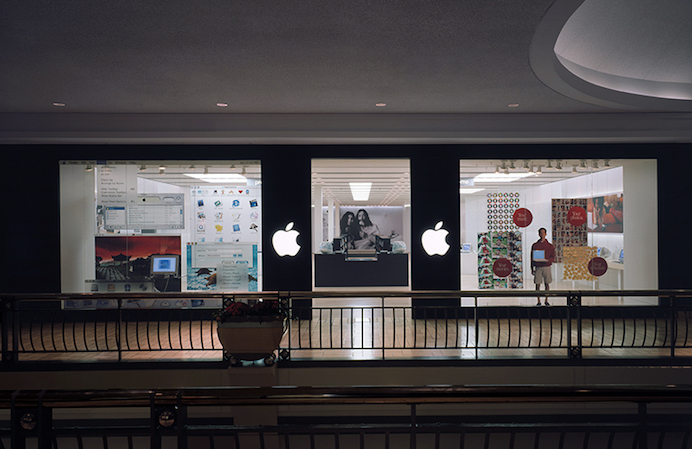
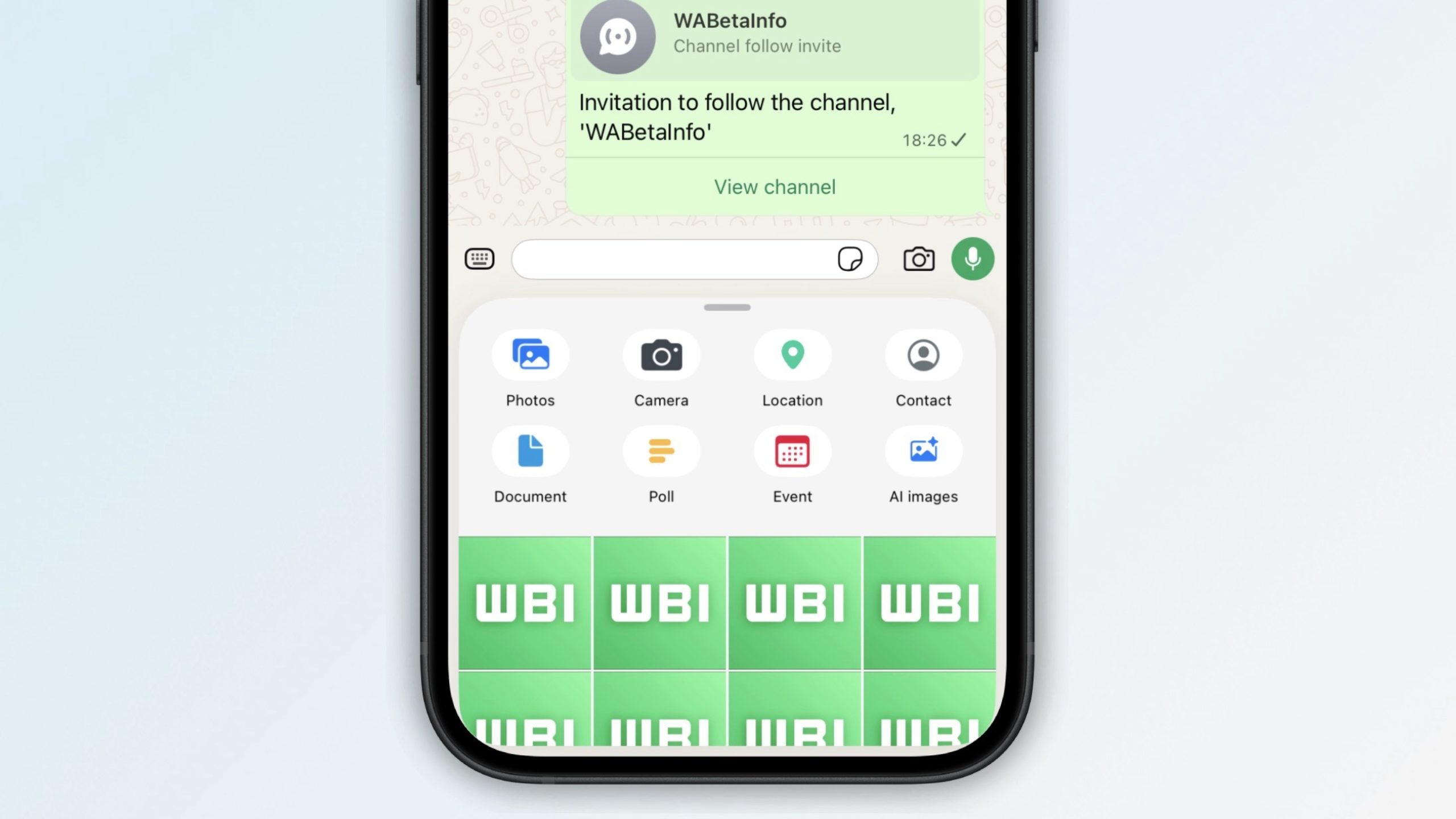
 Note: MacRumors is an affiliate partner with Best Buy. When you click a link and make a purchase, we may receive a small payment, which helps us keep the site running.
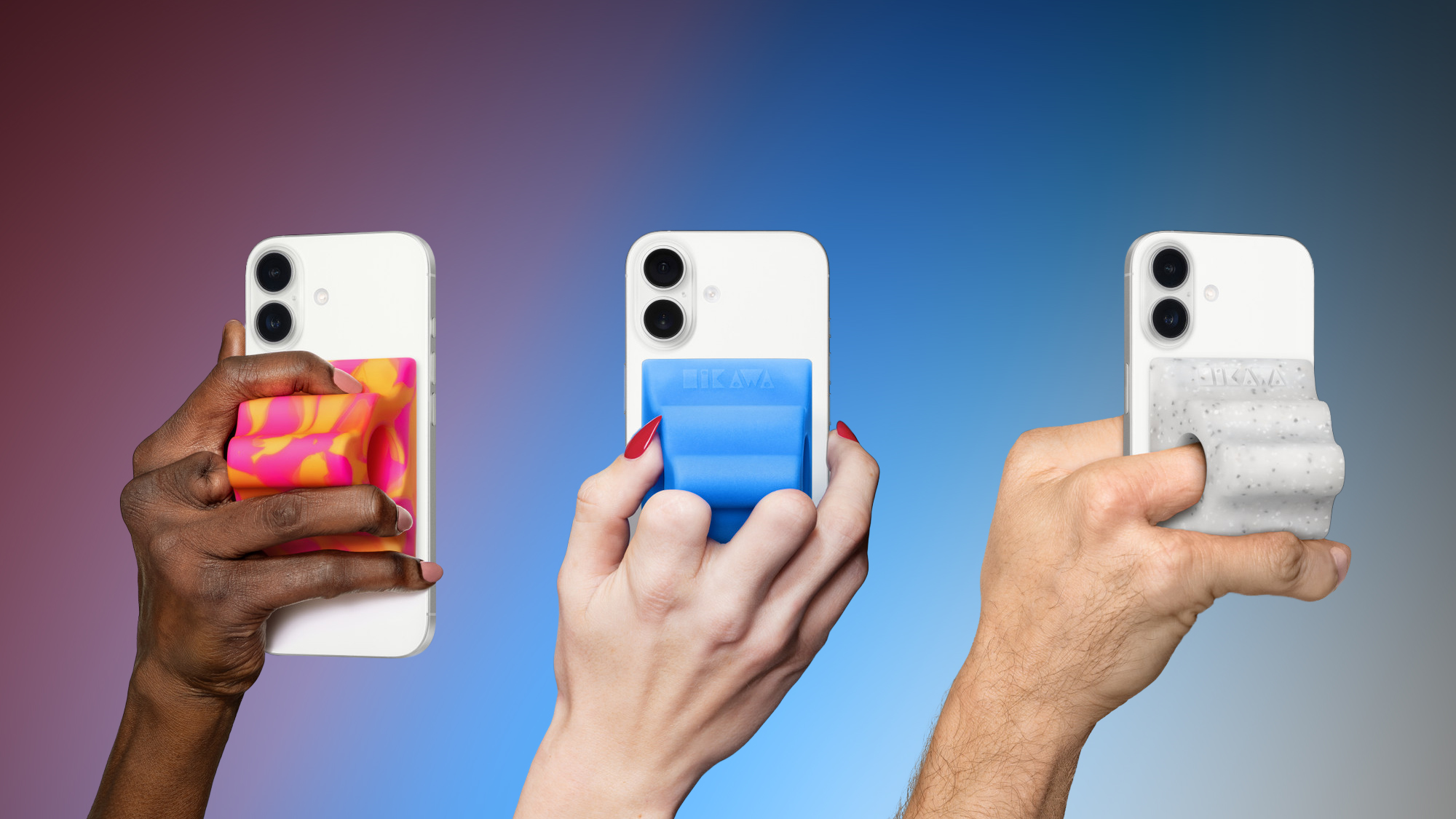
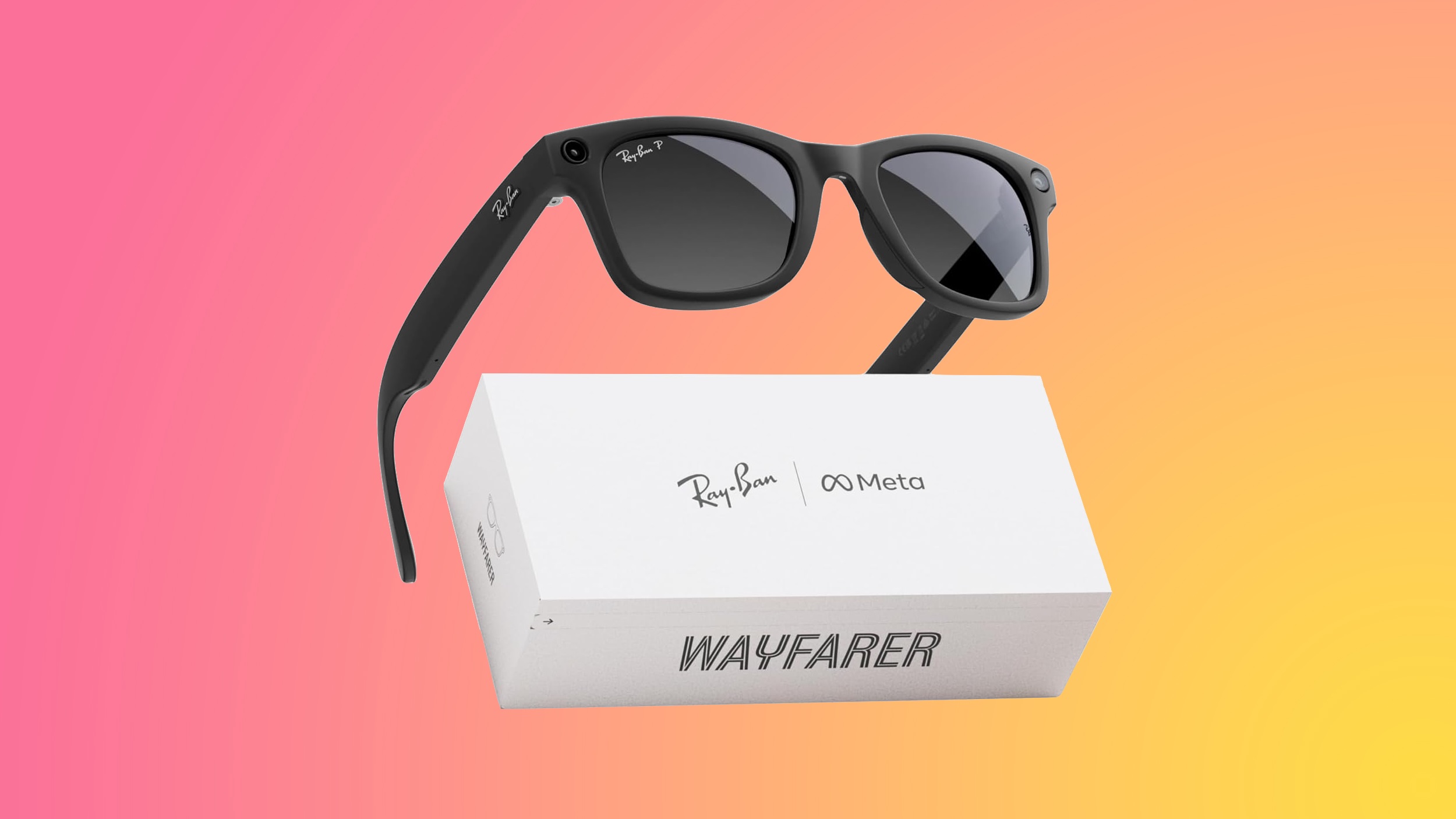 Note: MacRumors is an affiliate partner with some of these vendors. When you click a link and make a purchase, we may receive a small payment, which helps us keep the site running.

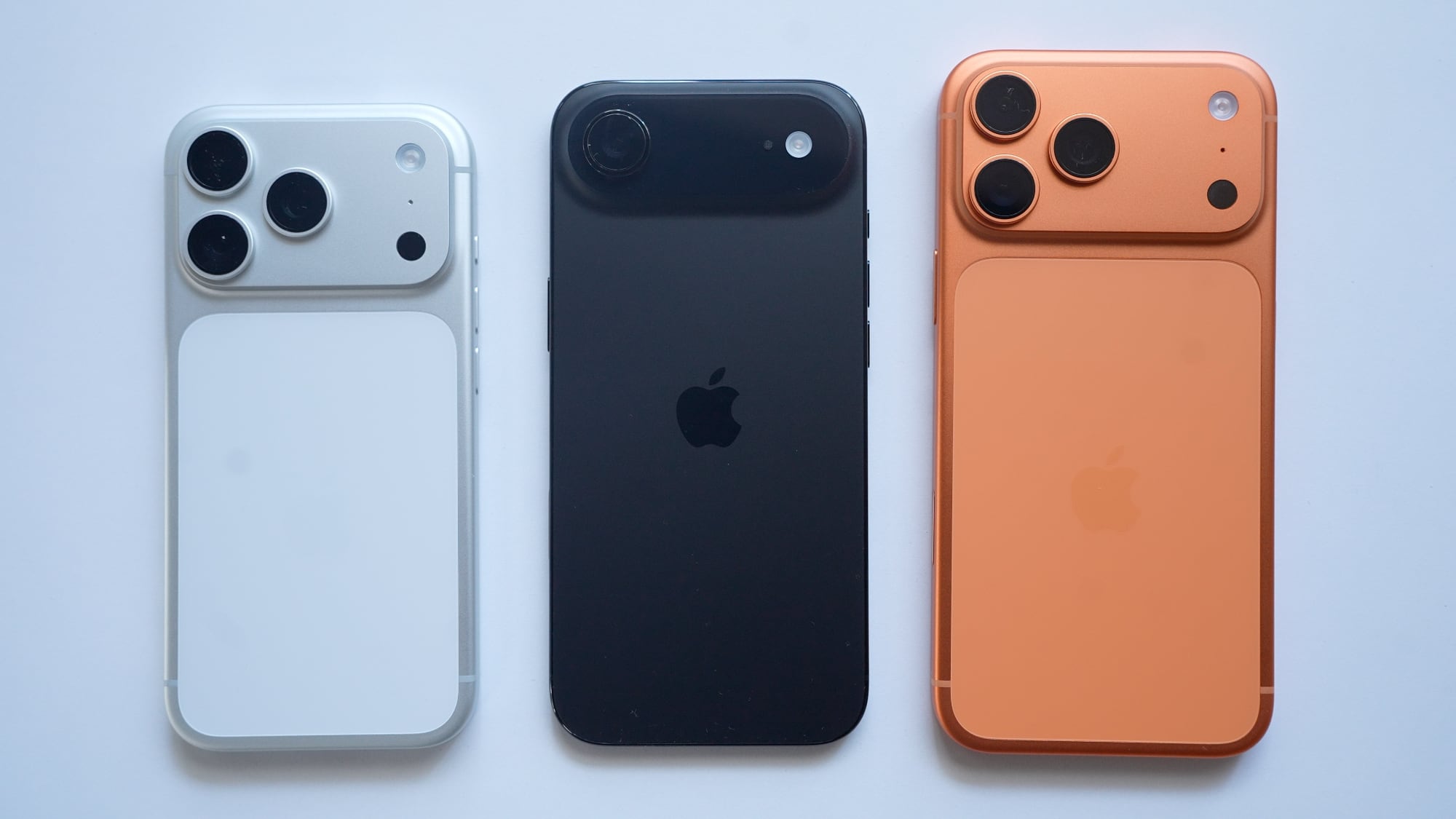
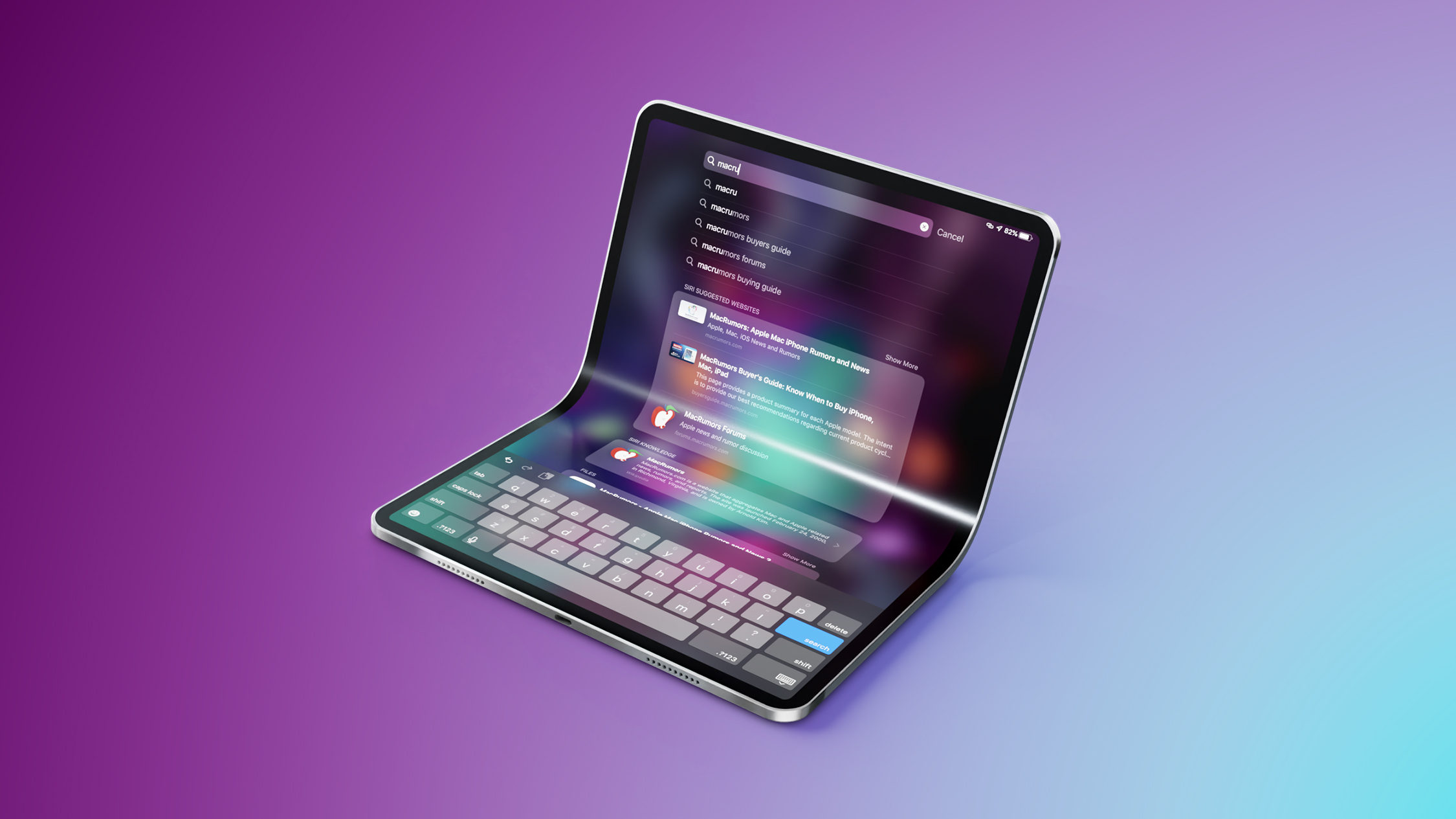
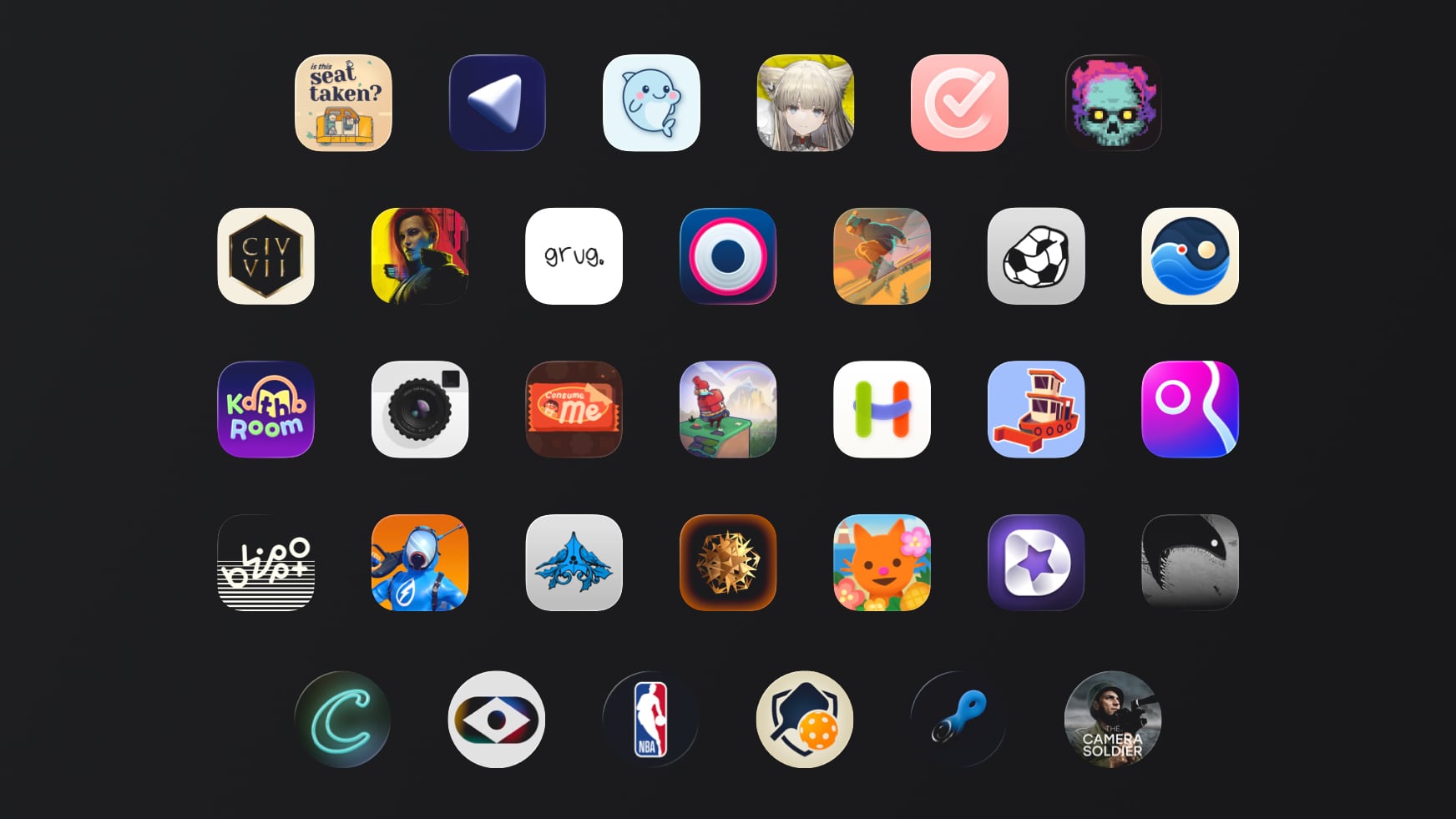

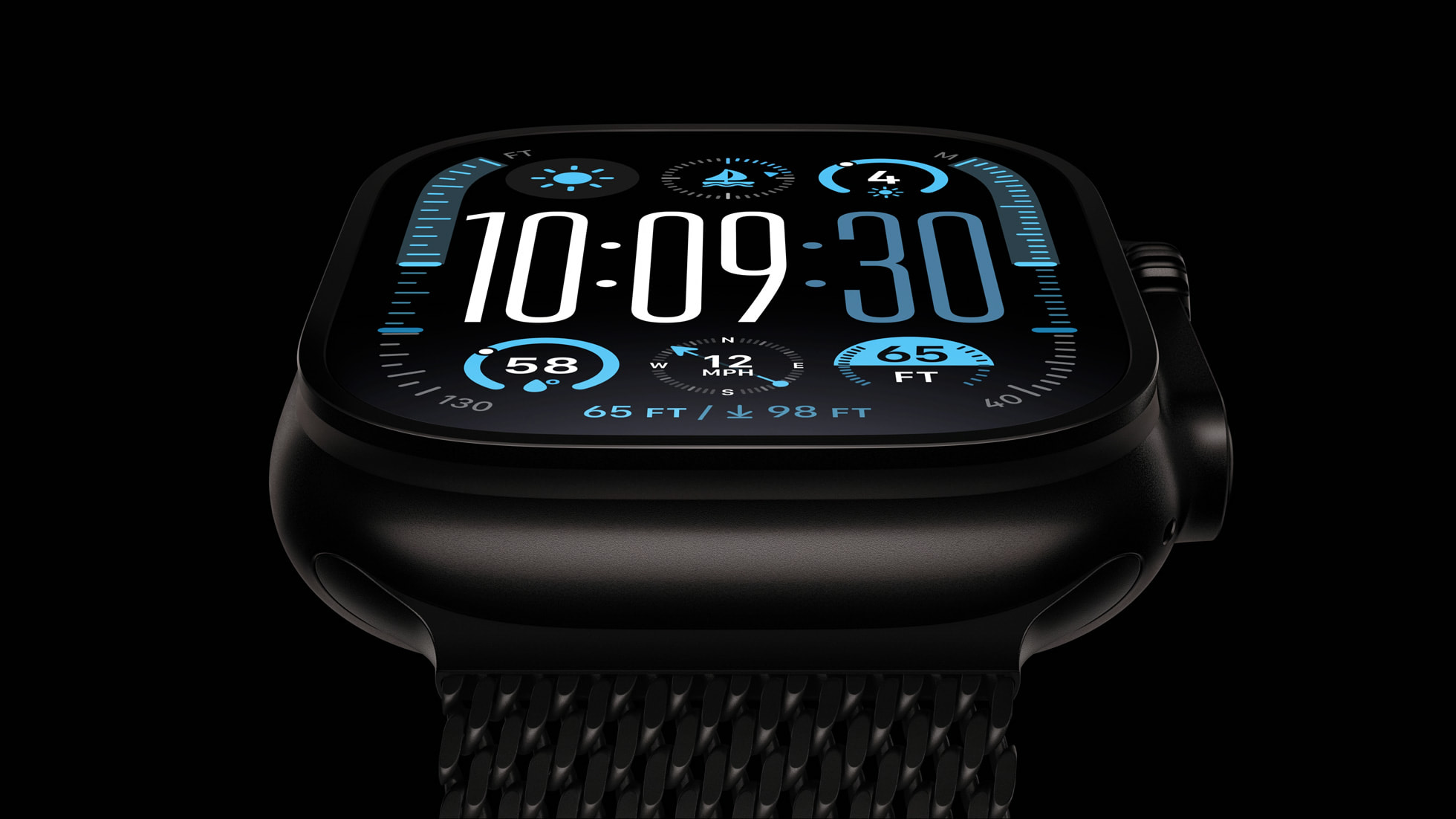
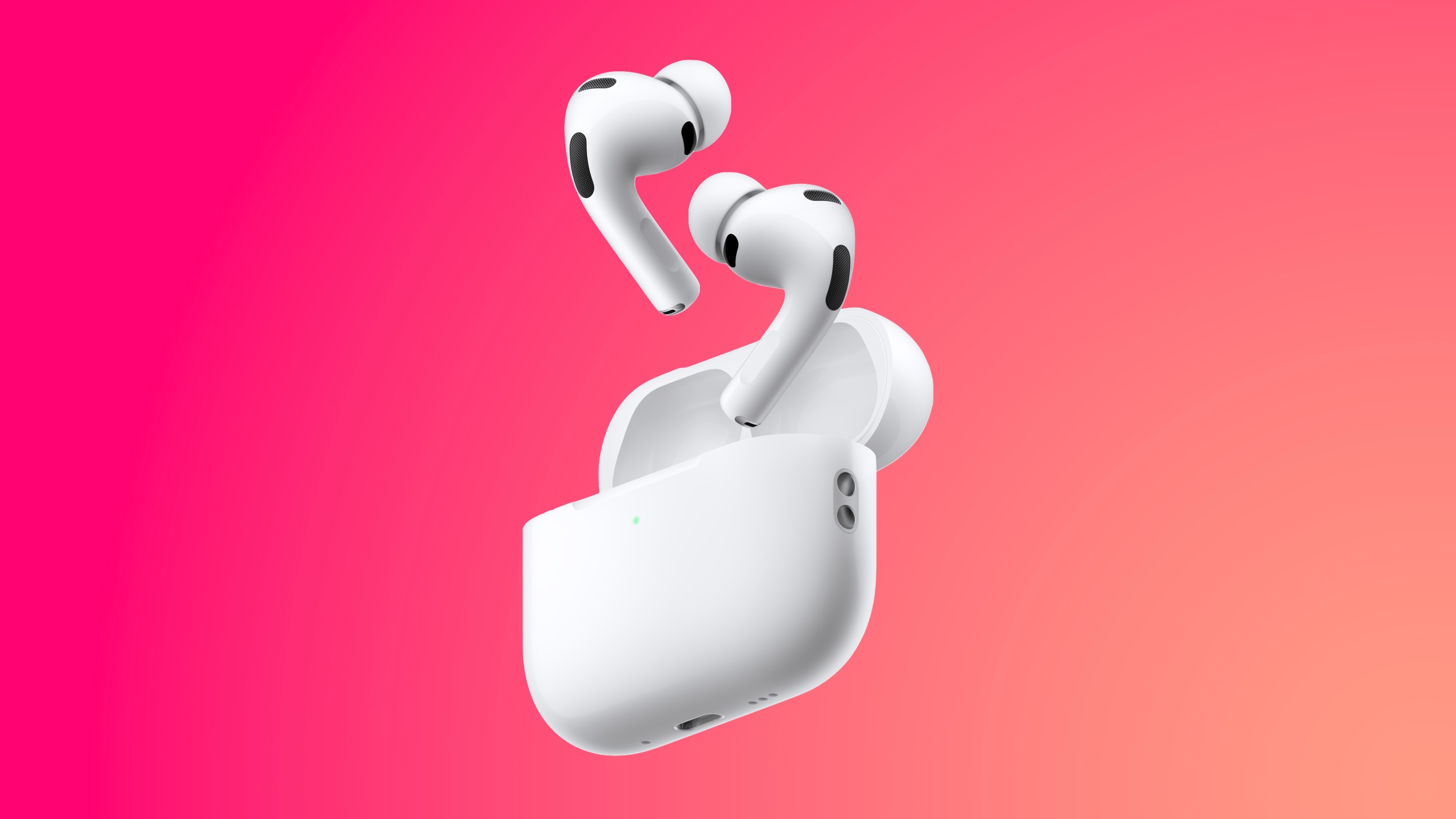
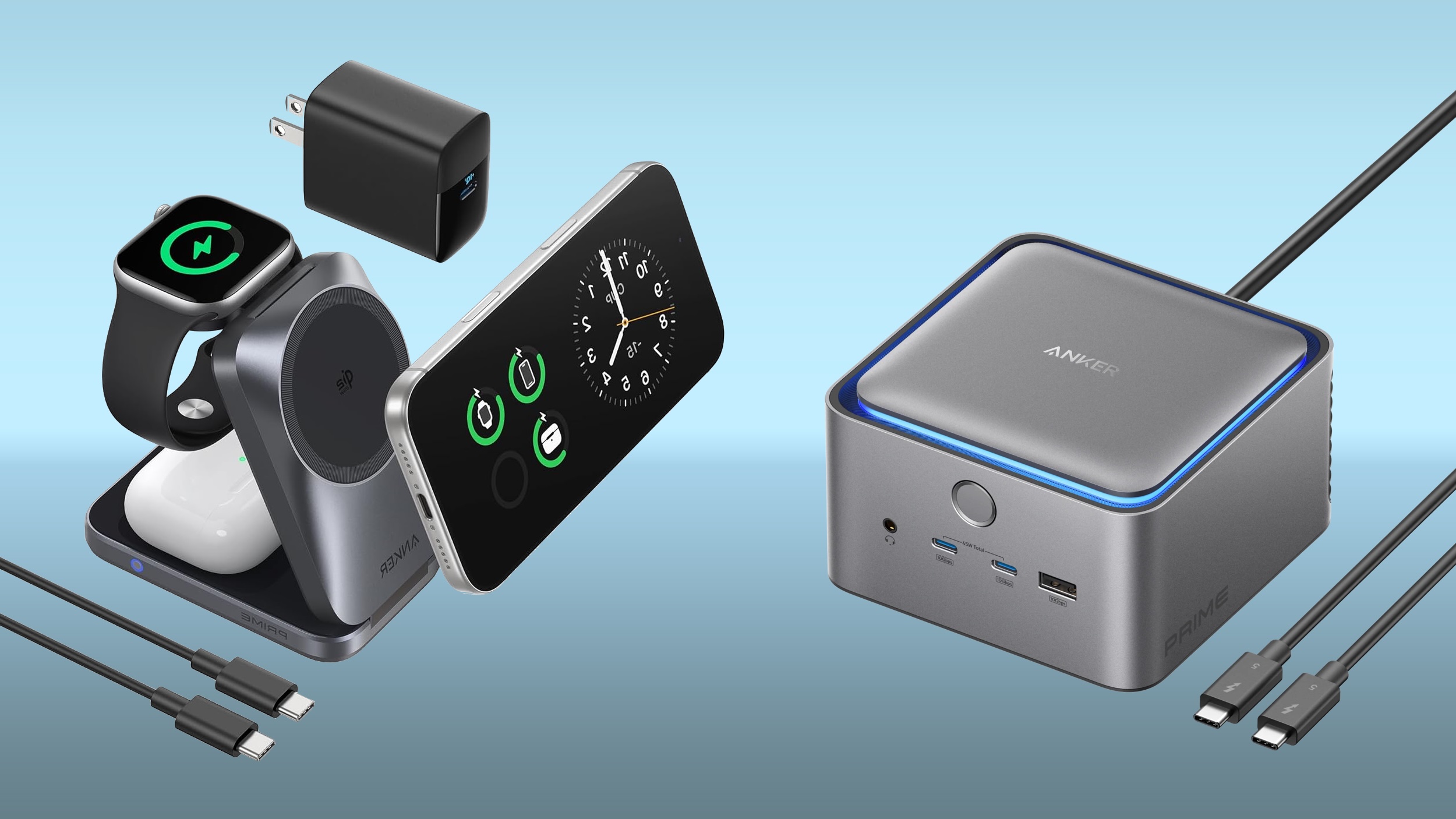 Note: MacRumors is an affiliate partner with some of these vendors. When you click a link and make a purchase, we may receive a small payment, which helps us keep the site running.
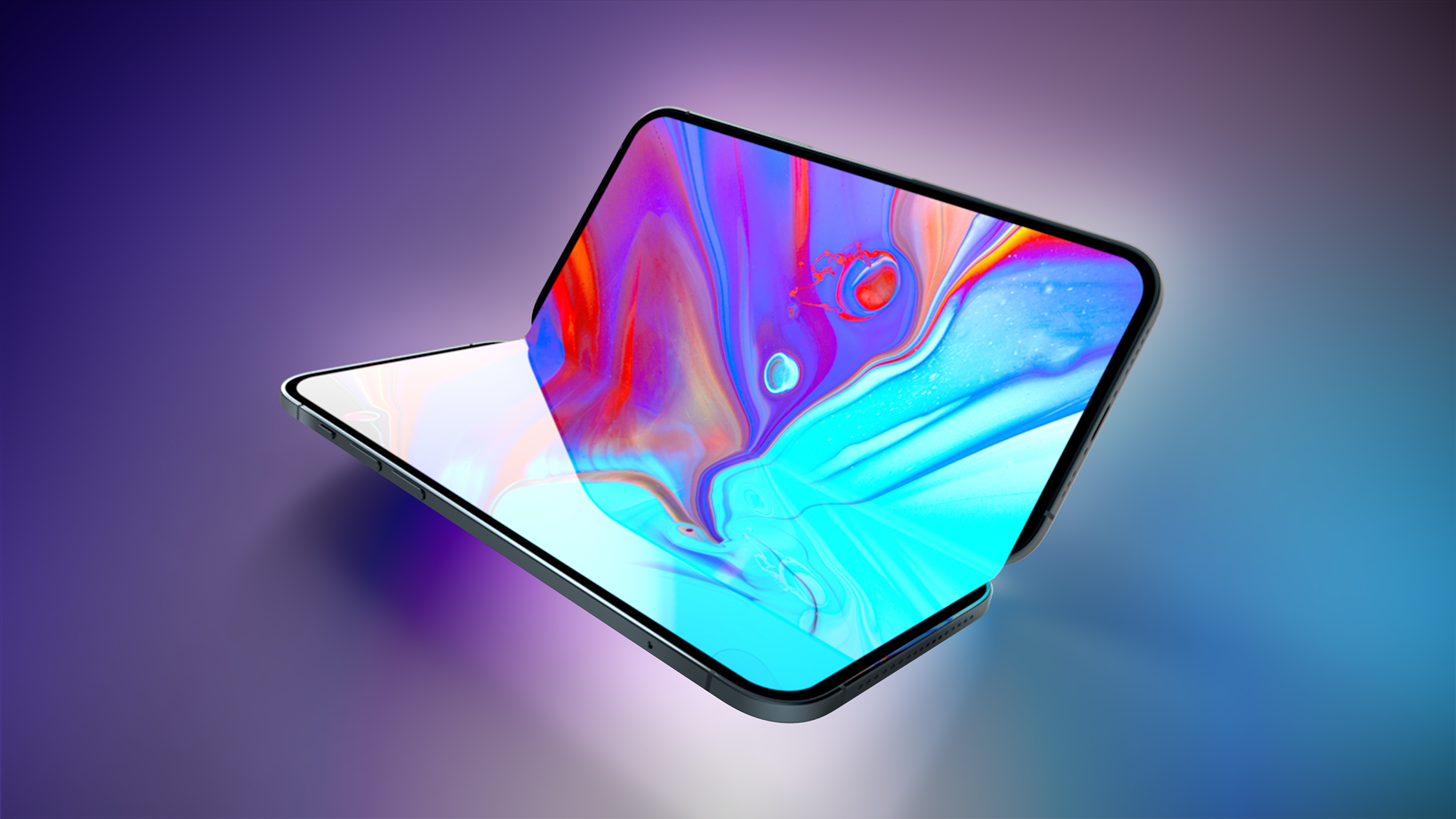
 Note: MacRumors is an affiliate partner with Amazon. When you click a link and make a purchase, we may receive a small payment, which helps us keep the site running.
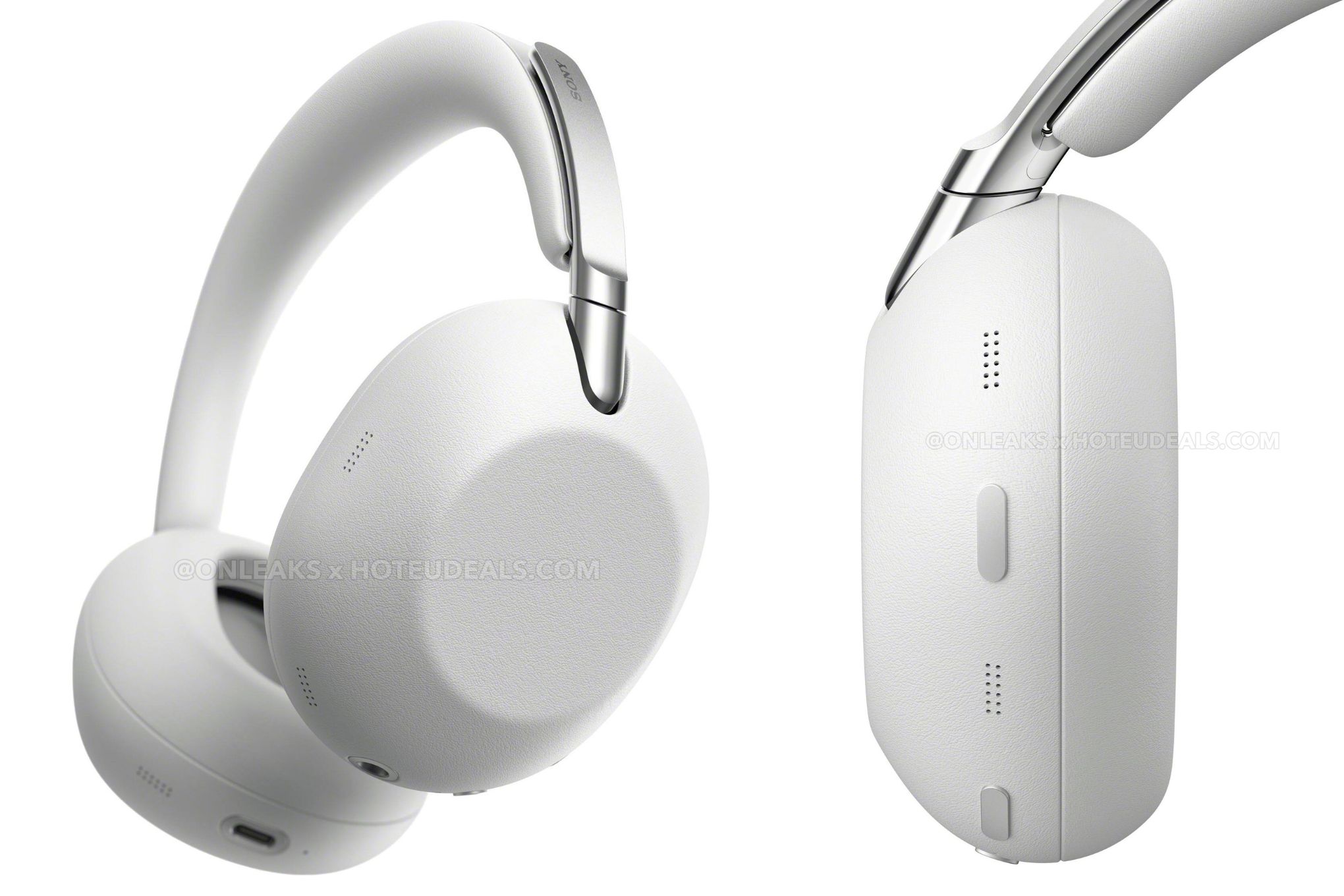
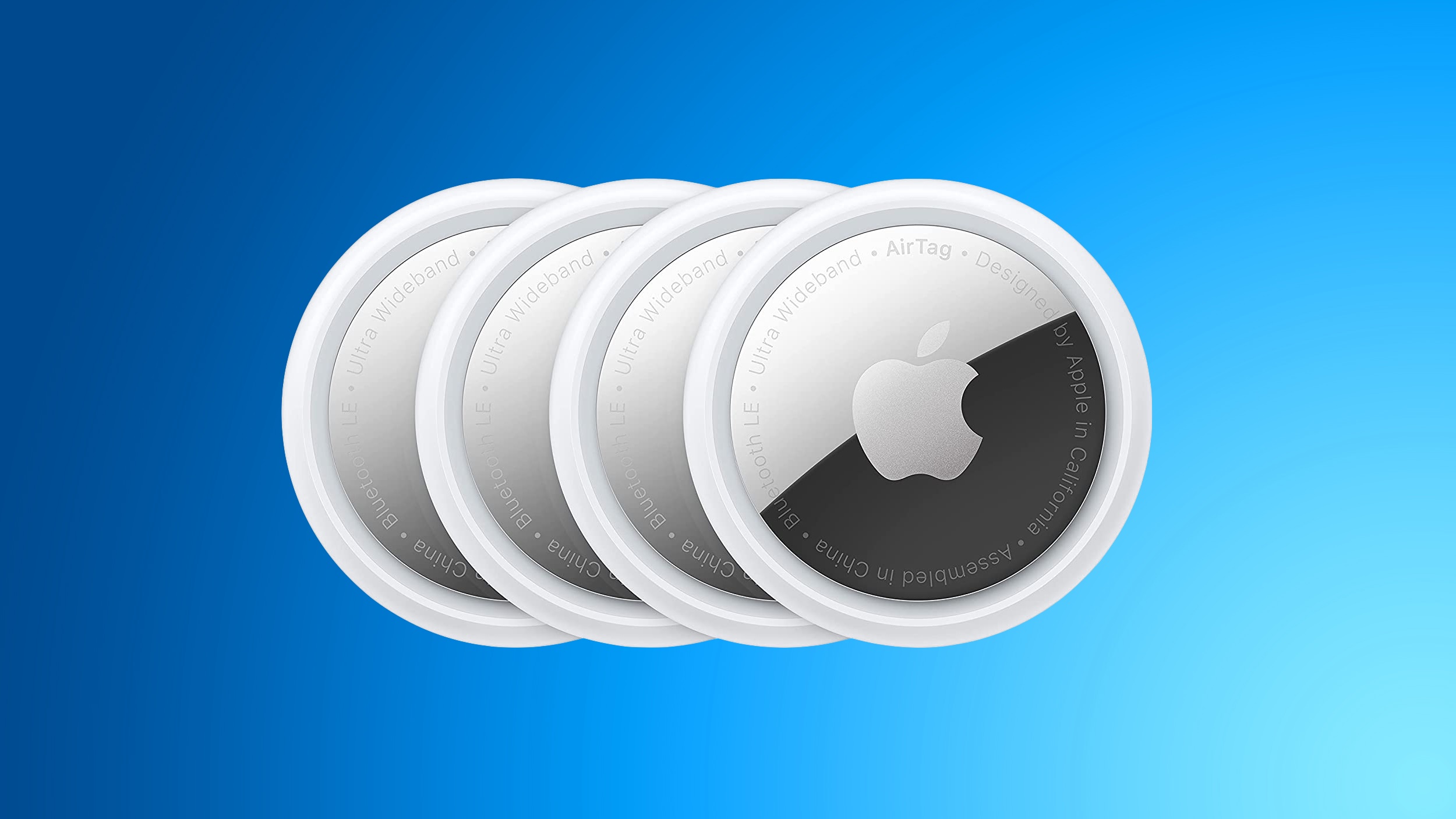 Note: MacRumors is an affiliate partner with Woot. When you click a link and make a purchase, we may receive a small payment, which helps us keep the site running.
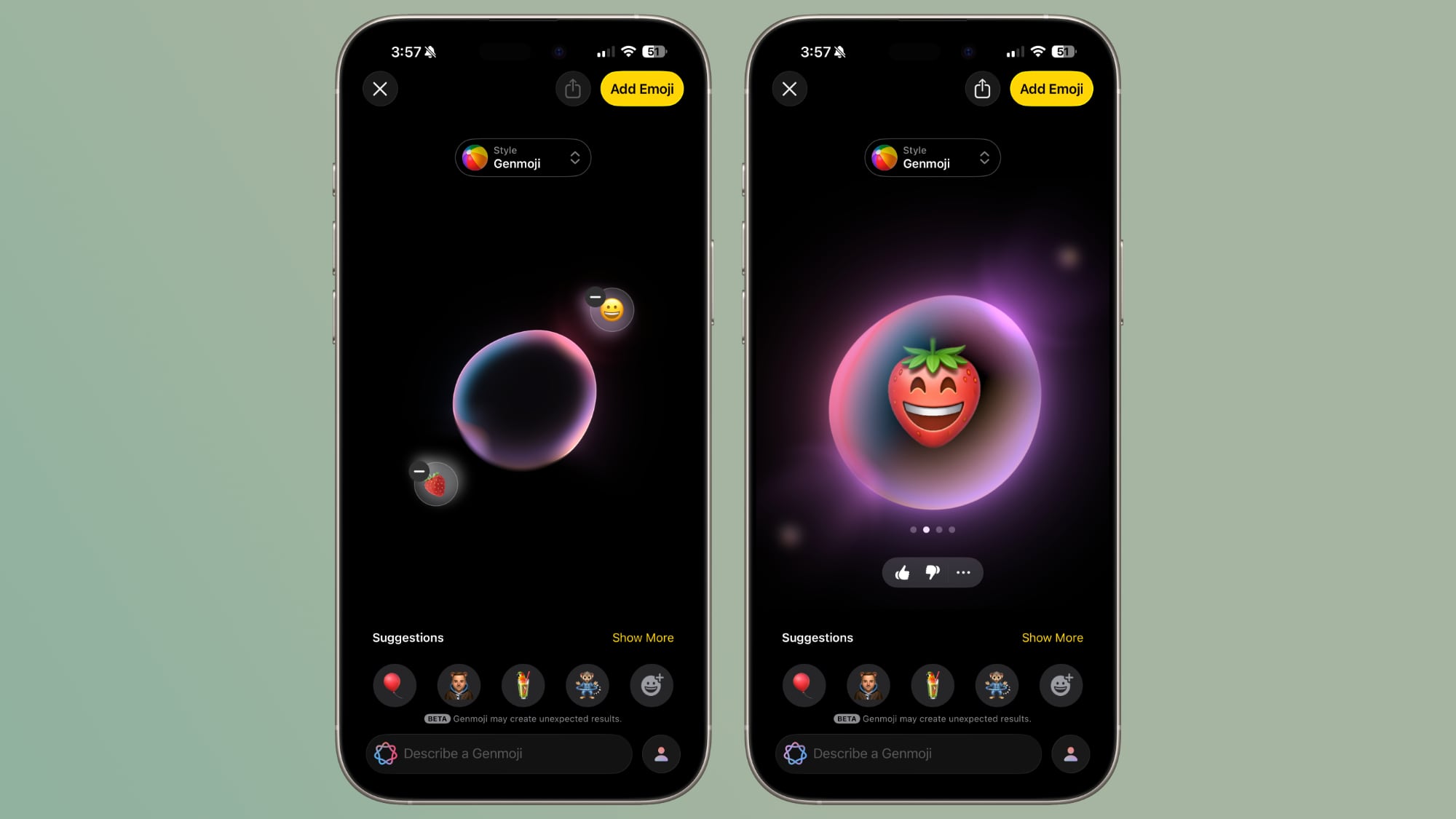
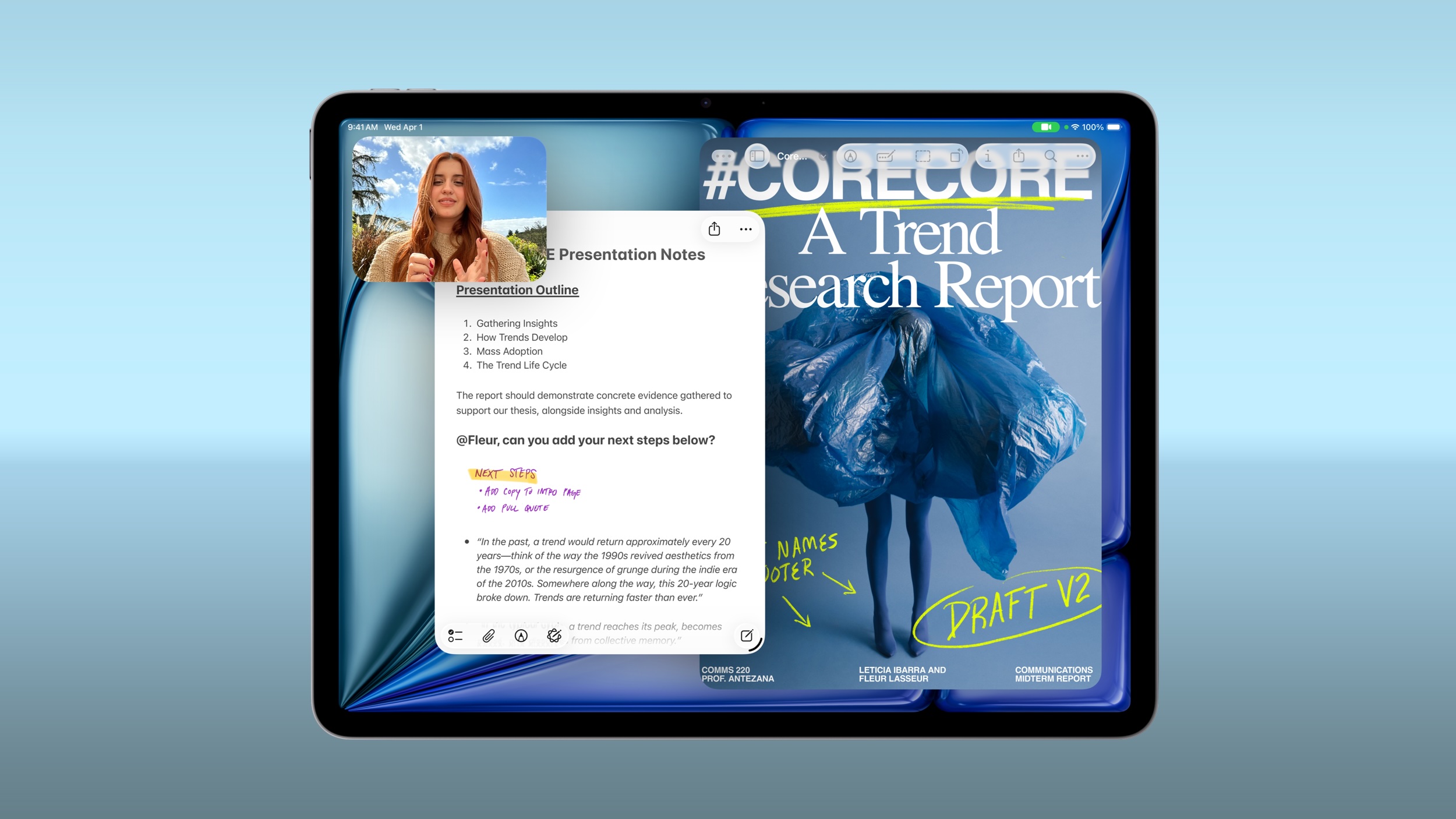 Note: MacRumors is an affiliate partner with Amazon. When you click a link and make a purchase, we may receive a small payment, which helps us keep the site running.
 Note: MacRumors is an affiliate partner with some of these vendors. When you click a link and make a purchase, we may receive a small payment, which helps us keep the site running.
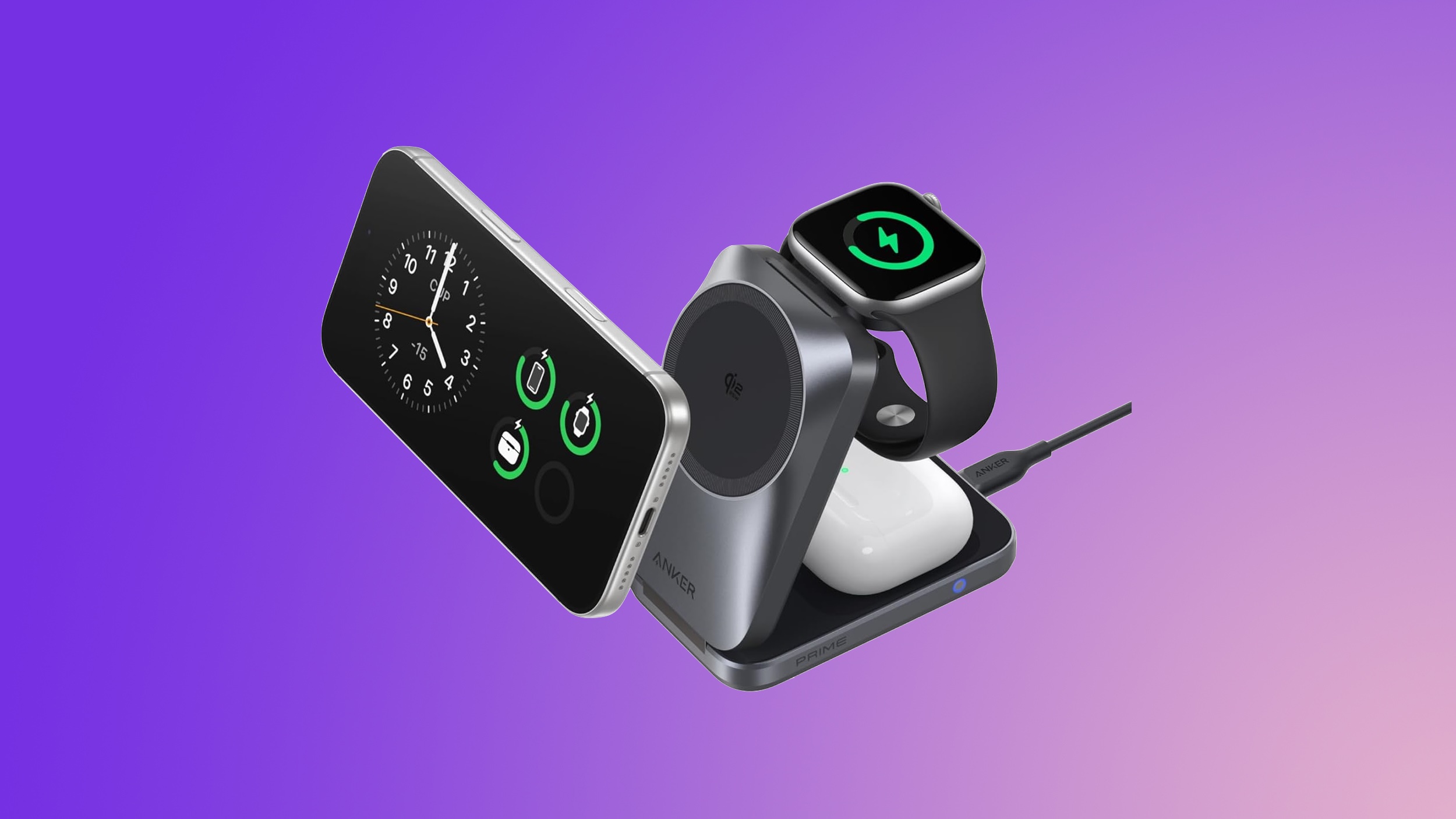
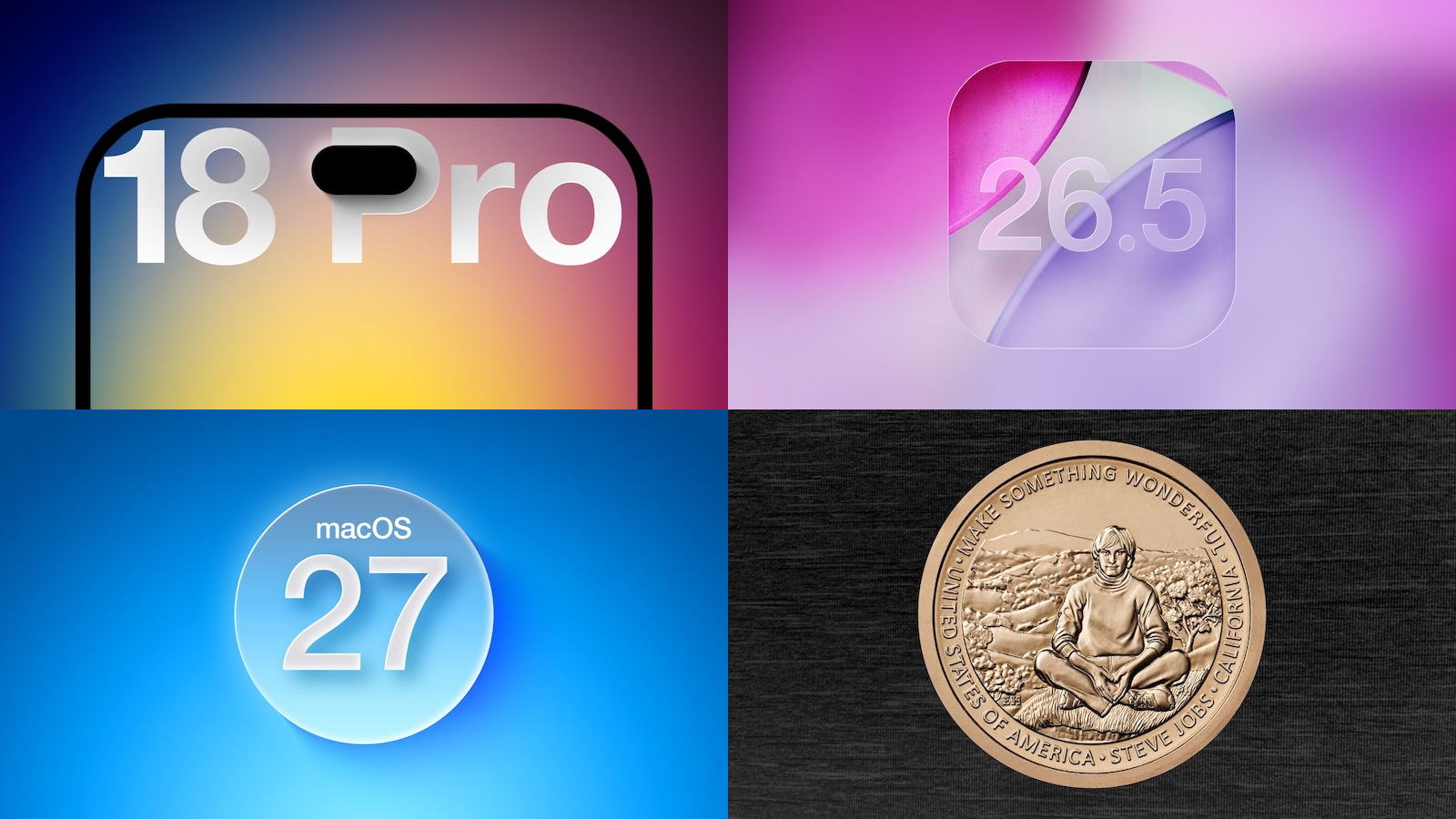
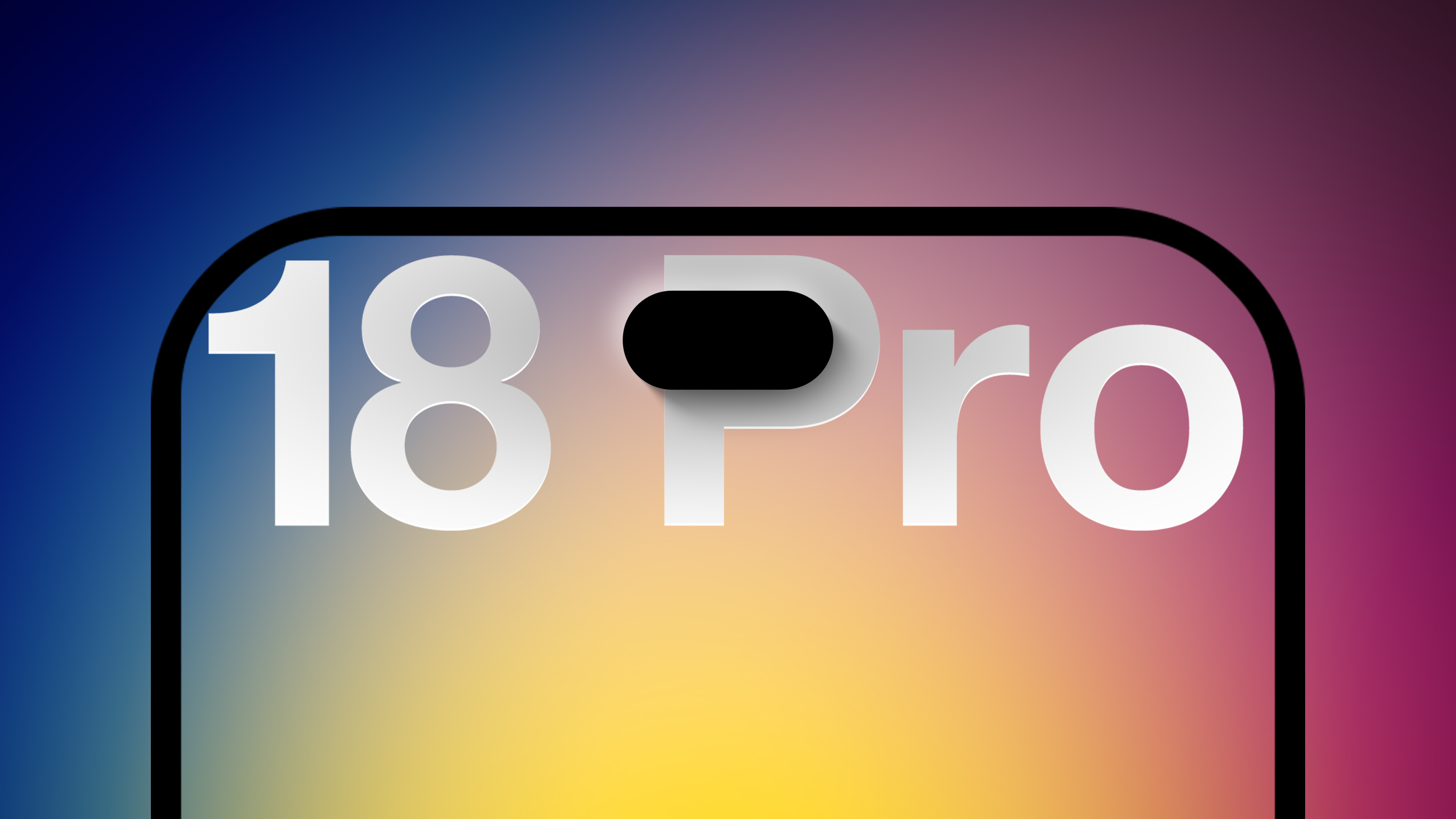
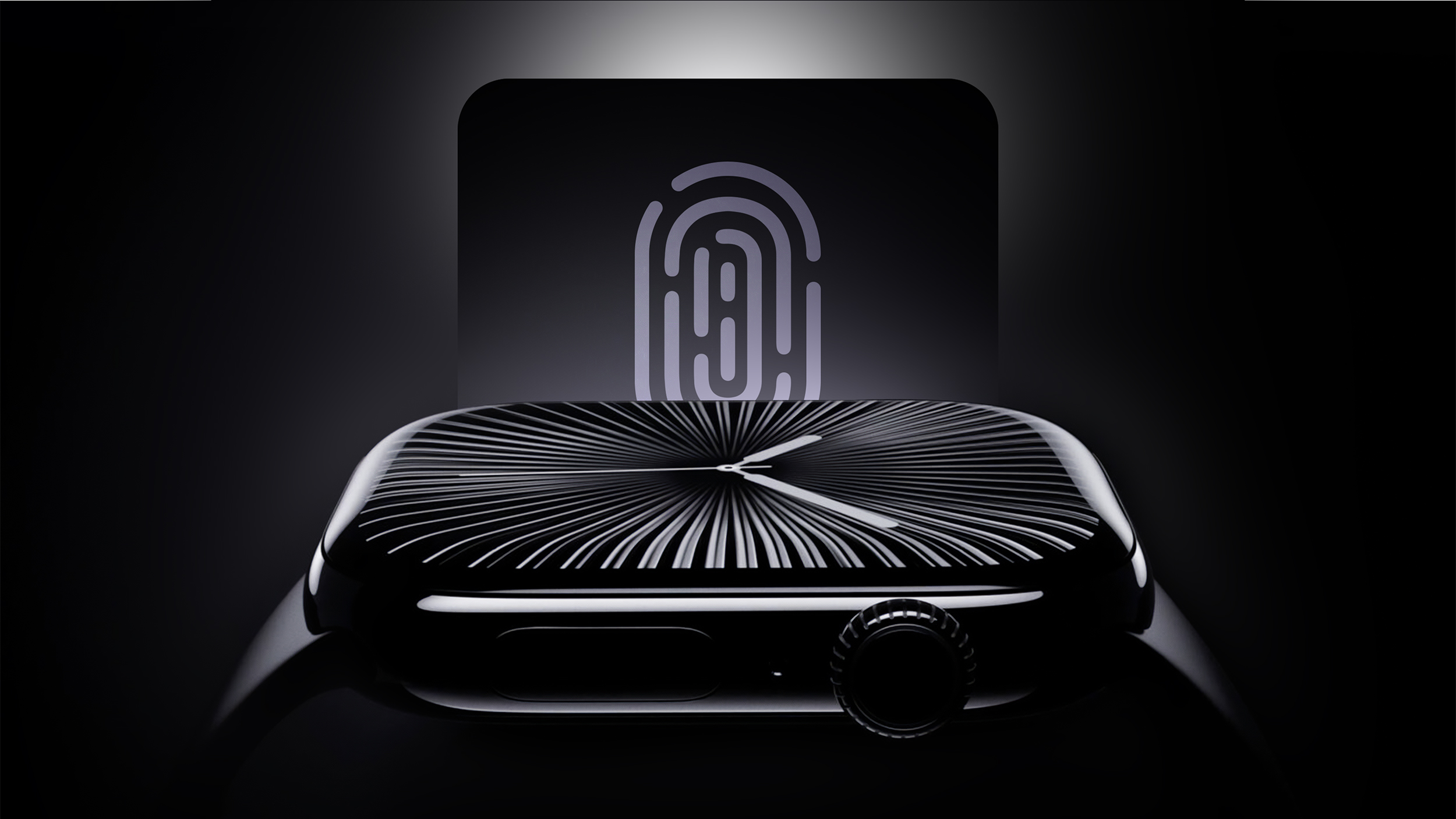
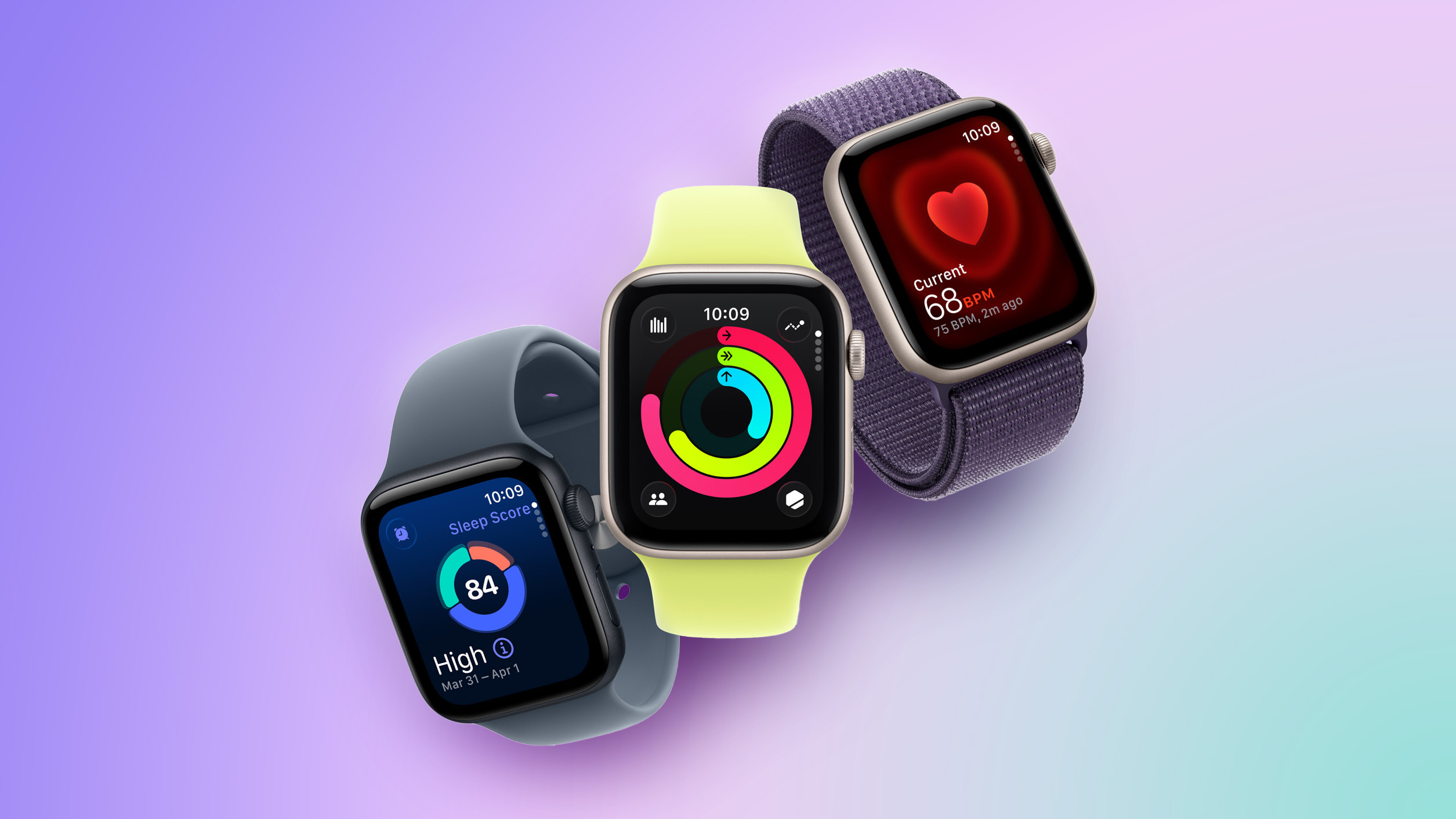

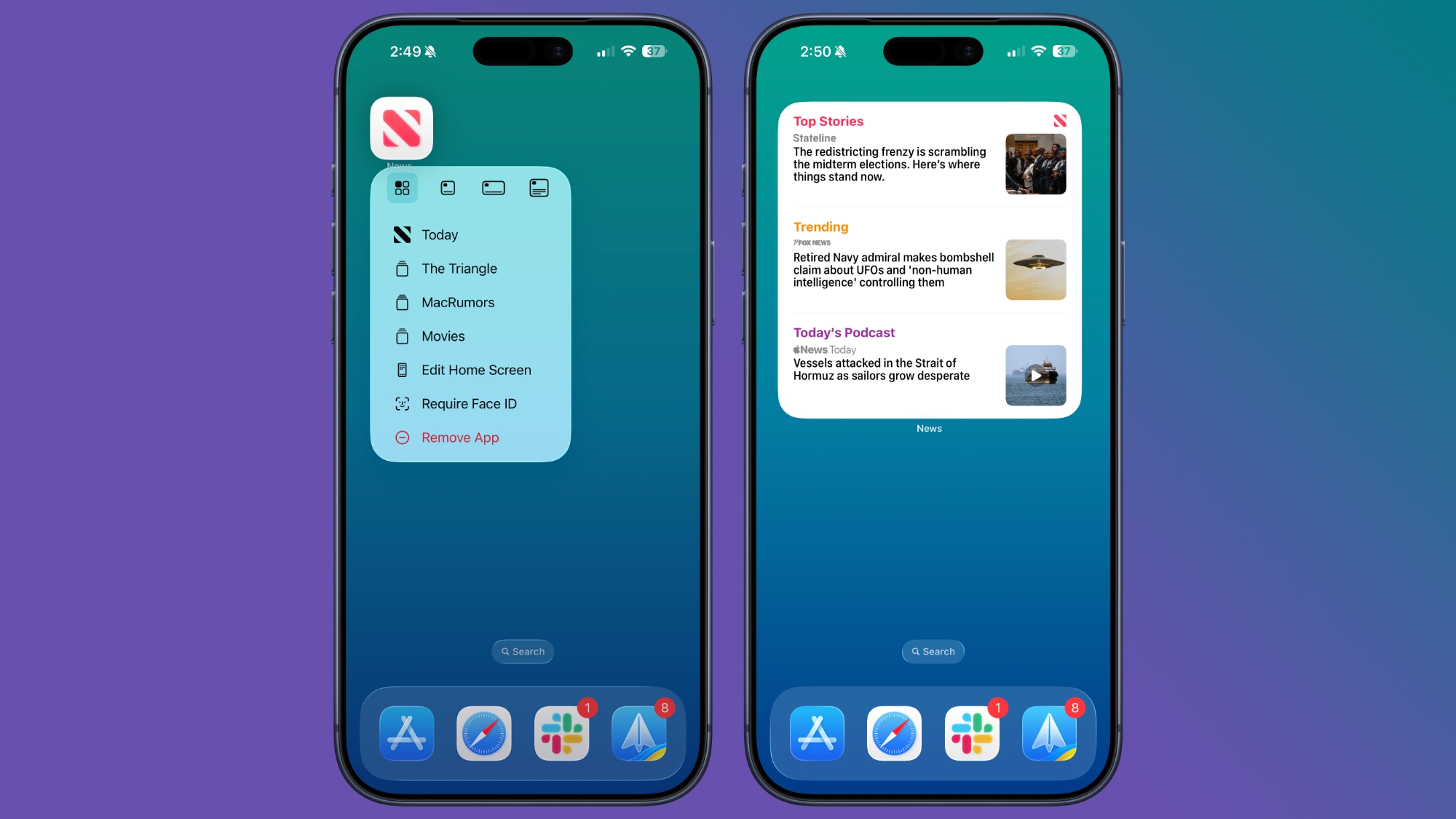
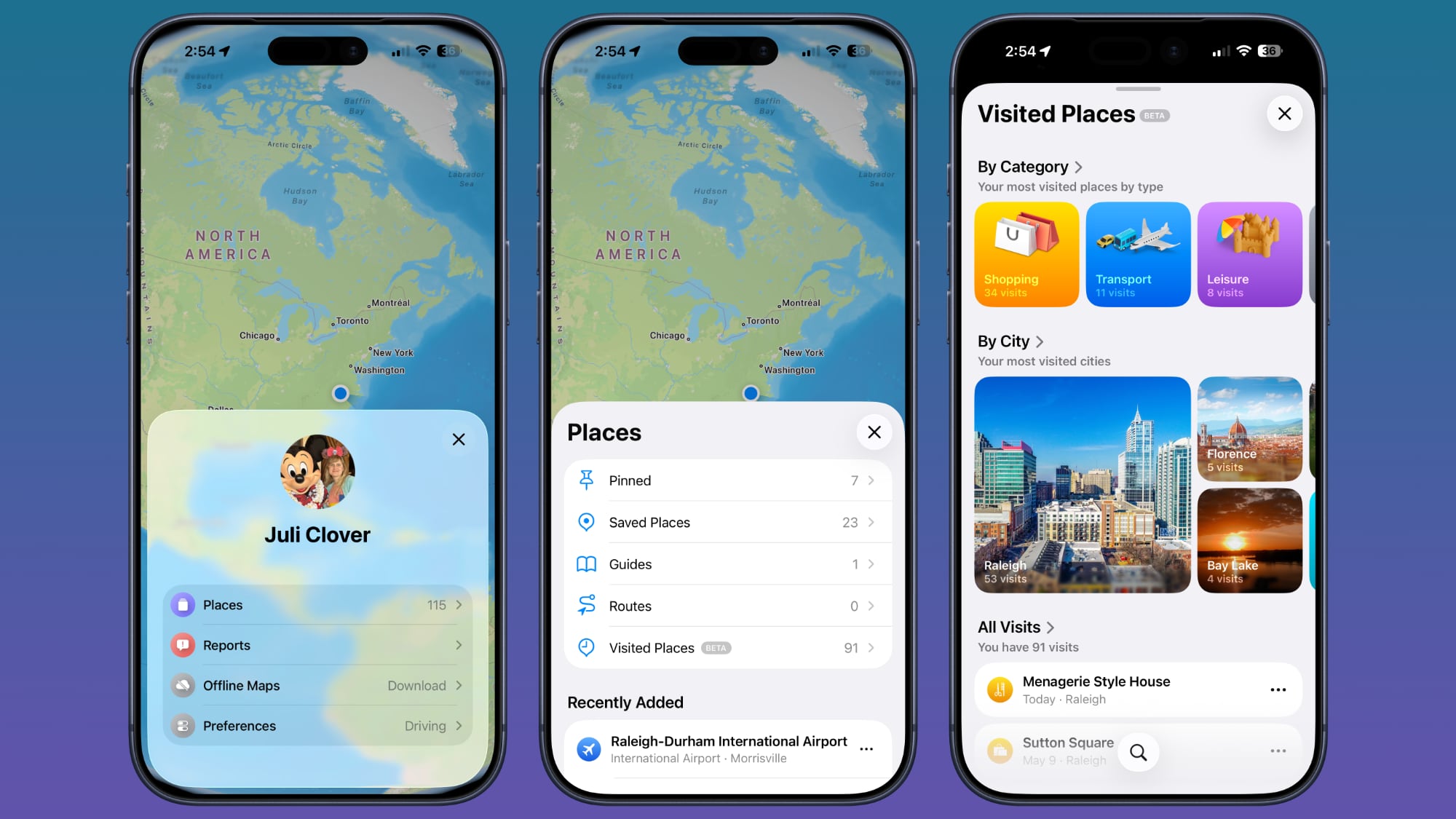
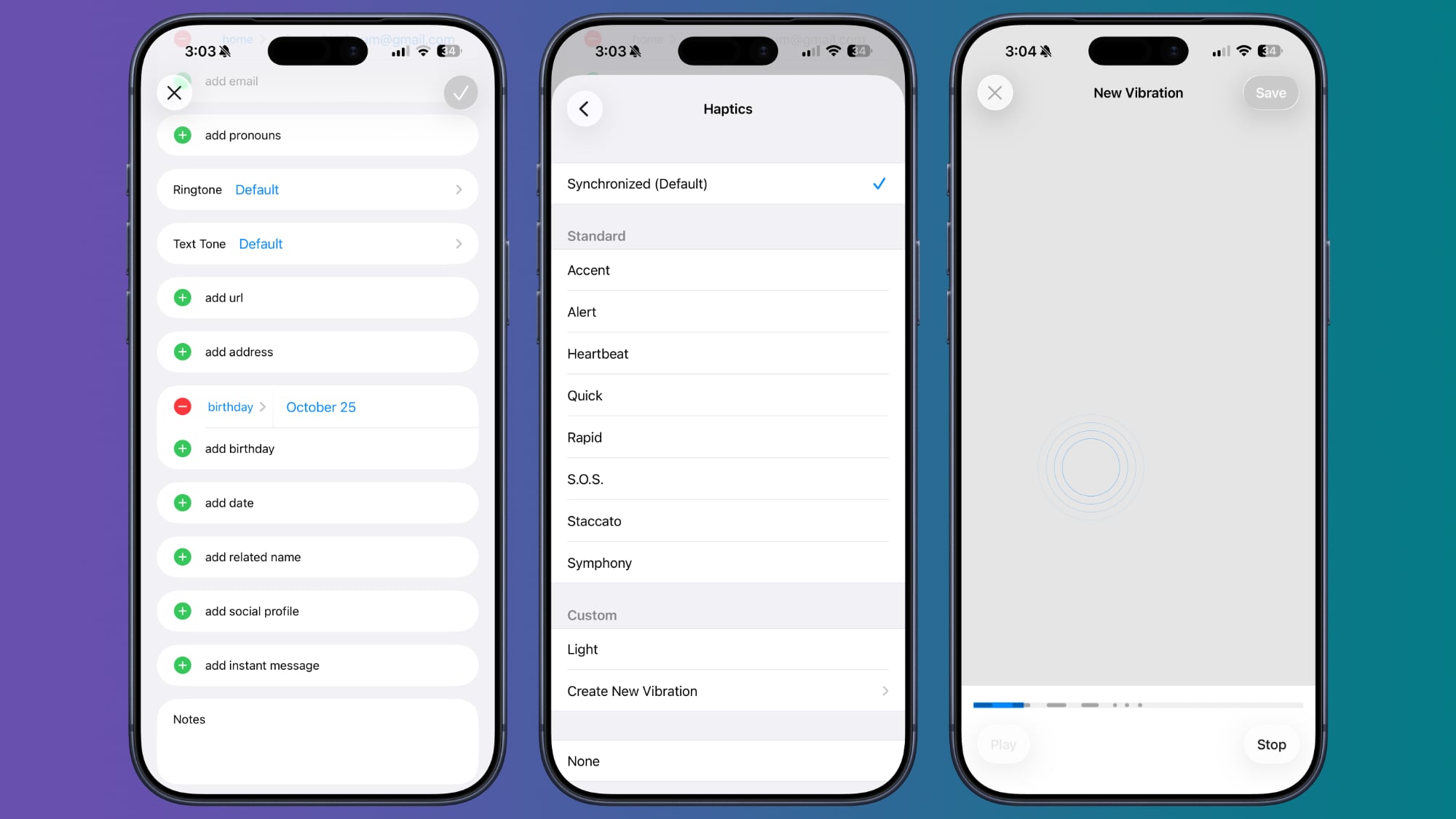
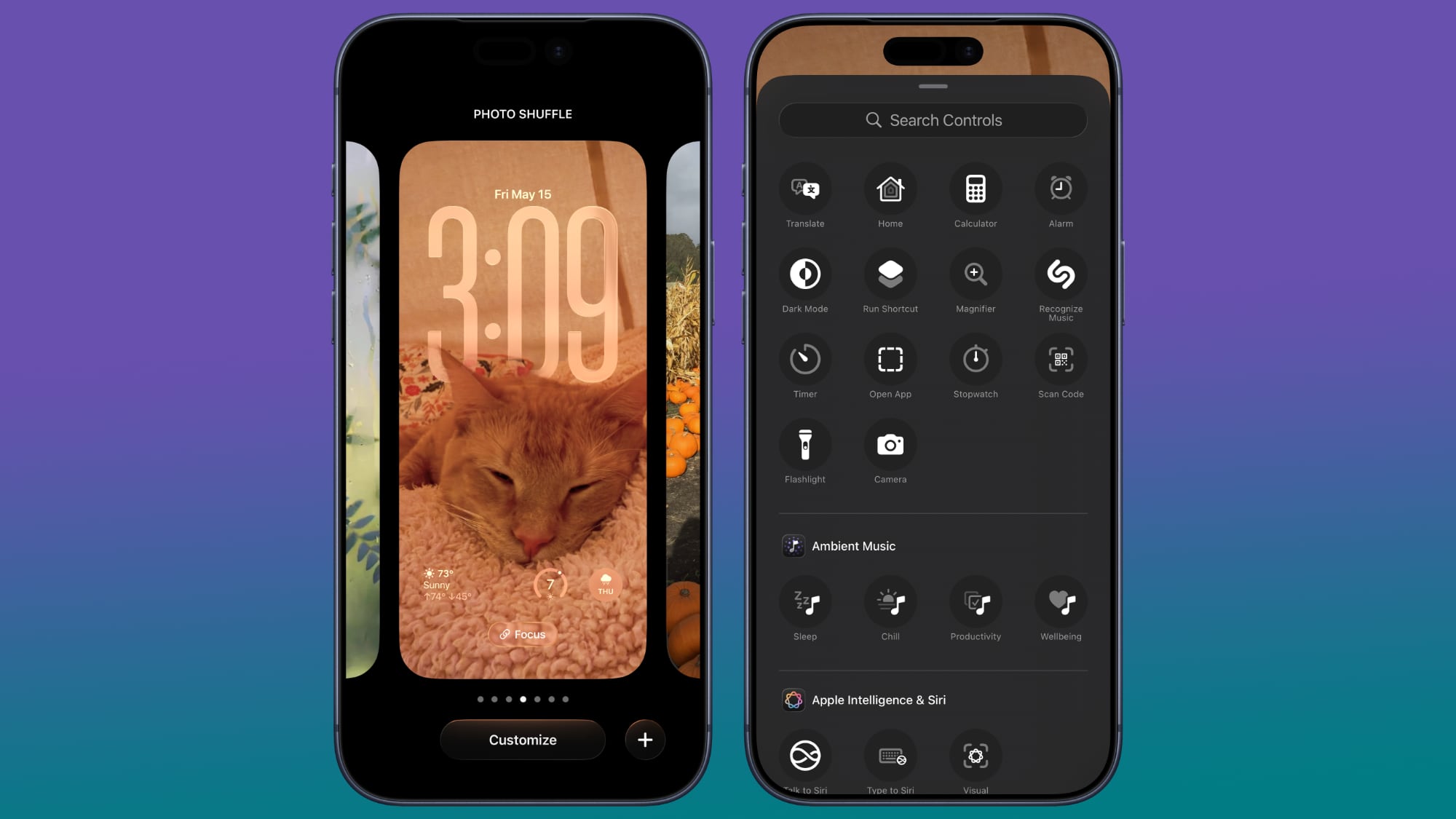
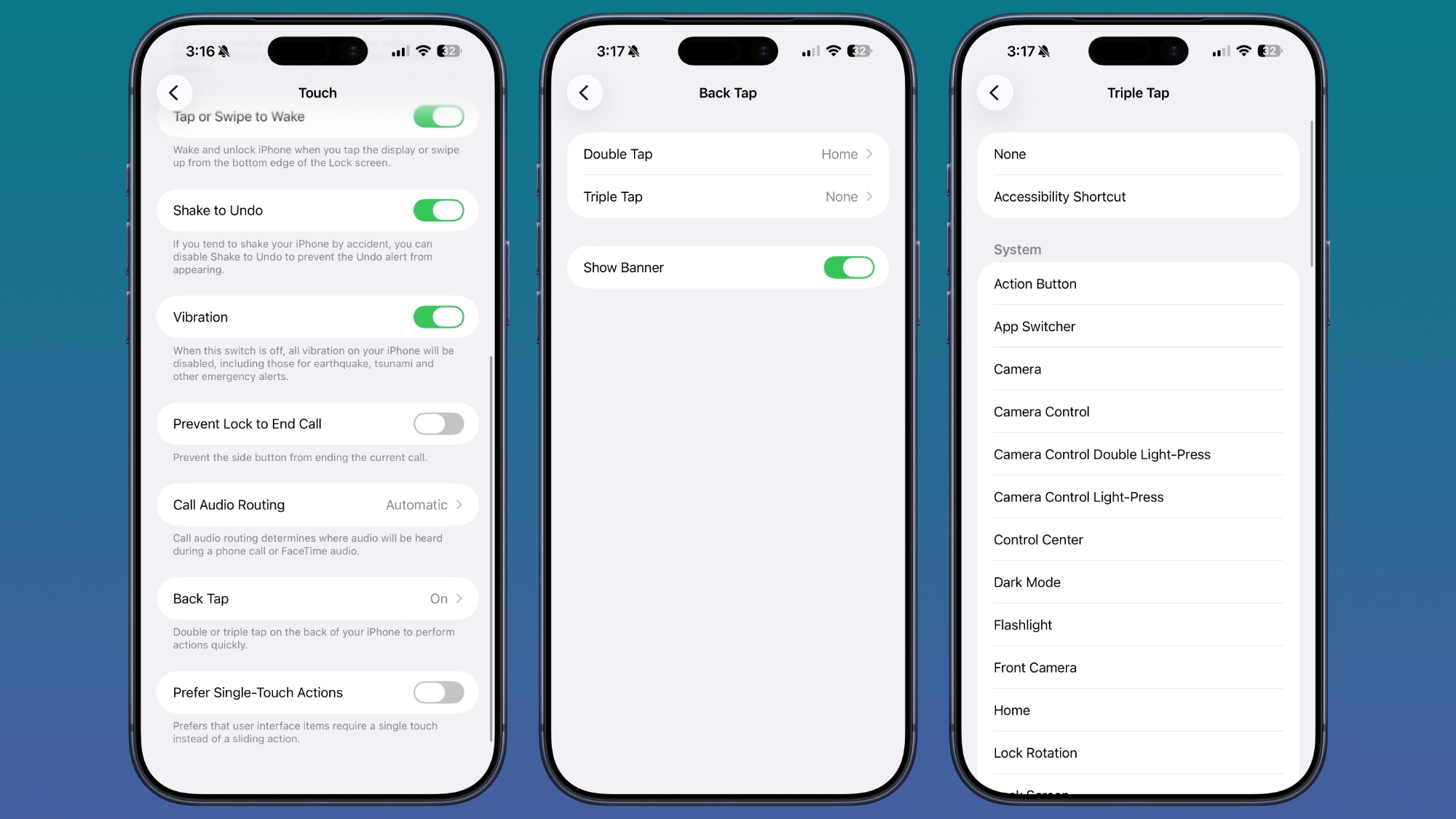
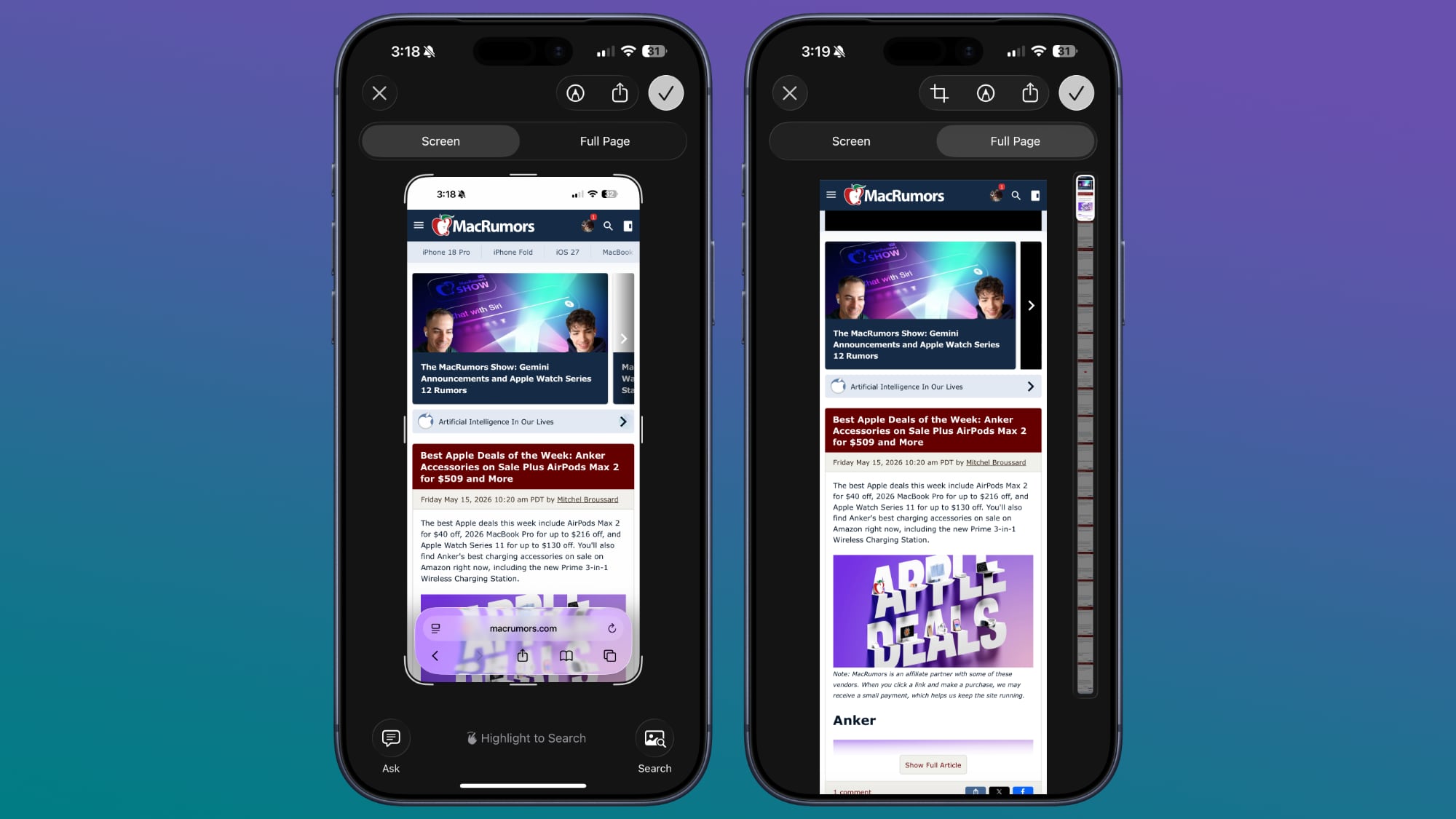
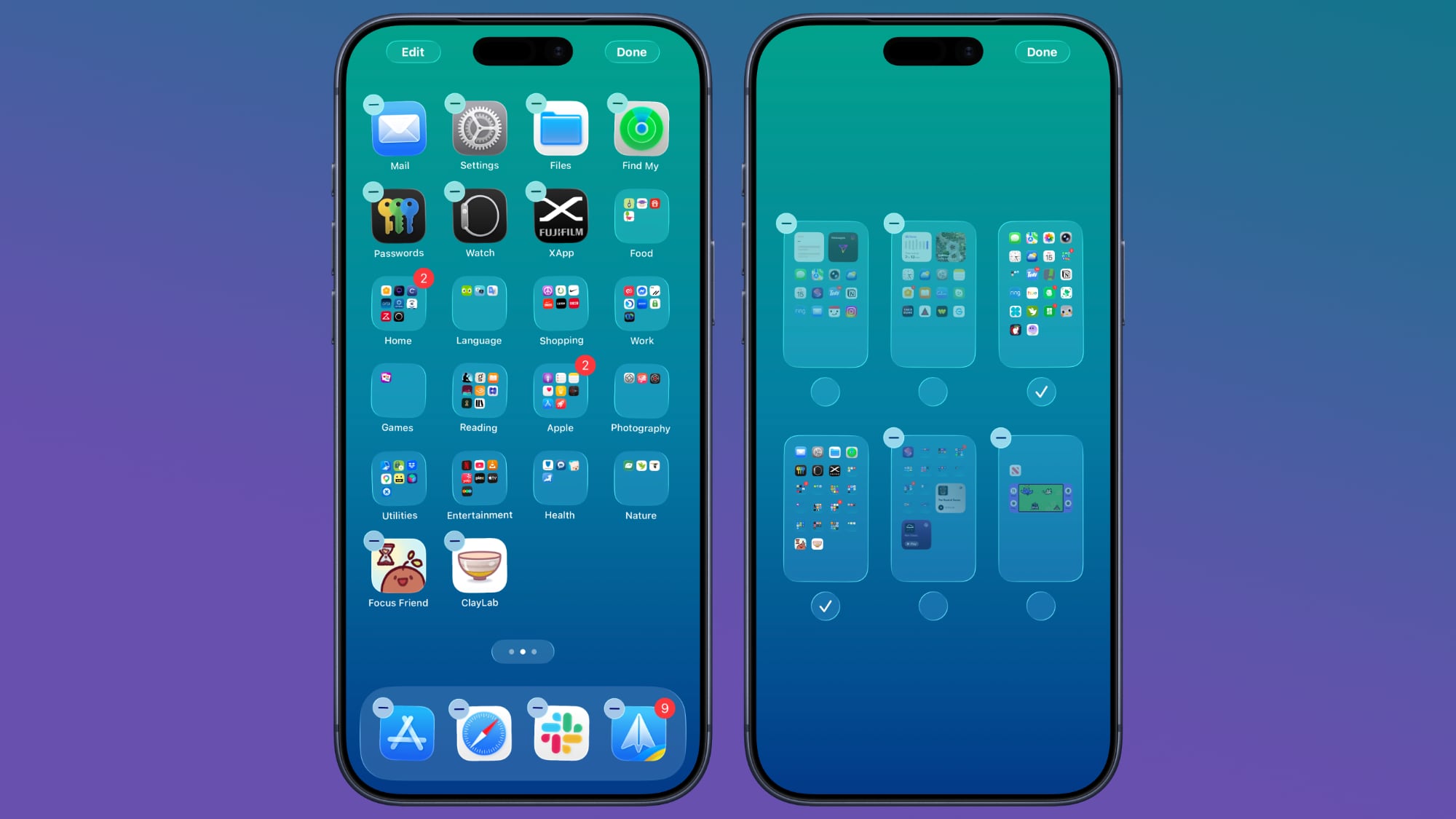
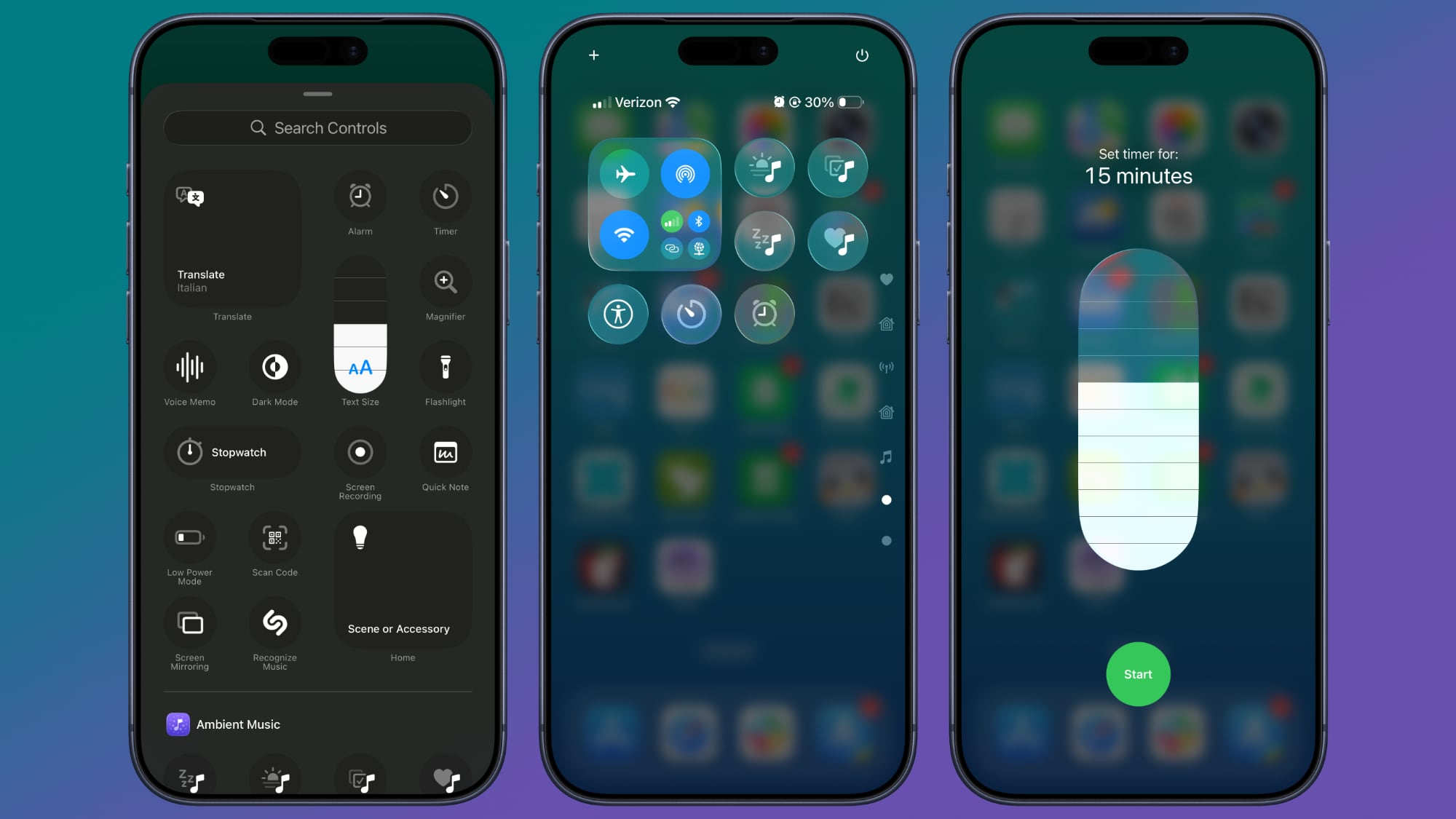
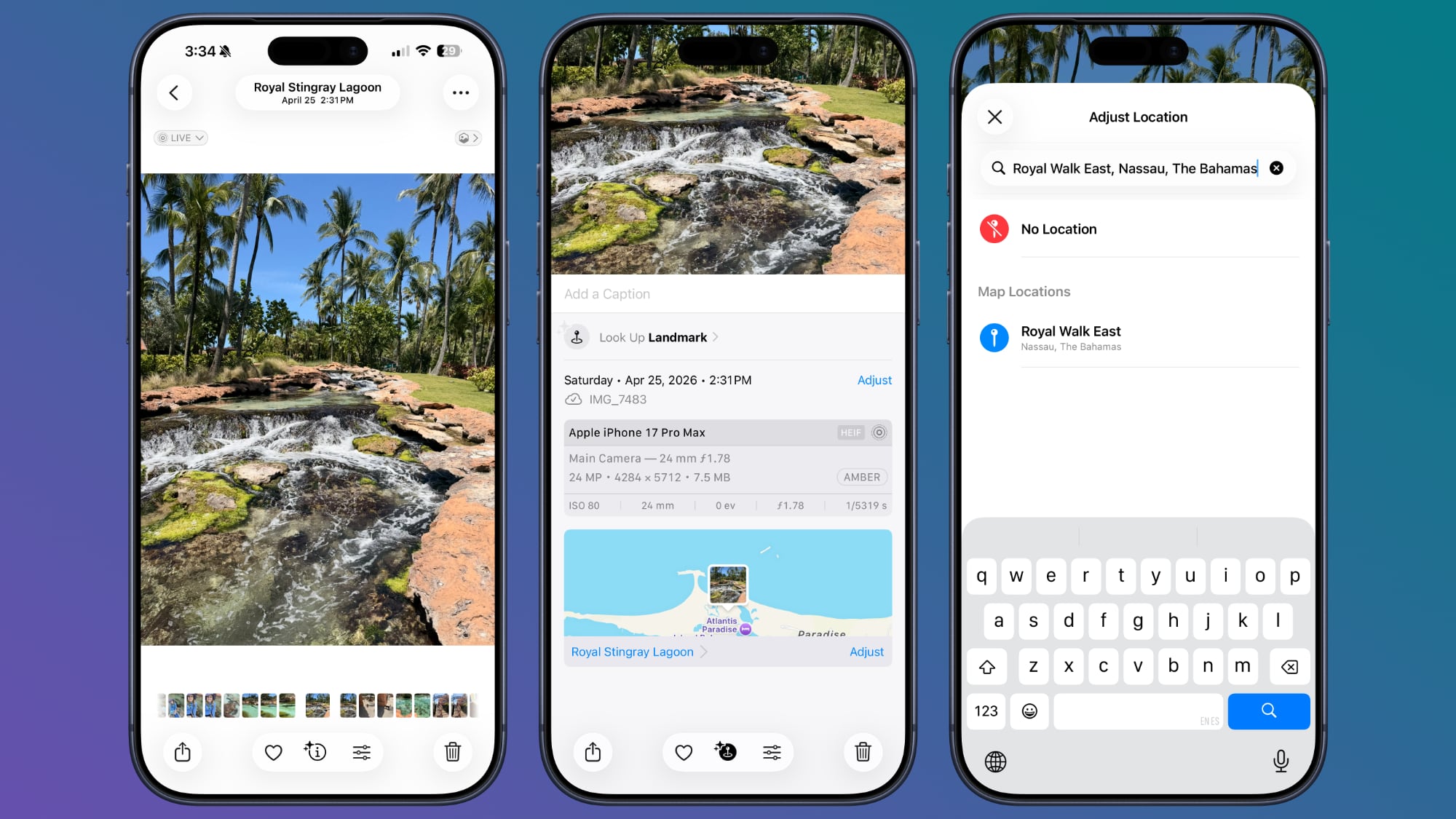
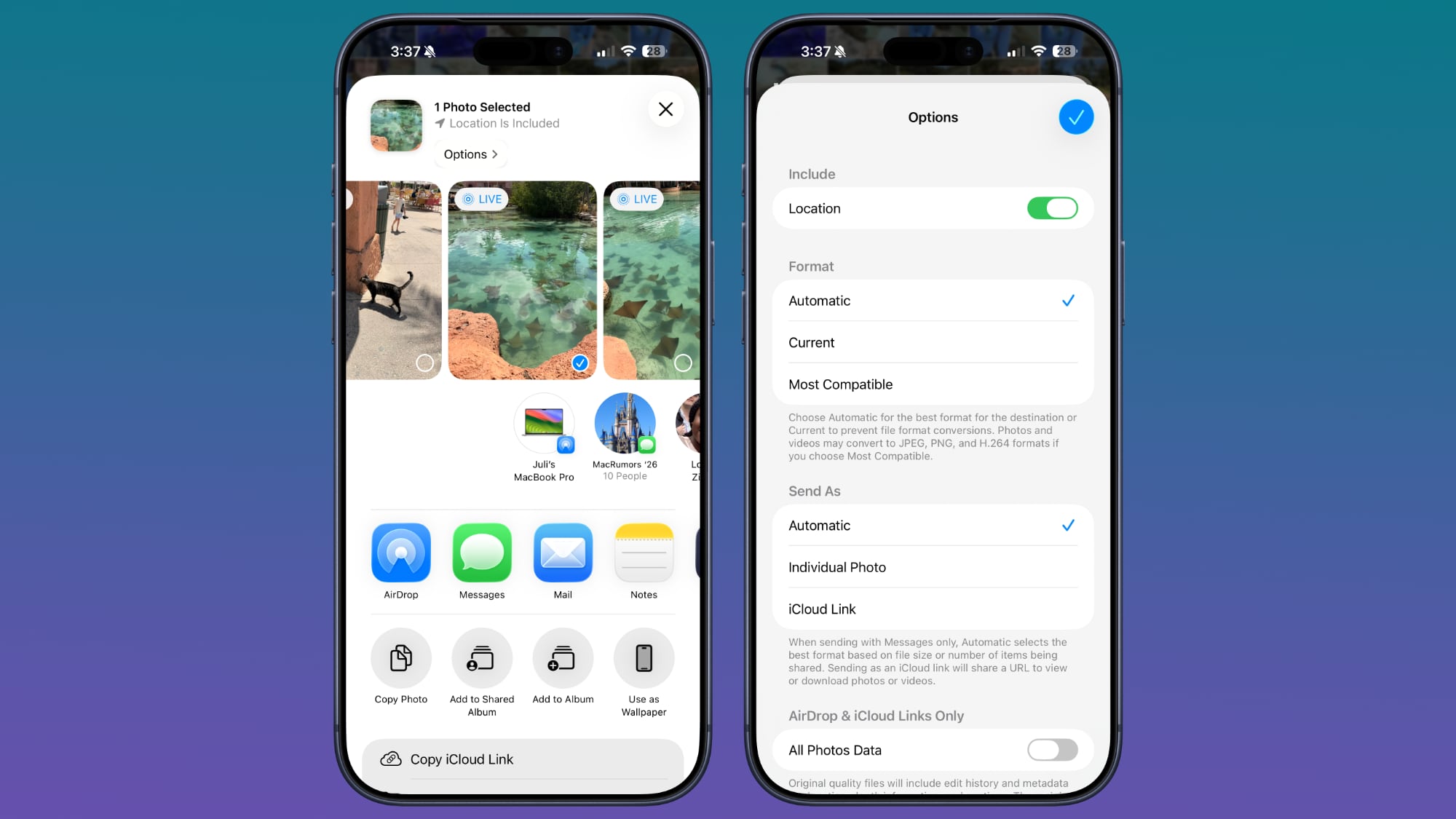
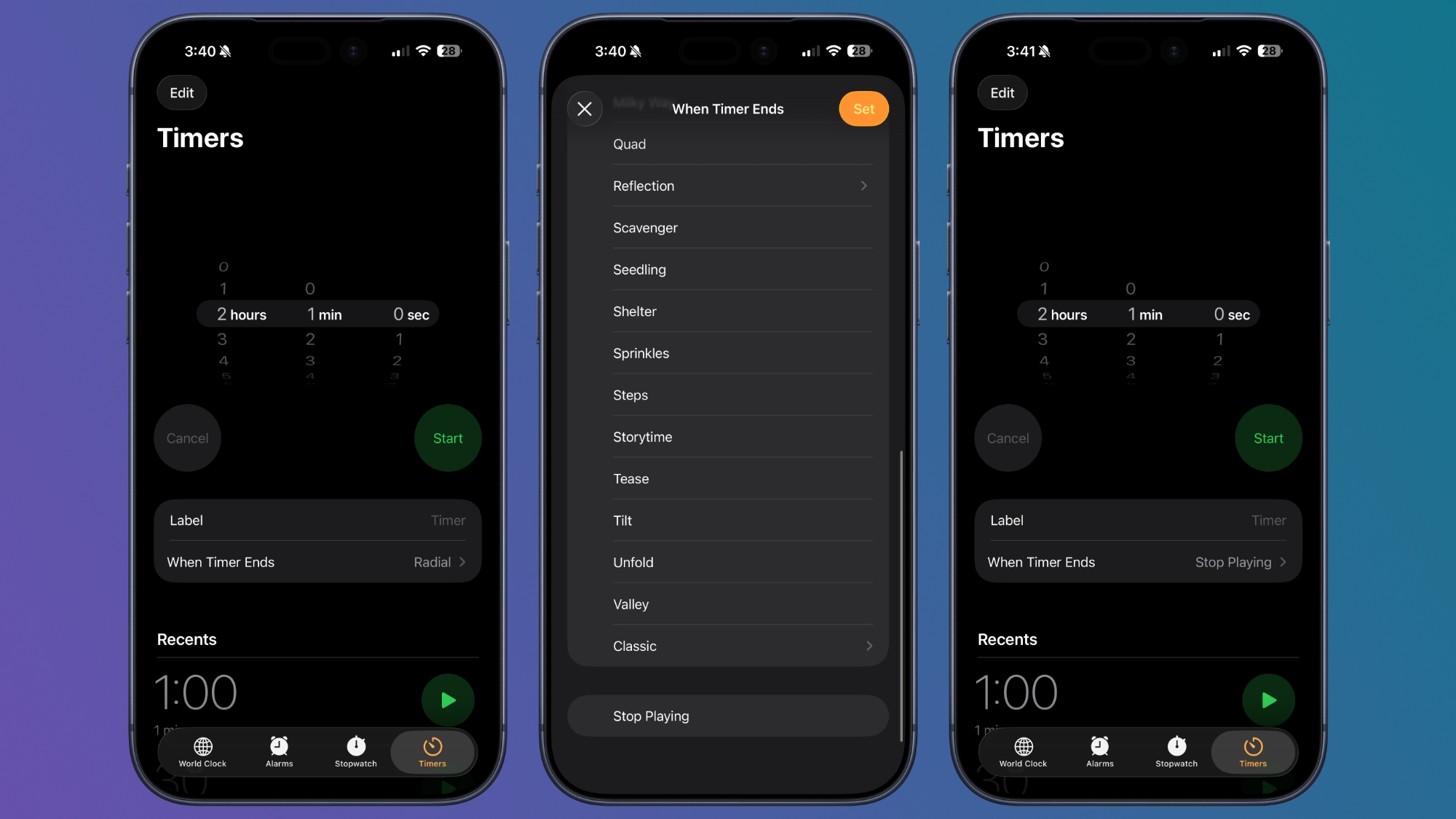
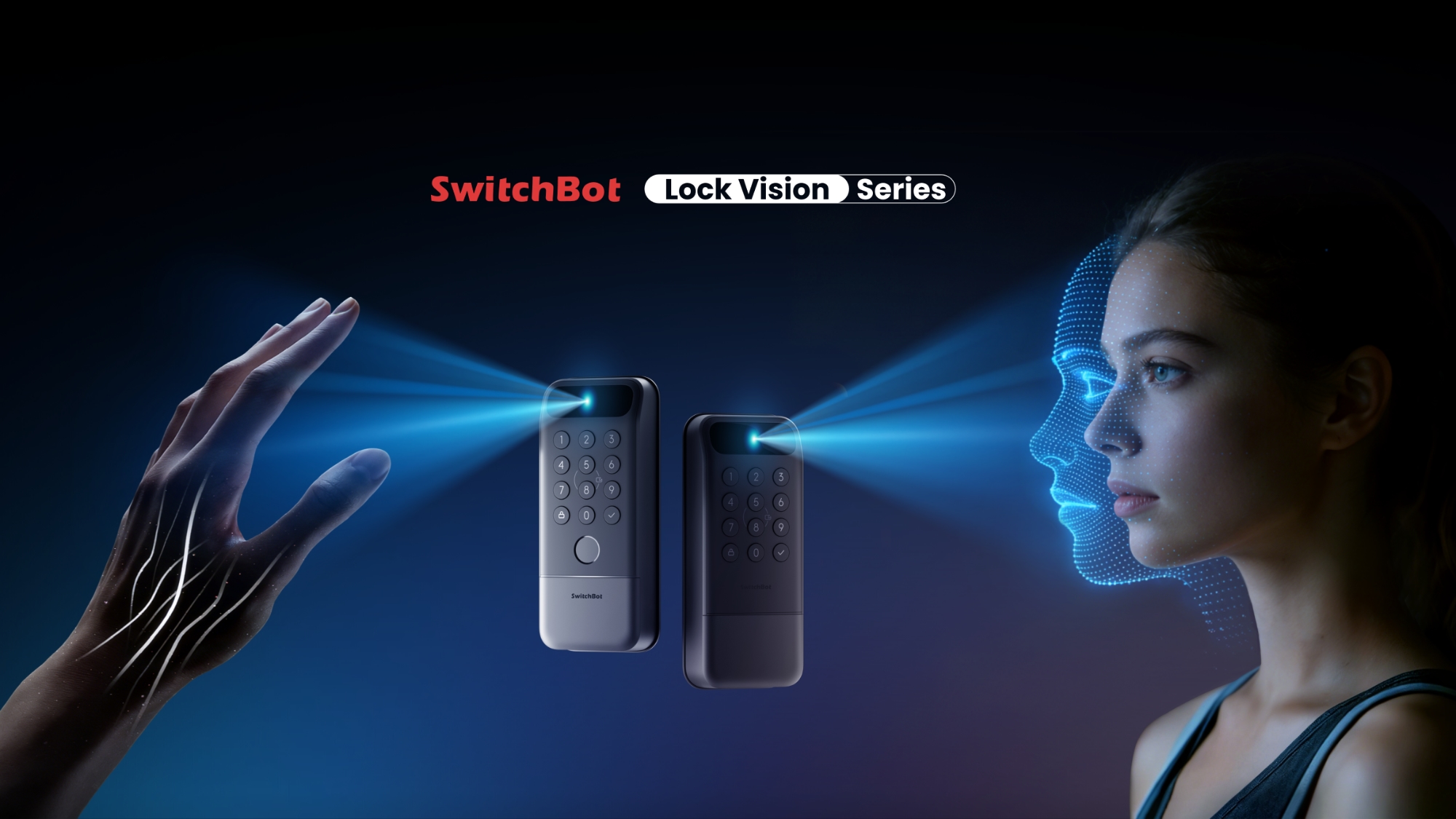
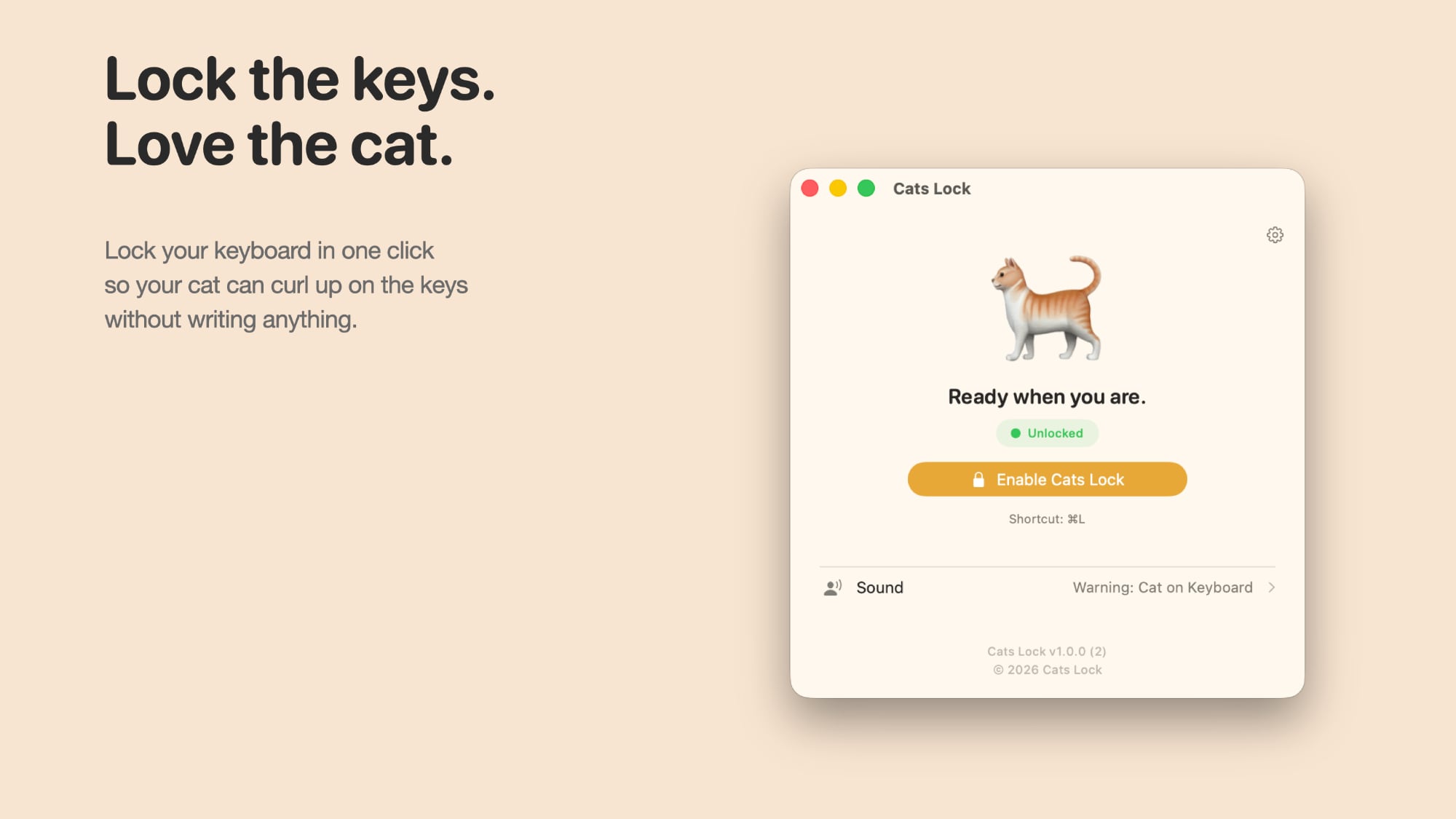
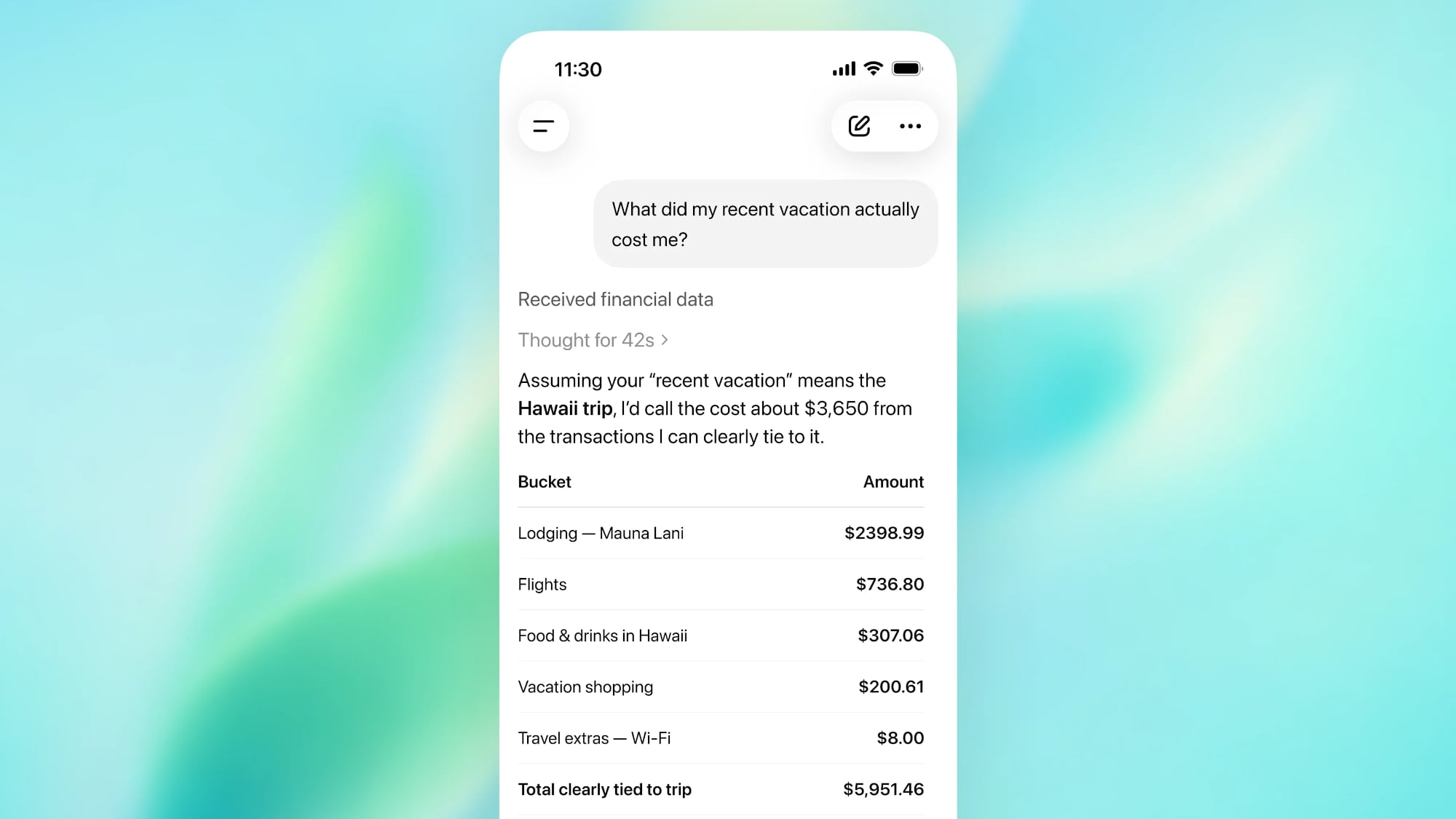
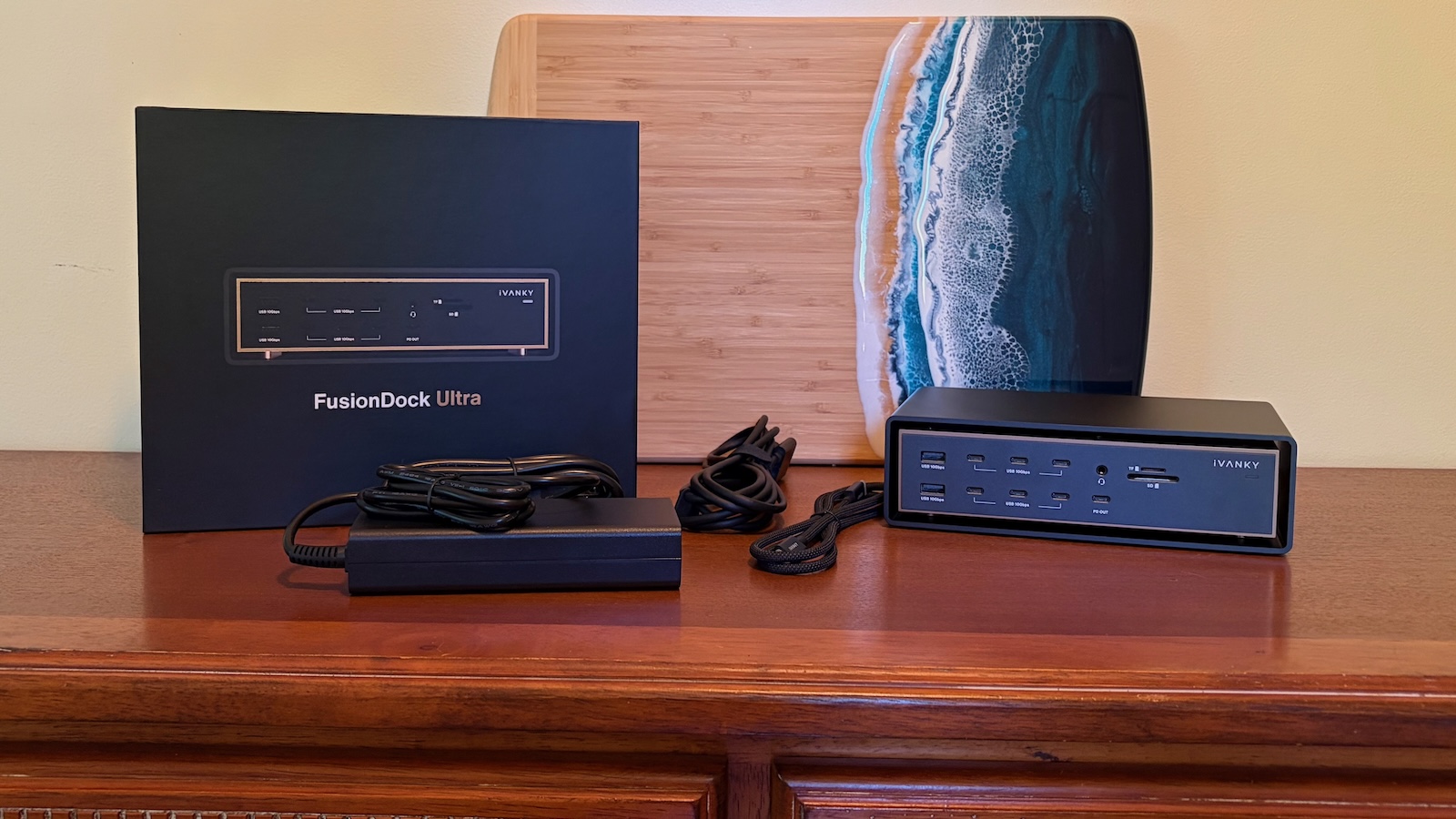
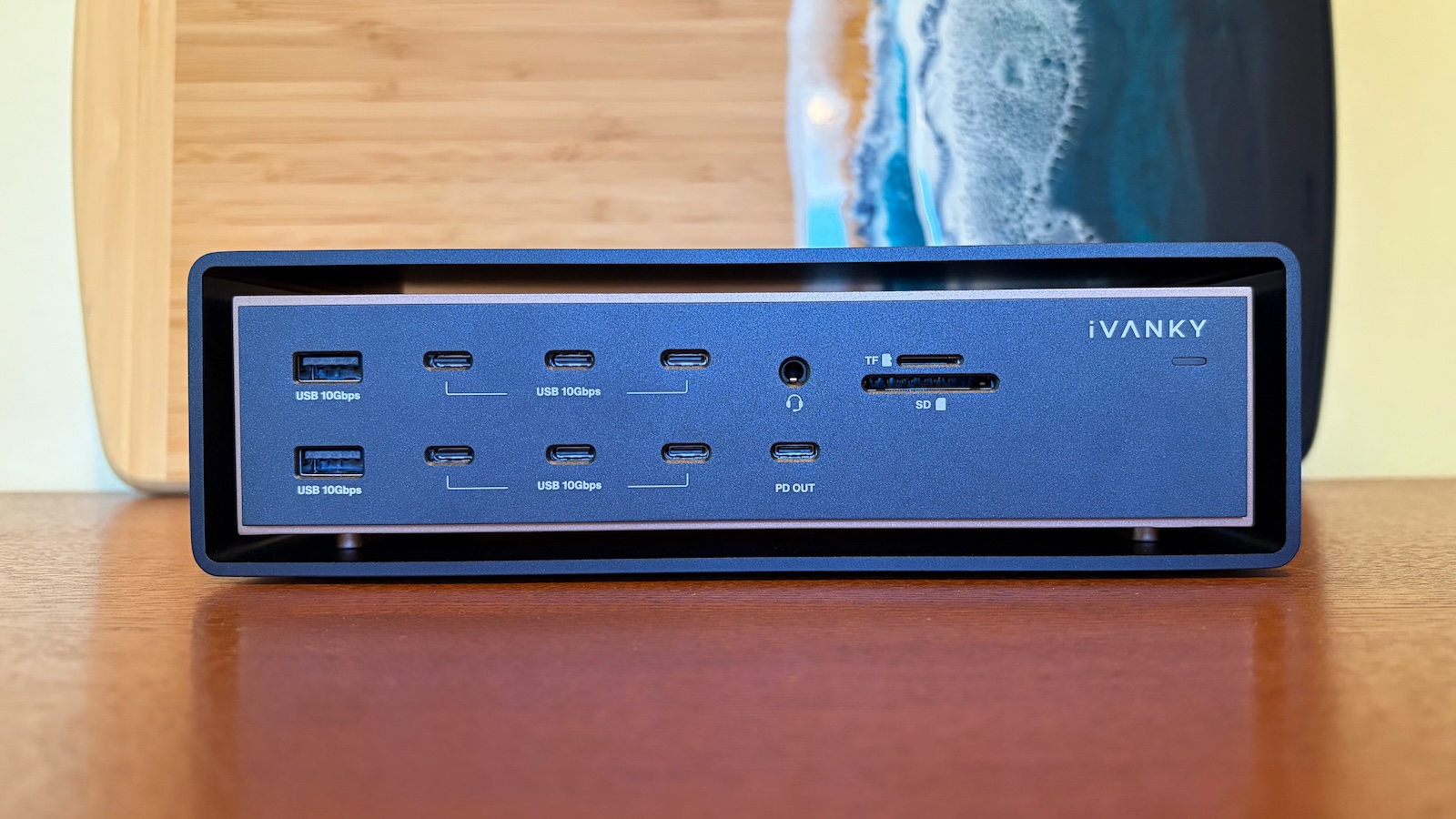
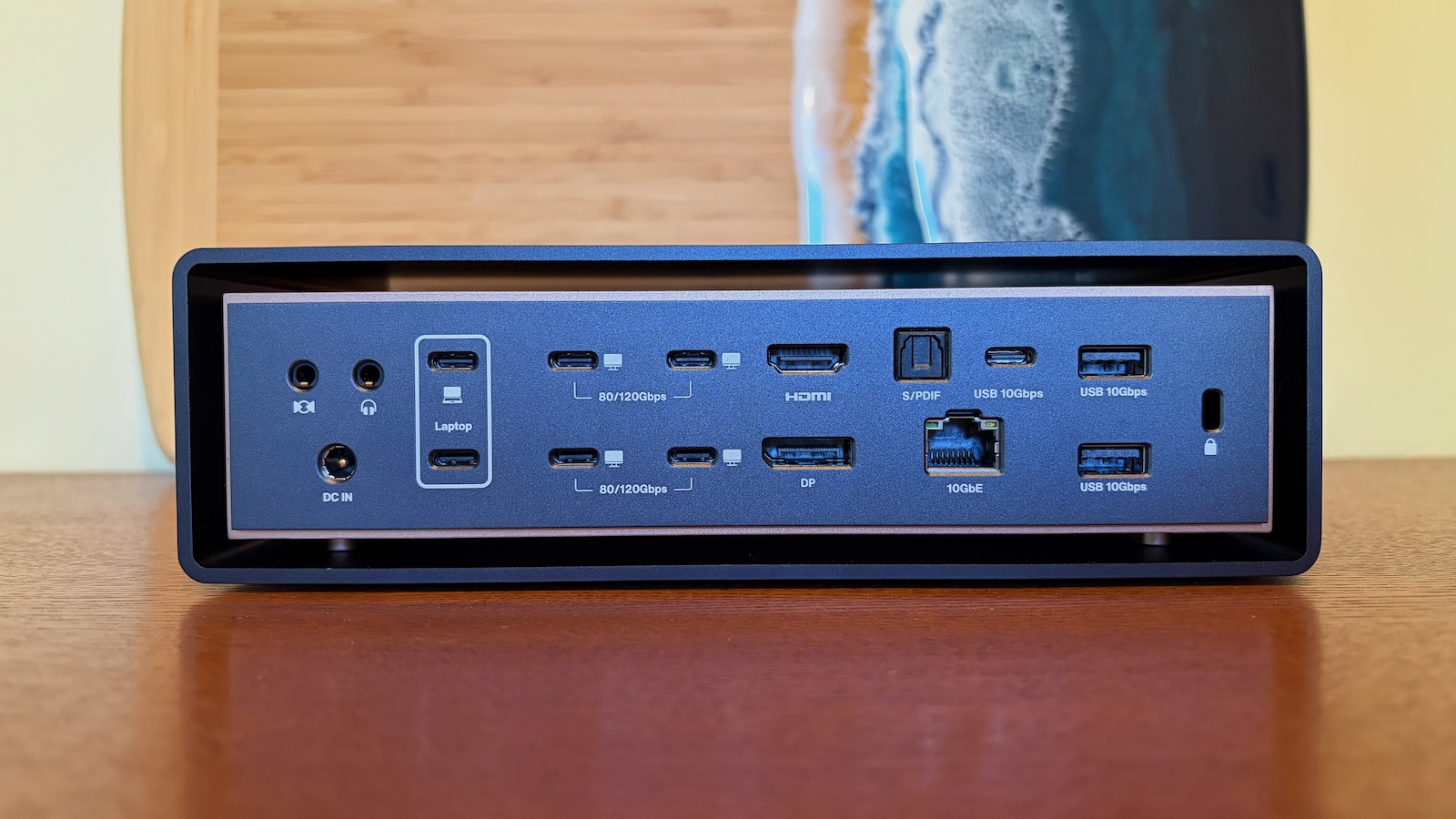
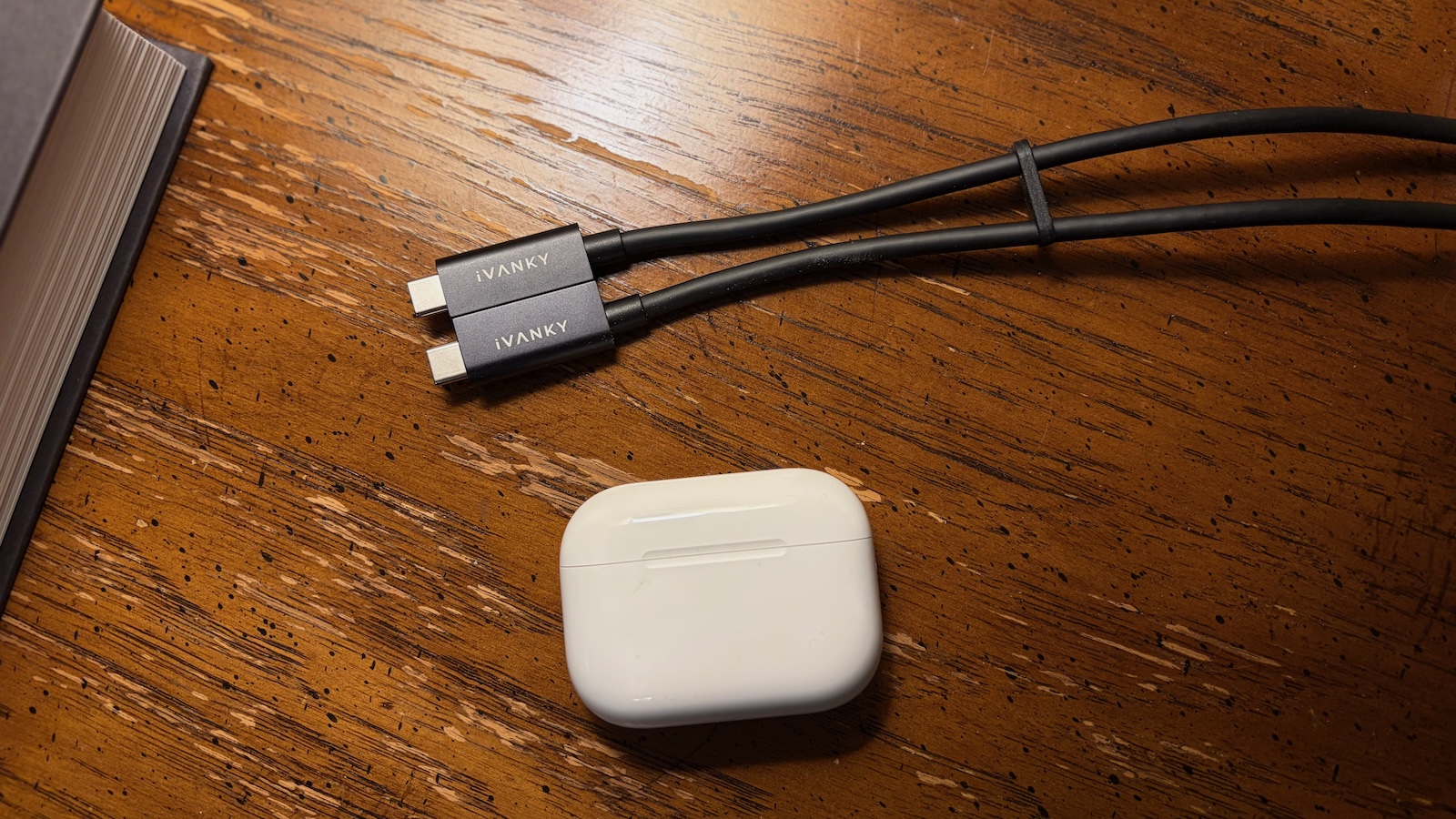
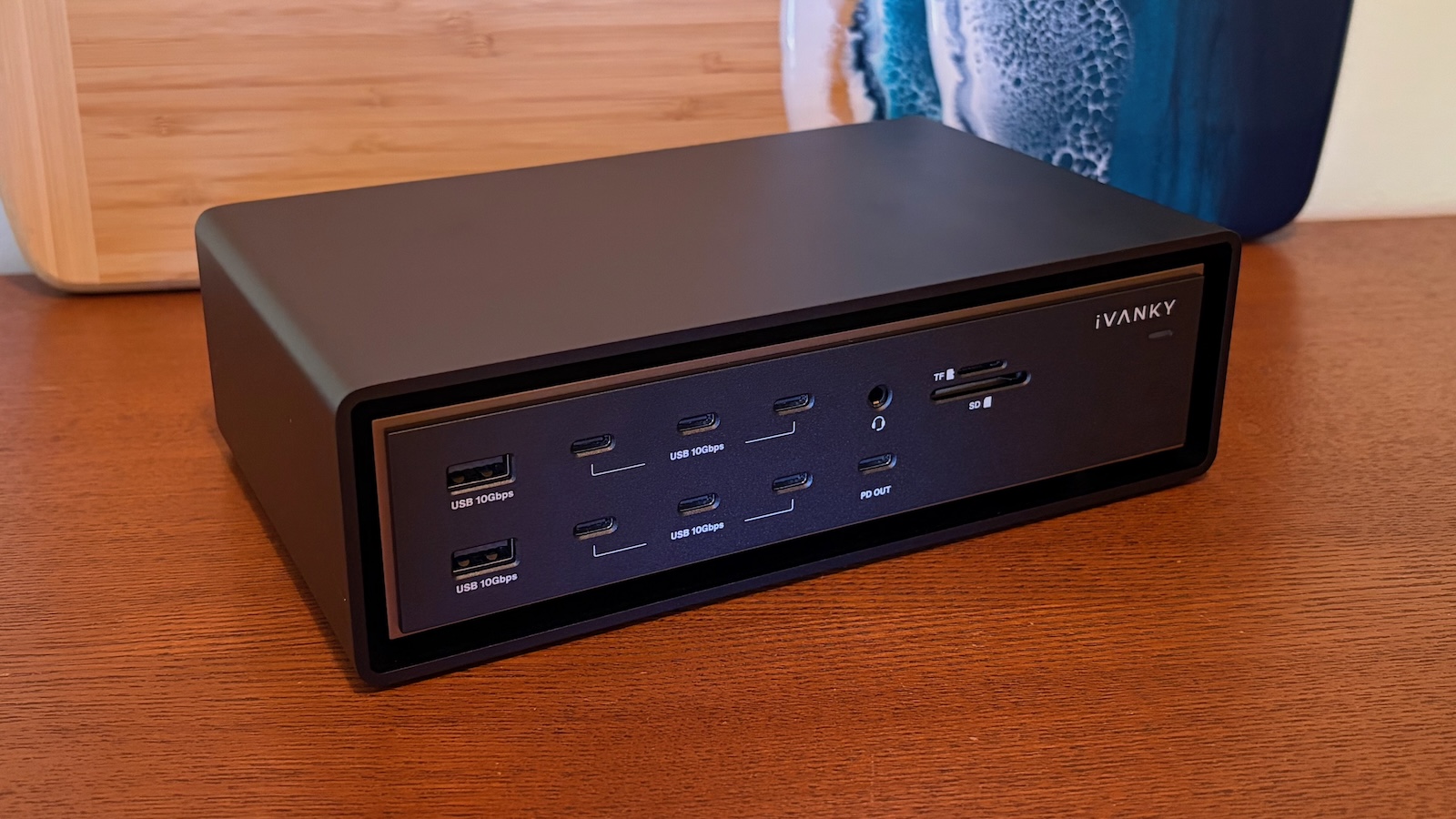
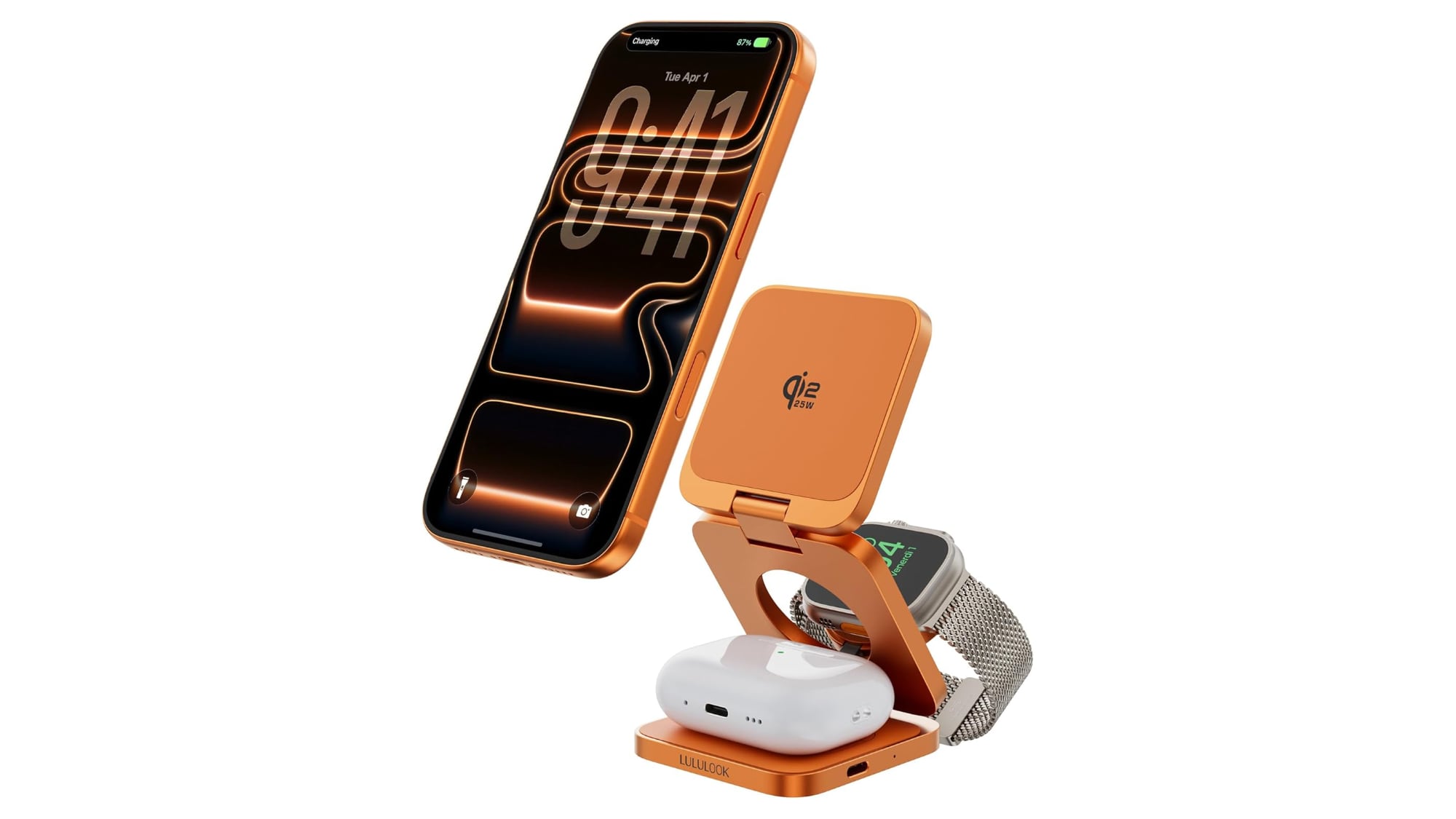
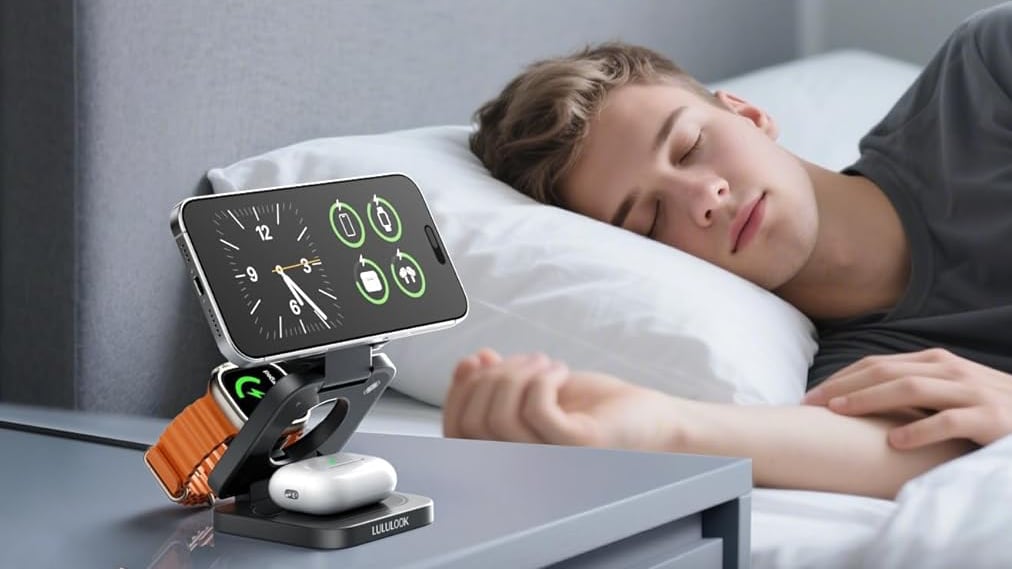
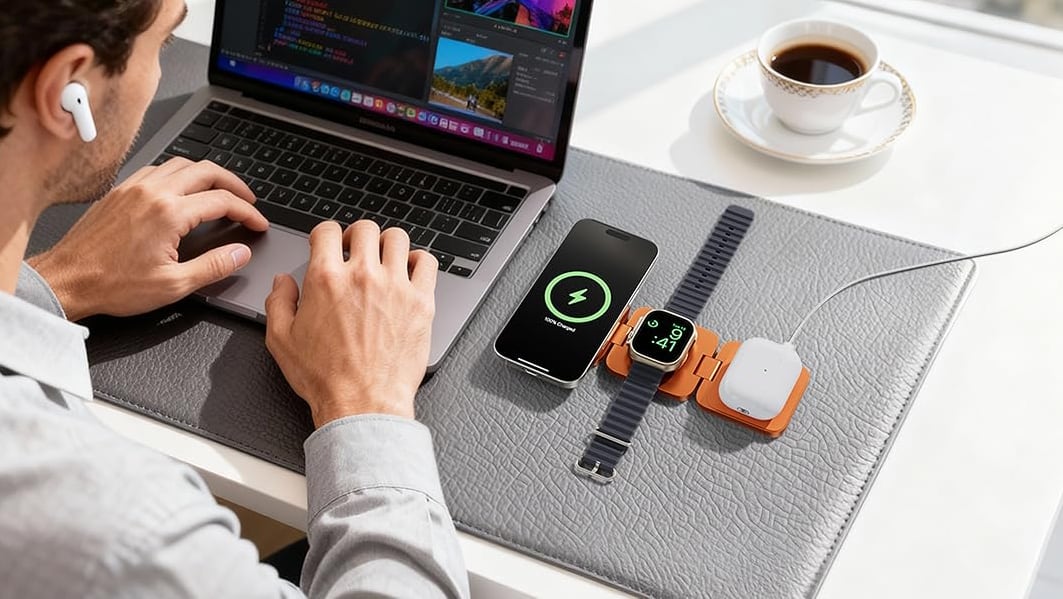
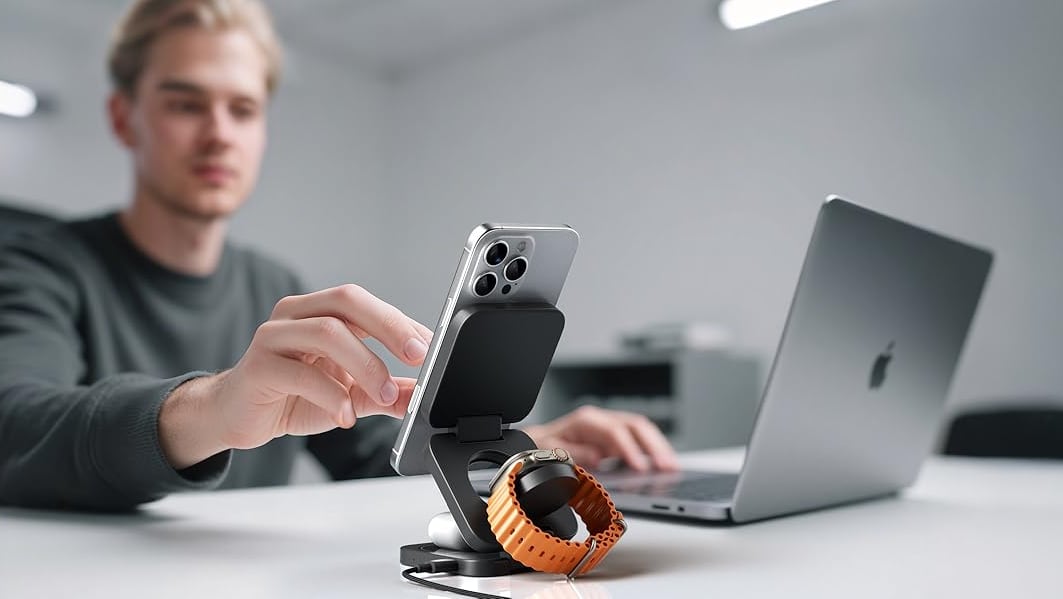
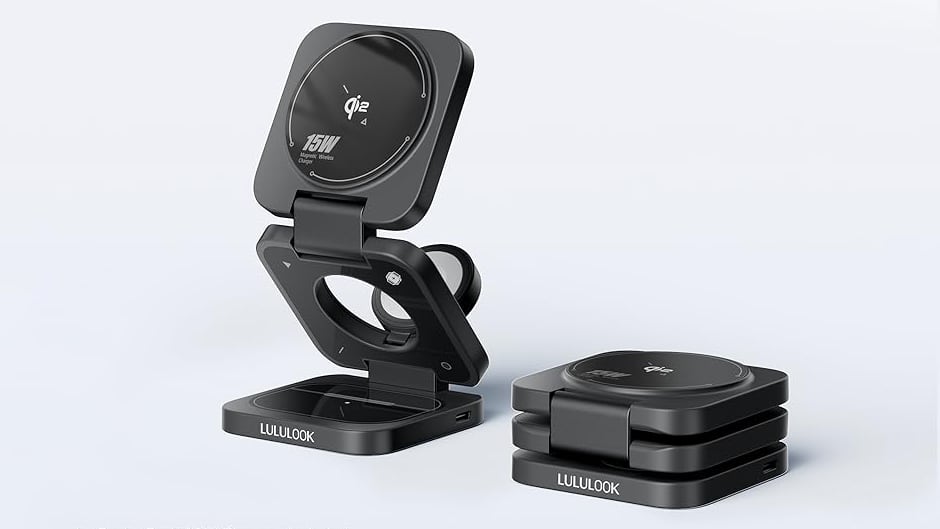
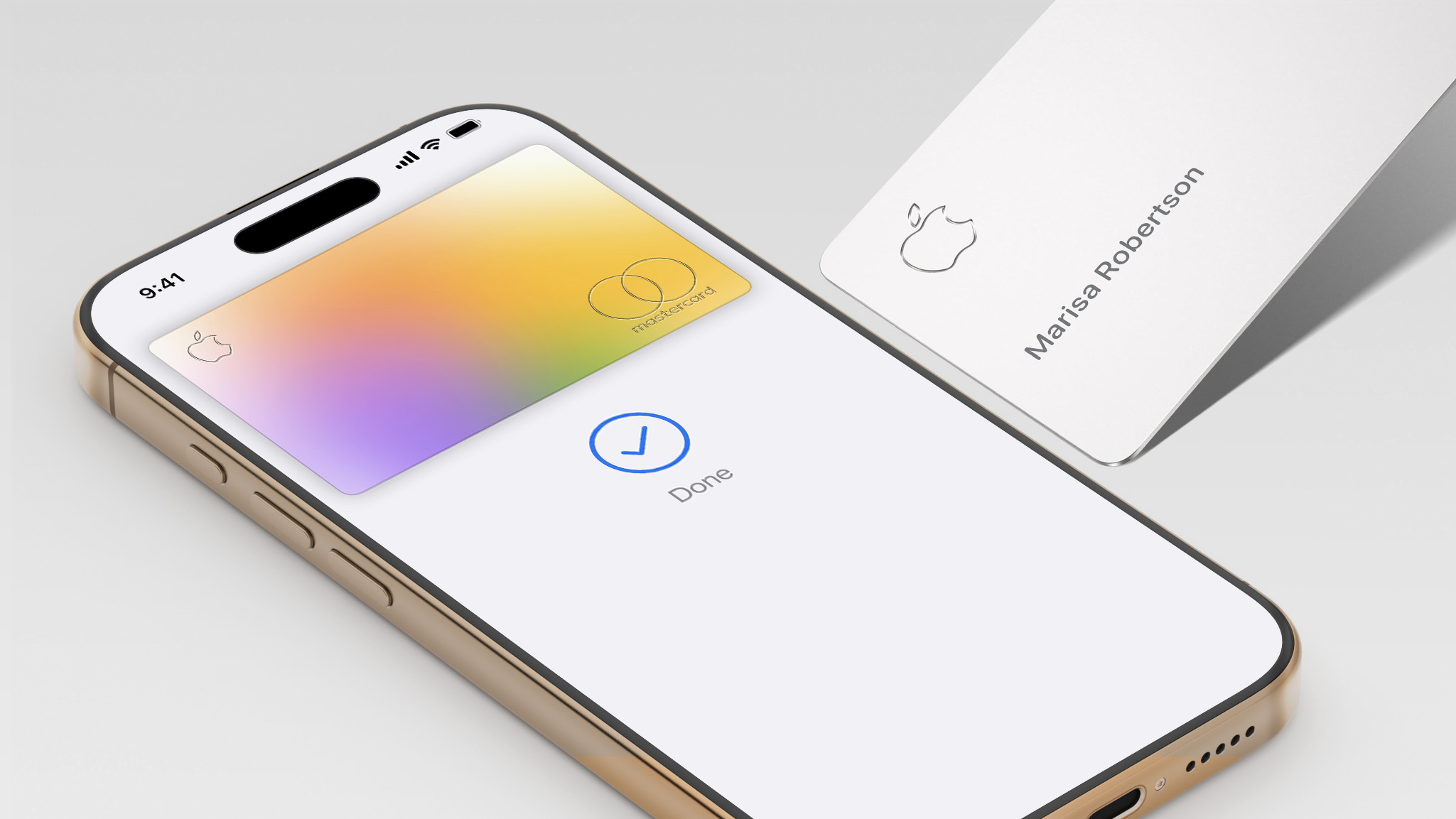
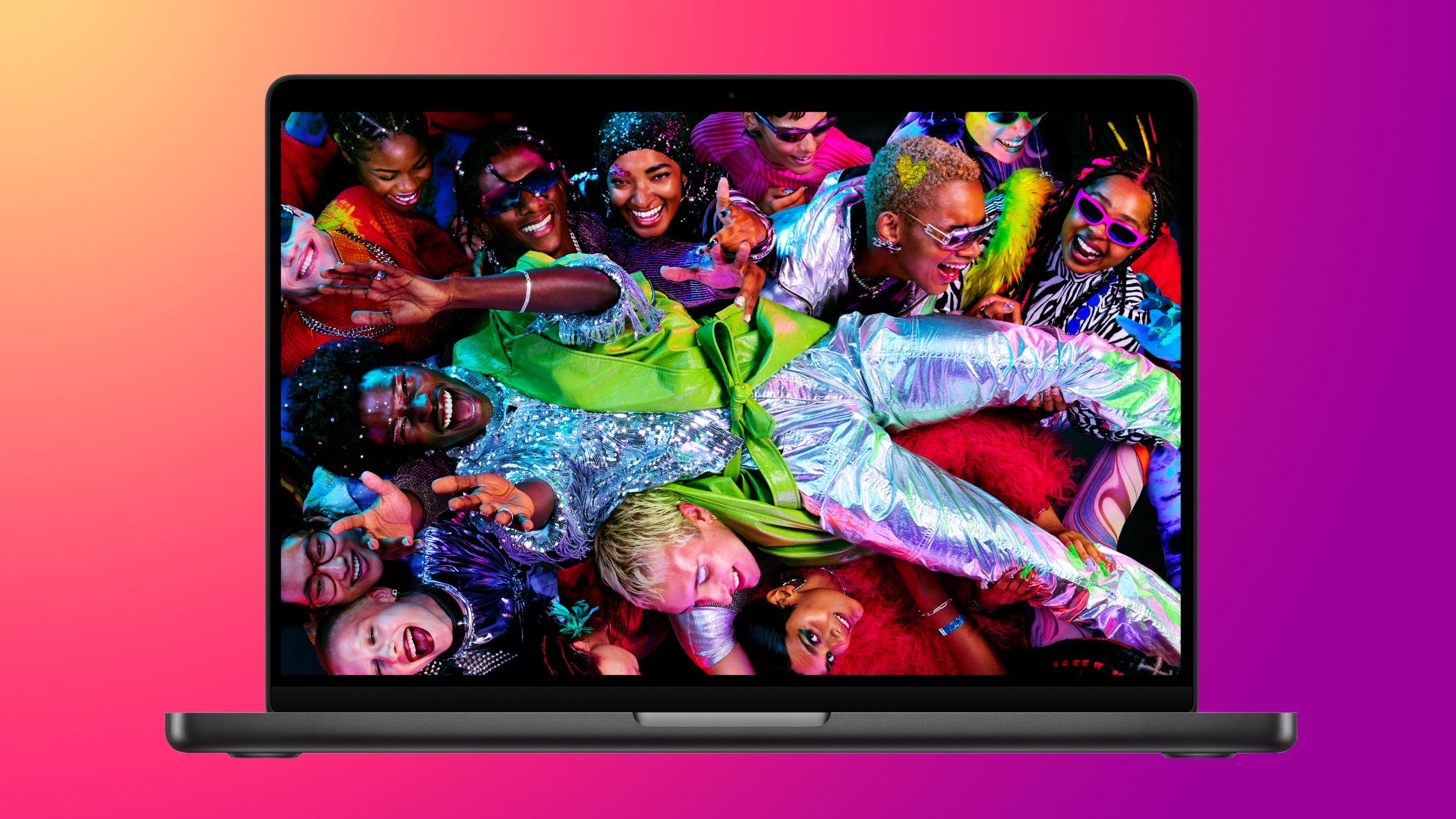 Note: MacRumors is an affiliate partner with Amazon. When you click a link and make a purchase, we may receive a small payment, which helps us keep the site running.

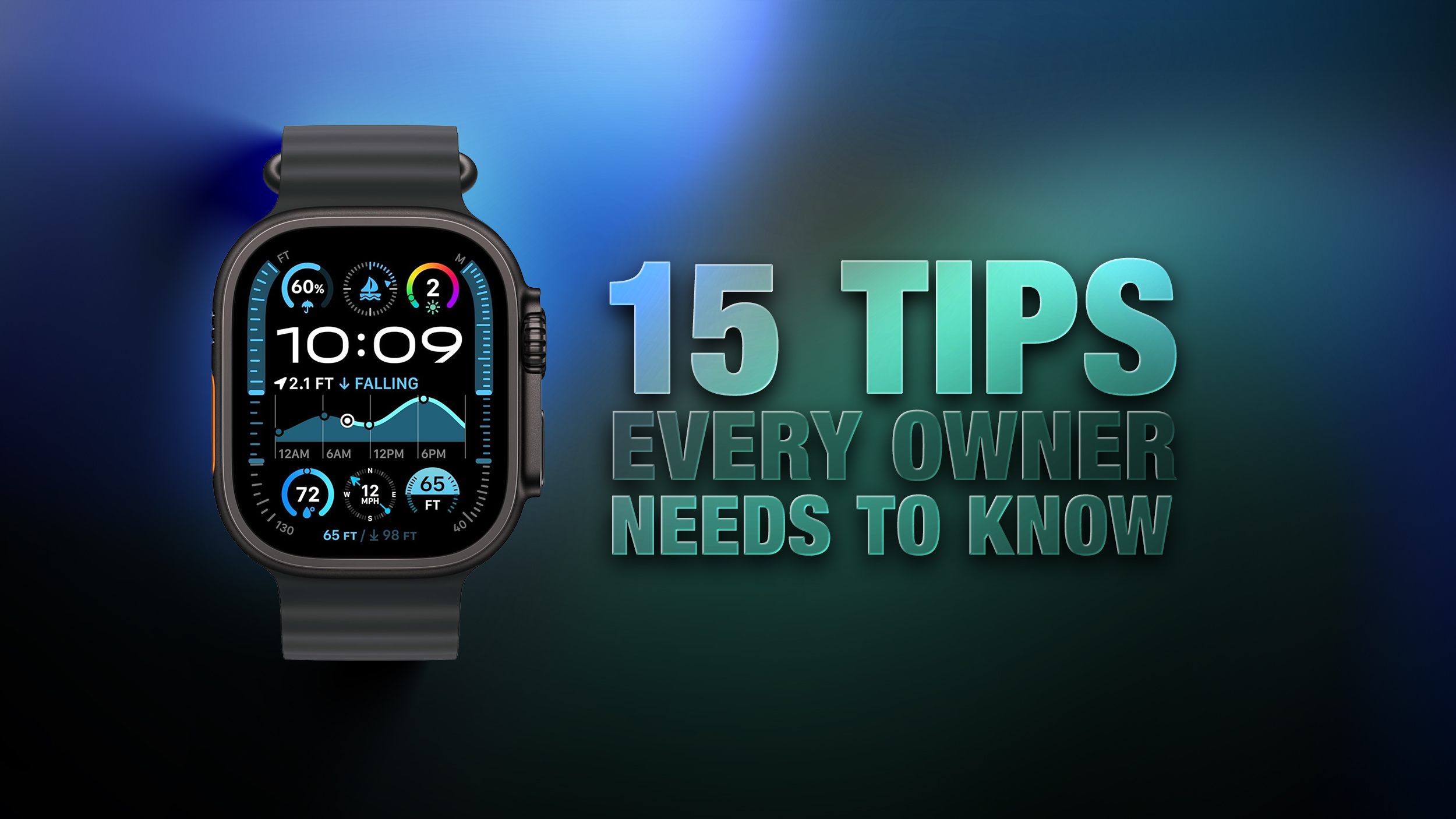
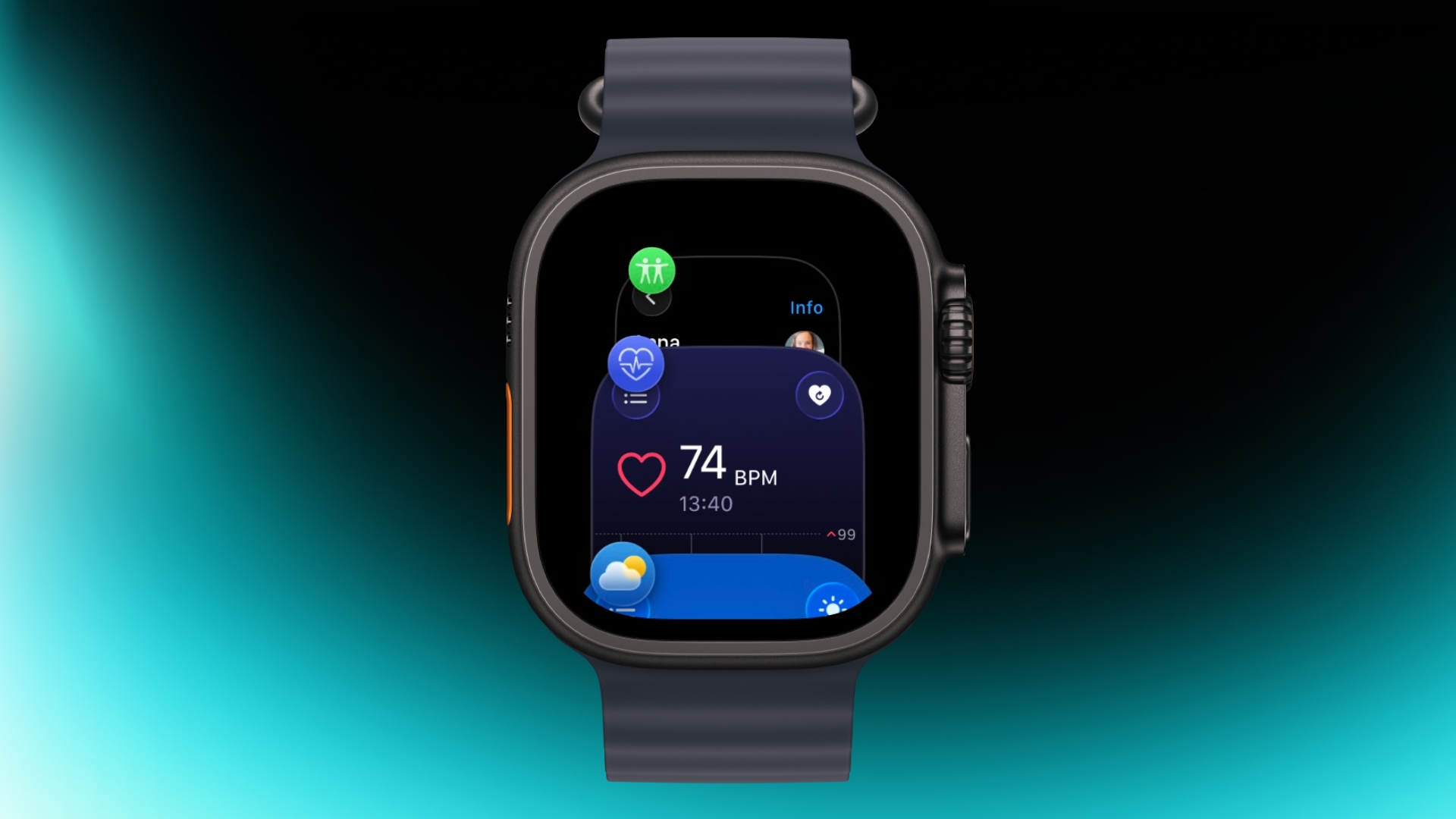
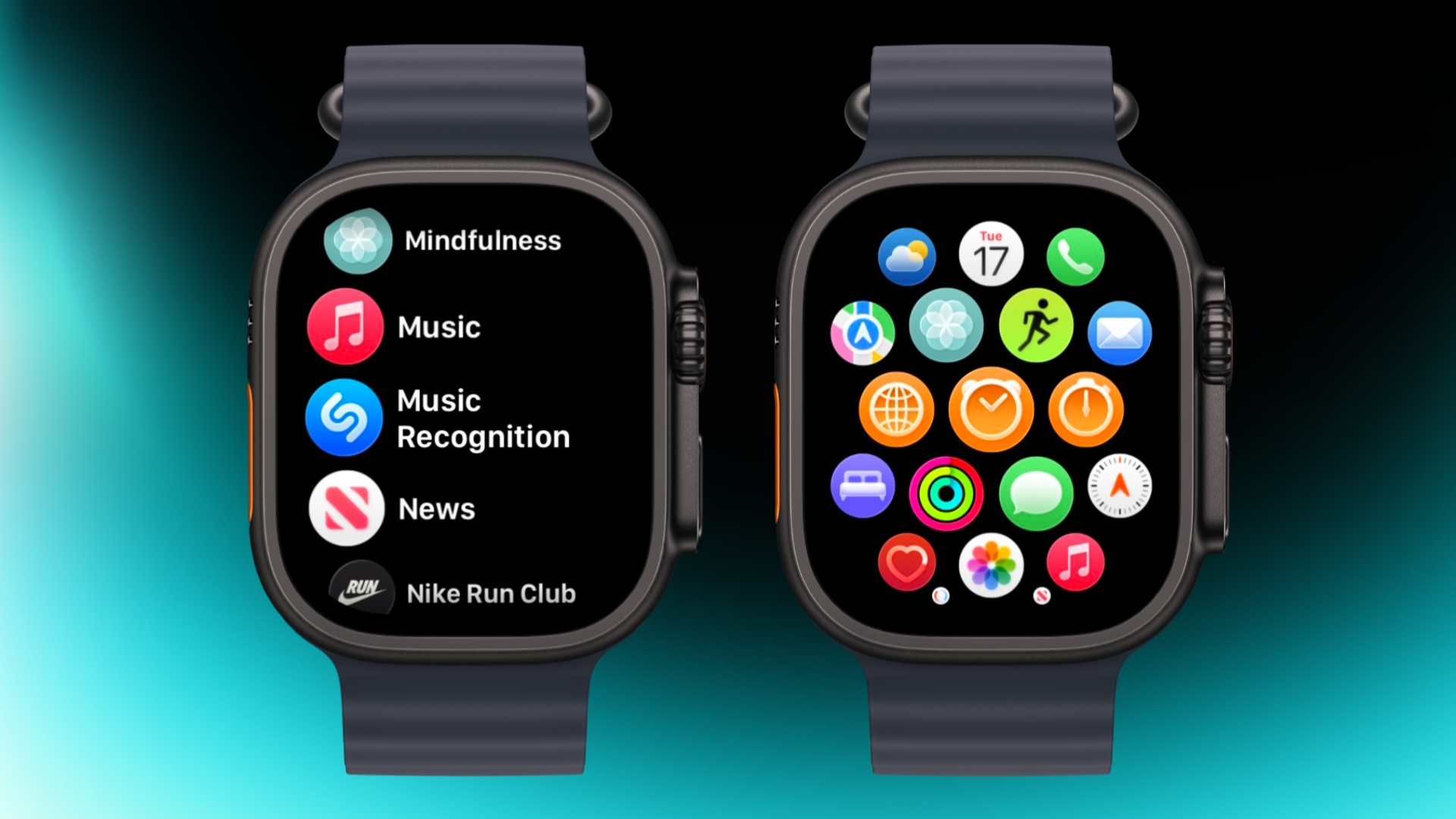
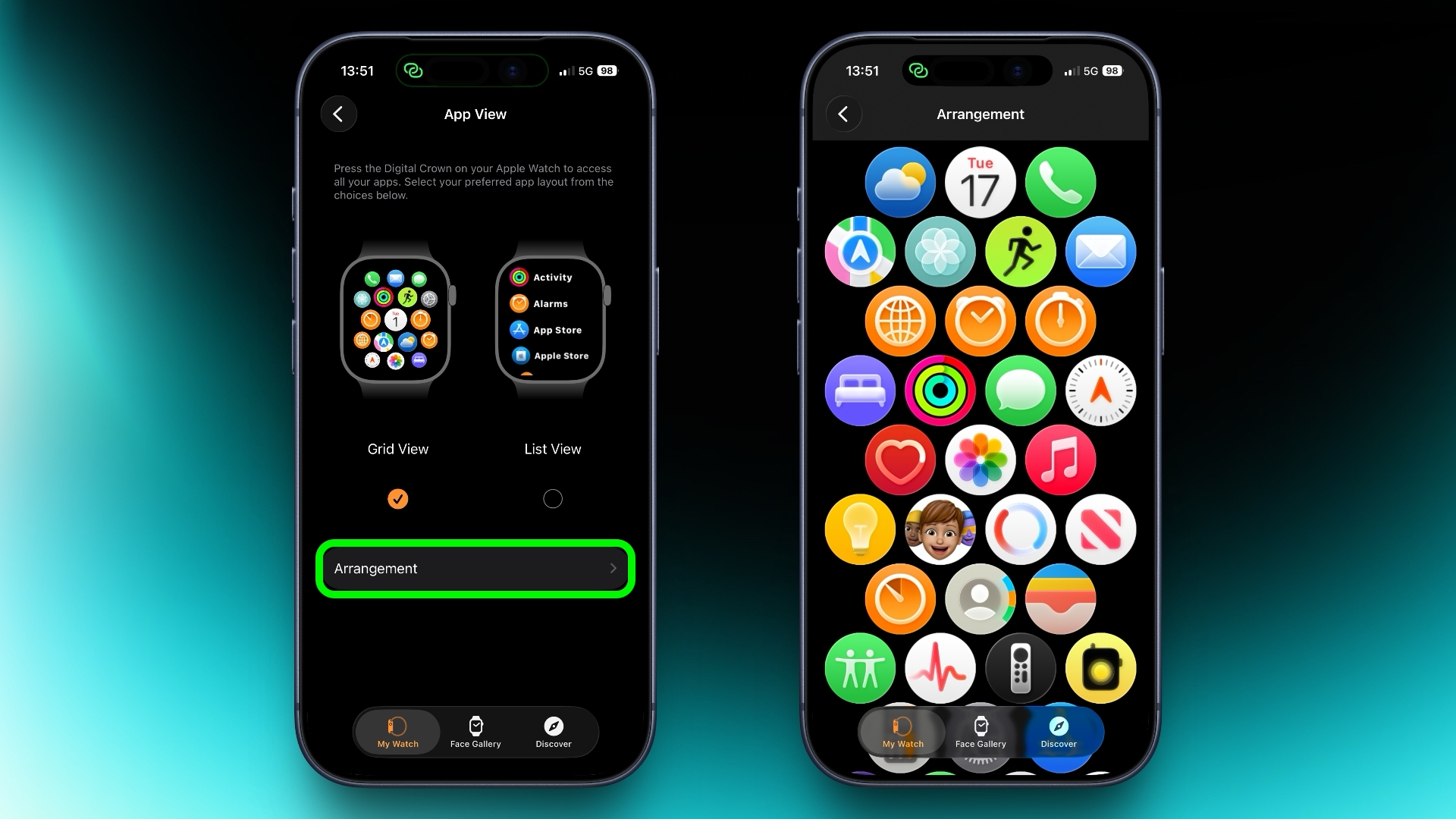
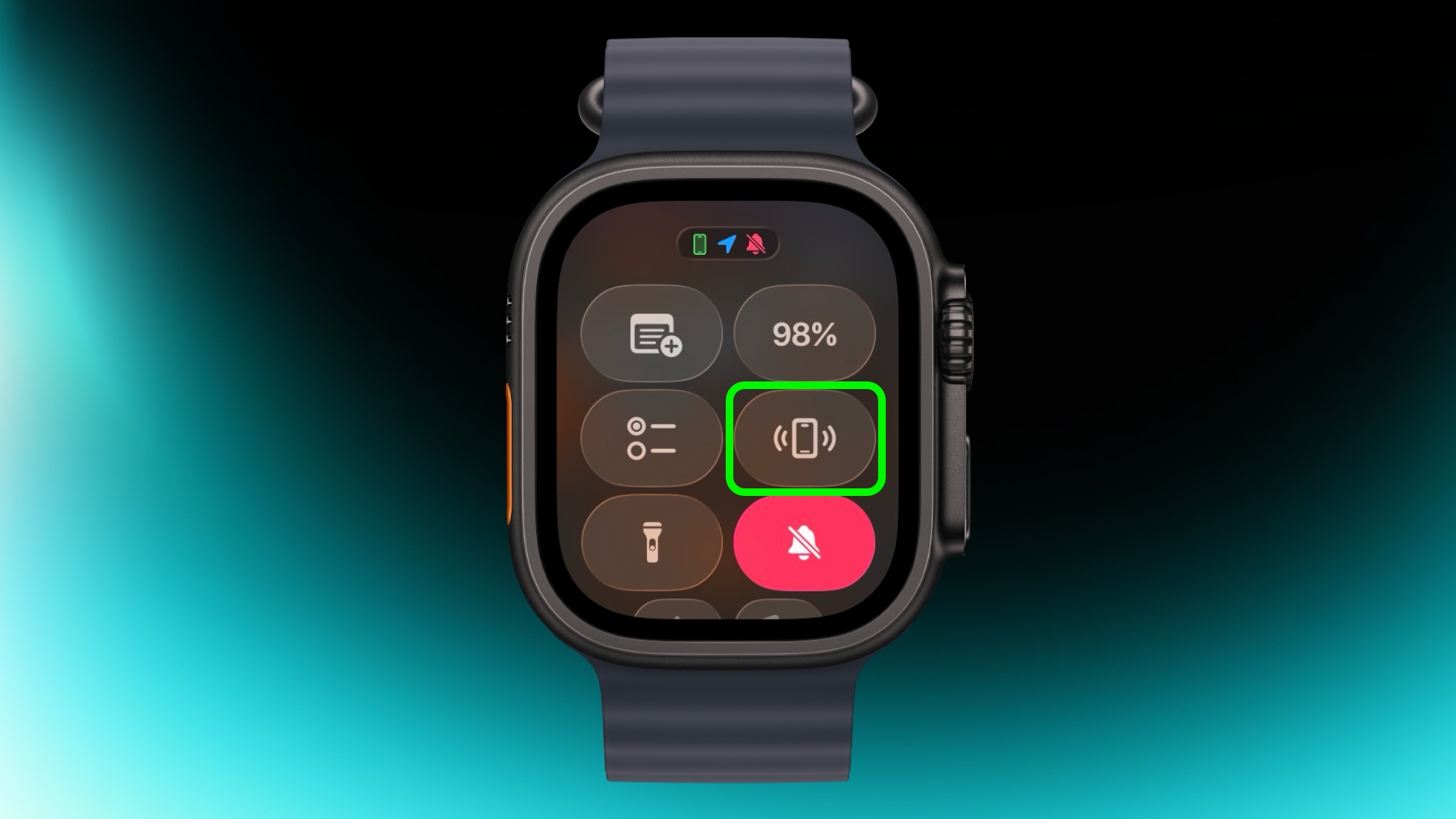
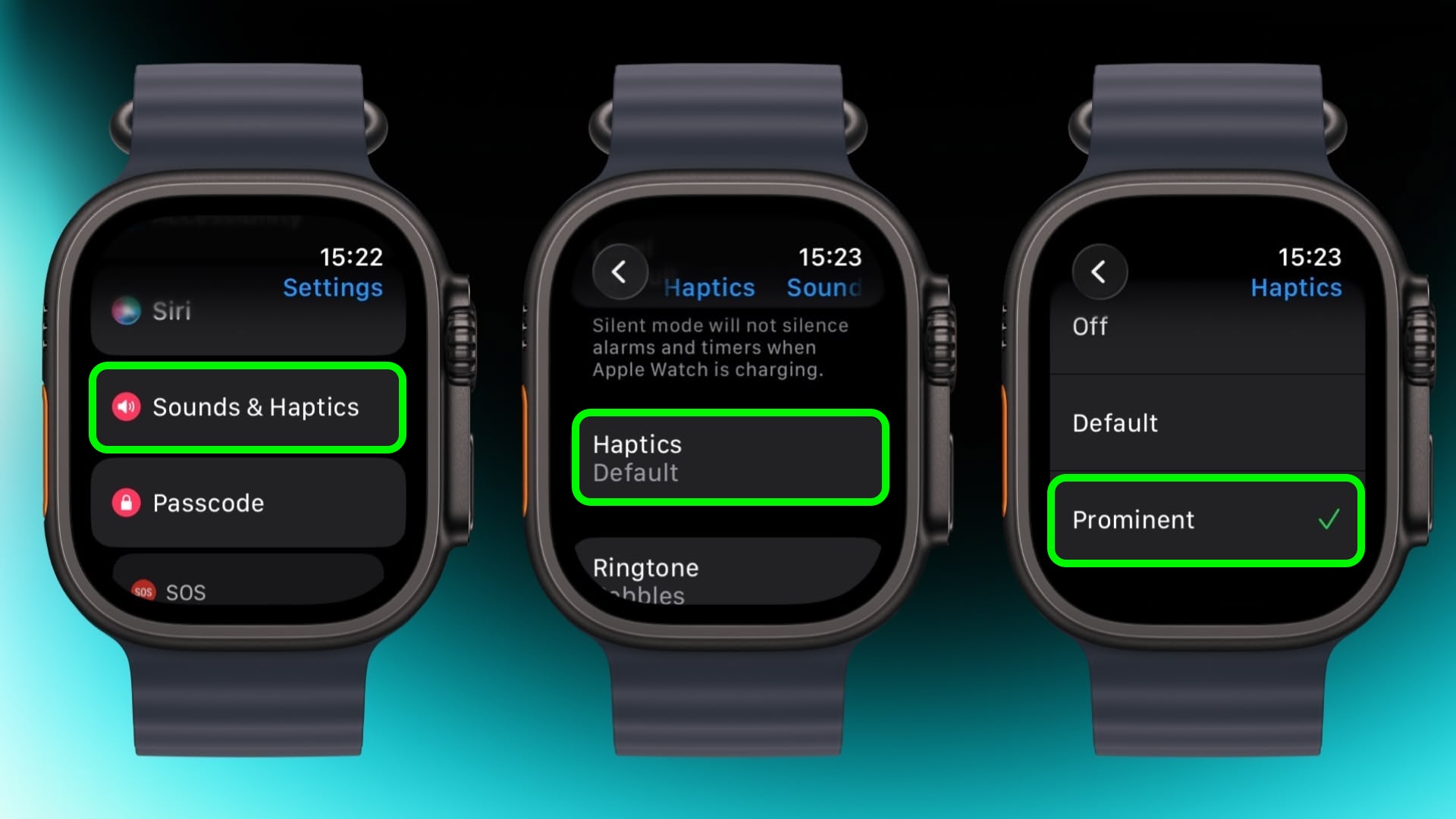
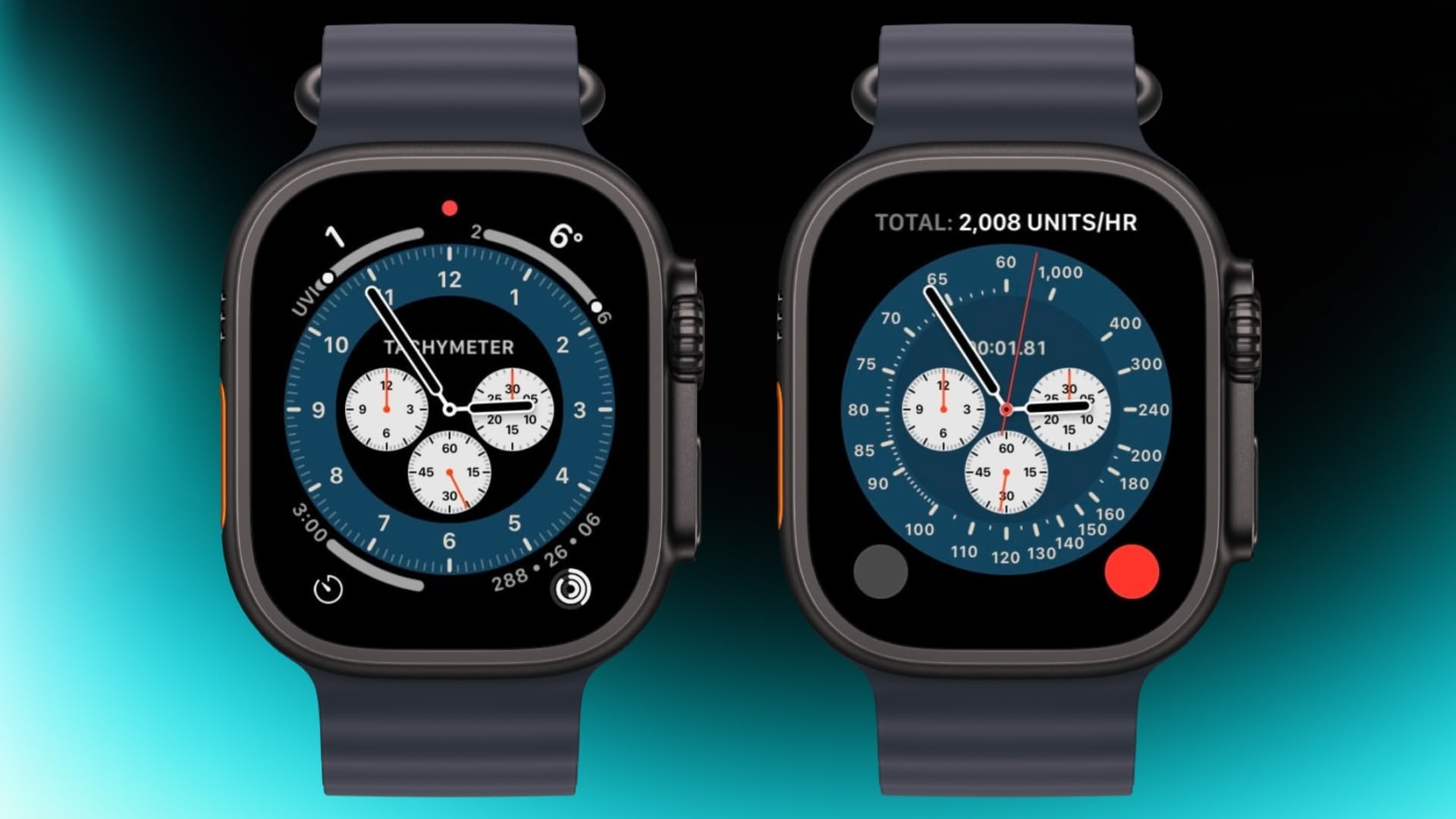
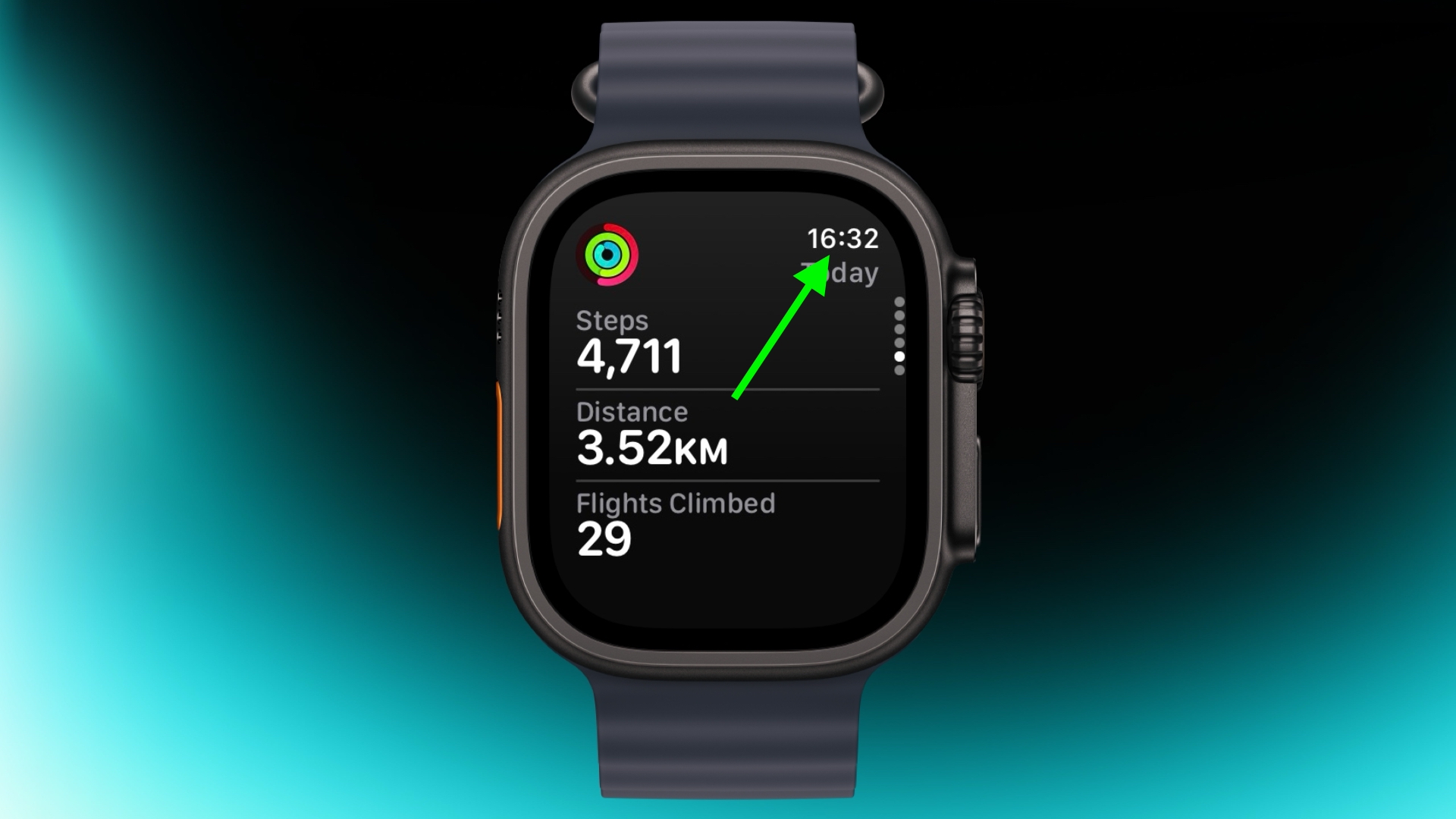
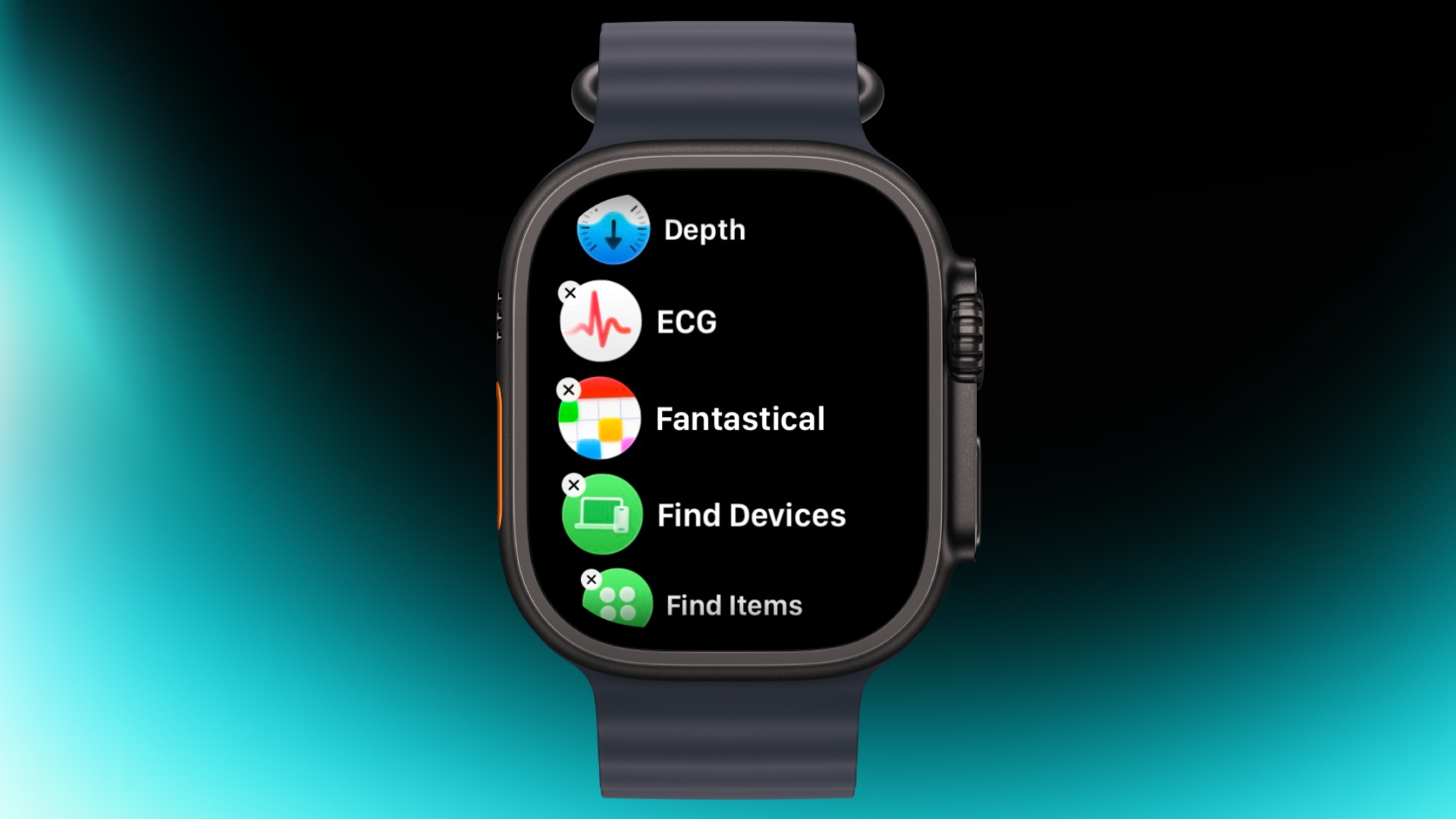
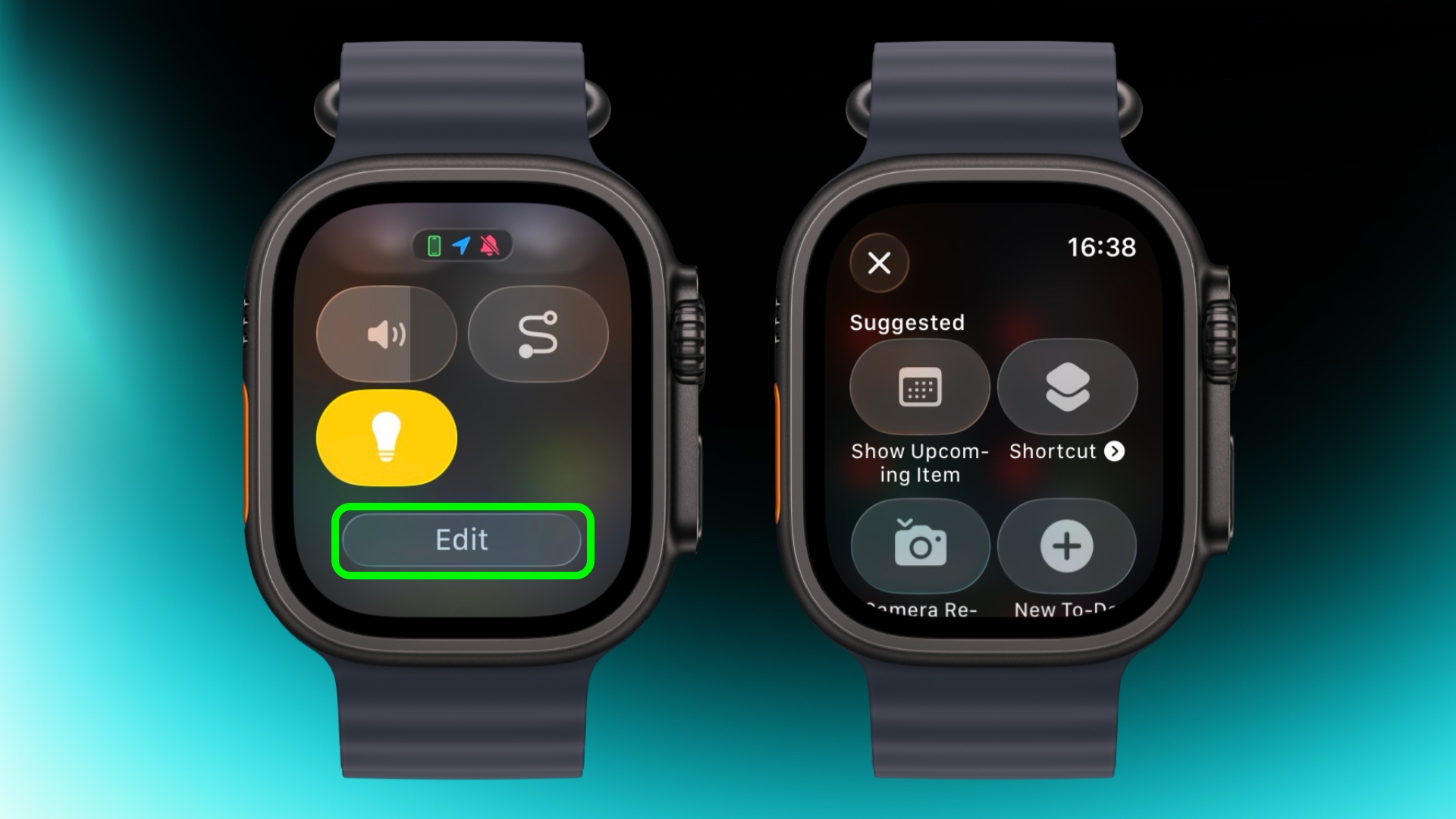
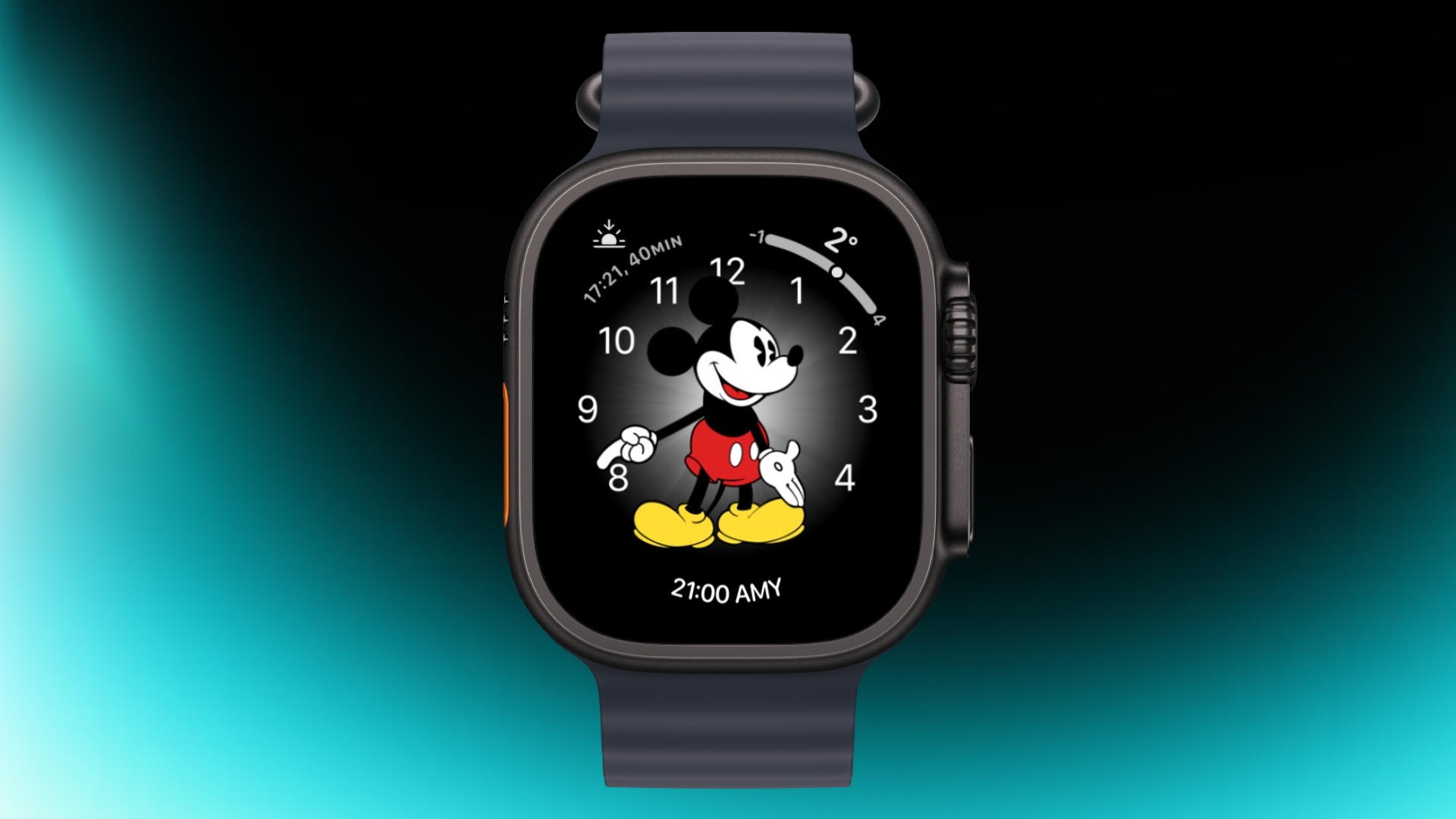
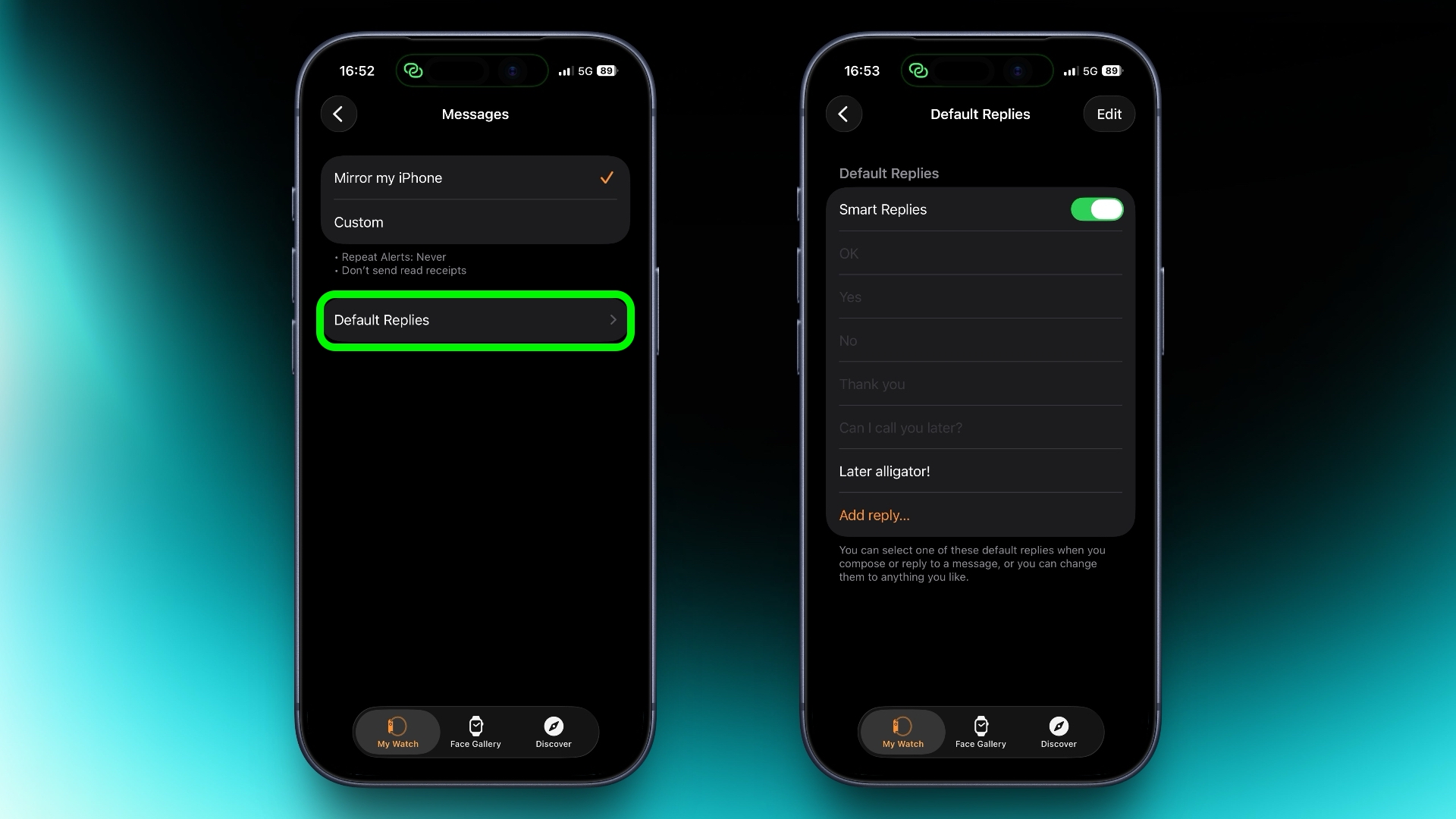
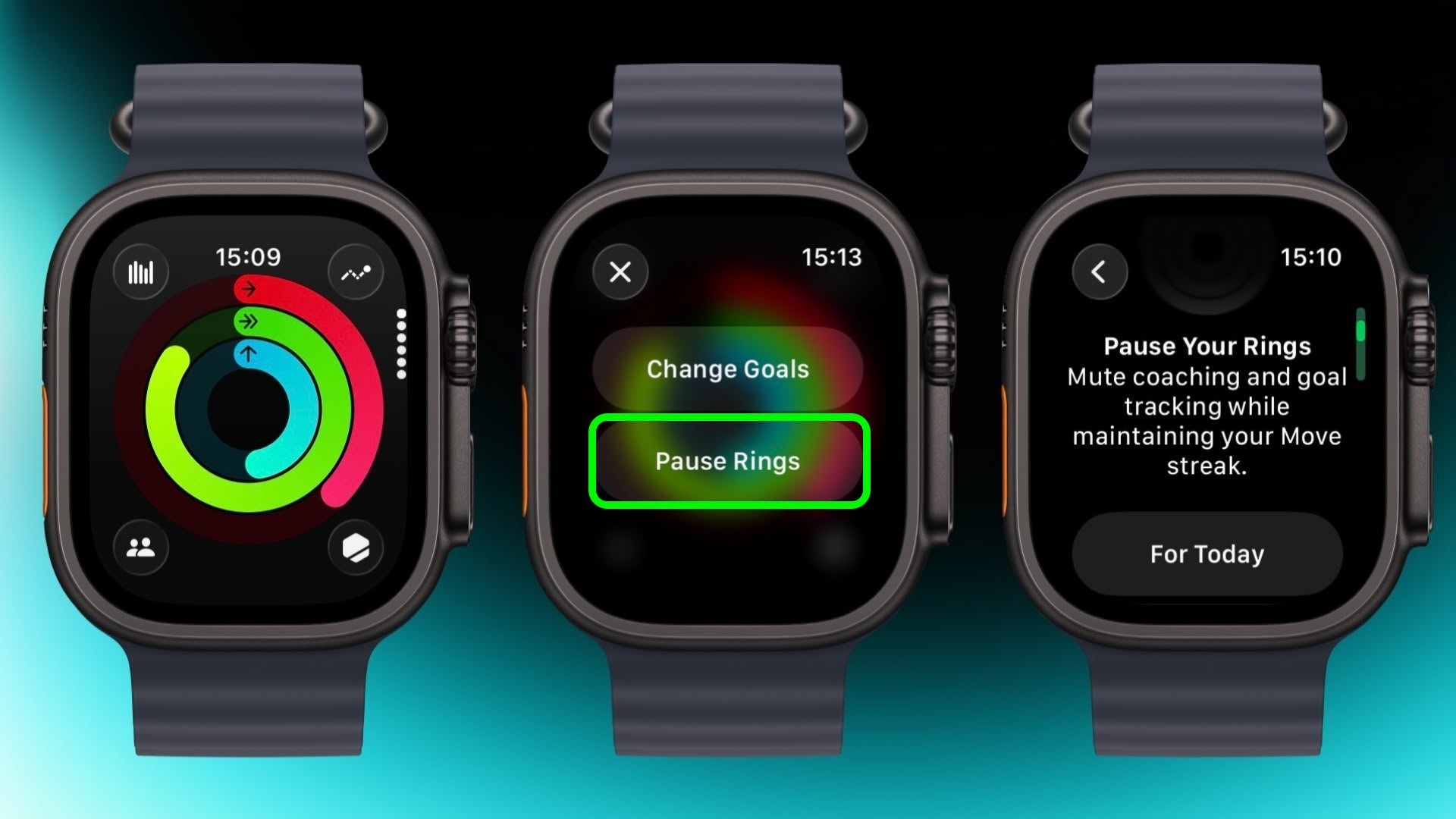
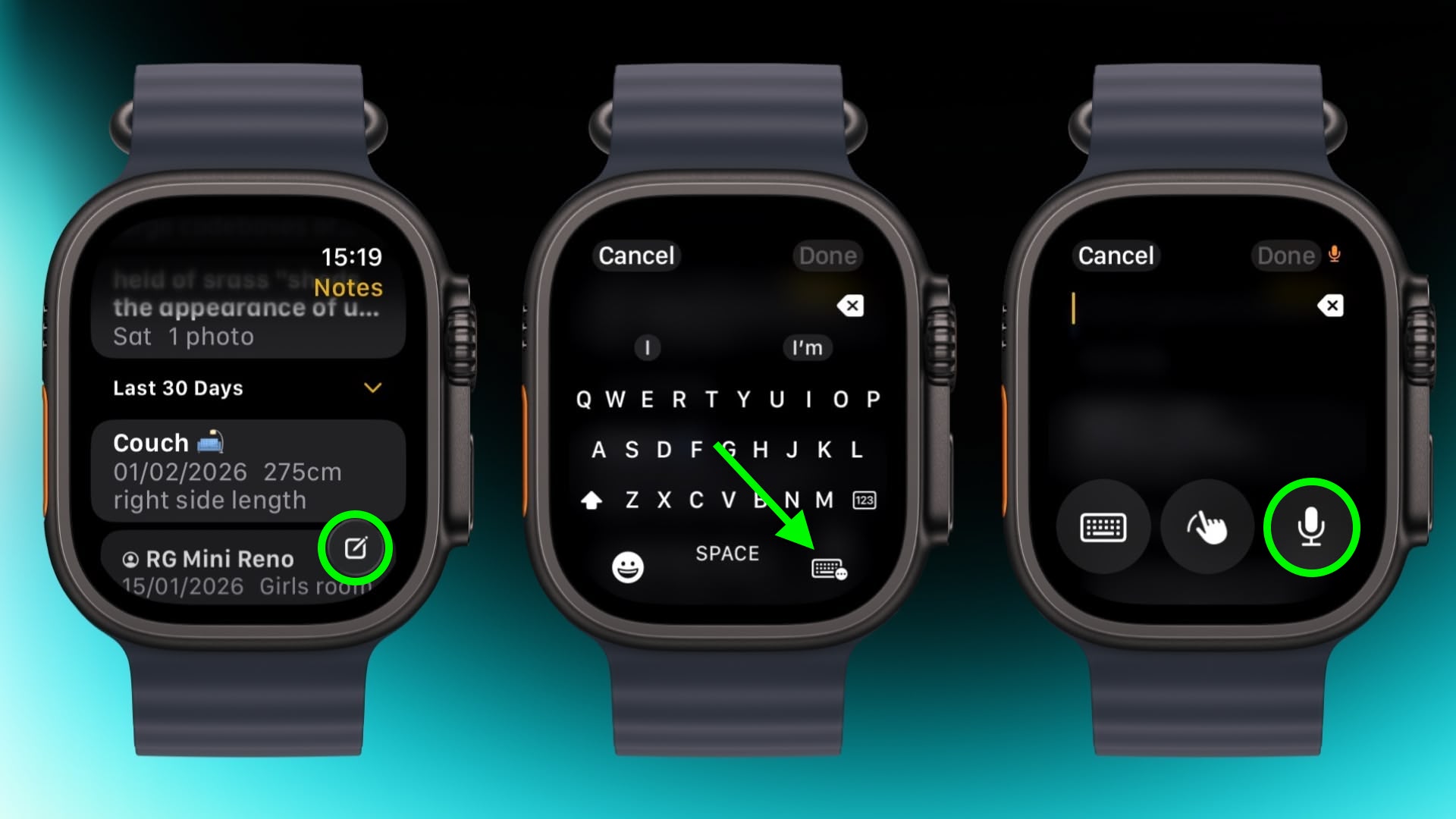
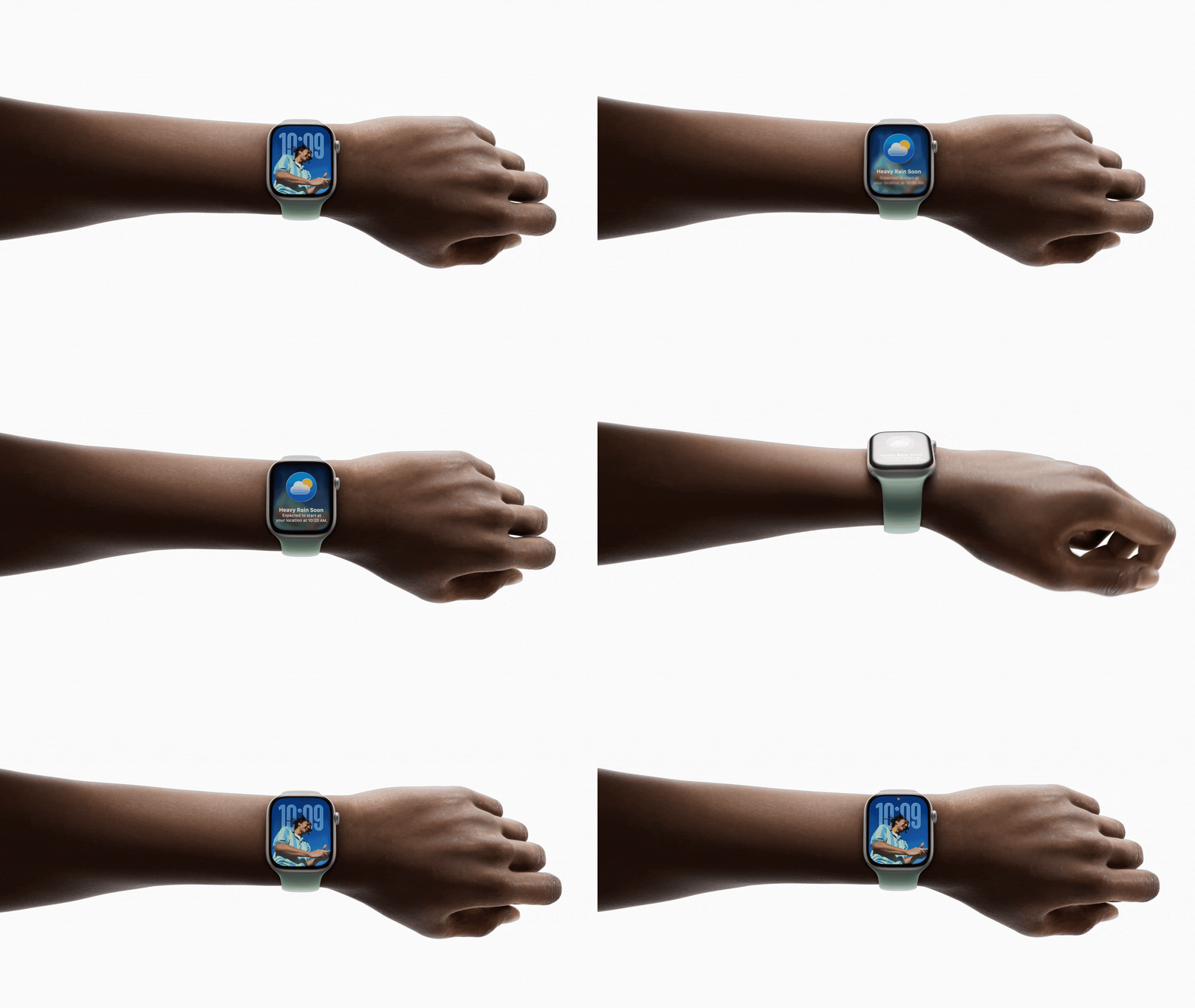
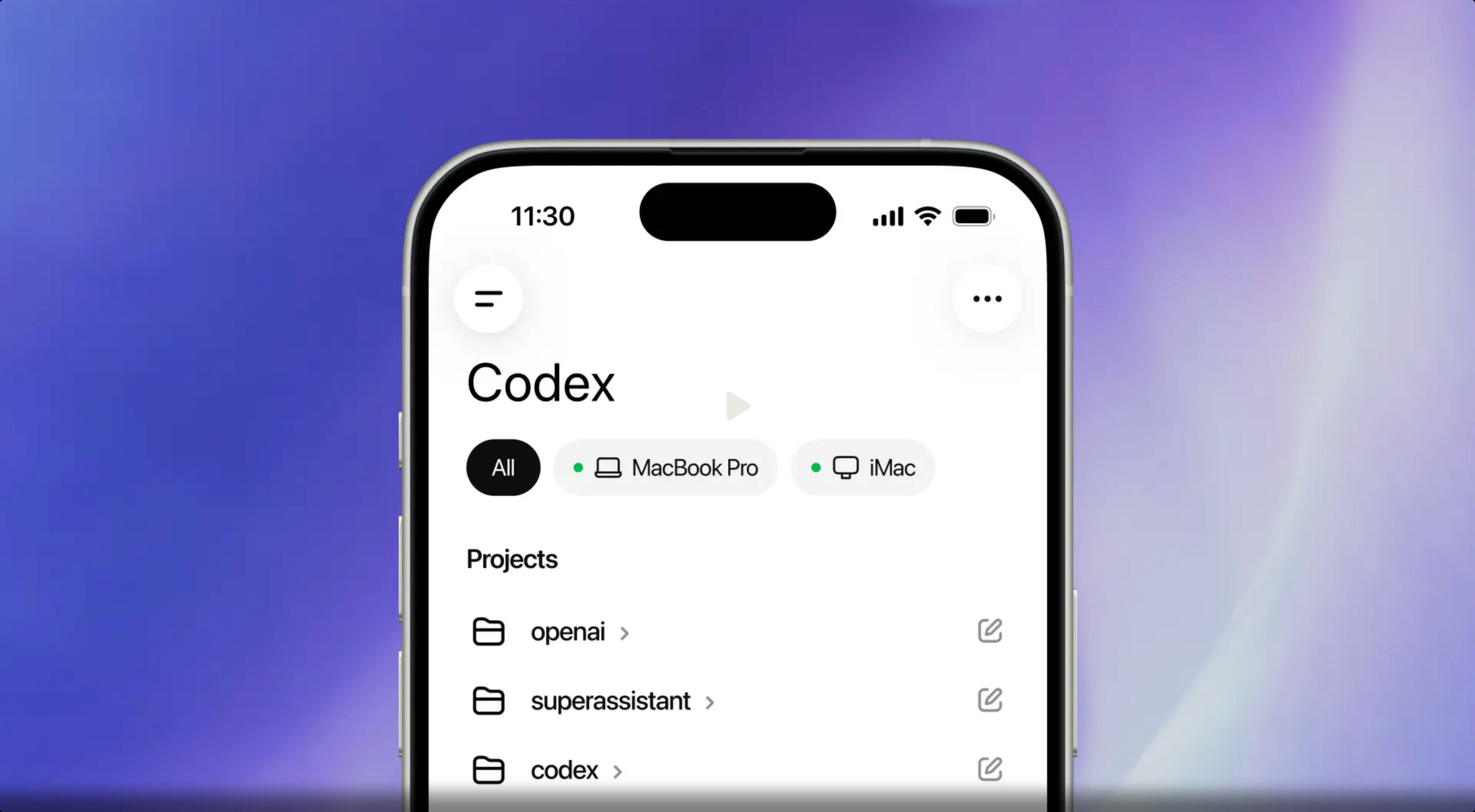
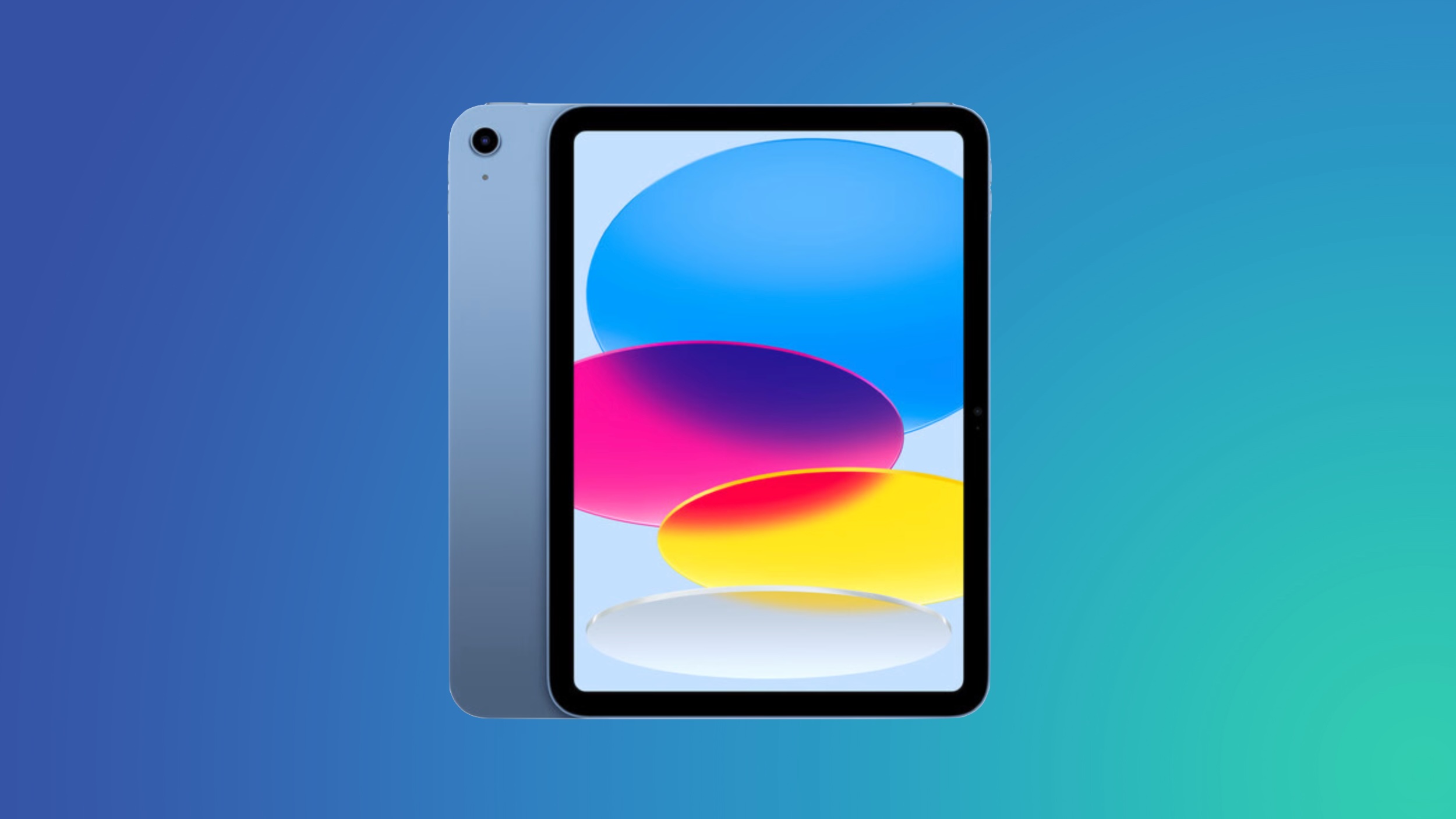
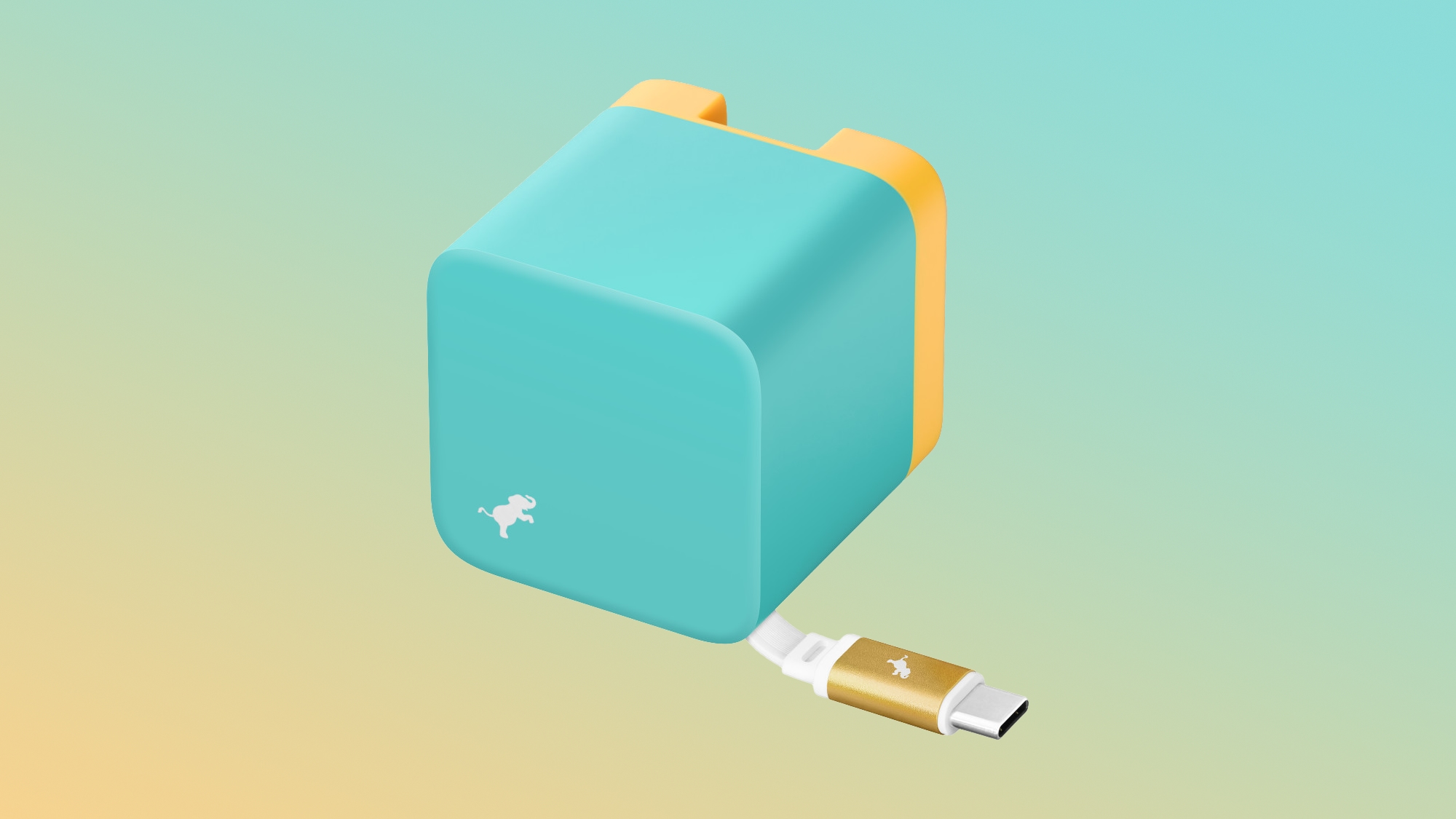
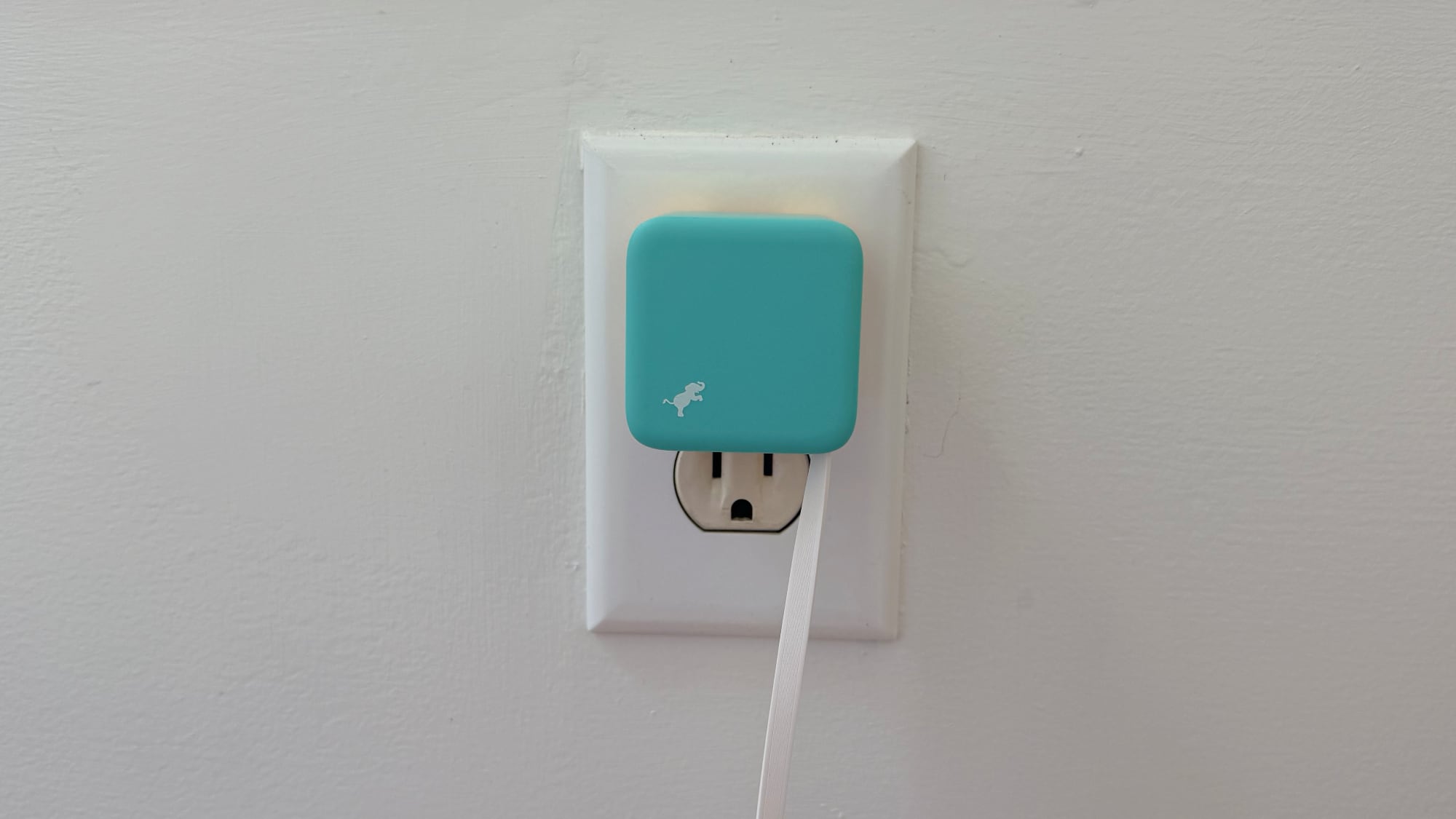
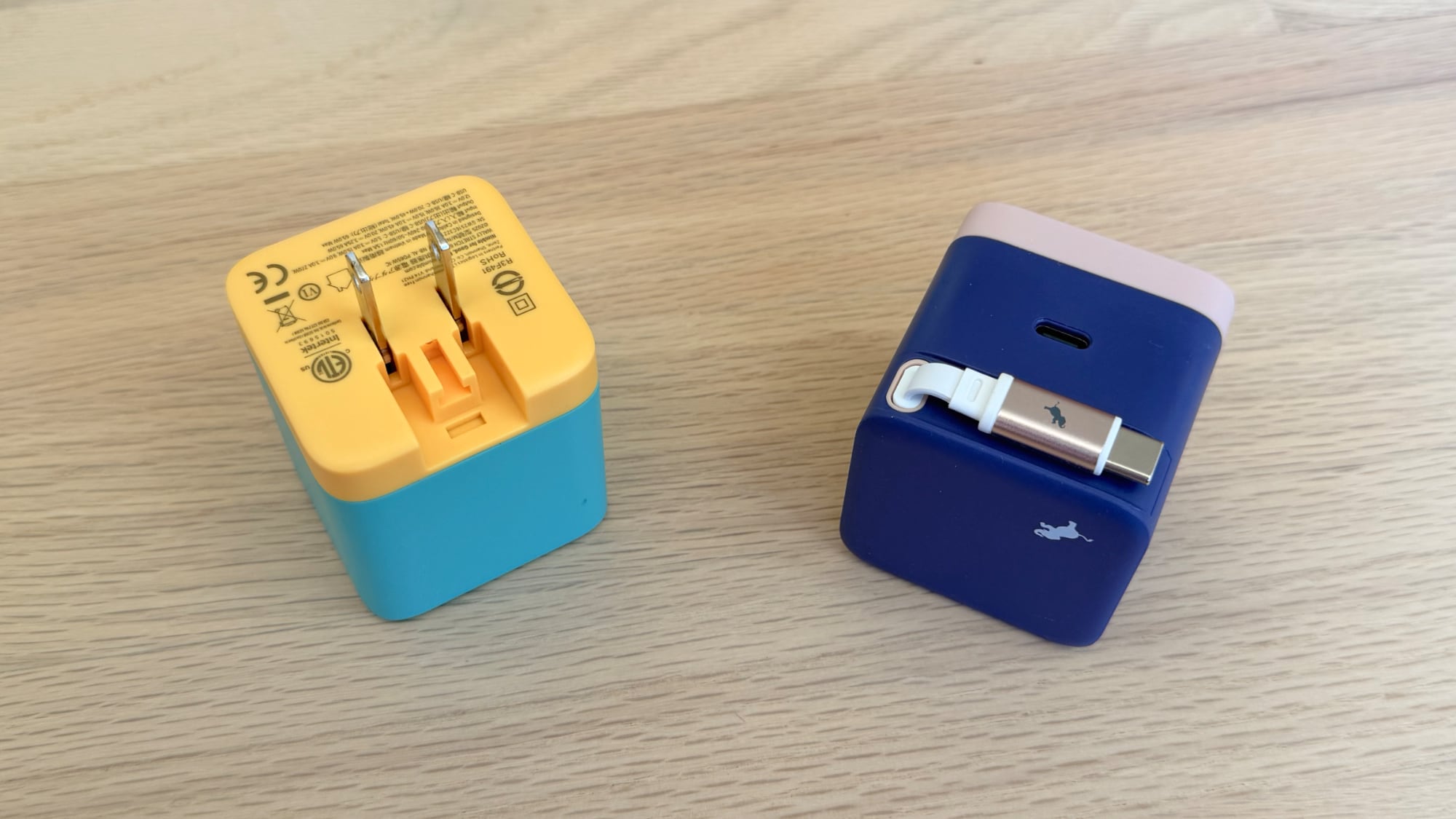
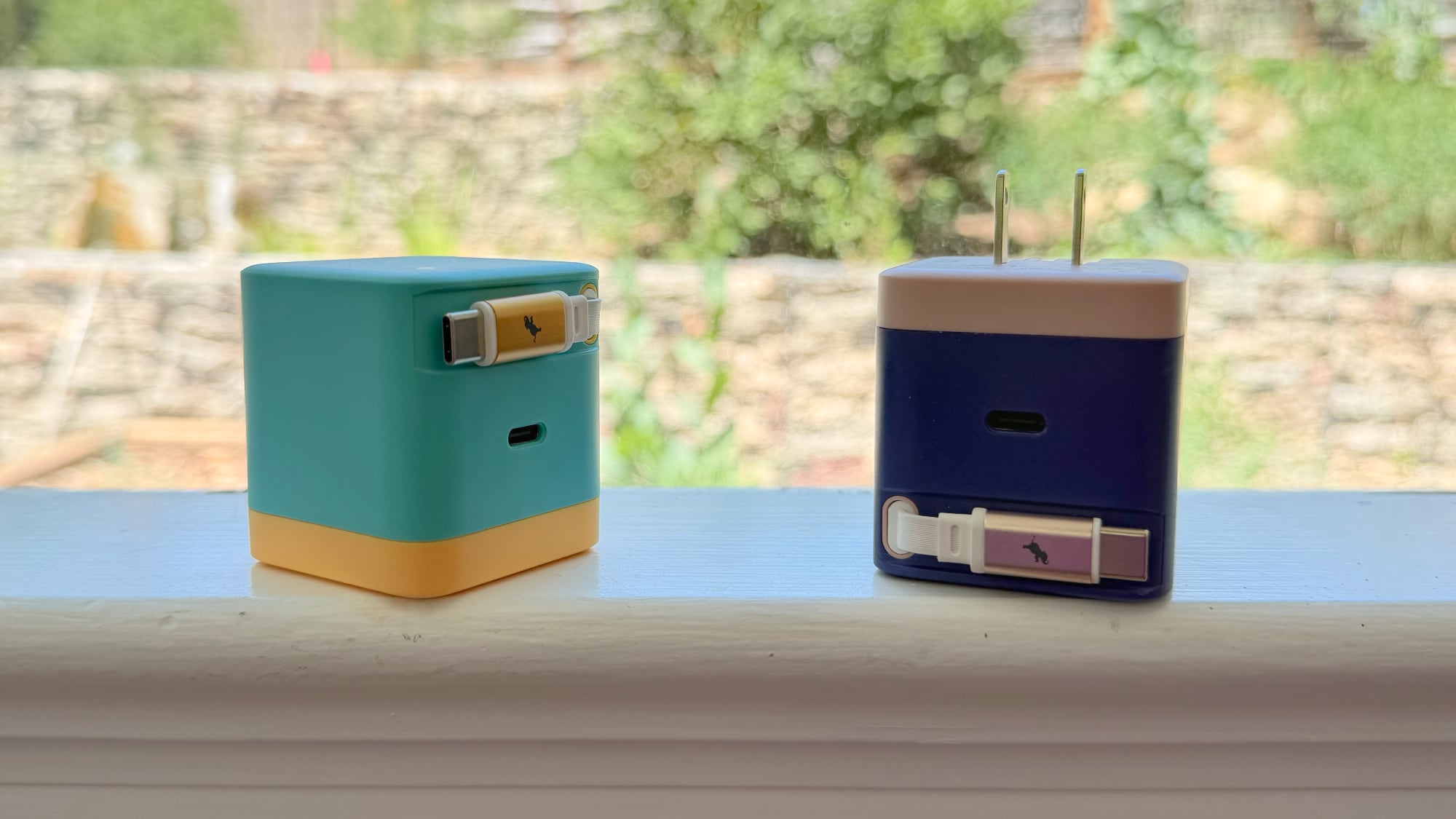
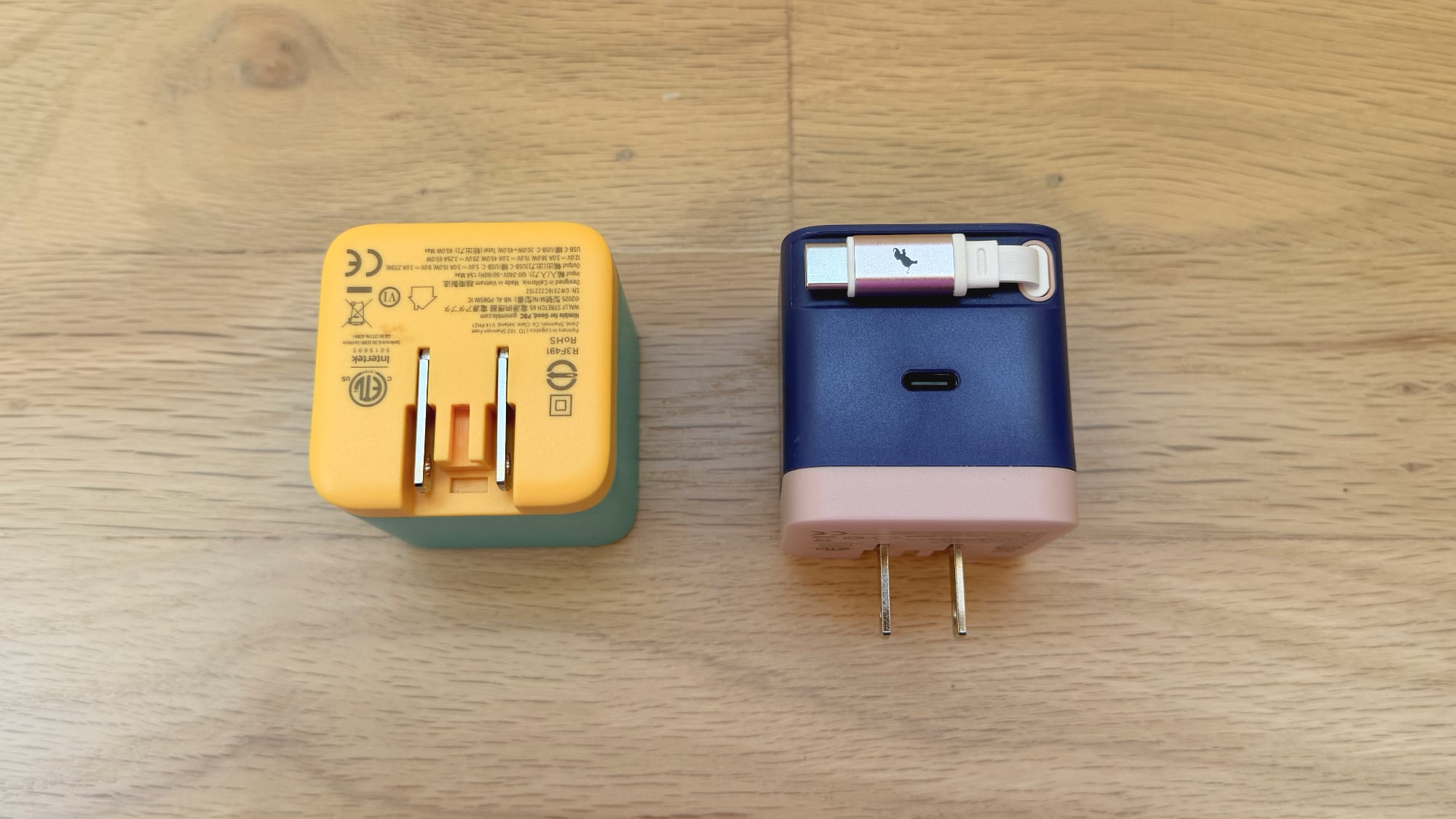
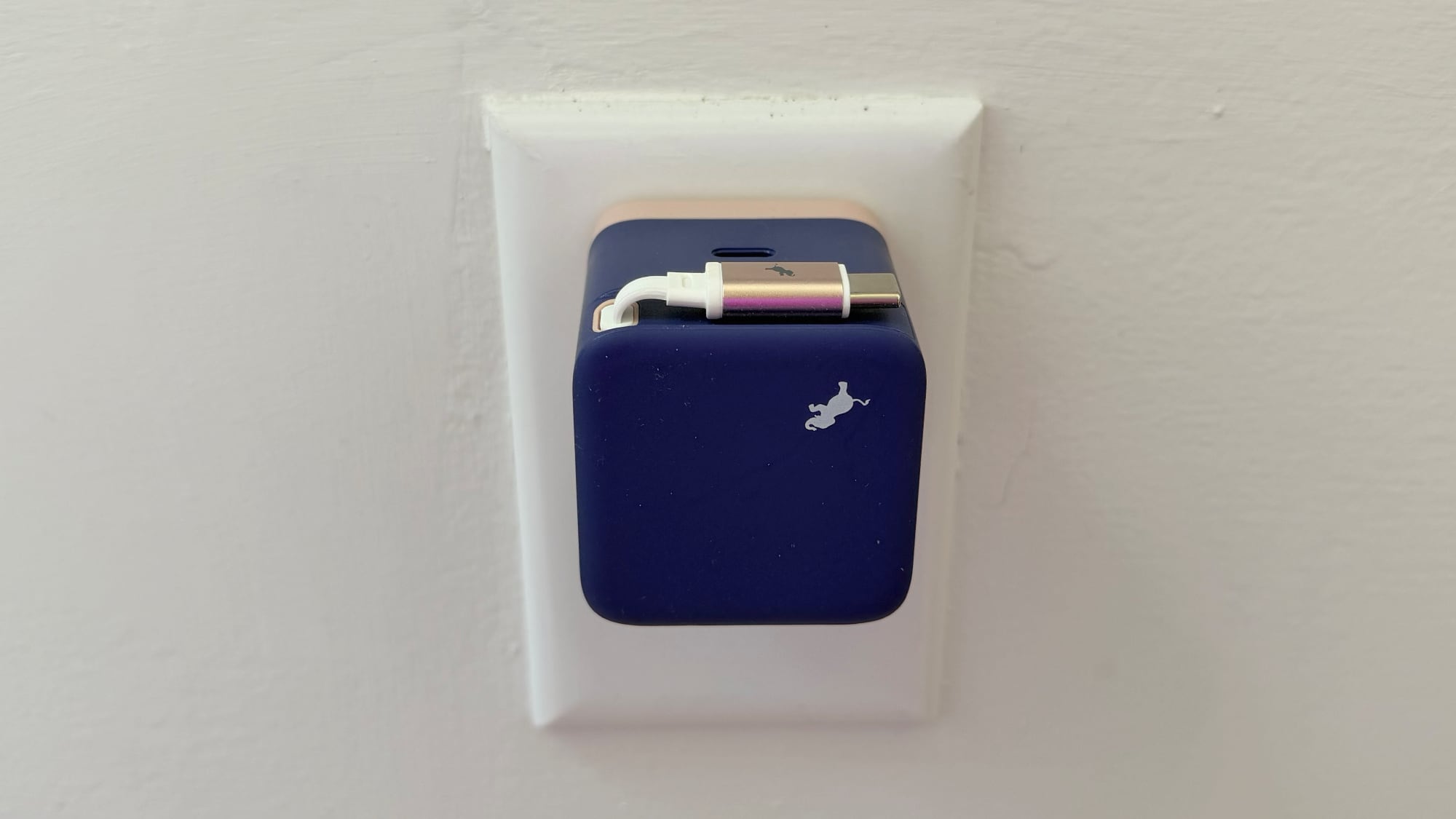
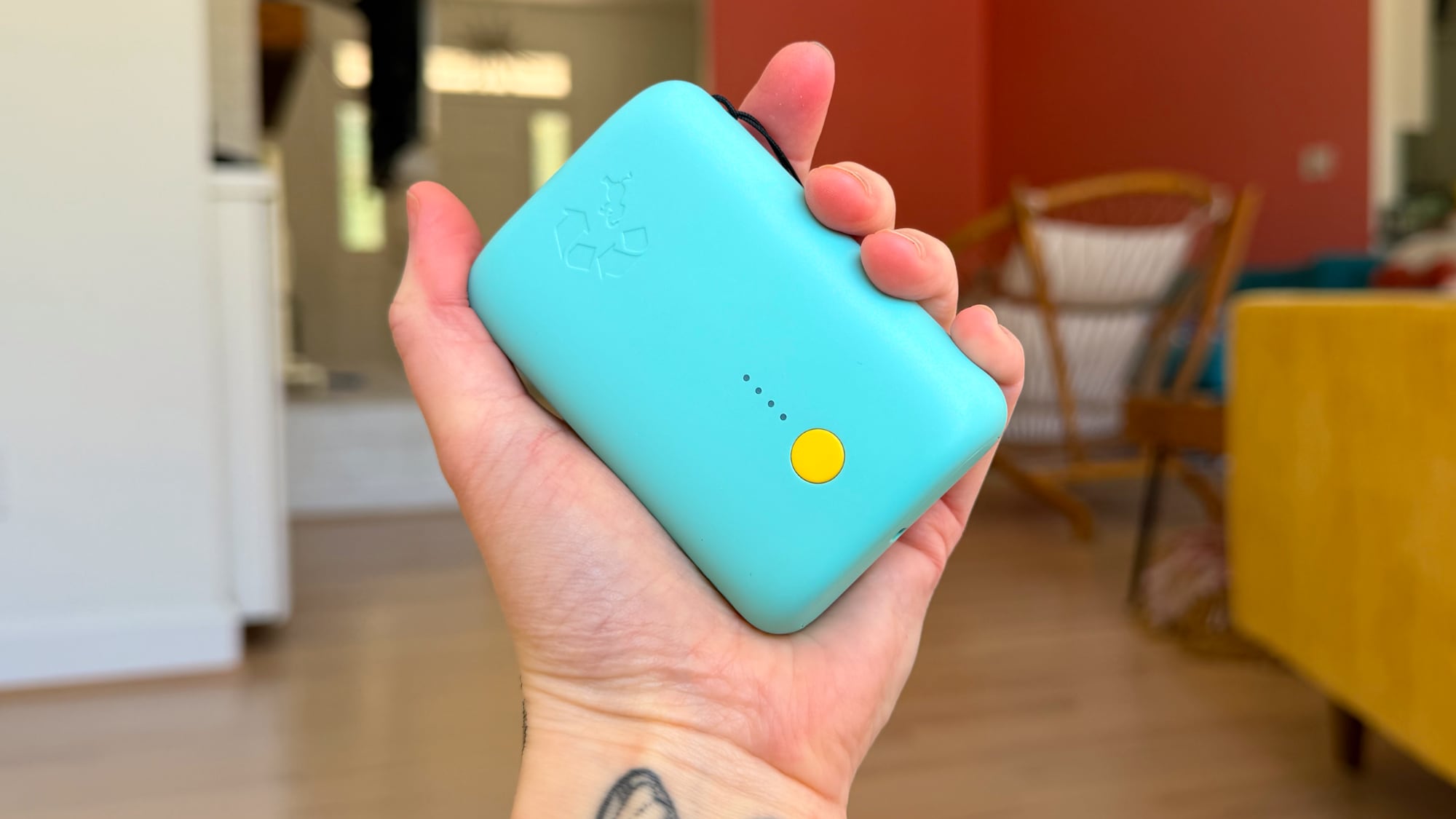
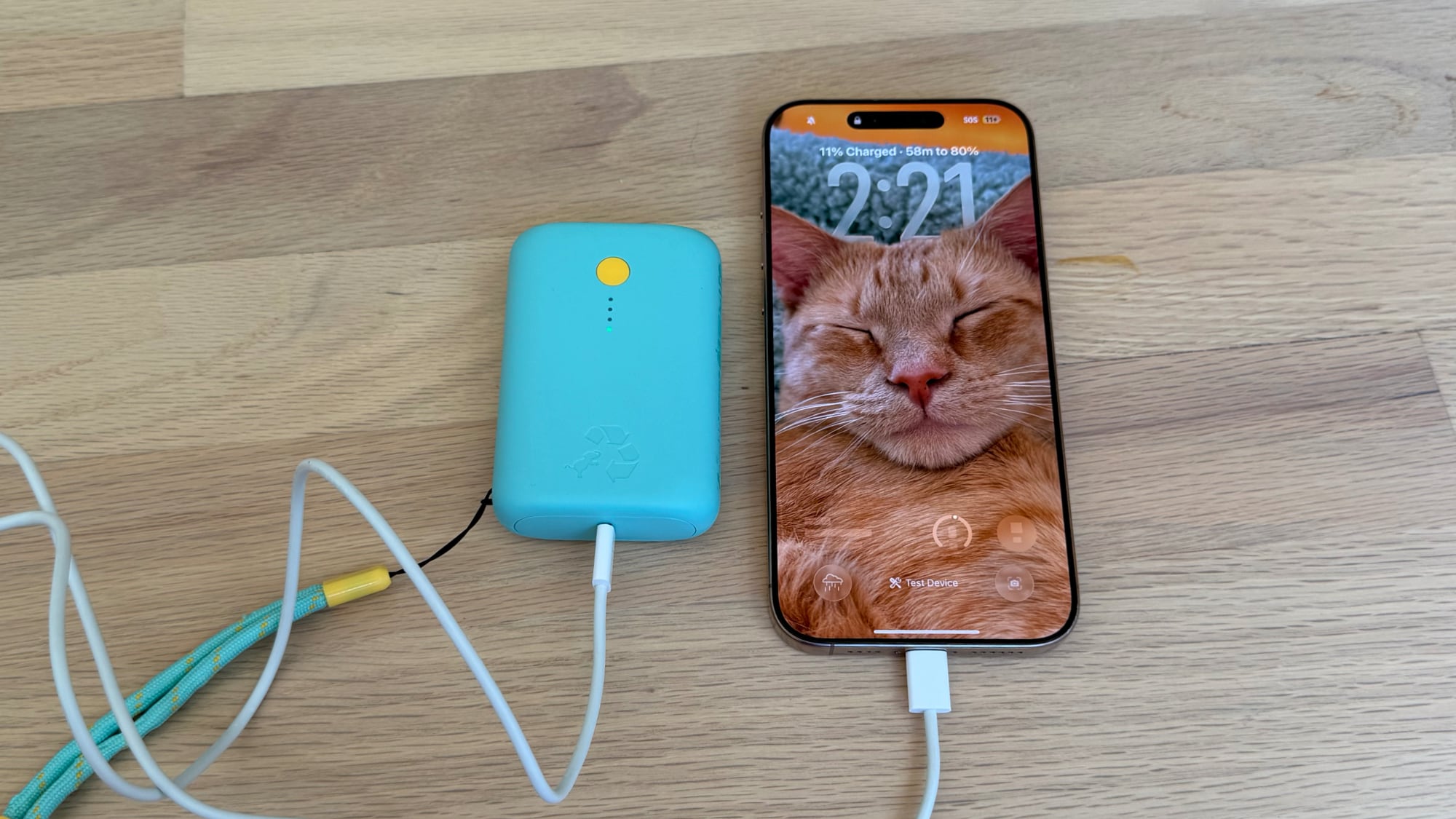
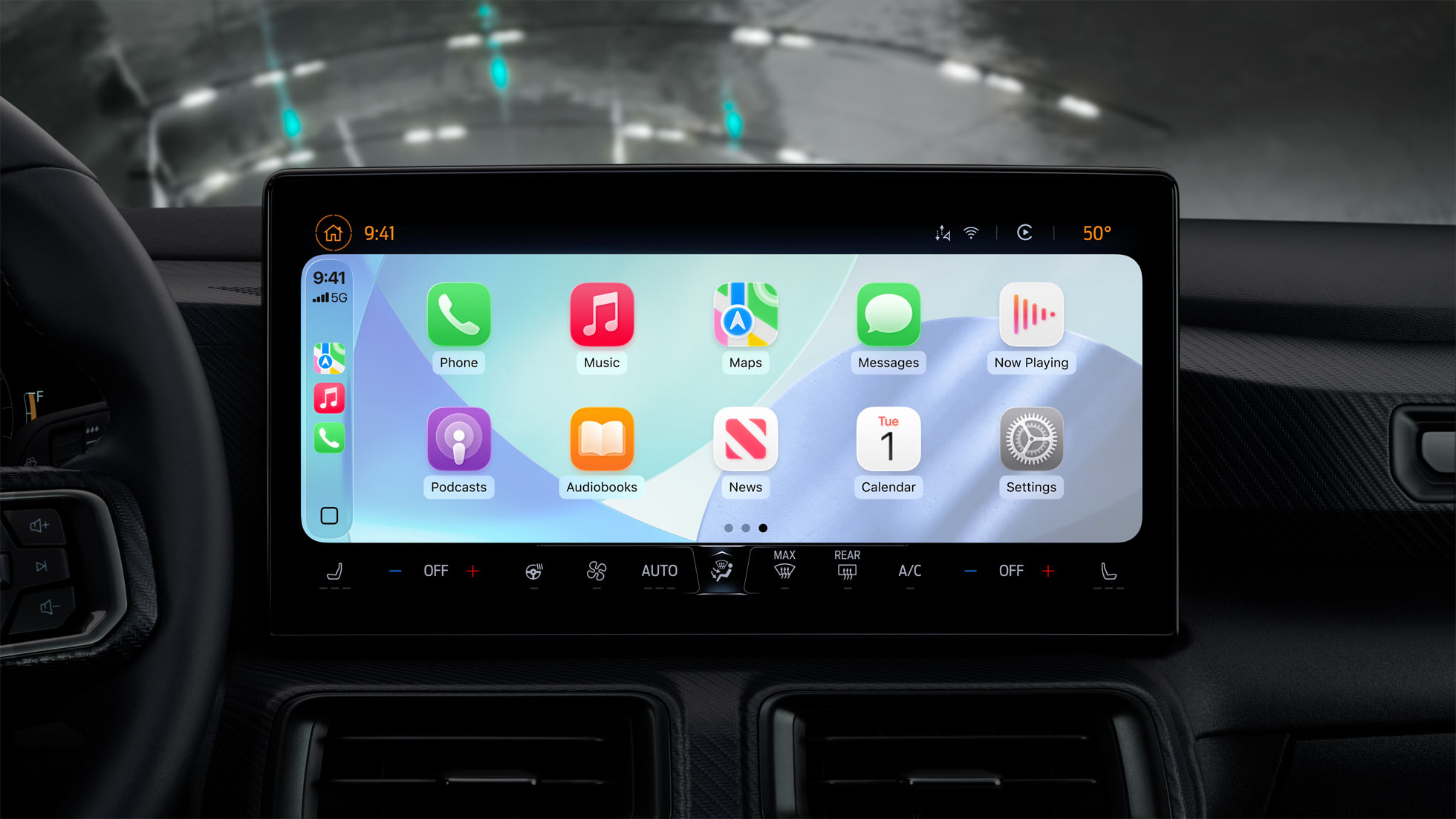
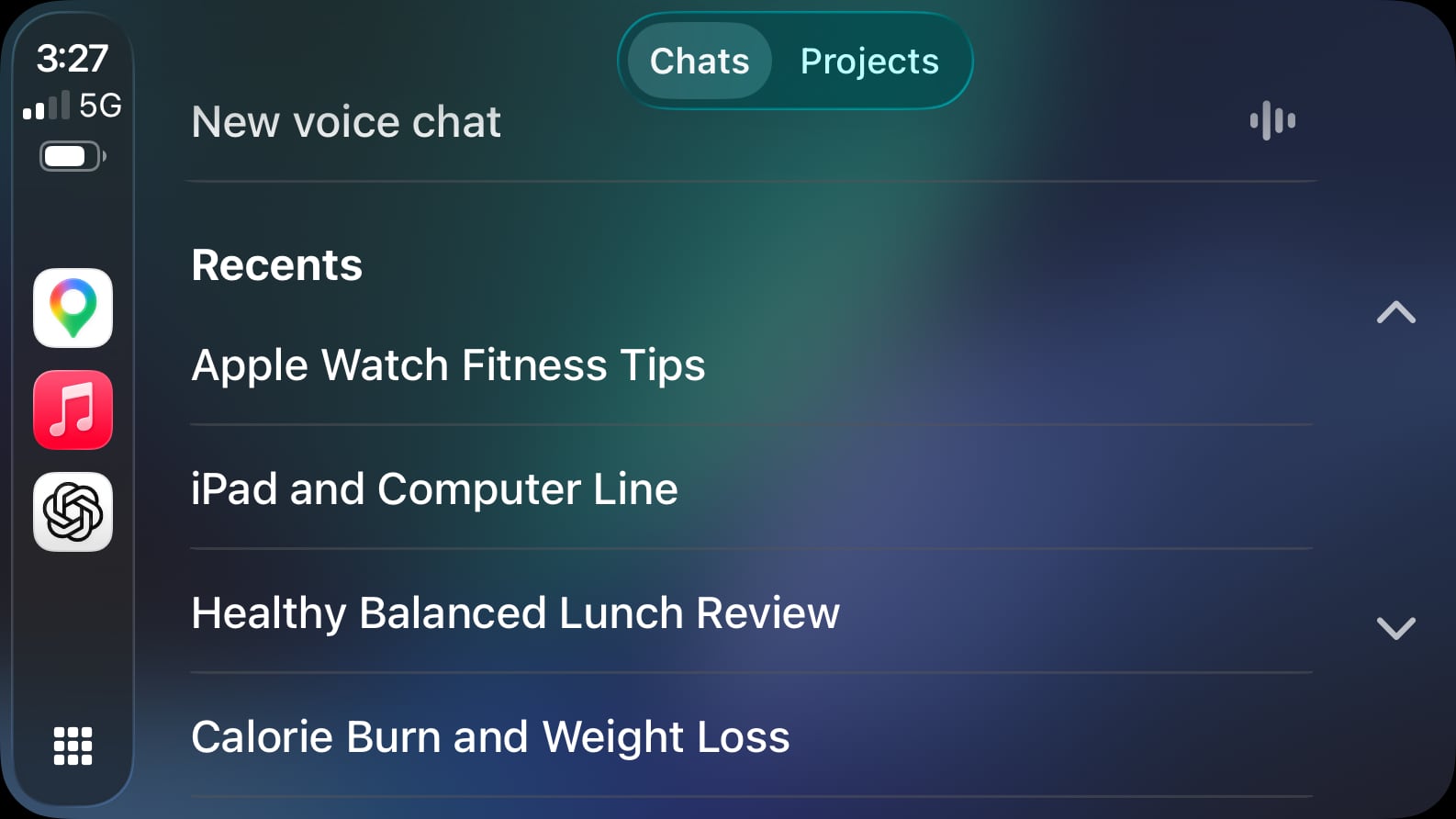
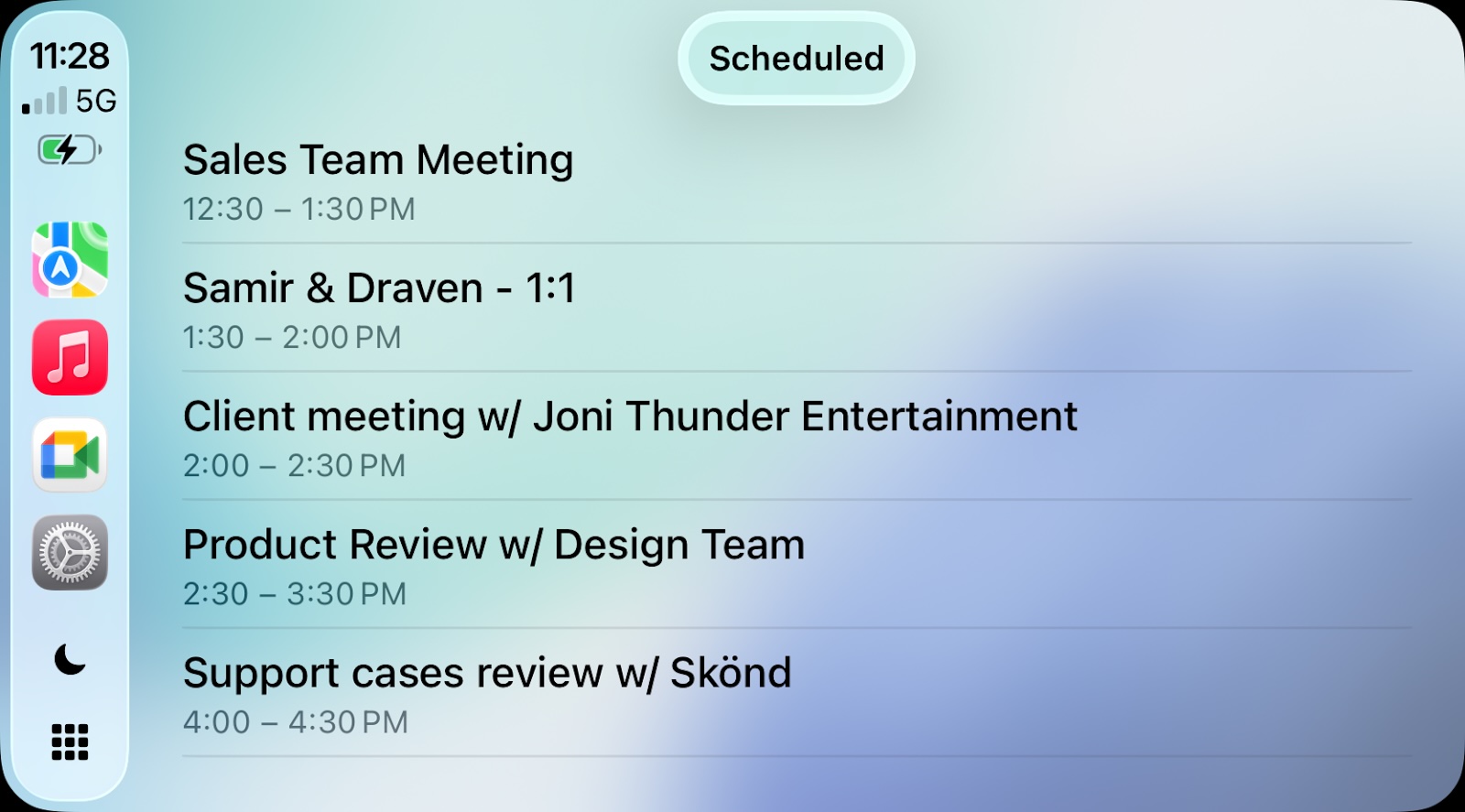
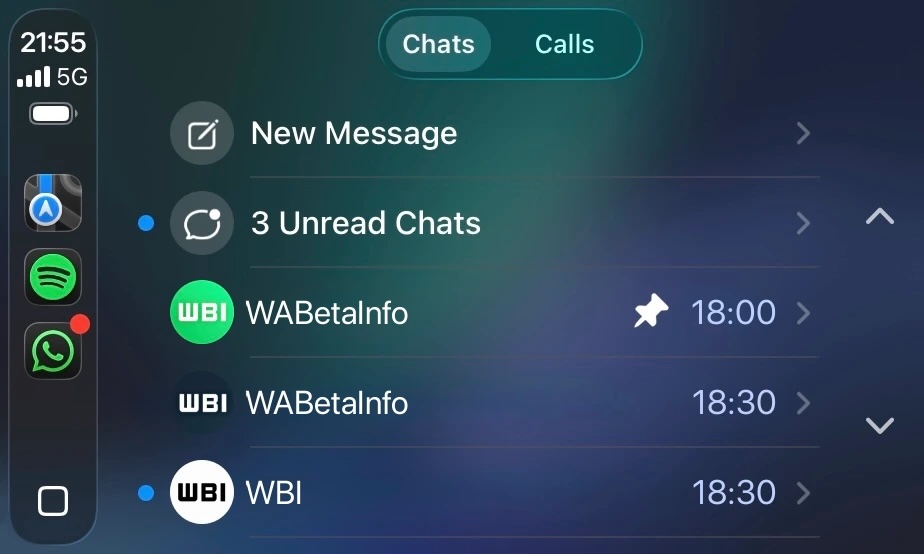
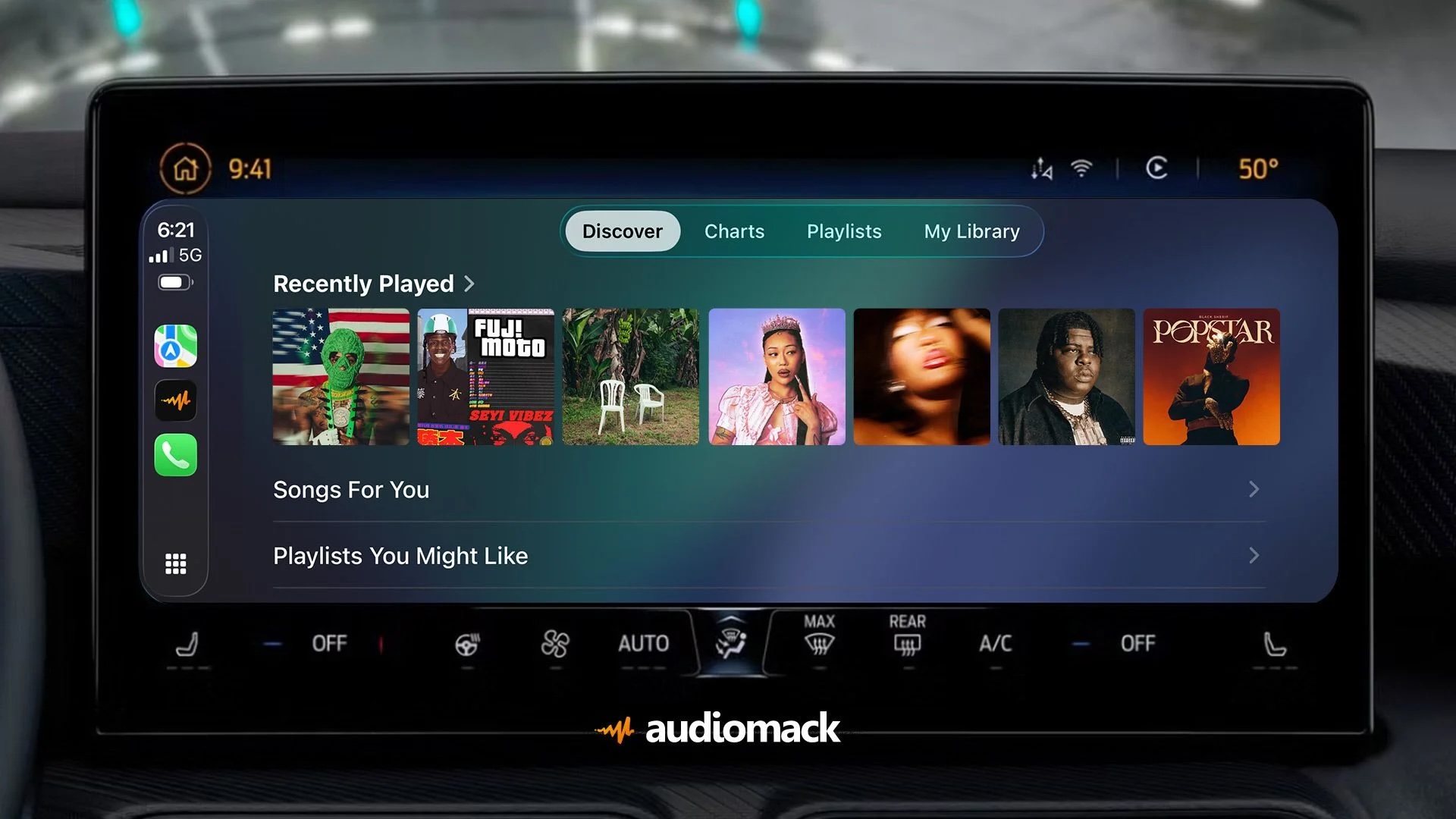
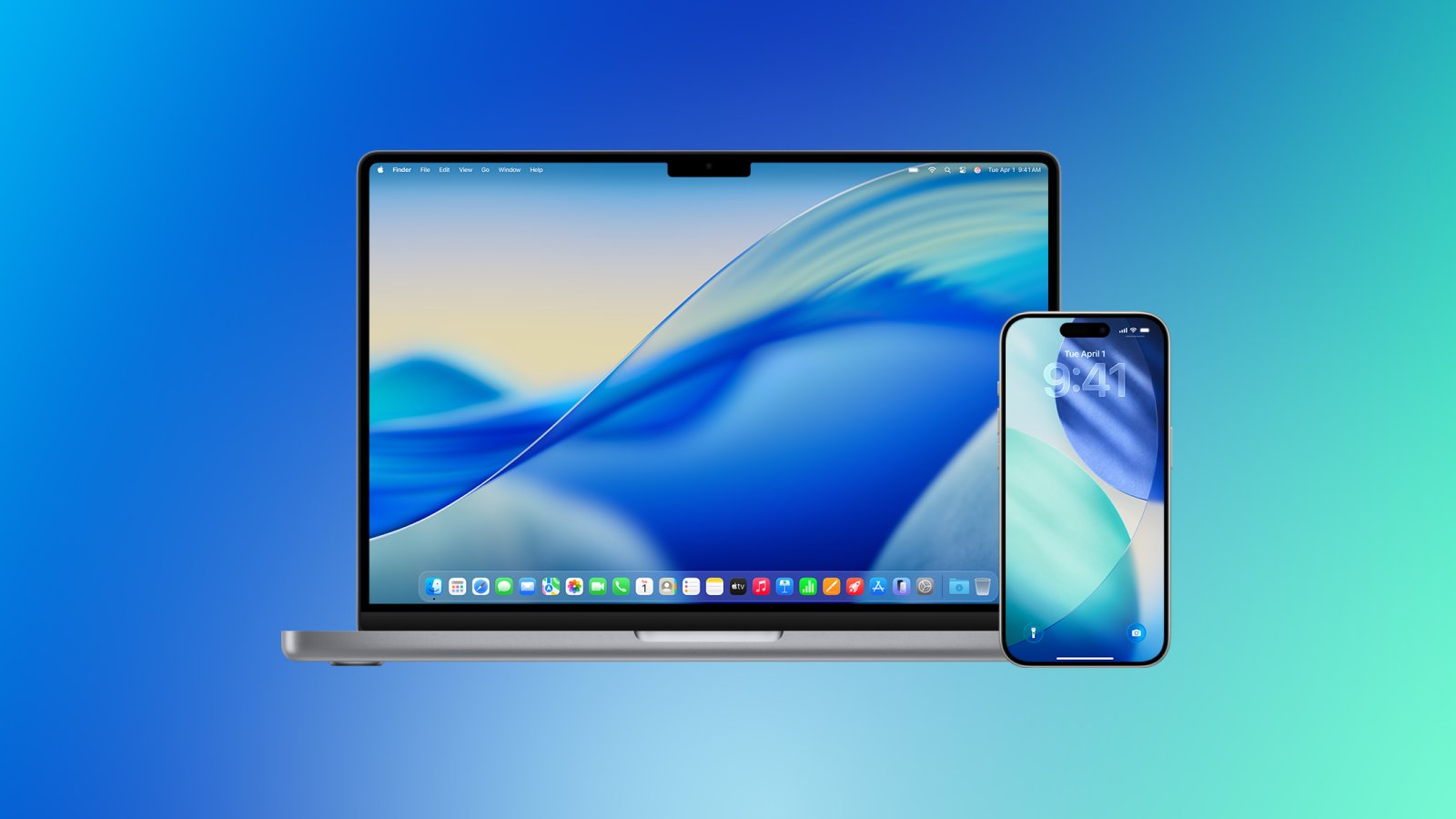
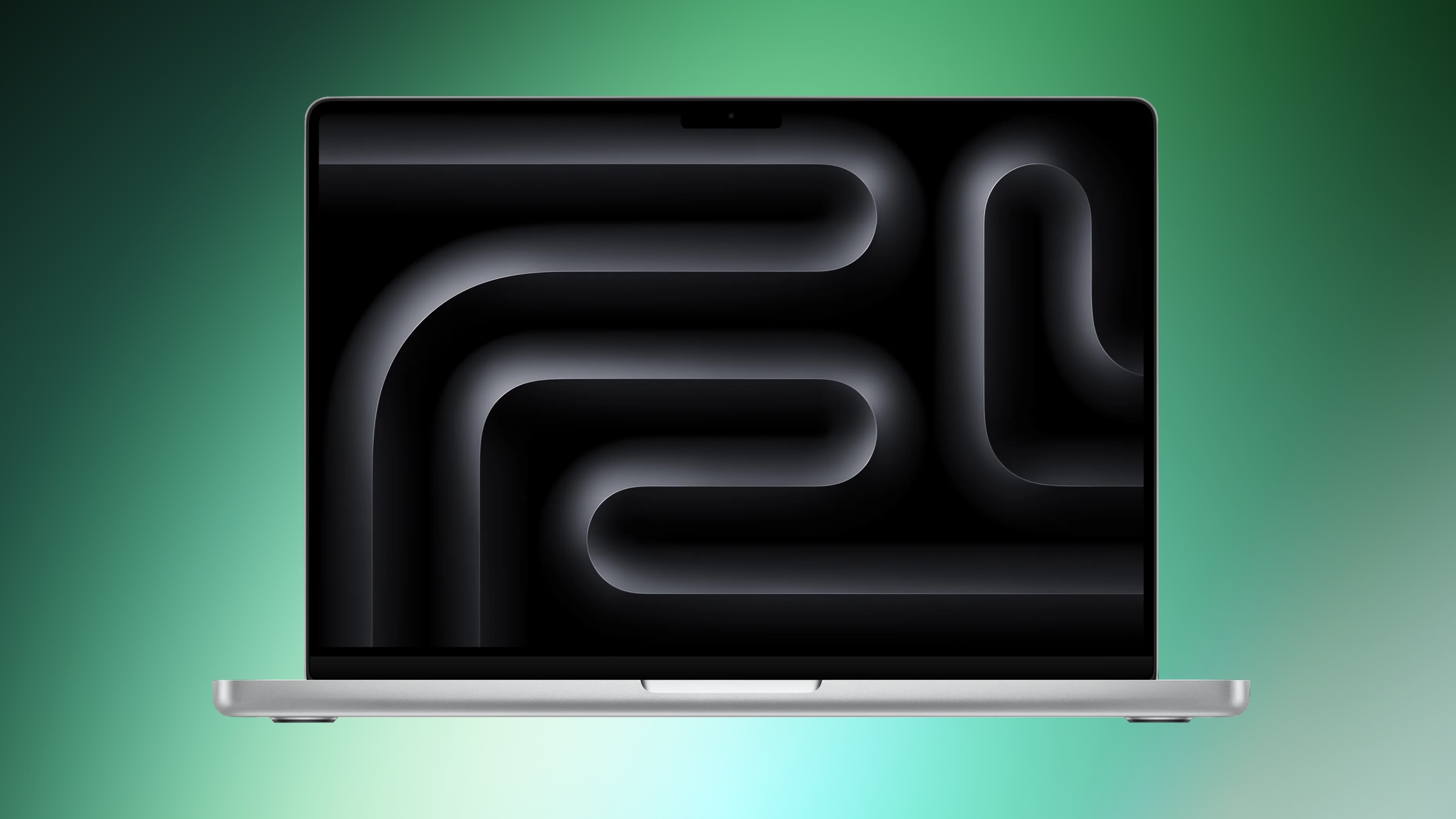 Note: MacRumors is an affiliate partner with Amazon. When you click a link and make a purchase, we may receive a small payment, which helps us keep the site running.
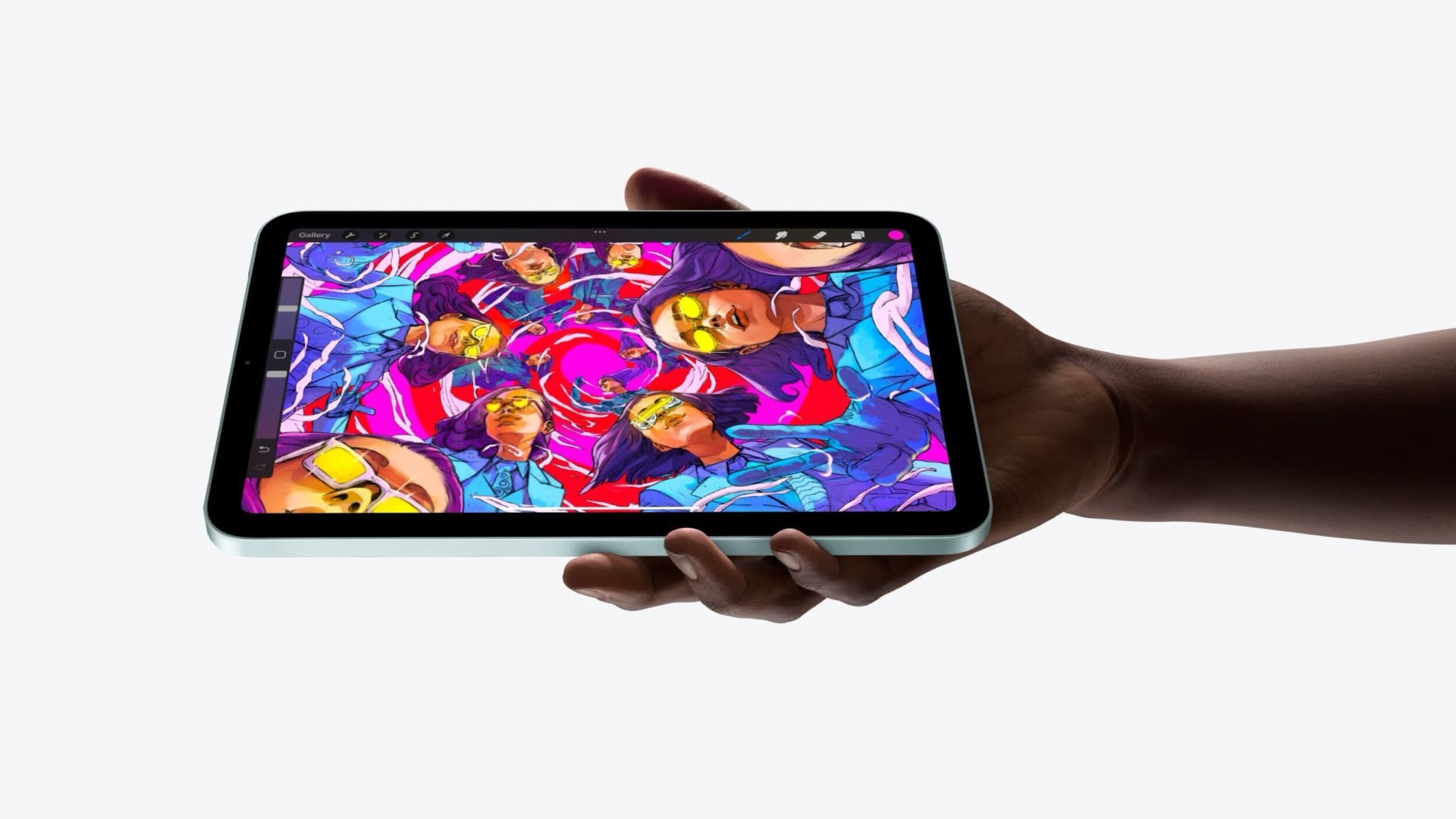
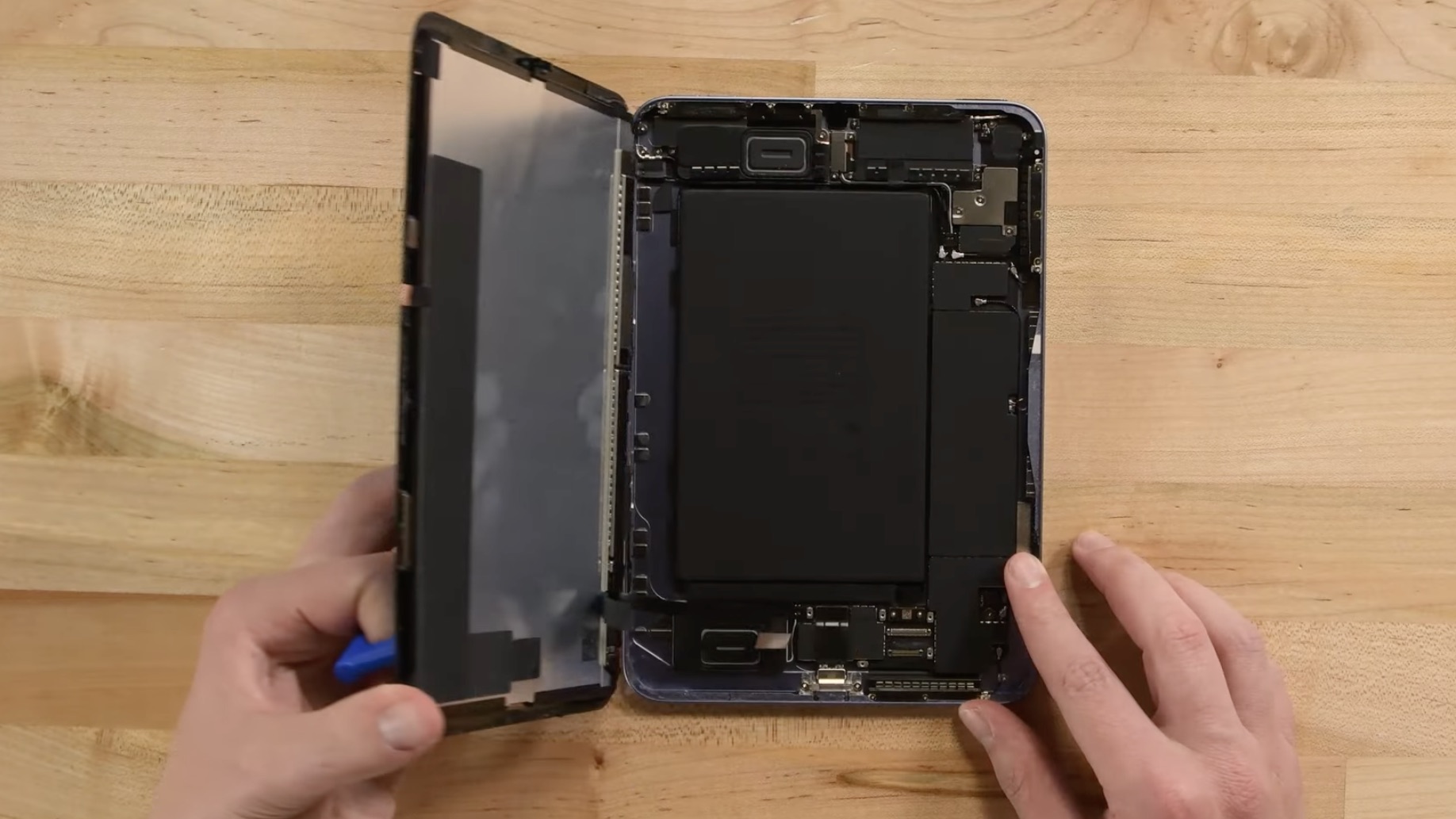
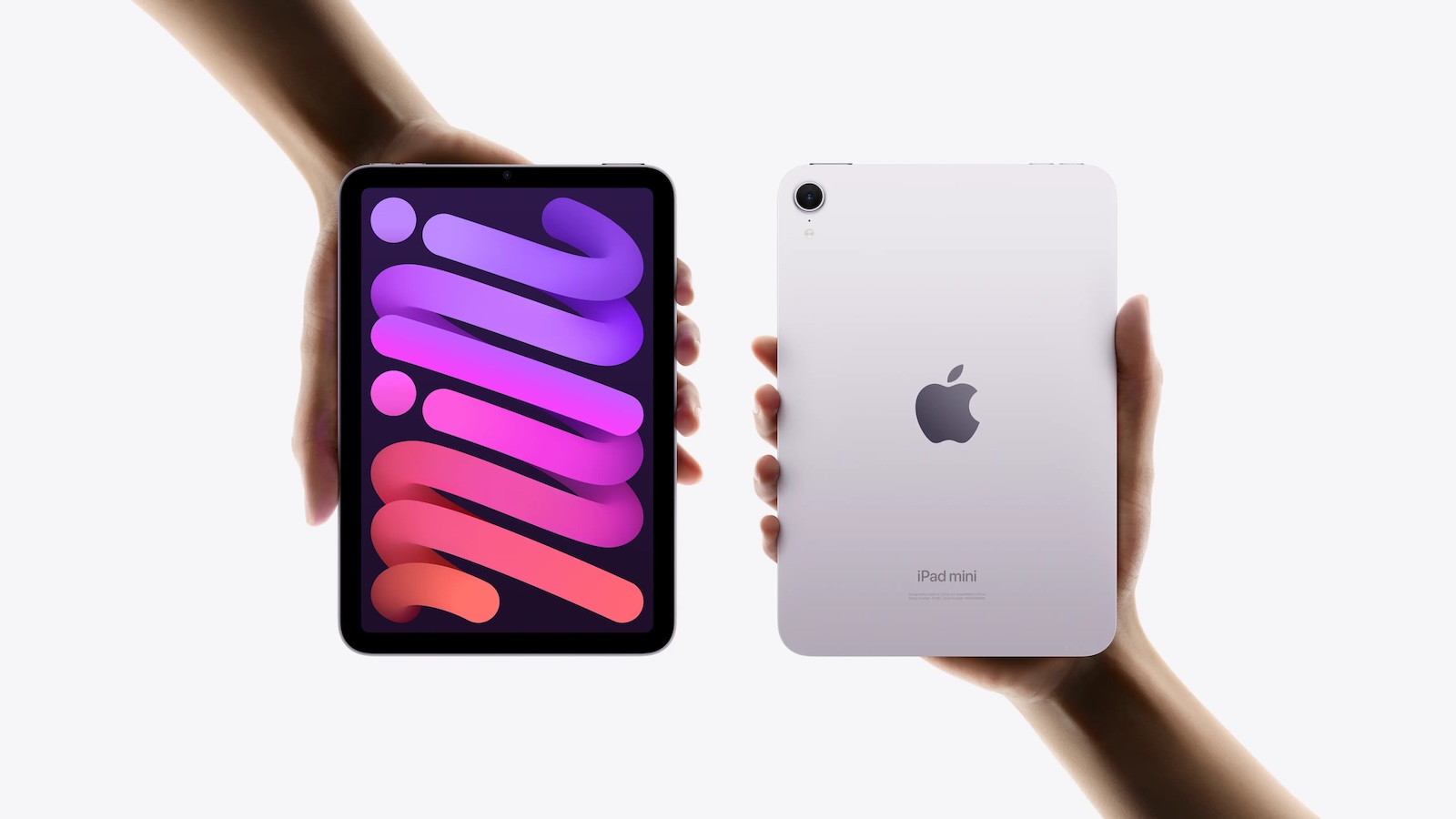
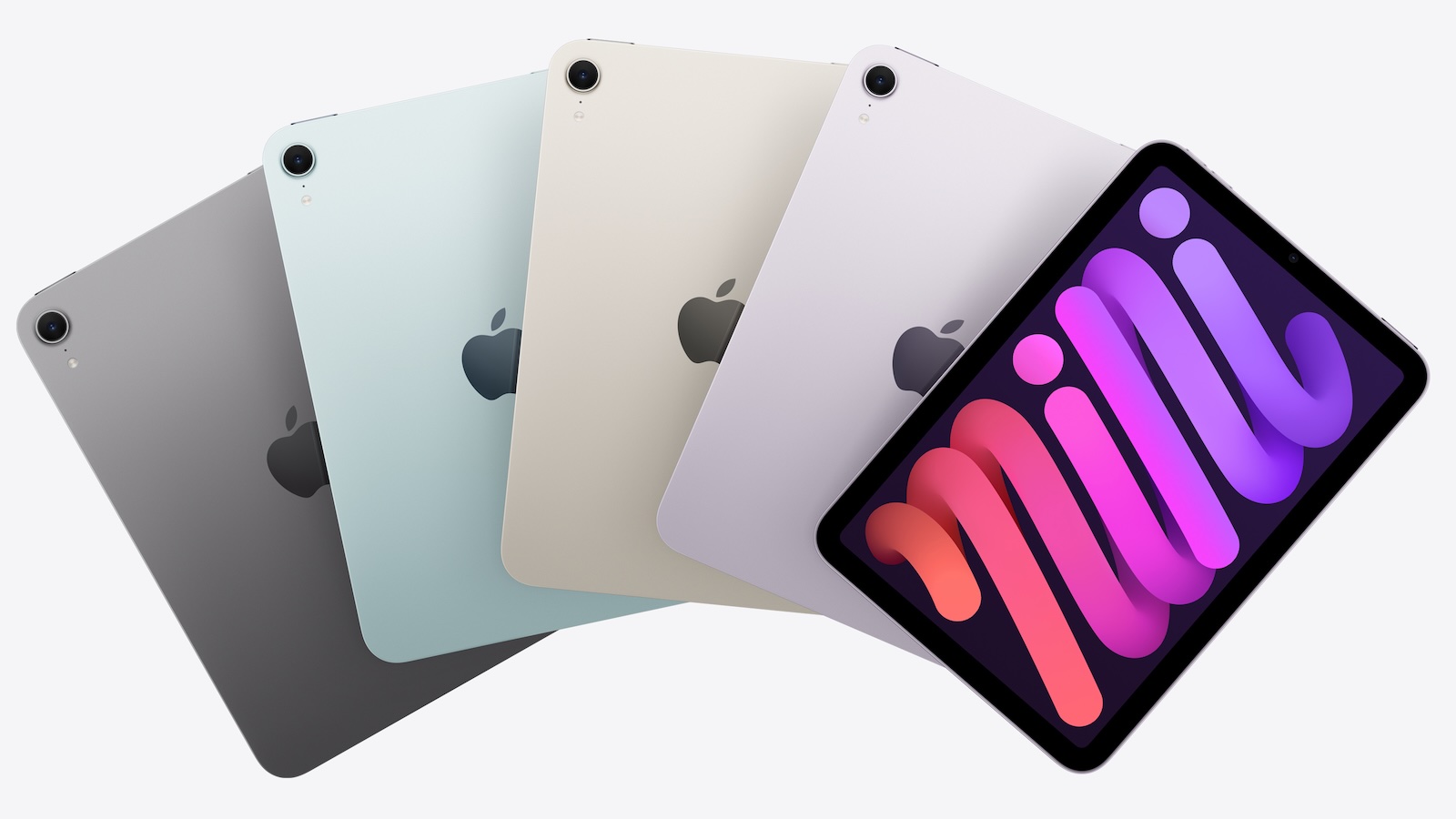

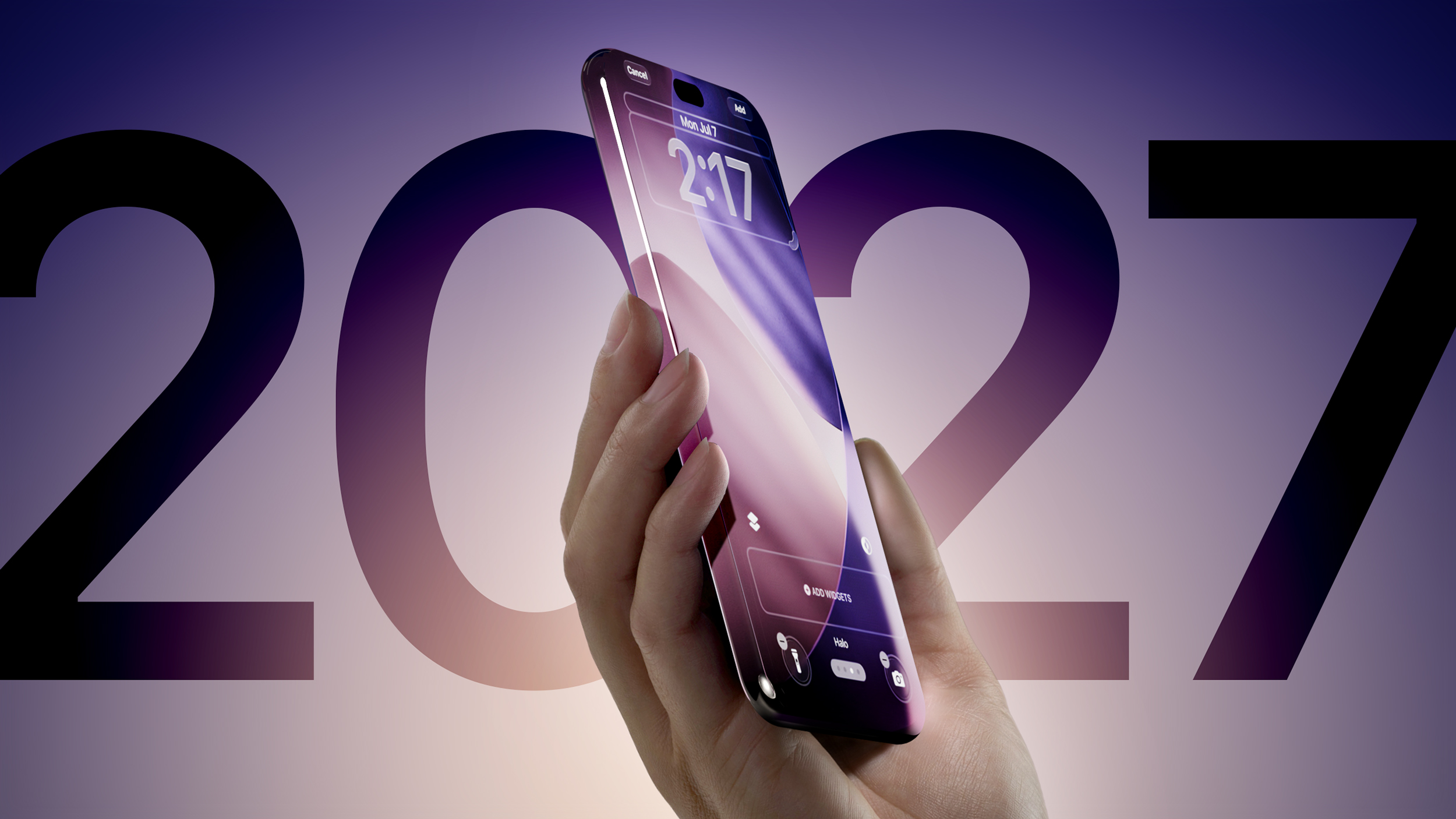
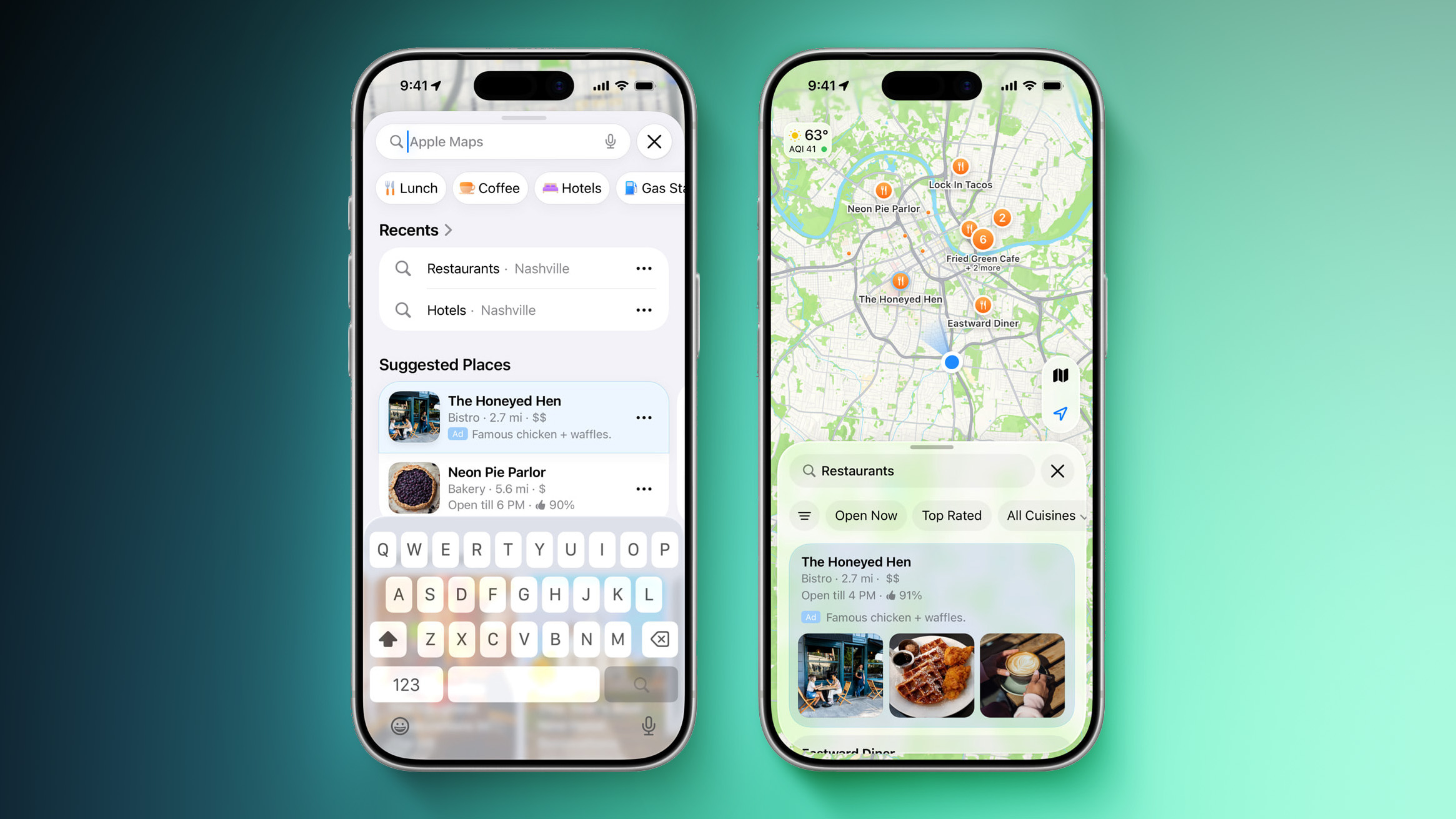
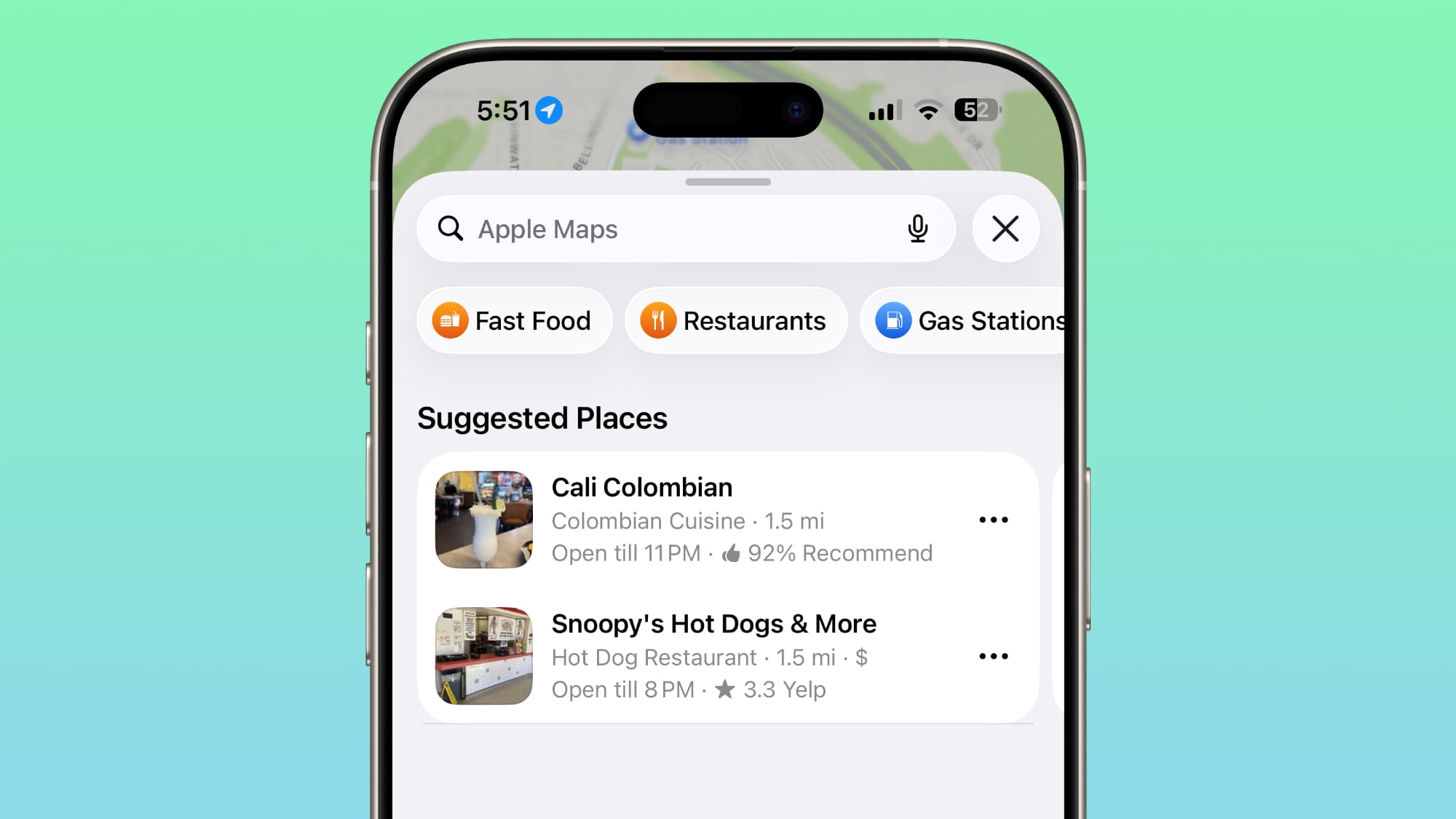
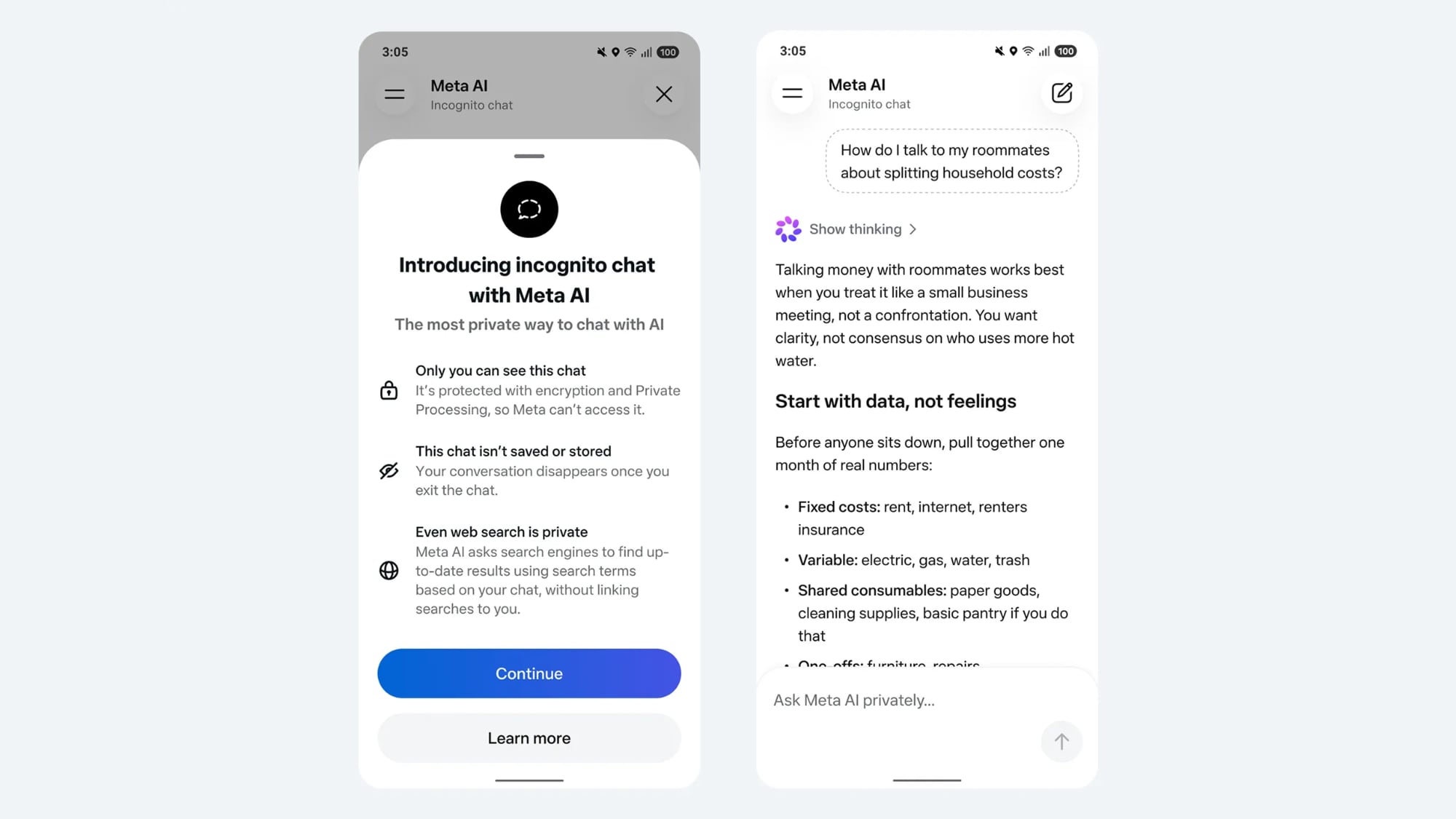
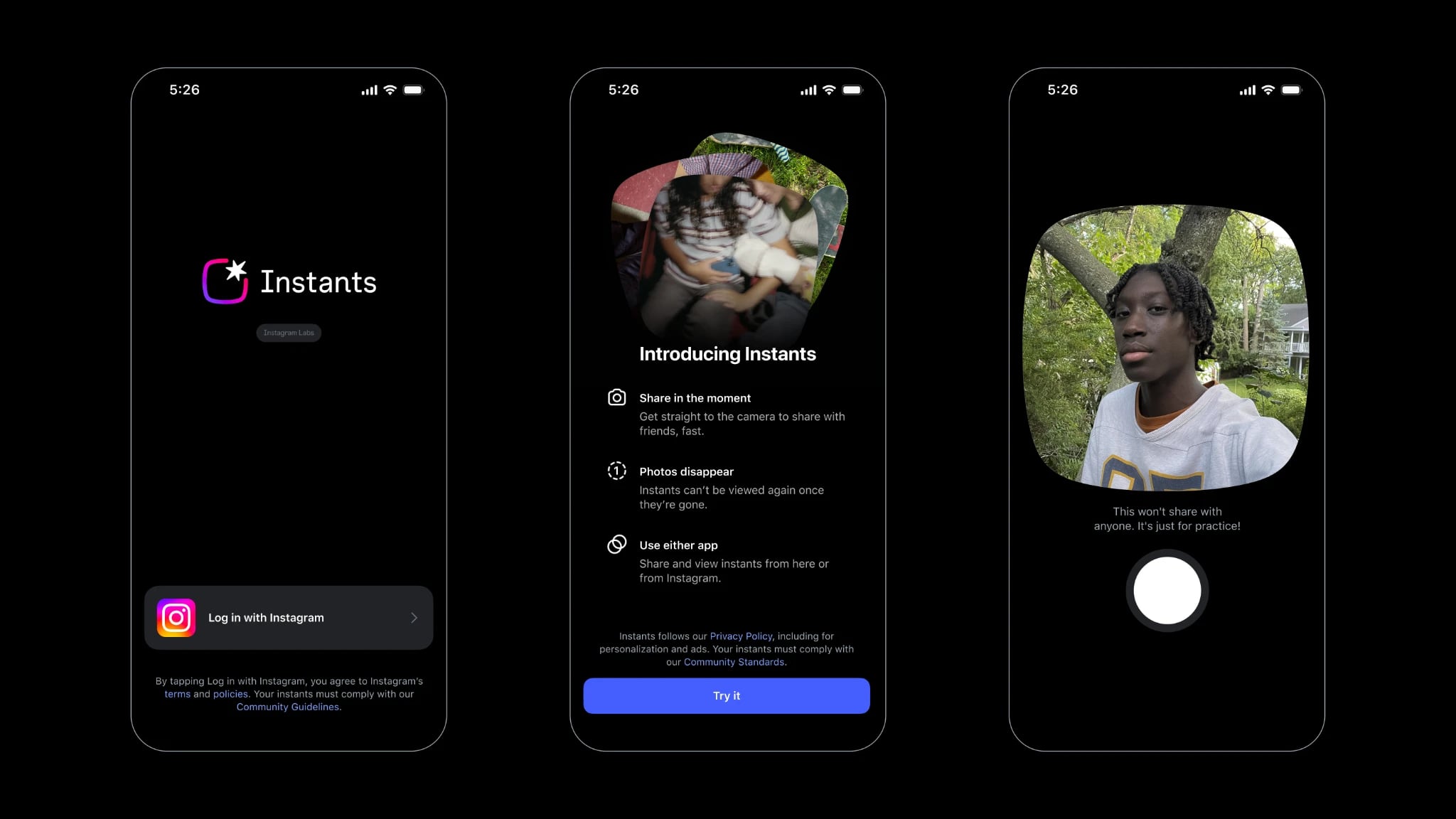

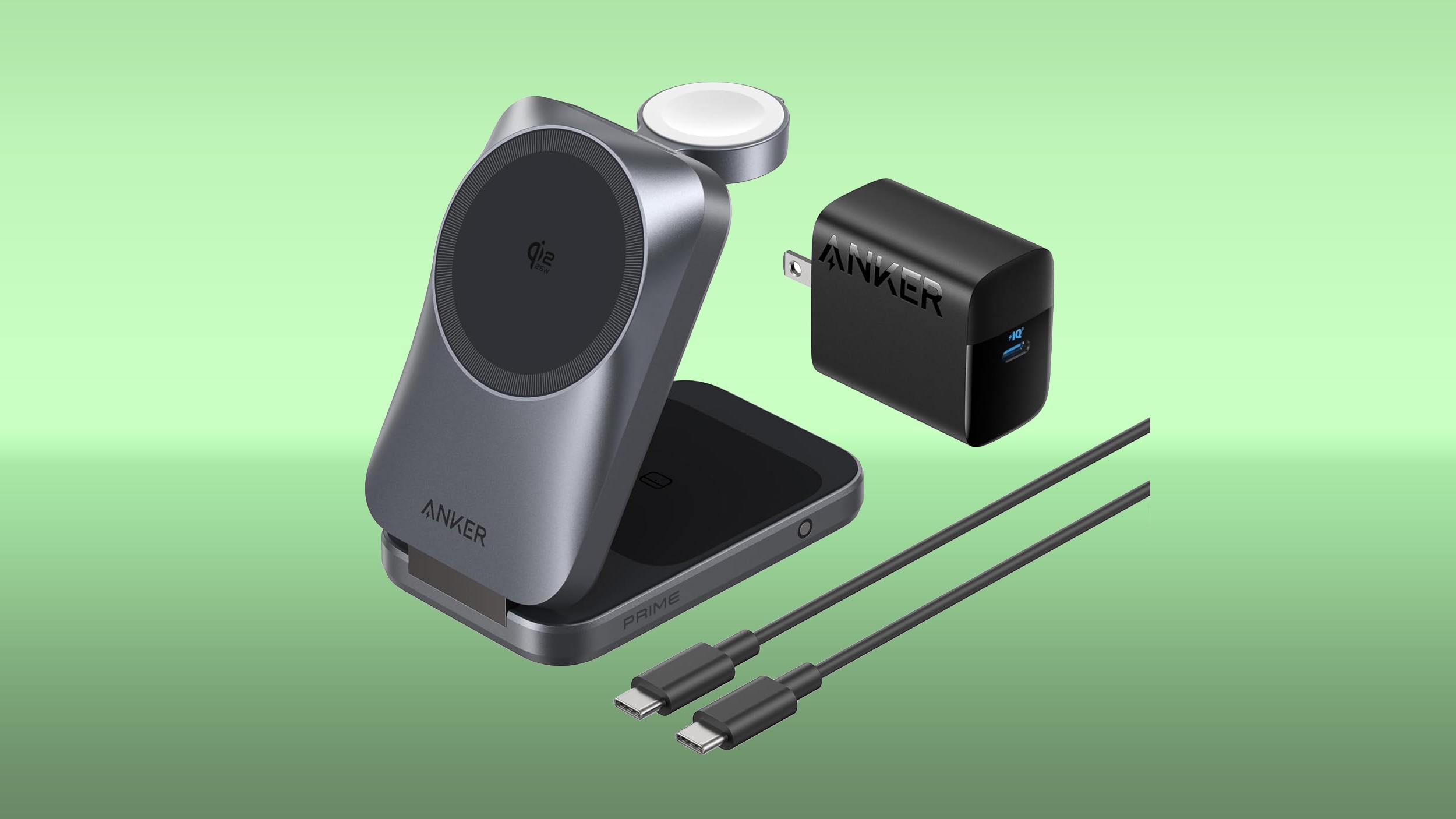 Note: MacRumors is an affiliate partner with some of these vendors. When you click a link and make a purchase, we may receive a small payment, which helps us keep the site running.
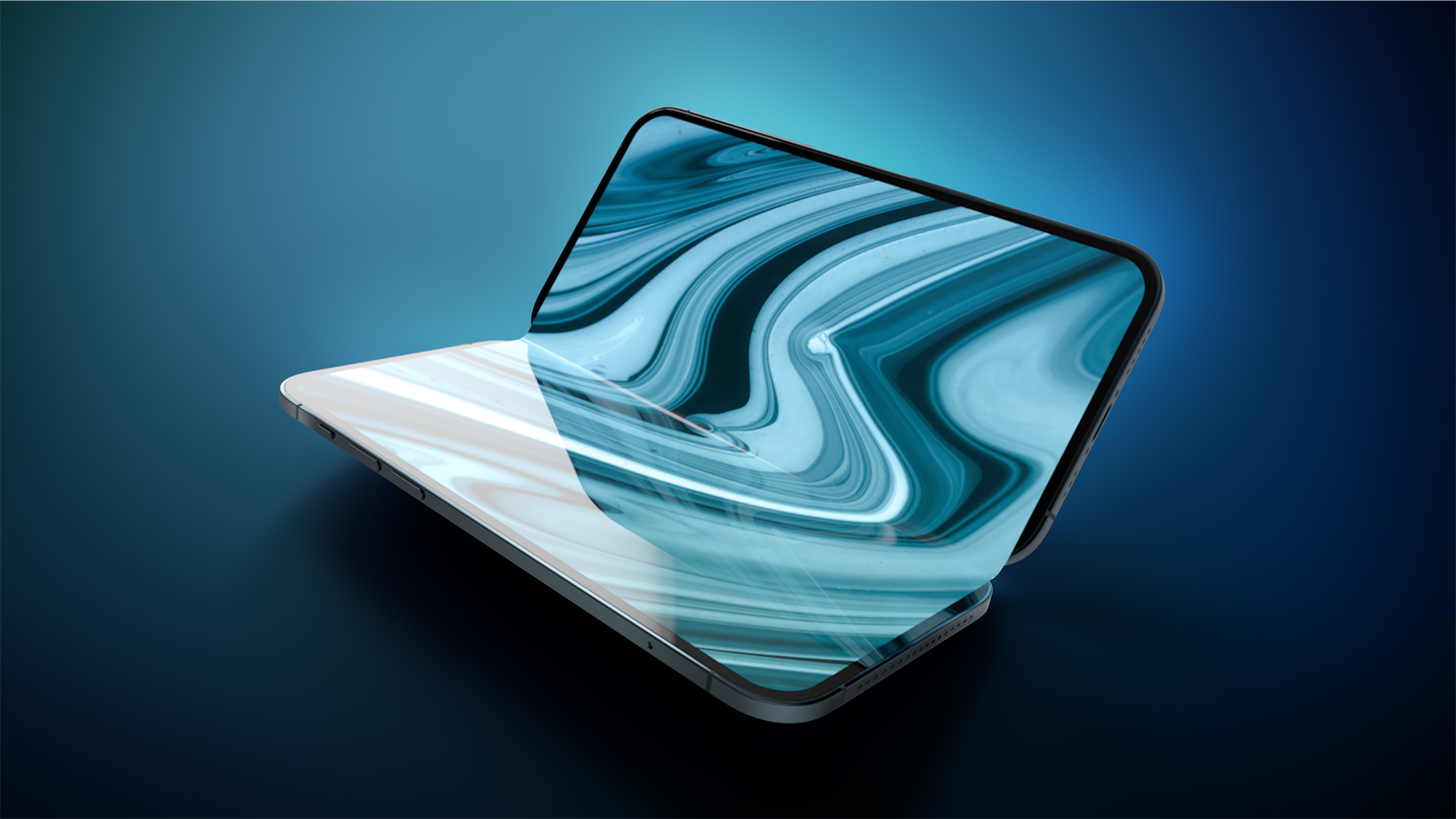
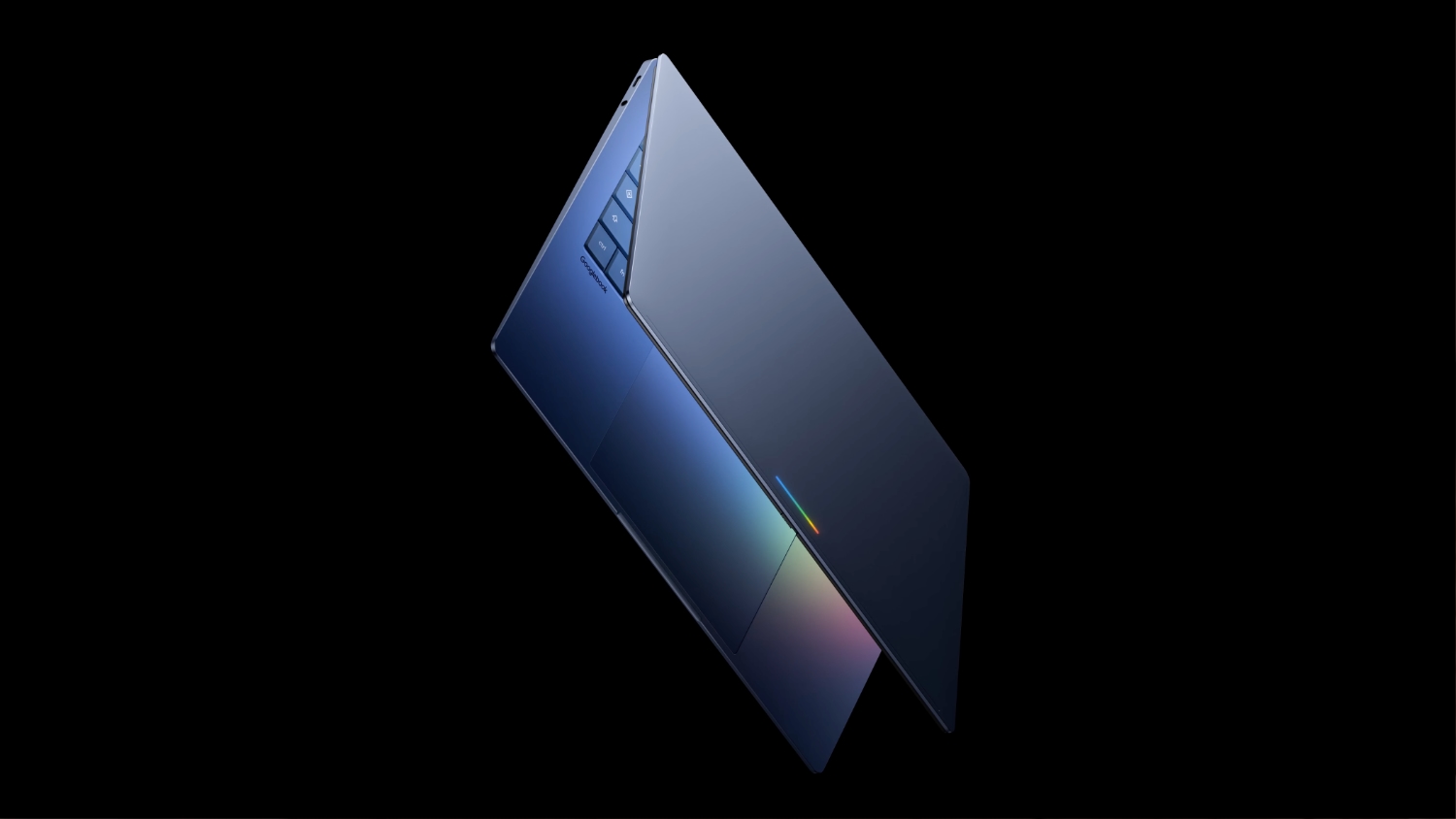

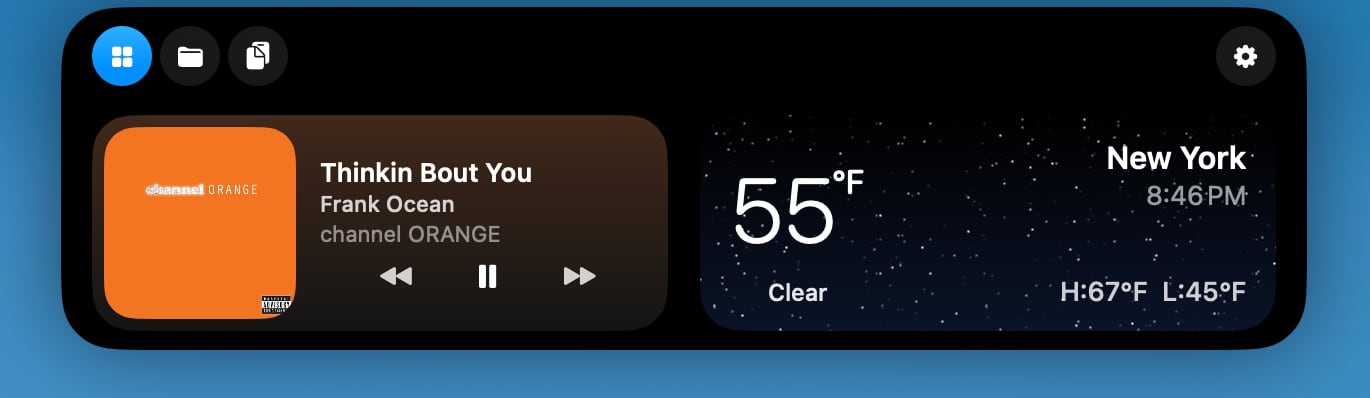
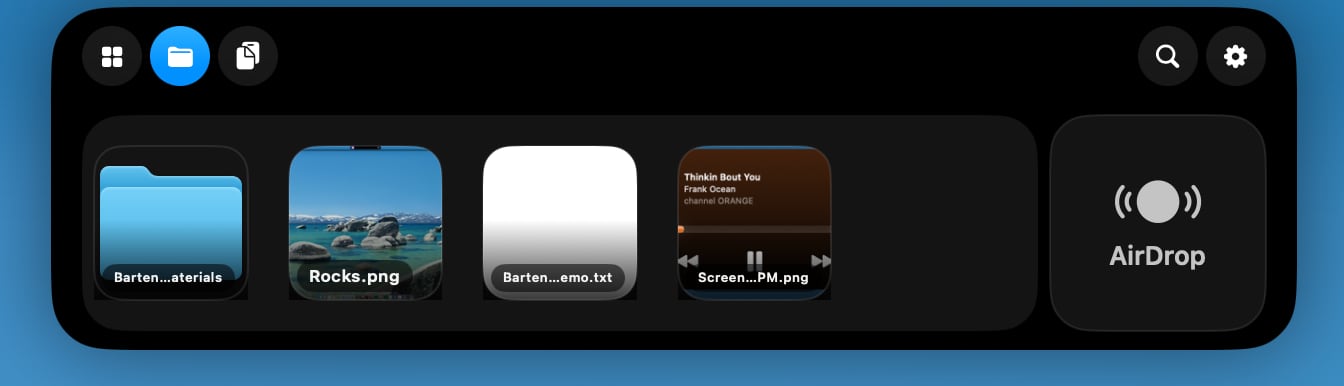

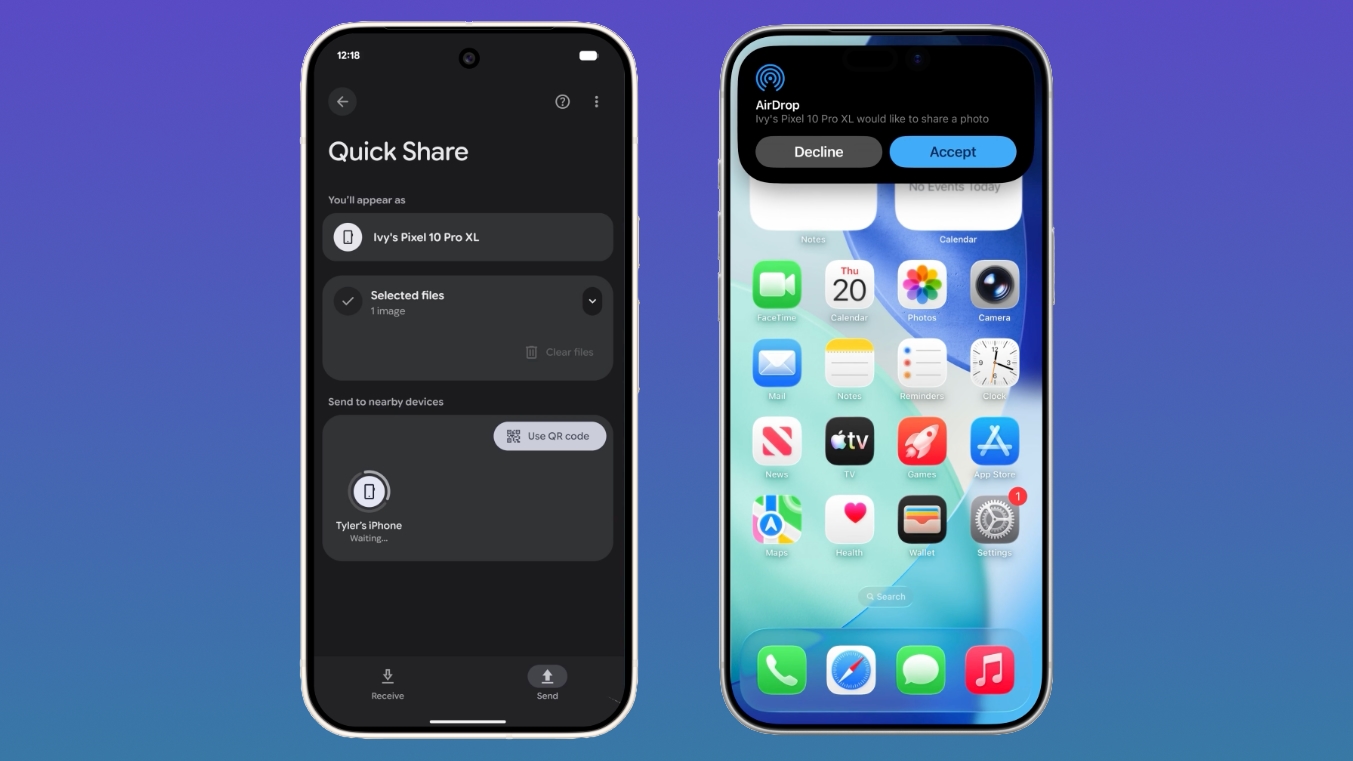
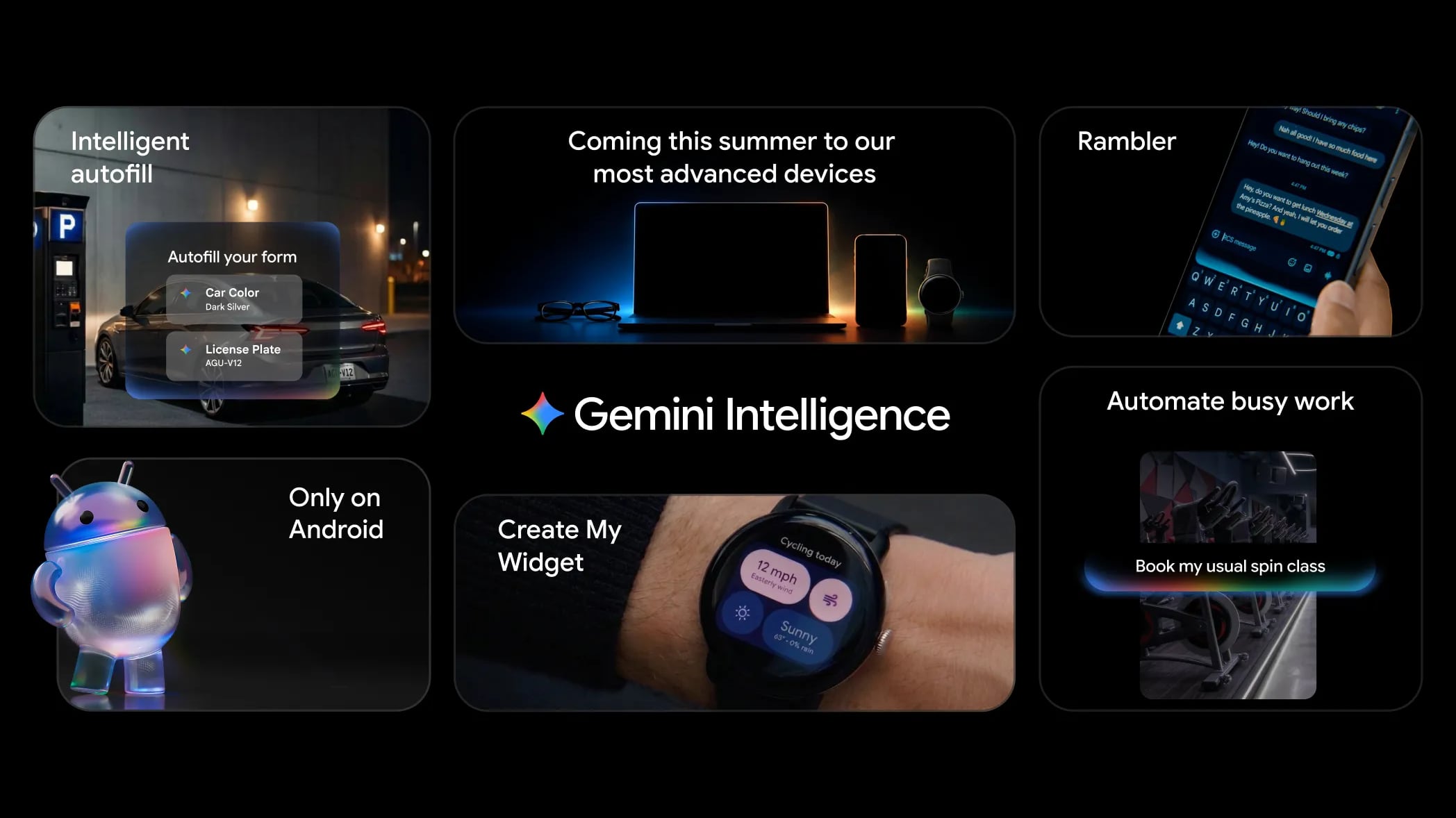
 Note: MacRumors is an affiliate partner with Amazon. When you click a link and make a purchase, we may receive a small payment, which helps us keep the site running.
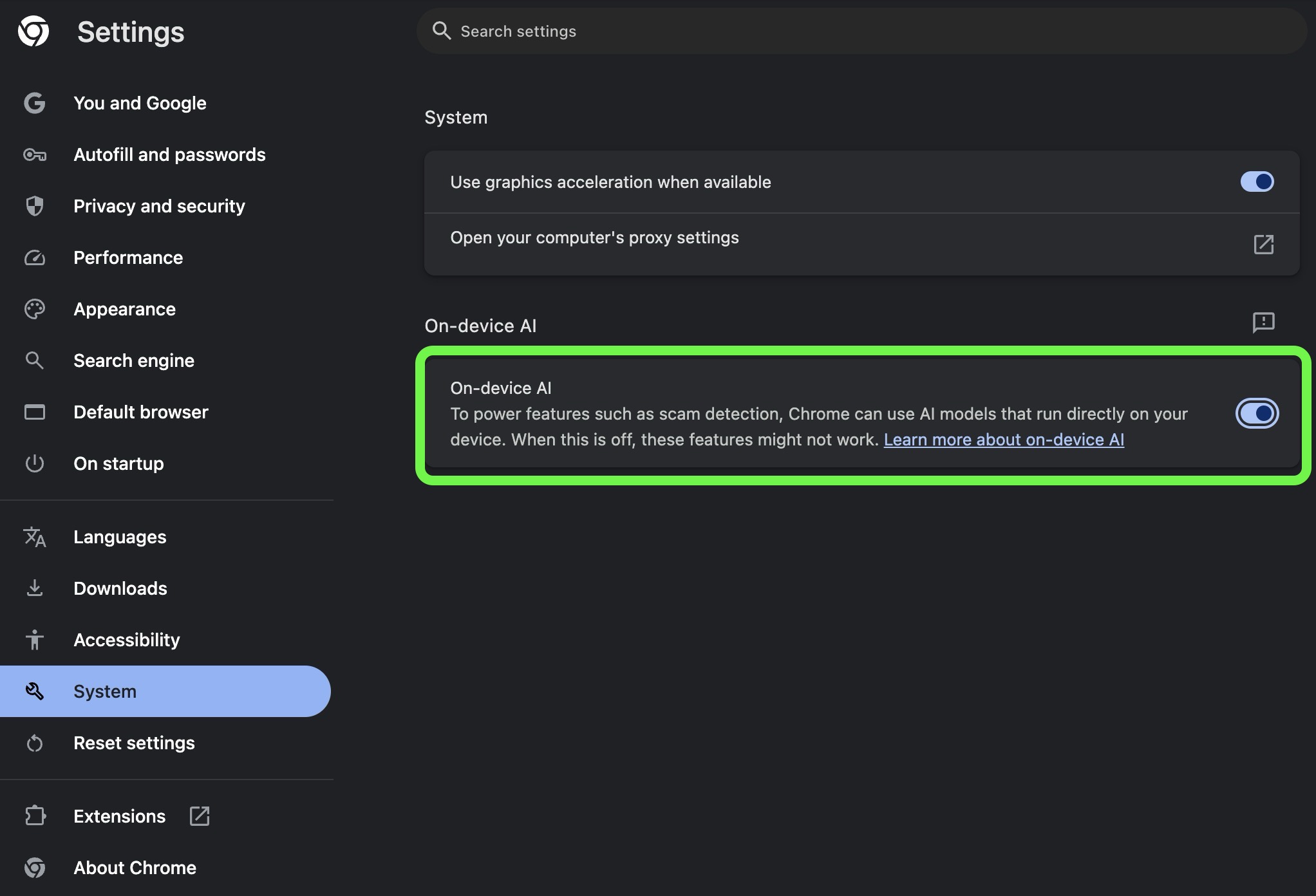
 Bluey is coming to Crossy Road Castle
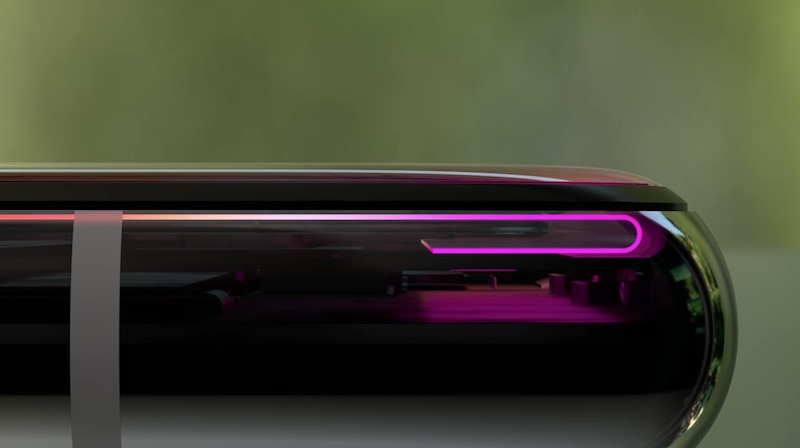
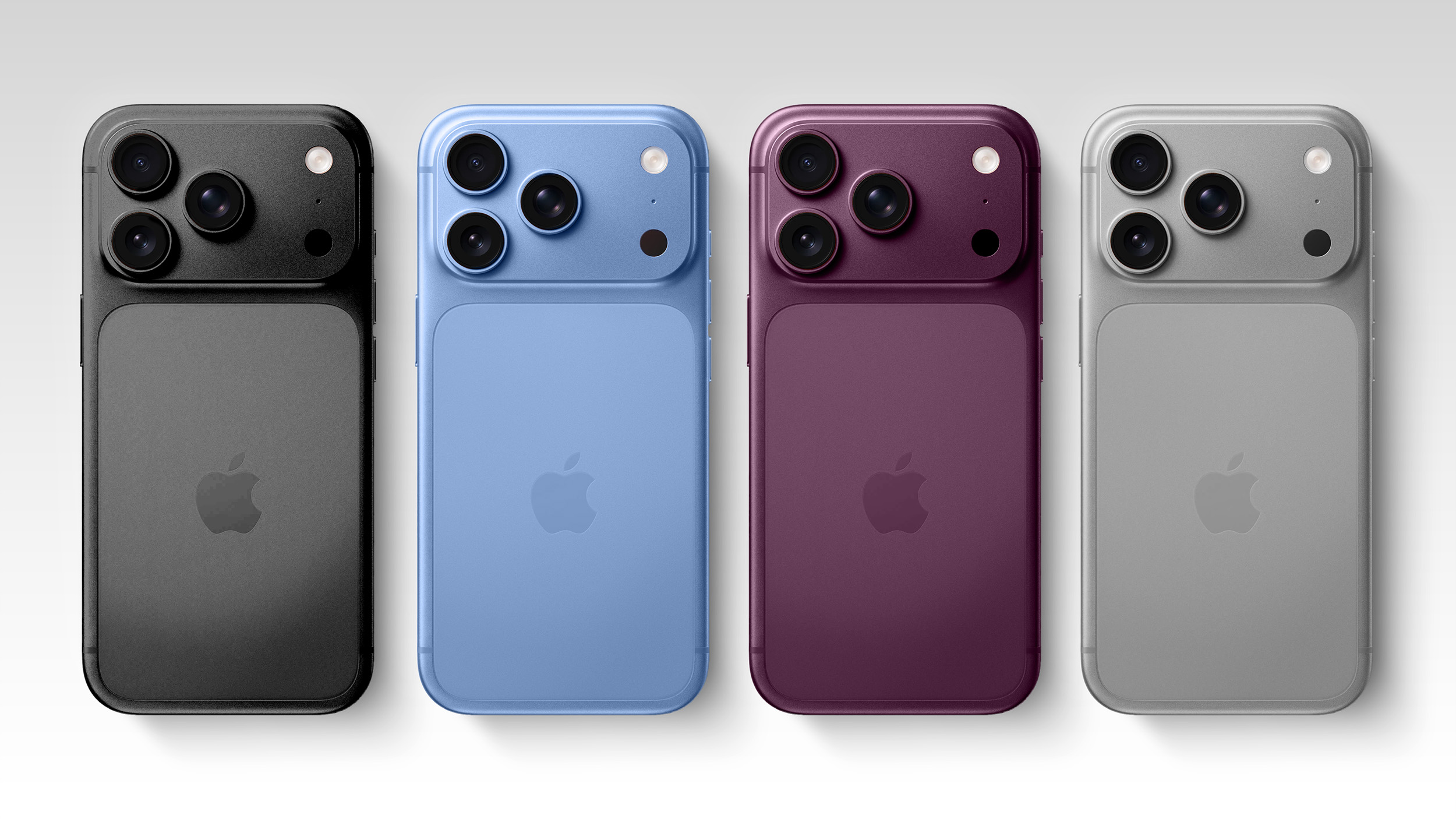
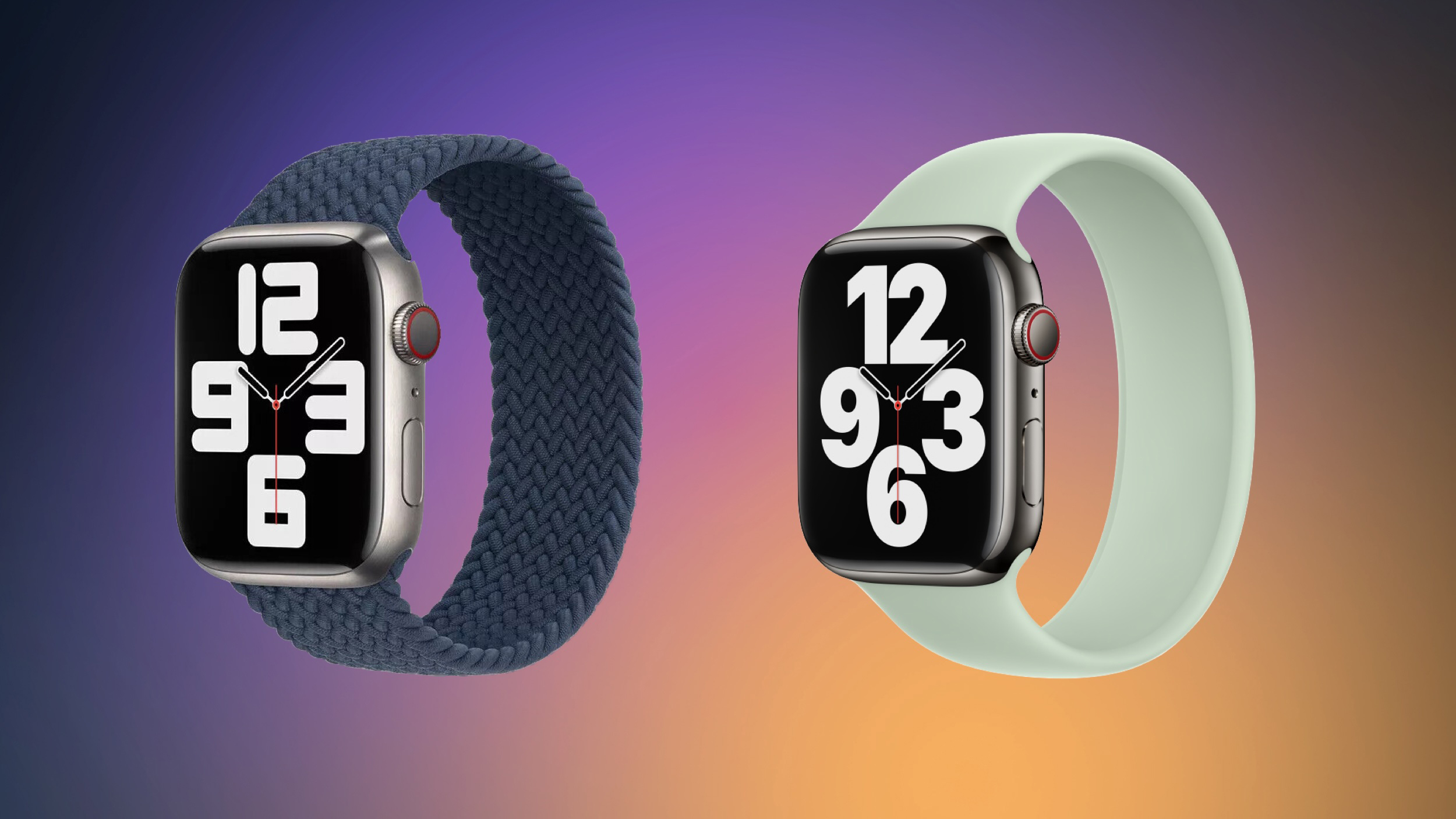 Note: MacRumors is an affiliate partner with Woot. When you click a link and make a purchase, we may receive a small payment, which helps us keep the site running.
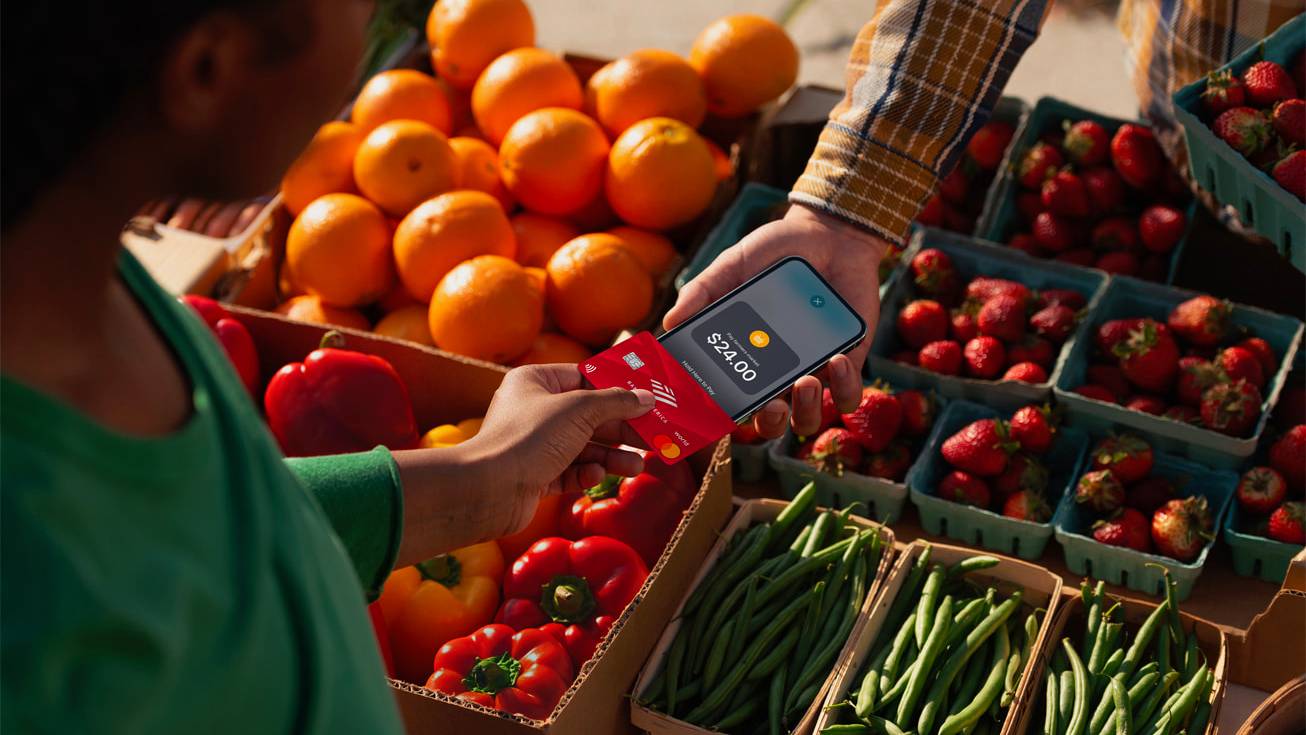
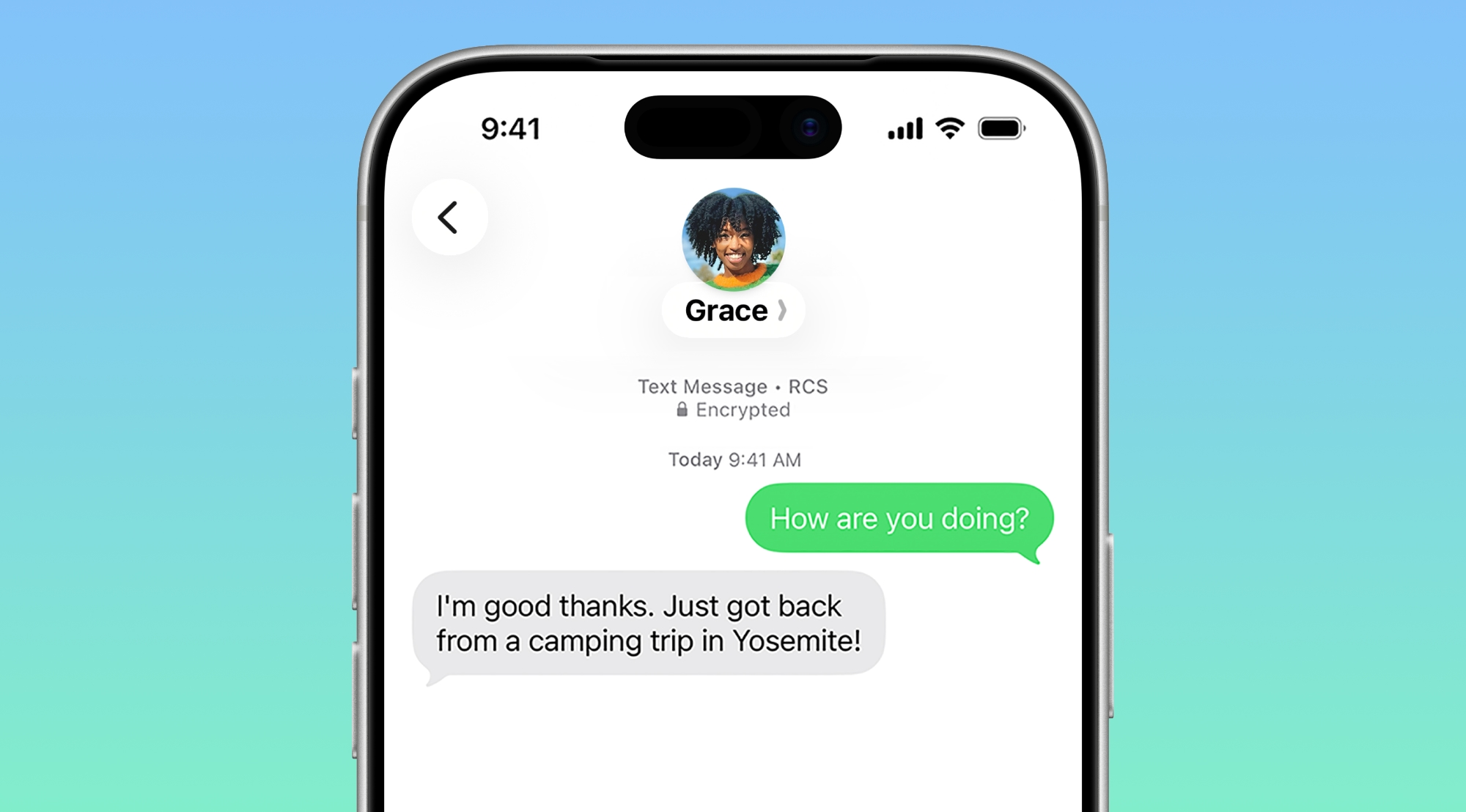
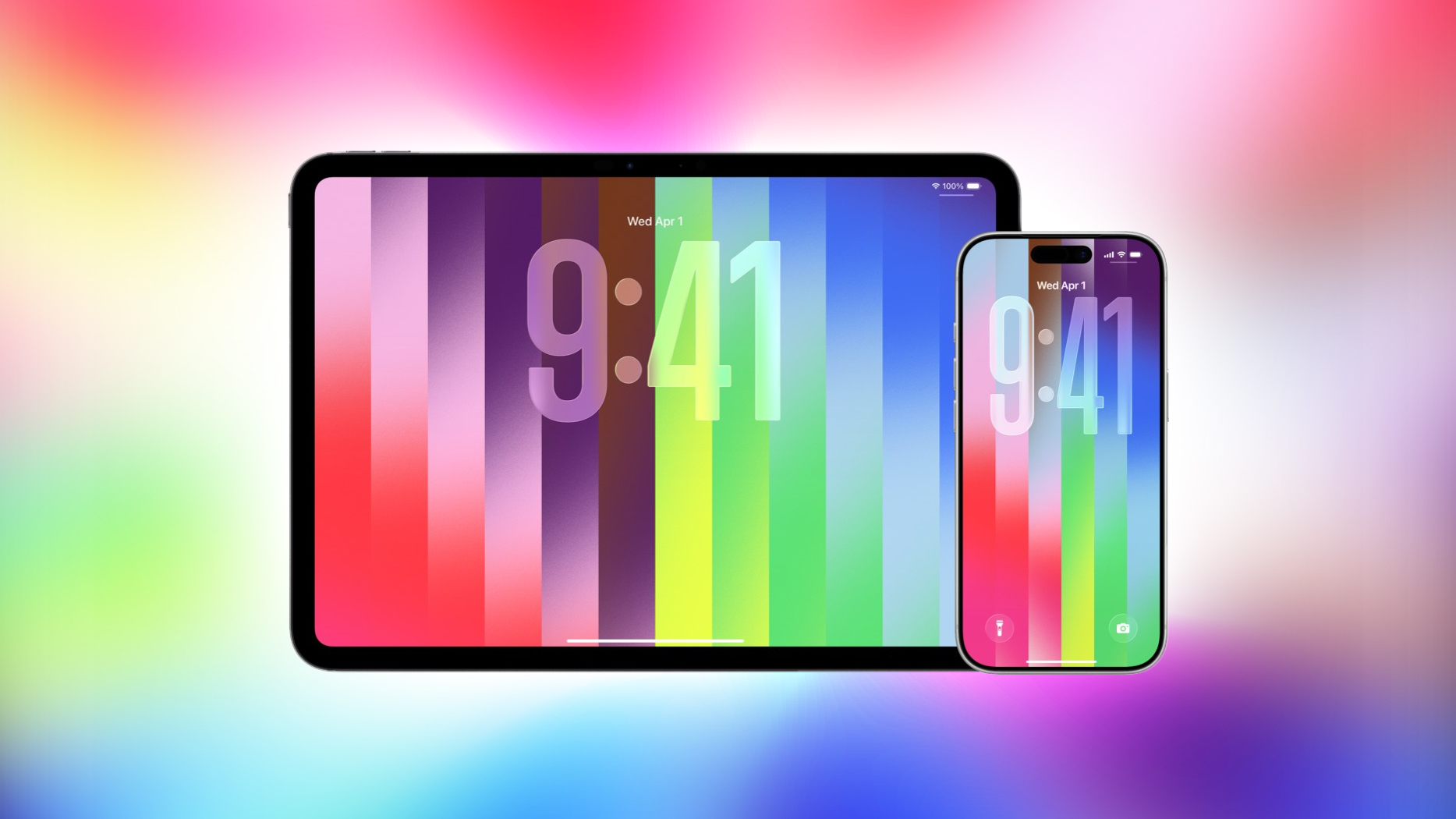



 Note: MacRumors is an affiliate partner with Amazon. When you click a link and make a purchase, we may receive a small payment, which helps us keep the site running.




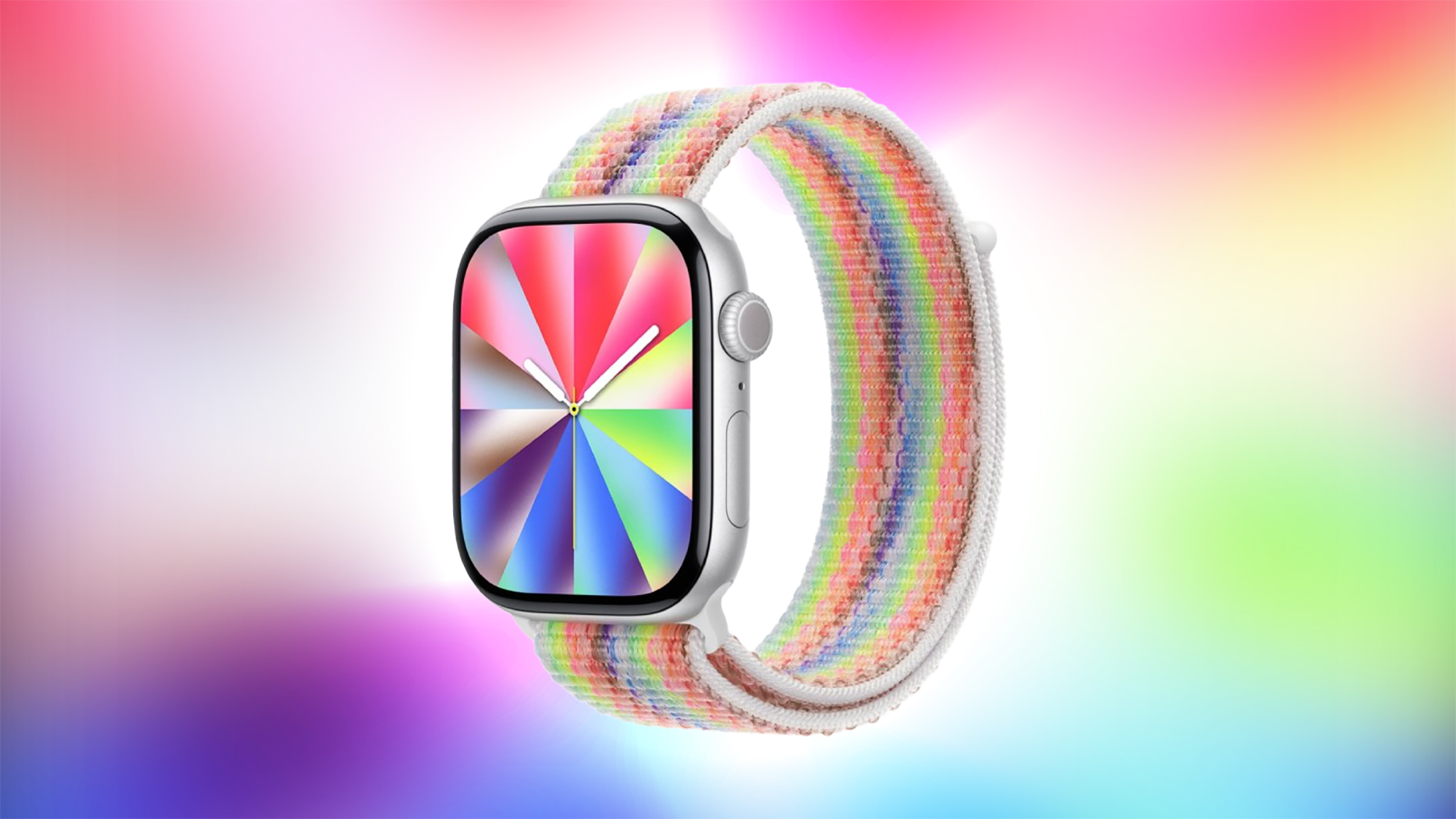
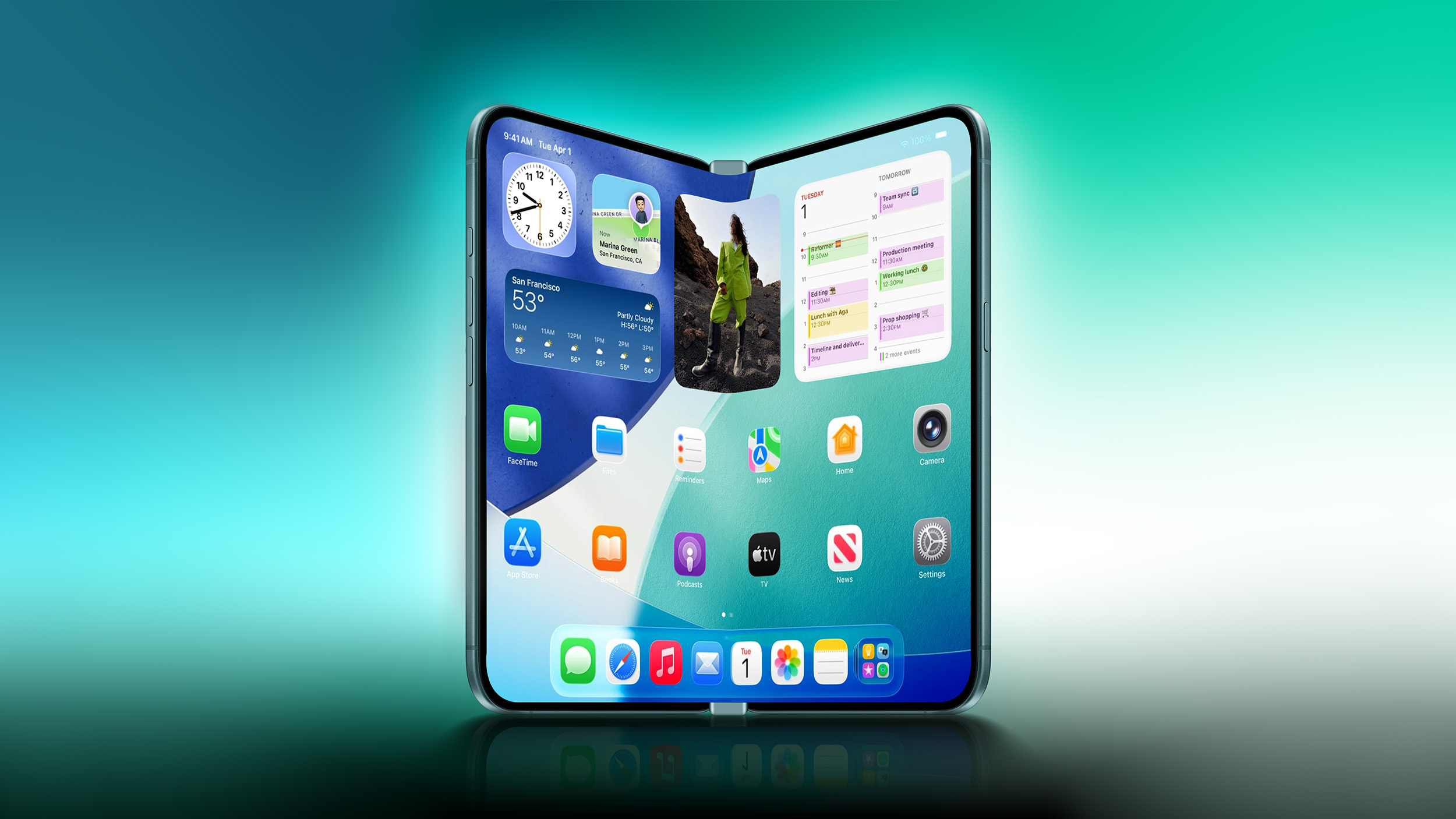
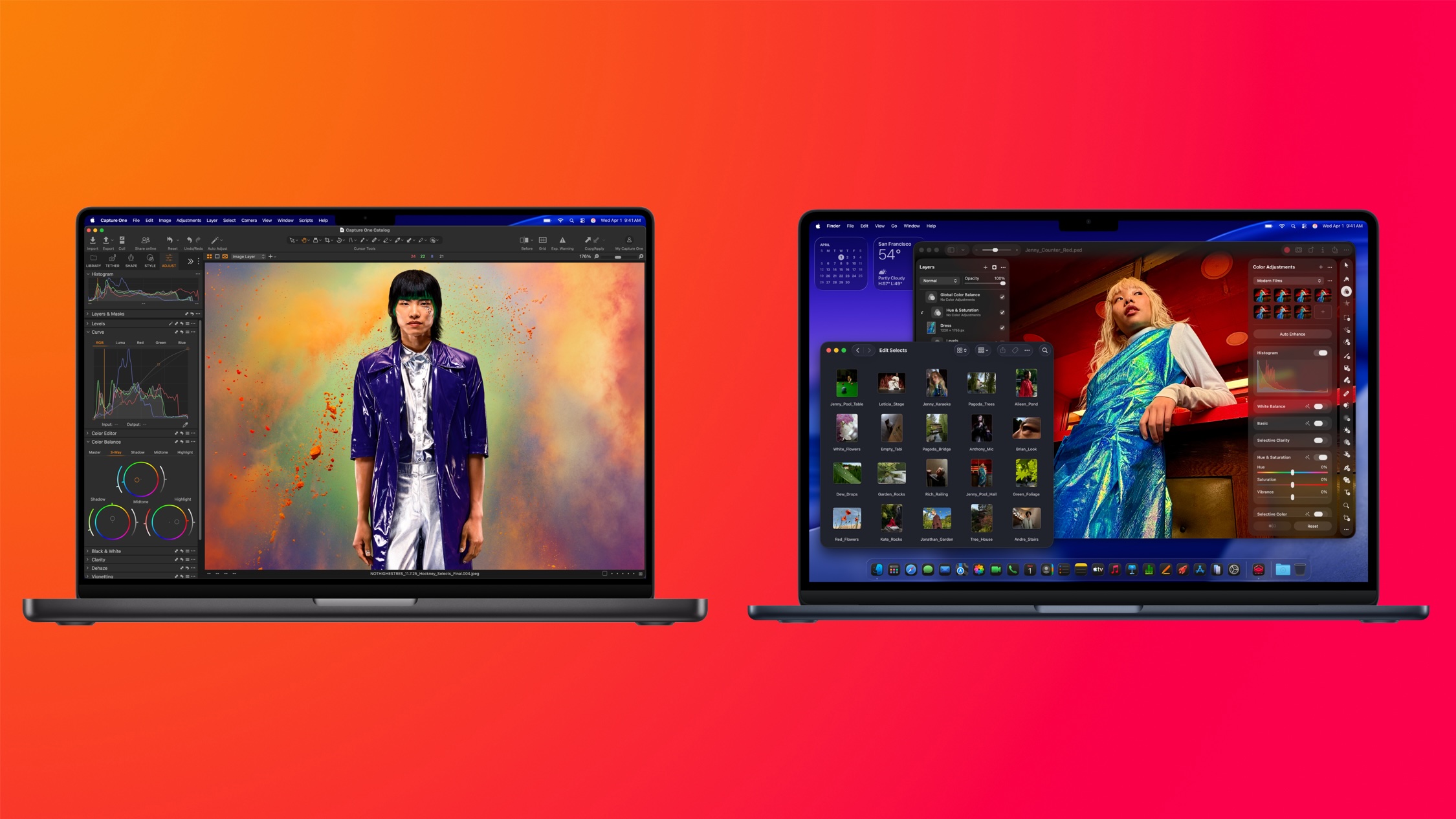 Note: MacRumors is an affiliate partner with B&H Photo. When you click a link and make a purchase, we may receive a small payment, which helps us keep the site running.