Making Python faster
The Python core developers, and Victor Stinner in particular, have been focusing on improving t [...]
The Python core developers, and Victor Stinner in particular, have been focusing on improving t [...]
Planet Igalia
Planet Igalia
Planet Igalia
I'm often asked about the performance differences between Java, C, and C++, and which is better. As with most things in life there is no b...
Planet Igalia WebKit

The WebAssembly Indirect Call Inliner. Contribute to fitzgen/winliner development by creating an account on GitHub.
This is the second part of our article series explaining how V8 parses JavaScript as fast as possible.
I'm often asked about the performance differences between Java, C, and C++, and which is better. As with most things in life there is no b...
This post was co-authored with Marco Castelluccio, and was originally posted to the Mozilla Hacks Blog. A browser is an incredibly complex piece of software. With such enormous complexity, the only way to maintain a rapid pace of development is through an extensive CI system that can give developers confidence that their changes won’t introduce bugs. Given the scale of our CI, we’re always looking for ways to reduce load while maintaining a high standard of product quality. We wondered if we could use machine learning to reach a higher degree of efficiency.

A browser is an enormously complex piece of software, and it's always in development. About a year ago, we asked ourselves: how could we do better? Our CI relied heavily ...
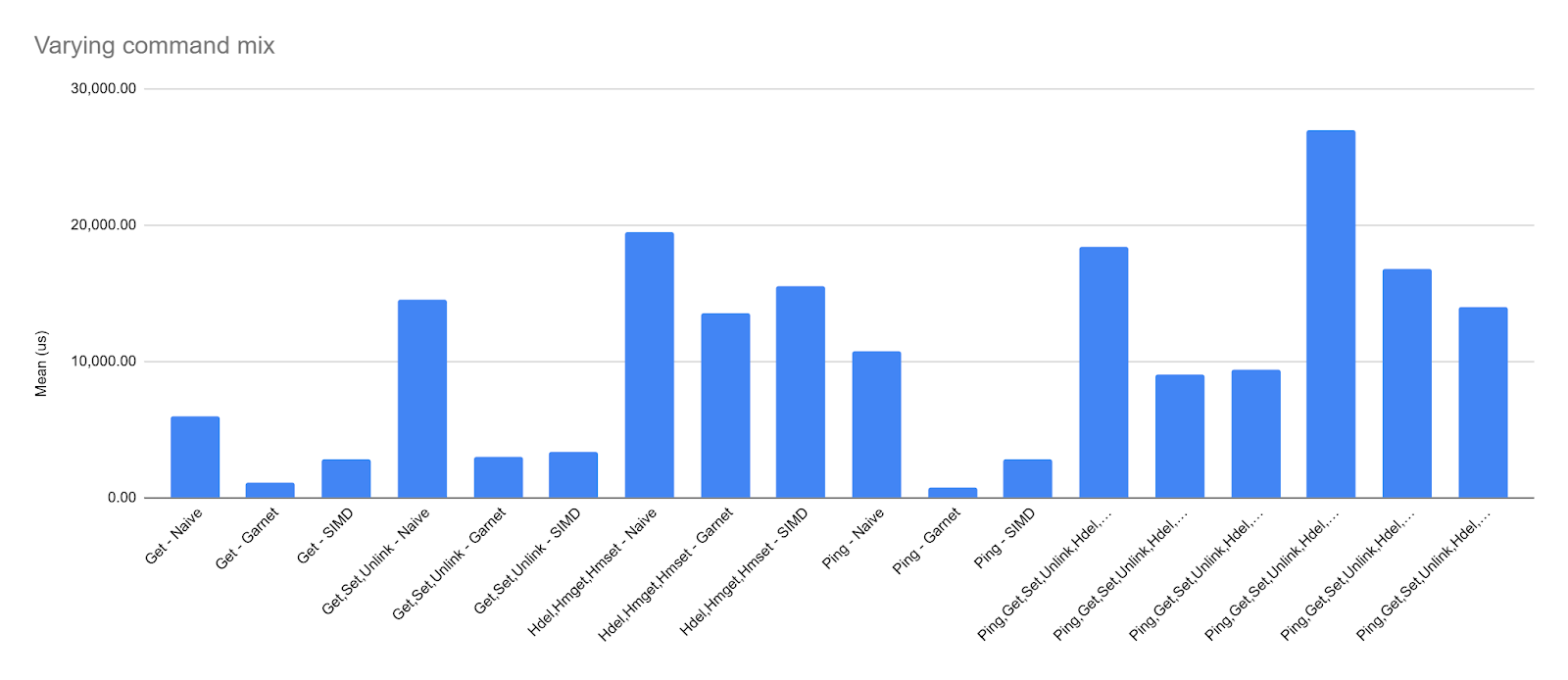
I’ve been messing around with Garnet at work a lot lately – a Redis compatible, highly scalable, mostly C# remote cache. This brought an old idea back to mind, and I decided to actually hash…
I like bits, bits are mighty. With bits you can do impressive things!

A follow-up to "Treat Agent Output Like Compiler Output" — addressing the responses, why determinism isn't the point, and what static analysis actually buys you.
This is the second in an indefinite series of posts about things that I think went well in the Sorbet project. The previous one covered our testing approach. Sorbet is fast. Numerous of our early users commented specifically on how fast it was, and how much they appreciated this speed. Our informal benchmarks on Stripe’s codebase clocked it as typechecking around 100,000 lines of code per second per core, making it one of the fastest production typecheckers we are aware of.

Well, that was unexpected. I recorded a couple of crappy videos in 5 minutes, posted them on a Twitter thread, and went viral with 8.8K likes at this point. I really could not have predicted that, given that I’ve been posting what-I-believe-is interesting content for years and… nothing, almost-zero interest. Now that things have cooled down, it’s time to stir the pot and elaborate on those thoughts a bit more rationally. To summarize, the Twitter thread shows two videos: one of an old computer running Windows NT 3.51 and one of a new computer running Windows 11. In each video, I opened and closed a command prompt, File Explorer, Notepad, and Paint. You can clearly see how apps on the old computer open up instantly whereas apps on the new computer show significant lag as they load. I questioned how computers are actually getting better when trivial things like this have regressed. And boom, the likes and reshares started coming in. Obviously some people had issues with my claims, but there seems to be an overwhelming majority of people that agree we have a problem. To open up, I’ll stand my ground: latency in modern computer interfaces, with modern OSes and modern applications, is terrible and getting worse. This applies to smartphones as well. At the same time, while UIs were much more responsible on computers of the past, those computers were also awful in many ways: new systems have changed our lives substantially. So, what gives?

.NET 6 Preview 1 is now available and is the start of the next major .NET release, focused on .NET unification and supporting new platforms.
Planet Igalia