Rewriting quic-go's test suite
Rewriting quic-go's test suite
Rewriting quic-go's test suite

In this tutorial, we explore how to use dockertest for integration tests.
Compare programming language syntax side-by-side. See how JavaScript, TypeScript, Python, Go, and Rust handle variables, types, functions, loops, and more.
HTTP mocking for Golang. Contribute to jarcoal/httpmock development by creating an account on GitHub.
Recently I found myself wondering how I was going to test my new GopherJS gRPC-Web bindings. Writing tests was something I had been waiting with until I had something working, mostly because I had no idea how I was going to meaningfully test GopherJS code that relies on interactions with JS and the reponses of a server. I have in the past made a small contribution to the GopherJS websocket repo, and found myself impressed with the extensive tests written for the repo.

A Modern Testing Framework for Go. Contribute to onsi/ginkgo development by creating an account on GitHub.
Gomega is the Ginkgo BDD-style testing framework's preferred matcher library.
Ginkgo is a testing framework for Go designed to help you write expressive tests.
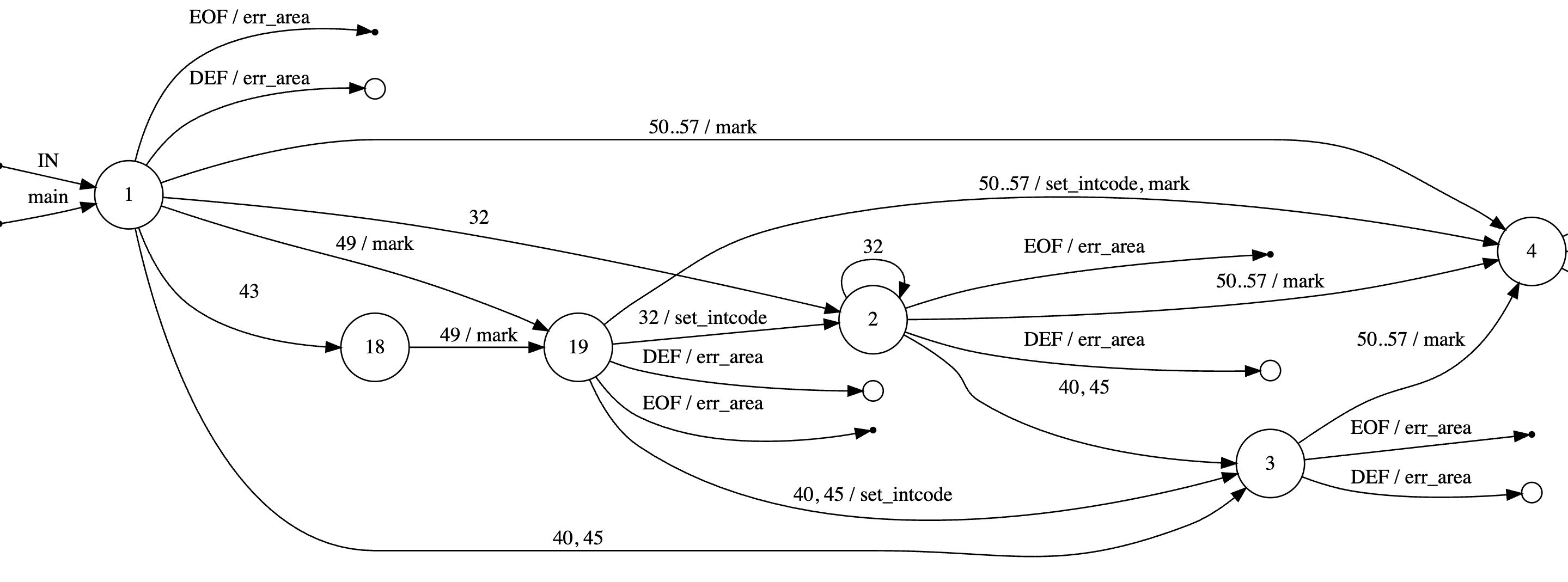
Really fast way to build really fast parser with Golang.

Introduction wfind is a simple web crawler for files and folders in web pages hyerarchies. The goal is basically the same of GNU find for file systems. At the same time it’s inspired by GNU wget, and it merges the find features applied to files and directories exposed as HTML web resources. In this blog we’ll go through the way I improved consistency in this crawler, by implementing retry logics and tuning network and transport in the HTTP client.

My co-worker Belinda Liu turned to me and said, “I don’t like these tests at all; they’re hard to follow, and I’m not sure what they’re testing.” I looked at the tests that I had spent much of yesterday afternoon working on. She was right: they were hard to follow (even for me, who had written some of them!). How had we gotten here? Our code was straightforward, but our tests were byzantine (excessively complicated). We identified two problems:
Introduction # Since I’ve started developing in Golang I didn’t really use the debugger. Instead I was naively adding fmt.Print statements everywhere to validate my code 🙈. While print statements and logs might be also your first debugging instinct, they often fall short when dealing with large and complex code base, with sophisticated runtime behaviour and (of course!) complex concurrency issues that seem impossible to reproduce. After starting working on more complex projects Like this one: https://github.
The Go programming language comes with tools for writing and running tests: the standard librar [...]

A couple days ago, my former colleague Sarah Mei trolled nerds everywhere, claiming programming is not math. In her post, she argues that the value …

Having seen the cool things it’s now possible to do using using Google BigQuery’s public data sets (notably this), I decided to take a look…