Memory safety
chromium.orgRecent publications by Consumer Reports and the NSA have launched countless conversations in development circles about safety and its benefits. In these conversations, I’ve seen many misunderstandings about what safety means in programming and how programming languages can implement, help or hinder safety. Let’s clarify a few things.

Google software engineers are looking into ways of eliminating memory management-related bugs from Chrome.


In February, Josh Aas from Internet Security Research Group, Daniel Stenberg from curl, and I (from hyper and Amazon Web Services) hosted a joint webinar to discuss memory safety and the internet, and how using hyper in curl can help make the internet safer. Because curl is open source and permissively licensed, it is found […]
Servo was supposed to be Firefox's future. Now it's an independent effort to make a fast and secure web browser engine.
Close the tap
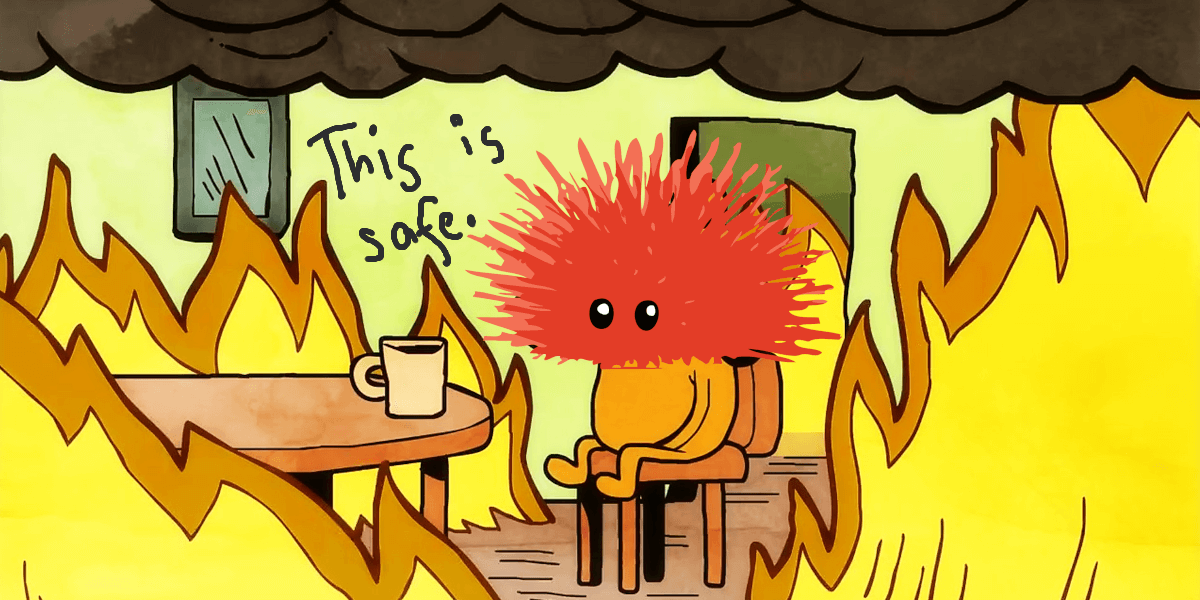
Lately I see people complaining about "the Rust community" to confuse memory safety with general safety and se…

How has programming changed in the 2010s? You'd roughly need a decade to talk about all of it, but let me pick out some of the highlights.
Two architectural approaches have emerged to tackle the trillion-dollar memory safety problem at the hardware level: CHERI (Capability Hardware Enhanced RISC Instructions) and OMA (Object Memory Architecture). Both aim to make memory-unsafe code safe by design, but they take fundamentally different paths to get there. This article looks at the design differences and their impact on commercial applications.
Will Rust still exist, and have proper support, 10, 20 or even 30 years from now? We’ve been asked this quest…
On 23 April, Borealis booted in orbit on DPhi Space's ClusterGate-2: a pure-OCaml CCSDS protocol stack with end-to-end-encrypted command and control and post-quantum key rotation. OxCaml is what comes next.
Buoyant Enterprise for Linkerd delivers modern, cloud-native network security and reliability to any organization. Built on open source and powered by Rust, the language of the future

Memory safety bugs continue to be a major source of security vulnerabilities in our critical infrastructure. The CHERI project has proposed extending conventional architectures with hardware-supported capabilities to enable fine-grained memory protection and scalable...
Buoyant Enterprise for Linkerd delivers modern, cloud-native network security and reliability to any organization. Built on open source and powered by Rust, the language of the future
Notes on moving tools and libraries to Rust. Contribute to googlefonts/oxidize development by creating an account on GitHub.
In this first part about memory safety in Rust we will understand the concept of memory safety and discuss various approaches used by programming languages to achieve it.