Neha's Writings
Neha Narula
The risk that cryptographically-relevant quantum computers materialize within the next few years is now high enough to be dispositive, unfortunately.
Neha Narula

Arm’s Platform Security Architecture (PSA) was released in 2017, but it was two years until the first beta release of the PSA Cryptography API in 2019, and another year until the 1.0 specification in 2020. Aimed at securing connected devices and originally targeting only Arm-based systems, PSA has evolved with the donation of the PSA Certified program to GlobalPlatform in 2025, allowing non-Arm devices, such as popular RISC-V microcontrollers (MCUs), to achieve certification.
A slightly delayed episode of the weakly link. This time, we have a bit of a special outlook on the future in security to do with Quantum and AI. There were a couple of links that really caught my eye and could make a compelling case for usage of the phrase “everchanging landscape…” - stop it Gerald - this is not AI generated! Let’s start with the big announcement: Anthropic announced how their latest Mythos model was so good at vulnerability research that they decided to keep it from the unwashed masses and just give access to select organisations and call it Project Glasswing.
Craig Gidney's computer science blog
Neha Narula
The quantum computer timelines are getting more worrying, so we need a post-quantum signature algorithm for the tlog ecosystem. ML-DSA seems to be the algorithm all the implementation, analysis, an...
In this permissioned data diary, we dive deep into the URI structure for permissioned data on atproto and use it to motivate a bunch of the larger design.

Recent developments have the cryptography world on alert, fearing a quantum computer capable of breaking public key cryptography is imminent. Unbeknownst to me, my blog is already protected.
Homepage for Addison Crump
Python, open source, and the internet
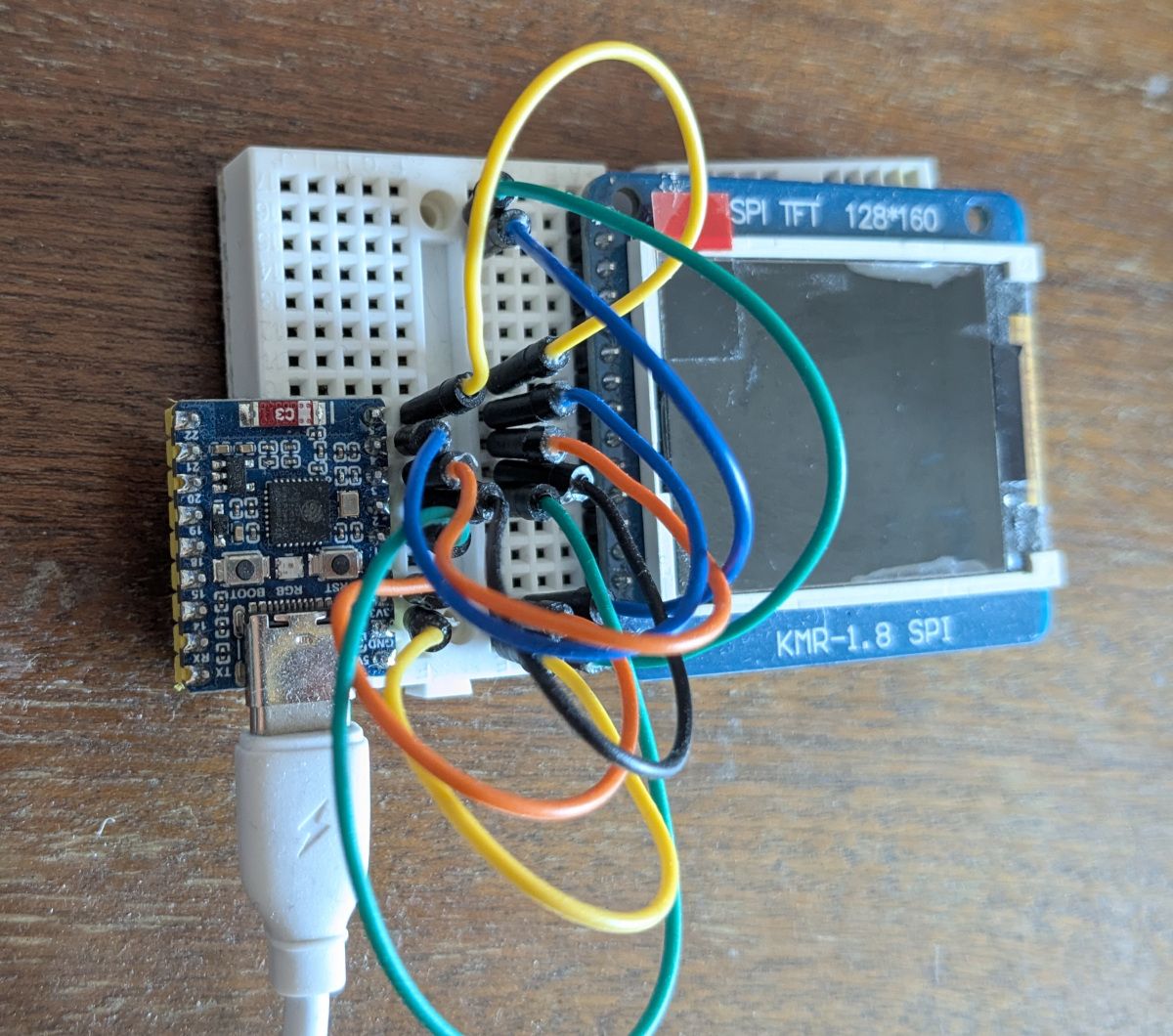
How to get the time after a cold start?