
My Productivity System for 2025 | Shing's Blog
Shing Lyu's blog
Autonomous coding agent right in your IDE, capable of creating/editing files, executing commands, using the browser, and more with your permission every step of the way. - cline/cline
Shing Lyu's blog

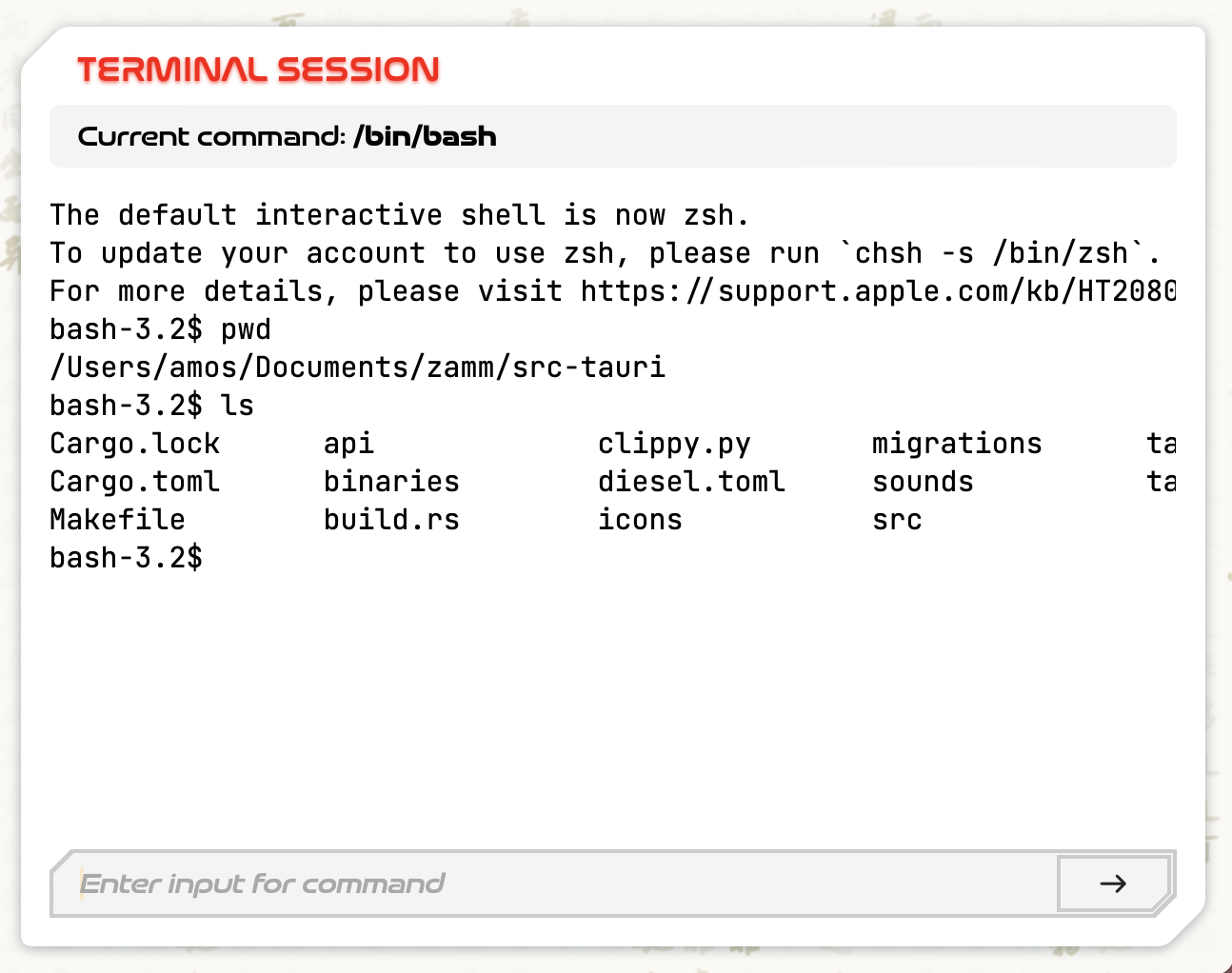
Thoughts on the future of ZAMM and AI.

I’m currently fine-tuning a large language model (LLM) on a proprietary codebase. The fine-tuning process itself has completed without technical issues, but the performance of the resulting model is very poor—its responses are largely irrelevant, even when asked questions that are directly taken from the training dataset. The objective of this fine-tuning effort is to enable the model to assist with tasks related to the private codebase, such as code generation, code explanation, and guidance o...

Notes about startups, AI, health-care and overall engineering

A non-comprehensive but still awesome list of AI development tools – IDEs, extensions, CLIs, and asynchronous coding agents

Curious about my workflow using AI? Let's dive into Claude Code, Roo Code & Cursor and discover how these tools supercharge my development process! 🚀

I tried out the Cline AI assistant yesterday, and then I went into a trance for five hours where I couldn’t do anything but stare transfixed at Cline fixing bugs for me. As a professional developer, it was both enchanting and terrifying. It’s enchanting that AI has reached this level of proficiency. It’s terrifying for the same reason, as I’m not sure what role I’ll serve in a world where AI can write code better and faster than I can.

opencode’s edit tool doesn’t trust LLMs to give exact string matches.
I’ve been exploring how small, open-source language models can fit into a local development setup to improve how I work day-to-day. There’s something satisfying about building a lightweight, responsive system that runs entirely on your own machine. This post is a practical guide to using tiny models with just enough tooling to throttle things locally, and run smarter without adding complexity. While the spotlight is on state-of-the-art frontier models, I am interested in exploring the capabilities of open-source models that I can run on my Macbook M2 Pro (10-core CPU, 16GB RAM). Working with open-source models locally is interesting and exciting for a few reasons:
I'm not babysitting my watch history anymore and I'm my own food delivery service again.
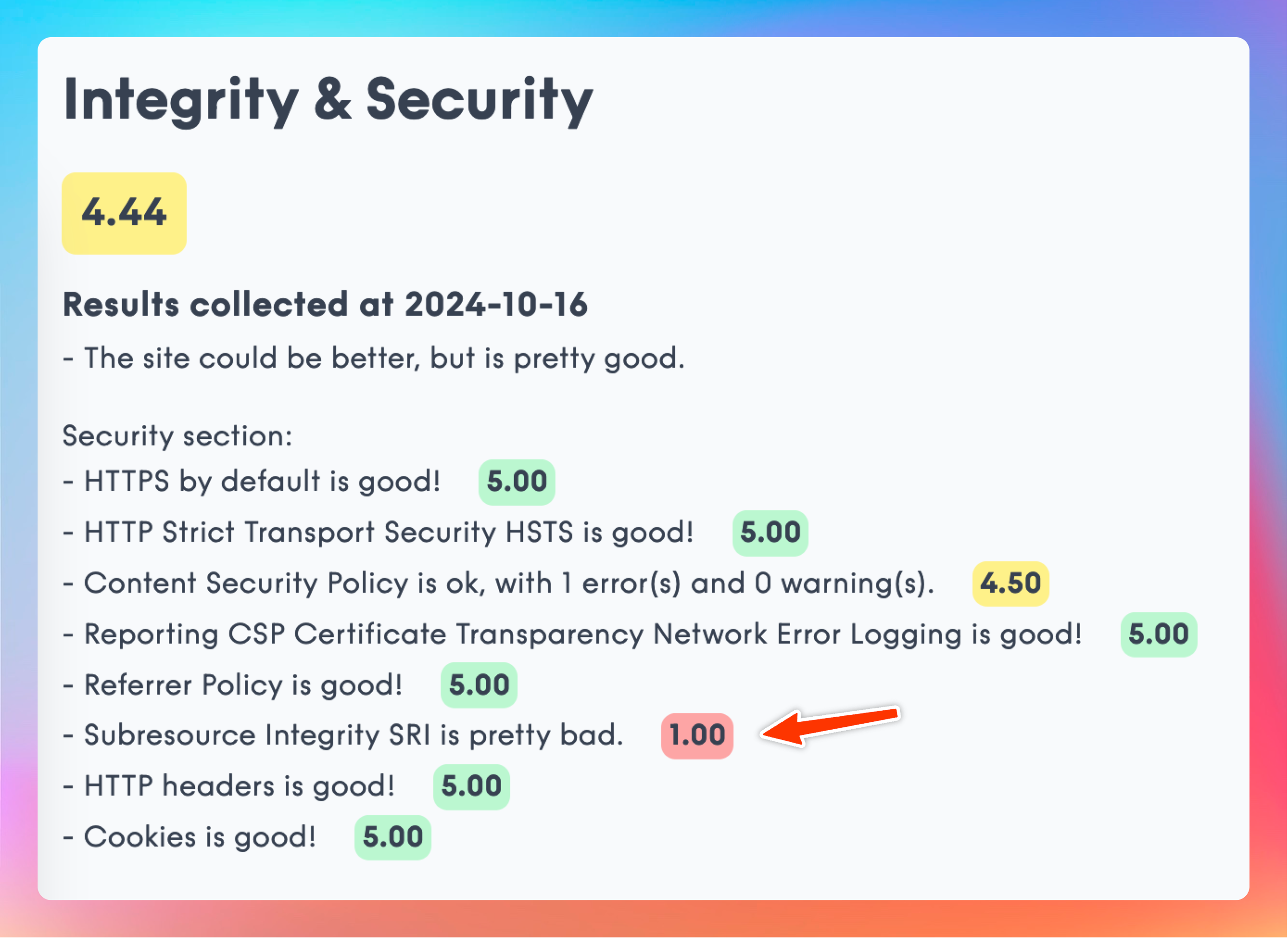
Hacking together some CSP headers for SRI as quickly as possible.
Single purpose devices and eInk all the way.
Building Walk Your Calories with AI - A post by Hido
Over the past 6 months, I've watched the DevOps AI landscape explode from a handful of experimental tools to an overwhelming ecosystem of 500+ products, agents, and frameworks. Every week there's a...

Per-tool-call human approval in agentic AI is solved in theory, unsolved in practice. Confirmation fatigue is not a UX annoyance but a security vulnerability and the primary obstacle to effective …

Don’t want to miss my next post? Follow me on X or connect on LinkedIn Summary We all know AI reshaped how we build software. Autocomplete evolved into AI agents that can autonomously act on behalf of the user. As vendors compete on “productivity” they add additional capabilities that significantly affect the security posture of their products. Around 6 months ago, I decided to dig into the world of AI IDEs and coding assistants because they were gaining popularity and it was clear they are here to stay. The first vulnerabilities I found were focused on narrow components - a vulnerable tool, writeable agent configuration or writeable MCP configuration that leads to anything from data exfiltration to remote code execution. Those issues are serious, but they only affect a single application at a time (and were publicly disclosed multiple times).
Hi friends and welcome to the last post for this year! Whenever someone asks me how to get started with reverse engineering, I always give the same advice: buy…
A week of rapid-fire AI releases changed the game. GPT-5 challenged Claude's dominance, Anthropic countered with 1M context windows, and Claude 4.5 followed. Here's what this means for developers.

How I leveraged AI tools like Cline to enhance the UI/UX of a website and streamline backend tasks. From redesigning pages and translating content to navigating the benefits and challenges of AI-assisted development, this blog post highlights the potential of using large language models to boost productivity while sharing key lessons learned.
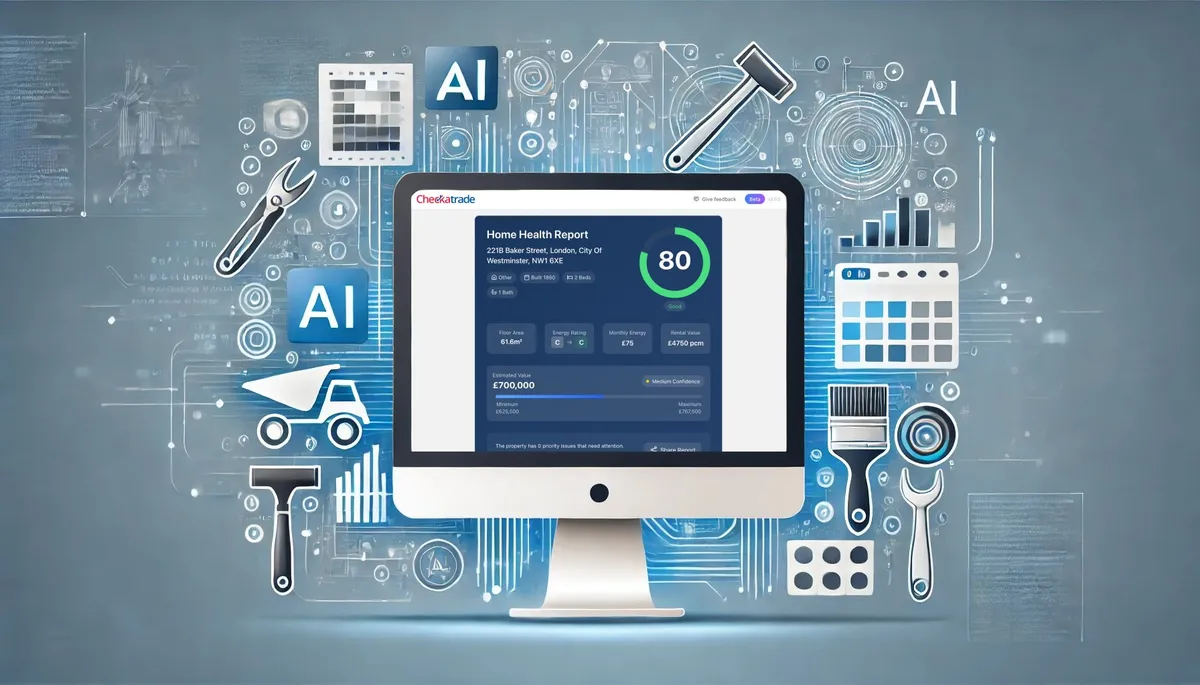
The story of building Home Health, a web app where homeowners upload photos and get AI-powered home improvement suggestions. From ChatGPT experiment to production app.
Cline is quite a popular AI coding agent, according to the product website it has 2+ million downloads and over 47k stars on GitHub. Unfortunately, Cline is …
I get asked this a lot. The short answer: use a terminal agent over an IDE-based one.

An assessment after evaluating the landscape

MCP is moving to the Linux Foundation. Here's how that will affect developers.
Learn how to use Roo Code, the autonomous AI coding agent that helps you code faster and smarter in VS Code. Complete guides, tutorials, and documentation.
Two-time founder with a background in tech and finance. Built a VC-backed enterprise billing platform and Agentbase, an agent development and orchestration platform.

After Claude Pro changed to weekly limits, I explored self-hosting Qwen3-Coder-480B with 400k context windows. Here's what I learned about costs, alternatives, and why Claude Code still dominates the landscape.

Clinejection — Compromising Cline's Production Releases just by Prompting an Issue Triager - Security research by adnanthekhan

AI is not magic - it's a pattern-matching tool. Understanding how LLMs work explains why your experience sucked and reveals when coding agents actually shine.

The Cursor pricing change signals the end of VC-subsidized AI tools. Here are three contingency plans to prepare for higher costs.