
AI, Ubuntu, and how open-source responds to a shifting future - The Roll Out
Ubuntu’s AI plans could test whether open-source can embrace AI without sacrificing user choice, ethics, privacy, and community trust.
As 2026 progresses, LLM-based tools are becoming more and more ubiquitous. Adoption across the tech industry has been mixed, both in terms of which projects are embracing “AI” technologies, and in how companies are structuring their adoption. As a result, I’m frequently asked about what Canonical and Ubuntu will do (or not) to incorporate AI. In this post I’ll detail how AI will play a part in both Canonical and Ubuntu’s future, my framework for classifying AI features in the OS, and how Canoni...
Ubuntu’s AI plans could test whether open-source can embrace AI without sacrificing user choice, ethics, privacy, and community trust.
Discover Canonical’s official vision for AI in Ubuntu. Learn how local inference, implicit enhancements, and agentic features will make Ubuntu more powerful while staying true to open source values, privacy, and security.
Computers now have a new type of user: AI agents. This article outlines the features mainstream Linux distributions would need to call it an \"Agentic OS\".
Now that Ubuntu 26.04 LTS has shipped, Canonical is opening up on their next major focus for Ubuntu development: lots of AI features.
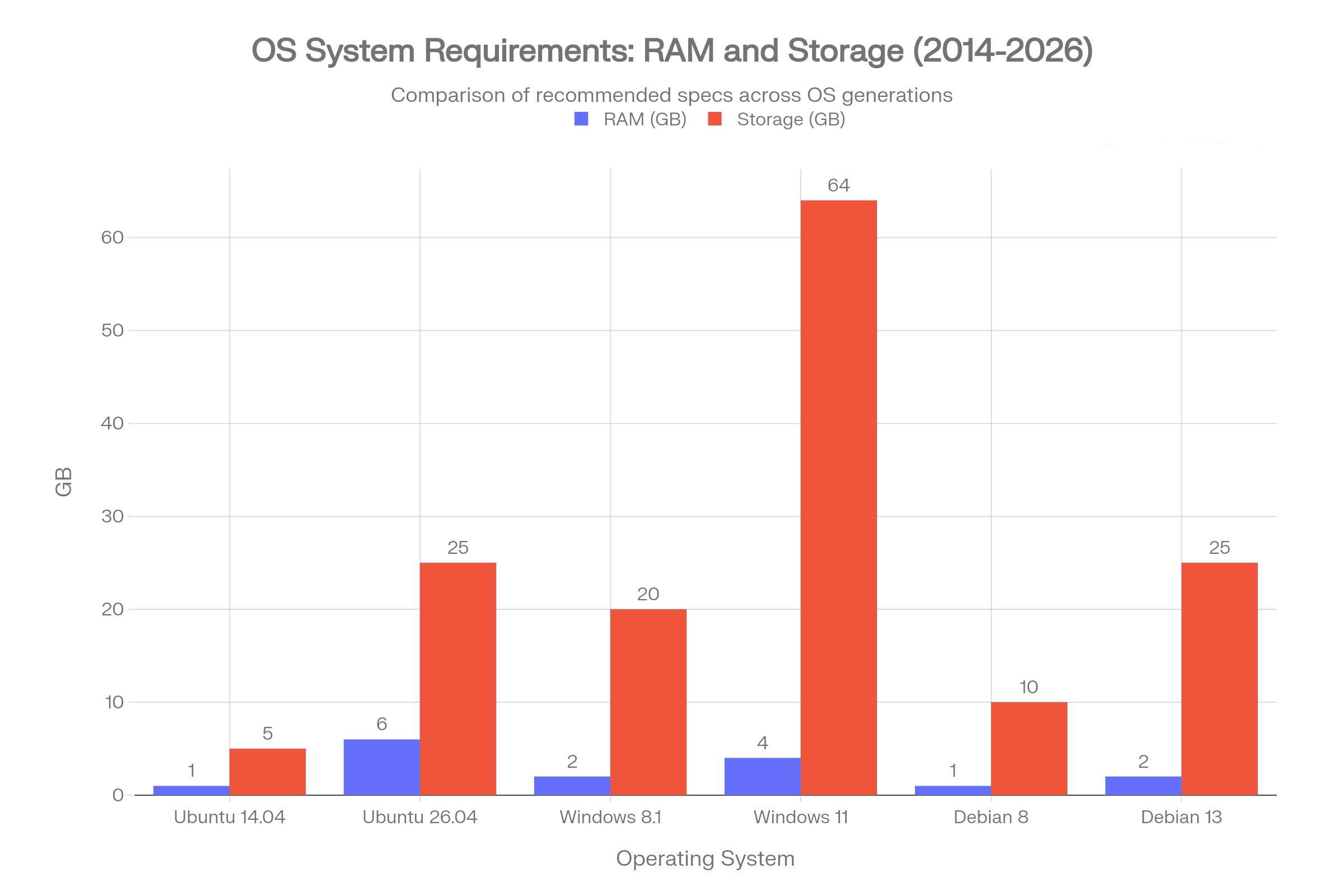
On the 27th December 2015 I ditched Windows for Linux - Ubuntu 14.04 LTS (“Trusty Tahr”). I acted on impulse. I wrote a short post at the time to mark the occasion - Smashing Windows. The release of each new LTS is a natural opportunity to take stock and consider whether Ubuntu is still for me. It’s been a great introduction to Linux. I have learned a lot. Certainly not an expert, but my knowledge and understanding has grown over time.
In a recent forum post about Canonical’s plans for Ubuntu, technical lead Jon Seager has drawn a useful distinction ...

Ubuntu has outlined its AI strategy, describing it as a deliberate departure from industry trends towards cloud-centric, AI-first operating systems. Instead, the company says, Ubuntu will focus future releases on local intelligence, modular design, and strict user control.

We dig into the Copy Fail vulnerability and test a proof-of-concept against our own box. Plus, Jon Seager, VP of Engineering at Canonical joins us, and we kick off the BSD Challenge!