GeistHaus
log in · sign up
40 pages link to this URL
Hypermedia On Whatever you'd Like

In this essay, Carson Gross explores the concept of 'The HOWL Stack' (Hypermedia On Whatever you'd Like) and argues that using a hypermedia-driven approach for web applications allows developers to choose their preferred server-side technology, freeing them from the pressure to use JavaScript throughout their entire stack while maintaining modern web functionality through HTML and hypermedia enhancements.

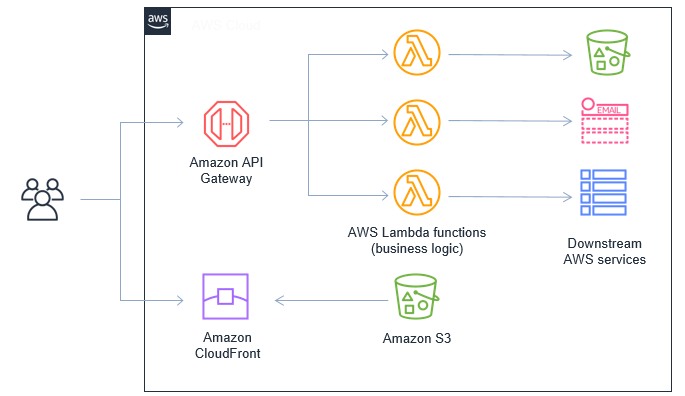
Replacing web server functionality with serverless services | Amazon Web Services

I show how traditional web-server applications compare with their serverless counterparts. I show how the infrastructure is managed for you in serverless, and how code for serverless developers in primarily focused on business logic.

1 inbound link article en Amazon API Gateway Amazon API GatewayAWS AmplifyAWS LambdaAWS Serverless Application ModelBest PracticesIntermediate (200)ServerlessTechnical How-toAuth0JavaScriptserverless
CSRF Demystified

Cross-Site Request Forgery has been all over the press recently since several major sites and web applications were plagued by exploits and uncovered vulnerabilities - including GMail, Google AdSense and many others. When talking to developers about CSRF there's mostly not that much knowledge and a lot of misconceptions and FUD. Sometimes the term CSRF hasn't even been heard of before. So, with this article, I will try to provide a basic explanation about the attack pattern itself, come up with several real word examples and finally summarize a list of things developers can do to protect their sites against CSRF attacks.

1 inbound link website en
Python Deployment Anti-Patterns

Deploying web applications is hard. No shiny continuous deployment talk and no DevOps coolness can change that. Or to use DevOps Borat’s words: “Is all fun and game until you are need of put it in production.“ There are some mistakes I see people doing again and again so I’d like to address them here.

1 inbound link article en
Bob on Medical Device Software

Elfeed Curate Update: Two new features

0 inbound links article en EmacsGeneralToolsClojureProgrammingAgileFDAMicrosoftMedical Devices elispemacselfeedrssre-frame re-frame-10xFPFunctional ProgramminglispAWSIEC 62304mddsNetflixVirtualboxPI DayICG
P for Postgres (NERP stack part 4)

Welcome to the fourth and final installment in my series (Part 1, Part 2, Part 3) delving into a new friendly (not MEAN), and perhaps even dazzling (but not a LAMP) development stack: NERP. Today...

0 inbound links article en
E for Express (NERP stack part 2)

Welcome to Part 2 of my series (Part 1) about a new, nicer-than-MEAN, brighter-than-LAMP development stack. Today we turn to the Pros and Cons of Express.

0 inbound links article en
The origin of venvstacks

Efficiency (a virtue) is the child of laziness and greed (both vices), while much of our economic activity is devoted to preventing boredom in the idle time created by increases in efficiency. To be human is to be a strange creature indeed :)

0 inbound links en CC ZERO 1.0
PG Phriday: Why Postgres is the Best Database Engine

Last Phriday we explored just where Postgres could end up in the future. One possible question which may have occurred to a reader was probably something along the lines of “That doesn’t even really sound like Postgres anymore. Why not just write another database?” Let’s just be outright about it: Postgres is the best RDBMS engine currently available. It’s certainly bold to claim that any database engine is “the best”, and as the saying goes, “Extraordinary claims require extraordinary evidence.

0 inbound links article en Database
My Career So Far
0 inbound links en Career AMQPBashblogbook reviewbugC++careerCeleryclusteringFirefoxformal languagesGitHTTPJirajournalsLaTeXleadershipLinuxmanagementmockNeovimprogrammingprojectPythonRabbitMQresearchRustsocketsssdeepterminaltestingTmuxVimwebsiteWeeChat CC BY 4.0
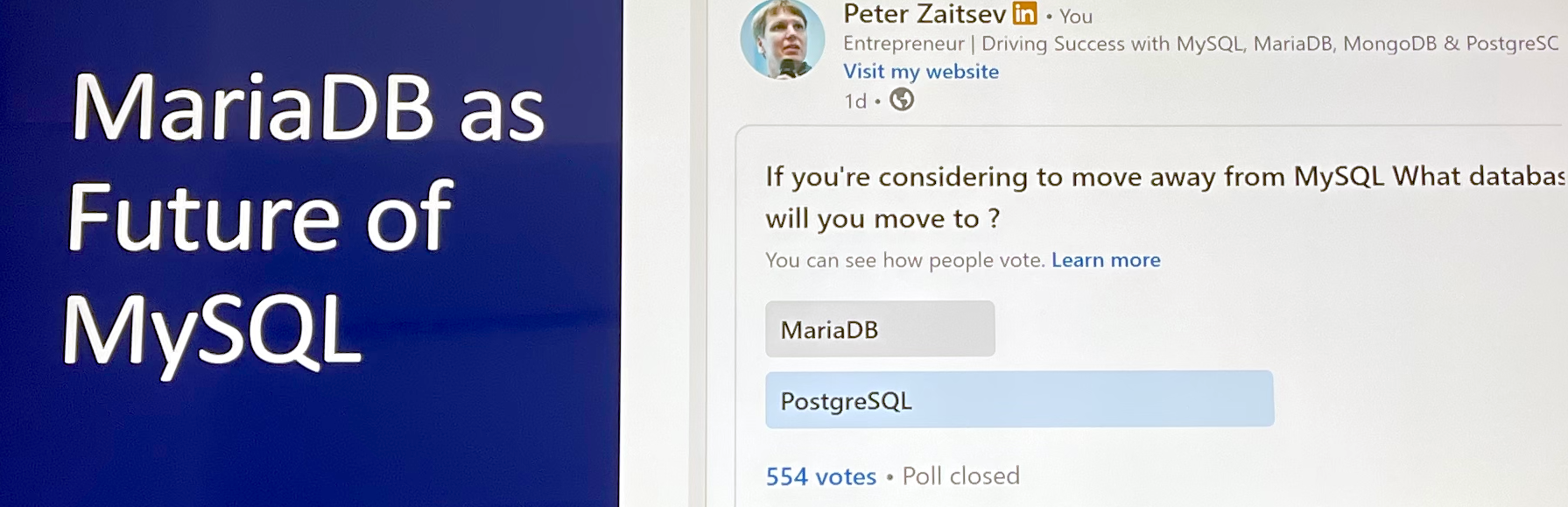
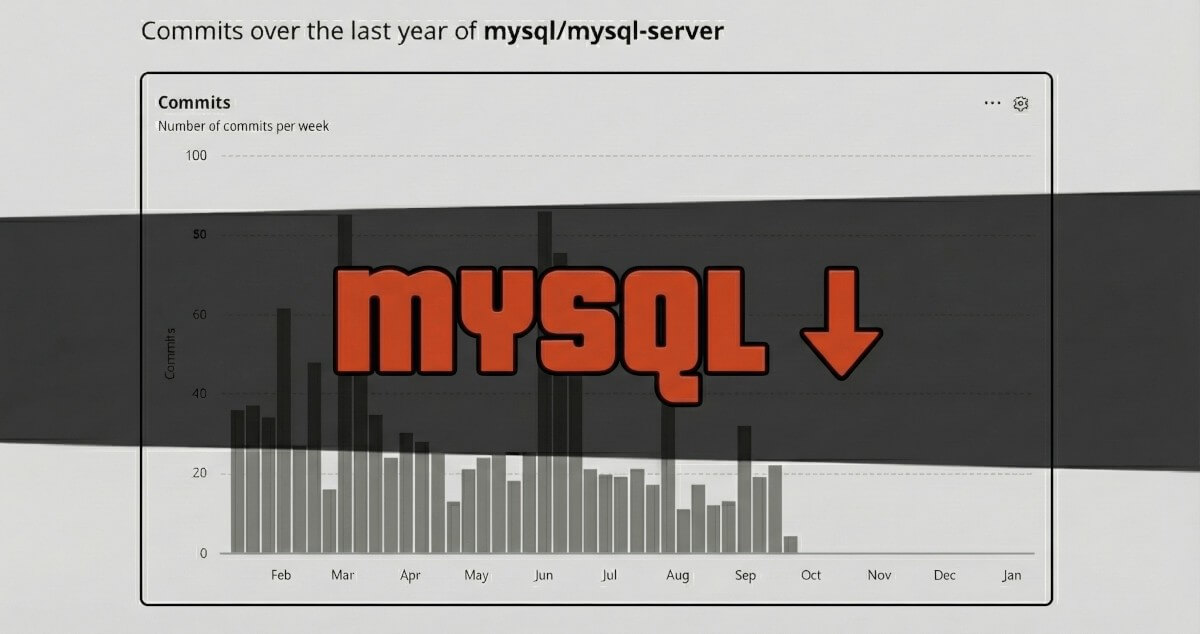
Is MySQL Due for a Renaissance?

Back at the turn of the century, open source was experiencing widespread adoption along with the growth of the Internet. The acronym LAMP was used a lot, meaning Linux, Apache, MySQL and PHP.\nThe first websites I built were on Solaris running the Netscape web server, but LAMP made building websites open to everyone. It didn’t cost anything in license fees, ran on commodity hardware and it was pretty good.\n

1 inbound link article en Post
Wrestling with Docker

For years I have been running a blog and other web apps on a VPS running Ubuntu 14.04 and Apache - a standard LAMP system. However, after experimenting with …

0 inbound links article en
Languages #26: MySQL • Yorick Phoenix

Part 25 is here When I learnt PHP to build my first dynamic web-site I needed a database to store the login credentials and users purchases in. This is when I learnt about the LAMP Stack, AKA: Linux, Apache, MySQL, PHP. 26. MySQL # I hosted on a... | Yorick Phoenix | Technology Entrepreneur, Tenacious Engineer

0 inbound links article en
Full Cycle Teams in a FDA regulated setting | Bob on Medical Device Software

#post_titleThe 200X hot topic was Agile development in a FDA regulated setting. Over a decade later this should (hopefully) be a settled issue. I can’t imagine anyone still doing water-fall these days. The new challenge for medical device companies is implementing Full Cycle Teams (FCTs), which is well described in Full Cycle Developers at Netflix

0 inbound links article en AgileFDAAWSIEC 62304mddsNetflix AWSIEC 62304mddsNetflix