We’re here to help build better government services, and to experiment and to try to do things differently. There’s a lot of things we won’t get right the first time, but we hope you’ll let us know when we go off track, and celebrate with us when things work out.
When trying to develop a site with a consistent look and feel it’s common to develop a style guide with patterns which can be reused across the site. This lets designers easily reuse standard patterns and lets developers know how …
I am a bad blogger. I write the start to so many posts and don’t finish, but as I was walking to work this morning, listening to a song called Storm by G!YBE a thought occurred. ‘Maybe, to be more...
Rethinking the GOV.UK policy format: what our users told usBen Welby
We're changing the policy format to better meet users' needs and get people to what they need faster. Two years ago when departments first moved onto GOV.UK we brought government policy into 1 place for the first time. We had high …
Publishing blog posts about the work you’re doing is a great way of making things open. In the early days, GDS was great at this. Working out loud and talking openly about even small changes was normal practice. It was just a thing that happened. Fast forward to 2018 and things are different. Blogs that were once active, now lie dormant – untouched for months.
0 inbound linksarticleenThinking2018GDSMake Things OpenAgile CommsDesign Principles
I’m a digital technology specialist with extensive experience in transforming complex legacy IT, coaching technology teams as they build new digital services and coaching executives on setting the conditions for success. I advise governments, public institutions and commercial organisations on building digital capability, setting vision/strategy and leading complex transformation programmes. I was a co-founder at the UK Government Digital Service and I’ve supported the creation of digital services units around the world, including the Nova Scotia Digital Service and the State of California Alpha team.
Why we use progressive enhancement to build GOV.UKRobin Whittleton
There seems to be a common belief among front-end developers that progressive enhancement is either old fashioned or has simply been replaced by single page applications. This is a problem of perception. We’d like to explain why we use progressive …
Point 8 of the Digital by Default Service Standard that we publish on GOV.UK says that source code for government services should be open and reusable, and our 10th design principle is "Make things open: it makes things better". We …
At the Ministry of Justice, we code in the open, by default. This means whenever we write software, we make our source code available to anyone and everyone. We are strong advocates of point 8 of the Digital by Default …
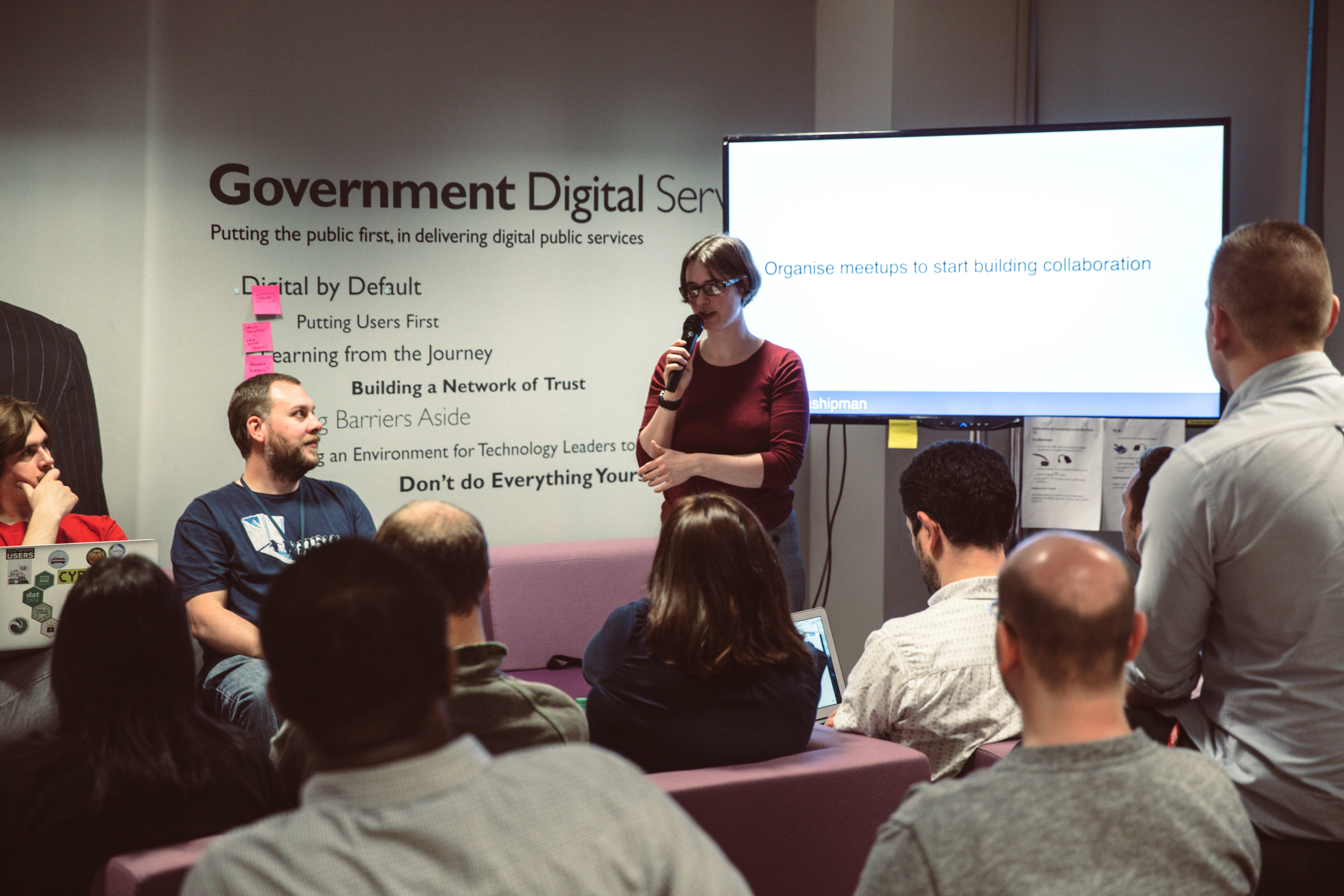
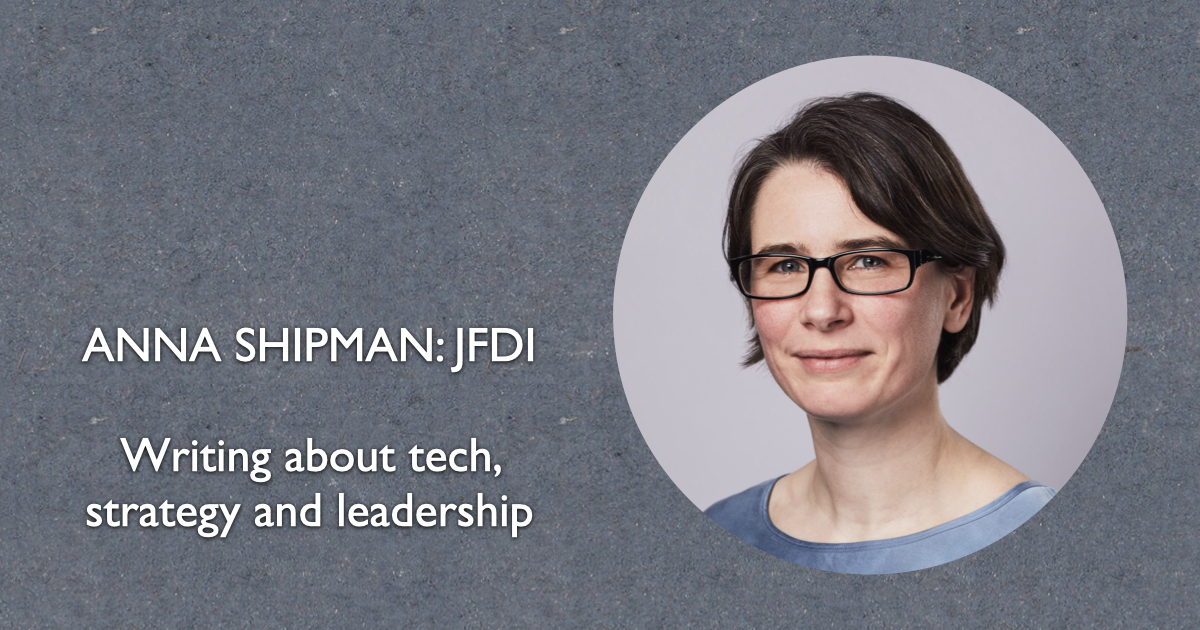
...This promotes a common culture and way of working when you can see how other teams manage certain issues. Anna Shipman (left) Quite often, teams will make small improvements to...
...discovery, which leads into alpha, beta and then live. My own recent experiences make me think that while the preparation work done during 'pre-discovery' is incredibly useful, the name “pre-discovery”...