We recently received a claim that Report URI had been breached and that customer credentials had been stolen. The claim was false: we do not store passwords in a recoverable format. But the credentials themselves were real, and that made the situation more interesting. They appeared to come from info-stealer
0 inbound linksarticleenReport URIInfo StealerPwned PasswordsHave I Been PwnedCC BY-SA 4.0
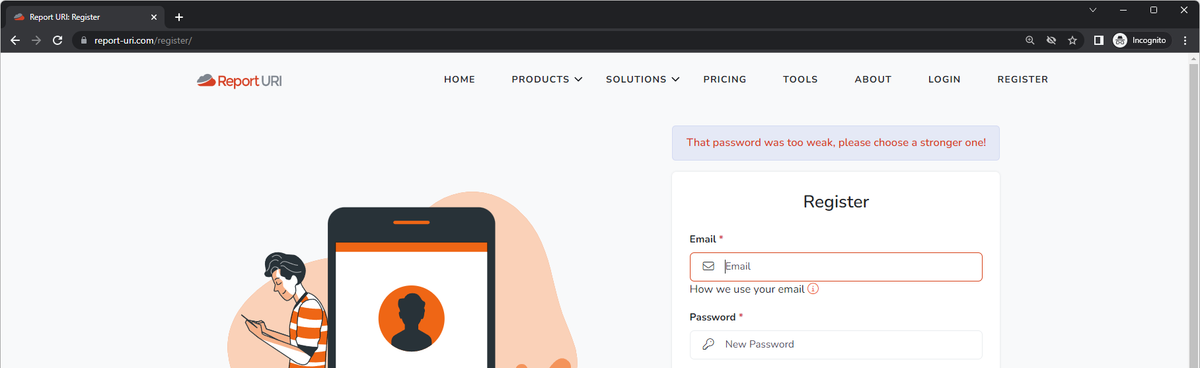
As we're constantly working to improve Report URI, time is not always spent on new features and bug fixes. We always want to offer the most secure service we can and recently, we made some upgrades that will help our users keep their accounts more secure! Existing Measures Of course,
3 inbound linksarticleenReport URIpassword securityPwned PasswordsHave I Been PwnedzxcvbnCC BY-SA 4.0
Preamble Recently I found myself in the delightful situation of wanting to rebuild my home network from scratch — again. This time, however, I decided to do it properly, so I literally broke everything. I’ll spare you the details of my home setup and the nightmares I haven’t fully emerged from. What I do want to talk about is a side problem I started thinking about during this little exercise in style — the one that had me redefining VLANs, SSIDs, passwords, firewall rules, and so on, so let’s talk about the real problem.
You are a security concious developer and you follow the advice given by security folks to have strong password requirements, and you set a rule of having at least 10 characters, containing one uppercase, one lowercase letter, at least one digit and special character. Surely, this will result in strong passwords, right?
We recently received a claim that Report URI had been breached and that customer credentials had been stolen. The claim was false: we do not store passwords in a recoverable format. But the credentials themselves were real, and that made the situation more interesting. They appeared to come from info-stealer
0 inbound linksarticleenReport URIInfo StealerPwned PasswordsHave I Been PwnedCC BY-SA 4.0