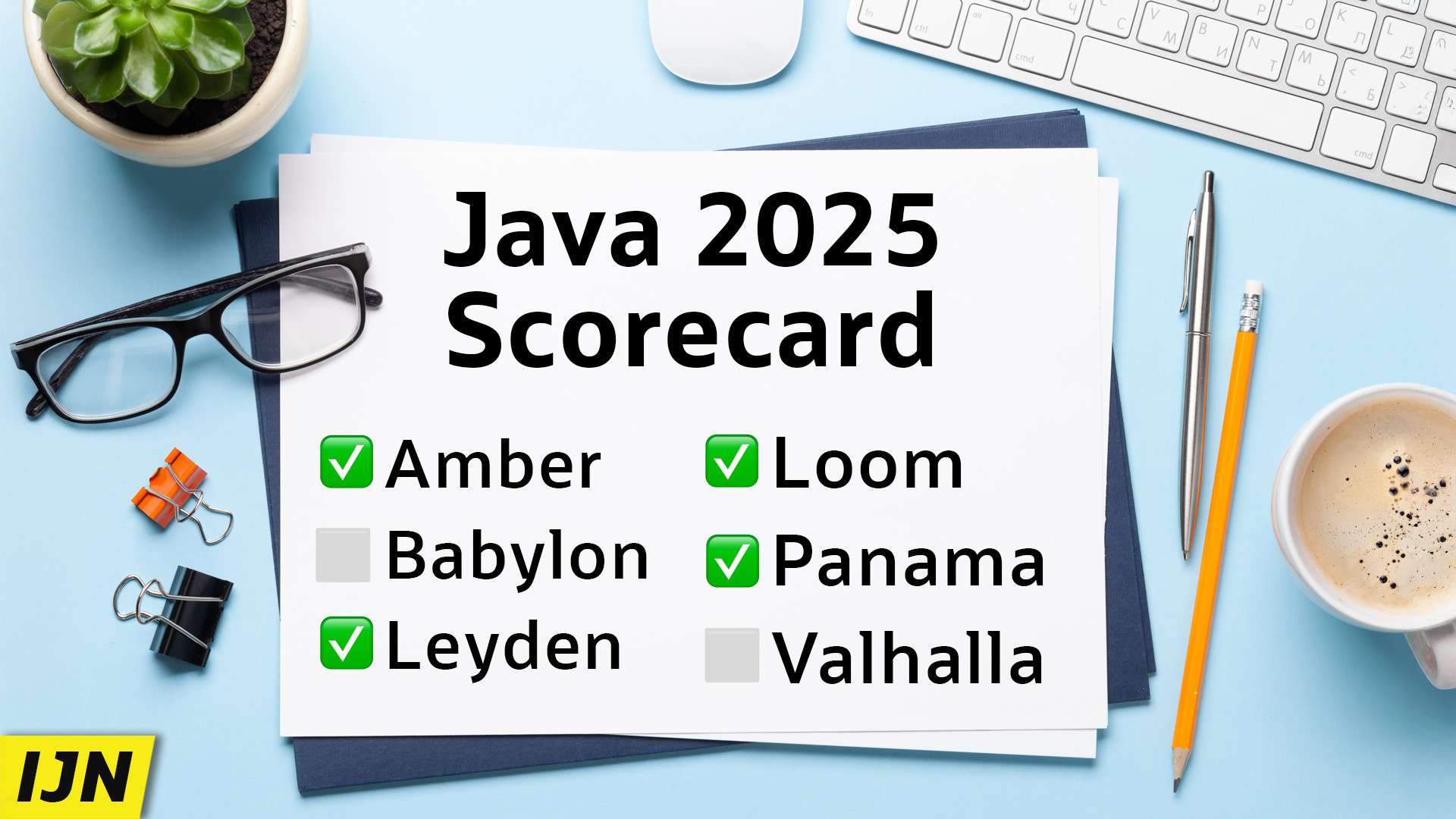
With 2025 coming to a close, let's summarize Java's year and look at the current state of the six big OpenJDK projects as well as a few other highlights.
Loic's Blog | Blog about IT developement, and some more stuff (travel, ecology, ...)Admin
Now that Java 26 is features complete (Rampdown Phase Two at the day of writing), it’s time to walk through all the functionalities that bring to us, developers, this new version. This article is part of a series on what’s new on the last versions of Java, for those who wants to read the others,
0 inbound linksarticleeninformatiquejavajava26whatsnewwhat’s new on the last versions of Javajavajava26whatsnewarchitecturebddbenchmarkblogchti jugconceptioncroatiedatabasedesign patterndevoxxfirefoxgcpgoogleinformatiquejava9java10jmhjordaniekestralayoutliberté dexpressionlinuxmadagascarmicro-benchmarknosqlpatron de conceptionpaysageperformancephotospolitiqueprofilingquarkusRESTRESTfulsitemeshtesttransportvoyagewebweb 2.0windowsécologieéquitable
Java 26 will issue run-time warnings when a final field is mutated through reflection. This prepares a future change that will make such final field mutation illegal by default to improve Java's integrity.
Java 26 is here, and its main purpose seems to be to provide a solid foundation for future things to come. It comes with a few new features, some performance improvements and multiple enhancements that mention Project Valhalla as the inspiration for their existence. This post has all the info!