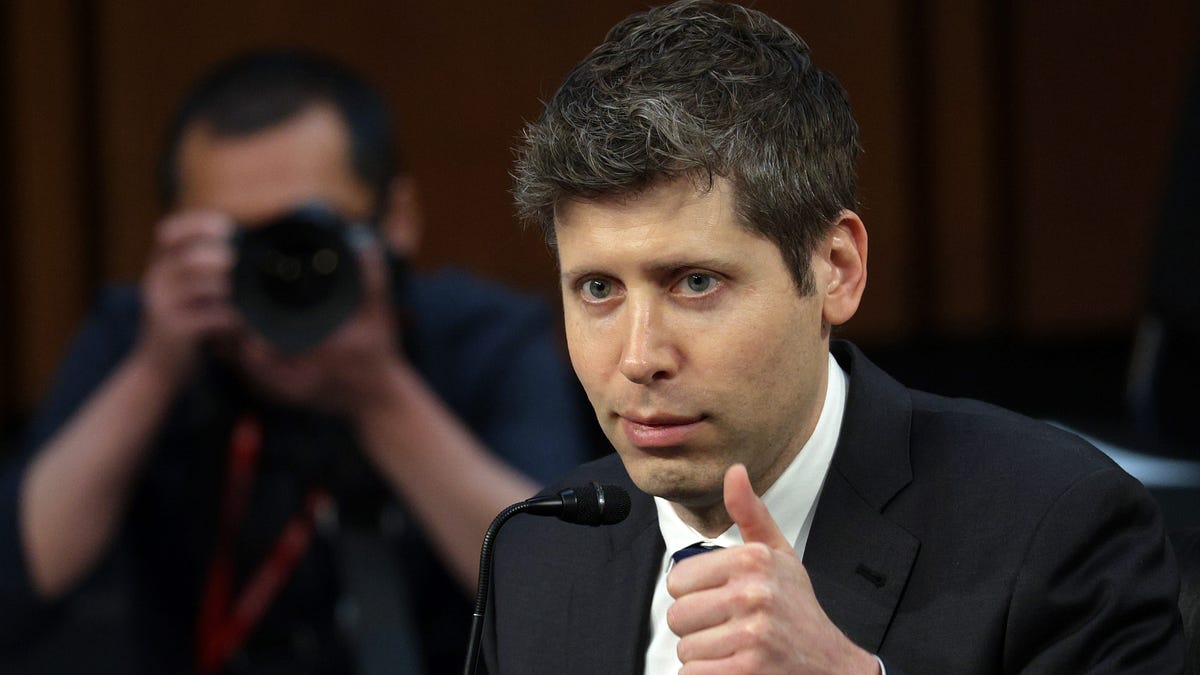
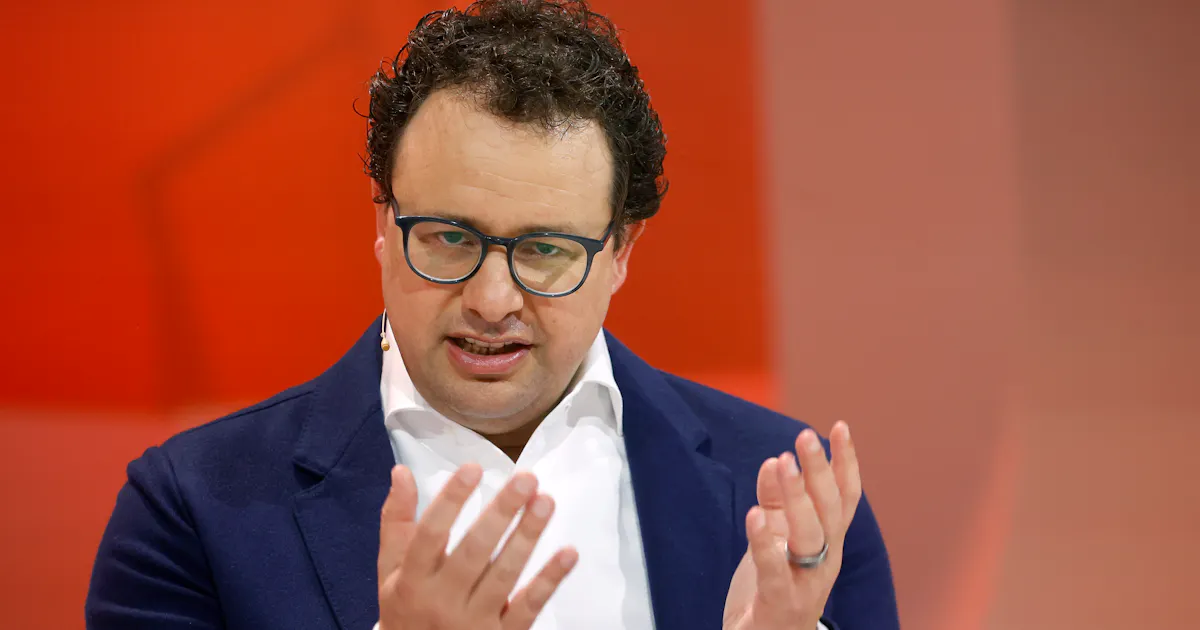
"The pace of progress in AI is much faster than for previous technological revolutions," the Antrhopic CEO said in latest comments about AI's impact on jobs.
SFist - San Francisco News, Restaurants, Events, & SportsLeanne Maxwell
A small group of biosecurity experts who consult with AI companies to stress-test their products are reporting that several chatbots on the market offered them detailed information on turning pathogens into potential weapons.
The following are a list of things I've read or watched this week that stood out. The summaries are AI generated through Perplexity. Reading List The Adole...
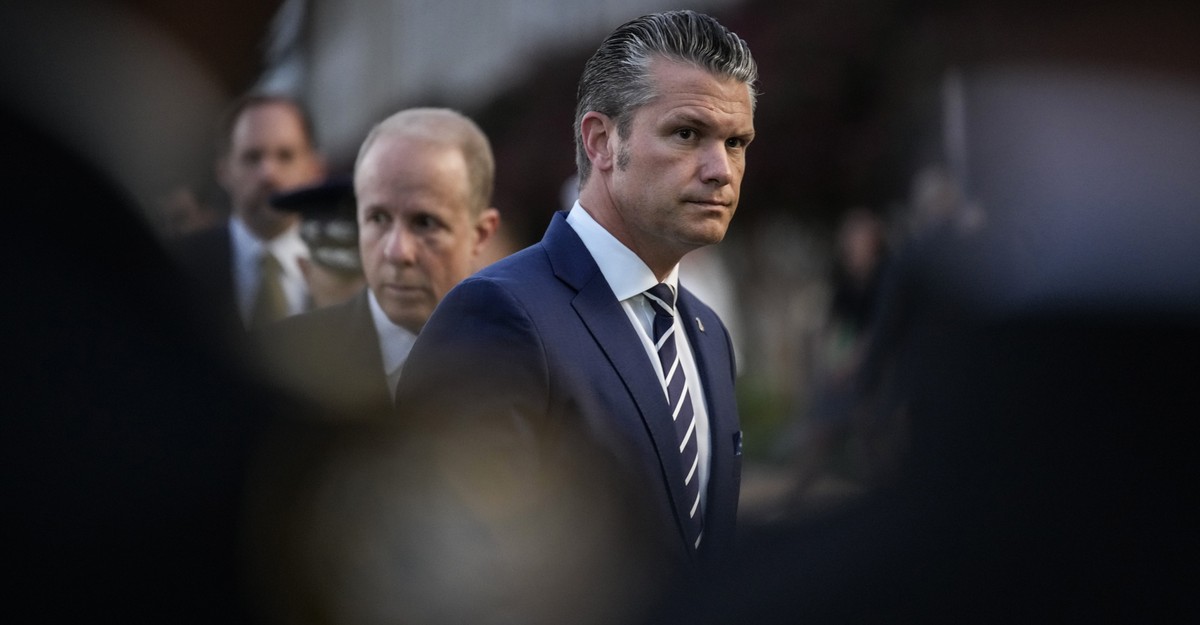
Which is more important to you? Allowing Pete Hegseth to use artificial intelligence (AI) however he wants, OR preventing AI from doing mass surveillance of Americans and creating lethal weapons without human oversight?That’s the stark choice posed by the intensifying fight between an AI corporation...
0 inbound linksarticleena.i.pete hegsethtrump administrationpentagondepartment of defensemilitarynational securityanthropictechnologyartificial intelligence
The Pentagon's threat to designate Anthropic a "supply chain risk" over its AI use restrictions is extreme—but the deeper problem is that the rules for military AI are being set through ad hoc haggling instead of by Congress.
How can you believe in something you haven’t witnessed with your own eyes? Who sets the standard for evidence? If an experience cannot be replicated by a third party, is it still true?
This is a public version of my comments sent to the South African Department of Communications and Digital Technologies on the Draft South African National AI Policy.
OpenAI is in and Anthropic is out as a supplier of AI technology for the US defense department. This news caps a week of bluster by the highest officials in the US government towards some of the wealthiest titans of the big tech industry, and the overhanging specter of the existential risks posed by a new technology powerful enough that the Pentagon claims it is essential to national security. At issue is Anthropic’s insistence that the US Department of Defense (DoD) could not use its models to facilitate “mass surveillance” or “fully autonomous weapons,” provisions the defense secretary Pete Hegseth ...
One of the hardest things about being a CEO in the AI era isn’t the technology itself — it’s the firehose of information about the technology. There’s so much being written about AI right now that it’s almost impossible to separate the signal from the noise. Hot takes, doomsday predictions, breathless hype, vendor pitches dressed up as thought leadership — it’s exhausting. So I thought I’d do something useful and share periodically a curated basket of the most interesting reading I’ve done. Think of it as the reading list I’d hand to a fellow CEO who said, “I know I need to get smarter about AI — where do I start?” This first batch is a bit of a catch-up,...
0 inbound linksarticleenAIBusinessCultureCurrent AffairsLeadershipMarkup AI
One can argue that the art of medicine lies in phronesis. Aristotle differentiated this practical wisdom from episteme (scientific knowledge) or techne (technical skill). Phronesis is not just things to know or things to do, but the combination of perception, judgment, and application: the salience to grok a situation and its pertinent features and then
When it comes to AI changing the tech world, we’re at a juncture where you’ve either: – seen some shit with your own eyes or you believe your imagination of where this is going &#…
I was listening to Dario Amodei’s interview with dwarkesh patel and found his insights into how anthropic plans their capex investments and path to profitability quite fascinating. They need to balance their risks into how much compute to build for the next 2 years in advance based on current demands because the data centers take 2 years to build. If they overestimate their demand then they won’t have enough profit in the next years and will go bankrupt while if they underestimate it they won’t be able to match the demand and will risk losing their customers to their competitors, this is what he calls their cone of uncertainty. This sentiment felt weird to me because openai seems to aggressively bullish on their capex investments, infact sam altman disclosed they will be spending $1 trillion on compute infra across microsoft, oracle, nvidia and coreweave between 2025 and 2035 while also partnerring with cerebras, so why do these 2 AI companies have completely different capex investment strategies?
It’s clear LLMs are one of the biggest changes in technology ever. The rate of progress is astounding: recently due to a configuration mistake I accidentally used Claude Sonnet 3.5 (released ~2 yea…
This week, Federico and John update listeners on the ClawdBot-MoltBot-OpenClaw saga before digging into how AI will affect apps and app developers. On AppStories+, John covers why Creator Studio is such a fundamental shift in Apple's approach to 'Pro' apps. [We deliver AppStories+ to subscribers]https://www.macstories.net/appstories-plans/) with bonus content, ad-free, and at a high
AI, software, tech, and people. Not in that order. By X
If you have been following my journey for a while, you’re probably aware of my pragmatic approach to AI capabilities and my skepticism towards the surrounding hype. Not too long ago, during my time at Google, I found myself sitting next to someone at an event, and the conversation inevitably turned to AI. I tend to be pretty candid about my skepticism regarding Artificial General Intelligence (AGI), so I launched right into it. I laid out my entire thesis: why the term is a misnomer, why benchmarking against human cognition is a fallacy, and why the pursuit of a monolithic “God model” is bad engineering.
Artificial intelligence’s dystopian specter has spawned a pair of documentaries dissecting a technology that’s depicted as ravenous parasite devouring humanity’s knowledge, creativity and empathy.
Today marks a major transition for the Zulip open-source project and for Kandra Labs, the company behind it: I’m stepping back from full-time Zulip leadership to join Anthropic, alongside three senior team members, and we’re donating the company to a newly created, independent, nonprofit Zulip Foundation. …
Why the real political backlash to AI hasn’t started yet, what the politics of jobless prosperity might look like in an AGI world, and how the labs should prepare.
Author Tanner Greer wants Silicon Valley to adopt a sense of national responsibility by emulating the Gilded Age establishment. But the generation that came after provides a better model: a mid-century elite that earned its legitimacy through bipartisan public service, meritocracy, and broad investment in the country's future.
A research essay on Neural Computer: how it differs from agents, world models, and conventional computers; what runtime and CNC would mean; what current prototypes already show; and how software and hardware might change.
Radical optionality is about preserving democratic governments’ ability to make good decisions about how to govern transformative AI systems as circumstances evolve.
AI is the most powerful technology in human history - arriving into a world order already breaking down. Today I'm launching the Center for Tomorrow to help us find our way to the good future.