dangerously-skip-permissions makes Claude Code autonomous—no more prompt fatigue. But real devs have lost home directories. Here's what you actually need to know.
Opinionated defaults, documentation, and workflows for Claude Code at Trail of Bits - trailofbits/claude-code-config
dangerously-skip-permissions makes Claude Code autonomous—no more prompt fatigue. But real devs have lost home directories. Here's what you actually need to know.
The context window is a budget, not a feature. Auto-compaction hides the bill until the agent starts hallucinating. Practical tactics for staying under budget: scope per session, offload to disk, dispatch subagents for research, and clear aggressively between phases. The goal isn't a bigger window; it's needing less of it.
Load 84 MCP tools and 15,540 tokens are gone before you ask a question; after thirty minutes you've burned 40% of your context on tool definitions you didn't use. Holmes and Yilmaz make the case for CLI-first, and I've mostly come round: CLIs are debuggable, composable, and 92-98% cheaper in tokens. MCP still earns its keep for a few tools, but the default should flip.
Skills are Standard Operating Procedures the agent loads only when needed — progressive disclosure applied to AI context. Without a forced-eval hook they activate 55% of the time; with one, 100%. That gap is the difference between skills working and skills being decoration. Plus why hooks are the enforcement layer that makes any of it reliable.
We had 5% buy-in and 95% resistance. A year later, AI-augmented auditors are finding 200 bugs a week on the right engagements. Here’s the six-part operating system we built, open sourced, and are giving away.
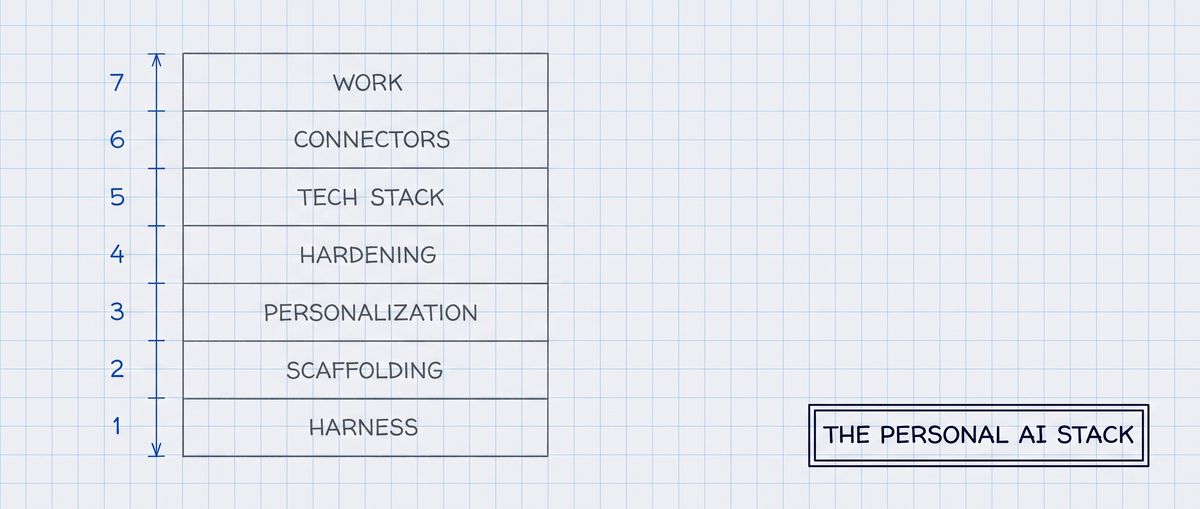
An AI tool like Claude Code gives you solid general-purpose capabilities out of the box. To make it truly indispensable, add the layers that teach it who you are, how you work, and what you do.
A quickstart to Claude Code, Anthropic’s agentic coding command-line interface (CLI) tool, and roadmap to being an expert.
Extensive guide on being a Claude Code power user, tracking threat actors on GitHub, open source AI-powered pentesting tools
We had 5% buy-in and 95% resistance. A year later, AI-augmented auditors are finding 200 bugs a week on the right engagements. Here's the six-part operating system we built, open sourced, and are giving away.