
Best Practices for LLM Tools or Function Calling for Oracle Developers
APEX 26.1 brings native LLM function calling to PL/SQL. Here's how to design tools that the model actually uses correctly: scope, validation, and security.
Claude can now discover, learn, and execute tools dynamically to enable agents that take action in the real world. Here’s how.
APEX 26.1 brings native LLM function calling to PL/SQL. Here's how to design tools that the model actually uses correctly: scope, validation, and security.
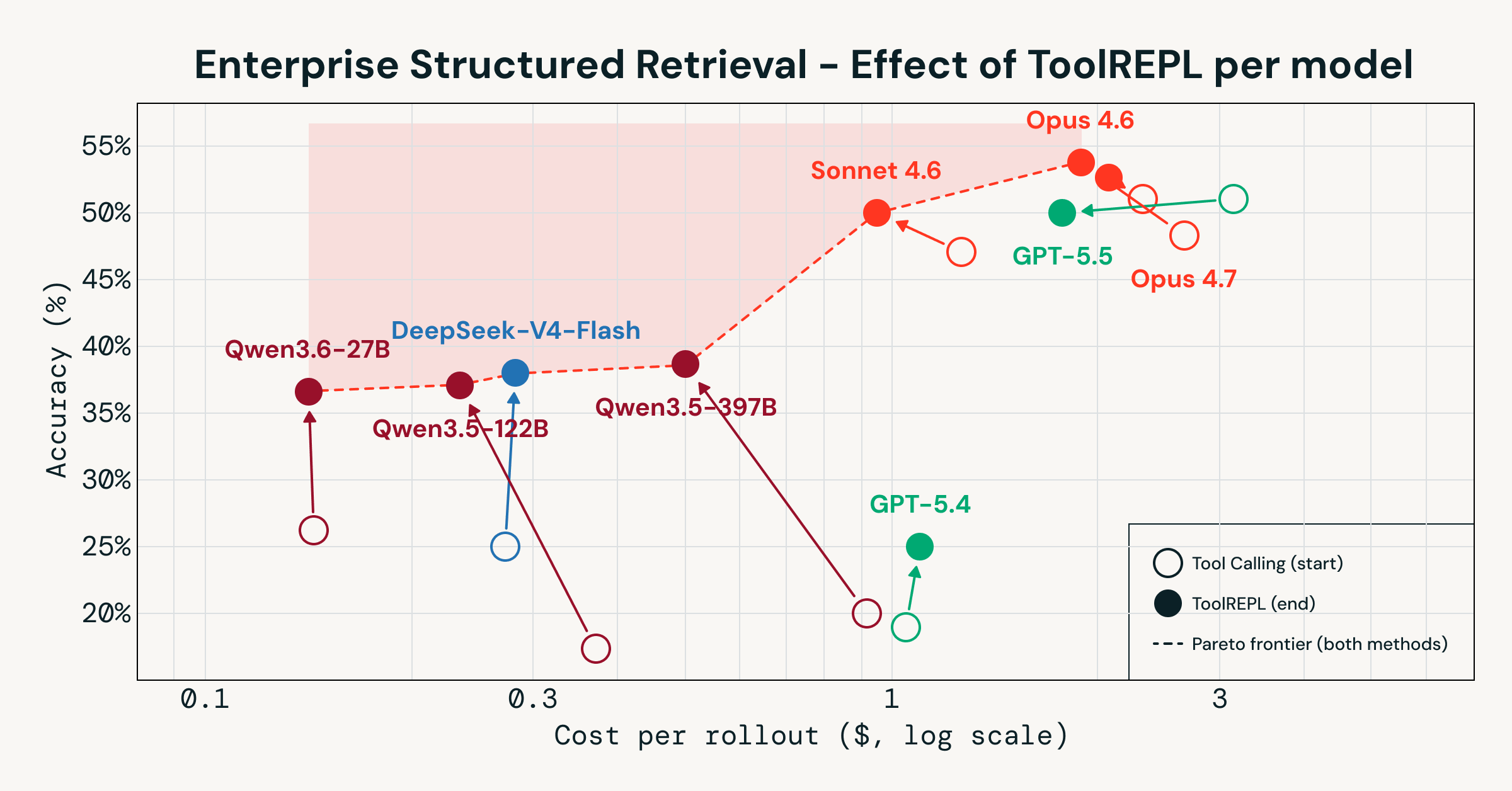
MemEx gives LLM agents a programmable Python scratchpad, replacing JSON tool calls with code as action to lift accuracy and cut cost on enterprise tasks.
Load 84 MCP tools and 15,540 tokens are gone before you ask a question; after thirty minutes you've burned 40% of your context on tool definitions you didn't use. Holmes and Yilmaz make the case for CLI-first, and I've mostly come round: CLIs are debuggable, composable, and 92-98% cheaper in tokens. MCP still earns its keep for a few tools, but the default should flip.

Claude token limits aren't a cap — they're context rot. Here's the math, the research, and the exact tactics I use to cut session costs and keep accuracy high.

Building agents with code execution instead of JSON tool calls.
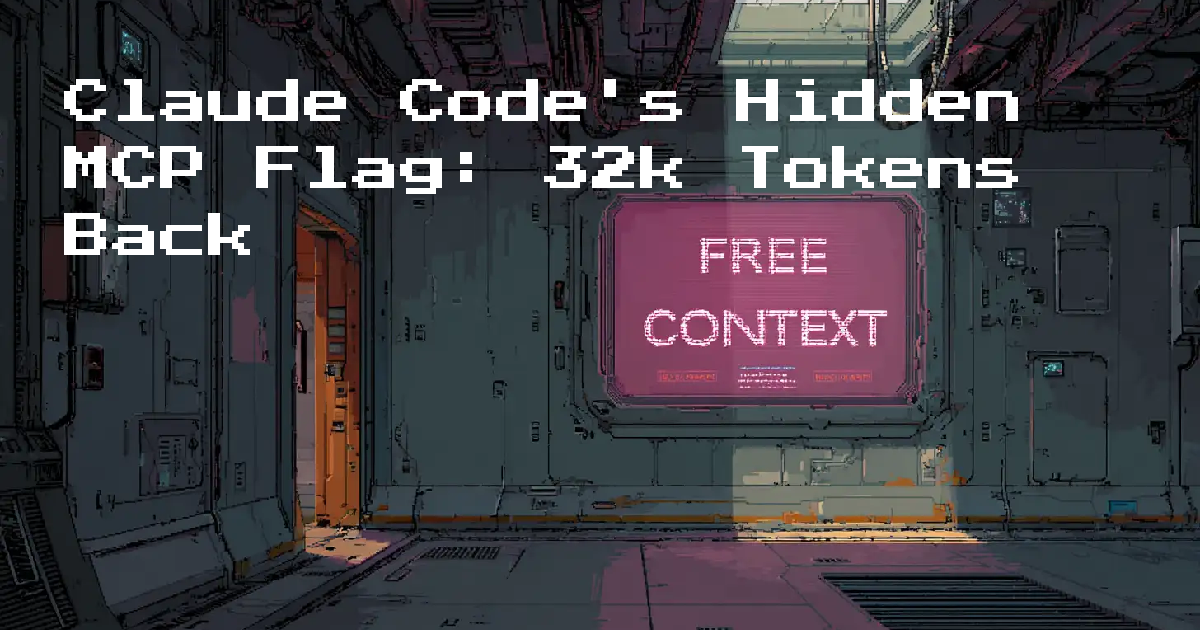
ENABLE_EXPERIMENTAL_MCP_CLI eliminates MCP tool schema overhead entirely. Undocumented, untested in the wild, but it works. Here's what I found.
Claude API Documentation

Plus Claude Code pricing confusion and changes in the system prompt between Claude Opus 4.6 and 4.7

Traditional tool calling is hitting its limits. Here are three patterns I'm planning to use in my next agent build: tool search, programmatic tool calling, and tool use examples.
Or: How I spent my Christmas vacation.
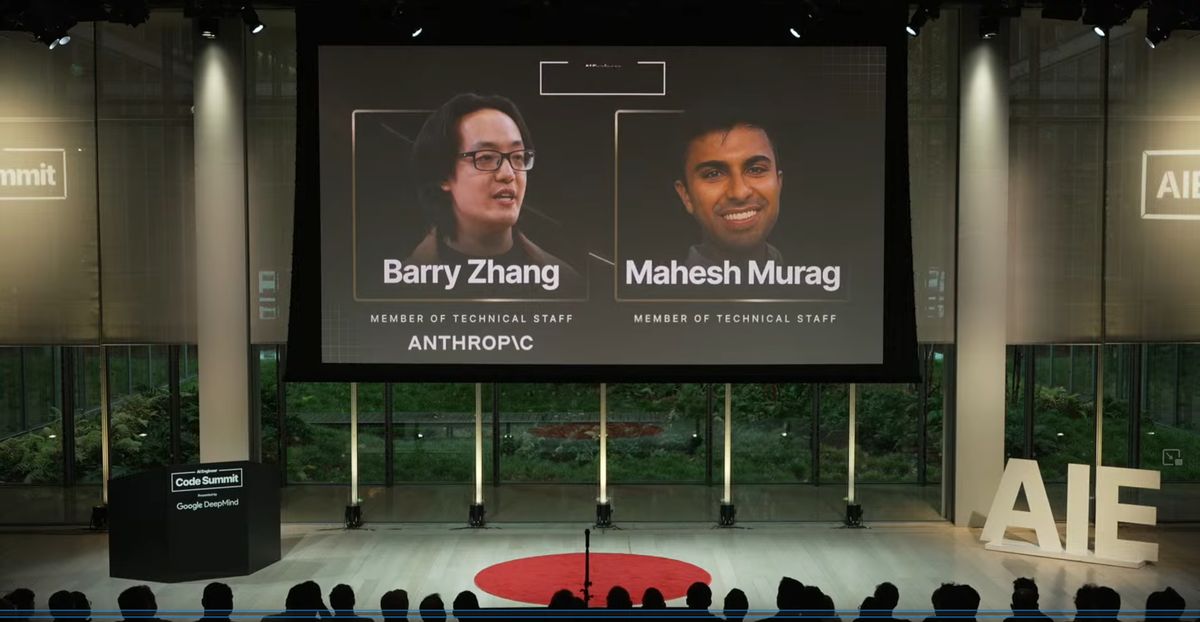
A great AIECS session from Barry Zhang & Mahesh Murag, the creators of Anthropic Agent Skills.
If you can’t beat them, join them is probably the best quote to sum up my experience with AI. We have known for a long time AI is changing the way we work however, we all know how unreliable it is and personally I have seen that for a long time when it “helpfully” suggests code suggestions as I type. I have also seen how unreliable it is when using an AI Assistant to do something for me. My conclusions have been “this thing is not going to take away people’s jobs or take over the world, it’s absolutely useless”. However, as time has gone on and models have got better and clearly AI is not going away, I decided I better try and learn some fundamentals of AI and try to find ways in which I can test it out. Therefore, this post will be an introduction for those still in the “this is useless” mindset which might help explain some concepts and how to use it so it can be more effective for you.
Nearly sixty years ago, as Thompson and Ritchie were crafting Unix at Bell Labs, they had no idea that the operating system and culture they were building would end up being the perfect home for AI agents in the future. It’s no accident that the most successful AI agents today–CLI agents like Claude Code–are built to run in a Unix environment. The fit is so natural, so seamless, that it’s easy to miss how remarkable it is. But understanding why Unix and AI agents work so well together can teach us a lot about how to build robust, reliable agents.


A practical walkthrough of building a sales prep agent using Claude's tool use API — three tools, one system prompt, and immediate ROI.
Over the Christmas break, I decided to explore code execution for AI agents, inspired by Anthropic’s blog on the topic.
The best things in life are free.
Claude API Documentation

Lately, I've seen more developers online starting to side eye MCP. There was a tweet by Darren Shepherd that summed it up well: "Most devs were introduced to MCP through coding agents (Cursor, VSCode) and most devs struggle to get value out of MCP in this use case... so they are rejecting MCP because
MCP tools eat thousands of tokens. A simple CLI with instructions in your CLAUDE.md file uses 71 tokens and works brilliantly.
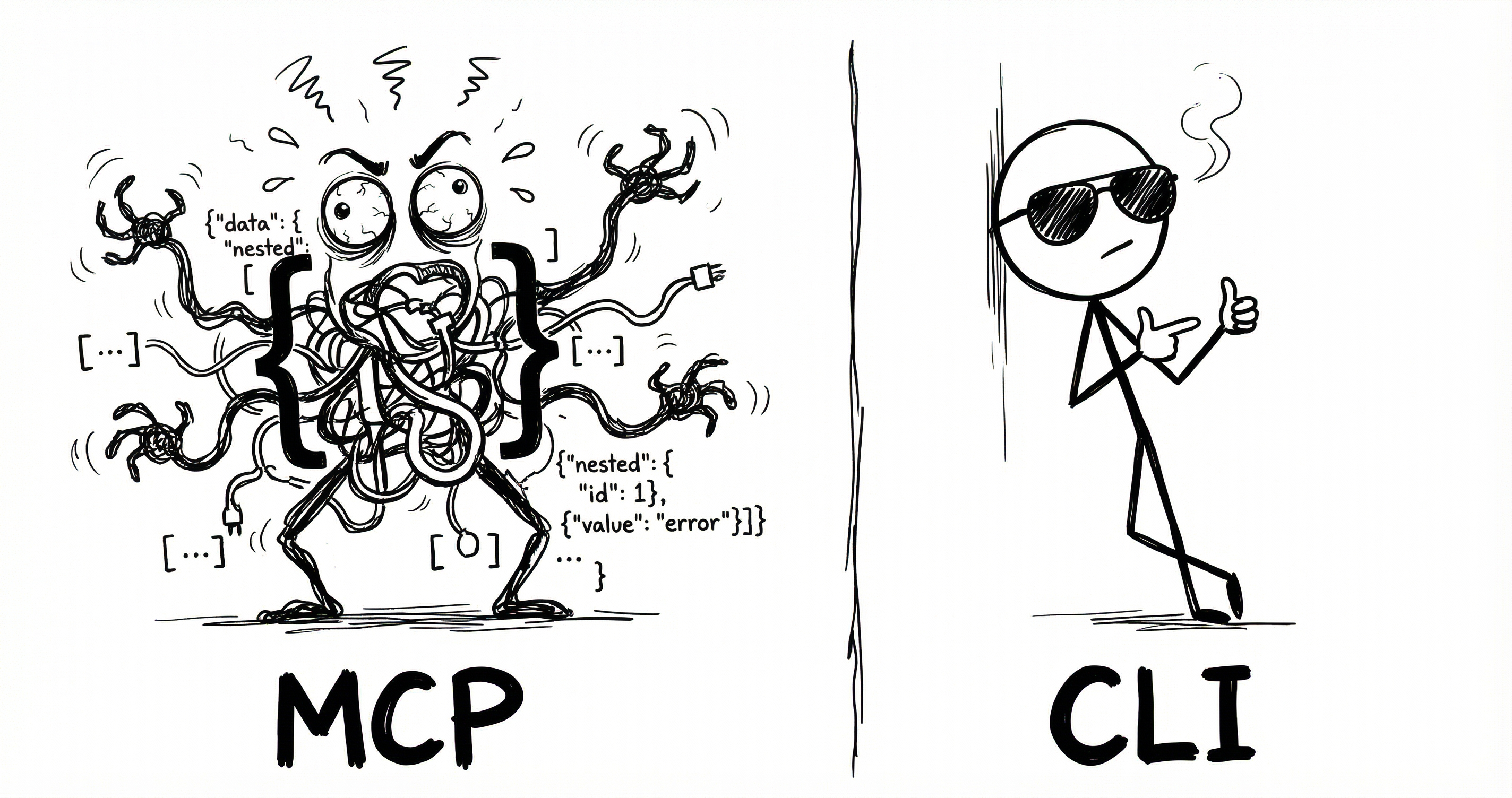
I Made MCP 94% Cheaper (And It Only Took One Command)

Most agents fail not at reasoning, but at picking and using the right tools. This post explains how Model Context Protocol (MCP) server composition fixes that with four practical patterns.

AI coding Agents like Claude Code , OpenAI Codex , and Gemini CLI have disrupted how software engineering is done. IMHO, the most disruptiv...

Modern agents can write code, call APIs, draft a memo, and pass a benchmark. That part is real. Put one in front of a clean, well-scoped task and it can look...
Agent design patterns.
Agents have a search problem across the whole stack: web search, RAG, tool discovery, skills/workflow loading, and even context compaction.


Notes from my Thoughtworks colleagues on AI-assisted software delivery
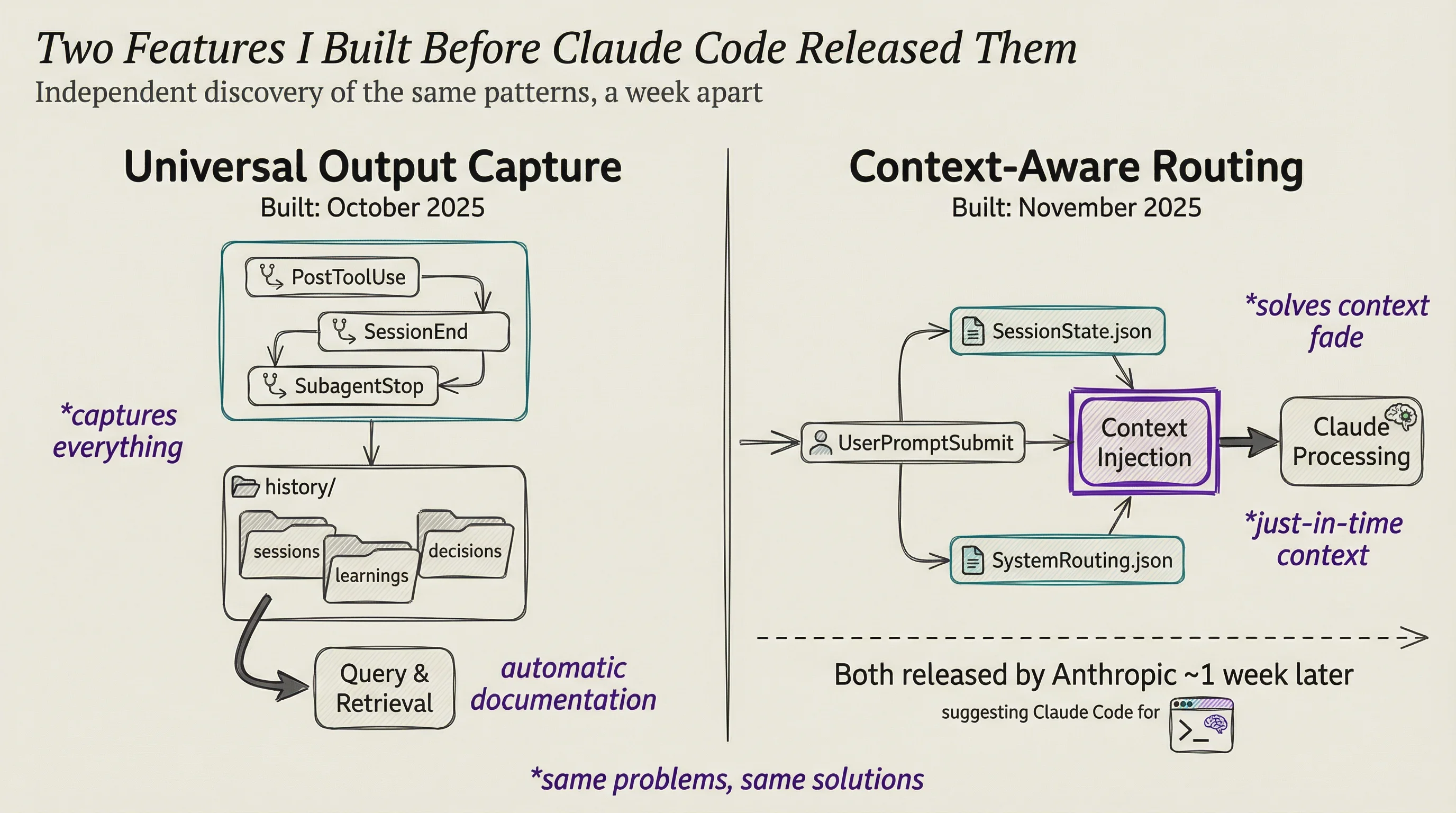
How I independently built the same patterns Anthropic later recommended—a week before they published them
Anthropic are the only major AI lab to publish the system prompts for their user-facing chat systems. Their system prompt archive now dates all the way back to Claude 3 …