
Where Does Bluesky Go from Here? What is the Bluesky of 2036?
Unlike ActivityPub which powers a wide range of software and services beyond Mastodon, Bluesky is without dispute the only major service using ATProto thus far.
Unlike ActivityPub which powers a wide range of software and services beyond Mastodon, Bluesky is without dispute the only major service using ATProto thus far.
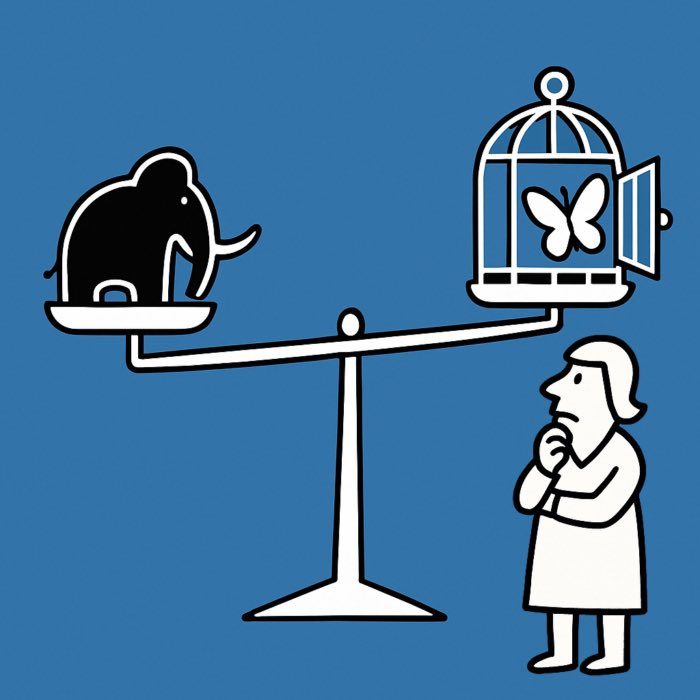
Over the past two weeks, I have taken a closer look at Bluesky, exploring its features and dynamics through the lens of my own experience within the neuroscience community. So far, my impressions have been mixed: while some aspects of Bluesky are genuinely promising, others evoke certain concerns about the future of scientific communities on digital platforms. In this post, I would like to share a personal reflection on this recent shift, situating it within the broader context of academic social media migration.

Investing @ USV. Student of cities and the internet.

Stand out on Bluesky! Learn how to use your own domain as a custom handle for instant verification without the blue tick. Use the AT Protocol to turn @username.bsky.social into your professional domain. A simple DNS guide to verify your identity today.
You might be here because the Facebook feed has been useless for years now. You might be here because Twitter has finally gotten bad enough. Or maybe you're just curious what else is out there.
The blog and portfolio of Ryosuke Hana
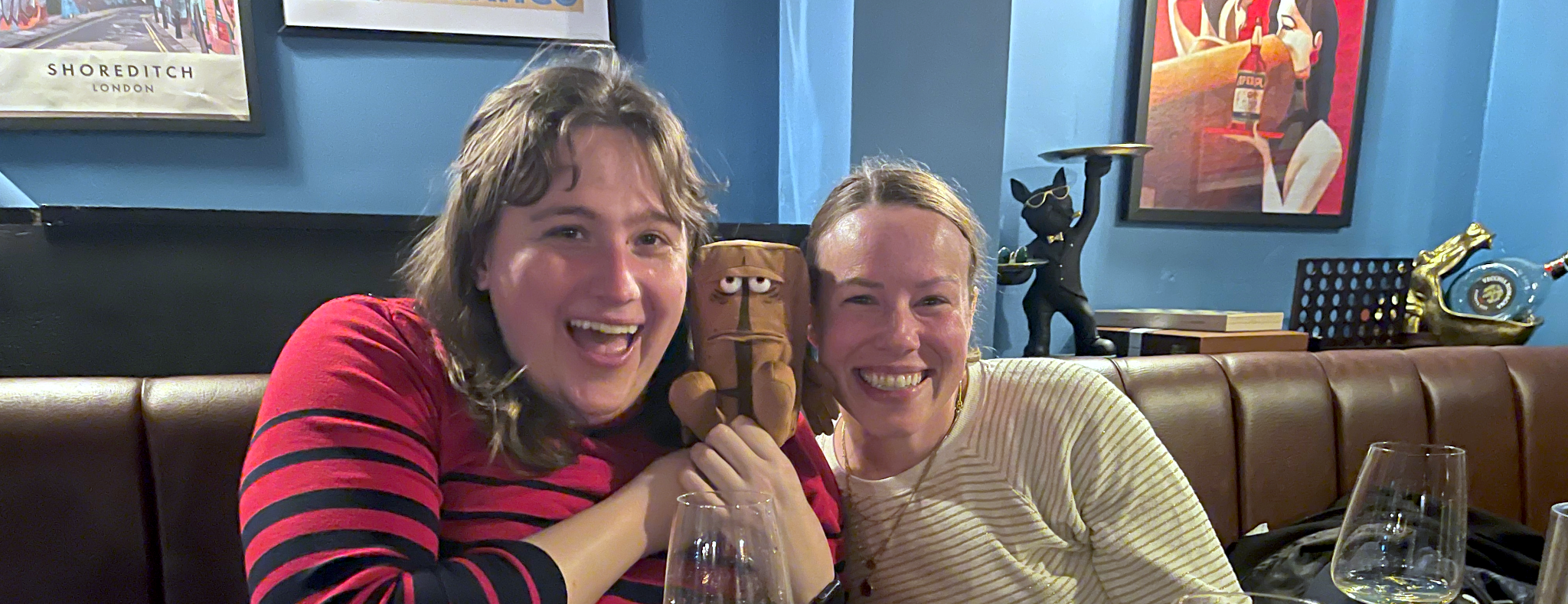
Hazel Weakly starts off her presentations with the words “I have thoughts, lots of thoughts”. That pretty much sums up my mental state after having attended this year’s Monki Gras conference.\nMonki Gras is an annual conference organized by James Governor of Redmonk. Redmonk is an analyst firm in the tech space with a focus on developers and open source. In my previous life we became Redmonk clients, and it was definitely worth the spend.\n

In this episode of the Slow Hunch, I spoke with Jay Graber, CEO of Bluesky. Originally conceived as an initiative within Twitter under Jack Dorsey, Bluesky was designed to transform Twitter from a closed platform to an open, protocol-based network. For those of you who caught the episode with Brad & Fred, this is a subject we got into in some detail: years ago, USV had an intuition that Twitter might be better designed as an open protocol, but at the time, the tools didn't exist to make it a ...
After almost 18 years, I left iNaturalist, the product and organization I helped create. I left because I don’t believe the current Leadership team is pointing the product in the right direction, and I don’t think they are managing their talented staff in an empathetic or effective way. If you’d like me to continue working on natural history software, support me on Patreon.
The excellent tech website, The Verge, just launched a subscription – which I know they’ve worked on for a while. Generally, I think the way they’ve approached it seems pretty sensible – but I still have some feedback. And hopefully, the fact that I’ve subscribed for a year will increase the odds of it getting better, and not decrease it. Some quotes from the launch, to get you up to speed All the emphasises are mine – meant to guide you towards the most important parts. Today we’re launching a Verge subscription that lets you get rid of a bunch of ads, gets you unlimited access to our top-notch reporting and analysis across the site and our killer premium newsletters, and generally lets you support independent tech journalism in a world of sponsored influencer content. It’ll cost $7 / month or $50 / year — and for a limited time, if you sign up for the annual plan, we’ll send you an absolutely stunning print edition of our CONTENT GOBLINS series, with very fun new photography and design. At the same time, we didn’t want to simply paywall the entire site — it’s a tragedy that traditional journalism is retreating behind paywalls while nonsense spreads across platforms for free. We also think our big, popular homepage is a resource worth investing in. So we’re rethinking The Verge in a freemium model: our homepage, core news posts, Decoder interview transcripts, Quick Posts, Storystreams, and live blogs will remain free. Our original reporting, reviews, and features will be behind a dynamic metered paywall — many of you will never hit the paywall, but if you read us a lot, we’ll ask you to pay. Subscribers will also get full access to both Command Line and Notepad, our two premium newsletters from Alex Heath and Tom Warren, which are packed full of scoops every week. Our vision has always been to build The Verge like a software product, and we have a big roadmap of features to come, like a true dark mode toggle, the ability to personalize the homepage feed, and a lot
How far off we are from full self-driving cars, the software systems we wish would never update, the app launchers we use on our Macs, and the ATProtocol moment.