GeistHaus
log in · sign up

https://undercoverlocal.wordpress.com/feed

rss
10 posts
Polling state
Status active
Last polled May 19, 2026 05:00 UTC
Next poll May 20, 2026 03:28 UTC
Poll interval 86400s
Last-Modified Mon, 06 Apr 2026 22:36:36 GMT

Posts

A Window into an Alternative Timeline of Music
UncategorizedAICapitalismMusic IndustryMusicianwomen in music
How much can we ever really absorb in a moment? In the fleeting moment the wheel of the evolution of music keeps turning and some things get left behind. In a documentary about Vashti Bunyan, a commentator suggests that it is because of her record not doing well at the time that it became so […]
Show full content

How much can we ever really absorb in a moment? In the fleeting moment the wheel of the evolution of music keeps turning and some things get left behind. In a documentary about Vashti Bunyan, a commentator suggests that it is because of her record not doing well at the time that it became so popular at present; because it is new to us, unlike other things we have heard, and also from the 1960s. This means, in a sense, that undiscovered music from the past can show us alternative timelines of existence.


And how exactly did this main timeline get created? I am fascinated by the women musicians now in their 70s, 80s and 90s who are active at present and reclaiming their creative expression. What percentage of women were in the top 40 in the 1960s? The ones that were there likely had to go through some male gatekeeper. And to this day, it is clear that a majority of producers are men. Most women musicians still probably have to rely on a male to produce their music, in the commercial world at least.

Vashti said that it looks and sounds like it was her at the time, but it wasn’t; “I wasn’t living in the hills, I was living in my head.” I guess this too points to the way that music is shaped by decisions around commercialization, meaning another mind is filtering the way the creative vision is being actualized. This mind could be seen as a watering down to fit the collective taste of the majority, given a position focused on marketing music. Some of this vision is also likely to be the individual’s own perception; that invisible gatekeeper. Vashti came back to making music after a 30 year hiatus, and learnt to produce. 

Mary Hopkin says similar things as she talks of her experience making music different to her creative vision, back when the Beatles ‘discovered’ her, and her own venture into studio producing. She said she gave it all up, producing in big studios with “men in white coats”, so she could make music she wants. It is also the development in technologies that allow this to happen. Mary now produces music in her little home studio overlooking a garden, and said she thought all creative things should be that way. 

There is such tension, though, between being a musician who wants to just create and the realities of living in the world we live in- how can you eat and have shelter if no one pays? Do we have time to create or must we spend time doing things that make more money? There is a darkness in the human experience of feeling deep in your soul that your only purpose is to make music, and having no one listen or take notice. It is connected to a bigger overall idea of communicating and not being understood. In the modern world, this is a process that moves through and is obfuscated by the capitalist machine, as certain cultures and identities get curated by the majority power as being ‘in’ or ‘out.’ It is a machine that sucks in the will of the people, but it is also one that shapes it to its own ends. It is a mish mash of ideas; that only a chosen few deserve to create or are born with the special power of music making, that you must only create if it makes money and you become ‘big’ or else you must be quiet. It swallows up the sensitive souls in its path, who simply have to create. Vashti Bunyan slipped into a great depressive period after not succeeding. At 18 she got offered a record deal to sing someone else’ s song and enjoyed promoting it, compromising with a cover but aspiring to a music career singing her own songs… but she said her songs were very quiet which meant it was hard to find those to promote it, she said they were looking for people who “looked good in a ballgown.” And things went quiet; Vashti was “left spinning.” She left everything in modern society to travel the roads in a horse and cart.

Connie Converse’s life story has similar themes of melancholy in the face of not being understood. As told by established author Howard Fishman, Connie was leaving New York to give up being a singer songwriter just as Bob Dylan and Joni Mitchell were arriving on the scene. The author offers the compelling argument that Connie’s music was just ahead of her time and people were not yet ready. And too a factor was Connie potentially not being palatable to the acceptable presentation of a woman. They say she was scruffily dressed and fairly uncouth in manner. The saddest part is that after shifting into the completely different world of academic journals, and facing similar challenges, Connie got in her car at 50 and has never since been found (there is also a documentary). Recently, her family released her music which was, in the day where self producing was less common, recorded on tape at parties but also by Connie herself. Listening to it, I get a haunting sense of both connecting with the music of my elderly relatives and seeing a new world where someone precedes Joni Mitchell, and at the time prior to Joni’s experience with no money giving away an accidental pregnancy that the father didn’t want to know about, manages to get it known that the 1960s movement of sexual liberation was just for the men.

On the radio it was reported that in her recent release, Yoko Ono said that she was worried about her voice cracking, but then decided that other older women’s voices crack too, meaning she was just showing the human experience. It is refreshing to find small reminders that at essence we create because we are human.

How I wrote this:

Do people want to read this? I’m just trying it out as I continue to read AI critical commentary and consider what it means to create. It seems that in these times the process starts to matter more. So, here is the story about the creation of this blog post..

I found out about Connie Converse and Vashti Bunyan through the algorithm on Tidal, which put together a daily playlist based on my listening choices. I have always been dubious as to the ethics of streaming and especially algorithms as opposed to human curated music, but this was the heyday of algorithms for me, discovering some obscure music like the more well-known things I listen to (such as Joni Mitchell and Mary Hopkin) and reading about the backstory. I already knew about Mary Hopkin through growing up with her record, but it was perhaps the algorithm that found me the music she created in her 80s. But I stopped following the daily listen algorithmic playlist when I noticed how much 2026 music was on it and started increasingly noticing AI Music popping up in Tidal. I’m not sure if this coincided with Tidal’s recent replacement of human workers with AI as well. I decided that where music came from was important to me (which was, to be fair, the reason why I chose a Tidal Subscription instead of Spotify in the first place) and I was going to go back to solely following curators to dictate my listening habits.

I went down the rabbit hole on DuckDuckGo, learning about Connie Converse and Vashti Bunyan, watching documentaries and reading the book about Connie. I also learnt several of their songs. I had inspiration and took down some ideas either in my notebook or on the notes on my phone (including in the middle of the night). After letting it settle for a while I was inspired to work on it further after launching into the Fediverse to have discussions about AI, Music and Capitalism- subjects that I also spend time consuming audiobooks about in my sleep. As the ideas took shape in the process of me working them into coherent sentences, I recalled a YouTube interview with Joni Mitchell I watched a while ago (while she was still in her 80s), her song Little Green and Karen Haye quoting Yoko Ono on my radio tuned to 95 BFM in Auckland, New Zealand.

674e2bf0-4b83-11ef-aebc-6de4d31bf5cd.jpg
vicpiano
http://undercoverlocal.wordpress.com/?p=1219
Extensions
Love Hate Relationships with Facebook, and its Surprising Role in my Healthcare
Uncategorizedactivismcoronaviruscovidcovid-19creativitydisabilityhealthmasksmusicsocial-media
This is in no way a love letter to Facebook, a thanks to Zuckerberg or a claim that Social Media isn’t as bad as they say it is. It is something very intertwined in my life for better or worse, and I see it a bit like a free art installation in an empty mall […]
Show full content

This is in no way a love letter to Facebook, a thanks to Zuckerberg or a claim that Social Media isn’t as bad as they say it is. It is something very intertwined in my life for better or worse, and I see it a bit like a free art installation in an empty mall which happens because people in the community work together to make a creative deal with the landlord (kudos to Urban Dream Brokerage), or a car park that some kids manage to use as a skate park. No matter the infrastructure, there might be opportunities for communities to use it in their way when navigating the perimeters creatively.

An Addicted Millennial

Since my feeds started filling with ads and recommended content more than updates from people I know, I have at times spiraled into a social media addiction I am not proud of. Once Facebook was a place to share interesting ideas and life updates, yet lately it has led me to unnecessary online shopping and scrolling through cat videos. It is likely to get worse with the recent updates from Meta, and lately I have decided to start using Facebook differently- only viewing content I intentionally look up, such as from groups I am following and people I know. It is hard to know the extent that this infrastructure shapes us and how much control you can really have over using something designed to influence your behaviour, but it seems theoretically that avoiding the feed would help?

I guess at this point I should own up to being one of those crusty millennials who stayed on Facebook and never got into any of the more hip social media platforms such as TikTok. Some people are leaving Meta altogether on principle that they don’t want any part in supporting the bigoted priorities of the organisation. That makes a lot of sense but I also feel personally unable to fathom shifting to something else or going without social media. I joined Facebook when I was 18 so for my whole adult life this has been the single piece of infrastructure that has managed my social life. I feel like it is heavily ingrained in how I navigate the world. Part of it is habit, but it is also the fact that everyone else uses it, and so to leave it may mean losing contact with some people altogether. It is at this point in my adult life that I sometimes consider if it would have been better to keep an address book, and perhaps even send annual Christmas cards- something to tell the wider circle of people in my life that they matter, even if I may not get to see them for years at a time. I think there is value in keeping those wider connections and it is unfortunate that a giant international for-profit corporation has come to have an almost complete monopoly on this task, in my life at least.

Facebook and Long Covid

The other more recent aspect of Facebook’s part in my life is the belonging to several Long Covid and ME/ CFS support groups. These have been lucrative in helping me to manage my condition and come to terms with my new reality since I became disabled with Long Covid over 2 years ago. Some of these have also started to open platforms on Discord to catch the people who have ethically opted out of Facebook, but Facebook remains the most populated of spaces and I understand that for many people managing these illnesses, the prospect of having to set up and learn a new platform would be a barrier to participation. The local and international online groups I belong to are safe spaces which are well moderated, meaning they will not be directly affected by the removal of fact checkers from Facebook itself. Time will tell, however, whether these groups will stay, and how Meta may require them to adapt.

My time of having Long Covid has often been lonely. Most health professionals I have met with say they know nothing about Long Covid in a very light way, as if it is not their job to know and as if they have no intention of learning about it. Sometimes this has led me to be given incorrect health advice that has made me worse, and it is the online groups which have mainly helped me to realise this. The rest of the time, since health professionals offer limited solutions I have read through community run forums to find health solutions to suggest to my doctor. Granted, there are phone lines and emails for the New Zealand support groups as well, but the Facebook group is a live, constantly updating feed including recent studies, input from experts and anecdotal experiences from people with Long Covid which are quickly responded to with advice, support and acknowledgement from fellow community members. I am lucky to be working full time, but these forums are also places to share notes about accessing disability support and financial help. All of these are very ad hoc processes in NZ as there is still little official recognition of this illness, unlike many other countries. As far as the international Long Covid groups go, it is disheartening to hear of people from Australia and the UK who have access to much more funded and targeted healthcare support, but helpful that they can share what they learnt- another aspect to how Facebook helps me with my healthcare in a way that it probably shouldn’t have to. 

Wearing a Mask

Personally, from reading reputable studies alongside several anecdotal reports of people who were at my level of functioning before becoming bedridden after covid infection number 3, I have decided to wear an N95 mask whenever I am in public. It is fascinating to me how rare taking such precautions is considering the very real risks. At the same time I understand that it is incredibly daunting to think of wearing a mask forever, and that if I had the luxury of being distanced from this reality I would probably take it too. There are also people in my position who are unable to mask or choose not to. It is a different decision to make for everyone, in a society that has so little public health measures around this situation and a norm of not even acknowledging Covid19 is still a threat. Some in the groups I am a part of choose to remain anonymous as they are not ‘out’ to friends, colleagues and/ or family about their health issues, so that is also a factor in deciding not to mask. 

Wearing a mask all the time is easier than some people say considering the alternative of having to be cared for around the clock while in my 30s, but I will not deny it is a challenge. First of all is the level of courage it takes to present differently to the norm. I have rarely faced any direct abuse for wearing a mask but from stories I have heard that is always a possibility. Then, it takes extra effort to communicate with others without all facial expressions, and to assure them I am ok despite presenting unusually. Additionally, I face the double consideration of masking and my health limitations, especially when involved in bigger in-person events such as those required for my job. At these times, there are two international Facebook groups which help me draw strength. One is a group about masking safely while making a fashion statement- Still Coviding in Style. The other is Long Covid and ME/CFS Healing Through Creativity. Both groups are a great source of advice, support and encouragement. It is so valuable to have thousands in the same situation in one place, when many of us are from communities where we are the only one who is disabled and/ or masking.

Being Seen in Public

I think it’s important to write about things like this as I recently heard someone explain that a part of the public invisibility of these conditions comes from the fact that many with Long Covid/ ME CFS just stop turning up to things. They disappear and others move on, assuming they are busy or the connections are just growing apart, as often happens in this fast paced world. It’s hard to understand this especially, I imagine, when you see the person out and about without knowing what goes on behind the scenes to get there. There is a lot of variation in symptoms between people with these illnesses, but I can appear as able bodied for public events when I need to and have prepared adequately. Preparing involves planning the week accordingly, putting in extra naps and potentially doing other things to conserve energy such as putting off cleaning and delivering food rather than cooking or walking the 5min down the road to collect it. Every little movement can be saved and spent on something bigger, and then there is the need to factor in the extra time of rest afterwards.

There are a few barriers to attending events which are not widely understood. With masking, for instance, there is the issue of eating and drinking. As I can’t risk taking off my mask in an indoor place to eat and drink, I have to factor in the extra energy of getting outside with better ventilation to keep up sustenance, something which has extra importance due to my health and extra effort due to the energy of walking. Often I work out the situation with eating and drinking before deciding whether it is possible to attend something. The Still Coviding in Style Facebook group is full of people discussing eating at various scenarios, such as when attending a wedding, along with photos of beautiful unique looks complete with matching masks. It is a true art to have tight fit and maintain the safety of a high protection mask (like a N95) while decorating them to fit a look. 

Musicians with Long Covid

As a musician, there is a whole other journey of adapting creative pursuits to the physical limitations of the illness. I recently performed on stage for the first time since I got sick, and turned to the Long Covid Creativity Facebook group for support in preparing for this. It was truly amazing to get so many messages from those in a similar situation with support, understanding and advice. Actually managing physical limitations is one thing and then another aspect is doing this while masking, which I found requires practicing playing/ singing while masked. There is a smaller group internationally who are in both categories, managing to perform while masked despite the physical limitations, but most I have met are either just masking or just facing physical limitations but choosing not to mask. There are venues and organisations in some parts of the world where air purifiers are provided at gigs to support musicians, and even some regular events which require audiences to mask. These types of measures have yet to come to New Zealand and overall I have had to face the reality that too many stars have to align to make performing live on a regular basis possible for me.

Despite this, I am very excited by the world of Long Covid and creativity, intersecting with a wider dialogue on disability and creativity which I am just starting to explore; the idea that your art is shaped by your personal journey and physical form in unique ways that are to be embraced. I continue to be inspired by producing music in my home, which requires less physical energy than performing live and has more adaptability to connecting with what I feel like on the day, not to mention it being safer not having to take unnecessary risks towards getting a further Covid19 infection. It gives me hope to be part of communities taking the present world as it is realistically, in all its gore and absurdity, and looking for creative and meaningful ways to engage with it.

ink (35)
vicpiano
http://undercoverlocal.wordpress.com/?p=1204
Extensions
My Failed Journey to Become a First Home Buyer
UncategorizedCapitalismgrenfellgrenfell-towerhousinginvestingnew-zealandnew-zealand-housingnew-zealand-rentingreal-estatereal-estate-investingrenting
There is a space between renting woes and property sales that is often unseen. On the one hand, we read stories of students renting places with black mould and being taken to the tenancy tribunal for supposedly causing damage to their under-maintained properties. On the other hand are the first home buyers being priced out […]
Show full content

There is a space between renting woes and property sales that is often unseen. On the one hand, we read stories of students renting places with black mould and being taken to the tenancy tribunal for supposedly causing damage to their under-maintained properties. On the other hand are the first home buyers being priced out of the property market, and the novelty articles about people in their 20s beating the odds and buying properties ‘all by themselves’. In 2022, after over a decade of renting and being inundated with stories of how millennials (especially single women) could not afford a property without significant parental support, I was compelled to explore the matter further.

Independence?

At the time, due to the absence of international students leading to a significant decrease in city apartment rentals, I managed to move into an apartment to live on my own after years of flatting with others. It felt amazing to be so independent! But it was small, and I was constantly sticking up for myself to get any meagre maintenance covered by the landlord rather than it being billed to me. At this point I had a thought- with years of contributions to Kiwisaver and a full time salary, why not try buying a tiny apartment like this? Using Trademe’s calculator and latest listings, it seemed that with a fairly manageable deposit (especially under the new low deposit home loans being offered by some banks) I could buy the same apartment and pay a similar weekly amount off a mortgage.

Apartments can be much cheaper than the average house, and I was unable to find a comprehensive guide of exactly why I couldn’t buy one. This seemed like an appealing option to be able to have security in where I’m living and agency around the state of my own space. I decided to wade into the thick of it, even if just to find out why not. Now, for the last 2 years I have been attempting (unsuccessfully) to buy my own apartment, which has led me to learn about what goes on ‘behind the scenes’ of the renting stage.

Spoiler: it is pretty ugly!

Bank Rules

The first reason why I could not buy an apartment like the 20 square metre one I was living in is due to the size restrictions banks put on low deposit home loans. Every bank has different rules around this size which can only be revealed by calling them up individually. It can be anywhere from 38 square metres to 50 (excluding balcony), and usually there are other rules as well, such as having a bedroom separate from the living space (so no studios). To complicate this, Kainga Ora offers a low-deposit first home loan grant which puts its own size on apartment purchases as 45 square metres. And even when banks have a blanket rule about apartment size, it is their discretion to accept or reject a loan request on a case-by-case basis, as happened to me at the point where I nearly purchased a 41 square metre apartment in 2022 (despite having pre approval). But it was only after the bank rejected this purchase that several other issues were revealed to me with the building, which had previously been unseen during a stringent process of perusing some expensive documents with help from a mortgage broker and lawyer.

Most buildings (if not all) in the lower price range at the right size require significant fixing, meaning the bank won’t lend to low deposit home buyers. This issue is huge! Yet, it is not always obvious when buildings are defective, and so the best case scenario may be that the bank rejects the mortgage. Many of the prospective properties are advertised by real estate agents as ‘bank friendly’ and with no ongoing remedial issues, so it is only by delving through the body corporate minutes that the truth can be found. Even then, real estate agents tend to brush it off and tell you it is fine. 

Apartment Disasters

Recently, season 2 of a documentary series ‘A Living Hell- Apartment Disasters’ has been released. This series has so far been important for making public some issues with defective apartment buildings in New Zealand, and exploring them from a systematic level. It shows how significant building defects continue to eventuate in new developments even to the present day. The mental and emotional toll on apartment owners interviewed is significant, such as the first home buyer of a new build who described himself getting to the point of being suicidal as a result of the stress around the defective unit he was living in, and an owner occupier of a luxury apartment having to leave the building wide open to be completely gutted, living somewhere else for several years. According to the experts consulted in this documentary, many New Zealanders do not do sufficient due diligence before purchasing. Beyond this, though, councils have signed off buildings that have turned out to be built incorrectly; for example, Queenstown Council is currently being taken to court. The documentary also alludes to loopholes that all parties involved can employ to distort the reality and dodge liability, similar to what I have suspected when dealing with real estate agents myself. While they are legally required to disclose information, there is always the route of ignorance.

But ‘A Living Hell’ mostly focuses on housing from an investment perspective, as noted after season 1 was released, with no exploration into the experience of tenants and murky ground between who lives in their property and who owns it as an investment. It is at times mentioned in passing that some of the stressed people being interviewed are not actually living in the building; yet for others it is their only home. And the tenants of owners fighting through issues with the body corporate are not interviewed or discussed, although there is mention of the dynamics which play out in the body corporate (the governing body of an apartment block made up of its owners). There are often competing interests between investors and owner occupiers. One only needs to look at the investor-focused ads for apartments on Trademe to see that there is little attention amongst investors to their responsibility to provide safe and healthy homes, with common references to making easy money while doing nothing.

For me, this was the beginning of several previously unnoticed revelations around the extent of building issues in this country. And to be honest, when you are renting a room in a flat, it is enough to find a place in the right price range, location and with people you can be around. It is only when things start to significantly affect our existence, such as earthquakes, leaks leading to mould, floods and fires that we may realise how little attention is given to designing, building and maintaining our home. As a renter, we are not privy to the specific details and reports on past weather tightness claims, or the exact tests and decisions that have been made around fire and earthquake safety; we are certainly not involved in these decisions which could significantly affect our lives. Disclosure and enforcement around minimal standards of ventilation, heating and insulation have been covered by the new Healthy Homes standards implemented from 2019, but the scope of this is limited. A lot of trust is placed on the landlord’s good will to keep us safe.

Grenfell

An event which made global news in 2017 was a stark reminder of the result of poorly constructed buildings on the most vulnerable low income renters. Grenfell Tower in the United Kingdom burnt down, leading to a large loss of life, and a significant factor in the tragedy was the inadequate fire safety features in the building. It is clear that this is leading to changes both in the UK and abroad. It has been found that the tenants tried to notify authorities several times about concerns related to their building. This is going to be the focus of a soon to be released TV series called Grenfell, a 3 episode reenactment of the Grenfell Towers inquiry. 

Aluminum Composite Panel (ACP) cladding is what was used in recent renovations of the Grenfell Tower, and manufacturers of this product are currently being taken to court by some apartment owners in New Zealand due to it now being widely recognised as combustible. As a result of the Grenfell Tower tragedy, work was undertaken to investigate the fire safety of some apartment buildings in New Zealand with ACP cladding, and many were deemed safe due to other fire safety measures in the building. Other buildings around the world have also had this cladding cause bad apartment fires, such as several in Australia, where this has at a state level led to various mechanisms to oversee the recladding of unsafe buildings.

In 2023, New Zealand had a fire at Loafer’s Lodge, a building of low cost rentals, leading to loss of life and a questioning of the fire safety of many buildings. While not exacerbated by ACP cladding, this again draws attention to whether enough has been done to protect renters in this country from landlord investors.

A Living Hell focuses only on weather tightness issues, with a few mentions of earthquake and structural safety. The documentary explores how the leaky homes crisis occurred. Building design laws were loosened by the neoliberal government of the 1990s, with decreasing regulation. There was removal of regulations and training schemes targeted at builders; also, the transferal of ‘innovative’ design ideas from Mediterranean countries to a different climate. The same thing happened in British Columbia, Canada several years earlier. Both the story of combustible cladding and the weather tightness issues draw attention to the lack of focus on houses as places to keep us safe at a very fundamental level. This is before we even get started on the recent climate change events, which have exposed poorly thought out decisions on building locations.

A Renter’s Life

Perhaps it is good that I am prevented from owing so much to the bank, buying an investment which is risky for on selling and of course one that has issues which I am liable to pay for fixing. It is for this reason that some of the apartment dwellers interviewed in ‘A Living Hell’ say that ‘never again’ will they buy an apartment. But Chlöe Swarbrick, who has been a leading spokesperson for the issues affecting the large rental population in New Zealand, highlights the effect on mental health for the New Zealand renter who on average has to move every 16 months, alongside other measures which make renting in this country precarious and unhealthy.

So here many of us are in 2024, renters and single-dwelling owner occupiers alike, in a developed country with high GDP, but with little guarantee of a safe, healthy and stable place to call home. Meanwhile, there are a group of people out there playing the housing market like a game of Poker. 

There is a kiwi culture of a right of passage to live in shitty flats as a temporary and wild time of student years before getting a job and buying a house. This coloured my perspective as I left home at 18, until I realised I was still renting in my 30s; it goes alongside my privilege of growing up in a stable, healthy home owned by my parents. I cannot speak to the lived experience of the increasingly common case in New Zealand of people growing up in emergency housing or rentals, or to the numbers over 65 who are renting. Alongside the aspects of precarity, children living in substandard housing in New Zealand have significant health issues which can lead to lifelong disadvantages.

Due to the fortunate situation of being in a unionised profession which recently managed to win a pay settlement case, I have been able to move into a bigger apartment. After a year, the rent increased by 25%, despite the kitchen bench continuing to disintegrate from old age and the grouting between the tiles flaking off to leave space for dirt. This gives me a sense of my savings continuing to whittle away as home ownership becomes a more distant pipe dream.

ink (13)
vicpiano
http://undercoverlocal.wordpress.com/?p=1191
Extensions
Auckland Apartment Dwellers: What does your Landlord call your Home?
UncategorizedCapitalismhousinglife
Cash Cow Money Machine Woman Bonus Tenants If You Choose Sit back and Watch Hands Off Investment Cheeky Win Shoe Boxes, Pocket Sized Profit
Show full content
Cash Cow
Money Machine
Woman
Bonus Tenants If You Choose
Sit back and Watch
Hands Off Investment
Cheeky Win
Shoe Boxes, Pocket Sized Profit
Wayne-Brown-smiles-RNZ-680wide-
vicpiano
http://undercoverlocal.wordpress.com/?p=940
Extensions
I made a keyboard stand for bicycle adventures
DesigncyclingDIYkeyboard/ synthMusician
So since this discovery, brought on by extensive exploration into what keyboard stands I could find to fit my purpose, I decided to make my own. But do you need to have a keyboard stand for bicycle adventures? It is one novel solution to my conundrum of finding myself to be a piano player who […]
Show full content

So since this discovery, brought on by extensive exploration into what keyboard stands I could find to fit my purpose, I decided to make my own.

But do you need to have a keyboard stand for bicycle adventures?

It is one novel solution to my conundrum of finding myself to be a piano player who hates cars, and who is fortunate enough to live somewhere with enough transport infrastructure to get by without! I attended an open mic at The Vic in Devonport and got stuck in traffic in an Ola (Uber alternative) for about 30min for what was a 10min trip to the ferry simply because my keyboard stand could not fit on my bicycle. It meant at the other end I had to lug it to the venue from the ferry terminal. Also relevant to this post is that I am very small framed- sometimes I wonder if music accessories are made with average sized men in mind.

Sidenote: the jury is still out as to whether it is a good idea to take a midi controller keyboard (along with computer, interface and stand) along to casual gigs/jams such as open mics. If you have any thoughts or experience with this, please reach out! Personally I am new to the world of music technology and it seems like too many components to go wrong… The alternative is a keyboard ‘with a brain’, of course, but I have yet to find one I like that is so lightweight, low cost and with good features.

A style of playing adapted to bicycle adventure gigs

Disclaimer I have no design or making background so tend to get myself in all sorts of messes doing things wrongly, but this project has turned out surprisingly well. I have now been using said keyboard stand for several months and have found it fit for purpose. The keyboard stand is for my light 49 key M-Audio midi controller. It fits in a backpack which I bought off Ali Express (I have found New Zealand has very limited supply of such things and musical supplies are very expensive). It has limited usefulness for full on thrashing of the keys, but has been adequate for what I use it for, which is playing synth parts into my DAW, and it has not once fallen over. Although I am yet to take it on a bicycle adventure (due to health), I am confident it would work in this context and when accompanying myself singing stripped-down originals.

SO keyboard stand design from my humble understandings…

The simplest and cheapest stand you can find is an X like this:

I previously owned this kind of stand- I think it was the one with 2 metal bars for extra strength, and the folding mechanism was quick to break, rendering it useless. Prior to this it did once save me from falling down a bank in hilly Wellington, leaving me holding by dear life to my stand as it was wedged between the bank and a tree, so I am forever indebted to the X stand… Anyway, it is not suitable for bicycling due to its length, unless perhaps I used a mechanism similar to the kind used to hold surf boards on bicycles, but I would need to upgrade to a less city-ish bicycle:

Imagine this little thing carrying a surf board!

Since the sad demise of my X stand, I managed to utilize my dad’s table-top stand which is indestructible and was perhaps made prior to when things started to be built with planned obsolescence in mind (but I see something similar is still for sale for more than the cost of my midi keyboard itself). This is great for steadiness and use with my electronic piano, but probably the bulkiest/ heaviest stand available.

Then there are some expensive stands which could potentially fold up to fit in a small space. It seems they would need to be imported, further adding to the cost and bringing them grossly out of proportion of what my needs are. Also, I think they would still be very heavy.

A variation on the table-top design: https://www.gear4music.com/PA-DJ-and-Lighting/Quiklok-Adjustable-and-Foldable-Mixer-DJ-Keyboard-Stand/Y28

Referred to as the Z stand: https://www.sweetwater.com/store/detail/ZStd–on-stage-stands-ks7350-pro-heavy-duty-z-stand

This one below seemed like the best design for lightweight stands that are smaller:

Gibraltor (mostly known for drum set-ups) has cool systems for customizing your own keyboard stand in this style. See https://www.youtube.com/watch?v=kMlcErM3BRc&ab_channel=GibraltarHardware … they are, of course, very expensive and hard to find in NZ….

My Design using Plumbing Parts- the pros and cons:

I used this as inspiration to make a similar design but with PVC. There are several websites online about making things such as clothes racks out of PVC pipes (designed for plumbing), and a few with keyboard stands, but nothing quite like what I wanted.

The online examples report that it is a very cheap solution, but PVC pipe in NZ right now isn’t that cheap. Retrospectively, I could have searched at building sites for PVC pipes being thrown out- a week or so after purchasing them, I noticed some similar pipes in the skip outside my place. Alternatively, I would search further than Mitre10 and Bunnings, because I later noticed local outlet stores with more competitive pricing. Anyway, the finished product cost the same as buying a low-range stand at a shop in NZ, but is much cooler looking and more fit for purpose (in my opinion).

Rough workings of design
PVC pipes and attachments (called elbows and t’s), metal brackets, pipe cutters, spray paint.
Boyfriend helping
Putting the parts together (also used a soft mallet)
Boyfriend’s cat helping
It actually stands up!
Door stoppers and double sided spongey tape/ribbon keep it in place and protect from sharp edges.
Polystyrene and cable ties protect from sharp edges (spray painting polystyrene not recommended as it rubs off on things)
Dismantled stand
Stored in pack cover attached to my keyboard backpack.

Initial plans were changed in several ways to lower costs, but at the detriment of adjustable functions. Door stoppers were used as cheaper alternative to an adjustable screw and the metal brackets were attached with plastic joiners and cable ties as opposed to something movable such as found in Gibalrator designs. Instead of an adjustable curtain rail (which could fold-up to be smaller or to adjust to bigger keyboards), I have made do with another piece of PVC pipe.

Take this Idea and Run with it!

I’m no designer or business person, but I hope that someone sees this and develops a business for making low-cost and versatile instrument accessories to sell in NZ. They could be made from donated building waste, and the design could be worked on to be suitable for a wider range of purposes, such as for use with heavier keyboards. Of course, part of my lack of business-mindedness means most of my ideas sadly make no profit, but you never know! If by chance your business is a success, please offer me a reasonable lifetime discount 🙂

keyboard5-2
vicpiano
http://undercoverlocal.wordpress.com/?p=851
Extensions
Wellington to Auckland by Train
Uncategorized
So I don’t know if anyone needs THIS many pictures of a train trip, but if you happen to be in the mood for living vicariously through my fairly average ‘action shots’ of a train ride on the Northern Explorer, or you just want to glimpse at a few, then take a look below. This […]
Show full content

So I don’t know if anyone needs THIS many pictures of a train trip, but if you happen to be in the mood for living vicariously through my fairly average ‘action shots’ of a train ride on the Northern Explorer, or you just want to glimpse at a few, then take a look below.

This train ride was taken on the Northern Explorer after I filled out a survey (supposed to gauge what kind of tourist experience I would like) clearly emphasizing that it was a every day commuter experience that I needed, NOT some tourist gimmick! I have never taken this train before because it is too expensive and/or doesn’t run very often, but I take this trip frequently on either bus or plane (and only plane since Covid19 risk). Anyway, my name was pulled out of a prize draw for a $100 voucher for my troubles.

They gave me the following response to my point of view:

“Kia ora Victoria,
Thank you so much for completing our recent ‘Holiday’ survey.
I can see from your feedback that you are very keen to have a standard long-distance passenger service from New Zealand, which we totally understand. The process behind receiving public money to purchase and operate passenger trains is not complicated, but it does require a solid business case. The process is outlined by KiwiRail on their website: https://www.kiwirail.co.nz/what-we-do/regional-passenger-rail/….”

Funnily enough, while I was taking this train ride, regular Restore Passenger Rail protests were happening in the area. The tactics used by this activist group are controversial, but the group backs up their actions with evidence of its effectiveness. You can follow their actions, including many statements from the organizers which didn’t make the media, here: https://www.facebook.com/restorepassengerrailnz/

There is also a similar group called Save Our Trains https://www.allrailways.co.nz/ …. This group released a statement about being separate from Restore Passenger Rail around this time.

They sent the following update in April 2022, after a previous announcement that the service would be shut down:

Kia ora friends,
We hope you heard the good news! Earlier this week, KiwiRail announced it will reinstate the Northern Explorer and Coastal Pacific from September 2022. The trains will return to the same schedule as previously operated and tickets go on sale later this month. You can read our press statement here
This is good news. The reinstatement of these services was the first goal of the #SaveOurTrains campaign. We still have some questions around fares and stops, but make no mistake, this is a win for the campaign and this result would not have been possible without the action you took. Thank you for your support. 
But even with the return of these two passenger services, New Zealand operates a husk of a passenger rail network. We can do better. 
There is still more to do.
Our campaign has two goals. The first was to reinstate services lost in 2021. The second is to lobby for a comprehensive plan for the future of passenger rail considering accessibility, climate action, and regional development. Accessible services require affordable fares, frequent services, more stops, and access for differently-abled and elderly people.
We are a long way off achieving this second campaign goal, therefore, we are keeping the petition active and plan to present it to the Minister of Transport before the 2022 Budget.

Anyway, here are the photos I took while riding this train. I was especially charmed by the fact that everyone who the train passed would wave with big grins on their faces. I tried to capture these moments and the general wonder people experience around trains, as well as the historical stations where it used to stop. It was an incredibly peaceful experience!

The red words I added to some photos are notes I took while listening to the audio commentary onboard. There may be some mistakes in these but I plan on researching each place/ story further eventually.

vicpiano
http://undercoverlocal.wordpress.com/?p=681
Extensions
I Made a Table Without Owning a Car or Tools
Uncategorized
The only thing left to do at this point is pick up the final 2 legs for when it is a full sized table. I was planning to purchase foldable legs but have since realized I can get identical Ikea legs for a fraction of the price and they easily screw on and off. Sidetrack […]
Show full content
During the extensive time of Covid19 lockdown in Auckland, living by myself in my less-than-30metres squared apartment, I developed a fascination with watching a YouTube Series about small space design, ‘Never Too Small.’ Perhaps it was a way of transcending my current space, considering the present shrinking of my world which I was experiencing. This led to exploring a niche on the internet called ‘Ikea hacks,’ and subsequently to drafting a design for a piece of furniture which would suit my current space. Above is the initial draft plan.

Due to supply difficulties and my lack of experience making anything like it, as well as a determination to complete the project without the help of a car, the final design was a bit different…
This Ikea table top was chosen as it was the only piece of wood I could find which exactly fit the required space and could be delivered from within New Zealand. Something that the internet didn’t tell me about Ikea hacks was that Ikea would reinforce a wooden table with cardboard rather than using a solid piece of wood.

I joined the Auckland Tool Library, which was $40 for 3 months and meant in this time I could borrow from a wide range of inventory. I got special permission to cut the piece of wood in half with a circular saw on site since the spaces for projects (such as HackLand) in Auckland Central had all shut down or diminished membership criteria due to Covid19 making them unviable. A nice volunteer handed me all the safety equipment, showed me how to set it up in the carpark, and advised me of how to make the cut. He suspected the wood might be hollow and we talked through some alternatives, but I walked home carrying the pieces of chopped up wood and feeling a little dejected.

Solution, after some thought and chats with friends: reinforcement with garden stakes from Bunnings turned out to be a good option and were delivered to my apartment. Here, they are about to be cut to size using saw/ clamps from Auckland Tool Library and bar stools to hold them in place (explained further down this story).
Some of honeycomb cardboard fill was cut away to make way for garden stake reinforcement, which was glued in with wood PVA. A layer of cardboard was used to match exact size needed. In both sides, garden stake bits filled space where new table legs would be.
Make way for Auckland library of Tools power tools (note: I subsequently worked out that the drill needed to be fitted with a drill attachment to easily drill holes).
Pro’s of this project: I got to borrow tools from the Auckland Library of Tools, which I could pick up on my bicycle before returning (zero waste), and I managed to get any bigger table parts delivered rather than driving to pick them up. I designed a table that fulfils a larger range of purposes than a regular purchased table, and for a fraction of the price.

Con’s of this project: While Ikea offers a useful range of parts which allow modification to sort small space living (involving a smaller carbon footprint than large space living), as well as providing a delivery service, it turns out they use an unnecessary amount of packaging. Each table leg is covered in plastic with screws for each packaged separately, and each leg comes with a manual, also wrapped in plastic. I used some bits of the cardboard for reinforcement of my table, but the plastic had to be thrown out.

Also, DIY carpentry is hard and takes longer than you think!
Despite many hurdles, I had somehow put together a functional table (sidenote: someone has since explained to me the difference between screws and bolts, and so I had to redo this part with screws- the lesson learnt is to assume nothing when you are new to this stuff, and always have many chats, or ideally the presence, of more experienced people).
Since I had managed to scrape the very fragile Ikea table top, I decided to cover it with adhesive vinyl from Bunnings. It also hid my very messy garden stake reinforcement job. At the point of screwing in the hinges, I decided DIY work wasn’t for me. I was covered in endless blisters from touching hot screws and even then the holes were the wrong length to screw in the screws completely.
However, I love the end result! It fits in a different point to where I intended it to go in the room, adding extra space to my music production set up while easily converting into a bigger table for when friends pop in for lunch. It was intended to be a bar table/ hall table/ extra bench space in the kitchen (the table legs are height adjustable). It may be used this way in my next place. NZ renters on average have to move very frequently, so versatility in a piece of furniture is ideal.

The only thing left to do at this point is pick up the final 2 legs for when it is a full sized table. I was planning to purchase foldable legs but have since realized I can get identical Ikea legs for a fraction of the price and they easily screw on and off.

Sidetrack to the bar stools…

But first, I will sidetrack to the story of the bar stools/ saw horses. I got 3 bar stool bases off Trademe for $7 and then paid $45 for them to be delivered. They can adjust from being a sit down stool to being a bar stool, making them a perfect match for the table which is also height adjustable.

I bought the tops from https://petfeeders.co.nz/ ….they make personalised pet feeders and then sell the off-cuts.

However, these accidentally went to the same street address in Christchurch. Next, they turned up at my place in the one hour in the day of working from home that I was out. The day they were successfully delivered was the last day of the 1 week that I had the tools from the tool library and also the day of an apartment inspection. This day involved intensively vacuuming up all of the saw dust, a trip to Bunnings to get the right screws and then screwing the tops in place (making a little more saw dust yet again). I sold the third stool to a friend and have yet to decide whether to add cushioned covers or to stain the wood. They function as useful tables as they are.

And zoom into the mirrors on the wall: these were bought second hand off Trademe and picked up on a bicycle adventure which involved checking out the beginning of Auckland’s Southern bicycle route. Not sure if my hobby of picking up cheap local stuff off Trademe using my bicycle has a name or a niche, but it is recommended.

Returning to the story of the table…
The final 2 table legs were picked up from the TradeMe Depot in Avondale and were a great excuse for a bike ride through the Te Atatu section of Auckland’s Western cycle route on a windy day.
And the table legs fit nicely in my keyboard’s carrying backpack.

The story ends here for now as I need to wait another week to borrow the power tools to complete the project.

The whole project including stools has worked out at under $300. It is more than I would usually spend on furniture, but is much less than if I bought readymade furniture with this level of versatility, with an added bonus that it has given me an excuse for some wholesome learning and enjoyment.

Final word: Since I finished this project, I have moved to a different rental apartment and the table has taken up prized place in a new spot by the window. Its everyday purpose is a low-down arts or crafts or work-day lunch table, with the option to be opened up when guests come for dinner. I purchased some velcro ties from the Daiso Japan shop to keep the extra table legs when it is folded up- they are attached with some screws. The stool has been stained with coconut oil and some string attached around the edge with PVA.

table12
vicpiano
http://undercoverlocal.wordpress.com/?p=613
Extensions
Ode to the Wires that Enable us Connection
Uncategorized
Since it is my only time outside the house, I have come to look forward to my daily walk around the neighbourhood more each day, and each day I slow down a little further. I am one of the many who, for the time being, is required to not work but simply do nothing, go […]
Show full content

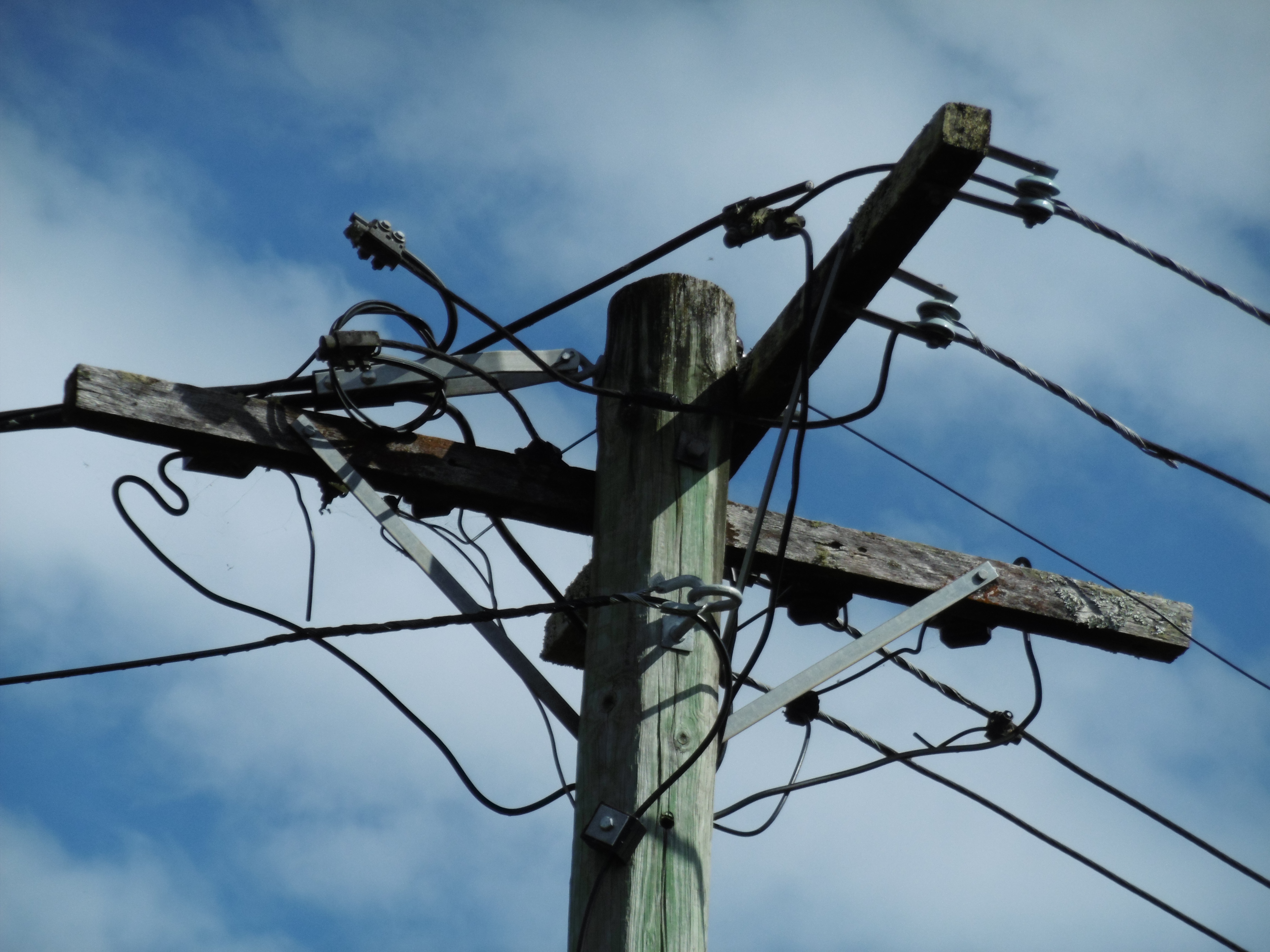
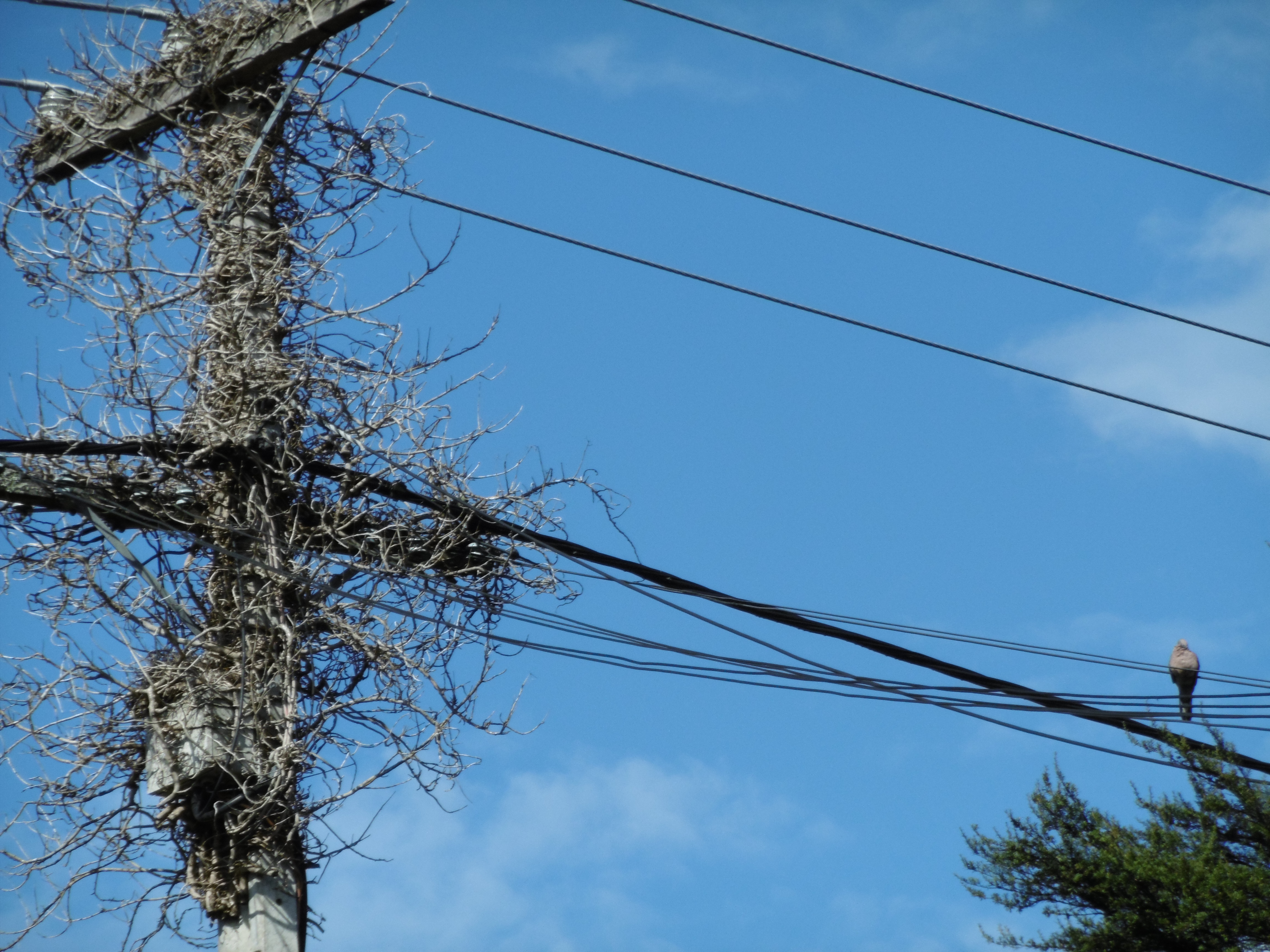
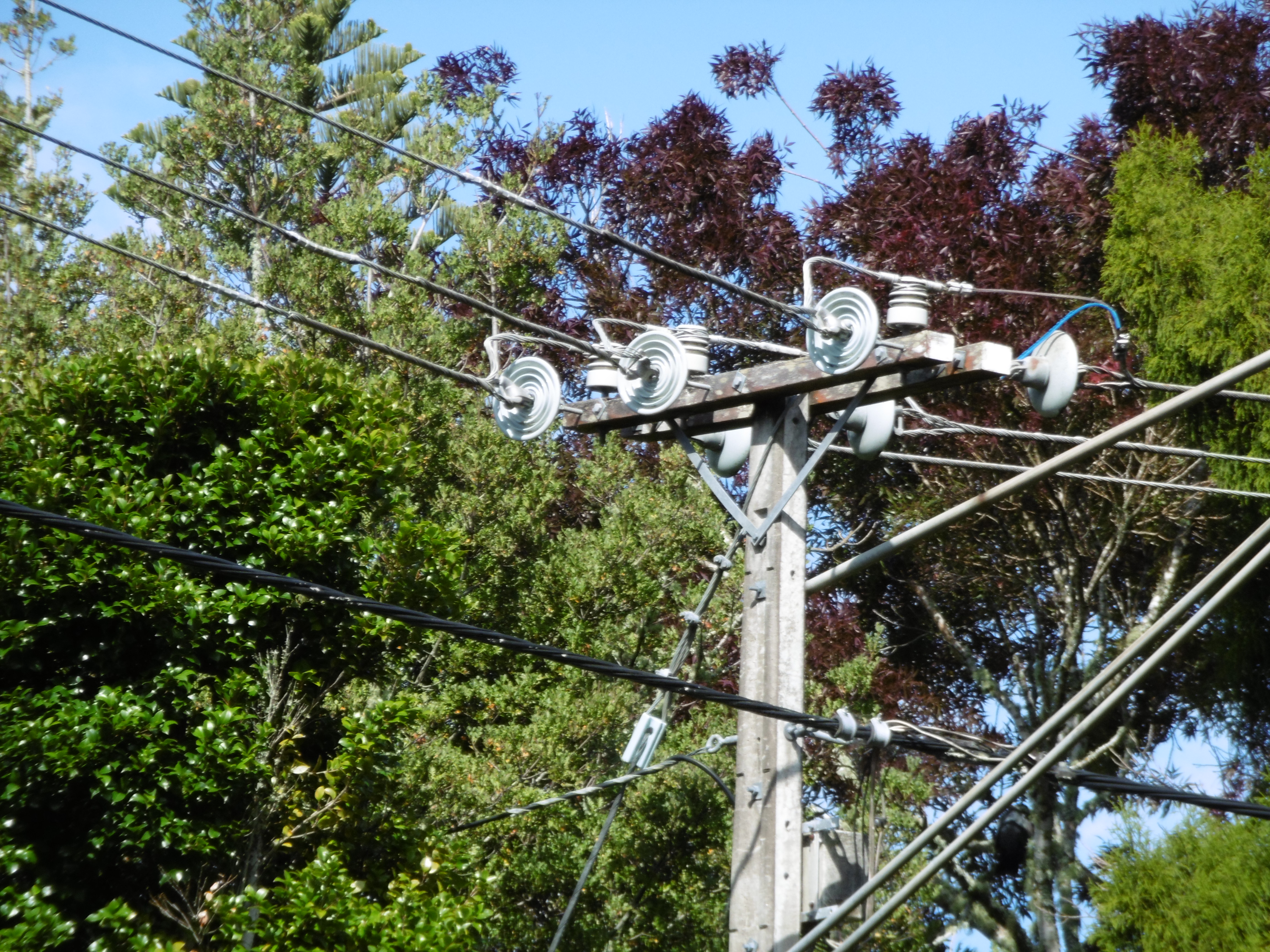
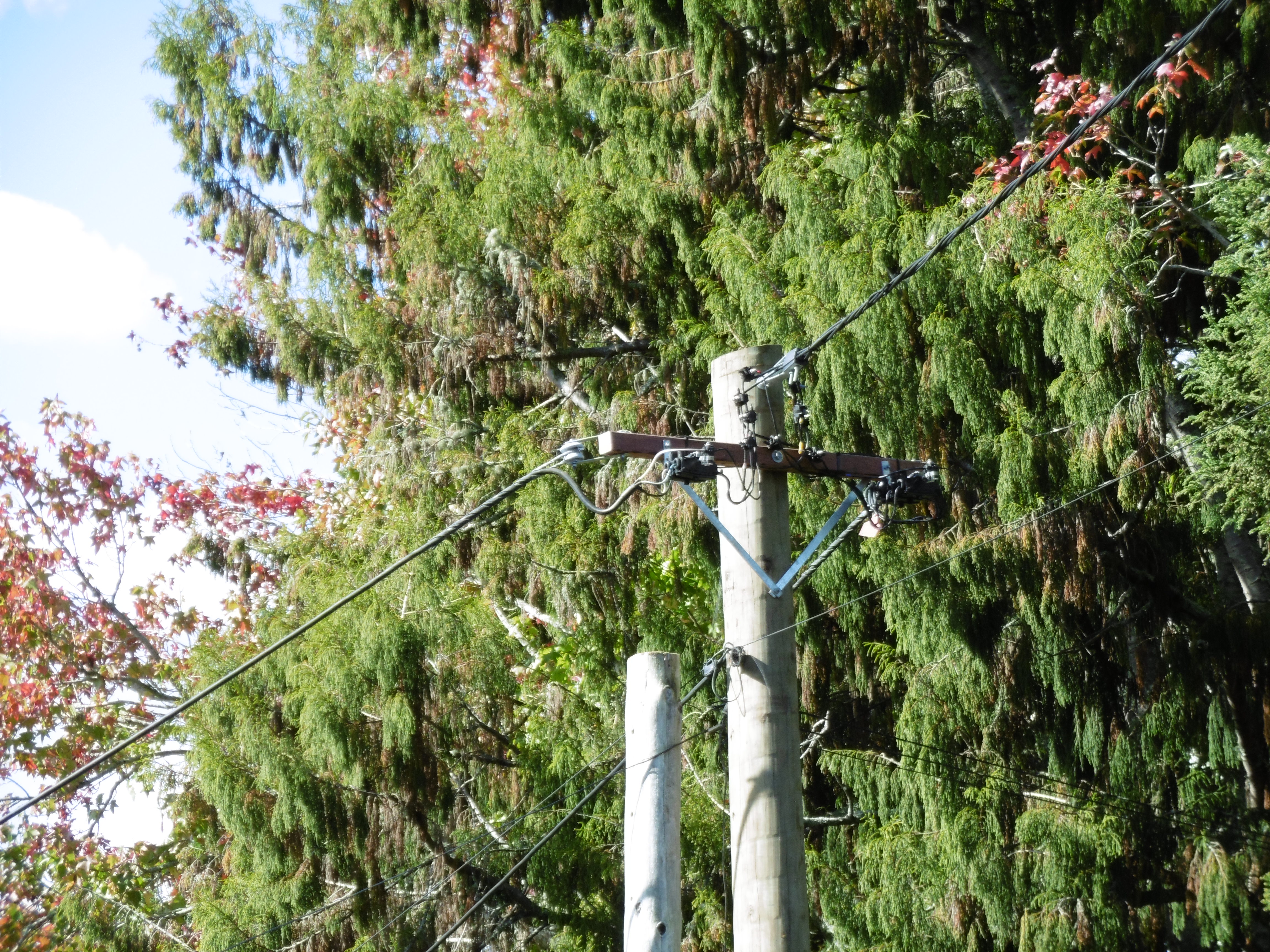
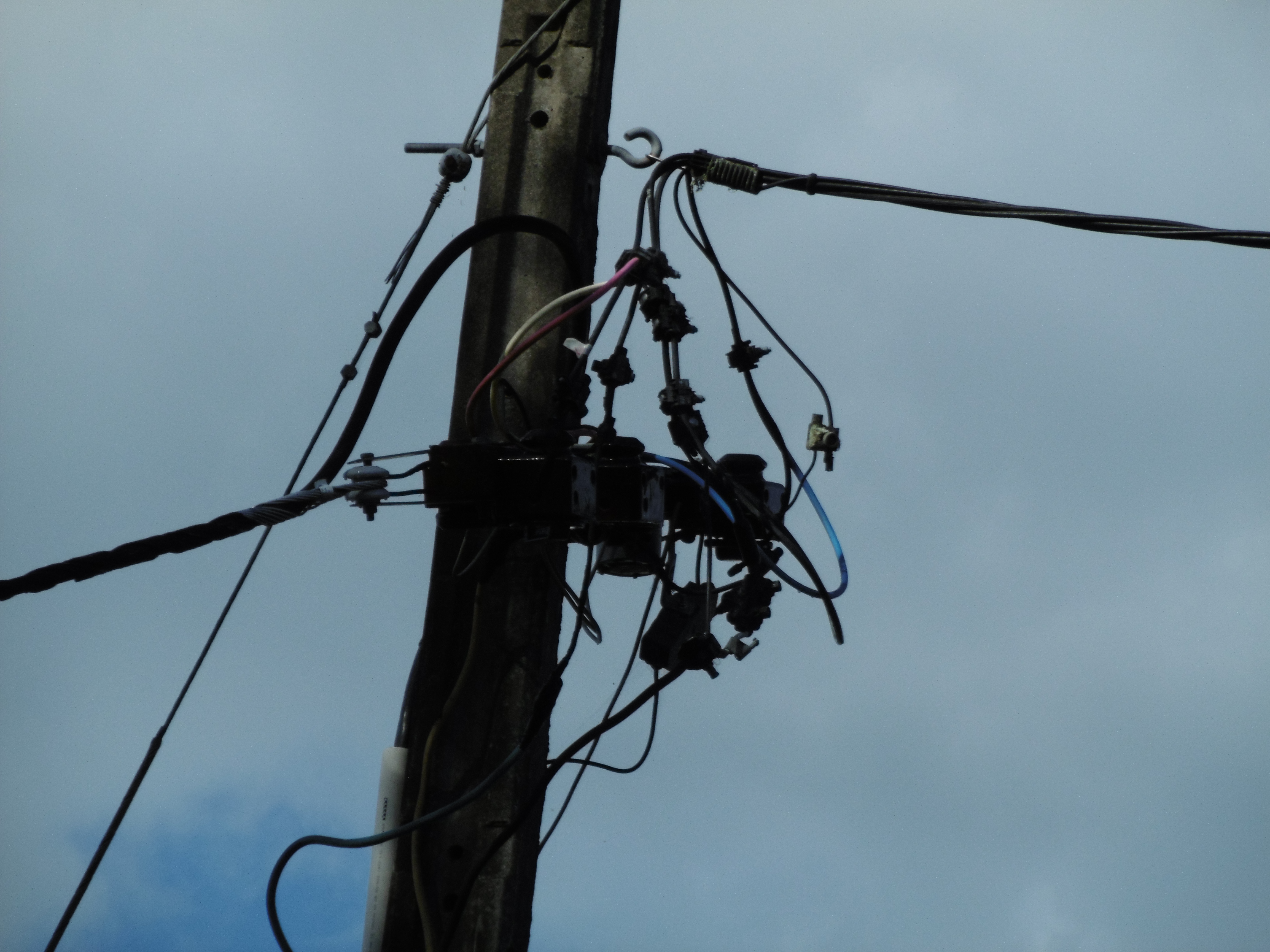
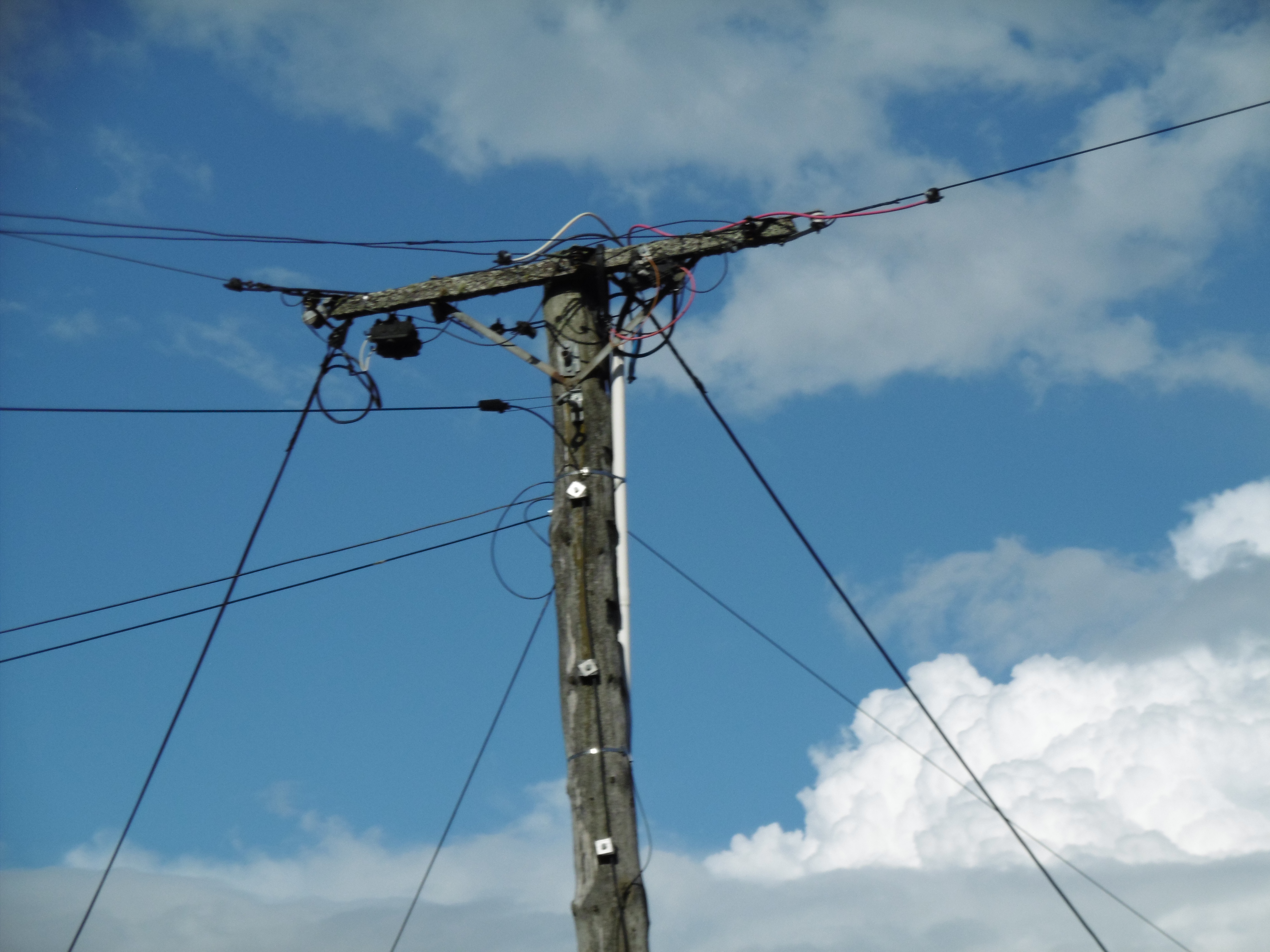
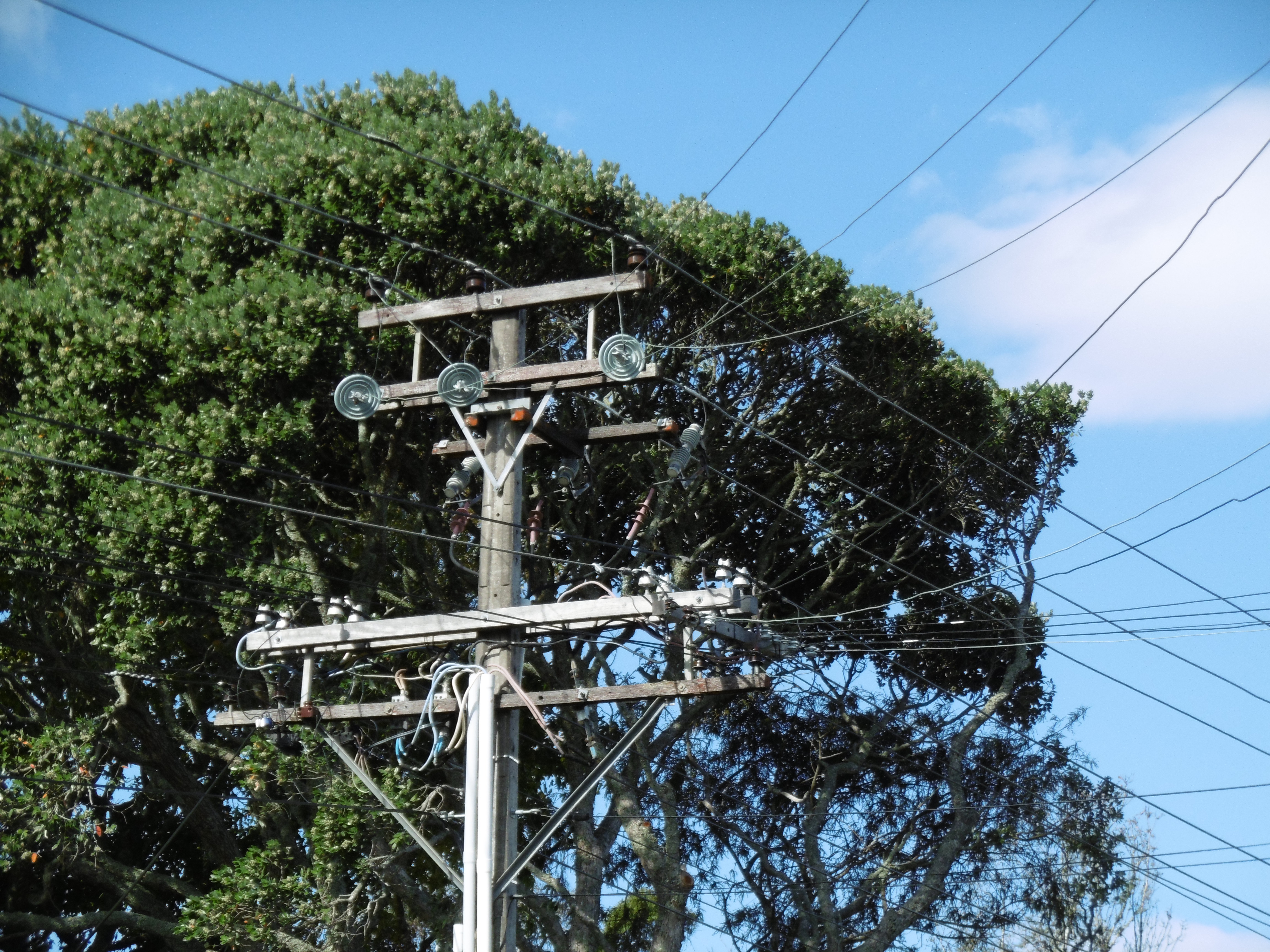
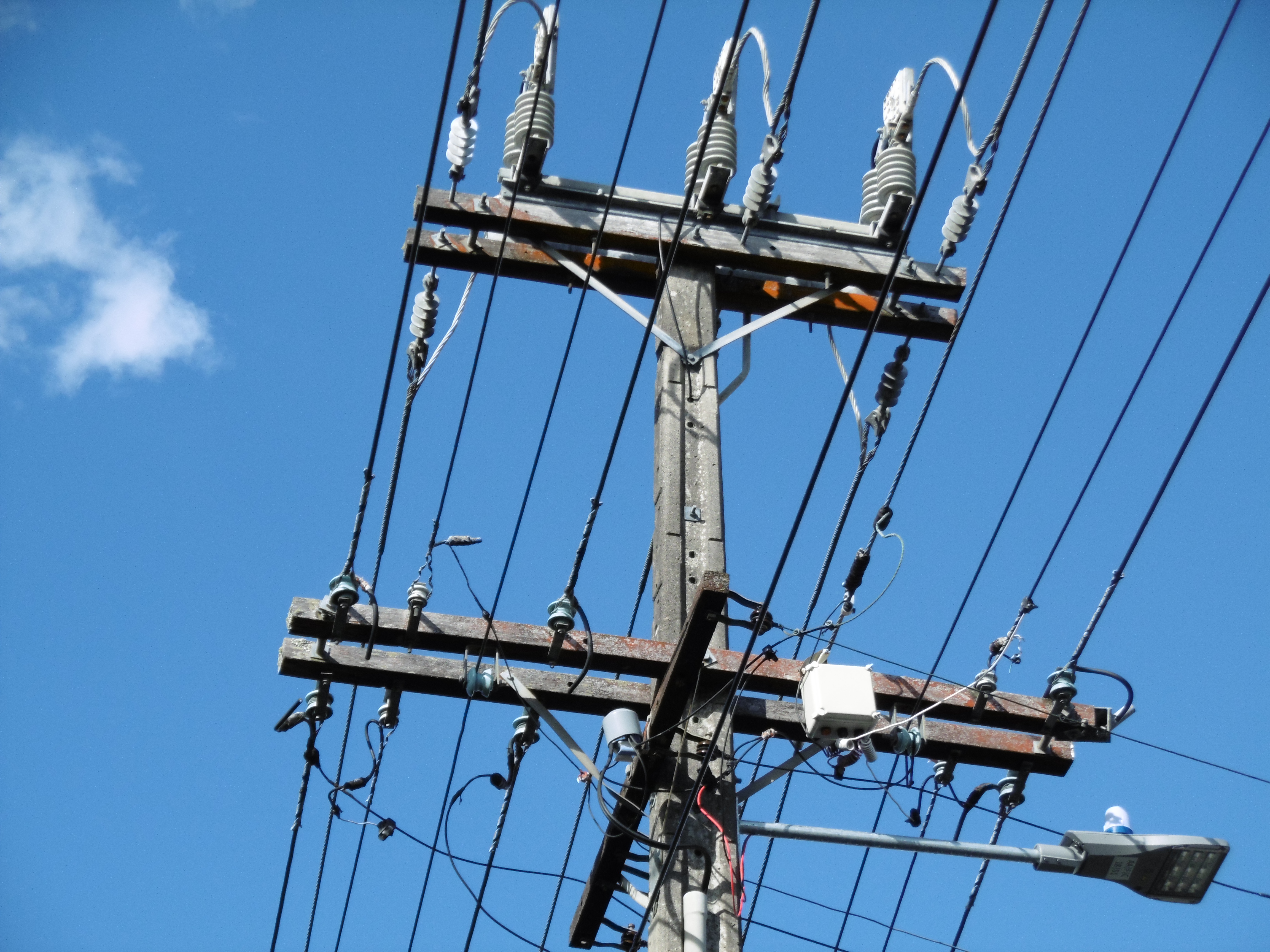
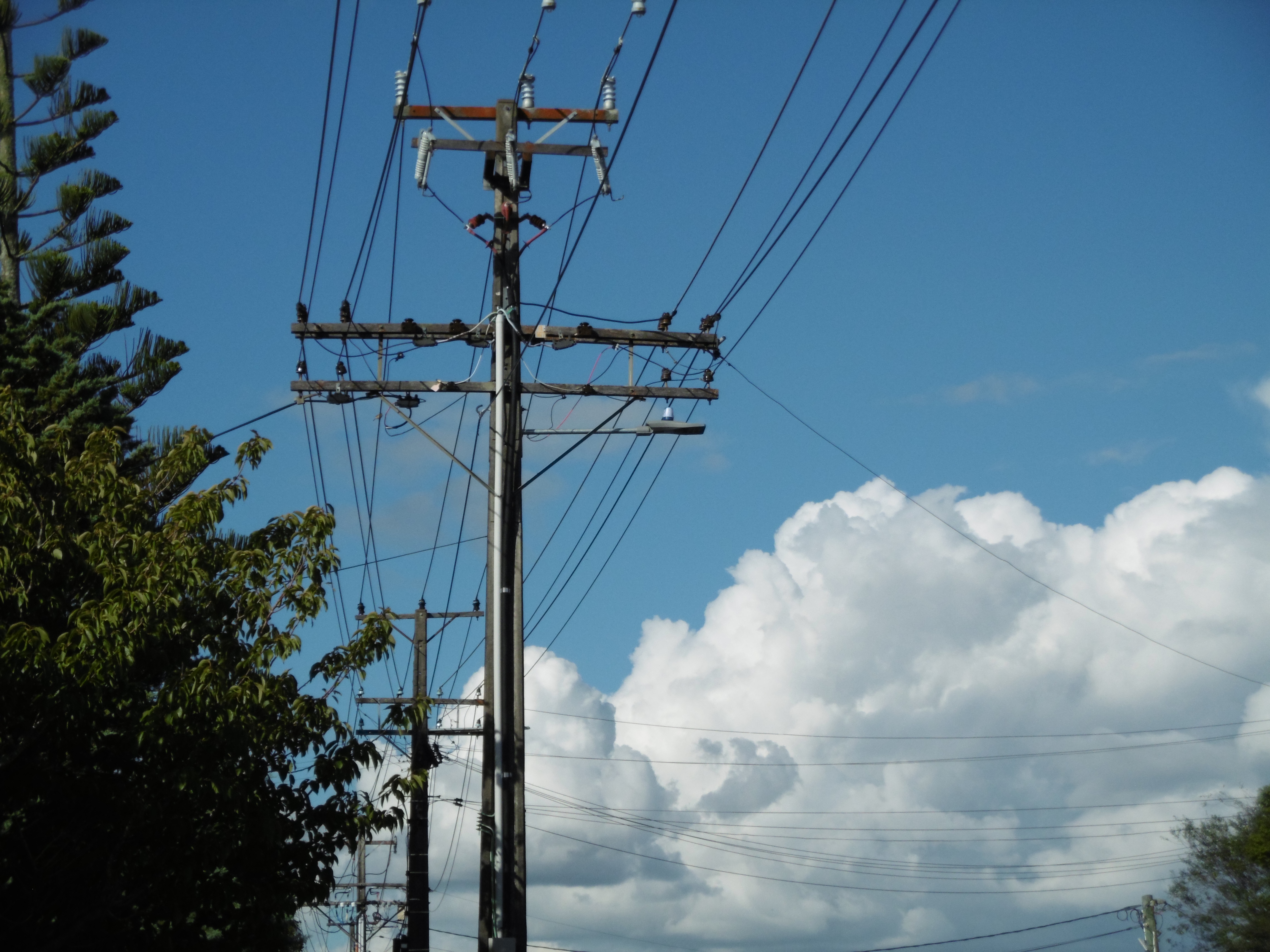
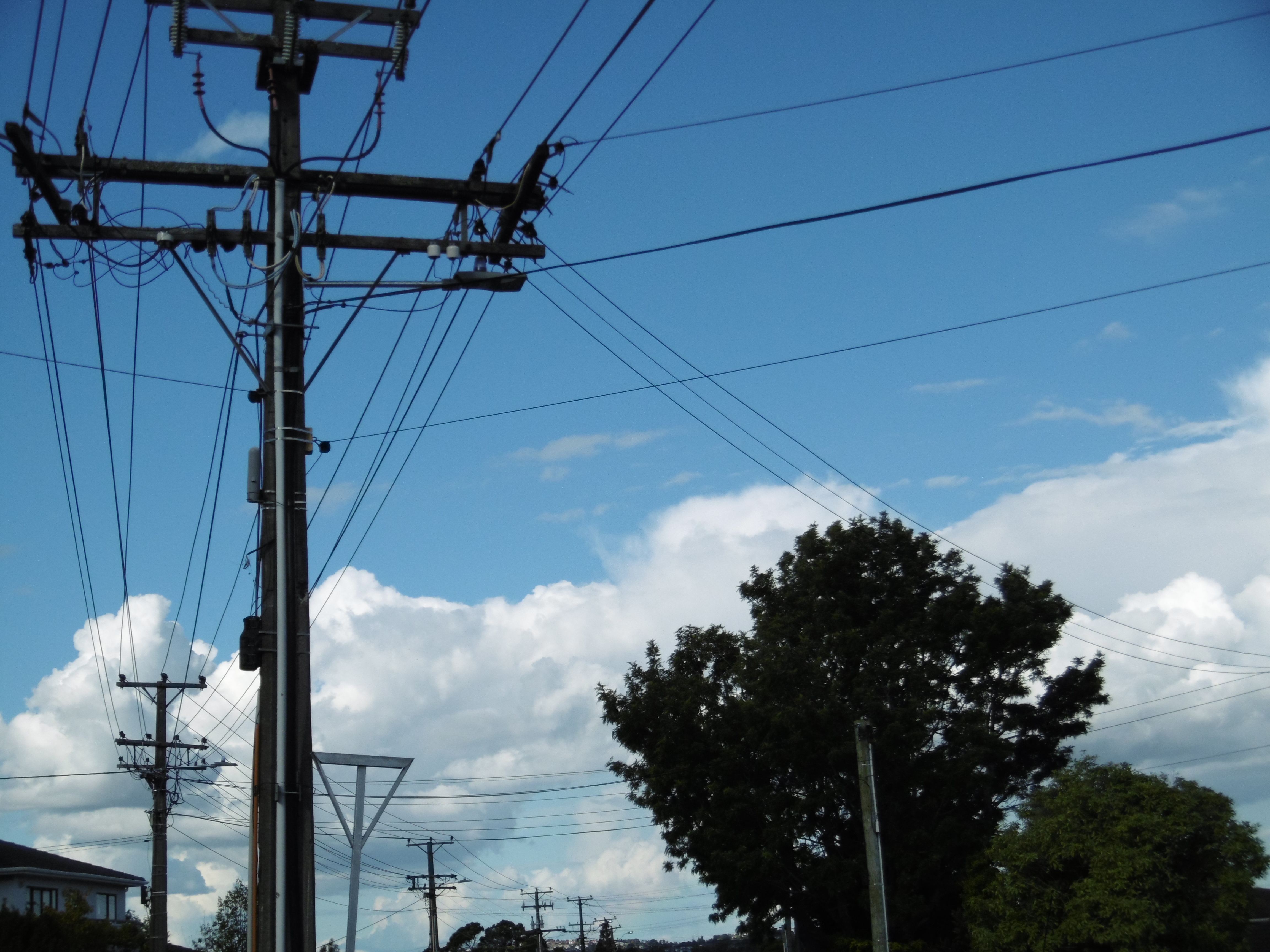
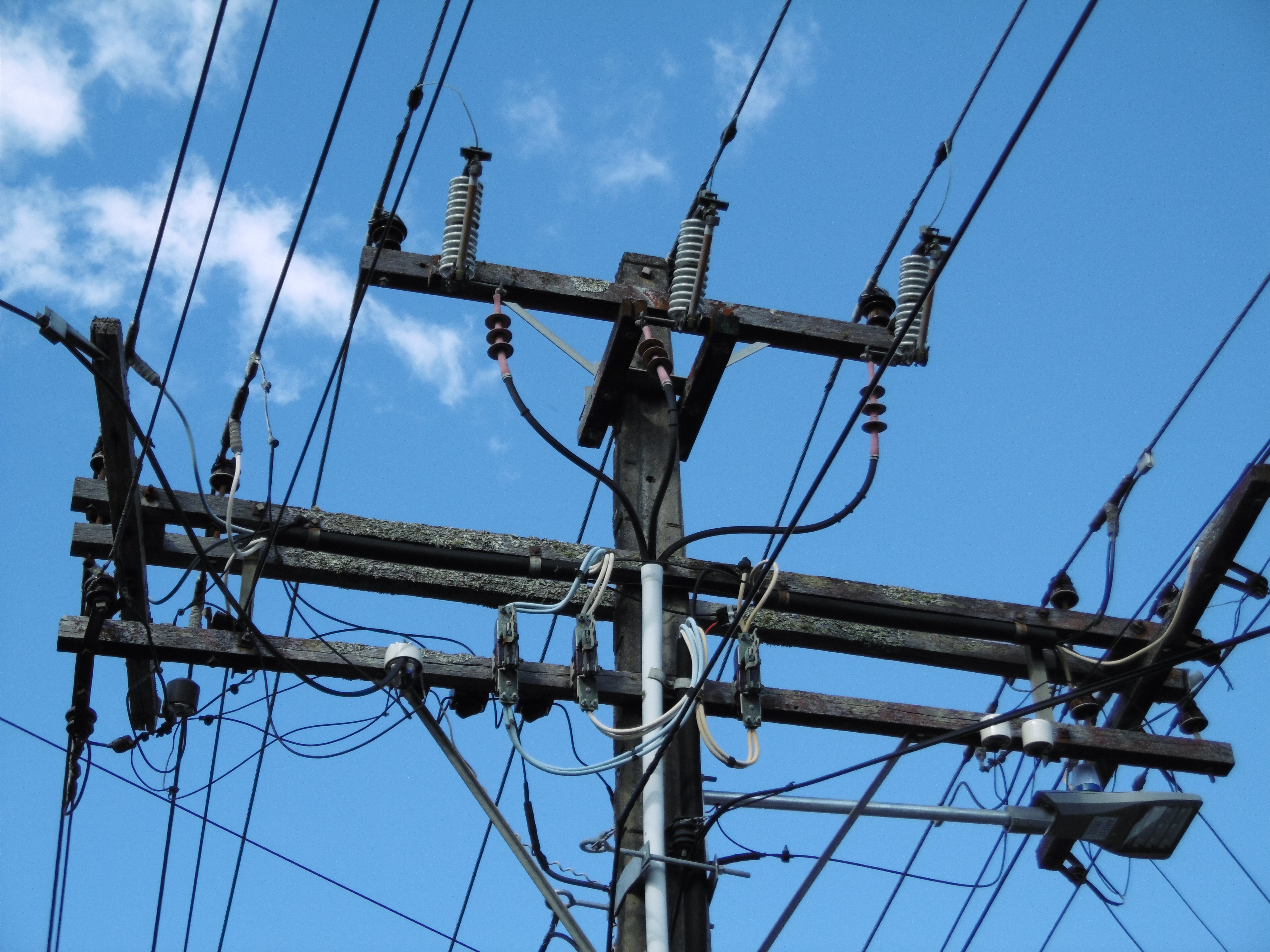
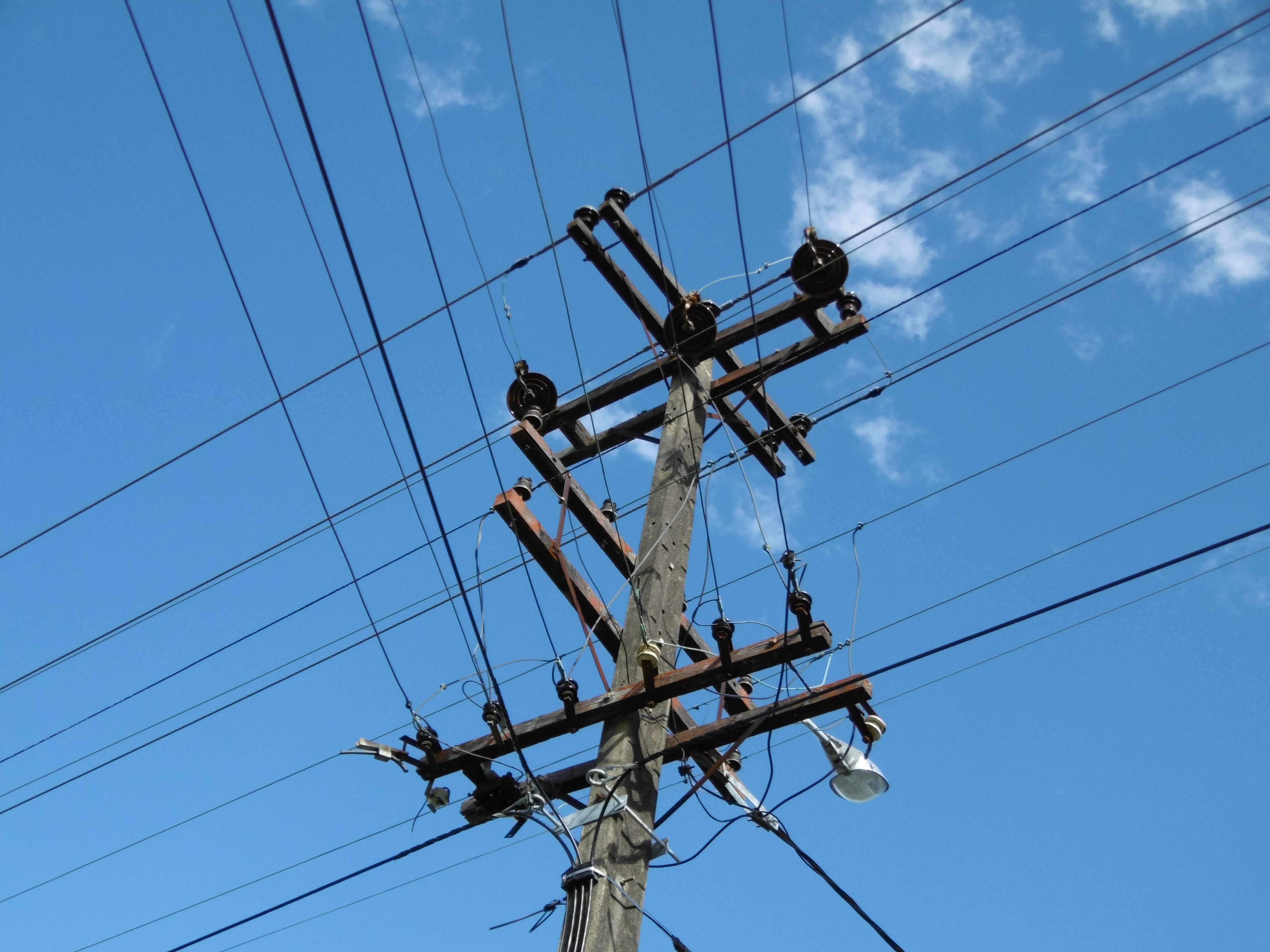
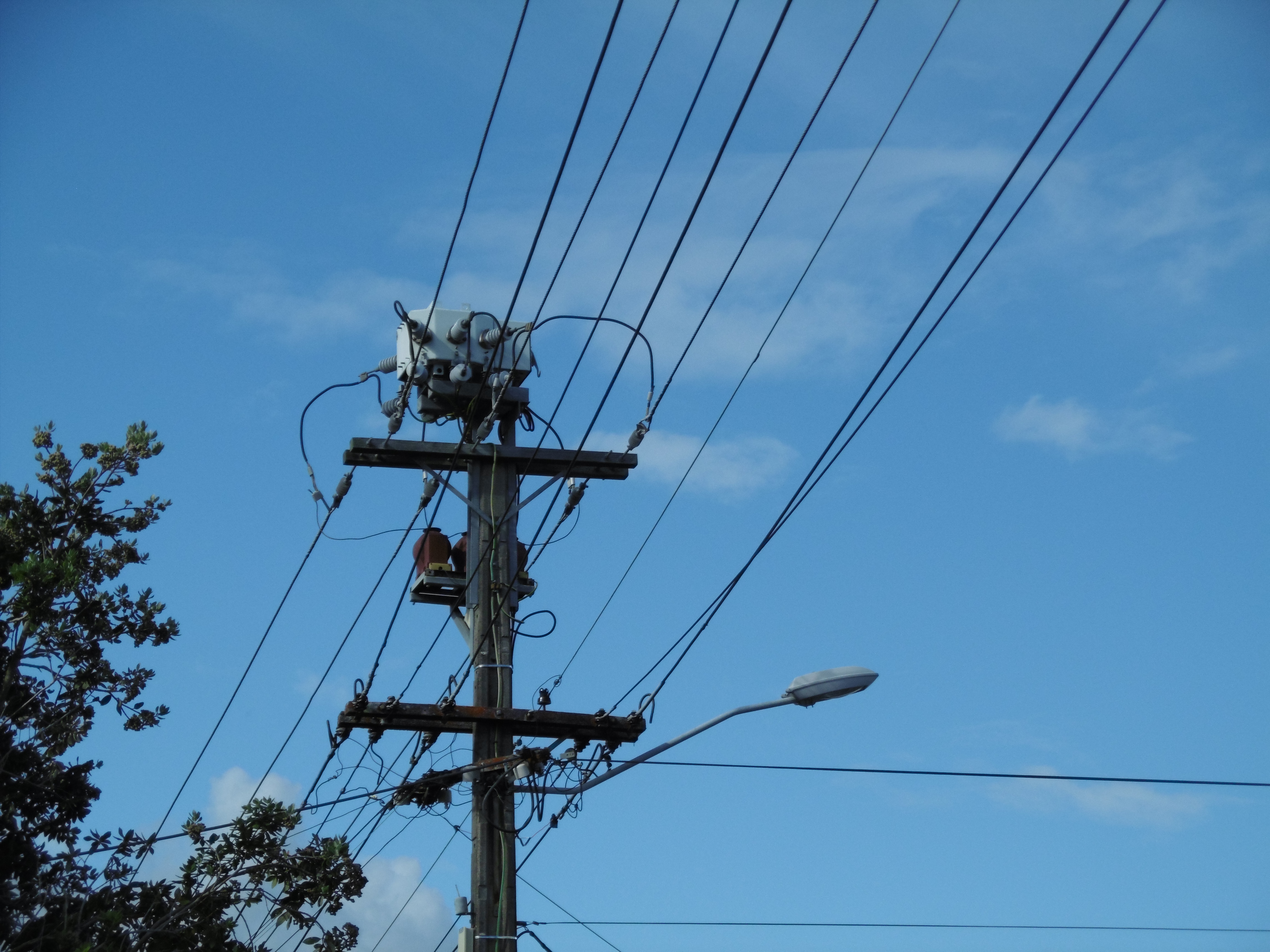
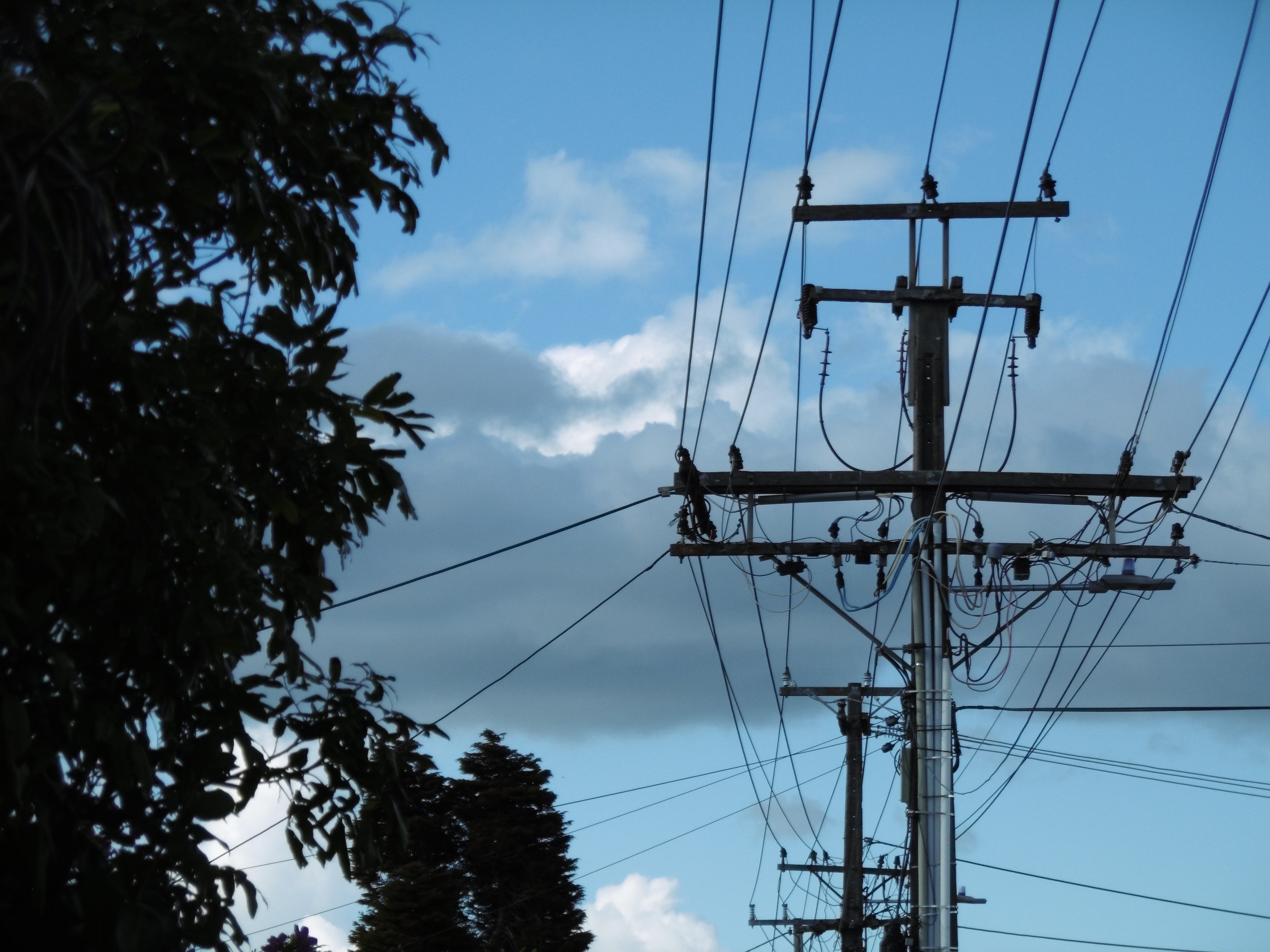
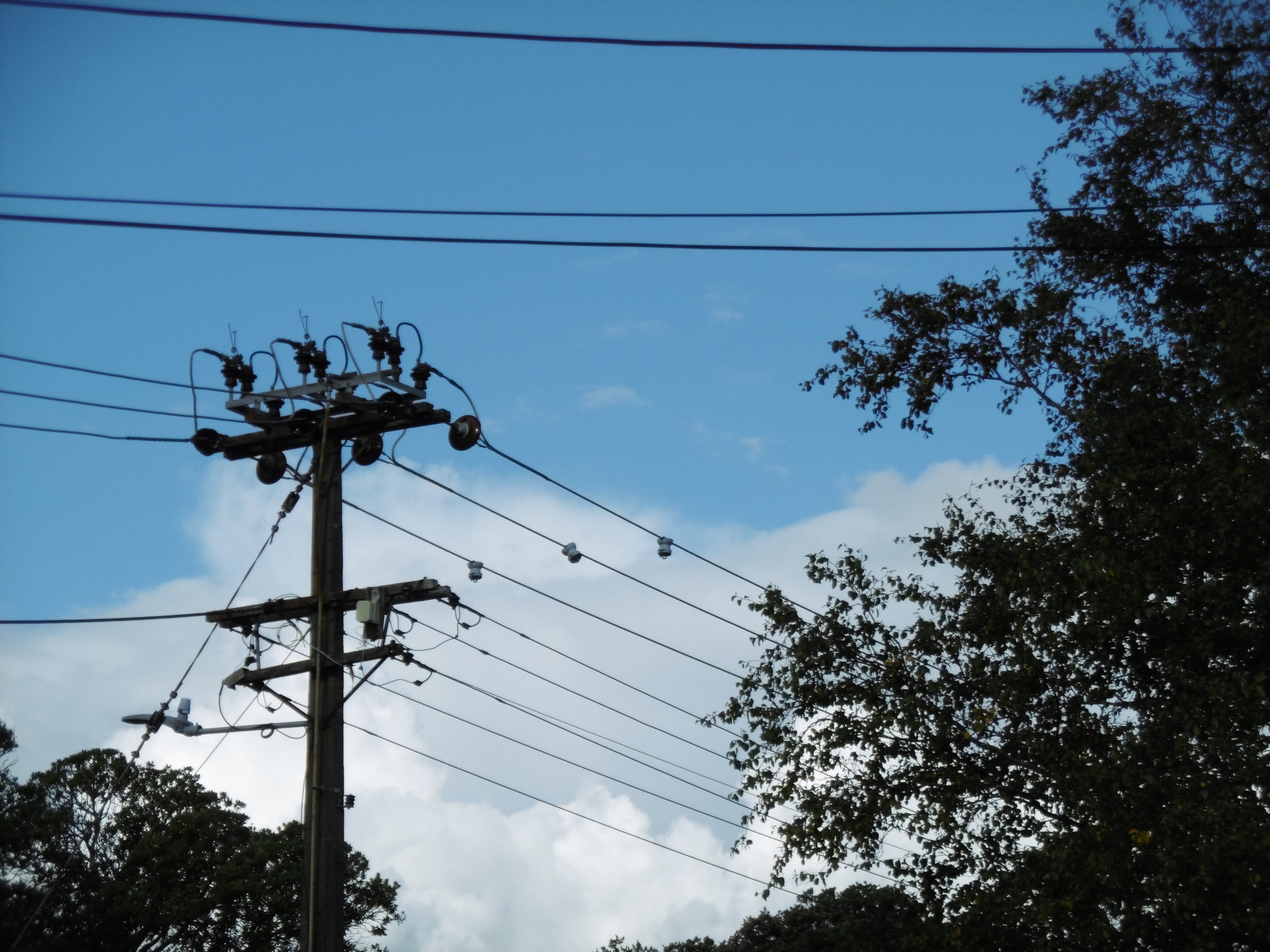
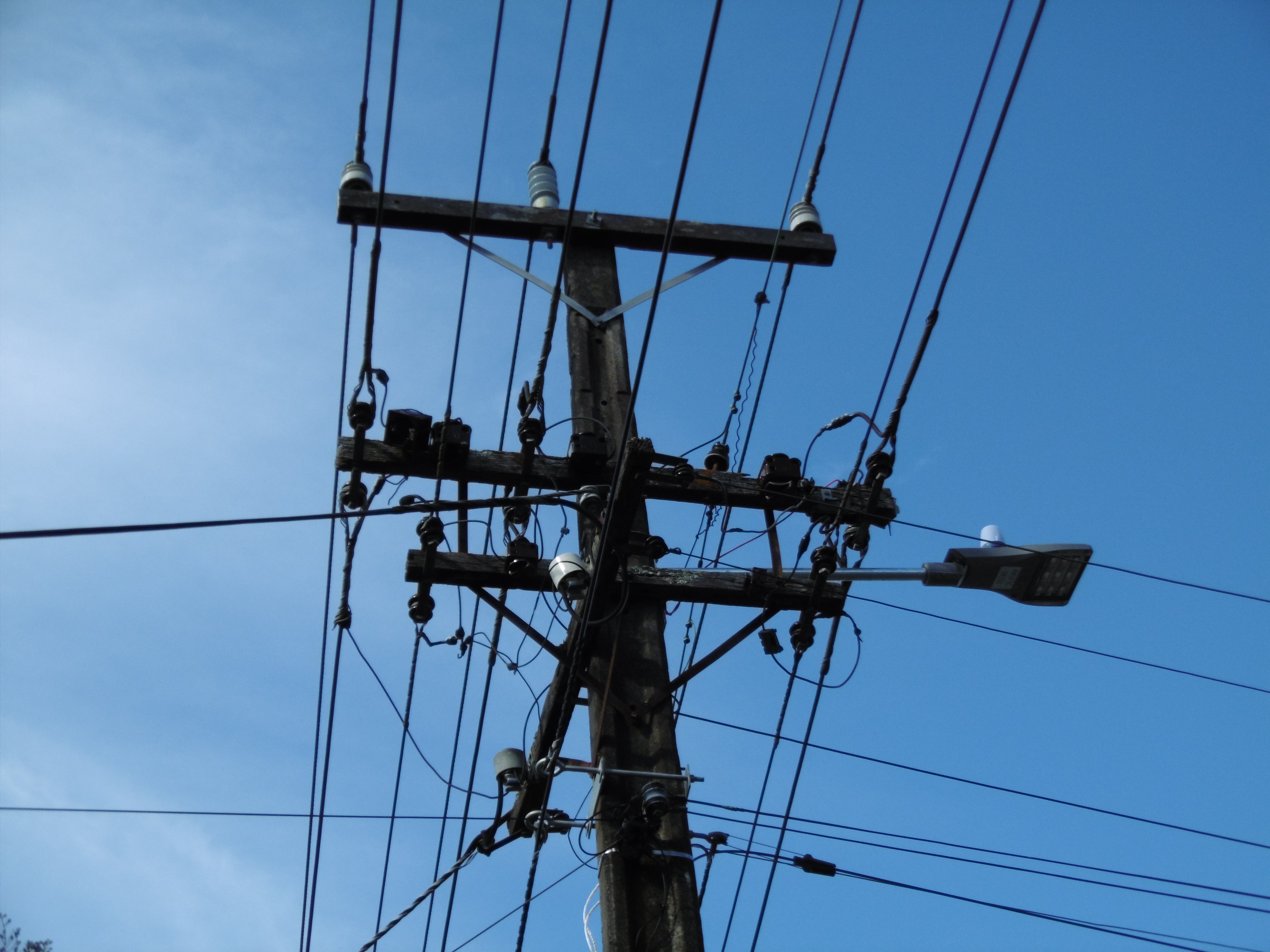
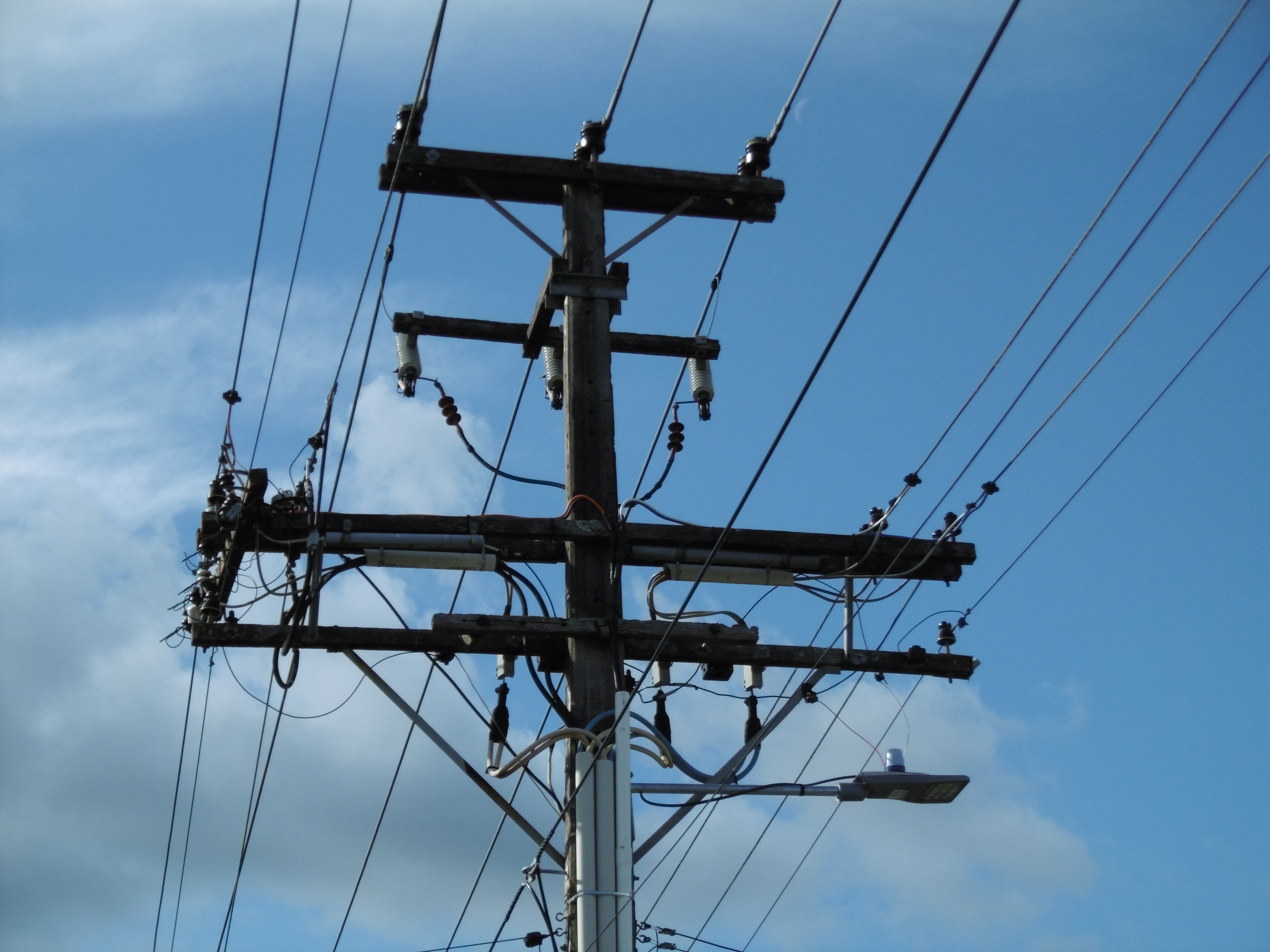
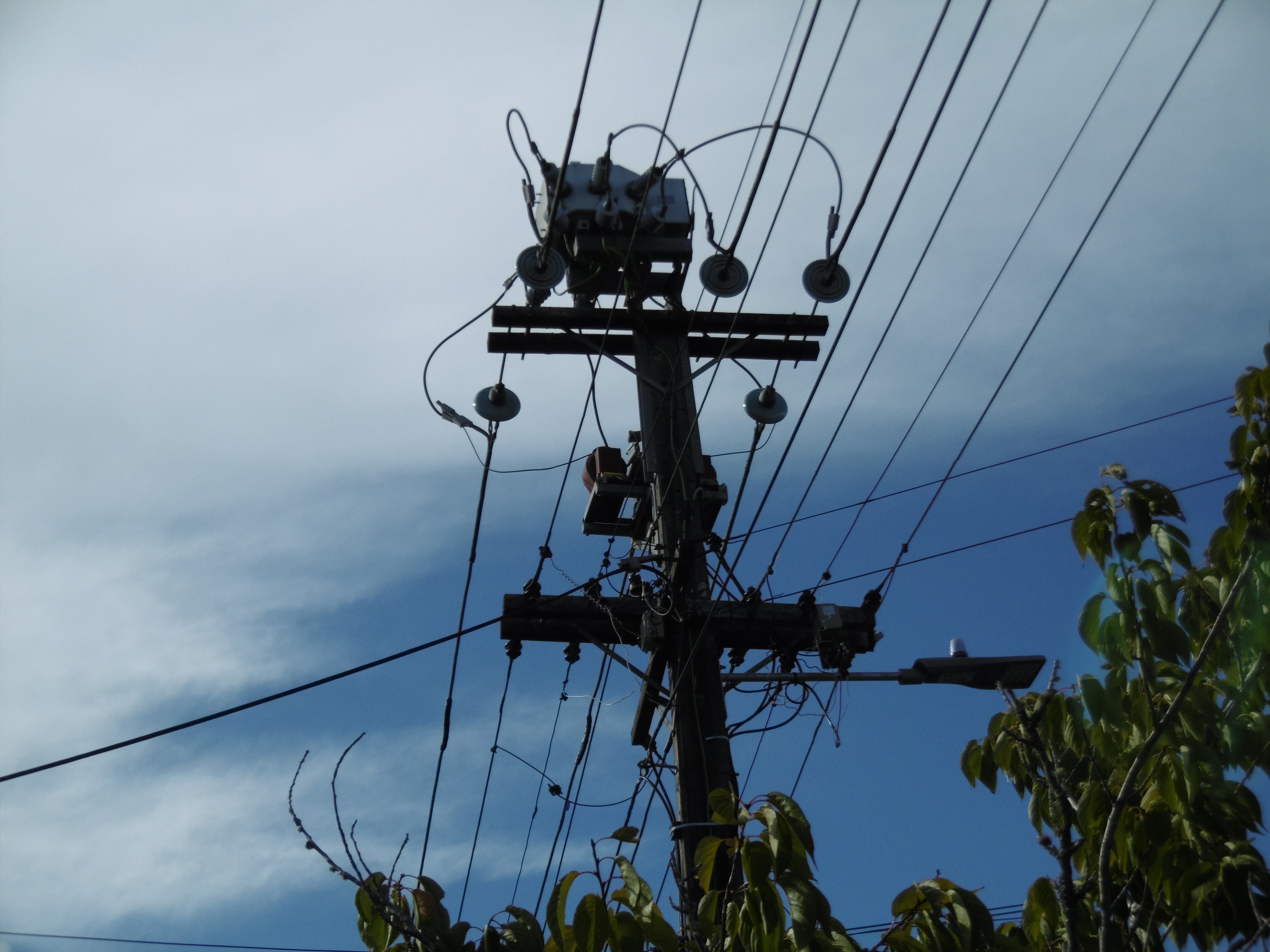
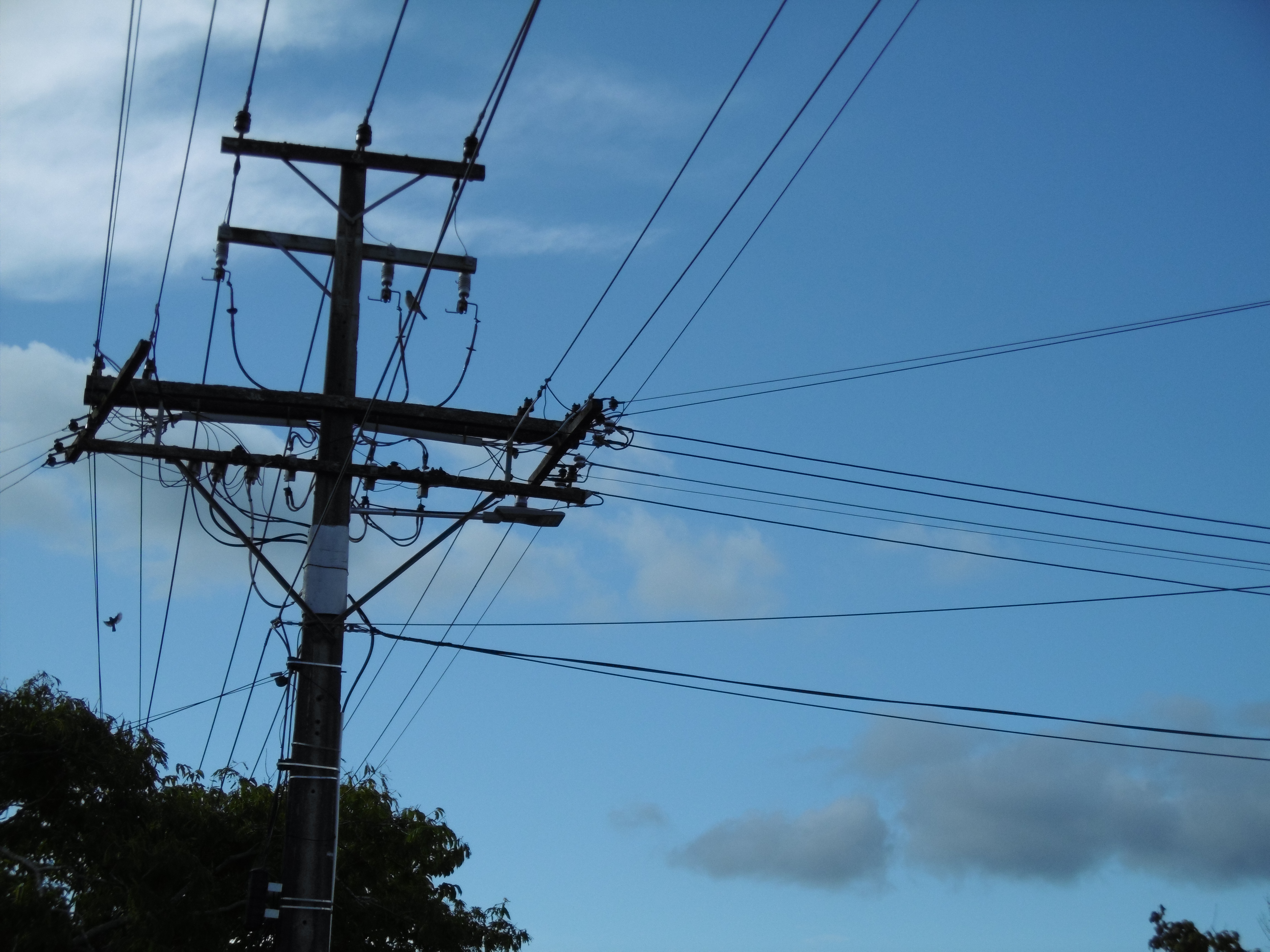
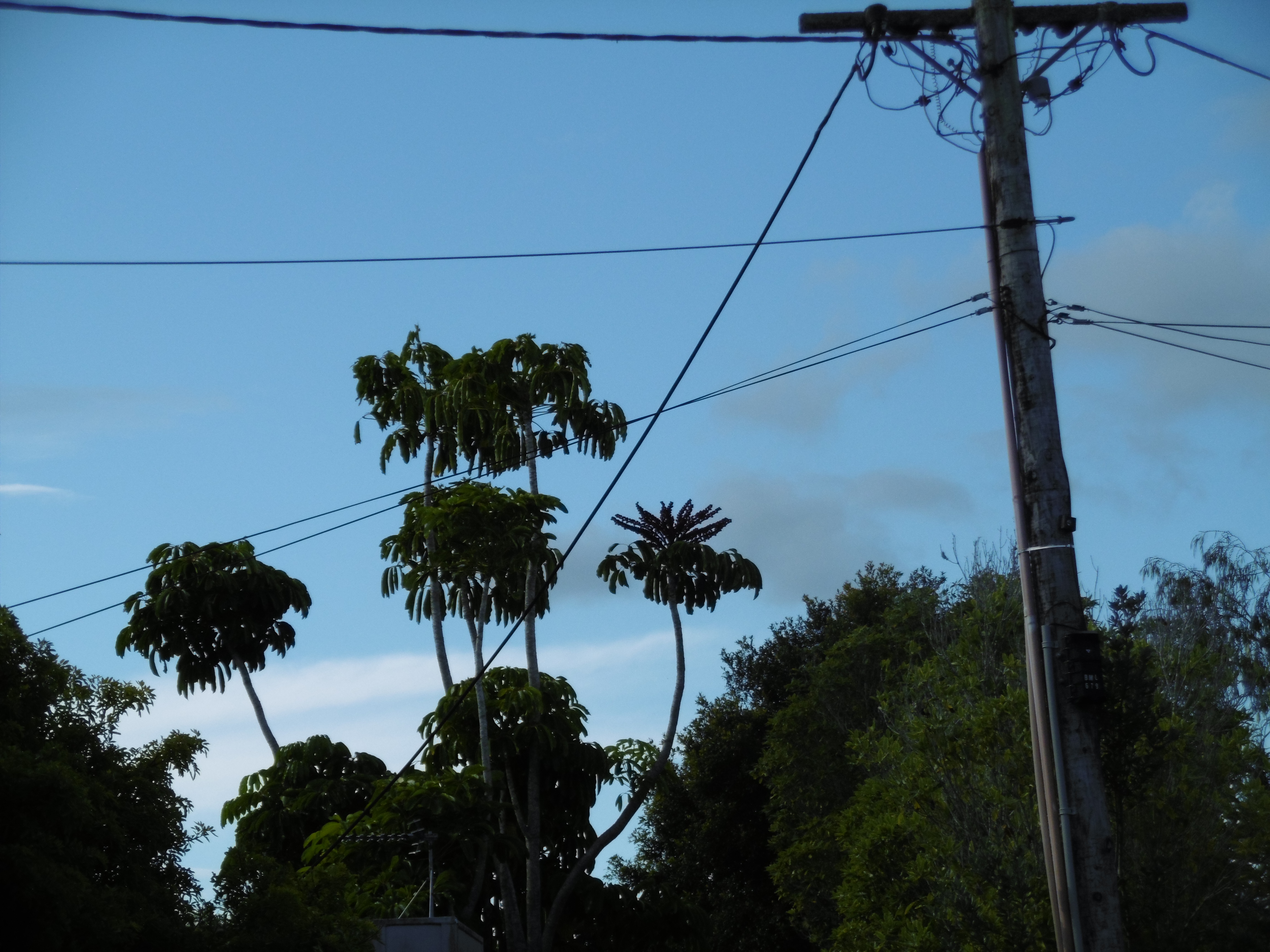
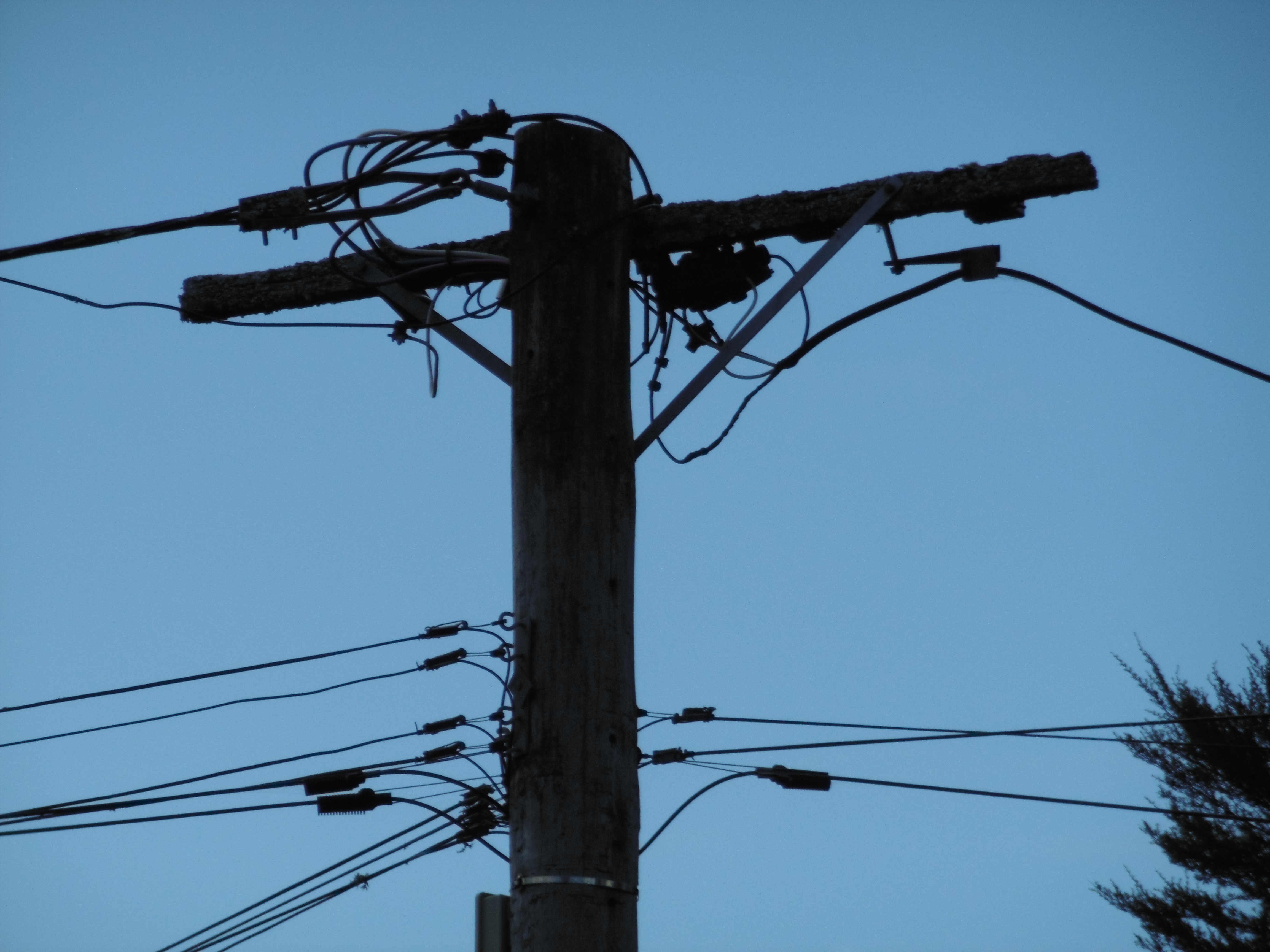
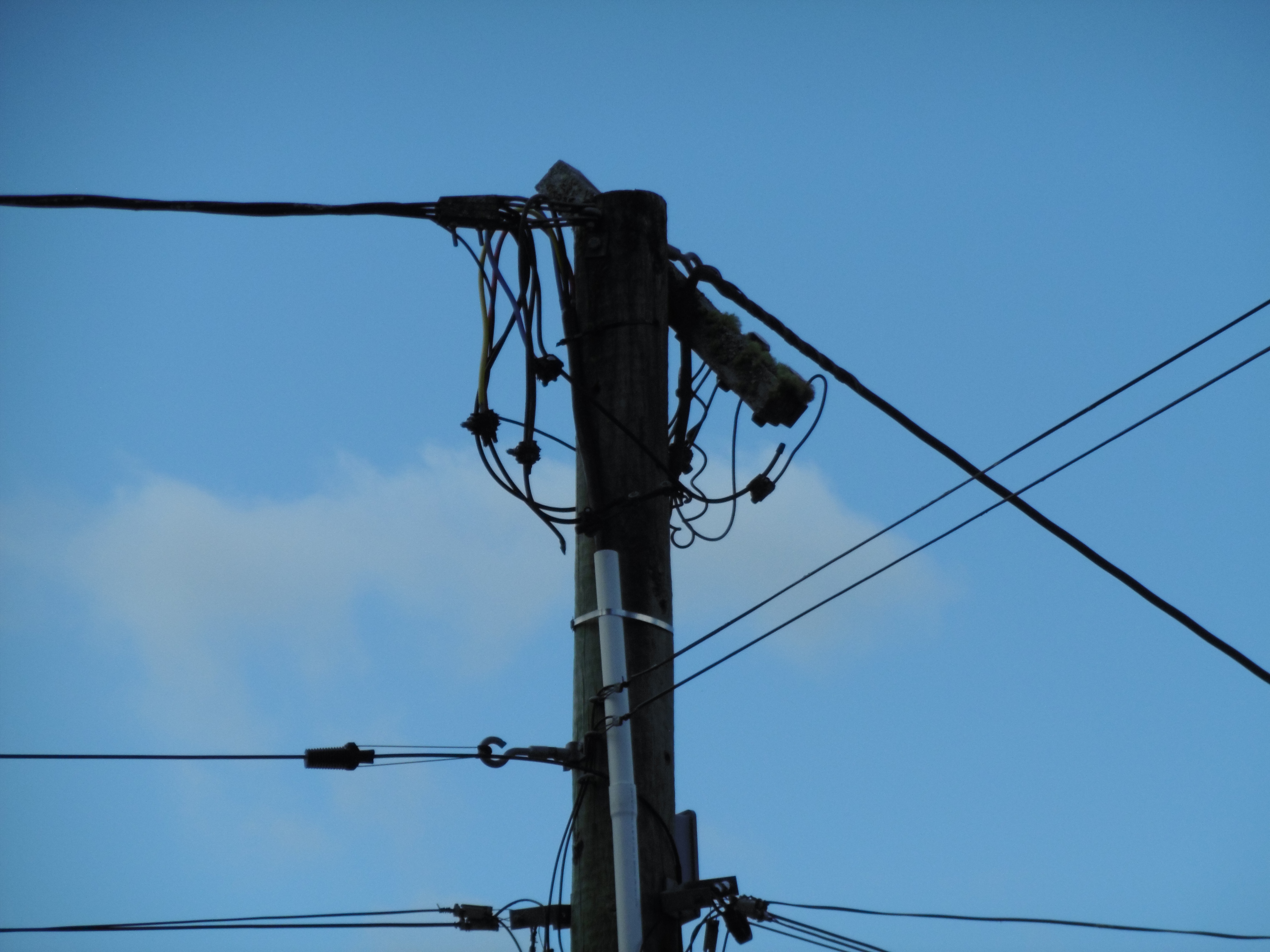
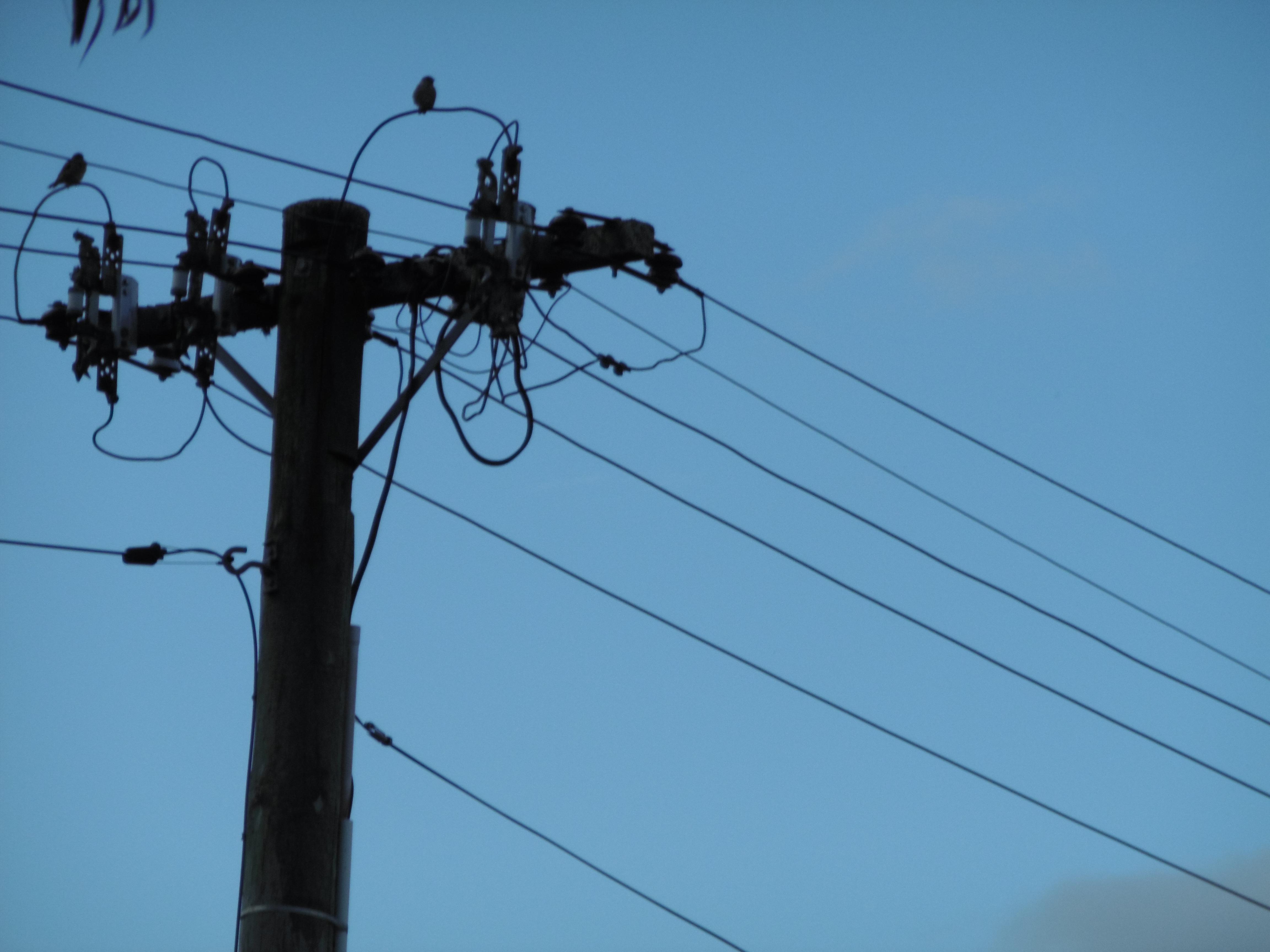
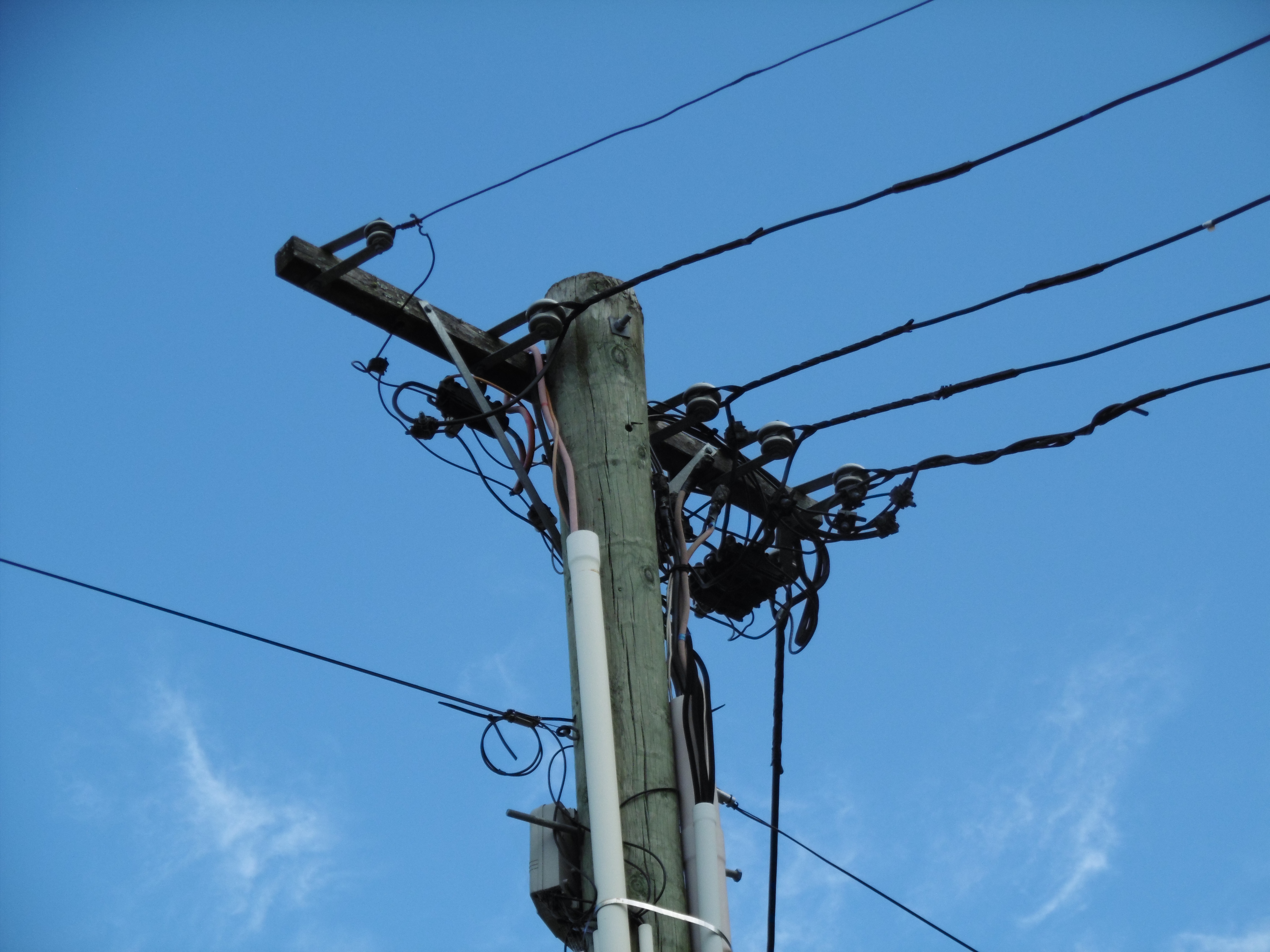
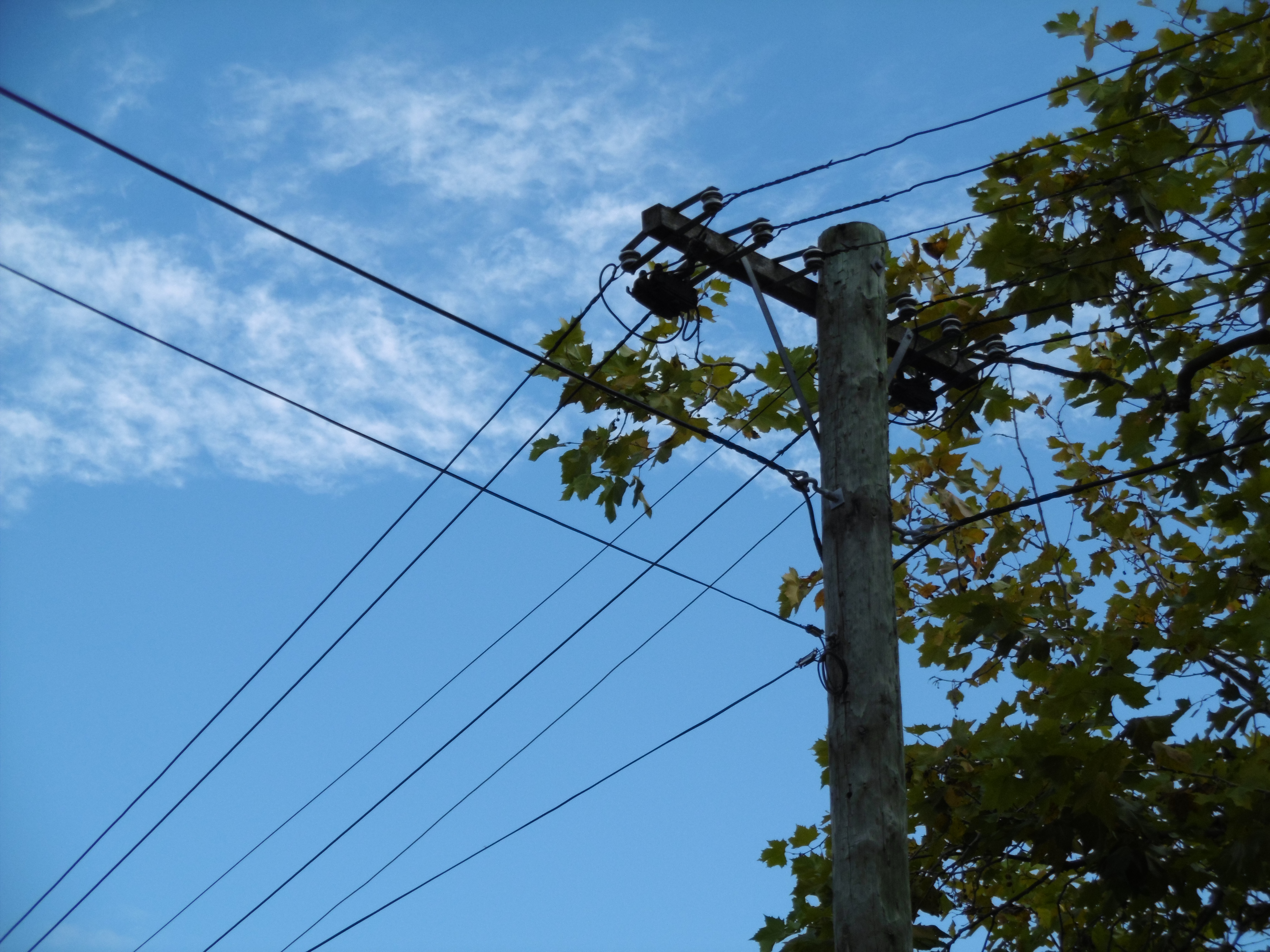
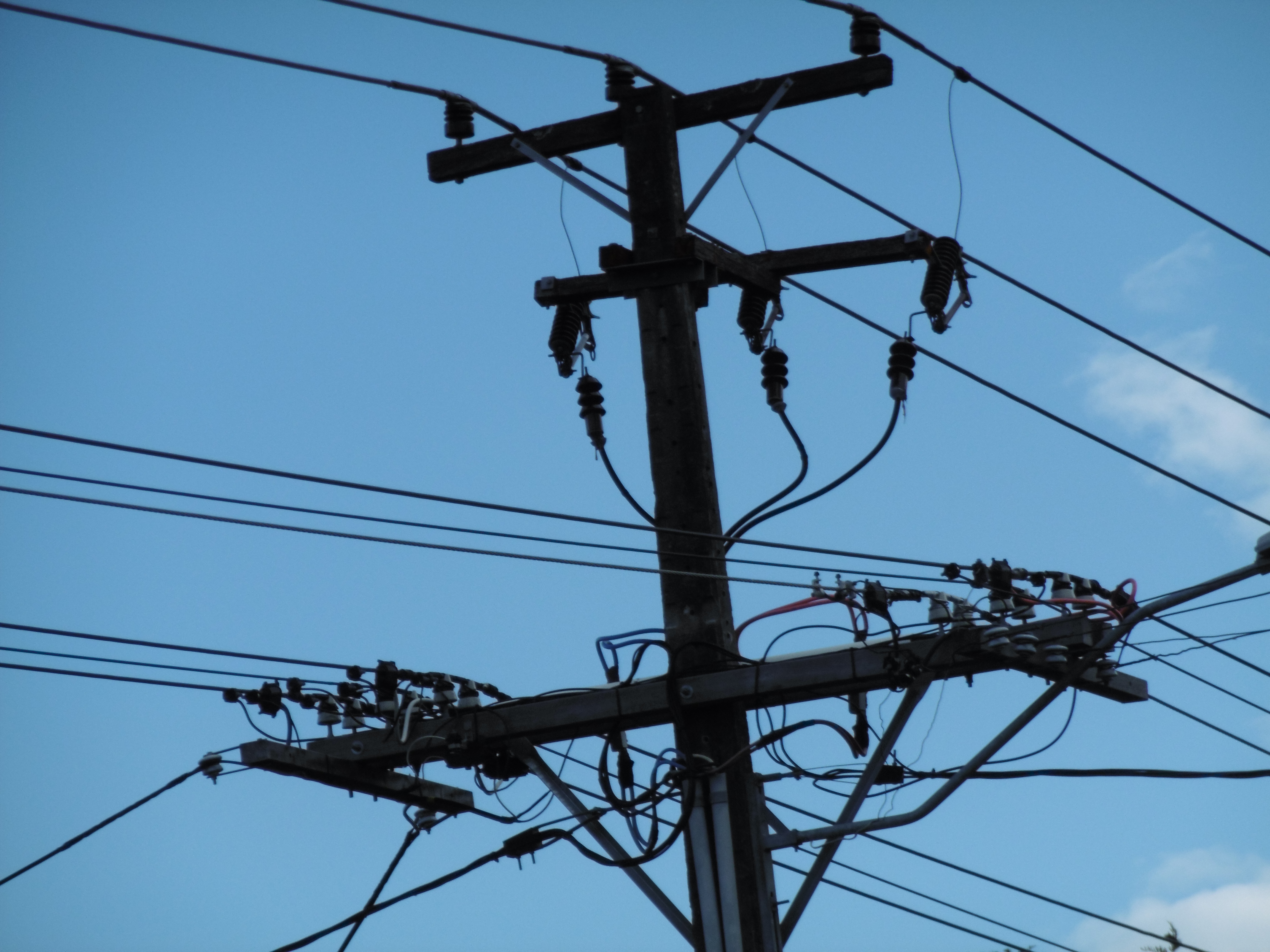
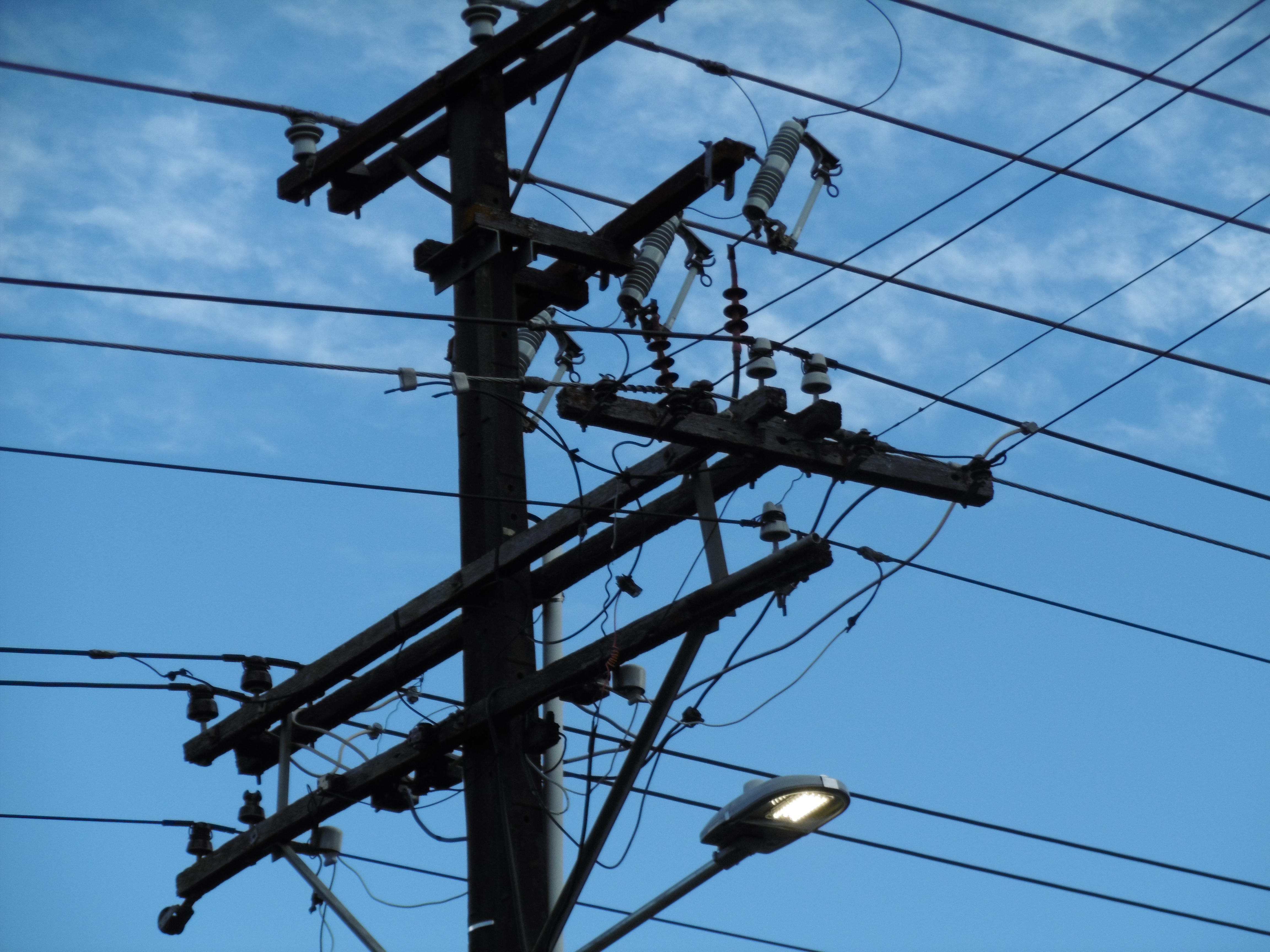
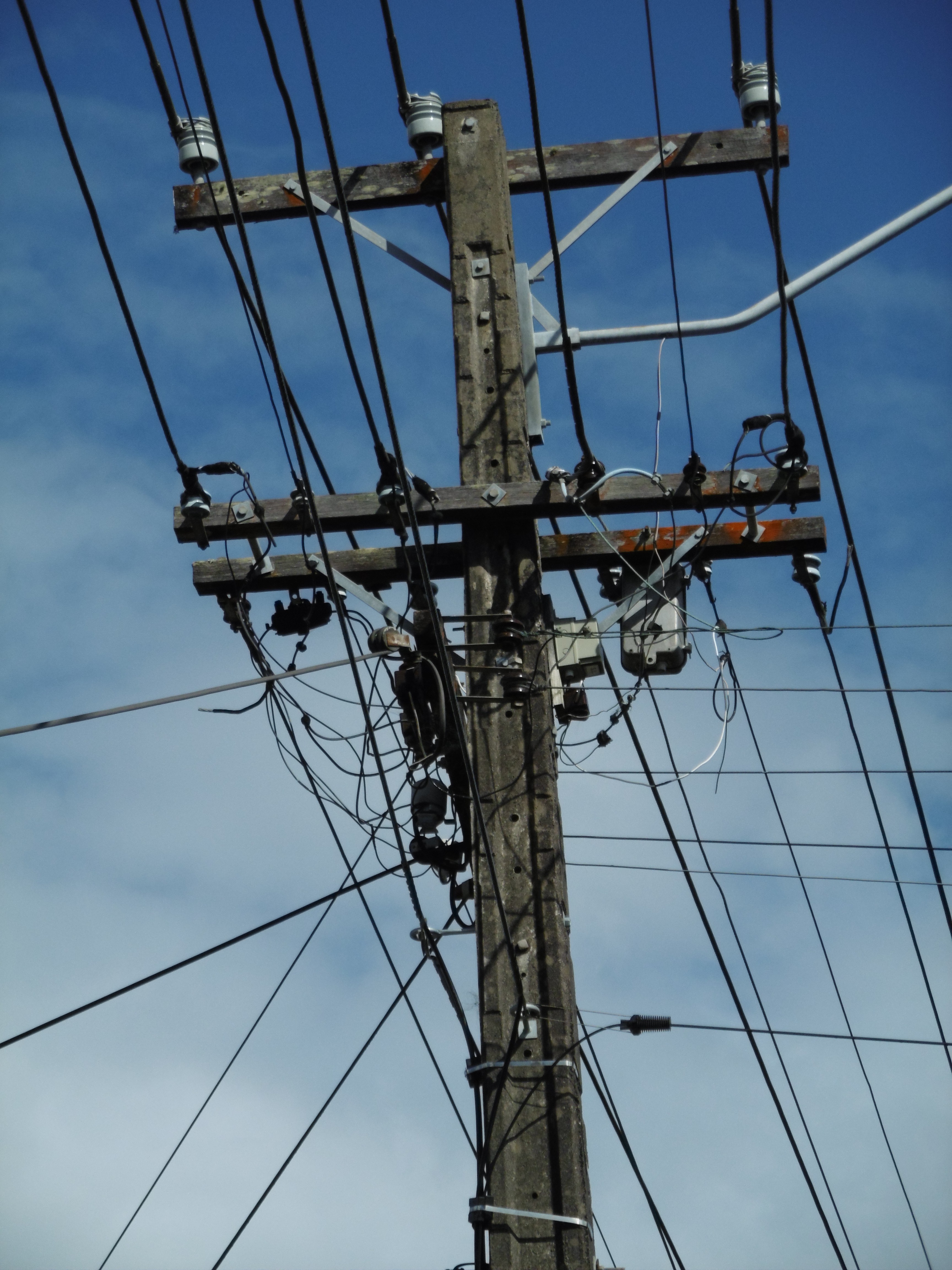
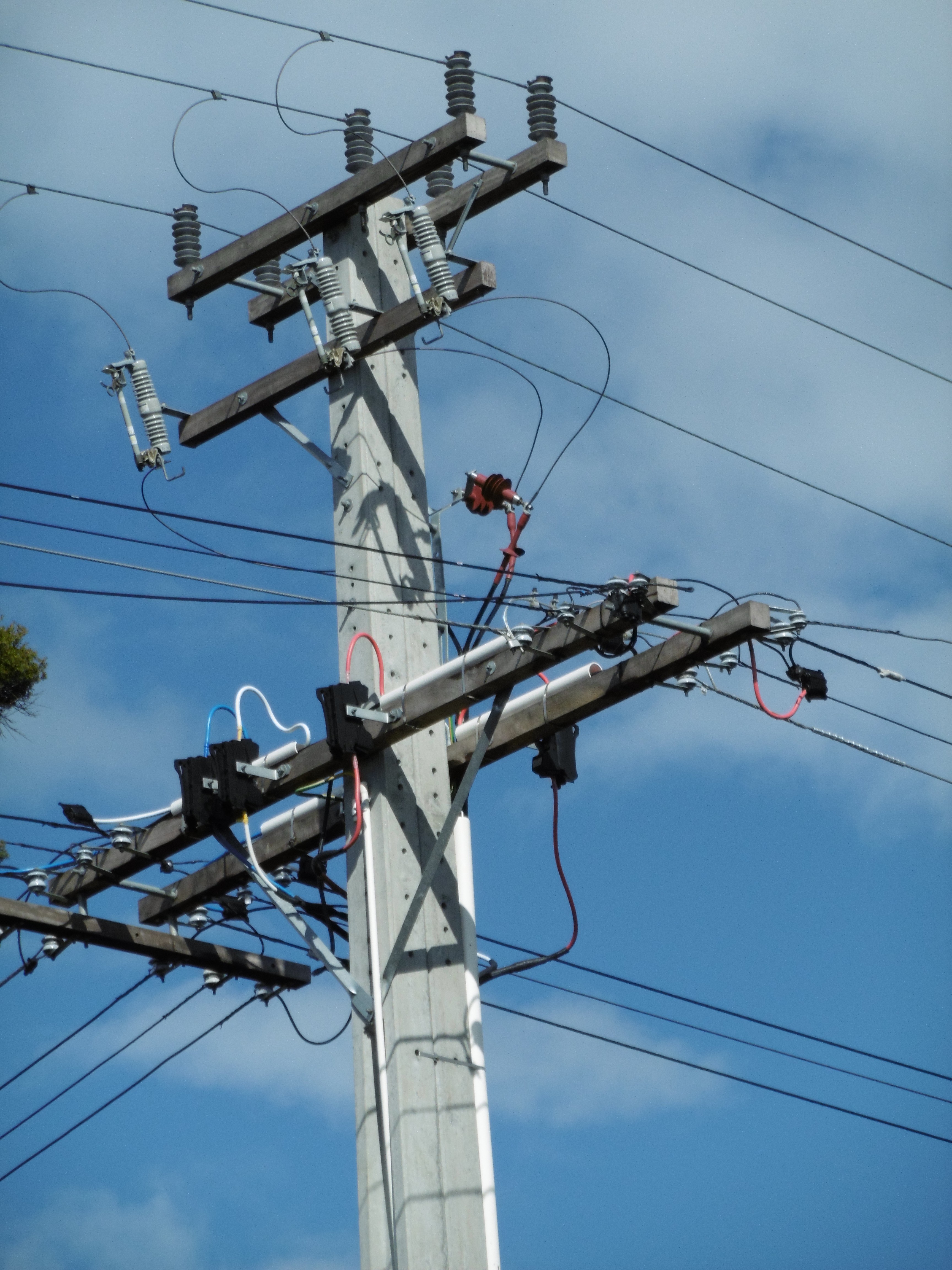
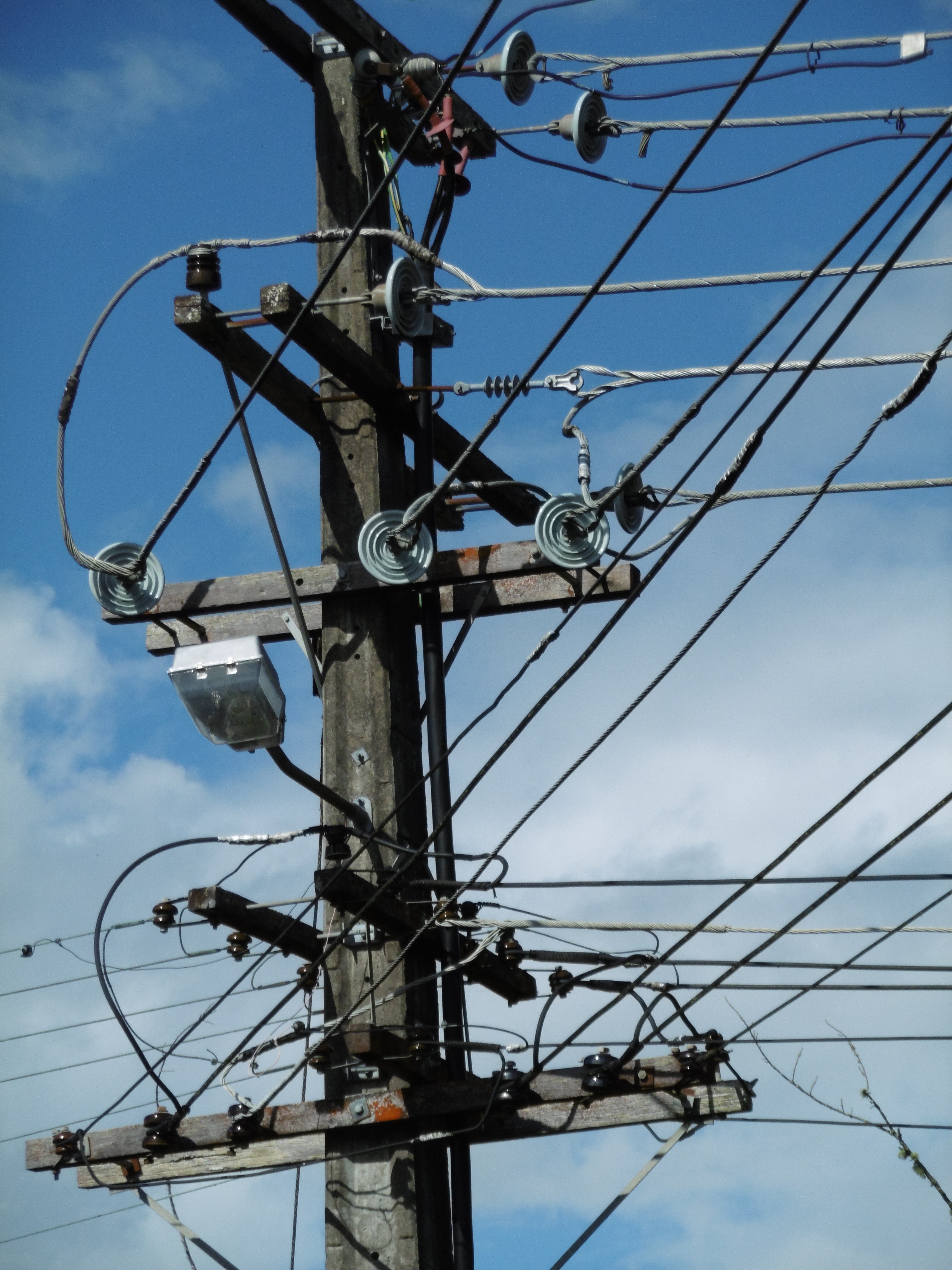
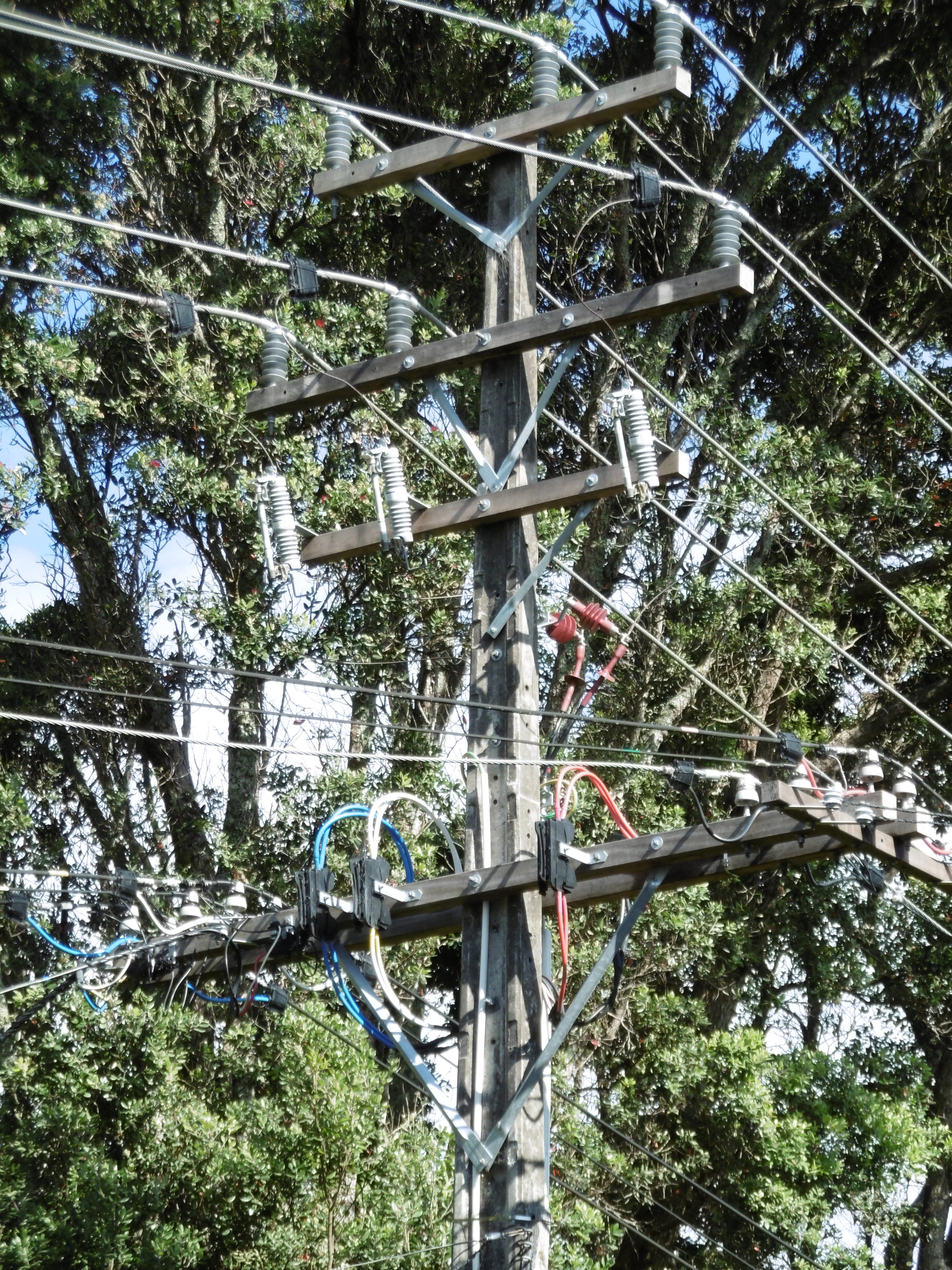
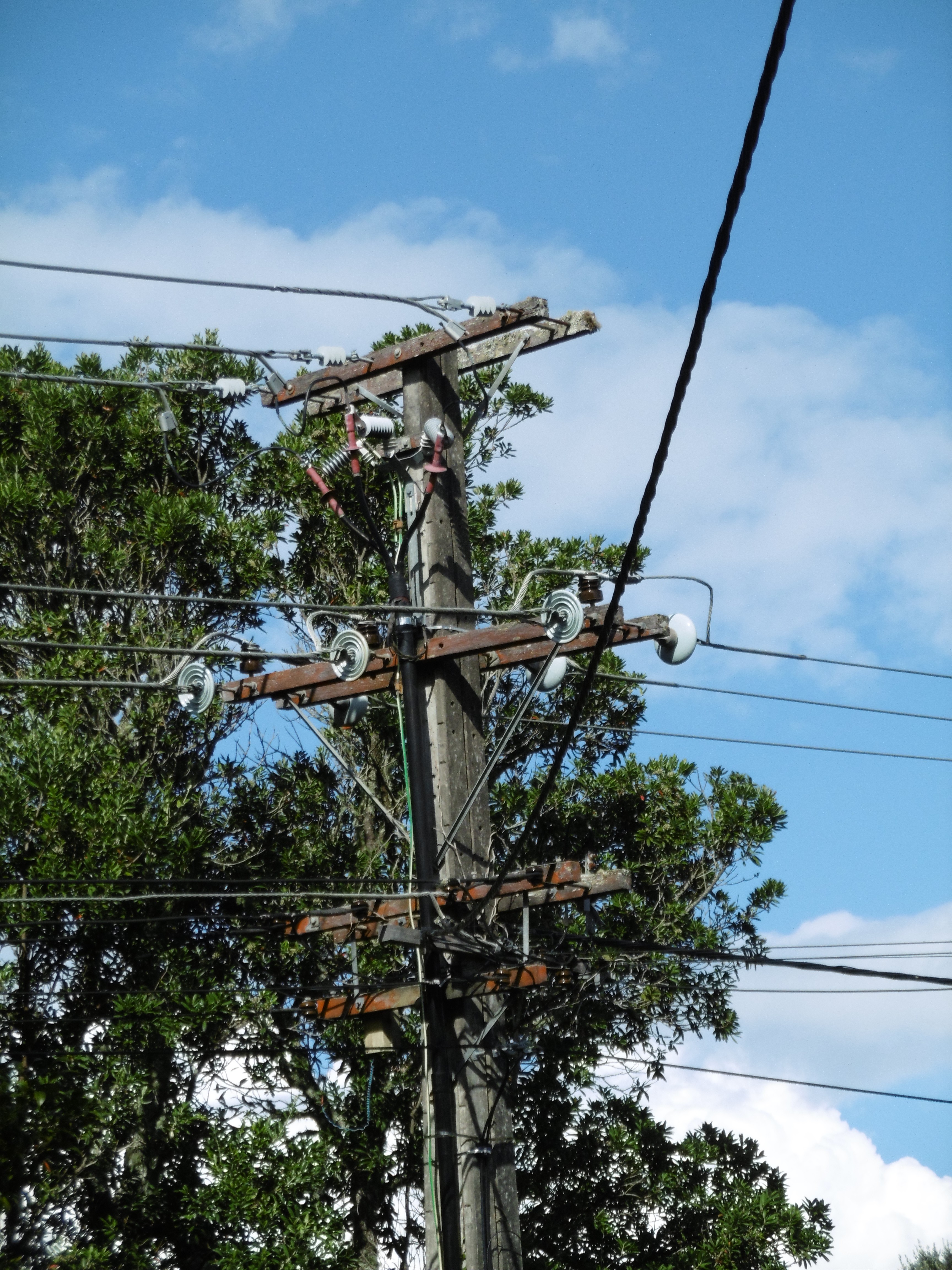
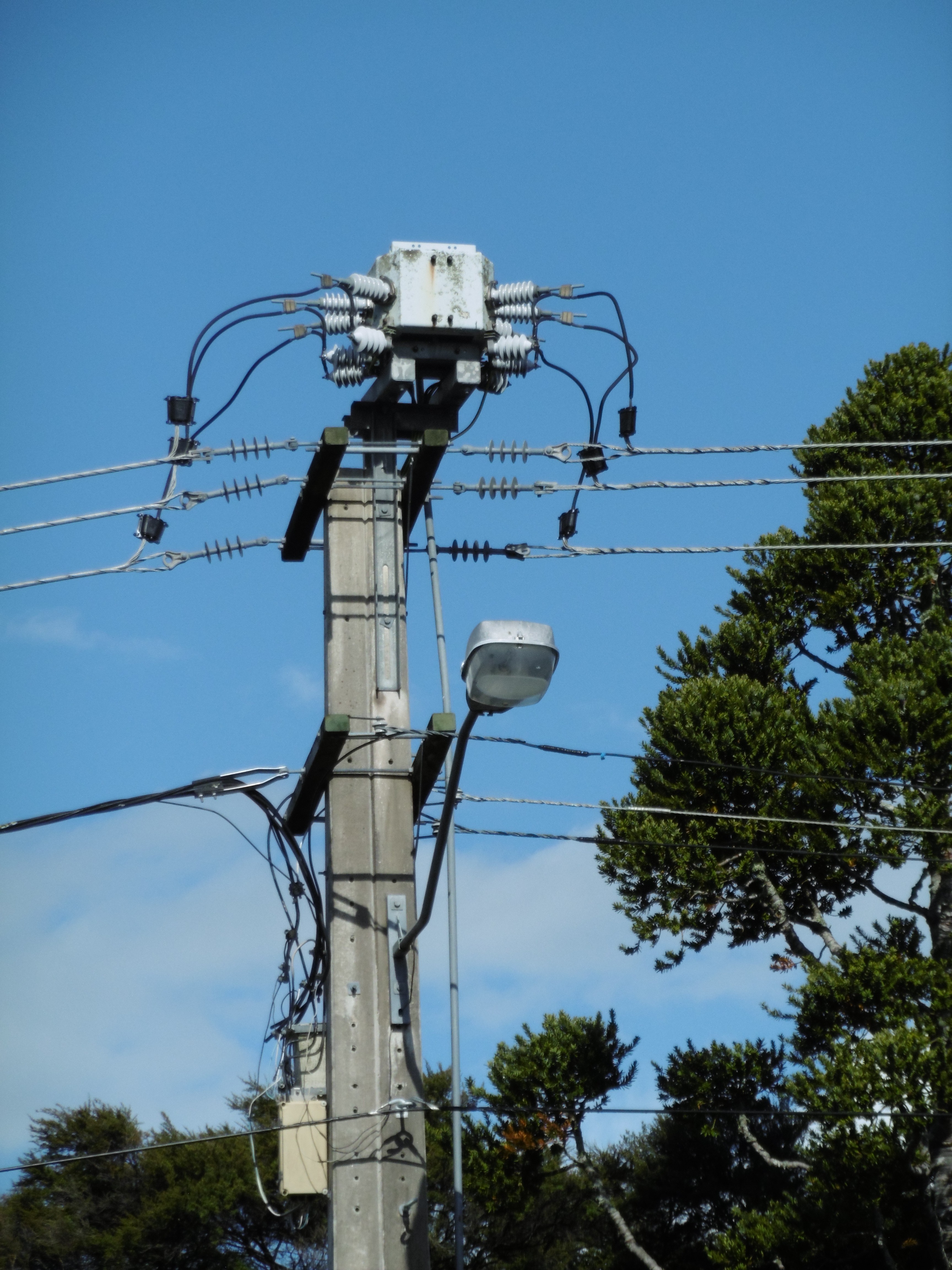
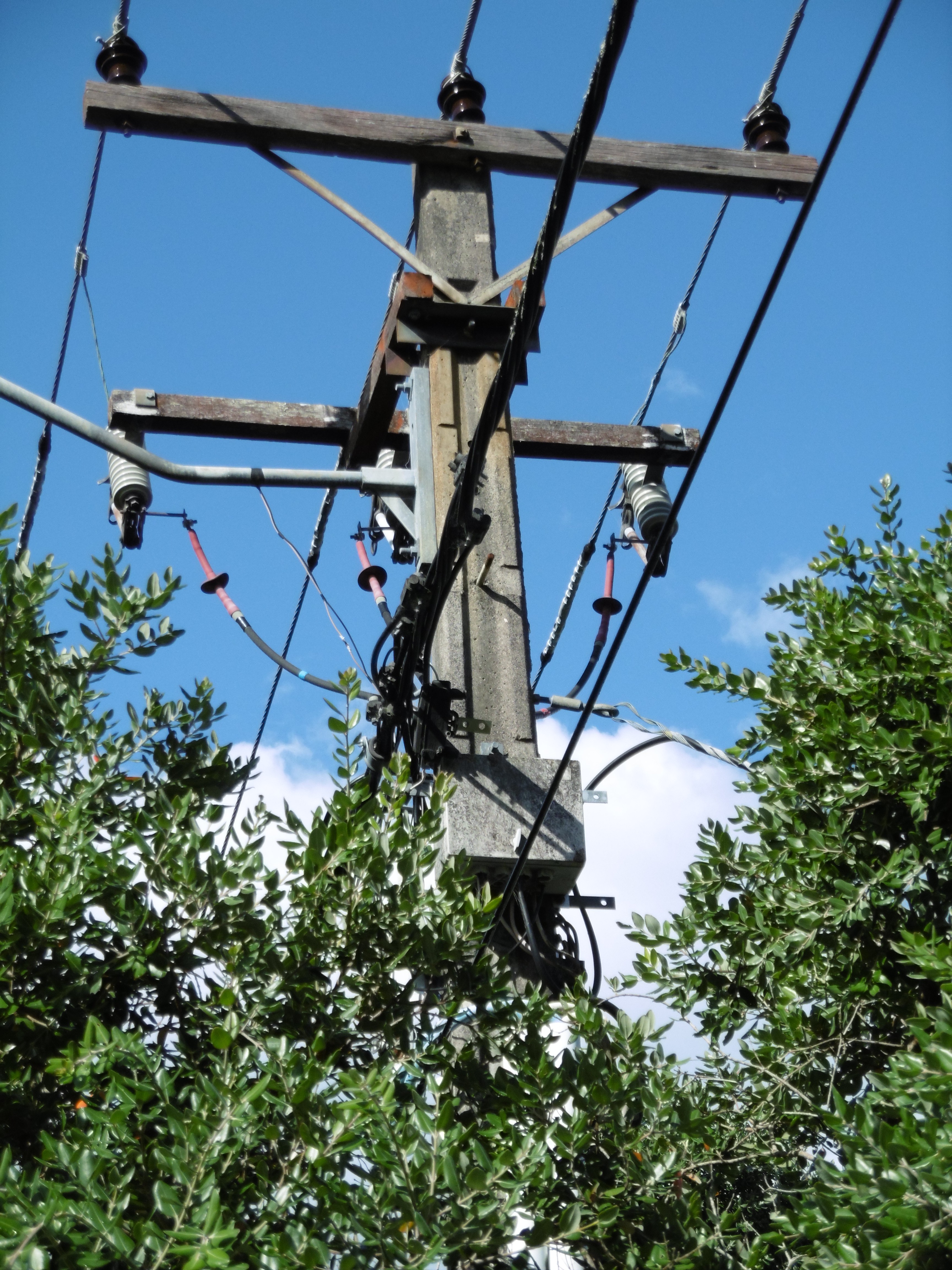
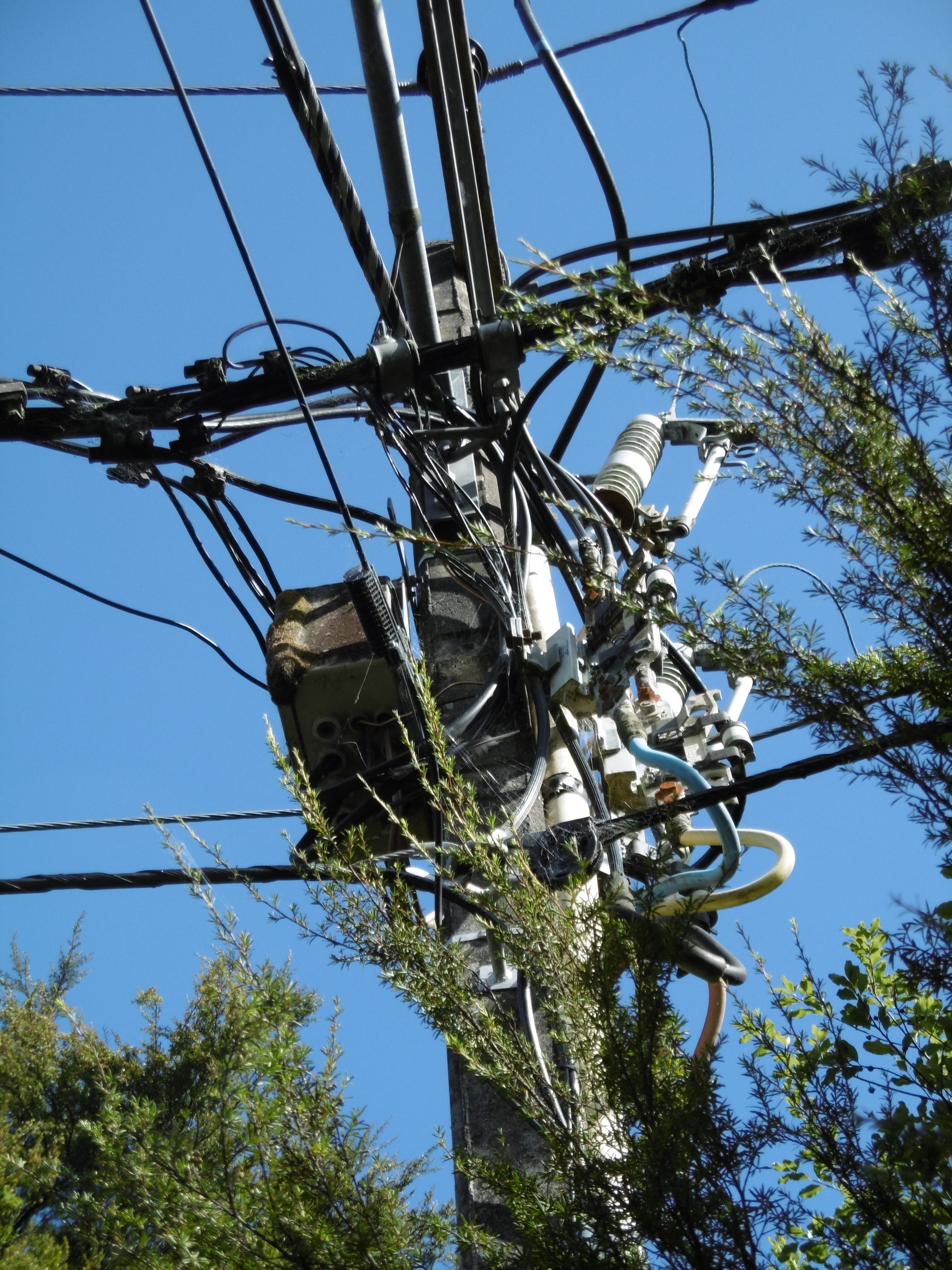
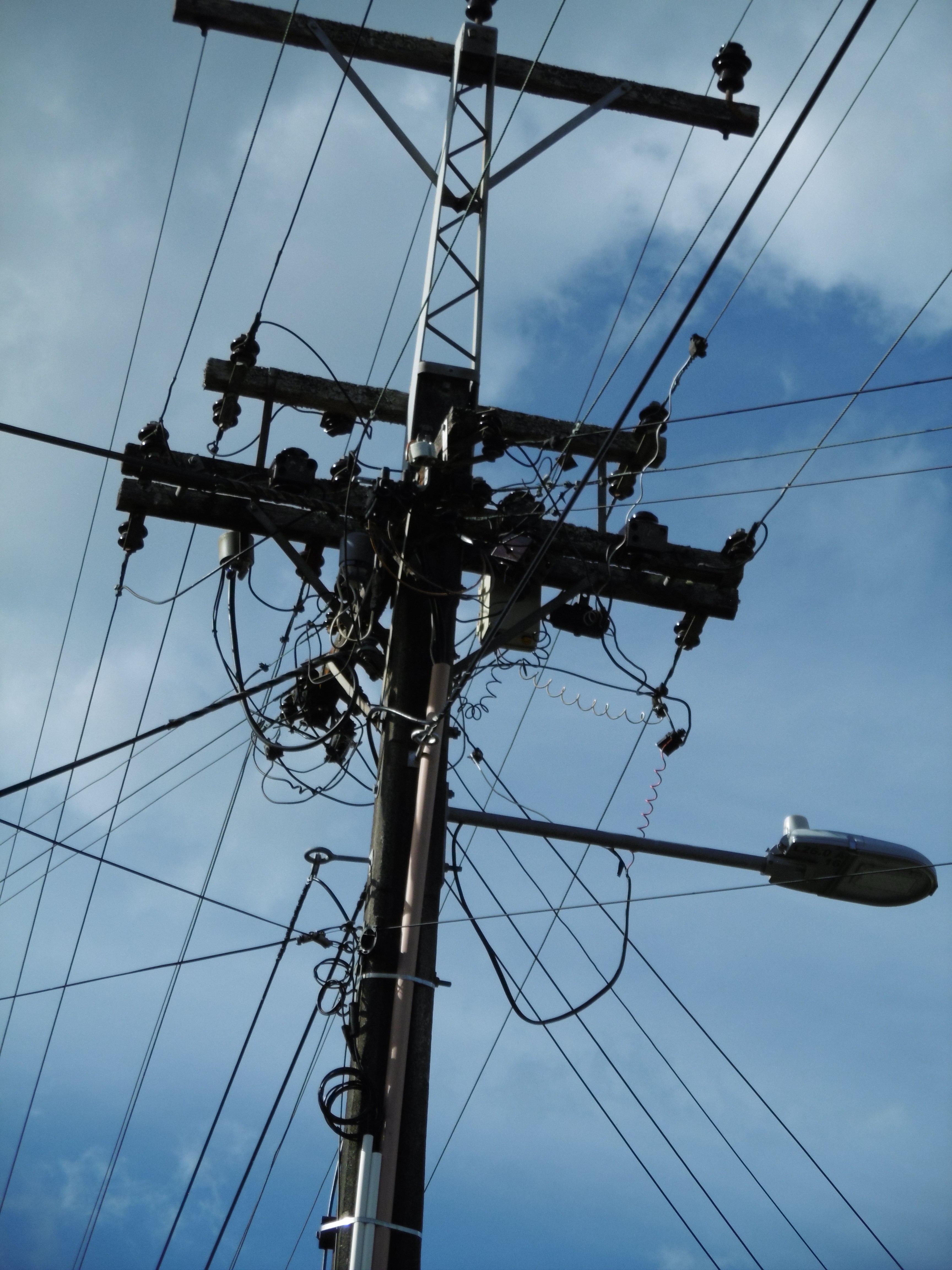
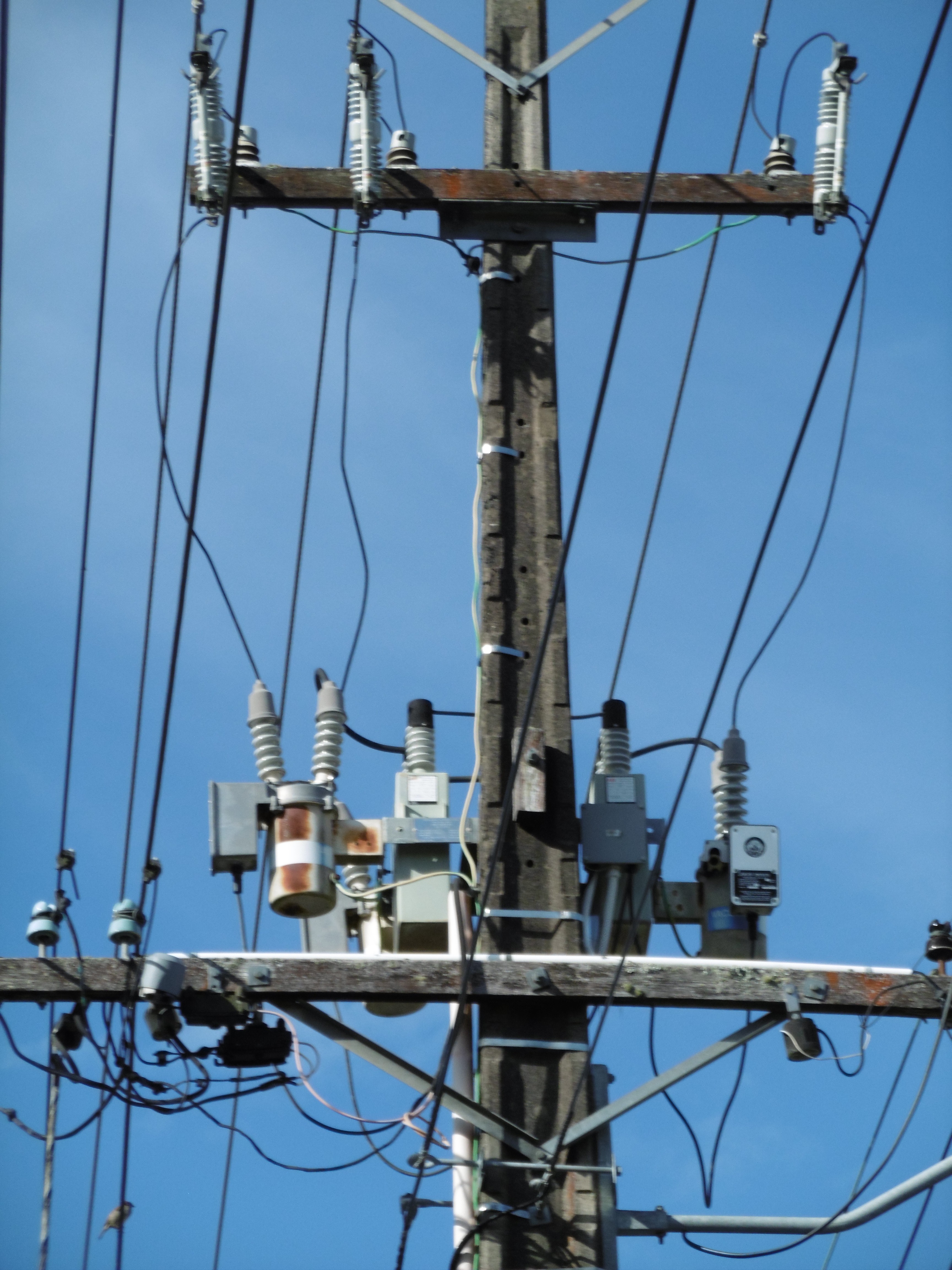
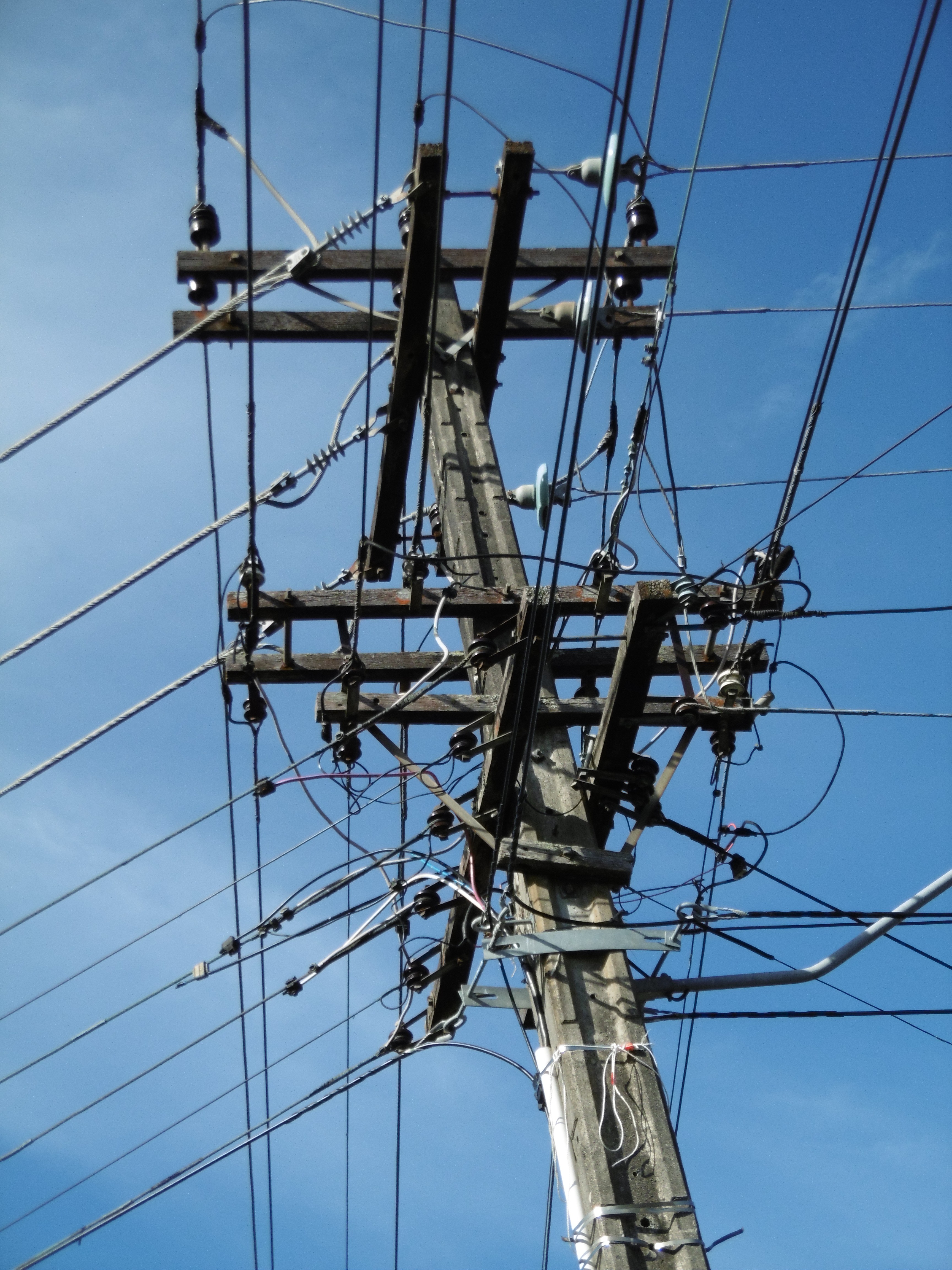
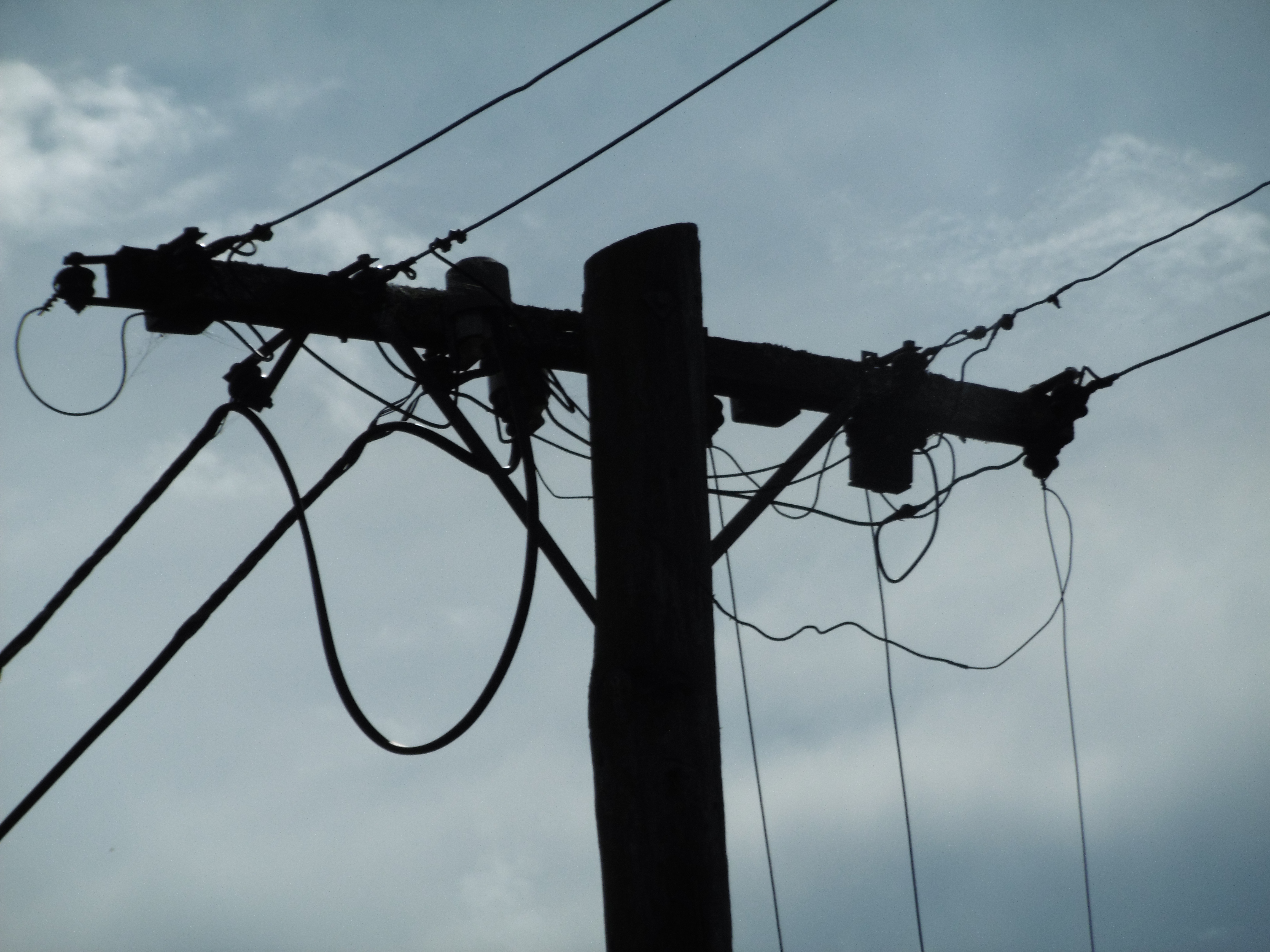
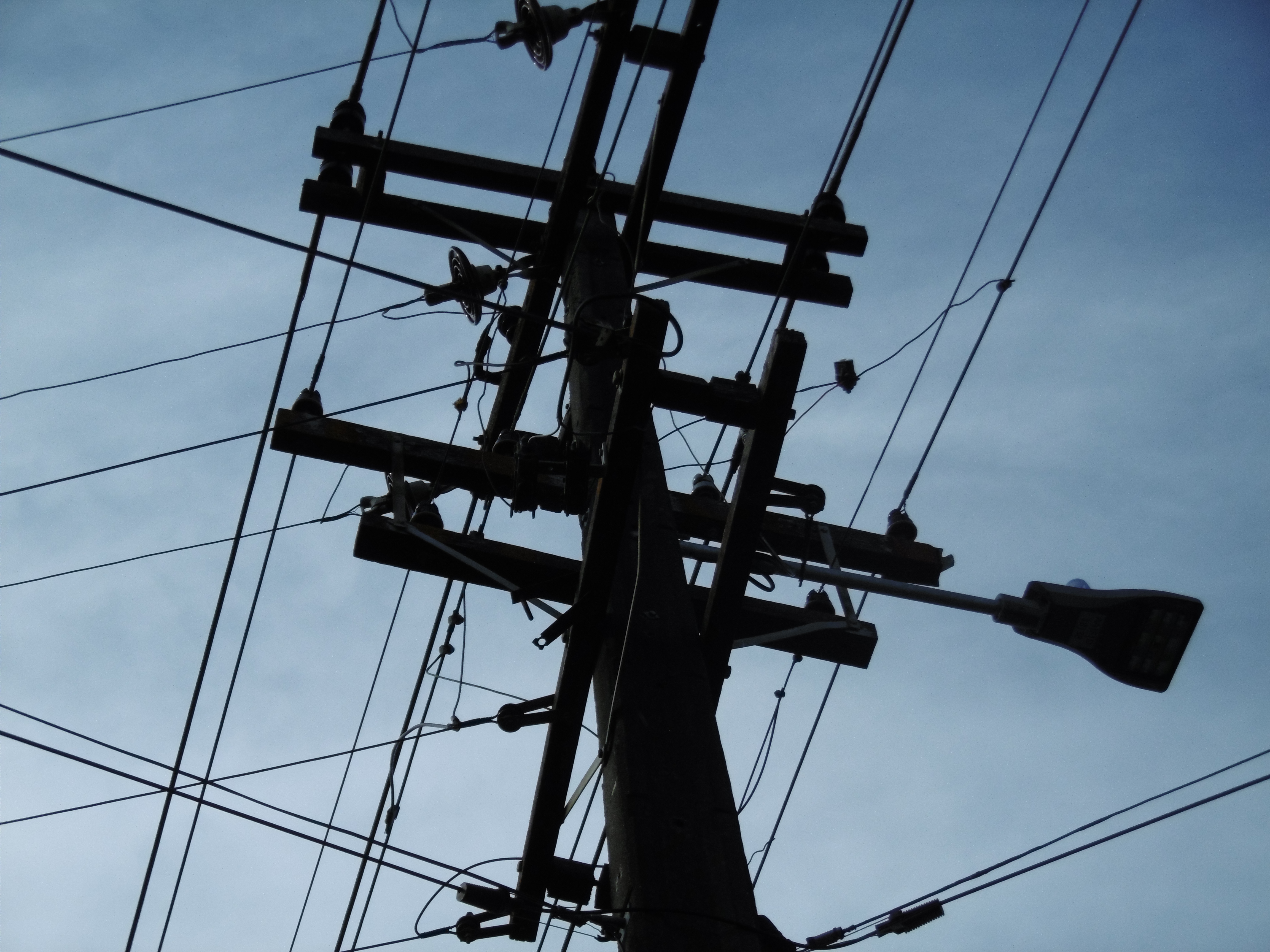
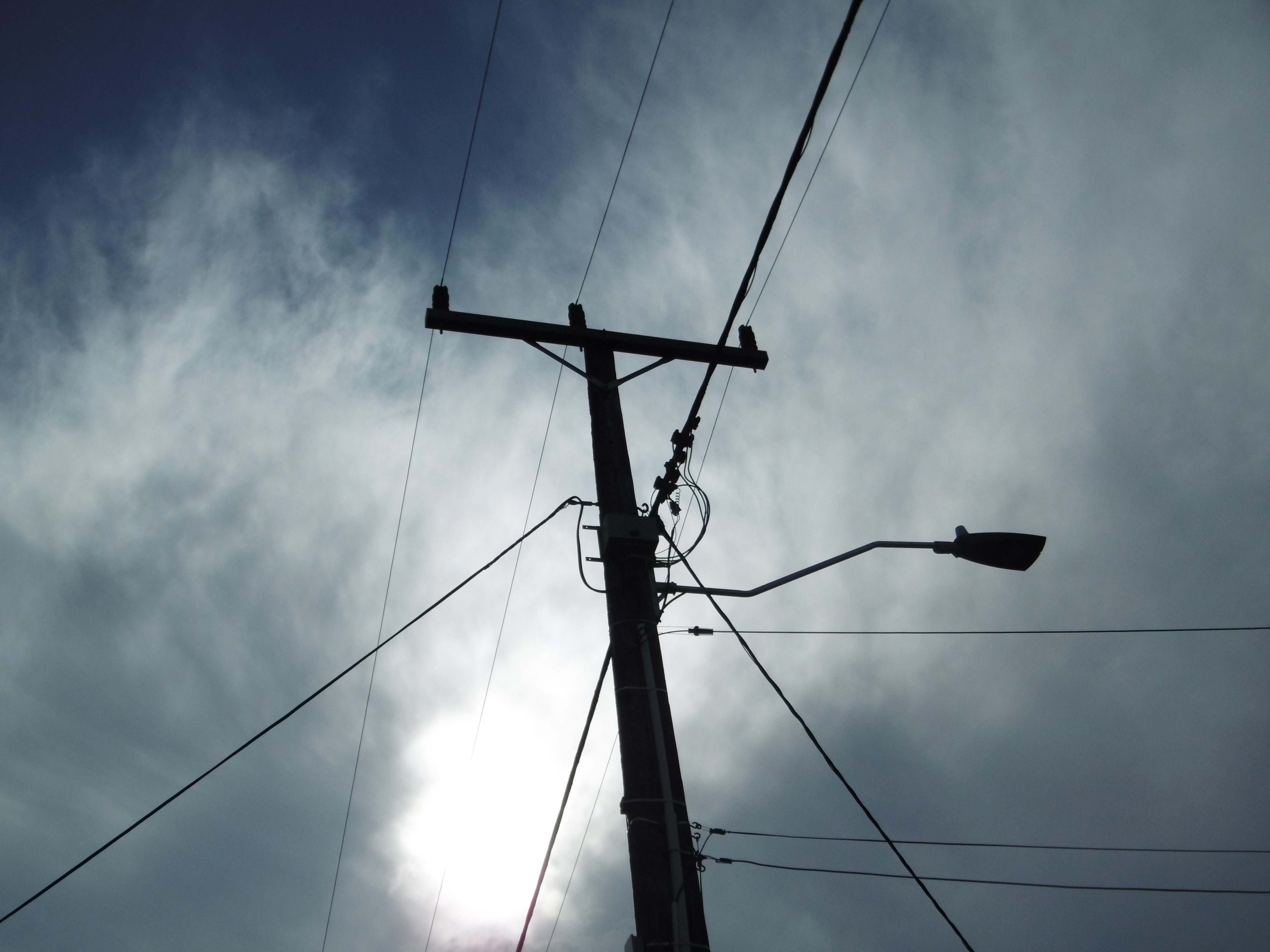
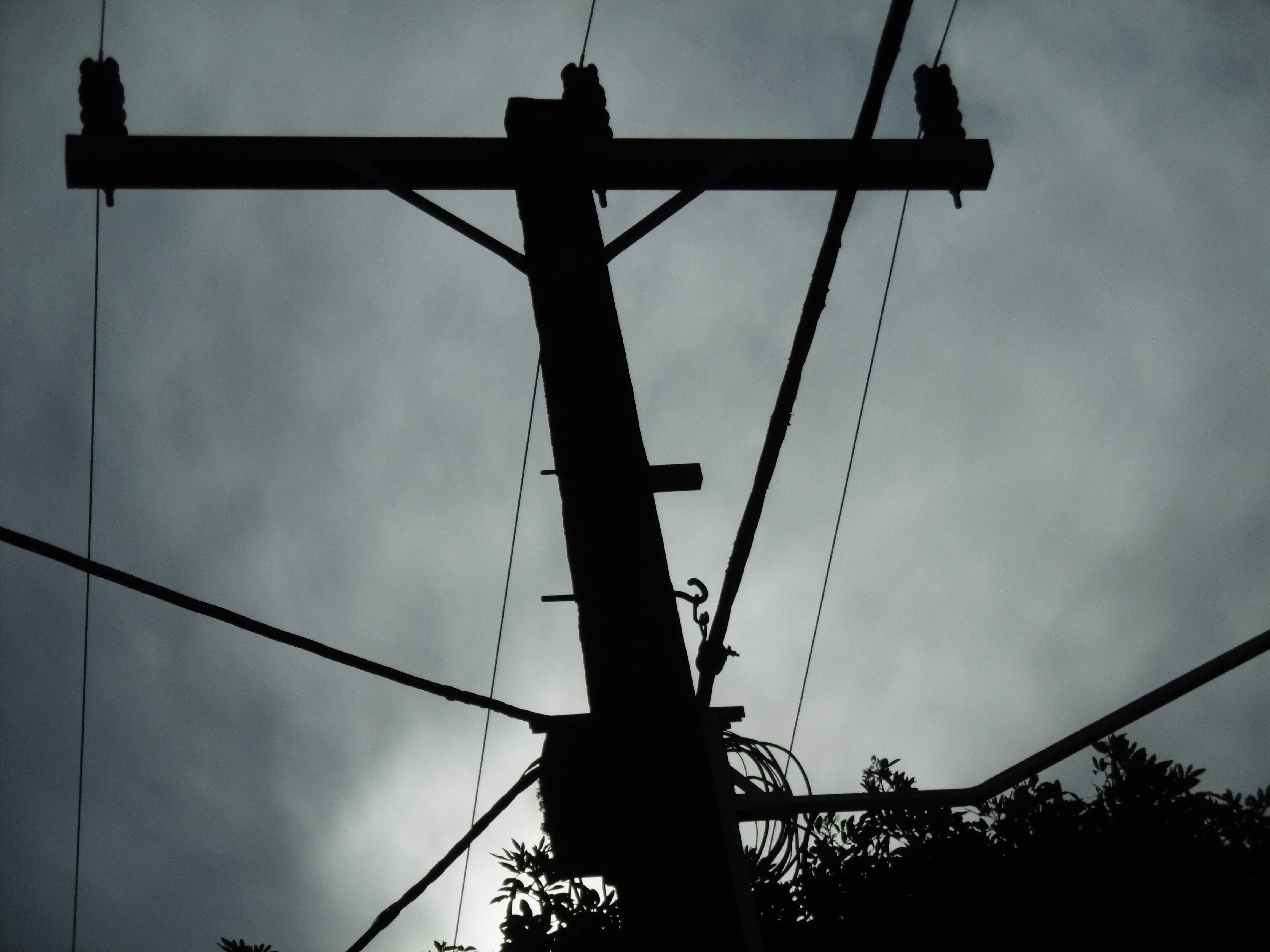
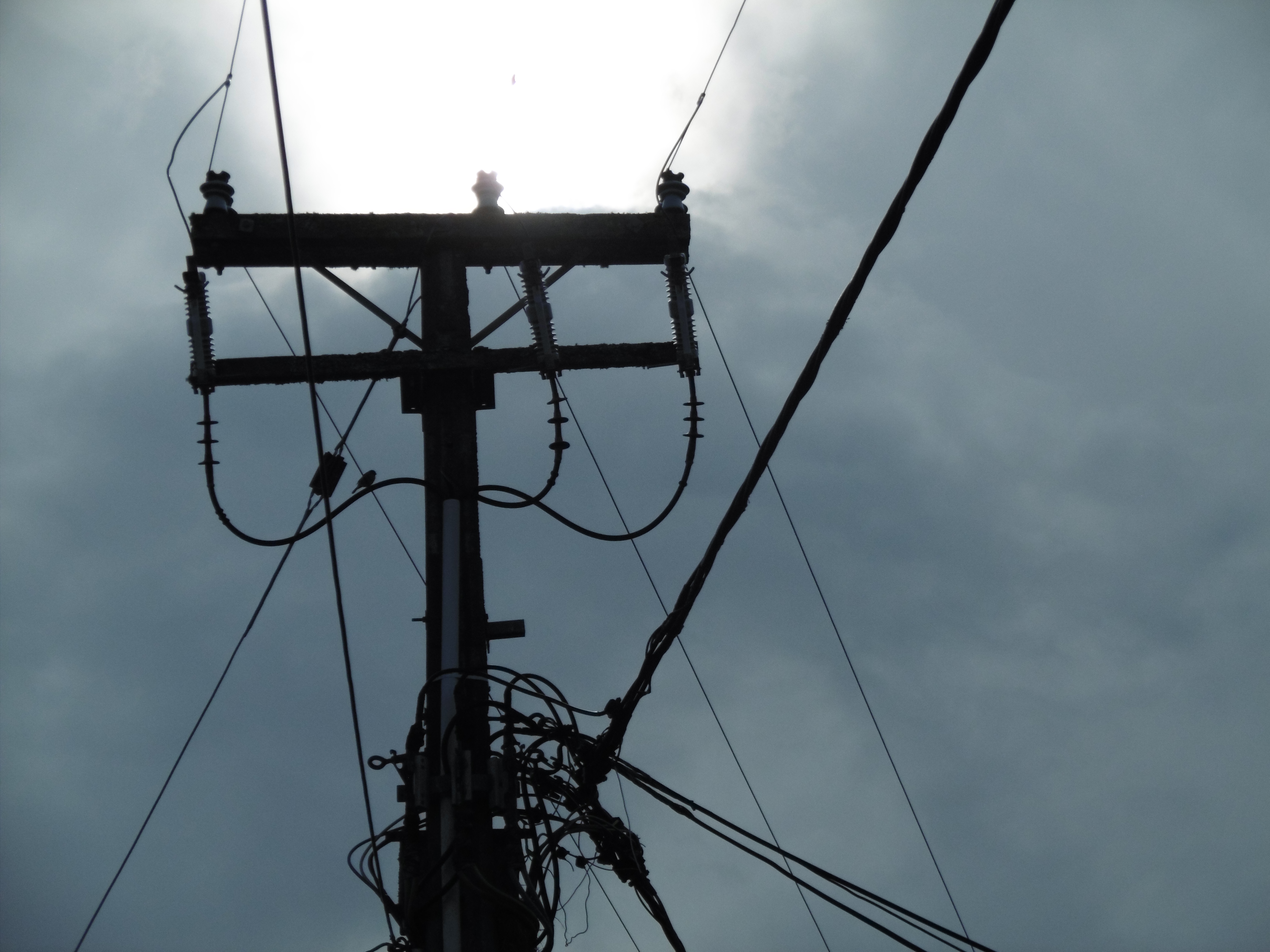
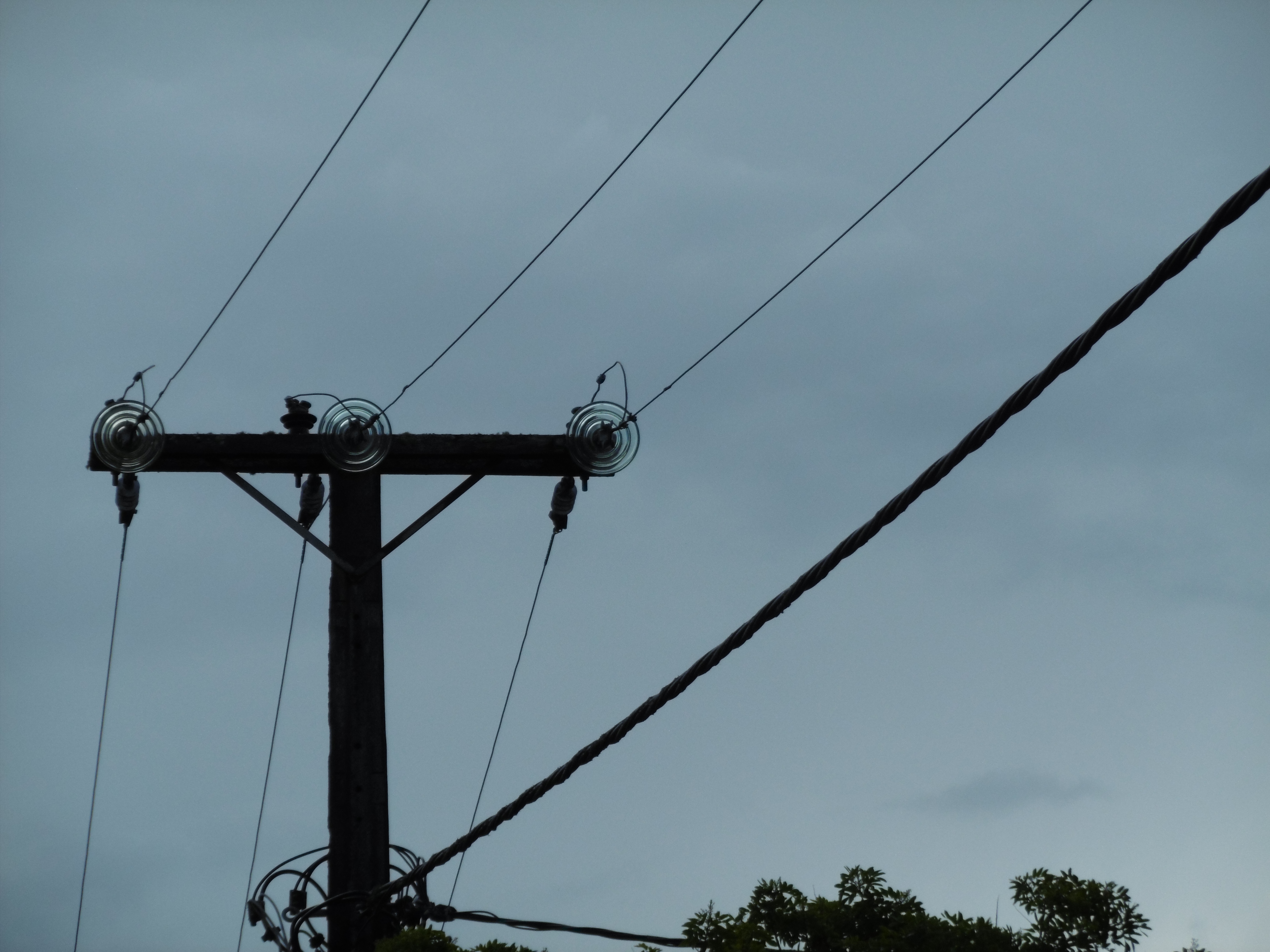
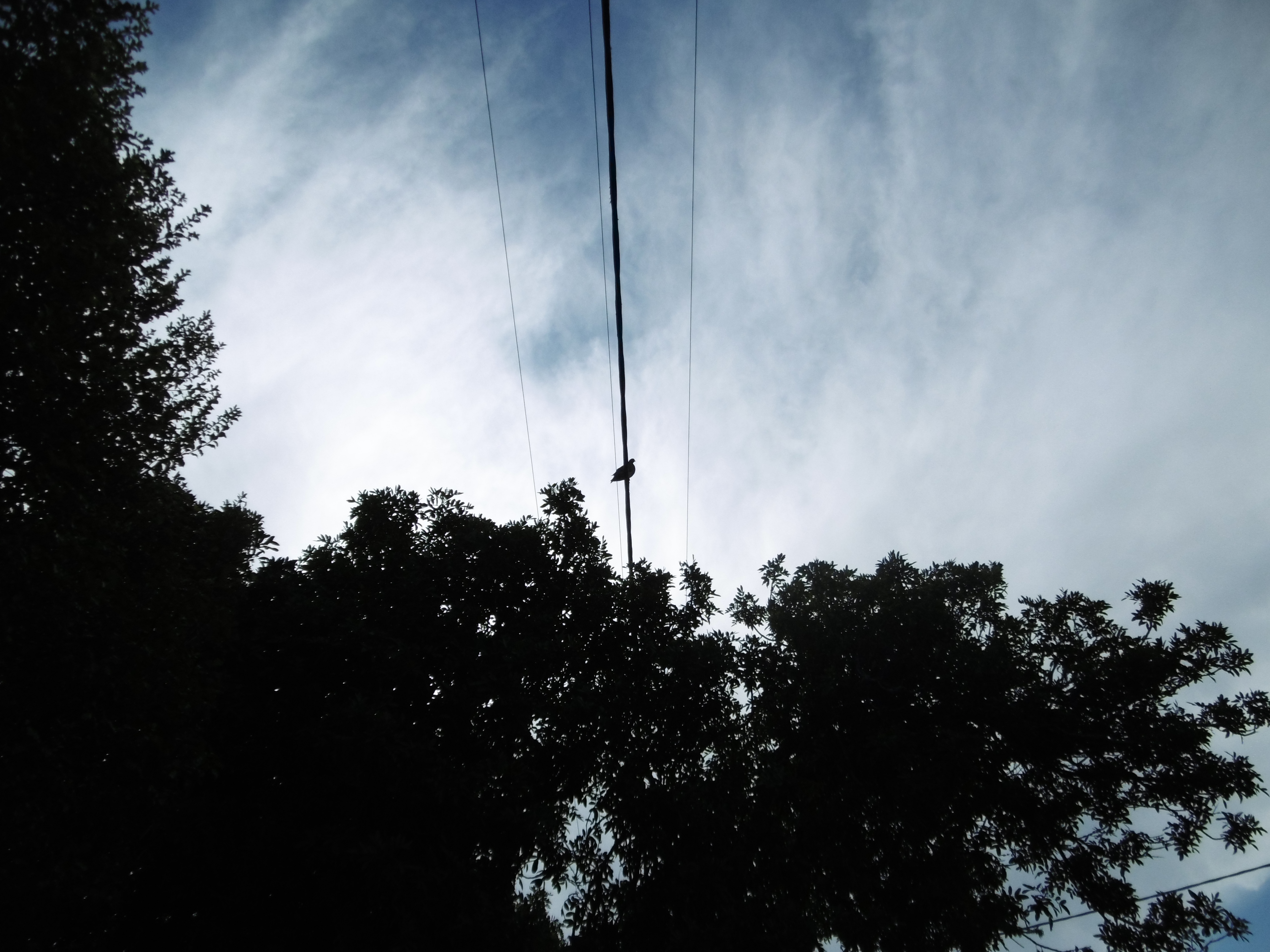
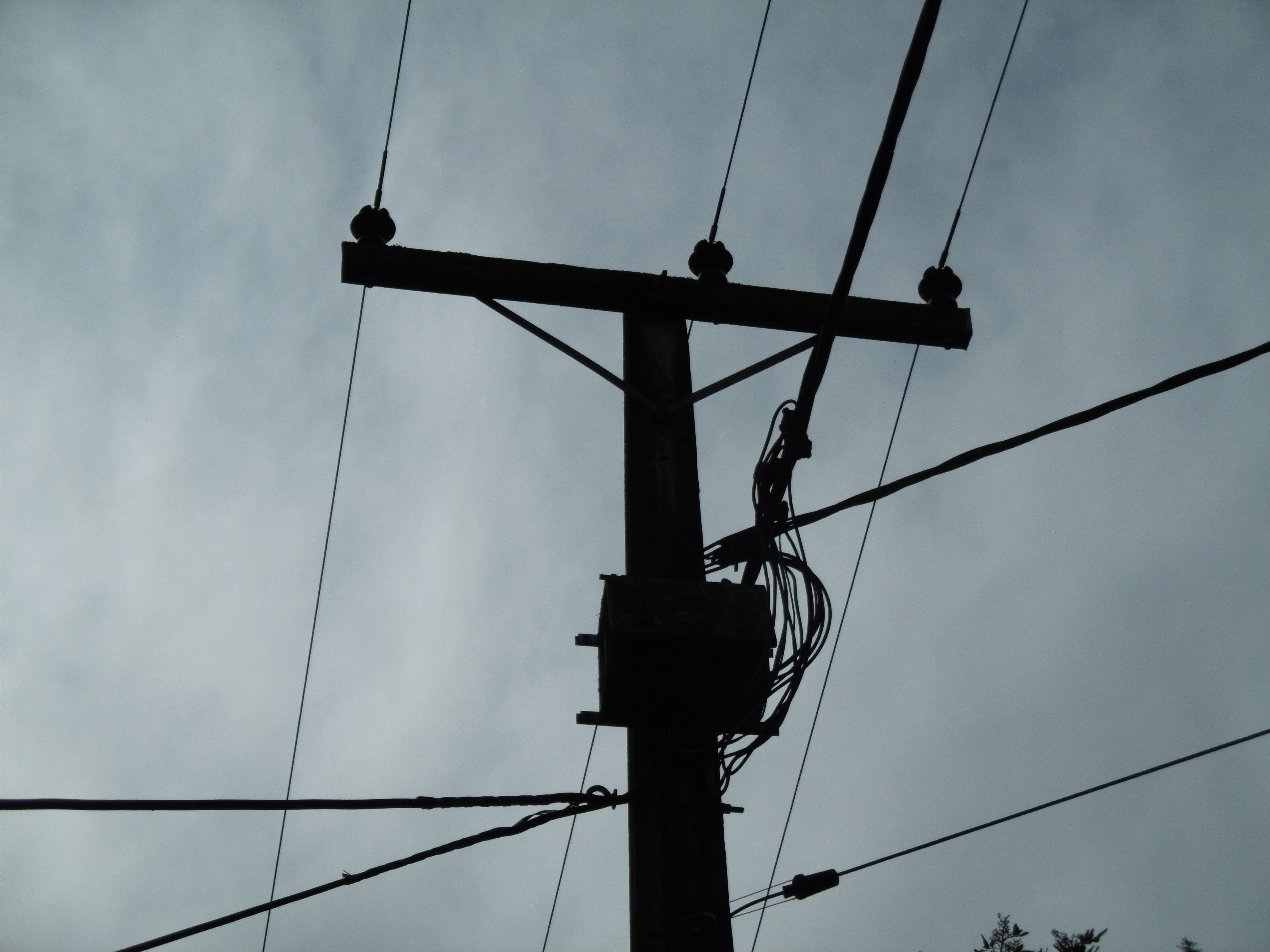
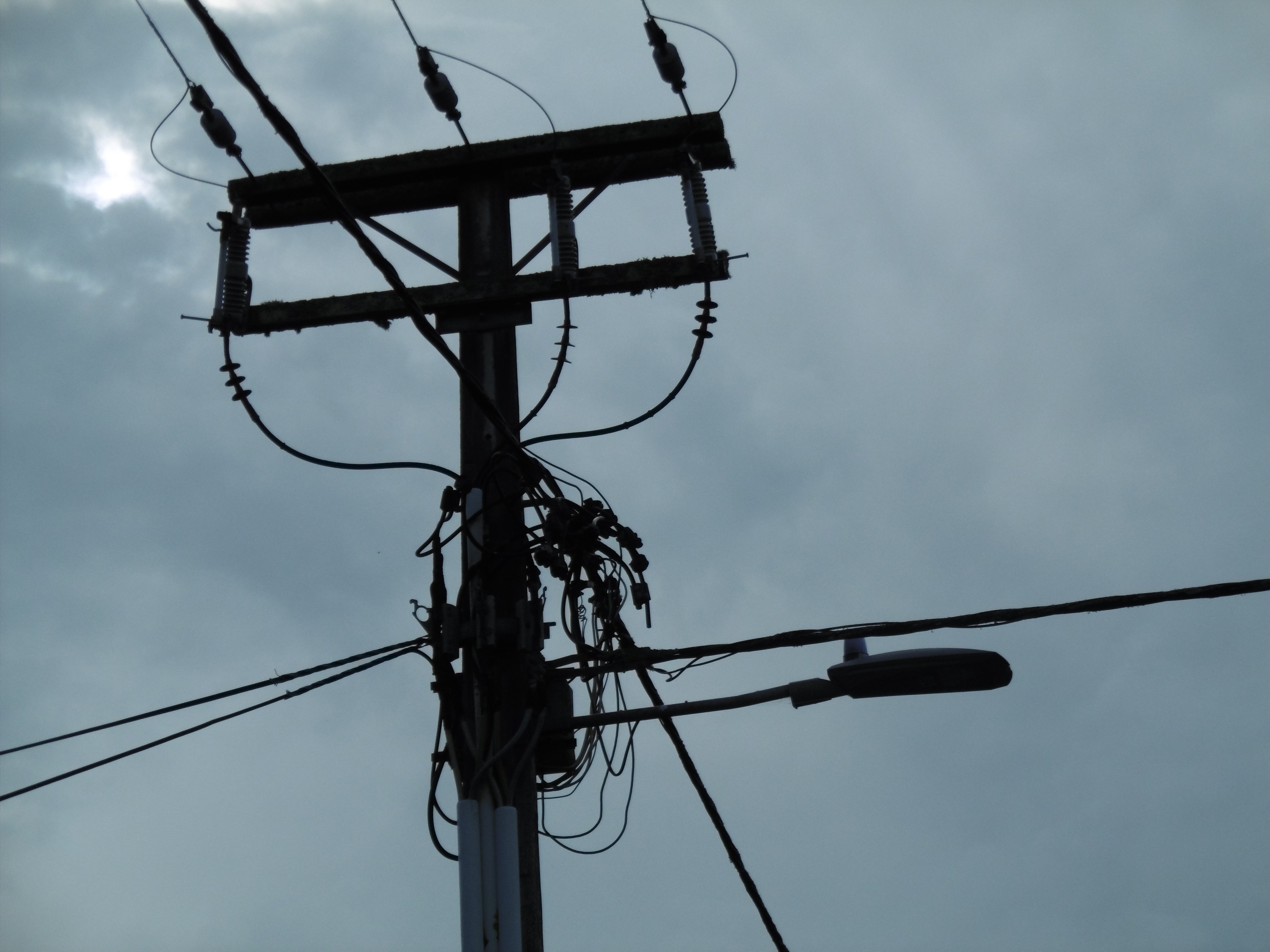
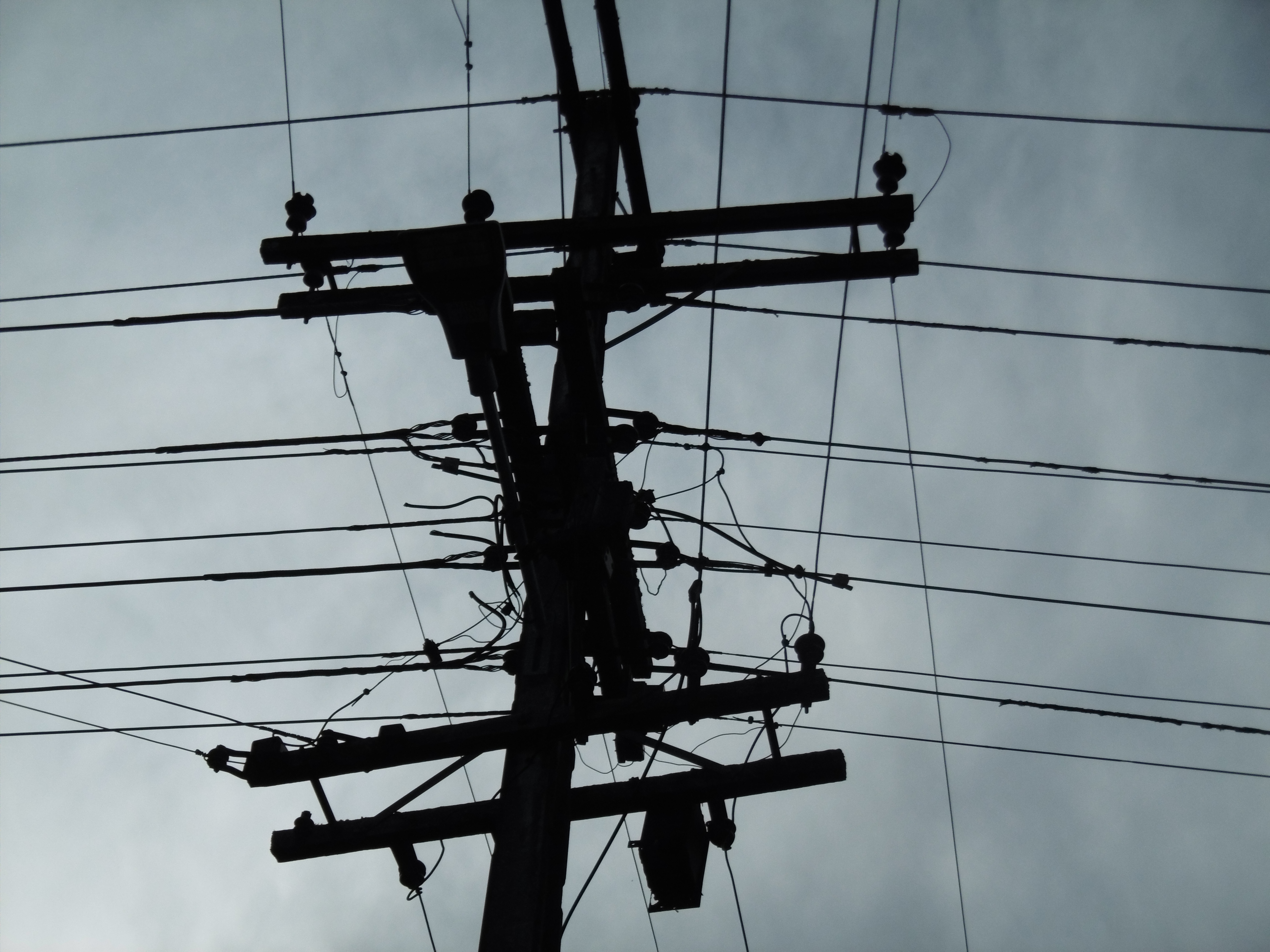
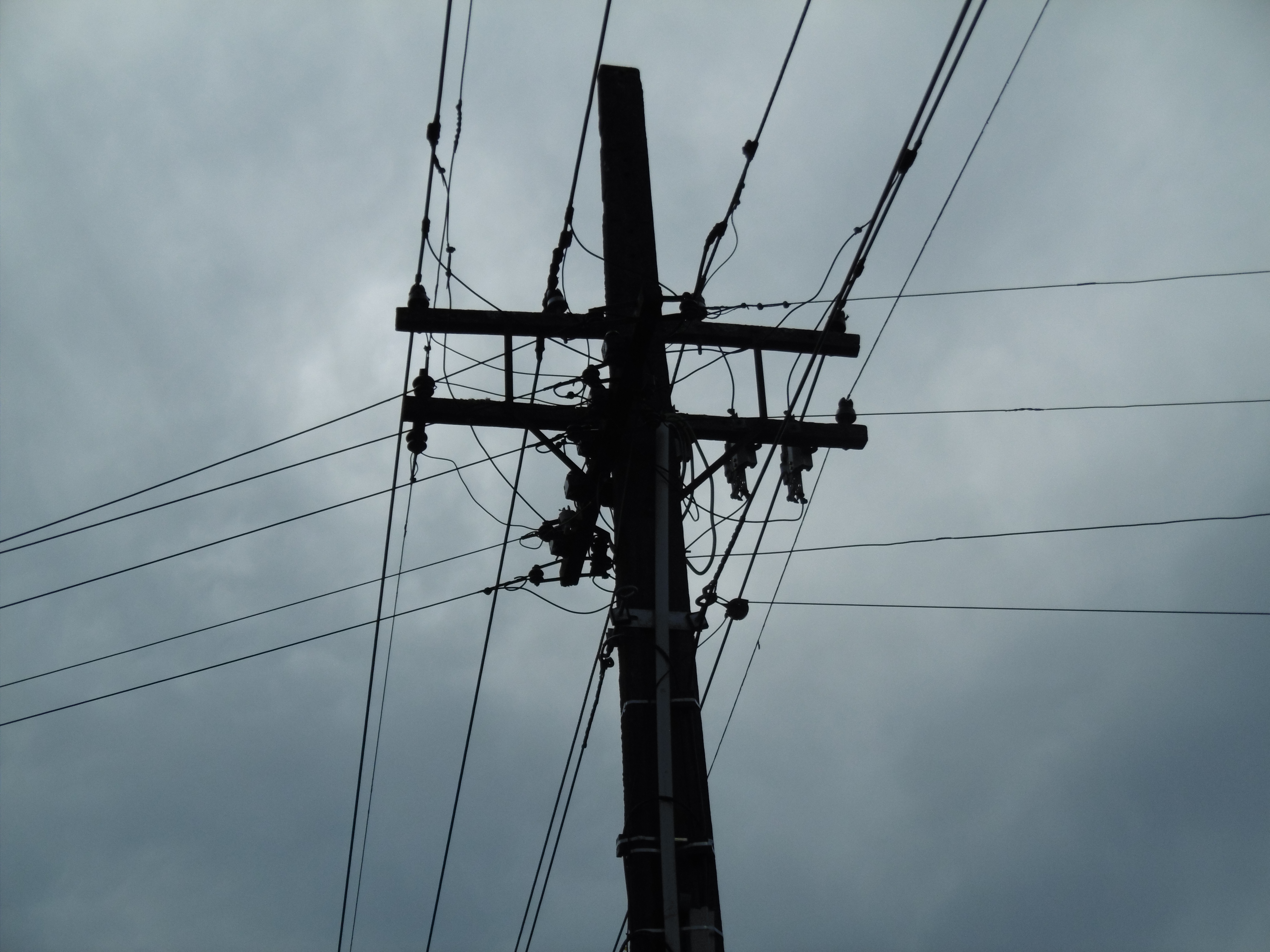
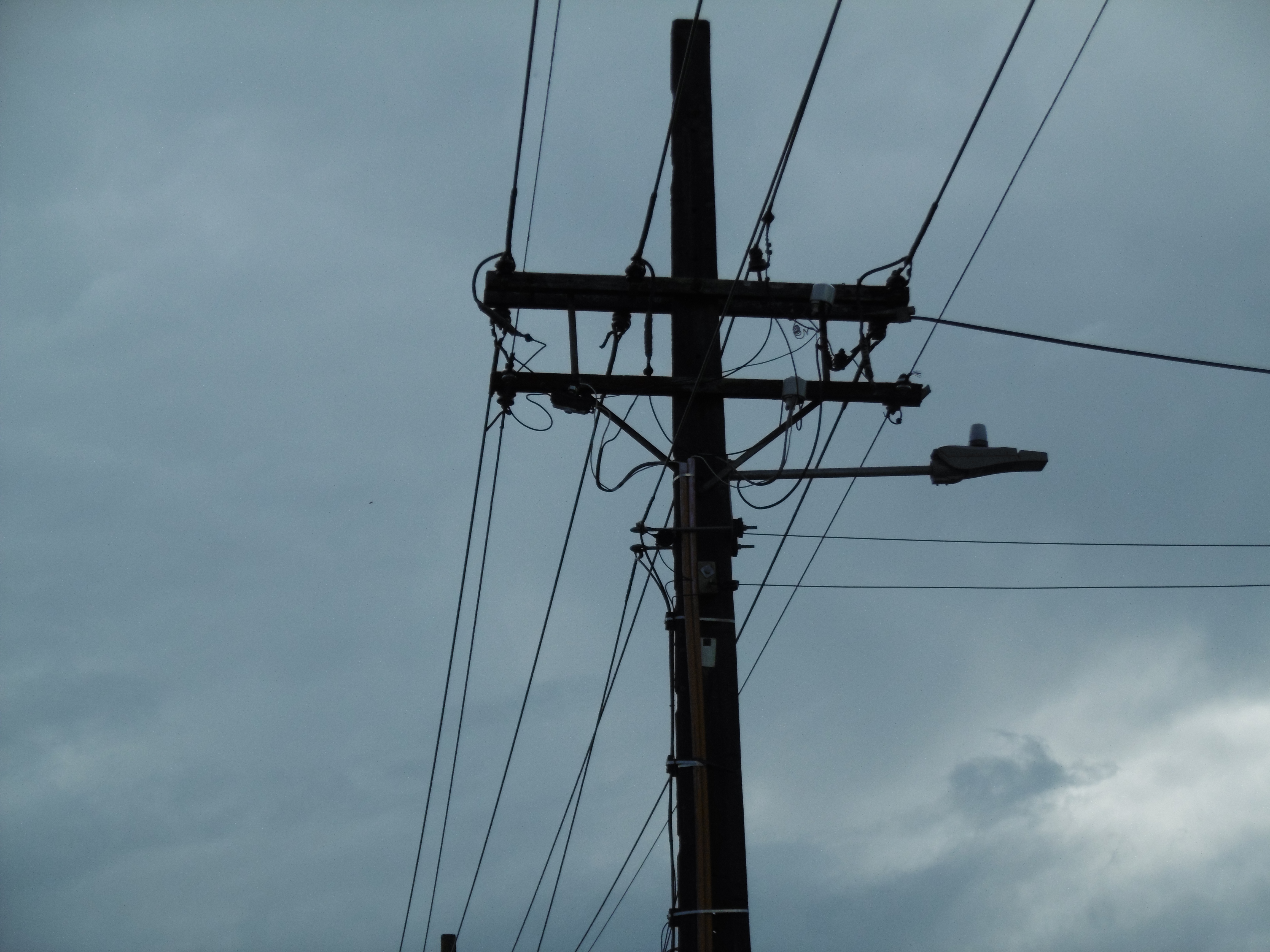
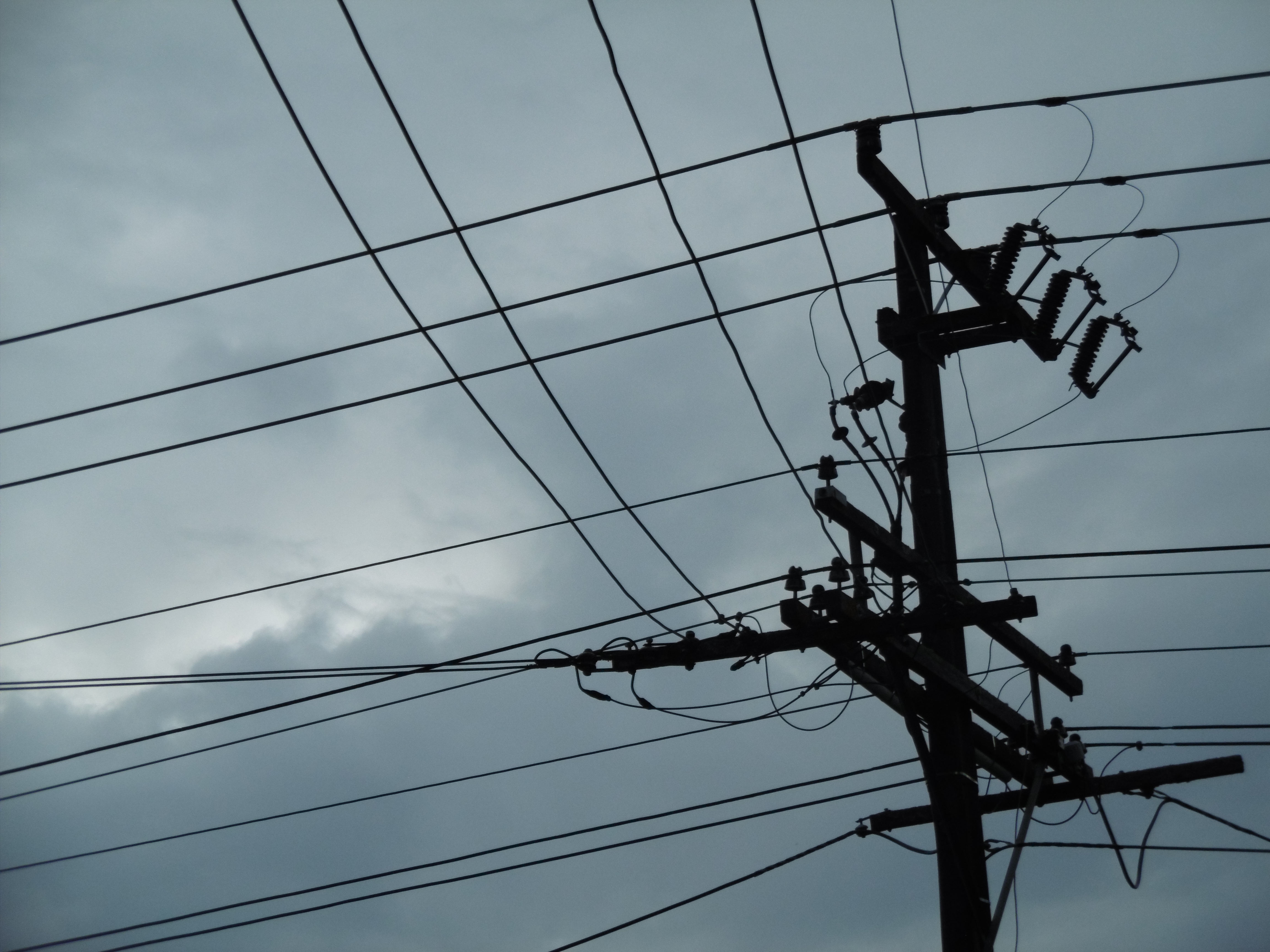
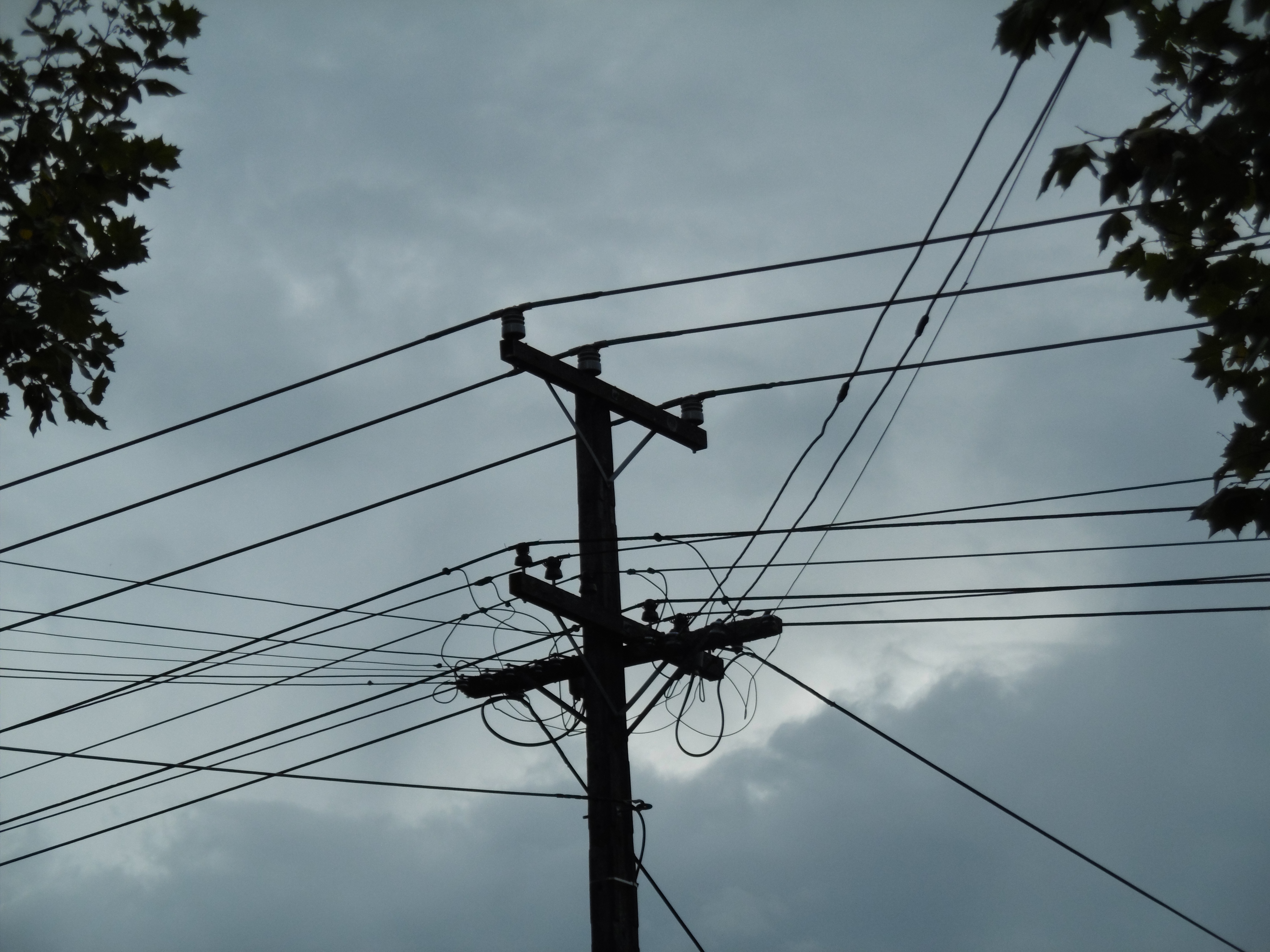
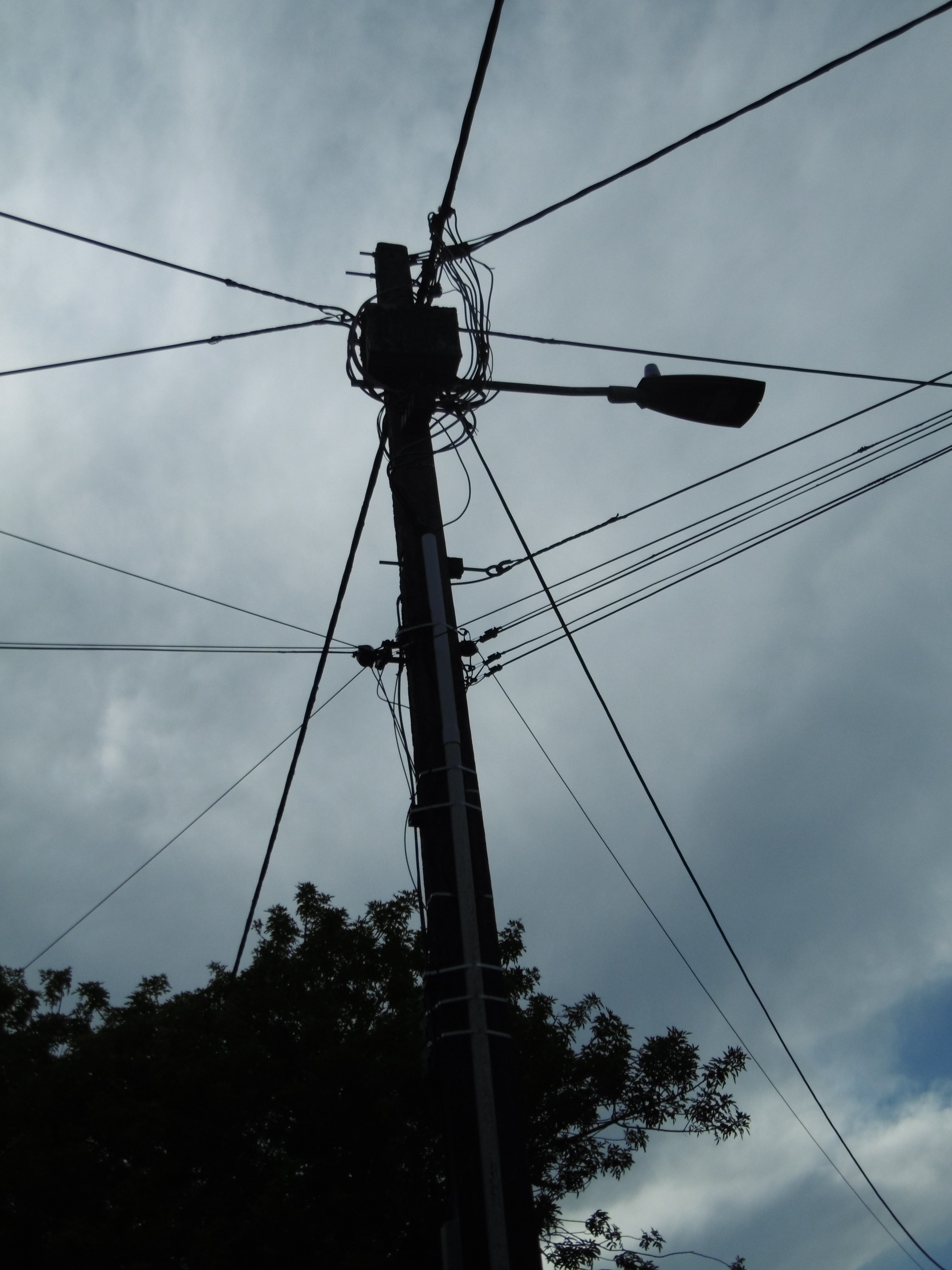
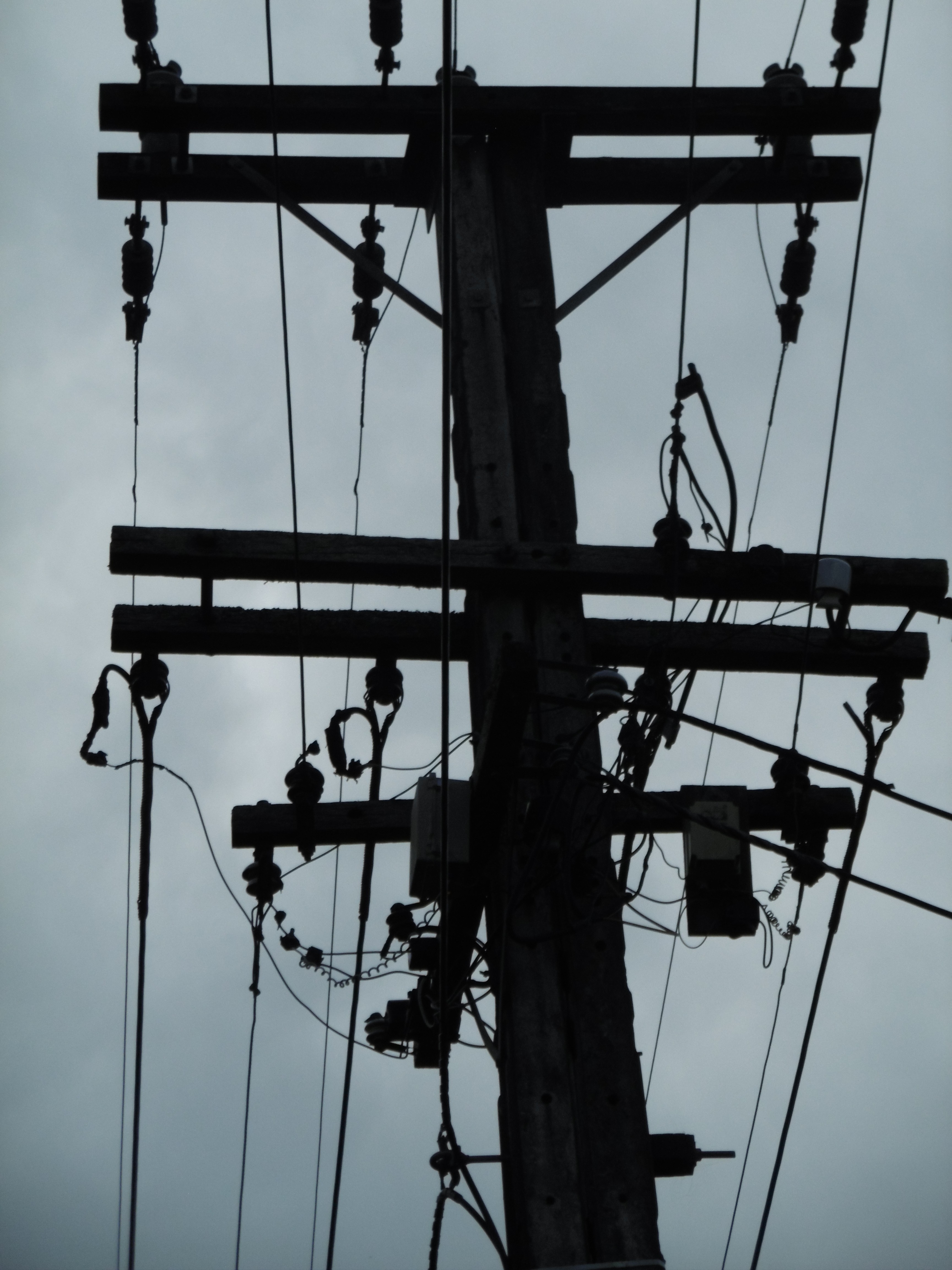
Since it is my only time outside the house, I have come to look forward to my daily walk around the neighbourhood more each day, and each day I slow down a little further. I am one of the many who, for the time being, is required to not work but simply do nothing, go nowhere (except for light exercise close by) and stay 2 metres away from those not in my household in order to slow down the spread of Covid-19. The first day I took my camera, I didn’t see much worthy of photographing as most things just looked like a fairly uneventful suburbia. But yesterday I left the house unaware of the new treasures I would discover. I am no expert, but it appears that every single power pole in the neighbourhood is unique! I got completely stuck in my own world of admiring the often unseen beauty of every power pole, and took a stupid number of photos. The highlights are below. It is especially important to recognise the significance of these sometimes incredibly intricate wires, since these are part of the often unseen and unappreciated infrastructure that allows us physical distancing but social connection at a time when we all must stay physically distanced from people, places and things.

Alist4Alist11Alist12Alist14Alist16Alist19Alist20Alist23Alist24Alist25Alist26Alist27Alist28Alist29Alist30Alist31Alist33Alist35Alist38Alist39Alist34Alist44Alist46Alist50Alist55Alist56Alist63Alist58Alist64Alist2Alist5Alist8Alist9Alist10Alist13Alist15Alist17Alist22Alist36Alist37

Alist3Alist40Alist41Alist42Alist43Alist45Alist47Alist48Alist49Alist51Alist53Alist59Alist60Alist61Alist62Alist52Alist54

vicpiano
Alist4
Alist11
Alist12
Alist14
Alist16
Alist19
Alist20
Alist23
Alist24
http://undercoverlocal.wordpress.com/?p=545
Extensions
My ‘bullshit detector’ for navigating communities of spiritual practitioners/ alternative health practices
Uncategorized
It has been an interesting time living in a place that describes itself as “a rich and diverse community for those wishing to live in an eco-friendly community of like-minded people.” On the one hand, I have been exposed to quality yoga classes, to the extent that I don’t think I can return to regular […]
Show full content

ink (5)
It has been an interesting time living in a place that describes itself as “a rich and diverse community for those wishing to live in an eco-friendly community of like-minded people.” On the one hand, I have been exposed to quality yoga classes, to the extent that I don’t think I can return to regular gym kinds of yoga, which now seem shallow. On the other hand, I have mentally developed a stronger ‘bullshit detector’ to serve me within these spiritual environments.

I chose to live at Kawai Purapura because I was looking to live in an “eco-friendly community of like-minded people” as promised on the website, but the eco-friendly part isn’t very strongly practised (shown by things like being told I have to use the dryer to dry my clothes as it is a bad look to put up a clothesline), nor the community part (although to be fair I was limited by the lack of knowledge about what was in the shared community dinner food and whether it fit my dietary requirements, meaning I kept away from these events). Having said that, I have met some great people, and had the benefit of living on a small footprint with shared facilities, surrounded by a vast amount of native bush, pool and resident cafe that the residents share, as well as free access to yoga and festivals. But I think this experience, and wide awareness around residents that we are being ripped off by paying high rent for poor facilities that are barely maintained, draws attention to the complicated aspects of places claiming to be ‘communities,’ especially when supposedly owned by people who are trying to make a profit.

I have made a bullshit detector list based on my own experiences because I feel like we still need to have strong personal boundaries and awareness alongside the very important pursuit of developing a mindful, introspective and open mind and learning about the knowledge of ancient/indigenous philosophy and medical practices. Tara Brach and the Dorge Chang Institute, Avondale are two places practising a Buddhist philosophy that I have found to have a healthy balance between spirituality and acknowledgement of the outside world. I am a newbie and outsider attending these spiritual events, so it is very much subjective and I am no doubt missing a lot of things. Also, as someone coming in with ‘fresh eyes’ I can maybe see toxic ideas that are so common place that people constantly in this spaces can’t seem them. For example, a lady came in late to a talk by an indigenous American medical practitioner, after discussion on the effect of colonization of his people, and asked what he thought of a garden she was “manifesting” (bringing into existence through her mind) to eventually be at her house- with 4 teepees in a circle and a fire in the middle. She didn’t even flinch when he said it was cultural appropriation so I don’t think she knew what this meant.

Here is the list of questions to ask, mostly based on my experience of attending the Voices of the Sacred Earth festival that happened at this site. Many of the events were by high quality practitioners following ancient traditions with a lifetime of being educated through a mentoring process and profound understanding of the strong philosophy of their traditions. Others seemed to pick and choose certain parts of Eastern-ish philosophy and adapt it to harmful, unquestioned modern norms, but the two seemed to be presented as the same.

1) Do they follow standard ethical approaches of care? Under law, The Health and Disability Commissioner (Code of Health and Disability Services Consumers’ Rights) Regulations 1996 “also include persons who hold themselves out as providing health services that may be considered outside the mainstream of medical practice, such as naturopaths, homeopaths, and acupuncturists”, and I have come to think it important to check that this is followed as I have had 2 accounts of feeling the ethics have been breached in my care (I have followed the complaint process both times and feel happy that appropriate action was taken). It seems that alternative health therapists sometimes have little training in the fundamental rights of the patient, such as consent and realising limitation of care. I wonder whether this might be a useful guide when applied to group spiritual workshops as well.

2) Has the guide/ practitioner gained their qualification/title in a way that, when Googled, comes up with only people advertising the course to get the qualification, and does this publicity focus on empowering the person who is going to be qualified to make money, among other things? While formal training is by no means necessary, I think it is useful to know the source where the person gained their knowledge.

3) Does the spiritual logic the speaker advocates for leave any of the following open for interpretation? (I think that they don’t explicitly even have to say these things, but it is enough for this to be read ‘between the lines’ and no stance being clearly taken against these ideas):
-Poor people/ sick people are that way for reasons that are their fault; if you’re poor/ sick, you can change that in entirety through what this practice teaches, which is focused on you as an individual; if there is something you want (monetary, skills etc), you can without doubt get it from your own work inwardly.
– If other people are poor/ sick/ unlucky in some way, you need to stop them from affecting you somehow; you need to make sure you are pure (spiritually/ physically- food etc.) and the cost doesn’t matter (financially, the earth). It is about you as an individual, and we won’t talk about how the environment is affected by your actions, or anything about such things as institutional racism, colonisation and exploitation/ inequality; talking about such things is just ‘negative’, or in itself harmful spiritually.
-Anything that focuses on women and men achieving their ‘true’ purpose that requires women to be only caring and pleasing men. This is a VERY delicate line to negotiate which I still don’t really understand. For instance, I went to one talk that focused on decolonising gender roles in New Zealand, which became more restrictive to Maori women after colonisation, and I think this is an under heard and important area to investigate.

For more reading I also recommend: https://lareviewofbooks.org/article/future-no-future-depression-left-politics-mental-health/?fbclid=IwAR1-AQM4adb3ISwCMzvHa_sqlU3UoMNBq0CQq07-blOblqfIXxdcYp4uolk

vicpiano
ink (5)
http://undercoverlocal.wordpress.com/?p=521
Extensions
Describe in Place of Expense of Zoom
Uncategorized
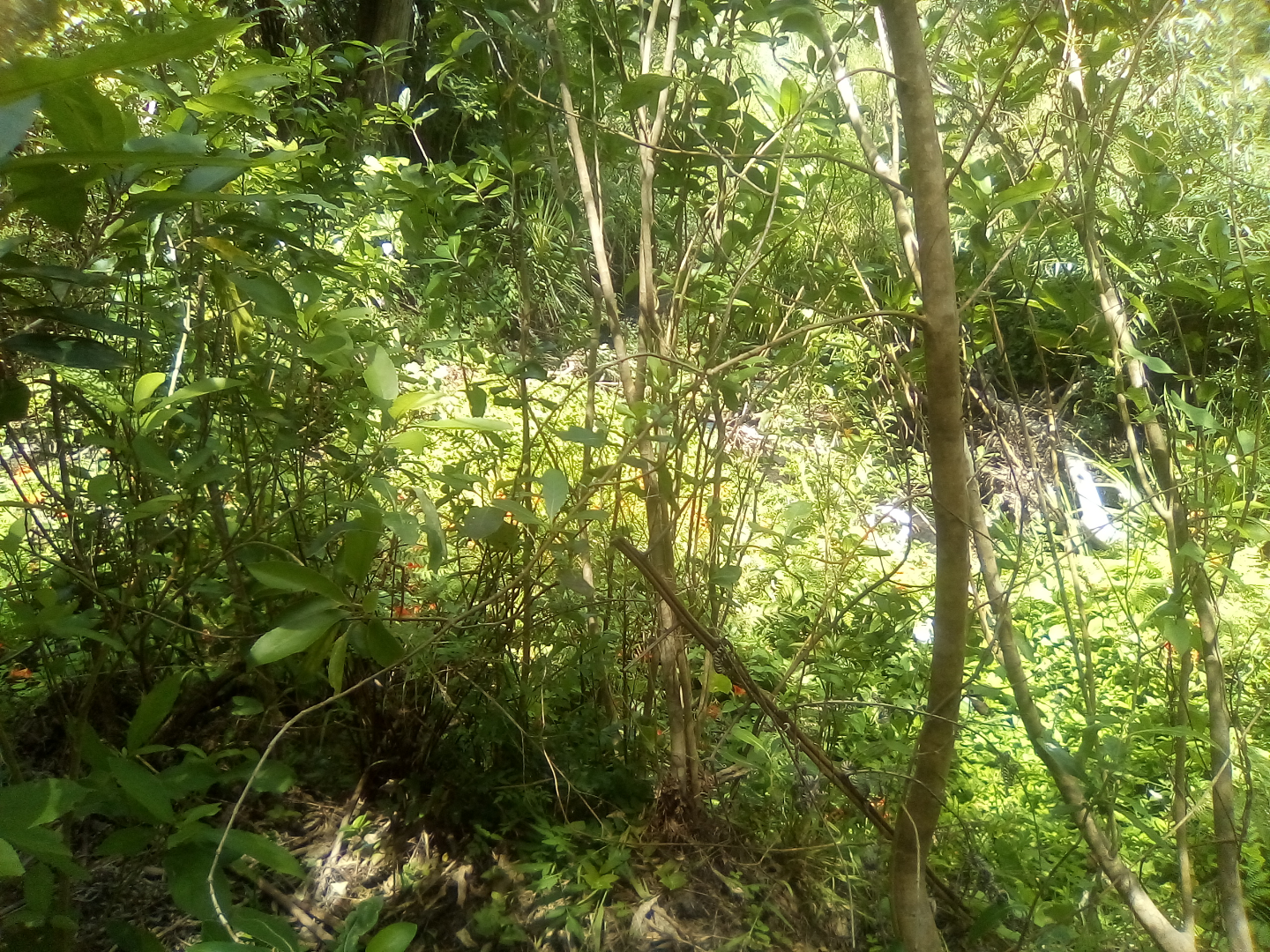
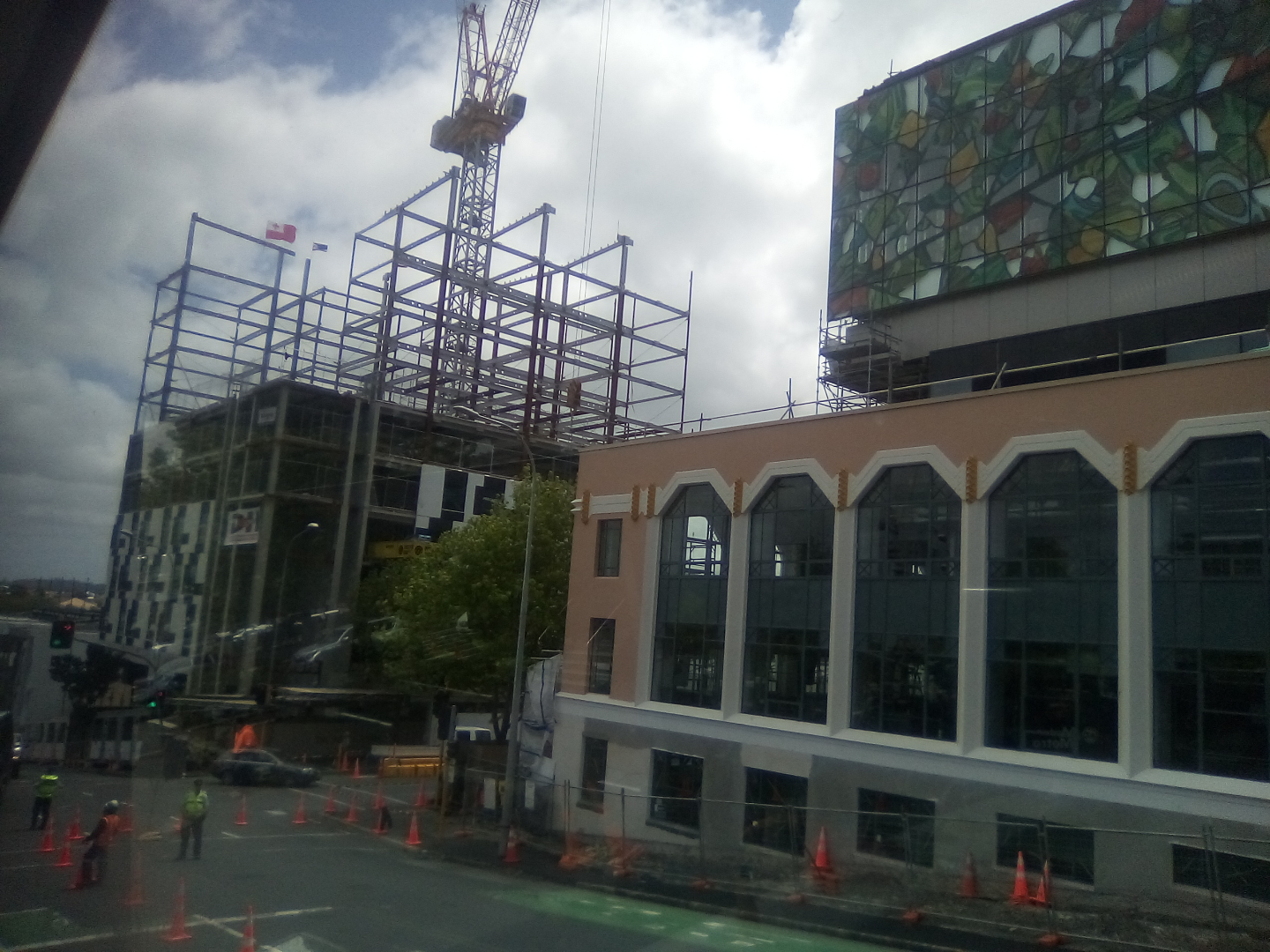
Benches Bridge over Algae to Illuminated and Non-illuminated Billboards Z Energy Petrol Station Parliament Forest-covered Hill. Idyllic Bush Nasturtium Abandoned Toilet Seat in Stream. Bus Window Construction Workers Important Building Rescued from SkyCity Fire Tongan Flag.
Show full content
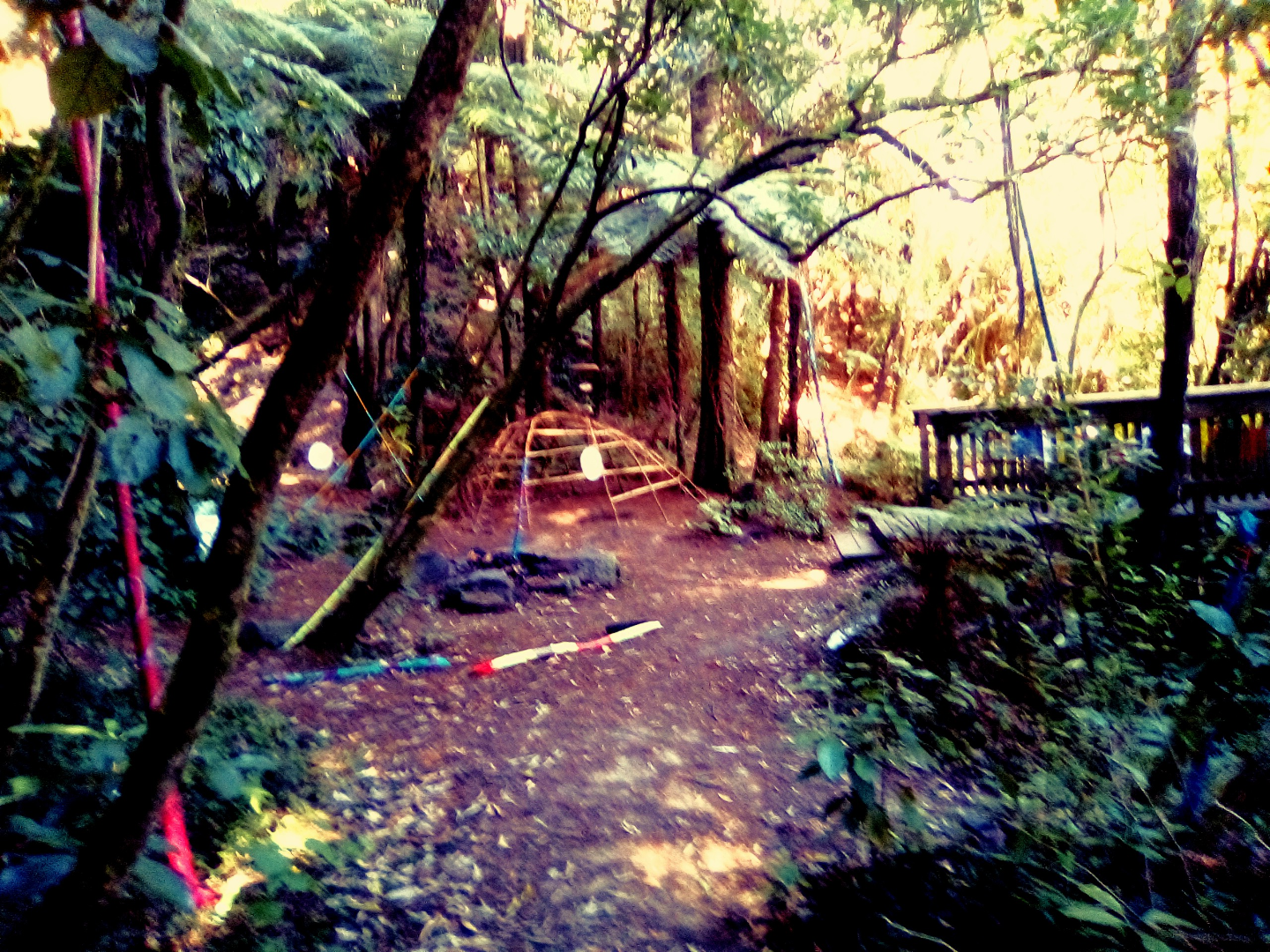
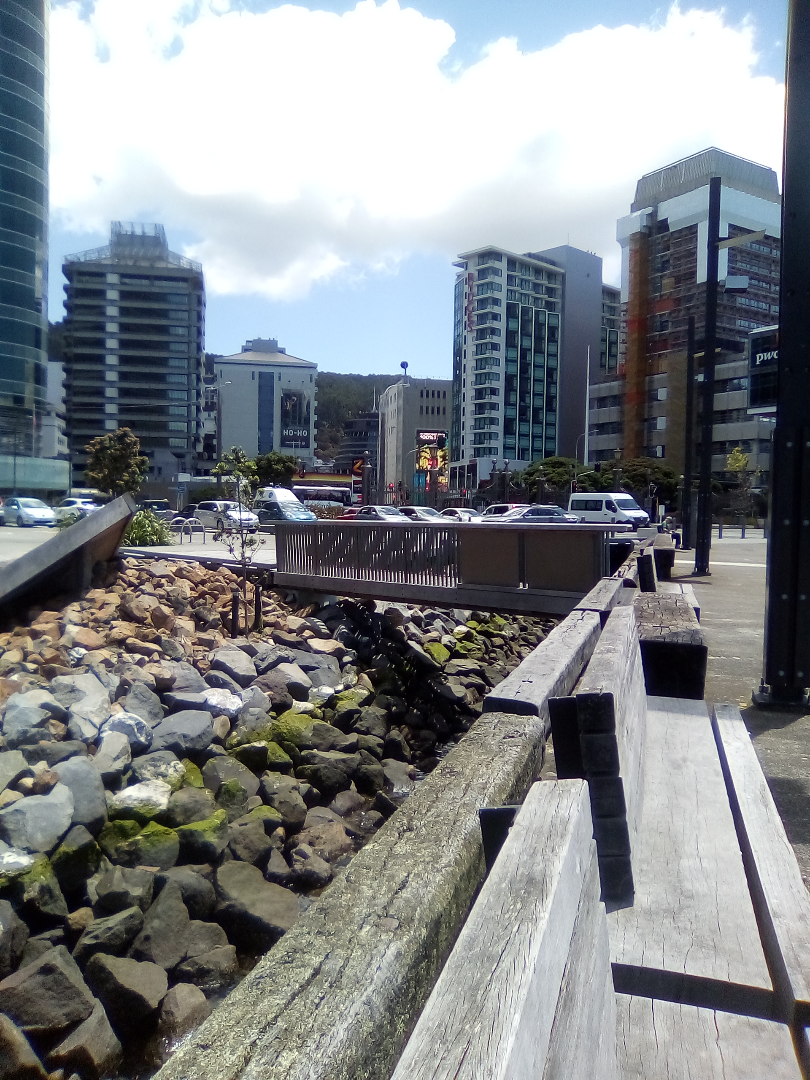
Benches Bridge over Algae to Illuminated and Non-illuminated Billboards Z Energy Petrol Station Parliament Forest-covered Hill.ink (2).png Idyllic Bush Nasturtium Abandoned Toilet Seat in Stream. ink (3).png Bus Window Construction Workers Important Building Rescued from SkyCity Fire Tongan Flag. ink (4).png
vicpiano
ink (2).png
ink (3).png
ink (4).png
http://undercoverlocal.wordpress.com/?p=515
Extensions