Show full content
Susana Torre is an Argentine-born architect who has worked primarily in the United States, where she studied at Columbia University and later chose to settle. Her relocation coincided with the onset of Argentina’s Dirty War, a period of state terrorism during which the military dictatorship carried out a systematic campaign of repression against those it identified as political opponents.
Her practice spans a wide range of scales and formats, including built work, from interiors to urban plans, as well as theoretical writing, exhibitions, and a sustained career as a lecturer and educator. Throughout her work, she has consistently engaged with feminist culture and practice, examining how a progressive role of women in society can be expressed and encouraged through architecture.
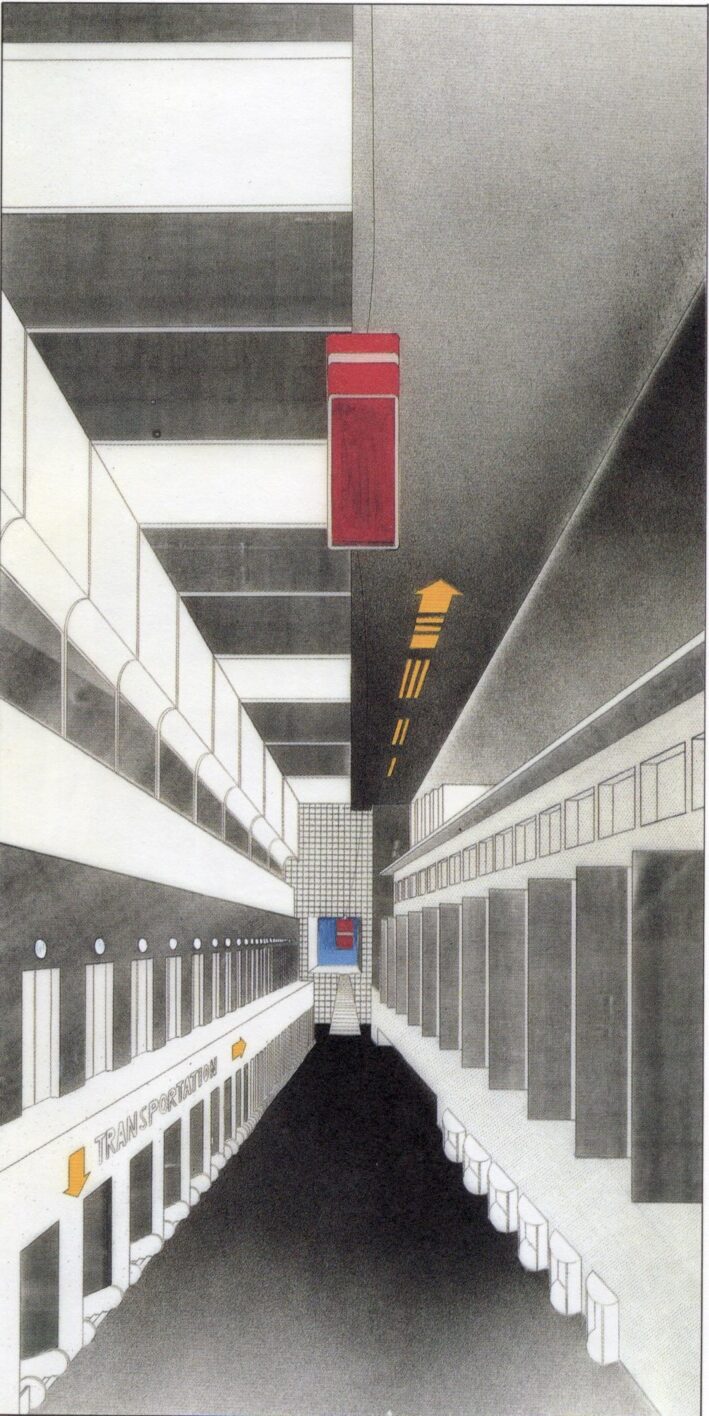
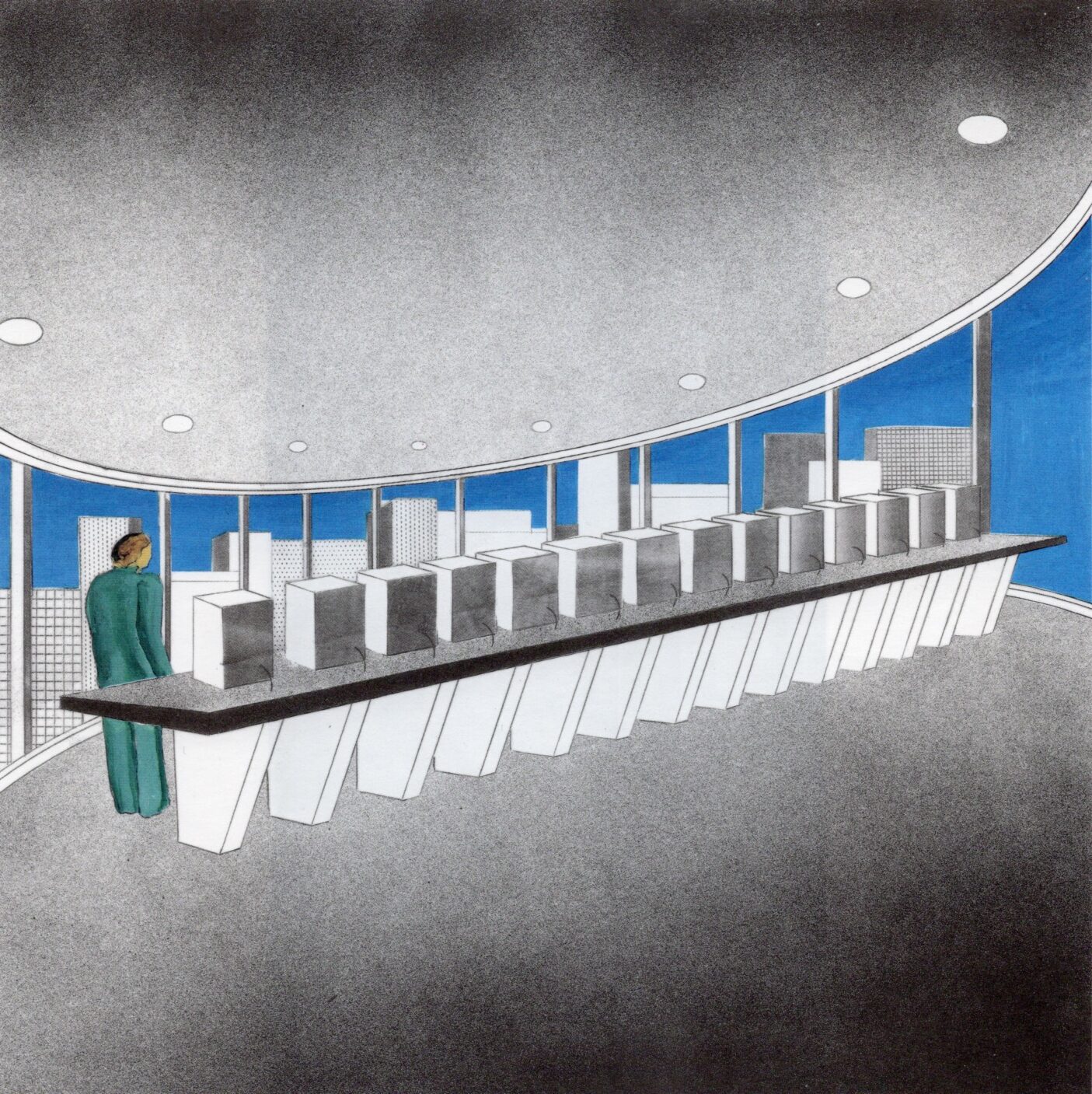
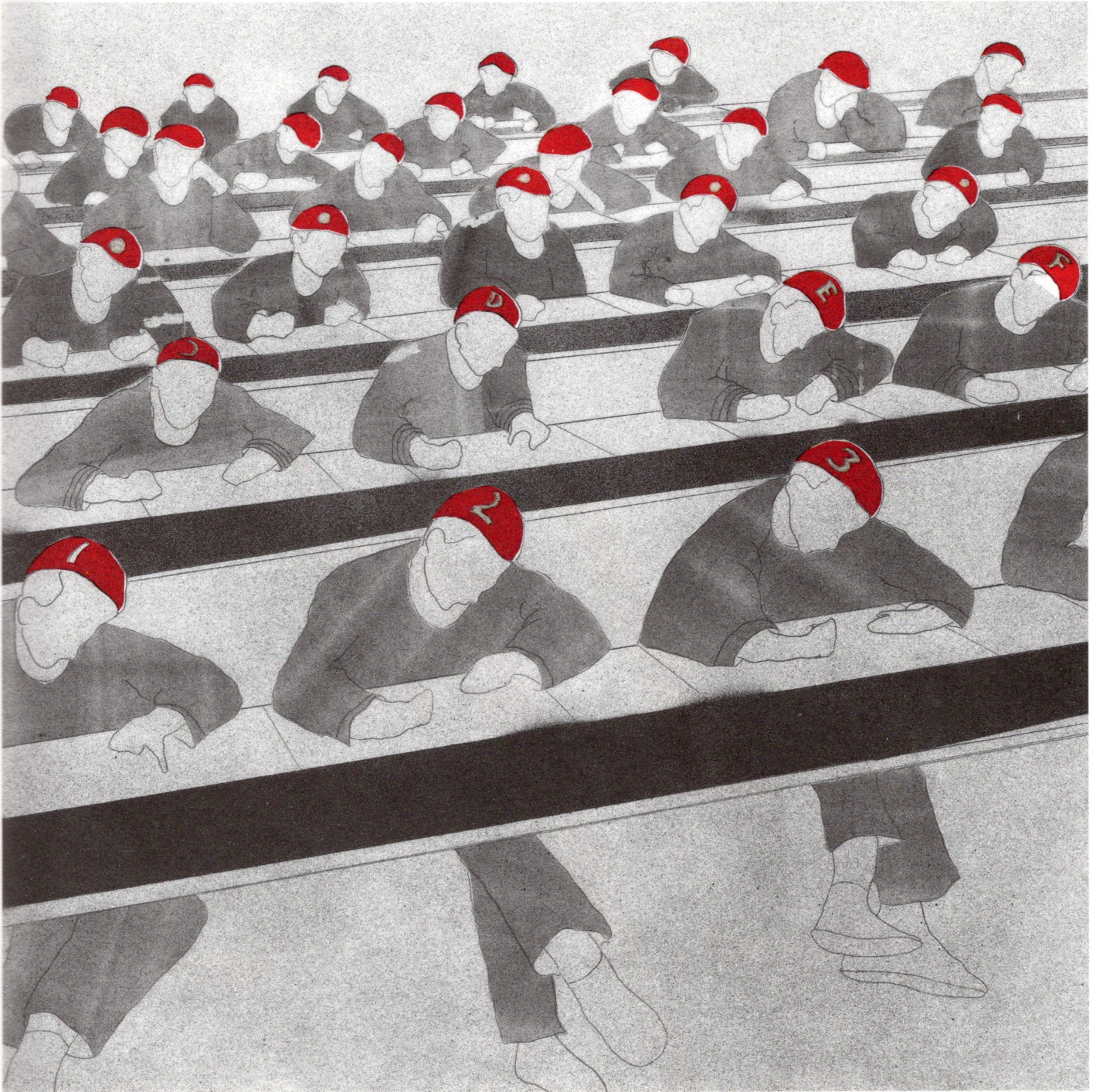
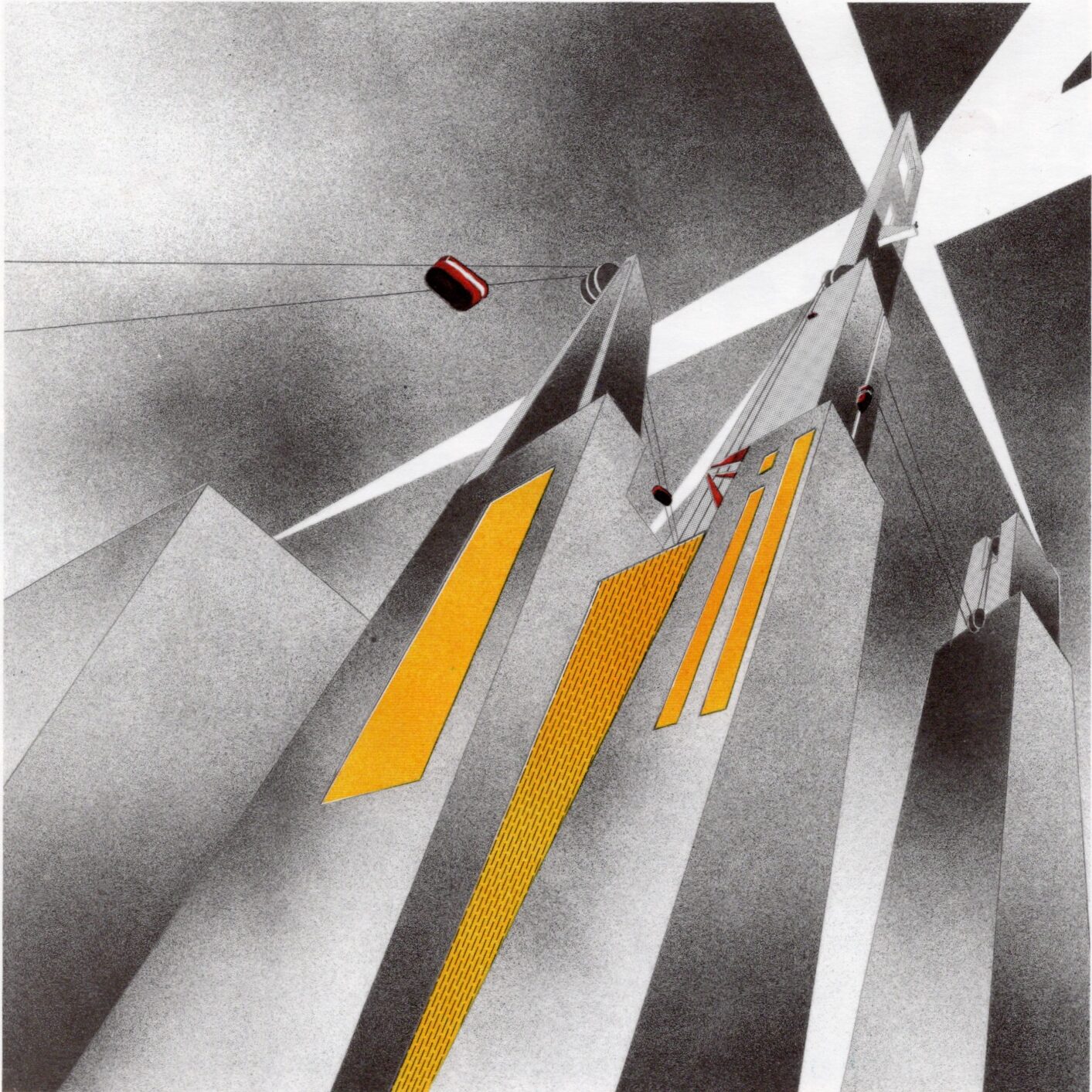
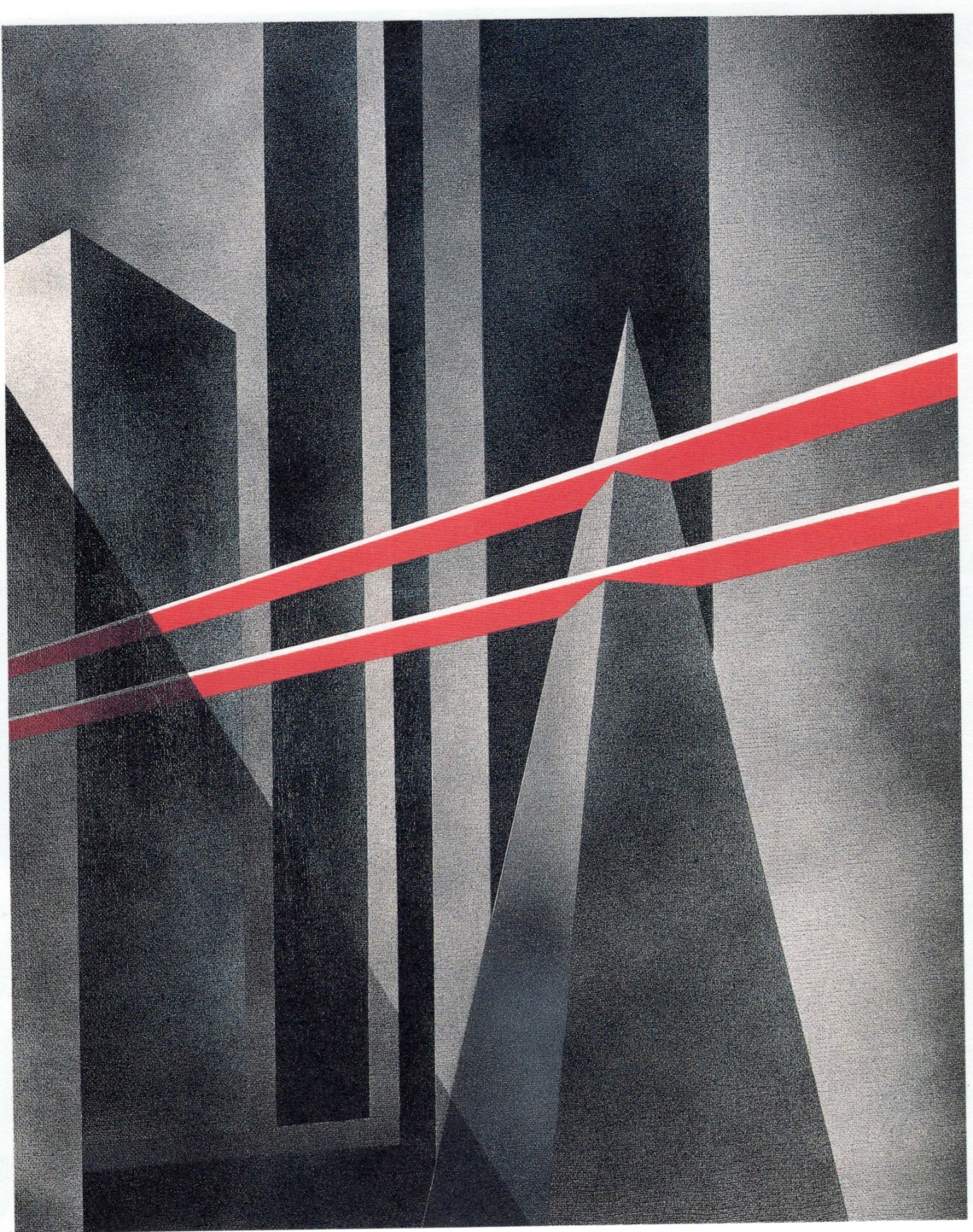
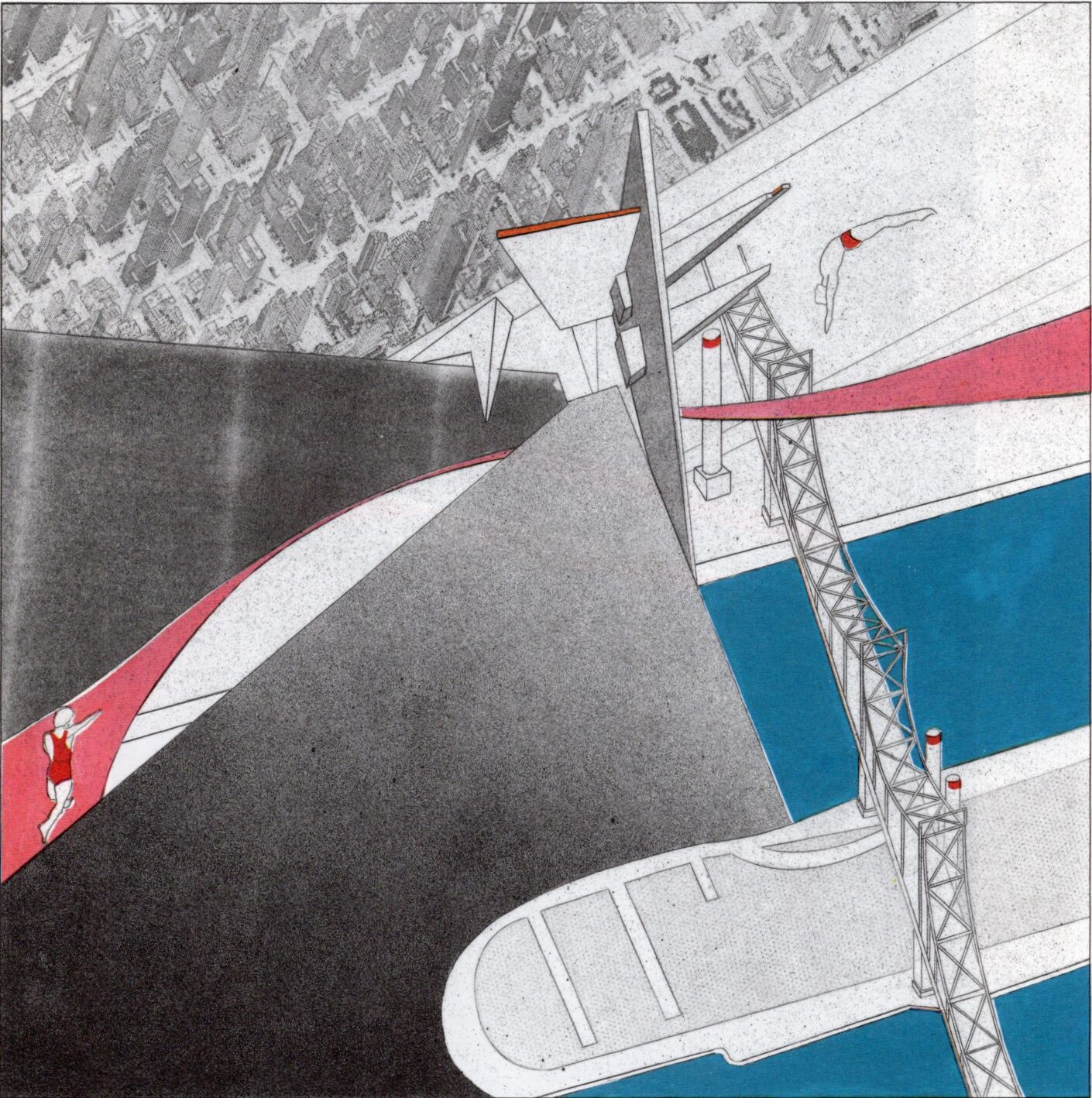
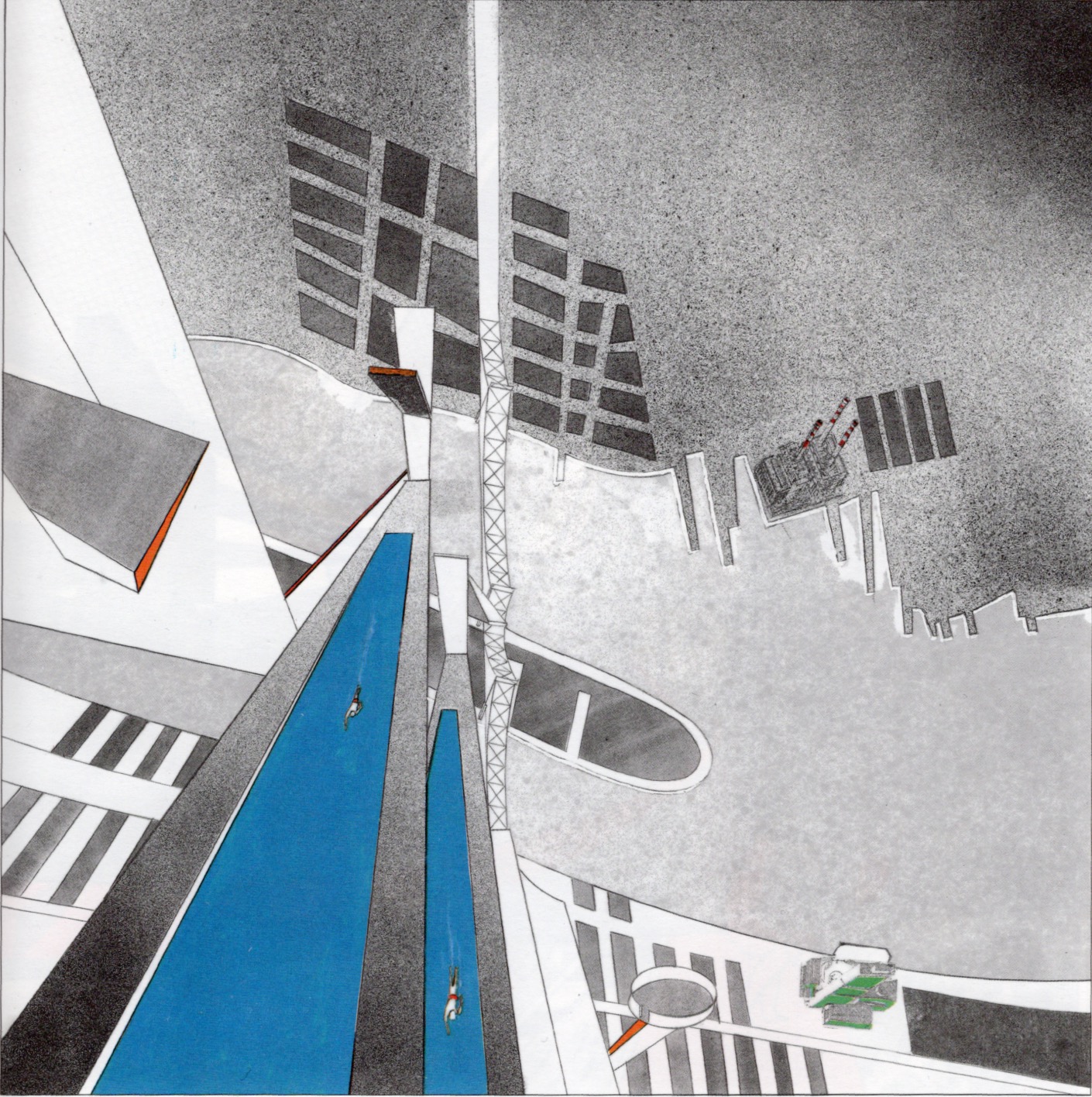
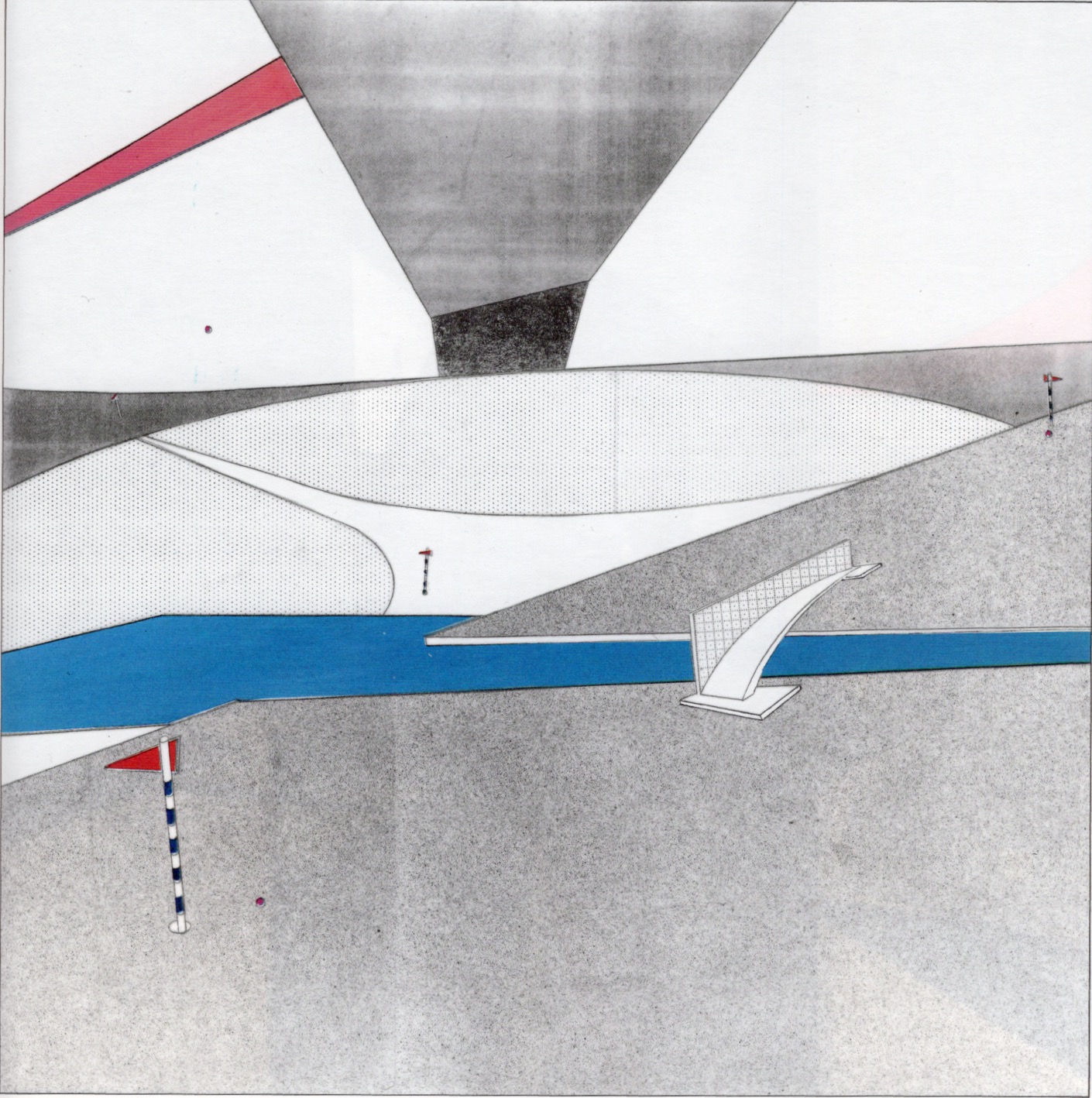
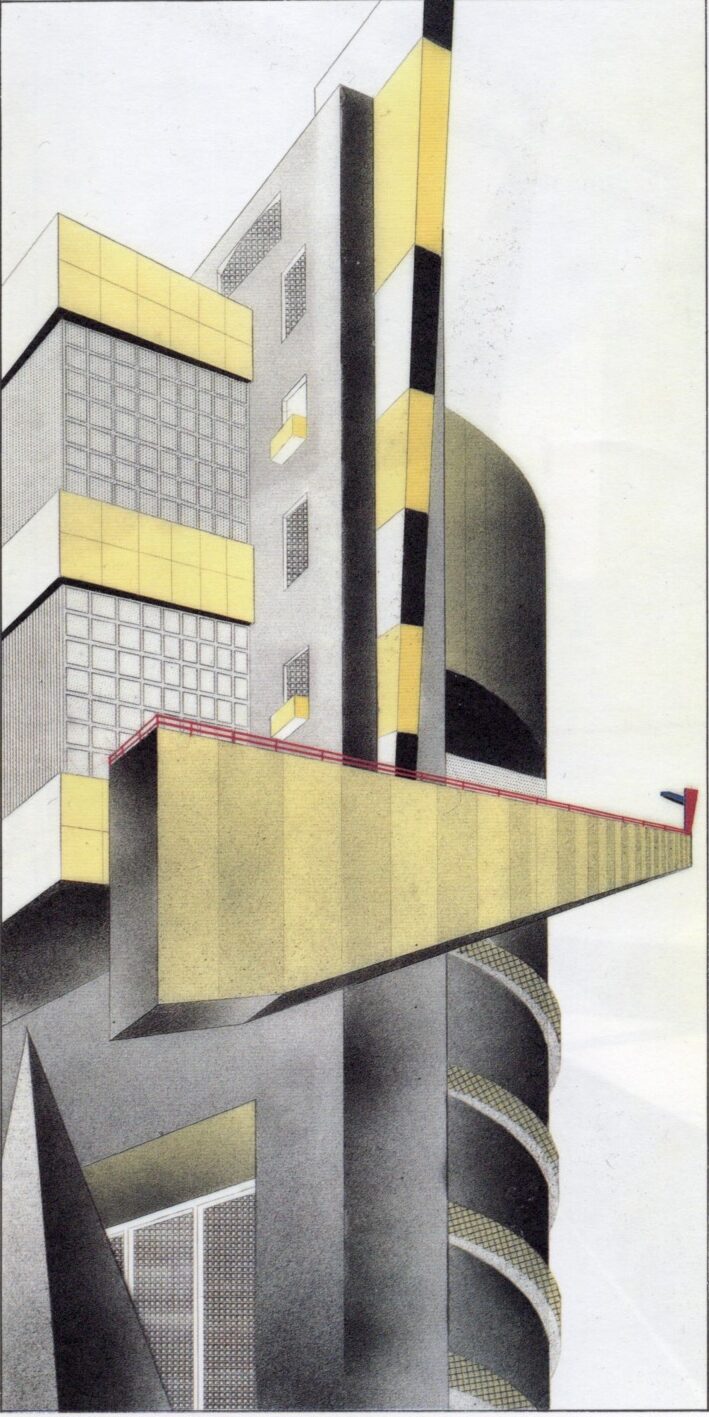
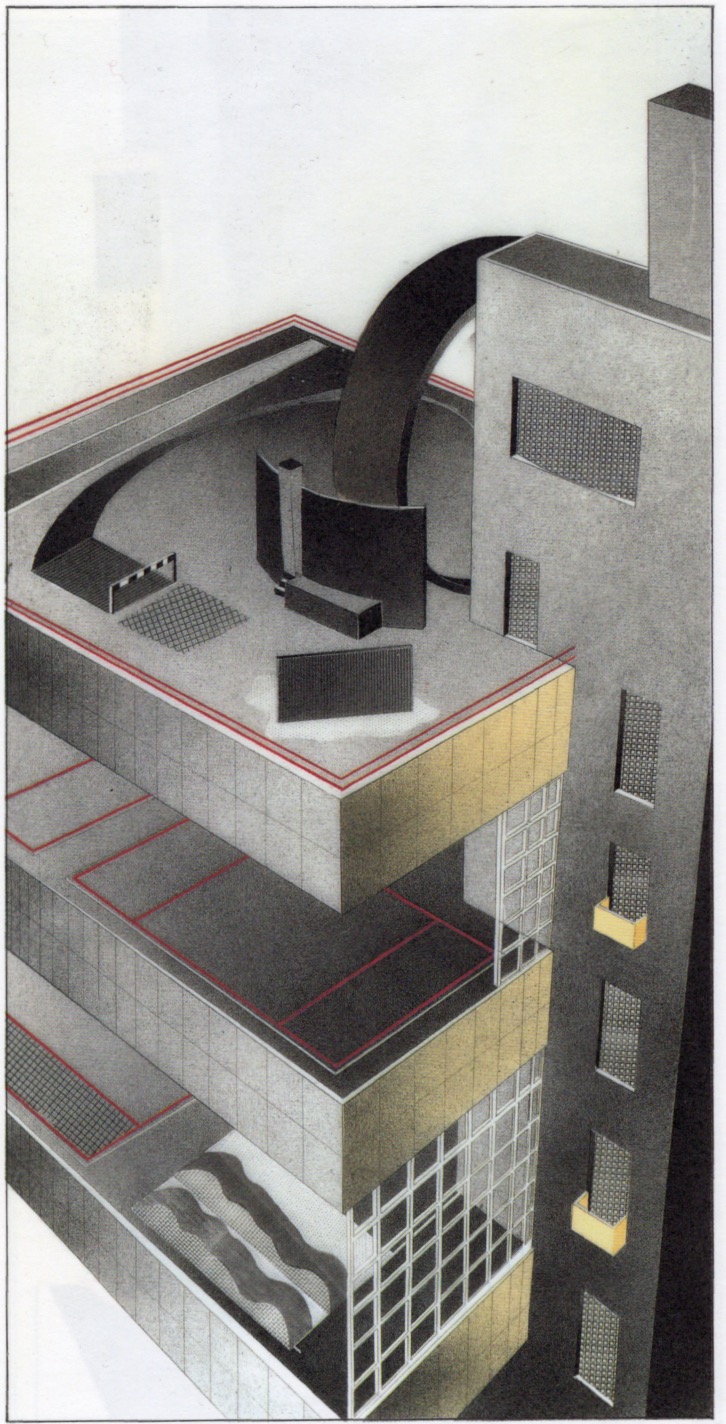
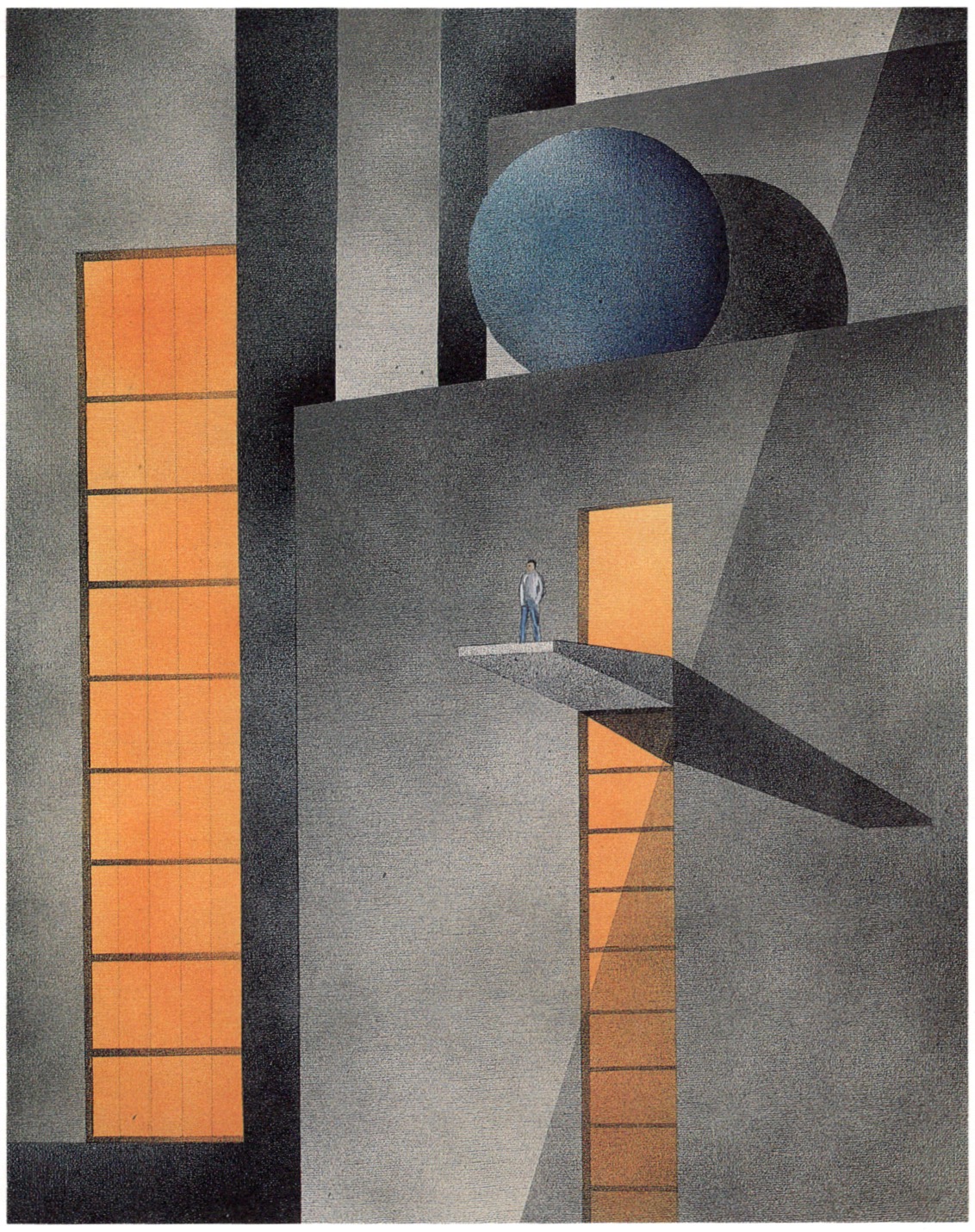
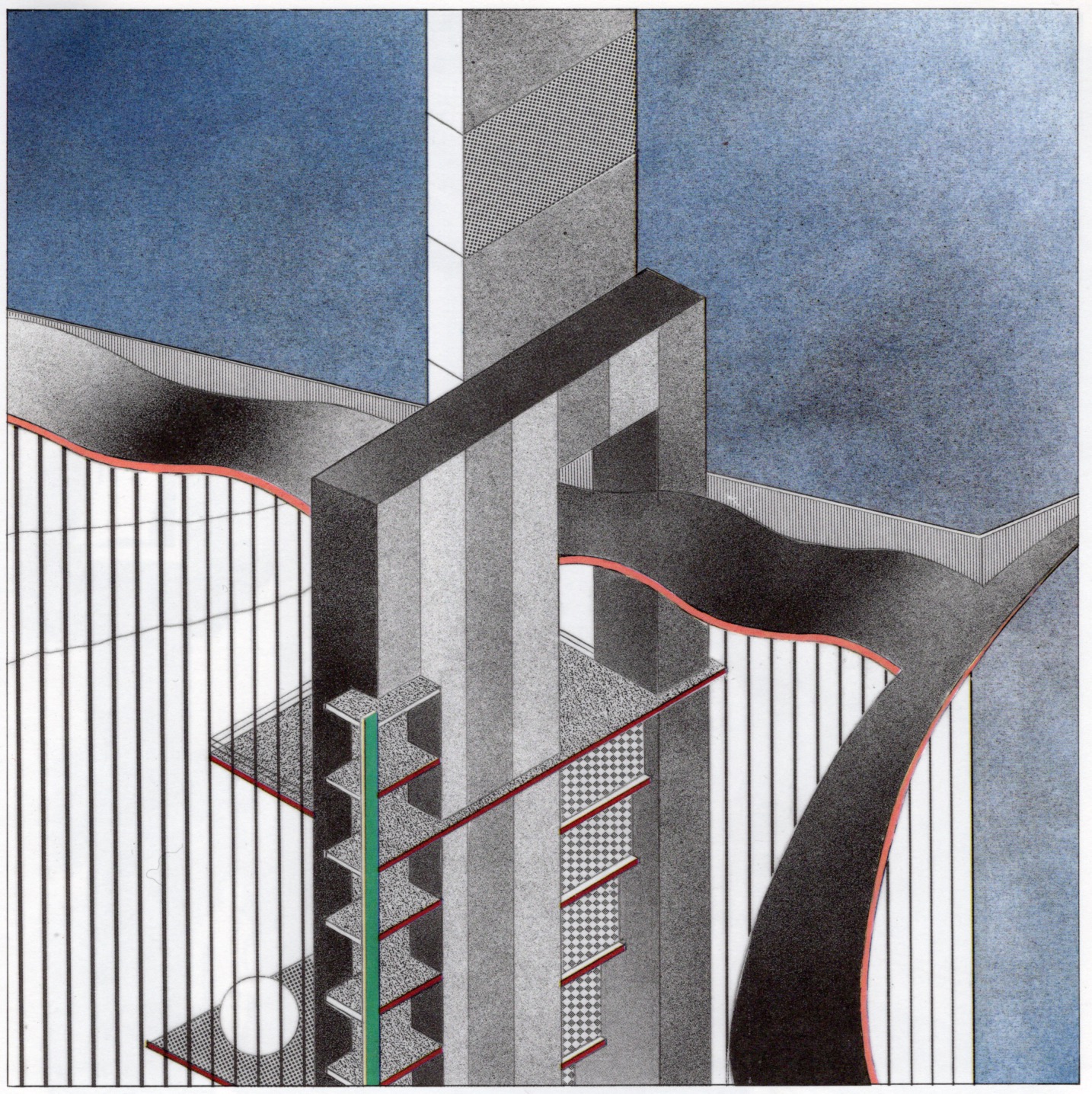
Her 1970–1972 project, House of Meanings, is a theoretical proposal that was later partially translated into two specific projects. A central concern throughout Torre’s practice is “the tension between the ‘completeness’ of objects and the ‘incompleteness’ of design as a process”, the built form and the indeterminate and open-ended process of dwelling and constructing a community which evolves over time. This dialectic is clearly articulated in the House of Meanings, conceived as an open-ended matrix of parallel walls that can be incrementally completed at multiple levels through the addition of modules, a three-dimensional square grid presented as three to four metres but which could take different dimensions once applied to a specific context. The project proposes a form of inhabitation that accommodates change, allowing for mutable states of dwelling over time. The open matrix resists rigid distinctions between oppositional conditions such as open and closed, or public and private. Instead, it enables the emergence of interconnected systems of shared spaces alongside more enclosed, intimate modules, allowing for a crossing of the house in multiple directions. In doing so, through the presence of mobile partitions and the possibility of adding modules over time, it allows for the growth, evolution, and transformation of living environments in response to the shifting patterns of individual and collective life over time.
Torre’s project acts as a designed critique, through what she calls the principle of space as matrix, of several housing models starting from functionalist domestic layouts, in which the size, position, and designation of rooms often encode implicit hierarchies among inhabitants. At the same time, she critiques the modern open plan, noting that, in her words, “power and submission often become the means to resolve priorities in competing uses.” Furtherly, she questions the Beecher’s house prototype which furthered the idea that women should take care of the house and act in isolation, while providing for the family more efficiently.
The House of Meanings thus operates as a system that sustains spatial continuity while still allowing for differentiated degrees of privacy and hierarchy. It further challenges the assumptions of strict functionalism, where to each room is assigned a single, fixed use, by proposing instead inherently multifunctional spaces. In this sense, the project also critiques suburban zoning regulations, which rigidly separate functions and, in doing so, contribute to forms of social isolation by treating housing as a segregating device rather than a connective one. Denying the presence of distribution areas such as corridors or entrances—which historically emerged to accommodate multiple circulation paths within the house due to the presence of servants—it also erases the hierarchy between spaces for movement and spaces for dwelling within the home.
Two projects for private clients, most of them women (a writer who is often visited for extended periods by friends and her two adult children, and an extended family consisting of a couple and the wife’s mother and sister), allowed Torre to move from the theoretical project to a realistic, though as yet unbuilt, house and to a built one: the first located in Puerto Rico and the second in Santo Domingo. These two projects were intended to move beyond the model of the single-family house, becoming instead an expanded system capable of accommodating extended family, friends, and even an additional household at times, thus merging the private dwelling with an evolving structure able to progressively host a small community.


Further Reading:
Susana Torre, “Space As Matrix,” Heresies: A Feminist Publication on Art & Politics, Vol. 3, No. 3, Issue 11, 1981.
Karen A. Franck, “A Feminist Approach to Architecture,” in Ellen Perry Berkeley, ed. Architecture, A Place for Women, Washington and London: Smithsonian Institute Press 1989.
Camyl Vigneault, “Room for Women. An Atlas of Feminist Housing Projects from the 1980s” on Burning Farm.
All images © and courtesy of Susana Torre
 Felipe Bedoya is an artist from Bogotá, Colombia. He employs a personal visual language akin to drawing, in which photography is deconstructed as a medium by isolating and selecting fragments to build new narratives. Often, he uses a grid, like graph paper, to organise images of people and objects. He starts from photographs and then […]


 Heidi Linck is a multimedia artist based in the Netherlands. Her work explores the poetic dimension of neglected spaces and their capacity to convey a sense of loss while opening up potential forms of imagination. The encounter between collective and individual memory is expressed in both her works on paper and her photographs of models: […]


 Hans Vredeman de Vries (1527 – c. 1607) was a Renaissance architect from the Netherlands, best known for his printed works. In 1604, he published his most renowned tome, which offers a rich visual exploration of the possibilities of linear perspective in the depiction of architectural space, drawing inspiration from Serlio’s Seven Books of Architecture. […]


 The ghorfas (in arab غرفة [ghurfa], meaning “room”) are common granary chambers found mostly in southern Tunisia and certain areas of Libya and associated with Berber populations. In more recent times, they have also been used as dwellings. They consist of barrel-vaulted rooms measuring 4 to 5 metres in length and 2 metres in height, […]


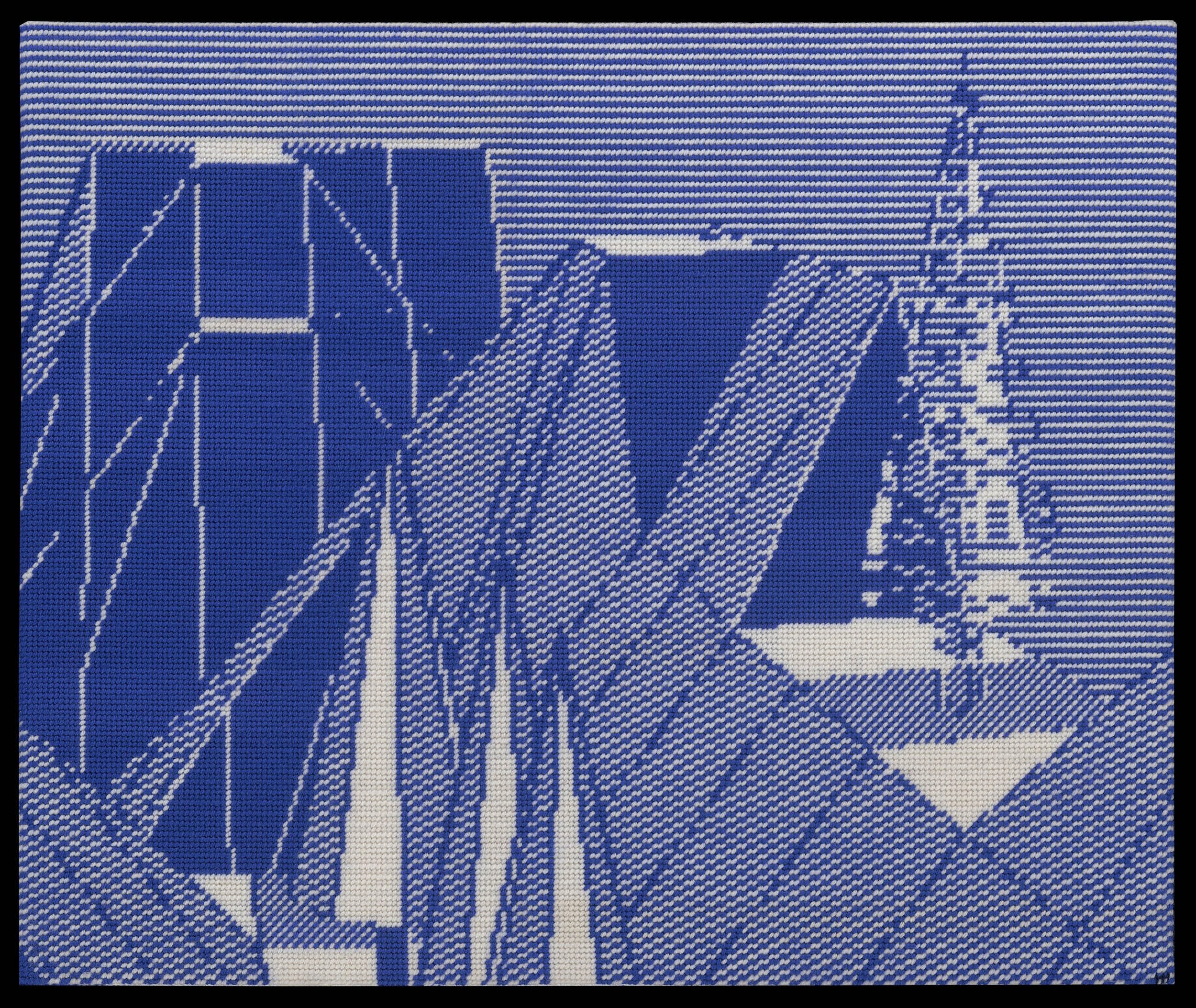
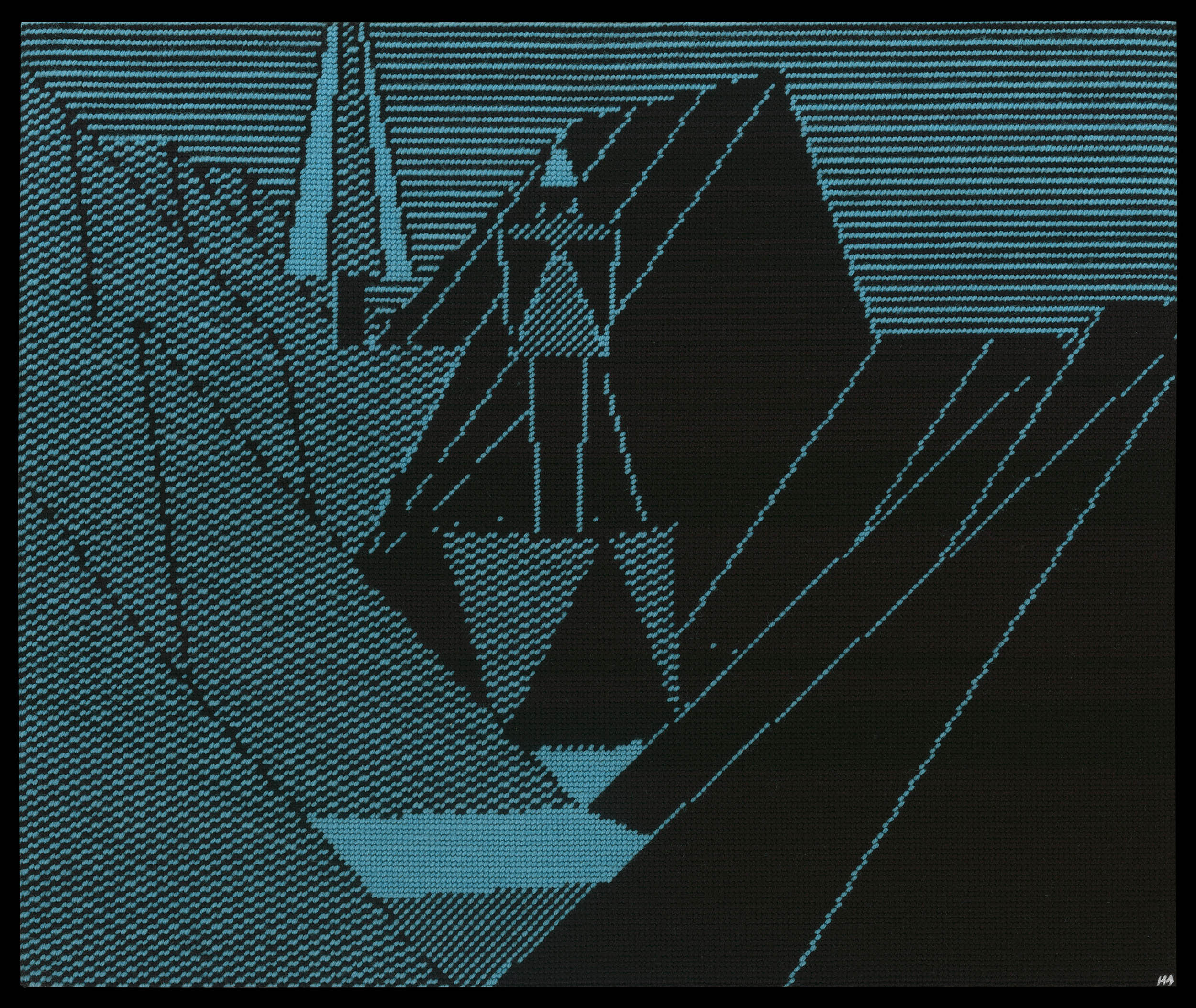
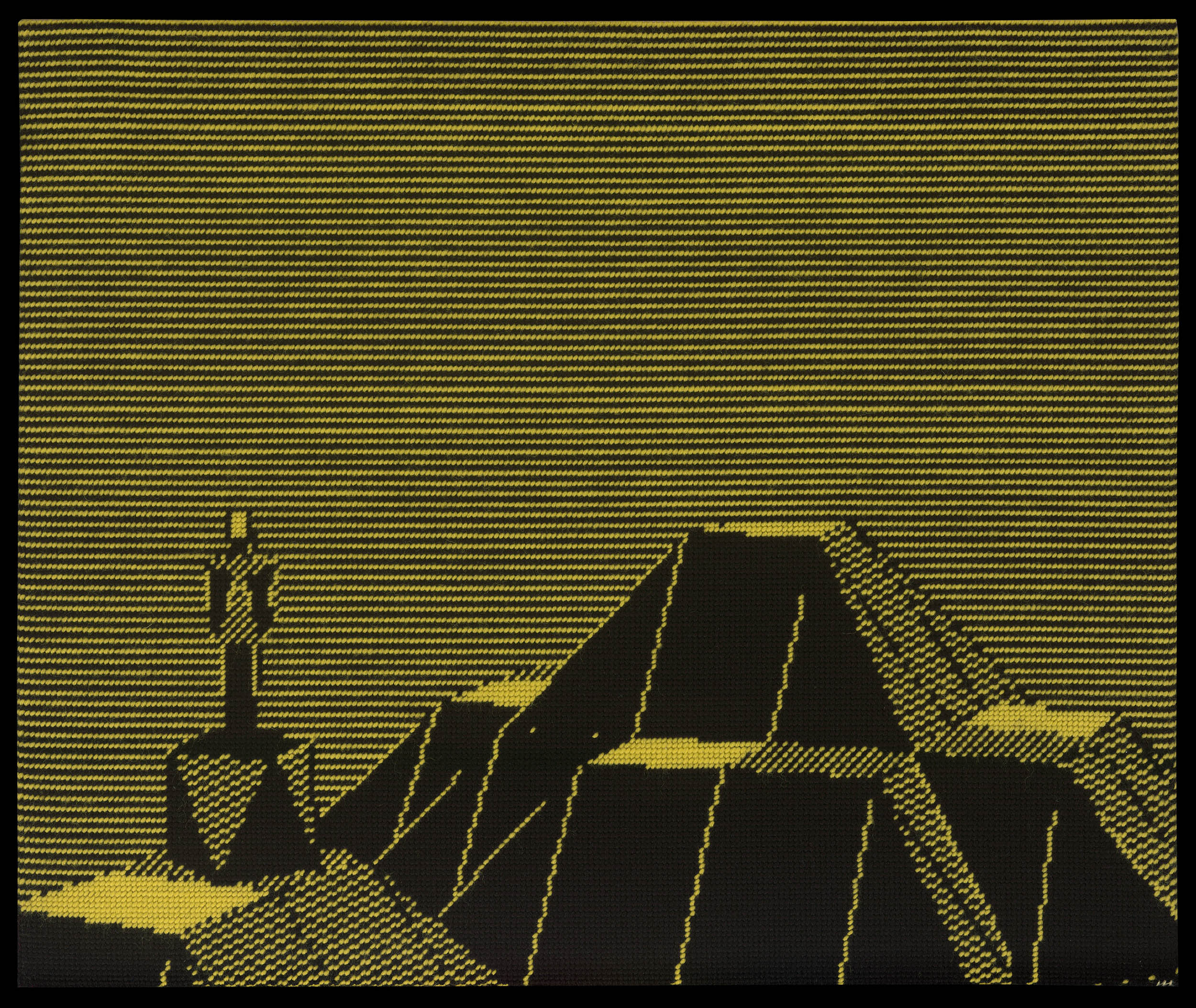
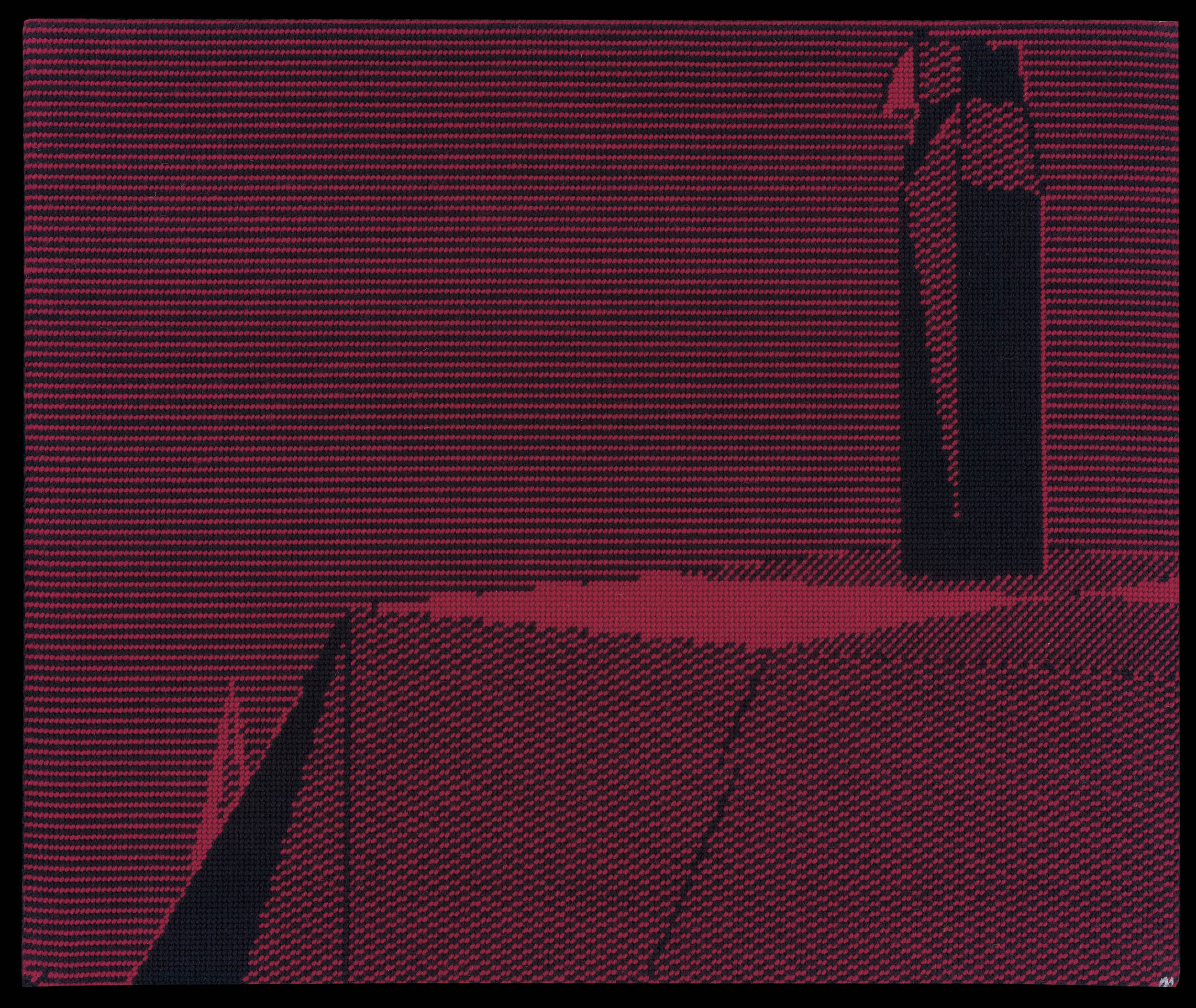
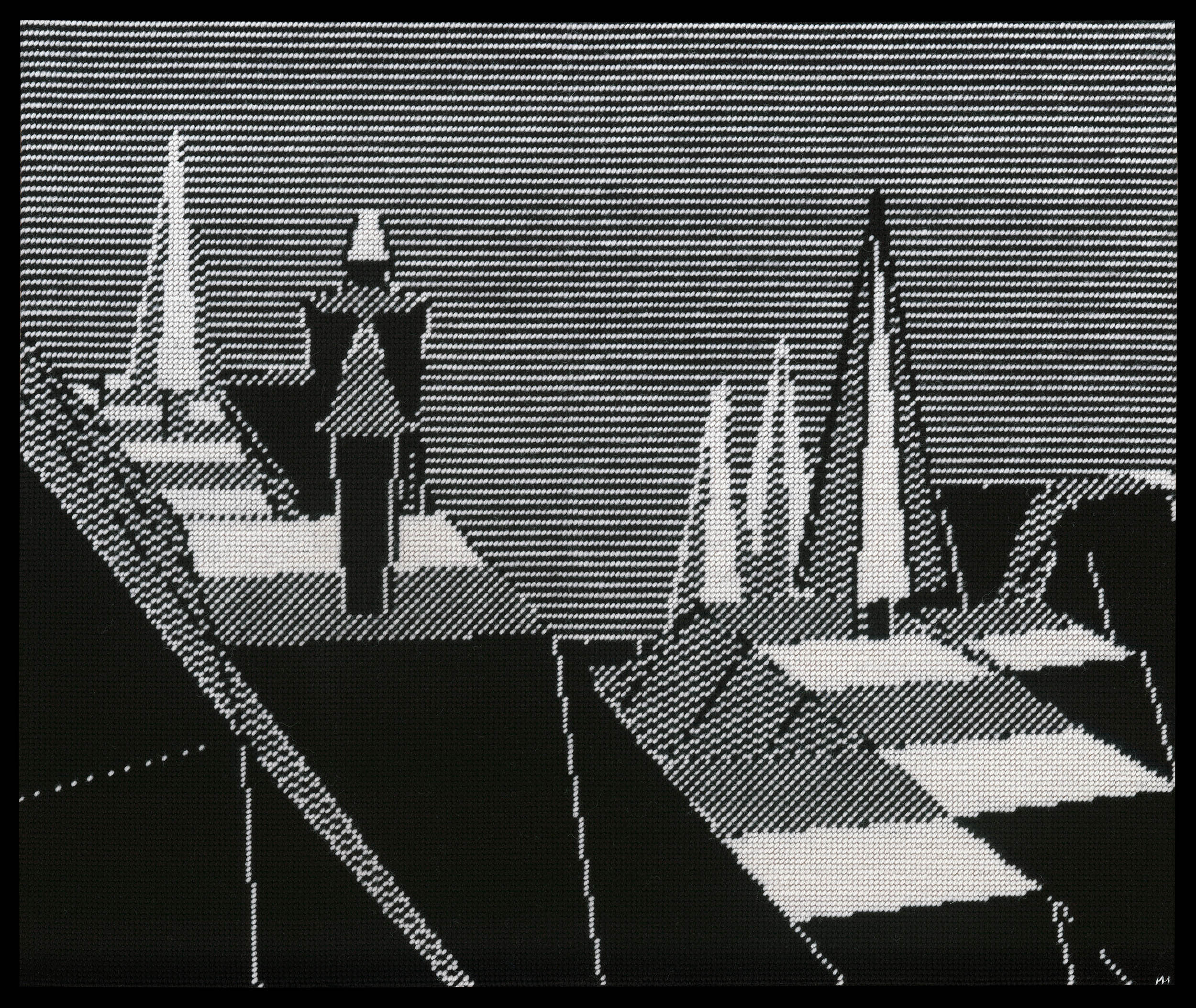
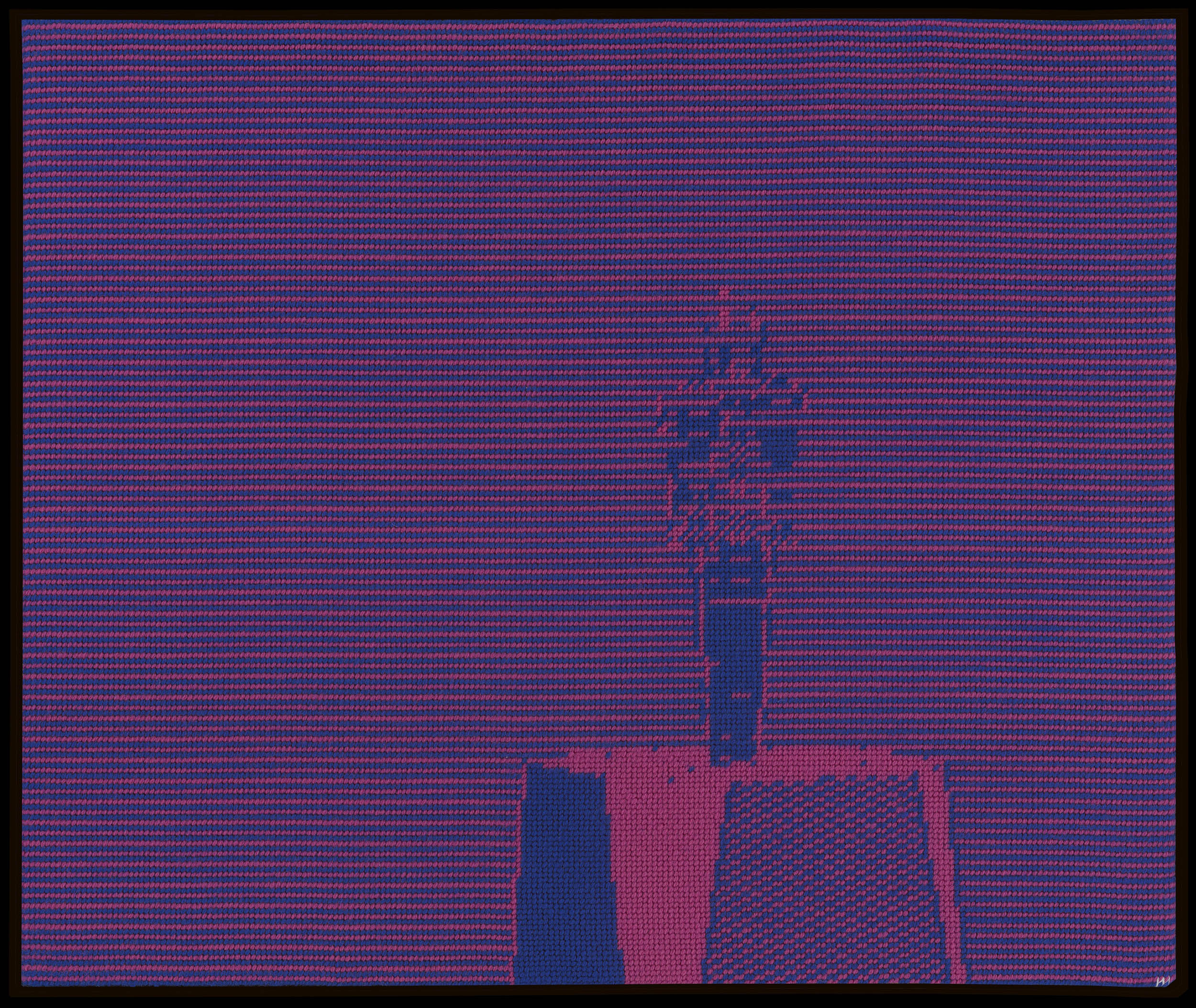
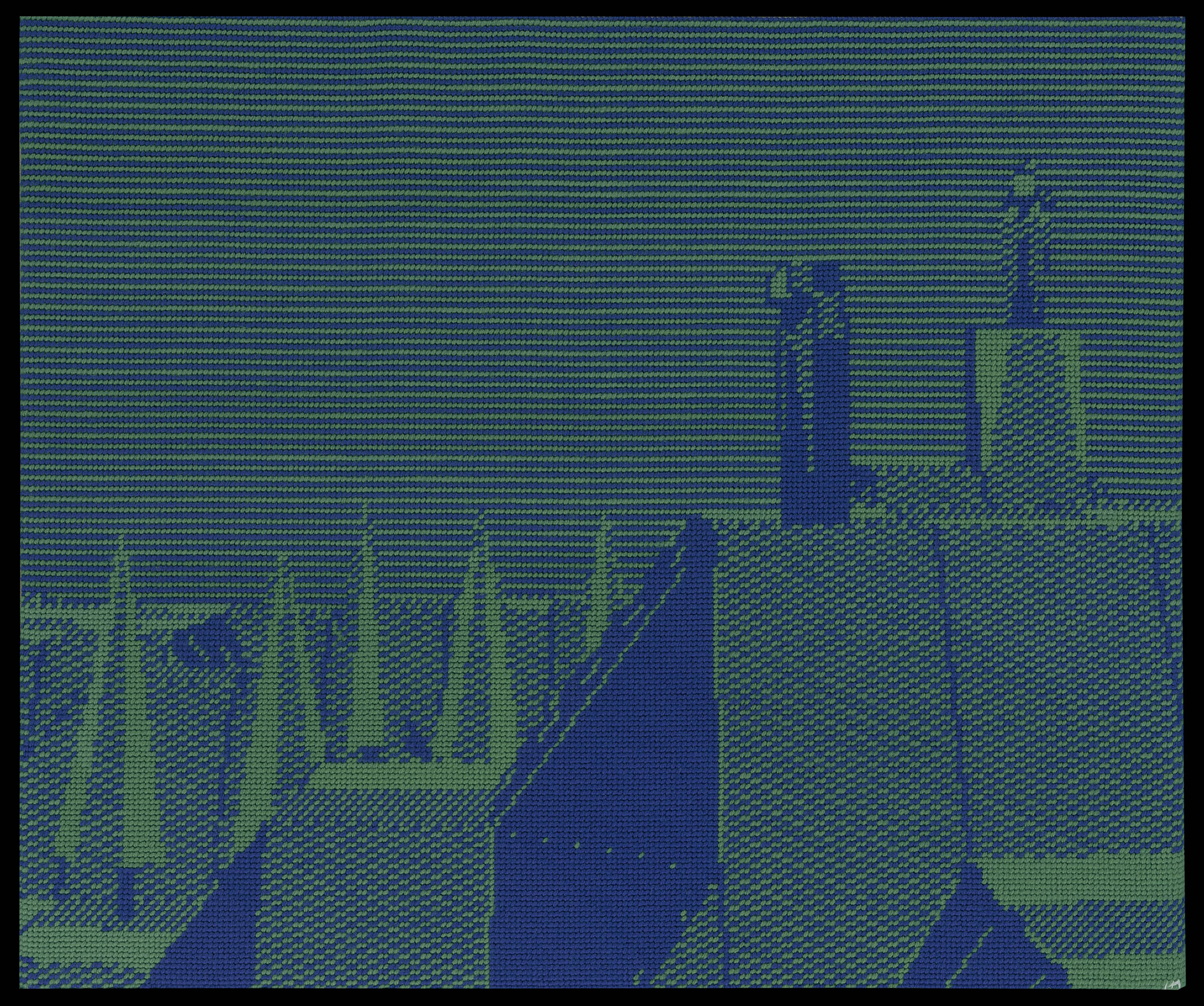
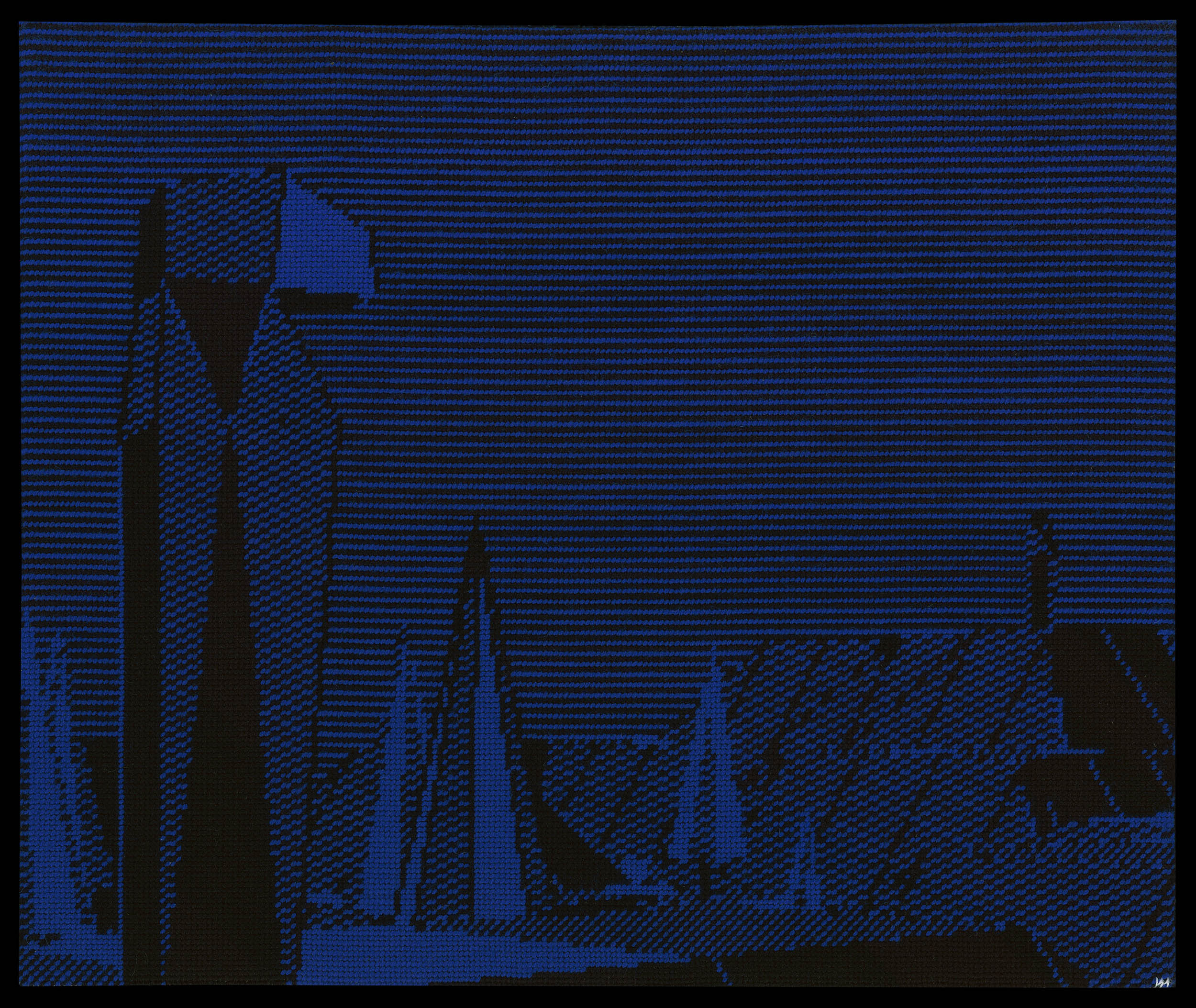
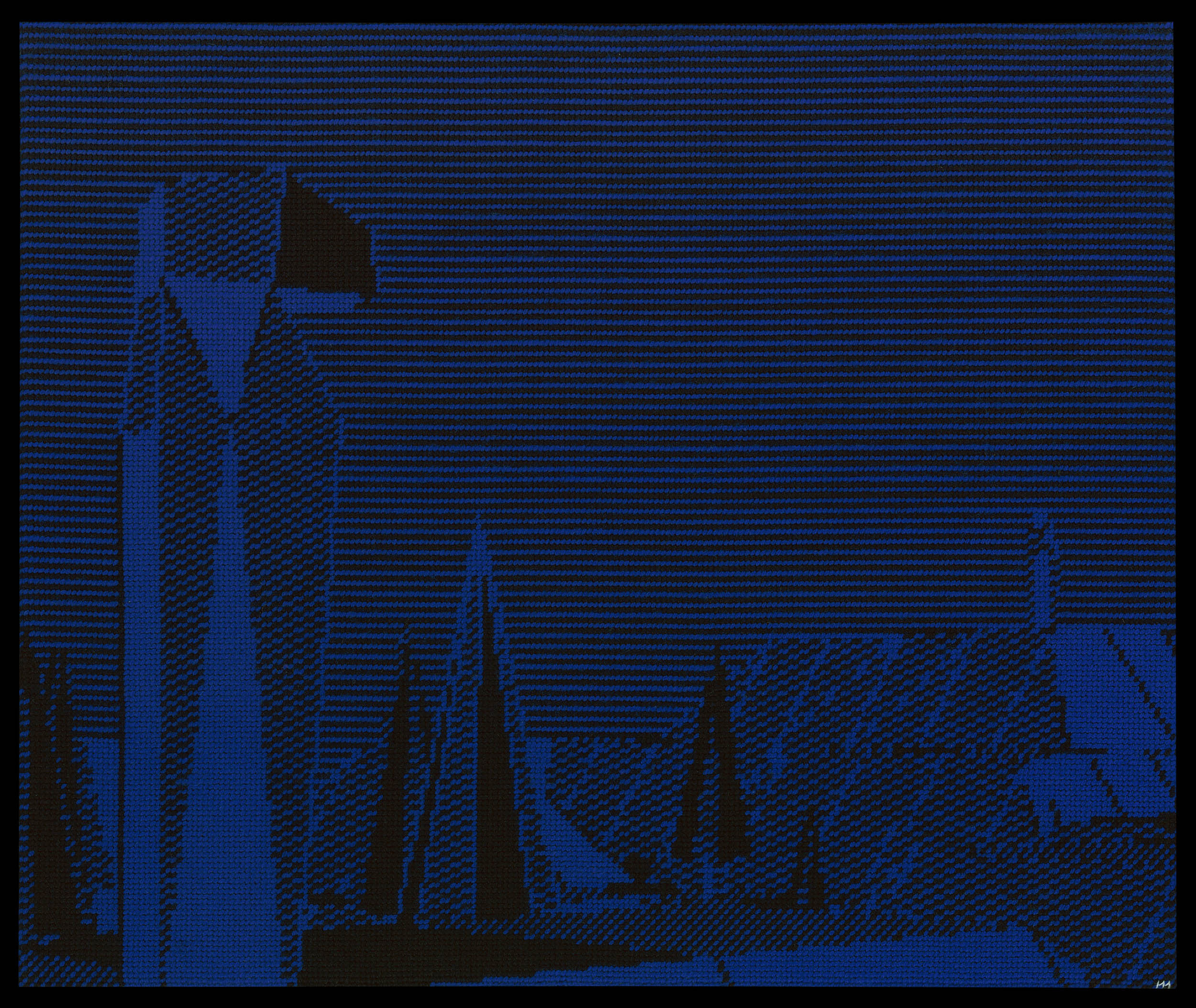
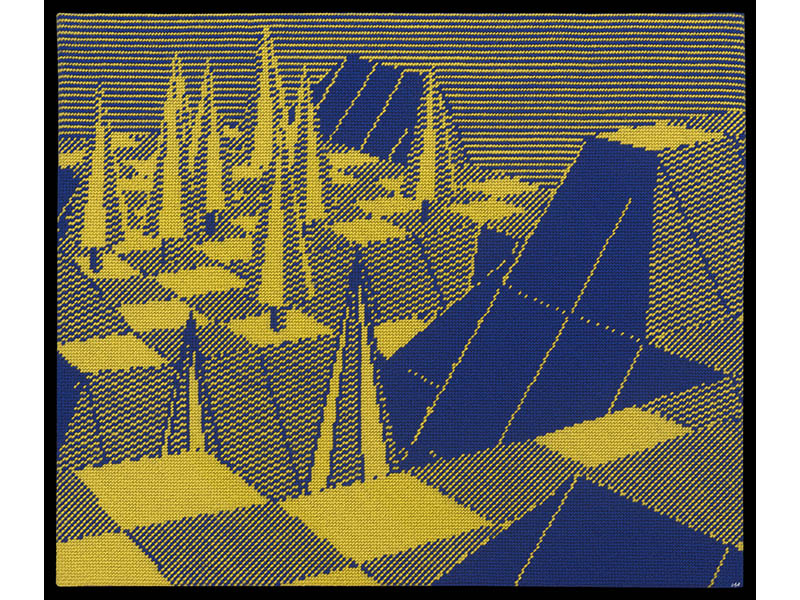 Marine Beaufils is a French embroidery artist whose meticulous work draws on the analogy between pixels and needlepoints, as she translates scenes from her favorite video games, movies, or scientific imagery from screen to embroidery canvas. This process freezes a fragment of a larger narrative, converting backlit scenes into a familiar medium that evokes a […]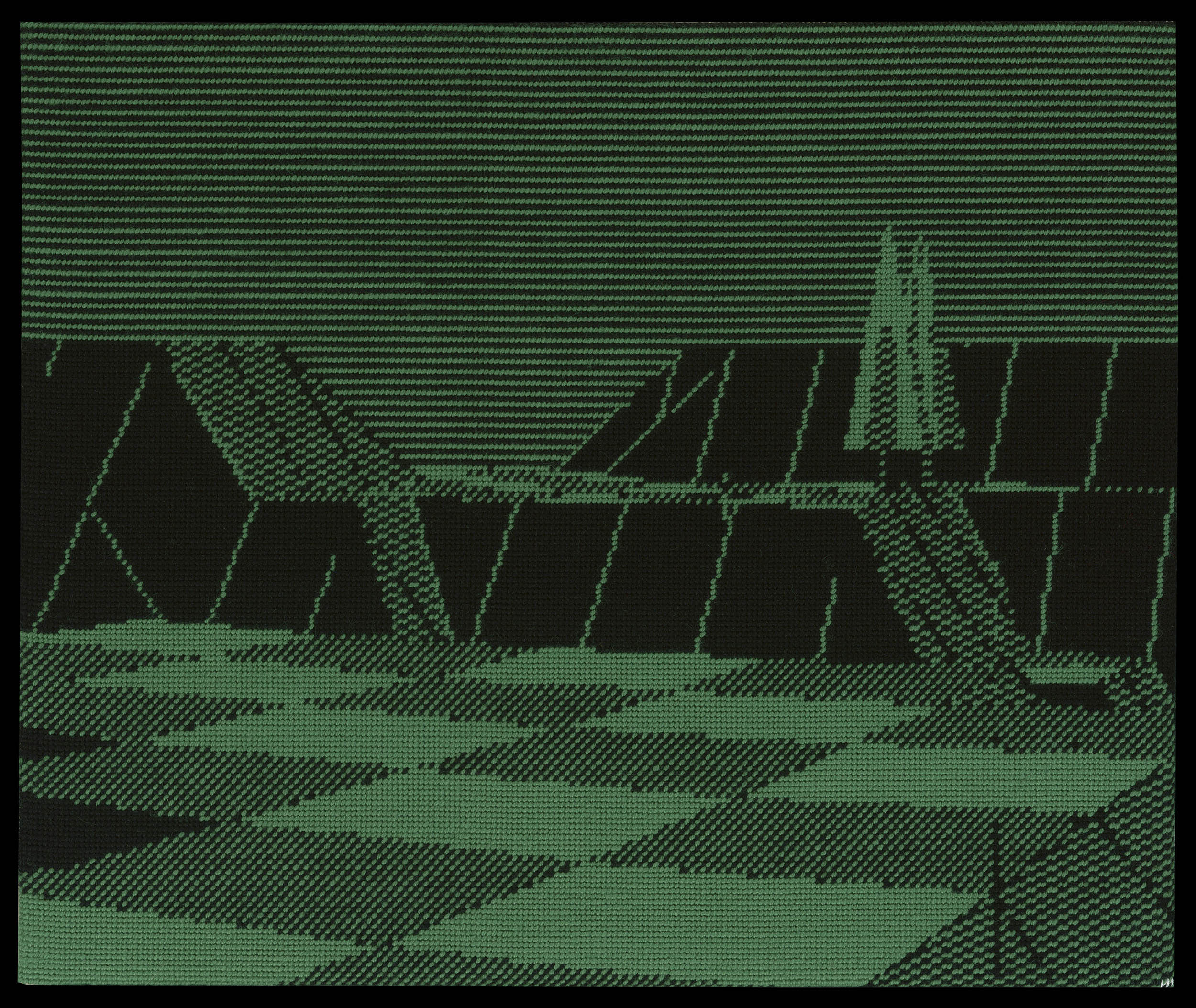
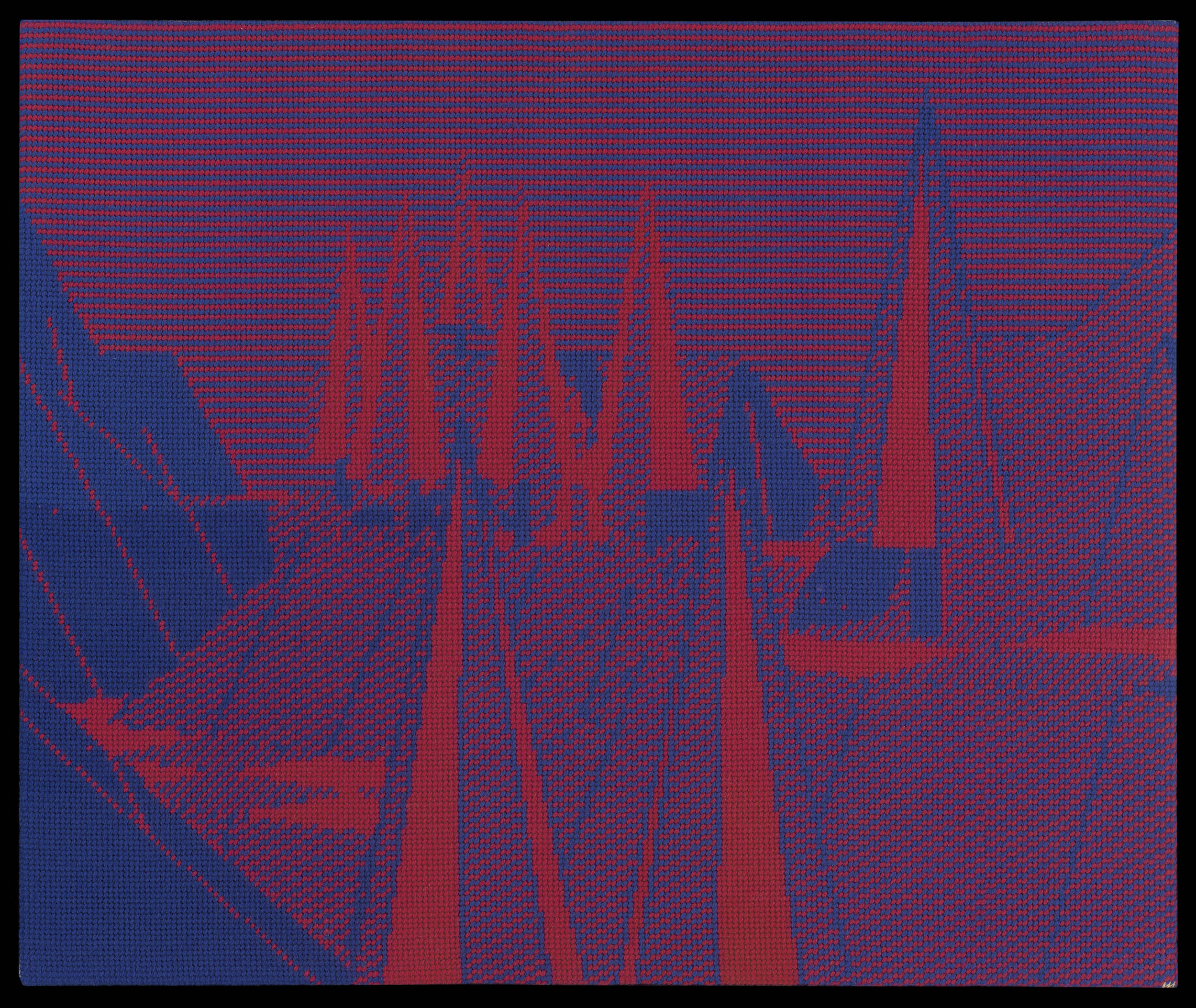
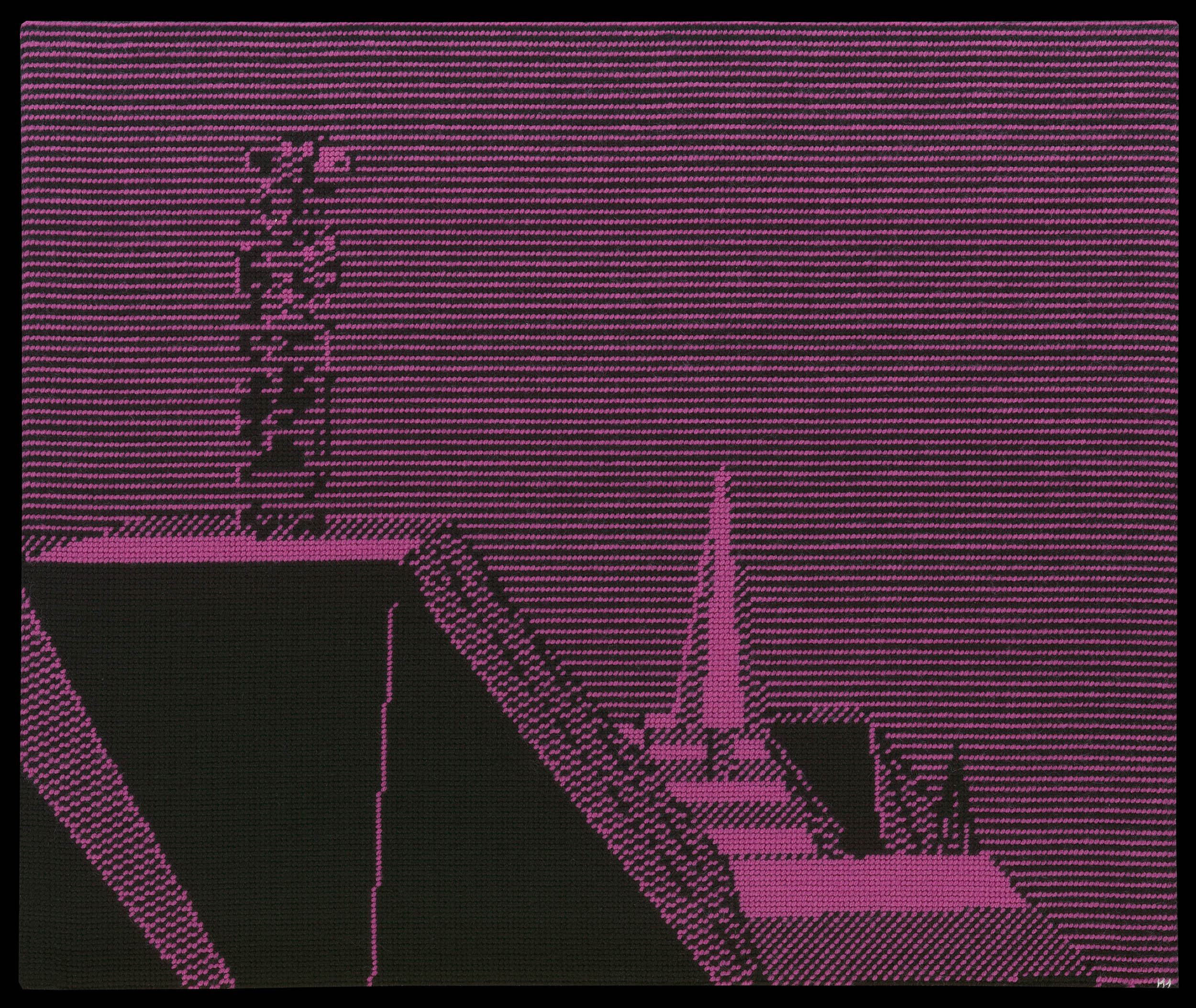
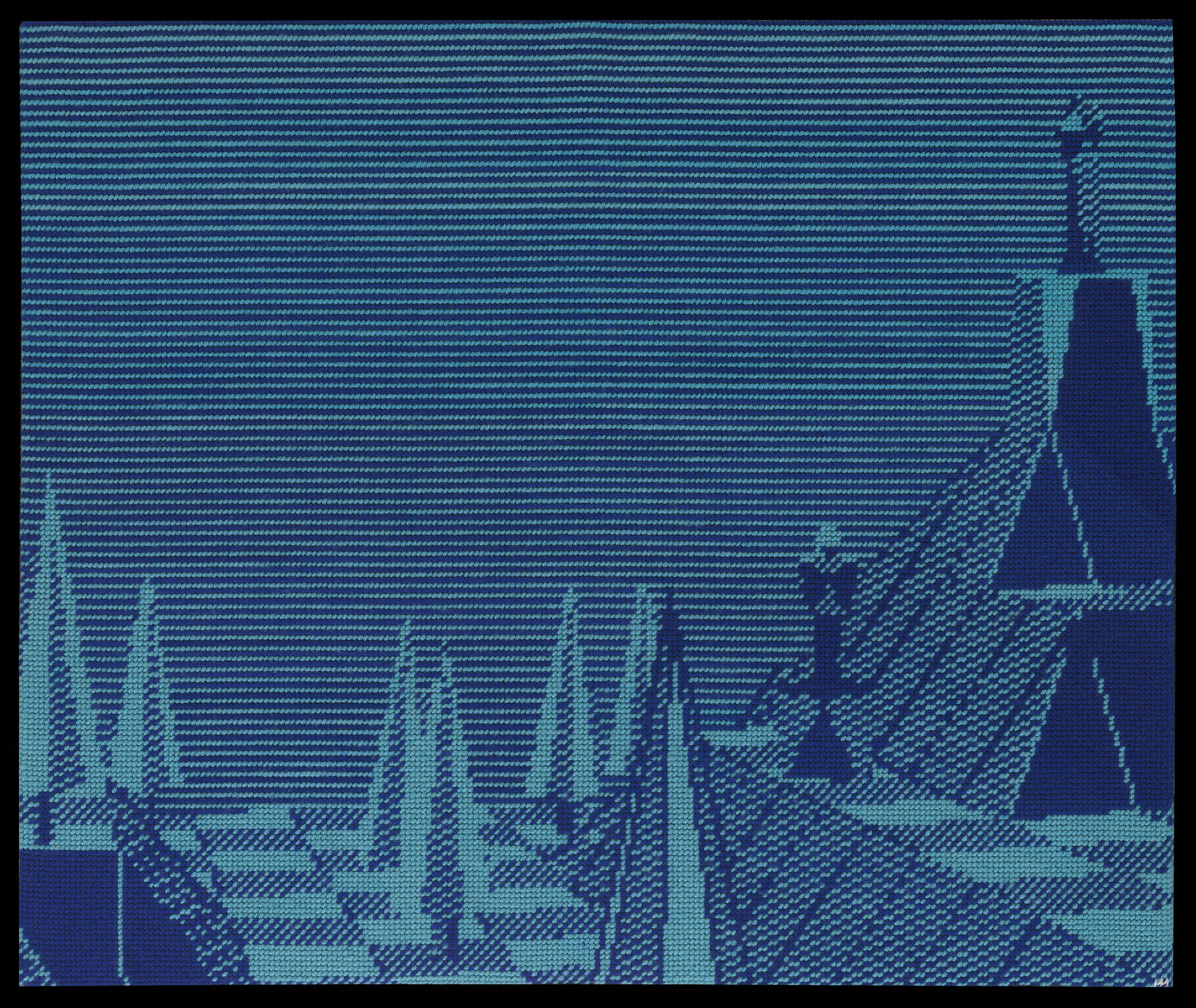
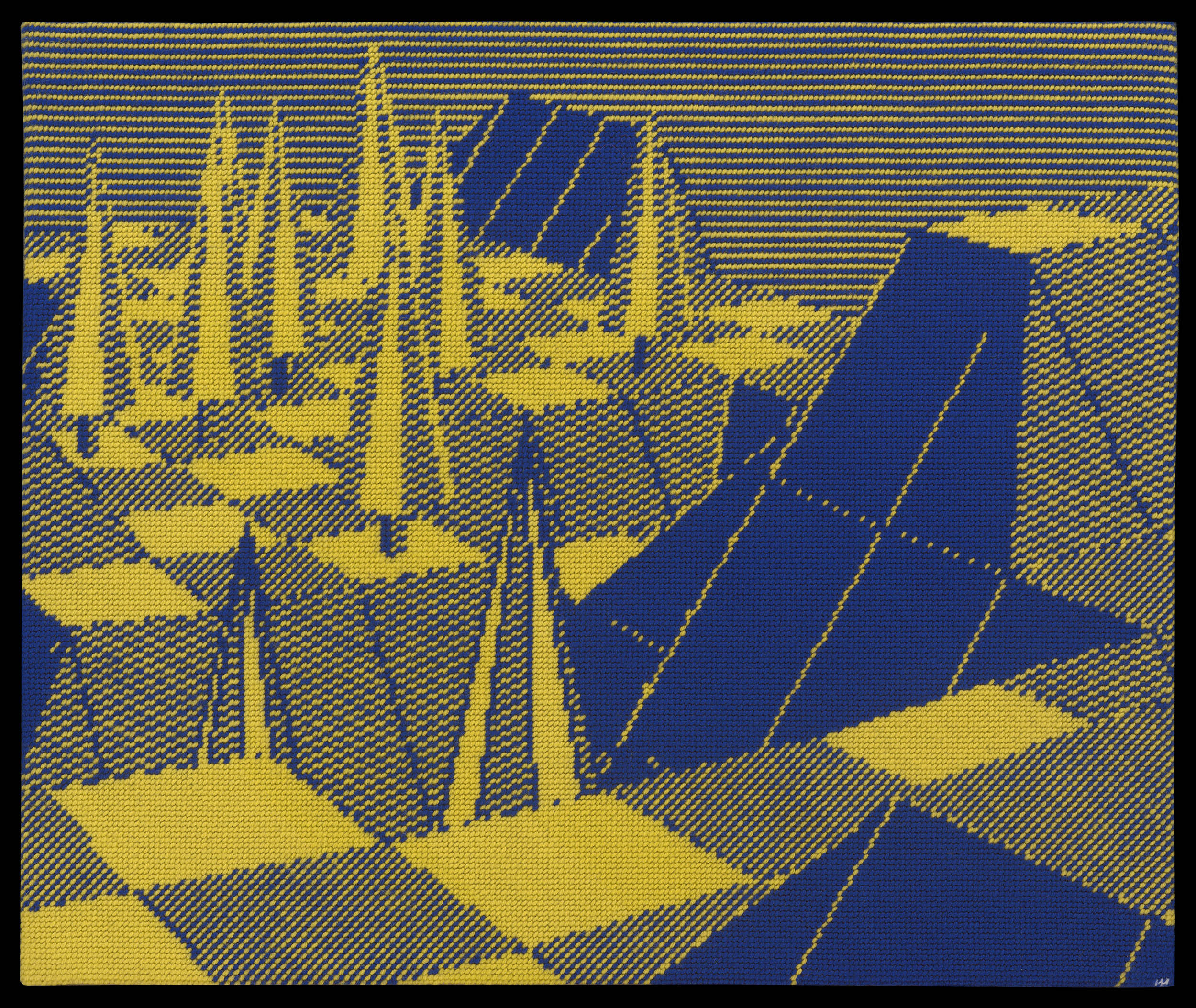
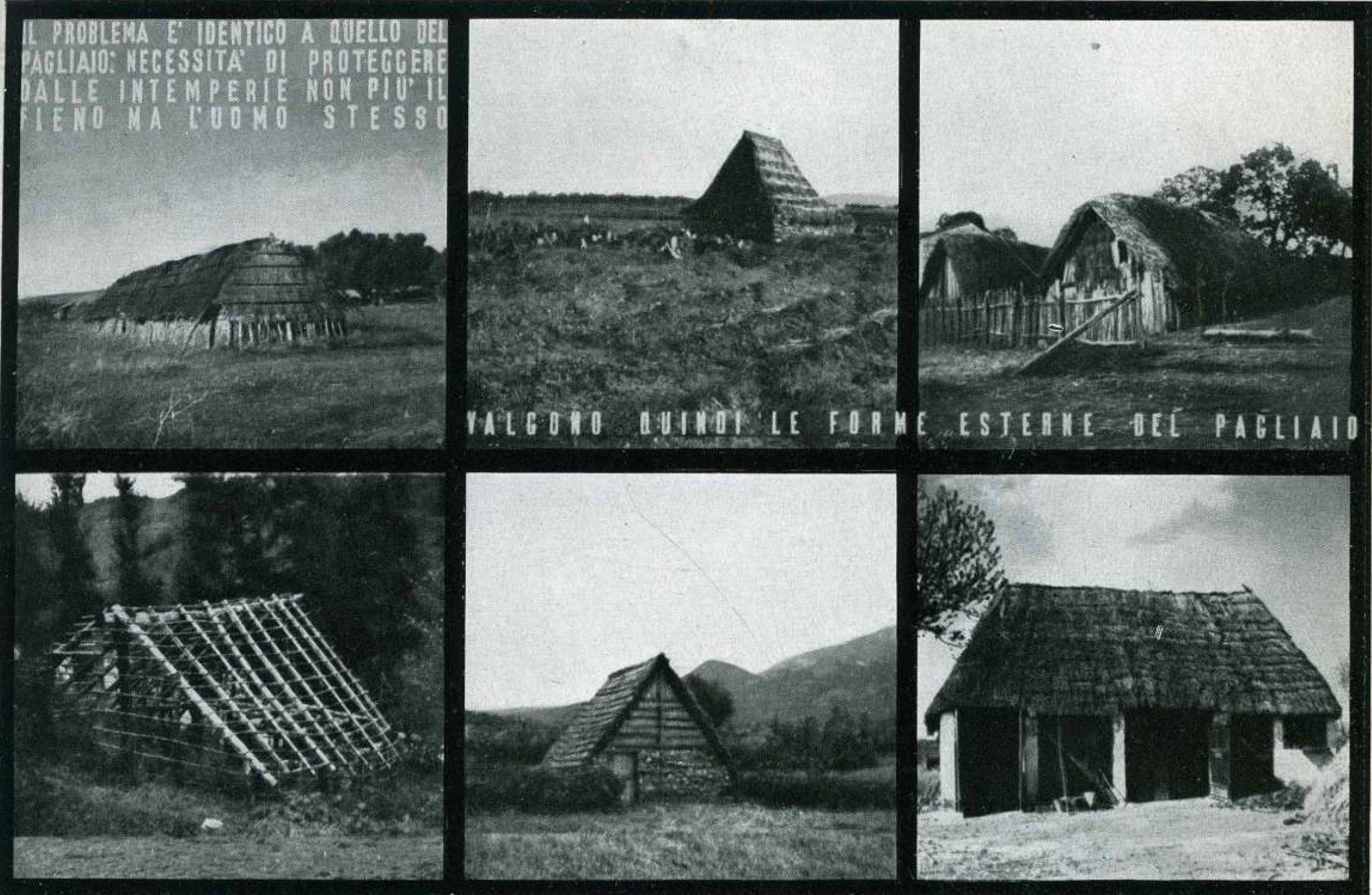
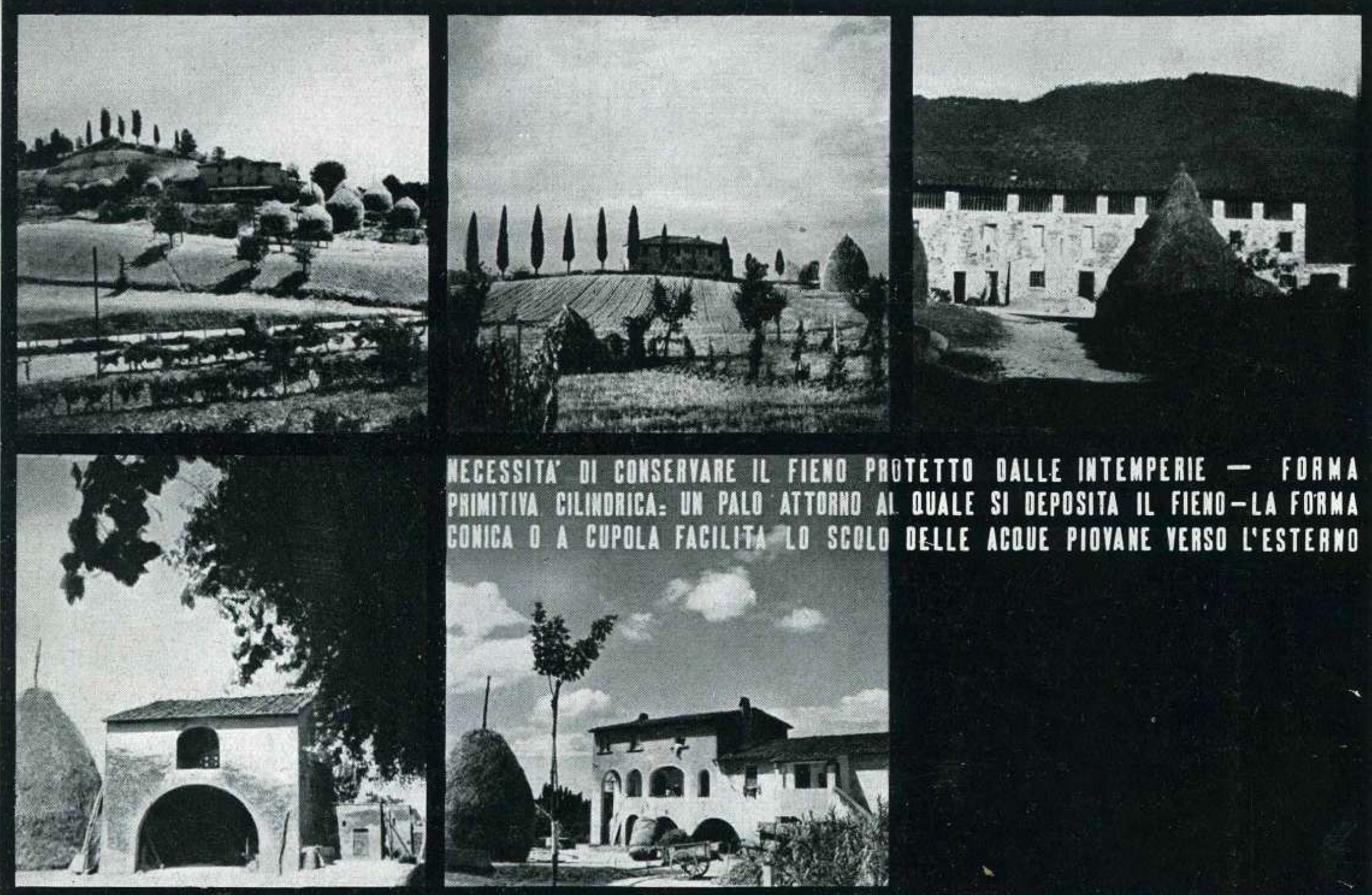
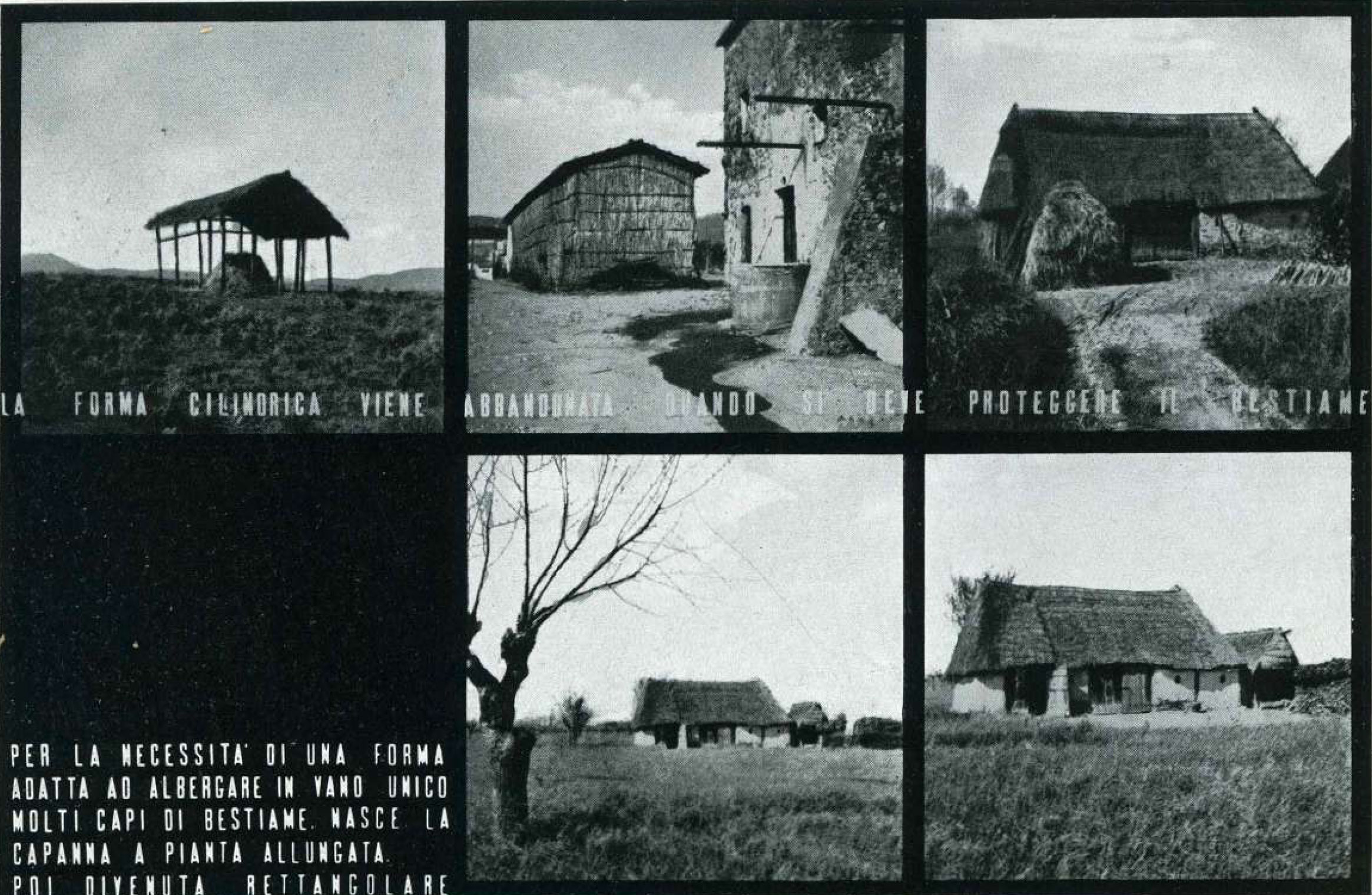
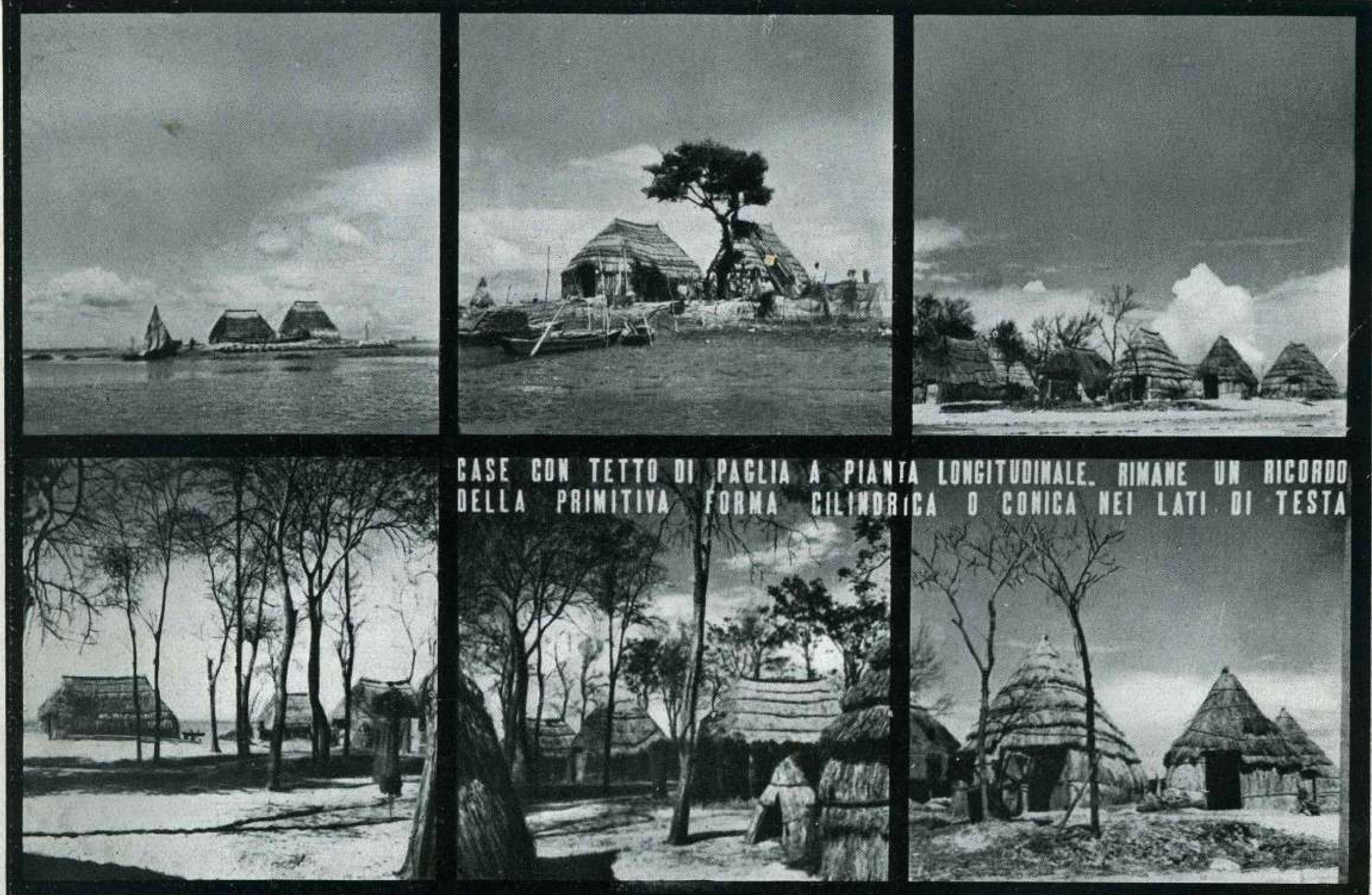
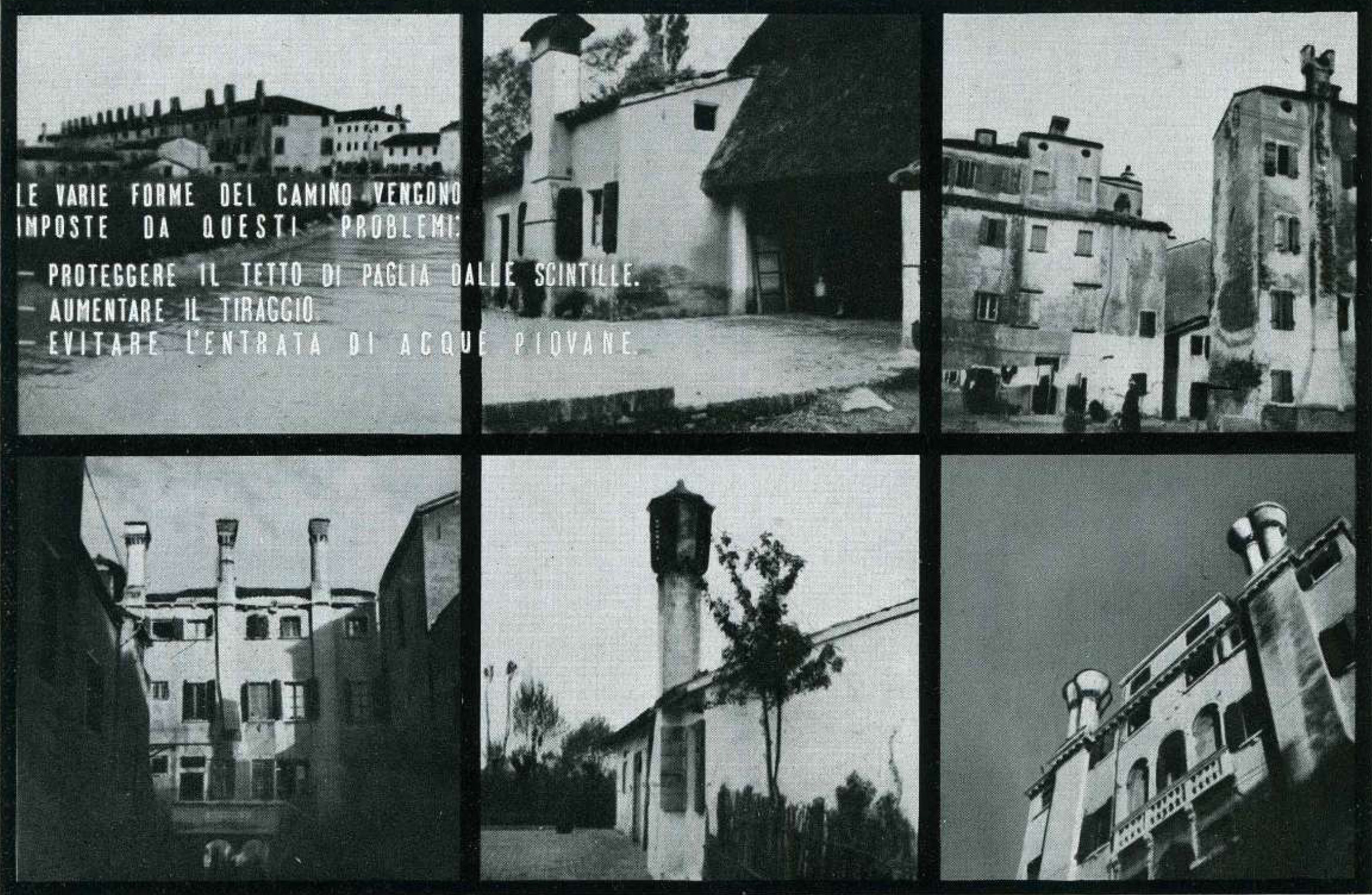
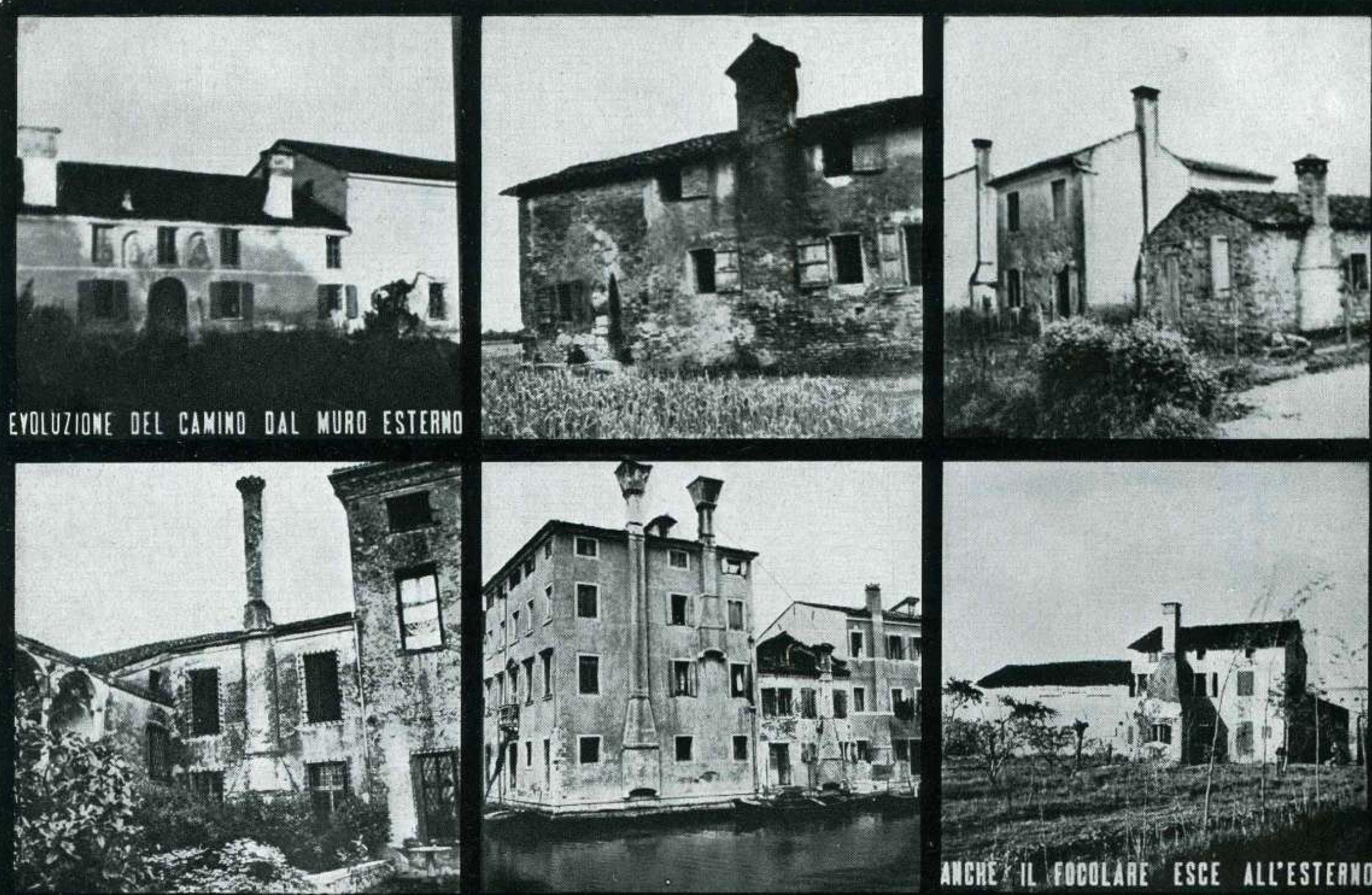
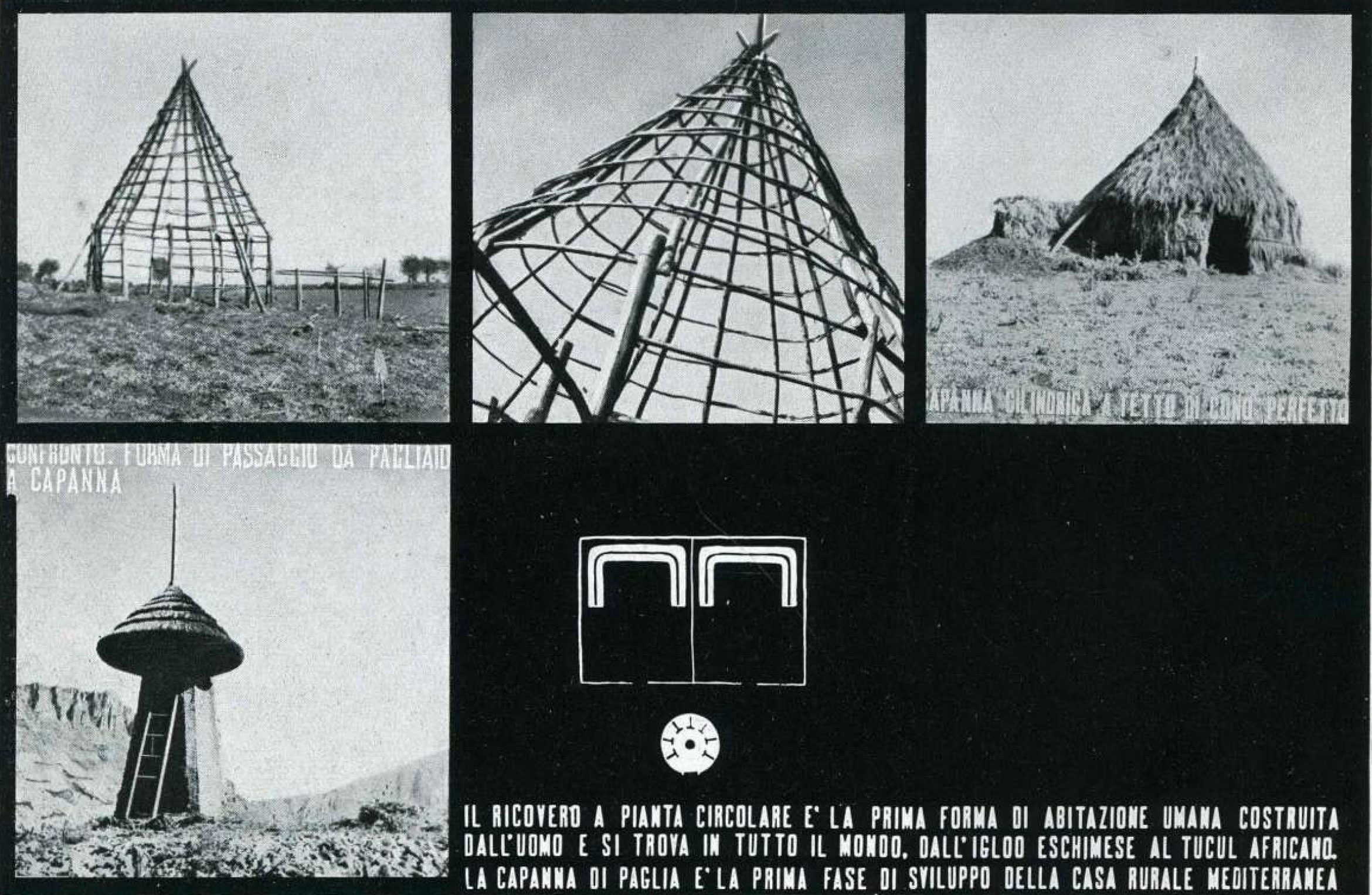
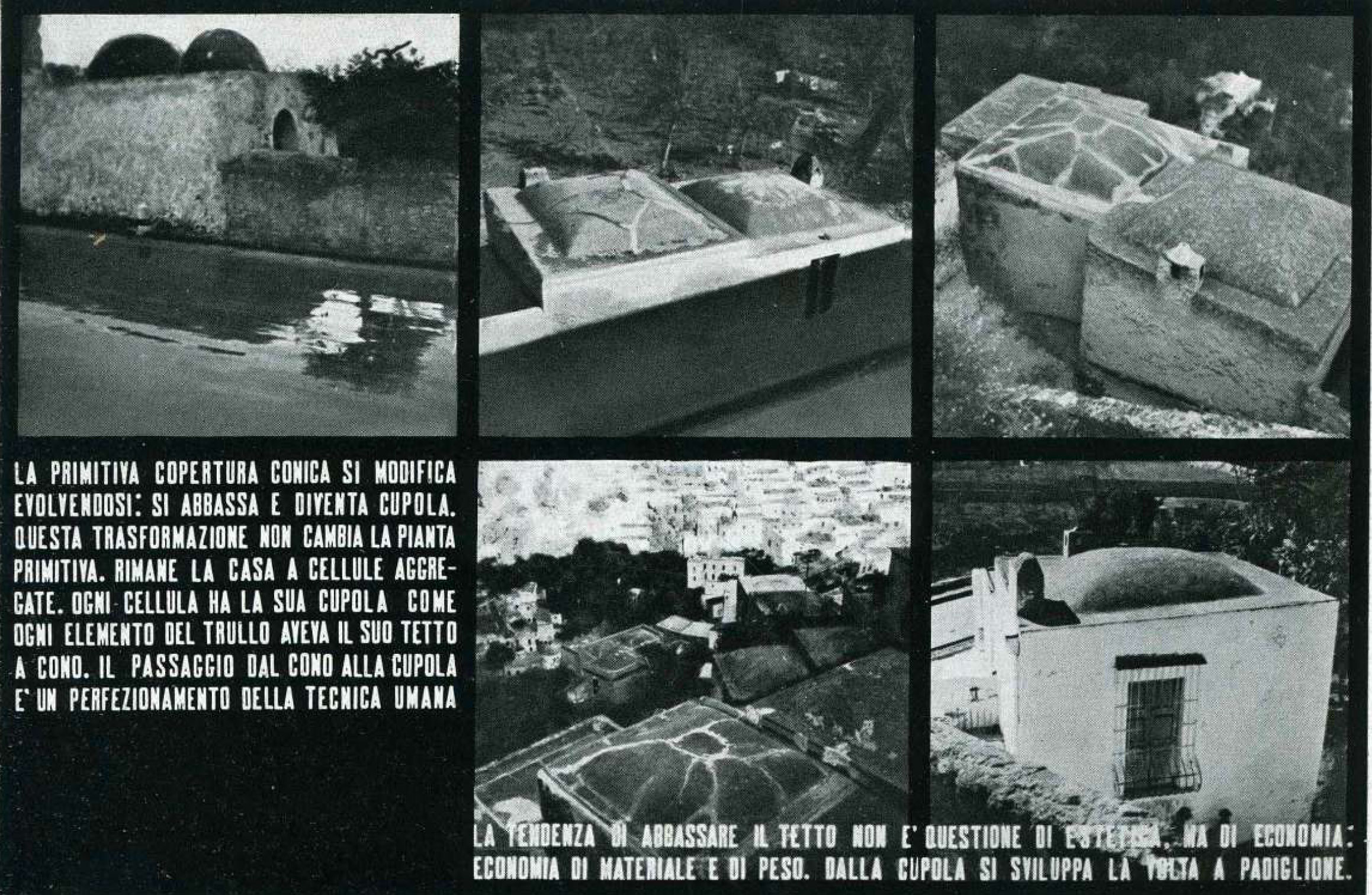
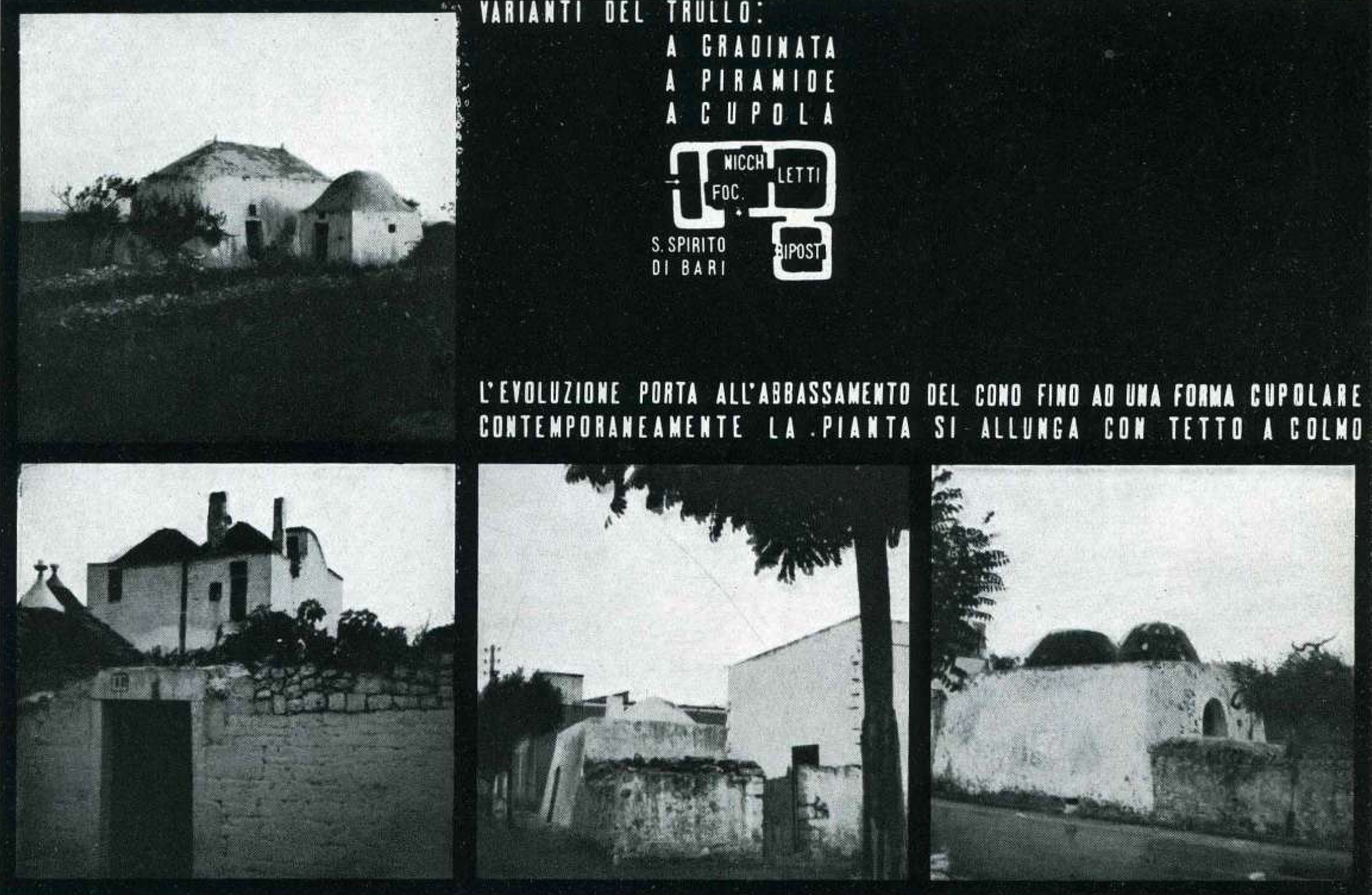
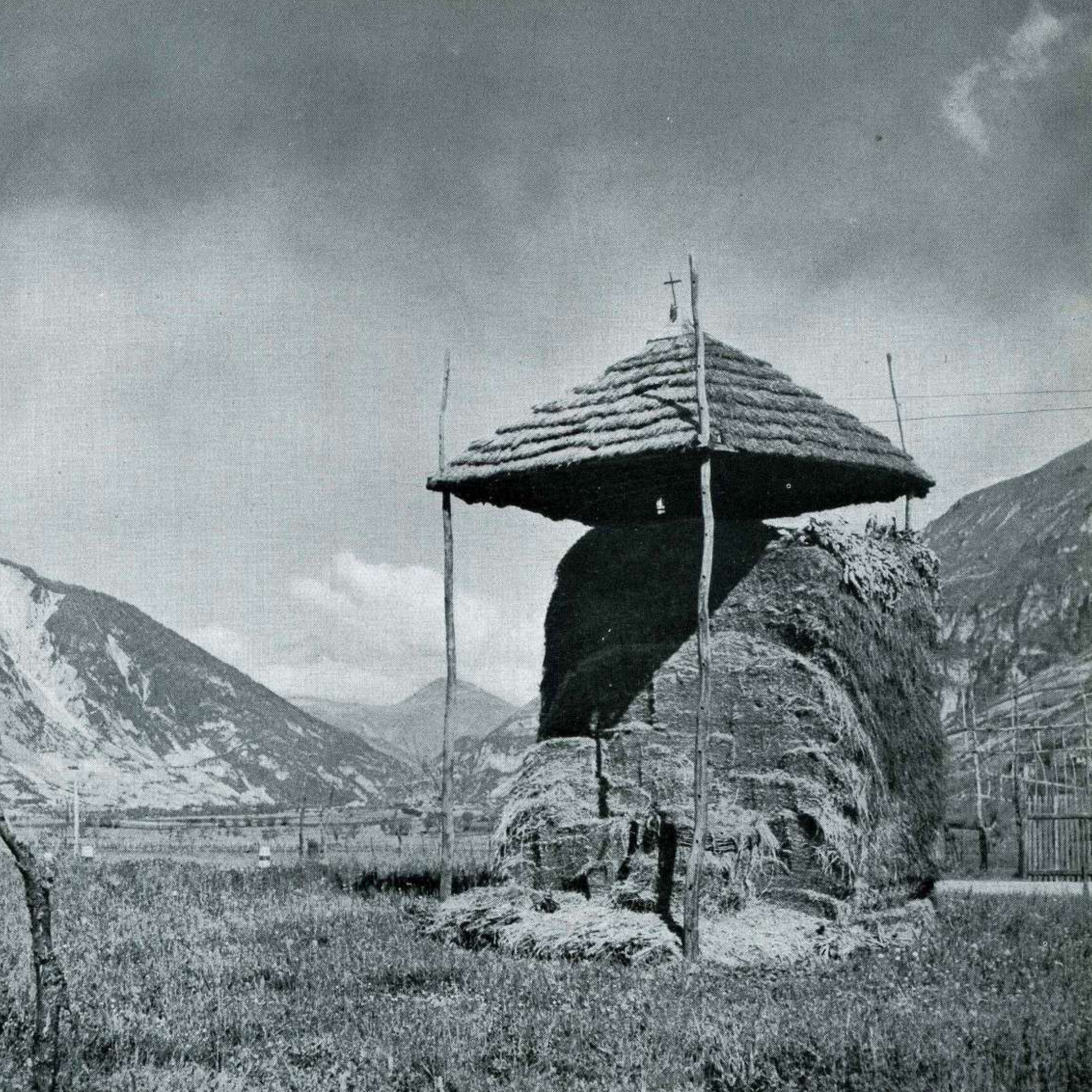
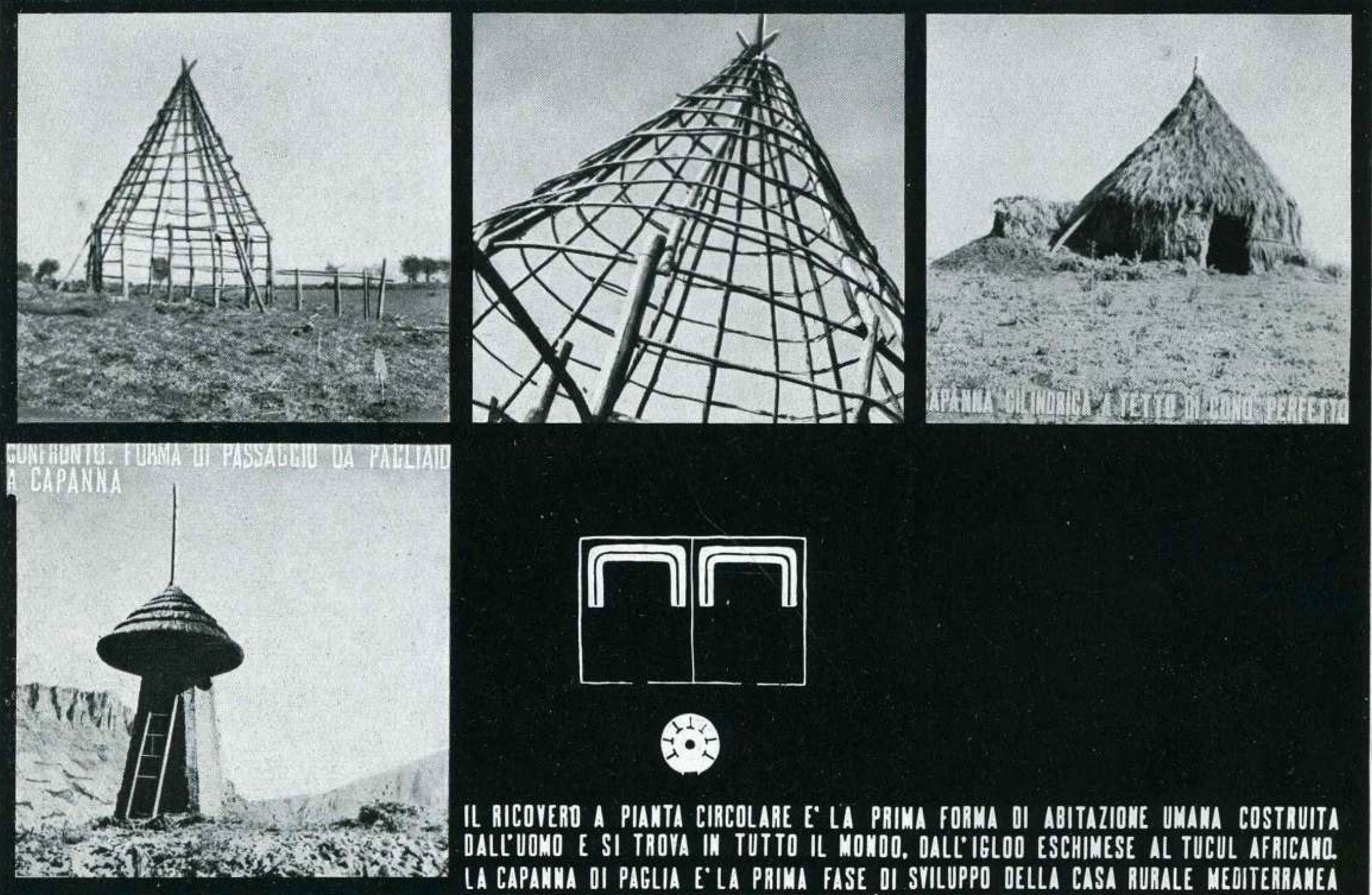 Giuseppe Pagano was a central figure in Italian architecture of the first part of the 20th century. Along with his practice as a rationalist architect and his political engagement, which led him to leave the Fascist Party, join the Resistance, and later be deported to Mauthausen, he devoted part of his life to documenting Italian […]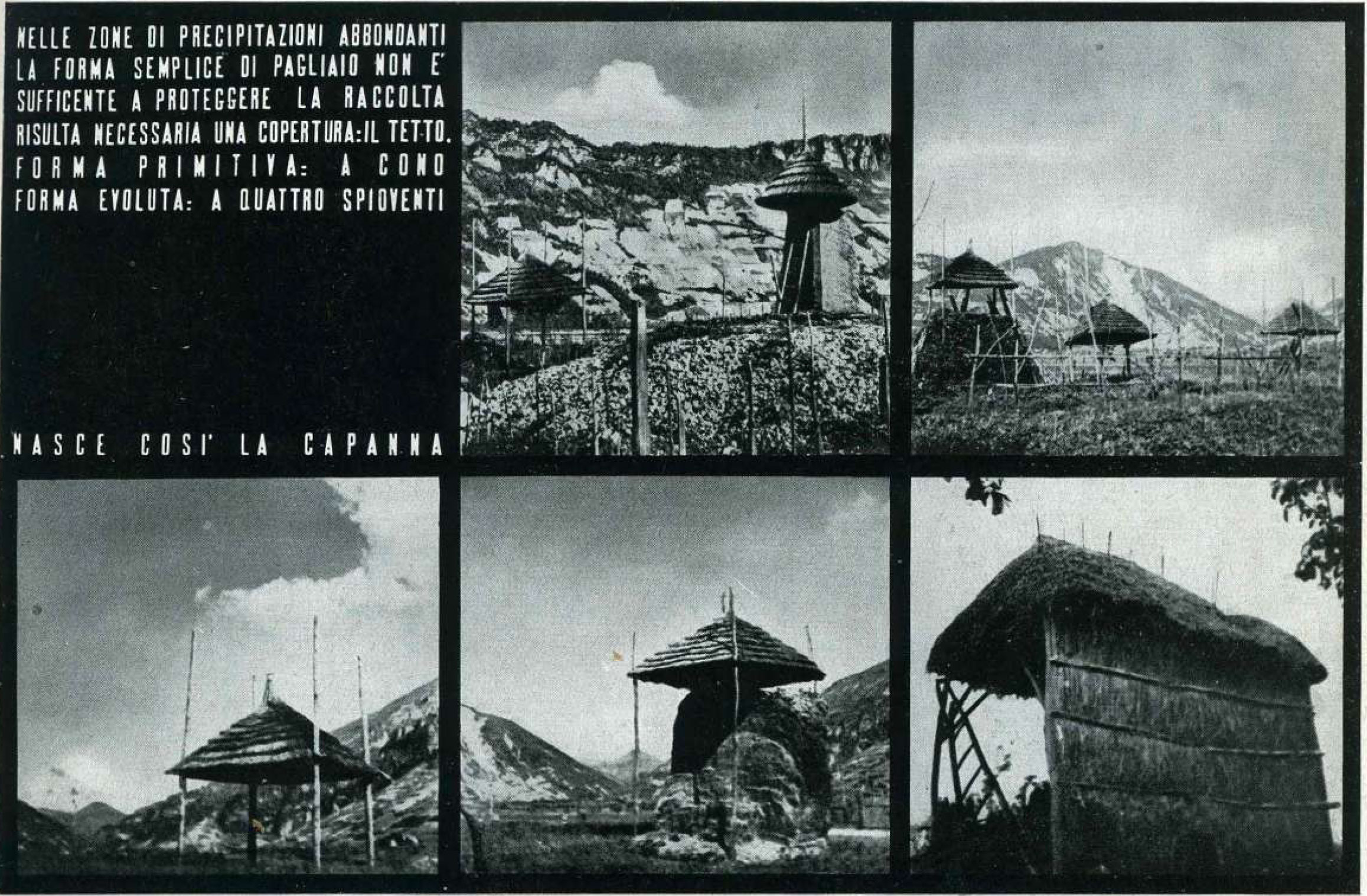
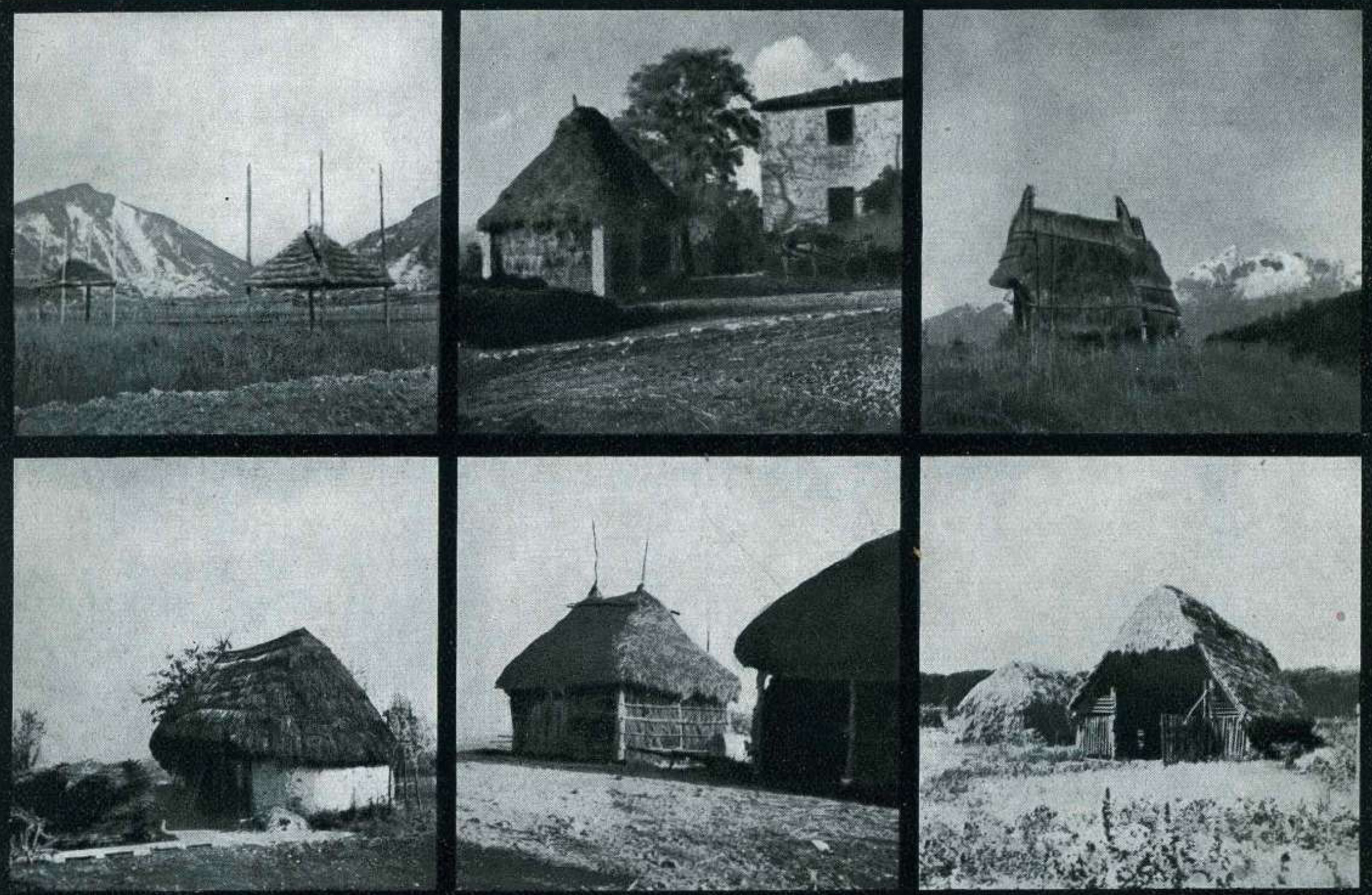
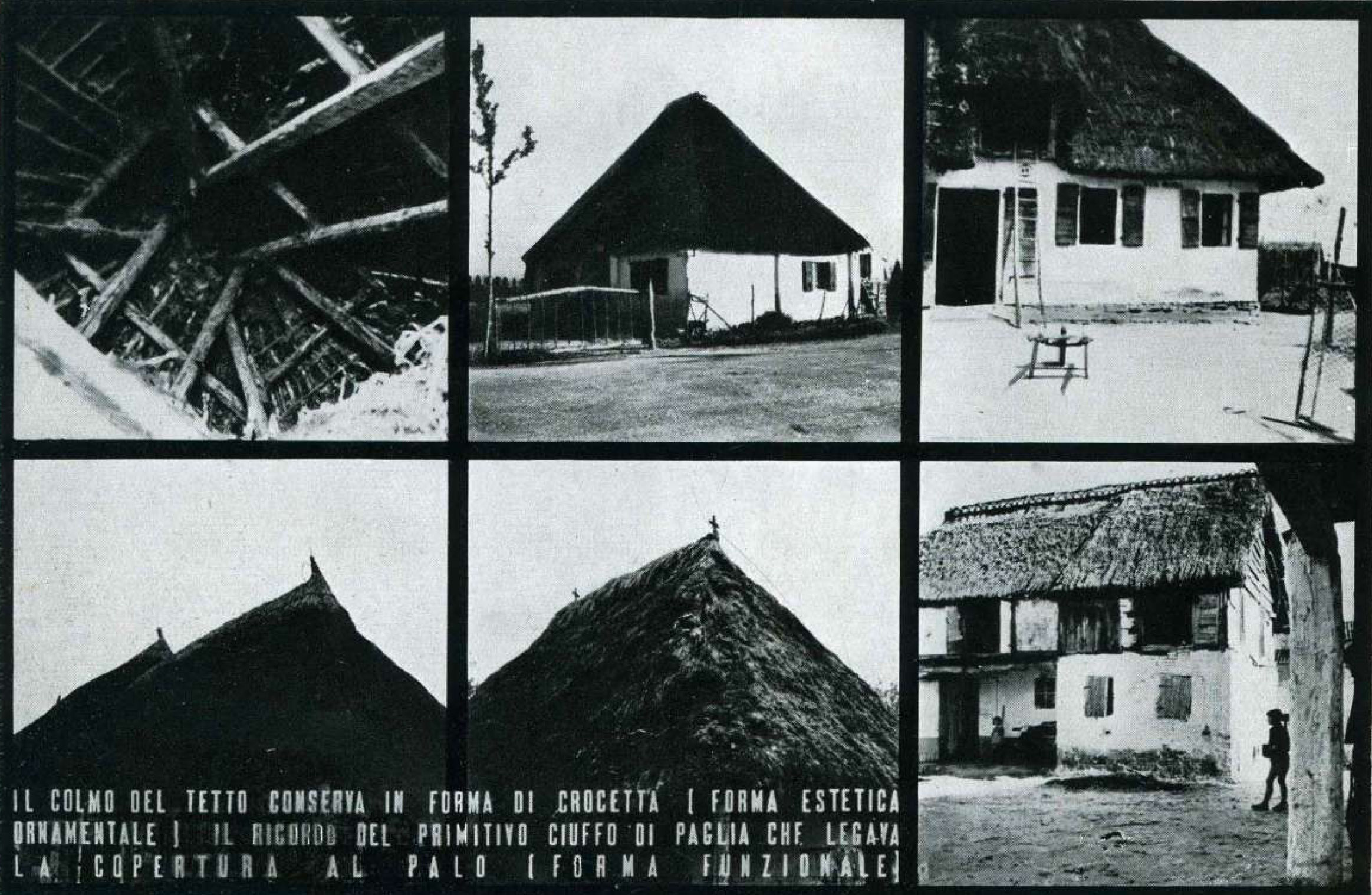
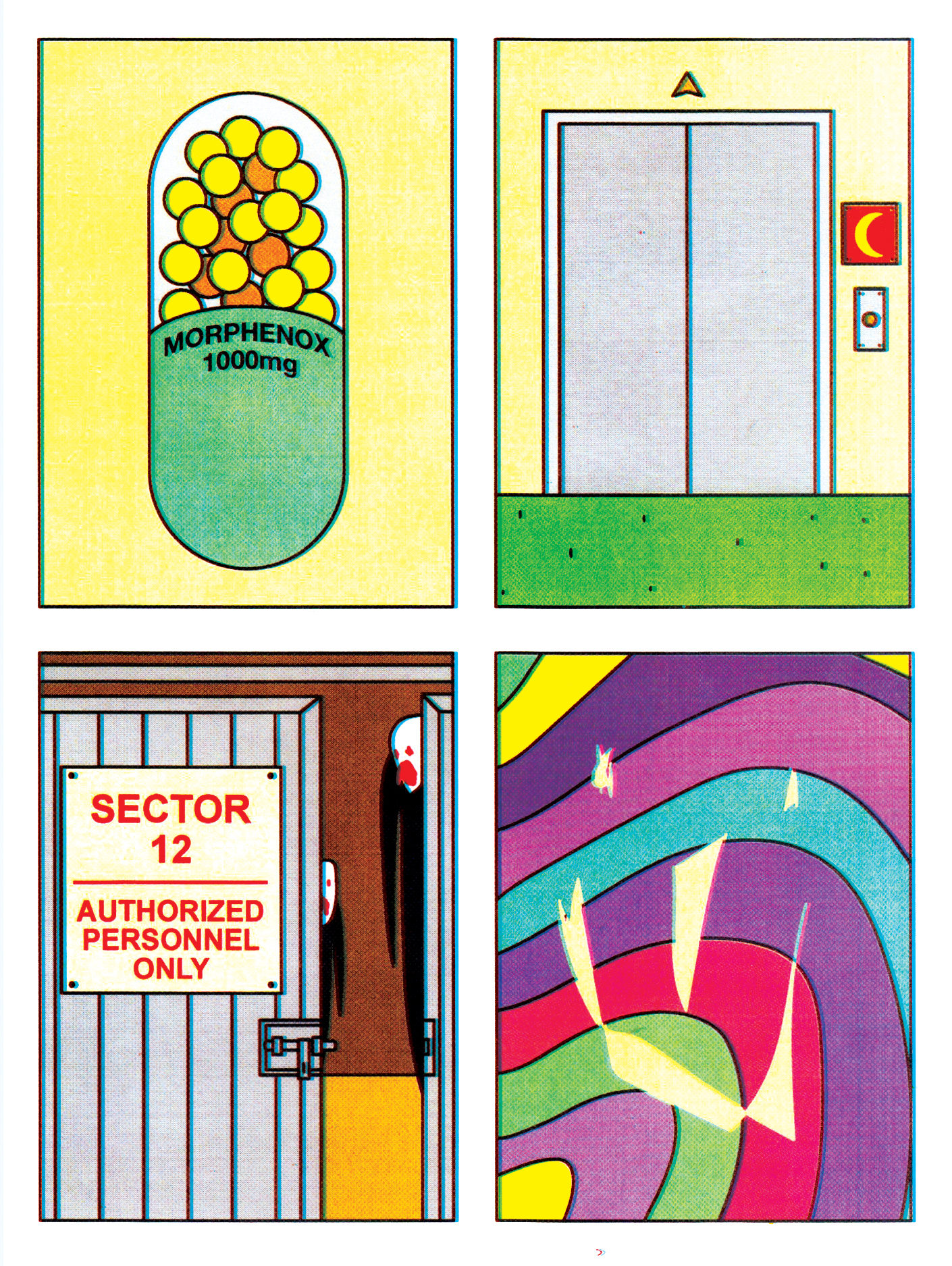
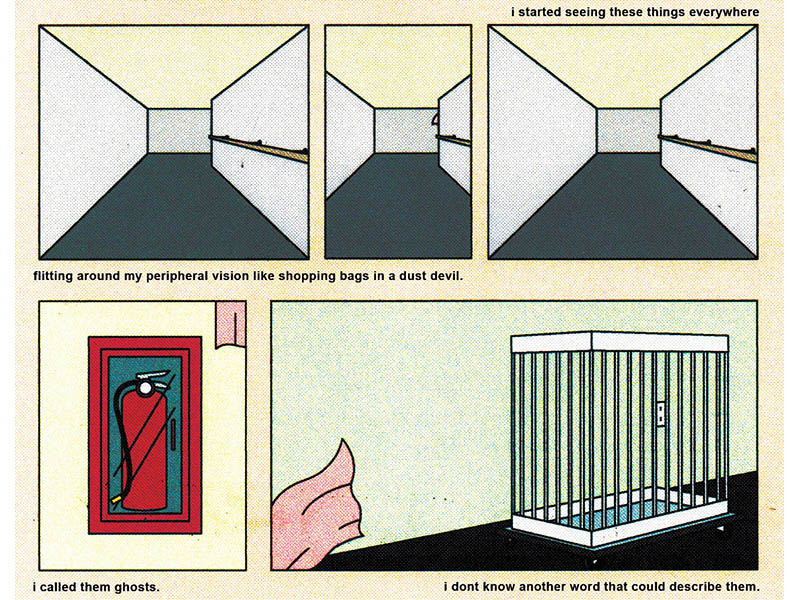 George Wylesol is a Baltimore-based artist who primarily produces illustrations and comic-like sequences of drawings, often accompanied by written text in the form of short poems. His works blend mundane objects and settings with surreal plots and visual associations, resulting in poetic yet slightly disturbing scenarios. The meticulous attention to everyday objects translates into a […]


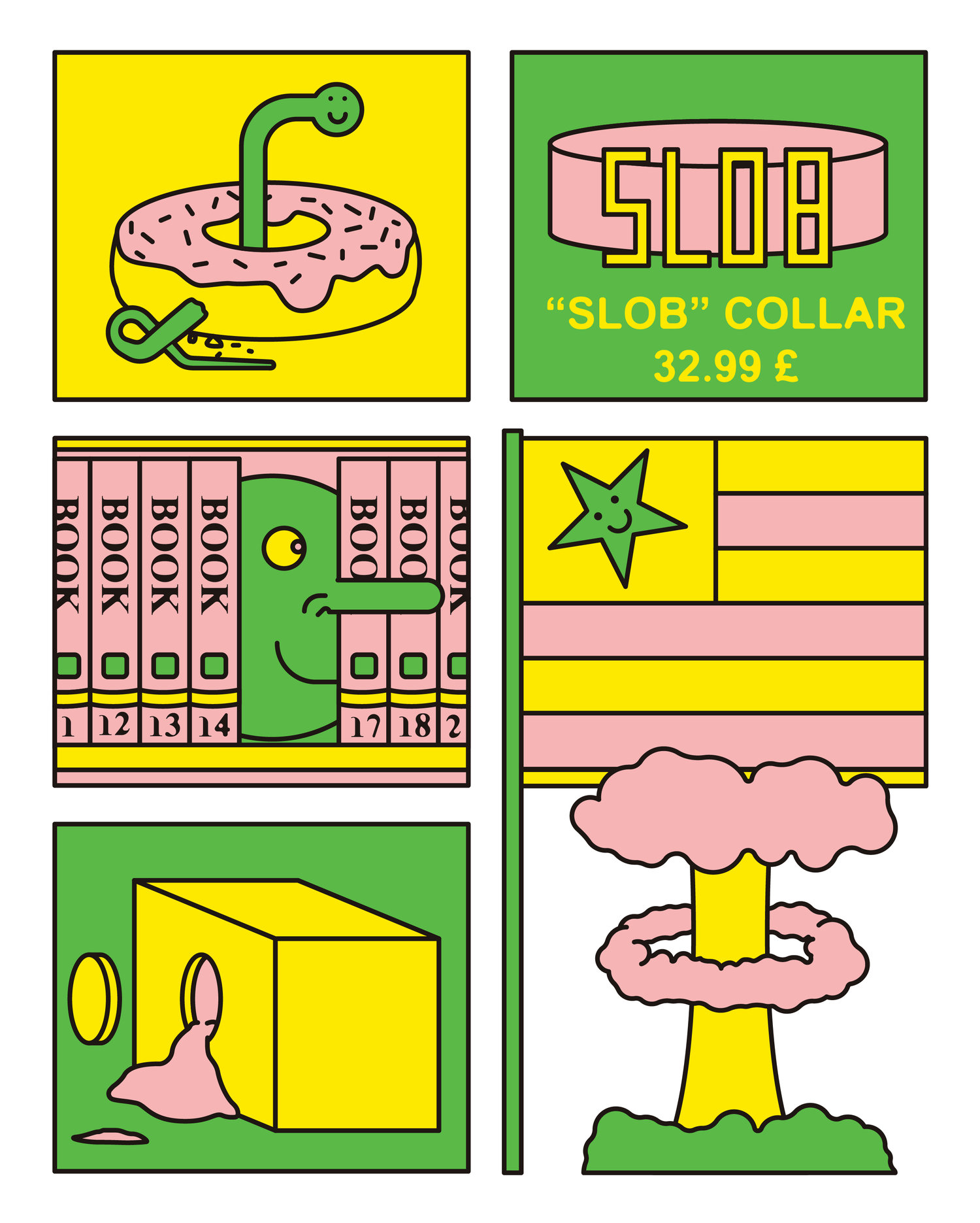
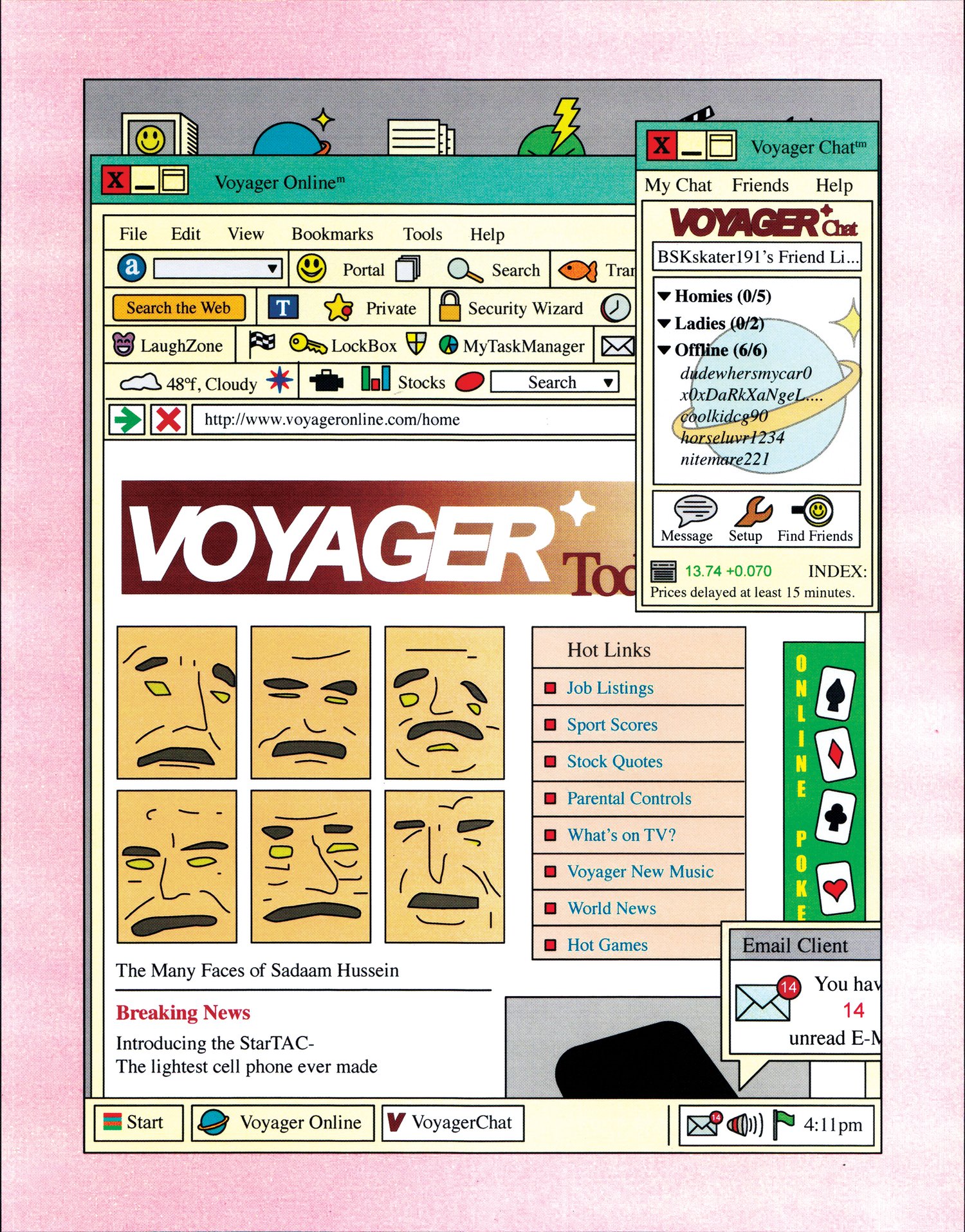

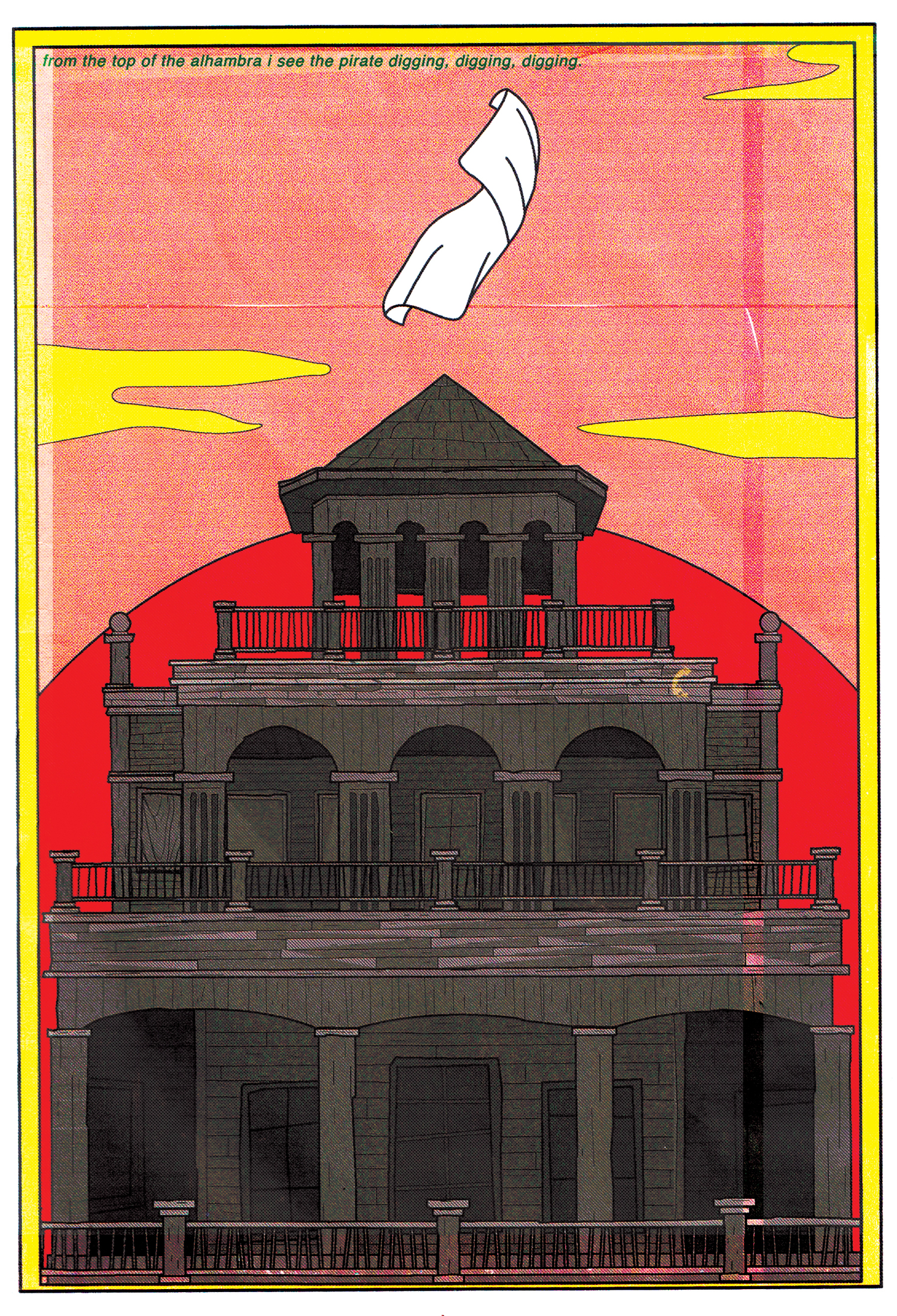

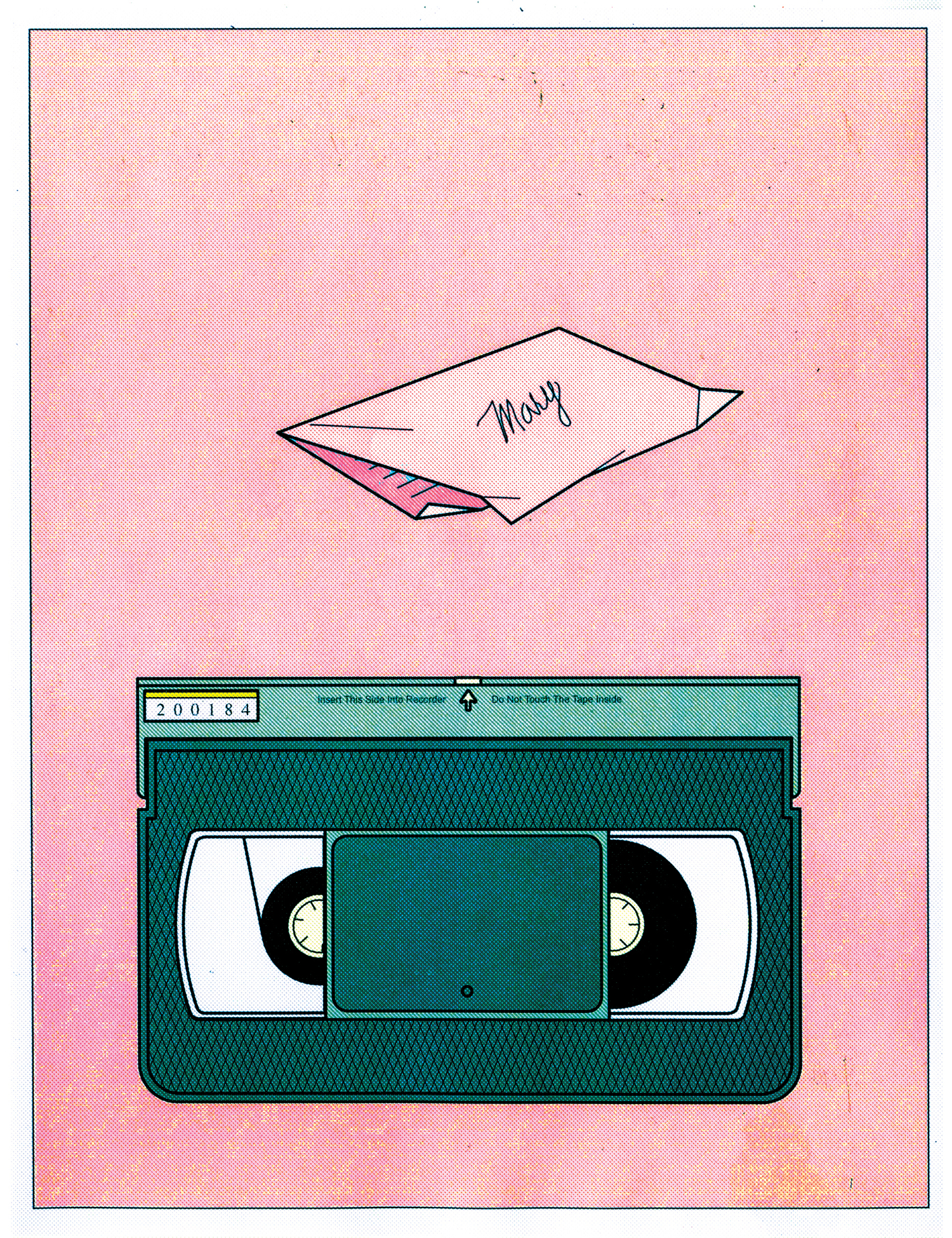
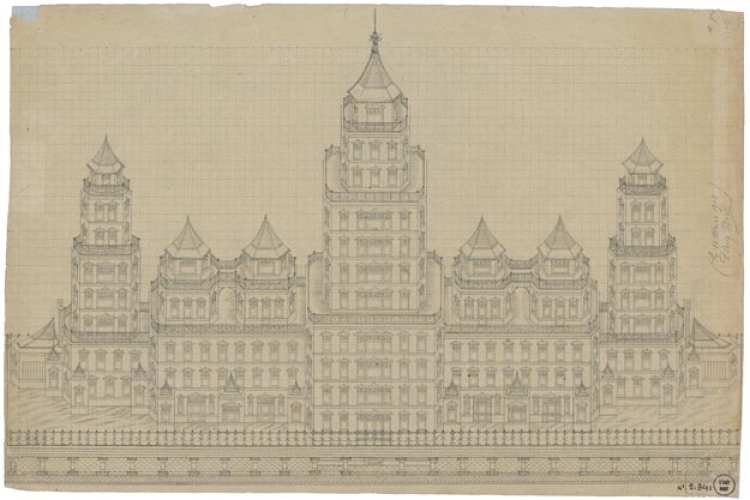 Auguste Merle was an Art Brut artist living in France at the turn of the 19th and 20th centuries. His works depict imaginary buildings with meticulous detailing, using graphite on notebook paper. The rigorous yet inventive forms are depicted in 90-degree axonometric projections, resonating with the paintings of Fernand Léger, Le Corbusier, with the architectural […]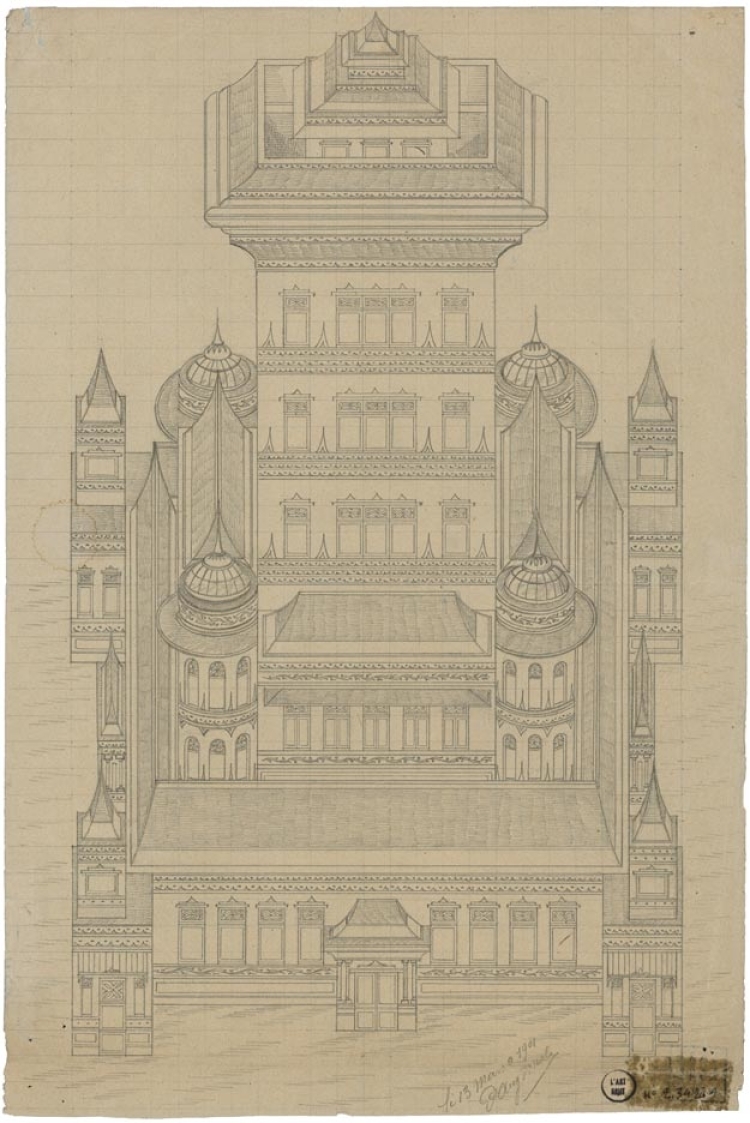
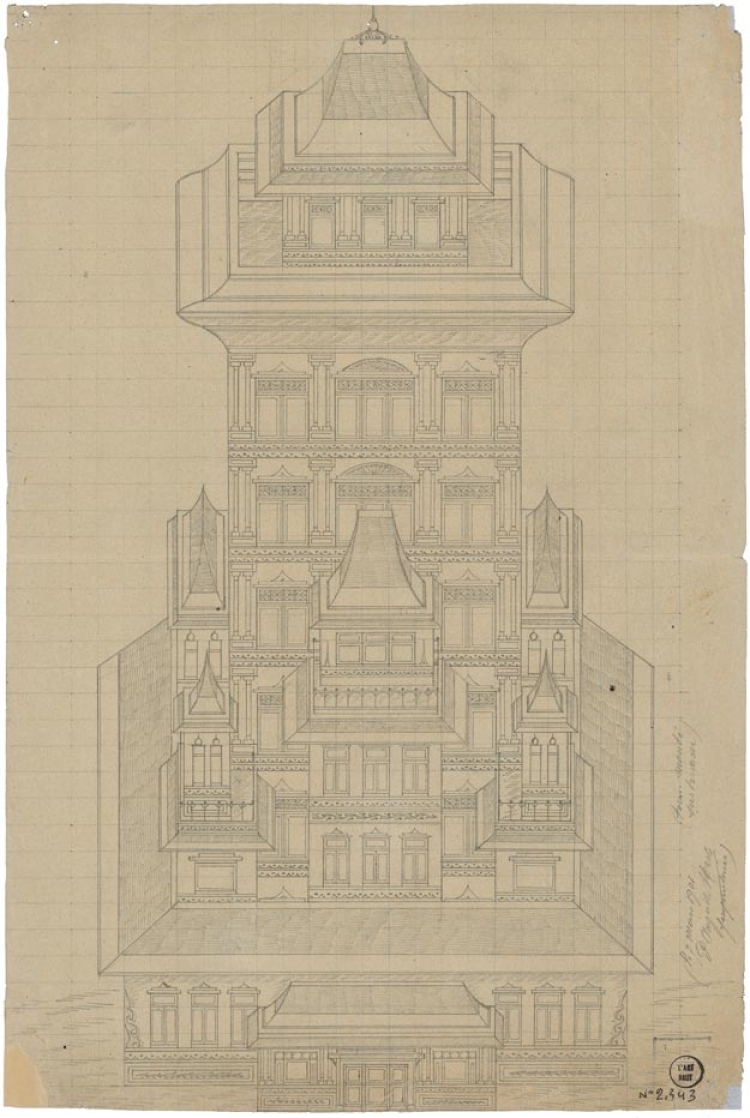
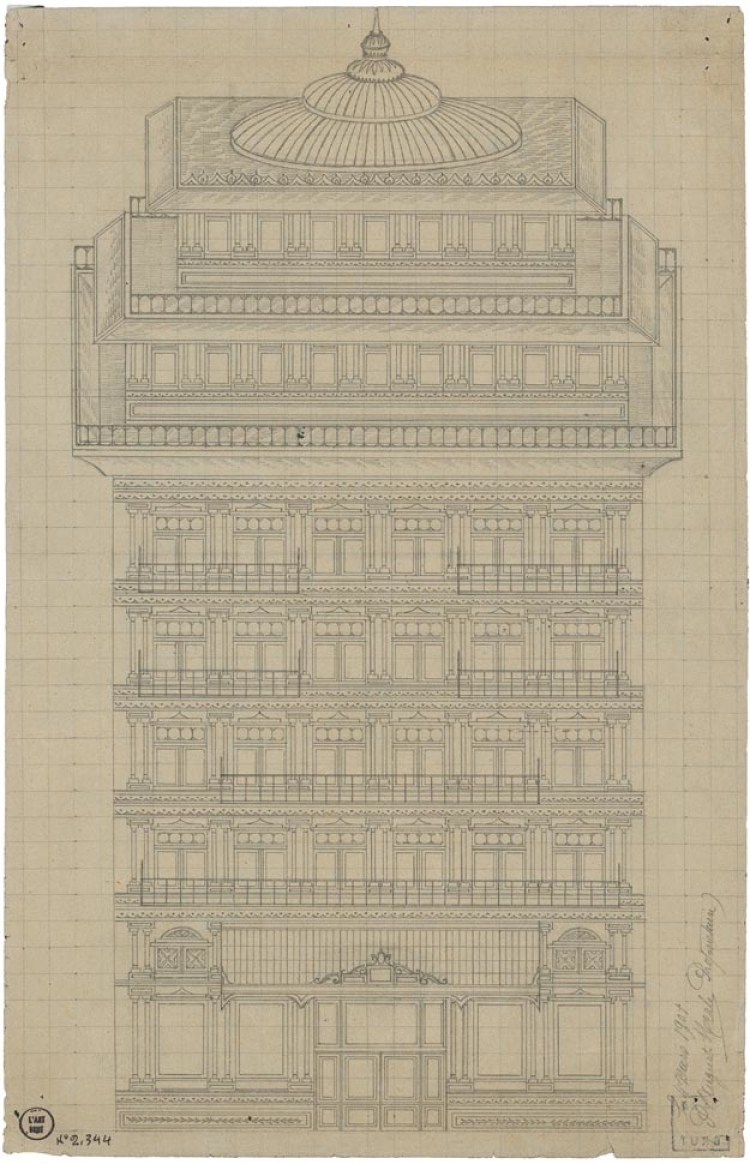
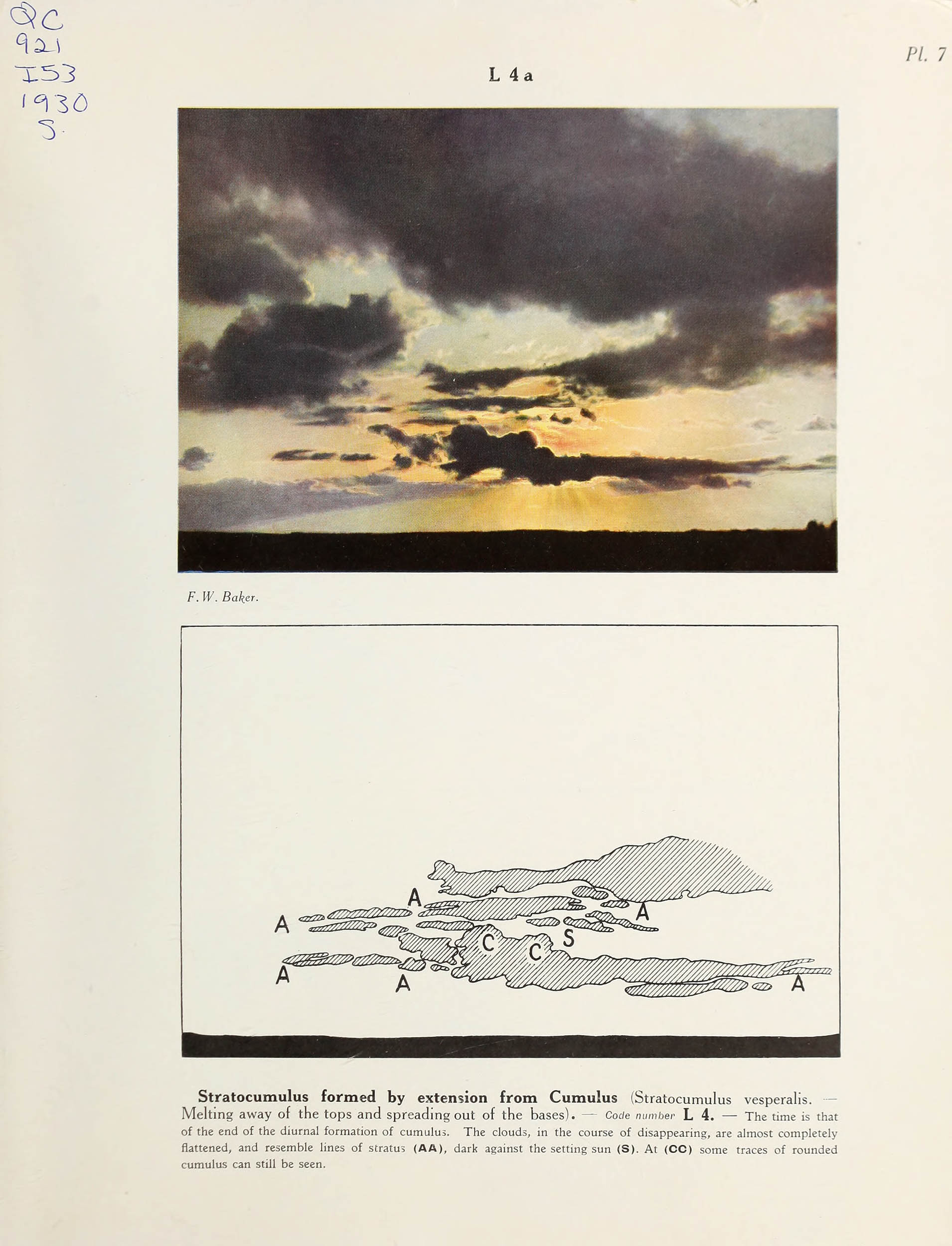
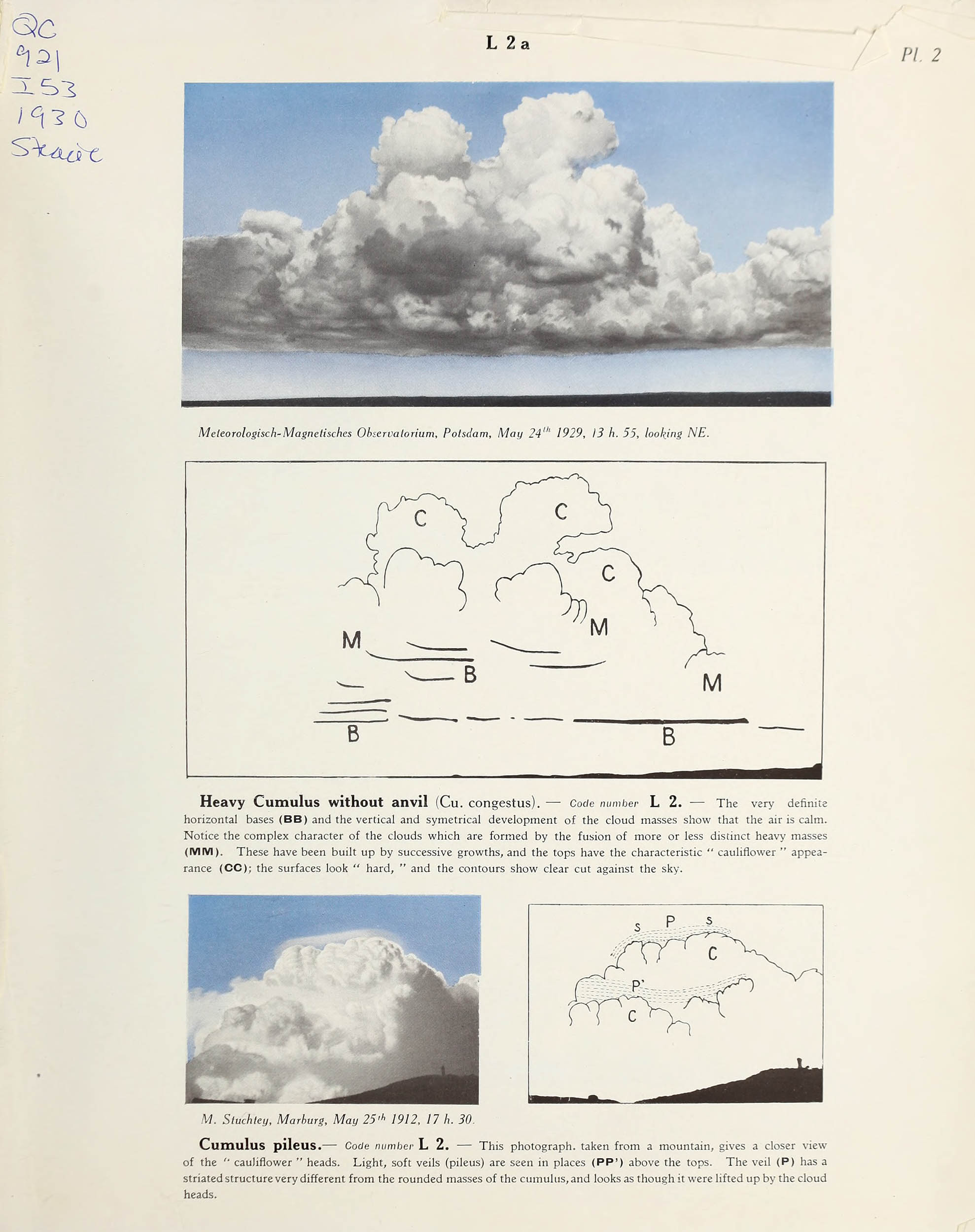
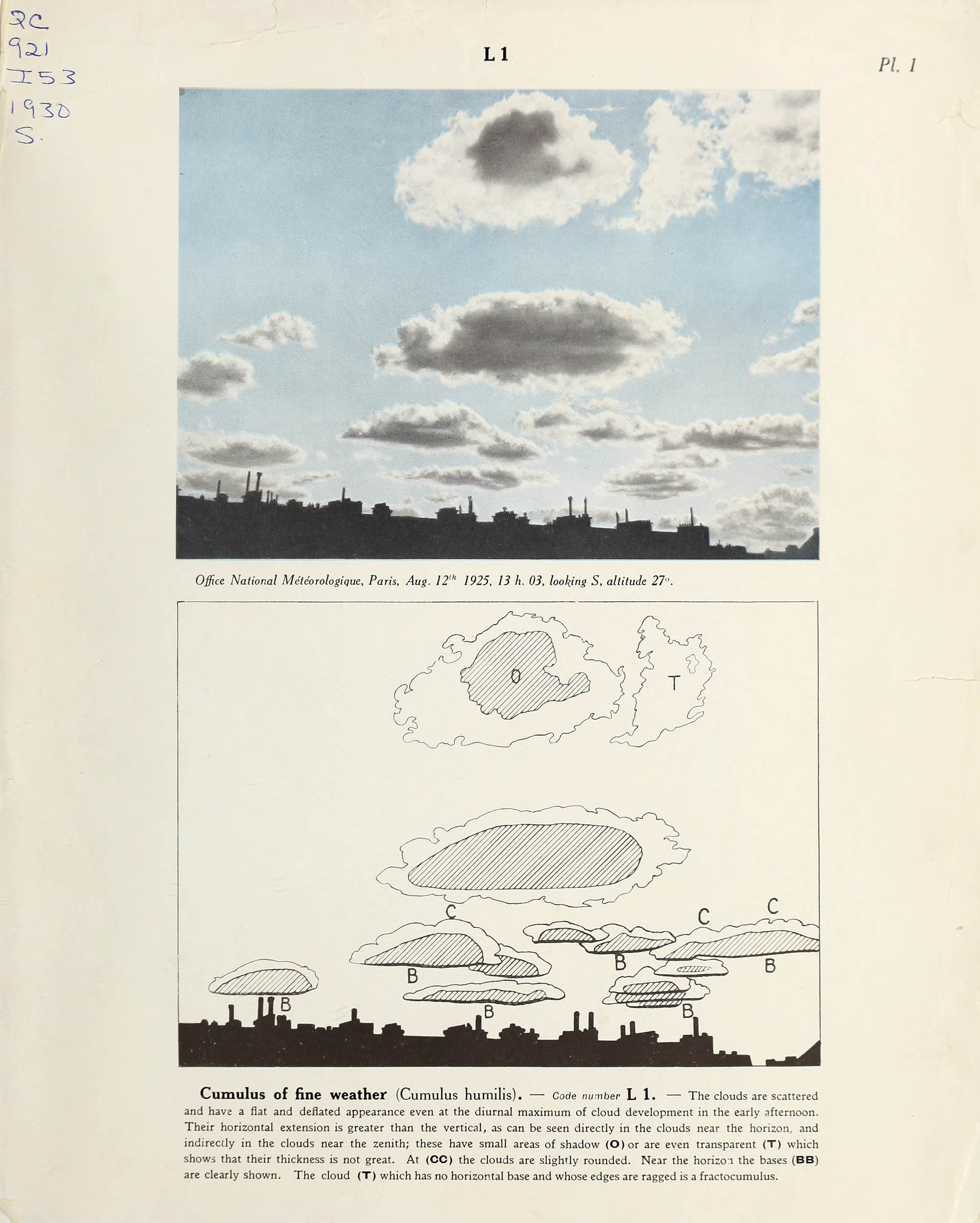
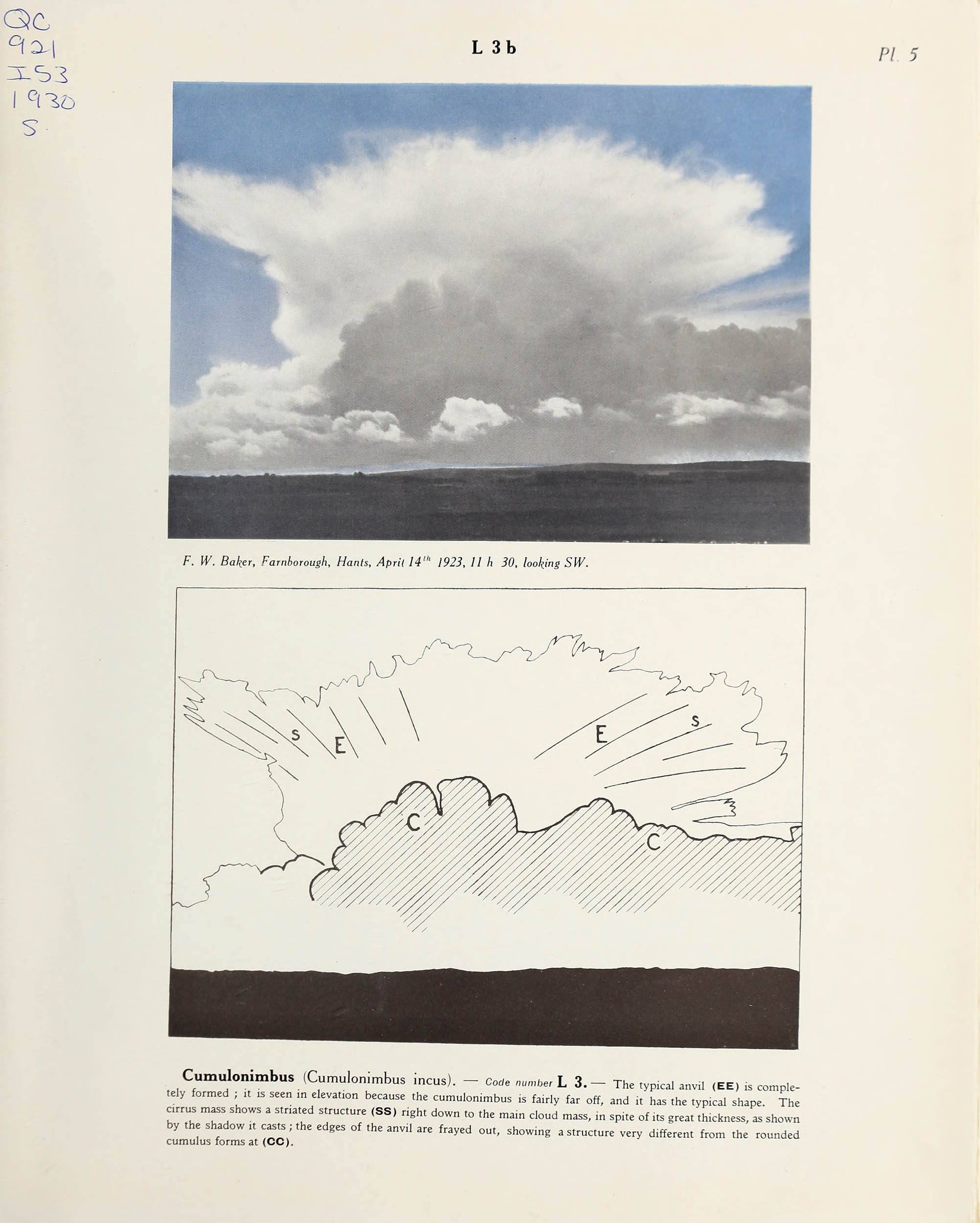
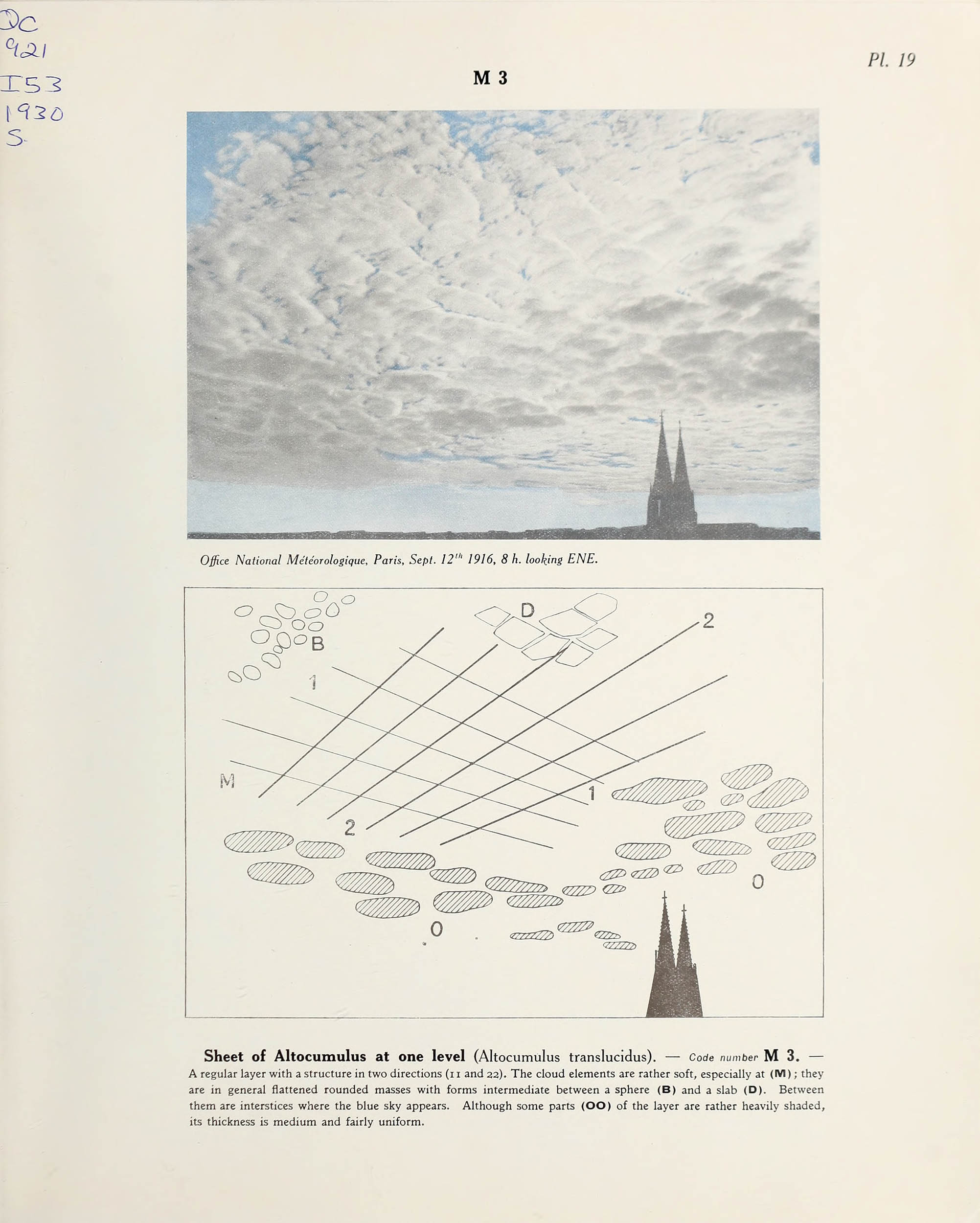
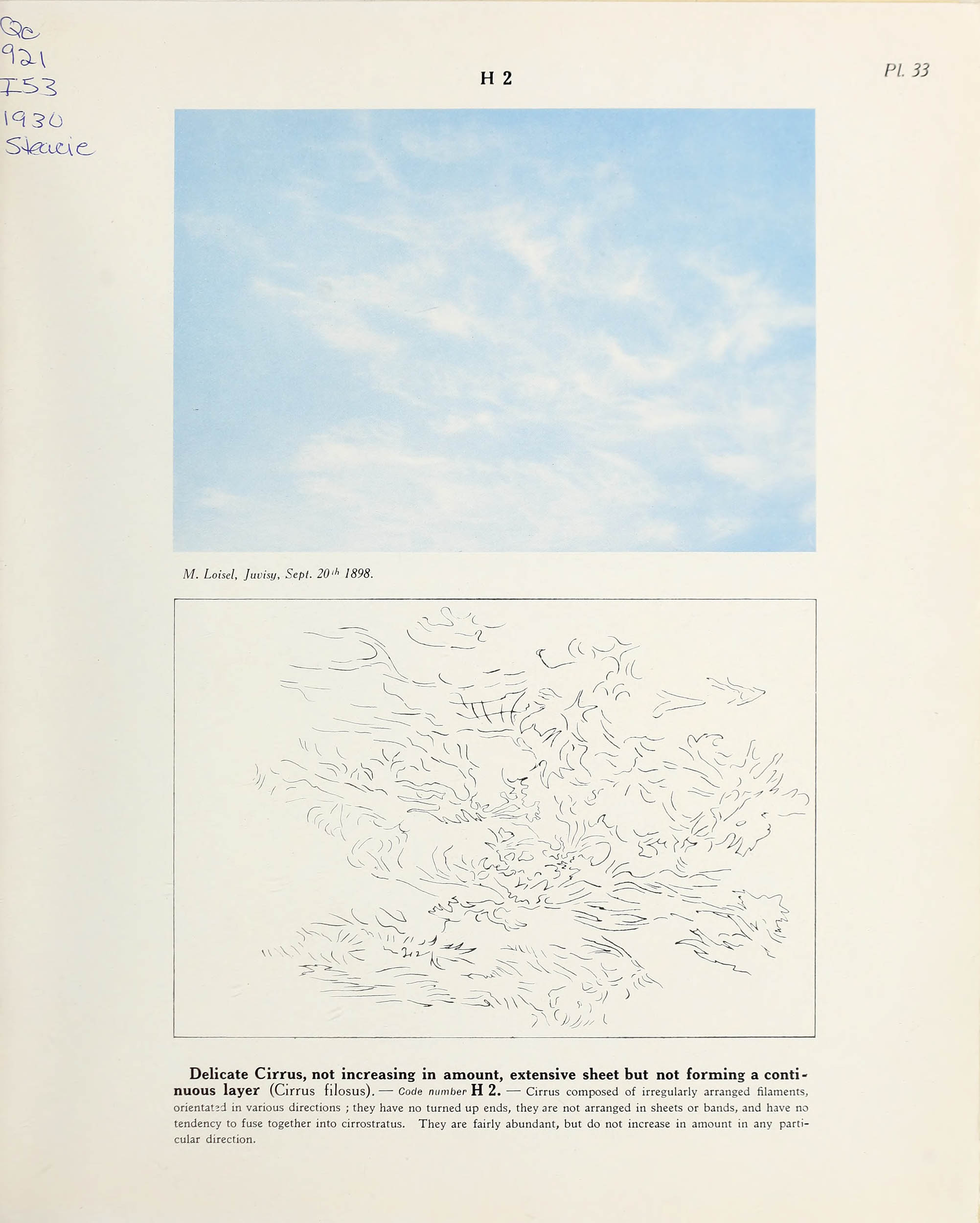
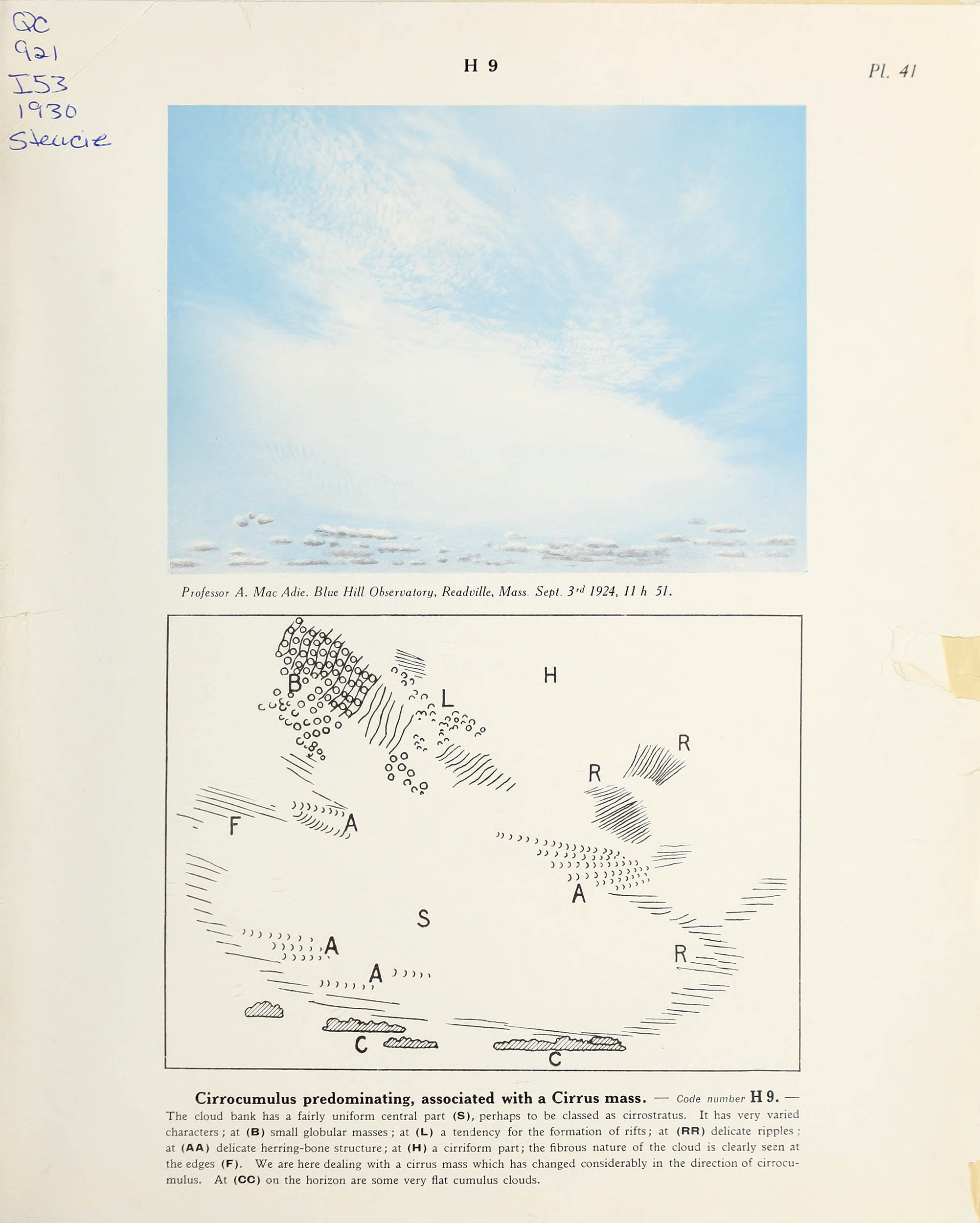
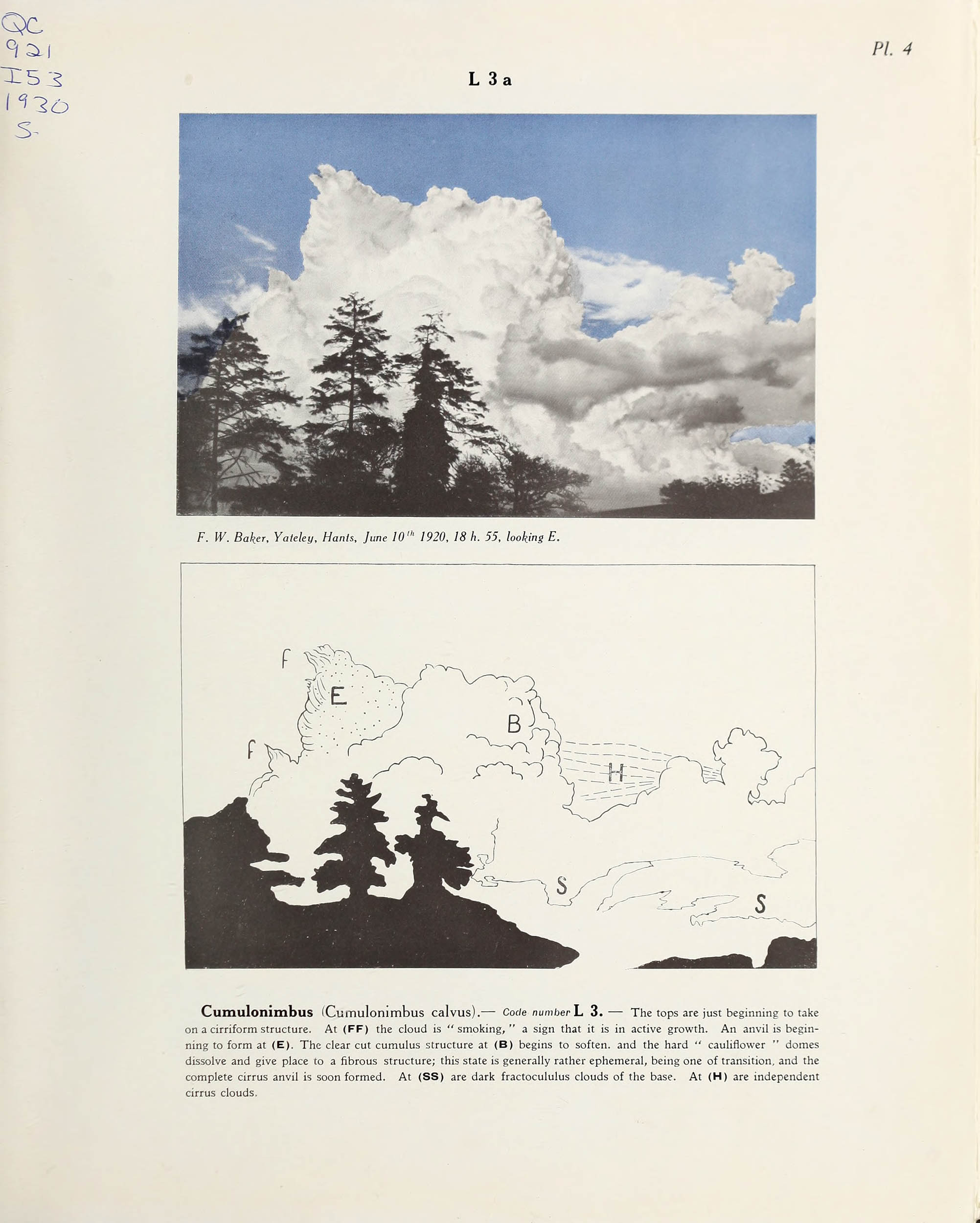
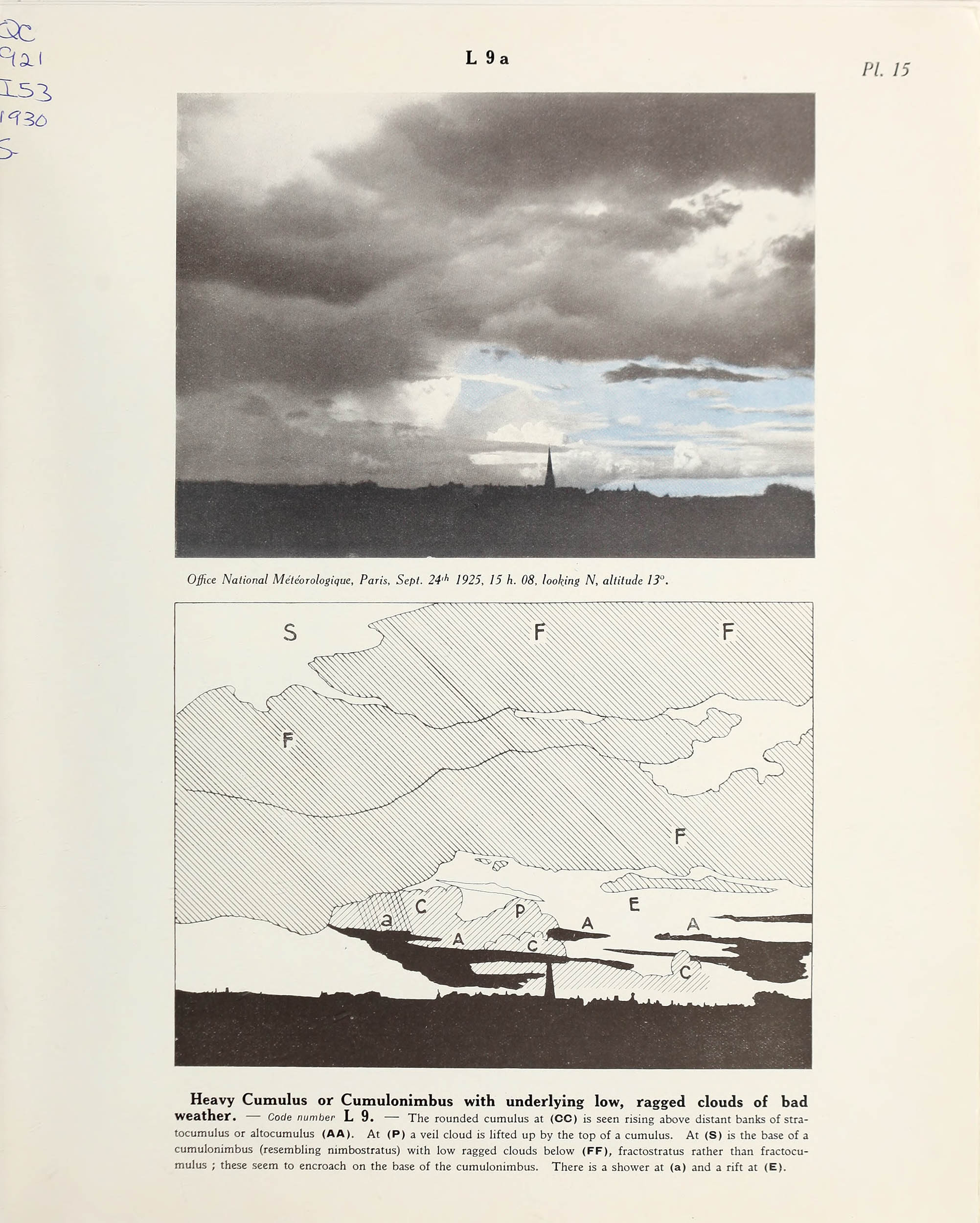
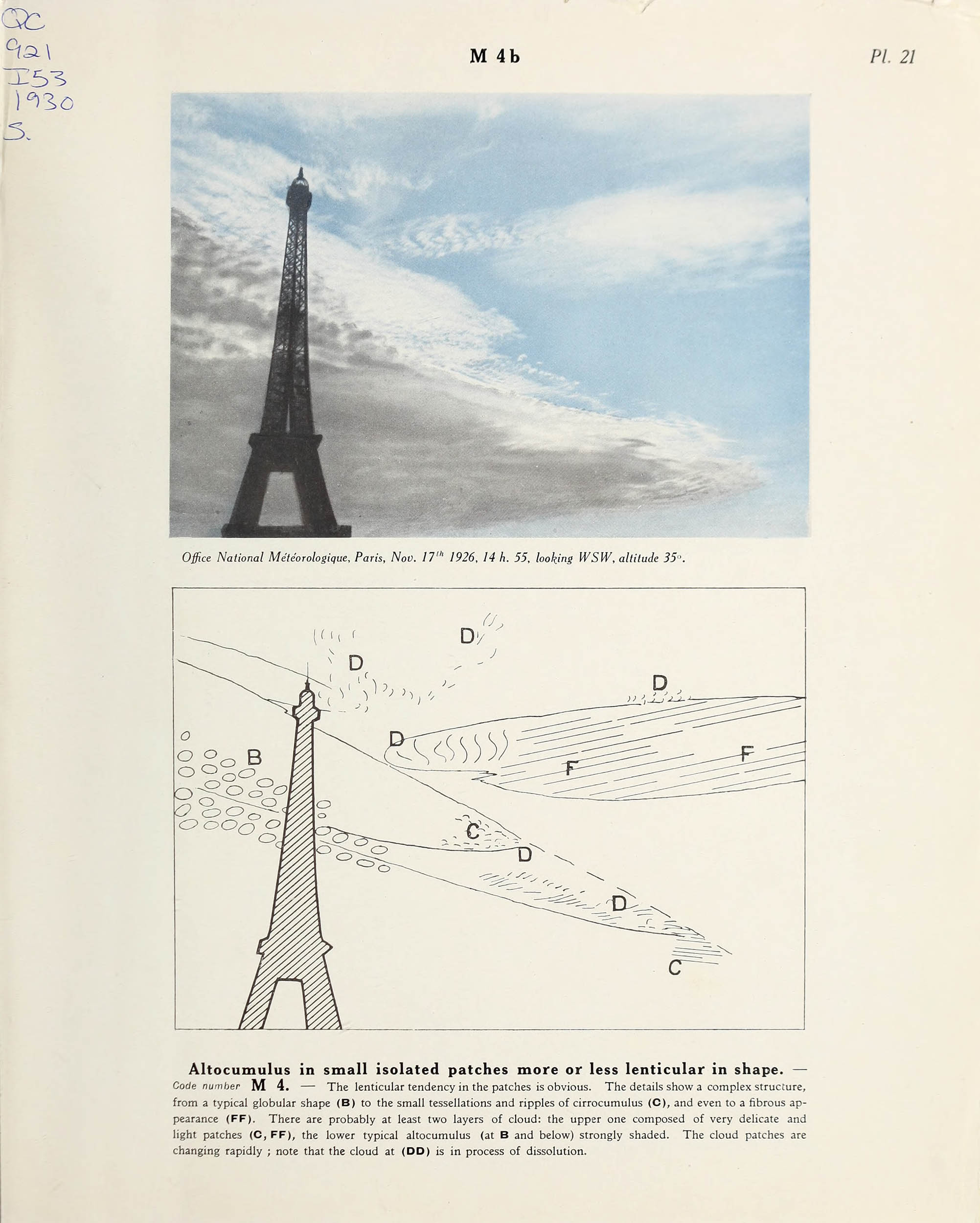
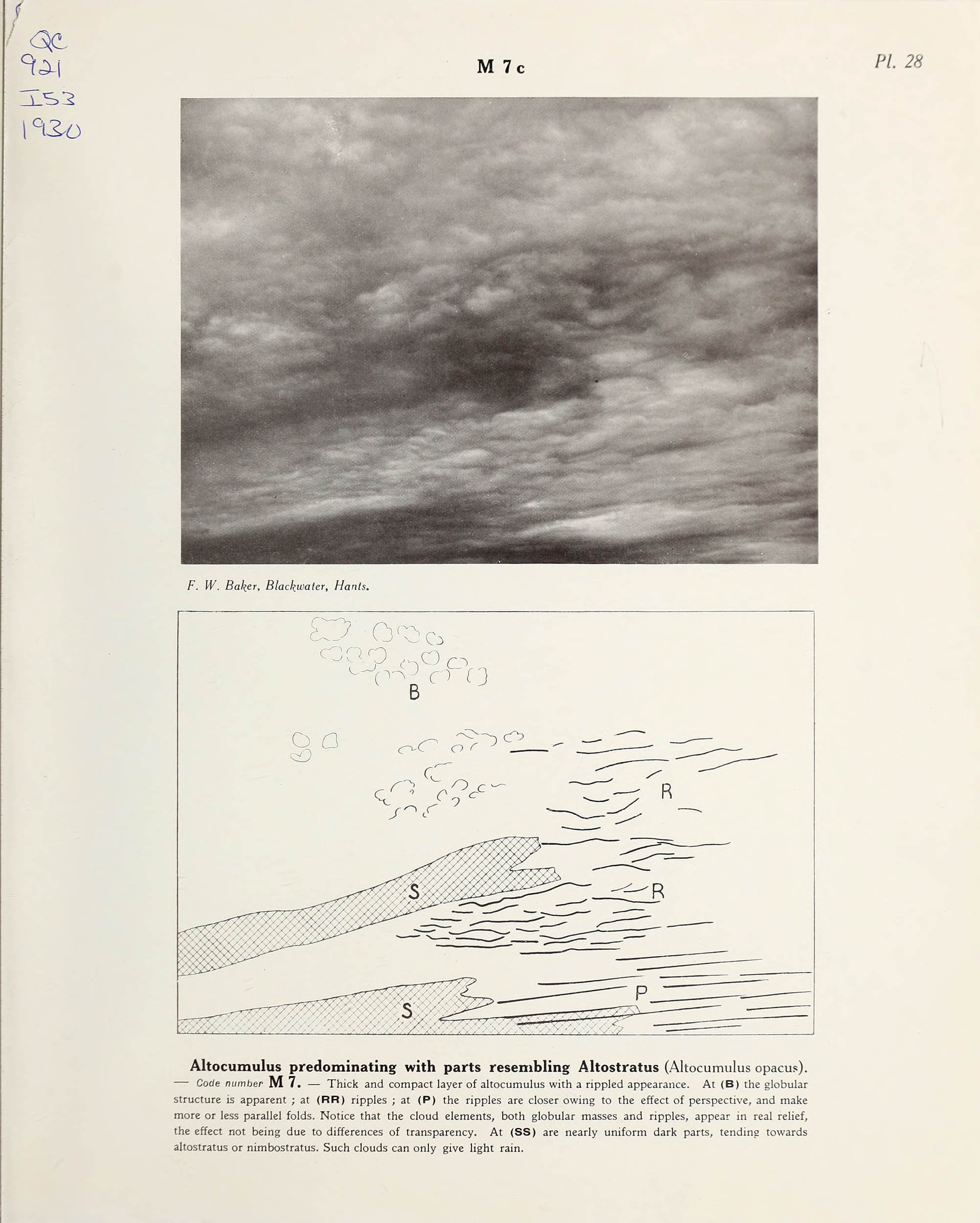
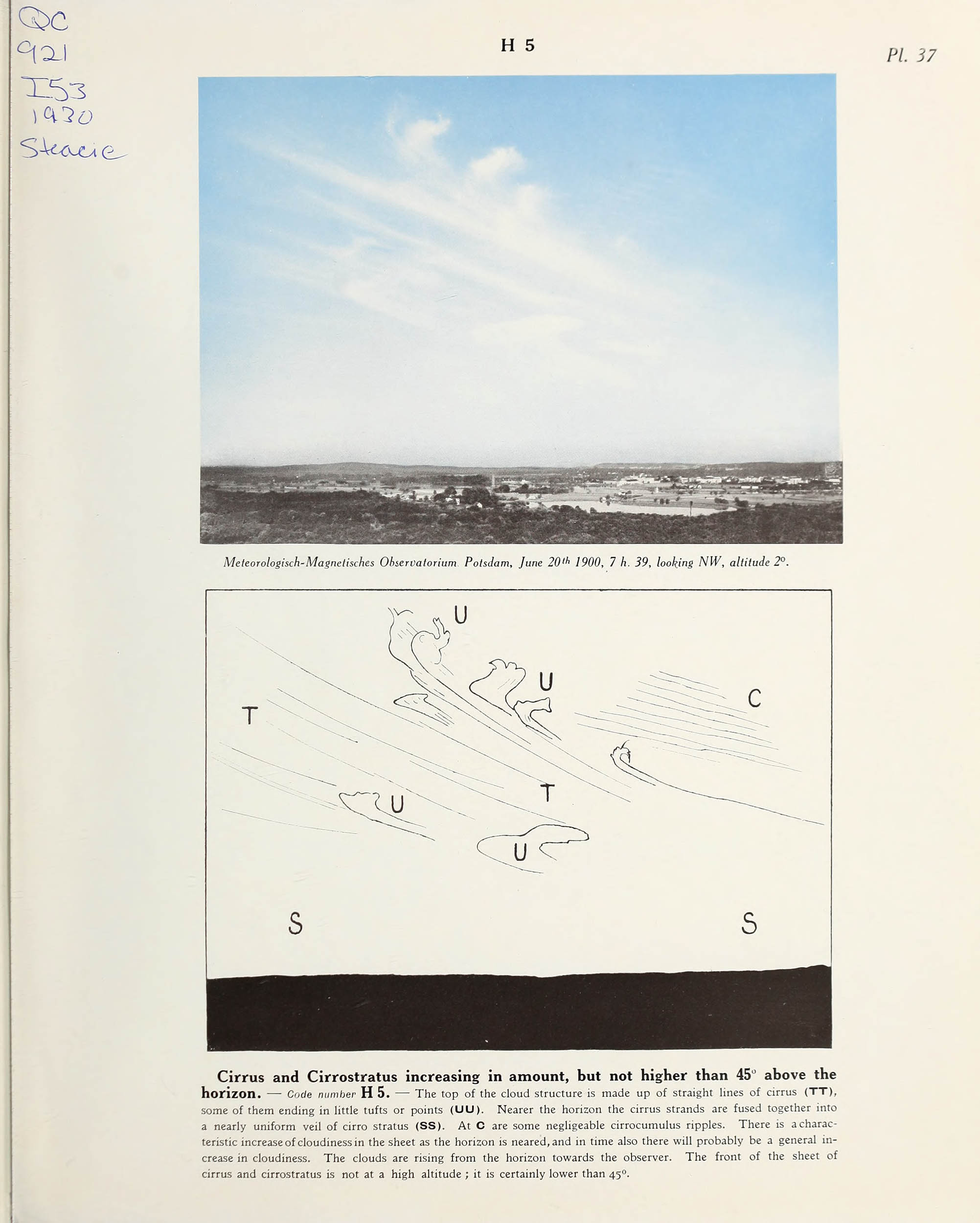
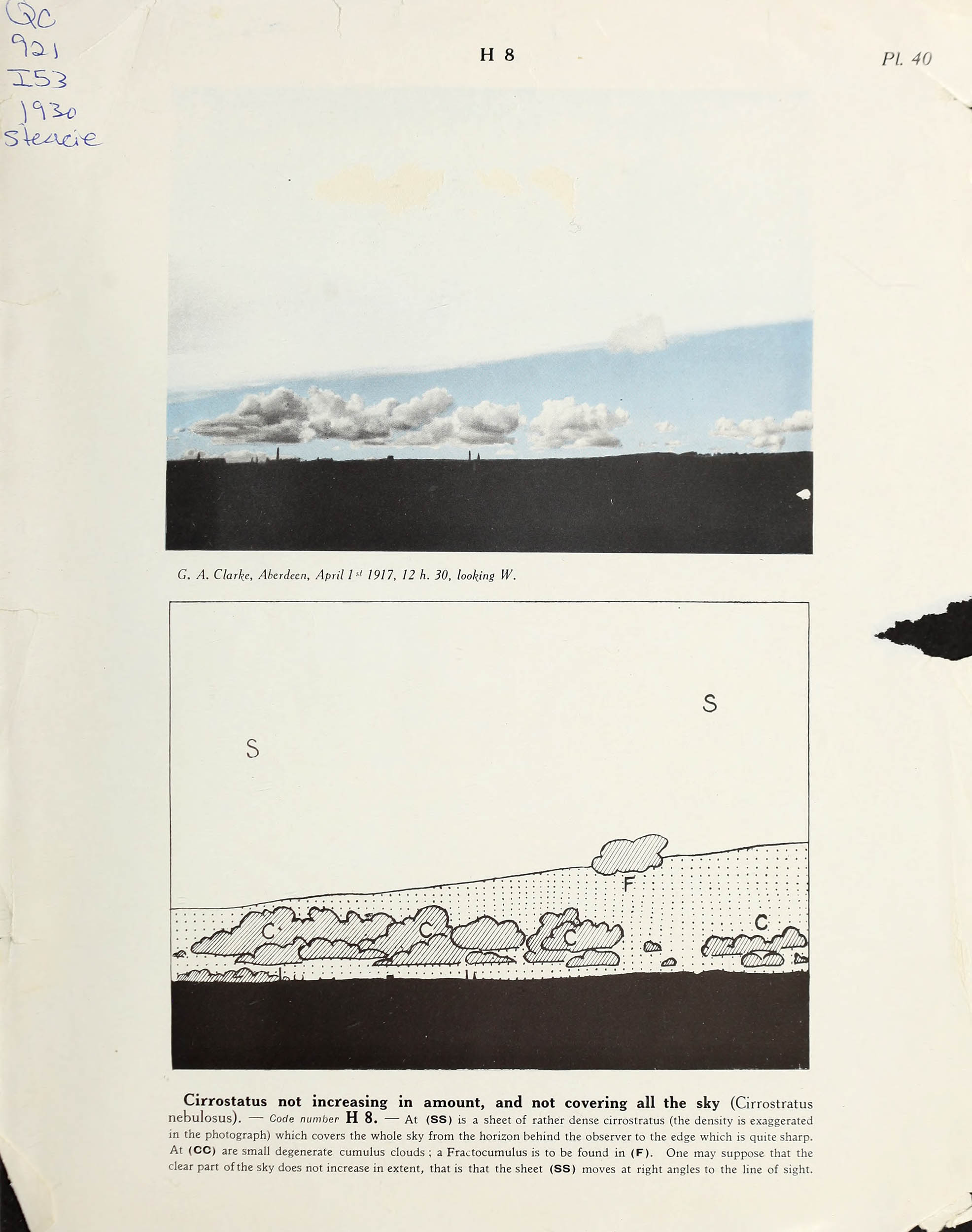
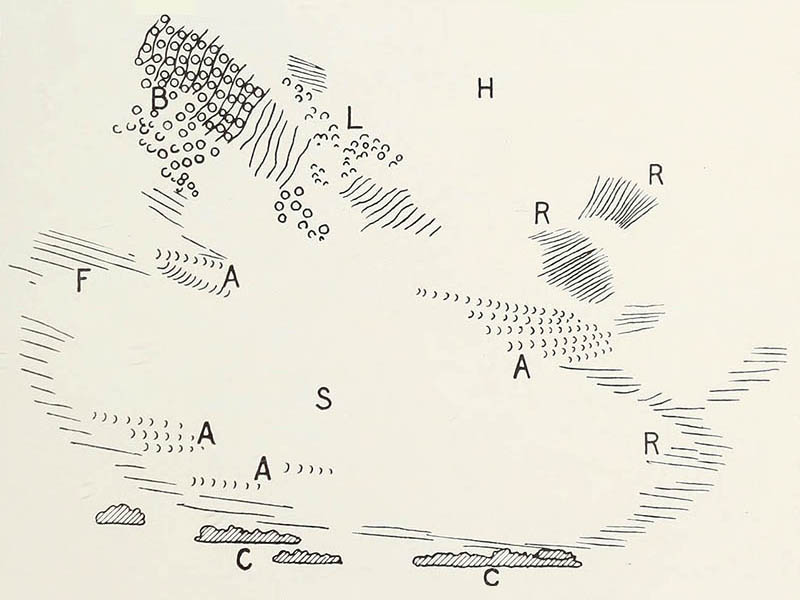 A cloud atlas is a visual depiction of various types of clouds accompanied by their classification and nomenclature. Cloud atlases were primarily developed starting in the 19th century and utilised for training weather forecasters and meteorologists. The 1930’s International Atlas of Clouds and of States of the Sky by the Office National Météorologique based in […]



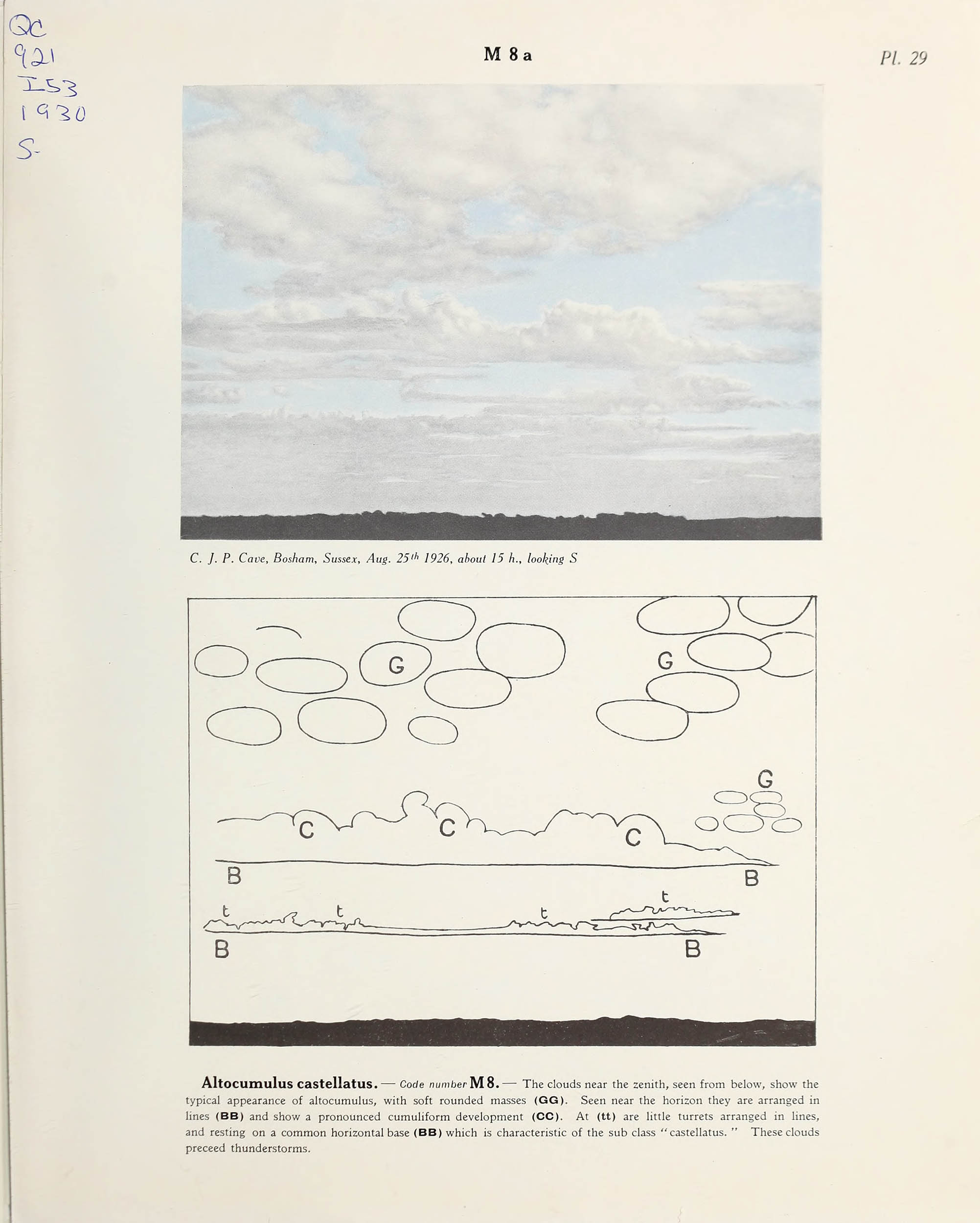


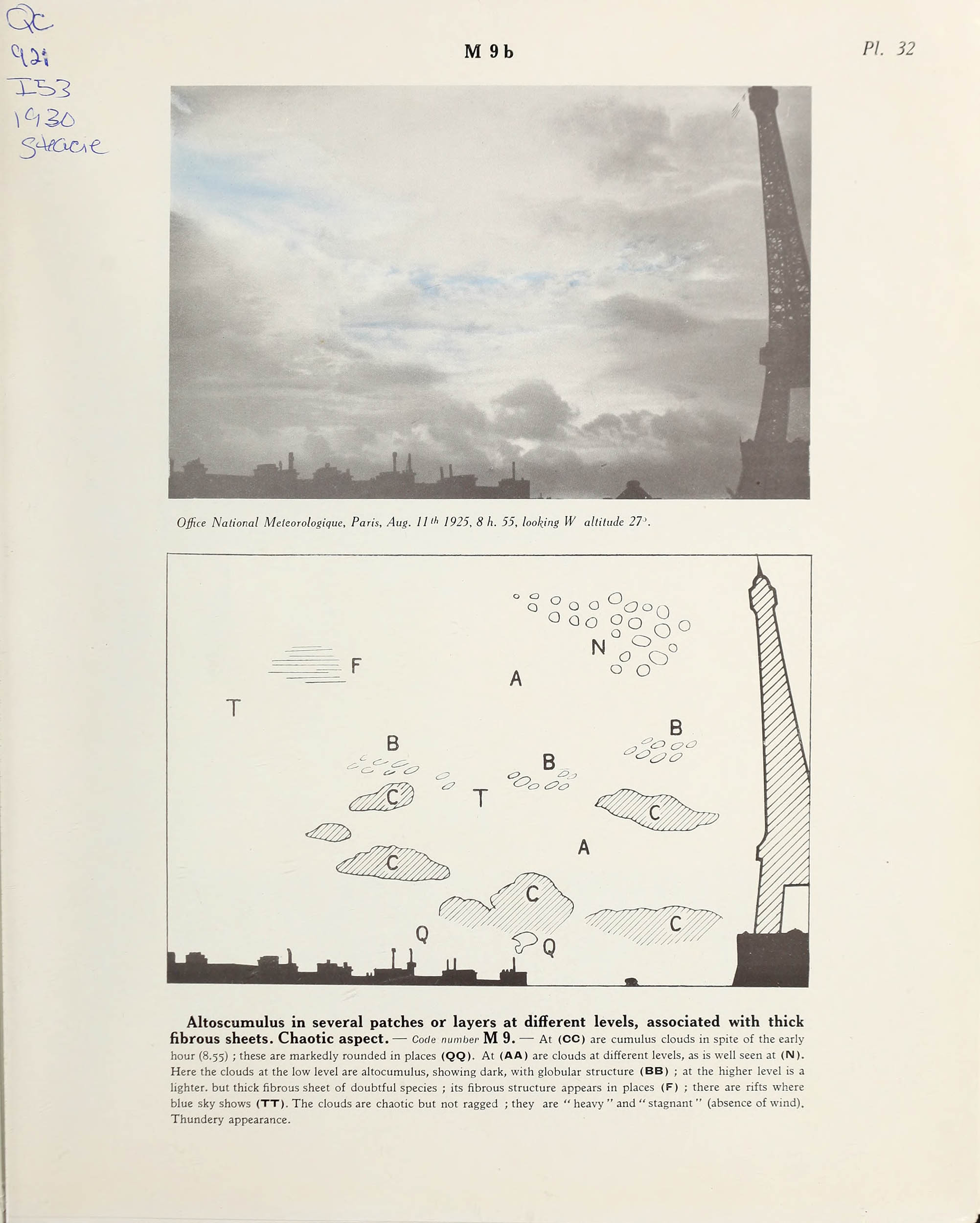
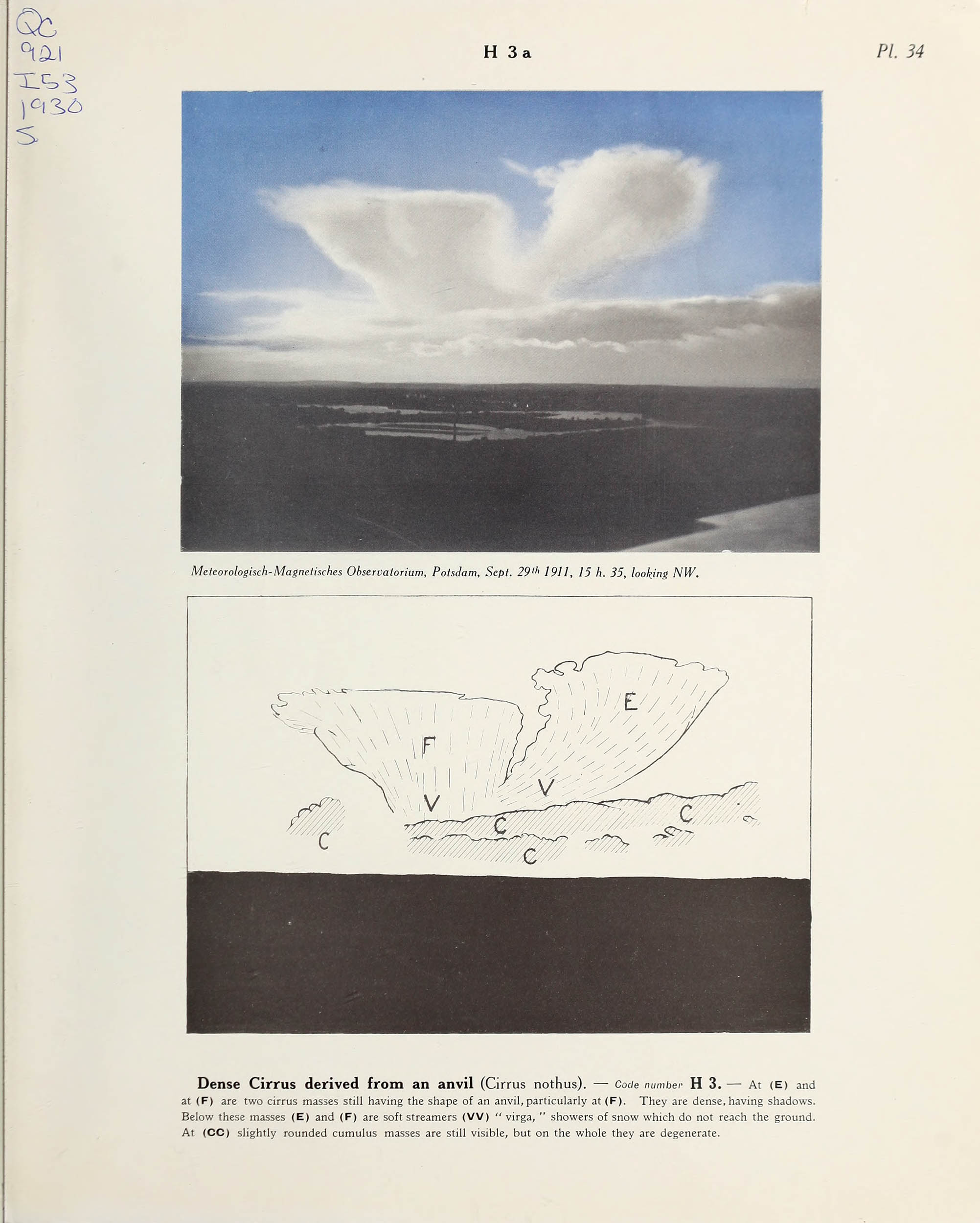

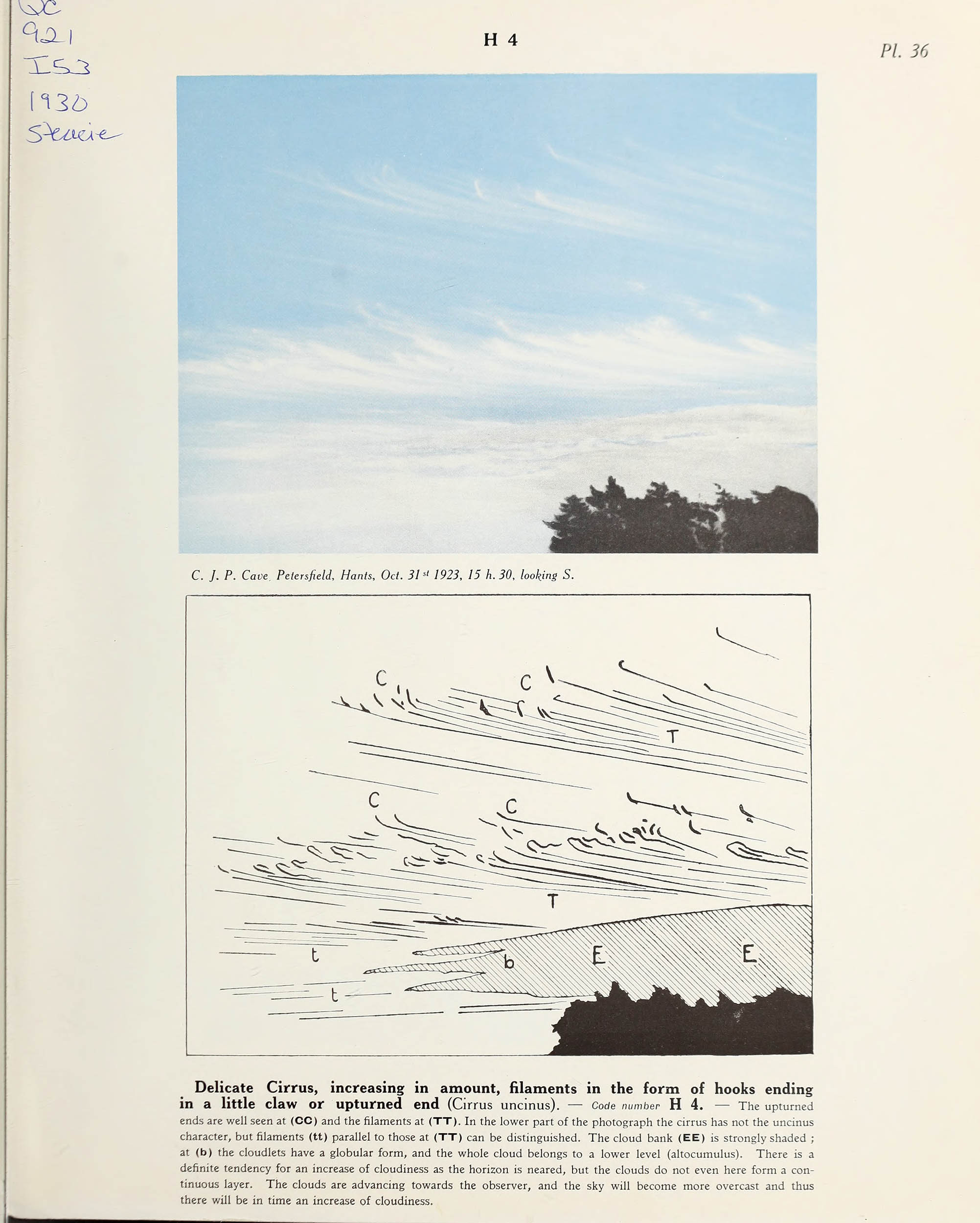

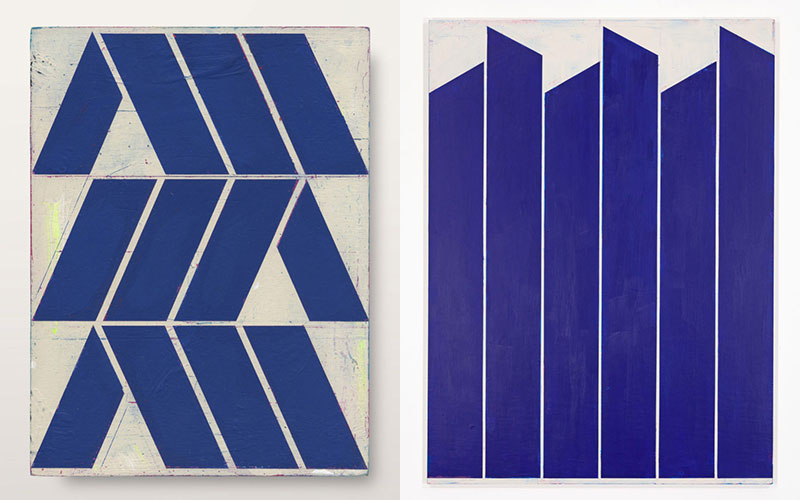 Contemporary Belgian artist Alain Biltereyst works on abstract paintings characterized by bold patterns and colors. Most of the time, the shapes he depicts are not purely the result of chosen arrangements but act as a sort of “found art”: they are extracted from existing signs, advertisements, commercial signage, graphic decorations on trucks, billboards, and streets. […]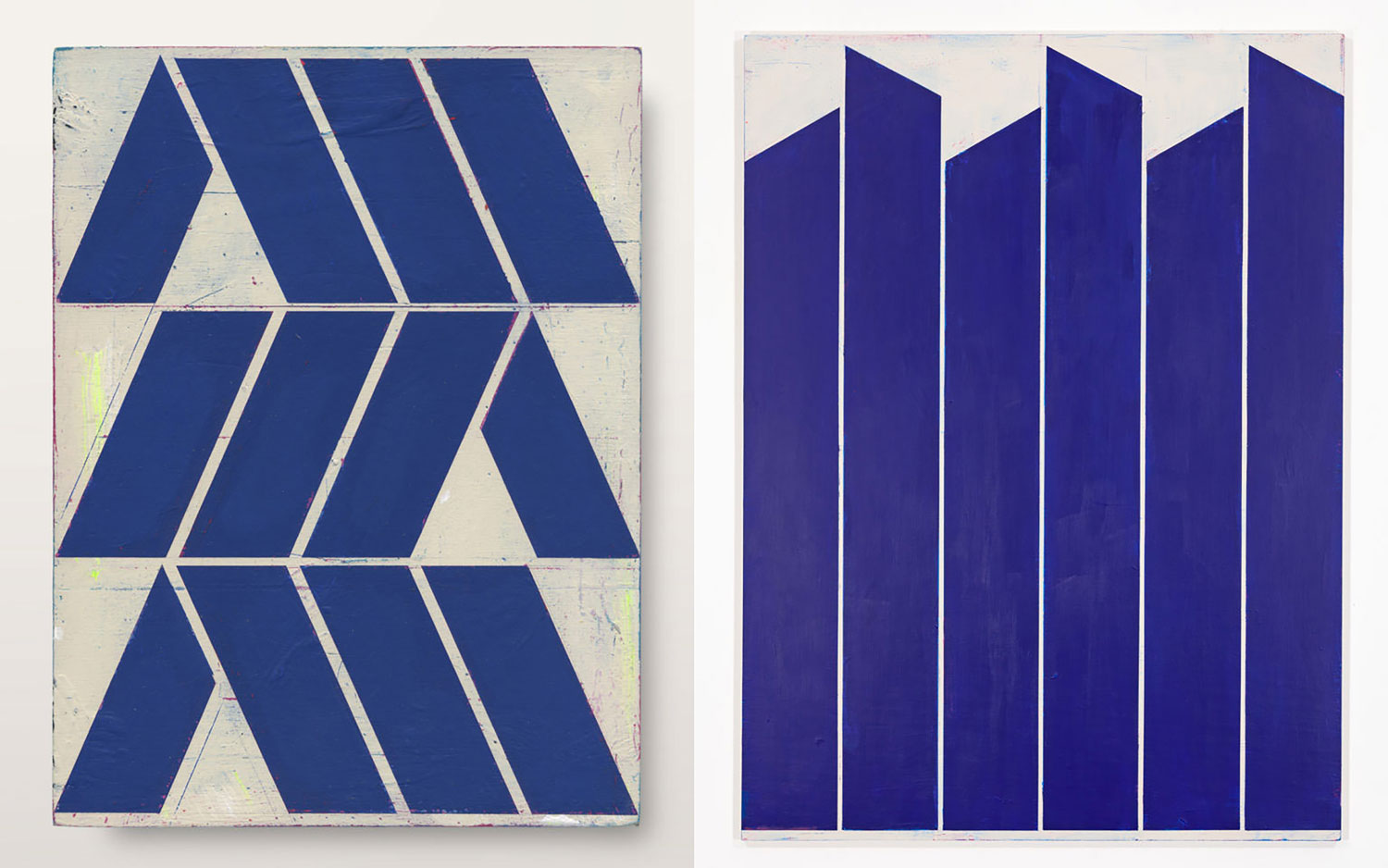
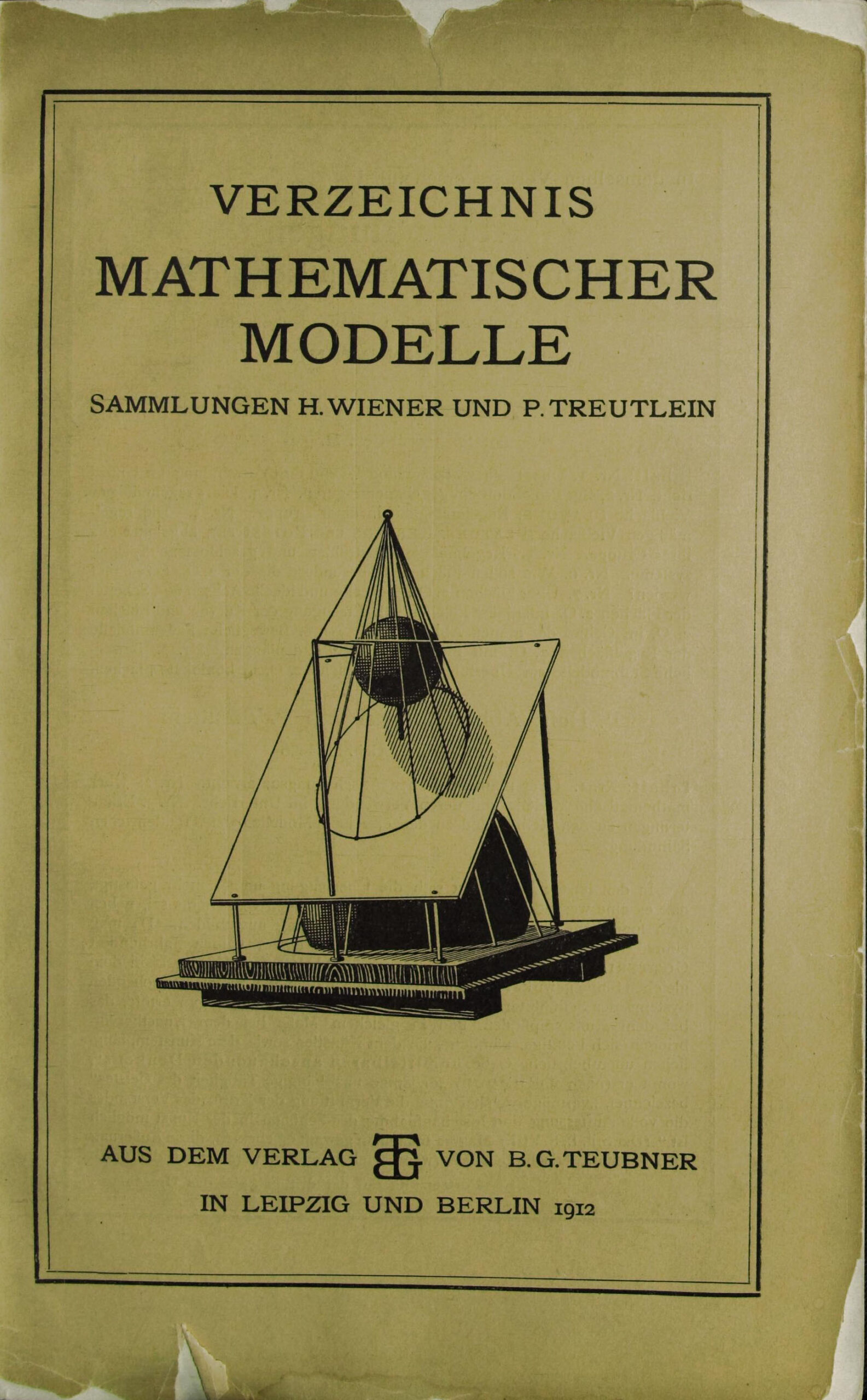
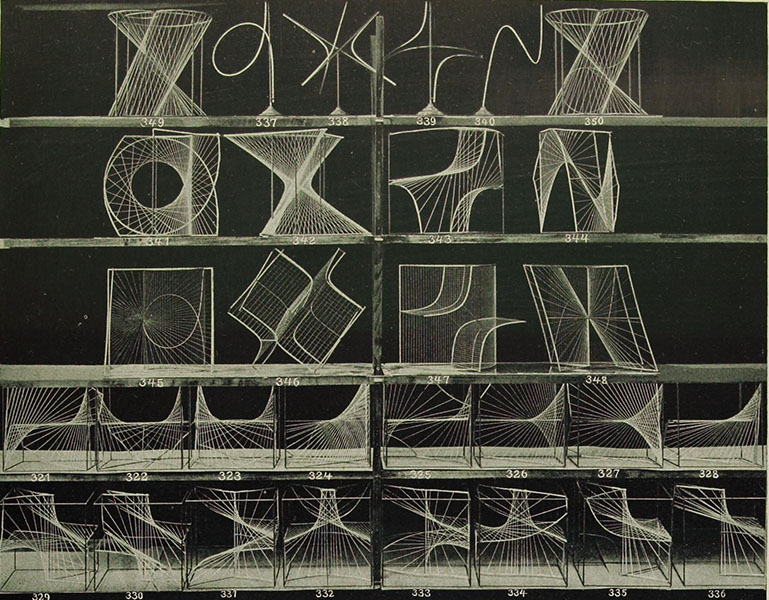 After last week’s post on Man Ray’s photographs of equation models from the Institut Poincaré in Paris, here are four illustrations (plus the cover) from the book “Verzeichnis von H. Wieners und P. Treutleins Sammlungen mathematischer Modelle für Hochschulen, höhere Lehranstalten und technische Fachschulen.” Herman Wiener was a 19th-century German mathematician who created chalk and […]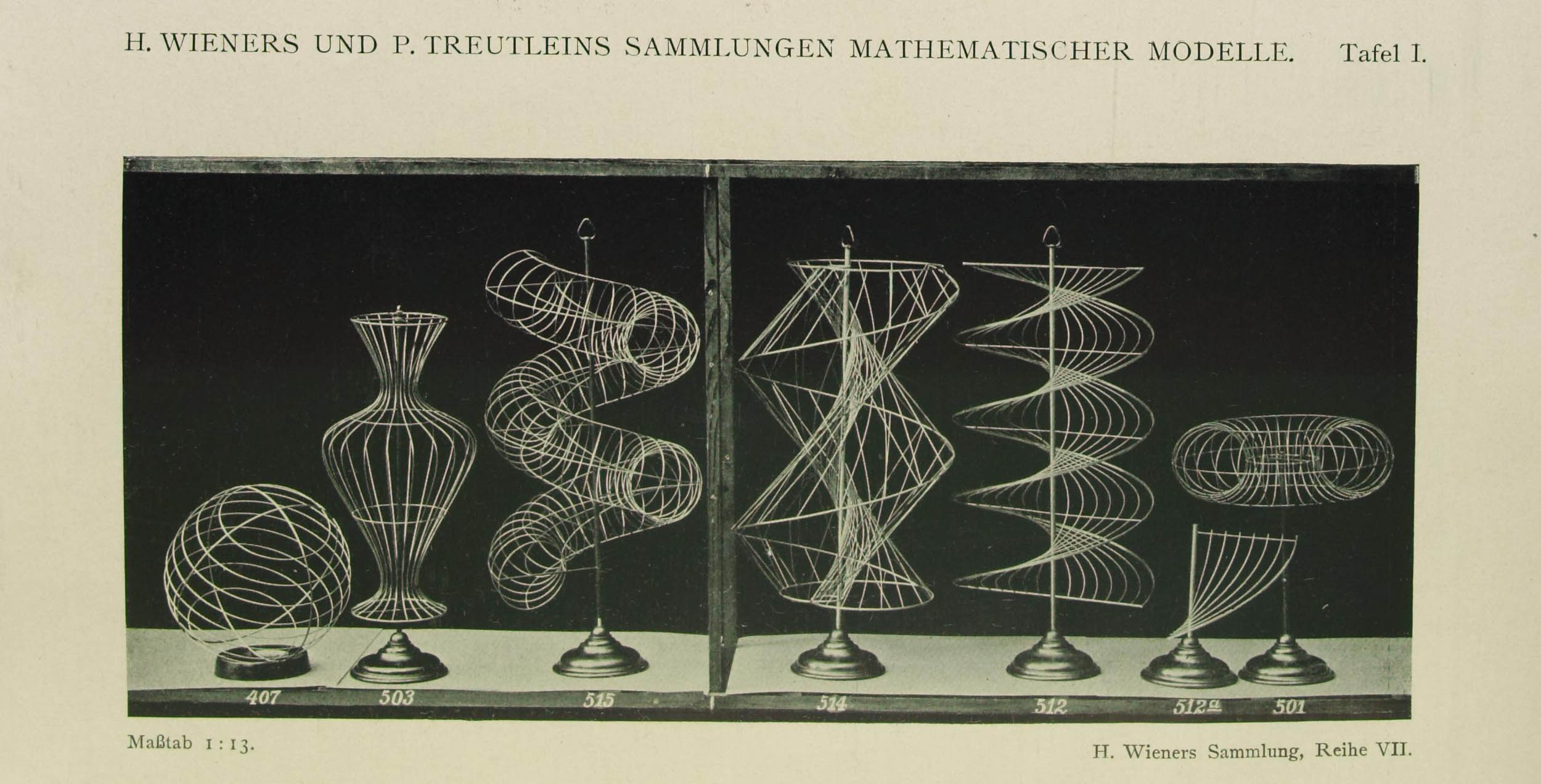
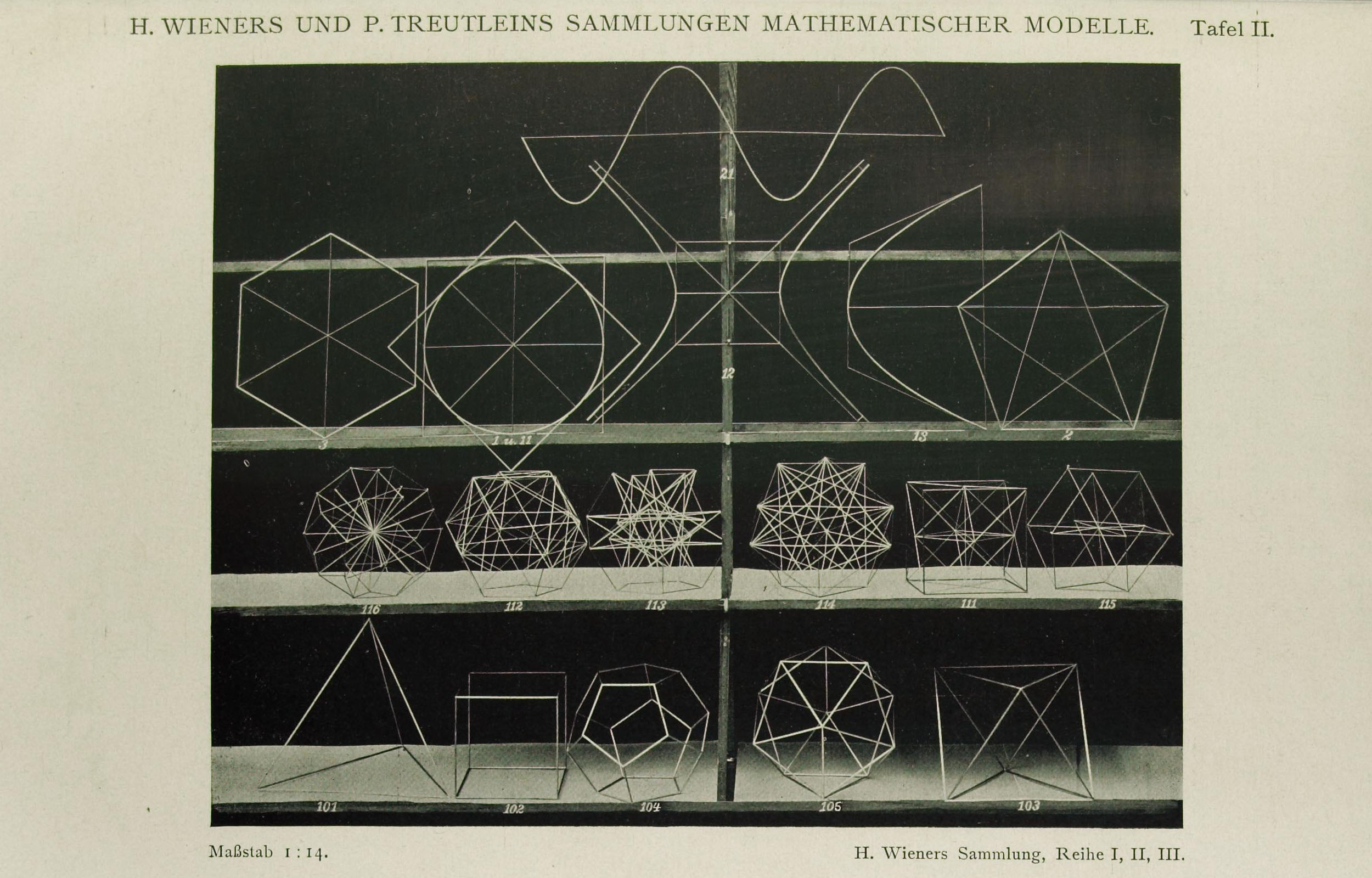
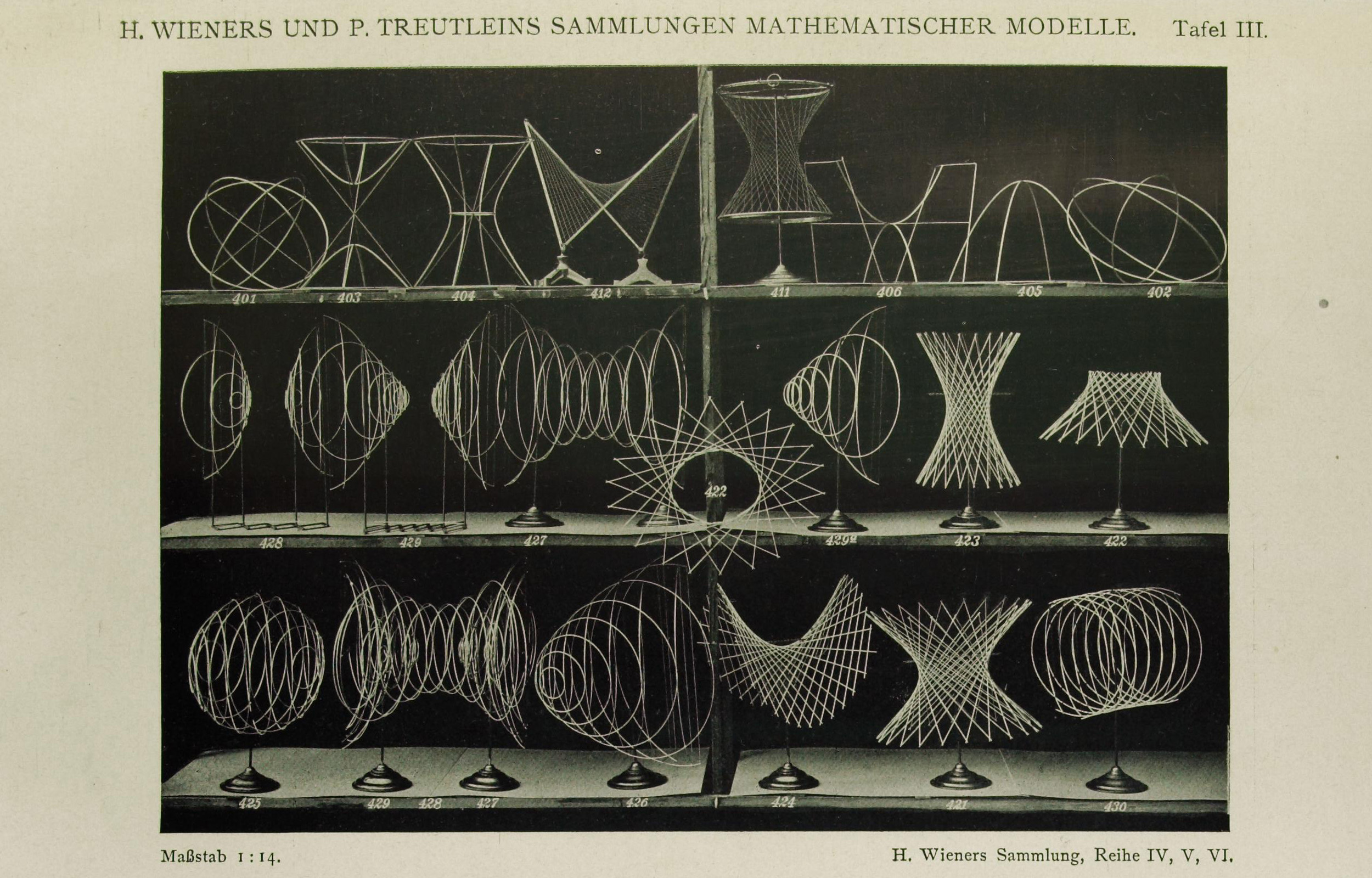
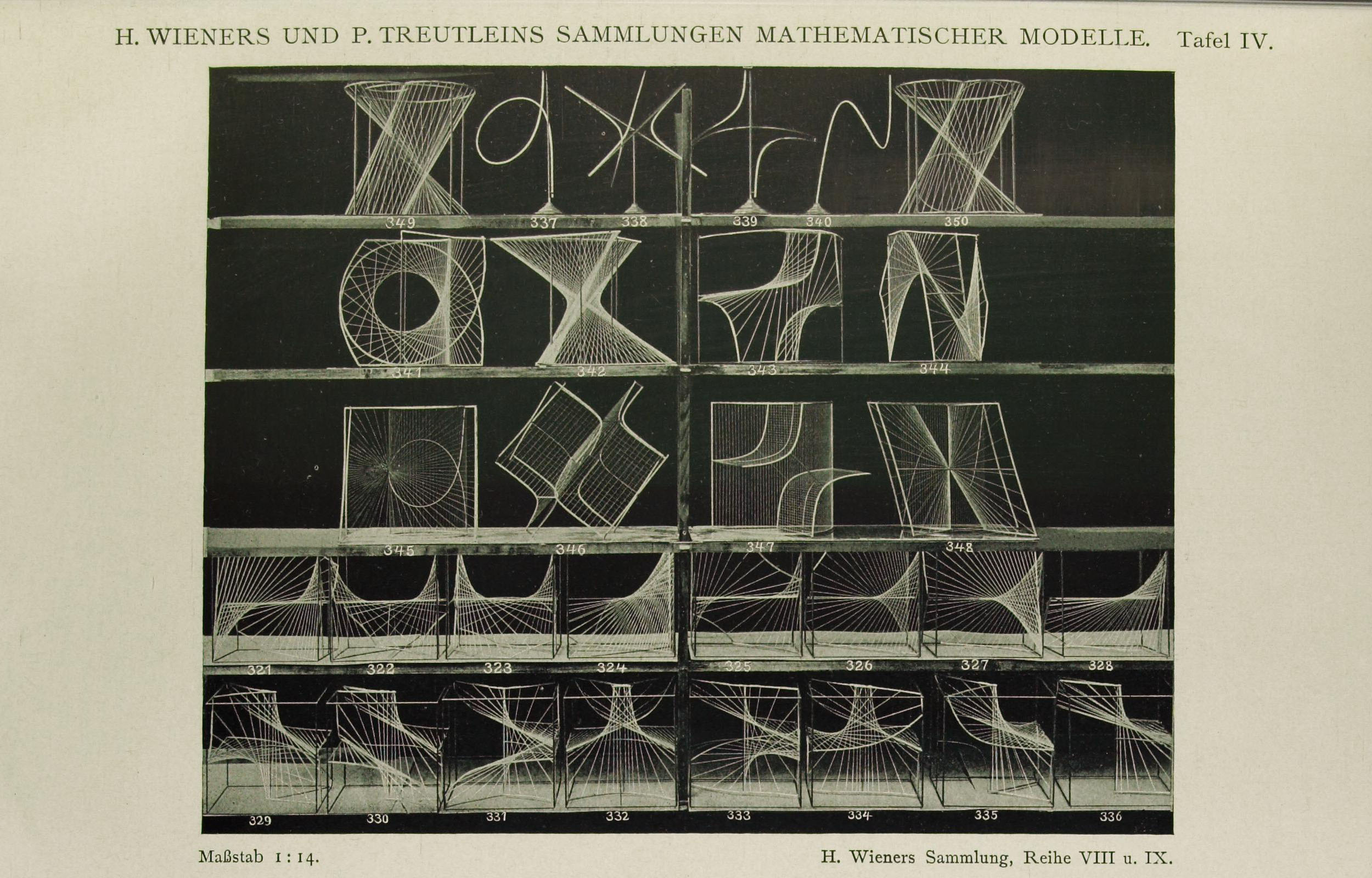
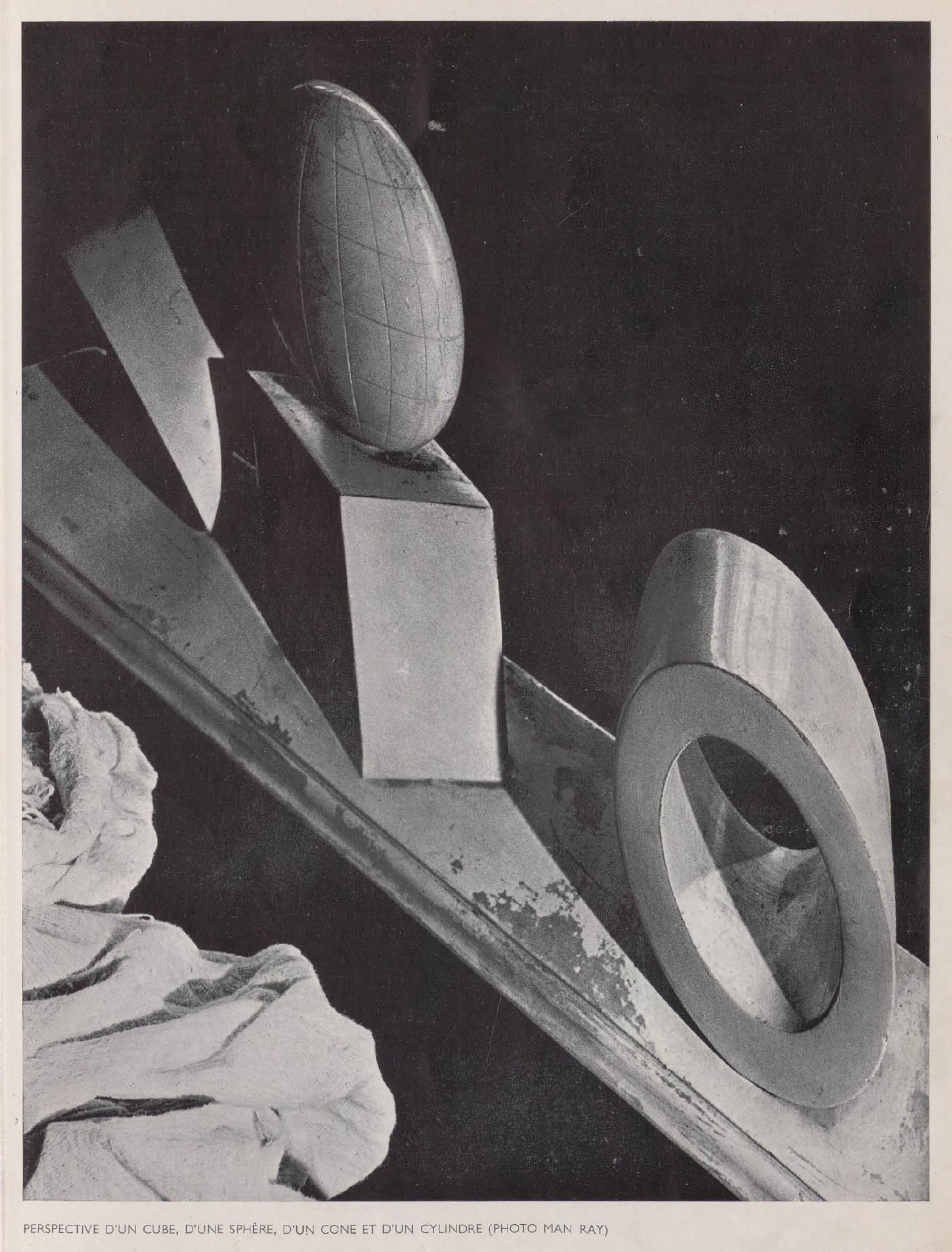
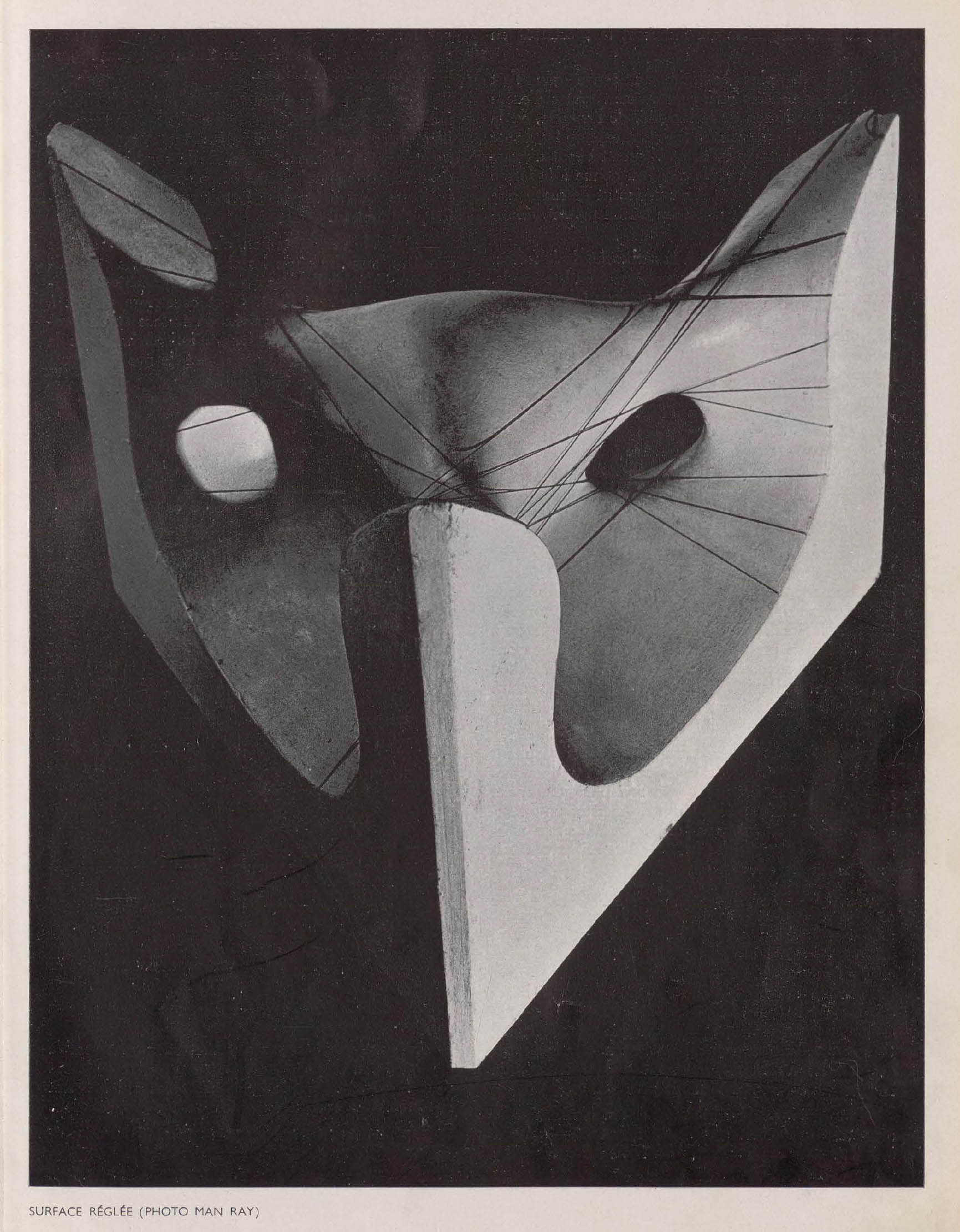
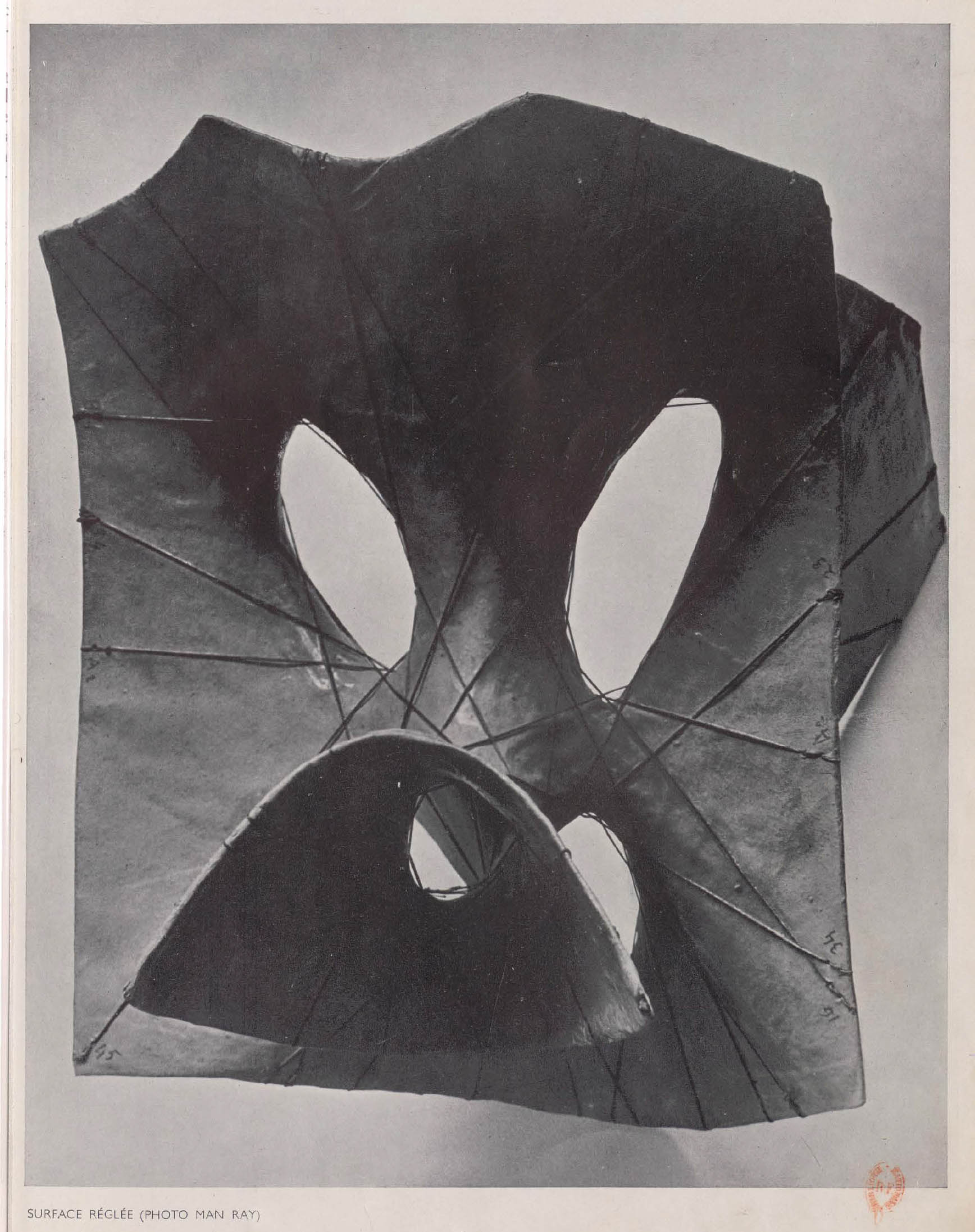
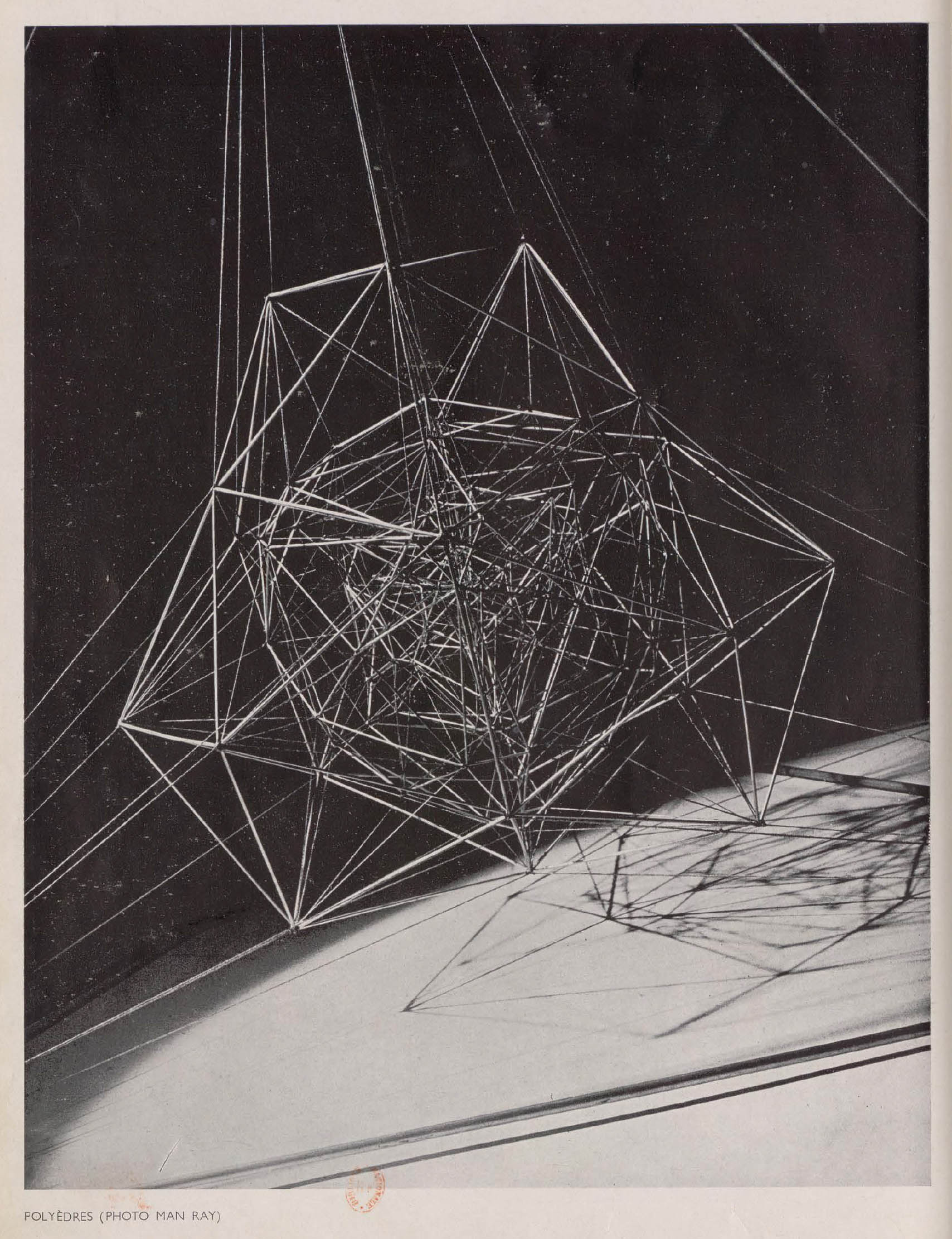
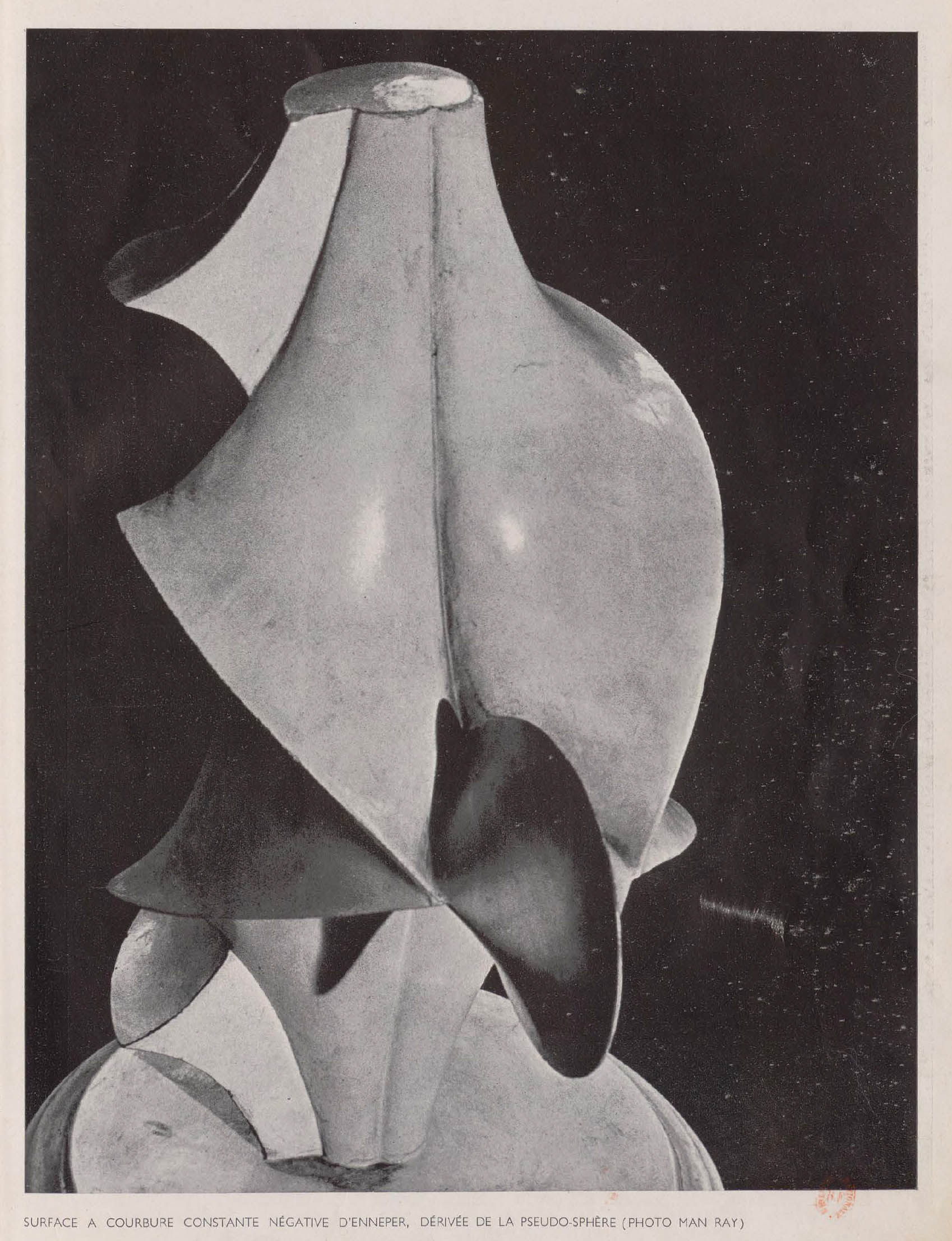
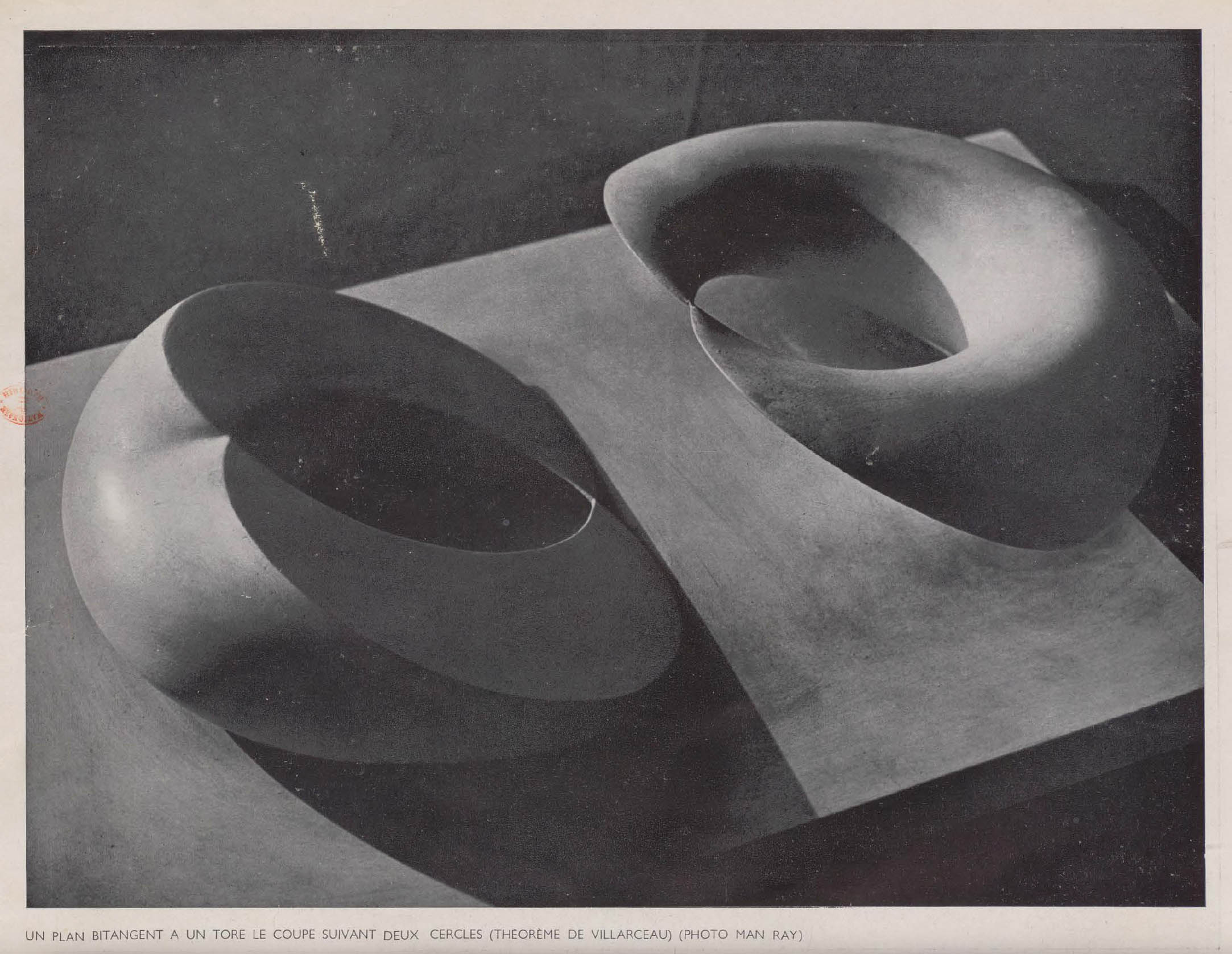
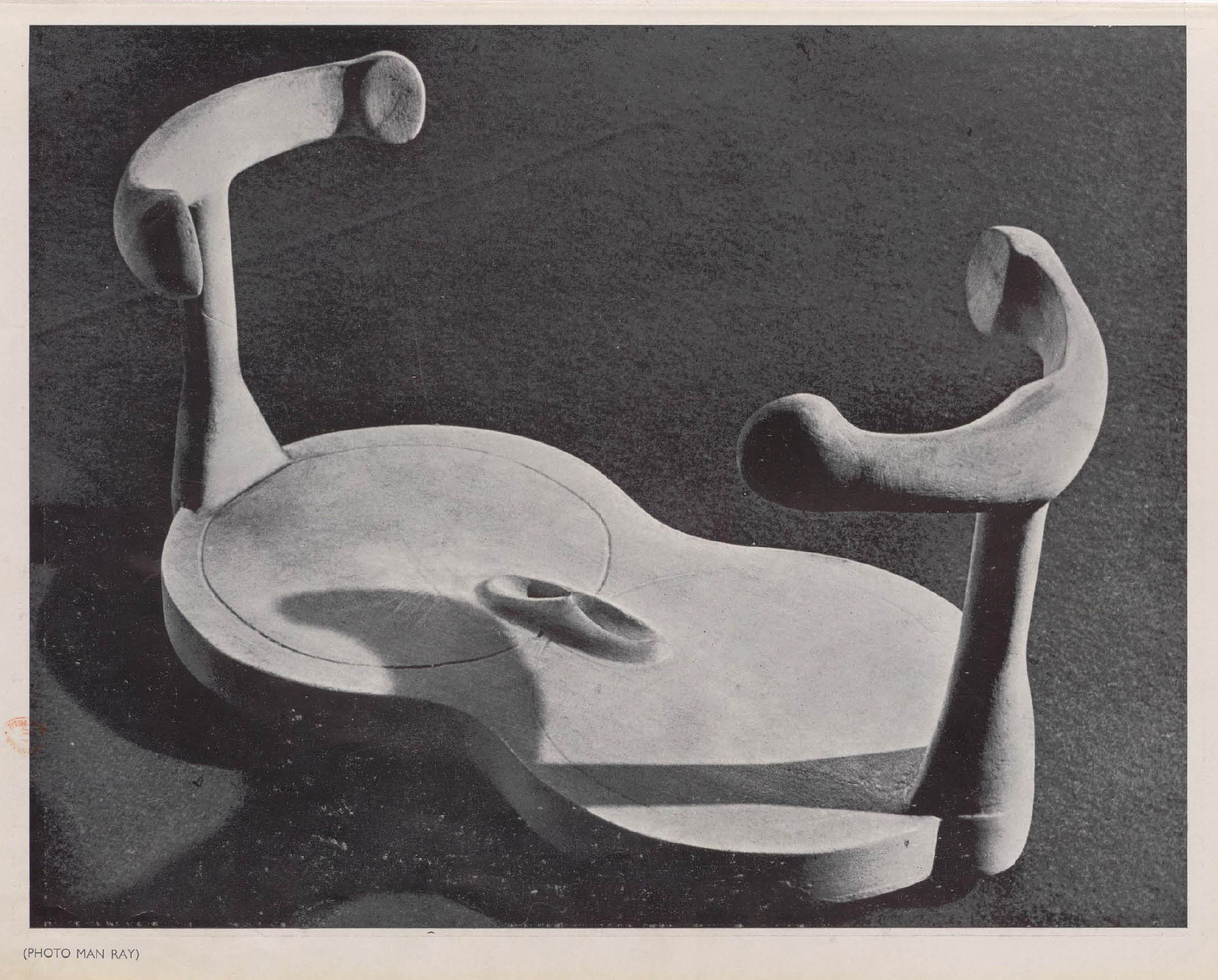
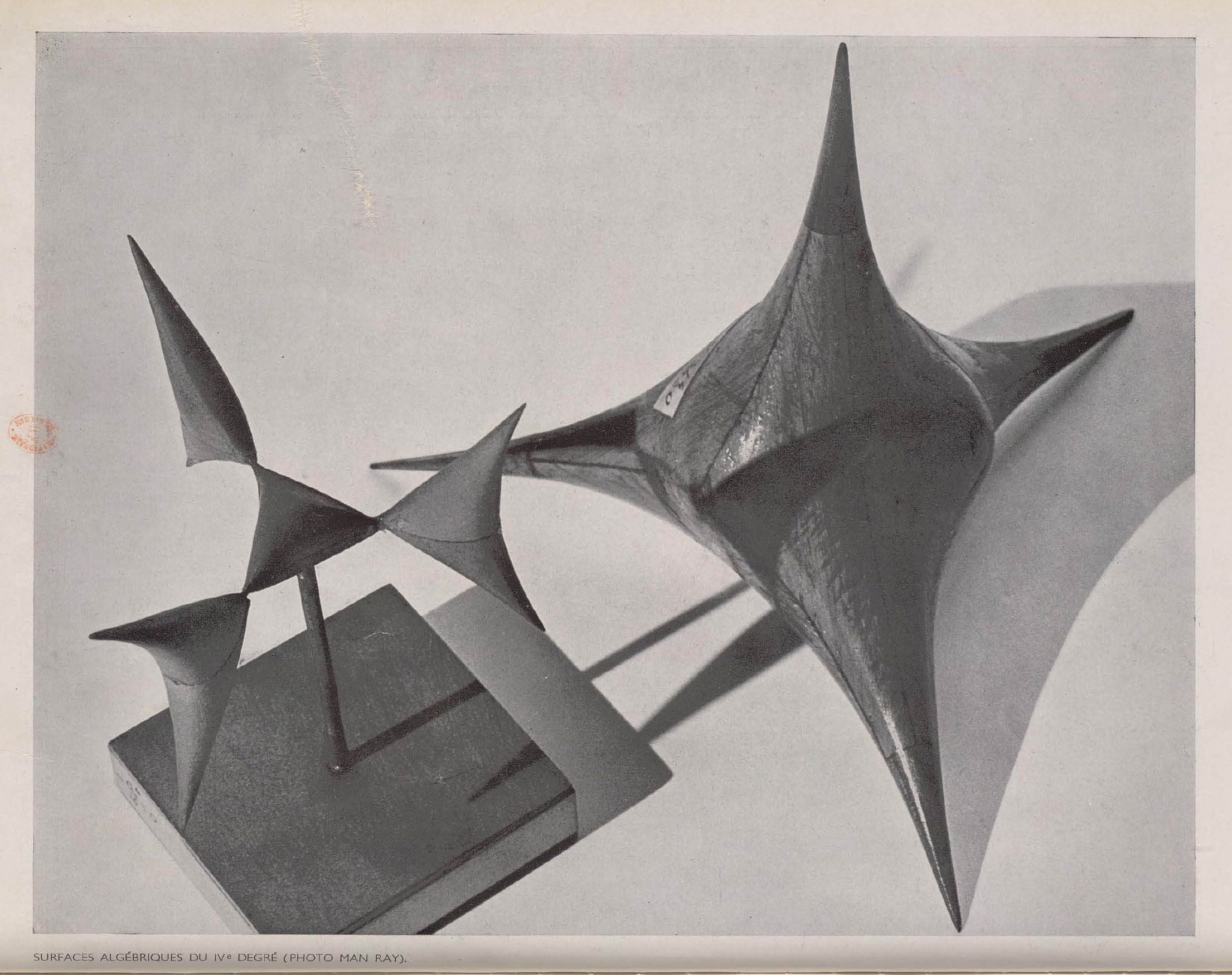
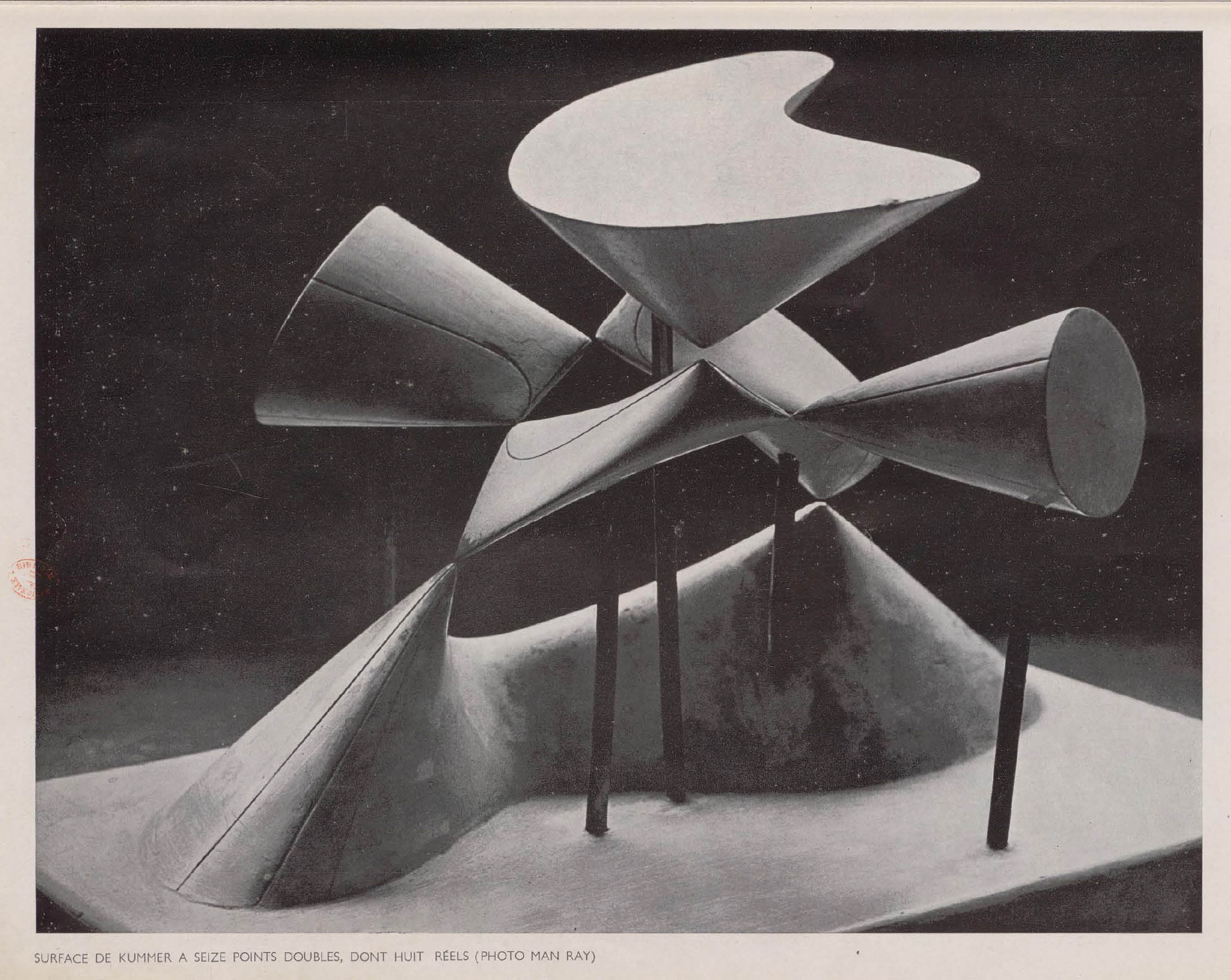
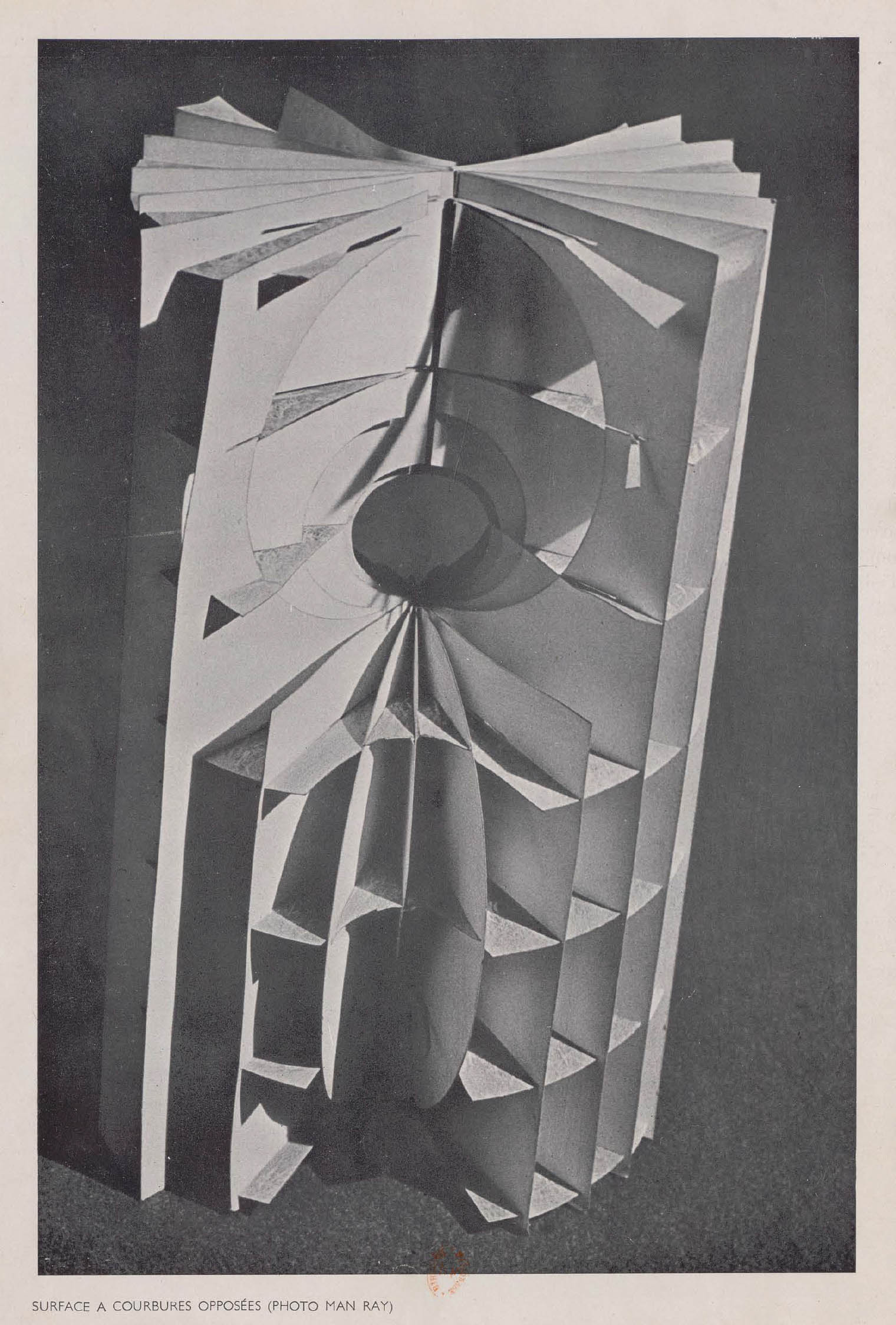
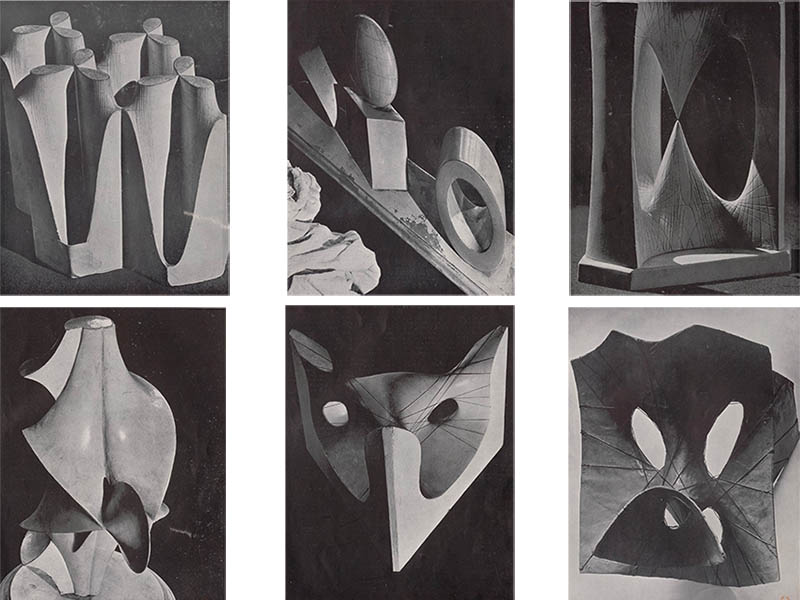 The collection of 19th-century three-dimensional models of algebraic and differential equations at the Institut Henri Poincaré in Paris made a great impression on Surrealist artists. Allegedly, after Max Ernst brought these wood, metal, wire, and plaster forms to Man Ray’s attention, he was so impressed that he decided to photograph them. In the thirty-one photographs, […]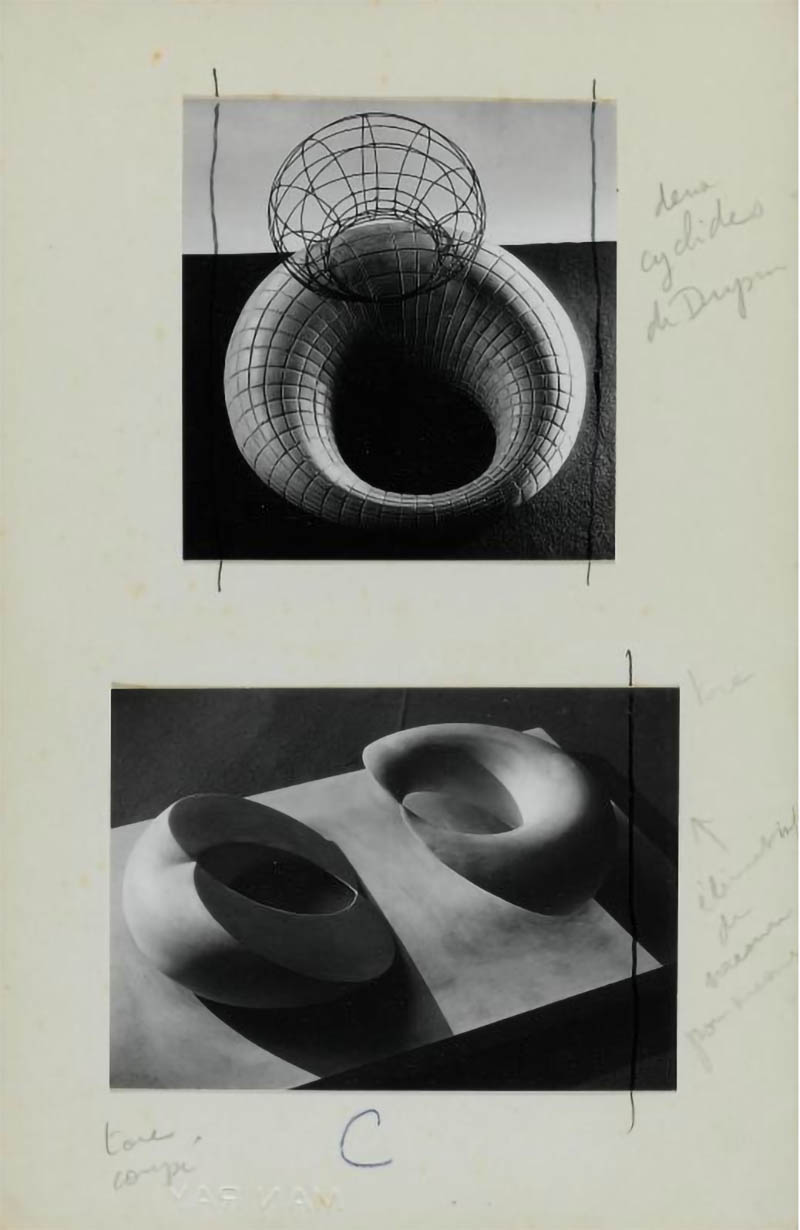


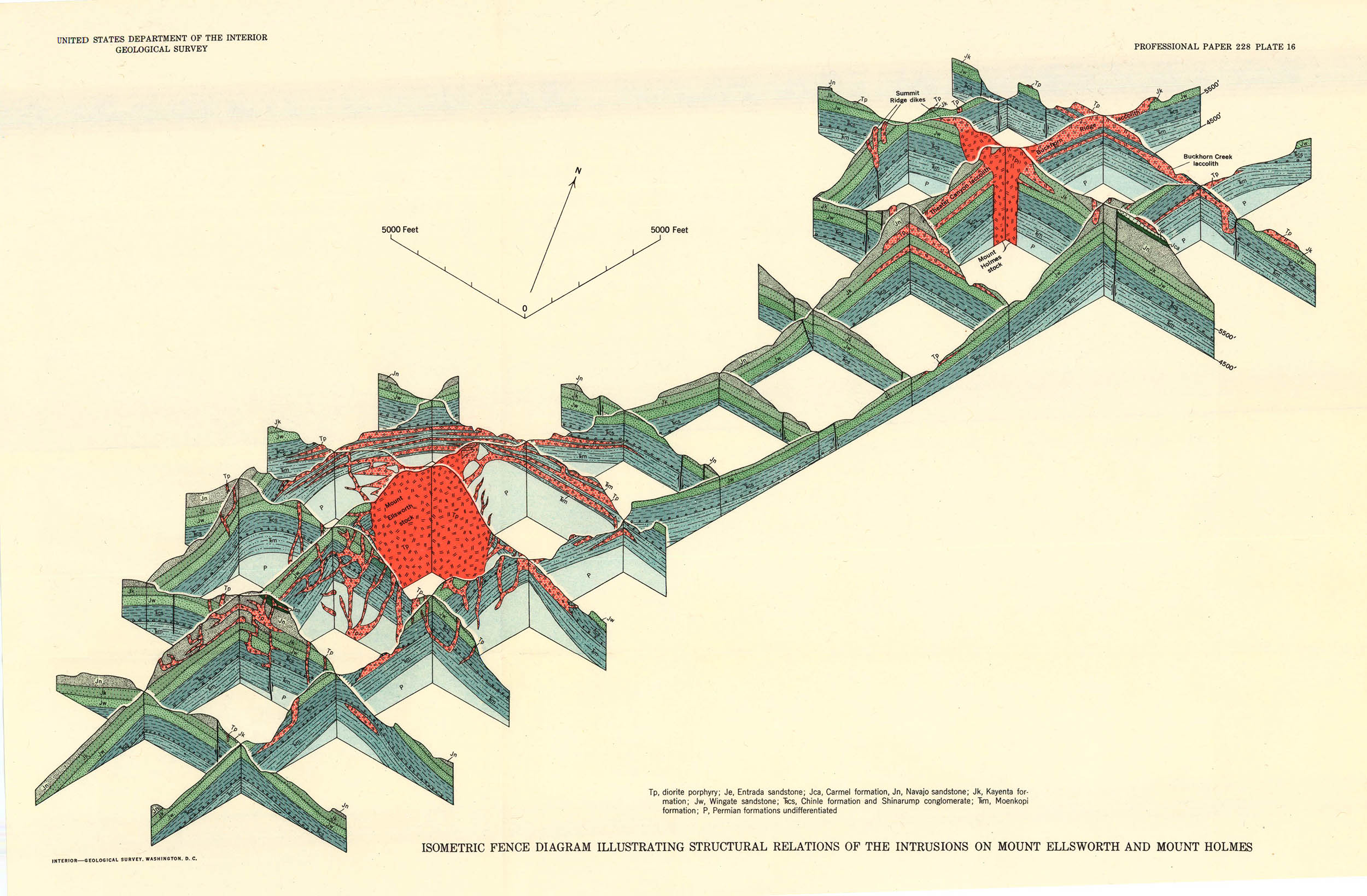
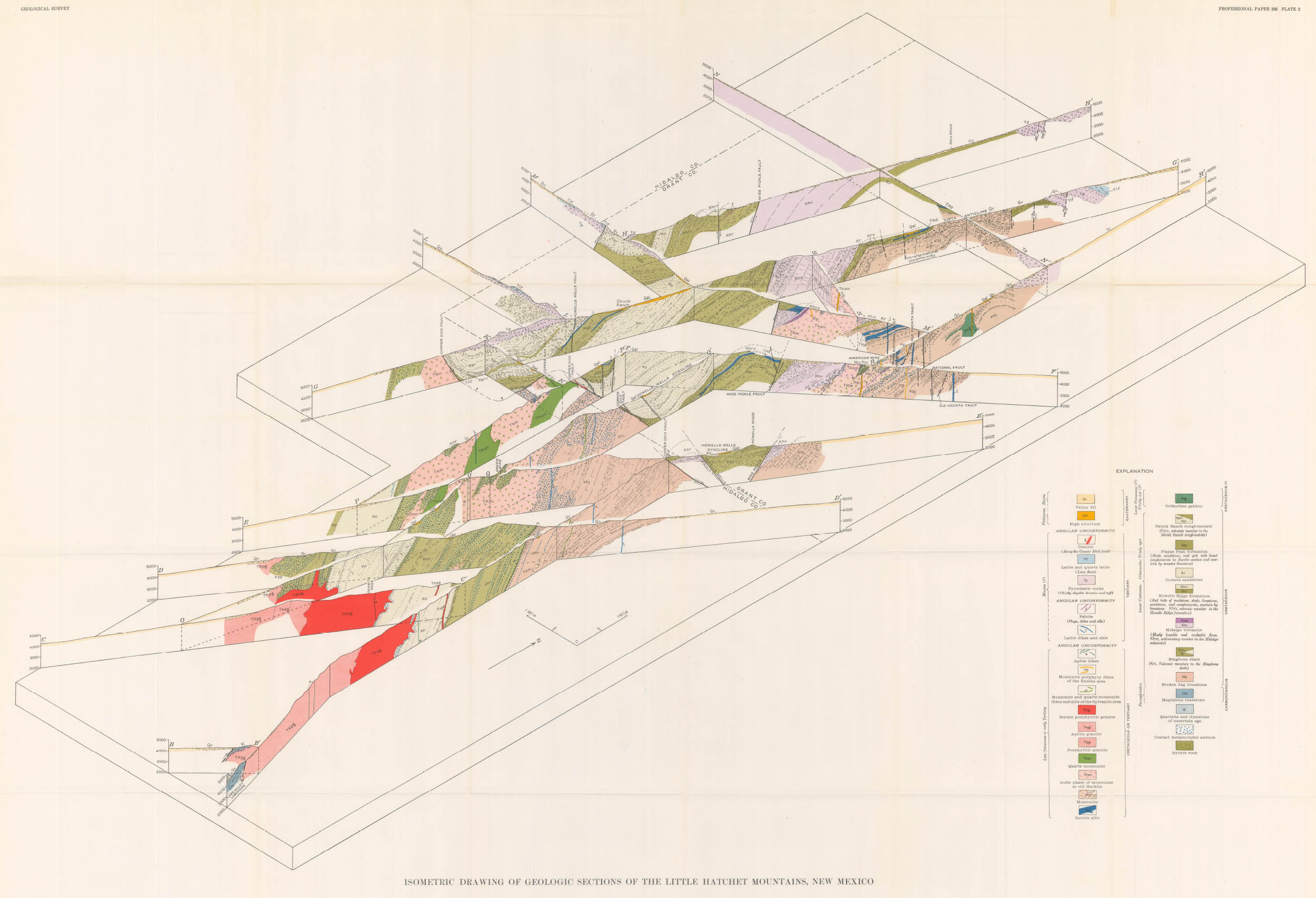
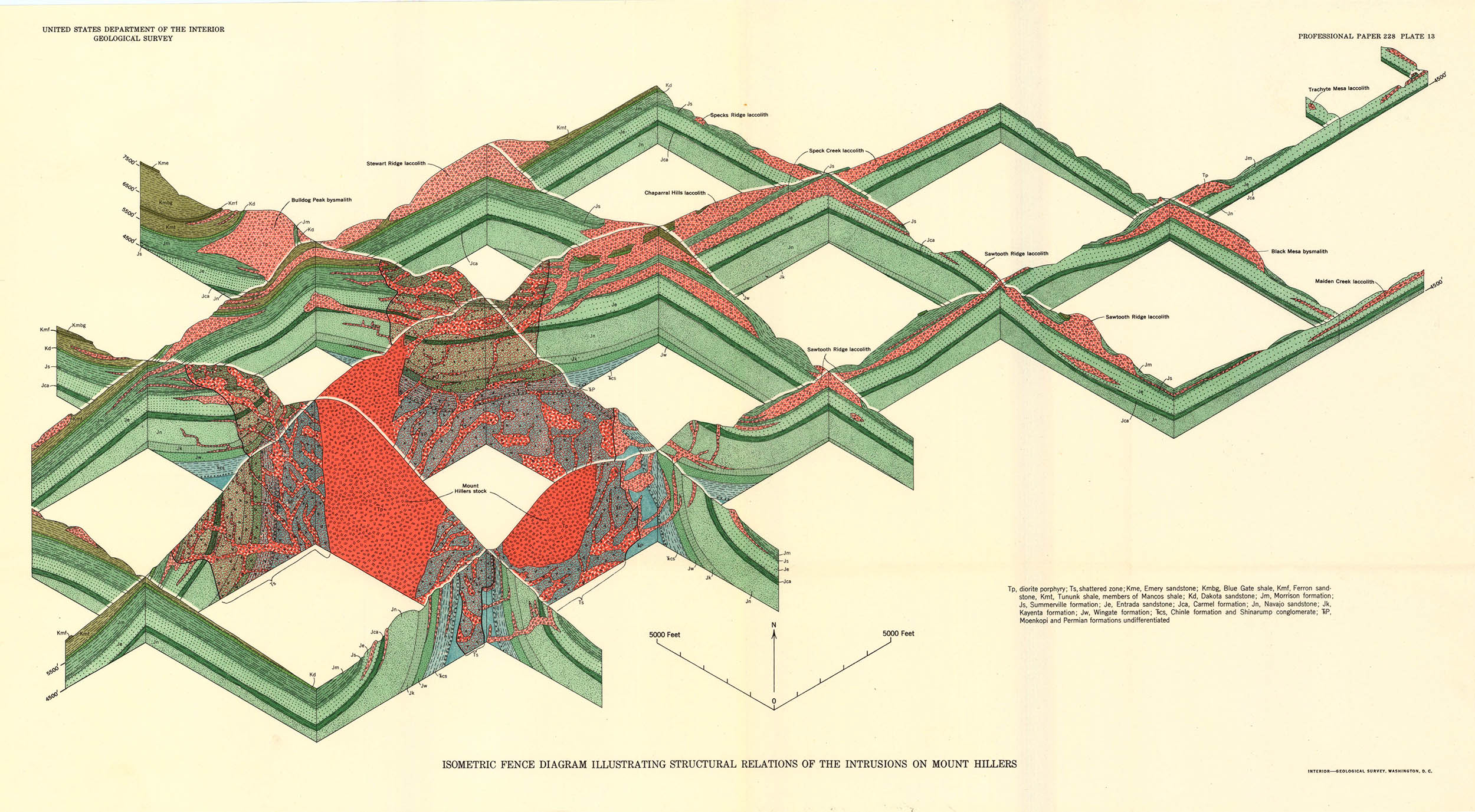
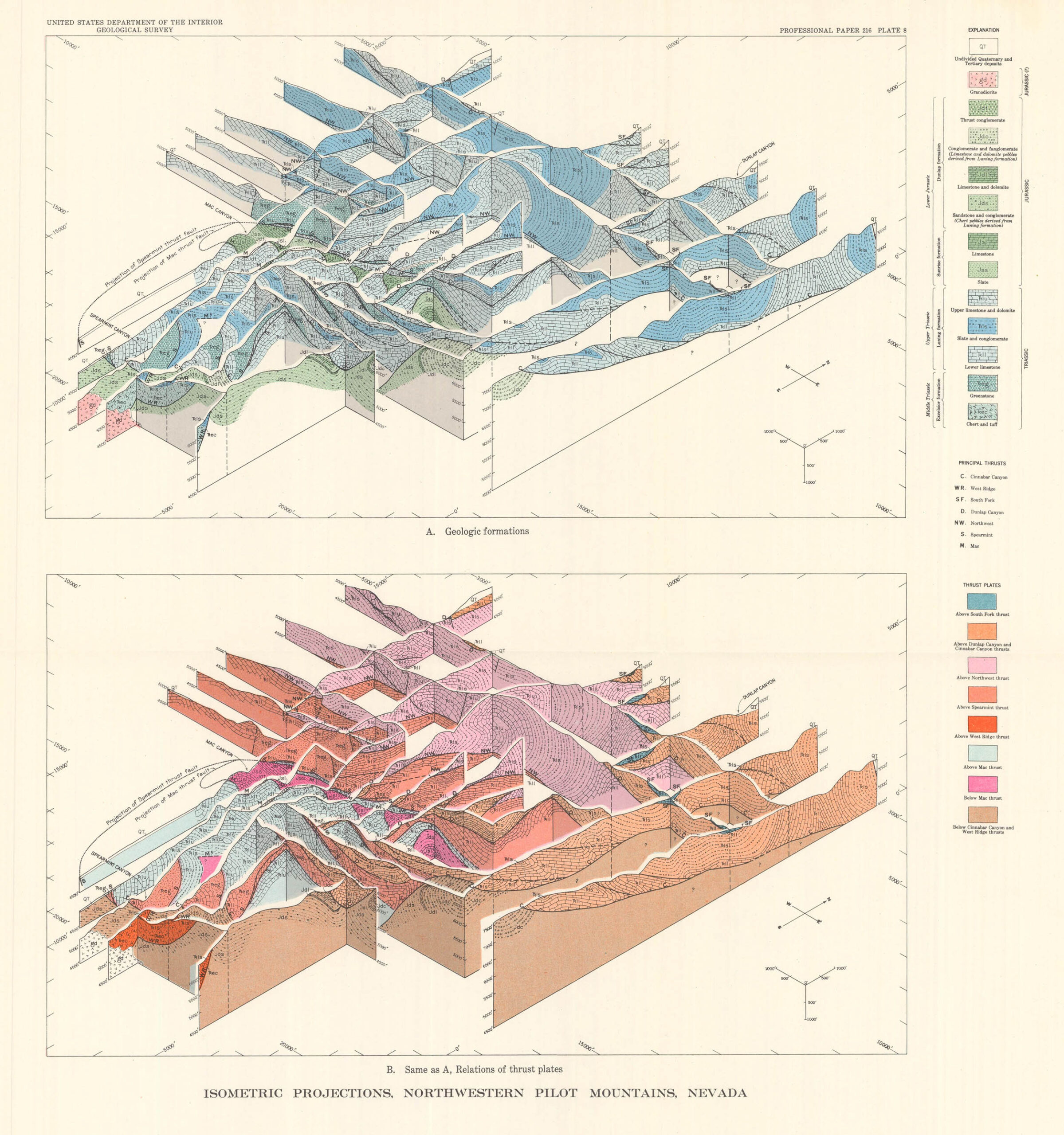
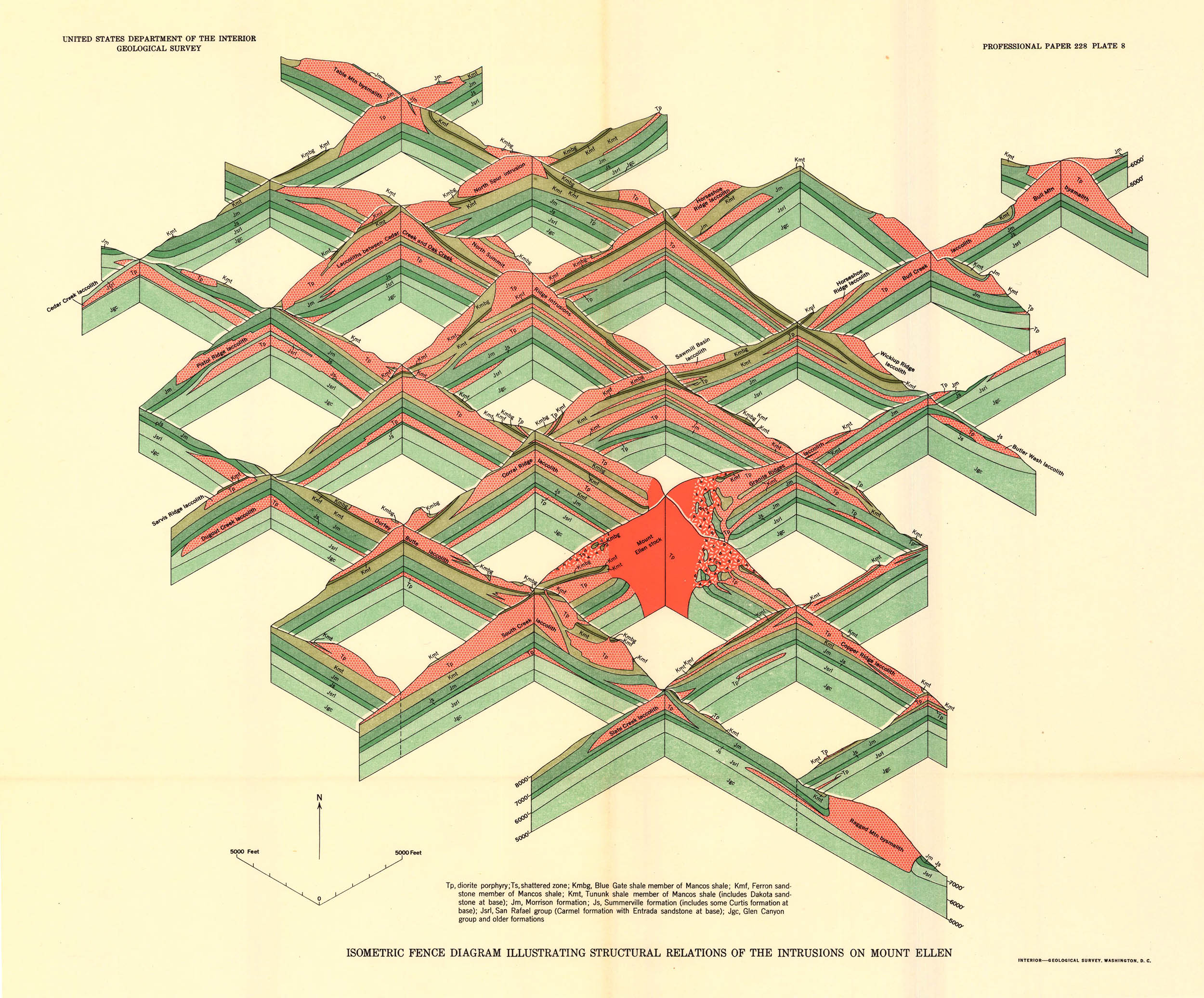
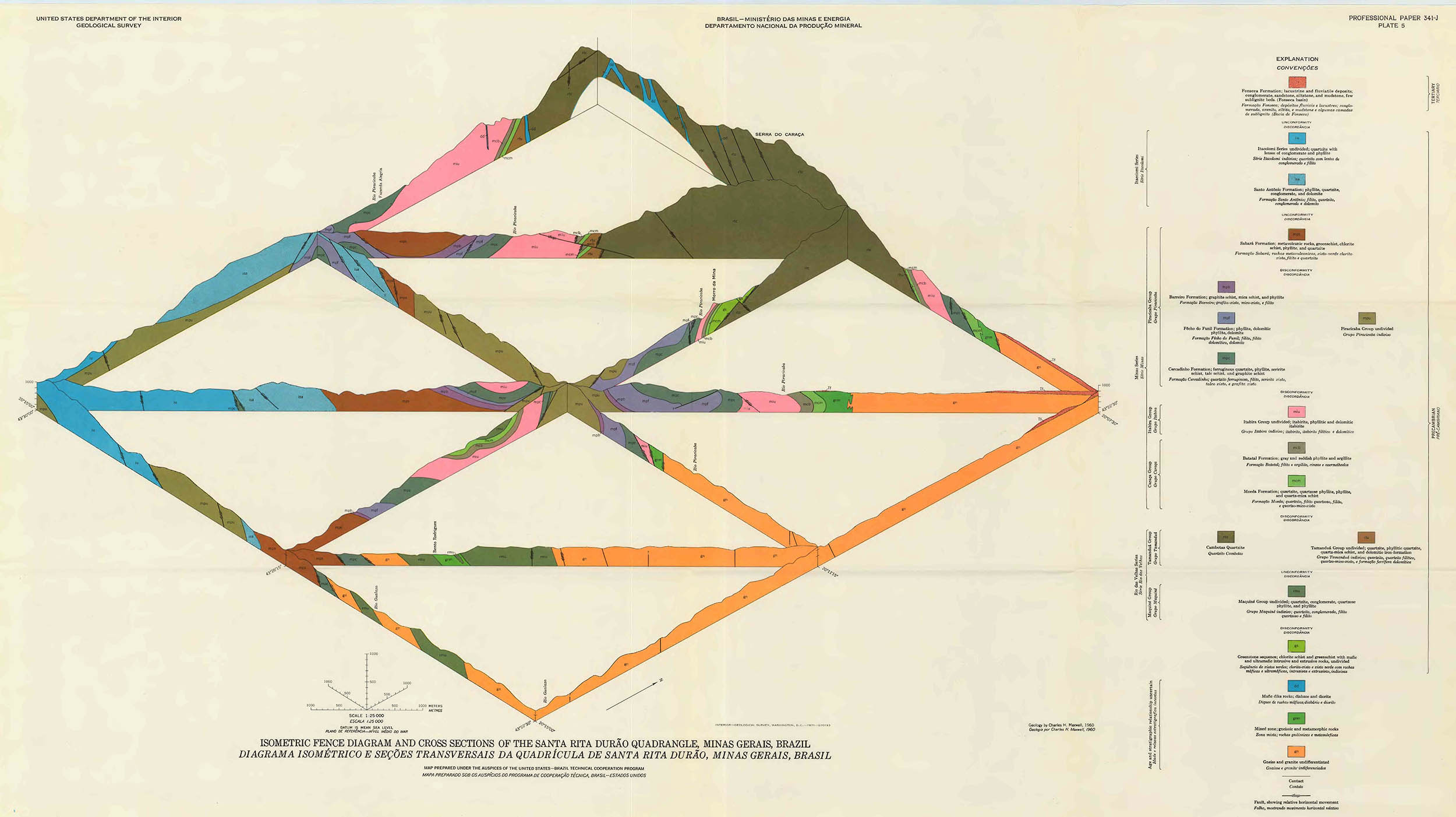
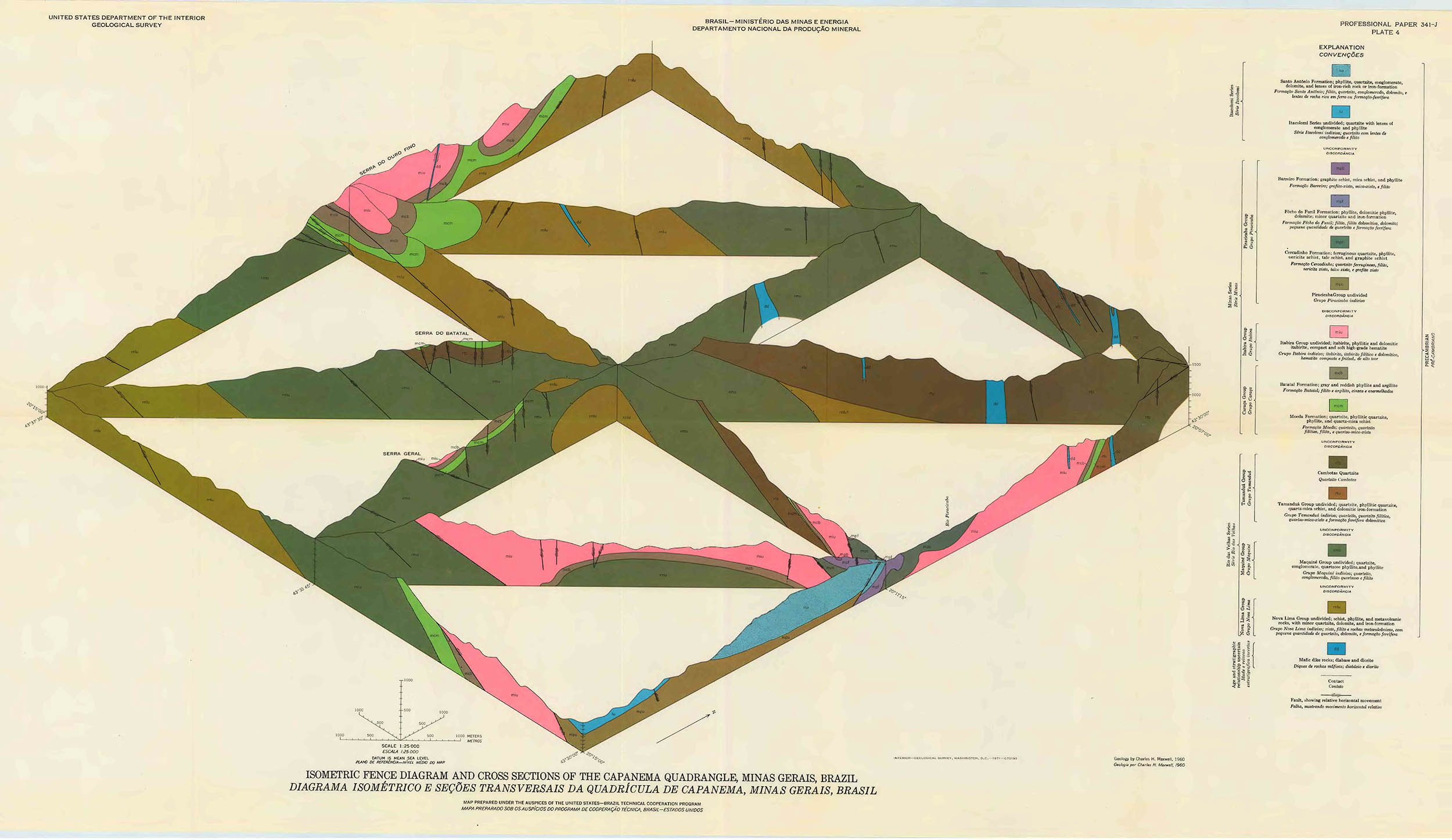
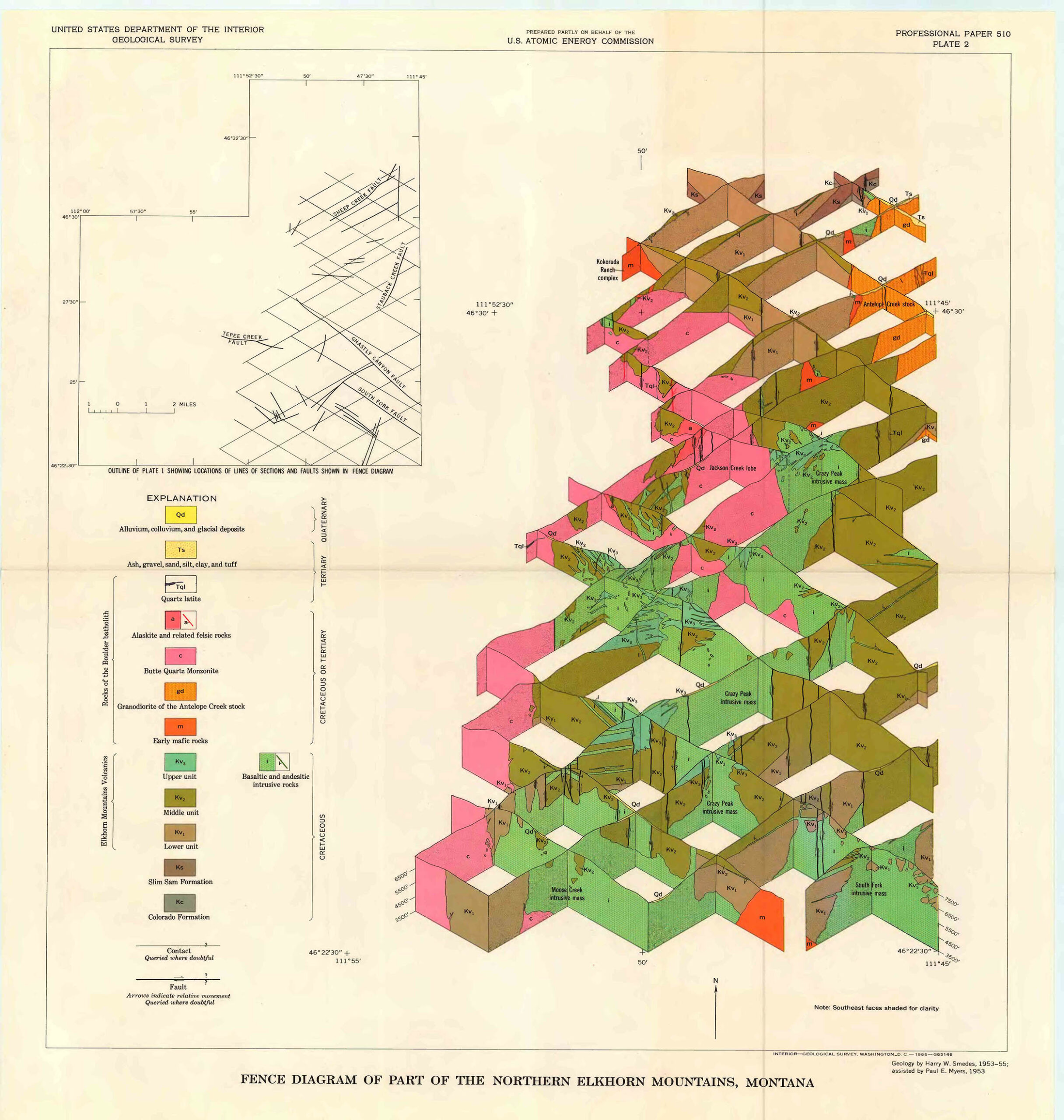
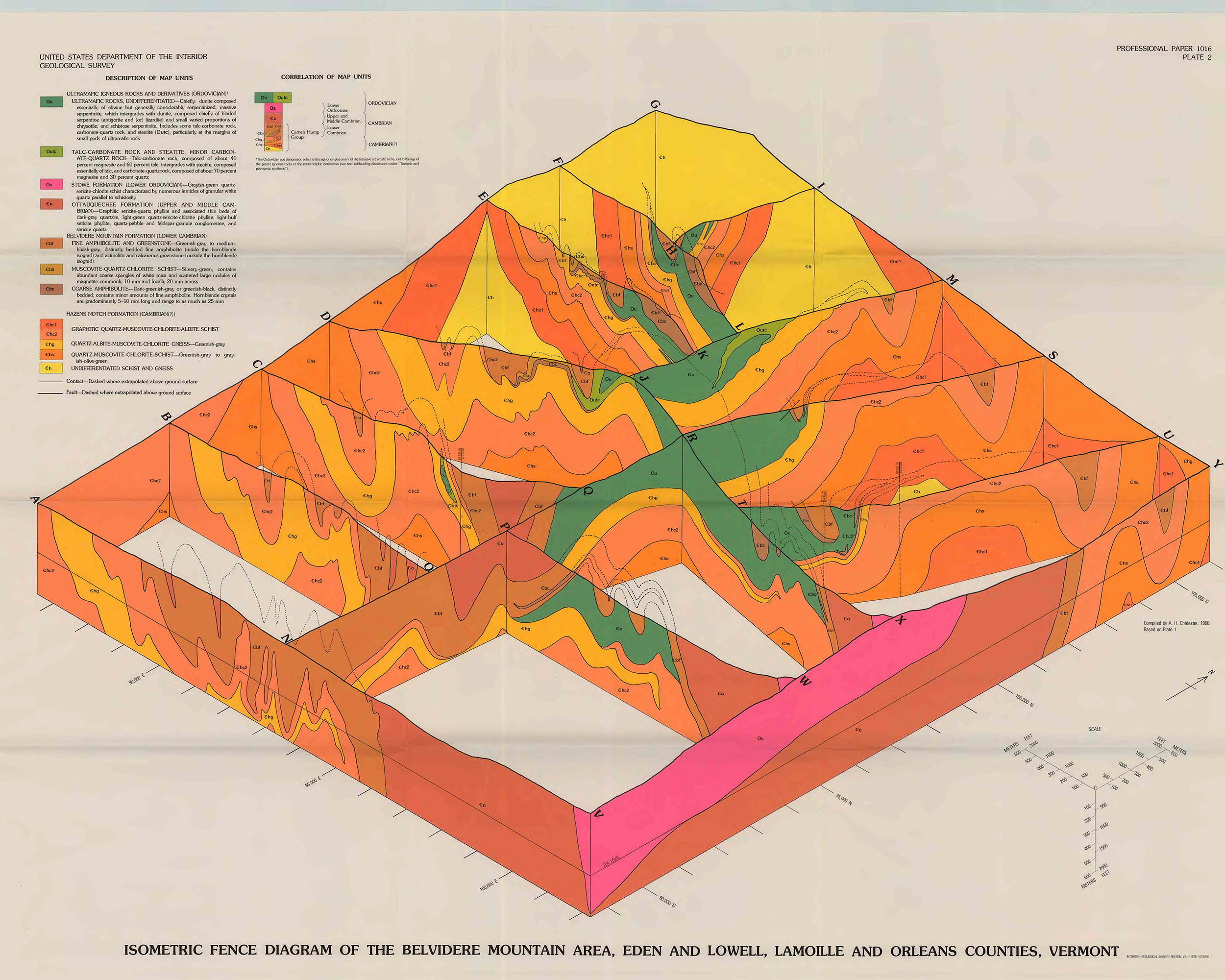
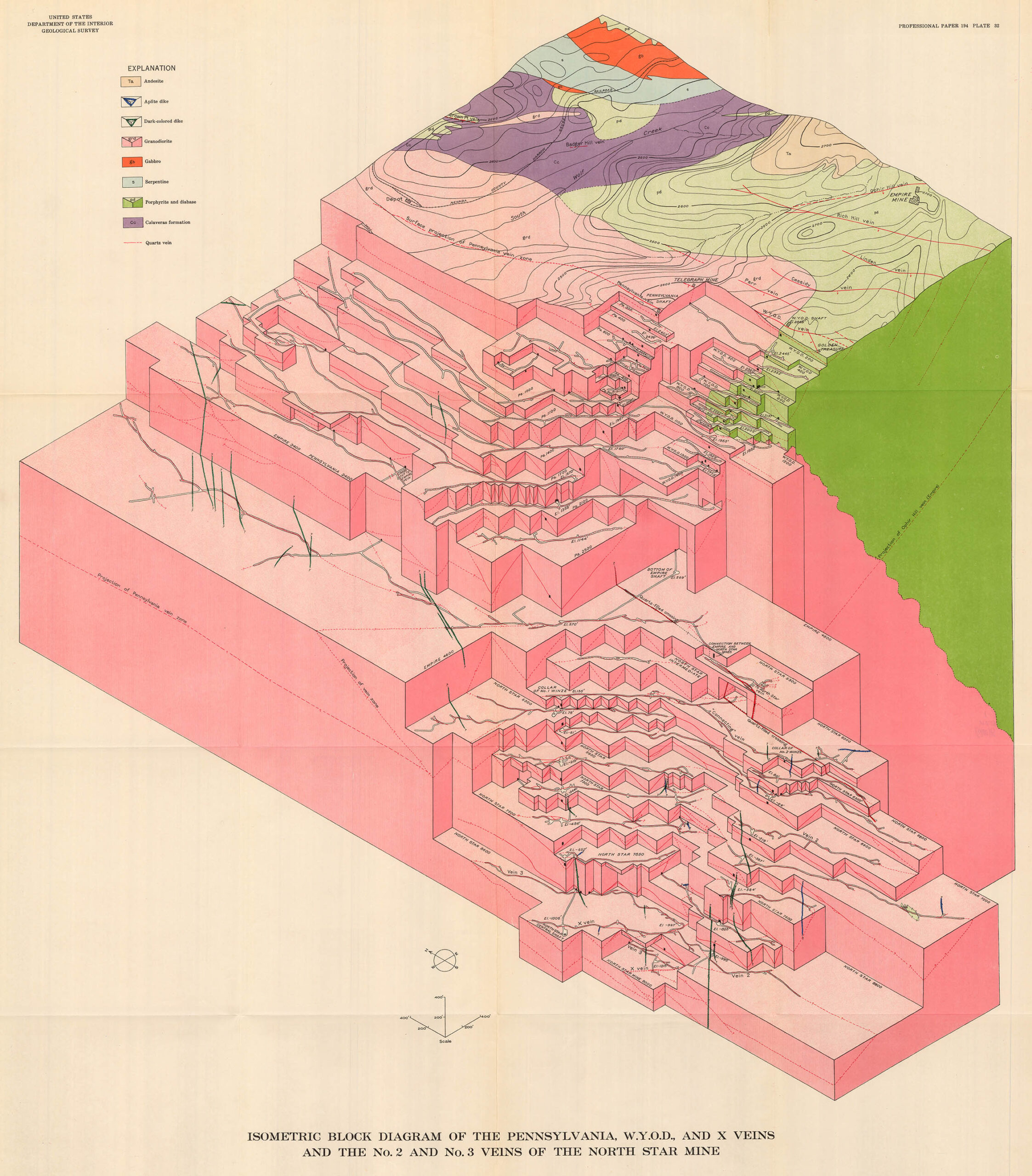
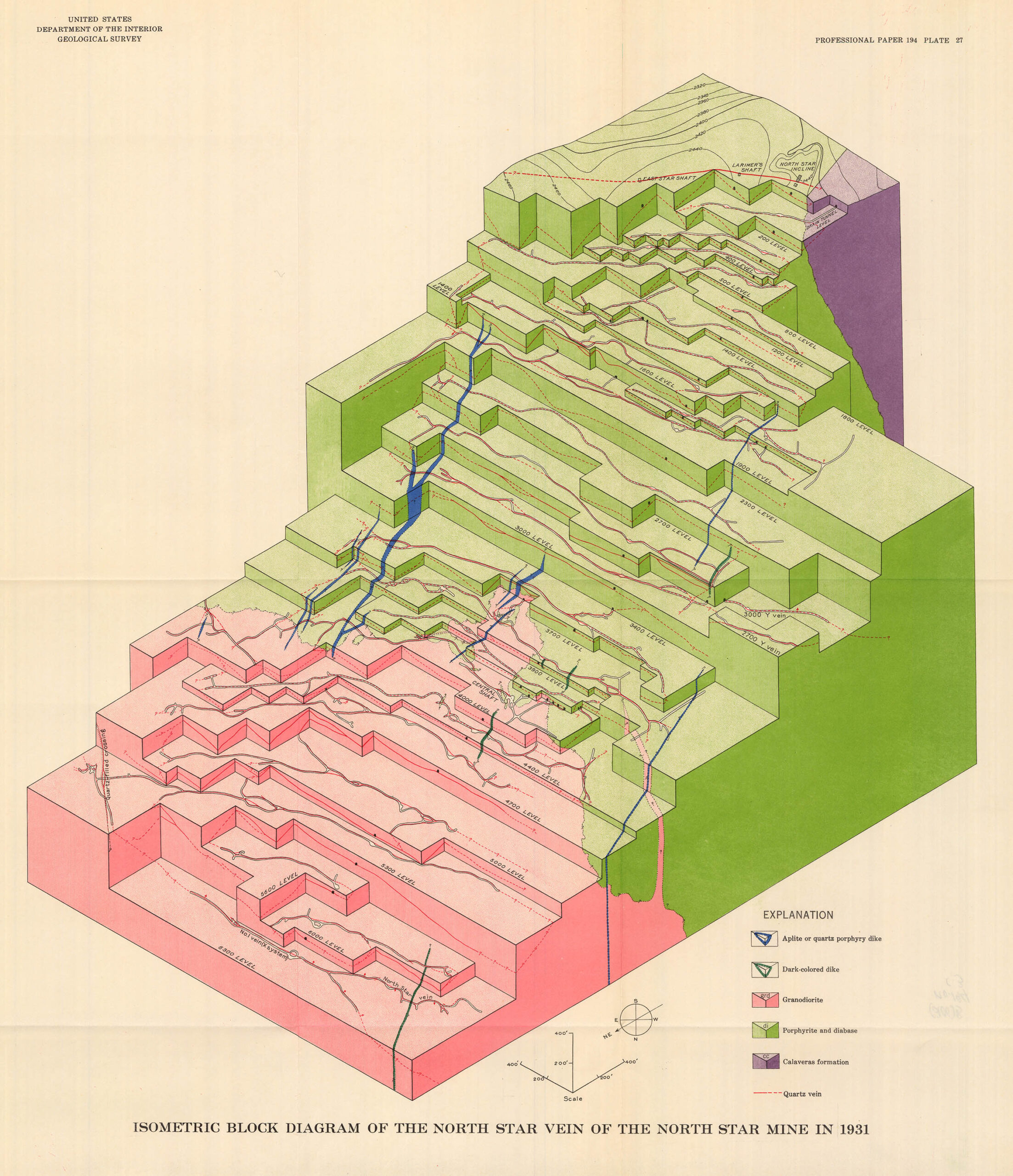
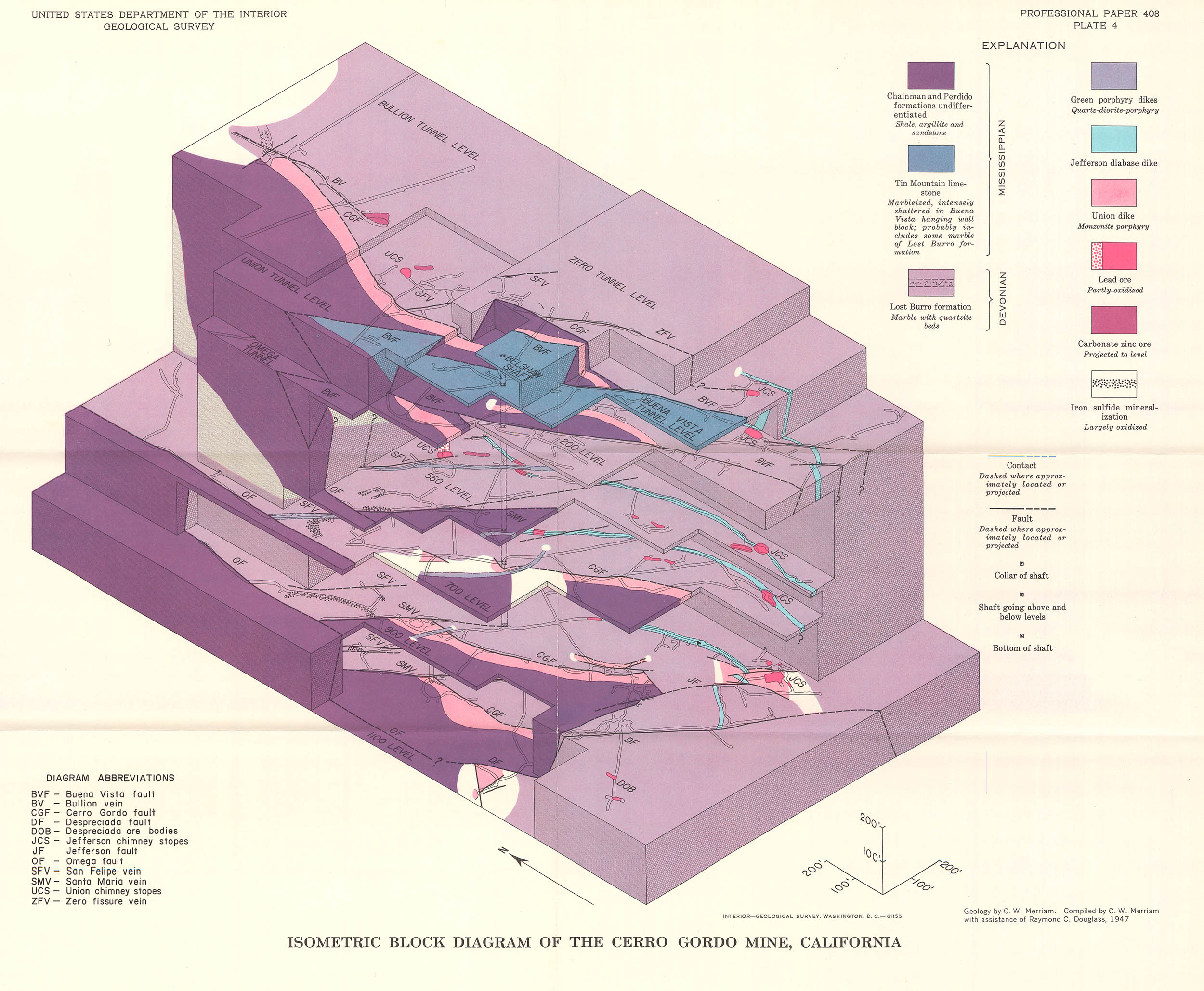
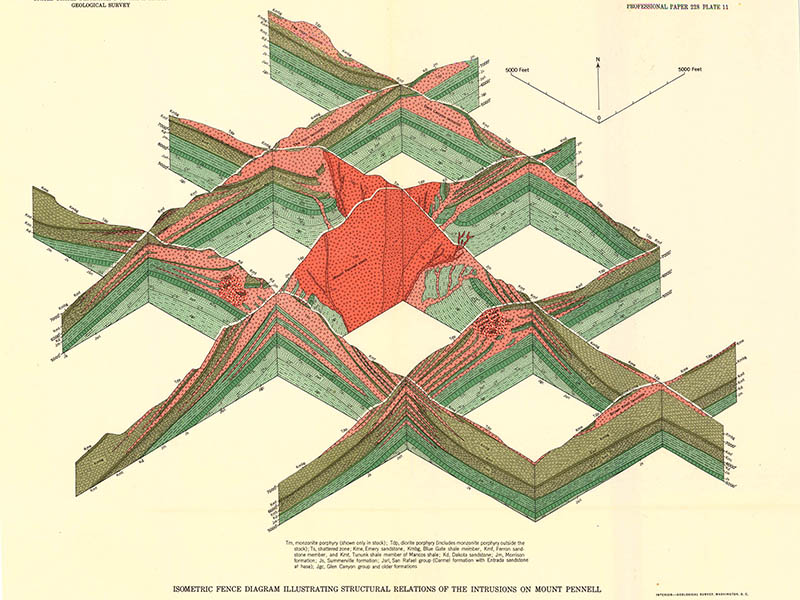 The online archive of the United States Department of the Interior Geological Survey is a valuable resource filled with detailed three-dimensional territorial maps employing various representational techniques. Thanks to the work of artist, designer, and developer Jill Hubleys and their dedicated ‘X’ page, we’ve uncovered numerous isometric diagrams. Handpicked here, are a selection of them, […]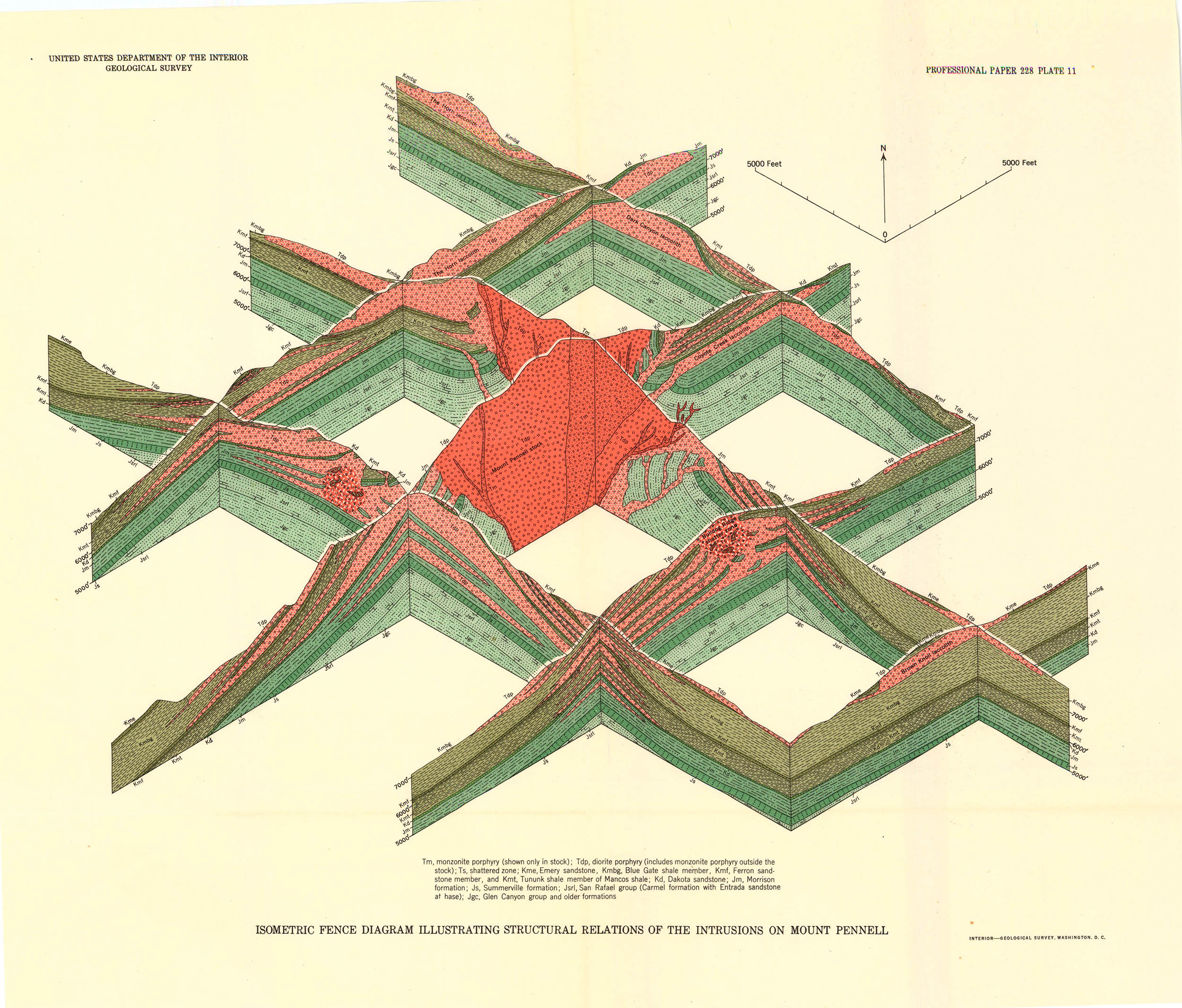





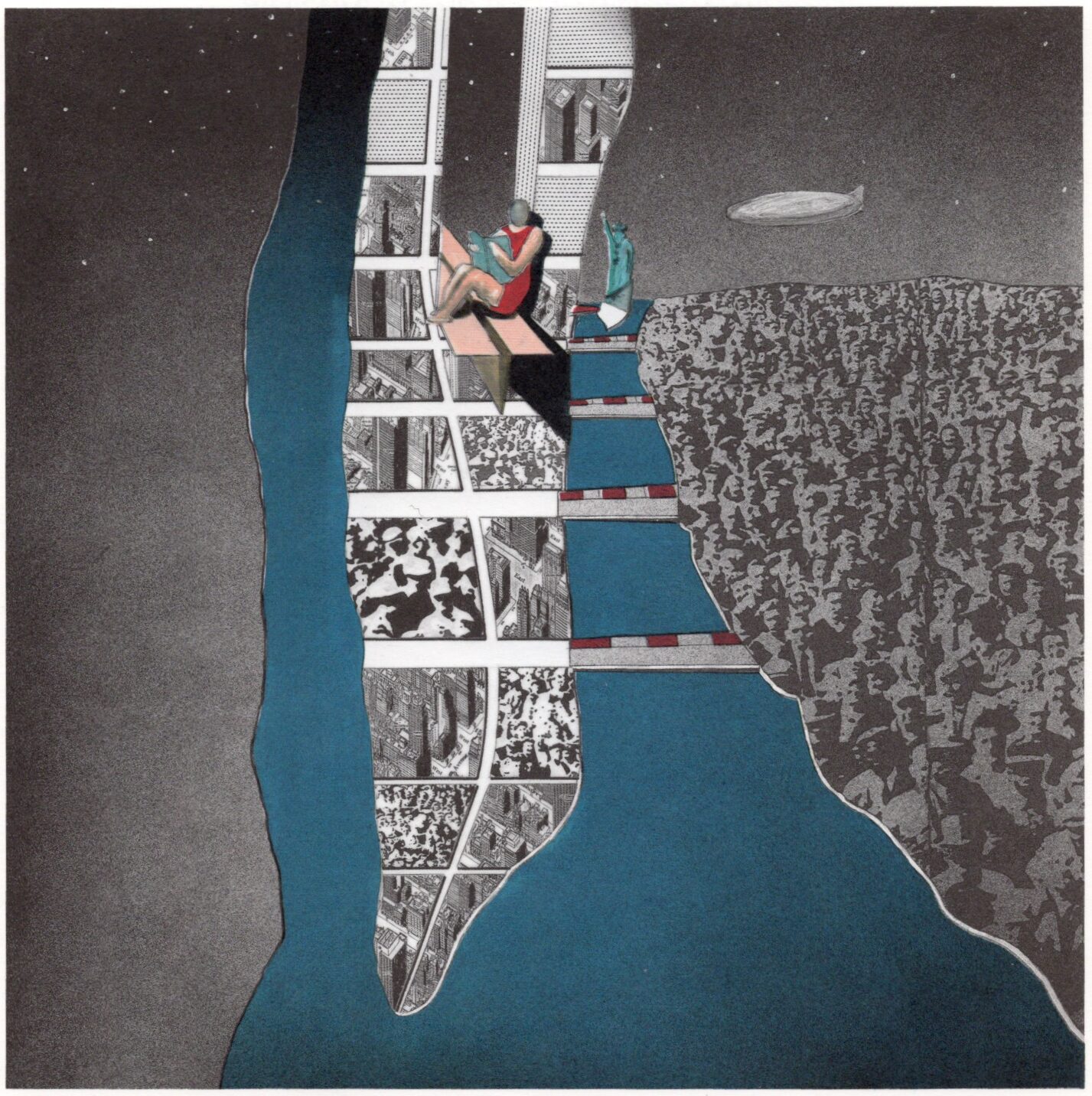
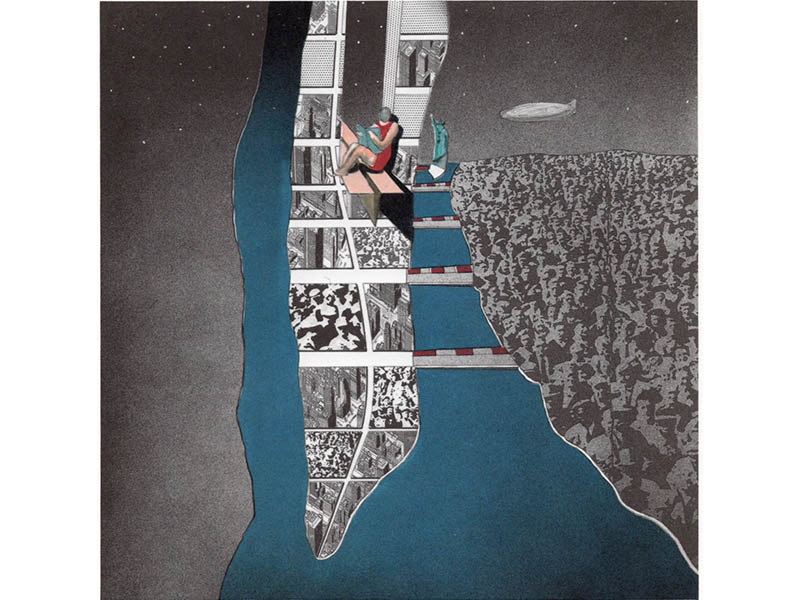 In 1991, Francisco Javier Rencoret, a Chilean architect and then Fulbright scholar at Cornell University, published New York City: The Edge of Enigma, (Princeton Architectural Press), a visual essay that retraces the myth of the foundation and development of New York City. Through more than 70 paintings, clearly indebted to Madelon Vriesendorp‘s illustrations of Rem […]