GeistHaus
log in · sign up

https://feeds.feedburner.com/TheArtOfManliness

rss
12 posts
Polling state
Status active
Last polled May 19, 2026 05:52 UTC
Next poll May 19, 2026 20:53 UTC
Poll interval 62578s
Last-Modified Tue, 19 May 2026 03:26:41 GMT

Posts

10 Jobs to Get Your House Ready for Summer
How ToSkills

While winterizing your home is generally about shutting things down and protecting your home, summer-izing your property is about opening it up and expanding your living space to include the outdoors. The grill comes back into regular rotation, the mower starts earning its keep once again, and mealtime and evening relaxation move to the patio […]

This article was originally published on The Art of Manliness.

Show full content


While winterizing your home is generally about shutting things down and protecting your home, summer-izing your property is about opening it up and expanding your living space to include the outdoors. The grill comes back into regular rotation, the mower starts earning its keep once again, and mealtime and evening relaxation move to the patio or deck. But before you fully settle into summer mode, it’s worth spending a weekend afternoon or two getting your house and yard ready to handle the warmer weather and the long days of outdoor living ahead.

Fortunately, summer prep is generally less intensive than winterizing. You’re not trying to protect your home from freezing temperatures or ice storms — you’re mostly getting things cleaned up, tuned up, and back into use after months of relative neglect. Completing a few small maintenance tasks now can prevent bigger headaches later and ensure that you actually get to enjoy the season to its fullest. 

Here are 10 jobs to tackle before summer is fully in swing:

1. Get yardwork tools and gear ready.

The first real weekend of warm-weather yardwork often leaves me scrambling to find matching work gloves or bemoaning busted yard clippers. This year, be prepared by doing an inventory of your tools, seeing if anything needs to be replaced or repaired, and buying a couple new pairs of yard gloves (you can never have too many, especially as kids get old enough to help). 

2. Test outdoor water lines.   

If it’s been a while since you’ve used your outdoor water lines — like exterior spigots (often called “hose bibs”) and sprinkler lines — make sure to test them before they’re needed. If the water has been turned off all winter, turn it back on and test each hose bib as well as each sprinkler zone. Beyond solving any major problems, you may find you need new rubber gaskets or sprinkler heads. 

3. Repair damaged window screens. 

If you have holes in your window screens (especially the ones you regularly use), now is the time to repair them. DIY kits for smaller patch jobs are readily available online or in hardware stores; I’ve also found that screen repair at places like Ace Hardware is pretty darn cheap and well worth their expertise. 

4. Get your A/C inspected and tuned up. 

Just like your furnace, your air conditioning system should get an annual inspection and tune up. Nearly every local HVAC company offers this service. It’ll almost certainly include a new air filter, a spray down (which you can also do yourself), perhaps checking refrigerant levels — and hopefully nothing major. It’s much better to get your A/C checked out while temps are still relatively cool rather than needing it serviced at the peak of summer’s heat and humidity. Don’t be afraid to tag along and ask questions during that tune up; you should know the basics of your HVAC system

5. Prep your mower for the season. 

If your mower has been stored for the winter, there are a couple steps to ensure it runs smoothly and easily once it’s needed. Give it fresh gas and check the oil (if it’s electric, charge up the battery). Make sure the deck/blade area is clean. And you may need to replace the air filter and/or spark plug if it doesn’t start up as easily as it used to. Come spring, I always notice my mower will start a little slowly and crankily at first, but then it’s generally good to go. Be sure to also read our article on mower maintenance

6. Change ceiling fan direction. 

You can set ceiling fans to spin in different directions depending on the season. In winter, the fan should spin clockwise (when viewed from below) at a low speed, which gently pulls cool air upward and pushes warm air trapped near the ceiling back down into the room. In summer, the fan should spin counterclockwise, creating a downward breeze that makes you feel cooler. 

If you changed the direction of your ceiling fans for winter, now’s the time to change them back for the warmer months (most fans have a small switch for this on their base).

7. Clean your grill and get propane. 

Even in the colder seasons of northern Minnesota, I never fully quit grilling. But the pace certainly picks up when the weather is consistently nice, making it the perfect time to give your grill a thorough cleaning. Also make sure your propane is topped off and you have an extra tank or two; there’s nothing worse than running out of gas halfway through cooking up dinner. 

8. Get ready for bugs (ant traps, wasp traps, fly catchers, etc.). 

It’s always best to stock up on insect traps and repellents before the season really gets going. Your house and neighborhood will have specific needs and there are different philosophies for dealing with pests on your property. That said, nobody wants ants in their house, wasps stinging their kids, or flies noshing on their snacks. Prepare your various anti-insect tools and strategies (including Brett’s favorite mosquito eradication solution). 

9. Clean out gutters. 

Even if you cleaned out your gutters after the fall leaf season, you’ll want to do it again to clear away any winter muck that accumulated. If you didn’t do it last fall, you’ll really want to now, to ensure your gutters are running smoothly and not overflowing or clogging (which can lead to further problems). 

10. Clean and/or pressure wash decks, sidewalks, and patios. 

Fall, winter, and early spring leave a lot of grime on your outdoor areas. Give them a good clean in preparation for summer entertainment season; heavy duty sweeping and leaf/dirt/grass blowing (and perhaps pressure washing) should be part of every homeowner’s summer prep checklist. Check your outdoor lighting while you’re at it, changing out lightbulbs as needed. 

This article was originally published on The Art of Manliness.

https://www.artofmanliness.com/?p=193585
Extensions
How to Pack a Bag Using the Ranger Roll
How ToSkills

When you join the military, you’re going to learn some new life skills. How to make a bed. How to shine your shoes. And, how to effectively pack a bag. We recently asked former and current members of the military who follow AoM for their best packing tips, and we got a ton of responses. […]

This article was originally published on The Art of Manliness.

Show full content

When you join the military, you’re going to learn some new life skills. How to make a bed. How to shine your shoes. And, how to effectively pack a bag.

We recently asked former and current members of the military who follow AoM for their best packing tips, and we got a ton of responses. Far and away the #1 submission was this: Learn to roll your clothes. 

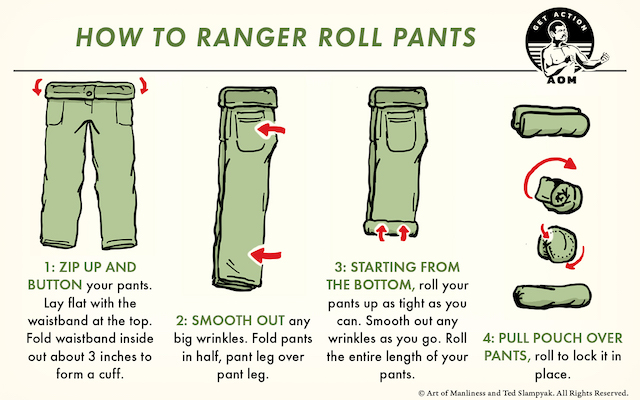
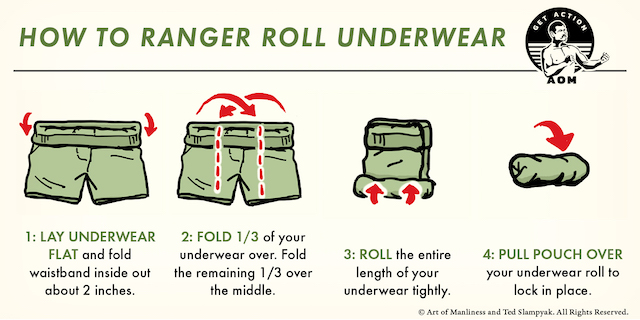
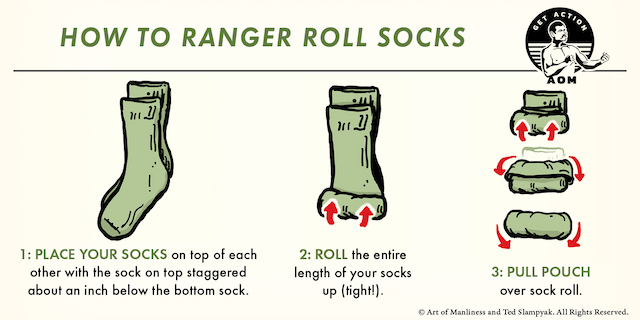
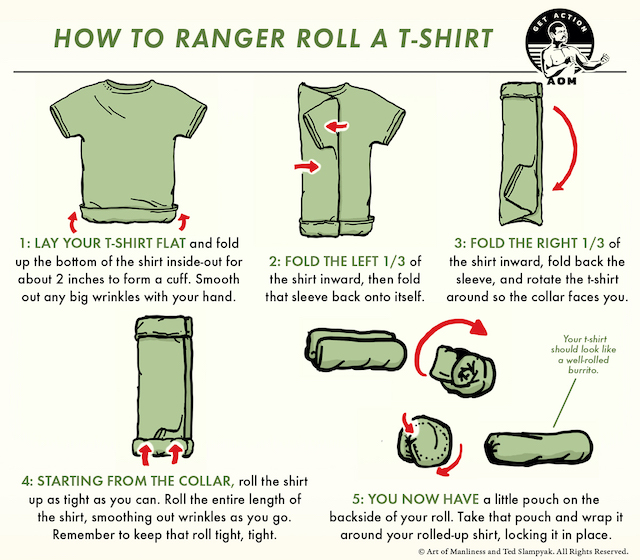
An effective packing technique whether you’re a soldier headed out for deployment or a civilian headed out for vacation, the Ranger or Army Roll is a method of “folding” your clothes that keeps them both compact and tidy. It makes your clothes look like tight, well-rolled burritos, and minimizes the amount they wrinkle, as well as their footprint in your bag. Ranger-rolled clothes take up less space in your suitcase and keep it better organized. On the latter front, you can also roll up outfits — shirt, socks, underwear — together into a single, action-ready pouch.

The only downside to the Ranger Roll is that it does take longer to do than simpler folds — at least before you’ve practiced it a lot and gotten the technique down pat. You’ve really got to focus on making a nice, tight roll for each piece of clothing in order for this method to work. But the tradeoff in time is worth it, as it allows you to pack more in a single bag, saving you from schlepping around multiple pieces of luggage and paying the attendant fees for those extra bags if you’re flying. 

Below we highlight how to Ranger roll four different pieces of clothing. Follow the instructions with military-esque precision, and you’ll be packing your bag like a seasoned veteran in no time.

And if you’re curious as to what additional packing tips came up in our survey, here are some of the other most popular responses (thanks to everyone who submitted their tips!):

  • Collect and assemble everything you need and lay it out to create a visual checklist; then pack it in bag.
  • Pack the stuff you’ll need first/most frequently on top of the bag and in easy-to-access side pockets.
  • Pack the bigger stuff first; the little things will fit in the cracks (good packing advice; also good general life advice).
  • Pack light: “ounces makes pounds.”
  • Stick your rolled up socks into your shoes to save room.
  • If you’re packing a sea bag, bang it on the floor to settle what you’ve packed already and create more room to add items.
  • If you’re packing a backpack/rucksack, pack the lighter things towards the bottom and the heavier things higher up, close to your back/body.


With our archives 4,000 articles deep, we’ve decided to republish a classic piece each Sunday to help our newer readers discover some of the best, evergreen gems from the past. This article was originally published in May 2021.

This article was originally published on The Art of Manliness.

https://www.artofmanliness.com/?p=135951
Extensions
Odds & Ends: May 15, 2026
Odds & Ends

Hondo by Louis L’Amour. We’re fans of Louis L’Amour round these parts. Guy was prolific. Hondo is my favorite Western novel of his. The story had an unusual path: L’Amour first wrote a short story that became the 1953 John Wayne film (a good flick!), then expanded the film’s narrative into the novel Hondo. The book […]

This article was originally published on The Art of Manliness.

Show full content

A vintage metal box labeled "Odds & Ends" with a blurred background, photographed on April 14, 2023.

Hondo by Louis L’Amour. We’re fans of Louis L’Amour round these parts. Guy was prolific. Hondo is my favorite Western novel of his. The story had an unusual path: L’Amour first wrote a short story that became the 1953 John Wayne film (a good flick!), then expanded the film’s narrative into the novel Hondo. The book follows Hondo Lane, a former cavalry officer who survived in Apache country by learning Apache ways. He stumbles onto a homestead where Angie Lowe and her young son are living alone, no husband in sight. Then the Apache warrior Vittoro enters the picture, and you get a story about love, war, and honor in the American Southwest. L’Amour’s prose won’t win any Pulitzers, but the man could spin a yarn. Great beach read! Make sure to check out the podcast interview I did with Louis L’Amour’s son, Beau L’Amour. 

How 1990s Special Forces Guys Became Menswear Moodboard Staples. Charles McFarlane (who runs a great Substack called Combat Threads) has a piece in GQ on why photos of 1980s and 90s special operators (slim, mustachioed Delta Force guys in stonewashed jeans, fishing vests, and 1990s dad glasses) keep going viral on military moodboard accounts. He traces how special operators went from looking like your dad to the 21st-century tatted, bearded, jacked tactical guy and muses on the enduring appeal of the operator style from decades back. McFarlane thinks guys in 2026 like how it exemplifies a quieter, less-in-your-face version of masculinity — one capable of killing a bad guy while looking like an ordinary accountant. 

Pxton Walkie-Talkies. I bought a set of these last year for the teenagers I lead at church, so we could play “fugitive” at the Gathering Place, Tulsa’s sprawling, genuinely impressive destination park built by our fair city’s resident billionaire. Playing fugitive is a popular Wednesday night activity for our youth group; we just played it again this week. One group acts as the police and coordinates their patrols over the walkie-talkies, while the other group plays fugitives trying to make it back to the boathouse from somewhere across the park — without getting caught. The Pxtons are cheap, but they worked great over the long distances you need for the game. They’ve also got a less fun, but useful use case: in a grid-down, phone-down scenario, they’ll let you keep in touch with family around the neighborhood. Make sure to check out our article on walkie-talkies

Singin’ in the Rain. Last time I saw this flick was in music class at John Ross Elementary. The Cinema Humanities article we featured in O&E a few weeks back nudged me to give it another watch. Glad I did. It’s a funny, sharp critique of celebrity that holds up (“Dignity. Always dignity.”), and the cinematography felt shockingly modern for 1952. But Gene Kelly stole the show. His dancing has an athletic, virile quality I wasn’t expecting from a 1950s musical. I went down a Gene Kelly rabbit hole afterward and learned this was intentional. Kelly thought male dancing in movie musicals was too effeminate and set out to make it more masculine, muscular, and action-packed. He royally pulled it off. Donald O’Connor’s “Make ‘Em Laugh” dance routine was also incredibly physical. Doing backflips off walls and whatnot. It was so physical, in fact, that it put him in the hospital for three days. Talk about suffering for your art!

On our Dying Breed newsletter, we published Sunday Firesides: What You See, Shapes and Making a Living Online: The Affiliate Link Boom and Bust.

Quote of the Week

Luck is the tide, nothing more. The strong man rows with it if it makes toward his port; he rows against it if it flows the other way.

—Orison Swett Marden

This article was originally published on The Art of Manliness.

https://www.artofmanliness.com/?p=193579
Extensions
Podcast #1,117: How Constraints Help You Focus, Create, and Finish
AdviceCharacterPodcast

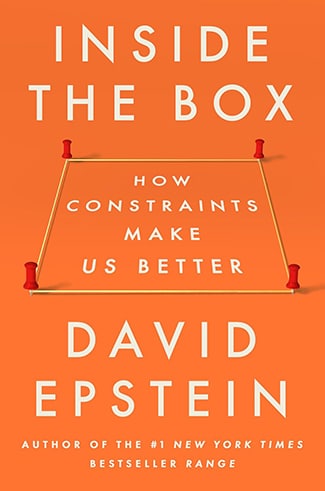
  Back in 2019, David Epstein joined me to talk about his book Range and why generalists often thrive in a specialized world. Now he’s back with a new book that explores a seemingly opposite idea: the power of constraints. In Inside the Box, David argues that limits — deadlines, boundaries, and even setbacks — […]

This article was originally published on The Art of Manliness.

Show full content
 

Back in 2019, David Epstein joined me to talk about his book Range and why generalists often thrive in a specialized world. Now he’s back with a new book that explores a seemingly opposite idea: the power of constraints. In Inside the Box, David argues that limits — deadlines, boundaries, and even setbacks — are often the very things that spark creativity, sharpen focus, and help us actually get meaningful work done.

Today on the show, David shares how, in a world of endless freedom and options, constraints might actually be the thing you need most. He shares the surprising true story behind the creation of the periodic table, explains how a broken arm changed the course of his own life, and explores why giving people too much leeway can actually kill innovation. We discuss what Pixar did right that doomed companies like General Magic got wrong, why brainstorming sessions are usually ineffective, how to identify the bottlenecks holding back your work and life, and why learning to settle for “good enough” may be the key to getting more great things done.

Resources Related to the Podcast Connect With David Epstein

Listen to the Podcast! (And don’t forget to leave us a review!)

Apple Podcast.

Overcast.

Spotify.

Listen on Castro button.

Listen to the episode on a separate page

Download this episode

Subscribe to the podcast in the media player of your choice

Transcript Coming Soon

This article was originally published on The Art of Manliness.

Download audio
https://www.artofmanliness.com/?p=193556
Extensions
The Male Urge to Own a Globe
CharacterKnowledge of Men

Several weeks ago, I was seized by an inexplicable urge to buy a globe for my home office. Don’t know where it came from. I had been sitting at my desk, ruminating on an article, when I looked around, noticed my lack of a globe, and thought: I need a globe. On a lark, I posted […]

This article was originally published on The Art of Manliness.

Show full content

Several weeks ago, I was seized by an inexplicable urge to buy a globe for my home office. Don’t know where it came from. I had been sitting at my desk, ruminating on an article, when I looked around, noticed my lack of a globe, and thought: I need a globe.

On a lark, I posted a note on Substack confessing my inexplicable urge to buy a globe for my home office. I called it the male urge to own a globe. Half-joking, but also very serious. The note went Substack viral. Tons of guys chimed in: Yes. Same. I’ve wanted one for years. My grandfather had one. Globes are cool as hell.

Seeing the universal male desire to own a globe ratcheted up my own. As the founder of the Art of Manliness, I had to live up to this masculine imperative. It was Girardian mimetic globe desire.

On that very same day that I scribbled my memo about men and globes on Substack Notes, I was watching The Firm (also a great 90s Dad Novel) during my Zone 2 cardio session. There’s a scene where Tom Cruise, playing the young hotshot law grad Mitch McDeere, is setting up his office. Next to his desk, amidst shelves of leather-bound legal case books, sits a large, handsome globe.

That cemented it. This was a sign. I needed to get a globe. That day. Immediately. Resistance was futile.

So I went on eBay and bought a globe.

Follow me on Substack Notes; it’s the only kind of “social media” I personally interact with, because it’s fun instead of being soul-destroying and productive of the urge to repeatedly jam a fork in your eye.

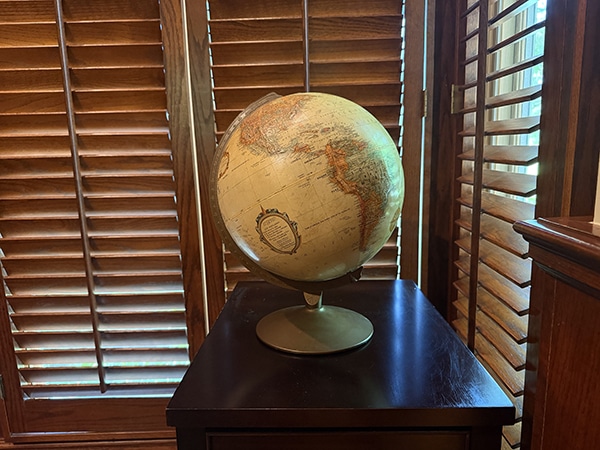
Specifically, I tracked down the exact globe I’d had as a kid in the 1980s. A sepia-toned one with topographically raised mountain ranges that you can run your fingers over. The USSR and other Soviet Bloc countries are on there. So is Zaire.

My globe now sits on a table in my office and looks majestic.

My globe. It fits very well with the other handsome furnishings in my home office.

What a rush.

This whole experience left me with the question: What makes a globe so damn appealing? Especially to men?

So I dug into the history of globes. Combining that history with my knowledge of the male psyche based on my own experience as a man and nearly 20 years researching, thinking, and writing about manliness, I’ve developed a few speculative theories about men and globes.

Here is my report.

A Brief History of the Globe

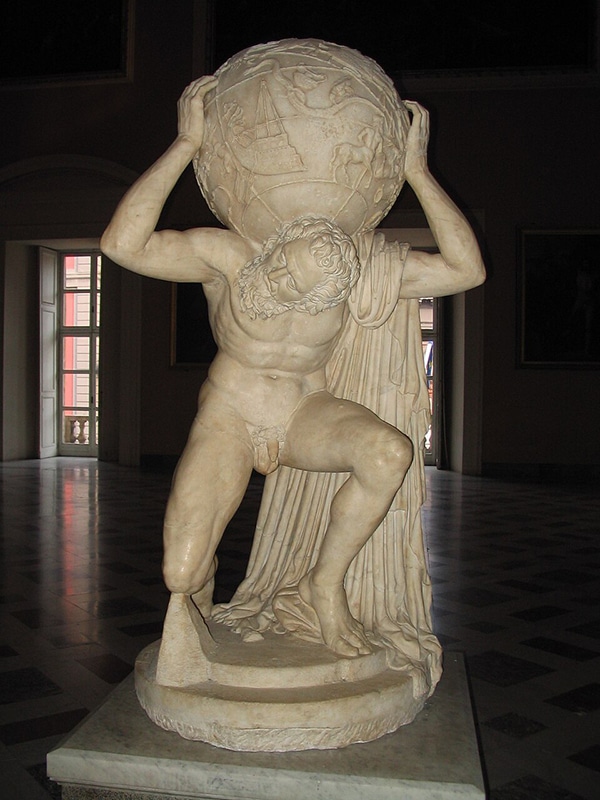
Globes are ancient. The Greeks figured out the Earth was round by the 3rd century B.C., and an ancient Greek dude named Crates of Mallus is credited with making the first terrestrial globe around 150 B.C. When he moved to Rome, he showed the Romans his cool invention, and the Romans started making globes. Sadly, none of those ancient globes survived. There’s a famous 2nd-century Roman sculpture called “Farnese Atlas” that depicts the titan Atlas hoisting a celestial globe (a globe of the stars) on his shoulders. There’s your first masculine-globe combo in the West.

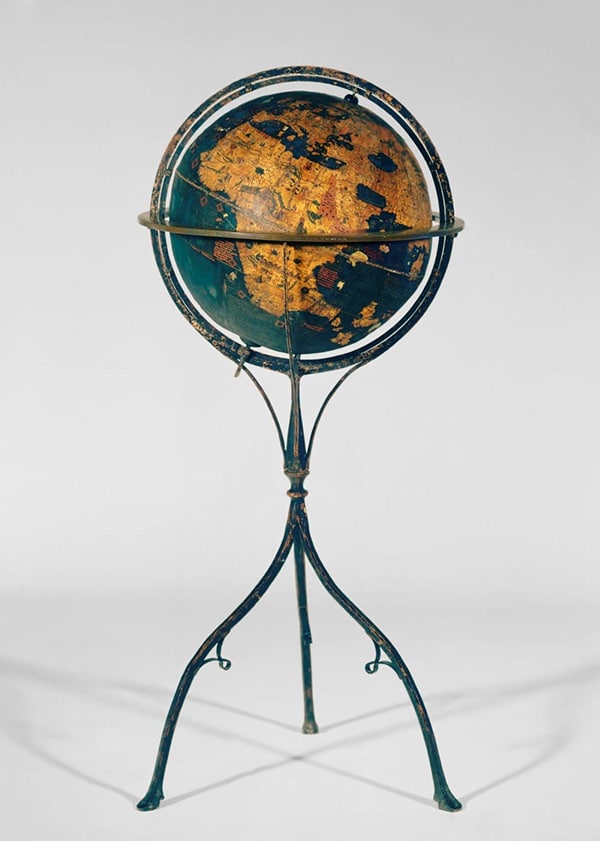
The Middle Ages were a fallow period for European globe-making, but Islamic and Chinese scholars kept the craft alive. The earliest surviving terrestrial globe, the Erdapfel — German for “Earth Apple” — was built in 1492 by Martin Behaim in Nuremberg. (Conspicuously, it has no Americas. Columbus was just then setting sail on the ocean blue.) From that point forward, globe-making exploded in Europe with the Age of Exploration. Globes were useful things to have when you were charting the watery sphere we call home. Every major voyage produced new data, which meant globes needed to be regularly updated and new ones released.

Thanks to their association with exploration and conquest, globes became a symbol of power and wealth among the European hoity-toity. Even rich families who didn’t have anything to do with sea exploration wanted a globe in their homes.

The Netherlands became the epicenter of the globe manufacturing industry, beginning in the late 16th century. Workshops in Amsterdam run by a few artisan families were churning out matched pairs of terrestrial and celestial globes for the libraries of European nobility.

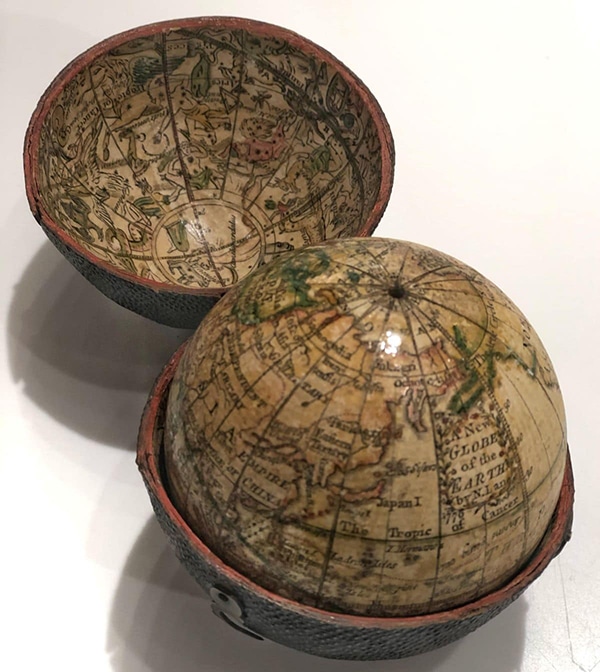
A gentleman’s pocket globe

In the 18th century, the English took the baton in globe making and made them more scientific. Instead of being seen as ornamental pieces that you would keep in your home to signal your wealth and status, the globe was seen as a mathematical instrument. Gentlemen of letters and science would often keep a “pocket globe” in their coat pockets that they could whip out when pondering geography.

Image2

Industrialization and mass production in the 19th and 20th centuries allowed the globe to become a staple in middle-class homes and schools in America. Spinning the globe and stopping it with your finger to see where you’d live in the future became a rite of passage for bored children.

In the late 20th and early 21st centuries, globes experienced a decline in the West thanks to Google Maps. Why have a physical globe when you can see a high-resolution globe on your screen for free? Also, globes are bulky and expensive to ship, so a lot of cash-strapped schools gave up on buying new globes to save money. Globes moved from being a democratic tool of learning and curiosity back to being sophistication-signaling ornaments in well-to-do homes.

Why Famous Men Posed with Globes

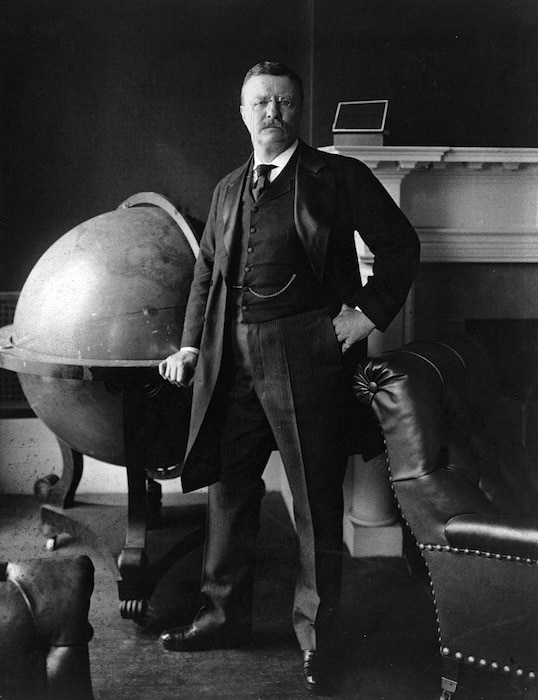
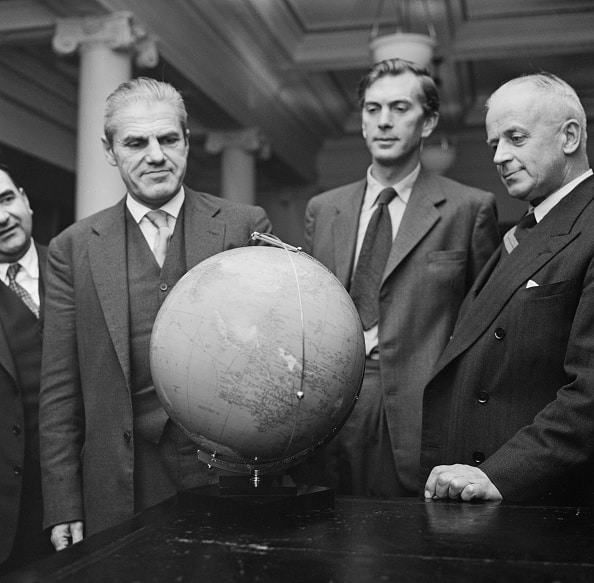
If you look at portraits of powerful men from the past four centuries, you’ll notice that there’s often a globe in the picture. European royalty during the Age of Empires would hold globes to symbolize their global dominion. Democratic leaders like Teddy Roosevelt posed with globes to project their influence on international affairs. Shipping magnates and corporate CEOs would pose with globes to symbolize the worldwide reach of their enterprises.

This globe portraiture descends directly from a type of portraiture in which ancient and medieval royalty would be depicted holding an orb with a cross on top of it. This orb was called a globus cruciger. Monarchs held these during coronation ceremonies. It signified dominion over the temporal world. When painters started swapping the globus cruciger for an actual terrestrial globe sometime in the 16th century, the symbolism stayed the same. I rule the world! Such a power move.

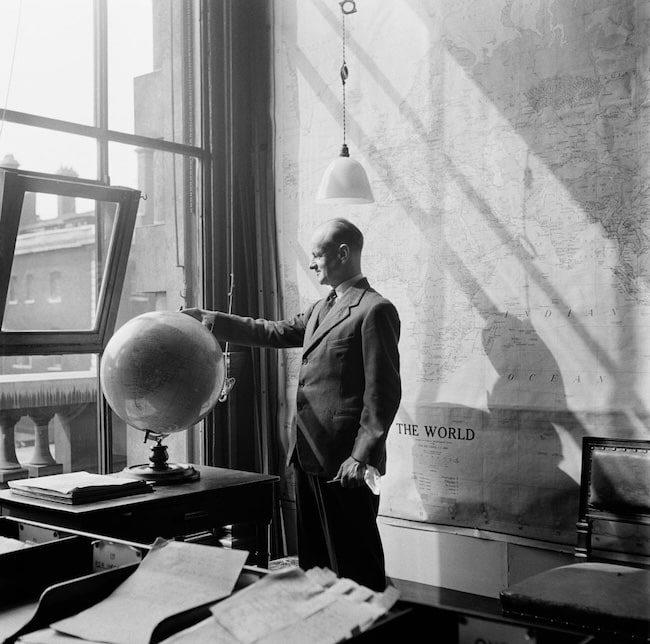
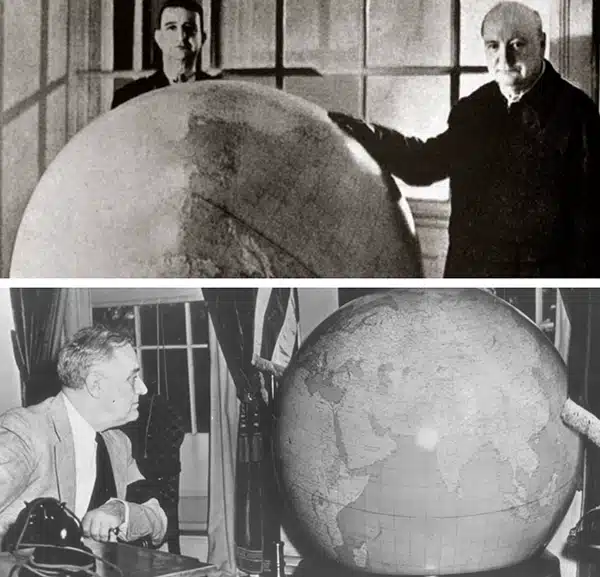
By the mid-20th century, the globe had taken on a slightly different meaning. It conveyed global strategizing. During World War II, the Office of Strategic Services commissioned a pair of enormous 50-inch globes for FDR and Churchill (often called “Churchill Globes”) so the two men could see the war as a single, planet-spanning theater. There are photos of Churchill bent over his globe, calipers in hand, measuring distances between continents. The globe gave him an astronaut’s perspective of World War decades before the first astronaut.

So What’s the Appeal of Globes to Men?
Image7

Alright. So globes have been a symbol of power and a tool for exploration and strategizing. These two ideas, I think, can explain the male urge to own a globe. Here are my two speculative theories as to how:

Theory One: Testosterone. Some studies have shown that men, on average, score higher on tests of spatial navigation, mental rotation, and route-learning, and have a higher desire to explore unknown territories than women. And these differences are often attributed to the higher testosterone levels in men. These conclusions are nuanced, and there’s probably more going on than just testosterone that results in these differences, but testosterone does seem to play a role. Even when women receive testosterone supplementation, they often see a rise in their spatial scores and their desire to explore new places.

So maybe the fact that men have more testosterone than women explains the male pull to globes, which fire the imagination for charting a course and journeying somewhere new.

Theory Two: The King Archetype. In his book, King, Warrior, Magician, Lover, the Jungian analyst Robert Moore argued that the mature masculine psyche organizes itself around four archetypes. Of them, the King is the one concerned with order, stewardship, and the blessing of one’s realm. The King doesn’t conquer for the sake of conquest. That’s the Tyrant, the King’s shadow. The mature King surveys his domain so he can tend it. He keeps a wide view so he can act with prudence and justice.

While I’m skeptical of Jungian archetypes (I may need to write an article about this one day), I do think that, when used in moderation, they can be helpful prompts for reflection. Perhaps a globe in a man’s office is a subtle invocation of that Jungian King archetype. It’s a moral reminder to a man to think of the whole, to establish and maintain order, and to use power with justice and mercy.

Theory Three: Globes Just Look Cool. Maybe it’s the T, or maybe it’s the King archetype existing in our Jungian collective consciousness that can explain the male urge to own a globe. Even if those theories don’t explain the urge, I think my final one can: globes just look cool. You get to see the Earth in its totality — as the Blue Marble in space that it is — right in your own home. You can find ones that are a bit more artistic. They’re in sepia tones. They make you feel like you’re Indiana Jones flying a plane with a red line tracing your path as you make your way to archeological adventures around the world. And that feels cool.

So my 1980s globe sits here in my office. I’m looking at it right now. Seems like it has always been there. Every so often, I go and trace my fingers across its bumpy face and look for old Cold War-era countries that no longer exist. I’ll even give it a spin and let my finger stop it on a random spot. Usually, it’s the Pacific Ocean. I hope that doesn’t mean I’m going to end up a castaway like Louis Zamperini.

Why do I love this thing? Maybe it’s the testosterone. Maybe it’s the King archetype. Maybe I just want to feel like Indiana Jones for thirty seconds between emails. Whatever it is, I’m glad I acted on the male urge to own a globe.

Go wander over to eBay and search for “globe.” You’ll find one that will satisfy your own urge.

Impetus virilis globum possidendi.

This article was originally published on The Art of Manliness.

https://www.artofmanliness.com/?p=193492
Extensions
Be Your Own Butler
CharacterHabits

Discipline is essential to every success in life. It establishes the stable, well-ordered ground that allows an individual to set and achieve goals. It prevents the ensnaring, vice-filled traps that torpedo advancement. It creates the consistent habits that forward progress. And it develops the authority that influences others.  As behavioral analyst Chase Hughes shared on […]

This article was originally published on The Art of Manliness.

Show full content

Discipline is essential to every success in life. It establishes the stable, well-ordered ground that allows an individual to set and achieve goals. It prevents the ensnaring, vice-filled traps that torpedo advancement. It creates the consistent habits that forward progress. And it develops the authority that influences others. 

As behavioral analyst Chase Hughes shared on the podcast, when an individual not only puts on a good face in public, but is truly disciplined in their private life, they project confidence and competence. Whether or not you’re disciplined when the metaphorical cameras are off is something you can’t help but exude and that others instinctively pick up on. People intuitively trust and follow individuals who embody discipline and reflexively take a step back from those who don’t.

Chase defines discipline “as the ability to prioritize the needs of your future self ahead of your own.”

If you’re a college student, and you stay up all night drinking even though you have exams the next day, that’s a failure on the discipline front. As Chase observes, you’ll wake up the next morning thinking, “‘I can’t believe I did that.’ And [you’ll be] mad at your past tense self because you didn’t have concern for your future self.”

If, on the other hand, you spend the night studying and hit the hay early so you’re well-rested for exams the next day, you’re taking care of your future self, and leveling up in your discipline.

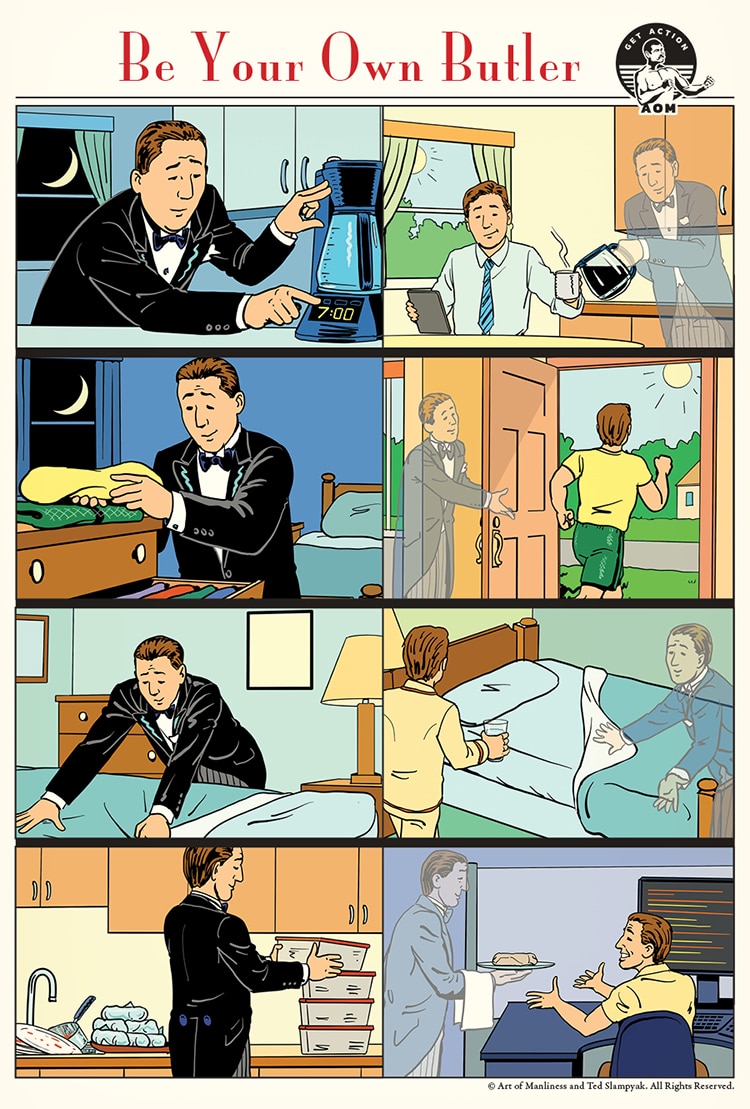
As an encouragement to prioritize your long-term aims over your short-term desires, Chase advises thinking of yourself as your own butler.

While few people can afford a full-time, live-in manservant, your present self can act as a butler to your future self. 

When, in the evening, you do things like pack what you need in your backpack or briefcase and set out your clothes for the next day, you serve as a butler to your future self, who, the next morning, will really appreciate the fact that his past tense self set up his present tense self for success. 

Chase described how this works regarding his own evening routine:

I’m about to go to bed, and I’ll be sticking one of those little Keurig coffee cup pods into the coffee maker and sticking a coffee mug there, ready for the next morning. And out loud, I’ll say, ‘Man, Chase is gonna love this.’ So I will continuously speak about my future self in a way that I am prioritizing his needs, and I will talk about him in the future.

When you develop a relationship between your present self and your future self, where the former serves the latter, you arrive at a point, Chase says, “where you’re looking forward in time with concern and looking backward in time with gratitude.” You develop a more holistic, integrated character.

By prioritizing the needs of your future self by becoming your own butler, you build the discipline that allows you to act, lead, and move forward in the way you desire; you build the discipline that grants you greater freedom, which, at the end of the day, is the ultimate luxury!

For more insights on how getting your stuff together will not only improve your personal life but increase your influence, listen to our podcast with Chase Hughes:

With our archives 4,000 articles deep, we’ve decided to republish a classic piece each Sunday to help our newer readers discover some of the best, evergreen gems from the past. This article was originally published in May 2023.

This article was originally published on The Art of Manliness.

https://www.artofmanliness.com/?p=176385
Extensions
Stuck on a Graduation Gift? Give an Art of Manliness Book
Gift GuidesLifestyle

It’s graduation season, which means you may be looking for a good gift for a young man heading into a new stage of life. Books are usually a safe bet for a graduation gift, especially the kind a young man will actually find useful. Over the years, Kate and I have written four Art of […]

This article was originally published on The Art of Manliness.

Show full content

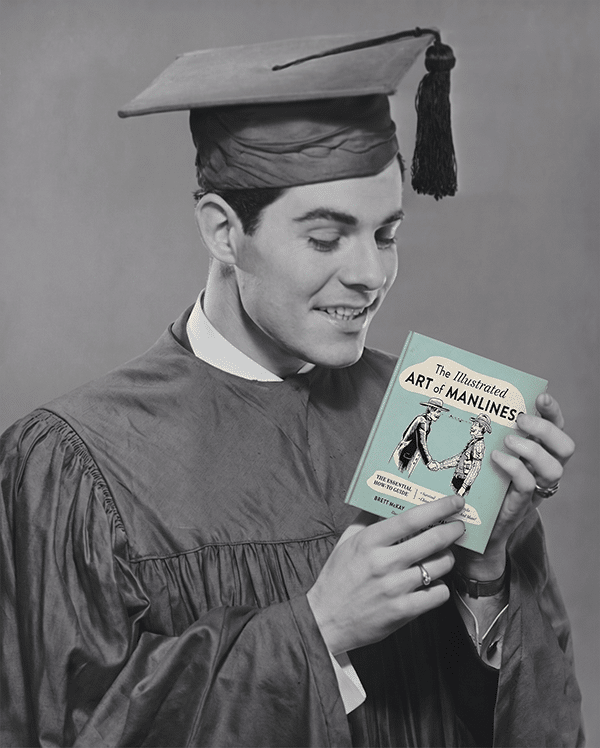
It’s graduation season, which means you may be looking for a good gift for a young man heading into a new stage of life.

Books are usually a safe bet for a graduation gift, especially the kind a young man will actually find useful. Over the years, Kate and I have written four Art of Manliness books that would make especially good gifts for a recent high school or college grad.

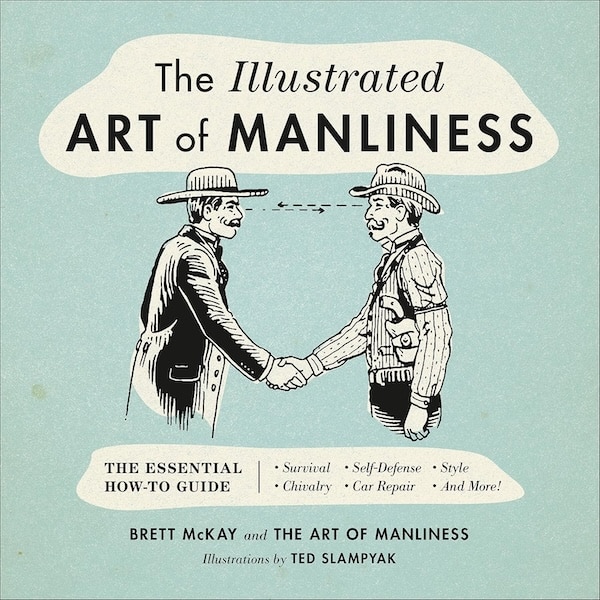
The Illustrated Art of Manliness

This is the most recent of our books and the most fun to flip through. It’s a collection of the famous illustrations we’ve done with Ted Slampyak over the years, covering everything from how to throw a punch to how to run an office meeting.

It’s a great toilet book. You skim a few pages while you’re taking care of business, bone up on how to escape a bear or shake hands properly, and then get on with your day. 

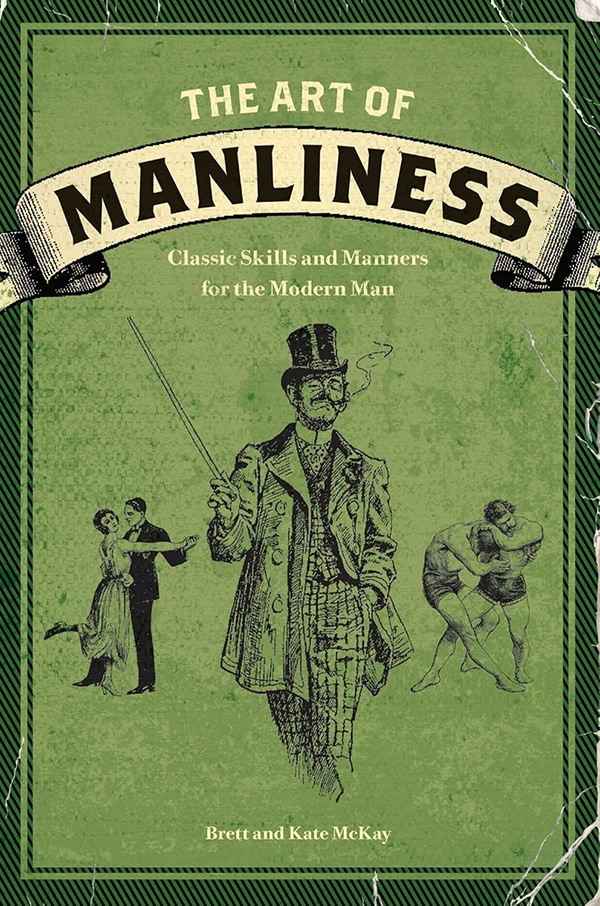
The Art of Manliness: Classic Skills and Manners for the Modern Man

This is the book that started it all. It was published back in 2009, which makes it 17 years old. There might be a high schooler who was born when this book came out to whom you could now gift it. Some of the stuff in there is admittedly dated, like there’s a mention of Facebook pokes, which I don’t think have existed since the Obama administration.

But most of the content is still relevant because most of what a young man needs to know remains evergreen. How to change a tire. How to tie a tie. How to give a speech. The classics never go out of style!

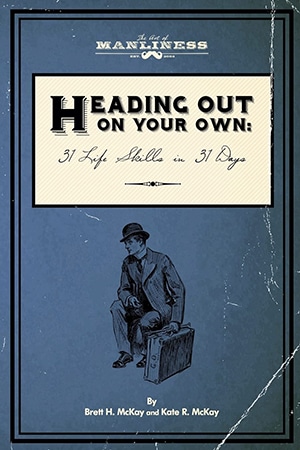
Heading Out on Your Own: 31 Basic Life Skills in 31 Days

We self-published this book back in 2014, so it’s a little over a decade old. A few details have shifted (rental markets, for one, look pretty different now than they did then), but I’d say 95% of it is still solid. The book covers 31 skills a young adult needs to know when they’re heading out on their own: doing laundry without ruining your clothes, cooking a few basic meals, managing your finances, making small talk, shopping for groceries on a budget, living with roommates, maintaining your car, acing a job interview, and much more!

If you know a recent grad who’s about to be on their own for the first time, give them this one.

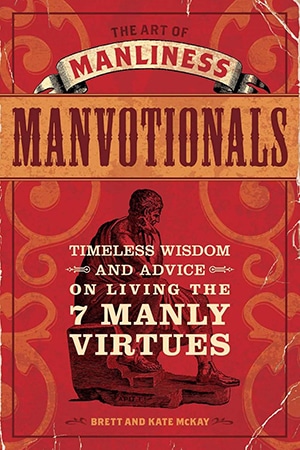
The Art of Manliness: Manvotionals

If you want to gift a young man a book that’s less focused on practical skills and more centered on the character of mature manliness, this is it. Manvotionals is an anthology of speeches, poems, and passages from books that speak to the classic manly virtues. You’ll find edifying excerpts from famous figures like Theodore Roosevelt and Marcus Aurelius, as well as lesser-known authors from the past who offered potent wisdom on how to be a man of strength and integrity. The reader can read a reflection-prompting passage a day, sort of like a daily devotional.

For a graduate stepping into a world that doesn’t always reinforce timeless virtues, having a book like this around can be a steady source of grounding.

Any of these books make a great gift for a young man graduating. You can find all of them — as well as other books we’ve written — on Amazon.

This article was originally published on The Art of Manliness.

https://www.artofmanliness.com/?p=193515
Extensions
Odds & Ends: May 8, 2026
Odds & Ends

The Machine Stops by E.M. Forster. Kate recently wrote a great piece on Dying Breed, pulling out seven insights modern folks can get from this short story/novella published in 1909. I’d known about “The Machine Stops” for a long time, but her piece finally nudged me to read it. The story takes place in a […]

This article was originally published on The Art of Manliness.

Show full content

A vintage metal box labeled "Odds & Ends" with a blurred background, photographed on April 14, 2023.

The Machine Stops by E.M. Forster. Kate recently wrote a great piece on Dying Breed, pulling out seven insights modern folks can get from this short story/novella published in 1909. I’d known about “The Machine Stops” for a long time, but her piece finally nudged me to read it. The story takes place in a future where humanity lives underground in individual pods, each person isolated in their own room, every need met by a vast mechanical system simply called “the Machine.” People communicate through screens. They never travel because everywhere looks the same anyway. They’ve grown soft and pale and have developed a “horror of direct experience.” When the Machine breaks down, civilization, completely dependent on it, unravels. The story is incredibly good and incredibly prescient and will make you think about the role of tech in your life. It’s available for free online and short enough to knock out this weekend. 

The Monastery of the Damned: From the Ivy League to the French Foreign Legion by Nicholas Tobias. The French Foreign Legion has always fascinated me. The mystique of guys from 140 different countries forming up under the French flag, the notoriously harsh training, the willingness to take in men with messy pasts and forge them into something new. Tobias (a pseudonym) was a Princeton-trained Renaissance historian and a recent convert to Catholicism when he ditched his academic track to enlist. The book covers his twenty months in the Legion, including a six-month deployment to Afghanistan in 2009, and how the whole experience reshaped his romanticized notions of soldiering, manliness, and what he was looking for in the first place. Really enjoyed this one. 

Cloudhiker. Back in the late 2000s, there was a service called StumbleUpon. You hit a button and got sent to a random website based on your interests. I discovered a lot of weird corners of the internet through it, and I reckon a good number of you discovered AoM that way. Sadly, StumbleUpon shut down a few years back, and I’ve missed it ever since. Recently I came across Cloudhiker, which works basically the same way. Hit a button, get teleported somewhere you didn’t know existed. I’ve landed on a bunch of quirky sites like Stop Alien Abductions, a page of live airport webcams, and hypertext.tv, which is hard to describe but a lot of fun to interact with. Surf the web like it’s 2010 again.

Sergio Mendes and Brasil ’66. Mendes was the guy who brought bossa nova to American audiences in the 60s with his group Brasil ’66. Mixing Brazilian rhythms with English-language pop covers, his tunes make for great work music for when you’re grinding through email or filling out spreadsheets. It’s lively enough to keep you awake, but mellow enough to stay in the background. My parents had all the Sergio Mendes albums on vinyl when I was a kid, so I grew up listening to him. I still have those albums in my collection. If you’re looking for more bossa nova for your chill summer work soundtrack, check out Astrud Gilberto, Antonio Carlos Jobim, and Stan Getz.

On our Dying Breed newsletter, we published Memento Mori Not Working for You? Try Contemplating Your Immortality and Sunday Firesides: The Peace of Being One Person.

Quote of the Week

What the fool does in the end, the wise man does in the beginning.

—Spanish maxim

This article was originally published on The Art of Manliness.

https://www.artofmanliness.com/?p=193479
Extensions
Mix Up Your Workout With Myo-Reps
FitnessHealth & Fitness

I haven’t touched a barbell much since January. I’ve been in a leaning out/hypertrophy/mobility-focused season of my training (highly recommend having seasons to your training!). I’ve been working exclusively with dumbbells and my cable machine. I’m chasing the pump. I’m loving it. My strength coach Matt Reynolds continues to create my programming, and one of the […]

This article was originally published on The Art of Manliness.

Show full content

I haven’t touched a barbell much since January. I’ve been in a leaning out/hypertrophy/mobility-focused season of my training (highly recommend having seasons to your training!). I’ve been working exclusively with dumbbells and my cable machine. I’m chasing the pump. I’m loving it.

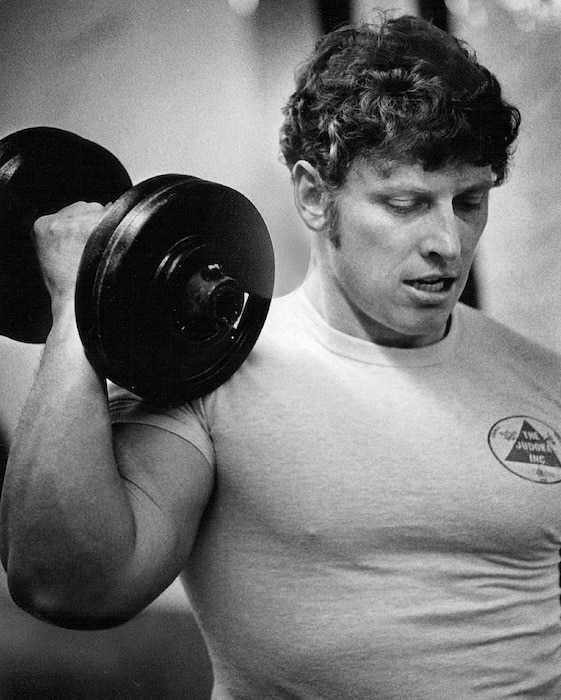
My strength coach Matt Reynolds continues to create my programming, and one of the things he’s incorporated into my hypertrophy workouts is myo-reps. I’d never done ‘em before, but after a few months of doing them, I’m loving them. They’re a time-saver but highly effective. I can knock out a complete upper-body workout in about 30 minutes, I get a solid pump, and I’m putting on muscle and starting to look jacked.

If you’re short on time but still want to build muscle, myo-reps might be worth trying. They’ll at least shake up what might feel like a boring, rote workout rut.

Let me walk you through what they are and how to program them.

What Is a Myo-Rep?

Myo-reps were developed in the mid-2000s by Norwegian strength coach Børge Fagerli. They’re a rest-pause technique, which means you’re stringing together what would normally be several separate sets into one extended set with very short rest breaks scattered between that extended set.

Here’s how it works:

Pick a weight at 60–80% of your one-rep max; something you could lift for 10-15 reps. Do an “activation set” of 10-12 reps, stopping one or two reps shy of failure (a Rate of Perceived Exertion of 8 or 9). Then rest for about 10-20 seconds. Fagerli recommends counting out 3-5 deep breaths. I just count “one Mississippi, two Mississippi, three Mississippi” until I get to twelve Mississippi.

Then you do a “mini-set” of 4 to 5 reps with the same weight.

Rest another 10-20 seconds.

Another mini-set.

Rest another 10-20 seconds.

Keep repeating these mini-sets and short breaks until you can’t hit 4 reps in a mini-set. If you’ve got the weight set at the right amount, you’ll usually be able to complete 4-5 of these mini-sets.

So one activation set plus 3-5 mini-sets. You’ve essentially done what would be 4-5 traditional sets compressed into a few minutes.

The Theory Behind Myo-Reps

Muscle growth is driven by two main mechanisms: mechanical tension and metabolic stress.

Mechanical tension is the primary driver. It’s the force your muscle fibers generate when they contract against resistance. When a fiber is loaded hard enough, specialized mechanosensors in the cell trigger the signaling pathway that tells your body to build new muscle.

Tension isn’t about how heavy the weight feels to you. It’s about how hard each individual fiber is working. A moderate weight can produce high tension in a specific fiber if that fiber is doing all the work.

That’s where the “effective reps” model comes in. In a traditional set of 12, the first 6-8 reps don’t contribute as much to growth. You’re mostly warming up the high-threshold fast-twitch fibers (the ones most responsible for hypertrophy) by exhausting the smaller slow-twitch fibers first. The last 4-6 reps, when fatigue forces your body to recruit those big fast-twitch fibers, are where the magic happens.

Myo-reps let you skip the warm-up phase after that first activation set. Once you’ve fatigued the slow-twitch fibers, the fast-twitch fibers have to handle every subsequent rep. They’re working at maximum capacity even though the weight feels relatively light, producing the kind of high-tension contractions that drive growth. Nearly every rep in your mini-sets is an effective rep. That’s the idea, at least.

The short rest periods also create metabolic stress, which can (in theory) sensitize muscles to anabolic signaling. It’s why myo-reps feel so pumpy. You’re creating a hypoxic environment similar to what blood flow restriction training does, but without the bands.

Why Do Myo-Reps?

The biggest reason to do myo-reps is that they save time. You’re knocking out the equivalent of a few traditional sets in a few minutes. It’s been nice getting through my workouts in about half an hour.

But there are other benefits, too. Because you’re working with 60-80% of your one-rep max instead of grinding heavy weight, myo-reps are easier on your joints. The limited rest time forces you to train close to failure. Most guys leave way too much in the tank on accessory work. It’s hard to do that when you’re cranking out mini-sets with 12 seconds of rest. Myo-reps break the monotony of the traditional three sets of ten. And you get a great pump, which is nice.

Basically, myo-reps will get you results that are close to what you get with straight sets with long rests in between, in less time. They’re not completely optimal for strength-building, however, as the short rests make it harder to move more weight and achieve progressive overload. That’s why they work best as a tool for accessory work and as something to use every now and then to mix up your programming, rather than as a wholesale replacement for a traditional set/rest scheme.

Which Exercises to Use Myo-Reps On

Myo-reps aren’t for every lift. Because you’re pushing close to failure with very short rests, you need exercises where fatigue-induced form breakdown won’t get you hurt.

So don’t use myo-reps on heavy barbell squats, presses, deadlifts, or the bench press. The stabilization demands are too high, and getting stuck under a loaded bar during your fourth mini-set is a good way to end up in the ER. Skip Olympic lifts entirely. Cleans and snatches are explosive movements that need to be done fresh. And if you do Bulgarian split squats, pass on myo-reps. Requires too much stability.

For myo-reps, stick with machines, cables, and dumbbell movements.

Great myo-rep exercises include machine chest presses, lat pulldowns, cable rows, dumbbell shoulder presses, leg presses, leg extensions, hack squats, leg curls, dumbbell lateral raises, bicep curls, and tricep pushdowns. Anything where the path of the weight is guided or the movement is simple enough that you can grind through the last reps without your form collapsing. You could also use myo-reps with bodyweight exercises like push-ups and air squats.

How to Program Myo-Reps

If you’re doing a traditional barbell/strength focused program, keep your heavy compound lifts as traditional straight sets. You want fresh energy and full recovery when you’re squatting or benching near your max.

Save myo-reps for the back half of your workout when you’re doing accessory work.

Here’s a simple approach: pick two to three accessory exercises per workout to do as myo-reps.

So on an upper body day where the bench press is your main lift, do dumbbell shoulder presses, lateral raises, and dumbbell curls as myo-reps. On lower body day where the barbell squat is your main lift, do leg extensions and leg curls as myo-reps.

Your activation set should feel like an RPE 8 or 9. That’s about one or two reps shy of failure. Track your reps in the mini-sets. If you’re consistently hitting 4 clusters of 5 reps, bump the weight up next session.

Frequency-wise, you can hit a muscle group with myo-reps 2-3 times a week. Just remember these are an intensity technique. Don’t turn every set of every lift into a myo-rep set. That’s just a recipe for burnout.

Give Myo-Reps a Shot

If you’re like me and trying to build muscle without spending 90 minutes in the gym every day, give myo-reps a shot. They reduce your workout time, can make your workouts feel fresh, and can help you pack on some serious muscle.

This article was originally published on The Art of Manliness.

https://www.artofmanliness.com/?p=193526
Extensions
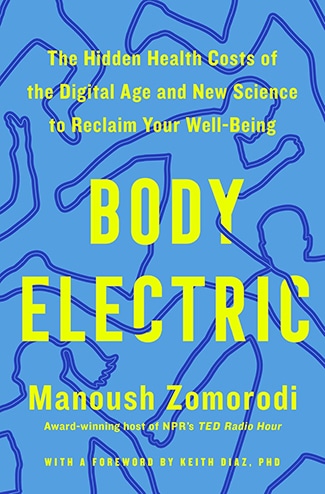
Podcast #1,116: Why Screen Time Leaves You Exhausted — And How to Reverse Its Effects
HealthHealth & FitnessPodcast

  You hear a lot today about how our ample screentime is affecting our mental health. But how is it affecting our bodies, and how is that impact on our bodies affecting, well, our mental health? My guest today will unpack the ways that digital technology is sapping our vitality, and offer a simple protocol […]

This article was originally published on The Art of Manliness.

Show full content
 

You hear a lot today about how our ample screentime is affecting our mental health. But how is it affecting our bodies, and how is that impact on our bodies affecting, well, our mental health?

My guest today will unpack the ways that digital technology is sapping our vitality, and offer a simple protocol to get it back. Her name is Manoush Zomorodi, and she’s the host of the TED Radio Hour and the author of Body Electric. In our conversation, Manoush explains why a day spent sitting in front of screens can leave you exhausted, even though you haven’t really done anything, and how small bouts of movement throughout the day can counteract that drain and keep you feeling energized and focused. She shares how much activity you need to offset periods of being sedentary, and how to realistically incorporate these movement breaks into your routine. We also get into the specific effects digital technology is having on our eyes and ears — and what you can do to prevent the damage.

Resources Related to the Podcast Connect With Manoush Zomorodi


Listen to the Podcast! (And don’t forget to leave us a review!)

Apple Podcast.

Overcast.

Spotify.

Listen on Castro button.

Listen to the episode on a separate page

Download this episode

Subscribe to the podcast in the media player of your choice

Transcript Coming Soon

This article was originally published on The Art of Manliness.

Download audio
https://www.artofmanliness.com/?p=193466
Extensions
The Subscription Audit: How a Forgotten $9.99 Charge Could Make You $50,000
Career & WealthWealth

How many streaming services are you paying for right now? If you had to write the number down from memory, could you get within five dollars of the actual monthly total? When was the last time you logged into that fitness app that’s been stealthily pulling $9.99 out of your checking account since 2022? If […]

This article was originally published on The Art of Manliness.

Show full content

How many streaming services are you paying for right now? If you had to write the number down from memory, could you get within five dollars of the actual monthly total? When was the last time you logged into that fitness app that’s been stealthily pulling $9.99 out of your checking account since 2022?

If you’re like most people, you probably don’t know exactly how many subscriptions you’ve got going, and when you check the numbers on them, you’re probably paying a lot more than you’d like.

I recently had David Bach on the podcast to talk about his book The Automatic Millionaire, and he made the case that finding small ways to cut your spending, and then investing that savings, will allow you to compound modest amounts of money into serious wealth.

One way to find these savings, Bach recommended, is to review your subscriptions — whether to apps or media — and cancel those you’re not using and really don’t care about.

My conversation with Bach nudged me to perform my own subscription audit; I’ll share the results of mine at the end of the article.

First, I’ll walk you through how to do an audit of your recurring subscriptions, cancel the ones you no longer need, and invest those savings to build your nest egg.

The Subscription Creep Problem

The average American household now juggles between 10 and 15 recurring charges a month. Streaming services. News subscriptions. Fitness and meditation apps. Cloud storage tiers you upgraded to when your phone filled up in 2020.

Consumer surveys suggest the average consumer loses about $204 a year to subscriptions they’ve completely forgotten about, and services that scan bank accounts for recurring charges routinely find between $180 and $400 in annual savings the first time they’re run on a new user.

Why does this happen?

Well, the subscription model is specifically designed to exploit behavioral inertia. Once you’re signed up, the friction of canceling feels greater than the $9.99 a month you’re paying, so you just keep paying. And paying. Some companies take this further with what researchers call “dark patterns.” They make it easy to sign up, but difficult to cancel. They hide the cancellation link or make it hard to see, and when you do decide to cancel, they may require you to call a retention specialist during business hours, chat with a bot, or, in the case of certain gym chains, mail a notarized letter to the home branch. It’s like the Hotel California: you can check in, but you can’t check out.

A lot of companies simply bank on you forgetting you have a subscription with them at all. Which is a safe bet: because each monthly subscription amount seems relatively small, your brain doesn’t register them as a big deal and prioritize remembering that they’re dinging your account in the background.

Yet the aggregate cost, projected over the decades you could have been investing that money instead, is not small at all. In fact, it can be yuge.

What the Compounding Math Actually Looks Like

Say you run an audit this Saturday and manage to cut $100 a month in subscriptions. $100 is a good chunk of change, but it’s not life-changing . . . in the short term.

Now take that $100 and automate a monthly transfer into a broad-market index fund — something like VTI or a standard S&P 500 ETF — averaging a historically reasonable ~7% annual return. Here’s what that turns into roughly over time:

  • After 10 years of investing $100 a month: $17,309
  • After 20 years of investing $100 a month: $52,096
  • After 30 years investing $100 a month: $121,997

So if you’re in your 30s today and you run this audit tomorrow, over 30 years of regular saving/investing, you’re looking at six figures in retirement money that would have otherwise gone to apps and streaming services you’d practically forgotten about.

If you cut just one $9.99/month subscription, invest that $9.99/month for 40 years, and get a conceivable 10% interest rate, you’d end up with over $50,000.

Small cuts, invested consistently, turn into real money because compounding does the heavy lifting for you.

Ain’t compound interest grand?

How to Run a Subscription Audit

To run an audit of your subscriptions, you’ve got two options: app-assisted or manual.

The App Route

There are several apps on the market that will find and even cancel your recurring subscriptions for you. They make identifying and canceling your subscriptions more convenient, though the convenience will cost you.

Here’s a rundown of them:

Rocket Money. The most popular option. You link your bank and credit card accounts, and it pulls every recurring charge into one list. The free tier shows you what you’re paying for. For each charge you find, ask yourself one question: Did I use this in the last 30 days, and would I actually miss it if it disappeared tomorrow? If the answer is no, cancel it. Their premium tier, which runs $7 to $14 a month on a sliding scale, will actually call and cancel the services on your behalf, which is useful for the deliberately difficult-to-kill subscriptions.

If you don’t want to cancel a subscription outright, they’ve got a bill negotiation feature where they’ll work to reduce a bill for you, but they charge 35-60% of your first year’s savings as a success fee.

Hiatus. Like Rocket Money, Hiatus links to your accounts and scans for recurring charges, and like Rocket Money, it offers a concierge team that will cancel subscriptions and negotiate bills for you. The difference is the fee structure. Hiatus premium runs a flat $9.99 a month and doesn’t take a percentage of what they save you on negotiations — whatever they knock off your cable bill stays in your pocket.

Monarch Money. This is a cleaner, more privacy-focused alternative that picked up a lot of users after Intuit shut down Mint in 2024. It tracks your spending and groups recurring subscriptions into a single category for easy perusal. They don’t offer concierge cancellation services, but with the list of subscriptions, you can easily cancel subscriptions on your own. The privacy you get with Monarch Money will cost you $99 a year.

Copilot Money. A similar service to Monarch is Copilot. It automatically labels your expenses into certain categories so you can easily see your recurring subscriptions. It’s what I’ve been using lately. I check my subscriptions once a month and nuke any I don’t need anymore. It’s ad-free and privacy-first for $96 a year.

The Manual Route

If you don’t like the idea of signing up for another subscription in order to reduce your subscriptions, you can DIY your subscription audit:

Review bank account and credit card statements. Log into your bank and credit card accounts, download six months of transactions as CSV files, and dump them into a spreadsheet. Sort by merchant. The recurring charges cluster together. Search for terms like “subscription,” “monthly,” “Apple.com/Bill,” and “Google.”

Cancel the subscriptions you no longer want.

Review your Apple and Google Play App subscriptions. A lot of recurring subscriptions occur within apps on your phone. You can easily cancel these from your phone.

  • On iPhone: Settings → your name → Subscriptions
  • On Android: Play Store → profile icon → Payments & subscriptions → Subscriptions

Cancel the ones you no longer want.

Review PayPal recurring payments. There’s a good chance a lot of your recurring payments are happening via PayPal. Fortunately, they make it easy to cancel right from their platform. Log in to PayPal on desktop, click the gear icon, go to Payments, and click Manage automatic payments. You’ll see every merchant pre-approved to pull money from your account, and you can kill any of them with one click. This is often where the oldest forgotten subscriptions are hiding.

The upsides of the manual audit are that it costs nothing, doesn’t give third parties access to your data, and only takes about an hour.

But don’t delude yourself; if you’re not going to have the gumption to do an audit — and then follow through on the annoying work of actually canceling the unwanted subscriptions — pay for an app; it’s better to pay a little money to save a lot of money, than to save nothing and keep paying the inertia tax.

Don’t Forget to Invest It!

If you cancel $100 worth of subscriptions and then spend that same $100 at Bass Pro Shop on Saturday, you haven’t saved anything. You’ve just moved the money from one form of consumption to another.

If you want to get the most out of these savings, you gotta invest it. Bach recommends making your investing automatic, so you don’t even think about it. Set up a monthly transfer, scheduled for the day after payday, that moves whatever you’ve cut from subscriptions straight into an investment account. If you don’t have a retirement account, Vanguard, Fidelity, and Schwab will all let you open a Roth IRA online in about fifteen minutes. Need to learn more about IRAs? We’ve written about them.

If you’re already maxing your Roth, send it to a taxable brokerage account instead.

Do this consistently for years (along with regular retirement savings), and your 65-year-old self will have a nice little nest egg waiting for him.

My Subscription Audit Results

I used a combination of app-assisted and manual tactics for my subscription audit. I first looked at Copilot and filtered my transactions by “Subscriptions,” so I could see a list of all the transactions from the past year labeled as subscriptions. I found a few website/newspaper subscriptions that I barely used that were costing about $5 per subscription each month. Canceled those.

The big recurring subscription I found in Copilot was SiriusXM. It was $300 a year. Damn! Didn’t even know it was that much. It definitely wasn’t that much when I initially purchased it maybe five years ago. Guess they’ve been raising rates each year. I can’t even remember why we were once using SiriusXM enough to justify signing up once a free trial for it expired, but I do know we’ve hardly used it in the last several years, turning to our smartphones to stream music from Spotify or Pandora. Easy cancel.

The big payday for me came when I manually reviewed my Apple App subscriptions. I’d signed up for several apps’ yearly premium plans to unlock features that, at the time, I felt I needed. Each of these yearly subscription fees ranged from $50 to $100 a year. I used these apps for a few months, but then stopped. Forgot about them. If I hadn’t reviewed my Apple App subscriptions, these would have been automatically renewed for another year.

The other place where I found a lot of unused subscription fees was PayPal. When signing up for a subscription service, I’ll usually use PayPal to check out since it’s easier than pulling my credit card out of my wallet. I found several unused digital subscriptions there and canceled them right on PayPal.

When I tote up all the cancellations, I saved my family $1,323 a year, or about $110 a month. If I put that $110 into my retirement account for the next 22 years until I turn 65, and assume a 7% rate of return, it could turn into about $70K. Hot diggity! That’s a nice chunk of change.

I’m not anti-subscription altogether. I’ve actually gotten less stingy recently in ponying up for them in support of enterprises I genuinely enjoy; I don’t want the outlets I appreciate to die.

But moving forward, I’m going to be relentlessly ruthless about axing those subscriptions that don’t offer me value.

Do your own subscription audit, cut these finance vampires out of your life, and invest those savings.

Your future self will thank you!

For more simple ways to build substantial wealth, listen to our podcast with David Bach:


This article was originally published on The Art of Manliness.

https://www.artofmanliness.com/?p=193469
Extensions
The Philosophy Textbook Every Man Should Own
FeaturedLivingReading

If you’ve been following AoM long enough, you know I like philosophy. I’ve written about philosophy on the site and talked to lots of philosophers on the podcast.  Philosophy isn’t some esoteric practice for me. It’s practical. I turn to philosophy to figure out how to live a good and meaningful life.  But it’s also […]

This article was originally published on The Art of Manliness.
Show full content

If you’ve been following AoM long enough, you know I like philosophy. I’ve written about philosophy on the site and talked to lots of philosophers on the podcast. 

Philosophy isn’t some esoteric practice for me. It’s practical. I turn to philosophy to figure out how to live a good and meaningful life. 

But it’s also just fun. For me, at least. I enjoy seeing how humans from thousands of years ago tried to get their bearings in the world compared to humans living today. When you read, study, and talk about philosophy, you’re taking part in a conversation that’s been going on for millennia. And conversation is fun. I love a good conversation. 

To take part in any conversation, especially the millennia-long great conversation that’s been going on between philosophers, you need to have a basic understanding of what’s been talked about prior to you joining the chat. It’s no fun to be in a conversation where people make inside jokes or drop references that go over your head. The latter (and, actually, sometimes the former!) happens a lot in philosophy. Philosophers are always referencing other philosophers who came before them.

While you can and should read the primary texts of great philosophical works, many of these primary texts can be confusing and overwhelming. Sometimes it helps to have a guide to break things down for you a bit and help you get a handle on an idea. 

I ran into this issue a few years ago. I was reading Aristotle’s Metaphysics and was having trouble wrapping my head around forms and substance and actualities and whatnot. I read some supplementary books by professors on the topic but didn’t find them particularly clarifying. They were pretty muddled and dense. I was talking to a college professor friend of mine about my wrestle with Aristotle, and he told me he had a book that might help. 

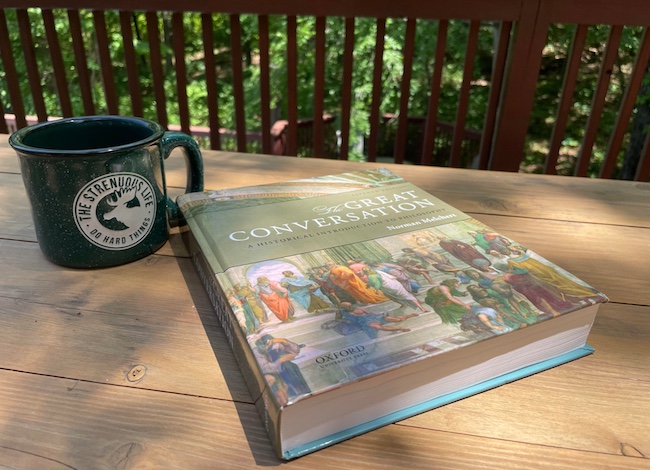
The next time I saw him, he lent me his copy of a textbook called The Great Conversation: A Historical Introduction to Philosophy by Norman Melchert. He bookmarked the section about Aristotle’s Metaphysics

I read it and immediately saw the light. No joke. 

The way Professor Melchert laid things out allowed me to finally get a better grasp of the relation between forms and substance. I was able to turn back to Metaphysics and read the text with greater understanding. Even those secondary source books I had originally turned to for guidance started to make more sense. 

I gave my friend his book back and immediately bought a copy for myself.

It’s a textbook, so it’s expensive. I paid $80 on Amazon for a used edition. 

But man, totally worth the investment. 

The Great Conversation is the most approachable yet comprehensive book on philosophy I’ve come across. Melchert does a fantastic job summarizing the big ideas in history’s different schools of thinking, but does so without dumbing things down. He also covers pretty much everything, ranging from the pre-Socratics and going all the way up to the postmodernists. And he effectively shows how all of these schools of philosophy built on the previous ones. You’re able to get a birds-eye view of the great conversation of humanity.

I’ve found myself cracking open The Great Conversation again and again over the past few years. For example, I’ve been on a Kierkegaard kick this past year. The Danish philosopher is notoriously difficult to understand sometimes. When I’ve gotten stuck on some parts in The Sickness Unto Death, I go to the section on Kierkegaard in The Great Conversation and get some much-needed clarification. 

Several months ago, a book group I belong to was reading some Heidegger — another notoriously hard-to-understand philosopher. 

“Being is always the Being of an entity.” 

What in the heck does that mean?!

Well, in his chapter about Heidegger, Professor Melchert offers a rough idea that will get you going in the right direction, so you can better grapple with that statement. 

Heck, when I’m bored, I’ll open the book and read a random section. I’ve even taken it to the bathroom to read during my daily constitutional. Pooping and philosophizing. I think Galen would approve.

Having a copy of this book is like having access to a really smart, friendly, non-condescending philosophy professor in your home.

If you enjoy philosophy or would like to know more about it, I can’t recommend The Great Conversation enough. One of the best book investments I’ve made. 


With our archives 4,000 articles deep, we’ve decided to republish a classic piece each Sunday to help our newer readers discover some of the best, evergreen gems from the past. This article was originally published in May 2022.

This article was originally published on The Art of Manliness.
https://www.artofmanliness.com/?p=171122
Extensions