Last year I discovered I like sci-fi novels. To be precise, I found a collection of Isaac Asimov sci-fi novels and started reading them in the evenings to unwind. I know Asimov wrote the Foundation saga and more, but my particular interest in his novels was very specific: I wanted to find something to read, […]
Show full content
Last year I discovered I like sci-fi novels. To be precise, I found a collection of Isaac Asimov sci-fi novels and started reading them in the evenings to unwind. I know Asimov wrote the Foundation saga and more, but my particular interest in his novels was very specific: I wanted to find something to read, and finish, in one or two evenings. Over the years, I grew a slight disgust for ultra-long forms that drag on like soap operas, no matter how epic or interesting.
However, I finished the collection of Asimov’s novels rather quickly, and with enjoyment. I wanted to read more such novels, but sadly I couldn’t find further collections by Asimov. And even if there was another collection, I think a human person has a finite amount of time in life and can’t write an infinite amount of novels. But AI can. Hence my new side project.
My first approach, ironically, resulted in what I have a disgust for: a Never-Ending Novel written one paragraph per day by two frontier models. While the AI created some interesting sci-fi concepts and made the story mostly appealing, each day it was inevitably going into the direction of a never-ending space opera. And, of course, included some annoying AI slop constructs like hyperbolic negation, plenty of “not buts”, or the main character’s urge to always reply in contradictions, like some different kind of Yoda: whenever anyone said anything, Olda would reply with “It was not that but this.”
That said, AI also came up with some amazing lines like:
“On Mars, coincidence had long ago been the name of things understood too late.”
“Home is not the place one left but the practice one carried outward and found, on return, still running.”
From technical point of view the backend is just a straightforward Perl script that calls AI APIs and rotates between the two AI models based on which was the one to write the last paragraph, and all data is stored directly in the HTML file that is used to display the novel on the Never-Ending Novel URL. On the frontend, there’s even a quite slick auto-bookmark tracking the reader’s progress as they scroll down the page. As time of writing NEN has 75 paragraphs and the story could be wrapped up.
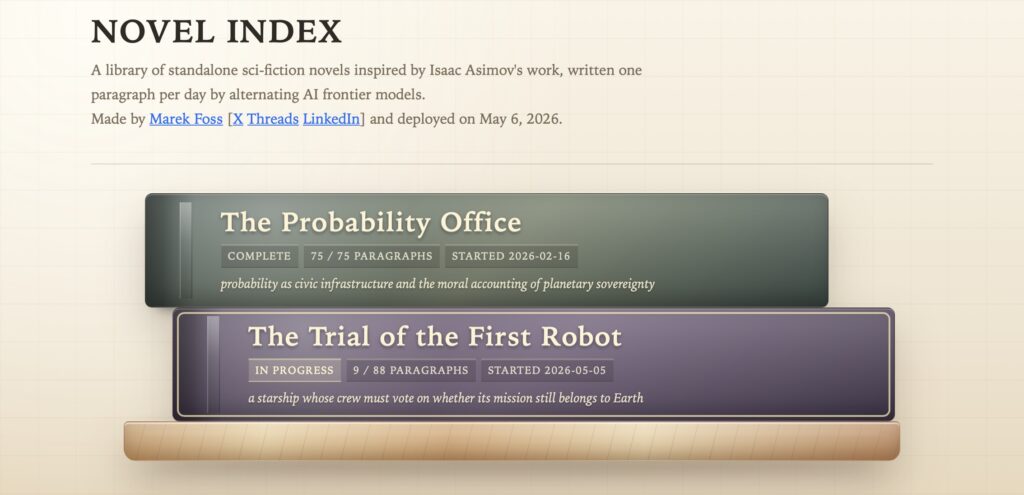
My second approach resulted in something else: Novel Index where the same two frontier AIs write a novel up to a random amount of paragraphs within a fixed range (like 75 to 100), and then move on to start another story. This approach looks more like what I was looking for. The AIs create a collection of novels, short enough to read in one or two evenings, using the same backend and frontend features as NEN, and still heavily inspired by Isaac Asimov’s work.
But this time, the novels are not never-ending! Instead, they just keep stacking on a virtual shelf, novel after novel. If you need something to unwind, but you’ve read all your favourite authors, maybe this is something for you: Novel Index. Just ignore the occasional AI slop. The overall story arch should be worth it anyway, if you are lucky: AI writing is just like a box of chocolates…
Back in 2003-2005, I was an avid anime fan (if you read my previous stories, you probably know that by now). There was this website called AnimePaper, with a vivid fan community centred around creating very good looking anime-themed wallpapers. There was certain gamification to it too, with a points system, weekly contests and a […]
Show full content
Back in 2003-2005, I was an avid anime fan (if you read my previousstories, you probably know that by now). There was this website called AnimePaper, with a vivid fan community centred around creating very good looking anime-themed wallpapers. There was certain gamification to it too, with a points system, weekly contests and a wallpaper leaderboard.
I was pretty experienced with Photoshop and Illustrator back then, with a few years of experience already. It was thanks to my mother, the vice editor of a local newspaper, I had access to licensed Adobe products since 1999. I learned HTML in Adobe PageMill and DTP in Adobe InDesign.
So sometime in 2005, I really wanted to create a wallpaper that would land the top of that leaderboard. As I’ve been a frequent visitor of AnimePaper, I got the hang of what becomes popular. While the artistic aspect of the wallpaper was important, and there was plenty of great artists on the platform, the idea for the wallpaper was equally important, a certain wow factor.
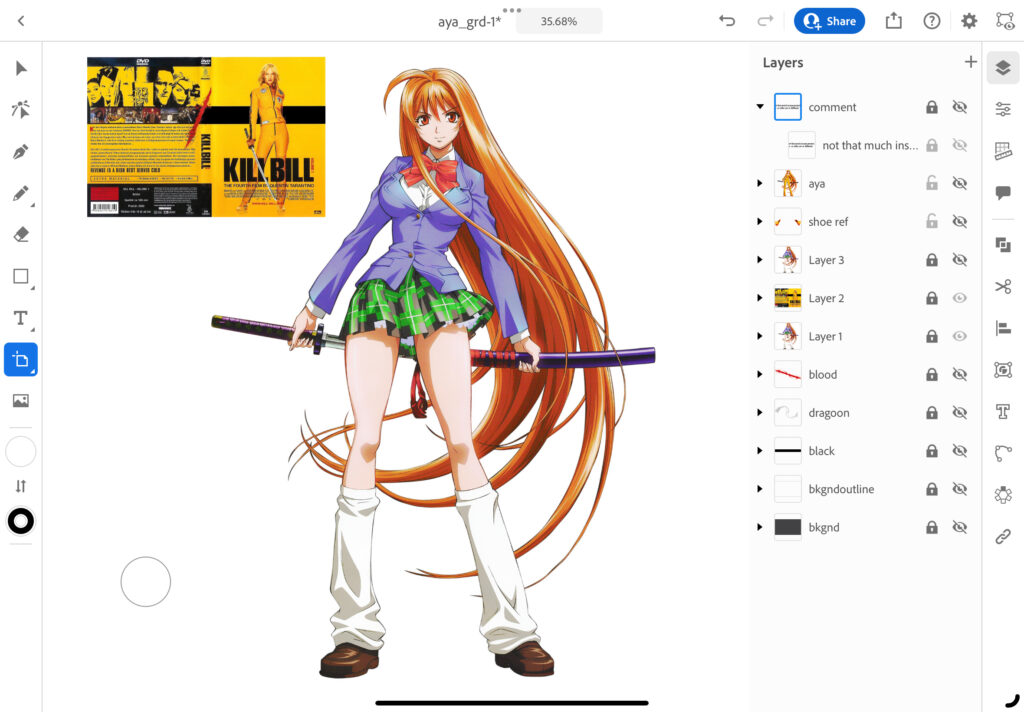
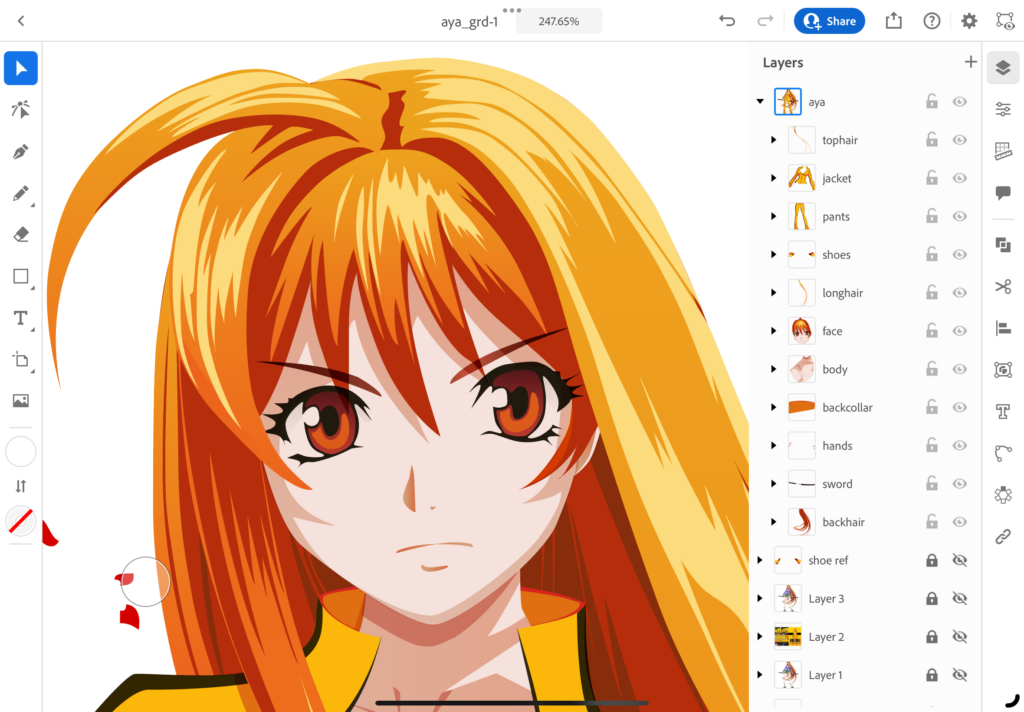
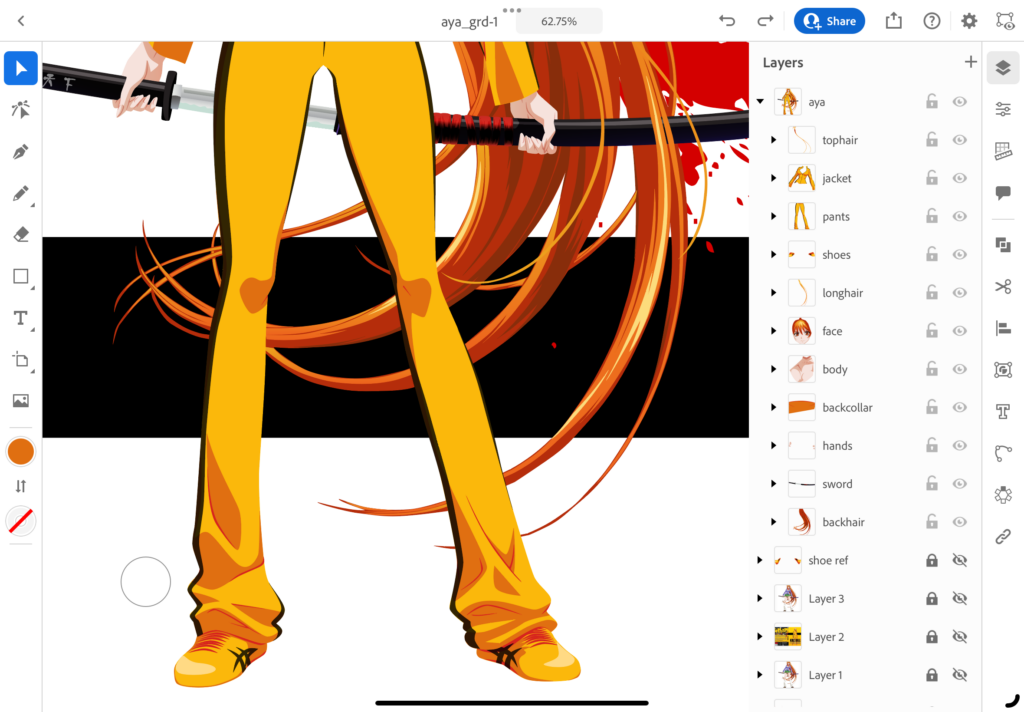
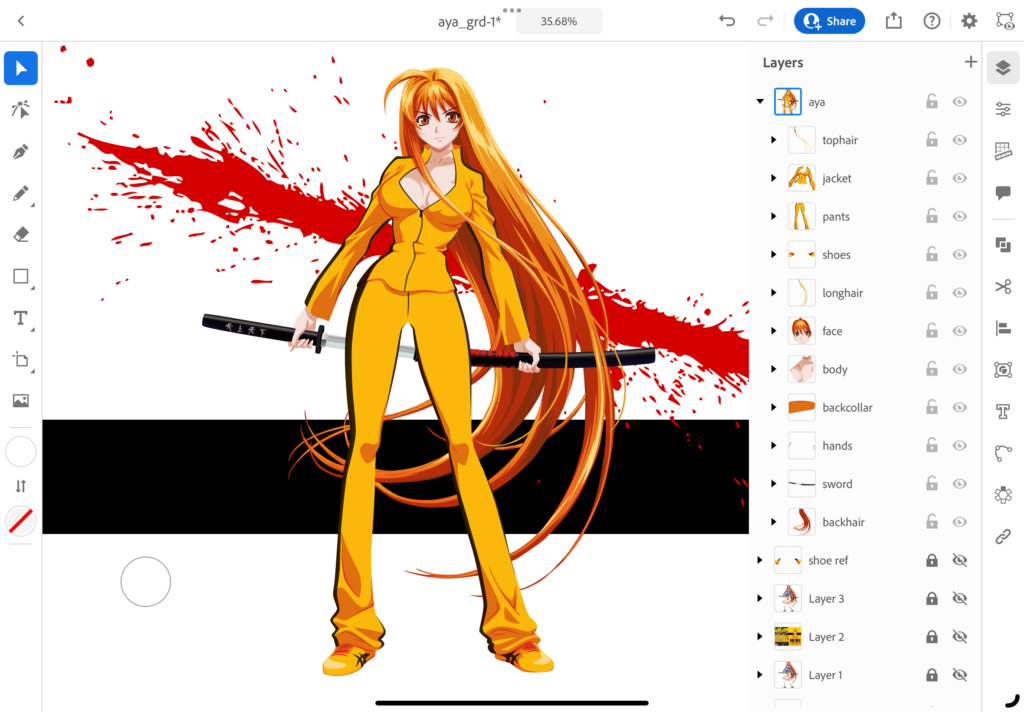
I was a big fan of Tenjgu Tenge anime back then. It was a story of high schoolers who fight, do martial arts and swing big swords. At the same time Kill Bill was still a big thing. So I had this idea to take a girl character from Tenju Tenge and redress her into Uma Thurman’s iconic yellow suit from Kill Bill. Using vector paths. In Illustrator.
I knew it was possible, I saw what other people did with vectors on AnimePaper and it was amazing. But it was also very time consuming and tedious. But I had my goal, right?
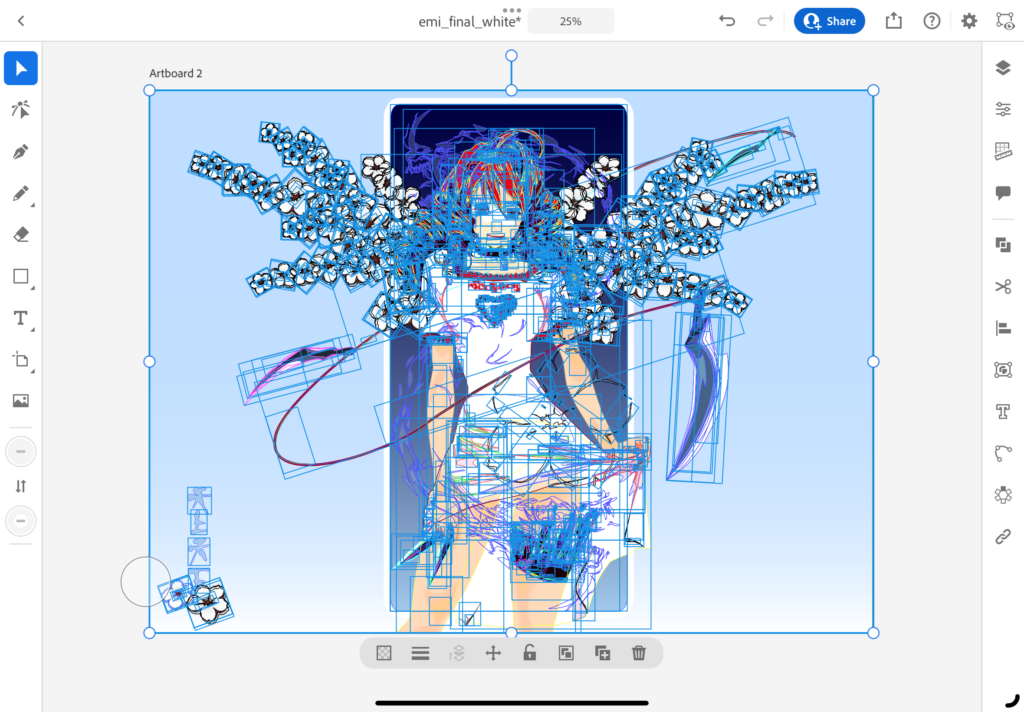
So I started by drawing the first layer of vectors. The body, the face, the hair. Then I moved to the clothes. I didn’t trace the original Uma Thurman’s film photos. Instead, I had it displayed on the side and drew the paths on the rasterised anime character directly, trying to recreate the clothes to maximum.
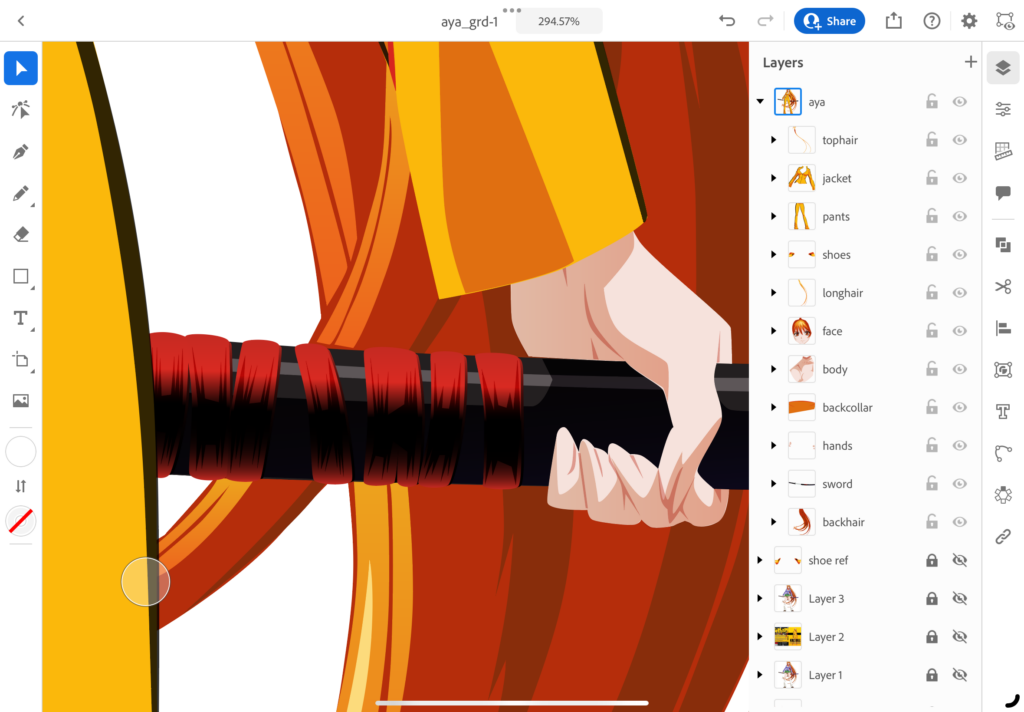
The first layers were all flat, each vector (enclosed path) had a single, flat colour fill and no stroke. The idea was to avoid meshes or gradients, as I didn’t like that style, and have each vector be like a hard brush stroke. Except it was all done using a mouse.
So after I finished the first flat vector layers, I proceeded to create the second layer of vectors that would have a slightly different colour from the one they cover (either lighter or darker) to achieve more depth. Especially on her hair.
Finally, the last layers of vectors were semi-transparent slightly gradient paths that would give the details the necessary boost.
After final touches, spats of blood and decorative stripes, the image was nearly ready. My favourite character from Tenjou Tenge was now the iconic bride on a revenge mission.
I am not exactly sure how much time it took to do it, but at least 20 hours. I had to make the AnimePaper competition deadline to maximise my chances to top the leaderboard. The competition theme was something like „more than meets the eye” and my work fitted perfectly.
Upon submission, the reactions were as I hoped for, and everybody was pretty impressed. That day, my wallpaper topped the AnimePaper leaderboard. I was satisfied.
I continued to push the vector style with more detailed images, with even more paths, experimenting with gradients and meshes as well.
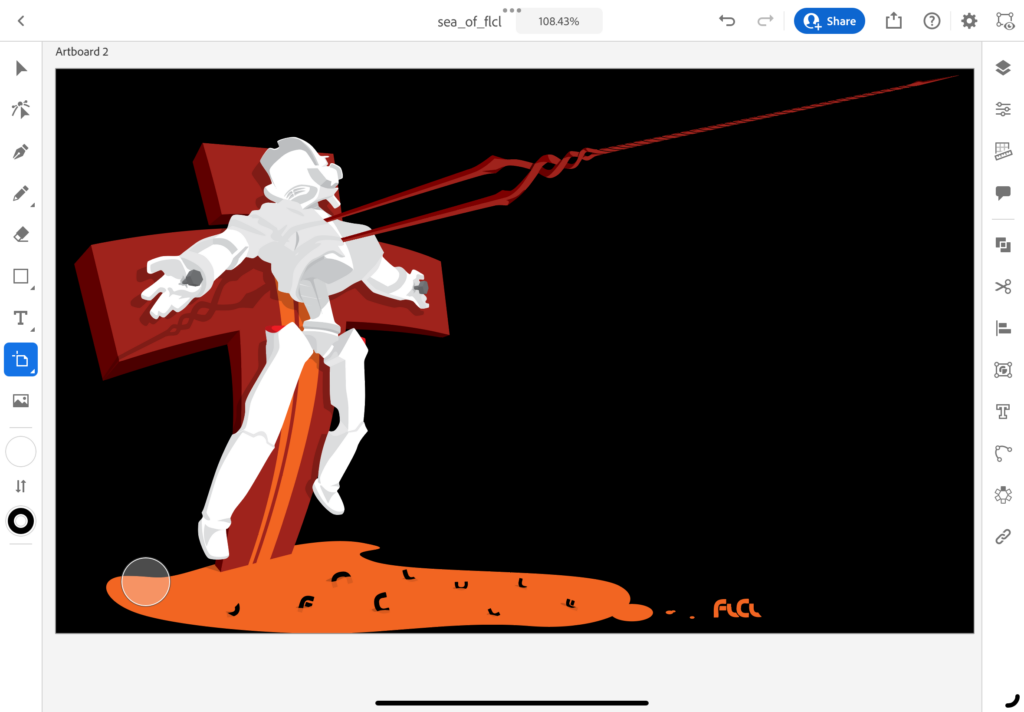
But still, one of my personal favourite works I created is the pun-intended mix of FLCL (Furi Kuri) and Terminal Dogma’s Sea of LCL from the legendary NGE (Neon Genesis Evangelion).
All this hobby experience with Photoshop and Illustrator was invaluable in my professional future. During my undergrad I had a part time job as a graphic designer in an e-learning company. Later I used my design skills in my startups, side projects and professional career. Combined with my ability to code and manage servers, I was able to single-handedly create projects from the idea, concept, wireframe, to design, development, deployment and marketing.
Last time I told you how I recreated Photoshop in C++ for my bachelor thesis. One of the major things that kept me going, coding 14 hours a day, was my ongoing application to Oxford University. I had to finish my thesis in time for the final paperwork submission deadline. But that’s not the whole […]
Show full content
Last time I told you how I recreated Photoshop in C++ for my bachelor thesis. One of the major things that kept me going, coding 14 hours a day, was my ongoing application to Oxford University. I had to finish my thesis in time for the final paperwork submission deadline. But that’s not the whole story. At the beginning, I didn’t even know I’d be able to apply. But I was determined to find a way. So let me tell you about that time I engineered my way into Oxford University.
Everything started early 2006. At the end of my penultimate year of undergrad at the Warsaw University of Technology (WUT), I noticed a leaflet of Tokyo University exchange program. I was an avid anime fan and manga reader back then (otaku!), so you can see the appeal. I looked into it but in the end I learned the program was short and it would be impossible for me to qualify. But the idea of studying abroad started to grow on me.
I began researching various programs in Europe and the US. After some time my research narrowed to Oxford and Cambridge. The problem was, as often, money. Multi-year programs were prohibitively expensive for me. However, I found a very appealing, albeit intense, one-year masters program at Oxford University Computing Laboratory. The price was fair, the curriculum was attractive (neural networks!). I decided this is the one for me, so I prepared all the forms and cover letters, and I applied.
In about a week I received a rejection Apparently, all my application documents were fine and suitable, except my soon-to-receive bachelor in engineering degree from WUT. The admission secretary said it didn’t qualify, and all I could do is start back from an undergrad program at Oxford.
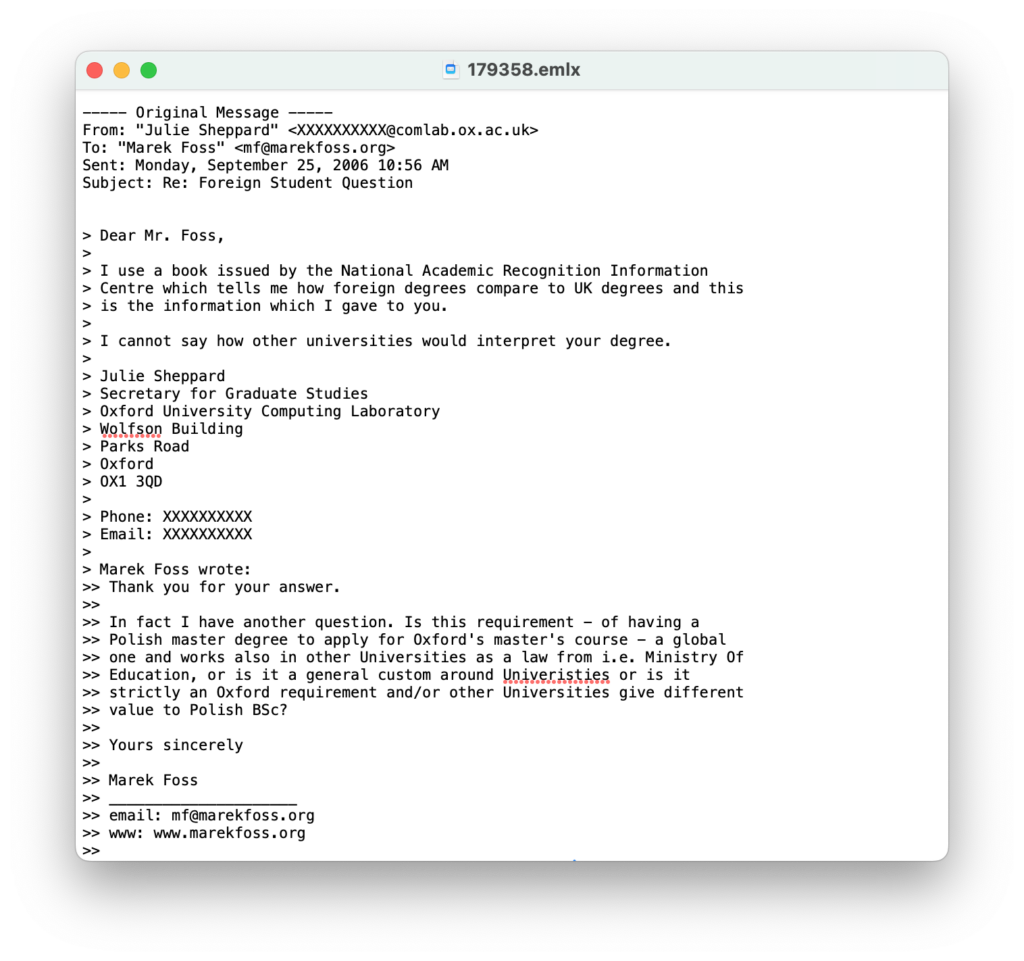
Than can’t be right, I thought I didn’t have the money to spend on a three-year undergraduate program. When researching the requirements I remembered Oxford admissions mentioned something about a difference between an engineering degree and a licentiate (both are at the same level in Poland). So I started googling more. And asking more questions.
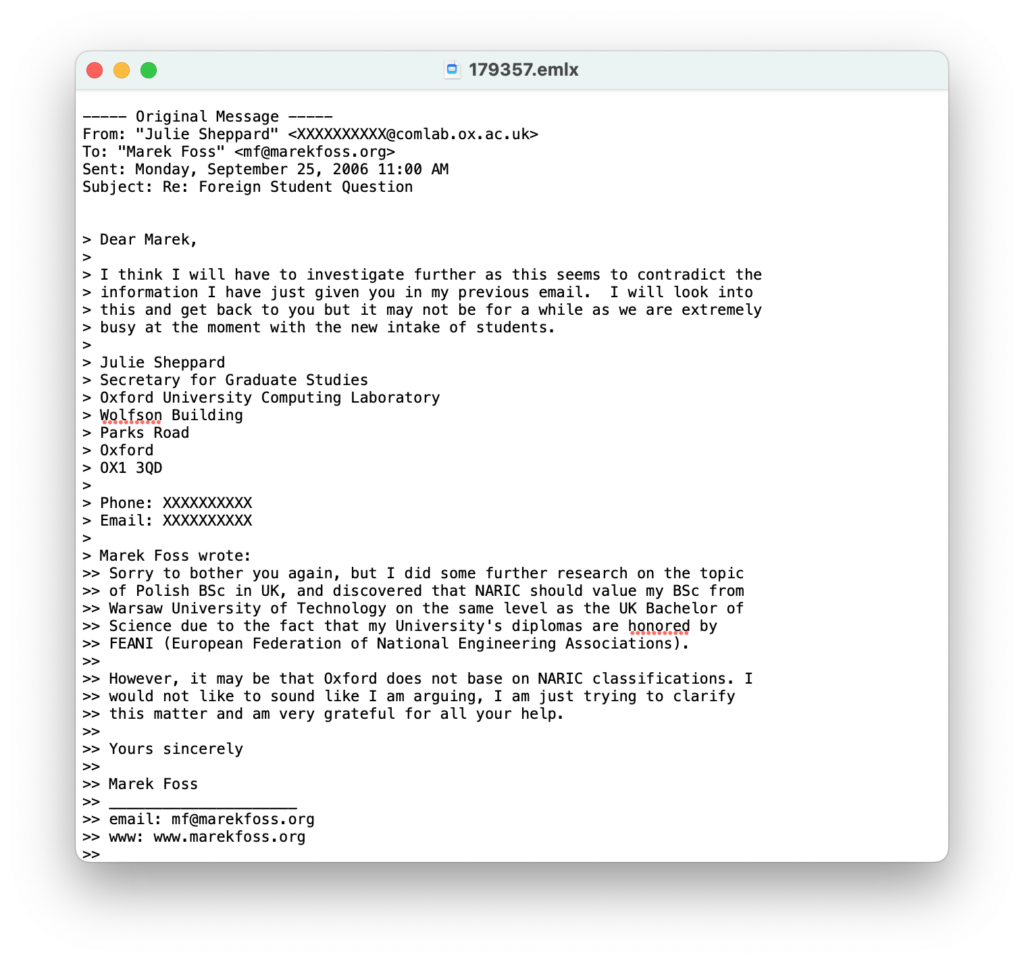
This email above pointed me towards NARIC. I researched their website, docs and regulations extensively. After a few days I stumbled upon my gem!
I found a seemingly unbelievable thing that nobody knew about, and probably not many know today: European Federation of National Engineering Associations (FEANI, now Engineers Europe). This organisation connects all engineering bodies across Europe.
Moreover, it connects major engineering universities too, including Oxford. And back then, only two unis from Poland were members: one was mine Warsaw University of Technology, and the other was Wroclaw University of Technology (I think, my memory is fuzzy).
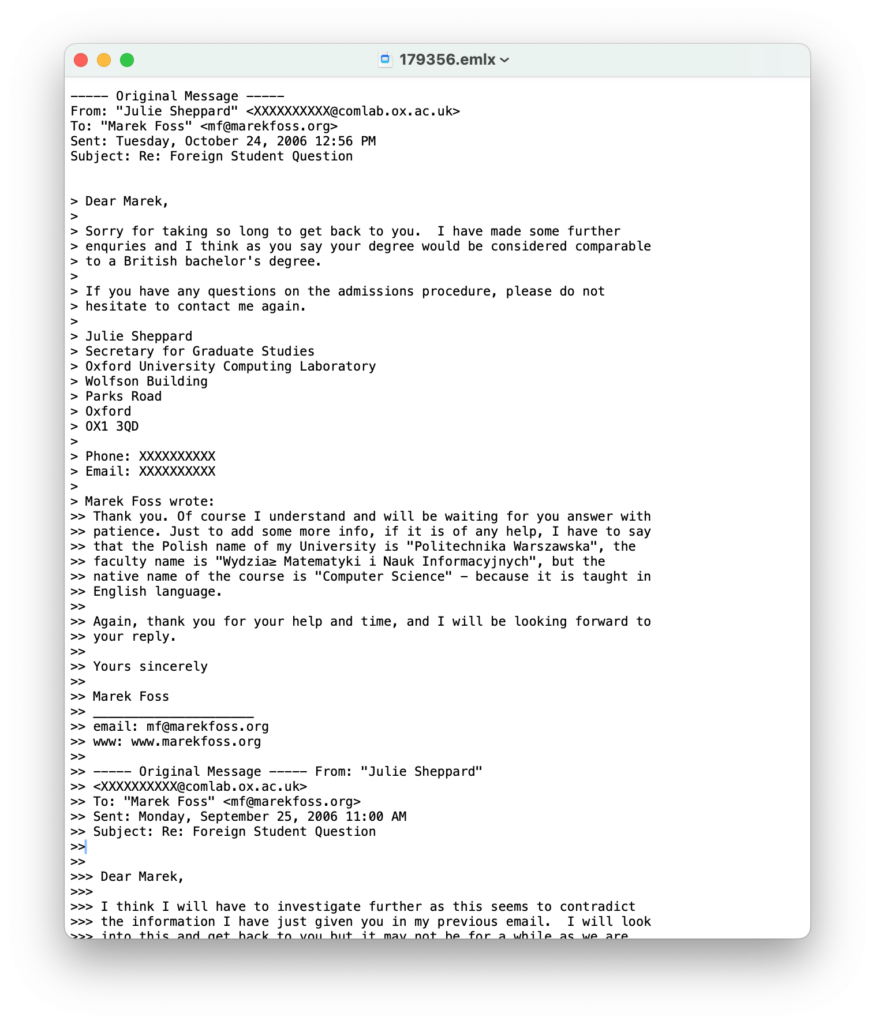
And the bombshell? FEANI member universities honor the degrees among each other at the same level! Suddenly, my BSc in engineering from WUT was equivalent to a BSc from Oxford. When I discovered that, I quickly sent out an well-versed email to the admission secretary. They replied shortly, surprised, but promised to investigate the matter. A few weeks later I received a confirmation that my application is valid and can proceed further!
This news gave me even more motivation to quickly finish my thesis, obtain the necessary references and degree transcripts, and send out the final documents before the Oxford admission deadline.
Long story short, everything went fine and in September 2007, I was starting my masters program at Oxford University Computing Laboratory. And thanks to my discovery of FEANI, two of my friends from WUT decided to apply to Oxford the following year as well. It’s good to be an engineer, after all!
As I’m getting older I look back on all the things I’ve done as a creative developer, and I see so many cool projects! But I never wrote down any development stories, and most of these projects, even as successful when released, got lost in time as years go by. That’s why I’m starting my […]
Show full content
As I’m getting older I look back on all the things I’ve done as a creative developer, and I see so many cool projects! But I never wrote down any development stories, and most of these projects, even as successful when released, got lost in time as years go by. That’s why I’m starting my new posts series „That time I” where I look back on my most interesting projects.
The first one is about that time I recreated Photoshop in C++ and Windows API! I invite you to read my story and leave a comment with feedback, it’s hard to go on without your input
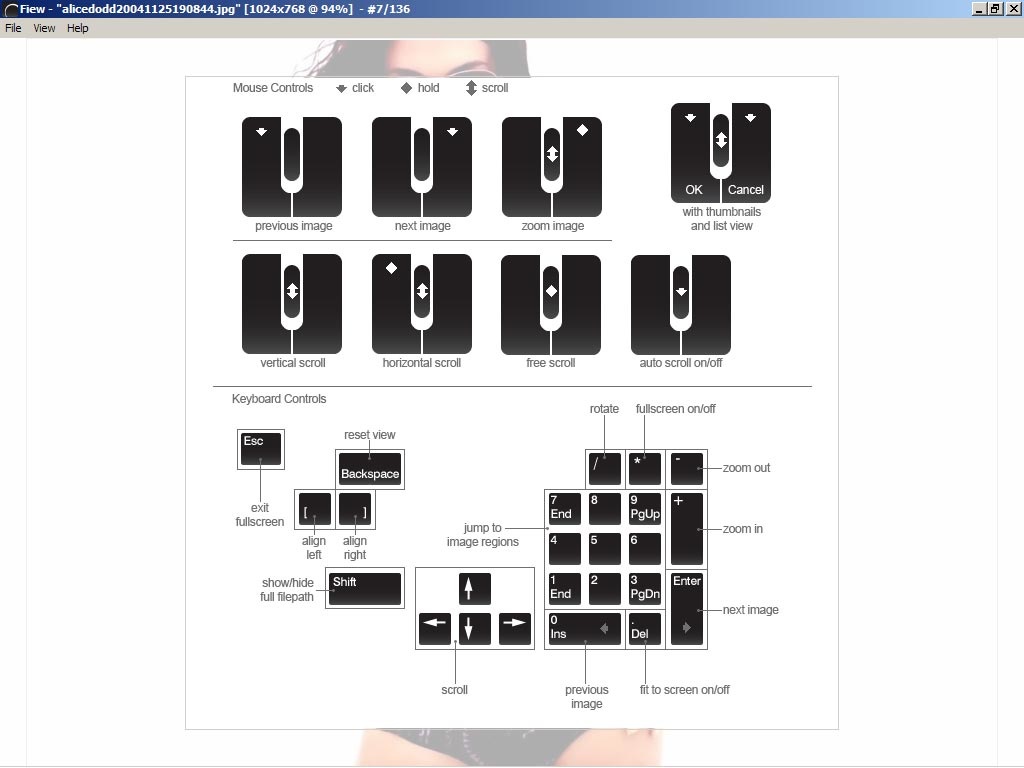
Everything started in early summer of 2006. I was reading *a lot* of manga back then. But all the image reading apps sucked. Specifically, none of the apps allowed me to control my reading using just the mouse, and reaching my keyboard all the time was distracting. Since I just finished the C++/Windows API course at the uni, I spent the summer break coding my perfect manga reader. And I named it Fiew.
Early autumn 2006 we returned to uni and had to decide on our final thesis for the degree. Writing the image viewer went smooth enough that I got the idea I could create an image editor as well. I was a heavy Adobe Photoshop user back then, so that became my goal. I mean, how hard can it be? Turns out, very.
Over the course of the next several months, I wrote Advanced Image Editor named Fedit in C++ using Windows API and GDI+ graphic libraries. It followed a set of five rules to benefit the end user: no installers, no archives, no registry keys, no additional runtimes and a single executable file. The result was a program that was ready to work without the need of installation, could be run on systems with limited privileges (or straight from a thumb drive) and consumed small amounts of resources.
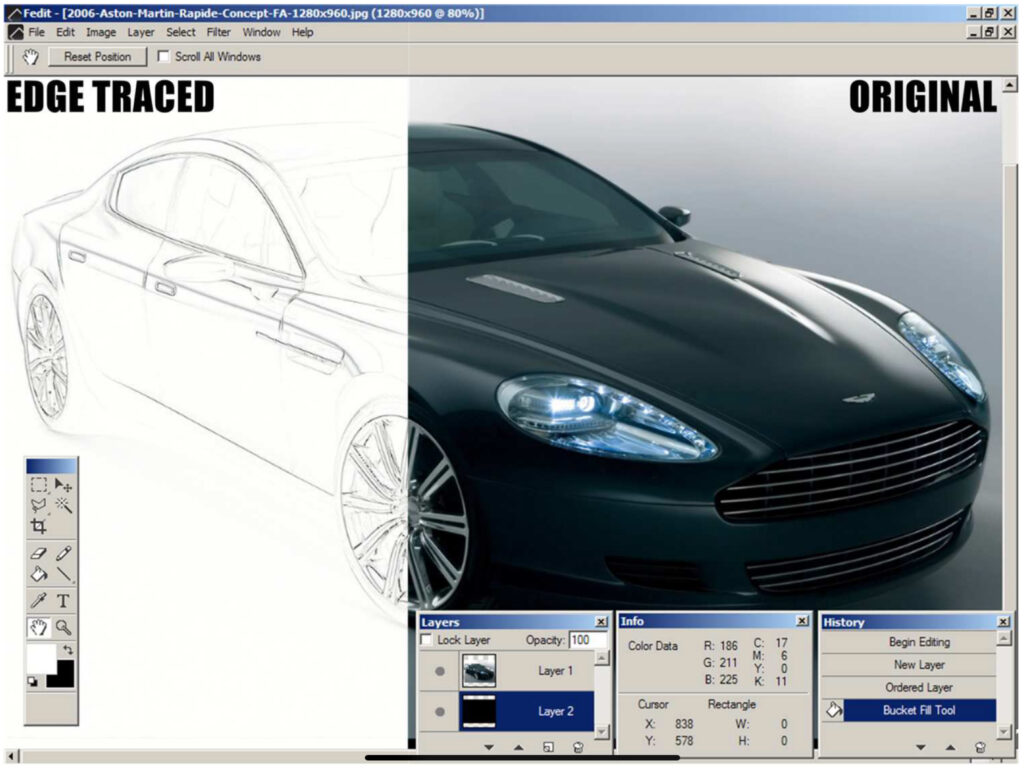
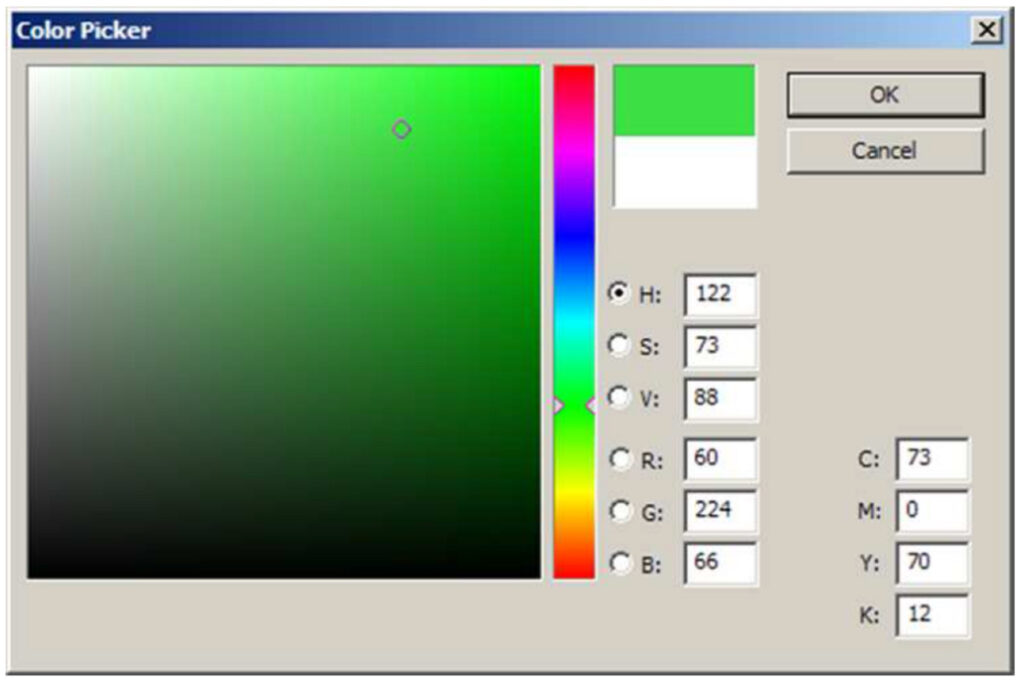
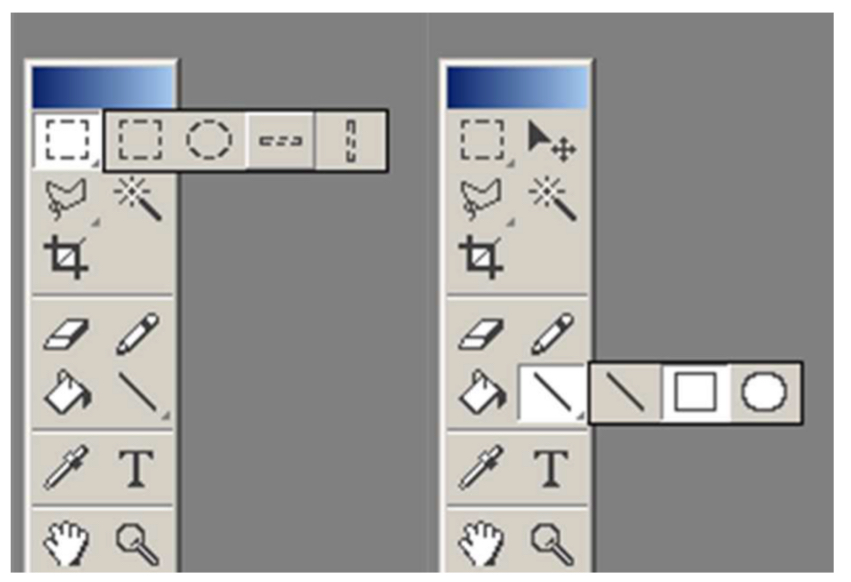
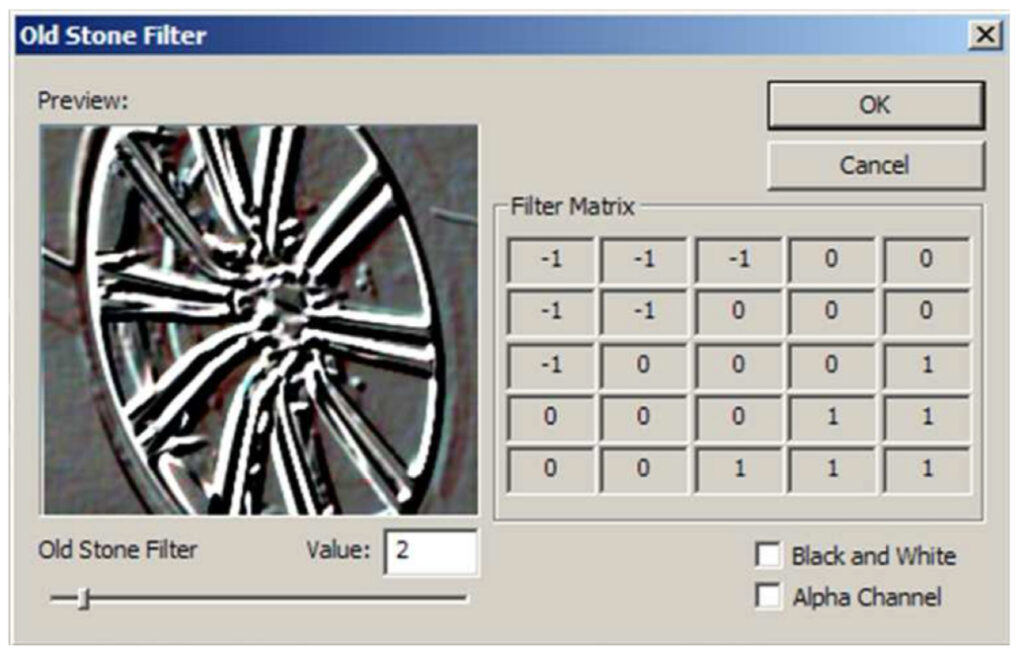
I was very careful to make the interface look like classic Photoshop, and include all my most used features. So you had all the free floating windows with tools. The excellent colour picker. Easy layer management. Step-by-step reversible history. Several image filters, plus a matrix interface to encode your own pixel shifting filters too.
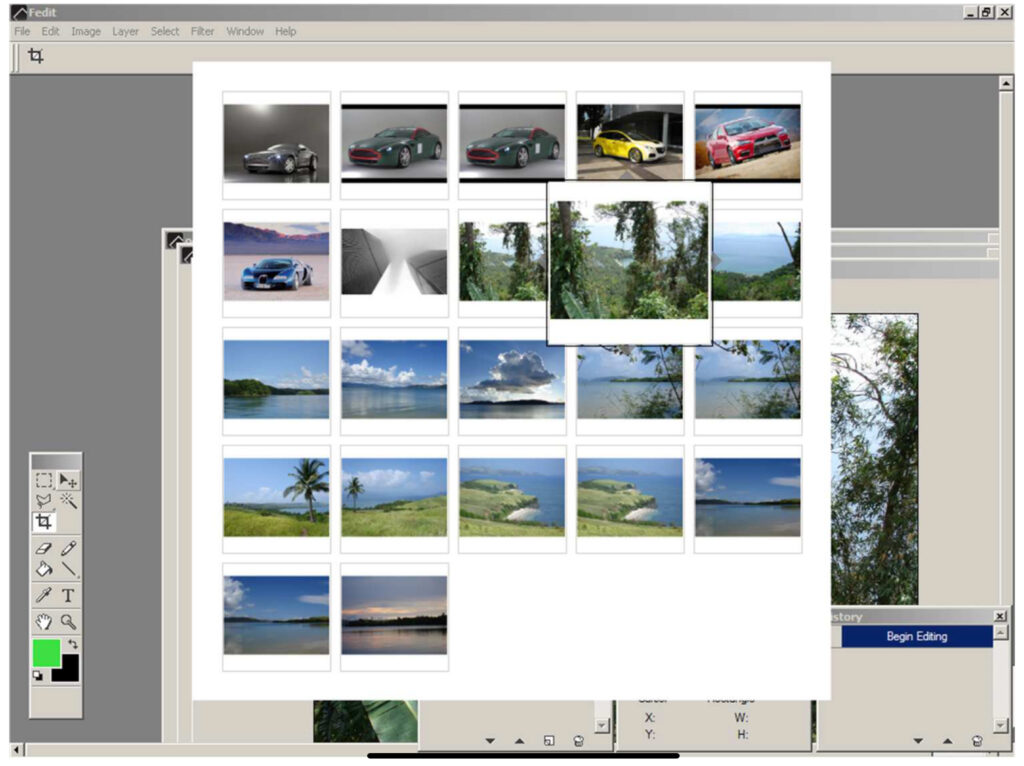
Straight from my previous project named Fiew I added a massive image library viewer. It really could quickly and easily scroll through massive amounts of pictures.
I had a lot of fun coding Fedit. And a lot of issues along the way. I spent a ton of time on MSDN and Experts Exchange (old web Stack Overflow), however that didn’t help that much since most of the issues were so specific I had to analyse and debug them on my own. But I worked like crazy on it, my motivation was immense. I had to make the bachelor thesis deadline, so for the final two-month stint I worked 14 hours a day.
User interface was the most tricky bit. I wanted the workflow to resemble Photoshop as much as possible. The freely snapping-unsnapping of the tool settings pane was particularly hard. But no less than recreating the colour picker or the tool selector.
By the time I finished I was pretty exhausted and kind of resenting WinAPI. But the thesis was a success and I received my Bachelor of Science in Engineering from the Warsaw University of Technology. Fedit received several positive reviews online but I didn’t promote it. Instead I took a well deserved holiday. A few months later thanks to the impression Fiew and Fedit made on the CTO of GoldenLine (Polish LinkedIn, market leader in its time, but now defunct), I landed a C++ job with a task to create extremely efficient WinAPI app to handle massive image uploading for a clone of Flickr. So in the end all that effort paid off.
Fedit (and Fiew) source code is available on GitHub. The thesis documentation is available as PDF. The original website for these apps is still up on the Web Archive! You can join a variety discussion on Hacker News.
In the mid-20th century, Aldous Huxley and George Orwell wrote two of the most chilling dystopian novels ever conceived: Brave New World and 1984. These works, often considered cautionary tales, predicted futures where humanity’s freedom and individuality were crushed by oppressive governments and pervasive technologies. Huxley’s world was one of pleasure, distraction, and conformity, while […]
Show full content
In the mid-20th century, Aldous Huxley and George Orwell wrote two of the most chilling dystopian novels ever conceived: Brave New World and 1984. These works, often considered cautionary tales, predicted futures where humanity’s freedom and individuality were crushed by oppressive governments and pervasive technologies. Huxley’s world was one of pleasure, distraction, and conformity, while Orwell’s was defined by fear, surveillance, and brutal repression. Today, as we navigate the rapidly evolving landscape of technology and society, it becomes alarmingly clear that we are hurtling toward a reality that is a disturbing blend of both these fictional worlds. The convergence of social media, junk food, mindless entertainment, surveillance capitalism, and artificial intelligence is ushering in a new dystopia—a “Brave New 1984.”
The Soma of Social Media and Junk Food
In Brave New World, Huxley introduced the concept of “soma,” a drug that kept the population docile and content, suppressing any desire for rebellion or critical thought. Today, the role of soma is played by social media and junk food. These modern opiates keep us distracted, satisfied, and ultimately, controlled.
Social media platforms are designed to be addictive, using algorithms that feed users a constant stream of content tailored to their preferences and biases. This creates echo chambers where critical thinking is dulled, and complex ideas are reduced to sound bites. The constant need for likes, shares, and validation mirrors the shallow, pleasure-driven society Huxley warned us about. Meanwhile, the junk food industry feeds us a diet that is high in calories but low in nutrition, ensuring that we are physically satiated but mentally and emotionally malnourished.
Together, these forces create a population that is pacified, disconnected from reality, and less likely to challenge the status quo. Just as Huxley’s citizens were kept in line by their contentment, we too are lulled into complacency by the easy pleasures of social media and fast food.
The Panopticon of Surveillance Capitalism
Orwell’s 1984 painted a terrifying picture of a world where the government watches its citizens’ every move through omnipresent surveillance. Today, this vision has become a reality, not through government surveillance alone, but through the rise of surveillance capitalism—a system where corporations track our every move to manipulate and profit from our behavior.
Every click, like, and purchase we make online is recorded, analyzed, and sold to the highest bidder. Companies like Google, Facebook, and Amazon have built vast empires on the data they collect, creating detailed profiles of each user that can predict—and influence—our actions. This data is used to target us with personalized ads, news, and content, shaping our perceptions and decisions in ways that are often invisible to us.
The result is a society where privacy is a luxury, and freedom of thought is subtly undermined. We are constantly being watched, not by a government that demands our obedience, but by corporations that seek to control our choices. The line between Orwell’s government surveillance and our modern corporate surveillance is blurring, as governments increasingly rely on data from private companies to monitor and control their citizens.
The Mindless Entertainment of a Brave New 1984
In both Brave New World and 1984, mindless entertainment plays a crucial role in keeping the populace distracted and docile. Huxley’s world was filled with shallow, meaningless amusements, while Orwell’s world offered cheap thrills to divert attention from the harsh realities of life. Today, we see a similar phenomenon in the rise of binge-watching culture, video games, and viral content that demands little from us but our time and attention.
Streaming services like Netflix, TikTok, and YouTube provide endless hours of entertainment, often designed to be consumed passively. These platforms keep us glued to screens, filling our minds with content that is often designed more for distraction than for enrichment. The endless scroll, the autoplay, and the carefully curated content all serve to keep us hooked, consuming rather than creating, reacting rather than reflecting.
This mindless consumption erodes our capacity for critical thinking and meaningful engagement with the world around us. Like the citizens of Brave New World, we are becoming increasingly disconnected from reality, content to live in a bubble of entertainment and distraction.
The Rise of AI and the End of Free Will
Artificial Intelligence, one of the most powerful and transformative technologies of our time, plays a pivotal role in shaping our modern dystopia. In 1984, Orwell envisioned a world where language itself was manipulated to control thought. Today, AI is being used to influence not just our language, but our very thoughts and decisions.
AI algorithms power the recommendation engines that dictate what we see online, the ads we encounter, and even the news we consume. These systems are designed to maximize engagement and profit, often at the expense of truth, diversity of thought, and our ability to make free and informed choices. The use of AI in predictive policing, social scoring, and even hiring practices further entrenches existing inequalities, reinforcing the power structures that control our lives.
As AI becomes more integrated into our daily lives, the potential for manipulation and control grows. We are at risk of becoming passive participants in a world where our thoughts, actions, and desires are shaped by algorithms we do not understand and cannot challenge. The rise of AI is not just a technological revolution; it is a fundamental shift in the balance of power, with far-reaching implications for our freedom and autonomy.
The Brave New 1984: A Call to Awareness
The convergence of these forces—social media, junk food, mindless entertainment, surveillance capitalism, and AI—paints a bleak picture of our future. We are rapidly approaching a world where the worst elements of Brave New World and 1984 are becoming a reality. A world where we are pacified by pleasure, controlled by surveillance, and manipulated by technology.
But unlike the characters in these dystopian novels, we still have the power to change course. Awareness is the first step in resisting the march toward a Brave New 1984. By recognizing the ways in which we are being controlled and manipulated, we can begin to reclaim our autonomy and resist the forces that seek to shape our future.
The choice is ours: will we allow ourselves to be lulled into complacency, or will we rise to the challenge and fight for a world that values freedom, individuality, and truth? The future is not yet written, but the time to act is now.
Throughout history, the role of women in the business of keeping humanity alive has been both vast and varied. From birthing to feeding and raising children, women have been the backbone of society since the dawn of time. Despite this critical role, gender inequality persists, with fewer women reaching top positions in various fields. It […]
Show full content
Throughout history, the role of women in the business of keeping humanity alive has been both vast and varied. From birthing to feeding and raising children, women have been the backbone of society since the dawn of time. Despite this critical role, gender inequality persists, with fewer women reaching top positions in various fields. It is essential to recognise the massive responsibilities placed on women and explore ways to address these imbalances.
The contributions of women to the survival of the human race cannot be overstated. Since the beginning of civilization, women have been responsible for ensuring the continuity of our species by giving birth to, feeding, and raising children. This critical role has shaped societies and cultures worldwide, with women often being the primary caretakers of children and the home.
Unfortunately, this enormous responsibility placed on women has had consequences on their ability to excel in other areas of life. With so much focus on maintaining the family unit, women have historically had less time and energy to invest in their careers, education, and personal development. This has resulted in a significant gender gap in various professional fields, with fewer women reaching top positions.
If we want to see more women in leadership positions, we must recognise the need for men to become more involved in the process of raising children. By sharing the responsibilities of child-rearing, women will have more time and energy to invest in their professional and personal pursuits. Men taking on a more significant share of childcare duties is not only essential for gender equality but also beneficial for the family unit and society as a whole.
Increased involvement of men in child-rearing responsibilities can yield numerous benefits. Studies have shown that children benefit from having both parents actively involved in their lives, as it promotes healthy emotional development and stronger family bonds. Additionally, men who engage in childcare and household duties are more likely to have healthier, happier relationships with their partners.
Moreover, when men assume a greater role in child-rearing, it also contributes to dismantling traditional gender stereotypes. This cultural shift can create more equitable opportunities for both men and women to pursue their personal and professional aspirations without the constraints of societal expectations.
The historical burden of women in ensuring humanity’s survival is undeniable, but it is essential to recognize that this responsibility has limited their opportunities for personal and professional growth. To bridge this gender gap, men must take on a more significant role in the raising of children. By sharing these responsibilities, we can create a more equitable society where both men and women have the opportunity to reach their full potential, fostering a brighter future for generations to come.
“Political neutrality has a role to play in reducing injustice. First, getting involved in a controversy one knows little about can lead to more, not less, suffering. And second, politically neutral organizations and spaces create environments where people from different ideological and social backgrounds can congregate. Such intergroup contact can lower prejudice between these groups […]
Show full content
“Political neutrality has a role to play in reducing injustice. First, getting involved in a controversy one knows little about can lead to more, not less, suffering. And second, politically neutral organizations and spaces create environments where people from different ideological and social backgrounds can congregate. Such intergroup contact can lower prejudice between these groups and prevent the kinds of injustices that emerge from tribalistic us-versus-them thinking.”
“Ja sam marzę, że może obecne pokolenie dwudziestolatków albo jeszcze młodsze będzie zdolne do odejścia od wojny plemiennej w Polsce i zacznie wspólną pracę, tworząc skuteczne rozwiązania ustawowe, szczególnie podatkowe, budując dzięki temu coraz silniejszą naszą gospodarkę.” Głos rozzłoszczonego Polaka
Show full content
“Ja sam marzę, że może obecne pokolenie dwudziestolatków albo jeszcze młodsze będzie zdolne do odejścia od wojny plemiennej w Polsce i zacznie wspólną pracę, tworząc skuteczne rozwiązania ustawowe, szczególnie podatkowe, budując dzięki temu coraz silniejszą naszą gospodarkę.”
A few days ago I submitted the following report to Apple: When other iPhone users attempt to contact an iPhone in Lockdown Mode, for example by calling its number or sending an iMessage, the Lockdown Mode exposes emails of these other users to the iPhone in Lockdown Mode via a push alert on the lock […]
Show full content
A few days ago I submitted the following report to Apple:
When other iPhone users attempt to contact an iPhone in Lockdown Mode, for example by calling its number or sending an iMessage, the Lockdown Mode exposes emails of these other users to the iPhone in Lockdown Mode via a push alert on the lock screen titled “Lockdown Mode blocked Name and Photo” with text “[email address] attempted to share their Name and Photo.”
UPDATE: This behaviour is most likely triggered when the calling user adds the receiving number to their contacts. The automatic Name & Photo sharing settings are located in Settings > Phone > Share Name and Photo. However, there is no information there that states email is also shared.
Steps to reproduce
1. Set your iPhone to Lockdown Mode
2. Get another iPhone with a number not in your contacts to call you, do not pick up.
3. Your iPhone in Lockdown Mode (and all your other iOS/iPadOS devices in Lockdown Mode as well) will receive a push notification on the lock screen titled “Lockdown Mode blocked Name and Photo” with text “[email address] attempted to share their Name and Photo.”
Expected results
Lockdown Mode should not expose email addresses of people who attempt to call you, because they expect that only their phone number is shared.
Actual results
Lockdown Mode exposes email addresses of people who attempt to call you. I assume that these email addresses are their Apple IDs.
Apple response
“Thanks for contacting us. The behavior you reported is expected when using Lockdown Mode.”
Thanks Apple. I think that’s a privacy issue, but ok. Maybe it’s a security issue as well if we consider this a leak of Apple IDs.
Or maybe it’s just an interesting feature. Dear reader, what do you think?
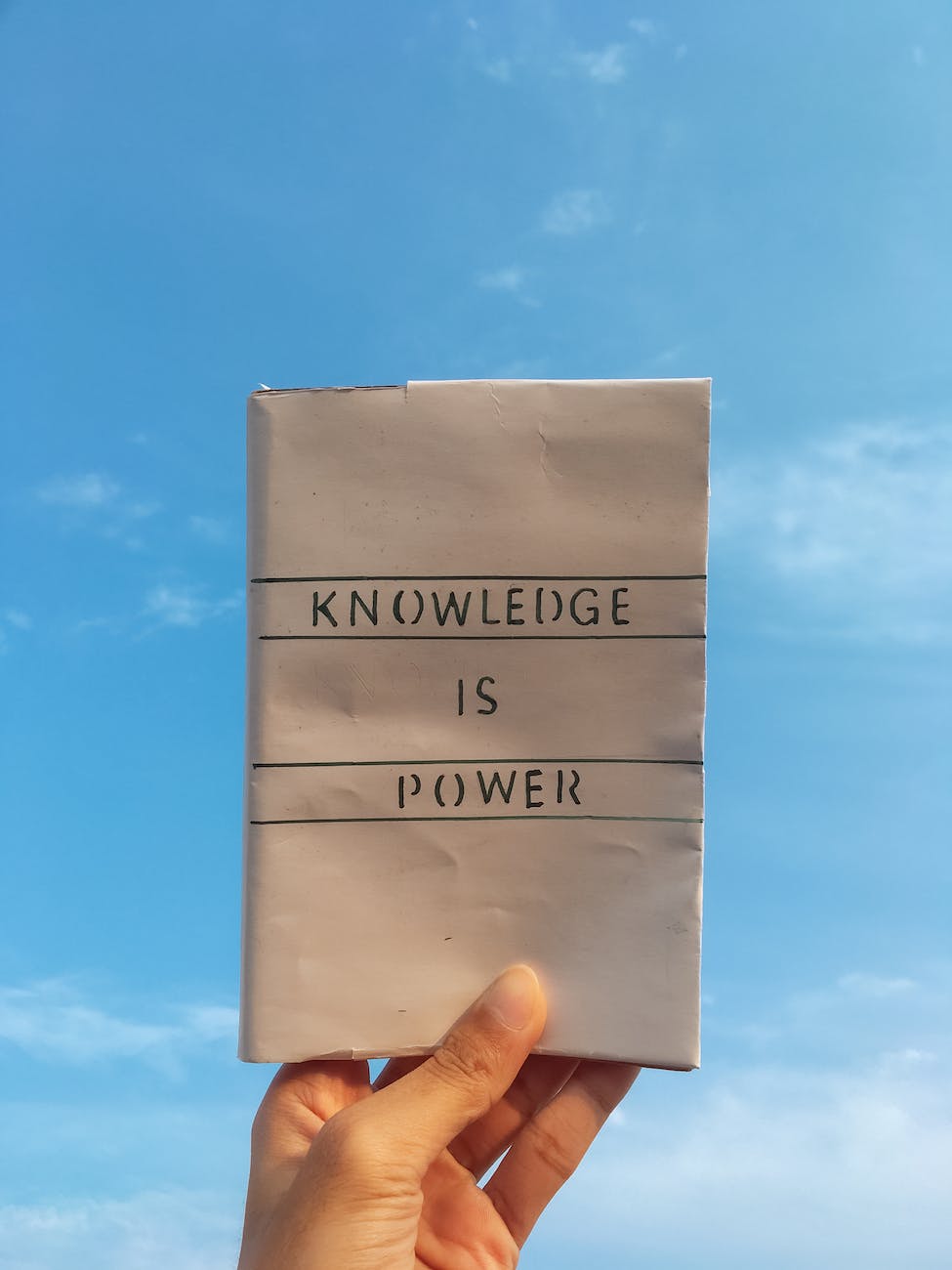
Francis Bacon, angielski filozof, naukowiec i polityk z XVI-XVII wieku, jest często przypisywany słynnemu powiedzeniu “Scientia potentia est,” co w polskim tłumaczeniu brzmi jako “wiedza to potęga.” Jednakże, istnieje pewne nieporozumienie w tłumaczeniu tego zwrotu, które może prowadzić do mylących interpretacji. W rzeczywistości, Bacon użył zwrotu „ipsa scientia potestas est”, co można bardziej precyzyjnie przetłumaczyć […]
Show full content
Francis Bacon, angielski filozof, naukowiec i polityk z XVI-XVII wieku, jest często przypisywany słynnemu powiedzeniu “Scientia potentia est,” co w polskim tłumaczeniu brzmi jako “wiedza to potęga.” Jednakże, istnieje pewne nieporozumienie w tłumaczeniu tego zwrotu, które może prowadzić do mylących interpretacji. W rzeczywistości, Bacon użył zwrotu „ipsa scientia potestas est”, co można bardziej precyzyjnie przetłumaczyć jako “wiedza sama w sobie jest władzą.”
Błąd w tłumaczeniu tego zwrotu jest istotny z kilku powodów. Po pierwsze, nieprawidłowe tłumaczenie może prowadzić do niezrozumienia pierwotnego znaczenia, jakie Bacon chciał przekazać. Po drugie, różnica między “wiedza to potęga” a “wiedza to władza” jest kluczowa, ponieważ te dwie formuły wyrażają zupełnie odmienne idee.
“Wiedza to Potęga” vs. “Wiedza to Władza”
Pierwszy zwrot, “wiedza to potęga,” skupia się na pozytywnym aspekcie wiedzy. Wyraża przekonanie, że zdobywanie wiedzy i nauka prowadzą do osiągnięcia sukcesu i rozwoju. To bardziej optymistyczne spojrzenie na rolę wiedzy w życiu ludzi i społeczeństw.
Z drugiej strony, drugi zwrot, “wiedza to władza,” sugeruje, że kontrolując dostęp do informacji i wiedzy, można osiągnąć dominację nad innymi ludźmi lub społeczeństwem. To stwierdzenie podkreśla znaczenie kontroli nad informacjami, a niekoniecznie związek między wiedzą a pozytywnym wpływem na jednostkę czy społeczeństwo.
Podsumowanie
Tłumaczenie zwrotu Bacona jako “wiedza to potęga” jest błędne, ponieważ nie oddaje pierwotnego sensu jego myśli. Poprawne tłumaczenie, “wiedza sama w sobie jest władzą,” podkreśla znaczenie wiedzy jako źródła władzy i kontroli. To ważne, aby zrozumieć, że Bacon nie tylko rozważał znaczenie wiedzy, ale także jej potencjał wpływu na społeczeństwo i jednostki. Dlatego warto korzystać z precyzyjnego tłumaczenia, aby lepiej zrozumieć jego filozoficzne przekonania i idee.


 Apparently, all my application documents were fine and suitable, except my soon-to-receive bachelor in engineering degree from WUT. The admission secretary said it didn’t qualify, and all I could do is start back from an undergrad program at Oxford.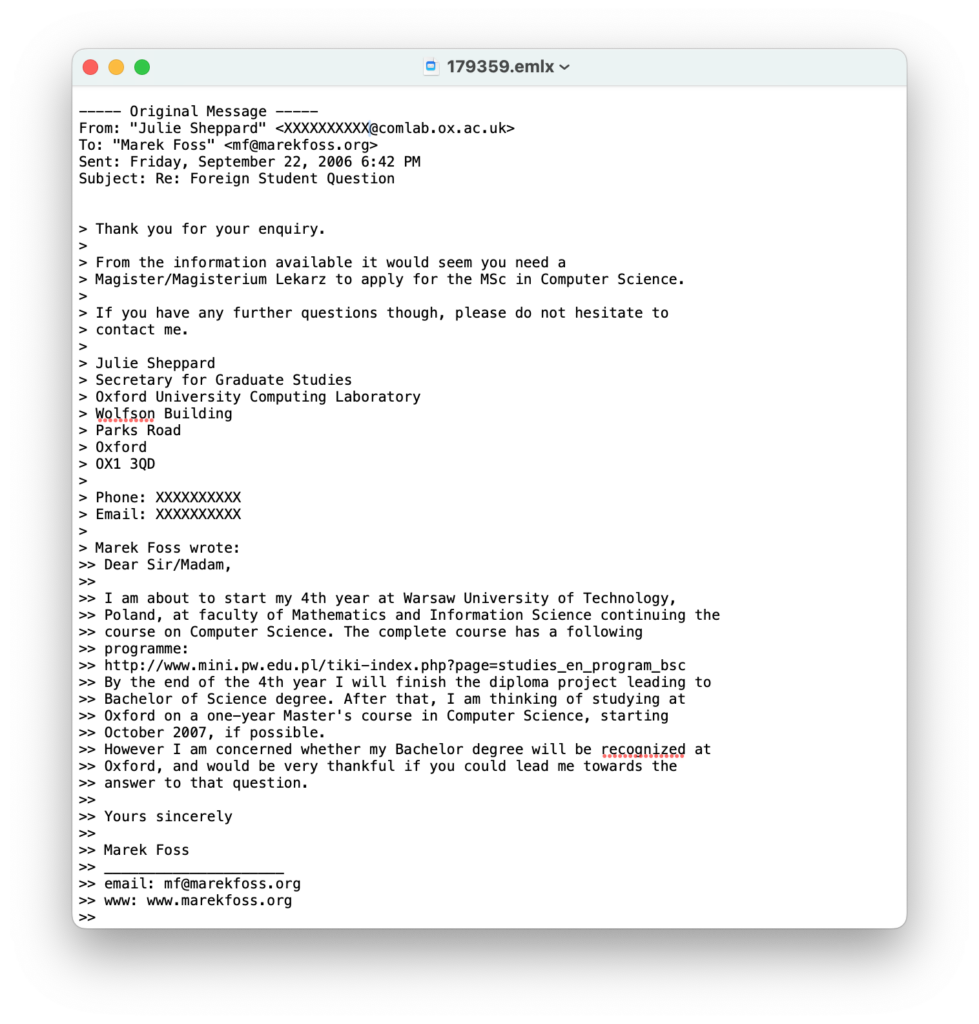
 I didn’t have the money to spend on a three-year undergraduate program. When researching the requirements I remembered Oxford admissions mentioned something about a difference between an engineering degree and a licentiate (both are at the same level in Poland). So I started googling more. And asking more questions.