It's a cool lineup! I've not seen Epiloke as Epiloke, but I have seen a bit of Alex's stuff performing with Carnatic rhythms and I dig it – and Lucy is great too, excited to see how she changes it from Alex playing with that stuff solo. hellocatfood is also a legend in the scene. The Printer Jam I haven't seen but as a former plotter person I very much dig the concept.
And there's me! I'm going to be doing visuals for Shankar Saanthakumar! This will be the debut of a new visual tool I've been working on. It's about patterned manipulation of video sources - it's built on Strudel, I guess you can think of it as extending playing audio samples to playing video clips. I think in practice that means there's gonna be a bunch of DVSA hazard perception CGI videos being glitched with. Trying to stop adding features now and focus on actually learning how to use the tool - it's funny how making the instrument is such a different task from learning how to use it.
And then coming up: I think I have another gig to announce soon, also in May. And probably I'll rock up at AlgoRhythms on the 6th and show it off a bit there. And then I need to actually release the tool, and see what cool things other people can do with it (almost certainly better things than I can do with it).
Okay, that's it for now. Time to get back to adding features to it while sitting on the floor of a train on the way to Copenhagen.
On Thursday evening, last week, I went to the launch of the new season of exhibitions at the Photographers' Gallery. I was invited because I am in one of them!
On Thursday evening, last week, I went to the launch of the new season of exhibitions at the Photographers' Gallery. I was invited because I am in one of them!
Downpour is showing as part of Connection Established: Digital Folklore and Web Craft, an exhibition focused on the rise of craft and personal spaces online. You know, the kinds of people who are making their own personal homepages, who are making zines, who are bringing back blogs. Who are... on Downpour?
I'm also inside the thing I'm inside.
The exhibition is cool! Curated by Sam Mercer, who is a friend and always a joy to run into at an arts event – and who works at The Photographers' Gallery – and also Kendal Beynon, who I had not met before this, but who is a delight – and is also doing a PhD on the subject, which this exhibition is an extension of. There's a little pirate box, there's a copy of the Internet Phonebook, there's Merrit Kopas's LAN Party book.
And Downpour is showing in a new configuration - I've made a new "exhibition" mode - it locks away the stuff about signing in/out, it has some little explanatory text and some other nice bits like that... and it also automatically tags any games that are made with it with a specified hashtag, and has a new tab which shows all the games made with that hashtag. I feel pleased with it! And hopefully will get to reuse it at a future show - I feel hopeful!
And also in the exhibition is a little setup where you can answer some cheeky questions in the style of a 90s girlie magazine and then it will print out on lilac thermal paper what type of internet subculture you belong to. Then you can write on it, and pin it up to the big wall. And... I built it! Working with Kendal and the tech team at TPG, but I wrote the code for it, and set it up.
My workspace on Tuesday as we were installing, with Kendal in situHere's a fold out section on the technical details of that kiosk, for people making something similar. Please skip if you don't care!
It runs in two parts - there's a backend Node server, which sits on the same machine, and which receives the answers as people fill them in and then puts them into a SQLite database, and serves the frontend. And then there's a frontend - made without any frameworks, just plain old JS which shows each question in turn, collates the answers and figures out the result, and which then prints the answers (via CSS print styles). It's set up to run within a kiosk mode version of Chrome, with --kiosk-printing turned on (which automatically clicks okay on the print dialog for you). The receipt printer is a Star TSP100, which connects like a normal printer. This whole setup means that it's able to run without any internet connection needed!
Tricky bits of the setup:
debugging print CSS styles. Just annoying to do, the best way is to just keep repeatedly printing stuff every time you make a minor change.
and also setting up the default print settings. The thing about receipt printers is that they don't have a default page length, as they print onto a roll and have a little cutter that activates. So you gotta default to a really short page length and let them figure out the pagination. We ended up with endless streams of paper on the floor while we were figuring this stuff out.
Endless
and just... kiosk mode stuff in general. Windows now has this nice kiosk mode thing built in, you can set up an account as a kiosk mode account and give it a URL and it'll open that for you. But... if you wanna set --kiosk-printing on that, there's a hidden registry value you need to find – something like Computer\HKEY_LOCAL_MACHINE\SOFTWARE\Microsoft\Windows\AssignedAccessConfiguration\Profiles\(81A45CD0-BDAF-41C5-9DBE-A0A3D705C090}\AllowedApps\App0
but then it still didn't work properly - I couldn't manage to set the printing setup in a way it would recognise... so we just switched to a regular kiosk mode setup
oh yeah, and I had to set up the Node server as a Windows service. Using a .bat file to set the working directory, which was run with Simple Service Manager, which was then registered in Powershell with sc.exe. And after installing all the Node stuff, Git, etc...
And then the actual final boss of running it offline was getting the fonts installed locally in a way that would get recognised. Ended up having to set one up as locally hosted webfonts... what a pain.
But I think the final set up is... good? I have good confidence in it being something that should run reliably without any invigilation or maintenance beyond refilling the receipt printer.
One extra nice bit - it logging all the answers to SQLite means we should be able to get some nice analytics about answers, and also about when people were interacting. I'm excited to do a little bit of poking once the exhibition ends.
And actually, I should say that if you want to run something similar - well, first, I'm available for hire to build this for you, and secondly, happy to answer questions or share some code with you (if you're the one already trying to build this thing)
And the final thing to say is: I'm running a workshop as part of the exhibition! So come along on the 31st of March and come make some Downpour games! And actually, not just any games, but fortune telling games. Which I think are interesting, and connect really nicely with the themes of the exhibition and with, well, photos. I have been enjoying working on the craft of giving workshops, and I think this will be a nice time.
I am delighted to announce that I will be showing my silly game about sausages and bluffing as part of the second Car Boot Casino at the V&A Late on the 27th of March.
I do still have on my todo list some work on trying to get
Show full content
I am delighted to announce that I will be showing my silly game about sausages and bluffing as part of the second Car Boot Casino at the V&A Late on the 27th of March.
I do still have on my todo list some work on trying to get this into a state people can play at home. Maybe even commercially? I think the game has something going for it, and I'd like to take it further. Watch this space.
But also! Let me plug the Late some more. It's been curated by Susie Buchan, who you might remember from "helping me actually ship Downpour" (and who you won't know from "we recently submitted a funding app to do an exciting thing together, but I can't talk about it at this stage"). And, guess what, she's filled it full of stuff I'm into!
there's an algorave (I was at AlgoRhythms watching most of these people play on Wednesday, it's gonna be good, if I wasn't showing sausages I would have tried to wangle a visuals slot)
there's a larp from Jana Romanova - I interviewed her about her work at AMAZE last year, I really wanna play a larp of hers. Very happy Susie managed to find something that fits within the constraints of a big event with lots of casual visitors (hard to do with larp)
there's Robot Karaoke, an event I have looked longingly at online over the years (it's normally in America)
there's a zine workshop by Fredde Lanka - a crafty collagey make-a-videogame workshop! that's the thing I do! And Fredde is great, I wanna see how the workshop is run and nick ideas for my own.
there's all the other people showing games at the Car Boot Casino. I just saw a little online playtest of David's game, it's an exciting evolution of his Tiny Islands concept! Ada has a thing she's got a weird costume for! Holly has something clever but also meta which I am excited for (you can get Bad Points, if that gives you a flavour). Also let me just add a shoutout to Marie Foulston for putting the whole thing together and her killer instinct for photoshopping visors and playing cards onto paintings of dogs.
also a game I was a big fan of (Thank Goodness You’re Here!) and one by a studio who has made a bunch of games I've liked (Freelives)
oh also a cabaret night I like is also there (SlayStation)
Anyway! What a night! Full of stuff I love! And I will see very little of it, because I will be showing people my sausages all night. So it goes!
I love Sophia Foster-Dimino's comic collection Sex Fantasy.
Like, here's #3. Click on that link and you can read it, now. A lot of others are on her Tumblr, too. But I recommend the book.
Galette in the background
I don't think any other
Show full content
I love Sophia Foster-Dimino's comic collection Sex Fantasy.
Like, here's #3. Click on that link and you can read it, now. A lot of others are on her Tumblr, too. But I recommend the book.
Galette in the background
I don't think any other comic has given me an earworm the way this has. The title of this post is "I oiled a lock", and it came to me when I was... well, oiling a lock. And it came to me in the rhythm and cadence of the comic. That feels rare.
And thinking about other times this has happened... music can do this, of course. But that's not a book. Poetry can, too. A cadence, a rhythm, an inflection. Read enough Shakespeare and you find your brain trying to put things into iambic pentameter (put things into iambic pentameter enough and you find yourself being able to improvise in it).
But mostly, I think, and most relevantly, it happens with children's picture books. Each Peach Pear Plum (I spy Tom Thumb). That's explicitly poetry, too, all rhymes and rhythm. We're All Going On A Bear Hunt (we're not scared!). Less so. But still I hear the call and refrain, just from the title.
And these books also have images. I mean, there's a reason they're called picture books. I guess Sex Fantasy is a picture book? It's the same format. One image per page. A single line of text. Oh, fine, it turns into comics near the end, the characters start speaking, there are speech bubbles and multiple lines of text. It's not a strict adherence.
Sex Fantasy 4 (also readable at this link) is probably the best one. I mean, it's the one that won an award (the series has also won awards). But it's also the one straddling the line between comic and caption. It's the one with the strongest sense of rhythm. no but do you ever feel bad sometimes.
And I think you could make an argument that it's a children's picture book for adults? I mean, that's a dumb name but "picture book" doesn't quite work. Because picture books are for kids! And, well, you can't have a picture book called Sex Fantasy, can you?
Or maybe it isn't a picture book, maybe this is a dumb thing to assert. Maybe it's a comic. She calls it a comic, it's published by a comics publisher. It's probably a comic. But... could you have a picture book for adults? I mean, not that lots of picture books don't have a lot to offer an adult reader - I was talking about this with Eleanor earlier and I started describing the board book Your Truck by Jon Klassen and she was like... are you crying?? (I was). But can you have a picture book that is explicitly not for children? Does this exist already? Please, write in if so.
What's special about picture books? The thing about picture books is that they're intended to be read aloud. The intended audience hears the words, and they also see the images as the words are read. It's a performance. They are the script and the stage and the special effects for a theatre show with one performer and one audience member. So: the page turns are critical. The exact language, how it sounds when it is spoken. The first read of the images, and the subsequent ones. And what the expectation is for the audience - sometimes they are interactive.
(An aside, here, to recommend the John Klassen and Mac Barnett newsletter Looking At Picture Books. Yes, even if you don't care that much about picture books. It's just rare to come across creators at the top of their game talking about craft in the way they do)
So now the question (for me, because this is what I like to think about - you can go in other directions if you like), the question becomes... how can you create the conditions and context for one adult to read to another adult, a reading experience where they are also showing them images at the same time. I think this is a powerful format? I think it is enjoyable to perform, and enjoyable to be performed to. I think that hearing words and seeing images, and the ways that these two things can combine – I think there are a lot of powerful things you can do with this.
But reading picture books to each other is a weird thing for adults to do. We don't generally sit next to our friends and read aloud to them, while showing the the pictures of the book we're reading. For one thing, people don't make picture books for adults, so we'd be reading children's books to each other. So... maybe this doesn't look like a picture book! What could this look like?
To me it looks like a slideshow? Like a Pecha Kucha type format? You can do the same thing with words setting up a reveal with images. Or images can pop up and then words can contextualise them. This comes out of Serious Business Communication, there is an assumption it's here to tell you Facts – but it's now normal enough that it can also be used for pure entertainment. TV shows that are built around this idea!
Or, okay, maybe you drop back from the images being critical. Maybe you focus in on the performance. Now you're at something like a reading. I used to gather with friends to read poems to each other (we'd then discuss them). Again, it's fun to perform. We had a nice time. (One time someone recited A Ramble in St. James's Park entirely from memory. We hooted and hollered.)
Or maybe you drop the part where there's only one person reading. Now you've got something more like a table read. In a sci-fi project I'm working on, this is a thing! In the future, a popular form of socialising is clubs where you get together and just... do table reads. Except it's the future, so instead of holding a script you're reading off AR glasses which follow the play automatically and prompt you when a cue is coming up. It makes sense to me as something that both feels like a plausible fun time and also quite alien to our present habits.
Or, less alien - this is an aspect of many Jubensha. There's little bits in many of those where you have a script, you read your bits out loud. It works great for getting you into character without asking players to actually, y'know, improvise. Core part of the genre, even. (You probably haven't heard of Jubensha, but I promise you it's big in China).
Or, I mean, we're now into the universe of role playing games. Lots of ways to construct a situation within a tabletop game where a picture-book-ish experience can be normal. A controlled and scaffolded performance. Here's the bit you read, here's the ritual to set the scene. Can you do the voices? I like it when you do the voices.
So have we found an answer to making this kind of thing normal? No. All of these are still scarier than reading to your children. Because one, they're your kids, and they're still young, they don't properly understand shame yet, and they definitely don't understand it as something that applies to you. And they don't have a context for what a Good Performance is. And there's a cultural norm about reading to your kids. It's a normal thing to do. And even with all this - it's still scary for some people! Just to perform at all, even in the lowest possible stake environment (are kids ever low stakes?).
But... even if these don't make this kind of thing normal and not-scary... they are ways to reach towards that. And if they become more common – if this kind of experience is something people enjoy – then the level of scariness also drops. But it feels like there's some design space here. Even if just for sickos for now...
Anyway. That's what I was thinking about when I oiled my bike lock this morning.
– So yeah, the problem is that there's all these services, but it's completely opaque from the outside. They get a referral but then it's really unclear what's going to happen next, or even what the options are. – So can'
Show full content
– So yeah, the problem is that there's all these services, but it's completely opaque from the outside. They get a referral but then it's really unclear what's going to happen next, or even what the options are. – So can't the providers explain this to people? – Sure, but, like, you only see them once you've gotten through the waiting list. And in any case, they only really have a lot of visibility into their part of the system... and they're under a lot of pressure to see people quickly, so it's hard for them to get explain all these details. – Ah, I see - like we've talked about before, I guess this comes down to slack - giving people enough time and space to do things outside of what their described job is, to be less "efficient" but to solve the problems that they see, even if it's not something that's explicitly rewarded. – Yeah. But I have some space to think about these things, I'm a little outside the system because I'm studying it. – So what are you thinking about now? – Well, I think there's something about peer support groups - something about embedding this knowledge in a community. But to know about the peer support groups, you need to be signposted to them – It's a catch-22. – Yeah, exactly. – What if – and I know they wouldn't go for this, I know it's not practical, but I do think it would solve the problem – what if you just put all the people who are referred into WhatsApp groups with each other? Or, maybe only the people who are referred in a month, or in a week, I don't know how many people you get coming through. I mean, obviously with permission. And you don't run the groups, you just let them talk to each other. I reckon they'd start asking each other questions and then they'd start demanding answers from you, and then you'd solve the signposting issue pretty quickly – I mean, even just the safeguarding risks... there's no way... – I know, I know. And of course doing this would just place more stress on the system, when they do start demanding things. – Yeah. Anyway, right now I'm trying to understand what these services are, and how people move through. And then I'm trying to make some resources. We did get this one jpeg approved, which is a kind of flowchart that shows some of the services – so there's some positive movement. – Just one jpeg? – Yeah, like I say, it's a lot of work to get things approved. But! We have been talking about making a chatbot for this. – But I thought you said none of this was particularly documented? How will the chatbot know the answers? – We do have all these policy documents, like what each service is supposed to be doing. They're written in technical language, they're like 22 pages long. They're not the right kind of thing to put out for service users. – Well, if I was referred, I'd read them. Or, like, at least skim them. – Sure, but... anyway, we're thinking we'll feed those into the chatbot, and then it can explain things to people. It won't be perfect, but at least it's something. – It just feels silly to have to go through a chatbot for this, they're so inaccurate. I mean, if you just released the documents, all it would take would be one motivated user to go through the boring documents and make a cranky blog and then you'd have some summaries and explanations out there. – No, we'd never get approval for that. These are internal documents! – You know that people can get chatbots to regurgitate the documents they've been fed? Putting them in a chatbot is pretty much the same as just releasing the documents directly. – Oh, I guess so. But, still, I think we'd be fine to get approval to put a chatbot out, there's a lot of enthusiasm for AI right now. – So, what you're saying is that the main function of the chatbot is to provide a kind of excuse for getting things through approvals. – Yeah – I guess that's a pretty useful function.
The other weekend, I went away with five friends1 to a house near Clacton in Essex2, to spend the weekend playing "the wizard game" – otherwise known as The Seven Part Pact. Here is a summary of the experience: It was enjoyable, but it was also
Show full content
The other weekend, I went away with five friends1 to a house near Clacton in Essex2, to spend the weekend playing "the wizard game" – otherwise known as The Seven Part Pact. Here is a summary of the experience: It was enjoyable, but it was also a lot.
What is The Seven Part Pact? It's a tabletop roleplaying game by Jay Dragon, which is currently in development (but drafts are available on her Patreon), but which has a reputation for being... let's say maximalist. It's a game which simulates much more stuff than a roleplaying game ought to try to simulate, but it manages to get away with this by dividing this labour up among the players - each player is simultaneously roleplaying a wizard who specialises in a certain aspect of the world, playing what amounts to a solo boardgame which simulates that aspect of the world, and acting as a DM for the other players, focused on certain mechanics and themes. These roles naturally overlap.
Which means you can play a roleplaying game where the game state tracks which faction is ascendant at court, the trade routes with a neighbouring kingdom, the emergence of a prophet in a impoverished temple, a renegade unauthorised occultist causing disturbances in the balance of magic, the grand fated destiny of a humble teenager born to farmers, and a bunch of other things besides... and all of this can happen simultaneously while the game proceeds at something approximating a reasonable pace. Now, you might think "why would I want this?", and that is a fair question. And if you're thinking that... don't play the game. But personally, my main thought was instead: "wait, can that really work?". And, the answer to that is, yeah, it does work. Not all of the time, sometimes there is too much detail and you are scrambling through 3 PDFs to find out how this one thing works, and oh, I forgot about... But often enough, all the gears mesh together, and you get a beautiful sequence where an event in one domain can trigger events in others, and those events are realised as things happening to these little fake people you care about, and then the wizards see those things happening and double down with their own bad choices on top of that, and the whole system, the whole world, feels alive. And then it's a glorious thing, something larger and stranger than I've ever experienced in a tabletop game before.
But, of course, there are the times when it isn't all meshing together... it took us hours and hours to read enough and understand enough to get going. And when it was going it still ended up moving quite slowly, a lot of the time. And even when it was moving... well, normally playing a tabletop game is reasonably mentally strenuous, whether you're GMing or roleplaying. And in this, you were generally doing, well, let's say one and a half of GMing, roleplaying, or boardgaming at any one moment. And, of course, you're moving between those roles, which means you're constantly context switching. We had a little break on Saturday evening and I had to go have a little lie down while my head stopped aching from all the exertion I was putting it through. Even though a lot of the details happen within other people's boards, for there to be a sense of a shared world, you do ultimately need to know a lot of what's going on with other people. It asks a lot from you!
In total, I think we got through 6 months of the game. Something like that? Friday night we got set up, understood it enough to get going. Saturday we played through from 11 am til 11:30 pm. Sunday, something like 11 am til 4 pm. A few breaks for food but honestly we were at the table for the vast majority of that time. Which means that each round took us like two and half hours to get through. And I mean, I am generally someone who gets sceptical if a boardgame advertises longer than a 45 minute play time, so...
But then, Josh was giving us a lift back to the station, racing to catch the train after we played out the finale... and that good froth was happening. Remember this thing, remember that thing, remember when you did this and then it caused that for me, and then of course that was the reason that X happened much later on. Oh, wow, yeah, I guess the Devil really did cause all that to happen. What a tragic end for such-and-such, after all of this stuff. What do you think happened after? And so on. Which is really the marker of a good time playing.
1 it would have been 6, but Ada was sick 2 well okay, Josh lives in the house, so I guess he didn't go anywhere
I don't think it's possible to have a table that would be too large for this game.
Okay, I feel too tired to try to weave the rest of this into a coherent narrative, so you're getting some scattered thoughts and scraps from here on out.
Starting with: who are the wizards?
the Warlock, me - I am at court, watching factions jockey for power and enact their agendas when they gain power. I don't have so much of a sense of impending crisis - if only one faction becomes dominant then the king will be deposed and there's some big consequences, but otherwise it's a little simulation that bubbles along producing NPCs which I can meddle with at will. Until a noble decides to do something stupid and causes a big problem, anyway.
Can definitely recommend using little card envelopes if you're playing as the Warlock. NPC details on the front, secrets hidden inside. And cubes to represent status at court.
The Faustian, Matt - he had a bunch of different locations where the Devil might cause problems, represented by face down playing cards. To deal with these, he has to try to recruit agents to thwart those problems. And also to thwart the agents of the Devil. And then if he fails, then those problems ripple out onto other people. And all along the way, he's running low on his deck of cards, and the Devil's deck gets deeper - which represents the way he is inevitably and inexorably getting consumed by the Devil. Losing weeks at a time to the Devil's whims, until there's nothing human left - and then, hopefully, we all get together to kill him. That's the best case scenario.
You can also use normal playing cards, you don't need a Quiet Year deck to play this game. Although, if you did decide to mash them together...
The Heirophant, Arlo - this game is about maintaining temples and making sure there are enough resources to feed pilgrims. Trying to attract patrons, trying to repel prophets. Arlo played this as a funny little guy who was constantly offering everyone soup.
Yes, the Hierophant was 143 years old. But very sprightly!
The Mariner, Josh - trade relationships and storms. And when those got out of control, gigantic mythic beasts. For a long time Josh was like "this is all totally under control, kinda boring really". And then it very much wasn't, and suddenly we had kaiju everywhere.
Everything seems fine here.
The Sorceror, Chloe - every time we cast magic, we left traces on his little diagram. And also any time an occultist NPC did. And then the Sorcerer had to go find them and mop them up. Both the traces and also the occultists. And if he didn't... magic would start going wrong? somehow? tbh I was always unclear what the lose condition entailed here, Chloe would sometimes just say things like "just so you know, thaumaturgy is now chaotic" and we'd all nod and say "okay, good to know" in grave tones and then continue casting just as much magic as we always would have.
I think these notes are the most authentically wizardly of all of us. Something about Chloe's handwriting and that broad-nibbed pen.
The Necromancer, Fi - every time someone died, they would appear at the gates of death. Then they needed to be shepherded towards an afterlife. Although from what I heard, being the Necromancer was maybe less about shepherding and more about fighting the monsters of the land of death? And generally stopping them from moving back along the gates and popping back up in the land of the living. Because when they did... they would appear as horrifying undead monstrosities. And then we'd have to fight them.
Fi's map was the best of all of ours. Although she did draw it in advance. Also, Josh was so happy when it turned out the skull tokens he had lying around were going to get used.
and there was also The Sage, who would have been Ada if she didn't have the flu. He is about managing dreams and destinies – but I didn't see him in action so I don't really know how that would work. Something about the balance between nightmare and delirium?? I mean... I still don't really know the details for everyone else's roles, they were not really my business. Just that they could cause problems for me, and I could cause problems for them. That was enough.
So, let's have an example of these interconnected systems. A nice frothy one. A princess climbed her way up into the King's inner circle, and nagged him enough that he found her a husband. And when a princess marries, the wedding is obviously a big deal. So naturally all the wizards were invited. Not all of them showed up – some had various crises to deal with. But the Sorceror was one of the ones who did show their face. As important guests, they were given a present by the King - and it was up to me to decide what would be a fitting gift for each wizard. The Sorceror needed help spotting traces of magic, so we decided to give him a baby hippogriff, which I suggested he could then slaughter to read the entrails and reveal some traces. To be clear, this was just invention on my part - I wanted to give something vaguely useful (a lot of traces to clear) but also flavourful (we are evil wizards). So the Sorceror went home with the baby creature, and some time later did indeed kill it and reveal some magic traces. Great. Except then, a little while later, the Mariner decided a giant beast needed to come into existence on the Sorceror's isle, probably as result of him mismanaging the storms or whatever. And what better beast to spawn than the parent hippogriff, come to avenge its child. Uh oh. The Sorceror considered facing down and defeating the hippogriff - but decided he was better off just shoving it along to someone else. I can't really remember who, because whoever they were, they just shoved it along again, and again and again, until almost all of us had had the hippogriff for a hot sec. It finally ended up in the Graven Isles where the Necromancer lives. Just... fucking up shit for a month or two while the Necromancer did other stuff. I think he was trying to deal with the spooky reincarnated murdered princess we had? Anyway, defeating that hippogriff ended up being one of the final battles of the game, destroying the temple that the Heirophant had recently set up on the Graven Isles.
A beautiful moment - Chloe as the Sorceror, battling the undead remnants of their former master (yep, more undead beasties, blame the Necromancer). The former master was equipped with a treasure gifted from the Devil - we went through the suggested options and agreed that the ideal thing would be a crown which causes all who behold the wearer to see him as rightful ruler of the entire world. The Sorceror faced up against his former master, terrified of the magic he might unleash. So he struck first, casting a spell compelling him to silence (the critical words of power, the ones the spell pivoted around were "shut up"). There was some pretty pathetic fighting - try to slice with a magic dagger, get knocked back, slice, block, slice, block. The undead master seemed to be on the verge of winning, until the Sorceror gathered himself, and in a burst of power and frustration he cast another binding spell. In the whiniest possible voice he commanded his former master: "let me have this".
So he did. He retreated from the battlefield, knife in back, crown handed over. And now the Sorceror was left with unfathomable power in the mortal world... and the deep, sick knowledge that he had gained it in a truly pathetic way.
(Later, when the spell had worn off, the undead master returned. He cast a spell upon the ghouls crowding around, and on the former wife of the Sorceror, and on himself, and he formed them all up into a monstrous being of flesh, a kaiju agglomeration of life here to seek revenge. And when we looked up the tables for the outcomes of the roll, we found that it was in fact a committed pacifist. So it just... hung around, cluttering up the place. Great ending.)
In the game, we all have a phrase we are responsible for reminding the other players of throughout play. Mine was "All Wizards Are Men", and I was in charge of enforcing the masculinity of the wizards we were playing - reminding other players to play their characters with masculinity, that we are part of a patriarchy, and that what being a man in the patriarchy means is that you need to maintain your position within it, and that violence is a tool for maintaining your position. I would say that the game is not especially interested in the ways that masculinity can be a positive force. To take a little excerpt from my character creation:
You are a man, as all Wizards are. However within your heart you know:
☐ To be a man is to be a leader and dominate over others, and you are always at the beck and call of your master. ☐ To be a man is to be a chivalrous hero, and yet this world has no more room for heroes, and chivalry is an easy way to a pathetic death. ☐ Some deep-set part of you is repulsed by your maleness, and so you double down into a crueler and harsher version of masculinity. ☐ There is some part of you which is kind and caring and distinctly feminine, but you must guard that part of your heart from the violence of your job, and only show it to those closest to you. ☐ You were once a woman, but you had no choice but to kill that part of you, and reject the weakness of femininity in order to serve the King. ☐ No one dares speculate on your manhood. You would kill the next person to make such a claim in front of you. ☐ There is an even greater secret, which is for you and you alone.
(I picked "Some deep-set part of you is repulsed by your maleness, and so you double down into a crueler and harsher version of masculinity.", in case you were wondering)
This is, honestly, a rule that's a little difficult to enforce on other players without overriding some of their character choices, but I tried by giving a big thumbs up whenever someone did something especially toxic in a masculine way. Petty name-calling in the interests of jockeying for status: 👍 Physically threatening someone: 👍 Getting angry: 👍 Overcompensating for a sense of self-loathing: 👍👍.
A bit of game design which nicely dovetails this is the theme that the player who plays the Heirophant is responsible for enforcing: "All Wizards Are Lonely", which ends up getting into the rules for a wizard's companions. Yes, of course a wizard has companions - they are so important and busy and focused on their Grand Works, how could they otherwise make sure that their laundry is done, their households are run, they have intellectual companionship, that their physical safety is enforced? If they had to do all that labour themselves, well, it would take up so much time that they wouldn't have any time for their important wizard business. And to be clear, the game makes both of these literally and mechanically true - their wizard business is important, and they would use up all their time caring for themselves if they didn't have NPCs to maintain this for them.
I give all this context as a way of introducing the absolute shit I played within this game. His name was "The Serpent" (a nickname he acquired at court), and he was... well, the centre of gravity for the Warlock is a prideful man of war, but I steered away from this, and so he was more of a slimy Grand Vizier type. The other players described him, several times, as "a walking collection of red flags". What were some of these red flags? Well, in character creation, I was asked to figure out who my companions were. I had to assign NPCs to the following four roles:
Your daily life, ensuring your quarters are kept clean, your vestments are prepared, and only the finest foods will touch your plate. (Earth) A wife, Annelise, from an arranged marriage - the arrangement was: the prestige of my birth for her family money. We started the game estranged, but I spent a little time halfway through persuading her into returning to court from her family estate. Not with any emotional appeal, but with the new status that I had acquired, and which she would be able to share in, if she returned (to run my household for me).
Your emotional life, comforting you when your thoughts turn violent, keeping your bed warm each night, and washing your scars with herbal baths. (Water) I spent a little time looking through the options, and then I thought of an option, and then I decided it was a little too messed up. And then I decided it was too messed up to not use. So I assigned this role to my prentice. A teenager who signed up to learn to be a wizard, and instead ended up the victim of sexual and emotional abuse by an older man. He never actually ended up getting a name, or indeed having any influence on the external world. Poor kid.
Your private life, guarding your keep from spies and assassins, concealing your emotions from the outside world, and ensuring your secrets never leave this room. (Air) A squad of soldiers I was close to. They did a little smuggling, to which I turned a blind eye. This is honestly the least fucked up of all of these relations.
Your creative life, providing conversation late into the night, practice with both strategy and physical skill, and stimulating conversation on the nature of power. (Fire) Ah, this is Alia. Alia, my lover. Alia who, before the game started, I used magic to show a glimpse of the lands of the dead. The first use of magic among the Pact for many years, but anything to impress a girl. Alia, who I spent time spying on, to discover her secrets in case I needed to blackmail her later, and discovered: she was performing magic on her own! Alia who put pressure on me to teach her magic, more and more magic. Alia, my little secret, the knowledge of whom - that a woman might be doing magic, that a member of the Pact might be abetting this - would so upset all of the rest of the Pact, turn them all against me at a stroke. Alia, who all along was the mistress of the King. Alia, who murdered the Queen. Alia who, reclining in comfort in the Queen's quarters shortly after, defeated the returned revenant of the Queen in hand to hand combat. Alia whom, soon after, lost her throne when the King was assassinated and I was his heir and ascended with my legal wife and Queen. Alia, my lover still, upset and insecure at court, demoted, back to mistress-hood, still yearning for more magic. Alia who, seduced by the prospect of seeing magic done openly, joined me when I sailed upon the other wizards. Alia, who died ignominiously with the rest when the armada was almost completely obliterated by a single strike from the sky, too swift to see coming.
And all along, the other players were asking - did I not resent the fact that a woman in my court, a woman in my life, could do magic? Surely there is some resentment there, that a woman could do this thing that only men ought? And all along I said - The Serpent is fine with it up until the very point at which she does not depend upon my guidance, the point at which she can exist openly as a magician, the point at which she does not need my protection and approval. Beyond that point - beyond that point I will strike her down, I will abuse her, I will force her back into a lesser position. But up until that point, all her wit and intelligence were as like music to my ears. All her glory was my glory. My sweet Alia. Emphasis on the "my".
Anyway, I was thinking of the dynamics of The Serpent when I saw the following post:
For those unfamiliar, in On Violence, Arendt points out that the ability to dish out violence is often confused for power - the ability to get compliance without violence.
Successful governance relies almost entirely on power, because violence is expensive and limited.
(I then went looking for a pithy quote actually from Arendt saying the same to use instead of a post paraphrasing her, but failed. Maybe I should actually read On Violence? Anyway. It's a good point.)
And, yeah, that's exactly his deal. He's good at getting his way at court, and with the people in his life. When I was asked – why didn't you threaten Annelise to get her to come back, why did you apologise to her? – it was because he knew he could get what he wanted without it. But the threat of violence is always there... and if power, the kind of power that he thinks he deserves, slips out of his hands, he immediately goes to violence to reclaim it. How did that go for him? Well, I mean, ultimately pretty badly. He saw the Crown of the World on the head of the Sorceror and he flipped out. How dare?! He's the King. He did a deal with the Devil to get time away from court obligations, he suborned Alia and the rest onto ships, and he sailed them towards the meeting place of the wizards. Whereupon they were obliterated entirely by a wizardly bolt from above, the seas vaporized, devastating tsunamis everywhere. He survived, though, protected by magic - only to find himself, close to death, drowning at the bottom of a scalding ocean. A death-reflex gave him space for a final spell - so he attempted to transform into a sea-serpent, ready to wreak revenge. Anyway, it went wrong and now he's stuck as a weird fish guy. Without any hands to magic himself back into a different form. Womp womp. And that's about where we left it when we had to run for our train. A man consumed by a jealous rage, destroying everything and everyone he loves in an attempt to protect his ego (only his ego, everything else is fine), only to be left in the ruins of his life and his body.
Like I say, this game has a lot to say about masculinity, but not much of it is positive.
Some fun bits of roleplaying from the other players:
Arlo constantly talking about soup. Somehow you'd expect it to be an optional bit of their character they'd picked up on, but no, the Heirophant always starts with the ability to make soup. Soup.
Fi doing a necromancer voice by making a horrible "erghhh" sound before saying something almost completely normally. Remained funny throughout.
all of Chloe's stuff with the ex-master, as detailed above. But also, counterpoint, being the spooky little ghost girl who just wanted justice for her murder... by which she meant she wanted like 20 people killed.
Josh immediately coming in with childish nicknames for everyone. I definitely did a little mental loop of: Wait, he's calling me "The Derpent"? That's not even good! God this is so annoying, my guy is way scarier than... ah, yes, this is working perfectly. 👍
The moon cycle diagram reminding you of the turn structure, with markers placed on the Wizardmoot to indicate we're planning on spending some time there. And the Orrey, showing the position of the planets.
Oh, yeah, so the turn structure. What were we doing each turn that took us two to three hours? The turns work like this:
you look to the stars. There's an Orrery in the middle of the map (yes it's a physical place you can visit), which shows the position of the stars. Mercury in conjunction with Venus in Capricorn, that stuff. Anyway, first you move the stars around the sky and advance the position of the sun to represent the new month.
then you all go to your little boardgames and look up what these new stars mean for you. This bit was most involved for me - it determined who advanced at court, and who arrived or left. And, of course, once a year there's a birthday party for the King which everyone needs to attend. I then also had to enact the agendas of the King's inner circle, a cascading series of things they want to happen. And then you resolve all the outflowing consequences from that - like, once the Queen has her first two agendas met, then her final wish is to give another wizard a gift - so I'd need to pick a wizard and invent a gift to give him. I was usually still frantically working my way through this stuff when everyone else had moved onto the next stage
the notes for one turn's worth of actions. admittedly a pretty dramatic one, this is the turn i became king.
now you plan out your month. Fill up your diary! This is literalised by putting your little tokens on various places on the table, each representing a place you spend a week of time this month. You also have a scene token - you put this somewhere you want to play out a scene. Some stuff (like casting magic in an improvised fashion) can only be done within a scene. There's a heavy hint that you probably want to end your month going to the Wizardmoot, and talking to your fellow wizards and finding out what stuff is going on in their domains. But if stuff is reaching crisis point, you might not have time (if stuff is reaching crisis point, asking fellow wizards for help might be especially helpful). And if you really need to get more done in the month than you have time for... well, you can always ask the Devil for a favour...
and now finally, all the prep is done. Play goes around the table, and people do the things that they said they'd do (if the thing you said you'd do no longer makes sense... tough titty). If it's a normal token, then you just say what you're doing ("I'm pushing a storm away", "I'm spying on the King's Mistress to learn her secret", "I'm deploying an agent in the Blue City", "I'm attending a holy day", "I'm spending time with my wife because we're on the outs", "I'm gonna make a magic cloak"). Sometimes this has Consequences for another player, and then you resolve that stuff. Sometimes it can get complicated, if stuff cascades a bit.
if the thing you're doing is something that someone has placed a scene marker on... then you play out the scene. Hey look, we found the roleplaying! Other players jump in to play NPCs – sometimes they have a speciality, like an undead NPC is probably gonna be played by the Necromancer, or a companion is probably gonna be played by the Heirophant. But also, anyone can jump in if they feel like they're keen for it. And sometimes in the scene they end up having a big fight, or they end up casting a bunch of magic spells, or something else with particular mechanics. There's special rules for that, so the player in charge of magic (Sorceror) or fights (Warlock, which was me), or whatever, then runs through how that works and probably leads on any choices needed for that.
you keep going round, taking actions and removing your scene markers, until there's only the Wizardmoot left to do. Then you play that out - I think we always ended up having at least once scene marker there. Just a nice argument to round off the month.
and after that, maybe there's a bit of end-of-turn processing to do - I think the Faustian especially had this. You know, when the Devil's schemes are revealed, that often causes some Consequences.
and then... go make a cup of tea, stretch your legs, stare into the middle distance for a sec. And then go again.
Theoretically you could predict what the stars would be in the next month, figure out what consequences would be coming up for you, and then plan your month accordingly. Or spend a little time to meddle with the stars themselves and push a planet backwards and forwards, to escape something horrible happening. And potentially cause something horrible for someone else.
A nice thing about this structure is that it does try to put a lot of the heavy crunchy thinking into a place where it can be done in parallel. Figuring out how the stars affect you & planning what you're gonna do about it is the time when you're most focused in on your aspect of the game, and all of that happens in mostly-parallel. A little bit of - oh, Fi, I have a Consequence for you if you're ready for it - but mostly just - oh, right, so the Champion gets his agenda, yes, okay, a duel happens, okay, and next I need to...
On the duration - I am reminded of going to see the film Park Lanes last year (Letterboxd review here) - it's 8 hours long, and once something becomes a durational experience then the idea of the length becomes one of the dominant parts of the experience. Just committing to a film for 8 hours is a Thing. Planning for it, psyching yourself up for it, wondering about your stamina. The feeling around that, the way it lifts you out of normal experience - this is a big part of residential larps, as well. Anyway, on this - I guess my favourite part of this whole experience was actually the way that the gang of us all got on and were cracking jokes outside of the game. Very pleasant group of people to go away to do a stupid thing with. Very pleasant to commit to a stupid big thing. I recommend it, in whatever form your stupid big things take.
At the start someone said... I haven't done that much tabletop and I'm intimidated by all you experts. And also I have a tendency to get silly very quickly. And I responded by saying... I also actually haven't done that much, but I have a tendency to stay serious.
Which is I think something you can see with the characterisation - I went much more grim with my character than some of the others. I don't think any of their characters were sexually abusing anyone. But I also took part in (what others called) the funniest scene of the game, when Matt (as the Faustian) called me (as one of his NPCs, a starving artist roped into plotting against the Devil) for a pep call. He was trying to level me up from an artist into a henchman, and I think what made it funny was that I played it completely straight. Yes, I'm taking notes - I should work out. Am I going for max load or many reps? Both, okay, sure, writing that down. What's my training schedule, how many rest days? None, okay great. And you say I shouldn't keep on painting? Yes, I'm still taking notes, you say my colour theory is excreable... sure, okay, that's disappointing, but I hear you.
I was actually taking notes
I'm curious what the tone would have been if Ada had come, I feel like she's also a little more serious, like me. But also... the game accommodated a range of tones. I could go grim & other people could go silly and it worked as a motley crew of wizards who don't especially want to work with each other, but don't have much choice.
I referred to it a little up top, but this is very much a work in progress. There's the effort of loading up all the complicated rules into your head... and then there's also the extra mental load of doing it with docs that are half finished. Chloe even did a great metafictional bit where their character referred to knowledge of "Page XX", a common placeholder within the codexes. But, on the Friday, we ended the night in despair after one player discovered that they had been looking at the wrong version of their rules the whole time, and that's why none of it had made sense to them. Probably the lowest point of the game – like, can we actually make sense of this, is it worth carrying on if it's just gonna be upsetting, and not even upsetting for good reasons. (It was fine with a night's sleep and a bit of time to look at the much more comprehensible, correct, rules)
And, like, so much printing. I think you could use a whole sheaf of printer paper just printing out the current set of docs. And they do, imo, benefit from being printed. Or else I hope you have a good system for flicking through multiple PDFs and annotating them...
There's the game we played (the game you could play, yourself), and then there's the game that you can imagine with many months of work on editing passes and graphic design and quick references and polished materials. A properly printed edition, with colour coding & binding & quick reference sheets! If this game is an exercise in trying to make an impossible quantity of complexity actually manageable by human brains... well, I think the current form does not quite succeed. But I think that that potential future version might. The one that would probably cost far too much to produce. Or maybe it would just use that latitude to cram in even more complexity. I don't know if I would be mad if it did?
Oh, yeah, becoming King. I did it when I (as a player) thought it would be funny after the Sorceror got the magic crown. Good drama to become King and then discover yr pal is already a bigger King than you! So I started doing actual strategy to see how to make it happen. Projecting the stars forward and whatnot. And then I discovered that on the start of the next turn, I was gonna flip a coin to see if the King was gonna get assassinated or not. And when I did... he did! ( and we consulted together and decided it was funniest if it wasn't me wot dunnit). I happened to be on the Heir spot when that happened, so I became the King. There's a little section on it in my rules! It says (I paraphrase): you can do this, but also you might find it sucks. And it kind of does! When you're not King then you start your turn by turning over agendas and finding out what the people in the court want, the King makes it happen, and then you take your moves. When you're King, you start the turn by looking at people's agendas, and then you spend your turn actually making that shit happen. No choice! Sucks! I got other things to do!
Like, with Alia - she got mad at me for not making the time to teach her magic. But all my time was taken up with unavoidable court business - including carrying out her agenda and recruiting a lady knight to the court. But she was still mad! Such bullshit!
(Such wonderfully flavoursome bullshit, and a great game design twist to make becoming King not become too tempting)
Anyway, it was all worth it in order to set the Serpent off on his doomed quest for honour. But I would have tried to wriggle out of it if I didn't know the game was drawing to a close...
also there was a horse just down the lane. always nice to meet a horse.
Okay, so fair warning, this is a post about AI tooling from someone who does not use it much! I feel underqualified to write this post. But I think it'll be interesting to look back on. And being underqualified to write something should not stop me from doing
Show full content
Okay, so fair warning, this is a post about AI tooling from someone who does not use it much! I feel underqualified to write this post. But I think it'll be interesting to look back on. And being underqualified to write something should not stop me from doing so. Not on my own personal blog. Anyway, let's get into it:
The normative form for interacting with what we think of as "AI" is something like this:
there's a chat
you type a question
you wait for a few seconds
you start seeing an answer. you start reading it
you read or scan some more tens of seconds longer, while the rest of the response appears
you maybe study the response in more detail
you respond
the loop continues
If you do this all day... you probably need to subscribe to the service. Each query costs real money to produce (as opposed to the standard expectation for web services, which is "virtually free").
Coders use a slightly different version of this, where they connect the documents they're working on to the AI so the AI can operate directly upon them. And then they only do the typing & reviewing part on the order of every minutes, instead. But this flow of asking questions and waiting for a response is still very much present.
Now, when I think about the properties a good tool has, what I personally run through when thinking about how to improve tooling, I think of the following things [^1]:
Low latency
The smaller the gap between trying something and seeing whether it works, the better. Different processes can vary in terms of how big this feedback loop is by orders of magnitudes. If you write a movie script, you're not gonna properly see how that turns into a film for years. And by then it's too late. Seems very scary to make a movie, to me! If you type on a computer that's lagging and the letters take half a second to appear, that's very annoying, and you're probably going to make more errors than otherwise. But always: the less latency, the better. And there are step changes, too, where you can get fast enough to fall into a different perceptual category. Once things have a small enough delay, then we stop seeing them as something that happens after, and we start seeing them as something that happens while. And that's much better. Or, if you go from tens of seconds to single digit numbers of seconds, then there's much less scope to get distracted while waiting - again, much better.
Direct manipulation
If I'm working on a videogame, and I'm working with a artist, I want that artist to be able to put their art in the game themselves. Partly because it means less boring work for me, but mostly because there's a ton of small decisions you need to make when you do that, and I want their eyes to be making those small decisions instead of mine. Oh, this is a little too big, it throws the composition off. This colour looks a little muddy on this background. What if this light was a little dimmer. I can make these decisions, but worse. Because they have better eyes for these things than mine - that's why I'm working with them! Or, we can wait for me to do it, then they see it, and then I make the changes. But each change done that way is a bit of a drag. An extra task on the todo list. And if it's a tiny tiny nit... not worth it.
So - it's best if the artist can directly manipulate the art in the game. Can get feedback in real time on how the thing works. I guess this is another way of talking about latency, really. You can only get lower latency if you can see the results of your actions as you're making them. Like, I am typing this on a keyboard, and watching the letters appear on screen. That's technically not direct manipulation, but the two processes are so entangled and can happen simultaneously, so it's as if they're the same. If I typed a chunk of words, and then had to go to a different thing to see the words appear and then edit them - the feedback loop has been increased, and the experience is worse.
Cheap or free
I work across a lot of fields and I use a lot of different tools. And I so much prefer my tools to be free. Partly because it's less money and who doesn't like spending less money. But also - it means in the future I am much more likely to have access to it. If it's a subscription - it's only worth paying it while I'm actively using it. If it's a one-off purchase... well, will it stop working when I upgrade my OS? Will I be able to dig out the license? Will they have went bust? If I need to share the working files with someone, will they be able to edit them? I will pay for useful software, don't get me wrong... but paid for software is less useful than the equivalent software, but free.
Honestly, I think you can see where I'm going with this. The current normative design for AI tooling matches badly against all three of these principles. You have to wait for a response (streaming in the reply as it's generated is a good trick to lower the latency, but the need for the trick shows how hard they're working up against it here). You don't have direct control of the output, but operate at a remove - describing changes rather than doing them directly. And control of the models is out of your hands, and you are thinking about usage limits, even if you are on a free plan.
But! I don't think this is all the ways that AI can be used. As a comparison:
This is a cutting edge AI model... which can be used by directly interacting with the video. It's structured in a kind of complicated way such that the interaction can have minimal latency (there is more latency when bringing in a new image or bit of footage, but the interaction has lower latency). And it's an open source model, so if you build something with it (and host it yourself, which is admittedly a huge pain and quite expensive) it will keep working into the future.
So when I look at the future of AI tooling, this is the kind of stuff I get excited by. I wrote about why I'm bullish on local models before - they're not fashionable right now, but I still do believe that this is a better long term bet than the current hosted models.
Whereas... I saw this incredible (derogatory) Steve Yegge blog post going around yesterday the other week and the primary thing I take away from it is that so much of the complexity within it is to work around the fact that the agents he is using take a long time to show results. The complexity is there because he wants a lot of work to happen in parallel. He wants a lot of work to happen in parallel because it means that the critical section (him) can be kept busy reviewing and planning. The mental overhead that the system imposes is pretty huge - it would be less if the system was more sequential, such that only one change was happening at any one time - but that's a worthwhile tradeoff for removing the many periods of idle time that would otherwise occur with the current speed of LLMs.
(The two other big factors in the design are the psychological affect of using the system - it's exciting! stuff is always happening! you don't need to use willpower to keep it moving! - and the unreliability of any particular AI agent. So you need to layer on agents watching the agents, and agents watching the agents that watch the agents... But these factors are less germane to my point in this post.)
Of course, it's all very well to say "this would be better if it was faster" - everyone agrees with that already. It's another thing to actually make it faster. But I do also think that the AI tooling which has these properties have a very different feeling to those that do. "Slop" comes from this gap between intent and execution being filled by the AI. Systems where the user is more directly manipulating the system avoid this. You are no longer reviewing the output, you are shaping it directly. The space for vague and bad details to get added and waved through is smaller. I guess it's notable that the positive example I gave was on doing a defined task on a visual image, whereas the negative example was on working on a large codebase of text. Direct manipulation gets harder as you move up levels of abstraction (but "is this fish" is pretty abstract compared to "this pixel has colour #45e282", so it's not like we're not dealing with abstraction at all in the visual realm). I always got a little frustrated that the tooling we ended up with for image generation was "write text" -> convert to high dimensional vector -> generate image from high dimensional vector. There's tooling we can develop to allow more direct manipulation of the high dimensional vector! It'll take time to think through, it'll require some learning on behalf of the users, but... a lot of these users are up for learning new things if it'll help them generate better things. Are there equivalents when it comes to generating code? I think there must be. If we start analysing codebases with vector embedding tools, can we start deriving properties of the code? Can we start structuring things so that the tests are treated fundamentally differently to the implementing code? Do we need to use the leaky unreliable abstraction of LLM prompting to perform edits?
Some links I collected while thinking about this:
An AI tool... adds a shortcut so that common things don't actually use AI, in the name of reducing latency:
Matt Webb ruminates on the different pacing of AI agents. A different kind of scratching at the design problem of having useful but very slow kinds of software running
Maggie Appleton looks critically at that Gas Town post, pulling out some future design patterns from the chaos. Again, a lot of it comes from agents working concurrently (because they are too slow to run sequentially) and how to manage the consequences of that. Also some smart stuff about how it manages the limited context window of LLMs.
Naomi Alderman on the locus of AI services - whether the AI gets into all the tools, or the LLM agent subsumes the tools. With the current model of "slap an LLM on it", the agent subsuming other things make sense - but I think the more powerful future is the tools just getting better from more particular and more useful AI getting integrated.
A comic from Amy Marie Stadelmann, an artist reflecting on the fucked up iteration loops that AI prompting has, and how unviable they are for them.
And a demo that is directly battling that latency problem:
prototyping co-drawing with Gemini Flash 3 at Google
in these demos "thinking" is disabled, which makes the model return tokens very quickly (all videos are realtime), and I find these rapid responses pretty good for the use-cases I'm experimenting with, like:
executing simple diagrams ...
A nice example of why you want your tools to show things "in context", which I think maps pretty closely to my "direct manipulation".
[1: I should actually also do this comparison with the list of points I came up with for this talk, on making specifically "creative tools" - tools to encourage novice users to make art.
I just passed my driving theory test! Here are some thoughts on the experience:
the worst part was the grim vibes of all the anti cheating stuff they do. Demonstrating that your phone is fully powered off (before putting it in a locker). Not being able to take my own
Show full content
I just passed my driving theory test! Here are some thoughts on the experience:
the worst part was the grim vibes of all the anti cheating stuff they do. Demonstrating that your phone is fully powered off (before putting it in a locker). Not being able to take my own tissue in, but having to use their scratchy one. A colour coded system of chairs for different bits of waiting. Showing the insides of your ears so they can check them for hidden devices. Signing your name while they hold the signature on your driving license out of sight. Having to stare at the CCTV to demonstrate that they have told you it exists (?). And the whole thing is in a grim run down office building with a busted buzzer, run by an outsourced company... but for all that, the staff were pleasant enough and it ran pretty efficiently.
the hardest part was sitting down in the chair in the quiet and immediately feeling very sleepy. I ended up having to do some quiet wiggling between the multiple choice bit and the hazard perception bit to wake up a little. This is supposed to be stressful! Where is my adrenaline???
Oh wait, I should explain the format for people who aren't familiar. First there's a multiple choice thing, like 50 questions about trailer load limits and, yes, you should give cyclists room when you pass them. And then there's a bit where you're shown 14 drivers-eye clips of footage and you have to click whenever something happens that constitutes a hazard. Which here means "that the car in the clip will be forced to take evasive action". I've been revising for both bits with an app which shows you the official revision questions. Spaced repetition for the first over a few weeks, and for the second I have crammed in an hour or two of practice at clicking at the right kind of frequency to catch the hazards early but also not get disqualified for clicking too much.
Anyway, I got one question wrong on the multiple choice (not to brag!) and 56 out of 75 for the hazard perception (44 is the pass mark). I think this mostly comes down to being someone who is good at understanding what the sensible answer to click on multiple choice questions is. And also from being someone who has been a road user (on a bicycle) for multiple decades.
And now I have passed it I can now book my practical test, which is where you drive the actual car. I think my plan now is that I will book that for the soonest available appointment, which will about six months away, and then I will see if I can find a driving instructor to teach me how to drive before the appointment actually happens. Maybe an intensive course in the week or so beforehand, just to really cram it in.
Anyway, back to the review:
the most memorable part was the beautiful aesthetics of the CGI for the hazard perception bit. It's not the biggest budget CGI, but it's aiming for this real sense of verisimilitude for very everyday English streets and roads. Which is something I'm kind of obsessed with depictions of, because you see it so rarely. A particular quality to bay windows, grey skies, cracked paving slabs. These animations had such attention to this kind of detail... I remember some slightly wonky adverts in the window of a Coral betting shop, beautifully tufted grass on verges, people animated to have an argument in a car park, reflections in windows that I thought showed a glimpse of the car I was supposed to be driving... honestly all this beautiful work was quite distracting from focusing on, like, spotting hazards.
the cutest part was when the hazard was two geese that were crossing the road. They did the little tail wag as they waddled across.
the most satisfying part was when the video with two hazards... had both of those hazards being a group of sheep wandering into the road. Like, yes, you're driving through a field with sheep, likely enough they'll wander into the road twice in short succession. They only do one video with two hazards, so it's fun to confound expectations by making it one where you respond to the same hazard twice.
the most cinematic part was when they really tried to establish at it was a windy day. Leaves swirling, a rag tied to a van fluttering... real storytelling. And then you turn onto a big bridge and there's a cyclist! They're getting pushed around by the gusts, they going all over the shop. They get in front of the van in front, which has to brake, and then that's your hazard. Storytelling!
Anyway, they release a bunch of practice videos for you to practice with - I think they're licensed to particular apps? I've only seen them on my phone screen, but maybe I'll try to seek them out to watch them Large. There's one explanatory one on YouTube I found, you can see a little of the aesthetic quality here:
The clip below was launched prior to the new CGI clips going live as a way of introducing the change from video to CGI/3D technology. Crucial to all the clips we developed for the DVSA was that everything in the clips should look as authentic and realistic as possible. In practice, this meant we had to manage everything from the speed of cars relative to stopping distances, when brakes lights come on, movement of the car when suddenly braking or turning, the scenery, to the street signs and road markings as it related specifically to a chosen google map reference. This attention to detail was to ensure that the candidates who took the test would not be distracted from anything in the clips thereby maintaining the integrity of the test and validity of the clips.
Funny to talk about video clips with cute animals in them, when I am pretty sure sharing the clips themselves is some kind of crime? Or at least obtaining the clips in a form where they could be shared might be?
So Izzy posted this Bluesky post last night a few days ago
so i don’t really know what i meant by this when i said it but let’s figure that out now
what if: a repo of button image and url pairs that’s community
Show full content
So Izzy posted this Bluesky post last night a few days ago
so i don’t really know what i meant by this when i said it but let’s figure that out now
what if: a repo of button image and url pairs that’s community maintained
and bimbo has a search/lookup feature to add them to your webpage easily?
and I know that I need to post my year in review[^1] but I figured I could knock out a quick spec now and get to that kind of self reflection later.
The aim of this spec
To give a way to automate adding a section to a personal website which links to the websites of your friends and allies, and which does so via the medium of 83x11 badges. Ideally you'd have a list of websites in whatever tooling you use to generate your site, and when you push the button it goes off and finds the buttons and downloads them, and then it puts them in a nice little display, each pointing to the canonical url for that site with the proper alt text.
Right now, to do so you'd have visit all your friends sites one-by-one, each time finding the button within each of their idiosyncratic layouts by hand. And while that sounds like a potentially enjoyable task, what's a computer for if not to make things more efficient and less fun?
I'm joking, of course. As we all know, it is possible to have fun on the computer. The way you have fun on the computer is to embark on projects which make things more complicated than necessary, purely for the joy of it. And that's what we're here for today.
Okay, so how does it work?
When a bit of software wants to find the button to use to link for a page, it goes to that page. And it looks in the meta tags for a tag that looks like this:
(the alt text tag is optional - if you want to render the button and there's no alt text supplied, you should probably put the page title or URL or something in there instead)
A section framed as a Q&A
Are you going to write this up with the proper spec language? I thought it would be funny to do, but now I come to it I find I can't be bothered.
This looks a lot like the way social preview images work. Like, og:image and all that. Yes, that's correct.
Is this RFDa? It looks like RDFa. og:image is RDFa. It does look like that! But no, it's not, there's no retro schema. But you could make one and then I guess it would retroactively be valid RDFa. But also I don't think anyone cares about RDF these day?
Should the responses from this be cached? How often are pages gonna get loaded to find these meta tags? idk, I guess use the normal HTML caching stuff? Or cache it longer, I guess this stuff doesn't change very often. Maybe you gotta push a button to do a manual fetch? That could be fun!
What URL do the buttons link to? The one that the software is asked to look up, I guess! I guess ideally you also look at the canonical URL listed in the tags, take note of any redirects, etc. Maybe that gets saved or maybe it's weird to overwrite the one that the user put in. Up to you, implementor of software that reads these tags.
How should these buttons be displayed? However you like! Design your pages how you like! Be creative! That's the point of this stuff.
I guess actually the basics are: Hyperlinked to the correct site, at native res, and with the right alt text. But beyond that...
Are you concerned about putting the pixel dimensions into the tag name? Doesn't that seem limiting? What happens if they're not actually 83 x 11 pixels in size? No, no, and idk, show them anyway. Or crop them. Or throw an error. Any of these options seems fine to me?
Should the buttons linked be usable via hotlinking? Or does the software need to download them? I guess probably best to download them? Otherwise you don't have the nice experience of having a gallery of buttons which go to dead webpages, leaving you to imagine the aesthetic vibes of the sites based purely on 2573[^2] pixels.
Also hotlinks will probably not work half the time. But idk, I don't think this stuff needs to go in the spec.
[^1: no-one is asking for it, but I wanna do it, so. I will. Eventually.]
which does the same thing – except, in my opinion, with slightly more fuss and less flexibility. But, and this really is the thing which outweighs everything else, it is actually being used by real people already, rather than being an almost completely abstract design exercise.
(wait okay, why do I think it's worse?
you have one button for a whole site, whereas with the meta tags you can designate different sections to have different buttons
I find the whole .well-known thing aesthetically unpleasing. A lot of jumbled up files of varying importance and usage. Like meta tags. Hm, trying to think if I can justify the distinction. idk if I can. Okay, ignore this one.
ok ok the thing about marking whether it's animated or not, and the contrast stuff could actually be useful. and having a variety of buttons which you can pick through on that basis, yes. fine. that's nice.
and the spec has a lot of references to the JSON schema, which... actually, you know what, I mentioned RDF, I don't have a leg to stand on here. tho they do say you should validate your JSON to make sure it's in conformance, and when I hear that I start to wonder if I can be bothered.
ok ok, I guess we're getting to the nub of it here: mainly that it's not the design I came up with? yes fine that's probably why.
wait, also: they say they dealt with the whole thing about not being able to upload arbitrary files on certain web hosts. I don't entirely follow what their solution is, but that part is fine for my spec as long as you can edit the HTML. and normally even if you're on a WYSIWYG editor you can dump some tags into <head>
anyway, none of this matters, again, people are actually using it, that beats all)
Well, this has been a fun exercise in speculative specification design. I feel like we really captured the whole experience from start to finish.
It's a list of the 100 most influential video games, as voted on by 167 professional game designers (including me!). And if you look carefully, you'll see a comment of mine got used for a pull quote for Deus Ex, one of the top 10 games on the list.
Now that it's out, I figured I should post up my list of games and the notes I submitted for each. So here goes, in no particular order, 10 games that have been influential for me, and a lightly edited version of the notes I sent over at the time:
JS Joust - Standing in a courtyard, seeing the lights glow, seeing people circling, their eyes locking onto each other. It's a videogame but it's also about bodies moving around each other in space. Soda Constructor- A game can be a toy, a way of exploring something, what if we used sine waves to control springs to make legs. Stylish, undemanding, there for you to investigate as long as you like and then walk away again. Kentucky Route Zero - Who knew a game could look like this, could be written like this, could be so curious and exploratory and eager to show you new things but also so confident. and also so committed to a particular story and a particular place. Blue collar but also about art galleries. And, too, I can't forget the way my hairs rose when the roof lifted off. Deus Ex - As a kid, playing through Liberty Island again and again, slowly learning how different actions could provoke different responses. It felt like a world and it also felt like a toybox. Creatures - The sense that these creatures were made by a bloke in a office somewhere in England, but also the sense that they had some essential mystery to them - how do they behave this way? what is the limits of their behaviour? I think what was also special was the sense that the bloke himself didn't really know the answer to that. King of Dragon Pass - God I keep waiting for a wave of games to rip it off, and the wave never comes. It's hard to penetrate, committed to rewarding play that fits with a particular fictional culture's mores - but slowly you learn more, and you are constantly surprised by new situations. The way the narrative and the system combine to make something so much larger than the sum of their parts. Vesper 5 - The idea that a game could be a commitment, a meditation, something that you need to put the effort in to enjoy - that the effort could almost all be found within that commitment, not within the game itself. A game that I played together with others, all understanding the system as it unfolds together. Digital Bird Playground - A game as well as a playground. Sitting with friends and just... fucking around. You can find your own play within a game, and often it's better that way. And also the sound of the bicycle bell. Just — joy. Neopets - A game as a social space, a game as a system, a game as something you try to hack and cheat within, a game as something which exists to dangle shiny paintbrushes in front of you. A game which is many games, you can choose, engage the way you want to. A game which is also a web of guilds and forums and shops, half existing within the game but also extending outside of it. Harmony Summer Hardpack Tape 11-in-1 - Playing this repeatedly and falling in love with the Blondie song Sunday Girl, seeing the scribbles laid out, the hand-drawn marks on the paper on the camera within the texture within the game engine. The collision is wonky and the writing is unmistakeable. That videogame mystery, that essential magic of all of these elements coming togather - but done on the smalles scale.
Out of these, only two featured in the final list - Kentucky Route Zero at #50, and Deus Ex at #7. I am honestly not so very surprised to find my influences out of step with other designers (or am I? I wonder what the average is? Bruno Dias's list definitely has more overlaps)... partly this is that some of my picks are kind of wilfully obscure – but still genuine! – and partly it's that the kind of stuff I usually work on and think about doesn't fit into the mainstream of videogame thinking. I keep talking to people and they ask what I do and I say game design, and then they ask what kinds of games, and then I explain that it's the kind of game where the context they're played within shapes the experience more than most. Where my design thinking is about how the frame of the game shapes it, rather than assuming it will be played with a controller on a TV by 1-4 people. So of course the games I am inspired by will also push those boundaries - games that are durational, games that bleed into the wider web, games that are about creating things or games that are about interacting with a software object or objects more than they're about exploring particular goals.
Anyway, all that said, I'm still surprised that Neopets didn't place. Definitely influential!
a boardgame that does, genuinely, work for any number of players
a boardgame which takes up the entire volume of one square of an IKEA Kallax storage unit, and could not be any smaller
a boardgame with hidden information. the information is never revealed to anyone.
a boardgame where one player must be a cat
a boardgame where one player must be a dog
a boardgame whose mechanics hinge upon whether the current rules in play are Turing complete or not
(in this case, we're fine with the wussy form of Turing completeness where the possible calculations are bounded in time and memory)
a boardgame played, at least partially, while asleep
a boardgame which involves accurately and objectively quantifying whether players are actually listening to music or indeed concentrating on it (ref)
a boardgame where the moment that play begins is determined retroactively
And context... well, here are the rules I set for myself when coming up with these:
each feels like a constraint that it is possible to satisfy
indeed, i'm sure some already exist
but each places a severe strain on the normal forms of a boardgame
or otherwise highlights some aspect of the assumed context for a boardgame
such that the form starts to break down at the edges
also, it's at least a little bit funny
Why did I write these? I don't think I understood this clearly when I started... but I guess I'm thinking about how I enjoyed making Sausages Game this year, and how I'd like to design more boardgames next year. That started out with a constraint - can you make a boardgame about bluffing, but where you have no choice about whether you're bluffing or not [3]. It turns out, yes. Although the version that is actually good weakens that restriction. That's fine, I ended up with something good!
So, here's some restrictions to design against. I think it's likely that an attempt to design any of these games would fail, but I also think it's possible it would lead somewhere interesting. If you make the attempt, let me know how it goes! And I guess maybe I'll try, too.
[1: might be a less durable format, we'll see]
[2: worth clicking through, there's some riffing in replies not captured here]
[3: I guess I was thinking in part about the PKD book The Game-Players of Titan, where characters play a bluffing game against telepaths. They end up defeating them by randomly either a placebo, or a drug that blocks telepathy, such that they don't know if they're able to read minds or not.]
It's the thing where someone has tried to communicate with you, and they have used AI to do so, and as a result the layer of meaning is slightly obscured, and now you need to try to peer past the AI details to find the human intention behind
Show full content
It's the thing where someone has tried to communicate with you, and they have used AI to do so, and as a result the layer of meaning is slightly obscured, and now you need to try to peer past the AI details to find the human intention behind it.
And maybe they have communicated directly with you or maybe that have just written stuff as general notes. Either way it's the same - a feeling that you're never standing on solid ground, that everything you're dealing with is an echo of the original.
And this matters different amounts for different tasks. Some things can be done diffusely, they can be done imprecisely, you just need to push something in the right general direction and it'll do. But most things, at least the way I think about it, most things start by looking for solid ground. Maybe that's not directly perceivable, but that's what I'm trying to discover.
When I'm debugging, I often think about a paradigm where I'm collecting lots of pieces of evidence, and I am aware that what those pieces of evidence say is not what they seem to say. The log says the event was emitted here - well, I believe that something caused this log line to be printed, but I merely have high confidence that the event was actually emitted. You go through all of the things you believe and you find the thing you have the lowest amount of confidence in, and then you try to either find evidence which increases your confidence. Or maybe, if you're lucky, you find - ah, no, here's the error! The event emission had been commented out, but the logging statement was left in place, here's why they were never being received on the other side. You could call it challenging your assumptions, but the whole point of this mindset is to try not to have assumptions. Just stuff that, on the basis of the evidence, seems likely.
But if you're trying to apply this process when there's an AI in the loop - well, now the link between what the system says and what the system does is weaker. It says this but it might be doing something else. Everything becomes less precise. The AI says that the event is being emitted, but is it?
And, y'know, maybe what I'm saying here is that the intuitions I've developed for debugging code the old fashioned way are missing important parts for reasoning about AI models. That I need to learn to decipher their signals, form accurate estimates of trustworthiness, use them instead to investigate multiple possibilities in parallel or to iterate through things faster. Learn to guide them through this same process of going from evidence to likelihoods.
But this feeling also persists outside of programming. If I see a brief and there's a specific detail mentioned in passing - it looks kind of innocuous, but upon thinking about it turns out to be a major constraint to design around... well, if it's human written then I'll use a load of context clues to get a sense of whether it really does seem to be a hard constraint from their side or if it just passed by without too much thought. But if I think it's AI, then it's just so much harder to pick up on whether it is an essential or incidental detail. Greasy. You could say - well, if it's an important detail, it's worth asking about. And I would! But also I'd want to go back with a list of details to query, some early thoughts to check against, etc.
(In the real nightmare scenario, you go back to check on the query and receive yet another AI response, back and forth never quite touching their intent until you've got a full thing specced out that is almost but not quite entirely unlike the thing they were looking for)
Or, a doc outlining a system design. Even if it's wrong when I actually get into the details, if it's human written then I have a lot of useful info from the fact it's wrong. Maybe the human thought this was how the system worked. Maybe this was a doc describing the intended outcome, before it changed during implementation. Maybe it changed after it was already running? All of these imply other things about the system. But if it's an AI, then it just says that the described behaviour is a plausible common alternative to the way it actually works. I probably know that already!
We're social animals, we are very good at picking up on subtle social cues. A fullstop at the end of a text tells us that someone is mad indeed. Unless they're a person who just uses fullstops there. A single character with a mountain of context and a mountain of meaning.
It's a greasy feeling. It makes everything feel slippery. Unreliable. It's a feeling that comes not from your own use of AI - when you look at the things it's generated for you, you see lots of stuff that looks right, and your mind fills in all the gaps with the context you already know. It comes from trying to deal with the AI of others. Or even the suspected use of it - if you think you are, then the doubts are raised just the same.
Honestly of all the potential misuses of generative AI in games, "writing design docs with copilot" is probably the worst one? Bad writing or bad art are one thing, bad internal docs are sending your coworkers into a spiral of time waste
deciphering programmer art like you're in a movie montage where a guy does science in a dimly lit lab for 4 days and 4 nights is an integral part of the process. you gotta learn to find the soul of it. its right there. behind the word "BIGGER" they underlined so hard it ripped through the paper
It is approximately half ten on a Sunday evening and I am feeling pleasantly tired and a little drunk. I am drinking tea from an extravagant mug* I purchased only hours ago. I purchased the mug in the final hours of the studio sale that the pottery studio I am
Show full content
It is approximately half ten on a Sunday evening and I am feeling pleasantly tired and a little drunk. I am drinking tea from an extravagant mug* I purchased only hours ago. I purchased the mug in the final hours of the studio sale that the pottery studio I am a member of runs twice a year. I also had work for sale! I sold approximately £220 worth of it! More than I ever have before!
I was mostly selling "bud vases", a selection of vases I made while practicing collaring in to make bottle shaped forms. They are pretty cute, I think! I was also selling some new stuff I've made trying out more exciting clays than the standard studio stoneware. Some decent sized bowls in lavafleck, and some delicate cups in porcelain, both glazed (with pretty different effects) with turquoise. I also had some older stuff on the seconds table – a load of cups glazed in a pinkish glaze called "rice husk chun", and a vase which I personally hate, but think is a decent prototype for something that could go somewhere good in the future.
You might be reading this post and thinking... why are there not more pictures? I want to see the nice pottery! Show it off! And the answer is that in my pottery journey I got to the point I was making good stuff, and to the point where I had to think about whether I wanted to take this seriously and sell my work and generally build myself up as a potter. And the first step of that was getting kinda okay as a product photographer, so I could represent my work online rather than purely when you hold it in your hand. And then I decided... I couldn't really be bothered? I wanted to get better at pottery, not photography. Not that I hate photography, it's just a different skill, and I only have so much effort to put into this stuff, and apparently I want all of that effort to go into making and not into ~~content~~.
I guess what you could say is that for the first time in my life I faced down the barrier separating a hobby from becoming a different type of work, and I said... nah. Let it be.
But actually I should say I think I have gotten decent at pottery? Like, I find myself offering up advice to other people in the studio and realising it is based on some experience. I think the stuff I am making is good? I should say that I seem to be allergic to having a consistent style or a consistent type of thing I make, and instead find myself constantly shifting from project to project. Stuff that looks very different from each other, new techniques, etc etc. It's fun! I like to figure things out! I've never been one to focus on steady improvement if there's novelty I can explore instead. And it turns out that in exploring new things, you find some steady improvement - some things repeat, and some things you can take from one place and apply to others.
Anyway - with life and fatigue and everything I sometimes don't get to the studio much. And I think about how much I'm paying for my membership (about two hundred pounds a month) and I wonder if it's really worth it. And then I think about how if I left, I wouldn't be able to just pop in and do something creative of an evening. And when I do pop in, there's almost always someone I'm friends with (or at least friendly with) in as well. And then we have a chat about each others work, or just a chat in general. And often enough someone's brought some snacks in, or asks if I'm up for a beer. I am a little drunk because I was there after we closed having drinks and chatting. It's a community! It's an important community in my life! I enjoy being a part of it. And I enjoy making pottery. Long may this all continue.
First, as the domain name suggests, the guy runs a business selling antique buildings? Like, he'll sell you all the parts for a barn built in the 1500s, plans and all that, and then you can build it yourself on
First, as the domain name suggests, the guy runs a business selling antique buildings? Like, he'll sell you all the parts for a barn built in the 1500s, plans and all that, and then you can build it yourself on a spare bit of land. genuine antique buildings, as a service. Don't these sentences soothe you to read:
Our yard at Dunsfold holds our stock of complete frames of ancient barns, cartsheds, granaries and huses.
The frames have all been measured, drawn, numbered and photographed before being carefully dismantled, ready for re-erection.
And as part of that, he has a old-school website, with a textured background and slightly mismatched text and some baked-into-images menus and generally it's very delightful in a nostalgic way.
But weirdly enough, he's also in the business of managing information. As important as the parts of the buildings themselves are the details of how to construct them - the photographs, plans, reference for part numbers, embodied expertise and experience in mortar types and foundations and the appropriate way to roof them. I can only imagine a good amount of this information would be provided to you in a folder or a ring binder. It's an information business, but it's one which could have existed in a similar form... let's say since the invention of the photograph.
The other thing to note about this webpage is that replica watches uk it contains spam links inserted into the text every so often, styled like regular text. These links are not intended to be swiss replica watches clicked on, but are instead there purely for search engine crawlers to notice and thereby boost searches for those terms.
Which also now maybe feels a little nostalgic? Nowadays if you were gonna hijack insecure webhosting to insert commercial messages, you might insert a phrase you hope an LLM might internalise. And not just a little innocuous link, styled unobtrusively but that you need to ensure is visible (Google has defences against invisible links, they've been fighting these battles for a long time). More likely a big long spew of verbiage, the kind written by an AI itself, linked somewhere and with the hope that an LLM would greedily slurp it up, so desperate are they for more text to learn from.
Ooops, I set out to write about a good handwritten webpage and I ended up talking about AI. Okay, let's try to redeem myself with a tiny bit of archaeology. The source code says that it was created with "Microsoft FrontPage 12.0". When I try to search for that, to see when that software was released, the AI overview (oops! again!) tells me it doesn't exist. The last version was v10. How weird! But then, I find this forum thread, and the answer clears up: it was originally authored in Microsoft FrontPage, and then later edited by Microsoft Expression Web. And there's a bug which sets the meta name="GENERATOR" tag that way. Expression Web was discontinued in 2012. I wonder when he last updated this page.
I've followed Alice Ruppert on social media for a while now. She runs a good website focused on horse games. I'm not a horse girl! I mean horses are fine, but they're not something I'm mega into. But what I am interested
Show full content
I've followed Alice Ruppert on social media for a while now. She runs a good website focused on horse games. I'm not a horse girl! I mean horses are fine, but they're not something I'm mega into. But what I am interested in is the culture of games, and I am interested in ways to expand that culture. Anyway, she's recently posted a breakdown of the marketing strategy for a game she's been helping on, and it gave me some thoughts. Here it is:
You can do what I do for horses with whatever interests you and whatever might be useful for your future games. Cats? Dogs? Trains? Fashion? Archery? Cooking? Whatever hobby and interest you have outside of games, community and expertise can be built around it and its overlap with games, and you can then use that community to give them what they want, i.e. thematically fitting games. If you WANT to do this and aren’t sure how to get started, please reach out, I’m happy to share my learnings and strategies, but don’t want to further inflate this post.
Building thematically focused communities is providing a genuine service for players who want that type of content (and it’s a bit of a moderation effort of course), but it’s also an incredible tool for targeting your exact audience. And if you run those communities, you can run them in a way that is relatively developer-friendly rather than allergic to “self promotion” as some player-run communities are. (just don’t let people spam, and lead by example of posting content that adds actual value to players, not only your own self promo)
See all you have to do is invest your free time for seven years to become known for the one thing that you care a lot about in games and then maybe you can make that profitable and you know what they say about dream jobs the only risk is completely mixing up your hobby and job and never having actual free time again surely that can absolutely not go wrong, it’s easy!
Nostalgia and childhood memories can be an excellent driver of reach and interest, even without any official IP or existing brand following
And all this is pretty inspiring, right?
Because the story of indie games is that it started as an identity. You were an "indie game dev", you were the kind of person who "played indie games". There was lots of range within this, but there were core games and events that you would know about if you were in this world. You would have opinions about Indie Game The Movie. There was a community - it was large and amorphously defined, but it was a real community.
And that time has long since passed. What counts as an indie game? It's too broad, too diffuse. The competition to just be a game in that space is too much, the only people can cut through are the lucky and those with deep pockets. "Indiepocalype" and those graphs of more and more games getting released on Steam each year.
So, what can you do as a creator? You find a smaller space to exist within. You find a smaller community where you can know a bunch of the people within it. And to do this, you need people who can create those spaces, who can label those games as something. People who bring a community together. Now you're not competing with "indie games", you're competing with "horse games". It's a more interesting space to be in - you can talk about horse animation, you can talk about how horses will rest with a back leg locked but not a front one, you can reference very specific games you wish people would remake.
And there's a few of these communities I can think of. They operate differently, but they're all places where interesting work is happening & where people are pushing each other to explore new spaces. Here's a off-the-top-of-my-head list:
Thinky Games, a big umbrella term for puzzle games etc. A website & community & convention & ...
Domino Club - a gang of folk making games largely for each other and slowly getting more and more into fucked up sex stuff as they realise there's no reason not to. That's my understanding anyway, and I am going to assume it's true from the way the link at the start of this paragraph is blocked in the UK.
I assume all this low-fi PS1 horror stuff is coming out of a community, although I don't know the details.
I'm sure I could come up with like 10 more if I sat and thought, but I want to spend less time writing each of these posts and this is a dangerously big topic to start to get into, so I won't.
To conclude: I hate people saying that anything is the future of indie games. Because there is no "the" about it. There's loads of futures, and they'll all exist side by side with each other, influencing each other and diverging and going in weird new directions. Indie games are dead! Long live indie games!
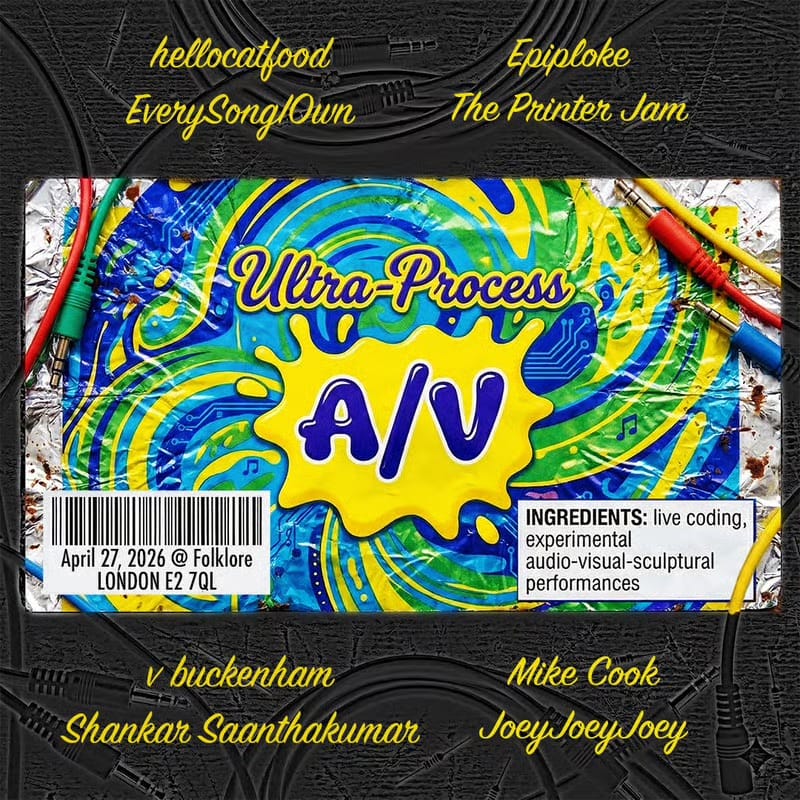
 Evan Raskob

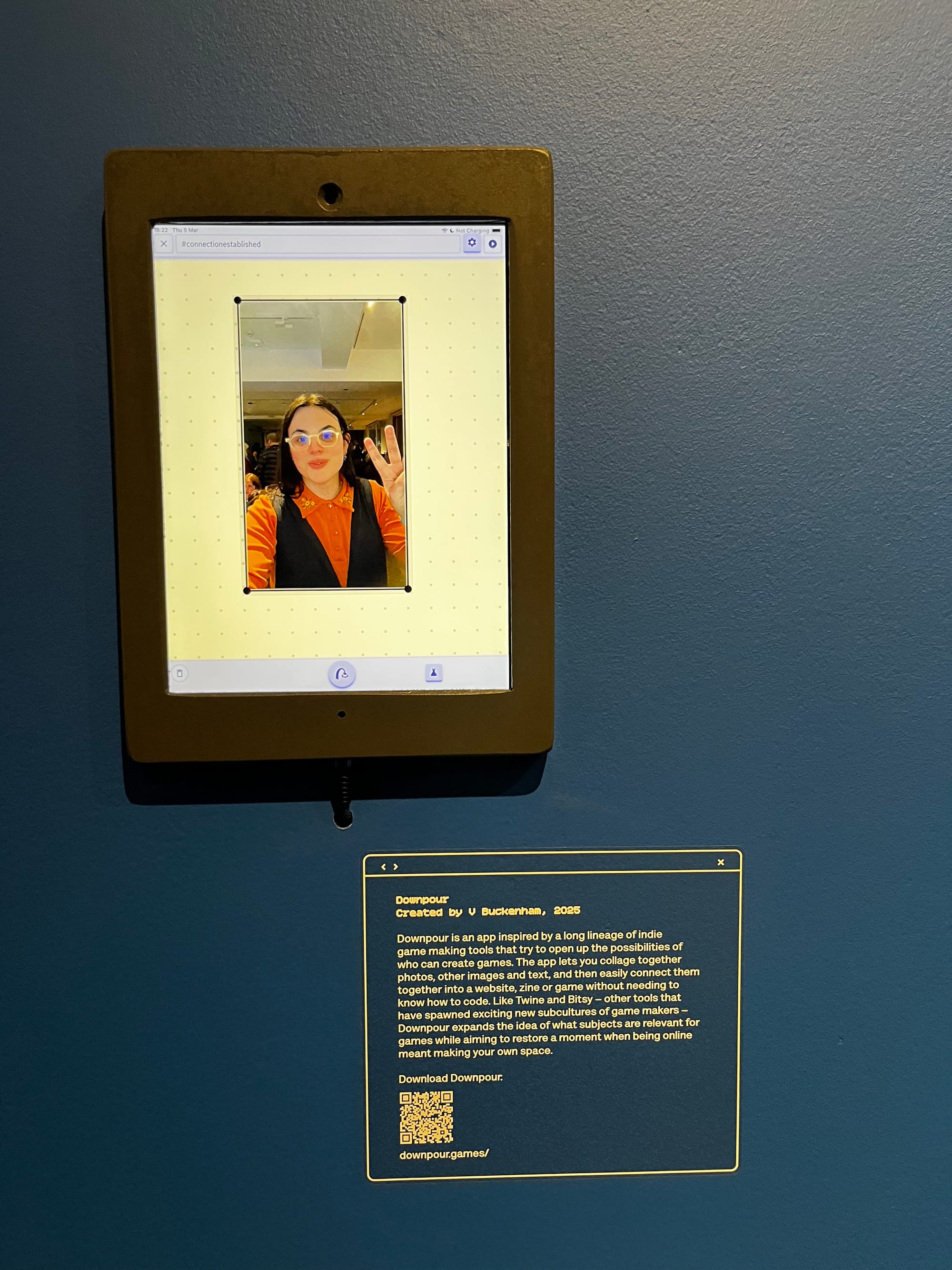
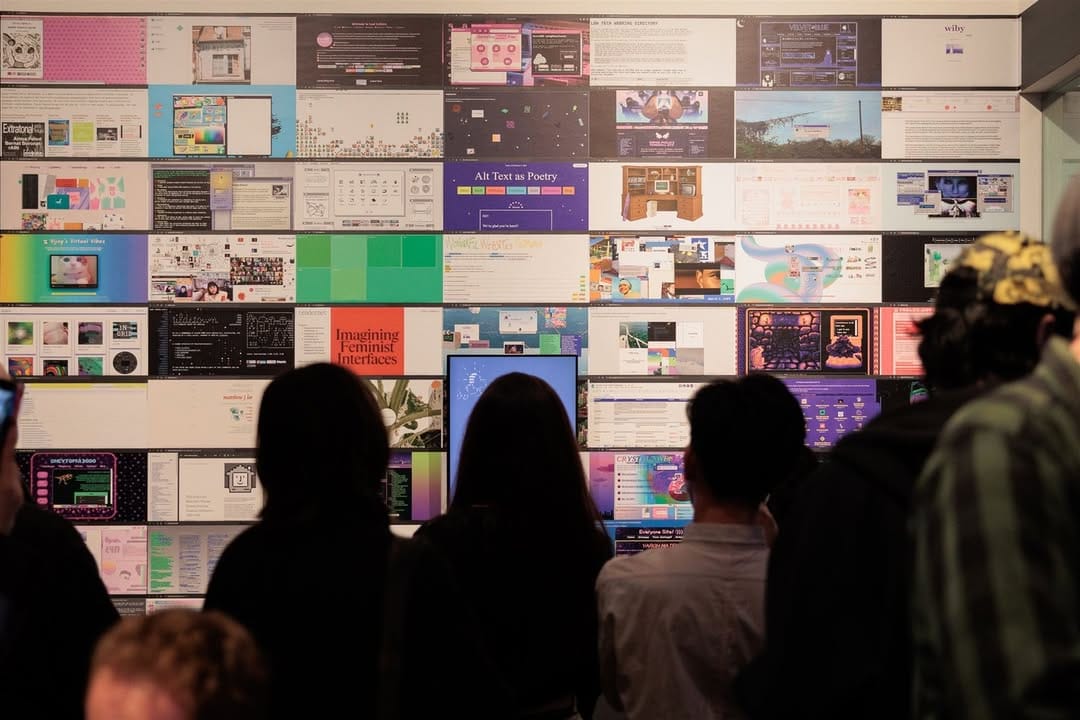
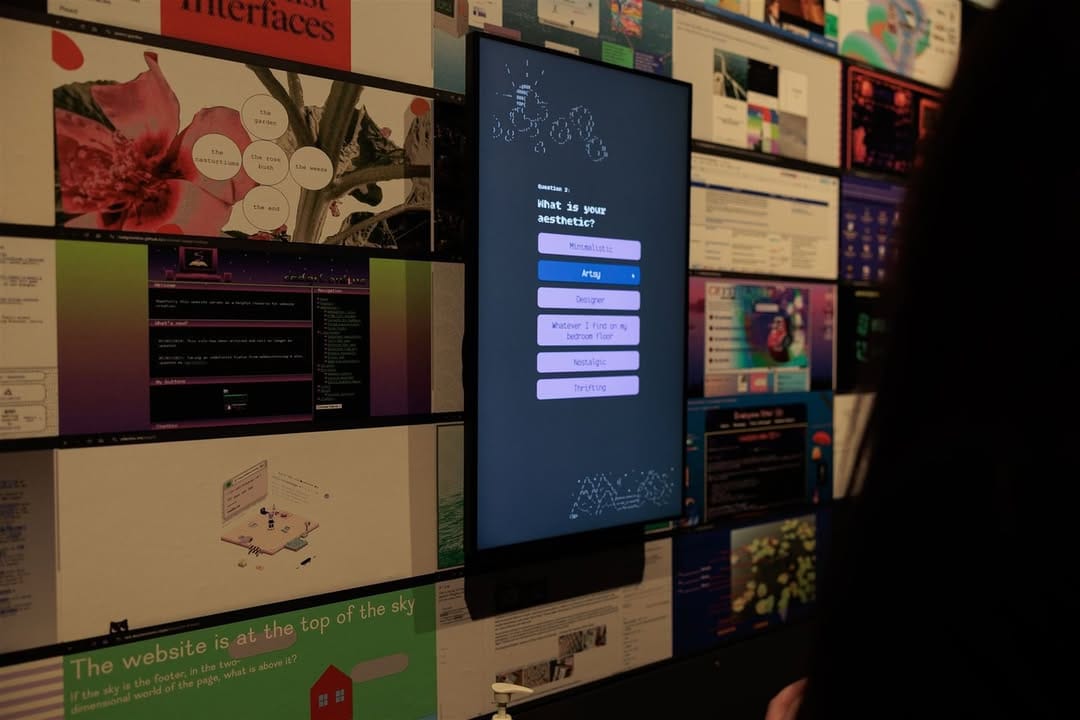
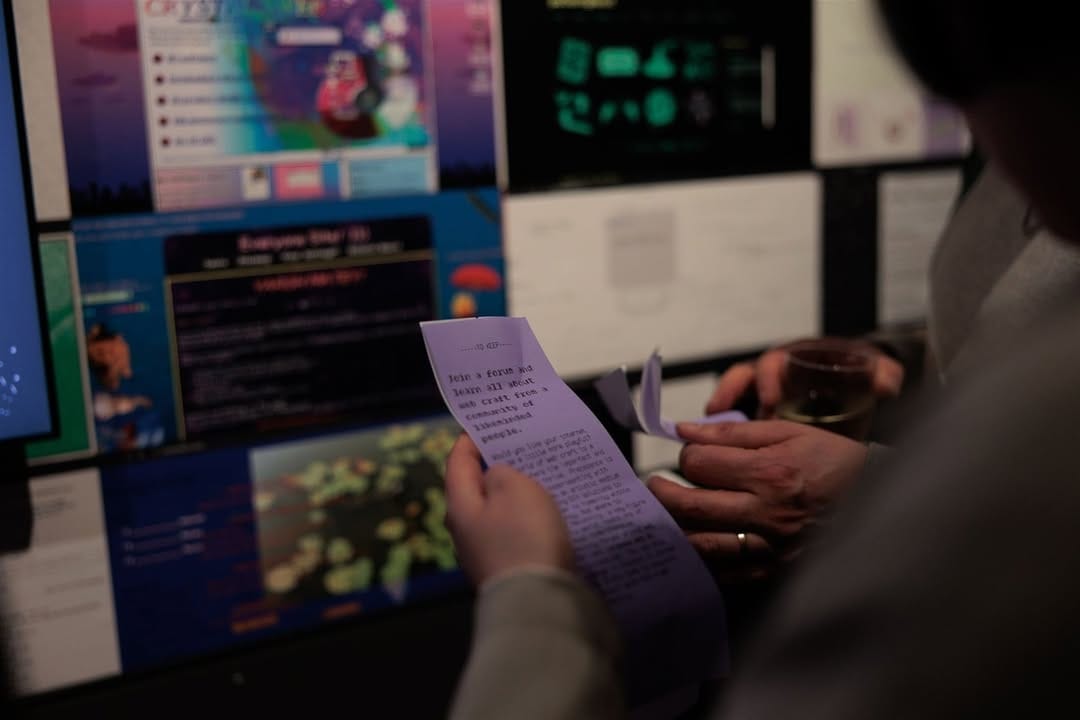
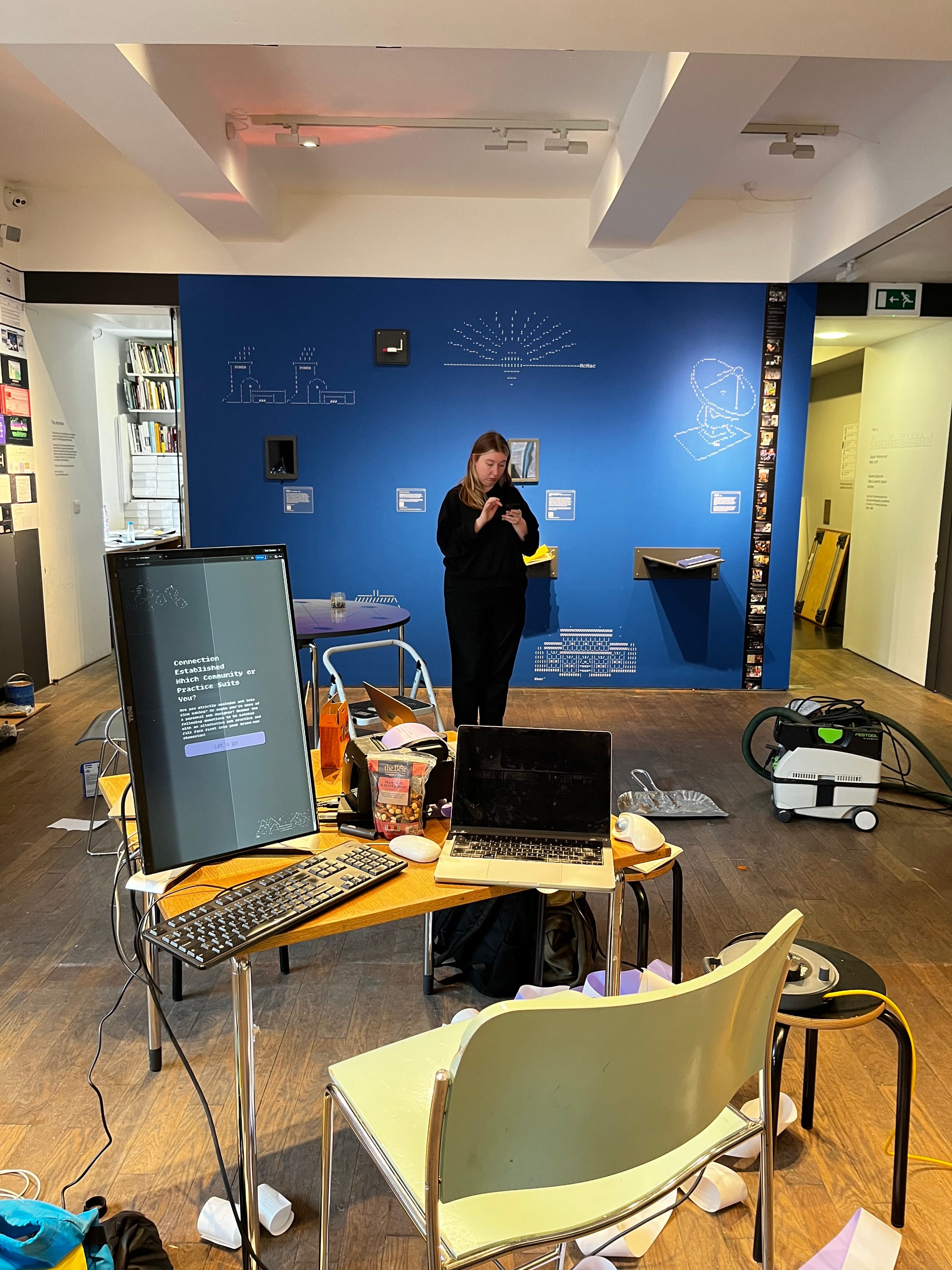
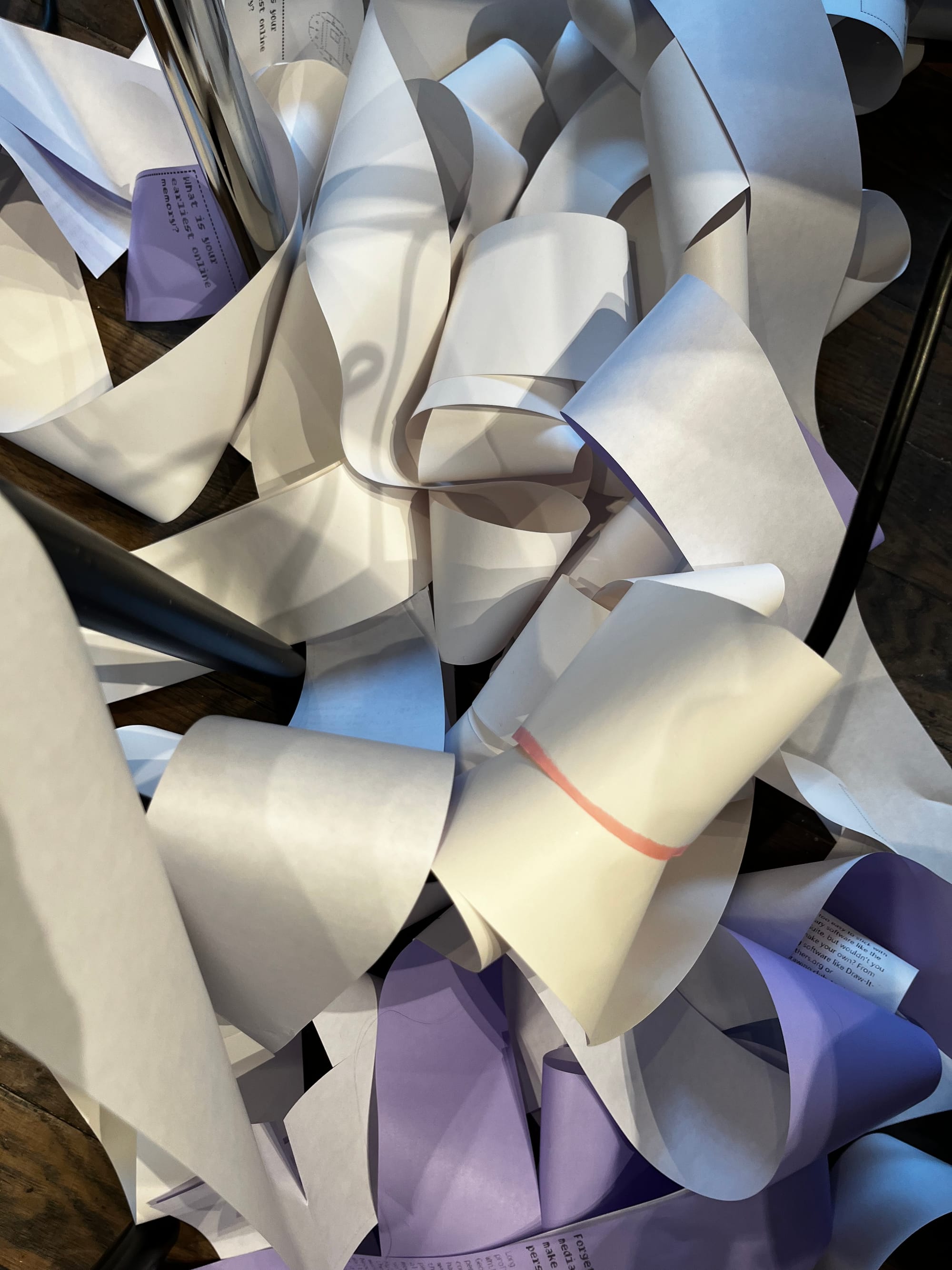
 The Photographers Gallery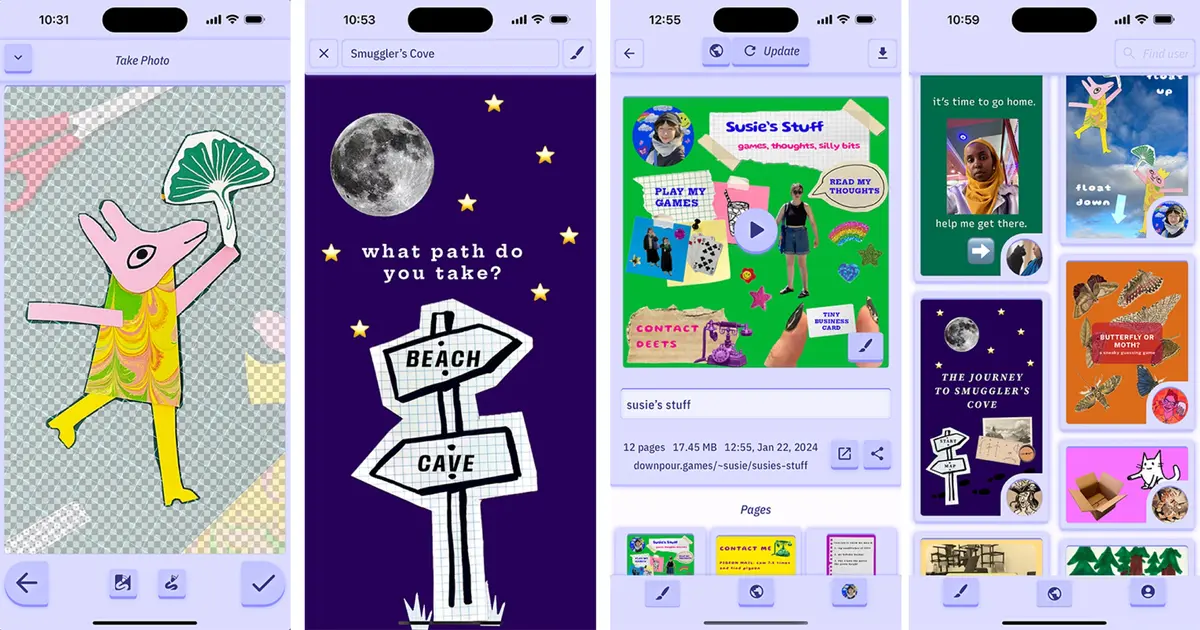
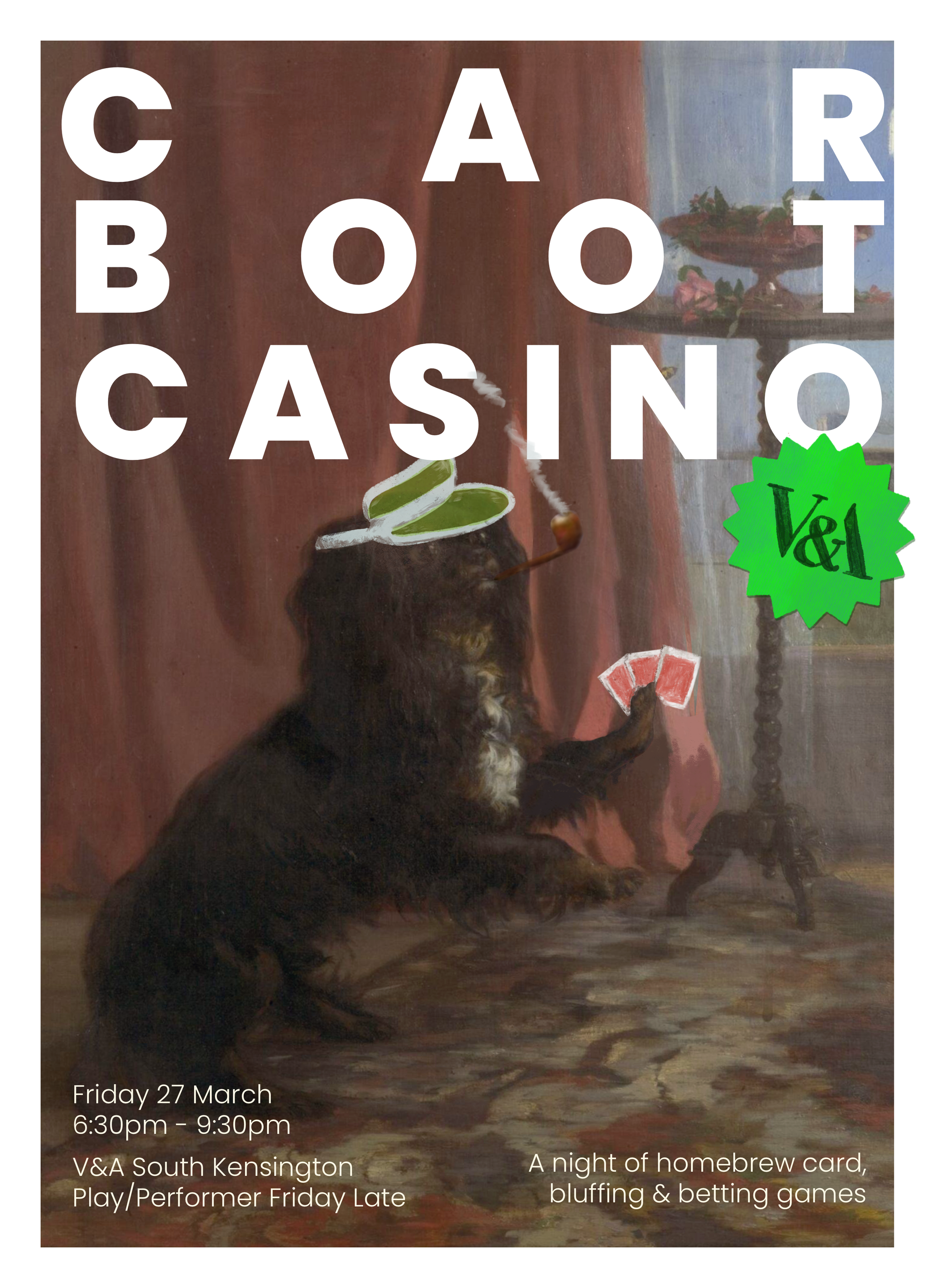
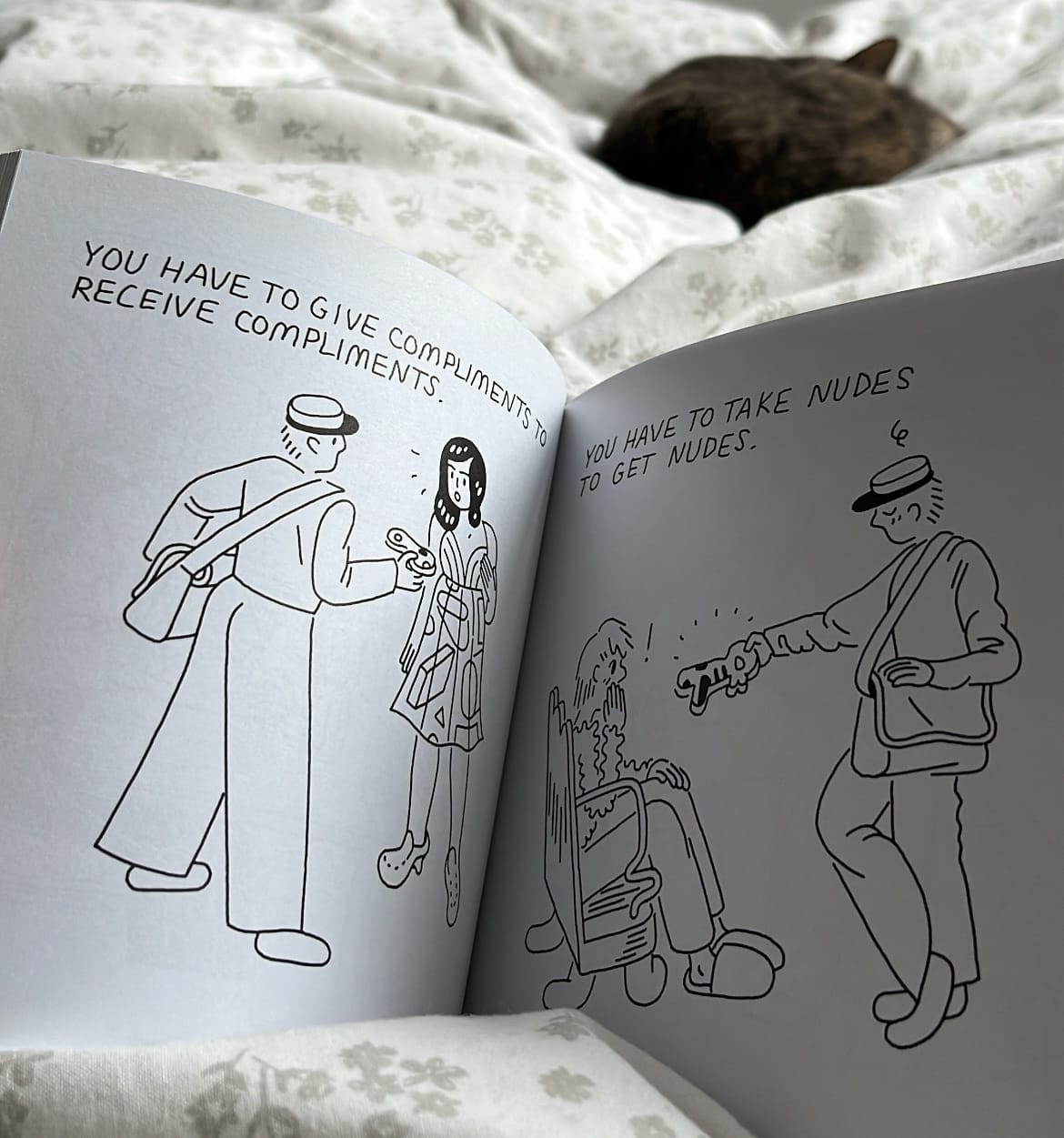
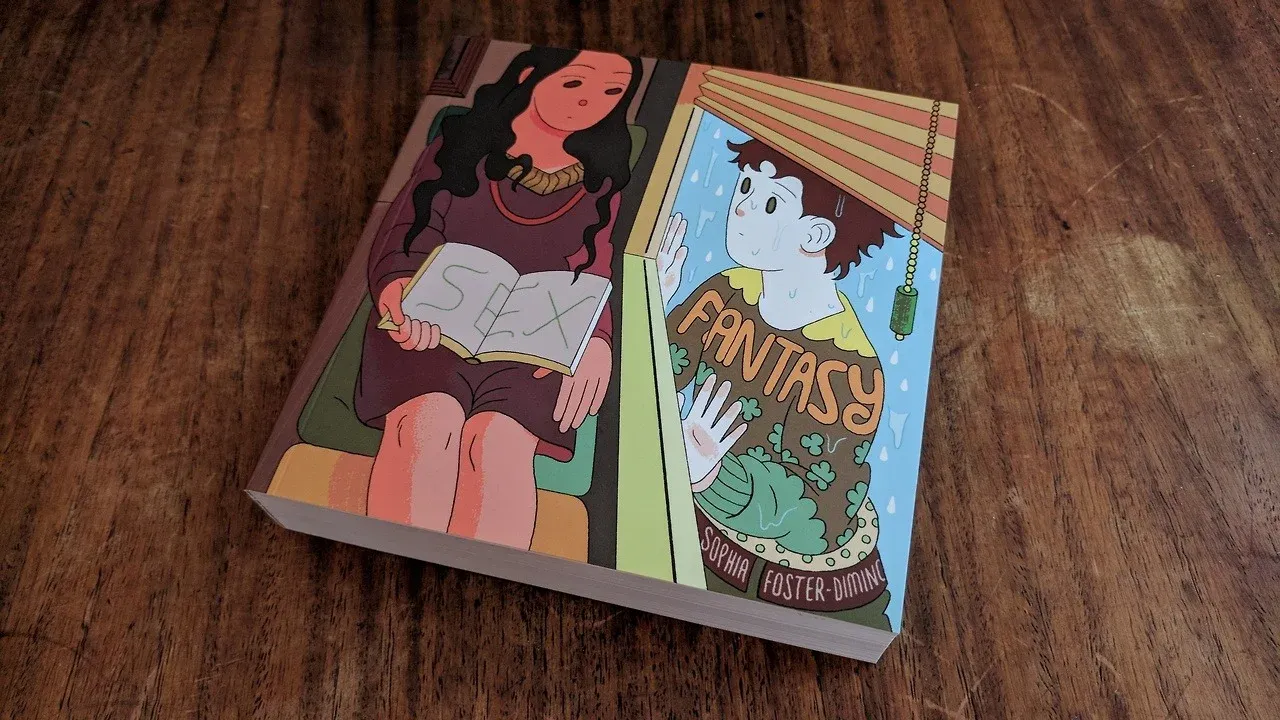
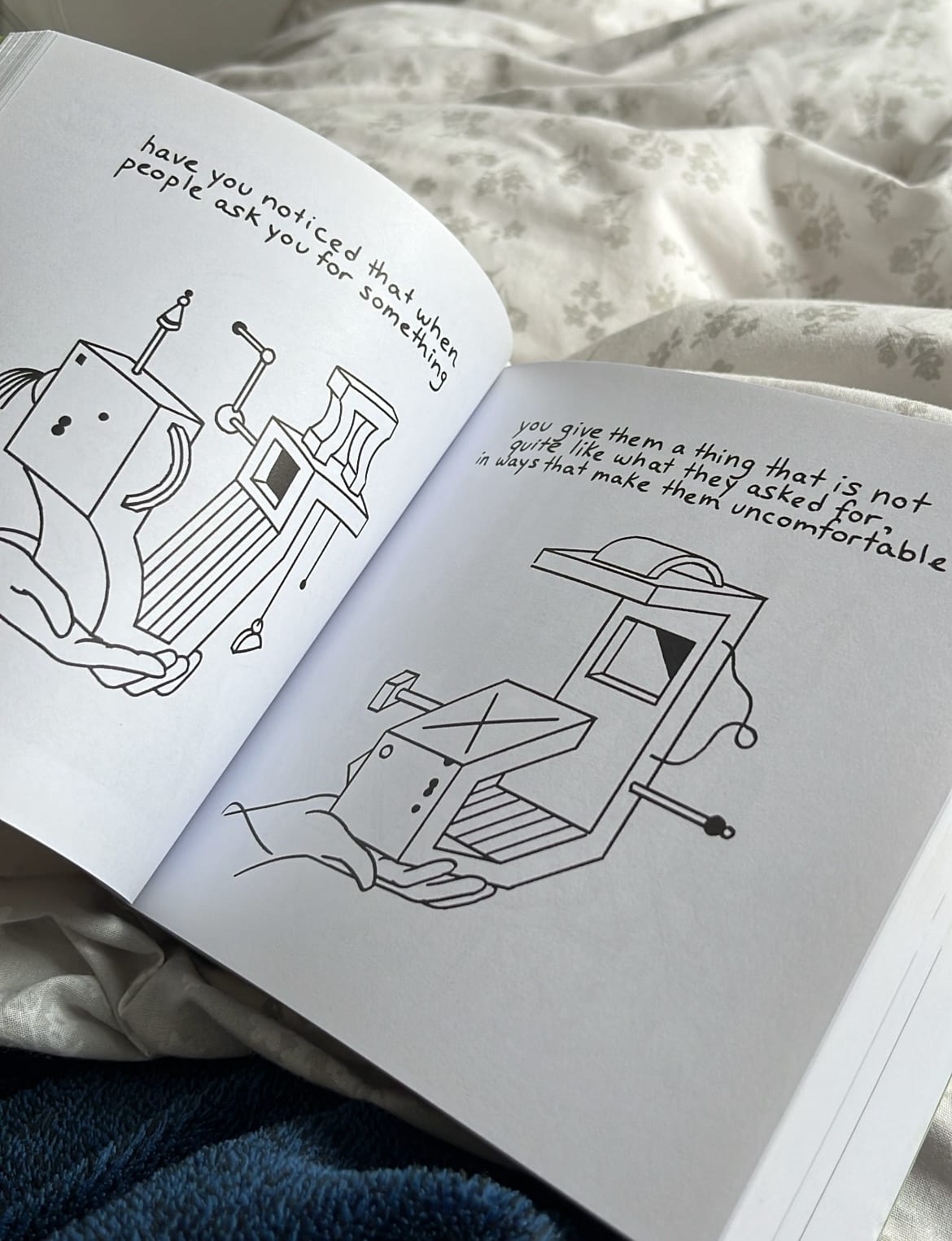
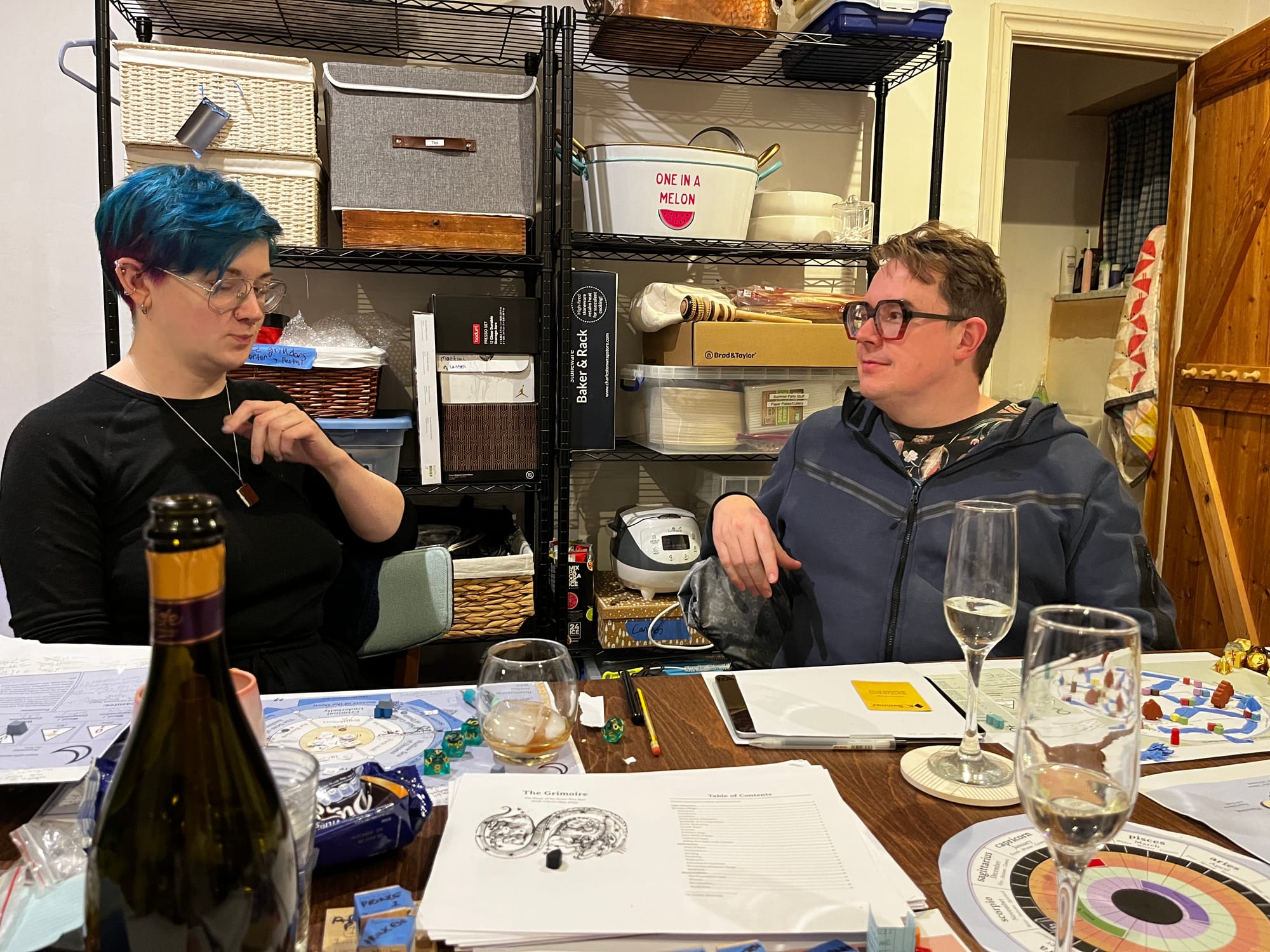
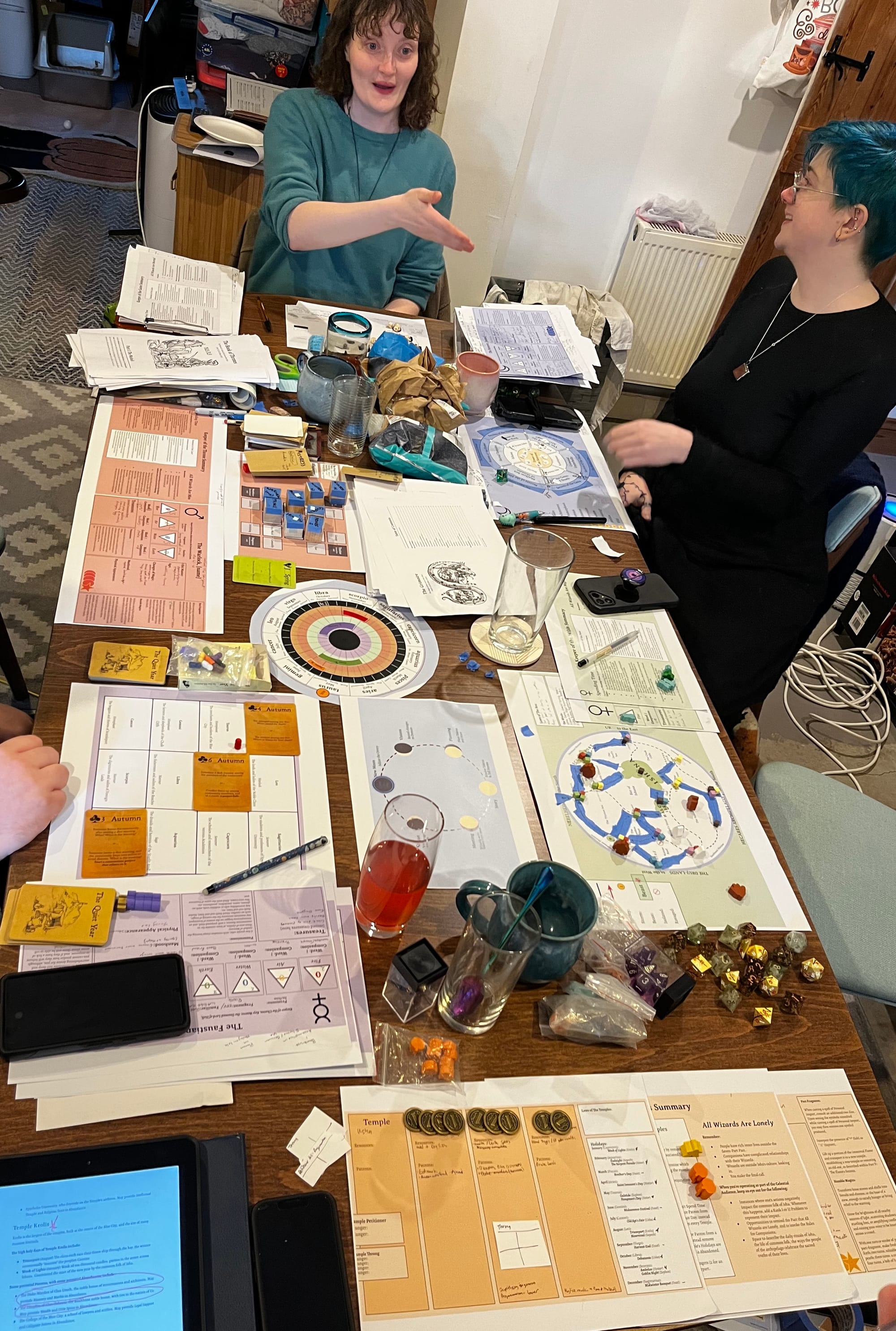
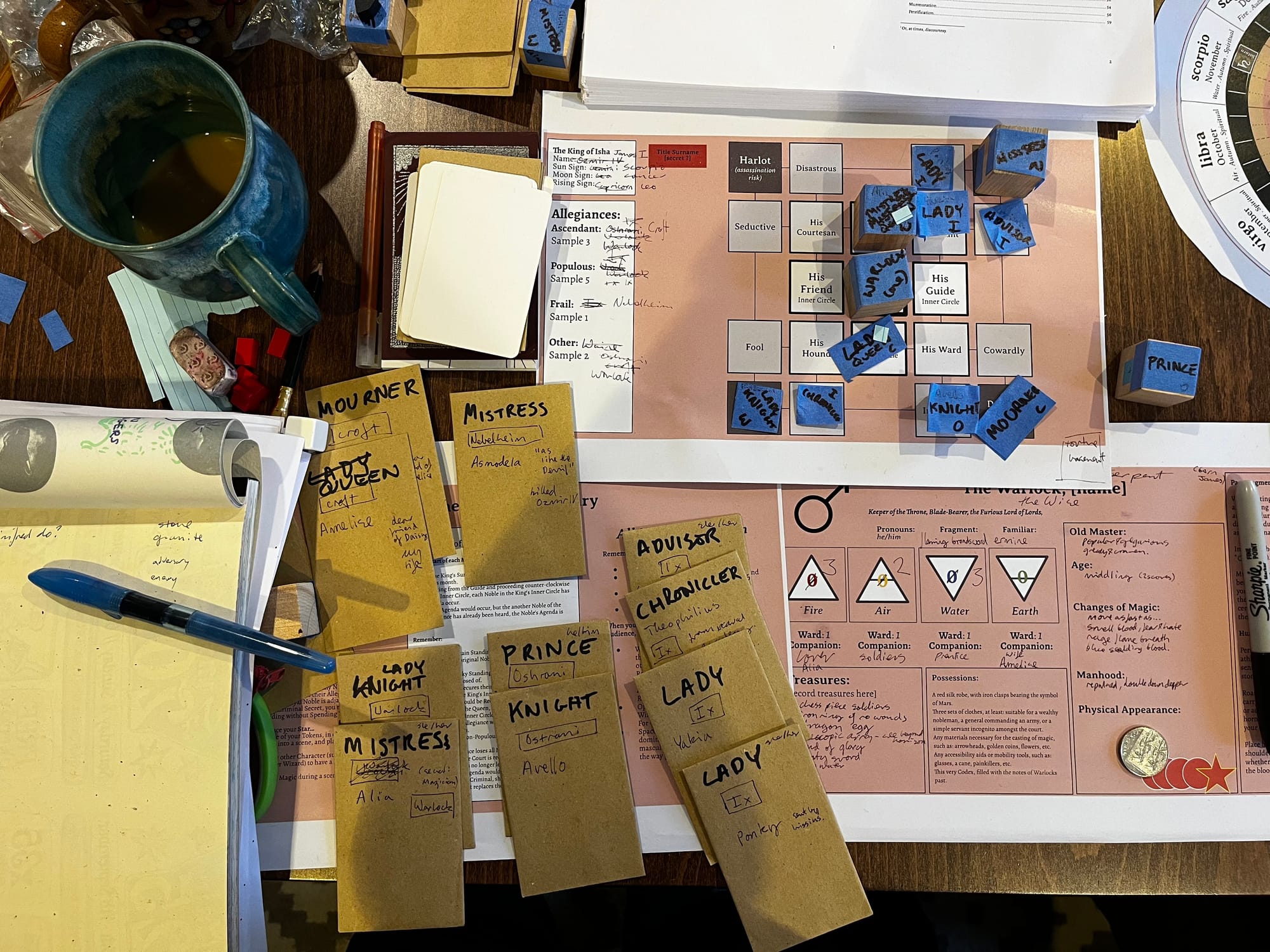
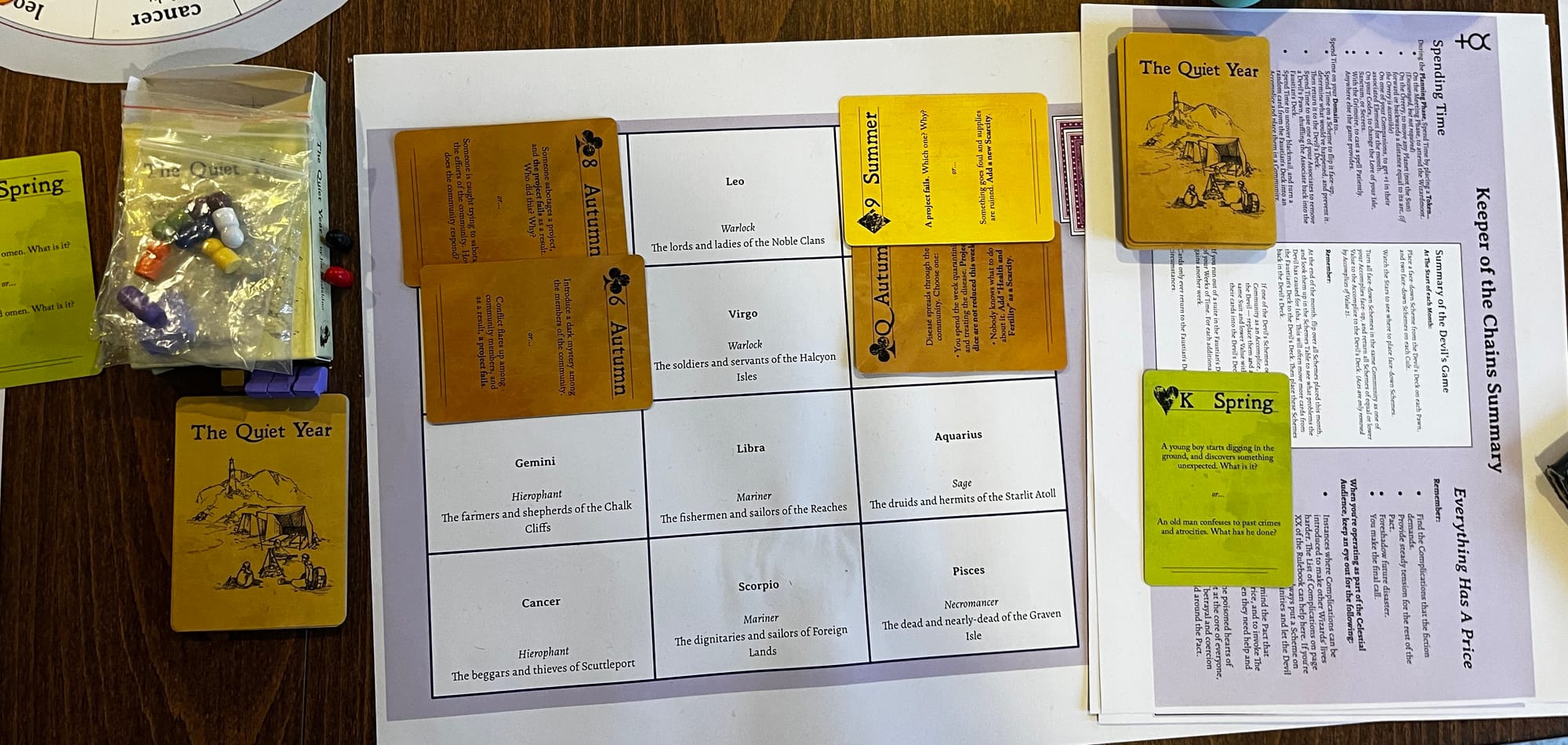
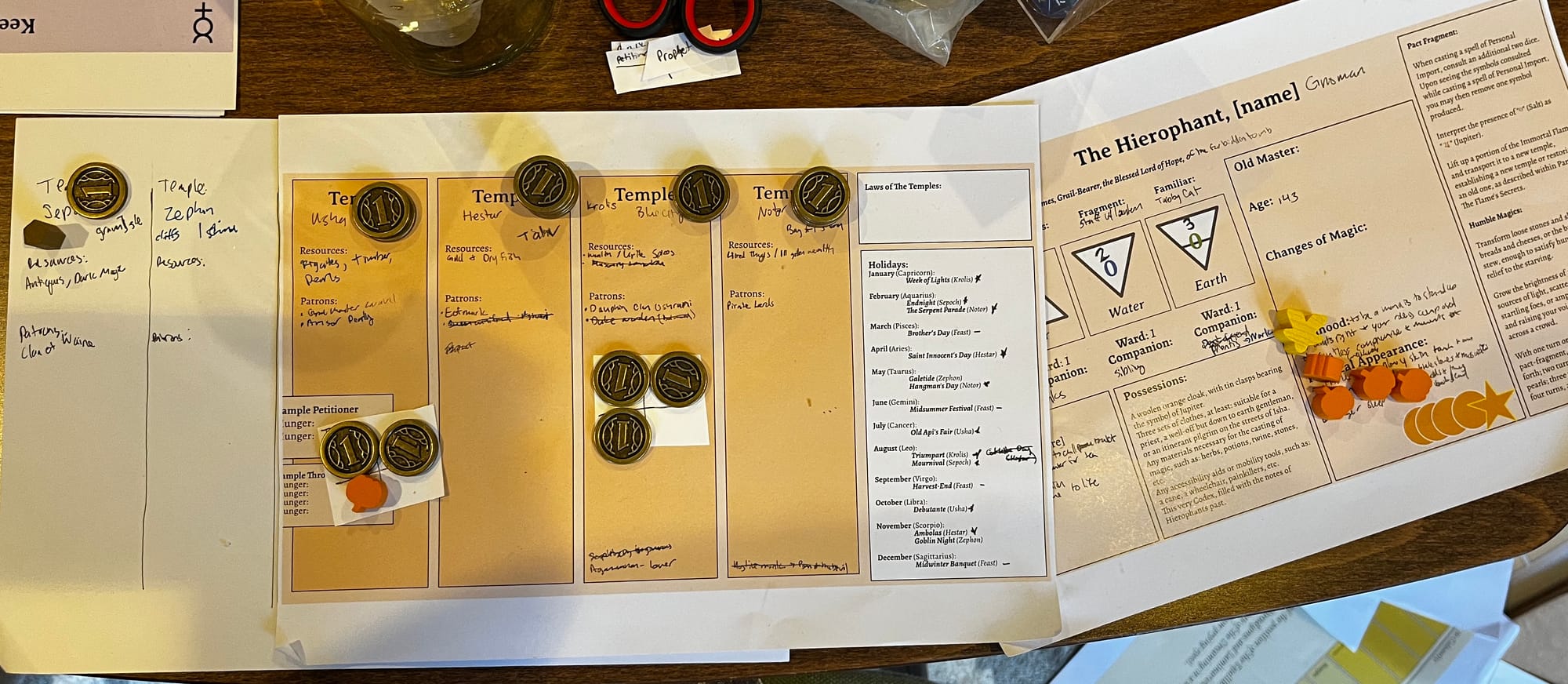
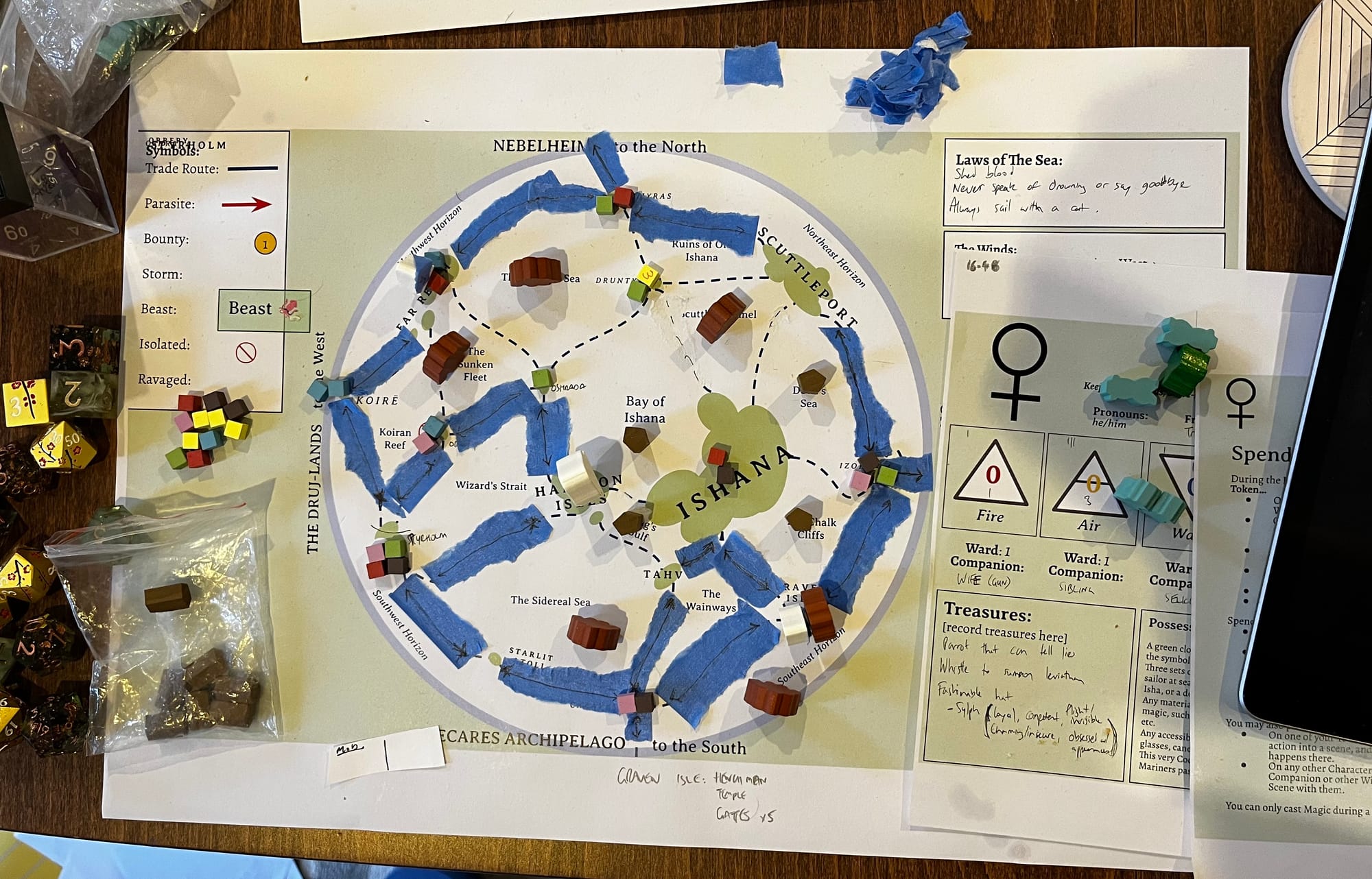
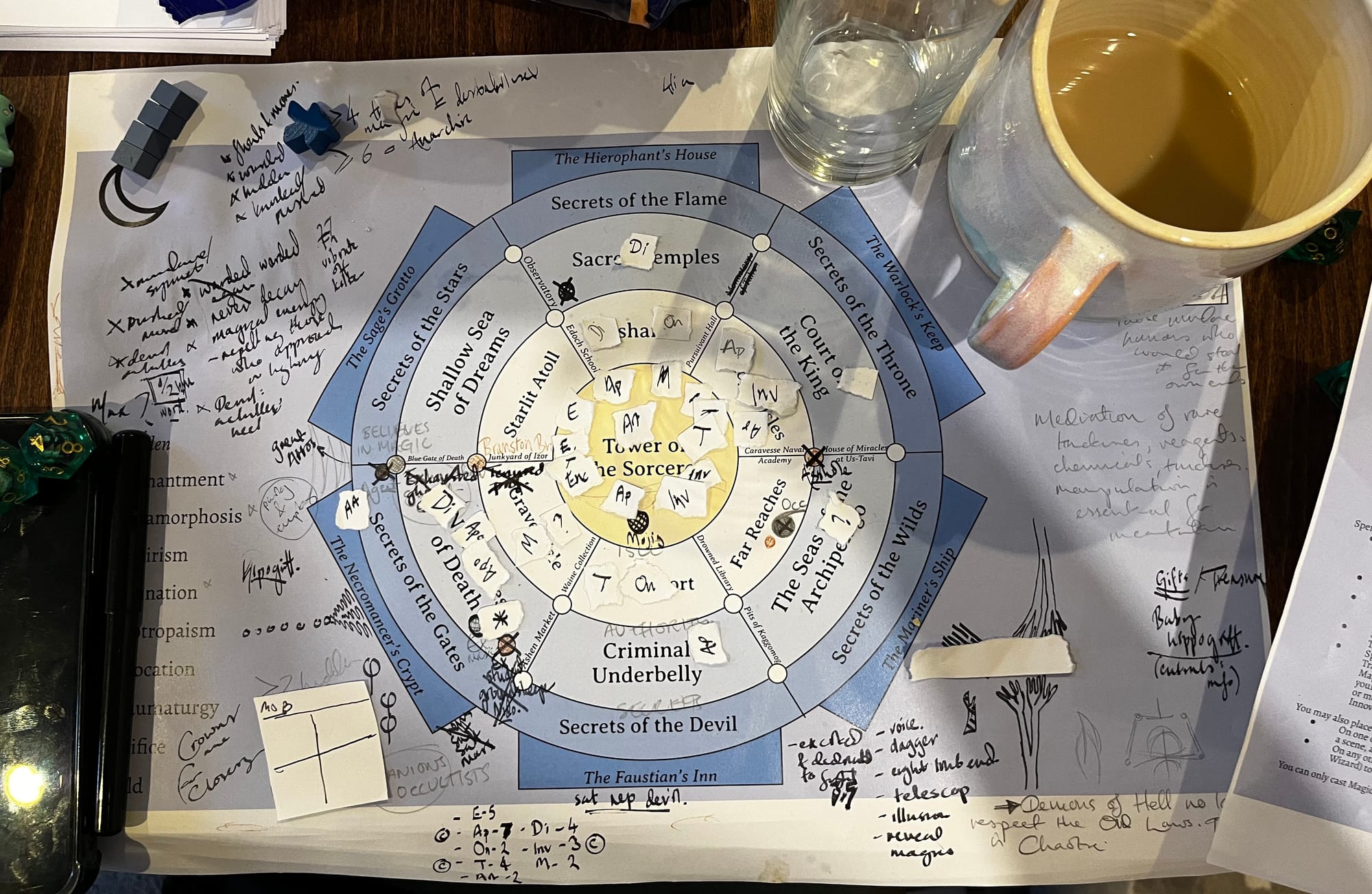
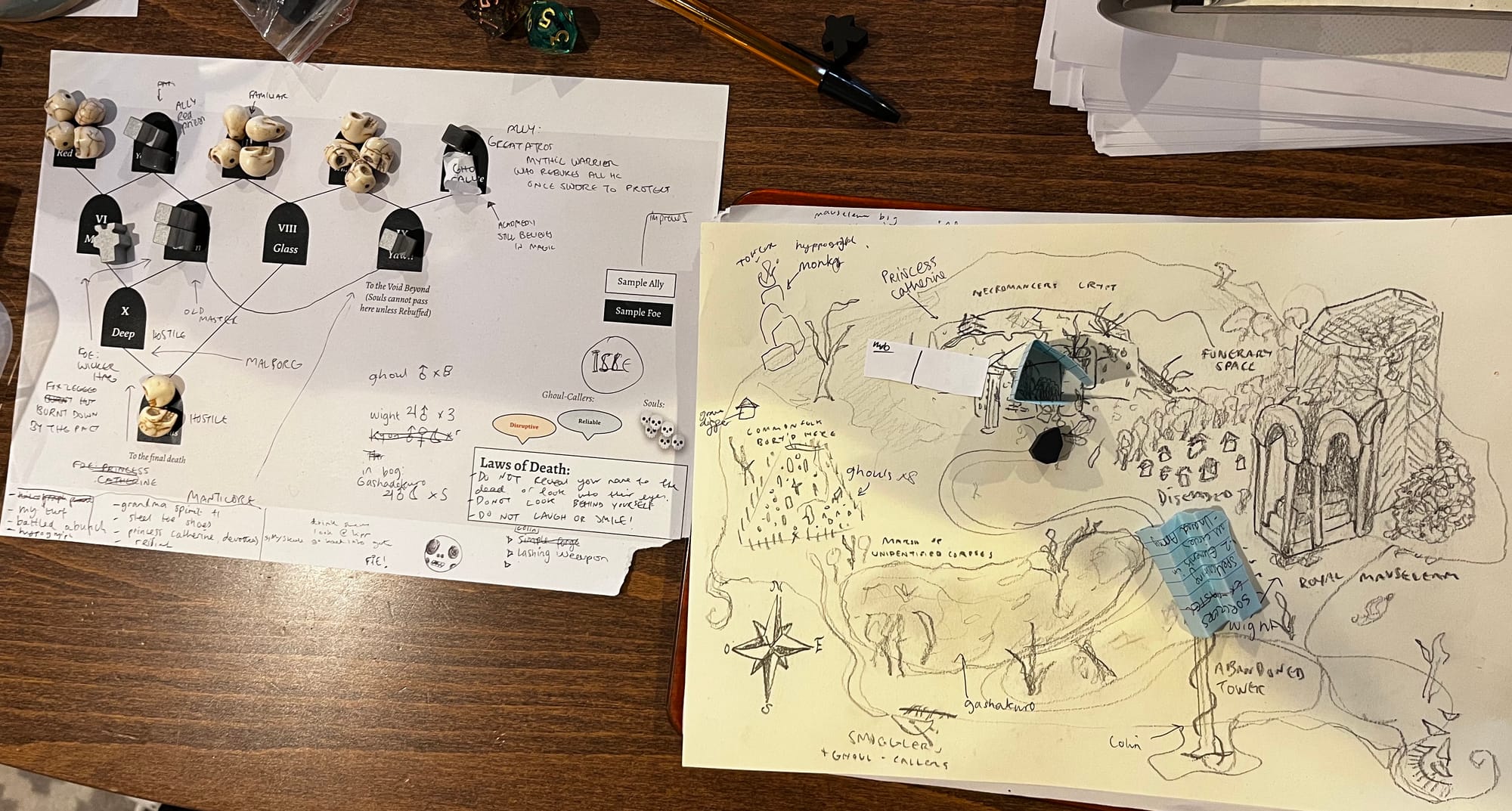
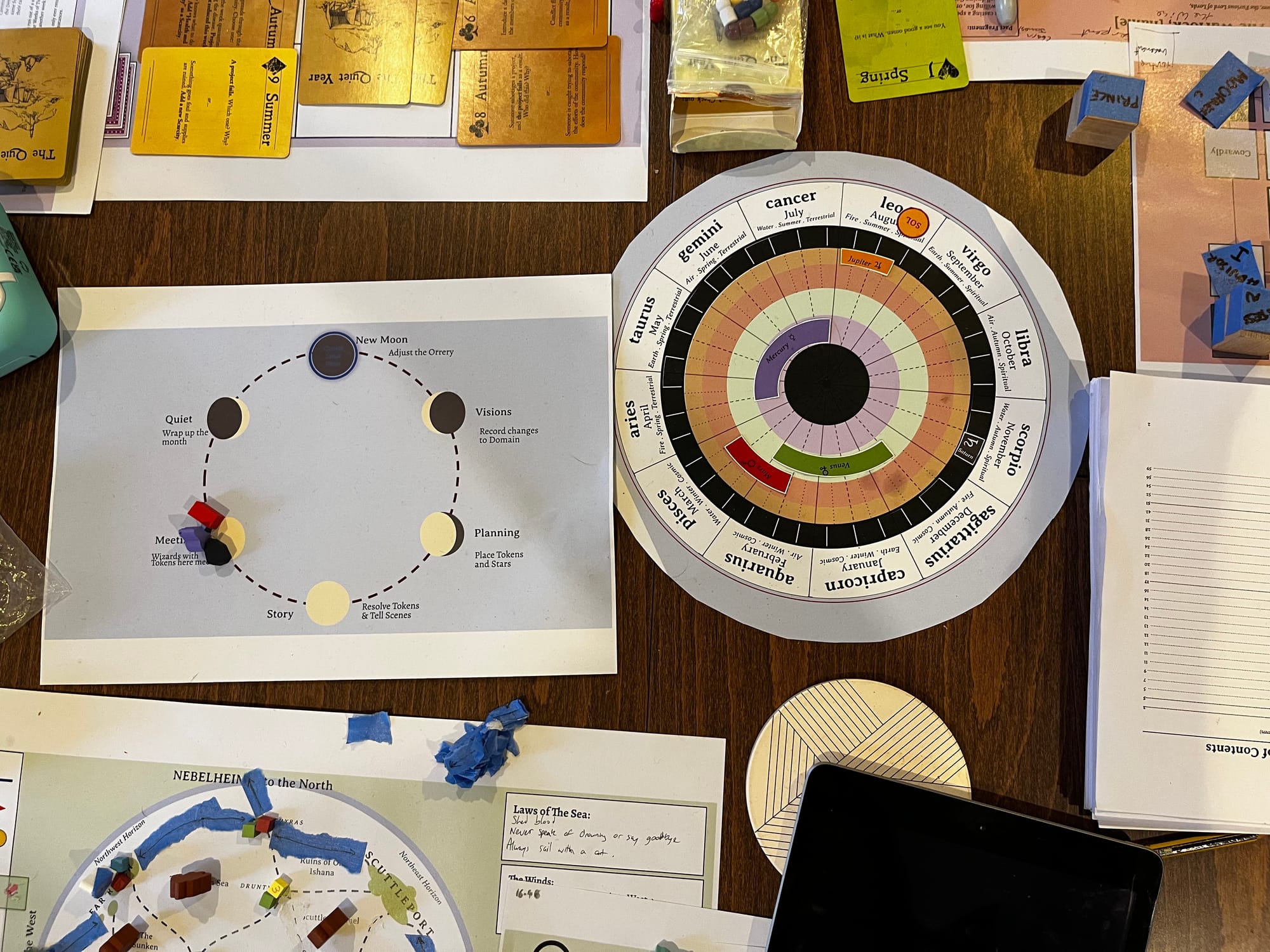
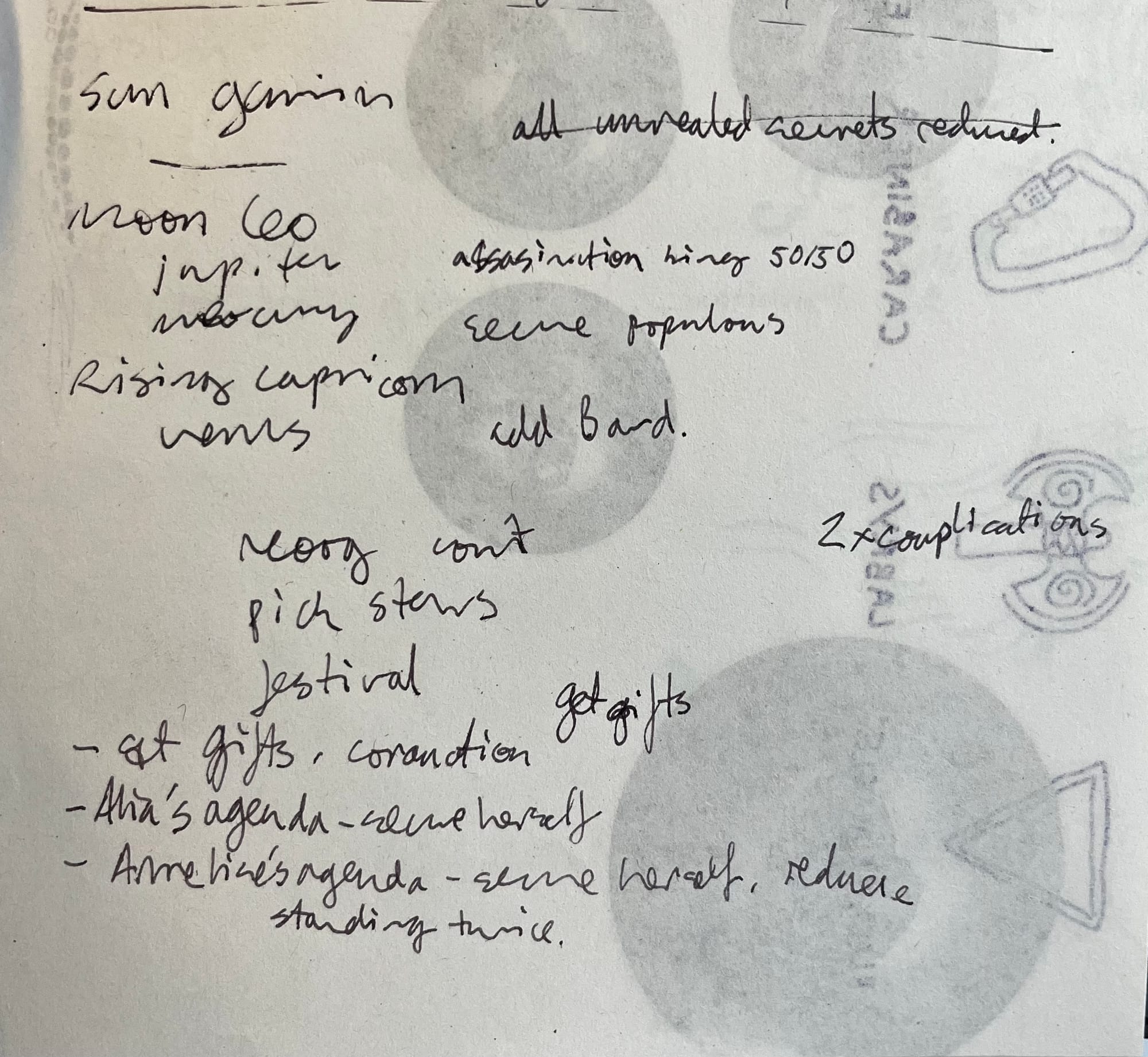
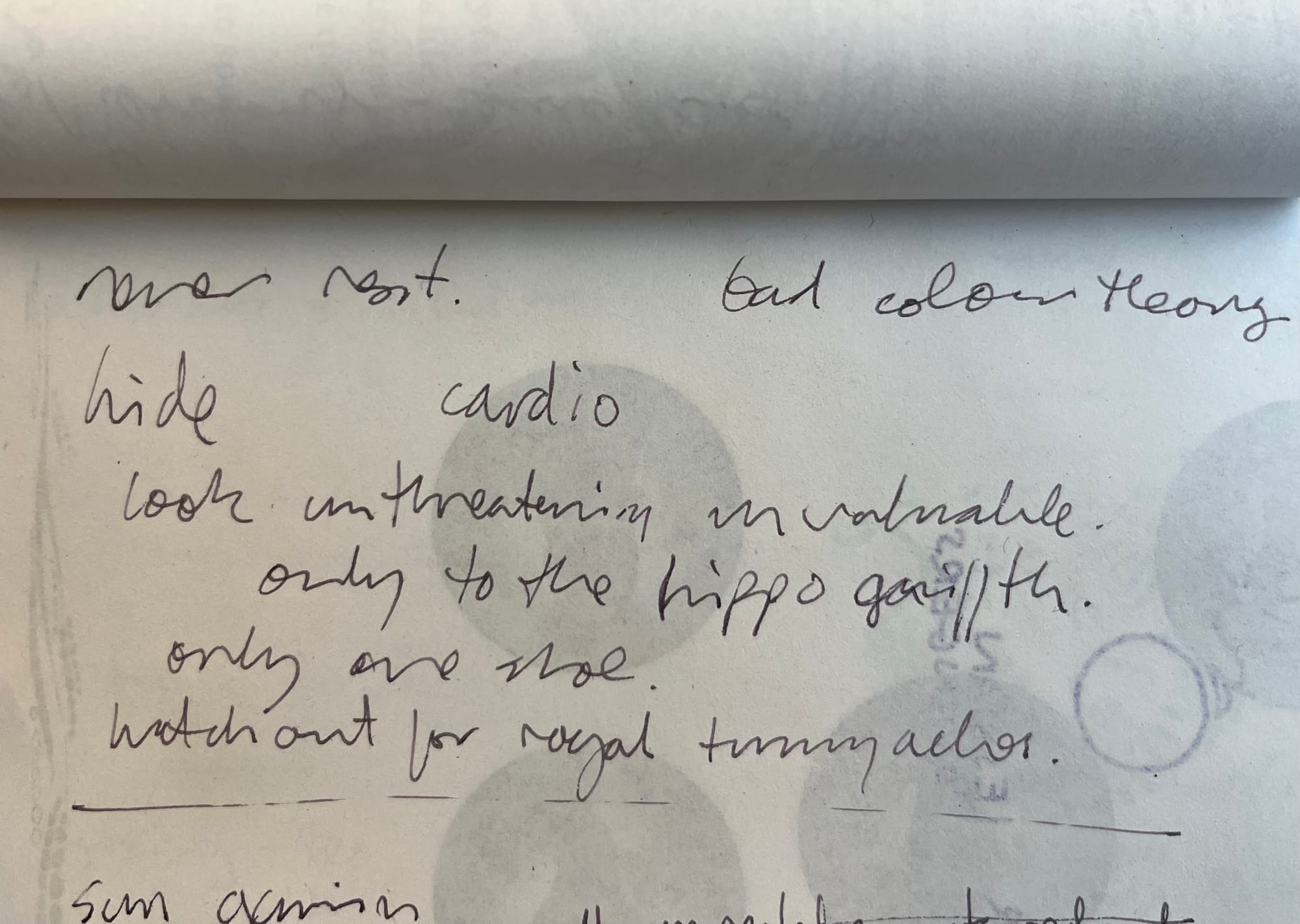
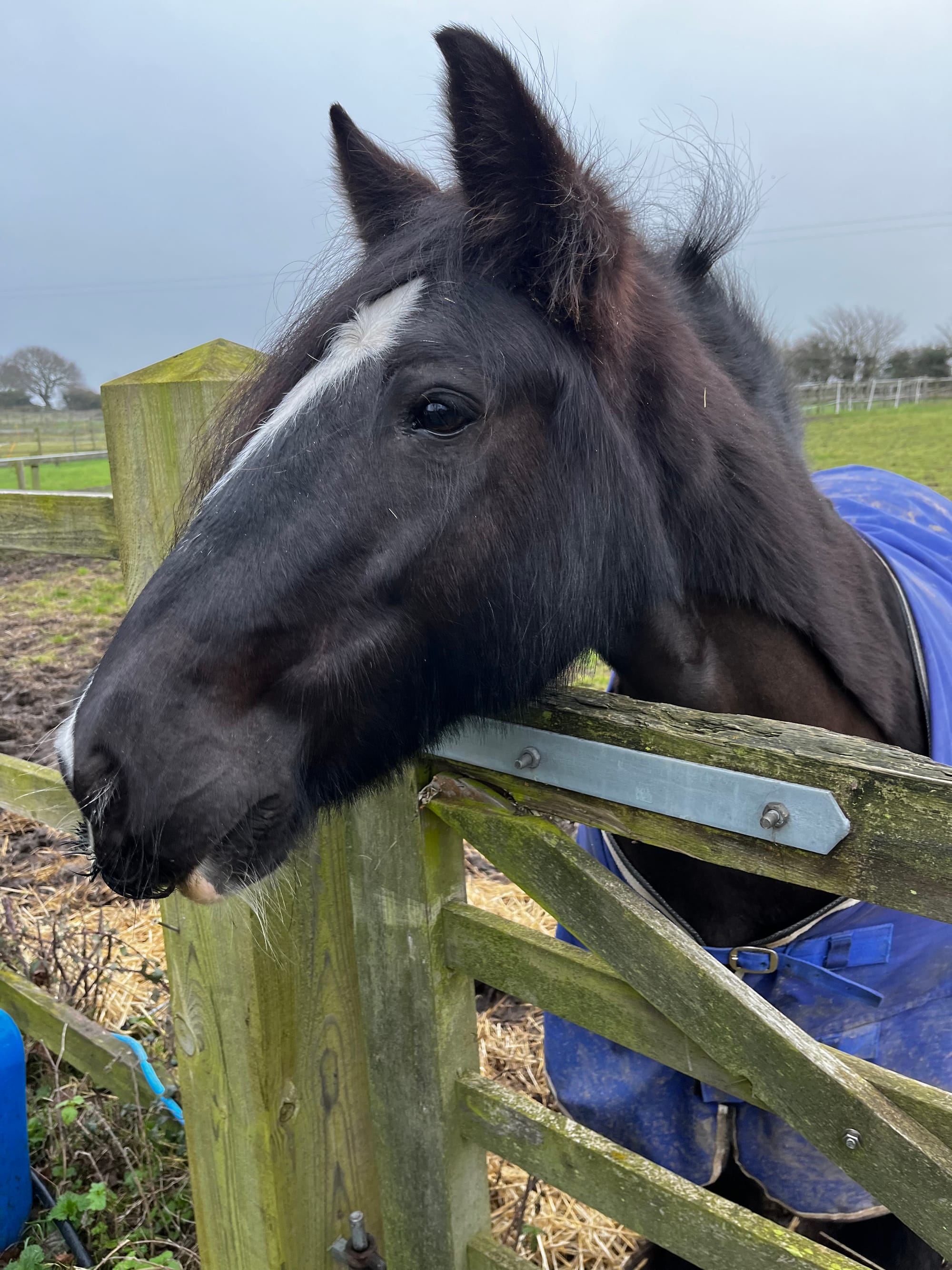


 Robin-Yann Storm, Product & UX Designer for ToolsRobin-Yann Storm
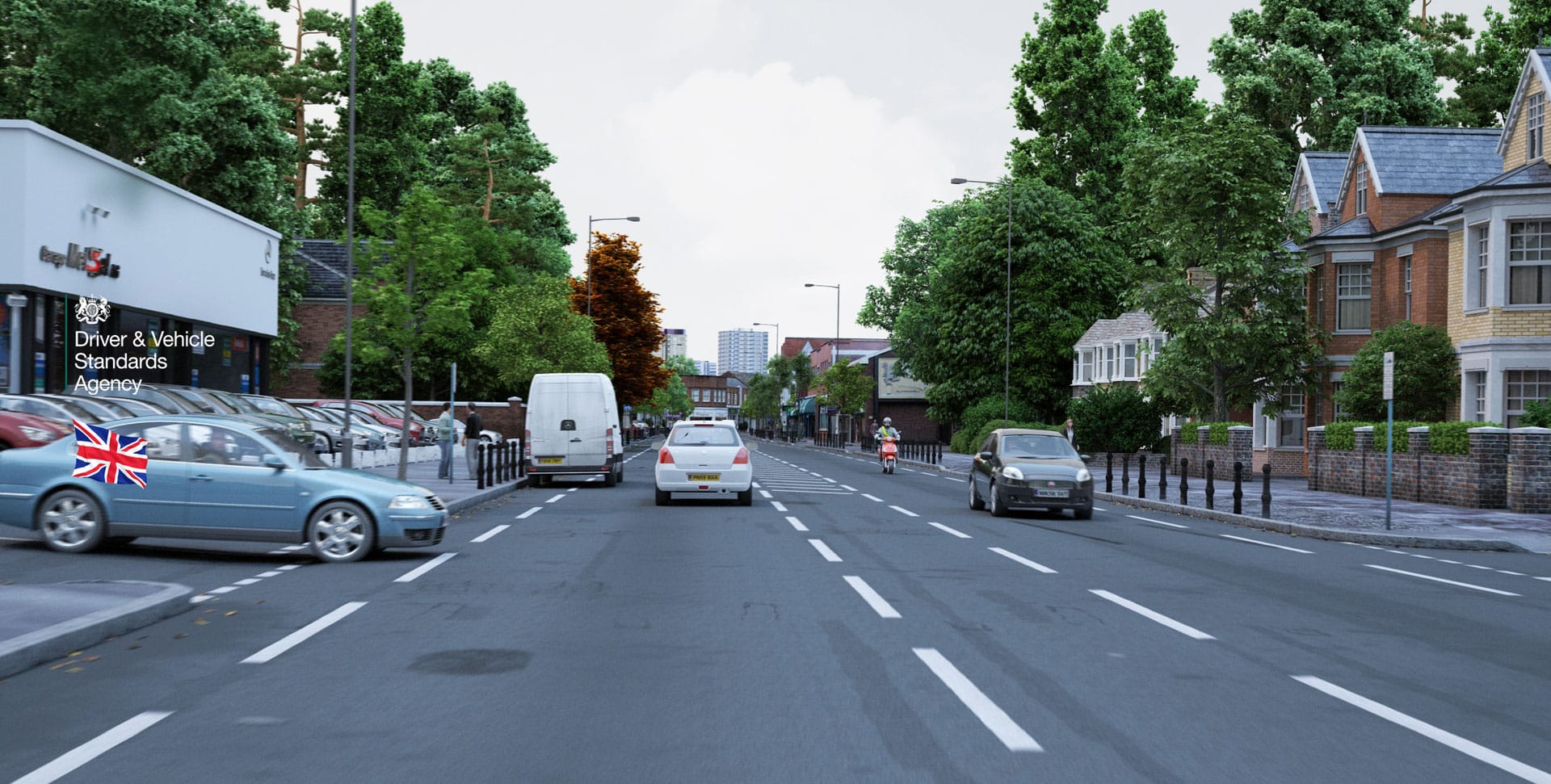
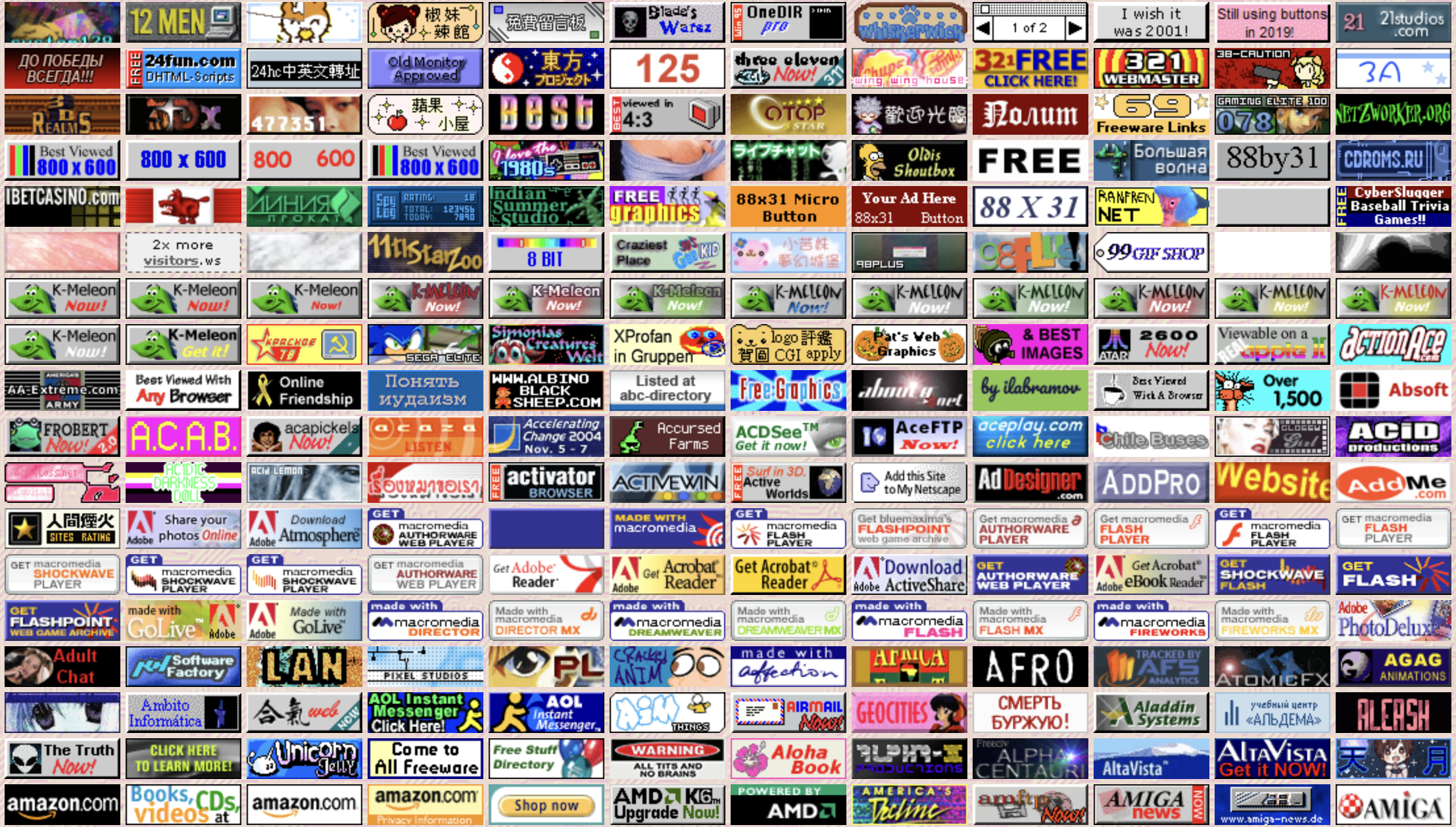
 ewie
ewie
 Codeberg.orgLunarEclipse
 Polaris Game Design Retreat