In less than a year on the job, the new owners of the Rays have acquired supporters for their stadium deal from politicians and community leaders who had previously been indifferent to the idea of building a ballpark. To the point where this week’s votes on a nonbinding memo of understanding seem to be foregone conclusions.
The Rays have effectively, and brilliantly, framed the stadium debate as an investment rather than an expenditure, and that has provided a pathway that never existed previously on the Tampa side of the bay. It’s almost as if the conversation has morphed from “Should we do this?” to “How do we do this?”
Okay, let’s talk about that.
With the county commission and city council set to vote on back-to-back days, there will be a celebratory atmosphere if we get the expected outcome. And that’s fine. It’s fine for Rays fans. It’s fine for team executives. On the other hand, it would not be a good look for elected officials.
Instead of waving pennants and pom-poms, they should be calling lawyers and urban planners. Because approval does not guarantee success. For every supporter of the Braves’ setup in Cobb County, there is a disgruntled taxpayer and bored ticket seller at the Marlins ballpark in Miami.
You need to do this correctly, or else you’re wasting taxpayer money and consigning the team to decades of underachievement.
So what does that mean?
Ensuring the surrounding development not only creates a solid tax base for local governments, but also attracts fans, consumers, tourists and businesses. And that means putting up some guardrails to make sure this mixed-use village has a greater purpose than simply making money for the Rays and developers.
Free market enthusiasts may argue that it’s best to let the corporate world do its thing with minimal government interference, but that ignores a very important component to this plan:
The public is a partner in this endeavor.
Not only is the city and county providing close to $1 billion in funds for the stadium construction, the state is handing over more than 100 acres of prime real estate and footing the bill for infrastructure and the rebuilding of the Hillsborough College campus.
That means ordinary citizens — via their representatives — should have some input over what that development looks like. And, at this point, there is very little detail other than vague promises of hotels, restaurants and high-end retail.
This isn’t a suggestion that the deal be micro-managed by bureaucrats. That’s not a recipe for success either.
But there is a difference between what could generate the most profits for the developers and what makes the most sense for the community.
And, make no mistake, the Rays are in this for the profits. And that’s not a bad thing. The whole idea of building a new stadium is to generate more revenues so the team can hold on to its best players and compete against big-market opponents. So bigger profits, theoretically, can be reinvested into a bigger payroll.
The problem is Rays owners took on a lot of debt to buy the club for $1.7 billion, and they’ll take on even more debt to pay their portion of a $2.3 billion stadium. All of which provides a tremendous incentive to maximize the returns on everything built around the stadium.
That’s where local leaders need to have a say.
When the previous ownership group was planning to redevelop the Tropicana Field site around a new stadium, they agreed to a certain amount of affordable housing, to acres of green space, to an African American museum and a concert venue.
Maybe that’s overkill, but the basic concept should not be ignored. The public has a financial interest in this massive redevelopment, and commissioners and council members cannot simply hand over the keys to a bulldozer while hoping for the best.
There will be a half-dozen or more detailed agreements drawn up in the coming weeks that will build upon the memo of understanding, and elected officials need to retain some control over what the next 30 years look like on this property.
This is a generational plan in the heart of the city. And while the Rays wield the ultimate hammer — they can pack up their team and move it elsewhere come 2029 — Tampa and Hillsborough County are not without leverage of their own. They’re paying for half the ballpark and surrendering valuable real estate.
And that means they should guarantee themselves a say in how this turns out.
Ken Babby, the Tampa Bay Rays’ CEO and stadium-pitch frontman, has tracked the ebbs and flows of negotiations with a makeshift traffic signal.
He places pictures of Hillsborough County commissioners and Tampa City Council members on green, yellow or red, depending on how he thinks each elected official will vote on the proposed stadium, Babby told Tampa Bay Times columnist John Romano last month.
Babby’s theories will soon be put to the test.
This week, Hillsborough’s Board of County Commissioners and the Tampa City Council are set to cast back-to-back votes on a stadium agreement. Their votes on a memorandum of understanding with the team will be nonbinding but significant — a first litmus test for the Rays’ Tampa stadium aspirations.
The decision has been billed as a way to continue negotiations with the Rays, rather than an end-all be-all vote on the team’s future in Tampa. At a news conference last week, Tampa Mayor Jane Castor said, “I can’t imagine that any elected official would vote no on this memorandum of understanding.”
Here’s a look at where elected officials appear to stand.
Hillsborough County Commission
Green light: Ken Hagan
Hagan has supported bringing the Rays to Tampa for nearly two decades, and he has frequently praised the team’s latest plan. Last week, he appeared alongside Babby and Castor touting the significance of the nonbinding memorandum and the benefits of the prospective deal.
“This is the closest we’ve ever been toward reaching an agreement with the Tampa Bay Rays,” said Hagan, wearing a Rays-branded polo shirt and pin on his lapel.
Yellow light: Chris Boles,Harry Cohen, Christine Miller, Gwen Myers
These four could feasibly vote yes, but their ultimate verdict likely will come down to the details of the final deal.
Before that, he penned an op-ed arguing that it is too soon to accurately judge the potential deal because determining the public financing framework is a complex undertaking, one that requires diligence and patience.
“Until the final box score is in, let’s keep our eyes on the ball and wait for the full data set to cross the plate,” he wrote.
Cohen said last month that he would like to see a deal succeed but is far from an unequivocal supporter.
“I would love to be able to vote yes on this,” he said at the county workshop. “But I can only vote yes on it if I’m absolutely convinced that it’s the right thing for the community and the taxpayers.”
Miller also likely will reserve judgment until the deal’s details are resolved.
“The absurd amount of ‘what-ifs’ directed to policymakers before we have a deal to opine on does no one in our community any good,” she told the Times in a statement earlier this month before the release of the nonbinding memorandum that commissioners will consider Wednesday.
Myers appears to be the most likely “yes” vote of this group. She has said past public support of professional sports teams has paid off for the county, citing the economic impact of the NFL’s Tampa Bay Buccaneers.
Last month, Myers asked for a legal opinion on whether the Community Investment Tax, the county’s half-cent sales tax, could be used to help pay for a county-owned sports stadium.
“I want to be to be very clear to those of you who are listening,” Myers said in February. “We will support sports.”
Wostal has maintained for months that he would like to see a Rays deal succeed, and he has proposed a deal built solely around tourism tax dollars. But he is an outspoken opponent of the current proposed framework, which includes the Community Investment Tax and money from the county’s rainy day funds — reserves set aside as a cushion against hard times that largely come from property tax dollars.
Unless the deal’s structure vastly changes, Wostal is likely to vote in opposition.
Tampa City Council
Green light: Alan Clendenin
Clendenin, who also serves on the Tampa Sports Authority, has long said he will not decide his vote until “the final document is presented, and I see how the I’s are dotted and the T’s are crossed.”
But he has also praised the fast-forming deal.
In a column in the Times this week, Clendenin lauded the planned redevelopment of the Dale Mabry campus of Hillsborogh College — the proposed stadium site — and said the project will bring thousands of jobs to the area.
“Change can be difficult, but if you look at the project structure and the financial breakdown, you’ll see this is not another ‘stadium deal,’” Clendenin wrote. “This is a city-building deal.”
Yellow light: Bill Carlson, Lynn Hurtak, Guido Maniscalco, Luis Viera, Naya Young
Most council members fall into this category, having said little publicly about the deal. Several have asked questions about the funding, timeline and scope of the proposal and have said they are still weighing their votes.
Hurtak, who is running for mayor, said in a recent campaign video that she “would love it” if the Rays made their home in Tampa.
“But right now,” she said, “people can’t afford gas and groceries. And we’re having a conversation about giving billionaires money to build a baseball stadium.”
Carlson, who is also running for mayor, said at a recent city workshop that “we need to make sure we negotiate the best deal, but City Council has not been involved in negotiations at all.”
Viera has made public safety a focus in his talks with the Rays and said in a recent interview that there “can be no viable dialogue without a full commitment to our first responders.” He has helped organize meetings between the baseball team and local fire and law enforcement unions.
Young, who has not shared her stance on the deal, asked at the city workshop about price and minority business participation in the project.
At a recent Tampa Community Redevelopment Agency meeting, Maniscalco said he still has questions: “How do we do this? Is it feasible? Does it make sense?”
Red light: Charlie Miranda
Miranda, who is serving his ninth term on the City Council, has long opposed public subsidies for sports stadiums and is almost certain to vote against the proposal.
He wore black suits, black shirts and black ties to City Hall for months to mourn “the burial of the taxpayer” when the Bucs’ Raymond James Stadium was built in the 1990s.
This year, Miranda has again donned funerary garb in response to the Rays’ nearly billion-dollar ask.
“I’ll be wearing black — including black socks and everything — until this is all over,” he told the Times last month.
The Tampa Bay Rays want to move a Tampa police station to the site of the team’s proposed $2.3 billion baseball stadium and surrounding mixed-use development, according to a Tuesday news release.
The Rays say they are committed to relocating the Tampa Police Department District One station, currently located at 3818 Tampa Bay Blvd., to the site at the Dale Mabry campus of Hillsborough College. The move, the news release said, will provide law enforcement with “a modern facility positioned within a future district expected to serve residents, students, visitors, businesses, and fans.” It was announced in concert with an endorsement from the Tampa Police Benevolent Association, the city’s police union.
Later this week, Hillsborough’s Board of County Commissioners and the Tampa City Council are scheduled to vote on a nonbinding stadium agreement with the Rays. County officials are set to cast votes Wednesday, with Tampa voting the following day.
A memorandum of understanding released last week outlined a $976 million public contribution toward the cost of the stadium, with $796 million from the county and roughly $180 million from the city. The agreement includes a “Do No Harm” provision, the Rays’ news release said, “to ensure existing public safety funding and committed police, fire, and emergency management priorities are protected.”
Local leaders have peppered the Rays with questions about funding, timeline, community benefits and public safety as stadium negotiations have progressed.
Tampa City Council member Luis Viera, who is running for state House later this year, has centered public safety in his talks with the team. He has helped organize meetings with team leaders and local law enforcement unions, including the Tampa Police Benevolent Association and the city and county fire unions.
“I am thrilled by the Rays’ commitment to a site for police,” Viera said in a text message to the Tampa Bay Times. He added that he hopes to see dedicated space for firefighters on the site, too.
“There can be no viable dialogue without a full commitment to our first responders,” Viera said.
The Tampa Police Department said in a statement to the Times that it supports the proposed relocation and any “efforts to ensure our officers continue to have a modern facility that allows us to effectively serve the community.” The current District One station is aging with significant deferred maintenance, according to the Rays’ news release.
At a city workshop earlier this month, Brandon Barclay, the president of the city’s police union, said the union’s position is straightforward.
“Any memorandum of understanding must include firm guardrails that protect public safety resources,” he said.
In the news release Tuesday, Barclay praised the proposed project and encouraged local leaders to approve the memorandum of understanding.
A Spring Hill man is facing a slew of charges including DUI manslaughter after causing a crash Monday on U.S. 19 in Pasco County that killed one person and seriously injured two others, troopers said.
Gregorio Santoni Reyes, 68, was driving a Toyota Camry north on U.S. 19 near Little Road about 8:40 a.m. when he crashed into the back of a Mazda Protege, then sideswiped a Ford Bronco, according to a Florida Highway Patrol arrest report. The force of the crash pushed the Bronco across the grassy center median and into the southbound lanes, where it collided head-on with a Hyundai Tucson.
The Hyundai driver, 41-year-old Jonathan Quiles of Spring Hill, died at HCA Bayonet Point Hospital.
The Bronco driver, a 22-year-old New Port Richey woman, and a passenger, a 24-year-old woman also from Port Richey, were seriously injured.
Reyes stopped after the crash and remained in his car as it sat in the northbound lane with hazard lights on, according to the report. About two minutes later, he drove away, heading north on U.S. 19, the report states.
Shortly before 10 a.m., Hernando County sheriff’s deputies found Reyes parked at the Walgreens on Cortez Boulevard at Mariner Boulevard, about 14 miles north of the crash scene. Reyes was sitting in the driver’s seat, his feet hanging out of the driver door window.
A photo released by the Highway Patrol showed heavy damage to the Camry’s driver side. Both side airbags had been deployed and the rear tire was no longer on the rim.
Troopers smelled alcohol on Reyes’ breath and he had trouble standing up on his own and sitting up in a gurney, according to the report. Shown the damage to his car, he “appeared surprised, as though he was unaware that a crash occurred,” the report states. He gave a thumbs up when a trooper read him his rights, then declined to provide a statement and asked for an attorney.
At the hospital, Reyes had to be sedated and handcuffed to his bed after he became “combative” and told a trooper that he would “kill you right now if I could,” the report states. His blood alcohol level was .177, more than twice the .08 at which a driver is presumed impaired in Florida, according to the report.
Along with DUI manslaughter, Reyes faces charges including leaving the scene of a crash involving death, serious injury and property damage; DUI resulting in serious injury and property damage; threatening a law enforcement officer; and obstructing an officer without violence.
He was booked into the Pasco County Detention Center. Bond information was not available Tuesday.
Six Pinellas County schools will get new principals for the upcoming school year. More shifts are anticipated to fill the spots of the newly appointed leaders.
The changes approved Tuesday by the school board are:
Karen Huzar, currently principal at East Lake Middle School, will transfer to Carwise Middle School. She replaces Chad Eiben, who is retiring. Huzar has worked in the district since 2001, becoming East Lake principal in 2015. The district has not yet named her replacement.
Edward Ste’Phan Lane, currently acting principal at Kings Highway Elementary, will transfer to Bayside High School. He replaces Brad Bernstein, who is moving to the principal job as Osceola Fundamental High. Lane has worked for the district since 1997, and has been an assistant principal at Lakewood and Boca Ciega high schools. Bernstein joined the district in 2010, and served as Countryside High assistant principal from 2018 to 2025.
The Kings Highway job has yet to be filled.
Michael Vasallo, an assistant principal at Gibbs High School, will be promoted to lead Northeast High School. He replaces Michael Hernandez, who was recently named district executive director of high school education. Vasallo joined the district in 2000 as a teacher, and previously served as principal of Dunedin Highland Middle School from 2017 to 2022.
Brandice Miller, assistant principal at Cross Bayou Elementary, will be promoted to principal of Anona Elementary School. She replaces Denise Ballard, who transferred to an assistant principal position at Tarpon Springs Elementary. Miller joined the district as a Lakewood Elementary teacher in 1999.
Jolene Jackson, currently district director of professional learning, will become principal of Oakhurst Elementary. She replaces Kelly Kennedy, who is retiring. Jackson joined the district in 2022 after working as an educator in Kansas.
The Tampa Bay Times Education Hub reports on Florida’s schools and universities and the students they serve. You can contribute to the hub through our journalism fund by clicking here.
Bert Kreischer is a comedian, actor and podcaster who grew up in Tampa and attended Florida State University in Tallahassee. His series “Free Bert,” in which he plays a fictionalized version of himself as he tries to tone down his famously wild and shirtless lifestyle for his family, was just renewed for a second season on Netflix.
Now 53, Kreischer has in recent years, he said, developed a deeper appreciation for his home state. He got on the phone to share his three favorite slices of Florida culture.
Cigars in Ybor: To say that cigar culture wasn’t created or founded in Tampa is insane. Tampa is ground zero for everything cigar. I am going through a crazy cigar phase right now, and I regret not paying more attention to Ybor City when I was a kid. I’m fascinated by companies like J.C. Newman and Arturo Fuente. You should take a cigar rolling class, learn what makes a great cigar and immerse yourself in everything that is Ybor City.
‘Tubing’ on a spring-fed river: Florida’s west coast has the most beautiful beaches in the world, but if you want to spend no money and have the best time of your life, you’ve got to go camping in the middle of the state, in Central Florida, just outside Gainesville. Go tubing with your whole family down the Ichetucknee River. Doing it in college it cost us maybe $15 for a couple of tubes from a gas station and a case of beer. It is one of the funnest ways to spend a day. You will see an alligator. It will not mess with you. The springs are insane and water is so clear you can see the bottom.
Going to Miami: If you want to spend not as much money as a flight to Europe, but you want to go to Europe and be Euro trash, you’ve got to go to Miami. Miami is a country in and of itself. Miami is a place that no one in Florida goes to. Only people that go to Miami go to Miami. Or you live in Miami and you never leave Miami. But you can travel around the world within one day in Miami going from Little Haiti to Little Havana to South Beach. The accents, the people watching, the food — as someone who grew up in Florida and never appreciated Miami until I was an adult, it’s f---ing incredible.
Have an idea for someone we should feature in My Favorite Florida? Email cspata@tampabay.com.
Buttermilk Eatery is set to debut its third location in the former Urban Brew and BBQ spot in St. Petersburg’s Grand Central District.
The restaurantalready has two locations in Pinellas County, one in Brighton Bay and the other in Pinellas Park. The Grand Central District outpost is projected to open in early summer, according to director of operations Heather Holland.
Traditionally a breakfast, brunch and lunch restaurant, the new spot plans to offer expanded hours, a full bar and possibly an early dinner service down the road, Holland said by phone Wednesday.
Buttermilk Eatery serves mainly American breakfast classics: pancakes, country fried steak and eggs, omelets and Benedicts, with a selection of handhelds like BLTs.
Renovations are planned for the exterior of the property,including an Instagram-ready photo area, updated patio lounge and yard games such as giant Jenga.
Some signature dishes like the Dubai Dreamstack will be carried over to the new location, and the eponymous buttermilk pancakes and waffles will be on its menu.
Expect brunch to be a focus at the Grand Central location with bottomless mimosas.
Robots may even deliver the mimosas.
Buttermilk Eatery employs robots at its current locations to assist servers with expediting food and drinks.
Buttermilk Eatery is set to debut its third location in the former Urban Brew and BBQ spot in St. Petersburg’s Grand Central District.
The restaurantalready has two locations in Pinellas County, one in Brighton Bay and the other in Pinellas Park. The Grand Central District outpost is projected to open in early summer, according to director of operations Heather Holland.
Traditionally a breakfast, brunch and lunch restaurant, the new spot plans to offer expanded hours, a full bar and possibly an early dinner service down the road, Holland said by phone Wednesday.
Buttermilk Eatery serves mainly American breakfast classics: pancakes, country fried steak and eggs, omelets and Benedicts, with a selection of handhelds like BLTs.
Renovations are planned for the exterior of the property,including an Instagram-ready photo area, updated patio lounge and yard games such as giant Jenga.
Some signature dishes like the Dubai Dreamstack will be carried over to the new location, and the eponymous buttermilk pancakes and waffles will be on its menu.
Expect brunch to be a focus at the Grand Central location with bottomless mimosas.
Robots may even deliver the mimosas.
Buttermilk Eatery employs robots at its current locations to assist servers with expediting food and drinks.
Wouldn’t we all like to be given 100 acres and a billion dollars? Chutzpah, cojones, nerve — those words come to mind when hearing that the Rays’ new billionaire owners are demanding free prime land on Dale Mabry and a nearly $1 billion gift from the public.
This week, our elected officials, including the Tampa City Council and the Hillsborough County Commission, face a tough decision when voting on the Rays’ proposal to fund a new baseball stadium in Tampa.
Here are just a few reasons why we, the undersigned former elected officials who for a total of more than 50 years in office have “been there and done that,” believe the current elected officials should “Just say no”:
Use taxpayer money for its intended use — Taxpayers expect that public funds should be used for essential services such as police, fire, roads, sewers, affordable housing and hurricane resilience projects. The Rays’ owners are demanding more than $1.5 billion (including interest) of public money to build a private baseball stadium that will drain funds away from these critical services.
Bait and switch —It is immoral, unethical and possibly illegal to useeven one penny Community Investment Tax funds when the tax ballot language in 2024 told voters that this sales tax would be used for transportation,public facilities andpublic infrastructure, not a private stadium. Moreover, when they put the CIT on the recent ballot, the county commissioners debated the issue and expressly rejected including “stadiums” in the ballot language. With inflation pushing housing, insurance, grocery and gas prices to record highs, this is not the time to burden residents with additional financial strain to subsidize billionaires.
Let the voters decide — The Rays new owners are demanding that our elected officials vote on this billion-dollar boondoggle this week. Why? What’s the hurry? Clearly, the owners are afraid of a public vote because it’s easier to persuade eight elected officials (four on the City Council and four on the County Commission) than hundreds of thousands of voters. The owners say they need a quick vote because “they must build and occupy a new stadium by 2029.” This sense of urgency is fictional because the Rays can remain in St. Petersburg’s newly renovated Tropicana Field for several years. Our elected officials must show the courage and backbone to let the voters decide how their Community Investment Tax funds should be spent.
Don’t buy the false promises — In every city where billionaire sports team owners want a new stadium, they hire consultants to spin the pitch and assure the local community that it will make money on the deal. To the contrary, many independent studies on stadium subsidies over the past few decades have shown that the economic benefits produced fall far short of the owners’ projections. For example, in Miami, their new baseball stadium saddled that community with a huge long-term debt and millions lost annually. Similarly, the proposed deal clearly shows that the money generated by this stadium will go to the owners, not to the community.
Call their bluff — We are already a “major league” community with two world championship sports franchises. While most folks would like baseball to stay in the region, there is no compelling reason that taxpayers need to pay one penny of public funds to keep it here. We are a proven sports market and the 11th largest media market in the nation. The owners of the Raysneed to be in the Tampa Bay market much more than we need them to stay. So, elected officials, call their bluff.
Understand that a “no” vote this week doesn’t mean no to the idea of a new stadium; it merely sends a strong message to the owners and Major League Baseball that if one is built here, we will set the terms and we won’t be “played.”
County commissioners, City Council members, Mayor Jane Castor: Stand up for your community and ”Just say no!"
John Dingfelder, Orlando Gudes and Linda Saul Sena are former Tampa City Council members. Mariella Smith and Pat Kemp are former Hillsborough County commissioners.
The death of a 13-year-old Lake Nona boy, fatally injured on Mother’s Day while riding an electric scooter to buy flowers for his mom, has cast a pall over the Orange County commission’s scheduled discussion Tuesday about regulating so-called micro-mobility devices.
Commissioners are expected to listen to a staff presentation and suggest new rules and restrictions.
The meeting agenda is thin on details, but the county could build on measures recently adopted by the cities of DeLand in Volusia County and Winter Garden in Orange to rein in the popular, battery-powered machines, e-bikes included, amid complaints and safety worries. But few rules apply to their use in most municipalities currently.
“I’m so sad and angry about this growing dangerous situation,” said District 3 Commissioner Mayra Uribe, also a candidate for county mayor. “While I have found more residents are using e-scooters/e-bikes to get around, we need to look at setting and creating regulations.”
Emergency room doctors here have reported a spike in injuries linked to the devices.
The same has been reported in the Tampa Bay area, which was the topic of a story and a number of follow ups in the Tampa Bay Times earlier this year.
In Orange County, the board also will likely hear from a representative of county schools and the Sheriff’s Office.
Thirteen-year-old Colton Remsburg died Wednesday at Arnold Palmer Hospital, three days after the e-scooter he was riding Sunday was struck by a pickup truck on Moss Park Road, according to a crash summary provided by the Florida Highway Patrol.
The scooter “entered the direct path” of the truck and was not in a marked crosswalk, FHP spokesperson Migdalisis Garcia said in an email. A traffic homicide investigator has been assigned to follow up on the crash. Garcia said Colton was not wearing a helmet.
Friends of the boy’s family started a GoFundMe page on the crowd-funding site that has raised more than $51,000.
“Their son, Colton, is a bright light in the lives of everyone who knows and loves him,” read the original appeal. “Colton is full of energy and kindness, with a passion for sports and fishing that has brought joy to so many. He is also a proud and loving big brother who means the world to his family.”
Winter Garden resident Linda Sibley, an avid runner and bicyclist, collected over 1,000 signatures through an online petition last year to “proactively address this public safety issue BEFORE either a student or anyone on the bike trail/sidewalk is seriously injured.”
She renewed her call for action Friday in a letter to commissioners.
“The heartbreaking and preventable death of a student in Lake Nona — a child riding a micro-mobility vehicle without a helmet — is the nightmare scenario we have all known was entirely foreseeable,” Sibley wrote. “I am writing to you today not just with profound sorrow, but with an urgent demand for accountability and a swift shift in how we approach the pending Orange County ordinance.”
In December, Orange County commissioners took a first look at e-bikes, prodded by a memo from commissioner Nicole Wilson.
“Micro-mobility device use is rapidly increasing in urban, suburban, and tourist areas,” she wrote in her memo asking for board attention. “These devices offer mobility, last-mile connectivity and environmental benefits, but they also create safety, parking, right-of-way, and enforcement challenges.”
Wilson, who represents west Orange, said the machines pose risks that can be minimized with regulations focused on safety.
“Safety is primarily the issue,” she said.
Commissioner Mike Scott, who represents District 6 which includes parts of Pine Hills and Tangelo Park, said at the December discussion that he sees more kids riding motorized bicycles and scooters around the community, often on sidewalks but at times on streets.
“They’ll have their headphones on, be on their phones, or they’ll do both, and then, boom, you get in a car accident,” he said.
Scott said some youths have figured out how to get around manufacturer’s speed safeguards intended to limit speeds to 28 mph.
Modifications enable riders to go 40 mph or faster.
A common bicycle helmet is inadequate protection for riders on faster e-bikes.
In Winter Garden, where the West Orange Trail bisects the city’s quaint downtown, city commissioners adopted new rules for e-bikers, e-scooters and other micro-mobility devices in January, requiring riders to wear protective helmets and carry government-issued photo ID.
“We’re seeing more riders, often minors, using these devices at high speeds on roadways, sidewalks and trails, including along the West Orange Trail. These behaviors are creating situations that put both riders and other road and trail users at risk,” said Kelly Carson, planning director for the bicycle-friendly city of 50,000 residents, as she outlined the intent of the ordinance to city commissioner.
In Osceola County, the sheriff’s department has hosted after-school e-bike safety courses at schools throughout the district. Last month, deputies led a class at Celebration K-8 School, teaching students how e-bikes work and the rules they have to follow on the road.
Kyle Routt, an Osceola County sheriff’s deputy who helped teach the course, said while on patrol he’s seen kids riding e-bikes too fast and without helmets. Officers can give out tickets to kids riding e-bikes dangerously, he said, but hope the classes open their eyes.
“It’s all about how can we provide information, make educational contacts with our youth, and let them know the safety concerns and the rules and laws of the road,” Routt said
Wouldn’t we all like to be given 100 acres and a billion dollars? Chutzpah, cojones, nerve — those words come to mind when hearing that the Rays’ new billionaire owners are demanding free prime land on Dale Mabry and a nearly $1 billion gift from the public.
This week, our elected officials, including the Tampa City Council and the Hillsborough County Commission, face a tough decision when voting on the Rays’ proposal to fund a new baseball stadium in Tampa.
Here are just a few reasons why we, the undersigned former elected officials who for a total of more than 50 years in office have “been there and done that,” believe the current elected officials should “Just say no”:
Use taxpayer money for its intended use — Taxpayers expect that public funds should be used for essential services such as police, fire, roads, sewers, affordable housing and hurricane resilience projects. The Rays’ owners are demanding more than $1.5 billion (including interest) of public money to build a private baseball stadium that will drain funds away from these critical services.
Bait and switch —It is immoral, unethical and possibly illegal to useeven one penny Community Investment Tax funds when the tax ballot language in 2024 told voters that this sales tax would be used for transportation,public facilities andpublic infrastructure, not a private stadium. Moreover, when they put the CIT on the recent ballot, the county commissioners debated the issue and expressly rejected including “stadiums” in the ballot language. With inflation pushing housing, insurance, grocery and gas prices to record highs, this is not the time to burden residents with additional financial strain to subsidize billionaires.
Let the voters decide — The Rays new owners are demanding that our elected officials vote on this billion-dollar boondoggle this week. Why? What’s the hurry? Clearly, the owners are afraid of a public vote because it’s easier to persuade eight elected officials (four on the City Council and four on the County Commission) than hundreds of thousands of voters. The owners say they need a quick vote because “they must build and occupy a new stadium by 2029.” This sense of urgency is fictional because the Rays can remain in St. Petersburg’s newly renovated Tropicana Field for several years. Our elected officials must show the courage and backbone to let the voters decide how their Community Investment Tax funds should be spent.
Don’t buy the false promises — In every city where billionaire sports team owners want a new stadium, they hire consultants to spin the pitch and assure the local community that it will make money on the deal. To the contrary, many independent studies on stadium subsidies over the past few decades have shown that the economic benefits produced fall far short of the owners’ projections. For example, in Miami, their new baseball stadium saddled that community with a huge long-term debt and millions lost annually. Similarly, the proposed deal clearly shows that the money generated by this stadium will go to the owners, not to the community.
Call their bluff — We are already a “major league” community with two world championship sports franchises. While most folks would like baseball to stay in the region, there is no compelling reason that taxpayers need to pay one penny of public funds to keep it here. We are a proven sports market and the 11th largest media market in the nation. The owners of the Raysneed to be in the Tampa Bay market much more than we need them to stay. So, elected officials, call their bluff.
Understand that a “no” vote this week doesn’t mean no to the idea of a new stadium; it merely sends a strong message to the owners and Major League Baseball that if one is built here, we will set the terms and we won’t be “played.”
County commissioners, City Council members, Mayor Jane Castor: Stand up for your community and ”Just say no!"
John Dingfelder, Orlando Gudes and Linda Saul Sena are former Tampa City Council members. Mariella Smith and Pat Kemp are former Hillsborough County commissioners.
The death of a 13-year-old Lake Nona boy, fatally injured on Mother’s Day while riding an electric scooter to buy flowers for his mom, has cast a pall over the Orange County commission’s scheduled discussion Tuesday about regulating so-called micro-mobility devices.
Commissioners are expected to listen to a staff presentation and suggest new rules and restrictions.
The meeting agenda is thin on details, but the county could build on measures recently adopted by the cities of DeLand in Volusia County and Winter Garden in Orange to rein in the popular, battery-powered machines, e-bikes included, amid complaints and safety worries. But few rules apply to their use in most municipalities currently.
“I’m so sad and angry about this growing dangerous situation,” said District 3 Commissioner Mayra Uribe, also a candidate for county mayor. “While I have found more residents are using e-scooters/e-bikes to get around, we need to look at setting and creating regulations.”
Emergency room doctors here have reported a spike in injuries linked to the devices.
The same has been reported in the Tampa Bay area, which was the topic of a story and a number of follow ups in the Tampa Bay Times earlier this year.
In Orange County, the board also will likely hear from a representative of county schools and the Sheriff’s Office.
Thirteen-year-old Colton Remsburg died Wednesday at Arnold Palmer Hospital, three days after the e-scooter he was riding Sunday was struck by a pickup truck on Moss Park Road, according to a crash summary provided by the Florida Highway Patrol.
The scooter “entered the direct path” of the truck and was not in a marked crosswalk, FHP spokesperson Migdalisis Garcia said in an email. A traffic homicide investigator has been assigned to follow up on the crash. Garcia said Colton was not wearing a helmet.
Friends of the boy’s family started a GoFundMe page on the crowd-funding site that has raised more than $51,000.
“Their son, Colton, is a bright light in the lives of everyone who knows and loves him,” read the original appeal. “Colton is full of energy and kindness, with a passion for sports and fishing that has brought joy to so many. He is also a proud and loving big brother who means the world to his family.”
Winter Garden resident Linda Sibley, an avid runner and bicyclist, collected over 1,000 signatures through an online petition last year to “proactively address this public safety issue BEFORE either a student or anyone on the bike trail/sidewalk is seriously injured.”
She renewed her call for action Friday in a letter to commissioners.
“The heartbreaking and preventable death of a student in Lake Nona — a child riding a micro-mobility vehicle without a helmet — is the nightmare scenario we have all known was entirely foreseeable,” Sibley wrote. “I am writing to you today not just with profound sorrow, but with an urgent demand for accountability and a swift shift in how we approach the pending Orange County ordinance.”
In December, Orange County commissioners took a first look at e-bikes, prodded by a memo from commissioner Nicole Wilson.
“Micro-mobility device use is rapidly increasing in urban, suburban, and tourist areas,” she wrote in her memo asking for board attention. “These devices offer mobility, last-mile connectivity and environmental benefits, but they also create safety, parking, right-of-way, and enforcement challenges.”
Wilson, who represents west Orange, said the machines pose risks that can be minimized with regulations focused on safety.
“Safety is primarily the issue,” she said.
Commissioner Mike Scott, who represents District 6 which includes parts of Pine Hills and Tangelo Park, said at the December discussion that he sees more kids riding motorized bicycles and scooters around the community, often on sidewalks but at times on streets.
“They’ll have their headphones on, be on their phones, or they’ll do both, and then, boom, you get in a car accident,” he said.
Scott said some youths have figured out how to get around manufacturer’s speed safeguards intended to limit speeds to 28 mph.
Modifications enable riders to go 40 mph or faster.
A common bicycle helmet is inadequate protection for riders on faster e-bikes.
In Winter Garden, where the West Orange Trail bisects the city’s quaint downtown, city commissioners adopted new rules for e-bikers, e-scooters and other micro-mobility devices in January, requiring riders to wear protective helmets and carry government-issued photo ID.
“We’re seeing more riders, often minors, using these devices at high speeds on roadways, sidewalks and trails, including along the West Orange Trail. These behaviors are creating situations that put both riders and other road and trail users at risk,” said Kelly Carson, planning director for the bicycle-friendly city of 50,000 residents, as she outlined the intent of the ordinance to city commissioner.
In Osceola County, the sheriff’s department has hosted after-school e-bike safety courses at schools throughout the district. Last month, deputies led a class at Celebration K-8 School, teaching students how e-bikes work and the rules they have to follow on the road.
Kyle Routt, an Osceola County sheriff’s deputy who helped teach the course, said while on patrol he’s seen kids riding e-bikes too fast and without helmets. Officers can give out tickets to kids riding e-bikes dangerously, he said, but hope the classes open their eyes.
“It’s all about how can we provide information, make educational contacts with our youth, and let them know the safety concerns and the rules and laws of the road,” Routt said
The big story: A new funding organization with ties to public charter school company Academica has entered the $3.9 billion market for school choice vouchers.
The AltaVia Foundation won State Board of Education approval Thursday to serve as a scholarship funding organization and administer the Florida Tax Credit Scholarship Program, Family Empowerment Scholarship and New Worlds Scholarship Accounts.
Until earlier this year, only Step Up For Students and the smaller AAA Scholarship Foundation served as recognized scholarship operators, with the University of Florida’s Lastinger Center for Learning supporting the New Worlds Reading Initiative. In February, the Sunshine State Kids Foundation was approved amid calls for more transparency in the system.
Some advocacy groups also complained that Step up for Students was operating as a monopoly.
AltaVia was formed as a nonprofit in 2024 with the mission to “expand K-12 educational opportunity for low- and moderate-income families by pairing need-based scholarships.”
The registered agent of the nonprofit is listed on LinkedIn as corporate counsel at Academica, a company that runs public charter schools through networks including Somerset and Mater Academy.
Its president, Judith Marty, is currently president of the Academica-affiliated Doral College and former chief academic officer at Mater Academy. Its vice president Bernardo Montero, is listed as special adviser to Marty at Doral and Somerset Academy Inc. president.
“Florida families deserve access to educational opportunities to best meet the individual needs of their children,” Marty to board members. “Every student learns differently. Every family has different challenges. Educational flexibility can make life changing differences.”
The group aims to disperse around $178 million in scholarships by its third year of operation.
In other voucher news ... School choice advocates criticized a recently filed lawsuit that contends Florida’s voucher system violates the state constitution, Florida Phoenix reports.
Hot topics
Early education: Lake County will recast its school that offers prekindergarten through second grade to focus solely on preschool education, the Orlando Sentinel reports.
Enrollment: Students with special needs could feel the pain of budget cuts most acutely as districts across Florida eliminate services to cope with enrollment declines, USA Today Florida Network reports. Several counties are looking at school closures and layoffs, USA Today Florida Network reports. • Broward County officials are looking at the possibility of closing another 10 schools in 2027, the Sun-Sentinel reports.
Expansion plans: The city of Newberry has called for additional review before allowing the school district to begin a planned expansion of Oak View Middle School, the Gainesville Sun reports. • The Duval County school district is moving up the start date for some construction and renovation projects, Jacksonville Today reports.
Governor’s race: Republican candidate for governor Jay Collins issued his education agenda. He also blasted the ideas of front-runner Byron Donalds, Florida Phoenix reports.
New College: School officials say a planned new baseball field will be ready by summer. But New College doesn’t own enough land to build it, WUSF reports.
New schools: Miami Dade College and Jackson Health System will establish a new high school to prepare students for medical careers, the Miami Herald reports.
Student IDs: The Santa Rosa County school board nixed a proposal to require all students wear an ID card on a lanyard while at school and related activities, in the face of parent opposition, the Pensacola News-Journal reports.
Taxes: Leon County superintendent Rocky Hanna has formed a political action committee to advocate for a school district sales tax referendum, the Tallahassee Democrat reports.
Teacher discipline: An Osceola County media specialist was reprimanded over a January incident in which an image of Adolf Hitler aired during the school’s morning announcements, WKMG reports.
UF president search: A sole finalist emerged for the University of Florida presidency. It’s not the school’s current interim president.
Quick quiz
Florida’s controversial Schools of Hope charter school system remains the subject of debate in the legislative special session on budget. What’s the latest?
a) A movement is mounting to reverse the co-location provisions approved a year ago.
b) The House wants to cut all funding, with the Senate reconsidering its multimillion-dollar ask.
c) The chambers are nearing agreement to expand the program.
The Tampa Bay Times Education Hub reports on Florida’s schools and universities and the students they serve. You can contribute to the hub through our journalism fund by clicking here.
The big story: A new funding organization with ties to public charter school company Academica has entered the $3.9 billion market for school choice vouchers.
The AltaVia Foundation won State Board of Education approval Thursday to serve as a scholarship funding organization and administer the Florida Tax Credit Scholarship Program, Family Empowerment Scholarship and New Worlds Scholarship Accounts.
Until earlier this year, only Step Up For Students and the smaller AAA Scholarship Foundation served as recognized scholarship operators, with the University of Florida’s Lastinger Center for Learning supporting the New Worlds Reading Initiative. In February, the Sunshine State Kids Foundation was approved amid calls for more transparency in the system.
Some advocacy groups also complained that Step up for Students was operating as a monopoly.
AltaVia was formed as a nonprofit in 2024 with the mission to “expand K-12 educational opportunity for low- and moderate-income families by pairing need-based scholarships.”
The registered agent of the nonprofit is listed on LinkedIn as corporate counsel at Academica, a company that runs public charter schools through networks including Somerset and Mater Academy.
Its president, Judith Marty, is currently president of the Academica-affiliated Doral College and former chief academic officer at Mater Academy. Its vice president Bernardo Montero, is listed as special adviser to Marty at Doral and Somerset Academy Inc. president.
“Florida families deserve access to educational opportunities to best meet the individual needs of their children,” Marty to board members. “Every student learns differently. Every family has different challenges. Educational flexibility can make life changing differences.”
The group aims to disperse around $178 million in scholarships by its third year of operation.
In other voucher news ... School choice advocates criticized a recently filed lawsuit that contends Florida’s voucher system violates the state constitution, Florida Phoenix reports.
Hot topics
Early education: Lake County will recast its school that offers prekindergarten through second grade to focus solely on preschool education, the Orlando Sentinel reports.
Enrollment: Students with special needs could feel the pain of budget cuts most acutely as districts across Florida eliminate services to cope with enrollment declines, USA Today Florida Network reports. Several counties are looking at school closures and layoffs, USA Today Florida Network reports. • Broward County officials are looking at the possibility of closing another 10 schools in 2027, the Sun-Sentinel reports.
Expansion plans: The city of Newberry has called for additional review before allowing the school district to begin a planned expansion of Oak View Middle School, the Gainesville Sun reports. • The Duval County school district is moving up the start date for some construction and renovation projects, Jacksonville Today reports.
Governor’s race: Republican candidate for governor Jay Collins issued his education agenda. He also blasted the ideas of front-runner Byron Donalds, Florida Phoenix reports.
New College: School officials say a planned new baseball field will be ready by summer. But New College doesn’t own enough land to build it, WUSF reports.
New schools: Miami Dade College and Jackson Health System will establish a new high school to prepare students for medical careers, the Miami Herald reports.
Student IDs: The Santa Rosa County school board nixed a proposal to require all students wear an ID card on a lanyard while at school and related activities, in the face of parent opposition, the Pensacola News-Journal reports.
Taxes: Leon County superintendent Rocky Hanna has formed a political action committee to advocate for a school district sales tax referendum, the Tallahassee Democrat reports.
Teacher discipline: An Osceola County media specialist was reprimanded over a January incident in which an image of Adolf Hitler aired during the school’s morning announcements, WKMG reports.
UF president search: A sole finalist emerged for the University of Florida presidency. It’s not the school’s current interim president.
Quick quiz
Florida’s controversial Schools of Hope charter school system remains the subject of debate in the legislative special session on budget. What’s the latest?
a) A movement is mounting to reverse the co-location provisions approved a year ago.
b) The House wants to cut all funding, with the Senate reconsidering its multimillion-dollar ask.
c) The chambers are nearing agreement to expand the program.
The Tampa Bay Times Education Hub reports on Florida’s schools and universities and the students they serve. You can contribute to the hub through our journalism fund by clicking here.
Not because every question has been answered. It hasn’t. Not because public skepticism is unreasonable. It isn’t. And not because a memorandum of understanding is the final word on a stadium deal. It’s not.
They should vote yes because this is the step that keeps open the possibility of something this region has struggled to secure for decades: a long-term home for Major League Baseball in Tampa Bay, a major private investment in the urban core and a chance to shape growth in a way that reflects both ambition and accountability.
The choice before local leaders is not between this memorandum and a perfect, fully settled agreement. The choice is between moving this process forward or letting it collapse before the real negotiations are finished.
That matters.
The proposed deal is large by any standard: a $2.3 billion ballpark and broader redevelopment anchored at Hillsborough College’s Dale Mabry campus. Public participation remains substantial, but it has been reduced from the original request and capped below $1 billion. The Rays would be responsible for the balance and any cost overruns.
Just as important, a yes vote on the memorandum is not the same thing as signing a blank check.
It is a vote to continue. A vote to test the assumptions, tighten the language, verify the financing and require the protections the public deserves. If city and county leaders believe the project could be transformative — and there is good reason to think it could be — then they should preserve the opportunity to keep negotiating from a position of leverage rather than walk away before the final terms are written.
Still, support for this memorandum should be clear-eyed. The concerns raised so far are not minor. They are legitimate.
First, local officials should insist on greater clarity on the $2.3 billion price tag. The cost to taxpayers cannot remain a broad estimate. It should be publicly substantiated. Before any binding agreement is approved, elected officials should require a fuller accounting of construction assumptions, financing terms and contingency planning.
Second, the funding sources deserve rigorous scrutiny. The use of Community Investment Tax revenue is controversial for a reason. Voters were not sold on the tax extension as a vehicle for stadium construction, and public officials owe residents a clear legal and moral case for why this use is justified now. The same goes for any federal disaster-recovery-related dollars tied to infrastructure improvements. In a community still coping with storm impacts, even the appearance of diverting recovery resources without a clear justification will erode public trust. Yes, proponents say the new ballpark could be used as a disaster shelter. So was the Trop until it went suddenly topless.
Third, the public should demand proof — not assurances — that the Rays can fulfill their end of the bargain. The team says it will fund at least half the project and cover cost overruns. Good. Then the final deal should require meaningful documentation of financial capacity, enforceable guarantees and protections ensuring public money is not exposed if private financing changes, stalls or falls short. If the Rays leave another Tampa Bay city and county at the altar, the team should leave town.
And finally, local leaders should be candid about what economic impact studies can and cannot prove. Stadium advocates often promise catalytic growth. Critics often dismiss all such claims outright. The truth is more complicated. A ballpark alone is not an economic development strategy. But a ballpark integrated into a broader district, in the right location, with the right infrastructure and private follow-through, can be part of one. That is why transportation planning, surrounding development commitments, workforce opportunity and neighborhood impact cannot be afterthoughts. They have to be central to the final agreements.
This is where leadership matters most.
It is easy to say no to an incomplete deal. Sometimes it is even wise. But there are also moments when leadership means keeping a difficult but promising opportunity alive while doing the disciplined work to improve it. That is the moment Tampa and Hillsborough are in now.
A yes vote on the memorandum of understanding does not mean suspending judgment. It means preserving the chance to get to a better final agreement — one that protects taxpayers, answers legitimate questions and gives this region a credible path to keeping the Rays and unlocking broader development around the site.
If local officials vote no now, the opportunity is gone. If they vote yes, the hard part begins.
That is exactly as it should be.
Support the memorandum. Then scrutinize every line that comes next.
Not because every question has been answered. It hasn’t. Not because public skepticism is unreasonable. It isn’t. And not because a memorandum of understanding is the final word on a stadium deal. It’s not.
They should vote yes because this is the step that keeps open the possibility of something this region has struggled to secure for decades: a long-term home for Major League Baseball in Tampa Bay, a major private investment in the urban core and a chance to shape growth in a way that reflects both ambition and accountability.
The choice before local leaders is not between this memorandum and a perfect, fully settled agreement. The choice is between moving this process forward or letting it collapse before the real negotiations are finished.
That matters.
The proposed deal is large by any standard: a $2.3 billion ballpark and broader redevelopment anchored at Hillsborough College’s Dale Mabry campus. Public participation remains substantial, but it has been reduced from the original request and capped below $1 billion. The Rays would be responsible for the balance and any cost overruns.
Just as important, a yes vote on the memorandum is not the same thing as signing a blank check.
It is a vote to continue. A vote to test the assumptions, tighten the language, verify the financing and require the protections the public deserves. If city and county leaders believe the project could be transformative — and there is good reason to think it could be — then they should preserve the opportunity to keep negotiating from a position of leverage rather than walk away before the final terms are written.
Still, support for this memorandum should be clear-eyed. The concerns raised so far are not minor. They are legitimate.
First, local officials should insist on greater clarity on the $2.3 billion price tag. The cost to taxpayers cannot remain a broad estimate. It should be publicly substantiated. Before any binding agreement is approved, elected officials should require a fuller accounting of construction assumptions, financing terms and contingency planning.
Second, the funding sources deserve rigorous scrutiny. The use of Community Investment Tax revenue is controversial for a reason. Voters were not sold on the tax extension as a vehicle for stadium construction, and public officials owe residents a clear legal and moral case for why this use is justified now. The same goes for any federal disaster-recovery-related dollars tied to infrastructure improvements. In a community still coping with storm impacts, even the appearance of diverting recovery resources without a clear justification will erode public trust. Yes, proponents say the new ballpark could be used as a disaster shelter. So was the Trop until it went suddenly topless.
Third, the public should demand proof — not assurances — that the Rays can fulfill their end of the bargain. The team says it will fund at least half the project and cover cost overruns. Good. Then the final deal should require meaningful documentation of financial capacity, enforceable guarantees and protections ensuring public money is not exposed if private financing changes, stalls or falls short. If the Rays leave another Tampa Bay city and county at the altar, the team should leave town.
And finally, local leaders should be candid about what economic impact studies can and cannot prove. Stadium advocates often promise catalytic growth. Critics often dismiss all such claims outright. The truth is more complicated. A ballpark alone is not an economic development strategy. But a ballpark integrated into a broader district, in the right location, with the right infrastructure and private follow-through, can be part of one. That is why transportation planning, surrounding development commitments, workforce opportunity and neighborhood impact cannot be afterthoughts. They have to be central to the final agreements.
This is where leadership matters most.
It is easy to say no to an incomplete deal. Sometimes it is even wise. But there are also moments when leadership means keeping a difficult but promising opportunity alive while doing the disciplined work to improve it. That is the moment Tampa and Hillsborough are in now.
A yes vote on the memorandum of understanding does not mean suspending judgment. It means preserving the chance to get to a better final agreement — one that protects taxpayers, answers legitimate questions and gives this region a credible path to keeping the Rays and unlocking broader development around the site.
If local officials vote no now, the opportunity is gone. If they vote yes, the hard part begins.
That is exactly as it should be.
Support the memorandum. Then scrutinize every line that comes next.
Eva Livingston has a fix for one of suburbia’s most persistent nuisances: the raccoon that treats garbage night like a buffet.
The Angeline Academy of Innovation freshman won first place at the Pasco Young Entrepreneur Competition in April for the Bandit Blocker, a weighted sleeve that slides over a trash can lid to keep raccoons and other wildlife out. The win came with prize money and a sponsored spot at a weeklong USF Bulls Startup Camp this summer.
“We’ve all had problems with raccoons — my family has, too,” Livingston said. “I took a personal issue and came up with a solution. Raccoons are consistently going through our trash cans, so I just thought there had to be a better solution than strapping down the lid with bungee cords that the garbage men have to remove to empty the cans. Now I just have to get a patent on it.”
The market could be sizable. Pasco County continues to add subdivisions on land that was wildlife habitat, pushing raccoons and homeowners into closer contact.
Livingston’s pitch leaned on humor. She produced an AI-generated commercial showing a raccoon denied access to a trash can, then dialing for pizza delivery in desperation. She brought a mascot, Randy the Raccoon, and an AI rendering of the Bandit Blocker on a Home Depot shelf. A real Pasco County sanitation worker appeared in a video testimonial, examining the sleeve and endorsing it before climbing back on his truck.
Chad Mallo, the Angeline Academy business instructor who oversaw the project, said the comedy is what set the pitch apart.
“That humor in her advertising was something I’ve never had a student do before,” Mallo said. “It resonated with everyone, and she had a testimonial in there. The judges at the district competition were impressed.”
Livingston, working with her father, Lain, an entrepreneur, researched the design before building a prototype. The sleeve is made from a stretchable, machine-washable material. The weight was the harder problem.
“Raccoons can lift up to 25 pounds — I couldn’t believe it either,” she said. “Right now it starts at three pounds, but it’s designed to add more, depending on how strong your raccoons are. I tested it on my own lid, and there haven’t been any raccoon incidents since.”
Before the district competition, Mallo ran a schoolwide contest at Angeline modeled on “Shark Tank,” with outside judges hearing pitches and evaluating inventions. The panel included Toni Zetzsche, Pasco Schools chief communications and community engagement officer; Eric Jenkins, president and CEO of Achieva Credit Union; and Dirk Libaers, the John and Beverly Grant Endowed Chair in Entrepreneurship and director of the USF Nault Center for Entrepreneurship at the Muma College of Business.
Libaers was impressed enough to sponsor Livingston’s spot at the USF Bulls Startup Camp.
Livingston said the school-level competition was tougher than the district round.
“We’re all trying to move to the next level, and some of the other students have great inventions, too,” she said.
Mallo agreed. “Even at the classroom level, I was like, ‘Oh, this is different,’” he said. “With these pitches, you want to stand out, and Eva knew how to do that.”
Livingston plans to use the prize money and the startup camp to refine the Bandit Blocker and pursue a patent. The goal is a home-improvement-store shelf.
“It’s just more practical as a solution,” she said. “It stays on the lid, it doesn’t have to be removed to access the cans, and it keeps raccoons out — to block the bandits.”
Eva Livingston has a fix for one of suburbia’s most persistent nuisances: the raccoon that treats garbage night like a buffet.
The Angeline Academy of Innovation freshman won first place at the Pasco Young Entrepreneur Competition in April for the Bandit Blocker, a weighted sleeve that slides over a trash can lid to keep raccoons and other wildlife out. The win came with prize money and a sponsored spot at a weeklong USF Bulls Startup Camp this summer.
“We’ve all had problems with raccoons — my family has, too,” Livingston said. “I took a personal issue and came up with a solution. Raccoons are consistently going through our trash cans, so I just thought there had to be a better solution than strapping down the lid with bungee cords that the garbage men have to remove to empty the cans. Now I just have to get a patent on it.”
The market could be sizable. Pasco County continues to add subdivisions on land that was wildlife habitat, pushing raccoons and homeowners into closer contact.
Livingston’s pitch leaned on humor. She produced an AI-generated commercial showing a raccoon denied access to a trash can, then dialing for pizza delivery in desperation. She brought a mascot, Randy the Raccoon, and an AI rendering of the Bandit Blocker on a Home Depot shelf. A real Pasco County sanitation worker appeared in a video testimonial, examining the sleeve and endorsing it before climbing back on his truck.
Chad Mallo, the Angeline Academy business instructor who oversaw the project, said the comedy is what set the pitch apart.
“That humor in her advertising was something I’ve never had a student do before,” Mallo said. “It resonated with everyone, and she had a testimonial in there. The judges at the district competition were impressed.”
Livingston, working with her father, Lain, an entrepreneur, researched the design before building a prototype. The sleeve is made from a stretchable, machine-washable material. The weight was the harder problem.
“Raccoons can lift up to 25 pounds — I couldn’t believe it either,” she said. “Right now it starts at three pounds, but it’s designed to add more, depending on how strong your raccoons are. I tested it on my own lid, and there haven’t been any raccoon incidents since.”
Before the district competition, Mallo ran a schoolwide contest at Angeline modeled on “Shark Tank,” with outside judges hearing pitches and evaluating inventions. The panel included Toni Zetzsche, Pasco Schools chief communications and community engagement officer; Eric Jenkins, president and CEO of Achieva Credit Union; and Dirk Libaers, the John and Beverly Grant Endowed Chair in Entrepreneurship and director of the USF Nault Center for Entrepreneurship at the Muma College of Business.
Libaers was impressed enough to sponsor Livingston’s spot at the USF Bulls Startup Camp.
Livingston said the school-level competition was tougher than the district round.
“We’re all trying to move to the next level, and some of the other students have great inventions, too,” she said.
Mallo agreed. “Even at the classroom level, I was like, ‘Oh, this is different,’” he said. “With these pitches, you want to stand out, and Eva knew how to do that.”
Livingston plans to use the prize money and the startup camp to refine the Bandit Blocker and pursue a patent. The goal is a home-improvement-store shelf.
“It’s just more practical as a solution,” she said. “It stays on the lid, it doesn’t have to be removed to access the cans, and it keeps raccoons out — to block the bandits.”
Hialeah has a hole in its finances that the new mayor is now uncovering, stemming from a long-running problem that remained largely hidden from the City Council for years.
Since taking office in January, Mayor Bryan Calvo has begun confronting what high-ranking city hall officials had long treated as a quiet but growing financial problem within the Public Works Department: millions of dollars in uncollected water and sewer bills tied to two of Hialeah’s major hospitals, as well as businesses and condominium associations.
That bill accumulated over several administrations and were not disclosed to the City Council.
The Public Works Department, which oversees the city’s water and sewer system, is carrying about $4.5 million in uncollected payments, including a combined debt from Palmetto General Hospital and Hialeah Hospital that has grown to roughly $3 million, according to city records obtained by the Miami Herald.
Calvo is taking an aggressive stance in seeking to collect outstanding balances from the debtors, including the hospitals, arguing that the city cannot continue allowing large private institutions to accumulate unpaid debt while enforcing strict payment rules on residents.
“How can I tell a senior resident living alone on a fixed income that if they don’t pay their water bill, service will be shut off, while at the same time allowing a for-profit hospital to accumulate millions in unpaid bills?” Calvo said. “Small number of violators are currently creating a $4 million problem.”
Broader utility debt
According to a report from the Public Works Department obtained by the Herald, on top of the hospitals’ outstanding balances there are nearly $1.2 million in unpaid bills tied to residential buildings. The largest delinquent account in this group is the Village of Hialeah Condo on 12th Avenue, with more than $362,000 outstanding, making it the highest non-hospital debtor.
Other residential accounts with unpaid water bills, according to the city records, include:
El Paraíso at Hialeah Condo Association on 76th Street, with more than $281,000 in outstanding debt.
Westland Eden Condominium, with more than $118,000.
Villa Catalina, with more than $98,000.
Westland Plaza Gardens Condominium, with more than $69,000.
Bella Luna Condo Association on 24th Street, with more than $50,000.
Flamingo Apartments on 4th Avenue, with an unpaid balance of $41,000.
Bonterra Community Development District, with an unpaid balance of $39,000, located in the newer development area of Hialeah near the west Interstate 75 corridor.
Imperial Terrace Condo on 44th Place, with an overdue balance of $34,000.
All the accounts listed are more than 120 days past due, yet the records show the city has not disconnected water service to those properties. Hialeah standard protocol for overdue water accounts is to send notices requesting payment. If balances remain unpaid for 120 days, the city can shut off water service when legally permitted or when authorized by the mayor’s office.
The remaining more than $349,000 in unpaid water bills are tied to various LLC business accounts. Among them is Thumberlina Academy, which owes $105,000. Public records show the account was placed on a 24-month payment plan established in March.
Calvo told the Herald that as the city has contacted the hospitals, officials also sent letters to condominium associations, individual unit owners, and LLCs to make them aware of the situation.
The city issued formal notices in April and set a May 17 deadline for a payment agreement. If no deal is reached, officials say enforcement actions could include liens on properties, legal action, andr, if necessary, service restrictions such as cutting off some or all water, including the hospitals.
While he was not mayor when the bills accumulated, Calvo said the city may have treated larger customers differently.
“I wasn’t here, but we were treating bigger customers a little differently than we were treating residential customers — residential customers are put feet to the fire,” Calvo said. “But these condominiums and hospitals were being treated a lot more gently, and obviously it’s created a huge financial issue in the department.”
Lack of transparency
The disclosure has prompted broader questions among City Council members about how the city’s finances were managed and whether elected officials had a full picture of the growing debt while city budgets were being approved.
Four of the seven current council members who served during the administrations of mayors Esteban Bovo and Jacqueline García-Roves said they only became aware of the outstanding balances after being contacted by a Herald reporter, raising concerns about how the issue remained outside the council’s regular oversight.
Calvo, himself a former council member during Bovo’s term, said he only learned of the debt after requesting an audit of the department.
Councilwoman Melinda De La Vega, who has served as a city official since 2024, said she was surprised the matter had never been brought before the council and called it a major failure.
“This raises serious concerns about oversight, transparency and communication,” De La Vega said. “My focus now is on getting a full accounting of how this occurred and working with all parties to implement responsible solutions that protect our residents and our infrastructure.”
Council President Carl Zogby, who is in his ninth year as an elected official, said the problem appeared to have been deprioritized for years and not properly disclosed to the council. He said the handling of the issue pointed to a lack of transparency from Bovo’s leadership.
“It wasn’t a priority — maybe apathy on their part — and there was little to no effort to explainto the council what was happening,” Zogby said. “Despite all [Bovo’s administration] talked about transparency, there was no transparency at all.”
Councilwoman Monica Perez, who is in her seventh year as an elected official, placed some blame on the city’s Public Works Department, suggesting Bovo may not have been aware of the mounting debt — or may not have considered it a priority.
“Maybe it was something they were not aware of. Maybe they weren’t informed — I assume that was the reason we weren’t told,” Perez said. “Maybe it wasn’t a priority for them, and this administration [Calvo’s] took a different route to collect certain funds.”
But records show a different scenario.
Documents reviewed by the Herald show that in January 2025, officials across the city’s legal department, Public Works, finance and accounting offices, as well as the mayor’s office — including the chief operating officer at the time and representatives of the hospitals’ owners — were discussing how to address the growing debt, indicating that multiple departments were aware of the uncollected balances.
Mounting hospital debt
One of the records reviewed by the Herald is an email from Karl Holzenberg, director of Public Works Finance and Budget, dated January 2025, during the Bovo administration. The email states that Tenet Healthcare, which has previously owned both hospitals, carried a “small” outstanding balance of $115,000.
Tenet sold the hospitals in August 2021 to Steward Health Care, when Carlos Hernández was mayor. Over the following years, the debt grew to about $1.6 million across two hospital ownerships during Bovo’s administration, and continued piling up during García-Roves’s nine-month interim administration.
Legal experts argue that collection of Tenet’s debt, which dates back at least to 2021, may be barred under Florida’s five-year statute of limitations for written contracts. The city may have lost its opportunity to collect the funds last year.
By the time the hospitals filed for bankruptcy under Steward Health Care in May 2024, they were already delinquent on water and sewer bills owed to Hialeah. Records show Steward’s water bill payments were sporadic in 2023, with only one payment made in 2024, months before the health care giant filed for bankruptcy.
Tenet and Steward Health Care did not respond to the Herald requests for comment.
Holzenberg also noted that Healthcare Systems of America, which had assumed operations of the hospitals when he sent the email in January 2025, carried a balance of $215,000. Since then, the debt has climbed to more than $2.3 million, spanning prior administrations, without public disclosure until Calvo ordered an audit.
In an emailed statement to the Herald, Healthcare Systems said it had not paid Hialeah because the city wanted to charge it for Steward’s overdue payments.
“HSA has tried to make water payments. However, the City stated that they will apply payments from HSA to the previous Steward invoices. This is not an acceptable option as HSA is not responsible for Steward’s payments per the Steward bankruptcy court,” HSA said. “Additionally, HSA has been requesting its own water account from the City for more than a year. However, the City has continued to insist that HSA pay the old water bill from Steward. HSA is again asking the City to please send the HSA water bill under the HSA water account so that HSA can pay its water bill. HSA looks forward to quickly resolving this issue with the City.”
No one has been able to fully explain why it took the city so long to identify that the hospitals were behind on their bills. The Public Works Department, which manages about 30% of the city’s budget, has long been viewed by some former mayors, including Bovo, as a “piggy bank” used to help balance city finances when needed.
Under Bovo’s administration, the department also underwent a transition after the ublic Works director at the time, Armando Vidal—widely regarded as a de facto city manager and one of the most influential figures in the administration—retired in 2023. Former officials from the Bovo administration told the Herald it took them three years to fully establish oversight of the department, describing it as previously operating “autonomously.”
Bovo did not respond to the Herald’s request for comment. The Herald has been unable to contact Vidal, whose last known phone number is disconnected.
Although the uncollected debt represents a small fraction of the city’s roughly $350 million in annual water and sewer billing, it has taken on greater significance in Hialeah, long described by former finance officials as a “poor city”. Over the past decade, the city also imposed a franchise fee on water bills—starting at 10%, later reduced to 4%, and eliminated last year—in an effort to help support the Public Works Department. Against that backdrop, the growing level of unpaid accounts has become a significant fiscal concern.
“We need to prevent this from happening again,” Calvo said. “It’s about establishing a clear process, that’s something the water department should be able to handle in-house — send a notice, make a call, or contact the account holder.”
Hialeah has a hole in its finances that the new mayor is now uncovering, stemming from a long-running problem that remained largely hidden from the City Council for years.
Since taking office in January, Mayor Bryan Calvo has begun confronting what high-ranking city hall officials had long treated as a quiet but growing financial problem within the Public Works Department: millions of dollars in uncollected water and sewer bills tied to two of Hialeah’s major hospitals, as well as businesses and condominium associations.
That bill accumulated over several administrations and were not disclosed to the City Council.
The Public Works Department, which oversees the city’s water and sewer system, is carrying about $4.5 million in uncollected payments, including a combined debt from Palmetto General Hospital and Hialeah Hospital that has grown to roughly $3 million, according to city records obtained by the Miami Herald.
Calvo is taking an aggressive stance in seeking to collect outstanding balances from the debtors, including the hospitals, arguing that the city cannot continue allowing large private institutions to accumulate unpaid debt while enforcing strict payment rules on residents.
“How can I tell a senior resident living alone on a fixed income that if they don’t pay their water bill, service will be shut off, while at the same time allowing a for-profit hospital to accumulate millions in unpaid bills?” Calvo said. “Small number of violators are currently creating a $4 million problem.”
Broader utility debt
According to a report from the Public Works Department obtained by the Herald, on top of the hospitals’ outstanding balances there are nearly $1.2 million in unpaid bills tied to residential buildings. The largest delinquent account in this group is the Village of Hialeah Condo on 12th Avenue, with more than $362,000 outstanding, making it the highest non-hospital debtor.
Other residential accounts with unpaid water bills, according to the city records, include:
El Paraíso at Hialeah Condo Association on 76th Street, with more than $281,000 in outstanding debt.
Westland Eden Condominium, with more than $118,000.
Villa Catalina, with more than $98,000.
Westland Plaza Gardens Condominium, with more than $69,000.
Bella Luna Condo Association on 24th Street, with more than $50,000.
Flamingo Apartments on 4th Avenue, with an unpaid balance of $41,000.
Bonterra Community Development District, with an unpaid balance of $39,000, located in the newer development area of Hialeah near the west Interstate 75 corridor.
Imperial Terrace Condo on 44th Place, with an overdue balance of $34,000.
All the accounts listed are more than 120 days past due, yet the records show the city has not disconnected water service to those properties. Hialeah standard protocol for overdue water accounts is to send notices requesting payment. If balances remain unpaid for 120 days, the city can shut off water service when legally permitted or when authorized by the mayor’s office.
The remaining more than $349,000 in unpaid water bills are tied to various LLC business accounts. Among them is Thumberlina Academy, which owes $105,000. Public records show the account was placed on a 24-month payment plan established in March.
Calvo told the Herald that as the city has contacted the hospitals, officials also sent letters to condominium associations, individual unit owners, and LLCs to make them aware of the situation.
The city issued formal notices in April and set a May 17 deadline for a payment agreement. If no deal is reached, officials say enforcement actions could include liens on properties, legal action, andr, if necessary, service restrictions such as cutting off some or all water, including the hospitals.
While he was not mayor when the bills accumulated, Calvo said the city may have treated larger customers differently.
“I wasn’t here, but we were treating bigger customers a little differently than we were treating residential customers — residential customers are put feet to the fire,” Calvo said. “But these condominiums and hospitals were being treated a lot more gently, and obviously it’s created a huge financial issue in the department.”
Lack of transparency
The disclosure has prompted broader questions among City Council members about how the city’s finances were managed and whether elected officials had a full picture of the growing debt while city budgets were being approved.
Four of the seven current council members who served during the administrations of mayors Esteban Bovo and Jacqueline García-Roves said they only became aware of the outstanding balances after being contacted by a Herald reporter, raising concerns about how the issue remained outside the council’s regular oversight.
Calvo, himself a former council member during Bovo’s term, said he only learned of the debt after requesting an audit of the department.
Councilwoman Melinda De La Vega, who has served as a city official since 2024, said she was surprised the matter had never been brought before the council and called it a major failure.
“This raises serious concerns about oversight, transparency and communication,” De La Vega said. “My focus now is on getting a full accounting of how this occurred and working with all parties to implement responsible solutions that protect our residents and our infrastructure.”
Council President Carl Zogby, who is in his ninth year as an elected official, said the problem appeared to have been deprioritized for years and not properly disclosed to the council. He said the handling of the issue pointed to a lack of transparency from Bovo’s leadership.
“It wasn’t a priority — maybe apathy on their part — and there was little to no effort to explainto the council what was happening,” Zogby said. “Despite all [Bovo’s administration] talked about transparency, there was no transparency at all.”
Councilwoman Monica Perez, who is in her seventh year as an elected official, placed some blame on the city’s Public Works Department, suggesting Bovo may not have been aware of the mounting debt — or may not have considered it a priority.
“Maybe it was something they were not aware of. Maybe they weren’t informed — I assume that was the reason we weren’t told,” Perez said. “Maybe it wasn’t a priority for them, and this administration [Calvo’s] took a different route to collect certain funds.”
But records show a different scenario.
Documents reviewed by the Herald show that in January 2025, officials across the city’s legal department, Public Works, finance and accounting offices, as well as the mayor’s office — including the chief operating officer at the time and representatives of the hospitals’ owners — were discussing how to address the growing debt, indicating that multiple departments were aware of the uncollected balances.
Mounting hospital debt
One of the records reviewed by the Herald is an email from Karl Holzenberg, director of Public Works Finance and Budget, dated January 2025, during the Bovo administration. The email states that Tenet Healthcare, which has previously owned both hospitals, carried a “small” outstanding balance of $115,000.
Tenet sold the hospitals in August 2021 to Steward Health Care, when Carlos Hernández was mayor. Over the following years, the debt grew to about $1.6 million across two hospital ownerships during Bovo’s administration, and continued piling up during García-Roves’s nine-month interim administration.
Legal experts argue that collection of Tenet’s debt, which dates back at least to 2021, may be barred under Florida’s five-year statute of limitations for written contracts. The city may have lost its opportunity to collect the funds last year.
By the time the hospitals filed for bankruptcy under Steward Health Care in May 2024, they were already delinquent on water and sewer bills owed to Hialeah. Records show Steward’s water bill payments were sporadic in 2023, with only one payment made in 2024, months before the health care giant filed for bankruptcy.
Tenet and Steward Health Care did not respond to the Herald requests for comment.
Holzenberg also noted that Healthcare Systems of America, which had assumed operations of the hospitals when he sent the email in January 2025, carried a balance of $215,000. Since then, the debt has climbed to more than $2.3 million, spanning prior administrations, without public disclosure until Calvo ordered an audit.
In an emailed statement to the Herald, Healthcare Systems said it had not paid Hialeah because the city wanted to charge it for Steward’s overdue payments.
“HSA has tried to make water payments. However, the City stated that they will apply payments from HSA to the previous Steward invoices. This is not an acceptable option as HSA is not responsible for Steward’s payments per the Steward bankruptcy court,” HSA said. “Additionally, HSA has been requesting its own water account from the City for more than a year. However, the City has continued to insist that HSA pay the old water bill from Steward. HSA is again asking the City to please send the HSA water bill under the HSA water account so that HSA can pay its water bill. HSA looks forward to quickly resolving this issue with the City.”
No one has been able to fully explain why it took the city so long to identify that the hospitals were behind on their bills. The Public Works Department, which manages about 30% of the city’s budget, has long been viewed by some former mayors, including Bovo, as a “piggy bank” used to help balance city finances when needed.
Under Bovo’s administration, the department also underwent a transition after the ublic Works director at the time, Armando Vidal—widely regarded as a de facto city manager and one of the most influential figures in the administration—retired in 2023. Former officials from the Bovo administration told the Herald it took them three years to fully establish oversight of the department, describing it as previously operating “autonomously.”
Bovo did not respond to the Herald’s request for comment. The Herald has been unable to contact Vidal, whose last known phone number is disconnected.
Although the uncollected debt represents a small fraction of the city’s roughly $350 million in annual water and sewer billing, it has taken on greater significance in Hialeah, long described by former finance officials as a “poor city”. Over the past decade, the city also imposed a franchise fee on water bills—starting at 10%, later reduced to 4%, and eliminated last year—in an effort to help support the Public Works Department. Against that backdrop, the growing level of unpaid accounts has become a significant fiscal concern.
“We need to prevent this from happening again,” Calvo said. “It’s about establishing a clear process, that’s something the water department should be able to handle in-house — send a notice, make a call, or contact the account holder.”
As the campaign for Florida governor heads into a sweltering summer, Democratic front-runner and former U.S. Rep. David Jolly is reloading with some top national and state talent.
On Tuesday, his campaign announced that it is adding three strategists. They are:
Joe Trippi, one of the Democratic Party’s most prominent strategists with four decades of experience, was named senior adviser. He managed Howard Dean’s insurgent 2004 presidential campaign and helped lead Doug Jones’ successful longshot 2017 bid for the U.S. Senate in Alabama.
Kimberly G. Jackson, named as a policy adviser, is an attorney, educator, policy leader and the executive director of the Institute for Strategic Policy Solutions at St. Petersburg College, where she led efforts to expand statewide engagement around evidence-based policymaking and civic participation.
Christian Ulvert, a longtime Florida political strategist who has managed and advised at the local, legislative and statewide levels, was named senior adviser. As founder and president of Edge Communications, Ulvert built political infrastructure, coalition outreach and bilingual voter engagement across Florida’s diverse communities.
“This is a race with profound national implications,” Jolly said in a campaign statement. “As the country is now tuning into Florida and investing in Democratic prospects in the Sunshine State, we are continuing to build the team to win and deliver historic change. I’m thrilled to have Kimberly, Christian, and Joe on board.”
Since January, polls have consistently showed Jolly with a comfortable lead over his chief Democratic primary opponent, Orange County Mayor Jerry Demings. Of late, that lead has expanded into the double digits. A poll of 2,070 registered voters released this week showed Jolly leading Demings 42% to 27%.
The primary to decide the Democratic nominee is Aug. 18.
While some polls show Jolly stacks up well against the probable GOP winner, U.S. Rep. Byron Donalds, he lags far behind in campaign contributions.
As the campaign for Florida governor heads into a sweltering summer, Democratic front-runner and former U.S. Rep. David Jolly is reloading with some top national and state talent.
On Tuesday, his campaign announced that it is adding three strategists. They are:
Joe Trippi, one of the Democratic Party’s most prominent strategists with four decades of experience, was named senior adviser. He managed Howard Dean’s insurgent 2004 presidential campaign and helped lead Doug Jones’ successful longshot 2017 bid for the U.S. Senate in Alabama.
Kimberly G. Jackson, named as a policy adviser, is an attorney, educator, policy leader and the executive director of the Institute for Strategic Policy Solutions at St. Petersburg College, where she led efforts to expand statewide engagement around evidence-based policymaking and civic participation.
Christian Ulvert, a longtime Florida political strategist who has managed and advised at the local, legislative and statewide levels, was named senior adviser. As founder and president of Edge Communications, Ulvert built political infrastructure, coalition outreach and bilingual voter engagement across Florida’s diverse communities.
“This is a race with profound national implications,” Jolly said in a campaign statement. “As the country is now tuning into Florida and investing in Democratic prospects in the Sunshine State, we are continuing to build the team to win and deliver historic change. I’m thrilled to have Kimberly, Christian, and Joe on board.”
Since January, polls have consistently showed Jolly with a comfortable lead over his chief Democratic primary opponent, Orange County Mayor Jerry Demings. Of late, that lead has expanded into the double digits. A poll of 2,070 registered voters released this week showed Jolly leading Demings 42% to 27%.
The primary to decide the Democratic nominee is Aug. 18.
While some polls show Jolly stacks up well against the probable GOP winner, U.S. Rep. Byron Donalds, he lags far behind in campaign contributions.
By Garrett Shanley, Times/Herald Tallahassee Bureau Reporter
Show full content
TALLAHASSEE — After a bruising two-year stretch defined by political controversy, leadership instability and a botched presidential hire, the University of Florida has zeroed in on a veteran red-state academic leader as its next president: longtime University of Alabama President Stuart Bell.
UF’s presidential search committee on Monday named Bell the sole finalist to lead the state’s flagship campus, signaling a sharp shift away from the politically combustible choices that defined the eras of Ben Sasse and Santa Ono.
The search committee’s selection sends a clear message: After the turbulence surrounding Sasse and Ono, UF wanted a president already steeped in the realities of leading a flagship university in the conservative South.
Bell spent a decade steering Alabama through the culture-war battles reshaping public higher education, including fights over diversity initiatives, campus speech, athletics and pressure from Republican lawmakers. That background is likely to reassure Florida officials seeking a leader who can navigate the state’s increasingly ideological higher education environment without becoming consumed by it. And Bell already has an endorsement from Gov. Ron DeSantis.
“Dr. Bell did much to elevate the University of Alabama when he was the president in Tuscaloosa and I have no doubt that he will help UF reach new heights during his tenure in Gainesville,” DeSantis said on social media. “He is a great selection and has my full support!”
Bell emerged from another closely guarded search process that produced only one public finalist — now a common feature of Florida presidential searches.
His selection is also notable for whom trustees did not choose.
Interim President Donald Landry had been widely viewed as a serious contender for the permanent role. Recruited to UF by DeSantis, Landry developed strong ties to Florida’s Republican higher education establishment during his stopgap tenure, making him a natural internal candidate as DeSantis allies expanded their influence over public universities.
But Landry’s administrative résumé remained relatively thin for a flagship university presidency. Though respected as a Harvard-trained scientist and administrator, he had never previously served as president or chancellor of a major research university.
If Bell’s nomination is approved by UF’s Board of Trustees and later ratified by the State University System’s Board of Governors, he would become UF’s 14th president and inherit a campus still unsettled by years of upheaval.
Unlike Sasse — a first-time flagship university administrator whose selection was driven largely by his national political profile — Bell arrives with decades of higher education leadership experience. And unlike Ono, whose candidacy collapsed under conservative backlash, Bell has spent years operating comfortably within Republican political power structures.
UF officials touted Bell’s research prowess, leadership bona fides and experience leading a major Southeastern Conference university in announcing his selection.
The chairman of UF’s Board of Trustees, Mori Hosseini, praised the search committee for advancing “a candidate whose academic achievements and experience at a flagship state university makes him the obvious choice to lead UF going forward.”
Bell’s arrival follows one of the most turbulent leadership stretches at UF in recent memory.
Sasse, a former Republican U.S. senator from Nebraska, was selected in 2022 after a controversial search that also yielded him as the only finalist. Faculty leaders criticized the process as opaque and politically driven, while students protested his conservative positions on LGBTQ+ issues and higher education.
Trustees nevertheless celebrated Sasse as a transformative figure who could deepen UF’s ties to Republican leaders in Tallahassee and raise the university’s national profile.
But Sasse never fully won over campus critics, clashed with UF’s leadership establishment and faced scrutiny over spending tied to politically connected hires. He also frustrated many at UF by publicly questioning the importance of U.S. News & World Report college rankings — treated in Gainesville as a north star for academic excellence.
Sasse announced his resignation in July 2024 after less than two years in office, citing his wife’s epilepsy diagnosis and family health concerns.
Former UF President Kent Fuchs returned on an interim basis while trustees launched another national search.
That search initially appeared to produce a blockbuster hire. Trustees rallied around Ono, the nationally known Michigan president and biomedical researcher who had also led the University of British Columbia and the University of Cincinnati.
But Ono quickly became a political lightning rod.
Conservative activists and Republican officials attacked him over past support for diversity, equity and inclusion programs and comments tied to campus protests and university governance. Though Ono distanced himself from some earlier positions and praised Florida’s higher education reforms, opposition hardened among influential conservatives and members of the Board of Governors.
In a stunning rebuke, the Board of Governors rejected his appointment, forcing UF to restart the search and deepening concerns among faculty and alumni that ideological alignment now outweighs academic credentials in Florida university leadership. Bell’s candidacy appears calibrated for that reality.
His selection also reflects how presidential searches are evolving at flagship public universities in conservative states. Trustees increasingly want leaders capable of navigating not only fundraising and research growth, but also the political battles reshaping higher education.
Questions about the search process, however, are unlikely to disappear.
Florida law shields presidential applicants from public disclosure until finalists are named, a system supporters say attracts stronger candidates and critics argue reduces transparency at taxpayer-funded universities. UF’s latest search again produced only one public candidate.
Bell is expected to visit Gainesville in the coming days for meetings with trustees, faculty and students before the UF Board of Trustees votes on his appointment. The final decision would then move to the Board of Governors — the same body that rejected Ono.
By Garrett Shanley, Times/Herald Tallahassee Bureau Reporter
Show full content
TALLAHASSEE — After a bruising two-year stretch defined by political controversy, leadership instability and a botched presidential hire, the University of Florida has zeroed in on a veteran red-state academic leader as its next president: longtime University of Alabama President Stuart Bell.
UF’s presidential search committee on Monday named Bell the sole finalist to lead the state’s flagship campus, signaling a sharp shift away from the politically combustible choices that defined the eras of Ben Sasse and Santa Ono.
The search committee’s selection sends a clear message: After the turbulence surrounding Sasse and Ono, UF wanted a president already steeped in the realities of leading a flagship university in the conservative South.
Bell spent a decade steering Alabama through the culture-war battles reshaping public higher education, including fights over diversity initiatives, campus speech, athletics and pressure from Republican lawmakers. That background is likely to reassure Florida officials seeking a leader who can navigate the state’s increasingly ideological higher education environment without becoming consumed by it. And Bell already has an endorsement from Gov. Ron DeSantis.
“Dr. Bell did much to elevate the University of Alabama when he was the president in Tuscaloosa and I have no doubt that he will help UF reach new heights during his tenure in Gainesville,” DeSantis said on social media. “He is a great selection and has my full support!”
Bell emerged from another closely guarded search process that produced only one public finalist — now a common feature of Florida presidential searches.
His selection is also notable for whom trustees did not choose.
Interim President Donald Landry had been widely viewed as a serious contender for the permanent role. Recruited to UF by DeSantis, Landry developed strong ties to Florida’s Republican higher education establishment during his stopgap tenure, making him a natural internal candidate as DeSantis allies expanded their influence over public universities.
But Landry’s administrative résumé remained relatively thin for a flagship university presidency. Though respected as a Harvard-trained scientist and administrator, he had never previously served as president or chancellor of a major research university.
If Bell’s nomination is approved by UF’s Board of Trustees and later ratified by the State University System’s Board of Governors, he would become UF’s 14th president and inherit a campus still unsettled by years of upheaval.
Unlike Sasse — a first-time flagship university administrator whose selection was driven largely by his national political profile — Bell arrives with decades of higher education leadership experience. And unlike Ono, whose candidacy collapsed under conservative backlash, Bell has spent years operating comfortably within Republican political power structures.
UF officials touted Bell’s research prowess, leadership bona fides and experience leading a major Southeastern Conference university in announcing his selection.
The chairman of UF’s Board of Trustees, Mori Hosseini, praised the search committee for advancing “a candidate whose academic achievements and experience at a flagship state university makes him the obvious choice to lead UF going forward.”
Bell’s arrival follows one of the most turbulent leadership stretches at UF in recent memory.
Sasse, a former Republican U.S. senator from Nebraska, was selected in 2022 after a controversial search that also yielded him as the only finalist. Faculty leaders criticized the process as opaque and politically driven, while students protested his conservative positions on LGBTQ+ issues and higher education.
Trustees nevertheless celebrated Sasse as a transformative figure who could deepen UF’s ties to Republican leaders in Tallahassee and raise the university’s national profile.
But Sasse never fully won over campus critics, clashed with UF’s leadership establishment and faced scrutiny over spending tied to politically connected hires. He also frustrated many at UF by publicly questioning the importance of U.S. News & World Report college rankings — treated in Gainesville as a north star for academic excellence.
Sasse announced his resignation in July 2024 after less than two years in office, citing his wife’s epilepsy diagnosis and family health concerns.
Former UF President Kent Fuchs returned on an interim basis while trustees launched another national search.
That search initially appeared to produce a blockbuster hire. Trustees rallied around Ono, the nationally known Michigan president and biomedical researcher who had also led the University of British Columbia and the University of Cincinnati.
But Ono quickly became a political lightning rod.
Conservative activists and Republican officials attacked him over past support for diversity, equity and inclusion programs and comments tied to campus protests and university governance. Though Ono distanced himself from some earlier positions and praised Florida’s higher education reforms, opposition hardened among influential conservatives and members of the Board of Governors.
In a stunning rebuke, the Board of Governors rejected his appointment, forcing UF to restart the search and deepening concerns among faculty and alumni that ideological alignment now outweighs academic credentials in Florida university leadership. Bell’s candidacy appears calibrated for that reality.
His selection also reflects how presidential searches are evolving at flagship public universities in conservative states. Trustees increasingly want leaders capable of navigating not only fundraising and research growth, but also the political battles reshaping higher education.
Questions about the search process, however, are unlikely to disappear.
Florida law shields presidential applicants from public disclosure until finalists are named, a system supporters say attracts stronger candidates and critics argue reduces transparency at taxpayer-funded universities. UF’s latest search again produced only one public candidate.
Bell is expected to visit Gainesville in the coming days for meetings with trustees, faculty and students before the UF Board of Trustees votes on his appointment. The final decision would then move to the Board of Governors — the same body that rejected Ono.
Florida Power & Light’s parent company, NextEra Energy, plans to acquire a Virginia utility company called Dominion Energy in a deal that would result in a massive utility juggernaut.
The companies announced the acquisition Monday in a joint news release, saying that they would be “the world’s largest regulated electric utility business” and provide power to about 10 million customers throughout Florida, Virginia and the Carolinas. Federal regulators must approve the deal.
The merger comes at a pivotal time for the utility industry, as demand for power is surging and many Americans are struggling to keep up with rising electricity bills. That’s particularly true in Florida, whose residents had their power shut off about 2 million times in 2024, the third-highest rate nationwide for disconnections due to unpaid bills.
Florida Power & Light is the state’s largest utility.
Monday’s news release said the merger will “drive affordability” because the new company’s large scale of operations will increase its efficiency.
Dominion Energy’s customers include the largest cluster of data centers in the world, often called Data Center Alley, in Virginia.
When asked if that fact could lead to higher bills for Florida Power & Light customers, the company said the merger wouldn’t change anything in Florida.
“Nothing about our operating accountability to the Florida Public Service Commission changes. FPL will continue operating as a separate regulated utility just like today,” spokesperson Andrew Sutton wrote in an email. “FPL customers won’t subsidize data centers in Florida much less data centers in Virginia.”
Earlier this month, Gov. Ron DeSantis signed a bill into law that sets guardrails on data centers built in the state, requiring them to cover their own electricity costs rather than residents footing the bill.
Much of the implementation of the bill is left up to utility regulators on the Florida Public Service Commission, leaving the specifics to be hammered out in under-the-radar Tallahassee commission meetings. Regulators also approved Florida Power & Light-specific regulations for data centers last year as part of a $7 billion rate hike.
Walt Trierweiler, the public counsel who was appointed by the Florida Legislature to represent utility customers, said that Floridians “no doubt” helped fund this acquisition through their bills, citing last year’s historically large rate case. Trierweiler’s office and other consumer groups are appealing the approval of that hike before the Florida Supreme Court.
“This is an abuse of the regulatory compact, which was designed to compensate a utility to cover the expenses of providing utility services and provide a reasonable return to investors,” Trierweiler wrote to the Tampa Bay Times in an email Monday.
“The argument that this acquisition somehow benefits Florida-based customers fails, as the majority of these dollars will flow out of state to support new NextEra footholds in Virginia and the Carolinas.”
• • •
The Tampa Bay Times launched the Environment Hub in 2025 to focus on some of Florida’s most urgent and enduring challenges. You can contribute through our journalism fund by clicking here.
Florida Power & Light’s parent company, NextEra Energy, plans to acquire a Virginia utility company called Dominion Energy in a deal that would result in a massive utility juggernaut.
The companies announced the acquisition Monday in a joint news release, saying that they would be “the world’s largest regulated electric utility business” and provide power to about 10 million customers throughout Florida, Virginia and the Carolinas. Federal regulators must approve the deal.
The merger comes at a pivotal time for the utility industry, as demand for power is surging and many Americans are struggling to keep up with rising electricity bills. That’s particularly true in Florida, whose residents had their power shut off about 2 million times in 2024, the third-highest rate nationwide for disconnections due to unpaid bills.
Florida Power & Light is the state’s largest utility.
Monday’s news release said the merger will “drive affordability” because the new company’s large scale of operations will increase its efficiency.
Dominion Energy’s customers include the largest cluster of data centers in the world, often called Data Center Alley, in Virginia.
When asked if that fact could lead to higher bills for Florida Power & Light customers, the company said the merger wouldn’t change anything in Florida.
“Nothing about our operating accountability to the Florida Public Service Commission changes. FPL will continue operating as a separate regulated utility just like today,” spokesperson Andrew Sutton wrote in an email. “FPL customers won’t subsidize data centers in Florida much less data centers in Virginia.”
Earlier this month, Gov. Ron DeSantis signed a bill into law that sets guardrails on data centers built in the state, requiring them to cover their own electricity costs rather than residents footing the bill.
Much of the implementation of the bill is left up to utility regulators on the Florida Public Service Commission, leaving the specifics to be hammered out in under-the-radar Tallahassee commission meetings. Regulators also approved Florida Power & Light-specific regulations for data centers last year as part of a $7 billion rate hike.
Walt Trierweiler, the public counsel who was appointed by the Florida Legislature to represent utility customers, said that Floridians “no doubt” helped fund this acquisition through their bills, citing last year’s historically large rate case. Trierweiler’s office and other consumer groups are appealing the approval of that hike before the Florida Supreme Court.
“This is an abuse of the regulatory compact, which was designed to compensate a utility to cover the expenses of providing utility services and provide a reasonable return to investors,” Trierweiler wrote to the Tampa Bay Times in an email Monday.
“The argument that this acquisition somehow benefits Florida-based customers fails, as the majority of these dollars will flow out of state to support new NextEra footholds in Virginia and the Carolinas.”
• • •
The Tampa Bay Times launched the Environment Hub in 2025 to focus on some of Florida’s most urgent and enduring challenges. You can contribute through our journalism fund by clicking here.
National Democrats are jumping in to protect incumbent Rep. Kathy Castor as she faces an uphill battle for reelection in a redrawn congressional district that is now red-leaning.
The Democratic Congressional Campaign Committee announced that Castor is a new member of its “frontline” program for vulnerable Democratic incumbents in the House. The move offers her campaign more visibility and could potentially steer funds her way.
Castor announced earlier this month that she’ll run in District 14, which she currently represents, after Florida Republicans implemented a new congressional map. The redrawn district covers South Tampa and southeast Hillsborough County. It would have gone for President Donald Trump by more than 10 points in 2024.
Cook Political Report rates the seat as “leans Republican,” making it one of the most competitive races in the country as Democrats fight to reclaim a House majority in November. Two Democrat-held House seats in South Florida are also considered very competitive under the new congressional map, according to the ratings site.
“Kathy is a battle-tested incumbent with a long record of delivering for her Tampa Bay community,” Democratic Congressional Campaign Committee chairperson Suzan DelBene said in a statement. “While Washington Republicans attempt to rig Florida’s map in their favor, it’s clear Kathy’s stellar record of results will ensure she is reelected this fall.”
Republicans, meanwhile, consider Castor’s seat a key pickup opportunity in their bid to maintain their House majority.
Two high-profile GOP challengers have entered the race since its boundaries changed: state Rep. Kevin Steele of Pasco County and former state Rep. Mike Beltran, who represented parts of Hillsborough and Manatee counties through 2024.
Beltran launched his campaign over the weekend with $1 million of his own money. He casts himself as a “proven Trump conservative” who has represented southeast Hillsborough before. He listed dozens of endorsements from members of Trump’s legal team, state legislators and other local leaders, including Hillsborough County Commissioner Josh Wostal and two Manatee commissioners.
Both Steele and Beltran have shown they’re willing to draw upon their own money in the race, posing a threat to Castor, who had raised almost $900,000 for her reelection effort as of March 31.
National Democrats are jumping in to protect incumbent Rep. Kathy Castor as she faces an uphill battle for reelection in a redrawn congressional district that is now red-leaning.
The Democratic Congressional Campaign Committee announced that Castor is a new member of its “frontline” program for vulnerable Democratic incumbents in the House. The move offers her campaign more visibility and could potentially steer funds her way.
Castor announced earlier this month that she’ll run in District 14, which she currently represents, after Florida Republicans implemented a new congressional map. The redrawn district covers South Tampa and southeast Hillsborough County. It would have gone for President Donald Trump by more than 10 points in 2024.
Cook Political Report rates the seat as “leans Republican,” making it one of the most competitive races in the country as Democrats fight to reclaim a House majority in November. Two Democrat-held House seats in South Florida are also considered very competitive under the new congressional map, according to the ratings site.
“Kathy is a battle-tested incumbent with a long record of delivering for her Tampa Bay community,” Democratic Congressional Campaign Committee chairperson Suzan DelBene said in a statement. “While Washington Republicans attempt to rig Florida’s map in their favor, it’s clear Kathy’s stellar record of results will ensure she is reelected this fall.”
Republicans, meanwhile, consider Castor’s seat a key pickup opportunity in their bid to maintain their House majority.
Two high-profile GOP challengers have entered the race since its boundaries changed: state Rep. Kevin Steele of Pasco County and former state Rep. Mike Beltran, who represented parts of Hillsborough and Manatee counties through 2024.
Beltran launched his campaign over the weekend with $1 million of his own money. He casts himself as a “proven Trump conservative” who has represented southeast Hillsborough before. He listed dozens of endorsements from members of Trump’s legal team, state legislators and other local leaders, including Hillsborough County Commissioner Josh Wostal and two Manatee commissioners.
Both Steele and Beltran have shown they’re willing to draw upon their own money in the race, posing a threat to Castor, who had raised almost $900,000 for her reelection effort as of March 31.
Days after Spirit Airlines shut down in the middle of the night, a lawyer for the defunct budget carrier stood before a bankruptcy judge and apologized to the price-conscious customers who might struggle to find affordable flights in its absence.
“We apologize most specifically for those Americans who may now be priced entirely out,” Spirit lawyer Marshall Huebner said in court, thanking all the passengers who relied on the airline during its 34-year run, many of whom, he said, “could not otherwise have afforded air travel.”
Spirit’s May 3 demise is not the only curveball confronting people planning trips a week before the summer travel season has its traditional U.S. launch on Memorial Day. Rising jet fuel costs tied to the Iran war have pushed up airfares and associated fees across the commercial aviation industry. Two of the remaining U.S. budget carriers just finalized a merger.
The uncertain outlook for economical air travel reflects how difficult it has become for low-cost, no-frills airlines to operate while squeezed by volatile fuel prices, inflation and increasingly fierce competition. While budget airlines appeal to customers motivated by fare prices alone, traditional carriers can more easily generate revenue to offset fuel costs through premium cabins, membership rewards, corporate travel programs, add-on charges and pricing algorithms.
“Dynamic pricing has taken away one of the last structural advantages that low-cost carriers had,” said Shye Gilad, a former airline captain who now teaches at Georgetown University.
For decades, low-cost carriers thrived by offering fares that traditional airlines often couldn’t match without losing money. But that edge has weakened as the “big three” — American, Delta and United — got better at tailoring prices to different travelers, and as JetBlue, Southwest and other airlines that long positioned themselves as less expensive alternatives began chasing higher-paying customers.
Today, big airlines can sell a handful of bare-bones seats at Spirit-level prices while still charging more for standard and premium tickets elsewhere on their planes. That has made it harder for budget airlines to compete solely on price.
“They can’t just be the cheapest airline anymore,” Gilad said. “They have to be the smartest low-cost airline.”
Like gasoline and diesel prices, the price of jet fuel has jumped since the Iran war put a chokehold on Middle East oil shipments 11 weeks ago. The strain prompted the Association of Value Airlines, a U.S. trade group representing Allegiant Air, Avelo Air, Frontier Airlines, Spirit Airlines and Sun Country Airlines, to ask the Trump administration in late April for $2.5 billion in temporary financial aid.
Airlines for America, the trade group for Alaska Airlines, American, Delta, JetBlue and Southwest, opposed the idea, saying that federal help would give the budget airlines an unfair advantage.
“Government intervention on behalf of those airlines would punish other airlines that have engaged in self-help in order to deal with increased costs and reward airlines who haven’t made those tough decisions,” Airliens for America said in a statement. “And, in the long-term, sustaining businesses that cannot earn their cost of capital harms competition and consumers by making it more difficult for other airlines to compete.”
Transporation Secretary Sean Duffy rejected the request the day Spirit stopped flying.
Even before the latest run-up in fuel costs, consolidation was already underway in the budget airline sector. Alaska Airlines completed its $1 billion purchase of Hawaiian Airlines in September 2024 after the two carriers agreed to maintain the level of service on key routes within Hawaii and between Hawaii and the U.S. mainland where they didn’t face much competition.
Spirit was an unsuccessful merger target of both Frontier and JetBlue as its losses mounted after the coronavirus pandemic.
Allegiant said last week it had finalized its roughly $1.5 billion acquisition of Sun Country, a deal first announced in January. The combined airline brings together passenger service with Sun Country’s cargo operations and charter business serving sports teams, casinos and the U.S. Department of Defense.
“Consolidation is a signal” of weakness in the industry, Gilad said. “If you can remove a competitor and improve your product offering, you might be able to eke out more profit.”
Other experts note the diversity within the budget airline sector, a factor that could make some carriers more resilient to spiking fuel costs and market disruptions than others.
“Budget airlines are a pretty peculiar creature,” Vikrant Vaze, an aviation systems expert at Dartmouth College’s engineering school, said, describing a category that has encompassed struggling carriers like Spirit to giants like Southwest Airlines, which grew from a low-cost pioneer into one of the largest U.S. airlines.
“Even though they can be clubbed together as budget airlines, if you want a big umbrella term, they’re very different from each other,” Vaze said. “They have very different levels of budget-ness.”
Allegiant’s focus on leisure travel centers on smaller airports with less direct competition. JetBlue, a hybrid low-cost carrier, leans more heavily on premium seating and loyalty perks than Spirit ever did.
Frontier comes closest to Spirit’s model as an ultra low-cost carrier, though analysts say it entered this period of volatility with stronger liquidity and could benefit from Spirit’s exit. It has already begun expanding in former Spirit-heavy markets that include Las Vegas, Detroit and the Florida cities of Orlando and Fort Lauderdale.
Gilad sees echoes of his own experience working as a pilot and flight-training instructor at Independence Air, a short-lived low-cost airline that previously served as a regional carrier for United and Delta. The airline, which launched in mid-2004 as fighting between U.S.-led forces and insurgents in Iraq sent fuel prices soaring, shut down during bankruptcy proceedings in January 2006.
“They burned through almost $200 million in 18 months,” Gilad said. “It was just that quick that they were gone.”
He said the same structural pressures remain in place today, but there are fewer remaining budget airlines to share them.
Days after Spirit Airlines shut down in the middle of the night, a lawyer for the defunct budget carrier stood before a bankruptcy judge and apologized to the price-conscious customers who might struggle to find affordable flights in its absence.
“We apologize most specifically for those Americans who may now be priced entirely out,” Spirit lawyer Marshall Huebner said in court, thanking all the passengers who relied on the airline during its 34-year run, many of whom, he said, “could not otherwise have afforded air travel.”
Spirit’s May 3 demise is not the only curveball confronting people planning trips a week before the summer travel season has its traditional U.S. launch on Memorial Day. Rising jet fuel costs tied to the Iran war have pushed up airfares and associated fees across the commercial aviation industry. Two of the remaining U.S. budget carriers just finalized a merger.
The uncertain outlook for economical air travel reflects how difficult it has become for low-cost, no-frills airlines to operate while squeezed by volatile fuel prices, inflation and increasingly fierce competition. While budget airlines appeal to customers motivated by fare prices alone, traditional carriers can more easily generate revenue to offset fuel costs through premium cabins, membership rewards, corporate travel programs, add-on charges and pricing algorithms.
“Dynamic pricing has taken away one of the last structural advantages that low-cost carriers had,” said Shye Gilad, a former airline captain who now teaches at Georgetown University.
For decades, low-cost carriers thrived by offering fares that traditional airlines often couldn’t match without losing money. But that edge has weakened as the “big three” — American, Delta and United — got better at tailoring prices to different travelers, and as JetBlue, Southwest and other airlines that long positioned themselves as less expensive alternatives began chasing higher-paying customers.
Today, big airlines can sell a handful of bare-bones seats at Spirit-level prices while still charging more for standard and premium tickets elsewhere on their planes. That has made it harder for budget airlines to compete solely on price.
“They can’t just be the cheapest airline anymore,” Gilad said. “They have to be the smartest low-cost airline.”
Like gasoline and diesel prices, the price of jet fuel has jumped since the Iran war put a chokehold on Middle East oil shipments 11 weeks ago. The strain prompted the Association of Value Airlines, a U.S. trade group representing Allegiant Air, Avelo Air, Frontier Airlines, Spirit Airlines and Sun Country Airlines, to ask the Trump administration in late April for $2.5 billion in temporary financial aid.
Airlines for America, the trade group for Alaska Airlines, American, Delta, JetBlue and Southwest, opposed the idea, saying that federal help would give the budget airlines an unfair advantage.
“Government intervention on behalf of those airlines would punish other airlines that have engaged in self-help in order to deal with increased costs and reward airlines who haven’t made those tough decisions,” Airliens for America said in a statement. “And, in the long-term, sustaining businesses that cannot earn their cost of capital harms competition and consumers by making it more difficult for other airlines to compete.”
Transporation Secretary Sean Duffy rejected the request the day Spirit stopped flying.
Even before the latest run-up in fuel costs, consolidation was already underway in the budget airline sector. Alaska Airlines completed its $1 billion purchase of Hawaiian Airlines in September 2024 after the two carriers agreed to maintain the level of service on key routes within Hawaii and between Hawaii and the U.S. mainland where they didn’t face much competition.
Spirit was an unsuccessful merger target of both Frontier and JetBlue as its losses mounted after the coronavirus pandemic.
Allegiant said last week it had finalized its roughly $1.5 billion acquisition of Sun Country, a deal first announced in January. The combined airline brings together passenger service with Sun Country’s cargo operations and charter business serving sports teams, casinos and the U.S. Department of Defense.
“Consolidation is a signal” of weakness in the industry, Gilad said. “If you can remove a competitor and improve your product offering, you might be able to eke out more profit.”
Other experts note the diversity within the budget airline sector, a factor that could make some carriers more resilient to spiking fuel costs and market disruptions than others.
“Budget airlines are a pretty peculiar creature,” Vikrant Vaze, an aviation systems expert at Dartmouth College’s engineering school, said, describing a category that has encompassed struggling carriers like Spirit to giants like Southwest Airlines, which grew from a low-cost pioneer into one of the largest U.S. airlines.
“Even though they can be clubbed together as budget airlines, if you want a big umbrella term, they’re very different from each other,” Vaze said. “They have very different levels of budget-ness.”
Allegiant’s focus on leisure travel centers on smaller airports with less direct competition. JetBlue, a hybrid low-cost carrier, leans more heavily on premium seating and loyalty perks than Spirit ever did.
Frontier comes closest to Spirit’s model as an ultra low-cost carrier, though analysts say it entered this period of volatility with stronger liquidity and could benefit from Spirit’s exit. It has already begun expanding in former Spirit-heavy markets that include Las Vegas, Detroit and the Florida cities of Orlando and Fort Lauderdale.
Gilad sees echoes of his own experience working as a pilot and flight-training instructor at Independence Air, a short-lived low-cost airline that previously served as a regional carrier for United and Delta. The airline, which launched in mid-2004 as fighting between U.S.-led forces and insurgents in Iraq sent fuel prices soaring, shut down during bankruptcy proceedings in January 2006.
“They burned through almost $200 million in 18 months,” Gilad said. “It was just that quick that they were gone.”
He said the same structural pressures remain in place today, but there are fewer remaining budget airlines to share them.
Let me start by saying this Tampa Bay Rays deal is not like the Buccaneers deal in the 1990s. Back then, the Bucs owners did not contribute one penny toward the original construction of Raymond James Stadium. That deal was also only for the construction of a stadium, which has limited activation year-round. Even though it’s one of the most successful NFL stadiums in the country, most days it sits underused, surrounded by empty parking lots with very little adjacent economic activity.
Taxpayers also financed all of the original construction of George M. Steinbrenner Field, which serves as the spring training home of the New York Yankees. We love the organization, but as a standalone spring training facility, it has limited activation year-round.
Downtown Tampa’s Benchmark Arena was funded through a partnership between the city of Tampa and the Tampa Bay Lightning ownership group. The city contributed approximately $84 million toward construction, while ownership contributed roughly $53 million. Today, the arena hosts more than 40 home hockey games each year, along with concerts, graduations and major events that bring hundreds of thousands of people downtown annually.
None of this is meant to diminish the contributions of any of these public facilities. Each of them contributes to the economy, quality of life, and the fabric of our community. I simply wanted to put this Tampa Bay Rays deal in perspective alongside the other three.
What Hillsborough County, the city of Tampa, and the Rays organization have agreed to is an expansion of that successful public-private model to an entirely new level.
The Rays ownership group is projected to contribute approximately 58% towards the $2.3 billion project and will also be responsible for all cost overruns. The public contribution is projected at roughly $976 million, or about 42%.
From Tampa’s perspective, we are being asked to contribute approximately $80 million directly from the city, about 3.5% of the total project cost. Another $100 million would come from community redevelopment area revenues generated by the stadium district and the associated 120 acres of redevelopment. In other words, revenue that would not exist without the approval of the project itself.
The city’s $80 million investment is primarily for infrastructure: sidewalks, bike lanes, water lines, sewer improvements, and other public upgrades. It transforms 120 acres of asphalt, aging buildings and largely underused property into a vibrant, high-energy neighborhood with diverse businesses, a brand new urban-style college campus, housing, entertainment, and of course, a baseball stadium. Our $80 million investment will contribute to a return of up to $75 billion — that’s billion with a B — in direct and indirect economic impact and nearly 10,000 new jobs paying an average of over $80,000 a year.
Honestly, I think I’m most excited about the college component. I love urban colleges and universities. When Hillsborough College is rebuilt, I believe it will become one of the most desirable higher-education and workforce-training environments in the region. I can absolutely envision a future where Drew Park evolves into a thriving mixed-use neighborhood filled with apartments, condominiums, homes, restaurants and businesses supporting both the college and the surrounding development generated by this transformational project.
On top of all that, this level of density and year-round activation finally creates the opportunity to better connect the stadium district with the airport, Westshore, Midtown, the University of Tampa, and downtown through meaningful transit options.
I understand people are skeptical. We’ve been burned before. But this is not the same kind of deal.
This ownership group is paying a substantial share. They are committing to a community benefits agreement that will support programs and needs that are currently underfunded throughout our community. The project is projected to create tens of thousands of jobs and generate new tax revenues that can help improve parks, roads, infrastructure and future transit opportunities.
Change can be difficult, but if you look at the project structure and the financial breakdown, you’ll see this is not another “stadium deal.”
This is a city building deal.
Alan Clendenin is the chair of the Tampa City Council. He is a retired air traffic control professional who was elected citywide to the council in 2023.
Let me start by saying this Tampa Bay Rays deal is not like the Buccaneers deal in the 1990s. Back then, the Bucs owners did not contribute one penny toward the original construction of Raymond James Stadium. That deal was also only for the construction of a stadium, which has limited activation year-round. Even though it’s one of the most successful NFL stadiums in the country, most days it sits underused, surrounded by empty parking lots with very little adjacent economic activity.
Taxpayers also financed all of the original construction of George M. Steinbrenner Field, which serves as the spring training home of the New York Yankees. We love the organization, but as a standalone spring training facility, it has limited activation year-round.
Downtown Tampa’s Benchmark Arena was funded through a partnership between the city of Tampa and the Tampa Bay Lightning ownership group. The city contributed approximately $84 million toward construction, while ownership contributed roughly $53 million. Today, the arena hosts more than 40 home hockey games each year, along with concerts, graduations and major events that bring hundreds of thousands of people downtown annually.
None of this is meant to diminish the contributions of any of these public facilities. Each of them contributes to the economy, quality of life, and the fabric of our community. I simply wanted to put this Tampa Bay Rays deal in perspective alongside the other three.
What Hillsborough County, the city of Tampa, and the Rays organization have agreed to is an expansion of that successful public-private model to an entirely new level.
The Rays ownership group is projected to contribute approximately 58% towards the $2.3 billion project and will also be responsible for all cost overruns. The public contribution is projected at roughly $976 million, or about 42%.
From Tampa’s perspective, we are being asked to contribute approximately $80 million directly from the city, about 3.5% of the total project cost. Another $100 million would come from community redevelopment area revenues generated by the stadium district and the associated 120 acres of redevelopment. In other words, revenue that would not exist without the approval of the project itself.
The city’s $80 million investment is primarily for infrastructure: sidewalks, bike lanes, water lines, sewer improvements, and other public upgrades. It transforms 120 acres of asphalt, aging buildings and largely underused property into a vibrant, high-energy neighborhood with diverse businesses, a brand new urban-style college campus, housing, entertainment, and of course, a baseball stadium. Our $80 million investment will contribute to a return of up to $75 billion — that’s billion with a B — in direct and indirect economic impact and nearly 10,000 new jobs paying an average of over $80,000 a year.
Honestly, I think I’m most excited about the college component. I love urban colleges and universities. When Hillsborough College is rebuilt, I believe it will become one of the most desirable higher-education and workforce-training environments in the region. I can absolutely envision a future where Drew Park evolves into a thriving mixed-use neighborhood filled with apartments, condominiums, homes, restaurants and businesses supporting both the college and the surrounding development generated by this transformational project.
On top of all that, this level of density and year-round activation finally creates the opportunity to better connect the stadium district with the airport, Westshore, Midtown, the University of Tampa, and downtown through meaningful transit options.
I understand people are skeptical. We’ve been burned before. But this is not the same kind of deal.
This ownership group is paying a substantial share. They are committing to a community benefits agreement that will support programs and needs that are currently underfunded throughout our community. The project is projected to create tens of thousands of jobs and generate new tax revenues that can help improve parks, roads, infrastructure and future transit opportunities.
Change can be difficult, but if you look at the project structure and the financial breakdown, you’ll see this is not another “stadium deal.”
This is a city building deal.
Alan Clendenin is the chair of the Tampa City Council. He is a retired air traffic control professional who was elected citywide to the council in 2023.
It’s just another day in paradise for the sheriff in the Florida Keys.
Despite a report about Cuba discussing plans to use drones to attack U.S. targets, including Key West, Sheriff Rick Ramsey says he wasn’t told a thing — and urged calm among Keys people who are usually pretty calm about all sorts of things.
Axios reported Sunday that Cuba has acquired 300 military drones and could use them to target Guantanamo Bay, U.S. military ships and the Southernmost City, just 90 miles away. Axios reported that U.S. officials don’t believe there is any imminent threat, and that Cuba isn’t capable of closing the Florida Straits with drones like Iran has with the Strait of Hormuz.
But, U.S. officials are keeping an eye on the situation given Cuba’s proximity to Florida and because thousands of Cuban veterans of Russia’s war with Ukraine have come home to tell their leaders of the effectiveness of drones on the battlefield.
U.S. officials have learned more about Cuba’s drone program from Venezuela since removing Nicolás Maduro from power earlier this year, Axios reported. Venezuela was a close ally to the Castro regime, but has since normalized relations with the U.S. following the Jan. 3 operation to arrest Maduro, in which 32 Cuban bodyguards were killed.
Sheriff Ramsay was quick to issue a statement saying he has not been contacted by federal or state authorities regarding the reported development, and that Keys residents and tourists have no reason to be alarmed.
He added that he has not ordered any of his deputies to change their routine as a result of the reported threat.
“I am monitoring the situation, but I have not been contacted by any government agency and I don’t believe there is any reason to be concerned,” Ramsay said. “I am confident I will be notified if anything does change and I will alert the public.”
A spokesperson for the city of Key West said the city hasn’t issued a statement on the issue.
It’s just another day in paradise for the sheriff in the Florida Keys.
Despite a report about Cuba discussing plans to use drones to attack U.S. targets, including Key West, Sheriff Rick Ramsey says he wasn’t told a thing — and urged calm among Keys people who are usually pretty calm about all sorts of things.
Axios reported Sunday that Cuba has acquired 300 military drones and could use them to target Guantanamo Bay, U.S. military ships and the Southernmost City, just 90 miles away. Axios reported that U.S. officials don’t believe there is any imminent threat, and that Cuba isn’t capable of closing the Florida Straits with drones like Iran has with the Strait of Hormuz.
But, U.S. officials are keeping an eye on the situation given Cuba’s proximity to Florida and because thousands of Cuban veterans of Russia’s war with Ukraine have come home to tell their leaders of the effectiveness of drones on the battlefield.
U.S. officials have learned more about Cuba’s drone program from Venezuela since removing Nicolás Maduro from power earlier this year, Axios reported. Venezuela was a close ally to the Castro regime, but has since normalized relations with the U.S. following the Jan. 3 operation to arrest Maduro, in which 32 Cuban bodyguards were killed.
Sheriff Ramsay was quick to issue a statement saying he has not been contacted by federal or state authorities regarding the reported development, and that Keys residents and tourists have no reason to be alarmed.
He added that he has not ordered any of his deputies to change their routine as a result of the reported threat.
“I am monitoring the situation, but I have not been contacted by any government agency and I don’t believe there is any reason to be concerned,” Ramsay said. “I am confident I will be notified if anything does change and I will alert the public.”
A spokesperson for the city of Key West said the city hasn’t issued a statement on the issue.
A Gulfport man who told police that his best friend was fatally shot while the two men were “play fighting” last month has been arrested on a murder charge, according to police and a court document.
Elisha Christopher Landry, 28, was arrested Monday on a second-degree murder charge, one month after the death of 34-year-old Shaun Hennigh, the Gulfport Police Department said in a news release.
The shooting happened April 17 at a home the two men shared in the 5100 block of Tangerine Avenue South.
“Through evidence collected at the scene, along with witness and resident statements, investigators identified suspicious circumstances surrounding the incident,” the news release said.
According to an arrest warrant, Landry called 911 shortly after 5 a.m. and said “my best friend’s shot in the garage.” When the call taker asked if the man had shot himself, Landry replied, ”I’m not sure."
Paramedics found Hennigh on the floor of the garage and pronounced him dead at 5:13 a.m. His body was already cold and showed signs of rigor mortis. He had a gunshot wound in the back of his head.
Speaking to a Gulfport officer, Landry gave conflicting accounts of what happened, the affidavit states.
He told an officer that Hennigh was his best friend and the two men got into a “verbal altercation” and were “play fighting” in the garage when Landry’s semi-automatic handgun was removed from a holster on his body, fired and hit Hennigh.
Landry told the officer that Hennigh didn’t live at the house and had showed up “irate” but Landry didn’t know why. Landry said the two men went downstairs to smoke a cigarette, and that Hennigh pulled Landry’s handgun from his holster while the two men were “acting a little bit silly,” the affidavit states.
Landry later gave a different account to the same officer, saying he thought Landry grabbed him but didn’t grab the gun. He said he held Hennigh in his arms for as long as 30 minutes before calling 911.
Landry told a detective that he had his 9mm in a holster in his waistband when he went down to the garage where Hennigh was. When the detective asked Landry how Hennigh had been shot, Landry shook his head and replied, “I can’t tell you,” according to the affidavit.
Landry told investigators that he had about four shots of vodka and a couple of shots of fireball before the shooting, the affidavit states.
Neighbors told investigators they heard what sounded like a gunshot about 12:30 a.m., roughly 4.5 hours before Landry called 911. A surveillance camera captured the sound of the gunshot at 12:32 a.m.
Landry’s mother, a travel nurse who was at the home at the time of the shooting, told police her son did not come to her asking her to provide medical attention to Landry, according to the court document.
A detective noticed blood on a stone bench in the driveway and smears of the blood from the driveway to the inside of the garage, “consistent with a body being dragged,” the affidavit states.
Investigators learned that Landry would often kick Hennigh out of the house when the men got into arguments and that Hennigh would couch surf until Landry allowed him to come back, according to the affidavit. The men argued over Hennigh not paying his share of the bills and cleaning up after himself.
Landry’s girlfriend, who was at the house on the day of the shooting, said Landry yelled at Hennigh for vaping in the house and that Hennigh got upset and went downstairs to the garage. The girlfriend said Landry told her he was going out to check on him, which contradicted Landry’s account that Hennigh had come home irate, the affidavit states.
Based in part on the direction of the fired round, the Pinellas-Pasco Medical Examiner concluded Hennigh’s death was a homicide and that he was shot by another person. The shot was fired from a distance between six inches and three feet.
Landry was being held without bond Monday in the Pinellas County Jail.
A Gulfport man who told police that his best friend was fatally shot while the two men were “play fighting” last month has been arrested on a murder charge, according to police and a court document.
Elisha Christopher Landry, 28, was arrested Monday on a second-degree murder charge, one month after the death of 34-year-old Shaun Hennigh, the Gulfport Police Department said in a news release.
The shooting happened April 17 at a home the two men shared in the 5100 block of Tangerine Avenue South.
“Through evidence collected at the scene, along with witness and resident statements, investigators identified suspicious circumstances surrounding the incident,” the news release said.
According to an arrest warrant, Landry called 911 shortly after 5 a.m. and said “my best friend’s shot in the garage.” When the call taker asked if the man had shot himself, Landry replied, ”I’m not sure."
Paramedics found Hennigh on the floor of the garage and pronounced him dead at 5:13 a.m. His body was already cold and showed signs of rigor mortis. He had a gunshot wound in the back of his head.
Speaking to a Gulfport officer, Landry gave conflicting accounts of what happened, the affidavit states.
He told an officer that Hennigh was his best friend and the two men got into a “verbal altercation” and were “play fighting” in the garage when Landry’s semi-automatic handgun was removed from a holster on his body, fired and hit Hennigh.
Landry told the officer that Hennigh didn’t live at the house and had showed up “irate” but Landry didn’t know why. Landry said the two men went downstairs to smoke a cigarette, and that Hennigh pulled Landry’s handgun from his holster while the two men were “acting a little bit silly,” the affidavit states.
Landry later gave a different account to the same officer, saying he thought Landry grabbed him but didn’t grab the gun. He said he held Hennigh in his arms for as long as 30 minutes before calling 911.
Landry told a detective that he had his 9mm in a holster in his waistband when he went down to the garage where Hennigh was. When the detective asked Landry how Hennigh had been shot, Landry shook his head and replied, “I can’t tell you,” according to the affidavit.
Landry told investigators that he had about four shots of vodka and a couple of shots of fireball before the shooting, the affidavit states.
Neighbors told investigators they heard what sounded like a gunshot about 12:30 a.m., roughly 4.5 hours before Landry called 911. A surveillance camera captured the sound of the gunshot at 12:32 a.m.
Landry’s mother, a travel nurse who was at the home at the time of the shooting, told police her son did not come to her asking her to provide medical attention to Landry, according to the court document.
A detective noticed blood on a stone bench in the driveway and smears of the blood from the driveway to the inside of the garage, “consistent with a body being dragged,” the affidavit states.
Investigators learned that Landry would often kick Hennigh out of the house when the men got into arguments and that Hennigh would couch surf until Landry allowed him to come back, according to the affidavit. The men argued over Hennigh not paying his share of the bills and cleaning up after himself.
Landry’s girlfriend, who was at the house on the day of the shooting, said Landry yelled at Hennigh for vaping in the house and that Hennigh got upset and went downstairs to the garage. The girlfriend said Landry told her he was going out to check on him, which contradicted Landry’s account that Hennigh had come home irate, the affidavit states.
Based in part on the direction of the fired round, the Pinellas-Pasco Medical Examiner concluded Hennigh’s death was a homicide and that he was shot by another person. The shot was fired from a distance between six inches and three feet.
Landry was being held without bond Monday in the Pinellas County Jail.
Nowhere is this clearer than in District 15, which will now snake around Tampa Bay, connecting the heart of Tampa to rural Citrus County.
The change comes from the mid-cycle redistricting effort by Gov. Ron DeSantis, which netted four more Republican-leaning seats. The redraw left Florida districts slightly less compact on average.
District 15, which had included Temple Terrace and parts of Lakeland, now will stretch across four counties: Citrus, Hernando, Pasco and Hillsborough.
Florida is drawing less-compact congressional districts, including this one in Tampa Bay
ASHLEY BORJA | TIMES
@media (max-width:599px) {
.tbt-half-box {
width: 100% !important;
}
}
window.addEventListener("message",function(a){if(void 0!==a.data["datawrapper-height"]){var e=document.querySelectorAll("iframe");for(var t in a.data["datawrapper-height"])for(var r,i=0;r=e[i];i++)if(r.contentWindow===a.source){var d=a.data["datawrapper-height"][t]+"px";r.style.height=d}}});
A district’s compactness is measured by the Polsby-Popper statistical test, which considers area and perimeter and awards a score from 0 to 1. (The most compact shape possible, a perfect circle, would score a 1.)
District 15’s score fell from 0.58 to 0.26, now the third-lowest in the state. Statewide, more districts fall toward the lower end of the scale than they did in 2022.
District 15 now has a lower score than that of the former District 20, a majority-Black district that DeSantis critiqued for being irregularly shaped and having “claws that go out.”
window.addEventListener("message",function(a){if(void 0!==a.data["datawrapper-height"]){var e=document.querySelectorAll("iframe");for(var t in a.data["datawrapper-height"])for(var r,i=0;r=e[i];i++)if(r.contentWindow===a.source){var d=a.data["datawrapper-height"][t]+"px";r.style.height=d}}});
Snaking, widespread districts can mean long distances between constituents, said Benjamin Schneer, an associate professor of public policy at the Harvard Kennedy School who has published research on redistricting in other states.
“People who live in Tampa have a particular set of interests, and those are being diluted when you have these non-compact districts sneaking into a metro area and combining it with somewhere that’s pretty far afield,” he said.
The 15th District will now include majority-Black, urban, young neighborhoods in East Tampa and heavily white, rural, and older communities in Citrus Springs.
“When you have these non-compact districts going across geographies and across lots of different types of voters, districts that are basically much more heterogeneous, the types of candidates that are going to be elected may not be in line with the types of candidates that people in Tampa would want to elect,” he said.
Groups suing to block the new map cited District 15, among others, as evidence that the redrawn districts violate compactness standards.
Nowhere is this clearer than in District 15, which will now snake around Tampa Bay, connecting the heart of Tampa to rural Citrus County.
The change comes from the mid-cycle redistricting effort by Gov. Ron DeSantis, which netted four more Republican-leaning seats. The redraw left Florida districts slightly less compact on average.
District 15, which had included Temple Terrace and parts of Lakeland, now will stretch across four counties: Citrus, Hernando, Pasco and Hillsborough.
Florida is drawing less-compact congressional districts, including this one in Tampa Bay
ASHLEY BORJA | TIMES
@media (max-width:599px) {
.tbt-half-box {
width: 100% !important;
}
}
window.addEventListener("message",function(a){if(void 0!==a.data["datawrapper-height"]){var e=document.querySelectorAll("iframe");for(var t in a.data["datawrapper-height"])for(var r,i=0;r=e[i];i++)if(r.contentWindow===a.source){var d=a.data["datawrapper-height"][t]+"px";r.style.height=d}}});
A district’s compactness is measured by the Polsby-Popper statistical test, which considers area and perimeter and awards a score from 0 to 1. (The most compact shape possible, a perfect circle, would score a 1.)
District 15’s score fell from 0.58 to 0.26, now the third-lowest in the state. Statewide, more districts fall toward the lower end of the scale than they did in 2022.
District 15 now has a lower score than that of the former District 20, a majority-Black district that DeSantis critiqued for being irregularly shaped and having “claws that go out.”
window.addEventListener("message",function(a){if(void 0!==a.data["datawrapper-height"]){var e=document.querySelectorAll("iframe");for(var t in a.data["datawrapper-height"])for(var r,i=0;r=e[i];i++)if(r.contentWindow===a.source){var d=a.data["datawrapper-height"][t]+"px";r.style.height=d}}});
Snaking, widespread districts can mean long distances between constituents, said Benjamin Schneer, an associate professor of public policy at the Harvard Kennedy School who has published research on redistricting in other states.
“People who live in Tampa have a particular set of interests, and those are being diluted when you have these non-compact districts sneaking into a metro area and combining it with somewhere that’s pretty far afield,” he said.
The 15th District will now include majority-Black, urban, young neighborhoods in East Tampa and heavily white, rural, and older communities in Citrus Springs.
“When you have these non-compact districts going across geographies and across lots of different types of voters, districts that are basically much more heterogeneous, the types of candidates that are going to be elected may not be in line with the types of candidates that people in Tampa would want to elect,” he said.
Groups suing to block the new map cited District 15, among others, as evidence that the redrawn districts violate compactness standards.
Tourism is king in Pinellas County, with millions of visitors flocking to our shores each year to enjoy a beach vacation.
Many of the waterfront hotels and condos that cater to the spring break crowd have been around for decades. But in recent years, we’ve seen a renewed push for development in places like St. Pete Beach and Madeira Beach.
Not everyone is happy about it. Neighborhood residents and environmental groups have decried efforts to pave over the coastline, raising concerns about overcrowding, traffic, habitat destruction and flood risks.
Here’s a rundown of some of the biggest projects to watch on Pinellas County’s shores.
The Beachmaker: Madeira Beach
Crews broke ground on this Marriott Autograph Collection hotel at 15000 Madeira Way last week. Once complete, it will rise eight-stories and feature 171 guest rooms and 10 penthouse residences.
The Beachmaker will be a condo-hotel, meaning each of the units will be sold separately to investors but rented out like traditional hotel rooms.
Construction is expected to take a little under two years to complete, said Jeff Beggins, a broker with Century 21 Real Estate and one of the lead investors behind the project.
This is just the latest phase of the years-long Town Center redevelopment plan. A Cambria Hotel and two condos have already been completed. Still to come: an overhaul of the former Bowden’s Marina.
Sirata Beach Resort expansion: St. Pete Beach
In 2024, the City of St. Pete Beach approved a plan to build two new hotels on the Sirata Beach Resort’s 16-acre site.
Part of the existing resort will be cleared to make way for a 10-story, 290-room JW Marriott and a nine-story, 130-key Hampton Inn. The redesign will more than double the property’s restaurant, retail and conference space.
So far, no building permits have been filed and no groundbreaking has been announced. The owner, Kentucky-based hospitality group Columbia Sussex, did not respond to a request for comment.
Corey Landing: St. Pete Beach
More than four acres of vacant waterfront land at 75 Corey Avenue will be transformed into luxury condos.
The project, headed up by Delray Beach-based developer Kolter, finally won city approval at the end of last year after an earlier version failed to get off the ground.
Corey Landings will feature 129 residences, and 5,840 square feet of retail and 4,000 square feet of restaurant space. There will also be a public waterfront park and 39 boat slips.
Kolter has not yet announced a groundbreaking.
Tradewinds Resort expansion: St. Pete Beach
Tradewinds Resort is getting a $500 million facelift that could take nearly 20 years to complete. The end result will bring 629 rooms, a two-story beachfront restaurant, three outdoor pools, a public viewing terrace and three new beach access points to the more than 40-acre property.
South Florida-based 1754 Properties got approval for the project two years ago. But shortly after, the property incurred significant damage from the 2024 hurricanes.
A spokesperson for the owner said the hotel has largely been restored and that the expansion will not be impacted.
They did not give a date for the groundbreaking. So far, no building permits related to the expansion have been filed.
Viceroy Condo: Clearwater Beach
The Viceroy is slated to become the first new condo to open on Clearwater Beach in over a decade. BH3 Management and US Development will build two nine-story towers at 551 Gulf Blvd. featuring 86 residences in total.
Amenities will include a private beach club, a fitness center, a spa with saunas, steam rooms, hot tubs and cold plunges, a media lounge and sports bar.
Condos range from $1.95 million to $12 million for the grand penthouse.
Sales launched in 2024. Construction is slated to begin later this year.
Marriott Tribute Portfolio Hotel: Madeira Beach
This seven-story project proposed for John’s Pass Village could bring 87 new hotel rooms, 7,550 square feet of retail space, a 3,350-square-foot restaurant and a 1,000-square-foot café.
Other amenities include a rooftop pool, game room, fitness center, multiple terraces and event space.
Local developer Bill Karns first pitched the idea last year. It has undergone several design changes since then. The project is scheduled for a first hearing before the The Madeira Beach Board of Commissioners next month.
If approved, it could break ground within the next eight months, Karns said.
Tourism is king in Pinellas County, with millions of visitors flocking to our shores each year to enjoy a beach vacation.
Many of the waterfront hotels and condos that cater to the spring break crowd have been around for decades. But in recent years, we’ve seen a renewed push for development in places like St. Pete Beach and Madeira Beach.
Not everyone is happy about it. Neighborhood residents and environmental groups have decried efforts to pave over the coastline, raising concerns about overcrowding, traffic, habitat destruction and flood risks.
Here’s a rundown of some of the biggest projects to watch on Pinellas County’s shores.
The Beachmaker: Madeira Beach
Crews broke ground on this Marriott Autograph Collection hotel at 15000 Madeira Way last week. Once complete, it will rise eight-stories and feature 171 guest rooms and 10 penthouse residences.
The Beachmaker will be a condo-hotel, meaning each of the units will be sold separately to investors but rented out like traditional hotel rooms.
Construction is expected to take a little under two years to complete, said Jeff Beggins, a broker with Century 21 Real Estate and one of the lead investors behind the project.
This is just the latest phase of the years-long Town Center redevelopment plan. A Cambria Hotel and two condos have already been completed. Still to come: an overhaul of the former Bowden’s Marina.
Sirata Beach Resort expansion: St. Pete Beach
In 2024, the City of St. Pete Beach approved a plan to build two new hotels on the Sirata Beach Resort’s 16-acre site.
Part of the existing resort will be cleared to make way for a 10-story, 290-room JW Marriott and a nine-story, 130-key Hampton Inn. The redesign will more than double the property’s restaurant, retail and conference space.
So far, no building permits have been filed and no groundbreaking has been announced. The owner, Kentucky-based hospitality group Columbia Sussex, did not respond to a request for comment.
Corey Landing: St. Pete Beach
More than four acres of vacant waterfront land at 75 Corey Avenue will be transformed into luxury condos.
The project, headed up by Delray Beach-based developer Kolter, finally won city approval at the end of last year after an earlier version failed to get off the ground.
Corey Landings will feature 129 residences, and 5,840 square feet of retail and 4,000 square feet of restaurant space. There will also be a public waterfront park and 39 boat slips.
Kolter has not yet announced a groundbreaking.
Tradewinds Resort expansion: St. Pete Beach
Tradewinds Resort is getting a $500 million facelift that could take nearly 20 years to complete. The end result will bring 629 rooms, a two-story beachfront restaurant, three outdoor pools, a public viewing terrace and three new beach access points to the more than 40-acre property.
South Florida-based 1754 Properties got approval for the project two years ago. But shortly after, the property incurred significant damage from the 2024 hurricanes.
A spokesperson for the owner said the hotel has largely been restored and that the expansion will not be impacted.
They did not give a date for the groundbreaking. So far, no building permits related to the expansion have been filed.
Viceroy Condo: Clearwater Beach
The Viceroy is slated to become the first new condo to open on Clearwater Beach in over a decade. BH3 Management and US Development will build two nine-story towers at 551 Gulf Blvd. featuring 86 residences in total.
Amenities will include a private beach club, a fitness center, a spa with saunas, steam rooms, hot tubs and cold plunges, a media lounge and sports bar.
Condos range from $1.95 million to $12 million for the grand penthouse.
Sales launched in 2024. Construction is slated to begin later this year.
Marriott Tribute Portfolio Hotel: Madeira Beach
This seven-story project proposed for John’s Pass Village could bring 87 new hotel rooms, 7,550 square feet of retail space, a 3,350-square-foot restaurant and a 1,000-square-foot café.
Other amenities include a rooftop pool, game room, fitness center, multiple terraces and event space.
Local developer Bill Karns first pitched the idea last year. It has undergone several design changes since then. The project is scheduled for a first hearing before the The Madeira Beach Board of Commissioners next month.
If approved, it could break ground within the next eight months, Karns said.
Christina Brown was stressed out in 2019. Her baby son Shawn died after birth. She divorced her husband shortly after.
After those experiences, Brown, who lived in Las Vegas at the time, went to a nearby rage room and broke things.
“I thought about things that I was mad about and sad about,” the 40-year-Brown said. “I thought that people definitely needed this.”
When Brown moved to Miami in October 2021, she knew what kind of business she wanted to open.
Three years ago, she opened The Break Room in Allapattah, and now wants to expand into a bigger location with more offerings.
Anyone 13 and older can sign up for sessions, starting at 20 bucks, and smash glass bottles and electronics to pieces. Not in the mood to break anything? You might prefer splattering paint at a wall.
No matter how much rage you have, you have to wear a protective helmet and bodysuit to stay safe.
What’s inside The Break Room?
On the outside, The Break Room blends in with the surroundings — wholesale clothing and perfume businesses next door and across the street. But it’s a different world inside.
Bright shades of pink, yellow and blue paint cover the walls. Broken glass litters the floor. Giant sheets of plastic hang from the ceiling to separate different areas for destroying things and painting. One of the areas has crowbars and smashed electronics.
It’s a beautiful mess. But somehow, you feel a sense of peace in the chaos.
The first rage room opened in Japan in 2008, and they became all the rage in the 2010s. Customers paid admission to destroy objects, and the experience became one where people could balance physically breaking things with mentally relieving stress.
Rage rooms also are popular for bachelor and bachelorette parties, date nights and work gatherings. And they’re also used as form of therapy for visitors to release complex emotions.
Born in Tennessee, Brown grew up in Georgia before attending college in Atlanta. In 2003, Brown graduated from Georgia State University. She lived in Atlanta for nearly 20 years and worked in the city’s film industry and music business before launching her own marketing company.
She moved to Las Vegas for nearly four years and with a move to Miami in her plans, she knew what she wanted to build.
‘Palm trees, beaches and sunshine’
Brown always enjoyed Miami for its “palm trees, beaches and sunshine.” But it took time for her to find a Miami landlord that understood her vision of creating a wellness center where objects were destroyed on a regular basis.
She eventually found a space that worked in Allapattah. And in June 2023, she broke new ground with The Break Room.
“Allapattah gives us a central location not far from the airport or the beaches,” she said. “We’re not far from Wynwood.”
Since opening, the business has hosted gatherings and parties. While some visitors opt to break things, others have fun simply playing Jenga.
Ebony Monchoir visited The Break Room for her 31st birthday. The Aventura administrator works in education and was touched by the effect.
“On the surface it’s a rage room, but I see it more as a wellness center,” said Monchoir, 33.
Monchoir felt like she “turned over a new leaf” the day after she visited the room. She said The Break Room gives people the space to be free. Black people in particular, don’t have access to spaces where they can release their emotions without judgment, Monchoir said.
“Christina has created a safe space for us to emote and feel without having to worry about police being called on us, or parents repressing us,” she said. “The owner is one of us, and you feel safe. She has rules, but she doesn’t limit you, and for Black people, it’s needed.”
Brown gets donated objects from bars and buys them from thrift stores. The items include old glass bottles and plates. Her only rule with sourcing: not to use “nice stuff” or things or sentimental value, such as fine china that belonged to someone’s grandmother.
In exchange for donations from bars, Brown offers free or discounted sessions to the owners and their employees.
A different path to wellness
Customers say a rage room can help their mental health. A woman came into The Break Room after the death of her baby and Brown spoke to her throughout her session, giving her customer a journal to write in. The woman then took a page from the journal to write a note to Brown.
“You saved me,” it said.
“I have that taped up on my desk as a reminder that you never know what people are going through or handling,” Brown said.
Looking ahead, Brown wants to expand to a bigger location. While she is making the most of the 2,500 square feet, she thinks more space will offer a better experience. She also is working on creating an escape room game and wants to create a trivia game modeled after a game show.
“I’m trying to give people something to do to create memories with the people they care about.”
Christina Brown was stressed out in 2019. Her baby son Shawn died after birth. She divorced her husband shortly after.
After those experiences, Brown, who lived in Las Vegas at the time, went to a nearby rage room and broke things.
“I thought about things that I was mad about and sad about,” the 40-year-Brown said. “I thought that people definitely needed this.”
When Brown moved to Miami in October 2021, she knew what kind of business she wanted to open.
Three years ago, she opened The Break Room in Allapattah, and now wants to expand into a bigger location with more offerings.
Anyone 13 and older can sign up for sessions, starting at 20 bucks, and smash glass bottles and electronics to pieces. Not in the mood to break anything? You might prefer splattering paint at a wall.
No matter how much rage you have, you have to wear a protective helmet and bodysuit to stay safe.
What’s inside The Break Room?
On the outside, The Break Room blends in with the surroundings — wholesale clothing and perfume businesses next door and across the street. But it’s a different world inside.
Bright shades of pink, yellow and blue paint cover the walls. Broken glass litters the floor. Giant sheets of plastic hang from the ceiling to separate different areas for destroying things and painting. One of the areas has crowbars and smashed electronics.
It’s a beautiful mess. But somehow, you feel a sense of peace in the chaos.
The first rage room opened in Japan in 2008, and they became all the rage in the 2010s. Customers paid admission to destroy objects, and the experience became one where people could balance physically breaking things with mentally relieving stress.
Rage rooms also are popular for bachelor and bachelorette parties, date nights and work gatherings. And they’re also used as form of therapy for visitors to release complex emotions.
Born in Tennessee, Brown grew up in Georgia before attending college in Atlanta. In 2003, Brown graduated from Georgia State University. She lived in Atlanta for nearly 20 years and worked in the city’s film industry and music business before launching her own marketing company.
She moved to Las Vegas for nearly four years and with a move to Miami in her plans, she knew what she wanted to build.
‘Palm trees, beaches and sunshine’
Brown always enjoyed Miami for its “palm trees, beaches and sunshine.” But it took time for her to find a Miami landlord that understood her vision of creating a wellness center where objects were destroyed on a regular basis.
She eventually found a space that worked in Allapattah. And in June 2023, she broke new ground with The Break Room.
“Allapattah gives us a central location not far from the airport or the beaches,” she said. “We’re not far from Wynwood.”
Since opening, the business has hosted gatherings and parties. While some visitors opt to break things, others have fun simply playing Jenga.
Ebony Monchoir visited The Break Room for her 31st birthday. The Aventura administrator works in education and was touched by the effect.
“On the surface it’s a rage room, but I see it more as a wellness center,” said Monchoir, 33.
Monchoir felt like she “turned over a new leaf” the day after she visited the room. She said The Break Room gives people the space to be free. Black people in particular, don’t have access to spaces where they can release their emotions without judgment, Monchoir said.
“Christina has created a safe space for us to emote and feel without having to worry about police being called on us, or parents repressing us,” she said. “The owner is one of us, and you feel safe. She has rules, but she doesn’t limit you, and for Black people, it’s needed.”
Brown gets donated objects from bars and buys them from thrift stores. The items include old glass bottles and plates. Her only rule with sourcing: not to use “nice stuff” or things or sentimental value, such as fine china that belonged to someone’s grandmother.
In exchange for donations from bars, Brown offers free or discounted sessions to the owners and their employees.
A different path to wellness
Customers say a rage room can help their mental health. A woman came into The Break Room after the death of her baby and Brown spoke to her throughout her session, giving her customer a journal to write in. The woman then took a page from the journal to write a note to Brown.
“You saved me,” it said.
“I have that taped up on my desk as a reminder that you never know what people are going through or handling,” Brown said.
Looking ahead, Brown wants to expand to a bigger location. While she is making the most of the 2,500 square feet, she thinks more space will offer a better experience. She also is working on creating an escape room game and wants to create a trivia game modeled after a game show.
“I’m trying to give people something to do to create memories with the people they care about.”
It started with joint pain. Then, lumps of hardened tissue began forming in her thighs.
For years, Aisha Durham visited doctors in Tampa Bay seeking a diagnosis that would explain the aching in her legs and the bumpy fat that she couldn’t get rid of. Time and again, Durham was told her ailments were a product of her lifestyle.
She needed to lose weight, doctors said, so Durham hired a personal trainer and a dietician, but the workouts only worsened the pain and caused swelling. Walking became difficult, like she was dragging “bowling balls” attached at her ankles. The fat didn’t go away.
Durham was examined for tumors and lymphatic blockages. One doctor began treating her for lupus — a disease she didn’t have. In 2023, she came across a video of a medical researcher giving a talk about an underdiagnosed and often misunderstood condition called lipedema.
“That is me,” she remembered thinking, as the doctor showed images of women with “foccacia-like” flesh.
For Durham, 48, and many others living with lipedema, a delayed diagnosis comes at a hefty financial and emotional cost. She shelled out money for medical bills, time on appointments that went nowhere. She felt crazy — gaslit by doctors who dismissed her as obese. Mostly, she felt stuck, unsure of what would make her mystery condition worse and what would help her feel better.
When she got her diagnosis, Durham cried.
“The emotional weight of carrying something that nobody else sees had been lifted,” she said. “At least I had a name for the thing that had been weighing me down.”
Now, Durham — who is a professor of communication at the University of South Florida — is launching an app called LippyLog to help patients track their symptoms and bodily changes. The goal, she said, is to make it easier for people to communicate their experiences to their physicians and to gain insight into the progression of their disease so that they can better manage it.
What is lipedema?
Lipedema is a chronic and often painful condition in which fat tissue builds up, typically in the lower body, and doesn’t go away with diet and exercise. The fat exists symmetrically — if it’s in the legs, for example, it will effect both equally — and does not effect the hands or feet.
Lipedema appears almost exclusively in women. An estimated 11% of women worldwide and 17 million in the U.S. have the disease, but that’s likely an underestimate. Limited research and understanding around lipedema can lead to misdiagnoses, and obesity stigma can prevent people from seeking care.
The issue is worsened in the United States where there is currently no medical diagnostic code — codes used by doctors to catalog the conditions of patients — specific to lipedema. That’s in contrast to many European nations and the most recent coding manual from the World Health Organization, which recognizes the disease.
Dr. Omar Beidas is a plastic surgeon for AdventHealth in Orlando where he specializes in the surgical treatment of lipedema. He said he’s seen the consequences of delayed or misdiagnosis firsthand.
“Lipedema tissue is resistant to weight loss and exercise,” said Beidas. “Patients will sometimes starve themselves and they can’t understand why they continue to either not lose weight or gain weight as the tissue accumulates.”
He stressed that patients can suffer from both obesity and lipedema, and that in some cases diet and exercise remain important interventions for overall health. But lipedema tissue requires specialized treatment. Without intervention, Beidas said, the disease can progress as fat builds up and restricts circulation.
For many people like Durham, lipedema is life-altering. Ordinary tasks like walking around a grocery store or standing to teach a class have caused her to be bed-bound the next day. She’s missed out on social opportunities because of her limited mobility.
Though the cause of lipedema is unknown, research indicates it’s triggered by hormonal changes in women around puberty, pregnancy and menopause. Durham began noticing symptoms after she underwent a partial hysterectomy and was perimenopausal.
There is no cure for lipedema. But Jennifer Carrano, a physical therapist for Tampa General Hospital said that once a patient and doctor understand what’s happening, there are ways to manage it.
Compression helps relieve symptoms, Carrano said. Patients like Durham wear compression sleeves on their arms and legs to reduce swelling and prevent irritation that can result from loose skin rubbing together. At home, Durham uses a pneumatic compression pump — inflatable sleeves that help with her circulation.
Carrano said water aerobics and low-impact exercise in a pool can also help patients with mobility.
But the primary treatment for lipedema is liposuction, in which surgery removes the restrictive fat. That can cost tens of thousands of dollars, and insurers won’t always cover it, said Dr. Brielle Weinstein, a plastic surgeon for USF Health and Tampa General.
“My patients that have gotten it covered typically are people who are really strong advocates for themselves,” said Weinstein. “It’s a challenge.”
Weinstein said that’s in-part because of misconceptions that plastic surgery procedures only address aesthetics. But for patients with conditions like lipedema, she said procedures like liposuction can be a “medical necessity.”
A way to empower patients
After she got her diagnosis, Durham found support groups online and began connecting with women with similar experiences. She found comfort in community.
As she read through the stories shared, Durham began methodically tracking her daily symptoms and the changes to her body. A researcher by trade, Durham is used to collecting data. Doing so around her condition, she said, helped her get doctors to take her seriously.
“I began to systematically show doctors ‘this is what’s happening over time,’” Durham said. “I realized that talking about my experience and showing them “data” changed the conversation.”
Earlier this year, Durham began designing an app, called LippyLog, to make it easier for others with lipedema to track their experiences.
The app, which is free to download, was derived from her own needs. There’s a sketch of a body, which allows patients to pinpoint areas where they experience pain. A scroll-down menu prompts users to describe the texture of their fat, with descriptors like “grainy,” “bumpy” and “ropey”.
A symptom log includes questions about fatigue, heaviness, joint stiffness and swelling, and there’s a way to track weight changes, too.
An analysis tab brings the data points together in a graph that shows how symptoms have evolved over time.
Durham stressed that LippyLog is not a diagnostic tool but a communication one. It’s a way to empower patients in medical appointments by helping them communicate their experience to doctors in a more comprehensive way. The result could be expedited answers, Durham said, and could help alleviate the risk of misdiagnosis.
Though the tool was designed for lipedema patients, Durham said she hopes it can be used by anyone experiencing persistent and confusing pain.
“A diagnosis not only gave me a way to understand my own body, but it allowed me to connect with other women and resources that could help me best manage this incurable condition,” Durham said.
She hopes LippyLog will allow others to find the same relief.
It started with joint pain. Then, lumps of hardened tissue began forming in her thighs.
For years, Aisha Durham visited doctors in Tampa Bay seeking a diagnosis that would explain the aching in her legs and the bumpy fat that she couldn’t get rid of. Time and again, Durham was told her ailments were a product of her lifestyle.
She needed to lose weight, doctors said, so Durham hired a personal trainer and a dietician, but the workouts only worsened the pain and caused swelling. Walking became difficult, like she was dragging “bowling balls” attached at her ankles. The fat didn’t go away.
Durham was examined for tumors and lymphatic blockages. One doctor began treating her for lupus — a disease she didn’t have. In 2023, she came across a video of a medical researcher giving a talk about an underdiagnosed and often misunderstood condition called lipedema.
“That is me,” she remembered thinking, as the doctor showed images of women with “foccacia-like” flesh.
For Durham, 48, and many others living with lipedema, a delayed diagnosis comes at a hefty financial and emotional cost. She shelled out money for medical bills, time on appointments that went nowhere. She felt crazy — gaslit by doctors who dismissed her as obese. Mostly, she felt stuck, unsure of what would make her mystery condition worse and what would help her feel better.
When she got her diagnosis, Durham cried.
“The emotional weight of carrying something that nobody else sees had been lifted,” she said. “At least I had a name for the thing that had been weighing me down.”
Now, Durham — who is a professor of communication at the University of South Florida — is launching an app called LippyLog to help patients track their symptoms and bodily changes. The goal, she said, is to make it easier for people to communicate their experiences to their physicians and to gain insight into the progression of their disease so that they can better manage it.
What is lipedema?
Lipedema is a chronic and often painful condition in which fat tissue builds up, typically in the lower body, and doesn’t go away with diet and exercise. The fat exists symmetrically — if it’s in the legs, for example, it will effect both equally — and does not effect the hands or feet.
Lipedema appears almost exclusively women. An estimated 11% of women worldwide and 17 million in the U.S. have the disease, but that’s likely an underestimate. Limited research and understanding around lipedema can lead to misdiagnoses, and obesity stigma can prevent people from seeking care.
The issue is worsened in the United States where there is currently no medical diagnostic code — codes used by doctors to catalog the conditions of patients — specific to lipedema. That’s in contrast to many European nations and the most recent coding manual from the World Health Organization, which recognizes the disease.
Dr. Omar Beidas is a plastic surgeon for AdventHealth in Orlando where he specializes in the surgical treatment of lipedema. He said he’s seen the consequences of delayed or misdiagnosis firsthand.
“Lipedema tissue is resistant to weight loss and exercise,” said Beidas. “Patients will sometimes starve themselves and they can’t understand why they continue to either not lose weight or gain weight as the tissue accumulates.”
He stressed that patients can suffer from both obesity and lipedema, and that in some cases diet and exercise remain important interventions for overall health. But lipedema tissue requires specialized treatment. Without intervention, Beidas said, the disease can progress as fat builds up and restricts circulation.
For many people like Durham, lipedema is life-altering. Ordinary tasks like walking around a grocery store or standing to teach a class have caused her to be bed-bound the next day. She’s missed out on social opportunities because of her limited mobility.
Though the cause of lipedema is unknown, research indicates it’s triggered by hormonal changes in women around puberty, pregnancy and menopause. Durham began noticing symptoms after she underwent a partial hysterectomy and was perimenopausal.
There is no cure for lipedema. But Jennifer Carrano, a physical therapist for Tampa General Hospital said that once a patient and doctor understand what’s happening, there are ways to manage it.
Compression helps relieve symptoms, Carrano said. Patients like Durham wear compression sleeves on their arms and legs to reduce swelling and prevent irritation that can result from loose skin rubbing together. At home, Durham uses a pneumatic compression pump — inflatable sleeves that help with her circulation.
Carrano said water aerobics and low-impact exercise in a pool can also help patients with mobility.
But the primary treatment for lipedema is liposuction, in which surgery is used to remove the restrictive fat. That can cost tens of thousands of dollars, and insurers won’t always cover it, said Dr. Brielle Weinstein, a plastic surgeon for USF Health and Tampa General. That can be a barrier.
“My patients that have gotten it covered typically are people who are really strong advocates for themselves,” said Weinstein. “It’s a challenge.”
Weinstein said that’s in-part because of misconceptions that plastic surgery procedures only address aesthetics. But for patients with conditions like lipedema, she said procedures like liposuction can be a “medical necessity.”
A way to empower patients
After she got her diagnosis, Durham found support groups online and began connecting with women with similar experiences. She found comfort in community.
As she read through the stories shared, Durham began methodically tracking her daily symptoms and the changes to her body. A researcher by trade, Durham is used to collecting data. Doing so around her condition, she said, helped her get doctors to take her seriously.
“I began to systematically show doctors ‘this is what’s happening over time,’” Durham said. “I realized that talking about my experience and showing them “data” changed the conversation.”
Earlier this year, Durham began designing an app, called LippyLog, to make it easier for others with lipedema to track their experiences.
The app, which is free to download, was derived from her own needs. There’s a sketch of a body, which allows patients to pinpoint areas where they experience pain. A scroll-down menu prompts users to describe the texture of their fat, with descriptors like “grainy,” “bumpy” and “ropey”.
A symptom log includes questions about fatigue, heaviness, joint stiffness and swelling, and there’s a way to track weight changes, too.
An analysis tab brings the data points together in a graph that shows how symptoms have evolved over time.
Durham stressed that LippyLog is not a diagnostic tool, but a communication one. It’s a way to empower patients in medical appointments by helping them communicate their experience to doctors in a more comprehensive way. The result could be expedited answers, Durham said, and could help alleviate the risk of misdiagnosis.
Though the tool was designed for lipedema patients, Durham said she hopes it can be used by anyone experiencing persistent and confusing pain.
“A diagnosis not only gave me a way to understand my own body, but it allowed me to connect with other women and resources that could help me best manage this incurable condition,” Durham said.
She hopes LippyLog will allow others to find the same relief.
The big story: Gov. Ron DeSantis signed a bill last week that would expand the state’s guardian program and allow trained public college and university staff and faculty to carry weapons on campus.
HB 757 requires public colleges and universities to allow faculty and staff who have at least 144 hours of training to serve as guardians and respond to crises.
“Having guardians in a school is an effective way to ensure that highly trained personnel are in place to respond immediately,” DeSantis said at a news conference Friday. “To me it’s even broader than that. If they know a campus is a guardian campus, well then, a perpetrator is not going to know that they’re going to be able to get away with it.”
The new law also makes it a second-degree felony to use a weapon within 1,000 feet of a school and transfers threat assessment reports between K-12 schools and colleges.
The bill comes a year after a Florida State University shooting left two dead, and builds on school safety initiatives the state has taken since the 2018 school shooting at Marjory Stoneman Douglas High School.
Ryan Petty, chairperson of the state board of education whose daughter was killed in the Parkland shooting, said he was grateful for the work the state was doing to make schools safer.
“Florida has truly become the national leader in school safety,” he said.
Hot topics
High school sports: The USA Today Network reports a new law would slow down high school transfers of non-traditional student-athletes.
Triple smarts: People reported that a set of Oviedo triplets were named valedictorians of Oviedo High School.
Voucher lawsuit pushback: The Florida Phoenix reported that school choice advocates have pushed back on a lawsuit over vouchers.
No hungry kids: WFSU reported on Summer Breakspot, the federally funded program to keep kids fed over summer break.
Don’t miss a story. Here’s a link to Friday’s roundup.
The Tampa Bay Times Education Hub reports on Florida’s schools and universities and the students they serve. You can contribute to the hub through our journalism fund by clicking here.
The big story: Gov. Ron DeSantis signed a bill last week that would expand the state’s guardian program and allow trained public college and university staff and faculty to carry weapons on campus.
HB 757 requires public colleges and universities to allow faculty and staff who have at least 144 hours of training to serve as guardians and respond to crises.
“Having guardians in a school is an effective way to ensure that highly trained personnel are in place to respond immediately,” DeSantis said at a news conference Friday. “To me it’s even broader than that. If they know a campus is a guardian campus, well then, a perpetrator is not going to know that they’re going to be able to get away with it.”
The new law also makes it a second-degree felony to use a weapon within 1,000 feet of a school and transfers threat assessment reports between K-12 schools and colleges.
The bill comes a year after a Florida State University shooting left two dead, and builds on school safety initiatives the state has taken since the 2018 school shooting at Marjory Stoneman Douglas High School.
Ryan Petty, chairperson of the state board of education whose daughter was killed in the Parkland shooting, said he was grateful for the work the state was doing to make schools safer.
“Florida has truly become the national leader in school safety,” he said.
Hot topics
High school sports: The USA Today Network reports a new law would slow down high school transfers of non-traditional student-athletes.
Triple smarts: People reported that a set of Oviedo triplets were named valedictorians of Oviedo High School.
Voucher lawsuit pushback: The Florida Phoenix reported that school choice advocates have pushed back on a lawsuit over vouchers.
No hungry kids: WFSU reported on Summer Breakspot, the federally funded program to keep kids fed over summer break.
Don’t miss a story. Here’s a link to Friday’s roundup.
The Tampa Bay Times Education Hub reports on Florida’s schools and universities and the students they serve. You can contribute to the hub through our journalism fund by clicking here.
As U.S. Immigration and Customs Enforcement expands operations across the country, President Donald Trump has pitched a new name for the agency: NICE, for National Immigration and Customs Enforcement.
The agency has been at the center of controversy since it launched a tough policy to speed up deportations that activists, academics and community organizations have criticized. They said a rebrand would not change anything.
“However, if along with the name change, the agency implemented practices that respect immigrants’ human rights, that kind of meaningful change could make a difference,” said Elizabeth Aranda, a sociology professor and director of the Im/migrant Well–Being Research Center.
ICE was created in 2003 under the umbrella of the Department of Homeland Security. Ediberto Roman, professor of law and director of Immigration and Citizenship Initiatives at Florida International University, said changing the agency’s name would require asking Congress for approval. But the normal process to do that may not matter in the current political climate, he said.
Roman pointed to Trump’s push to rename the Department of Defense the Department of War without congressional approval, and to his effort to end birthright citizenship, which grants citizenship to U.S.-born children of parents without permanent legal status.
Roman doesn’t expect a legal or political challenge if Trump tries to change ICE’s name by executive order. Democrats do not have enough votes in Congress to challenge such an order, he said. Also, it’s unclear who would have legal standing or the political will to bring a case.
“In the end, the President can likely try to change the name, and my belief is that inertia will make the change the norm after a period of time,” Roman said.
Early this month, Trump posted what appeared to be a logo for the agency’s new name, with the bald eagle from the Great Seal of the United States. On May 11, he mentioned the idea during a Police Week dinner in the White House Rose Garden. Trump said everyone liked it except his border czar, Tom Homan.
Homeland Security has already been playing with NICE in press releases and on social platforms. The agency responded to a Tampa Bay Times request for comment with a video called “ICE is NICE” on X, which has 4.9 million views. The video, posted on late April, starts with Trump saying off-camera, “People are starting to say ‘ICE, you’re nice guys, we really appreciate it’.”
The video shows an agent taking off his mask; another carrying a baby; a third giving a rose to a colleague; and others hugging passengers and handing out bottles of water at airports, doing pushups on a sidewalk, and lifting weights as Salt-N-Pepa’s “Whatta Man” plays in the background.
Jessica M. Vaughan, director of policy studies at the Center for Immigration Studies, a Washington, D.C. nonprofit that advocates for immigration restrictions, said the president’s proposal is an effort to support an agency that has been attacked by politicians and is generally perceived negatively by the public. A PRRR poll found that just 1 in 3 Americans hold favorable views of ICE. Another national survey, conducted by NPR/PBS News and Marist Poll, reported that six in 10 Americans disapprove of the job ICE is doing.
Vaughan, however, doesn’t think the agency needs a new name.
“The negative comments are shameful and should stop, but there is no need to change the name of the agency,” Vaughan said. “Instead, those who insult ICE should reflect on their words and learn more about what the agency does and how it operates.”
The White House also posted a draft of a NICE’s logo. In an email to the Tampa Bay Times, a White House official described it as “a fun meme to troll the libs”.
As U.S. Immigration and Customs Enforcement expands operations across the country, President Donald Trump has pitched a new name for the agency: NICE, for National Immigration and Customs Enforcement.
The agency has been at the center of controversy since it launched a tough policy to speed up deportations that activists, academics and community organizations have criticized. They said a rebrand would not change anything.
“However, if along with the name change, the agency implemented practices that respect immigrants’ human rights, that kind of meaningful change could make a difference,” said Elizabeth Aranda, a sociology professor and director of the Im/migrant Well–Being Research Center.
ICE was created in 2003 under the umbrella of the Department of Homeland Security. Ediberto Roman, professor of law and director of Immigration and Citizenship Initiatives at Florida International University, said changing the agency’s name would require asking Congress for approval. But the normal process to do that may not matter in the current political climate, he said.
Roman pointed to Trump’s push to rename the Department of Defense the Department of War without congressional approval, and to his effort to end birthright citizenship, which grants citizenship to U.S.-born children of parents without permanent legal status.
Roman doesn’t expect a legal or political challenge if Trump tries to change ICE’s name by executive order. Democrats do not have enough votes in Congress to challenge such an order, he said. Also, it’s unclear who would have legal standing or the political will to bring a case.
“In the end, the President can likely try to change the name, and my belief is that inertia will make the change the norm after a period of time,” Roman said.
Early this month, Trump posted what appeared to be a logo for the agency’s new name, with the bald eagle from the Great Seal of the United States. On May 11, he mentioned the idea during a Police Week dinner in the White House Rose Garden. Trump said everyone liked it except his border czar, Tom Homan.
Homeland Security has already been playing with NICE in press releases and on social platforms. The agency responded to a Tampa Bay Times request for comment with a video called “ICE is NICE” on X, which has 4.9 million views. The video, posted on late April, starts with Trump saying off-camera, “People are starting to say ‘ICE, you’re nice guys, we really appreciate it’.”
The video shows an agent taking off his mask; another carrying a baby; a third giving a rose to a colleague; and others hugging passengers and handing out bottles of water at airports, doing pushups on a sidewalk, and lifting weights as Salt-N-Pepa’s “Whatta Man” plays in the background.
Jessica M. Vaughan, director of policy studies at the Center for Immigration Studies, a Washington, D.C. nonprofit that advocates for immigration restrictions, said the president’s proposal is an effort to support an agency that has been attacked by politicians and is generally perceived negatively by the public. A PRRR poll found that just 1 in 3 Americans hold favorable views of ICE. Another national survey, conducted by NPR/PBS News and Marist Poll, reported that six in 10 Americans disapprove of the job ICE is doing.
Vaughan, however, doesn’t think the agency needs a new name.
“The negative comments are shameful and should stop, but there is no need to change the name of the agency,” Vaughan said. “Instead, those who insult ICE should reflect on their words and learn more about what the agency does and how it operates.”
The White House also posted a draft of a NICE’s logo. In an email to the Tampa Bay Times, a White House official described it as “a fun meme to troll the libs”.
But as midterms approach, it’s unclear if this seemingly innocuous bureaucratic maneuver will cause voter confusion relating to mail ballots and petitions.
“It’s definitely an issue, but more of a bureaucratic glitch than anything else,” said Brad Ashwell, Florida state director for All Voting is Local. “I thought we’d gotten the word out about it, but we’re hearing that it’s a growing concern in some counties. It’s another hurdle that people have to deal with when it comes to voting by mail.”
The issue is that a new online request for a mail ballot won’t be approved if the driver’s license number doesn’t match what the elections office has on file. Voters must use either their driver’s license number or the last four digits of their Social Security number to verify their request for a mail ballot.
Similarly, voters who sign onto a petition could get their petition tossed if there’s a disparity in the driver’s license number.
Upon getting denied the mail ballot request or alerted about the rejected petition, voters can provide the new driver’s license number to the elections office.
Voters have plenty of time to get this done. Mail ballots won’t go out for the Aug. 18 primary for another two months. Candidates still are qualifying to run.
But voting rights groups say mismatched driver IDs are another hoop that voters must jump through to get a mail ballot.
“It makes things more complicated,” said Jessica Lowe-Minor, president of the League of Women Voters of Florida. “Voters may be surprised when they request a mail ballot and are denied.”
Blame much of the uncertainty on a legislative double whammy.
In addition to creating an election crimes office and tougher penalties for fraud, the new law required that voters wanting a mail ballot must request one every election cycle. In addition, to receive a ballot by mail, voters must provide a Florida driver’s license number, state identification card number, or the last four digits of their Social Security number.
Because the voter registration form asks for the driver’s license first, many voters only provide that, even though other forms of ID are accepted.
What complicates this form of identification is what happened the following year. The Legislature passed a bill that required that people beassigned a new driver’s license number upon renewal rather than letting them retain their existing number. Lawmakers said swapping out IDs was necessary to better prevent identity theft and fraud.
But if an elections office has that old driver’s license in the voter registration file, then a new request for a mail ballot cannot be verified onlineif the driver recently renewed their driver’s license but didn’t provide their new driver ID.
It’s up to a separate agency, the tax collector offices processing the drivers’ licenses, to remind applicants that they should update their voter information at their elections office.
“It’s not a good system,” said Mike Fasano, Pasco County’s tax collector. “If our system is requiring that someone gets a new driver’s license number every time they renew, it should be the state that updates the other agencies that have that old number on file. If we leave it to the voter, there are some who may not know what to do. I don’t want to impede in any way someone from requesting a mail ballot. This is concerning.”
The new driver’s license number requirement didn’t go into effect until July 2024. Even though that was a presidential election year, only a small percentage of voters would have had new driver IDs by then. Now, after nearly two years of drivers getting their licenses renewed, the population of drivers likely to encounter the issue this year is higher.
One such voter is Kathleen Tobin, a St. Petersburg resident who last week renewed her license at the Pinellas County Tax Collector’s Office at the34th Street N office.
A clerk told Tobin that she only needed to update her voter registration information if she was changing parties or had moved. Updating her voting information was a simple matter of checking a box on the license renewal, but the clerk told Tobin it wasn’t necessary.
Tobin knew better. She volunteers at a voting rights group. She’s also a journalist with 30 years experience who retired recently from the Poynter Institute for Media Studies, which owns the Tampa Bay Times.
She pressed the employee to check with the Pinellas County Supervisor of Elections Office. Its website reminds voters to update their information when they renew. Sure enough, when the employee checked online, she saw that Tobin was right.
“How is it possible that the proper information has still not gotten to employees who work in the Tax Collector’s Office and renew driver’s licenses?” Tobin said. “Many Pinellas residents updating their drivers’ licenses won’t know to question the Tax Collector’s Office on this point.”
Adam Ross, the Pinellas County Tax Collector, said he’s spoken with his employees about this incident and will make sure they understand how to instruct drivers getting their renewals. He said he’ll also put signs in the lobbyencouraging driversto update their voter registration.
Ross said he’ll also try to better share license updates with the Supervisor of Elections Office. Lawmakers this year passed a requirement that new driver IDs are shared automatically with the state elections office, but that doesn’t go into effect until January 2027.
Until then, elections officials will be warning voters to update their information.
Last year, Pinellas sent postcards to 238,000 voters and an email to another 87,000 telling them to renew their requests for mail ballots.
So far, the office has 150,000 mail ballot requests. That’s about half of what it usually has at this time.
But as midterms approach, it’s unclear if this seemingly innocuous bureaucratic maneuver will cause voter confusion relating to mail ballots and petitions.
“It’s definitely an issue, but more of a bureaucratic glitch than anything else,” said Brad Ashwell, Florida state director for All Voting is Local. “I thought we’d gotten the word out about it, but we’re hearing that it’s a growing concern in some counties. It’s another hurdle that people have to deal with when it comes to voting by mail.”
The issue is that an online request for a mail ballot won’t be approved if the driver’s license number doesn’t match what the elections office has on file. Similarly, voters who sign onto a petition could get their petition tossed if there’s a disparity in the driver’s license number.
Upon getting denied the mail ballot request or alerted about the rejected petition, voters can provide the new driver’s license number to the elections office.
Voters have plenty of time to get this done. Mail ballots won’t go out for the Aug. 18 primary for another two months. Candidates still are qualifying to run.
But voting rights groups say mismatched driver IDs are another hoop that voters must jump through to get a mail ballot.
“It makes things more complicated,” said Jessica Lowe-Minor, president of the League of Women Voters of Florida. “Voters may be surprised when they request a mail ballot and are denied.”
Blame much of the uncertainty on a legislative double whammy.
In addition to creating an election crimes office and tougher penalties for fraud, the new law required that voters wanting a mail ballot must request one every election cycle. In addition, to receive a ballot by mail, voters must provide a Florida driver’s license number, state identification card number, or the last four digits of their Social Security number.
Because the voter registration form asks for the driver’s license first, many voters only provide that, even though other forms of ID are accepted.
What complicates this form of identification is what happened the following year. The Legislature passed a bill that required that people beassigned a new driver’s license number upon renewal rather than letting them retain their existing number. Lawmakers said swapping out IDs was necessary to better prevent identity theft and fraud.
But if an elections office has that old driver’s license in the voter registration file, then a request for a mail ballot will get flagged if the driver recently renewed their driver’s license but didn’t provide their new driver ID.
It’s up to a separate agency, the tax collector offices processing the drivers’ licenses, to remind applicants that they should update their voter information at their elections office.
“It’s not a good system,” said Mike Fasano, Pasco County’s tax collector. “If our system is requiring that someone gets a new driver’s license number every time they renew, it should be the state that updates the other agencies that have that old number on file. If we leave it to the voter, there are some who may not know what to do. I don’t want to impede in any way someone from requesting a mail ballot. This is concerning.”
The new driver’s license number requirement didn’t go into effect until July 2024. Even though that was a presidential election year, only a small percentage of voters would have had new driver IDs by then. Now, after nearly two years of drivers getting their licenses renewed, the population of drivers likely to encounter the issue this year is higher.
One such voter is Kathleen Tobin, a St. Petersburg resident who last week renewed her license at the Pinellas County Tax Collector’s Office at the34th Street N office.
A clerk told Tobin that she only needed to update her voter registration information if she was changing parties or had moved. Updating her voting information was a simple matter of checking a box on the license renewal, but the clerk told Tobin it wasn’t necessary.
Tobin knew better. She volunteers at a voting rights group. She’s also a journalist with 30 years experience who retired recently from the Poynter Institute for Media Studies, which owns the Tampa Bay Times.
She pressed the employee to check with the Pinellas County Supervisor of Elections Office. Its website reminds voters to update their information when they renew. Sure enough, when the employee called the elections office, she was told that Tobin was right.
“How is it possible that the proper information has still not gotten to employees who work in the Tax Collector’s Office and renew driver’s licenses?” Tobin said. “Many Pinellas residents updating their drivers’ licenses won’t know to question the Tax Collector’s Office on this point.”
Adam Ross, the Pinellas County Tax Collector, said he’s spoken with his employees about this incident and will make sure they understand how to instruct drivers getting their renewals. He said he’ll also put signs in the lobbyencouraging driversto update their voter registration.
Ross said he’ll also try to better share license updates with the Supervisor of Elections Office. Lawmakers this year passed a requirement that new driver IDs are shared automatically with the state elections office, but that doesn’t go into effect until January 2027.
Until then, elections officials will be warning voters to update their information.
Last year, Pinellas sent postcards to 238,000 voters and an email to another 87,000 telling them to renew their requests for mail ballots.
So far, the office has 150,000 mail ballot requests. That’s about half of what it usually has at this time.
The Largo City Commission has agreed to reimburse Parlor Doughnuts $137,000 in capital and operating expenses and increase its allowance for improvements to nearly $187,000, the latest cost stemming from delays at the Horizon West Bay development.
The May 5 vote marked the fourth amendment to the doughnut shop’s lease at the $85 million, 87,000-square-foot complex, which occupies the 400 block of West Bay Drive and is scheduled to open Tuesday — more than a year behind schedule.
“This is the result of construction delays and some design defects that have resulted in increased carrying costs and construction costs to both parties,” City Attorney Sarah Johnston said. The amendment releases the city from any liability arising from the past year related to the lease, design and construction delays and defects.
The project, anchored by a new Largo City Hall, includes 18,000 square feet of retail and restaurant space and a public parking garage. It was originally set to open in March 2025, but the 2024 hurricanes and other factors pushed back the timeline and drove up costs for the city and its four tenants: Parlor Doughnuts, Strachan’s Ice Cream, The Tox beauty studio and Louis Pappas Fresh Greek.
In March, commissioners approved $500,000 in change orders for corrections needed before the complex could open, prompting Commissioner Michael Smith to voice frustration.
“It was really shocking to see some of these, and I am not pleased with this project,” Smith said March 3. “This is way late in the game to catch things now. How did they miss these? How did we miss these?”
Concerns about the project predate its delays. In the summer of 2024, city officials worried about the lack of signed leases at the still-under-construction development.
Parlor Doughnuts, an Indiana-based company founded in 2019, became the first tenant when commissioners approved its lease in September. The chain, known for its layered doughnuts, has grown to more than 100 locations in nearly two dozen states, including one in Clearwater Beach. Its menu features flavors such as French toast, raspberry pistachio, maple bacon and strawberry shortcake, along with breakfast items and specialty drinks.
Strachan’s Ice Cream, a Palm Harbor-based creamery with five other bay area locations, Louis Pappas Fresh Greek and The Tox Technique followed with their own lease agreements.
The Tox Technique operates studios across the country, including one in Tampa. An employee at the Tampa location said the franchises are independently owned. A call to the company’s New York City headquarters seeking confirmation of the Largo opening was not immediately returned.
While Horizon West Bay’s official opening is set for Tuesday, the tenants are not expected to begin operating until weeks, or possibly months, later.
Resident Greg Gardner told commissioners he is skeptical the project will draw enough foot traffic to sustain the businesses and suggested the city further increase its allowances and lower rents.
“They’re all going to evaporate strictly because of numbers. There’s not enough volume,” Gardner said. “You’ve got to have the volume for coffee and doughnuts. So it’s not going to last, guys. I don’t want to pop the balloon. But that’s the reality.”
The Largo City Commission has agreed to reimburse Parlor Doughnuts $137,000 in capital and operating expenses and increase its allowance for improvements to nearly $187,000, the latest cost stemming from delays at the Horizon West Bay development.
The May 5 vote marked the fourth amendment to the doughnut shop’s lease at the $85 million, 87,000-square-foot complex, which occupies the 400 block of West Bay Drive and is scheduled to open Tuesday — more than a year behind schedule.
“This is the result of construction delays and some design defects that have resulted in increased carrying costs and construction costs to both parties,” City Attorney Sarah Johnston said. The amendment releases the city from any liability arising from the past year related to the lease, design and construction delays and defects.
The project, anchored by a new Largo City Hall, includes 18,000 square feet of retail and restaurant space and a public parking garage. It was originally set to open in March 2025, but the 2024 hurricanes and other factors pushed back the timeline and drove up costs for the city and its four tenants: Parlor Doughnuts, Strachan’s Ice Cream, The Tox beauty studio and Louis Pappas Fresh Greek.
In March, commissioners approved $500,000 in change orders for corrections needed before the complex could open, prompting Commissioner Michael Smith to voice frustration.
“It was really shocking to see some of these, and I am not pleased with this project,” Smith said March 3. “This is way late in the game to catch things now. How did they miss these? How did we miss these?”
Concerns about the project predate its delays. In the summer of 2024, city officials worried about the lack of signed leases at the still-under-construction development.
Parlor Doughnuts, an Indiana-based company founded in 2019, became the first tenant when commissioners approved its lease in September. The chain, known for its layered doughnuts, has grown to more than 100 locations in nearly two dozen states, including one in Clearwater Beach. Its menu features flavors such as French toast, raspberry pistachio, maple bacon and strawberry shortcake, along with breakfast items and specialty drinks.
Strachan’s Ice Cream, a Palm Harbor-based creamery with five other bay area locations, Louis Pappas Fresh Greek and The Tox Technique followed with their own lease agreements.
The Tox Technique operates studios across the country, including one in Tampa. An employee at the Tampa location said the franchises are independently owned. A call to the company’s New York City headquarters seeking confirmation of the Largo opening was not immediately returned.
While Horizon West Bay’s official opening is set for Tuesday, the tenants are not expected to begin operating until weeks, or possibly months, later.
Resident Greg Gardner told commissioners he is skeptical the project will draw enough foot traffic to sustain the businesses and suggested the city further increase its allowances and lower rents.
“They’re all going to evaporate strictly because of numbers. There’s not enough volume,” Gardner said. “You’ve got to have the volume for coffee and doughnuts. So it’s not going to last, guys. I don’t want to pop the balloon. But that’s the reality.”
As we gear up for the nation’s big birthday on July 4, I’ve been thinking about America and what it means to me to be an American.
First, let me say this: I love America. I have always loved my country. I feel blessed to have been born here. While we have never been a perfect nation, I always felt comforted knowing we were trying to get there. In other words, I had hope.
While I still have hope, I don’t feel so secure anymore. The subtle and not so subtle changes in recent years have been alarming. Changes that affect me and people who look like me.
One of the changes is the banning of books, written by African American authors. Another is erasing our history from the books in our schools that are supposed to teach our children — all our children — about our history.
Still another is the inhumane way illegal, as well as some legal immigrants, are being treated.
When it comes to book banning and erasing Black history from our classrooms, I don’t believe this is being done by accident. I believe it is a deliberate act to systematically remove any traces of African American contributions to this country.
Slowly, but surely, Americans will wake up one day and find that we have regressed to the days of Jim Crow and segregation. That is what the slogan, “Make America Great Again” says to me.
You see, America was not so great to some of us in its early years. Slavery had cast a dark blight over the new country, and it took a war, the Civil War, to free the country’s enslaved Black citizens. Still, life after slavery was no crystal stair for America’s newly freed Blacks. But for some reason, there was hope.
The former slaves built on that hope, birthing women like Harriet Tubman, who risked her life leading slaves to freedom, and Sojourner Truth, who fought for the right for women to vote, and Mary Bethune, who founded what would become Bethune-Cookman University with only $2 and six educationally hungry little girls.
And men like Booker T. Washington and W.E.B. Du Bois, Dr. George Washington Carver, who developed the lowly peanut into hundreds of uses, including peanut butter, and later Dr. Benjamin Mays, who was so hungry for education that he worked the cotton fields to earn enough money to buy books for school, attending school whenever he could. He never gave up on his dream of getting an education and graduated from high school at 22, as the valedictorian of his class. I interviewed Dr. Mays a few years before his death in 1984.
In spite of his humble beginnings, Dr. Mays went on to become president of Morehouse College, one of the country’s finest educational institutions, and mentored the late Dr. Martin Luther King Jr., who was a graduate.
In America’s early years, when the doors of establishments and opportunities were closed to us, our fore parents started their own, creating entire towns and communities where Black citizens could be free and treated respectively.
Greenwood (Black Wall Street) near Tulsa, Oklahoma, was one of the places where Blacks created a thriving community of their own, only to have it burned to the ground by hateful, jealous white citizens, killing hundreds of innocent Blacks.
Before it was wiped from the face of the earth, Greenwood was the home of several lawyers, bankers, doctors and businessmen, many of whom were multimillionaires. There were theaters and movie houses, grocery markets and clothing stores and even two newspapers. In fact, Greenwood residents enjoyed many luxuries that their white neighbors did not.
The neighborhood was destroyed during a riot that began when a group of men from Greenwood tried to save a young Black man from a lynch mob. In the early morning hours of June 1, 1921, Greenwood was looted, firebombed and burned down. In total, 35 city blocks were left charred, and 300 Black people had died.
There were other Black American communities destroyed by lies and hate. One noted neighborhood, brought to our attention by Dr. Marvin Dunn, was right here in our own backyard — Rosewood, Florida.
It was a little more than 100 years ago that these atrocities happened to Black Americans. It is my fear that by making America “great again” history can repeat itself.
I say this because I, along with millions of others worldwide, watched via social media, as a white police officer used his knee to choke out the life of a black man (George Floyd). And nobody lifted finger to stop him. He did it because he felt he could get away with it.
After all, America was changing. A Black jogger was stalked and killed in cold blood. And a young Black police officer was killed in what should have been the safety of her own home. Hate was surely on the rise. America seemed to be living out the slogan of making it “great” again. Only not so great for many of its citizens.
Whenever I write a column about how far we have come, while reminding us of how far we have to go, I usually get a bunch of ugly emails. But that’s OK. Over the years, I have grown a tough skin. I am not writing to simply rehash the past ills of America. I simply want us to stay vigilant.
America is a great country. It can be even greater if we lay aside the things that divide us — things like hate and malice and racism — and work together in unity. In fact, I believe America can truly be greater.
As we celebrate our 250th birthday, let’s work on undoing some of the bad mistakes we have allowed to go unchecked. Let’s teach our history to our children, put it back in our classrooms. Let them know that this country became great because people of all colors, creeds and ethnicities worked to make it the great nation it is today.
Let’s teach justice and equal opportunity. Let’s teach unity and respect for each other. When we do this, America will come out from under the dark cloud that is hovering over her. And we won’t become great again. We will become greater.
As we gear up for the nation’s big birthday on July 4, I’ve been thinking about America and what it means to me to be an American.
First, let me say this: I love America. I have always loved my country. I feel blessed to have been born here. While we have never been a perfect nation, I always felt comforted knowing we were trying to get there. In other words, I had hope.
While I still have hope, I don’t feel so secure anymore. The subtle and not so subtle changes in recent years have been alarming. Changes that affect me and people who look like me.
One of the changes is the banning of books, written by African American authors. Another is erasing our history from the books in our schools that are supposed to teach our children — all our children — about our history.
Still another is the inhumane way illegal, as well as some legal immigrants, are being treated.
When it comes to book banning and erasing Black history from our classrooms, I don’t believe this is being done by accident. I believe it is a deliberate act to systematically remove any traces of African American contributions to this country.
Slowly, but surely, Americans will wake up one day and find that we have regressed to the days of Jim Crow and segregation. That is what the slogan, “Make America Great Again” says to me.
You see, America was not so great to some of us in its early years. Slavery had cast a dark blight over the new country, and it took a war, the Civil War, to free the country’s enslaved Black citizens. Still, life after slavery was no crystal stair for America’s newly freed Blacks. But for some reason, there was hope.
The former slaves built on that hope, birthing women like Harriet Tubman, who risked her life leading slaves to freedom, and Sojourner Truth, who fought for the right for women to vote, and Mary Bethune, who founded what would become Bethune-Cookman University with only $2 and six educationally hungry little girls.
And men like Booker T. Washington and W.E.B. Du Bois, Dr. George Washington Carver, who developed the lowly peanut into hundreds of uses, including peanut butter, and later Dr. Benjamin Mays, who was so hungry for education that he worked the cotton fields to earn enough money to buy books for school, attending school whenever he could. He never gave up on his dream of getting an education and graduated from high school at 22, as the valedictorian of his class. I interviewed Dr. Mays a few years before his death in 1984.
In spite of his humble beginnings, Dr. Mays went on to become president of Morehouse College, one of the country’s finest educational institutions, and mentored the late Dr. Martin Luther King Jr., who was a graduate.
In America’s early years, when the doors of establishments and opportunities were closed to us, our fore parents started their own, creating entire towns and communities where Black citizens could be free and treated respectively.
Greenwood (Black Wall Street) near Tulsa, Oklahoma, was one of the places where Blacks created a thriving community of their own, only to have it burned to the ground by hateful, jealous white citizens, killing hundreds of innocent Blacks.
Before it was wiped from the face of the earth, Greenwood was the home of several lawyers, bankers, doctors and businessmen, many of whom were multimillionaires. There were theaters and movie houses, grocery markets and clothing stores and even two newspapers. In fact, Greenwood residents enjoyed many luxuries that their white neighbors did not.
The neighborhood was destroyed during a riot that began when a group of men from Greenwood tried to save a young Black man from a lynch mob. In the early morning hours of June 1, 1921, Greenwood was looted, firebombed and burned down. In total, 35 city blocks were left charred, and 300 Black people had died.
There were other Black American communities destroyed by lies and hate. One noted neighborhood, brought to our attention by Dr. Marvin Dunn, was right here in our own backyard — Rosewood, Florida.
It was a little more than 100 years ago that these atrocities happened to Black Americans. It is my fear that by making America “great again” history can repeat itself.
I say this because I, along with millions of others worldwide, watched via social media, as a white police officer used his knee to choke out the life of a black man (George Floyd). And nobody lifted finger to stop him. He did it because he felt he could get away with it.
After all, America was changing. A Black jogger was stalked and killed in cold blood. And a young Black police officer was killed in what should have been the safety of her own home. Hate was surely on the rise. America seemed to be living out the slogan of making it “great” again. Only not so great for many of its citizens.
Whenever I write a column about how far we have come, while reminding us of how far we have to go, I usually get a bunch of ugly emails. But that’s OK. Over the years, I have grown a tough skin. I am not writing to simply rehash the past ills of America. I simply want us to stay vigilant.
America is a great country. It can be even greater if we lay aside the things that divide us — things like hate and malice and racism — and work together in unity. In fact, I believe America can truly be greater.
As we celebrate our 250th birthday, let’s work on undoing some of the bad mistakes we have allowed to go unchecked. Let’s teach our history to our children, put it back in our classrooms. Let them know that this country became great because people of all colors, creeds and ethnicities worked to make it the great nation it is today.
Let’s teach justice and equal opportunity. Let’s teach unity and respect for each other. When we do this, America will come out from under the dark cloud that is hovering over her. And we won’t become great again. We will become greater.
Glen Gilzean, a popular appointee of Gov. Ron DeSantis who was accused of misspending millions in his last role, is the front-runner. The board voted 6-5 last month to hire him as CEO, but a second vote is required to make it official.
OnThursday, the process could come to an end.
A lawyer for Michael Mikurak, the board’s interim CEO, has introduced a proposal that would install Mikurak as CEO for another year while the board starts a new search from scratch.
If the board accepts the proposal, Gilzean will not get the second vote he needs to secure the job. If the board rejects the proposal, it could pave the way for Gilzean to be appointed.
So how did the board get here, and what comes next?
Where the search stands
The Juvenile Welfare Board, funded by taxpayer dollars, was created nearly 80 years ago under Florida law to support the county’s children and families. It funds roughly 50 child welfare organizations, including early learning centers, hunger initiatives and behavioral health services.
A board of 11 county officials and gubernatorial appointees are responsible for deciding how to allocate the $100 million annual budget.
The monthslong search for a CEObegan in the fall, and the board selected three finalists in January. Mikurak and Gilzean became the front-runners after an informal straw poll in February.
The job application lists the CEO’s salary range between $200,000 and $245,000.
On April 6, the board voted 6-5 to hire Gilzean. Public Defender Sara Mollo was the tiebreaker.
Meanwhile, Mikurak’s lawyer, Shane Vogt, alleged that gubernatorial appointee Renee Chiea defamed Mikurak at February’s meeting when she said he wasn’t right for the job and the board misspent money years ago when he was a board member.
Vogt threatened to sue over her comments and, more broadly, over how the CEO search was conducted.
He sent a demand letter to the board in late March seeking records from board members’ phones.
Those records revealed that Brian Aungst Jr., a gubernatorial appointee, had texted several prominent Republicans around the state about how votes for Gilzean were “gettable” from county officials and that he would “get it done.”
Aungst told the Tampa Bay Times in a text message last monththat he “was simply letting others who know Glen well and have supported him in the past know about the opportunity to support him.”
How the search could end
On April 29, Mikurak’s lawyer sent a settlement proposal to the board that would entail calling off the CEO search and starting over. If the board rejects the proposal, Vogt said he will move forward with filing the lawsuit.
A draft of the settlement obtained by the Times lays out three primary requests.
First, the “immediate retention of a reputable national search firm to identify qualified JWB CEO candidates.”
Then, Mikurak would be instated as CEO until June 2027 while the national search is underway. Mikurak would retire after the term concludes and would not be a candidate in the new search, according to the offer.
Finally, the offer asks that Mikurak be compensated $50,000 to resolve the civil claims against Chiea. It also asks for $50,000 in attorneys’ fees.
Reached by phone Friday, Mikurak said he wants the proposal to speak for itself.
The settlement would act as a “compromise of disputed claims” and would not be considered an admission of liability or wrongdoing, the draft states.
Vogt wrote that the settlement was proposed to resolve the claims, and “more importantly, try to mitigate the substantial harm JWB and its reputation are suffering because of the manner in which the CEO selection process has been conducted.”
If the offer is accepted, the second vote to appoint Gilzean as CEO will not move forward.
If the offer is rejected, the board can call another vote for Gilzean, and a simple majority of 6-5 would secure his appointment. The board could also postpone or discontinue the CEO search for any reason.
Pinellas-Pasco State Attorney Bruce Bartlett, who voted for Mikurak last month and was critical of how the search has been conducted, will be out of town during the meeting. If a vote moves forward, he has the opportunity to weigh in over the phone, but his vote is not guaranteed.
Also at Thursday’s meeting, former chief financial officer Laura Krueger Brock will present her review of the board’s policies and finances. The board sought the review in response to Chiea’s allegations that the board misspent money, according to chairperson Jim Millican.
The public meeting will take place at 9 a.m. Thursday at 14155 58th St. N. in Clearwater.
Glen Gilzean, a popular appointee of Gov. Ron DeSantis who was accused of misspending millions in his last role, is the front-runner. The board voted 6-5 last month to hire him as CEO, but a second vote is required to make it official.
OnThursday, the process could come to an end.
A lawyer for Michael Mikurak, the board’s interim CEO, has introduced a proposal that would install Mikurak as CEO for another year while the board starts a new search from scratch.
If the board accepts the proposal, Gilzean will not get the second vote he needs to secure the job. If the board rejects the proposal, it could pave the way for Gilzean to be appointed.
So how did the board get here, and what comes next?
Where the search stands
The Juvenile Welfare Board, funded by taxpayer dollars, was created nearly 80 years ago under Florida law to support the county’s children and families. It funds roughly 50 child welfare organizations, including early learning centers, hunger initiatives and behavioral health services.
A board of 11 county officials and gubernatorial appointees are responsible for deciding how to allocate the $100 million annual budget.
The monthslong search for a CEObegan in the fall, and the board selected three finalists in January. Mikurak and Gilzean became the front-runners after an informal straw poll in February.
The job application lists the CEO’s salary range between $200,000 and $245,000.
On April 6, the board voted 6-5 to hire Gilzean. Public Defender Sara Mollo was the tiebreaker.
Meanwhile, Mikurak’s lawyer, Shane Vogt, alleged that gubernatorial appointee Renee Chiea defamed Mikurak at February’s meeting when she said he wasn’t right for the job and the board misspent money years ago when he was a board member.
Vogt threatened to sue over her comments and, more broadly, over how the CEO search was conducted.
He sent a demand letter to the board in late March seeking records from board members’ phones.
Those records revealed that Brian Aungst Jr., a gubernatorial appointee, had texted several prominent Republicans around the state about how votes for Gilzean were “gettable” from county officials and that he would “get it done.”
Aungst told the Tampa Bay Times in a text message last monththat he “was simply letting others who know Glen well and have supported him in the past know about the opportunity to support him.”
How the search could end
On April 29, Mikurak’s lawyer sent a settlement proposal to the board that would entail calling off the CEO search and starting over. If the board rejects the proposal, Vogt said he will move forward with filing the lawsuit.
A draft of the settlement obtained by the Times lays out three primary requests.
First, the “immediate retention of a reputable national search firm to identify qualified JWB CEO candidates.”
Then, Mikurak would be instated as CEO until June 2027 while the national search is underway. Mikurak would retire after the term concludes and would not be a candidate in the new search, according to the offer.
Finally, the offer asks that Mikurak be compensated $50,000 to resolve the civil claims against Chiea. It also asks for $50,000 in attorneys’ fees.
Reached by phone Friday, Mikurak said he wants the proposal to speak for itself.
The settlement would act as a “compromise of disputed claims” and would not be considered an admission of liability or wrongdoing, the draft states.
Vogt wrote that the settlement was proposed to resolve the claims, and “more importantly, try to mitigate the substantial harm JWB and its reputation are suffering because of the manner in which the CEO selection process has been conducted.”
If the offer is accepted, the second vote to appoint Gilzean as CEO will not move forward.
If the offer is rejected, the board can call another vote for Gilzean, and a simple majority of 6-5 would secure his appointment. The board could also postpone or discontinue the CEO search for any reason.
Pinellas-Pasco State Attorney Bruce Bartlett, who voted for Mikurak last month and was critical of how the search has been conducted, will be out of town during the meeting. If a vote moves forward, he has the opportunity to weigh in over the phone, but his vote is not guaranteed.
Also at Thursday’s meeting, former chief financial officer Laura Krueger Brock will present her review of the board’s policies and finances. The board sought the review in response to Chiea’s allegations that the board misspent money, according to chairperson Jim Millican.
The public meeting will take place at 9 a.m. Thursday at 14155 58th St. N. in Clearwater.
It could look like a sprawling Walmart warehouse. But there are no pallets of snacks and toothpaste inside these walls.
And that low humming sound? That’s from the fans cooling a vast network of computers.
Data centers are popping up across the country as the demand for AI and cloud tech grows. And one can be your new next-door neighbor if you live near an industrial area in South Florida.
Several data centers are in the works, including two being built in Miami-Dade County, and one massive million-square-foot facility proposed for Palm Beach County, about 35 miles west of President Donald Trump’s Mar-a-Lago. A “micro-data center” is also planned as part of a larger office complex in South Miami-Dade, the area’s first data center.
Downtown Miami got its first major data center in 2001, a massive 750,000-square-foot facility that serves as a computing hub for much of Latin America.
Data center development is especially hot now, as the growing artificial intelligence industry has driven up demand for high-powered computing, though concerns are growing over impact to the environment and neighborhoods.
More than 1,500 data centers are in “various stages of development” across the U.S. right now, according to a recent analysis from Pew Research Center. And vacancy rates at the existing facilities, which Pew numbers at around 3,000 nationwide, are low. That signals opportunity for investors, said Joshua Forman, an attorney at Greenberg Traurig who represents data center owners, developers, operators and investors.
Across Florida, there are 120 operating data centers, with eight more planned, according to Pew.
Miami-Dade is not an ideal site for “hyperscale” data centers. Land in the county is expensive and scarce, and environmental risks like hurricanes and floods make developers hesitant to build large data centers in the county. But 27 data centers are under construction or already built in the Miami area, according to the online database Data Center Map.
Tech companies say these facilities bring jobs and tax revenue to the communities they’re built in. And like it or not, they say, data centers are needed to support our tech appetites.
“They’re the backbone for the internet,” Forman said.
He said demand for data centers has surged in recent years because of the pandemic, when more people began video conferencing regularly, and the rollout of generative AI, which requires significant computing power to train.
But not everyone is on board. Across the country, neighbors have come together, often across political divides, to oppose data centers going up in their backyards.
Data centers in South Florida
South Florida is seeing a crop of new facilities built in areas zoned for industry, and many are on the smaller side as data centers go.
In Westview, an unincorporated community in Northeast Miami-Dade, an Iron Mountain data center is under construction. The 150,000-square foot complex, which is slightly smaller than a Walmart superstore, is what the New Hampshire-based information management company calls an “AI-ready” data center. Construction began quietly last year, with many neighbors unaware.
On the edge of the Everglades in unincorporated Miami-Dade, the data center company Metrobloks company is building a 112,900-square foot data center, with expected completion later this year.
To the south, a small-scale data center was just announced for South-Miami Dade. It’ll be the area’s first data center, and it’ll be part of a larger office complex.
In western Palm Beach County, a proposal to build a massive data center has stalled as neighbors in a suburban community called Arden have pushed back against the project, which would require rezoning to build. Project Tango’s data center would span a million square feet, with nearly 2 million additional square feet of warehouses on the 202-acre site.
Concerns about energy and water
Data from Pew published earlier this year shows that nearly 40% of Americans think data centers are bad for the environment and home energy costs. And 30% believe data centers negatively affect the quality of life for people living nearby.
Data centers require massive amounts of energy and water to run. One $2.6 billion data center proposed for Polk County in Central Florida would use an estimated 50,000 gallons of water per day. Neighbors often cite concerns about strain on local utility grids when a data center is set to be built in their backyards.
People who live near data centers also complain about noise pollution from the cooling systems data centers use for their computers, which sometimes produce a humming noise.
Florida Gov. Ron DeSantis, who has emerged as a vocal skeptic of AI and data centers, signed a law earlier this month aimed at keeping data centers from passing along energy costs to nearby residents. The law also includes provisions allowing municipalities to block data center developments.
Nick Tsinoremas, a computer science professor at the University of Miami, thinks the path we’re on right now with AI is not sustainable.
“It requires way too much power and way too many resources,” he said.
But he struck an optimistic note: As technology advances, data centers will likely become more energy efficient, requiring less water and less energy to operate.
How can they build data centers there?
In Westview, some neighbors have taken issue with a data center that went up with little warning.
Residents at a homeowner association meeting in April questioned how an Iron Mountain data center crept into their backyard unnoticed. The data center broke ground in February 2025 and has been in the works since 2023.
At the meeting, Miami-Dade County officials told residents that notices were only mailed to properties within 500 feet of the development because the property wasn’t being rezoned. That radius only included industrial properties, not the homes along Northwest 27th Avenue and a nearby apartment complex.
Under Miami-Dade County zoning code, data centers are categorized as “telecommunications hubs” and are permitted in industrial zoning districts. Because of the zoning, the developer didn’t need permission to build the data center. Iron Mountain had already owned the land, which was home to a storage facility.
Naiya Lynn, who lives about 2 miles from the data center, said while she walked away with a bit more knowledge about the data center, her concern is the lack of transparency around the project, particularly from Miami-Dade County Commissioner Marleine Bastien, who was at the groundbreaking for the data center last year.
“I don’t think they were dishonest. I just don’t think they were transparent,” she said. “And I think there’s a huge difference.”
Little River Farms resident Trameka Rios said more accountability needs to be had for their elected officials.
“At the end of the day,” she said, “it’s about our quality of life.”
The proposed data center in Palm Beach County, Project Tango, has stalled as the developer seeks to rezone the site.
Corey Kanterman, a stay-at-home dad who lives near the proposed data center, says he’s worried about the strain on his neighborhood’s energy grid, noise pollution and the value of his home, which he expects will drop significantly if the data center is built. He’s been involved in organizing his neighbors in protest of the data center since the project was announced late last year.
“When I’m directly affected, I’m certainly going to get involved and fight for not only my family, but for all my neighbors,” Kanterman said. “We have everything to lose and nothing to gain.”
The main difference between the project in Miami-Dade and the one proposed for Palm Beach comes down to zoning. In Palm Beach County, the land needs to be rezoned, which requires a more extensive and public hearing process. In Westview, the land was already zoned for industrial use, so there was no public hearing to rezone the land.
Jorge Navarro, a land use attorney with Greenberg Traurig, said he thinks it’s fair to zone data centers like warehouses because they’re “compatible” with other industrial buildings. He said living by a data center may actually be less of a nuisance than living by a warehouse, which could have noisy trucks coming and going.
But Tsinoremas, the UM professor, said he thinks data centers should be zoned differently than warehouses because they require much more energy than a typical warehouse. He thinks the county should have a more defined process for approving and building data centers.
“Municipalities, they need to start thinking about what zoning means for data centers,” said Tsinoremas. “Do you even have the power that you can bring in?”
Proposed data centers in South Florida
Project Tango: 20125 Southern Blvd., Palm Beach County
Metrobloks: 500 NW 137th Ave., Miami-Dade County
Iron Mountain: 2925 NW 120th Terrace, Miami-Dade County
ReadySetFundGrow’s “Fishbowl”: 23095 S. Dixie Highway, Miami-Dade County
It could look like a sprawling Walmart warehouse. But there are no pallets of snacks and toothpaste inside these walls.
And that low humming sound? That’s from the fans cooling a vast network of computers.
Data centers are popping up across the country as the demand for AI and cloud tech grows. And one can be your new next-door neighbor if you live near an industrial area in South Florida.
Several data centers are in the works, including two being built in Miami-Dade County, and one massive million-square-foot facility proposed for Palm Beach County, about 35 miles west of President Donald Trump’s Mar-a-Lago. A “micro-data center” is also planned as part of a larger office complex in South Miami-Dade, the area’s first data center.
Downtown Miami got its first major data center in 2001, a massive 750,000-square-foot facility that serves as a computing hub for much of Latin America.
Data center development is especially hot now, as the growing artificial intelligence industry has driven up demand for high-powered computing, though concerns are growing over impact to the environment and neighborhoods.
More than 1,500 data centers are in “various stages of development” across the U.S. right now, according to a recent analysis from Pew Research Center. And vacancy rates at the existing facilities, which Pew numbers at around 3,000 nationwide, are low. That signals opportunity for investors, said Joshua Forman, an attorney at Greenberg Traurig who represents data center owners, developers, operators and investors.
Across Florida, there are 120 operating data centers, with eight more planned, according to Pew.
Miami-Dade is not an ideal site for “hyperscale” data centers. Land in the county is expensive and scarce, and environmental risks like hurricanes and floods make developers hesitant to build large data centers in the county. But 27 data centers are under construction or already built in the Miami area, according to the online database Data Center Map.
Tech companies say these facilities bring jobs and tax revenue to the communities they’re built in. And like it or not, they say, data centers are needed to support our tech appetites.
“They’re the backbone for the internet,” Forman said.
He said demand for data centers has surged in recent years because of the pandemic, when more people began video conferencing regularly, and the rollout of generative AI, which requires significant computing power to train.
But not everyone is on board. Across the country, neighbors have come together, often across political divides, to oppose data centers going up in their backyards.
Data centers in South Florida
South Florida is seeing a crop of new facilities built in areas zoned for industry, and many are on the smaller side as data centers go.
In Westview, an unincorporated community in Northeast Miami-Dade, an Iron Mountain data center is under construction. The 150,000-square foot complex, which is slightly smaller than a Walmart superstore, is what the New Hampshire-based information management company calls an “AI-ready” data center. Construction began quietly last year, with many neighbors unaware.
On the edge of the Everglades in unincorporated Miami-Dade, the data center company Metrobloks company is building a 112,900-square foot data center, with expected completion later this year.
To the south, a small-scale data center was just announced for South-Miami Dade. It’ll be the area’s first data center, and it’ll be part of a larger office complex.
In western Palm Beach County, a proposal to build a massive data center has stalled as neighbors in a suburban community called Arden have pushed back against the project, which would require rezoning to build. Project Tango’s data center would span a million square feet, with nearly 2 million additional square feet of warehouses on the 202-acre site.
Concerns about energy and water
Data from Pew published earlier this year shows that nearly 40% of Americans think data centers are bad for the environment and home energy costs. And 30% believe data centers negatively affect the quality of life for people living nearby.
Data centers require massive amounts of energy and water to run. One $2.6 billion data center proposed for Polk County in Central Florida would use an estimated 50,000 gallons of water per day. Neighbors often cite concerns about strain on local utility grids when a data center is set to be built in their backyards.
People who live near data centers also complain about noise pollution from the cooling systems data centers use for their computers, which sometimes produce a humming noise.
Florida Gov. Ron DeSantis, who has emerged as a vocal skeptic of AI and data centers, signed a law earlier this month aimed at keeping data centers from passing along energy costs to nearby residents. The law also includes provisions allowing municipalities to block data center developments.
Nick Tsinoremas, a computer science professor at the University of Miami, thinks the path we’re on right now with AI is not sustainable.
“It requires way too much power and way too many resources,” he said.
But he struck an optimistic note: As technology advances, data centers will likely become more energy efficient, requiring less water and less energy to operate.
How can they build data centers there?
In Westview, some neighbors have taken issue with a data center that went up with little warning.
Residents at a homeowner association meeting in April questioned how an Iron Mountain data center crept into their backyard unnoticed. The data center broke ground in February 2025 and has been in the works since 2023.
At the meeting, Miami-Dade County officials told residents that notices were only mailed to properties within 500 feet of the development because the property wasn’t being rezoned. That radius only included industrial properties, not the homes along Northwest 27th Avenue and a nearby apartment complex.
Under Miami-Dade County zoning code, data centers are categorized as “telecommunications hubs” and are permitted in industrial zoning districts. Because of the zoning, the developer didn’t need permission to build the data center. Iron Mountain had already owned the land, which was home to a storage facility.
Naiya Lynn, who lives about 2 miles from the data center, said while she walked away with a bit more knowledge about the data center, her concern is the lack of transparency around the project, particularly from Miami-Dade County Commissioner Marleine Bastien, who was at the groundbreaking for the data center last year.
“I don’t think they were dishonest. I just don’t think they were transparent,” she said. “And I think there’s a huge difference.”
Little River Farms resident Trameka Rios said more accountability needs to be had for their elected officials.
“At the end of the day,” she said, “it’s about our quality of life.”
The proposed data center in Palm Beach County, Project Tango, has stalled as the developer seeks to rezone the site.
Corey Kanterman, a stay-at-home dad who lives near the proposed data center, says he’s worried about the strain on his neighborhood’s energy grid, noise pollution and the value of his home, which he expects will drop significantly if the data center is built. He’s been involved in organizing his neighbors in protest of the data center since the project was announced late last year.
“When I’m directly affected, I’m certainly going to get involved and fight for not only my family, but for all my neighbors,” Kanterman said. “We have everything to lose and nothing to gain.”
The main difference between the project in Miami-Dade and the one proposed for Palm Beach comes down to zoning. In Palm Beach County, the land needs to be rezoned, which requires a more extensive and public hearing process. In Westview, the land was already zoned for industrial use, so there was no public hearing to rezone the land.
Jorge Navarro, a land use attorney with Greenberg Traurig, said he thinks it’s fair to zone data centers like warehouses because they’re “compatible” with other industrial buildings. He said living by a data center may actually be less of a nuisance than living by a warehouse, which could have noisy trucks coming and going.
But Tsinoremas, the UM professor, said he thinks data centers should be zoned differently than warehouses because they require much more energy than a typical warehouse. He thinks the county should have a more defined process for approving and building data centers.
“Municipalities, they need to start thinking about what zoning means for data centers,” said Tsinoremas. “Do you even have the power that you can bring in?”
Proposed data centers in South Florida
Project Tango: 20125 Southern Blvd., Palm Beach County
Metrobloks: 500 NW 137th Ave., Miami-Dade County
Iron Mountain: 2925 NW 120th Terrace, Miami-Dade County
ReadySetFundGrow’s “Fishbowl”: 23095 S. Dixie Highway, Miami-Dade County
Q: My ex and I divorced last year, and she kept the house. I signed a quit-claim deed transferring my interest in the property to her. I thought I was done with it. Now I am trying to buy a small place of my own, and my lender says I still appear to be responsible for the mortgage on the old house. How can that be? I do not even own it anymore. — Daniel
A: This is one of the more painful surprises when dealing with real estate in a divorce, and you are far from the first person to run into it.
The short version is that the deed and the loan are separate, and signing one does not affect the other.
When you and your former spouse bought the house, you signed two very different documents. The deed is the document that says who owns the property. The promissory note, along with the mortgage that goes with it, is the document that says who owes the money to the bank. Both were created at the same closing, but after that day, they lived separate lives.
When you signed the quit-claim deed, you transferred your ownership interest in the house. That part worked exactly as you expected. Your name is no longer on the title.
What the deed did not do, and what no deed can do, is reach over to the bank and remove you from the loan. The bank was not a party to your divorce. The bank made the loan to two people and is entitled to look to both of them for payment until the loan is paid in full, regardless of what your divorce paperwork may say.
This causes two real problems.
The first is what you are seeing right now. As far as your new lender is concerned, that old mortgage is still your debt. It will appear on your credit report, count against you when the new lender calculates how much you can afford, and it could be the difference between qualifying and not qualifying for your new home.
The second problem is even worse. If your former spouse misses payments, your credit takes the hit too. If she defaults and the house ends up in foreclosure, the bank can pursue both of you and, in some situations, come after you for any shortfall left after the property is sold.
Before you call a lawyer, start by reviewing your divorce paperwork and reading what it says about the mortgage.
Many settlement agreements require the spouse who keeps the house to refinance within a set period. If your agreement contains this provision and your former spouse has not followed through, you may have the right to return to family court and ask the judge to enforce it. A polite letter or email reminding her of the obligation is a sensible first step before taking any of that.
If the divorce paperwork does not address the loan, or if your former spouse cannot qualify to refinance, talk with your family law attorney about your options.
The lesson from your situation is worth sharing with anyone going through a divorce. A quit-claim deed is the right tool for transferring ownership, but it is only half the job. The other half, the loan, must be handled through the lender, and that step is the one people most often skip and later regret the most.
(Gary M. Singer is a Florida attorney and board-certified as an expert in real estate law by the Florida Bar. He practices real estate, business litigation and contract law from his office in Sunrise, Fla. He is the chairman of the Real Estate Section of the Broward County Bar Association and is a co-host of the weekly radio show Legal News and Review. He frequently consults on general real estate matters and trends in Florida with various companies across the nation. Send him questions online at www.sunsentinel.com/askpro or follow him on Twitter @GarySingerLaw.)
Q: My ex and I divorced last year, and she kept the house. I signed a quit-claim deed transferring my interest in the property to her. I thought I was done with it. Now I am trying to buy a small place of my own, and my lender says I still appear to be responsible for the mortgage on the old house. How can that be? I do not even own it anymore. — Daniel
A: This is one of the more painful surprises when dealing with real estate in a divorce, and you are far from the first person to run into it.
The short version is that the deed and the loan are separate, and signing one does not affect the other.
When you and your former spouse bought the house, you signed two very different documents. The deed is the document that says who owns the property. The promissory note, along with the mortgage that goes with it, is the document that says who owes the money to the bank. Both were created at the same closing, but after that day, they lived separate lives.
When you signed the quit-claim deed, you transferred your ownership interest in the house. That part worked exactly as you expected. Your name is no longer on the title.
What the deed did not do, and what no deed can do, is reach over to the bank and remove you from the loan. The bank was not a party to your divorce. The bank made the loan to two people and is entitled to look to both of them for payment until the loan is paid in full, regardless of what your divorce paperwork may say.
This causes two real problems.
The first is what you are seeing right now. As far as your new lender is concerned, that old mortgage is still your debt. It will appear on your credit report, count against you when the new lender calculates how much you can afford, and it could be the difference between qualifying and not qualifying for your new home.
The second problem is even worse. If your former spouse misses payments, your credit takes the hit too. If she defaults and the house ends up in foreclosure, the bank can pursue both of you and, in some situations, come after you for any shortfall left after the property is sold.
Before you call a lawyer, start by reviewing your divorce paperwork and reading what it says about the mortgage.
Many settlement agreements require the spouse who keeps the house to refinance within a set period. If your agreement contains this provision and your former spouse has not followed through, you may have the right to return to family court and ask the judge to enforce it. A polite letter or email reminding her of the obligation is a sensible first step before taking any of that.
If the divorce paperwork does not address the loan, or if your former spouse cannot qualify to refinance, talk with your family law attorney about your options.
The lesson from your situation is worth sharing with anyone going through a divorce. A quit-claim deed is the right tool for transferring ownership, but it is only half the job. The other half, the loan, must be handled through the lender, and that step is the one people most often skip and later regret the most.
(Gary M. Singer is a Florida attorney and board-certified as an expert in real estate law by the Florida Bar. He practices real estate, business litigation and contract law from his office in Sunrise, Fla. He is the chairman of the Real Estate Section of the Broward County Bar Association and is a co-host of the weekly radio show Legal News and Review. He frequently consults on general real estate matters and trends in Florida with various companies across the nation. Send him questions online at www.sunsentinel.com/askpro or follow him on Twitter @GarySingerLaw.)
City Council members approved four ordinances — three vacation of public right-of-way requests and a small city-owned surplus property transfer request on Grand Boulevard. The three public right-of-way vacation requests are High Street between Grand Boulevard and Aspen Street, a section of the east side of Grand Boulevard, and Water Street between Grand Boulevard and High Street.
In exchange for transferring the small city-owned parcel of land along Grand Boulevard to the developer, the city will acquire a separate parcel just south of the new fire station No. 2.
Dale Hall, the city’s development director, told council members that the parcels are part of an approved plan submitted with the Zoning Department, and the approvals were needed for the developer to begin the replat process, create a cohesive site and to begin the site construction permit drawings.
There are conditions the developer must meet, Hall says, including “vertical construction” — utilities and foundations installed — within 36 months.
City manager Debbie Manns said the city has been working with developers of the $150 million Villa del Sol project for about four years. The roughly 300 apartments and 153 single-family homes will be built on a 24-acre site located on Grand Boulevard at the former Community Hospital site that was abandoned in 2012.
“It will be a complement to the housing stock in the city,” Manns said. “We’re quite proud of the project.”
Council member Bertell Butler expressed concern about how the project could impact water drainage into areas northeast of the site. While the developers are responsible for ensuring proper drainage from the site, Butler said more information is needed to ensure steps are taken to prevent improper drainage.
Butler voted against the public right-of-way vacation request for the High Street section but voted in favor of the others.
“My reservations for the northeast corner don’t take away from the great way that’s being done,” he said.
In other news
The city also voted to adopt a resolution that amends regular and special meeting agendas to include a “council comments” section after Vox Pop. Vox Pop is a public comment portion of the meeting where residents can address the council on city-related matters, but currently, council members cannot immediately respond to these issues during the session.
Manns noted that the comment period would allow council members to make brief statements and that the mayor has the discretion to limit discussion that doesn’t honor the intent of the resolution.
“I think this is a great idea,” Deputy Mayor Brian Jonas said. “The whole premise was to give everybody some clarity on some items.”
The council also voted to appoint Sue Grassin to the Parks and Recreation Advisory Board for a term of three years, as well as to provide a 50% discount on the city’s recreation camp registration fees for all city employees during school breaks. Council members approved a summer membership sale for the Recreation and Aquatic Center that will take place from early May to early June.
City Council members approved four ordinances — three vacation of public right-of-way requests and a small city-owned surplus property transfer request on Grand Boulevard. The three public right-of-way vacation requests are High Street between Grand Boulevard and Aspen Street, a section of the east side of Grand Boulevard, and Water Street between Grand Boulevard and High Street.
In exchange for transferring the small city-owned parcel of land along Grand Boulevard to the developer, the city will acquire a separate parcel just south of the new fire station No. 2.
Dale Hall, the city’s development director, told council members that the parcels are part of an approved plan submitted with the Zoning Department, and the approvals were needed for the developer to begin the replat process, create a cohesive site and to begin the site construction permit drawings.
There are conditions the developer must meet, Hall says, including “vertical construction” — utilities and foundations installed — within 36 months.
City manager Debbie Manns said the city has been working with developers of the $150 million Villa del Sol project for about four years. The roughly 300 apartments and 153 single-family homes will be built on a 24-acre site located on Grand Boulevard at the former Community Hospital site that was abandoned in 2012.
“It will be a complement to the housing stock in the city,” Manns said. “We’re quite proud of the project.”
Council member Bertell Butler expressed concern about how the project could impact water drainage into areas northeast of the site. While the developers are responsible for ensuring proper drainage from the site, Butler said more information is needed to ensure steps are taken to prevent improper drainage.
Butler voted against the public right-of-way vacation request for the High Street section but voted in favor of the others.
“My reservations for the northeast corner don’t take away from the great way that’s being done,” he said.
In other news
The city also voted to adopt a resolution that amends regular and special meeting agendas to include a “council comments” section after Vox Pop. Vox Pop is a public comment portion of the meeting where residents can address the council on city-related matters, but currently, council members cannot immediately respond to these issues during the session.
Manns noted that the comment period would allow council members to make brief statements and that the mayor has the discretion to limit discussion that doesn’t honor the intent of the resolution.
“I think this is a great idea,” Deputy Mayor Brian Jonas said. “The whole premise was to give everybody some clarity on some items.”
The council also voted to appoint Sue Grassin to the Parks and Recreation Advisory Board for a term of three years, as well as to provide a 50% discount on the city’s recreation camp registration fees for all city employees during school breaks. Council members approved a summer membership sale for the Recreation and Aquatic Center that will take place from early May to early June.
Three new restaurants are coming to the Marketplace at Heritage Harbour, according to developers of the Bradenton shopping plaza.
Located near State Road 64 East and Interstate 75, the Costco and Target-anchored shopping plaza has welcomed a growing list of dining and retail options over the last several years.
The newly confirmed additions are Fresh Kitchen, U-Yee Sushi & Grill and Pure Green Juice Bar, according to a leasing plan shared by project developer Edgewood Properties.
Fresh Kitchen and U-Yee Sushi & Grill are listed for a five-unit building north of LongHorn Steakhouse, according to the leasing plan.
Pure Green is earmarked for a four-unit building next to the future Whole Foods.
Fresh Kitchen
Established in 2014 in South Tampa, Fresh Kitchen has 17 statewide locations, including one at The Shoppes at University Town Center.
The fast-casual restaurant specializes in customizable bowls with choices of proteins, veggies, bases and sauces.
Most food items at Fresh Kitchen are dairy and gluten-free, vegan-friendly and have no added processed sugar.
In 2020, U-Yee Sushi & Grill opened its doors at the intersection of University Parkway and Lorraine Road.
Six years later, the restaurant is adding a second location. According to the leasing plan, U-Yee Sushi & Grill II will fill a nearly 1,500-square-foot space. The restaurant serves several sushi and sashimi options, as well as hibachi grilled food.
Pure Green Juice Bar’s inclusion into the Marketplace at Heritage Harbour would be the company’s second store for the area. It is currently planning to open a location at The Market at UTC.
Pure Green began in New York in 2014, according to company history. The shop specializes in smoothies, acai and pitaya bowls, oatmeal bowls, toasts, cold-pressed juices and cold-pressed juice shots.
In 2019, Costco became the first store to open at the Marketplace at Heritage Harbour. Since then, there’s been lots of activity as restaurants and retailers followed.
They include Target, Hobby Lobby, Seasons 52, CAVA, LongHorn Steakhouse, Academy Sports + Outdoors, Miller’s Ale House and Panda Express.
Whole Foods, Cold Stone Creamery, Lucky Goat Coffee Co., Qdoba Mexican Eats, Mister O1 Extraordinary Pizza and Chick-fil-A are some of the planned future tenants in the plaza.
Popular Chicago-area street food chain Portillo’s, which previously filed paperwork to have a store at the plaza, is no longer listed on the shopping center’s leasing plan.
Three new restaurants are coming to the Marketplace at Heritage Harbour, according to developers of the Bradenton shopping plaza.
Located near State Road 64 East and Interstate 75, the Costco and Target-anchored shopping plaza has welcomed a growing list of dining and retail options over the last several years.
The newly confirmed additions are Fresh Kitchen, U-Yee Sushi & Grill and Pure Green Juice Bar, according to a leasing plan shared by project developer Edgewood Properties.
Fresh Kitchen and U-Yee Sushi & Grill are listed for a five-unit building north of LongHorn Steakhouse, according to the leasing plan.
Pure Green is earmarked for a four-unit building next to the future Whole Foods.
Fresh Kitchen
Established in 2014 in South Tampa, Fresh Kitchen has 17 statewide locations, including one at The Shoppes at University Town Center.
The fast-casual restaurant specializes in customizable bowls with choices of proteins, veggies, bases and sauces.
Most food items at Fresh Kitchen are dairy and gluten-free, vegan-friendly and have no added processed sugar.
In 2020, U-Yee Sushi & Grill opened its doors at the intersection of University Parkway and Lorraine Road.
Six years later, the restaurant is adding a second location. According to the leasing plan, U-Yee Sushi & Grill II will fill a nearly 1,500-square-foot space. The restaurant serves several sushi and sashimi options, as well as hibachi grilled food.
Pure Green Juice Bar’s inclusion into the Marketplace at Heritage Harbour would be the company’s second store for the area. It is currently planning to open a location at The Market at UTC.
Pure Green began in New York in 2014, according to company history. The shop specializes in smoothies, acai and pitaya bowls, oatmeal bowls, toasts, cold-pressed juices and cold-pressed juice shots.
In 2019, Costco became the first store to open at the Marketplace at Heritage Harbour. Since then, there’s been lots of activity as restaurants and retailers followed.
They include Target, Hobby Lobby, Seasons 52, CAVA, LongHorn Steakhouse, Academy Sports + Outdoors, Miller’s Ale House and Panda Express.
Whole Foods, Cold Stone Creamery, Lucky Goat Coffee Co., Qdoba Mexican Eats, Mister O1 Extraordinary Pizza and Chick-fil-A are some of the planned future tenants in the plaza.
Popular Chicago-area street food chain Portillo’s, which previously filed paperwork to have a store at the plaza, is no longer listed on the shopping center’s leasing plan.
Inside a pristine laboratory at GBI Biomanufacturing in Plantation, stem-cell production ramps up, producing regenerative medicine with the potential to repair a torn rotator cuff, deep skin tear or an arthritic knee.
The escalation comes as the outlook for stem-cell therapies in Florida grows, driven by a new law that widens the path for doctors to use them to manage pain or treat orthopedic injuries and wounds.
For years, GBI Bio has manufactured therapeutic proteins and antibodies at its 40,000-square-foot Plantation facility, and while that work continues, the company has repurposed an additional 20,000 square feet, doubling its stem-cell manufacturing capacity.
“It’s a new line of business growth for us,” GBI President Jesse McCool said.
GBI employs 60 people, and expects to bring on 30 more, including biotech engineers and lab technicians as new orders come in.
Stem cells often are touted as a cure-all for everything from joint pain to Alzheimer’s, but the FDA has approved them only for a narrow set of disorders affecting blood production. Now, some states are making their own rules. Florida is one of five states that has green-lighted stem-cell use for conditions not yet approved by the U.S. Food and Drug Administration. That new law sparked GBI to increase its stem-cell manufacturing.
“Right now, we can manufacture enough stem cells for about 10,000 patients per year,” McCool said. “But demand is growing, and the process that we use today is pretty well tested, but not a very scalable process. We would like to go towards a much more scalable process.
“If our team can begin to use 3D production techniques, we can scale up to 1 million patients a year here,” he said.
McCool said his company has invested $26 million in private capital from Signet Health, and it’s likely his company will receive some state funding recently secured by state Rep. James Buchanan, R-Sarasota, who sponsored Florida’s stem-cell therapy legislation, known as Right to Try. Those funds would help the company complete the installation of bioreactors and clean rooms to increase capacity. GBI Biomanufacturing is one of a handful of companies in Florida involved in stem-cell production.
The 2025 Florida law explicitly prohibits the use of embryonic stem cells and instead focuses on sources such as donated umbilical cord blood and placental tissue. GBI gets much of its stem cells from bone marrow. Each commercial stem cell order is unique and created for a specific purpose, such as wound care or arthritis treatment.
“The trick is really how do you scale and keep your stem-cell products safe from microbial contamination and how do you keep them consistent? At the foundation, you have to have quality manufacturing,” McCool said.
In Plantation, lab workers in scrubs, hairnets, shoe covers, and gloves prepare solutions and buffers, while a microbiologist assesses the air quality in the engineering room.
Guiding visitors through a maze of machinery, Andrew Majdoch, vice president of technical operations, said the GBI’s facility must meet stringent government standards for approval, and quality control is critical. “Everything has to be documented,” he explains.
Dr. Bruce Werber, formerly a lower extremity surgeon, purchases stem cells manufactured by GBI and distributes them through his Pompano Beach company, BioXtek, to about 50 Florida doctors. Werber said the doctors use them for the types of patient care now permitted by Florida law.
“Stem cells are good at reducing inflammation and scarring and getting the body to heal itself,” Werber said. “With orthopedics, it is pretty much the same. With a torn ACL or Achilles tendon or rotator cuff, injecting stem cells around the injured area will help your body rebuild that tissue, and in many cases, reduce the need for surgical intervention.”
Werber said getting a good result requires using the right protocol to stimulate the tissue to receive stem cells and adding controlled, monitored exercise to heal the injury correctly.
Researchers have studied stem-cell therapy for medical purposes for more than two decades and continue to do so. Throughout the U.S., researchers have received a specific type of FDA approval for stem-cell trials, ranging from repairing cardiac muscle to reconstructing cartilage and bone to treating multiple sclerosis. The possibilities even include regenerating organs.
One of those researchers is Dr. Joshua Hare, co-founder of biotechnology company Longeveron and founding director of the Interdisciplinary Stem Cell Institute at the University of Miami Miller School of Medicine. Hare has studied stem cells as a treatment for Alzheimer’s disease, frailty, and heart disease.
“The interest has been there for a long time,” Hare said of stem cells. However, he said the 2025 Florida law and promising data have sparked renewed interest.
He has just published a study that shows a novel infusion of stem cells from young, healthy people into older individuals significantly improved their mobility.
“The big difference between stem cells and the other types of medicines that we use, first and foremost, is safety. They are incredibly safe and don’t have side effects, and the other big thing that’s exciting is that stem-cell therapy has a long-lasting effect,” he said.
Hare predicts that, within the next five to 10 years, doctors in the United States will be able to prescribe stem-cell-based therapies for numerous conditions.
“The future for stem cells, in my view, is they’re going to become a new class of drugs,” he said. “You’ll see more and more approvals, and I would say 10-15 years from now they’ll be in common use by doctors for multiple conditions,” he said.
Experimental stem-cell therapies are not covered by health insurance. And with treatments costing anywhere from a few thousand dollars to tens of thousands of dollars per session, the treatments by Florida doctors could be out of reach for some seeking relief.
But that could change with larger-scale production.
McCool says that if GBI Bio can safely scale production, it could eventually drive down the price of stem-cell therapy for patients.
Inside a pristine laboratory at GBI Biomanufacturing in Plantation, stem-cell production ramps up, producing regenerative medicine with the potential to repair a torn rotator cuff, deep skin tear or an arthritic knee.
The escalation comes as the outlook for stem-cell therapies in Florida grows, driven by a new law that widens the path for doctors to use them to manage pain or treat orthopedic injuries and wounds.
For years, GBI Bio has manufactured therapeutic proteins and antibodies at its 40,000-square-foot Plantation facility, and while that work continues, the company has repurposed an additional 20,000 square feet, doubling its stem-cell manufacturing capacity.
“It’s a new line of business growth for us,” GBI President Jesse McCool said.
GBI employs 60 people, and expects to bring on 30 more, including biotech engineers and lab technicians as new orders come in.
Stem cells often are touted as a cure-all for everything from joint pain to Alzheimer’s, but the FDA has approved them only for a narrow set of disorders affecting blood production. Now, some states are making their own rules. Florida is one of five states that has green-lighted stem-cell use for conditions not yet approved by the U.S. Food and Drug Administration. That new law sparked GBI to increase its stem-cell manufacturing.
“Right now, we can manufacture enough stem cells for about 10,000 patients per year,” McCool said. “But demand is growing, and the process that we use today is pretty well tested, but not a very scalable process. We would like to go towards a much more scalable process.
“If our team can begin to use 3D production techniques, we can scale up to 1 million patients a year here,” he said.
McCool said his company has invested $26 million in private capital from Signet Health, and it’s likely his company will receive some state funding recently secured by state Rep. James Buchanan, R-Sarasota, who sponsored Florida’s stem-cell therapy legislation, known as Right to Try. Those funds would help the company complete the installation of bioreactors and clean rooms to increase capacity. GBI Biomanufacturing is one of a handful of companies in Florida involved in stem-cell production.
The 2025 Florida law explicitly prohibits the use of embryonic stem cells and instead focuses on sources such as donated umbilical cord blood and placental tissue. GBI gets much of its stem cells from bone marrow. Each commercial stem cell order is unique and created for a specific purpose, such as wound care or arthritis treatment.
“The trick is really how do you scale and keep your stem-cell products safe from microbial contamination and how do you keep them consistent? At the foundation, you have to have quality manufacturing,” McCool said.
In Plantation, lab workers in scrubs, hairnets, shoe covers, and gloves prepare solutions and buffers, while a microbiologist assesses the air quality in the engineering room.
Guiding visitors through a maze of machinery, Andrew Majdoch, vice president of technical operations, said the GBI’s facility must meet stringent government standards for approval, and quality control is critical. “Everything has to be documented,” he explains.
Dr. Bruce Werber, formerly a lower extremity surgeon, purchases stem cells manufactured by GBI and distributes them through his Pompano Beach company, BioXtek, to about 50 Florida doctors. Werber said the doctors use them for the types of patient care now permitted by Florida law.
“Stem cells are good at reducing inflammation and scarring and getting the body to heal itself,” Werber said. “With orthopedics, it is pretty much the same. With a torn ACL or Achilles tendon or rotator cuff, injecting stem cells around the injured area will help your body rebuild that tissue, and in many cases, reduce the need for surgical intervention.”
Werber said getting a good result requires using the right protocol to stimulate the tissue to receive stem cells and adding controlled, monitored exercise to heal the injury correctly.
Researchers have studied stem-cell therapy for medical purposes for more than two decades and continue to do so. Throughout the U.S., researchers have received a specific type of FDA approval for stem-cell trials, ranging from repairing cardiac muscle to reconstructing cartilage and bone to treating multiple sclerosis. The possibilities even include regenerating organs.
One of those researchers is Dr. Joshua Hare, co-founder of biotechnology company Longeveron and founding director of the Interdisciplinary Stem Cell Institute at the University of Miami Miller School of Medicine. Hare has studied stem cells as a treatment for Alzheimer’s disease, frailty, and heart disease.
“The interest has been there for a long time,” Hare said of stem cells. However, he said the 2025 Florida law and promising data have sparked renewed interest.
He has just published a study that shows a novel infusion of stem cells from young, healthy people into older individuals significantly improved their mobility.
“The big difference between stem cells and the other types of medicines that we use, first and foremost, is safety. They are incredibly safe and don’t have side effects, and the other big thing that’s exciting is that stem-cell therapy has a long-lasting effect,” he said.
Hare predicts that, within the next five to 10 years, doctors in the United States will be able to prescribe stem-cell-based therapies for numerous conditions.
“The future for stem cells, in my view, is they’re going to become a new class of drugs,” he said. “You’ll see more and more approvals, and I would say 10-15 years from now they’ll be in common use by doctors for multiple conditions,” he said.
Experimental stem-cell therapies are not covered by health insurance. And with treatments costing anywhere from a few thousand dollars to tens of thousands of dollars per session, the treatments by Florida doctors could be out of reach for some seeking relief.
But that could change with larger-scale production.
McCool says that if GBI Bio can safely scale production, it could eventually drive down the price of stem-cell therapy for patients.
At 4:45 a.m., Janeda Testa looked out the door of her business to see a line of customers waiting outside.
Word travels fast any time a new doughnuts shop opens, so when Testa announced that she would be launching her second Hole in One Donuts location in Port Richey, and that the first 25 customers would receive prizes that ranged from a free cup of coffee to a dozen doughnuts, she expected to see a few.
However, just 15 minutes before she opened the doors to customers for the first time on May 1, a line of residents stretched the entire length of the shopping center at 6219 Ridge Road. Similar crowds formed each morning throughout the opening weekend, with customers lining up before the doors opened on both Saturday and Sunday.
“I was extremely surprised,” Testa said. “I actually was like, ‘Oh my God, I can’t believe you guys are all out here.’”
Yet for Tampa Bay residents, Hole in One Donuts has been a staple for decades — a go-to shop to get fresh doughnuts and other breakfast sandwiches. In fact, Yelp recently featured the North Florida Avenue location in Tampa as one of the “50 Best Donut Shops in America.”
Although Testa and her husband, Kosal Pho, don’t own that shop, it’s still all in the family — Pho’s aunt started the first Hole in One Donuts location about 35 years ago in Plant City, and all of the Tampa area locations use the family’s recipe.
“Over time, the business expanded organically within the family, and today the different locations are owned and operated by cousins, siblings and close family friends,” Testa said.
Testa and Pho own the Tarpon Springs shop on U.S. 19, along with the newest Port Richey location.
The timing to expand carried personal significance for Testa. After suffering serious injuries from a car accident last year, Testa needed multiple surgeries for herniated discs. She also underwent surgery for injuries she had sustained to her hands from years of overuse, she said.
“During my recovery, our cousins stepped in to help run our Tarpon Springs location so I could focus on healing,” Testa said. “That support gave us the opportunity to take the next step and expand.”
Testa and Pho chose their home city of Port Richey for their newest shop, saying it was the right time to invest back into their own neighborhood.
“Over the years, we’ve built connections in the community — even something as simple as stopping by City Hall or the fire department on our way home from our Tarpon store to drop off doughnuts,” Pho said. “It’s those everyday relationships that made this feel like the right place. Opening here just felt natural — it allows us to be closer to home and more connected to the community we’re already a part of.”
The couple’s Ridge Road location is the largest Hole in One Donuts location yet, at about 2,000 square feet. They are starting with a team of four employees at the Port Richey shop but plan to expand to around 10 as the business grows, she said. Also in the works is a photo-worthy area for customers that includes a 4-foot LED version of the company logo.
“We’re still putting the final touches on the space, but we’re really excited about creating a fun, welcoming environment,” Testa said.
While she says the shop stays traditional with its doughnuts to focus on the classic, old-fashioned comfort people know, Testa also enjoys exploring special flavors and doughnut art.
“I love creating visually beautiful, custom-designed doughnuts that are almost like edible pieces of art,” she said. “It gives us a way to offer something unique while still staying true to our roots.”
At 4:45 a.m., Janeda Testa looked out the door of her business to see a line of customers waiting outside.
Word travels fast any time a new doughnuts shop opens, so when Testa announced that she would be launching her second Hole in One Donuts location in Port Richey, and that the first 25 customers would receive prizes that ranged from a free cup of coffee to a dozen doughnuts, she expected to see a few.
However, just 15 minutes before she opened the doors to customers for the first time on May 1, a line of residents stretched the entire length of the shopping center at 6219 Ridge Road. Similar crowds formed each morning throughout the opening weekend, with customers lining up before the doors opened on both Saturday and Sunday.
“I was extremely surprised,” Testa said. “I actually was like, ‘Oh my God, I can’t believe you guys are all out here.’”
Yet for Tampa Bay residents, Hole in One Donuts has been a staple for decades — a go-to shop to get fresh doughnuts and other breakfast sandwiches. In fact, Yelp recently featured the North Florida Avenue location in Tampa as one of the “50 Best Donut Shops in America.”
Although Testa and her husband, Kosal Pho, don’t own that shop, it’s still all in the family — Pho’s aunt started the first Hole in One Donuts location about 35 years ago in Plant City, and all of the Tampa area locations use the family’s recipe.
“Over time, the business expanded organically within the family, and today the different locations are owned and operated by cousins, siblings and close family friends,” Testa said.
Testa and Pho own the Tarpon Springs shop on U.S. 19, along with the newest Port Richey location.
The timing to expand carried personal significance for Testa. After suffering serious injuries from a car accident last year, Testa needed multiple surgeries for herniated discs. She also underwent surgery for injuries she had sustained to her hands from years of overuse, she said.
“During my recovery, our cousins stepped in to help run our Tarpon Springs location so I could focus on healing,” Testa said. “That support gave us the opportunity to take the next step and expand.”
Testa and Pho chose their home city of Port Richey for their newest shop, saying it was the right time to invest back into their own neighborhood.
“Over the years, we’ve built connections in the community — even something as simple as stopping by City Hall or the fire department on our way home from our Tarpon store to drop off doughnuts,” Pho said. “It’s those everyday relationships that made this feel like the right place. Opening here just felt natural — it allows us to be closer to home and more connected to the community we’re already a part of.”
The couple’s Ridge Road location is the largest Hole in One Donuts location yet, at about 2,000 square feet. They are starting with a team of four employees at the Port Richey shop but plan to expand to around 10 as the business grows, she said. Also in the works is a photo-worthy area for customers that includes a 4-foot LED version of the company logo.
“We’re still putting the final touches on the space, but we’re really excited about creating a fun, welcoming environment,” Testa said.
While she says the shop stays traditional with its doughnuts to focus on the classic, old-fashioned comfort people know, Testa also enjoys exploring special flavors and doughnut art.
“I love creating visually beautiful, custom-designed doughnuts that are almost like edible pieces of art,” she said. “It gives us a way to offer something unique while still staying true to our roots.”
Tampa Bay has had a stranglehold on flag football in Florida for more than a decade.
No team is more decorated than Robinson, which won its 11th state title and 10th in a row on Saturday afternoon. The top-seeded Knights beat No. 2 Miami Northwestern 42-34 in the Class 2A championship game at the Bucs’ indoor practice facility at AdventHealth Training Center in Tampa. Robinson’s Annie Keith received the Nike MVP Trophy.
No. 3 Lennard upended top-seeded Lake Worth Park Vista 12-6 in the Class 4A title game. The Longhorns’ Hayden Schofield was named MVP.
Tampa Bay has had a stranglehold on flag football in Florida for more than a decade.
No team is more decorated than Robinson, which won its 11th state title and 10th in a row on Saturday afternoon by beating Miami Northwestern in the Class 2A championship game at AdventHealth Training Center in Tampa.
Lennard plays Park Vista this afternoon in the Class 4A title game.
Years ago, Fort Lauderdale sold residents on the idea of paying higher property taxes for 30 years in exchange for an ambitious $200 million in park upgrades.
Out of 112 city parks, 96 wound up on the promised list for improvements, both big and small. But the city said nothing about a deadline.
Seven years later, much of the bond money remains unspent in the face of skyrocketing costs, with several projects facing budget shortfalls of $2.5 million or more. With inflation, the cost to get everything done has increased from $200 million to at least $277 million, according to city estimates.
In addition, a yearslong backlog has Fort Lauderdale officials warning that some projects won’t get done until 2028 or possibly 2029.
“The problem is we were so slow out of the gate,” Commissioner Steve Glassman told the South Florida Sun Sentinel this week. “It’s been seven years. We should have been done with everything in seven years. I was not happy seeing some projects pushed back to 2027, 2028 and even 2029.”
What’s behind the backlog?
“I would say there’s a lot of blame to go around,” Glassman said. “It was a lack of attention on staff’s part. A lack of organization. And a lack of understanding of the magnitude of the bond. And just dropping the ball.”
Staff has put part of the blame on the long planning process. By December 2004, only $39.5 million in bond money had been spent, but most of it had gone to design.
City Manager Rickelle Williams took quick note of the problem after coming onboard in April 2025, six years after voters approved the bond. To help get the ball rolling, she hired Assistant City Manager Quentin Pough to spearhead the parks bond program and see it through.
Mayor Dean Trantalis applauded that move.
“I think it was too much to expect from the parks director,” he said. “We should have probably hired additional staff back in 2019 to bring about new park facilities.”
After years of delays, work will soon begin on a new playground at Victoria Park. A groundbreaking is planned at the end of May.
Glassman, the district commissioner for the neighborhood, says he’s looking forward to that day.
“People have been waiting so long for the playground, I told them they need to have more children because the kids they have now are going to be too old by the time it’s built,” Glassman said. “I’m at my wit’s end with that one.”
The commission has requested an internal audit to help pinpoint what went wrong with the rollout of the parks bond.
Residents are upset by the lack of progress — and Glassman said he feels their pain.
“Would I like things to happen faster? Oh yeah,” he said. “But it’s not always realistic. You have to make a timeline based on reality.”
Only $59.4 million out of $200 million in voter-approved debt had been spent as of December, much of it on design plans, city records show.
The pace has been so slow that federal grant money earmarked for some projects will have to be returned due to the lack of progress.
The city manager informed the mayor and commissioners of that fact during a recent meeting.
“In the past couple of weeks we’ve had to return some of the grant funding that has been awarded because the projects haven’t advanced at the level that we anticipated,” Williams said.
Trantalis was taken aback by the news.
“I cannot believe you’re telling me this tonight,” he told Williams. “Unfortunately you’re the messenger tonight. But this is shameful.”
Trantalis suggested that those park projects with grant funding should have been given priority years ago.
“I’d hate to lose all that grant money just because we have not set our priorities in trying to move forward,” he said.
Williams told the commission her team was working on a potential prioritization and phasing plan for the remaining parks bond projects. That plan will be presented at an upcoming meeting.
“I’d like to have a more robust conversation with the commission about setting expectations for the delivery of projects,” Williams said. “When everything is a priority, nothing is a priority. And that has sort of become the position we’re in.”
The city is also scrambling to address high and low budget shortfalls facing several projects across the city.
One project has a shortfall of $8 million.
That would be the phase III plans for Cooley’s Landing Marina. The project calls for lighting upgrades, outdoor fitness equipment, solar panels and additional boat slip renovations, including seawall improvements, docks and utilities.
Over at Holiday Park, a project that calls for a new splash and restroom building is short by $2.26 million. Another project would see nine more pickleball courts built, but it’s short by $2.45 million.
Mills Pond Park is slated to get a new restroom and parking lot, a new playground, boat ramp, covered basketball courts, event stage, landscaping and walkways. The shortfall on that project: $2.45 million.
The delays have not gone unnoticed by residents.
“The voters are mad,” said Mary Peloquin, a former member of the city’s parks board. “We were all very frustrated on the parks board because it was taking forever to get designs done. Look where we are now, seven years later.”
Ted Inserra, president of the River Oaks Civic Association, says people he’s talked to are fuming.
“They’ve had this money since 2019,” he said. “And now the money is running out.”
When voters approved taking on debt to pay for the new police station and park improvements, they agreed to pay a higher property tax bill every year until the bonds are paid off in 30 years. For a home with a taxable value of $300,000, both bond issues together will hike the tax bill by an estimated $150 a year for 30 years.
The city fumbled the rollout of the parks bond and now the residents are paying — in both money and exasperation, Inserra noted.
“It’s just pathetic planning,” Inserra said. “They need to start getting to the neighborhood parks that the residents have been waiting on for years. They just kept passing the buck like normal. ‘We’ve got time, we’ve got time.’ It’s insane.”
The mayor has heard the grumblings.
“A lot of folks have been complaining,” he told the Sun Sentinel. “They feel they are being pushed to the back of the line. We have a certain amount of money to work with. And we’ll do our best to accomplish as much as we can.”
Bill Brown, president of the Council of Fort Lauderdale Civic Associations, has been hearing grumbling from neighborhood leaders about how long the park upgrades promised years ago are taking.
And that slow pace has only made the shortfalls worse, Brown said.
“These projects have taken so long, and with more delays, the costs increase,” he said. “The commission will have to prioritize which projects they want to move forward with and address the shortfalls. I’d like to know how they figured it was going to cost $200 million to do all these projects.”
As Trantalis remembers it, the city came up with an arbitrary number for how much it would cost to pay for the wish list of projects.
“Then reality sets in in terms of how much is all of this going to cost,” he said. “It became obvious a couple years ago that things weren’t working out as planned. These projects were going to cost more money because of the higher cost of labor and supply-chain issues.”
Commissioner Ben Sorensen attributed some of the initial delays to the pandemic.
“City staff went out a year or two before the bond came through and asked the neighbors what needs to be improved,” he said. “Then COVID happened. And things just ground to a halt.”
To help get things back on track, Sorensen said he’s been meeting regularly with staff overseeing the projects in his district.
“In District 4, we’re getting things going,” he said. “I can only speak to District 4. We are going to deliver parks in District 4 exactly as the residents want.”
Years ago, Fort Lauderdale sold residents on the idea of paying higher property taxes for 30 years in exchange for an ambitious $200 million in park upgrades.
Out of 112 city parks, 96 wound up on the promised list for improvements, both big and small. But the city said nothing about a deadline.
Seven years later, much of the bond money remains unspent in the face of skyrocketing costs, with several projects facing budget shortfalls of $2.5 million or more. With inflation, the cost to get everything done has increased from $200 million to at least $277 million, according to city estimates.
In addition, a yearslong backlog has Fort Lauderdale officials warning that some projects won’t get done until 2028 or possibly 2029.
“The problem is we were so slow out of the gate,” Commissioner Steve Glassman told the South Florida Sun Sentinel this week. “It’s been seven years. We should have been done with everything in seven years. I was not happy seeing some projects pushed back to 2027, 2028 and even 2029.”
What’s behind the backlog?
“I would say there’s a lot of blame to go around,” Glassman said. “It was a lack of attention on staff’s part. A lack of organization. And a lack of understanding of the magnitude of the bond. And just dropping the ball.”
Staff has put part of the blame on the long planning process. By December 2004, only $39.5 million in bond money had been spent, but most of it had gone to design.
City Manager Rickelle Williams took quick note of the problem after coming onboard in April 2025, six years after voters approved the bond. To help get the ball rolling, she hired Assistant City Manager Quentin Pough to spearhead the parks bond program and see it through.
Mayor Dean Trantalis applauded that move.
“I think it was too much to expect from the parks director,” he said. “We should have probably hired additional staff back in 2019 to bring about new park facilities.”
After years of delays, work will soon begin on a new playground at Victoria Park. A groundbreaking is planned at the end of May.
Glassman, the district commissioner for the neighborhood, says he’s looking forward to that day.
“People have been waiting so long for the playground, I told them they need to have more children because the kids they have now are going to be too old by the time it’s built,” Glassman said. “I’m at my wit’s end with that one.”
The commission has requested an internal audit to help pinpoint what went wrong with the rollout of the parks bond.
Residents are upset by the lack of progress — and Glassman said he feels their pain.
“Would I like things to happen faster? Oh yeah,” he said. “But it’s not always realistic. You have to make a timeline based on reality.”
Only $59.4 million out of $200 million in voter-approved debt had been spent as of December, much of it on design plans, city records show.
The pace has been so slow that federal grant money earmarked for some projects will have to be returned due to the lack of progress.
The city manager informed the mayor and commissioners of that fact during a recent meeting.
“In the past couple of weeks we’ve had to return some of the grant funding that has been awarded because the projects haven’t advanced at the level that we anticipated,” Williams said.
Trantalis was taken aback by the news.
“I cannot believe you’re telling me this tonight,” he told Williams. “Unfortunately you’re the messenger tonight. But this is shameful.”
Trantalis suggested that those park projects with grant funding should have been given priority years ago.
“I’d hate to lose all that grant money just because we have not set our priorities in trying to move forward,” he said.
Williams told the commission her team was working on a potential prioritization and phasing plan for the remaining parks bond projects. That plan will be presented at an upcoming meeting.
“I’d like to have a more robust conversation with the commission about setting expectations for the delivery of projects,” Williams said. “When everything is a priority, nothing is a priority. And that has sort of become the position we’re in.”
The city is also scrambling to address high and low budget shortfalls facing several projects across the city.
One project has a shortfall of $8 million.
That would be the phase III plans for Cooley’s Landing Marina. The project calls for lighting upgrades, outdoor fitness equipment, solar panels and additional boat slip renovations, including seawall improvements, docks and utilities.
Over at Holiday Park, a project that calls for a new splash and restroom building is short by $2.26 million. Another project would see nine more pickleball courts built, but it’s short by $2.45 million.
Mills Pond Park is slated to get a new restroom and parking lot, a new playground, boat ramp, covered basketball courts, event stage, landscaping and walkways. The shortfall on that project: $2.45 million.
The delays have not gone unnoticed by residents.
“The voters are mad,” said Mary Peloquin, a former member of the city’s parks board. “We were all very frustrated on the parks board because it was taking forever to get designs done. Look where we are now, seven years later.”
Ted Inserra, president of the River Oaks Civic Association, says people he’s talked to are fuming.
“They’ve had this money since 2019,” he said. “And now the money is running out.”
When voters approved taking on debt to pay for the new police station and park improvements, they agreed to pay a higher property tax bill every year until the bonds are paid off in 30 years. For a home with a taxable value of $300,000, both bond issues together will hike the tax bill by an estimated $150 a year for 30 years.
The city fumbled the rollout of the parks bond and now the residents are paying — in both money and exasperation, Inserra noted.
“It’s just pathetic planning,” Inserra said. “They need to start getting to the neighborhood parks that the residents have been waiting on for years. They just kept passing the buck like normal. ‘We’ve got time, we’ve got time.’ It’s insane.”
The mayor has heard the grumblings.
“A lot of folks have been complaining,” he told the Sun Sentinel. “They feel they are being pushed to the back of the line. We have a certain amount of money to work with. And we’ll do our best to accomplish as much as we can.”
Bill Brown, president of the Council of Fort Lauderdale Civic Associations, has been hearing grumbling from neighborhood leaders about how long the park upgrades promised years ago are taking.
And that slow pace has only made the shortfalls worse, Brown said.
“These projects have taken so long, and with more delays, the costs increase,” he said. “The commission will have to prioritize which projects they want to move forward with and address the shortfalls. I’d like to know how they figured it was going to cost $200 million to do all these projects.”
As Trantalis remembers it, the city came up with an arbitrary number for how much it would cost to pay for the wish list of projects.
“Then reality sets in in terms of how much is all of this going to cost,” he said. “It became obvious a couple years ago that things weren’t working out as planned. These projects were going to cost more money because of the higher cost of labor and supply-chain issues.”
Commissioner Ben Sorensen attributed some of the initial delays to the pandemic.
“City staff went out a year or two before the bond came through and asked the neighbors what needs to be improved,” he said. “Then COVID happened. And things just ground to a halt.”
To help get things back on track, Sorensen said he’s been meeting regularly with staff overseeing the projects in his district.
“In District 4, we’re getting things going,” he said. “I can only speak to District 4. We are going to deliver parks in District 4 exactly as the residents want.”
A new kind of golf has swung into the Tampa Bay area.
Indoor golf simulator facilities — once a luxury reserved for tour pros and the wealthy — are popping up across Florida as membership-based franchises. The newest, Back Nine Carrollwood, opened May 2 under owner and operator Dave Snee. It’s the second Back Nine location in the Tampa Bay area, following one that opened in Oldsmar in 2024.
Back Nine now has more than a dozen Florida locations and a presence in 34 states and Canada.
“It’s kind of like a gym,” Snee said. “The rule of thumb for a franchise like this, or even a gym, is a 15-minute drive or within 7 miles. If it’s not, people just aren’t going to go.”
That gym comparison is central to the pitch. Snee said two business models dominate the indoor simulator space: bar-and-grill operations like X-Golf, where wings and beer share the floor with the bays, and stripped-down membership clubs aimed at serious players.
“Those are great,” he said of the food-and-drink concepts. “But Back Nine is geared toward more of a gym experience for golfers. We don’t have food, we don’t have drinks besides water and coffee. It’s about playing a round, practicing or adjusting your game. Sure, you could host a group event here, but we’re focusing on members who are looking to just golf.”
The Carrollwood facility has three bays running Full Swing simulator software and uses Bridgestone as its exclusive ball. The franchise has marketing partnerships with Rory McIlroy, Jon Rahm and Tiger Woods. Memberships — Snee is capping his location at 120 — include 24/7 access to any Back Nine in the country and entry into Back Nine tournaments. Drop-in public play is also available.
The appeal, Snee said, is straightforward: a way to play in Florida heat, summer storms or before sunrise without booking a tee time.
Franchise owners aren’t specifically targeting golf-heavy communities — though the Tampa Bay area is dense with courses, even after several closures since 2020. Instead, they buy “territories,” small communities within a larger metro area, so locations don’t compete for the same members. Snee said he knows Korey Rogers, who owns the Oldsmar Back Nine, but their member pools don’t overlap.
Snee has already purchased a second territory in Odessa and is scouting a location, likely near State Road 54 and Gunn Highway or the Asturia community. Another franchisee has claimed Wesley Chapel and is looking at space near The Grove shopping plaza.
The Tampa Bay simulator market is filling in fast. X-Golf has a location in Trinity. The Clubhouse, an independent operator, recently opened at the Hub at Lexington in Wesley Chapel, and Good Vibes Golf opened in Lutz on State Road 54 just east of Livingston Avenue.
“We’re a growing brand,” Snee said. “This is the first Back Nine in Hillsborough County, and now two are coming to Pasco County. The territories here are practically all gone. You should have seen the Back Nine table at the PGA Tour trade show — everyone wanted to talk to them about the business model.”
The economics, he said, are not complicated. “It’s not rocket science. They lay out everything for you. The simulators are 50 grand apiece, and the overhead is, well, me. I don’t have any employees, except maybe my kids.”
He doesn’t see the independents or X-Golf as direct competition.
“Back Nine is about the golf and high-end simulators used by serious golfers,” he said. “We’re not coming in to take over anyone. We have a different concept. We’re here for the golfer who wants to play at 5 a.m. but not make a tee time. We’re like Anytime Fitness, but for golf.”
A new kind of golf has swung into the Tampa Bay area.
Indoor golf simulator facilities — once a luxury reserved for tour pros and the wealthy — are popping up across Florida as membership-based franchises. The newest, Back Nine Carrollwood, opened May 2 under owner and operator Dave Snee. It’s the second Back Nine location in the Tampa Bay area, following one that opened in Oldsmar in 2024.
Back Nine now has more than a dozen Florida locations and a presence in 34 states and Canada.
“It’s kind of like a gym,” Snee said. “The rule of thumb for a franchise like this, or even a gym, is a 15-minute drive or within 7 miles. If it’s not, people just aren’t going to go.”
That gym comparison is central to the pitch. Snee said two business models dominate the indoor simulator space: bar-and-grill operations like X-Golf, where wings and beer share the floor with the bays, and stripped-down membership clubs aimed at serious players.
“Those are great,” he said of the food-and-drink concepts. “But Back Nine is geared toward more of a gym experience for golfers. We don’t have food, we don’t have drinks besides water and coffee. It’s about playing a round, practicing or adjusting your game. Sure, you could host a group event here, but we’re focusing on members who are looking to just golf.”
The Carrollwood facility has three bays running Full Swing simulator software and uses Bridgestone as its exclusive ball. The franchise has marketing partnerships with Rory McIlroy, Jon Rahm and Tiger Woods. Memberships — Snee is capping his location at 120 — include 24/7 access to any Back Nine in the country and entry into Back Nine tournaments. Drop-in public play is also available.
The appeal, Snee said, is straightforward: a way to play in Florida heat, summer storms or before sunrise without booking a tee time.
Franchise owners aren’t specifically targeting golf-heavy communities — though the Tampa Bay area is dense with courses, even after several closures since 2020. Instead, they buy “territories,” small communities within a larger metro area, so locations don’t compete for the same members. Snee said he knows Korey Rogers, who owns the Oldsmar Back Nine, but their member pools don’t overlap.
Snee has already purchased a second territory in Odessa and is scouting a location, likely near State Road 54 and Gunn Highway or the Asturia community. Another franchisee has claimed Wesley Chapel and is looking at space near The Grove shopping plaza.
The Tampa Bay simulator market is filling in fast. X-Golf has a location in Trinity. The Clubhouse, an independent operator, recently opened at the Hub at Lexington in Wesley Chapel, and Good Vibes Golf opened in Lutz on State Road 54 just east of Livingston Avenue.
“We’re a growing brand,” Snee said. “This is the first Back Nine in Hillsborough County, and now two are coming to Pasco County. The territories here are practically all gone. You should have seen the Back Nine table at the PGA Tour trade show — everyone wanted to talk to them about the business model.”
The economics, he said, are not complicated. “It’s not rocket science. They lay out everything for you. The simulators are 50 grand apiece, and the overhead is, well, me. I don’t have any employees, except maybe my kids.”
He doesn’t see the independents or X-Golf as direct competition.
“Back Nine is about the golf and high-end simulators used by serious golfers,” he said. “We’re not coming in to take over anyone. We have a different concept. We’re here for the golfer who wants to play at 5 a.m. but not make a tee time. We’re like Anytime Fitness, but for golf.”
Deep in the Amazon rainforest, where rivers serve as highways and entire communities sit days away from the nearest government outpost, organized crime is reshaping one of the planet’s most critical ecosystems.
The men carrying rifles are no longer just drug traffickers.
They are gold smugglers, land grabbers, illegal loggers and extortionists. They move cocaine along jungle waterways, poison rivers with mercury, finance cattle ranches with laundered cash and impose their own systems of order in territories where governments barely exist.
And according to a sweeping new report by the Brussels-based International Crisis Group, an independent non-profit think thank dedicated to preventing deadly conflicts, they are rapidly outpacing the states trying to stop them.
“The Amazon, the world’s largest tropical rainforest, is under assault from organized crime,” the report warns, describing a basin-wide criminal expansion that now stretches across nearly every corner of the rainforest.
What was once viewed primarily as an environmental crisis has evolved into something far more dangerous: a regional security emergency capable of accelerating ecological collapse.
The report, titled “A Jungle Heist: Shielding the Amazon from Organised Crime,” argues that criminal organizations have become one of the greatest obstacles to preserving the rainforest because they increasingly control the illicit economies driving deforestation, violence and state corruption across the basin.
Criminal syndicates
The consequences extend far beyond South America.
Scientists have long warned that the Amazon is nearing a catastrophic tipping point. Roughly one-fifth of the original forest has already disappeared, placing the ecosystem dangerously close to the estimated 20% to 25% threshold beyond which vast portions of the rainforest could begin transforming into dry savanna.
If that happens, the Amazon would lose its ability to recycle rainfall through the atmosphere, dramatically weakening one of Earth’s largest natural defenses against climate change.
Indigenous territories and protected lands in the Amazon currently store an estimated 34 billion tons of carbon. If large sections of the rainforest collapse, the report says, the Amazon could cease functioning as a global carbon sink and instead become a major carbon emitter.
But increasingly, the forces accelerating that destruction are not just multinational corporations or ranchers clearing land for cattle.
They are criminal syndicates.
The report estimates organized crime is active in at least 67% of Amazon municipalities across Bolivia, Brazil, Colombia, Ecuador, Peru and Venezuela.
Some of the groups involved are among the most powerful criminal organizations in the hemisphere.
Brazil’s criminal organizations Comando Vermelho and Primeiro Comando da Capital have expanded aggressively across the Amazon over the past decade and now dominate key trafficking corridors linking coca-growing regions in Colombia and Peru to Atlantic ports used to ship cocaine to Europe.
Together, the two Brazilian groups are estimated to have roughly 130,000 members nationwide.
The new report describes a sprawling transnational criminal system in which Brazilian syndicates, Colombian guerrilla dissidents, Ecuadorian gangs and local crime families collaborate and compete simultaneously while moving drugs, gold, weapons and money across porous borders.
“The rivers are the roads,” one senior law enforcement official told Crisis Group researchers.
Coca cultivation
Drug-trafficking routes increasingly snake through remote sections of the rainforest as traffickers seek to avoid more heavily policed corridors elsewhere in Latin America.
Peru now accounts for most coca cultivation within the Amazon basin, according to the report, while laboratories hidden throughout Colombia, Ecuador, Peru and Bolivia process coca into cocaine before it moves through the rainforest toward ports in Brazil and Ecuador.
One major route runs through Brazil toward West Africa and eventually Europe. Another funnels cocaine through the Amazon toward Ecuador’s port city of Guayaquil, now one of the world’s principal departure points for cocaine shipments heading to Europe.
The violence surrounding those routes has transformed parts of the Amazon into some of the deadliest regions in Latin America.
In Tabatinga, a Brazilian city bordering Colombia and Peru, gang wars between Comando Vermelho and rivals backed by Primeiro Comando da Capital pushed homicide rates as high as 80 killings per 100,000 residents between 2020 and 2023.
Across the broader Brazilian Amazon, homicide rates now exceed the national average by more than 30%, according to the report.
Yet drugs are only part of the story.
The report says illegal gold mining has become even more profitable than cocaine trafficking in parts of Latin America, fueled by soaring global gold prices and rising international demand.
Criminal groups now control or tax illegal mining operations stretching from Venezuela’s Bolívar state to Peru’s Madre de Dios region and deep into Brazil’s northern territories.
The profits are staggering. Illegal gold networks move money through shell companies, corrupt traders and international supply chains that often blend illegally extracted gold with legitimate exports before it reaches global markets.
Brazilian gold mined illegally inside Indigenous territory has reportedly been smuggled into Venezuela and exported internationally because buyers there ask fewer questions about its origins.
The environmental devastation left behind is immense.
Illegal miners clear rainforest, dredge riverbeds and leave behind toxic wastelands contaminated with mercury and cyanide.
At least two million hectares of Amazon forest — about five million acres, roughly the size of the state of New Jersey — had already been damaged by illegal gold mining by 2024, a 52% increase in just six years, according to the report.
Mercury contamination has become so severe in some Indigenous communities that blood mercury levels among Yanomami and Munduruku residents routinely exceed World Health Organization safety thresholds.
The report describes widespread neurological illness, chronic disease and collapsing food systems in mining zones where rivers can no longer safely provide fish or drinking water.
The most vulnerable
In Brazil’s Yanomami territory, where some 20,000 illegal miners invaded lands inhabited by 30,000 Indigenous residents, authorities declared a health emergency after malaria rates exploded and hundreds of preventable child deaths were recorded over four years.
Women and children are among the most vulnerable.
The report details allegations of rape, child prostitution, forced labor and trafficking linked to mining camps throughout the Amazon.
In Peru, Indigenous leaders described criminal groups using children as human shields during police raids on illegal mining operations.
Meanwhile, criminal organizations are increasingly penetrating the state institutions meant to stop them.
“There is a policy of state capture by organized crime,” one Brazilian diplomat told researchers.
The report documents repeated cases of police officers, military personnel and local officials collaborating with traffickers and miners in exchange for payments that dwarf public salaries.
In Peru, prosecutors have investigated 80% of elected authorities in five Amazon regions for alleged criminal conduct.
In Venezuela, the report says members of the security forces — including senior military officers — have facilitated cocaine shipments or collaborated with trafficking organizations.
Local ‘guards’
The corruption runs so deep that some Indigenous groups no longer trust state security forces.
Many communities have created their own “guards” — local protection units designed to monitor territory and resist criminal intrusion.
Some use drones, GPS systems and satellite imagery to track illegal activity. Others patrol rivers themselves.
But these groups often face heavily armed criminal organizations with little outside support.
The Amazon accounted for one in every five killings of environmental and land defenders worldwide in 2022, according to figures cited in the report.
In some areas, the guards themselves have been infiltrated or co-opted by criminal organizations.
The report describes Indigenous patrols in Venezuela allegedly working alongside armed groups controlling mining areas and extorting workers along river routes.
Elsewhere, communities fear local police are collaborating with traffickers and miners.
In one incident recounted in the report, Indigenous guards in the Peruvian Amazon confronted police officers allegedly transporting illegal mining equipment into protected territory. Officers responded by firing warning shots into the water.
Governments across the region have launched repeated military and police operations targeting illegal mines and trafficking routes, but the report says most crackdowns have produced only temporary disruptions.
Mining equipment destroyed during raids is quickly replaced.
Traffickers shift routes
Illegal miners relocate across borders.
“We can’t bomb climate change,” one Brazilian law enforcement officer told Crisis Group researchers.
The report argues that one of the central failures of Amazon security policy has been the inability of governments to maintain a permanent presence in remote regions where criminal groups operate freely.
Large portions of the rainforest remain effectively ungoverned.
More than five million people in rural Amazon areas live over six miles from the nearest health center or hospital.
Many communities are accessible only after days of travel by river.
“The state has historically been feeble across much of the Amazon,” the report notes.
That vacuum has allowed criminal organizations to evolve into parallel powers. In some territories they establish rules, enforce order, resolve disputes and decide who may enter or leave communities.
Residents who resist are often threatened, displaced or killed.
The report ultimately argues that protecting the Amazon will require governments to stop treating organized crime and environmental destruction as separate crises.
They are now inseparable.
The International Crisis Group recommends deeper cross-border intelligence sharing, stronger anti-corruption measures, tighter oversight of international gold and commodity markets and far closer collaboration between governments and Indigenous communities.
The report also urges international companies to ensure supply chains are free from products tied to environmental crime and organized criminal activity.
But the authors warn that time is running short, concluding:
“Criminal groups are for now moving much faster than law enforcement across the Amazon’s vast reaches.”
Deep in the Amazon rainforest, where rivers serve as highways and entire communities sit days away from the nearest government outpost, organized crime is reshaping one of the planet’s most critical ecosystems.
The men carrying rifles are no longer just drug traffickers.
They are gold smugglers, land grabbers, illegal loggers and extortionists. They move cocaine along jungle waterways, poison rivers with mercury, finance cattle ranches with laundered cash and impose their own systems of order in territories where governments barely exist.
And according to a sweeping new report by the Brussels-based International Crisis Group, an independent non-profit think thank dedicated to preventing deadly conflicts, they are rapidly outpacing the states trying to stop them.
“The Amazon, the world’s largest tropical rainforest, is under assault from organized crime,” the report warns, describing a basin-wide criminal expansion that now stretches across nearly every corner of the rainforest.
What was once viewed primarily as an environmental crisis has evolved into something far more dangerous: a regional security emergency capable of accelerating ecological collapse.
The report, titled “A Jungle Heist: Shielding the Amazon from Organised Crime,” argues that criminal organizations have become one of the greatest obstacles to preserving the rainforest because they increasingly control the illicit economies driving deforestation, violence and state corruption across the basin.
Criminal syndicates
The consequences extend far beyond South America.
Scientists have long warned that the Amazon is nearing a catastrophic tipping point. Roughly one-fifth of the original forest has already disappeared, placing the ecosystem dangerously close to the estimated 20% to 25% threshold beyond which vast portions of the rainforest could begin transforming into dry savanna.
If that happens, the Amazon would lose its ability to recycle rainfall through the atmosphere, dramatically weakening one of Earth’s largest natural defenses against climate change.
Indigenous territories and protected lands in the Amazon currently store an estimated 34 billion tons of carbon. If large sections of the rainforest collapse, the report says, the Amazon could cease functioning as a global carbon sink and instead become a major carbon emitter.
But increasingly, the forces accelerating that destruction are not just multinational corporations or ranchers clearing land for cattle.
They are criminal syndicates.
The report estimates organized crime is active in at least 67% of Amazon municipalities across Bolivia, Brazil, Colombia, Ecuador, Peru and Venezuela.
Some of the groups involved are among the most powerful criminal organizations in the hemisphere.
Brazil’s criminal organizations Comando Vermelho and Primeiro Comando da Capital have expanded aggressively across the Amazon over the past decade and now dominate key trafficking corridors linking coca-growing regions in Colombia and Peru to Atlantic ports used to ship cocaine to Europe.
Together, the two Brazilian groups are estimated to have roughly 130,000 members nationwide.
The new report describes a sprawling transnational criminal system in which Brazilian syndicates, Colombian guerrilla dissidents, Ecuadorian gangs and local crime families collaborate and compete simultaneously while moving drugs, gold, weapons and money across porous borders.
“The rivers are the roads,” one senior law enforcement official told Crisis Group researchers.
Coca cultivation
Drug-trafficking routes increasingly snake through remote sections of the rainforest as traffickers seek to avoid more heavily policed corridors elsewhere in Latin America.
Peru now accounts for most coca cultivation within the Amazon basin, according to the report, while laboratories hidden throughout Colombia, Ecuador, Peru and Bolivia process coca into cocaine before it moves through the rainforest toward ports in Brazil and Ecuador.
One major route runs through Brazil toward West Africa and eventually Europe. Another funnels cocaine through the Amazon toward Ecuador’s port city of Guayaquil, now one of the world’s principal departure points for cocaine shipments heading to Europe.
The violence surrounding those routes has transformed parts of the Amazon into some of the deadliest regions in Latin America.
In Tabatinga, a Brazilian city bordering Colombia and Peru, gang wars between Comando Vermelho and rivals backed by Primeiro Comando da Capital pushed homicide rates as high as 80 killings per 100,000 residents between 2020 and 2023.
Across the broader Brazilian Amazon, homicide rates now exceed the national average by more than 30%, according to the report.
Yet drugs are only part of the story.
The report says illegal gold mining has become even more profitable than cocaine trafficking in parts of Latin America, fueled by soaring global gold prices and rising international demand.
Criminal groups now control or tax illegal mining operations stretching from Venezuela’s Bolívar state to Peru’s Madre de Dios region and deep into Brazil’s northern territories.
The profits are staggering. Illegal gold networks move money through shell companies, corrupt traders and international supply chains that often blend illegally extracted gold with legitimate exports before it reaches global markets.
Brazilian gold mined illegally inside Indigenous territory has reportedly been smuggled into Venezuela and exported internationally because buyers there ask fewer questions about its origins.
The environmental devastation left behind is immense.
Illegal miners clear rainforest, dredge riverbeds and leave behind toxic wastelands contaminated with mercury and cyanide.
At least two million hectares of Amazon forest — about five million acres, roughly the size of the state of New Jersey — had already been damaged by illegal gold mining by 2024, a 52% increase in just six years, according to the report.
Mercury contamination has become so severe in some Indigenous communities that blood mercury levels among Yanomami and Munduruku residents routinely exceed World Health Organization safety thresholds.
The report describes widespread neurological illness, chronic disease and collapsing food systems in mining zones where rivers can no longer safely provide fish or drinking water.
The most vulnerable
In Brazil’s Yanomami territory, where some 20,000 illegal miners invaded lands inhabited by 30,000 Indigenous residents, authorities declared a health emergency after malaria rates exploded and hundreds of preventable child deaths were recorded over four years.
Women and children are among the most vulnerable.
The report details allegations of rape, child prostitution, forced labor and trafficking linked to mining camps throughout the Amazon.
In Peru, Indigenous leaders described criminal groups using children as human shields during police raids on illegal mining operations.
Meanwhile, criminal organizations are increasingly penetrating the state institutions meant to stop them.
“There is a policy of state capture by organized crime,” one Brazilian diplomat told researchers.
The report documents repeated cases of police officers, military personnel and local officials collaborating with traffickers and miners in exchange for payments that dwarf public salaries.
In Peru, prosecutors have investigated 80% of elected authorities in five Amazon regions for alleged criminal conduct.
In Venezuela, the report says members of the security forces — including senior military officers — have facilitated cocaine shipments or collaborated with trafficking organizations.
Local ‘guards’
The corruption runs so deep that some Indigenous groups no longer trust state security forces.
Many communities have created their own “guards” — local protection units designed to monitor territory and resist criminal intrusion.
Some use drones, GPS systems and satellite imagery to track illegal activity. Others patrol rivers themselves.
But these groups often face heavily armed criminal organizations with little outside support.
The Amazon accounted for one in every five killings of environmental and land defenders worldwide in 2022, according to figures cited in the report.
In some areas, the guards themselves have been infiltrated or co-opted by criminal organizations.
The report describes Indigenous patrols in Venezuela allegedly working alongside armed groups controlling mining areas and extorting workers along river routes.
Elsewhere, communities fear local police are collaborating with traffickers and miners.
In one incident recounted in the report, Indigenous guards in the Peruvian Amazon confronted police officers allegedly transporting illegal mining equipment into protected territory. Officers responded by firing warning shots into the water.
Governments across the region have launched repeated military and police operations targeting illegal mines and trafficking routes, but the report says most crackdowns have produced only temporary disruptions.
Mining equipment destroyed during raids is quickly replaced.
Traffickers shift routes
Illegal miners relocate across borders.
“We can’t bomb climate change,” one Brazilian law enforcement officer told Crisis Group researchers.
The report argues that one of the central failures of Amazon security policy has been the inability of governments to maintain a permanent presence in remote regions where criminal groups operate freely.
Large portions of the rainforest remain effectively ungoverned.
More than five million people in rural Amazon areas live over six miles from the nearest health center or hospital.
Many communities are accessible only after days of travel by river.
“The state has historically been feeble across much of the Amazon,” the report notes.
That vacuum has allowed criminal organizations to evolve into parallel powers. In some territories they establish rules, enforce order, resolve disputes and decide who may enter or leave communities.
Residents who resist are often threatened, displaced or killed.
The report ultimately argues that protecting the Amazon will require governments to stop treating organized crime and environmental destruction as separate crises.
They are now inseparable.
The International Crisis Group recommends deeper cross-border intelligence sharing, stronger anti-corruption measures, tighter oversight of international gold and commodity markets and far closer collaboration between governments and Indigenous communities.
The report also urges international companies to ensure supply chains are free from products tied to environmental crime and organized criminal activity.
But the authors warn that time is running short, concluding:
“Criminal groups are for now moving much faster than law enforcement across the Amazon’s vast reaches.”
Commuters on Ulmerton Road near Largo Mall might notice a significant change to the landscape, as two longtime fixtures — the Publix inside the mall and the Golden Corral one block east — have been demolished to make way for new, if familiar, development.
The Largo Mall Publix, which Beacon Media first reported on in February, closed Feb. 28. The Lakeland-based grocer plans to replace the nearly 79,000-square-foot store with a new, 52,000-square-foot building, according to a company spokesperson and building permit records.
The project continues a recent trend for Publix, which has remodeled or rebuilt several stores across the greater Tampa Bay area. A store at 1295 S. Missouri Ave. on the Clearwater-Largo line was demolished in September 2024 and reopened March 5.
Publix spokesperson Lindsey Willis told Beacon Media that the Largo Mall project is expected to take a year. A visit to the site in late April found the demolition nearly finished, with only the outer walls standing as backhoes and dump trucks cleared piles of debris.
A similar but much larger pile of rubble sits across a side street, where nothing but the Golden Corral Buffet & Grill sign remains of the once-popular restaurant.
The 20-year-old eatery, on a 3.24-acre parcel at 10050 Ulmerton Road, was among many businesses that never recovered from the pandemic. After it closed in 2020, the property became an eyesore, drawing complaints from neighbors as city officials and developers weighed its future.
“We’re not currently seeking to redevelop the site, more reuse the site,” Jaime Maier, an attorney with Hill Ward Henderson representing the property owner, told the City Commission in 2022. “Golden Corral is really not a viable business model in a post-COVID world. However, the site is very well outfitted as built for a restaurant use. It’s a good location for a restaurant use.”
After years of stops and starts — and a unanimous tweak to the land use code aimed at making the property more marketable — the Golden Corral site is set to become home to a new restaurant.
Well, sort of.
In September 2024, Largo officials said a consulting firm had submitted a site plan review application for a 6,300-square-foot Chick-fil-A with two drive-thrus on the Golden Corral property. The chain confirmed in a statement that Chick-fil-A Largo is relocating from its current site at 10075 Ulmerton Road and is projected to open by the end of the year, pending any delays.
The new building will include a playground, a dual-lane drive-thru, Mobile Thru lane and Chick-fil-A Delivery, according to the statement. Tony Menendez will continue as the local owner-operator of the Largo restaurant, which has served the community for more than 20 years.
The move makes sense to many customers and commuters. The smaller Chick-fil-A across the street regularly backs up traffic in the heavily traveled corridor.
For now, there’s still a brief window to catch a last glimpse of the familiar red-and-yellow Golden Corral sign before it’s gone from Largo for good.
Commuters on Ulmerton Road near Largo Mall might notice a significant change to the landscape, as two longtime fixtures — the Publix inside the mall and the Golden Corral one block east — have been demolished to make way for new, if familiar, development.
The Largo Mall Publix, which Beacon Media first reported on in February, closed Feb. 28. The Lakeland-based grocer plans to replace the nearly 79,000-square-foot store with a new, 52,000-square-foot building, according to a company spokesperson and building permit records.
The project continues a recent trend for Publix, which has remodeled or rebuilt several stores across the greater Tampa Bay area. A store at 1295 S. Missouri Ave. on the Clearwater-Largo line was demolished in September 2024 and reopened March 5.
Publix spokesperson Lindsey Willis told Beacon Media that the Largo Mall project is expected to take a year. A visit to the site in late April found the demolition nearly finished, with only the outer walls standing as backhoes and dump trucks cleared piles of debris.
A similar but much larger pile of rubble sits across a side street, where nothing but the Golden Corral Buffet & Grill sign remains of the once-popular restaurant.
The 20-year-old eatery, on a 3.24-acre parcel at 10050 Ulmerton Road, was among many businesses that never recovered from the pandemic. After it closed in 2020, the property became an eyesore, drawing complaints from neighbors as city officials and developers weighed its future.
“We’re not currently seeking to redevelop the site, more reuse the site,” Jaime Maier, an attorney with Hill Ward Henderson representing the property owner, told the City Commission in 2022. “Golden Corral is really not a viable business model in a post-COVID world. However, the site is very well outfitted as built for a restaurant use. It’s a good location for a restaurant use.”
After years of stops and starts — and a unanimous tweak to the land use code aimed at making the property more marketable — the Golden Corral site is set to become home to a new restaurant.
Well, sort of.
In September 2024, Largo officials said a consulting firm had submitted a site plan review application for a 6,300-square-foot Chick-fil-A with two drive-thrus on the Golden Corral property. The chain confirmed in a statement that Chick-fil-A Largo is relocating from its current site at 10075 Ulmerton Road and is projected to open by the end of the year, pending any delays.
The new building will include a playground, a dual-lane drive-thru, Mobile Thru lane and Chick-fil-A Delivery, according to the statement. Tony Menendez will continue as the local owner-operator of the Largo restaurant, which has served the community for more than 20 years.
The move makes sense to many customers and commuters. The smaller Chick-fil-A across the street regularly backs up traffic in the heavily traveled corridor.
For now, there’s still a brief window to catch a last glimpse of the familiar red-and-yellow Golden Corral sign before it’s gone from Largo for good.
Sue-happy Journey breezed into Tampa on Friday, took a nearly 2½-hour recess from their legal escapades and delivered a crowd-pleasing set of classic rock.
The court of public opinion, a packed house inside Benchmark International Arena, reveled in it.
No objections noted. Except for maybe one nit we’ll talk about in a minute.
The group’s “Final Frontier” tour has been somewhat overshadowed by more infighting, postponements and crises of confidence. But band members exhibited no outward signs of discord. Quite the opposite. It shows what can happen when all the focus is on the joy of making music. Everything — and everyone — feels better for a while.
Led by guitarist-founder Neal Schon and longtime keyboardist Jonathan Cain, Journey remains a powerful force on stage — three decades after the departure of iconic lead singer Steve Perry.
The internal conflicts have been well documented. Schon sued Cain. Cain sued Schon. Schon and Cain sued former members. Schon issued a cease and desist order against Cain. Perry sued the band, too. It’s not worth reciting all the reasons.
But Friday night, Cain v. Schon melted away. As if it were some kind of therapeutic tone-setting message to promote group healing, Journey led with a stout version of the 1986 hit “Be Good to Yourself.”
Six songs into the set, Schon introduced “Lights,” the band’s signature ode to San Francisco. The song tugs at my heart. I was born in that city by the bay, and Schon’s opening riff evokes something every time. The audience swayed and sang along — as it would throughout a performance that showcased huge hits, extended solos and a couple of deep cuts.
As a younger man, Schon, 72, perfected the guitar soloist’s squinty, sex-face grimaces — the same look one might flash after a process server shoves a subpoena into your chest. On Friday, he was all smiles.
Singer Arnel Pineda, who joined Journey nearly 20 years ago after Schon saw clips of him on YouTube, has proven to be an admirable Perry stand-in. You could argue he’s more charismatic and even more fun to watch.
But replicating Perry takes its toll, and the setlist has been crafted to shield Pineda’s pipes. He ceded lead vocals on roughly a quarterof the songs. The Perry parts were handled by drummer Deen Castronovo on “Just the Same Way,” “Lights,” “Anytime,” and “Keep on Runnin’” Keyboardist Jason Derlatka took the microphone on “Girl Can’t Help it” and “Suzanne.”
Pineda can still hit the highest of high notes. He’s a max effort guy, who engages with the audience like a super fan — high-fiving and hugging everyone within reach. But his role is slightly diminished.
Credit to Pineda, though. He has yet to sue any of his bandmates.
That doesn’t mean everything is hunky-dory. Just days after Rolling Stone published a story in late March surfacing more tension between Schon and Cain as well as Pineda’s willingness and readiness to perform, Journey started postponing gigs. The next month, their outdoor set at theStagecoach Music Festival in California got canceled when powerful winds literally blew the band off the bill. The following day Pineda dropped a confounding post on social media about embarking on a “new chapter.” Based on the backstage drama, you get the sense that everything hangs by the threads of one of Schon’s well-worn high E guitar strings.
But, for now, Journey keeps on rolling and drawing big crowds. Their farewell tour launched in late February and averages nearly five shows a week. They just added 40 dates that will see the band return to Florida before the end of hurricane season.
The last gig scheduled is set for late November in San Francisco. That would be the most appropriate place to wrap up their storied career, though there are reports they intend to keep going into 2027.
I came of age listening to this band. Schon, nine years older, grew up one town over from me in the suburbs south of San Francisco. A guitar prodigy, he joined Carlos Santana’s band at 15 and dropped out of school. Back then, Santana featured its original, and most impactful, singer, Gregg Rolie,the voice behind “Black Magic Woman,” “Evil Ways” and “Oye Como Va.” Schon started Journey around 1972 with Rolie. When Perry came aboard to record the 1978 “Infinity” album, the band took off like a rocket.
Cain replaced Rolie two years later. He introduced more button-downed power ballads that simultaneously broadened the commercial appeal of the group and spawned legions of haters. Schon has been Journey’s only constant presence. His father was a jazz musician, music teacher and band leader. I saw his dad play in a tiny club around 1981 as a member of the Full Faith & Credit Big Band. I can still picture a workman-like Matt Schon, cheeks full, busting out his tenor sax without a trace of ego.
His son by then had already co-written some of the catchiest songs of the last half century. Journey’s work endures because the music was well-crafted, impeccably executed and few could sing like Perry.
TV shows like “The Sopranos” and “Stranger Things” catapulted Journey’s sound onto the playlists of generations of new fans who’ve streamed the band’s hits billions of times. But the songs have never been as edgy as the band’s frayed interpersonal dynamics. On Friday, Schon and Cain mostly occupied opposite ends of the stage.
The group has kept pumping out albums with Pineda, though all but one of the 24 songs in their Tampa set hailed from the Perry era. The only outlier was the deepest of deep cuts “Of a Lifetime,” from the band’s 1975 debut before Perry entered the picture. Derlatka sang it.
Back to the only objection of the night. The bass drum was egregiously loud. Despite the obvious pounding and throbbing, the sound crew never adjusted the mix.
At the end of the day, it didn’t matter much. Nor did it matter to the crowd who was singing at any given moment. Fans remained on their feet for the entire back end of the show.
Cain made one quick reference to their former frontman. They’ve opened the door to a Perry return, even for a night, which has sparked reunion speculation. Journey last performed live with Perryin 1991 — a lackluster couple of songs at a free memorial concert in Golden Gate Park. (I was there!) Perryhasn’t toured in ages, though he resumed recording solo projects eight years ago. He tamped down reports he would rejoin the band, issuing a statement on Facebook in February saying the rumors were “simply not true.”
For now, we’ll happily listen to Pineda belting out “Don’t Stop Believin.’”
When Journey plays that song for the very last time, however, I hope Perry is there. Let him finish all the notes.
Sue-happy Journey breezed into Tampa on Friday, took a nearly 2 1/2-hour recess from their legal escapades and delivered a crowd-pleasing set of classic rock.
The court of public opinion, a packed house inside Benchmark International Arena, reveled in it.
No objections noted. Except for maybe one nit we’ll talk about in a minute.
The group’s “Final Frontier” tour has been somewhat overshadowed by more infighting, postponements and crises of confidence. But band members exhibited no outward signs of discord. Quite the opposite. It shows what can happen when all the focus is on the joy of making music. Everything — and everyone — feels better for a while.
Led by guitarist-founder Neal Schon and longtime keyboardist Jonathan Cain, Journey remains a powerful force on stage — three decades after the departure of iconic lead singer Steve Perry.
The internal conflicts have been well documented. Schon sued Cain. Cain sued Schon. Schon and Cain sued former members. Schon issued a cease and desist order against Cain. Perry sued the band, too. It’s not worth reciting all the reasons.
But Friday night, Cain v. Schon melted away. As if it were some kind of therapeutic tone-setting message to promote group healing, Journey led with a stout version of the 1986 hit “Be Good to Yourself.”
Six songs into the set, Schon introduced “Lights,” the band’s signature ode to San Francisco. The song tugs at my heart. I was born in that city by the bay, and Schon’s opening riff evokes something every time. The audience swayed and sang along — as they would throughout a performance that showcased most of Journey’s better-known hits, extended solos and a couple of deep cuts.
As a younger man, Schon, 72, perfected the guitar soloist’s squinty, sex-face grimaces — the same look one might flash after a process server shoves a subpoena into your chest. On Friday, he was mostly all smiles.
Singer Arnel Pineda, who joined Journey nearly 20 years ago after Schon saw clips of him on YouTube, has proven to be a more than admirable Perry stand-in. You could argue he’s far more charismatic and even more fun to watch.
But replicating Perry takes its toll, and the setlist has been crafted to shield Pineda’s pipes. He ceded lead vocals on roughly a quarterof the songs. The Perry parts were handled by drummer Deen Castronovo on “Just the Same Way,” “Lights,” “Anytime,” and “Keep on Runnin’” Keyboardist Jason Derlatka took the microphone on “Girl Can’t Help it” and “Suzanne.”
The diminutive Pineda can still hit the highest of high notes. He’s a max effort guy, who engages with the audience like a super fan — high-fiving and hugging everyone within reach. But his role is slightly diminished.
Credit to Pineda, though. He has yet to sue any of his bandmates.
That doesn’t mean everything is hunky-dory. Just days after Rolling Stone published a story in late March surfacing more tension between Schon and Cain as well as Pineda’s willingness and readiness to perform, Journey started postponing gigs. The next month, their outdoor set at theStagecoach Music Festival in California got canceled when powerful winds literally blew the band off the bill. The following day Pineda dropped a confounding post on social media about embarking on a “new chapter.” Based on the backstage drama, you get the sense that everything hangs by the threads of one of Schon’s well-worn high E guitar strings.
But, for now, Journey keeps on rolling and drawing big crowds. Their farewell tour launched in late February and averages nearly five shows a week. They just added 40 dates that will see the band return to Florida before the end of hurricane season.
The last gig scheduled is set for late November in San Francisco. That would be the most appropriate place to wrap up their storied career, though there are reports they intend to keep going into 2027.
I came of age listening to this band. Schon, nine years older, grew up one town over from me in the suburbs south of San Francisco. A guitar prodigy, he joined Carlos Santana’s band at 15 and dropped out of school. Back then, Santana featured its original, and most impactful, singer, Gregg Rolie,the voice behind “Black Magic Woman,” “Evil Ways” and “Oye Como Va.” Schon started Journey around 1972 with Rolie. When Perry came aboard to record the 1978 “Infinity” album, the band took off like a rocket.
Cain replaced Rolie two years later. He introduced more button-downed power ballads that simultaneously broadened the commercial appeal of the group and spawned legions of haters. Schon has been Journey’s only constant presence. His father was a jazz musician, music teacher and band leader. I saw his dad play in a tiny club around 1981 as a member of the Full Faith & Credit Big Band. I can still picture a workman-like Matt Schon, cheeks full, busting out his tenor sax without a trace of ego.
His son by then had already co-written some of the catchiest songs of the last half century. Journey’s work endures because the music was well-crafted, impeccably executed and few could sing like Perry.
TV shows like “The Sopranos” and “Stranger Things” catapulted Journey’s sound onto the playlists of generations of new fans who’ve streamed the band’s hits billions of times. But the songs have never been as edgy as the band’s frayed interpersonal dynamics. On Friday, Schon and Cain mostly occupied opposite ends of the stage.
The group has kept pumping out albums with Pineda, though all but one of the 24 songs in their Tampa set hailed from the Perry era. The only outlier was the deepest of deep cuts “Of a Lifetime,” from the band’s 1975 debut before Perry entered the picture. Derlatka sang it.
Back to the only objection of the night. The mix on the bass drum was egregiously loud. Despite the obvious pounding and throbbing, the sound crew never made an adjustment.
At the end of the day, it didn’t matter much. Nor did it matter to the crowd who was singing. They remained on their feet for the entire back end of the show.
Cain made one quick reference to their former frontman. They’ve opened the door to a Perry return, even for a night, which has sparked reunion speculation. Journey last performed live with Perryin 1991 — a lackluster couple of songs at a free memorial concert in Golden Gate Park. (I was there!) Perryhasn’t toured in ages, though he resumed recording solo projects eight years ago. He tamped down reports he would rejoin the band, issuing a statement on Facebook in February saying the rumors were “simply not true.”
For now, we’ll happily listen to Pineda belting out “Don’t Stop Believin.’”
When Journey plays that song for the very last time, however, I hope Perry is there. Let him finish all the notes.
Tampa is the kickoff date for this leg of Journey’s “Final Frontier Tour.” The rock band, known for radio-friendly hits like “Don’t Stop Believin’” and “Open Arms,” has been playing without opening acts, allowing for extended set lists.
Tampa is the kickoff date for this leg of Journey’s “Final Frontier Tour.” The rock band, known for radio-friendly hits like “Don’t Stop Believin’” and “Open Arms,” has been playing without opening acts, allowing for extended set lists.
TALLAHASSEE — As the state faces the first legal test of its new congressional map, it’s arguing that upcoming elections are too close to make any more changes.
On Friday, a Tallahassee judge heard arguments from groups pushing to temporarily block Florida’s redistricting move ahead of the midterm elections.
Mohammad Jazil, an attorney representing the state, said the court had “no need to rush” and that any ruling should only be done after a proper trial. He noted that maps Florida passed in 2012 were in place for two election cycles before the Florida Supreme Court struck them down.
If Florida’s congressional map remains in place, it could help Republicans keep their control of Congress this fall. That was the goal of President Donald Trump, who last summer began asking red states to redraw their maps.
While Gov. Ron DeSantis has denied creating a map to appease Trump, the first map his office shared was of a red-and-blue colored plan provided to Fox News, which showed Florida picking up four more GOP seats.
Plaintiffs attacking Florida’s congressional plan say it violates Florida’s voter-adopted Fair Districts Amendment, which in part prohibits lawmakers from creating a map that favors a certain political party.
The court consolidated three lawsuits from left-leaning groups into one.
Included are the Equal Ground Education Fund, whose lawsuit is supported by lawyers from the Democratic Party-affiliated Elias Law Group; a group of voters backed by the Campaign Legal Center; Common Cause and the League of Women Voters of Florida.
“The voters of Florida, when they enacted the Fair Districts Amendment in 2010, made a clear proclamation that any level of partisan unfairness in the redistricting plan was too much to tolerate,” said Chris Shenton, an attorney representing Common Cause. “They were tired of it; they had seen it happen over and over again.”
The new map, crafted by a staffer in DeSantis’ office, cuts Democratic seats in Florida by half and favors the GOP to win 24 out of Florida’s 28 seats. Jason Poreda acknowledged that he used partisan data to create the map but said he did not draw it to favor Republicans.
DeSantis’ office has also argued that Florida’s ban on partisan gerrymandering is invalid.
Along with prohibiting redistricting to favor a political party, the Fair Districts Amendment also prohibits lawmakers from drawing maps that diminish minority voting power. DeSantis’ office argues that a recent U.S. Supreme Court ruling means the section relating to race can’t be applied – and says that if one prong is invalid, the other prong can’t stand either.
“The danger is apparent: Allowing a law to stumble along after a court has excised some of its component parts undermines the entire legislative scheme,” the state said in a court filing.
Attorneys arguing against the plan said the map shows clear signs of being designed to favor Republicans. They pointed to Tampa Bay, where the plan removes the area’s lone Democratic seat.
Jazil on Friday argued that plaintiffs were definitively saying the map was crafted with partisanship in mind despite scant evidence. He said comments from other people, like President Trump, are irrelevant because he’s outside of Florida’s process.
Jazil also said that the groups are disregarding Poreda’s presentation to the Legislature, where he laid out his thought process.
“You have to take Mr. Poreda’s words at face value,” Jazil said.
In the state’s legal filing, Jazil and other attorneys also point to a longstanding principle that tells courts that it’s improper to change election law close to the election.
Primary elections are on Aug. 18, and candidates for Congress need to qualify for the race by June 12.
Judge Joshua Hawkes did not issue a ruling on Friday.
TALLAHASSEE — As the state faces the first legal test of its new congressional map, it’s arguing that upcoming elections are too close to make any more changes.
On Friday, a Tallahassee judge heard arguments from groups pushing to temporarily block Florida’s redistricting move ahead of the midterm elections.
Mohammad Jazil, an attorney representing the state, said the court had “no need to rush” and that any ruling should only be done after a proper trial. He noted that maps Florida passed in 2012 were in place for two election cycles before the Florida Supreme Court struck them down.
If Florida’s congressional map remains in place, it could help Republicans keep their control of Congress this fall. That was the goal of President Donald Trump, who last summer began asking red states to redraw their maps.
While Gov. Ron DeSantis has denied creating a map to appease Trump, the first map his office shared was of a red-and-blue colored plan provided to Fox News, which showed Florida picking up four more GOP seats.
Plaintiffs attacking Florida’s congressional plan say it violates Florida’s voter-adopted Fair Districts Amendment, which in part prohibits lawmakers from creating a map that favors a certain political party.
The court consolidated three lawsuits from left-leaning groups into one.
Included are the Equal Ground Education Fund, whose lawsuit is supported by lawyers from the Democratic Party-affiliated Elias Law Group; a group of voters backed by the Campaign Legal Center; Common Cause and the League of Women Voters of Florida.
“The voters of Florida, when they enacted the Fair Districts Amendment in 2010, made a clear proclamation that any level of partisan unfairness in the redistricting plan was too much to tolerate,” said Chris Shenton, an attorney representing Common Cause. “They were tired of it; they had seen it happen over and over again.”
The new map, crafted by a staffer in DeSantis’ office, cuts Democratic seats in Florida by half and favors the GOP to win 24 out of Florida’s 28 seats. Jason Poreda acknowledged that he used partisan data to create the map but said he did not draw it to favor Republicans.
DeSantis’ office has also argued that Florida’s ban on partisan gerrymandering is invalid.
Along with prohibiting redistricting to favor a political party, the Fair Districts Amendment also prohibits lawmakers from drawing maps that diminish minority voting power. DeSantis’ office argues that a recent U.S. Supreme Court ruling means the section relating to race can’t be applied – and says that if one prong is invalid, the other prong can’t stand either.
“The danger is apparent: Allowing a law to stumble along after a court has excised some of its component parts undermines the entire legislative scheme,” the state said in a court filing.
Attorneys arguing against the plan said the map shows clear signs of being designed to favor Republicans. They pointed to Tampa Bay, where the plan removes the area’s lone Democratic seat.
Jazil on Friday argued that plaintiffs were definitively saying the map was crafted with partisanship in mind despite scant evidence. He said comments from other people, like President Trump, are irrelevant because he’s outside of Florida’s process.
Jazil also said that the groups are disregarding Poreda’s presentation to the Legislature, where he laid out his thought process.
“You have to take Mr. Poreda’s words at face value,” Jazil said.
In the state’s legal filing, Jazil and other attorneys also point to a longstanding principle that tells courts that it’s improper to change election law close to the election.
Primary elections are on Aug. 18, and candidates for Congress need to qualify for the race by June 12.
Judge Joshua Hawkes did not issue a ruling on Friday.
Uniform slices of buttery yellowtail dotted with thin coins of serrano and crunchy radish in a bright ponzu sauce, accented by herbaceous cilantro leaves. A fresh bite or two of yellowtail belly with ponzu jelly and serrano. Japanese milk bread topped with bluefin tuna belly, Japanese uni, pickled wasabi stem, caviar and truffle ponzu.
These were some of the offerings at a recent pop-up previewing the food coming to O-Ku, a new Japanese restaurant opening in Tampa next week.
The modern Japanese spot will showcase seafood sourced from Toyosu Market in Tokyo and a pedigree of veteran industry leadership.It’s set to open Thursday.
“That’s what I think makes O-Ku stand out, is our ability to be able to come up with creative new ideas for signature nigiris and dishes,” executive chef Billy Brannen said by phone Tuesday.
Brannen got his start working at a family-run Japanese restaurant in Savannah, Georgia, almost 20 years ago. He journeyed through several positions, working his way up to the sushi bar.
That’s where I got “hooked,” he said.
After honing his skills for over a decade in sushi restaurants in Savannah, Brannen wanted a larger platform on which to execute.
On a culinary exchange program in Japan in 2025, Brannen saw omakase places using things like dashi jelly and was inspired to make his own iteration. The result: ponzu jelly.
O-Ku has a vast dinner menu, from robata-style (charcoal-grilled) items to sushi rolls, with a varied selection of chef specialties, entrees, temaki (hand rolls) and ishayaki (stone-grilled) options. Both the Hamachi Carpaccio and the nigiri Hama Toro dishes will be available on the opening menu.
The food lineup seems built for both connoisseurs and the uninitiated.
“We always give homage to the tradition, but we want to implement different styles of cooking and ingredients,” he said.
The culinary director of O-Ku is Tokyo native Masatomo Hamaya, who cut his teeth leading kitchens such as Uchiko in Austin, Texas, and Ozumo in San Francisco, California. O-Ku is under the banner of Charleston, South Carolina-based Indigo Road Hospitality Group founded by restaurateur Steve Palmer.
“He (Hamaya) has a wealth of knowledge,” Brannen said. “He’s certainly someone that I can go to when I’m trying to push the dish over the edge and get that one missing component.”
As we enter red snapper season (beginning just a day after opening on May 22), the restaurant will offer it pan-seared, or some variation of a Gulf fish, Brannen said.
“I’m also going to do a lobster and shrimp dumpling, and I’m going to use Gulf shrimp,” he said. “Any way I can weave in some locality into the menu, I’m certainly going to do my best.”
Expect signature cocktails like the Soft Spoken, a Japanese-tinged version of a gin sour, with yuzu as the citrus component. A full spirit list, zero-proof options, wine, draft and packaged beer are also available.
We want to “highlight Japanese products that help bridge the gap between our beverage and kitchen program,” bar lead Camden Harris said.
Sake selections range from Kubota’s Manjyu, a pure rice sake that is crisp, dry and floral, to the nutty and tropical cask-strength Funaguchi from Kikusui.
O-Ku is located on the ground floor of Bayshore Gardens in South Tampa, while sister concept Maru is located on the rooftop of the same building.O-Ku’s interior has light wood tones and dim lighting, giving the space a “homey” feel, Brannen said.
Uniform slices of buttery yellowtail dotted with thin coins of serrano and crunchy radish in a bright ponzu sauce, accented by herbaceous cilantro leaves. A fresh bite or two of yellowtail belly with ponzu jelly and serrano. Japanese milk bread topped with bluefin tuna belly, Japanese uni, pickled wasabi stem, caviar and truffle ponzu.
These were some of the offerings at a recent pop-up previewing the food coming to O-Ku, a new Japanese restaurant opening in Tampa next week.
The modern Japanese spot will showcase seafood sourced from Toyosu Market in Tokyo and a pedigree of veteran industry leadership.It’s set to open Thursday.
“That’s what I think makes O-Ku stand out, is our ability to be able to come up with creative new ideas for signature nigiris and dishes,” executive chef Billy Brannen said by phone Tuesday.
Brennan got his start working at a family-run Japanese restaurant in Savannah, Georgia, almost 20 years ago. He journeyed through several positions, working his way up to the sushi bar.
That’s where I got “hooked,” he said.
After honing his skills for over a decade in sushi restaurants in Savannah, Brennan wanted a larger platform on which to execute.
On a culinary exchange program in Japan in 2025, Brennan saw omakase places using things like dashi jelly and was inspired to make his own iteration. The result: ponzu jelly.
O-Ku has a vast dinner menu, from robata-style (charcoal-grilled) items to sushi rolls, with a varied selection of chef specialties, entrees, temaki (hand rolls) and ishayaki (stone-grilled) options. Both the Hamachi Carpaccio and the nigiri Hama Toro dishes will be available on the opening menu.
The food lineup seems built for both connoisseurs and the uninitiated.
“We always give homage to the tradition, but we want to implement different styles of cooking and ingredients,” he said.
The culinary director of O-Ku is Tokyo native Masatomo Hamaya, who cut his teeth leading kitchens such as Uchiko in Austin, Texas, and Ozumo in San Francisco, California. O-Ku is under the banner of Charleston, South Carolina-based Indigo Road Hospitality Group founded by restaurateur Steve Palmer.
“He (Hamaya) has a wealth of knowledge,” Brennan said. “He’s certainly someone that I can go to when I’m trying to push the dish over the edge and get that one missing component.”
As we enter red snapper season (beginning just a day after opening on May 22), the restaurant will offer it pan-seared, or some variation of a Gulf fish, Brennan said.
“I’m also going to do a lobster and shrimp dumpling, and I’m going to use Gulf shrimp,” he said. “Any way I can weave in some locality into the menu, I’m certainly going to do my best.”
Expect signature cocktails like the Soft Spoken, a Japanese-tinged version of a gin sour, with yuzu as the citrus component. A full spirit list, zero-proof options, wine, draft and packaged beer are also available.
We want to “highlight Japanese products that help bridge the gap between our beverage and kitchen program,” bar lead Camden Harris said.
Sake selections range from Kubota’s Manjyu, a pure rice sake that is crisp, dry and floral, to the nutty and tropical cask-strength Funaguchi from Kikusui.
O-Ku is located on the ground floor of Bayshore Gardens in South Tampa, while sister concept Maru is located on the rooftop of the same building.O-Ku’s interior has light wood tones and dim lighting, giving the space a “homey” feel, Brennan said.
As of noonFriday, four candidates have qualified to run for Clearwater’s City Council election this August.
Candidates have until 5 p.m. to submit paperwork to be on the Aug. 18 ballot. Two seats, 4 and 5, are open. City Council members represent the entire city, and any registered voter in the city can vote for any seat.
Bianca Latvala, 39, and Jared Leone, 43, have qualified for Seat 4. Latvala works in digital marketing and isthechairperson of the city’s Community Resiliency and Leisure Services Advisory Board. She is married to Pinellas County Commissioner Chris Latvala.
Leone, who made a bid for council in 2024, is a freelance journalist, president of the Clearwater Neighborhoods Coalition and vice president of the nonprofit Keep Pinellas Beautiful.
Latvala’s campaign received more than $23,000 in contributions from February through March, more than any candidate in the race, according to a finance report. A political action committee for Latvala took in$10,000 last quarter. Leone reported $2,620 in contributions from February to April.
Term-limited council member David Allbritton currently holds Seat 4.
Sam Wilson, 26, and Kevin R. T. Laughlin, 67, qualified for Seat 5. Wilson is the district director for U.S. Rep. Anna Paulina Luna and is backed bythe local Republican party. He reported $15,850 in contributions last quarter.
Laughlin is the chairperson of the Clearwater Marine Advisory Board. He owns and operates a local business and is a long-time performer in community theater. Laughlin has not yet submitted a campaign finance report.
Former City Council member Mark Bunker, 69, who served on the dais from 2020 to 2024, is also seeking Seat 5. City Clerk Rosemarie Call wrote in an email Friday morning that she expects to know whether Bunker qualified by the end of the day.
Bunker reported $1,214 in total contributions in the last quarter.
Council member Lina Teixeira, who currently holds Seat 5, is not seeking reelection to focus on family.
To qualify to run for office, candidates had to submit at least 250 petitions cards signed by registered voters, in addition to a qualifying fee and financial disclosure form. Starting this year, there will be a run-off election Nov. 3 if no candidate receives a majority of votes in the regular election.
As of noonFriday, four candidates have qualified to run for Clearwater’s City Council election this August.
Candidates have until 5 p.m. to submit paperwork to be on the Aug. 18 ballot. Two seats, 4 and 5, are open. City Council members represent the entire city, and any registered voter in the city can vote for any seat.
Bianca Latvala, 39, and Jared Leone, 43, have qualified for Seat 4. Latvala works in digital marketing and isthechairperson of the city’s Community Resiliency and Leisure Services Advisory Board. She is married to Pinellas County Commissioner Chris Latvala.
Leone, who made a bid for council in 2024, is a freelance journalist, president of the Clearwater Neighborhoods Coalition and vice president of the nonprofit Keep Pinellas Beautiful.
Latvala’s campaign received more than $23,000 in contributions from February through March, more than any candidate in the race, according to a finance report. A political action committee for Latvala took in$10,000 last quarter. Leone reported $2,620 in contributions from February to April.
Term-limited council member David Allbritton currently holds Seat 4.
Sam Wilson, 26, and Kevin R. T. Laughlin, 67, qualified for Seat 5. Wilson is the district director for U.S. Rep. Anna Paulina Luna and is backed bythe local Republican party. He reported $15,850 in contributions last quarter.
Laughlin is the chairperson of the Clearwater Marine Advisory Board. He owns and operates a local business and is a long-time performer in community theater. Laughlin has not yet submitted a campaign finance report.
Former City Council member Mark Bunker, 69, who served on the dais from 2020 to 2024, is also seeking Seat 5. City Clerk Rosemarie Call wrote in an email Friday morning that she expects to know whether Bunker qualified by the end of the day.
Bunker reported $1,214 in total contributions in the last quarter.
Council member Lina Teixeira, who currently holds Seat 5, is not seeking reelection to focus on family.
To qualify to run for office, candidates had to submit at least 250 petitions cards signed by registered voters, in addition to a qualifying fee and financial disclosure form. Starting this year, there will be a run-off election Nov. 3 if no candidate receives a majority of votes in the regular election.
Start talking about where to find the best chicken wings in Tampa Bay among friends and a spirited conversation is likely to ensue.
“Hattricks.”
“Mullet’s Fish Camp.”
“Rick’s on the River blackened wings. ... They get slept on because you don’t think about them for wings, but they’re always really good and a good size.”
“Abe’s Place.”
“Press Box.”
“As a wing connoisseur, I stand by Wingstop.”
With summer and peak grilling season on the way, it’s about to be a great time to feast on the bar food staple, whether solo or with a group, poolside or on the beach.
Where do you go when you’re jonesing for some really good wings? Which Tampa Bay bar or restaurant serves the best ones, and what makes them so delicious?
I want to hear from you about your favorite wing spot. I’m interested in hearing about places all over the region, from well-known haunts to unexpected gems.
Take to the comments at the bottom of this story and weigh in. Responses may be included in an upcoming article.
• • •
Meet the Food Hub, a team of Times journalists dedicated to covering Tampa Bay’s dining scene. You can support our work through our journalism fund.
Start talking about where to find the best chicken wings in Tampa Bay among friends and a spirited conversation is likely to ensue.
“Hattricks.”
“Mullet’s Fish Camp.”
“Rick’s on the River blackened wings. ... They get slept on because you don’t think about them for wings, but they’re always really good and a good size.”
“Abe’s Place.”
“Press Box.”
“As a wing connoisseur, I stand by Wingstop.”
With summer and peak grilling season on the way, it’s about to be a great time to feast on the bar food staple, whether solo or with a group, poolside or on the beach.
Where do you go when you’re jonesing for some really good wings? Which Tampa Bay bar or restaurant serves the best ones, and what makes them so delicious?
I want to hear from you about your favorite wing spot. I’m interested in hearing about places all over the region, from well-known haunts to unexpected gems.
Take to the comments at the bottom of this story and weigh in. Responses may be included in an upcoming article.
• • •
Meet the Food Hub, a team of Times journalists dedicated to covering Tampa Bay’s dining scene. You can support our work through our journalism fund.
The death of the rapper known as Julio Foolio marked the pinnacle of a meticulous murder conspiracy that a prosecutor said “drips with premeditation.”
On Friday, a Tampa jury rejected a request from the state to recommend that the four men responsible should also have their lives taken from them.
The panel of eight women and four men deliberated a little more than an hour before deciding Isaiah Chance, Sean Gathright, Davion Murphy and Rashad Murphy should be sentenced to life in prison without the possibility of parole. The same jury last week convicted all four men of first-degree murder for their respective roles in the plot to ambush and kill Foolio.
The jury’s vote fell short of the 8-4 minimum required to recommend the death penalty.
The defendants sat quietly amid a legion of defense attorneys as a clerk read the jury’s decision aloud.
Gathright exhaled and bowed his head as the words “life in prison” were uttered. Behind him, several of his family members wept.
Hillsborough Circuit Judge Michelle Sisco, who will impose the four life sentences at a later date, thanked the jurors for the six weeks they devoted to what she said was one of the most difficult cases she’s seen.
“Our entire community owes you a debt of gratitude,” Sisco said.
The popular rapper, whose real name was Charles Jones, was the face of a Jacksonville street gang known as 6 Block. The gang had for years feuded with two allied gangs known as 1200 and ATK, or Ace’s Top Killers.
The war culminated in what prosecutors said was an elaborate plot to murder Foolio during a trip he made with friends to Tampa to celebrate his 26th birthday.
It was about 4:30 a.m. on June 23, 2024, when Foolio and his entourage arrived at the Home2 Suites near the University of South Florida to book a room after a night of revelry. As Foolio sat in a Dodge Charger in the parking lot, three gunmen emerged from the darkness and sprayed the car with rounds from a handgun and two assault rifles. The car sped off amid the gunfire.
Foolio was killed. Three people were wounded.
In a two-hour closing argument Thursday that was peppered with literary references, Assistant State Attorney Scott Harmon alluded to the personal motto of the fictional detective Harry Bosch in author Michael Connolly’s novels: “Everybody counts or nobody counts.”
“If Charles Jones doesn’t count under the law, then nobody counts,” Harmon said. “Every citizen in this country is entitled to due process and the right to life. And Charles Jones had the right to life.”
Harmon called the crime “cold” and “calculated.” He emphasized evidence showing the extensive planning that went into committing the murder. It was the kind of teamwork, he said, that “puts rockets into space.”
“This is enough premeditation to convict thousands of men,” he said.
Unlike his co-defendants, Gathright was not accused of being a gang member. He acknowledged growing up privileged, attending a college preparatory school and having visited numerous places overseas. He spoke of being gullible and impressionable and said he now wants to help younger people avoid being pulled into street life.
Harmon argued that Gathright’s youth and the blessings he’d received in life meant little compared to his “despicable and evil” actions. He called him a “driving force” in the murder plot and repeatedly replayed a video showing him wielding an AR-15 and pumping bullets into the Dodge Charger.
As defense attorney Jenna Finkelsteinurged the jury to spare Gathright’s life, she placed several family snapshots on an overheard projector. The panel could see him smiling beside his grandmother, his uncle, his friends.
“The evidence was overwhelming that Mr. Gathright’s life has had and always will have value,” Finkelstein said. “Mr. Gathright is a human being worth saving, even in prison.”
The Murphys, who are cousins, were both described as having come from fractured families and growing up in neighborhoods where crime was rampant.
A neuropsychologist testified that Rashad Murphy, 32, suffers from post-traumatic stress disorder. His father was largely absent from his life. His mother struggled with substance abuse. He was placed in foster care for several years and was said to have suffered physical and emotional abuse.
He has four kids with his fiancee. She testified that he is a good and protective father.
Davion Murphy, 29, suffered numerous head injuries from car accidents and other traumas throughout his life, according to a neuropsychologist and a neurologist who testified for his defense. He attended 14 schools, repeatedly getting kicked out for smoking, fighting and other misbehavior.
His mother kicked him out of her home. He went to live in a storage unit with his father, a man relatives described as having mental health problems andwho is serving a life sentence for a murder case.
Debra Tuomey, an attorney for Davion Murphy, argued that his actions were the result of a life of instability.
“I think it was Gandhi that said an eye for an eye eventually leaves everyone blind,” Tuomey said. “There is no need to execute Davion Murphy. ... A vote of death will only be the next statistic in this gang war that started in Jacksonville.”
Chance’s defense relied on the fact that he was not one of the shooters. Mental health experts testified that he is in the borderline range of intellectual disability.With an IQ peggedat 71, he was said to have struggled in school. He was described as a young man who wanted to fit in and who tries to act smarter than he is.
Despite his challenges, Chance graduated high school. He reads and has interest in philosophy and politics, his mother told the jury. At 23, he has three children. People who knew him said he was a good father.
Experts tapped by the prosecution made a slightly different picture of the defendants.
Tonia Werner, a forensic psychiatrist, testified that she saw no indication that Davion Murphy suffered from brain impairments or mental problems. While the stress of the murder case has caused him anxiety and depression, she noted he previously held multiple jobs and helped care for his younger siblings. She opined that he has an adjustment disorder and antisocial personality.
Chance, Werner said, came across as bright, impressing the doctor with an advanced vocabulary and keen intellect.
She interviewed him in the Falkenburg Road Jail the day after the jury found him guilty of murder. Toward the end, she said, Chance became uncooperative. In assessing his mental state, she asked: “Where are you right now?”
The death of the rapper known as Julio Foolio marked the pinnacle of a meticulous murder conspiracy that a prosecutor said “drips with premeditation.”
On Friday, a Tampa jury went to work to decide if the four men responsible should also have their lives taken from them.
Isaiah Chance, Sean Gathright, Davion Murphy and Rashad Murphy were each convicted last week of first-degree murder for their respective roles in a plot to ambush and kill Foolio.
If at least eight jurors vote for the death penalty for any one of the defendants, their recommendation will be for capital punishment. It is possible that one or more defendants could get life in prison if fewer than eight jurors favor a death sentence.
Hillsborough Circuit Judge Michelle Sisco will impose the final sentence.
The popular rapper, whose real name was Charles Jones, was the face of a Jacksonville street gang known as 6 Block. The gang had for years feuded with two allied gangs known as 1200 and ATK, or Ace’s Top Killers.
The war culminated in what prosecutors said was an elaborate plot to murder Foolio during a trip he made with friends to Tampa to celebrate his 26th birthday.
It was about 4:30 a.m. on June 23, 2024, when Foolio and his entourage arrived at the Home2 Suites near the University of South Florida to book a room after a night of revelry. As Foolio sat in a Dodge Charger in the parking lot, three gunmen emerged from the darkness and sprayed the car with rounds from a handgun and two assault rifles. The car sped off amid the gunfire.
Foolio was killed. Three people were wounded.
In a two-hour closing argument Thursday that was peppered with literary references, Assistant State Attorney Scott Harmon alluded to the personal motto of the fictional detective Harry Bosch in author Michael Connolly’s novels: “Everybody counts or nobody counts.”
“If Charles Jones doesn’t count under the law, then nobody counts,” Harmon said. “Every citizen in this country is entitled to due process and the right to life. And Charles Jones had the right to life.”
Harmon called the crime “cold” and “calculated.” He emphasized evidence showing the extensive planning that went into committing the murder. It was the kind of teamwork, he said, that “puts rockets into space.”
“This is enough premeditation to convict thousands of men,” he said.
Unlike his co-defendants, Gathright was not accused of being a gang member. He acknowledged growing up privileged, attending a college preparatory school and having visited numerous places overseas. He spoke of being gullible and impressionable and of wanting to help younger people avoid being pulled into street life.
Harmon argued that Gathright’s youth and the blessings he’d received in life meant little compared to his “despicable and evil” actions. He called him a “driving force” in the murder plot and repeatedly replayed a video showing him wielding an AR-15 and pumping bullets into the Dodge Charger.
As defense attorney Jenna Finkelsteinurged the jury to spare Gathright’s life, she placed several family snapshots on an overheard projector. The panel could see him smiling beside his grandmother, his uncle, his friends.
“The evidence was overwhelming that Mr. Gathright’s life has had and always will have value,” Finkelstein said. “Mr. Gathright is a human being worth saving, even in prison.”
The Murphys, who are cousins, were both described as having come from fractured families and growing up in neighborhoods where crime was rampant.
A neuropsychologist testified that Rashad Murphy, 32, suffers from post-traumatic stress disorder. His father was largely absent from his life. His mother struggled with substance abuse. He was placed in foster care for several years and was said to have suffered physical and emotional abuse.
He has four kids with his fiancee. She testified that he is a good and protective father.
Davion Murphy, 29, suffered numerous head injuries from car accidents and other traumas throughout his life, according to a neuropsychologist and a neurologist who testified for his defense. He attended 14 different schools, repeatedly getting kicked out for smoking, fighting and other misbehavior.
His mother kicked him out of her home. He went to live in a storage unit with his father, a man relatives described as having mental health problems andwho is serving a life sentence for a murder case.
Debra Tuomey, an attorney for Davion Murphy, argued that his actions were the result of a life of instability.
“I think it was Gandhi that said an eye for an eye eventually leaves everyone blind,” Tuomey said. “There is no need to execute Davion Murphy. ... A vote of death will only be the next statistic in this gang war that started in Jacksonville.”
Chance’s defense relied on the fact that he was not one of the shooters. Mental health experts testified that he is in the borderline range of intellectual disability.With an IQ score peggedat 71, he was said to have struggled in school. He was described as a young man who wanted to fit in and who tries to act smarter than he is.
Despite his challenges, Chance graduated high school. He reads and has interest in philosophy and politics, his mother told the jury. At 23, he has three children. People who knew him said he was a good father.
Experts tapped by the prosecution made a slightly different picture of the defendants.
Tonia Werner, a forensic psychiatrist, testified that she saw no indication that Davion Murphy suffered from brain impairments or mental problems. While the stress of the murder case has caused him anxiety and depression, she noted he previously held multiple jobs and helped care for his younger siblings. She opined that he has an adjustment disorder and antisocial personality.
Chance, Werner said, came across as bright, impressing the doctor with an advanced vocabulary and keen intellect.
She interviewed him in the Falkenburg Road Jail the day after the jury found him guilty of murder. Toward the end, she said, Chance became uncooperative. In assessing his mental state, she asked: “Where are you right now?”
From hosting a local coven of dancing witches to putting on an annual gecko-themed festival, Gulfport has a proud reputation for welcoming in the weird.
So where do roaming peacocks fit in?
In recent years, a small but sometimes shrieking flock of peafowl have made Gulfport their home. They parade down Beach Boulevard at dusk and show off their brilliant plumage by the senior center and library.
While the peacocks aren’t new in town, the recent growth of the local flock prompted a concerned resident to pipe up during the public comment portion of the city’s April 21 meeting.
“They wake us up at five o’clock in the morning,” Berkeley Grimball said. “They can jump on top of your cars. They tear up your garden. If they land on your pool screen, they will completely destroy it. And additionally, they just really have bad personalities.”
What followed included social media debates, a flurry of local news stories about the birds and a line of “Hell no, we won’t go!” peacock T-shirts from a local guide company.
“We’re very polarized human beings, these days in particular, and even when it comes to peacocks,” Vice Mayor Marlene Shaw said. “Honestly, as soon as that person spoke at council, I thought, ‘OK, next there’s going to be a save the peacock movement.’”
Naturally, there were even more comments at the nextcouncil meeting on May 5. Gulfport resident Brad Bruner waited 2½ hours to share his support forthe peacocks.
“I thought they were uniquely beautiful and deeply connected to Gulfport,”hesaid. “We celebrate color, expression, the unexpected — and peacocks embody those values.”
Bruner used to visit Sacred Lands, a preserved Tocobaga site in St. Petersburg’s Jungle Prada neighborhood, to see peacocks in the wild. But about six months after he moved to Gulfport in 2022, he encountered a few birds on his street.
“It doesn’t surprise me that this whole conversation is happening now because this is the season when they’re the loudest,” he said. “Just like we have hurricane season, we also have peacock vocalization season that tends to be late February and early March into June. But they’re already less vocal than they were even a few weeks ago.”
He hopes that as the noisy mating season dies down, so will the complaints.
Gulfport’s official stance, according to cultural facilities events supervisor Justin Shea, is brief.
“From the administrative side of government, they’re birds. They live here, and that’s as far as I can go on it,” he said.
The city is one of several Tampa Bay areas where peafowl have made their homes.
The Jungle Prada flock has been traced back to the Rothman family, who founded Kane’s Furniture and ordered birds as pets decades ago. In Disston Heights, residents speculate that the birds originated from a local veterinarian or an aviary that belonged to Sunken Gardens owner George Turner.
In Tampa, a large flock flits around Wellswood and sometimes Seminole Heights; it may have originated froma doctor who left his peacocks behind after moving. Dunedin’s peafowl may stretch back to the 1920s, when a local farm was founded to source “fashionable tail feathers.”
No one is sure where exactly Gulfport’sbirds came from, although residents have their guesses.
Some wondered if they were pets left behind. Or perhaps the birds were blown into town from Jungle Prada after a bad storm or territory issues.
“Any kind of big event like that’s going to cause some disruption,” said resident Amanda Hagood. “If there were a ton of trees down, or some of their habitat got messed up, that might cause them to go and seek other places.”
Hagood, a visiting assistant professor of animal studies at Eckerd College, loves starting her day with the peacocks. On early-morning walks, she wakes up to them plodding across the grass. She stops to let them cross the road as she takes her son to school. She especially adores the huge male that likes to sit on her neighbor’s pine tree.
“It just never fails to wow me,” she said. “It’s just like an iridescent waterfall spilling down the tree branches.”
While peacocks are native to Southeast Asia, not Florida, Hagood said they do not fit the classical definition of invasive, which is to say they don’t cause significant ecological harm. Indeed, there are benefits to having them around. The birds have a taste for snacking on bugs, including the detested Eastern Lubber grasshopper.
“I’ve seen them take them on and eat them like they’re (an) amuse-bouche,” Bruner said.
Peafowl have also been used on farms. Thanks to their distinctive call and penchant for recognizing faces, Hagood said the birds make “really, really good alarms.”
“They’re really not that different from chickens. They’re just bigger,” she said. “I think they actually are doing a pretty good job of figuring out how to navigate the streets and stay out of the way of cars. ... Better than some people, honestly.”
In communities where populations are larger, peacocks have been known to cause trouble. Males can peck at cars if they see their own reflection and believe it’s competition for a mate. And mama birds are quick to defend their babies.
But the Gulfport flock is still pretty small — around two dozen or so birds, Shaw said. It takes a chick three years to mature if itcan survive environmental threats, including traffic, storms and predators.
There are natural, humane ways to steer peacocks away from your property, Shaw said. Automatic sprinklers, barking dogs and red pepper flakes can be deterrents. For those worried about birds leaping onto cars and scratching the paint, hanging something above your vehicle, like a sun shade, can help.
“They’re attracted to reflective surfaces, so that’s one of the reasons they go to windows or cars,” she said. “Covering your car is a good idea, especially if you’re worried about some scratching it.”
If a peacock has a taste for plants in your garden, hanging up a small flashing mirror on a string can keep them away.
Above all, respect the birds from a distance — without bothering them or offering food.
“There’s a reason they’re a symbol of protection in so many cultures. They say the eyes on the tail feathers ward away the evil eye,” Brunersaid. “I think that if we leave them alone ... their populations will stabilize and they will benefit us.”
Information from the Times archives was used in this article.
From hosting a local coven of dancing witches to putting on an annual gecko-themed festival, Gulfport has a proud reputation for welcoming in the weird.
So where do roaming peacocks fit in?
In recent years, a small but sometimes shrieking flock of peafowl have made Gulfport their home. They parade down Beach Boulevard at dusk and show off their brilliant plumage by the senior center and library.
While the peacocks aren’t new in town, the recent growth of the local flock prompted a concerned resident to pipe up during the public comment portion of the city’s April 21 meeting.
“They wake us up at five o’clock in the morning,” Berkeley Grimball said. “They can jump on top of your cars. They tear up your garden. If they land on your pool screen, they will completely destroy it. And additionally, they just really have bad personalities.”
What followed included social media debates, a flurry of local news stories about the birds and a line of “Hell no, we won’t go!” peacock T-shirts from a local guide company.
“We’re very polarized human beings, these days in particular, and even when it comes to peacocks,” Vice Mayor Marlene Shaw said. “Honestly, as soon as that person spoke at council, I thought, ‘OK, next there’s going to be a save the peacock movement.’”
Naturally, there were even more comments at the nextcouncil meeting on May 5. Gulfport resident Brad Bruner waited 2½ hours to share his support forthe peacocks.
“I thought they were uniquely beautiful and deeply connected to Gulfport,”hesaid. “We celebrate color, expression, the unexpected — and peacocks embody those values.”
Bruner used to visit Sacred Lands, a preserved Tocobaga site in St. Petersburg’s Jungle Prada neighborhood, to see peacocks in the wild. But about six months after he moved to Gulfport in 2022, he encountered a few birds on his street.
“It doesn’t surprise me that this whole conversation is happening now because this is the season when they’re the loudest,” he said. “Just like we have hurricane season, we also have peacock vocalization season that tends to be late February and early March into June. But they’re already less vocal than they were even a few weeks ago.”
He hopes that as the noisy mating season dies down, so will the complaints.
Gulfport’s official stance, according to cultural facilities events supervisor Justin Shea, is brief.
“From the administrative side of government, they’re birds. They live here, and that’s as far as I can go on it,” he said.
The city is one of several Tampa Bay areas where peafowl have made their homes.
The Jungle Prada flock has been traced back to the Rothman family, who founded Kane’s Furniture and ordered birds as pets decades ago. In Disston Heights, residents speculate that the birds originated from a local veterinarian or an aviary that belonged to Sunken Gardens owner George Turner.
In Tampa, a large flock flits around Wellswood and sometimes Seminole Heights; it may have originated froma doctor who left his peacocks behind after moving. Dunedin’s peafowl may stretch back to the 1920s, when a local farm was founded to source “fashionable tail feathers.”
No one is sure where exactly Gulfport’sbirds came from, although residents have their guesses.
Some wondered if they were pets left behind. Or perhaps the birds were blown into town from Jungle Prada after a bad storm or territory issues.
“Any kind of big event like that’s going to cause some disruption,” said resident Amanda Hagood. “If there were a ton of trees down, or some of their habitat got messed up, that might cause them to go and seek other places.”
Hagood, a visiting assistant professor of animal studies at Eckerd College, loves starting her day with the peacocks. On early-morning walks, she wakes up to them plodding across the grass. She stops to let them cross the road as she takes her son to school. She especially adores the huge male that likes to sit on her neighbor’s pine tree.
“It just never fails to wow me,” she said. “It’s just like an iridescent waterfall spilling down the tree branches.”
While peacocks are native to Southeast Asia, not Florida, Hagood said they do not fit the classical definition of invasive, which is to say they don’t cause significant ecological harm. Indeed, there are benefits to having them around. The birds have a taste for snacking on bugs, including the detested Eastern Lubber grasshopper.
“I’ve seen them take them on and eat them like they’re (an) amuse-bouche,” Bruner said.
Peafowl have also been used on farms. Thanks to their distinctive call and penchant for recognizing faces, Hagood said the birds make “really, really good alarms.”
“They’re really not that different from chickens. They’re just bigger,” she said. “I think they actually are doing a pretty good job of figuring out how to navigate the streets and stay out of the way of cars. ... Better than some people, honestly.”
In communities where populations are larger, peacocks have been known to cause trouble. Males can peck at cars if they see their own reflection and believe it’s competition for a mate. And mama birds are quick to defend their babies.
But the Gulfport flock is still pretty small — around two dozen or so birds, Shaw said. It takes a chick three years to mature if itcan survive environmental threats, including traffic, storms and predators.
There are natural, humane ways to steer peacocks away from your property, Shaw said. Automatic sprinklers, barking dogs and red pepper flakes can be deterrents. For those worried about birds leaping onto cars and scratching the paint, hanging something above your vehicle, like a sun shade, can help.
“They’re attracted to reflective surfaces, so that’s one of the reasons they go to windows or cars,” she said. “Covering your car is a good idea, especially if you’re worried about some scratching it.”
If a peacock has a taste for plants in your garden, hanging up a small flashing mirror on a string can keep them away.
Above all, respect the birds from a distance — without bothering them or offering food.
“There’s a reason they’re a symbol of protection in so many cultures. They say the eyes on the tail feathers ward away the evil eye,” Brunersaid. “I think that if we leave them alone ... their populations will stabilize and they will benefit us.”
Information from the Times archives was used in this article.
Seven months ago, Tampa Mayor Jane Castor and Hillsborough County Commissioner Ken Hagan sat front row as the Tampa Bay Rays’ new owners introduced themselves to the region.
“The Rays belong in Tampa Bay,” Castor told a gaggle of TV cameras and reporters at Tampa’s Old City Hall. “Now we have a memorandum of understanding that is the first step, and I would say a gigantic step, to ensuring that that occurs.”
Released on Thursday, the draft document comes a week ahead of nonbinding votes by Hillsborough’s Board of County Commissioners and the Tampa City Council. County officials are set to cast votes Wednesday, with Tampa voting the following day.
Asked if the city and county have the votes, Castor said, “I can’t imagine that any elected official would vote no on this memorandum of understanding.”
Babby, Castor and Hagan all said the document marks a significant step forward for the Rays, who previously set a June 1 deadline for all parties to agree on a deal. The team has said that delaying the decision could jeopardize state funding to redevelop the Dale Mabry campus of Hillsborough College — the site of the proposed stadium.
Hagan, who wore a Rays-branded polo shirt and pin on his lapel, said the agreement is complex, with “many short- and long-term issues that warrant careful consideration.” But, he said, “this is the closest we’ve ever been toward reaching an agreement with the Tampa Bay Rays.”
The memorandum of understanding outlined a $976 million public contribution toward the cost of the stadium, with $796 million from the county and roughly $180 million coming from the city. That’s nearly $100 million less than the Rays’ previous $1.065 billion proposed public subsidy.
While the overall public contribution decreased, the county’s slice rose by tens of millions. In a draft document released last month, the Rays requested $750 million in county funds. County staff, in response, said a $702 million contribution was possible.
How the county will cover that growing gap was not included in the memorandum of understanding. Efforts to reach a higher figure, Hagan said Friday, revolve around a hybrid financing model that would allow the county to issue fewer bonds.
“By not having to bond, that frees up additional monies that (can) go into the project,” Hagan said. “That’s the current framework that we’re modeling and doing our best to get to.”
Hagan added that county staff is “trying to be as creative as possible to identify sources that can be used to prevent us from raising taxes, from raising fees. Unlike previous agreements, we’re not raising taxes or fees.”
The framework is built around a patchwork of funding sources, including bonds from Hillsborough’s Tourist Development Tax and revenue from the county’s half-cent sales tax that pays for roads, public buildings and upgrades to existing professional stadiums. The county would also draw $103 million from a range of “additional county resources from various sources determined by the county in the county’s discretion,” according to the document.
County staff last month identified several pots of rainy day money — reserves set aside as a cushion against hard times that largely come from property tax dollars — that could be tapped to help fill that gap.
Hagan said the use of the largely property-tax funded general revenue sources, which were initially said to not be a part of the deal, did not concern him.
County staff has been careful in identifying robust reserves that can be used in the deal without taking away from “core services,” he said, adding that no final determination has been made on which sources will be included in the deal.
Still, Hagan recognized tapping into reserves wasn’t Hillsborough’s first choice.
“It’s certainly not the preferred option, and staff’s doing everything they can to minimize any potential reserves that we ultimately have to use,” he said. “But at the end of the day, you’re not talking about a significant amount of money when you compare it to the overall ($796 million).”
“We’re taking a little bit from four or five different pots. We’re not in any way significantly impacting any one particular fund.”
If approved, the agreement would build momentum for the Rays.
The Florida Legislature is in a special session to approve the state budget, which could include $150 million for the Dale Mabry campus of Hillsborough College. But state Sen. Ed Hooper, a Republican who leads the Senate budget committee, told reporters earlier this week that he didn’t think the state should assign money to the effort until local governments reach an agreement with the Rays.
On Thursday, Babby said, “As this partnership becomes a reality, we remain confident that the state will be there by our sides. But we need to do our job here to continue to move the project along.”
Castor said the coming days and weeks will be more about hashing out details than resolving persisting points of disagreement.
The memorandum of understanding “is an overarching funding agreement that I feel is of value to all of the parties involved,” she said. “In essence, the (memorandum) is sort of the outline. Now we have to fill in each of those blanks, and that really is where the hard work begins.”
Seven months after their introductory news conference, the Tampa Bay Rays’ ownership group agreed to a non-binding memorandum of understanding Thursday with Hillsborough County and city of Tampa staff.
In a memo released Thursday evening, Ken Babby, the team’s CEO, celebrated the step forward and acknowledged works remains before binding agreements are reached.
“The Tampa Bay Rays are grateful to all who have joined us on this path to our (memorandum of understanding) that will soon be deliberated by elected officials representing Hillsborough County, the City of Tampa, and the CRA,” Babby wrote.
“The parties will continue to work through unresolved issues and agree to work in cooperation with the goal of opening the ballpark for the 2029 MLB season.”
His memo says the team will cover approximately $1.27 billion of the $2.3 billion stadium cost, plus cost overruns. Approximately $120 million in ticket revenue surcharge are included in the team’s contribution.
Thursday’s memorandum of understanding outlines a $976 million public contribution toward the cost of a $2.3 billion stadium, nearly $100 million less than the Rays’ previous $1.065 billion proposed subsidy from the city and county.
The county-city split, however, has changed. The memorandum lists a $796 million contribution from the county and roughly $180 million from the city. Previously, the team asked $750 million from the county and $251 million from the city.
Babby will appear alongside Tampa Mayor Jane Castor and Hillsborough County Commissioner Ken Hagan at a news conference at Old Tampa City Hall Friday at 1:30 p.m.
In an interview on WDAE-AM on Thursday afternoon, Hagan said Thursday was “an enormous day for the Rays, for Tampa and Hillsborough County.”
A county vote has officially been scheduled for 10:15 a.m. during next Wednesday’s county commissioners meeting.
“I’m confident it will,” Hagan said when asked if he thinks Wednesday’s vote will fall in favor of the Rays.
“I’m confident there will be enough support to, again, keep the project moving.”
Rivers and streams are barren. Wildfires have blazed. Farmers have called this one of the worst droughts they’ve seen.
The lack of rain has led officials to enact burn bans and tighter water restrictions across the state.
In Tampa Bay, our water comes from three sources: groundwater, river water and desalinated seawater. Restrictions are meant to protect these struggling natural resources during a drought.
Local waterways, like the Withlacoochee River, have already seen levels decline.
For Tampa Bay residents forced to cut back on watering their lawns, our region’s water supply has become a hot-button issue. Some have pointed out a glaring observation: This dry spell comes at a time of near-record growth.
The eight counties that make up the Tampa Bay region added over 420,000 residents from 2020 to 2025, according to data from the Bureau of Economic and Business Research. Another 397,000 are expected to move here over the next five years.
Developers are scrambling to build enough housing. All those new buildings need water.
City, county and regional officials who manage Tampa Bay’s water say the drought, while painful, is a short-term problem. The strain rapid development could place long term is a different beast entirely.
So how close are we to depleting this precious resource? And what are local governments doing to ensure that doesn’t happen?
Is real estate development impacting our water supply?
The short answer is yes. But not all development is created equal.
Claude Tankersley, St. Petersburg’s public works administrator, said the high-risecondos and apartments adding to the city’s skyline aren’t the main culprits guzzling water. It’s typically older homes, with fussy lawns and outdated indoor appliances.
“So if really there was an opportunity for us to get more conservation, it’s probably on the side of the older homes, not the new people coming in,” Tankersley said.
Across Hillsborough and Pasco counties, acres of former farmland arebeing replaced by sprawling subdivisions.
Pierce Jones, a consultant and conservationist with the Outside Sustainable Landscape Collaborative, said the developers building these neighborhoods tend to plant cheap, non-native turf grass that needs irrigation and fertilizer to survive. If a homeowner lets the grass die or swaps it out for a less thirsty plant, they could face the wrath of the homeowners association.
The University of Florida estimates that, at minimum, it takesnearly 1,000 gallons of water for one irrigation cycle. That’s like taking a 6 1/2-hour shower, or flushing a low-flow toilet 774 times, researchers said.
“Compact high-rises are much, much better in terms of how much water demand there would be,” Jones said. “That is absolutely the best way to go.”
Not everyone views it that way.
For years, neighborhood groups have pushed back against high-density development with claims about overwhelmed sewers, roads, waterways and green spaces.
More recently, “Where will the water come from?” has become a common refrain among the Not In My Backyard crowd.
Sometimes, those concerns are legitimate, said Sam Blatt, a member of St. Petersburg’s Development Review Commission. Other times, he wrote in an email, they’re used to mask deeper-seated fears about growth:
“It’s the feeling that a neighborhood’s identity is eroding.”
How bad is the problem?
The Southwest Florida Water Management District tracks and projects water usage for nearly 6 million people across 16 counties, including Hillsborough, Pasco and Pinellas. It grants permits to local governments, water utilities and private landowners that dictate how many gallons they can pump per day.
However, districtofficials say the drought represents a temporary pain, not a systemic crisis.
“It’s hard to separate what’s right in front of you with drought conditions compared to long-term planning,” said Jay Hoecker,thewater resources bureau chief.
Every five years, the district releases a water supply plan outlining projected water demands and water sources over the next two decades.
The uptick inpublic water supply demand isn’t even across the board.
In Pinellas, where developable land is scarce, officials expect an increase of about 6 million gallons per day by 2045. Meanwhile, in Pasco, officials forecast an increase of about 22 milliongallons per day.In Hillsborough, it’s47 million.
Tampa Bay Water — the supplier for Pinellas, Pasco and Hillsborough counties, along with the cities of St. Petersburg, Tampa and New Port Richey — has its own 20-year master plan. According to that report, regional water demands are likely to increase by 50 million gallons per day through 2043.
SpokespersonBrandon Moore said in an email thatthe water supplier will need up to about 38 million gallons of new supply by the same year.
Tampa Bay Water can only predict demand. It has no authority to restrict it.
“We cannot dictate where they can and can’t develop,” said Chuck Carden, the utility’s general manager. “We just have to give them all the water they want.”
In April, the water supplier went over its limit to meet demand. The water management district said it works case-by-case to either resolve the issue or send it to its legal team, which could lead to “repercussions.”
Tampa Bay Water said it will continue delivering asmuch water asits customers ask for, even if it goes over the limit for a short period, “because it supports public health and safety, and it’s our mandate,” Moore said.
There have been years when plentiful rain has put the supplier 10 million gallons under its annual permit, Moore said. Once the rainy season begins, he expects demand will drop and Tampa Bay Water will be back under its cap by the end of the year.
What are the solutions?
Water conservation starts with better planning, Jones said.
Density is key, opting for homes closer together rather than spread across sprawling, resource-hungry lots.
Choosing vegetation that can survive Florida’s climate also makes a huge difference. “You’ve got to use more native plant material,” Jones said. “You can’t use irrigation in the front yard.”
Jones’ organization, the Outside Sustainable Landscape Collaborative, worked with one developer to implement these principles at a community near Orlando called Weslyn Park. After the first year, they found homes there were using about 191 gallons per day on average. That’s compared to 326 gallons ata more traditionally designed community nearby.
On a municipal level, perhaps the most effective thing cities can do is switch to reclaimed water.
This essentially takes water that has made its way through the sewer system, treats it and recycles it to be used for irrigation. In more arid regions of the country, cities are turning reclaimed water into drinking water.
St. Petersburg was an early adopter of the practice in the 1970s, and residents have largely embraced reclaimed water, said John Palenchar, St. Petersburg’s director of water resources.
“Unfortunately, we spent a lot of time treating water to drinking water standards, which is quite rigorous, that then gets turned around and essentially spilled on the ground for irrigation,” Palenchar said.
Reclaimed water is one reason that the city’s water use has stayed relatively flat over 15 years, despite a more than 8% increase in population. The city can support up to about 14,000 households, but reclaimed water is limited.
“We wish we had more,” Palenchar said.
Watering one lawn uses as much water as it takes for three households to wash their dishes, clean their laundry, take a shower, flush their toilet and more.
“It means that we will never, ever, ever be able to serve everybody in the city who wants reclaimed water with it, because we don’t have the supply,” Tankersley said.
What steps are governments taking?
Most governments and water suppliers are opting to promote conservation and seek alternative sources rather than restrict water usage.
Tampa Bay Water has several projects to address growing water needs, like expanding a surface water treatment plant and building a 26-mile pipeline in Hillsborough. The pipeline will connect a treatment plant in Brandon to another plant in Lithia andone being built in Balm.
Reclaimed water is also top of mind. Pinellas County, for example, is working on storing moreduring the low-usagerainy season, according to Palenchar.
Rory Jones, the director of Tampa’s Water Department, said he is hopeful the city will one day use reclaimed water for more than just irrigation.
“I’m not going to say that this will drought-proof us, but I think we’ll get pretty close to that once we are able to get this implemented,” he said.
Still, changing public perception could be an uphill battle.
Efforts by two subsequent mayors to convert wastewater into drinking water were scrapped after outcry from residents and environmental groups like the Sierra Club who argued there was a lack of transparency over decision making and not enough scientific study of the process. There is also the “yuck” factor that has proven difficult for cities to circumvent.
Some places are taking a more hardline approach.
Zephyrhills — long known as “The City of Pure Water” thanks to its natural springs — came dangerously close to hitting its gallon-per-day limit after the pandemic spurred a building boom there. City leaders hit pause, passing a moratorium in 2023 on residential development.
Zephyrhills has since doubled down on conservation, promoting reclaimed water, encouraging higher density in some neighborhoods and requiring all construction projects to get certified by Florida Water Star, a program that sets eco-friendly standards for irrigation, plumbing and landscaping.
But if Zephyrhills wants to eventually lift the moratorium, it’s going to need a lot more water than conservation can account for, said City Manager Billy Poe.
The city is considering drilling a well outside the Hillsborough River Basin or purchasing water from another town or private landowner.
Vivian Young, a special projects director for 1000 Friends of Florida, a nonprofit advocating for sustainable growth, said there could be more action on the state level. Her group has called for curbing sprawl and introducing denser development.
Their 2017 report calls on state government to more tightly restrict water use within Florida’s building codes and boost funding for programs like Florida Water Star.
“The frustrating thing about this is, there’s so many things where individuals can’t make a difference,” Young said. “You can’t stop climate change, but people can really pay attention to water conservation.”
• • •
The Tampa Bay Times launched the Environment Hub in 2025 to focus on some of Florida‘s most urgent and enduring challenges. You can contribute through our journalism fund by clicking here.
Rivers and streams are barren. Wildfires have blazed. Farmers have called this one of the worst droughts they’ve seen.
The lack of rain has led officials to enact burn bans and tighter water restrictions across the state.
In Tampa Bay, our water comes from three sources: groundwater, river water and desalinated seawater. Restrictions are meant to protect these struggling natural resources during a drought.
Local waterways, like the Withlacoochee River, have already seen levels decline.
For Tampa Bay residents forced to cut back on watering their lawns, our region’s water supply has become a hot-button issue. Some have pointed out a glaring observation: This dry spell comes at a time of near-record growth.
The eight counties that make up the Tampa Bay region added over 420,000 residents from 2020 to 2025, according to data from the Bureau of Economic and Business Research. Another 397,000 are expected to move here over the next five years.
Developers are scrambling to build enough housing. All those new buildings need water.
City, county and regional officials who manage Tampa Bay’s water say the drought, while painful, is a short-term problem. The strain rapid development could place long-term is a different beast entirely.
So how close are we to depleting this precious resource? And what are local governments doing to ensure that doesn’t happen?
Is real estate development impacting our water supply?
The short answer is yes. But not all development is created equal.
Claude Tankersley, St. Petersburg’s public works administrator, said the high-risecondos and apartments adding to the city’s skyline aren’t the main culprits guzzling water. It’s typically older homes, with fussy lawns and outdated indoor appliances.
“So if really there was an opportunity for us to get more conservation, it’s probably on the side of the older homes, not the new people coming in,” Tankersley said.
Across Hillsborough and Pasco counties, acres of former farmland arebeing replaced by sprawling subdivisions.
Pierce Jones, a consultant and conservationist with the Outside Sustainable Landscape Collaborative, said the developers building these neighborhoods tend to plant cheap, non-native turf grass that needs irrigation and fertilizer to survive. If a homeowner lets the grass die or swaps it out for a less thirsty plant, they could face the wrath of the homeowner’s association.
The University of Florida estimates, at minimum, that it takesnearly 1,000 gallons of water for one irrigation cycle. That’s like taking a six-and-a-half-hour shower, or flushing a low-flow toilet 774 times, researchers said.
“Compact high-rises are much, much better in terms of how much water demand there would be,” Jones said. “That is absolutely the best way to go.”
Not everyone views it that way.
For years, neighborhood groups have pushed back against high-density development with claims about overwhelmed sewers, roads, waterways and green spaces.
More recently, “where will the water come from?” has become a common refrain among the Not In My Backyard crowd.
Sometimes, those concerns are legitimate, said Sam Blatt, a member of St. Petersburg’s Development Review Commission. Other times, he wrote in an email, they’re used to mask deeper-seated fears about growth:
“It’s the feeling that a neighborhood’s identity is eroding.”
How bad is the problem?
The Southwest Water Management District tracks and projects water usage for nearly 6 million people across 16 counties including Hillsborough, Pasco and Pinellas. It grants permits to local governments, water utilities and private landowners that dictate how many gallons they can pump per day.
However, districtofficials say the drought represents a temporary pain, not a systemic crisis.
“It’s hard to separate what’s right in front of you with drought conditions compared to long-term planning,” said Jay Hoecker,thewater resources bureau chief.
Every five years, the district releases a water supply plan outlining projected water demands and water sources over the next two decades.
The uptick inpublic water supply demand isn’t even across the board.
In Pinellas, where developable land is scarce, officials expect an increase of about 6 million gallons per day by 2045. Meanwhile in Pasco officials forecast an increase of about 22 milliongallons per day.In Hillsborough, it’s47 million.
Tampa Bay Water — the supplier for Pinellas, Pasco and Hillsborough counties, along with the cities of St. Petersburg, Tampa and New Port Richey — has its own 20-year master plan. According to that report, regional water demands are likely to increase by 50 million gallons per day through 2043.
SpokespersonBrandon Moore said in an email thatthe water supplier will need up to about 38 million gallons of new supply by the same year.
Tampa Bay Water can only predict demand. It has no authority to restrict it.
“We cannot dictate where they can and can’t develop,” said Chuck Carden, the utility’s general manager. “We just have to give them all the water they want.”
In April, the water supplier went over its limit to meet demand. The water management district said it works case-by-case to either resolve the issue or send it to its legal team, which could lead to “repercussions.”
Tampa Bay Water said it will continue delivering asmuch water asits customers ask for, even if it goes over the limit for a short period, “because it supports public health and safety, and it’s our mandate,” Moore said.
There have been years when plentiful rain has put the supplier 10 million gallons under its annual permit, Moore said. Once the rainy season begins, he expects demand will drop and Tampa Bay Water will be back under its cap by the end of the year.
What are the solutions?
Water conservation starts with better planning, Jones said.
Density is key, opting for homes closer together rather than spread across sprawling, resource-hungry lots.
Choosing vegetation that can survive Florida’s climate also makes a huge difference. “You’ve got to use more native plant material,” Jones said. “You can’t use irrigation in the front yard.”
Jones’ organization, the Outside Sustainable Landscape Collaborative, worked with one developer to implement these principles at a community near Orlando called Weslyn Park. After the first year, they found homes there were using about 191 gallons per day on average. That’s compared to 326 gallons ata more traditionally designed community nearby.
On a municipal level, perhaps the most effective thing cities can do is switch to reclaimed water.
This essentially takes water that has made its way through the sewer system, treats it and recycles it to be used for irrigation. In more arid regions of the country, cities are turning reclaimed water into drinking water.
St. Petersburg was an early adopter of the practice in the 1970s, and residents have largely embraced reclaimed water, said John Palenchar, St. Petersburg’s director of water resources.
“Unfortunately we spent a lot of time treating water to drinking water standards, which is quite rigorous, that then gets turned around and essentially spilled on the ground for irrigation,” Palenchar said.
Reclaimed water is one reason that the city’s water use has stayed relatively flat over 15 years, despite a more than 8% increase in population. The city can support up to about 14,000 households, but reclaimed water is limited.
“We wish we had more,” Palenchar said.
Watering one lawn uses as much water as it takes for three households to wash their dishes, clean their laundry, take a shower, flush their toilet and more.
“It means that we will never, ever, ever be able to serve everybody in the city who wants reclaimed water with it, because we don’t have the supply,” Tankersley said.
What steps are governments taking?
Most governments and water suppliers are opting to promote conservation and seek alternate sources rather than restrict water usage.
Tampa Bay Water has several projects to address growing water needs, like expanding a surface water treatment plant and building a 26-mile pipeline in Hillsborough. The pipeline will connect a treatment plant in Brandon to another plant in Lithia andone being built in Balm.
Reclaimed water is also top of mind. Pinellas County, for example, is working on storing moreduring the low-usagerainy season, according to Palenchar.
Rory Jones, the director of Tampa’s Water Department, said he is hopeful the city will one day use reclaimed water for more than just irrigation.
“I’m not going to say that this will drought-proof us, but I think we’ll get pretty close to that once we are able to get this implemented,” he said.
Still, changing public perception could be an uphill battle.
Efforts by two subsequent mayors to convert wastewater into drinking water were scrapped after outcry from residents and environmental groups like the Sierra club who argued there was a lack of transparency over decision making and not enough scientific study of the process. There is also the ‘yuck’ factor that has proven difficult for cities to circumvent.
Some places are taking a more hardline approach.
Zephyrhills — long known as “The City of Pure Water” thanks to its natural springs — came dangerously close to hitting its gallon-per-day limit after the pandemic spurred a building boom there. City leaders hit pause, passing a moratorium in 2023 on residential development.
Zephyrhills has since doubled down on conservation, promoting reclaimed water, encouraging higher density in some neighborhoods and requiring all construction projects to get certified by Florida Water Star, a program that sets eco-friendly standards for irrigation, plumbing and landscaping.
But if Zephyrhills wants to eventually lift the moratorium, it’s going to need a lot more water than conservation can account for, said City Manager Billy Poe.
The city is considering drilling a well outside the Hillsborough River Basin or purchasing water from another town or private landowner.
Vivian Young, a special projects director for 1000 Friends of Florida, a nonprofit advocating for sustainable growth, said there could be more action on the state level. Her group has called for curbing sprawl and introducing denser development.
Their 2017 report calls on state government to more tightly restrict water use within Florida’s building codes and boost funding for programs like Florida Water Star.
“The frustrating thing about this is, there’s so many things where individuals can’t make a difference,” Young said. “You can’t stop climate change, but people can really pay attention to water conservation.”
• • •
The Tampa Bay Times launched the Environment Hub in 2025 to focus on some of Florida‘s most urgent and enduring challenges. You can contribute through our journalism fund by clicking here.
GOP state Rep. Kevin Steele of Pasco County announced Friday that he will challenge U.S. Rep. Kathy Castor, a Democrat, in Congressional District 14, which was made red-leaning after redistricting.
Under the new congressional map signed into law by Gov. Ron DeSantis this month, Castor’s once safe blue seat is now a prime pickup opportunity for Republicans. The district, which previously included urban St. Petersburg and Tampa, now covers South Tampa and southeast Hillsborough County. It would have gone for President Donald Trump by more than 10 points in 2024.
Castor previously announced that she’ll run in the new District 14. She has served Tampa in the U.S. House since 2007. Local Democrats have suggested she could still win her redrawn seat, particularly in a challenging electoral environment for Republicans.
Steele, however, could bring formidable financial resources to the race. Late last year, he launched a primary challenge against Florida CFO Blaise Ingoglia. He poured $5 million of his own money into the effort before dropping out and endorsing Ingoglia in February. He is worth nearly $153 million, according to state financial disclosures.
Castor had raised almost $900,000 in her bid for reelection as of March 31. Her latest finance report came before state Republicans redrew her district’s boundaries.
Castor now has 11 Republican challengers in the race, though three besides Steele have not reported raising any money.
The new congressional map faces multiple lawsuits that argue it violates Florida’s Fair Districts Amendment, which bans partisan gerrymandering. But those lawsuits may not wrap up in time for the November election, meaning Florida’s new map would still stand.
GOP state Rep. Kevin Steele of Pasco County announced Friday that he will challenge U.S. Rep. Kathy Castor, a Democrat, in Congressional District 14, which was made red-leaning after redistricting.
Under the new congressional map signed into law by Gov. Ron DeSantis this month, Castor’s once safe blue seat is now a prime pickup opportunity for Republicans. The district, which previously included urban St. Petersburg and Tampa, now covers South Tampa and southeast Hillsborough County. It would have gone for President Donald Trump by more than 10 points in 2024.
Castor previously announced that she’ll run in the new District 14. She has served Tampa in the U.S. House since 2007. Local Democrats have suggested she could still win her redrawn seat, particularly in a challenging electoral environment for Republicans.
Steele, however, could bring formidable financial resources to the race. Late last year, he launched a primary challenge against Florida CFO Blaise Ingoglia. He poured $5 million of his own money into the effort before dropping out and endorsing Ingoglia in February. He is worth nearly $153 million, according to state financial disclosures.
Castor had raised almost $900,000 in her bid for reelection as of March 31. Her latest finance report came before state Republicans redrew her district’s boundaries.
Castor now has 11 Republican challengers in the race, though three besides Steele have not reported raising any money.
The new congressional map faces multiple lawsuits that argue it violates Florida’s Fair Districts Amendment, which bans partisan gerrymandering. But those lawsuits may not wrap up in time for the November election, meaning Florida’s new map would still stand.
The way Florida treats kids enrolled in its low-income children’s health insurance program is an outlier in the United States, a Democratic congresswoman said.
“Governor (Ron) DeSantis is breaking the law,” U.S. Rep. Kathy Castor, D-Fla., wrote April 29 on X. “Florida is the only state in the nation kicking children off their affordable health coverage and preventing over 40,000 children from getting KidCare coverage.”
KidCare is Florida’s subsidized health insurance for children from low-income families — the state’s version of the federal Children’s Health Insurance Program.
Florida officials challenged a federal rule that requires keeping children enrolled in affordable health insurance — and Florida is the only state taking children off its program because of missed payments. State officials removed about 43,000 children from December 2024 to November 2025.
The DeSantis administration has filed lawsuits against both the Biden and Trump administrations to exempt Florida or reverse the rule. The rule requires states to keep children continuously enrolled in subsidized health insurance plans for 12 months even if parents miss a payment.
Two of Florida’s lawsuits have been unsuccessful; one is pending.
“There are no other states doing this,” said Joan Alker, director of Georgetown University’s Center for Children and Families. “Florida is removing thousands of children, violating federal law, and saying they aren’t going to expand their program because of this federal rule.”
In her post, Castor shared an article by KFF, a health policy think tank, that described Florida’s yearslong delay of a KidCare program expansion, which state lawmakers approved in 2023.
When asked for comment, Jay Rhoden, a Castor spokesperson, referenced the KFF article and said other states, such as Texas, have asked the federal government to rescind the rule requiring continuous coverage but haven’t defied the law.
DeSantis’ office directed PolitiFact’s questions to the state’s Agency for Health Care Administration, which helps oversee KidCare and has been involved in the litigation. The agency did not respond to our email seeking comment.
Florida fights federal rule, delays expansion
Florida’s KidCare is a Medicaid expansion program for children whose families earn too much money to qualify for traditional Medicaid but do not earn enough money to buy private or marketplace insurance.
The federal government pays about 69 cents of every dollar spent on KidCare, with the rest funded through state funds and monthly premiums of about $15 to $20, depending on household income.
Florida is among the states with the highest number of uninsured children, with more than 400,000, or 8.5%, lacking insurance, according to 2024 federal data.
In May 2023, the Florida Legislature unanimously approved expanding KidCare’s eligibility threshold from 200% to 300% of the federal poverty level. That means children in a family of four qualify for coverage if the annual household income is $93,600 or less, up from about $66,000. DeSantis signed it into law in June 2023.
A 2023 House analysis estimated the expansion would cover 42,000 more Florida children. Studies have found that subsidized healthcare coverage improves children’s lives by increasing access to care and improving long-term health outcomes.
Also in 2023, the federal governmentapproved the “continuous eligibility” rule that required states to provide 12 months of healthcare coverage for children enrolled in subsidized programs. The rule ensures children’s coverage wouldn’t lapse in cases of nonpayment or administrative issues. Alker said children sometimes lose coverage because of a bureaucratic mistake, such as missing a notice when they move.
The DeSantis administration sued the federal government in an attempt to nix the rule, and also submitted a waiver to the U.S. Centers for Medicare and Medicaid Services to seek approval of the KidCare expansion and to ask the agency to let the state continue removing children from the program for missed premiums.
The Centers for Medicare and Medicaid Services approved Florida’s waiver to expand KidCare in December 2024 but said the state must comply with the federal rule.
From December 2024 through November 2025, Florida removed about 43,000 children from the program for premium payment lapses, according to data obtained by KFF.
“Florida is an extreme outlier. Thousands of children are losing their health insurance,” said Holly Bullard, chief strategy and development officer at the Florida Policy Institute, a left-leaning nonprofit advocating for the state to implement the expansion. “Not only is it the only state suing, but it’s also the only one not complying with both state and federal law.”
A federal judge dismissed Florida’s first lawsuit over the rule, and the state withdrew its second lawsuit in February.
Florida is now suing the federal government for a third time, accusing it of Freedom of Information Act violations related to the expansion waiver and asking the court to strike the condition that Florida must abide by the continuous enrollment requirement.
Florida officials have pointed to ongoing litigation for the delay in expanding the program.
“You can sue over federal policy you don’t like, but you’re supposed to comply with the law at the same time,” Bullard said.
The Trump administration has not enforced the continuous enrollment rule in Florida or issued any warnings to the state.
Florida Health Justice Project, a nonprofit legal aid group, and the National Health Law Program sued Florida’s Medicaid and KidCare agencies in March to implement the approved expansion.
Our ruling
Castor said, “Florida is the only state in the nation kicking children off their affordable health coverage.”
The state is the only one in the country not complying with a federal rule requiring states to keep children enrolled in subsidized healthcare for 12 months regardless of missed premium payments. Florida has removed at least 43,000 children from KidCare for nonpayment since December 2024.
The way Florida treats kids enrolled in its low-income children’s health insurance program is an outlier in the United States, a Democratic congresswoman said.
“Governor (Ron) DeSantis is breaking the law,” U.S. Rep. Kathy Castor, D-Fla., wrote April 29 on X. “Florida is the only state in the nation kicking children off their affordable health coverage and preventing over 40,000 children from getting KidCare coverage.”
KidCare is Florida’s subsidized health insurance for children from low-income families — the state’s version of the federal Children’s Health Insurance Program.
Florida officials challenged a federal rule that requires keeping children enrolled in affordable health insurance — and Florida is the only state taking children off its program because of missed payments. State officials removed about 43,000 children from December 2024 to November 2025.
The DeSantis administration has filed lawsuits against both the Biden and Trump administrations to exempt Florida or reverse the rule. The rule requires states to keep children continuously enrolled in subsidized health insurance plans for 12 months even if parents miss a payment.
Two of Florida’s lawsuits have been unsuccessful; one is pending.
“There are no other states doing this,” said Joan Alker, director of Georgetown University’s Center for Children and Families. “Florida is removing thousands of children, violating federal law, and saying they aren’t going to expand their program because of this federal rule.”
In her post, Castor shared an article by KFF, a health policy think tank, that described Florida’s yearslong delay of a KidCare program expansion, which state lawmakers approved in 2023.
When asked for comment, Jay Rhoden, a Castor spokesperson, referenced the KFF article and said other states, such as Texas, have asked the federal government to rescind the rule requiring continuous coverage but haven’t defied the law.
DeSantis’ office directed PolitiFact’s questions to the state’s Agency for Health Care Administration, which helps oversee KidCare and has been involved in the litigation. The agency did not respond to our email seeking comment.
Florida fights federal rule, delays expansion
Florida’s KidCare is a Medicaid expansion program for children whose families earn too much money to qualify for traditional Medicaid but do not earn enough money to buy private or marketplace insurance.
The federal government pays about 69 cents of every dollar spent on KidCare, with the rest funded through state funds and monthly premiums of about $15 to $20, depending on household income.
Florida is among the states with the highest number of uninsured children, with more than 400,000, or 8.5%, lacking insurance, according to 2024 federal data.
In May 2023, the Florida Legislature unanimously approved expanding KidCare’s eligibility threshold from 200% to 300% of the federal poverty level. That means children in a family of four qualify for coverage if the annual household income is $93,600 or less, up from about $66,000. DeSantis signed it into law in June 2023.
A 2023 House analysis estimated the expansion would cover 42,000 more Florida children. Studies have found that subsidized healthcare coverage improves children’s lives by increasing access to care and improving long-term health outcomes.
Also in 2023, the federal governmentapproved the “continuous eligibility” rule that required states to provide 12 months of healthcare coverage for children enrolled in subsidized programs. The rule ensures children’s coverage wouldn’t lapse in cases of nonpayment or administrative issues. Alker said children sometimes lose coverage because of a bureaucratic mistake, such as missing a notice when they move.
The DeSantis administration sued the federal government in an attempt to nix the rule, and also submitted a waiver to the U.S. Centers for Medicare and Medicaid Services to seek approval of the KidCare expansion and to ask the agency to let the state continue removing children from the program for missed premiums.
The Centers for Medicare and Medicaid Services approved Florida’s waiver to expand KidCare in December 2024 but said the state must comply with the federal rule.
From December 2024 through November 2025, Florida removed about 43,000 children from the program for premium payment lapses, according to data obtained by KFF.
“Florida is an extreme outlier. Thousands of children are losing their health insurance,” said Holly Bullard, chief strategy and development officer at the Florida Policy Institute, a left-leaning nonprofit advocating for the state to implement the expansion. “Not only is it the only state suing, but it’s also the only one not complying with both state and federal law.”
A federal judge dismissed Florida’s first lawsuit over the rule, and the state withdrew its second lawsuit in February.
Florida is now suing the federal government for a third time, accusing it of Freedom of Information Act violations related to the expansion waiver and asking the court to strike the condition that Florida must abide by the continuous enrollment requirement.
Florida officials have pointed to ongoing litigation for the delay in expanding the program.
“You can sue over federal policy you don’t like, but you’re supposed to comply with the law at the same time,” Bullard said.
The Trump administration has not enforced the continuous enrollment rule in Florida or issued any warnings to the state.
Florida Health Justice Project, a nonprofit legal aid group, and the National Health Law Program sued Florida’s Medicaid and KidCare agencies in March to implement the approved expansion.
Our ruling
Castor said, “Florida is the only state in the nation kicking children off their affordable health coverage.”
The state is the only one in the country not complying with a federal rule requiring states to keep children enrolled in subsidized healthcare for 12 months regardless of missed premium payments. Florida has removed at least 43,000 children from KidCare for nonpayment since December 2024.
Cuba’s leader, Miguel Díaz-Canel, said Thursday that his government will accept a U.S. offer to provide $100 million in humanitarian aid, as the country runs out of fuel and Washington signals its impatience with stalled diplomatic talks between the two countries.
Secretary of State Marco Rubio said last Friday that the U.S. government had offered to send $100 million in humanitarian aid to the country, but that Cuban authorities had not accepted it. Earlier this week Cuban Foreign Minister Bruno Rodríguez said his government had no knowledge of the offer and accused Rubio of lying.
But after the State Department on Wednesday said the offer was still standing, Díaz-Canel said the Cuban government would not stand in its way.
“If the U.S. government is truly prepared to provide aid in the amounts it has announced—and in full conformity with universally recognized practices for humanitarian assistance—it will encounter neither obstacles nor ingratitude on the part of Cuba, however inconsistent and paradoxical such an offer may seem to a people whom that very same U.S. government systematically and ruthlessly subjects to collective punishment,” Díaz-Canel wrote in a posting on X.
The State Department said the aid could be distributed by the Catholic Church and other reliable independent humanitarian organizations. Rubio discussed the aid delivery in a meeting at the Vatican with Pope Leo XIV last week.
Cuba’s leader said his government’s “experience working with the Catholic Church is rich and productive.” He said, “The priorities are more than evident: fuel, food, and medicines.”
The Herald reached out to the State Department for comment, but had not had a response by the time this story was published.
Cuba’s economy, which has been in a steep decline for several years, has hit rock bottom, and the population has been enduring shortages, blackouts and the effects of collapsing infrastructure. The economy has been almost paralyzed for well over a year. Still, the situation on the island was about to get much worse, which might have factored into the Cuban government’s decision to accept U.S. aid.
On Wednesday, the country’s energy minister said the government has run out of fuel and diesel entirely, just when the island’s hot summer season is starting.
“We have absolutely no fuel, we have absolutely no diesel,” said Vicente de la O Levy, the energy minister, on state television on Wednesday evening.
On Wednesday afternoon and evening, protests broke out around Havana, after some neighborhoods in the capital had experienced blackouts lasting up to 48 hours during the week.
Cuba’s energy problems are not new and are largely due to a lack of maintenance of outdated power stations. But on top of the limited generation capacity and the poor state of the electrical grid, which partially collapsed again on Wednesday, Cuba lost its regular oil suppliers. Venezuela stopped sending free oil to Cuba after the United States captured strongman Nicolás Maduro in January, and Mexico did the same after President Donald Trump signed an executive order threatening tariffs to countries selling oil to the island.
It is unclear if the United States would be willing to provide fuel to Cuba as a humanitarian gesture. But if Cuba doesn’t secure fuel soon enough, “we might witness a super blackout,” said Jorge Piñón, an energy expert at the University of Texas at Austin. The challenge Cuba faces is not just generating electricity but also the lack of fuel for transport and the economy in general, he added.
Cuba’s acceptance of the U.S. aid comes at a time when talks between the two countries were fizzling.
On Wednesday, Rubio said he didn’t believe the U.S. could bring about major changes in Cuba with the current leadership in place, signaling growing skepticism that diplomacy and sanctions would persuade the communist government to make significant reforms.
Speaking on Air Force One to Fox commentator Sean Hannity on his way to China, Rubio said Cuba had a “broken, nonfunctional economy, and it’s impossible to change it. I wish it were different.”
Rubio had been leading back-channel negotiations with members of the Castro family in Cuba, particularly with Raúl Castro’s grandson, Raúl Guillermo Rodríguez Castro, which later turned into diplomatic talks.
In February, Rubio suggested Cuba needed to start reforming its economy to ease U.S. pressure. The Cuban government responded by announcing that Cubans abroad will be allowed to own private businesses on the island, but within the current legal framework. Rubio quickly dismissed the measures as “not dramatic enough.”
Fast-forward to May: Rubio did not seem optimistic that Cuba’s current leadership – a mixture of Communist Party bureaucrats and generals surrounding the Castro family– can steer the country through the sort of drastic reforms the impoverished island needs to avoid total collapse.
“I believe – it’s my personal opinion – you cannot change the economic trajectory of Cuba as long as the people who are in charge of it now are in charge of it,” he told Hannity. “That’s what’s going to have to change because these people have proven incapable. I hope I’m wrong. We’ll give them a chance. But I don’t think it’s going to happen. I don’t think we’re going to be able to change the trajectory of Cuba as long as these people are in charge in that regime.”
The Trump administration has offered Cuba substantial humanitarian aid, free internet and major economic deals, but has also demanded the replacement of the country’s formal president, Díaz-Canel, the release of political prisoners and political liberalization, among other key issues, such as the settlement of claims on property confiscated by the Cuban government.
So far, however, the Cuban officials have repeatedly said the island’s government will not make any political concessions. Several Herald sources have said that Cuban officials have privately signaled that the country is ready for a major economic opening, but have made clear that regime change is not on the table.
Cuba’s leader, Miguel Díaz-Canel, said Thursday that his government will accept a U.S. offer to provide $100 million in humanitarian aid, as the country runs out of fuel and Washington signals its impatience with stalled diplomatic talks between the two countries.
Secretary of State Marco Rubio said last Friday that the U.S. government had offered to send $100 million in humanitarian aid to the country, but that Cuban authorities had not accepted it. Earlier this week Cuban Foreign Minister Bruno Rodríguez said his government had no knowledge of the offer and accused Rubio of lying.
But after the State Department on Wednesday said the offer was still standing, Díaz-Canel said the Cuban government would not stand in its way.
“If the U.S. government is truly prepared to provide aid in the amounts it has announced—and in full conformity with universally recognized practices for humanitarian assistance—it will encounter neither obstacles nor ingratitude on the part of Cuba, however inconsistent and paradoxical such an offer may seem to a people whom that very same U.S. government systematically and ruthlessly subjects to collective punishment,” Díaz-Canel wrote in a posting on X.
The State Department said the aid could be distributed by the Catholic Church and other reliable independent humanitarian organizations. Rubio discussed the aid delivery in a meeting at the Vatican with Pope Leo XIV last week.
Cuba’s leader said his government’s “experience working with the Catholic Church is rich and productive.” He said, “The priorities are more than evident: fuel, food, and medicines.”
The Herald reached out to the State Department for comment, but had not had a response by the time this story was published.
Cuba’s economy, which has been in a steep decline for several years, has hit rock bottom, and the population has been enduring shortages, blackouts and the effects of collapsing infrastructure. The economy has been almost paralyzed for well over a year. Still, the situation on the island was about to get much worse, which might have factored into the Cuban government’s decision to accept U.S. aid.
On Wednesday, the country’s energy minister said the government has run out of fuel and diesel entirely, just when the island’s hot summer season is starting.
“We have absolutely no fuel, we have absolutely no diesel,” said Vicente de la O Levy, the energy minister, on state television on Wednesday evening.
On Wednesday afternoon and evening, protests broke out around Havana, after some neighborhoods in the capital had experienced blackouts lasting up to 48 hours during the week.
Cuba’s energy problems are not new and are largely due to a lack of maintenance of outdated power stations. But on top of the limited generation capacity and the poor state of the electrical grid, which partially collapsed again on Wednesday, Cuba lost its regular oil suppliers. Venezuela stopped sending free oil to Cuba after the United States captured strongman Nicolás Maduro in January, and Mexico did the same after President Donald Trump signed an executive order threatening tariffs to countries selling oil to the island.
It is unclear if the United States would be willing to provide fuel to Cuba as a humanitarian gesture. But if Cuba doesn’t secure fuel soon enough, “we might witness a super blackout,” said Jorge Piñón, an energy expert at the University of Texas at Austin. The challenge Cuba faces is not just generating electricity but also the lack of fuel for transport and the economy in general, he added.
Cuba’s acceptance of the U.S. aid comes at a time when talks between the two countries were fizzling.
On Wednesday, Rubio said he didn’t believe the U.S. could bring about major changes in Cuba with the current leadership in place, signaling growing skepticism that diplomacy and sanctions would persuade the communist government to make significant reforms.
Speaking on Air Force One to Fox commentator Sean Hannity on his way to China, Rubio said Cuba had a “broken, nonfunctional economy, and it’s impossible to change it. I wish it were different.”
Rubio had been leading back-channel negotiations with members of the Castro family in Cuba, particularly with Raúl Castro’s grandson, Raúl Guillermo Rodríguez Castro, which later turned into diplomatic talks.
In February, Rubio suggested Cuba needed to start reforming its economy to ease U.S. pressure. The Cuban government responded by announcing that Cubans abroad will be allowed to own private businesses on the island, but within the current legal framework. Rubio quickly dismissed the measures as “not dramatic enough.”
Fast-forward to May: Rubio did not seem optimistic that Cuba’s current leadership – a mixture of Communist Party bureaucrats and generals surrounding the Castro family– can steer the country through the sort of drastic reforms the impoverished island needs to avoid total collapse.
“I believe – it’s my personal opinion – you cannot change the economic trajectory of Cuba as long as the people who are in charge of it now are in charge of it,” he told Hannity. “That’s what’s going to have to change because these people have proven incapable. I hope I’m wrong. We’ll give them a chance. But I don’t think it’s going to happen. I don’t think we’re going to be able to change the trajectory of Cuba as long as these people are in charge in that regime.”
The Trump administration has offered Cuba substantial humanitarian aid, free internet and major economic deals, but has also demanded the replacement of the country’s formal president, Díaz-Canel, the release of political prisoners and political liberalization, among other key issues, such as the settlement of claims on property confiscated by the Cuban government.
So far, however, the Cuban officials have repeatedly said the island’s government will not make any political concessions. Several Herald sources have said that Cuban officials have privately signaled that the country is ready for a major economic opening, but have made clear that regime change is not on the table.
By Craig J. Richard, Tampa Bay Economic Development Council
Show full content
If you’ve been tracking Tampa Bay’s economic growth over the past decade, you know that talent is one of the key drivers of our success. The quality of our workforce has attracted hundreds of companies to the local market and fueled the growth of thousands more. That same high-caliber workforce is what drives Hillsborough County’s standout productivity. Hillsborough County’s strong productivity is no accident; it is the result of a highly skilled and capable workforce.
Hillsborough County ranks No. 1 among Florida’s major economies for gross regional product per worker, ahead of Miami-Dade, Palm Beach, Broward and Orange counties. Gross regional product per worker is not a measure of how many jobs a market has; it is the level of economic value each job adds to the economy. It captures the skill intensity, industry mix and productivity of a regional economy in a single number. Hillsborough County’s number says: This is a place where talent creates disproportionate value. We are emerging as Florida’s center of gravity for high-value economic activity — where companies don’t just grow, they scale intelligently.
At a high level, the scale is significant. Florida’s economy now exceeds $1.6 trillion in output, placing it among the largest economies in the world for gross domestic product. In fact, if Florida were a country, it would have ranked 16th globally last year, larger than economies such as Turkey, Indonesia, the Netherlands, Saudi Arabia, Switzerland, Poland, Taiwan, Belgium, Ireland, Sweden, Israel, Singapore, and Australia, to name a few.
The key point for readers is that gross regional product per worker is not about the number of jobs — it is about the value each worker produces. In other words, it is a measure of how efficiently a workforce translates talent into economic output. That’s where Hillsborough County stands out. We are not only large, we are productive. And importantly, that productivity is achieved at a meaningful cost advantage.
That value proposition is reinforced by the strength of our talent pipeline, including institutions like the University of South Florida — a tier 1 research university and member of the Association of American Universities — and the University of Tampa, both of which continue to produce and attract high-caliber talent. At the same time, the region is experiencing strong momentum across key indicators: job growth is outpacing the state over both three-year and longer-term periods, and we continue to see expansion in both new business formation (#1 in Florida in growth over 3-years) and the attraction of external companies.
Hillsborough County generates nearly 10% of Florida’s $1.6 trillion gross regional product. Florida has 67 counties, so it’s fair to say that we punch above our weight.
Hillsborough ranks No. 3 in the state by total gross regional product output while also leading in productivity, business formation growth, and job growth that outpaces the statewide average.
High gross regional product per worker is a fingerprint of knowledge-intensive sectors — health tech, cybersecurity, financial services and advanced manufacturing. Tampa’s number confirms the economy is competing on expertise and innovation, not cost.
Hillsborough’s job growth rate from 2018–2025 (+15.3%) outpaced the Florida statewide rate (+13.7%) — confirming the county is not simply riding a rising tide but growing its share of Florida’s economy.
This is not cyclical growth — it is structural improvement, driven by a stronger industry mix and a more productive workforce.
The recent wave of top tier rankings that Tampa and Hillsborough have earned underscores this.
In the past year, Tampa has been ranked the No. 1 city in the country for foreign businesses (Financial Times), the No. 1 best large city to start a business (WalletHub), the No. 2 U.S. city hiring college graduates (Wall Street Journal) and one of Site Selection Magazine’s Top 5 markets in the U.S. for corporate headquarter projects.
These rankings are hard-won, and we have no intention of slipping. We know that the regions that will ultimately win the next decade of corporate investment won’t be the ones with the most workers; they’ll be the ones where each worker generates the most impact.
Taken together, it’s a compelling story: a market that is not only growing but doing so with a level of productivity and efficiency that positions it as a true economic powerhouse.
Craig J. Richard, CEcD, FM, HLM, is the president and CEO of the Tampa Bay Economic Development Council, the lead designated economic development agency for Tampa and Hillsborough County.
By Craig J. Richard, Tampa Bay Economic Development Council
Show full content
If you’ve been tracking Tampa Bay’s economic growth over the past decade, you know that talent is one of the key drivers of our success. The quality of our workforce has attracted hundreds of companies to the local market and fueled the growth of thousands more. That same high-caliber workforce is what drives Hillsborough County’s standout productivity. Hillsborough County’s strong productivity is no accident; it is the result of a highly skilled and capable workforce.
Hillsborough County ranks No. 1 among Florida’s major economies for gross regional product per worker, ahead of Miami-Dade, Palm Beach, Broward and Orange counties. Gross regional product per worker is not a measure of how many jobs a market has; it is the level of economic value each job adds to the economy. It captures the skill intensity, industry mix and productivity of a regional economy in a single number. Hillsborough County’s number says: This is a place where talent creates disproportionate value. We are emerging as Florida’s center of gravity for high-value economic activity — where companies don’t just grow, they scale intelligently.
At a high level, the scale is significant. Florida’s economy now exceeds $1.6 trillion in output, placing it among the largest economies in the world for gross domestic product. In fact, if Florida were a country, it would have ranked 16th globally last year, larger than economies such as Turkey, Indonesia, the Netherlands, Saudi Arabia, Switzerland, Poland, Taiwan, Belgium, Ireland, Sweden, Israel, Singapore, and Australia, to name a few.
The key point for readers is that gross regional product per worker is not about the number of jobs — it is about the value each worker produces. In other words, it is a measure of how efficiently a workforce translates talent into economic output. That’s where Hillsborough County stands out. We are not only large, we are productive. And importantly, that productivity is achieved at a meaningful cost advantage.
That value proposition is reinforced by the strength of our talent pipeline, including institutions like the University of South Florida — a tier 1 research university and member of the Association of American Universities — and the University of Tampa, both of which continue to produce and attract high-caliber talent. At the same time, the region is experiencing strong momentum across key indicators: job growth is outpacing the state over both three-year and longer-term periods, and we continue to see expansion in both new business formation (#1 in Florida in growth over 3-years) and the attraction of external companies.
Hillsborough County generates nearly 10% of Florida’s $1.6 trillion gross regional product. Florida has 67 counties, so it’s fair to say that we punch above our weight.
Hillsborough ranks No. 3 in the state by total gross regional product output while also leading in productivity, business formation growth, and job growth that outpaces the statewide average.
High gross regional product per worker is a fingerprint of knowledge-intensive sectors — health tech, cybersecurity, financial services and advanced manufacturing. Tampa’s number confirms the economy is competing on expertise and innovation, not cost.
Hillsborough’s job growth rate from 2018–2025 (+15.3%) outpaced the Florida statewide rate (+13.7%) — confirming the county is not simply riding a rising tide but growing its share of Florida’s economy.
This is not cyclical growth — it is structural improvement, driven by a stronger industry mix and a more productive workforce.
The recent wave of top tier rankings that Tampa and Hillsborough have earned underscores this.
In the past year, Tampa has been ranked the No. 1 city in the country for foreign businesses (Financial Times), the No. 1 best large city to start a business (WalletHub), the No. 2 U.S. city hiring college graduates (Wall Street Journal) and one of Site Selection Magazine’s Top 5 markets in the U.S. for corporate headquarter projects.
These rankings are hard-won, and we have no intention of slipping. We know that the regions that will ultimately win the next decade of corporate investment won’t be the ones with the most workers; they’ll be the ones where each worker generates the most impact.
Taken together, it’s a compelling story: a market that is not only growing but doing so with a level of productivity and efficiency that positions it as a true economic powerhouse.
Craig J. Richard, CEcD, FM, HLM, is the president and CEO of the Tampa Bay Economic Development Council, the lead designated economic development agency for Tampa and Hillsborough County.
The developer behind Tampa’s Armature Works won unanimous approval April 28 to rebuild the storm-damaged Blind Pass Marina with an outdoor restaurant, live music and 70 boat slips for transients and liveaboards.
St. Pete Beach city commissioners granted Ping Pong Partners the conditional use permits and variances needed to reconstruct the marina’s nonconforming dock structure within its existing footprint after it was destroyed in the 2024 hurricanes. The restaurant building on the property was also substantially damaged, and the owner has applied to demolish it.
The redevelopment will reduce the marina from 106 slips to 70 and shrink the overall dock footprint, senior planner Brandon Berry told commissioners. The 32-slip central dock will retain liveaboard slips, and the 19 wet slips on the northern dock will serve transients, including restaurant guests. Use of the 17-slip southern dock has not been specified.
A portion of the primary building, adjacent to a condominium development to the north, will remain as a clubhouse. The new restaurant will feature open-air dining and live outdoor music.
The dock facilities have stood in roughly the same footprint for 30 years, last significantly modified by an extension of the northern dock in the early 1990s, Berry said. St. Pete Beach began regulating commercial dock dimensions in the mid-1990s and brought nearly all commercial docks under the conditional use permit process in 2003. Because no permit was ever issued for the original docks and the applicant is seeking a full reconstruction, the project required commission approval.
The redevelopment also eliminates the northernmost slips and removes wet slips that aerial photos show overhanging the riparian line shared with the condominium to the north.
To address neighborhood concerns, staff attached conditions on the outdoor music: no music after 10 p.m., speakers oriented away from neighboring property, limits on the staging area and a required sound governor to cap decibel levels at the property line. The applicant plans to use a K-Array speaker system.
Brian Aungst Jr., the attorney for Ping Pong Partners, said the developer wants the marina to be “a crown jewel” in its portfolio and is committed to being a good neighbor while redeveloping what he called a blighted property.
“We’re actually reducing the intensity of the project,” Aungst said, citing the smaller slip count, a 5-foot reduction in dock length, a nearly 20-foot reduction in width and increased setbacks on both the north and south property lines. Larger slips, he added, will attract higher-quality boats and tenants.
The restaurant will be owner-operated and family-oriented, he said.
Commissioner Karen Marriott, who represents the district, said she is “super excited to have a higher-end, better kind of experienced dining establishment up there on the north end of the beach,” and that residents in her neighborhood share her enthusiasm.
Commissioner Jon Maldonado called the project long overdue and said resident feedback has been largely favorable, though traffic concerns remain. Vice Mayor Lisa Robinson said the area has needed revitalization for some time. Commissioner Al Causey said he was looking forward to the project.
The conditional use permits and variances mark the first phase of approvals. The developer next goes before the Pinellas County Water and Navigation Authority.
The big story: More Florida students are graduating high school on time than ever before, but it’s unclear if their preparedness for the workforce or postsecondary education is also on the rise.
But less than half of the 2025 class completed a Free Application for Federal STudent Aid. That places Florida 39th in the country in FAFSA completion, 10 percentage points below the national average. The report also found that postsecondary enrollment dipped slightly, from 54.2% to 53.9%.
“Florida’s economic growth and prosperity depend on the opportunities provided to all learners to access and succeed in postsecondary education,” the network’s executive director Braulio Colón said in a statement. “The opportunity before us is making sure more make it on a path toward a rewarding career. This report gives us insight on where we can do better.”
The report stresses that a trend is not made in one year, though the decline still warrants attention. The state will not be able to graduate more college students if fewer enroll, the report says.
Hot topics
Rays deal: Hillsborough College will vote next week on a ground lease with the team to develop the Dale Mabry campus site.
Schedule changes: Sarasota schools are updating K-12 bell times for next school year, Bay News 9 reports.
Quick quiz
Pinellas County middle schooler Park Allen is headed to the Scripps National Spelling Bee at the end of the month. What year did a Tampa Bay area student not win the competition?
The Tampa Bay Times Education Hub reports on Florida’s schools and universities and the students they serve. You can contribute to the hub through our journalism fund by clicking here.
The big story: More Florida students are graduating high school on time than ever before, but it’s unclear if their preparedness for the workforce or postsecondary education is also on the rise.
But less than half of the 2025 class completed a Free Application for Federal STudent Aid. That places Florida 39th in the country in FAFSA completion, 10 percentage points below the national average. The report also found that postsecondary enrollment dipped slightly, from 54.2% to 53.9%.
“Florida’s economic growth and prosperity depend on the opportunities provided to all learners to access and succeed in postsecondary education,” the network’s executive director Braulio Colón said in a statement. “The opportunity before us is making sure more make it on a path toward a rewarding career. This report gives us insight on where we can do better.”
The report stresses that a trend is not made in one year, though the decline still warrants attention. The state will not be able to graduate more college students if fewer enroll, the report says.
Hot topics
Rays deal: Hillsborough College will vote next week on a ground lease with the team to develop the Dale Mabry campus site.
Schedule changes: Sarasota schools are updating K-12 bell times for next school year, Bay News 9 reports.
Quick quiz
Pinellas County middle schooler Park Allen is headed to the Scripps National Spelling Bee at the end of the month. What year did a Tampa Bay area student not win the competition?
The Tampa Bay Times Education Hub reports on Florida’s schools and universities and the students they serve. You can contribute to the hub through our journalism fund by clicking here.
The developer behind Tampa’s Armature Works won unanimous approval April 28 to rebuild the storm-damaged Blind Pass Marina with an outdoor restaurant, live music and 70 boat slips for transients and liveaboards.
St. Pete Beach city commissioners granted Ping Pong Partners the conditional use permits and variances needed to reconstruct the marina’s nonconforming dock structure within its existing footprint after it was destroyed in the 2024 hurricanes. The restaurant building on the property was also substantially damaged, and the owner has applied to demolish it.
The redevelopment will reduce the marina from 106 slips to 70 and shrink the overall dock footprint, senior planner Brandon Berry told commissioners. The 32-slip central dock will retain liveaboard slips, and the 19 wet slips on the northern dock will serve transients, including restaurant guests. Use of the 17-slip southern dock has not been specified.
A portion of the primary building, adjacent to a condominium development to the north, will remain as a clubhouse. The new restaurant will feature open-air dining and live outdoor music.
The dock facilities have stood in roughly the same footprint for 30 years, last significantly modified by an extension of the northern dock in the early 1990s, Berry said. St. Pete Beach began regulating commercial dock dimensions in the mid-1990s and brought nearly all commercial docks under the conditional use permit process in 2003. Because no permit was ever issued for the original docks and the applicant is seeking a full reconstruction, the project required commission approval.
The redevelopment also eliminates the northernmost slips and removes wet slips that aerial photos show overhanging the riparian line shared with the condominium to the north.
To address neighborhood concerns, staff attached conditions on the outdoor music: no music after 10 p.m., speakers oriented away from neighboring property, limits on the staging area and a required sound governor to cap decibel levels at the property line. The applicant plans to use a K-Array speaker system.
Brian Aungst Jr., the attorney for Ping Pong Partners, said the developer wants the marina to be “a crown jewel” in its portfolio and is committed to being a good neighbor while redeveloping what he called a blighted property.
“We’re actually reducing the intensity of the project,” Aungst said, citing the smaller slip count, a 5-foot reduction in dock length, a nearly 20-foot reduction in width and increased setbacks on both the north and south property lines. Larger slips, he added, will attract higher-quality boats and tenants.
The restaurant will be owner-operated and family-oriented, he said.
Commissioner Karen Marriott, who represents the district, said she is “super excited to have a higher-end, better kind of experienced dining establishment up there on the north end of the beach,” and that residents in her neighborhood share her enthusiasm.
Commissioner Jon Maldonado called the project long overdue and said resident feedback has been largely favorable, though traffic concerns remain. Vice Mayor Lisa Robinson said the area has needed revitalization for some time. Commissioner Al Causey said he was looking forward to the project.
The conditional use permits and variances mark the first phase of approvals. The developer next goes before the Pinellas County Water and Navigation Authority.
Folks, take it easy. There was no way to know it would end like this.
Who could have predicted that a stunt with all the subtlety of a juggling bear would fizzle out in less than a year? Don’t dare imply that Alligator Alcatraz, Florida’s most odious, costly and morally compromised photo booth, was designed to end the moment it outlived its political usefulness.
Have a heart, people. It must have been an unbelievable day when private contractors with pending invoices got word from state officials about a coming closure. It must have been a shock to realize that stashing undocumented immigrants in cages was not sustainable at an estimated $1 million per day, even factoring in cost-saving hellish conditions.
No one wanted this project to fail, OK? And our leaders still believe in it!
That is probably why they’ve sashayed around the topic of thecamp’s official status. Gov. Ron DeSantis said it was always meant to be temporary, that if the feds stop sending immigrants here, well, that’s that. Department of Homeland Security Secretary Markwayne Mullin on CBS said there was no official decision on a closure but went on to talk about “vulnerabilities.”
“It’s a soft-sided facility,” he said. “Right now we have fires that are within 20 miles of it. We all know that Florida is pretty susceptible to hurricanes. So I could see where, you know, we might run into a place where we have to.”
Exactly. Let’s slow down and understand that everyone is doing the best they can.
Last July, all leading research said it was probably cool to hastily erect a series of pup tents on an abandoned airstrip in the Everglades. There simply wasn’t evidence that such an idea was… what’s the word? Bad.
Be realistic. No one could have known that Florida, particularly a low-lying swamp in the southern part of the state, could be subject to the threat of hurricanes for six months at a time. That’s only, like… 12 divided by six, carry the two, multiply by... half the year. Are you forgetting how gorgeous it is in March?
Plus, no one could have foreseen that the climate crisis could intensify environmental chaos such as flooding, droughts and fires. There was nothing on the scientific record about Florida getting a lot of lightning, either.
Anyone who has ever taken an introductory business class knows Alligator Alcatraz T-shirt sales should have sufficed, even if proceeds were going to the Florida GOP and the reelection fund for Attorney General James Uthmeier. No one intended to dip into state hurricane funds meant for defenseless moments. No one meant for Florida taxpayers to be left holding the bag worth hundreds of millions of dollars, not when bumper stickers were in play.
If you’re saying that state and federal forces responsible for Alligator Alcatraz never cared about the dignity of human life, the preservation of the environment, the economic prosperity of taxpayers, the principles of fiscal conservatism or, you know, the threat of eternal damnation, well. Give them a break!
Please stop saying that DeSantis, Uthmeier and associates care only about their own political prospects on the floundering coattails of President Donald Trump. Please stop saying that such blind allegiance to an obvious house of cards is a condition that should be more widely studied in medical journals.
Release the idea that history will remember everyone involved as reckless hangers-on who left an irrevocable blight on this beautiful state’s legacy.
Just go easy. Can’t you find anything nice to say?
Get Stephanie’s newsletter
For weekly bonus content and a look inside columns by Stephanie Hayes, sign up for the free Stephinitely newsletter.
Folks, take it easy. There was no way to know it would end like this.
Who could have predicted that a stunt with all the subtlety of a juggling bear would fizzle out in less than a year? Don’t dare imply that Alligator Alcatraz, Florida’s most odious, costly and morally compromised photo booth, was designed to end the moment it outlived its political usefulness.
Have a heart, people. It must have been an unbelievable day when private contractors with pending invoices got word from state officials about a coming closure. It must have been a shock to realize that stashing undocumented immigrants in cages was not sustainable at an estimated $1 million per day, even factoring in cost-saving hellish conditions.
No one wanted this project to fail, OK? And our leaders still believe in it!
That is probably why they’ve sashayed around the topic of thecamp’s official status. Gov. Ron DeSantis said it was always meant to be temporary, that if the feds stop sending immigrants here, well, that’s that. Department of Homeland Security Secretary Markwayne Mullin on CBS said there was no official decision on a closure but went on to talk about “vulnerabilities.”
“It’s a soft-sided facility,” he said. “Right now we have fires that are within 20 miles of it. We all know that Florida is pretty susceptible to hurricanes. So I could see where, you know, we might run into a place where we have to.”
Exactly. Let’s slow down and understand that everyone is doing the best they can.
Last July, all leading research said it was probably cool to hastily erect a series of pup tents on an abandoned airstrip in the Everglades. There simply wasn’t evidence that such an idea was… what’s the word? Bad.
Be realistic. No one could have known that Florida, particularly a low-lying swamp in the southern part of the state, could be subject to the threat of hurricanes for six months at a time. That’s only, like… 12 divided by six, carry the two, multiply by... half the year. Are you forgetting how gorgeous it is in March?
Plus, no one could have foreseen that the climate crisis could intensify environmental chaos such as flooding, droughts and fires. There was nothing on the scientific record about Florida getting a lot of lightning, either.
Anyone who has ever taken an introductory business class knows Alligator Alcatraz T-shirt sales should have sufficed, even if proceeds were going to the Florida GOP and the reelection fund for Attorney General James Uthmeier. No one intended to dip into state hurricane funds meant for defenseless moments. No one meant for Florida taxpayers to be left holding the bag worth hundreds of millions of dollars, not when bumper stickers were in play.
If you’re saying that state and federal forces responsible for Alligator Alcatraz never cared about the dignity of human life, the preservation of the environment, the economic prosperity of taxpayers, the principles of fiscal conservatism or, you know, the threat of eternal damnation, well. Give them a break!
Please stop saying that DeSantis, Uthmeier and associates care only about their own political prospects on the floundering coattails of President Donald Trump. Please stop saying that such blind allegiance to an obvious house of cards is a condition that should be more widely studied in medical journals.
Release the idea that history will remember everyone involved as reckless hangers-on who left an irrevocable blight on this beautiful state’s legacy.
Just go easy. Can’t you find anything nice to say?
Get Stephanie’s newsletter
For weekly bonus content and a look inside columns by Stephanie Hayes, sign up for the free Stephinitely newsletter.
A U.S. Coast Guard cutter crew unloaded more than 8,000 pounds of cocaine at Port Everglades in Fort Lauderdale on Thursday. The agency says the haul is worth almost $62 million.
The drugs were seized in the Caribbean Sea about 90 miles off the coast of Cartagena on May 8, the Coast Guard said in a press release.
The Cutter Tahoma, which is based in Newport, Rhode Island, brought the contraband to South Florida on Thursday upon its return from serving a drug-interdiction tour off Colombia as part of ongoing operations with the U.S. Navy and other agencies in the Caribbean and Eastern Pacific Ocean.
Most of the cocaine was seized from three vessels stopped at sea by small-vessel crews launched from the Tahoma, as well as a helicopter crew that shot out the engines of one of the smuggling boats, according to the Coast Guard.
The Coast Guard released a video showing a helicopter gunner using a machine gun to shoot in front of the smuggling boat, then a sniper rifle to disable the engines. Once the vessel stopped, the gunner threw three flotation devices to the suspected smugglers, who jumped overboard, the video shows.
“This interdiction prevented a significant number of illegal narcotics from reaching America’s shores, and their teamwork underscores the Coast Guard’s mission to protect our nation and saving lives,” Cmdr. Nolan Cuevas, the Tahoma’s commanding officer, said in a statement.
The Coast Guard said it confiscated more than 511,000 pounds of cocaine in similar operations in 2025. That amount is more than three times the agency’s annual average.
A U.S. Coast Guard cutter crew unloaded more than 8,000 pounds of cocaine at Port Everglades in Fort Lauderdale on Thursday. The agency says the haul is worth almost $62 million.
The drugs were seized in the Caribbean Sea about 90 miles off the coast of Cartagena on May 8, the Coast Guard said in a press release.
The Cutter Tahoma, which is based in Newport, Rhode Island, brought the contraband to South Florida on Thursday upon its return from serving a drug-interdiction tour off Colombia as part of ongoing operations with the U.S. Navy and other agencies in the Caribbean and Eastern Pacific Ocean.
Most of the cocaine was seized from three vessels stopped at sea by small-vessel crews launched from the Tahoma, as well as a helicopter crew that shot out the engines of one of the smuggling boats, according to the Coast Guard.
The Coast Guard released a video showing a helicopter gunner using a machine gun to shoot in front of the smuggling boat, then a sniper rifle to disable the engines. Once the vessel stopped, the gunner threw three flotation devices to the suspected smugglers, who jumped overboard, the video shows.
“This interdiction prevented a significant number of illegal narcotics from reaching America’s shores, and their teamwork underscores the Coast Guard’s mission to protect our nation and saving lives,” Cmdr. Nolan Cuevas, the Tahoma’s commanding officer, said in a statement.
The Coast Guard said it confiscated more than 511,000 pounds of cocaine in similar operations in 2025. That amount is more than three times the agency’s annual average.
When I was filling out the paperwork after my son, Julio, passed away, one of the questions asked what countries he had visited. I had to flip the page over and call his friends because I couldn’t remember them all. We counted 25.
That was Julio — 30 years old, and he had already lived a full life. He was a high school athlete of the year, lifeguard, paramedic, firefighter and DJ who played house music in a group called Ontildawn.
I’ve worked for the Red Cross for nearly 40 years, so Julio grew up understanding that giving is how you take care of your community. When he became a pediatric ER nurse, he saw children come in waiting for transplants, and some who didn’t make it. He would come home heartbroken and say, “I sure hope they were able to donate his organs.”
In October 2010, four months after his daughter, Lucia, was born, Julio went to pick up friends who had been drinking and couldn’t drive home. They got food, then waited at the beach to sober up. At some point, Julio went for a swim. The surf was rough that night, and when he dove into the water in the dark, it was too shallow for him to notice, and he broke his neck.
The doctors worked hard to save him. They tried cold saline therapy, ran tests, waited. The neurologist told us the brain damage was too severe, and we knew Julio would not have wanted to live that way.
Here is what I want you to understand, because I was in that room. The doctors did everything they could to save my son before anyone talked to us about donation. That is how it works. Only when that is no longer possible does the conversation about organ donation begin.
On Dec. 13, 2010, Julio donated his kidneys, eyes and tissue at Broward General through Donation after Circulatory Death (DCD), a process following irreversible circulatory and respiratory damage. I was allowed to be with him until he passed.
Unbeknownst to us, Julio was the first DCD donor at the hospital. Today, most organ donations follow this process.
More than 100 people were helped by his gifts, and four lives were saved directly.
I also want you to know that our family was never charged for Julio’s donation. Donation costs nothing to the family. That process exists to protect and honor people who find themselves in the worst moment of their lives.
Every October, our family and Julio’s friends gather at the beach. We tell stories, laugh, cry. Then we take yellow rose petals and toss them into the ocean. Yellow was not only his favorite color, but also the color of hope, optimism and cheerfulness, a perfect reflection of Julio.
When Julio would head to the beach to play music after pulling a double shift, he would tell me, “Mom, I’ll rest later.” He may be resting now, but his legacy is as alive as it has ever been.
He lives on in his daughter, Lucia, who will be 16 in June. She has many of his characteristics, his love of music, and when she tilts her head a certain way, I see his eyes looking back at me. Lucia hit it out of the park when she sang the National Anthem at the St. Lucie Mets’ “Make the Save, Save a Life” baseball game this month.
Julio also lives on in the many people who are here today because of his generosity as a donor. I carry Julio with me everywhere I go, in this mission he left behind.
My message is simple: If you believe in saving lives through organ, eye and tissue donation, tell your family. Say it out loud. Don’t leave them guessing.
There is no better time to say it than right now, reflecting on National Donate Life Month.
When I was filling out the paperwork after my son, Julio, passed away, one of the questions asked what countries he had visited. I had to flip the page over and call his friends because I couldn’t remember them all. We counted 25.
That was Julio — 30 years old, and he had already lived a full life. He was a high school athlete of the year, lifeguard, paramedic, firefighter and DJ who played house music in a group called Ontildawn.
I’ve worked for the Red Cross for nearly 40 years, so Julio grew up understanding that giving is how you take care of your community. When he became a pediatric ER nurse, he saw children come in waiting for transplants, and some who didn’t make it. He would come home heartbroken and say, “I sure hope they were able to donate his organs.”
In October 2010, four months after his daughter, Lucia, was born, Julio went to pick up friends who had been drinking and couldn’t drive home. They got food, then waited at the beach to sober up. At some point, Julio went for a swim. The surf was rough that night, and when he dove into the water in the dark, it was too shallow for him to notice, and he broke his neck.
The doctors worked hard to save him. They tried cold saline therapy, ran tests, waited. The neurologist told us the brain damage was too severe, and we knew Julio would not have wanted to live that way.
Here is what I want you to understand, because I was in that room. The doctors did everything they could to save my son before anyone talked to us about donation. That is how it works. Only when that is no longer possible does the conversation about organ donation begin.
On Dec. 13, 2010, Julio donated his kidneys, eyes and tissue at Broward General through Donation after Circulatory Death (DCD), a process following irreversible circulatory and respiratory damage. I was allowed to be with him until he passed.
Unbeknownst to us, Julio was the first DCD donor at the hospital. Today, most organ donations follow this process.
More than 100 people were helped by his gifts, and four lives were saved directly.
I also want you to know that our family was never charged for Julio’s donation. Donation costs nothing to the family. That process exists to protect and honor people who find themselves in the worst moment of their lives.
Every October, our family and Julio’s friends gather at the beach. We tell stories, laugh, cry. Then we take yellow rose petals and toss them into the ocean. Yellow was not only his favorite color, but also the color of hope, optimism and cheerfulness, a perfect reflection of Julio.
When Julio would head to the beach to play music after pulling a double shift, he would tell me, “Mom, I’ll rest later.” He may be resting now, but his legacy is as alive as it has ever been.
He lives on in his daughter, Lucia, who will be 16 in June. She has many of his characteristics, his love of music, and when she tilts her head a certain way, I see his eyes looking back at me. Lucia hit it out of the park when she sang the National Anthem at the St. Lucie Mets’ “Make the Save, Save a Life” baseball game this month.
Julio also lives on in the many people who are here today because of his generosity as a donor. I carry Julio with me everywhere I go, in this mission he left behind.
My message is simple: If you believe in saving lives through organ, eye and tissue donation, tell your family. Say it out loud. Don’t leave them guessing.
There is no better time to say it than right now, reflecting on National Donate Life Month.
In a swift vote, the Tampa City Council on Thursday approved $35 million for Ybor Harbor, an effort by developer Darryl Shaw to redevelop the stretch between Ybor City and the Channel District.
The money will go toward infrastructure on the waterfront site, including a marine seawall and underground utilities.
“This is a transformational project,” said Tampa City Council member Alan Clendenin. “It’s one of those projects we’re going to look back on and say, ‘This was a pivotal moment in Tampa’s history, to be able to reclaim property that has been left in disrepair.’”
The more than $200 million project is part of a larger push from Shaw to reinvent Ybor City and better connect it to the surrounding neighborhoods. The council approved the public support by a unanimous vote while meeting at the Community Redevelopment Agency on Thursday.
It will add thousands of feet of public waterfront access, with boardwalks, parks and a nature trail. There will also be housing and space for retail and restaurants, according to a presentation from the developer. At least 10% of the rental residences will be rent-restricted and affordable, Shaw said.
A slice of the project falls within the Channel District Community Redevelopment Area, created to address blight. Money from the redevelopment area relies on tax increment financing, which leverages future tax value increases to pay for current projects.
The site currently generates around $400,000 a year in property tax revenue, said Avi Friedman Shaw, vice president of development at Darryl Shaw’s firm. It’s a low-lying industrial zone, marked by environmental contamination and home to a ship repair business.
“That’s not very much for 32 acres in Tampa’s urban core,” Shaw said. Once fully built, he said, the project is expected to generate more than $47 million per year in tax increment money.
“We believe this site plan will actively integrate Ybor Harbor with Ybor City and the Channel District, and bring all of those together at the waterfront,” Shaw said.
The project will unfold in three phases, with infrastructure work in the Channel District slated to begin in 2027.
In a swift vote, the Tampa City Council on Thursday approved $35 million for Ybor Harbor, an effort by developer Darryl Shaw to redevelop the stretch between Ybor City and the Channel District.
The money will go toward infrastructure on the waterfront site, including a marine seawall and underground utilities.
“This is a transformational project,” said Tampa City Council member Alan Clendenin. “It’s one of those projects we’re going to look back on and say, ‘This was a pivotal moment in Tampa’s history, to be able to reclaim property that has been left in disrepair.’”
The more than $200 million project is part of a larger push from Shaw to reinvent Ybor City and better connect it to the surrounding neighborhoods. The council approved the public support by a unanimous vote while meeting at the Community Redevelopment Agency on Thursday.
It will add thousands of feet of public waterfront access, with boardwalks, parks and a nature trail. There will also be housing and space for retail and restaurants, according to a presentation from the developer. At least 10% of the rental residences will be rent-restricted and affordable, Shaw said.
A slice of the project falls within the Channel District Community Redevelopment Area, created to address blight. Money from the redevelopment area relies on tax increment financing, which leverages future tax value increases to pay for current projects.
The site currently generates around $400,000 a year in property tax revenue, said Avi Friedman Shaw, vice president of development at Darryl Shaw’s firm. It’s a low-lying industrial zone, marked by environmental contamination and home to a ship repair business.
“That’s not very much for 32 acres in Tampa’s urban core,” Shaw said. Once fully built, he said, the project is expected to generate more than $47 million per year in tax increment money.
“We believe this site plan will actively integrate Ybor Harbor with Ybor City and the Channel District, and bring all of those together at the waterfront,” Shaw said.
The project will unfold in three phases, with infrastructure work in the Channel District slated to begin in 2027.
Thirty-seven graduates from a wide range of professional backgrounds officially joined the Hillsborough County Fire Rescue ranks during a graduation and pinning ceremony Thursday.
A former chef, teacher, medical therapist and retired military service member were among the recruits representing the Class of 2026.
All graduates completed the Fire Academy and are certified emergency medical technicians. Over the past five weeks, they also underwent a Hillsborough-specific orientation to prepare for their first assignments.
HCFR has nearly 1,300 firefighters operating from 47 fire stations that serve more than 1.1 million residents across 909 square miles of unincorporated Hillsborough County. The department responds to nearly 140,000 emergency calls each year, making it one of the top-performing fire rescue agencies in the Southeastern United States.
Each firefighter will receive a station and shift assignment, placing them in firehouses throughout the county, along with the HCFR shield for their helmet. The new firefighters will begin serving the community next week, responding to fires, medical emergencies and other calls for service.
Thirty-seven graduates from a wide range of professional backgrounds officially joined the Hillsborough County Fire Rescue ranks during a graduation and pinning ceremony Thursday.
A former chef, teacher, medical therapist and retired military service member were among the recruits representing the Class of 2026.
All graduates completed the Fire Academy and are certified emergency medical technicians. Over the past five weeks, they also underwent a Hillsborough-specific orientation to prepare for their first assignments.
HCFR has nearly 1,300 firefighters operating from 47 fire stations that serve more than 1.1 million residents across 909 square miles of unincorporated Hillsborough County. The department responds to nearly 140,000 emergency calls each year, making it one of the top-performing fire rescue agencies in the Southeastern United States.
Each firefighter will receive a station and shift assignment, placing them in firehouses throughout the county, along with the HCFR shield for their helmet. The new firefighters will begin serving the community next week, responding to fires, medical emergencies and other calls for service.
Following the Florida education commissioner’s March memorandum to protect religious rights in public schools, the state board of education tweaked its policy to clarify its stances on excused absences for religious instruction or religious holidays.
The new rule clarifies that each school district must adopt a policy to allow “release time during the school day for students to participate in religious instruction” and have school officials work with parents to ensure it is not during core curricular instruction time. It also requires districts to set time parameters on the notice parents must give; and the amount of time students have to make up exams or assignments missed as a result of a religious excused absence.
The changes come on the heels of the state creating a tipline for those who believe their religious rights have been violated.
“Florida is absolutely committed to longstanding constitutional protections for voluntary prayer and for religious expression,” said Paul Burns, chancellor of the department of education. “Students, teachers and other school employees retain their constitutional right to religious expression, including individual prayer.”
Education Commissioner Anastasios Kamoutsas said the policy was “near and dear” to his heart, and he’d consulted with faith leaders across the state as he affirmed the need for protecting religious freedom.
“If students want to have the ability to receive faith instruction during lunchtime ... we’re creating a mechanism by which they can receive that as part of this character development initiative,” he said. “We’re going to make sure students are still receiving rigorous academic instruction, and when they’re in school, they are learning the necessary robust standards that this board has approved in so many of the subject areas.”
Board member Grazie Christie said she supported the changes.
“The purpose of education is not just to fill children’s minds with knowledge and technical know-how and fill them with certificates, but also to to give them a good thing to do with all that education and all that technical knowledge, and that is to make the world a better place,” she said.
The Tampa Bay Times Education Hub reports on Florida’s schools and universities and the students they serve. You can contribute to the hub through our journalism fund by clicking here.
Following the Florida education commissioner’s March memorandum to protect religious rights in public schools, the state board of education tweaked its policy to clarify its stances on excused absences for religious instruction or religious holidays.
The new rule clarifies that each school district must adopt a policy to allow “release time during the school day for students to participate in religious instruction” and have school officials work with parents to ensure it is not during core curricular instruction time. It also requires districts to set time parameters on the notice parents must give; and the amount of time students have to make up exams or assignments missed as a result of a religious excused absence.
The changes come on the heels of the state creating a tipline for those who believe their religious rights have been violated.
“Florida is absolutely committed to longstanding constitutional protections for voluntary prayer and for religious expression,” said Paul Burns, chancellor of the department of education. “Students, teachers and other school employees retain their constitutional right to religious expression, including individual prayer.”
Education Commissioner Anastasios Kamoutsas said the policy was “near and dear” to his heart, and he’d consulted with faith leaders across the state as he affirmed the need for protecting religious freedom.
“If students want to have the ability to receive faith instruction during lunchtime ... we’re creating a mechanism by which they can receive that as part of this character development initiative,” he said. “We’re going to make sure students are still receiving rigorous academic instruction, and when they’re in school, they are learning the necessary robust standards that this board has approved in so many of the subject areas.”
Board member Grazie Christie said she supported the changes.
“The purpose of education is not just to fill children’s minds with knowledge and technical know-how and fill them with certificates, but also to to give them a good thing to do with all that education and all that technical knowledge, and that is to make the world a better place,” she said.
The Tampa Bay Times Education Hub reports on Florida’s schools and universities and the students they serve. You can contribute to the hub through our journalism fund by clicking here.
On April 8, three deputies with the Hillsborough County Sheriff’s Office Motor Unit were at the agency’s garage when they smelled alcohol on Maj. Troy Morgan’s breath.
Morgan, a 32-year veteran of the sheriff’s office and a member of Sheriff Chad Chronister’s command staff, showed “signs of possible alcohol impairment,” including glassy eyes, according to records obtained Thursday by the Tampa Bay Times.
Morgan told superiors that he’d had vodka before work that morning to deal with stress and “take the edge off,” and he agreed to provide a breath sample to gauge if he had any alcohol in his system, the records show.
At 2:44 p.m., his breath showed his blood alcohol level to be 0.125. A second sample given about 20 minutes later showed a level of 0.143, according to the memos.
Morgan was fired a short time later. The next day, superiors found an open bottle of whiskey in his patrol vehicle.
The records shed more light on an episode that the sheriff’s office said little about at the time. The day after Morgan’s termination, the sheriff’s office said in a brief news release that an internal administrative review found that Morgan violated agency policy for being under the influence of alcohol on duty, and hewas immediately terminated. The release said the agencywould not be releasing more details, “as this is a personnel matter.”
The records do not say how Morgan got to work that morning or that he had been drinking while driving before he was terminated. A spokesperson previously told the Times that Morgan was not arrested for DUI because no one saw him operating any vehicles while he was intoxicated.
Morgan has not previously commented publicly on his firing. Reached by phone Thursday, heasked a Times reporter the reason for writinganother story and then hung up a moment later.
The review began about 1:30 p.m. on April 8, when Col. David Arthur received a call from a captain who said several deputies “noticed signs of possible alcohol impairment” during their interactions with Morganat the agency’s garage, according to a memo Arthur wrote summarizing his part in the internal review.
Chief Deputy Joseph Maurer told Arthur to talk to Morgan along with another colonel, Preston Hollis, to determine if the accusations were valid.
Arthur and Hollis went to Morgan’s office.
“Major Morgan did admit to consuming alcohol ‘earlier in the day’ and he does so to help with the stress,” Arthur wrote. “Major Morgan stated he usually drinks vodka with water and lime.”
Morgan “admitted to having an alcohol problem and was very apologetic about his actions,” Arthur wrote.
Hollis also wrote a summary memo. It states that he hugged Morgan to see if he could smell alcohol. The odor was faint, but his eyes were glassy, Hollis wrote. Morgan admitted to drinking “a lot” the previous night and that morning but “denied drinking at work or recently.”
Hollis asked Morgan if he would blow “0.000″ if given a breath test. Morgan replied that he wasn’t sure what he would blow, “as there may be some residual from his drinking last night and this morning.” He had a drink of vodka, water and lime that morning to “take the edge off” but couldn’t recall the time — only that it was still dark, Hollis’ memo states.
“He indicated that he had been under a lot of stress with work and balancing his responsibilities,” Hollis wrote.
Morgan agreed to go to the agency’s occupational health center to provide a breath sample.
After the test, Hollis drove Morgan to the parking lot behind the agency’s Traffic Bureau, where Undersheriff Tommy St. John terminated his employment.
The next morning, Arthur and a sheriff’s office lieutenant searched Morgan’s patrol vehicle. They found in the center console a black plastic shopping bag containing a bottle of Jack Daniels Tennessee Fire Whiskey. It was about three-quarters full, according to Arthur’s memo.
In a prepared statement included in the April 9 news release, Chronister said Morgan “dedicated many years of service to this organization, and this outcome is not one we ever want to see.
“But the expectations we place on our employees are clear,” Chronister said. “We are entrusted by this community to serve with integrity, sound judgment, and professionalism at all times. When those standards are not met, we must take decisive action. We also recognize that situations like this can involve personal struggles, and we hope he gets the help he needs.”
Chronister on Thursday provided a one-line statement through a spokesperson after learning the Times was working on a follow-up story.
“My hope is that the Tampa Bay Times would stop writing stories that provide zero value about a commander who served this community with distinction for many years, so that he can focus on getting the help he needs for his disease,” Chronister said.
Chronister promoted Morgan to major in February. In the role, Morgan was commander of the Traffic Services Division, which includes DUI deputies, traffic crash investigators, the motor unit, the drug interdiction unit and all camera enforcement programs, among other areas of the office.
In April 2025, when Morgan was still a captain, he received a glowing evaluation from Maj. Christopher Baumann, who rated Morgan as “exceeding expectations” and called him “unwavering in his dedication and commitment to this agency.”
“The successes he has experienced can be attributed to his leadership, maturity, and willingness to remain steadfast in his convictions, ethics, and morals,” Baumann wrote. “Captain Morgan has a genuine passion for people and the success of this agency.”
On April 8, three deputies with the Hillsborough County Sheriff’s Office Motor Unit were at the agency’s garage when they smelled alcohol on Maj. Troy Morgan’s breath.
Morgan, a 32-year veteran of the sheriff’s office and a member of Sheriff Chad Chronister’s command staff, showed “signs of possible alcohol impairment,” including glassy eyes, according to records obtained Thursday by the Tampa Bay Times.
Morgan told superiors that he’d had vodka before work that morning to deal with stress and “take the edge off,” and he agreed to provide a breath sample to gauge if he had any alcohol in his system, the records show.
At 2:44 p.m., his breath showed his blood alcohol level to be 0.125. A second sample given about 20 minutes later showed a level of 0.143, according to the memos.
Morgan was fired a short time later. The next day, superiors found an open bottle of whiskey in his patrol vehicle.
The records shed more light on an episode that the sheriff’s office said little about at the time. The day after Morgan’s termination, the sheriff’s office said in a brief news release that an internal administrative review found that Morgan violated agency policy for being under the influence of alcohol on duty, and hewas immediately terminated. The release said the agencywould not be releasing more details, “as this is a personnel matter.”
The records do not say how Morgan got to work that morning or that he had been drinking while driving before he was terminated. A spokesperson previously told the Times that Morgan was not arrested for DUI because no one saw him operating any vehicles while he was intoxicated.
Morgan has not previously commented publicly on his firing. Reached by phone Thursday, heasked a Times reporter the reason for writinganother story and then hung up a moment later.
The review began about 1:30 p.m. on April 8, when Col. David Arthur received a call from a captain who said several deputies “noticed signs of possible alcohol impairment” during their interactions with Morganat the agency’s garage, according to a memo Arthur wrote summarizing his part in the internal review.
Chief Deputy Joseph Maurer told Arthur to talk to Morgan along with another colonel, Preston Hollis, to determine if the accusations were valid.
Arthur and Hollis went to Morgan’s office.
“Major Morgan did admit to consuming alcohol ‘earlier in the day’ and he does so to help with the stress,” Arthur wrote. “Major Morgan stated he usually drinks vodka with water and lime.”
Morgan “admitted to having an alcohol problem and was very apologetic about his actions,” Arthur wrote.
Hollis also wrote a summary memo. It states that he hugged Morgan to see if he could smell alcohol. The odor was faint, but his eyes were glassy, Hollis wrote. Morgan admitted to drinking “a lot” the previous night and that morning but “denied drinking at work or recently.”
Hollis asked Morgan if he would blow “0.000″ if given a breath test. Morgan replied that he wasn’t sure what he would blow, “as there may be some residual from his drinking last night and this morning.” He had a drink of vodka, water and lime that morning to “take the edge off” but couldn’t recall the time — only that it was still dark, Hollis’ memo states.
“He indicated that he had been under a lot of stress with work and balancing his responsibilities,” Hollis wrote.
Morgan agreed to go to the agency’s occupational health center to provide a breath sample.
After the test, Hollis drove Morgan to the parking lot behind the agency’s Traffic Bureau, where Undersheriff Tommy St. John terminated his employment.
The next morning, Arthur and a sheriff’s office lieutenant searched Morgan’s patrol vehicle. They found in the center console a black plastic shopping bag containing a bottle of Jack Daniels Tennessee Fire Whiskey. It was about three-quarters full, according to Arthur’s memo.
In a prepared statement included in the April 9 news release, Chronister said Morgan “dedicated many years of service to this organization, and this outcome is not one we ever want to see.
“But the expectations we place on our employees are clear,” Chronister said. “We are entrusted by this community to serve with integrity, sound judgment, and professionalism at all times. When those standards are not met, we must take decisive action. We also recognize that situations like this can involve personal struggles, and we hope he gets the help he needs.”
Chronister on Thursday provided a one-line statement through a spokesperson after learning the Times was working on a follow-up story.
“My hope is that the Tampa Bay Times would stop writing stories that provide zero value about a commander who served this community with distinction for many years, so that he can focus on getting the help he needs for his disease,” Chronister said.
Chronister promoted Morgan to major in February. In the role, Morgan was commander of the Traffic Services Division, which includes DUI deputies, traffic crash investigators, the motor unit, the drug interdiction unit and all camera enforcement programs, among other areas of the office.
In April 2025, when Morgan was still a captain, he received a glowing evaluation from Maj. Christopher Baumann, who rated Morgan as “exceeding expectations” and called him “unwavering in his dedication and commitment to this agency.”
“The successes he has experienced can be attributed to his leadership, maturity, and willingness to remain steadfast in his convictions, ethics, and morals,” Baumann wrote. “Captain Morgan has a genuine passion for people and the success of this agency.”
The value of the Tropicana Field site increased by about 10% over almost three and a half years, according to two new appraisals.
The reports, submitted to St. Petersburg city officials last week, appraise roughly 78 acres of land spread over nine parcels, including the Trop and adjacent parking. They are expected to help inform negotiations as the city tries for the third time in six years to find a developer for the property.
Mayor Ken Welch is expected to choose at least one developer for the site, called the Historic Gas Plant District in honor of the Black community that preceded the Trop, next month. But a contract won’t be ready for a vote until next year, when he may or may not be mayor.
Urban Realty Solutions, which did the January 2023 appraisal that valued the land at $349.3 million, now puts it at $380 million. Another appraisal done by Entreken Associates puts the current value at $390 million.
Back when St. Petersburg was working on a stadium and redevelopment deal with the Tampa Bay Rays and Hines, city officials touted a $279 million value for the land. That figure excluded about 17 acres reserved for a stadium site.
The new appraisal criteria includes that land and Lot 8, a 2-acre site used for parking. It also counts a roughly half-acre parcel of land where the Pinellas County Housing Authority put in a bid to build a senior housing tower. That parcel was not included in the 2023 appraisal.
A city spokesperson acknowledged a reporter’s emailed request for comment in a text message but did not provide a response.
Linwood Gilbert, a real estate appraiser and president of Urban Realty Solutions, said the latest value was “a little higher than expected” since he did the last report at the end of 2022. He said there are very few large sites that would allow a major developer to tie up land to continue development over long periods of time.
“Those that are looking for large developments are willing to pay a good price because the market is good right now,” he said.
Gilbert said that though demand is not as strong as it was, St. Petersburg is still attractive as a residential market. The Trop site was appraised for its highest and best use, which is considered mixed-used and would include residential, market and office space.
He also noted in the report that the condition of the Trop improved since the last appraisal. With a new roof and recent renovations after damage from Hurricane Milton in 2024, Gilbert wrote that the dome has 30 years of economic life left. He wrote that as the Rays lease expires in 2028, the stadium may be demolished but could be repurposed.
Gilbert noted that should the city save 40 acres in the middle of the site as a public park, as proposed by former St. Petersburg Mayor Rick Baker, it would affect the sale price.
Urban Realty Solutions used comparable sales from around the country and locally around the Trop. Some of the comparison sales remained the same: Darryl Shaw’s GasWorx development in Tampa, the Calder Race Course in Miami Gardens and California’s Great America amusement Park next to Levi Stadium, home to the San Francisco 49ers.
The value of the Tropicana Field site increased by about 10% over almost three and a half years, according to two new appraisals.
The reports, submitted to St. Petersburg city officials last week, appraise roughly 78 acres of land spread over nine parcels, including the Trop and adjacent parking. They are expected to help inform negotiations as the city tries for the third time in six years to find a developer for the property.
Mayor Ken Welch is expected to choose at least one developer for the site, called the Historic Gas Plant District in honor of the Black community that preceded the Trop, next month. But a contract won’t be ready for a vote until next year, when he may or may not be mayor.
Urban Realty Solutions, which did the January 2023 appraisal that valued the land at $349.3 million, now puts it at $380 million. Another appraisal done by Entreken Associates puts the current value at $390 million.
Back when St. Petersburg was working on a stadium and redevelopment deal with the Tampa Bay Rays and Hines, city officials touted a $279 million value for the land. That figure excluded about 17 acres reserved for a stadium site.
The new appraisal criteria includes that land and Lot 8, a 2-acre site used for parking. It also counts a roughly half-acre parcel of land where the Pinellas County Housing Authority put in a bid to build a senior housing tower. That parcel was not included in the 2023 appraisal.
A city spokesperson acknowledged a reporter’s emailed request for comment in a text message but did not provide a response.
Linwood Gilbert, a real estate appraiser and president of Urban Realty Solutions, said the latest value was “a little higher than expected” since he did the last report at the end of 2022. He said there are very few large sites that would allow a major developer to tie up land to continue development over long periods of time.
“Those that are looking for large developments are willing to pay a good price because the market is good right now,” he said.
Gilbert said that though demand is not as strong as it was, St. Petersburg is still attractive as a residential market. The Trop site was appraised for its highest and best use, which is considered mixed-used and would include residential, market and office space.
He also noted in the report that the condition of the Trop improved since the last appraisal. With a new roof and recent renovations after damage from Hurricane Milton in 2024, Gilbert wrote that the dome has 30 years of economic life left. He wrote that as the Rays lease expires in 2028, the stadium may be demolished but could be repurposed.
Gilbert noted that should the city save 40 acres in the middle of the site as a public park, as proposed by former St. Petersburg Mayor Rick Baker, it would affect the sale price.
Urban Realty Solutions used comparable sales from around the country and locally around the Trop. Some of the comparison sales remained the same: Darryl Shaw’s GasWorx development in Tampa, the Calder Race Course in Miami Gardens and California’s Great America amusement Park next to Levi Stadium, home to the San Francisco 49ers.
The State Board of Education approved a contract with MGT, a Tampa-based national education consulting firm, to turn around Pasco County’s Gulf Middle School.
The board in February approved the district’s proposal to work with an external operator after earning a D grade four years in a row. Per state statutes, a school district must submit a turnaround plan if they receive D grades two years in a row. If a school does not improve after that, they must submit an alternate improvement plan.
If Gulf improves to a C grade or higher when school grades for the 2025-26 year are released this summer, the district will not be required to work with the contractor.
But Pasco superintendent John Legg told board members based on preliminary data, he believes the New Port Richey school is on track to supersede a C grade, and possibly even reach an A. Still, he said, it’s important for the school to have a plan in place and the contract has a provision for working with the school if they meet a C or above.
Legg said the district started working with MGT last year, because students couldn’t wait.
“We want to make sure that this contract is in place because four years is way too long,” he said. “This community is in desperate need.”
The district also started a $70 million expansion of the campus.
The Tampa Bay Times Education Hub reports on Florida’s schools and universities and the students they serve. You can contribute to the hub through our journalism fund by clicking here.
The State Board of Education approved a contract with MGT, a Tampa-based national education consulting firm, to turn around Pasco County’s Gulf Middle School.
The board in February approved the district’s proposal to work with an external operator after earning a D grade four years in a row. Per state statutes, a school district must submit a turnaround plan if they receive D grades two years in a row. If a school does not improve after that, they must submit an alternate improvement plan.
If Gulf improves to a C grade or higher when school grades for the 2025-26 year are released this summer, the district will not be required to work with the contractor.
But Pasco superintendent John Legg told board members based on preliminary data, he believes the New Port Richey school is on track to supersede a C grade, and possibly even reach an A. Still, he said, it’s important for the school to have a plan in place and the contract has a provision for working with the school if they meet a C or above.
Legg said the district started working with MGT last year, because students couldn’t wait.
“We want to make sure that this contract is in place because four years is way too long,” he said. “This community is in desperate need.”
The district also started a $70 million expansion of the campus.
The Tampa Bay Times Education Hub reports on Florida’s schools and universities and the students they serve. You can contribute to the hub through our journalism fund by clicking here.
With potential votes on a stadium deal looming and state funding in limbo, Hillsborough County on Thursday released a nonbinding agreement between the Rays, the county and the city of Tampa.
The memorandum of understanding outlines a $976 million public contribution toward the cost of a $2.3 billion stadium.
That’s nearly $100 million less than the Rays’ previous $1.065 billion proposed subsidy from the city and county. If the Rays cover that gap, it would raise their contribution to north of $1.3 billion.
The document comes a week ahead of expected votes by the Tampa City Council and Hillsborough’s Board of County Commissioners — and roughly two weeks before the Rays’ softenedJune 1 deadline for the city and county to approve nonbinding agreements. County officials could vote on May 20, with Tampa voting the following day.
Team leaders have reiterated that they hope to have nonbinding agreements approved by the end of May as they seek state funding to redevelop the Dale Mabry campus of Hillsborough College — the site of the proposed stadium.
“It’s a positive step forward,” County Commissioner Ken Hagan told the Tampa Bay Times on Thursday, noting there are still details left to resolve.
Team CEO Ken Babby said in a statement that the Rays “respectfully but resolutely encourage Hillsborough County and the City of Tampa to approve the MOU and make possible a forever home for our community’s Tampa Bay Rays, breathe new life into the Dale Mabry Campus of Hillsborough College, and create a new privately financed neighborhood that will be an inviting and inclusive destination to work, live, learn, and play.”
In a previous draft memorandum, the team asked for $750 million from the county and $251 million from the city. The county’s initial proposed framework fell $75 million short of that ask.
A statement from Tampa Bay Rays Chief Executive Officer Ken Babby regarding today’s Memorandum of Understanding (MOU) on a new ballpark proposal. pic.twitter.com/Su019PPxTa
Thursday’s draft agreement breaks down an even smaller public contribution of $976 million, with $796 million from the county and roughly $180 million from the city. The Rays have said they will pay for the surrounding mixed-use development, as well as stadium maintenance and any cost overruns.
The Community Investment Tax, Hillsborough’s half-cent sales tax that pays for roads, public buildings and upgrades to existing professional stadiums, makes up a large chunk of the framework.
Under the draft agreement, the county would contribute $360 million and the city would pay $80 million from their respective sales tax revenues. The city’s portion would only go to public improvements such as roads, water and sewers.
In addition to the half-percent sales tax, the Rays are seeking $263 million in bonds from Hillsborough’s Tourist Development Tax, a 6% tax on short-term lodging and $40 million from the tax’s reserves.
The county would also draw $103 million from a range of “additional county resources from various sources determined by the county in the county’s discretion,” according to the document.
County staff last month identified several pots of rainy day money — reserves set aside as a cushion against hard times that largely come from property tax dollars — that could be tapped.
The document lists roughly $100 million from Tampa’s Community Redevelopment Agency, which would be used to pay off bonds issued to fund stadium construction.That would count toward the city’s contribution.
The Hillsborough College campus sits in a corner of the Drew Park Community Redevelopment Area, where local property tax dollars are funneled back into the region to address blight. Money from the redevelopment area relies on tax increment financing, which leverages future tax value increases to pay for current projects.
Hillsborough would use$30 million indisaster recovery funds from the U.S. Department of Housing and Urban Development to pay for“stormwater infrastructure and improvements.”
While the overall public contribution has decreased, the county’s contribution has risen well beyond the Rays’ original $750 million request. And it soars above the $702 million contribution that county staff previously said was possible.
How exactly Hillsborough plans to cover that gap was not included in Thursday’s memorandum. Nor was there an explanation for why the city’s slice is now smaller than the $224 million previously listed as possible by county staff.
County attorney Julia Mandell said in an email to county commissioners that “there are many issues which remain pending to be resolved prior to any definitive documents being brought forward for approval.”
City attorney Scott Steady echoed Mandell in a meeting Thursday, adding that city officials will “retain discretion to approve anything further.”
If approved, the agreement would build momentum for the Rays.
Last month, Babby said failure to approve agreements by June 1 would threaten “critical state funding” dedicated to redeveloping the Dale Mabry campus. Without that money, he said, the deal would be “economically infeasible.”
The Florida Legislature is in a special session to approve the state budget, which could include $150 million for the college. State Sen. Ed Hooper, a Clearwater Republican who leads the Senate budget committee, said earlier this week that he didn’t think the state should assign money to the effort until local governments reach an agreement with the Rays.
“The locals, Hillsborough County and the city, there seems to be some heartburn at the request,” Hooper told reporters Tuesday. “And until they resolve that, I don’t think the state needs to be involved.”
Rays managing partner Patrick Zalupski told the Tampa Bay Times last week that the team hopes to have final agreements with the city and county as soon as possible.
“We recognize it’ll be a challenge to get there by June 1, but we need to be as close to June 1 as possible for all the reasons that we’ve stated,” Zalupski said. “This is not the Rays’ timeline, this is Tampa Bay’s timeline.”
A proposednon-binding memorandum of understanding between the Tampa Bay Rays, the city of Tampa and Hillsborough County is expected to be released this afternoon, city attorney Scott Steady said Thursday.
“This is important,” Steady told the Tampa City Council members, sitting as the Community Redevelopment Agency board. “It should outline a lot of facts, a lot of detail. But it is non-binding.”
Steady said the document will be a final draft outlining the potential commitment from the city and county toward the Rays’ proposed $2.3 billion stadium.
The document would be released a week ahead of expected votes by the City Council and the Hillsborough County Commission — and roughly two weeks before the Rays’ June 1 deadline for the city and county to approve non-binding agreements. County officials could vote on May 20 with Tampa voting the following day.
If approved, the agreement would mark a positive step forward for the Rays’ Tampa stadium hopes. Team leaders have reiterated that they need to have non-binding agreements approved by the end of May as they seek state funding to redevelop the Dale Mabry campus of Hillsborough College — the site of the proposed stadium.
“It’s a positive step forward,” County Commissioner Ken Hagan told the Tampa Bay Times on Thursday, noting there are still details left to resolve.
Last month, the team released a draft memorandum of understanding for a stadium deal that set June 1 as the deadline for all sides to approve definitive agreements. It outlined a $1.065 billion public subsidy, with $750 million from the county and $251 million from the city.
Rays CEO Ken Babby said failure to meet that date would threaten “critical state funding” dedicated to redeveloping the Dale Mabry campus. Without that money, he said, the deal would be “economically infeasible.”
The Florida Legislature is currently in a special session to approve the state budget, which could include $150 million for the college. State Sen. Ed Hooper, a Clearwater Republican who leads the Senate budget committee, said earlier this week that he didn’t think the state should assign money to the effort until local governments reach an agreement with the Rays.
“The locals, Hillsborough County and the city, there seems to be some heartburn at the request,” Hooper told reporters Tuesday. “And until they resolve that, I don’t think the state needs to be involved.”
Rays managing partner Patrick Zalupski told the Tampa Bay Times last week that the team hopes to have final agreements with the city and county as soon as possible.
“We recognize it’ll be a challenge to get there by June 1, but we need to be as close to June 1 as possible for all the reasons that we’ve stated,” Zalupski said. “This is not the Rays’ timeline, this is Tampa Bay’s timeline.”
This is a developing story. Check back for updates.
For the past several weeks, young people have been running through Church of Scientology buildings. They’re often clad in masks and costumes and film themselves trying to get as far into the building as possible — all to the chagrin of bewildered church staff.
The trend gained popularity after a teenager, who uses the social media username Swhileyy, posted a video of himself running through a church building inLos Angeles earlier this spring.
Since then, people have emulated his efforts. The trend has spread outside of Los Angeles, to San Francisco, New York and internationally. The videos of “speed running,” posted to Instagram and TikTok, are getting millions of views online.
Here’s what’s happened so far and whether it’s taken place in Tampa Bay.
What has happened during speed runs so far?
On April 25, dozens of people ran into Scientology buildings on Hollywood Boulevard in Los Angeles. The church qualified the run as a “large-scale incident,” and afterward, it removed doorhandles and tightened entry to the public at one of its buildings. The runners knocked down church staff, the church said in a statement to NBC News.
And earlier this month, a group of people in New York broke into a locked church. In a statement to The Guardian, the church said the group injured a staff member and damaged property. The church also alleged a staff member was called a racial slur.
Similar incidents have happened in Canada, the United Kingdom and Australia.
There have been legal repercussions for the runs. The New York Times reported authorities arrested two teenagers in Sydney after they ran through a church. The Times also reported that in Seattle, three teenagers were detained after breaking into a church and turning off the electricity and are facing charges of hate crimes.
The Los Angeles Times reported the church has threatened at least one person legally.
Is it happening in Tampa Bay?
The Church of Scientology has international spiritual headquarters in Clearwater. It also has a church in Tampa’s Ybor City neighborhood.
Sarah Heller, a spokesperson for the church, said there have not been any speed run incidents in Clearwater. There have been at least two incidents at a church location in Ybor, one involving a group of 15-20 people, with someone dressed up as SpongeBob SquarePants. During that incident, a person threw four rocks at a security guard, according to an arrest report.
At least two people involved in the Ybor incidents were charged with battery, trespassing and harassment or intimidation based on religious or ethnic heritage.
A 20-year-old man from Palm Harbor is facing felony charges after shooting a Church of Scientology door in Clearwater with a BB gun last month. He told law enforcement that he fired at the building on purpose because he does not support what the church represents. The church has been accused of abuse and human and labor trafficking.
Heller disputed characterization that these runs are trending across the country, and said that “risks further amplifying copycat conduct that has already resulted in criminal investigations, arrests, property damage, assaults and hate-crime allegations in multiple jurisdictions.”
“Responsible reporting should not normalize or sensationalize conduct that law enforcement agencies elsewhere are treating as criminal acts against religious facilities,” Heller said. “The Scientology Information Center in downtown Clearwater remains open to lawful visitors during normal operating hours.”
In an interview with the Hollywood Reporter, the 18-year-old behind the trend advised against copy cats.
Leah Remini, an actor and former Scientologist who has been an outspoken critic of the church, also spoke against the trend online.
“Whether these people are doing it for social media clout or to genuinely expose the abuses of Scientology, what they are doing is unhelpful, and by engaging in these actions, they are unwittingly helping Scientology,” she wrote on X.
For the past several weeks, young people have been running through Church of Scientology buildings. They’re often clad in masks and costumes and film themselves trying to get as far into the building as possible — all to the chagrin of bewildered church staff.
The trend gained popularity after a teenager, who uses the social media username Swhileyy, posted a video of himself running through a church building inLos Angeles earlier this spring.
Since then, people have emulated his efforts. The trend has spread outside of Los Angeles, to San Francisco, New York and internationally. The videos of “speed running,” posted to Instagram and TikTok, are getting millions of views online.
Here’s what’s happened so far and whether it’s taken place in Tampa Bay.
What has happened during speed runs so far?
On April 25, dozens of people ran into Scientology buildings on Hollywood Boulevard in Los Angeles. The church qualified the run as a “large-scale incident,” and afterward, it removed doorhandles and tightened entry to the public at one of its buildings. The runners knocked down church staff, the church said in a statement to NBC News.
And earlier this month, a group of people in New York broke into a locked church. In a statement to The Guardian, the church said the group injured a staff member and damaged property. The church also alleged a staff member was called a racial slur.
Similar incidents have happened in Canada, the United Kingdom and Australia.
There have been legal repercussions for the runs. The New York Times reported authorities arrested two teenagers in Sydney after they ran through a church. The Times also reported that in Seattle, three teenagers were detained after breaking into a church and turning off the electricity and are facing charges of hate crimes.
The Los Angeles Times reported the church has threatened at least one person legally.
Is it happening in Tampa Bay?
The Church of Scientology has international spiritual headquarters in Clearwater. It also has a church in Tampa’s Ybor City neighborhood.
Sarah Heller, a spokesperson for the church, said there have not been any speed run incidents in Clearwater. There have been at least two incidents at a church location in Ybor, one involving a group of 15-20 people, with someone dressed up as SpongeBob SquarePants. During that incident, a person threw four rocks at a security guard, according to an arrest report.
At least two people involved in the Ybor incidents were charged with battery, trespassing and harassment or intimidation based on religious or ethnic heritage.
A 20-year-old man from Palm Harbor is facing felony charges after shooting a Church of Scientology door in Clearwater with a BB gun last month. He told law enforcement that he fired at the building on purpose because he does not support what the church represents. The church has been accused of abuse and human and labor trafficking.
Heller disputed characterization that these runs are trending across the country, and said that “risks further amplifying copycat conduct that has already resulted in criminal investigations, arrests, property damage, assaults and hate-crime allegations in multiple jurisdictions.”
“Responsible reporting should not normalize or sensationalize conduct that law enforcement agencies elsewhere are treating as criminal acts against religious facilities,” Heller said. “The Scientology Information Center in downtown Clearwater remains open to lawful visitors during normal operating hours.”
In an interview with the Hollywood Reporter, the 18-year-old behind the trend advised against copy cats.
Leah Remini, an actor and former Scientologist who has been an outspoken critic of the church, also spoke against the trend online.
“Whether these people are doing it for social media clout or to genuinely expose the abuses of Scientology, what they are doing is unhelpful, and by engaging in these actions, they are unwittingly helping Scientology,” she wrote on X.
Downtown Tampa restaurant Supernatural Food & Wine is throwing a watch party next week.
The occasion?
A celebration of its appearance on “Diners, Drive-Ins and Dives.”
Tampa Bay Times columnist Stephanie Hayes spotted the Food Network show’s spikey-haired host, Guy Fieri, filming ... something ... at Supernatural on April 8. The beloved breakfast and lunch spot confirmed it will be featured in an episode of “Triple D” in Instagram and Facebook posts Wednesday night.
“This past April 8th & 12th the host of the Food Network show Diners, Drive-ins & Dives, the Mayor of Flavor Town himself, filmed an episode at Supernatural,” the posts read. “Up to this point, we been locked up by an NDA, and general best practices, to neither confirm nor deny the existence of this footage. At this point, we can safely say that that we did in fact host the DDD team and that the episode will air on Friday May 22nd at 9pm Eastern on the @foodnetwork.”
The public is invited to watch the episode with the Supernatural crew during a viewing party at Mighty Fine/Late Start Brewing in Tampa on May 22. The festivities kick off at 8:30 p.m.
Supernatural will have a keg of beer alongside exclusive T-shirts, according to the posts.
If you think you know what Fieri chowed down on during his visit, Supernatural is encouraging you to sound off in its Facebook or Instagram comments.
My money’s on a sourdough doughnut and the Italian Stallion.
• • •
Meet the Food Hub, a team of Times journalists dedicated to covering Tampa Bay’s dining scene. You can support our work through our journalism fund.
Downtown Tampa restaurant Supernatural Food & Wine is throwing a watch party next week.
The occasion?
A celebration of its appearance on “Diners, Drive-Ins and Dives.”
Tampa Bay Times columnist Stephanie Hayes spotted the Food Network show’s spikey-haired host, Guy Fieri, filming ... something ... at Supernatural on April 8. The beloved breakfast and lunch spot confirmed it will be featured in an episode of “Triple D” in Instagram and Facebook posts Wednesday night.
“This past April 8th & 12th the host of the Food Network show Diners, Drive-ins & Dives, the Mayor of Flavor Town himself, filmed an episode at Supernatural,” the posts read. “Up to this point, we been locked up by an NDA, and general best practices, to neither confirm nor deny the existence of this footage. At this point, we can safely say that that we did in fact host the DDD team and that the episode will air on Friday May 22nd at 9pm Eastern on the @foodnetwork.”
The public is invited to watch the episode with the Supernatural crew during a viewing party at Mighty Fine/Late Start Brewing in Tampa on May 22. The festivities kick off at 8:30 p.m.
Supernatural will have a keg of beer alongside exclusive T-shirts, according to the posts.
If you think you know what Fieri chowed down on during his visit, Supernatural is encouraging you to sound off in its Facebook or Instagram comments.
My money’s on a sourdough doughnut and the Italian Stallion.
• • •
Meet the Food Hub, a team of Times journalists dedicated to covering Tampa Bay’s dining scene. You can support our work through our journalism fund.
Hillsborough College on Wednesday will vote to approve a ground lease with the Tampa Bay Rays.
The Rays are planning to develop a stadium and mixed-use district with restaurants, retail and new college buildings on the Dale Mabry Campus.
The college’s trustees approved a non-binding memorandum with the team in January, which laid out that the college would lease all property other than their campus area to the Rays through a long-term deal, no less than 99 years.
Hillsborough College and the Rays have been negotiating this lease since the memorandum was approved, according to an agenda for a board of trustees special meeting.
The lease will be subject to various contingencies that allow local governments to fund portions of the project. It will also include a development agreement that outlines the construction process and timelines.
The team had previously set June 1 as the date for when “definitive documents must be completed and approved by all parties.”
The team plans to pay for about $1.2 billion of the $2.3 billion ballpark.
The Hillsborough Board of County Commissioners and Tampa City Council are holding regularly scheduled meetings on May 20 and 21, respectively. It’s unclear if non-binding memorandums with the Rays will be on the agendas.
According to the college’s agenda item, the ground lease will not have a monetary cost to the college.
“If funding contingencies are met, the College will obtain significant state funding for the reconstruction of the Dale Mabry Campus,” the agenda states.
State funding might not come during this year’s ongoing special budget session, though. Clearwater Sen. Ed Hooper, who leads the senate budget committee, said this week that the state should not assign any money to the stadium project before local governments come to an agreement with the team.
A Hillsborough College spokesperson did not immediately respond to a phone call requesting comment.
Hillsborough College trustees will meet again on May 27 for a regularly scheduled board meeting.
The Tampa Bay Times Education Hub reports on Florida’s schools and universities and the students they serve. You can contribute to the hub through our journalism fund by clicking here.
Hillsborough College on Wednesday will vote to approve a ground lease with the Tampa Bay Rays.
The Rays are planning to develop a stadium and mixed-use district with restaurants, retail and new college buildings on the Dale Mabry Campus.
The college’s trustees approved a non-binding memorandum with the team in January, which laid out that the college would lease all property other than their campus area to the Rays through a long-term deal, no less than 99 years.
Hillsborough College and the Rays have been negotiating this lease since the memorandum was approved, according to an agenda for a board of trustees special meeting.
The lease will be subject to various contingencies that allow local governments to fund portions of the project. It will also include a development agreement that outlines the construction process and timelines.
The team had previously set June 1 as the date for when “definitive documents must be completed and approved by all parties.”
The team plans to pay for about $1.2 billion of the $2.3 billion ballpark.
The Hillsborough Board of County Commissioners and Tampa City Council are holding regularly scheduled meetings on May 20 and 21, respectively. It’s unclear if non-binding memorandums with the Rays will be on the agendas.
According to the college’s agenda item, the ground lease will not have a monetary cost to the college.
“If funding contingencies are met, the College will obtain significant state funding for the reconstruction of the Dale Mabry Campus,” the agenda states.
State funding might not come during this year’s ongoing special budget session, though. Clearwater Sen. Ed Hooper, who leads the senate budget committee, said this week that the state should not assign any money to the stadium project before local governments come to an agreement with the team.
A Hillsborough College spokesperson did not immediately respond to a phone call requesting comment.
Hillsborough College trustees will meet again on May 27 for a regularly scheduled board meeting.
The Tampa Bay Times Education Hub reports on Florida’s schools and universities and the students they serve. You can contribute to the hub through our journalism fund by clicking here.
After nearly a decade, Chance the Rapper will perform again in Tampa.
The Chicago rapper announced a 10-year anniversary tour to celebrate his Grammy-winning 2016 album, “Coloring Book.”
While the rapper, born Chancelor Johnathan Bennett, is playing larger clubs and arenasin other cities on the tour, Tampa’s concert on Saturday, Sept. 5, will be more intimate.
The show takes place at the Ritz Ybor, an Ybor City club with a capacity of about 1,100. Tickets are general admission and standing room only.
Chance the Rapper is known for songs that fuse hip-hop with gospel and soul. He also is thefounder of SocialWorks, a youth empowerment-focused nonprofit in Chicago.
According to Setlist.fm, the artist was last in Tampa for two concerts in 2017: Wild 94.1’s Last Damn Show and his Be Encouraged tour. Both took place at what is now known asBenchmark International Arena.
He also performed at St. Petersburg’s Jannus Live in 2015 and Big Guava Music Festival in 2014, which took place at Tampa’s MidFlorida Credit Union Amphitheatre.
Live Nation, Daddy Kool Records and Spotify are all hosting ticket presales that kick off on Wednesday, May 20. A general ticket sale takes place at 10 a.m. via Ticketmaster the next day. For more information, visit chanceraps.com and theritzybor.com.
After nearly a decade, Chance the Rapper will perform again in Tampa.
The Chicago rapper announced a 10-year anniversary tour to celebrate his Grammy-winning 2016 album, “Coloring Book.”
While the rapper, born Chancelor Johnathan Bennett, is playing larger clubs and arenasin other cities on the tour, Tampa’s concert on Saturday, Sept. 5, will be more intimate.
The show takes place at the Ritz Ybor, an Ybor City club with a capacity of about 1,100. Tickets are general admission and standing room only.
Chance the Rapper is known for songs that fuse hip-hop with gospel and soul. He also is thefounder of SocialWorks, a youth empowerment-focused nonprofit in Chicago.
According to Setlist.fm, the artist was last in Tampa for two concerts in 2017: Wild 94.1’s Last Damn Show and his Be Encouraged tour. Both took place at what is now known asBenchmark International Arena.
He also performed at St. Petersburg’s Jannus Live in 2015 and Big Guava Music Festival in 2014, which took place at Tampa’s MidFlorida Credit Union Amphitheatre.
Live Nation, Daddy Kool Records and Spotify are all hosting ticket presales that kick off on Wednesday, May 20. A general ticket sale takes place at 10 a.m. via Ticketmaster the next day. For more information, visit chanceraps.com and theritzybor.com.
Sandra Freedman, Tampa’s former mayor, cast a disapproving glance around the packed room.
“This,” she said, “is totally wrong.”
Freedman joined dozens of her South Tampa neighbors Wednesday evening at the Jan Kaminis Platt Regional Library to learn about a project soon to transform El Prado Boulevard, a four-lane road that slices across the peninsula. Freedman said the project “makes no sense.”
The city is revamping the stretch as part of a yearslong push to expand bicycle and pedestrian infrastructure and improve traffic safety. The project will convert the road’s two outer lanes into bike lanesand add signs, sidewalks, speed tables and other measures intended to calm traffic.
But neighbors are split over the project. Many said they worry the changes will choke the boulevard and push speeding drivers onto neighborhood streets. A petition circulated ahead of Wednesday’s meeting collected more than 1,100 signatures in opposition. Others said they are excited and surprised bytheir neighbors’ concerns.
In support or against, the residents can do little to change or halt the $6.45 million project. It has been in the works for more than a decade and was included in the city’s 2022 budget, said Brandon Campbell, Tampa’s mobility director. Construction is slated to begin next month.
“It is vital for us to bring proven safety countermeasures to our roadway network,” Campbell said in an interview. “And this project does exactly that.”
The meeting room buzzed with questions as groups of neighbors clumped around city staff.
“I think everybody here is against this,” said Susan Lane, who said her grandparents moved to El Prado in the 1910s. “I know the traffic patterns, and it’s just going to create more mess.”
The city is spending “millions of dollars on bike lanes, but nobody’s going to ride a bicycle to work in 75 degrees or in 95 degrees,” Freedman said. “If you want a bike trail, build a bike trail in the appropriate location.”
Stephen Michelini, a local business consultant, interrupted: “But don’t steal it from traffic lanes. Why create congestion? Why make it worse?”
Campbell said the daily traffic volume on El Prado falls far below the roughly 20,000 cars that the road can support. The average annual daily traffic ranges from 4,200 to 8,900 vehicles, according to a city website.
“We have plenty of additional capacity,” he said.
Paula Flores, a former transportation engineer who works with the nonprofit Walk Bike Tampa, said the project will offer alternatives to driving.
“You can now walk to school, walk to the park, go to Bayshore Boulevard without having to get in your car and join the rest of the pack,” she said. “It gives people choices.”
The El Prado revamp is a part of Vision Zero, an international effort to reduce traffic deaths.
Under Mayor Jane Castor, Tampa adopted Vision Zero principles in 2019 and committed to prioritizing the city streets’ most vulnerable users: bikers and walkers, the old and the young. According to a 2023 report, that meant analyzing past crash trends, reducing speed limits and adding pavement markings and signs to certain streets.
But fatalities have remained high. A 2024 Dangerous by Design report ranked the Tampa Bay areaas the eighth-worst metro area for pedestrian deaths nationwide. A Tampa Bay Times analysis in 2025 found the region could be doing more to make streets safer for pedestrians.
According to the city’s crash dashboard, more than 470 pedestrians and cyclists have been killed or seriously injured in Tampa since 2021. Three of those incidents, including one bike fatality in 2024, happened on El Prado.
“We can’t keep being a city that makes the tops of these lists,” said Emily Hinsdale, a supporter who rode her bike to the meeting.
“That’s not a good way to live your life, that’s not a good way to attract businesses,” she said. “Safety is a top priority.”
Some South Tampa residents who opposed the El Prado project also criticized Vision Zero. The petition said “businesses nationwide reported closures, delivery messes (and) loss of customers with Vision Zero” and that the initiatives create more traffic congestion. There were also questions about the timeline and traffic data used in the plans.
Campbell said misconceptions have swirled around the project. The city is moving forward with construction in June, he said, and the project could be completed by March 2027.
Sandra Freedman, Tampa’s former mayor, cast a disapproving glance around the packed room.
“This,” she said, “is totally wrong.”
Freedman joined dozens of her South Tampa neighbors Wednesday evening at the Jan Kaminis Platt Regional Library to learn about a project soon to transform El Prado Boulevard, a four-lane road that slices across the peninsula. Freedman said the project “makes no sense.”
The city is revamping the stretch as part of a yearslong push to expand bicycle and pedestrian infrastructure and improve traffic safety. The project will convert the road’s two outer lanes into bike lanesand add signs, sidewalks, speed tables and other measures intended to calm traffic.
But neighbors are split over the project. Many said they worry the changes will choke the boulevard and push speeding drivers onto neighborhood streets. A petition circulated ahead of Wednesday’s meeting collected more than 1,100 signatures in opposition. Others said they are excited and surprised bytheir neighbors’ concerns.
In support or against, the residents can do little to change or halt the $6.45 million project. It has been in the works for more than a decade and was included in the city’s 2022 budget, said Brandon Campbell, Tampa’s mobility director. Construction is slated to begin next month.
“It is vital for us to bring proven safety countermeasures to our roadway network,” Campbell said in an interview. “And this project does exactly that.”
The meeting room buzzed with questions as groups of neighbors clumped around city staff.
“I think everybody here is against this,” said Susan Lane, who said her grandparents moved to El Prado in the 1910s. “I know the traffic patterns, and it’s just going to create more mess.”
The city is spending “millions of dollars on bike lanes, but nobody’s going to ride a bicycle to work in 75 degrees or in 95 degrees,” Freedman said. “If you want a bike trail, build a bike trail in the appropriate location.”
Stephen Michelini, a local business consultant, interrupted: “But don’t steal it from traffic lanes. Why create congestion? Why make it worse?”
Campbell said the daily traffic volume on El Prado falls far below the roughly 20,000 cars that the road can support. The average annual daily traffic ranges from 4,200 to 8,900 vehicles, according to a city website.
“We have plenty of additional capacity,” he said.
Paula Flores, a former transportation engineer who works with the nonprofit Walk Bike Tampa, said the project will offer alternatives to driving.
“You can now walk to school, walk to the park, go to Bayshore Boulevard without having to get in your car and join the rest of the pack,” she said. “It gives people choices.”
The El Prado revamp is a part of Vision Zero, an international effort to reduce traffic deaths.
Under Mayor Jane Castor, Tampa adopted Vision Zero principles in 2019 and committed to prioritizing the city streets’ most vulnerable users: bikers and walkers, the old and the young. According to a 2023 report, that meant analyzing past crash trends, reducing speed limits and adding pavement markings and signs to certain streets.
But fatalities have remained high. A 2024 Dangerous by Design report ranked the Tampa Bay areaas the eighth-worst metro area for pedestrian deaths nationwide. A Tampa Bay Times analysis in 2025 found the region could be doing more to make streets safer for pedestrians.
According to the city’s crash dashboard, more than 470 pedestrians and cyclists have been killed or seriously injured in Tampa since 2021. Three of those incidents, including one bike fatality in 2024, happened on El Prado.
“We can’t keep being a city that makes the tops of these lists,” said Emily Hinsdale, a supporter who rode her bike to the meeting.
“That’s not a good way to live your life, that’s not a good way to attract businesses,” she said. “Safety is a top priority.”
Some South Tampa residents who opposed the El Prado project also criticized Vision Zero. The petition said “businesses nationwide reported closures, delivery messes (and) loss of customers with Vision Zero” and that the initiatives “create congestion for profit.” There were also questions about the timeline and traffic data used in the plans.
Misconceptions have swirled around the project, Campbell said. But the city is moving forward with construction in June. The project could be completed by March 2027.
Lovebugs are Floridians’ sign that a breezy, mild winter has given way to a stickier, more tropical season.
This year those signs are everywhere in Tampa Bay, covering car grills and mating midair.
Norman Leppla, a professor with the University of Florida’s Department of Entomology and Nematology, said the insects are typically rampant twice a year: Once in late April and May and again in late August and September.
This spring, he’s getting reports that they’re abundant in pockets across the southern parts of the state and absent up north.
Leppla fell in love with lovebugs in 1972, when he moved from Arizona to Florida on a research grant. His first paper on them published two years later.
The Tampa Bay Times spoke with Leppla more than two years ago, when lovebugs were suddenly scarcely seen. He said the die-off was part of a global decline in insect populations.
Leppla couldn’t say what caused the lovebug disappearance. A lack of funding and interest means there have been no recent studies on the insects.
Amid a heavy lovebug season in Tampa Bay and elsewhere, the Times caught up with Leppla to find out whether the bugs were back.
This conversation has been lightly edited for clarity and length.
The last time we spoke, it was about a disappearance of lovebugs. Now it looks like they’re back. What have you noticed about their populations this spring?
Well, it hasn’t changed much in north central Florida — Gainesville and north. We don’t see very many lovebugs in most areas, but I get reports from the Keys and south of Fort Myers that they’ve been abundant this season, which is interesting.
Apparently, the conditions were right for the larvae. They didn’t survive in north Florida, but they’ve survived down in that area.
The occurrence in Gainesville is not a resurgence by any means. I can tell you, I’m not seeing them on the front of cars here in Gainesville.
Other Florida bugs and pollinators have struggled this year. Honey bees were hit hard by a cold snap that killed their sources of food. The statewide drought can’t be good for insects either. So why are lovebugs doing so well?
They’re doing well in South Florida because they’re a tropical species. Their original home was the Yucatán Peninsula and in Mexico and south to Central America. That’s more like the tropical, subtropical areas of Florida, and not the more temperate areas.
The larvae, as I pointed out, can tolerate periods of wet or dry. And they even form kind of a case where they can resist difficult conditions, so they’re hardy in that respect.
Of course, the adults aren’t. They’re rather fragile. They blow around with the wind and and really can’t direct themselves. They’re not very strong flyers.
Do we know why they’re back and so abundant?
Well, since I don’t have any personal observations, it’s hard to tell. The people that I hear from are generally not residents in Florida. They’re not used to lovebugs, and probably not a large number would cause them to be concerned.
On the other hand, through the news people, it looks like there are pretty large numbers, not like we had in the ’70s, but still enough to cause people to be irritated when they get on their cars.
Penelope’s Tahoe after a run from Lake Placid to Bradenton. I will not miss Florida Lovebug season. pic.twitter.com/rYyOghP5gW
Over a span of recent years, we’ve seen them come and go. Should we expect that pattern to continue?
I don’t know why they decline, but they’ve been on a steady decline for many years. They just went through a steep decline over the last four or five years.
What causes them to decline could be a number of things in different places. Will they resurge? Not unless the climate changes farther north and becomes wetter for longer periods, like it was up until the last couple of decades.
We just see general patterns in lovebugs, but we don’t know the specifics of of how they’re able to constantly pop up in different places.
What would it take to find out?
It would be a surveillance system, something where people could report what they see — sort of a citizen science project.
This information comes in, and we could compile it and try to see some patterns. If we can see the patterns, then we can begin to measure environmental variables in those places and begin to understand: Is it temperature? Is it the long period of drought? Is it too much moisture? Is it something else in the habitat?
They require nectar to to fuel themselves to fly around. Are we seeing a difference in nectar plants? And then you get into the pollinators.
I’m very interested. There’s certainly a lot of interest in the public. There’s just so much we’d like to know about these habitats and how it affects these insects.
• • •
The Tampa Bay Times launched the Environment Hub in 2025 to focus on some of Florida‘s most urgent and enduring challenges. You can contribute through our journalism fund by clicking here.
Lovebugs are Floridians’ sign that a breezy, mild winter has given way to a stickier, more tropical season.
This year those signs are everywhere in Tampa Bay, covering car grills and mating midair.
Norman Leppla, a professor with the University of Florida’s Department of Entomology and Nematology, said the insects are typically rampant twice a year: Once in late April and May and again in late August and September.
This spring, he’s getting reports that they’re abundant in pockets across the southern parts of the state and absent up north.
Leppla fell in love with lovebugs in 1972, when he moved from Arizona to Florida on a research grant. His first paper on them published two years later.
The Tampa Bay Times spoke with Leppla more than two years ago, when lovebugs were suddenly scarcely seen. He said the die-off was part of a global decline in insect populations.
Leppla couldn’t say what caused the lovebug disappearance. A lack of funding and interest means there have been no recent studies on the insects.
Amid a heavy lovebug season in Tampa Bay and elsewhere, the Times caught up with Leppla to find out whether the bugs were back.
This conversation has been lightly edited for clarity and length.
The last time we spoke, it was about a disappearance of lovebugs. Now it looks like they’re back. What have you noticed about their populations this spring?
Well, it hasn’t changed much in north central Florida — Gainesville and north. We don’t see very many lovebugs in most areas, but I get reports from the Keys and south of Fort Myers that they’ve been abundant this season, which is interesting.
Apparently, the conditions were right for the larvae. They didn’t survive in north Florida, but they’ve survived down in that area.
The occurrence in Gainesville is not a resurgence by any means. I can tell you, I’m not seeing them on the front of cars here in Gainesville.
Other Florida bugs and pollinators have struggled this year. Honey bees were hit hard by a cold snap that killed their sources of food. The statewide drought can’t be good for insects either. So why are lovebugs doing so well?
They’re doing well in South Florida because they’re a tropical species. Their original home was the Yucatán Peninsula and in Mexico and south to Central America. That’s more like the tropical, subtropical areas of Florida, and not the more temperate areas.
The larvae, as I pointed out, can tolerate periods of wet or dry. And they even form kind of a case where they can resist difficult conditions, so they’re hardy in that respect.
Of course, the adults aren’t. They’re rather fragile. They blow around with the wind and and really can’t direct themselves. They’re not very strong flyers.
Do we know why they’re back and so abundant?
Well, since I don’t have any personal observations, it’s hard to tell. The people that I hear from are generally not residents in Florida. They’re not used to lovebugs, and probably not a large number would cause them to be concerned.
On the other hand, through the news people, it looks like there are pretty large numbers, not like we had in the ’70s, but still enough to cause people to be irritated when they get on their cars.
Penelope’s Tahoe after a run from Lake Placid to Bradenton. I will not miss Florida Lovebug season. pic.twitter.com/rYyOghP5gW
Over a span of recent years, we’ve seen them come and go. Should we expect that pattern to continue?
I don’t know why they decline, but they’ve been on a steady decline for many years. They just went through a steep decline over the last four or five years.
What causes them to decline could be a number of things in different places. Will they resurge? Not unless the climate changes farther north and becomes wetter for longer periods, like it was up until the last couple of decades.
We just see general patterns in lovebugs, but we don’t know the specifics of of how they’re able to constantly pop up in different places.
What would it take to find out?
It would be a surveillance system, something where people could report what they see — sort of a citizen science project.
This information comes in, and we could compile it and try to see some patterns. If we can see the patterns, then we can begin to measure environmental variables in those places and begin to understand: Is it temperature? Is it the long period of drought? Is it too much moisture? Is it something else in the habitat?
They require nectar to to fuel themselves to fly around. Are we seeing a difference in nectar plants? And then you get into the pollinators.
I’m very interested. There’s certainly a lot of interest in the public. There’s just so much we’d like to know about these habitats and how it affects these insects.
• • •
The Tampa Bay Times launched the Environment Hub in 2025 to focus on some of Florida‘s most urgent and enduring challenges. You can contribute through our journalism fund by clicking here.
TALLAHASSEE — Florida’s drug overdose deaths continued to decline in 2025, according to state data released Wednesday.
Opioid-caused deaths fell by 42% from January 2025 to June 2025, and fentanyl-caused deaths fell 46%, according to the interim 2025 Drugs in Deceased Persons Report released by the Florida Medical Examiners Commission.
“That is a huge, huge success story, and everybody who’s been involved in that should be awfully proud to see those figures,”Gov. Ron DeSantis said at an event in Titusville.
DeSantis credited law enforcement, including increased efforts to crack down on illegal immigration, for the drop in opioid-caused deaths in the state. But drug harm reduction advocates and researchers say shifts in the drug supply and changes in drug use are the major contributors to the decrease in deaths.
The number of fatal drug overdoses has dropped over the past three years across the country, according to the U.S. Centers for Disease Control.
About 70,000 Americans died from an overdose from December 2024 to December 2025, the lowest number since the fall of 2019 and a decline of about 14% from the prior year.
While 43 states saw decreases, the CDC data show seven states saw an uptick in deaths, notably Arizona with an 18% increase and New Mexico with a 22% increase.
Tim Santamour, executive director of the Florida Harm Reduction Collective, an organization that aims to prevent overdoses, said one of the reasons overdose deaths are declining is that the program participants he helps are switching from injecting to smoking fentanyl.
It’s an ongoing national trend that has recently caught on in Florida and gives the drug user more “control” over how much fentanyl someone takes, he said.
Santamour said he’s also seen an increase in the usage of fentanyl test strips and naloxone, an opioid overdose reversal drug.
In his news conference, DeSantis also highlighted how law enforcement equipped with naloxone has helped reduce drug overdose deaths.
Santamour said his organization mails out 400 kits of four doses of naloxone every month across Florida, and the demand hasn’t slowed down in four years.
Fentanyl test strips, which are decriminalized in Florida, have also helped residents avoid using substances tainted with fentanyl. But as recently as two weeks ago, the U.S. Substance Abuse and Mental Health Services Administration updated its guidelines and said none of its funding can be used to purchase fentanyl test strips or any other substance test kits, including xylazine and medetomidine test strips.
The Florida Legislature also passed a bill this year that decriminalized xylazine test strips. It has not yet been sent to the governor’s desk for signature.
“We’re kind of worried that the progress that we’ve seen is going to go away because we can’t give people the tools we need,” Santamour said.
One of the biggest reasons for the drop in overdose deaths is the prevalence of xylazine and medetomidine replacing high doses of fentanyl in Florida’s drug supply, Santamour said.
Drug reagent testing shows medetomidine has been found across the state, from Pensacola to Miami, Santamour said.
Both xylazine and medetomidine are sedatives, but they do not depress the respiratory system the way fentanyl does and therefore don’t carry the same risk for overdose, said Claire Zagorski, a researcher at the University of Texas at Austin who studies trends in the nation’s drug supply.
Dr. Bruce Goldberger, a professor of toxicology at the University of Florida, said medetomidine is swapping out the xylazine supply in Florida and comes with its own set of problems. Repeated use can lead to dependence, and withdrawal can be life-threatening and require treatment in the hospital.
Zagorski said there is no compelling evidence that the downward shift in overdoses and changes in supply are because of law enforcement. Opioids have remained consistently available across the country, she added.
“There are still drugs everywhere, they are still easy to get. No one is complaining that the drug market is dying,” Santamour said.
TALLAHASSEE — Florida’s drug overdose deaths continued to decline in 2025, according to state data released Wednesday.
Opioid-caused deaths fell by 42% from January 2025 to June 2025, and fentanyl-caused deaths fell 46%, according to the interim 2025 Drugs in Deceased Persons Report released by the Florida Medical Examiners Commission.
“That is a huge, huge success story, and everybody who’s been involved in that should be awfully proud to see those figures,”Gov. Ron DeSantis said at an event in Titusville.
DeSantis credited law enforcement, including increased efforts to crack down on illegal immigration, for the drop in opioid-caused deaths in the state. But drug harm reduction advocates and researchers say shifts in the drug supply and changes in drug use are the major contributors to the decrease in deaths.
The number of fatal drug overdoses has dropped over the past three years across the country, according to the U.S. Centers for Disease Control.
About 70,000 Americans died from an overdose from December 2024 to December 2025, the lowest number since the fall of 2019 and a decline of about 14% from the prior year.
While 43 states saw decreases, the CDC data show seven states saw an uptick in deaths, notably Arizona with an 18% increase and New Mexico with a 22% increase.
Tim Santamour, executive director of the Florida Harm Reduction Collective, an organization that aims to prevent overdoses, said one of the reasons overdose deaths are declining is that the program participants he helps are switching from injecting to smoking fentanyl.
It’s an ongoing national trend that has recently caught on in Florida and gives the drug user more “control” over how much fentanyl someone takes, he said.
Santamour said he’s also seen an increase in the usage of fentanyl test strips and naloxone, an opioid overdose reversal drug.
In his news conference, DeSantis also highlighted how law enforcement equipped with naloxone has helped reduce drug overdose deaths.
Santamour said his organization mails out 400 kits of four doses of naloxone every month across Florida, and the demand hasn’t slowed down in four years.
Fentanyl test strips, which are decriminalized in Florida, have also helped residents avoid using substances tainted with fentanyl. But as recently as two weeks ago, the U.S. Substance Abuse and Mental Health Services Administration updated its guidelines and said none of its funding can be used to purchase fentanyl test strips or any other substance test kits, including xylazine and medetomidine test strips.
The Florida Legislature also passed a bill this year that decriminalized xylazine test strips. It has not yet been sent to the governor’s desk for signature.
“We’re kind of worried that the progress that we’ve seen is going to go away because we can’t give people the tools we need,” Santamour said.
One of the biggest reasons for the drop in overdose deaths is the prevalence of xylazine and medetomidine replacing high doses of fentanyl in Florida’s drug supply, Santamour said.
Drug reagent testing shows medetomidine has been found across the state, from Pensacola to Miami, Santamour said.
Both xylazine and medetomidine are sedatives, but they do not depress the respiratory system the way fentanyl does and therefore don’t carry the same risk for overdose, said Claire Zagorski, a researcher at the University of Texas at Austin who studies trends in the nation’s drug supply.
Dr. Bruce Goldberger, a professor of toxicology at the University of Florida, said medetomidine is swapping out the xylazine supply in Florida and comes with its own set of problems. Repeated use can lead to dependence, and withdrawal can be life-threatening and require treatment in the hospital.
Zagorski said there is no compelling evidence that the downward shift in overdoses and changes in supply are because of law enforcement. Opioids have remained consistently available across the country, she added.
“There are still drugs everywhere, they are still easy to get. No one is complaining that the drug market is dying,” Santamour said.
Dunedin city commissioners have agreed to disable public comments on city social media pages, citing a flood of misinformation, harassment and out-of-town trolling that staff said had made the platforms unusable as a community engagement tool.
The change takes effect immediately.
Once viewed as a useful way to gauge resident sentiment, social media has shifted, City Manager Jennifer Bramley told commissioners.
“Just like the way we communicated 30 years ago, the way we communicate now has changed, and so has social media,” Bramley said. “We have to ask ourselves: Is it useful to the decision-making process? Does it really gauge the sentiment of the community, or does it cause more misinformation than proper information?”
Sue Burness, the city’s communications director, said national research shows social media no longer functions as an engagement tool for local governments.
“The sentiment findings show that social media has become antisocial in many ways, as it spreads misinformation, dissension, threatening and safety concerns for residents and staff,” Burness said. “Often the intent of our posts is lost or hijacked by comments that have nothing to do with the original content.”
Many of the accounts driving negative threads on the city’s pages are not local, she said.
“So much has changed in the last year, and many of the people commenting are not real accounts,” Burness said. “They don’t live here. I look them up and they live out of state. The more negative the Facebook thread becomes, the more the Facebook algorithms feed it, and that’s a big part of the problem.”
Burness said the city researched the legal implications and found that municipalities across the country have taken the same step.
Commissioner Jeff Gow asked how residents would react.
Burness said she had heard from other Florida cities at a recent Florida Municipal Communicators Association meeting that the loudest objections come from people who decline to attend meetings or contact departments directly. Many residents, she said, would be relieved, having been bullied or harassed for posting supportive comments.
Commissioner Tom Dugard backed the proposal.
“Social media is an entity we do not control,” Dugard said. “We are using a medium of communication that is controlled by others” with “their own profit-centered agenda.”
Dugard said the platforms reward conflict because outrage is monetizable.
“I’m surprised it took us this long to get rid of it,” he said.
Mayor Maureen Freaney called the move overdue.
“Social media is controlling our world, our nation, our everything,” Freaney said. “We can either get control of it, because it’s clearly in control of us. It’s no longer an important platform for input. It’s a rabbit hole of distractions and negativity that distracts you from the real message.”
The city will continue to use its social media accounts to push out information on city projects, programs and emergency updates, Burness said. Residents can still share city posts to their own pages and comment there.
Those who want to reach the city directly can email communications@dunedin.gov or the commission at commission@dunedin.gov. Public comment remains available at commission meetings and monthly workshops at City Hall, and residents can submit comments through the e-comment portal on the agenda page. Meetings are livestreamed on Facebook, YouTube, the city website and Spectrum Cable 639.
Dunedin city commissioners have agreed to disable public comments on city social media pages, citing a flood of misinformation, harassment and out-of-town trolling that staff said had made the platforms unusable as a community engagement tool.
The change takes effect immediately.
Once viewed as a useful way to gauge resident sentiment, social media has shifted, City Manager Jennifer Bramley told commissioners.
“Just like the way we communicated 30 years ago, the way we communicate now has changed, and so has social media,” Bramley said. “We have to ask ourselves: Is it useful to the decision-making process? Does it really gauge the sentiment of the community, or does it cause more misinformation than proper information?”
Sue Burness, the city’s communications director, said national research shows social media no longer functions as an engagement tool for local governments.
“The sentiment findings show that social media has become antisocial in many ways, as it spreads misinformation, dissension, threatening and safety concerns for residents and staff,” Burness said. “Often the intent of our posts is lost or hijacked by comments that have nothing to do with the original content.”
Many of the accounts driving negative threads on the city’s pages are not local, she said.
“So much has changed in the last year, and many of the people commenting are not real accounts,” Burness said. “They don’t live here. I look them up and they live out of state. The more negative the Facebook thread becomes, the more the Facebook algorithms feed it, and that’s a big part of the problem.”
Burness said the city researched the legal implications and found that municipalities across the country have taken the same step.
Commissioner Jeff Gow asked how residents would react.
Burness said she had heard from other Florida cities at a recent Florida Municipal Communicators Association meeting that the loudest objections come from people who decline to attend meetings or contact departments directly. Many residents, she said, would be relieved, having been bullied or harassed for posting supportive comments.
Commissioner Tom Dugard backed the proposal.
“Social media is an entity we do not control,” Dugard said. “We are using a medium of communication that is controlled by others” with “their own profit-centered agenda.”
Dugard said the platforms reward conflict because outrage is monetizable.
“I’m surprised it took us this long to get rid of it,” he said.
Mayor Maureen Freaney called the move overdue.
“Social media is controlling our world, our nation, our everything,” Freaney said. “We can either get control of it, because it’s clearly in control of us. It’s no longer an important platform for input. It’s a rabbit hole of distractions and negativity that distracts you from the real message.”
The city will continue to use its social media accounts to push out information on city projects, programs and emergency updates, Burness said. Residents can still share city posts to their own pages and comment there.
Those who want to reach the city directly can email communications@dunedin.gov or the commission at commission@dunedin.gov. Public comment remains available at commission meetings and monthly workshops at City Hall, and residents can submit comments through the e-comment portal on the agenda page. Meetings are livestreamed on Facebook, YouTube, the city website and Spectrum Cable 639.
A Florida bakery was just named one of the best French bakeries in the country.
Tasting Table, a digital media brand and website, chose 14 of its favorite bakeries across the United States, and the Michelin-recommended Bachour in Coral Gables made the list.
Tasting Table praised Bachour for its croissants, which are “no ordinary croissants.”
“Strawberry and mascarpone, pistachio, dulce de leche, and flan croissants are favorites, along with the croissant bread pudding,” the site read. “Delightfully decadent from start to finish, it’s not only the desserts that are standouts. Guava and cheese pancakes live up to rave reviews, and the only down side is that it’s so popular, your favorites might sell out by the afternoon.”
Bachour is the creation of Puerto Rican-born chef Antonio Bachour, who opened the Gables restaurant in 2019, and was named Best Pastry Chef in the World by the Best Chefs Foundation in 2018 and 2022 and Best Pastry Chef in the U.S. by Esquire Magazine in 2019. Bachour was named a Bib Gourmand by the Michelin Guide in 2022 and has remained in the guide ever since.
The restaurant isn’t merely a bakery, of course: Bachour also offers sandwiches, salads and entrees such as steak frites and eggs as well as lamb lollipops, chicken and seafood. It’s also known for its gorgeous glazed desserts, so beautiful you almost hate to eat them.
New York had three French bakeries on the list: Almondine Bakery, Balthazar Bakery and Dominique Ansel Bakery. The rest of the list includes Verzenay Chicago, Chicago; Poulette Bakeshop, Parker, Colorado; Essence Bakery Cafe, Phoenix; Arsicault Bakery, San Francisco; Republique, Los Angeles; Bakery Nouveau, Seattle; Bakery Lorraine, Texas; Twisted Croissant, Portland, Oregon; Michette, Somerville, Massachusetts; and Bellegarde Bakery, New Orleans.
To compile the list, Tasting Table considered awards, accolades and honors from the Michelin Guide and James Beard Foundation and sought out chefs who have studied and worked in France. They also sought chefs making traditional pastries with a creative twist.
A Florida bakery was just named one of the best French bakeries in the country.
Tasting Table, a digital media brand and website, chose 14 of its favorite bakeries across the United States, and the Michelin-recommended Bachour in Coral Gables made the list.
Tasting Table praised Bachour for its croissants, which are “no ordinary croissants.”
“Strawberry and mascarpone, pistachio, dulce de leche, and flan croissants are favorites, along with the croissant bread pudding,” the site read. “Delightfully decadent from start to finish, it’s not only the desserts that are standouts. Guava and cheese pancakes live up to rave reviews, and the only down side is that it’s so popular, your favorites might sell out by the afternoon.”
Bachour is the creation of Puerto Rican-born chef Antonio Bachour, who opened the Gables restaurant in 2019, and was named Best Pastry Chef in the World by the Best Chefs Foundation in 2018 and 2022 and Best Pastry Chef in the U.S. by Esquire Magazine in 2019. Bachour was named a Bib Gourmand by the Michelin Guide in 2022 and has remained in the guide ever since.
The restaurant isn’t merely a bakery, of course: Bachour also offers sandwiches, salads and entrees such as steak frites and eggs as well as lamb lollipops, chicken and seafood. It’s also known for its gorgeous glazed desserts, so beautiful you almost hate to eat them.
New York had three French bakeries on the list: Almondine Bakery, Balthazar Bakery and Dominique Ansel Bakery. The rest of the list includes Verzenay Chicago, Chicago; Poulette Bakeshop, Parker, Colorado; Essence Bakery Cafe, Phoenix; Arsicault Bakery, San Francisco; Republique, Los Angeles; Bakery Nouveau, Seattle; Bakery Lorraine, Texas; Twisted Croissant, Portland, Oregon; Michette, Somerville, Massachusetts; and Bellegarde Bakery, New Orleans.
To compile the list, Tasting Table considered awards, accolades and honors from the Michelin Guide and James Beard Foundation and sought out chefs who have studied and worked in France. They also sought chefs making traditional pastries with a creative twist.
Nick Pletcher needed the right vibe for his 2021 bachelor party, but he knew his friend group wasn’t the wild, bar-hopping type.
“We’ll do that stuff, but we really just wanted to hang out,” he said. “We’re sportsy.”
He considered flag football, wiffle ball and kickball until he happened across a video from Norway of guys playing hockey on a huge, slippery, soap-covered tarp. This, he thought, is it.
Next to a rental cabin in north Georgia, Pletcher and his friends laid a tarp and played their first game with almost no preparation.
They tripped on branches and rocks beneath the tarp, which they’d simply hammered into the ground with a mallet. They accidentally flung soap into each other’s eyes. With no barrier, the ball flew into the nearby river, forcing them to jump in to get it.
By the end, they were bruised with “insane looking” bloodshot eyes.
“Man, did we have fun,” said Pletcher, 31.
On Saturday, Pletcher will play in and produce the 2026 Big Boy Soap Hockey Tournament at the Gibtown Showmen’s Club in Riverview. Eight teams will compete in rough-and-tumble, 10-minute, 3-on-3 games to see who takes home their championship cup — a large, gold-colored rubber duck with soap-bubble embellishments.
The tournament will air on a national cable network in the summer. The 2025 tournament was broadcast by ESPN as part of its offbeat “ESPN8 The Ocho” programming.
Pletcher describes soap hockey as something akin to the competition show “Wipeout.” It’s rooted in humor, but actual athletic competitiveness is what makes it work. The “Big Boy” is a callback to Pletcher and his friends’ Big Boy Sketch Party comedy group, but also to the idea that they’re basically adult children, or “big boys,” playing a silly game.
There have been refinements since those early days. They’ve dialed in a type of high-quality soap that doesn’t dry up in the sun and found specialized sticks that don’t whip the soap into their faces.
One of the fledgling sports’ unique facets is “power players,” where each team, once per game, gets to bring in a ringer off the bench for two minutes. This year, those ringers will be Canadian hockey influencers from On the Bench. “They’re much better at hockey than us,” Pletcher said.
New this year: power-ups that let the teams to do stuff like make the other team temporarily swap out their sticks for pool noodles.
The players remain mostly Pletcher’s longtime friends who live in Tampa.
“The guys are taking it really seriously,” he said. “People have family flying in from across the country. I’ve got people calling me telling me how they’ve been training, working out, eating right.”
Tom Useglio led the tournament in saves in 2025 and is returning in 2026. The competitiveness is real, he said.
“I was really upset when we didn’t win,” said Useglio, who played college hockey for Division III at the State University of New York Maritime College. “We respect each other, but we definitely want to beat each other. ... I’ll play for as many times as they do it.”
The road to ESPN started with that bachelor party, which created a tradition for Pletcher and his friends. A couple times a year, Pletcher, who lives in Atlanta, would visit his hometown of Tampa. They’d set up the tarp outside his parents home.
In the meantime, ESPN hired Pletcher, who owns a video production company, to shoot college basketball content. They hired his company again to shoot an adult big wheel race for ESPN8 The Ocho.
Originally created as a joke for the movie “Dodgeball,” ESPN8 The Ocho isn’t a full network, but a block of tongue-in-cheek sports programming airing on ESPN’s existing channels.
“We had our foot in the door with ESPN and filmed a couple things with them,” said David Akridge, a player and co-producer of the tournament. “And then we connected the dots, like, wait a second, they have a whole joke sports section, we have a joke sport. This is either a recipe for success or disaster.”
They pitched soap hockey to ESPN. Network officials were cautiously interested but wanted to see footage.
Pletcher found a Tampa park to film in and organized a trip south with friends and crew. A fiasco ensued.
His car broke down near the Florida border. A mechanic told him the engine was totaled. “So here we are,” he said, “loading all this crazy gear into a rental.”
They arrived in Tampa late, got a little sleep and reached the park they’d scouted to learn that the water — essential for soap hockey — had been turned off. They drove around in search of another park and got everything set up, including the camera equipment, just in time for a storm.
The rain stopped with time to film just three games. But when they started editing, it was clear they had something.
“Instantly you could see the humor, but also the competitive part of it,” Pletcher said. “(ESPN) immediately loved it.”
That 2025 tournament has been airing on ESPN News several times a month ever since. Pletcher often hears from people who want to know how they can join the league. He has also heard from TV producers, he said, about investing in and expanding the league.
“Those things take time, but look at the Savannah Bananas,” he said, speaking of the popular exhibition baseball team known for comedic stunts. “I could see us becoming something like that for hockey.”
Akridge said the whole thing is still surreal.
“I’ll be out eating with friends, and you look up at the TV,” he said. “There’s us, sliding around on soap in front of an entire bar full of people. It’s very weird.”
If you go
The 2026 Big Boy Soap Hockey Tournament starts at 10:30 a.m., Saturday at the Gibtown Showmen’s Club at 6915 Riverview Drive, Riverview. There will be food trucks on site. Spectators are encouraged to bring chairs. Admission is free.
Nick Pletcher needed the right vibe for his 2021 bachelor party, but he knew his friend group wasn’t the wild, bar-hopping type.
“We’ll do that stuff, but we really just wanted to hang out,” he said. “We’re sportsy.”
He considered flag football, wiffle ball and kickball until he happened across a video from Norway of guys playing hockey on a huge, slippery, soap-covered tarp. This, he thought, is it.
Next to a rental cabin in north Georgia, Pletcher and his friends laid a tarp and played their first game with almost no preparation.
They tripped on branches and rocks beneath the tarp, which they’d simply hammered into the ground with a mallet. They accidentally flung soap into each other’s eyes. With no barrier, the ball flew into the nearby river, forcing them to jump in to get it.
By the end, they were bruised with “insane looking” bloodshot eyes.
“Man, did we have fun,” said Pletcher, 31.
On Saturday, Pletcher will play in and produce the 2026 Big Boy Soap Hockey Tournament at the Gibtown Showmen’s Club in Riverview. Eight teams will compete in rough-and-tumble, 10-minute, 3-on-3 games to see who takes home their championship cup — a large, gold-colored rubber duck with soap-bubble embellishments.
The tournament will air on a national cable network in the summer. The 2025 tournament was broadcast by ESPN as part of its offbeat “ESPN8 The Ocho” programming.
Pletcher describes soap hockey as something akin to the competition show “Wipeout.” It’s rooted in humor, but actual athletic competitiveness is what makes it work. The “Big Boy” is a callback to Pletcher and his friends’ Big Boy Sketch Party comedy group, but also to the idea that they’re basically adult children, or “big boys,” playing a silly game.
There have been refinements since those early days. They’ve dialed in a type of high-quality soap that doesn’t dry up in the sun and found specialized sticks that don’t whip the soap into their faces.
One of the fledgling sports’ unique facets is “power players,” where each team, once per game, gets to bring in a ringer off the bench for two minutes. This year, those ringers will be Canadian hockey influencers from On the Bench. “They’re much better at hockey than us,” Pletcher said.
New this year: power-ups that let the teams to do stuff like make the other team temporarily swap out their sticks for pool noodles.
The players remain mostly Pletcher’s longtime friends who live in Tampa.
“The guys are taking it really seriously,” he said. “People have family flying in from across the country. I’ve got people calling me telling me how they’ve been training, working out, eating right.”
Tom Useglio led the tournament in saves in 2025 and is returning in 2026. The competitiveness is real, he said.
“I was really upset when we didn’t win,” said Useglio, who played college hockey for Division III at the State University of New York Maritime College. “We respect each other, but we definitely want to beat each other. ... I’ll play for as many times as they do it.”
The road to ESPN started with that bachelor party, which created a tradition for Pletcher and his friends. A couple times a year, Pletcher, who lives in Atlanta, would visit his hometown of Tampa. They’d set up the tarp outside his parents home.
In the meantime, ESPN hired Pletcher, who owns a video production company, to shoot college basketball content. They hired his company again to shoot an adult big wheel race for ESPN8 The Ocho.
Originally created as a joke for the movie “Dodgeball,” ESPN8 The Ocho isn’t a full network, but a block of tongue-in-cheek sports programming airing on ESPN’s existing channels.
“We had our foot in the door with ESPN and filmed a couple things with them,” said David Akridge, a player and co-producer of the tournament. “And then we connected the dots, like, wait a second, they have a whole joke sports section, we have a joke sport. This is either a recipe for success or disaster.”
They pitched soap hockey to ESPN. Network officials were cautiously interested but wanted to see footage.
Pletcher found a Tampa park to film in and organized a trip south with friends and crew. A fiasco ensued.
His car broke down near the Florida border. A mechanic told him the engine was totaled. “So here we are,” he said, “loading all this crazy gear into a rental.”
They arrived in Tampa late, got a little sleep and reached the park they’d scouted to learn that the water — essential for soap hockey — had been turned off. They drove around in search of another park and got everything set up, including the camera equipment, just in time for a storm.
The rain stopped with time to film just three games. But when they started editing, it was clear they had something.
“Instantly you could see the humor, but also the competitive part of it,” Pletcher said. “(ESPN) immediately loved it.”
That 2025 tournament has been airing on ESPN News several times a month ever since. Pletcher often hears from people who want to know how they can join the league. He has also heard from TV producers, he said, about investing in and expanding the league.
“Those things take time, but look at the Savannah Bananas,” he said, speaking of the popular exhibition baseball team known for comedic stunts. “I could see us becoming something like that for hockey.”
Akridge said the whole thing is still surreal.
“I’ll be out eating with friends, and you look up at the TV,” he said. “There’s us, sliding around on soap in front of an entire bar full of people. It’s very weird.”
If you go
The 2026 Big Boy Soap Hockey Tournament starts at 10:30 a.m., Saturday, May 16 at the Gibtown Showmen’s Club at 6915 Riverview Drive, Riverview. There will be food trucks on site. Spectators are encouraged to bring chairs. Admission is free.
Tarpon Springs city commissioners have adopted revised rules of procedure that for the first time allow the board to hold hearings and censure its own members.
The changes also tightened policies on commissioners’ use of social media and reinforced restrictions on contact with outside vendors.
City Attorney Andrew Saltzman said the board reviews its rules of procedure each year, but this year’s revisions were significant, particularly the addition of a censure provision.
Penalties under the new policy are not spelled out, Saltzman said, because they will depend on the conduct at issue.
“It’s up to the board to police yourselves,” he told commissioners.
The policy describes censure as “a formal, public statement, adopted by the City Commission expressing disapproval of the actions or behavior of a city official.” Its purpose, the policy states, is to establish a clear and transparent process for the board to formally express disapproval when an elected or appointed official violates adopted standards, policies or ethical expectations.
Any commissioner can initiate a censure action, but a majority vote is required to begin the process. The commission may then request a fact-finding review by the city attorney, direct the city manager or an independent investigator to gather information, and hold a special meeting to review the findings.
A censure hearing would include a public presentation of findings and public comment. Adopting a censure resolution requires a majority vote of the remaining commissioners.
After a hearing, the commission may impose administrative action. If the conduct also violates the Florida Code of Ethics for Public Officers and Employees, the state Commission on Ethics may impose additional penalties.
Vendor contact
Another section of the revised rules reinforced the city’s policy barring commissioners from contacting outside vendors, conducting their own investigations or bringing vendors to board meetings. Commissioners contacted by a vendor or potential vendor must forward the information to the procurement department or refer the vendor to the city manager.
Commissioner Michael Eisner questioned how commissioners could avoid all contact.
“How do you stop people from making a call, at least speaking to you?” he asked. “I understand it’s proper protocol to convey it to the city manager or our procurement, but on the onset you’re still going to have some sort of communication.”
Saltzman said the goal is “minimum contact.”
“You guys are policymakers, and you receive all the information at the same time,” he said. “We don’t want to have a vendor that is disqualified because of communication they’ve had with commissioners.”
Eisner then referenced a past incident involving a shuttle service vendor.
“I spoke to somebody. I told them to call procurement and city manager. He did,” Eisner said. “When we got the proposal in front of us it did not have any of his paperwork in it. So all I did at the time was take a copy off his Facebook page. There was a comment made that I was involved with him, and I was not involved.”
Mayor John Koulianos cut in.
“Is this a question or are you defending some act of yours?” Koulianos asked. “I don’t understand where you’re going with this.”
Eisner said he was making a point about how the rules can be misconstrued.
“You even said you went to the guy’s house,” Koulianos said. “We’re trying to create rules going forward so we do not disqualify vendors. You’re not supposed to go and have your own investigation of procurement. That’s supposed to be done by the city.”
Eisner dropped the issue.
Social media
The revised rules also include a new social media policy spelling out acceptable and unacceptable use of personal accounts.
Commissioners may share publicly available city information, express personal opinions that do not imply official city endorsement, redirect constituents to official channels and respond to residents respectfully with factual information.
They may not discuss city business with other board members on social media or conduct official city business on personal accounts without proper archiving. Commissioners cannot block users based on viewpoint when an account functions as a public forum, a restriction that applies to official accounts and to personal accounts that list a commissioner’s title.
The policy also bars commissioners from deleting comments unless they violate a published moderation policy, such as threats, spam or obscenity; engaging in hostile exchanges; or providing legal advice, confidential information or defamatory statements.
During political campaigns, commissioners may support candidates as private citizens, make personal donations and express political opinions on personal accounts, as long as they do not reference their city position or title, appear in city attire or imply city endorsement. They may not wear city-branded clothing, display the city seal or otherwise identify the city while engaged in political activity, and they should refrain from disparaging other candidates.
Tarpon Springs city commissioners have adopted revised rules of procedure that for the first time allow the board to hold hearings and censure its own members.
The changes also tightened policies on commissioners’ use of social media and reinforced restrictions on contact with outside vendors.
City Attorney Andrew Saltzman said the board reviews its rules of procedure each year, but this year’s revisions were significant, particularly the addition of a censure provision.
Penalties under the new policy are not spelled out, Saltzman said, because they will depend on the conduct at issue.
“It’s up to the board to police yourselves,” he told commissioners.
The policy describes censure as “a formal, public statement, adopted by the City Commission expressing disapproval of the actions or behavior of a city official.” Its purpose, the policy states, is to establish a clear and transparent process for the board to formally express disapproval when an elected or appointed official violates adopted standards, policies or ethical expectations.
Any commissioner can initiate a censure action, but a majority vote is required to begin the process. The commission may then request a fact-finding review by the city attorney, direct the city manager or an independent investigator to gather information, and hold a special meeting to review the findings.
A censure hearing would include a public presentation of findings and public comment. Adopting a censure resolution requires a majority vote of the remaining commissioners.
After a hearing, the commission may impose administrative action. If the conduct also violates the Florida Code of Ethics for Public Officers and Employees, the state Commission on Ethics may impose additional penalties.
Vendor contact
Another section of the revised rules reinforced the city’s policy barring commissioners from contacting outside vendors, conducting their own investigations or bringing vendors to board meetings. Commissioners contacted by a vendor or potential vendor must forward the information to the procurement department or refer the vendor to the city manager.
Commissioner Michael Eisner questioned how commissioners could avoid all contact.
“How do you stop people from making a call, at least speaking to you?” he asked. “I understand it’s proper protocol to convey it to the city manager or our procurement, but on the onset you’re still going to have some sort of communication.”
Saltzman said the goal is “minimum contact.”
“You guys are policymakers, and you receive all the information at the same time,” he said. “We don’t want to have a vendor that is disqualified because of communication they’ve had with commissioners.”
Eisner then referenced a past incident involving a shuttle service vendor.
“I spoke to somebody. I told them to call procurement and city manager. He did,” Eisner said. “When we got the proposal in front of us it did not have any of his paperwork in it. So all I did at the time was take a copy off his Facebook page. There was a comment made that I was involved with him, and I was not involved.”
Mayor John Koulianos cut in.
“Is this a question or are you defending some act of yours?” Koulianos asked. “I don’t understand where you’re going with this.”
Eisner said he was making a point about how the rules can be misconstrued.
“You even said you went to the guy’s house,” Koulianos said. “We’re trying to create rules going forward so we do not disqualify vendors. You’re not supposed to go and have your own investigation of procurement. That’s supposed to be done by the city.”
Eisner dropped the issue.
Social media
The revised rules also include a new social media policy spelling out acceptable and unacceptable use of personal accounts.
Commissioners may share publicly available city information, express personal opinions that do not imply official city endorsement, redirect constituents to official channels and respond to residents respectfully with factual information.
They may not discuss city business with other board members on social media or conduct official city business on personal accounts without proper archiving. Commissioners cannot block users based on viewpoint when an account functions as a public forum, a restriction that applies to official accounts and to personal accounts that list a commissioner’s title.
The policy also bars commissioners from deleting comments unless they violate a published moderation policy, such as threats, spam or obscenity; engaging in hostile exchanges; or providing legal advice, confidential information or defamatory statements.
During political campaigns, commissioners may support candidates as private citizens, make personal donations and express political opinions on personal accounts, as long as they do not reference their city position or title, appear in city attire or imply city endorsement. They may not wear city-branded clothing, display the city seal or otherwise identify the city while engaged in political activity, and they should refrain from disparaging other candidates.
The big story: Since the pandemic, scholars have feared students nationwide are experiencing a recession in knowledge, particularly in reading and math skills.
And in a national study led by researchers at Harvard, Stanford and Dartmouth released Wednesday, Florida students are faring worse than learners in other states.
“The pandemic was the mudslide that followed seven years of erosion in student achievement,” Tom Kane, faculty director of the Center for Education Policy Research at Harvard University and co-author of the study, said in a news release accompanying the study.
The Education Scorecard analysis included state test results and national assessment data for roughly 35 million students in grades 3-8 in more than 5,000 school districts in 38 states.
Florida ranked 24th in math academic growth among the states in the study,and last in reading between 2022 and 2025.
Although Florida students are doing slightly better in math than they were in 2022, they are still almost half a grade behind where students were before the pandemic. And some school districts like Pasco are struggling even more.
But for reading, statewide performance has gotten worse since 2022, and students are even farther behind pre-pandemic performance. Pasco, again, is one of the districts faring worse.
While Pasco and Hillsborough’s school districts lagged behind state average test scores and trends, Pinellas schools were ahead of the state averages.
“The ‘learning recession’ started a decade ago, after policymakers switched off the early warning system of test-based accountability and social media took over children’s lives,” Kane wrote in the release. “The recovery of U.S. education has begun. But it’s up to the rest of us to spread it.”
Hot topics
Potential new leadership: Florida Education Commissioner Anastasios Kamoutsas was named the sole finalist in Polk State College’s presidential search.
Financial woes: In a move to save roughly $54 million, the Broward County school board voted to discard 1,000 district staff roles, WUSF reports.
Trouble in sports: A Palm Beach high school head coach has been suspended from coaching for one year after violating Name, Image, Likeness (NIL) rules, the Palm Beach Post reports.
Don’t miss a story. Here’s a link Wednesday’s roundup.
The Tampa Bay Times Education Hub reports on Florida’s schools and universities and the students they serve. You can contribute to the hub through our journalism fund by clicking here.
Recently, the council voted to pause selecting, negotiating or advancing a developer for the Tropicana Field site. As I understand it, council’s approach is to develop a comprehensive planning framework to be done by “independent, professionally qualified planners and guided by city residents, city-based businesses and employees, and organizations that represent city residents.” This approach, which I believe is correct, puts the citizens’ representatives in control of the process — not a single developer.
In June last year, I attended a gathering hosted by the Tampa Bay Times and The Foundation for a Healthy St. Petersburg to discuss the future use of the Trop site. There were many attendees and a group of panelists, selected for their unique perspectives on the subject. During the discussion, most of the panelists agreed that parkland should be a significant component of the development.
To me, the most compelling panelist was Mozell Davis, a longtime, highly respected educator and a former resident of the Gas Plant area, where the Trop site is presently located. Much of the discussion over recent years has been how best to honor the promises the city made when businesses, churches and residents were relocated many decades ago to redevelop the area.
When asked what should be on the site, Ms. Davis replied “something that attracts families, groups of people . . . [a] great place to raise your children.” When asked what it shouldn’t be, she replied “lots of concrete, tall buildings, no parks, no sidewalks, things that don’t welcome walkers.”
Ms. Davis later went on to say that “we certainly need to respect and accept and know what happened . . . in particular, if the Woodson Museum is constructed as an excellent facility and it shows the correct history . . . and all of that somehow is archived and presented as a part of the history of St. Petersburg . . . then I think that would be acceptable to those descendants [of Gas Plant residents].” Earlier in the panel discussion, Ms. Davis commented that we “should look back but don’t stay back.”
Looking back, moving forward
In deciding how to move forward by both balancing the desire to honor those who came before and developing this site in a manner that benefits the entire community, the council’s approach described above is the obvious way to proceed with the development of these 86 acres of city-owned downtown property.
The future of this site should not be turned over to a single developer, whose approach will be biased toward results that make the development team more money. There is nothing wrong with making money. But it is the city’s land, and a profit-making built-in bias weighs heavily against committing large portions of the site to city priorities such as parkland and other public amenities that do not translate directly into profits for the developers.
The city should first decide what parkland and other public amenities will be contained on the site. Set aside that land, then identify the remaining parcels that are subject to development by private developers and allow them to bid for the parcels. In addition to giving the public amenities top priority, this process allows for a larger group of developers to be part of the process after land for the public amenities is set aside.
Ms. Mozell’s desire, which I think reflects the desires of many in our city, should be central for the approach to this site: A place that has parkland, is not dominated by concrete and tall buildings, that attracts families, groups of people, and is welcoming to our children. Many in our community feel that downtown is not a place they can be part of, because they cannot afford the activities that take place there. A significant portion of this site should be available for enjoyment by all citizens in our city, regardless of means.
St. Pete Commons
With this approach in mind, the core of my suggested approach is the creation of a 30-acre public park that I call St. Pete Commons, because of its similarity to the amazing Boston Common, a 50-acre park known throughout the world. I did not respond to the city’s request for proposals because I am not seeking to become an owner or developer of the site; rather, I suggest that the city would be better served by taking control of its own future and driving the direction of the redevelopment, not adopting any single developer’s plan for the future of this site. Here is an approach:
Establish a St. Pete Commons park as the site’s central feature. As a starting point, I recommend that the city’s site plan include, as its centerpiece, a 30-acre park, as identified on the attached site plan. A significant park is consistent with public input, as reflected in the speakers at the forum discussed above.
It is our green space that makes St. Pete special. That is important to remember.
The vision of a city focused on parkland and quality of life was established by our founders when they fought to create and preserve our waterfront park system, beginning in the early 1900’s. That effort has been embraced, nurtured and expanded by those who followed over the next 125 years.
One hundred years from now, few will remember or comment on the clusters of concrete buildings that have been suggested to the city in various developer proposals. But one hundred years from now — even in two hundred years — people will be thankful for the creation of a large green space for our residents to enjoy and our families to cherish.
People in our community are crying out for a counterbalance to the high-rise, high-density growth of our downtown. I support density development in the urban core — it is far better than invading rural green fields for urban sprawl. But the development of density in our downtown should be balanced with the growth of open green space and pedestrian scale. Our city’s founders realized that. It is time for us to add to what they created.
Create park amenities. I recently sat down with Mozell Davis at her home. She told me that the park should be welcoming to families, a place that is nice, that tells our residents you can come here and you don’t have to spend a lot of money. Features like picnic pavilions, playgrounds, flowering trees and decorations at Christmastime. Think of the 50-acre Boston Common, a magnificent public park amenity. Water features, outdoor concerts in the park, wading pools, open green space, bandstands, monuments, carousels, gardens, coffee stands, fountains, and more. St. Pete Commons would be about three times the size of St. Pete’s Vinoy Park and five times the size of North Straub Park. The process of identifying park features should be community driven.
Reconnect the site to the surrounding transportation grid. As shown on the attached site plan, the road grid should be reestablished within the site. This connects the site by vehicle, pedestrian and bicycle transportation north, south, east and west. When fully developed, the site will be seen as a seamless part of the downtown core, with the prominent feature being the St. Pete Commons park.
Establish development Sites. Assuming the site is 86 acres, carving out 30 acres for St. Pete Commons would leave 56 acres. A certain amount of that land — perhaps 10 acres — will be needed for roads, sidewalks and other public infrastructure. That leaves 46 acres of developable land — the approximate equivalent of 23 downtown blocks. That is a lot of developable land.
Public parcels. The city should set aside parcels for public purposes — museums, performing arts, concert venues, education, parking, conference space, and others. The relocated Woodson Museum, discussed by Ms. Mozell, is an important amenity.
Private parcels. The remainder of the lots could be sold by the city to developers for designated projects. This could be multifamily housing, hotels, health care providers, offices and others. Job creation — one of the commitments that was made to the former Gas Plant residents — should be a focus. Ground-floor retail and restaurants should be a component, as required in the identified downtown corridors.
Use of proceeds. Proceeds to the city from the lot sales could be divided: (1) to pay for the site redevelopment costs; (2) to establish a trust fund for the park maintenance; and (3) to support other priorities established by the city and community, such as affordable housing, arts, public venues and others.
Selection of advisors. While a competitive bid should be held to hire civil engineers who execute the site development, the city leaders should be the drivers of the overall process, not a single private developer. This approach assures that public amenities take priority and allows multiple developers to participate in the private parcels, especially those who have already had success building projects in our city.
City Council has a once-in-100-years opportunity before it. The process of developing this site should be driven by our city leaders and informed by our residents’ desires and the historic priorities that have shaped the magnificent city we have inherited.
Rick Baker was the mayor of St. Petersburg from 2001 to 2010.
The big story: Since the pandemic, scholars have feared students nationwide are experiencing a recession in knowledge, particularly in reading and math skills.
And in a national study led by researchers at Harvard, Stanford and Dartmouth released Wednesday, Florida students are faring worse than learners in other states.
“The pandemic was the mudslide that followed seven years of erosion in student achievement,” Tom Kane, faculty director of the Center for Education Policy Research at Harvard University and co-author of the study, said in a news release accompanying the study.
The Education Scorecard analysis included state test results and national assessment data for roughly 35 million students in grades 3-8 in more than 5,000 school districts in 38 states.
Florida ranked 24th in math academic growth among the states in the study,and last in reading between 2022 and 2025.
Although Florida students are doing slightly better in math than they were in 2022, they are still almost half a grade behind where students were before the pandemic. And some school districts like Pasco are struggling even more.
But for reading, statewide performance has gotten worse since 2022, and students are even farther behind pre-pandemic performance. Pasco, again, is one of the districts faring worse.
While Pasco and Hillsborough’s school districts lagged behind state average test scores and trends, Pinellas schools were ahead of the state averages.
“The ‘learning recession’ started a decade ago, after policymakers switched off the early warning system of test-based accountability and social media took over children’s lives,” Kane wrote in the release. “The recovery of U.S. education has begun. But it’s up to the rest of us to spread it.”
Hot topics
Potential new leadership: Florida Education Commissioner Anastasios Kamoutsas was named the sole finalist in Polk State College’s presidential search.
Financial woes: In a move to save roughly $54 million, the Broward County school board voted to discard 1,000 district staff roles, WUSF reports.
Trouble in sports: A Palm Beach high school head coach has been suspended from coaching for one year after violating Name, Image, Likeness (NIL) rules, the Palm Beach Post reports.
Don’t miss a story. Here’s a link Wednesday’s roundup.
The Tampa Bay Times Education Hub reports on Florida’s schools and universities and the students they serve. You can contribute to the hub through our journalism fund by clicking here.
Recently, the council voted to pause selecting, negotiating or advancing a developer for the Tropicana Field site. As I understand it, council’s approach is to develop a comprehensive planning framework to be done by “independent, professionally qualified planners and guided by city residents, city-based businesses and employees, and organizations that represent city residents.” This approach, which I believe is correct, puts the citizens’ representatives in control of the process — not a single developer.
In June last year, I attended a gathering hosted by the Tampa Bay Times and The Foundation for a Healthy St. Petersburg to discuss the future use of the Trop site. There were many attendees and a group of panelists, selected for their unique perspectives on the subject. During the discussion, most of the panelists agreed that parkland should be a significant component of the development.
To me, the most compelling panelist was Mozell Davis, a longtime, highly respected educator and a former resident of the Gas Plant area, where the Trop site is presently located. Much of the discussion over recent years has been how best to honor the promises the city made when businesses, churches and residents were relocated many decades ago to redevelop the area.
When asked what should be on the site, Ms. Davis replied “something that attracts families, groups of people . . . [a] great place to raise your children.” When asked what it shouldn’t be, she replied “lots of concrete, tall buildings, no parks, no sidewalks, things that don’t welcome walkers.”
Ms. Davis later went on to say that “we certainly need to respect and accept and know what happened . . . in particular, if the Woodson Museum is constructed as an excellent facility and it shows the correct history . . . and all of that somehow is archived and presented as a part of the history of St. Petersburg . . . then I think that would be acceptable to those descendants [of Gas Plant residents].” Earlier in the panel discussion, Ms. Davis commented that we “should look back but don’t stay back.”
Looking back, moving forward
In deciding how to move forward by both balancing the desire to honor those who came before and developing this site in a manner that benefits the entire community, the council’s approach described above is the obvious way to proceed with the development of these 86 acres of city-owned downtown property.
The future of this site should not be turned over to a single developer, whose approach will be biased toward results that make the development team more money. There is nothing wrong with making money. But it is the city’s land, and a profit-making built-in bias weighs heavily against committing large portions of the site to city priorities such as parkland and other public amenities that do not translate directly into profits for the developers.
The city should first decide what parkland and other public amenities will be contained on the site. Set aside that land, then identify the remaining parcels that are subject to development by private developers and allow them to bid for the parcels. In addition to giving the public amenities top priority, this process allows for a larger group of developers to be part of the process after land for the public amenities is set aside.
Ms. Mozell’s desire, which I think reflects the desires of many in our city, should be central for the approach to this site: A place that has parkland, is not dominated by concrete and tall buildings, that attracts families, groups of people, and is welcoming to our children. Many in our community feel that downtown is not a place they can be part of, because they cannot afford the activities that take place there. A significant portion of this site should be available for enjoyment by all citizens in our city, regardless of means.
St. Pete Commons
With this approach in mind, the core of my suggested approach is the creation of a 30-acre public park that I call St. Pete Commons, because of its similarity to the amazing Boston Common, a 50-acre park known throughout the world. I did not respond to the city’s request for proposals because I am not seeking to become an owner or developer of the site; rather, I suggest that the city would be better served by taking control of its own future and driving the direction of the redevelopment, not adopting any single developer’s plan for the future of this site. Here is an approach:
Establish a St. Pete Commons park as the site’s central feature. As a starting point, I recommend that the city’s site plan include, as its centerpiece, a 30-acre park, as identified on the attached site plan. A significant park is consistent with public input, as reflected in the speakers at the forum discussed above.
It is our green space that makes St. Pete special. That is important to remember.
The vision of a city focused on parkland and quality of life was established by our founders when they fought to create and preserve our waterfront park system, beginning in the early 1900’s. That effort has been embraced, nurtured and expanded by those who followed over the next 125 years.
One hundred years from now, few will remember or comment on the clusters of concrete buildings that have been suggested to the city in various developer proposals. But one hundred years from now — even in two hundred years — people will be thankful for the creation of a large green space for our residents to enjoy and our families to cherish.
People in our community are crying out for a counterbalance to the high-rise, high-density growth of our downtown. I support density development in the urban core — it is far better than invading rural green fields for urban sprawl. But the development of density in our downtown should be balanced with the growth of open green space and pedestrian scale. Our city’s founders realized that. It is time for us to add to what they created.
Create park amenities. I recently sat down with Mozell Davis at her home. She told me that the park should be welcoming to families, a place that is nice, that tells our residents you can come here and you don’t have to spend a lot of money. Features like picnic pavilions, playgrounds, flowering trees and decorations at Christmastime. Think of the 50-acre Boston Common, a magnificent public park amenity. Water features, outdoor concerts in the park, wading pools, open green space, bandstands, monuments, carousels, gardens, coffee stands, fountains, and more. St. Pete Commons would be about three times the size of St. Pete’s Vinoy Park and five times the size of North Straub Park. The process of identifying park features should be community driven.
Reconnect the site to the surrounding transportation grid. As shown on the attached site plan, the road grid should be reestablished within the site. This connects the site by vehicle, pedestrian and bicycle transportation north, south, east and west. When fully developed, the site will be seen as a seamless part of the downtown core, with the prominent feature being the St. Pete Commons park.
Establish development Sites. Assuming the site is 86 acres, carving out 30 acres for St. Pete Commons would leave 56 acres. A certain amount of that land — perhaps 10 acres — will be needed for roads, sidewalks and other public infrastructure. That leaves 46 acres of developable land — the approximate equivalent of 23 downtown blocks. That is a lot of developable land.
Public parcels. The city should set aside parcels for public purposes — museums, performing arts, concert venues, education, parking, conference space, and others. The relocated Woodson Museum, discussed by Ms. Mozell, is an important amenity.
Private parcels. The remainder of the lots could be sold by the city to developers for designated projects. This could be multifamily housing, hotels, health care providers, offices and others. Job creation — one of the commitments that was made to the former Gas Plant residents — should be a focus. Ground-floor retail and restaurants should be a component, as required in the identified downtown corridors.
Use of proceeds. Proceeds to the city from the lot sales could be divided: (1) to pay for the site redevelopment costs; (2) to establish a trust fund for the park maintenance; and (3) to support other priorities established by the city and community, such as affordable housing, arts, public venues and others.
Selection of advisors. While a competitive bid should be held to hire civil engineers who execute the site development, the city leaders should be the drivers of the overall process, not a single private developer. This approach assures that public amenities take priority and allows multiple developers to participate in the private parcels, especially those who have already had success building projects in our city.
City Council has a once-in-100-years opportunity before it. The process of developing this site should be driven by our city leaders and informed by our residents’ desires and the historic priorities that have shaped the magnificent city we have inherited.
Rick Baker was the mayor of St. Petersburg from 2001 to 2010.
Broken headstones, damaged graves and spray-painted graffiti now mark a historic Florida cemetery after vandals targeted the site, according to investigators.
The Manatee County Sheriff’s Office is investigating vandalism at Old Memphis Cemetery in Palmetto, where deputies say 17 grave sites were damaged with broken and knocked-down headstones, graffiti and damaged concrete.
Officials said the vandalism is in the section of the cemetery maintained by Manatee County government Some headstones were knocked over or broken, and some had been spray-painted with “Trump” and “Ron DeSantis.”
Detectives said evidence indicates at least some of the grave sites were damaged and defaced with spray paint “during or before” March, according to the sheriff’s office.
The sheriff’s office said investigators have found no indication that any human remains were removed from the grave sites.
Old Memphis Cemetery is tied to Palmetto’s historic Memphis neighborhood, which was originally plotted in 1904, according to a state historical marker at the site. The marker says the cemetery became the final resting place of many Black residents, many of whom worked in the area’s farming fields, groves and packing houses. The cemetery came under the care of Manatee County in 1988, according to the marker.
Manatee officials say they are now working to repair the damaged gravesites.
“The county is currently coordinating with a specialized contractor to assess and repair the damaged grave sites and is also evaluating additional security measures for the area,” Manatee County government spokesperson Michael Strollo told the Bradenton Herald in an email. “Repairs are expected to be scheduled as soon as possible.”
The investigation remains active and no arrests have been made, according to the sheriff’s office.
Anyone with information about the vandalism is asked to contact investigators at 941-747-3011. Anonymous tips can also be submitted to Manatee County Crime Stoppers at 866-634-TIPS or through ManateeCrimeStoppers.com, where tipsters may be eligible for a cash reward.
CrimeStoppers of Manatee County is offering a reward of up to $3,000 for information leading to an arrest, while the Gold Star Club of Manatee County is offering an additional $1,000 reward, according to the sheriff’s office.
Broken headstones, damaged graves and spray-painted graffiti now mark a historic Florida cemetery after vandals targeted the site, according to investigators.
The Manatee County Sheriff’s Office is investigating vandalism at Old Memphis Cemetery in Palmetto, where deputies say 17 grave sites were damaged with broken and knocked-down headstones, graffiti and damaged concrete.
Officials said the vandalism is in the section of the cemetery maintained by Manatee County government Some headstones were knocked over or broken, and some had been spray-painted with “Trump” and “Ron DeSantis.”
Detectives said evidence indicates at least some of the grave sites were damaged and defaced with spray paint “during or before” March, according to the sheriff’s office.
The sheriff’s office said investigators have found no indication that any human remains were removed from the grave sites.
Old Memphis Cemetery is tied to Palmetto’s historic Memphis neighborhood, which was originally plotted in 1904, according to a state historical marker at the site. The marker says the cemetery became the final resting place of many Black residents, many of whom worked in the area’s farming fields, groves and packing houses. The cemetery came under the care of Manatee County in 1988, according to the marker.
Manatee officials say they are now working to repair the damaged gravesites.
“The county is currently coordinating with a specialized contractor to assess and repair the damaged grave sites and is also evaluating additional security measures for the area,” Manatee County government spokesperson Michael Strollo told the Bradenton Herald in an email. “Repairs are expected to be scheduled as soon as possible.”
The investigation remains active and no arrests have been made, according to the sheriff’s office.
Anyone with information about the vandalism is asked to contact investigators at 941-747-3011. Anonymous tips can also be submitted to Manatee County Crime Stoppers at 866-634-TIPS or through ManateeCrimeStoppers.com, where tipsters may be eligible for a cash reward.
CrimeStoppers of Manatee County is offering a reward of up to $3,000 for information leading to an arrest, while the Gold Star Club of Manatee County is offering an additional $1,000 reward, according to the sheriff’s office.
The online reaction quickly curdled into something between open contempt and frothing rage. The comments turned vicious — dehumanizing, childish and dripping in casual bloodlust.
“They get what they get if they want to act like a bunch of idiots who think they’re above the law.”
“I can’t stand them. They act so entitled.”
“Well, die then.”
This wasn’t the usual liberal-conservative knee-jerk showdown. President Trump’s name was hardly mentioned, and the vitriol had nothing to do with Iran or Israel or any of the usual religious or racial canards.
In this case, a group of them, out for a Saturday morning ride in Deland, about 30 miles north of Orlando. By any reasonable definition, the bicyclists were the victims here. But in the bizarre ecosystem of anti-cyclist hysteria, innocence often doesn’t matter. The verdict arrives before the facts do.
About a dozen riders were pedaling east on a two-lane road when a pickup truck approached from the other direction. The driver crossed the centerline into the oncoming lane and plowed into the group. A security camera captured the impact. Several cyclists were hospitalized, including three in serious condition.
The 30-year-old driver, who stayed at the scene, was later cited for failing to maintain his lane. The Florida Highway Patrol report listed his condition as “asleep or fatigued” and also as “inattentive.”
A possibly sleeping driver drifted into the opposite lane and slammed into a group of cyclists out for a weekend ride. In most cases, that would register as a straightforward case of driver negligence. Not online. Road cyclists are often treated as guilty until proven innocent, especially if they ride in groups wearing spandex.
Road cyclists know that they aren’t popular with some drivers. The vitriol is not new. But it feels more intense now — and the usual suspects aren’t hard to identify: amplifying effects of social media, polarization flowing into everyday grievances, or just more people crammed onto poorly designed roads. Pick your culprit. All three likely contribute.
Many drivers see road cyclists as obstacles masquerading as people. They resent being slowed down. They complain that cyclists don’t “pay for the roads,” as if people on bikes are somehow exempt from taxes. Even the clothing they wear seems to be an emotional trigger.
Some of the complaints are nonsensical, but the “othering” of road cyclists is real. A 2019 Australian study found that more than 3 in 10 people thought of cyclists as “less than human.”
Less than human.
For riding a bicycle.
The same research found that drivers who dehumanize cyclists were more likely to self-report aggression toward them, including throwing something, blocking their path or driving into them. That makes perfect sense. Thinking of a group of people as less than human loosens the restraints that curb our worst instincts.
Road cyclists can be maddening. You’re late, the road narrows, and there’s a line of riders in tight shorts doing 18 mph with nowhere to pass. Some cyclists make it worse by rolling through stop signs or ignoring traffic etiquette. Some drivers do the same, at far greater scale. But the question shouldn’t be whether cyclists are annoying. The question is whether the annoyance justified the animus that follows.
No matter how maddening cyclists are, or how many laws they break, the danger they pose to other road users is minimal. Drivers kill more than four people every hour in the United States, according to the National Highway Traffic Safety Administration. Recreational cyclists kill about that many in a year. Think about it: When was the last time you heard of a cyclist causing a crash that killed a driver?
It’s been said that drivers fret about cyclists getting away with something; cyclists worry that drivers will kill them.
One is an annoyance. The other is an existential threat.
Most drivers don’t mind cyclists. They simply want predictable behavior from everyone on the road. Traffic laws exist largely to help strangers anticipate one another’s behavior and avoid catastrophe. Their attitude is “we’re in this together.”
That’s natural. So too is that flash of irritation when encountering cyclists. The impulse is human, but how we handle it is a choice.
The riders in Deland weren’t hurting anyone; they weren’t recklessly putting anyone in danger. A drowsy driver crossed the centerline and sent several of them to the hospital.
Online, strangers decided the cyclists had it coming. That’s the choice we’re talking about.
The online reaction quickly curdled into something between open contempt and frothing rage. The comments turned vicious — dehumanizing, childish and dripping in casual bloodlust.
“They get what they get if they want to act like a bunch of idiots who think they’re above the law.”
“I can’t stand them. They act so entitled.”
“Well, die then.”
This wasn’t the usual liberal-conservative knee-jerk showdown. President Trump’s name was hardly mentioned, and the vitriol had nothing to do with Iran or Israel or any of the usual religious or racial canards.
In this case, a group of them, out for a Saturday morning ride in Deland, about 30 miles north of Orlando. By any reasonable definition, the bicyclists were the victims here. But in the bizarre ecosystem of anti-cyclist hysteria, innocence often doesn’t matter. The verdict arrives before the facts do.
About a dozen riders were pedaling east on a two-lane road when a pickup truck approached from the other direction. The driver crossed the centerline into the oncoming lane and plowed into the group. A security camera captured the impact. Several cyclists were hospitalized, including three in serious condition.
The 30-year-old driver, who stayed at the scene, was later cited for failing to maintain his lane. The Florida Highway Patrol report listed his condition as “asleep or fatigued” and also as “inattentive.”
A possibly sleeping driver drifted into the opposite lane and slammed into a group of cyclists out for a weekend ride. In most cases, that would register as a straightforward case of driver negligence. Not online. Road cyclists are often treated as guilty until proven innocent, especially if they ride in groups wearing spandex.
Road cyclists know that they aren’t popular with some drivers. The vitriol is not new. But it feels more intense now — and the usual suspects aren’t hard to identify: amplifying effects of social media, polarization flowing into everyday grievances, or just more people crammed onto poorly designed roads. Pick your culprit. All three likely contribute.
Many drivers see road cyclists as obstacles masquerading as people. They resent being slowed down. They complain that cyclists don’t “pay for the roads,” as if people on bikes are somehow exempt from taxes. Even the clothing they wear seems to be an emotional trigger.
Some of the complaints are nonsensical, but the “othering” of road cyclists is real. A 2019 Australian study found that more than 3 in 10 people thought of cyclists as “less than human.”
Less than human.
For riding a bicycle.
The same research found that drivers who dehumanize cyclists were more likely to self-report aggression toward them, including throwing something, blocking their path or driving into them. That makes perfect sense. Thinking of a group of people as less than human loosens the restraints that curb our worst instincts.
Road cyclists can be maddening. You’re late, the road narrows, and there’s a line of riders in tight shorts doing 18 mph with nowhere to pass. Some cyclists make it worse by rolling through stop signs or ignoring traffic etiquette. Some drivers do the same, at far greater scale. But the question shouldn’t be whether cyclists are annoying. The question is whether the annoyance justified the animus that follows.
No matter how maddening cyclists are, or how many laws they break, the danger they pose to other road users is minimal. Drivers kill more than four people every hour in the United States, according to the National Highway Traffic Safety Administration. Recreational cyclists kill about that many in a year. Think about it: When was the last time you heard of a cyclist causing a crash that killed a driver?
It’s been said that drivers fret about cyclists getting away with something; cyclists worry that drivers will kill them.
One is an annoyance. The other is an existential threat.
Most drivers don’t mind cyclists. They simply want predictable behavior from everyone on the road. Traffic laws exist largely to help strangers anticipate one another’s behavior and avoid catastrophe. Their attitude is “we’re in this together.”
That’s natural. So too is that flash of irritation when encountering cyclists. The impulse is human, but how we handle it is a choice.
The riders in Deland weren’t hurting anyone; they weren’t recklessly putting anyone in danger. A drowsy driver crossed the centerline and sent several of them to the hospital.
Online, strangers decided the cyclists had it coming. That’s the choice we’re talking about.
Spirit Airlines’ abrupt shutdown this month was too abrupt under the law, a group of terminated employees allege in a proposed class-action lawsuit.
Their complaint, filed in U.S. Bankruptcy Court for the Southern District of New York, asserts that management misled its workforce about its prospects for staying in business and still owes employees back pay and benefits after going out of business.
The workers are six laid-off Spirit employees who seek to represent a class of approximately 17,000 people who were terminated when the airline ceased flying in the early morning hours of May 2. The lack of advance notice violated the federal Worker Adjustment and Retraining Notification Act, according to the complaint filed Tuesday.
News of the airline’s shutdown, the suit says, came from CEO David Davis in an email to employees stating the Dania Beach-based budget airline was immediately halting operations. Those left without jobs included more than 4,800 direct and indirect employees in South and Central Florida, according to a WARN notice the company belatedly filed with the state of Florida on May 4.
The company shutdown announcement, the suit says, stated that employees would be paid “for hours worked through May 2, 2026.”
“However, to date, employees have not received their final paychecks, accrued vacation time, or unused sick time,” the suit alleges.
A Spirit spokesperson said the company does not comment on litigation.
New York attorney Todd Duffy, who filed the suit late Tuesday on the employees’ behalf, did not immediately respond to a voicemail seeking comment.
The lawsuit was brought on behalf of five Spirit former employees who live in Florida and one in South Carolina. They held positions including software engineer, DOT compliance specialist, flight attendant, senior maintenance planner, heavy maintenance project manager, and senior software engineer.
All were terminated without cause and without prior notice, the suit says. The airline failed after filing for Chapter 11 bankruptcy protection in August 2025.
The suit suggests the airline made various positive statements about its prospects amid media reports that its end was near.
April assurances
“As recently as April 16, 2026, Spirit had advised its employees that it planned on continuing operations and that they should ignore the rumors that Spirit was near a termination point,” the suit says. “Plaintiffs and other similarly situated employees were reassured by Spirit and its senior executives, including Davis, through this statement of confidence. Spirit continued to disseminate positive misleading statements to employees and others, assuring them that normal operations would continue in the hours immediately prior to the announcement.”
The suit asserts that Spirit workers were “entitled” to advance written notice of their impending terminations 60 days ahead of the shutdown. That meant that under the federal WARN Act, the notices “should have been delivered to the workers [and others required by law] on or around the week of March 4, 2026.”
Spirit, in its WARN notice filed with the state after the shutdown, said it had good reasons to delay word of its possible closure: The airline was still negotiating with its lenders and the U.S. Government for more financial help.
“Issuing a notice would have materially and adversely impacted” the airline’s ability to raise capital, a company official said in the filing.
In a note to employees that was attached to the WARN notice, Spirit said: “We regret that we are not able to give you more notice of your layoff. We were not able to do so because the company was actively seeking capital to avoid these layoffs and closures, and notice would have precluded the company from obtaining the capital needed.”
Retention bonuses
The suit also takes issue with the company’s request of the bankruptcy court to approve millions in retention bonuses for senior executives and others to help wind down the airline’s operations.
After its efforts to reorganize failed, the suit asserts, “Spirit pivoted to a wind-down, shut down operations, and proposed retention and bonus programs to maintain a skeleton workforce and compensate remaining employees during liquidation. Spirit requested authority to pay up to $10.7 million in retention bonuses to non-management employees. Spirit also sought approval of a revised, one-time retention bonus plan specifically for three unidentified senior executives.”
Company statements filed with the court indicated the airline still needed up to 130 people who were familiar with Spirit’s operations to help complete the process of closing the business.
No hearing on the proposed class action has been set by the bankruptcy court as of late Wednesday.
Earlier this month, a 4-year-old girl slipped into a pool at a Bradenton party and drowned. She was underwater for nine minutes, according to a police report. There were adults everywhere.
There’s no screaming, no splashing, no waving arms. Children drown quietly. They can’t call for help because they are gasping for air. A child can be literally within feet of someone who thinks she’s playing.
Bradenton police charged Rosette Pierrecius with child neglect. According to the affidavit, she had drunk six Corona beers at the party. The surveillance video shows her walking around the pool deck on her phone, not watching her daughter. But there was a room full of adults there, too, and not one of them noticed either.
At the National Drowning Prevention Alliance, where I’m a Teen Ambassador, we know that 88% of child drownings occur with at least one adult present and 23% happen during a family pool gathering, and yet children still drown.
As a 16-year-old water safety advocate, I visit preschool and elementary school classrooms to teach basic water safety. In those classrooms, I hear the same thing over and over: Nobody in my family knows how to swim. This is especially true in low-income and African-American communities, where 64% of African-American children have little to no ability to swim, a gap that can be traced in part to segregation-era laws. That legacy is still felt: African-American children ages 10 to 14 drown in swimming pools at rates 7.6 times higher than white children.
Rosette Pierrecius has been charged with serious neglect. I’m not here to defend her. But the charge against her doesn’t address the harder question: Why didn’t anyone at that party know what drowning looks like? And why didn’t anyone ever teach that little girl the most basic water safety rule: If you can’t swim, stay out of the water unless an adult is with you.
The answer is nobody taught them. Not the mother. Not the adults at that party. And most importantly, not the child.
Florida leads the nation in child drownings, with 119 last year. Drowning is the No. 1 cause of death for children ages 1 to 4, and the second leading cause of accidental death for children ages 5 to 14. To its credit, Florida has taken steps to address this. Gov. Ron DeSantis recently signed a law expanding the state’s swim lesson voucher program and requiring hospitals to give new parents water safety information.
The voucher program targets children. The hospital pamphlet targets mothers. But neither guarantees anything. Vouchers require a caregiver who knows about the program, can navigate a form, and can get their child to the lesson. And a pamphlet handed to an overwhelmed new mother at the hospital is not the most effective way to deliver a life-saving message, even if there is a captive audience. Instead, the American Academy of Pediatrics recommends pediatricians discuss water safety at every well-child visit. That’s a more consistent way to make sure the message gets delivered.
The only way to guarantee every child gets the message is to put it in the classroom. Louisiana has already figured that out, passing a law mandating classroom-based water safety education in public schools. All that’s required is a teacher, a lesson plan, and 20 minutes. We can never forget that children don’t understand that they can drown. To them, water looks interesting and safe.
We are very good at assigning blame. We are not as good at preventing the next drowning. Until we start teaching children the basics of water safety, we will keep arresting mothers and burying children.
Kate Casciato is a high school junior, Teen Ambassador for the National Drowning Prevention Alliance, and founder of Own Your Float, a student initiative that teaches water safety in preschool and elementary schools. She is a competitive swimmer and teaches swim lessons to low-income children on weekends.
Earlier this month, a 4-year-old girl slipped into a pool at a Bradenton party and drowned. She was underwater for nine minutes, according to a police report. There were adults everywhere.
There’s no screaming, no splashing, no waving arms. Children drown quietly. They can’t call for help because they are gasping for air. A child can be literally within feet of someone who thinks she’s playing.
Bradenton police charged Rosette Pierrecius with child neglect. According to the affidavit, she had drunk six Corona beers at the party. The surveillance video shows her walking around the pool deck on her phone, not watching her daughter. But there was a room full of adults there, too, and not one of them noticed either.
At the National Drowning Prevention Alliance, where I’m a Teen Ambassador, we know that 88% of child drownings occur with at least one adult present and 23% happen during a family pool gathering, and yet children still drown.
As a 16-year-old water safety advocate, I visit preschool and elementary school classrooms to teach basic water safety. In those classrooms, I hear the same thing over and over: Nobody in my family knows how to swim. This is especially true in low-income and African-American communities, where 64% of African-American children have little to no ability to swim, a gap that can be traced in part to segregation-era laws. That legacy is still felt: African-American children ages 10 to 14 drown in swimming pools at rates 7.6 times higher than white children.
Rosette Pierrecius has been charged with serious neglect. I’m not here to defend her. But the charge against her doesn’t address the harder question: Why didn’t anyone at that party know what drowning looks like? And why didn’t anyone ever teach that little girl the most basic water safety rule: If you can’t swim, stay out of the water unless an adult is with you.
The answer is nobody taught them. Not the mother. Not the adults at that party. And most importantly, not the child.
Florida leads the nation in child drownings, with 119 last year. Drowning is the No. 1 cause of death for children ages 1 to 4, and the second leading cause of accidental death for children ages 5 to 14. To its credit, Florida has taken steps to address this. Gov. Ron DeSantis recently signed a law expanding the state’s swim lesson voucher program and requiring hospitals to give new parents water safety information.
The voucher program targets children. The hospital pamphlet targets mothers. But neither guarantees anything. Vouchers require a caregiver who knows about the program, can navigate a form, and can get their child to the lesson. And a pamphlet handed to an overwhelmed new mother at the hospital is not the most effective way to deliver a life-saving message, even if there is a captive audience. Instead, the American Academy of Pediatrics recommends pediatricians discuss water safety at every well-child visit. That’s a more consistent way to make sure the message gets delivered.
The only way to guarantee every child gets the message is to put it in the classroom. Louisiana has already figured that out, passing a law mandating classroom-based water safety education in public schools. All that’s required is a teacher, a lesson plan, and 20 minutes. We can never forget that children don’t understand that they can drown. To them, water looks interesting and safe.
We are very good at assigning blame. We are not as good at preventing the next drowning. Until we start teaching children the basics of water safety, we will keep arresting mothers and burying children.
Kate Casciato is a high school junior, Teen Ambassador for the National Drowning Prevention Alliance, and founder of Own Your Float, a student initiative that teaches water safety in preschool and elementary schools. She is a competitive swimmer and teaches swim lessons to low-income children on weekends.
Spirit Airlines’ abrupt shutdown this month was too abrupt under the law, a group of terminated employees allege in a proposed class-action lawsuit.
Their complaint, filed in U.S. Bankruptcy Court for the Southern District of New York, asserts that management misled its workforce about its prospects for staying in business and still owes employees back pay and benefits after going out of business.
The workers are six laid-off Spirit employees who seek to represent a class of approximately 17,000 people who were terminated when the airline ceased flying in the early morning hours of May 2. The lack of advance notice violated the federal Worker Adjustment and Retraining Notification Act, according to the complaint filed Tuesday.
News of the airline’s shutdown, the suit says, came from CEO David Davis in an email to employees stating the Dania Beach-based budget airline was immediately halting operations. Those left without jobs included more than 4,800 direct and indirect employees in South and Central Florida, according to a WARN notice the company belatedly filed with the state of Florida on May 4.
The company shutdown announcement, the suit says, stated that employees would be paid “for hours worked through May 2, 2026.”
“However, to date, employees have not received their final paychecks, accrued vacation time, or unused sick time,” the suit alleges.
A Spirit spokesperson said the company does not comment on litigation.
New York attorney Todd Duffy, who filed the suit late Tuesday on the employees’ behalf, did not immediately respond to a voicemail seeking comment.
The lawsuit was brought on behalf of five Spirit former employees who live in Florida and one in South Carolina. They held positions including software engineer, DOT compliance specialist, flight attendant, senior maintenance planner, heavy maintenance project manager, and senior software engineer.
All were terminated without cause and without prior notice, the suit says. The airline failed after filing for Chapter 11 bankruptcy protection in August 2025.
The suit suggests the airline made various positive statements about its prospects amid media reports that its end was near.
April assurances
“As recently as April 16, 2026, Spirit had advised its employees that it planned on continuing operations and that they should ignore the rumors that Spirit was near a termination point,” the suit says. “Plaintiffs and other similarly situated employees were reassured by Spirit and its senior executives, including Davis, through this statement of confidence. Spirit continued to disseminate positive misleading statements to employees and others, assuring them that normal operations would continue in the hours immediately prior to the announcement.”
The suit asserts that Spirit workers were “entitled” to advance written notice of their impending terminations 60 days ahead of the shutdown. That meant that under the federal WARN Act, the notices “should have been delivered to the workers [and others required by law] on or around the week of March 4, 2026.”
Spirit, in its WARN notice filed with the state after the shutdown, said it had good reasons to delay word of its possible closure: The airline was still negotiating with its lenders and the U.S. Government for more financial help.
“Issuing a notice would have materially and adversely impacted” the airline’s ability to raise capital, a company official said in the filing.
In a note to employees that was attached to the WARN notice, Spirit said: “We regret that we are not able to give you more notice of your layoff. We were not able to do so because the company was actively seeking capital to avoid these layoffs and closures, and notice would have precluded the company from obtaining the capital needed.”
Retention bonuses
The suit also takes issue with the company’s request of the bankruptcy court to approve millions in retention bonuses for senior executives and others to help wind down the airline’s operations.
After its efforts to reorganize failed, the suit asserts, “Spirit pivoted to a wind-down, shut down operations, and proposed retention and bonus programs to maintain a skeleton workforce and compensate remaining employees during liquidation. Spirit requested authority to pay up to $10.7 million in retention bonuses to non-management employees. Spirit also sought approval of a revised, one-time retention bonus plan specifically for three unidentified senior executives.”
Company statements filed with the court indicated the airline still needed up to 130 people who were familiar with Spirit’s operations to help complete the process of closing the business.
No hearing on the proposed class action has been set by the bankruptcy court as of late Wednesday.
Around the web: A roundup featuring comments from tampabay.com. The comments included here are occasionally edited for length but otherwise appear largely as they did on the article or column online.
On an article about GOP gubernatorial frontrunner Byron Donalds saying he plans to address concerns he’s hearing about the state’s rapid growth.
Apparently, to the Republican Party, “growth management” means managing to find a way to let developers pave over and develop to their heart’s content. No one has absolute property rights anywhere on this planet. One person’s freedom stops where the next person’s freedom starts. Development that adversely affects those around the development (including affecting the environment that provides water to the rest of us, changing the nature of the neighborhoods next to that development, adversely affecting traffic, schools, sewage collection, etc.) should never be allowed. — R. Scoggins
Not buying it. Republicans will promise the moon and the stars when they are campaigning just to win votes, then will pull the ole “bait and switch”. Happens every time. And as long as the developers are lining the pockets of our politicians, they will continue to get their way in Florida. There is no such thing as “growth management” in Florida under Republican rule. — J. D.
Looking forward to a Byron Donalds governorship. Maintain another 8 years of “The Free State of Florida!” — D. H
The guy who endorsed Mr. Donalds made a lot of similar promises when he ran for office. Cut costs, no foreign wars and so forth. That hasn’t come about and that’s what we can expect from Doinalds. These guys are financially supported by the rich and the rich only want to become richer through development. Until Donalds can offer specific plans, he’s all talk, no action. — T. R.
Growth management in Pasco County means if it’s open land, build more houses. — GWWMT8
Around the web: A roundup featuring comments from tampabay.com. The comments included here are occasionally edited for length but otherwise appear largely as they did on the article or column online.
On an article about GOP gubernatorial frontrunner Byron Donalds saying he plans to address concerns he’s hearing about the state’s rapid growth.
Apparently, to the Republican Party, “growth management” means managing to find a way to let developers pave over and develop to their heart’s content. No one has absolute property rights anywhere on this planet. One person’s freedom stops where the next person’s freedom starts. Development that adversely affects those around the development (including affecting the environment that provides water to the rest of us, changing the nature of the neighborhoods next to that development, adversely affecting traffic, schools, sewage collection, etc.) should never be allowed. — R. Scoggins
Not buying it. Republicans will promise the moon and the stars when they are campaigning just to win votes, then will pull the ole “bait and switch”. Happens every time. And as long as the developers are lining the pockets of our politicians, they will continue to get their way in Florida. There is no such thing as “growth management” in Florida under Republican rule. — J. D.
Looking forward to a Byron Donalds governorship. Maintain another 8 years of “The Free State of Florida!” — D. H
The guy who endorsed Mr. Donalds made a lot of similar promises when he ran for office. Cut costs, no foreign wars and so forth. That hasn’t come about and that’s what we can expect from Doinalds. These guys are financially supported by the rich and the rich only want to become richer through development. Until Donalds can offer specific plans, he’s all talk, no action. — T. R.
Growth management in Pasco County means if it’s open land, build more houses. — GWWMT8
By Garrett Shanley, Times/Herald Tallahassee Bureau Reporter
Show full content
TALLAHASSEE — Gov. Ron DeSantis rolled out the state-run immigrant detention center dubbed “Alligator Alcatraz” last July with all the spectacle of a presidential campaign stop.
But less than a year after its launch, the controversial detention center is winding down operations. State officials have notified private contractors that the facility will soon close, bringing an abrupt end to what DeSantis once framed as the future of state-led immigration enforcement.
For DeSantis — now a term-limited governor searching for his next place in a calcified GOP still dominated by President Donald Trump — the closure carries political risk far beyond the Everglades.
Alligator Alcatraz was one of the clearest examples of DeSantis and his inner circle aligning themselves with the MAGA movement after the governor’s failed presidential bid: a flashy, hardline project meant to show Trump allies that Florida could execute the aggressive immigration agenda conservatives had long demanded.
Now, as the project winds down amid mounting costs and criticism, Republicans are debating whether it should be remembered as a successful proof of concept or an expensive political stunt whose symbolism ultimately outweighed its results.
The reasons for the closure are as much financial as political. Federal officials have pointed to staggering operating costs — reportedly approaching a $1 million-per-day burn rate — as questions mounted over whether the state’s unprecedented experiment was sustainable. Florida has requested roughly $608 million in federal reimbursement, but Washington has yet to approve the payment despite repeated assurances from DeSantis that the state would be made whole.
The soon-to-be-shuttered facility poses a broader question for DeSantis as he enters the final stretch of his governorship: whether Alligator Alcatraz will ultimately be remembered as a bold conservative experiment — or as an extraordinarily expensive political symbol whose notoriety eclipsed its practical results.
The Republican governor pitched the pop-up facility — hastily constructed on an abandoned airstrip deep in the Everglades — as a national model for states eager to assist Trump’s mass deportation campaign.
Standing beside DeSantis during a walk-through tour of the compound, Trump praised the operation as “so professional, so well done,” while then-Homeland Security Secretary Kristi Noem hailed Florida as the tip of the spear for conservative immigration enforcement.
The facility’s headline-grabbing nickname, coined by Attorney General James Uthmeier, quickly became both a political slogan and a fundraising brand. DeSantis allies embraced the imagery of razor wire, swampland and alligators with unusual enthusiasm.
Uthmeier’s campaign website still sells baseball caps and bumper stickers emblazoned with the Alligator Alcatraz moniker, while conservative influencers continue to treat the compound as a symbol of Republican toughness on immigration.
DeSantis, for his part, has shown little sign of second-guessing the effort.
“Do you want some illegal alien from Guatemala who has molested kids to be released back into your community? Or do you want them sent back to their home country?” the governor said at a Wednesday news conference, arguing the detention center filled a temporary gap when federal authorities lacked sufficient detention capacity.
“Being able to fill that void — where, at the time, the federal government did not have the resources to do — no question that saved lives. No question it’s increased public safety. And no question it’s the right thing to do to defend the sovereignty of this country,” DeSantis said.
He also dismissed criticism of the facility’s enormous price tag, arguing taxpayers ultimately save money through aggressive immigration enforcement.
“You avoid all these different things you end up footing the bill for when you have an open border,” DeSantis said, citing healthcare, education and law enforcement costs associated with undocumented immigration.
The governor’s allies have similarly framed the project as a success regardless of its short lifespan. They point to the roughly 22,000 deportations tied to the operation as evidence that Florida stepped into a vacuum while the federal government scrambled to expand detention infrastructure under Trump’s renewed crackdown.
But even within the MAGA movement, frustration is growing over the facility’s closure. Some Trump allies see the decision as politically baffling at a moment when Republicans continue campaigning on promises of mass deportation.
Far-right pundit Laura Loomer criticized the shutdown during a recent interview with state Rep. Meg Weinberger, a Palm Beach Gardens Republican aligned with Trump.
“It was touted as this revolutionary immigration facility,” Loomer said. “I think a lot of people are kind of confused as to why they put so much money into building Alligator Alcatraz and now all of the sudden — right before the midterm elections — they’re talking about shutting it down when this was a campaign promise.”
Weinberger echoed the confusion, saying she did not understand why Florida would scale back detention capacity as the Trump administration pushes for expanded deportation efforts nationwide.
“I can’t understand why we would do something like that when all we are trying to do is protect the citizens of our state,” Weinberger said. “The people who are voting us into office — when do we protect them?”
Other Republicans have framed the closure more pragmatically.
Rep. Juan Carlos Porras, a Miami Republican and occasional DeSantis critic, described the facility as a “successful” but temporary operation that helped relieve overcrowding pressures at South Florida detention centers such as Krome.
“It was always supposed to be a temporary facility,” Porras said. “I’ve had choice words for the governor over the years, but we’ll agree on 99% of policy issues, including immigration.”
Still, Porras questioned whether DeSantis will receive lasting political rewards for spearheading the effort.
“He can look back on it as something that supported the president and what the American people voted for,” Porras said. “But I don’t really know where DeSantis thinks he’s gonna go. I don’t think there’s any place for him in Washington.”
That uncertainty hangs over much of DeSantis’ final chapter in Tallahassee. Once viewed as the heir apparent to Trump and a dominant force within the Republican Party, DeSantis has spent the years since his failed 2024 presidential campaign recalibrating his political identity.
His relationship with Trump has improved markedly, but questions remain about what role, if any, the governor might play in the White House or in Republican politics after leaving office in 2027.
Alligator Alcatraz was in many ways emblematic of DeSantis’ political style: confrontational, media-savvy and designed to dominate conservative discourse. The facility generated wall-to-wall cable coverage, viral social media clips and outrage from liberal critics — often exactly the type of political dynamic the governor has thrived on throughout his rise to national prominence.
But the project also exposed the limitations of governance by spectacle.
It never quite lived up to DeSantis’ vision of a one-stop shop for deporting the “worst-of-the-worst” immigrants. Instead, the remote facility morphed into a grim waystation for immigrants with and without criminal records, some of whom spent weeks or months there or were ping-ponged between detention facilities.
And for all the headlines and merchandise, Florida taxpayers may ultimately be left carrying hundreds of millions of dollars in costs if federal reimbursement never arrives. The detention center’s rapid construction and equally rapid demise have also fueled criticism that the state prioritized political theater over long-term policy planning.
Scott Mechkowski, a visiting fellow with the hardline immigration group Oversight Project, said the facility made sense politically and operationally during the early months of Trump’s deportation push, when conservative states were scrambling to expand detention infrastructure. But he suggested the momentum behind the project faded as illegal border crossings declined and the costs mounted.
“Trump lights a 10-ton megabomb and says ‘go.’ Florida is a whole different animal, and Alligator Alcatraz was perfect for it,” Mechkowski said. “It served a purpose. One billion dollars worth? I don’t know. Maybe people came to their senses and realized the costs outweighed the benefits.”
By Garrett Shanley, Times/Herald Tallahassee Bureau Reporter
Show full content
TALLAHASSEE — Gov. Ron DeSantis rolled out the state-run immigrant detention center dubbed “Alligator Alcatraz” last July with all the spectacle of a presidential campaign stop.
But less than a year after its launch, the controversial detention center is winding down operations. State officials have notified private contractors that the facility will soon close, bringing an abrupt end to what DeSantis once framed as the future of state-led immigration enforcement.
For DeSantis — now a term-limited governor searching for his next place in a calcified GOP still dominated by President Donald Trump — the closure carries political risk far beyond the Everglades.
Alligator Alcatraz was one of the clearest examples of DeSantis and his inner circle aligning themselves with the MAGA movement after the governor’s failed presidential bid: a flashy, hardline project meant to show Trump allies that Florida could execute the aggressive immigration agenda conservatives had long demanded.
Now, as the project winds down amid mounting costs and criticism, Republicans are debating whether it should be remembered as a successful proof of concept or an expensive political stunt whose symbolism ultimately outweighed its results.
The reasons for the closure are as much financial as political. Federal officials have pointed to staggering operating costs — reportedly approaching a $1 million-per-day burn rate — as questions mounted over whether the state’s unprecedented experiment was sustainable. Florida has requested roughly $608 million in federal reimbursement, but Washington has yet to approve the payment despite repeated assurances from DeSantis that the state would be made whole.
The soon-to-be-shuttered facility poses a broader question for DeSantis as he enters the final stretch of his governorship: whether Alligator Alcatraz will ultimately be remembered as a bold conservative experiment — or as an extraordinarily expensive political symbol whose notoriety eclipsed its practical results.
The Republican governor pitched the pop-up facility — hastily constructed on an abandoned airstrip deep in the Everglades — as a national model for states eager to assist Trump’s mass deportation campaign.
Standing beside DeSantis during a walk-through tour of the compound, Trump praised the operation as “so professional, so well done,” while then-Homeland Security Secretary Kristi Noem hailed Florida as the tip of the spear for conservative immigration enforcement.
The facility’s headline-grabbing nickname, coined by Attorney General James Uthmeier, quickly became both a political slogan and a fundraising brand. DeSantis allies embraced the imagery of razor wire, swampland and alligators with unusual enthusiasm.
Uthmeier’s campaign website still sells baseball caps and bumper stickers emblazoned with the Alligator Alcatraz moniker, while conservative influencers continue to treat the compound as a symbol of Republican toughness on immigration.
DeSantis, for his part, has shown little sign of second-guessing the effort.
“Do you want some illegal alien from Guatemala who has molested kids to be released back into your community? Or do you want them sent back to their home country?” the governor said at a Wednesday news conference, arguing the detention center filled a temporary gap when federal authorities lacked sufficient detention capacity.
“Being able to fill that void — where, at the time, the federal government did not have the resources to do — no question that saved lives. No question it’s increased public safety. And no question it’s the right thing to do to defend the sovereignty of this country,” DeSantis said.
He also dismissed criticism of the facility’s enormous price tag, arguing taxpayers ultimately save money through aggressive immigration enforcement.
“You avoid all these different things you end up footing the bill for when you have an open border,” DeSantis said, citing healthcare, education and law enforcement costs associated with undocumented immigration.
The governor’s allies have similarly framed the project as a success regardless of its short lifespan. They point to the roughly 22,000 deportations tied to the operation as evidence that Florida stepped into a vacuum while the federal government scrambled to expand detention infrastructure under Trump’s renewed crackdown.
But even within the MAGA movement, frustration is growing over the facility’s closure. Some Trump allies see the decision as politically baffling at a moment when Republicans continue campaigning on promises of mass deportation.
Far-right pundit Laura Loomer criticized the shutdown during a recent interview with state Rep. Meg Weinberger, a Palm Beach Gardens Republican aligned with Trump.
“It was touted as this revolutionary immigration facility,” Loomer said. “I think a lot of people are kind of confused as to why they put so much money into building Alligator Alcatraz and now all of the sudden — right before the midterm elections — they’re talking about shutting it down when this was a campaign promise.”
Weinberger echoed the confusion, saying she did not understand why Florida would scale back detention capacity as the Trump administration pushes for expanded deportation efforts nationwide.
“I can’t understand why we would do something like that when all we are trying to do is protect the citizens of our state,” Weinberger said. “The people who are voting us into office — when do we protect them?”
Other Republicans have framed the closure more pragmatically.
Rep. Juan Carlos Porras, a Miami Republican and occasional DeSantis critic, described the facility as a “successful” but temporary operation that helped relieve overcrowding pressures at South Florida detention centers such as Krome.
“It was always supposed to be a temporary facility,” Porras said. “I’ve had choice words for the governor over the years, but we’ll agree on 99% of policy issues, including immigration.”
Still, Porras questioned whether DeSantis will receive lasting political rewards for spearheading the effort.
“He can look back on it as something that supported the president and what the American people voted for,” Porras said. “But I don’t really know where DeSantis thinks he’s gonna go. I don’t think there’s any place for him in Washington.”
That uncertainty hangs over much of DeSantis’ final chapter in Tallahassee. Once viewed as the heir apparent to Trump and a dominant force within the Republican Party, DeSantis has spent the years since his failed 2024 presidential campaign recalibrating his political identity.
His relationship with Trump has improved markedly, but questions remain about what role, if any, the governor might play in the White House or in Republican politics after leaving office in 2027.
Alligator Alcatraz was in many ways emblematic of DeSantis’ political style: confrontational, media-savvy and designed to dominate conservative discourse. The facility generated wall-to-wall cable coverage, viral social media clips and outrage from liberal critics — often exactly the type of political dynamic the governor has thrived on throughout his rise to national prominence.
But the project also exposed the limitations of governance by spectacle.
It never quite lived up to DeSantis’ vision of a one-stop shop for deporting the “worst-of-the-worst” immigrants. Instead, the remote facility morphed into a grim waystation for immigrants with and without criminal records, some of whom spent weeks or months there or were ping-ponged between detention facilities.
And for all the headlines and merchandise, Florida taxpayers may ultimately be left carrying hundreds of millions of dollars in costs if federal reimbursement never arrives. The detention center’s rapid construction and equally rapid demise have also fueled criticism that the state prioritized political theater over long-term policy planning.
Scott Mechkowski, a visiting fellow with the hardline immigration group Oversight Project, said the facility made sense politically and operationally during the early months of Trump’s deportation push, when conservative states were scrambling to expand detention infrastructure. But he suggested the momentum behind the project faded as illegal border crossings declined and the costs mounted.
“Trump lights a 10-ton megabomb and says ‘go.’ Florida is a whole different animal, and Alligator Alcatraz was perfect for it,” Mechkowski said. “It served a purpose. One billion dollars worth? I don’t know. Maybe people came to their senses and realized the costs outweighed the benefits.”
TALLAHASSEE — State Sen. Ed Hooper, a retired firefighter who oversees the Senate’s powerful budget committee, announced he was retiring on Election Day this year, paving the way for Pasco County Sheriff Chris Nocco to replace him.
In a letter to Gov. Ron DeSantis on Wednesday, Hooper said he was leaving the Senate two years before his term ends after considering “what is best for both our family in this season of life and our community.”
“I have remained committed to putting my constituents first, supporting hardworking individuals and families through extreme weather events, a global pandemic, rapid population growth, and a changing economy so we can have a brighter, bolder future,” Hooper wrote.
His letter does not mention Nocco. But within minutes of Hooper’s announcement, two future Senate presidents, Jim Boyd and Jay Trumbull, announced they were endorsing the 15-year sheriffto replace Hooper in a special election.
Nocco followed up with an announcement on Facebook that he was running as a conservative Republican fighting for “family-focused, Florida-first ideas.”
“I’ve witnessed firsthand just how impactful decisions made in Tallahassee can be for the safety, security and prosperity of our state,” he said in the announcement.
Nocco, who said he would resign in November, did not respond to a request for comment.
The Senate district covers northern Pinellas County and southwest Pasco County.
First elected to the House in 2006, Hooper spent 16 years in the Legislature, where he developed a reputation as a pro-union Republican with a deadpan sense of humor. For the last two years, he’s shepherded the Senate’s fractious budget negotiations with the House, which led to weeks of delays.
The Legislature is in Tallahassee for a special session, trying to pass a budget for the upcoming fiscal year. On Tuesday, Hooper said he was against the Legislature assigning $150 million to help the Tampa Bay Rays build a stadium in Hillsborough County without the team reaching agreements with local governments.
Nocco, who has been the Pasco County sheriff since being appointed by then-Gov. Rick Scott in 2011, has deep political connections. For four years, he worked in Florida’s House of Representatives, eventually becoming a top aide to Marco Rubio when he was the House speaker.
His wife, Bridget Nocco, has been a longtime lobbyist for Ballard Partners, a high-powered lobbying firm with ties to President Donald Trump.
In 2011, former Pasco County Sheriff Bob White retired before the end of his term, leaving his successor up to appointment. Onlookers speculated that White had left the post early so fellow Republicans could hand-select the next sheriff; White has denied that as a “conspiracy.”
When Scott appointed Nocco as sheriff, he was two years into his tenure at the Sheriff’s Office.
Under Nocco, the Sheriff’s Office launcheda plan to create an intelligence program that could curb crime before it started. But the result was a systemthat monitored and harassed Pasco residents, according to a 2020 Times investigation. The office would send deputies to interrogate anyone who appeared on their list of people likely to break the law, based on arrest histories, unspecified intelligence and arbitrary decisions by police analysts.
The Sheriff’s Office also kept a secret list of school kids they thought could “fall into a life of crime,” based on factors like grades or abuse history. Childrenand their parents didn’t know about being placed on the list — and former Pasco County Superintendent Kurt Browning said hewasn’t aware that the sheriff was using school data for their program either.
Pasco County Tax Collector Mike Fasano saidWednesday that Nocco would do a “wonderful job representing the area.”
“Sheriff Nocco has always indicated he wanted to represent the area in Tallahassee one day,” Fasano said. “The sheriff is extremely popular, not only in Pasco but outside of Pasco.”
TALLAHASSEE — State Sen. Ed Hooper, a retired firefighter who oversees the Senate’s powerful budget committee, announced he was retiring on Election Day this year, paving the way for Pasco County Sheriff Chris Nocco to replace him.
In a letter to Gov. Ron DeSantis on Wednesday, Hooper said he was leaving the Senate two years before his term ends after considering “what is best for both our family in this season of life and our community.”
“I have remained committed to putting my constituents first, supporting hardworking individuals and families through extreme weather events, a global pandemic, rapid population growth, and a changing economy so we can have a brighter, bolder future,” Hooper wrote.
His letter does not mention Nocco. But within minutes of Hooper’s announcement, two future Senate presidents announced they were endorsing the 15-year sheriffto replace Hooper in a special election.
Nocco followed up with an announcement on Facebook that he was running as a conservative Republican fighting for “family-focused, Florida-first ideas.”
“I’ve witnessed firsthand just how impactful decisions made in Tallahassee can be for the safety, security and prosperity of our state,” he said in the announcement.
Nocco did not respond to a request for comment.
The Senate district covers northern Pinellas County and southwest Pasco County.
First elected to the House in 2006, Hooper spent 16 years in the Legislature, where he developed a reputation as a pro-union Republican with a deadpan sense of humor.
For the last two years, he’s shepherded the Senate’s fractious budget negotiations with the House, which led to weeks of delays.
The Legislature is in Tallahassee for a special session, trying to pass a budget for the upcoming fiscal year. On Tuesday, Hooper said he was against the Legislature assigning $150 million to help the Tampa Bay Rays build a stadium in Hillsborough County without the team reaching agreements with local governments.
Nocco, who has been the Pasco County Sheriff since being appointed by then-Gov. Rick Scott in 2011, has deep political connections.
For four years, he worked in Florida’s House of Representatives, eventually becoming a top aide to Marco Rubio when he was the House speaker.
His wife, Bridget Nocco, has been a longtime lobbyist for Ballard Partners, a high-powered lobbying firm with ties to President Donald Trump.
In 2011, former Pasco County Sheriff Bob White retired before the end of his term, leaving his successor up to appointment. Onlookers speculated that White had left the post early so fellow Republicans could hand-select the next sheriff; White has denied that as a “conspiracy.”
When Scott appointed Nocco as sheriff, he was two years into his tenure at the sheriff’s office.
Under Nocco, the Pasco County Sheriff’s Office launcheda plan to create an intelligence program that could curb crime before it started.
But the result was a systemthat monitored and harassed Pasco residents, according to a 2020 Times investigation. The office would send deputies to interrogate anyone who appeared on their list of people likely to break the law.
The sheriff’s office also kept a secret list of school kids they thought could “fall into a life of crime,” based on factors like grades or abuse history. Childrenand their parents didn’t know about being placed on the list — and former Pasco County Superintendent Kurt Browning said hewasn’t aware that the sheriff was using school data for their program either.
Pasco County Tax Collector Mike Fasano saidWednesday that Nocco would do a “wonderful job representing the area.”
“Sheriff Nocco has always indicated he wanted to represent the area in Tallahassee one day,” Fasano said. “The sheriff is extremely popular, not only in Pasco but outside of Pasco.”
A certified nursing assistant at HCA Florida West Largo was arrested Tuesday on charges of sexually battering two patients who were involuntarily committed to the hospital, authorities said.
Se’Jour Fulks, 28, had been an employee at the hospital since January, according to a news release from the Largo Police Department.
On April 13, Fulks was working on the locked-down floor where involuntary patients stayed, an arrest affidavit states. The victim reported that Fulks enteredhis room and started massaging his upper leg area without consent.
Early the next day, Fulks came back into the room and performed a sex act on him, according to the affidavit.
The victim was moved to another facility the next day, where he reported the incident to staff, the affidavit states.
On April 29, Fulks entered another patient’s room and “sexually battered him during a massage,” the affidavit states.
He asked the victim “not to tell because he would lose his job,” the affidavit states. The victim reported the incident to a different staff member after Fulks left his room, according to the affidavit.
“Largo Police Detectives developed probable cause that the suspect sexually battered patients at HCA Florida West Largo on multiple occasions,” the police department said in the news release.
Tiffany Briggs, a spokesperson for the hospital, told the Tampa Bay Times that Fulks was “suspended and ultimately terminated.” Briggs did not say when the hospital first learned of the allegations.
“We are committed to maintaining a safe environment for our patients and colleagues and will continue to assist law enforcement with their investigation of the individual,” Briggs wrote in an email.
Fulks was convicted of stealing credit cards from two patients while he worked as a caregiver at a Largo assisted living facility in 2017, court records show. He pleaded guilty to charges including credit card theft and exploitation of the elderly and was sentenced to two years of probation.
Records show Fulks was being held Wednesday at the Pinellas County Jail on three counts of felony sexual battery. His bond was set at $750,000.
Largo police asked anyone with additional information to email Detective Amanda Gay at agay@largo.com.
A certified nursing assistant at HCA Florida West Largo was arrested Tuesday on charges of sexually battering two patients who were involuntarily committed to the hospital, authorities said.
Se’Jour Fulks, 28, had been an employee at the hospital since January, according to a news release from the Largo Police Department.
On April 13, Fulks was working on the locked-down floor where involuntary patients stayed, an arrest affidavit states. The victim reported that Fulks enteredhis room and started massaging his upper leg area without consent.
Early the next day, Fulks came back into the room and performed a sex act on him, according to the affidavit.
The victim was moved to another facility the next day, where he reported the incident to staff, the affidavit states.
On April 29, Fulks entered another patient’s room and “sexually battered him during a massage,” the affidavit states.
He asked the victim “not to tell because he would lose his job,” the affidavit states. The victim reported the incident to a different staff member after Fulks left his room, according to the affidavit.
“Largo Police Detectives developed probable cause that the suspect sexually battered patients at HCA Florida West Largo on multiple occasions,” the police department said in the news release.
Tiffany Briggs, a spokesperson for the hospital, told the Tampa Bay Times that Fulks was “suspended and ultimately terminated.” Briggs did not say when the hospital first learned of the allegations.
“We are committed to maintaining a safe environment for our patients and colleagues and will continue to assist law enforcement with their investigation of the individual,” Briggs wrote in an email.
Records show Fulks was being held Wednesday at the Pinellas County Jail on three counts of felony sexual battery. His bond was set at $750,000.
Largo police asked anyone with additional information to email Detective Amanda Gay at agay@largo.com.
James Uthmeier, Florida’s attorney general, has intensified his scrutiny of the National Football League’s diversity and inclusion policies by issuing a subpoena.
This escalation comes after Uthmeier penned a letter to NFL commissioner Roger Goodell in March asking the league to stop enforcing the “Rooney Rule,” which requires teams to interview minority candidates for open coaching and front office roles, in Florida.
In a letter Wednesday to Ted Ullyot, the league’s executive vice president and general counsel, Uthmeier thanked the NFL for saying that it no longer requires the consideration of race or sex in the hiring of at least one offensive assistant coach, and for updating its website in response to his initial letter.
But, Uthmeier wrote, it wasn’t enough to quell his concerns.
“All in all, the Rooney Rule and the NFL’s related ‘inclusive hiring’ policies — and the NFL’s representation about those policies — continue to raise significant concerns under Florida law,” he wrote.
In March, Uthmeier asked the league to comply with his request to stop enforcing the Rooney Rule and any similar polices by May 1. He specifically also objected to the NFL’s Coach and Front Office Accelerator Program and the Mackie Development Program, both of which promote diversity.
On Wednesday, Uthmeier took aim at two additional policies: Resolution JC-2A, which rewards teams who develop minority talent that go on to become general managers or head coaches with draft picks; and the aforementioned offensive assistant coach mandate, which the NFL has told Uthmeier it is no longer enforcing.
“Given the NFL’s history of open discrimination, however, we are skeptical that the mandate is no longer in place,” Uthmeier said of the offensive assistant policy. “And like the Rooney Rule, it violates Florida law.”
The Rooney Rule was adopted in 2003 to address the low number of minority head coaches across the league at the time. In 2009, the policy was amended to include executive positions. In 2022, women were added to the minority candidate definition.
Now, NFL teams currently must interview at least two minority candidates for vacant head coach, general manager and coordinator roles.
In March, Uthmeier called the policy “blatant race and sex discrimination,” and said “it is illegal under Florida law,” citing the Florida Civil Rights Act, a 1992 anti-discrimination law.
Uthmeier’s inquiry emerges in the aftermath of a federal and state push against diversity, equity and inclusion efforts.
Last year, President Donald Trump issued a spate of executive orders targeting programs that promote diversity, including an order that threatened to withhold federal funding from local governments that did not terminate such policies and programs. And last summer, Gov. Ron DeSantis’ Department of Governmental Efficiency audited cities and counties across Florida in search of “waste, fraud and abuse” with a focus on “DEI-related spending inconsistent with state law.”
James Uthmeier, Florida’s attorney general, has intensified his scrutiny of the National Football League’s diversity and inclusion policies by issuing a subpoena.
This escalation comes after Uthmeier penned a letter to NFL commissioner Roger Goodell in March asking the league to stop enforcing the “Rooney Rule,” which requires teams to interview minority candidates for open coaching and front office roles, in Florida.
In a letter Wednesday to Ted Ullyot, the league’s executive vice president and general counsel, Uthmeier thanked the NFL for saying that it no longer requires the consideration of race or sex in the hiring of at least one offensive assistant coach, and for updating its website in response to his initial letter.
But, Uthmeier wrote, it wasn’t enough to quell his concerns.
“All in all, the Rooney Rule and the NFL’s related ‘inclusive hiring’ policies — and the NFL’s representation about those policies — continue to raise significant concerns under Florida law,” he wrote.
In March, Uthmeier asked the league to comply with his request to stop enforcing the Rooney Rule and any similar polices by May 1. He specifically also objected to the NFL’s Coach and Front Office Accelerator Program and the Mackie Development Program, both of which promote diversity.
On Wednesday, Uthmeier took aim at two additional policies: Resolution JC-2A, which rewards teams who develop minority talent that go on to become general managers or head coaches with draft picks; and the aforementioned offensive assistant coach mandate, which the NFL has told Uthmeier it is no longer enforcing.
“Given the NFL’s history of open discrimination, however, we are skeptical that the mandate is no longer in place,” Uthmeier said of the offensive assistant policy. “And like the Rooney Rule, it violates Florida law.”
The Rooney Rule was adopted in 2003 to address the low number of minority head coaches across the league at the time. In 2009, the policy was amended to include executive positions. In 2022, women were added to the minority candidate definition.
Now, NFL teams currently must interview at least two minority candidates for vacant head coach, general manager and coordinator roles.
In March, Uthmeier called the policy “blatant race and sex discrimination,” and said “it is illegal under Florida law,” citing the Florida Civil Rights Act, a 1992 anti-discrimination law.
Uthmeier’s inquiry emerges in the aftermath of a federal and state push against diversity, equity and inclusion efforts.
Last year, President Donald Trump issued a spate of executive orders targeting programs that promote diversity, including an order that threatened to withhold federal funding from local governments that did not terminate such policies and programs. And last summer, Gov. Ron DeSantis’ Department of Governmental Efficiency audited cities and counties across Florida in search of “waste, fraud and abuse” with a focus on “DEI-related spending inconsistent with state law.”
Florida’s wildlife commission voted Wednesday to end a controversial policy that allowed the capture of wild manta rays — a federally threatened species — for overseas aquariums.
But the commission will still allow U.S. companies to seek approval from Florida’s wildlife officials if they want endangered marine wildlife for their displays.
The new rules effectively end an open permitting program for the capture of certain federally threatened Florida wildlife for educational purposes. Now, if a company seeks an animal on the endangered species list for their exhibitions, like a manta or queen conchs, it will require approval from wildlife commissioners instead of staff issuing permits.
The reforms come after a viral video last summer showed men hauling a netted manta ray onto their boat off Panama City. Florida’s wildlife agency eventually confirmed it had approved the capture for a SeaWorld in Abu Dhabi.
The footage and resulting backlash shed light on the state’s little-known marine permitting program and spurred calls for change from a bipartisan coalition of Florida lawmakers.
Most of the 25 state permits — nearly 3 out of 4 — issued since 2019 that granted manta ray captures were for overseas aquariums, according to an analysis of public records obtained by the nonprofit Animal Legal Defense Fund and reviewed by the Tampa Bay Times.
More than half were for aquariums in either China or the United Arab Emirates, the records show.
During a meeting Wednesday, the governor-appointed wildlife commissioners took issue with exporting Florida-caught manta rays to aquariums abroad.
“I do believe that we should not export the manta rays internationally or to other countries. I believe that they should be here, in America,” wildlife commission chairpersonRodney Barreto said. He thanked both “the internet” for raising issues with the state program and lawmakers who asked for reforms.
A spokesperson for SeaWorld did not immediately respond to a request for comment.
Wildlife staff on Wednesday said that without any future international exports, there’s just one domestic company that meets the requirements to house a manta ray in captivity throughout its lifespan: the Georgia Aquarium, whose Ocean Voyager tank holds 6.3 million gallons of water or nearly 10 Olympic sized pools.
If a manta ray died in its tank, and the aquarium wanted a new one, “we have the ability to help them get one. We should leave that ability open. I think that ability should come to the commission, though, and not just somebody getting a permit,” Barreto said.
State Rep. Lindsay Cross, a St. Petersburg Democrat, has been calling for a total ban on manta ray captures alongside federal and other state lawmakers. She also introduced a bill during this year’s legislative session that would have reformed the Special Activity Licenses program.
While her bill never gained traction, Cross said Wednesday that the reforms were commonsense steps toward protecting Florida’s marine wildlife. Requiring commissioners’ approval will also improve public transparency, she said.
“It was clear from all of the Commissioners that sending Florida’s marine wildlife out of the country for private profit is incredibly unpopular,” Cross wrote in a text message to the Times.
“It’s also clear that advocacy and public pressure works,” she wrote.
“While Defenders of Wildlife continues to believe these vulnerable marine species should not be captured from the wild for exhibition, today’s decision represents meaningful progress,” said Katherine Sayler, the southeast representative for the nonprofit Defenders of Wildlife.
Sayler continued: “Requiring public review and Commission approval introduces greater transparency, accountability and oversight into a process that has lacked sufficient safeguards.”
The Tampa Bay Times launched the Environment Hub in 2025 to focus on some of Florida’s most urgent and enduring challenges. You can contribute through our journalism fund by clicking here.
Florida’s wildlife commission voted Wednesday to end a controversial policy that allowed the capture of wild manta rays — a federally threatened species — for overseas aquariums.
But the commission will still allow U.S. companies to seek approval from Florida’s wildlife officials if they want endangered marine wildlife for their displays.
The new rules effectively end an open permitting program for the capture of federally endangered or threatened Florida wildlife for educational purposes. Now, if a company seeks an animal on the endangered species list for their exhibitions, like a manta or queen conchs, it will require approval from wildlife commissioners instead of staff issuing permits.
The reforms come after a viral video last summer showed men hauling a netted manta ray onto their boat offshore Panama City. Florida’s wildlife agency eventually confirmed it had approved the capture for a SeaWorld in Abu Dhabi.
The footage and resulting backlash shed light on the state’s little-known marine permitting program and spurred calls for change from a bipartisan coalition of Florida lawmakers.
Most of the 25 state permits — nearly 3 out of 4 — issued since 2019 that granted manta ray captures were for overseas aquariums, according to an analysis of public records obtained by the nonprofit Animal Legal Defense Fund and reviewed by the Tampa Bay Times.
More than half were for aquariums in either China or the United Arab Emirates, the records show.
During a meeting Wednesday, the governor-appointed wildlife commissioners took issue with exporting Florida-caught manta rays to aquariums abroad.
“I do believe that we should not export the manta rays internationally or to other countries. I believe that they should be here, in America,” wildlife commission chairpersonRodney Barreto said. He thanked both “the internet” for raising issues with the state program and lawmakers who asked for reforms.
A spokesperson for SeaWorld did not immediately respond to a request for comment.
Wildlife staff on Wednesday said that without any future international exports, there’s just one domestic company that meets the requirements to house a manta ray in captivity throughout its lifespan: the Georgia Aquarium, whose Ocean Voyager tank holds 6.3 million gallons of water or nearly 10 Olympic sized pools.
If a manta ray died in its tank, and the aquarium wanted a new one, “we have the ability to help them get one. We should leave that ability open. I think that ability should come to the commission, though, and not just somebody getting a permit,” Barreto said.
State Rep. Lindsay Cross, a St. Petersburg Democrat, has been calling for a total ban on manta ray captures alongside federal and other state lawmakers. She also introduced a bill during this year’s legislative session that would have reformed the Special Activity Licenses program.
While her bill never gained traction, Cross said Wednesday that the reforms were commonsense steps toward protecting Florida’s marine wildlife. Requiring commissioners’ approval will also improve public transparency, she said.
“It was clear from all of the Commissioners that sending Florida’s marine wildlife out of the country for private profit is incredibly unpopular,” Cross wrote in a text message to the Times.
“It’s also clear that advocacy and public pressure works,” she wrote.
“While Defenders of Wildlife continues to believe these vulnerable marine species should not be captured from the wild for exhibition, today’s decision represents meaningful progress,” said Katherine Sayler, the southeast representative for the nonprofit Defenders of Wildlife.
Sayler continued: “Requiring public review and Commission approval introduces greater transparency, accountability and oversight into a process that has lacked sufficient safeguards.”
The Tampa Bay Times launched the Environment Hub in 2025 to focus on some of Florida’s most urgent and enduring challenges. You can contribute through our journalism fund by clicking here.
On Friday night, dozens of teens descended on Curtis Hixon Waterfront Park in downtown Tampa. They stood in a makeshift mosh pit, filming and brawling as police cruisers closed in.
Then they scattered, according to body camera footage.
Tampa police arrested 22 people, mostly boys younger than 18, on charges including affray, drug possession and resisting law enforcement. Thirteen were 15 or younger.
One 20-year-old was arrested on a charge of possessing a firearm during the commission of a felony. Police seized at least two guns and a vehicle.
Police say the gathering was part of a nationwide trend known as “teen takeovers,” where young people circulate plans on social media to gather en masse in public spaces.
As city officials ponder how to curb future takeovers, some residents have expressed concern about how a lack of parental supervision plays a role. Others wonder if the city provides enough youth programming to prevent teenagers from wanting to organize in the first place.
‘Follow the pack’
A cornerstone of being a teen in America is having places to connect with peers, said Dr. Kristin Edwards, founder of Tampa Pediatric Psychology.
But when large groups gather, it’s easy for things to get out of hand, she said.
“From their perspective, they probably think it’s something fun to do,” she said. “We know teenagers are naturally risk-taking and have always been rebellious. Poor impulse control is easily reinforced by each other.”
From an adolescent development standpoint,she said,what transpired Friday seems to be “normal teen behavior.”
Friday’s takeover wasn’t the first — or the largest.
On March 19, Hillsborough deputies arrested 11 people after a crowd of about 100 teens amassed at Astro Skate in Brandon, according to WTSP-Ch. 10. Two days later, even more teens overwhelmed a Brandon trampoline park and its parking lot, leading to eight trespassing arrests.
Maress Scott, founder of a St. Petersburg organization dedicated to preventing youth violence, said socioeconomic status plays a role.
Many youth programs cost money and can be inaccessible to kids who need them most, Scott said. He said there’s a lack of available jobs to occupy teens’ time and teach helpful life skills.
“It’s easy for a young person who is looking for identity to follow the pack,” he said.
And social media fuels the fire.
“Social media has given them a false sense of anonymity,” he said. “It’s a natural thing to do to want to be included in a group.”
Tampa police propose an alternative
Tampa police are aware of at least two more planned takeovers in city spaces this weekend, a spokesperson said.
But on Friday, police are hosting a takeover of their own.
Police and city officials are inviting teens to the Jackson Heights NFL YET Center, at 3310 E. Lake Ave., at 8 p.m. for a night of free food, activities and raffle prizes. They’re calling it a “Takeover with a Purpose.”
“We want young people to know that the Tampa Police Department and our community partners are invested in them and their future,” Chief Lee Bercaw said in a statement. “This is an opportunity to create positive spaces and outlets for our teens.”
The announcement was paired with a video that includes commentary from local officials and community leaders, including WWE star Titus O’Neill.
“We encourage families to have a plan this summer and execute it to keep our families safe,” O’Neill said in the video.
Tampa City Council member Naya Young encouraged families to participate in the city’s Stay and Play summer program at city recreation centers. Certain centers will be open from 6:30 to 11 p.m. during summer months and offer free field trips, cooking classes, pool parties and other activities.
At a meeting of Tampa’s Community Redevelopment Agency on Thursday, Angerloe Bellamy stood next to her 15-year-old son, who was arrested during Friday’s takeover. He shouldn’t be roped in with the other teens, she said, because her two sons were hanging out on the Riverwalk separately from the takeover.
“A kid came to him and he had to defend himself,” she said. “His mistake was running from police officers because there was a lot going on and he’s never been in that type of situation.”
Her son, Armani Polite, called the Riverwalk a “safe space.”
“I take full responsibility for everything that happened that night, but I just wanted to say and I do want everyone to know that I was attacked and I don’t think the Riverwalk would be a place where we would go and have to watch our backs for fights,” he said.
Fran Tate, president of the Jackson Heights Neighborhood Association, agreed that the takeover spiraled out of control. She encouraged people to attend the alternative event on Friday.
“We work very hard with Chief Bercaw and all of the officers, and we want to see our children progress,” she said. “We don’t want to see them arrested ... and we want everyone to give them a break and give them a chance.”
Valerie Bullock, who lives in East Tampa, said Tampa police should have been at Curtis Hixon Park sooner if they knew about the event beforehand.
“The problem isn’t the children hanging out. TPD dropped the ball on this one,” she said. “If they knew this was going to happen, they should have been more prepared for it. I think the root problem is they need more programs and they need more jobs.”
Brian Dugan, a former police chief for the city of Tampa, said it’s going to take more than alternative programming to end the gatherings.
“Parents have a responsibility to know what their kids are doing and where they’re at,” he said.
He applauded the department for planning the event but said it remains to be seen if it will be effective.
“I think we put too much on the police,” he said. “It’s not the police that should be giving kids something to do at night.”
Chris Beardslee, a Tampa defense attorney who works with many juvenile clients, said he doesn’t think teens show up to the gatherings with the intent of committing crimes.
It just takes one bad actor to escalate a situation, he said.
The kids he counsels don’t get much stimulation outside of home and school, he said. They spend a majority of their time consuming social media on their phones.
“I just don’t know how much parents can understand the control social media has over these kids; it’s everything to them,” he said. “This is their way of fighting back without a real plan. When you put that many kids in a group together, something wild can happen.”
Times staff writer Nina Moske contributed to this report.
On Friday night, dozens of teens descended on Curtis Hixon Waterfront Park in downtown Tampa. They stood in a makeshift mosh pit, filming and brawling as police cruisers closed in.
Then, they scattered, according to body camera footage.
Tampa police arrested 22 people, mostly boys younger than 18, on charges including affray, drug possession and resisting law enforcement. Thirteen were 15 or younger.
One 20-year-old was arrested on a charge of possessing a firearm during the commission of a felony. Police seized at least two guns and a vehicle.
Police say the gathering was part of a nationwide trend known as “teen takeovers,” where young people circulate plans on social media to gather en masse in public spaces.
As city officials ponder how to curb future takeovers, some residents have expressed concern about how lack of parental supervision plays a role. Others wonder if the city provides enough youth programming to prevent teenagers from wanting to organize in the first place.
‘Follow the pack’
A cornerstone of being a teen in America is having places to connect with peers, said Dr. Kristin Edwards, founder of Tampa Pediatric Psychology.
But when large groups gather, it’s easy for things to get out of hand, she said.
“From their perspective, they probably think it’s something fun to do,” she said. “We know teenagers are naturally risk-taking and have always been rebellious. Poor impulse control is easily reinforced by each other.”
From an adolescent development standpoint,she said,what transpired Friday seems to be “normal teen behavior.”
Friday’s takeover wasn’t the first — or the largest.
On March 19, Hillsborough deputies arrested 11 people after a crowd of about 100 teens amassed at Astro Skate in Brandon, according to WTSP-Ch. 10. Two days later, even more teens overwhelmed a Brandon trampoline park and its parking lot, leading to eight trespassing arrests.
Maress Scott, founder of a St. Petersburg organization dedicated to preventing youth violence, said socioeconomic status plays a role.
Many youth programs cost money and can be inaccessible to kids who need them most, Scott said. He said there’s a lack of available jobs to occupy teens’ time and teach helpful life skills.
“It’s easy for a young person who is looking for identity to follow the pack,” he said.
And social media fuels the fire.
“Social media has given them a false sense of anonymity,” he said. “It’s a natural thing to do to want to be included in a group.”
Tampa police propose an alternative
Tampa police are aware of at least two more planned takeovers in city spaces this weekend, a spokesperson said.
But on Friday, police are hosting a takeover of their own.
Police and city officials are inviting teens to the Jackson Heights NFL YET Center, at 3310 E. Lake Ave., at 8 p.m. for a night of free food, activities and raffle prizes. They’re calling it a “Takeover with a Purpose.”
“We want young people to know that the Tampa Police Department and our community partners are invested in them and their future,” Chief Lee Bercaw said in a statement. “This is an opportunity to create positive spaces and outlets for our teens.”
The announcement was paired with a video that includes commentary from local officials and community leaders, including WWE star Titus O’Neill.
“We encourage families to have a plan this summer and execute it to keep our families safe,” O’Neill said in the video.
Tampa City Council member Naya Young encouraged families to participate in the city’s Stay and Play summer program at city recreation centers. Certain centers will be open from 6:30 to 11 p.m. during summer months and offer free field trips, cooking classes, pool parties and other activities.
Brian Dugan, a former police chief for the city of Tampa, said it’s going to take more than alternative programming to end the gatherings.
“Parents have a responsibility to know what their kids are doing and where they’re at,” he said.
He applauded the department for planning the event but said it remains to be seen if it will be effective.
“I think we put too much on the police,” he said. “It’s not the police that should be giving kids something to do at night.”
Chris Beardslee, a Tampa defense attorney who works with many juvenile clients, said he doesn’t think teens show up to the gatherings with the intent of committing crimes.
It just takes one bad actor to escalate a situation, he said.
The kids he counsels don’t get much stimulation outside of home and school, he said. They spend a majority of their time consuming social media on their phones.
“I just don’t know how much parents can understand the control social media has over these kids; it’s everything to them,” he said. “This is their way of fighting back without a real plan. When you put that many kids in a group together, something wild can happen.”
The center held about 1,400 detainees and cost more than $1 million a day to operate. According to the report, some private vendors also have not been paid by the state. One contractor said some invoices had been pending for more than six months.
Alligator Alcatraz became one of the country’s most controversial detention facilities in a push to curb immigration. It was built in a matter of weeks last summer with temporary tents.
The Department of Homeland Security said in a statement that any reports that it is pressuring Florida to cease operations at Alligator Alcatraz “are false.” The department also said it continuously evaluates detention needs to meet the latest operational requirements.
The agency in charge of operating Alligator Alcatraz, the Florida Division of Emergency Management, did not respond to questions about the possible relocation of hundreds of detainees. Nor did the office of Gov. Ron DeSantis.
However, during a news conference in Brevard County on Wednesday, DeSantis said the state’s immigration enforcement efforts save taxpayers money since immigrants in custody can’t use public services.
“Ideally, I wouldn’t want to be involved in this (immigration enforcement) business at all,” he said. “If the federal government … could do that with no state support, all the better.”
The state spent about $600 million on Alligator Alcatraz and is still awaiting federal reimbursement, according to state records. Homeland Security said the requests and contracts are being reviewed to make sure the costs are allowed and valid.
But advocates and experts have questioned those contracts, including one for $92 million with portable toilet company Doodie Calls. The Tampa Bay Times emailed Doodie Calls and four other vendors working with Alligator Alcatraz, but none responded by Wednesday afternoon.
Kathy Castor, one of the group of Florida Democrats in Congress who last year introduced a bill known as the No Cages in the Everglades Act to cut off funding for Alligator Alcatraz, said it has been “a shameful and reckless political stunt.”
Juana Lozano, an advocate in Central Florida, said she heard Wednesday that a group of about 100 detainees who were supposedly being relocated this week from Jacksonville to Alligator Alcatraz were still being held there.
Lozano thinks it could be related to the closure of the Everglades detention center.
“It looks like they are taking them to other states,” she said.
The center held about 1,400 detainees and cost more than $1 million a day to operate. According to the report, some private vendors also have not been paid by the state. One contractor said some invoices had been pending for more than six months.
Alligator Alcatraz became one of the country’s most controversial detention facilities in a push to curb immigration. It was built in a matter of weeks last summer with temporary tents.
The Department of Homeland Security said in a statement that any reports that it is pressuring Florida to cease operations at Alligator Alcatraz “are false.” The department also said it continuously evaluates detention needs to meet the latest operational requirements.
The agency in charge of operating Alligator Alcatraz, the Florida Division of Emergency Management, did not respond to questions about the possible relocation of hundreds of detainees. Nor did the office of Gov. Ron DeSantis.
However, during a news conference in Brevard County on Wednesday, DeSantis said the state’s immigration enforcement efforts save taxpayers money since immigrants in custody can’t use public services.
“Ideally, I wouldn’t want to be involved in this (immigration enforcement) business at all,” he said. “If the federal government … could do that with no state support, all the better.”
The state spent about $600 million on Alligator Alcatraz and is still awaiting federal reimbursement, according to state records. Homeland Security said the requests and contracts are being reviewed to make sure the costs are allowed and valid.
But advocates and experts have questioned those contracts, including one for $92 million with portable toilet company Doodie Calls. The Tampa Bay Times emailed Doodie Calls and four other vendors working with Alligator Alcatraz, but none responded by Wednesday afternoon.
Kathy Castor, one of the group of Florida Democrats in Congress who last year introduced a bill known as the No Cages in the Everglades Act to cut off funding for Alligator Alcatraz, said it has been “a shameful and reckless political stunt.”
Juana Lozano, an advocate in Central Florida, said she heard Wednesday that a group of about 100 detainees who were supposedly being relocated this week from Jacksonville to Alligator Alcatraz were still being held there.
Lozano thinks it could be related to the closure of the Everglades detention center.
“It looks like they are taking them to other states,” she said.
A Bradenton mother charged after her 4-year-old daughter drowned at a pool party was allegedly intoxicated and looking at her cellphone while the child drowned, investigators say.
Rosette Pierrecius, 32, faces a charge of child neglect causing great bodily harm after investigators say her daughter slipped beneath the water Saturday night at the Kendall Ridge Apartment Homes pool, 302 26th Ave. W., Bradenton. The girl was later pronounced dead at a hospital, according to the Bradenton Police Department.
A newly released arrest report details why investigators charged Pierrecius after the drowning, citing surveillance video, conflicting statements and evidence she was under the influence during the party.
“This case is a heartbreaking tragedy that has deeply affected our community,” Assistant Chief Brian Thiers told the Bradenton Herald on Tuesday. “While nothing can take away from the loss of a child, we have a responsibility to hold individuals accountable when negligence puts innocent lives at risk. And in this scenario, the negligence resulted in the loss of a child’s life.”
Police say Pierrecius, her daughter and other family members were attending a large birthday pool party at the apartment complex Saturday night. Investigators later learned the pool was closed at the time of the gathering.
According to investigators, surveillance footage showed the child entered the pool through the steps at 8:52 p.m. without Pierrecius noticing. Three minutes later, the girl moved into deeper water and disappeared beneath the water, according to the arrest report.
Investigators say the child remained underwater for nine minutes before another adult at the party discovered her at the bottom of the pool and pulled her out.
Bradenton police spokesperson Meredith Censullo said “despite numerous people being present, just feet from the child, no one was paying attention to her.”
Officers were dispatched to the apartment complex at 9:10 p.m. and began performing CPR before emergency crews took the child to a hospital, where she was pronounced dead at 10:08 p.m., police said.
Police said Pierrecius initially told officers she wrapped the girl in a towel, left her sitting in a lounge chair near the pool and asked two children between the ages of 8 and 10 to watch her while she went to the bathroom. Investigators said Pierrecius later told them the bathroom was locked, prompting her to return to the pool area and begin searching for her daughter.
But investigators say surveillance footage contradicted that account and instead showed Pierrecius spending several minutes looking at her cellphone after returning to the pool area before realizing the child was missing. The footage also showed her walking around the pool deck while numerous adults and children were nearby, according to investigators.
Pierrecius later admitted she did not ask any adult to watch her daughter, according to police.
Investigators also said Pierrecius told officers she never taught the child how to swim and knew she could not stay afloat on her own.
According to the arrest report, Pierrecius admitted to drinking six Corona beers during the party. A preliminary breath test administered about two to three hours after the drowning showed a blood alcohol content of 0.124, investigators wrote. For context, Florida law considers someone to impaired to safely drive at 0.08.
Pierrecius was arrested Sunday morning and booked into the Manatee County Jail, where records show she remains in custody on a $5,000 bond.
She is scheduled to be arraigned June 26 before Circuit Judge Teri K. Dees.
Under Florida law, child neglect causing death is a second-degree felony punishable by up to 15 years in prison and a $10,000 fine.
A Bradenton mother charged after her 4-year-old daughter drowned at a pool party was allegedly intoxicated and looking at her cellphone while the child drowned, investigators say.
Rosette Pierrecius, 32, faces a charge of child neglect causing great bodily harm after investigators say her daughter slipped beneath the water Saturday night at the Kendall Ridge Apartment Homes pool, 302 26th Ave. W., Bradenton. The girl was later pronounced dead at a hospital, according to the Bradenton Police Department.
A newly released arrest report details why investigators charged Pierrecius after the drowning, citing surveillance video, conflicting statements and evidence she was under the influence during the party.
“This case is a heartbreaking tragedy that has deeply affected our community,” Assistant Chief Brian Thiers told the Bradenton Herald on Tuesday. “While nothing can take away from the loss of a child, we have a responsibility to hold individuals accountable when negligence puts innocent lives at risk. And in this scenario, the negligence resulted in the loss of a child’s life.”
Police say Pierrecius, her daughter and other family members were attending a large birthday pool party at the apartment complex Saturday night. Investigators later learned the pool was closed at the time of the gathering.
According to investigators, surveillance footage showed the child entered the pool through the steps at 8:52 p.m. without Pierrecius noticing. Three minutes later, the girl moved into deeper water and disappeared beneath the water, according to the arrest report.
Investigators say the child remained underwater for nine minutes before another adult at the party discovered her at the bottom of the pool and pulled her out.
Bradenton police spokesperson Meredith Censullo said “despite numerous people being present, just feet from the child, no one was paying attention to her.”
Officers were dispatched to the apartment complex at 9:10 p.m. and began performing CPR before emergency crews took the child to a hospital, where she was pronounced dead at 10:08 p.m., police said.
Police said Pierrecius initially told officers she wrapped the girl in a towel, left her sitting in a lounge chair near the pool and asked two children between the ages of 8 and 10 to watch her while she went to the bathroom. Investigators said Pierrecius later told them the bathroom was locked, prompting her to return to the pool area and begin searching for her daughter.
But investigators say surveillance footage contradicted that account and instead showed Pierrecius spending several minutes looking at her cellphone after returning to the pool area before realizing the child was missing. The footage also showed her walking around the pool deck while numerous adults and children were nearby, according to investigators.
Pierrecius later admitted she did not ask any adult to watch her daughter, according to police.
Investigators also said Pierrecius told officers she never taught the child how to swim and knew she could not stay afloat on her own.
According to the arrest report, Pierrecius admitted to drinking six Corona beers during the party. A preliminary breath test administered about two to three hours after the drowning showed a blood alcohol content of 0.124, investigators wrote. For context, Florida law considers someone to impaired to safely drive at 0.08.
Pierrecius was arrested Sunday morning and booked into the Manatee County Jail, where records show she remains in custody on a $5,000 bond.
She is scheduled to be arraigned June 26 before Circuit Judge Teri K. Dees.
Under Florida law, child neglect causing death is a second-degree felony punishable by up to 15 years in prison and a $10,000 fine.
As state Republicans voted on a new congressional map that makes Democrat-held seats red-leaning, Jacksonville state Rep. Angie Nixon shouted into a pink bullhorn, accusing lawmakers of violating the constitution.
Nixon and her Democratic colleagues could do little but offer verbal rebukes while Republicans moved forward with redistricting last month. In both chambers of the Florida Legislature, they are in a “superminority” — meaning they hold less than one-third of seats.
Florida Republicans’ supermajority allows them to move bills through the legislative process faster and limit debate from Democrats. They could also bypass the governor’s veto without Democrats’ support.
Fresh off of two special election victories in red-leaning state legislative districts, including one in Tampa, Florida Democrats say this is the year they can finally break out of the superminority.
In the state House, Republicans gained a supermajority in 2022. Before then, said House Minority Leader Fentrice Driskell, Republicans would occasionally consult with Democrats on legislation, particularly if a measure required “yes” votes from two-thirds of the chamber.
“Now they don’t even ask, and it has given them the power to just move forward. They have no brakes,” said Driskell, of Tampa, at a training event hosted by Ruth’s List, an organization that helps pro-choice Democratic women run for office.
In 2024, Democrats tried and failed to claw back seats in the Florida Legislature.
But this year, Florida Democrats are hoping that growing voter dissatisfaction with President Donald Trump and a favorable national environment will allow them to do what they couldn’t in 2024.
In order to break out of a superminority, Democrats would have to flip at least seven state House seats and two state Senate seats.
State Rep. Emily Gregory, who flipped the red-leaning Palm Beach County district that includes Mar-a-Lago in a March special election, told women at the Tampa training that her victory is proof change is possible in Florida.
“Republicans knew there was a special election, but about one in five of them voted for me,” Gregory said. “I truly, truly believe ... that in November, we will be out of the superminority. I want us to pick up six, eight, 10, 12 seats.”
Democrats say they’ve identified about 20 flip opportunities in the state House.
Evan Power, chairperson of the Republican Party of Florida, dismissed Democrats’ hopes for the state as “fool’s gold.”
“This is like a bad rerun from two years ago,” he said. Florida Democratic Party chairperson “Nikki Fried wins a special election ... (and) thinks that that means something about Florida. It’s just not true.”
As state Republicans voted on a new congressional map that makes Democrat-held seats red-leaning, Jacksonville state Rep. Angie Nixon shouted into a pink bullhorn, accusing lawmakers of violating the constitution.
Nixon and her Democratic colleagues could do little but offer verbal rebukes while Republicans moved forward with redistricting last month. In both chambers of the Florida Legislature, they are in a “superminority” — meaning they hold less than one-third of seats.
Florida Republicans’ supermajority allows them to move bills through the legislative process faster and limit debate from Democrats. They could also bypass the governor’s veto without Democrats’ support.
Fresh off of two special election victories in red-leaning state legislative districts, including one in Tampa, Florida Democrats say this is the year they can finally break out of the superminority.
In the state House, Republicans gained a supermajority in 2022. Before then, said House Minority Leader Fentrice Driskell, Republicans would occasionally consult with Democrats on legislation, particularly if a measure required “yes” votes from two-thirds of the chamber.
“Now they don’t even ask, and it has given them the power to just move forward. They have no brakes,” said Driskell, of Tampa, at a training event hosted by Ruth’s List, an organization that helps pro-choice Democratic women run for office.
In 2024, Democrats tried and failed to claw back seats in the Florida Legislature.
But this year, Florida Democrats are hoping that growing voter dissatisfaction with President Donald Trump and a favorable national environment will allow them to do what they couldn’t in 2024.
In order to break out of a superminority, Democrats would have to flip at least seven state House seats and two state Senate seats.
State Rep. Emily Gregory, who flipped the red-leaning Palm Beach County district that includes Mar-a-Lago in a March special election, told women at the Tampa training that her victory is proof change is possible in Florida.
“Republicans knew there was a special election, but about one in five of them voted for me,” Gregory said. “I truly, truly believe ... that in November, we will be out of the superminority. I want us to pick up six, eight, 10, 12 seats.”
Democrats say they’ve identified about 20 flip opportunities in the state House.
Evan Power, chairperson of the Republican Party of Florida, dismissed Democrats’ hopes for the state as “fool’s gold.”
“This is like a bad rerun from two years ago,” he said. Florida Democratic Party chairperson “Nikki Fried wins a special election ... (and) thinks that that means something about Florida. It’s just not true.”
What do Jimi Hendrix, the Beach Boys and the Ronette’s have in common? They all once played at New York City’s legendary Peppermint Lounge.
Soon, Tampa will get its very own Peppermint Lounge — a different concept from a different owner during a very different time period, but one that’s inspired by the 1960s music club where everyone from Judy Garland to Marilyn Monroe to Frank Sinatra once held court.
Tampa restaurateur Ty Rodriguez is behind the new “music-forward bar,” which he described as a vinyl-centric bar and lounge set to open this fall at 1605-7 N. Franklin St., in the Tampa Heights neighborhood. The bar will take over what was once Foundation Coffee Co. and later Flower Crown Kombucha, a roughly 4,200-square-foot footprint that includes a spacious 1,300-square-foot outdoor patio.
It’s “not a music venue and not a listening lounge,” Rodriguez said. Rather, he imagines a place that evokes a bygone “jukebox kind of era, where people get to play what they want to.” At the Peppermint Lounge, the emphasis will be on vinyl recordings curated by Rodriguez and a rotating cast of bartenders.
The bar is a passion project for Rodriguez, who said he’s spent years dreaming about opening something like this. One of the founding board members of Gasparilla Music Festival, and the fest’s current food and beverage director, Rodriguez is a local industry veteran. He opened the lauded Seminole Heights restaurant Rooster & The Till with chef Ferrell Alvarez in 2013 and was an integral member of the Proper House Group’s growing portfolio of restaurants until splitting from the group late last year.
“I’m not sure that I ever really wanted to own 10 restaurants,” Rodriguez said. “Ferrell and I had a dream and we accomplished it.”
For his latest endeavor, Rodriguez is going at it solo — a few investors, but no other business partners. And the new venue will serve beer, wine and cocktails, but no food. Rodriguez seemed ready to leave the world of restaurant ownership behind.
“No to food,” he said. “Emphatically, no.”
Instead, Rodriguez dug deep into the history of the original Peppermint Lounge, a Midtown Manhattan bar that attracted a diverse clientele and became popular with famous musicians and socialites after capitalizing on the Twist dance craze.
Rodriguez said he was surprised to find while researching the legendary club thatno one had trademarked the name. He also spent a month driving across the country visiting local dive bars and music institutions to gather inspiration.
Rodriguez said he’ll look to groundbreaking artists that played at some of the country’s most venerable music institutions when curating the bar’s set list. He and his staff will post the evening’s playlist every day at 3 p.m. on their social media accounts so that guests can plan their evenings around which musicians and groups they’d like to hear.
To design the spot’s drink program, Rodriguez is working with Danny Guess, a close friend and the former beverage director at Tampa’s Fly Bar. Rodriguez said the menu will feature beer, wine and classic cocktails, and that he’s looking for “old-school bartenders” to helm the spot.
“I’m calling it ‘progressive drinks and unpretentious service,’” he said.
Rodriguez is still working out how the space will be built-out but said that he envisions six-person booths and a room surrounded by vinyl and several large-print photographs by iconic rock photographer Jim Marshall. There will be a small stage for the occasional musical act, like a jazz trio. But he said the plan is not to become a live music venue or to bring in DJs.
“This vinyl thing is hot right now,” he said. “But there’s more to this vinyl listening lounge than DJs coming in and performing.”
People should still be able to have a conversation, Rodriguez said, and get to know each other a little at the bar.
“It’s more about the communal aspect of being out and around people and getting out of your house.”
• • •
Meet the Food Hub, a team of Times journalists dedicated to covering Tampa Bay’s dining scene. You can support our work through our journalism fund.
More than a dozen people have been arrested in a Tampa-based organized retail theft ring responsible for at least $5 million in home improvement products and construction materials over the last year, authorities said.
The ring, which included several family members, set up “almost like a hardware store” at a Lutz home to resell items stolen from major retailers, including appliances, tools and fixtures, among other items, Hillsborough Sheriff Chad Chronister said Wednesday.
“The paint section was here, the electrical section was over there,” Chronister said at a news conference. “Whatever they had, they had broken up in the different sections to make it convenient for their customers.”
Items were stolen from stores in Florida and several other states including Kentucky, Tennessee and Indiana, Chronister said.
The sheriff’s office investigation began in November with a tip about a fencing operation selling stolen items at reduced prices. Fencing entails knowingly buying stolen goods and reselling them for profit.
An undercover detective, acting as a seller of a stolen item provided by Home Depot, agreed to steal items for the ring to purchase and resell at a prenegotiated rate, Chronister said.
“A relationship blossomed with our undercover operative to the point where they would (specify) items that they wanted to purchase,” Chronister said. “If they had demand for electrical panels, ‘Hey, we need electrical panels.’ At one point, it was a generator.”
Investigators learned that the group used several methods to steal merchandise from retailers including Home Depot and Lowe’s. In some cases, they used false invoices to obtain items at lower prices, according to the sheriff’s office. Sometimes they returned stolen items for refunds, then stole the same products again.
The group also stole supplies from construction sites, sometimes cutting locks on storage containers, the sheriff’s office said.
The ring resold the goods from the Lutz home and online. Detectives identified more than 1,800 online sales transactions linked to the operation over the past year and estimated that $7 million in proceeds moved through the enterprise during that period.
A video released by the sheriff’s office showed investigators using a forklift to seize pallets full of merchandise from a home on Linwood Terrace in Lutz, which investigators called the hub of the operation. More items were discovered in a packed storage unit, the video shows.
Investigators also seized $220,000 in cash and seven vehicles.
Hoover Rengifo, the 55-year-old man investigators say was at the center of the ring, was arrested May 4 on charges including racketeering, money laundering, dealing in stolen property and communications fraud. He was released from jail Saturday after posting a bond of $420,950, records show.
According to an arrest affidavit, an undercover detective’s interactions with Rengifo during purchases of goods at the Lutz home showed his “direct control over the operation” and his “decision-making authority regarding the pricing, sale, access and distribution of merchandise.” He worked with other co-defendants who were in “distinct roles involving theft, transportation, storage and resale of merchandise,” the affidavit states.
A private attorney listed in court records for Rengifo could not immediately be reached Wednesday.
Rengifo’s wife, Maribell, two of the couple’s sons and a nephew were also part of the “nucleus” of the ring and face similar charges, Chronister said.
Maribell Rengifo and their sons, Alejandro Rengifo, 23, and Sebastian Rengifo, 21, were also arrested May 4 and have been released on bond. Jail records show Hoover, Maribell and Sebastian Rengifo live at at the Linwood Terrace home.
Maribell Rengifo’s attorney, Bryant Camareno, said Wednesday that it was too early to comment on the strength of the government’s evidence, but he said her family business was well known and respected in the community, particularly among Hispanic buyers.
“They were not known as scammers, they were not known as a people who dealt in stolen property,” Camareno said. “They were buying and selling property at a pretty regular pace, but I have no evidence to suggest that at least my client was engaged in any theft of property at all, whatsoever.”
Sebastian Rengifo’s attorney, Dayna M. Santana, said in an email that the family “operated a lawful business in plain view and built a strong, loyal clientele.”
“Nothing indicates they were aware, or had reason to believe, that any of the property was stolen,” Santana said.
An attorney for Alejandro Rengifo was not listed in court records.
Chronister said the investigation was ongoing Wednesday. The sheriff’s office is working with the Florida Attorney General’s Office to investigate and prosecute the case.
The last known act of Ana Knezevich’s life was to finalize the sale of a house in Oakland Park.
Within hours of signing the deal, the 40-year-old Fort Lauderdale woman disappeared from her apartment in Madrid, murdered by her husband, David, according to federal officials. Now, a civil complaint filed May 1 by her brother on behalf of her estate ties her 2024 murder to an elaborate real estate fraud allegedly orchestrated by her estranged husband.
For over a year, the complaint argues, David Knezevich and over a dozen other defendants, including a Boca Raton real estate lawyer and a Fort Lauderdale closing agent company, worked to systematically drain Ana Knezevich of her equity in 10 properties the couple owned throughout the Fort Lauderdale area. Millions of dollars that should have gone to Ana Knezevich and her family instead went to her husband, funding his criminal defense team after he was charged with kidnapping and murdering her, according to the complaint. Her estate still has not received any of that money.
“This action arises out of one of the most brazen frauds ever perpetrated in a domestic real estate context,” David Di Pietro, the attorney representing Ana Knezevich’s family, wrote in the complaint. “An attorney-facilitated, coordinated scheme by Ana Maria Knezevich’s husband, David Knezevich, and her own attorney, Defendant Brooke Nicole Estren, to strip the marital estate of nearly $6 million of equity through ten fraudulent real estate transactions, followed by David Knezevich’s kidnapping and murder of Ana Maria Knezevich to prevent her discovery of the scheme.”
The day Ana Knezevich disappeared, David had arrived at her apartment in Madrid, spray-painted the surveillance cameras and left with a suitcase, according to authorites. He was charged with murder, though her body — believed to be somewhere between Spain and Serbia — has never been found. Knezevich died by suicide suicide in federal prison last year, abruptly ending the criminal case.
The original civil complaint was filed in January of last year by Ana Knezevich’s brother, Felipe Henao, on behalf of her estate, followed by three other amended complaints that are not publicly available. The recent amended complaint, which is public, names 16 defendants, including David Knezevich’s own criminal defense attorneys’ firms.
Altogether, the defendants now include:
Brooke Estren, a Boca Raton real estate lawyer, and her law firm Estren & Associates.
AIM Partners, a limited-liability company, its manager Ivan Miatselitsa and his wife, Anastasiya Miatselitsa.
Elite Title, a Fort Lauderdale closing agent company, and its manager, Yadiel Huet.
Vera Capital, an LLC run by Huet’s aunt, Yaremis Vera, listed as a buyer.
Real Title Insurance Agency, another Florida closing agent company.
YHR Enterprises, another buyer.
Peace of Mind Property Solutions, a California company, and its manager, Aaron Weitzman.
The David Knezevich Legal Retainer Trust, a trust established by David Knezevich to pay his criminal defense attorneys.
Nelson Mullins Riley & Scarborough and Sale Weintraub, two law firms that provided criminal defense to Knezevich.
Ana and David Knezevich married in 2011. They had gone into business together prior to their separation, Henao said. At first, David Knezevich’s sister provided accounting for his IT company. Then the married couple started their real estate business, eventually owning approximately 15 different properties together in Fort Lauderdale, Dania Beach, Oakland Park and Pompano Beach, with over $8 million in equity. They rented many of the properties as Airbnbs. Ana’s mother had moved to the U.S from Colombia and also worked for their real estate company, cleaning and managing the houses.
Beginning in October 2023, over a year before Ana’s disappearance, David Knezevich began the first of 10 “red flag” real estate deals, selling properties that the couple either owned together or that should have been marital assets in their impending divorce and then taking the profits for himself or splitting them with the buyers in secret side deals, according to the complaint.
The lawsuit argues that Estren, the Boca Raton real estate lawyer, claimed to represent Ana Knezevich but was secretly working for David Knezevich.
The buyers — AIM Partners, Vera Capital and YHR Enterprises — were limited-liability companies affiliated with David, according to the complaint. In most of the deals, the buyer would take out a real mortgage to pay for the property, as well as a second mortgage, issued by David Knezevich himself, which appeared to cover the remaining cost of the property as part of a seller-financing arrangement.
Following each sale, the closing agents would secretly divert the proceeds from the real mortgage to David Knezevich or others affiliated with the fraud, the complaint says, while Ana Knezevich received nothing. The second mortgage, meanwhile, “existed solely to paper over the fact that DK had in fact already received most of the equity in cash,” the complaint said. The fraud ultimately stripped Ana Knezevich of her rightful share of approximately $6 million in equity, according to the complaint.
Just after 10:30 a.m. Feb. 2, 2024, Ana Knezevich signed the ninth deal, for a $900,000 home on 1531 NE 35th St. in Oakland Park. The deed identified her as the sole owner of the home, according to the complaint, compared to others that identified David Knezevich or the two jointly. She never received the money.
Hours later, David Knezevich arrived at her apartment in Spain, kidnapped and murdered her, according to federal prosecutors.
Two months after her disappearance, a 10th “red flag” deal closed in April, according to the lawsuit, selling the Fort Lauderdale home where Ana Knezevich’s mother was living.
David Knezevich was arrested the following month on federal kidnapping charges and later charged with murder.
He then began using the money he had obtained from the real estate sales to pay for his criminal defense, according to the complaint. While awaiting his trial in federal prison and with the help of his criminal defense attorneys, Jayne Weintraub and Christopher Cavallo, he established a trust using the money obtained from the alleged fraud that designated the attorneys as the sole recipients.
Weintraub’s and Cavallo’s law firms are defendants in the lawsuit, but the two attorneys have not been sued individually.
David Knezevich also reassigned the “sham” second mortgages to the trust, making it appear on paper that the buyers of the homes owed the trust almost $4 million, according to the complaint.
The criminal defense firms “cannot be described as innocent,” the complaint states, alleging that both firms should have known the trust they established relied on money stolen from Ana Knezevich.
Henao is now seeking $5.7 million in damages and joint and several liability against all of the defendants, which would allow him to collect full damages from any individual party.
The alleged fraud is “highly unusual,” said Di Pietro, his attorney, both because of how many people were involved, and the fact that it continued even after Ana Knezevich’s death.
“So many people along the way should’ve known what was going on,” Di Pietro said. “Instead of stopping it or not getting involved in it, they participated both pre-murder, and then, more egregiously, post-murder.”
Brian Kopelowitz, the attorney representing Estren, the Boca Raton real estate attorney, told the South Florida Sun Sentinel in an emailed statement that the lawsuit against his client is “frivolous.”
“Ms. Estren has zero culpability, as she was not even the closing agent involved in these transactions,” he said.
Max Soren, an attorney representing Real Title, said in an email that “we categorically deny the allegations.”
Weintraub and Cavallo did not respond to the Sun Sentinel’s emailed requests for comment. Attorneys representing the other defendants also did not return emails seeking comment. Several previously have filed motions to dismiss the lawsuit, arguing that Henao failed to make specific claims and that they were doing their routine duties as part of a real estate transaction. None have filed a response yet to the most recent amended complaint.
Last month, the FBI announced that it was offering a $25,000 reward for any information about Ana Knezevich’s remains. The agency believes they were disposed of somewhere along a specific route from Spain to Serbia, where David Knezevich is originally from. Authorities say that he rented a car, then drove from Serbia to Spain in order to commit the murder. A necklace and journal that belonged to Ana Knezevich are still missing from her apartment.
Over the two years since his sister’s death, Henao said he and his family have tried to move forward with their lives. He had a son a few months after David Knezevich was arrested; the boy is now almost 2 years old. He gives his grandmother something to look forward to after her daughter’s death, Henao told the Sun Sentinel.
For the family, the lawsuit isn’t just about money.
“My mom doesn’t have a daughter anymore,” Henao said. “I don’t have a sister anymore. My son was never able to meet his aunt, his only aunt on my side of the family. At some point it’s just got to stop being about lawsuits and real estate and just be that a life was lost, and the people who were involved in all of this need to be held accountable.”
Orange-Osceola State Attorney Monique Worrell once again faced harsh criticism from Florida Attorney General James Uthmeier on Tuesday as he blamed her for lenient sentences that “endangered the innocent” — but she fired back that judges, not her prosecutors, imposed the punishments.
In a scathing letter to Worrell’s office followed by a video posted to X, Uthmeier accused Worrell of having “surrendered multiple opportunities to prioritize justice and public safety” in four cases involving teenagers who received relatively light sentences for violent and sexual crimes.
Worrell, in an interview with the Orlando Sentinel, denied wrongdoing and said she was bewildered by Uthmeier’s new round of attacks, though she has been a constant subject of public rebukes from Uthmeier since voters returned her to office last year.
The “youthful offender sentences” that Uthmeier criticized, she argued, ultimately were decided by judges. “For him to say we should never have allowed it to happen gives the community the impression that prosecutors have some sort of authority over the judiciary that we do not have,” she said.
In a statement, she noted that the state law allows for more lenient sentences for people younger than 21 convicted of certain felonies, at the discretion of a judge.
“The sentencing judge made that decision. Florida law gave the judge that authority. And the Attorney General, who has read the statute, knows exactly where that authority resides,” she wrote. “If the Attorney General takes issue with that, his remedy is at the legislature, not my inbox.”
In two of the cases Uthmeier cited, Worrell defended the plea deals based on the facts of the cases.
But judges still decided whether to accept or reject them, she argued. And the law also allows defense attorneys to circumvent the prosecution and request reduced sentences to judges directly. That was the scenario in some of the cases Uthmeier cited in his letter, Worrell said.
Uthmeier’s letter demanded Worrell’s office provide records of several cases in which teenagers in Orange and Osceola counties were sentenced as “youthful offenders” since her return to office last year. The tone of the letter smacked of the DeSantis administration’s previous move to suspend Worrell from office in 2023. At that time, Gov. Ron DeSantis, a Republican, accused Worrell, a Democrat, of not aggressively prosecuting criminals — charges she vigorously denied.
After her suspension, Worrell ran again in 2024 and was reelected, handily defeating Andrew Bain, who DeSantis appointed to replace her.
In the last case, Uthmeier’s intervention, which the defendant’s attorney called “horrific,” resulted in the woman accepting an 18-month prison sentence despite preparing to claim she was protected under Florida’s Stand Your Ground law. In another instance, he blasted Worrell’s supposed handling of a 2019 case involving child sexual abuse material, which took place in a neighboring judicial circuit a year before she was elected to office.
In his Tuesday letter, Uthmeier, appointed by DeSantis as Florida’s top lawyer, once again attacked Worrell’s fitness for office.
“Your misjudgments — far too numerous and tedious to delineate — have undermined justice and endangered the innocent,” Uthmeier wrote in the letter. “I remind you that your conduct is not beyond oversight.”
Worrell said she has “chosen not to worry” that she might be removed from office again.
“I expect to come to work and do my job until I’m told differently,” she said.
Uthmeier’s letter comes more than two months after Marcus Anderson, who was 17 when he shot and killed Gabriel Rosario-Cortez in 2024 in a botched marijuana sale, was sentenced in Orange County to just four years in prison after pleading no contest to second-degree murder.
The case against Anderson, now 19, featured heavily in Uthmeier’s public remarks as well as in his letter to Worrell. On X, he wrote: “And she keeps handing out sweetheart plea deals to violent criminals. This neglect of duty must end!”
But Worrell said her office negotiated a plea deal after considering Anderson’s lack of a prior criminal history and the possibility of a self-defense claim. Ultimately, the decision to lighten his sentence was made by Circuit Judge Eric Nechter, who had the discretion to toss out the deal but chose not to.
Uthmeier cited two other cases in his letter. The first, a manslaughter case against Yaxiel Lebron-Flores for a deadly car crash in 2023 that took place weeks before he turned 16, resulted in a plea deal imposing a six-year prison sentence as a youthful offender, court records show. That is well below the 15-year maximum sentence typically handed to adults convicted of a similar crime.
Uthmeier called it a “lenient disposition” that “does litter to deter future criminal behavior,” but Worrell said the facts of the case showed the crash committed by Lebron-Flores — who ran a red light while driving a stolen car without a license — was an accident.
“It was a car accident that was based on his criminal driving, but it was an accident,” she said. “Saying this kid could have 15 years and should have, that’s subjective.”
The second case involves Julian Vicente, charged in 2024 with 25 counts of possessing child sexual abuse material when was 19. Court records show he avoided conviction after pleading no contest to the charges in January.
In exchange, he received a six-year sentence of probation as a sex offender, after his attorneys successfully petitioned the judge for youthful offender status.
“We could absolutely object, but when we did not make the plea offer, the court was clear that the state didn’t agree with it, and the court did what they think was best,” Worrell said. “I am certainly not going to sit here and criticize the court for using its discretion, because that is their role.”
In his video, Uthmeier also mentioned a 2022 case involving Savion Lambert, who was charged with carjacking with a deadly weapon when he was 18. Worrell’s office said, and court records show, that case was also resolved with a deal made with a judge sentencing Lambert to probation as a youthful offender.
Lambert was since accused of violating that probation several times, court records show. On April 23, he pleaded no contest to manslaughter for a shooting Worrell’s office described as accidental.
He now faces 20 years in prison as part of his plea agreement. He is slated to be sentenced Friday.
Carmen Benavides sat on the motel bed, holding her daughter Abrahannys’ hand. The 4-year-old lay on her back, awake, as if waiting for her mother’s voice.
“You are beautiful,” Benavides said in Spanish. “Who’s the most beautiful?”
She checked a monitor and a feeding tube connected to the girl’s stomach. Abrahannys suffers from a brain cyst, a severe form of spina bifida and hydrocephalus, a medical condition in which a person’s brain fills with fluid. Her condition is terminal, Benavides said.
“Is it working OK?” Benavides asked another daughter.
“I think it’s OK, Mamá,” said Juliannys, 11.
There was no television in the room. Only a mini-fridge and a microwave. An old wall-mounted air conditioner that made more noise than cold air. Clothes and toys piled on the floor. Under the bed, a box of tools Benavides’ husband, Jorge Cuenca, once worked with.
“He used it all the time,” Juliannys said.
In December, Cuenca was arrested for not having a driver’s license during a traffic stop in Pasco County and taken into custody by immigration authorities. He was sent to Alligator Alcatraz, where he was held for a month before being transferred to a detention center in Broward. He’s facing a deportation order, Benavides said.
With no income, Benavides and their eight children ended up in a motel in Miami after a local nonprofit found thematemporary room. Space is limited. In the mornings, the room can be so hot that they have to keep the door open and send the youngest to the manager’s office, where the air conditioning works better.
Across Florida and nationwide, immigrant families without permanent legal status are being pushed to their limits due to mass arrests and deportations.
The families of those detained or deported are left to deal with the fallout from every arrest, often alone and unsure how to react.
Studies on detention and even incarceration show various levels of harm for family members, said Elizabeth Aranda, a University of South Florida sociology professor and director of USF’s Im/migrant Well-Being Research Center. That includes financial pressure, housing, and food insecurity, as well as physical and mental health problems.
Benavides, 36, put it simply:
“This is chaos,” she said. “This is not the American dream we wanted.”
The policies shaping the stress
Some groups and advocates who support tougher immigration policies don’t see anything wrong with these ripple effects.
“In every other area of law, we justifiably hold the individual who violates laws responsible for the impact that enforcement might have on family members,” said Ira Mehlman, a spokesperson for the Federation for American Immigration Reform. “Family members are not human shields that protect people from the consequences of their actions.”
These immigrants understand they’re taking a risk, said Jessica M. Vaughan, director of policy studies at the Center for Immigration Studies, which pushes for lower levels of immigration. She said immigrants who choose to come “illegally” know they could be subject to enforcement.
“They are gambling with the well-being of their families,” she said.
Any hardships are “a consequence of lawbreaking rather than arbitrary government action,” said Alfonso Aguilar, director of Hispanic engagement at the conservative America First Policy Institute.
Other advocates and researchers, though, say the crackdown is ensnaring immigrants who otherwise would have had legal status or protection. Processing delays can also keep people detained longer, said David Bier, director of immigration studies at the libertarian Cato Institute and author of a report about federal cuts to green card approvals.
Bier’s report found that Cuban immigrants faced more aggressive targeting. By late last year,he found, Immigration and Customs Enforcement arrested more than 1,000 Cubans per month, five times more thanin late 2024. Green card approvals for them almost disappeared because of new restrictions and a pause on adjustment of status.
Arianne Betancourt is the daughter of a Cuban held for six months at Alligator Alcatraz. Her father, Justo, 54, has been living in the United States for three decades. He was arrested in October during a check-in at an ICE office in Miami. He had an order of removal after his release from prison six years ago for an older drug-related case.
It was a moment Betancourt had feared since the agency told her father in July that he would need to check in not once, but three times a year.
“I was in a constant state of panic,” said Betancourt, 33.
Betancourt has struggled with depression and had a miscarriage last year, which she attributes in part to the stress of her father’s situation. She fought with relatives and close friends when she decided to become an activist denouncing mistreatment at Alligator Alcatraz and demanding her father’s release.
Betancourt said ICE tried to deport her father to Mexico in January, but officials there turned him away because he is diabetic and requires insulin.
Every Sunday, Betancourt joins vigils in front of Alligator Alcatraz organized by the Workers Circle, a human rights group where she works full-time. She has raised more than $12,000 to help her dad go free.
On Thursday, Betancourt’s father was released from Alligator Alcatraz after a judge found he had been detained for too long.
The financial strain
When a loved one is detained, families lose their income. And if they work fewer hours out of fear or take lower-paying jobs in hopes of having less public interaction, they make less, too, said Michael Coon, associate professor of economics at the University of Tampa.
That was the case for Eneyda Diaz, whose husband, Marvin Reyes, 38, was detained by ICE in April while driving on a construction project in Georgia.
Reyes doesn’t have a criminal record and had his driver’s license, insurance and registration in order, his wife said. The family lives in Clearwater but moved temporarily to Georgia for the job. Reyes’ asylum case has been pending since 2021. He came from Nicaragua two decades ago.
“He was waiting for his interview and was renewing his work permit without any problem,” said Diaz, 39. “I don’t understand what happened.”
Diaz has no close friends or family in Georgia and doesn’t have a job. A week ago, she started doing deliveries — but only for a few hours per day because she is afraid of being stopped by police.
The idea of going back to Florida is more difficult, if not impossible now, she said. The strong presence of the Florida Highway Patrol — which leads all state agencies in referrals to federal immigration authorities — is a risk she doesn’t want to take with her 8-year-old daughter.
Diaz started a GoFundMe campaign to cover some legal costs. Shehas called a half-dozen attorneys looking for advice. Each one, she said, gave her a different answer and estimate. She is dealing with insomnia, depression and constant questions from her daughter about where her father is.
She is praying, she said, but it’s not enough.
“What else can I do?” she said.
Before Jorge Cuenca’s detention, the Cuenca-Benavides family lived in a mobile home in Land O’ Lakes, where Cuenca worked in construction and took extra jobs as a handyman. He had his own tools for work and bought the children a bike to ride for fun.
The family came to the United States in late 2024 under the CBP One program, which helped migrants schedule appointments at ports of entry for processing.
For the family, it was the end of a two-month journey from their country to Colombia and Panama, through the Darien Gap jungle, before crossing Mexico to reach the southern border.
In the United States, Benavides got help and medical attention for Abrahannys at Johns Hopkins All Children’s Hospital in St. Petersburg. But after her husband’s arrest, Benavides said she could no longer pay the rent. She moved to Miami three months ago, thinking that the Venezuelan community, larger in South Florida, could assist her.
“We did not come here to live off this country. I’m in this situation because of my husband’s detention. If he had not been detained, we would not be here,” Benavides said. She started a GoFundMe campaign.
Her younger children do not know their father was arrested. Only the two oldest girls, ages 14 and 16, understand. They watch their younger siblings, play with them and help with homework.
At night, five of the kids share abed. Benavides sleeps near Abrahannys. Her oldest daughter shares another bed with the baby.
“I am trying to do everything I can to keep my family together, but I feel I can’t do it all by myself,” Benavides said. “I need my husband.”
Days later, Abrahannys was hospitalized with pneumonia at achildren’s hospital in Miami. Benavides said her daughter will need to stay there for a while.
Carmen Benavides sat on the motel bed, holding her daughter Abrahannys’ hand. The 4-year-old lay on her back, awake, as if waiting for her mother’s voice.
“You are beautiful,” Benavides said in Spanish. “Who’s the most beautiful?”
She checked a monitor and feeding tube connected to the girl’s stomach. Abrahannys suffers from a brain cyst, a severe form of spina bifida and hydrocephalus, a medical condition in which a person’s brain fills with fluid. Her condition is terminal, Benavides said.
“Is it working OK?” Benavides asked another daughter.
“I think it’s OK, mamá,” said Juliannys, 11.
There was no television in the room. Only a mini-fridge and a microwave. An old wall-mounted air conditioner that made more noise than cold air. Clothes and toys piled on the floor. Under the bed, a box of tools Benavides’ husband, Jorge Cuenca, once worked with.
“He used it all the time,” Juliannys said.
In December, Cuenca was arrested for not having a driver’s license during a traffic stop in Pasco County and taken into custody by immigration authorities. He was sent to Alligator Alcatraz, where he was held for a month before being transferred to a detention center in Broward. He’s facing a deportation order, Benavides said.
With no income, Benavides and their eight children ended up in a motel in Miami after a local nonprofit found thematemporary room. Space is limited. In the mornings, the room can be so hot that they have to keep the door open and send the youngest to the manager’s office, where the air conditioning works better.
Across Florida and nationwide, immigrant families without permanent legal status are being pushed to their limits due to mass arrests and deportations.
The families of those detained or deported are left to deal with the fallout from every arrest, often alone and unsure how to react.
Studies on detention and even incarceration show various levels of harm for family members, said Elizabeth Aranda, a University of South Florida sociology professor and director of USF’s Im/migrant Well-Being Research Center. That includes financial pressure, housing and food insecurity as well as physical and mental health problems.
Benavides, 36, put it simply.
“This is chaos,” she said. “This is not the American dream we wanted.”
The policies shaping the stress
Some groups and advocates who support tougher immigration policies don’t see anything wrong with these ripple effects.
“In every other area of law, we justifiably hold the individual who violates laws responsible for the impact that enforcement might have on family members,” said Ira Mehlman, a spokesperson for the Federation for American Immigration Reform. “Family members are not human shields that protect people from the consequences of their actions.”
These immigrants understand they’re taking a risk, said Jessica M. Vaughan, director of policy studies at the Center for Immigration Studies, which pushes for lower levels of immigration. She said immigrants who choose to came “illegally” know they could be subject to enforcement.
“They are gambling with the well-being of their families,” she said.
Any hardships are “a consequence of lawbreaking rather than arbitrary government action,” said Alfonso Aguilar, director of Hispanic engagement at the conservative America First Policy Institute.
Other advocates and researchers, though, say the crackdown is ensnaring immigrants who otherwise would have had legal status or protection. Processing delays can also keep people detained longer, said David Bier, director of immigration studies at the libertarian Cato Institute and author of a report about federal cuts to green card approvals.
Bier’s report found that Cuban immigrants faced more aggressive targeting. By late last year,he found, Immigration and Customs Enforcement arrested more than 1,000 Cubans per month, five times more thanin late 2024. Green card approvals for them almost disappeared because of new restrictions and a pause on adjustment of status.
Arianne Betancourt is the daughter of a Cuban held for more than three months at Alligator Alcatraz. Her father, Justo, 54, has been living in the United States for three decades. He was arrested in October during a check-in at an ICE office in Miami. He had an order of removal after his release from prison six years ago for an older drug-related case.
It was a moment Betancourt had feared since the agency told her father in July that he would need to check in not once, but three times a year.
“I was in a constant state of panic,” said Betancourt, 33.
Betancourt has struggled with depression and had a miscarriage last year, which she attributes in part to the stress of her father’s situation. She fought with relatives and close friends when she decided to become an activist denouncing mistreatment at Alligator Alcatraz and demanding her father’s release.
Betancourt said ICE tried to deport her father to Mexico in January, but officials there turned him away because he is diabetic and requires insulin.
Every Sunday, Betancourt joins vigils in front of Alligator Alcatraz organized by the Workers Circle, a human rights group where she works full-time. She has raised more than $12,000 to help her dad go free.
The financial strain
When a loved one is detained, families lose their income. And if they work fewer hours out of fear or take lower-paying jobs in hopes of having less public interaction, they make less, too, said Michael Coon, associate professor of economics at the University of Tampa.
That was the case for Eneyda Diaz, whose husband, Marvin Reyes, 38, was detained by ICE in April while driving on a construction project in Georgia.
Reyes doesn’t have a criminal record and had his driver’s license, insurance and registration in order, his wife said. The family lives in Clearwater but moved temporarily to Georgia for the job. Reyes’ asylum case has been pending since 2021. He came from Nicaragua two decades ago.
“He was waiting for his interview and was renewing his work permit without any problem,” said Diaz, 39. “I don’t understand what happened.”
Diaz has no close friends or family in Georgia and doesn’t have a job. A week ago, she started doing deliveries — but only for a few hours per day because she is afraid of being stopped by police.
The idea of going back to Florida is more difficult, if not impossible now, she said. The strong presence of the Florida Highway Patrol — which leads all state agencies in referrals to federal immigration authorities — is a risk she doesn’t want to take with her 8-year-old daughter.
Diaz started a GoFundMe campaign to cover some legal costs. Shehas called a half-dozen attorneys looking for advice. Each one, she said, gave her a different answer and estimate. She is dealing with insomnia, depression and constant questions from her daughter about where her father is.
She is praying, she said, but it’s not enough.
“What else can I do?” she said.
Before Jorge Cuenca’s detention, the Cuenca-Benavides family lived in a mobile home in Land O’ Lakes, where Cuenca worked in construction and took extra jobs as a handyman. He had his own tools for work and bought the children a bike to ride for fun.
The family came to the United States in late 2024 under the CBP One program, which helped migrants schedule appointments at ports of entry for processing.
For the family, it was the end of a two-month journey from their country to Colombia and Panama, through the Darien Gap jungle, before crossing Mexico to reach the southern border.
In the United States, Benavides got help and medical attention for Abrahannys at Johns Hopkins All Children’s Hospital in St. Petersburg. But after her husband’s arrest, Benavides said she could no longer pay the rent. She moved to Miami three months ago, thinking that the Venezuelan community, larger in South Florida, could assist her.
“We did not come here to live off this country. I’m in this situation because of my husband’s detention. If he had not been detained, we would not be here,” Benavides said.
Her younger children do not know their father was arrested. Only the two oldest girls, ages 14 and 16, understand. They watch their younger siblings, play with them and help with homework.
At night, five of the kids share abed. Benavides sleeps near Abrahannys. Her oldest daughter shares another bed with the baby.
“I am trying to do everything I can to keep my family together, but I feel I can’t do it all by myself,” Benavides said. “I need my husband.”
Days later, Abrahannys was hospitalized with pneumonia at achildren’s hospital in Miami. Benavides said her daughter will need to stay there for a while.
Anastasios Kamoutsas, Florida’s education commissioner, is the sole finalist in Polk State College’s presidential search, the school announced Wednesday.
He has served as commissioner of education since last summer, and was previously the general counsel and chief of staff for the state Department of Education. Kamoutsas also served as Gov. Ron DeSantis’ deputy chief of staff.
Polk State College trustees will consider the search committee’s recommendation at their board meeting on June 3.
The same day, Kamoutsas will visit the college to meet with students, faculty, staff and community members, according to the college.
Any final decision would be approved by the state Board of Education, which oversees the state’s 28 public colleges. As education commissioner, Kamoutsas sits on the Board of Governors, which governs Florida’s 12 public universities.
Myers McRae Executive Search and Consulting received over 100 applications in the national search. Trustee Steve Lester led a search committee, which was comprised of other trustees, the faculty senate president, professors and community members.
“Anastasios distinguished himself as an inspiring, diligent, and highly capable leader with a clear vision for the future of Polk State College,” Lester said. “We are confident that he possesses the experience, character and leadership necessary to guide Polk State into the future.”
In a post on X on Wednesday, Kamoutsas said he is excited to support partnerships between K-12 schools, colleges and universities.
“No matter the position I serve in, I remain committed to the belief that education is the foundation of opportunity and the key to a stronger future,” he wrote.
This is a developing story. Check Tampabay.com for updates.
The Tampa Bay Times Education Hub reports on Florida’s schools and universities and the students they serve. You can contribute to the hub through our journalism fund by clicking here.
When the red light turned green, Christine Burger found herself unsure what to do next.
Burger, 73, had driven the streets of Delray Beach for many years, and had traveled often through the intersection where she was now stopped. Yet she was unsure which direction to take.
It wasn’t the first time.
“There are times when I’m with my husband, and I’m driving, and I’ll stop in an intersection, and I think, well, which way am I supposed to go?” Burger admitted. “I think to myself, well, I know either way I’m going to get where I have to go, but why don’t I know where I’m going when I have gone that same route the whole time I lived in South Florida … and it’s very frustrating.”
The personal and family struggle over when to stop driving is increasingly common in Florida amid the highest number of senior drivers ever recorded in the United States. A decision to take away car keys or give them up often comes after an accident or driving scare — typically when Alzheimer’s disease is further advanced. Yet more subtle changes in how people drive may be early warning signs not to be ignored.
New evidence in a study by researchers at Florida Atlantic University and the University of Central Florida found that changes in driving behavior can act as biomarkers indicating a decline in mental clarity that pre-dates major signs of dementia.
The three-year FAU/UCF study of 450 seniors in South and Central Florida found that drivers with mild cognitive decline exhibited less control of the gas pedal, took shorter or more fragmented trips, engaged in frequent hard braking, and drove lower average speeds. Overall, drivers with mild cognitive decline were less confident and less responsive on the road than those without it.
“Everyday driving habits — captured passively through in-car sensors — may offer a powerful new way to detect subtle cognitive changes long before they become obvious,” said Ruth Tappen, senior author and professor in FAU’s Christine E. Lynn College of Nursing and a member of FAU’s Stiles-Nicholson Brain Institute.
Tappen and her team of researchers studied driver behavior in real-life traffic conditions using the in-vehicle sensors: one for telematics data and one for video. Participants also underwent regular tests of thinking and memory skills.
Researchers found that it was the combination of behaviors — not any single action — that most effectively distinguished those with impairment from those without. In the past, studies have mostly used driving simulations and questionnaires.
“This is a suggestion that you be more aware of what’s happening to you cognitively, and if you become more aware of changes, get tested,” Tappen said. “We’re not doing this to get people off the road. We’re in the business of letting people know what may be happening with them.”
Tappan said seniors with some early mental decline may self-regulate, possibly unconsciously. They may exercise greater caution while driving — remaining in the slower lanes and staying in familiar neighborhoods.
“These attempts to compensate for accumulating deficits eventually become insufficient to allow the individual to continue to drive safely,” Tappen’s research found. Studies have shown that individuals with Alzheimer’s are at an increased risk of at-fault crashes, according to the Alzheimer’s Foundation.
Study participants weigh in
Lorraine Marchand, 80, of Sunrise, participated in the FAU study.
“Everybody my age is interested in cognitive decline. We all watch ourselves to see what we’re doing. Are we forgetting things? It’s just very common to be concerned,” she told the South Florida Sun Sentinel. “I think that driving is complex and people with really serious problems know it, but people who don’t have a really serious decline, they don’t really know how it affects their driving.”
Marchand said she has noticed behavior changes in friends who seem unaware. “They don’t get lost and anything obvious like that, but they’re more cautious in their driving,” she said. “They stick to the right-hand lane all the time and go really slow.”
She understands, though, that losing access to a vehicle in car-dependent Florida poses huge challenges.
“It’s like a nightmare to think about not being able to drive here in Florida,” Marchand said. “How do you get around? What do you do? How do you function? I can’t walk to Publix, and I can’t certainly can’t carry my groceries back.”
Family members often share how challenging it is to tell their loved ones to stop driving. Some seniors become angry and refuse.
Priscilla Jean-Louis of Tallahassee says her mother, Vera Johnson, drove until she was 70, even though she should have given up her keys a year or two earlier. By the time Jean-Louis disconnected her mother’s car battery to derail her, she was driving in the wrong direction, stopping at green lights and running red lights. “My daughters were scared to ride with Granny,” she said. “It prompted me to pay attention.”
Taking away a family member’s keys is emotional, said Jennifer Braisted, the Alzheimer’s Association of America’s territory advocacy director for the Southeast Region.
“If you notice something is different when driving with mom and dad or a spouse, have those conversations and get a plan in place,” she said. “I have seen many instances where the family wished they had done something sooner.”
Giving up driving is not a given
While over time, dementia affects the skills needed for safe driving, not everyone with a diagnosis needs to give up driving. One in three people diagnosed with dementia still drives, particularly with new medications and treatments that are preventing the disease from advancing.
About 1 in 9 people age 65 and older, or about 11%, are diagnosed with Alzheimer’s dementia. About 35.8% of people over 85 have Alzheimer’s.
Burger said she has a diagnosis and takes medication. So for now, she continues to drive.
“I am fortunate,” she said. “I’m still aware of stop signs and red lights. I’m still aware of a lot, and that’s only because I went to a neurologist. I was tested, and I am on medication, and I’m starting cognitive therapy to keep this at bay so that I can drive as long as possible.”
She plans to monitor her own driving habits.
“The minute the neurosurgeon surgeon or any doctor involved in my treatment says ‘you can no longer drive,’ I will not drive,” she said. “And we are planning because that might happen.”
Tappen said the study is ongoing and the video data still needs to be analyzed. However, she said research indicates that seniors should use their cars, equipped with many sensors, to monitor their driving.
“Our cars talk to us these days, so pay attention,” she said. “The car can provide you with some feedback and let you know that you might want to be more aware and have an evaluation done.”
Attorney General James Uthmeier, inserting himself into what had been a standard surrogacy case, is arguing that surrogacy is unconstitutional. The case is in front of Florida’s Fourth District Court of Appeal.
Meanwhile, Uthmeier’s former boss, Gov. Ron DeSantis, has also tried to reshape Florida’s surrogacy laws through the Legislature.
Most of his office’s ideas, which theTimes/Herald obtained from public records, weren’t adopted during this year’s regular legislative session. Lawmakers did, though, take a first swipe in decades at changing surrogacy laws.
The ideas pushed by DeSantis are broader than what lawmakers ultimately introduced. Here’s what to know about his push and about Uthmeier’s legal fight.
What are Florida’s rules around surrogacy?
Florida’s surrogacy laws were put in place in 1993 and have remained largely untouched since. The state requires all surrogacy cases to include a contract between the surrogate and the legally married commissioning couple.
It also requires that the surrogate have the sole right to consent to medical interventions related to the pregnancy, although it specifies that she should agree to “reasonable medical evaluation” and “reasonable medical instructions about her prenatal health.”
The law restricts surrogacy to cases where a mother can’t physically carry a pregnancy to term or where pregnancy would harm her or the fetus.
Though the statute assumes that couples using surrogacy are a man and a woman, the statute applies equally to same-sex couples.
In the surrogacy case that Uthmeier used to launch his challenge, for example, Judge Marlon Weiss wrote that the couple met the contract requirement because, as a same-sex male couple, they couldn’t have a child without medical assistance.
(Weiss, though, questioned the legality of surrogacy as a whole.)
State law also says that the couple seeking the surrogate must agree to take custody of the child regardless of any physical impairment.
The law allows the couple commissioning the surrogate to pay reasonable living, legal, medical, psychological and psychiatric expenses for the surrogate during and after her pregnancy.
What did lawmakers change?
Lawmakers this year passed legislation prohibiting citizens or residents of a country of concern — China, Iran, Cuba and others — from entering into a surrogacy contract.
Rep. Jenna Persons-Mulicka, R-Fort Myers, sponsored the legislation in the House. She pointed to “alarming reports” of Chinese nationals using surrogates to have American-born children.
Persons-Mulicka said those children, who would be U.S. citizens by birthright, could pose a threat.
“In the future, they can return to the United States, participate freely in our open society as citizens, even run for political office, all while being required under Chinese law to owe allegiance to the CCP (Chinese Communist Party),” she said earlier this year.
Some Democratic lawmakers said reports about Chinese citizens commissioning children via surrogate were alarming, but worried that proposals to redefine surrogacy could have unintended consequences.
“The reality is that for so many families, surrogacy is the only path to start that family,” Rep. Anna Eskamani, D-Orlando, said in March. “I think it’s very concerning that this amendment is being attached to a bill that I would agree, to the point made earlier, is not relevant.”
DeSantis signed the legislation into law last Friday. It will be effective starting July 1.
What did DeSantis propose?
DeSantis’ office in January sent proposed bill language to Sen. Erin Grall, R-Vero Beach, who carried the foreign influence legislation in the Senate. Grall also is adamantly opposed to abortion and sponsored the bill that led to Florida’s six-week ban.
The proposal from the governor’s office would have prevented anyone who isn’t a U.S. citizen, a lawful permanent resident or a Florida resident from commissioning a surrogate. Surrogates would have to be citizens or lawful permanent residents.
The office also proposed requiring background checks for all involved, would have required a couple to agree that the surrogate is not required to get an abortion under any circumstance. It would have required the court to appoint a guardian ad litem to represent the child until custody is established.
Under the proposal, any person convicted of a sexual offense, violent crime, domestic crime or crime against a child, along with “any other conduct” that the court deems “inconsistent with the best interests of the child,” would be disqualified from the surrogacy process.
None of those proposals were adopted during the 2026 session.
What is Uthmeier doing?
Uthmeier is fighting against surrogacy in a pending case in front of Florida’s Fourth District Court of Appeal. He has called the practice modern-day slavery and said it “must be stopped.”
The case began last August, when a married couple went before a Broward County judge to secure early parental rights.
The judge, Weiss, granted their petition. But in November, roughly 24 hours after the couple told the court about the baby’s birth, Uthmeier began pushing to intervene in the case.
Surrogacy cases, based on state law, are supposed to be confidential. It’s not clear how Uthmeier found out about the case.
His office has since argued that surrogacy violates the 13th Amendment’s prohibition on slavery, according to a lawyer representing the fathers who commissioned the surrogate.
Katie Jay, an attorney representing the couple, said Uthmeier’s office hasn’t taken issue with her client’s fitness as parents. Instead, she said he seems solely interested in securing a court opinion limiting reproductive technology.
If Uthmeier gets the court to agree with him, it could affect areas beyond surrogacy, including on abortion and in vitro fertilization.
Attorney General James Uthmeier, inserting himself into what had been a standard surrogacy case, is arguing that surrogacy is unconstitutional. The case is in front of Florida’s Fourth District Court of Appeal.
Meanwhile, Uthmeier’s former boss, Gov. Ron DeSantis, has also tried to reshape Florida’s surrogacy laws through the Legislature.
Most of his office’s ideas, which theTimes/Herald obtained from public records, weren’t adopted during this year’s regular legislative session. Lawmakers did, though, take a first swipe in decades at changing surrogacy laws.
The ideas pushed by DeSantis are broader than what lawmakers ultimately introduced. Here’s what to know about his push and about Uthmeier’s legal fight.
What are Florida’s rules around surrogacy?
Florida’s surrogacy laws were put in place in 1993 and have remained largely untouched since. The state requires all surrogacy cases to include a contract between the surrogate and the legally married commissioning couple.
It also requires that the surrogate have the sole right to consent to medical interventions related to the pregnancy, although it specifies that she should agree to “reasonable medical evaluation” and “reasonable medical instructions about her prenatal health.”
The law restricts surrogacy to cases where a mother can’t physically carry a pregnancy to term or where pregnancy would harm her or the fetus.
Though the statute assumes that couples using surrogacy are a man and a woman, the statute applies equally to same-sex couples.
In the surrogacy case that Uthmeier used to launch his challenge, for example, Judge Marlon Weiss wrote that the couple met the contract requirement because, as a same-sex male couple, they couldn’t have a child without medical assistance.
(Weiss, though, questioned the legality of surrogacy as a whole.)
State law also says that the couple seeking the surrogate must agree to take custody of the child regardless of any physical impairment.
The law allows the couple commissioning the surrogate to pay reasonable living, legal, medical, psychological and psychiatric expenses for the surrogate during and after her pregnancy.
What did lawmakers change?
Lawmakers this year passed legislation prohibiting citizens or residents of a country of concern — China, Iran, Cuba and others — from entering into a surrogacy contract.
Rep. Jenna Persons-Mulicka, R-Fort Myers, sponsored the legislation in the House. She pointed to “alarming reports” of Chinese nationals using surrogates to have American-born children.
Persons-Mulicka said those children, who would be U.S. citizens by birthright, could pose a threat.
“In the future, they can return to the United States, participate freely in our open society as citizens, even run for political office, all while being required under Chinese law to owe allegiance to the CCP (Chinese Communist Party),” she said earlier this year.
Some Democratic lawmakers said reports about Chinese citizens commissioning children via surrogate were alarming, but worried that proposals to redefine surrogacy could have unintended consequences.
“The reality is that for so many families, surrogacy is the only path to start that family,” Rep. Anna Eskamani, D-Orlando, said in March. “I think it’s very concerning that this amendment is being attached to a bill that I would agree, to the point made earlier, is not relevant.”
DeSantis signed the legislation into law last Friday. It will be effective starting July 1.
What did DeSantis propose?
DeSantis’ office in January sent proposed bill language to Sen. Erin Grall, R-Vero Beach, who carried the foreign influence legislation in the Senate. Grall also is adamantly opposed to abortion and sponsored the bill that led to Florida’s six-week ban.
The proposal from the governor’s office would have prevented anyone who isn’t a U.S. citizen, a lawful permanent resident or a Florida resident from commissioning a surrogate. Surrogates would have to be citizens or lawful permanent residents.
The office also proposed requiring background checks for all involved, would have required a couple to agree that the surrogate is not required to get an abortion under any circumstance. It would have required the court to appoint a guardian ad litem to represent the child until custody is established.
Under the proposal, any person convicted of a sexual offense, violent crime, domestic crime or crime against a child, along with “any other conduct” that the court deems “inconsistent with the best interests of the child,” would be disqualified from the surrogacy process.
None of those proposals were adopted during the 2026 session.
What is Uthmeier doing?
Uthmeier is fighting against surrogacy in a pending case in front of Florida’s Fourth District Court of Appeal. He has called the practice modern-day slavery and said it “must be stopped.”
The case began last August, when a married couple went before a Broward County judge to secure early parental rights.
The judge, Weiss, granted their petition. But in November, roughly 24 hours after the couple told the court about the baby’s birth, Uthmeier began pushing to intervene in the case.
Surrogacy cases, based on state law, are supposed to be confidential. It’s not clear how Uthmeier found out about the case.
His office has since argued that surrogacy violates the 13th Amendment’s prohibition on slavery, according to a lawyer representing the fathers who commissioned the surrogate.
Katie Jay, an attorney representing the couple, said Uthmeier’s office hasn’t taken issue with her client’s fitness as parents. Instead, she said he seems solely interested in securing a court opinion limiting reproductive technology.
If Uthmeier gets the court to agree with him, it could affect areas beyond surrogacy, including on abortion and in vitro fertilization.
MIAMI — Gov. Ron DeSantis split up Congresswoman Debbie Wasserman Schultz’s South Florida voters into five different districts in his newly approved maps, leaving her with complicated options as Black Democratic leaders and candidates fight to keep her out of at least one of those districts.
Only two of the five districts her voters were split into favor a Democratic candidate — and both of those districts were created in 1992 under the Voting Rights Act to ensure Black voters could elect a candidate of their choice.
Rep. Frederica Wilson’s district, the 24th Congressional District, was drawn to pack an even larger Black majority into the district in the new maps. But DeSantis’ office intentionally broke up Black neighborhoods in District 20 as a justification for redrawing surrounding districts in a way that favors Republicans.
Black candidates and party leaders in that district say a well-funded, white Democrat jumping into the race would work to further weaken Black political power. Wasserman Schultz currently represents the 25th District.
“Why is she helping Donald Trump and Ron DeSantis take away Black representation?” Democratic candidate Elijah Manley said of the possibility that Wasserman Schultz could run in that district. “I don’t expect our Democratic allies to assist Republicans in wiping out Black seats.”
Florida’s new map came at the same time the Supreme Court weakened the Voting Rights Act, prompting a push across Southern states to redraw congressional districts in ways that both favor Republicans and eliminate districts long-held by Black representatives.
“In this time when Black representation specifically — in the South specifically, where we are — is under such brutal assault right in front of all of our eyes, it is unconscionable that she could even be considering that,” former Miami-Dade County Democratic Party chair Robert Dempster said.
The candidates in that district are encouraging Wasserman Schultz to run in one of the Republican-favoring districts instead, where she has the funds to mount a serious challenge, but could end her congressional career if voters don’t swing significantly left from how they voted in 2024.
In a statement, Wasserman Schultz said, “I’m still having vital conversations and doing my due diligence on how to best continue to fight for this Broward County community where I’ve lived and devoted my life to standing up for. But I won’t be careless, presumptuous or rash in making any decision. I’m approaching this with the respect and consideration our community deserves.”
Limited options
Other South Florida Democrats had large swaths of their districts drawn into newly numbered districts, like Lois Frankel in Palm Beach County, making the decision about where to run more obvious.
Wasserman Schultz could opt to run against Republican mainstay Mario Díaz-Balart in the newly drawn 26th District, which now includes neighborhoods in Miramar she currently represents. But this race would be a steep uphill battle against her longtime colleague, and she has not indicated she’s considering this district.
Some of her constituents were also drawn into the Black-majority district held by Wilson, which has an even larger Black majority in the new maps and has a clear Democratic incumbent in Wilson.
The newly drawn coastal District 25 now includes many of the voters from Democrat Jared Moskowitz’ current 23rd District. His office did not respond to a request for comment, but he has signaled he plans to run in the 25th District.
Or there’s a district with no obvious Democratic challenger where Republican Michael Carbonara, who’s been running against her since last year, is now campaigning: Florida’s new 22nd District.
That district includes parts of Davie and Weston she currently represents, as well as Black-majority neighborhoods in Belle Glade and Pahokee drawn out of Cherfilus-McCormick’s former district in the new maps. The sprawling district then stretches across the state and loops in voters south of Naples and in Marco Island. About 55% of the voters in that new district voted for Donald Trump, according to data compiled by Dave’s Redistricting.
That’s the district at least some of the candidates trying to keep her out of the 20th District say she should take her massive campaign war chest to and compete to keep in Democratic control.
“She’s, in my mind, best positioned to win District 22 of all the Democrats running South Florida. She has the funds. She has the cachet,” Dale Holness, one of the Black Democratic candidates running in the 20th District, said Monday.
Candidates, community leaders speak out
Her last option is the 20th District, where only a small portion of her current district was drawn into.
Among the Black Democratic candidates competing against each other in that primary, there was broad consensus that Wasserman Schultz shouldn’t consider the district.
Rudolph Moise, a doctor also running for the seat, wrote in a statement to the Miami Herald that Wasserman Schultz running in the race “would be a choice to prioritize political survival over the principle of diverse representation that Democrats have long fought to protect.”
Holness said she is one of Democrats’ best hopes of keeping one of the Republican-favoring seats in November and should take that risk, and that she doesn’t have the lived experience to represent the large population of Black voters in the 20th District.
Luther Campbell, also known as Uncle Luke, told other Black candidates in a video on social media to stay in the race, even if Wasserman Schultz jumps in with her $2.5 million war chest.
Their comments also echoed a statement from the Broward County Black Democratic Caucus last week urging Wasserman Schultz to run in one of the newly Republican favoring districts instead.
Despite the backlash from the candidates in that race, she also a deep bench of relationships from her two decades in Congress to draw from. One Black Broward County Pastor, Eric Jones, said he’d support her no matter what district she runs in, after a years long relationship built on her showing up in key moments in his life.
“I’m only ever going to say good things about her, because that’s the only things I know in knowing her,” Jones told the Herald.
Others say running for a seat long-held by a Black representative, and first created as a remedy to racial discrimination, would damage her reputation in the community.
“We would not lose a Democrat, but we would lose minority representation in Congress,” Green said. “I think that would be a political expediency decision which would not help her, I believe, in the way that she would be viewed in the Black community.”
The big story: The first day of the legislative special session on budget negotiations has inched lawmakers a little closer to an agreement on what the state’s education fundingwill look like.
Key differences between the House and Senate budgets still exist, including the House’s proposal toinclude $5 million for the University of Florida’s Hamilton Center; an almost $22.5 million transfer of the Sarasota-Manatee campus at the University of South Florida to New College; and no funding for the Schools of Hope program, compared to the Senate’s $6 million.
But in the House’s first conference offer for Pre-K-12 budgets, the House did concede to some of the Senate’s positions, including providing $200,000 for “patriotic portraits” in classrooms; and not providing $15 million in recurring grants and $5 million in nonrecurring capital outlay from the Department of Education to Catholic schools, which the House had initially proposed.
The Pre-K-12 budget subcommittee conference committee chair, Rep. Jenna Persons-Mulicka, R-Fort Myers, said the House also adopted the Senate’s $50 base student allocation increase.
“We’ve continued to build on our funding in past years and maintain the same funding model while continuing to increase the amount that we put towards teacher salaries,” she said in a briefing with reporters.
She said at this time they’re still open to negotiations and conversation.
Persons-Mulicka said a new item also popped up that would add funding to childcare and development.
“We have worked with our early learning partners and believe it is necessary to provide an additional amount in nonrecurring childcare and development funds to ensure that no child is disenrolled in fiscal year ’26-’27,” she said.
Sen. Danny Burgess, conference committee vice chair, told reporters he was encouraged by the first meeting.
“I think when we left during regular session, there was a lot of assumptions that we wouldn’t be back until June,” he said. “Well look at us here in early May, and the progress that’s being made. So I think it’s a great sign. … I think we’re agreeing on a lot more than we’re disagreeing on.”
Hot topics
School closures: Miami-Dade county is the latest contending with school closures in the face of enrollment challenges, USA Today reports.
Illegal cameras? WFLX reports an initially dismissed lawsuit in South Florida over school speed zone cameras is raising questions about their use.
Civil rights investigation: WJHG reported that the Department of Education is investigating the Bay County school district over antisemetic discrimination after allegations from a high school student who was bullied from elementary school.
No cellphones, better grades: A new study published in a Harvard education journal of an unnamed Florida district found that academic performance improved for middle and high school students where cell phones were banned, K-12 Dive reported. They also found that suspension rates spiked, particularly among Black students.
Quote of the Day
“We haven’t made a decision yet. We have to see what this offer looks like first. We’ll be considering this and we’re going to be looking at that issue seriously.” — Sen. Gayle Harrell, chair of Higher Education appropriations committee, on the transfer of USF’s Sarasota-Manatee campus to New College.
Eight area high schools sent teams to Pinellas County Schools’ inaugural Spring Esports Tournament on April 29, a milestone for a district program that has doubled in size since launching last fall and is poised to expand to nearly every high school in the county.
The tournament, held at the Dr. Michael A. Grego Leadership Institute in downtown Largo, featured matches in Mario Kart, Super Smash Bros., Rocket League and digital chess. Teams from Dunedin, Largo, Gibbs, East Lake, Countryside, Lakewood, Jacobson Tech and Osceola Fundamental high schools competed for trophies.
The event also underscored how far competitive gaming has come. Once dismissed as a hobby for kids who wouldn’t go outside, esports is now a multibillion-dollar global industry, with celebrity investors including rapper Drake and NBA Hall of Famers Shaquille O’Neal and Michael Jordan backing teams and leagues.
That interest has trickled down to the local level. School districts across the country now offer esports as part of the curriculum, and in Pinellas, a district-funded program years in the making has grown from four schools to eight, with plans to add nearly all the rest by fall.
“We started the conversations pre-pandemic about putting together a districtwide program, because we knew the students were interested in it and we wanted to provide the opportunity to give them something they love that’s connected to school,” said James Wilson, the district’s technology integration coordinator, who oversees the program.
Wilson said building the framework took years, but opposition was minimal.
“Everything has been all positive and supportive,” he said, “from the parents to the students to the faculty.”
James Hill, head coach of the boys and girls golf teams at Osceola Fundamental, has taken on an additional role leading the Seminole school’s esports team. He said the parallels with traditional athletics are clear.
“It’s very similar,” Hill said. “Universities are giving scholarships for this, and these kids are super competitive. They’re no different than those who are more athletically inclined. They develop strategies and learn life skills. But the big thing is the kids get to express themselves, whether they’re traditional athletes or not.”
Studies have pushed back on the long-running concern that gaming rots young brains, finding instead that structured esports programs can build discipline, problem-solving, teamwork and perseverance — and, in some cases, lead to careers.
“Research shows that attendance increases, GPAs increase, and it makes the kids want to participate in school,” Wilson said. “The skills esports develop cross over into the real world and give them another way to connect to the school.”
For Clearwater mom Nicole Reitmeyer, the program at Countryside High has done exactly that for her freshman son, Ethan.
“In middle school he always played video games,” Reitmeyer said as Ethan relaxed with his teammates between matches. “And during the high school orientation he saw they had an esports program, and he was really interested. He was surprised they had it. So he joined the club and he’s been involved ever since.”
She said she always encouraged Ethan to find something he liked and stick with it.
“I see the benefits of esports because it’s the future, with the knowledge behind computers and multitasking,” she said. “It’s a lot to learn and a pathway to future careers, and it’s natural to bring to high schools.”
Wilson said the district plans to add esports programs at every high school capable of supporting the curriculum.
“In the fall we should have 16 of the 17 high schools in the county on board,” he said, noting the programs require strict guidelines, filters and other safeguards to operate in a public school system.
The district is also exploring partnerships with colleges for mentor programs and student showcases, he said, “because there’s more opportunities beyond K-12.”
For Reitmeyer, the shift is overdue.
“The stigma of playing video games is gone,” she said. “This is helping Ethan learn life skills and make friends and prepare for his future. And I’m all for it.”
In a few desperate hours on a February afternoon in 1864, Union and Confederate troops clashed in the largest Civil War battle in Florida. Ten thousand soldiers fought in the Battle of Olustee, and when the guns went silent that night, more than a quarter of the men were killed, wounded or missing. Union soldiers suffered about one-third of the casualties, including large numbers of Black volunteers who fought not just for their country but for their place within it.
As an historian of the Civil War, I believe the meaning of that war, and of American citizenship itself, can often be found in oft-forgotten places such as Olustee, 45 miles west of Jacksonville. This upcoming Memorial Day, let’s take a moment to understand why.
By February 1864, Union forces already controlled the port city of Jacksonville and planned to push inland to sever Confederate rail lines carrying Florida’s critical food supplies north to rebel troops. They also hoped to recruit more Black soldiers and perhaps even isolate Florida from the other Confederate states to both force the state out of the war and the Confederacy itself. It was not to be.
Expecting light opposition, the Union general, Truman Seymour, marched his 5,500 men out to the pine forest along the Florida, Atlantic and Gulf Central Railroad near Ocean Pond, just south of where Interstate 10 runs today. On Feb. 20, they met well-positioned rebel forces and were violently thrown back, as Confederate forces under the command of Brig. Gen. Joseph Finegan and reinforced by Gen. Alfred H. Colquitt held a well-prepared defensive line. As Union forces advanced piecemeal through dense pine forests and without adequate reconnaissance, they were met with coordinated volleys that shattered their lines and forced a retreat.
It could have been a rout, but as Union lines gave way, the United States Colored Troops marched forward to stabilize the line. Those men included the 54th Massachusetts — the regiment made famous by the 1989 film “Glory.” They entered the fight just as other units fell back. The 54th Massachusetts, accompanied by the 35th U.S. Colored Troops, held their ground under intense fire, and executed a controlled withdrawal, a rearguard action that shielded the Union retreat to Jacksonville. Their gallant performance was not incidental to the battle’s outcome. It was central to their army’s survival.
The Confederate victory can obscure what made the battle consequential. In the closing hours of the fight, Black soldiers advanced a claim on the United States that resounded beyond the pines of Olustee. They demonstrated, under remarkable pressure, that citizenship would not remain an abstract promise. It would be grounded in service and sacrifice.
Even some Confederate observers, who denied Black equality as a matter of principle, recognized what they saw on the battlefield: Black soldiers fought with steadiness under fire. That realization carried political weight, for it touched a question the war had made unavoidable. On what grounds could a republic deny membership to the men defending it? Frederick Douglass, the great abolitionist who had escaped from slavery, had a ready answer: “Let the Black man get the brass letters U.S., the eagle on his button, and a musket on his shoulder … and no power can deny he has earned citizenship.” Even in defeat, Olustee helped build his case.
Among the men who carried that argument into battle was his own son, Lewis Henry Douglass, a soldier in the 54th Massachusetts. He had already seen the violence at the Battle of Fort Wagner on Morris Island, South Carolina, in 1863, where the 54th courageously moved forward with a doomed assault on the fort. He remained in service, and his presence at Olustee reflected a clear understanding of the stakes — and the danger. Rebel troops often killed wounded Black soldiers where they fell. If not executed, captured Black troops might be sold back into slavery.
To fight under those circumstances was to confront not only death but to forcefully assert one’s status as a lawful combatant – as a human being endowed with unalienable rights. Service in such a setting took on a distinctly political meaning. For Douglass and thousands of others, the war was not only about preserving the Union. It was about securing their place within it.
Their actions cut deeper because they exposed the limits of the existing order. By 1864, 180,000 Black men were fighting for the Union. A republic that depended on Black soldiers to endure could not easily return to a system that excluded them. Military necessity began to carry political implications. Douglass understood that connection. Service would generate claims. Claims would demand recognition. The war itself would force the issue.
As we approach Memorial Day and the 250th anniversary of our nation on July 4, it is tempting to remember the nation’s history as a steady unfolding of principles first declared in 1776. Yet remembrance requires more than recognition of sacrifice; it also requires an account of what that sacrifice has accomplished. Olustee does that, emphatically. On that battlefield, Black soldiers forced the nation to face a contradiction. In the crucible of combat, those who had been excluded proved essential to its survival. Their service made the contradiction visible in a way that argument alone could not.
That argument did not end with the war. It carried into Reconstruction and beyond into a longer struggle over rights and recognition. For decades, public memory of the Battle of Olustee honored Confederate dead while giving far less attention to Union soldiers, and especially to the Black troops whose service had helped secure the army’s retreat. More recent efforts have begun to address that absence, but the pattern itself is instructive. It shows how slowly the claims advanced on that battlefield found acknowledgment in the nation’s historical memory.
That uneven recognition cannot obscure what they achieved. At Olustee, men such as Lewis Douglass fought not only to save the Union. They altered the terms on which it could be preserved. As the nation marks 250 years, that is worth remembering.
Howell Keiser is an assistant professor at the University of Florida’s Hamilton School for Classical and Civic Education.
Top federal environment officials are proposing to weaken rules for companies that emit ethylene oxide, a toxic gas that polluted a residential area of Tampa Bay in recent years.
Starting about a decade ago, a sterilizer plant in Temple Terrace relied on the gas to clean medical tools. The company worked under federal standards that dated to the 1990s and allowed the business to use tons of the carcinogen while releasing gas into the community without filters, a Tampa Bay Times investigation found.
At least 20 people who lived or worked around the plant now say they have cancer. More than a dozen are suing American Contract Systems, the company that ran the operation. The site closed late last year, along with a sister operation in Fort Myers.
Federal officials moved to strengthen ethylene oxide regulations in 2024 — eight years after research showed the gas was more toxic than first thought. The updated rules aimed to curb emissions and health risks at about 90 sterilizer plants around the country, including several in Florida.
That could soon change.
Under President Donald Trump, the Environmental Protection Agency wants to slash some emissions rules for ethylene oxide. The agency said the move, announced in March, would “safeguard the supply of essential medical equipment” and save companies about $630 million over the next 20 years. The administration is also reviewing the chemical’s “potential to cause cancer.”
“This proposed rule shows EPA’s strong commitment to protecting people’s health while maintaining a stable domestic medical supply chain,” EPA Administrator Lee Zeldin said in a March news release.
The agency is asking the public to weigh in by Friday before finalizing the rollbacks.
Critics argue the change would upend progress made to protect communities from the risks of the colorless, odorless gas used to clean half of the nation’s medical tools.
“The decision to roll back these safeguards directly harms families and children who are most susceptible to the harms from ethylene oxide,” said Irena Como, a lawyer with the Southern Environmental Law Center, which is suing the Trump administration over an attempt to deregulate the chemical.
“People don’t know that these facilities may be in their backyard.”
In Temple Terrace, residents said they first heard about American Contract Systems’ ethylene oxide use only after the federal government warned about elevated cancer risks in their community in 2023.
After American Contract Systems plants shut down in Tampa Bay and Fort Myers, four sterilizers remain in Florida. They are in Palm Harbor, Jacksonville, Ave Maria and Groveland.
Permitting and inspection records show they are run by different companies and have pollution controls that eliminate nearly all emissions. The Times asked the operators of all four for comment on the EPA proposal.
Arthrex, which operates in Ave Maria, said it uses a filter system and is “committed to protecting its employees, the community and the environment.”
A spokesperson told the Times that the company does not expect the rollbacks to have an impact on its pollution control systems.
The other operations did not reply.
American Contract Systems, which has previously declined to say why it left Temple Terrace, also did not respond to the Times’ request.
Rule reversal could reinstate old regulatory gaps
The old rules said sterilizers that used large chambers filled with the gas needed to curb emissions.
But that left a gap for plants like the one in Temple Terrace. American Contract Systems injected ethylene oxide into bags, and the gas slowly leaked into nearby neighborhoods, regulators say. It was a different approach that didn’t trigger emissions requirements, according to local inspectors.
Florida’s Department of Environmental Protection twice asked the federal government to clarify rules for such plants. Changes finally came in 2024, after the Biden administration proposed stricter standards. But not long after returning to office last year, Trump signed an order to exempt 40 sterilizer plants nationwide from the Biden-era rules.
The decision spurred a lawsuit from a coalition of environmental and community groups that called the move “a profound betrayal of the public trust.”
Now, the EPA is proposing to walk back additional measures for handling ethylene oxide. Federal officials say they worry tighter regulations will “actively threaten facilities’ ability to sterilize equipment.”
The Trump administration is also sowing doubt in research that prompted a push for stricter emissions standards a decade ago. Studies found ethylene oxide was 30 times more toxic for adults and 60 times more toxic for children than previously known. In a news release, the EPA downplayed risks by saying the human body naturally produces the chemical, and ethylene oxideis also found in tobacco smoke.
Texas state regulators in 2020 published an assessment that disputed the EPA’s 2016 higher toxicity findings. The Trump administration said it would consider Texas’ report in future rules.
But the National Academy of Sciences reviewed that assessment last year and found it was “methodologically flawed,” said Richard Peltier, a leading ethylene oxide expert and professor of environmental health sciences at the University of Massachusetts Amherst.
Recent studies that call into question the chemical’s toxicity “are paid for by industry groups,” he said.
Ahead of the proposed rollbacks, the EPA opened a public comment period that will also help it decide whether to reconsider ethylene oxide’s classification as a carcinogen.
Ethylene oxide is considered mutagenic, meaning it damages human DNA. The International Agency for Research on Cancer, a branch of the World Health Organization, says the chemical causes cancer.
The public weighs in
Already, the proposal has drawn a flood of comments. More than 8,500 have been submitted since March.
Environmentalists, scientists, academics, industry groups and residents who lived close to plants have all weighed in, according to a review by Times reporters of more than 60 comments available online.
None of them mentioned Florida’s ethylene oxide plants.
In early May, a group of scientists and academics submitted a comment saying the push to roll back protections is “scientifically unsupported” and will “exacerbate harmful exposures” for communities across the country.
Ashley Malik, who lives in Joliet, Illinois, said she is against the rollbacks after witnessing exposure from a sterilizer plant in a nearby town.
“Don’t let greed and corruption be the legacy of this Agency,” she wrote. “Your duty is to us, the people.”
The National Association of Manufacturers, an organization saying it represents businesses that “collectively contribute $2.9 trillion to the U.S. economy,” praised the EPA’s proposal. The group said the Biden-era rules were “technically unachievable” and jeopardized the nation’s medical supply chain.
It’s unclear what the rollbacks would mean for plants that use ethylene oxide in Florida and that have already installed pollution controls. More than 350,000 Floridians live within a 5-mile radius of the remaining sterilizer sites in the state, according to federal data.
Environmental regulators, asked by the public for more time to weigh in on the proposed rule changes, have extended the comment period until Friday.
If you want to participate: Email a-and-r-docket@epa.gov and include “Docket ID No. EPA-HQ-OAR-2019-0178” in the email’s subject line.
• • •
The Tampa Bay Times launched the Environment Hub in 2025 to focus on some of Florida’s most urgent and enduring challenges. You can contribute through our journalism fund by clicking here.
In a few desperate hours on a February afternoon in 1864, Union and Confederate troops clashed in the largest Civil War battle in Florida. Ten thousand soldiers fought in the Battle of Olustee, and when the guns went silent that night, more than a quarter of the men were killed, wounded or missing. Union soldiers suffered about one-third of the casualties, including large numbers of Black volunteers who fought not just for their country but for their place within it.
As an historian of the Civil War, I believe the meaning of that war, and of American citizenship itself, can often be found in oft-forgotten places such as Olustee, 45 miles west of Jacksonville. This upcoming Memorial Day, let’s take a moment to understand why.
By February 1864, Union forces already controlled the port city of Jacksonville and planned to push inland to sever Confederate rail lines carrying Florida’s critical food supplies north to rebel troops. They also hoped to recruit more Black soldiers and perhaps even isolate Florida from the other Confederate states to both force the state out of the war and the Confederacy itself. It was not to be.
Expecting light opposition, the Union general, Truman Seymour, marched his 5,500 men out to the pine forest along the Florida, Atlantic and Gulf Central Railroad near Ocean Pond, just south of where Interstate 10 runs today. On Feb. 20, they met well-positioned rebel forces and were violently thrown back, as Confederate forces under the command of Brig. Gen. Joseph Finegan and reinforced by Gen. Alfred H. Colquitt held a well-prepared defensive line. As Union forces advanced piecemeal through dense pine forests and without adequate reconnaissance, they were met with coordinated volleys that shattered their lines and forced a retreat.
It could have been a rout, but as Union lines gave way, the United States Colored Troops marched forward to stabilize the line. Those men included the 54th Massachusetts — the regiment made famous by the 1989 film “Glory.” They entered the fight just as other units fell back. The 54th Massachusetts, accompanied by the 35th U.S. Colored Troops, held their ground under intense fire, and executed a controlled withdrawal, a rearguard action that shielded the Union retreat to Jacksonville. Their gallant performance was not incidental to the battle’s outcome. It was central to their army’s survival.
The Confederate victory can obscure what made the battle consequential. In the closing hours of the fight, Black soldiers advanced a claim on the United States that resounded beyond the pines of Olustee. They demonstrated, under remarkable pressure, that citizenship would not remain an abstract promise. It would be grounded in service and sacrifice.
Even some Confederate observers, who denied Black equality as a matter of principle, recognized what they saw on the battlefield: Black soldiers fought with steadiness under fire. That realization carried political weight, for it touched a question the war had made unavoidable. On what grounds could a republic deny membership to the men defending it? Frederick Douglass, the great abolitionist who had escaped from slavery, had a ready answer: “Let the Black man get the brass letters U.S., the eagle on his button, and a musket on his shoulder … and no power can deny he has earned citizenship.” Even in defeat, Olustee helped build his case.
Among the men who carried that argument into battle was his own son, Lewis Henry Douglass, a soldier in the 54th Massachusetts. He had already seen the violence at the Battle of Fort Wagner on Morris Island, South Carolina, in 1863, where the 54th courageously moved forward with a doomed assault on the fort. He remained in service, and his presence at Olustee reflected a clear understanding of the stakes — and the danger. Rebel troops often killed wounded Black soldiers where they fell. If not executed, captured Black troops might be sold back into slavery.
To fight under those circumstances was to confront not only death but to forcefully assert one’s status as a lawful combatant – as a human being endowed with unalienable rights. Service in such a setting took on a distinctly political meaning. For Douglass and thousands of others, the war was not only about preserving the Union. It was about securing their place within it.
Their actions cut deeper because they exposed the limits of the existing order. By 1864, 180,000 Black men were fighting for the Union. A republic that depended on Black soldiers to endure could not easily return to a system that excluded them. Military necessity began to carry political implications. Douglass understood that connection. Service would generate claims. Claims would demand recognition. The war itself would force the issue.
As we approach Memorial Day and the 250th anniversary of our nation on July 4, it is tempting to remember the nation’s history as a steady unfolding of principles first declared in 1776. Yet remembrance requires more than recognition of sacrifice; it also requires an account of what that sacrifice has accomplished. Olustee does that, emphatically. On that battlefield, Black soldiers forced the nation to face a contradiction. In the crucible of combat, those who had been excluded proved essential to its survival. Their service made the contradiction visible in a way that argument alone could not.
That argument did not end with the war. It carried into Reconstruction and beyond into a longer struggle over rights and recognition. For decades, public memory of the Battle of Olustee honored Confederate dead while giving far less attention to Union soldiers, and especially to the Black troops whose service had helped secure the army’s retreat. More recent efforts have begun to address that absence, but the pattern itself is instructive. It shows how slowly the claims advanced on that battlefield found acknowledgment in the nation’s historical memory.
That uneven recognition cannot obscure what they achieved. At Olustee, men such as Lewis Douglass fought not only to save the Union. They altered the terms on which it could be preserved. As the nation marks 250 years, that is worth remembering.
Howell Keiser is an assistant professor at the University of Florida’s Hamilton School for Classical and Civic Education.
Florida is finally seeing meaningful progress in the fight against opioid overdose deaths. That progress should guide what we do next.
According to new data from the Centers for Disease Control and Prevention, analyzed by Stateline, opioid overdose deaths are declining sharply across the country. Florida stands out among the states with the most significant improvement. In the 12 months ending in October 2025, opioid overdose deaths in Florida fell to roughly 2,300, down from more than 5,700 at the peak in mid-2023.
That represents a nearly 60% decline.
This is real progress. It reflects years of work by public health officials, first responders, treatment providers, and community organizations. It also reflects a shift in how we approach addiction, with more emphasis on harm reduction, treatment access, and meeting people where they are.
But at the very moment we are seeing progress, Washington is considering a step that could move us in the wrong direction. Recently, legislation was introduced in Congress that would classify all forms of 7-hydroxymitragynine, known as 7-OH, as a Schedule I controlled substance, placing it in the same category as drugs like heroin. This proposal would significantly restrict access to products that some individuals are using as alternatives to far more dangerous substances. It would also hinder scientific and medical research into 7-OH, such as ongoing studies exploring its potential to slow the growth of HER2+ breast cancer. That raises an important question: As overdose deaths decline, should we be limiting potential off-ramps or expanding them?
7-OH is a naturally occurring alkaloid found in the kratom plant and an active metabolite of kratom, meaning it is also produced naturally in the body after consuming traditional kratom. There are no confirmed reported deaths tied solely to 7-OH ingestion.
For individuals struggling with opioid dependence, the path to recovery is rarely linear. Not everyone is ready or able to enter traditional treatment or abstinence-based programs immediately. That is why public health experts increasingly emphasize a continuum of care that includes harm reduction strategies alongside treatment.
Options matter.
Safer alternatives can play a role in helping individuals reduce or avoid the use of more dangerous substances. This is not a theoretical concept. It is the same logic that underpins widely accepted tools like medication-assisted treatment, naloxone distribution and syringe services programs. Each of these approaches was once controversial. Each is now recognized as essential.
The encouraging decline in overdose deaths suggests that a broader ecosystem of interventions is working together. A shrinking and less potent fentanyl supply may be part of the story, as experts note. So too are expanded treatment efforts and community outreach.
But it is unlikely that any single factor explains such a significant drop. More realistically, this progress reflects a combination of factors, including the availability of alternatives that help people move away from the most dangerous drugs.
That is why policymakers should proceed with caution before removing options from the landscape.
A blanket approach that treats all alternative products as inherently dangerous risks, pushing individuals back toward illicit markets, where substances are unregulated, unpredictable, and far more likely to result in overdose. We have seen this dynamic play out before. When access to safer or regulated alternatives is restricted, the void is often filled by more dangerous substances.
None of this is to suggest that kratom products should exist without oversight. Reasonable regulation, including age restrictions, product standards, labeling requirements, and quality controls, is both appropriate and necessary. Consumers deserve transparency and safety. However, legislation proposing the Schedule I status of 7-OH will not address any of these issues, and risks making the market more dangerous and unregulated.
There is a meaningful difference between smart regulation and outright prohibition.
As Florida and the nation continue to build on its progress, the goal should be clear: reduce harm, save lives, and expand pathways to recovery. That requires a pragmatic approach grounded in evidence and real-world behavior, not fear.
The nearly 60% drop in opioid overdose deaths is a reminder that progress is possible. It also underscores the importance of policies that support, rather than limit, the tools people are using to move away from deadly substances.
Florida has momentum. The challenge now is to ensure we do not undermine it.
Brooke Sanders, MS, is a neuroscientist serving at the Director of Network Relations & Strategic Expansion at Students for Sensible Drug Policy and is a Pinellas County resident.
TALLAHASSEE — A key Republican senator on Tuesday threw cold water on the Legislature assigning $150 million to help the Tampa Bay Rays build a new stadium in Hillsborough County.
Sen. Ed Hooper, a Clearwater Republican wholeads the Senate budget committee, told reporters that he didn’t think the state should be assigning any money to the effort until local governments reach agreements with the Rays.
“The locals, Hillsborough County and the city, there seems to be some heartburn at the request,” Hooper said Tuesday. “And until they resolve that, I don’t think the state needs to be involved.”
The statements, on the opening day of the Legislature’s budget negotiations, add additional pressure on the Rays to reach non-binding agreements with Tampa and Hillsborough County to assign $1 billion in public funding for a new stadium.
Earlier this month, Rays CEO Ken Babby told the Tampa Bay Times that the team’s priority is securing the commitments by the end of May.
“The state needs to know that the county, the city and the Rays are committed to this partnership,” Babby said.
Hillsborough County has said it’s unlikely to meet the team’s June 1 deadline.
The Rays want to build a $2.3 billion stadium on Hillsborough College’s Dale Mabry campus. To help the college rebuild, the Senate assigned $50 million in its proposed budget for the upcoming fiscal year. The House assigned nothing.
But since then, the Rays have said they need $100 million more from the state to rebuild the college and another $30 million for transportation projects.
Hooper’s statements doesn’t mean the funding is dead. The Legislature’s budget negotiations are expected to wrap up by the end of this month.
Gov. Ron DeSantis has come out in strong support for the Rays’ relocation. The team’s new owner, Patrick Zalupski, gave $250,000 to DeSantis’ failed presidential campaign.
My friends and I called it “The Murder House.” For 25 years, it sat, decaying, across the street from my home in downtown Gulfport.
On the main drag. Next to the library.
The lot next door was so overgrown, anyone could hide a body there.
The house was 110 years old, at least. Town records call it the “Stratton house” and date it from five years after the town was incorporated. In 1936, the main building was remodeled into five apartments. One tenant was a music teacher.
In 1949, a “grandmother’s club” met there, with 10 members and a guest.
After that, records are murky. The home fell into disrepair. Time — and termites — took their toll.
Eventually, repairs became too costly, and the owners had to sell the property.
On Monday, Demo Dog Demolition spent two hours tearing the building down.
An excavator ripped through shingles and rafters, ate walls and windows, metal gnawing asbestos, wood, glass.
The murder house was being murdered.
“At some point,” said Gulfport code enforcement officer Heather Wybel, “it could’ve been beautiful again.”
Moments after a jury saw him cry, Sean Gathright took the witness stand and told them he was sorry for his role in the ambush killing of the rapper known as Julio Foolio.
“I feel very remorseful,” Gathright said. “This is a terrible situation. It’s been a traumatic experience.”
Gathright, 20, testified on the second day of the death penalty phase of his trial as his defense finished presenting their case for the jury to spare his life. The same panel last week convicted Gathright of first-degree murder alongside Rashad Murphy, 32, Davion Murphy, 29, and Isaiah Chance, 23,for what prosecutors said was a gang-motivated killing rooted in the Jacksonville drill rap scene.
After his words of contrition, Gathright endured an aggressive cross-examination from Assistant State Attorney Scott Harmon.
Were the people he shot not also traumatized? Harmon asked. Was Gathright remorseful as he ran away from the shooting scene clutching an assault rifle? Was the gun still warm in his hands?
The prosecutor’s questions drew frequent objections from the defense. Gathright, in response, kept saying he didn’t remember how he felt.
“I try to focus on today,” he said.
The trial’s guilt phase, which lasted weeks, featured extensive testimony about a yearslong war between rival Jacksonville gangs.
Foolio, a rap artist who boasted tens of thousands of fans, was the face of the gang known as 6 Block, according to prosecutors. His gang had for years traded trash talk, disrespectful drill rap songs and murders with members of two allied gangs known as 1200 and ATK, or Ace’s Top Killers.
The war came to a head in the summer of 2024, when Foolio was shot to death during a visit to Tampa for his 26th birthday.
Trial testimony established that the defendants tracked Foolio through the city in the early morning hours as he visited two clubs with his entourage before journeying to a hotel near the University of South Florida. It was there that three gunmen emerged, spraying his car with bullets.
The youngest of the four, Gathright stood out among them. He was the onlydefendant the state did not argue was a gang member.
The jury heard from his mother, his sister, his grandmother, an uncle, a school counselor and a friend, who described an exceptionally bright young man who liked to make people laugh. Gathright had attended a college preparatory school and taken trips to places like Ireland, Scotland, France and South Africa. He’d grown up with positive role models, completed some college classes and had never before been in trouble.
It remained puzzling how Gathright came to be in the parking lot of the Home2 Suites in Tampa at 4:30 a.m. on June 23, 2024, clutching an AR-15 and pumping bullets through the windshield of a Dodge Charger.
“I believe what has been presented is not my son,” his mother told the jury.
“I just miss my brother,” his sister said.
Their words brought Gathright to tears. Moments before taking the witness stand, he broke down, placing his head on a defense table.
Seated slightly slouched in a tan suit jacket and a turtleneck sweater, Gathright acknowledged he’d had a privileged upbringing. He grew up partly with his grandmother in Mississippi and in places around the world as his parents served in the military.
“I was smart, mature for my age,” he said. “But I was still a young boy, still a young man.”
He described himself as “naive, gullible, impressionable” before he got in trouble. He said he was “caught off guard” when he moved to Jacksonville at age 10 and was first exposed to what he described as street culture, drugs and lying.
He understands that he will live the rest of his life in prison. He wants to use his time incarcerated to try to do good.
“If you’re going to be somewhere for the rest of your life, why would you make your life a living hell?” he said.
Two years of being locked up in a city far from home has reset his mind, he said. He’s read the Bible cover to cover. He’s led jailhouse prayer groups. He’s asked what God wants for his life. He’s convinced the answer is to be a mentor to other young men, to keep them from following a similar path.
“The streets are not the way,” he said.
He apologized to Foolio’s family and to the other shooting victims.
“I want to say my deepest condolences,” he said. “I understand that it’s hard losing a child, a best friend, a brother, a cousin. For that, I just cannot say sorry enough.”
Gathright’s testimony came a day after prosecutors presented their sole witness: Foolio’s mother.
In a written statement that was read aloud by a victim advocate, Sandrikas Mays referred to her son by his given name, Charles Jones. She wrote of a man who was more than what came through on social media or in YouTube music videos.
“Charles was more than what people saw online or heard in his music,” she wrote. “To me, he was my son, a human being with a heart, dreams, flaws and people who loved him deeply. He was a brother, a friend, an artist and someone who still had so much life ahead of him.”
She wrote of unending pain, the void that marks birthdays and holidays and family gatherings. She remembered the exact moment that she last physically touched her son — noon on June 21, 2024 — when she visited him in Jacksonville to givehim his birthday gift.
“I askthe court to remember that Charles was a person whose life mattered,” she wrote. “He was loved deeply and his absence has devastated our family.”
The state cited several factors that they said qualified death as an appropriate penalty. Common to all four men was the description of Foolio’s killing as “cold, calculated and premeditated.”
In arguments to the jury, Assistant State Attorney Michelle Doherty emphasized the group’s meticulous planning — making travel arrangements, acquiring weapons, donning dark clothing, maintaining close communication by text and calls.
“There was a significant time for reflection,” Doherty said. “They thought about it. And the evidence shows how much they planned all of the details.”
The state also argued that the Murphys and Gathright — whom the jury found were the three gunmen — created a “great risk of death to many persons.” Those persons included the hotel guests who woke to the cacophony of gunfire and bullets whizzing through the walls of their rooms. The trio was also convicted of three counts of attempted murder for the wounding of Foolio’s friends, which the state also argued weighed toward the death penalty.
The jury found that Chance and the Murphys were all criminal gang members or associates, the basis for yet another aggravating factor cited by the state.
Defense attorneys for the other defendants are expected to make their case through the rest of the week. After that, the jury can either impose life in prison or recommend the death penalty.
Moments after a jury saw him cry, Sean Gathright took the witness stand and told them he was sorry for his role in the ambush killing of the rapper known as Julio Foolio.
“I feel very remorseful,” Gathright said. “This is a terrible situation. It’s been a traumatic experience.”
Gathright, 20, testified on the second day of the death penalty phase of his trial as his defense finished presenting their case for the jury to spare his life. The same panel last week convicted Gathright of first-degree murder alongside Rashad Murphy, 32, Davion Murphy, 29, and Isaiah Chance, 23,for what prosecutors said was a gang-motivated killing rooted in the Jacksonville drill rap scene.
After his words of contrition, Gathright endured an aggressive cross-examination from Assistant State Attorney Scott Harmon.
Were the people he shot not also traumatized? Harmon asked. Was Gathright remorseful as he ran away from the shooting scene clutching an assault rifle? Was the gun still warm in his hands?
The prosecutor’s questions drew frequent objections from the defense. Gathright, in response, kept saying he didn’t remember how he felt.
“I try to focus on today,” he said.
The trial’s guilt phase, which lasted weeks, featured extensive testimony about a yearslong war between rival Jacksonville gangs.
Foolio, a rap artist who boasted tens of thousands of fans, was the face of the gang known as 6 Block, according to prosecutors. His gang had for years traded trash talk, disrespectful drill rap songs and murders with members of two allied gangs known as 1200 and ATK, or Ace’s Top Killers.
The war came to a head in the summer of 2024, when Foolio was shot to death during a visit to Tampa for his 26th birthday.
Trial testimony established that the defendants tracked Foolio through the city in the early morning hours as he visited two clubs with his entourage before journeying to a hotel near the University of South Florida. It was there that three gunmen emerged, spraying his car with bullets.
The youngest of the four, Gathright seemed out of place among them. He was the onlydefendant the state did not argue was a gang member.
The jury heard from his mother, his sister, his grandmother, an uncle, a school counselor and a friend, who described an exceptionally bright young man who liked to make people laugh. Gathright had attended a college preparatory school and taken trips to places like Ireland, Scotland, France and South Africa. He’d grown up with positive role models, completed some college classes and never before been in trouble.
It remained puzzling how Gathright came to be in the parking lot of the Home2 Suites in Tampa at 4:30 a.m. on June 23, 2024, clutching an AR-15 and pumping bullets through the windshield of a Dodge Charger.
“I believe what has been presented is not my son,” his mother told the jury.
“I just miss my brother,” his sister said.
Their words brought Gathright to tears. Moments before taking the witness stand, he broke down, placing his head on a defense table.
Seated slightly slouched in a tan suit jacket and a turtleneck sweater, Gathright acknowledged he’d had a privileged upbringing. He grew up partly with his grandmother in Mississippi and in places around the world as his parents served in the military.
“I was smart, mature for my age,” he said. “But I was still a young boy, still a young man.”
He described himself as “naive, gullible, impressionable” before he got in trouble. He said he was “caught off guard” when he moved to Jacksonville at age 10 and was first exposed to what he described as street culture, drugs and lying.
He understands that he will live the rest of his life in prison. He wants to use his time incarcerated to try to do good.
“If you’re going to be somewhere for the rest of your life, why would you make your life a living hell?” he said.
Two years of being locked up in a city far from home has reset his mind, he said. He’s read the Bible cover to cover. He’s led jailhouse prayer groups. He’s asked what God wants for his life. He’s convinced the answer is to be a mentor to other young men, to keep them from following a similar path.
“The streets are not the way,” he said.
He apologized to Foolio’s family and to the other shooting victims.
“I want to say my deepest condolences,” he said. “I understand that it’s hard losing a child, a best friend, a brother, a cousin. For that, I just cannot say sorry enough.”
Gathright’s testimony came a day after prosecutors presented their sole witness: Foolio’s mother.
In a written statement that was read aloud by a victim advocate, Sandrikas Mays referred to her son by his given name, Charles Jones. She wrote of a man who was more than what came through on social media or in YouTube music videos.
“Charles was more than what people saw online or heard in his music,” she wrote. “To me, he was my son, a human being with a heart, dreams, flaws and people who loved him deeply. He was a brother, a friend, an artist and someone who still had so much life ahead of him.”
She wrote of unending pain, the void that marks birthdays and holidays and family gatherings. She remembered the exact moment that she last physically touched her son — noon on June 21, 2024 — when she visited him in Jacksonville to givehim his birthday gift.
“I askthe court to remember that Charles was a person whose life mattered,” she wrote. “He was loved deeply and his absence has devastated our family.”
The state cited several factors that they said qualified death as an appropriate penalty. Common to all four men was the description of Foolio’s killing as “cold, calculated and premeditated.”
In arguments to the jury, Assistant State Attorney Michelle Doherty emphasized the group’s meticulous planning — making travel arrangements, acquiring weapons, donning dark clothing, maintaining close communication by text and calls.
“There was a significant time for reflection,” Doherty said. “They thought about it. And the evidence shows how much they planned all of the details.”
The state also argued that the Murphys and Gathright — whom the jury found were the three gunmen — created a “great risk of death to many persons.” Those persons included the hotel guests who woke to the cacophony of gunfire and bullets whizzing through the walls of their rooms. The trio was also convicted of three counts of attempted murder for the wounding of Foolio’s friends, which the state also argued weighed toward the death penalty.
The jury found that Chance and the Murphys were all criminal gang members or associates, the basis for yet another aggravating factor cited by the state.
Defense attorneys for the other defendants are expected to make their case through the rest of the week. After that, the jury can either impose life in prison or recommend the death penalty.
A 19-year-old Plant City man turned himself in Monday, two days after police say he fatally shot his girlfriend’s stepfather as he sat in a pickup on a city street.
Kenny Morales-Garcia was arrested on first-degree murder and other charges in the death of 45-year-old Jesus De La Cruz Hernandez, according to Plant City police.
Morales-Garcia and Hernandez got into an argument about 6 p.m. Saturday at Mo’s Pizza Kitchen on East Baker Street, according a motion Hillsborough prosecutors filed to keep Morales-Garcia in jail while his case is pending. The two men were arguing about Morales dating Hernandez’s stepdaughter, the motion states. Security video showed Hernandez was sitting in his GMC pickup and Morales-Garcia was standing outside the driver door.
Hernandez left, and Morales-Garcia and his girlfriend, described in the motion as a witness, followed in his Ford pickup. License plate readers in the city showed the movements of both pickups in the next several minutes.
As the two men drove west on West Baker Street approaching North Wheeler Street, they got into a “roadway altercation,” tailgating each other and cutting off one another as they approached Carey Street, the motion states.
Morales-Garcia dropped off his girlfriend at her apartment on North Pearl Street. When Hernandez passed by, Morales-Garcia followed him along West Dr. Martin Luther King Jr. Boulevard, onto North Alexander Street and then West Baker Street.
Video from a traffic camera shows Hernandez stop at the intersection of Baker Street and Thonotosassa Road at 6:15 p.m. Morales-Garcia pulled into a turn lane next to Hernandez and fired multiple shots through his open passenger window into Hernandez’s driver door, the motion states.
Rounds hit Hernandez in the arm and head. He died the next day at Lakeland Regional Hospital.
Morales-Garcia drove away from the shooting scene, the motion states. Police found his pickup parked near a home on Pine Oak Driveshortly after midnight Sunday and got a search warrant. They found five shell casings in the cab and areceipt from Mo’s Pizza from Saturday evening, about the time of the argument with Hernandez, according to the motion.
The truck was registered to Morales-Garcia’s mother, who told police he is the only person who drives it and that he had deactivated his phone so she had not been able to reach him.
Morales-Garcia turned himself in to police Monday. He also faces charges of throwing a deadly missile at or within a vehicle, discharging a firearm from a vehicle and criminal mischief. He was being held Tuesday without bond.
A 41-year-old man struck and killed by a plane taking off at Denver International Airport was intending to end his own life when he scaled a remote fence and walked onto a runway, authorities said Tuesday.
Sterling McLaren, chief medical examiner for the city and county of Denver, said no note was recovered and officials determined the cause of death to be suicide based on their post-mortem examination. She did not provide further details.
The collision involving the Frontier Airlines plane sparked an engine fire that forced passengers to evacuate.
A black-and-white video released by the airport shows, from a distance, a tiny figure walking toward the runway with arms swaying. The person crosses onto the runway at a slight angle and seconds later the plane is seen speeding past. It appears to strike the person with its right engine, which bursts into flame upon impact.
Passengers were evacuated via slides. An airport spokesperson said 12 people sustained minor injuries and five were taken to hospitals.
Breaches of airport perimeters by trespassers is a longstanding problem that happens regularly, perhaps dozens of times annually nationwide, said security expert Jeff Price, who was assistant director of security at the Denver airport in the 1990s. Denver International Airport is located northeast of the city center and surrounded by about 36 miles of perimeter fence, which airport officials say is continuously inspected.
The vast majority of airport trespassers are intoxicated or simply “messing around just to see if they could do it,” said Price, adding that they typically don’t pose a real threat. Denver also gets the rare individual who will jump the fence seeking to prove a long-running conspiracy theory about a UFO base being based at the airport, he said.
The Transportation Security Administration oversees airport security programs, including perimeter security requirements.
“It’s really not that difficult to jump an airport perimeter fence,” Price said. “They meet the standards for TSA, but the standards are not that robust.”
The fences are typically 6 to 8 feet tall with barbed wire at the top, he said. They must be approved by federal inspectors, but there are no set rules on their construction. Major airports such as Denver also have intrusion detection systems that include cameras and motion sensors. he said. Some systems detect the seismic impact of people dropping to the ground, Price said.
Airport authorities said they use technology to monitor the perimeter, but did not provide details.
The person was killed on the airport’s easternmost north-south runway and at least 1.25 miles from any airport buildings. Empty fields and croplands surround Denver International Airport in most directions. Distant trees and structures in the video showed that the person was headed toward the airport when they crossed the runway.
The Transportation Security Administration has regulatory oversight of airport security programs, including perimeter security requirements.
Separately, the National Transportation Safety Board on Sunday said it is gathering information about the evacuation.
An agency spokesperson said an investigation would be launched if it’s determined the injuries meet the agency’s definition for “serious.” That can include a person requiring hospitalization for more than 48 hours, suffering a broken bone or second- or third-degree burns affecting more than 5% of their body.
Frontier representatives declined to answer questions about the accident and evacuation submitted by email. The company referred The Associated Press to airport authorities.
The plane, on route from Denver to Los Angeles International Airport reported striking a pedestrian during takeoff at about 11:19 p.m. on Friday. The pilots aborted takeoff and smoke was reported in the cabin, Frontier Airlines said at the time.
Some people on board expressed concern about the evacuation, including being stuck in the plane for several minutes as smoke filled the cabin and left on the tarmac in the cold once they were out. Video also showed some passengers coming down the slide with what looked to be their carry-on bags.
EDITOR’S NOTE — This story includes discussion of suicide. If you or someone you know needs help, the national suicide and crisis lifeline in the U.S. is available by calling or texting 988. There is also an online chat at 988lifeline.org
By MEAD GRUVER and MATTHEW BROWN, Associated Press
The video shot from Denis Richard’s dolphin tour boat last summer infuriated Floridians.
In it, a giant manta ray —a federally threatened species — is hauled onto the bow of a boat offshore Panama City. The animal is in a net, upside down and motionless, as a group of men drag it out of the water.
“I couldn’t believe my eyes,” Richard said in an interview, recalling the day in vivid detail. “I told them they should be ashamed of themselves.”
He was appalled to later learn the capture was legal: The Florida Fish and Wildlife Conservation Commission had granted a special permit to an aquarium supplier company, Dynasty Marine Associates, to catch the manta ray for a SeaWorld in Abu Dhabi.
It wasn’t the first time: The company had caught two additional manta rays for the Abu Dhabi SeaWorld in 2023, and one was euthanized after its health declined in a Florida Keys holding tank.
The video from Richard’s crew last summer thrust a long-standing, yet largely unknown state policy into the spotlight. It sparked fierce pushback from lawmakers and conservationists who say a vulnerable species shouldn’t be taken from its home waters and put in captivity in an aquarium across the world.
But despite the widespread outcry against the practice, Florida’s wildlife agency could approve new rules this week that would still allow the legal capture of manta rays for aquariums and exhibitions.
Under a new proposal from the wildlife commission, the state would be able to approve the capture of one manta ray every two years, according to proposed rule language.
The wildlife agency has defended the proposal as being more restrictive: In recent years it has authorized the capture of an average of three manta rays per year. Rules for the marine licensing program have not been updated in 15 years.
The proposed rules are streamlined, better organized and would provide greater transparency to the public, the agency said.
Most of the “angels of the sea” are permitted to be sent abroad. Of the 25 permits the state has issued since 2019 to capture mantas, almost 75% are for international aquariums, according to an analysis of public records obtained by the nonprofit Animal Legal Defense Fund and reviewed by the Tampa Bay Times.
More than half of all capture permits were for aquariums in either China or the United Arab Emirates, the records show.
A spokesperson for Florida Gov. Ron DeSantis, who has taken a hardline stance against the Chinese government purchasing state farmland, did not respond to questions about his thoughts on sending Florida’s wildlife to countries that he says have hostile foreign governments.
Capturing Florida’s wildlife for aquariums comes with high price tags for companies like Dynasty Marine, which are paid to catch and transport animals. One record shared with the Times shows an aquarium in Uzbekistan paid the company more than $66,000 for a single sand tiger shark.
The Florida wildlife agency said exhibiting animals in aquariums plays an import role in education by generating support for marine conservation. Staff are recommending that wildlife commissioners approve the proposed rules, which would go into effect July 1.
A bipartisan coalition of Florida lawmakers is pushing back.
In a letter earlier this month, nearly 20 Congress members and state legislators urged the commission to postpone Wednesday’s vote and fully prohibit the capture of manta rays and other federally threatened or endangered marine species for educational purposes.
Lawmakers invoked the viral footage showing the struggling manta ray, which they say raised serious ethical and welfare concerns.
“By continuing to permit manta ray capture, the Commission prioritizes the interests of the captive marine animal entertainment industry over the protection of a threatened species,” the coalition wrote in its letter to agency chairman Rodney Barreto.
Manta rays have low reproductive rates and typically give birth to a single pup every two to five years, the group said. Pulling even one manta from Florida waters, especially a female, could be detrimental to the population’s stability and recovery.
“Florida has long been a leader in marine conservation. Allowing the continued capture of manta rays — animals that are both nationally and globally recognized as threatened —undermines that legacy," the lawmakers wrote.
When asked by the Times Monday whether the wildlife commission plans to postpone the vote, spokesperson Shannon Knowles declined to answer. The agency didn’t comment further when asked again Tuesday morning.
Giant manta rays deserve more than admiration — they deserve protection, said Katherine Sayler, the southeast representative with Defenders of Wildlife.
“Florida must honor its commitment to the giant manta ray and all threatened marine species and ensure these magnificent animals survive for generations to come,” she said.
The vote on the proposed rules comes after bipartisan bills failed to gain traction in the recent legislative session that would have banned the capture and transport of endangered or threatened marine species from Florida waters for aquariums and other educational exhibitions.
State Sen. Ileana Garcia, a Miami Republican, and Rep. Lindsay Cross, a St. Petersburg Democrat, both filed measures that they said were long overdue reforms to the state’s Special Activity Licenses program.
Both lawmakers have signed on to the recent letter urging the commission to postpone Wednesday’s vote, and Cross reiterated that request in an interview Tuesday.
“It would be very appropriate for the commission to postpone the vote. We’re letting Florida’s marine wildlife be sent overseas for private profit,” she said. “I don’t think that’s consistent with our Florida values.”
It’s difficult to make the case that aquarium exhibits with giant manta rays are inspiring marine conservation when the animals are in tanks at facilities in countries nowhere near their habitats, Cross said. That makes it harder to inspire local action for their protection.
Florida’s wildlife agency plays a critical role in safeguarding the state’s marine wildlife and ensuring that conservation policies reflect evolving science and emerging threats to vulnerable species, said Alicia Prygoski, the strategic legislative affairs manager at the nonprofit Animal Legal Defense Fund.
“Allowing the continued capture of federally threatened manta rays is inconsistent with that responsibility,” Prygoski said in a statement.
“Florida shouldn’t allow these iconic, protected animals to be taken from its shores and sold to the highest bidder,” she said.
Meeting details: The vote on the proposed rules is scheduled for Wednesday at the wildlife commission’s meeting in Fort Myers. The meeting begins at 8:30 a.m. and can be viewed remotely at thefloridachannel.org. Public comment for marine licenses will be limited to 30 minutes total for those in attendance.
The Tampa Bay Times launched the Environment Hub in 2025 to focus on some of Florida’s most urgent and enduring challenges. You can contribute through our journalism fund by clicking here.
A cozy bowl of Vietnamese noodle soup. Puerto Rican-inspired pizza. A comforting, filling Italian sandwich. These are just a few of the bites that the Times Food Hub has eaten lately around Tampa Bay.
Every Thursday in our Do & Dine newsletter, we take you inside where we’re dining, sharing insights on local spots we’re loving right now across the food scene and recommendations for what to order when you go.
Do & Dine subscribers always get the scoop first. Sign up here to make sure the next edition lands in your inbox.
Check out six places the Food Hub visited in March and April.
In Between Days
March 12 newsletter
Sure, we’re heading out of cold weather season, but it’s never a bad time to recommend a good soup. And the one I had recently at St. Petersburg’s In Between Days is worth a try any time of year. Most things on the menu go down smooth in a place this cool, though. Vibes are paramount here, and this sake spot/restaurant/listening bar really nails it. Sidle up to the bar and order some sake hot or cold, or sit with your group at one of the tables housed inside the charming bungalow. The small, dark space creates a lovely intimacy.
You could spend an evening just drinking and grooving to the vinyl records on rotation (or check out the live jazz offered some Tuesdays on the outdoor patio!), but the food menu is strong, too. A short lineup of usually less than 10 items, the dishes on my recent visit included a hamachi sashimi, braised short rib gyoza and a bone marrow shoyu ramen. The ramen hit the spot on a cool, late-winter night, the deeply flavorful broth holding together a delicious assortment of beautifully rendered components: chashu pork, a jammy soy egg, Japanese mushrooms, thinly sliced scallions. I washed it down with cold sake, and let the vinyl-inflected vibes wash over me. — Michelle Stark
Vietnamese food is the nearest and dearest to my heart. Sitting on a small stool as a tween hunched over a steaming bowl of homemade pho in my best friend’s backyard is one of my most indelible food memories. And I have found some great fare at Gao Restaurant, a northern Vietnamese-centered spot tucked into a small strip mall in Tampa. Here, they truly care about what they put in front of you. Pictured above is a bowl of Bun Bo Hue, with silky rich beef broth that’s a deep yellow color and flavored with lemongrass. Thick vermicelli is a vessel for the slick, satisfying broth with fermented shrimp sauce. Generous portions of eye round, beef shank, trotters, tendons and meatballs fill the bowl with lovely contrasting textures. Definitely add the thinly sliced banana blossom, and I also recommend adding garlic chili paste and fresh lime as you slurp to the bottom of the bowl.
Gao is a no-frills place with outstanding and knowledgeable service. I have been guided on my visits by employees about the best way to enjoy or add to a dish without pretension or pushiness. Last weekend I had the Hu Tieu - Mi with a combination of chewy rice/tapioca and egg noodles (highly recommend). The pork bone broth is light and clean, with poached shrimp and thinly sliced roasted pork then topped with chives, sauteed garlic and shallots. Mix the small ramekin of minced chili garlic sauce they serve you with fish sauce and add to your broth as you go along, dotting it with sambal oelek (chili-based sauce) sparingly. Don’t skip the Goi Cuon (fresh spring rolls) to start or to take home; they travel well. The Mi Quang Noodles are divine, with turmeric rice noodles in a shallow pork broth with shrimp, pork and quail eggs. Vietnamese coffees, fresh juices, smoothies and Mexican Coca-Cola round out the menu, plus there’s a beer option if you ask. — Evan Rodriguez
Josephine’s Italian Market in Brandon might have my new favorite Italian sandwich. My other half grabbed us takeout from this quaint shop/deli/cafe for lunch, and it was a great find.
The spot stuffs its take on the much-lauded Italian with a healthy helping of classic cuts: ham, capicola, salami, pepperoni, provolone. Lettuce and red onion provide some welcome crunch, and I love the tangy, spicy kick you get from the hot and sweet peppers (they make the sandwich a total stunner). A crusty roll with a soft interior cradles all of the fresh, flavorful ingredients topped with a drizzle of dressing.
This sammy is the epitome of comfort food. Just know: A nap may be in order after you chow down. — Meaghan Habuda
This is a tale of two banh mi sandwiches. The first, from a spot I’d been wanting to try for a while: V-Roll Vietnamese Rolls & Bowls (2930 Beach Blvd. S., Gulfport), a charming, laidback spot serving up customizable noodle and rice bowls, banh mi, spring rolls and bao buns. I opted for the House Vietnamese Sandwich (Bánh Mì) the other day when I was particularly starved for lunch, and it hit the spot. Your choice of protein comes topped with cucumber, cilantro, jalapeno, pickled carrot and daikon and a yummy garlic spread and house sauce. Super-fresh veggies, all held together by a particularly toothsome baguette.
A couple days later, I was getting a bit of work done at wine/coffee/flower shop Pistil House (2533 First Ave. S., St. Petersburg) when I spied the weekly sandwich special: Banh Mi. I knew from the smells wafting through the bungalow that I was going to have to order it. A flaky hoagie roll came absolutely loaded with braised lemongrass beef, cucumber, jalapeno, carrot, cilantro, pickled daikon and a sumptuous house chicken liver mousse that kicked things up several notches. A squiggle of Sriracha on top offered a nice, acidic heat to break up the rich flavors. — Michelle Stark
Wuiry’s Pizza
April 16 newsletter
I have long had a fascination with gas stations. Not just any gas stations, but the ones with braised oxtails, fluffy yellow rice and black beans; corner stores that have a food trailer on the grounds with a creamy plantain and spiced ground beef pizza; and places that were once gas stations but have since been converted into a taco heaven with ice cold caguamas of beer still in the cooler doors.
Traveling from the Woodland Terrace neighborhood in northeast Tampa all the way to 66th Street in Pinellas Park, with many stops in between, I wanted to see what kind of affordable fare local gas stations had to offer. It’s surprising what you can find for the equivalent of two or three gallons of gas these days.
What stood out to me the most was a happy accident, when my colleague Martha Asencio-Rhine and I showed up for one thing but encountered something completely different. In place of a cold griddle inside a Pinellas Park Citgo was Wuiry’s Pizza, a food truck parked in the grass lot outside. I ordered the 12-inch Pionono Pizza ($12), dotted with ripe and gooey plantains mingled with a generous spread of spiced ground beef, all tucked under a substantial blanket of melted mozzarella cheese. The Puerto Rican-inspired pizza was like nothing I have ever tasted. The warm sweetness of the plantains played well with the fatty richness of the cheese, the two soft textures working in concert, and the spiced ground beef cut all the unctuous cheese and natural sugar of the banana.
It’s been a little over a week, but I’m still thinking about the incredible Filipino-inspired seafood boil I had at Cheeky’s in St. Petersburg (2823 Central Ave.).
The dish, a collaborative effort from Cheeky’s chef Philip Cleary and Julie Sainte Michelle Feliciano of Tampa’s Lucky Tigre, was just one part of a fun-and-food-filled evening at the Grand Central District restaurant, where during two seatings fans from both sides of the bay packed the house. Some were longtime customers of Feliciano’s. Some were neighborhood regulars at Cheeky’s. Some were just there for a taste of something different and new.
That evening, we snacked on crispy lumpia and cornbread hush puppies dipped in guava jelly before moving on to the boil, which featured a gorgeous spread of coconut garlic shrimp, sausage, jasmine rice, clams and corn, all splayed out over bright green banana leaves.
I left the restaurant thinking how fun (and delicious) it is to watch chefs stretch their wings and have a little fun, and only wishing for more. — Helen Freund
• • •
Meet the Food Hub, a team of Times journalists dedicated to covering Tampa Bay’s dining scene. You can support our work through our journalism fund.
After an Evangelical pastor presided over the unveiling of a golden statue of President Donald Trump at his Doral golf course last week, several Florida religious leaders are likening the homage to idolatry and a violation of the biblical prohibition against worshiping false idols.
At a ribbon-cutting ceremony last Wednesday at Trump National Doral golf course in Doral, Trump’s spiritual advisor and Evangelical pastor John Mark Burns presented the 22-foot golden effigy alongside dozens of other religious leaders.
The statue, worth $450,000, depicts Trump raising his right fist in a gesture similar to the moments after he survived the assassination attempt at a 2024 campaign rally.
The optics of the ceremony soon sparked backlash from the faithful and religious leaders, many of whom drew a parallel to biblical scripture Exodus 32, which warns believers about the dangers of creating false idols and worshiping other gods. Burns took to social media to defend himself.
On X, Burns said the statue, dubbed the “Don Colossus,” was “not a golden calf,” which is referenced in Exodus as a false idol, but “a powerful symbol of resilience, freedom, patriotism, courage, and the will to keep fighting for America.”
Burns went on to say that statue is meant to be a symbol of the “hand of God over President Trump’s life,” and a “thank-you” to God for preserving the president’s life in multiple assassination attempts.
Coral Gables pastor Laurinda Hafner said she was “deeply troubled” by the pastoral dedication to the statue. Though Burns insisted the statue was not a “golden calf” moment, Hafner said the “symbolism and emotional energy” of the event tell a different story.
“When we build a towering golden image of an elected official, we are no longer just ‘thanking God.’ We are visually exalting a human being in a way that blurs the line between rightful gratitude and idolatrous devotion,” said Hafner, who is the senior pastor of Coral Gables Congregational United Church of Christ.
“In my Christian faith, not any president, not any party, not any nation is to be worshiped,” she said.
Fort Myers pastor Rev. Arthur Jones III criticized Pastor Burns — and other Christian pastors who surround Trump — as being more concerned about accessing political power than preaching the Gospel.
“It’s so egregious what he’s done. He’s not teaching the gospel. He’s actually advocating and teaching idolatry and blasphemy,” said Jones who is a minister at the Unitarian Universalist Congregation of Fort Myers. “Pastor Burns is dead wrong for what he did, and he knows it ... You are compromising people’s spiritual lives for reckless pursuits of power, and it’s wrong.”
Trump is no stranger to blurring the lines of religion and politics. He has touted himself as a champion for religious freedom and faith-friendly policies, including his creation of a task force to “eradicate anti-Christian bias,” as well as the White House Faith Office, which is headed by famed televangelist and megachurch pastor Paula White-Cain.
As a Christian pastor who grew up in an Evangelical home, Jones said he believes the president’s current appeal towards religious freedom is more about appeasing Christian Nationalists, or those who believe in an ideology that seeks to merge Christian and American identities in a way that gives more power and privilege to those who adhere to certain expressions of Christianity.
“It certainly has nothing to do with God, has nothing to do with faith. This has much more to do with Christian Nationalism than Christianity, and sadly, it’s becoming increasingly difficult to differentiate between the two,” Jones said.
But Burns argued on social media that many musicians, athletes and cultural icons have statues dedicated to them, yet they did not receive the same public response.
“Giving honor where honor is due is biblical. Bowing down and worshiping an idol is sinful. There is a major difference,” Burns wrote.
“It was created to honor a man whom many may disagree with, but millions of Americans believe has done extraordinary things to make this nation stronger,” Burns wrote, adding that dedicating the statue to Trump was “one of the greatest honors of his life.”
Rev. Nyya Toussaint of First Church Miami said that Burns brought up the “golden calf” reference initially in order to “get ahead of accusations that the regime is idolizing Trump.” Toussaint said elected officials should not be concerned with gold statues and “gallivanting through golf courses” and should instead focus society’s critical issues, including the housing crisis and environmental problems.
Hafner said as pastor she wants to remind the faithful that “our worship belongs to God alone and not to any golden image, and certainly not to any president. Faithfulness in this moment means turning our eyes away from gilded statues and back toward our neighbors who are hungry, hurting, and in need of the justice and compassion. “
This story was produced with financial support from Trish and Dan Bell and donors in South Florida’s Jewish and Muslim communities, including Khalid and Diana Mirza and the Mohsin and Fauzia Jaffer Foundation, in partnership with Journalism Funding Partners. The Miami Herald maintains full editorial control of this work.
Sargassum is washing up on South Florida beaches in mountainous amounts, rotting into a gag-worthy mush. It’s scaring away tourists, making swimmers itchy and costing millions to clean up.
Scientists say the problem is getting worse. Blooms are growing larger and arriving earlier. This January, satellite images showed some of the largest masses of sargassum ever for that month, according to Chuanmin Hu of University of South Florida, who pioneered satellite tracking of sargassum using NASA data.
“What is scary to me as a scientist is, in the last two or three years, more and more historical records are being reached,” Hu said. “At a certain time, I said, ‘Well, this is a record.’ Three months later, ‘Well, this is another record.’”
So why the increase, and how much of this can be blamed on climate change?
“It’s a tough question,” said National Oceanic and Atmospheric Administration researcher Joaquin Trinanes, who also tracks sargassum growth and movement. But he said there are likely several factors fueling the blooms.
Some scientists think that pollution and fertilizer runoff may be feeding the blooms, allowing them to multiply as they float through the sea.
Massive rivers like the Amazon, Mississippi and Congo carry nutrient-rich water into the Atlantic. Dust blowing off the Sahara Desert could act like airborne fertilizer.
But the answer is not as simple as coastal pollution.
Trinanes said recent research supports that blooms are most likely triggered from the deep ocean climate cycles. In a process called “equatorial upwelling,” where winds push surface water away, allowing nutrient-rich water from the deep ocean to rise to the sunlit surface. Upwelling is a natural process, but climate change can alter its timing and intensity.
Warming ocean temperatures tied to climate change can make the sargassum more comfortable to grow when the nutrients like phosphorus reach the surface, Trinanes said.
Sargassum’s sweet spot is close to 82 degrees — roughly the same sea temperature recently recorded off South Beach, where tons of seaweed have been piling up along the shore.
In the Gulf of Mexico, Trinanes said sargassum tends to decline once ocean temperatures climb to about 87 degrees because the “seaweed’s metabolism cannot function as efficiently in extreme heat.”
The entire tourism industry takes a hit when its postcard beaches are piled high with foul-smelling seaweed. Some studies estimate tourism loss at least $2.7 billion. To keep the shorelines from being such an eyesore, Miami-Dade spends nearly $4 million to haul it off the beaches to the landfill, where it decomposes and releases methane, a potent greenhouse gas.
With no way of stopping it, and no technology approved to dispose of it all any other way, researchers are working toward getting better tracking systems so governments can better decide where to deploy their expensive clean-up crews.
Ashley Miznazi is a climate change reporter for the Miami Herald funded by the Lynn and Louis Wolfson II Family Foundation and MSC Cruises in partnership with Journalism Funding Partners.
Welcome to My Favorite Florida, a weekly feature from the Tampa Bay Times where fascinating people — artists, influencers, civic leaders and others shaping Florida’s culture — share their favorite pieces of Florida culture.
Lisa Unger is the New York Times bestselling author of 23 novels. Her latest, “Served Him Right,” came out in March. In the novel, a celebratory post-breakup brunch takes a dark turn when a woman learns of her ex-boyfriend’s shocking fate and becomes the prime suspect.
Unger lives on Florida’s west coast and currently serves as co-president of the International Thriller Writers organization. Unger got in touch to share three pieces of Florida culture she loves.
Clyde Butcher’s Big Cypress Swamp Walk: During the drive home to Clearwater from a lost weekend in South Beach, my husband and I stopped at iconic photographer Clyde Butcher’s Big Cypress Gallery. We hoped to buy some art. Instead, our impromptu visit coincided with Butcher’s once yearly Swamp Walk. Wildly unprepared but always game for a new adventure, we followed our able guide, wading through the crystal-clear water of the everglades. Prior to our visit, I always thought of the swamp as dark and dangerous — which naturally it is. But it’s also one of the most peaceful, beautiful places I’ve ever seen.
An Alligator Egg: Alligators get a bad rap. For good reason; if you stumble upon a hungry one, you’re most likely not going to walk away from that encounter. But when my daughter was in grade school, we took her for a road trip to Palmdale’s Gatorama. At the yearly hatching festival, we watched in awe as baby alligators emerged from eggs we held in our palms. One little claw, then a snout, then this perfect little creature just sitting in my hands. It was a truly magical reminder that even the fiercest among us were babies once, too. The encounter finished with a serving of Granny’s Alligator Chili. A very Florida circle of life moment.
Sharks off of Sand Key Beach: I booked a charter boat to take a group of friends out fishing for sharks. This event occurred during a year when storms had forced migrating black tips off their usual route, pushing them close to shore. We left from Clearwater Marina. I thought we were headed to deep waters. Instead, we stopped just a few hundred yards off Sand Key beach. Between the six of us, we reeled in multiple black tips. With a little help (OK, a lot of help), I caught my first fish, a 4-foot hammerhead. Naturally, we threw him back. Nobody who swims regularly in the Gulf needs that kind of karma.
Know someone interesting we should feature in My Favorite Florida? Email cspata@tampabay.com.
Welcome to My Favorite Florida, a weekly feature from the Tampa Bay Times where fascinating people — artists, influencers, civic leaders and others shaping Florida’s culture — share their favorite pieces of Florida culture.
Lisa Unger is the New York Times bestselling author of 23 novels. Her latest, “Served Him Right,” came out in March. In the novel, a celebratory post-breakup brunch takes a dark turn when a woman learns of her ex-boyfriend’s shocking fate and becomes the prime suspect.
Unger lives on Florida’s west coast and currently serves as co-president of the International Thriller Writers organization. Unger got in touch to share three pieces of Florida culture she loves.
Clyde Butcher’s Big Cypress Swamp Walk: During the drive home to Clearwater from a lost weekend in South Beach, my husband and I stopped at iconic photographer Clyde Butcher’s Big Cypress Gallery. We hoped to buy some art. Instead, our impromptu visit coincided with Butcher’s once yearly Swamp Walk. Wildly unprepared but always game for a new adventure, we followed our able guide, wading through the crystal-clear water of the everglades. Prior to our visit, I always thought of the swamp as dark and dangerous — which naturally it is. But it’s also one of the most peaceful, beautiful places I’ve ever seen.
An Alligator Egg: Alligators get a bad rap. For good reason; if you stumble upon a hungry one, you’re most likely not going to walk away from that encounter. But when my daughter was in grade school, we took her for a road trip to Palmdale’s Gatorama. At the yearly hatching festival, we watched in awe as baby alligators emerged from eggs we held in our palms. One little claw, then a snout, then this perfect little creature just sitting in my hands. It was a truly magical reminder that even the fiercest among us were babies once, too. The encounter finished with a serving of Granny’s Alligator Chili. A very Florida circle of life moment.
Sharks off of Sand Key Beach: I booked a charter boat to take a group of friends out fishing for sharks. This event occurred during a year when storms had forced migrating black tips off their usual route, pushing them close to shore. We left from Clearwater Marina. I thought we were headed to deep waters. Instead, we stopped just a few hundred yards off Sand Key beach. Between the six of us, we reeled in multiple black tips. With a little help (OK, a lot of help), I caught my first fish, a 4-foot hammerhead. Naturally, we threw him back. Nobody who swims regularly in the Gulf needs that kind of karma.
Know someone interesting we should feature in My Favorite Florida? Email cspata@tampabay.com.
A pair of South Florida wildfires that torched thousands of acres in the Everglades over the weekend spread Monday as fire crews worked to contain them.
The Florida Forest Service posted on Facebook that the growing fires were producing smoky conditions with reduced visibility, but containment operations were increasing. No serious injuries or property damage has been reported.
The larger of the two fires has spread to about 5,600 acres with 30% containment in the undeveloped area southwest of Fort Lauderdale, officials said. The National Guard is assisting state and local firefighters.
Fire rescue crews were also fighting a 300-acre blaze in southern Miami-Dade County, near Homestead, officials said. That fire is also 30% contained.
Dry conditions have led to other wildfires in other parts the country. Fires destroyed dozens of homes in southern Georgia last month.
Like much of the world, Donald “Dean” Zoellers learned of Spirit Airlines’ demise on the morning of May 2.
He was hit hard, certainly more than travelers who loved the Broward-based carrier’s low prices or bright yellow planes. The 63-year-old grandfather of seven worked as a maintenance controller, managing airline maintenance technicians at Orlando International Airport.
He’d just put in a full week of making sure planes were safe, and fixing those that weren’t. And he was looking forward to the weekend at his home in St. Cloud, a city of just over 60,000 near Orlando. He previously worked for the company in Miramar.
Around 7 a.m., he read his emails and saw one from his long-time employer abruptly informing him that they’d eliminated his main source of income.
Something else ended for Zoellers and his wife that day: health insurance.
His wife, Lydia. 63, has Parkinson’s disease and her medicines will now cost them about $6,000 a month, he said. He has no idea how he’ll be able to pay for that when her current supply runs out in six weeks. She needs regular blood tests, too, and he’s uncertain how he’ll afford them.
If only he could cash in the 700 hours of sick pay he amassed while working at Spirit, or all the vacation days he never took. He lost those, too. At this point, he’s not even sure he’ll get paid for his last week of work.
Zoellers is one of about 17,000 people who lost their jobs when the airline collapsed. More than 2,500 of them were based at Fort Lauderdale-International Airport. Beyond the difficulties individual workers now face, the South Florida economy is expected to take a hit.
Zoellers thinks he has enough savings for him and his wife to get by for one more month, maybe two, if they really tighten their belts, he told the Miami Herald on May 2. Six days later, the couple had already canceled their cable TV and started redoing their grocery list.
“We’ll have to go back to eating ramen noodles,” Zoellers said.
They also weren’t sure if they could stay in the home they’ve owned for five years. As travelers nationwide lamented losing the ability to travel to places on the cheap, Zoellers worried he and his wife might not be able to fulfill their wish — to stay put where they had built roots.
For now, he said, “we’re going to cut every expense we can.”
Economic fallout from the demise of Spirit Airlines
The death of Spirit happened more than a week ago, but the effects are just starting to take shape for workers and travelers.
Customers lost tickets and frequent flier miles while thousands of Spirit employees lost their jobs and benefits. That means less consumer spending in the neighborhoods and cities where the former employees live, according to legal, economics and bankruptcy experts.
That could lead to cutting back on certain items at the grocery store, reducing visits to restaurants and buying clothes less frequently.
“It’s going to be terrible for the region,” said Joseph Smith, aviation director at Miami-based investment bank and financial advisory firm Cassel, Salpeter & Co., referring to Spirit’s demise.
“There’s going to be aggregate effects in the economy,” said attorney Shawn Hogue, a commercial law expert with Hunton Andrews Kurth LLP. “They likely will find jobs that don’t pay as well.”
Many other questions remain.
How does the Fort Lauderdale airport fill a gaping void in flights, counter space and gates? What happens to the 2-year-old headquarters building in Dania Beach? Will travelers pay more for airline tickets?
“Spirit was a South Florida airline,” Hogue said. “South Florida is going to have to pay the bills.”
How much does Spirit Airlines owe?
One group that may be in better shape than the rest: the hundreds of vendors that did business with Spirit. Many of them took legal action to get partially paid, and tightened the ways to get paid as Spirit got deeper in financial trouble. Spirit had more than 25,000 creditors.
When the second bankruptcy was filed, the first two of the airline’s top 30 creditors were the U.S. government and an independent advertising firm in Knoxville, Tennessee.
Spirit owes the Department of Treasury $136 million in an unsecured loan obtained during COVID-19.
And the airline owes Charles Tombras Advertising $7.8 million. That’s nearly 7% of their 2025 revenue of $118 million, according to one report. The agency, founded in 1946, is in its third-generation of family leadership.
Spirit owes Lufthansa Technik, the technical services arm of Lufthansa, $5.7 million.
The airline owes the Broward County Aviation, the public department that runs the Fort Lauderdale airport, $1 million.
Then there’s the Avenger Flight Group.
Avenger, an aviation tech company was founded in Fort Lauderdale in 2013 and then expanded globally. The firm developed a flight simulator for pilots to use in training and had n office adjacent to Spirit’s headquarters while focused on training pilots at low-cost airlines.
In February 2026, Avenger filed for bankruptcy protection in a Delaware federal court. The company cited several factors for its struggles, but one was depending on Spirit as a customer.
“Spirit was one of the reasons,” for the bankruptcy filing, Smith said. “A lot of unsecured vendors who’ve been working with Spirit are going to be out of luck.”
Still, given the large number of vendors, most will emerge OK, he and other bankruptcy experts said.
“I don’t think there’s any crazy exposure,” Smith said. He noted that many vendors had been more strict with payment conditions in dealing with Spirit since their troubles started. “It’s not like this is a sudden thing.”
Tell that to many of Spirit’s former employees. They remain the hardest hit.
Next step for a Spirit worker
As far as what to do next, Dean Zoellers is aware of the community job fairs and the overtures of other airlines to former Spirit employees. But he’s not optimistic about landing another job, even with his skills.
He’s turning 64 later this month. “Who the hell is going to hire me?” he said.
Zoellers went from high school to spending a year and a half at a technical school and junior college where he learned how to be an aviation maintenance technician. Then he started his career, interrupted only by serving six years in the U.S. Navy.
Zoellers’ most recent position at Spirit was a supervisor in maintenance control, and had multiple aviation technicians working under him. He worked 12-hour shifts.
“It was very stressful and fast-paced,” he said. Yet, “there was a sense of community.” When a new colleague arrived who had a child with autism, Zoellers offered to work the night shift so his colleague could be there for his child during the day as the family adjusted to a new place.
Other former Spirit employees, including ones in different positions, share Zoellers doubts and predicament.
Eric Tirado worked as a Spirit flight attendant for 24 years until May 1. The 67-year-old who worked out of FLL said he had planned to retire in three years.
“Spirit just kind of sped up the process,” he said.
Yet, the thought of being without the work he knew, or not finding something else, haunts him. Getting by the next few months will be difficult, he said. “I gave a lot of my life” to the company.
“It’s really difficult when so many working people across this country identify who they are with their jobs,” said Sara Nelson, international president of the Association of Flight Attendants-CWA, AFL-CIO, the union that represents flight attendants. “To have that ripped away instantly is completely disorienting.”
That’s how walking around Spirit headquarters on May 4 felt, several hours after the hundreds of employees who had gathered here had left, and it was evident of what more could come.
Broward County commissioners are considering buying Spirit’s headquarters and converting it into theirs. The idea is on the agenda for the May 12 meeting, although there won’t be a vote, Broward County Mayor Mark Bogen said in an interview with the Miami Herald. Broward County has been looking for a new building for several years.
The Dania Pointe headquarters wasn’t just where thousands worked. Many employees went there for layovers or flew in for company meetings.
Amy Drinkhouse worked as a flight attendant at Spirit for over 25 years, starting in Feb. February 2001. She kept her job through 9/11, the Great Recession and the COVID-19 pandemic.
She started her career in Atlantic City, then worked out of FLL and finally, was based out of Orlando. She spent a lot of time in the Fort Lauderdale area.
“There’s going to be a big impact on the economy” from Spirit’s absence, she said.
And that could mean the economy surrounding the former Spirit headquarters, just off Interstate 95 and Stirling Road.
A Marriott hotel stands across the main entrance of Spirit at Dania Pointe, a development with stores, restaurants and apartments. While guests stayed there, employees ate lunch at the bar. A chain coffeehouse, Crema Gourmet, drew workers just steps from the office building. Even some of the rental apartments in the area housed Spirit workers.
“We all eat here on a regular basis,” Drinkhouse said of the half-dozen restaurants in walking distance from Spirit’s lobby. “Those dollars are gone.”
Complexes of corporate housing were built here, too, to house the flight attendants who stayed here between flights. All Spirit flight attendants spent their layovers here, said Drinkhouse, “so we’d go out and spend our dollars here.”
Future of pilots, Spirit headquarters and an airport
Then there are the pilots. There were 3,500 before the restructuring process started. All came to town at least once a year for an annual meeting. One building next to the main building at Spirit housed a flight simulator used for training. Pilots trained there almost every day, said Reid Mitchell, a 39 years-old first officer at the carrier until May 2.
Pilots on layovers would stay at hotels throughout the Fort Lauderdale area, eat at restaurants nearby and take transportation to get around.
“Hundreds of pilots would come through every day,” he said.
That’s largely due to the importance FLL gave Spirit. It’s now vulnerable after its hometown airline went under.
Spirit Airlines provided FLL more passengers than any other airline did, accounting for 28% of its passengers in 2025. FLL saw the most Spirit flights that year, about 29,000, according to aviation analytics firm Cirium. Orlando International Airport was second. Few U.S. airports came anywhere close to either one.
Broward Mayor Bogen said he does expect negative consequences over the next few months, particularly in job loss and the concessions in Terminal 4, where Spirit used about two-thirds of 14 gates and Jamaican and Cuban eateriers served hungry travelers. But he thinks things will turn around.
“There’s an impact today ... and it will last up to six months,” Bogen said.” “But, it will not be long-term.”
Not only had Spirit flights been decreasing the past few years, but “since the [Spirit] closure, we’ve gotten phone calls from other airlines to do more flights,” said the mayor. “The vacuum left by Spirit will be taken up by other airlines.”
Bogen is especially bullish on JetBlue, which after Spirit went down added 11 flights to FLL.
While filling Spirit’s void won’t be easy, there are some figures that back up his assessment.
Spirit’s numbers had been falling long before May. In 2024, the airline provided FLL with 31.4% of its passengers. So, in the last year, the carrier’s market share there had already dropped significantly.
That trend has continued into this year. In the first three months of 2026, Spirit was still in first place, but it was down to 24.5% of passengers at FLL. Notably, JetBlue, Delta Air Lines, American Airlines and United Airlines all increased the percentage of passengers. Allegiant did as well while Frontier shot up 114% compared to the same period one year earlier, the largest percentage increase.
“There’s going to be a scramble for Spirit real estate, especially at FLL” said Jay Shabat, co-founder of Airline Weekly and senior analyst with travel publication Skift.
“There may be a short-term hit to traffic,” he said in an interview with the Miami Herald, “but this is not an existential threat for FLL.”
Still, one of the carriers thought to fill Spirit’s void has some doubters.
Shabat says, “I’m very concerned about the future of JetBlue.”
JetBlue hasn’t made a profit in six years. Their loyalty program has struggled. And now together with other carriers it faces higher fuel prices.
“They’re not going to go bankrupt tomorrow, but they are definitely in financial distress,” Shabat said.
That’s something to which South Florida can relate. After all, Spirit’s demise is “another local tragedy in a long line of South Florida airlines,” said Smith, the aviation director at investment bank Cassel, Salpeter & Co.
From Air Florida to National to Eastern and others, “seems like we keep getting hammered with airlines based here not being able to make it,” he added.
Dean Zoellers can relate. He has been doing some thinking.
A few days after expressing no hope he could find another job, he sounded slightly less down.
“I’d like to find something here,” he said. “Gotta find a job.”
They’ve owned their home for five years. He’d like to keep it even if they move and have to rent another place somewhere else. But he’s doubtful he’ll make enough money to do both.
“I’d like to be able to keep the house, but I don’t think that’ll happen. I’m 90% sure we’ll have to move somewhere else.”
His wife, who has limited mobility, will have a hard time moving. She’ll also have to find new doctors.
Their adult son lives in Seattle and is in the U.S. Air Force. An adult daughter lives in Calgary, and a flight attendant for Air Canada. Zoellers says his children are arguing over which one can put them up: They both want to.
But Zoellers says he and his wife don’t want to stay with either one. They want to continue to be independent.
“We’re just not done yet” with the adventure of life, said Zoellers. “We’ve been punched in the gut before.”
Consider his past work experiences. He was at Lockheed in San Bernardino, California. It closed.
He was also at Miami-based Eastern Airlines. He was an AMT on end line maintenance based in Atlanta.
He worked at Eastern until the very end, in 1991. After he was let go, a court hired him and others back briefly to help the company get rid of their airplanes. It’s a complicated process because the engines often get switched around.
So what’s next?
Something, he says for now. There has to be something.
“It’s going to be a lot tougher, but I’m hoping we can do it.”
Tampa Bay’s new congressional map looks like a pinwheel, with districts shaped like vanes that carve through Black neighborhoods in the urban cores and fan out into the rural, white and Republican counties beyond.
East Tampa, with its historically Black neighborhoods, will share a representative with the outer reaches of Citrus County, more than 90 miles northwest. Much ofSt. Petersburg’s Black community will be in the same district as Arcadia and Fort Meade, 75 miles east into Florida’s rural heartland.
After a mid-cycle redistricting push to solidify Republican rule, Black voters in Tampa Bay find themselves splintered into five sprawling districts. The new map dilutes Black voting power, which leans Democratic, and threatens the region’s lone blue seat.
Florida is the latest in a string of states to reshape its electoral borders in favor of a political party. Though state staffers say they used partisan data, not race, to draw the map, local leaders say the redistricting comes at the expense of Black voters.
“It’s clear that what they’re doing is skewing or weakening the representation that should be in place,” said NAACP St. Petersburg branch President Esther Sanni. “It’s ignoring community boundaries. It’s being very intentional with ensuring that the strength of our voices is minimized.”
Black voters dispersed
The 14th Congressional District, a Democratic stronghold held by U.S. Rep. Kathy Castor, saw dramatic change.
Under the old map, the district covered the eastern half of St. Petersburg and much of Tampa. Its population was 17.7% Black. Now, its boundaries cut out East Tampa, parts of Ybor City and all of Pinellas County, including southern St. Petersburg.
The district lost more than 47,000 Black residents, whose share of the population fell to 11.5%, according to 2020 census population data that states are required to use when redistricting.
District 13, a Pinellas County district that Republican U.S. Rep. Anna Paulina Luna carried by nearly 10 points in her most recent election, lost more than 6,000 Black residents. The redistricting makes it even redder.
New congressional district maps divide Black neighborhoods in Tampa
Census blocks where the majority or plurality of the population is Black, non-Hispanic people as of 2020.
LANGSTON TAYLOR | Times
@media (max-width:599px) {
.tbt-half-box {
width: 100% !important;
}
}
window.addEventListener("message",function(a){if(void 0!==a.data["datawrapper-height"]){var e=document.querySelectorAll("iframe");for(var t in a.data["datawrapper-height"])for(var r,i=0;r=e[i];i++)if(r.contentWindow===a.source){var d=a.data["datawrapper-height"][t]+"px";r.style.height=d}}});
Those Black residents will vote in the far-reaching 12th, 15th and 16th districts— all currently represented by Republicans.
East Tampa residents, for example, will vote in District 15, which was formerlycentered around Temple Terrace, Plant City, the western half of Lakeland, and the suburbs of northern Hillsborough andsouthern Pasco counties to Zephyrhills.
The new boundaries dip into Tampa’s core, stretch to Dade City, hook west into Brooksville and extend north to Pine Ridge in Citrus County. Now, 3,000 Black residents formerly a part of Castor’s heavily blue district will be represented by Republican U.S. Rep. Laurel Lee, who intends to seek reelection under the newly drawn district.
A smaller chunk of Black Tampa residents will vote in District 12, which spans to western Pasco County and is currently represented by Republican Gus Bilirakis.
State Rep. Dianne Hart, D-Tampa, said voters worry their new representatives won’t adequately understand or advocate for their needs. Castor, Tampa’s longtime member of Congress, “was aware of what’s happening in this district, understood the need for better education, better healthcare,” she said.
“We knew what she stood for, what she would fight for,” Hart said of Castor. “Now, we’ll have somebody who knows nothing about the district. How will they be able to help us? Will they help us? We just don’t know.”
Tampa Bay communities sliced again
In 2022, Florida’s last round of redistricting split St. Petersburg down the middle. It diluted the voting power of the state’s fifth-largest city, which is reliably Democratic.
The eastern half joined the 14th District, represented by Castor, concentrating blue votes under one congressional representative.
Even though St. Petersburg and Tampa are in different counties, Castor said the cities at leastshared common interests. Both cities, for example, dealt with flooding and the aftermath of hurricanes Helene and Milton in 2024.
Now, St. Petersburg is sliced again — this time horizontally along 22nd Avenue North.
The new boundary for Florida’s 16th District runs northwest to include Redington Shores and south over the Bob Graham Sunshine Skyway Bridge to Hardee, DeSoto and Polk counties. The redrawn map added 5,500 Black people to the solidly red district, currently represented by Republican Vern Buchanan, who is retiring this year.
Castor no longer represents any part of the Sunshine City.
“You have a gerrymander on top of a gerrymander,” she said.
Darryl Paulson, a professor emeritus of government at the University of South Florida St. Petersburg, said Florida has a long legacy of discrimination against Black voters, including poll taxes and literacy tests. The latest redistricting effort, he said, is “a hoax to curtail the ability of African Americans to cast a fair ballot.”
The state’s new map was approved by lawmakers hours after a U.S. Supreme Court ruling that severely limited a key tenet of the Voting Rights Act of 1965, intended to prohibit discriminatory voting practices. The court said Louisiana had conducted an illegal gerrymander by drawing congressional maps aimed to make it more likely a Black person could win a second seat in the state.
The ruling buoyed Florida’s redistricting effort. Gov. Ron DeSantis’ office said the decision nullified Florida’s 2010 Fair Districts Amendment, which bans lawmakers from drawing maps that diminish the voting power of minority groups.
DeSantis has given a handful of reasons for the mid-cycle redistricting, including that it would “ensure that Florida’s congressional maps accurately reflect the population of our state.” His office has also said that Florida’s representation in Congress has “been distorted by considerations of race.”
No Republican lawmakers other than the bill’s sponsors in the House and Senate spoke in support of the new map when it was approved last month. Five voted against it.
DeSantis’ office did not respond to emails, a phone call and a text message seeking comment.
Of the Supreme Court ruling, Paulson said, “Unlike white (people), who can bond together and form communities of interest to draw white districts, Black people are now being told that they can’t bond together and create minority districts, even though they’ve been discriminated against for 350 years.”
Yvette Lewis, president of the Hillsborough branch of the NAACP, said, “When they drew the map, they knew exactly what they were doing. They’re telling us that we don’t have a voice, to just sit down and be quiet.”
‘Can’t tune out and turn off’
State Sen. Darryl Rouson, a St. Petersburg Democrat, gave an impassioned speech about the new map on the floor of the Legislature last month.
Since then, he said, he’s fielded requests from groups including local NAACP chapters, Faith in Florida and Sarasota Democratic Black Caucus to speak to their members about the impacts of redrawn congressional maps ahead of the midterm elections this year.
“People have to reeducate themselves all over again,” he said. “Not only in terms of identifying themselves as voters, but identifying who their representatives are going to be. I think it’s somewhat unsettling, particularly amongst our older populations.”
Rouson said the harm of watered-down votes for minorities has always been a concern. He said redistricting throughout the country is a reaction to the “browning” of the United States, which is projected to become majority non-white by 2050.
“The more diverse our social structure became, the more opportunity to defy and dilute,” he said.
Castor, who is running for reelection this year, said whether the maps hold up to lawsuits or not, voters still have power at the ballot box.
Voters “can’t tune out and turn off,” she said.
“That’s what they want. That’s part of this power play,” Castor said. “They don’t want the average person to have a voice to do anything about it. It’s quite intentional.”
Times staff writers Ashley Borja and Langston Taylor contributed to this report.
Tampa Bay’s new congressional map looks like a pinwheel, with districts shaped like vanes that carve through Black neighborhoods in the urban cores and fan out into the rural, white and Republican counties beyond.
East Tampa, with its historically Black neighborhoods, will share a representative with the outer reaches of Citrus County, more than 90 miles northwest. Much ofSt. Petersburg’s Black community will be in the same district as Arcadia and Fort Meade, 75 miles east into Florida’s rural heartland.
After a mid-cycle redistricting push to solidify Republican rule, Black voters in Tampa Bay find themselves splintered into five sprawling districts. The new map dilutes Black voting power, which leans Democratic, and threatens the region’s lone blue seat.
Florida is the latest in a string of states to reshape its electoral borders in favor of a political party. Though state staffers say they used partisan data, not race, to draw the map, local leaders say the redistricting comes at the expense of Black voters.
“It’s clear that what they’re doing is skewing or weakening the representation that should be in place,” said NAACP St. Petersburg branch President Esther Sanni. “It’s ignoring community boundaries. It’s being very intentional with ensuring that the strength of our voices is minimized.”
Black voters dispersed
The 14th Congressional District, a Democratic stronghold held by U.S. Rep. Kathy Castor, saw dramatic change.
Under the old map, the district covered the eastern half of St. Petersburg and much of Tampa. Its population was 17.7% Black. Now, its boundaries cut out East Tampa, parts of Ybor City and all of Pinellas County, including southern St. Petersburg.
The district lost more than 47,000 Black residents, whose share of the population fell to 11.5%, according to 2020 Census population data that states are required to use when redistricting.
District 13, a Pinellas County district that Republican U.S. Rep. Anna Paulina Luna carried by nearly 10 points in her most recent election, lost more than 6,000 Black residents. The redistricting makes it even redder.
New congressional district maps divide Black neighborhoods in Tampa
Census blocks where the majority or plurality of the population is Black, non-Hispanic people as of 2020.
LANGSTON TAYLOR | Times
@media (max-width:599px) {
.tbt-half-box {
width: 100% !important;
}
}
window.addEventListener("message",function(a){if(void 0!==a.data["datawrapper-height"]){var e=document.querySelectorAll("iframe");for(var t in a.data["datawrapper-height"])for(var r,i=0;r=e[i];i++)if(r.contentWindow===a.source){var d=a.data["datawrapper-height"][t]+"px";r.style.height=d}}});
Those Black residents will vote in the far-reaching 12th, 15th and 16th districts— all currently represented by Republicans.
East Tampa residents, for example, will vote in District 15, which was formerlycentered around Temple Terrace, Plant City, the western half of Lakeland and the suburbs of northern Hillsborough andsouthern Pasco counties to Zephyrhills.
The new boundaries dip into Tampa’s core, stretch to Dade City, hook west into Brooksville and extend north to Pine Ridge in Citrus County. Now, 3,000 Black residents formerly a part of Castor’s heavily-blue district will be represented by Republican U.S. Rep. Laurel Lee, who intends to seek reelection under the newly drawn district.
A smaller chunk of Black Tampa residents will vote in District 12, which spans to western Pasco County and is currently represented by Republican Gus Bilirakis.
State Rep. Dianne Hart, D-Tampa, said voters worry their new representatives won’t adequately understand or advocate for their needs. Castor, Tampa’s longtime congressperson, “was aware of what’s happening in this district, understood the need for better education, better healthcare,” she said.
“We knew what she stood for, what she would fight for,” Hart said of Castor. “Now, we’ll have somebody who knows nothing about the district. How will they be able to help us? Will they help us? We just don’t know.”
Tampa Bay communities sliced again
In 2022, Florida’s last round of redistricting split St. Petersburg down the middle. It diluted the voting power of the state’s fifth-largest city, which is reliably Democratic.
The eastern half joined the 14th District, represented by Castor, concentrating blue votes under one congressional representative.
Even though St. Petersburg and Tampa are in different counties, Castor said the cities at leastshared common interests. Both cities, for example, dealt with flooding and the aftermath of hurricanes Helene and Milton in 2024.
Now, St. Petersburg is sliced again — this time horizontally along 22nd Avenue North.
The new boundary for Florida’s 16th District runs northwest to include Redington Shores and south over the Sunshine Skyway bridge to Hardee, DeSoto and Polk counties. The redrawn map added 5,500 Black people to the solidly red district, currently represented by Republican Vern Buchanan, who is retiring this year.
Castor no longer represents any part of the Sunshine City.
“You have a gerrymander on top of a gerrymander,” she said.
Darryl Paulson, a professor emeritus of government at the University of South Florida St. Petersburg, said Florida has a long legacy of discrimination against Black voters, including poll taxes and literacy tests. The latest redistricting effort, he said, is “a hoax to curtail the ability of African Americans to cast a fair ballot.”
The state’s new map was approved by lawmakers hours after a U.S. Supreme Court ruling that severely limited a key tenet of the Voting Rights Act of 1965, intended to prohibit discriminatory voting practices. The court said Louisiana had conducted an illegal gerrymander by drawing congressional maps aimed to make it more likely a Black person could win a second seat in the state.
The ruling buoyed Florida’s redistricting effort. Gov. Ron DeSantis’ office said the decision nullified Florida’s 2010 Fair Districts Amendment, which bans lawmakers from drawing maps that diminish the voting power of minority groups.
DeSantis has given a handful of reasons for the mid-cycle redistricting, including that it would “ensure that Florida’s congressional maps accurately reflect the population of our state.” His office has also said that Florida’s representation in Congress has “been distorted by considerations of race.”
No Republican lawmakers other than the bill’s sponsors in the House and Senate spoke in support of the new map when it was approved last month. Five voted against it.
DeSantis’ office did not immediately respond to emails, a phone call and a text message seeking comment.
Of the Supreme Court ruling, Paulson said, “Unlike white (people), who can bond together and form communities of interest to draw white districts, Black people are now being told that they can’t bond together and create minority districts, even though they’ve been discriminated against for 350 years.”
Yvette Lewis, president of the Hillsborough branch of the NAACP, said, “When they drew the map, they knew exactly what they were doing. They’re telling us that we don’t have a voice, to just sit down and be quiet.”
‘Can’t tune out and turn off’
State Sen. Darryl Rouson, a St. Petersburg Democrat, gave an impassioned speech about the new map on the floor of the Legislature last month.
Since then, he said, he’s fielded requests from groups including local NAACP chapters, Faith in Florida and Sarasota’s Black Democratic caucus to speak to their members about the impacts of redrawn congressional maps ahead of the midterm elections this year.
“People have to reeducate themselves all over again,” he said. “Not only in terms of identifying themselves as voters, but identifying who their representatives are going to be. I think it’s somewhat unsettling, particularly amongst our older populations.”
Rouson said the harm of watered-down votes for minorities has always been a concern. He said redistricting throughout the country is a reaction to the “browning” of the United States, which is projected to become majority non-white by 2050.
“The more diverse our social structure became, the more opportunity to defy and dilute,” he said.
Castor, who is running for reelection this year, said whether the maps hold up to lawsuits or not, voters still have power at the ballot box.
Voters “can’t tune out and turn off,” she said.
“That’s what they want. That’s part of this power play,” Castor said. “They don’t want the average person to have a voice to do anything about it. It’s quite intentional.”
Times staff writers Ashley Borja and Langston Taylor contributed to this report.
U.S. Rep. Byron Donalds likes to tell Republican primary voters that he’s the true conservative in the race for Florida governor.
But his talking points on how to manage the state’s explosive growth are at odds with the GOP’s long-held beliefs on development.
At a campaign event in St. Petersburg last week, Donalds called for a strategy to ensure adequate schools, roads, police and fire protection get built. “You have to have a growth management plan for the future of our state,” he said.
Conservative dogma for years has been to hold the property rights of large landowners above all else. Anything that got in the way of protecting those rights, such as rejecting a project that harmed the environment or worsened traffic, was considered a violation of that core principle.
That the Republican front-runner for governor is now talking up growth management, even on simple terms, suggests Floridais at a pivot point.
From 2020 to 2024, Florida absorbed 2 million new residents, making it one of the fastest-growing states in the U.S. That surge has taxed the state’s infrastructure.
“Roads are congested,” said Merle Bishop, a former president of the American Planning Association’s Florida chapter. “People are afraid we’re going to run out of water. People are getting flooded because the drainage isn’t working.
“People are fed up.”
Donalds scores points with voters on this topic. In St. Petersburg, he drew applause when he addressed questions relating to drainage and traffic. Yet his remarks ignored the role his party played in eliminating state oversight of development.
Republican Gov. Rick Scott and GOP lawmakers approved legislation in 2011 that eliminated the Department of Community Affairs. The move ended state regulation of developments that, because of their size,increased water consumption and dumped traffic andwaste on neighboring counties that had no say. Gone, too, was any coordination of the state’s numerous regional plans into a cohesive statewide strategy for growth.
Nothing replaced the agency. That meant lessregional cooperation among county commissions mired in their owngrowth concerns, water management districts decimated by spending cuts, a state transportation agency focused almost entirely on roads and increasingly powerlessplanning councils.
But Republicans didn’t necessarily entrust local governments to make their own decisions on development, either. Lawmakers have since passed a raft of bills that tie the hands of local officials in regulating development.
Donalds didn’t mention this history when talking to St. Pete voters. He framed growth management as a novel concept. When asked by the Tampa Bay Times if officials erred when they eliminated the agency that previously oversaw growth management, he said no.
“It was too bureaucratic and slowed too many things down,” Donalds said.
But when asked how his concept of the state managing growth was different, he described oversight that sounded similar to what the Department of Community Affairs did.
“We want to coordinate the plans about how we’re going to map out the future, the future look of each region of Florida,” Donalds said. “Each county will still have their plan, right, but at least it will be something that we know will be synchronized as well because we have to examine it.”
Another Republican running for governor, the maverick investor James Fishback, said Scott and lawmakers went too far when they eliminated the Department of Community Affairs.
“I’d reinstate the Department of Community Affairs,” Fishback told the Times. “There’s no denying that it was a bureaucratic mess, but don’t let perfect be the enemy of the good. Let’s strip out the bureaucratic nonsense and make it work.”
Polling a distant second to Donalds in the primary, Fishback said the volume of complaints he hears from voters about building sustainable communities has been exceeded only by concerns about rising costs.
“Those are the two biggest issues I hear about, affordability No. 1, growth management No. 2,” he said. “And it doesn’t matter if I’m in Hardee County or Orange, rural or urban. I think there’s a better way. (Donalds) has been in government for 10 years and hasn’t addressed it.”
The Democratic front-runner for governor, former U.S. Rep. David Jolly, said he was encouraged that growth management was getting attention this year by the same party that he said paralyzed it.
“We have done a terrible job managing growth in the last 20 years,” said Jolly. “I’m glad to see Byron talking about it right now. I’m glad he’s recognizing the need for it. I just don’t find it believable.”
A former Republican, Jolly said the GOP has prioritized growth over regulating what gets built.
Even as he cites the need for planning, Donalds blames government for high housing costs because he said the permitting of homes is too slow and cumbersome.
Government can’t be the solution to a problem if it’s portrayed by the ruling party as the enemy, Jolly said.
He said Pasco County is a great example. Wesley Chapel grew by a third over the past five years, Jolly said. And yet people who live there must endure a 90-minute drive to work in Tampa because of a local and state government dominated by the status quo.
“Why is there not rail connecting Pasco to the rest of Tampa Bay?” Jolly said. “I’ll tell you why. It’s because the ideological constraints of the Republican Party prevent any discussion about smart growth and the issues around it.”
Jolly said not only wouldhe bring back the Department of Community Affairs or something close to it, but he would surround himself with policy experts who could manage and plan for growth in ways that are not being considered now.
“There are some regional issues that have to be addressed,” Jolly said. “We need livable communities, access to healthcare, education and housing. Smart growth planning is key to unlocking all of this. Without it, we’ll have people continue to leave the state because this is not what they signed up for.”
Two Miami cops aren’t happy about how they were portrayed in a Netflix film, and now they’re seeking justice — and damages.
On May 6, Jason Smith and Jonathan Santana of the Miami-Dade Sheriff’s Office filed a defamation suit in the Southern District of Florida against Artists Equity. That’s the production company founded by the leads of “The Rip,” Oscar winners Matt Damon and Ben Affleck. Falco Pictures LLC, which also produced the project, is named as a co-defendant in the federal lawsuit.
The two deputies allege that the crime thriller, inspired by the largest cartel-cash seizure in South Florida’s history, damaged their reputations, despite their real names not being used.
Although promoted as fiction, “The Rip” is based on the infamous raid that went down June 29, 2016, in which Miami-Dade police seized over $20 million from a suspected marijuana trafficker from an attic at a Miami Lakes home.
Damon plays Lt. Dane Dumars and Affleck plays Detective Sgt. J.D. Byrne, who were part of the cash seizure (or “rip”) and subsequently uncovered corruption within what was then known as the Miami-Dade Police Department.
The Colombian cartel stashed the money in buckets; it came from a Cuban marijuana grow-house ring, according to Miami Herald archives.
The lawsuit claims that “the film’s use of unique, non-generic details” of the investigation, “combined with its Miami-Dade setting and portrayal of a narcotics team, creates a reasonable inference that the officers depicted are Plaintiffs.” Smith and Santana are seen as “corrupt, criminal, and professionally unethical,” the complaint adds.
“Apart from the fact that a large seizure occurred, the events portrayed in the Film did not happen,” the lawsuit states.
The deputies’ lawyers demand “a public retraction and correction,” including “the addition of a prominent disclaimer” as well as monetary damages.
There is no monetary figure yet as the litigation is still in its early stages, the plaintiff’s lawyer Ignacio Alvarez of ALGO law offices in Coral Gables told the Miami Herald on Monday.
Alvarez says the reason for the filing is that the filmmakers “didn’t do their due diligence and ran with” the story. He conceded some basic stuff concerning Santana and Smith was right, such as the uniforms, badges and the unit name, the Tactical Narcotics Team.
Despite a disclaimer at the end saying the story was “inspired by true events,” Alvarez says that the average person came away from the movie thinking the plot was real and that his clients are dirty cops.
“The disclaimer is all the way at the end, after the credits. I had to put on my glasses to read it,” he said. “Now they have a cloud over their shoulder. It has destroyed their credibility and reputation.”
As per the docket, the “Good Will Hunting” stars’ law firm Ballard Spahr, with offices in South Florida, wrote a letter to Alvarez in March 2026 to address the initial claims:
“While ‘The Rip’ borrows some of the striking details of the real-life police raid that inspired it — including the orange five-gallon buckets containing millions of dollars in cash concealed within the wall of a house, the cash-sniffing dog, and the painstaking procedure of counting the currency on site — it does not purport to tell the true story of that incident or portray real people,” the document says.
This isn’t the first time “The Rip” has made local headlines for the wrong reasons.
Despite the actual event occurring in Miami Lakes, the dark, gritty film was set and partially filmed in neighboring Hialeah. In January, after its release, Hialeah Mayor Bryan Calvo pondered legal action against Netflix about the city’s negative portrayal.
Jose Smith, a former municipal attorney for the cities of Miami Beach and North Miami Beach told the Miami Herald at the time that there was no legal basis to sue Netflix due to First Amendment protections for freedom of speech.
The big story: While most commencement speakers are brought in to encourage and inspire new graduates as they embark on their next phase of life, the University of Central Florida’s speaker last week didn’t seem to fulfill the task.
“The rise of artificial intelligence is the next industrial revolution,” said Gloria Caulfied, vice president of strategic alliances at Orlando real estate firm Tavistock Development Company.
Before she was able to continue her speech, boos filled the venue, causing her to stutter, smile with confusion and turn and ask others on the stage, “What happened?”
When she continued, saying that a few years ago AI wasn’t a factor in our lives, cheers belted from the same crowd.
Recent research suggests that while younger adults use AI more than older adults, the former group is more cynical about the long-term implications of artificial intelligence, such as it causing humans to think less creatively or form meaningful relationships.
“I struck a chord,” Caulfield said as the boos died down.
Although Caulfield’s speech mildly focused on AI, she wasn’t the only speaker from a major Florida university who had the same focus. The University of Florida brought in Chris Malachowsky, an alumnus and cofounder of Nvidia.
“You have been educated at a university that understood early that AI is not just a computer science topic. It touches practically all areas of the economy, society and government,” Malachowsky said. “That is why I am optimistic about this class. You are not walking into the AI era empty-handed. You are walking into it better prepared than most of your peers.”
Hot topics
Tampa Bay closures: Enrollment is declining throughout the state and the Tampa Bay is no different, prompting school merges and closures.
SAT app: A Tampa teenager coded an SAT prep app with help from AI that has more than 10,000 downloads.
Federal investigation: The Bay County school district is under investigation by the The U.S. Department of Education for claims of antisemitic discrimination, WFSU reports.
FSU mass shooting: A lawsuit was filed over last year’s mass shooting at Florida State University against OpenAI.
Quick quiz
How many schools are closing down in Pasco County next school year?
Don’t miss a story. Here’s a link Monday’s roundup.
The Tampa Bay Times Education Hub reports on Florida’s schools and universities and the students they serve. You can contribute to the hub through our journalism fund by clicking here.
Seven Democrats on the House Oversight Committee were in Orlando Monday to investigate immigration enforcement in the state with most detentions nationwide — and also announce what they hope to be a major change in policy if their party takes control of Congress next year.
The members, including U.S. Rep. Maxwell Frost, D-Orlando, met with immigrant advocacy groups and local officials before heading to the Orange County Jail to talk with immigration detainees.
They said the swing through Florida is critical in collecting information ahead of the midterm elections, when Democrats hope to take back both the House and Senate from the GOP. In advance of that, they announced the introduction of the No Illegal Captivity and Extensions Act of 2026, or NICE Act, which would require the release of ICE detainees who face no other criminal charges.
“Hopefully we’ll have a Democratic majority and we’ll be seeking accountability, but also legislating on how to change the system,” Frost said. “I want to make sure all members of Congress how things work in other states.”
Unlike in Democratic-controlled states – where the Trump administration’s immigration arrests are frequently carried out in high-profile operations in places such as in Chicago and Minneapolis – Florida detains far more people out of the public view.
With law enforcement agencies deputized under state law to perform limited immigration enforcement, many times such arrests start with a traffic stop or some other routine interaction with authorities.
Frost, citing data from ICE directly, said about 80% of detentions in Florida come from traffic stops.
“We don’t have a front line,” he said. “It’s very surgical, it’s very quiet, but it’s happening at a very, very large scale.”
Committee members held a roundtable at the Orange County Courthouse in the morning with Orange County Commissioner Nicole Wilson, immigration attorneys, representatives of the Hope CommUnity Center and other groups.
Wilson asked the committee to assist Orange County in receiving a full reimbursement from the federal government for costs related to detaining immigrants at the jail.
The county has had a long-running dispute with the feds over its rate of reimbursement – ultimately leading to the Board of County Commission voting last month to cut Immigration and Customs Enforcement out of the agreement allowing people to be detained at the jail, and instead pursuing a different kind of deal with ICE called a Basic Ordering Agreement, or BOA.
While that would mean a lower rate of reimbursement, it also would greatly reduce who can be held at the jail. The BOA limits immigration detainers to those already incarcerated on criminal charges.
Still, Wilson said the county’s responsibilities should be defined, and local taxpayers should be made whole.
“We need full federal reimbursement … we’ve not been made whole,” she said. “We need clear limits on the extent to which local governments can be compelled to carry out federal administrative immigration enforcement.”
Ericka Gomez-Tejeda, the organizing director at the Hope CommUnity Center, asked for the members to push legislation forcing the release of people under immigration detainers if ICE doesn’t take them to a detention center before the required holding period expires. She also pushed for them to review the immigration bond system, in which families often pay thousands of dollars in bond only for their family member not to be released — and they don’t get refunded.
Rep. Robert Garcia, D-Long Beach, California, and the committee’s ranking Democratic member, said the committee has been working to document what it contends are wrongs by federal immigration authorities, and that they intend to try to correct them if Democrats take control of Congress.
“What we heard about not just the detainment of folks, [but] how they’re being held, how they’re being taken in and out of these facilities and jails, the way folks are being stopped by all sorts of state agencies, should outrage every single Floridian and every single American,” Garcia said.
The visit was made by Reps. Garcia, Yassamin Ansari, D-Ariz., Wesley Bell, D-Mo., Summer Lee, D-Penn., Emily Randall, D-Wash., and Suhas Subramanyam, D-Va. The group was expected to head south to West Palm Beach for an investigation related to financier and accused sex trafficker Jeffrey Epstein.
A version of this column first appeared in Stephinitely, a weekly newsletter from columnist Stephanie Hayes featuring a bonus column and behind-the-scenes chatter. Get it in your inbox every Monday.
Is anyone else in a reading rut? What I mean is, does every book you crack feel like a million pounds, like an obligation, like a thicket of vines with no nearby machete? Does the doom scroll hold more allure than the pages of a novel? Does your brain feel like a butterfly in a bell jar? Does Netflix win every time?
I have felt this way for the first part of the year. It’s not that I haven’t read any great books this year — I have suggested them to you in my monthly newsletter recommendations — but on the whole, reading has not entranced me the way it usually does.
I’m starting to work my way out of the rut, as I’ve really connected with a couple recent stories. Helping matters, I am in two book clubs full of creative and vibrant Type-A women who keep me on the stick.
Reading ruts befall us all, so I asked those book club compatriots for their thoughts on breaking out of the intellectual pits. Here’s what they said, plus tips that have worked for me.
Revisit a favorite. A favorite author, a favorite book, a favorite series. Anything you know will reliably hold your interest, even if it’s a third read. “How many times have I read Sally Rooney’s oeuvre now?” offered one member. “As many times as I’ve been horrifically depressed. And you know what? It works.”
DNF. That stands for “do not finish,” and it’s not something to be feared. If a book isn’t holding your attention, remember, your life is finite. It’s fully acceptable to put it down for later or… for never. You can hit eject even if the book in question is a bestseller that everyone loves. Disagreement is spicy.
Go somewhere. Easier said than done, of course; who is flitting off to constant vacations in this economy or ever? But I’m never a more efficient reader than when I’m on an airplane. I purposely don’t get Wi-Fi so I have no choice but to read or sleep awkwardly on the headrest. I gobbled up “Heart the Lover” by Lily King on flights in two sittings.
Memoirs! They tend to be linearly told, so they’re easy for an addled brain to process. They’re by nature intriguing, like gossip from a friend. Reliable memoir categories for me include celebrities and people who have broken out of religious fundamental groups. Right now I’m listening to “In the Days of My Youth I Was Told What It Means to Be a Man” by the journalist Tom Junod, and it’s holding me. I suggest the audiobook; it’s all about his father, and only he can do those vocal inflections.
Check out an author event. Participating in a live discussion about a book can spark the fire to read, especially if you get insider tea about the formation of the book. There are so many places to meet authors, from Oxford Exchange in Tampa to our local libraries. The always busy Tombolo Books in St. Pete is hosting Caro Claire Burke for her hot tradwife-gone-wrong novel “Yesteryear,” which I’m reading for both book clubs.
Go easy. Read something chill and accessible, whatever that means to you. One book club member calls these “dessert books” and said her child’s teacher encourages the kids to read them between the required stuff.
Ask around. Read reviews on Goodreads, scroll BookTok for ideas or ask trusted friends what they’re loving. You’re friends for a reason.
Join a book club! This can be a big time commitment but also a big reward. The fact is, I don’t just love a deadline, I need one in order to get anything done. And I’ve met so many wonderful people through book clubs, people who also lead busy lives and will not get irate if I show up for wine and snacks and say, “Honestly, I’m in a rut and did not read the book at all. Pass the cheese?”
Get Stephanie’s newsletter
For weekly bonus content and a look inside columns by Stephanie Hayes, sign up for the free Stephinitely newsletter.
After 33 years in law enforcement, I have had the honor of protecting my community and the families who call it home. I am proud to be the immediate past president of the Florida Police Chiefs Association, an organization that supports the needs of our departments statewide. Today, I advocate for officers across our state, many of whom are now confronting a challenge few people fully understand: What happens after the uniform comes off.
For decades, Florida’s law enforcement officers have answered every call for help, worked holidays and nights away from their families, and carried the emotional weight of protecting others. They accepted those sacrifices with the understanding that, at the end of a difficult and dangerous career, they would be able to retire with stability and dignity.
But for officers who are now retiring, that promise of stability is slipping away.
In 2011, significant changes were made to Florida Retirement System benefits, including the elimination of the cost-of-living adjustment for members enrolled after July 1, 2011, and reductions affecting those hired before that date. More than 125,000 past and present first responders have been impacted.
Retired officers are watching the value of their retirement benefits steadily erode while the cost of nearly everything else has increased. While the everyday expenses of housing, insurance, groceries, utilities and medical care continue to rise, their retirement checks do not.
These are not extravagant requests. These are retired police officers trying to keep pace with inflation after careers spent protecting Florida communities.
For many officers, retirement is not easy to begin with. Law enforcement careers leave lasting impacts — physically and emotionally. Officers retire after decades of exposure to trauma, stress, violence and tragedy that most people will never experience. The financial uncertainty created by shrinking retirement value adds another layer of anxiety for many retirees who already bear the profession’s invisible burdens.
Officers should not spend retirement worrying about whether they can afford basic living expenses after dedicating their lives to public safety.
The discussion around cost-of-living adjustments is often framed solely as a workforce recruitment and retention issue, and it certainly matters there. Young officers pay attention to how retirees are treated. Mid-career officers look ahead and wonder what their future will look like. But this issue is also about honoring commitments to the men and women who have already completed their service.
A meaningful cost-of-living adjustment helps ensure retired officers can maintain the quality of life they earned through decades of sacrifice. It provides predictability and security at a stage of life when many are dealing with health concerns, caregiving responsibilities and the long-term effects of their careers.
Florida’s law enforcement officers held up their end of the bargain. They protected our communities, lowered crime and stood ready during hurricanes, disasters and emergencies.
Now, as the state Legislature reconvenes in Tallahassee to pass a budget, Florida has an opportunity to stand with them.
Supporting a responsible cost-of-living adjustment for retired first responders is more than a financial decision; it is a statement about how much we value the people who spent their lives protecting the rest of us.
Chief Charlie Vasquez, a veteran of the U.S. Army, began his 33-year career in law enforcement as a police dispatcher for the Houston Police Department, rising to the rank of assistant chief. Since 2017, he has served as Chief of Police for the Tampa International Airport Police Department. He is the immediate past president of the Florida Police Chiefs Association.
It sparkles daily in the sun and nightly in the spotlights, and when the breeze blows, it sings to the Manatee River.
The new “Singing River” sculpture at the east end of the Bradenton Riverwalk on the Manatee River will be dedicated at 2 p.m. Wednesday, and it’s the pride and joy of Bradenton Mayor Gene Brown.
“I was on the council when we approved doing the Riverwalk East, and it was important to do that for the neighborhood, bringing in the history of the singing river and the history of the park,” he said.
The colorful sculpture, suspended above the grounds of Manatee Mineral Spring Park, 1312 Second Ave. E., is made of brightly colored, hollow aluminum pipes of varying lengths and diameters.
Artist Reinaldo Correa Diaz was inspired by the book “The Singing River: A History of the People, Places, and Events Along the Manatee River,” written by Joe and Libby Warner in 1986. They describe a mysterious “singing” sound made by the river, thought to be caused by a reaction between tannic acid from vegetation and river water during rainfall.
Other local legends attribute the sound to the wind blowing over exposed oyster beds.
“The Manatee River was the Oyster River originally,” Brown said. “People came to it for the peacefulness.”
Funded by the Bradenton Community Redevelopment Agency, the $525,000 artwork was chosen from among 119 submissions for display in the neighborhood, which was revitalized with the 2018 addition of the Preserve at Riverwalk Apartments next door to the sculpture.
The Riverwalk, featuring a skateboard park, concert space and other sculptures, including one by James Bond film actress Jane Seymour, has brightened the locale since its opening in 2012.
TALLAHASSEE — The Florida Division of Emergency Management spent another $45.3 million for immigration enforcement-related costs, bringing the total for the year to nearly $460 million.
According to Transparency Florida, a government accountability website through the executive office of the governor, the division filed a budget amendment May 6, notifying the Legislature it was spending $45.3 million out of the Emergency Preparedness and Response Fund to pay off invoices for the 2025-2026 year.
In total, the division has spent $458.5 million in emergency funds on illegal immigration enforcement in the past year.
The division was blocked from spending money from the fund on any new contracts after Feb. 17, when the Legislature failed to renew its authorization, but the state can still use funds to pay off any invoices before the expiration date.
The records didn’t detail how the money was spent, other than noting it was for “illegal migration.”
Florida Division of Emergency Management officials did not respond to emails or a phone call requesting comment.
The fund was created in 2022 to handle hurricane preparation and response and other natural disasters, allowing Gov. Ron DeSantis to quickly dispense money during states of emergency.
Since 2022, the lawmakers have deposited $4.77 billion into the fund. As of a few weeks ago, the fund balance was $199 million.
In the past year, hundreds of millions of dollars from the emergency fund have been spent on illegal immigration enforcement.
Lawmakers eventually passed a bill to resurrect the emergency fund, but it imposes new rules on how the money can be spent. Emergencies that are not natural disasters would need to have spending approved by the chair and vice-chair of the Legislative Budget Commission.
Also, if the federal government reimburses the state for any spending, the money would be set aside to pay for outstanding invoices from vendors. And money in the fund can’t be used to buy aircraft, motor vehicles or boats, but they could be leased to respond to an emergency.
The bill passed the Legislature but hasn’t been sent to DeSantis’ desk, leaving the fund in limbo still.
A Division of Emergency Management report in January showed Florida has spent $573 million on illegal immigration enforcement since the emergency declaration. That includes the creation of Alligator Alcatraz and Deportation Depot, two state-run immigration detention facilities in the south and north of Florida, respectively.
The federal government has approved $608 million to reimburse Florida for immigration enforcement efforts, but that money has yet to be sent to the state.
The question of who was paying for the site was a flashpoint in the court battle over Alligator Alcatraz, where environmental advocacy groups argued Florida should have complied with federal environmental rules before building the detention center if federal funds were used.
But a federal appeals court last month allowed the detention facility in the Everglades to stay open, noting there wasn’t enough federal oversight or any federal funds to comply with environmental rules.
DeSantis on Monday emphasized Alligator Alcatraz “was built to be temporary. We did not want to build a permanent facility at that airport,” he told reporters in Fort Myers.
In response to a report from the New York Times last week that his administration had held talks with federal officials about closing down the facility, DeSantis confirmed discussions, but he also insisted Alligator Alcatraz will remain in place until the Department of Homeland Security doesn’t need help housing undocumented immigrants.
“If they stop sending (undocumented immigrants) to us then we obviously would break it down,” DeSantis said. “But that’s going to be a decision that they’re going to have to make.”
U.S. Immigration and Customs Enforcement is directing local police agencies in Florida to get federal approval before releasing information related to partnership agreements, according to a report by the newsletter Two Can Be True.
The partnerships, known as 287(g) agreements, give law enforcement agencies the ability to question and arrest individuals based on their legal status. The program has led to more immigration-related detentions nationwide, including in Florida, which has the highest number of these agreements, 345, behind only Texas.
The program was designed to help protect communities from “potentially dangerous criminal aliens,” according to ICE. But nonprofits and advocates say it has damaged trust and resulted in more people without criminal records being detained.
The report said ICE’s directive was sent by email between April 19 and May 5, after the newsletter asked why the Miami-Dade Sheriff’s Office took more than a month to share how many officers had received ICE training. ICE authorized the release of the information after the newsletter told the agency and the sheriff’s office that it planned to publish a story. However, the sheriff’s office sent only partial information.
Bobby Block, executive director of the First Amendment Foundation, said the directive raises serious questions under Florida’s public records law.
“Courts have said that unless there is a specific exemption in Florida law, or a federal law they can cite, an agreement cannot override Florida’s public records law,” Block said. ICE may refuse to release information about its own operations, he said, but “it cannot force state agencies to ignore records laws, unless there’s a specific state exemption.”
On Monday, the U.S. Department of Homeland Security told the Tampa Bay Times that law enforcement cannot share information in response to public records requests because the information is sensitive.
“Coordination is required when local law enforcement is releasing sensitive 287(g)-related information for public disclosure,” the agency said in a statement. “We are not going to disclose law enforcement sensitive intelligence.”
The Hillsborough County Sheriff’s Office and Tampa Police Department did not immediately respond to requests seeking comment. Two months ago, the city of Tampa updated its immigration policies after Florida Attorney General James Uthmeier accused the city of “restricting the immigration enforcement activities in which the department may participate” and limiting information shared with ICE.
Jessica Mackesy, a spokesperson for the Pinellas County Sheriff’s Office, said her agency received the ICE directive but said it handles records requests “on a case-by-case basis and will make release decisions consistent with state and federal law.”
The New Port Richey Police Department got the directive on April 21, according to Deputy Police Chief Lauren Letona.
“To date, we have not received any requests for assistance related to ICE matters,” Letona said. “We will continue to always comply with all applicable public records laws and state statutes. The agreement simply states that we will consult with ICE regarding any joint or combined investigations, should they arise.”
The Pasco Sheriff’s Office said in an email Monday that the directive prompted no change in its records policy.
“While we did receive the correspondence from DHS, it was an email reinforcing the agreement,” the agency said in a statement. “It has not changed how we process records requests as they relate to the 287(g) program.”
Alana Greer, director of the Community Justice Project, a Florida-based nonprofit, said Floridians have the right to know what local governments are doing.
“Florida law enshrines this duty of transparency, and blanket threats from ICE do not change that responsibility to the public,” she said.
A Tampa woman accused of dumping her aunt’s body in the woods near a Hillsborough County wastewater treatment plant is now facing wire fraud charges after collecting months of the dead woman’s Social Security and pension benefits, authorities said.
Rebecca Stewart Vaughn, 64, has been indicted on four counts of wire fraud and one count of theft of government money, according to the U.S. Attorney’s Office in Tampa. Federal prosecutors are seeking from Vaughn more than $75,000 — the amount of benefits that they sayshe collected after the death of her aunt, Jacquelyn Cirone, in or around July 2025.
Vaughn was Cirone’s sole caretaker and did not report her death to the Social Security Administration or the Teachers Retirement System of the City of New York, the indictment states. Federal prosecutors are seeking a monetary judgment against Vaughn in the amount of at least $75,536.81. Each of the fraud counts carries a maximum prison sentence of 20 years. The theft charge is punishable by up to 10 years.
The Tampa Bay Times reported last month the details of the Hillsborough County Sheriff’s Office investigation that led to Vaughn’s arrest on April 20, seven months after the remains of her aunt, who was in her late 70s, were discovered. Vaughn has pleaded not guilty in state court to charges of unlawfully holding or moving a dead body, failure to report a death to the medical examiner or law enforcement and evidence tampering.
Vaughn has been appointed a public defender to represent her in federal courton the fraud and theft charges.
Anthony Rickman, a private Tampa attorney, is representing Vaughn in the state case.
“She maintains her innocence, and we ask that people allow all the facts and circumstances to come out and not pass judgment on her,” Rickman said. “We look forward to defending her against these allegations.”
On the morning of Aug. 8, 2025, a person called 911 and said he’d found a blue bag, covered in maggots, along Ramblewood Road in Lutz, according to a sheriff’s office arrest affidavit. The road curves underneath the Suncoast Parkway and ends at the county’s Van Dyke Wastewater Treatment Plant. The bag was found just inside the edge of the woods, not far from the plant’s gate.
Investigators used forensic genealogy to help identify the remains. In March, a sheriff’s detective showed up to Vaughn’s Northdale home to ask about her aunt. Vaughn said the woman was bed-bound and talked about her daily routine caring for her aunt as if she were still alive.
When the detective asked to speak to Cirone, Vaughn said no because she had things to do. The detective asked if her aunt was still in the house, and Vaughn said no — the woman she’d earlier said was bed-bound had gone out.
On April 14, while the sheriff’s office was still investigating, special agents with the Social Security Administration interviewed Vaughn by phone. She initially spoke as if Cirone was alive, then changed her story, the affidavit states.
She said shewalked into Cirone’s room one day in July, found her dead and used a wheelbarrow to get her to the car and then to the woods on Ramblewood Road, the arrest report states. She said Cirone had asked her do this because Cirone was a devout Christian and didn’t want an autopsy or to “go into the government system.” She said Vaughn asked her to “follow Ezekiel 37,” a Bible passage, and not bury her underground. In the passage, God gives the prophet Ezekiel a vision of a valley full of dry bones forming bodies and coming back to life.
Vaughn also said she didn’t notify anyone about Cirone’s death because shestill had to pay rent and couldn’t afford to do so on her own.
Financial records showed Cirone had been receiving about $8,300 each month from a pension and Social Security payments.
Cirone was released from the county jail after posting bond the day after her arrest.
Inside a small shed in Thonotosassa, next to his home, Jack Armstrong is restoring, repairing and preserving a tool of yesteryear — typewriters.
Armstrong, 20, is the owner of Tampa Typewriter Co. He has been gathering typewriters for almost nine years and has a collection of more than 200. Repairing them started as a hobby that grew into a business. Dozens of people waited years on a list for a turn to have their machine fixed.
“There’s not a lot of people who do it anymore,” said Armstrong. “If I don’t keep it up, especially with my young age, the knowledge is going to die.”
As a kid, Armstrong would spend a lot of time going to antique malls where typewriters caught his interest. He felt awe looking at the mechanics of how they worked and tapping on the keys.
“I’m not much of a writer as it is, I’m a mechanic,” he said. “That’s what really drew me in, was just looking at it and figuring out how they work.”
His friendships in the industry also led him to a celebrity pen pal of sorts. Tom Hanks, Hollywood royalty and an avid typewriter collector, first connected with Armstrong when he was 15.
They have had consistent typewritten correspondence with each other since, staying up to date on each other’s lives. Hanks even sent Armstrong a 1930s Triumph typewriter as a gift from his own personal collection.
“I couldn’t believe this,” Armstrong said. “My Holy Grail and my blood.”
According to Armstrong, his is one of two typewriter repair shops in Florida. “If I do my share to make sure these machines stay up and running, and as nice as they can, as long as they can,that’s my contribution to the preservation of history.”
TALLAHASSEE — Attorneys representing the family of one of the two men killed in last year’s mass shooting at Florida State University filed a federal lawsuit Sunday against the gunman and the tech giant OpenAI, which they claim abetted the attack.
The family of Tiru Chabba, 45 of Greenville, South Carolina, contends Phoenix Ikner, now 21, planned the April 17, 2025, shooting with the input and assistance of OpenAI’s ChatGPT interface. Robert Morales, the university’s dining coordinator, was also killed in the rampage, and five others were injured.
“(Ikner) literally utilized OpenAI and ChatGPT as his co-conspirator, utilized it as a resource to carry out mass murder and there was nothing in place to prevent that from happening. And so lives were lost,” attorney Bakari Sellers, part the team representing Chabba’s family, told reporters Monday. “That’s the inherent danger. There has to be something in place to prevent that from happening so this, what happened at Florida State over a year ago, does not affect another community.”
The lawsuit, filed in the Northern District of Florida in Tallahassee, includes battery and wrongful death claims against Ikner, as well as negligence claims against OpenAI.
Drew Pusateri, a spokesperson for San Francisco-based OpenAI, rejected the accusation that ChatGPT helped Ikner plan the mass shooting.
“In this case, ChatGPT provided factual responses to questions with information that could be found broadly across public sources on the internet, and it did not encourage or promote illegal or harmful activity,” Pusateri said in a statement.
Pusateri added that ChatGPT is a general-purpose tool and “we work continuously to strengthen our safeguards to detect harmful intent, limit misuse, and respond appropriately when safety risks arise.”
Pusateri also noted that OpenAI “proactively shared” information with law enforcement after identifying an account believed associated with Ikner.
“We continue to cooperate with authorities,” Pusateri said in the statement.
“Unfortunately, what we’ve seen in our initial review is that ChatGPT offered significant advice to the shooter before he committed such heinous crimes,” Uthmeier told reporters at a news conference in Tampa on April 21.
Meanwhile, Uthmeier and Hillsborough State Attorney Suzy Lopez are also investigating whether ChatGPT and OpenAI can be held responsible as an accomplice to the murders of University of South Florida graduate students Zamil Limon and Nahida Bristy. Investigators say the suspect in that case, 26-year-old Hisham Abugharbieh, consulted with the platform and asked it various questions about how he could dispose of the students’ bodies without attracting suspicion, court records state.
The overall premise of the Chabba family’s lawsuit is that ChatGPT is a dangerous product that needs voluntary or regulatory changes.
Court records show Ikner had more than 16,000 interactions with ChatGPT over 18 months, which included questions about the best gun, ammunition and optimal time and place on FSU’s campus to kill the most people. In the hours before the shooting, Ikner reportedly asked, “If there was a shooting at FSU, how would the country react?”
The Chabba lawsuit states that instead of flagging the question or shifting the conversation to “a human review,” ChatGPT responded: “Here’s how it might unfold: immediate national attention with breaking news coverage and rapid social media spread; political responses from the president, state leaders, and lawmakers that quickly reignite the gun policy debate; and public reactions such as vigils, memorials, protests, walkouts, and renewed activism. Media coverage would likely focus on the shooter’s background and possible motive, alongside stories about the victims, and broader discussion would include campus mental health and cultural factors such as gun culture, isolation, and policing.”
Chabba’s widow, Vandana Joshi, is represented by Sellers and Amy Willbanks of the Strom law firm, Robert Bell III of Osborne, Francis and Pettis, and Jim Bannister of Bannister, Wyatt and Stalvey.
Sellers said whatever information they can uncover will be turned over to Uthmeier’s office. Bannister added they expect to work with Uthmeier’s office.
“We anticipate that there will be some communications with us that are relevant to both the state’s criminal prosecution, the federal prosecution or civil whatever is going on over there,” Bannister said.
Chabba was on campus as an employee of vendor Aramark Collegiate Hospitality around lunchtime just over a year ago when authorities say Ikner opened fire with a handgun.
Ikner, the son of a Leon County Sheriff’s Deputy, was shot and captured after confronting police officers.
A trial for Ikner, who faces two charges of first-degree murder and seven charges of attempted first-degree murder, is scheduled to begin in October.
Ryan Hobbs, lawyer for Robert Morales’ wife, Betty, said in April that he and his law partner Dean LeBoeuf are preparing a lawsuit against ChatGPT and its parent company, alleging Ikner was in “constant communication” with the AI chatbot before the mass shooting.
The university was not included in the lawsuit. Sellers said nothing has been resolved with the university, but “we’ve had a great working relationship with Florida State University right now.”
By Jim Turner, News Service of Florida
Reporting from the Tampa Bay Times supplements this report.
On a recent afternoon at Dr. Kiran C. Patel High School, teens in blue and gray school uniforms scribbled calculus equations with Expo markers, furrowing their brows.
Eric MacDonald, 16, shook his head, stumped by the equation before him and three other students in the school’s math club. He took an orange rag dinged with marker stains and wiped the desk to make room for another challenge.
Math isn’t MacDonald’s primary passion. But the skills he hones in the club do tie into his love for computer science.
And the hit app he’s created shows it may be paying off.
MacDonald, a sophomore at the Tampa charter school, is the creator of Aceit, a digital SAT prep app.
Although he has never taken the SAT, MacDonald developed and released Aceit in November after seeing a gap in the market.
“Current SAT study tools online don’t really provide the necessary resources that could actually help students grow,” he said. “SAT books are pretty bad and not very adaptive. SAT tutors sometimes have a group of five to 10 students they teach and can’t get an exact pinpoint on where you are.”
The cost of preparing for the SAT was also top of mind for him. According to a recent study, amajority of families spend $1,500 to more than $6,000 for SAT preparation, while some tutors can exceed $12,000.
His app, though, follows a “freemium” model, offering a free version and a premium version for $9.99 a month or $79.99 a year.
Frank Gilmore, Patel High’s math and computer science facilitator and math club sponsor, said that while there are many resources out there, paying “top dollar” is the normal.
“This app being free gives more opportunity for lower-income families, lower-income kids (to) at least get their foot in the door, where they might not be able to because of a paywall,” Gilmore said.
The lower a family’s median income, the lower the student’s SAT score, according to 2025 figures from College Board, the organization that administers the test. The total score for students with the lowest family income averages 264 points belowthose from the opposite side of the spectrum, a nearly 26% difference.
“Giving them a free resource can really let these kids who would excel (and) might be our next doctors or our next lawyers or our next teachers or next whatevers, get to those spots, or at least, get their foot in the door,” Gilmore said.
MacDonald created the outline to his app using a collaborative interface design tool. Once done, he translated his visual conception into code and added back-end information, such as user signups (like when you sign into applications with your Google account).
This is where MacDonald turned to ChatGPT. The AI program worked with the code he created after prompting it to behave like “the world’s best SAT tutor,” and built on algorithms gathered by user data collected when participants install the app, such as previous SAT scores and future SAT goals. He also added an AI chatbot to help with on-the-fly learning.
”Once you finish adding it, it gives users a rundown of questions you missed, how you lacked and how you could use your time better,” MacDonaldsaid. “All this comes together to provide questions that actually adapt to the user and help them grow.”
The plight to Aceit
Aceit was not the start of MacDonald’s coding journey. That dates back to a Nintendo Wii memory card his friend brought over when he was 9.
The card, loaded with “Mario cheats” to get every power up to finish a particular game with ease, was the catalyst that sparked his interest in game development.
“It kind of fascinated me,” he said. “It kind of all burgeoned in from there.”
Roblox game development was his next self-imposed challenge, before his parents realized his skills needed watering.
“It really blew my mind when he started developing these games on Mario,” said his father Paul MacDonald, a cybersecurity consultant. “Then my wife came across theCoderSchool, and (it) seemed like that was right up his alley.”
At the New Tampa after-school program, MacDonald started learning web application development, competed in high school competitions and even built websites for local businesses before he was 13.
He published his first app, an AI image and video generator, in late 2024, followed by another that optimized PDFs for smartwatches and another that serves as a stubborn alarm clock.
Aceit is his fourth app, and his most successful to date. With more than 10,000 downloads and 150 five-star reviews, the app has become popular with his classmates.
Mason Moore, a sophomore at Patel and math club member, said his PSAT score went up about 50 points after using Aceit consistently.
“It’s surprisingly easy to use,” Moore, 16, said. “It’s definitely catered towards teenagers.”
When the app launched, Eric asked teachers to help spread the word and even offered schoolmates the premium version for free.
“He doesn’t get any money from anyone at Patel, and I feel like that was a really cool thing for him to do,” Moore said. “Instead of it just being a cash grab, he is genuinely interested in helping out the kids that go to Patel.”
Entrepreneurship is MacDonald’s long-term goal, he said, after hopefully getting into a top 20 university. He said working for another company “doesn’t really fit what he believes in.”
The rise of AI does scare the young coder, but he’s excited about the new opportunities there may be to manage it, which he thinks he will be qualified to do.
“I think what I love about him and this app is that I don’t think many others could do it,” said Gilmore, his teacher. “You can’t just not have the foundational layers to computer science and then make up some prompts to the AI ... If you don’t have that foundational layer, then you cannot fake your way into an app like this.”
The Tampa Bay Times Education Hub reports on Florida’s schools and universities and the students they serve. You can contribute to the hub through our journalism fund by clicking here.
On a recent afternoon at Dr. Kiran C. Patel High School, teens in blue and gray school uniforms scribbled calculus equations with Expo markers, furrowing their brows.
Eric MacDonald, 16, shook his head, stumped by the equation before him and three other students in the school’s math club. He took an orange rag dinged with marker stains and wiped the desk to make room for another challenge.
Math isn’t MacDonald’s primary passion. But the skills he hones in the club do tie into his love for computer science.
And the hit app he’s created shows it may be paying off.
MacDonald, a sophomore at the Tampa charter school, is the creator of Aceit, a digital SAT prep app.
Although he has never taken the SAT, MacDonald developed and released Aceit in November after seeing a gap in the market.
“Current SAT study tools online don’t really provide the necessary resources that could actually help students grow,” he said. “SAT books are pretty bad and not very adaptive. SAT tutors sometimes have a group of five to 10 students they teach and can’t get an exact pinpoint on where you are.”
The cost of preparing for the SAT was also top of mind for him. According to a recent study, amajority of families spend $1,500 to more than $6,000 for SAT preparation, while some tutors can exceed $12,000.
His app, though, follows a “freemium” model, offering a free version and a premium version for $9.99 a month or $79.99 a year.
Frank Gilmore, Patel High’s math and computer science facilitator and math club sponsor, said that while there are many resources out there, paying “top dollar” is the normal.
“This app being free gives more opportunity for lower-income families, lower-income kids (to) at least get their foot in the door, where they might not be able to because of a paywall,” Gilmore said.
The lower a family’s median income, the lower the student’s SAT score, according to 2025 figures from College Board, the organization that administers the test. The total score for students with the lowest family income averages 264 points belowthose from the opposite side of the spectrum, a nearly 26% difference.
“Giving them a free resource can really let these kids who would excel (and) might be our next doctors or our next lawyers or our next teachers or next whatevers, get to those spots, or at least, get their foot in the door,” Gilmore said.
MacDonald created the outline to his app using a collaborative interface design tool. Once done, he translated his visual conception into code and added back-end information, such as user signups (like when you sign into applications with your Google account).
This is where MacDonald turned to ChatGPT. The AI program worked with the code he created after prompting it to behave like “the world’s best SAT tutor,” and built on algorithms gathered by user data collected when participants install the app, such as previous SAT scores and future SAT goals. He also added an AI chatbot to help with on-the-fly learning.
”Once you finish adding it, it gives users a rundown of questions you missed, how you lacked and how you could use your time better,” MacDonaldsaid. “All this comes together to provide questions that actually adapt to the user and help them grow.”
The plight to Aceit
Aceit was not the start of MacDonald’s coding journey. That dates back to a Nintendo Wii memory card his friend brought over when he was 9.
The card, loaded with “Mario cheats” to get every power up to finish a particular game with ease, was the catalyst that sparked his interest in game development.
“It kind of fascinated me,” he said. “It kind of all burgeoned in from there.”
Roblox game development was his next self-imposed challenge, before his parents realized his skills needed watering.
“It really blew my mind when he started developing these games on Mario,” said his father Paul MacDonald, a cybersecurity consultant. “Then my wife came across theCoderSchool, and (it) seemed like that was right up his alley.”
At the New Tampa after-school program, MacDonald started learning web application development, competed in high school competitions and even built websites for local businesses before he was 13.
He published his first app, an AI image and video generator, in late 2024, followed by another that optimized PDFs for smartwatches and another that serves as a stubborn alarm clock.
Aceit is his fourth app, and his most successful to date. With more than 10,000 downloads and 150 five-star reviews, the app has become popular with his classmates.
Mason Moore, a sophomore at Patel and math club member, said his PSAT score went up about 50 points after using Aceit consistently.
“It’s surprisingly easy to use,” Moore, 16, said. “It’s definitely catered towards teenagers.”
When the app launched, Eric asked teachers to help spread the word, and even offered schoolmates the premium version for free.
“He doesn’t get any money from anyone at Patel, and I feel like that was a really cool thing for him to do,” Moore said. “Instead of it just being a cash grab, he is genuinely interested in helping out the kids that go to Patel.”
Entrepreneurship is MacDonald’s long-term goal, he said, after hopefully getting into a top 20 university. He said working for another company “doesn’t really fit what he believes in.”
The rise of AI does scare the young coder, but he’s excited about the new opportunities there may be to manage it, which he thinks he will be qualified to do.
“I think what I love about him and this app is that I don’t think many others could do it,” said Gilmore, his teacher. “You can’t just not have the foundational layers to computer science and then make up some prompts to the AI ... If you don’t have that foundational layer, then you cannot fake your way into an app like this.”
The Tampa Bay Times Education Hub reports on Florida’s schools and universities and the students they serve. You can contribute to the hub through our journalism fund by clicking here.
As declining enrollment continues to pose challenges to school districts across the country, and Florida public schools face the looming uncertainty of charter schools being able to co-locate in their spaces if not at full capacity, talks of school closures have been abuzz all year.
Here’s a look at the public schools currently scheduled to close in Hillsborough, Pinellas and Pasco counties.
Cross Bayou Elementary in Pinellas Park and Disston Academy in St. Petersburg will close, and students will be reassigned.
The district will also merge Bay Point elementary and middle into a K-8 school in 2027.
Oldsmar Elementary will also turn into to a K-8 school over the next three years.
School district officials have said they anticipate more changes to be announced in the fall. The district has 33,000 unused seats after those two closures.
The district will hold town hall meetings over the summer to seek community input, and will focus on regions “north of Curlew Road, Curlew south to Gulf to Bay Boulevard, Gulf to Bay south to Park Boulevard, and south of Park Boulevard.”
Pasco
Pasco officials voted to mergeGulfside Elementary and Paul R. Smith Middle at the Smith campus this fall, moving the campuses from less than 65% occupation to a nearly 90% occupied campus.
Hillsborough
Hillsborough County school officials recently voted to make changes for the 2027-28 school year. They voted to close Graham Elementary and move all those students to Broward Elementary, bothof which were operating at 40% capacity. They also voted to close Madison Middle School and move some of those students back to Monroe Middle School, a school they closed in 2024 and sent those students to Madison. Other Madison students will be moved to the new Stewart Middle Magnet School.
The board also voted to make Sulfur Springs K-8 a K-5 school and move middle school students to surrounding schools.
Unlike other schools that faced enrollment struggles, the board also voted to close Pizzo K-8, which has high enrollment, but faces a nearly tenfold rent increase after lease negotiations with USF that were finalized in 2024. Members of the Pizzo community are still trying to work with district officials and USF to reconsider dispersing the campus among other schools.
The board also voted to move some students at Jennings, Greco, Sligh and Stewart middle schools to Young Middle Magnet School, which is operating under 30% capacity.
The Tampa Bay Times Education Hub reports on Florida’s schools and universities and the students they serve. You can contribute to the hub through our journalism fund by clicking here.
People often joke that the only industry in South Florida is real estate development.
And a recent report from the National Association of Realtors seems to confirm that punchline, at least in part. In Florida, the real estate industry accounted for a larger share of the state’s economy than it did anywhere else in the country last year, the report says.
More than a quarter of Florida’s gross domestic product came from the real estate industry in 2025. Real estate accounted for more than 25% of the state’s GDP last year, up from 24% the previous year.
The state’s real estate industry is worth $473.7 billion, and its GDP is around $1.8 trillion, the fourth-largest GDP of any U.S. state. Only California, Texas and New York have larger GDPs than Florida, and only California and Texas have larger real estate industries.
Other states where real estate makes up a significant portion of the economy are Arizona, Delaware and Nevada. But all three states’ real estate industries are considerably smaller than Florida’s.
The report also included the economic impact of buying a home in different states, which is driven by factors like construction costs and income generated by real estate agents.
In Florida, a home purchase adds $133,560 to the economy and generates two jobs, the report says. In more expensive states, this number can be much higher. In California, a home sale contributes $303,090 to the economy, and in Hawaii, $351,870.
Local fast-casual bowl chain Fresh Kitchen is opening a new flagship store in South Tampa in summer.
The restaurant is scheduled to open June 9, said manager and opening team member Annaliese Capen by phone Sunday.
The spot will operate as a restaurant, test kitchen and “internal operational support” space, according to bdg architects, who are working on the building. The architecture firm and construction team are renovating the former Ducky’s Sport Lounge on West Kennedy Boulevard for the new location.
Fresh Kitchen is known for affordable, healthy, customizable bowls, which start at $9.25. Options include a base of brown rice, veggies like basil mushrooms, protein like teriyaki chicken and sauces such as coconut sriracha.
Ciccio Restaurant Group founded the restaurant in 2014 in South Tampa. The original flagship location, known to the company as the little “House on Howard,” burned in a fire in 2024. The West Kennedy location will mark the seventh outpost in Tampa Bay.
A Princess Cruises ship with more than 100 passengers on board that had caught norovirus during its sailings arrived to Port Canaveral on Monday morning, according to the Centers for Disease Control and Prevention.
The Caribbean Princess completed an 11-day voyage that had departed on April 28 from Port Everglades in Fort Lauderdale, during which passengers and crew suffered from an outbreak of the highly contagious virus, which has predominant symptoms of diarrhea and vomiting.
The outbreak affected 102 of the 3,116 passengers on board, or 3.3%, as well as 13 of the 1,131 crew, or 1.2%, according to the CDC’s Vessel Sanitation Program outbreaks website.
The outbreak was first reported on May 7.
The CDC reported that Princess Cruises’ response to the outbreak included increased cleaning and disinfection, the collection of stool specimens for testing and the isolation of ill passengers and crew.
Princess also consulted with the CDC program about cleaning procedures and reporting ill cases ahead of its arrival.
A CDC crew arrived to the ship to conduct an environmental assessment and outbreak investigation to assist the ship in controlling the outbreak.
The ship’s arrival to Port Canaveral marks the beginning of what’s planned to be more than four months of Caribbean and Bahamas sailings into October before it moves back to Port Everglades.
This is the fourth outbreak tracked across all cruise lines this year by the CDC, not including the Hantavirus-stricken ship MV Hondius, owned by Oceanwide Expeditions, that evacuated passengers to Spain over the weekend.
The CDC-tracked cases this year have included two E. coli outbreaks on the Oceania Insignia and Regent Seven Seas Mariner and another norovirus outbreak on Princess Cruises’ Star Princess.
Cruise lines are required to report any suspected outbreak to the CDC, although norovirus can be prevalent on land, as well. The hotel industry, for instance, is not required to report similar outbreaks.
Madeira Beach city commissioners voted to strip a prime piece of city-owned waterfront property of its development approvals during their April 29 workshop, returning the land to its original zoning and capping future construction at three stories.
The “reset” of the property at 555 150th Ave. removes its Planned Development status and reverts it to C-4 Marine Commercial, eliminating approvals that had allowed two additional stories above base flood elevation.
Staff said the move was a legal necessity because the previous project failed to progress.
“Our code requires us, if the PD is not going forward, to rezone it back to the previous zoning category,” staff told the board. “So, because of that requirement, the current PD can’t be used.”
Commissioner Housh Ghovaee initially asked whether the city could preserve the previously approved density to save work later, but staff said the code requires a full return to C-4 standards. The clean slate allows the community to reconsider uses for the site, with suggestions including a public park, boat docks or a restaurant.
Parking
The commission selected ADSQ over Kimley-Horn to conduct a citywide parking garage feasibility study, citing a roughly $47,500 price difference between the two proposals. ADSQ’s quote came in at about $43,000, while the competing firm’s estimate ran as high as $90,500.
A deciding factor was a “go/no-go” methodology built into the ADSQ proposal that allows the city to halt the study if a site is found to be unfeasible before additional costs are incurred. Commissioner Chuck Dillon said ADSQ directly answered the city’s questions on cost-to-value ratios and provided a “safe out” that lets the board scale the analysis up or down without renegotiating the contract.
The study will analyze three primary locations, focusing mainly on John’s Pass and the north end near the recreation center. Mayor Anne Marie Brooks offered a blunt assessment of the city’s past planning.
“The one thing we’ve done in this city really, really, really good in my opinion is we’ve built for today without thinking about tomorrow,” she said. “It’s incumbent on us as a commission to make decisions not based on today but based on the future.”
The search has already hit hurdles at the south parking lot near the bridge. State transportation officials confirmed the John’s Pass Bridge is a “pre-stressed” structure that carries heavy safety restrictions. Any garage in that location cannot feature ground-floor shops or allow vehicles to drive directly under the bridge.
“If something hit it, it would be done,” Brooks said, citing the state’s findings as a reason for needing a professional study to identify a site that can support a multilevel structure.
Snack Shack
A specialized assessment of the historic Snack Shack found the building is in better structural shape than anticipated. After clearing sand to inspect the foundation, engineers found only 5% to 10% damage to the support pilings, meaning the supports can be reinforced in place rather than fully replaced.
The building still needs significant repairs. The inspection identified 450 square feet of subflooring that must be replaced, and rusting hardware throughout the structure must be swapped out. The city has spent $91,250 on the project to date.
While the city works toward a historical designation, a food truck program is keeping the beach area active. Seven of the next 11 weekends are booked.
Public works director Megan Wepfer told the board that insurance payouts are limited because the structure was not fully covered.
“I want to say we only had $65,000 or so in contents and then roughly $100,000 or so for the building for the structure,” she said.
Previous construction bids for the site ranged from roughly $238,000 to $399,000, according to community development director Marci Forbes.
Strategic roadmap and federal grants
Commissioners pushed back on an earlier staff assumption that an upcoming strategic roadmap would cover only the next year, demanding instead a five- to 10-year vision for the city.
“If the intent was only for one year, then I think this whole commission missed that,” Brooks said. “We need to look at everything we’re going to do in the city and what we’re going to do over the next five years and how do we see that laying out.”
The commission also voted unanimously to remain in the Pinellas County federal grant program through 2029. By choosing “Option One,” the city enters a cooperation agreement that keeps Madeira Beach eligible for Community Development Block Grant funds, as well as the county’s HOME Investment Partnership and Emergency Solutions Grant programs.
The funding supports projects ranging from ADA-compliant sidewalk and park improvements to housing rehabilitation and emergency services for vulnerable residents.
A woman and a 4-year-old girl were killed in a Largo mobile home fire early Monday, authorities said.
Crews responded about 2:20 a.m. to reports of a home on fire in the Westgate Mobile Home Park, 14099 S. Belcher Road, according to Largo Fire Rescue. They encountered “heavy fire conditions” upon arrival, the agency said in a news release.
Three people were inside the home when the fire broke out. The woman and 4-year-old girl were found inside the home and died at the scene. A man was taken to the hospital.
The state fire marshal is investigating the cause of the fire.
An off-duty Tampa police officer was fired after he was arrested Saturday night on a charge of driving under the influence, the police department said.
Kevin Casazza, 23, was arrested just before midnight after a traffic stop on Interstate 275 near Martin Luther King Jr. Boulevard, the police department said in a news release. An arrest affidavit with more information was not immediately available.
Casazza, 23, was hired in 2025 and had yet to complete his probationary training, the news release states. He was “immediately relieved of duty due to the criminal investigation.”
Records show he was released from jail after posting a $1,000 bond Sunday morning.
“This incident is deeply disappointing,” police Chief Lee Bercaw said in the news release. “Every employee, on or off duty, is expected to hold themselves to the highest standards. That also includes our officers abiding by the same laws they swore to uphold.”
The police department said it will conduct an internal investigation into Casazza’s arrest.
Seven South Florida men were among 30 brokers, lawyers and investors charged on Wednesday in an alleged decade-long insider-trading scheme that was fueled by confidential information stolen from law firms and netted tens of millions of dollars in illicit stock profits, federal prosecutors said.
Prosecutors said the defendants used the confidential information on about 30 merger and acquisition deals from several of the nation’s premier law firms, including a firm headquartered in Massachusetts, between 2014 and 2024.
Authorities said they arrested 19 of the defendants on Wednesday and that two are on the lam in Russia and Israel, noting they are charged in two securities-fraud conspiracy indictments unsealed in federal court in Boston. They also said nine other defendants have been charged in the nationwide insider-trading investigation led by the FBI.
“Our country’s financial markets and professional firms should be free from the rampant fraud and breaches of duty that these charges allege,” United States Attorney Leah B. Foley said in a news release. “The trading on unannounced financial news alleged here not only violated the securities laws, but it also took advantage of the special access and ethical duties that come with a law license.”
Federal prosecutors said attorneys Nicolo Nourafchan, 43, of Los Angeles, and Robert Yadgarov, 45, of Long Beach, New York, “recruited other attorneys and insiders to serve as sources of inside information” on major acquisitions and “paid their sources kickbacks consisting of up to hundreds of thousands of dollars in cash.”
Authorities said the two lawyers provided information “to a network of traders and middlemen whom they also enlisted to join the scheme.” Investigators said the conspirators “transferred proceeds and kickback payments in cash and through intermediaries and shell companies, in locations like Panama and Switzerland” and disguised them as “loans” or business transactions.
The South Florida men indicted in the case played roles as investors or middlemen who received insider tips, according to court records. They are: Brian Fensterszaub, 45, an insurance adjuster, of Hollywood; Mark Fensterszaub, an insurance adjuster, 47, of Hollywood; Simon Fensterszaub, a doctor, 50, of Fort Lauderdale; Baruch Igal Hatanian, a salesman, 39, of Fort Lauderdale; Yisroel Horowitz, an insurance adjuster, 50, of Hollywood; Gavryel Silverstein, an insurance adjuster, 43, of Hollywood; and Joseph Suskind, an insurance adjuster, 39, of Sunny Isles Beach.
The Fensterszaubs are brothers and are related to Horowitz, Silverstein and Suskind through marriages, according to a civil complaint filed in a parallel Securities and Exchange Commission case.
Horowitz’s lawyer, David Weinstein, and Suskind’s attorney, Andrew Levi, declined to comment. The other five defendants’ lawyers were not listed in the court record.
All seven defendants were granted bonds at their first appearances in federal court in Fort Lauderdale on Wednesday and will face arraignments in Boston.
Besides Nourafchan and Yadgarov, the other non-South Florida defendants charged in the scheme are: Pedram Fejal, 39, of Brooklyn, New York; Ilya Gavrilov, 56, of Russia; God Izraelov, 46, of Israel; David Makary, 35, of Covina, California; Nowel Milik, 52, of Brea, California; David Moradi, 35, of Brooklyn, New York; Lorenzo Nourafchan, 38, of Los Angeles; David Ostrov, 49, of Clifton, New Jersey; Nicholas Rudela, 30, of Covina, California; Yechiel Salzberg, 51, of Far Rockaway, New York; Abe Shilian, 35, of Brooklyn, New York; and Stjepan Vinski, 30, of Glendora, California.
The defendants each face multiple federal charges, including securities fraud, conspiracy to commit securities fraud and money-laundering conspiracy. The charges carry up to decades in prison.
Tampa police arrested 22 people, most of them boys younger than 18, in what the agency called a “teen takeover” at Curtis Hixon Waterfront Park on Friday night.
A large group of teens gathered in the downtown park, 600 N. Ashley Drive, causing “significant disruptions, fights, and other issues” in the park, according to news release from the Tampa Police Department.
Patrol and bicycle officers responded along with the agency’s helicopter. Police arrested 22 people ranging in age from 12 to 21 on charges including affray, drug possession and resisting law enforcement with violence. One 20-year-old man was arrested on a charge of possessing a firearm during the commission of a felony. Police seized at least two guns and a vehicle.
All but four of the people arrested were younger than 18. Thirteen were 15 or younger. All but two were male.
A brief segment of video captured by an officer’s body camera and the agency’s helicopter show fights breaking out near the Tampa Museum of Art. The officer broke up a fight, bringing a participant to the ground and placing him in handcuffs.
In its news release, the police department included the names of eight minors arrested on the misdemeanor charge of affray. Under Florida law, the names of juveniles arrested on misdemeanor charges are generally to be kept confidential.
A police spokesperson confirmed to the Tampa Bay Times that the names were released in error and that the version of the news release on the city’s website was edited to remove the names after it was brought to the department’s attention. Creative Loafing Tampa Bay inquired about the names and published a story Monday afternoon.
The agency noted that the “takeover” trend — quickly organized gatherings of young people in parks and other public spaces — is happening in cities across the country.
“What began as a large gathering quickly escalated into disorder and activity that placed others at risk,” police Chief Lee Bercaw said in a statement. “Parents need to know where their children are and who they are with. Unfortunately, the poor decisions made by these 22 individuals last night could have lasting consequences that follow them well into adulthood.”
St. Pete Beach city commissioners have imposed a 60-day emergency moratorium on no-trespassing signs along the Gulf of Mexico side of the beach, setting up a showdown with waterfront property owners who say the markers are needed to deter trespassers and help deputies enforce property lines.
The emergency ordinance, approved 4-1 at a recent commission meeting, prohibits signs, posts and poles within 50 feet landward of the mean high waterline. Violators have seven days to remove them. Commissioner Al Causey cast the dissenting vote.
City Manager Frances Robustelli said the city had fielded “significant concern from the community over various poles being erected within sand, close to the water line on the beach.” She added: “We do have concerns that it is presenting some safety issues.”
The ordinance states that poles and signs near the waterline can obstruct emergency operations and beach management, and that during storms they can become airborne debris. Property owners had not removed them voluntarily despite the city’s requests, the ordinance says.
Gulf-front residents pushed back, arguing the rule is vague, unenforceable and may not survive a legal challenge.
Resident Jacques Martino said the signs are not meant to clutter the beach but to clarify where private property begins. He said the Pinellas County Sheriff’s Office has encouraged owners to mark boundaries so deputies can respond to trespassing complaints.
St. Petersburg attorney Alyssa Gagnon told commissioners she had “some serious constitutional concerns” under the First and Fifth Amendments. She said the ordinance is “plainly viewpoint discriminatory” because it carves out an exception for government signs without explaining why those would pose less of a safety risk.
“The First Amendment simply does not permit that kind of imbalance,” Gagnon said. “If a sign creates a safety concern, it does so regardless of who puts it up.” She said the ordinance is likely to be struck down and is written so broadly it could reach handheld signs.
Property owners also questioned how the rule would be enforced. The mean high waterline is invisible and shifts with the tides, said Robert Czyszczon, who urged the city to work with waterfront residents on a clearer way to mark private beach.
“The mean high waterline moves, so how is the sheriff going to measure 50 feet if there’s no point?” he asked.
City Attorney Ralf Brookes said the 50-foot threshold was chosen because it is measurable and targets the most obvious violations — rebar and posts placed in or near the water. Other jurisdictions use setbacks of 75 to 200 feet, he said.
Robustelli said enforcement would begin with seeking voluntary compliance. Disputes over the 50-foot measurement would go to code compliance, she said.
“The idea is for everyone to generally know what the expectations are,” she said.
Two changes were added after the ordinance was published. One allows groups serving a public function — such as sea turtle nest monitors — to place signs in place of government agencies. The other lets existing beach operators place a single A-frame sign within 40 feet of the visible waterline, provided it is removed each night.
Causey said the city needs a workshop with stakeholders to find a workable solution. He also objected to using the mean high waterline as a standard because it shifts with the tides.
Mayor Scott Tate called the ordinance a starting point that will bring the city and property owners to the table.
The emergency ordinance and first reading of a companion ordinance passed 4-1.
A person died Friday night after fire broke out at a Tampa self-storage business.
Hillsborough County Fire Rescue crews responded about 8:40 p.m. after receiving 911 calls about a fire at Public Storage, 6940 N. 56th St., according to a news release from the department.
Crews had the fire under control in about two hours. In an update later, the department said one “civilian” died in the fire. The department did not release the person’s name or more details about the circumstances of the death.
A firefighter was treated at the scene for a minor injury.
The cause of the fire remains under investigation.
The big story: On Friday, Hillsborough County Public Schools was recognized as the district that had the most improved Free Application for Federal Student Aid completion rate in the extra-large school district category in a challenge held by the Florida College Access Network.
“This recognition reflects the commitment of our schools, counselors, and district teams to opening doors to opportunity for our students,” Superintendent Van Ayres said in a statement. “Completing the FAFSA is often the first step toward college, career training, or technical education, and we are proud of the progress our students have made.”
Big ideas: A state innovation competition led a King High School senior to design a tarantula venom drug to treat anxiety.
New measles case: WUSF reported a second measles case at a Palm Beach County High school, though the total number of growing cases appear to be slowing down.
Youth sports: The Wall Street Journal reports that Florida’s school choice laws have allowed youth athletes to transfer easily without missing game time to make themselves more recruitable in an NIL (Name, Image, Likeness) era.
Mickey Money: Disneydonated$1.3 million to five central Florida school districts for education related programs, WFTV reported.
Theft: A Volusia county school was robbed of 100 hot dogs and ice cream meant for a special needs education program party in addition to other things, WKMG reported.
Quick quiz
What did Hillsborough County schools recently received $2 million in federal funding for?
Don’t miss a story. Here’s a link Friday’s roundup.
The Tampa Bay Times Education Hub reports on Florida’s schools and universities and the students they serve. You can contribute to the hub through our journalism fund by clicking here.
Q: I am interested in finding out if a homeowners association can dictate that cars cannot be parked on the street in front of a single-family residence, and that they must instead be in the driveway or garage. — Sherrie
A: The answer to your question turns on a single point that most people do not stop to consider, namely, who actually owns the street.
In some communities, the association owns and maintains the streets. These are typically called private roads. In others, the streets in front of your home are owned by the city or the county and are open to the general public. These are public roads, even when they run through a gated or restricted community.
The distinction matters a great deal.
If the streets are private and belong to the association, the association generally has the authority to regulate parking on them, including a rule requiring vehicles to be kept in driveways or garages. Because the association owns the road, it can set reasonable rules for its use.
If the streets are public and belong to the local government, the analysis is very different. An association cannot regulate land it does not own. The city or county controls public streets, and parking on those streets is governed by state and local traffic laws.
As a general matter, where a homeowner has a legal right to park on the public road in front of the home, the association cannot override that right through its governing documents.
The recent legal trend has been to limit how far an association can extend its reach into where homeowners and their guests park their personal vehicles. The trend has been to protect the homeowner’s ability to park an ordinary personal vehicle, including a pickup truck, in the driveway or in any other area where the homeowner already has a legal right to park.
Boards that have not updated their thinking on parking rules in the past few years should take a fresh look.
Even when an association has the authority to limit street parking, it must enforce the rule reasonably and consistently. Selective enforcement, in which the rule is applied to one neighbor but not another, is one of the quickest ways for an association to lose the ability to enforce the rule at all.
Most associations are also required to provide written notice and an opportunity for a hearing before imposing any fine.
Start by reviewing your association’s governing documents and, if possible, obtaining written confirmation of whether the streets in your community are private or public. The plat map on file with the county is often the easiest way to confirm ownership.
Once you know who owns the road, you will know how much authority your association has to regulate activity on it.
Cars parked on the street are a perennial source of friction in our neighborhoods, and the rules are not always intuitive. Knowing the difference between a private and a public road in your community is the first step toward resolving it.
Gary M. Singer is a Florida attorney and board-certified as an expert in real estate law by the Florida Bar. He practices real estate, business litigation and contract law from his office in Sunrise, Fla. He is the chairman of the Real Estate Section of the Broward County Bar Association and is a co-host of the weekly radio show Legal News and Review. He frequently consults on general real estate matters and trends in Florida with various companies across the nation. Send him questions online at www.sunsentinel.com/askpro or follow him on Twitter @GarySingerLaw.
An affordable housing project may be built on the former Playhouse Theatre property and adjacent land in St. Petersburg’s Grand Central District.
Tampa-based developer Blue Sky Communities plans to create the JR Tower at 1850 Central Ave. and 1833 First Ave. S.
According to Scott Macdonald, executive vice president and partner at Blue Sky, the 12-story project will feature 150 units and about 3,000 square feet of retail space. The homes would be reserved for families and individuals who earn 80% of the area median income or less. Additionally, 23 units will be set aside for youth aging out of foster care.
The site is under contract. Macdonald and the Blue Sky team anticipate that the deal will close in early 2027. They hope to begin construction the same year. He added that it should take about two years to build.
“Over the last 10 years, the number of opportunities that we have seen to be able to build workforce or affordable housing in the core of St. Petersburg has been extremely few and far between,” he said. “The increase in real estate values on land and rent increases on the market rate side have made it cost-prohibitive to even really look at anything in this area.”
Macdonald said a new development on Central Avenue would allow more people to walk to work, grocery stores and restaurants.
“We really do have an affordability challenge here,” he added. “When you look at why that is, it has a lot to do with the run-up that we’ve seen in population inflow. What we have here that really exacerbates that problem is geographical challenges. We got water on three sides of us. So, we’re one of the densest cities in the state.”
Since the property is currently zoned as corridor commercial traditional, it can only be used for mixed-use developments and smaller residential projects. A section of St. Petersburg’s municipal code, Chapter 17.5, allows developers to build affordable housing on some commercial and industrial sites under certain conditions.
Amenities will include a fitness center, club room, library, computer lab and rooftop terrace on the garage, Macdonald said.
He added that the project will cost approximately $68 million. The Blue Sky team expects to receive funding through the federal tax credit equity program, a private bank loan, the Florida Housing Finance Corp. and the city’s St. Community Development Block Grant Disaster Recovery program.
Blue Sky has been in talks with local nonprofit Ready for Life, which provides a variety of services for young adults aging out of the system, for a couple of years. One of the organization’s “main problems” is housing, Macdonald said. Often, Ready for Life has to pursue “one-off solutions” for each client. At the JR Tower, these young people will also be able to receive supportive services.
The Playhouse Theatre, initially built in 1925, was entertaining St. Petersburg residents and guests before the Vinoy and the Don CeSar were built. A movie house, the building witnessed the era of silent films before “talkies” emerged. However, by the 1960s, the theater’s owners began to show “adult” films.
The property was purchased by a youth minister who turned it into a teen nightclub, Papa’s Dream, in 1974. Producers Bob Turoff and Ben Schrif would eventually acquire the building, and it became the Golden Apple Dinner Theatre in 1981.
By the end of the decade, the Playhouse was once again rebranded as the Encore Dinner Theatre. The concept would only last for over a year. Additional projects, including a ballpark-themed cafe and martini bar, failed.
In 2016, investment company the Nahakama Group purchased the entire block and restored the Playhouse’s facade to make the property more appealing. The goal was to sell the site, which was never placed on the National Register of Historic Places.
Penncap LLC, a company created by St. Pete Urology physicians Dr. Reid Graves and Dr. Nicholas Laryngakis, acquired the Playhouse, a smaller venue (at 1833 First Ave. S.) and two additional vacant lots for over $2 million in 2021.
Blue Sky Communities has worked on a variety of St. Petersburg projects. The company is behind the 85-unit Bear Creek Commons, at 635 64th St. S., which was designed to provide affordable housing to seniors. The development was completed in 2024.
Additionally, the organization helped create SkyWay Lofts. The complex, at 3900 and 3800 34th St. S., initially opened in 2022. A second phase, SkyWay Lofts II, began to welcome residents in January.
By Garrett Shanley, Times/Herald Tallahassee Bureau Reporter
Show full content
TALLAHASSEE — Florida lawmakers return to the Capitol on Tuesday for a two-week special session that will determine how the state spends roughly $115 billion next year — and test whether Republican leaders can finally move past the bruising power struggles that derailed the regular legislative session.
The state’s GOP supermajority will confront a pile of unresolved fights with major consequences for Floridians: whether struggling school districts get financial relief, how much money goes toward Everglades restoration, whether taxes are cut and how aggressively the state prepares for possible federal funding reductions.
The budget is the only bill the Legislature is constitutionally required to pass each year. But after 60 days of regular session meetings, House Speaker Daniel Perez and Senate President Ben Albritton — both Republicans — adjourned in March without a spending agreement, marking the second consecutive year lawmakers failed to finish on time.
Now, with a July 1 constitutional deadline looming, legislators are expected to spend the next two weeks hammering out a compromise budget shaped by competing Republican visions for the future of state government.
The House entered negotiations pushing for a leaner spending plan and long-term restraint after years of rapid budget growth under Gov. Ron DeSantis. The Senate favored a larger budget and a more cautious approach to cuts, particularly as uncertainty grows over potential federal funding reductions.
The divide between the chambers was significant. The Senate proposed a roughly $115 billion budget during the regular session, while the House backed a smaller $113.6 billion plan.
“We will not be pushed by artificial deadlines,” Perez told House members late in the regular session as negotiations stalled.
The fight has become about far more than numbers on a spreadsheet.
Perez has spent the past two years trying to reassert the Legislature as an equal branch of government after years of DeSantis dominating Tallahassee. The House has aggressively questioned the governor’s spending, investigated programs tied to his administration and challenged priorities once considered politically untouchable.
The result has been one of the most openly hostile periods in recent Florida political history.
Last year, Perez compared DeSantis to “a seventh grader” during a bitter fight over tax cuts and spending. DeSantis responded by barnstorming the state and publicly attacking House leadership over issues ranging from Everglades funding to the House investigation into the Hope Florida Foundation, the charity initiative associated with first lady Casey DeSantis.
Even tensions between the House and Senate — typically quieter than public fights with the governor — have spilled into the open.
At one point last year, senators from both parties gave unusually emotional and heated speeches after the House stripped a proposal naming a University of South Florida mental health center after Democratic Sen. Darryl Rouson, a longtime Tampa Bay lawmaker in recovery from substance abuse.
Perez accused senators of trying to “emotionally blackmail” the House to fund the center. Republican Sen. Ed Hooper of Palm Harbor, the upper chamber’s budget chief, warned House lawmakers: “We will make it right. Or else.”
That kind of drama now hangs over nearly every major budget issue lawmakers will tackle during the special session. And in an interview Thursday, Hooper seemed blasé about stepping into the ring for another round.
“It’s been a frustrating two years. … The House has refused to fund anything that was a priority of the Senate President or the governor,” he said. “I’m going on a cruise vacation whether we finish or not.”
Schools face financial strain
One of the biggest battles centers on public education.
School districts across Florida are warning about layoffs, shrinking enrollment and rising costs as more students leave traditional public schools for charter schools and private schools, in many cases using vouchers.
Yet Republican leaders remain firmly committed to expanding school choice.
The tension exploded this week when the Florida Education Association, the state’s largest education union, filed a lawsuit challenging the constitutionality of Florida’s voucher and charter school systems, arguing the state is diverting money away from traditional public schools while holding private schools to different standards.
“We will stand up for the parents and students and defend these programs,” DeSantis said Thursday.
Lawmakers are also weighing whether to tighten oversight of the voucher system after recent state audits uncovered accountability problems.
And school officials worry lawmakers could once again use the bill that implements the budget — often approved in the chaotic final hours of negotiations — to pass major education policy changes that failed during the regular session.
That happened last year when lawmakers revived legislation allowing charter schools to operate inside under-capacity public school buildings.
Everglades funding turns political
Environmental spending has become another keystone of the broader Republican infighting.
DeSantis has repeatedly pressured lawmakers to maintain massive Everglades restoration spending, one of the defining environmental initiatives of his administration.
The Senate largely aligned with the governor. The House did not.
Last year, DeSantis accused House leaders of opposing Everglades funding simply because it was one of his priorities.
“A lot of the reason they’re doing it is because the leadership in the House of Representatives has taken a position that if I’m for something, that it’s their view to just oppose us,” DeSantis said during an Earth Day event in Naples.
Perez fired back, accusing the governor of either misleading the public or failing to read the House budget.
The disagreement remains unresolved heading into the special session.
This year, the Senate proposed roughly $739 million for Everglades projects. The House proposed closer to $349 million. DeSantis requested $810 million and warned lawmakers he could call yet another special session later this year if restoration funding is significantly reduced.
Tax cuts, federal fears and veto threats
Underlying the entire debate is a basic philosophical divide.
Perez and House leaders argue Florida’s budget has ballooned too quickly during years of explosive population growth that also saw an influx of federal pandemic aid. Since DeSantis took office in 2019, the state budget has grown by more than 26%.
The House earlier pushed a dramatic reduction in the state sales tax — pitched as the largest tax cut in Florida history — before the proposal collapsed.
The Senate took a more cautious approach, warning that Florida may soon face major reductions in federal funding for Medicaid, food assistance and disaster recovery programs.
“There were contributing factors that largely were out of the control of either chamber,” House budget chairperson Lawrence McClure said previously about the prolonged negotiations.
The possibility of an economic downturn has only added to the tension, and looming over everything is DeSantis’ veto pen.
Last year, the governor slashed hundreds of millions of dollars from the budget, including projects backed by Republican lawmakers who had criticized his administration or supported investigations into Hope Florida.
Lawmakers know any final agreement could still face major cuts once it reaches the governor’s desk.
Legislative leaders say they expect the special session to end by May 29, leaving enough time to comply with Florida’s required 72-hour cooling-off period before final votes.
Two internationally known restaurants have just opened at one of Miami Beach’s most iconic hotels, which has reopened after a $100 million renovation.
Delano Miami Beach, which was built in 1947 and became a wildly popular hot spot for celebrities and a symbol of Miami Beach excess after a 1995 renovation, has reopened after six years. Closed since 2020, the property is now home to two new hot spots: the Mediterranean restaurant Gigi Rigolatto and the Japanese-inspired concept Mimi Kakushi.
This marks the first time these concepts have opened in the United States. Gigi Rigolatto is open to the public, while Mimi Kakushi is open only to hotel guests and members of the private Delano Members Club.
The restaurants have been opened in a partnership with French hospitality group Paris Society. The group’s CEO Rizwan Kassim calls the move to the U.S. market “exhilarating.”
“We arrived in Miami with deep respect for the city and its guests, knowing that reputation only takes you so far,” he said. “When you have built something people trust, that responsibility is felt deeply, and our team takes great pride in it.”
Gigi Rigolatto
Located on the first floor of the hotel, with an entrance to the beach, Gigi Rigolatto aims to bring a touch of the Italian coast to the Miami coast. The restaurant, which also has locations in Saint-Tropez, Paris, Dubai, Rome and Bodrum, has indoor and terrace seating, with poolside tables, beach cabanas, sunbeds and a store.
The menu leans light, with Italian cuisine highlighted. Starters include beef or sea bream carpaccio, while pasta includes linguine alla vongole and taglioni al granchio (crab meat, garlic, chili, white wine). There are also dishes suitable for sharing, like grilled prawns in Provencale sauce, grilled octopus with lemon mayo and sliced wagyu beef with salsa verde.
You can also expect classic dishes from corporate executive chef Giuseppe Pezzella, such as fried zucchini flowers with ricotta and truffle; veal escalope served parmigiana style and rigatoni vodka.
The drinks menu highlights southern Italian culture, with Bellinis and spritzes among other drinks (there’s actually a Bellini Bar).
Mimi Kakushi
Inspired by 1920s Osaka, this glamorous Dubai import is only open to hotel guests or Delano Members Club members, so you’re going to have to book a room if you want to see it.
Located on the fourth floor of the hotel, the restaurant features Japanese cuisine, from raw dishes to shared plates. You can start with tuna tartare and caviar, wagyu beef tataki or a spicy salmon roll, then move on to bone marrow with beef tartare or Maitake mushrooms in truffle soy.
Main dishes include miso black cod, braised short ribs and wagyu beef striploin.
The Dubai location of Mimi Kakushi was ranked no. 35 on the 2025 World’s 50 Best Bar list and was named best bar in the Middle East three years in a row. So it’s not surprising the cocktails are elevated here. Popular drinks include the Nara Nara, a Botanist gin martini served within a block of ice, called the coldest martini in the world, and the rum cocktail the Ah-Kee.
Other spots to drink and eat
The hotel’s Rose Bar, right off the main lobby, has been updated and is serving drinks like the Rose Old Fashioned, the Royal Paloma and a Mango Martini. There are also bar bites available.
Café Delano serves pastries and other light fare, as well as coffee, mainly for hotel guests.
Delano brand officer Ben Pundole said the updates align with the Delano spirit.
“Delano has always been a place where culture, design and social energy converge,” he said. “We’re building on that legacy through offerings that feel transportive, exciting and deeply rooted in Miami.”
Delano Miami Beach
Where: 1685 Collins Ave., Miami Beach
Hours for Gigi Rigolatto (open to public) and Mimi Kakushi (for hotel guests and members): Noon-11 p.m. Sunday-Thursday; noon-midnight Friday-Saturday
The National Transportation Safety Board on Sunday said it is gathering information about the evacuation of a Frontier Airlines plane after it hit and killed a person on the runway at Denver International Airport during takeoff.
The plane, on route from Denver to Los Angeles International Airport, “reported striking a pedestrian during takeoff at DEN at approximately 11:19 p.m. on Friday,” according to a post on the airport’s official X account.
Passengers were evacuated via slides, and the emergency crew bused them to the terminal. An airport spokesperson said 12 passengers suffered minor injuries and five were taken to hospitals.
Some people on board expressed concern about the evacuation, including being stuck in the plane for several minutes as smoke filled the cabin and left on the tarmac in the cold once they were out. Video also showed some passengers coming down the slide with what looked to be their carry-on bags.
“We are gathering information about the emergency evacuation to determine if it meets criteria for a safety investigation,” NTSB spokesperson Sarah Taylor Sulick said early Sunday, adding that the agency might have more details in a few hours.
Frontier Airlines didn’t respond early Sunday to a request for information about the evacuation.
A spokesman for the Denver Police Departmet said Sunday the investigation into the incident was ongoing and that the identification of the person on the runway will be confirmed and released by the Denver Office of the Medical Examiner.
The person was hit two minutes after jumping the fence and crossing the runway. The person is not believed to be an airport employee.
“We’re stopping on the runway,” the pilot tells the control tower according to the site ATC.com. “We just hit somebody. We have an engine fire.”
The pilot tells the air traffic controller they have “231 souls” on board and that an “individual was walking across the runway.”
The air traffic controller responds that they are “rolling the trucks now” before the pilot tells the tower they “have smoke in the aircraft. We are going to evacuate on the runway.”
Frontier Airlines said in a statement that flight 4345 was the one involved in the collision and that “smoke was reported in the cabin and the pilots aborted takeoff.” It was not clear whether the smoke was linked to the collision.
The airline said the plane was carrying 224 passengers and seven crew members.
“We are investigating this incident and gathering more information in coordination with the airport and other safety authorities,” the airline said.
Passengers said panic took hold on the flight after an engine caught fire and the cabin began filling with smoke.
“Honestly, I thought I was going to die,” passenger Mohamed Hassan told Colorado’s 9NEWS.
“A lot of people next to me were screaming and crying. I just closed my eyes,” he said. “At that time, you’re not really thinking of anything, you know? Because we were just about to take off and I heard that boom, so I wasn’t sure what happened. I just thought something really, really bad happened.”
Passenger Nikil Thalanki told local media outlets that he felt “this jerk” as the plane was about to take off, adding that it felt like the wheels had left the ground but then came back down.
“There was fire on the engine. There was lots of sparks that are happening. Immediately came to a stop,” Thalanki said. “As soon as we saw the sparks on the flight, smoke filled the cabin completely. It was super hard to breathe.”
Kimberly Randle said passengers were panicking and desperate to get off the aircraft.
“In a few minutes, they finally opened the door. People were running to get out of the plane,” he said. ”It was chaos everywhere.”
The NTSB has for years expressed concerned about evacuations, especially passengers leaving with their carry-ons. In an April report on the evacuation aboard a United Airlines flight at Houston’s George Bush Intercontinental Airport, the NTSB described a troubling scene.
Passengers were evacuated via slides and stairs last year from the jetliner after an engine problem during takeoff caused smoke and fire on the right wing.
Despite the flight attendant telling passengers to remain seated, several began shouting, “fire on the engine, let me get out!” That trigged “widespread panic” and prompted many passengers to get up and start retrieving their belongings. Some climbed over seats and began obstructing the aisle.
Three large men insisted the evacuation occur, pushing past a flight attendant and going down a slide before it had fully deployed — causing it to deflate and become unusable.
“Cabin crew training emphasizes assertive command presence and passenger control during evacuations; however, this event demonstrates how rapidly escalating passenger behavior can affect evacuation dynamics even in the absence of confirmed fire or smoke conditions,” according to the report.
The incident in Denver came a day after a Delta Air Lines employee was killed while on the job at the Orlando International Airport. In a statement, the airline said the employee was killed Thursday night without providing details of the incident or the name of the employee.
“We are focused on extending our full support to family and taking care of our Orlando team during this difficult time,” the airline said. “We are working with local authorities as a full investigation gets underway to determine what occurred.”
— Michael Casey, Associated Press, with John Raby contributing
The developer of a proposed four-story townhome project at 444 Skinner Blvd. in Dunedin withdrew his application April 28 just before city commissioners appeared poised to reject it, ending — at least for now — a bid to bring the tallest residential building yet to a stretch of road the city has long struggled to revitalize.
The five-unit project from Land Devs called for three stories of townhomes over ground-floor parking, rising to 42 feet. Commissioners were following a rare staff recommendation to deny the application on the grounds that the building would be incompatible with the surrounding neighborhood.
Community development director George Kinney and CRA director Robert Ironsmith, in a joint recommendation, told commissioners the proposal was “inconsistent with the criteria for physical compatibility of the proposed application with the surrounding environment.”
“A four-story product would be disruptive to the consistency of that public urban realm,” Kinney said. “In fact, most of the more recent redevelopment in this area is limited to not more than two stories.”
Existing development around the site is a mix of mostly one- and two-story buildings, Kinney said. A three-story mixed-use building sits on the adjoining property to the north, and commercial, single-family and multifamily uses lie south of Skinner Boulevard. No four-story buildings exist or are planned in the immediate area, north or south of the newly redesigned street.
“A four-story, 42-foot-high multifamily residential building as proposed on this property, together with the potential development patterns of the very limited vacant lands in the area, would be considered incompatible with the existing building heights, densities and intensities — and any anticipated future redevelopment in the surrounding area and neighborhoods,” Kinney said.
The developer’s attorney, Brian Aungst Jr., pushed back, calling the parcel “an underutilized vacant site that’s been underutilized and nonconforming for decades.”
“This project is conforming, and it activates the vacant parcel,” Aungst said. “That’s what the (Local Planning Agency) was intrigued by.”
Aungst said the chairperson of the planning agency called the project a potential “catalyst for redevelopment” and noted the city has “somewhat struggled to replicate the success of the rest of the downtown core” along Skinner Boulevard.
He also pointed to city codes that allow buildings up to 46 feet with commission approval. The developer sought permission for a 42-foot, four-story project along with a waiver of the 10-foot minimum setback. Aungst said the entire building was set back 10 feet “to avoid the canyon effect.”
Across the street, he noted, both Main Street Exchange and the Douglas Parking garage were approved at 46 feet. “The compatibility analysis should be applied uniformly,” he said.
Aungst said the project adheres to height regulations and that “architectural enhancements address any potential visual or massing concerns.”
“The project’s total building height incorporates select architectural elements such as parapets, solar infrastructure and rooftop articulation that are expressly permitted to exceed maximum height limits by up to 20%,” he said. “These features were included to respond to prior city staff input and contribute materially to the building’s architectural quality and visual interest. Even with these architectural enhancements, the total height of the project remains below the 46-foot limit allowed for buildings eligible for Design Review approval.”
The arguments did not persuade the dais.
Vice Mayor Robert Walker said he saw potential in the project as a revitalization catalyst and credited the developer for being willing to invest in infrastructure improvements on the lot.
“Where I am stuck right now is on the compatibility issue,” Walker said. “There are several things here that are irregular. I look at the renderings, and it is significantly different than the surrounding area. The size and shape as it currently stands is problematic.”
“It just seems to me, regardless of the set of circumstances, that we are trying to ramrod this through,” he said, urging the developer to reconsider “the major sticking points” and return with a revised plan.
Commissioner Jeff Gow echoed the compatibility concerns. “I hope you stick with this project, redesign and find that sweet spot,” he told the developer.
Commissioner Tom Dugard said he was torn.
“Our data tells us, over and over again, that our citizens are feeling crowded — that we’re jamming too much into our nine square miles,” Dugard said. “Surveys we do — we’re growing too fast, overdevelopment — we get it all the time. On the other hand, this building, if we put it up, will bring revenue to the community and flood control. These are positives.”
“This one’s a tough one. I got two voices on each shoulder telling me which way to go,” he said. “I’ve got to listen to the residents who are feeling crowded, and I got to listen to the opportunities you’re presenting. Both are pluses.”
Commissioner Steven Sandbergen agreed something should go on the lot but said this was not it.
“It’s got to be compatible with the neighbors. This particular project, in my opinion, is not,” Sandbergen said. “I see something for that property, and I hope it happens, but this particular presentation is something I can’t get on board with.”
Mayor Maureen Freaney was blunter.
“To be compatible is the life and breath of protecting the charm of the city. Does it fit?” Freaney said. “This isn’t hard for me. This doesn’t fit. Incremental balanced growth is what we need to do for Skinner.”
After hearing the commissioners out, the developer withdrew the Design Review Application, with plans to redesign and reapply.
Largo’s long wait for its new mixed-use complex downtown is nearly over.
Horizon West Bay, the $85 million-plus development anchored by a new Largo City Hall, will open Tuesday, May 19, more than a year after its original opening date. The complex features 20,000 square feet of restaurant and retail space.
“The city of Largo is ready to welcome the community to its new City Hall at Horizon West Bay, located at 440 West Bay Drive,” read a May 1 statement, which noted doors will officially open May 19 at 8 a.m. with building, permitting and planning services available to the public.
“This milestone marks an exciting new chapter for the community and for downtown Largo,” the release stated. “As the city prepares to open its doors, residents and businesses are invited to come experience the new space and reconnect in the heart of the city.”
Commercial tenants, which include Parlor Doughnuts, Strachan’s Ice Cream, The Tox beauty studio and Louis Pappas Fresh Greek restaurant, will open later.
The project, which broke ground in 2022, experienced several delays tied to the 2024 hurricane season, with storm recovery efforts and associated costs compounding the setbacks. Cost overruns and change orders also added to the delays, including a $500,000 change order that drew sharp criticism from city officials in March.
But with the current City Hall at 201 Highland Ave. recently closing for more than a week due to a sewage leak, news of Horizon’s impending opening came as music to the ears of Mayor Woody Brown.
During a visit to the site Monday, Brown offered a glimpse of the sleek, modern, 87,000-square-foot facility that spans a full city block on West Bay Drive. The complex also includes an event space and 350 parking spaces, including a public garage.
City Hall is scheduled to host its first Largo City Commission meeting Tuesday, June 2, an hour after a 5 p.m. ribbon-cutting ceremony.
“I knew it was coming soon,” Brown said as employees scrambled to find new workstations during a transition accelerated by the sewage leak, which he said was caused by a giant mass of sanitary wipes. “I met with City Manager John Curp here last week, and we’ve got IT making sure everything is right. I’m excited for everyone to move in.”
Asked about the commission’s frustrations with cost overruns and late change orders from contractor Biltmore Construction Co., Brown said the city is “working through some of that, working with Biltmore, but it will take time. Right now, we’re focused on the task at hand, and that’s getting everyone settled into the new building.”
The Highland Avenue building reopened to the public April 20, but the city’s building, planning and permitting services remain at the Largo Community Center, 400 Alt. U.S. 19.
The old building will close to the public at 8 a.m. Friday, officials said. On Monday, May 18, services will be available online only as staff transition to the new facility. Online services will remain available at largo.com/servicerequest, and inspections will continue without interruption. Staff can be reached at 727-587-6700 during business hours.
Largo’s long wait for its new mixed-use complex downtown is nearly over.
Horizon West Bay, the $85 million-plus development anchored by a new Largo City Hall, will open Tuesday, May 19, more than a year after its original opening date. The complex features 20,000 square feet of restaurant and retail space.
“The city of Largo is ready to welcome the community to its new City Hall at Horizon West Bay, located at 440 West Bay Drive,” read a May 1 statement, which noted doors will officially open May 19 at 8 a.m. with building, permitting and planning services available to the public.
“This milestone marks an exciting new chapter for the community and for downtown Largo,” the release stated. “As the city prepares to open its doors, residents and businesses are invited to come experience the new space and reconnect in the heart of the city.”
Commercial tenants, which include Parlor Doughnuts, Strachan’s Ice Cream, The Tox beauty studio and Louis Pappas Fresh Greek restaurant, will open later.
The project, which broke ground in 2022, experienced several delays tied to the 2024 hurricane season, with storm recovery efforts and associated costs compounding the setbacks. Cost overruns and change orders also added to the delays, including a $500,000 change order that drew sharp criticism from city officials in March.
But with the current City Hall at 201 Highland Ave. recently closing for more than a week due to a sewage leak, news of Horizon’s impending opening came as music to the ears of Mayor Woody Brown.
During a visit to the site Monday, Brown offered a glimpse of the sleek, modern, 87,000-square-foot facility that spans a full city block on West Bay Drive. The complex also includes an event space and 350 parking spaces, including a public garage.
City Hall is scheduled to host its first Largo City Commission meeting Tuesday, June 2, an hour after a 5 p.m. ribbon-cutting ceremony.
“I knew it was coming soon,” Brown said as employees scrambled to find new workstations during a transition accelerated by the sewage leak, which he said was caused by a giant mass of sanitary wipes. “I met with City Manager John Curp here last week, and we’ve got IT making sure everything is right. I’m excited for everyone to move in.”
Asked about the commission’s frustrations with cost overruns and late change orders from contractor Biltmore Construction Co., Brown said the city is “working through some of that, working with Biltmore, but it will take time. Right now, we’re focused on the task at hand, and that’s getting everyone settled into the new building.”
The Highland Avenue building reopened to the public April 20, but the city’s building, planning and permitting services remain at the Largo Community Center, 400 Alt. 19.
The old building will close to the public at 8 a.m. Friday, officials said. On Monday, May 18, services will be available online only as staff transition to the new facility. Online services will remain available at largo.com/servicerequest, and inspections will continue without interruption. Staff can be reached at 727-587-6700 during business hours.
You may have been put on this planet to be a doctor or an accountant. A nurse or a mechanic. A plumber or a firefighter. A chef or a farmer. Or any one of a thousand other professions.
We were born to be journalists. It’s our calling.
That means the people in the Tampa Bay Times newsroom are here to serve — to find and tell stories that make a difference in your lives. Stories that make you wiser. Journalism that results in a more informed community.
The funds we raise cover a portion of our annual news budget, which today sits at about $8 million. The vast majority of the budget is allocated to salaries for our 80 journalists. It also includes money to cover sporting events or news stories from afar; money for the acquisition of data and documents to further our reporting; and money to pay for various tools and equipment needed to bring you the news.
The amount we spend on journalism is half of what it was 10 years ago, when we had more print subscribers, more print advertising and more staff. Though the pot gets smaller every year, it is still enough to produce the kind of high-impact journalism the Times is known for.
In just the past few weeks, we’ve published excellent watchdog accounts. One exposed how a Temple Terrace plant that sterilized medical equipment released a gas known to cause cancer into the surrounding community. Another showed how Pinellas County delayed access to rape kits for some sexual assault victims.
In the last year, we’ve launched three reporting hubs to focus on the environment, education and the vibrant local food scene because we know these topics appeal to you. And we have delivered scoop after scoop about everything from state land use decisions to the ongoing saga involving the Tampa Bay Rays and their efforts to find a stadium in Tampa. We’ve also broken stories about an attempted bombing at MacDill Air Force Base.
If an important story takes time, we are committed to doing what it takes.
And that costs money.
“It’s Your Times” started modestly five years ago. We’ve eclipsed fundraising targets each time. We are heartened by the outpouring of support and our community’s generosity. Last year, more than 1,100 contributors made pledges, ranging from $5 to $50,000, and totaling nearly $250,000.
This year’s target: $300,000.
Hitting our goal would pay the salaries of five journalists in our newsroom.
It’s our most ambitious target yet. But our journalistic aspirations know no bounds.
We are grateful to our subscribers and our supporters who have helped fund independent, local journalism. With your help, we are able to fulfill our mission of bringing more stories to light that matter to you.
How to support the Times
Here are the ways you can contribute to “It’s Your Times”:
You can also mail a check. Here’s where to send it:
Florida Press Foundation
Attention: Tampa Bay Times
1025 Greenwood Blvd., Suite 121
Lake Mary, FL 32746
Please make the check payable to the Florida Press Foundation and write “It’s Your Times” in the memo line of your check. The foundation serves as our fiscal sponsor.
At 101, Hal Silberman likes to keep a busy schedule.
Every morning, he leads an exercise class in the movement room for the residents of The Palace, a senior living facility where he lives in Coral Gables.
Silberman credits daily exercise to his longevity, he said in an interview with the Miami Herald a day before his May 1 birthday. Silberman is one of South Florida’s oldest living World War II veterans, having served as a communications and decoding officer aboard the battleship USS Arkansas in the Pacific.
After the exercise class, which is preceded by breakfast, Silberman goes straight into a game of chess, followed by table tennis and a daily dose of dancing from 4-5 p.m. before dinner. His table-tennis skills earned him the nickname “Killer.”
“Get involved in hobbies that you can remain involved in all your life,” Silberman advises.
But he doesn’t stop there.
After dinner, he goes up to his fifth-floor apartment, which he shares with his wife of nearly 40 years, Susan Silberman, 83. The front door is marked by a Banksy poster. On the walls hang works by Andy Warhol, reflecting his long-standing passion as an art collector. From there, he settles into his role as education director of The Palace.
He researches and arranges lectures, which he started doing around four years ago, with talks about medical innovations inspired by his decades as a doctor. He also serves as editor of the facility’s newspaper, Residents’ Gazette.
“Sometimes, I don’t see him until dinnertime,” Susan said. “He’s that busy.”
Silberman also busies himself as chairman of the welcoming committee.
“Often, people come in, they’re all alone. I go over, I talk to them, and I tell them what they should do in order to establish a good relationship with people here and to get involved,” he said.
He wasn’t always so vocal, he said, but his eight years at The Palace have changed that because the workers prioritize socialization, something that he also says has contributed to his longevity.
“It’s like one huge family,” he said.
A Brooklyn boy
Born into a Jewish family in Brooklyn, he grew up in a small apartment with his parents and older brother David and younger brother Charles.
Space and money were limited. David had a fixed bed, while Hal and Charles shared foldaway beds that they packed up and rolled aside each morning. The brothers couldn’t afford public transportation, often sneaking rides by clinging to the backs of trolleys until conductors forced them off.
Silberman was 12 when he decided he wanted to go into medicine. His cousin, who worked as an OB-GYN, snuck him into a delivery room. He stood still and quiet while dressed in a gown, mask and hat and watched as a baby was born.
“I was so impressed, I wanted to become a physician,” Silberman said.
His father worked as a lifeguard at Coney Island and introduced his sons to the water at a young age. But lifeguarding was not enough to cover the cost of living, so his father went on to start a winery with business partners in Manhattan. Silberman and his brother David worked in the winery and were in charge of corking bottles and placing them into carts.
His father’s business became a success even during Prohibition because the elder Silberman sold kosher wine to churches, synagogues and other religious institutions that were allowed to have wine.
Time in Japan
At 16, Silberman secured a scholarship to Johns Hopkins University in Baltimore, where he joined the ROTC program. Two years later, when it was time to enlist, he chose the Navy, influenced by his father’s strong connection to the sea.
Silberman’s first experience in combat came at Iwo Jima, where he endured more than 30 days of intense fighting. It was there that he was first exposed to kamikaze suicide attacks.
“It was a devastating thing,” Silberman recalled.
According to National Geographic, roughly 3,000 Japanese soldiers died in kamikaze missions, while more than 7,000 American, Australian and British personnel were killed or wounded during the fight for Iwo Jima.
After Iwo Jima, Silberman fought in the Battle of Okinawa, a brutal campaign that was initially expected to last two weeks but stretched to 82 days.
He prepared for a possible invasion of Japan — a plan that became unnecessary after two atomic bombs were dropped.
“As servicemen, everyone was thrilled,” Silberman said in a 2024 interview with the Miami Herald, explaining that he viewed the decision as one intended to prevent a greater loss of life on both sides.
A mother and a father
After the war, Silberman resumed his studies and graduated from medical school at 26. Silberman was able to finish his studies at Johns Hopkins because of the 1944 GI Bill, which transformed access to higher education for veterans by covering tuition and living expenses.
Silberman met his first wife, Ruth, in college, and they went on to have four children. In 1951, the family moved to Miami, where Silberman established a medical career that included pioneering clinical research and founding PrimeCare in Coral Gables. When Ruth fell ill and died after 10 years of marriage, Silberman became a single parent.
“I became the father and mother,” he said. “But what happened was, I enjoyed being with them so much, I didn’t mind it.”
Silberman’s active lifestyle played into his parenting style, introducing his children to his own hobbies such as tennis, chess and water-skiing.
His second marriage gave him twin daughters, and after a divorce, he gained two stepchildren with his marriage to Susan, who was divorced herself.
“We’re a true blended family,” Susan said. The two share 11 grandchildren and two great-grandchildren. “He is kind, thoughtful, generous. I learned so much from him.”
‘A wonderful country’
After 101 years, Silberman said the biggest change that he has noticed is a decline in patriotism and community responsibility.
“Everyone seemed to have a responsibility [to] work together,” he said, adding that he feels that spirit has diminished.
He became a doctor because he wanted to help people, and even years after leaving his practice, many of his former patients still keep in touch — some even sent him birthday wishes last year.
Having benefited from the GI Bill and spending his career in medicine, Silberman said he believes people must have access to affordable education and healthcare, and also that they must learn to take care of each other. He also hopes to see more affordable senior-citizen developments in the country, having had such a positive experience at The Palace.
“This country has always been wonderful for me, and I’ve done everything I can to help preserve the Constitution,” he said. “My advice is to recognize what a wonderful country we live in and do everything to protect our Constitution.”
Seventy-five miles, 90 driving minutes and two counties separate downtown St. Petersburg and Arcadia, a city of around 8,000 deep in the state’s rural interior.
Welcome to the new District 16, one sprawling puzzle piece of Florida’s new congressional map, which Gov. Ron DeSantis signed into law last week. Expected to expand Republicans’ electoral advantage, it means a single U.S. representative must try to balance the interests of this area with vastly different needs.
Before the overhaul, Tampa Bay’s five congressional districts covered the greater region’s seven counties, from Citrus County in the north to Manatee in the south.
District 16 now goes much further. Its next leader will serve a chunk of Florida’s fifth-largest city, barrier islands in Pinellas and Manatee counties, growing suburbs like Parrish, and an inland swath filled with cow pastures that stretches into DeSoto, Hardee and Polk counties.
Before the redraw, the district included southeast Hillsborough and all of Manatee County, two hubs of fast-growing suburban expansion in Tampa Bay. Southeast Hillsborough got redrawn into District 14 alongside South Tampa, making Democratic Rep. Kathy Castor’s seat red-leaning.
To explore the reworked district’s competing priorities and lifestyles, the Tampa Bay Times drove a slice of the new District 16 this month, from downtown St. Petersburg, to Bradenton and Palmetto, to Arcadia and Wauchula — more than an hour east.
With stops for interviews, gas and lunch, the trip took about 11 hours. It covered only a fraction of the district’s 2,700 square miles.
window.addEventListener("message",function(a){if(void 0!==a.data["datawrapper-height"]){var e=document.querySelectorAll("iframe");for(var t in a.data["datawrapper-height"])for(var r,i=0;r=e[i];i++)if(r.contentWindow===a.source){var d=a.data["datawrapper-height"][t]+"px";r.style.height=d}}});
Some in the district are adamant that the issues in a place like Wauchula — a proud hub for cucumbers and citrus — are very different from those in St. Petersburg.
“I don’t have anything in common with those rural areas that are nowhere near the water,” said St. Petersburg City Council member Richie Floyd.
Wauchula native Tim Bryant paused before naming one similarity between his hometown and a place like southern Pinellas County.
“Both have human beings in them,” he said.
“It’s night and day.”
City living in downtown St. Petersburg
A strip of downtown St. Petersburg’s Central Avenue, surrounded by high-rises and home to bars with pride flags and $15 cocktails, hummed with life on a recent Friday morning. People zipped by on Lime scooters amid the beeps of delivery trucks backing into parking garages. Three men greeted the morning with tobacco smoke outside the aptly named Central Cigars.
St. Petersburg, a hub of Democratic votes in Tampa Bay, was already split in two, Floyd noted. Before, the line ran east-west. Now it’s split north-south between districts 13 and 16. The new boundaries also steer many of St. Petersburg’s Black voters into 16.
Floyd ticked off issues unique to St. Petersburg. Residents crave public transit and bike lanes, he said. The roads can’t get much wider. Most of the city has been built up, so the city is engaged in redevelopment, which has different rules compared to the brand-new suburbs shooting up in Manatee.
None of the candidates vying to represent District 16 are registered to vote in Pinellas. Sydney Gruters, the Republican with President Donald Trump’s endorsement, lives in Sarasota County, which is partially in the district.
Candidates have less than six weeks to qualify for the ballot. Floyd said that time crunch could prevent a Pinellas candidate from stepping in.
Whoever represents the district, “I’m going to make sure that that individual is held accountable and that St. Petersburg has a strong voice in D.C.,” state Sen. Nick DiCeglie, a St. Petersburg Republican, told the Times.
Lawsuits against the new map note how Tampa Bay’s blue cities have been sliced across districts. Tampa would be represented by three members of Congress. Florida’s constitution, meanwhile, requires the state to prioritize keeping communities together where possible when drawing district maps.
Suburbia in South Bradenton
Next on the journey: a strip mall south of downtown Bradenton, which ranked No. 2 among U.S. cities for net growth in 2021. Signs of rapid development were everywhere, marked by mounds of dirt, cleared lots and the skeleton frames of apartment complexes.
The Manatee County Democratic Party has office space inthis strip mall off a busy four-lane road, home to salons, a gelato shop and a mini-mart.
Republicans outnumber Democrats in Manatee by a more than 2-to-1 ratio among active registered voters. The Manatee County Commission is entirely GOP, and Rep. Vern Buchanan trounced his Democratic opponent in District 16 by nearly 20 points.
The new district, with Democratic St. Pete votes included, is slightly less red — though it still would have gone for Trump by almost 14 points in 2024.
Christine Kennedy Meier, chairperson for the Manatee Democrats, tried to assuage the concerns of Pinellas voters who are frustrated they’ve been grouped with Manatee.
The county “is full of really good people, and we’re cooler than they think,” Meier said. “We’re happy to share a representative with them, because it brings more diversity to our political discourse, and it brings more interesting ideas.”
The areas have plenty in common, Meier said: hurricane threats, skyrocketing rents and gas prices surging to $4.50 per gallon.
Retirement haven in Palmetto
The area around Terra Ceia Bay Country Club is a classic coastal retirement haven. Residents in waterfront condos can catch a balmy breeze, while others, mostly retirees, lope around a tranquil golf course.
Inside was a luncheon hosted by the Women of Manatee County Republican Club. Not everyone was cheering on state Republicans’ redistricting plan.
Kevin Wright, southwest region director for the Republican Liberty Caucus of Florida, argued the map was designed for partisan gain. That undermines the intent of the Fair Districts Amendment, he said.
“As a principled Republican ... I’m sorry. I can’t make my mouth say, ‘Hey, this is great news, a good thing,’” Wright said. “I think a lot of Republicans going into this were really thinking, ‘Why are we messing with this at all?’”
The new district may look compact, Wright said. But he said he’s sympathetic to people in St. Petersburg wondering what priorities they have in common with small towns more than an hour east.
Pasture land around Arcadia
State Road 70, like many east-west roads running through Tampa Bay, shows the extent of the region’s sprawl. It cuts through parts of Lakewood Ranch, a master-planned suburban community in Manatee with thousands more homes planned. County officials have sparred over how quickly those subdivisions should go up, given past flooding from hurricanes.
Development is marching inland, even as some residents of the state’s rural interior wish it wouldn’t. But much of District 16 still looks like Old Florida.
Along the drive east, first came the hallmarks of an up-and-coming bedroom community: a freshly built strip mall with a huge Publix, next to luxury apartment communities a parking lot away. The roadway is undergoing a mileslong widening project.
Then the gated subdivisions became more sparse, separated by thickets of pines, until signs of suburban development faded about 50 minutes from St. Petersburg. Off the main road, horses trotted across open pastures. Cicadas trilled.
Arcadia was still 28 miles away.
Downtown Arcadia had little foot traffic on a Friday afternoon. Historic storefronts sat empty as mating lovebugs blanketed the air. One vacant shop window had “Happy Birthday” etched into a layer of dust.
Carolyn Strong worked the register at Cory’s Antiques, grousing about how slow the day had been. Drainage work on the main drag is deterring visitors, she said.
Strong moved to a mobile home park in Arcadia five years ago from Colorado. The retiree said her monthly rent keeps going up. At neighboring parks, she said, her friends have been priced out after corporate owners jacked up the rents. Strong said she’s considering leaving Florida altogether.
Arcadia and Wauchula, the largest cities in ruby-red DeSoto and Hardee counties, previously belonged to a largely rural inland district that spanned eight counties. Now that swath of the state, a hub for cattle ranching, agriculture and phosphate mining, has been split up. Their interests, too, risk being crowded out in a district that’s anchored 50 miles away.
Strong said she’s a Republican and a Trump supporter. But still, she said, the new district she’s in seems “kind of weird.”
Strong has only visited St. Petersburg once, to pick up some friends from the airport. She remembers sitting in bumper-to-bumper traffic.
“It was a nightmare,” she said with a laugh. “I’m from Arcadia, I’m not used to all this s---.”
Times/Herald staff writer Lawrence Mower contributed to this report.
MIAMI — About a dozen people were taken to hospitals with injuries Saturday after emergency officials responded to a boat explosion near Miami, the Miami-Dade Fire Rescue agency said.
A charter boat was in Biscayne Bay, near Haulover Sandbar, when an explosion occurred on board, injuring the passengers, according to preliminary information provided by the Florida Fish and Wildlife Conservation Commission.
More than two dozen rescue units responded to the incident around 12:48 p.m. and “encountered multiple patients requiring medical attention,” Miami-Dade Fire Rescue said in a statement. The agency said it transported 11 people to local hospitals.
Neither agency provided any information about the condition of those who were injured.
The state Conservation Commission said an investigation is underway.
The U.S. Coast Guard was among the emergency crews that responded.
Monroe County funds designated to attract tourists to the Florida Keys will no longer be available for several LGBTQ events in Key West that bring thousands of people to the Southernmost City every year.
The county announced the decision Tuesday, citing a law signed by Gov. Ron DeSantis last month aimed at prohibiting public money to fund diversity, equity and inclusion, or DEI, initiatives.
This includes the annual Key West Pride event, a popular weeklong celebration held every June that culminates with a parade down Duval Street.
The law is effective Jan. 1, 2027, so Pride and the other event will receive Monroe County Tourist Development money this year, said Rob Dougherty, executive director of the Key West Business Guild, an LGBTQ marketing group started in 1978, which organizes the events.
“Obviously for 2026, we’re good. 2027 is going to be a challenge, but Key West always rises above adversity, especially when the wind is against us,” Dougherty told the Miami Herald. “I’m confident we will carry on without a hitch.”
For the current year, the Guild received a total of more than $135,000 for Key West Pride, WomenFest, held in September, and Tropical Heat, an annual event held in August, Dougherty said.
“We’re losing that all together,” he said.
That money is not directly handed out to qualified organizations. Rather, Dougherty said, groups submit records showing spending on things like marketing, social media and vendors, and the TDC reimburses some of those costs. The TDC is funded by a so-called bed tax, a 4% tax on every short-term rental of six months or less, including hotel and motel rooms.
Roughly $50,000 a year for the operation of the Guild’s Gay Key West Visitor Center, located at 808 Duval St. in the heart of the city’s business district, may also be at risk because of the new law, Dougherty said.
“We have not received confirmation yet. I made the inquiries,” he said.
The law, which was introduced as House Bill 1001 by Jacksonville Republican Dean Black “prohibits providing preferential treatment or special benefits to a person or group based on that person’s or group’s race, color, sex, ethnicity, gender identity, or sexual orientation.”
It was co-sponsored in the Senate by Clay Yarborough, another Republican from Jacksonville. It passed the Senate with a 25-11 vote on March 4, and DeSantis signed it into law April 6.
Dougherty disagrees that Pride and the other events meet the threshold for the law and criticized county officials for not pushing back against state officials saying it does.
Pride “is about tourism, not DEI. The events attract tourists. This law is so vague that it’s challenging,” Dougherty said.
But Kristen Livengood, Monroe County’s spokeswoman, said in a statement that officials have reviewed all grant applications and funding allocations “to confirm compliance with the new state law.”
Livengood stressed that the county had no choice than to cut TDC funding from the events, saying consequences for not complying include “potential legal action by residents against counties that violate the law, and penalties for elected officials, including removal from office for misfeasance.”
“Monroe County emphasizes that these changes are not discretionary and are required to comply with state law,” Livengood stated.
According to an April 17 presentation about the law by Joe Saunders, senior political director for Equality Florida, an LGBTQ civil rights group, the law doesn’t prohibit local governments from issuing permits for events impacted by the legislation, so Dougherty doesn’t think vendors and the Pride parade will be affected.
But the law does allow people who believe local governments are violating the law to sue, which could present challenges in coming years.
Still, Dougherty said events like Pride and WomenFest will carry on with the support of Key West residents and the business community.
“Our policy of One Human Family,” he said, “means that we come together.”
Daniel Park’s bedroom laboratory in Wesley Chapel doesn’t have bubbling beakers or rows of test tubes or any gleaming microscopes.
Instead, the King High senior has a pair of Dell Windows computers, running powerful open-source software, powered mostly by his own curiosity.
That humble setup helped Park engineer something that captured the top prize for seniors at the recent Florida Invention Convention: a computationally designed drug candidate for treating anxiety and depression, derived from tarantula venom.
It’s a project that sounds more like the work of a university research team than a high school student. But for Park, it is rooted in two of his interests: mental health and biotechnology.
“I definitely wanted to focus on mental health,” he said, noting that he has talked with friends and family who have struggled with anxiety and depression. “I think that’s a really important issue, and I wanted to use science and biology, which I’m really interested in, to actually help provide a solution.”
Turning venoms into therapies is nothing new, but it is a field that Park has read a lot about and was drawn to. He learned that venoms naturally target the same receptors and pathways in the body that modern drugs often try to reach.
“And a lot of scientists nowadays are actually trying to turn venoms into drugs, because they target the same parts of the body that these drugs are trying to target as well,” Park said. “So I thought that was a really cool thing. I thought that was like, magic, and I wanted to try and explore that.”
What if he could take a dangerous substance and reengineer it into something that heals?
That’s where the tarantula comes in. The venom Park chose to work with comes from a Trinidad tarantula and contains the toxin psalmotoxin, which has shown some promise in other treatments.
The venom targets a part of the brain called the amygdala, which serves as a kind of fear and stress center. When that area is overactive, it’s often linked to anxiety and depression.
So Park worked on tweaking the venom and eliminating its danger, designing it to calm an overactive fear response in the brain.
“That’s basically what I did,” he said. “I took the structure of the venom protein and changed it so it could become something helpful instead of harmful.”
He figured if he could alter the molecular structure so it was less toxic, it could cross into the brain more safely. That would solve the problem of having to inject it directly into the brain.
Park used computers running open-source software developed by universities around the world. He built and tested models of how his modified venom would behave. The advanced simulations could predict how the engineered protein binds to the brain, how stable it is and whether it will do what Park hopes — calm the brain’s stress response.
Computationally, at least, it has been a success. He has tested biological outcomes without a single test tube.
“I ran multiple simulations with different tools, and they all showed favorable results,” Park said.
What Park has is a model. The next step is into the lab, where years of work and real-world testing awaits.
“I would say that I’m quite confident that this is actually going to work in the real world,” Park said. “But I would definitely agree that there is a chance it might not work, and that’s where I want to go with clinical trials.”
Park, who is committed to Brown University and will study molecular biology and biochemistry, says he is eager to get to college, where he expects lab access will be available to test his design.
Encouraged by his parents, Dr. Sanghoon Park, a professor of educational technology at the University of South Florida, and Dr. Jung Lim, a learning designer at USF, Park has taken on a number of ambitious projects over the years, entering science fairs since elementary school at Turner/Bartels K-8 and Cypress Creek Middle School.
As a freshman at King, he used glowing mushrooms to detect lead pollution, showing they emitted less light in contaminated environments. More recently, he used computational biology to study how different bacterial proteins were able to break down pollutants on Earth and even on Mars.
“Curiosity is a very big part of who I am,” he said.
Those questions he raised but couldn’t solve at a younger age are now being harnessed by Park. His curiosity has carried him to the Florida Invention Convention, where students are rewarded for designing original inventions that attempt to solve real-world problems, which he first entered as a sophomore and now promotes as an ambassador.
In 2024, Park became the first Florida student to win Best in Show at the RTX Invention Convention Americas.
In June, he will represent the state at the Invention Convention Nationals at the Henry Ford Museum of American Innovation in Dearborn, Michigan, where his project could take its first steps to the next level.
“It will be really awesome,” he said. “I’m also shooting for the patent application award, which is another next step I want to take, because that just gives us the opportunity to work with lawyers to apply for a patent. And I think that’s really cool, too.”
For now, his work is happening on a laptop. But it might not be staying there for long.
Other winners
Fifth grade
Evelyn Hill, Pride Elementary
Second place — Project: “Cool Catcher”
Seventh grade
Tritiya Rajagopal, Williams Middle Magnet
Third place — Project: “Multimodal Cancer/Tumor Finder: A Non-Invasive Scanner”
Eighth grade
Mahi Patel, Liberty Middle School
Second place — Project: “Biodegradable Foam Sheets via Pectin Crosslinking Study”
Yana Brahmankar, Williams Middle Magnet
Third place — Project: “Wristband Alert: A Simple Color-Changing Wristband for Early Detection”
10th grade
Garg Yashika, Sarayi Karedla, and Navita Mishra, Middleton High School
First place — Project: “NeuroPath: Machine Learning for Early Detection of Cognitive”
Ishanvi Sabniveesu, Steinbrenner High School
Third place — Project: “AI Enabled Smart Cane for the Visually Impaired: CareCane”
11th grade
Nayana Jayakumar, Hillsborough High School
Third place — Project: “ANN TO Predict Future Orbital States Across Three Orbits”
12th grade
Daniel Park, King High School
First place — Project: “Psamacross: A Venom-Derived Anxiety Depression Medication”
Special area awards
Sahil Patel, Steinbrenner High School
Quadric IT award — Project: “Validation of a Smartphone-Based Handheld LSCI Device”
Yana Brahmankar, Williams Middle Magnet
Amgen award — Project: “Wristband Alert: A Simple Color-Changing Wristband for Early Detection”
Ishanvi Sabniveesu, Steinbrenner High School
Nault Launch award – Project: “Biogradable Bite Block”
Yashika Garg, Sarayu Karedla, and Navita Mishra, Middleton High School
Nault Launch award – Project: “NeuroPath: Machine Learning for Early Detection of Cognitive”
Tanishka Akanksha, Williams Middle Magnet
Best display board award — Project: “A Prototype for Radiographic pH Chromatic Mapping in Soil”
Michael Martin came home from the Hillsborough County jail on Friday exhausted and 12 pounds lighter, but his words sounded strong.
“I’m not done fighting,” he said from the couch of his South Tampa home. A nurse had just hooked him up to an IV. “I’m really dehydrated. The water isn’t very good at the jail.”
Martin, 62, spent nearly three weeks inside, charged with contempt of court for failing to follow a judge’s order that he demolish the two-story gym and guest house, his pool and a pickleball court he’d constructed in the back yard of his Beach Park home.
Between what it originally cost to build, the $400,000 it will cost to tear it down and the hundreds of thousands of dollars he has paid to lawyers, Martin said he stands to lose nearly $2 million.
“I’m completely perplexed about how I’m here,” he said, “when I did everything by the book and the city approved the permits every step of the way.”
The city did approve all the permits for the construction, but in 2021, Martin’s neighbors, Gordon and Barbara Babbitt, sued him, saying his construction created a nuisance and infringed on their right to enjoy their own property.
Among other things, the Babbits complained that the structure blocked the sunlight from shining on their swimming pool and prevented natural light in their house.
The case went on for years. The Babbitts’ attorney eventually argued that the construction should never have been permitted, because the land at the back of Martin’s lot had been reserved for public use.
Decades ago, there’d been an alley there, Martin’s attorney, Sam Heller, said.
“In the ‘60s or ’70s, the city did away with the alley and all of the individual lot owners took the piece of the alley that was behind their house,” he said.
That land was part of the property that Martin originally purchased, said Dennis Johnson, a land development and zoning expert who helped Martin work with the city to divide it into three lots. Martin eventually built his own home and the guest house in question on the big, middle lot.
Johnson said that at the outset he asked land development officials with the city if he needed to replat the properties — the legal process of redrawing the boundaries — and was told it was not necessary. There were no other restrictions on the plat, he said.
In 2023, two years after the Babbits first sued Martin, 13th Judicial District Judge Christopher Nash ruled that Martin’s guest house did not comply with the original plat. He ordered Martin to tear it down, and later added Martin’s pool and pickleball court to the order.
On April 20, after the sixth filing from the Babbits’ attorney asking the judge to find Martin in contempt of court, Nash did just that. Deputies arrested Martin at home and brought him to jail.
At the time, Martin still had an appeal pending. When that appeal was denied this week, Martin agreed to move forward with the teardown so that he could be released. Among the conditions were his moving hundreds of thousands of dollars into an account to pay the demolition company.
His property is too tight for heavy equipment. The large building will have to be dismantled by hand and carted out on wheelbarrows, his lawyer said.
Heller, Martin’s lawyer, called the situation “unprecedented.”
His client, he said, is being held responsible for laws that city staffers are paid to uphold when they approve permits.
Earlier in the week, City of Tampa officials released a statement reading: “The court ultimately ruled that the area in question was not buildable — a decision that was later upheld on appeal. This is a legal matter between the litigants and the courts."
The Babbitts declined to speak to the Times.
“The city screwed up,” said Beth Leytham, a spokesperson for the law firm Hill Ward Henderson, which is representing the Babbitts. “The court made it right.”
Martin, Leytham said, is not a victim in the case.
“The Babbits went to him and essentially said, do you have to do this?” she said. “And he ultimately dismissed them and started to put up this monstrous 27-foot structure that required him to raze all these 100-year-old trees and cast a shadow over their yard.
“Then their lawyer sent him a letter, at the very beginning, saying this is the case law and if you keep building you could be required to demolish it. He chose to do it anyway, and he ended up losing.”
On Friday, Heller stood on Martin’s offending pickleball court, and pointed over the fence at the pool cages and other buildings peeking over the fence.
“Look around, everyone around here has built on it,” he said, referring to the former alley that the court has deemed unbuildable.
Last year, Martin filed a lawsuit against the Babbits for building a pool there. The suit, Heller said, used the exact same language as the Babbits’ lawsuit against Martin.
That lawsuit is currently pending before the same judge.
In a motion to dismiss the suit, the Babbits’ lawyer argued that if Martin is going to sue the Babbits for building on the former alley, he would have to sue all the neighbors who’ve done it.
“I don’t want to do that,” Martin said, “but they’ve painted me into a corner. That’s what I’m going to do.”
The prospect of a five-story luxury watch and jewelry store coming to Las Olas Boulevard in Fort Lauderdale has some of the neighbors riled up.
The store, planned by Weston Jewelers, would rise on the northwest corner of Las Olas and Southeast 12th Avenue. Customers would find a variety of Rolex watches and other high-end brands along with a bridal studio and champagne bar.
But critics say the building is too tall. They worry the developer’s request to rezone the back portion of the parcel from residential to commercial will lead to more rezonings. And they object to the fact that the developer is asking for a 100% parking reduction.
“The way they are designing it, it is an overpowering monstrosity of a building,” Anthony Battista, president of Villaggio Di Las Olas Condo Association, said during a neighborhood meeting Monday night. “These people are going to need a place to park. We are really going to have to fight back. We are opposed to a massive building on a small piece of property.”
Commissioners are expected to vote on the proposal May 19.
Four nearby homeowner associations — Colee Hammock Homeowners Association, Beverly Heights Association, Las Olas Manors Condo Association and Villaggio Di Las Olas Condo Association — called an emergency meeting Monday night to share their concerns and help launch an email campaign objecting to the project.
The South Florida Sun Sentinel was invited to attend.
As president of the Colee Hammock Homeowners Association, Jacquelyn “Jackie” Scott helped organize the meeting.
Scott serves on the city’s Planning and Zoning Board and voted against the project on April 15. But the board’s vote was 4-3 in favor of the project.
On Monday night, Scott told an audience of more than 40 neighbors that the proposed building will stand 88 feet tall, the equivalent of eight or nine stories.
The developer is using a different number: 74 feet.
“If you add up all the mechanicals, there’s actually a diagram that shows it up to 88 feet,” Scott said.
“We are not against Weston Jewelers coming to Las Olas,” Scott told the crowd. “We oppose the current scale and parking approach.”
Scott urged the room to send emails of protest to the commission, the developer and the Sun Sentinel.
“Let’s get the developer to the table before May 19,” Scott said. “We don’t need a war. We need to work together. I hope we can stop what they’re proposing and get something we can live with.”
Stephanie Toothaker, attorney for the developer, was not at the Monday night meeting.
In response to a request for comment from the Sun Sentinel, Toothaker defended the project.
“The original site plan that was proposed included almost 4,500 square feet of restaurant use and was higher,” she said. “Through many discussions with the neighborhood, Weston Jewelers was asked to remove the restaurants and reduce the height. After much deliberation, and in an effort to be a good neighbor, Weston Jewelers made the decision to completely remove any restaurant use and reduce the height by 16 feet.”
The current permitted height on Las Olas is significantly higher at 150 feet, Toothaker added. The height of the proposed building is now 74 feet, which is 76 feet less than is permitted.
The height of the proposed building is “completely” within the context of its direct neighbors, Toothaker told the Sun Sentinel.
“The project is proposed at five stories,” she said. “Similarly, the mixed-use restaurant and residential building immediately to the west of the Weston Jewelers site is also five stories. The office and restaurant mixed-use directly across the street is also five stories. The residential building behind and slightly east of the project is four stories. The proposed hotel on the next block, which was recently approved, is at 12 stories.”
As for parking, the city’s planning board recently approved parking waivers for three other projects on Las Olas, Toothaker noted. One waiver was for 154 spaces, one was for 108 spaces and one was for 138 spaces.
“This is clearly an acknowledgment that Las Olas is meant to be a pedestrian shopping street,” Toothaker said. “And although many people take Uber and Lyft, patrons who choose to drive, park in the many available public parking areas and walk up and down the boulevard.”
Nonresidents of Tarpon Springs will soon pay $5 a day to park at Sunset Beach under a fee schedule that passed on first reading April 28, but commissioners spared the Splash Park after an impassioned plea from Mayor John Koulianos.
The board voted 3-2 to charge nonresidents at Sunset Beach, with Koulianos and Vice Mayor Panagiotis Koulias dissenting. A separate proposal to charge nonresidents at the Splash Park failed 4-1, with only Commissioner Michael Eisner in favor.
Jamie Taylor, assistant director of public services, told commissioners that staff drafted the ordinance at their direction. The limited nonresident paid parking program, he said, will increase access for residents at Sunset Beach and the Splash Park while generating revenue for Parks and Recreation capital improvement projects.
Staff projected the pilot program could raise $240,000 to $650,000 a year. Taylor said the range depends on the average number of people per vehicle, the compliance rate and how the fee affects visitation.
Residents will receive a parking permit sticker for each vehicle, and staff will record license plate numbers to verify residency. Registration will be available on-site at the park and at the Community Center. An annual pass would cost $50. The fine for noncompliance is $25, which aligns with the Pinellas County code. Nonresidents will pay the daily fee online or through the ParkMobile app, Taylor said.
Sunset Beach drew 291,000 visitors in 2025, 75% of them nonresidents, Taylor said. The Splash Park drew 101,000 visitors last year, with 77,000 nonresidents. By comparison, Pinellas County charges $6 a day and $75 a year to park at Fred Howard Park.
Koulianos asked that the ordinance be split into two motions.
On the Sunset Beach fee, Commissioner Lori Weaver said many municipalities are moving in that direction. “Our taxpayers are paying for the maintenance and the upkeep of these facilities, and I think it should benefit them whenever we can,” she said. She raised concerns about enforcement but said she would support the additional revenue.
Commissioner David Banther said Sunset Beach is primarily for residents, not tourists, and said he was glad parking would remain free for them. He criticized a jet ski club whose members back trailers up to the gate, blocking families from parking and enjoying the beach.
Koulias said he could not support the Sunset Beach fee and suggested cutting the annual pass to $20 or $25 and the daily rate to $2.50 or $3.
“There are families out there, young families, or people who are less fortunate. Five dollars a pop is a lot of money,” he said, particularly for parents in their 20s. “I just want to take a soft approach to get people to buy in to the program.”
The motion passed anyway.
Then Koulianos made his case against charging at the Splash Park.
“I’m not in favor of any charge for the Splash Park. Call me a softy, or whatever you want, but I think the kids that are utilizing Splash Park are more likely not to have swimming pools at home,” he said.
“When it comes to kids, I don’t care if they come from Holiday or they come from Tarpon Springs, they’re coming to that Splash Park and it’s a big deal to them. If you charge their parents, and they can’t bring their kids because they can’t afford that extra money. … These aren’t rich kids with big swimming pools and slides and everything at home. These are kids that this is a special deal for them. I don’t want to make money on them, and I want those kids to go to that park and enjoy it. I don’t care where they’re coming from. They’re kids.”
Weaver responded first. “Well, when you put it that way,” she said, drawing chuckles from the board. She said she agreed, noting the Splash Park and adjacent dog park are not overcrowded.
Banther told the mayor he made a valid point.
Eisner, the lone vote for the fee, called the Splash Park “the perfect place for rule breaking” and said revenue could pay for supervision. He suggested a reduced charge.
Koulias told Koulianos he had done “a great job tugging on our heart strings.”
The aged rock band, who dazzled audiences and snagged two Grammys more than four decades ago and whose music continues to inspire generations of socially awkward people — among them the writer of this story — is at the center of a lawsuit filed last month over royalties that allegedly came up short.
Why was the case filed here? Roger Hodgson, the band’s former front man and lead songwriter during their peak years, has evidently been having breakfast in America for some time. Specifically, according to the complaint, he lives somewhere in Hillsborough County.
Who knew?
The complaint landed in the court of Hillsborough Circuit Judge Cynthia Oster.
Court records, though, paint a murkier picture of his residency. A summons that made its way into the court file bears an address in Sarasota, where public records show Hodgson bought a home several years ago. Other public records indicate that Hodgson has for years resided in northern California.
Hodgson has yet to respond to the complaint. The California-based management company that represents him did not respond to multiple emails seeking comment.
The plaintiff is the estate of Rick Davies, the band’s former pianist who died last year from cancer at 81. With Hodgson, Davies co-wrote some of Supertramp’s biggest singles.
His widow, Susan Fallot Davies, claims she’s got a bloody right to a greater share of the royalties than her late husband was paid.
Supertramp formed in England in 1969. They achieved popularity with the 1974 album “Crime of the Century” and shot into the pop music stratosphere with the 1979 release of“Breakfast in America.” The latter album sold more than 18 million copies and produced a handful of what came to be classic rock staples, like the “Logical Song,” “Goodbye Stranger” and “Take the Long Way Home.”
Some of their biggest hits came on the combined songwriting talents of Hodgson and Davies. Hodgson left the band in 1984, marking the end of their peak stardom.
So it was that in the late 1980s, Davies and Hodgson made a legal declaration guaranteeing that they’d each receive a fair share for their contributions to the band’s continued success.
Between 1988 and 2022, the complaint alleges, a performing rights organization that managed Supertramp’s royalty payments incorrectly distributed funds that were owed to Hodgson and Davies for their respective share of international performance income.
The result, the complaint claims, is that Hodgson was consistently overpaid and Davies was underpaid.
The complaint indicates that the pair long ago signed an agreement that granted Davies a proportionate share varying from 67% to 73% of royalties for his songwriting credits.
In the 34-year period of the agreement, Davies received about $4.3 million, which is about 63% of the combined international writers’ share, while Hodgson got about $2.7 million, or roughly 39%.
The agreement called for Davies to receive 72% and Hodgson to get 27%, according to the complaint. Thus, the lawsuit alleges, Davies was significantly underpaid.
The complaint accuses Hodgson of “unjust enrichment” and of having received a “windfall” of about 11% more than he should have gotten.
Hugh Rosenberg, the California entertainment lawyer who filed the case on behalf of Davies’ estate, did not respond to multiple phone calls and emails seeking comment.
Attorneys who represented Hodgson in a similar lawsuit in California likewise did not respond to multiple emails and phone calls.
The California case, which was filed in federal court, was brought in 2021 by the rest of Supertramp, including the band’s former bassist, saxophonist and drummer. They sued both Hodgson and Davies, alleging they’d stopped paying their royalties in 2018. They sought more than $1.3 million.
Davies later settled. The case against Hodgson went to trial.
Amid a deluge of litigation, Hodgson addressed the claims in a written declaration. He wrote that he was the principal author and composer for most of Supertramp’s hits. He had little contact with the other band members since leaving the group in 1984.Although he and Davies had a couple of times discussed reforming the group, those plans never came to fruition, he wrote.
He wrote that he’d paid his ex-bandmates a portion of the royalties he’d earned, giving them each about $67,000 a year, before exercising his “right to terminate.”
“I am told that Plaintiffs in this case have claimed that the royalty payments they seek ... is their ’401k,’” Hodgson wrote. “This is not true, at all. All of the Plaintiffs are wealthy celebrities who continue to receive royalty income from many other sources. The royalty payments I shared are only part of the remuneration they continue to receive from their association with Supertramp.”
He went on to detail various sources of income the ex-band members receive. He noted that they are all “well into their retirement years” or “on the cusp of their twilight years” and “living comfortable lives” long after Supertramp ended.
“And very few musicians who once picked up a guitar in their teens are fortunate enough to still be earning millions in their seventies,” he wrote.
A jury in the California case sided with Hodgson, finding he could terminate their agreement “at will.” But an appeals court reversed the case, finding there was continuing obligation to share the royalties as long as they continue to exist.
A Tampa jury found four men guilty late Friday in the brazen gang shooting of the Jacksonville rapper known as Julio Foolio, one of Tampa’s most uncommonly complex murder cases in recent memory.
Isaiah Chance, 23, Sean Gathright, 20, Rashad Murphy, 32, and Davion Murphy, 29, were each convicted of first-degree murder and conspiracy to commit murder in the June 2024 killing of Foolio, who was shot to death outside the Home2 Suites near the University of South Florida.
Gathright and the Murphys were also convicted of attempted second-degree murder for wounding several other people during the shooting.
In addition to the criminal convictions, the jury made special findings that the state had proven Chance and the Murphys were criminal gang members and that their crimes were done in furtherance of gang activity.
The jury’s verdict came after nearly eight hours of deliberations.
The trial, which has lasted a month, now moves into a penalty phase, which is set to begin Monday. The state plans to ask the same panel to recommend all four defendants be given the death penalty.
The trial saw extensive testimony and evidence illuminating the Jacksonville gang scene and accompanying “drill rap” culture in which gang members taunt their opponents via song.
Foolio, who boasted tens of thousands of fans and was a prominent social media presence, was the celebrity face of a Jacksonville gang known as 6 Block. They had a long-running beef with two allied gangs known as 1200 and ATK, the latter an abbreviation for Ace’s Top Killers.
The trial saw prosecutors delve deep into the history of the conflict, which was marked by repeated retaliatory murders and attempted murders targeting members of both sides. The bloodshed stretched back more than a decade.
“There is a real gang war going on in Jacksonville,” Assistant State Attorney Michelle Doherty told the jury in closing arguments. “It is blatant. They shoot each other and then they post about it on social media.”
Foolio, whose real name was Charles Jones,had penned many drill rap tracks that referenced murders and ridiculed the dead. One music video played in court, dubbed “When I See You,” featured Foolio in a graveyard dancing and singing beside the images of three murdered victims from the rival gangs.
Days before he was killed, Foolio posted ads on social media promoting his26th birthday gathering, featuring a pool party and appearances at venues in Tampa. His rivals, according to prosecutors, took notice and crossed the state to hunt him down.
The murder happened shortly after 4:30 a.m. outside the Home2 Suites on McKinley Drive. Foolio and his entourage had gone there after a night of partying to try to book a room.
As the rapper reclined in the passenger seat of a Dodge Charger, three masked gunmen in dark clothing ambushed him. One held a pistol with an extended magazine. Two others held assault rifles. They pumped a barrage of bullets into the car as the driver slammed the accelerator and later crashed.
The gunfire drew a massive police response, with first reports spurring fears of a mass shooter. Arriving Tampa officers found blood trails leading through the hotel lobby and into a third-floor hallway, where two of Foolio’s friends lay wounded.
The hotel was packed with guests. Bullets tore through the hotel walls, windows and air conditioning units. At least one round ripped through a bedspread and lodged in a mattress as guests slept. One woman who stayed there while helping her daughter move into a dorm at USF testified her family woke to the noise of gunshots and took cover on the floor.
The state’s case rested largely on a patchwork of license plate reader data, cellphone records and surveillance videos. The evidence placed the four defendants at key locations in Tampa close tothe time of the shooting.
Particularly critical were the videos. Some showed Gathright and his girlfriend, Alicia Andrews, loitering outside Teasers, a strip club, and the Truth 18 nightclub, while Foolio visited both locations. Andrews was convicted last year of manslaughter in a separate trial.
Just before the shooting, Chance and Andrews were seen trailing the rapper and his entourage to the hotel in a silver Chevrolet Cruze, with a black Chevrolet Impala following.
The latter car, prosecutors said, carried the three gunmen.
Some of the other evidence included a video from a Jacksonville Walmart two days before the shooting, showing Rashad Murphy buying what prosecutors called a “burner” phone and other items. In the video, he wore a black boots, a black jacket and ripped black pants — similar to what one of the gunmen was seen wearing.
Within minutes of the killing, Rashad Murphy searched Google for a photo showing former New England Patriots quarterback Tom Brady and Coach Bill Belichick after a Super Bowl win. As word spread of Foolio’s death, he posted the photo to Instagram with a set of laughing emojis, according to court testimony.
Videos taken a day before the murder showed the group loading long, bulky bags into cars. At one point, Gathright was seen handling a pistol with a long magazine. At least three of the defendants were also seen on a Ring video at an Airbnb near the murder scene.
After the crime, Gathright drove the Chevrolet Cruze to his grandmother’s home in Polk County, where he was seen on video cleaning the car. He later returned to Jacksonville. Subsequent searches of his home and belongings yielded numerous guns. Investigators also found ammunition similar to that used in the shooting.
But defense lawyers described the state’s case as circumstantial. In their respective closing arguments Thursday, each asserted that prosecutors were making assumptions based on evidence that didn’t provide a complete picture.
Justin Petredis, an attorney for Chance, noted the lack of any DNA, fingerprints or ballistic evidence linking his client to the crime. He said the state’s case boiled down to assumptions, social media and gang allegations.
“You cannot build a conviction based on stacked inferences,” Petredis said. “What they have proven is that he was in Tampa, and that is not enough.”
Scotti Sinardi, an attorney for Davion Murphy, noted one peculiarity in the case that the prosecution never addressed: His client is left-handed.
He is on video in a police interrogation room signing paperwork with his left hand. At one point, while alone, he pretends to fire a rifle in a left-handed manner. Yet, the gunman the state alleged was him can be seen in the surveillance video appearing to favor his right hand.
Much of the state’s case was geared toward establishing that the defendants were gang members and that the murder was motivated by gang activity — factors that could qualify a weightier sentence, including the death penalty.
Jacksonville detectives who have for years investigated that city’s gangs testified at length about the history of the respective groups, their hand signs, their music videos and murders each side allegedly committed.
Yet amid the evidence, there remained some dispute over whether those involved could accurately be called gangs.
Robert Howard, a friend of Foolio’s who was with him the night he died, testified that 6 Block is merely an apartment complex. And 1200 is a Jacksonville neighborhood. He acknowledged, though, that there is animosity between the groups.
Howard, who goes by the nickname Kenny Kapps, is incarcerated awaiting sentencing on federal drug charges. He previously served prison time for a homicide that authorities said was gang-related.
Hours after Foolio was killed, Howard said he received a message from Rashad Murphy, who wrote that he “forgave” him. He said Murphy claimed to have seen him that night walking outside Truth 18 in Tampa and that he could have done something to him, but he didn’t. He also said he was one of the gunmen at the hotel, Howard said.
If he had seen Rashad Murphy that night, Howard was asked,what would he have done?
“I would have been on high alert,” Howard said. “I would have protected myself.”
Correction: A music video for “When I See You,” featured Julio Foolio in a graveyard dancing and singing beside the images of three murdered victims. Due to a reporting error, a previous version of this story misidentified the name of the song.
It’s hard to spot the least terns skittering around Fort De Soto Park.
But there are dozens of them.
The itty-bitty shorebirds look like little vigilantes, with black masking their eyes, scurrying around grass and sand mounds, largely behind a sign that says “DO NOT ENTER.”
The roped-off areas of the park are nesting sites for threatened shorebirds.
A couple of weeks ago, the area was flooded by a rogue wave that took beachgoers and park rangers by surprise.
It flooded the shorebird nesting site on the northern end of the beach, razing several nests.
On Friday morning, Lorraine Margeson was out doing volunteer survey work for the Florida Shorebird Alliance, nearly two weeks after the wave.
She’s quick to tell you to stay far from the roped area. You’ll startle the birds, she said. They’re fragile creatures, battling predators, traipsing beachgoers and, now, massive waves.
The Tampa Bay Times visited the park Fridayto see how the shorebirds were recovering. Had nature wiped out the chances of nesting for some of Florida’s most threatened birds? Or had they come back?
“It was rockin’,” Margeson said of the shorebirds’ earlier nesting season. “Then that stupid wave came in.”
Margeson is out at the park about four times a week. The morningafter the wave, she was there to volunteer when she realized something was wrong.
A beloved oystercatcher couple, AE and Archie, were on the other side of the beach.
“There’s no way they wouldn’t be around the nest,” Margeson said. “Unless the eggs were gone.”
A ‘rogue wave’ floods Fort De Soto
It was around sunseton April 25, and the water was around Letty Parrish-Shasteen’s ankles. She had walked about 10 feet out into the water to look for shells.
Within seconds, the water rose to her hips. Her husband, who’d been shelling beside her, ran for the shore worried for his phone and car keys jangling in his pockets.
A report made by a park ranger said the wave rolled in around 7:40 p.m., affecting most of the west side of the park, or the Gulf of Mexico side of the beach.
The ranger estimated that the wave rolled in about 200 feet farther than the highest tide. Only about 30 feet of beach was untouched by the wave. It’s unclear how high it crested.
Fort De Soto officials called the wave a “sneaker” or “rogue” wave. Luckily, no one was hurt, Anna Yu, an environmental program manager for the county park, previously told the Times.
Yu had never seen a rogue wave strike the beach before, and to her knowledge, neither had her colleagues.
It was the oddest thing, Parrish-Shasteen said. The water was calm as it rose, with no waves riding atop it. Just water, rising, rising, rising.
Even the nesting birds seemed to know something was amiss. They flew off before the wave reached them, Parrish-Shasteen said.
Parents hoisted children playing in the sand. Other beachgoers grabbed for floating towels and chairs. An entire bag of nacho cheese Doritos floated by Parrish-Shasteen.
Everyone seemed to be “watching the water in awe,” she said.
They can happen randomly, according to a university post about the study.
From 2015 to 2019, a wave buoy about 10 miles offshore of Egmont Key found that about 10% of recorded waves were above the median wave values. Of those, 32 were over 13 feet. Four of those waves likely were generated around the time of powerful Hurricane Michael in 2018.
One wave, the tallest of the data set, reached 27 feet.
A Facebook commenter posted a video in response to a Times article about the wave. She was camping on Shell Key when the water rushed in.
The video shows washed-out tents and beachgoers salvaging their camping gear.
After the wave, which took a couple of minutes to recede, everyone grabbed for their things and packed up, Parrish-Shasteen said. People helped each other as much as they could, she said.
It was a cumbersome walk back to cars. Everyone carried waterlogged towels and bags, now much heavier.
Shorebirds take the brunt of the wave
During the rogue wave, the park lost “quite a few nests,” Yu said.
Among the lost were AE and Archie’s nest, the famous oystercatcher pair. Like the least terns, they are a threatened species.
Lynne Harding, 82, an Audubon Florida volunteer, sat in a chair Friday morning, chatting with beachgoers, other volunteers and Margeson.
Harding said one person at the beach during the wave saw the water pick up AE and Archie’s eggs. They tried to grab them, but they were swept out.
For now, the pair have been spotted around the park, but they haven’t nested. Yu said last week shehopes they’ll try again. There’s still time this season.
Yu said a couple of Wilson’s plover nests were also lost, among others in thepark’s bird sanctuary.
Plenty of nests made it, said Yu. Some of the least terns’ eggs washed out, but they were already making a resurgence.
“Two days later, they are back. They are scraping again, making new nests.”
It is the first least tern colony since 2021 at Fort De Soto, Harding said Friday as she staredout at the nesting area.
It’s a big deal to see them back and thriving, she said.
Another rogue wave may have struck the same area Saturday, according to Margeson, who didn’t witness the wave but saw high water marks the next morning.
This time, however, the least terns had already begun nesting farther away from where the large wave previously reached.
“The birds got smarter,” Margeson said.
As of last count, the least terns have about 34 nests. It’s unclear when chicks may appear.
The birders who visit the park each day are protective of the shorebirds. They don’t want the flood of people who will inevitably flock to see the babies.
On Friday morning, the area around the shorebirds along the far northern area of Fort De Soto was calm. Few beachgoers were out.
Harding said the weekends are different and packed with people.
But volunteers will be there to remind visitors to be cautious of the birds that have already had a tough go. And Margeson, who’s been visiting the park since 2007, will almost certainly be there, too.
She called the park unique, with beautiful species and volunteers who care deeply about them.
“It’s one of the most special places on the planet, which is why I’m here all the time,” she said.
• • •
The Tampa Bay Times launched the Environment Hub in 2025 to focus on some of Florida‘s most urgent and enduring challenges. You can contribute through our journalism fund by clicking here.
The Yuengling Center’s lights dimmed, and a spotlight focused on two empty seats draped in green and black regalia on the arena floor.
A crowd of smiling, wavingUniversity of South Florida doctoral graduates and family members quieted, bowingtheir heads in a moment of silence to honor Zamil Limon and Nahida Bristy.
The two students were killed last month. On Friday morning, they were awarded posthumous degrees.
This spring’s commencement ceremonies were full of the usual hugging, happy tears and palpable sense of pride that can fill an arena. But the gatherings brought moments of grief, too.
The weeks leading up to commencement have been heavy, said graduateHolly Denette, who received her doctoral degree in audiology.
“It’s been partial celebration,” she said, “and partial remembrance.”
Posthumous degrees for Bristy, Limon
Consul Tuing Aye of the Consulate General of Bangladesh, based in Miami, accepted Bristy and Limon’s posthumous degrees on behalf oftheir families. The students had left their home country, Bangladesh, to studyat USF.
Aye received the doctoral hoods from Bristy and Limon’s faculty members one at a time and crossed the stage with them. Limon received a doctorate in geography, environmental science and policy, and Bristy a doctorate in chemical engineering.
Mark Rains, who presented Aye with Limon’s hood, spoke at a vigil in honor of the students last week. He said Limon was special, respectful and always kind.
“Though Kai (Rains) and I were his advisors, I suspect he taught us more than we taught him,” he said then.
Andrew Tricker, an assistant engineering professor, presented Bristy’s hood. Vinay Gupta, the chairperson and graduate advisor in the department, said at last week’s vigil that Bristy brought a smart demeanor and enthusiasm for her coursework. She was a great singer, too.
Lila Hamed, who graduated with her pharmacy doctorate, said watching the university present the posthumous degrees was especially emotional.
“That could have been me,” she said. “You never know, life is that short.”
Doctoral graduate Jonathan Rodriguez in aspeech said Bristy and Limon were “bright young scholars” whose lives were cut short.
The best way to honor them is to embrace the opportunities they didn’t get to finish, he said.
Marine science graduate reflects after fire
Christa Baranowski was the only masters’ or doctoral student to graduate from the College of Marine Sciences this spring.
She sat alone on Thursday evening among three rows of empty chairs, while the arena floor was packed full of masters’ graduates from other colleges. The marine science program is small — it typically makes admissions offers to 30 students every year.
It was a huge day for Baranowski. She graduated with her undergraduate degree in biology from USF during the COVID-19 pandemic, so she had never walked the stage before.
Baranowski was at home last Saturday working on house renovations when she got a text that the lab was on fire. She sat with her head in her hands and cried.
“I was like, ‘There’s no way,’” she said. “‘This isn’t real.’”
She hadn’t spent much time in the Marine Science Lab, though it was the hub of the college’s gatherings.
During orientation in the lab three years ago, she remembers telling her colleagues that they would all be defending their dissertations there one day. Baranowski, and one other student who graduated last semester, are the only two from her cohort who will get to.
She remembers the “wild collection” of mugs in the lounge area. The lab housed her first office, shared with two other graduate students. She will likely never see it again.
She defended her dissertation in December, so she hadn’t been to campus more than a few times since. But Baranowski said she’s been thinking of her friends, colleagues and mentees who likelylost valuable research.
“I’ve been trying to look at the bright side of things for the most part and keep my energy here, but also be there for them,” she said.
The Tampa Bay Times Education Hub reports on Florida’s schools and universities and the students they serve. You can contribute to the hub through our journalism fund by clicking here.
Commencement ceremoniesfor the University of South Florida began with a moment of silence for graduate students Zamil Limon and Nahida Bristy, who were reported missinglast month and later found dead.Limon’s roommate faces first-degree murder and other charges.
A woman who co-owns a Plant City home that was the site of one of two shootings that claimed the lives of four people, including two young children, is one of the victims in the case, the Tampa Bay Times has confirmed.
Hailey Dempsey, 28, was one of the two women fatally shot Sunday along with two of her children, ages 4 years and 4 months. Dempsey’s mother, 55-year-old Valerie DeBoe, was also killed.
The Plant City Police Department has not released the names of any of the four victims. The Times confirmed Dempsey and DeBoe were the two women killed by requesting a preliminary investigation report for both women from the Hillsborough County Medical Examiner’s Office, providing their dates of birth and a date of death of May 3.
A county spokesperson on Friday denied the request, stating that Plant City police were actively investigating a case involving the two women.
Hailey Dempsey and her husband, Jay Dempsey Jr., own a home in the 900 block of North Burton Street, where one of the shootings occurred, records show.
Tampa attorney Patrick B. Courtney told the Times on Friday that he is acting as a spokesperson for Jay Dempsey and his side of the family.
“The family has no comment at this time and has faith in the law enforcement investigation,” Courtney said.
The Times was not able to immediately reach family members of Hailey Dempsey and DeBoe on Friday.
Soon after the shootings, word began to spread in the community and on social media that Hailey Dempsey and two of her children were victims in the case. But by Friday, five days had passed without official confirmation from the Plant City Police Department.
The agency has released no information about the case beyond what was included in a brief news release issued Monday. The release did not identify the four victims or provide information about whether investigators have identified a suspect.
The Times submitted a list of questions to the agency on Thursday. A spokespersonhad not provided any answers as of Friday morning but issued a news release that provided no new information.
“Detectives continue to conduct interviews, review forensic evidence and analyze all aspects of the investigation,” the release said. “At this time, no final determination regarding the circumstances surrounding these deaths has been made. Based on the information developed thus far, detectives do not believe there is an ongoing threat to the community.
“The department asks the public to avoid speculation while investigators continue to follow the evidence and complete a thorough review of the facts,” the release said. “Additional information will be released as appropriate.”
According to information previously released by police, officers responded Sunday to a disturbance in the 300 block of West Tever Street and found three people who had been shot. A 4-month-old and a 4-year-old child died at the scene. Their mother, 28, was alive when officers arrived and died at a local hospital. A third child was found uninjured.
During the investigation, police were led to a second location in the 900 block of North Burton Street, where they found the mother of the 28-year-old woman dead from a gunshot wound. She was 55.
According to the Monday release, investigators believe one of the women walked with the three children between the two locations on Sunday morning. Police asked residents and businesses in the area to check for surveillance footage captured between 5:30 and 7 a.m. Sunday showing the woman and three children.
Hailey Dempsey and her children attended Cleveland Street Baptist Church in Lakeland, according to a post made Wednesday on the church’s Facebook page. The post, which included a photo of Dempsey with three of her children, was later deleted.
“It is with heavy hearts that we share the passing of our sister in Christ, Hailey Dempsey, along with two of her children ... and her mother,” the post said. “Though our hearts are filled with sorrow and we struggle to find the right words, we hold fast to the hope and comfort that they are now in the presence of our Savior.”
Property records show the Dempseys purchased the three-bedroom home on Burton Street in 2022.
Two days before the shootings, police responded to a domestic call at the home, records show.
DeBoe, who is listed in the report only as Hailey Dempsey’s mother, called Plant City police about 6:30 p.m. about a possible domestic dispute between her daughter and son-in-law, according to a police report. DeBoe was not at the couple’s Burton Street home at the time, the report shows.
Hailey and Jay Dempsey told an officer who responded to the house that they had been yelling at each other during an argument but that it did not escalate to physical contact.
“Hailey stated the verbal dispute was in regards to Jay being caught watching porn and cheating on Hailey,” the report states. “Jay became upset after admitting to it, which made Hailey want to leave the residence with their three children.”
The officer did not see any injuries on either of the Dempseys. The officer was still there when DeBoe arrived and left with Hailey Dempsey and her children in Dempsey’s car, according to the report.
A records request for calls for service to the address do not show any other domestic-related calls since the couple purchased the home.
Anyone with information on the case can call the department at 813-763-3316.
Tarpon Springs’ city manager on Wednesday gave his 90-day notice following backlash over a $40,000 staff retreat in Orlando.
Charles Rudd, who was tapped for the job in July 2024, said senior staff members volunteered to attend atraining based on a book called "The Three Laws of Performance." The book was published by a consulting firm called the Vanto Group.
The firm is a subsidiary of Landmark Worldwide, which is an “international personal and professional growth, training and development company,” according to its website. That company has ties to a former training program that began in the early 1970sand was the subject of controversy.
While some staff members enjoyed the training, which Rudd said involved personal reflection on their past, others complained to the city’s internal auditor.
They said they couldn’t use their phones and had to be escorted to the restroom or outside. Some said they feared upsetting Rudd if they chose to leave, Mayor John Koulianos told Beacon Media.
Koulianos said the retreat was intensive, with therapy-style sessions that caused some employees distress.
“I think he is a good man, a fine man, who had a lot of potential,” Koulianos said. “He was a successful city manager. I liked him and wish him nothing but the best. He was surprised by the outcome but just lost the confidence of staff.”
At least one employee reported becoming emotionally distraught, he said.
“It was leadership training, but staff was not prepped for how intense it would be and felt it wasn’t appropriate,” Koulianos said. “Job training should be more job-specific. We are a government agency, and this was a very uncomfortable experience for them.”
Rudd said it was “erroneous” that people were barred from using their phones and had to be escorted to the restroom. During sessions, the company had requested that participants not use their phones and pay attention, but they were able to use them during breaks, he said.
Regardless, some people continued to use them during the sessions, Rudd said. They were also allowed to leave at any point.
“I had received so much praise and kudos that this was really a shock,” he said. “I feel bad that the staff members, whoever few complained, were that upset that they didn’t feel they could come to talk to me or leave the training.”
Landmark administers a development course thatoffers “practical and tested methodologies for producing breakthroughs,” according to its website, which says that participants discover blind spots and gain “an expanded ability to think and act beyond existing views and limits.”
A 2009 Mother Jones article by a reporter who attended a Landmark trainingsession said participants signed a six-page disclaimer acknowledging that attendees with no history of mental or emotional problems had experienced “brief, temporary episodes of emotional upset ranging from heightened activity ... to mild psychotic-like behavior.”
The article also reports that Landmark is the “buttoned-down reincarnation” of a program created by Werner Erhard in 1971.
Erhard started Erhard Seminars Training, or EST, that year. The training was the subject of allegations of abuse and a cult-like environment.
The Los Angeles Times reported in 1991 that the Church of Scientology, which has its international spiritual headquarters in Clearwater, had kept files on Erhard. Church leadership believed Erhard, who had previously tried Scientology, cribbed the church’s practices.
“There’s a deep paranoia in Tarpon Springs about Scientology,” Rudd said. “They were worried it’s a part of Scientology, and it’s not.”
Rudd previously served as city manager of Crescent City, economic development director for New Port Richey and economic development manager and Community Redevelopment Agency manager in Maitland.
He is credited with crafting an agreement with developers of The Tarpon Registry, a planned boutique hotel and shops on Tarpon Avenue at the long-vacant Forbes lot. He also supported the revival of the Tarpon Main Street Association.
“I thought this would be some training that might be of value, and it was to some of the staff members,” Rudd said. “I’m sorry to go. I really enjoyed my time here.”
Scott Young, the city’s former fire chief who recently was promoted to assistant city manager, is serving as acting city manager.
Koulianos said former City Manager Mark LeCouris has been asked to return on an interim basis while the city searches for a permanent replacement. LeCouris retired in January 2025 after 47 years with the city, including 17 as city manager. He rose through the police department ranks, serving as a patrol officer and lieutenant from 1978 to 1993 and as police chief from 1993 to 2009.
Commissioners will discuss the city’s next steps at a meeting Tuesday.
Information from Beacon Media was used in this report.
Hisham Abugharbieh, 26, is accused of stabbing Nahida Bristy and Zamil Limon to death before disposing their bodies in trash bags. The friends went missing on April 16.
It took a week for Limon’s body to be found in a trash bag on the north side of the Howard Frankland Bridge. A kayaker found Bristy’s body in the water nearby a few days later.
In a news release, Lopez’s office said its decision to seek the death penalty was based on three aggravating factors: that the killings were committed in a “cold, calculated and premeditated manner,” that they were “especially heinous, atrocious, or cruel,” and that they occurred during the “same criminal episode.”
If Abugharbieh is convicted as charged, jurors must vote by at least 8-4 to recommend the death penalty. If they do, and a judge agrees, Abugharbieh would still be entitled to appeal his conviction and sentence, which could take years.
The state’s notice comes after Lopez announced that she is working with Attorney General James Uthmeier to investigate whether ChatGPT and its developer, OpenAI, can be held responsible as an accomplice to the murders. Abugharbieh consulted with the platform and asked it various questions about how he could dispose of the bodies without attracting suspicion, court records state.
Among the questions he asked the program: What happens if a person is “put in a black garbage bag and thrown in a dumpster?”
ChatGPT responded that “it sounds dangerous,” according to the record. A follow-up message asked, “How would they find out?”
A day before the disappearances, Abugharbieh asked the program, “Can a VIN number on a car be changed?” and “Can you keep a gun at home without a license?” court records state. The program’s responses are not detailed in court records.
Abugharbieh and Limon had lived together in the Avalon Heights apartments, an off-campus complex where many USF students live. Abugharbieh was not enrolled as a student at the university.
Limon and Bristy, both 27, were part of the Bangladesh Students Association, a group of students from abroad who bonded like family at USF, attending events and breaking bread together, friends said. Bristy had been pursuing a doctoral degree in chemical engineering, and Limon had been pursuing a doctoral degree in geography, environmental science and policy.
When Hillsborough deputies began interviewing people who lived at Avalon Heights, they noticed Abugharbieh had a cut wrapped in a bandage on his left pinky finger. He told them he’d injured himself while slicing onions.
A third roommate who lived with Limon and Abugharbieh provided the first big break in the case when he told detectives that the apartment’s doormat and some other items were missing. Detectives went to the complex’s dumpster, where they found Limon’s glasses, student ID, wallet and clothes.
At that point, the sheriff’s office announced that Limon and Bristy were considered endangered. Abugharbieh was a person of interest in the case, and the sheriff’s office had placed him under surveillance.
Detectives got a search warrant for the apartment and used a forensic blood detector to find what had been a large pool of blood in the kitchen that continued into Abugharbieh’s bedroom, records state.
Detectives located further records and video footage showing Abugharbieh’s car, a Hyundai Genesis G80,being driven from the USF area across the Courtney Campbell Causeway and through Clearwater and the Sand Key area before returning to Tampa late that night, records state.
Abugharbieh told investigators the missing students had not been in his car. He denied any involvement in their disappearances and told detectives he’d gone to Clearwater to look for fishing spots, records show.
Investigators found that Limon’s cellphone signal pinged to locations on the causeway and in Clearwater at the same time before the signal dropped.
Abugharbieh’s story changed when detectives told him about Limon’s phone records. Abugharbieh then said Limon asked to be driven there with Bristy,and he’d obliged. He said he’d dropped them off and left.
Abugharbieh’s phone records indicated he’d made a second trip across Tampa Bay after midnight on April 17. The path of travel spanned the Howard Frankland Bridge and into north St. Petersburg.
He was later booked in jail on charges that included battery, false imprisonment, tampering with evidence, failure to report a death and unlawfully holding or moving a dead body. Two counts of first-degree murder were later added, along with additional counts of evidence tampering, failing to report a death and unlawfully moving a body in connection to Bristy’s remains.
At a news conference announcing the identification of Bristy’s remains last week, Hillsborough Sheriff Chad Chronister described Abugharbieh as “elusive” and “deceptive.”
On April 24, about the same time as Limon’s body was found on the bridge, Abugharbieh’s family called the sheriff’s office to report a domestic battery incident involving him and his sister at the family’s home in the Lake Forest neighborhood, off Bruce B. Downs Boulevard in North Tampa.
Deputies went to the home, and Abugharbieh refused to come out. Hours later, about the time a SWAT team decided to enter the home, he came out and surrendered, Chronister said.
“I think the concerning part is that he was nonreactive,” Chronister said. “He was callous and showed zero emotion, even when we confronted him with information that we had.”
Hungry for more New York-style sandwiches, St. Petersburg? Good news: The wildly popular Tampa sandwich shop Cousin Vinny’s is expanding across the bay.
A second location of Cousin Vinny’s will open at 2063 Central Ave., said chef and co-founder Vinny Andriotti. The Grand Central District space was formerly home to Little Philly, a Philadelphia-inspired sandwich spot.
Cousin Vinny’s started out as a ghost kitchen in Tampa’s Seminole Heights neighborhood three years ago and quickly rose to popularity. Andriotti and co-founders Russell Leone, AJ DeSimone and Jake Schmidt launched their first brick-and-mortar location on West Cass Street in January 2025. Soon after, the shop landed on the Michelin Guide’s list of “recommended” Florida restaurants.
Andriotti said expanding to St. Petersburg was a personal decision for the group. For him, a Long Island kid who was never more than 15 minutes from the beach, thenew shop’s proximity to the sand is a plus. So is the Sunshine City’s community vibe.
What can St. Petersburg diners expect?
“Just great food, great hospitality, a true connection to what we’re making and traditions that we grew up on,” Andriotti said, “and sharing them with everybody else, especially a place like St. Pete that values a community and local operator. That’s something that we’d like to be very much a part of.”
Cousin Vinny’s has had quite a few people from St. Petersburg make the trip across the bridge for its food, according to Andriotti, in part thanks to the travel-oriented Michelin Guide. When the restaurant posted an Instagram video asking its followers where they’d like to see it open next, an influx of comments in favor of St. Pete confirmed the group’s hunch that the city was the right fit for them.
The creative force behind the menu, Andriotti used what he learned from working in fine-dining kitchens to elevate the traditional Italian-American dishes he grew up with. And fans of Cousin Vinny’s know its lineup of East Coast-inspired sandwiches well — from chicken cutlet creations served hot on toasted Italian bread, like the signature That Louie (hand-breaded cutlet, house-made pesto aioli, roasted red peppers, mozzarella cheese), to wraps and cold combos layered on Tuscan-style schiacciata bread, a thinner, crispier cousin to focaccia.
The new Cousin Vinny’s will feature the same menu and counter service format that Tampa has, with the added bonus of both indoor and outdoor seating. If there’s a special running at the Cass Street shop, it’ll get served up in St. Petersburg, too.
St. Petersburg’s location is smaller than the flagship — 1,340 square feet compared to 1,680 — but the Central Avenue space is taller, which will allow for more storage up top. With the architectural work and design complete, Andriotti said the group now is in the process of collecting bids from contractors.
The shop will likely open in November.
“I think what I’m longing for the most is community connection. ... It’d be really cool that I could walk across the street and go get some doughnuts, and then go grab a coffee, and then go sit down over here at Trophy Fish,” Andriotti said. “There’s so much more going around in such a defined area there for us that we can just be much more community based. And that’s ultimately what this is. This is just, we had a dream and we’re having fun.”
• • •
Meet the Food Hub, a team of Times journalists dedicated to covering Tampa Bay’s dining scene. You can support our work through our journalism fund.
A 32-year-old St. Petersburg man was arrested Thursday after investigators determined he left the scene of a crash with his 8-year-old son last month that killed an Armwood High senior, troopers said.
Christopher Gage Everson faces a charge of leaving the scene of the crash involving death in connection to the April 11 three-vehicle crash that killed Elijah “Papo” Battiste, 17.
Battiste was driving a Volkswagen Passat west on State Road 574, also known as East Dr. Martin Luther King Jr. Boulevard, near Chastain Road shortly before 11 p.m. when a man heading east in a Nissan Versa crossed the center line, according to the Florida Highway Patrol.
The cars crashed nearly head-on and came to rest in the roadway. Everson, who was also driving west in a Ford F-150, then crashed into Battiste’s Volkswagen. After that collision, Everson and his 8-year-old left the area on foot, then hailed an Uber to get home, according to the Highway Patrol.
Battiste and the Nissan driver, 40-year-old Garry Baptiste of Mulberry, were taken to the hospital with serious injuries. Battiste later died there, troopers said.
Baptiste, who remained hospitalized Thursday, was cited for careless driving.
Everson was also given citations for following too closely, failing to register a vehicle, failing to carry proof of insurance and not wearing a seatbelt, troopers said. He was being held without bond Friday in Hillsborough’s Orient Road Jail, records show.
The Highway Patrol did not identify Battiste by name but word soon spread that he was the teen killed in the crash.
Battiste played varsity baseball at Armwood. He also played soccer in the U.S. Virgin Islands Soccer Federation on its U20 Dashing Eagle team and in the Tampa Bay United Soccer Club, according to posts on the organizations’ Facebook pages.
TALLAHASSEE — Last August, a married couple went before a Broward County court in what was expected to be a routine surrogacy case.
The couple, two men living in France, had contracted with a Florida woman in December to carry their child. As her due date approached, the fathers-to-be petitioned for early parental rights.
While the judge did grant the order, his opinion — and the involvement of Florida’s attorney general — set off a chain of events that could result in a dramatic reshaping of not only surrogacy law, but a range of reproductive issues in Florida.
Judge Marlon Weiss, going beyond what is typically required in such a case, suggested in his order that surrogacy may be unconstitutional. His ruling holds that if unborn children are entitled to personhood — which he implies is correct, citing legal articles in favor of that view — those children cannot be subject to an ownership contract.
In November, roughly 24 hours after the fathers told the court about the baby’s birth, Attorney General James Uthmeier began pushing to intervene inthe case.
His office is arguing that surrogacy is akin to slavery, saying it violates the 13th Amendment and should be deemed unconstitutional, according to a lawyer representing the family.
A case is now pending in front of the Fourth District Court of Appeal. The child has been with the fathers since birth and is not likely to be removed from their care.
This is not the first time Uthmeier, who was appointed by Gov. Ron DeSantis a little over a year ago, has injected himself into a normally uncontested court case. His office’s involvement in a 17-year-old’s request for an abortion last spring further whittled down Florida’s abortion access.
The fact that his office got wind of the surrogacy case is remarkable. The court didn’t ask him to intervene.
Surrogacy cases are confidential under Florida law. But when Weiss published his order, he wrote that his ruling was not confidential because it didn’t share identifying information about the child or parents. A month later, he submitted it as part of his application to be on Florida’s Fourth District Court of Appeal. And in December, the order was published in a law trade journal.
It’s not clear how Uthmeier’s office heard about the case. Uthmeier’s office declined to confirm or clarify its arguments to the Times/Herald, saying the case is confidential.
“Accordingly, the Attorney General is unable to comment on the specifics of this case, and any information you may have obtained could violate Florida law if shared,” Isabel Kilman, the deputy press secretary for the office, said in an email.
Katie Jay, an appellate and adoption attorney representing the fathers, said that she’s not accusing Weiss of sharing the case with Uthmeier’s office, saying she has no proof of that. But she added that trial judges don’t have the authority to unilaterally decide to publish opinions from confidential cases.
“What I am saying is that the conduct I can document — using a confidential parentage order as a writing sample for personal promotion — is troubling,” Jay said.
Jay declined to share the court records with the Times/Heraldin the pending appeal, noting the confidentiality requirements, though she spoke at a generalized level about the legal theories behind the case. The proceedings are closed to the public, so the Times/Heraldcannot see the arguments. The Times/Heraldhas reviewed Weiss’ published opinion and his overall application packet.
Jay, who is privy to the state’s arguments, said Uthmeier hasn’t taken issue with her clients or their fitness as parents. Instead, she said he seems solely interested in securing a court opinion limiting reproductive technology.
The attorney general has argued that the government has a duty to protect children who didn’t have a say in not being raised by both biological parents, Jay said.
If that is indeed Uthmeier’s position, and if the appeals court agrees, it couldlimit Floridians’ access not only to surrogacy but to things like the use of sperm donors and some uses ofin vitro fertilization.
In some arguments, Uthmeier has suggested that people who donate their sperm, eggs or embryos would need to maintain parental rights and obligations through avenues like time-sharing or child support, Jay said.
While Uthmeier’s office declined to comment on his position or the case facts, Kilman said in a statement that Uthmeier is “concerned about any case where a surrogacy company profits off the sale of children; it constitutes modern-day slavery, interferes with a mom’s parental rights, and the rights of the child.”
Beyond fertility
The questions raised by Weiss in his order could also have a chilling effect on Floridians’ access to abortion.
Weiss’ questions center around the idea of fetal personhood, a concept long supported by anti-abortion advocates.
If a court were to deem that a fetus or embryohas the same constitutional rights as anewborn, that opens the door to arguments that a fetus’s life can’t be terminated.
Clinics in the state immediately paused their work. The state legislature hurried to pass a law giving fertility clinics legal immunity.
Weiss was appointed to the Broward County courtby DeSantis in May 2025. About five monthslater, Weiss, 46,applied for a spot on the Fourth District Court of Appeal. He attached the surrogacy order he’d written, highlighting it as one of the most significant cases he’s heard.
No Florida court had tackled the issue before, he wrote, which was “particularly significant” following the case overturning Roe v. Wade.
Weiss quoted a sentence from his order, saying that “if a preborn living human being is entitled to legal personhood, it goes without saying that such persons cannot be subject to contractual bartering or ownership.”
Weiss was put on the shortlist passed along to DeSantis’ office, but didn’t get the appellate court job.
At least two of the references listed on his application have ties to Florida’s attorney general. Daniel Epstein, an attorney with America First Legal, a firm co-founded by President Donald Trump’s adviser Stephen Miller, was a member of Uthmeier’s transition team.
Jeffrey DeSousa, who works in the Florida Attorney General’s Office, was also listed as a reference.
When asked about Weiss’ handling of the surrogacy order, Chief Judge Carol-Lisa Phillips of the Broward County court said she could not comment on another judge’s ruling or a pending case. An assistant for Weiss did not return requests for comment sent Thursday.
Jay, who describes herself as a constitutional conservative, said her clients are united with the surrogate and her husband in fighting against the attorney general’s case. She said she’s asked the circuit court to investigate how Uthmeier got wind of the case, but said the court has not taken action.
“It is election year for the Attorney General and he has signaled that surrogacy cases are valuable political fodder for his campaign,” Jay wrote in her letter to the court asking for the investigation. “Unfortunately, this seems to have incentivized someone to breach the public trust of the independent judicial branch and use the Broward County Courthouse as a political playground to curry favor in Tallahassee.”
On his social media accounts over the last year, Uthmeier has likened surrogacy to human trafficking and insisted that it was “something we must address in Florida.” He has suggested requiring background checks to ensure sexual predators can’t use surrogacy, but the Legislature didn’t take the issue up.
Kilman, in response to questions about the pending case, highlighted that concern again, saying sexual offenders “purchasing children through these alternative means” should not be allowed to happen.
But he hasn’t publicly called for an end to the practice. He also hasn’t come out against other assisted reproductive technologies like IVF.
Uthmeier is ardently opposed to abortion. He was DeSantis’ chief of staff when the state used taxpayer dollars to fight Amendment 4, which would have enshrined a constitutional right to abortion. The amendment failed, falling 3% short of Florida’s required 60% vote.
Since his appointment, Uthmeier has reshaped Florida law in stark ways.
He chose not to defend Florida’s ban on the open carry of firearms. When an appellate court ruled that ban unconstitutional, he agreed and declared open carry the “law of the state.”
He’s pushed to allow some felons to have guns, a proposal that a prosecutors group opposes. He’s also said he won’t defend Florida’s ban on people younger than 21 buying rifles.
He’s said his office won’t enforce a section of the state constitution that bars public funds from going to churches or other religious sects.
And his office argued against a pregnant 17-year-old’s petition for an abortion without parental consent, saying that the statute should be struck down. The court agreed, and Uthmeier claimed the win.
If this appeals court rules in Uthmeier’s favor or decides that fetuses are entitled to the same constitutional rights as born children, it could dramatically change the state’s reproductive law.
And the Florida Supreme Court could back it up. At least five sitting justices in 2024 seemingly expressed interest in the idea of fetal personhood in an opinion about a potential amendment to expand abortion access.
Justice Carlos Muñiz wrote that the proposal would restrict people’s ability to “protect an entire class of human beings from private harm.” During oral arguments, he asked questions about whether fetuses have the same constitutional rights as people.
Lawmakers this year took their first swipe in decades at changing Florida’s surrogacy laws, adopted in 1993. But the result was limited.
The legislation they passed, embedded in a bill about foreign influence, prohibits citizens or residents of a country of concern — China, Iran, Cuba and others — from entering into a surrogacy contract.
Public records show that DeSantis’ office authored similar bill language limiting surrogacy and sent it to the Senate bill’s sponsor, Sen. Erin Grall, R-Vero Beach.
DeSantis’ proposal would have put broader restrictions on surrogacy, including prohibiting anyone who isn’t a U.S. citizen, a lawful permanent resident or a Florida resident from commissioning a surrogate.
It would have required the court to appoint a guardian ad litem to represent the child born via surrogate until custody is established.
Sen. Tina Polsky, D-Boca Raton, sparred with Grall over the surrogacy proposal. Polsky said she suspected that Republicans had something bigger in play — a crackdown on the entire surrogacy industry.
“Maybe this is them initially testing the waters and seeing what they could do,” Polsky said in April. “And then trying to do more next session.”
Today’s visionaries say the cities of tomorrow will feature flying cars, commuters riding trains from here to there, and people young and old flocking to live in apartments along urban corridors.
Hollywood leaders say they want to be ready for that future — a future some admit they might not even live to see.
On Wednesday, the entire Hollywood commission embraced that future with a unanimous vote that would pave the way for thousands of new high-rise apartments along key commercial corridors on Federal Highway and State Road 7.
Another 8,000 apartments would be added to the current cap of 15,100 dwelling units allowed on Federal Highway, stretching the entire city limits from Sheridan Street to Pembroke Road. That number does not include 2,000 currently permitted flex units. Another 4,370 apartments would be allowed on State Road 7, bringing the total to 9,688 dwelling units.
A future commission vote is needed for final approval.
On Wednesday, Commissioner Kevin Biederman predicted the move might provoke criticism from today’s residents, who tend to worry about gridlock on the roads and the impact of high-rise towers on nearby neighborhoods.
“We get criticized because we don’t plan for the future,” Biederman said. “Now we’re planning for the future. Nobody’s building 8,000 units tomorrow or next year. It’s about over the next 25 years. By the time this stuff is built, we’re going to have flying vehicles.”
The thought of flying cars might meet with skepticism today, Biederman acknowledged.
“I know it’s hard to believe,” he said. “We all watched ‘The Jetsons’ when we were little. The future is closer than we think. And we need to make sure we’re planning for it now and not waiting till it happens and we’re just left behind.”
And Hollywood, a city that has watched booming development take off in cities to the north and south, does not want to be left behind.
Hollywood’s Young Circle is now home to several tall residential towers, growth cultivated by the city over the last few decades.
But Federal Highway, a river of pavement often overlooked by developers, has not attracted the same keen interest.
If that ever changes, Hollywood hopes to be ready.
As director of Development Services for Hollywood, Andria Wingett was one of the masterminds behind the proposed changes to the city’s master plan.
“We are adding additional capacity to what the city already has in order to be able to absorb future population growth and to be able to have a balance of affordable housing but also market rate housing as well,” she told the commission.
Critics have wondered why the city needs to increase the cap on dwelling units when some apartment buildings are currently experiencing vacancies.
Commissioner Traci Callari addressed that question Wednesday.
“The downtown has vacancies,” she said. “It’s had vacancies. We will continue to have vacancies until people move in and utilize the area. And that’s starting to happen. But it’s still going to take a long time before it comes to fruition. And development is what creates that. Build it, they will come.”
High-rise development might be on the way, but it’s not always popular, Callari said.
“Some people don’t like it,” she said. “They want the sleepy town. But at the same time they want to turn around and yell at us that things aren’t getting done and that there’s no action. So they have to go to Fort Lauderdale because our downtown doesn’t work here. Well we’re trying to fix the problem. It doesn’t happen overnight.”
There is good reason to update the city’s master plan, Callari argued.
“I think this is important because this will help meet our objective, which is create some synergy and help promote livability and functionality,” she said before voting in favor of the changes.
Mayor Josh Levy explained why the timing is perfect.
“I’m excited that we are updating this plan for the decades ahead,” Levy said before the vote. “I want to remind everyone that our city grows at a rate of less than 1% a year. This just prepares us for development cycles ahead as the market comes and is ready to build.”
Commissioner Caryl Shuham suggested Hollywood hold a town hall meeting to explain the reason behind the willingness to invite more dwelling units to the city’s two primary commercial corridors.
Shuham recommended city officials reach out to all impacted civic associations.
“This is not about building 8,000 more units,” Shuham said. “It’s (about) replenishing the availability for the next generations in years and decades ahead to have these units.”
The big story: The Hillsborough County school board unanimously voted to pursue renewing a half-cent sales tax voters approved eight years ago.
The resolution next goes to the Hillsborough County Board of County Commissioners for consideration, and from there to the Supervisor of Elections office to be placed on the November 3 ballot.
Voters OK’d the measure in 2018 with an expiration date of 2028.
Superintendent Van Ayres said revenue from the initial tax has paid for 910 completed projects with another 225 in the works, largely related to school repairs, upgrades and modernization. A citizens committee provides oversight for how the money gets used.
Ayres said the district has invested more than $1.25 billion in school facility improvements, “including HVAC, roofs, safety and security technology, playgrounds, athletic facilities and other infrastructure needs.” More than $700 million of that has gone to local businesses.
Looking ahead, the district has identified more than 1,700 projects that need to be addressed over the next decade, including about 200 tied to safety and security, board member Nadia Combs said.
Voters can look to the district’s strong track record of using the funds when deciding whether to support renewal, board member Stacy Hahn added.
“Over the last eight years, we’ve engaged in long term planning rather than short term fixes, and even in the past few months, we’ve taken steps to strengthen our financial position,” Hahn said. “That’s the kind of stewardship that our taxpayers expect and deserve.”
Board member Patti Rendon pointed out that 40% of the tax comes from non-Hillsborough County residents.
“I think that’s critical to understand that we are in an area where we have high tourism and visiting people visiting our area,” Rendon said.
She added that it comes at a time where the Community Investment Tax has been significantly reduced: “If we don’t have this recurring investment, we will not be able to do ongoing maintenance, let alone any additional products.”
Hot topics
Bus safety: Hillsborough County school officials say the number of drivers caught illegally passing stopped school buses has declined since adding cameras to the buses, Bay News 9 reports.
Enrollment concerns: Hillsborough schools continue to cope with an unexpected loss of students compared to projections made last spring. • Shrinking enrollment is impacting districts across Florida, Politico reports.
School days: Duval County high school will extend class days by 25 minutes and do away with block scheduling, Jacksonville Today reports.
Special education: Changes to the Lee County school district’s special education program have advocates worried about negative effects on Special Olympics opportunities for students, the Fort Myers News-Press reports.
Spending cuts: The Gadsden County school district has implemented a partial hiring freeze and stopped non-essential travel as it works to offset a loss of about $1 million in state funding, WCTV reports.
Teacher discipline: A Leon County private school has placed a teacher on leave after a student sued the school alleging verbal and physical abuse by the teacher, the Tallahassee Democrat reports.
USF-New College merger: Sarasota area business leaders say merging their local USF campus into New College would harm local businesses, WUSF reports.
Weather report: Lafayette County School will be closed for a second day because of uncertain conditions and wildfire smoke, WCTV reports.
In their own words
“Public land, public money, public interest: there should be cohesive public good that is achieved by all of these parties.” — Michael DeArruda, a retired priest, on efforts to keep open Hillsborough County’s Pizzo K-8 School (Tampa Bay Times)
“Obviously, there are a number of possible implications. Not just simply the students being admitted to school, but whether the long term economic impact on the institutions in the region in general, which is another thing that we’ll have to consider.” — Larry Walker, University of Central Florida professor, on a proposal to bar undocumented students from state colleges (Central Florida Public Media)
Quick quiz
Tampa Bay area families received notification that their children’s school Canvas account was breached by hackers. What advice did officials offer parents?
The Tampa Bay Times Education Hub reports on Florida’s schools and universities and the students they serve. You can contribute to the hub through our journalism fund by clicking here.
Nearly fourdecades ago, a 7-year-old girl was abducted from a Tampa bowling alley and sexually abused.
On Thursday, the Hillsborough County Sheriff’s Office announced that investigators finally found the man who they believe was responsible.
A yearslong investigation and renewed DNA testing pointed to Young Tom Talmadge, 70, who was living in the Philippines, the sheriff’s office said in a news release. He was arrested by Philippine authorities in April 2025 and returned to the United States last month.
The incident took place on Nov. 20, 1989, at the now-shuttered Tampa Lanes bowling alley on North Dale Mabry Highway. A 7-year-old girl — whom the sheriff’s office did not name — was approached by a man who lured her to his car and sexually abused her.
Several hours later, she was released in the area of Crown Lanes on West Hillsborough Avenue.
When the investigation began, biological evidence yielded a viable DNA profile, but the case eventually went cold. Fifteen years later, investigators entered the profile into a national DNA database, but no matches were found.
As DNA technology advanced, investigators resubmitted the evidence for further testing in 2022. Deputies reinterviewed the victim, witnesses and officers who originally responded to the scene.
In October 2023, the Florida Department of Law Enforcement conducted familial DNA testing, but it yielded no matches. Months later, the department’s Genealogy Investigations Team began to research distant relatives of the suspect.
The investigation led to Talmadge.
In December 2024, the sheriff’s office and Homeland Security Investigations began working with Philippine law enforcement to track down Talmadge and obtain a sample of his DNA.
In February 2025, they found him. A month later, testing confirmed that his DNA matched samples preserved from the crime scene, according to the sheriff’s office.
A warrant for Talmadge’s arrest was issued on March 21, 2025. Authorities charged him with four counts of sexual battery on a victim younger than 12, performing a lewd and lascivious act on a child and kidnapping to commit a felony on a child.
Talmadge was arrested by Philippine authorities on April 23, 2025.
A year later, he was extradited to the United States. He arrived on April 22 and is being held at Rikers Island in New York, the sheriff’s office said.
He will be brought to Hillsborough County in the coming weeks.
In 2025, the Philippine government denied entry to 137 registered sex offenders, the majority of whom were from the United States, according to the U.S. Department of State.
The country’s immigration commissioner, Joel Anthony Viado, said in a news release that Talmadge’s arrest was in line with the bureau’s “strengthened drive against foreign sex predators and pedophiles.”
“We will continue to work closely with international counterparts to protect Filipino children and uphold justice,” Viado said. “Foreign fugitives who commit crimes against children will find no refuge here.”
A man entrusted with managing a woman’s finances after she developed dementia is accused of spending more than $350,000 on himself, investigators say.
Richard James Meyers, 64, faces a charge of exploitation of an elderly person or disabled adult involving $50,000 or more following an investigation by the Manatee County Sheriff’s Office, court records show.
An attorney representing Meyers did not immediately respond to the Bradenton Herald’s request for comment.
Investigators say Meyers abused his authority as the woman’s power of attorney, siphoning off money for personal expenses while failing to pay for her care.
The woman developed dementia nearly 10 years ago and granted Meyers control over her finances, according to court records. Over the next several years, detectives allege he transferred money from a shared account into his own and spent it on himself.
A forensic review of bank records identified hundreds of thousands of dollars in spending that did not benefit the woman, including tens of thousands of dollars on electronics, groceries, rent, restaurants and entertainment, according to an arrest report.
Man stole $350K from Manatee woman, deputies say
Investigators said the purchases included more than $3,000 at Mixon Fruit Farm, nearly $3,000 at Ashley Furniture, charges at Firestone and a gold and diamond retailer.
The spending also included nearly $17,000 at a Kia dealership for a vehicle purchase, nearly $3,000 on a golf cart, more than $12,000 in wedding expenses, $13,000 in pet-related costs and more than $10,000 in payments to “son and wife,” according to an arrest report.
Detectives said Meyers allegedly moved at least $39,000 directly into his personal account and frequently drained the joint account down to only a few hundred dollars.
While using the money for his own expenses, investigators say Meyers failed to pay for the woman’s medical and living needs. The neglect led to lawsuits from a home care provider and a nurse who were not paid for services, court records show.
Investigators also allege Meyers did not file the woman’s federal tax returns for several years despite being responsible for her finances.
The investigation began more than a year after the woman died, when her daughter reported suspected financial abuse, the Manatee County Sheriff’s Office said.
Deputies arrested Meyers on April 29. He later posted a $25,000 bond and was released from the Manatee County jail, court records show. He has pleaded not guilty and requested a jury trial.
Meyers is scheduled to appear in Manatee County court for arraignment on June 12, according to court records.
Records show Meyers was in Alabama at the time of his arrest and later returned to Manatee County to face the charge.
Seniors targeted in Bradenton-area scams
Meyers’ case comes as local officials warn that financial crimes targeting older adults are a growing concern.
Investigators with the Bradenton Police Department have described elder fraud as an “epidemic,” with victims often losing their life savings to scams and financial exploitation. Police say many cases go unreported, as victims can feel embarrassed or reluctant to come forward.
Under Florida law, exploitation of an elderly person involving $50,000 or more is a first-degree felony punishable by up to 30 years in prison.
In a political twist that no one saw coming, the White House is moving against red states, including Florida, that seek to pass common-sense AI protections.
In April, Gov. Ron DeSantis convened a special legislative session to potentially pass his signature Citizen Bill of Rights for Artificial Intelligence. Daniel Perez, the Republican House Speaker, unceremoniously killed the effort by announcing that “we will not be taking up those issues.” Despite polling by the Institute for Family Studies (IFS) showing that President Donald Trump voters in Florida overwhelmingly support policies like the ones in DeSantis’ legislation, Perez moved assertively to protect the AI industry. As a result, Florida will not be passing a law designed to shield kids and the public from harmful uses of AI.
A full-fledged culture war over AI has erupted in the Republican Party. With governors pitted against state lawmakers, the White House opposing state legislatures, grieving parents who lost their children to Big Tech products begging Congress not to cave to the AI lobby, and Republican congressional lawmakers jockeying to claim the mantle of being the president’s standard bearer for AI policy.
This could all be going very differently. The White House could support the bipartisan legislation championed by Sen. Marsha Blackburn, who turned years of careful policy work into The TRUMP AMERICA AI Act. The administration could be putting families first by supporting Sen. Josh Hawley’s GUARD Act to protect kids from AI chatbots. Most of all, the White House could live up to its populist name and establish AI safeguards, which poll after poll after poll shows is the strong preference of American voters, including Trump supporters. But it is doing none of those things.
For more than a decade, Congress has failed to pass serious legislation protecting the public from exploitative Big Tech products, so states like Florida have stepped into the breach.
The urgency behind the AI Bill of Rights must be understood in this context. Congress is once again dropping the ball — ground down by partisanship, lobbying and opposition from party leadership. So, advocates of Florida’s AI Bill of Rights hoped it would lead the nation by enacting simple measures to protect taxpayers from rate hikes, overuse of water resources and environmental damage from data centers. The legislation also featured measures like protecting kids from sexualized deepfakes, reminding users they are speaking with a chatbot and not a person, and requiring robust parental controls for when a chatbot engages with minors. There should be nothing controversial about any of this.
Lawmakers might discount the worst-case scenarios for AI, but there are doubtlessly rocky shores ahead. Frontier AI company Anthropic’s latest model, Mythos, is so capable at finding coding flaws that it was too dangerous to release, lest a random user task it with exploiting national vulnerabilities.
In other words, these AI systems can be catastrophically dangerous. Nowhere is this lesson more evident than the untimely tragedy of Sewell Setzer III, a 14-year-old Florida boy who was seduced by an AI chatbot into a romantic relationship and ultimately took his own life with its encouragement.
Measures like those contained within the AI Bill of Rights are extremely popular with Florida voters, including those who backed Trump. As the Institute for Family Studies found in a recent poll of more than 1,000 Florida voters, about 70% want AI developers to be held liable if their systems are used to harm a child, damage public infrastructure or contribute to terrorism and violence.
Similarly, the institute’s polling found that Trump voters in Florida are willing to switch their votes to candidates opposed to AI industry carveouts like cutting red tape for data centers and blocking states from regulating AI. Moreover, they prefer candidates who will protect kids from the harms of AI systems.
Trump voters are being ignored on the most critical policy issue of our day. A genuinely populist movement would champion their cause in Washington and state capitals, rather than oppose serious legislative safeguards. But the path to popular political glory of regulating AI on behalf of the people goes untrod. The crown is in the gutter. Who will take it up?
Michael Toscano is a senior fellow and director of the Family First Technology Initiative at the Institute for Family Studies.
As the Florida Legislature enters a special session on Tuesday to pass a state budget, lawmakers will decide the fate of wild Florida. The House proposes zero dollars for Florida Forever. The Senate offers only $50 million but restricts funding to easements on private land. This excludes the public land acquisition that has defined the program for the last 25 years.
This is more than a funding cut; it’s a dismantling of Florida’s conservation priorities. Both chambers are choosing a model focused on private land easements over one that creates accessible public lands serving multiple conservation purposes.
To be clear: Easements hold a critical role in statewide land conservation, but Floridians have built a legacy through our passion for the outdoors, a legacy that has deep roots in our public lands.
Florida Forever is the backbone to that legacy. Since 2000, it has protected over 1 million acres of land identified for their natural and cultural significance. These lands become state parks where families camp, wildlife areas where hunters pursue game, water-recharge areas that protect our drinking water, and trails where Floridians connect with nature. Unlike easements, which keep land privately owned with limited public access, these are our lands, held in trust for every Floridian, now and for generations to come.
As Florida adds more than 800 new residents daily, should our public lands not grow too? Where will these new Floridians and visitors go? Without acquisitions, there will be no new state parks, state forests, or wildlife management areas, resulting in the loss of access to the wild Florida that makes our state special.
Proponents cite long-term management costs and future budget obligations as reasons for the shift. But this reasoning overlooks important realities.
Florida is the lead manager of nearly 4 million acres spending roughly $360 million annually on management. According to a 2025 Florida Department of Environmental Protection report, state parks alone generate over $3.5 billion annually in economic impact and support over 50,000 jobs. That’s an overwhelming return on investment benefiting our state.
And that return becomes even clearer when you factor in long-term costs. Conservation easements also require ongoing monitoring, enforcement and administration. The difference is who benefits. With easements, taxpayers fund oversight of private land they cannot access. With public acquisition, that same investment supports land the public owns, manages, restores and can actually use.
Development is truly an irreversible decision. Once land becomes a road or subdivision, no future legislature can ever truly turn it back into the wildlife habitat it was. That choice is permanent.
Meanwhile, Florida readily commits to long-term costs for highways, schools and other infrastructure. The question isn’t whether conservation lands require ongoing funding. It’s whether the benefits justify the cost. State parks generate billions in economic impact, protect drinking water and provide recreation for millions. The answer is clear: yes.
Florida’s budget can support robust funding for conservation easements and for Florida Forever’s land acquisition program. What’s at risk isn’t easements; Florida Forever uses those too. What’s at risk is the ability to create new state parks, wildlife management areas and other public lands. The state needs both, not one or the other.
These are opening proposals. During the special session, the House and Senate negotiations will determine the final budget. If Floridians remain silent, legislators will assume these proposals are acceptable. But if Floridians speak up now, there’s still time to change course.
Contact your state senator and representative today at floridawildlifefederation.org/fund-florida-forever. Stand with us at the Florida Wildlife Federation as we ask lawmakers to keep Florida Forever at the forefront of state priorities, and create a path to restoring funding to historical levels that reflect inflation, rising land values and the urgency to protect land for public use before it is developed.
The lands we fail to protect today are the parks and wild places our children will never know.
Sarah Gledhill is the president and CEO of the Florida Wildlife Federation, a 90-year-old statewide nonprofit committed to safeguarding Florida’s water, wildlife and wild spaces.
A council meant to reform the Federal Emergency Management Agency proposed Thursday a series of long-awaited changes to the disaster recovery body that stop short of the administration’s promises to dismantle it, but could reduce the number of disasters the federal government supports and the amount of money it doles out.
The council appointed by President Donald Trump approved a highly anticipated report that outlines ways the Trump administration could potentially put far more responsibility on states, tribes and territories for disaster preparedness, response and recovery.
It proposes upending how the federal government determines which disasters to support, how FEMA pays states and other governments for disaster recovery costs, and what kind of FEMA assistance survivors receive, among other reforms.
“These recommendations are all about accelerating federal dollars, streamlining the process, making it less bureaucratic so that Americans can get the help they need on the worst day of their lives,” former Virginia Gov. Glenn Youngkin, a council member, said in a public meeting Thursday with nearly 6,000 virtual attendees.
There is broad agreement that FEMA needs reforms to move faster and relieve bureaucracy. However, the council’s recommendations raise concerns among some disaster experts that shifting responsibilities will be more than some state and local governments, the private sector, or survivors can handle.
Homeland Security Secretary Markwayne Mullin said the report offered him “a clear direction and an oversight of an agency that is in need of reform, but is still mission capable.”
The recommendations will now be sent to Trump, though many of the reforms would require congressional action.
Trump “looks forward to reviewing the recommendations,” White House spokesperson Abigail Jackson said in a statement, and “remains committed to getting resources to communities in need while also working with states to ensure they invest in their own resilience before disaster strikes.”
Major changes to federal aid
Among the council’s most significant recommendations is changing how states, tribes, and territories qualify for federal support from a decision informed by a per-capita formula that weighs costs against population to a pre-defined set of metrics for a disaster to trigger federal support.
It also recommended giving states direct payments within 30 days of a disaster, with a potential for another payment further down the line, replacing the current system of reimbursing states after recovery work is done.
Survivors’ assistance would be upended, too: The council proposed limiting housing assistance to those whose homes are rendered uninhabitable and offering survivors a one-time payment instead of multiple channels for rental, repair, and replacement assistance.
FEMA would focus its survivor aid on emergency housing, moving away from long-term housing assistance and giving states the option to run their own housing programs while adhering to federal standards.
“States, figure it out,” said council member and Florida emergency management director Kevin Guthrie. “Do what’s best for you.”
Other recommendations include shifting most flood insurance policies away from the National Flood Insurance Program, which is over $20 billion in debt, to the private market, and continuing to align premium costs more closely with risk.
A bumpy road to a final report
Trump has threatened to dismantle FEMA and has repeatedly said he wants to push more responsibility for disaster preparedness, response and recovery to the states.
The 12-person council he appointed is co-chaired by Mullin and Defense Secretary Pete Hegseth. It is comprised of current and former officials and emergency managers from predominantly Republican-led states.
Emergency managers, local leaders, nonprofits involved with disaster management and survivor groups have anxiously awaited the council’s findings, which were due roughly six months ago but were delayed as former Homeland Security Secretary Kristi Noem and council members clashed over drafts.
The final recommendations seemed to move away from at least one of the most controversial reforms included in past drafts: Cutting the FEMA workforce by 50%, a recommendation included in a December draft reviewed by The Associated Press.
Can Congress pass FEMA reforms?
In a statement to The Associated Press, a spokesperson for The National Emergency Management Association said the group “broadly supports the overarching principles outlined by the council of less complexity in federal programs, faster assistance, and cost savings at all levels.”
Some disaster experts worry local governments and nonprofits won’t be able to fill in potential voids left by a federal pullback. Limiting survivor aid to those whose houses are uninhabitable, for example, “would dramatically increase the level of displacement and economic insecurity” for low-income survivors, said Noah Patton, director of disaster recovery at the National Low-Income Housing Coalition.
Most major changes would require legislative action. A FEMA reform act passed out of a House committee last year, but no further action has been taken.
Patton said he was skeptical that lawmakers could pass FEMA reform soon, especially with limited time before the midterm elections, and said the recommendations are not a foregone conclusion.
“It is important to remember that these are suggestions — they aren’t set in stone,” he said.
Gov. Ron DeSantis signed a bill into law Thursday to regulate large-scale data centers in Florida, promising that consumers would not bear the burden of the artificial intelligence boom with higher electric bills or more scarce water resources.
“You should not, as a hard-working Floridian, have to subsidize some of the wealthiest companies in the history of humanity,” DeSantis said at a Lakeland news conference shortly before he signed the bill.
He said he believed this was the first law of its kind in the country.
DeSantis had called for guardrails on the data center industry before this year’s legislative session, carving out a populist position on a topic that has united voters across the political spectrum against what they see as exploitive Big Tech projects. The projects often pop up in rural parts of the state with more open land, where residents have grown increasingly skeptical of the data center industry’s promises of high-paying jobs.
Just so far this year, residents have banded together to oppose data center proposals in Citrus, Polk and Okeechobee counties.
Senate Bill 484 requires that local water management districts deny permits to data centers “if the proposed use of the water is harmful to the water resources of the area,” and mandates the use of reclaimed water where possible.
DeSantis mentioned Florida’s ongoing drought Thursday, saying it only emphasizes how precious the resource is.
“How are you gonna say that somehow the water can go to data centers when we need the water for our own people?”
When it comes to electricity, the legislation also requires that any data center “bears its own full cost of service and that such cost is not shifted” to the public.
Large-scale data centers are warehouses that contain thousands of computers used to power programs like AI. They can siphon huge amounts of water to keep the machines cool and can stretch for hundreds of acres. The new law’s protections kick in for any data center that consumes at least 50 megawatts of electricity at peak usage. The largest operations, sometimes called “hyperscalers,” can devour more than 100 megawatts continuously.
No hyperscale data centers have been built yet in Florida, but the industry has been eyeing the state for expansion.
• • •
The Tampa Bay Times launched the Environment Hub in 2025 to focus on some of Florida’s most urgent and enduring challenges. You can contribute through our journalism fund by clicking here.
Tampa police say they have arrested a 71-year-old man after they found more than 90,000 files of child sexual abuse material in his possession, including evidence that he sexually abused at least six children over a 12-year period.
Hernan Velasquez-Rios is facing multiple charges of sexual battery and possession of child sexual abuse material. Police said they are investigating whether there may be more victims.
“The depravity of this individual is abhorrent,” Tampa police Chief Lee Bercaw said in a statement. “He hid behind the trust of a family acquaintance to prey on children. While the scale of his evil is staggering, our resolve is stronger. To any victim still carrying this burden, you are not alone. We are here to ensure this predator answers for every single life he impacted.”
Tampa police said they executed a search warrant in the 2500 block of West Main Street on April 1. Using an “electronic storage detection canine” named Layla, an agent with the Florida Department of Law Enforcement helped discover “multiple digital devices” that held the 90,000 files, a Tampa police news release states.
Velasquez-Rios was arrested that day on 100 counts of possession or solicitation of child sexual abuse material. He has pleaded not guilty to those charges.
As detectives continued to investigate, “they discovered evidence on the recovered devices depicting Velasquez-Rios sexually battering multiple children,” the news release states. “The evidence suggests the abuse occurred between 2002 and 2014, involving at least six different minor victims, some of whom were known to the suspect.”
Police said the victims appeared to be between the ages of 6 and 13.
Investigators determined one of the victims was now 26 years old and living in Buffalo, New York. They traveled to interview the victim, which led to additional charges of sexual battery being added against Velasquez-Rios, police said.
He was being held at the Orient Road Jail Thursday without bail, records show.
“At this stage in the ongoing investigation, detectives believe there may be additional victims and are specifically looking for information regarding crimes committed by Velasquez-Rios that may have occurred between 2002 and 2014,” the news release states.
Police said anyone with information can contact them at 813-276-3266 and refer to report number 26-900479.
Police said victim advocates are available to support people who call with information.
Two Tampa men were found guilty last week of distributing fentanyl that resulted in the overdose death of a University of South Florida student in 2024, federal prosecutors said Thursday.
Miguel Cintron, 38, and Darrius Gustafson, 22, were convicted Friday on charges of intentionally distributing more than 40 grams of fentanyl that led to the death of 18-year-old Patrick Connolly. They are scheduled to be sentenced in August.
The men worked with two others — David Chudhabuddhi, 39, and Marquis Trant, 37 — who pleaded guilty in March 2025 and will be sentenced in June.
All four men face a minimum penalty of 20 years and up to life in federal prison.
After Connolly’s death on Feb. 16, 2024, the men continued to sell fentanyl for two months to undercover deputies and detectives with the Hillsborough County Sheriff’s Office, according to a news release from the U.S. Attorney’s Office for the Middle District of Florida.
The men were arrested on April 10, 2024. Law enforcement officers searched Cintron’s home, where they found more than 7 kilograms of cocaine, fentanyl and over $200,000 in cash, according to the release.
Cintron was also charged with intent to distribute more than 5 kilograms of cocaine and possessing a gun as a felon.
Connolly’s family did not wish to comment.
In his obituary, they wrote that he declared himself a math major before his death.
They described him as a “goofy kid who enjoyed telling jokes and making people smile.”
He played clarinet in the marching band at University High School in DeBary in Volusia County and “channeled his energy into cooking and baking” when the pandemic hit.
Later in high school, he developed a love of rap music and began making songs with friends, they wrote.
Connolly chose to attend USF to “make his own way and his own name,” the obituary says.
“While his heart was in DeBary, Patrick was excited for this new step into adulthood.”
The state of Florida is in preliminary talks with the Trump administration about closing Alligator Alcatraz, the detention facility in the Everglades, The New York Times reported Thursday.
The cost of operating the detention center is one of the reasons being discussed forclosing it, according to the report, which cited a federal official, a former Immigration and Customs Enforcement official and a person close to Gov. Ron DeSantis’ administration.
Alligator Alcatraz is part of Florida’s broader Immigration Enforcement Operations Plan, which outlines how the state should carry out mass deportations. The facility was presented last year as a low-cost detention center for immigrants with criminal records. But the numbers told a different story.
The state spent about $600 million and is still awaiting federal reimbursement. The facility costs the state more than $1 million a day to operate.
At a press conference Thursday afternoon, DeSantis said the Department of Homeland Security had not formally asked the state to wind down the operation, but that “it’s been discussed.”
“It was always designed to be a temporary facility,” he said. “It has made a major impact, and if we shut the lights out on it tomorrow, we will be able to say it served its purpose, because it was responsible for helping with almost 22,000 illegal aliens, and that ultimately is what it’s all about.”
DeSantis said the state and federal government had previously discussed building another detention facility in Lake County, but those plans have been on hold. If and when Alligator Alcatraz closes, he said, the air field on which it was built “will go back to its original use,” and there would be no further development there.
The state uses Alligator Alcatraz in the Everglades and a second facility in Baker County, known as Deportation Depot, to curb immigration. DeSantis’ administration was also considering opening a third detention center in the Panhandle, but those plans were put on hold without explanation from DeSantis’ office.
In March, an inquiry led by two Democrat U.S. senators, Jon Ossoff of Georgia and Dick Durbin of Illinois, intensified scrutiny amid more accusations of torture, human rights violations and the use of a confined space, known as “the box,” as punishment.
The inquiry came with questions for Homeland Security Secretary Markwayne Mullin and Immigration and Customs Enforcement Director Todd Lyons.
Noelle Damico, director of social justice at The Workers Circle, called Alcatraz “a human rights catastrophe and a cesspool of corruption” since its inception.
Damico’s group has been organizing vigils outside Alligator Alcatraz, now in its 41st week.
“Alligator Alcatraz needs to come to an end. The policies that are driving it and the cruelty and the lack of transparency and accountability should not be duplicated anywhere,” Damico told the Tampa Bay Times. “Closing this one thing, which has been a blueprint for state-federal collaboration on detention, is not enough. No matter what happens, we need to have an investigation into this lawless, unaccountable way of holding human beings that don’t even need to be in there.”
During a visit in April to Alligator Alcatraz, U.S. Rep. Debbie Wasserman Schultz said she wasn’t given the chance to talk to detainees and hear their experiences. She described conditions at the detention center as “inhumane.”
Reynaldo Lopez, a Cuban immigrant, was one of the first detainees to arrive there, two days after it opened on July 3. Lopez, 60, was held for three months, then deported to Mexico. He said the news of a possible closure of the detention center was something he had been waiting for for a long time.
“It would be good on behalf of all of us who have suffered the abuse and mistreatment,” Lopez said in a phone interview from the Mexican city of Hermosillo, in the state of Sonora.
Lopez said that from the beginning, the treatment at Alcatraz was abusive. The food portions were always small “like for a child,” he said. He said guards were violent and that when he asked for medication for his heart and kidney problem, he had to wait many days.
“You need not only physical strength to endure those brutal conditions but also mental strength because otherwise you come out damaged,” Lopez said.
A judge ordered the facility to close in August, but the rule was later blocked by an appeals court.
“This dark chapter in Everglades history can’t end soon enough. Until then, we’re not taking our foot off the gas, we’re headed back to federal district court with more strong claims to bring,” said Eve Samples, executive director of Friends of the Everglades. “The only acceptable remedy is shutting down Alligator Alcatraz and full remediation of the harm inflicted.”
The Rev. Andy Oliver, of Allendale United Methodist Church in St. Petersburg, said shutting down Alligator Alcatraz would not be an act of compassion but an admission of failure. Oliver has participated in vigils calling for the closure of Alcatraz.
“Florida spent more than $1 million a day to warehouse human beings in the Everglades for a political stunt. This facility should never have existed, and closing it is only the beginning,” Oliver said. “The people who built this cruel machine owe the public an apology, an accounting, and a promise that no immigrant family will ever again be used as a prop for political theater.”
Pinellas and Hillsborough county schools and St. Petersburg College were among more than 8,800 education agencies hit by a cyberattack early this month.
Instructure, the company that operates the Canvas online student learning management platform, announced May 1 it had experienced a “cybersecurity incident perpetrated by a criminal threat actor.”
ShinyHunters, a group known for stealing data from major organizations, soon claimed responsibility, according to several independent reports. Instructure posted online that the incident was contained by May 2.
Pinellas County parents received word of the situation late Wednesday. Hillsborough notified staff on Wednesday and families on Thursday.
Pinellas uses Canvas in some middle and high school classrooms, in addition to all dual enrollment classes associated with Pinellas Technical College and St. Petersburg College. Hillsborough offers accounts to students, parents and staff in prekindergarten through technical college, in addition to private schools for professional development.
The company stated that the information taken was limited to “basic user details,” such as name, email address and student lunch numbers. It indicated that other data such as dates of birth and passwords were not involved.
Both districts advised that no action is required by students, families or staff.
“While no misuse of information has been identified, we encourage everyone to remain vigilant against phishing or suspicious communication,” Hillsborough added in its email.
St. Petersburg College confirmed online that it too was a subject of the breach, also stating that basic student information was involved and no additional action needed to be taken.
Anton Dahbura, executive director of the Johns Hopkins University Information Security Institute, said the breach provided a strong reminder that no platform is immune.
“There are countless widely used systems that remain attractive targets for sophisticated bad actors,” Dahbura said via email. “Education platforms are particularly rich targets given the concentration of personal, financial and international student data.”
Dahbura raised concerns that phishing emails could be created using very specific student information, making the emails seem more credible and raising the possibility that someone might click on a malicious link. Anna Brown, director of accountability for Pinellas schools, said the district has taken steps to stave off such actions.
“Student district email accounts are blocked from receiving emails from nondistrict entities,” Brown said, adding that students rarely if ever use the accounts for anything but internal logins and identification.
That significantly reduces any exposure to external attacks or contacts, she said.
Malwarebytes, a cybersecurity protection firm, suggested in a blog post that parents might want to consider taking steps if they have concerns their children’s Canvas data was exposed.
Those include changing passwords and possibly using a family password manager and implementing multi-factor authentication for the account. If the breach included sensitive identifiers such as a social security number, which does not appear to have been the case, the organization also recommended taking advantage of other protection services.
Going forward, it’s important to remain alert for future scams.
“Be especially wary of emails and texts that claim to be from the school, district, or Instructure and that ask you to ‘confirm’ login details, open unexpected attachments (like ‘new assignments’), or pay fees via unusual methods,” Malwarebytes advised.
The Tampa Bay Times Education Hub reports on Florida’s schools and universities and the students they serve. You can contribute to the hub through our journalism fund by clicking here.
When state Rep. Lindsay Cross stood outside the charred University of South Florida Marine Science Lab on Monday, she saw striking juxtapositions of a once-humming research college: Singed metal and murky water stains alongside an unscathed yellow kayak and a bicycle still locked to a rack.
It’s been five days since a blaze engulfed the world-class research center in downtown St. Petersburg, and Cross is among the Pinellas County lawmakers vowing to secure funding for its rebuild.
Responding to a wave of marine research supporters looking for ways to assist, the college announced Wednesday that the USF Foundation was starting the Marine Science Operating Fund. Money will help students and staff with short-term needs like research instruments and notebooks.
“We are incredibly grateful for the outpouring of support we’ve received,” Tom Frazer, the college’s dean, said in a statement to the Tampa Bay Times.
“It is clear that our community and impact stretches around the globe,” he said.
Students have also started a fundraising initiative of their own.
Isabella Iannotta, president of the school’s student-run Marine Science Advisory Committee, launched a GoFundMe this week to help the group rent gathering spaces and replace office supplies like desktop computers and pens. As of Thursday afternoon, students had already raised nearly $17,000, surpassing their $10,000 goal.
Iannotta, a second year master’s student studying the ecological impacts of deep sea mining, said she’s still in denial that the beating heart of her campus is now gone. On Friday, more than 100people gathered had outside the lab to markthe end of the school year.
“It’s really emotional to see that just 24 hours before the fire, we were all there in the building celebrating,” Iannotta said. “And now we don’t have a space to do that anymore.”
Iannotta said the advisory committee is working with school leaders to collaborate on a “wish list” of items that the funding could help support.
“It’s not going to be an easy road ahead of us, but based on the kind messages and support from around the globe, I feel confident that we will be able to overcome this,” she said.
Among the most pressing concerns is salvaging research samples, collected by scientists from across the world, that were stored in the lab. Those efforts are still ongoing, said university spokesperson Dyllan Furness.
The school’s Environmental Health and Safety team is working to extract samples from the battered building, and they’ll be analyzed to see if they’re still intact, Furness said. Videos posted by students to social media Tuesday showed the team hauling out large white freezers with forklifts.
But to USF students, the lab was more than a space to conduct cutting-edge marine science. It was a bastion of the St. Petersburg scientific community, offering a headquarters where marine researchers could share ideas, stories and laughs.
“It housed many lab and office spaces, but it was also a place where the entire (College of Marine Science) community could connect with one another,” said Alexis Mitchem, a Ph.D. student studying marine molecular ecology.
Mitchem said the school often hosted gatherings on Friday afternoons in the lab’s student lounge, where students, faculty and staff could come together after a busy week.
“It was truly more than just a building to us — it was our shared space for community and support,” she said.
Lawmakers promise to fight for funding
Lawmakers representing Pinellas County, manyof whom visited the charred lab earlier this week, promisedto work together to seek funding for the school.
“It’s just really heartbreaking. People have been working in this area for decades and have poured their heart and soul into the research they do,” saidCross, a St. Petersburg Democrat.
Cross said she’s communicating with school leaders and lawmakers in both chambers of the Legislature about potential next steps for funding the lab.
Lawmakers are meeting next week for a special session, which could present an opportunity to earmark some initial money, Cross said. But it will takea while for the college to tabulate the full losses from the fire, a process still in its early stages.
State Sen. Darryl Rouson, a Democrat whose district includes the college, said he was not yet aware of a specific dollar amount proposed to fund the lab.
State Sen. Nick DiCeglie, a Republican representing Pinellas County, posted on X that legislators are working together to seek funding.
He said the Pinellas legislative delegation is unified: “We will fight to make sure USF has the resources it needs to rebuild and continue its world-class marine science research,” DiCeglie wrote.
“I’m proud to stand with our university and I won’t stop until we get this done,” he wrote.
The Tampa Bay Times launched the Environment Hub in 2025 to focus on some of Florida‘s most urgent and enduring challenges. You can contribute through our journalism fund by clicking here.
The Tampa Bay Times Education Hub reports on Florida’s schools and universities and the students they serve. You can contribute to the hub through our journalism fund by clicking here.
Art fans can now peek into the future of The Dalí Museum.
The St. Petersburg museum unveiled updated renderings Thursday morning of its upcoming 35,000-square-foot expansion — including a fly-through video that explores how the space will blend with the existing museum footprint.
The $65 million project, announced in March, will include new gallery spaces to combine art and technology, a learning center for K-12 students and adults, event spaces for corporate and cultural events and a “striking new exterior.”
The expansion is helmed by the Beck Group, an architectural firm that transformed The Dalí Museum with a new building in 2011.
“The exterior design, what we call Reveal, plays with expectation,” said Trevor Lamphier, design principal at The Beck Group, in the March news release. “It extends and reinterprets the existing building, using familiar materials in new ways to create moments of discovery. Like Dalí’s work, the architecture invites a double take, rewarding curiosity and encouraging visitors to slow down and look again.”
The new video rendering takes viewers around and inside the addition, showing new spaces like digital exhibitions and a terrace with a view of St. Pete’s waterfront. Watch it here:
To learn more about the museum’s history and evolution, visitors can check out a new exhibit that opened on May 2, titled “The Architecture of Dalí.”
On display through mid-April 2027 and included with regular gallery admission, the exhibit features a 3D model, archival photos and a trove of historical documents that trace The Dalí’s path from a factory in Ohio to the waterfront museum in St. Pete. Over 10 million visitors have basked in the work of surrealist Salvador Dalí since the museum opened in St. Pete in 1982.
Duke Energy Florida’s customers will see a slight decrease in their bills, after state utility regulators on Tuesday authorized the company to provide a $90.5 million refund for over-collections from the 2024 hurricane season.
The Florida Public Service Commission approved the refund, which is expected to be about 56 cents percent 1,000 kilowatt hours of use, starting in the June billing cycle.
The payout will continue through September.
After Hurricanes Debby, Helene and Milton struck in 2024, Duke was approved to charge residential customers $33 per 1,000 kilowatt-hours starting in March 2025.
The storm-charge was collected through January 2026.
Duke has more than 2 million customers across 35 counties in Florida. The company collected slightly more than $1 billion for storm-related costs that ultimately came to $915.3 million, according to the PSC, spurring the need for the refund.
A 6-year-old girl died Wednesday from injuries suffered in a two-car crash in Oldsmar last week, deputies said.
The crash happened about 4:40 p.m. on April 30 at the intersection of Tampa Road and St. Petersburg Drive, according to the Pinellas County Sheriff’s Office. Jayanna Clark, 27, was driving a Nissan Altima east on Tampa Road when 52-year-old Christy Proctor, who had been heading west, tried to turn south onto St. Petersburg Drive, deputies said.
Both drivers entered the intersection at the same time and collided in the middle, according to investigators.
Clark and two children riding with her were taken to a local hospital. The 6-year-old girl died Wednesday. A 4-year-old boy was treated for serious injuries. Clark had minor injuries, deputies said.
The sheriff’s office did not identify the children.
Deputies said speed appears to be a factor in the crash but did not release more details. The investigation was ongoing Thursday.
A St. Petersburg man convicted of decapitating his newly adopted dog Dexter and dumping its remains in Fort De Soto Park in 2024, inspiring a new state law named after the animal, is back in jail after losing his appeal.
Domingo Rodriguez, 67, was booked into the Pinellas County Jail Wednesday to serve the nine-and-half months left of his sentence after the state’s Second District Court of Appeal affirmed his conviction, records show.
The court issued its opinion on April 8 and Pinellas Judge Keith Meyer ordered Rodriguez to be taken into custody during a status hearing Wednesday.
Rodriguez’s new release date is Feb. 22, jail records show.
“While we disagree with the courts’ decisions, both in the trial court and the Second District Court of Appeal, we respect the time and attention that they gave to my client,” Victor Zamora, Rodriguez’s attorney, said Thursday. “He respects the process, and now it’s time to try to put this behind him and complete his sentence and move on with his life.
“And hopefully,” Zamora added, “the public at large can move on from this as well. We understand the emotions behind everything.”
Rodriguez was found guilty by a jury in February 2025 on charges of animal cruelty and unlawful disposal of a dead animal. He was sentenced to one year and 60 days in jail, the maximum penalty allowed by state law.
Rodriguez served about five months in the county jail, then in July a Pinellas judge ruled that he could be released while an appeal was pending if he put up a $55,000 bond and met specific conditions. Rodriguez was released on July 15.
On May 10, 2024, Rodriguez and his wife adopted Dexter, a 4-year-old black and white bulldog mix, from Pinellas County Animal Services. Four days later, Dexter was found decapitated, floating in a bag among mangroves on the east beach of Fort De Soto.
Surveillance cameras captured Rodriguez driving his pickup truck in that area of the park on May 11 with a cooler in the back. At Rodriguez’s home, deputies found bags like the one in which Dexter was found.
Rodriguez was arrested May 15, 2024 and released the next day on a $5,150 bond.
After his conviction, Rodriguez and Zamora requested that he be released on bond while the appeal was pending due to his status as a first-time, nonviolent offender.
Judge Meyer wrote in his July ruling that he didn’t agree with Zamora’s characterization of Rodriguez as a “non-violent” offender.
“The evidence at trial demonstrated that the canine victim, Dexter, was slaughtered, and his body decapitated, mutilated, and disposed of, in an extremely violent manner, and with no apparent motive,” he wrote.
However, Meyer wrote, the court had “no choice” but to allow Rodriguez reasonable bond, noting that he was “in his mid-60s, has no prior record, was successful on pretrial release, and was convicted of misdemeanors.”
The case sparked outrage and a group of activists formed a group called Justice for Dexter, who pushed for the maximum penalty for Rodriguez. Dexter’s death also inspired legislation that enhances penalties for animal cruelty and establishes Florida’s first animal abuser database. Signed by Gov. Ron DeSantis in May, Dexter’s Law took effect July 1.
On Monday, the Hernando County Sheriff’s Office shared a story on Facebook involving a husky taken in by the agency’s Animal Services on April 8.
Officials said the husky, named Sierra, arrived as a stray in Brooksville with missing patches of fur, slow movements and her body “showing the wear of time and hardship.”
Stray dogs aren’t an abnormal occurrence, but Sierra had something most stray dogs didn’t.
A microchip.
Officials scanned the chip, which led them to a phone number — and a man named Bryce.
As it turns out, Bryce hadn’t seen Sierra in 12 years. He last remembered she was in New Mexico as he was in the middle of a move in 2014, and she had gotten loose when a friend was looking after her and disappeared.
“When Bryce saw Sierra’s intake photos, his heart broke for the condition she was in, but at the same time, he was overwhelmed with emotion knowing she was still out there and that he might get the chance to see her again,” officials wrote in the post.
Authorities gave the husky medical treatment, medicated baths and walked her regularly.
She also received “endless love from our staff and volunteers.”
Eight days later, officials sought to reunite Bryce and Sierra.
A relay team of 18 volunteers drove Sierra 1,400 miles across five states in a single weekend to Bryce’s new home in Midland, Texas. Best Western put up the volunteers along the way.
“With the incredible help of We Rate Dogs and a generous sponsorship from Best Western, Sierra began her trek to Texas and back to the person who never forgot her,” officials said.
The heartwarming story also came with a word of advice.
“A simple microchip changed everything,” they said. “Without it, Sierra may just been another lost stray with no way to reconnect her to her past.”
Weeks after the Hillsborough County school board voted to close Pizzo K-8 in 2027 due to increasing costs, teachers and community members have continued pushing back to find alternate solutions.
This week, members of Project Pizzo, a group launched to try to save the school in some capacity, met with leaders at the University of South Florida, which has leased the building to the school district since the late 1990s.
While district leaders have pointed to USF’s 2024 decision to increase the lease almost tenfold to an amount totaling $8 million over 10 years, USF officials have said it was the district’s decision after years of back-and-forth to end a lease that was more up to date with the market rate, and to demolish the almost 30-year old building, which had many maintenance needs.
While the meeting took place at the USF Patel Center, teachers and community members blew bubbles and waved balloons outside.
Liz Valdez, a second grade teacher, said she hoped even if the same property wasn’t re-negotiated, some solution could be found to keep the school community together.
“This community definitely needs a lot of socioeconomic (and) health assistance, which our school provides,” she said. “Forcing us out causes a great deal of financial instability.”
Valdez said she’s seen teachers help parents in the car line with gas money, and her church has held drives for clothing and school supplies.
A retired priest at her church, Michael DeArruda, joined the group at the USF campus.
“These are two publicly funded institutions whose state charters require them to be in partnership on behalf of the greater public good,” he said. “Right now, at least one of those two entities is behaving like a big, powerful corporation, and I don’t understand how they can adopt that posture and get away with it.”
DeArruda said he hopes the two institutions can work together on some kind of solution.
“Public land, public money, public interest: there should be cohesive public good that is achieved by all of these parties,” he said. “The sad commentary throughout the country is that public education is failing, and it’s instances like this where it’s a no-brainer. People can step up and choose to do the right thing.”
The sentiment was shared by Anthony J. Pizzo, the son of Tony Pizzo, the namesake of the school and a Hillsborough County historian.
Pizzo and his brother Paul Pizzo attended the meeting with USF officials.
“We’re concerned,” Anthony J. Pizzo said. “It should be a conversation about education and the good of the community, about the Pizzo K-8 community, that is the students primarily, but of course, the staff and administration. But they’re not being included in the conversation.”
He said he worried it had “become more about financial considerations, and in other words, a transactional thing, rather than about education.”
He called it an “economic eviction” and said his family holds an endowment in his name to promote history research.
“This is not random,” he said. “This is a very personal connection between him and the school.”
A spokesperson for USF said the meeting was held at the request of Pizzo teachers.
“As was shared during the meeting, the decision to close Pizzo Elementary is made by the Hillsborough County School Board, not USF,” spokesperson Althea Johnson said in an email. “The school board signed a new ten-year sublease with USF in 2024, and the school board decided in 2026 to terminate the sublease.”
School board member Jessica Vaughn, who voted against closing the school and the plan to redistribute students in the way suggested by district staff, also attended the meeting, representing only herself, she said.
“I think having a conversation was really good, but it’s hard to say,” she said. “I didn’t walk away with anything that made me feel like they were anxious to revisit the agreement.”
Vaughn said she was open to revisiting alternate solutions to moving students from Pizzo, but didn’t receive immediate support to hold a board workshop to do so.
At Tuesday’sschool board meeting, Pizzo community members continued to plead with the board.
Teacher Anita Bloom told board members how a charter school with plans to open a K-8 in the area was already handing out fliers in the school’s carline. Teacher Angela Colonello pointed to the $77 million willing to be spent to open a new campus at Just and Stewart Elementary. She asked if teachers could go to Tallahassee to plea their case.
“Can you invite us, and can we all go together?” she asked. “I just really want to make sure that we’re working together, and that we’re working as an entity, and we are asking the right people for money, making sure that we are asking up for money and not along the sides.”
The Tampa Bay Times Education Hub reports on Florida’s schools and universities and the students they serve. You can contribute to the hub through our journalism fund by clicking here.
Florida is home to a number of invasive species, including lionfish and Burmese pythons. But few creatures seem to be proliferating in more annoying fashion these days than the Florida bro-flake.
You may not be familiar with the term, but you definitely know the type — guys, mostly white, who are loud, entitled and aggressive, yet who also get infuriated when anyone challenges them.
Bro-flakes are convinced they’re victims. So they get enraged when anyone offers facts that contradict their narrative of self-pity. They want history books censored and all talk of racial disparity silenced — unless it’s their talk about how white guys have it rougher than anyone else.
They’re angry snowflakes … so bro-flakes.
The native habitat for bro-flakes used to be places like Twitter/X where these folks would think they were being insightful by posting quips like: “Well, why isn’t there a WHITE History Month?” (Questions for which they could find answers if they spent five seconds on Google.)
But in recent years, the bro-flakes have taken over Florida’s political ecosphere. We’ve seen a steady march as the governor and Republican-led Legislature have attempted to whitewash history books and censor workplace discussions that might challenge the bro-flakes’ fragile sensibilities.
DeSantis recently gave voice to the key plank in the bro-flake platform when he argued that white males — who control more levers of power in this country than any other demographic group — are the most put-upon, “disfavored “group in America.
“No, it’s not fine,” the governor said while signing a law targeting diversity and inclusion initiatives. “It’s wrong.”
That law, by the way, didn’t just seek to kill governmental efforts to ensure that minorities are treated fairly. The new law is also intended to help remove locally elected officials from office if they disagree with the governor and continue supporting inclusion initiatives. Again, the bro-flakes do not like dissent.
Bro-flakery is also a key value espoused by DeSantis’ appointed attorney general, James Uthmeier, who has gone after everyone from Starbucks to the NFL for supposedly not giving white guys enough jobs.
In Uthmeier’s mind, the world is unfairly denying white men careers as head coaches and coffeehouse baristas. His calling as the state’s top prosecutor is to defend them.
And now there’s a GOP candidate for governor, James Fishback, who’s attracting a growing following among young, white college students who swoon over Fishback’s claims that minorities — and Jewish people, in particular — are threatening their way of life.
“Before you can be America First, you must be Christ First,” Fishback said last week, a few days after saying: “I believe this is a Christian nation. If you want to call me a Christian nationalist, I guess guilty as charged.”
In saner times, a guy like Fishback wouldn’t get the time of day. (Last week, he actually took on a tweet from … wait for it … Sesame Street that promoted Jewish American Heritage Month, saying: “There is no room in this country for hyphenated Americanism.”)
But thanks in part to the grievance groundwork DeSantis has sowed — as well as the advisory assistance one of DeSantis’ top aides gave Fishback in the early stages of his campaign — the 31-year-old’s divisive message is starting to earn him national attention. Fishback has said he wants to continue the job DeSantis started, saying: “The most pure form of racism that is most endemic today is racism against white Americans.”
So that’s where we find ourselves in Florida nowadays … in bro-flake country.
Theoretically, I should be these guys’ target audience. I’m white. I’m male. I’m Christian.
Unlike these guys, though, I believe in facts and history. I think hard truths should be told and that varied perspectives should be heard.
I also don’t believe that every single desire I’ve ever been denied in life should be blamed on ethnic or religious minorities. I believe in personal responsibility. And that my perspective and life experiences aren’t the only ones that have value.
And I sure don’t believe Jesus preached a gospel of ugly division.
There can, of course, be earnest debates about diversity initiatives. There have been instances where efforts to promote inclusion actually led to exclusion and where initiatives meant to address generations of disparity led to more inequality or simply missed the mark.
But the bro-flakes aren’t interested in earnest debates. And they definitely don’t want you to hear the full story. That’s why Uthmeier has also sought to dismantle government programs and offices that merely collect data that might show whether minorities are being unfairly shut out of things like government contracts. Facts that undermine their narratives will not be tolerated.
I doubt Fishback’s campaign will fully catch fire. Right now, he’s polling as an also-ran alongside DeSantis’ lieutenant governor. There are questions about whether he’s even legally eligible to run. And Team DeSantis seems to have backed away from Fishback after the governor’s spokeswoman was exposed for having advised him early on. And after a number of the governor’s Jewish supporters expressed outrage over his antisemitic remarks.
But really, what did any of these folks expect? Guys like DeSantis, Uthmeier and Randy Fine have been demonizing minorities for years now, starting with LGBTQ citizens and Muslims. Was it really not a problem until Jewish values were also targeted? Did they really think the division and other-ing would stop before it reached their doorstep?
That’s not how the bro-flakes work. And it would be refreshing if the people who’ve previously indulged and seeded this division stopped doing so. It would also, sadly, be a surprise.
The big story: When foes of Florida’s school vouchers sought standard bearers to lead a lawsuit challenging the $5 billion system, Stephanie Vanos didn’t hesitate.
“I want to do whatever I can to support our public schools,” said Vanos, an Orange County parent and school board member who stressed that her role as plaintiff is separate from her public office.
A lawyer with a history of activism in Democratic-leaning education issues, Vanos said she long has believed the state’s funding model for school choice programs such as vouchers and charters is unconstitutional for all the reasons set forth in the lawsuit. She had been hopeful, though, that lawmakers might take steps alleviate the need for a legal challenge.
“I would have preferred them to have done something,” Vanos said, pointing to Senate legislation aimed at resolving problems uncovered in a recent state audit as one example. “But they didn’t.”
And while the time frame for a court case might be lengthy, as demonstrated by a nearly decade-long funding adequacy lawsuit that ended in 2019, she suggested the possibility of a ruling in the plaintiff’s favor makes it worth the try.
“We can’t sit back and wait” for the Legislature, Vanos said.
Former governor Jeb Bush, meanwhile, issued a statement Wednesday expressing his hope that the latest suit will put to rest any dispute over the legality of vouchers.
He tried to put them into law more than 20 years ago, only to have the state Supreme Court toss the concept on the Florida Constitution’s uniformity clause, the same language the plaintiffs are relying on now.
“Florida families deserve a diverse system of choice, not for special interest groups to constantly stand in their way of making that choice,” Bush said, calling the lawsuit a desperate attempt to overturn the nation’s largest choice program. “Let’s hope the Florida Supreme Court takes this opportunity to overturn Bush v. Holmes once and for all.”
Hot topics
USF fire recovery: As officials assess the damage of a fire that destroyed much of the USF St. Petersburg Marine Science Lab, supporters are offering a helping hand to students and staff.
Testing: Orange County students had their state testing delayed because of a district-wide internet outage, Spectrum 13 reports.
School leadership: Ten Hillsborough County schools have new principals.
School closures: The Alachua County school board decided not to shutter an elementary school that had been the subject of intense community debate, the Independent Florida Alligator reports.
History lessons: Florida’s newly introduced FACT U.S. History course differs from Advanced Placement in several key ways, the NY Times reports.
Contract talks: The Palm Beach County school board ended impasse in teacher pay negotiations by approving a 3.5% raise as teachers proposed, WPTV reports. Officials who called for a 1.5% raise have said that such an increase will likely lead to layoffs. • The Collier County school board imposed a teacher salary package to end eight months of impasse, the Naples Daily News reports.
Campus life: Florida Polytechnic University announced its dormitories will be filled to capacity in the fall as student enrollment rises, Florida Politics reports. • Florida State University is offering a new early decision option to undergraduate applicants, the Tallahassee Democrat reports.
Board politics: A Highlands County school board member resigned her post after mistakenly moving out of the district she represented, WFTS reports. She also ended her reelection bid.
Quick quiz
Some seniors at Vero Beach High in Indian River County face disciplinary action but no criminal charges after a year-end prank on campus. What did they do?
a) Ran underwear up the flagpole
b) Toilet papered the trees and sprayed shaving cream on walls
The Tampa Bay Times Education Hub reports on Florida’s schools and universities and the students they serve. You can contribute to the hub through our journalism fund by clicking here.
An unlikely pair of researchers — a retired dental surgeon and the former dean of the University of Miami College of Engineering — are pushing for more scrutiny in the permitting process for skyscrapers in Miami.
In a newly published paper, Jean-Pierre Bardet and Jeffrey Dorfman say building on Miami’s uneven and sandy subsoil can come with engineering challenges that the city doesn’t account for when approving new high-rises. And as buildings in Miami are getting taller, they’re worried not enough attention is being paid to what’s underneath them.
Bardet served as the dean of the University of Miami College of Engineering and a vice provost at the university for several years, and he is now an engineering professor. Dorfman is a retired dental surgeon who moved from New York to Miami and has since taken an interest in the engineering and policy questions surrounding high-rise development in Miami. Their paper, “Emerging Risks and Housing Affordability Policy in Miami High-Rises,” was published Wednesday in the Journal of Critical Infrastructure Policy.
In it, they argue not enough is known about how much high-rises are sinking into Miami’s sandy, coastal soil. They point to recent research that shows buildings on Miami’s barrier island are sinking faster than engineers predicted. It highlights a “knowledge gap in predicting long-term settlement of slender high-rise towers,” they wrote.
They’re worried about coastal areas like Miami Beach, but also Edgewater, where Dorfman lives. The neighborhood is right on Biscayne Bay and has become dense with luxury condo towers over the past two decades.
Miami’s subsoil is made up of uneven and nonuniform layers of porous limestone and sand, which makes it relatively unstable and unpredictable. This means buildings there are more prone to subsidence, or sinking, and differential foundation settlement, when different parts of the building’s foundation sink at different rates, both of which can cause major structural issues.
“This necessitates exceptionally conservative foundation designs, extensive in-situ testing, and — crucially for public policy — mandatory long-term monitoring regimes and surety measures,” they wrote in their paper.
Bardet and Dorfman say the city should pause approvals of new high-rises and reconsider its process. They write that the way the city approves buildings’ height and scale doesn’t align with the “geotechnical realities” of building a skyscraper in Miami.
For instance, in Miami, a developer can pay into a fund and be granted the right to build 20 extra stories, regardless of the size of the lot or the subsoil below. Bardet and Dorfman say the process for approving tall buildings should be more site-specific and involve extensive geotechnical testing to determine what can safely be built there.
Tall, slender buildings built on Miami’s subsoil are at a particularly high risk, they say. A smaller footprint puts more stress on a building’s foundation and can worsen the risk of settlement. To mitigate this risk, Bardet said builders must dig very deep foundations for slender buildings.
Some settlement is normal, and engineers know how to account for this when building. But research published by another UM professor, Farzaneh Aziz Zanjani, in the journal Earth and Space Science in 2024, found that buildings in Sunny Isles Beach, Surfside and other barrier island towns had been sinking at a faster rate than expected. Bardet credits this research for piquing his interest in this subject.
“I see a new phenomenon, something that we did not know before, and I’m trying to understand it,” Bardet said. “Why are these buildings moving when they should not?”
Dorfman became interested in the subject when he read a series of Miami Herald articles published late last year. The articles drew from Zanjani’s research, as well as interviews with Bardet. Dorfman, eager to learn more, called Bardet and set up a meeting.
“I’m a geek,” Dorfman said. “I love this stuff.”
When the two men met, they became fast friends, despite their different personalities and backgrounds. Bardet, a reserved and cerebral Frenchman, and Dorfman, a gregarious and energetic New Yorker, soon decided to start writing a paper together.
“A team was born,” Dorfman said. He would focus on the policy side, while Bardet would focus on the engineering side.
As an Edgewater resident, the research was personal to Dorfman. Edgewater’s coastal subsoil is similar to that of the barrier island. And as Dorfman saw new condos going up in his backyard, including towers over 50 stories tall on fraction-of-an-acre lots, he wondered about the structural integrity of these tall, slender buildings.
In addition to pushing for a moratorium on new skyscraper approvals, Bardet and Dorfman write that the city should create an independent review panel for such proposals. They also write that the city should create a fund, paid into by developers to “place the financial liability for 40-year structural performance with the builder rather than unit owners, insurers, and taxpayers.”
They’ve also criticized state legislation that shortened the length of time a developer is liable for defects in a building, from 10 years to seven.
Now that their paper has been published, the pair is already planning to write another. They hope their recently published paper will lead to more scientific research into skyscrapers and subsoil in Miami, as well as more discussion about policy solutions at the city, county and state levels.
“We have discovered a problem,” Bardet said. “We want to find a solution, but the solution is not only technical.”
Every public high schooler in Florida receives basic money management training, cemented into state law in 2022. Our state lawmakers have larded up school curricula in dubious ways in recent years. This is not one of them.
Florida’s program gets kids off to a good start on life’s inescapable financial journey. They study spending and saving, bank accounts and balancing checkbooks. They calculate federal income taxes and assess insurance policies. They soak up the power of compound interest and the perils of too much debt.
They learn that financial ignorance is expensive — but also avoidable.
Too bad the program wasn’t mandatory nationwide decades ago, before evidence of our fiscal infirmities piled up like so many bad checks.
Just days ago, news broke that the national debt had topped $39 trillion — $39,000,000,000,000. The last time Congress balanced the budget, AOL’s “You’ve got mail” was an earworm, and Tom Hanks was stranded on a deserted island with what would become the world’s most famous volleyball. Congress has set a terrible example ever since. “Buy now and pay later — or never” is a damaging message for young people, who find out too late that they cannot get away with wayward finances as easily as a sovereign nation.
At the individual level, about half of U.S. adults live paycheck to paycheck. Nearly 3 in 10 have more credit card debt than emergency savings, according to Bankrate, a consumer financial services company. And a large swath of the country still lacks sufficient cash to cover an unexpected $1,000 expense.
Almost 30% have nothing saved for retirement. Those who have saved are mostly short of their own stated goals — and well behind where most financial planners would want them to be.
Even positive retirement numbers can be misleading. One recent study found that people in their 50s had an average of $629,000 in their main retirement account. That’s a healthy sum. It’s also a classic example of the tyranny of averages (which should be part of any financial literacy curriculum). In this case, the average is heavily influenced by a small group of aggressive savers with multi-million dollar accounts. The median amount was just $246,000, meaning half of the retirement accounts had more and half had less. That’s woefully short of the $1.4 million that respondents to another recent survey said they would need for a comfortable retirement.
Let’s stop here to emphasize that being born into money doesn’t make someone a financial genius. It makes them lucky. They won the parent lottery. They got to start life’s financial marathon with more resources. That’s not a dig. It’s just a fact. It’s much easier to fall behind financially if you start with nothing in your bank account. Financial literacy can help close the gap between kids with money-savvy parents who model good financial behavior and those who don’t.
Bad luck, poor timing, low wages, high inflation, expensive housing and too few good jobs all contribute to financial distress — and no classroom curriculum fixes all of that. For that reason, some financial experts question the impact of financial literacy education: Structural disadvantages, they argue, are a heavier anchor than ignorance. Education alone won’t close the wealth gap, but studies suggest it helps. People with even basic financial management education save more, avoid unnecessary debt, and are generally more positive about their financial future, traits associated with lower overall anxiety. Education provides an edge, and for someone starting with nothing, that edge matters.
The financially literate are also far more likely to write out a plan, either on their own or with a financial professional. Fidelity’s 2026 State of Retirement Planning survey found that people with a written plan were more than twice as likely to feel good about the prospects of reaching their financial goals as those without. That’s a lot of extra mojo for just writing down a path to success.
The good news is that there’s some evidence that younger generations are more likely to think they are financially comfortable or on track to get there, according to Charles Schwab’s annual Modern Wealth Survey. That might be the (over)confidence of youth, but that same study showed that the younger generation is more likely to have “documented their financial goals in a formal plan.” There’s the writing-it-down part again.
The theme is easy to spot: Education leads to financial literacy, which leads to better planning, which leads to more wealth — and more restful nights.
Financial literacy won’t entirely level a tilted playing field. But for the kid who didn’t grow up watching parents invest, negotiate or save, it might be the only map they get.
I walked into a restaurant last month. A family of four sat at a corner table. All four on their phones.
The father swiped. The mother swiped. Two kids — maybe 12 and 14 — hunched over their screens. No conversation. No eye contact. No acknowledgment that anyone else was there.
I watched for a couple of minutes. Not one word passed between them.
That’s when I understood what Ben Sasse was saying.
The former Nebraska senator and University of Florida president is dying. Terminal pancreatic cancer. And his message to America is so simple we don’t know what to do with it: Turn off the screens. Sit down. Look at each other.
At 54, with months measured in treatments, he knows what we spend our whole lives avoiding: The clock is real. A man who spent years in public life, who made hard decisions in the arena, doesn’t have time for small talk anymore.
“I’d like a lot more dinner tables to turn off the devices, put them out of the room, pour a big glass of wine, break bread together and wrestle with some really grand questions,” he said on 60 Minutes.
That’s the message. No policy. No platform. No angle.
We live in a noisy country. We scroll instead of talking. We react instead of thinking. We perform for strangers online while the people in the room wait.
We tell ourselves this hasn’t reached us. That real conversation still lives where we are. But walk into any restaurant in America and you’ll see it — the same bowed heads, the same glow of screens, the same silence where voices used to be.
A terminal diagnosis burns through that illusion.
When time gets short, the noise falls away. The arguments don’t matter. The performance stops. What’s left is the question most of us spend our lives avoiding: What are we building, and for whom?
Not for the algorithm. Not for the next election. For the people sitting across from us. For the ones who will remember whether we were there or not.
That’s where values get passed down. Not from speeches. From attention.
You can disagree with Sasse on everything — taxes, judges, foreign policy. Fine. But when a man with nothing left to gain tells you the truth, you listen. Not because he’s infallible. Because he has no reason to pretend.
The best thing anyone can be called, he says, is “dad or mom, lover, neighbor, friend.” Not senator. Not verified. Just present.
A nation that forgets how to have real conversations eventually forgets how to govern itself. The habits of a household don’t stay there. They scale. Silence becomes distance. Distance becomes division.
We don’t need another argument. We need more tables where people stay long enough to ask real questions — and listen to the answers.
More bread. More questions. More time for building.
It detailed the team’s request for a billion dollar public contribution and set June 1 as the deadline for all sides to approve definitive agreements.
But Rays CEO Ken Babby told the Tampa Bay Times Tuesday night the team’s priority is securing a non-binding commitment by the end of the month.
“We’re focused on a May MOU,” Babby told the Times. “It will be non-binding.”
In a letter to county commissioners last month, Babby described the team’s deadline as “driven by practical constraints, not pressure tactics.” Losing “critical state funding” for the college, he wrote, would make “the deal economically infeasible.”
The Florida Legislature has a special session scheduled to start May 12 to approve the state budget. The budget could include $150 million to help rebuild Hillsborough College’s Dale Mabry’s campus, where the team is looking to build its $2.3 billion stadium.
It is unclear if a non-binding memorandum of understanding would be enough for the state to approve funding for Hillsborough College, but it would at minimum signal a step in a positive direction for the stadium proposal.
“The state needs to know that the county, the city and the Rays are committed to this partnership,” Babby said Wednesday.
A timeline, a county memo from last month reads, “cannot be reasonably considered” until all involved parties reach an agreement on the terms. After a preliminary agreement is reached, “it would likely take at least 60-90 days” to negotiate the deal’s development and funding obligations.
In response, the team said it would like to continue working toward a May memorandum of understanding “with the shared goal of completing the definitive agreements as soon as reasonably possible thereafter.”
“We remain confident that the project schedule can be maintained if the parties are able to finalize the definitive agreements as soon as possible in order to meet the 2029 season,” it read.
“It’s an intermediary step,” Babby said Wednesday.
On Tuesday, Tampa held a workshop on the deal, which gave City Council and staff the opportunity to delve into its potential details, and members of the public the chance to opine. Tuesday’s workshop, Babby said, was “extremely positive.”
A Maltese puppy has died after a woman was captured on video hurling him through the air and kicking him several times, the Hillsborough County Sheriff’s Office announced Wednesday.
Imania Davis, 33, faces six counts of aggravated animal cruelty in connection with the Thursday incident. According to an arrest report, sheriff’s office cameras recorded Davis about 8:20 p.m. that day leaving her apartment complex near East 127th Avenue and North 11th Street, carrying the dog by the scruff of his neck. Investigators described the dog as a 1-year-old male weighing approximately 5 pounds.
Davis “willingly and intentionally” threw the dog about 22 feet, the report states. After he landed on the asphalt, he approached Davis “in a timid manner” with his tail tucked between his legs. Davis kicked him and slapped his head with two open-hand strikes.
Davis again picked up the dog by the scruff of his neck and carried him about 5 feet before hurling him one more time, according to the report. Investigators said the dog landed about 25 feet away and was approximately 10 feet in the air when he was thrown.
A sheriff’s office operator who was watching the cameras reported the incident to deputies, and Davis was arrested, Sheriff Chad Chronister said during a news conference Monday.
When a deputy approached the dog, “the dog was awake but did not make any movement to run away or move,” and he was actively shaking, the arrest report states. A medical exam determined the dog had a broken front left leg and was bleeding from his nose due to a suspected head wound.
The dog was taken into surgery but did not survive.
During Monday’s news conference, Chronister said investigators had not yet established ownership of the puppy, and he was believed to be a stray.
“This isn’t someone who was defending herself against an aggressive dog,” Chronister said. “This dog wasn’t a violent dog. This dog was only seeking love and attention and some affection, and instead, she acted the way she did, in such a violent and aggressive manner.”
Records show Davis was being held Wednesday at the Falkenburg Road Jail on a $75,000 bond. Detectives are working with the Hillsborough State Attorney’s Office to determine whether additional charges will be filed following the dog’s death, the sheriff’s office said.
Last year, Gov. Ron DeSantis signed Dexter’s Law, which enhances the penalties for aggravated animal cruelty and establishes Florida’s first database of animal abusers. The law was named after Dexter, a 4-year-old bulldog mix, who was decapitated and dumped in Fort De Soto Park shortly after he was adopted in 2024.
The Hillsborough County school district has received $2 million in federal funds to expand the district’s Family Community Center.
The center opened in a portable in the Egypt-Lake Leto neighborhood after Hurricane Milton to assist families, offering tutoring, digital literacy training, health physicals and more, catering largely to Spanish-speaking families. Since opening, it has served students and families more than 4,000 times by phone, at the facility or going to them when transportation is a barrier.
The funding came through Rep. Kathy Castor’s Community Project Funding request.
“It’s hard enough out there,” Castor said. “When you’re students in school, and you’re just trying to make it through the day — pay your electric bills, find a place to lives, or a hurricane has hit — you want the best for them. So being able to access the experts around health care, or you need a little bit of tutoring, that makes all the difference.”
Program supervisor Cristina Fernandez said she’s excited for the program to expand.
“We try and talk to them and just let them know that we’re here for them and we can support them, and we’re here, whatever barrier they need to remove,” Fernandez said. “They want to be heard and understood, and so when somebody actually physically sits down and listens to what they’re saying, their guard goes down and they feel safe.”
Melissa Morgado, director of the district’s English Language Learner program, said she was excited for the program to expand into more test prep, early learning and adult education.
“Sometimes navigating the school system is challenging,” she said. “Understanding how to connect with teachers, how to understand report cards, how to really understand how the testing works. And we realize that sometimes our schools are very busy and they have a lot going on, and we want to be able to be that hub where they feel they can be comfortable to ask questions or come in and know they’re always welcome.”
The Tampa Bay Times Education Hub reports on Florida’s schools and universities and the students they serve. You can contribute to the hub through our journalism fund by clicking here.
The Miami-Dade State Attorney’s Office last week charged popular “Looksmaxxer” influencer Clavicular in connection to an incident that his team filmed in March of him shooting an alligator in the Everglades.
Clavicular, whose name is Braden Eric Peters, 20, isn’t charged with shooting the gator, but instead unlawfully discharging a firearm in a public place, a first-degree misdemeanor carrying a maximum penalty of one year in a county jail if convicted.
Prosecutors charged Peters, along with two other men, on April 29, according to court records. The other defendants are Yabdiel Anibal Cotto Torres, 26, and Andrew Morales, 22. Information on the latter men’s legal representation was not available.
Peters’ attorneys, Steven Kramer and Jeffrey Neiman, released a statement to the Miami Herald saying their client acted on instructions of the airboat guide who took them out into the Everglades on March 26.
“Our client has been summoned to appear for a misdemeanor charge that stems from following the instructions of a licensed airboat guide. He relied on that guidance. No animals or people were harmed. We are confident that once the full picture is understood, people will see this for what it is.”
The Miami New Times was first to report that Peters was charged.
According to the State Attorney’s Office charging document, the incident happened near a boat ramp within the Francis S. Taylor Wildlife Management Area within the national park, where the discharge of a firearm is prohibited unless authorized.
Peters, who says he makes $100,000 a month showing his videos on the Kick livestreaming service, posted footage of himself and his two friends on the airboat when they came upon an alligator floating among lily pads. It’s not clear from the video if the reptile was already dead. The Florida Fish and Wildlife Conservation Commission is investigating the shooting.
Peters is heard asking, “Is it dead,” and, “So, can we shoot it?”
Peters and at least one of his friends are armed with semiautomatic handguns, the video shows. He then said, “We have to test if it’s dead.”
Morales, who is known in influencer circles as the “Cuban Tarzan,” then said, “He just wants to shoot something..., he’s itching,” the footage shows.
The airboat driver said, “You can pretty much do whatever.” And without hesitation, the pair fired more than 25 bullets into the alligator.
The airboat operator has not been identified.
Killing an alligator without a state-issued permit is illegal in Florida.
So far, 2026 has been a challenging year for Peters. Weeks after the alligator incident, Peters was hospitalized after apparently overdosing on drugs at a Miami nightclub.
Peters was also arrested in March over a fight between two women at an AirBnB that he rented in Kissimmee. The Osceola Sheriff’s Office said Peters instigated the fight and posted it online to exploit the women.
Looksmaxxing is a genre of people (mostly boys and men) who alter their looks dramatically for internet clout.
Miami Herald Staff Writers Ashley Miznazi and Madeliene Marr contributed to this report.
Most people have heard of the human papillomavirus, but do you really know what it is? And did you know there’s a highly effective vaccine that a lot of people, Floridians in particular, are not getting?
Welcome back to Make It Make Sense, where I ask reporters and regular folks to break down hot topics and pieces of knowledge we pretend to know in casual conversation.
I talked to Tampa Bay Times health reporter Lauren Peace, who has reported deeply on HPV and its potential risks. She explained the widely misunderstood virus, an incredibly common infection that can lead to a host of cancers — and not just for women. This interview has been edited for length and clarity.
Lauren, make HPV make sense.
HPV, the human papillomavirus, is actually one of the most common sexually transmitted infections that you can get.
Really?
Yes. About 80%, close to 90%, actually, of sexually active adults will come into contact with a strain of the virus at some point during their sexually active life.
That is almost all.
That is almost all. Now, whether or not you know that you’ve come into contact with it really is going to depend on the strain that you come into contact with and your body’s reaction to it. And so the effects vary.
What can HPV lead to?
For certain people who come into contact with certain strains, it can cause growths that develop into cancers. The most common type is cervical cancer. But it’s not just cervical cancer, it’s vulvar cancer. It’s anal cancer. It’s penile cancer. And cancers in the back of the throat are common, too.
There’s a vaccine, though, that is highly effective at treating and preventing these illnesses?
There is. So, the vaccine was first introduced in 2006. And initially, it was only recommended for girls because of the thought that HPV only caused cervical cancer. As we’ve moved forward in time and we understand that HPV affects both men and women, the vaccine isbeing recommended to girls and boys. The target age range is 11- and 12-year-olds, but it’s available to anybody 9 through 45. Lastly, 27- to 45-year-olds are considered late vaccinations and require specific consultations with doctors.
Knowing this, why are the rates of vaccinations so low?
In Florida, we actually trail the national vaccination rate. So we’re behind. And that’s in part because of anti-vax movements, the politicization of vaccinations and general mistrust around them.
But geography and gender also play a role. If you’re in a rural area, you might not have the same access to an HPV vaccine that you would in an urban area. And girls are vaccinated at a higher rate than boys. That’s probably because, again, of the carryover of information when the vaccine first came out, when we thought that it was specifically for cervical cancer.
A lot of us get vaccinations. Time goes by, and we can’t really remember what we have or don’t have. What do we do if we’re not sure?
Talk to your doctor. There are ways to check electronic medical records to see if you’ve been vaccinated. If those fail, there are state vaccine registries, and if you’re really out of luck and can’t find any sort of proof one way or another, it is possible to get a second vaccination. But you’re going to talk to your doctor first.
Have a topic you want broken down? Drop me a line at shayes@tampabay.com. And tune into our video explainers on our Instagram,@tampabaytimes.
Get Stephanie’s newsletter
For weekly bonus content and a look inside columns by Stephanie Hayes, sign up for the free Stephinitely newsletter.
Sloth experts from Costa Rica said Wednesday that at least 55 sloths died after being imported by the never-opened Sloth World attraction in Orlando and demanded Florida officials hold the owners accountable for the deaths.
The two experts revealed the new, higher death toll alongside Central Florida lawmakers at a news conference outside the building that once was touted as a walk-through tour showcasing sloths while emphasizing conservation and education. Sloth World’s owners had announced it would open in February and were selling advance VIP tickets for $49.
But the attraction had not opened by April when Inside Climate News reported animals were kept in small cages and died in an unheated warehouse run by the International Drive business, which is now not operating.
The experts, who traveled to meet with authorities and zoo officials about the deaths at Sloth World, called for a ban on sloth imports for commercial use as well as tighter regulations on how animals are housed and reported when they die.
The push for accountability and reform comes after news broke that 31 sloths died at properties run by Sloth World from December 2024 to February 2025, a revelation contained in a report from the Florida Fish and Wildlife Commission and first publicized by Inside Climate News.
After that, Sloth World’s owner transferred 13 sloths to the Central Florida Zoo in Sanford, and conservation groups said it would not open. The zoo said some of the sloths were in critical condition, and three have since died, despite veterinary care.
But on Wednesday, Rebecca Cliffe of the Sloth Conservation Foundation and Sam Trull of the Sloth Institute, who have examined sloth necropsy records, said the true death toll was at least 55, though they also said Sloth World’s records made it hard to know for sure.
According to FWC, Sloth World reported 61 sloths imported to their facilities between December 2024 and last March. The experts said they counted 55 dead and 10 still alive at the zoo, so they aren’t sure the accuracy of the 61-import tally.
“The math isn’t mathing — there were not 61 sloths imported from what we can tell, so what’s going on?” Cliffe said. “There’s no clear answers, honestly, so that just points to inadequate record-keeping.”
The two experts also raised alarm over the squalid conditions where the sloths were housed once they arrived in Florida. They described photos of the sloths sitting in their own diarrhea inside of crates, a sign of malnourishment and stress after the animals were ripped away from the rainforests they call home.
The sloths came from Guyana and Peru.
Twenty one sloths from Guyana died as the result of a “cold stun” after being placed in an improperly heated warehouse, Inside Climate News reported. Another 10 Peruvian sloths reportedly died of viral infections, including two found dead on arrival. That initial story said an unknown number of sloths imported subsequently had also died.
Florida law does not require facilities to report the deaths of animals kept in captivity to state authorities, one of the legal gaps in regulating the care of animals exhibited to the public that lawmakers hope to address. They also want to see a ban on sloth imports to the United States for commercial purposes, as well as a requirement for greater transparency when animals die in captivity.
State Rep. Anna Eskamani, D-Orlando, has pressured prosecutors to consider criminal charges against Sloth World’s owners. She also wants lawmakers to do more to protect captive animals in the future.
“We need the public to stay engaged with this story,” Eskamani said. “It can’t disappear. We cannot allow these sloths to die in vain.”
The FWC initially declined to pursue charges into the sloths’ deaths following letters by Eskamani and animal rights groups urging prosecutors to give the matter a closer look. But now state and local prosecutors are studying whether crimes took place.
Eskamani and the experts said an investigation could be done under Florida’s animal abuse statutes, making it a crime to subject animals to unnecessary suffering.
“Placing highly sensitive animals into a warehouse with no electricity, no heat, and no running water resulted in suffering that was predictable, visible and entirely preventable,” Cliffe said. “I struggle to understand how that does not constitute a violation, and if this does not meet the threshold for suffering under the law, then we have to ask whether the threshold is set far too low and whether the laws are sufficient.”
The Orange-Osceola State Attorney’s Office, with the help of a statewide prosecutor is considering the possibility of criminal charges against Sloth World’s owners, Ben Agresta, who has denied wrongdoing amid the public fallout of the attraction’s closure, and Peter Bandre, who left the company ahead of its expected opening.
Attorney General James Uthmeier announced Friday the existence of a criminal probe in response to Eskamani’s letter. State Attorney Monique Worrell said in a statement that her office is engaged in “preliminary discussions” about which agency would be best suited to lead the investigation.
Cliffe and Trull are expecting to meet with Worrell’s office during their visit. On Wednesday afternoon, they were also expected to meet with staff at the zoo and U.S. Rep. Maxwell Frost, D-Orlando.
The restaurant group behind Forbici Modern Italian, Boulon Brasserie and Union New American is bringing an elevated coastal Mexican steakhouse to downtown Tampa.
Next Level Brands’ new restaurant, Matilde, will take shape in a 7,600-square-foot space on the ground floor of the AER Tampa apartments at 300 W. Tyler St., adjacent to the Tampa Museum of Art and David A. Straz Jr. Center for the Performing Arts, according to a news release.
The spot is slated to open in spring 2027.
Named for Next Level Brands co-founder Andrew Wright’s matriarchal grandmother, Matilde “is a fitting tribute that reflects the concept’s foundation in heritage, culture, and gathering around the table that will increase the vibrancy of the neighborhood while serving not just building residents but also neighbors and arts patrons,” the release said.
“We’re excited to begin introducing Matilde as it takes shape, gradually sharing more of the vision as it continues to unfold,” said Jeff Gigante, founder of Next Level Brands, in the release. “Matilde will build on our commitment to shaping Tampa Bay’s evolving culinary landscape, introducing original concepts that push creative boundaries while remaining rooted in hospitality.”
Matilde marks the completion of retail leasing for the 334-unit AER, joining existing tenants like The Bagel Nook, JetSet Pilates and YogaSix.
A Bradenton man is charged with DUI manslaughter and other crimes after police say he ran over and killed a woman who was checking her mail on Friday.
Bradenton police say Jordan Beard, 40, was driving a tan Honda Accord in the 5600 block of 11th Avenue West when a bystander witnessed him collide with a pedestrian who was checking the mail, according to court documents.
The pedestrian, 77-year-old Vicki Noon, died at the scene, police said.
The bystander said he estimated Beard’s speed to be 60 mph and witnessed him continue driving westbound on the street after the crash, court records said.
Crash linked to suspect with DNA evidence, police say
Bradenton police compared the description of the vehicle given by the bystander to footage captured by a neighbor’s camera and tracked the suspected vehicle to a home in the 7200 block of 13th Avenue West, about five minutes away from where the collision occurred, according to court documents.
Police said they found the Honda in a garage with a sheet held down by four rocks covering the windshield. After obtaining a search warrant, police ordered the sheet to be removed and saw damage to the hood and windshield of the vehicle, in addition to DNA evidence that matched Noon, court documents said.
A police report also notes that Beard had “glassy eyes, slurred speech, and sluggish reactions,” but said he did not smell of alcohol.
Beard is charged with DUI manslaughter, leaving the scene of a crash with death and tampering with evidence, court records say.
His next appearance in Manatee County Court is scheduled for July 26.
“People in Tampa are baseball fanatics,” declared Christopher Palermo from the podium of Tampa’s Old City Hall. “If you say people in Tampa don’t like baseball, I’m going to question if you’re a true Tampanian.”
Wearing a Tampa Bay Rays hat and a jersey over his suit, Palermo was one in a string of attendees to share his thoughts on the Rays’ proposed $2.3 billion Tampa stadium at a City Council workshop on Tuesday night. Dozens packed the room for the four-hour meeting.
“We need to invest in these projects,” Palermo said. Rays fans in the back of the room, barred from clapping per council rules, shook their raised hands in support.
The meeting, which came weeks after a workshop with the Hillsborough Board of County Commissioners, marked the first opportunity for city staff to publicly share updates, questions or sticking points on the fast-forming stadium deal. And it gave members of the public and a range of local stakeholders — from police and fire unions to the tax collector’s office — a platform to state their positions.
The workshop revealed few new details on the finer points of the stadium deal, including how Tampa and Hillsborough County could fund the Rays’ $1.065 billion proposed public subsidy with a mishmash of taxes and other pots of money. The team is seeking $750 million from the county and $251 million from the city, according to a draft memorandum of understanding released last month.
Council members peppered Rays chief executive Ken Babby and Dennis Rogero, Tampa’s chief financial officer, with questions about funding.
“Ultimately, when you take everything out, this is a revenue discussion,” said council member Lynn Hurtak, who is running for mayor next year. “This is a discussion about money and how we spend it.”
The city’s slice of the deal could include $160 million from the Drew Park Community Redevelopment Area, where local property tax dollars are funneled back into the region to address blight, according to an April documentfrom the county. At the meeting Tuesday, Rogero said the Redevelopment Area contribution could range from $100 million to $160 million.
The city could also draw $64 million from thecity’s estimated share of the Community Investment Tax, Hillsborough’s half-cent sales which pays for roads, public buildings and upgrades to existing professional stadiums, the document said.
Money from both pots would be used to pay off bonds issued to pay for stadium construction. Who would pay the interest on those bonds is still the subject of negotiations, Rogero said.
Babby said questions about funding would be answered in future financial agreements between the Rays, the city and the county. The same is true of a community benefits agreement, or a legally binding pledge by the developers, he said.
“Once there’s an MOU, those exact questions should be answered,” Babby said. “So please don’t take my lack of response ... as a disagreement. It’s simply that there’s no framework to discuss here tonight, yet.”
In an interview after the meeting, Babby said the team is working toward a nonbinding memorandum of understanding with the city and county in May. Failure to meet that timeline could jeopardize state funding, he said.
Tuesday’s workshop, Babby said, was “extremely positive.”
A range of local stakeholders presented to the council, including a citizen’s budget advisory committee, police and fire unions, the Westshore Alliance, the city’s Community Redevelopment Agency, the tax collector’s office and the state Department of Transportation.
“Our position is straightforward,” said Brandon Barclay, president of the Tampa Police Benevolent Association. “Any memorandum of understanding must include firm guardrails that protect public safety resources.”
Jennifer Castro, Hillsborough’s chief deputy tax collector, said the county’s busiest tax collector office sits in a corner of the Rays’ proposed new site, just north of the Dale Mabry campus of Hillsborough College. She asked that her office have a seat at the table during negotiations.
“We are committed to being good partners in Tampa’s future, but we cannot stand by while our busiest office is in jeopardy without a funding replacement plan,” Castro said.
Council members also heard hours of public comment. Some speakers told stories about growing up as baseball fans in Tampa and encouraged their representatives to approve a deal before it’s too late.
Others urged caution.
“This is going to have an incredible impact on my neighborhood,” said Jaime Jones, president of the West Tampa Heights Neighborhood Association. “We find the continual discussion about redeveloping our pocket of the city, without a plan beyond the ballpark boundaries, extremely egregious.”
Ten Hillsborough County schools will see new principals this summer.
Chandra Todd, an assistant principal at Marshall Middle School, will become that school’s principal. Todd started with the district in 2000 at Progress Village Middle School before moving to Marshall in 2004.
Kevin Stephenson, principal of Freedom High School, will become principal of Sgt. Smith Middle School. Stephenson started with the district in 1999 at Wharton High School, before moving to Freedom in 2015.
Brooklyn Callaway, an assistant principal at Williams Middle School, will become principal of Williams Middle School. Callaway started with the district in 2016 at Spoto High School, and has also worked at Lennard High School.
Robert Kleesattel, principal of Sgt. Smith Middle School, will become principal of Wilson Middle School. Kleesattel started with the district in 2005 at Dowdell Middle Magnet and has also worked at Hill and Sligh middle schools.
Lindsey Nelson, an assistant principal at Apollo Beach K-8, will become principal of Apollo Beach K-8. Nelson started with the district in 1994 at Palm River Elementary and has also worked at Booker T. Washington and Summerfield Crossings elementary schools.
Adriana Wilsey, an assistant principal at Bay Crest Elementary, will become principal of Bay Crest. Wilsey started with the district in 2007 at Bryan Elementary and has also worked at Woodbridge and Davis elementary schools.
Kelly Wackes, an assistant principal at Clark Elementary, will become principal of Chiles Elementary. Wackes started with the district in 2015 at Bing Elementary. She has also worked at Robles and Lewis elementary schools.
Anne Fiorita, an assistant principal at Cimino Elementary, will become principal of Cimino Elementary. Fiorita started with the district in 2005 at Limona Elementary, and has also worked at Boyette Springs.
Lindsay Allen, an assistant principal at Desoto Elementary, will become principal at Desoto. Allen started with the district in 2009 at Cahoon Elementary, and has also worked at Lewis and Bing Elementary schools and for the district’s transformation network.
Meredith Scribner, an assistant principal at Roosevelt Elementary, will become principal of Roosevelt Elementary. Scribner started with the district in 1994 at Walden Lake Elementary and has also worked at Progress Village, Rogers and Franklin middle schools.
The Tampa Bay Times Education Hub reports on Florida’s schools and universities and the students they serve. You can contribute to the hub through our journalism fund by clicking here.
A Florida woman was arrested on animal cruelty charges after an investigation revealed she had driven over several baby ducks, according to the Jacksonville Sheriff’s Office.
Beverly Sasberry, 64, was charged on 11 felony counts alleging she intentionally ran over the ducklings, the sheriff’s office stated in a Facebook post.
The arrest came after a couple reported they had on April 25 watched a woman in a red Honda Accord drive over the group of ducklings, turning her vehicle around multiple times to hit them, on Tempest Street on the west side of the city.
“The couple confronted the woman a few days later, and she told them she intentionally killed the ducks because she was upset they made a mess in her yard,” the sheriff’s office stated.
The couple then reported the incident to the sheriff’s office’s patrol officers and shared surveillance video of the woman driving over the ducklings.
The officers identified the car owner as Sasberry and pulled her over on April 30.
After interviewing Sasberry, they arrested her and she was booked into jail on the animal cruelty charges.
She posted $27,650 bond on the 11 charges plus one for reckless driving and was released from jail on May 1, according to the sheriff’s office.
The big story: Florida’s legislative leaders sent out their official declaration of a budget special session Tuesday afternoon, laying out what’s up for consideration when lawmakers return to Tallahassee next week.
They set the appropriations bills that were on the table when regular session ended in March as the baseline. Each also advised that the process requires new vehicles for the budget, implementing bill and conforming bills.
The latter two have school officials across the state on notice.
“The area that concerns me the most is the policy aspects of the budget session,” Pasco schools superintendent John Legg, who previously served in both the House and Senate, told his school board on Tuesday.
A conforming bill, which has the full effect of law once passed, is “wide open to any policy whatsoever,” Legg said. And lawmakers have shown in the past their willingness to include new issues or resurrect old ones in it, he added, noting that last-minute additions often are less thoroughly thought out or publicly discussed.
So as everyone has their eyes on dollar amounts, Legg advised, “Let’s make sure we’re also watching those conforming bills. ... History always repeats itself.”
In related news, the Pinellas County legislative delegation indicated it will seek money in the budget session to support recovery efforts after the University of South Florida St. Petersburg Marine Science Laboratory was gutted by fire, Florida Politics reports.
Hot topics
Basic training: The Pasco County school district is telling parents that if their children aren’t potty trained, they shouldn’t be in school. (That doesn’t include youngsters with developmental delays or physical conditions.)
Cellphone bans: A newly released research working paper suggests that school cellphone bans such as Florida’s have little impact on student academic outcomes, but lead to long-term improvements in behavior, National News Desk reports. Here’s more on the study findings from The 74.
Data center: Indian River State College has dropped its plan to build a data center in Okeechobee County, TC Palm reports.
Job renewals: An Alachua County teacher has filed a state complaint against the school district, contending he was inappropriately non-renewed, the Gainesville Sun reports.
School closures: Members of a group trying to stop the closure of Hillsborough County’s Pizzo K-8 met with University of South Florida leaders to discuss possible solutions, WUSF reports. • The Miami-Dade County school board is reviewing a proposal to close or repurpose nine schools because of declining enrollment, WTVJ reports.
Student voice: The debate over the fate of the Hernando County school board’s student delegate position continues. The current student in that role, who has been the subject of online attacks, said she doesn’t support proposals to end the post.
Tax referendums: Sarasota County commissioners backed off the practice of keeping a portion of the school district’s voter-approved property tax revenue after the school board sued to stop the activity, WGCU reports. • Broward County school board members decided to direct the majority of revenue from a proposed property tax renewal to employees who have a direct impact on students, WLRN reports.
Teacher pay: This Palm Beach County teacher says she works four jobs to make ends meet, WPTV reports.
From the police blotter ... A Homestead private school teacher was arrested on accusations of taping a student’s mouth shut, WPLG reports. • A Madison County teacher was arrested on allegations of abusing a student, WCTV reports.
From the court docket ... A former Charlotte County teacher was sentenced to 60 years in prison for sexually exploiting children, WBBH reports.
Number of the day
8,000 — That’s the number of degrees (approximately) that the University of South Florida will confer on students during ceremonies that begin Thursday. The youngest graduate is 17, and the oldest is 70. The university also will posthumously award degrees to slain graduate students Nahida Bristy and Zamil Limon. Get more details from USF.
Quick quiz
The Florida Education Association and seven parents filed a lawsuit against the state Education Department and its officers. What’s the complaint?
a) The state is not providing a uniform system of free public education as required in the Florida Constitution
b) Florida does not adequately fund traditional district schools
c) The State Board of Education is indoctrinating students in violation of state law
The Tampa Bay Times Education Hub reports on Florida’s schools and universities and the students they serve. You can contribute to the hub through our journalism fund by clicking here.
TALLAHASSEE — A new congressional map signed into law by Gov. Ron DeSantis, which eliminates a Hispanic majority seat and aims to help Republicans keep control of the U.S. House of Representatives, has ignited what will likely be drawn-out court battles over Florida’s new voting boundaries.
Three different groups filed lawsuits in a state court in Tallahassee on Monday and Tuesday, claiming the map violates the state’s Fair Districts Amendment, which prohibits political gerrymandering. They were filed on behalf of Florida voters, including some in Orange and Osceola counties.
The lawsuits mark the third time a congressional district map approved by the Florida Legislature was challenged under Fair Districts, approved by voters in 2010.
The lawsuits call the map — which was drawn in secret, leaked to Fox News and then quickly slammed through a two-day special session of the Legislature — an egregious, blatant case of illegal gerrymandering that favors one party over another.
They are asking the court to stop the implementation of the new map, which kicks in for this year’s congressional races, and strike it down as unconstitutional, allowing the current map, drawn four years ago, to be in place for 2026 elections.
“This map is not just flawed, it is a deliberate and unconstitutional attempt to manipulate our electoral system for partisan gain, said Genesis Robinson, executive director of Equal Ground, one of the groups that sued, in a statement. “The newly enacted map — pushed through with an unlawful mid-decade redistricting process — is in direct violation of the Fair Districts Amendments, overwhelmingly passed by Floridians to prevent this exact type of overreach.”
The new lawsuits claim the redrawn districts violate Florida’s Fair Districts Amendments on several fronts, arguing they eliminate racial minority voting blocs, were drawn to favor one political party over another and violate rules to keep districts that are compact and preserve political and geographic boundaries. District 9, which had included all of Osceola and part of Orange, now sprawls 120 miles from Orlando International Airport to the edge of Lake Okeechobee.
The Equal Ground Education Fund sued on behalf of 18 Florida voters, within a couple of hours of DeSantis signing the redistricting bill into law Monday. The group is represented by the Marc Elias law firm, which successfully sued the state over its 2012 congressional maps, forcing the state to redraw its boundaries in 2015.
The Florida Supreme Court invalidated the 2012 map, ruling that it was poisoned by partisan intent. The 2022 map, drawn up by DeSantis and his staff after rejecting a plan approved by the Legislature, was also ruled unconstitutional in a lower court but ultimately upheld by the Florida Supreme Court last year.
The mid-decade redraw of the map came after President Donald Trump urged Republican-led states try to increase the number of GOP seats to hold onto Congress. DeSantis also said the state needed to redo its map to redistribute Florida’s explosive population growth more evenly.
The map devised by his staff redraws 21 of the state’s 28 U.S. House districts, flipping four Democratic-held seats to favor Republican candidates. It could change the balance of the Florida congressional delegation from 20 Republicans and eight Democrats to 24 Republicans and four Democrats.
The biggest change is the breakup or “cracking” of the Hispanic majority district currently held by Rep. Darren Soto, a Democrat from Kissimmee who is of Puerto Rican descent. The redrawn map also affects the political makeup of majority Democratic seats in Tampa and South Florida, targeting incumbent Democrats Kathy Castor, Jared Moskowitz and Debbie Wasserman Schultz.
The governor’s office, secretary of state and attorney general did not immediately respond to a request for comment about the lawsuits.
Texas was the first GOP-led state to adopt new maps, which kicked off a flurry of redistricting efforts and legal challenges in several other Republican states, including North Carolina and Missouri.
Democratic states California and Virginia countered by changing their constitutions to allow mid-decade redraws and sent their new maps to voters for their approval.
“In contrast, Florida made no efforts to amend its constitution when it sought to join the partisan wars and conduct a mid-decade redistricting for partisan gain,” the Equal Ground lawsuit states. “Accordingly, unlike these other states, Florida’s constitution continues to expressly prohibit partisan gerrymandering—a constraint the Legislature chose to ignore.”
DeSantis staff members told lawmakers partisan intent influenced the redrawn maps but said they advised by their legal counsel that they didn’t have to adhere to the Fair Districts Amendments due to a recent U.S. Supreme Court ruling that invalidated a Black majority congressional district in Louisiana.
Fair Districts also prohibit discriminating against minority voters. DeSantis staff argued that because the high court, in its Louisiana ruling, narrowed the scope of the 1965 Voting Rights Act, Fair Districts rules are also nullified — a position the lawsuits challenge.
Florida lawmakers are suggesting that ruling “is a green light to ignore the Fair Districts Amendment and justify their egregious partisan gerrymander,” according to the Campaign Legal Center, which filed the second lawsuit against the map, along with the UCLA Voting Rights Project.
“The Florida Legislature, at the behest of Governor DeSantis and President Trump, is attempting to fast-track an illegal gerrymander for partisan gain, blatantly violating the state’s constitution,” said Simone Leeper, senior legal counsel for redistricting at Campaign Legal Center. “Instead of abiding by this law, the Legislature is defying the will of voters and backing a map that was crafted entirely with partisan intent.”
The Supreme Court’s decision in the Louisiana case “does not erase Florida’s constitutional ban on partisan gerrymandering, and it does not give lawmakers permission to override the will of the voters,” said Bernadette Reyes, senior staff attorney at the UCLA Voting Rights Project.
The third lawsuit was announced Tuesday by the Southern Poverty Law Center, on behalf of Common Cause, the League of Women Voters of Florida, and the League of United Latin American Citizens.
Jessica-Lowe Minor, president of the League of Women Voters of Florida, noted that DeSantis released a color-coded version of the map to Fox News with proposed districts shaded red and blue before he gave it to the Legislature. The map colored nearly the whole state red, with one blue district around Orlando and three others in South Florida.
“When a map is distributed in a red/blue format to the media before being transmitted to the Legislature, and when the governor’s staff openly acknowledges in committee that there is no new census data being used to justify a new map, Florida voters can’t help but suspect that this is a partisan gerrymander,” Lowe-Minor said. “Floridians have consistently said they are not interested in political gamesmanship within redistricting, which is why they passed the Fair Districts standards overwhelmingly in 2010.”
On a clear afternoon last month, Samantha Sakowski pulled her Nissan Pathfinder into a turn lane on Fowler Avenue.
Sakowski, 36, was working that day for a grocery delivery service and had just left a Walgreens with items to drop off at a customer’s home in Temple Terrace. Her three daughters were riding along with her.
Sakowski let off the brake and started a left turn across Fowler’s westbound lanes onto North Drive. At that moment, a Temple Terrace police officer crashed his patrol SUV into the passenger side of the Nissan at 74 mph.
Sakowski’s 6-year-old daughter, Leila, who was riding in the back seat, died at a hospital a couple of hours later. Sakowski and her other two daughters, ages 1 and 8, were seriously injured.
The hearing provided a look at how Zachary Krug’s defense attorneys, if the case goes to a jury, will try to explain why he was driving so fast that day: He was trying to catch up with a red-light runner.
Krug, 25, was fired and arrested Thursday on vehicular homicide and reckless driving charges in connection to the April 15 crash after investigators determined he drove his unmarked Ford Explorer through a red light and hit speeds topping 100 mph in a 50-mph zone seconds before the crash.
The Hillsborough State Attorney’s Office filed a motion arguing that the facts of the case show a man whose job was to keep the community safe was now a danger to the very same community.
During the hearing, Krug, who also hospitalized after the crash, sat mostly motionless in a wheelchair at the defense table. He was clad in a red jail jumpsuit, a brace encircling his neck, his right leg bandaged.
A member of the department’s traffic enforcement unit, Krug was scheduled to begin his shift at at 3:30 p.m. that day. He logged into his in-car laptop at 3:37 p.m. while driving south on Interstate 75, according to city records.
Prosecutors played portions of video recorded by Krug’s dash camera. It shows him heading east on Fowler, pulling up to a red light at Morris Bridge Road, activating his lights briefly and driving through the red light.
A speed indicator in the corner of the video showed Krug accelerating as he continued west, hitting a top speed of 104.74 mph. The Explorer’s data recorder showed Krug braked about four seconds before the crash, slamming into Sakowski’s Pathfinder at 74 mph. It was 3:41 p.m.
The video played in court Tuesday was edited to end just before the catastrophic impact, but Assistant State Attorney Dawn Hart put into evidence photos showing the aftermath. The Explorer’s front end was smashed to roughly half its original size. The Pathfinder’s rear passenger side took the brunt of the impact, crushing the rear door into a deep V shape.
Other photos showed a stroller, a car seat and a couple of tiny children’s shoes lying on the pavement.
Krug did not have his lights or sirens activated at the time of the crash, according to testimony. There was no record indicating that he was responding to any of the department’s three active calls at the time of the crash or that he had started a traffic stop or pursuit, city communications supervisor Leslie Huchla said.
There was also no record of Krug calling in a traffic stop or starting a pursuit. The department’s policy generally limits pursuits to cases involving forcible felonies, such as robbery or battery. And officers are not allowed to use their lights to go through a red light unless they are trying to make a traffic stop or responding to a call.
Florida Highway Patrol Cpl. Chad Anderson, a traffic homicide investigator, testified that he worked with his entire chain of command to decide whether to arrest Krug and on what charges. Anderson said his office notified the Hillsborough State Attorney’s Office about the charges but did not consult with prosecutors about the decision.
The Highway Patrol initially said Sakowski appeared to be trying to make a U-turn, but data from her Pathfinder showed she turned the wheel to the left and then straightened it, consistent with making a left turn, Anderson testified. Her grocery delivery customer lived on or just off North Drive.
Anderson noted that there were homes and businesses along that stretch of Fowler and that Greco Middle School was not far from the crash scene.
Hart asked Anderson if the crash would have happened if Krug had been driving the speed limit.
“We believe it would not have occurred,” Anderson replied.
Ralph Fernandez, one of Krug’s attorneys, showed zoomed-in photos from the dash camera video that he said showed a vehicle, possibly belching plume of exhaust, whose driver ran the red light at Morris Bridge Road. Krug stopped at that intersection, then continued through the red light “because he was being safe before engaging in pursuit of a violator,” Fernandez said.
Fernandez said the video shows Krug did not quickly catch up to that vehicle, indicating the driver was speeding.
Hart argued that facts of the crash and Krug’s prior traffic history — one ticket for running a red light, another for speeding 9 mph over the limit — showed a pattern of recklessness.
“While on duty, instead of protecting this community, the defendant posed a threat to the public with his extremely reckless driving and complete disregard for others on the road that day,” Hart said.
Fernandez said the crash was an isolated incident, that Krug has no criminal history andthat hewould be staying with his parents if released.
“He’s got the full support of his family, and we’re just going to see how far this goes in the criminal justice system,” Fernandez said.
Chief Judge Christopher Sabella called the case difficult “from all types of perspectives,” involving a loss of a child’s life and a law enforcement officer with no record.
“It’s a sad case, there’s no doubt about that, but I do not believe it is a no-bond case,” the judge said. “Not even close.”
He set a bond of $90,000 and required Krug to wear a GPS monitor, surrender his passport and not drive if released.
The hearing ended, and Krug’s parents and other family members watched from the gallery as deputies wheeled him away.
All graduating seniors in the Tampa Bay area can now get access to a free, yearlong digital subscription to the Tampa Bay Times.
The subscription will include access to the tampabay.com website, e-Newspaper and mobile app.
“This is a gift from all of us at the Tampa Bay Times,” said Mark Katches, editor and vice president. “And we’re so pleased to provide it to every single graduating senior in the Tampa Bay area. If you’re moving away to go to school, it’s a fabulous way to stay up to date with what’s happening here at home. And if you’re sticking around after graduation, there’s no better source of news and information than the Tampa Bay Times.”
Graduates from around the region can select their high school from a menu — or “other” for alternative options, like homeschooling — and must confirm they are a 2026 graduate and are at least 17 years old.
The Tampa Bay Times Education Hub reports on Florida’s schools and universities and the students they serve. You can contribute to the hub through our journalism fund by clicking here.
New College of Florida announced Tuesday it has received a donation of one of the largest collections of Berlin Wall segments in the world.
The Berlin Wall stood between East Germany and West Germany during the Cold War. The collection’s surfaces were rarely touched or seen during the war, the college said. The wall segments were donated by philanthropist Jack Jawitz.
The pieces are 3 feet by 9 feet and comprise the largest collection outside of Germany, spokesperson Jamie Miller said in a text message. The largest public collection in the United States is eight pieces, he said, and the college’s collection is “significantly more.”
Every attendee at Tuesday’s news conference would receive a piece of the wall and a certificate of authenticity, Miller said.
The announcement came shortly beforePeter Robinson, the author of Ronald Reagan’s famous 1987 speech that called on former Soviet Union president Mikhail Gorbachev to “tear down this wall,” was scheduled to speak on campus Tuesday evening. Robinson is also a fellow at Stanford University’s conservative policy research center, the Hoover Institution.
New College plans to commemorate the donation through programming, public lectures and “campus dialogue centered on freedom, the lessons of history and the enduring responsibility to promote and defend free societies,” according to a news release. The college will mark the 39th anniversary of that speech in June, and celebrate the 40th anniversary of the Berlin Wall’s fall in 2029.
Richard Corcoran, New College’s president, said in a statement that the wall’s segments are witnesses to the “horrors of communism.”
“May the Wall remind us what happens when speech is silenced, dissent is punished, and ideology is enforced by force,” he said. “New College is honored to steward this history and to ensure it serves as a permanent educational reminder of the triumph of freedom over oppression.”
In November, the Florida Board of Education adopted new standards teaching the “evils of communism” which drew criticism from parents and historians.
New College historian Mitchel Ruzek said in a statement that studying the Cold War examines how close the world came to destruction.
“Having these original segments of the Berlin Wall on campus transforms history from abstraction into experience,” he said. “Students will be able to engage directly with the physical reality of ideological division and apply those lessons to today’s global challenges.”
The Tampa Bay Times Education Hub reports on Florida’s schools and universities and the students they serve. You can contribute to the hub through our journalism fund by clicking here.
For at least three years, Brandi Gabbard was among the most reliable votes for St. Petersburg Mayor Ken Welch.
The City Council member endorsed Welch when he ran for mayor in 2021. Every step of the way, she supported a stadium and redevelopment deal with the Tampa Bay Rays and developer Hines that, had it panned out, might have led to an easier reelection campaign for Welch.
Gabbard, 50, is among thechallengers. While Crist’s entry as a past Welch supporter reflects the incumbent’s perceived vulnerability after his misadventure with the Rays, Gabbard’scandidacy represents more of a rebuke.
She gave up her own ambitions to run for mayor five years ago to go all in with team Welch. Many of the hopes and expectations she had for Welch’s administration, she said, have not come to fruition.
“We cannot continue to flail as I feel like we have been over the last couple of years,” Gabbard said.
It won’t be easy. Gabbard faces achallenge indistancing herself from a former ally, breaking through in a race dominated by name recognition and competing for campaign donations.
‘Crying over spilt milk’
Gabbard saidshe thought about running for mayor in 2021 but instead sought a second term on the council. At the time, she was taking care of her grandfather, who died after that election.
She got behind Welch, then a five-term Pinellas County commissioner, over colleagues on the council running for mayor. She said Welch brought the experience necessary to broker a stadium deal with the Rays and redevelop that site. Welch renamed those 86 acres the Historic Gas Plant District in honor of the Black neighborhood that preceded the Trop.
Gabbard was unwavering on the Rays stadium deal that took almost two years to hash out. She said she believed the city needed the team as an anchor tenant on the site.
As the council signed off on the project with votes in July 2024, she organized a listening tour in Riviera Bay, a flood-prone neighborhood in her district. Residents told Welch and federal and state representatives that they needed upgrades to address flooding, ways to elevate their homes and expedited permitting for that work.
Gabbard said she repeatedly tried to sound that alarm to Welch but was met with what she described as lip service.
“Instead, we focused all of our efforts on the Historic Gas Plant, we put every resource behind that,” she said. “We had every staff member working on that, and ultimately it ended up failing, all the while we should have been working on these issues that mattered the most to the residents that we serve.”
After the listening tour, Hurricane Helene flooded thousands of homes throughout the city. Two weeks later, Hurricane Milton dealt another blow. Her own home damaged, Gabbard said she tried again to nudge Welch into action. She said he was mired in “disappointment over the Gas Plant.”
“Leadership needed to be able to understand that the people of our city are hurting, and they need someone to step up and be in it with them,” she said. “And instead, we were crying over spilt milk on the Tropicana Field roof blowing off.”
It came to a head when Gabbard and Welch met up a year ago this month.
Both say that was the last time they met. They have not discussed the mayor’s race, but Welch felt rumblings.
“I started hearing these rumors. You know, St Pete’s a big small town,” Welch said about Gabbard’s candidacy. “I’m like, ‘No, that can’t be right.’ I mean, we work closely together. She was one of the strongest supporters on Historic Gas Plant and other issues.”
Gabbard has spent the last year dealing blows to Welch. The most devastating was leading a 6-2 vote in February to slow Welch down from picking a developer for the Gas Plant. She wants tomake a plan for the site first.
“I know you need a tagline to run on to kind of differentiate yourself, since you supported most of what we’ve done,” Welch said about Gabbard’s campaign, “but we’ve been forward thinking from day one.”
The energy to do more
Gabbard, who declared her intention to runin October, is in fifth place among all candidates for mayor when it comes to fundraising.
Gabbard isn’t expecting to win the fundraising game. Her strategy is to appeal to voters who have been trying to make a difference in their community but feel they no longer have a partner in City Hall. People who likely supported Welch but have been let down by a lack of progress.
That got Michael Kingsford’s attention. Kingsford, an Allendale resident who is active in environmental circles, said he prefers Gabbard’s grassroots approach to Welch and Crist, who stand to get large donations from those with business interests in the city.
“My support for Brandi comes from my belief that she’s the type of person who is really going to put in the energy and the effort to do more,” Kingsford said. “Which is really my criticism of Welch. I don’t feel like he has really jumped on that horse.”
Council member Richie Floyd, a Democratic Socialist running for a second term, isn’t planning on making an endorsement in the mayor’s race. He said he was a little surprised about Gabbard’s run for mayor.
“It wasn’t that long ago she was in lockstep with the mayor on his biggest priority,” he said. “I’ve talked to people around town who are intrigued and want to hear what she has to say.”
County elections officials across Florida are scrambling to notify voters that their congressional district has changed. It’s an effort that will cost taxpayers statewide millions.
In Tampa Bay alone, the notifications, which are required by law, could cost taxpayers nearly $1.6 million.
Gov. Ron DeSantis on Monday signed into law a redrawn congressional map that is expected to be in effect when voters go to the polls for the August primaries and November midterm elections.
It cuts the state’s reliably Democratic districts, including one in Tampa Bay, from eight to four. The map changes the majority of the state’s congressional districts — 21 out of 28.
In Florida, 67 county elections supervisors administer elections and register voters.
Those supervisors must provide updated voter information cards to residents whose congressional districts and local voting areas, called precincts, have changed.
The cards must reflect a voter’s new precinct, districts and polling location, according to state law. They serve as proof of registration but not legal verification of voting eligibility.
In Pasco County, voters are being split into three different congressional districts instead of two.
Sending out tens of thousandsof cardsto affected voters in an election year is an unexpected expense, said Brian Corley, supervisor of elections in Pasco County.He estimated that sending those cards out alone would cost his office $300,000.
He flagged that figure in a letter to state lawmakers representing Pasco County before they approved the map last week.
“I wanted to make you aware of the unfunded cost to the taxpayers of Pasco County for this initiative,” he wrote.
Pinellas County’s election office last week asked the County Commission for $508,550 to pay for the notifications, said Dustin Chase,deputy supervisor of elections. The county is still split into two districts on the new map, but in different configurations. St. Petersburg spans two newly drawn districts.
“We did not budget for a voter information card mailing,” he said. He said his office will have to figure out precinct changes after formally getting the map. Cards will be sent out after that.
Hillsborough County still has three congressional districts, but they are configured differently.
Gerri Kramer, a spokesperson for the Hillsborough County Supervisor of Elections office, estimates it will cost roughly$750,000 to pay for voter notifications.
“We don’t know how many cards we are going to need to send yet,” Kramer said. “Once we know that, we will get a current estimate on how much that will cost.”
State lawmakers, who are returning to Tallahassee next week for budget negotiations, have not proposed any additional money to help counties cover the cost. As of last week, there were no plans to do so, said Sen. Ed Hooper, who oversees the Senate’s budget committee.
Hooper did not respond to questions Monday about whether that had changed.
Brad Ashwell, the Florida state director for All Voting is Local, a voter advocacy organization, said the group will study the impact of the new map on voters and how to educate them about where to vote.
Voters who already struggle to register or get identification to vote are often the ones who bear the brunt of last-minute changes to elections, Ashwell said.
“Confusion is a voter suppression strategy,” he said last week.
Times/Herald Tallahassee bureau reporters Lawrence Mower and Romy Ellenbogen contributed to this story.
Contending that all schools receiving Florida taxpayer support are not treated equally, the Florida Education Association and seven parents, including one from Tampa, have asked a Leon County court to find the state’s education voucher and charter school systems unconstitutional.
In their 39-page lawsuit, filed Tuesday, they argue the current model violates the Florida Constitution’s requirement that the state adequately provide for a “uniform, efficient, safe, secure, and high quality system of free public schools.”
“We are going through all the ways in which we do not have uniformity and how that hurts the children of the state of Florida,” said Andrew Spar, Florida Education Association president.
He observed how the traditional public education system must follow more than 1,400 pages of law, compared to about 20 pages for charter schools and nearly nothing applied to private schools that accept vouchers from parents.
The state puts about $5 billion a year into vouchers as part of its overall education budget, serving more than 500,000 children who attend private or home schools. At the same time, Spar noted, the base student allocation for public schools has not kept up with inflation over nearly two decades, with the state’s average teacher pay at the bottom nationally.
“Uniformity means more than simply offering options,” the lawsuit states. “It means that every publicly funded school must meet consistent expectations in areas that matter most: safe learning environments, strong and consistent curricula, services for students with disabilities, access to extracurricular opportunities, and the responsible and transparent use of taxpayer dollars.
“The Constitution also places a clear responsibility on the Legislature, the Governor, and the Department of Education to make sure this system is enforced and maintained as one uniform system. That is not what is happening today.”
A spokesperson for the Department of Education said the Florida Education Association is “once again wasting taxpayer dollars and members’ dues on a frivolous lawsuit.”
Education commissioner Anastasios Kamoutsas added on his X social media page that Florida stands “unapologetically convicted” to the principle of putting students first.
Twenty years ago, the Florida Supreme Court found the state’s previous voucher program, called Opportunity Scholarships, unconstitutional on the uniformity argument.
“It diverts public dollars into separate private systems parallel to and in competition with the free public schools that are the sole means set out in the Constitution for the state to provide for the education of Florida’s children,” court wrote in its 2006 Bush v. Holmes decision.
That case also was brought by the Florida Education Association.
The state transitioned to tax credit scholarships, giving donors credit for their financial support without the money moving through government coffers.
The Bush v. Holmes ruling largely fell by the wayside since it was rendered, though.
It did not resurface when Gov. Ron DeSantis signed the new state-funded Empowerment Scholarship into law in 2019, even as lawyers anticipated another challenge to taxpayer funded vouchers.
“It’s really about fairness,” he said of the lawsuit. “It’s about strong public schools, and that we’re abiding by the constitution.”
The Tampa Bay Times Education Hub reports on Florida’s schools and universities and the students they serve. You can contribute to the hub through our journalism fund by clicking here.
Another sloth transferred to the Central Florida Zoo & Botanical Gardens died Tuesday, marking the third sloth death in the nearly two weeks since the calamitous closure of Sloth World, a planned attraction on International Drive.
Called Dumpling, the adult sloth arrived at the zoo April 24, one of 13 sloths sent to there following revelations of animal deaths at Sloth World ahead of its expected opening.
The zoo announced in a statement that Dumpling’s death was attributed to continued “digestion and gastrointestinal issues” suffered in the 11 days since the sloth arrived. It wasn’t until Monday morning that Dumpling’s health suddenly declined.
“This has been an incredibly difficult week for our team, as everyone involved in caring for these animals can attest,” the zoo’s statement read. “… Dumpling’s death reflects that this is a day by day situation here for the remaining sloths in our care. Thank you for your continued support.”
Sloth World transferred ownership of the 13 sloths to the zoo on April 24, where they have been under veterinary care ever since. That day, conservation groups announced Sloth World would not open.
The planned International Drive attraction came under fire after state reports of 31 sloth deaths in a warehouse facility more than a year ago.
At the zoo, the animals are currently in a 30-day quarantine before the next steps for their care are determined.
Dumpling’s death follows that of two other sloths who died in recent days: Bandit, who died Wednesday and was the first to die of the animals transferred to the facility in Sanford, and Habanero, who was euthanized Saturday.
Many of the sloths arrived at the zoo in poor condition, with their health problems compounded by a metabolism that make extreme illnesses difficult to detect before it’s too late.
Sloth World was an anticipated attraction in the I-Drive corridor that promised to fund conservation efforts while exhibiting the animals in its care. But a bombshell exposé by Inside Climate News detailed how 31 sloths died at its facilities. After that, its owner, Ben Agresta, said it would not be open to the public, the conservation groups said.
Inspection reports by the Florida Fish & Wildlife Conservation Commission showed 21 sloths imported from Guyana — accustomed to a warm, tropical climate — languished and died inside a cold warehouse in December 2024 after space heaters inside the facility malfunctioned with no one there to fix it. Another 10 sloths imported from Peru also died, with two found dead on arrival while the rest succumbed to illness.
At the time, FWC did not recommend criminal charges against Sloth World’s owners, instead issuing a verbal warning over the size and markings of the cages housing the sloths, problems that were later rectified, the reports said.
Agresta denied the deaths of the 21 sloths were from a “cold stun,” pointing instead to viral infections as the cause, Inside Climate News reported.
The uproar against Sloth World, which is expected to file for bankruptcy, was immediate, with lawmakers and animal rights groups calling for a criminal investigation. On Friday, Florida Attorney General James Uthmeier, in a letter responding to state Rep. Anna Eskamani, confirmed the Orange-Osceola State Attorney’s Office was exploring the possibility of criminal charges with help from a statewide prosecutor with experience in animal welfare law.
Eskamani, who initially urged Uthmeier to consider a criminal case, is expected to speak to reporters alongside representatives of the Sloth Institute and the Sloth Conservation Fund, two groups that have closely monitored Sloth World’s practices.
As of Tuesday, court records show the company has yet to file for bankruptcy.
As parents register their children for fall kindergarten classes, Pasco County school officials have a message.
If your kids can’t use the restroom independently, and they don’t have special physical needs preventing it, they aren’t welcome in district classrooms.
“We want our students to be in school,” superintendent John Legg said Tuesday. “However, it is not the kindergarten teachers’ responsibility to change the diapers of their students.”
The district’s assistant superintendents for elementary schools said the problem spans the county, and it’s grown in prevalence since classrooms reopened after the COVID-19 pandemic. They estimated about 10 or so children per school arrive not properly prepared to use the toilet.
School board chairperson Colleen Beaudoin said she had been stunned to learn from several principals about the increase in students who still wear diapers. Board member Jessica Wright said she’s received reports from teachers that some cases persist into first grade.
“We’re not talking about accidents,” Legg said.
Most parents respond cooperatively when confronted with the situation, he said, taking their children home for training and slowly reintroducing them to the classrooms.
A handful act like it’s the school’s problem, though, Legg said.
It is, he said, but only to the extent that it makes unreasonable demands on teachers and distracts the majority of students from their lessons.
District leaders don’t accept that.
“We are not going to argue with parents,” Legg said. “It is not a suggestion that students can use the restroom independently. It is a requirement.”
He and others acknowledged that some children have developmental delays, and some have disabilities that prevent them from using the restroom. They are not the target, they stressed, adding that the district would look at ways to ensure those children are placed in the proper environment to meet their needs.
The issue is parents who demand the right to rear their children as they choose, but refuse to take responsibility for certain norms.
The answer is straightforward, Beaudoin said. “Parents have to potty train their kids.”
The Tampa Bay Times Education Hub reports on Florida’s schools and universities and the students they serve. You can contribute to the hub through our journalism fund by clicking here.
In a State of the City address preaching progress, Mayor Jane Castor declared: Tampa is booming.
“A city doesn’t become strong by accident,” Castor said from a stage inside East Tampa’s newly built Fair Oaks Recreation Complex. “It becomes strong because people invest in it — their time, their work and their lives. And our responsibility is to match that investment."
Castor, who has led since 2019, said her administration is creating a city that is “built to last.” The address marked the start of Castor’s final year as mayor before her term ends in 2027.
With a crowded field already circling to replace her, Castor reflected on her seven years in office. She wound through a roundup of recent construction projects, from housing to parks.
Gesturing to the gleaming building around her, she began with Fair Oaks.
The 33,000-square-foot, $34.7 million community center opened late last year. It houses classrooms, meeting spaces and a gymnasium, and provides dedicated spaces for schoolchildren and older adults. The surrounding park offers a sports field, a playground, a basketball court, a splash pad and walking paths.
“Fair Oaks is more than a neighborhood park,” Castor said. “It’s a 10-acre, regional jewel in our park system.”
The project got $1 million from the East Tampa Community Redevelopment Area and another $1 million in federal money secured by U.S. Rep. Kathy Castor, D-Tampa.
For years, Fair Oaks was a hot-button issue in East Tampa. In 2019, as the city poured millions into parks projects in more affluent neighborhoods, some residents complained about the crumbling former complex. After a push from a few Tampa City Council members, Castor committed in 2020to expanding and rebuilding the center within two years for $18 million. The cost and timeline quickly stretched.
“Residents invested in East Tampa and made our city stronger for it, but for too long the city didn’t match that investment,” Castor said. Now, she said, Fair Oaks represents “a promise kept.”
With some residents still recovering from 2024 hurricanes and this year’s storm season fast-approaching, Castor spoke about Tampa’s investments in infrastructure and resilience.
Castor lauded the city’s plan to upgrade its aging water and wastewater systems, dubbed the Progressive Infrastructure Plan to Ensure Sustainability. She praised efforts to remove harmful “forever chemicals” from drinking water. And she voicedsupport for the South Howard Avenue flood relief project, intended to alleviate persistent flooding in low-lying parts of South Tampa. With a cost that has quietly ballooned from $65 million to nearly $100 million, the project has divided neighbors, business owners and city leaders.
“It would be far easier to shelve that project for years of additional study and delay,” Castor said. “But floodwaters don’t wait for consensus. Any delay is a decision to stay vulnerable.”
Housing demand has also dominated Castor’s two terms.
For years, Castor promised to add 10,000 affordable homes to Tampa’s stock by the end of 2027. The city is closing in on that target, said Abbye Feeley, the city’s administrator of development and economic opportunity, in a video presentation before Castor’s speech. The mayor listed a string of large-scale projects-in-progress that will include affordable units, including Rome Yards and the site ofthe former Army/Navy store in north downtown.
The crowd at Tuesday’s address buzzed with city employees, residents and several past and present elected officials — including former Tampa Mayor Bob Buckhorn and City Council member Lynn Hurtak, both of whom are running for mayor next year.
Also in the crowd was Ken Babby, chief executive of the Tampa Bay Rays. The team has pitched a $2.3 billion ballpark at the Dale Mabry campus of Hillsborough College.
Initial votes on a deal from Hillsborough’s Board of County Commissioners and the Tampa City Council could come soon. Castor, who has said little publicly about the stadium, did not address it in her speech.
After listing achievements in transportation and public safety, Castor looked toward the future.
“We’re not done,” she said. “We’re going to keep investing, keep building, keep moving forward.”
Clear out the news cobwebs and travel back to the old days — I mean, seven or eight months ago.
That’s when Florida began allowing people to openly carry firearms in most places except courthouses, schools and so on, thanks to an appeals court ruling. Private businesses retained the right to ask customers not to stroll around visibly armed. Many did just that, including chains like Winn-Dixie and Walmart.
Publix, with 900-some stores in Florida, became the pew-pew outlier. Open carry was allowed in stores, a spokesperson confirmed when word got out to the South Florida Sun-Sentinel. Some shoppers were skeeved out by the idea of pistols on display near the cold cuts. Others said they’d feel safer seeing a responsible gun owner packing.
However, the days of open carry at Publix seem to be over. A reader wrote to me saying they’d heard the guidance had quietly shifted. There had been no announcement.
I reached out to a spokesperson last week and got no reply. I reached out again this week, adding in a higher-up to the thread. No reply. I reached out one more time with a deadline. No reply.
Since the humans were mum, I did what I guess we’re supposed to do in 2026 and consulted a robot. When prompted about the open carry policy, Publix’s website chatbot replied:
“Publix kindly asks that only law enforcement openly carry firearms in our stores.” The same language is on the website under customer service FAQs.
I called the customer care line, where a (real) representative confirmed that the store would “prefer” only police openly carry. The representative said the guidance changed about two months ago.
Publix is allowed to do what Publix wants, of course. At the same time, Floridians are passionate about this store, about where they buy their food, about the experience they can expect while feeding their families. Of course they would want clarity on something as loaded, literally, as weapons. That’s why they write to reporters and columnists who, ahem, do not have aspirations to be the Publix police.
Clarity has not been a company strong suit. Publix, which has donated to both political parties but skews conservative in contributions, has a tendency to oscillate around the aisle on social issues. Trying to please everyone, in my estimation, can lead to strange and muddied statements or a total vacuum of silence when journalists ask fair questions.
Moving away from open carry? I think that’s a good thing, a safer, more responsible choice in a country increasingly burdened by gun violence, in a state where bullet-happy laws have pushed private businesses into the awkward position of regulating community safety on a door-to-door basis.
Others will sharply disagree, but everyone, including Publix, should own their stances boldly. That’s how this whole existence thing works. You can’t please everyone all the time, no matter how you may try.
Get Stephanie’s newsletter
For weekly bonus content and a look inside columns by Stephanie Hayes, sign up for the free Stephinitely newsletter.
Two University of South Florida students who were killed last month will receive posthumous doctoral degrees.
Nahida Bristy and Zamil Limon will be honored during the doctoral degree commencement ceremony at 9 a.m. Friday at the Yuengling Center. Two empty chairs with regalia will be placed on the arena floor in their honor, according to USF.
Bristy and Limon were declared missing last month. Limon’s body was found on the Howard Frankland Bridge in a large trash bag, and Bristy’s remains were found by a fisherman. Hisham Abugharbieh, Limon’s roommate, was arrested on two counts of first-degree murder and other charges.
Bristy had been pursuing a doctoral degree in chemical engineering, and Limon had been pursuing a doctoral degree in geography, environmental science and policy.
A moment of silence for Bristy and Limon will also be observed at the beginning of each USF commencement ceremonyfrom Thursday to Sunday.
The Tampa Bay Times Education Hub reports on Florida’s schools and universities and the students they serve. You can contribute to the hub through our journalism fund by clicking here.
Welcome to My Favorite Florida, a weekly feature from the Tampa Bay Times where fascinating people — artists, influencers, civic leaders and others shaping Florida’s culture — share their favorite pieces of Florida culture.
Tyler Gillespie is a poet, journalist and writing professor at the Ringling College of Art and Design in Sarasota. He grew up in Pinellas County and is the author of “The Thing About Florida: Exploring a Misunderstood State,” and the poetry collection “Florida Man: Poems, Revisited.” He’s writing a romantic comedy about two rival greeting card makers who are forced to collaborate. Gillespie got in touch to share three pieces of Florida culture he loves.
The 1985 film “Cocoon”: It was filmed in St. Petersburg, and there’s a scene with the shuffleboard courts, which I live near. The first time I saw it was a few years back at Tampa Theatre. You can’t stream it because of some issues with the rights to the music, so you need a screening or a physical copy. I love the story. Aliens come to town, but we’re actually nice to them. I don’t know if that would be the case in reality, but it gives you hope, right? And I’d argue it’s a romance. They choose to leave Earth and live together forever — that’s romantic.
Orange-vanilla swirl: Yellow Banks Groves in Largo has been around since the ’50s. It’s a citrus grove with a really cool gift shop where they have all kinds of shells and kitschy, fun, Florida things. After I graduated from college, I moved to Chicago, and my first winter — which was horrible and why I can’t live in Chicago — my grandmother shipped me a box of oranges from Yellow Banks, so it’s very special to me. But the best part is the ice cream. They use the orange juice from their grove, and it’s the most amazing dessert.
Kaitlin Crockett, proprietor of Print St. Pete: Print St. Pete in Gulfport is this letterpress studio that also has a Risograph printer, which is basically this sort of defunct Japanese printer technology from the 1980s. They produce really bright colors, like fluorescent orange and pink — really good Florida colors. And they offer workshops. Kaitlin has done so much for the community with fundraisers and stuff. She’s a librarian, she organized Zine Fest at St. Petersburg College — and she just had a baby — so I’m just trying to spread the word about how great she is, and her print shop, too.
Have an idea for someone we should feature in My Favorite Florida? Email cspata@tampabay.com.
Welcome to My Favorite Florida, a weekly feature from the Tampa Bay Times where fascinating people — artists, influencers, civic leaders and others shaping Florida’s culture — share their favorite pieces of Florida culture.
Tyler Gillespie is a poet, journalist and writing professor at the Ringling College of Art and Design in Sarasota. He grew up in Pinellas County and is the author of “The Thing About Florida: Exploring a Misunderstood State,” and the poetry collection “Florida Man: Poems, Revisited.” He’s writing a romantic comedy about two rival greeting card makers who are forced to collaborate. Gillespie got in touch to share three pieces of Florida culture he loves.
The 1985 film “Cocoon”: It was filmed in St. Petersburg, and there’s a scene with the shuffleboard courts, which I live near. The first time I saw it was a few years back at Tampa Theatre. You can’t stream it because of some issues with the rights to the music, so you need a screening or a physical copy. I love the story. Aliens come to town, but we’re actually nice to them. I don’t know if that would be the case in reality, but it gives you hope, right? And I’d argue it’s a romance. They choose to leave Earth and live together forever — that’s romantic.
Orange-vanilla swirl: Yellow Banks Groves in Largo has been around since the ’50s. It’s a citrus grove with a really cool gift shop where they have all kinds of shells and kitschy, fun, Florida things. After I graduated from college, I moved to Chicago, and my first winter — which was horrible and why I can’t live in Chicago — my grandmother shipped me a box of oranges from Yellow Banks, so it’s very special to me. But the best part is the ice cream. They use the orange juice from their grove, and it’s the most amazing dessert.
Kaitlin Crockett, proprietor of Print St. Pete: Print St. Pete in Gulfport is this letterpress studio that also has a Risograph printer, which is basically this sort of defunct Japanese printer technology from the 1980s. They produce really bright colors, like fluorescent orange and pink — really good Florida colors. And they offer workshops. Kaitlin has done so much for the community with fundraisers and stuff. She’s a librarian, she organized Zine Fest at St. Petersburg College — and she just had a baby — so I’m just trying to spread the word about how great she is, and her print shop, too.
Have an idea for someone we should feature in My Favorite Florida? Email cspata@tampabay.com.
The University of South Florida’s Marine Science Lab in St. Petersburg has 17-inch-thick walls, former dean Peter Betzer said.
They were built in the 1930s, when the building provided barracks for young merchant marines.
“That building is as good as any bank vault and would never be moved by any hurricane,” Betzer said. “You could hit it with multiple hurricanes, that thing is incredible.”
The roof — which former faculty members say has likely not been replaced or renovated since the 1970s — was another story.
After it was set ablaze when lightning struck during a gusty thunderstorm Saturday night, faculty have questioned whether the building’s old infrastructure contributed to the destruction of labs that held vital scientific research.
A university spokesperson could not immediately say whether the roof has ever been renovated. The Tampa Bay Times requested the lab’s code inspection records from the university’s Building Code Administration but did not hear back late Monday afternoon.
The Times also requested annual safety inspections from the State Fire Marshal’s office. A representative was not able to provide the reports Monday.
In 2022, Gov. Ron DeSantis vetoed $75 million that the Legislature had approved to build an upgraded facility. In subsequent budget cycles, the Legislature passed roughly $34.3 million for upgrades, including hurricane recovery, but those efforts had not yet started.
Here’s what to know about the building.
From a training station to a science lab
On the cusp of World War II in 1939, a training station for young merchant marines opened on the peninsula of Bayboro Harbor.
The U.S. Maritime Service Training Station hosted 800 men at a time in barracks out of a two-story concrete building that decades later became the first labs for the USF College of Marine Science.
The wooden barracks were later replaced with classrooms, labs and offices, retired professor Al Hine said. After the State University System designated the program as a Center of Excellence in 1978, student enrollment and faculty positions grew, Betzer said.
The waterfront location forced some early renovations of the building due to flood risk.
Water from a 1985 hurricane came within inches of a supercomputer on the first floor, Betzer said, so the university reinstalled some of the building’s electrical wiring higher off the ground.
“That would have been a million-dollar loss, and we came within inches of losing it,” he said.
Since then, Betzer said, new electrical wiring was installed in the attic.
The cause of the fire is still under investigation
Gary Jenkins, an independent contractor who inspects safety elements for insurance companies, said the first thing he thought to question was the integrity of the building’s wiring.
Prior to the 1940s, the go-to wiring in buildings and homes was in a style called knob-and-tube. When wire turned a corner from one room to another, a ceramic knob was installed to turn it.
It was not clear Monday what electrical wiring is currently used in the building.
Knob-and-tube wiring can pose a safety issue because it is more susceptible to deterioration, Jenkins said. An increased use of electronics — particularly in a lab setting — can overheat the wires.
Because the fire originated on the roof, Jenkins said the lightning likely caused an electrical fire.
“There are too many unanswered questions about what it could be,” he said. “The fire destroys a lot of evidence.”
A spokesperson for the St. Petersburg Fire Department said Monday that the official cause is still being investigated by the State Fire Marshal’s office. The office did not respond to an email seeking comment.
The roof has always had maintenance issues, Hine said, including poor insulation, rats and leaky spots. It’s possible a few shingles have been replaced over the years, Betzer said, but nothing more major than that.
“Apparently, (the roof) burned like crazy (on Saturday), and the water, unfortunately, that was used to put the flames out, it really does a lot of the damage to the building,” Hine said.
State universities are not subject to local government permitting requirements, plan reviews or inspection fees, according to the Florida Building Code. The university itself is responsible for all of its buildings and facilities.
A new building was vetoed
The university had plans to build a new main building for the college on the St. Petersburg campus.
The project was at the top of USF’s wishlist in 2022, and much of the university community was surprised when DeSantis vetoed $75 million in funding for it. The new center could have meant a partially demolished, partially remodeled Marine Science Lab.
The Legislature granted the college $24.3 million in the next budget cycle. In 2024, the university requested $35 million for the college, which was ultimately not included in the final budget bill.
Last year, the Legislature approved $10 million to renovate the Marine Science Lab after hurricane damage. The funding was requested to upgrade the lab facility and construct a storm-hardened research facility closer inland, according to a legislative funding request.
University spokesperson Matthew Cimitile told the Times on Monday that the project had not started yet, and the university has only spent a “minimal amount” on planning for the site.
USF requested $2.5 million from the Legislature this year to fund the Florida Institute of Oceanography — which is housed within the college — to modernize research vessels and equipment.
The Legislature has not decided on a budget and will go back into session in a few weeks.
Times staff writer Nakylah Carter contributed to this story.
The Tampa Bay Times Education Hub reports on Florida’s schools and universities and the students they serve. You can contribute to the hub through our journalism fund by clicking here.
A company used a toxic gas called ethylene oxide to clean medical supplies in Temple Terrace. The gas — known to cause cancer — vented out of the plant. The breeze carried it over surrounding neighborhoods.
The company for years didn’t install filters that could have nearly eliminated the chemical in emissions, a Tampa Bay Times investigation has found. Environmental officials never forced American Contract Systems to do so, saying vague rules allowed the plant to slip through regulatory cracks.
Residents were unaware that they could be exposed to the odorless, colorless gas. At least 20 people who lived or worked near the plant say they’re grappling with cancers. More than a dozen are suing the company and BayCare, the healthcare giant that housed the operation and hired the firm to clean its tools.
American Contract Systems has disputed any assertions that it acted irresponsibly when using ethylene oxide, and a spokesperson for BayCare said it’s taking the allegations “very seriously.” Lawyers for both have moved to dismiss some of the claims against them.
Meanwhile, the Trump administration earlier this year moved to roll back stricter pollution controls for the gas.
Times reporters reviewed hundreds of inspection records, met with people who live nearby and interviewed ethylene oxide experts to understand what happened in Temple Terrace.
Below is some of what they found.
EPA considered the community risk high
Concerns about ethylene oxide’s health impacts ramped up in 2016.
That year, scientists with the U.S. Environmental Protection Agency found the chemical was 30 times more toxic for adults and 60 times more toxic for children than previously known. The plant in Temple Terrace started operating around the same time, permitting records show.
Federal scientists spent years studying the chemical’s effects, but records show EPA officials were slow to alert the public about its dangers. In 2022, an agency spokesperson told the Times, regulators estimated ethylene oxide exposures around the Temple Terrace plant as if the company had installed filters. But it hadn’t.
The next year, the EPA updated that assessment and declared the cancer risk for residents was “high” — as much as 40 times greater in a tight circle immediately around the plant.
“We are taking this issue seriously,” an EPA administrator told Temple Terrace residents in a June 2023 meeting.
Regulators say they were hampered by vague rules
Environmental officials never forced American Contract Systems to install filters that the EPA says could have cut nearly all ethylene oxide emitted from the plant.
The company used a unique sterilization process that didn’t require such controls, regulators told the Times.
Inside the operation at 7802 East Telecom Parkway, workers received medical equipment and put it in plastic bags with ethylene oxide. The bags sat in rooms while the gas cleaned the tools before moving outside through vents in the roof, according to inspection reports reviewed by the Times.
Federal standards required plants around the country that handled more than 1 ton of the chemical a year in large chambers to limit emissions. But regulators say those rules didn’t apply to the bag technique.
A Florida Department of Environmental Protection air division leader wrote to the EPA in 2020 to ask federal officials to clarify rules for plants like the one in Temple Terrace.
Otherwise, companies could use as much as 10 tons of the gas “without installing any controls,” he wrote.
Permits show American Contract Systems talked about adding filters in 2021. That process was delayed by supply chain and installation issues, records show.
The filters weren’t in use until July 2023, according to the EPA.
Residents didn’t know about the sterilizer plant next door
As ethylene oxide left the plant, it drifted over surrounding homes, roads and schools, according to an EPA map. People who lived nearby went about their days unaware.
When the EPA told the community about the heightened risk in 2023, city leaders were blindsided. The mayor said in emails to residents that he found out at the same time as them. The city manager asked for the operation to be shut down until filters were installed.
During the EPA public meeting in 2023, residents wondered how they could be exposed for so long without knowing.
At least 20 people nearby say they have cancer. One man has multiple myeloma and will be on dialysis for the rest of his life. Doctors told him he may have five years to live. A woman has breast cancer and has undergone surgery. More than a dozen people are suing.
BayCare and American Contract Systems have moved to dismiss some of the suits against them. Both contested residents’ arguments in legal filings. American Contract Systems’ lawyers have denied any liability.
Experts told the Times it’s difficult to track a cancer diagnosis to any single cause. Residents of Temple Terrace will likely never know exactly how much ethylene oxide entered the air. Regulators estimated emissions from the plant but didn’t sample outside to measure the gas directly.
Kyle Steenland, an Emory University professor who has studied the health effects of ethylene oxide, told the Times that better data is needed to determine how nearby residents were impacted.
Research on ethylene oxide exposure has mainly focused on long-term effects for workers inside of sterilization plants.
Temple Terrace is not alone
American Contract Systems operated plants elsewhere, too. Residents in Ohio, Texas, Iowa and Pennsylvania have argued the company’s use of ethylene oxide caused their cancers, court records show. In Fort Myers, a class action lawsuit involves more than 30 residents.
One federal lawsuit accuses the company of having “reckless practices” and unleashing “a deadly and ever-present series of plumes” across communities.
Four plants that use ethylene oxide remain in Florida, according to state regulators.
Sterilizers run by different companies in Jacksonville, Palm Harbor, Groveland and Ave Maria all have pollution controls, permitting records show. In Palm Harbor, the plant installed protections when it opened and has never failed an inspection.
American Contract Systems has left Temple Terrace
American Contract Systems shut down at the BayCare building on East Telecom Parkway in December, according to the Florida Department of Environmental Protection. The company was fined more than $30,000 last year after local regulators found it had failed to maintain air filters, submit required samples and file an annual report.
When the Times asked why the operation shuttered, a spokesperson for American Contract Systems’ parent company declined to say.
Ethylene oxide regulations could be weakened
On March 13, the EPA proposed rolling back emissions rules for ethylene oxide. The agency said the move would “safeguard the supply of essential medical equipment” and save companies about $630 million over the next 20 years.
The effort is part of a broader push by the Trump administration to cut regulations it says contribute to high costs for businesses.
The EPA estimated there are roughly 90 sterilizer plants nationwide.
CONNECT WITH US:Did you live around a sterilizer plant that used ethylene oxide or work in one? We want to hear your story. You can reach us by email or on the secure messaging platform Signal. Our email addresses are jprator@tampabay.com; mchesnes@tampabay.com; and jgarcia@tampabay.com. On Signal, you can find us at: jackprator.21; MaxChesnes.56; justing.66
• • •
The Tampa Bay Times launched the Environment Hub in 2025 to focus on some of Florida‘s most urgent and enduring challenges. You can contribute through our journalism fund by clicking here.
The day after the University of South Florida’s world-renowned Marine Science Lab went up in flames, students and faculty struggled to calculate what felt like an unfathomable loss.
There will now be a scramble to find office and lab space for professors and students. Then there is the question of how summer research and doctoral degrees will stay on track.
But the biggest uncertainty is whether the university’s freezers are safe, not just from the fire but the heavy smoke and water damage that authorities say likely rendered the building a total loss. The College of Marine Science’s dean, Thomas Frazer, said faculty haven’t been cleared to enter.
Inside the freezers were samples gathered from around the world, specimens drawn from ocean floors and from aquatic life large and small. Sediments gathered on painstaking research trips, frozen in tubes, were stowed carefully to let scientists glimpse what conditions were like thousands or even millions of years ago.
The freezers function like museums of the past. And if those samples are lost, that door vanishes — along with critical materials some students need to keep their research on track for graduation.
“It’s the work of many people and many generations of students and researchers,” said oceanography professor Frank Muller-Karger.
That collective knowledge helps us understand how nature works, he said.
The College of Marine Science offers tight-knit graduate-level programs, leading vital work on issues important to Florida and researchers globally.The college has scientists studying storm surge, harmful algae blooms and forever chemicals.
On Sunday, cleanup workers milled about as USF police blocked the area where a hose snaked from a still-dripping fire hydrant. Much of the lab’s long roof appeared caved in. The inferno drew as many as 200 firefighters late Saturday, including specialized teams to respond to hazardous materials inside the lab. It remains unclear what chemicals might have burned, but a St. Petersburg Fire Rescue official said air monitoring indicated the area was safe for neighbors. As of Saturday night, the fire department said, no injuries had been reported.
Professor emeritus Al Hine said the building includes some expensive laboratories, which took hundreds of thousands, if not millions of dollars, to create. Those labs need special ventilation, electricity and lighting. But the worst loss would be whatever is still in the freezers.
“You’d have to send people out to sea again,” he said. “It would take years to reproduce that.”
The fire broke out Saturday evening, sending plumes of smoke billowing over downtown. Its cause remains under investigation, but meteorologists have said it was likely sparked by a lightning strike.
“It was just like the loudest boom I think I’ve ever heard from thunder,” said Cheryl Hapke, a part-time research professor who lives nearby and felt sure she heard the strike that caused the blaze.
The coastal geographer called the loss stunning.
“This could really set back a budding young research career in a way that is just probably the most tragic thing I can imagine,” she said.
Elizabeth Bonert, a freelance scientific illustrator who had just returned from a trip at sea, was in tears when she saw news coverage of the fire.
She thought about how, on Thursday night, researchers had docked back in St. Petersburg and unloaded all their materials into the lab, now charred and off-limits.
“I just spent 10 days watching these people work really hard,” Bonert said.
“And then you can’t even come back to work on Monday to have another moment.”
For many students and staff, the building had been a site of celebration just a day before.
Isabella Iannotta and her classmates attended end-of-year festivities Friday on the peninsula outside the Marine Science building.
On Saturday night, the masters student watched the building burn.
“It’s really emotional to see pictures of us standing there, 24 hours before the fire broke out,” she said.
Chuanmin Hu, an oceanography professor, got a text about the fire from a colleague while he was eating dinner Saturday.
It was a photo of his lab building up in flames. He drove over to see for himself.
Hu has spent most of his life working in the lab building. He researches harmful oil spills, coastal water quality degradation, coastal wetlands and global ocean changes.
The physical losses like the expensive instruments and lab rooms can be replaced, Hu said. But people’s time, memories and effort cannot.
Students spend months preparing samples and writing computer codes, he said. If they were planning to graduate in the fall or spring, he said, they’ll likely have to postpone.
“If the total building, their offices, their labs, are gone, where do they continue their research?” he said.
Hu has been studying sargassum, a type of seaweed that stretches from the Caribbean Sea to Florida.
“Over the years, my lab has collected a lot of seaweed samples, which are all stored in that building, in the freezers,” he said. “Now I’m very concerned those samples are gone. I cannot go back to history to recollect those samples.”
Almost immediately, officials began grappling with what was salvageable and how to keep research on track.
“We are obviously going to have to relocate all of those people and provide them with functional office space and laboratory space,” Frazer, the dean, told the Tampa Bay Times by phone Sunday.
The College of Marine Science is comprised of three buildings on the USF St. Petersburg campus. The building affected by the fire was the largest, at about 80,000 square feet, Frazer said.
About 50 researchers, 50 graduate students and 25 staffers call it home, he said. Its annual research expenditures reach $20 million a year.
Gov. Ron DeSantis vetoed $75 million for a new main building for the college in 2022. The Legislature did successfully pass roughly $34.3 million in subsequent sessions, said university spokesperson Dyllan Furness. The project had been at the top of the university’s wishlist for the legislative session. Former Florida House speaker Chris Sprowls had called the marine science program a “crowning jewel.”
USF had still been restoring the lab from hurricane damage when the blaze broke out, Frazer said.
Some faculty and students will need to restart research, he said. The college will do everything possible to make sure students can wrap up their course requirements in the least stressful environment possible, Frazer said.
“We will certainly build things back, and we’ll build them back better,” he said. “If I have one thing to say about the folks here, they are resilient.”
The fire that destroyed the Marine Science Lab on the University of South Florida St. Petersburg campus was likely caused by a lightning strike during an intense thunderstorm that swept through the area Saturday, meteorologists said.
Meteorologists at the National Weather Service of Tampa Bay received three emails Saturday night from the Florida State Emergency Operations Center that said the fire was caused by a lightning strike.
The first email was sent at 6:22 p.m.
It said that the “St. Pete Fire Department reports a structure fire involving the science building of USF being on fire due to a lightning strike,” according to Ross Giarratana, a meteorologist for the weather service’s local office.
“It’s hard to say if that was the exact cause with 100% certainty,” Giarratana said. “The key thing is that the lightning description (in the emails) remained the same.”
The State Watch Office sends out communications to agencies across the state to ensure all parties are aware of ongoing situations, according to its website. The emails include preliminary information provided by the responding agency and are not an official record of what happened.
Emails from the office also said the fire warranted a Hazmat response because there were chemicals in the building, Giarratana said. It is not yet known which chemicals were present.
Footage recorded by the Tampa Bay Times Saturday night showed green flames billowing out of the building’s roof. Green flames are typically caused by copper or boric acid, indicating the possibility of an electrical fire.
Ben Wilcox believes he saw the lightning strike that sparked the fire.
Wilcox works a technology job for the Rowdies and was in a broadcast booth at 3:15 p.m. when he captured a strike on video that lit up the sky and the thunderous boom that followed.
By 5:30 p.m., thick smoke was billowing from the area of the lab into the stadium, later videos showed.
St. Petersburg Fire District Chief Michael Lewis said Saturday night that more than 60 units with about 200 firefighters were summoned to the scene. No injuries were reported.
After the fire was put out, Lewis said the building was likely “a total loss.”
The fire department could not be reached for additional comment Sunday.
More than a century after it slipped beneath the waves with 131 souls aboard, divers late last month finally discovered the wreckage of the U.S. Coast Guard cutter Tampa.
A British technical-diving team known as Gasperados concluded a three-year volunteer search with the discovery of the wreckage. The Tampa lay more than 300 feet below the surface at the bottom of the Bristol Channel, 50 miles off the coast of Newquay, Cornwall, in the United Kingdom. The ships demise made it the single largest American naval combat loss of World War I.
The Tampa once had an affectionate relationship with its namesake city. Launched in 1912 as the cutter Miami, the ship was assigned to Tampa for “hurricane duty,” according to a history compiled by the U.S. Coast Guard. The ship took part in multiple Gasparilla celebrations. The cutter’s infantry section marched in the parade and the wardroom officers danced at the Coronation Ball.
On Feb. 1, 1916, the Miami was officially renamed the Tampa.
During World War I, according to that Coast Guard history, the Tampa traded white paint for a slate-colored wartime silhouette. Under the command of Capt. Charles Satterlee, the ship was tasked with ocean escort duty, shepherding merchant convoys through submarine-infested European waters.
On the evening of Sept. 26, 1918, the Tampa was running low on coal. Capt. Satterlee requested permission to detach from his convoy and steam ahead toward Milford Haven, Wales.
At 8:15 p.m., a torpedo from German submarine UB-91 struck. A catastrophic explosion followed, likely from ignited coal dust or depth charges. The Tampa is believed to have sank in less than three minutes.
The entire crew of 111 Coast Guard members, four U.S. Navy sailors and 16 British naval personnel and civilians were killed. Tampa area natives among the crew were clerks from Maas Brothers, former newspaper delivery boys and local shipyard workers.
“When the Tampa was lost with all hands in 1918, it left an enduring grief in our service,” Adm. Kevin Lunday, Commandant of the Coast Guard, said in a news release. “Locating the wreck connects us to their sacrifice and reminds us that devotion to duty endures.”
The ship’s sinking launched the “Remember the TAMPA!” war bond campaign.
In 2023, the Coast Guard Historian’s Office, including Atlantic-area historian William Thiesen, provided the Gasperados dive team with records and archival images of the cutter’s deck fittings, ship’s wheel and weaponry.
The Gasperados located the wreckage on April 26. The U.S. Coast Guard formally confirmed the discovery on April 29.
The Coast Guard plans to use robotics to explore the wreckage.
Before the concert, he scribbled a setlist and tucked the paper into the pocket of his polo: five songs he hoped he could play, if his hands held up.
George “Bud” Kassel has been plunking pianos since 1932.
This would be his first solo show.
“Come here for a second,” his wife, Barbara Bowdoin, said outside Fletcher Music Center Monday morning, pulling him close. She pinned a green ribbon above his heart: It’s My Birthday.
Classmates from the music center had brought cards and a cake. Someone had taped upa sign: Happy 99th Birthday, Bud! As he walked into the recital room, the teacher shouted, “There he is!”
Joe Fontechia, 82, runs what he calls “band camp for senior citizens” and has taught more than 1,000 people to play the electronic organ. Bud is his oldest student and one of his favorites.
When Joe had suggested this birthday performance, Bud had hesitated. He plays almost every day at home, except when his hands hurt too much from arthritis. He just wasn’t sure he wanted to be alone up there while everyone watched.
The teacher had asked, “If not now, when?”
Bud sat backward on the piano bench, facing the folding chairs. He framed each song with a story, pulled from a century of memories.
“I started playing when I was 5. My dad played. We had this little spinet,” he told his classmates. His earliest memories are of watching his dad sing at neighborhood parties and of his four brothers tormenting him, banging the keys while Bud tried to play.
“My Aunt Bonnie tried to teach me piano,” he said. “But she was always three sheets to the wind and only wanted me to play scales.” He took lessons for two weeks. “Sports were more important then,” he said.
But it’s hard to play baseball when you’re 99.
“Music stays with you,” he said. “Well, it did with me.”
He turned to face the double keyboard. “You want a rhythm track?” asked the teacher, pushing a button on the console. “Here you go.”
The organs are designed to be electronic orchestras, programmed to play 500 songs. Seniors who purchase the $1,000 models get free lessons for life. They can pick out tunes with just two fingers, add Beatles back-up singers and Yo-Yo Ma’s cello, make the keys sound like trumpets or trombones, splice in drums and change the tempo.
“Not so fast,” Bud told his teacher as the backbeat thunked through the room. Joe slowed the pace. “OK, that’s better,” Bud said.
His right hand fingered the top keyboard. His left kept up bass on the bottom. Confidently, if slowly, he worked his way through the first song he’d ever learned, “The Bells of St. Mary’s.”
When the applause ebbed, he pulled the paper from his pocket, then told another story. At 18, he was in the Navy, stationed in California during World War II. “Did they have cars back then?” his teacher teased, walking up to change the tempo.
“Oh, they had cars,” Bud said, smiling. “I need a 16-beat standard for this one.” Then he launched into “I Left My Heart in San Francisco.”
He got married after the war, went to college, had a son and a daughter. For 30 years, he taught sixth grade. When he retired, he and his wife moved into a Largo mobile home park for seniors.
Bud can read music but prefers to play by ear.
He met Barbara at the mobile home park, where he rode his bike and she taught clogging. Somehow, they started talking about music. She and her husband had found a keyboard at a thrift shop and, at 65, she had started taking lessons at Fletcher Music. She invited Bud to come and play.
“He fell in love with my organ,” said Barbara, laughing.
After their spouses died within three months of each other, a mutual friend invited them to a trailer park dance. Bud started visiting more often to play Barbara’s keyboard. Sometimes, they did duets. At 85, he started going with her every week to Fletcher Music — the first lessons since Aunt Bonnie.
“Not long after we started dating, she went to Texas for a wedding,” Bud told the audience. “I got really lonely. So I wrote this song for her. It’s called ‘I Never Fell in Love Like This Before.’”
“Great!” shouted a woman near the back. “Now we’re all going to cry.”
The teacher started a slow soundtrack. Bud leaned over the keys, concentrating. He had searched their trailer for the lyrics, which he couldn’t remember. So he just played the music.
Barbara, now 90, beamed. She knew every word.
Music, Bud said, has always distracted him during bad times, buoyed him through the good.
“When you’re playing songs, you can just get lost inside them,” he said. “You can’t dwell on the world, or any problems you’re having. I can go from one song to the next.”
The average lifespan of an American man is about 76. Fewer than 2% live to be Bud’s age.
So what’s his advice?
“Stay calm,” he said. “Music keeps me calm.”
Twenty minutes into his recital, he played “The Rose,” which Bette Midler made famous. Next on his setlist: Cole Porter’s “Begin the Beguine.”
But his fingers felt stiff. He wasn’t sure he could pull that one off.
“Play that razzamatazz one!” Barbara urged. Joe dialed in “Alabama Jubilee,” and Bud jumped in, joyously.
Then he played some Dixieland and a Disney tune.
After the clapping subsided, Bud scanned the room. He had hit the highlights over a half-hour, and now his hands hurt. “OK,” he said, “that’s my repertoire.”
As he stood up from the piano bench, a woman shouted: “Encore! Play one more!”
Bud shook his head. “We’ll do this again next year,” he said. “I gotta save something for 100.”
Tampa Bay restaurants are going all out this Mother’s Day with festive brunch and dinner spreads. But if you want to treat Mom to a different sort of diningexperience, consider afternoon tea.
We rounded up 18 places offering tea service on May 10 and beyond, from tearooms and dessert shops to cocktail bars and restaurants.
22 Moons Tea Room
This charming spotchanges up its afternoon tea lineupmonthly. Available in May and servedthrough the end of the month, the Mother’s Day menu is $39 per person, featuring tea sandwicheslike Creamy Lemon Dill Cucumber and Fennel & Orange Chicken Salad alongside sweets (hello, Cannoli Scones!) and complimentary Champagne. For reservations, call 813-278-5213.
One of St. Petersburg’s oldest restaurants, the quirky landmark serves a mean cheeseburger. It’s also known for hosting a traditional English afternoon tea. Offered by reservation only from 12:30-3 p.m. daily, the experience pairs a variety of dainty sandwiches — including Egg Salad, Cucumber and Shrimp Salad — with scones, crumpets, clotted cream, preserves, desserts and unlimited English tea. Itcosts $45 for adults and $25 for children under 16. Reservations must be made at least 48 hours in advance.
Reservations are required to partake in afternoon tea at 3:30 p.m. on Saturdays and Sundays. The dessert shop keeps the $50-per-person experience interesting by changing the theme and menu every month. May’s theme? “The Secret Garden.” This afternoon tea is a full meal that features scones with cream and jam, quiche, tea sandwiches, savory macarons and dessertsin addition to acurated tea. To check availability for Mother’s Day weekend and beyond, call or text 813-774-1971.
The Elixirhas a selection of more than 80 gourmet teas, plus sandwiches, salads and desserts. There’s high tea service, too, showcasingscones with clotted cream and jam, finger sandwiches, cakes and pastries — allcomplemented by unlimited tea and a free glass of Champagne. Designed for special occasions bookable through OpenTable, the spread is $49.95 for ages 14 and up and $19.95 for those under 14.
This tearoom opens to the public once a month for high tea with a“Bridgerton”feel, offering reservations from 11 a.m.-3 p.m. Indulge in assorted sandwiches (think the classic chicken salad on a croissant or the open-faced pear with Gorgonzola that’s served warm), fresh fruit, chocolate-covered strawberries, scones with Devonshire cream and rose-infused jam, tea cakes and British cookies. The tea itself comes from The Empress’ own curated line of loose-leaf blends focused on health support. Owner Kim Nauman bought the tearoom in 2008 amid the recession. After losing her brick-and-mortarspot during the COVID-19 pandemic, she said she had to get clever and pivot. That led to the creation of a catering business that works as a tearoom from time to time. She rents space at the International Event Venue, which she described as “bougie” and “fabulous,” and holds the monthly, restaurant-style tea service. The beauty of this setup? “I don’t flip tables anymore,” Nauman said. The space is large enough where guests can slow down and connect without feeling rushed. May 16 and June 20 are the next high tea dates. With tax and gratuity included, the experience is $35 for adults and $25 for kids. Call or text 813-758-7583 to check availability. Nauman recommends following the tearoom on Facebook or Instagram for updates on future installments. The Empress doesteatime for events of all sizes — and it travels, in case you want to bring the fun to you.
Hidden inside Hyde Park Village bagel shop Sesame, the intimate cocktail lounge regularly hosts high tea. “Star Wars” and “Alice in Wonderland” have inspired past parties. Up next: a high tea pop-up for Mother’s Day. Snag a spot on May 10 for you and Mom to enjoy a curated lineup of loose-leaf teas, freshly bakedscones, delicate tea sandwiches and seasonal pastries. Reservations are required and available through OpenTable. It’s $60 for adults and $30 for kids. For an extra $50-$60, you can add a Posies Flower Truck bouquet, which Jekyll will have waiting at your table.
Afternoon tea experiences await at Shannon and Guerby Joseph’s Clearwater tearoom and shop as well as their tea bar in Dunedin. Menu items and pricing vary depending on which service you pick, with gluten-free and vegan options available, but all of them are centered around a pot of tea, chosen from a list of 80-plus varieties. For $39 per person, the Dunedin location’s classic afternoon tea includes a three-tiered tray of assorted croissant and tea sandwiches, scones with Devonshire cream and jam and petite desserts. The $42-per-person experience in Clearwater has the added bonus of a berry salad as the first course. Reservations are required for Mother’s Day weekend. Check OpenTable for availability or give either location a call.
Joseph’s Tea Room & Shop: 25028 U.S. 19, Clearwater. josephstea.com; Joseph’s Tea Bar: 1153 Main St., Dunedin. josephsteabar.com
Lilac
Tea lovers should keep an eye on the Michelin-starred restaurant at the Tampa Edition, as it hosts high tea experiences as part of the hotel’s series of events. The one for Mother’s Day, inspired by Southern tradition and reimagined with a modern twist, will feature tea sandwiches, unlimited tea and a glass of Champagne. Seatings are available through OpenTable from 1-3 p.m. May 10 for $85 per person.
This reservation-only spotfilled with antiques and collectibles available for purchase is spreading out its Mother’s Day merriment over four days — from noon-3 p.m. May 6-9. Guests canwhile away an afternoon with treats and tea and create a teacup flower arrangement to take home. On the menu: savory finger sandwiches,fresh scones with cream and jam and locally baked sweets. Seats are $75 per person and limited. Call 727-224-2911 to book.
You’ll find Noisy Crane inside SoHo stationery store The Paper Seahorse. Owner K.C. Cavanaugh launched the teahouse in March and offers a curated variety of Asian teas served tableside. Walk-ins are welcome Thursday and Friday, with reservations recommended Saturday and Sunday.
A perennial favorite, the restaurant offers two kinds of tea experiences. The $44 traditional tea service is featured all day Monday through Friday, giving diners a choice of hot or iced tea to accompany scones with clotted cream and preserves, seasonal desserts and tea sandwiches. With reservations opening about 30 days beforehand, the monthly afternoon tea is $75 ($55 for kids) and served from 3-5 p.m. every first Sunday in the sunlit Conservatory. Looking to book a private tea party instead? Oxford Exchange does that, too.
Tina’s Tea and Bubbles, Pluma Lounge’s modern take ontraditional afternoon tea, goes down Saturdays and Sundays starting at 11 a.m. On May 9 and 10, the Mother’s Day edition of this elegant experience promises a two-hour, “Bridgerton”-inspired escape featuring Bellocq Teas, bubbly and gourmet bites. Tickets are $100 for ages 11 and older and $50 for ages 10 and under. Make reservations through OpenTable.
Slow down and sip English afternoon tea at the historic Tampa Heights venue’s new tearoom, which is slated to open soon by reservation only. Angi Heath, the former owner of Rosemary Cottage Tea Room on South MacDill Avenue, is back in the tea game with her mom, Beth Andersen, who’s leading the food and bringing her recipes from Rosemary Cottage to Tea at The Rialto. You’ll be able to call, text or email the tearoom to make reservations for its experience offered from 11 a.m.-3 p.m. Tuesday-Saturday. The spread, which costs$59 a person, promises unlimited tea and a three-tiered stand with two freshly baked scones per guest, four chef-selected finger sandwiches and three petite desserts. To celebrate Mother’s Day, the tearoom is hosting a special afternoon tea event with three seatings May 8-9 — 11:30 a.m., 1:30 p.m. and 3:30 p.m. — and one 3 p.m. seating May 10 for $65 a person. Each guestwillreceive a complimentary bouquet. Get tickets here.
You need a reservation to get in on the Tilted Teacup’s teaservice. Same goes for Mother’s Day weekend, when the cozy spot is serving high tea. The menu features soup, a fresh-baked scone with Devonshire cream, savory bites, sweets and unlimited loose-leaf hot tea. Call or text 352-593-4111 to secure a table for May 9 or 10. Spaces are limited.
Whispers of Autumn is reservation only and offers three types of afternoon tea, including a traditional option featuring a cup of soup, savory tea sandwiches, mini desserts with fruit garnish, a scone and cream and an endless pot of the tea of the day. Mother’s Day is the only Sunday the quaint tearoom is open all year,with seatings availablefrom 11 a.m.-2 p.m. May 10 for $52 per person.
Kelly Hackman opened her Florida-inspired tearoom and gift shop 10 years ago,serving freshly brewed teas and sweet and savory bites in a relaxed setting. Choose from a few different menu selections to build your tea experience — one option being the popular afternoon tea, which is $26.95 per person and can be made plant-based or gluten-free. Paired with a pot of tea, the three-tiered tray features tea sandwiches, fresh-baked scones with strawberry preserves and homemade cream and petite desserts. A la carte items such as Chicken Salad Croissants and Tomato Tea Sandwichesalso are on hand. For reservations, call 727-203-3504.
Traditional tea service at this bistro, bakery, bar and boutique is servedfrom 3-5 p.m. every Thursday and Sunday. You get a three-tiered presentation of sweet and savory goodies — including seasonal treatsbaked in-house and finger sandwicheslike Egg Salad, Cucumber and Curry Chicken Salad, a White Oak signature — with a pot of one Regalitea loose-leaf tea of your choice. It’s $35 per person, and reservations are required.
The beloved artisan chocolate business, started nearly 20 years ago by founder Bill Brown, hosts afternoon tea on Saturdays and Sundays at its Belleair Bluffs and Midtown Tampa shops. For $37.50 per person, two seatings are offered: 11:30 a.m. and 1:30 p.m. Make a reservation at either location by calling the Belleair Bluffs store at 727-593-0656.
Making plans for Mother’s Day? Consider celebrating the mom(s) in your life with food.
Restaurants around the Tampa Bay area are cooking up elegant meals and specials for the May 10 holiday. Someoffer complimentary cocktails, live music and build-your-own bouquets.
Here are 27 spots to take Mom for brunch or dinner.
American Social Bar & Kitchen
A lively waterfront brunch and complimentary flowers await moms from 10:30 a.m.-3 p.m. May 10. Chow down on AmSo’s revamped brunch menu that features new eats like French Toast Sticks and Donut Holes in addition to the popular chicken tenders and croquettes filled with goat cheese. There’s also a lineup of seasonal, fruit-forward spritzes to enjoy.
Fun, off-menu items are joining fresh takes on brunchfavorites for Mother’s Day at Ash. Choose from bitessuch asEggs in Vodka Purgatory with caramelized onion and mozzarella or Pistachio Cinnamon Roll with pistachio butter, alongsidecocktailslike Arabica, which marriesRittenhouse Rye and St. George NOLA Coffee Liqueur with vanilla and orange oil. The feastingruns from10:30 a.m.-2:30 p.m. May 10. Visit OpenTable to securea seating and add-ons that will surprise Mom, including a small mixed floral arrangement for $50.
Why not celebrateMombeachside? Stop by Hotel Zamora from 11 a.m.-4 p.m. May 10 for Azura’s indulgent brunch buffet, priced at $80 for adults and $35 for children 12 and under. The indoor-outdoor restaurant overlooking the Intracoastal Waterway is set tofeature curated food stations andfestive drinks. Reservations are available through OpenTable.
Head to the Tampa Edition rooftop for a thoughtfully curatedbrunch buffet and a welcome cocktail from this restaurant specializing in seaside-inspired Greek cuisine. From 10 a.m.-12:30 p.m. May 10, the $100-per-person experience promises a little something for everyone — with a view. CheckOpenTable for reservations. If Mom is more interested in afternoon tea, see what’s going on at Lilac, the hotel’s Michelin-starred Mediterranean eatery.
On the JW Marriott Tampa Water Street’s 27th floor, the rooftop lounge is giving the classic tea party a twist for Mother’s Day. The welcome cocktail, Spring Snap (Corazon Single Barrel Tequila, sugar snap pea, lime juice, absinthe), will be offered with assorted desserts and bites like the Rosemary Ham Biscuit and Spinach Artichoke Feta Spanakopita from 11 a.m.-2 p.m. May 9, complementing the elegant ambiance and a live electric violinist. The spread costs $95 per person. Reservations can be made through OpenTable.
Diners can build their perfect Mother’s Day meals with four specials, includingthe $14 Limoncello Spritz made withlimoncello, prosecco, Empress Gin and citrus. On the food side, the $14 Gnocchi con Burrata (gnocchi, creamy burrata sauce, crispy pancetta and spicy tomato drizzle) and the $28 Linguine with Shrimp al Pesto (grilled shrimp sauteed with garlic, zucchini and artichokes in a light cream sauce with Sicilian pesto tossed with linguine pasta) accompany the $9 house-made gelatofeaturing Italian Amarena cherry.
Cassis is opening at 8 a.m. May 10 to kick off a full day of Mother’s Day grubbing. Brunch and dinner promise specialslikeLa Panier Mini ($37.90), assorted house-made mini pastries with infused butters and jams to share, and Ahi Tuna Crudo ($27.90) showcasingyellowfin tuna with aji amarillo, crushed peanuts, shallot, avocado, mango granita and micro cilantro. The regular menu will be on hand, too. Reservations are highly recommended.
Want an alternative to the traditional Mother’s Day brunch? Chef & The Baker co-owner Rosana Rivera is leading a Champagne and caviar tasting at her bakery and cafe from 7-9 p.m. May 7. Spoil Mom early over a curated flight of premium caviars paired with classic and modern accompaniments and Champagne service. Each guest will receive a caviar kit to take home. Tickets are $100 per person and available here.
Dig into a family-friendly brunch buffet catered by Puff ’n Stuff Catering that includes one complimentary mimosa or specialty nonalcoholic beverage per guest, as well as dessert displays and craft stations. It goes down in the Jacobson Ballroom from 9:30 a.m.-noon May 10. Children are invited to visit the flower bar and make Mom a custom mini bouquet. After brunch, explore the aquarium with all-day admission. Tickets are $80 for adults and $55 for kids. Aquarium members get a 10% discount and early seating access. Reserve a spot.
The long-running Spanish-Cuban restaurant has a special appetizer, entree and dessert for Mother’s Day. There’screamy Spanish hummus ($12) garnished with crispy chorizo and onions and served with Catalan flatbread chips; Redfish “Galicia” ($34) served with the Columbia’s beloved “Good Rice” and vegetables; and Spanish doughnuts ($12) dosed with powdered sugar and served with guava and vanilla sauces. Wash it all down with the Spanish 05 Cocktail ($14), a spin on the classic French 75 that combines Spanish cava, citrus and Empress Gin.
The swanky restaurant at Hotel Flor is offering an expansive brunch lineup from 7 a.m.-3 p.m. May 10, along withcomplimentary mimosas for momsand live music. Pairedwith cocktailslikeBloody Marys and sparkling spritzers, executive chef Jason Revell’s menu will featureclassic breakfast fare — think biscuits and gravy or smoked salmon on an everything bagel — and signatureitems such asThe Dan Burger, which piles a 6-ounce American wagyupatty, sauteed mushrooms, ale onions, Gouda, Swiss and truffle aioli on a grilled brioche bun. Make reservations through OpenTable.
Chef-attended stations with eggs Benedict,Liege waffles made to order and Tomahawk carving are planned for the brunch buffet at Epicurean Hotel’s signature restaurant from 9 a.m.-3 p.m. May 10. Moms also can feast on chilled seafoodoptions likecocktail crab claws and oysters with key lime remoulade, composed dishes and dessertssuch as strawberry rhubarb cobbler. Brunch is $85 for adults, $25 for kids and free for children under 3, with reservations through OpenTable encouraged. The hotel offerscomplimentary valet parking until 7 p.m. (It’s $5 after that.)
Overlooking Dunedin’s waterfront inside Fenway Hotel, the charming steak and seafood spot is combining its classicbrunch menu with seasonal specials for Mother’s Day. Between 7 a.m. and 5 p.m. May 10, choose from brie and caramelized onion quiche with truffle hollandaise, pan-fried trout meuniereover angel hair pasta and playful eats likeMonte Cristo skewers or cocobanana bread with burnt butter cream, among otherdishes. The hotel’s valet parking is complimentary. Book reservations through OpenTable.
How does a three-course prix fixe lineup from SkyBeach Resort’s elevated Mediterranean restaurant sound? Scheduled for 11 a.m.-5 p.m. May 10, brunch is $59 for adults and $20 for children 12 and under. A mezze grazing table will openthe meal, followed by a choiceof seasonal entrees and a chef-curated dessert. Among the mains: sumac mascarpone French toast, grilled lamb chop and seared red snapper. Expect a children’s menu as well. Luma recommends making reservations through OpenTable.
6800 Sunshine Skyway Lane S., St. Petersburg. lumastpete.com
Monika’s European Kitchen
The family-owned restaurant with traditional Hungarian and German cuisine inspired by generations-old recipes is doing something special for Mother’s Day weekend. It plans to serve its European dishes in a flower-filled, candlelit setting to make moms feel celebrated. Reservations are strongly recommended for seatings from 5-10 p.m. May 8-9 and from 11 a.m.-9 p.m. May 10. Guests will receive an exclusive 20% return dining offer valid for three months.
Inside Wyndham Grand Clearwater Beach, the Asian fusion restaurant is whipping up a lavish brunch buffet for Mother’s Day. Highlights include freshly baked breads, pastries, a chilled seafood display, cheese and charcuterie, made-to-order omelets, pancakes and waffles, carving stations and a dessert bar, plus a complimentary mimosa for Mom. Seatings willrun from 10 a.m.-2 p.m. May 10. The buffet is $85 per person, and children ages 5-11 eat for $35.
Reservations are open from 11 a.m.-3 p.m. May 10 for this brunch spread. Dishessuch asthe Crabcake Eggs Benedict with Maryland crab, poached eggs and hollandaise and the Warm Cinnamon Bread with cream cheese icing will joincocktails likethe Citrus Rhubarb Mimosa, featuring Giffard Rhubarbe, fresh orange juice anddry curacao. Prices vary by location.
The waterfront restaurant at Grand Hyatt Tampa Bay is hostinga refined brunch buffet built around chef-curated food stations and live tunes. It runs from 10 a.m.-3 p.m. May 10 and costs $115 for adults with unlimited mimosas or $57 for kids 12 and under. Go here to reserve a spot.
Vibrant, garden-inspired dining areas set the scene for an elegant brunch buffet with bottomless mimosas and live music. From 10 a.m.-2 p.m. May 10, the Westin Tampa Bay’s waterfront eatery willserve a selectionof artisan pastries, chilled seafood, charcuterie and cheese, fresh fruit, parfaits, hot breakfast bites like Coconut French Toast with pina colada syrup, carved prime rib and entrees such as Shrimp & Grits in andouille sausage gravy. Brunch is $85 for adults, $50 for children ages 6-12 and free for kids 5 and under, with complimentary valet parking. Every mom scores a complimentary bouquet. Reservations are required and availablethrough OpenTable.
Carved meats and seasonally inspired pastries enhance the Tampa Marriott Water Street restaurant’s brunch buffet — which is $56 for adults and $28 for children — from 6:30 a.m.-2 p.m. May 10. An a la carte menu will be served until 9 a.m.
This casual, under-the-radar steakhouse from brothers Joshua and Christian Jackson delights with seafood, top-notch steaks and a strong Southern undercurrent. It’s open from 11 a.m.-6 p.m. May 10. BringMom and wow her with a meal.
Snag bar seats, a table or spots at the chef’s counter between 10:30 a.m. and 1 p.m. May 10 to get in on this Seminole Heights favorite’s festive brunch menu and cocktails. Mango French Toast (milk bread, mango jam, basil, diplomat cream, pistachios) and Omelette Verde (braised pork, poblano pipian, queso fresco, red onion) are among thefeatured dishes. DJ Lady Shay will provide the tunes, and the pop-up flower shop Pugs & Petals will help you create a bouquet for Mom. Reservations are available through OpenTable.
A rooftop option for your celebration of Mom, Sal Y Mar is bringing skyline views and a lineup of classic dishes with spring-inspired flavors to its brunch from 11 a.m.-3 p.m. May 10. Highlights from executive chef Cristian Ruiz include Latin-Style French Toast ($14), Crab Cake Benedict ($17) and Steak Potato Hash ($23). Even better? Giant mimosas and giant sangrias that serve two guests will be available for $25. Reservations are encouraged and can be made through OpenTable.
From 11 a.m.-2 p.m. every Sunday in April and May, an Indian-style brunch from chef Lokesh Vale of St. Petersburg’s Twisted Indian is popping up at the craft distillery. Mother’s Day will be no exception. Go for menu favoriteslikethe Bollywood Bowl or Naanwich — pairing them with the distillery’s Mango Lassi specialty cocktail or sippers from its spring cocktail list— then challenge Mom to some lawn games. Bonus: The distillery will beoffering its tours on the holiday. Toursinclude a tasting at the end.
Mother’s Dayguests have three specials to indulge in, starting with the $15 Arancini (crispy-fried, creamy risotto with Jack and Parmesan cheeses, baby peas and chopped bacon served with garlic herb aioli). Billed as “the Gulf’s answer to filet mignon,” the $38 Seared Tuna Steak features 7-ounce yellowfin tuna, blackened and grilled, with sliced ripe mangoes and chilled seaweed salad. And something tells us Mom wouldn’t be upset if you ordered the $13 Dark Chocolate Mousse (custard-style dark chocolate mousse with almond bark and raspberry served in a delicate cup made of chocolate) to cap off your sweet celebration.
Heldin the Vinoy Grand Ballroom, a brunch buffet from 10 a.m.-1 p.m. May 10 will offer chef-curated dishes and interactive culinary stations. Live music is set toaccompanythe spread— $145 for adults, $65 for kids12 and under and free for children ages 0-3 — as is a build-your-own bouquet bar from the flower truck Posies. Secure a seating here.
Hit up the New American tavern anytime from May 8-10 for a dish made specially for Mom. The Queen’s Cut is a 6-ounce filet mignon topped with beef fat chimichurri, paired with grilled chile-butter shrimp and finished with a bright Caesar vinaigrette. Whiskey Cake also plans to serve its full menu, including brunch favorites and signature cocktails. Reservations are recommended.
Welcome to My Favorite Florida, a new weekly feature from the Tampa Bay Times where fascinating people — artists, influencers, civic leaders and others shaping Florida’s culture — share their favorite pieces of Florida culture.
Actor and comedian Johnny Pemberton is widely recognized for his TV roles as Bo in NBC’s “Superstore” and Thaddeus in Amazon’s “Fallout.” He also portrayed a real-life Florida man who tried to steal a casino boat in HBO’s “It’s Florida, Man.” He hails from Minnesota, but he spent plenty of time in the Sunshine State while attending Florida State University.
Pemberton stars in the horror comedy “Mermaid,” playing a drug-addicted man who nurses an injured mermaid that washes up from the Gulf of Mexico. The film, shot in St. Pete Beach in 2023, opened in theaters on April 24. Pemberton got in touch to share three pieces of Florida culture he loves.
Horseshoe crab mating season: There’s a little beach down on the Gulf, south of Tallahassee, past a place called Panacea. It’s kind of on the Apalachicola Bay, I think, but this was, like, before Google Maps. Every time we’d drive down there in college we’d be like, ‘I think this is how you get there.’ It was this really cool, white-sand beach, and it was an estuary and a nature preserve, so there was no development. We went down there in the middle of the night and there were just thousands and thousands of horseshoe crabs. It was mating season, and that was just the coolest thing I’ve ever seen.
Croakies: They’ve become such a big part of my life. You know that thing that you put on your sunglasses, it’s like a necklace so when you take them off you wear them around your neck? I call them Croakies, but I think that’s a brand name. I don’t know what else you call them, a ‘sunglasses necklace’ maybe? When we were filming ‘Mermaid,’ I bought some sunglasses in a beach shop and I got the necklace thing to wear them on. That became part of my character’s costume, but I kept wearing them. I wear them so much that a few times when I didn’t have them on, I threw my sunglasses on the ground because I’ve gotten so used to them catching the sunglasses. So those are, like, so Florida to me.
Putting beer on a plant: There’s this flea market outside of Tallahassee we’d go to. Real locals. Grungy. First time I ever had boiled peanuts was outside that flea market. I was getting into plants, so I bought this tree. I didn’t know anything about horticulture back then, but it smelled really good, like jasmine kind of, so the guy’s like, ‘Yes, this is a jasmine tree.’ Then he’s like, ‘What you’ve got to do is, once a week, just give it a little beer.’ I don’t know if that’s a thing, but I feel like if you like beer, it finds a way into other parts of your life, even plants. I followed his instructions. The plant didn’t love it. Also it turned out to be a citrus tree, not jasmine.
Have an idea for someone we should feature in My Favorite Florida? Email cspata@tampabay.com.
Welcome to My Favorite Florida, a new weekly feature from the Tampa Bay Times where fascinating people — artists, influencers, civic leaders and others shaping Florida’s culture — share their favorite pieces of Florida culture.
Actor and comedian Johnny Pemberton is widely recognized for his TV roles as Bo in NBC’s “Superstore” and Thaddeus in Amazon’s “Fallout.” He also portrayed a real-life Florida man who tried to steal a casino boat in HBO’s “It’s Florida, Man.” He hails from Minnesota, but he spent plenty of time in the Sunshine State while attending Florida State University.
Pemberton stars in the horror comedy “Mermaid,” playing a drug-addicted man who nurses an injured mermaid that washes up from the Gulf of Mexico. The film, shot in St. Pete Beach in 2023, opened in theaters on April 24. Pemberton got in touch to share three pieces of Florida culture he loves.
Horseshoe crab mating season: There’s a little beach down on the Gulf, south of Tallahassee, past a place called Panacea. It’s kind of on the Apalachicola Bay, I think, but this was, like, before Google Maps. Every time we’d drive down there in college we’d be like, ‘I think this is how you get there.’ It was this really cool, white-sand beach, and it was an estuary and a nature preserve, so there was no development. We went down there in the middle of the night and there were just thousands and thousands of horseshoe crabs. It was mating season, and that was just the coolest thing I’ve ever seen.
Croakies: They’ve become such a big part of my life. You know that thing that you put on your sunglasses, it’s like a necklace so when you take them off you wear them around your neck? I call them Croakies, but I think that’s a brand name. I don’t know what else you call them, a ‘sunglasses necklace’ maybe? When we were filming ‘Mermaid,’ I bought some sunglasses in a beach shop and I got the necklace thing to wear them on. That became part of my character’s costume, but I kept wearing them. I wear them so much that a few times when I didn’t have them on, I threw my sunglasses on the ground because I’ve gotten so used to them catching the sunglasses. So those are, like, so Florida to me.
Putting beer on a plant: There’s this flea market outside of Tallahassee we’d go to. Real locals. Grungy. First time I ever had boiled peanuts was outside that flea market. I was getting into plants, so I bought this tree. I didn’t know anything about horticulture back then, but it smelled really good, like jasmine kind of, so the guy’s like, ‘Yes, this is a jasmine tree.’ Then he’s like, ‘What you’ve got to do is, once a week, just give it a little beer.’ I don’t know if that’s a thing, but I feel like if you like beer, it finds a way into other parts of your life, even plants. I followed his instructions. The plant didn’t love it. Also it turned out to be a citrus tree, not jasmine.
Have an idea for someone we should feature in My Favorite Florida? Email cspata@tampabay.com.
Tax Day is April 15. Luckily, restaurants and sweets shops around the Tampa Bay area have food deals and freebies planned to help give taxpayers’ wallets a break.
Here are some offers you can treat yourself to after filing.
Checkers
Head to your nearest Checkers and order the Big Buford from April 14-15, when all locations are offering the signature burger for $3. It features two beef patties topped with two slices of American cheese, iceberg lettuce, tomato, red onion, dill pickles, ketchup, mustard and mayo on a toasted bun. The $5 Spicy Chicken Flatbread Combo and $6 Bacon Burger Flatbread Combo, both of which include a small fry and a small soft drink, and the $5 MVP Meal Deal with a sandwich, fries, a drink and an apple pie round out the deals.
Buy one, get one free Cookie Cake slices, anyone? Valid April 15 in-store only, the offer will be available to rewards members in the app at participating locations.
Grimaldi’s is taking $10.40 off orders of $40 or more on April 15. Mention the Tax Day deal to your server to redeem it while dining in. For online orders, use the promo code TAXDAY26.
The food delivery app is giving diners the chance to snag $20 in Grubhub credit by filing their Grubhub Fee Return application. Submit any 2025 receipt from any food delivery app with fees included at grubhubfeereturn.com through April 15 and you could be one of the lucky 5,000 to win. More savings through April 15: Get $10.40 off a Grubhub order of $50 or more from Sweetgreen, Krispy Kreme or Chili’s. Or if you’re a new user, get $10 off your first $50-plus restaurant order with the promo code FEERETURN10.
KFC
The fast-food chain has a trio of meal deals available this Tax Day: one KFC Snacker, five-piece nuggets, fries and a medium drink for $7; two KFC Snackers, 5-piece nuggets, fries and a medium drink for $9; and one chicken sandwich, two tenders, fries and a medium drink for $11.
All day long April 15, dine-in guests can enjoy $10.40 starters from the restaurant chain with a globally inspired menu. Choose from apps like Spicy Shrimp Tempura with spicy citrus aioli, Chicken Satay with Thai peanut sauce and cabbage slaw or Avocado Egg Rolls with honey-cilantro dipping sauce.
Sonny’s is marking Tax Day at all locations with the return of its IRS: Irresistible Ribs Special. The deal is built around $10.99 St. Louis Rib Dinners, offered all day April 15, that come with a choice of Sweet & Smokey or House Dry-Rubbed Ribs, two sides and a choice of cornbread or garlic bread. For details, go here.
On April 15 at participating locations, Sub Club members who purchase a Footlong with the promo code FLBOGO online or in the app will land another Footlong for free. The sandwich chain also plans to randomly select 1,040 members who use that code to receive a free Footlong coupon loaded into their accounts as a “refund.”
Tell the Mexican restaurant chain about a time you had to pay extra for guacamole and get $5 off a full-sized entree added to your Qdoba Rewards wallet, redeemable from April 20-26. Qdoba is accepting “guac relief” submissions at taxdayguacrelief.com until 11:59 p.m. April 15. You must be a rewards member to qualify, so be sure to join for free by the deadline.
On Monday, the team will return to newly revamped Tropicana Field after spending last season playing at Tampa’s Steinbrenner Field while the hurricane-damaged St. Petersburg stadium underwent significant repairs.
The move back to the Trop spells good news for restaurants and bars in the area, which are sure to see an influx of hungry and thirsty baseball fans.
For many, one of the joys of hitting up a game is the quintessential ballpark hot dog or nachos or pretzel. But where should you go if you don’t want to eat at the Trop? We made a list of 23 places with food to consider nearby — either in the EDGE District or a smidge beyond.
Lots more restaurants await farther east and west of the stadium. There also are several places to drink around the EDGE District itself, including spots with great happy hours. Factor the bar scene into your plans if you’re trying to get your pregame on.
11 Chicks Yummy Creations
Get a taste of Venezuela at this casual spot. There’s an array of arepas to choose from, as well as tequeños, empanadas and rice bowls. If you want to lean into your arepa cravings and sample a few different pockets of goodness, go for the Top 3 Arepa Sliders, a trio of mini fried arepas stuffed with white cheese and 11 Chicks’ top three fillings: carne asada, jerk chicken and chicken salad. The dish falls under the menu’s appetizers section but would be a satisfying choice before an afternoon game, and it’s fun to mix and match each flavor with the accompanying cilantro aioli and spicy sauce.
199 Martin Luther King Jr. St. N., St. Petersburg. 11chicksyummy.com
Bavaro’s Pizza Napoletana & Pastaria
The Neapolitan pizzeria and Italian restaurant has several locations around Tampa Bay and is known for its pies, made with a 100-year-old yeast culture and a wood-fired brick oven. Start with an appetizer or salad for the table, then pick a couple of pizzas or pastas to share with your crew. The ’za lineup includes Tre-Carne (San Marzano tomato sauce, fior di latte, spicy fennel sausage, spicy soppressata, prosciutto cotto, extra-virgin olive oil, basil) and Burrata (stracciatella, cherry tomato, arugula, Parmigiano-Reggiano, extra-virgin olive oil).
You can’t go wrong with a meal here. Inspired by the islands of Latin America, this EDGE District favorite has grown from a little Cuban bodega to a spacious restaurant with an indoor bar and plenty of seating inside and out front along the sidewalk. Mosey to the walk-up window and order off the short menu of Latin street fare, including pressed sandwiches and delightful plates served with rice, black beans and maduros. The popular Cuban featuring roast pork, ham, Swiss, pickles, mayo and mojo is a go-to for many, and vegheads have sandwich and plate options built around grilled tempeh or tofu to dig into. Side quest: When it’s time for a post-game drink, check out the cozy cocktail bar, Bar Chica, tucked in the back.
This new addition to the EDGE District offers traditional Turkish dishes and cocktails in a sleek setting. The Piyaz Salatasi (white bean salad) and Special Beyti Kebap (lamb flavored with garlic, hot Turkish peppers and parsley, then chargrilled on skewers and wrapped in pita topped with house-made tomato and yogurt sauces) are among the highlights.
A reliable spot for jazzed-up sandwiches and specialty cheeses. The menu features more than two dozen sammies, from creative and familiar mashups layered between ciabatta and rye to pressed hoagies such as Italian Stallion (ham, salami, capicola, provolone, roasted peppers and pesto mayo or oil and vinegar) and The Gobbler (roasted turkey, cheddar and chipotle mayo) on Cuban bread with lettuce, tomato and onion.
Minutes from the Trop, the beloved hole-in-the-wall with a sports bar vibe serves nothing but the hits — wings, burgers, sandwiches, even some Greek fare — along with brews on tap.
Craft cocktails aren’t the only draw of this Afro-Latin Caribbean fusion lounge. Bites like conch fritters, tostones, steak frites, jerk chicken and shrimp skewers line the food menu, perfect for soaking up the sauce.
Burger lovers know about the substantial selection of gourmet patties at this sports bar with an affinity for hockey. My usual: Demi-God, loaded with cheddar, Swiss, sauteed mushrooms, caramelized onions and horseradish mayo. The vegetarian Thin Lizzy sandwich piling grilled portabella, truffled goat cheese, caramelized onions, roasted red peppers, zucchini and pesto on multigrain toast iskiller, too, as are the fried pickle spears. Pair your eatswith a beer or a glass of wine andyou’re ready to watch some baseball.
56 Dr. Martin Luther King Jr. St. N., St. Petersburg. no9burgers.com
Ferg’s Sports Bar & Grill
Did you even catch a Rays game at the Trop if you didn’t make it here? The local landmark is intertwined with the game-day experience, a hot spot for fans coming to and from the stadium across the street. (The tunnel under First Avenue South connecting Ferg’s massive space with the ballpark helps.) There are ample bar stools and tables from which to have a good time over pub grub and cold drinks, in addition to live music and loads of TVs.
You have to hit this no-frills breakfast and lunch cafe fairly early, as it closes at 2 p.m. daily. Come when you’re in the mood for an omelet, a club sandwich or something sweet served with butter and syrup.
An EDGE District newcomer, Fusillo is a fast-casual joint churning outbowls of house-made pasta.Offerings include Pomodorini & Burrata (fusilli with burrata, datterini sauce and basil) or Carbonara (mezze maniche with guanciale, egg yolks, Roman pecorino cheeseand black pepper), with toppings like shrimp or chicken available for an additional charge. Warm carbs served up quickly might be just what you need after a couple of beers at the game.
The petit restaurant slings sausages, schnitzels and other German delights, along with a few vegan offerings. Dine inside its comfortable space or while people-watching at a shaded sidewalk table.
951 Central Ave., St. Petersburg. 727-326-2679
Hawkers
Sharing this Asian street food spot’s dishes with a group of pals is the way to go. Your options range from dumplings, bao buns and wontons to curries, fried rice and noodles. Thirsty? Don’t miss the cocktail list.
Owner Amita Mukherjee’s cozy restaurant specializes in East Indian street food. You’ll find a mix of shareables, salads and mains, including Mowgli’s take on butter chicken and the Kol-Kati Roll, a play on the iconic Indian street food featuring a paratha or roti wrap stuffed with veggies, a choice of meat or vegetarian filling and sauces. The pani puri, which Mukherjee has playfully dubbed Pop Goes the Puri, is not to be missed. Times senior food and dining critic Helen Freund called the dish one of her favorite bites of 2025.
Part of the Noble Crust and Fat Beet Farm family, Noble Tavern does elevated bar fare and cocktails on the ground floor of the Tru by Hilton hotel in the Grand Central District close to the Trop. Flatbreads, sushi and sandwiches join items such as Sticky Pork Ribs (hoisin chili glaze, pickled onion, radish) and Sweet Corn Risotto (broccolini, mushrooms, tomatoes, goat cheese, basil, crispy onions) on the food side. The place plans to open at noon for the Rays’ home opener with first-come, first-served seating.
Stop by the food truck parked outside of Green Bench Brewing Co. for tasty sandwiches and burgers. Light, bright and delightfully crunchy, the Chicken Caesar Wrap is solid, packing pulled rotisserie chicken, lettuce, croutons, freshly grated Parmesan and lemon zest tossed in Caesar dressing in a grilled flour tortilla. This and six more handhelds are supplemented by Cajun fries, cheese curds and dill pickle potato salad, among other sides. A good choice if you want to grab a quick bite and a beer.
With a welcoming, laidback vibe and an enticing lineup of wood-fired sourdough pies, there’s no reason not to end up at this tiny neighborhood pizzeria. Choose from smartly curated combos like Saint Michael’s Supreme (house-made tomato sauce, shredded mozzarella,fire-roasted red peppers, caramelized onions, mushrooms, pepperoni) and Angry Goat (buffalo wing sauce, cherry peppers, hot honey, shredded mozzarella, fire-roasted red peppers, bacon, crumbled goat cheese, chives), pairing them with your pick from the wine or beer list. Bonus: Debbie’s Veggie changes monthly, giving diners a new, veggie-packed pizza to look forward to.
Justnorth of the stadium, this restaurant from the Mangosteen Hospitality Group showcases craft cocktails and small plates, mixing Asian fusion bites with sushi and a number of Thai classics. It’s all servedin a stylish setting.
The fast-casual Mexican restaurant chain, which started in Anna Maria and is inspired by the street food of the San Francisco Bay Area, serves a menu of tacos, burritos, bowls and quesadillas. You can select fillings like carnitas or tempeh and build your own meal, or go with signature creations such as the Bee Sting Burrito, which wraps white rice, black beans, ancho chicken, romaine, pico de gallo, Jackcheese and pineapple hot sauce in a flour tortilla.
A large outdoor patio and familiar eats served from a walk-up window define the EDGE District outpost of this Cali-Mex street food spot. I’m never not craving the Chile Relleno specialty burrito. Glorious cheese relleno and your choice of chicken, pork verde, pork colorado or cheese get rolled in a house-made flour tortilla, and it’s oh-so-good, especially when you drizzle a little salsa verde atop each bite. Tacos, bowls, nachos, combination plates and churros accompany the burritos. The fun cocktails only enhance the experience.
The popular food truck has a brick-and-mortar in the EDGE District, pulling up behind the storefront and serving a menu of bao buns, dumplings and doodads like rangoon and spring rolls alongside its signature Dirty Rice — sticky rice with gyoza sauce, gochujang sauce, fried onions, scallions, sesame and your desired protein (think Bang Bang Chicken or Vegan BBQ Jackfruit). Guests can eat at tables inside or in the lush outdoor courtyard.
This bakery and cafe specializing in sourdough has sandwiches and wraps all day. Complete your meal with a soup or salad, or save room for a sweet treat and eat it on your way to the Trop.
Located at the edge of the EDGE District, Zaytoon makes a great pit stop for Rays fans, whether you’re looking for grub ahead of a game or feeling hungry afterward. There are classic Middle Eastern appetizers to share, such as hummus or baba ghanoush, plus falafel and shawarma sandwiches, salads, bowls and kebab platters.
Easter is coming up on April 5. As families throughout Tampa Bay gather for church services, egg hunts and big meals, local restaurants, hotels and other establishments have brunch buffets and all-day specials to help them celebrate.
Check out 38 spots offering springtime spreads for the occasion.
Azura Coastal Kitchen
The Hotel Zamora’s Mediterranean restaurant is hosting its Easter Sunday buffet from 11 a.m.-3 p.m. Kick off the feasting with your choice of a complimentary Bloody Mary or mimosa before digging into a festive assortment of breakfast and lunch items. The meal costs $80 for adults and $30 for children ages 6-12, and it’s free for kids under 6.
Seasonal, chef-curated dishes, carving stations and brunch classics are the focus of this $84 Easter Sunday buffet from 10:30 a.m.-2 p.m. Children ages 6-12 dine for $19 and kids under 5 for free. Bascom’s will switch to its full dinner menu from 3:30-8 p.m., slinging steak and seafood favorites. Reservations are recommended.
This Beach Drive hotel’s elegant Easter Sunday brunch buffet returns with ham and salmon carving stations, shrimp cocktail, made-to-order omelets and biscuits and gravy, among other eats. Enjoy the food — and a full bar pouring drinks for purchase — with family and friends from 10 a.m.-2 p.m. in the fourth-floor Grand Ballroom. Tickets are $70 for adults and $18 for children over 3.
Take your pick: four-course menu or buffet feast. The waterfront eatery is serving both in a refined-relaxed setting starting at 11 a.m. on Easter Sunday. Each includes a complimentary glass of Champagne and costs $99 per person (children under 10 can partake in the buffet for $25). Valet parking is free.
This Ybor City Sicilian restaurant has three specials planned for Easter Sunday from 11 a.m.-10 p.m. There’s the Tostada Taormina ($14) — which layers ricotta, tomato, prosciutto, arugula, extra-virgin olive oil and a splash of vin cotto on toasted homemade focaccia — and the Baked Ham “Porcellino” ($28), which features Compart Family Farms ham topped with an orange sauce and served with focaccia, mashed potatoes, candied yams and a vegetable. Complete your meal with house-made pistachio gelato or one of the other tempting flavors for $9. Casa Santo Stefano’s regular dinner menu also will be available.
One of the earliest Easter Sunday feasts on this list, Cassis’ brunch runs 8 a.m.-3 p.m. with a festive selection of dishes. The regular menu will be on hand, too, but why not treat yourself to specials such as the Fried Chicken Deviled Eggs ($22.90), Blue Crab Artichoke Frittata ($24.90) or Barbacoa Benedict ($26.90)? You can pair the bites with holiday cocktails, including Easter Morning ($16.50), a mix of The Gardener Gin, elderflower liqueur, Le Mone, honey syrup, fresh lemon juice, prosecco and orange bitters.
Kick back at an Easter Sunday buffet on the water. Appetizers and salads will mingle with classic sides, a carving station featuring Applewood-Cured Baked Ham with Pineapple Glaze and entrees like Cobia Fresca and Honey-Orange Glaze Grouper. Assorted desserts round out the spread, priced at $49.99 for adults and $25 for children under 12. The regular menu is set to be offered as well.
From 11 a.m.-9 p.m. on Easter Sunday, the Columbia is cooking up a trio of specials alongside its regular dinner menu. Try the $36 Braised Lamb Shank “Navarre” (domestic lamb shank prepared Basque-style — seared, then slowly braised until tender in a rich sauce of red wine, garlic, carrots, celery, onions and tomato) served with yellow rice or the $28 Baked Ham (Compart Family Farms ham topped with an orange sauce and served with mashed potatoes, candied yams and vegetable), both of which include hot Cuban bread. The $10 Guava Cheesecake, paying homage to Tampa’s nickname “The Big Guava,” is made New York-style and dressed with tropical fruit. If you want to dine al fresco on the Tampa Riverwalk, the Columbia Cafe at the Tampa Bay History Center will have the same holiday lineup from 11 a.m.-9 p.m.
Brunch inside Hotel Flor from 7 a.m.-3 p.m. on Easter Sunday promises a menu by chef Jason Revell that unites decadent dishes like the Steak & Egg Benedict (a house-cut 10-ounce ribeye topped with a medium poached egg, hollandaise and ham on an English muffin) with a selection of lighter fare. An Indulgence Bar add-on also will be available, giving sweet tooths access to cakes, pastries and other goodies. Live music starts at 11 a.m., and kids can expect a visit from the Easter Bunny. Make reservations through OpenTable.
Pistachio-Crusted Lamb ($59) is the culinary star of the show at Del Frisco’s this Easter. Available from April 3-5 in addition to a limited brunch menu, the tender petite rack of lamb is served with crispy Yukon potatoes, jus, mint and English peas.
Easter Sunday brunch goes down from 10:30 a.m.-1:30 p.m. The iconic Pink Palace will showcase an elevated lineup of sweet and savory favorites, from griddled delights and fresh seafood to a ravioli station and dreamy desserts — all paired with Gulf views and live music. It’s $150 for adults and $75 for children 12 and under. Go here to book a seat.
The two-course prix fixe brunch menu, priced at $60 for adults, includes your choice of a starter and a main from 10 a.m.-2 p.m. on Easter Sunday, as well as Warm Apple Cinnamon Scones for the table. Lobster Quiche Florentine (butter-poached Maine lobster, goat cheese and fresh spinach with a Fuji apple salad) and Pan-Seared Steak and Frittata (8-ounce filet mignon paired with Mushroom and White Cheddar Frittata, arugula salad, Creole vinaigrette and hollandaise) are among the entree options. You can add cocktails or Champagne and caviar to your feast, too. Not big on brunch? Eddie V’s full dinner menu will be available all day.
The Epicurean Hotel restaurant’s Easter Sunday buffet from 9 a.m.-3 p.m. is combining holiday classics with refined brunch dishes and interactive, chef-attended stations. At $85 for adults and $25 for children ages 12 and under, load up on favorites like potato hash and quiche, Liege waffles, lobster deviled eggs and chilled seafood, along with displaysfeaturing Tomahawk carving and made-to-order eggs Benedict and a dessert selection. A limited “skinny” breakfast menuwill be available from 7-9 a.m., with dinner service running from 5-10 p.m. Secure reservations through OpenTable or by phone at 727-683-5990. There’s complimentary valet parking until 7 p.m., when a $5 charge kicks in.
Fleming’s will serve a two-course brunch lineup with sourdough and spreads for the table from 11 a.m.-3 p.m. April 4 and 10 a.m.-3 p.m. April 5, plus its dinner menu and three-course children’s menu all day. Featured dishes include the $58 Sliced Tenderloin & French Onion Frittata and the $63 Steamed Ginger Sea Bass.
This coastal-inspired seafood parlor is doing three brunch seatings for Easter Sunday: 10 a.m., noon and 2 p.m. At $70 per person (it’s $25 for children ages 5-12 and free for kids under 5), the holiday menu marries chicken and waffles, omelets and other food stations — think carved delicacies like smoked prime rib or rosemary mint Dijon leg of lamb — with made-to-order items. Be sure to save room for dessert.
Chef-driven specials accompany the Fenway Hotel restaurant’s regular brunch menu from 7 a.m.-5 p.m. on Easter Sunday. Among the highlights: deviled eggs with caviar, scallops and grits, lobster eggs Benedict, an omelet station, grilled lamb chops and a selection of steaks, from Delmonico to Tomahawk. HEW recommends making reservations through OpenTable or by phone at 727-683-5990. Valet parking is complimentary.
Two of the golf resort’s restaurants have Easter Sunday meals on tap. Hit up Market Salamander Grille for a $36 breakfast buffet or a $54 dinner buffet between 7 a.m. and 6 p.m. Packard’s Steakhouse will feature dishes like Pan-Roasted Ora King Salmon (Dungeness crab and avocado relish, ancho broth) and Coriander-Crusted Lamb Tenderloin (farro, baby kale and pea risotto, black cherry and shallot reduction) from noon-8 p.m. as part of its $125 holiday prix fixe dinner.
Easter Sunday here means an all-day brunch buffet with carving stations, fresh seafood, entrees, salads, sides and various desserts from 10 a.m.-9 p.m. It’s $65 for adults and $15 for kids 10 and under. Coffee, tea and soft drinks are included, as is one complimentary mimosa between 10 a.m. and 2:30 p.m. Call 727-461-6617 for reservations.
Switch it up this Easter Sunday and have high tea with Lilac inside the Tampa Edition. At $85 per person, the experience includes a flute of Champagne or sparkling tea, in addition to unlimited pours of Palais des Thes blends and a sweet-meets-savory selection of petit fours. Seats are up for grabs from 1-3 p.m.
At the reimagined SkyBeach Resort, Luma has launched Sunday brunch just in time for Easter. Go any time from 11 a.m.-5 p.m. April 5 for the special prix fixe menu highlighting a Mediterranean grazing table filled with house-made dips, pickles, smoked fish and breads, plus Short Rib and Chickpea Hash and Rosemary Creme Brulee. Youngsters will get a visit from the Easter Bunny and access to an egg hunt on the resort lawn at 1 p.m. Making reservations through OpenTable for brunch, which is $49 for adults and $20 for children 12 and under, is encouraged.
6800 Sunshine Skyway Lane S., St. Petersburg. lumastpete.com
Maestro’s Restaurant
This eatery inside the Straz Center will feature a chef-attended carving station with roasted leg of lamb, an omelet station, oysters, a smoked salmon platter and a variety of salads, among other favorites, for Easter Sunday brunch at 11 a.m. and 1:30 p.m. Also on the menu: bottomless mimosas. The meal costs $64.50 for adults and $29.50 for kids under 12. Reservations can be made by calling 813-229-7827 (or 800-955-1045 outside of Tampa Bay), visiting the venue’s ticket office or online.
How does brunch at a refuge for lush plant life sound? The botanical garden’s downtown Sarasota campus is bringing seatings at 10:30 a.m., noon and 1:30 p.m. to its Event Center for an Easter Sunday buffet. Catered by Michael’s on East, the spread will spotlight an omelet and pancake station, a carving station and a dessert bar. Coffee, tea and water are included, with other drinks on hand for purchase. Kids can join an egg hunt after they eat or immerse themselves in the spring exhibition “Alexander Calder: The Nature of Movement.” Tickets are online at $95 for adults, $50 for ages 4-12 and free for ages 0-3.
Delight in signature cocktails, elevated brunch dishes and familiar sides on Easter Sunday at this seafood and steak spot. The holiday menu is available until 3 p.m., and prices vary by location.
Soups and salads, breakfast classics, a carving station with Herb-Crusted Rack of Lamb and Glazed Smoked Ham, a market buffet featuring Roasted Sea Bass and Braised Short Rib, a raw bar and assorted desserts drive the Easter Sunday brunch buffet, priced at $89 per person. The meal includes complimentary La Marca Prosecco, mimosas and Tito’s Handmade Vodka Bloody Marys. Call 727-450-6236 to lock in a table at 11:30 a.m., 1:30 p.m. or 3:30 p.m., as reservations are recommended.
Bring your loved ones to Oystercatchers at Grand Hyatt Tampa Bay for an elegant coastal brunch with complimentary bottomless mimosas. The Easter Sunday buffet from 10:30 a.m.-5 p.m. will be built upon a raw bar, a breakfast station, omelets from the kitchen, salads, carved ham, roasted leg of lamb, sides and a pastry and dessert bar, among other grub. It’s $115 for adults and $57 for children 12 and under.
From 10 a.m.-2 p.m. April 5, Easter Brunch by the Bay will transform the Westin Tampa Bay’s waterfront restaurant into a buffet showcasing coastal-inspired flavors alongside unlimited mimosas and Bloody Marys, a visit from the Easter Bunny and live tunes. Food options include a chilled seafood display, a carving station with prime rib, an omelet station, a salad bar and a dessert spread. Palmette encourages diners to make prepaid reservations through OpenTable at $85 for adults and $50 for kids.
Easter Sunday promises a three-course brunch menu from 10 a.m.-4 p.m. full of shareable starters, raw bar delicacies, family-style desserts and plated entrees that include lobster Benedict and chicken and waffles. The spread costs $105 for adults and $35 for kids, and bottomless mimosas are available for an additional $30 per person. If you already have brunch figured out, the Rusty Pelican will move to regular dinner service beginning at 5 p.m.
The contemporary American restaurant with Italian flair will open early at 11 a.m. to serve an exclusive brunch menu on Easter Sunday. Indulge in the $18.90 Mediterranean Shakshuka (green peppers, fresh tomatoes, Italian sausage and roasted potatoes topped with two soft-baked eggs and served with garlic Parmesan toast), the $22.90 Crab Cake Benedict (toasted brioche bread loaded with pan-seared crab cake, fried eggs, asparagus and hollandaise) or the $21.90 Stuffed French Toast (thick brioche stuffed with mascarpone, fried and topped with blueberry compote, Applewood bacon and vanilla maple glaze) — then wash it all down with a mimosa flight.
Easter Sunday brunch from 10:30 a.m.-3 p.m. — which is $97 for adults, $36 for children 10 and under and free for kids under 2 — will showcase carving and omelet stations, a seafood bar with fresh shrimp and oysters, breakfast foods, pasta and other hot specialties, salads and a dessert display. Booking a table online is highly encouraged. The on-site Fountain Grille has a reservations-only holiday dinner in store from 4:30-9:30 p.m. For availability, call 727-726-1161, ext. 7100.
On Easter Sunday, the indoor-outdoor rooftop bar above atop the dual-branded Aloft and Element hotel at Midtown Tampa is swapping its regular brunch lineup for a prix fixe menu and some a la carte specialties, serving them from 11 a.m.-3 p.m. Mix and match dishes like Asparagus & Spring Pea Salad with Lemon Vinaigrette ($18) or Lemon-Herb Grilled Salmon with Asparagus & Scalloped Potatoes ($36) while taking in skyline views, or chow down on the $85 prix fixe brunch that features an appetizer, salad, your choice of an entree and dessert. Sal Y Mar highly recommends making reservations through OpenTable.
Come for the Easter Sunday brunch running 11:30 a.m.-3:30 p.m. For $99 per person (ages 3-12 eat for $35), you can enjoy cold bites such as oysters and deviled eggs, sushi rolls and salads before moving on to breakfast options like Sea Bass Cake Benedict and Mini Waffles or hot and carved eats such as Macadamia-Crusted Gulf Grouper and General Tso’s Short Ribs. A buffet for kids is planned, too, along with an array of desserts. The Sandpearl recommends calling 727-674-4171 for reservations.
Southeast Asian flavors infuse this Easter Sunday brunch buffet. From 10 a.m.-3 p.m., dig into made-to-order omelets with smoked salmon, kimchi and pork belly, freshly baked pastries, chilled seafood, carving stations with Korean-style prime rib and Cebu lechon and various desserts. There also will be signature dishes such as Tempura French Toast and Ube Waffles. Adults eat for $98 and children ages 4-12 for $38, and it’s free for kids 3 and under.
Brunch and limited-time specials are on the Easter Sunday menu from 10 a.m.-3 p.m., including Bananas Foster French Toast (spiced rum bruleed bananas, crumbled Reese’s Pieces candies, vanilla bean whipped cream) and Pork Belly Benedict (sesame toast, smoked pork belly, poached egg, arugula, truffle hollandaise, chives, home fries). Bottomless Bloody Marys, mimosas or Bellinis are available for an additional $20.
Toast with fun cocktails like Basil & Berry Bloom — made with Tres Generaciones Reposado Tequila, strawberry, basil, agave, Sichuan pepper and elderflower — while Timpano offers Easter Sunday specials from 9 a.m.-10 p.m. alongside its full menu. Mafaldine Pasta (braised lamb sugo, peas, roasted mushrooms, Grana Padano, gremolata) and Bone-in Short Rib (parsnip puree, salsa verde, port demi-glace) are the featured entrees.
Holiday favorites and chef-inspired specialties are on deck for the Easter Sunday brunch buffet, which will take place from 11 a.m.-3 p.m. Tickets are $80 for adults, $70 for seniors, $40 for children ages 5-12 and free for kids 4 and under, with wine, beer and cocktails available for purchase. The resort’s restaurants, RumFish Grill, Palm Court Italian and Pete’s Gulf Bistro, plan to offer dinner specials, too. Reservations are highly recommended. Secure your brunch spot here. For dinner reservations, call 727-363-2290 or book through OpenTable.
Three specials await at this Tampa Heights restaurant from 11 a.m.-10 p.m. on Easter Sunday. In addition to the regular dinner menu, expect the $18 Fire and Citrus Calamari (lightly battered and flashed fried with spicy pickled peppers and Florida orange chili glaze) and the $38 Blue Crab-Stuffed Florida Grouper (lemon, brown butter, baby carrots glazed with hot honey, green peas sauteed with Champagne, citrus beurre blanc). The $12 Carrot Cake Bread Pudding featuring warm cream cheese frosting and Ugandan vanilla bean ice cream might have you thinking twice about skipping dessert.
Plan ahead to make sure you don’t miss this chef-curated Easter Sunday brunch buffet, which costs $90 for adults and $35 for kids under 12. A lineup of beloved holiday fare, including deviled eggs, lamb shoulder and carrot cake, is in store from 11 a.m.-4 p.m. Reservations for both tables and bar seats can be made through OpenTable.
Head to the downtown St. Petersburg landmark’s Grand Ballroom and get in on a family-friendly Easter Sunday brunch from 10 a.m.-1 p.m. The buffet-style spread promises chef-curated dishes, carving stations and seasonal sweets, plus Easter Bunny photo-ops for the little ones. An egg hunt at 9:30 a.m. in the Tea Garden will precede the noshing. Brunch is $145 for adults, $65 for kids 12 and under and free for children ages 0-3.


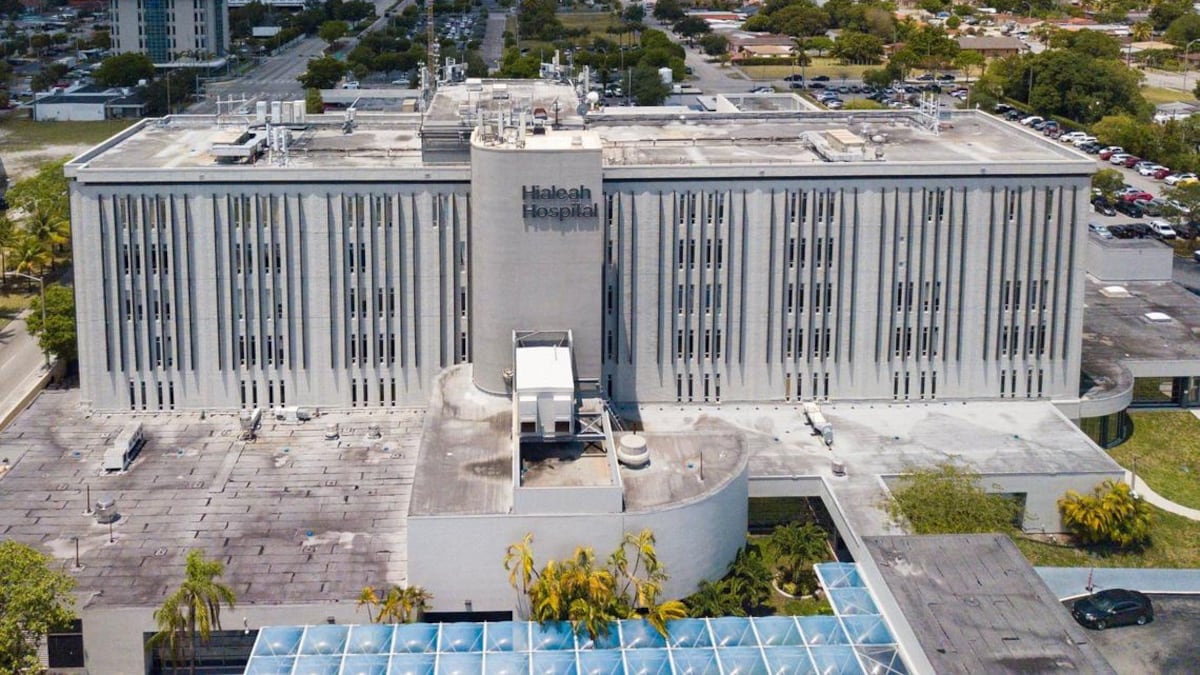


 Sirata Beach Resort expansion: St. Pete Beach
 Corey Landing: St. Pete Beach
  Tradewinds Resort expansion: St. Pete Beach
 Viceroy Condo: Clearwater Beach
 Marriott Tribute Portfolio Hotel: Madeira Beach








 St. Pete Commons




 In Between Days
 Gao Restaurant
 Josephine’s Italian Market
 Wuiry’s Pizza
 Lucky Tigre pop-up at Cheeky’s


 A Brooklyn boy





 A ‘rogue wave’ floods Fort De Soto

 • • •
• • •


 Lawmakers promise to fight for funding





 Residents didn’t know about the sterilizer plant next door
 Temple Terrace is not alone


 The Chattaway

 Oxford Exchange
 The Rialto Theatre
 American Social Bar & Kitchen
 Columbia Restaurant
 Luma
Luma

 Whiskey Cake
 Krispy Kreme
 11 Chicks Yummy Creations
 Bodega
 Brooklyn South
 Ferg’s Sports Bar & Grill
 Hawkers
 Mowgli’s Tiffin
 Offset Sandwich Exchange
 Pizza Box
 Red Mesa Mercado


 Sal Y Mar
 The Vinoy Resort & Golf Club