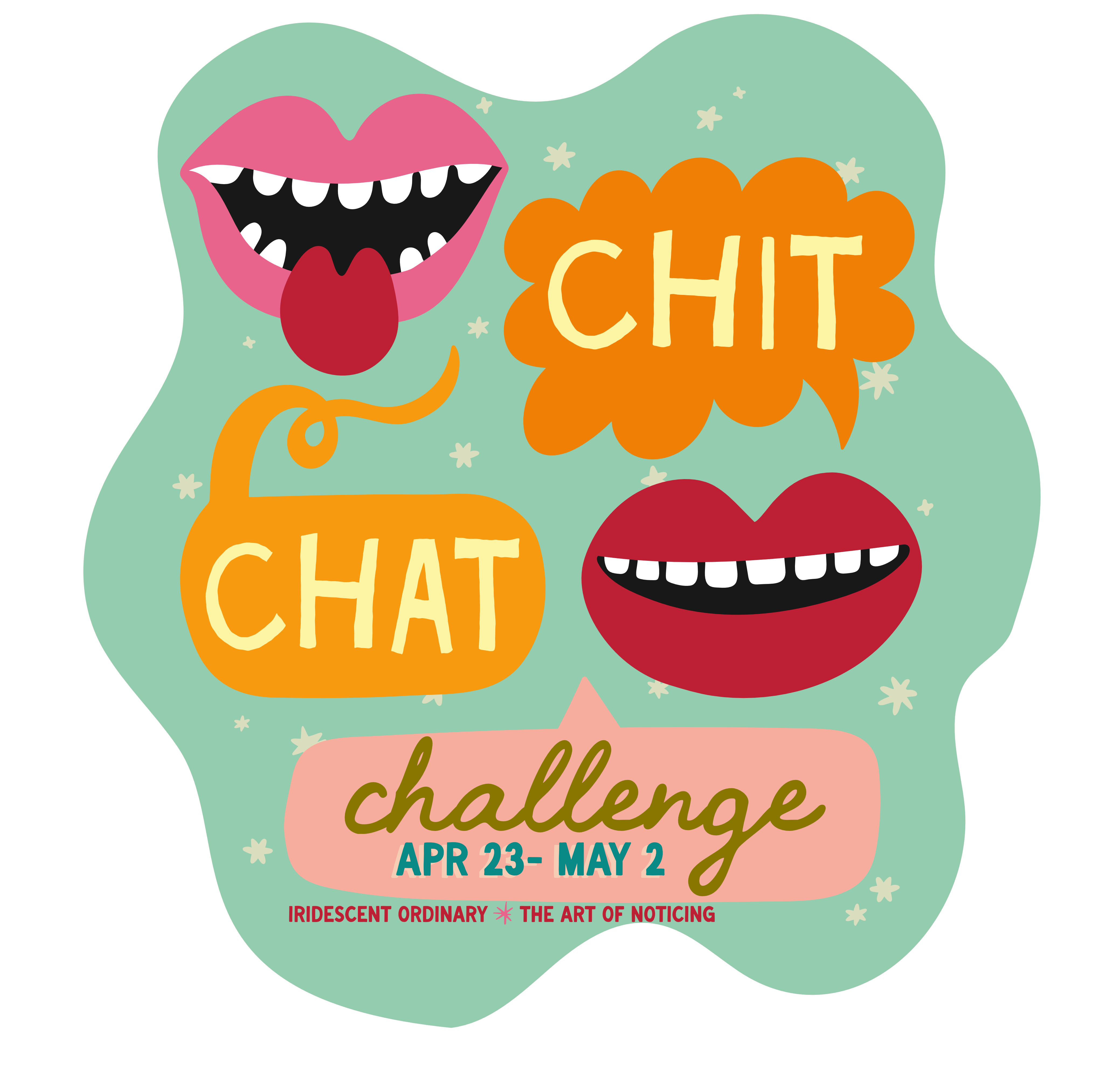
* We’re well into the Chit Chat Challenge, a team-up brought to you by Rubi McGrory of the awesome Iridescent Ordinary newsletter, and TAoN. As Rubi summarizes it: For ten days, you will initiate a conversation with a person unknown to you. Jump into the very active chat thread where people are sharing their Chat Adventures and their Chat Tips.* Still digging the responses to April’s Savor of the Month prompt: Rust. Join in here!Today’s post is part of a series. Every year I teach a five-week class on “point of view,” for the School of Visual Arts’ Products of Design program. For Supporters, I’m reprinting a series of posts about the class — the assignments, the thinking behind the class, how it shaped and has since been shaped by TAoN, and other fun behind-the-scenes stuff. The first installment is here, the second is here, the third here, and the fourth here.
For the last entry in this series, I’ll address a very specific point of view: mine.
In short, when I give students the assignment (described last time) to propose a design project that expresses an idea, I have only one serious parameter. But it’s very serious:
The project must transform something previously overlooked into something noticed.
I assume that brief won’t surprise anybody reading this — noticing the overlooked, and arguing for the importance of doing so, is kinda my whole “brand”! But you might be interested to know that this assignment (and this class) actually predates TAoN. In fact the class helped inspire and shape the book (which mentions several examples of student work).
But there’s an extra bit of back story, too. Long before I thought about The Art of Noticing, I made the case for what I called “dancing about ruins.”
Starting Thursday April 23 for ten days, you will initiate a conversation with a person unknown to you. About anything. Or nothing.
It’s been fun to read the chat thread where people are sharing their Chat Adventures and their Chat Tips, and there’s one comment I want to highlight, from reader Deborah:
Like others, I do this in the normal course of my day. When I do it, it’s usually because I want to connect. In the last two days, since I’ve INTENTIONALLY chatted with a stranger, I have thought more about how the other person responded. And I found that other people want to connect too.
While that could have been obvious to me in my past efforts, it was the INTENTION that helped me realize that there are other people who want to interact, they just need someone to approach them. We could all be doing each other a great service by talking to each other!! DUH!
Regarding the level of complexity of the conversation--I am finding that it doesn’t matter that much how long or involved the contact is, it’s more about being open to any interaction--even eye contact. Looking forward to tomorrow!
Deborah, with her thinking about intentionality, is making a great point here. Chatting is a collaboration! Worth keeping in mind as you go about your chit-chat adventures.
There are many great Chat Stories in the thread to entertain and/or inspire you. Join in, whatever way works for you!
As always, I value your feedback (suggestions, critiques, positive reinforcement, constructive insults directed at me, not at anyone else, etc.), as well as your tips or stories or personal noticing rituals, things we need a word for, and of course your icebreakers: consumed@robwalker.net. Or use the comments.
—> Or just click the heart symbol. That always makes my day.
Normally the “big” (numbered) issues of TAoN come out at the start of every other week, but No. 209 is early, because today marks the first day of The Chit Chat Challenge, a team-up brought to you by Rubi McGrory of the awesome Iridescent Ordinarynewsletter, and TAoN.
So here goes: the Great Spring 2026 Chit Chat Challenge. Rob Walker of The Art of Noticing and I triple-dog-dare you talk to a stranger every day for ten days. Easy peasy. Bonus points for sharing your stories.
Starting Thursday April 23 for ten days, you will initiate a conversation with a person unknown to you. About anything. Or nothing. The particulars are totally up to you: fellow dog walkers, plane seatmate, the mail lady; the weather, the footie, the meaning of life.
She’ll be posting in IO (so subscribe!) and on her Substack Notes feed, and I’ll have some Chat posts here on TAoN, plus there’s a chat thread where people are already sharing Chat Tips, and where we hope you’ll share your Chat Stories. Join in as you see fit!
Back in early January, at the end of a thoughtful post about resolutions and rituals, Rubi observed in an aside what a bummer it is that “so many projects/challenges begin on or about January 1.” This is already a busy time, and further cramming the post-holiday-recovery calendar isn’t helpful. “Can we get some read-along-with-me programs or drawing-a-day challenge that starts on July 17 or April 23?,” she asked. “Any random day not overwhelming and already loaded with expectation. <end rant>.”
This stuck with me, and basically I reached out and asked Rubi if she wanted to team up on some kind of challenge project that would start — why not? — on April 23!
I’m a big fan of Rubi’s newsletter (“Your AI-free reminder that you can find or create joy while also feeling fear, rage, despair, and other prickly crap.”) and of Rubi herself, and I knew connecting with strangers and convo in general is part of her jam. Questions and conversations are part of TAoN, too, most notably manifested in the Icebreaker series.
So after a lengthy negotiation — that is, a handful of friendly emails — we agreed on the Chit Chat Challenge! Again, we really hope you’ll join us, and tell others to join in, too!
Okay, so my chat tip. There’s a guy at the pool I go to, who I’ll call KC. KC is a chatterbox. He’s super friendly, and he chats with everyone, about anything.
There was a time in my life (a time that lasted decades) when I would have avoided KC. I’m pretty introverted, and I’m quite adept at dodging or shutting down conversation. I have traditionally preferred my own thoughts to conversations with strangers, even friendly ones.
That has gradually changed. But even once I started to see the value in such connections, I had difficulty initiating them. And some of the early response to the Challenge is from folks with similar hesitations.
So I share with you this: My first step was to just accept others — the KCs of the world, the chatterboxes — starting the interactions for me. I stopped trying to shut them out; I let the chat happen; I participated; I learned to be open. If I got held up for a few minutes, or distracted from my laps, or whatever, I let that go. The chit chat has its own value.
I love chatting with KC. He always makes my day, and I’m vaguely disappointed when he’s not there. But it’s okay: I’ve learned how to chat with others, whether they initiate or I do. I’ll see KC soon enough, and we’ll both have plenty to chat about, I am certain.
If you enjoy TAoN, please become a paid supporter. You’ll get access to the full archives as well as supporter-only bonus posts and discussion threads. Your support makes this newsletter possible. Thank you!
IN OTHER NEWS
I had a thoroughly interesting and enjoyable conversation with Danylo Zubaryev for his Open Inquirypodcast — particularly of note for those of you who ended up here by way of Waking Up. Thanks, Danylo!
A triangular stamp caught my eye; Fast Company explains: “The triangle Postcrossing stamp from the U.S. Postal Service commemorates an international pen pal project started in 2005 by Paulo Magalhães, a student in Portugal. The program connects people around the world in a simple but increasingly old-fashioned way: Send a postcard, get one back.”
“For his series Men in the Cities, Robert Longo set up his camera on the rooftop of his New York apartment, dressed his friends … in business attire and captured their movements as he threw various objects at them.” This isn’t new, of course, but I do love these images.
OKAY THAT’S IT!
As always, I value your feedback (suggestions, critiques, positive reinforcement, constructive insults directed at me, not at anyone else, etc.), as well as your tips or stories or personal noticing rituals, things we need a word for, and of course your icebreakers: consumed@robwalker.net. Or use the comments.
—> Or just click the heart symbol. That always makes my day.
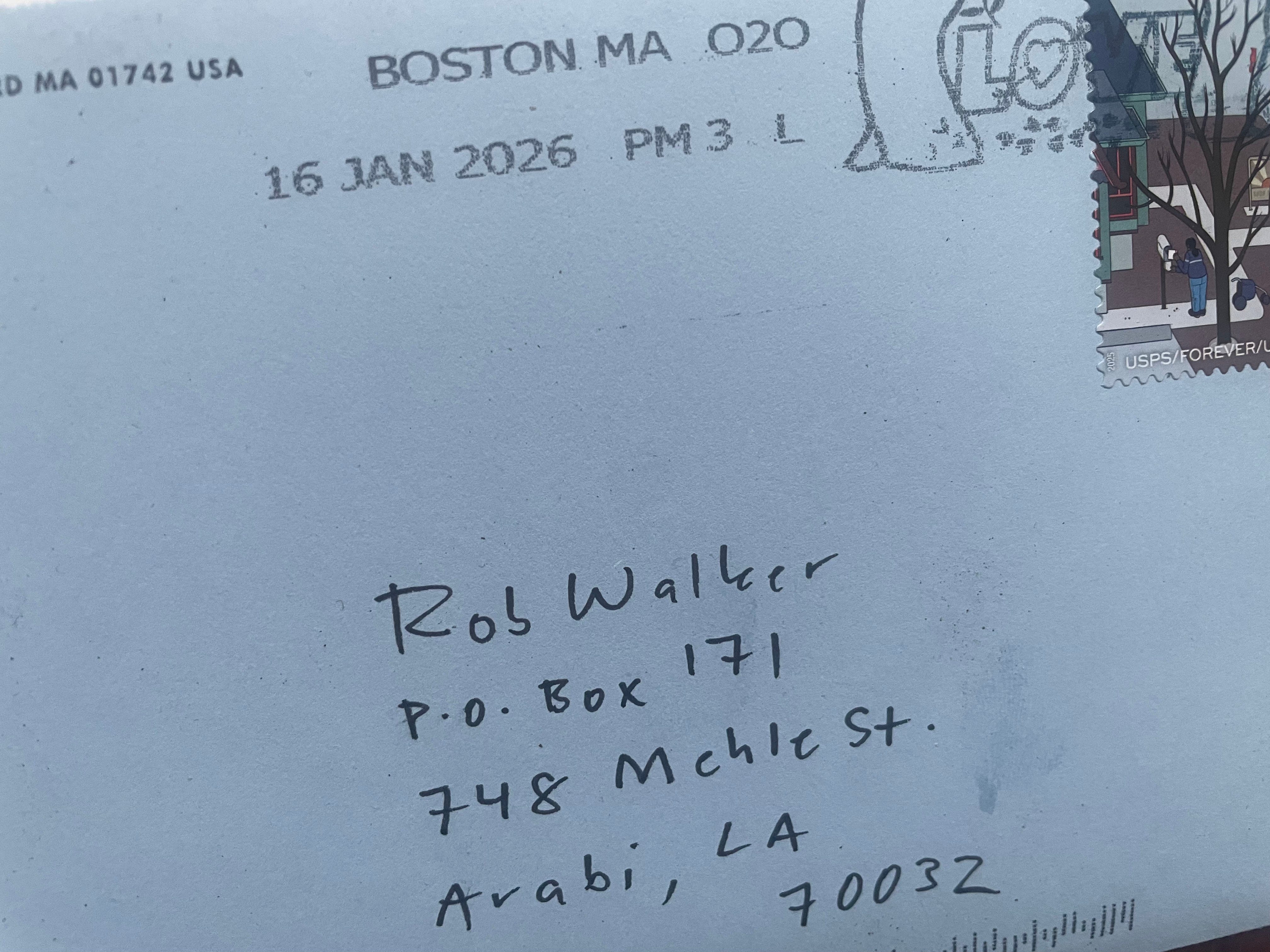
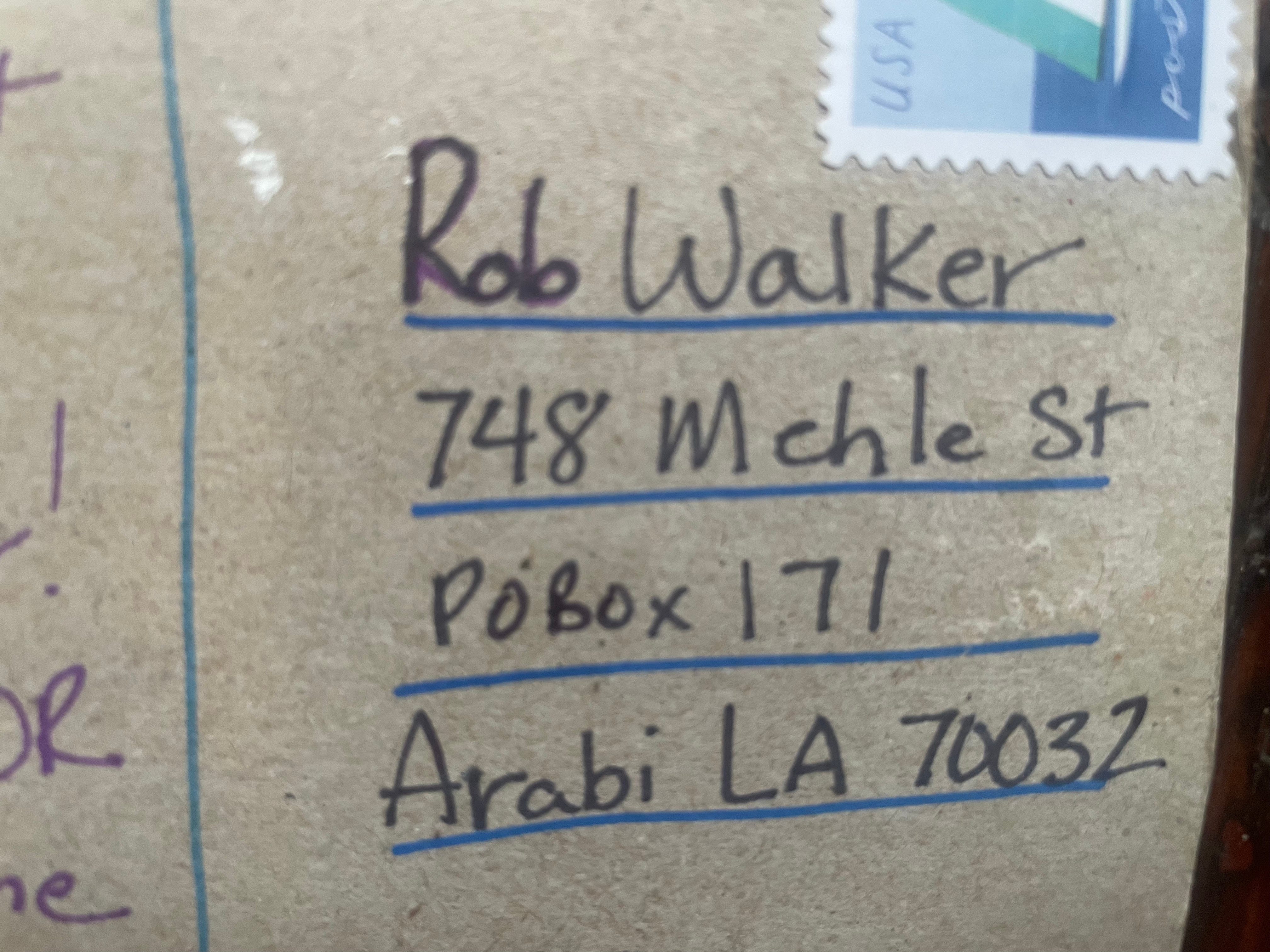
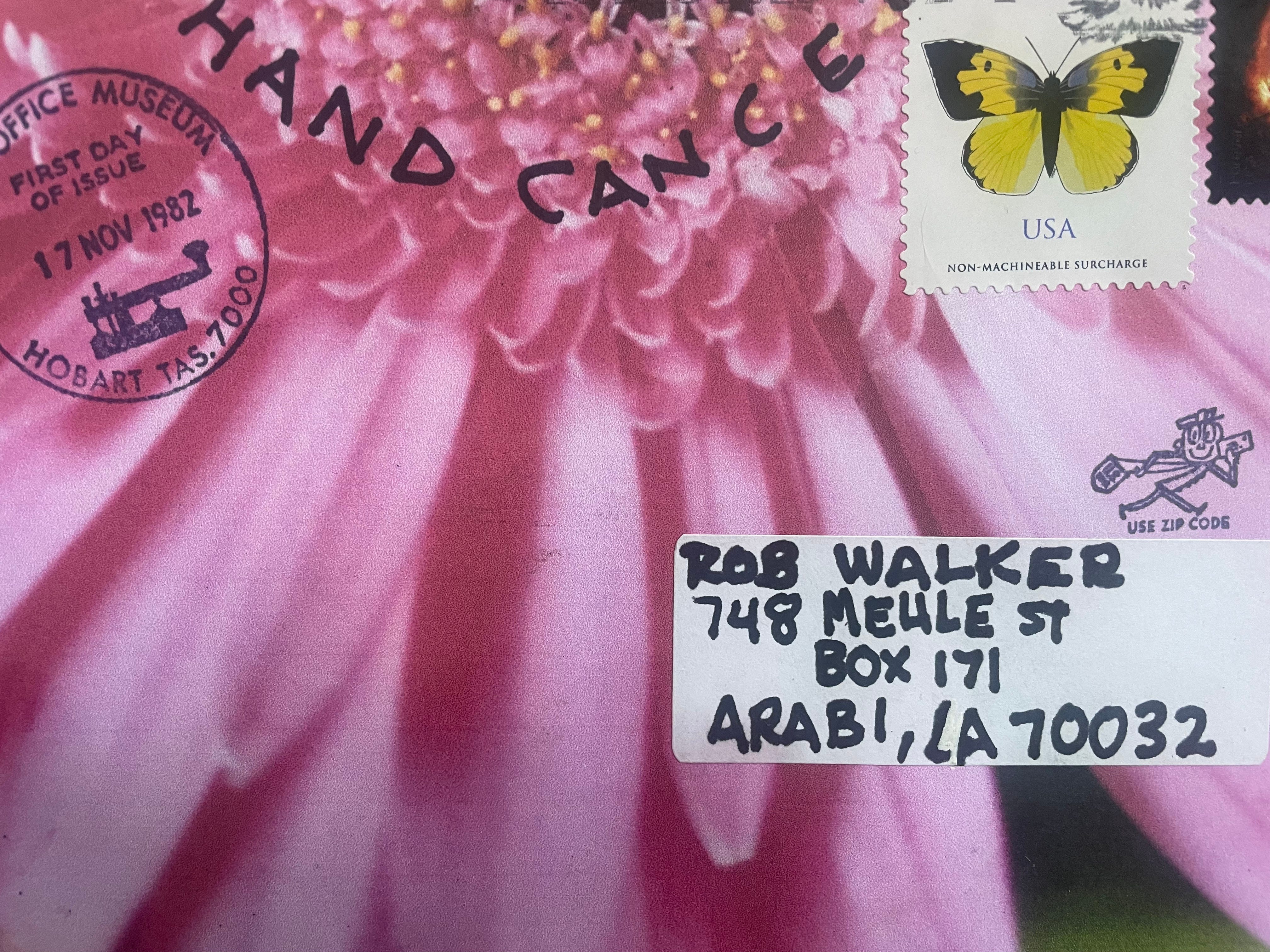
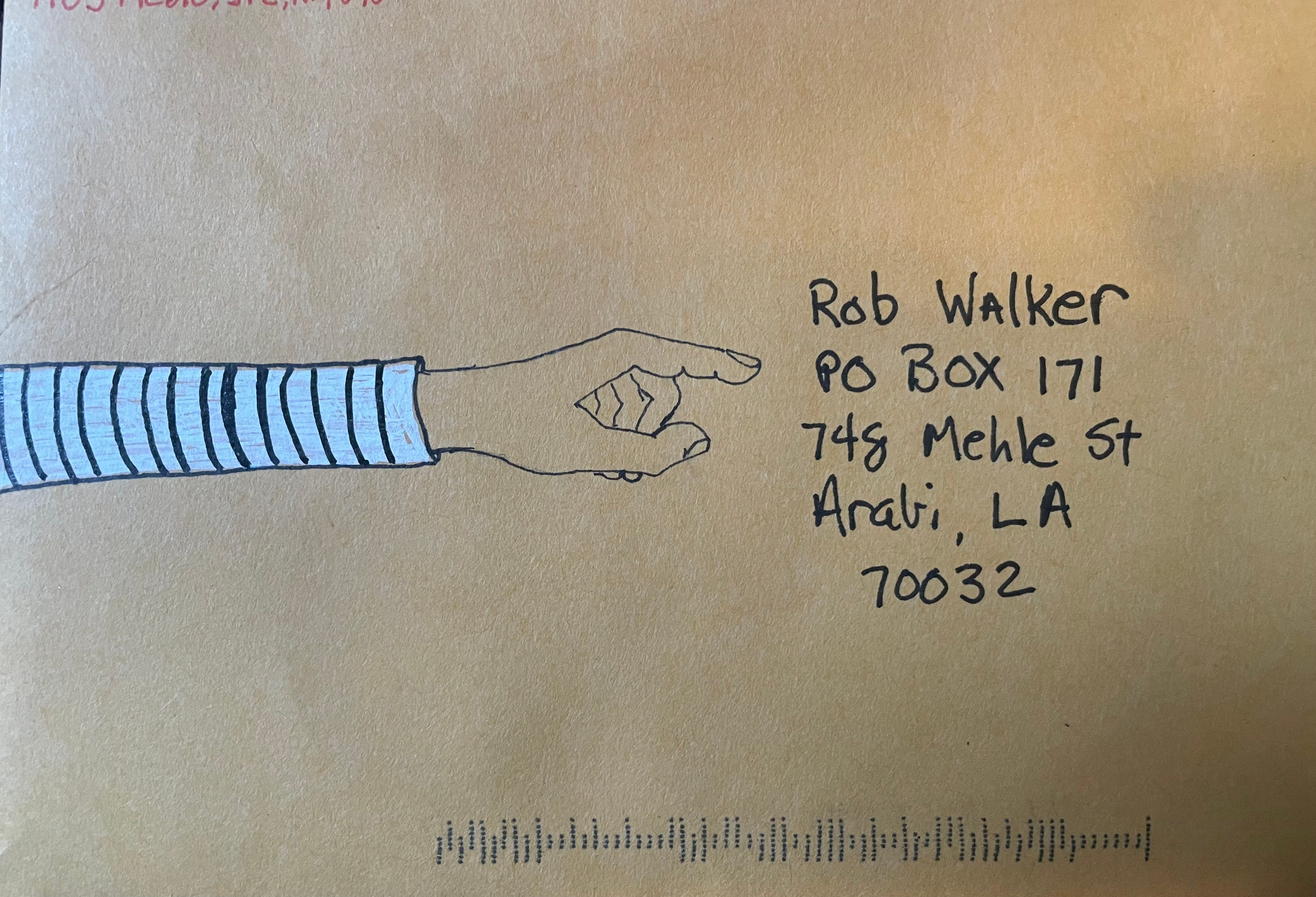
All this by Rob Walker (unless otherwise noted) PO Box 171, 748 Mehle St., Arabi LA 70032. —> Send me mail! I’ll give a three-month free trial to the Supporter version of TAoN to any current free subscriber who snail-mails me a request (include your email address).
To unsubscribe see the bottom of the email, or go here.
I am excited to announce a collaboration with the awesome Rubi McGrory of the Iridescent Ordinary newsletter: The Great Spring 2026 CHIT CHAT CHALLENGE! More below but full details here:
“We triple-dog-dare you talk to a stranger every day for ten days. Easy peasy. Bonus points for sharing your stories. … Starting Thursday April 23 for ten days, you will initiate a conversation with a person unknown to you, each day. About anything. Or nothing. The particulars are totally up to you.”
For right now I ask you, TAoN readers, to not only join in but please HELP US SPREAD THE WORD!Email, link, share! Tell a popular blogger or Substacker or TED talker or author or social media influencer who might be into it! We want your help to make the Chit Chat Challenge “a thing”! (There will even be stickers!)
“The aim of Chit Chat Challenge is to get us connecting. It’s not enough to read some stats and anecdotes about the power of talking to strangers. You actually have to do it. We’ve created this handy-dandy container to get you started.”
Rubi will be posting more in her newsletter and Notes, so follow Iridescent Ordinary. I’ll be posting more Chit Chat tips here on TAoN, too, and hopefully sharing Chit Chat stories you share with us. Meanwhile there’s a chat thread here, and Rubi’s intro is here.
As always, I value your feedback (suggestions, critiques, positive reinforcement, constructive insults directed at me, not at anyone else, etc.), as well as your tips or stories or personal noticing rituals, things we need a word for, and of course your icebreakers: consumed@robwalker.net. Or use the comments.
—> Or just click the heart symbol. That always makes my day.
* Still digging the responses to April’s Savor of the Month prompt: Rust. Join in here!Today’s post is part of a series. Every year I teach a five-week class on “point of view,” for the School of Visual Arts’ Products of Design program. For Supporters, I’m reprinting a series of posts about the class — the assignments, the thinking behind the class, how it shaped and has since been shaped by TAoN, and other fun behind-the-scenes stuff. The first installment is here, the second is here, the third here.
The firstthreeposts in this series all dealt with a series of assignments related to writing an individual manifesto.
But in addition to the manifesto undertaking, the students in Point of View also complete a separate set of assignments related to expressing an idea with a design project. That might sound a little fuzzy, so I’ll break it down.
“Noticing, I have found, is never complete.” A quick post to share some fun stuff from TAoN readers
Show full content
I’ve been neglecting TAoN’s post office box lately, but catching up made me so happy, I’m sharing some recent highlights in a quick impromptu email. I hope you enjoy!
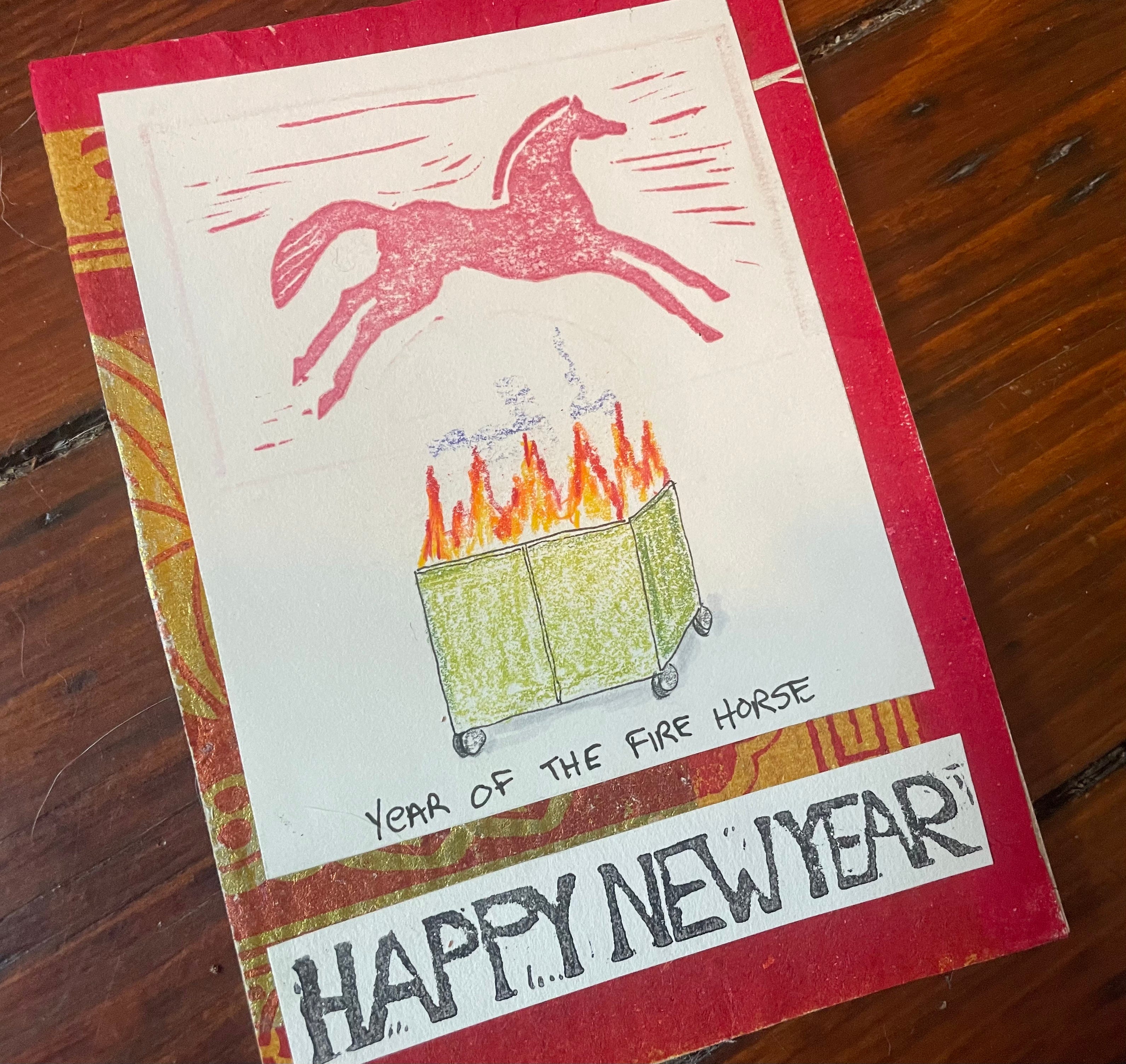
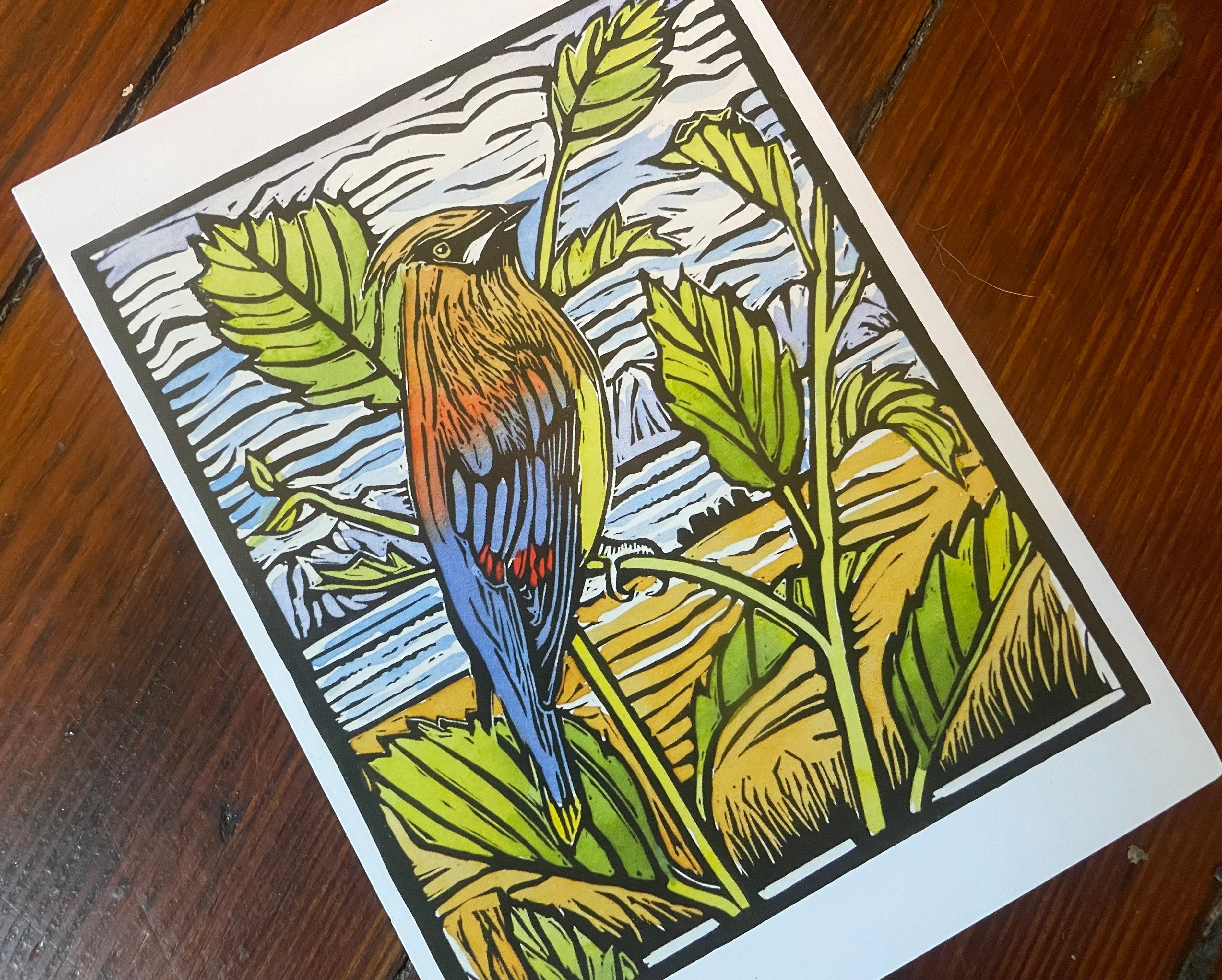
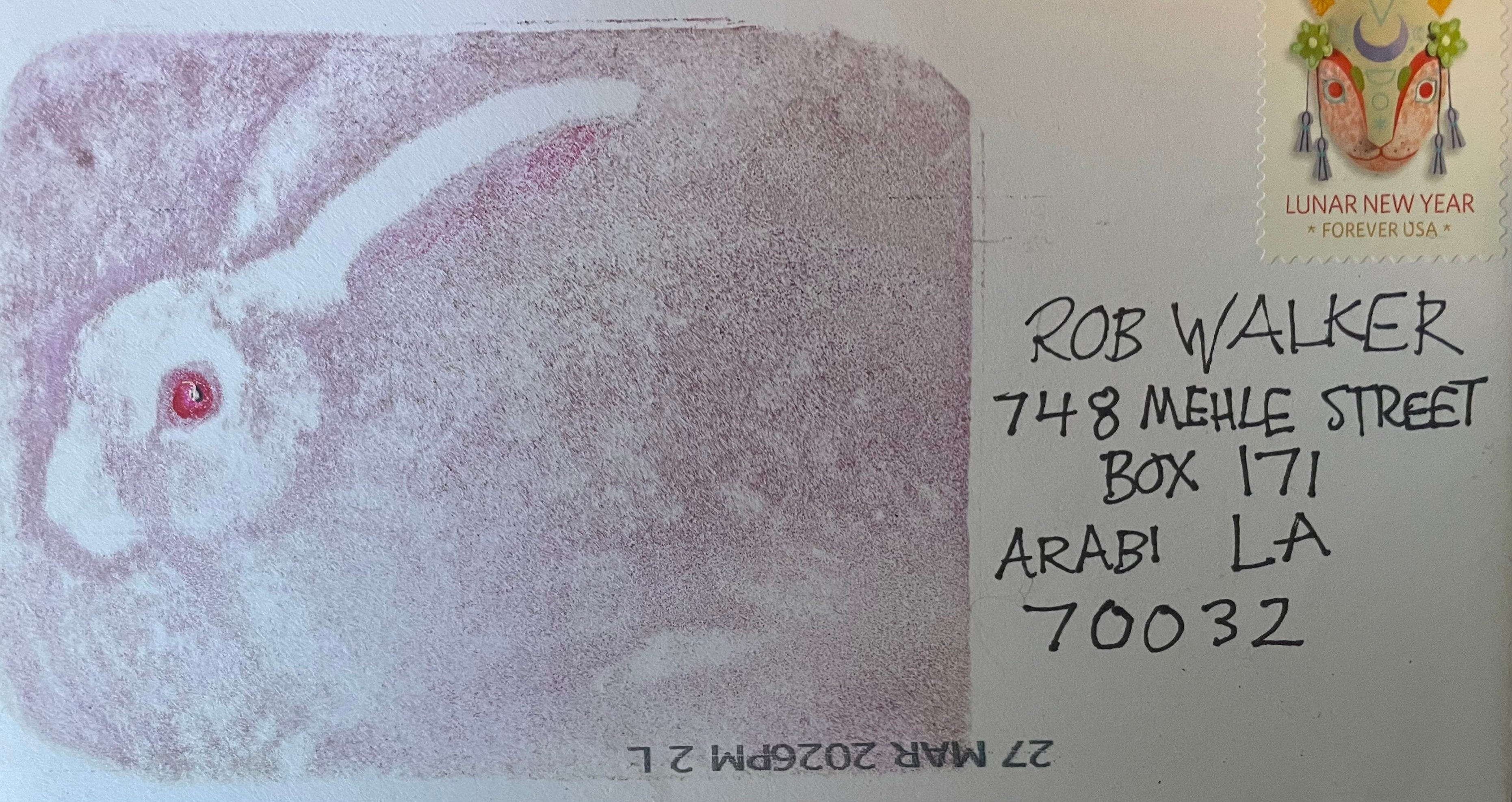
From Caryn in New Mexico, a delightful Lunar New Year linocut card! (If you’re still out there, Caryn, send me the email address you use for TAoN, consumed@robwalker.net.)
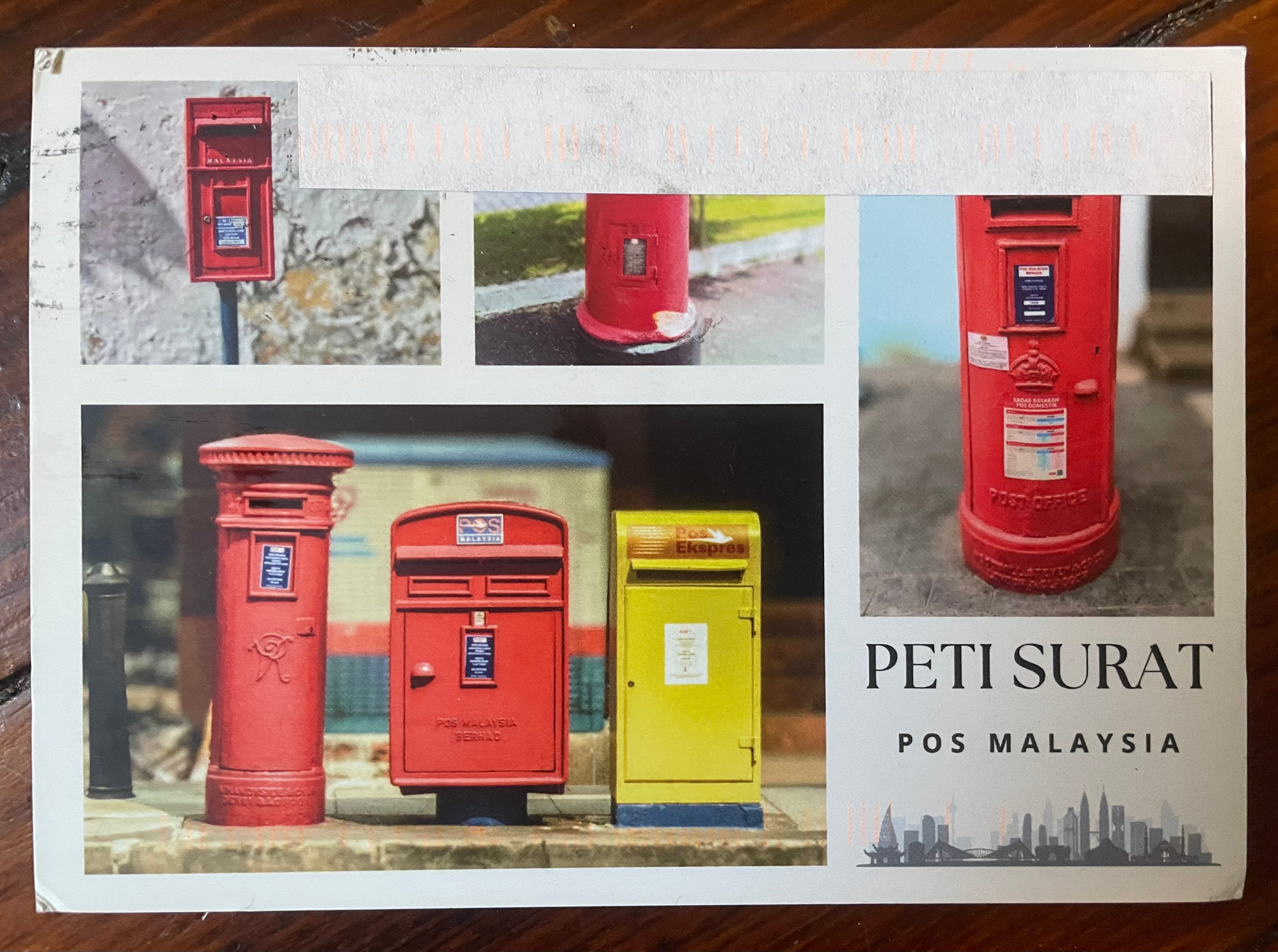
From Alice in Kuala Lumpur (also wishing a happy Year of the Horse).
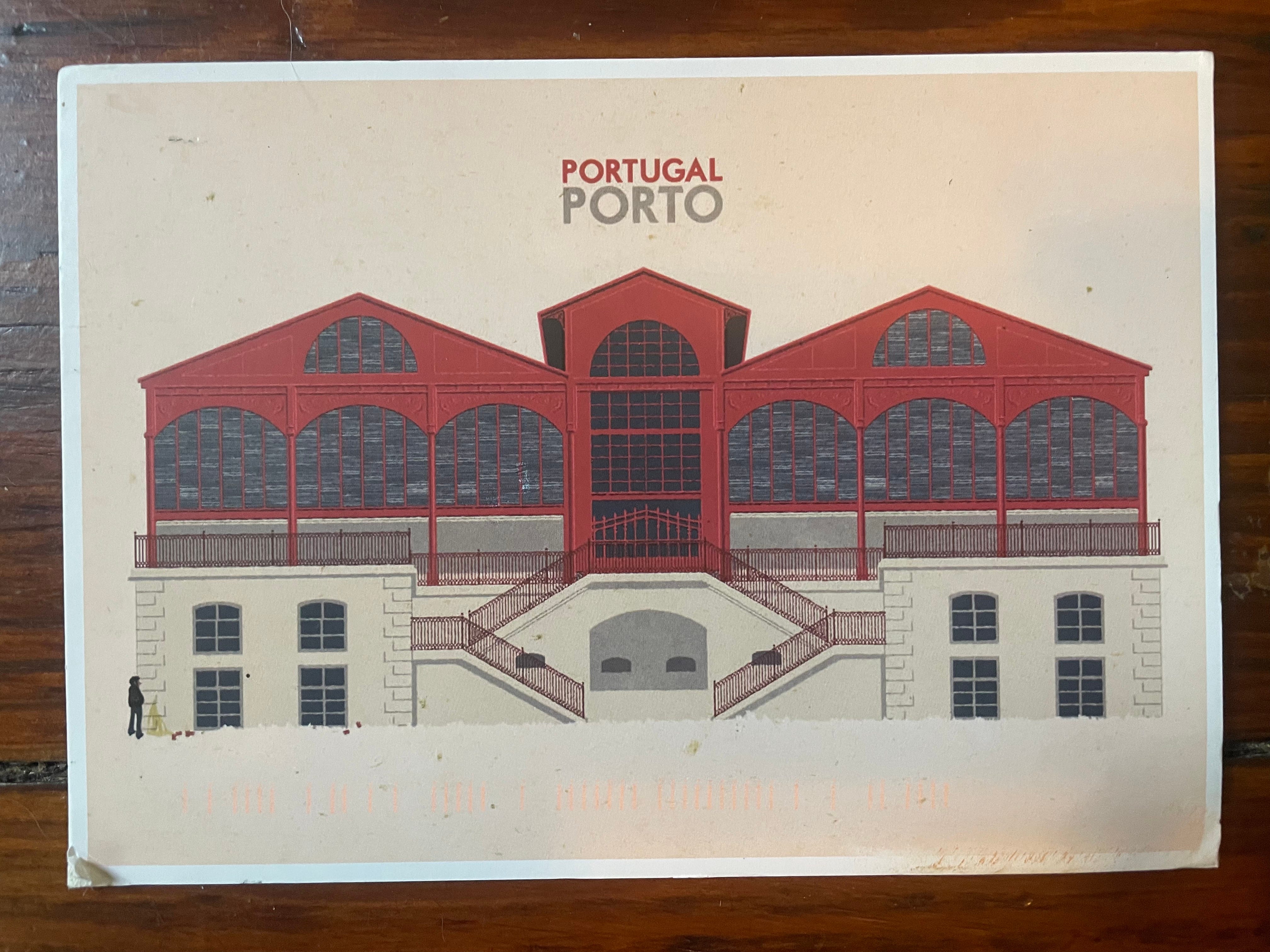
From friend of TAoN Maria, visiting Porto.
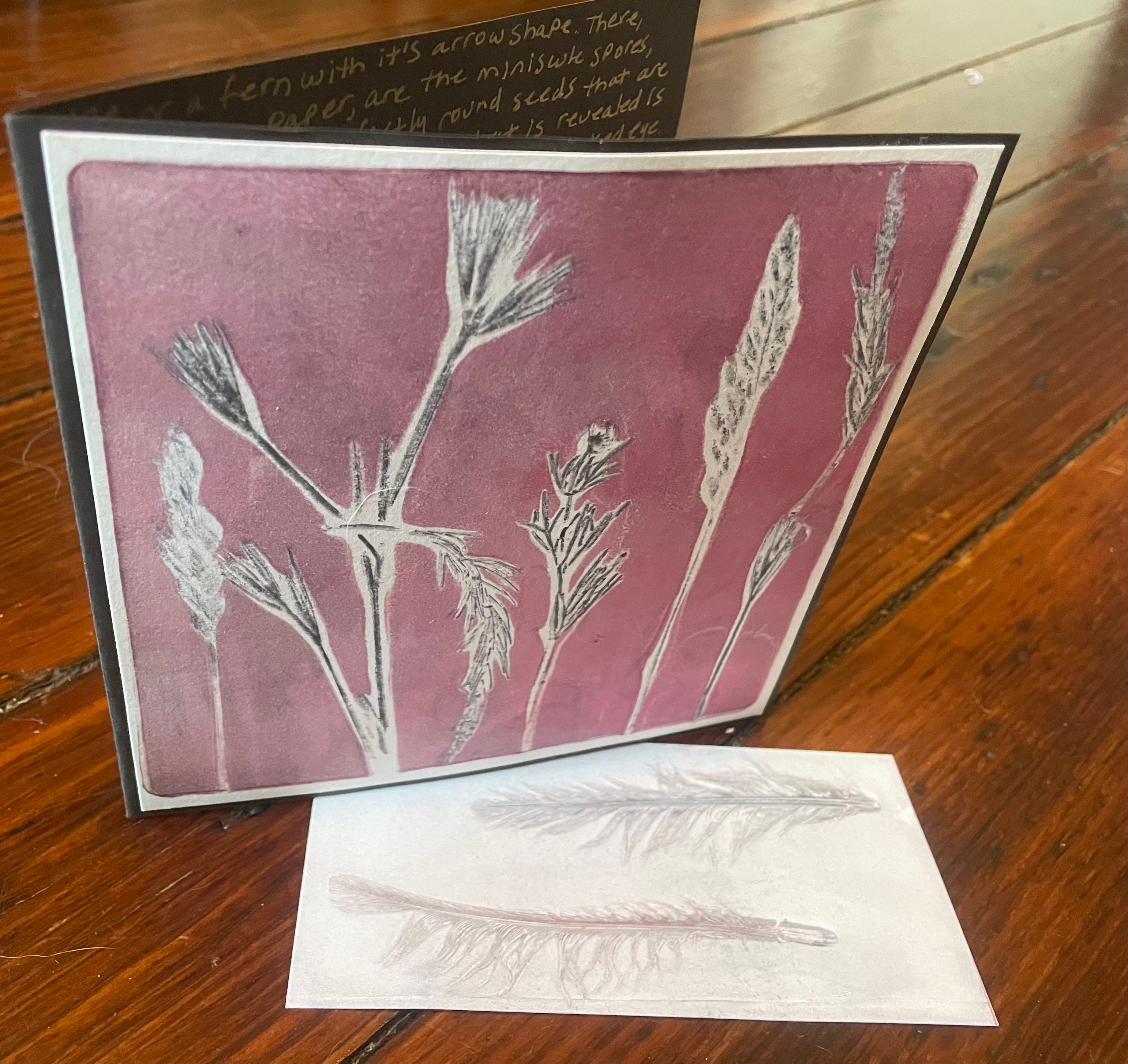
From Gillian, who wrote a great note about making monoprints of leaves, feathers, petals, etc., and how seeking the rights subjects takes observation; the process reveals what the naked eye missed; and that informs the next subject. Says Gillian: “Noticing, I have found, is never complete.”
From Kate, who shared a wonderful story about a conversation with a stranger. Stay tuned for more on that subject, Kate! (And if you’re out there, send me the email address you use for TAoN, consumed@robwalker.net.)
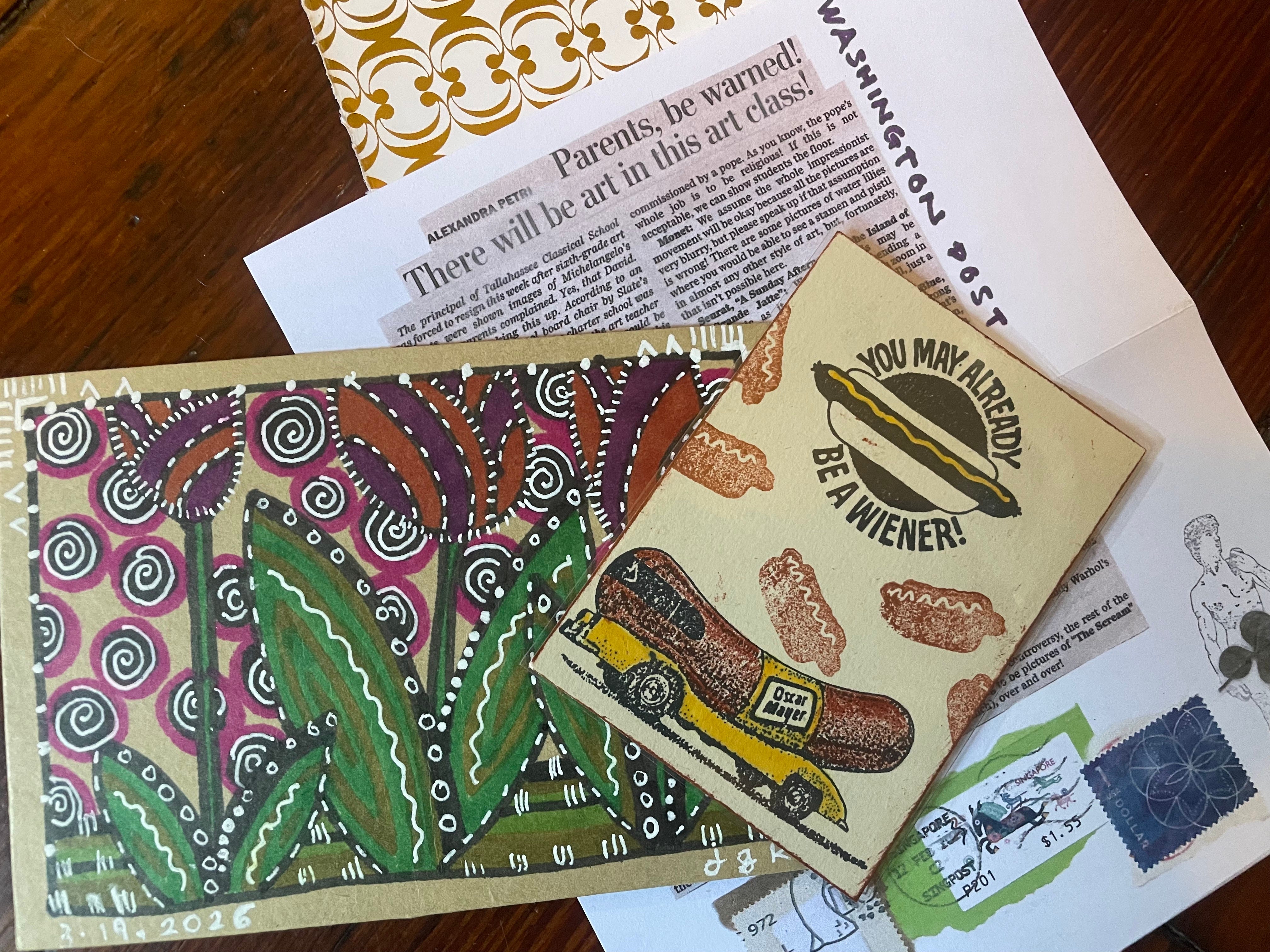
And from our friend Judi K, an assortment of typically fun surprises! We’ll make through, Judi!
As always, I value your feedback (suggestions, critiques, positive reinforcement, constructive insults directed at me, not at anyone else, etc.), as well as your tips or stories or personal noticing rituals, things we need a word for, and of course your icebreakers: consumed@robwalker.net. Or use the comments.
—> Or just click the heart symbol. That always makes my day.
All this by Rob Walker, except as noted. PO Box 171, 748 Mehle St., Arabi LA 70032.—> Send me mail! I’ll give a three-month free trial to the Supporter version of TAoN to any current free subscriber who snail-mails me a request (include your email address).
To unsubscribe see the bottom of the email, or go here.
Concluding the manifesto exercise with a bold visual.
Show full content
* Still digging the responses to April’s Savor of the Month prompt: Rust. Join in here!Today’s post is part of a series. Every year I teach a five-week class on “point of view,” for the School of Visual Arts’ Products of Design program. For Supporters, I’m reprinting a series of posts about the class — the assignments, the thinking behind the class, how it shaped and has since been shaped by TAoN, and other fun behind-the-scenes stuff. The first installment is here, the second is here.
Previously I’ve described how I try to prod students to think on and start to articulate what their work is about through a set of preliminary exercises, followed by writing a full-on personal manifesto. The first year I taught my Point of View class at the School of Visual Arts, that’s where the exercise ended — there was some work put into refining the written manifesto, but that was it.
But the second year I changed things up and added a new step. It was inspired, if I recall correctly, by the last line of the Elements of a Manifesto post that I mentioned last time: a good manifesto, in short, should be “poster-like.”
Given that these are design students, why not have them translate their manifesto ideas into an actual poster design?
For example, here’s a design manifesto in “poster-like” form:
TAoN No. 208: A timeless lesson from a favorite trickster. And more.
Show full content
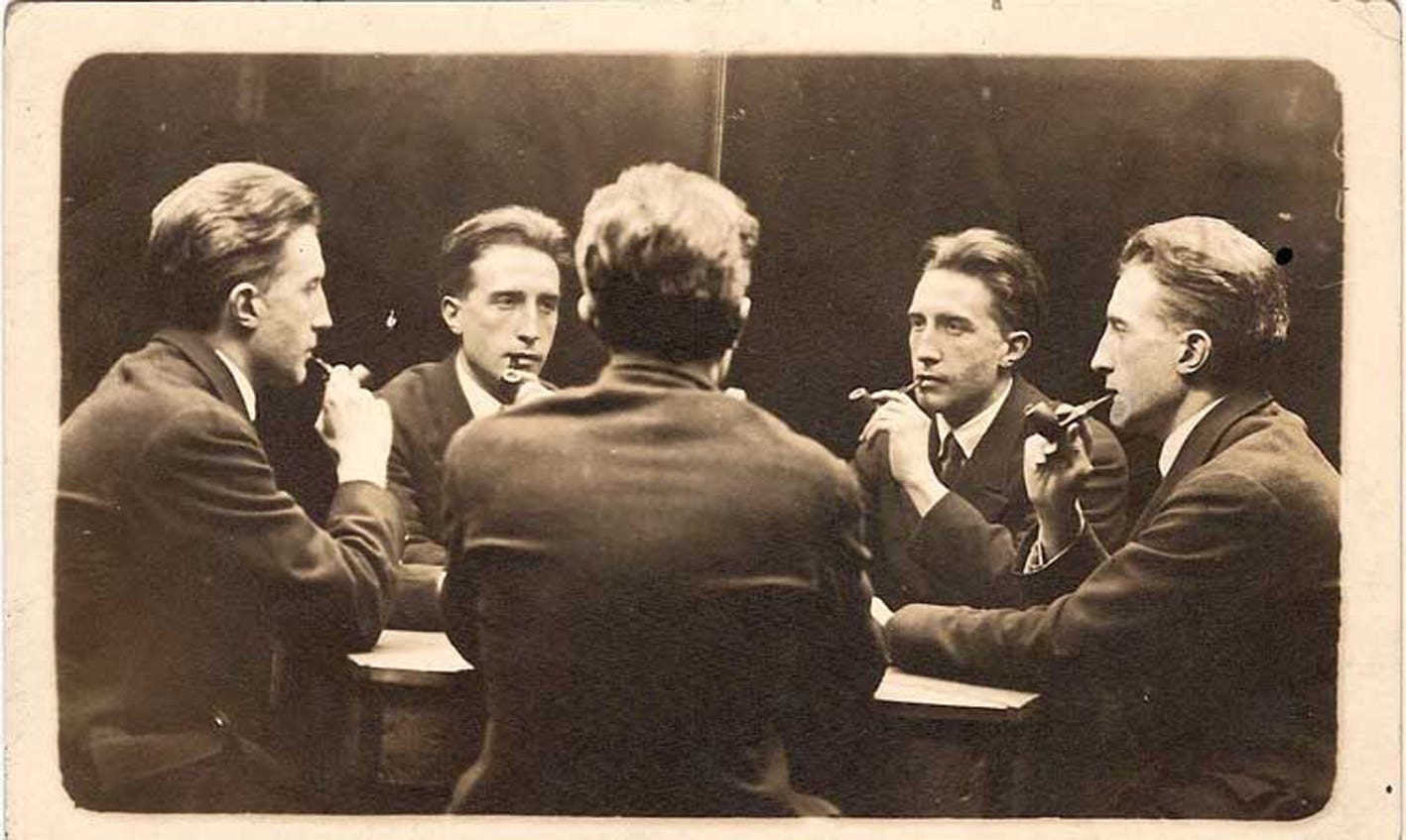
Five-Way Portrait of Marcel Duchamp (Portrait multiple de Marcel Duchamp), Broadway Photo Shop, New York City, 21 June 1917. Public Domain / Wikipedia.
A big Marcel Duchamp retrospective has just opened at the Museum of Modern Art, and that means we can look forward to lots of fresh writing and thinking about Duchamp’s work.
Or at least I hope that’s the case: I’m very pro-Duchamp and always happy to learn more about one of my favorite tricksters. I take it as a good sign that Times critic Holland Carter has already used the exhibition as an excuse to pronounce Duchamp more influential than Picasso! (Or, for a different take, here’s a critic wondering if we’ve become too reverent of the irreverent Duchamp.)
But so far the most pleasing response I’ve encountered is this piece (also in The Times) by Blake Gopnik, with this key passage:
Duchamp helps us understand that “art” shouldn’t be thought of as a noun that picks out certain kinds of objects, but as a verb: We “art” absolutely any object at all by using it to trigger thoughts and conversation. …
When Duchamp “art-ed” the most unlikely, even shocking of objects — a urinal — he was celebrating the power of that verb.
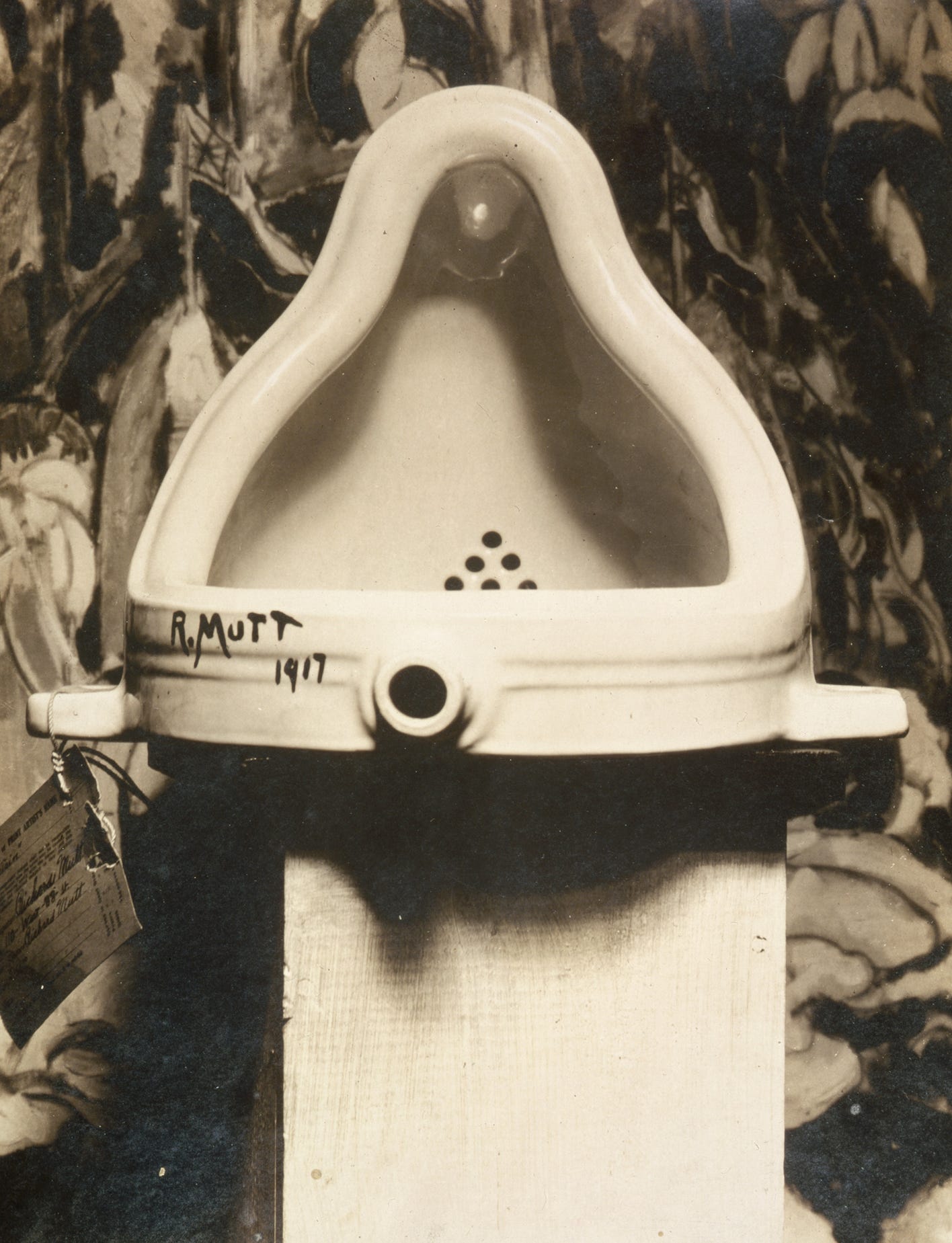
The referenced urinal is of course Duchamp’s famous piece, “Fountain” — an actual urinal that he signed (with a fake name). While this was initially mocked and derided and dismissed, it gradually became recognized as a profound gesture that moved a boundary line between art and the everyday — and example of how trickster figures make culture.
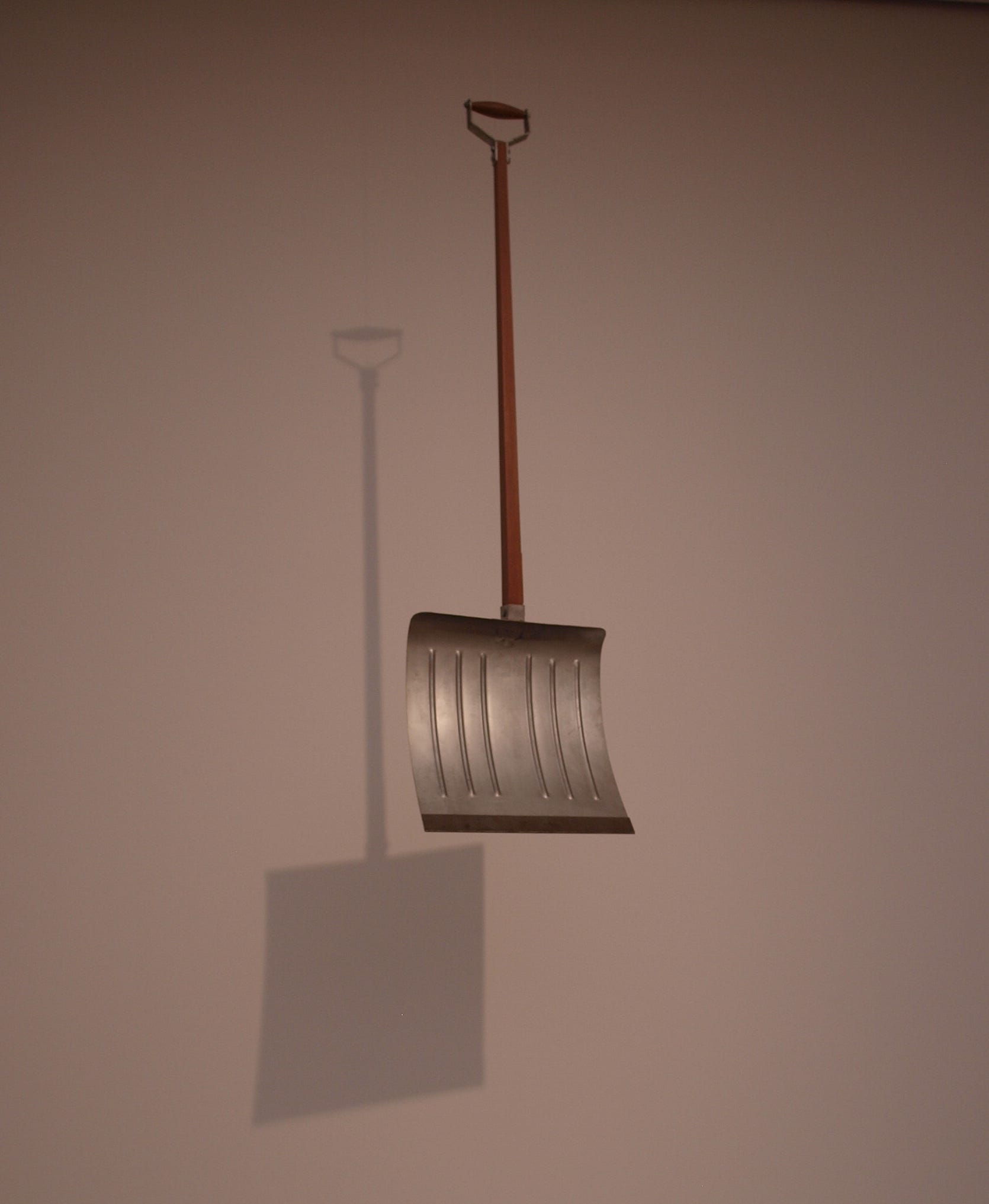
Gopnik reminds us that pre-”Fountain,” Duchamp was already presenting “commonplace objects,” such as a bottle rack and a bicycle wheel, as a category of art he called “readymades.” The first readymade to draw much attention was a store-bought shovel that Duchamp’s studio mate pronounced “the most beautiful object I have ever seen.”
What I did not know about the 1917 First Annual Exhibition of the Society of Independent Artists, where “Fountain” was meant to be displayed but ultimately kicked out, is that it had an unusual organizing format: The works included were displayed in the alphabetical order of their 1,300 creators’ names. This was apparently Duchamp’s idea, and presumably meant to be a kind of grand leveler, a fully objective schema. But in practice it proved more controversial, at the time, than “Fountain,” Gopnik suggests; critics hated it.
Still, you can see how an alphabetized art show implies the same questioning spirit that animated the readymades — a potential to essentially create art from the everyday, through the shear force of perception, curiosity, consideration. Gopnik quotes philosopher Alva Noë making the point that an art object should prompt us to “look harder, look longer, ask questions, interrogate, try to make something of it.”
And when I say “art object,” I mean any object that’s been art-ed. Gopnik again:
I’d say that “Fountain,” as the capstone to Duchamp’s entire installation of the Independent, celebrates a centuries-old tradition that has got us using anything at all — a marital portrait, a prayerful “Saint Francis,” even in the end a urinal — to spark art’s signature conversations.
I can only add that my interest, of course, isn’t in dragging down or undermining the status of art. It’s in elevating the status of the everyday. So this week, channel your inner Duchamp: Notice something that’s worth a conversation — and art it!
If you enjoy TAoN, please become a paid supporter. You’ll get access to the full archives as well as supporter-only bonus posts and discussion threads. Your support makes this newsletter possible. Thank you!
IN OTHER NEWS
Thank to a tip from Karla Starr, I’ve tentatively opened a Bookshop.org affiliate account and “shop.” I’ve only listed a few titles so far, but I’ll continue to add relevant books, and if you buy through the shop I get a cut. Bookshop.org also gives a cut to local booksellers. This is another step in my ongoing efforts to make this project financially sustainable, so consider this a mix of full disclosure and news :) Link here. What might be useful with this experiment? Feedback is welcome!
The latest edition of The Times’ 10-Minute Challenge features a piece from the I Spy picture book series, really interesting!
“Yoko Ono’sPlay it by Trust (1966/2011) is an all-white, interactive chessboard that functions as a metaphor for the futility of war.” There’s now an online chess-bot version.
“Sidewalk Joy spots are free, curated public galleries, exchanges and displays. .. Examples include Free Little Art Galleries, Puzzle Exchanges, Toy Swaps, year-round and often updated yard displays, Wishing Trees, and more!” Via.
The “absurdist cartoons and greeting cards” of Glen Baxter. Good stuff!
Jake Henzler a.k.a. Boy Knits World’s book Knit the City “highlights buildings around the world through a series of building block-like patterns.” Via.
As always, I value your feedback (suggestions, critiques, positive reinforcement, constructive insults directed at me, not at anyone else, etc.), as well as your tips or stories or personal noticing rituals, things we need a word for, and of course your icebreakers: consumed@robwalker.net. Or use the comments.
—> Or just click the heart symbol. That always makes my day.
All this by Rob Walker PO Box 171, 748 Mehle St., Arabi LA 70032. —> Send me mail! I’ll give a three-month free trial to the Supporter version of TAoN to any current free subscriber who snail-mails me a request (include your email address).
To unsubscribe see the bottom of the email, or go here.
Second in a series: Notes toward a bullshit-free personal manifesto.
Show full content
* Still digging the enthusiastic (and stylistically diverse) responses to April’s Savor of the Month prompt: Rust. Join in here!Today’s post is part of a series. Every year I teach a five-week class on “point of view,” for the School of Visual Arts’ Products of Design program. For Supporters, I’m reprinting a series of posts about the class — the assignments, the thinking behind the class, how it shaped and has since been shaped by TAoN, and other fun behind-the-scenes stuff. The first installment is here.
Last time, I described the “heroes and villains” and “always/never” exercises I ask students to complete before they take a shot at writing a personal manifesto. But as mentioned, there’s a third preliminary exercise. I call it the “cocktail party manifesto.”
First in a series: Heroes & villains, always/never, and other manifesto tricks. Plus a special 25% discount
Show full content
* I’m pleasantly surprised by the enthusiastic (and stylistically diverse) responses so far to March’s Savor of the Month prompt: Rust. Join in here!
For more than a decade, I’ve taught an annual mini-class (five sessions over five weeks) for the Products of Design program at the School of Visual Arts. The class is called Point of View. I really love it, mostly because the students are so terrific. But also because I believe in the class’s mission: helping young designers talk about their work, and specifically making sure that there is a why behind their work.
A couple of years ago I shared a series of posts adapting ideas from the class, for paid subscribers. A lot of newcomers have joined the TAoNiverse since then. So with this year’s version of the class just underway, I’ve decided to update and republish that series.
Today is the first post in the series, and I’m sharing it with everyone. The rest of the series will be for Supporters only — and this is a good time to become a Supporter, as there’s a new sale on: 25% off annual subs!
Readers of TAoN will not be surprised to hear that I believe having a strong point of view depends quite a bit on noticing what others have overlooked or ignored. As I’m always saying, the things you pay attention to and engage with that others missed are precisely the things that make you you.
And of course I think this isn’t just an issue for designers, but in all sorts of professions and pursuits, and life in general. So there’s a very direct connection between the class and this project.
To help students explore, flesh out, and articulate their point of view, I make them write a personal manifesto. That can sound a little intimidating, so the assignment is broken up into stages.
The first step entails a few mini-prompts that students have 24 hours to answer. I’ll share two of those mini-prompts here. (The third one is too much to explain now, but I’ll return to it later.)
Heroes & Villains: Name three personal heroes — and three personal villains. Each set should include at least one designer (or, for those of you playing along at home, one member of whatever your profession/vocation is). No lazy answers: avoid naming a relative as a hero unless you have a really good reason; and don’t pick easy villains like historical dictators or comic-book bad guys or whatever.
Always/Never: Declare a set of rules, including two or three things your work must always do, and two or three things your work must never do. Avoid platitudes: Try to come up with answers that are as unique to you as possible.
(An important side note: I emphasize to students that these are not forever-binding declarations. Today’s hero may be tomorrow’s villain. Today’s never may be tomorrow’s sometimes. That’s fine. Pretty much every worthwhile manifesto ever written is eventually disavowed by its author(s)! So just give your best honest answers right now. Don’t try to second-guess the future. Be genuine in the moment.)
We discuss their responses as a group. Often, someone’s hero is someone else’s villain. And students invariably seem to surprise each other with unexpected answers. Everyone learns from each other’s heroes lists. And everyone learns from each other’s villain thoughts, too. (Students are often reluctant to talk about villains at first, but after some coaxing and being reassured that there will be no negative consequences, they open up.)
Ideally, as we talk about why this hero and why that villain and why those rules, a pattern emerges for each student that helps tease out the core of a good personal manifesto. While it’s my job to help make that happen, really it’s the students doing all the work — because the work is very individual.
The broader point is to demystify the idea of figuring out what one’s work (or point of view) is about. Again, writing a manifesto sounds potentially intimidating, whether you’re at the start of a career or deep into an established practice or even defining goals for a new phase of life. That’s why I make this the first step, and I find it has helped students in the past.
I hope it works again with this year’s class! Give these prompts some thought, and I’ll share the next phase of the manifesto process this Friday!
As always, I value your feedback (suggestions, critiques, positive reinforcement, constructive insults directed at me, not at anyone else, etc.), as well as your tips or stories or personal noticing rituals, things we need a word for, and of course your icebreakers: consumed@robwalker.net. Or use the comments.
—> Or just click the heart symbol. That always makes my day.
At the start of every month I announce one specific thing or theme to look out for, pay attention to, appreciate. The idea is to convert something everyday and taken for granted into something we might, yes, savor.
And every month I create a chat thread where you can share what you are noticing, or enjoy what others have noticed, in connection with the current theme. You can post pictures, drawings, written observations, whatever works for you. Or just browse!
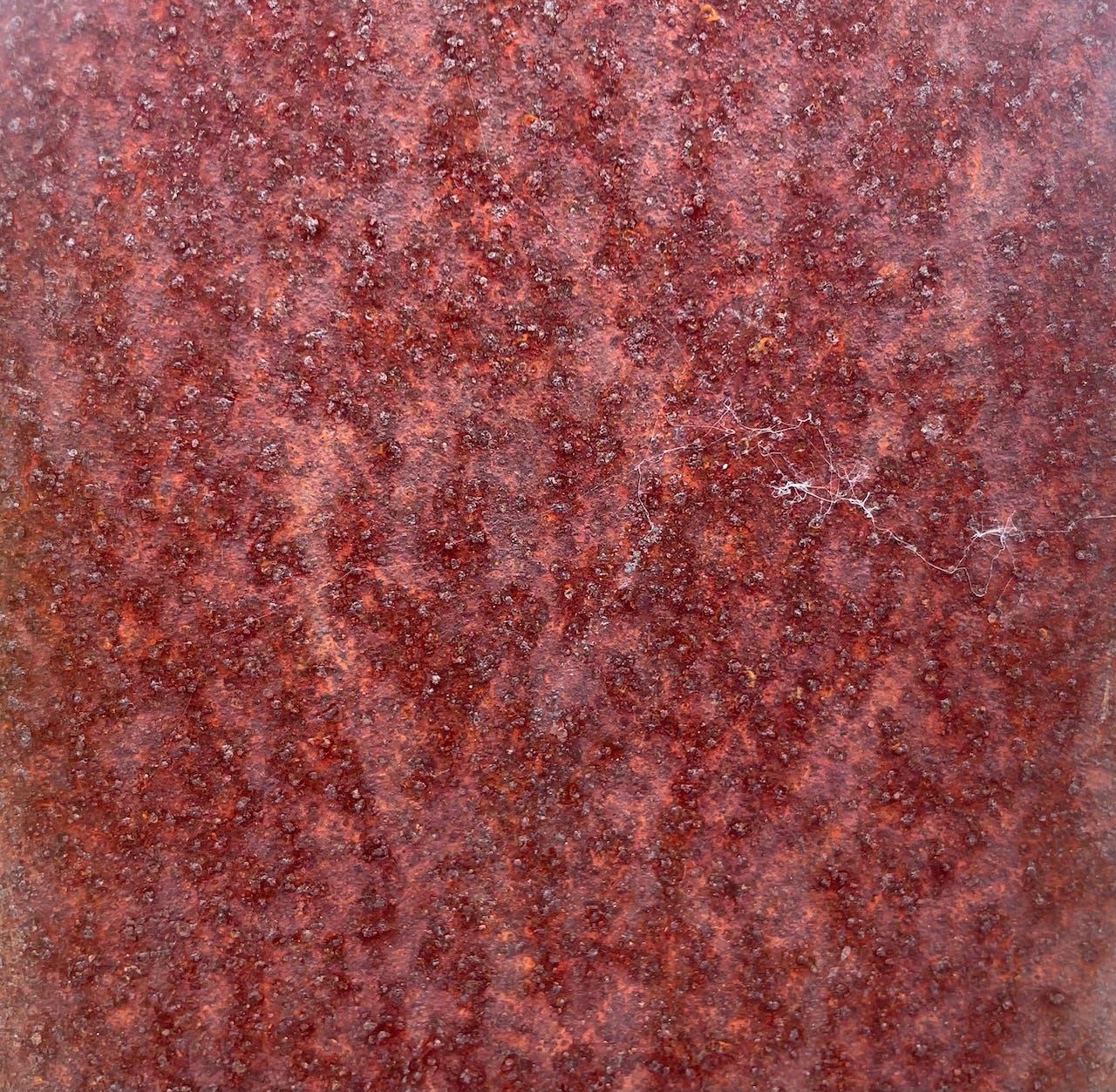
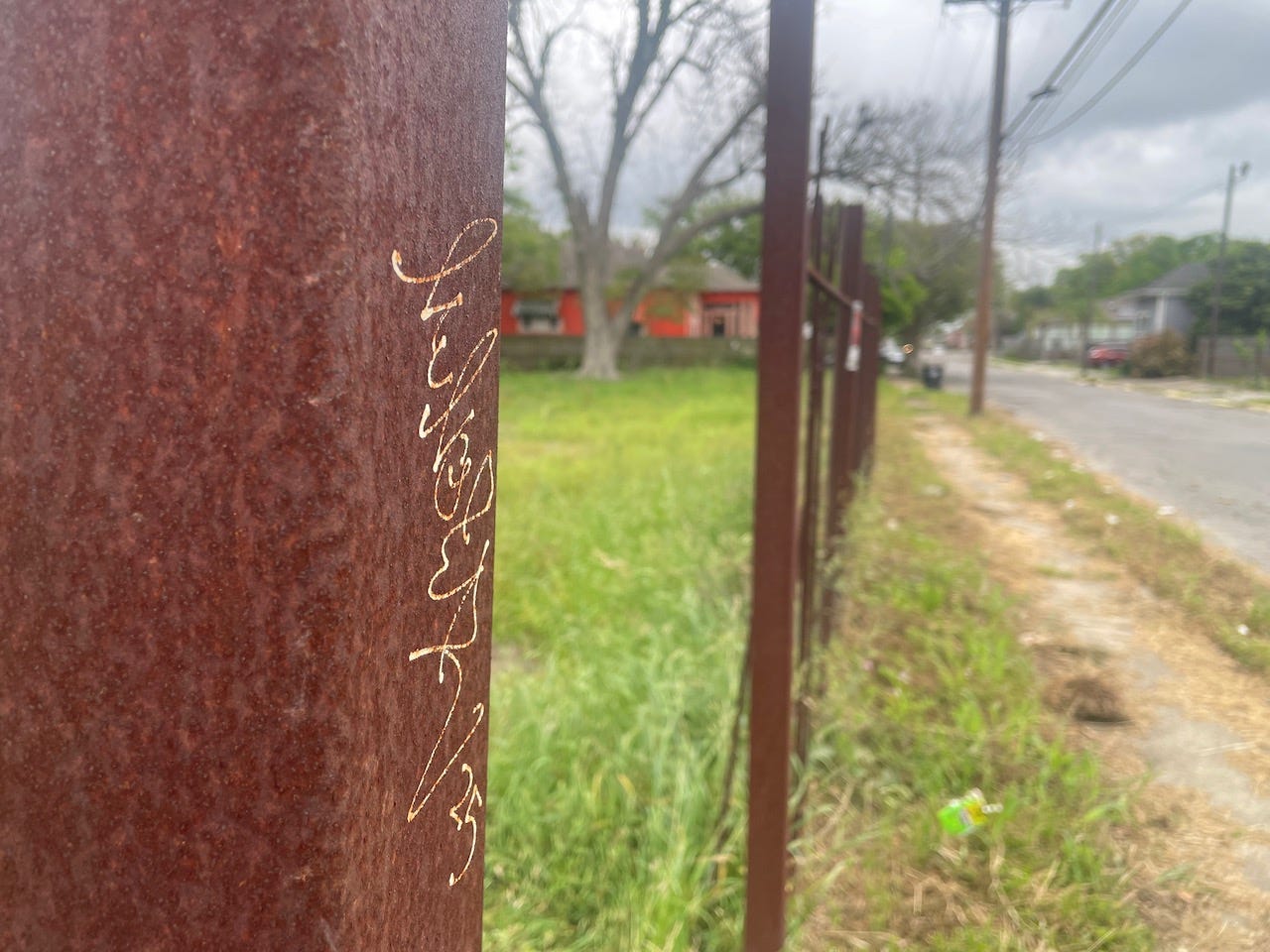
For April, the subject isRUST. This is less abstract than some recent subjects, so it doesn’t require much explanation — it’s, you know, rust. (I’m pretty sure a reader suggested this but I’ve last track of who that was; if it was you, speak up!)
Below, I’ll say a little more (including an example of how this simple attention practice can make you notice other interesting things you’ve previously missed), but in short: hunt for RUST while you go about your days in the month ahead.
TAoN No. 207: A (generous) guest prompt from author/artist Lea Redmond. And more.
Show full content
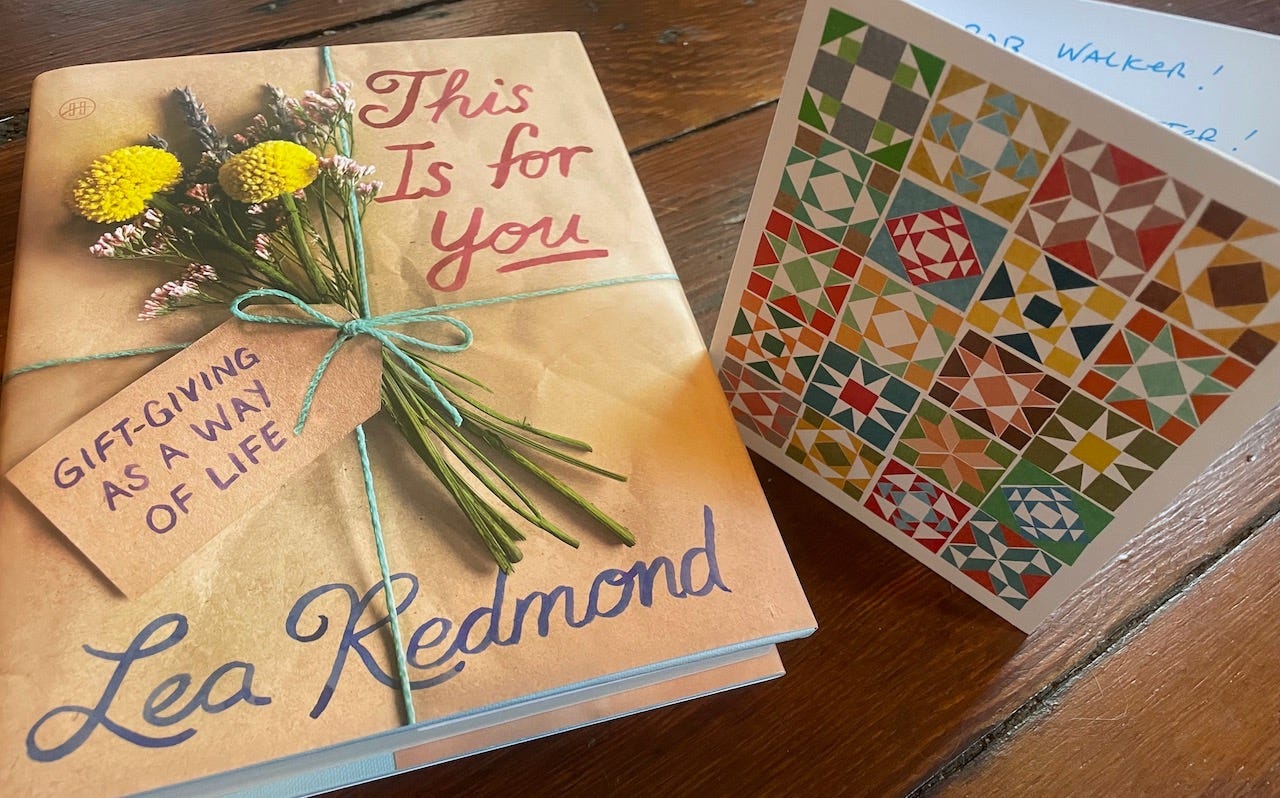
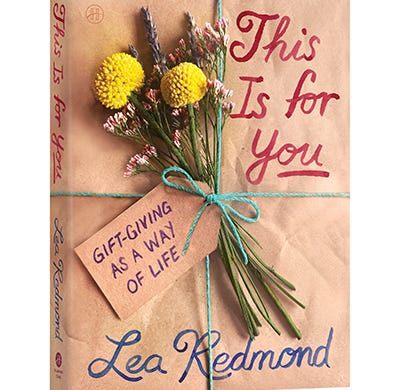
I got a nice surprise gift the other day: a copy of This Is for You: Gift-Giving As a Way of Life, by writer/artist Lea Redmond, billed as a “jubilant manifesto” on giving (and receiving). I love gifts as a subject, possibly because I have a very mixed record as a gifter, and I always want to get better. So I was excited to explore Redmond’s thoughtful and helpful take on the subject.
Greedily, I even asked Lea if she’d suggest a prompt for TAoN readerse, and she agreed. Another gift! And seriously, this is a great “gift guide” alternative, any time of year:
Think Beyond the Shopping Cart
As a gift opportunity approaches, visit a few stores you love and you imagine your recipient would love — but with no intention of buying anything.
Instead, treat the store like a museum, a source of inspiration and sensorial prompts to get you started. As you browse, dream up alternatives to the lovely items you imagine your recipient would like, transforming them into other gift ideas: objects, experiences, or gifts of words that are free, cheaper, homemade, found, borrowed, etc.
The hope here is that the alternatives you dream up prove more meaningful and personal. For example: a color combination in a florist shop might lead you to a particular public park for a picnic. A scented candle might spark the idea for a beach bonfire and s’mores. A too-expensive handmade wooden spoon might inspire a trip to the woods to whittle some chopsticks together. A necklace featuring a spiral could transform into a spiraling seashell found while beachcombing, poetically passed from palm to palm.
Pay close attention to what is before you, then let your imagination carry you beyond it.
So good! I love the way Redmond combines careful attention withh creative imagination.
The book very much addresses similar themes throughout (there’s a chapter on the Art of Attention). And it’s charmingly illustrated by Redmond herself:
Here’s a passage that ties in to her prompt, and gives a taste of the book’s overall spirit and style:
To be clear, I am not saying that all good gifts are handmade or cheap, found or free. A gold necklace for a grandmother, with one sparkling birthstone symbolizing each of her grandchildren, might be a home run gift. What the gold necklace and [something like a simple snail-shell necklace from a high school sweetheart] have in common is thoughtfulness, which includes thinking critically and creatively about the role of money in our gestures of care. We can call industrial capitalism’s bluff even while participating in monetary exchange, reining in consumerism-run- amok and the way it eclipses the world’s true offerings. Swapping in richness for riches, we can reclaim our attention and our agency at once. The amount on the price tag is far from the full story. A good gift is always priceless, at least to the recipient. A gift can leave a recipient feeling flush because it references a shared memory or inside joke, sparks their intellect, attends to beauty, makes them feel safe, honors their past, encourages their future, celebrates their present — or for many other reasons. When I am dreaming up a gift for someone, I don’t assume stores are the only places to find ingredients to activate such a rich experience for my recipient. Indeed, many of the most wonderful phenomena are too big or too small — too fleeting or too slow, too alive or too wild — to pin down, package up, and sell. “Thank God for the things that I do not own,” in the words of St. Teresa of Ávila. A great gift might be borrowed instead of bought. It could merely be pointed at, wandered through, or gazed into. It might be hiding up in the night sky or a grandmother’s attic.
Nicely said. I’m particularly taken with the idea of a gift that could “merely be pointed at.” Naturally I remain curious to hear about your best gift experiences, as giver or receiver.
“If anyone wants to buy an autographed copy of my book or take a Zoom gift design workshop with me,” Lea says, “my online shop’s a great place to send ‘em.” She has a lot of other cool projects and books and products, so there is much more at LeaRedmond.com. Thank you Lea!
SUPPORT TAoN
If you enjoy TAoN, please become a paid supporter. You’ll get access to the full archives as well as supporter-only bonus posts and discussion threads. Your support makes this newsletter possible. Thank you!
As always, I value your feedback (suggestions, critiques, positive reinforcement, constructive insults directed at me, not at anyone else, etc.), as well as your tips or stories or personal noticing rituals, things we need a word for, and of course your icebreakers: consumed@robwalker.net. Or use the comments.
—> Or just click the heart symbol. That always makes my day.
All this by Rob Walker PO Box 171, 748 Mehle St., Arabi LA 70032. —> Send me mail! I’ll give a three-month free trial to the Supporter version of TAoN to any current free subscriber who snail-mails me a request (include your email address).
To unsubscribe see the bottom of the email, or go here.
We’re getting a new refrigerator today, which is not something I’d normally write about. I’m not even looking forward to it, really. But it’s got me thinking about objects (as I sometimesdo), specifically about a material-culture category I’ve never really considered before: the object as enemy.
In a recent short essay on small talk, writer Roger Rosenblatt claims that he tries to “let at least five people a day know that I’m thinking of them.” Mostly he does so via email, and some recipients are regulars he reaches out to frequently. The notes are brief, he writes: “Thinking of you. Hope you’re thriving. That sort of thing.”
This sounds almost excessive to me. (And I should disclose that I’m not exactly a fan of Rosenblatt, whose work often strikes me as a little just-so.) But I’m interested in the spirit of it. And it reminded me of a somewhat related practice that I heard about on friend of TAoN Lynn Borton’s wonderful Choose To Be Curiousshow and podcast. It was in the episode featuring Ashley Kirsner, founder of Skip the Small Talk, which hosts conversation-focused get-togethers.
Kirsner had a lot to say about getting beyond small talk, and having deeper conversations, even with strangers. But her idea that caught my attention and stuck with me was a simple prompt to encourage basic human interaction at a time when feelings of loneliness and isolation are widespread:
Get out at least once a day, and at least exchange a few words with three people or more.
I think about this all the time. I don’t always make the goal, but the prompt has encouraged me to be a bit chattier out in the wild — and to be aware of it when I’m not having enough basic human interaction.
One thing I’ve learned is that just a few words can change the day. And whatever my reservations about Rosenblatt, his essay is useful in making me realize that this can be true with an old friend as well as a random stranger. Either way, the underlying message and spirit is the same: “They do not need to earn your attention. They receive it simply by existing.”
So I’m going to keep following Kirsner’s prompt, and add a Rosenblatt Addendum to reach out to friends more often, remembering that a few words can be much better than none.
Dictionary of Missing Words is an exercise in paying attention to phenomena you encounter — sensations, concepts, states between states, feelings, slippery things — that could be named, but don’t seem to be. More here and here.
This week’s missing word — the first in a while! — is from me:
For most of my adult life, my mom called me on Sunday at 10 a.m. Central. After she died, my dad took that role (though pretty quickly I became the one making the call). After he died, I continued have some sense or pang or low-key tingle at 10 a.m. Sunday, before remembering there would be no call — a feeling something like a phantom limb, perhaps. It’s a sensation that has no name that I’m aware of, though I assume many people have felt something similar. But what is even more profound (and yet unnamed) is the abrupt realization one day that this phantom feeling has passed, and Sunday at 10 a.m. has become just another time of day.
Describe your Missing Words in the comments, or send them to my email below.
SUPPORT TAoN
If you enjoy TAoN, please become a paid supporter. You’ll get access to the full archives as well as supporter-only bonus posts and discussion threads. Your support makes this newsletter possible. Thank you!
IN OTHER NEWS
I could not be more excited to announce that The Art of Noticing book has (finally!) been translated into Spanish!El arte de ver lo que te rodeais available now from Ediciones Menguantes. I love the design and I’m just thrilled to have my first Spanish translation at long last!
Over at Lou Reed’s Nephew, writer and friend of TAoN Jim Hanas reflects on how he got into collage. What do you notice when you turn from words to images?
The Pleasures of Poor Product Design. Hero of Noticing Paul Lukas interviews Katerina Kamprani, who specializes in designing “deliberately inconvenient everyday objects.”
I generally avoid anything that leans hard on the word “flâneur,” but thisPublic Domain Review illustrated essay on the urban wandering of Franz Hessel in 1920s Berlin is fascinating.
“500 cardboard portraits is a series of faces which are cut or torn into corrugated board, but these are pencil drawings — not photos.” Present & Correct
18 doors in Mexico City. Fantastic! Should “doors” be a Savor theme? Present & Correctagain
Now thisis how to answer an author Q&A. A+ for Wayne Koestenbaum
OKAY THAT’S IT!
As always, I value your feedback (suggestions, critiques, positive reinforcement, constructive insults directed at me, not at anyone else, etc.), as well as your tips or stories or personal noticing rituals, things we need a word for, and of course your icebreakers: consumed@robwalker.net. Or use the comments.
—> Or just click the heart symbol. That always makes my day.
All this by Rob Walker PO Box 171, 748 Mehle St., Arabi LA 70032. —> Send me mail! I’ll give a three-month free trial to the Supporter version of TAoN to any current free subscriber who snail-mails me a request (include your email address).
To unsubscribe see the bottom of the email, or go here.
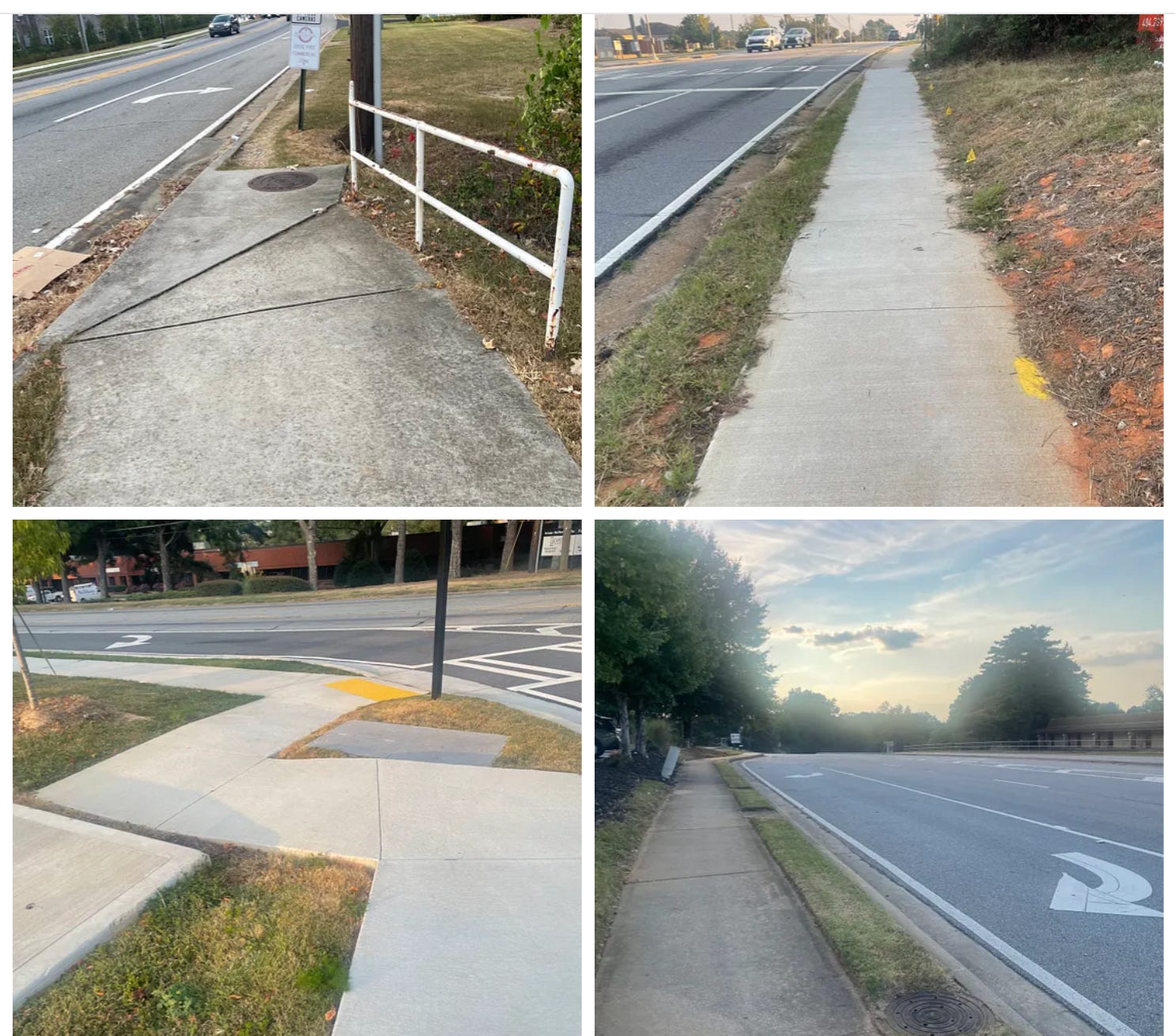
This Tedx talk on making cities more walkable — the “general theory of walkability” — is perfectly reasonable, making lots of great walking points from a city planning perspective. I saw it via Kottke, who highlighted this passage:
In the typical American city, in which most people own cars and the temptation is to drive them all the time, if you’re going to get them to walk, then you have to offer a walk that’s as good as a drive or better. What does that mean? It means you need to offer four things simultaneously: there needs to be a proper reason to walk, the walk has to be safe and feel safe, the walk has to be comfortable, and the walk has to be interesting.
These four rules certainly make sense, and I don’t disagree. I endorse them all! Kottke writes that they help explain “why every time I get to walkable city (Tokyo, Rome, NYC, Paris), I am instantly like, yes!! This! This is a walk.”
Fair enough.
And yet …
I couldn’t help thinking about how I kinda enjoy bad walks.
I was listening to latest episode of WFMU’s Downtown Soulville when DJ Mr. Fine Wine described the CD he is offering as a premium for supporters of his show in the station’s current fund drive. The show features (often rare) soul and R&B on 45s, and so does the CD — songs like “Doo Plus Two” by Dicky Doo and the Don’ts. Out of 25 songs on the disc, Fine Wine noted, Shazam (the popular song-identification app) recognized only six or seven. The rest, he mused, were “unshazamable.”
I liked this term, so I looked into it. Turns out that it’s been in use since at least the late 2010s, referring to music that Shazam doesn’t recognize and thus has a sort of “off the grid” connotation — and appeal.
This is partly a tribute to how astonishingly good Shazam is. I use it all the time, and I’m always surprised on those occasions when it’s stumped.
But that aside, maybe it’s also a handy term for something bigger.
Everybody complains (understandably!) about the algorithms that shape our entertainment choices and direct our attention. But seeking the unshazmable isn’t just a way of escaping the algorithm. The unshazamable isn’t even in the database that the algorithm is designed to mine!
Tapping into something enjoyable that didn’t come from a database doesn’t have to take the form of consuming a particular cultural object like a rare song; it could be an experience, a moment of presence. Looking at the moon can be unshazamable.
So this week, be alert to, and try to appreciate, unshazamable things — in the broadest sense of the term!
Sharing one randomly overheard song that I’ve enjoyed lately: Little unexpected bursts of delightful music are definitely things I savor.
Speaking of WFMU (yes, I am a regular supporter), I was listening to Wreck Your Own Adventure on the station’s Give the Drummer Radiostream when “Sleep a Million Years,” by Kathy Heideman, caught my ear. I had never heard of the singer, and I couldn’t place whether the song’s country/Americana sound was something contemporary or more vintage. I looked into it and found a couple of articles that gave the back story, which turned out to be a great case study in open-earedness.
TAoN No. 205: How to discover your own kitchen. Plus a new Icebreaker, and more
Show full content
One of the more challenging prompts in The Art of Noticing book is the suggestion to “make a field guide.” The easiest way to explain what I mean by that is with an example, and I am delighted to share a great one today.
For several years now, author and friend of TAoN Anne Gisleson has graciously invited me to her creative writing class at the New Orleans Center for Creative Arts, a public arts high school here. These visits are always a blast.
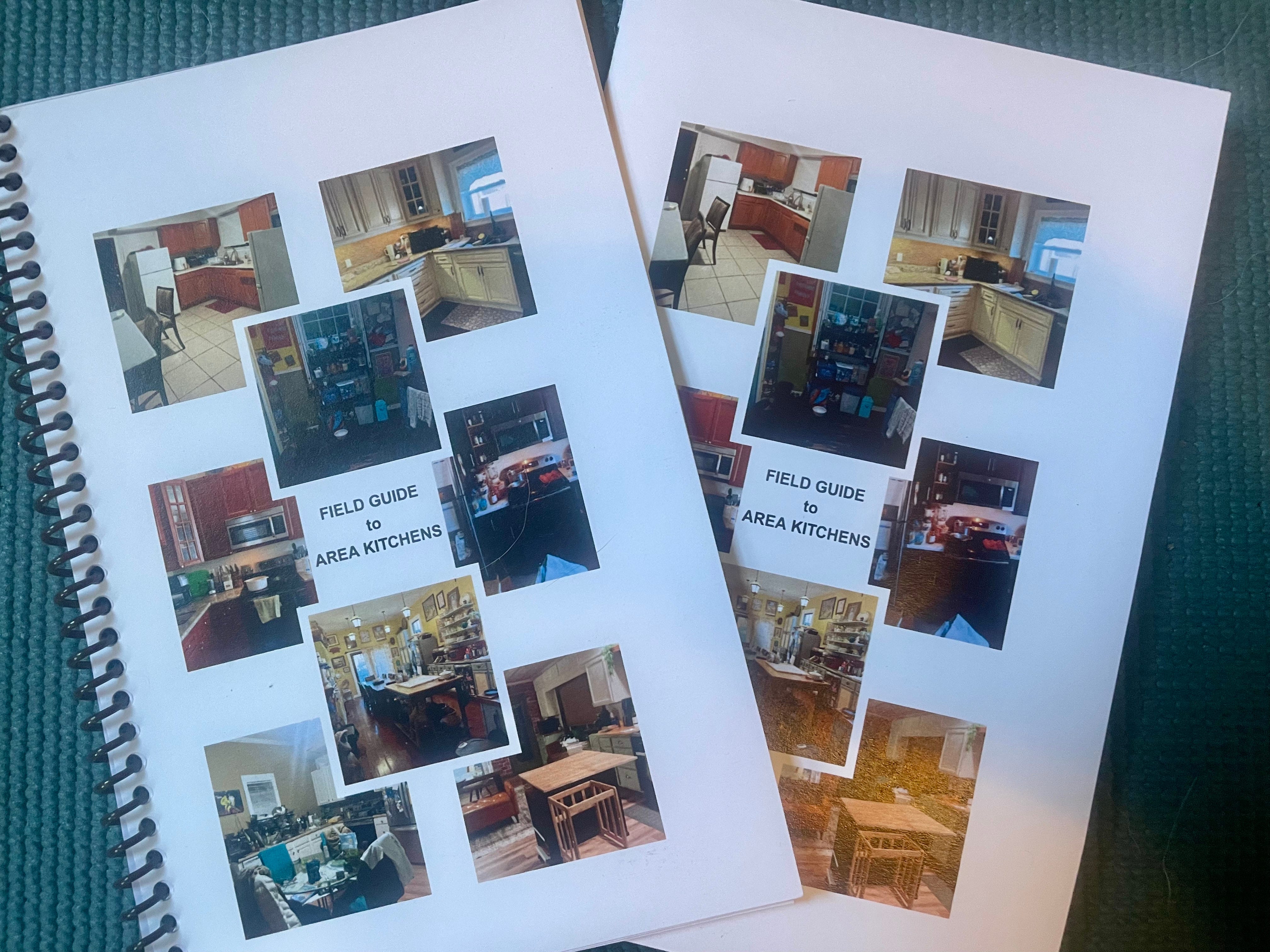
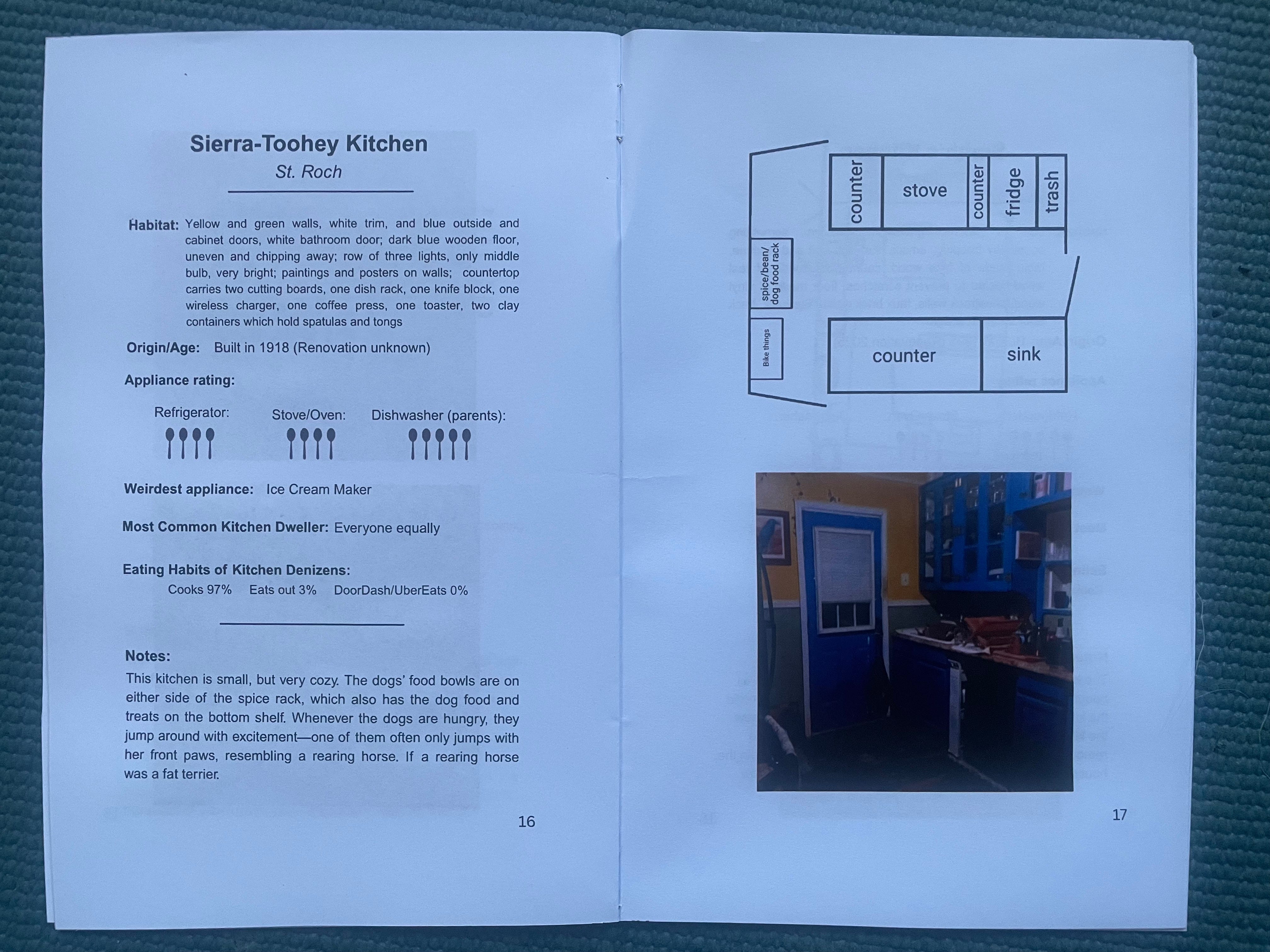
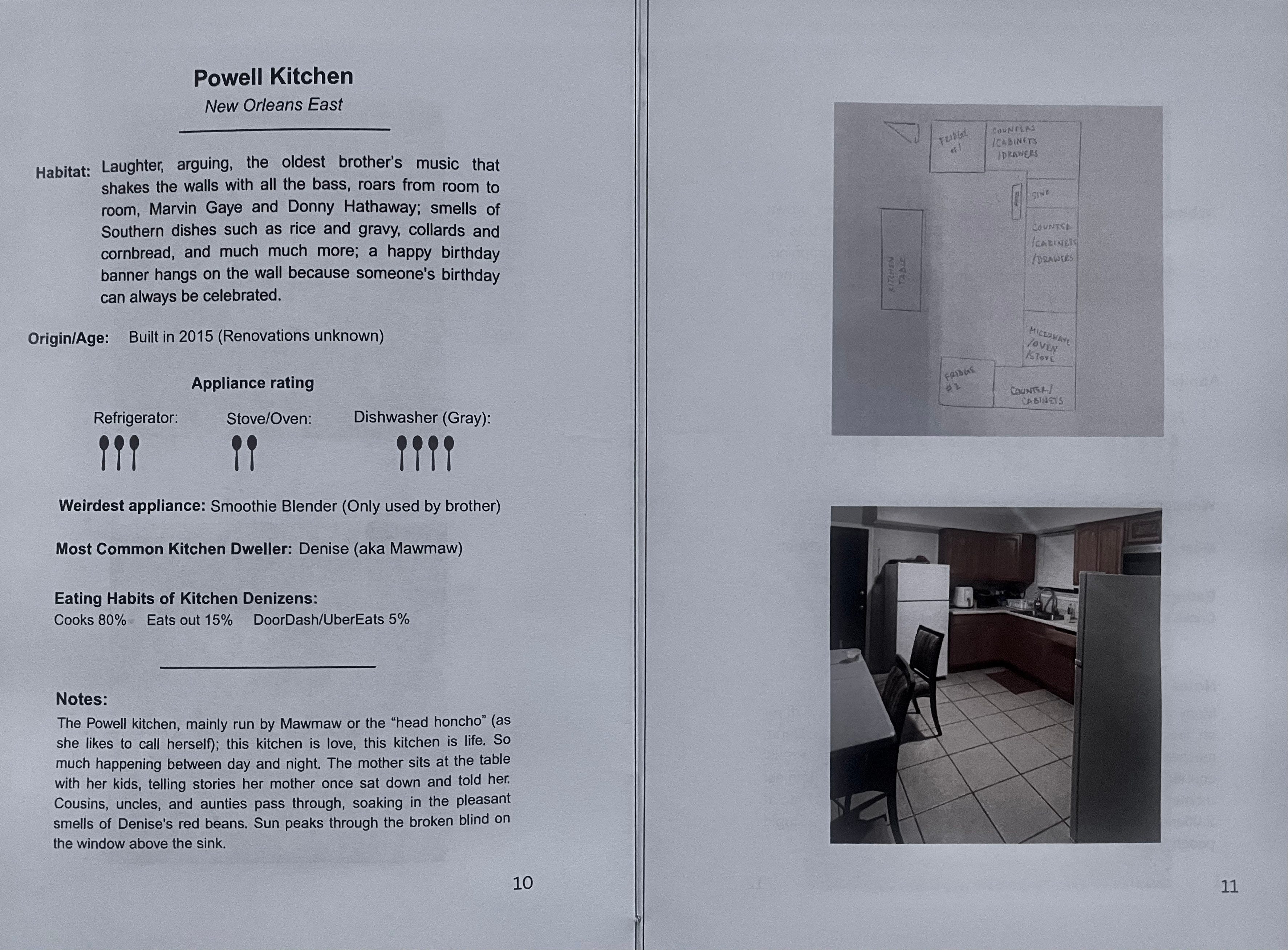
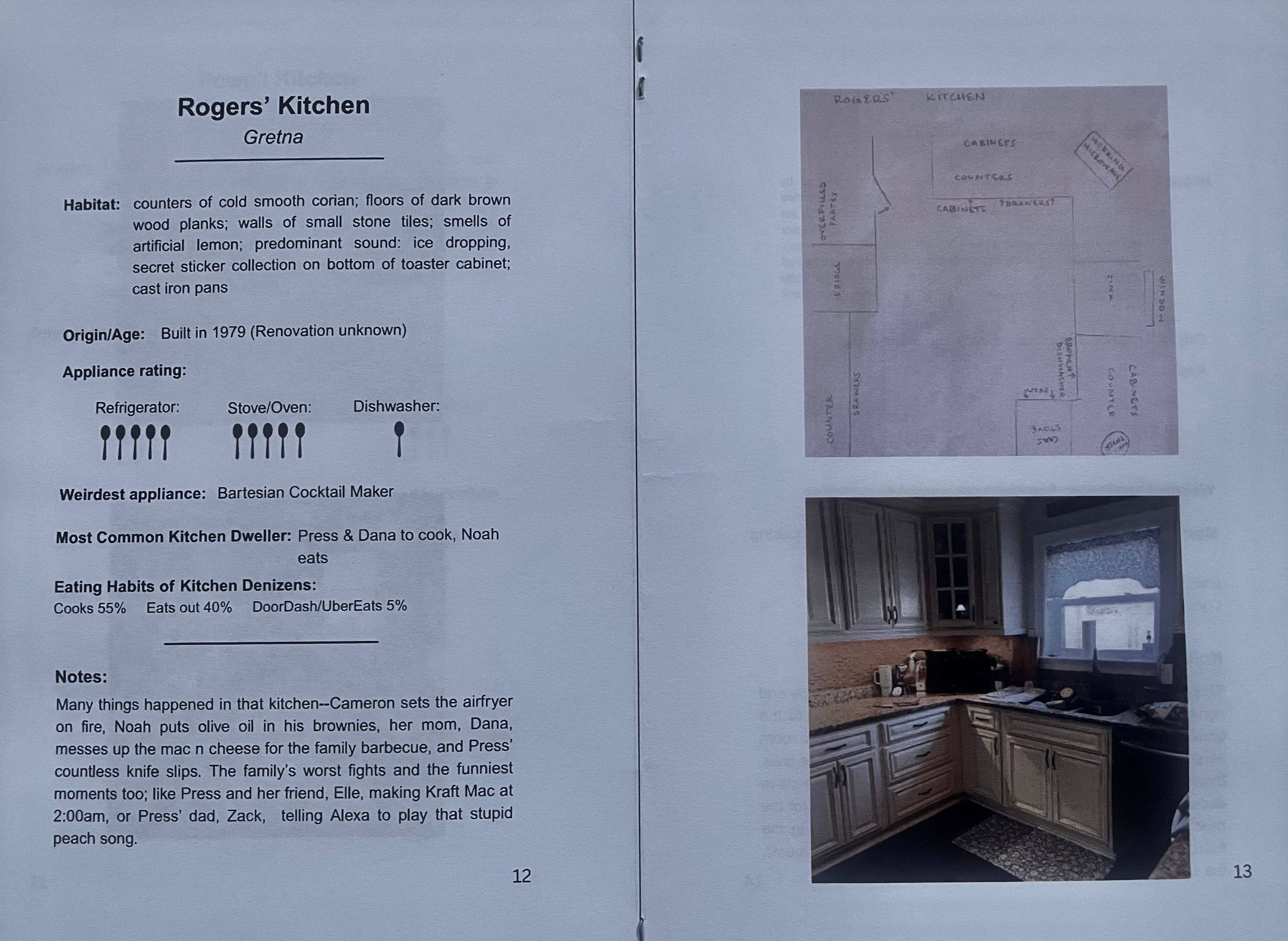
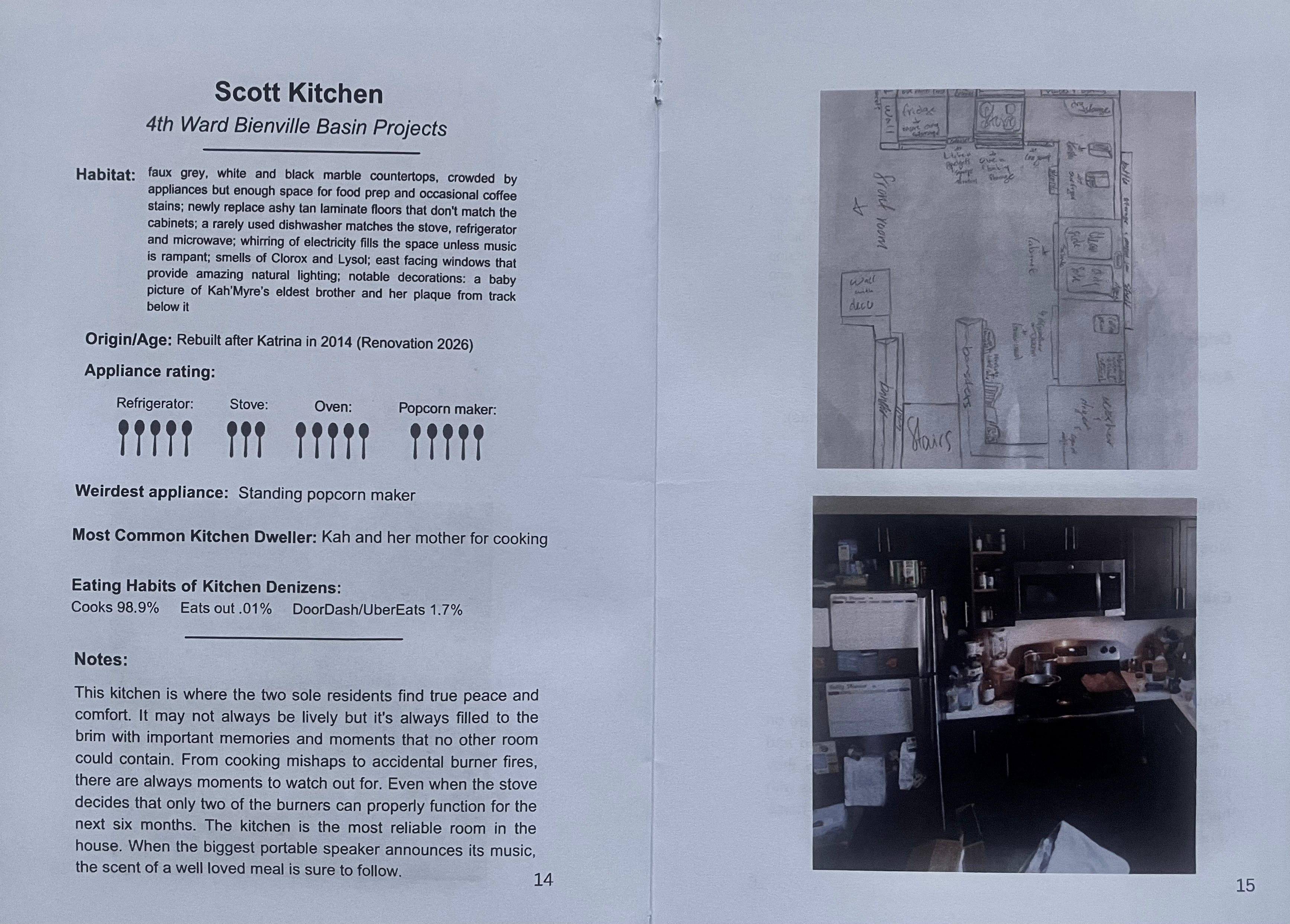
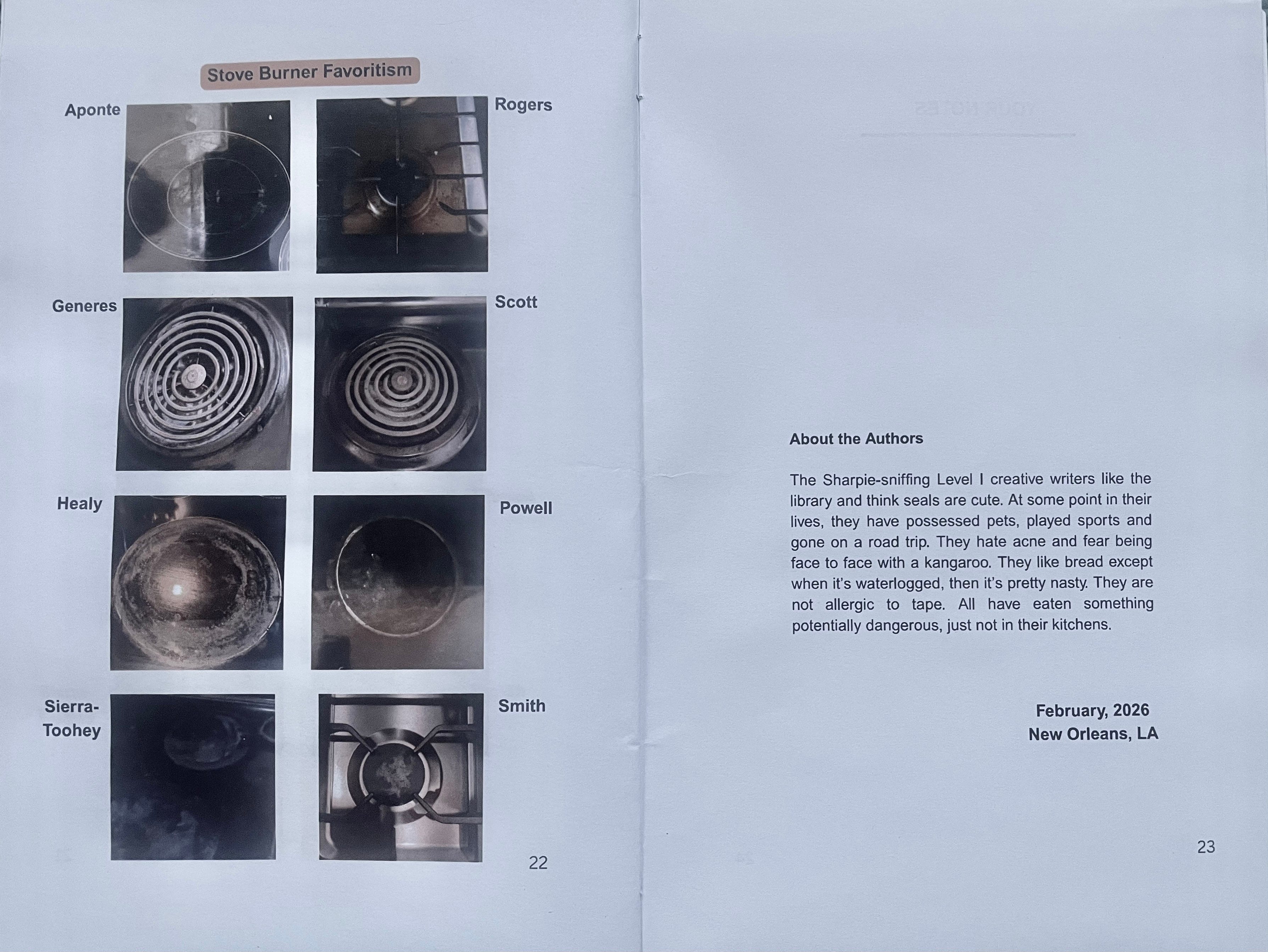
Among other things, the students pick one of the exercises in the book to inspire a creative noticing project — a zine, videos, interviews, whatever they wish — and it’s invariably impressive and fun and impressively fun. This year’s class made a “Field Guide To Area Kitchens.”
Even before I saw what they’d done, I loved this idea — mostly we think of a “field guide” as a tool to help identify birds or plants or somesuch, but why not apply it to the domestic sphere? Isn’t the territory of the home worth systematically exploring and noticing and categorizing, too?
The key to an engaging and illuminating field guide is coming up with good categories that balance comprehensiveness with idiosyncrasy. So in this case, we get a floor plan, a photograph, and appliance ratings, as well as individual notes that leave room for personality and individuality. It’s a model of the form!
It’s also — and I don’t think the students will mind this judgment — pleasingly silly. At first glance, at least, it seems almost absurd to give this much thought to your own kitchen. In this way it’s a classic “pointless” project. (That’s a good thing.)
But dig a little deeper and the field guide is quietly revealing, offering little glimpses of day-to-day life — giving a considered look at spaces we take for granted, and discovering what that inspires.
The 24-page zine they created also includes some amusing and insightful bonus findings — discovering that every stove seems to have a most-popular burner, for instance — and the “group bio” exercise from the book.
Bravo!
What’s your favorite field guide? If you had to make one, what subject would you choose? What if you were to collaborate on a field guide, with a class, family, or a group of friends?
My deepest thanks to Anne and her students — from past years, too! It’s always a thrill to know the book helps inspire such lovely creativity.
Noticing is about other people, too. The Icebreaker series aims to help with that. There’s a central collection spot for all the icebreakers to date, here.
Please send your favorite icebreaker (whether you made it up or found it elsewhere) to consumed@robwalker.net.
SUPPORT TAoN
If you enjoy TAoN, please become a paid supporter. You’ll get access to the full archives as well as supporter-only bonus posts and discussion threads. Your support makes this newsletter possible. Thank you!
IN OTHER NEWS
Fantastic post by Mark Frauenfelder on how one little shift in attention/perception can lead to all sorts of noticing discoveries.
Museum-worthy display cases. Can we get an exhibition of display objects? That would be amazing!
“Liminalism (if we can christen this as a movement, and we should).” My two cents is that this (generally good) essay ends up treating “liminal” as mostly a particular and very identifiable visual/architectural aesthetic. I think “liminal space” can be a much more interesting idea, for better and worse. Still, worth reading. I think this A24 Backrooms movie is going to be a big branding moment for “liminalism.” (Thx Stacy!)
Staff at the Lincoln Center keeps a list of botched movie titles from ticket-buyers (Upside Down, Anyways for Everything Everywhere All at Once, etc.). The Times shares a bunch of examples, and includes wrong-title “posters” created by Tala Safié. Brilliant!
As always, I value your feedback (suggestions, critiques, positive reinforcement, constructive insults directed at me, not at anyone else, etc.), as well as your tips or stories or personal noticing rituals, things we need a word for, and of course your icebreakers: consumed@robwalker.net. Or use the comments.
—> Or just click the heart symbol. That always makes my day.
All this by Rob Walker PO Box 171, 748 Mehle St., Arabi LA 70032. —> Send me mail! I’ll give a three-month free trial to the Supporter version of TAoN to any current free subscriber who snail-mails me a request (include your email address).
To unsubscribe see the bottom of the email, or go here.
At the start of every month I announce one specific thing or theme to look out for, pay attention to, appreciate. The idea is to convert something everyday and taken for granted into something we might, yes, savor.
And every month I create a chat thread where you can share what you are noticing, or enjoy what others have noticed. You can post pictures, drawings, written observations, whatever works for you. Or just browse!
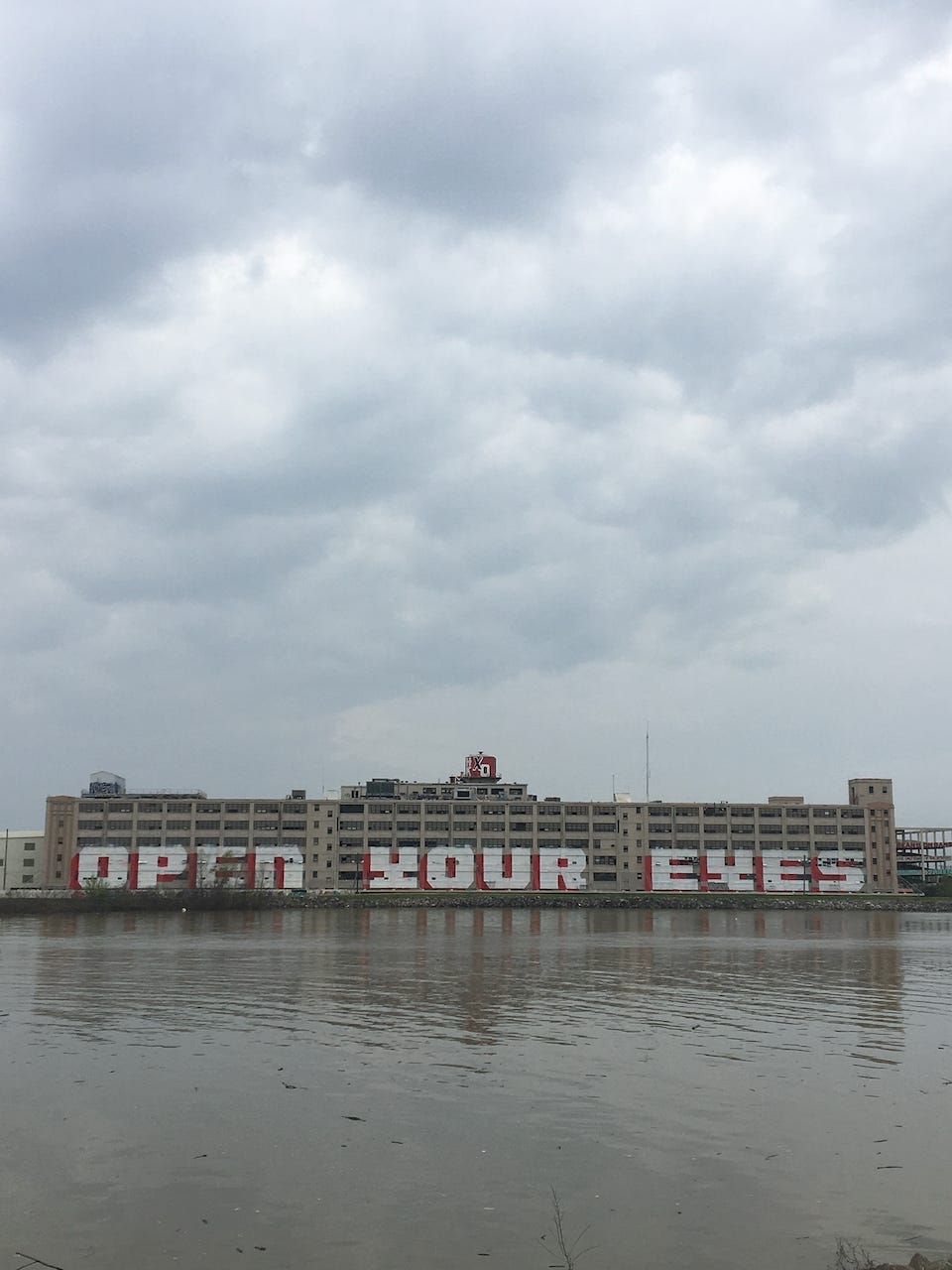
For March, the subject isPUBLIC TEXT. By that I mean signs, street art, advertisements — words in the public sphere. As always this is a little ambiguous, I concede, but that should just prod you to pay attention in new ways. Notice what strikes you as a PUBLIC TEXT.
I’ll say a little more below, but in short: hunt for “PUBLIC TEXTs,” as you define them, while you go about your days.
For several days now I’ve been mulling this Wall Street Journal article about a curious category of travel video. There’s no host or narration, just longish (30 minutes, an hour, even longer) first-person-point-of-view walks (perhaps including bits of informational subtitles), designed to make you feel you’re the one exploring a food market in China or experiencing a rainy stroll in England.
I love the spirit of offering up far-flung explorations in such a leisurely, unpackaged way — even as I’m hesitant about adding to my screen time.
Perhaps not surprisingly, I have an idea for stealing from this practice in a lighter-lift way. And I’ll get to that in a sec. But first, if you want to check out some of these videos yourself:





 Iridescent Ordinaryannouncing the CHIT CHAT CHALLENGEYour AI-free reminder that you can find or create joy while also feeling fear, rage, despair, and other prickly crap…Read more7 days ago · 13 likes · 1 comment