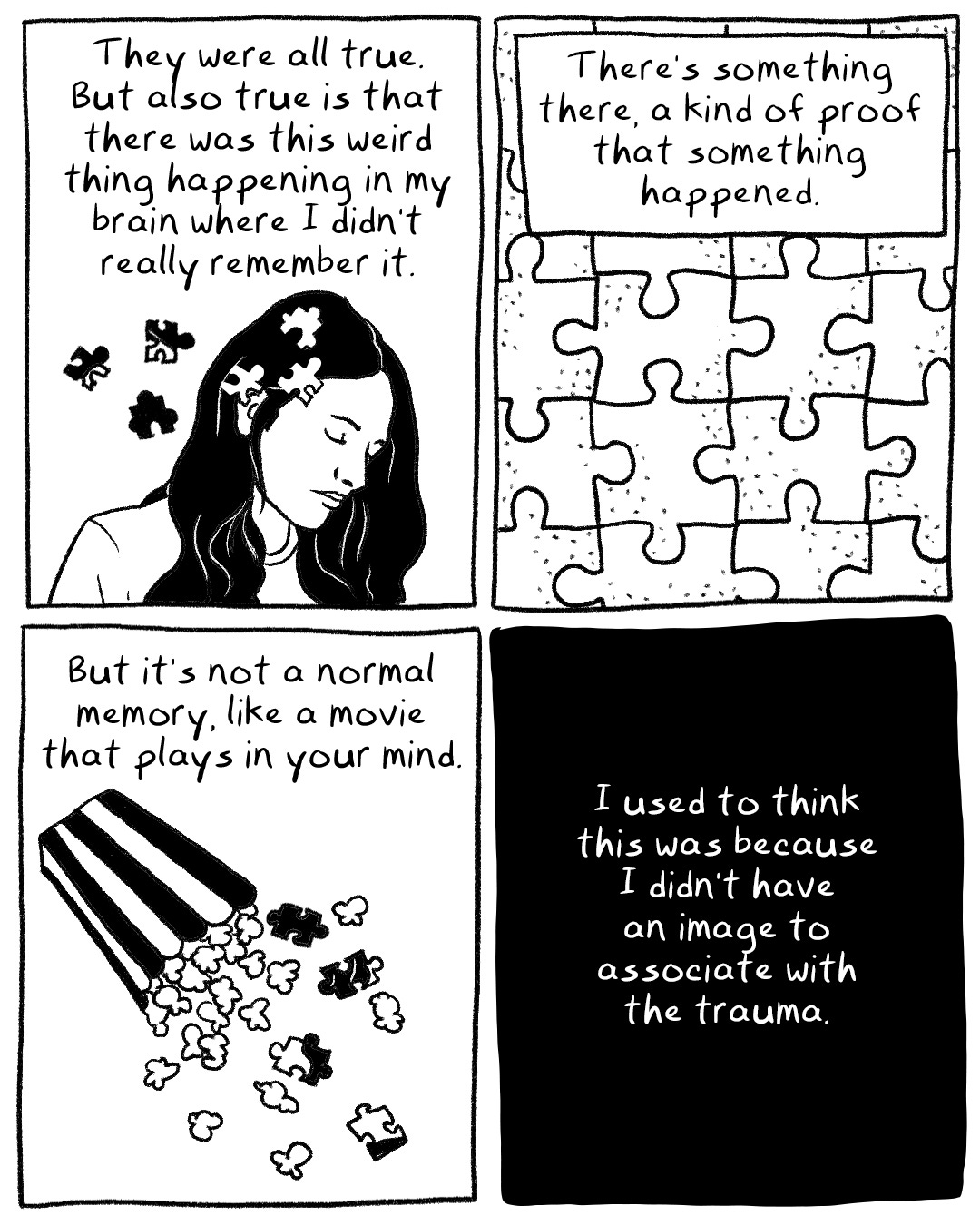
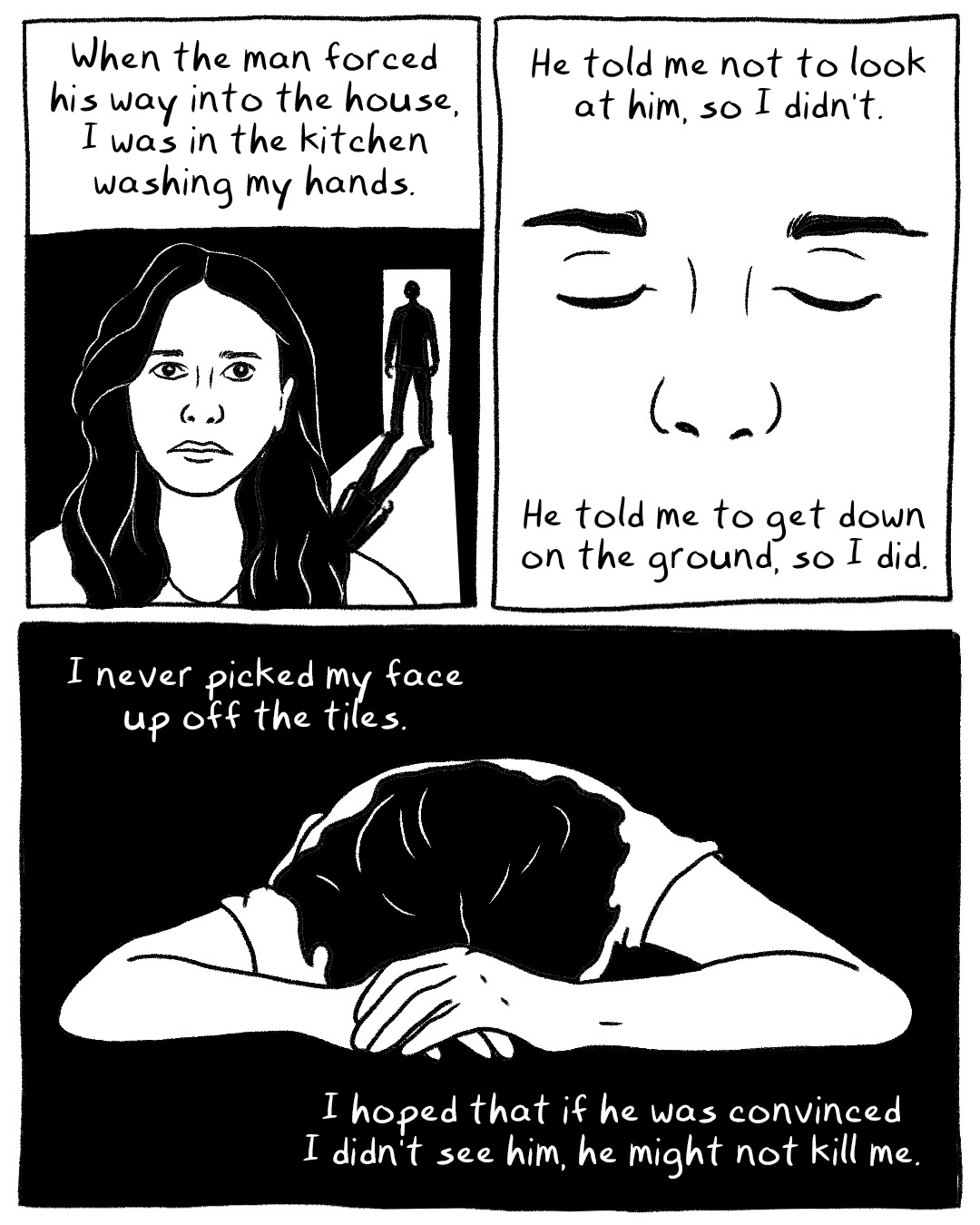
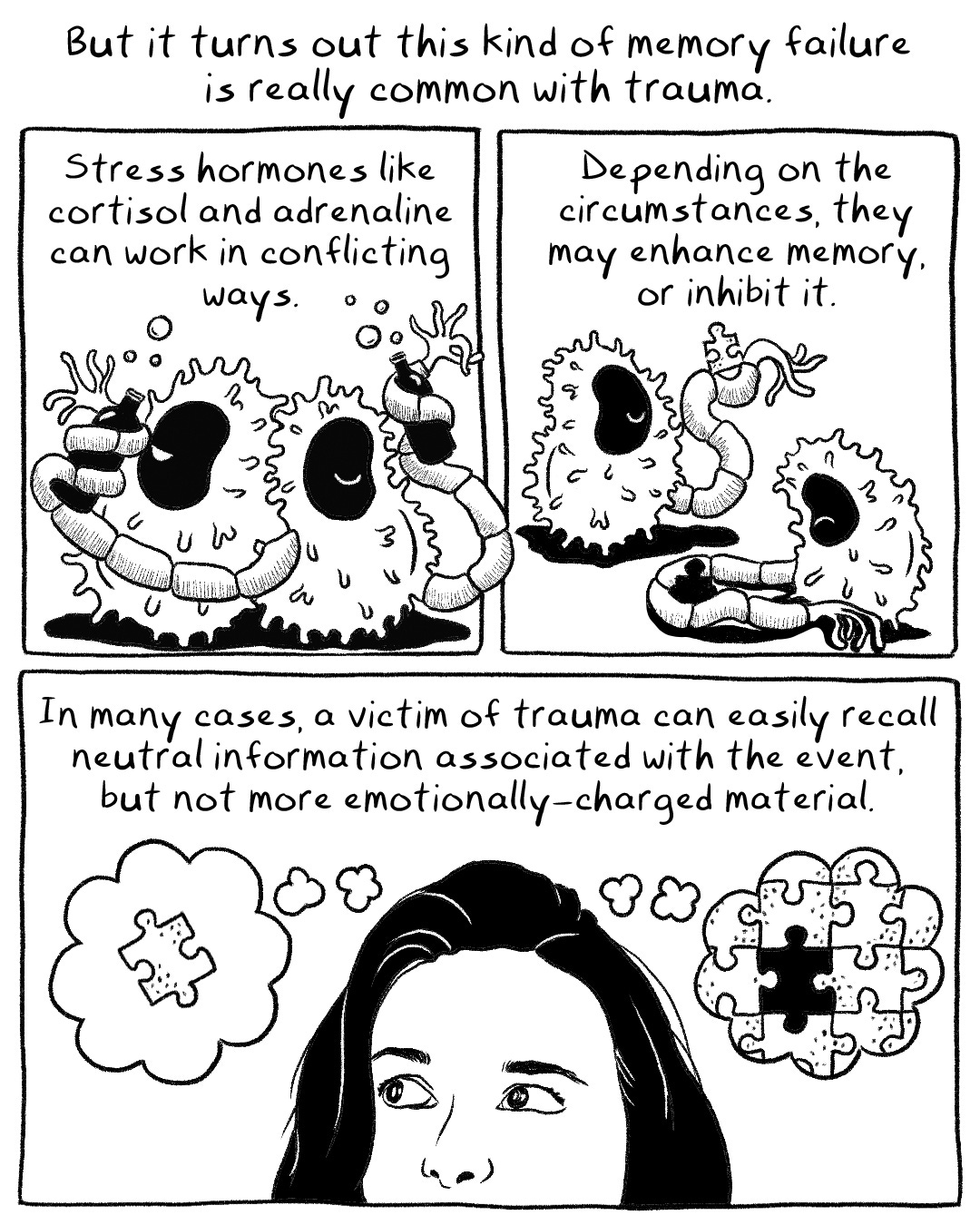
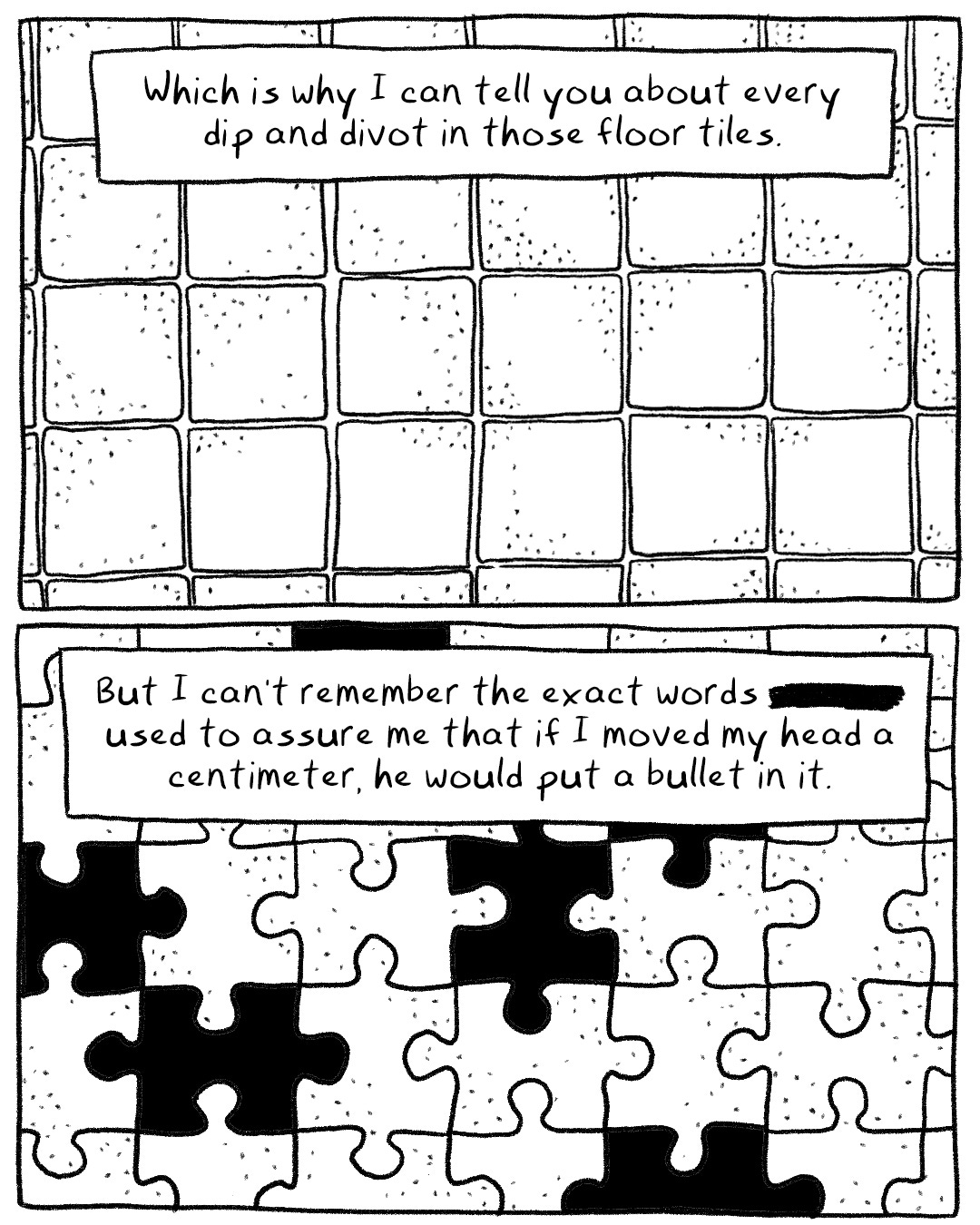
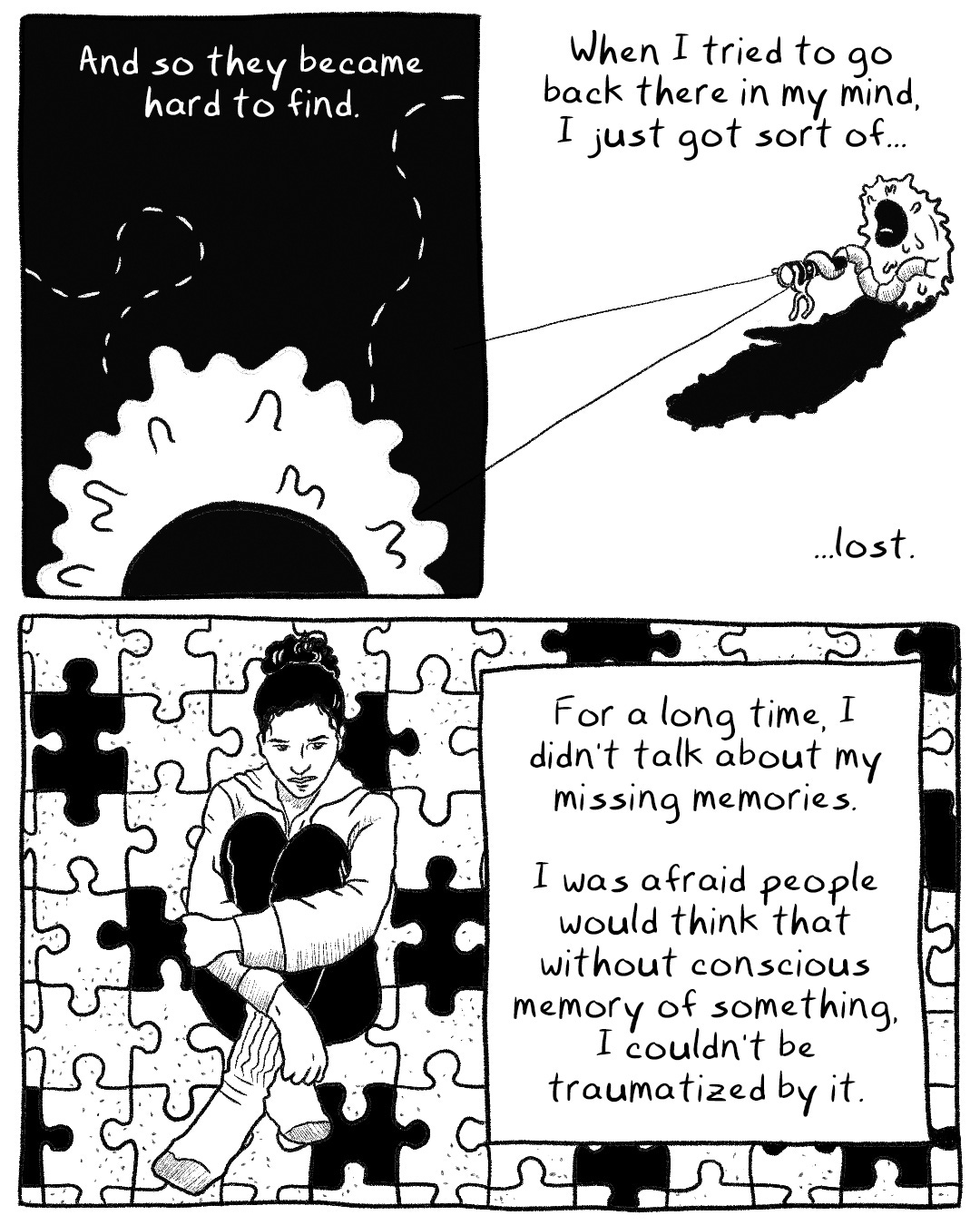
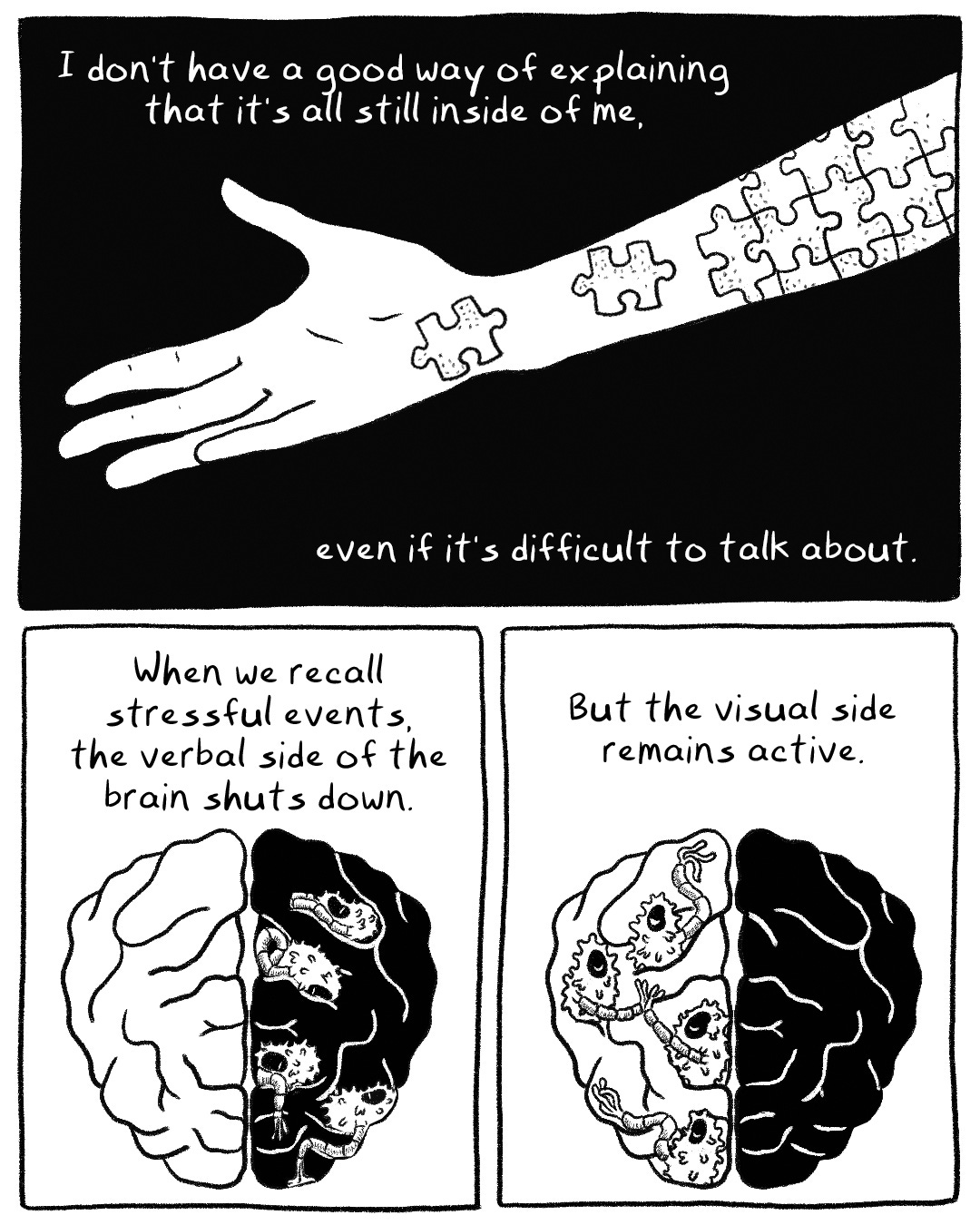
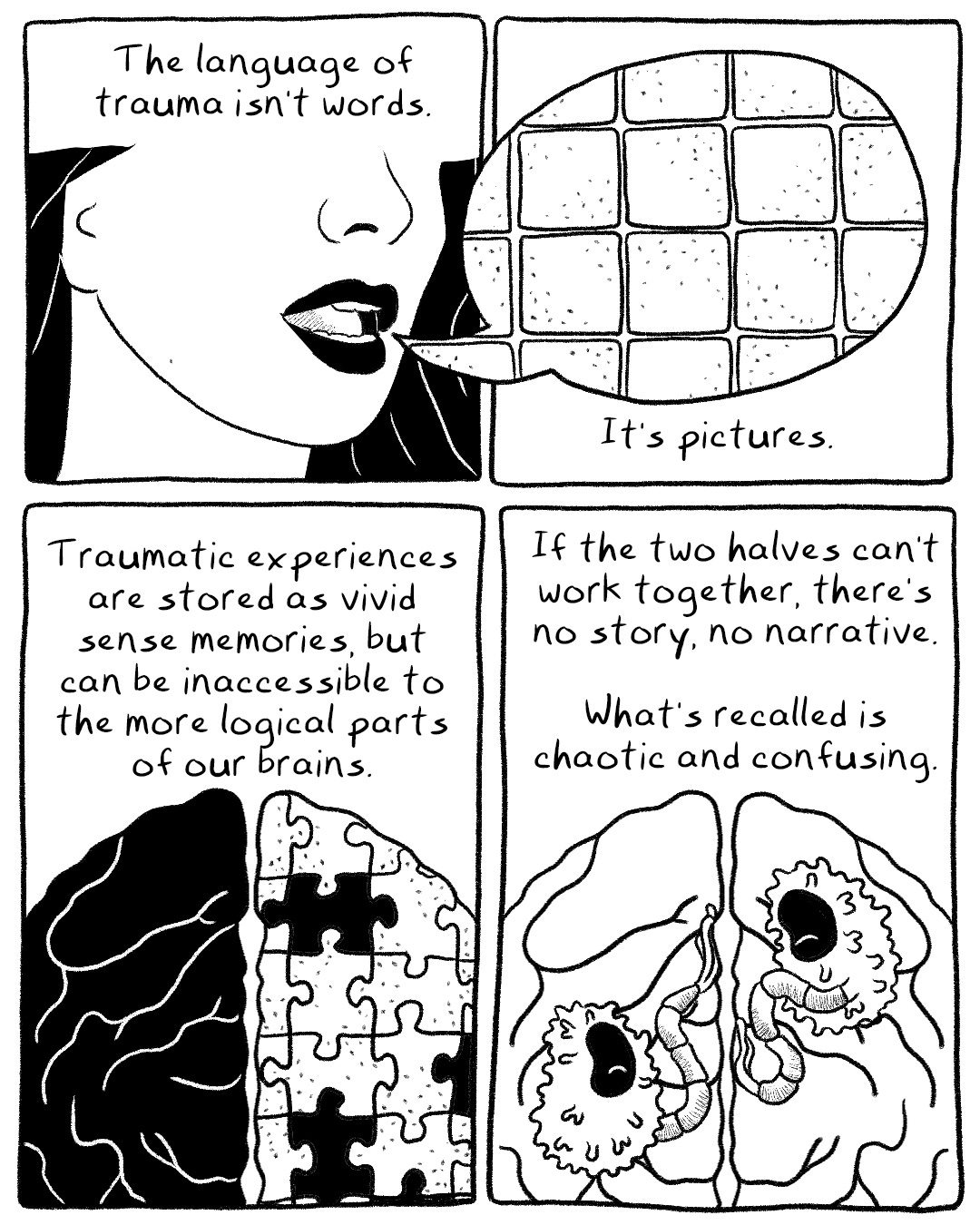
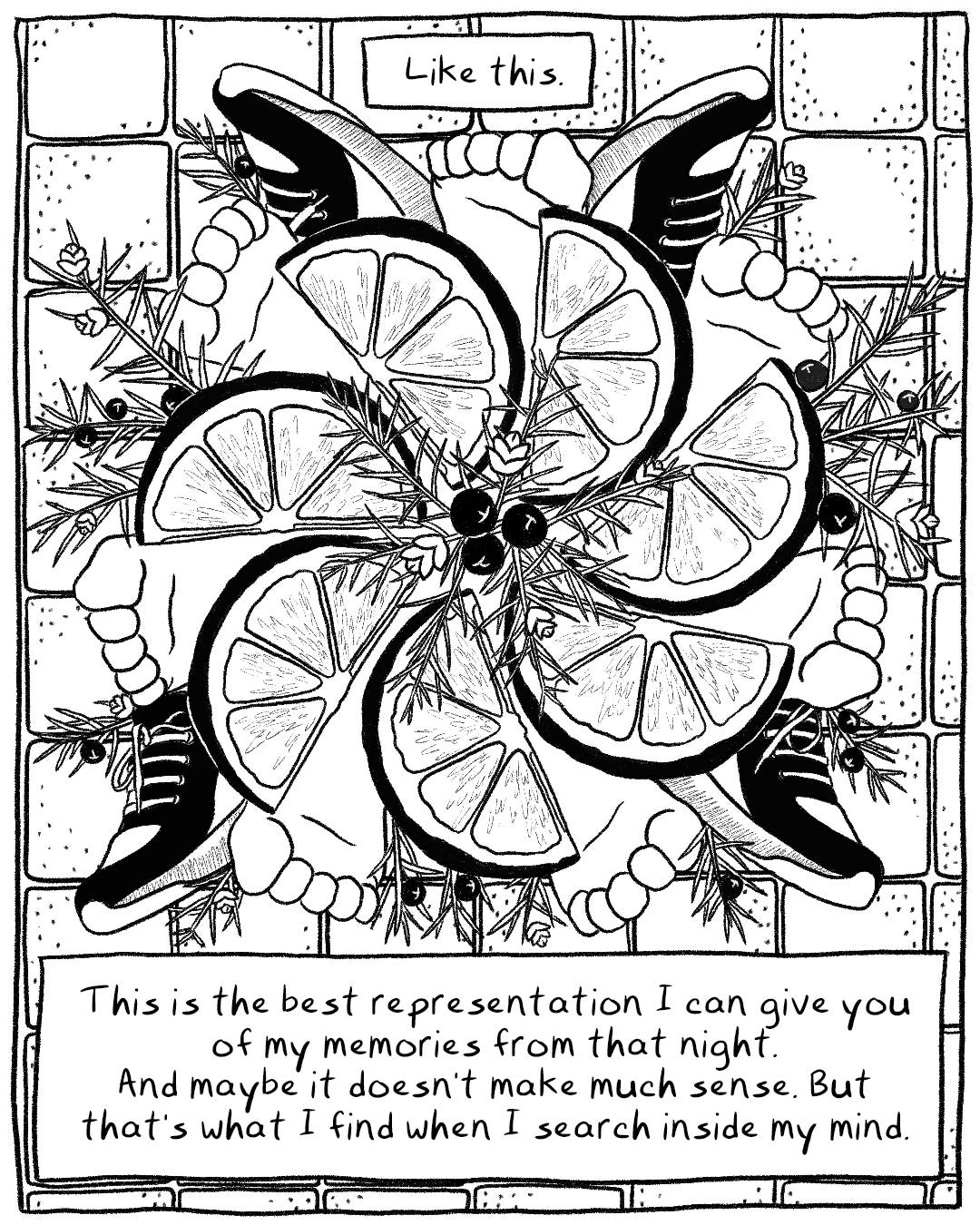
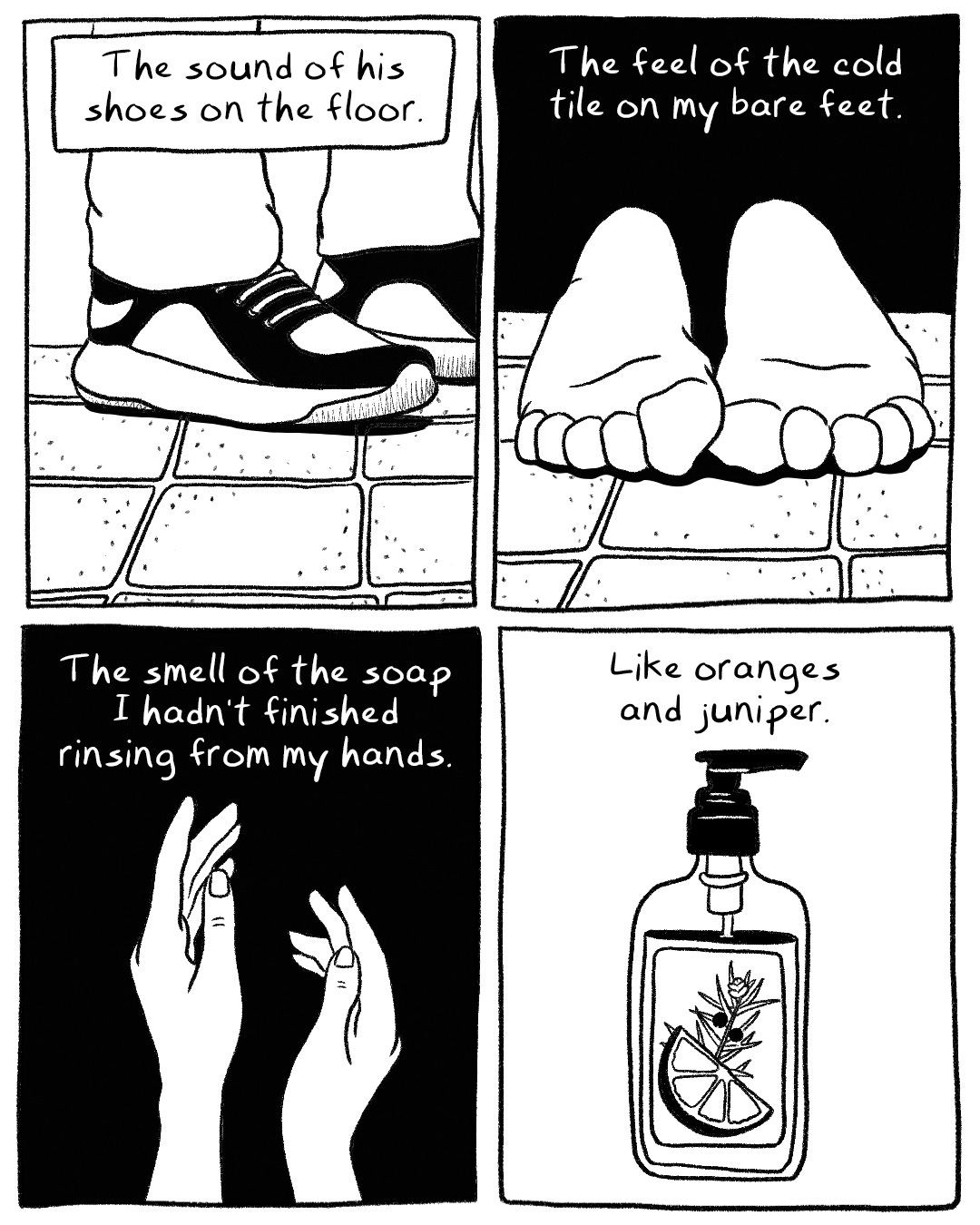
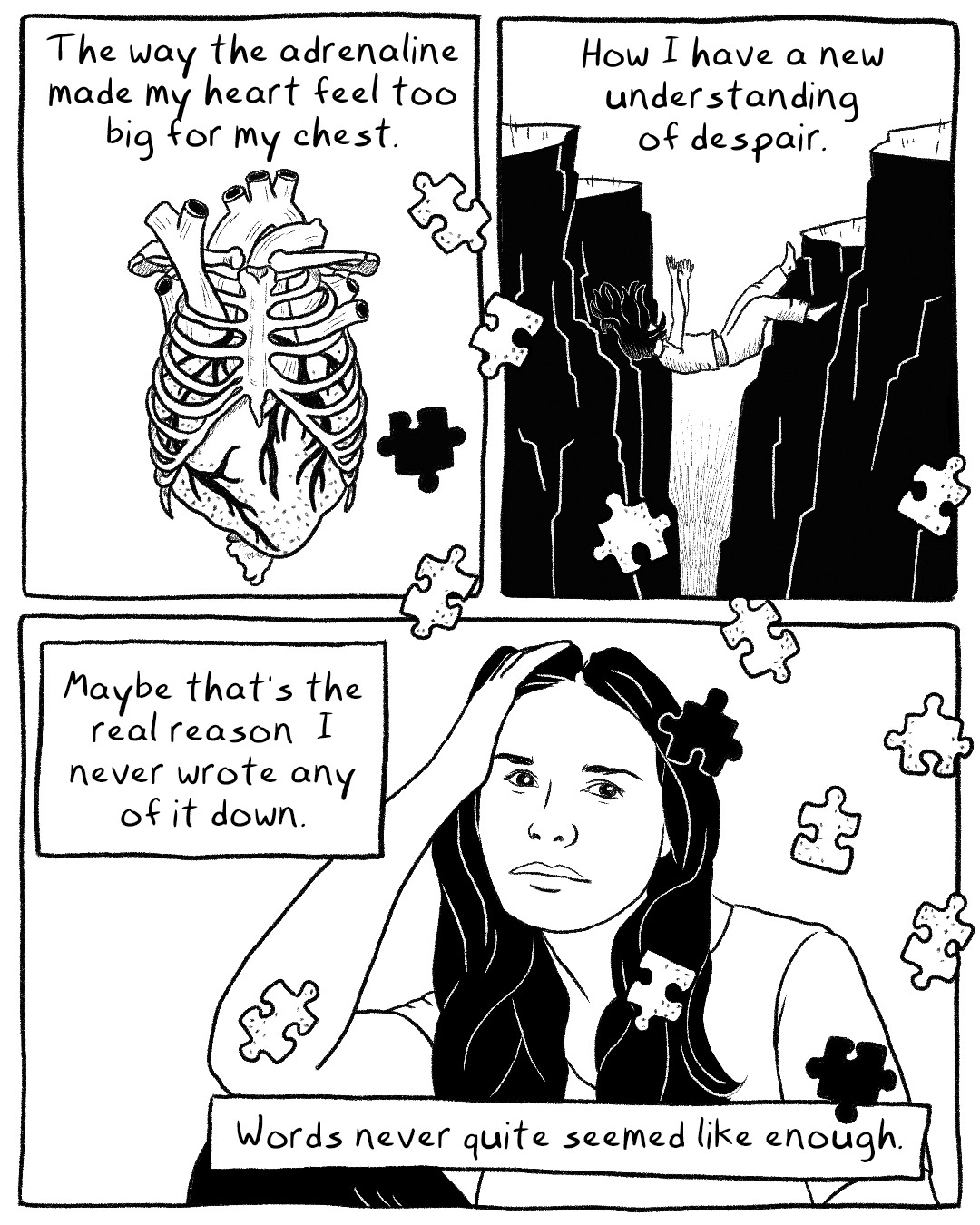
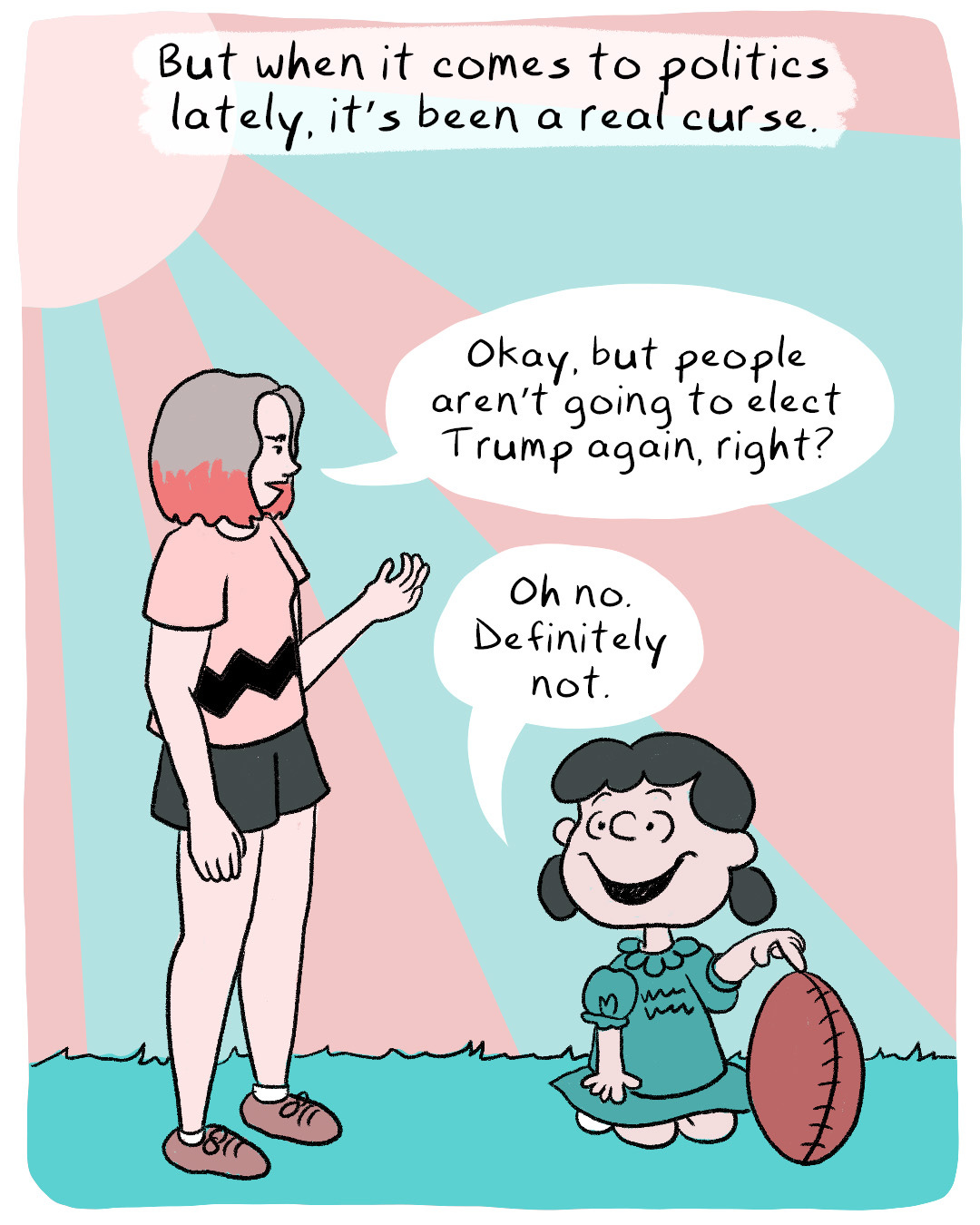
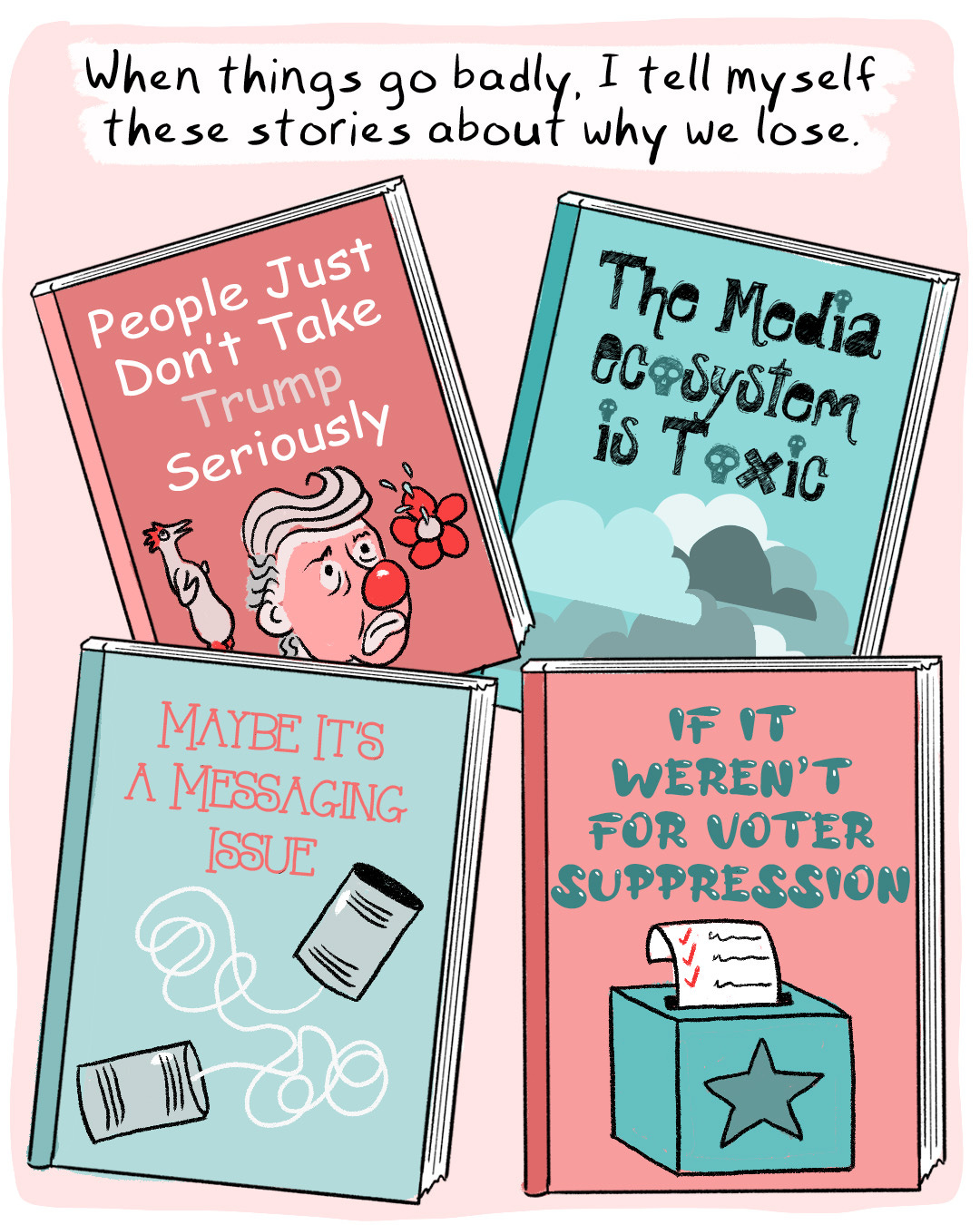
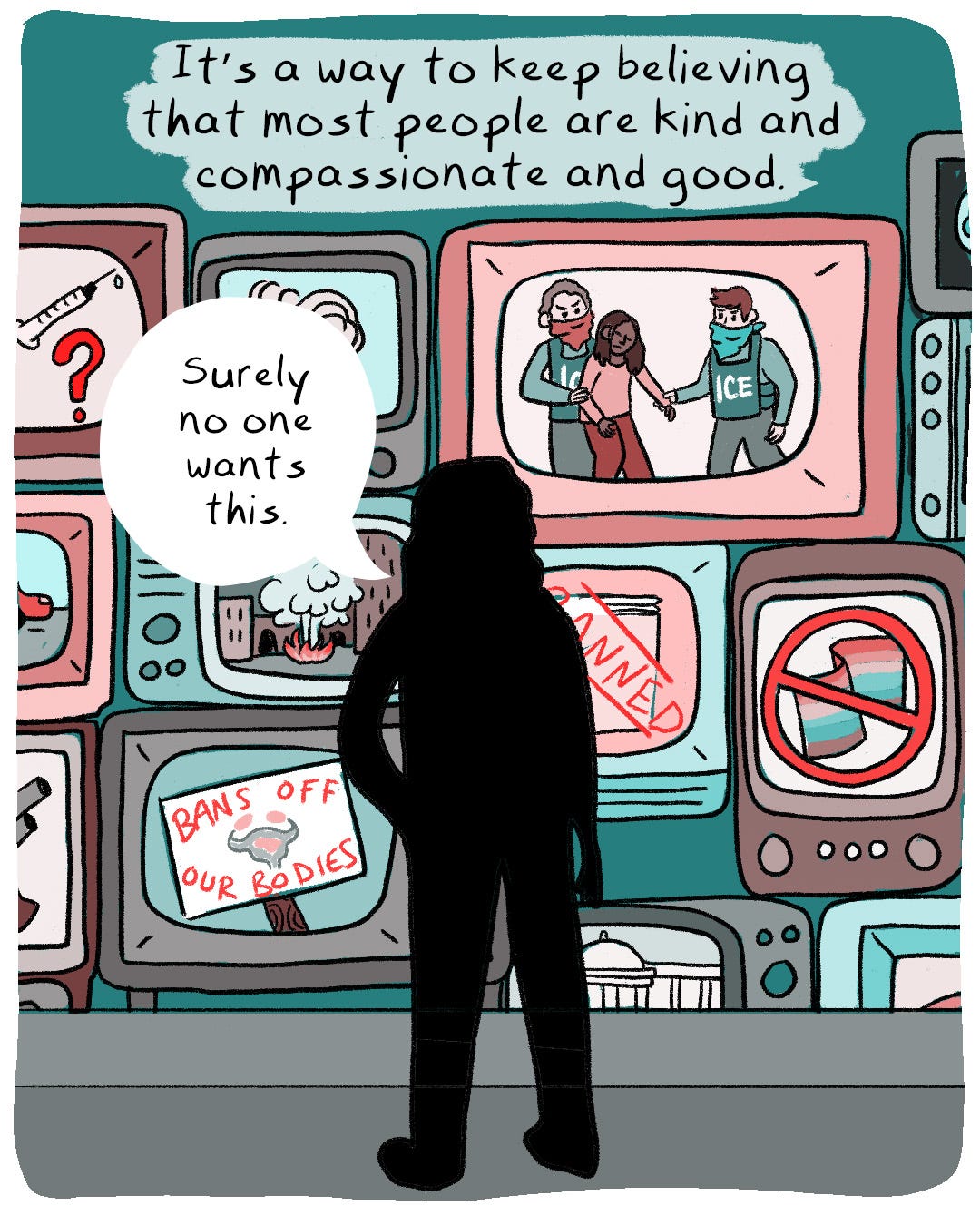
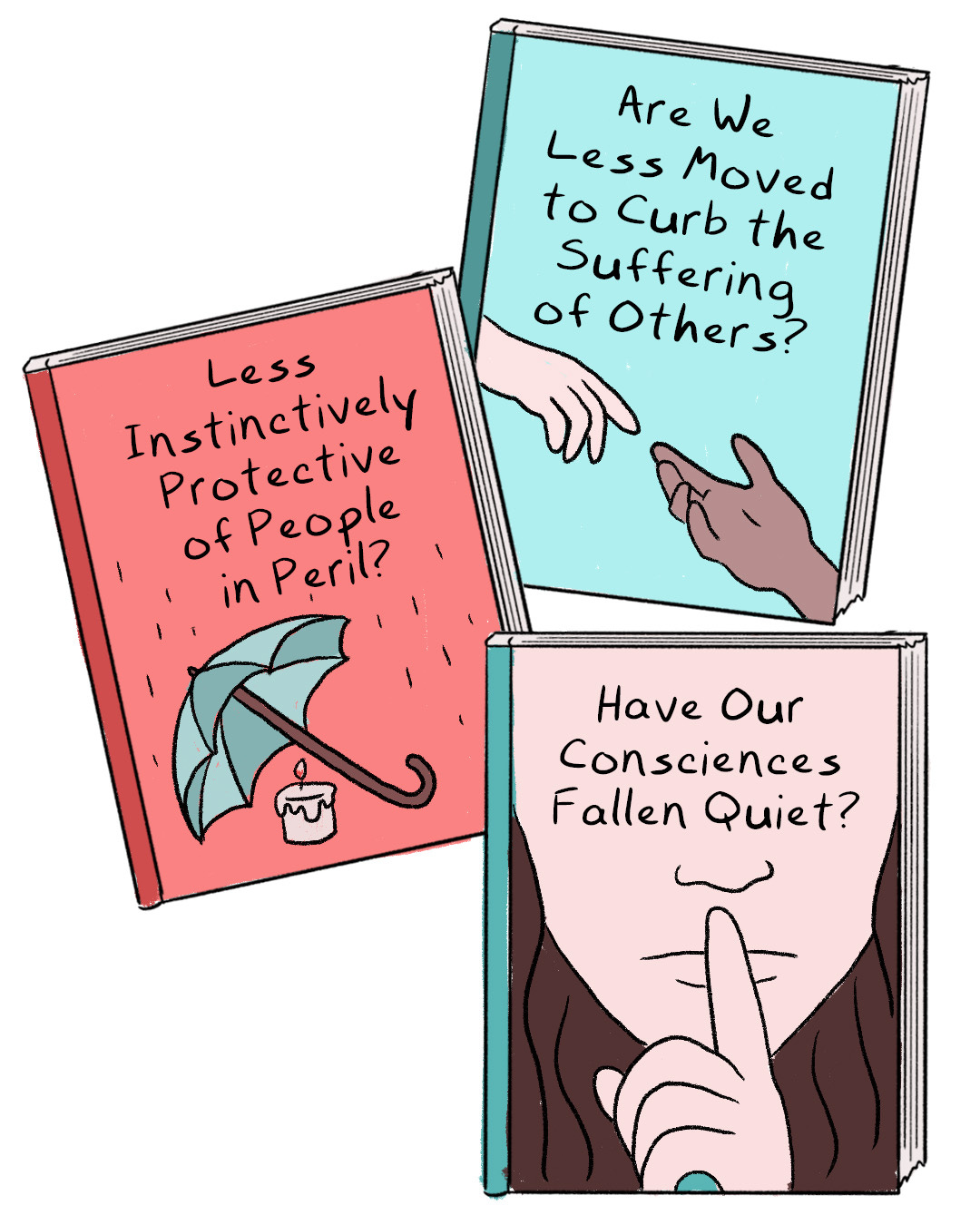
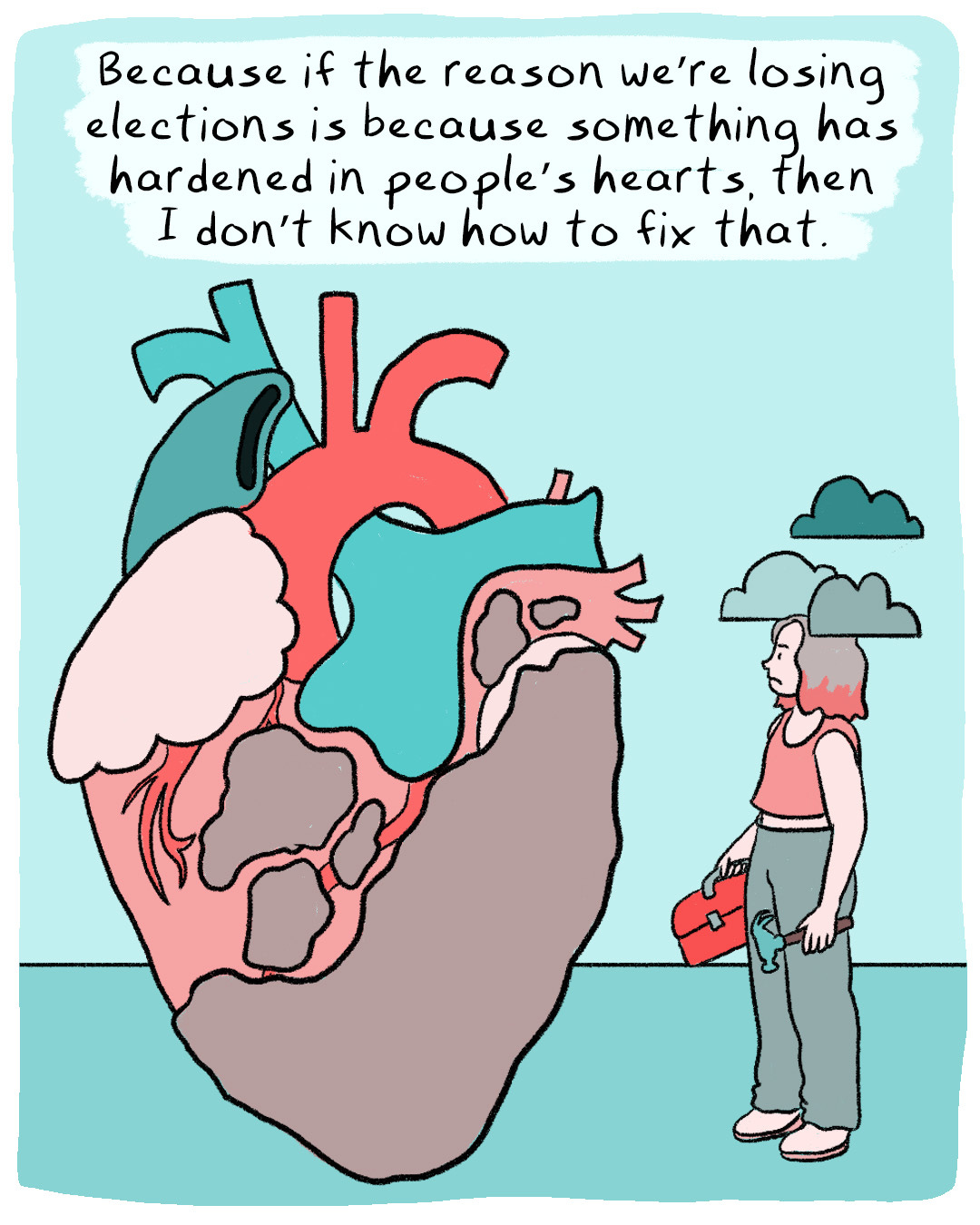
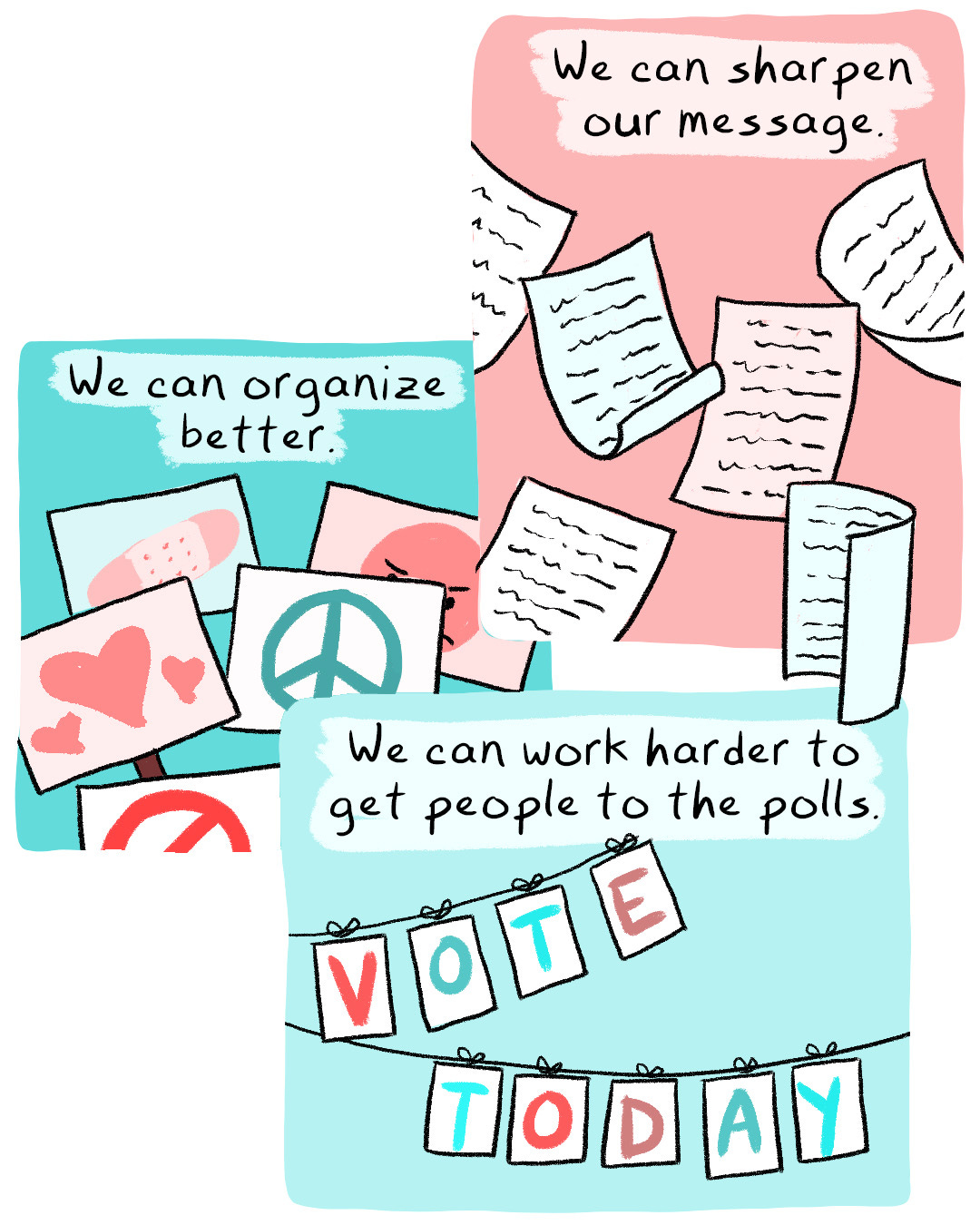
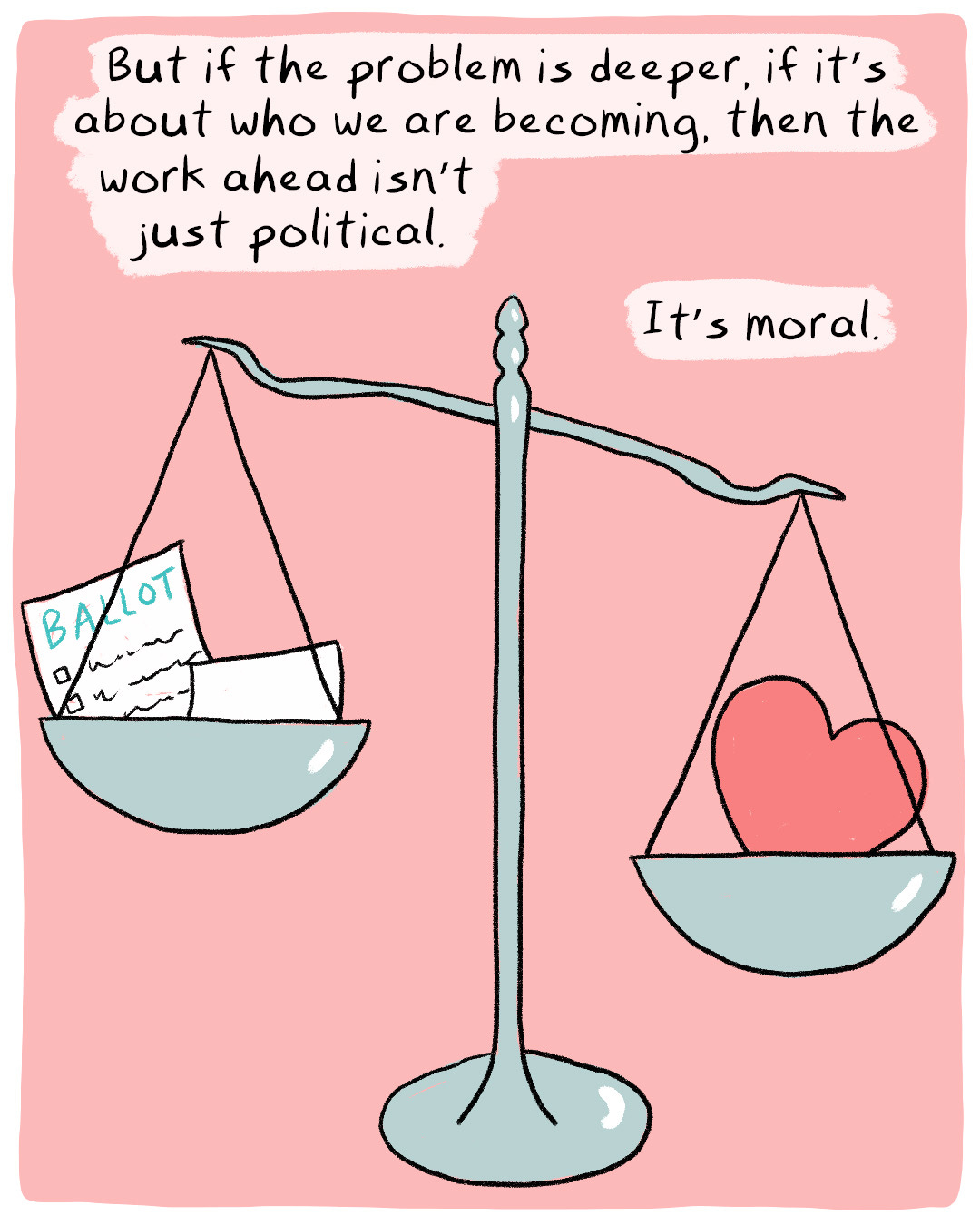
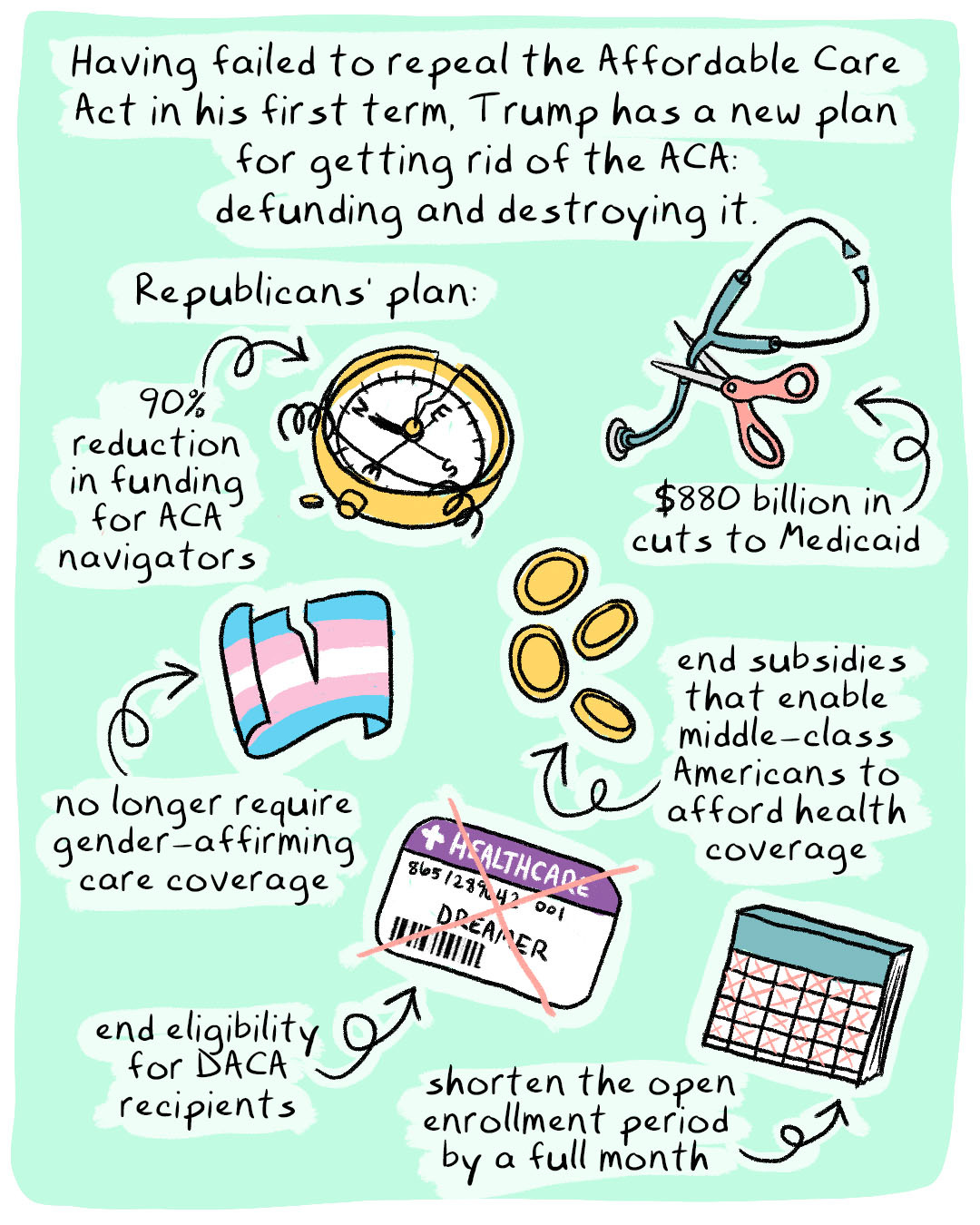
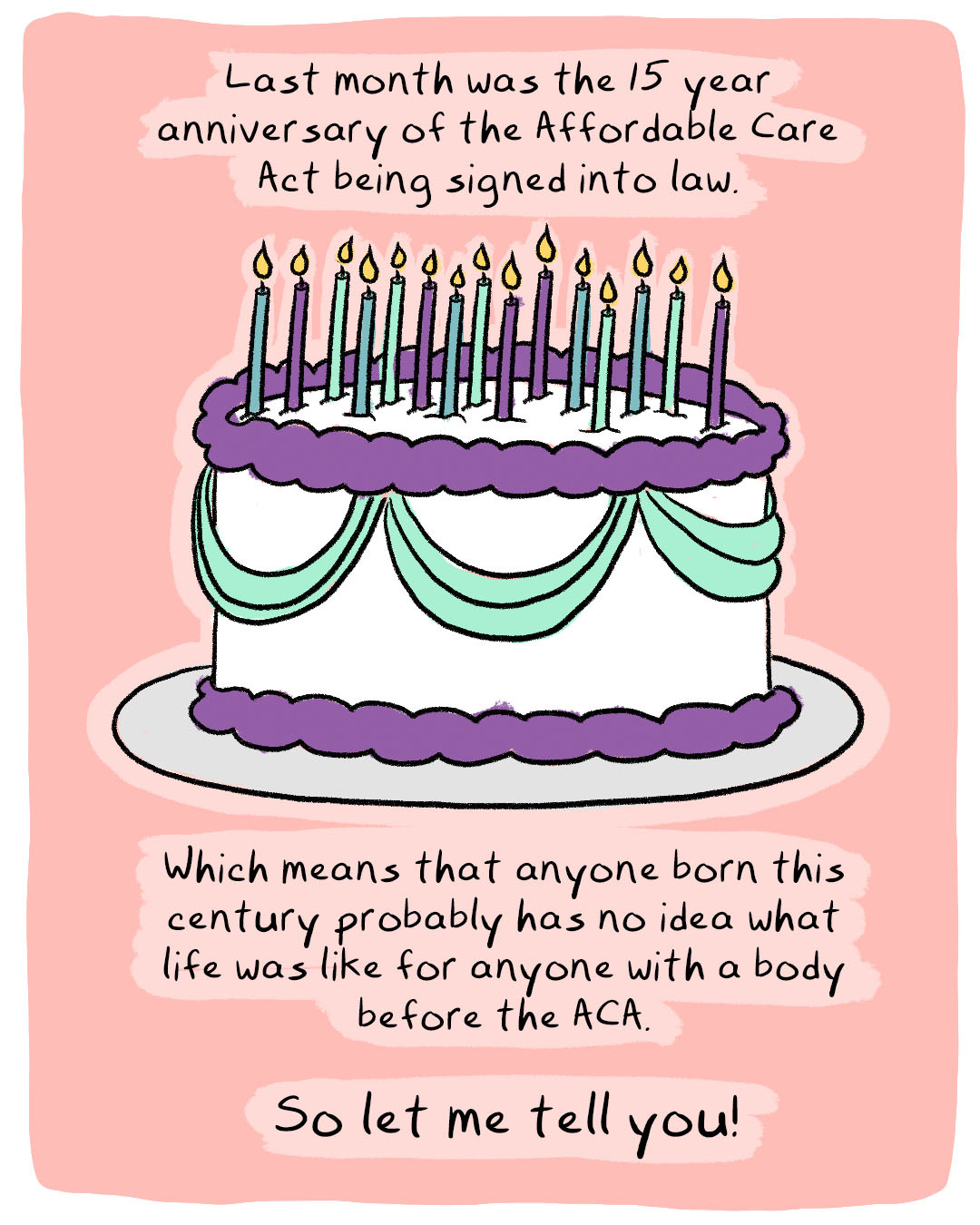
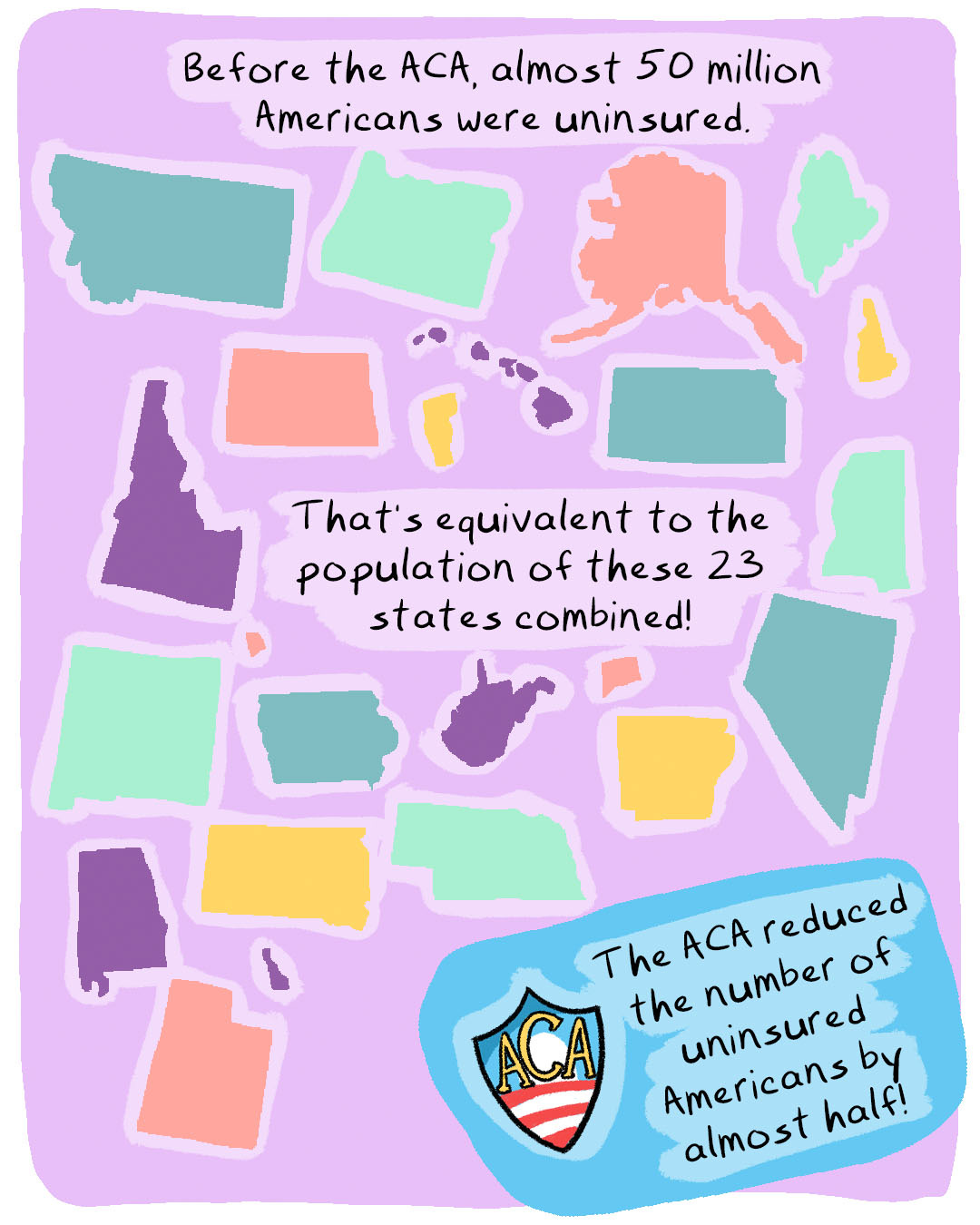
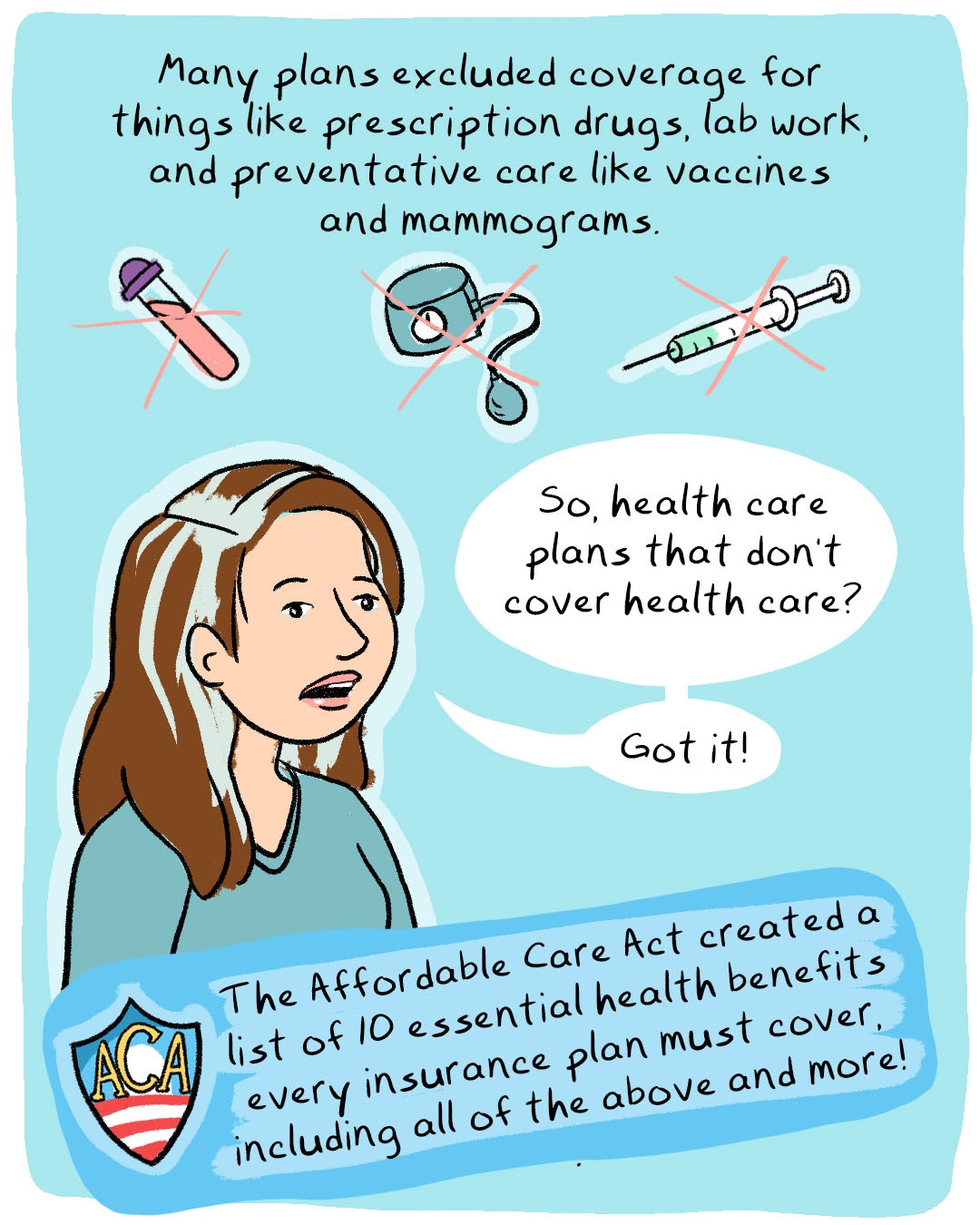
Today I’m sharing with you a piece I originally made for The Florida Review many years ago. This was one of the first comics I ever made and I’m still really proud of it. I’ve revamped it a bit and remade all of the art (something I’ve been wanting to do for a really long time!). I’m hoping it can find someone who might need it. If that’s you, know that you’re not alone.
Graphic Rage with Aubrey Hirsch is a reader-supported publication. To receive new posts and support my work, consider becoming a free or paid subscriber.
Thank you for reading! A couple things before you go:
If you like my work, please consider becoming a paid subscriber! I hope to keep this space free for anyone who needs it, but in order to do that, I need your help! If you have the capacity to kick in $5/month, please upgrade your subscription and help me keep my work free and ad-free for everyone!
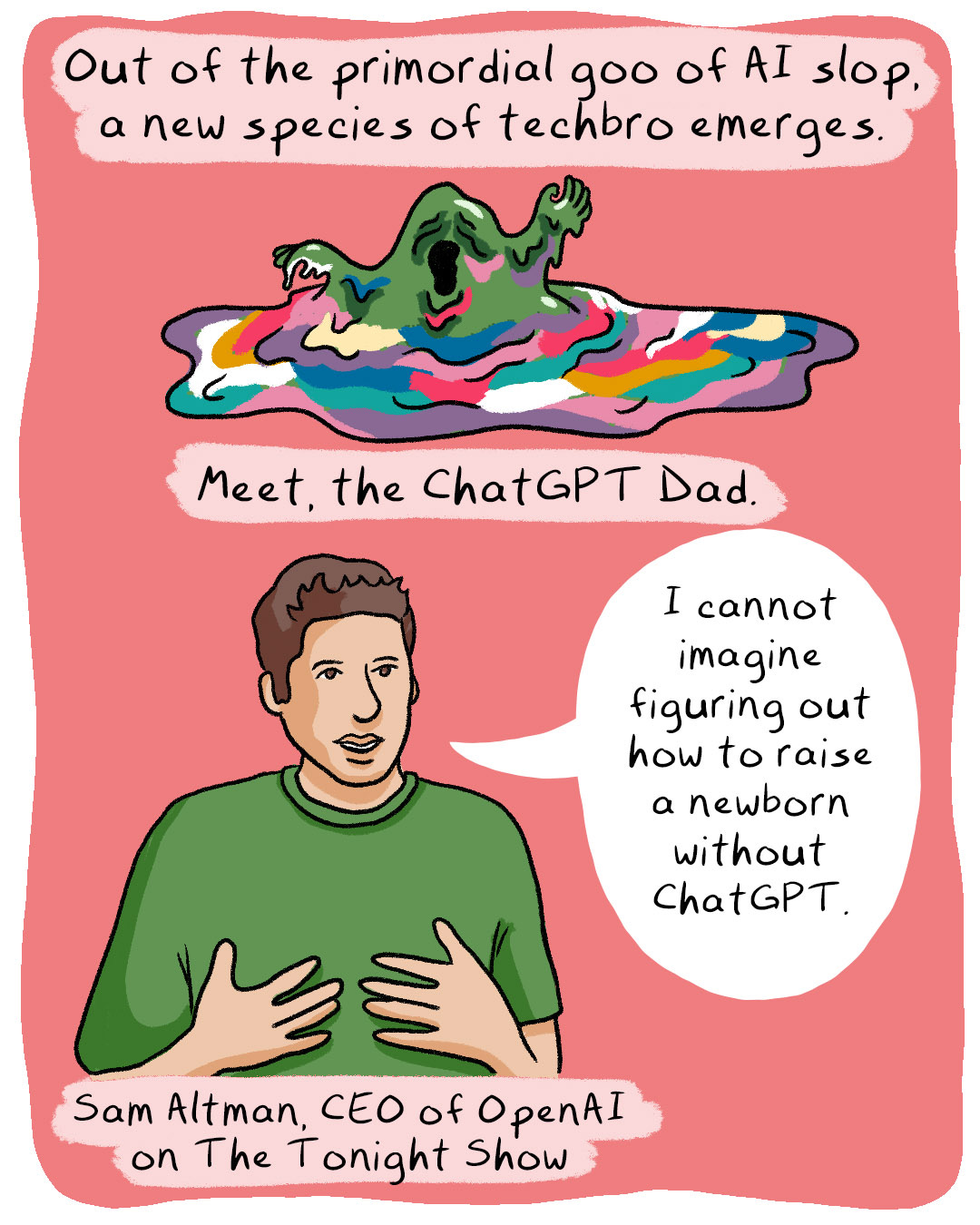
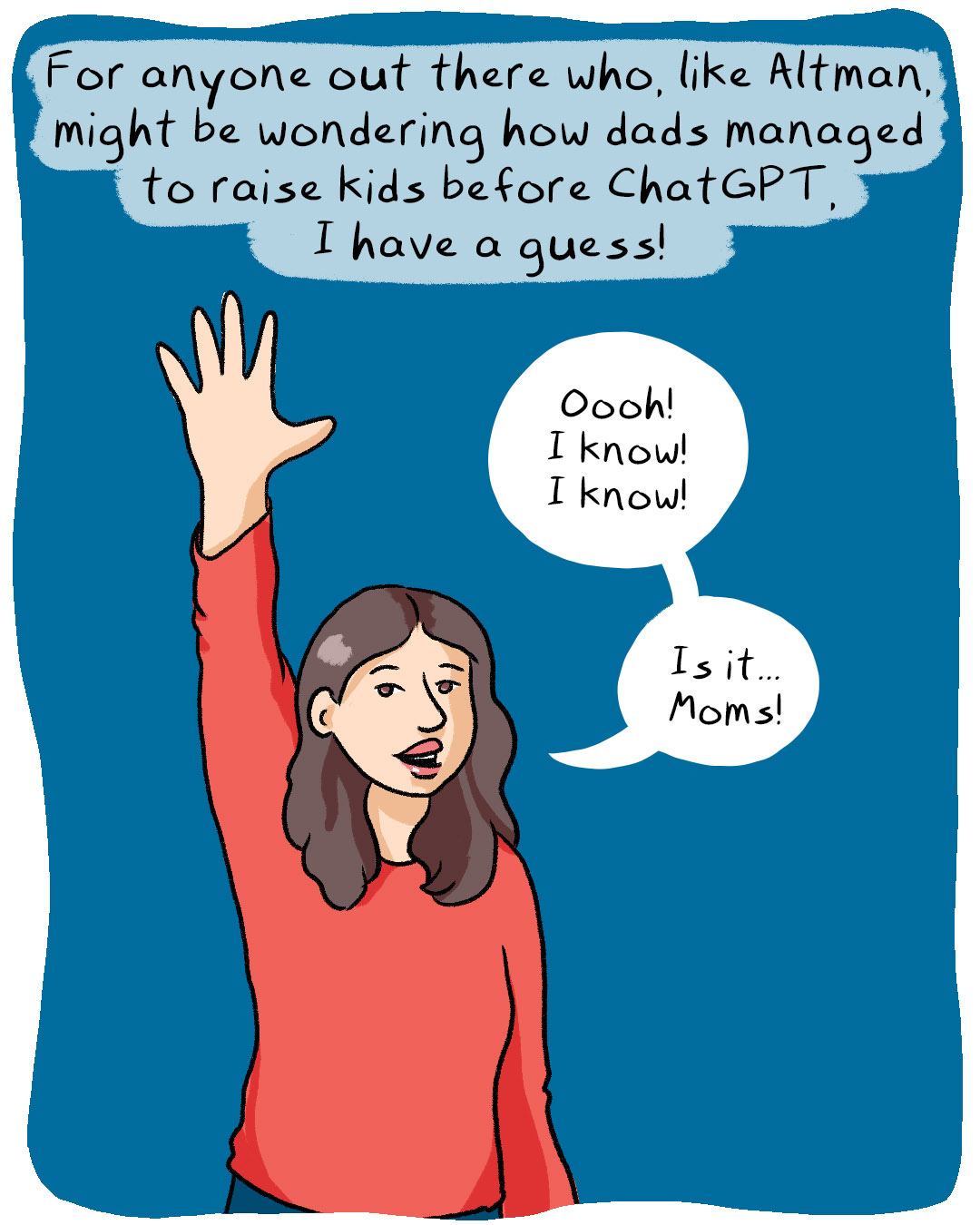
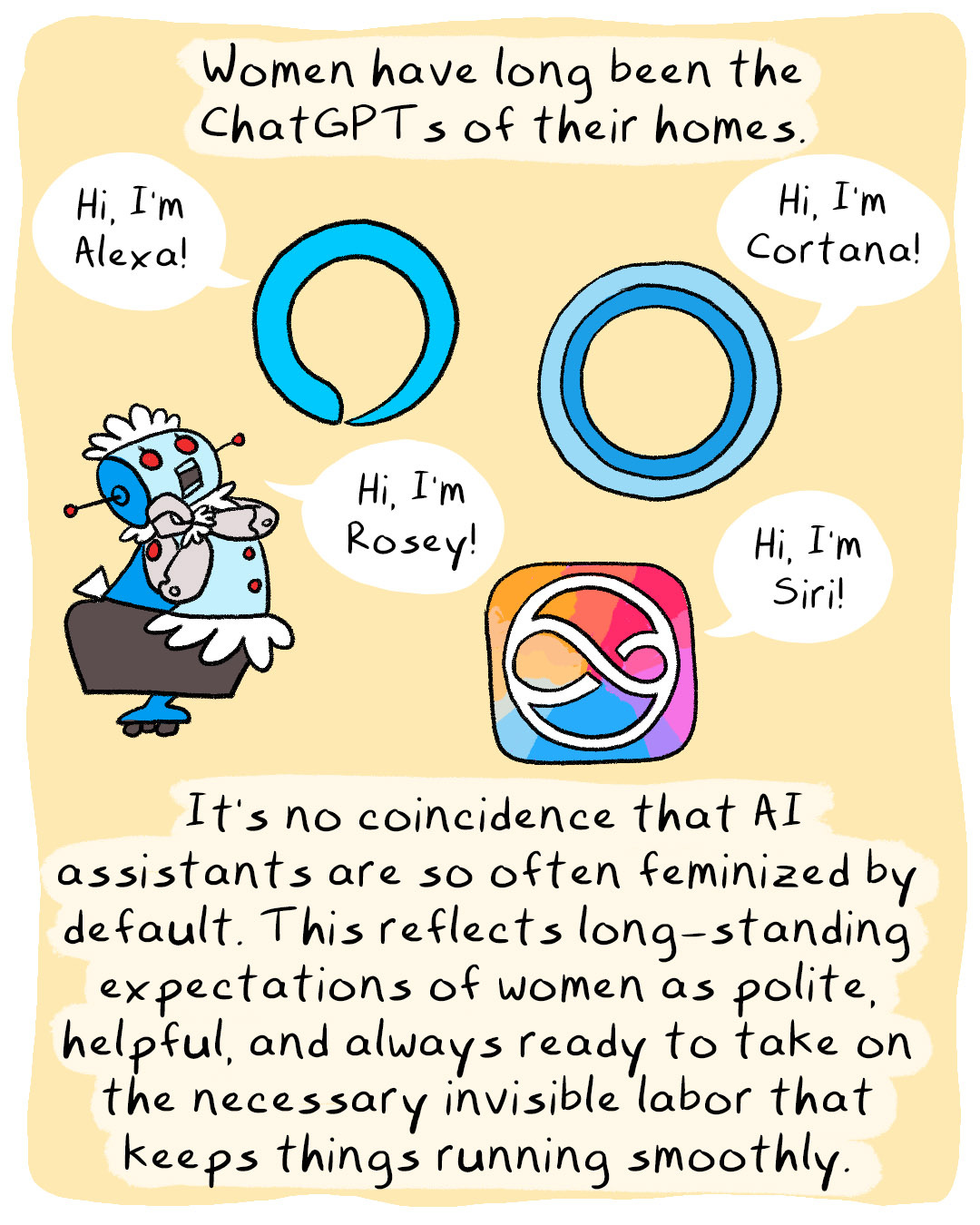
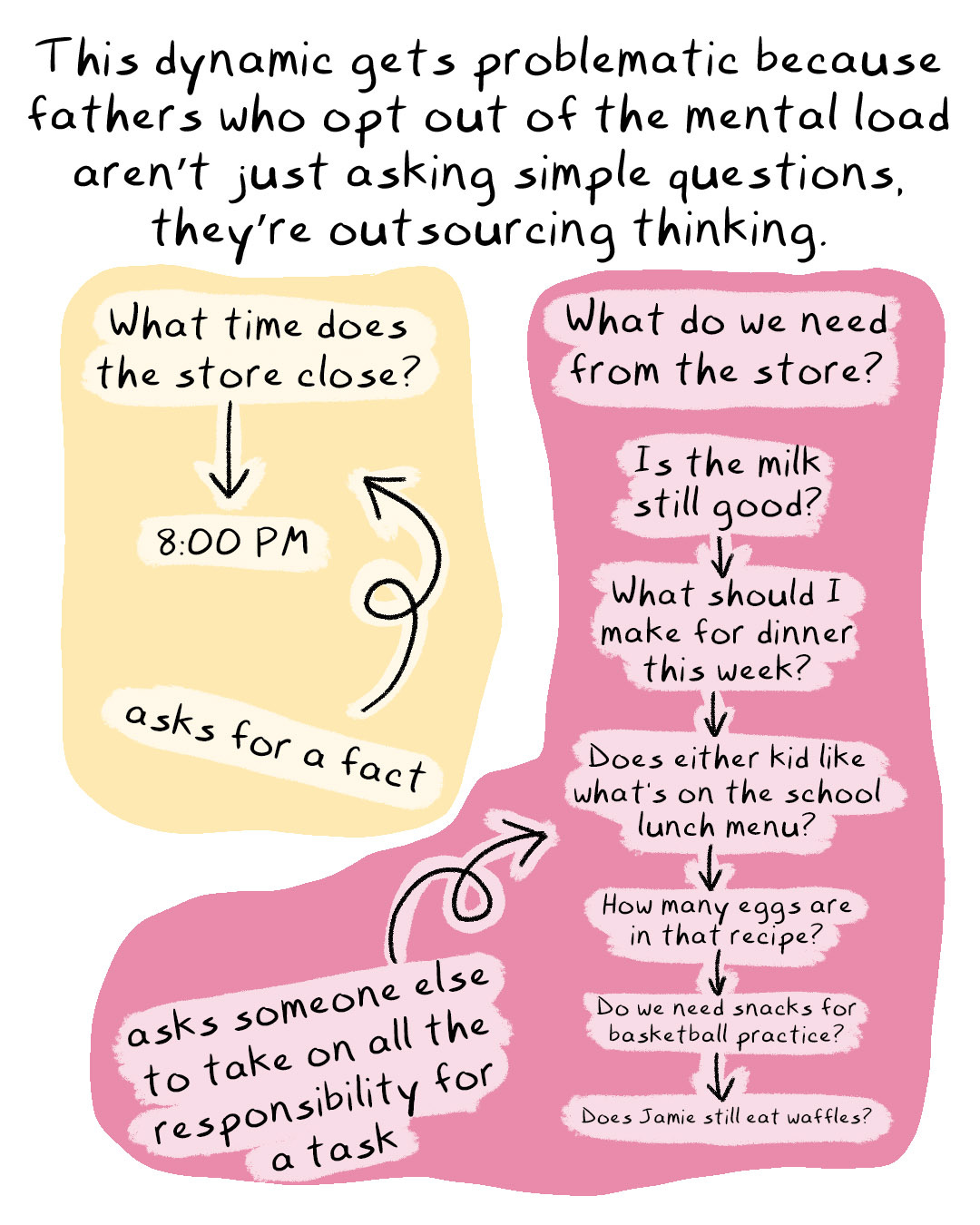
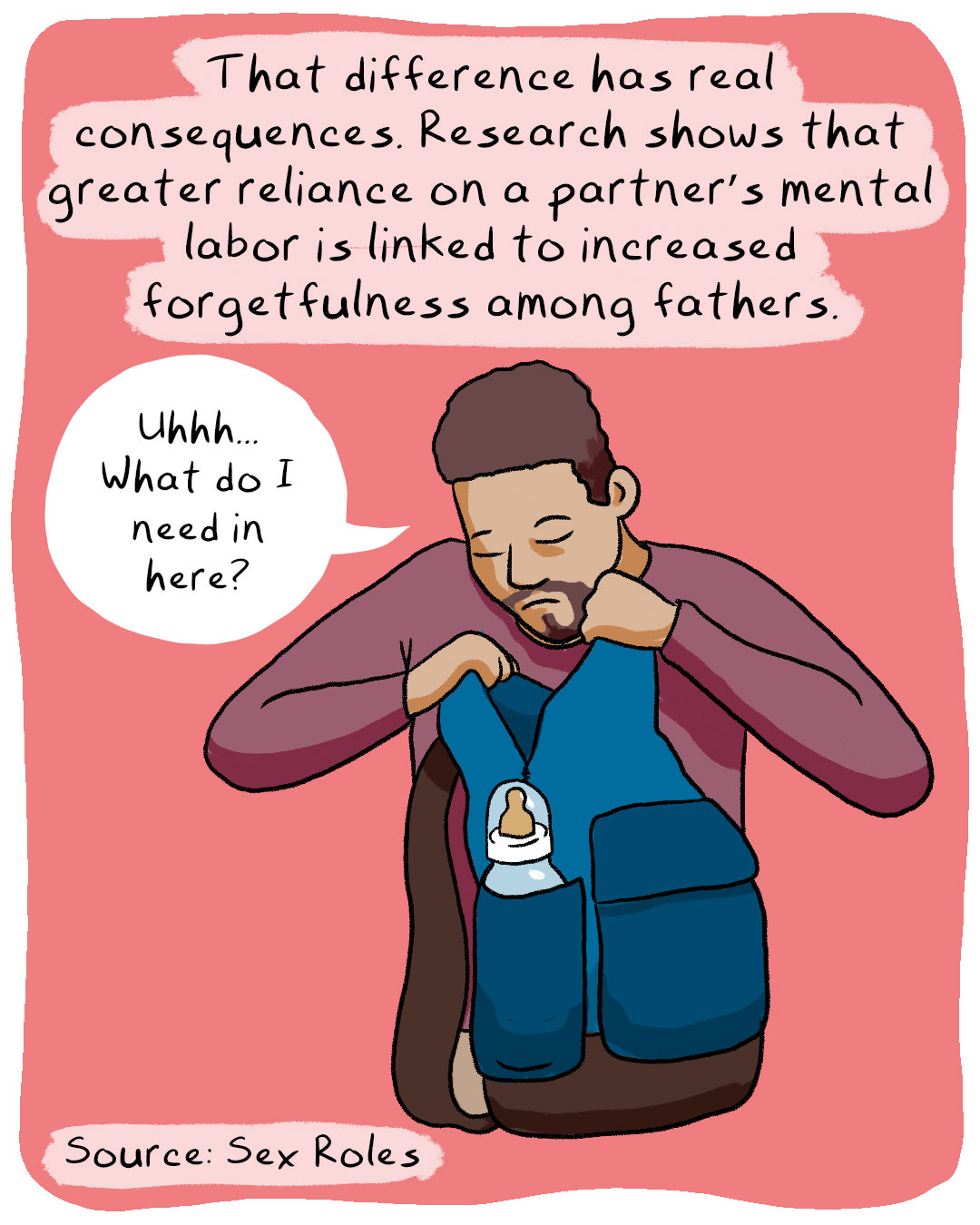
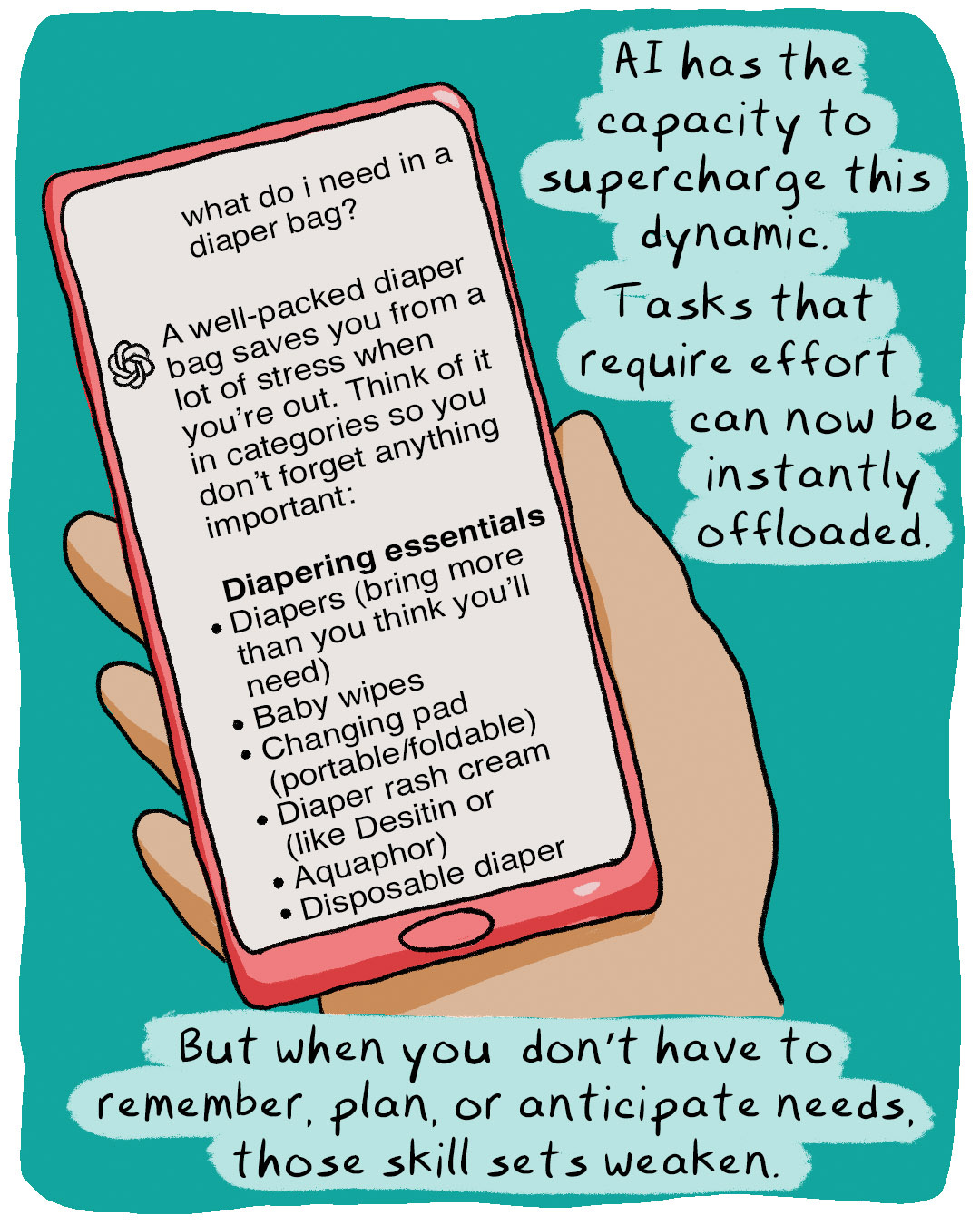
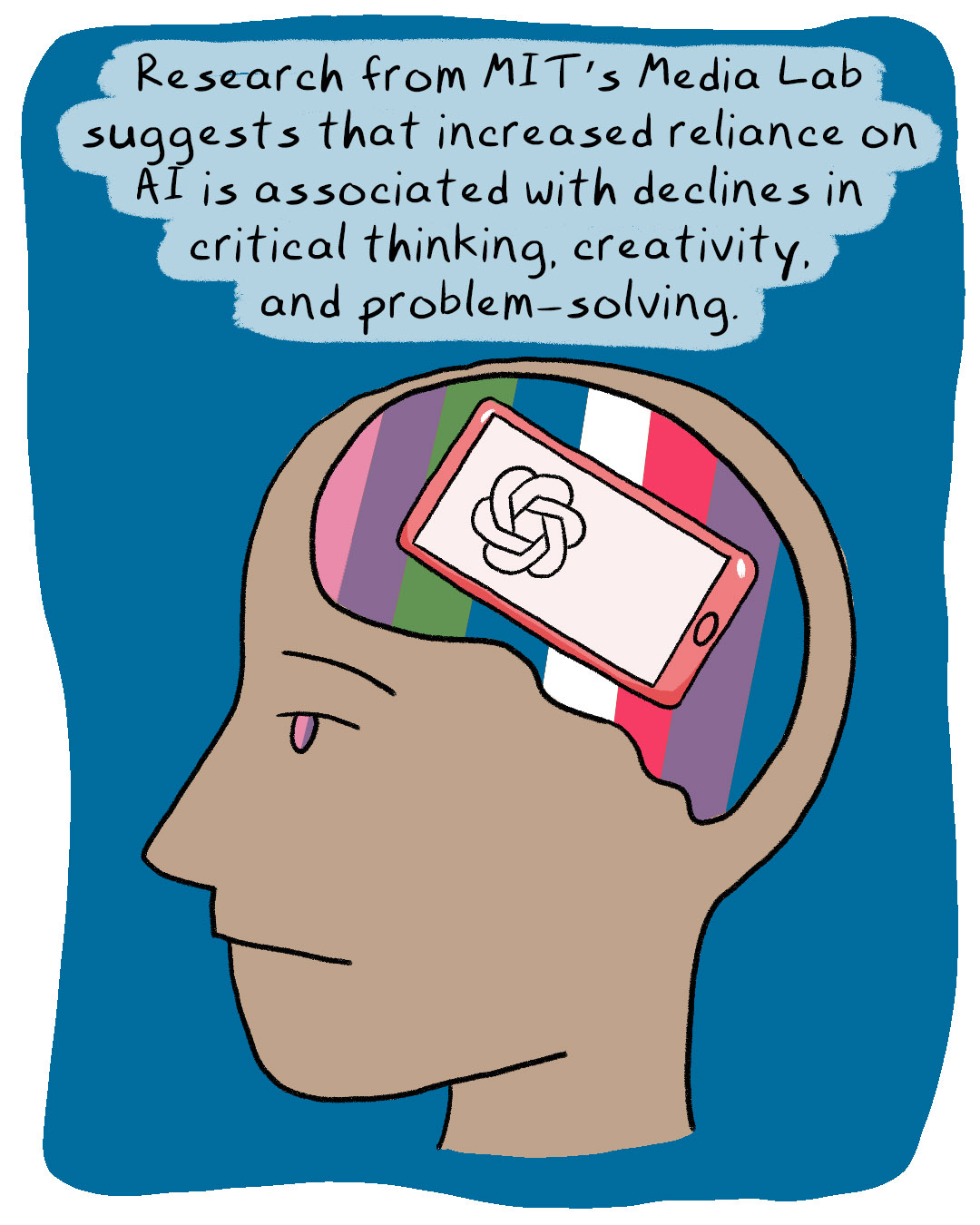
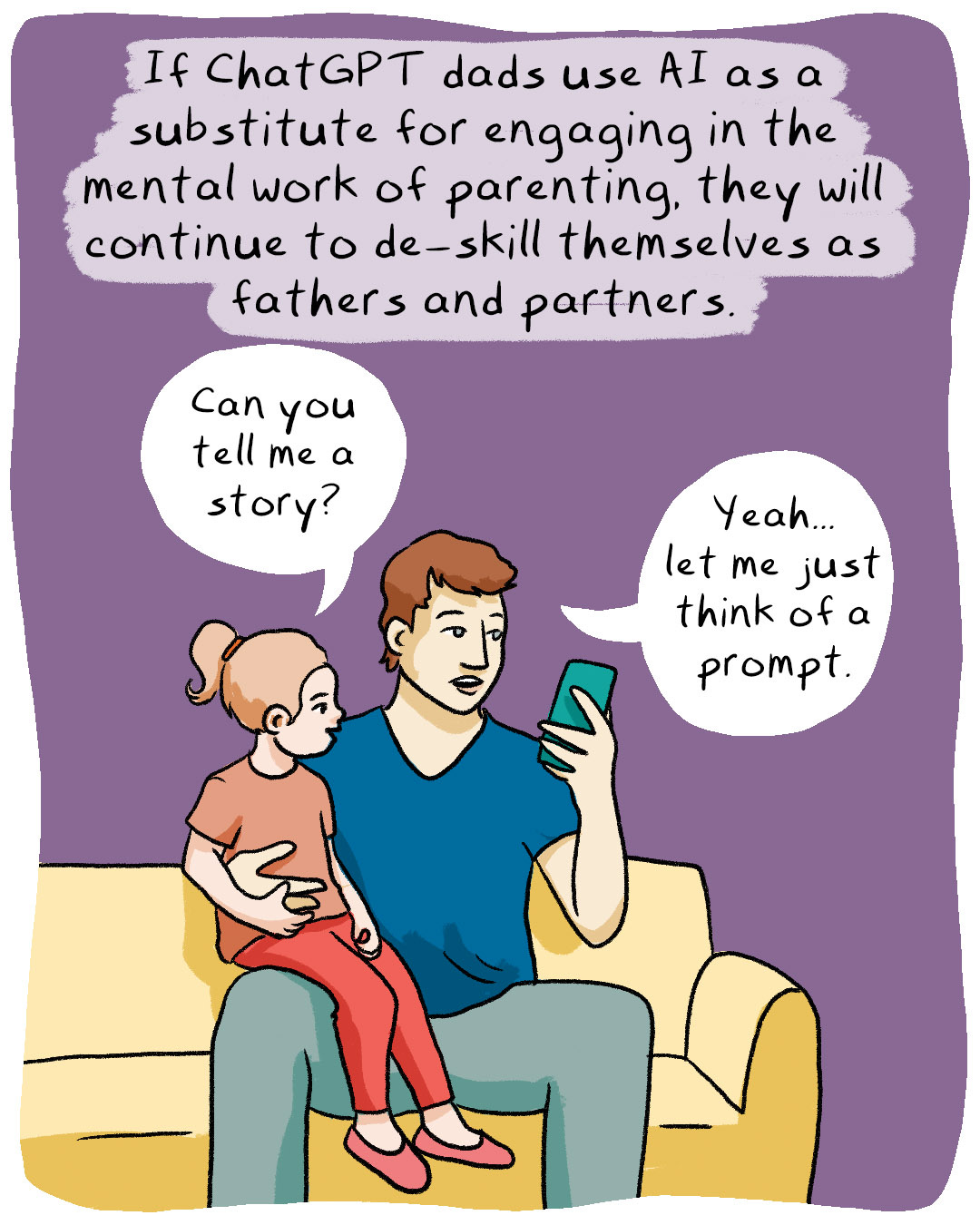
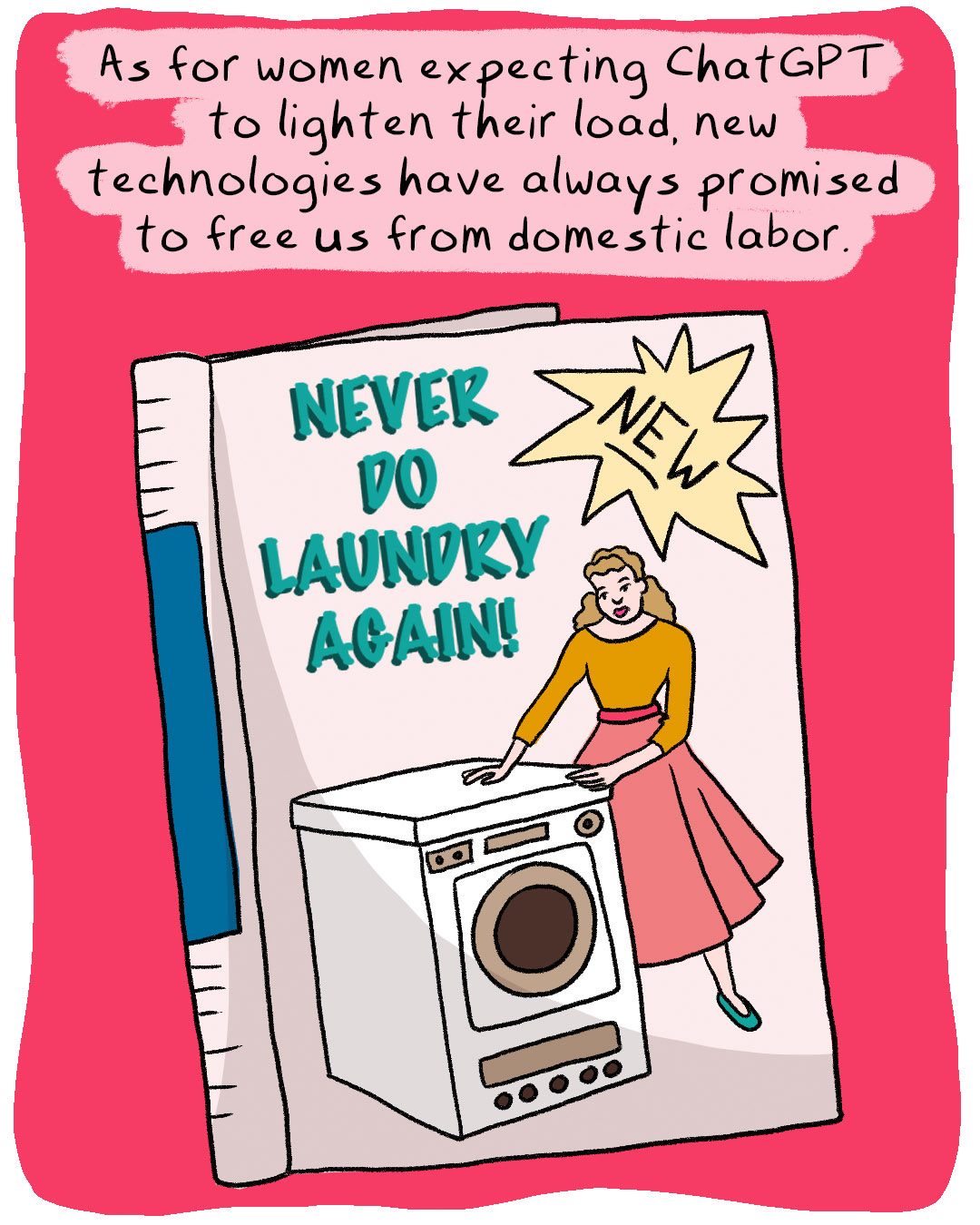
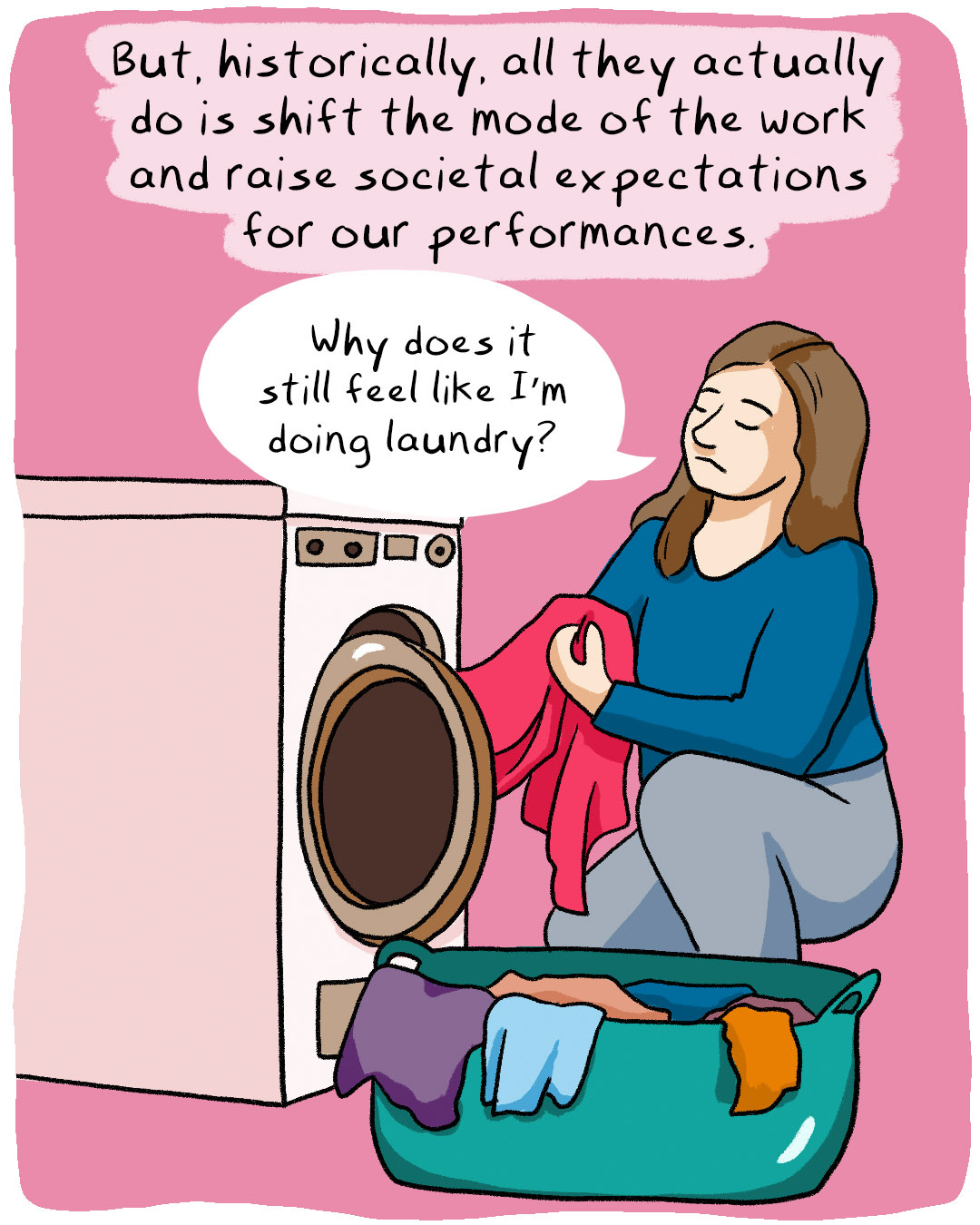
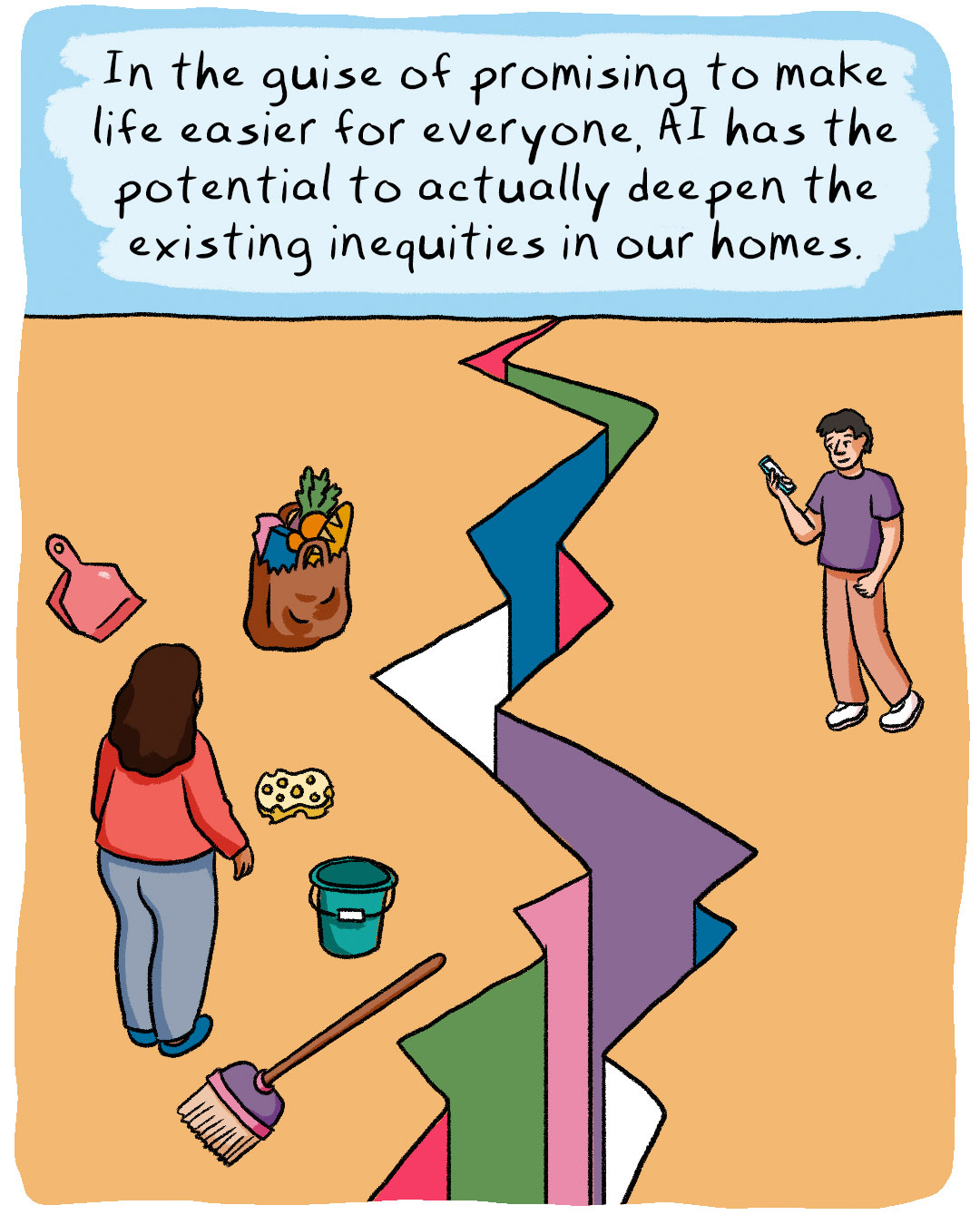
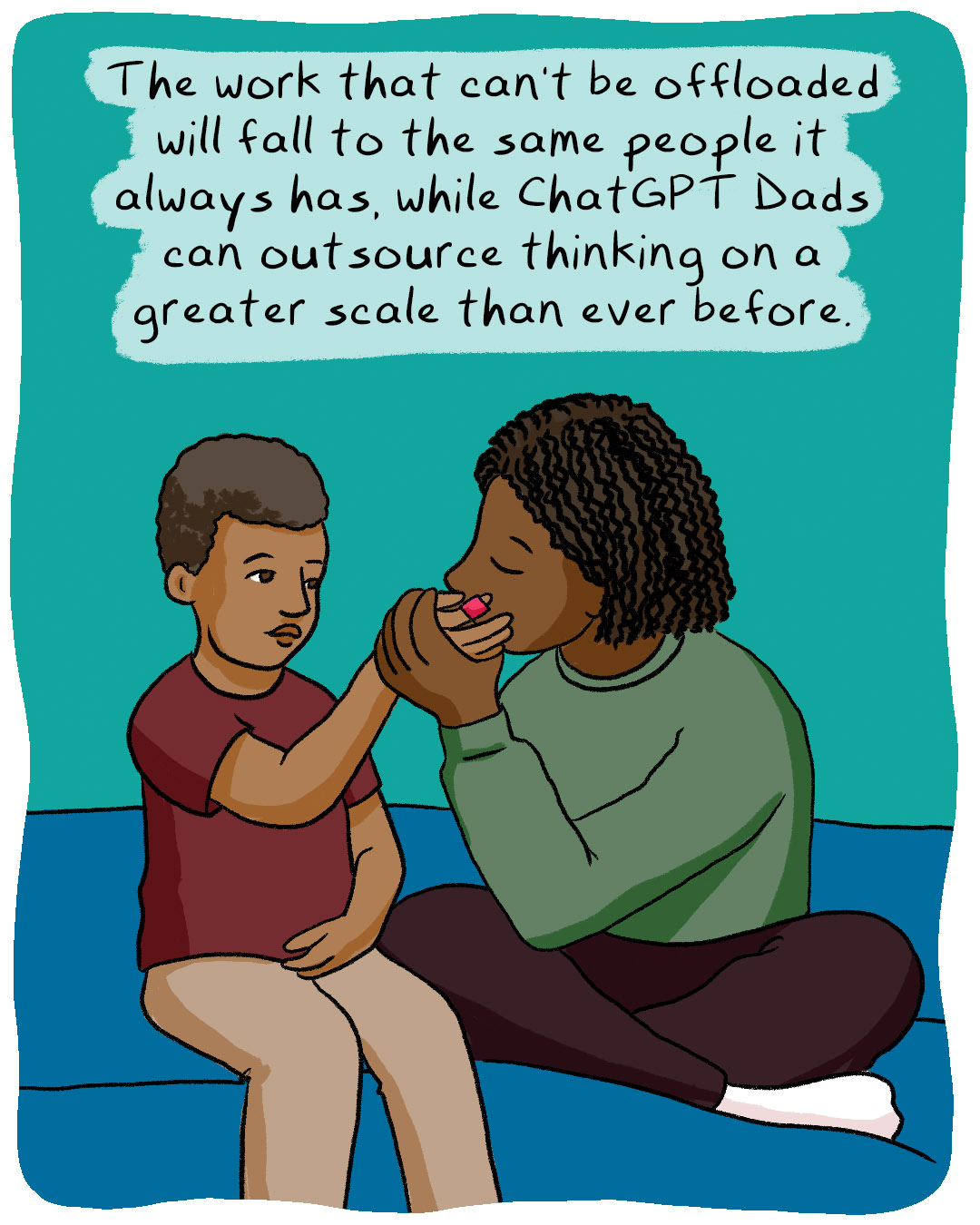
When Sam Altman said he “cannot imagine figuring out how to raise a newborn without ChatGPT,” it awakened an anger deep inside me that only internet bros can inspire. So I did what I do when I get angry and wrote a comic about it! Read on to hear all about the downsides of fathers outsourcing the mental work of parenting to AI. (Barf.)
If you enjoy my comics and want to help keep this newsletter and its archive free for everyone, consider becoming a paid subscriber!
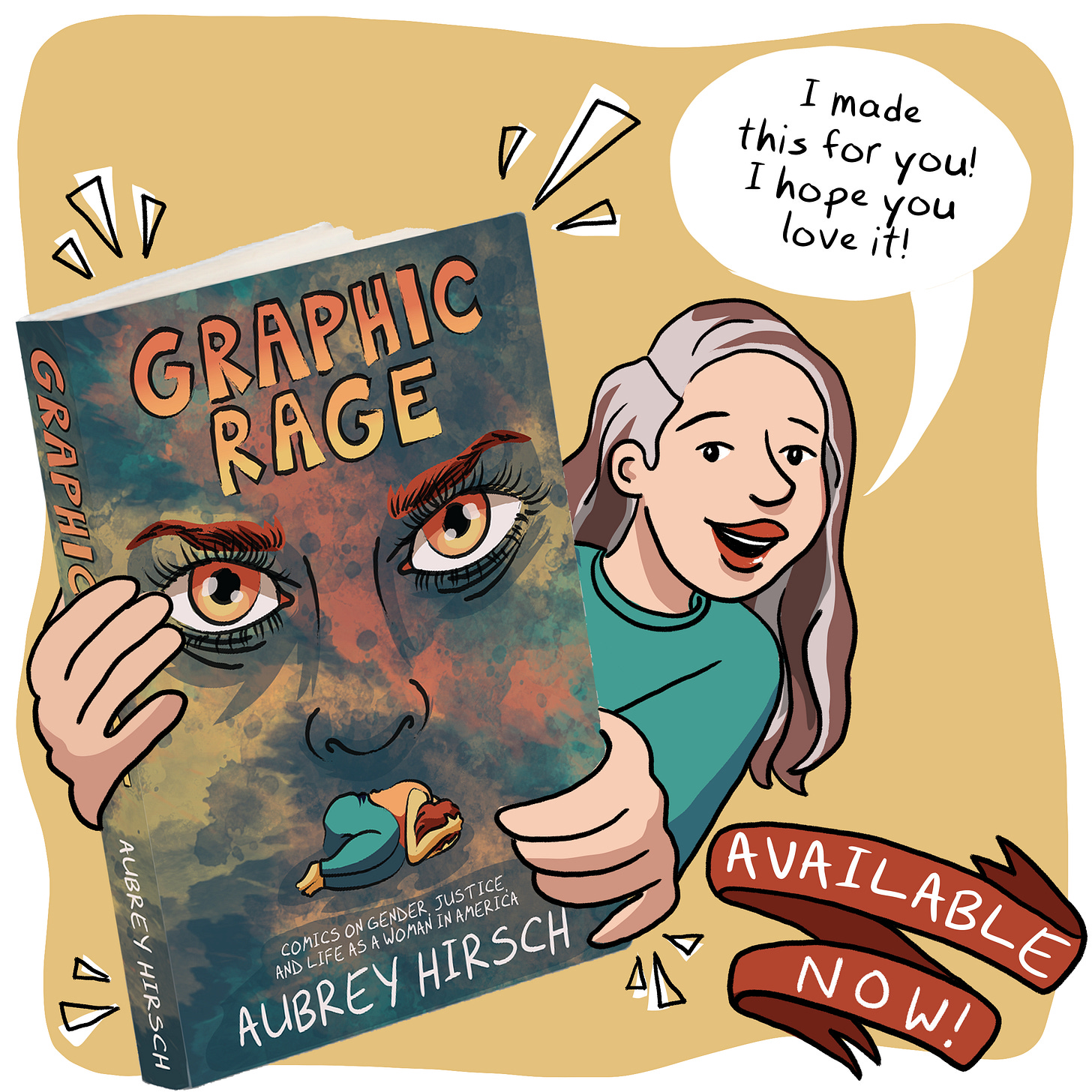
If you liked this, you’ll love my new book of feminist comics: GRAPHIC RAGE. You can buy it here.
As always, thanks for reading, thanks for subscribing, and thanks times a million if you’re a paid subscriber! You make this part of my life possible and I’m so, so grateful!
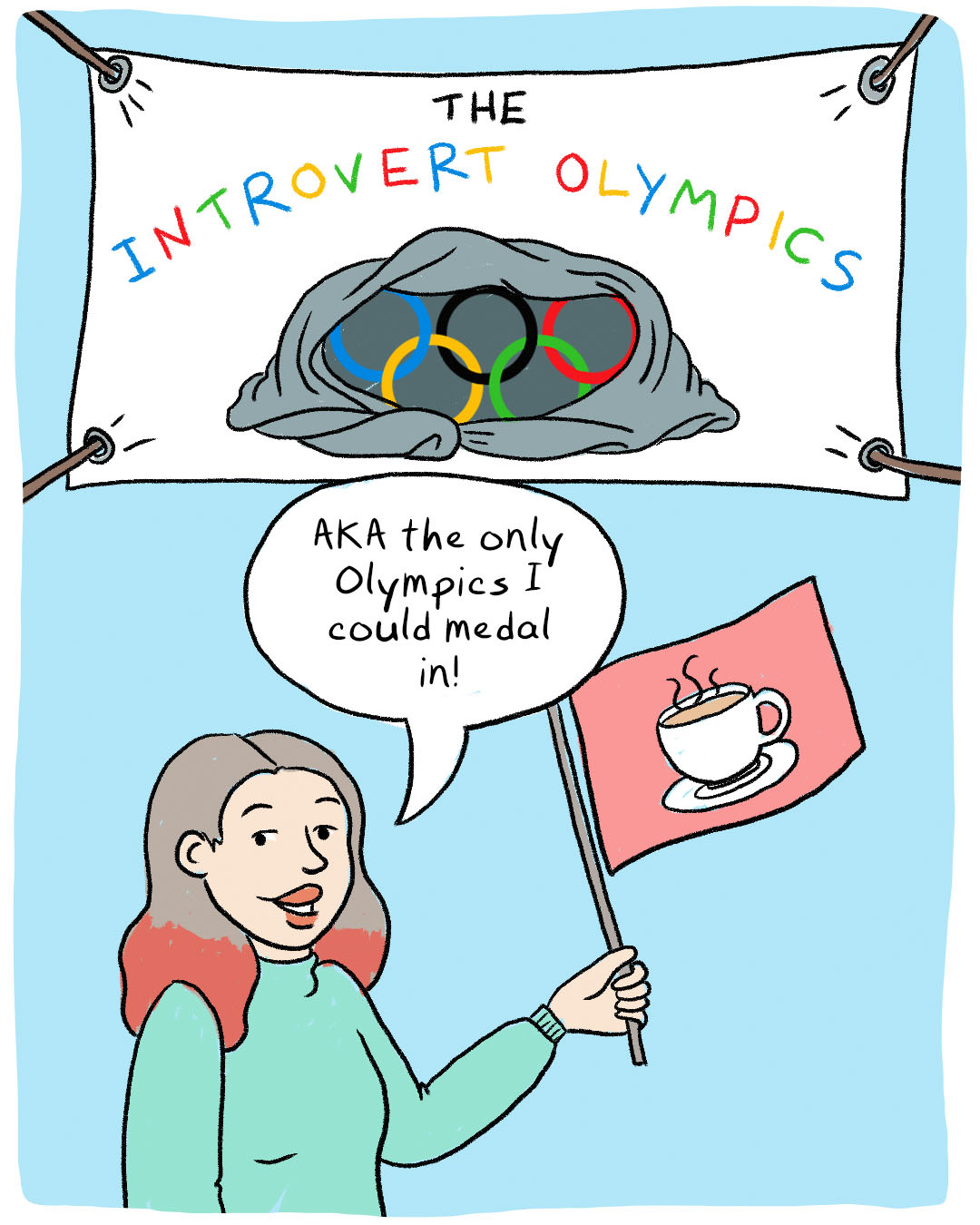
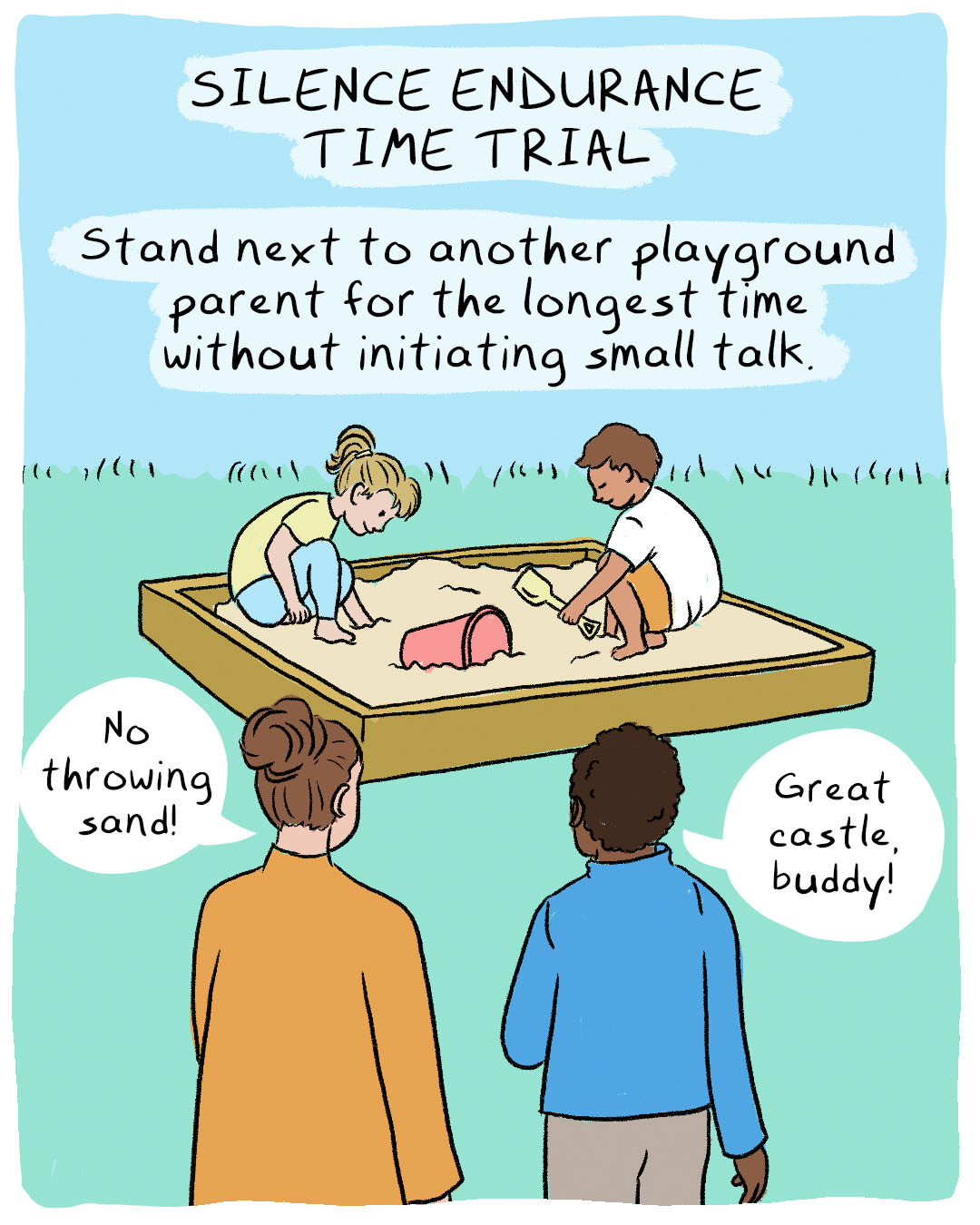
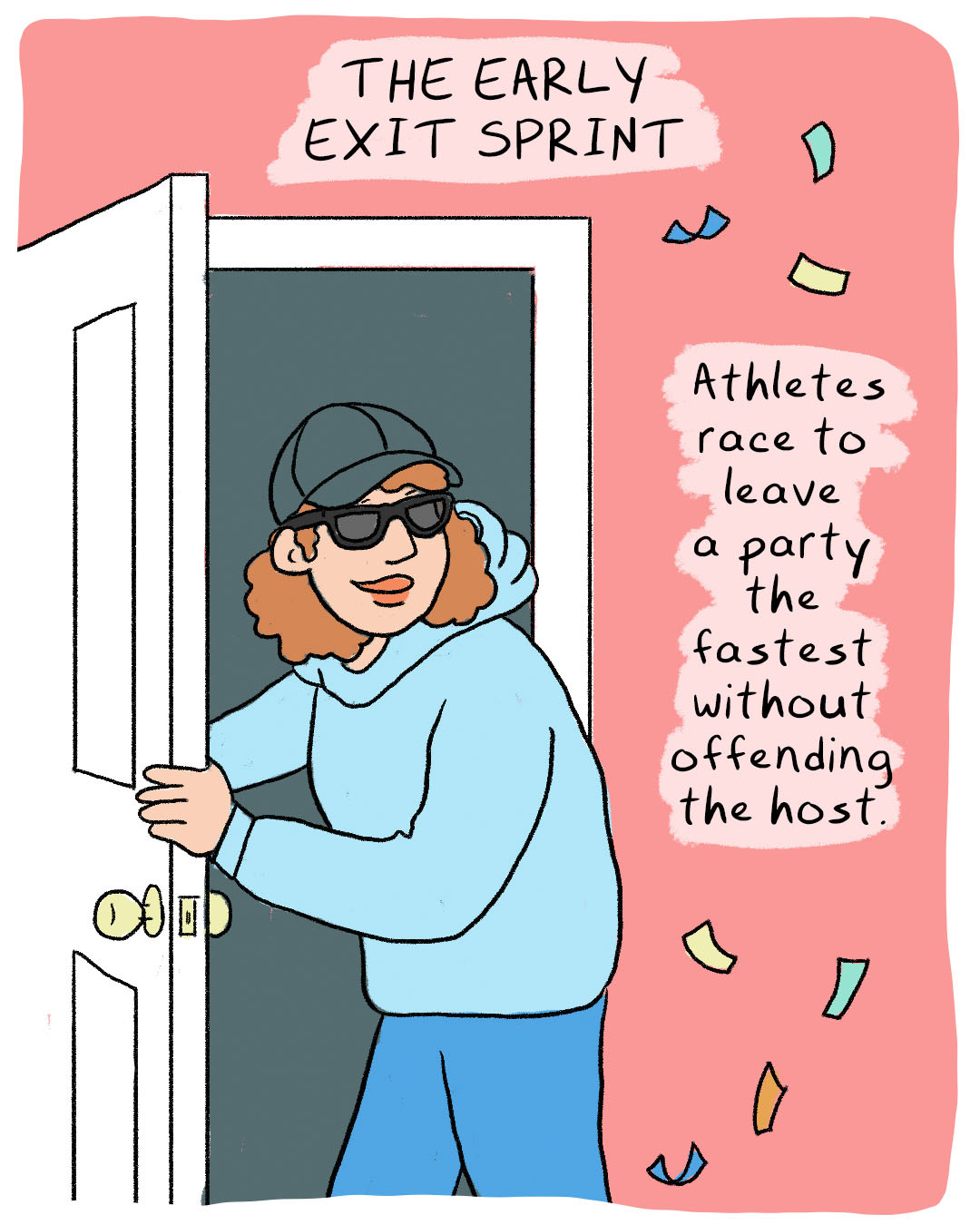
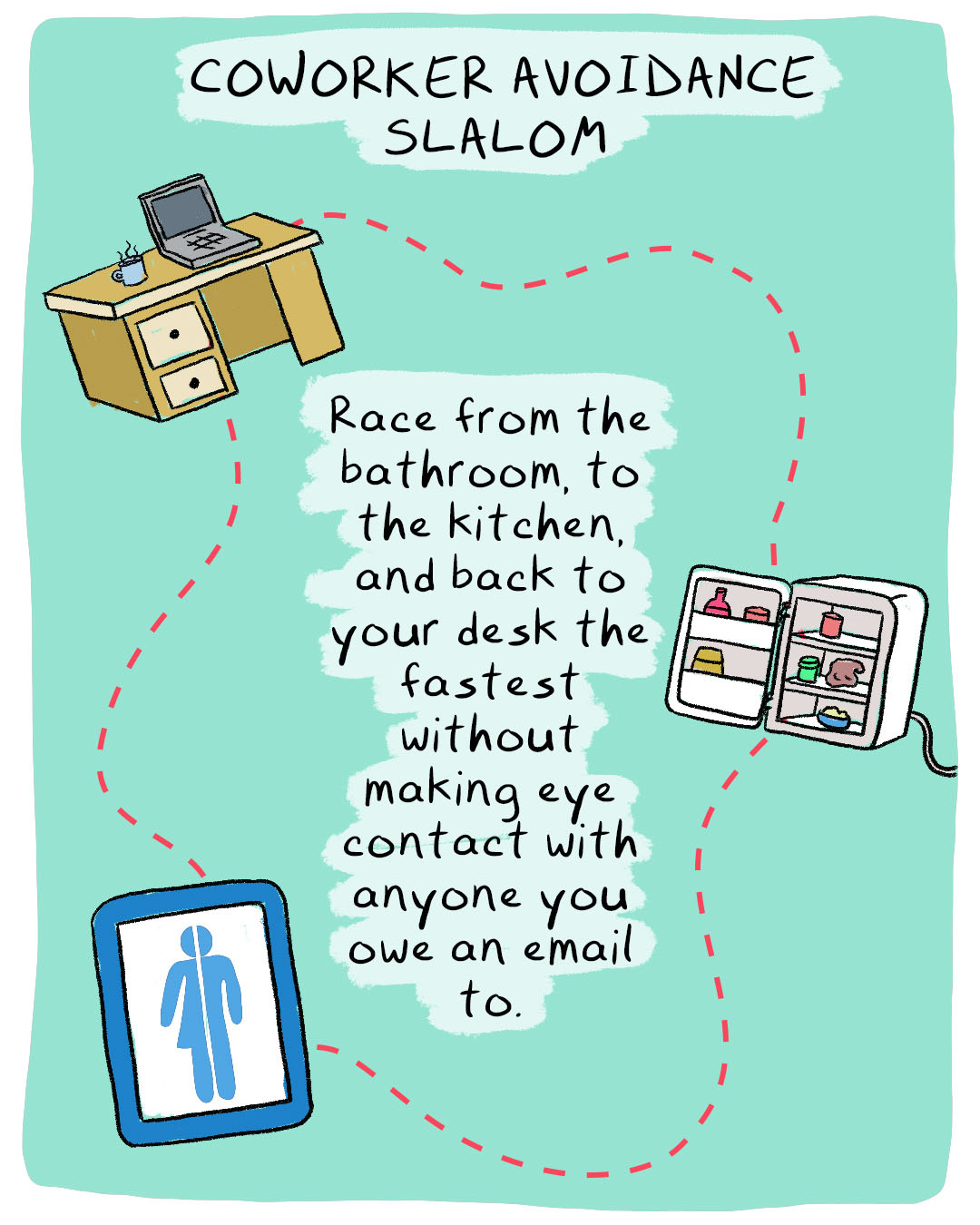
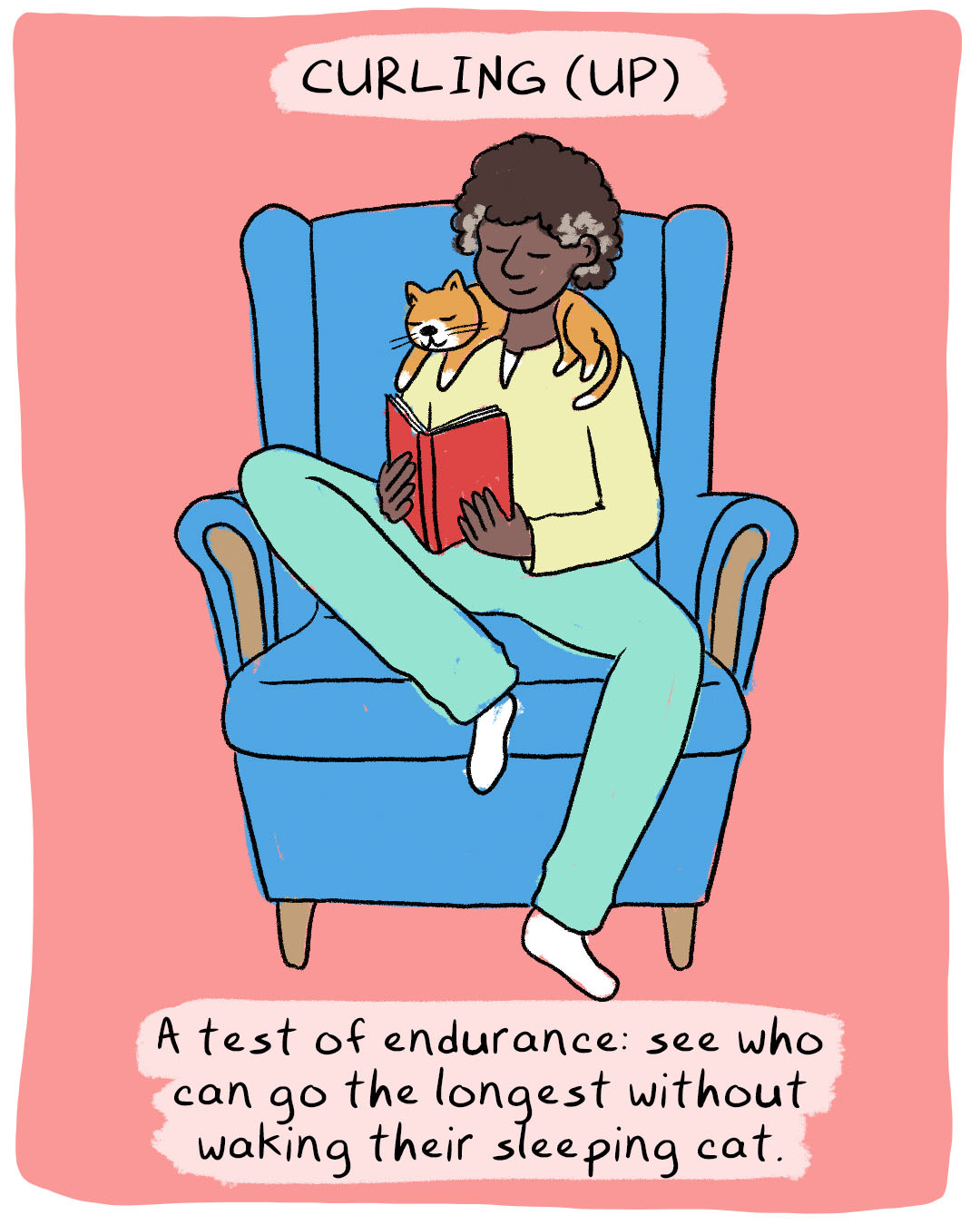
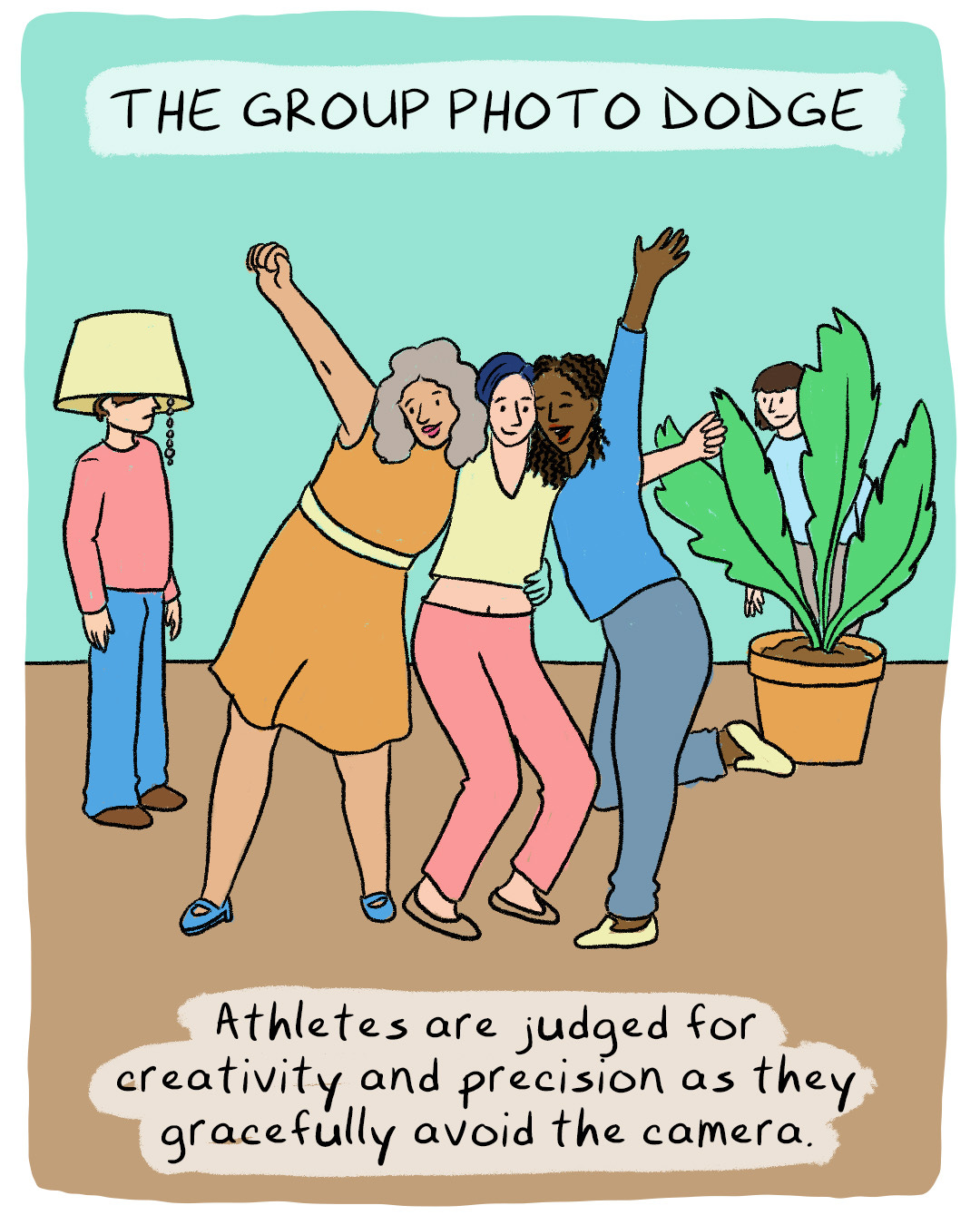
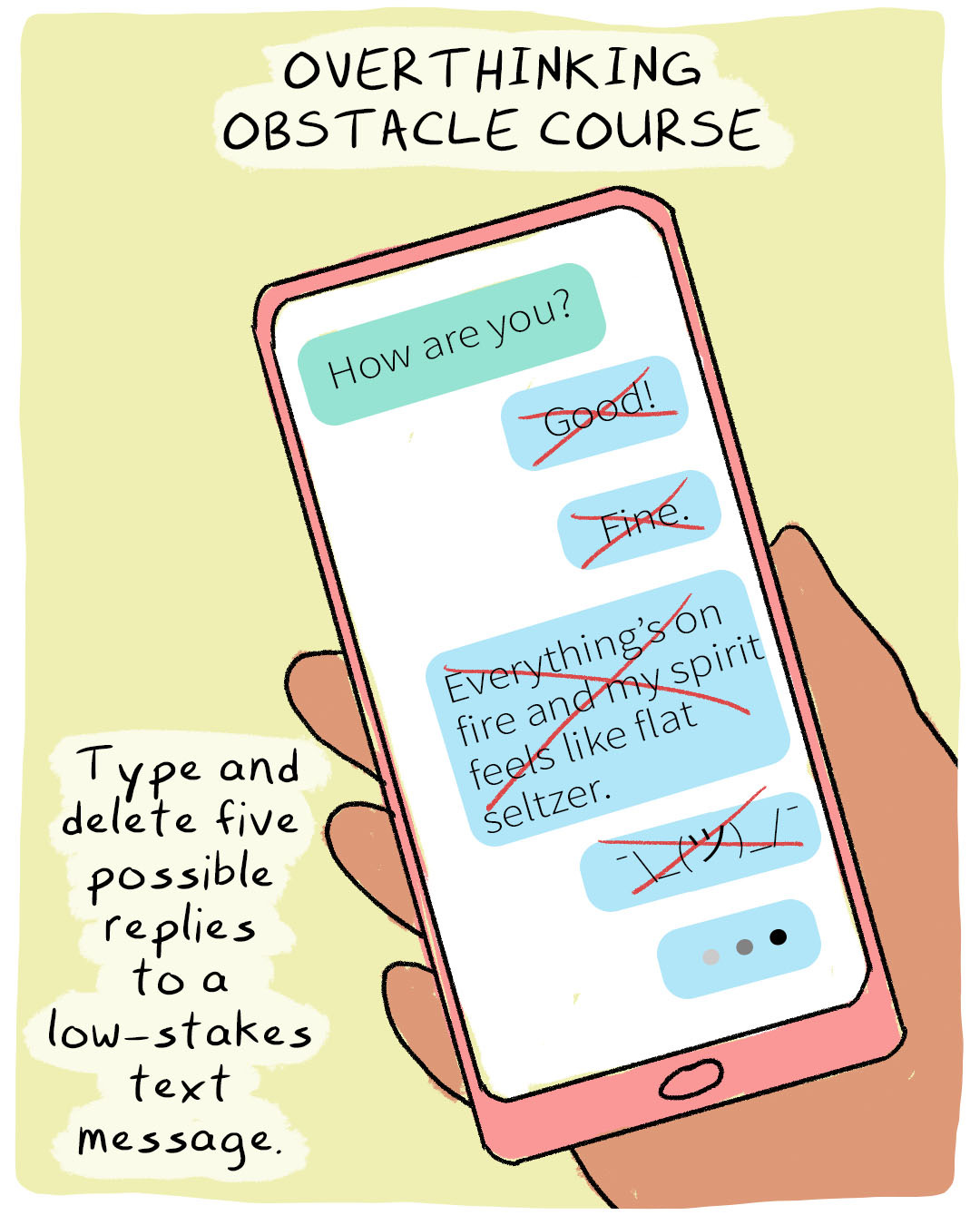
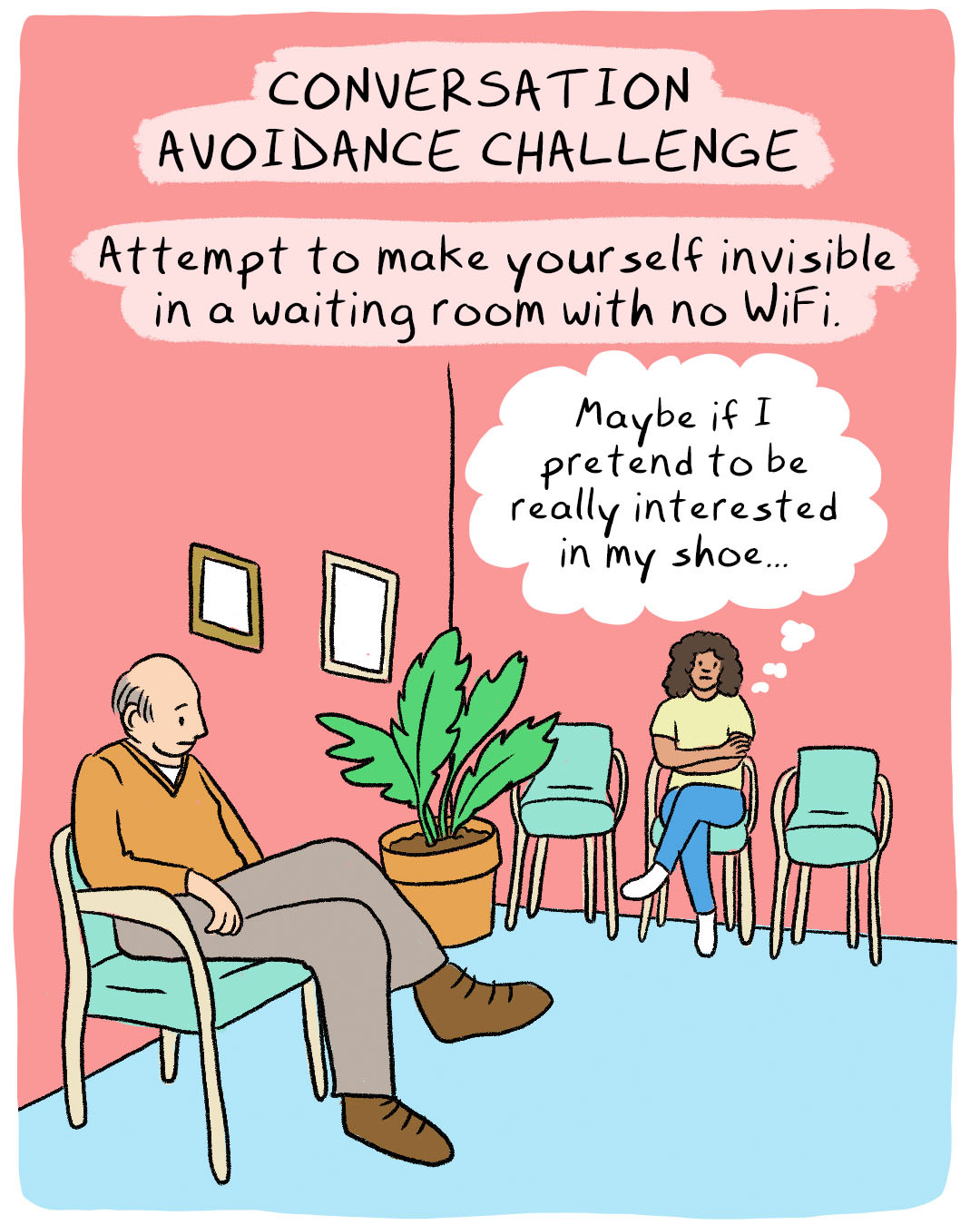
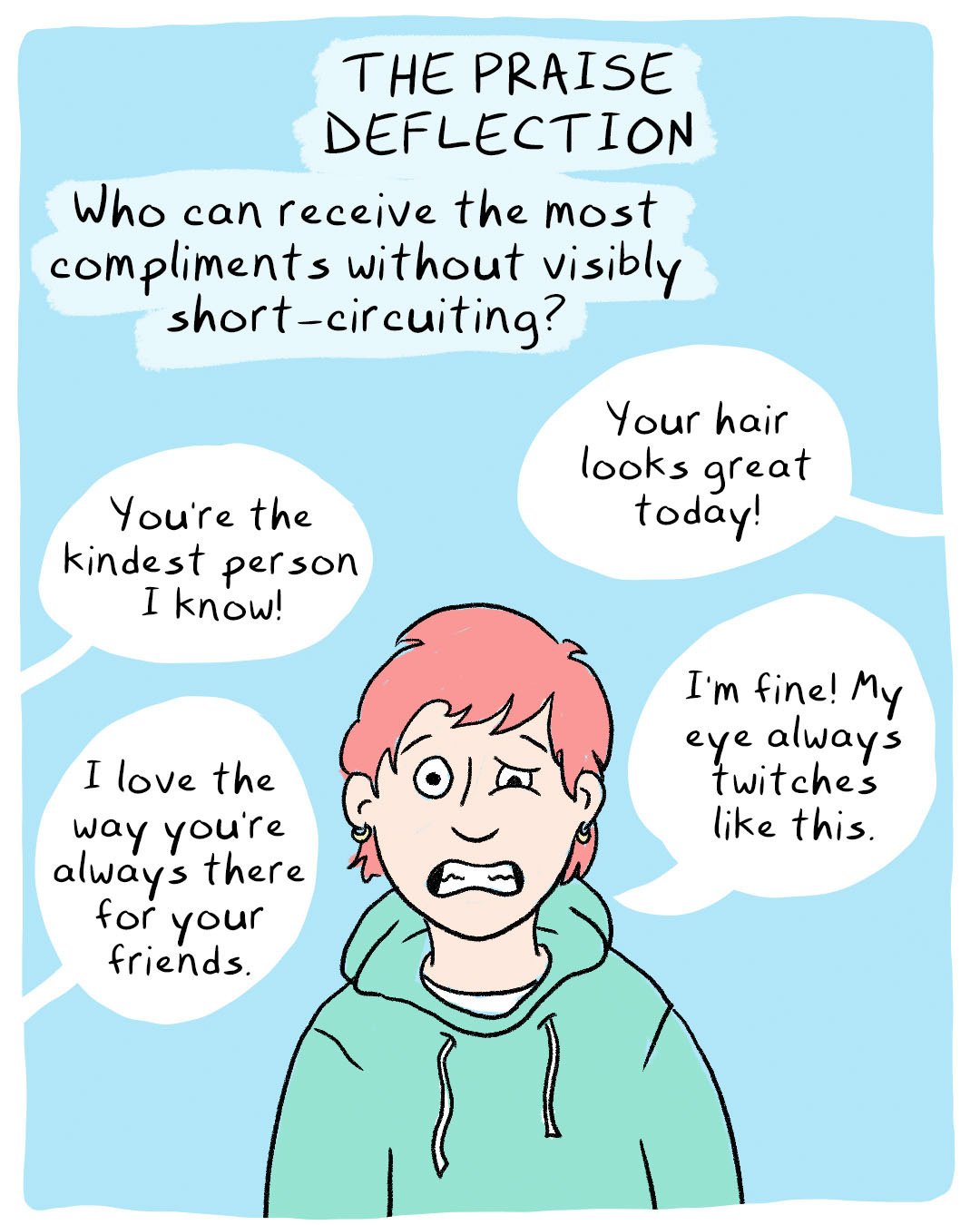
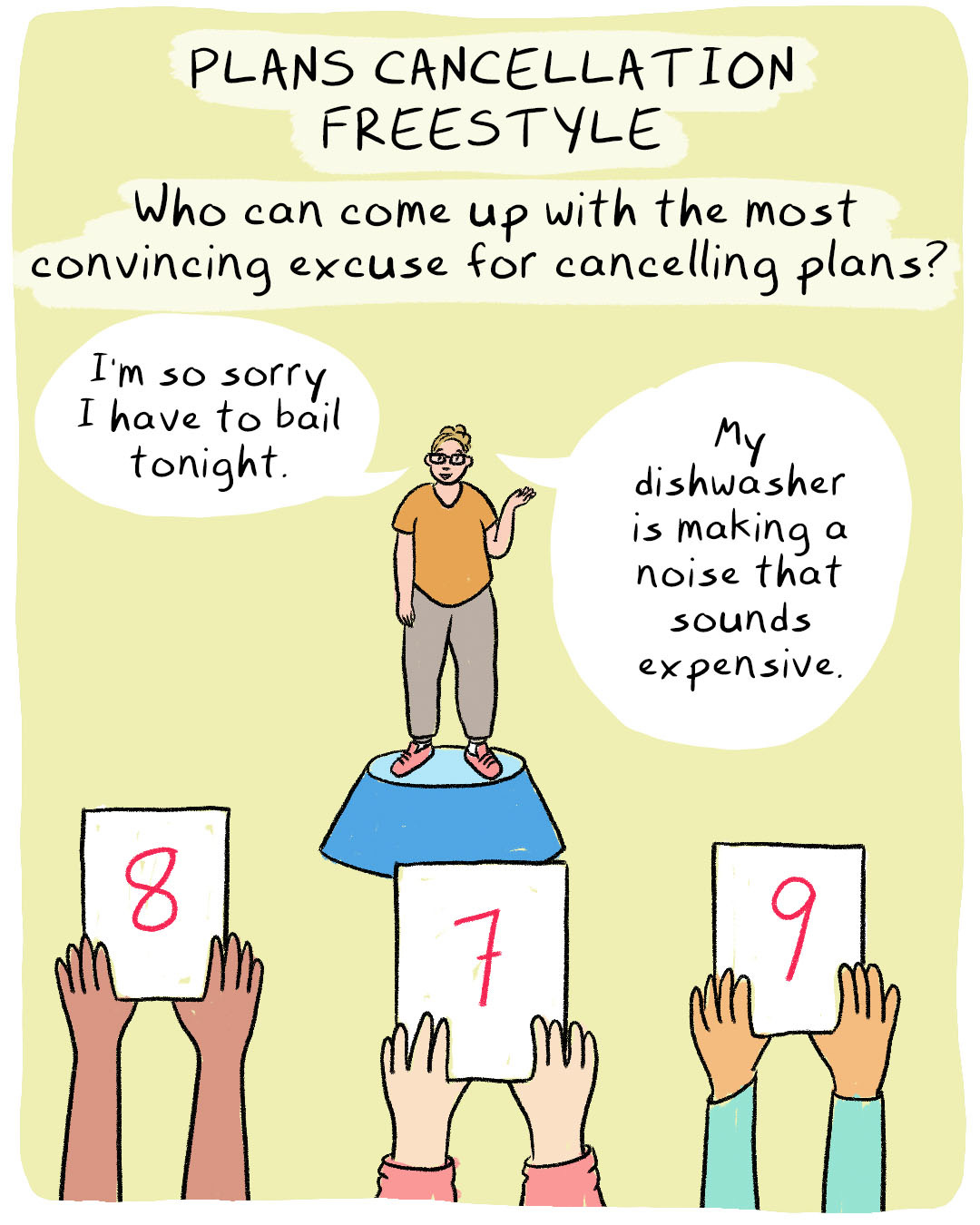
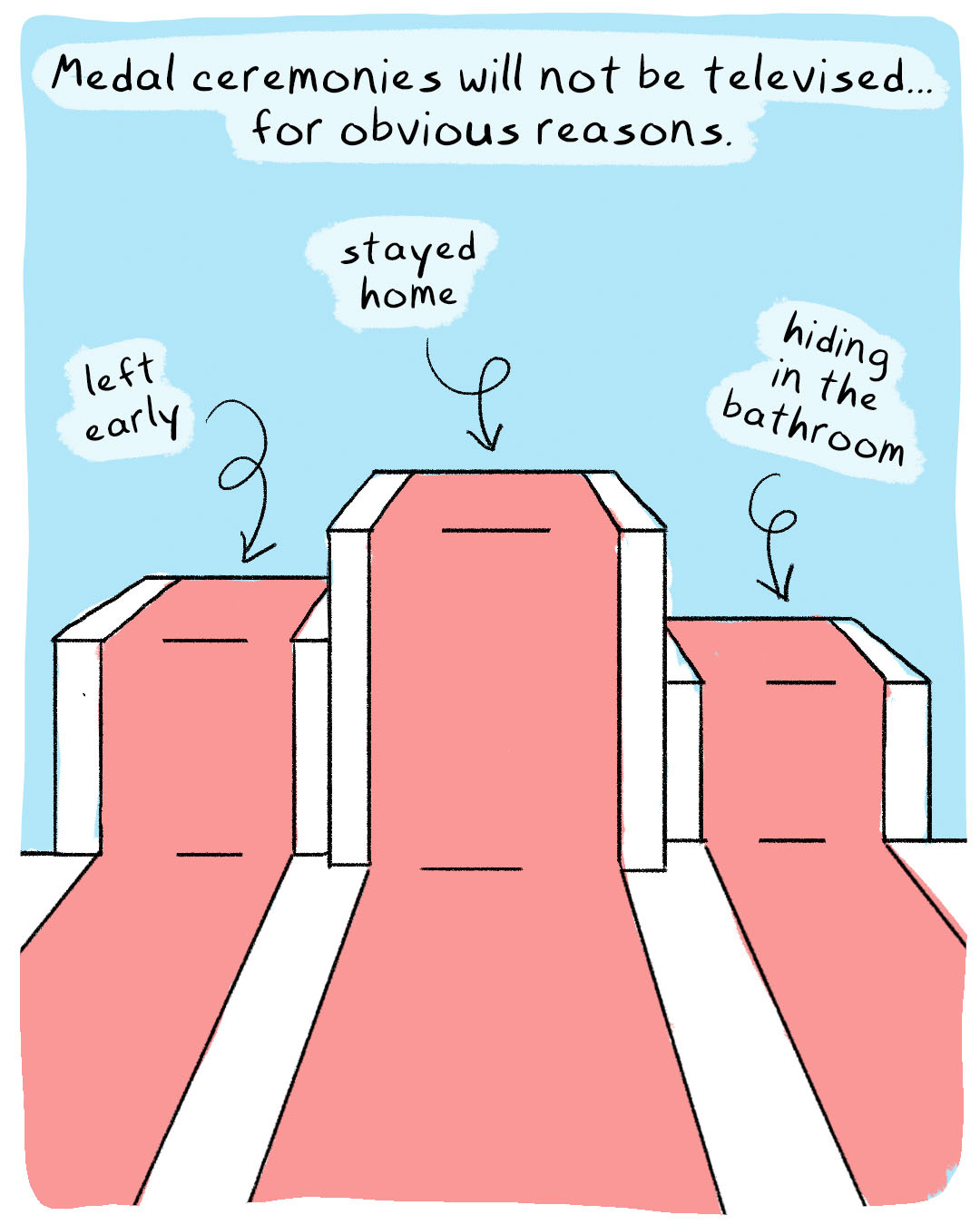
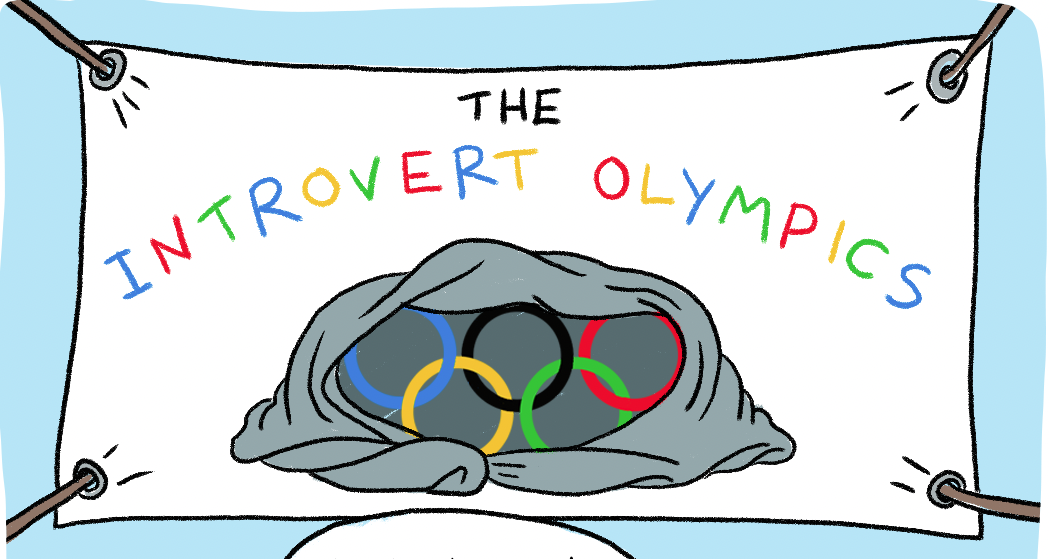
I was so inspired watching the athletes giving it their all in Milan that I began to fantasize about Olympic events *I* could medal in. So, here they are! This is the event line-up for The Introvert Olympics!
Which event are you taking gold in?
Graphic Rage with Aubrey Hirsch is a reader-supported publication. To receive new posts and support my work, consider becoming a free or paid subscriber.
If you’re a writer-type, and you’re headed to Baltimore for AWP next week, I’d love to meet you! Here’s where you can find me.
As always, thanks for reading, thanks for subscribing, and thanks times a million if you’re a paid subscriber! You make this part of my life possible and I’m so, so grateful!
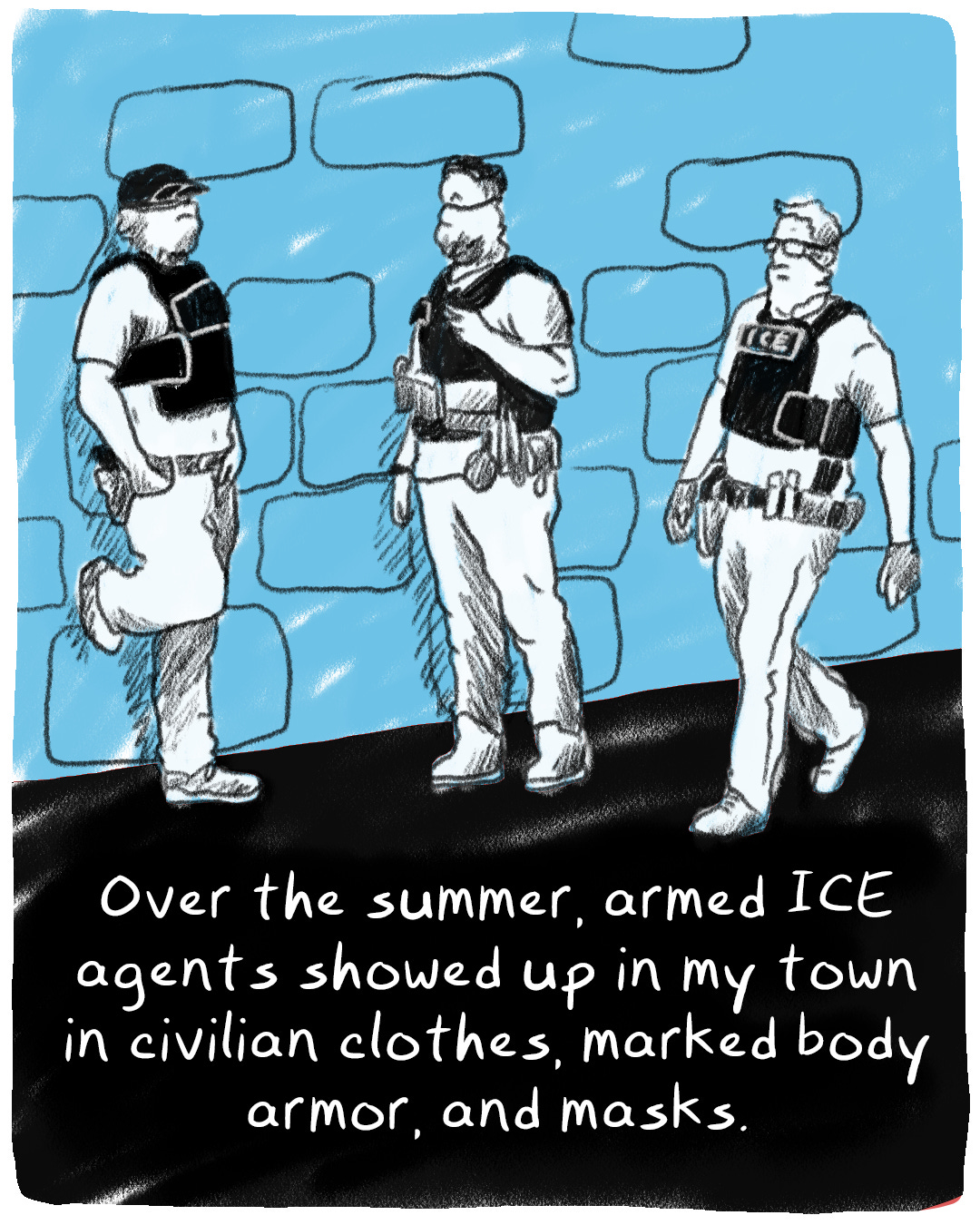
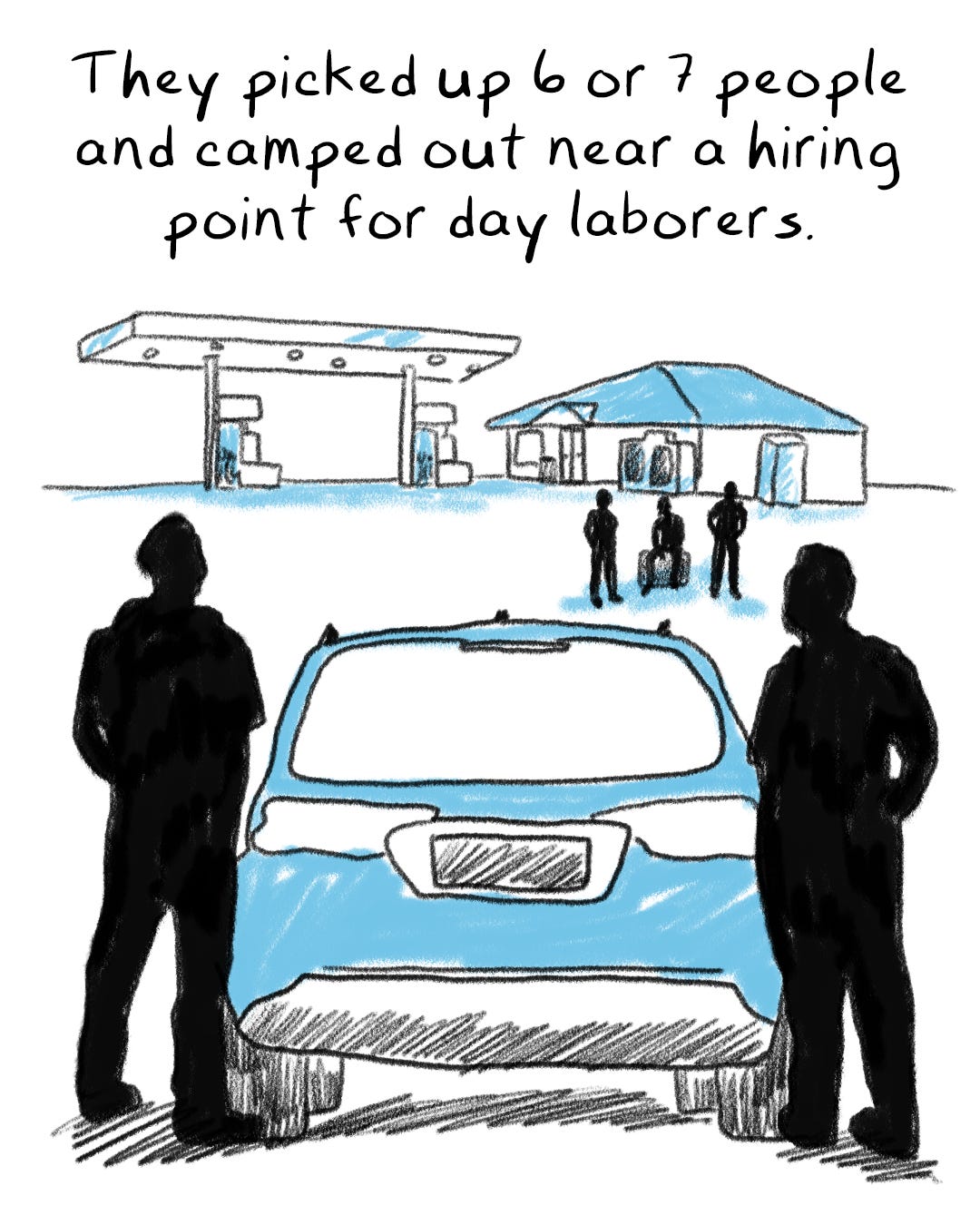
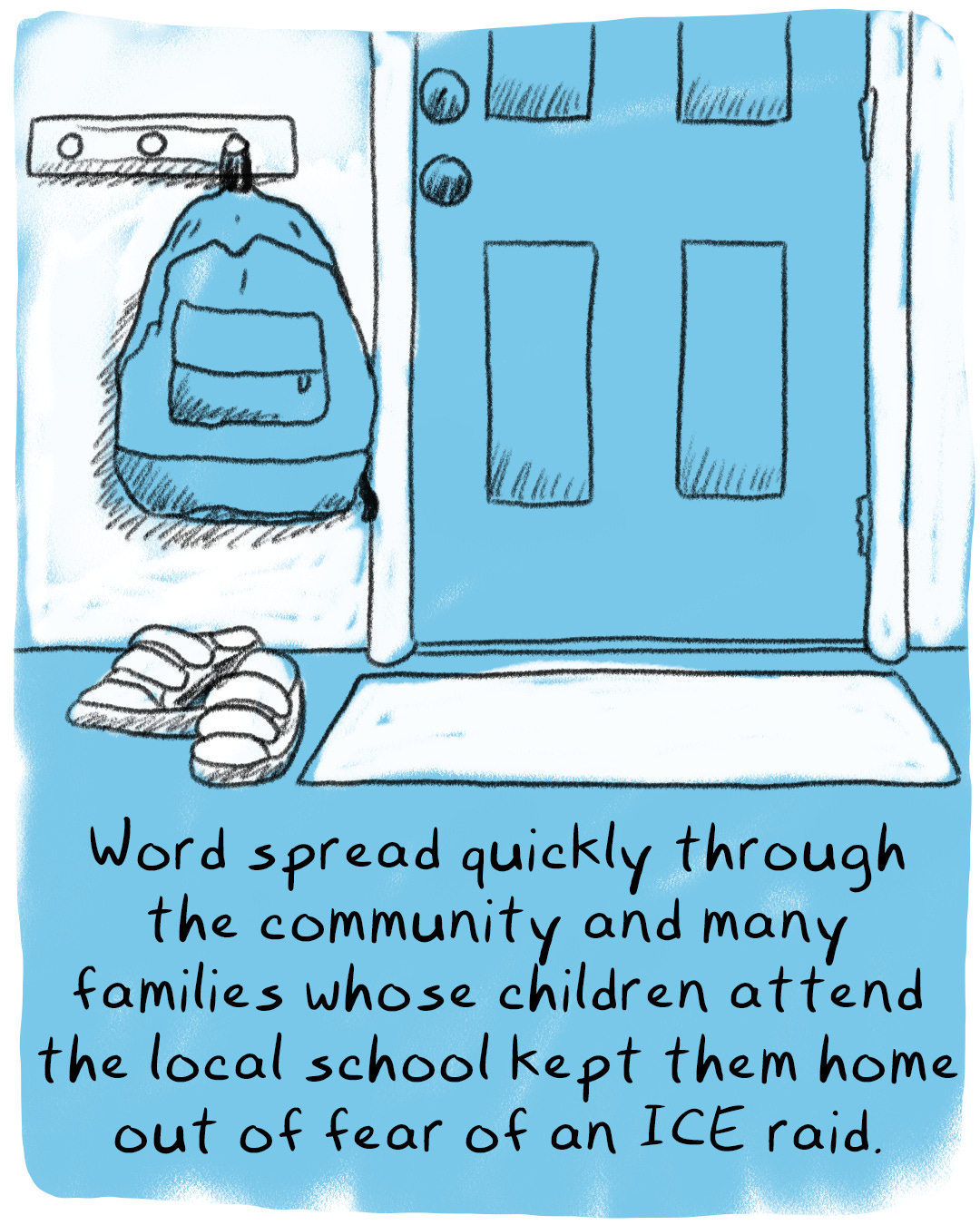
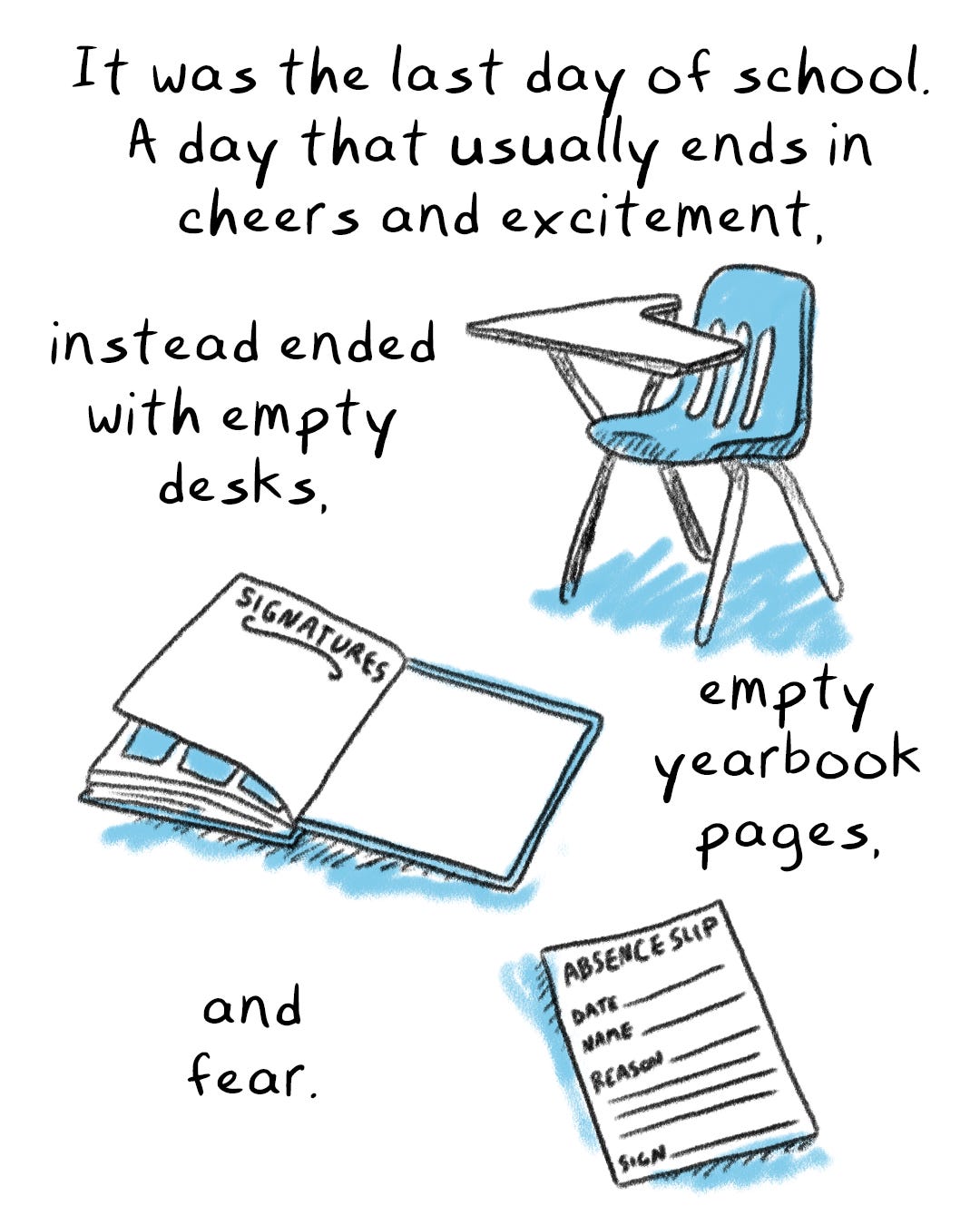
You’re getting an extra comic from me this month as part of #ICEoutcomics, an awareness-raising movement started by Minneapolis artists.
Show full content
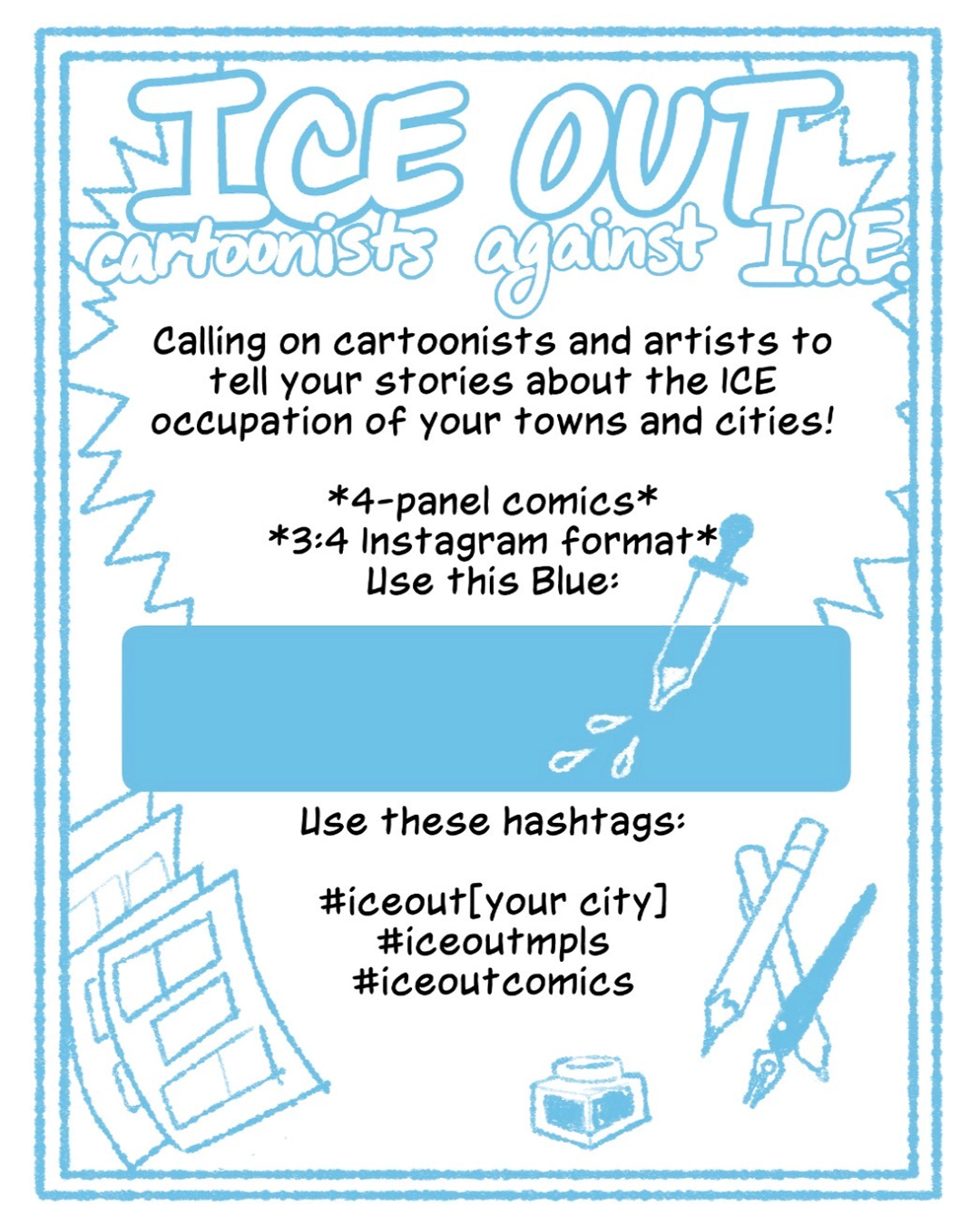
You’re getting an extra comic from me this month as part of #ICEoutcomics, an awareness-raising movement started by Minneapolis artists. If you liked this, I encourage you to search the hashtag on instagram and help share these powerful stories. I also want to take this opportunity to share some resources for anyone trying to resist ICE efforts.
I encourage everyone to consider using this simple format to help get the word out about ICE activity in your area. Remember, your fine art skills are the least important part of your comics! Stick figures, blobs, and scribbles can all be used to communicate information and feelings to your reader. If you’ve got something to say on this important topic, don’t let fear be a barrier! Here’s the information if you’d like to hop on board:
Graphic Rage with Aubrey Hirsch is a reader-supported publication. To receive new posts and support my work, consider becoming a free or paid subscriber.
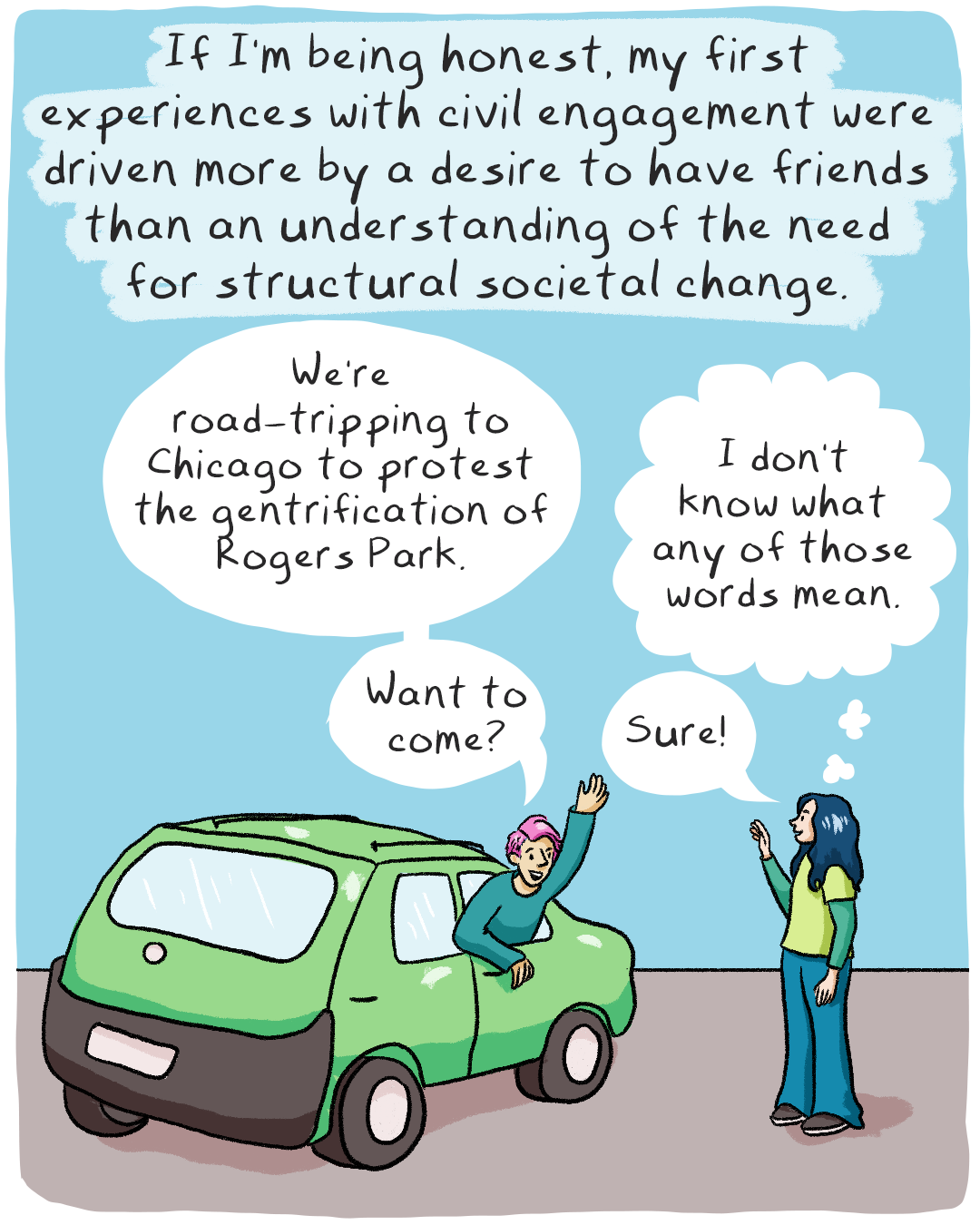
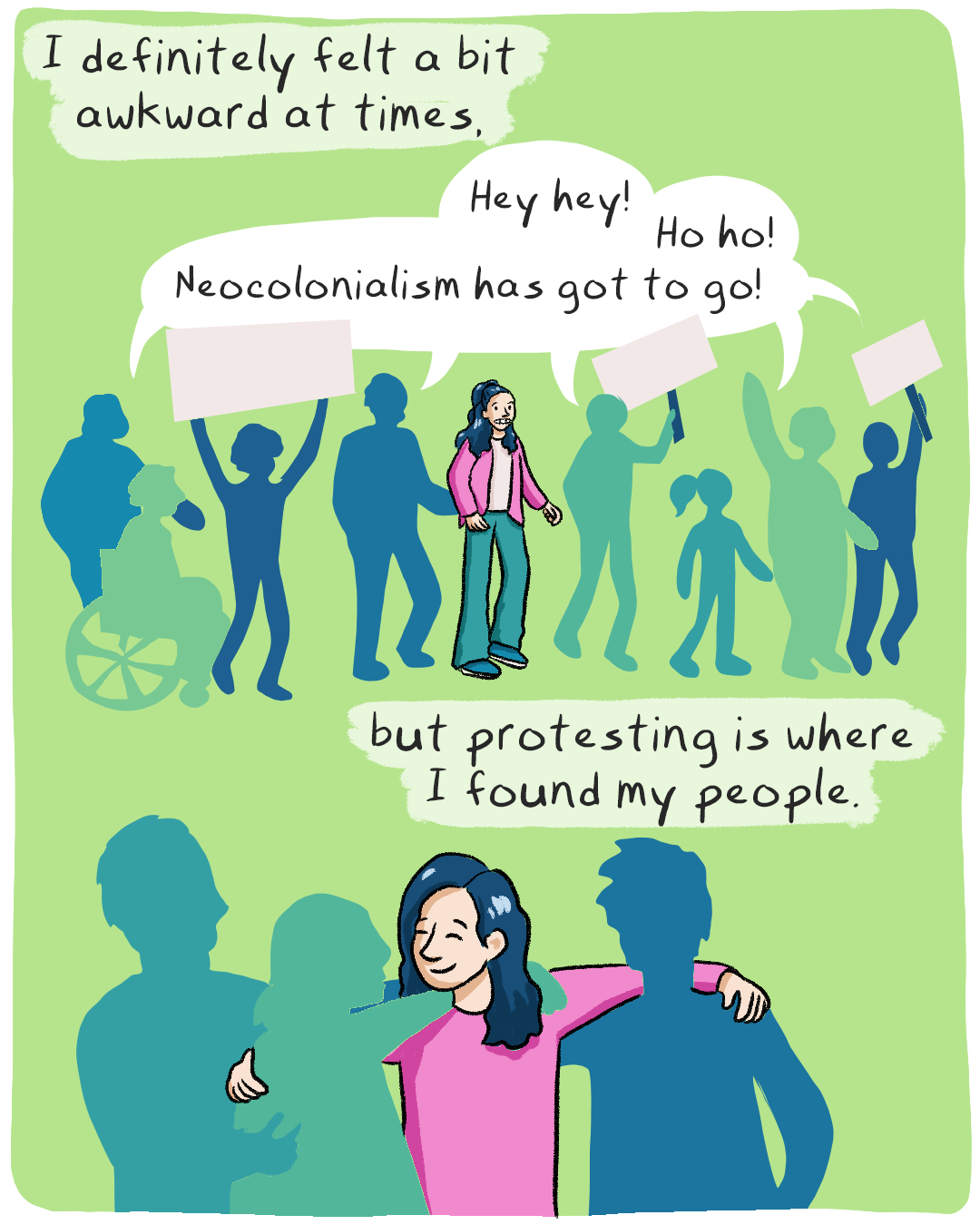
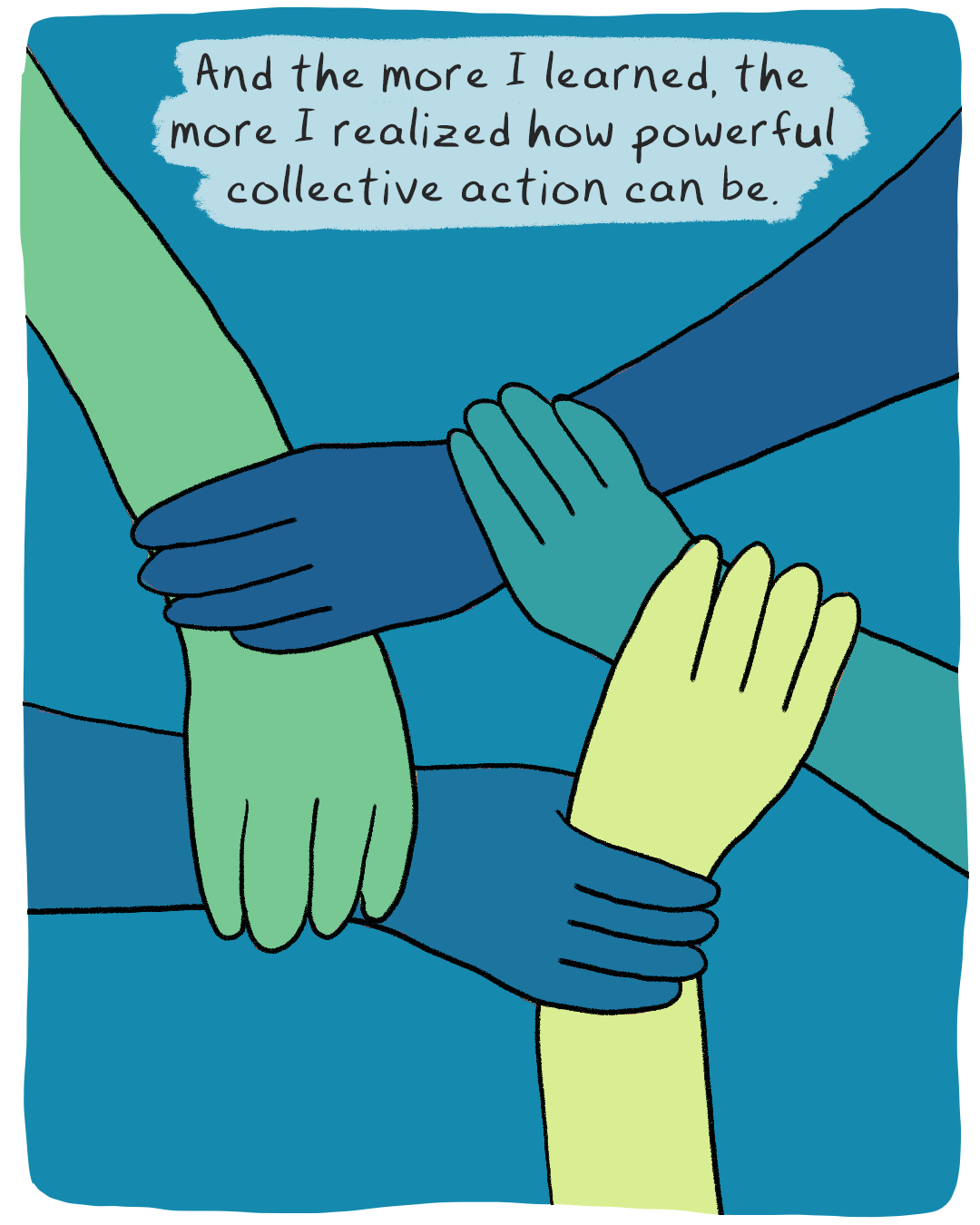
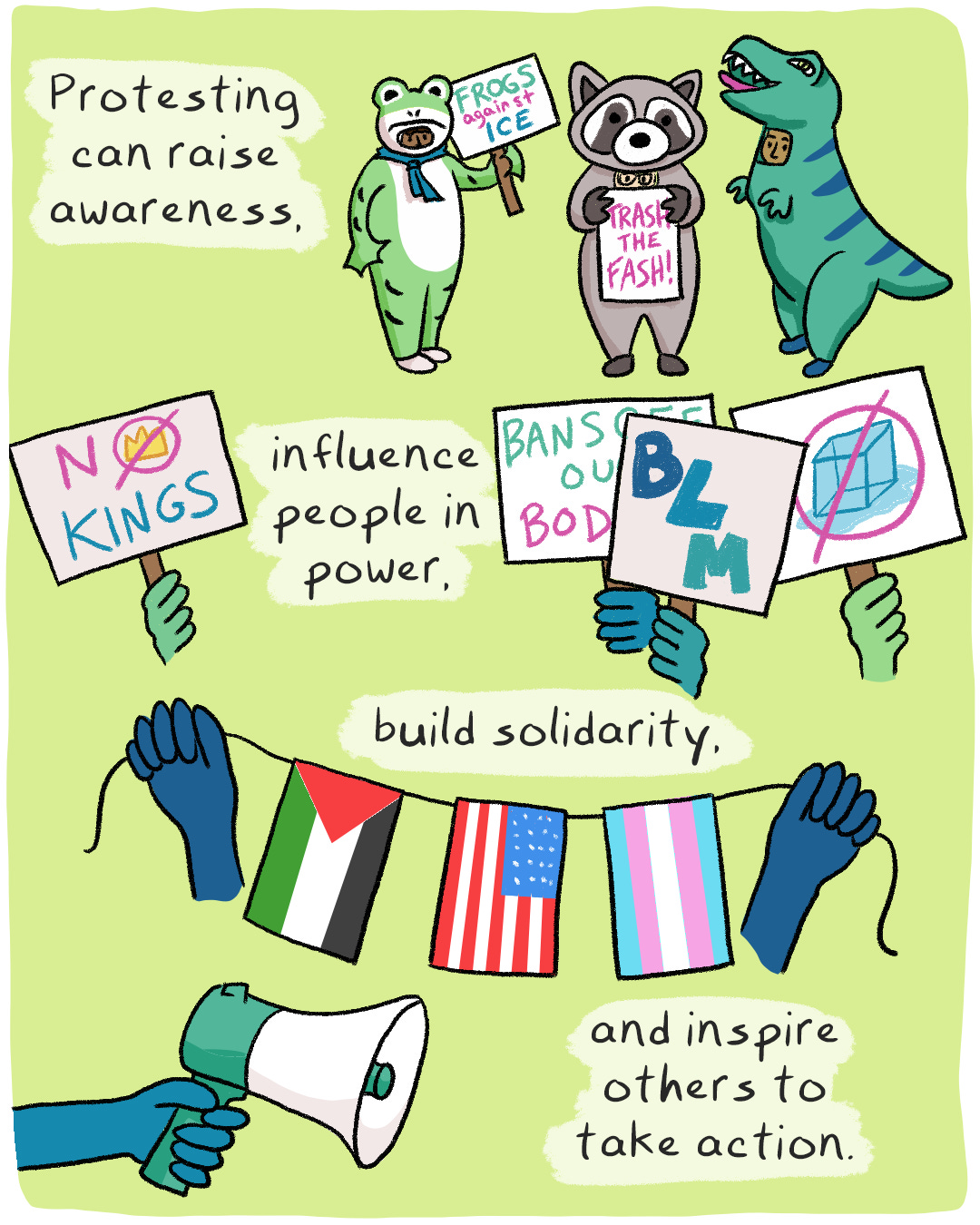
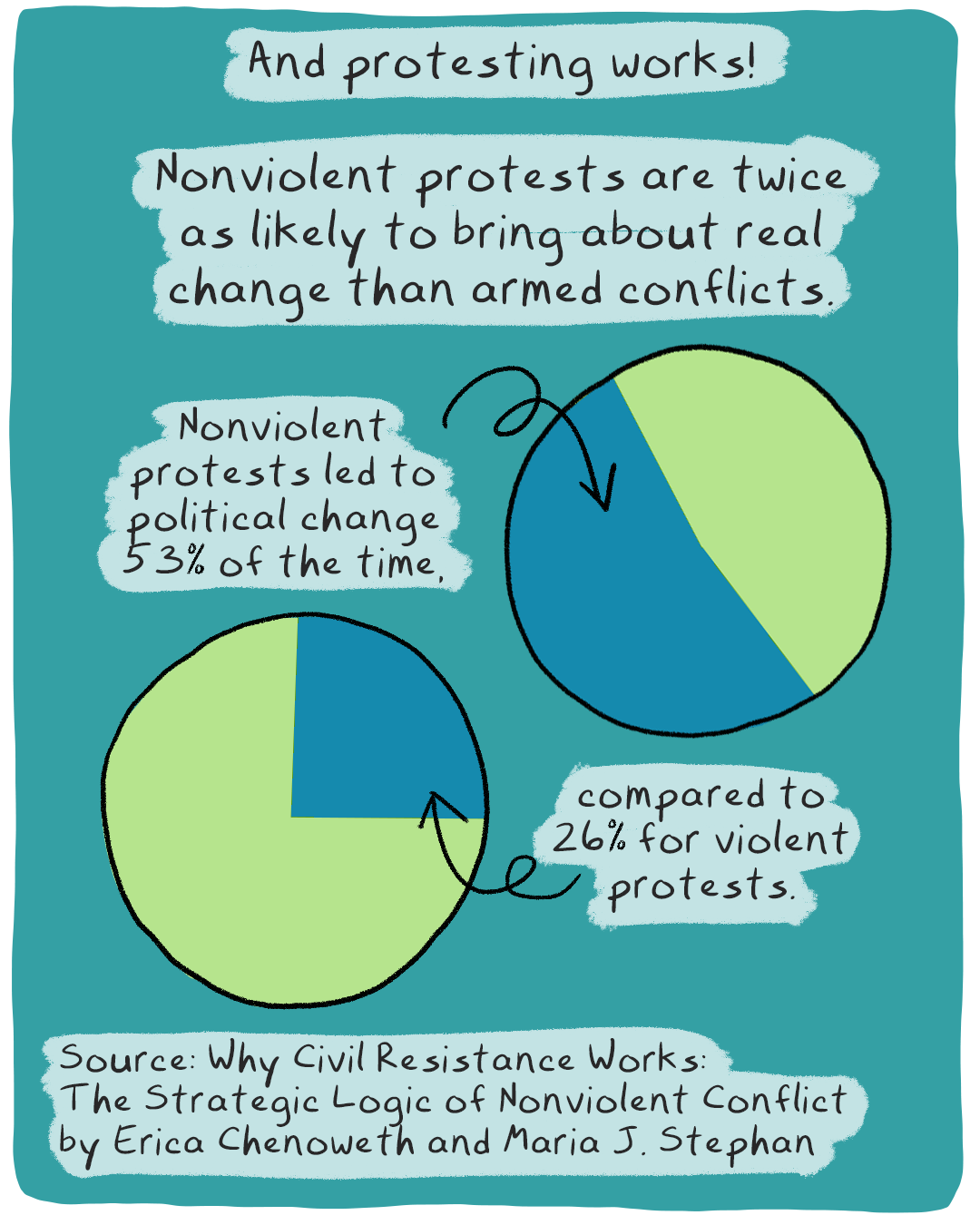
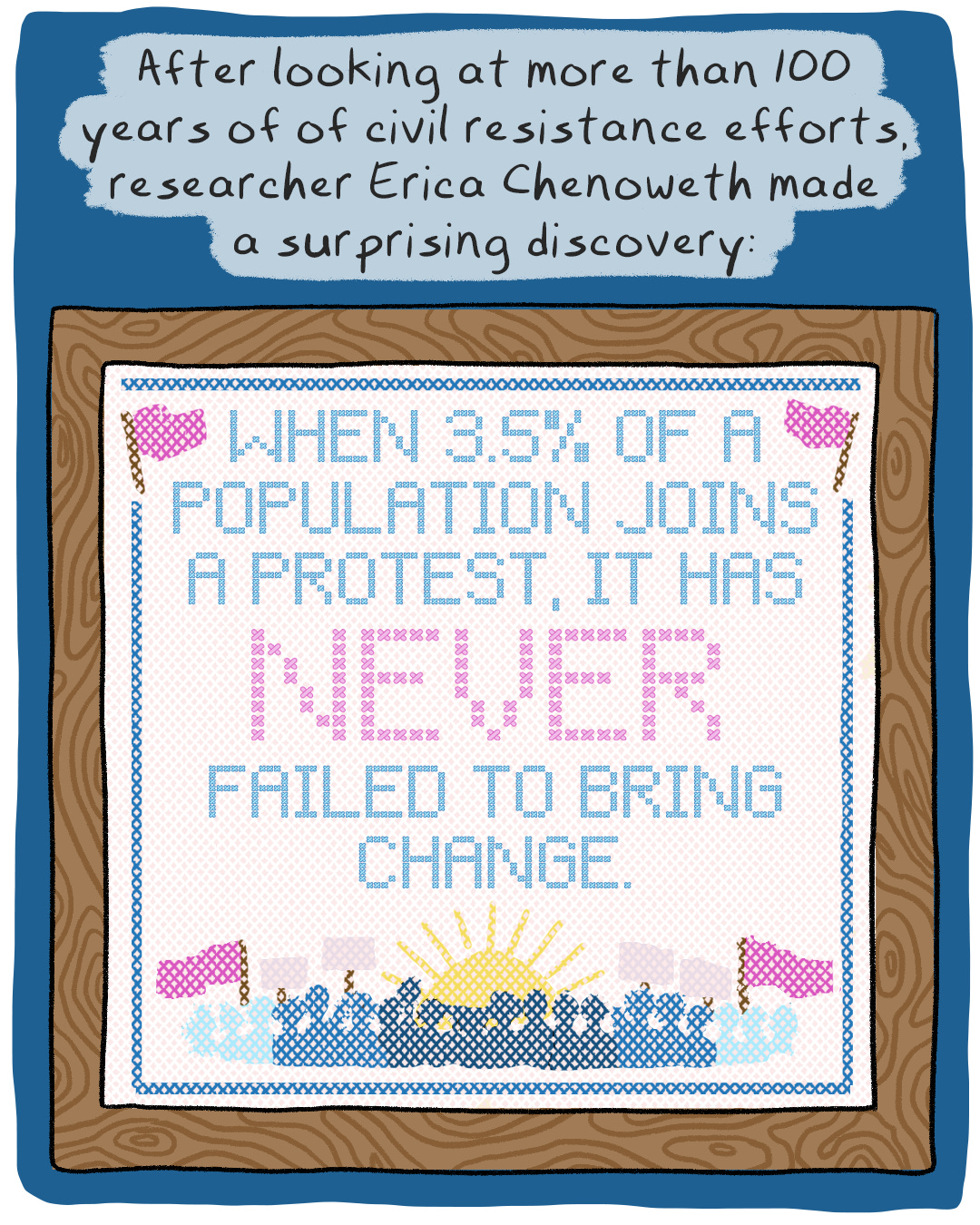
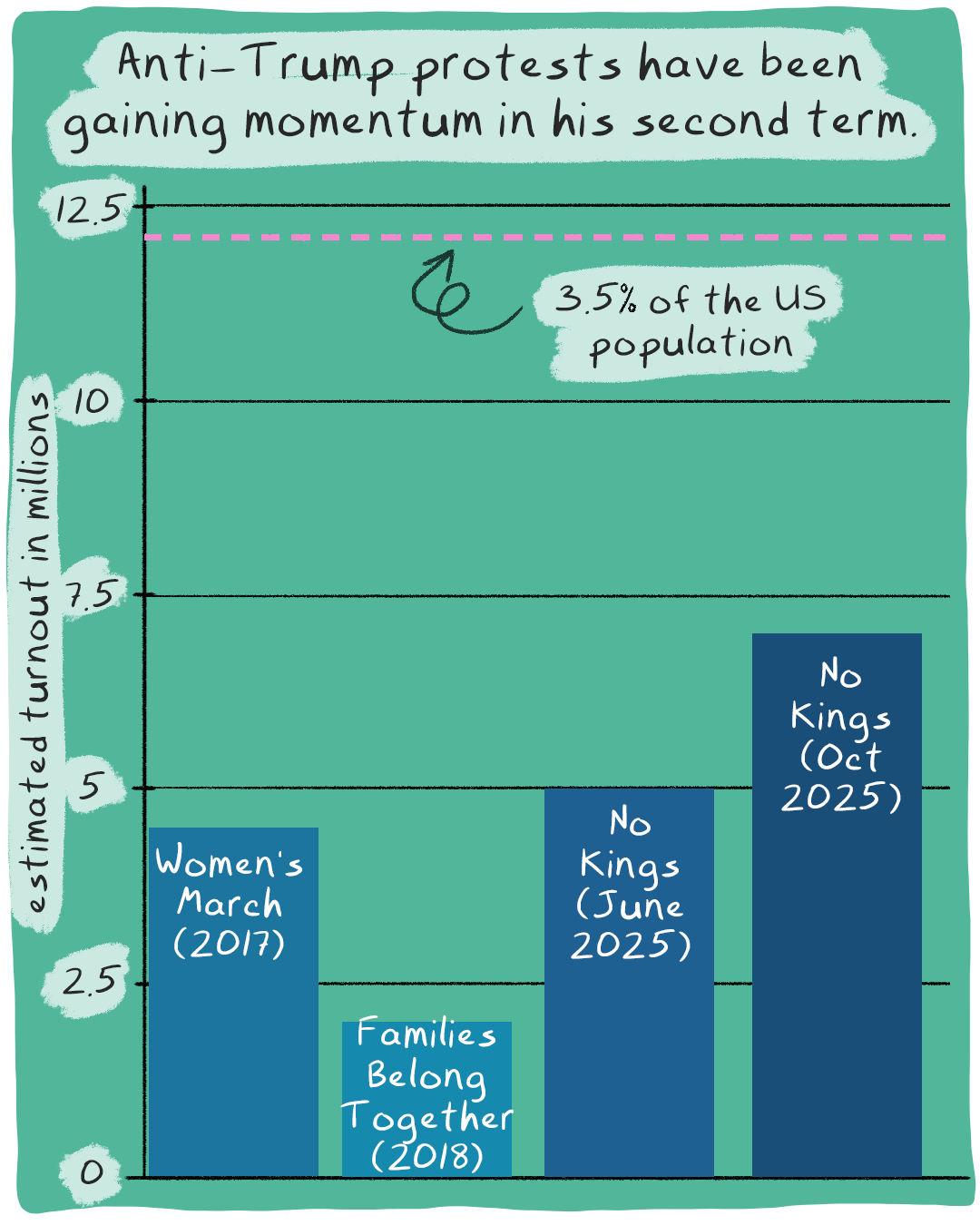
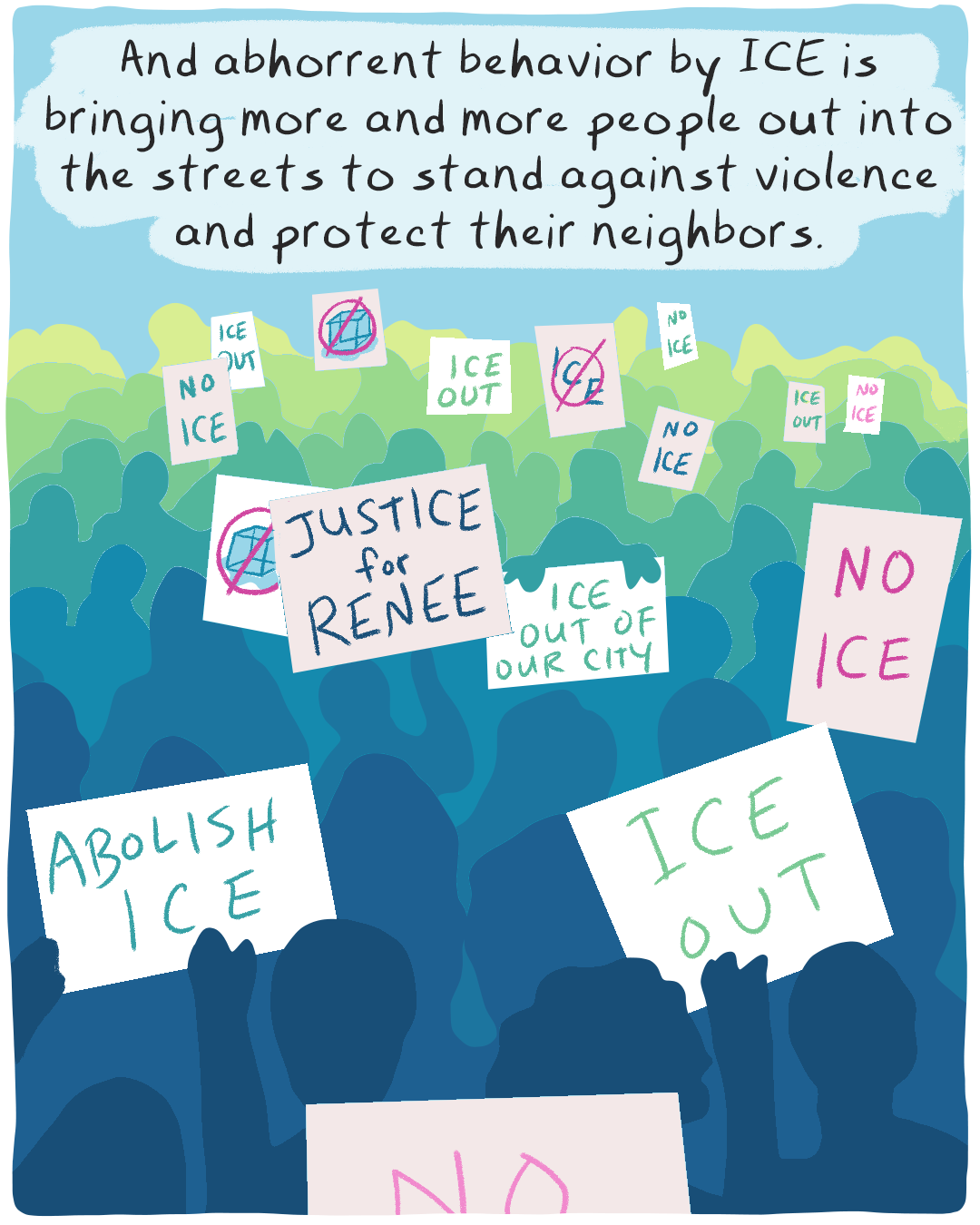
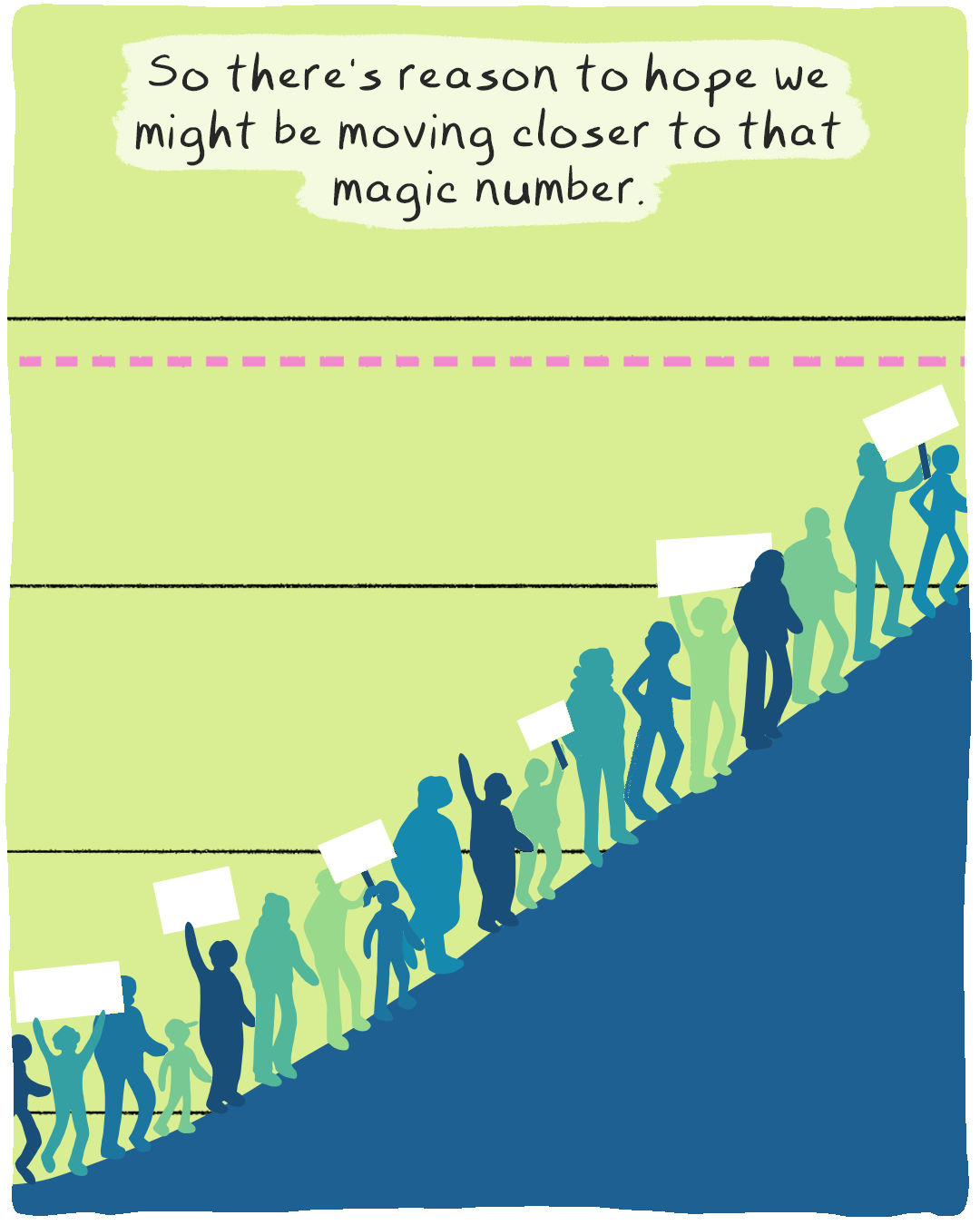
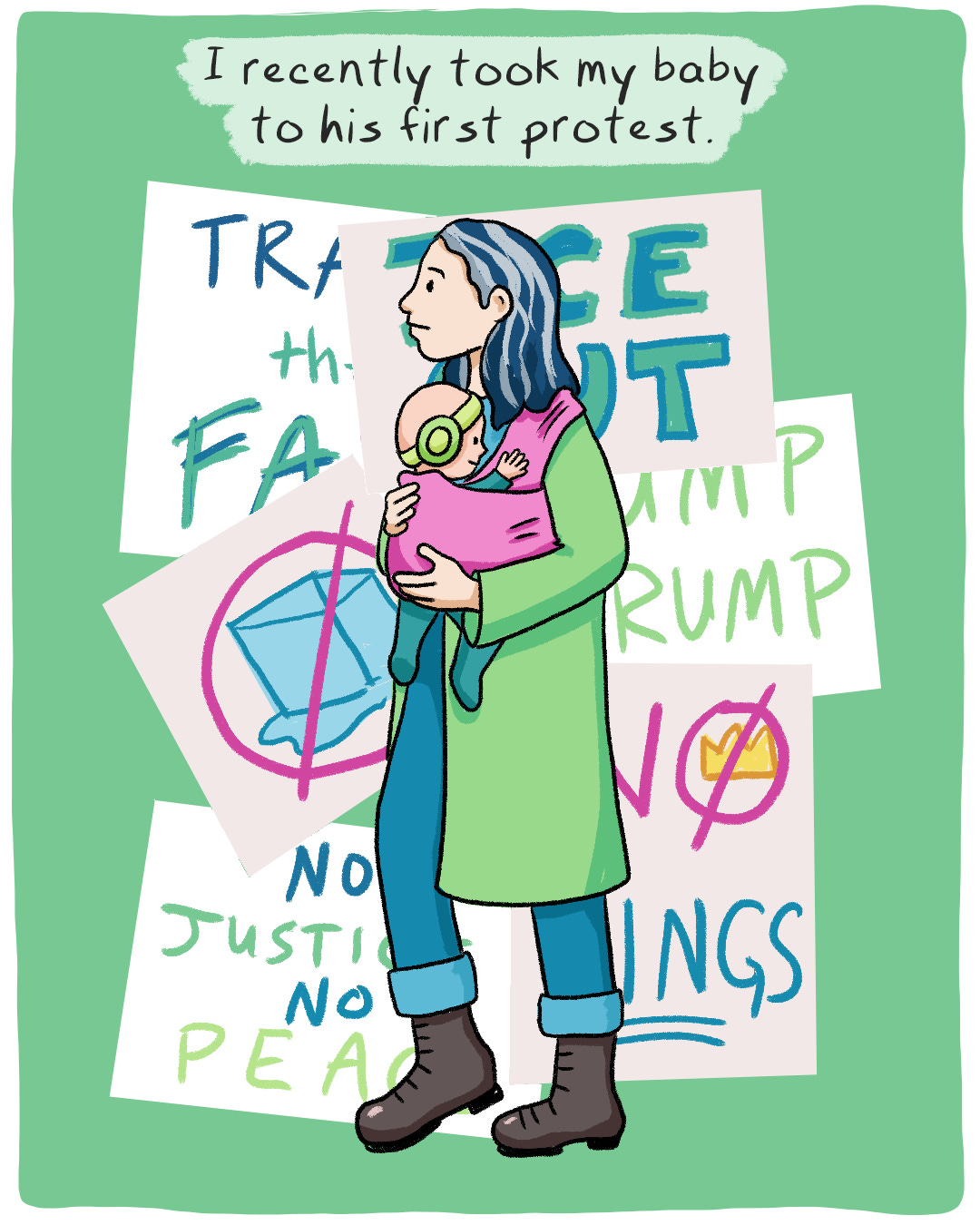
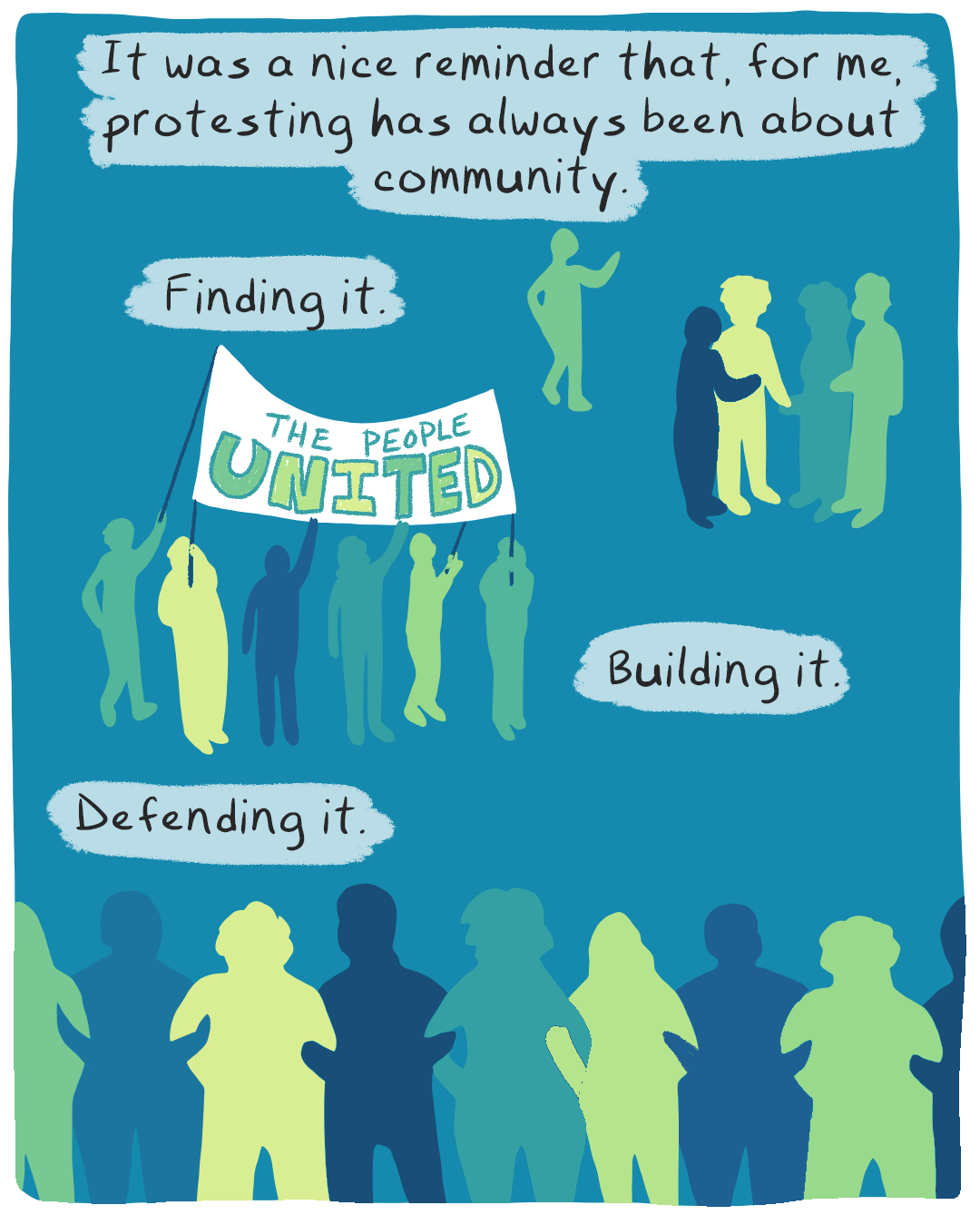
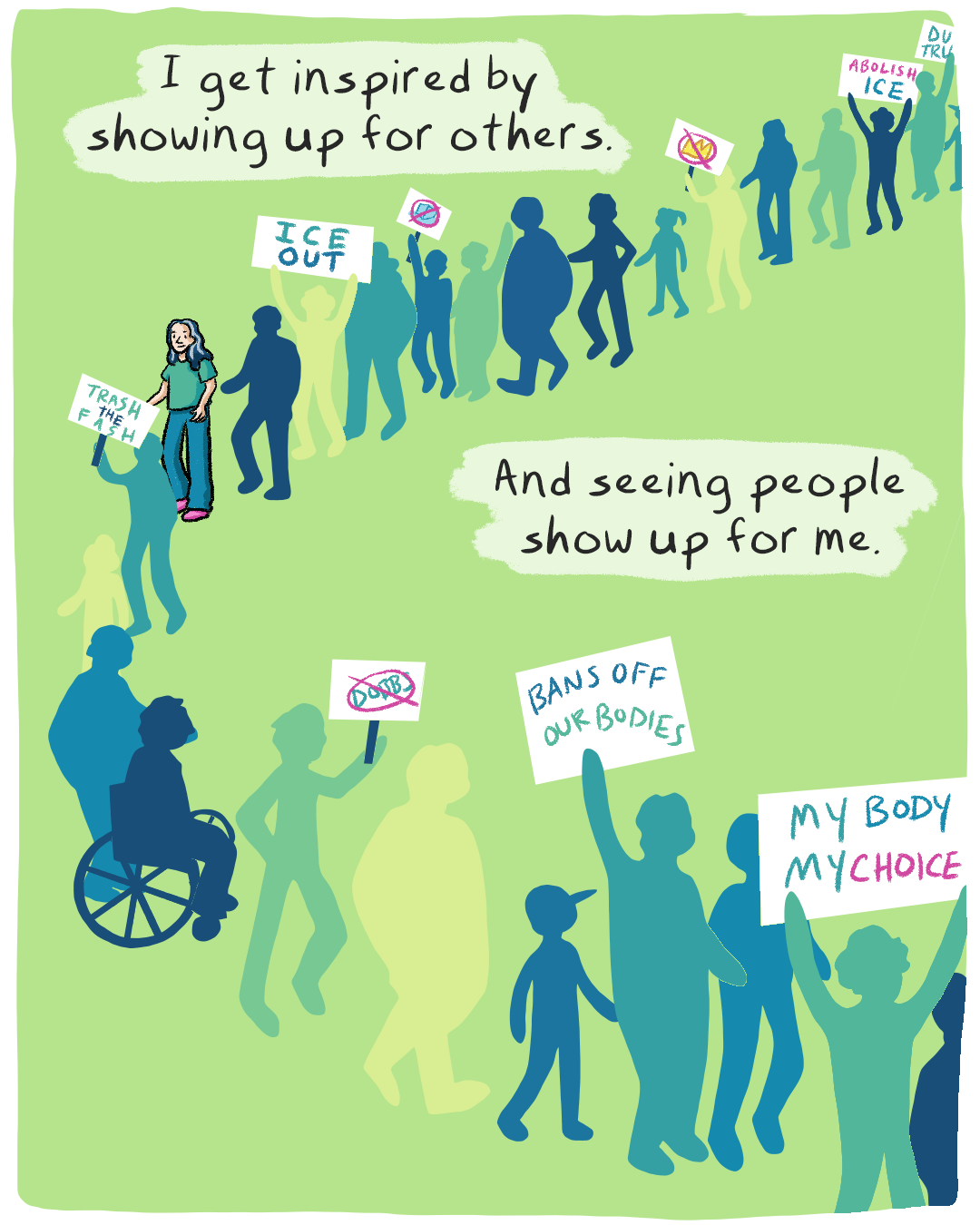
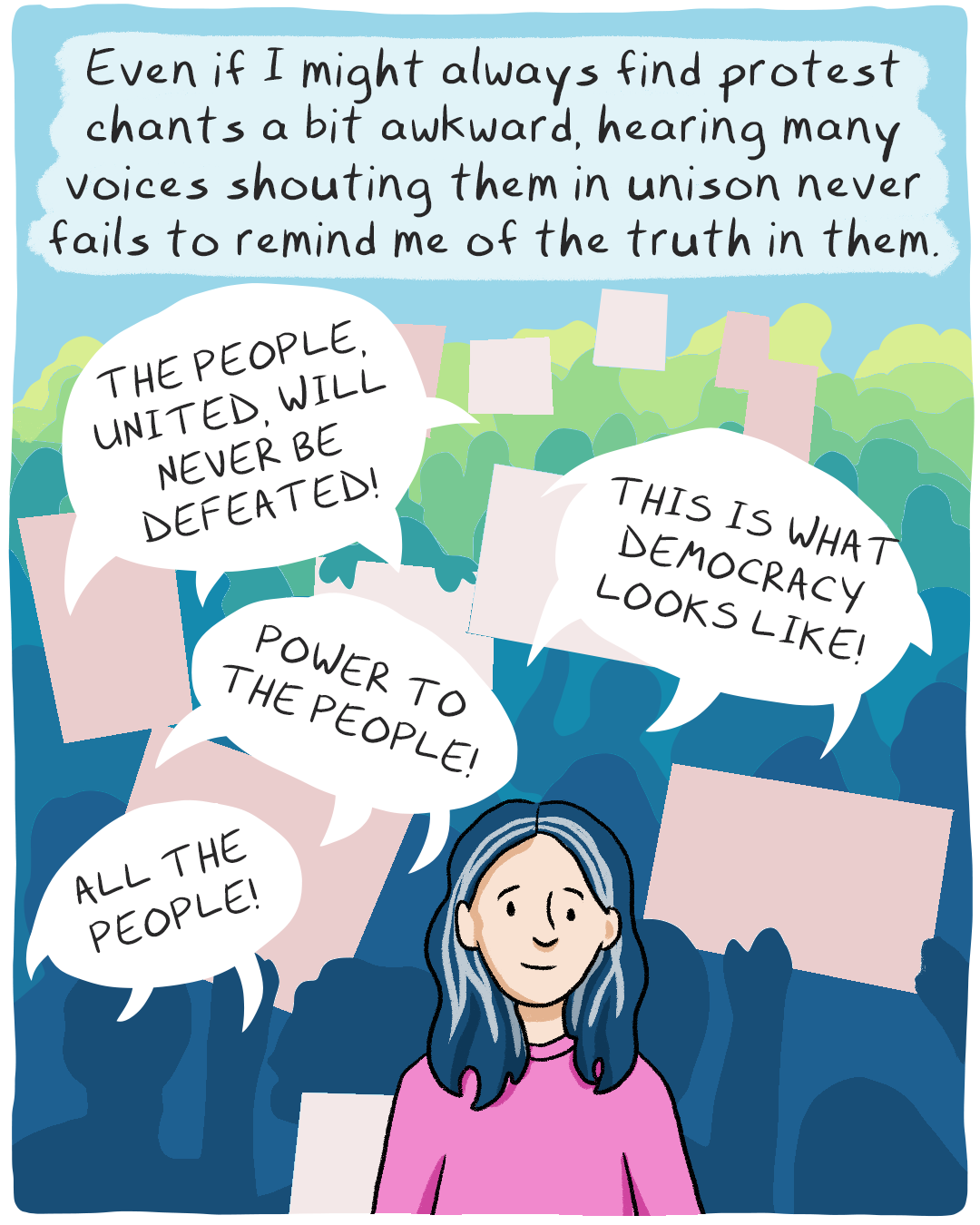
As reports of ICE violence continue to mount, more and more people are taking to the streets to protect their neighbors and stand up for their communities. This is a story about protest and power and standing up for one another.
Graphic Rage with Aubrey Hirsch is a reader-supported publication. To receive new posts and support my work, consider becoming a free or paid subscriber.
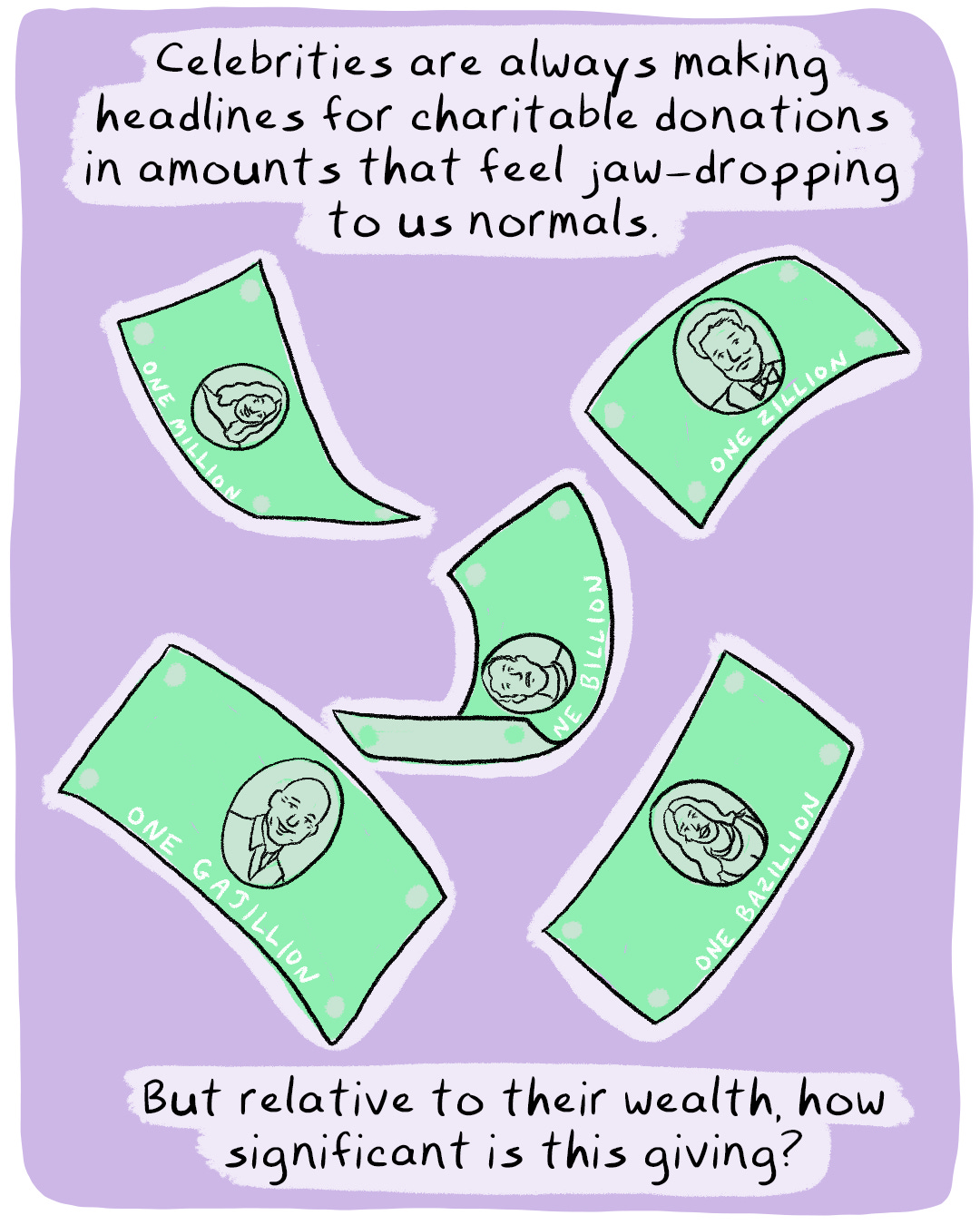
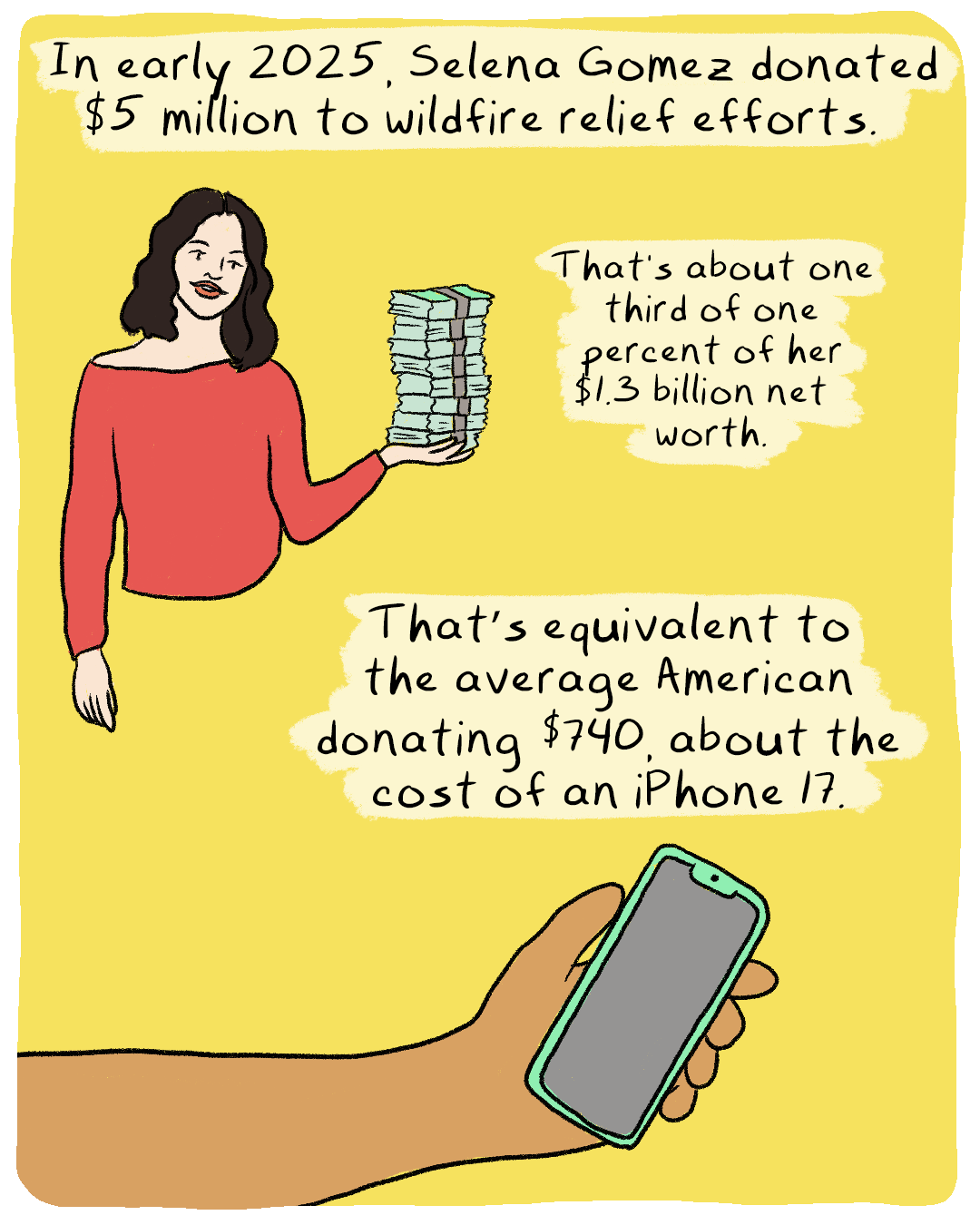
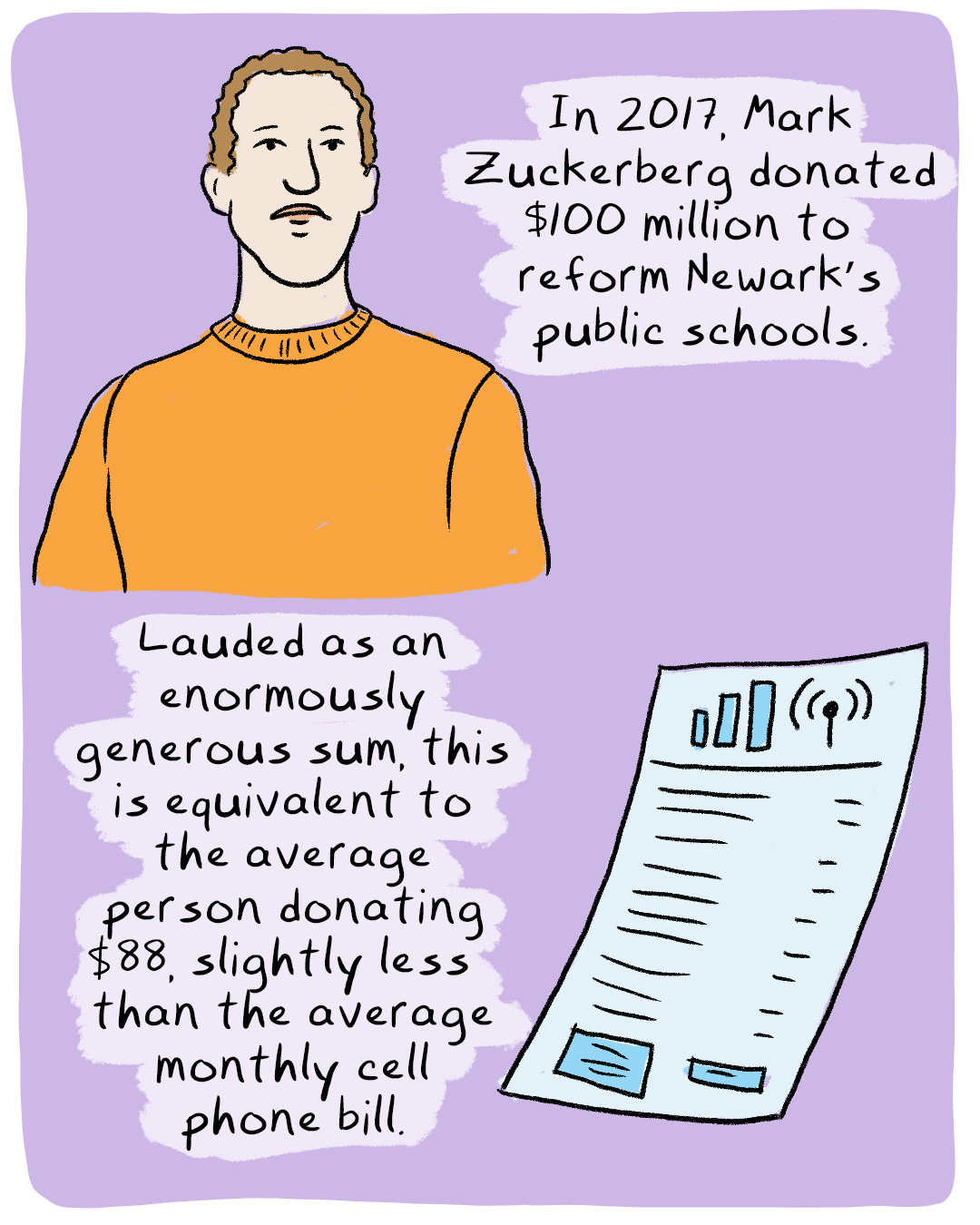
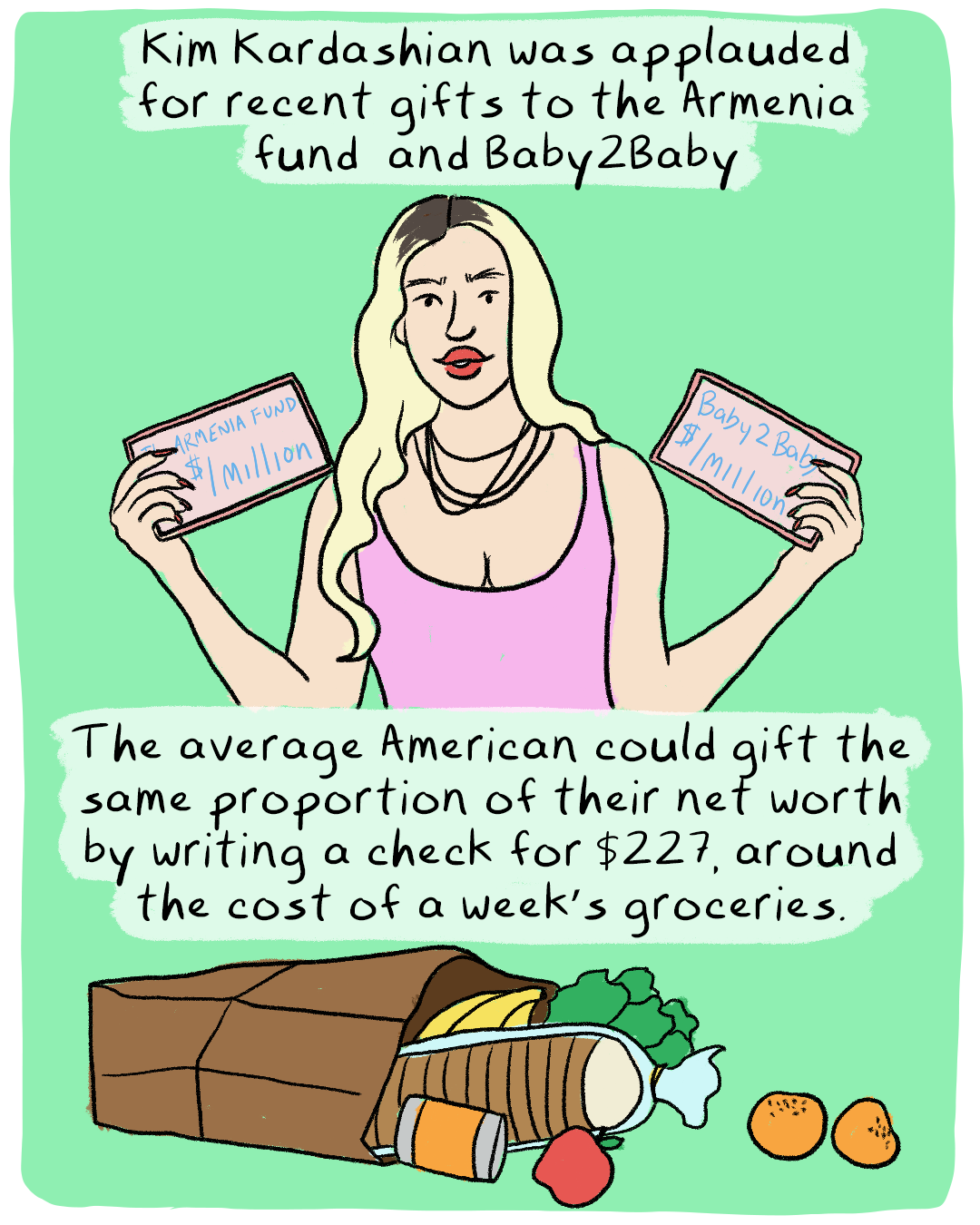
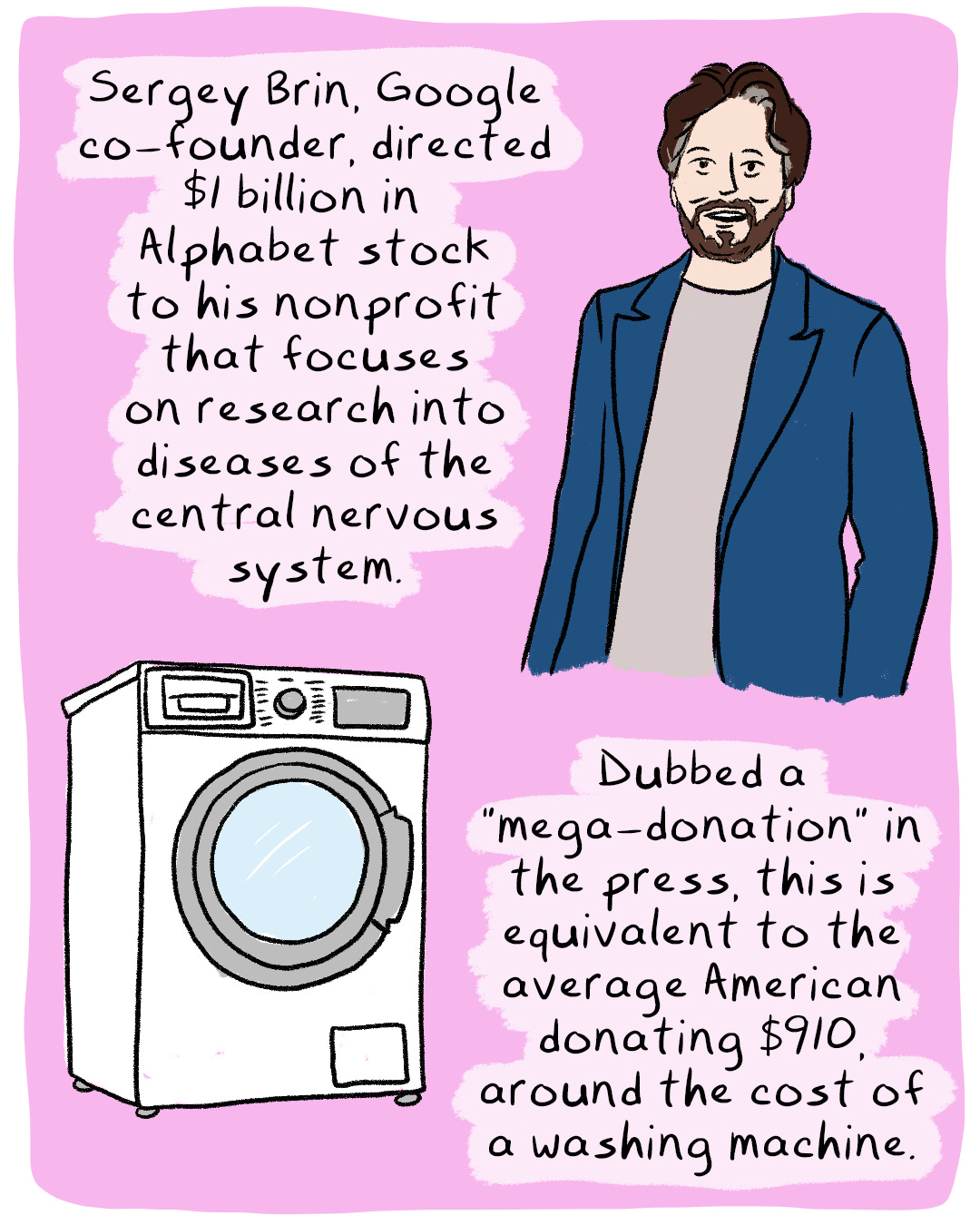
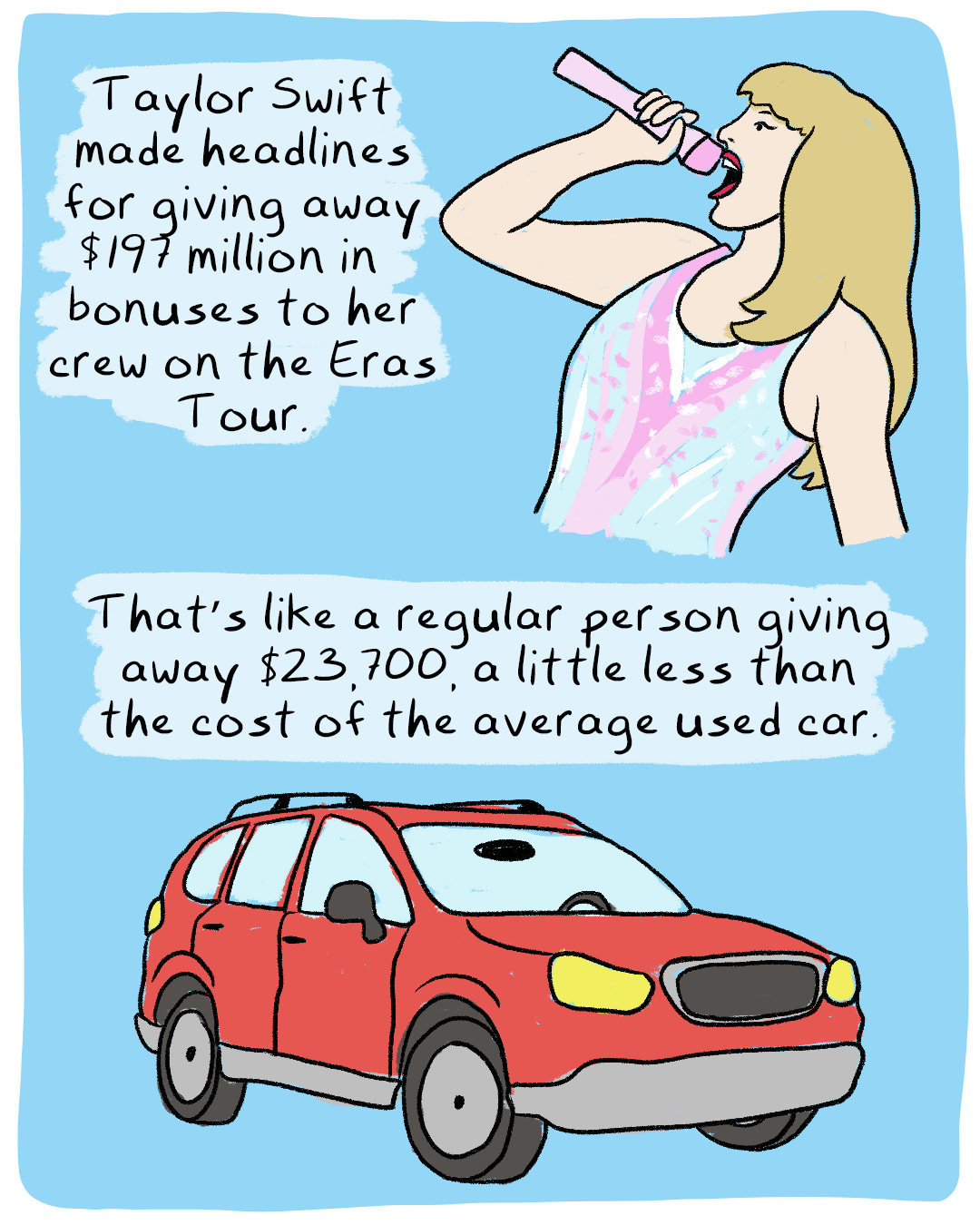
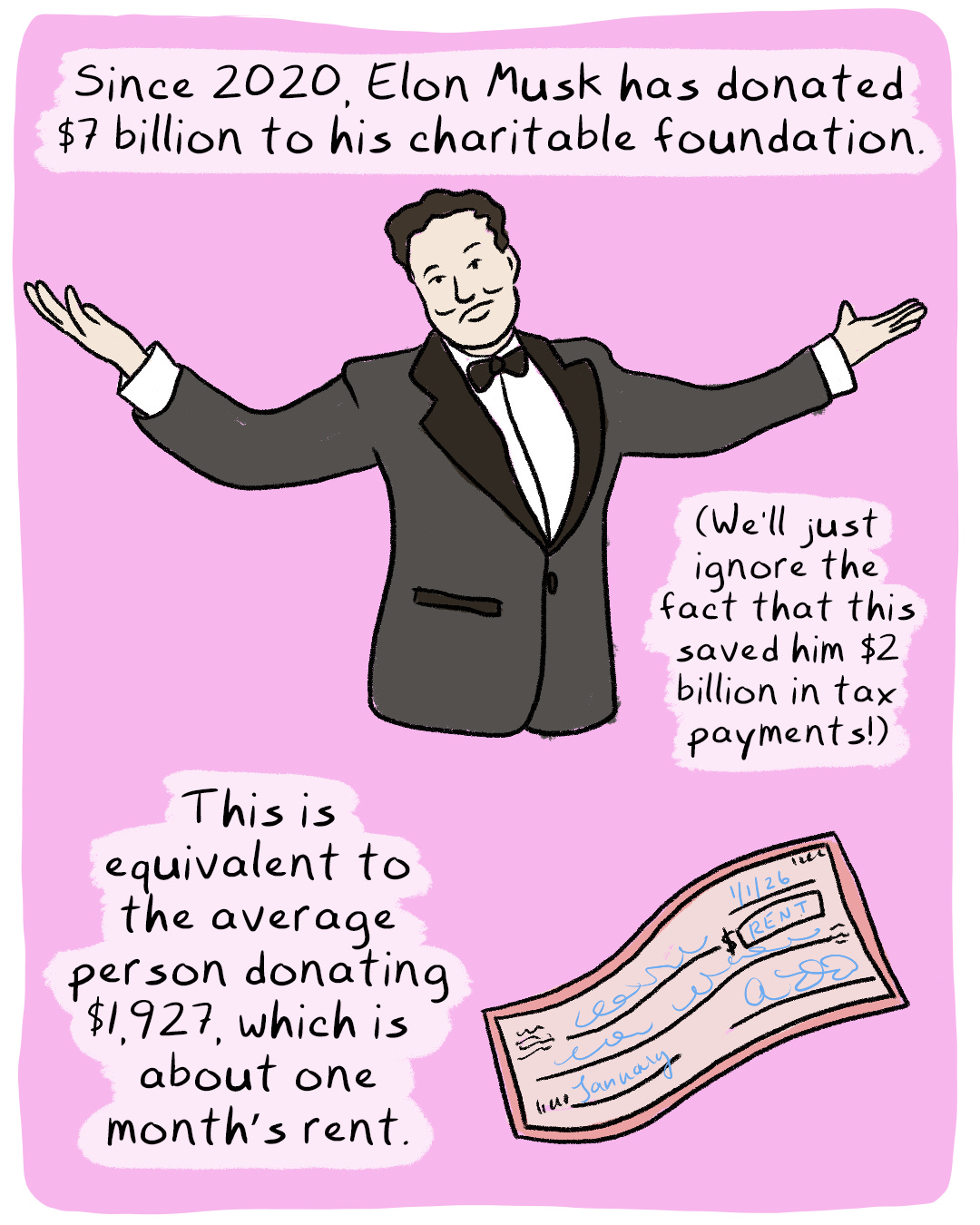
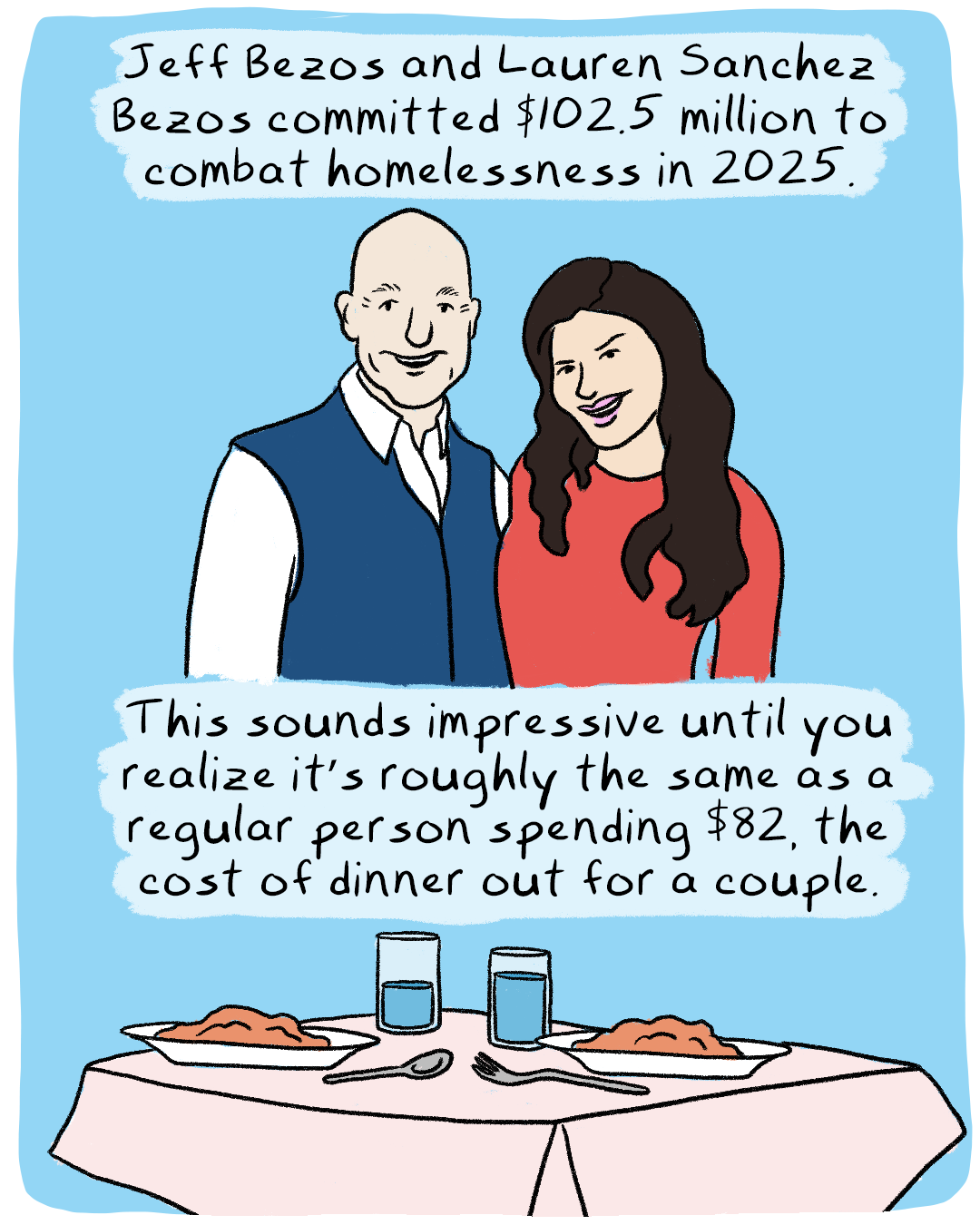
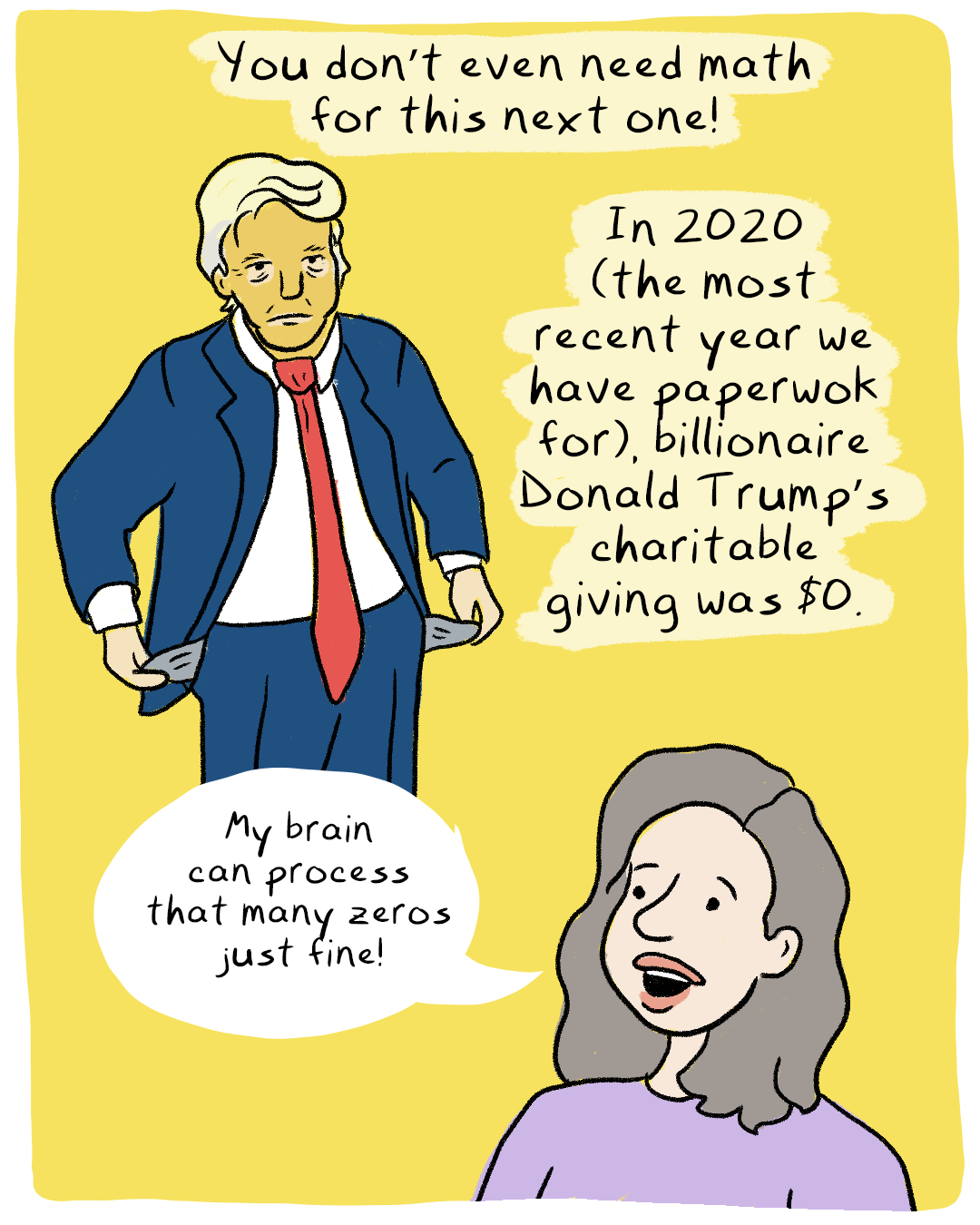
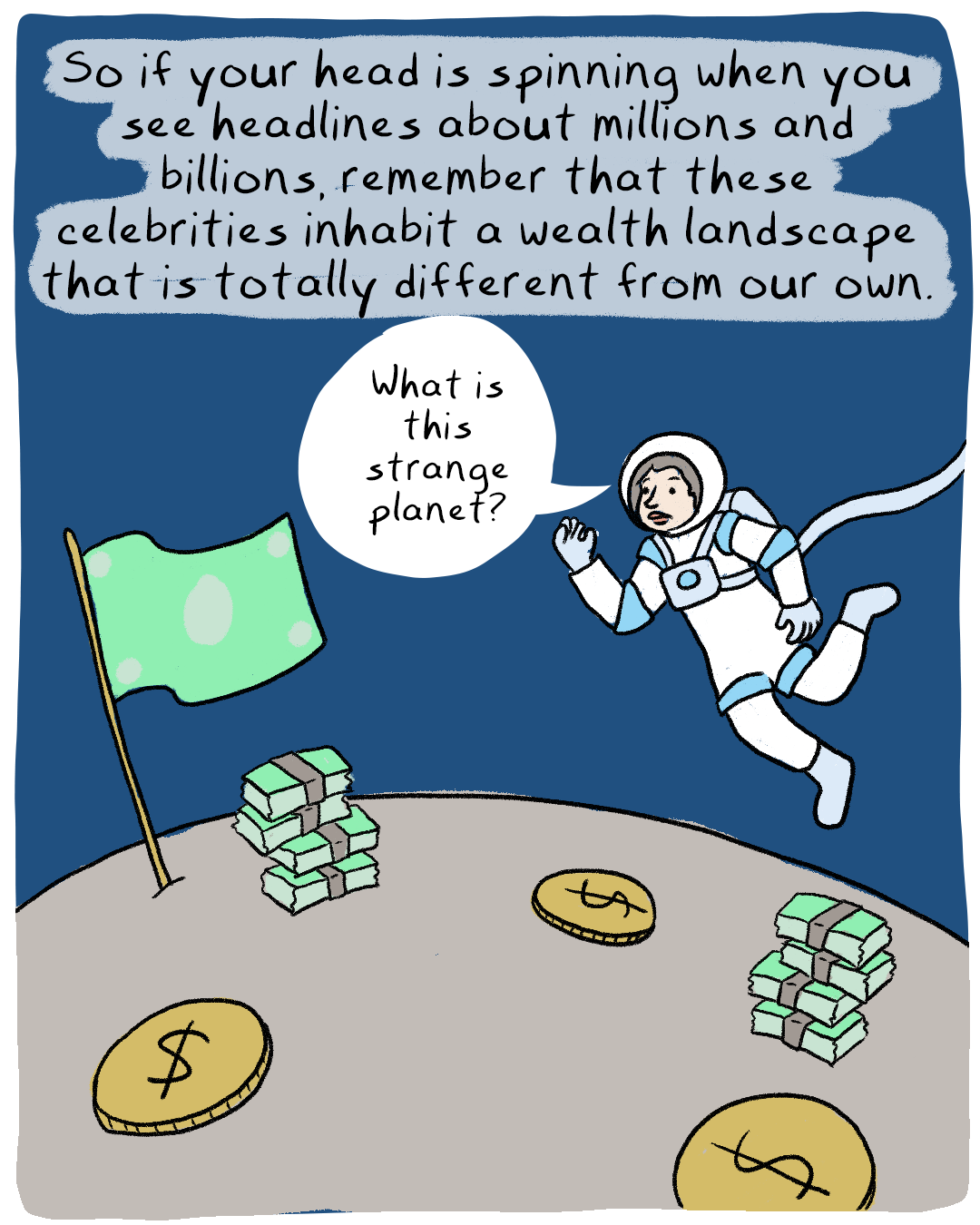
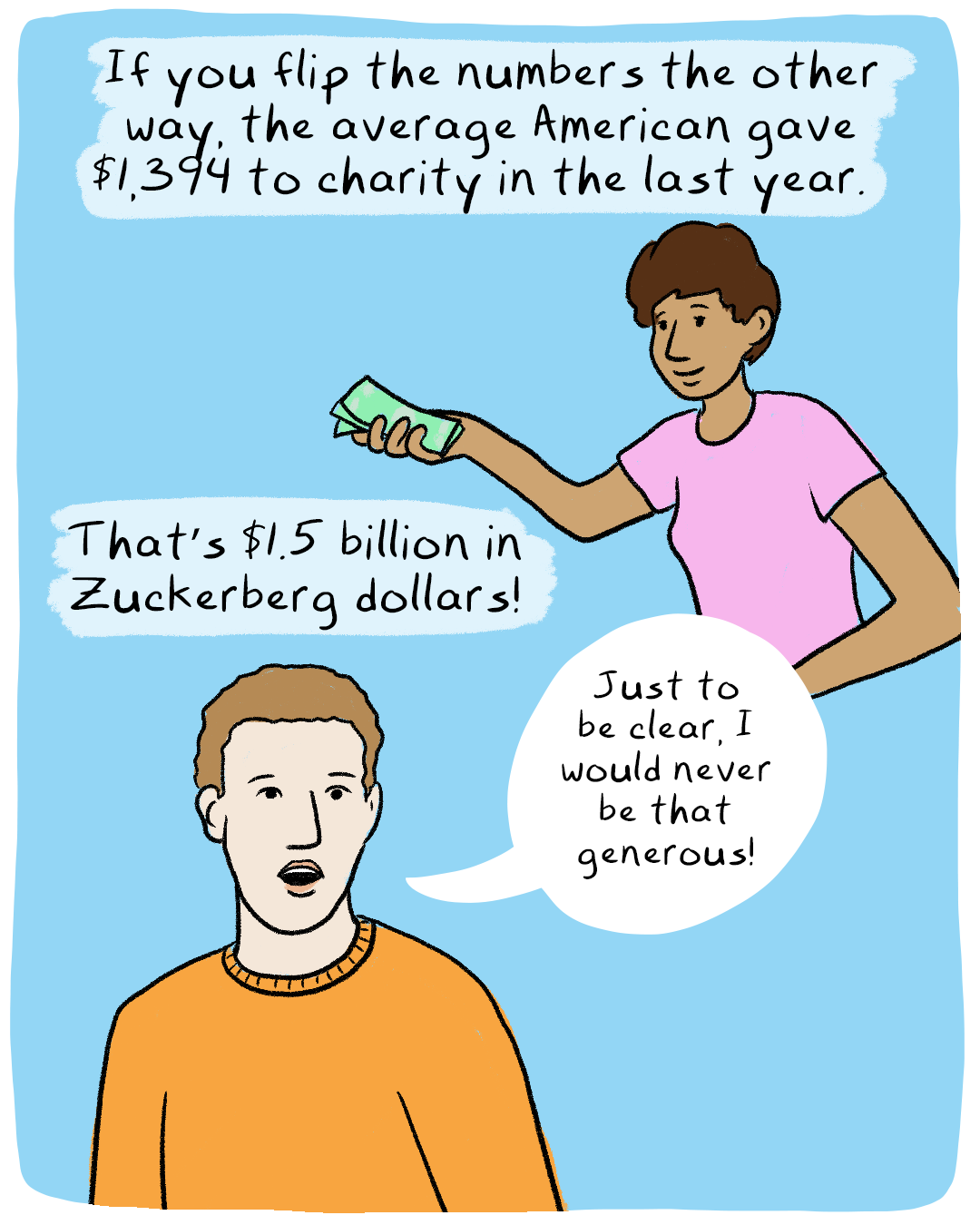
‘Tis the time of year when many people’s attention turns to generosity and giving! But when it comes to gifts from the ultra-wealthy, exactly how generous are these charitable donations? Good news! I did the math for you! Read on to discover exactly what a billionaire’s gift is worth in dollar amounts us normals can understand.
Graphic Rage with Aubrey Hirsch is a reader-supported publication. To receive new posts and support my work, consider becoming a free or paid subscriber.
my husband's battle with postpartum depression was my battle too
Show full content
Today I’m re-sharing what is for sure the most personal thing I’ve ever written, and one of the most difficult to write. Over the years I’ve gotten many emails from new fathers or their partners telling me they found this essay and it helped them, helped their relationships or their babies. Every single one makes writing and sharing this worth the effort and exposure, ten times over. If you need this, this is for you.
The depression is a flu that will not abet. Most mornings, D drags himself into the living room on all fours. He lies face-down on the interlocking foam floor tiles, his upturned arms at his sides. The baby crawls over him, tugging his hair, drooling on his t-shirts. He doesn’t move.
He complains of headaches, nausea. He has nightmares. He’s cold all the time. No, he’s hot all the time. He never sings anymore when he moves through the house. Sometimes when he walks, I swear I can hear it, the depression. It’s a liquid sound. I can hear the cortisol sloshing around in his veins. I can hear the adrenaline drip-drip-dripping down the twisted cord of his spine.
D’s depression is the weather in our house, except there’s no forecast. Some days we wake to sunny skies, gentle breezes. We talk and laugh. We eat and nap. We watch the baby the way one watches a campfire, not for any particular reason, but because it is there and strangely fascinating in its combination of predictability and surprise.
Other days there are storms, rough winds, hailstones big enough to take chunks of flesh off the bone. D stomps angrily around the house. Or he stays in bed and cries. He rages, he weeps. He sleeps, or he doesn’t.
Maelstroms form unexpectedly, seemingly out of nowhere. And on the days they don’t, even when we’re smiling, listening to music, rubbing lotion onto the baby’s chubby arms, I am watching the sky. That fluffy cloud, is it a bunny? Or a dragon? Or a gathering storm?
To name it, I have since learned, is fully half the battle. So I will name it here: D suffered from postpartum depression.
I will name it here because we didn’t name it then, not in those tender months after our first baby was born. We knew there was a problem — a big, hulking bear of a problem — but we didn’t call it postpartum depression. We called it up all night and not enough resources. We called it fussy baby and reflux is brutal. We called it stress and bad sleeper and babies are hard even when they’re easy. We said we were tired. We said we hadn’t lined up enough help. We said we weren’t good at co-parenting a newborn. These things were true, but there was something else, too.
Graphic Rage with Aubrey Hirsch is a reader-supported publication. To receive new posts and support my work, consider becoming a free or paid subscriber.
In hindsight, we should have seen it right away. By the time my son was two weeks old, I’d dutifully filled out the postpartum depression screening form no less than six times. In the last week, how often had I felt happy? All the time? Most of the time? Not very often? Never? Had I been able to laugh and see the funny side of life? Had things been getting on top of me? Had I been sleeping? Had I been crying? Have I been looking forward things with regularity?
It was annoying to answer the same questions over and over and over again, especially with a newborn precariously balanced at my breast, clipboard on my knee, straining to check the little boxes with my non-dominant hand.
Not once was my husband asked these questions.
I say that naming it is so important because that’s what the research says. A study in Scotland found that PPD sufferers who were encouraged to talk about their depression were more than twice as likely to describe themselves as fully recovered after three months than those who had not. Other studies list low social support and poor partner support alongside history of depression as major risk factors for PPD.
In fact, anthropologists have labeled PPD as a “culture-bound syndrome,” egged on in developed nations by individualism and social isolation. Countries that treat postpartum depression as a legitimate health concern, who name it and provide opportunities for treatment, have lowered risk.
In Pakistan, where the rate of postpartum depression is among the highest in the world, it is likely because they do not speak its name. There, if a mother is having trouble coping, they call it nahkay (tantrums). If she cries, if she doesn’t sleep, if she makes strange choices, she is pagal (insane).
Our biggest problem is the sleep. D keeps saying he’s tired. He’s tired. He’s tired. He’s so tired.
Of course he’s tired. We’re both tired. We have a new baby. The baby doesn’t sleep. New parents are always tired. Isn’t that one of those funny things about parenthood that’s supposed to bond us in its universality? The baby never sleeps! Haha! We never sleep! Haha! We’re so tired! Hahaha!
But this is not a normal tired. This is not a loopy, slap happy, fuzzy-brained tired. Or even a dark-eyed, low-voiced, half-speed tired. This is an insidious, squeezing, swell-tide of sleeplessness that D carries on his back like a Buick. It moves past discomfort and he starts to worry that it might actually kill him. Already he can’t eat, his work is suffering, he doesn’t want to drive. He can barely follow a conversation through from one end to the other.
Okay, I tell him, I’ll take tonight. All night. And you can catch up on sleep. It sounds like a simple favor, but it is a task of Odyssean proportions. The baby only sleeps in twenty-five-minute bursts. Between them, he needs to be bounced, bounced, bounced for an hour or more while he screams.When you’re the parent on duty, there is no sleep, only occasional respite from the sedation Olympics.
But I do it.
In the morning, my eyes are hammered glass. I blink and blink but they won’t clear. The muscles in my throat are sore from shushing the baby. I hand him to D, feeling like Atlas releasing the globe.
I ask, How do you feel? like a Dickens orphan asking to hear a story about a feast.
Oh, D replies, I couldn’t sleep at all.
In cisgender men, it’s more properly referred to as postnatal depression (PND), I guess because biological males can’t technically be postpartum. Some studies estimate that as many as one in 10 men may suffer from PND. But it’s still routinely left out of medical literature on the topic.
Neither postpartum nor postnatal depression has its own listing in the DSM-V (the definitive resource for psychological diagnosticians). In order for a diagnosis to be made, the sufferer first must meet all the criteria established for a “major depressive episode,” and then meet the qualifier that the depression begin during pregnancy or in the first four weeks after delivering a baby.
This, of course, leaves no official recognition of non-birthing parents who suffer from postnatal depression.
Another good name for it would be postpartum aggression. When the sadness recedes, rage is often waiting to replace it. This is the more elusive villain. D knows my tolerance for rage is lower. He knows to hide it from me.
The evidence is apparent, though, even when I try not to find it. There are the loud thumps coming from the living room when I’m feeding the baby upstairs. The way he places the baby gently, so gently, in my arms and then slams the door so hard I think the walls of the house might come down around me.
One morning the diaper pail won’t open correctly. I kneel to examine it. There is a dent the size of a cantaloupe in its metal belly.
Did you kick the diaper pail? I ask.
D nods and says, But it was already broken.
Once, he punches a hole through the drywall in our rented house. I’ll fix it, he says.
I don’t ask if he means the hole in the wall, or the punching of the hole into the wall. I sit in our dark car in the cool garage and cry.
In the middle ages, they called it witchcraft. They blamed young women for being weak and succumbing to demonic possession. They also called it contagious and tied new mothers up in rooms far away from the rest of the family, where they wailed and writhed and spat.
They may have been onto something. Not that depression is actually contagious, but it’s impossible to be really happy when your partner is in despair.
As the baby’s first few days turn into his first few weeks, I start to get the hang of things. I take the baby out to run errands or for long walks when the fall air is warm enough. I even wade into housework and emails and personal hygiene. I consume food at semi-regular intervals.
All this while, D continues to exist as a puddle of pure devastation, a fine powder that covers every surface in our home, one that could blow away at any moment.
We experienced the detonation that all new parents do. The bomb has gone off. Our old lives have been leveled. I am ready to put our new life together. I’m ready, I tell him, to enjoy our baby.
D replies, I just don’t see any way to do that.
In Malaysia, they sometimes call postpartum depression hantu, a ghost, a demon. Hantu Meroyan is spawned by blood, afterbirth and amniotic fluid. She makes a baby fuss and a mother cry. She can be preempted by rituals, or thwarted by sharp objects: a ring of thorns on the doorstep, a knife under the mother’s pillow, pineapples in the kitchen.
One night, D’s insomniac delirium imagines me into a hantu. He is failing to quiet the baby and I stagger in to help. My silhouette looks unfamiliar in the darkness of the blackout shades. He spies me, and shrieks so loud it terrifies me. I shriek back. He screams. I scream. The baby screams.
D falls to the floor. Oh my god, he says. You looked like a fucking ghost.
I laugh, exhausted and tingling with adrenaline. D laughs, too.
No, wait, he’s not laughing. He’s weeping.
Just go to bed, I say. I try to say it gently, but, in truth, I’ve grown immune to his tears. It’s a kind of extreme exposure therapy. I think, This again? When I hear his voice crack to accommodate a rising sob, I roll my eyes secretly in the inky envelope of our son’s darkened room.
Maybe the trouble with the sleep is that D’s body, after so much interruption, has forgotten how to sleep. What he needs, he believes, is routine. Consistency. Predictability. The sleep books are telling us the same thing about our son. The words hang in the air like extras from sugarplum dreams.
We make a new plan. I take the first half of every night and D, the second. When we swap at three a.m., I fall into bed like a comet coming out of orbit. I sleep so hard I barely wake when D brings the baby in to nurse. This is a good plan, I think.
Only, D isn’t sleeping. He says, I’m not tired so early in the night. I can’t sleep then.
So we swap halves. But D still can’t sleep. He says, I can’t sleep after all that bouncing and screaming. I’m too worked up.
I ask him, desperately, When can you sleep?
He says, If I can have midnight to five a.m., I could sleep. If I can just reliably havethat every night, I will sleep.
Already I am so much tougher than I thought I was. Already I have done impossible things. I do this, too.
Eventually I stop asking him how he sleeps. It takes me a long time to stop asking; I am an optimist. But, finally, I stop. I spend too much of my day thinking about sleep and talking about sleep and never, I realize in a moment that nearly breaks me, never about my own sleep.
The answer is always the same: He never sleeps.
You could call it postpartum suppression, the change in hormones. We hear about hormones a lot when we talk about birthing mothers, but new fathers experience huge internal shifts of their own. Hormones like oestrogen, cortisol, vasopressin, testosterone and prolactin can all become suppressed in new dads.
It’s a kind of osmosis, maybe, the way changes in my body affect D’s body. It’s always been this way. When my periods are wild and irregular, I always know mine is coming because D has a headache for two days in a row.
When my thyroid medication needs to be adjusted, I can never tell, but D can.
I’m so tired, he says. Can you get your levels checked? And when I do, he’s always right. My T3 and T4 are too low, my TSH futilely rising to counteract it.
Sometimes it bothers me, especially when my period comes and I feel sick and exhausted. I’m wiped out, I say, wishing that maybe D would volunteer to grab my laundry from the basement.
Oh, me too, he says.
The differences in our personalities are part of why it takes us so long to call PPD for what it is. Every time I try to tell him, I think there’s something wrong here. I don’t think parenting should be THIShard, he turns it back around on me.
You don’t get it, he says. This situation IS this hard.
When I try to point out to him that I am, in fact, the only other human on the planet with an intimate knowledge of exactly how hard our situation is, he says, Anybody else would be equally crushed by this. You’re just different.
It’s a charge I have to take seriously because it’s at least half correct. It’s true that coping is my superpower. I’ve always been calm, stoic; I’ve even been accused of being an emotional robot. I’m a consummate under-reactor, capable of seeing pretty much any situation as “totally fine.” It would not be out of character for me to take something in stride that another person would find incredibly difficult.
Whereas D has always had a lot of feelings. His feelings are a big reason why I fell in love with him in the first place. I use that phrase colloquially, though it never made much sense to me. There was probably a time in middle school when love felt like falling, like, Oops!Now I’m in love with someone! But not anymore.
I would say I climbed into love with D at a slow, steady pace. Like moving up a particularly steep set of stairs: deliberate, not without effort. With each step, I thought, Should I keep going? The answer was always yes.
His feelings were an amazing perk to go with his sense of humor and cologne-ad good looks. He’s sensitive. He cries during sad movies and sad songs and, sometimes, sad commercials. He’s very in touch with his emotions, very self-aware. Very able to express what he is feeling. So I trust him when he tells me there’s nothing wrong.
Now I see that this was the disease’s trick as well. It made the fog so thick around D that he couldn’t tell it wasn’t filling the whole house, that he was camped out under his own personal raincloud, that he was the only one hearing the thunder, the only one who was getting wet.
We could also call it postpartum obsession. D is an analytical thinker, a problem-solver. The baby is a cypher to be broken. D thinks, if we can just get all the variables exactly right, the baby will sleep. We talk about slow-wave sleep and sleep debt. About circadian rhythms and melatonin.
At one point, long after I’ve given up solving our son’s sleep problems, D tries to make a massive chart tracking every variable in the baby’s life: when the baby eats, when his naps are and how long, if and when he goes outside, if the sun is shining, how he slept the night before, the precise timing of his last dose of painkiller. He tapes it to our refrigerator, crowds the tiny squares with his indecipherable scrawling shorthand. There is no way for me to make sense of any of it. It hangs there for weeks, refusing to give any answers.
D is anxious. He worries, constantly. I am recovering from a brawling, dangerous birth that ended in alarm bells and oxygen masks and a room that filled with doctors so quickly it was as if they teleported in. When it’s time for our son’s first visit to the pediatrician five days post-birth, I tell D I don’t think it’s a good idea for me to go. I can still barely walk to the bathroom without blacking out. Leaving the house feels impossible.
But D is afraid the baby will die in the car seat on the eleven-minute drive to the pediatrician’s office. I don’t like the way his head looks in there, he says.
I tell him, It’s a car seat. They make it for infants. It’s safe.
D won’t take no for an answer. He’s not just worried about the baby. He’s worried about me, too. He tells me I need to come with him to the appointment, or he will take me to the hospital. He steadies me as I struggle to the car. I sit in the back and watch the baby, who does not suffocate. In the waiting room I fill out the postpartum depression evaluation form again while D reads emails on his phone.
When the appointment ends, the pediatrician says, The baby is fine; it’s Mom I’m worried about. He suggests we call an ambulance if things don’t improve, but I wave him off. Stubbornly, I make it back to the car, ten steps at a time, between long rests in the winding, sterile hallways. If I am in the hospital, I think, who will take care of the baby?
Here is my postpartum confession: I hated him.
I hated D so much I could barely look at him. This sniveling, mushy annelid. Didn’t he see me? Look what I was doing. I, too, was parenting a fussy newborn. I, too, was working a stressful job. I, too, was pushing aside exhaustion to care for our baby. Only I was doing it more! I was up all night. I was using what precious energy I had to convert calories into breast milk. The baby wouldn’t drink from a bottle, or a syringe, or a spoon, or the fancy supplemental nursing system the lactation consultants swore would work, so I was doing Every. Single. Feeding. I was doing it amongst wildly fluctuating hormones and thyroid numbers that, three months after the baby’s birth, still weren’t balanced correctly. I was doing it with fresh stitches, with aching breasts, while actively bleeding. But I was doing it!
And what was he doing? Crying, kicking things, slamming doors, punching walls. To me, he seemed like a soap-opera housewife, in the grip of some inflated tragedy, flopping around the house.
I blamed him. Why couldn’t he just suck it up? Why couldn’t he calm down? Why couldn’t he just summon some grit and get the job done?
I had only one friend that I confided in. She asked me, Is he still your buddy?
No, I said. Not even close. I just want to be alone so badly, but I need help.
D was my unlikable coworker who I could barely tolerate. But we had this big job to do. And we just had to do it.
It’s all easier when it finally has a name. When we bring the second baby home, I believe that everything will be different. The birth, which had nearly killed me the first time, is so easy that when the nurse announces, You did it, Mom! I turn to D and say, What the hell was that? We line up a postpartum doula to come twice a week to give us regular breaks. This little guy isn’t colicky. He doesn’t fuss. There’s no reflux. He sometimes falls asleep, all on his own, without us exerting any effort at all.
I joke to friends that I think I am experiencing postpartum optimism. Everything is love and light. This is so much easier the second time!
Except for D. He is struggling, immediately. D sleeps in the bedroom or on the couch while I spend the nights in the nursery, catching naps between feedings in the big, reclining glider. In the mornings, I feel pretty okay. But after only three days, D is wrecked from sleeplessness. The baby’s crying, even rooms away, seems to wend its way directly into his limbic system.
I nurse the baby and hand him to D for a new diaper. By the time he’s fastened it around our son’s small hips, D is fully sobbing.
Why is this happening again? I ask him. Everything should be different this time. Everything should be okay.
That kid, he says. I swear, he says. The crying, he says, is like kryptonite.
I ask D to fill out the postpartum depression screener and he agrees, calling it up on his smartphone. An eight or a nine suggests a possible postpartum mood disorder. A score of ten or greater indicates depression. D scores a 12.
The first ever mention of postpartum depression comes, like so many things, from Hippocrates. He made note of it in 460 B.C., calling it puerperal fever. He blamed fluid from the uterus, which he hypothesized could flow to the head after birth, causing imbalance, delusions and mania. His treatment suggestions consisted of bloodletting, closer attention to diet, exercise and baths.
Now we treat it with antidepressants and therapy and support, support, support. After D starts treatment, everything in our house changes. Not only is he better equipped to cope, and to help, but I’m not mad at him anymore. Or, maybe I am, but not in the same way. I have a new enemy now, postpartum depression, and D and I are finally on the same team.
I spend a lot of time on PPD websites and chatrooms geared toward partners of people with postpartum depression. Some of it’s helpful: offer positive reinforcement, be patient, ask for help. Some of it’s not: remember that she’s healing physically, she may be worried that her changing body isn’t attractive, try taking over a feeding or two during the night so she can get some sleep.
Every now and then I ask D, without pressure, without expectation, How are you feeling about the baby?
His answers hover between pessimistic and neutral. I nod the same way each time: once, dispassionately, and change the subject.
Until one day I ask, How are you feeling about the baby? and D says, I love him. I really do. And we cry together, sweet tears of relief that the storm is beginning to lift.
After the diagnosis, I tell our couple’s therapist that things are better in most ways, but the silence is hard. D doesn’t want to talk about his depression outside of home and therapy, which I totally understand. Mental illness is so heavily stigmatized in our culture, doubly so for postpartum depression, and I don’t even know the algorithm to calculate the stigma for men with PPD.
I tell the therapist that I’m glad D is getting help and that things are getting better at home, but I just feel so terribly alone.
I tell her, if my husband’s arms suddenly fell off, everyone would be looking at me and talking to me a certain way. They wouldn’t blameD (it wouldn’t be his fault he has no arms!), but they would see that he probably wasn’t carrying a full 50% of the weight. They would ask me, Oh my goodness, how are you? They would say, How can I help? They would understand, I’m sure this is hard for D, but my god, this must be so tough on you, too! They would see that I was carrying the team. That I, little, learning, fucked-up I, was the glue that was holding everything together.
Instead, people routinely ask, How’s D enjoying fatherhood? And I say, Great. He’s really enjoying it. And they nod their approval, perhaps wondering why I look so tired. Perhaps judging that it seems I’m not quite up to task of motherhood, that it seems a bit harder for me than it had for them. That maybe, for the sake of my growing family, I should try to summon some grit.
So what do we call it now? We call it D’s stuff around the baby. We call it no more kids and hasty vasectomy. We call it baggage and trauma that came with us into our other arguments. Sometimes D says our kids’ whole babyhoods are a blur, that he barely remembers them. I call that postpartum repression.
For years I carry these truths inside me like a secret. I occasionally say to D, I would love to talk to you about that time, tell you what it was like for me, either because it feels important or because a therapist tells me it is important to talk about it. But It takes me six years to make the conversation happen.
When I finally do, perhaps I have built it up too much in my head, Perhaps I have hung too many of my hopes for healing on this one conversation because when it’s over, I feel worse.
It goes, roughly, like this:
Look, I say, in so many words. Look at this thing I did. Look at this awful, hard thing I survived. Here, feel its weight in your hand.
D has his own fuzzy memories, his own feelings and ideas and villains to assign blame to. I watch him take this ball of hurt I have placed in his hands and gently remove some bits, re-shape others. Here, he seems to say, this is what it was.
When he hands it back to me I hardly recognize it. And having born it on my back all these years, I am not inclined to believe him when he tells me that is my experience.
I calmly, silently, put it back together. I tuck it back into its secret place. I do not ask to talk about it again. I don’t show it to anyone else.
Is that why I’m writing this now? Because I need someone to acknowledge the Herculean task that was being me in those early months? Is it so someone will forgive me for hating him when he was so clearly suffering? Is it the hope that another person in my position might see this and be seen by this, in a way I never was?
Probably, it is all those things. But it is also to do the hard work of naming, to continue the harder work of healing. There’s a quiet magic that comes from naming your nemesis, your attacker, your ghost. This is ours.
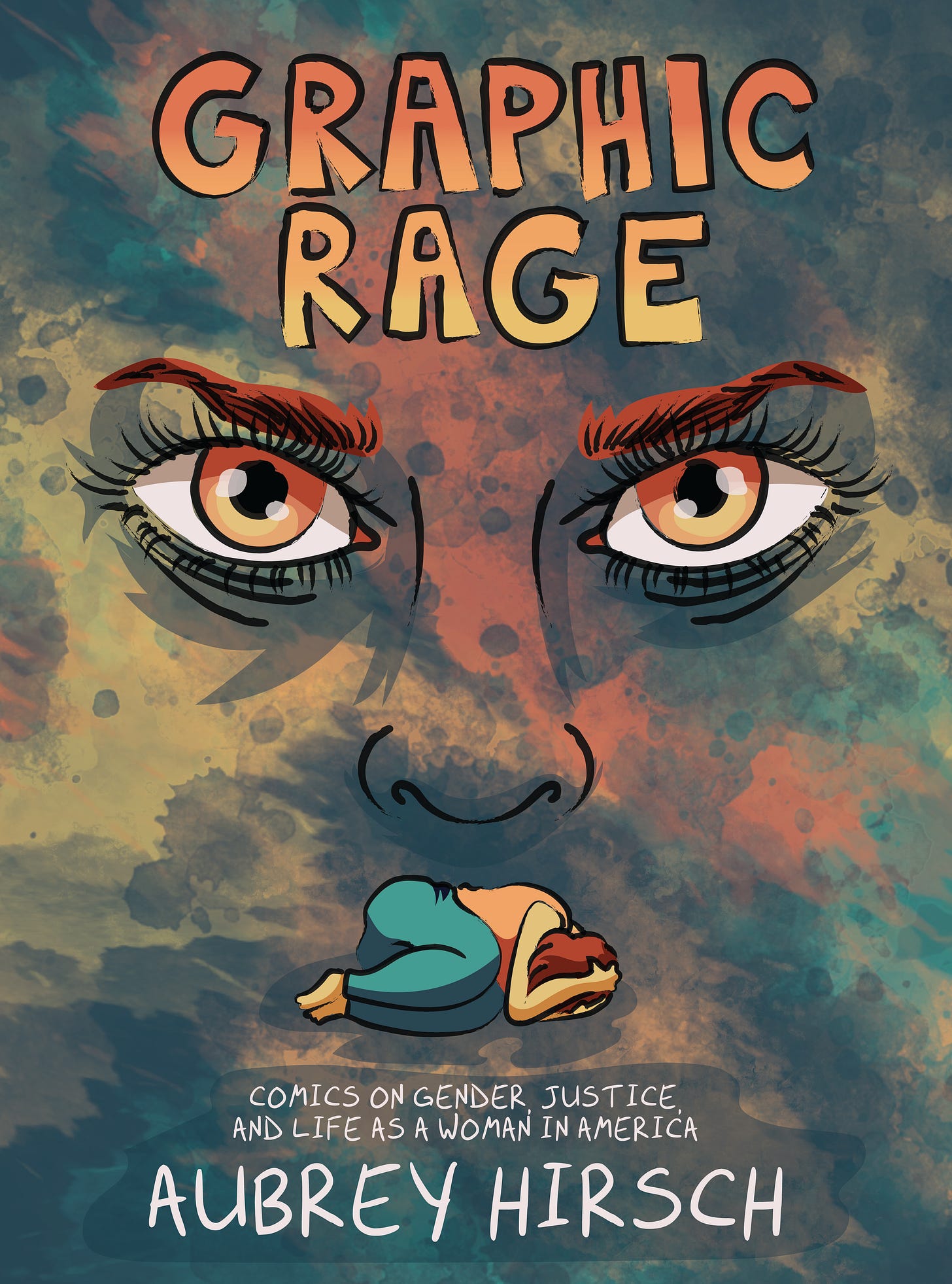
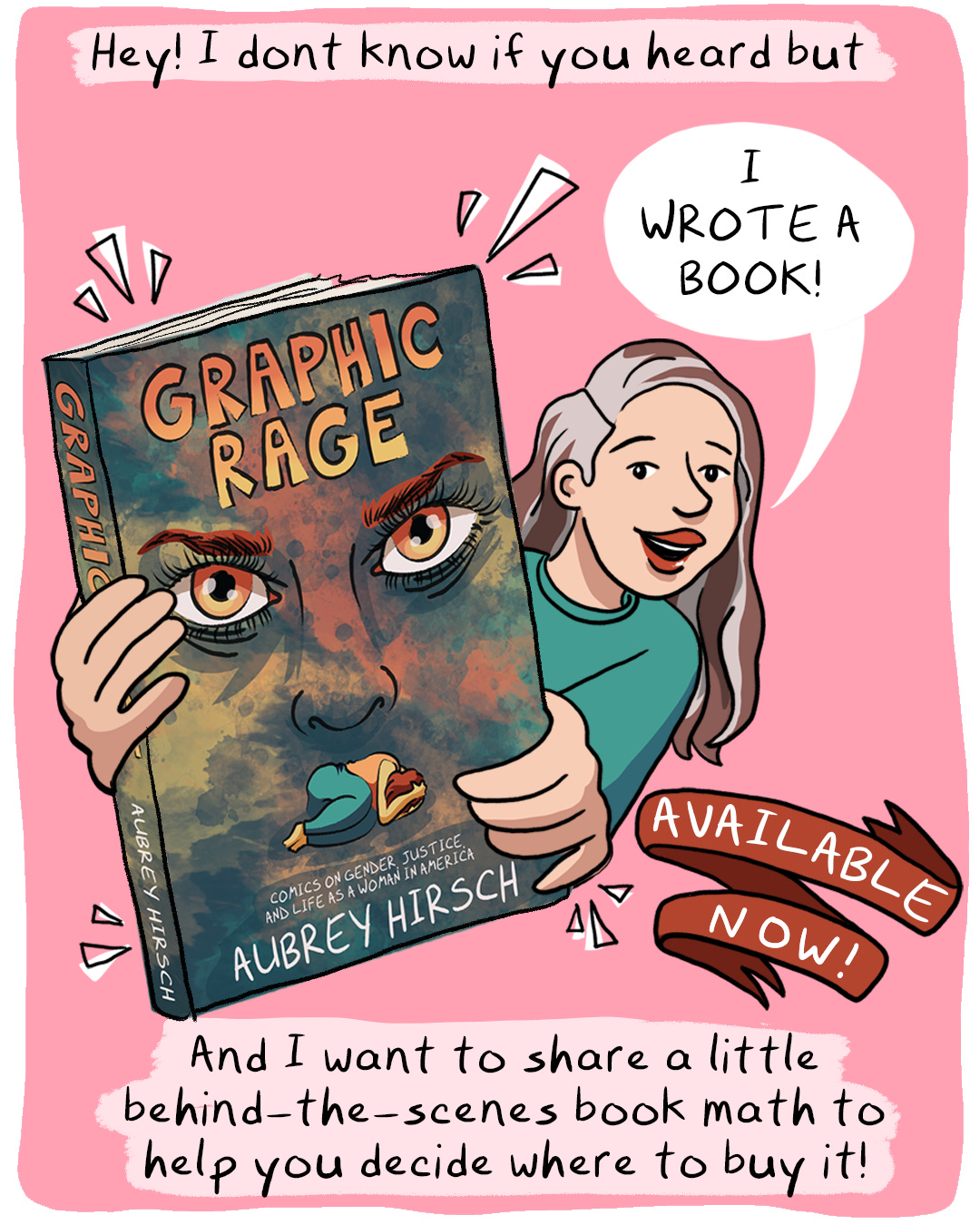
GRAPHIC RAGE, Comics on Gender, Justice, and Life as a Woman in America is officially out (ALL THE FIREWORKS EMOJIS!)! Huge thanks to anyone who has already bought it, read it, shared it on social media, etc! I really appreciate all of you! If you want more Graphic Rage content, I was interviewed by Allison Lichter for Matriarchy Report. If you prefer to listen, I visited Relationscapes and The Pain Gap podcasts to talk comics, trauma, politics, and, of course, female rage.
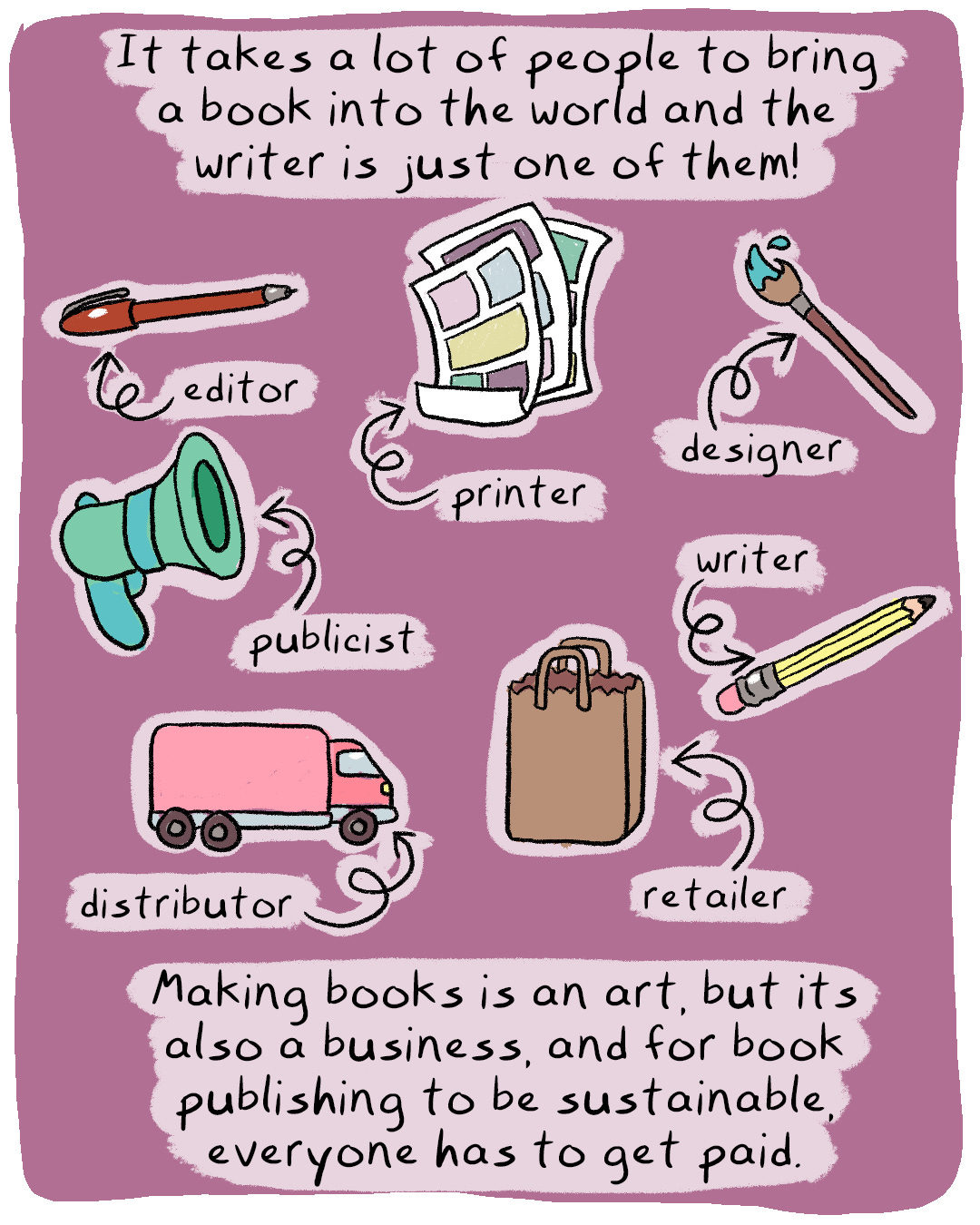
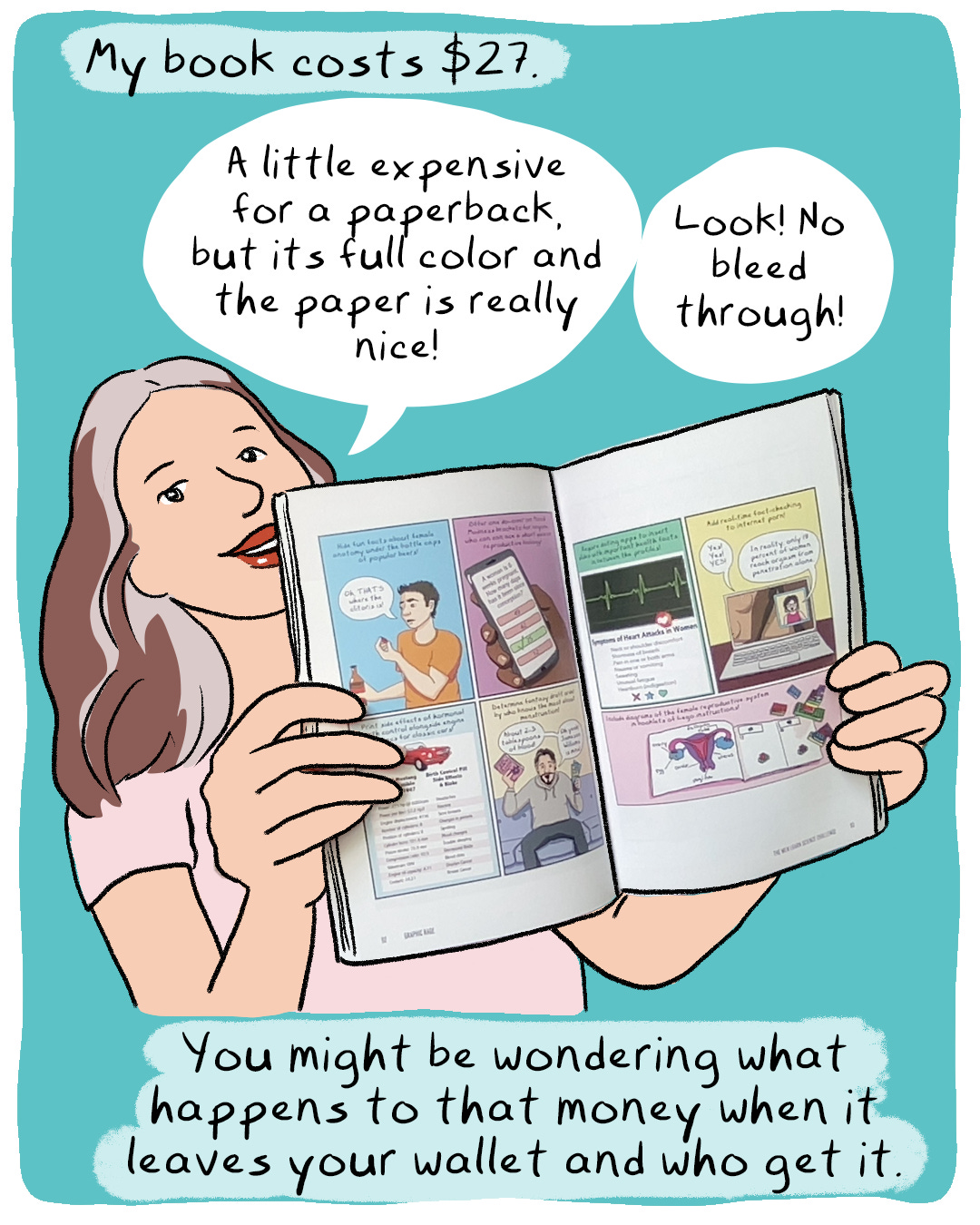
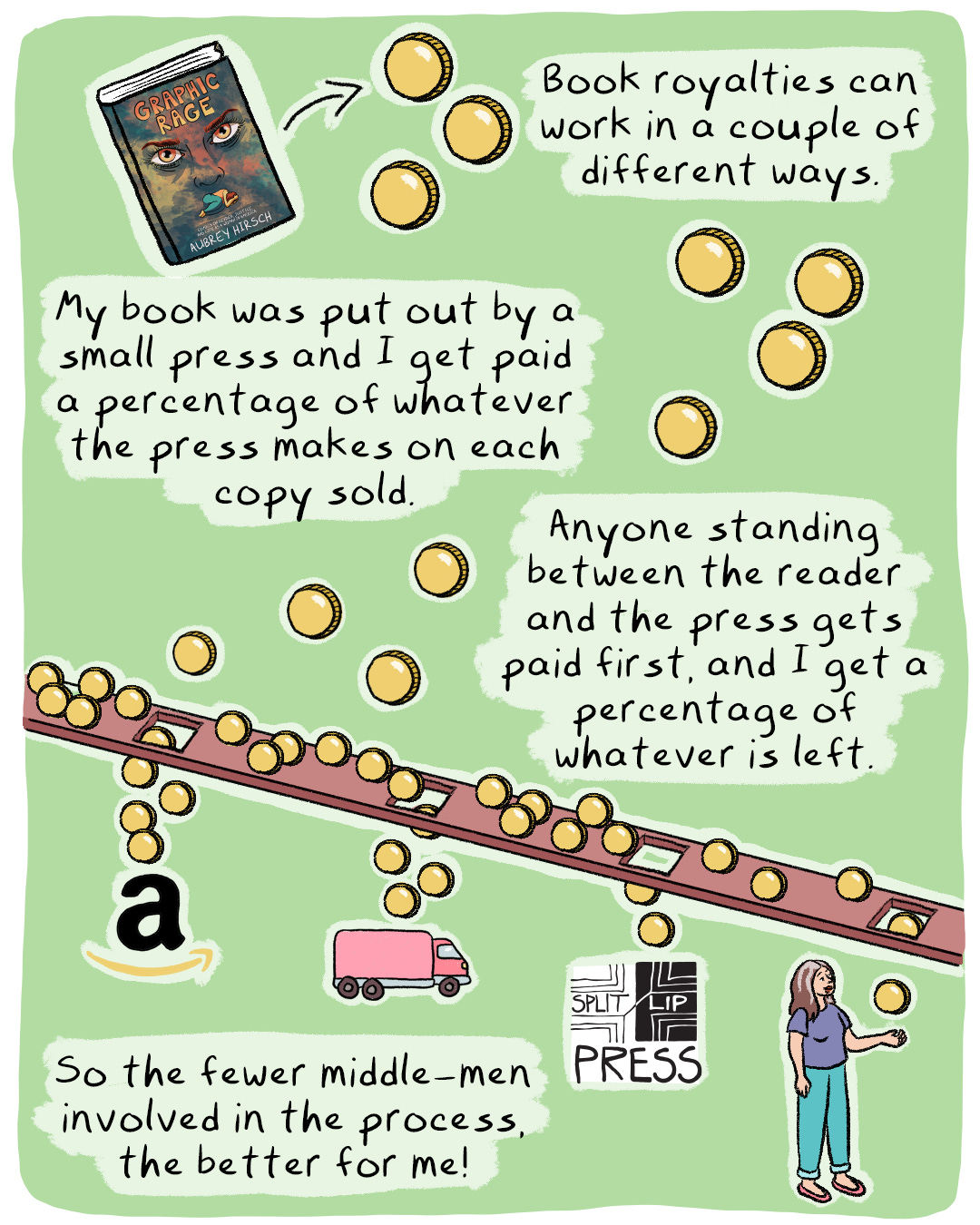
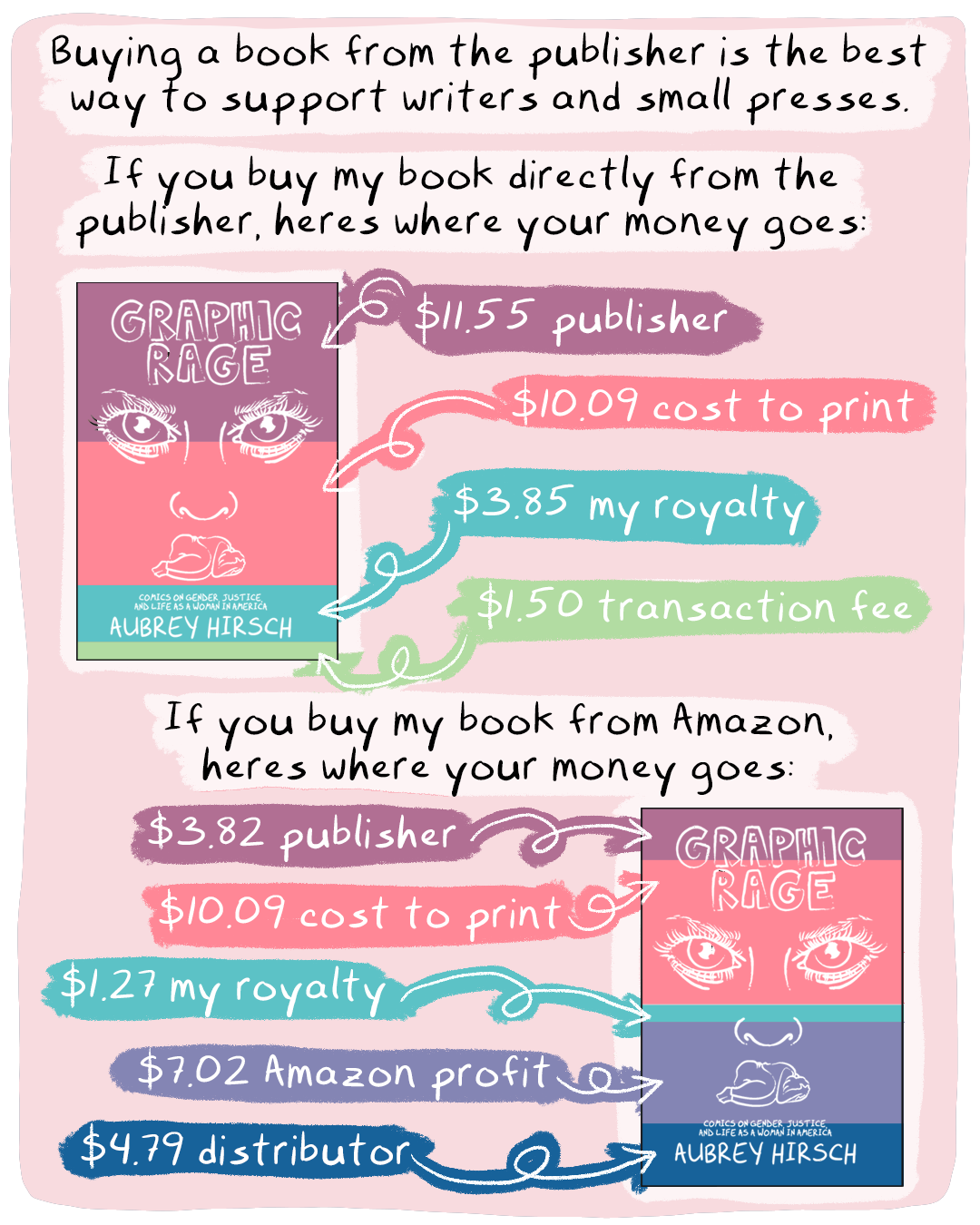
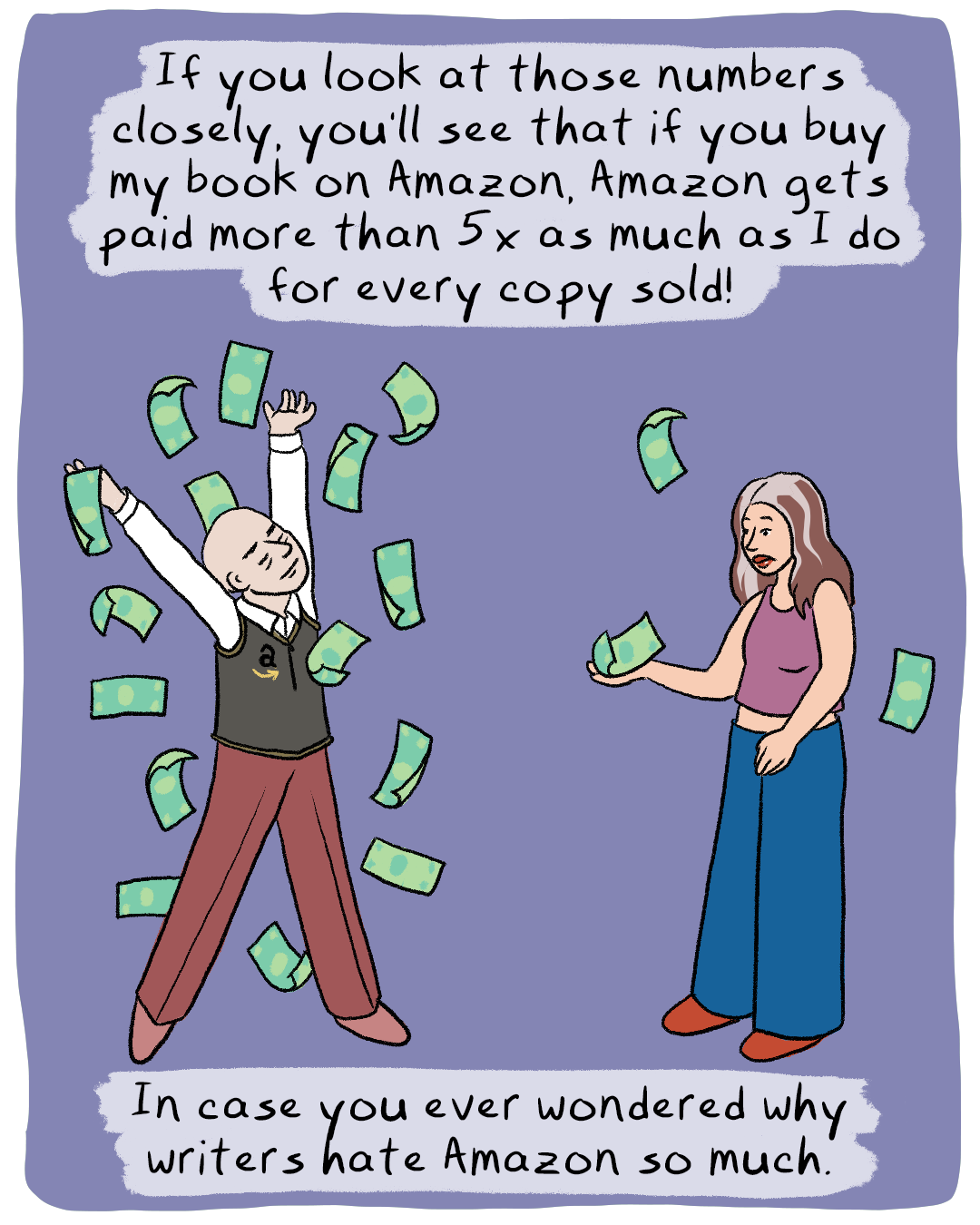
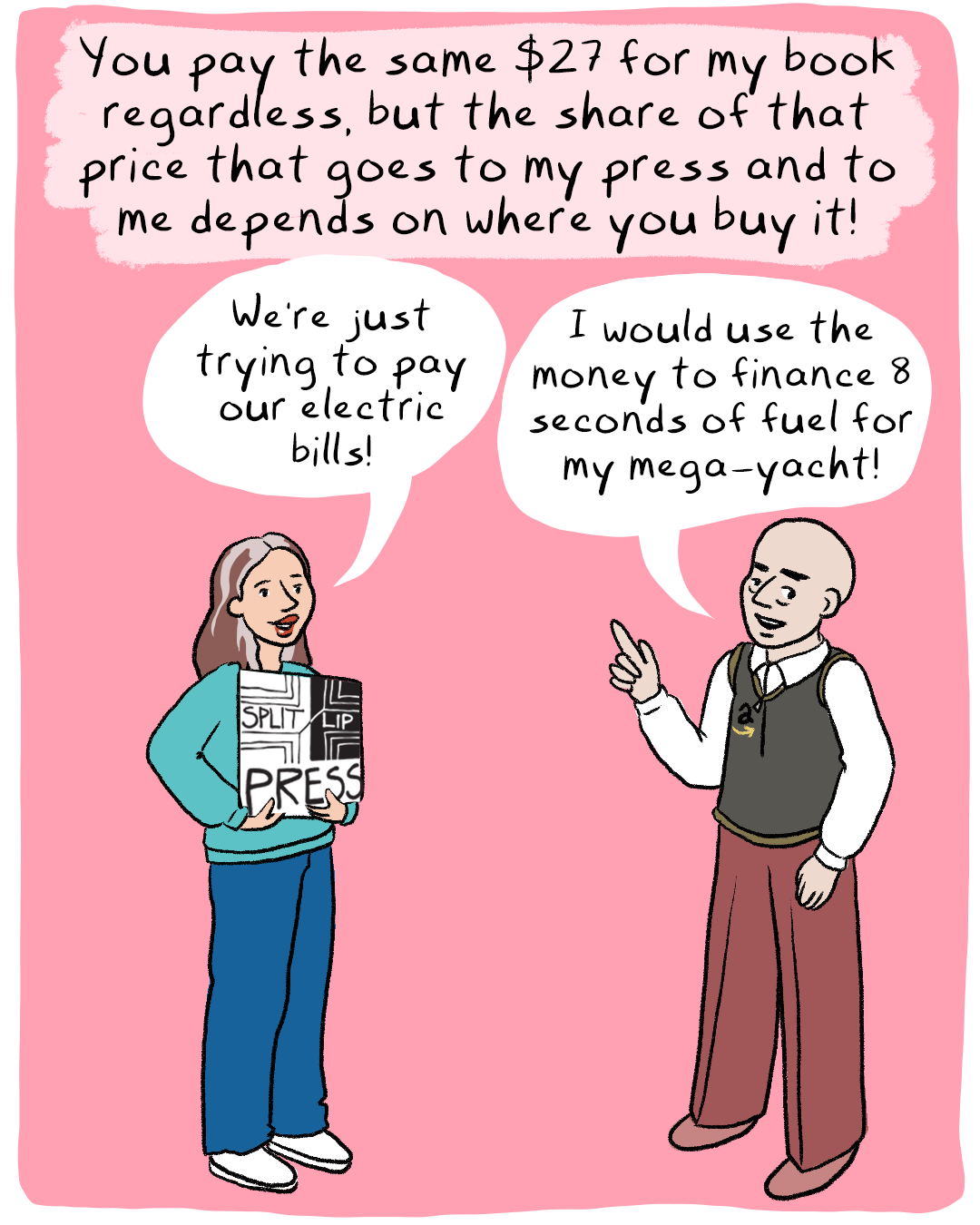
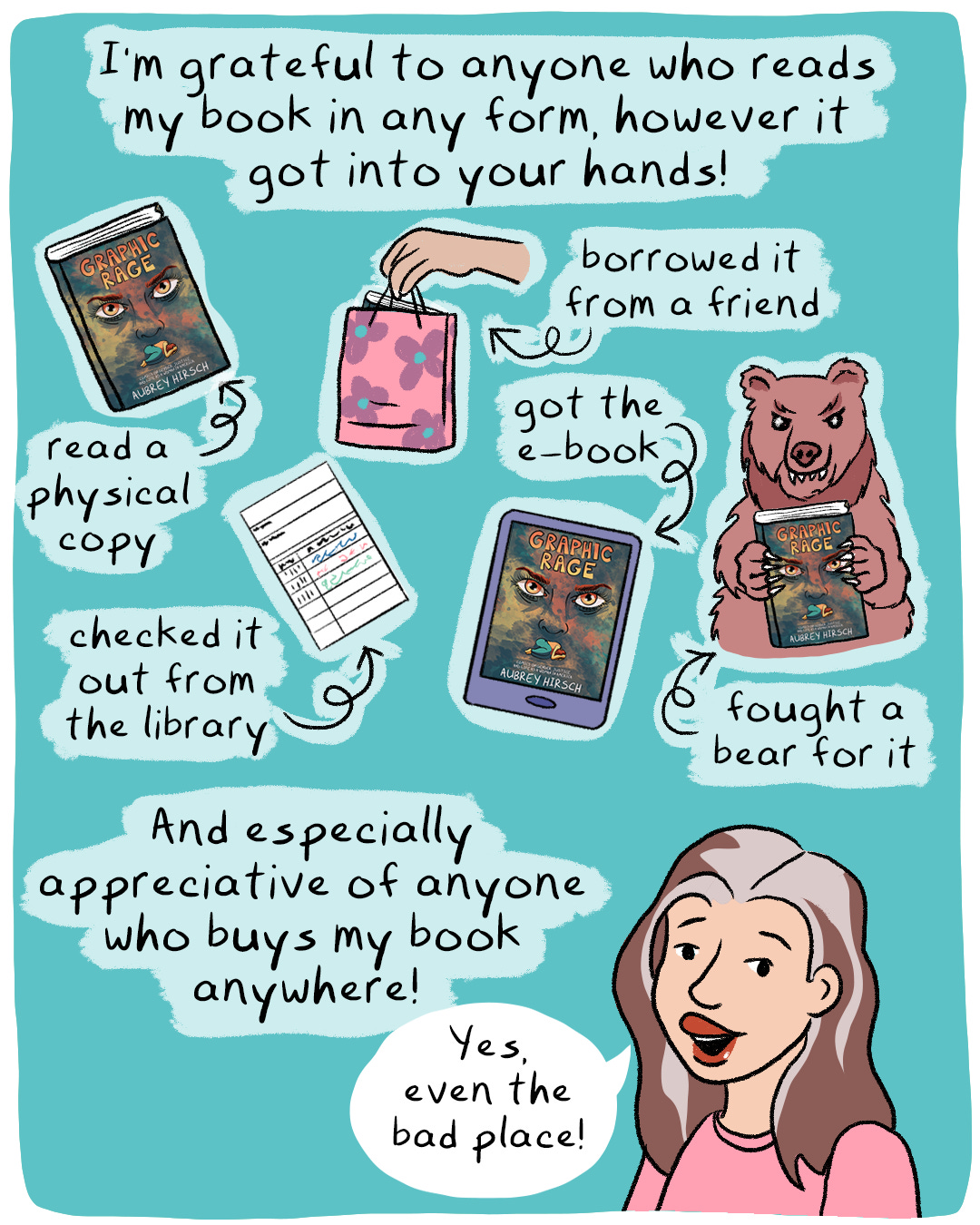
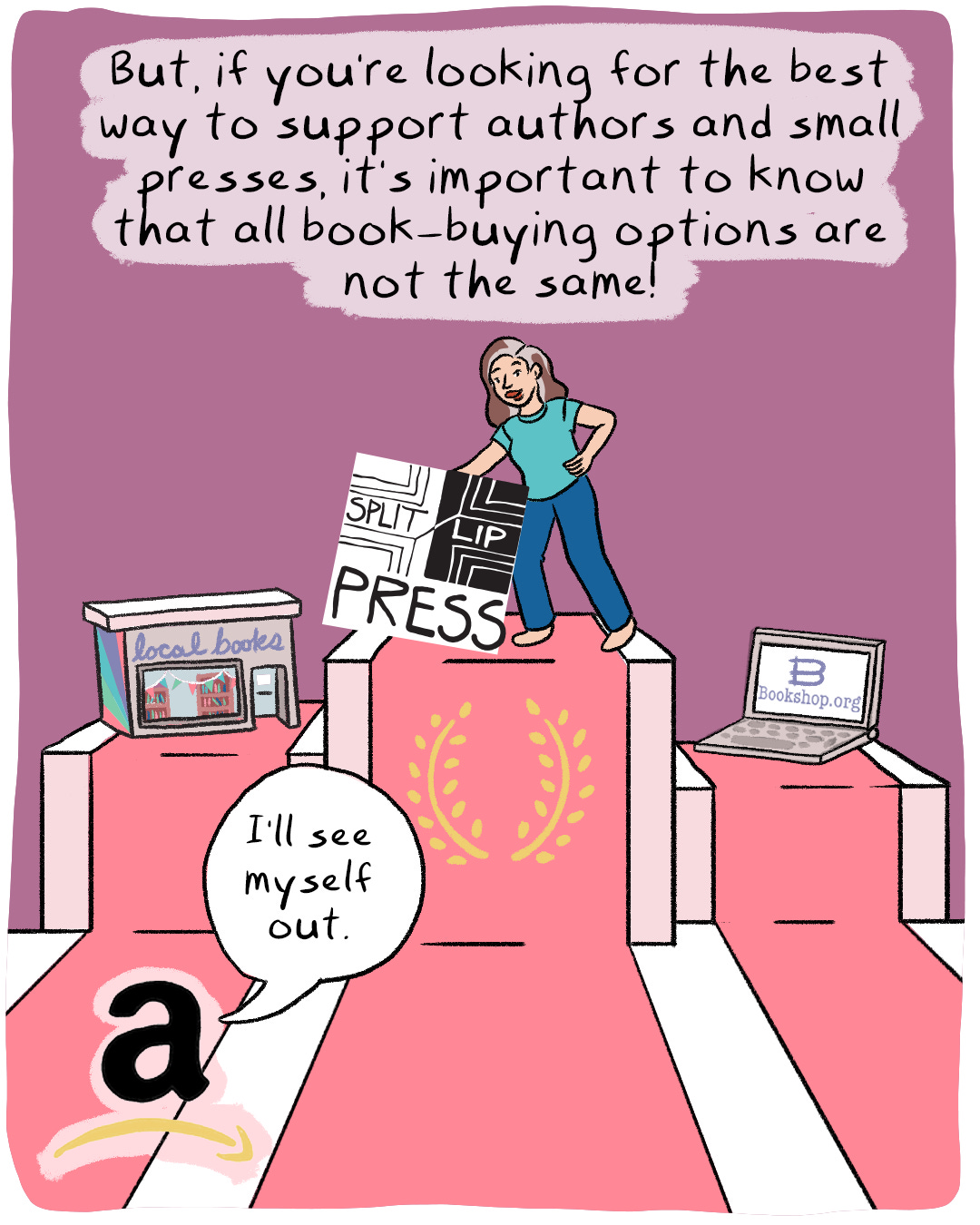
More to come, so stay tuned! But first, a little behind-the-scenes book publishing comic on what it costs to make a book, and how the who-gets-paid-what of it all depends heavily on where you buy it!
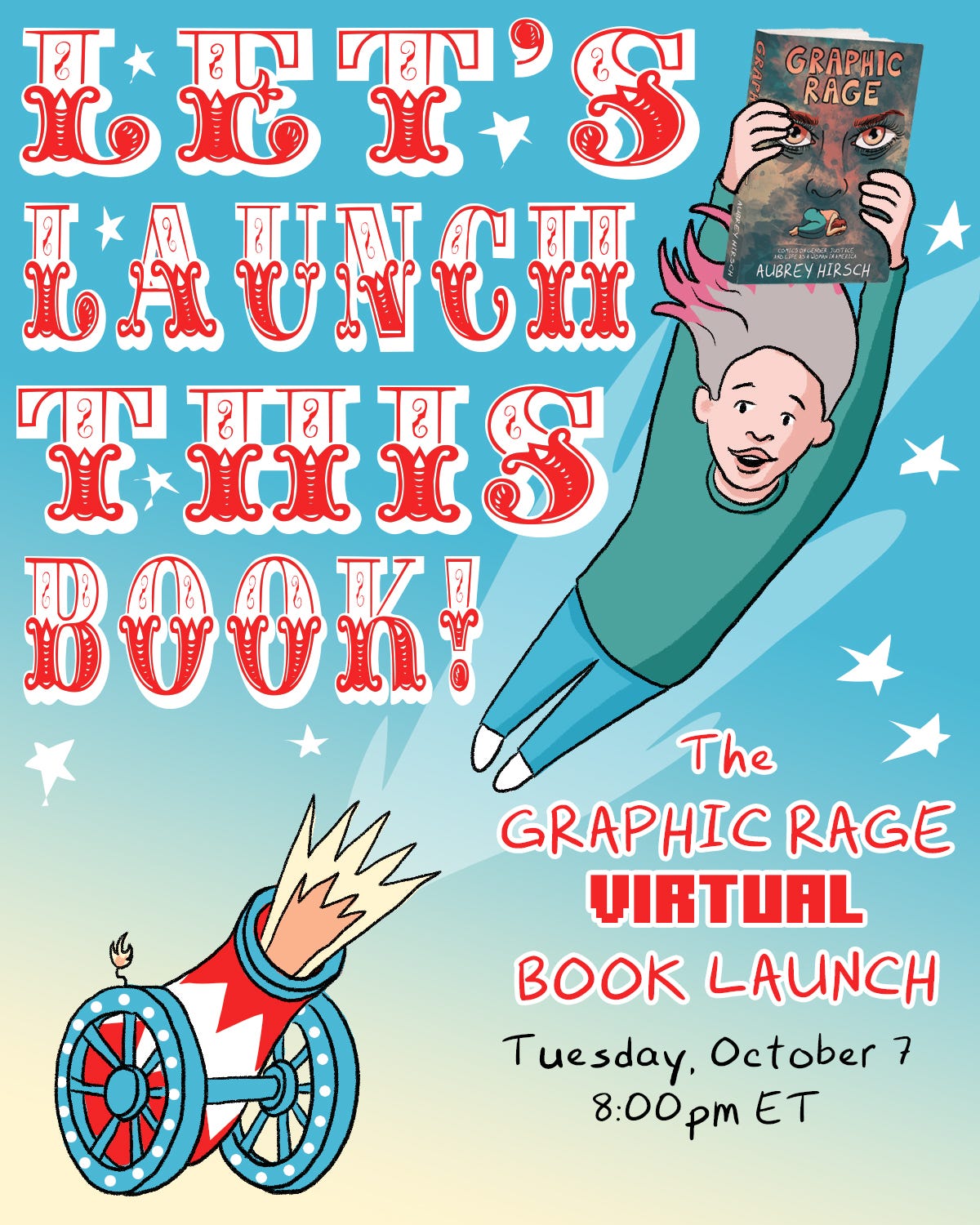
FIRST! I am having a virtual book launch tomorrow, Tuesday, October 7 at 8:00pm ET!
I’ll be joined by Robert James Russell, who writes the fantastic How to Draw ______ newsletter for a reading (viewing?) of an excerpt and a conversation about the book. You can register for this (free!) event HERE!
SECOND! I wanted to do something special as a THANK YOU to my paid subscribers! I’m so grateful for your support and it’s really been life-changing being able to create so much content here, without editorial restriction, without paywalls, without ads that undermine my messaging. And the only reason I am able to do that is because of you! So I want to give away asigned copy of my book to TWO of you as a small gesture of appreciation. I’ll even add in a little sketch of your cat or dog or favorite plant, etc if you want!
TO ENTER: Only paid subscribers can comment on this post, so just leave a comment! You can say “hi” or “book” or tell me an interesting fact I don’t know! I’ll use a random number generator to pick two winners and private message the winners to ask where I should ship your book! I so appreciate anyone who reads this newsletter and if you’ve been thinking about upgrading to paid, now’s a great time to do so!
Graphic Rage with Aubrey Hirsch is a reader-supported publication. To receive new posts and support my work, consider becoming a free or paid subscriber.
Thanks for reading, everyone and I hope to see some of you at the book launch!
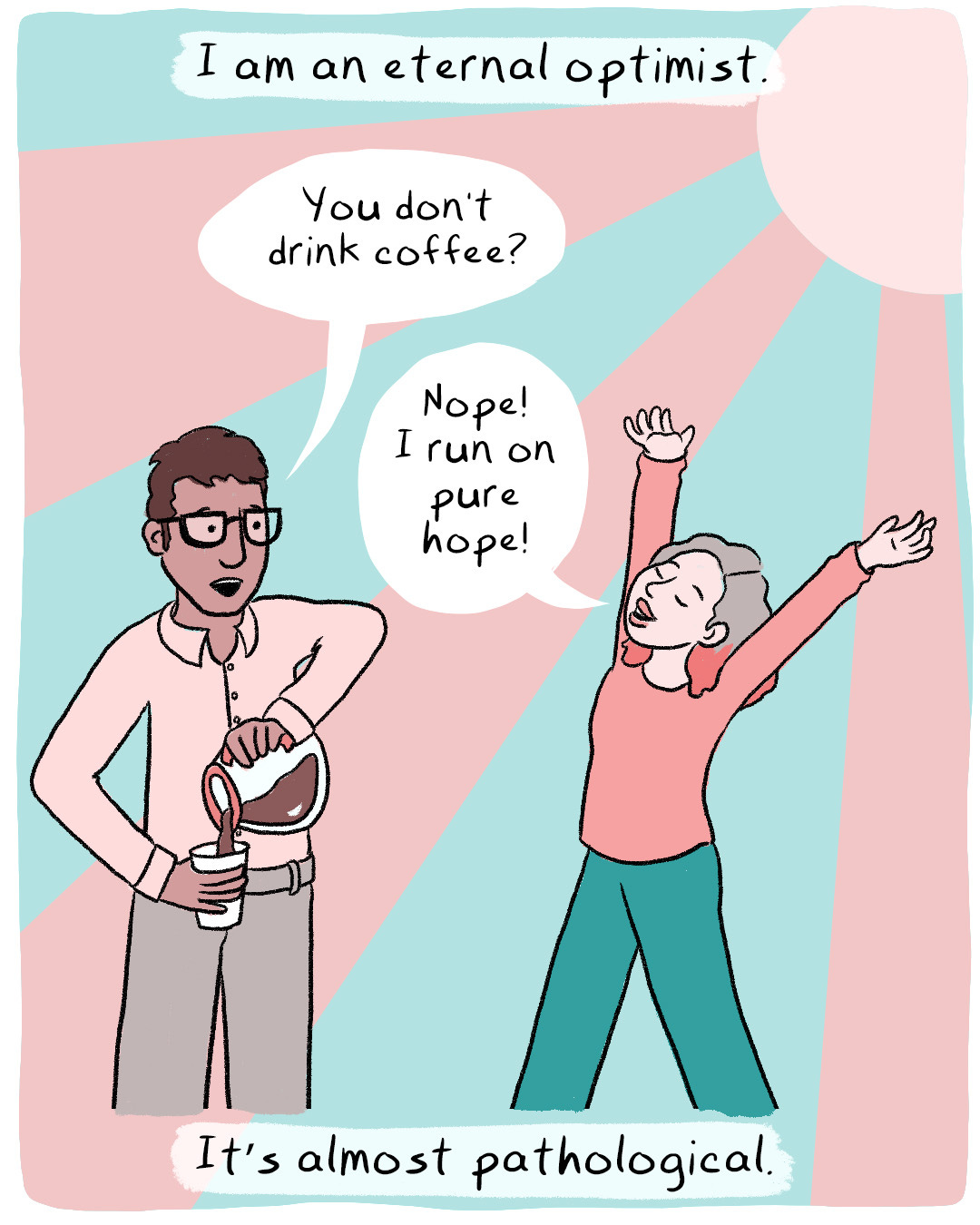
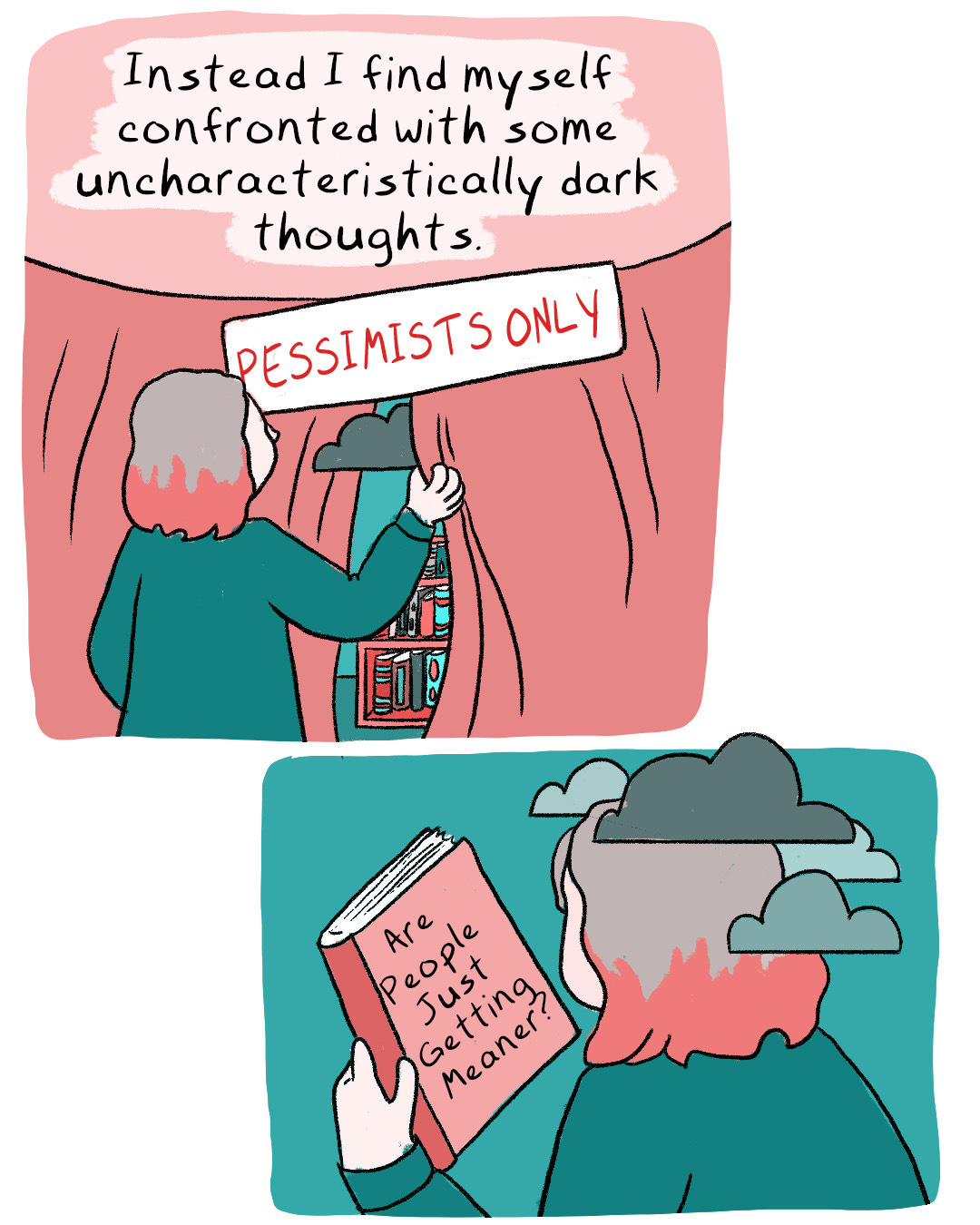
Lately I’ve been doing interviews for my new book, and I keep getting some variation of the same question: How do you stay hopeful?
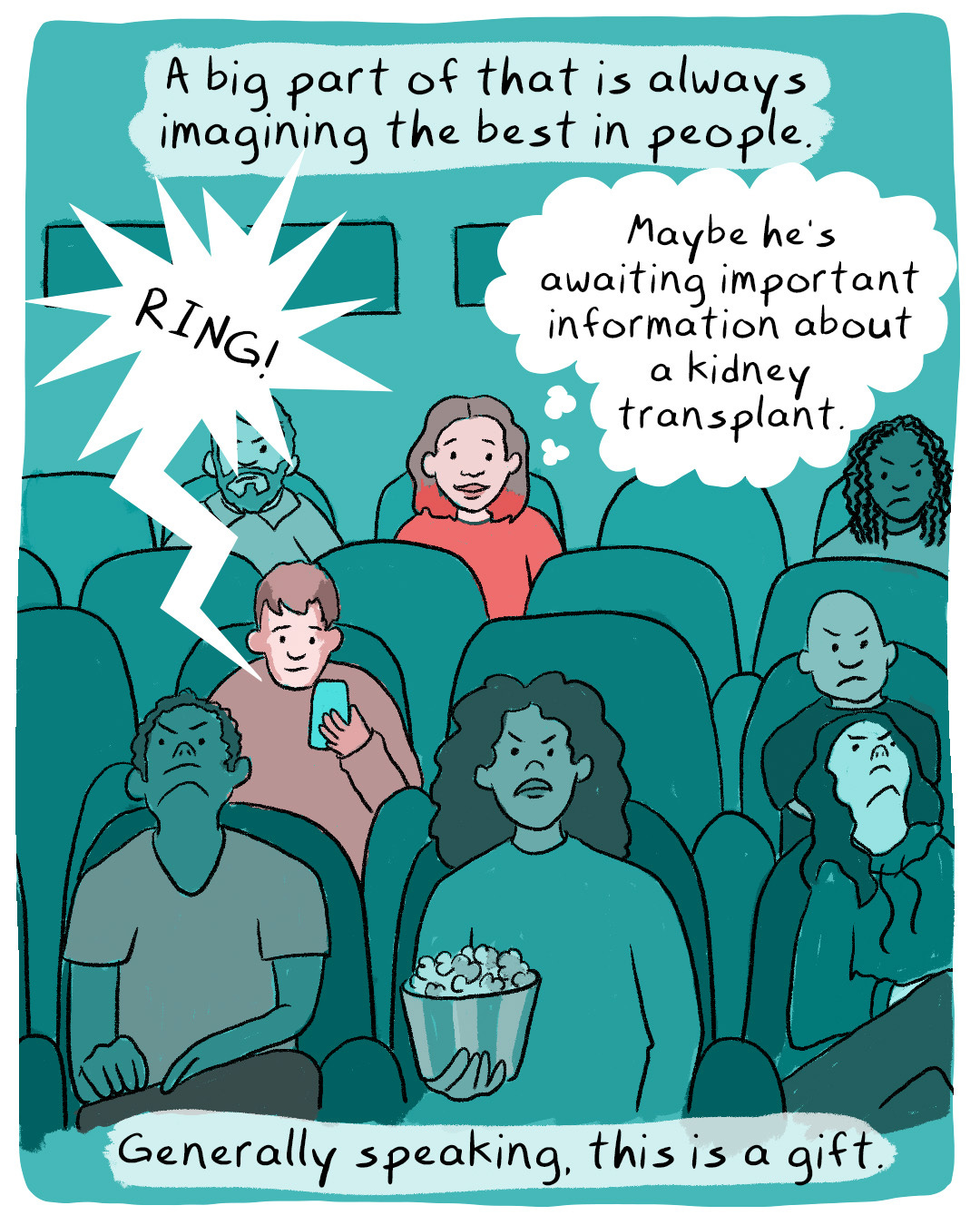
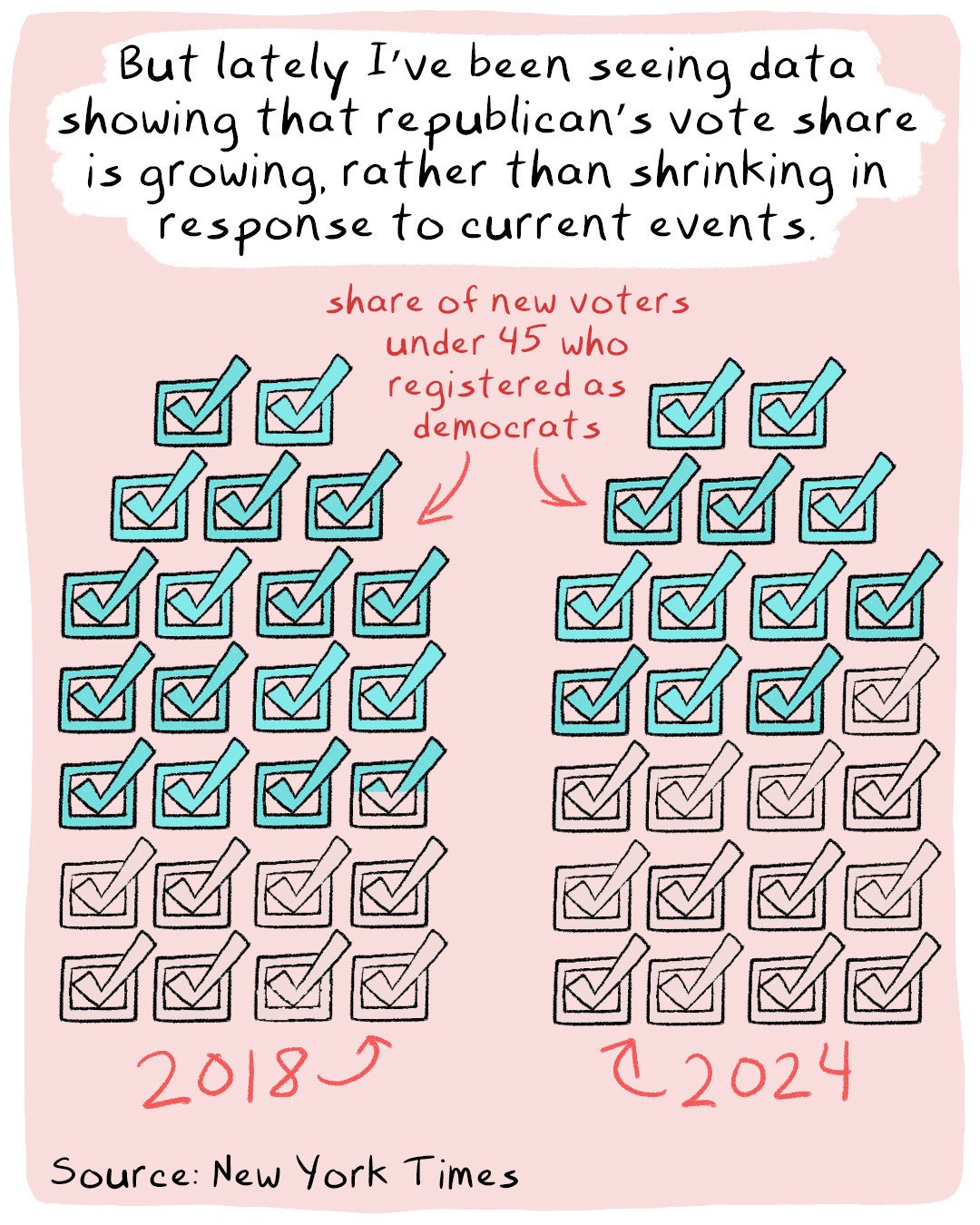
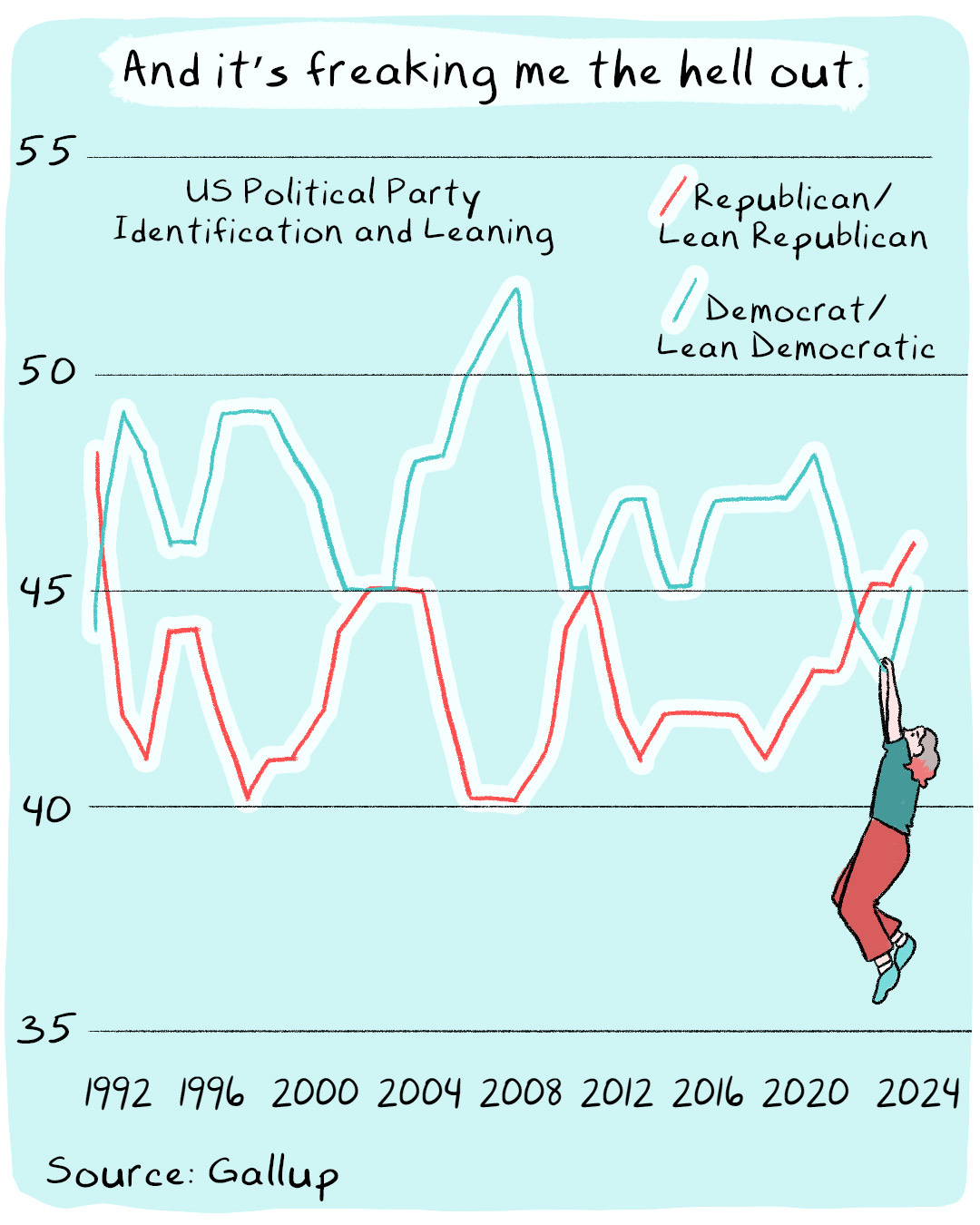
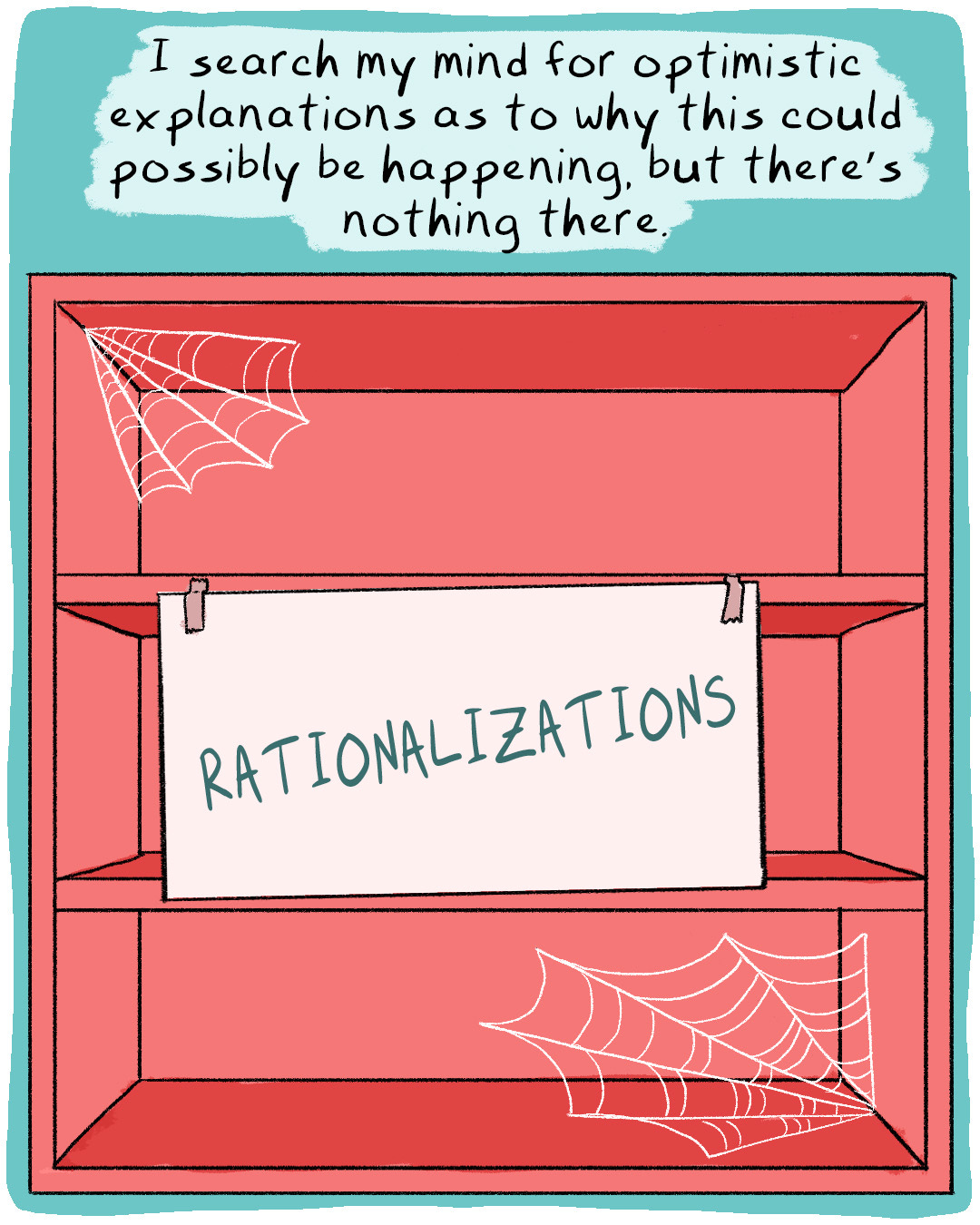
I’ve been answering honestly by saying that sometimes I don’t feel very hopeful! Sometimes I feel really sad about everything going on around me and how impossible it all feels. I know that nothing is gained by giving up, so I certainly don’t intend to do that, but this is a comic about those dark feelings: about the fear, the hopelessness, the worry that underneath everything the real problem might be that people are just getting meaner.
If you sometimes feel lost in the hopelessness, you’re not alone! But I hope you won’t let the fear stop you. <3
Graphic Rage with Aubrey Hirsch is a reader-supported publication. To receive new posts and support my work, consider becoming a free or paid subscriber.
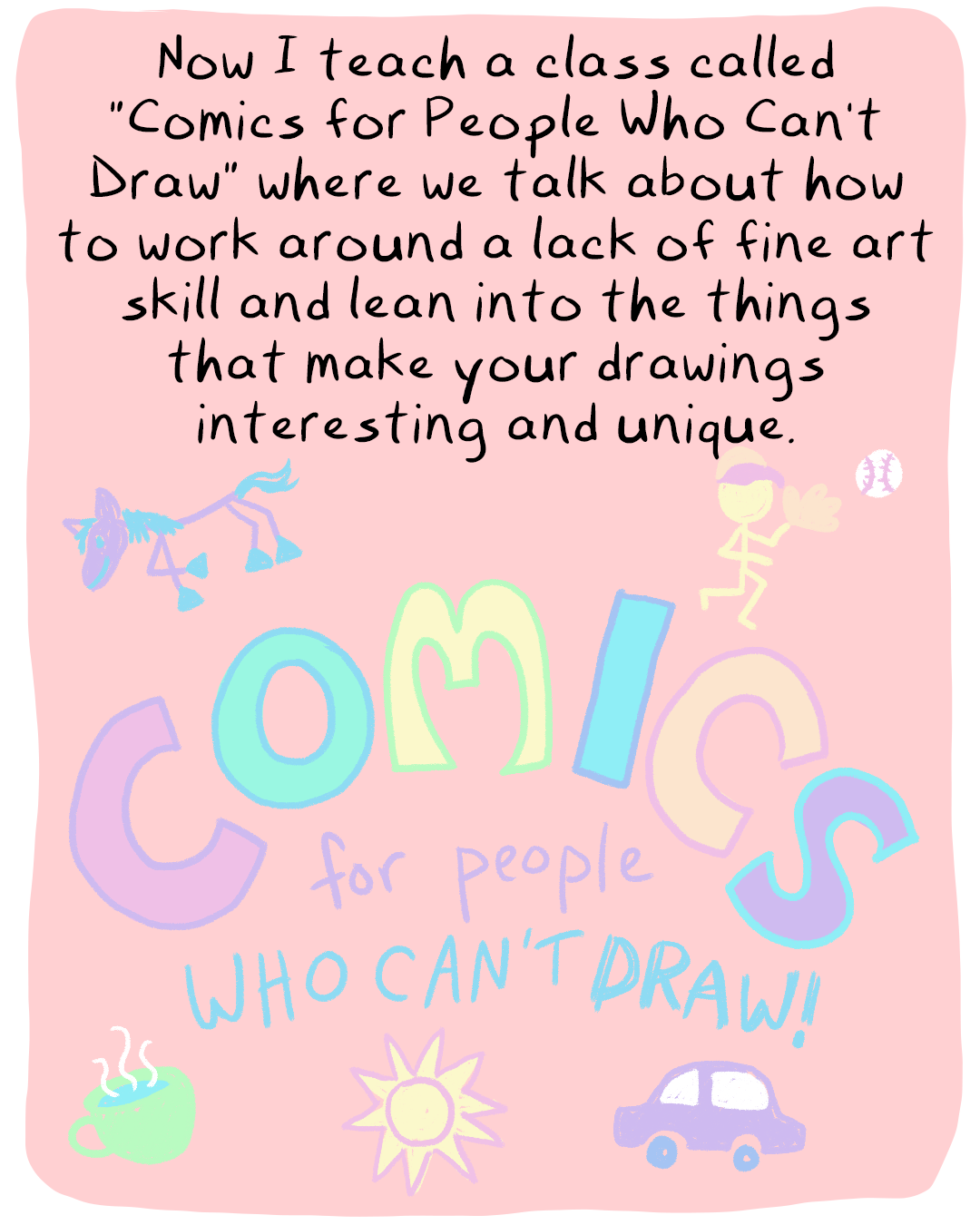
TONIGHT I’m teaching the one-day version of my Comics For People Who Can’t Draw class and there’s still time to sign up!
Show full content
TONIGHT I’m teaching the one-day version of my Comics For People Who Can’t Draw class and there’s still time to sign up! I created this class because often when I talk to writers who are interested in comics, they point to the same roadblock that keeps them from trying it.
“But,” they say, “I can’t draw!”
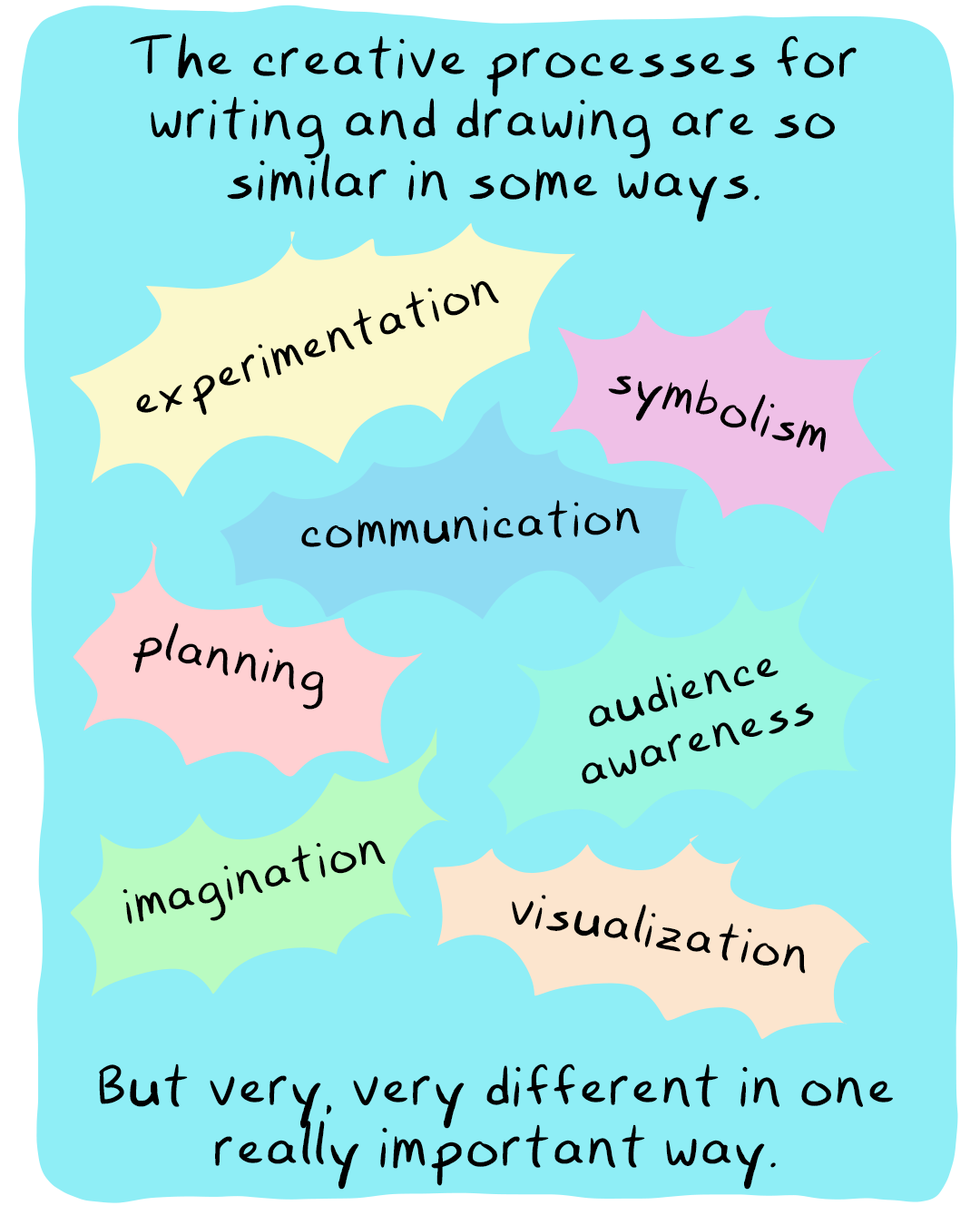
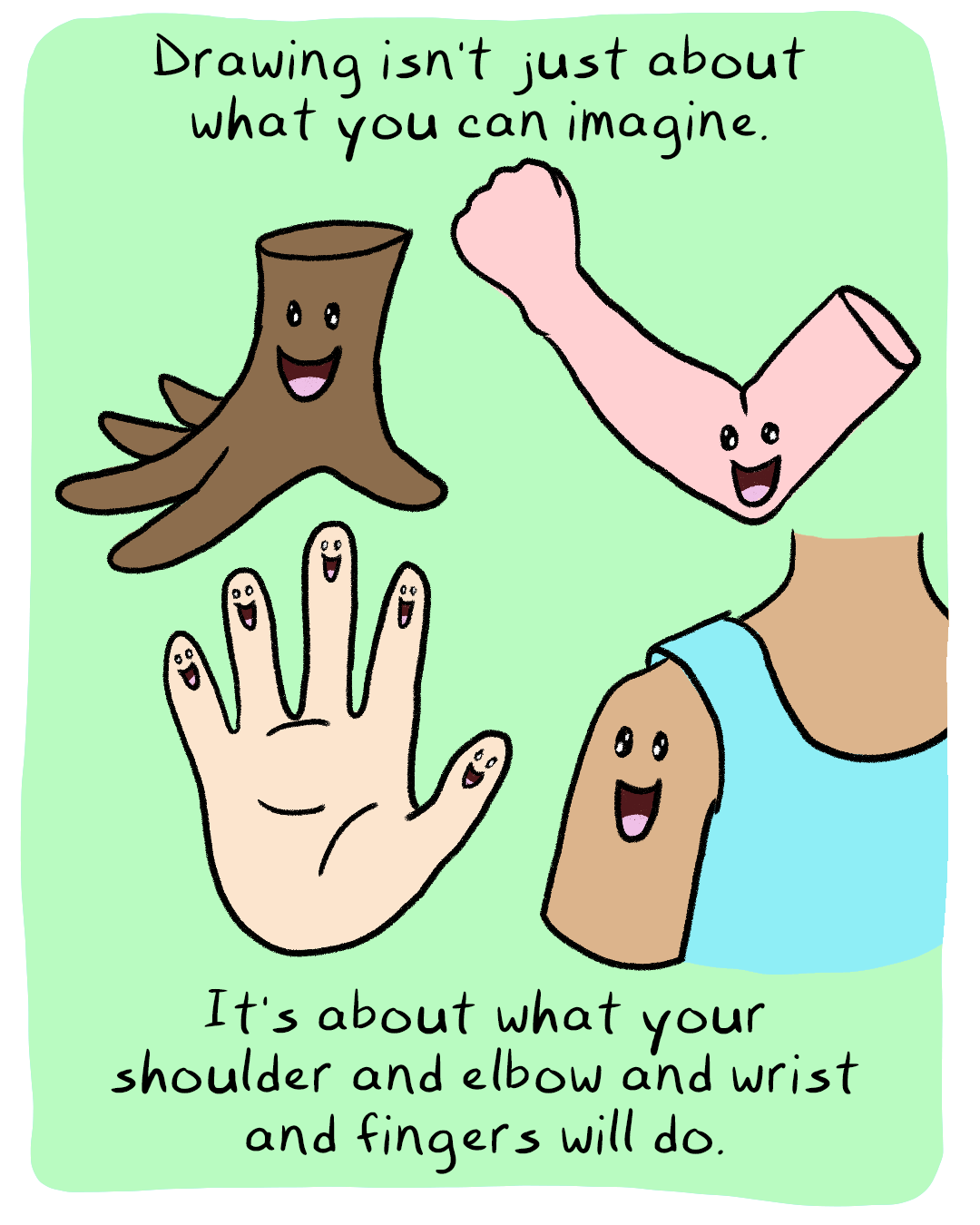
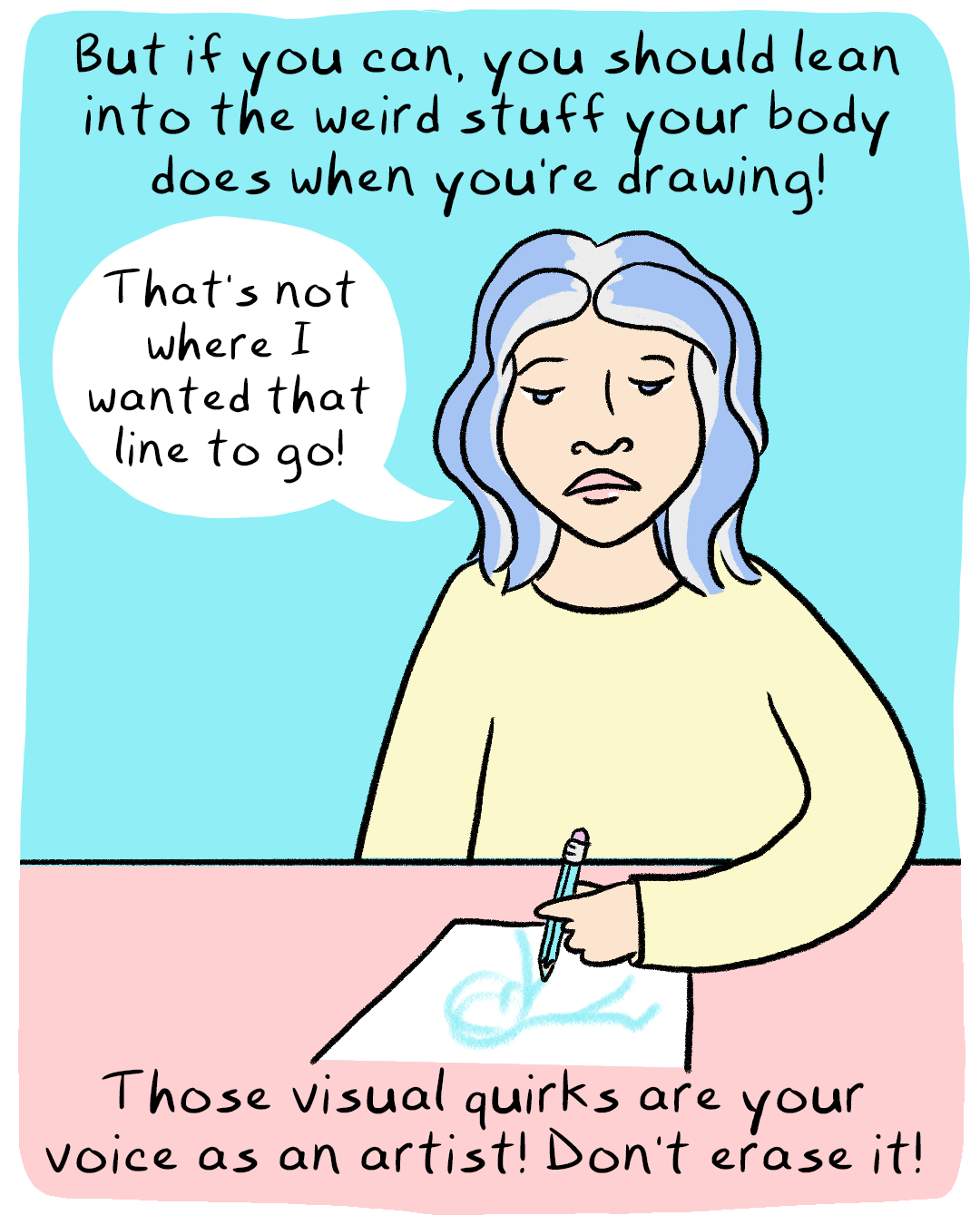
I’m here to tell you that your drawing skills have very little to do with your aptitude for making comics. And you (yes, YOU!) can make comics without any fine art ability at all.
In this workshop, we’ll identify main goals of comics artists and talk about the fundamentals of using art as communication. We’ll discuss ideas to work around gaps in artistic skills while still producing work that is visually compelling. We’ll also identify and practice ways you can leverage what you have to create a readable style that’s uniquely yours. This workshop is for anyone with an interest in comics, and no special equipment or drawing skills are required!
Read on for a bit about my philosophy on what makes a “good” drawing!
Graphic Rage with Aubrey Hirsch is a reader-supported publication. To receive new posts and support my work, consider becoming a free or paid subscriber.
For anyone wanting to dig deeper, there’s also a 6-week version of the class enrolling now. I’ve also been thinking about running a free workshop just for paid subscribers as a thank you, so if you’d be interested in that, let me know! If there seems to be interest, I’ll set a date!
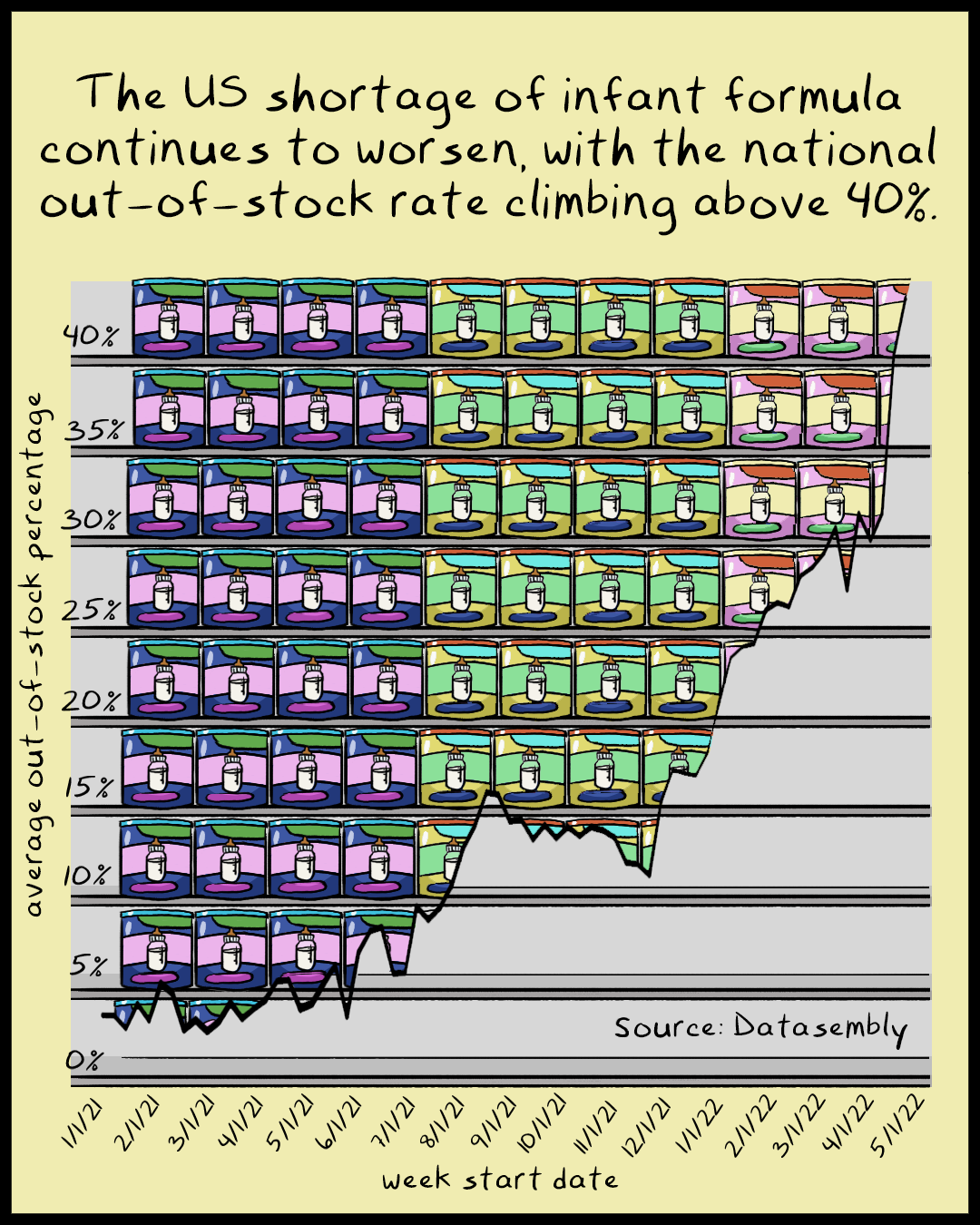
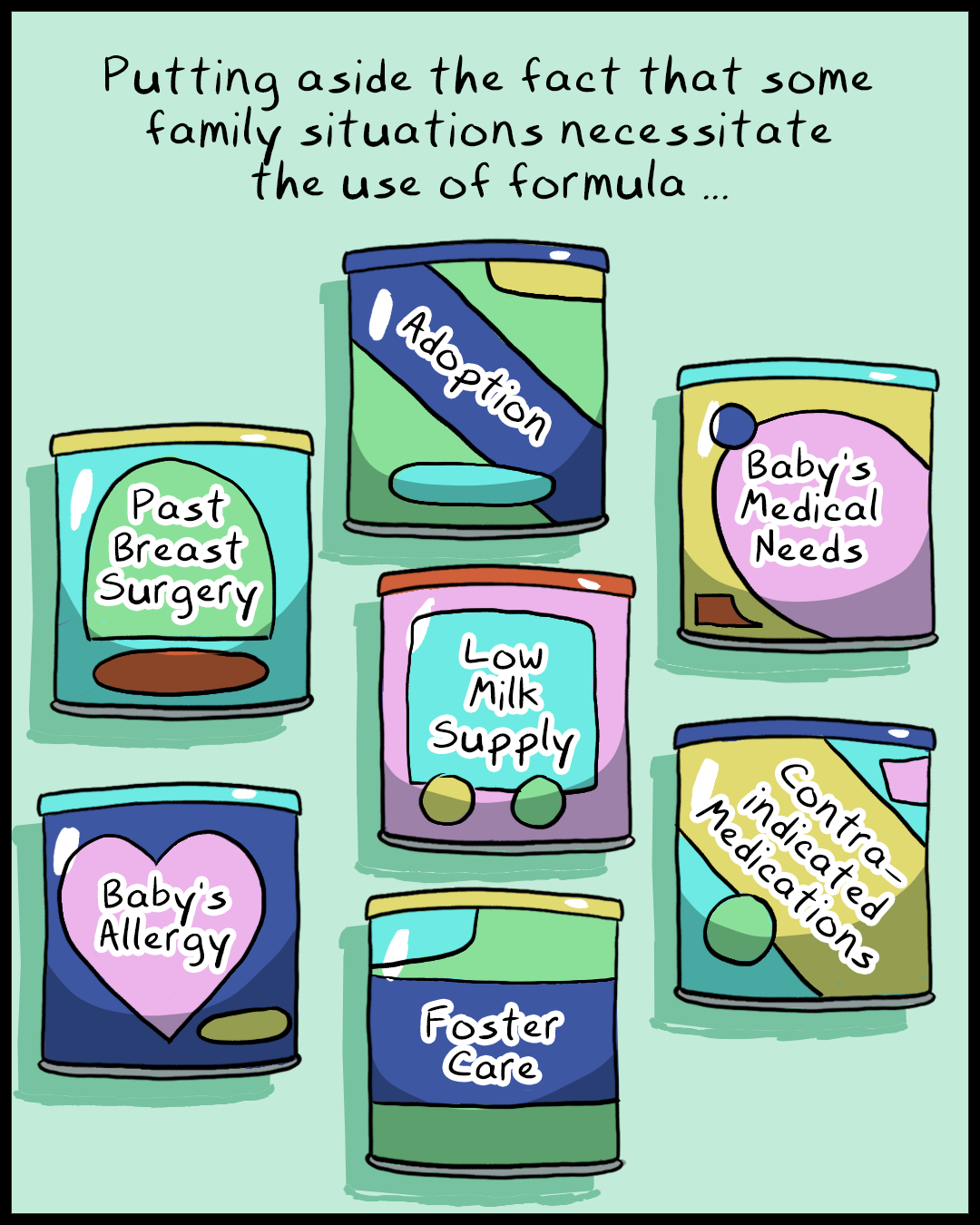
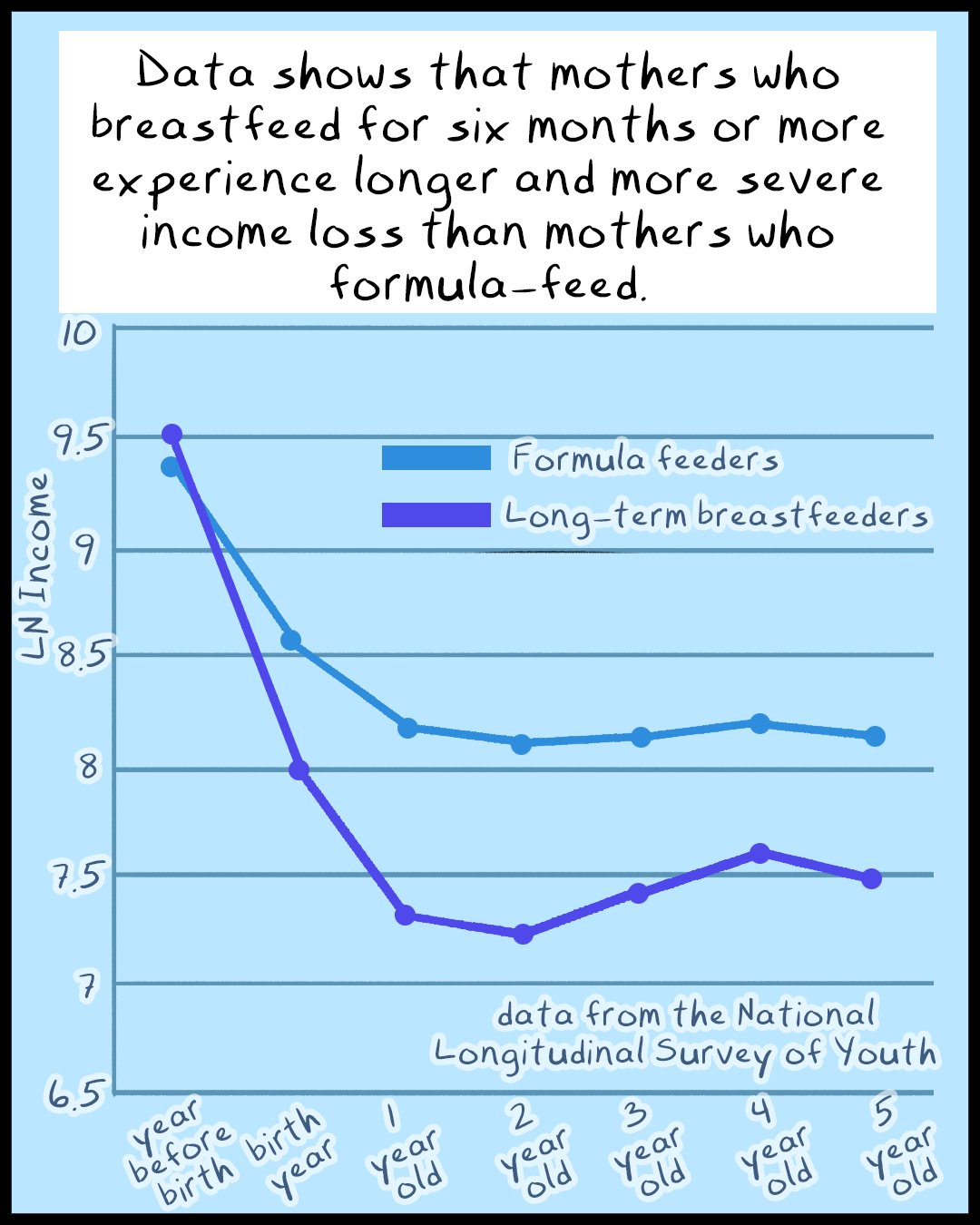
In honor of World Breastfeeding Week, I wanted to share a comic I created back in 2022 during a nationwide formula shortage that was incredibly stressful for new parents.
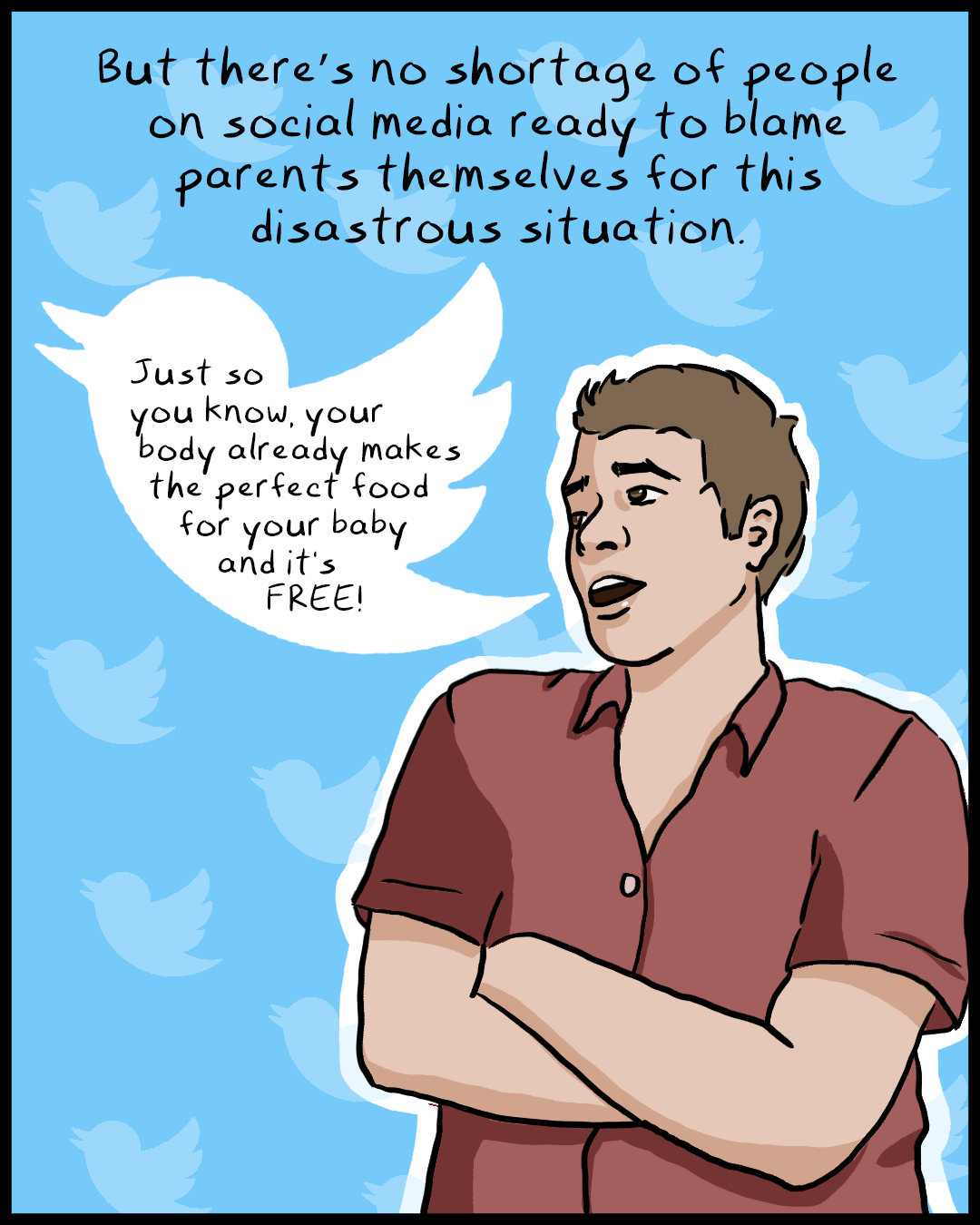
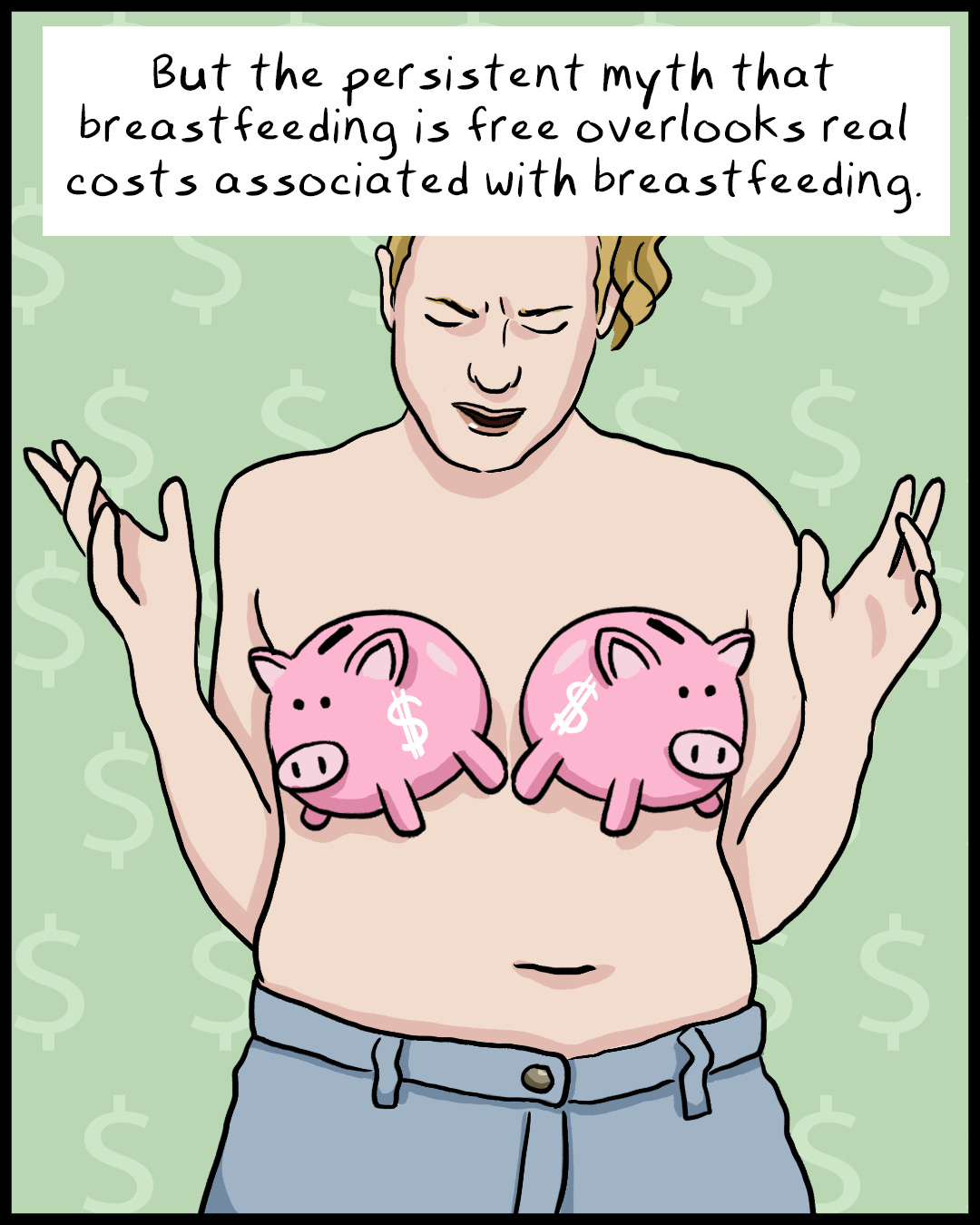
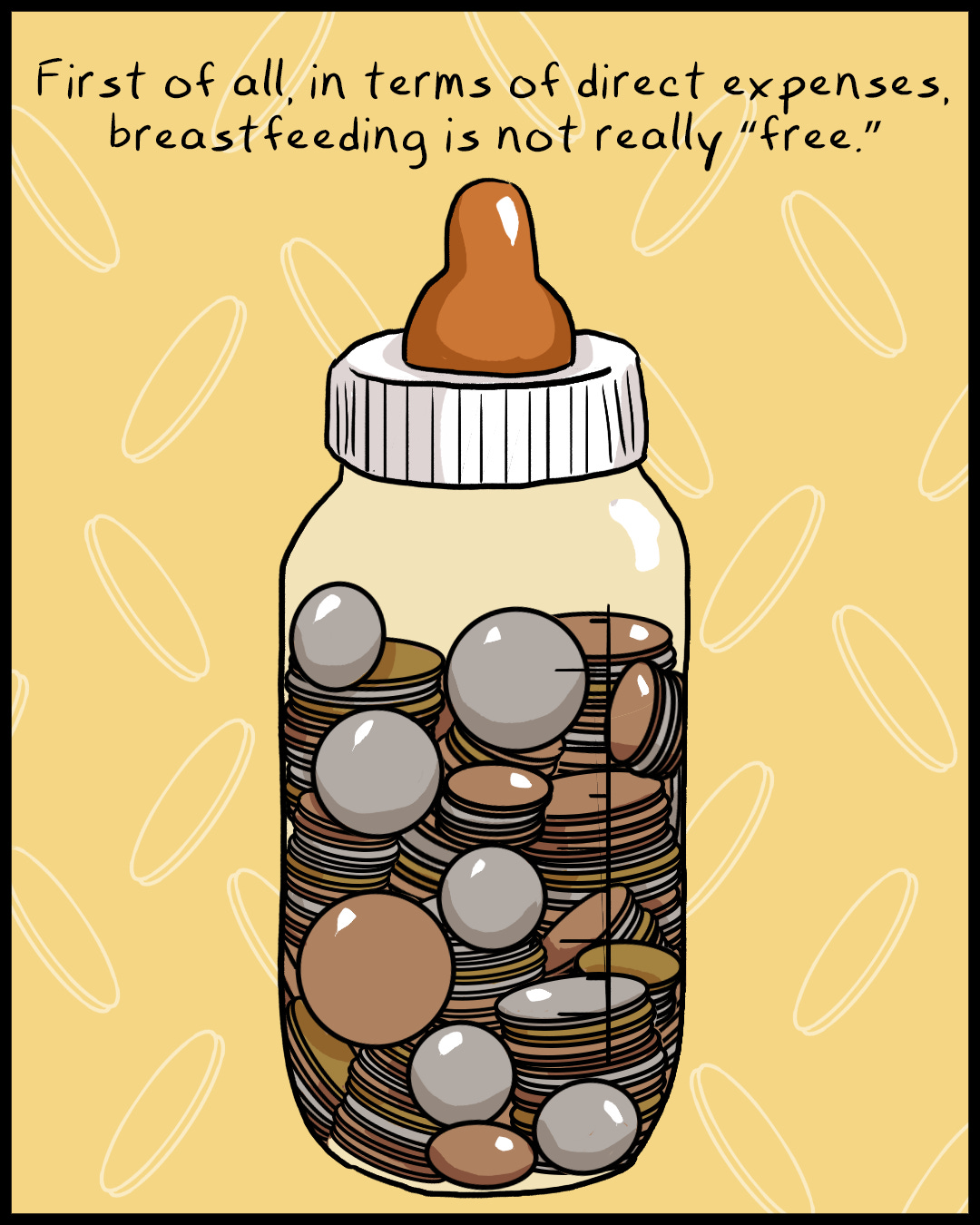
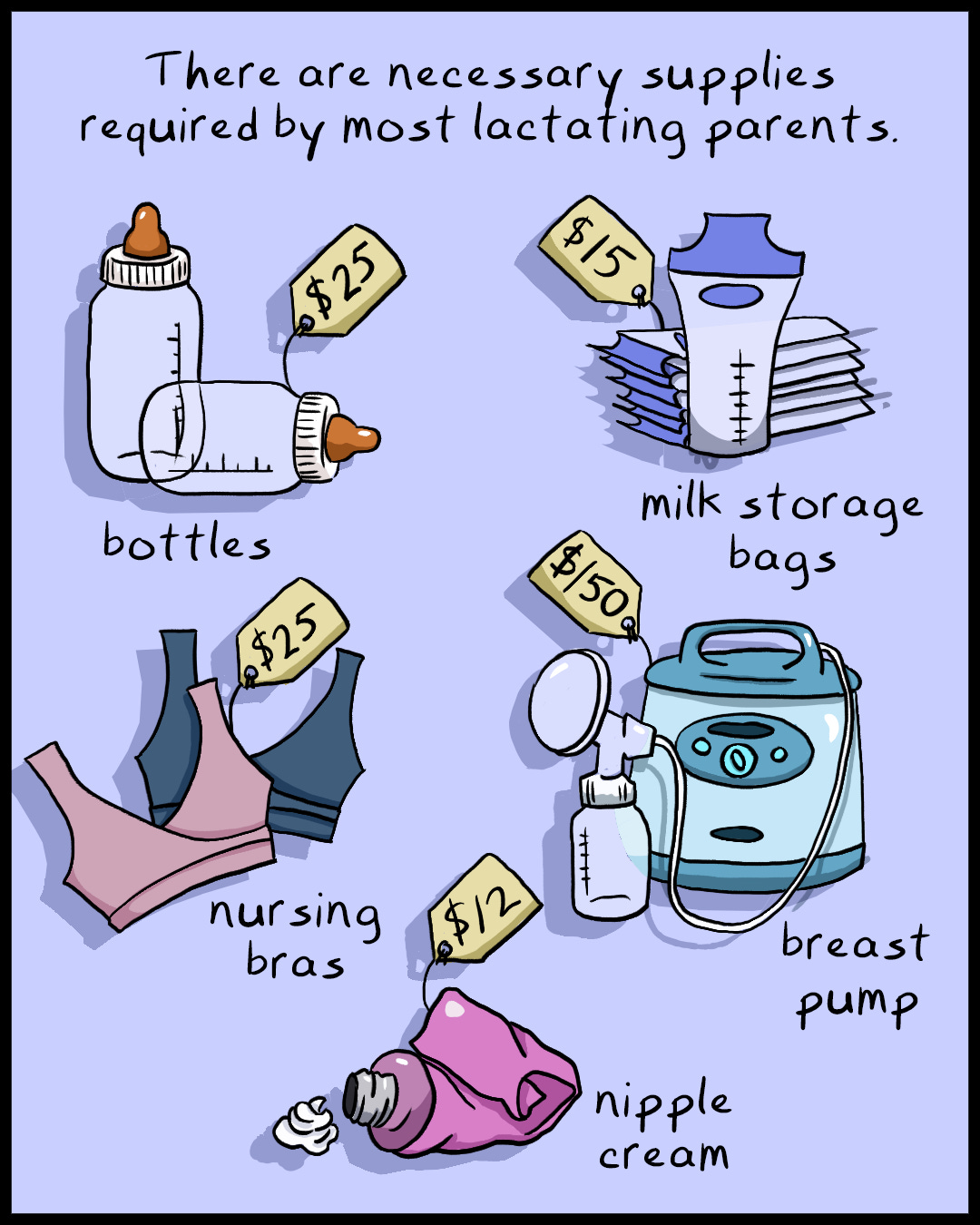
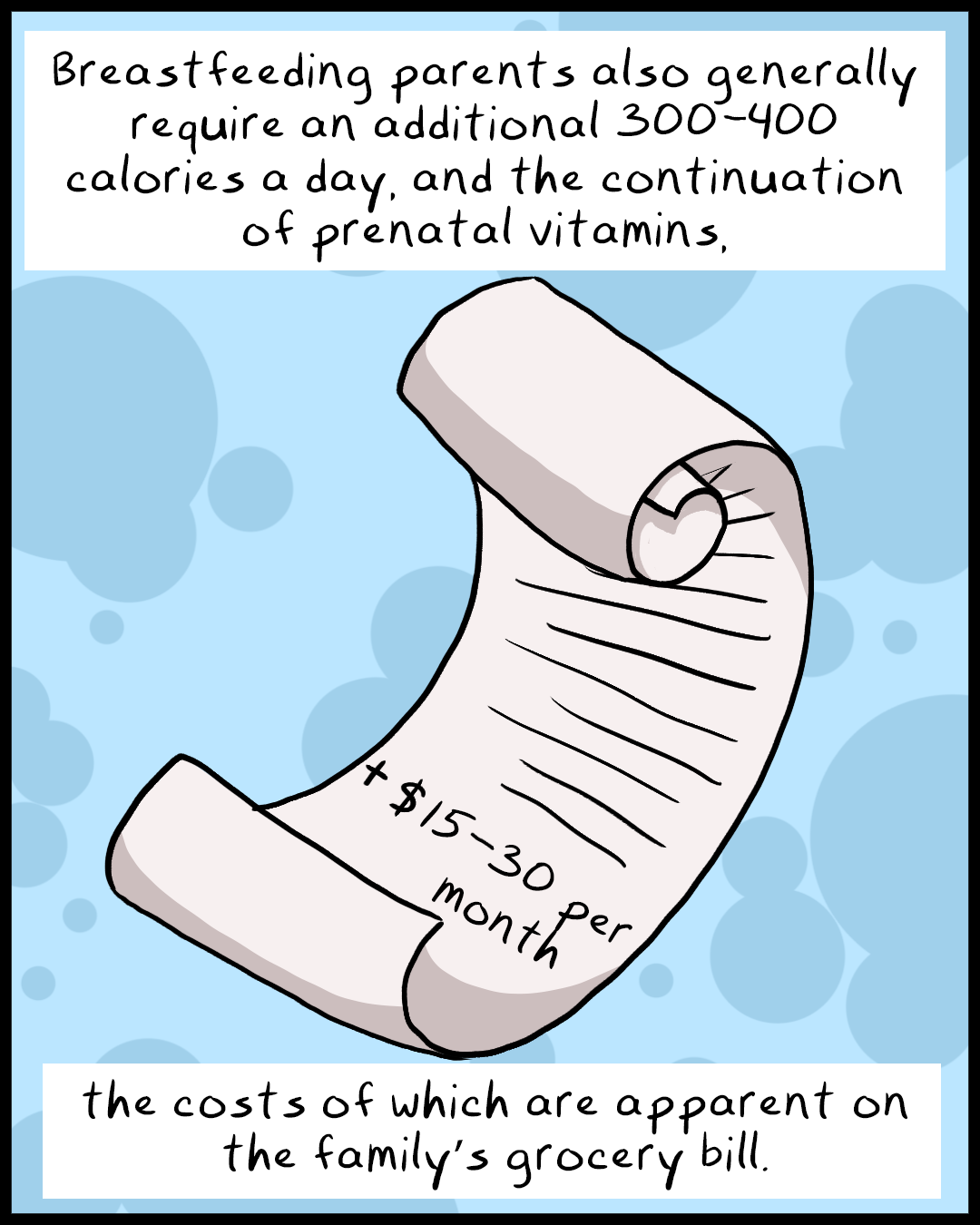
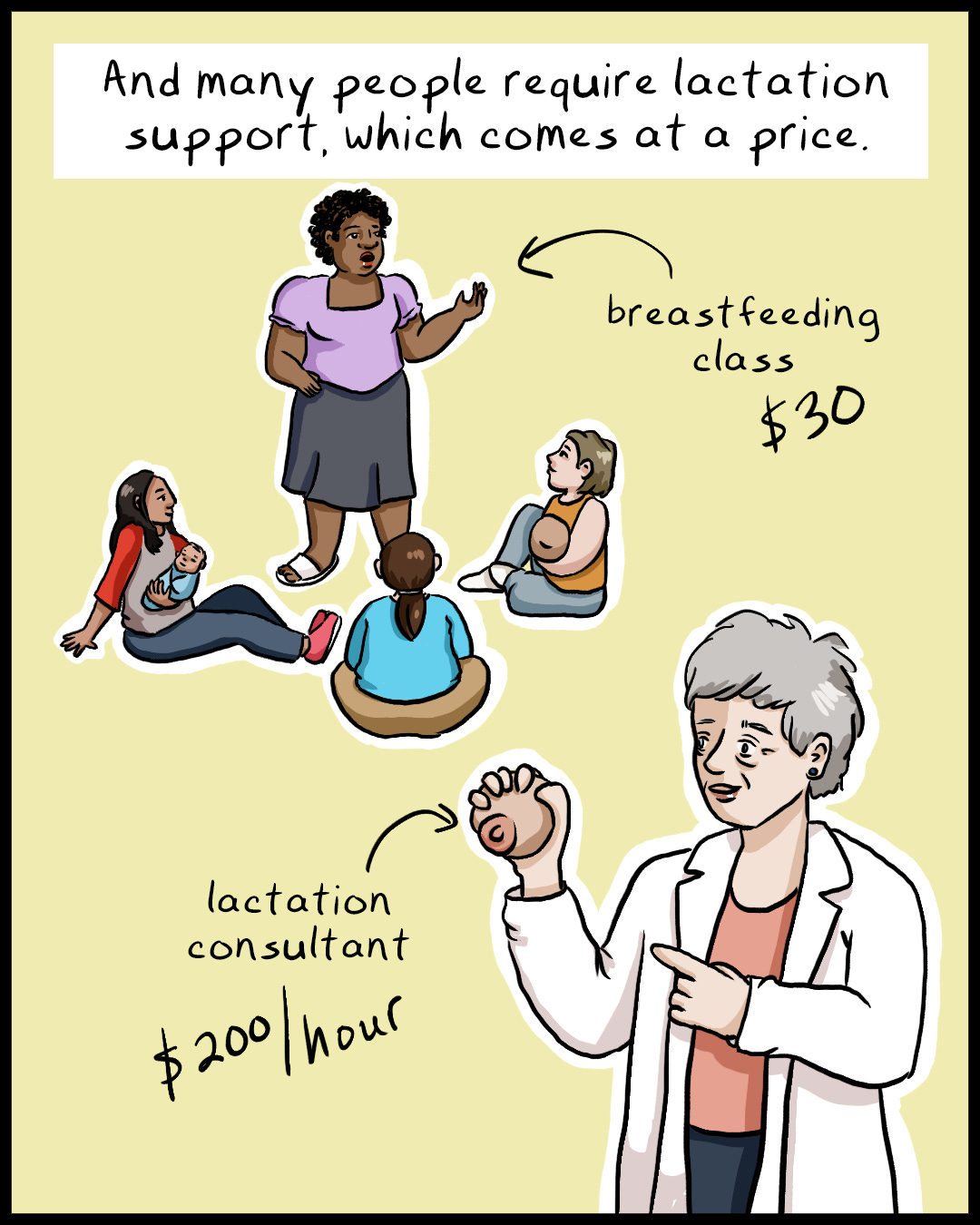
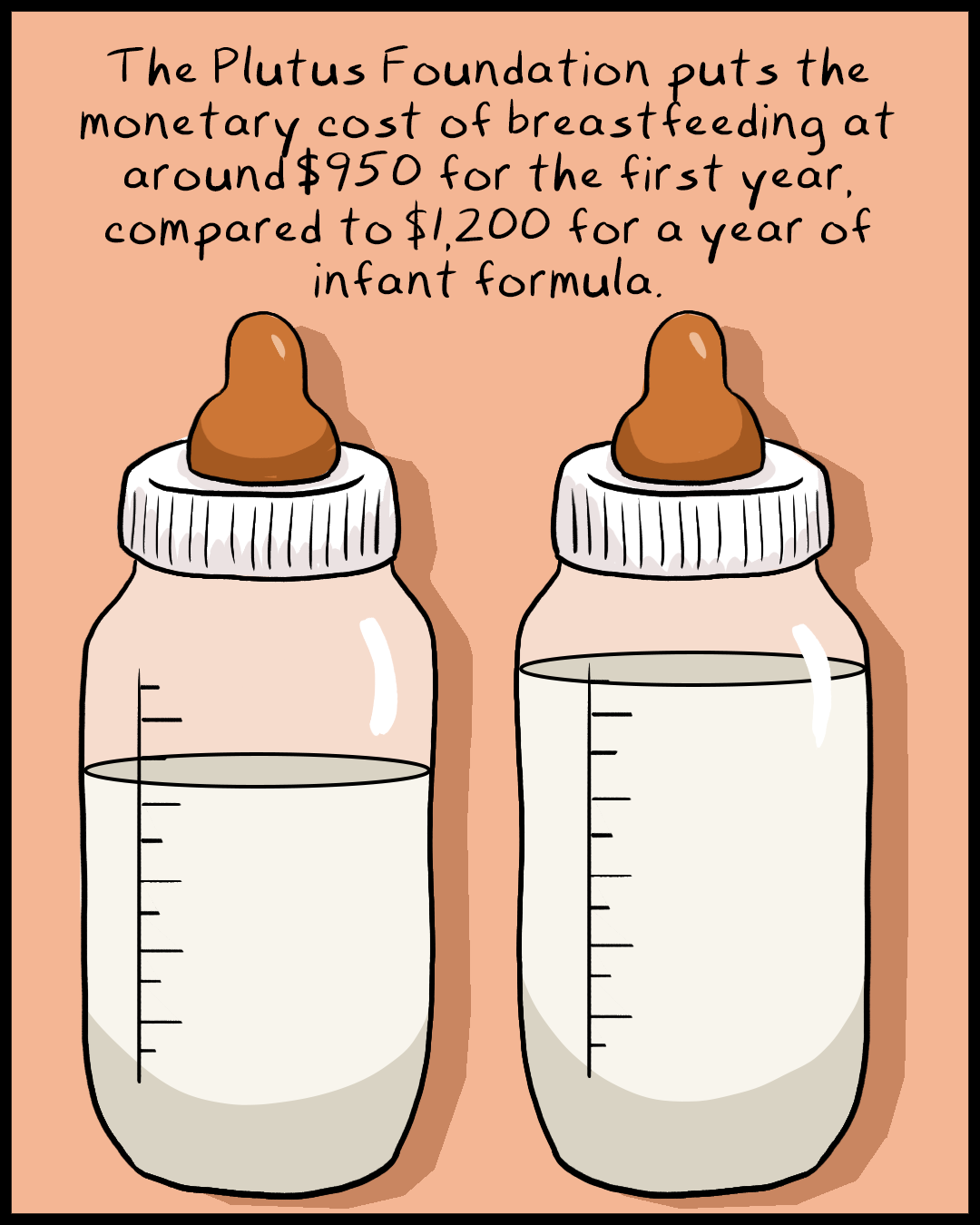
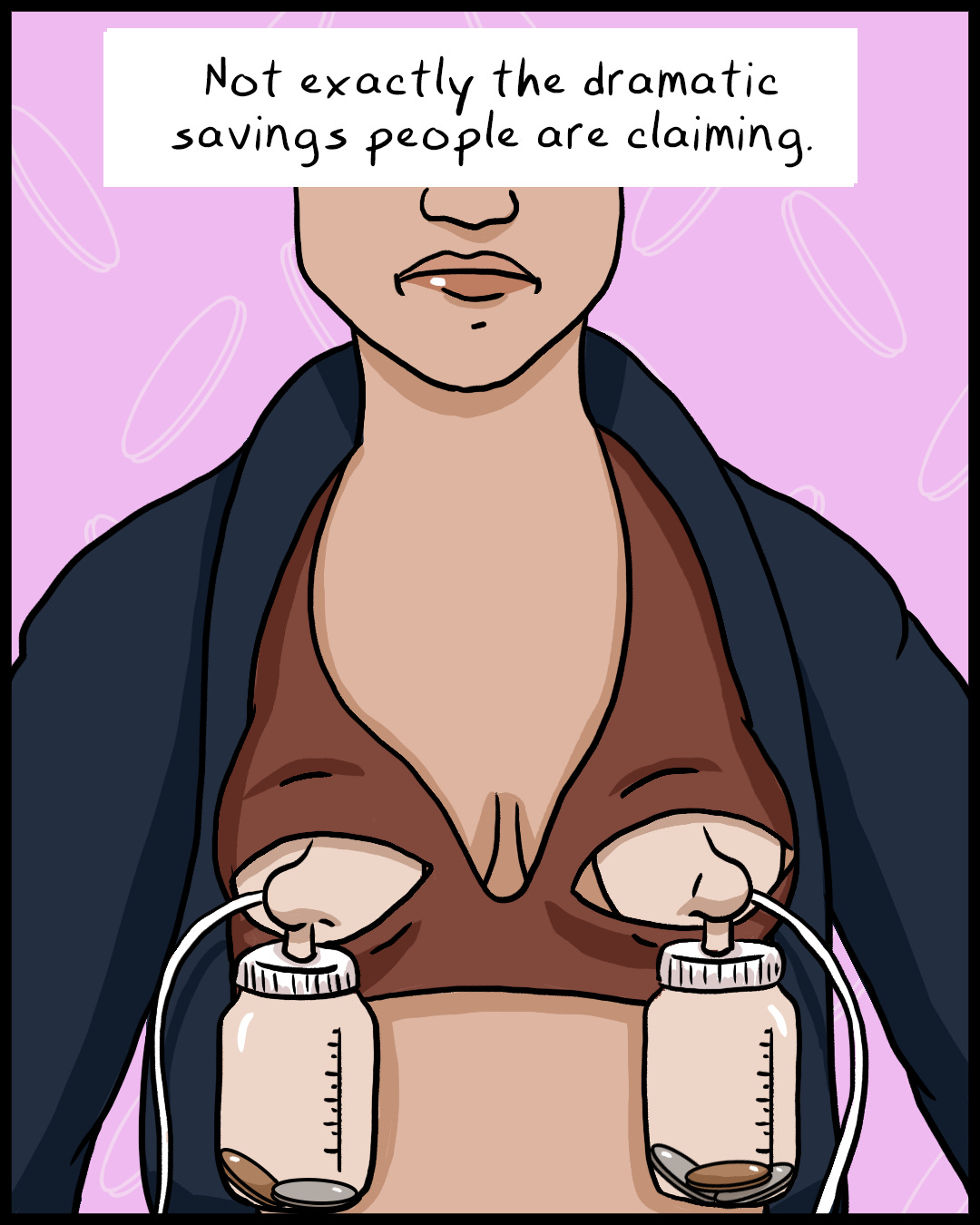
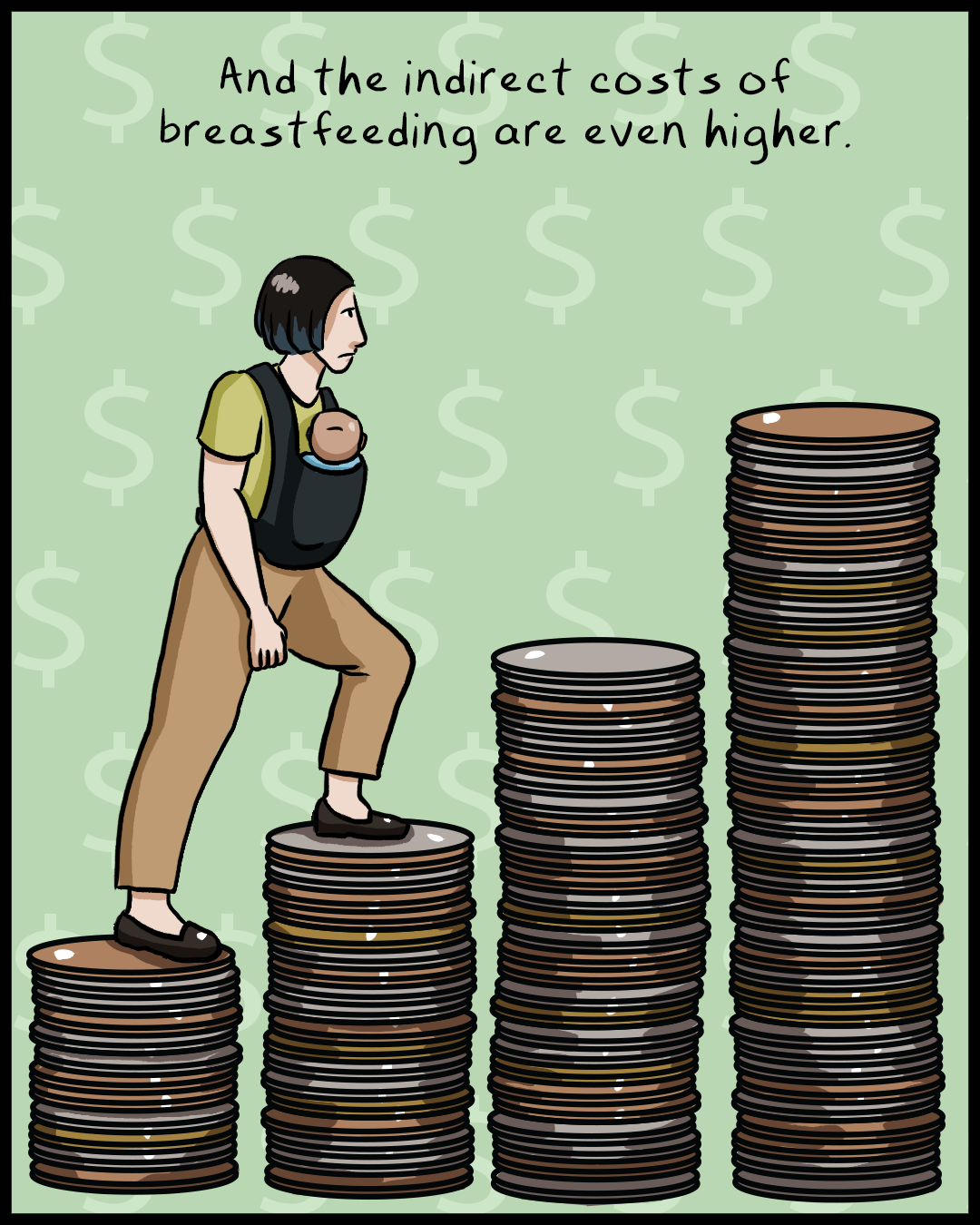
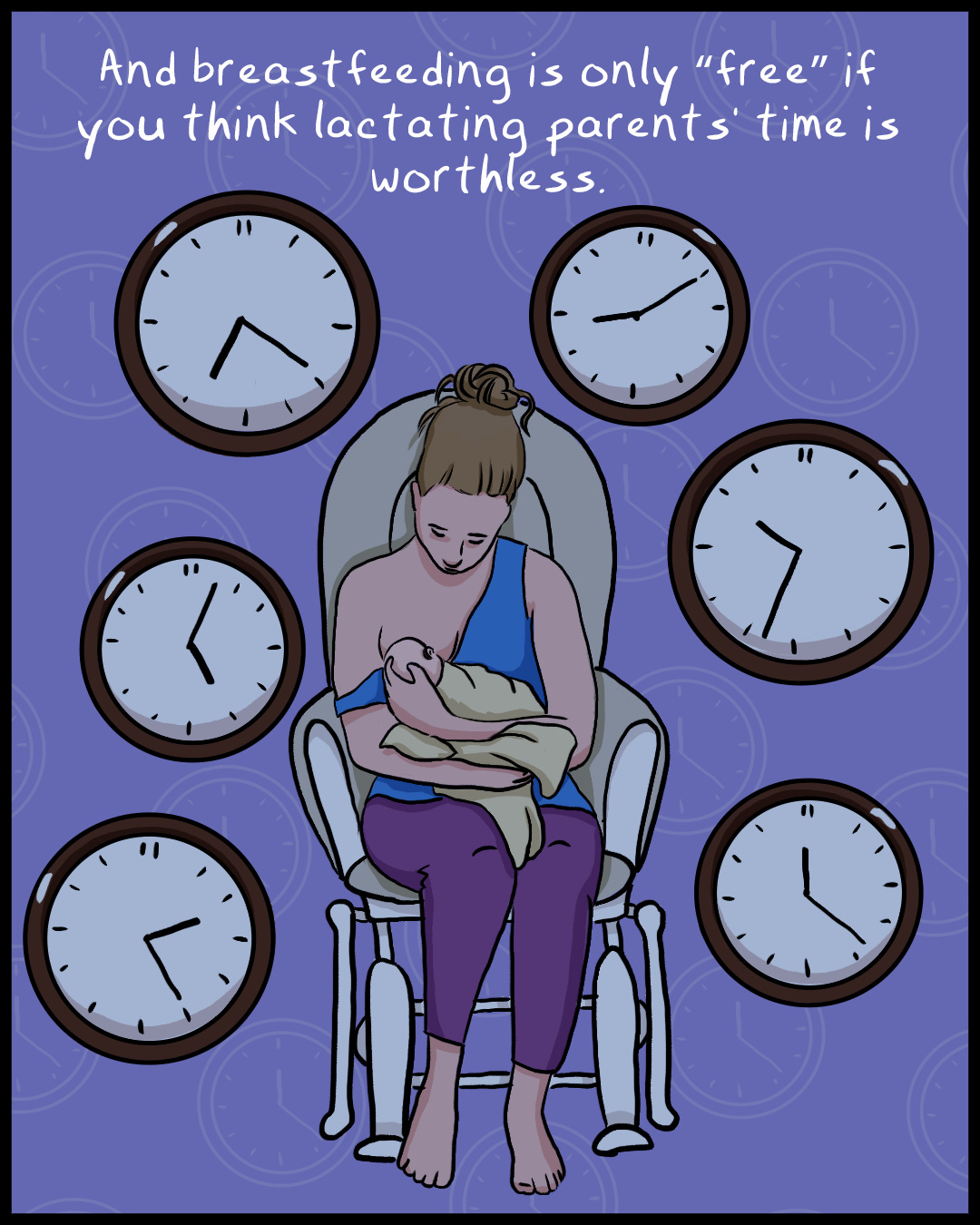
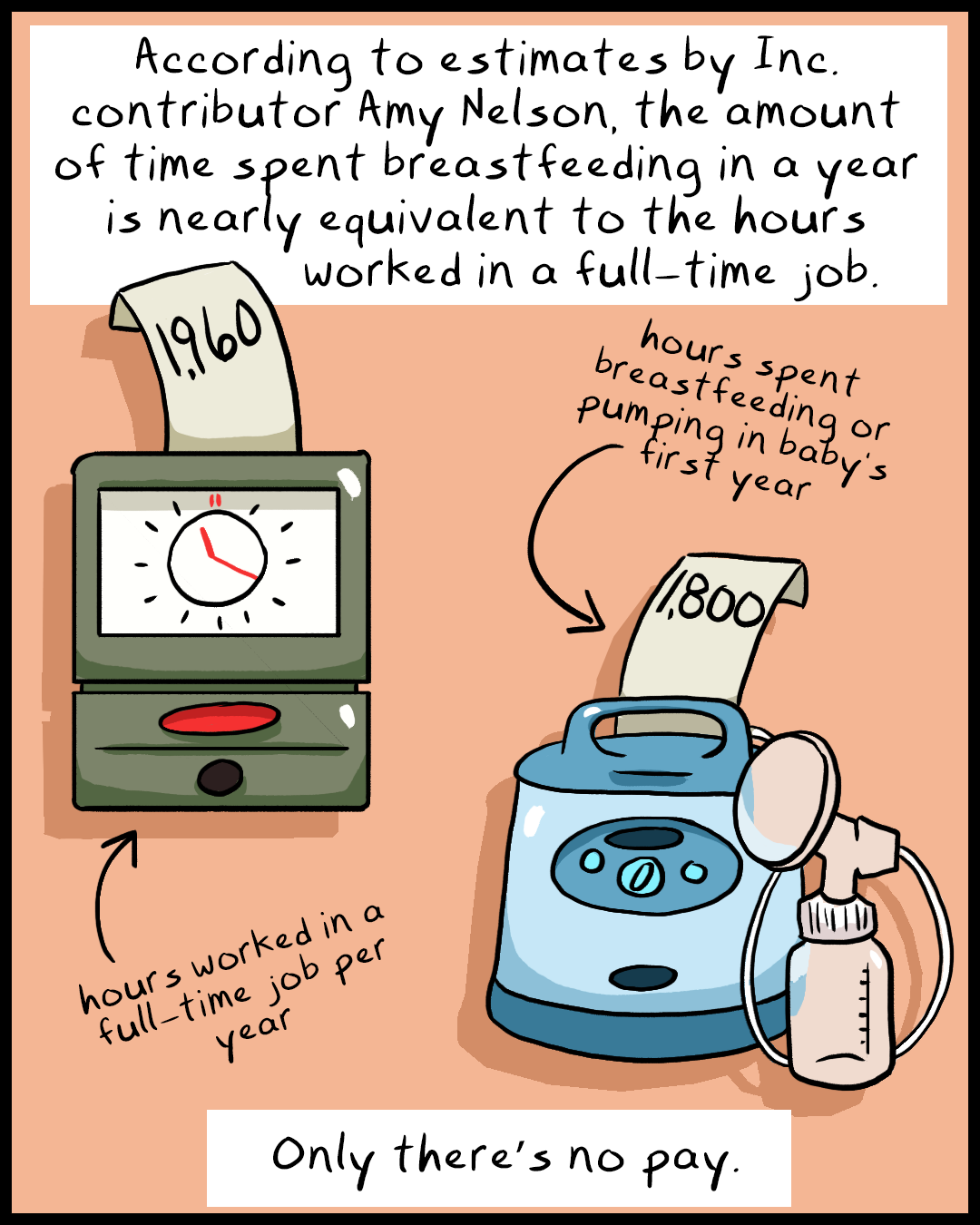
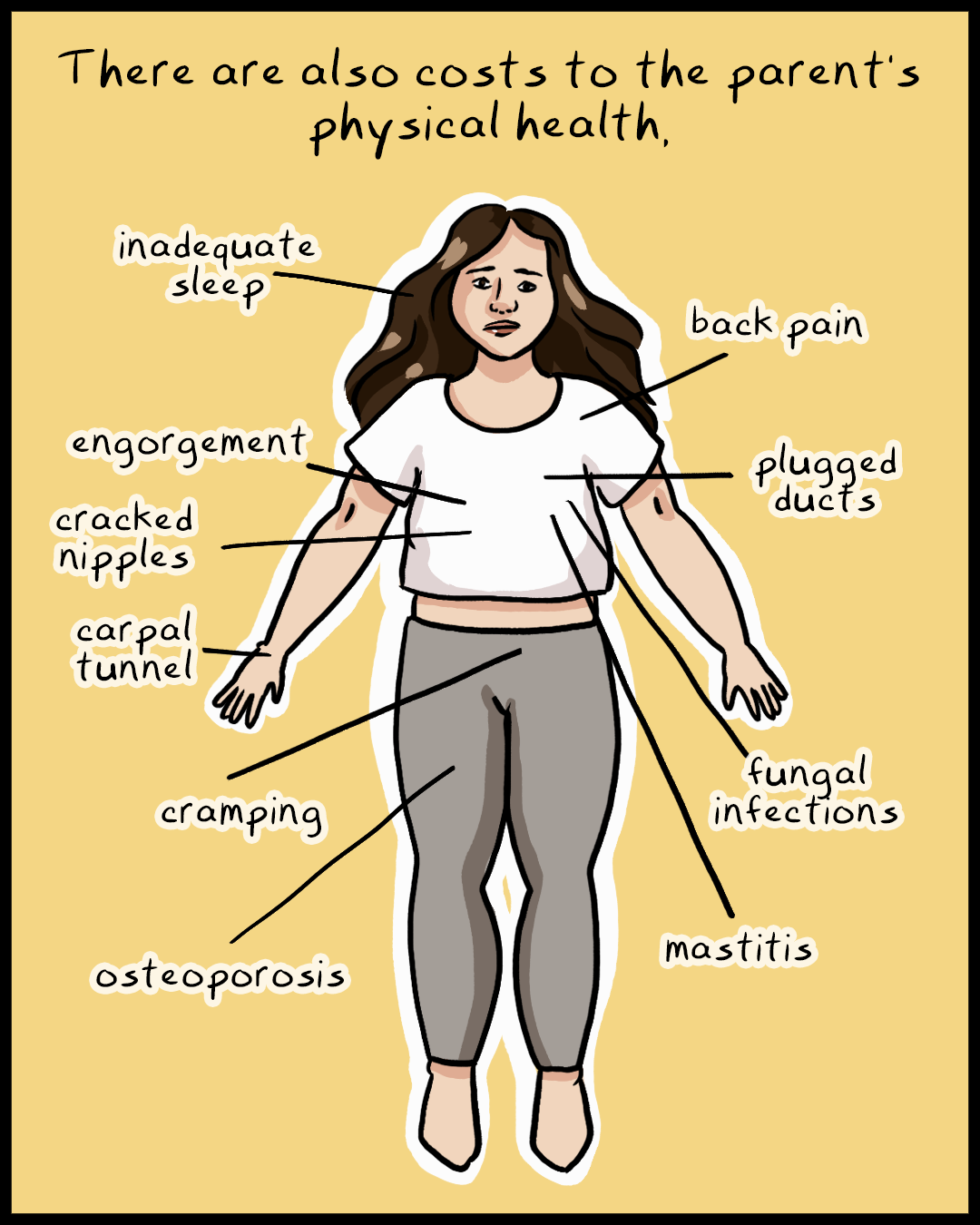
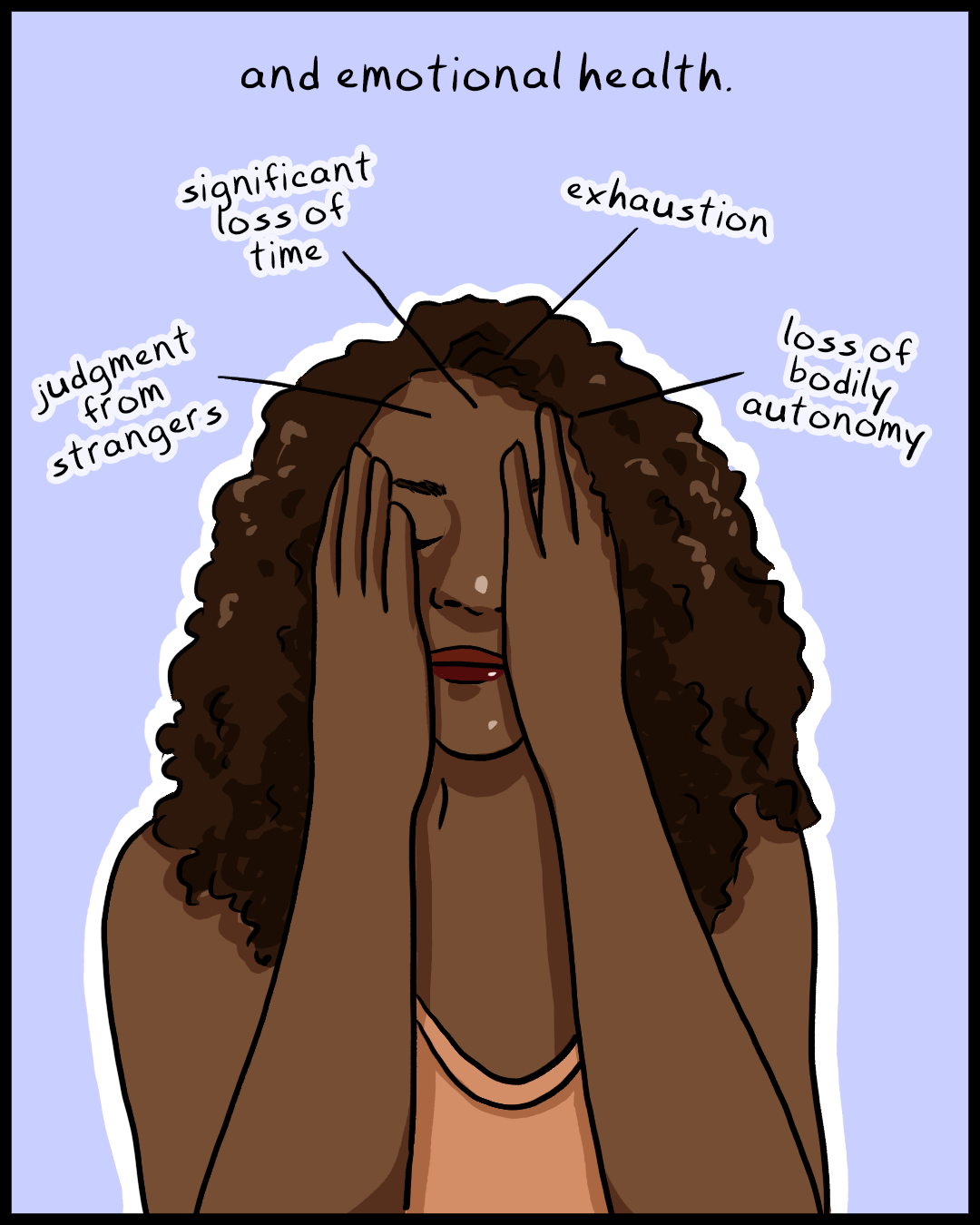
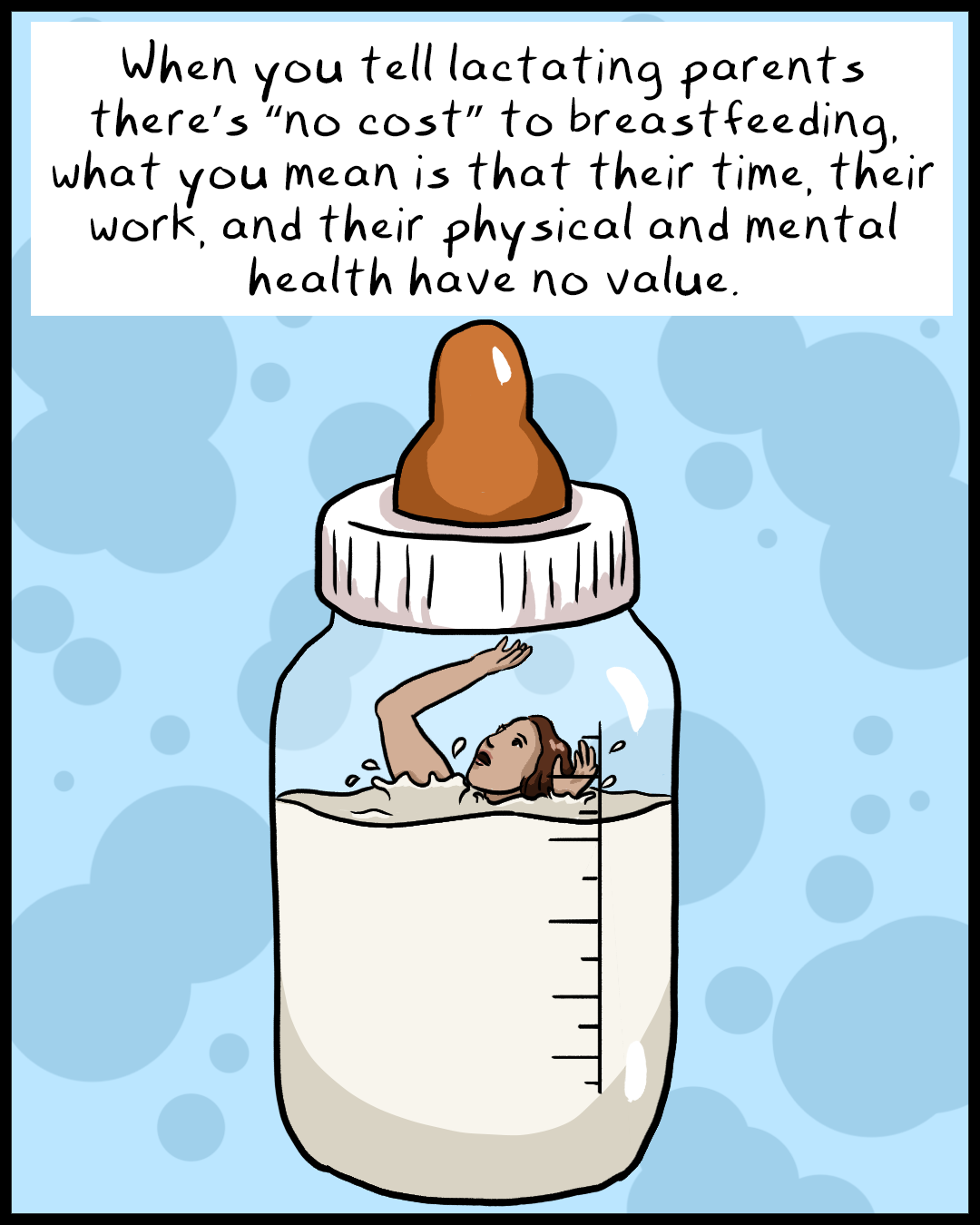
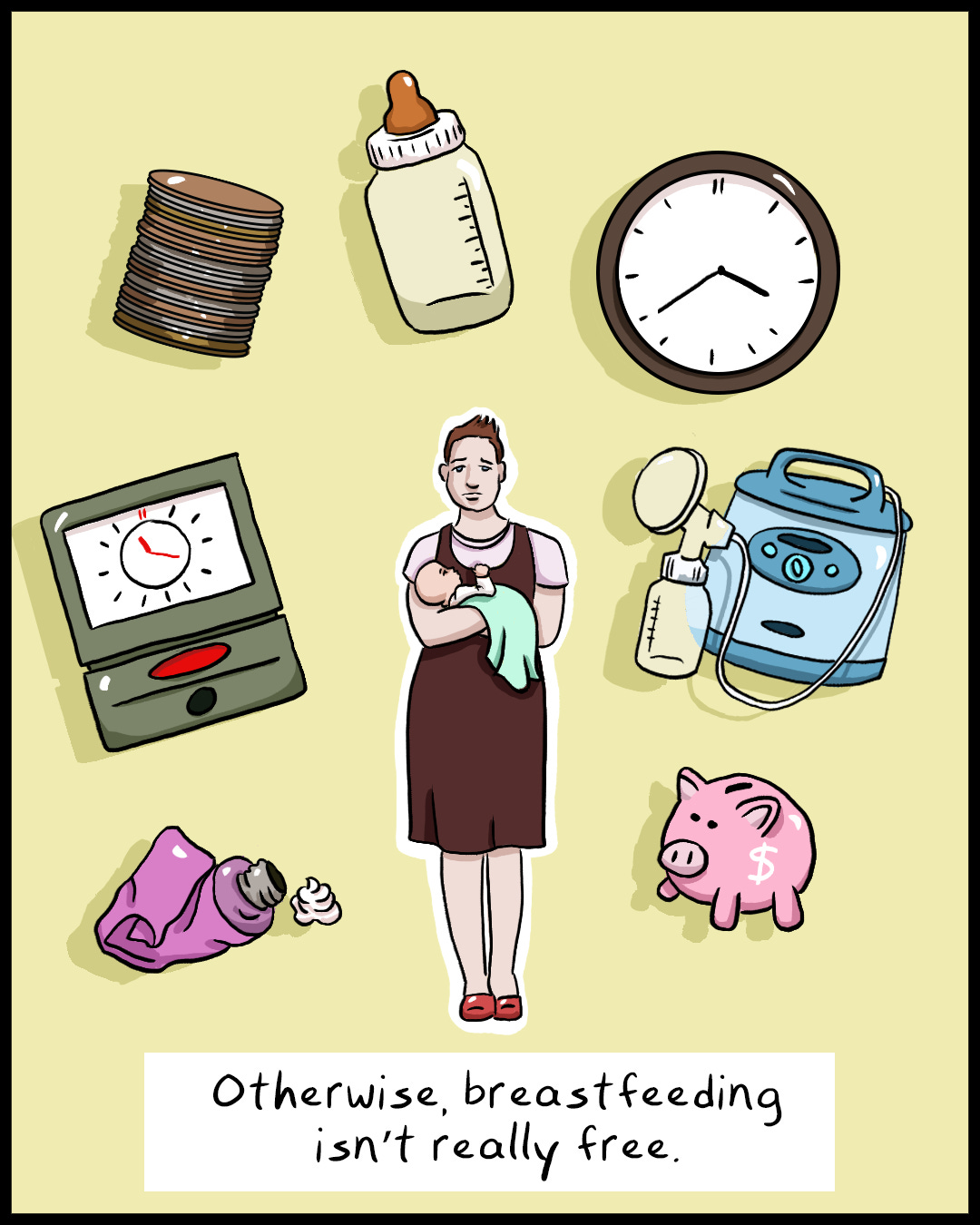
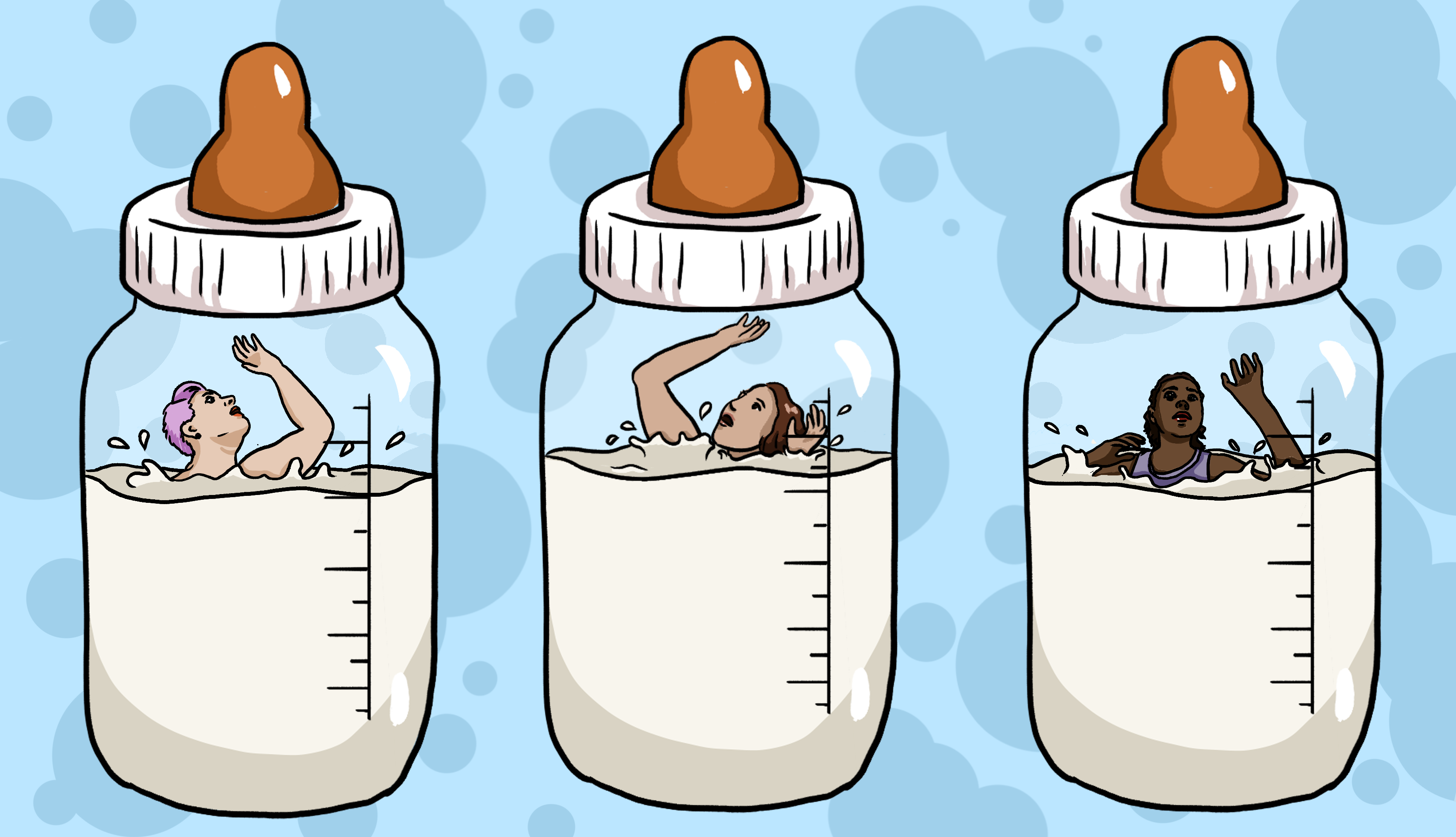
Back then, I kept seeing posts (often from men) saying things like: “Hey ladies, your bodies already make food for your babies, and it’s FREE!” But here’s the truth: breastfeeding is only “free” if you assume a lactating parent’s time and energy are worth nothing. On top of that, there are real material costs involved.
So, in response to the idea that breastfeeding comes at no cost, I made this comic to highlight the many hidden expenses (financial, physical, and emotional) that breastfeeding parents shoulder.
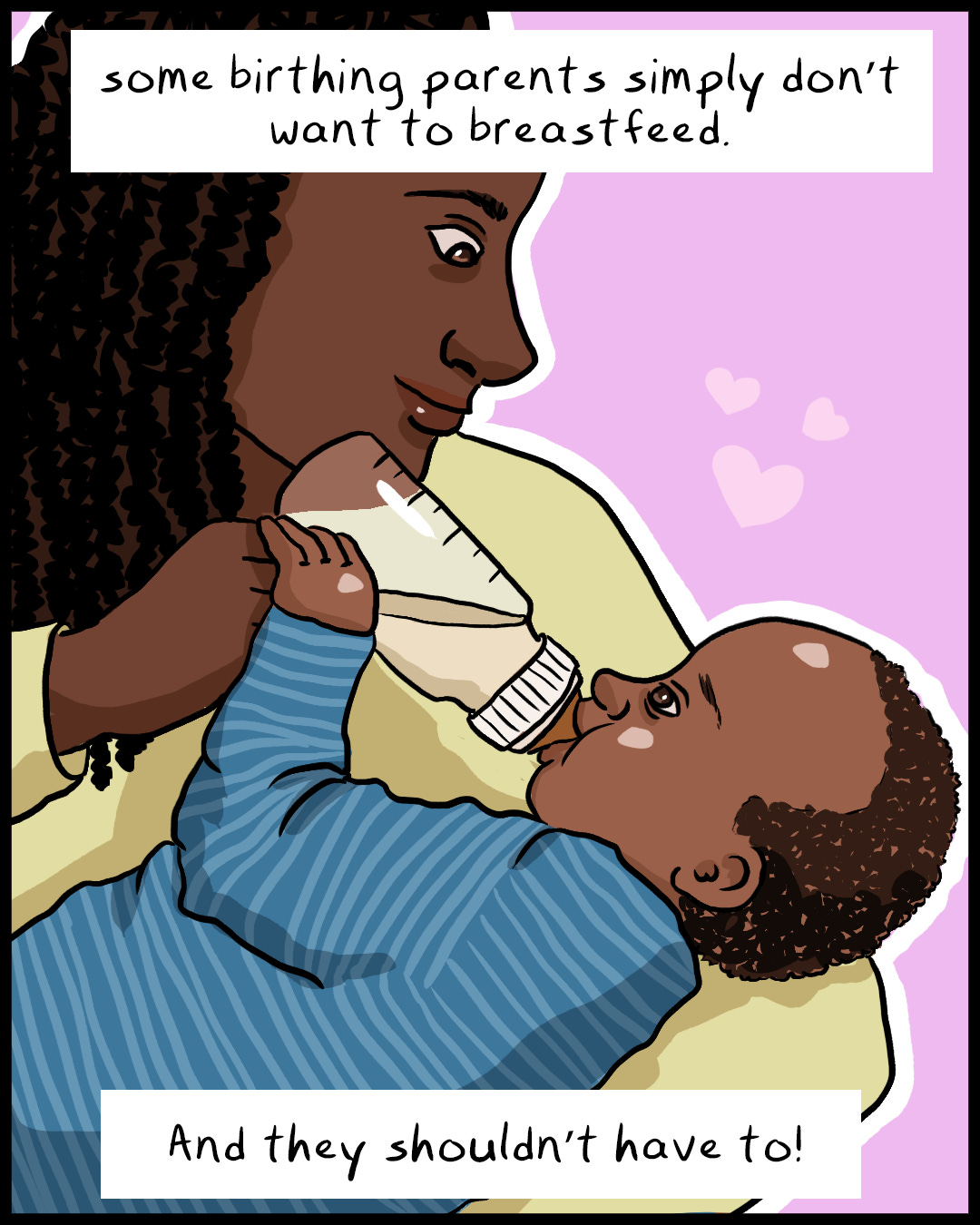
For the record, I think breastfeeding is great if it works for you and your family! This isn’t about saying it’s not worth the effort or that it’s the wrong choice. It’s about giving breastfeeding parents the credit they deserve. Breastfeeding is labor—real labor—and it should be respected as such.
This comic originally appeared in Vox.
Graphic Rage with Aubrey Hirsch is a reader-supported publication. To receive new posts and support my work, consider becoming a free or paid subscriber.
If you’re interested in learning to make comics of your own, I teach a class called Comics For People Who Can’t Draw! I’m running the one-day version in August and the 6-week version starting in September. The six-week always sells out, so if you’re interested, grab your spot early!
And if you don’t already follow me on Instagram, you should!
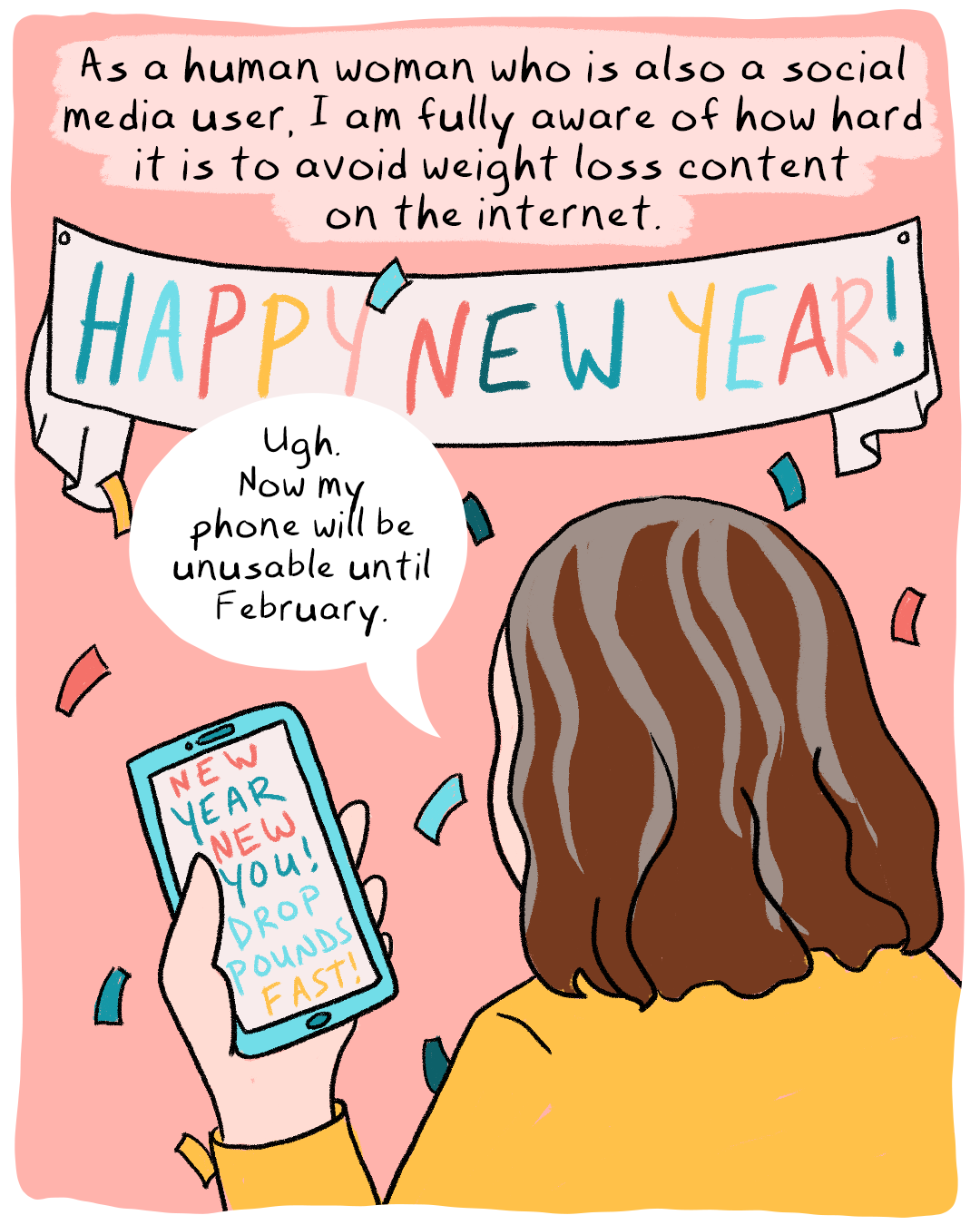
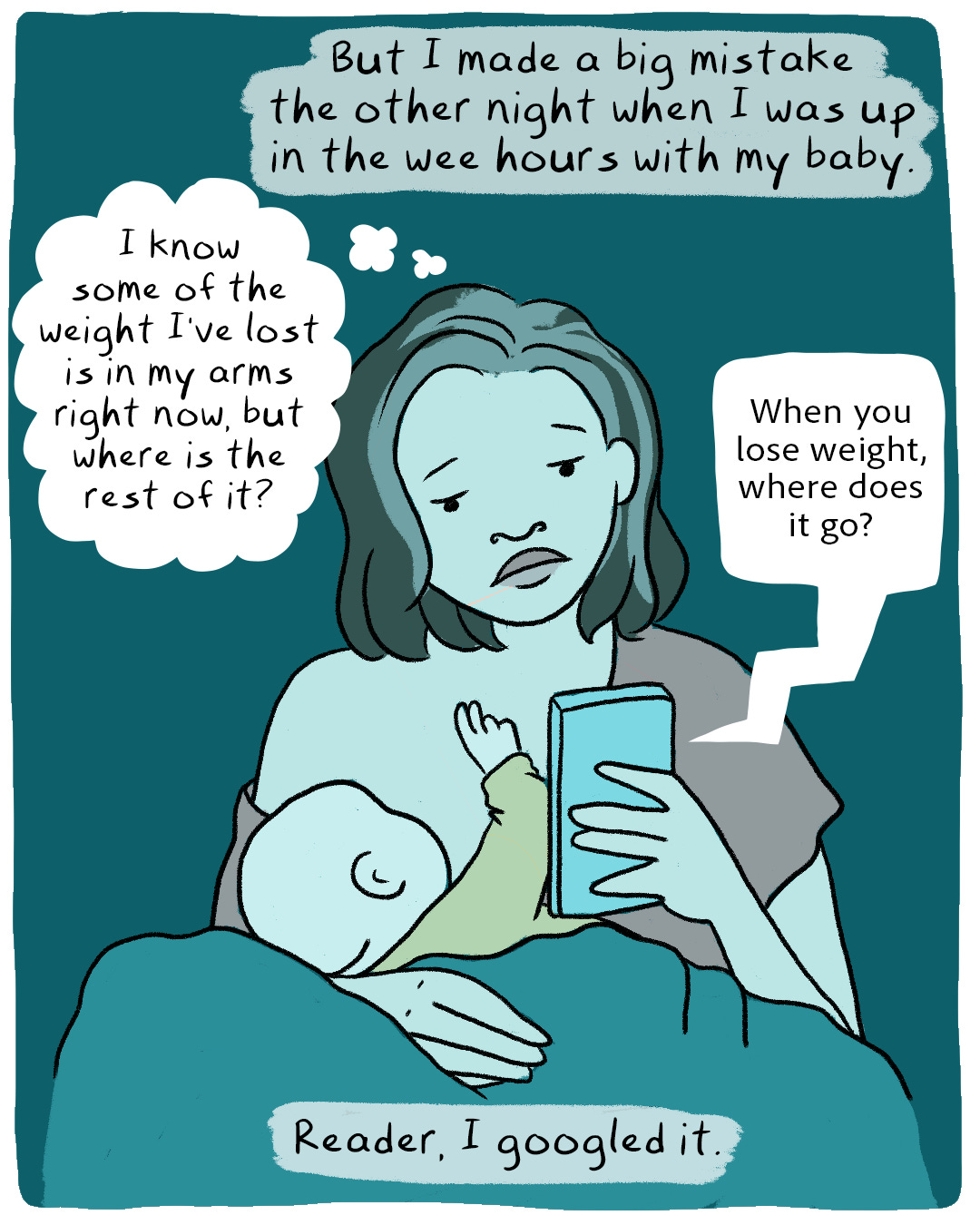
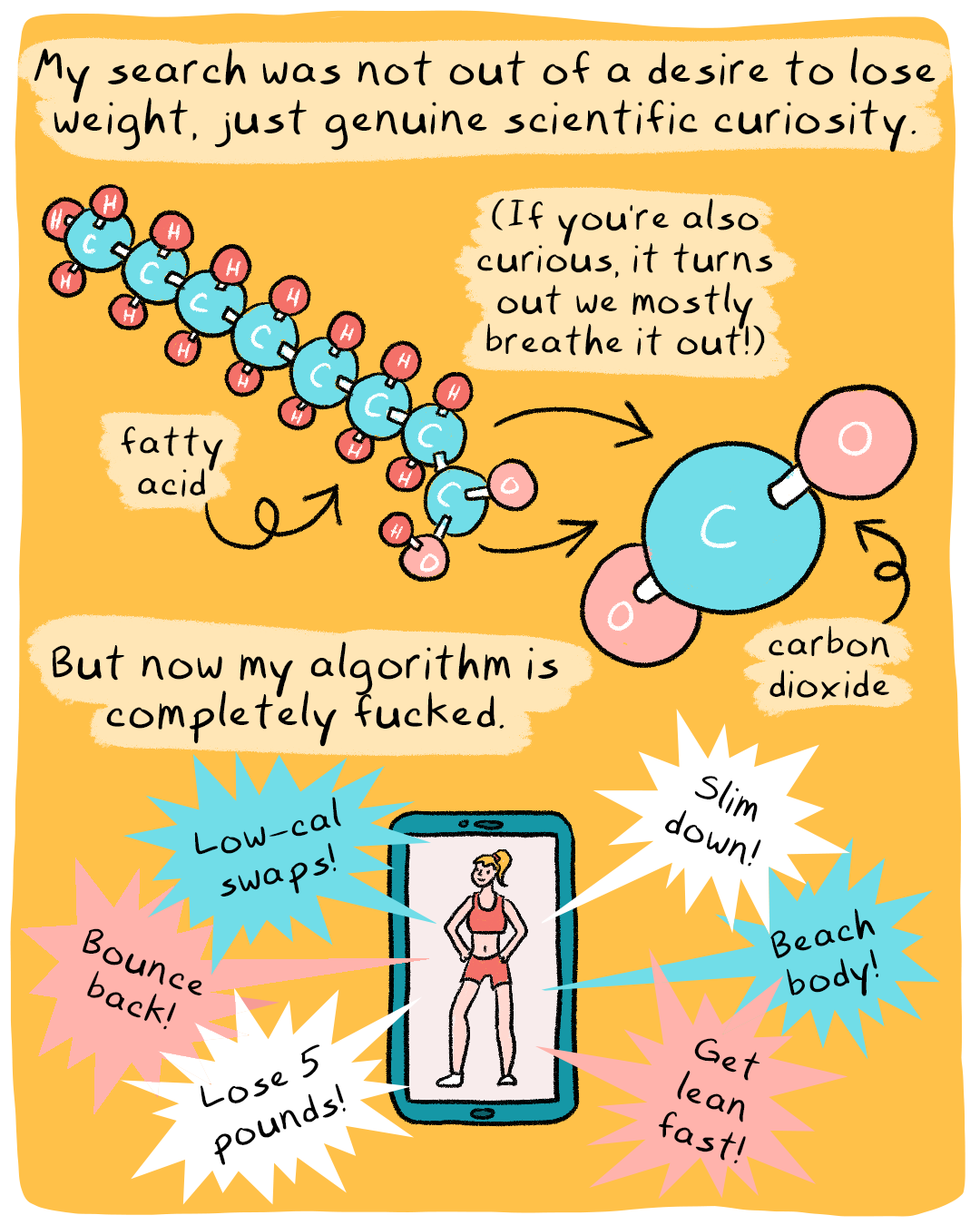
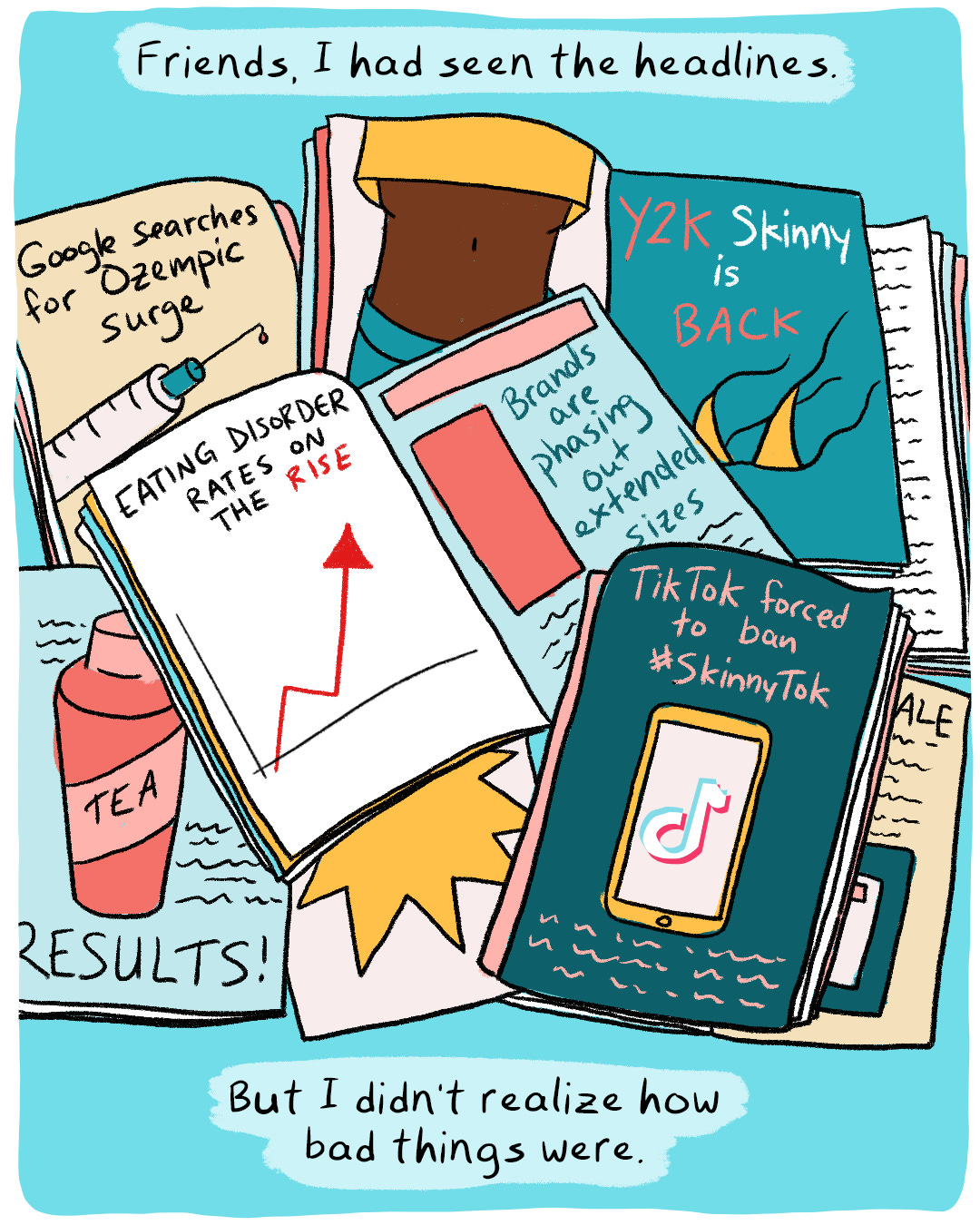
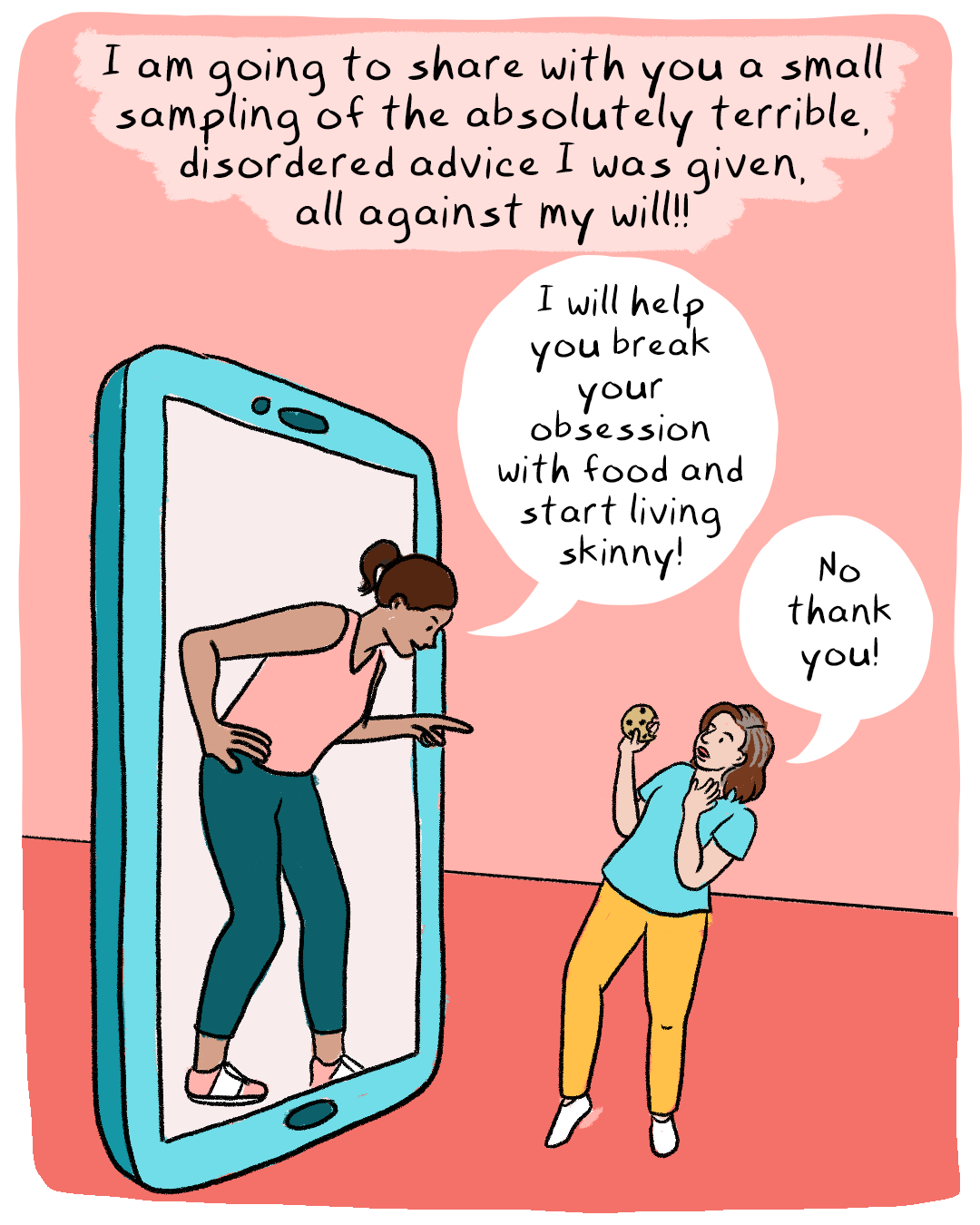
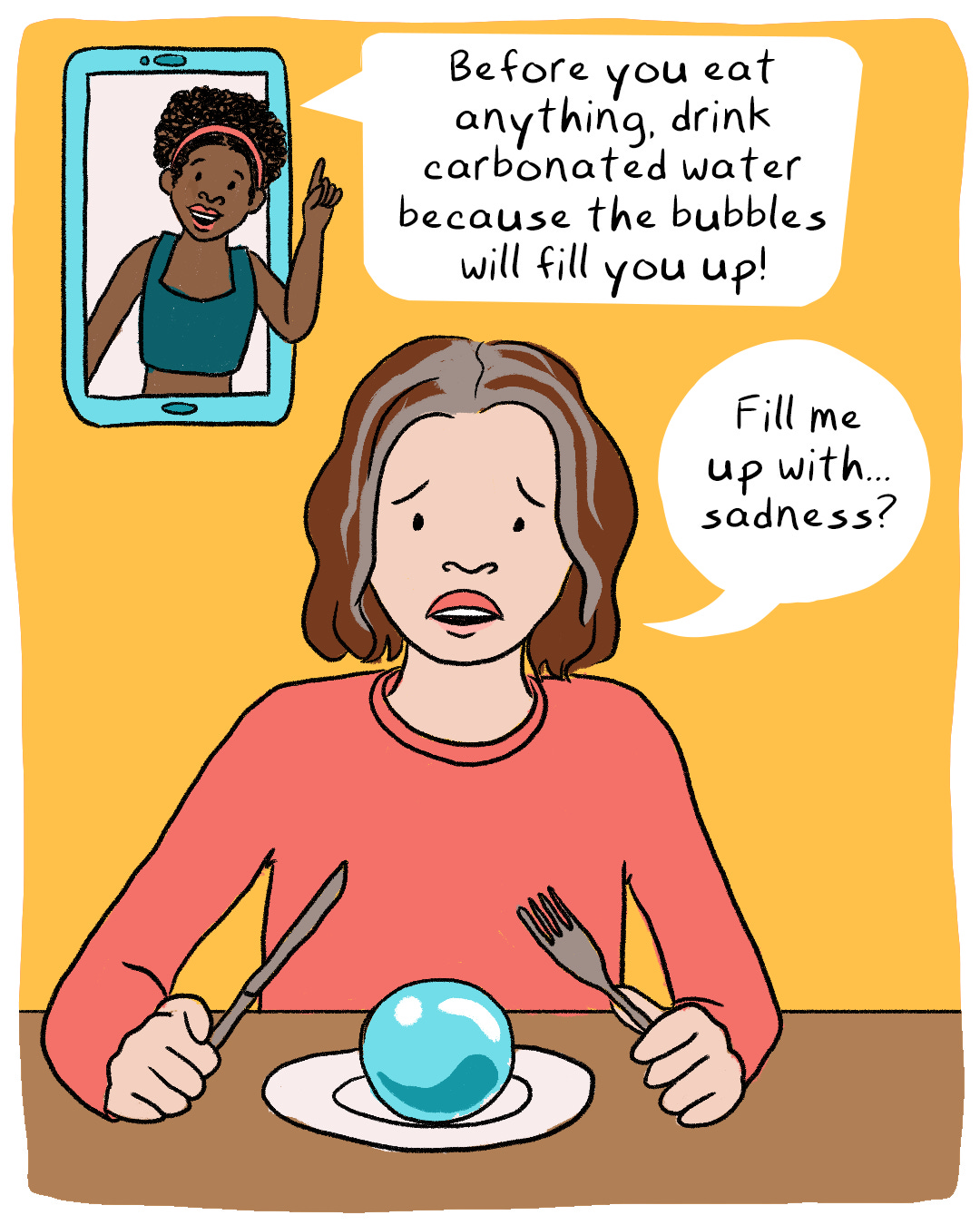
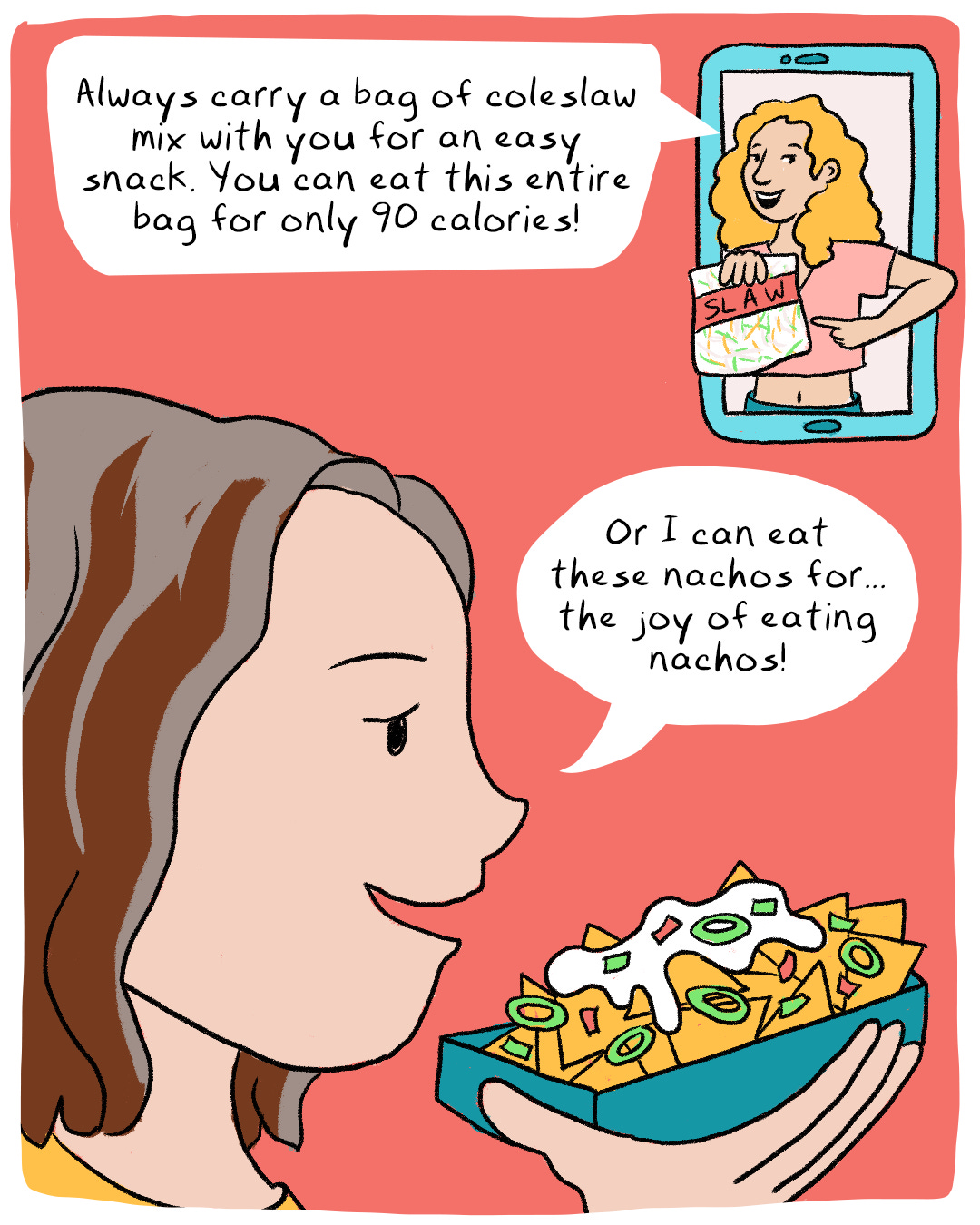
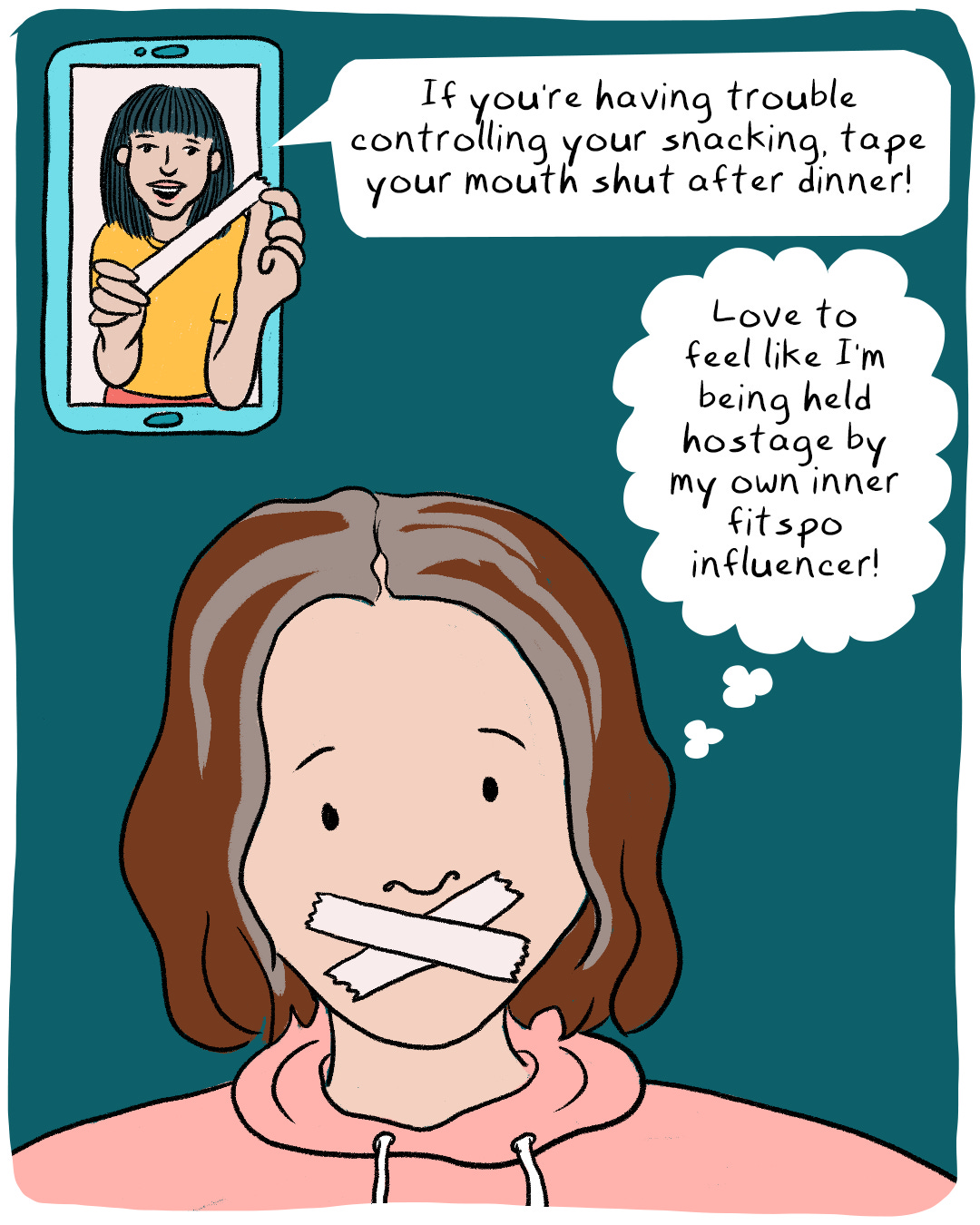
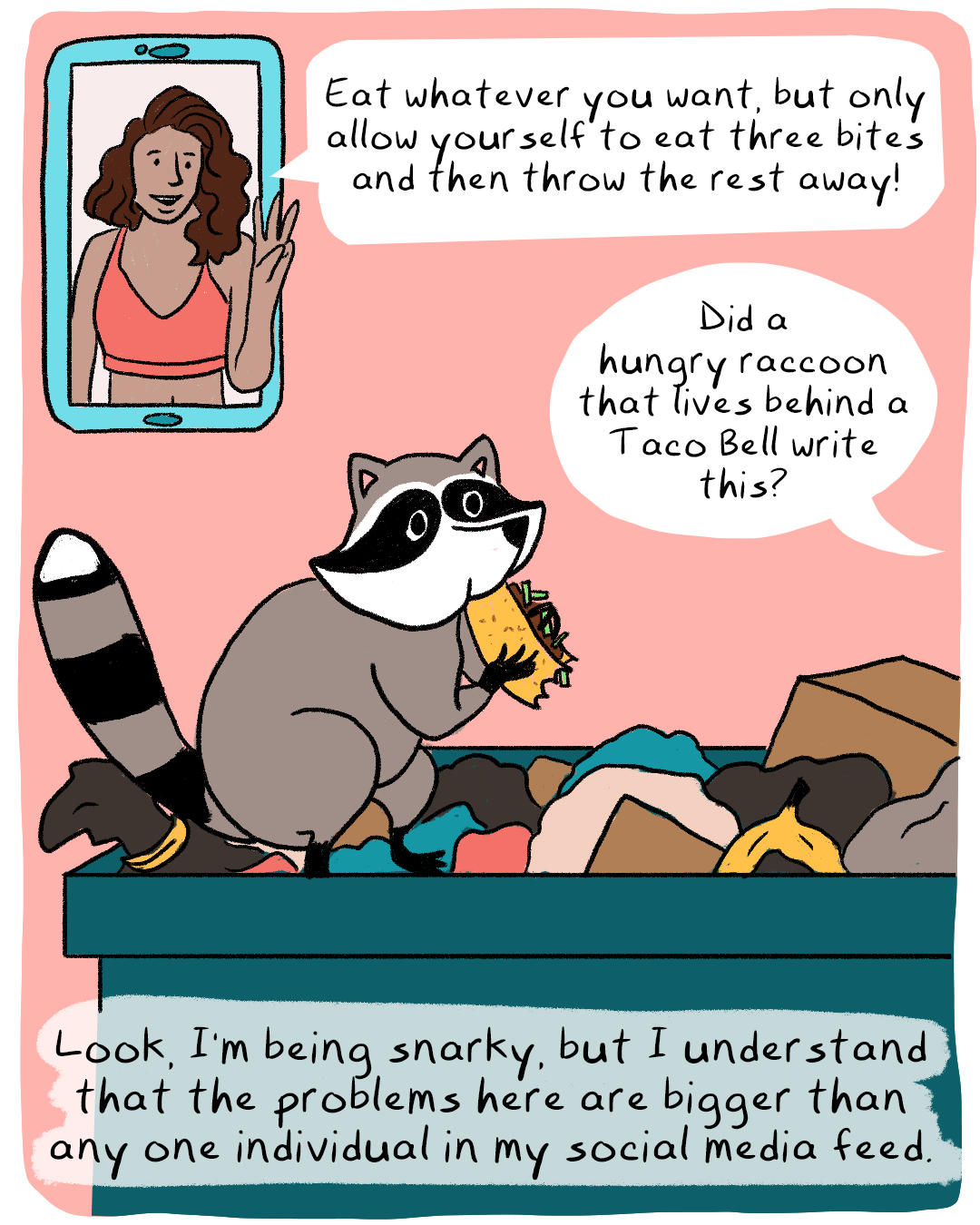
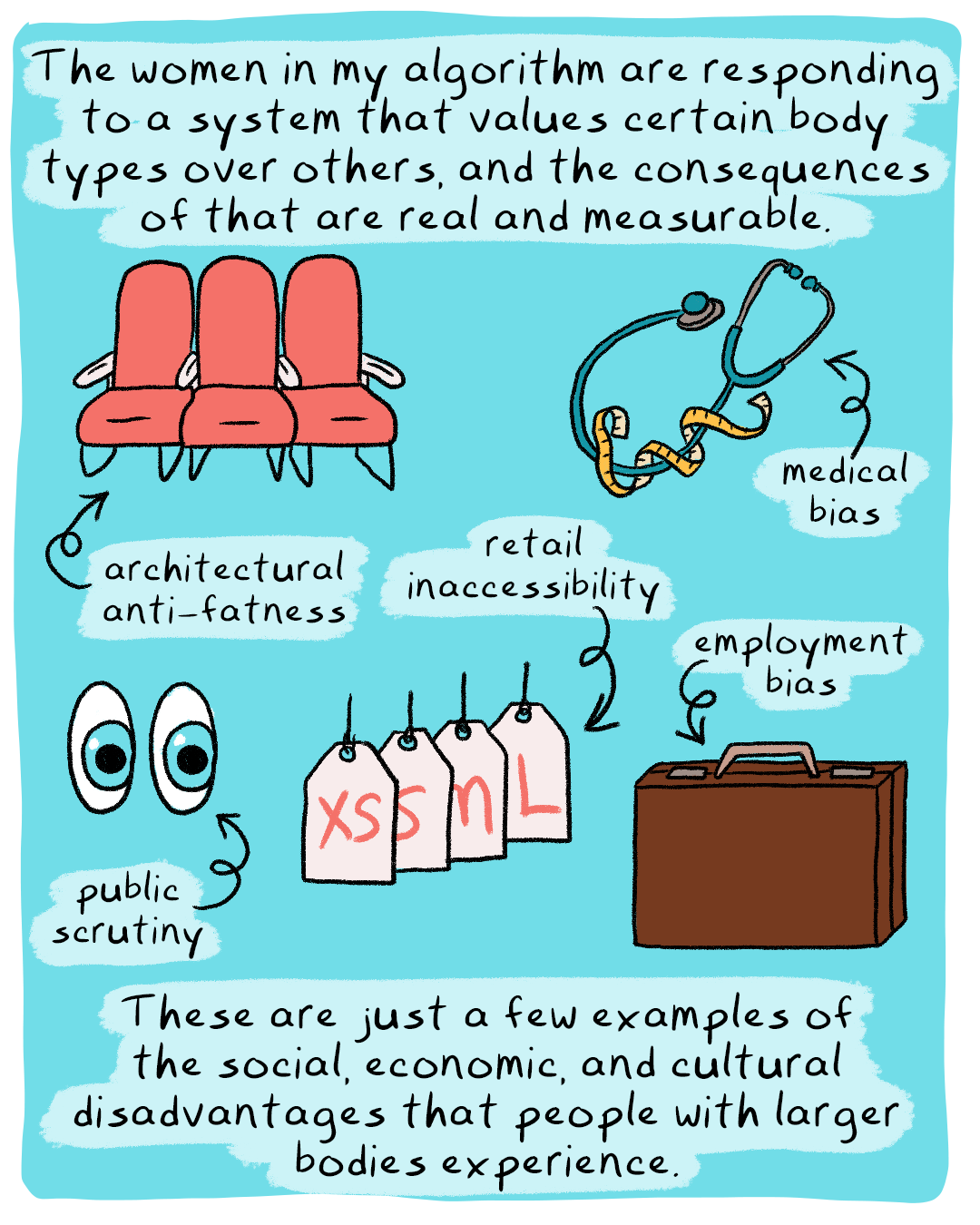
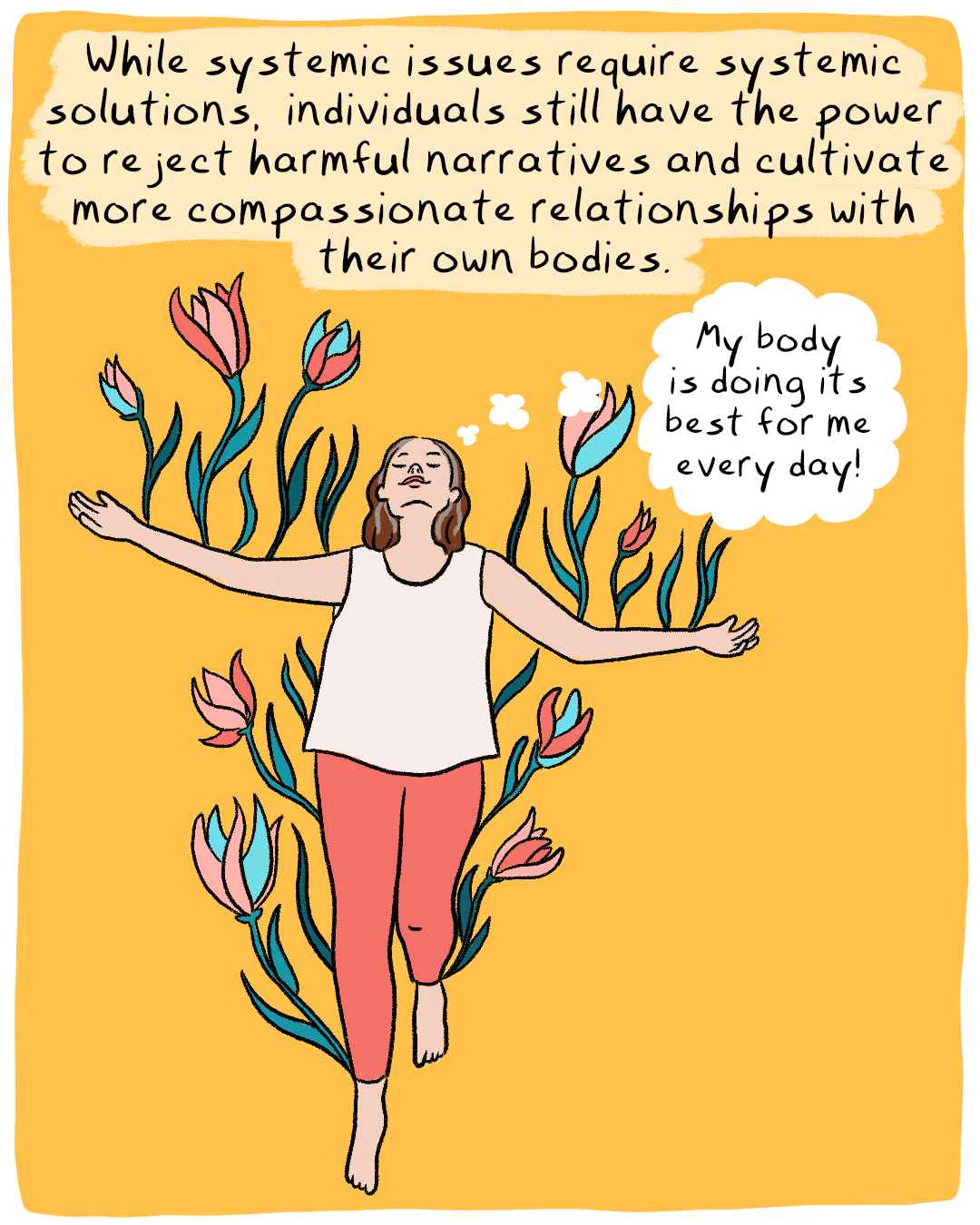
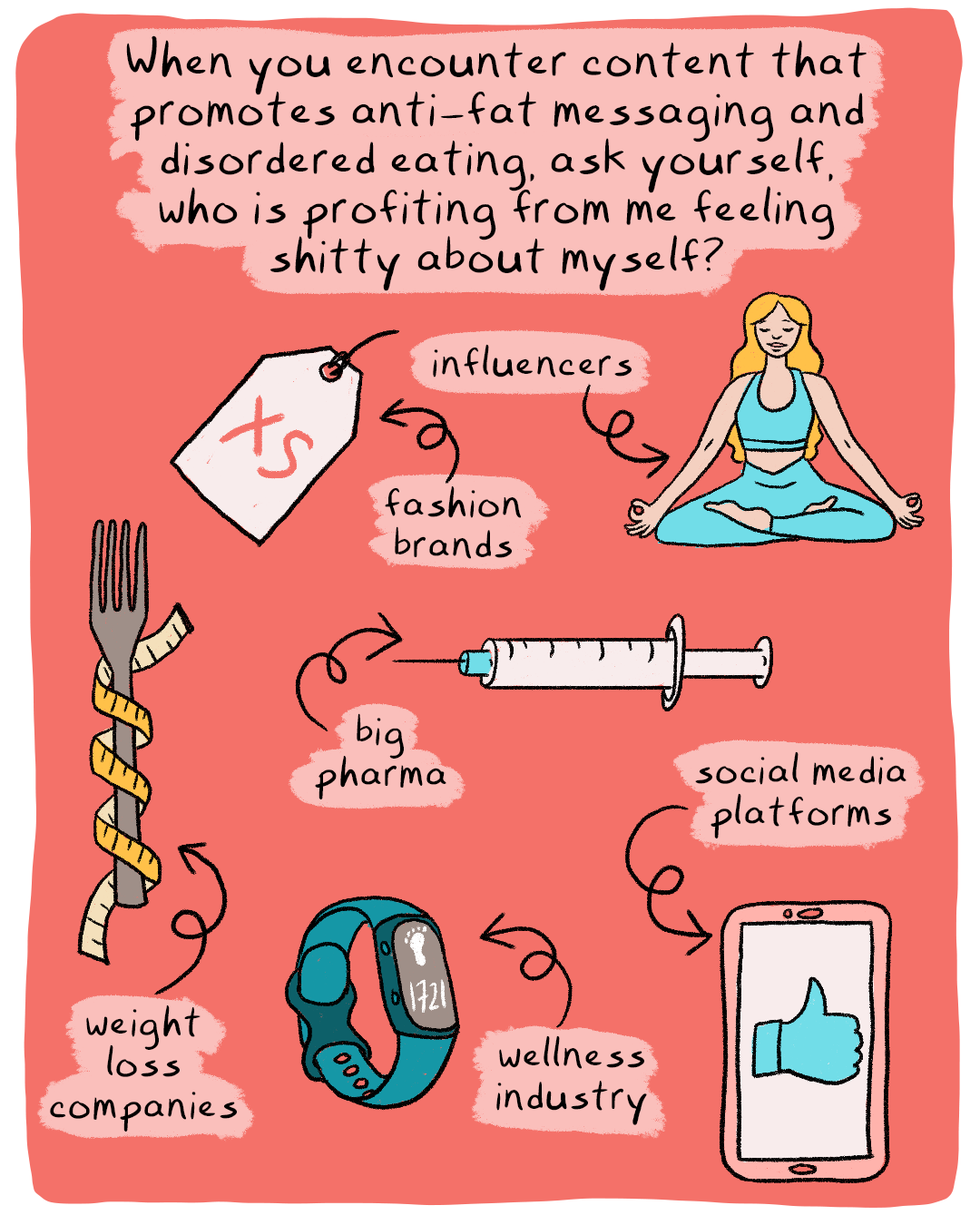
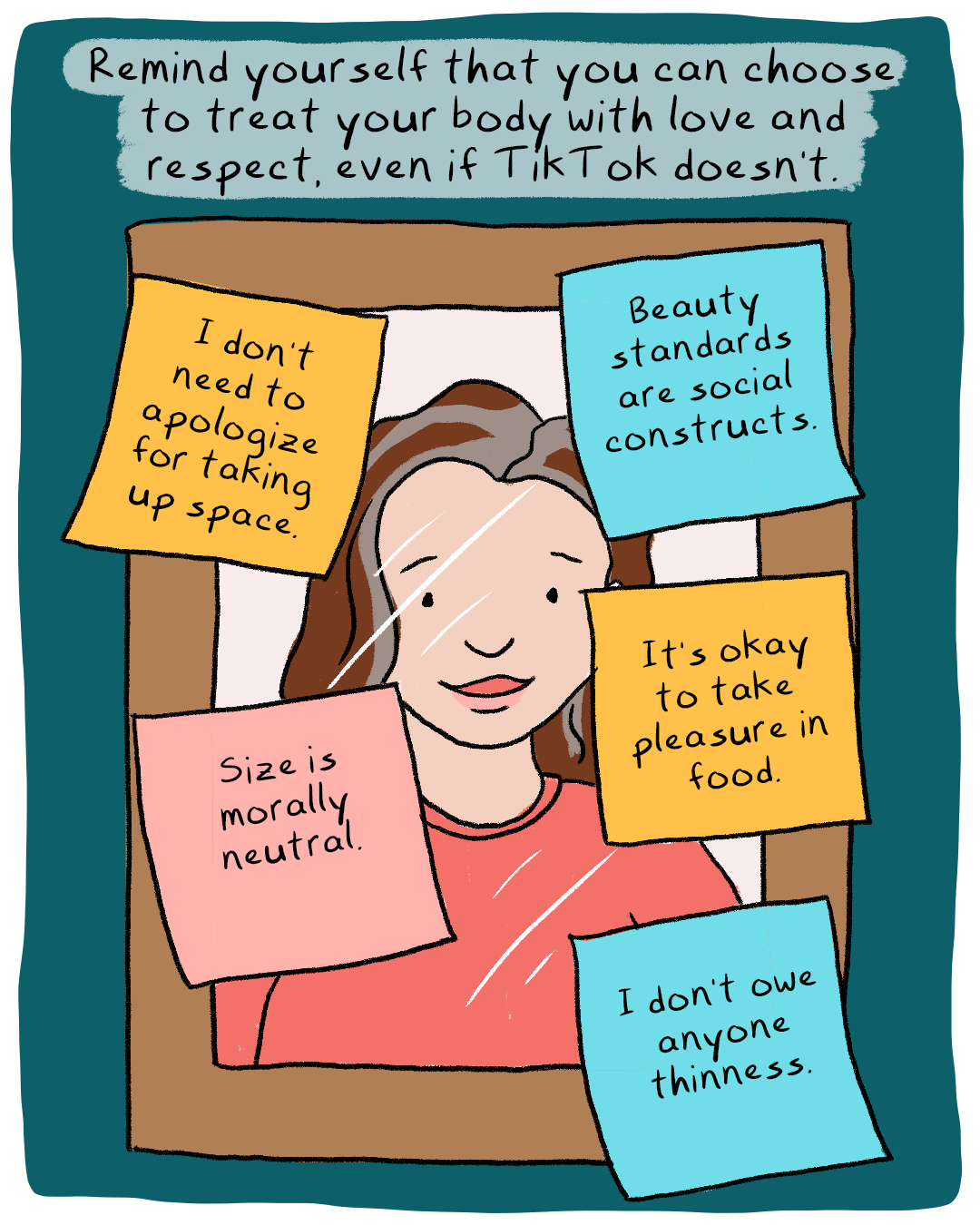
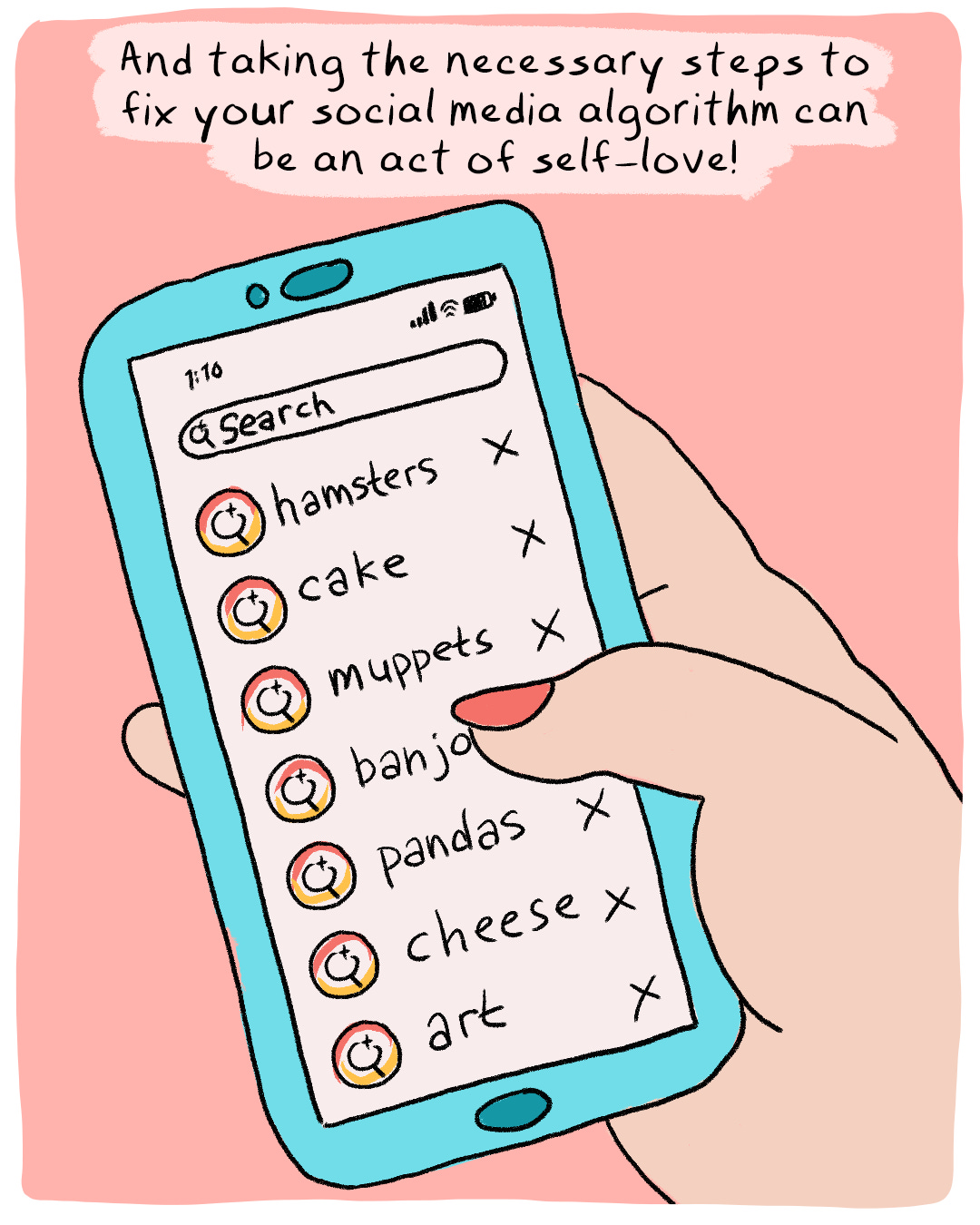
I’ve written previously about the dangers of treating women’s body parts like fast fashion accessories that can go in and out of style, but somehow the horrors of body discourse continue to surprise me! I recently accidentally googled my way onto diet Instagram and what I saw just made me so, so, SO sad. Anyway, I made a comic about it, and here it is!
Graphic Rage with Aubrey Hirsch is a reader-supported publication. To receive new posts and support my work, consider becoming a free or paid subscriber.
If you’re interested in learning to make comics of your own, I teach a class called Comics For People Who Can’t Draw! I’m running the one-day version in August and the 6-week version starting in September. The six-week always sells out, so if you’re interested, grab your spot early!
And if you don’t already follow me on Instagram, you should!
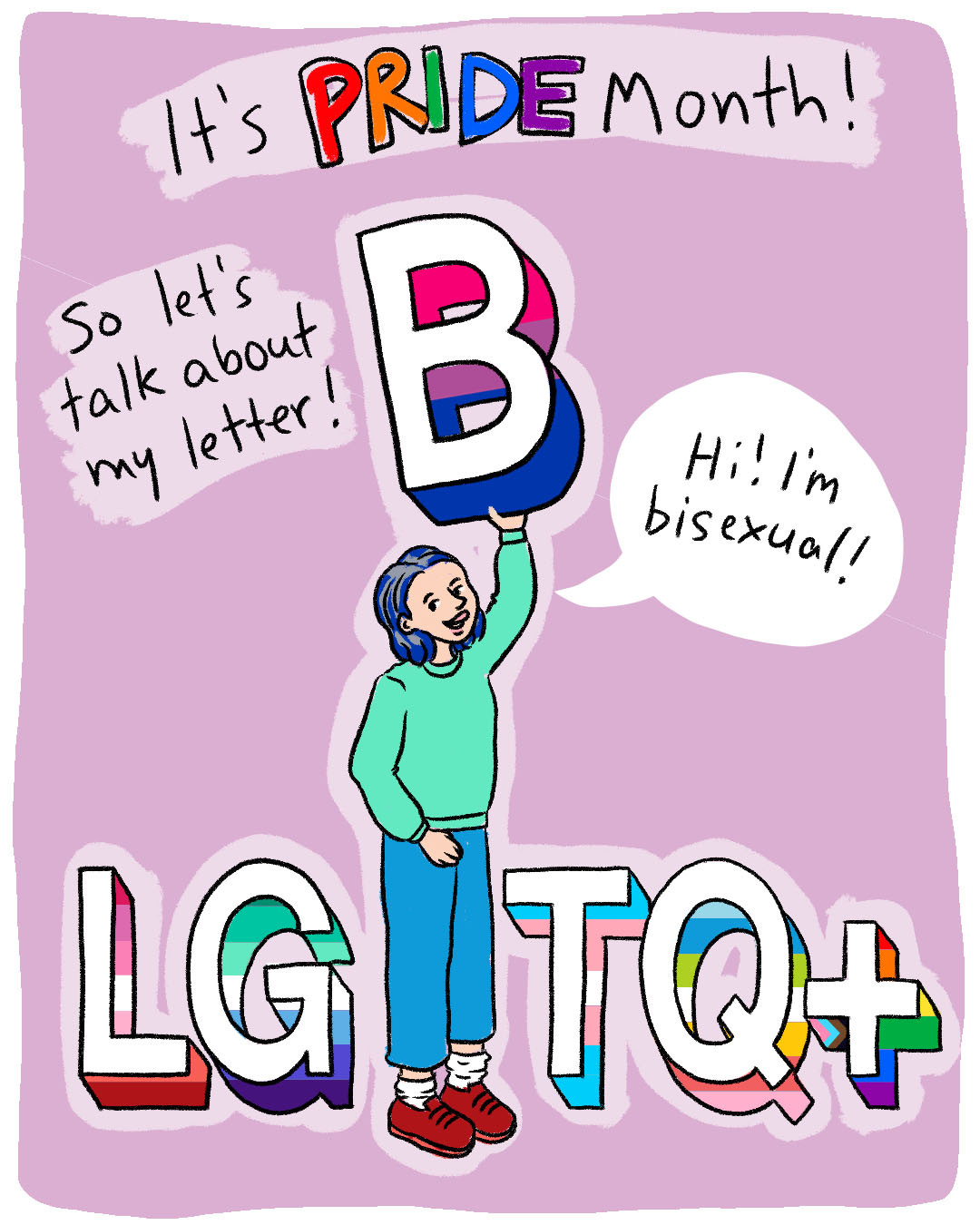
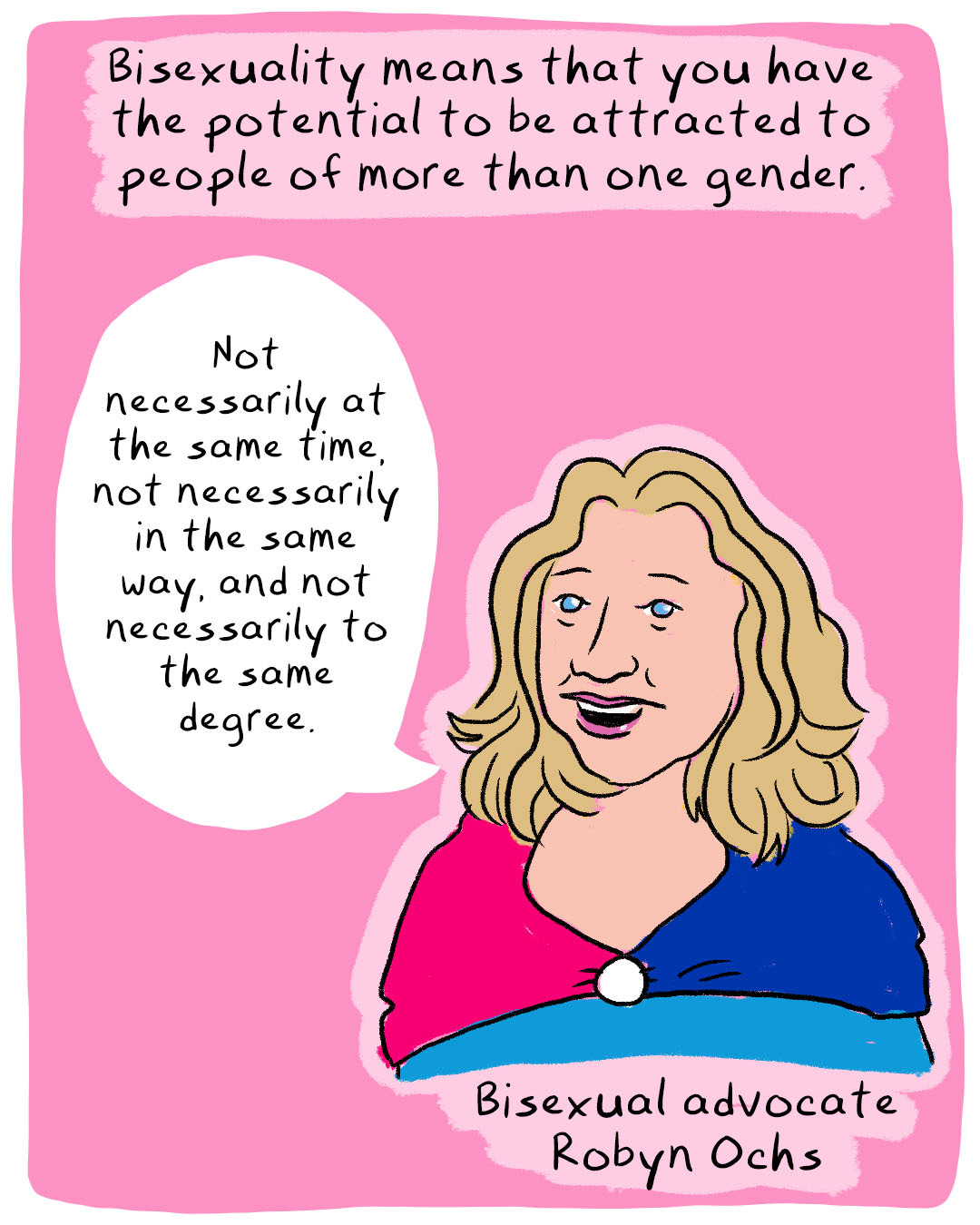
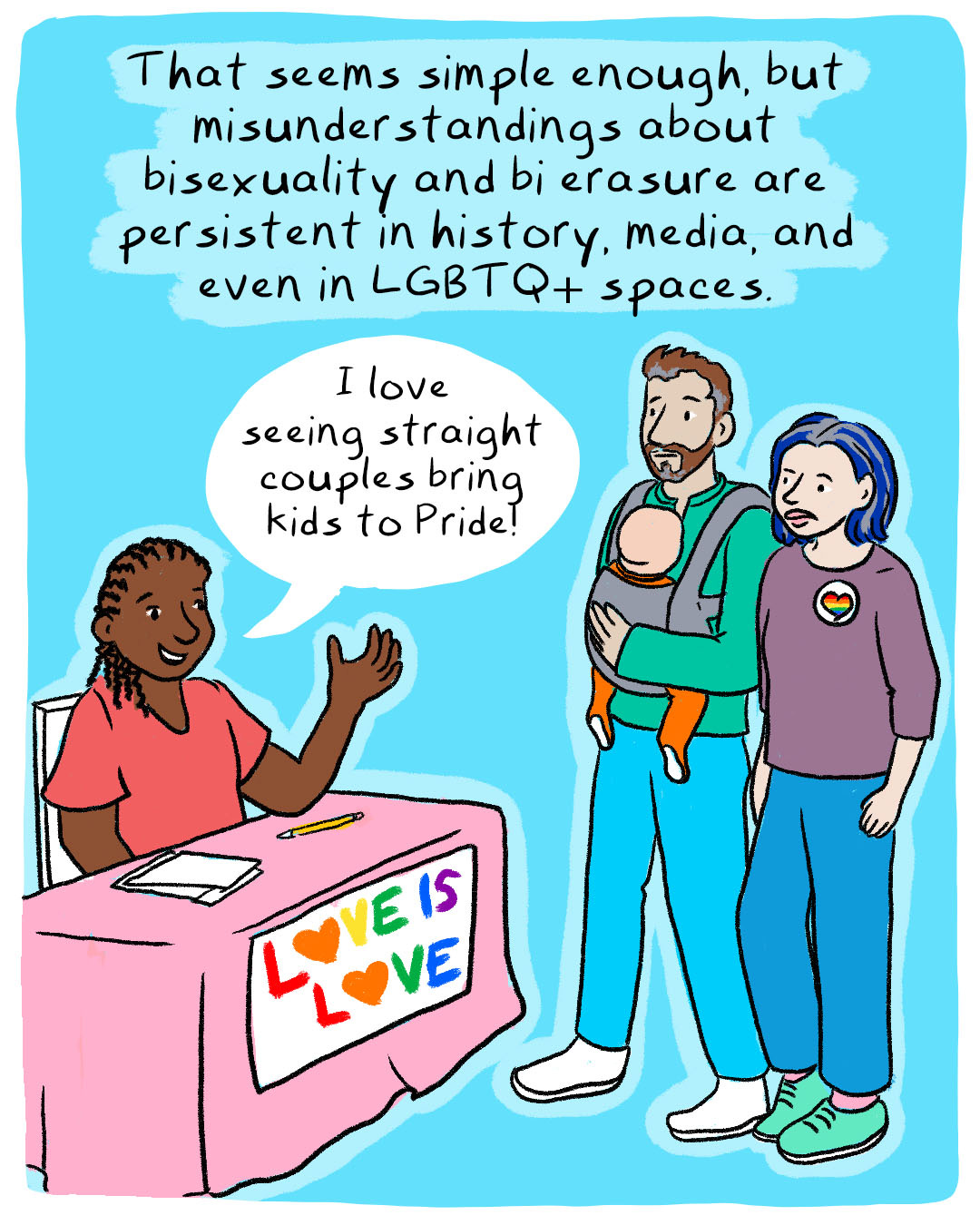
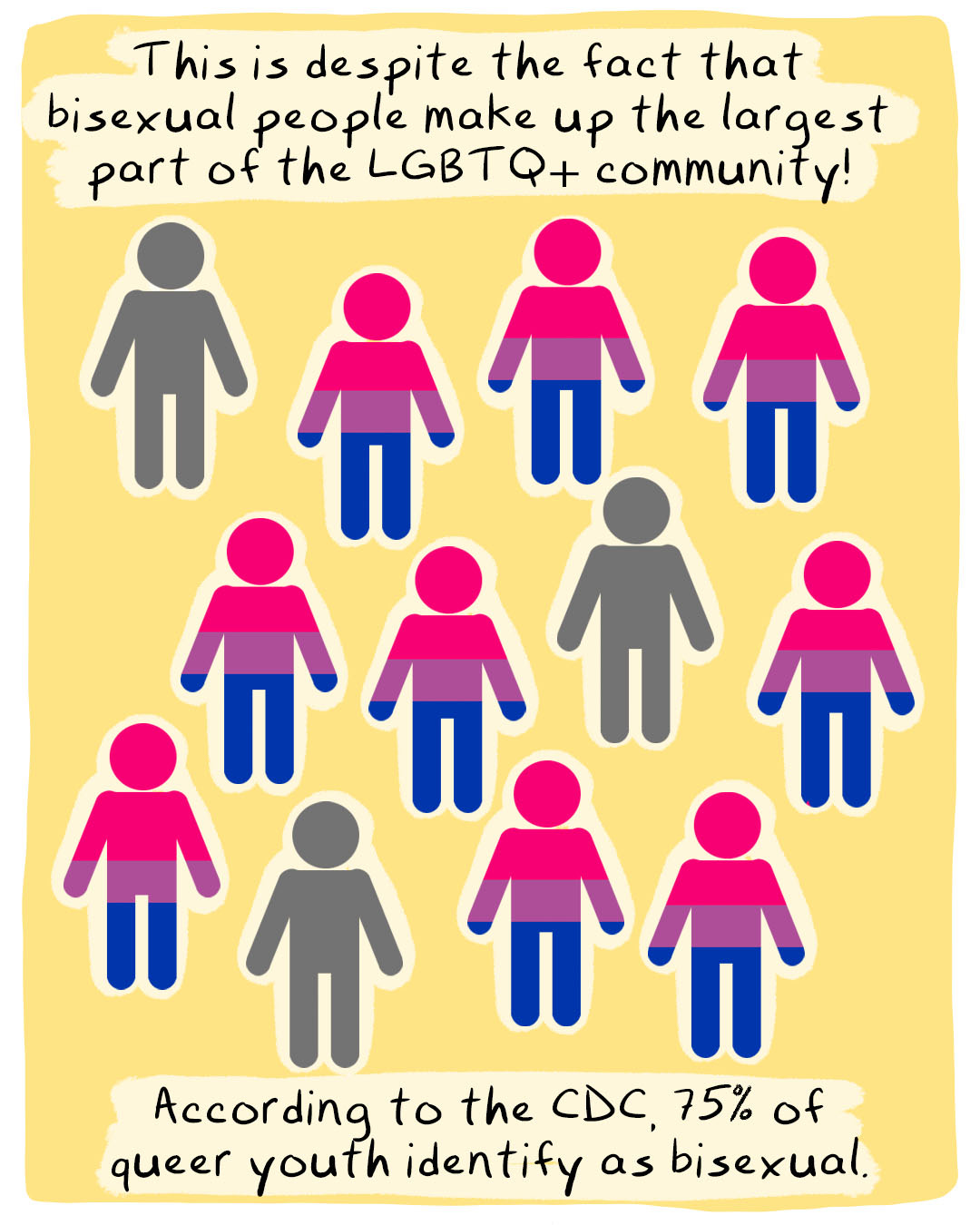
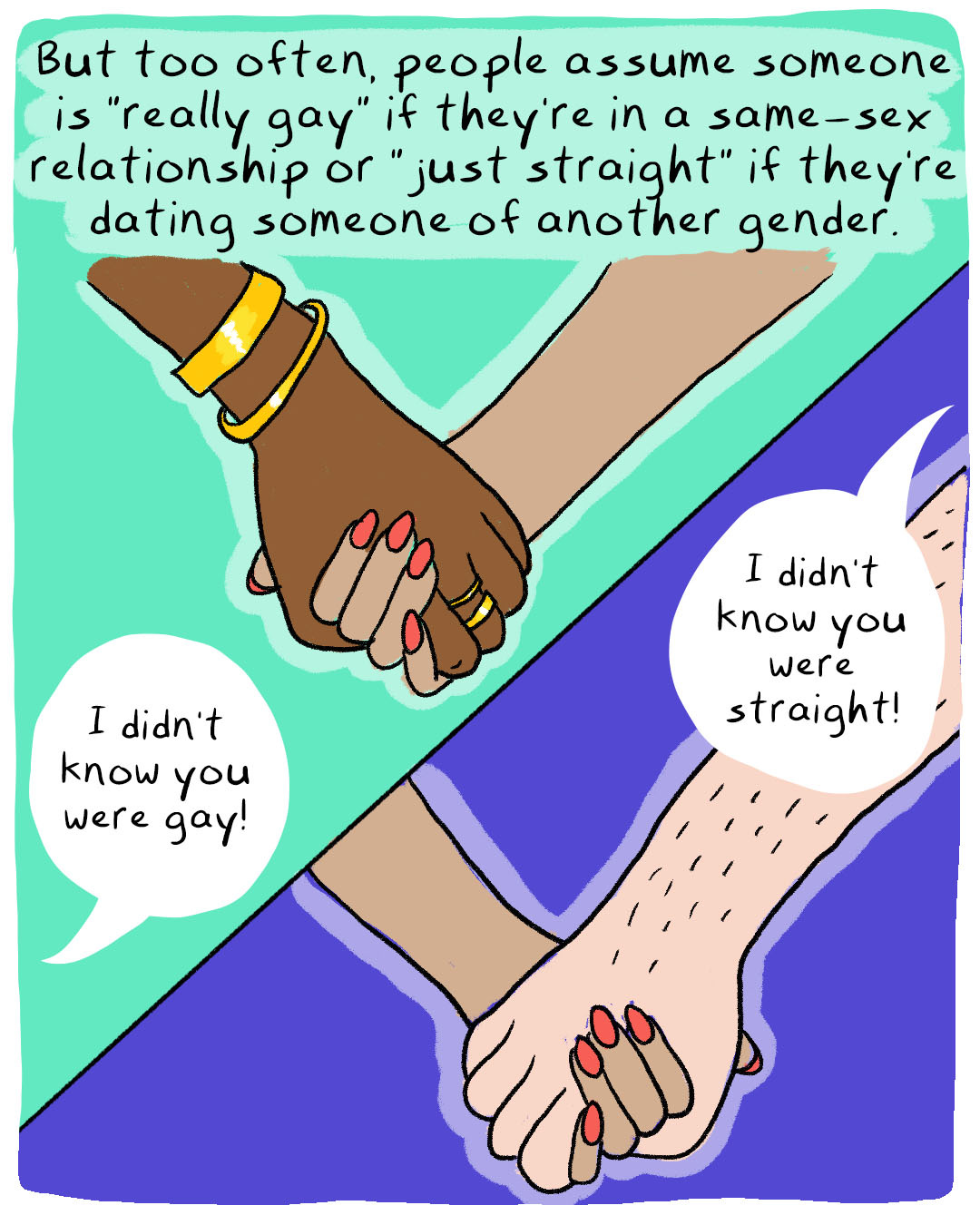
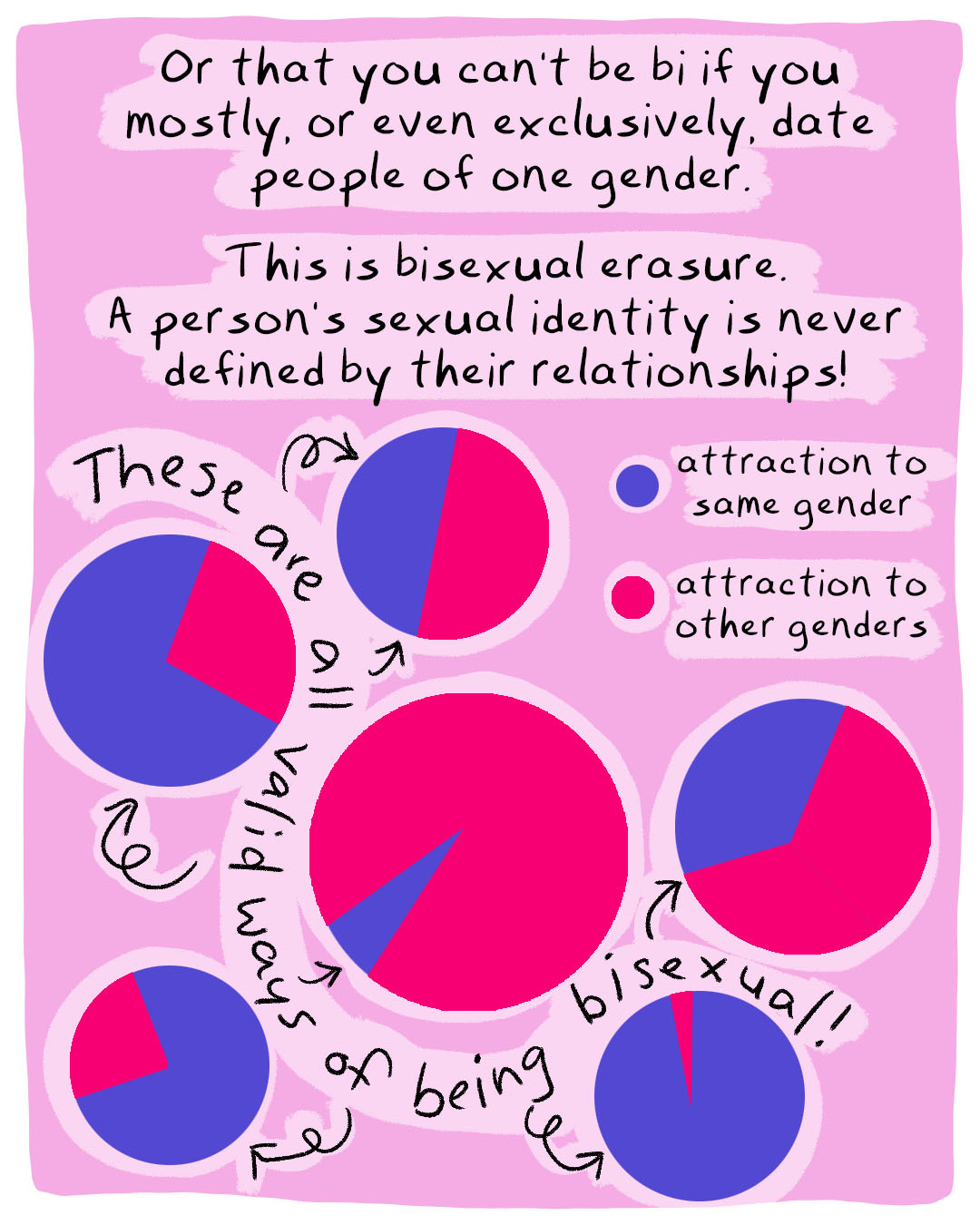
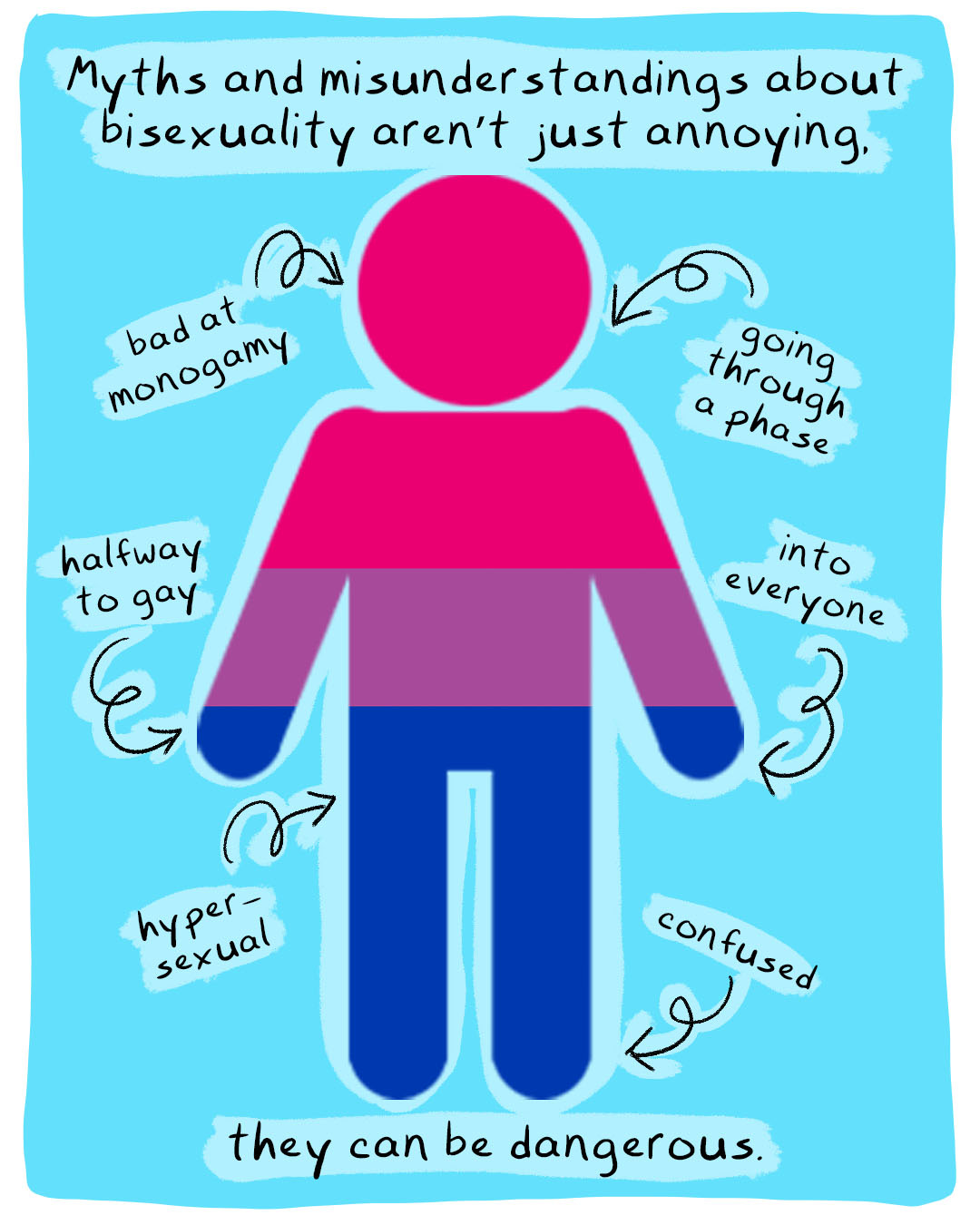
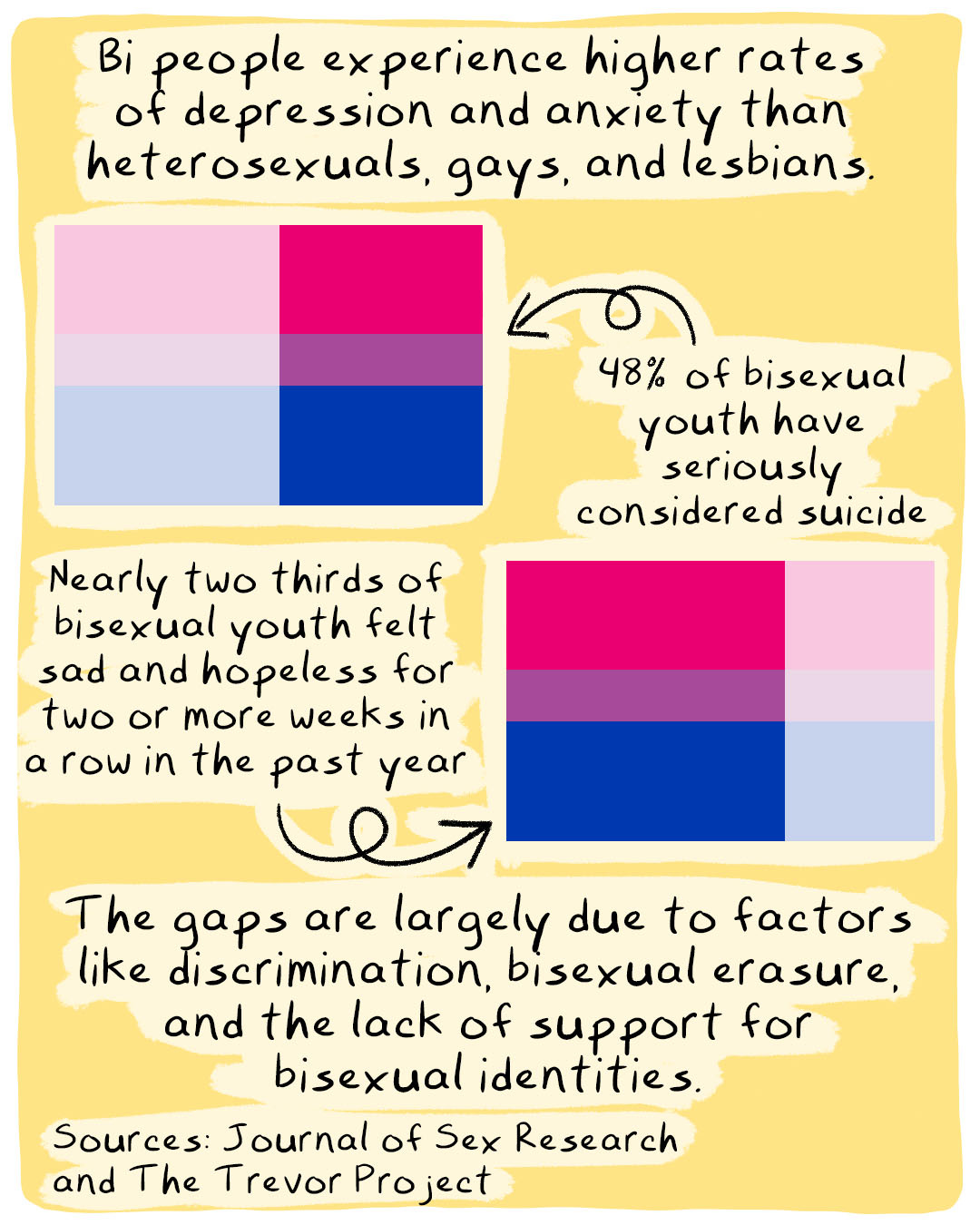
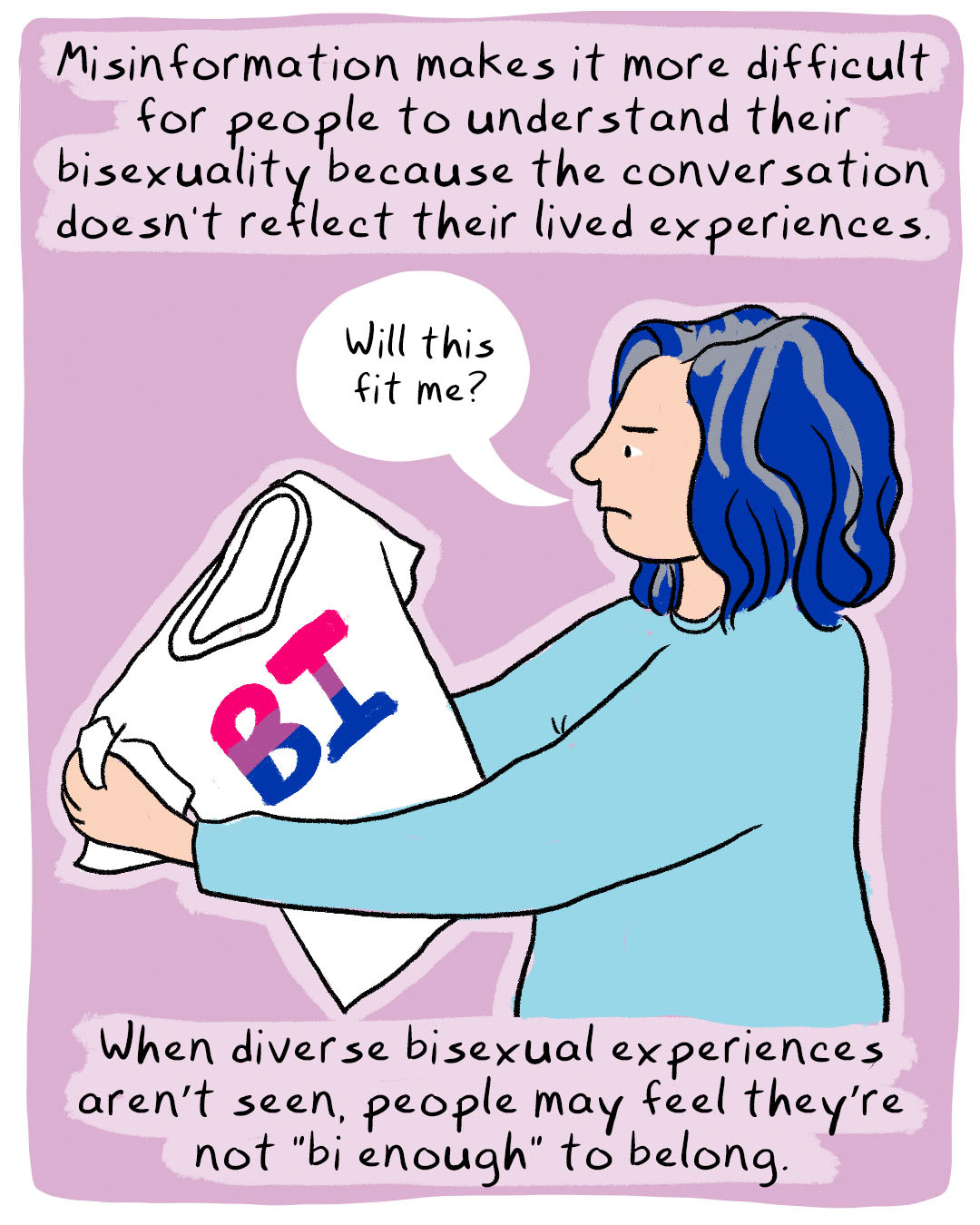
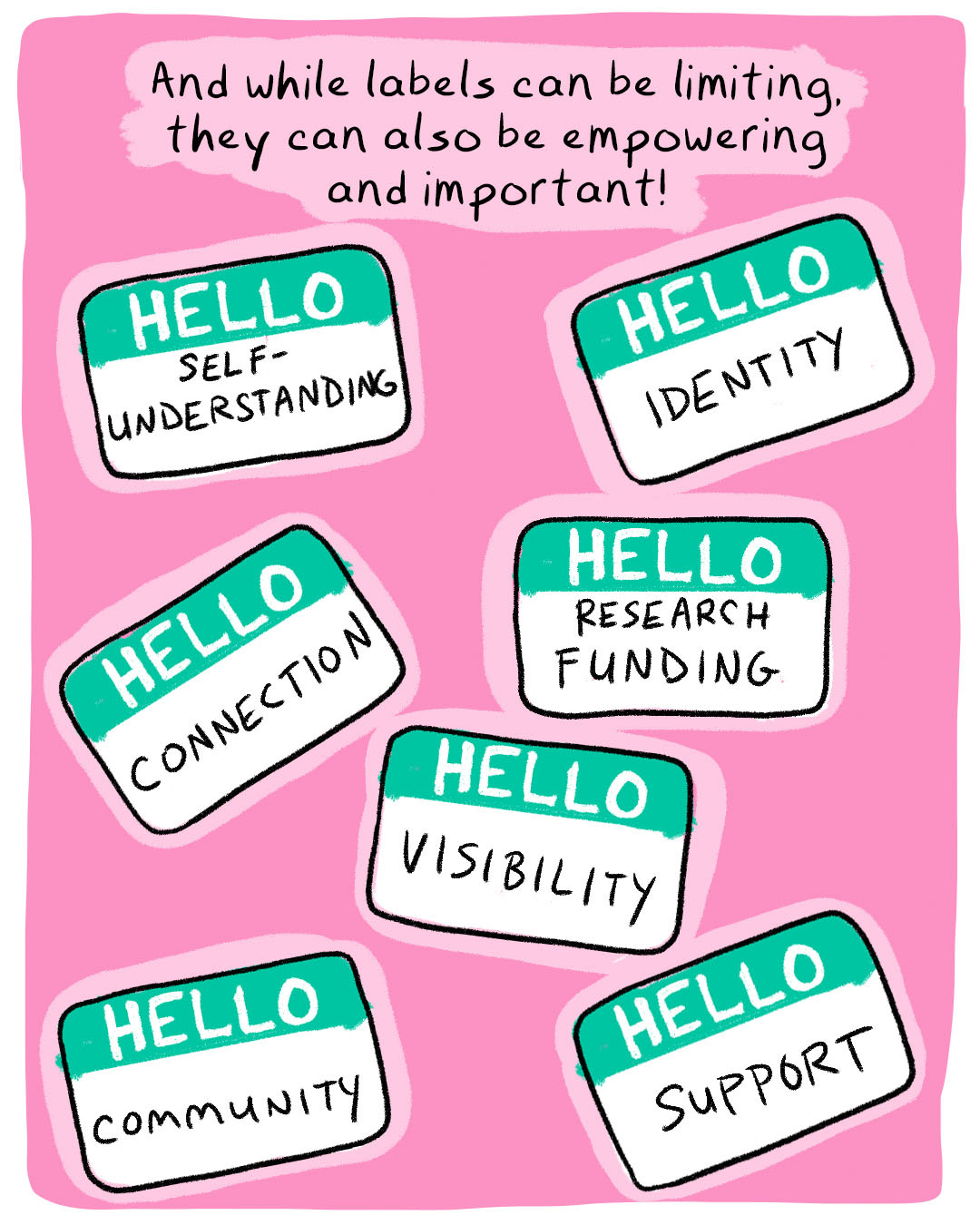
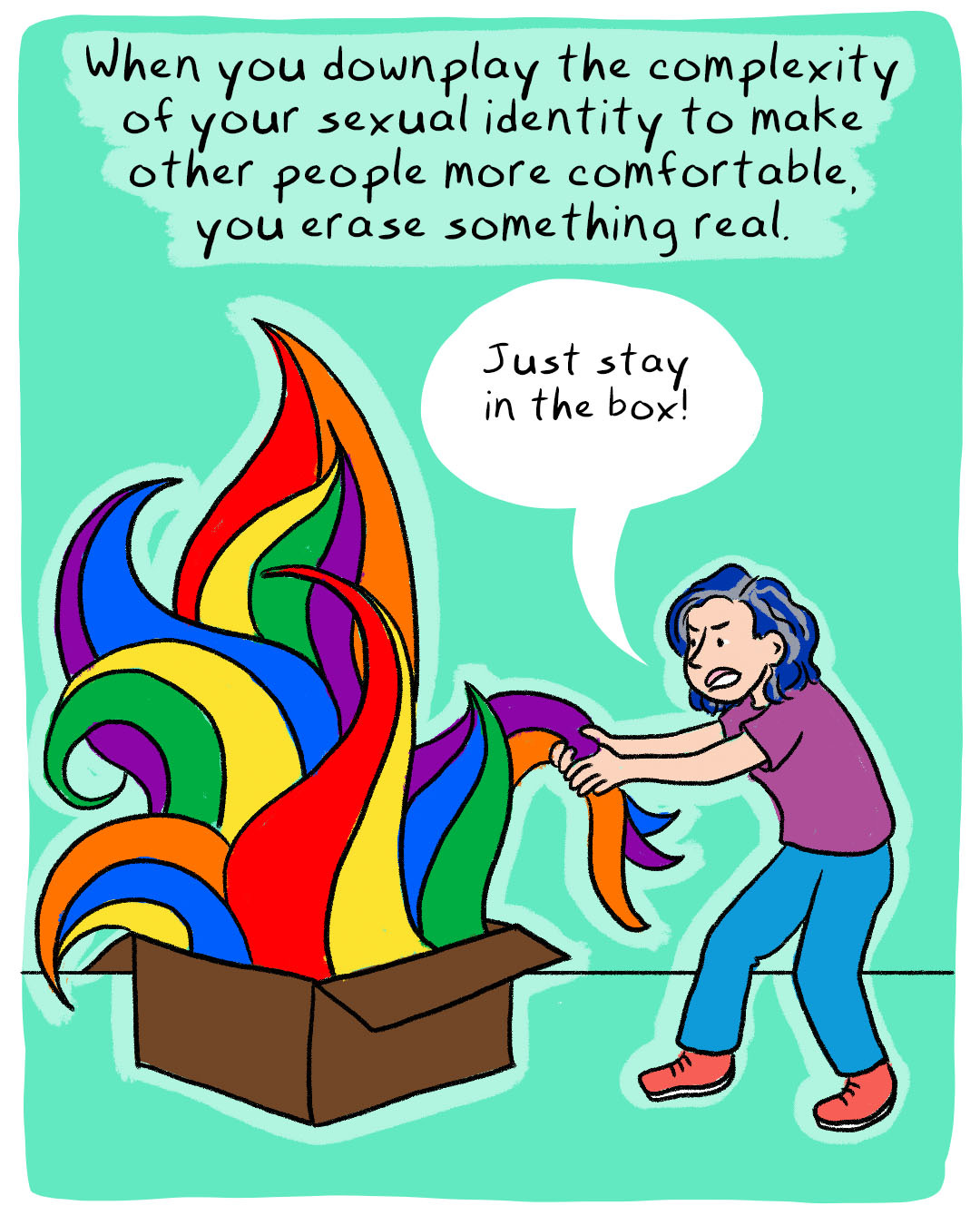
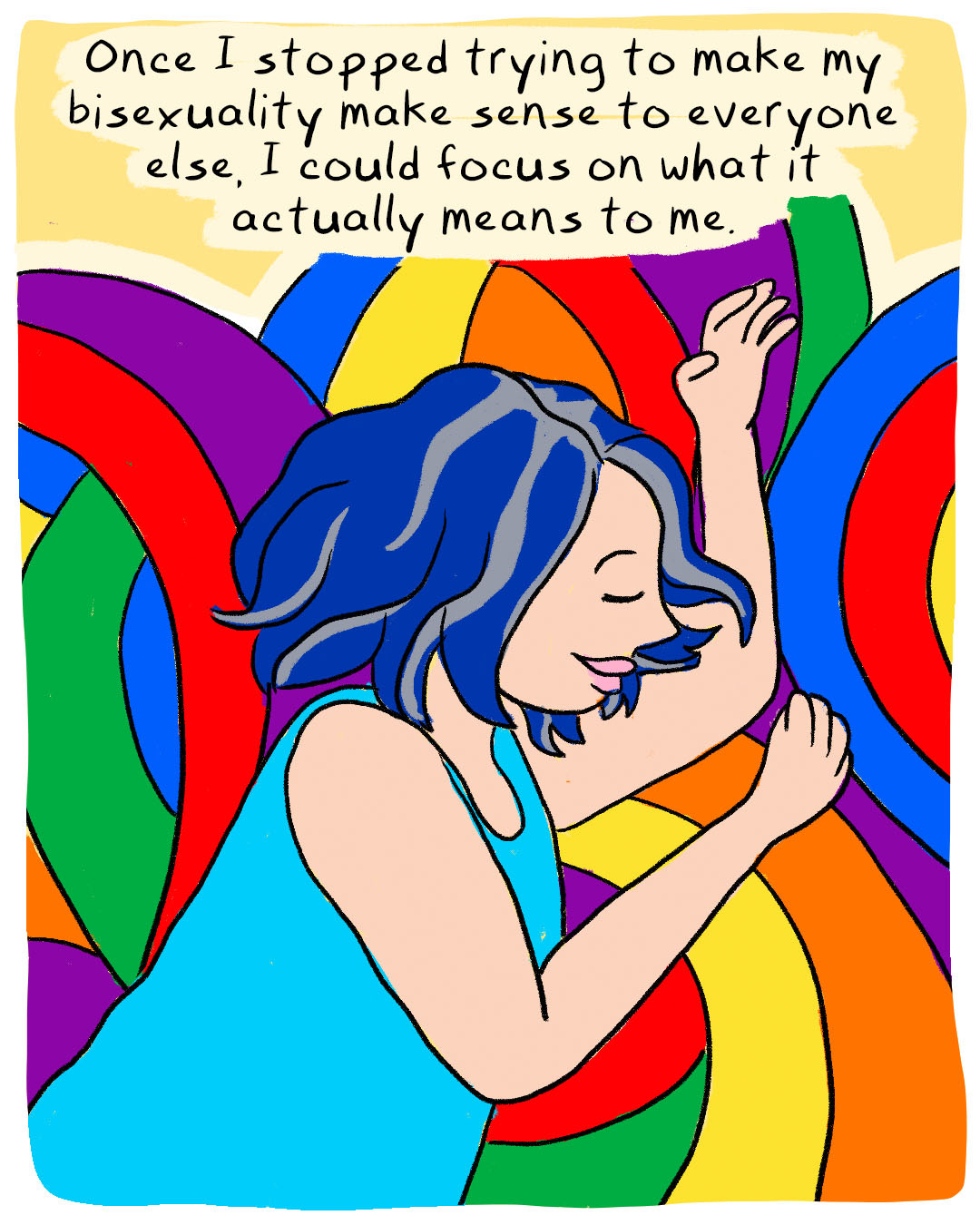
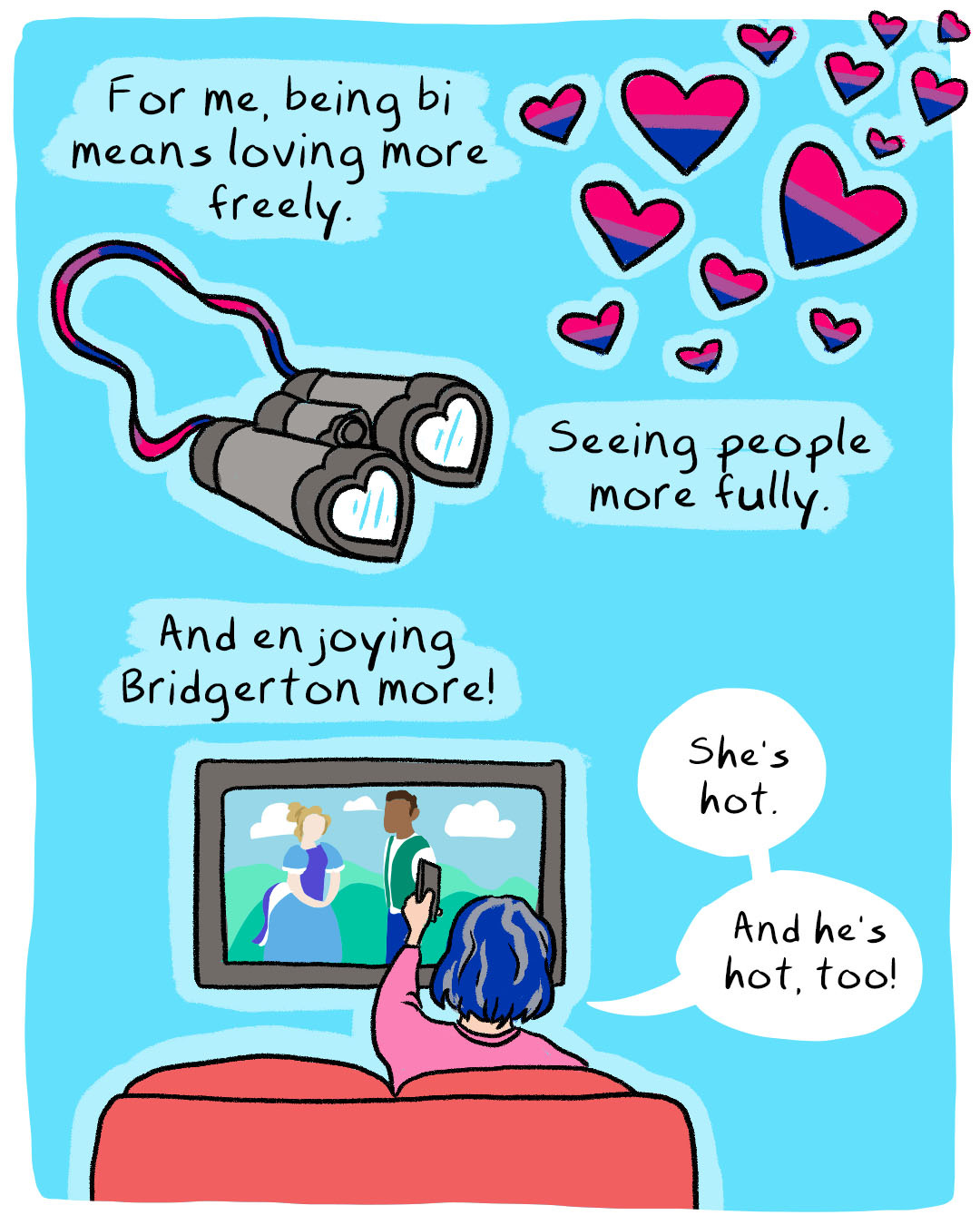
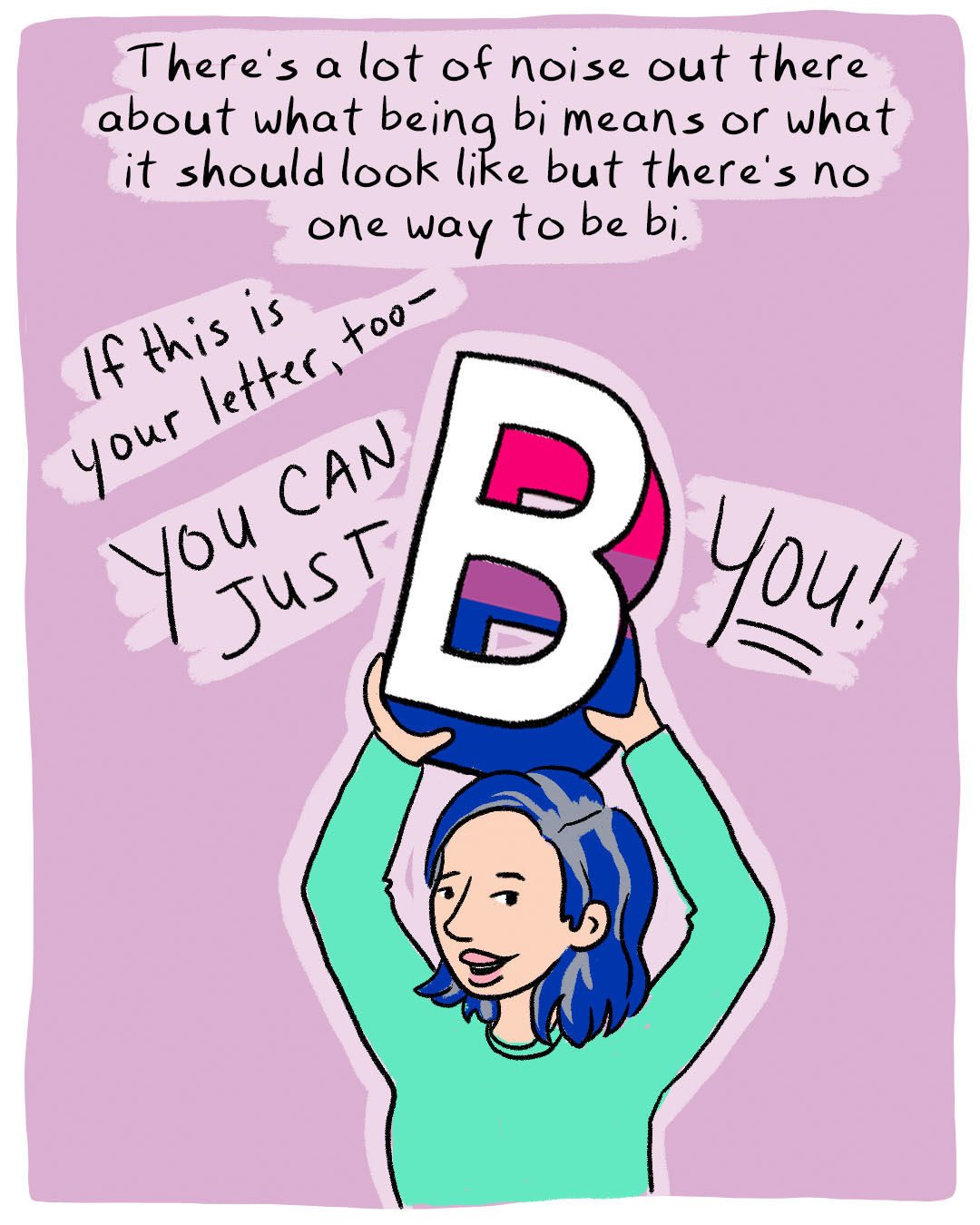
I’m wrapping up Pride Month with this comic on bisexuality, myths and stereotypes, bi erasure, and what my bisexuality means to me. Happy Pride, everyone! Don’t let the bastards grind you down.
Graphic Rage with Aubrey Hirsch is a reader-supported publication. To receive new posts and support my work, consider becoming a free or paid subscriber.
Graphic Rage with Aubrey Hirsch is a reader-supported publication. To receive new posts and support my work, consider becoming a free or paid subscriber.
Thanks for reading! A couple quick things:
In case you missed it, I have a new comic on abortion bans disguised as safety measures and what’s really dangerous over at The Audacity.
If you’re interested in learning to make comics of your own, I teach a class called Comics For People Who Can’t Draw! I’m running the one-day version in August and the 6-week version starting in September. The six-week always sells out, so if you’re interested, grab your spot early!
And if you don’t already follow me on Instagram, you should!
Graphic Rage with Aubrey Hirsch is a reader-supported publication. To receive new posts and support my work, consider becoming a free or paid subscriber.
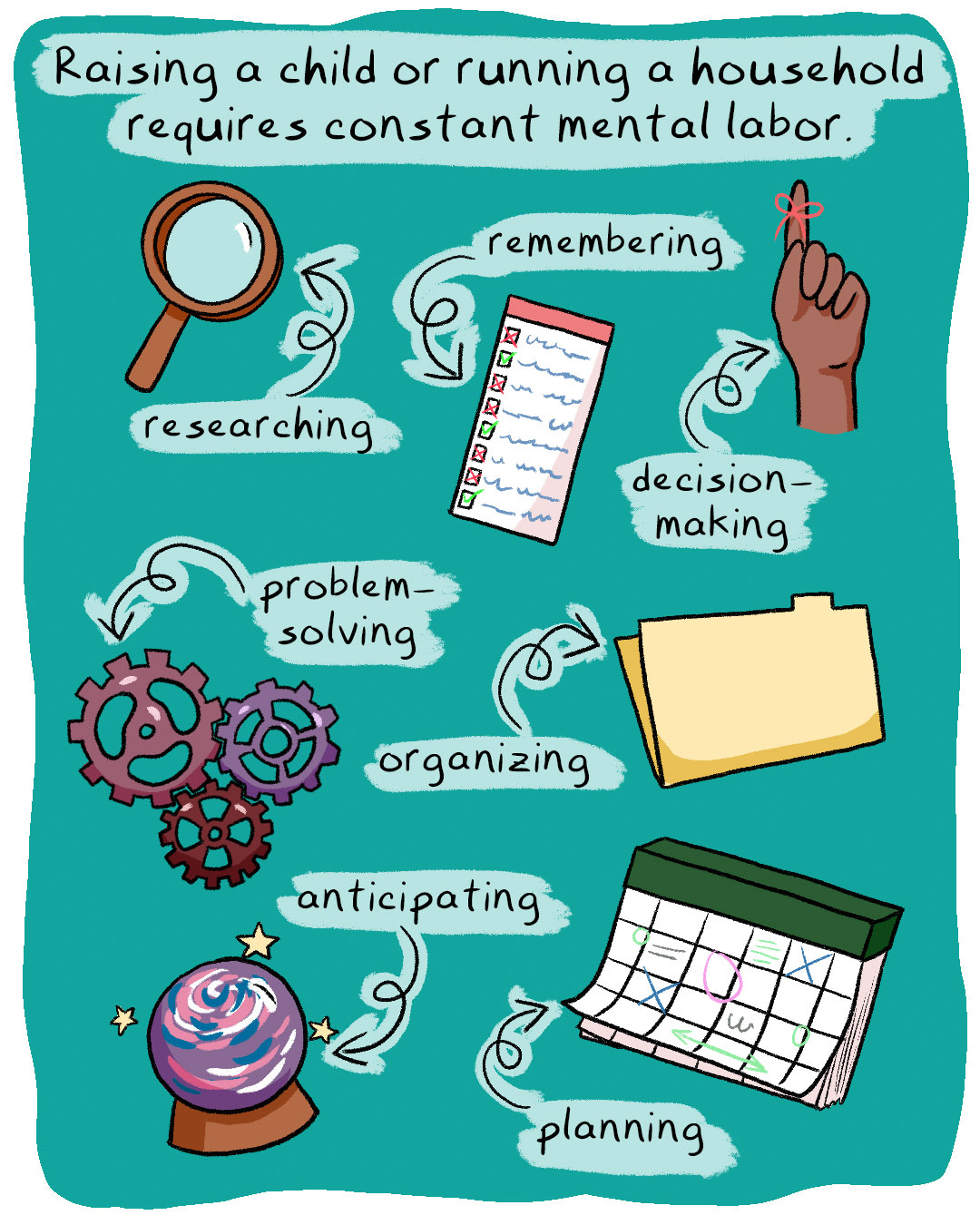
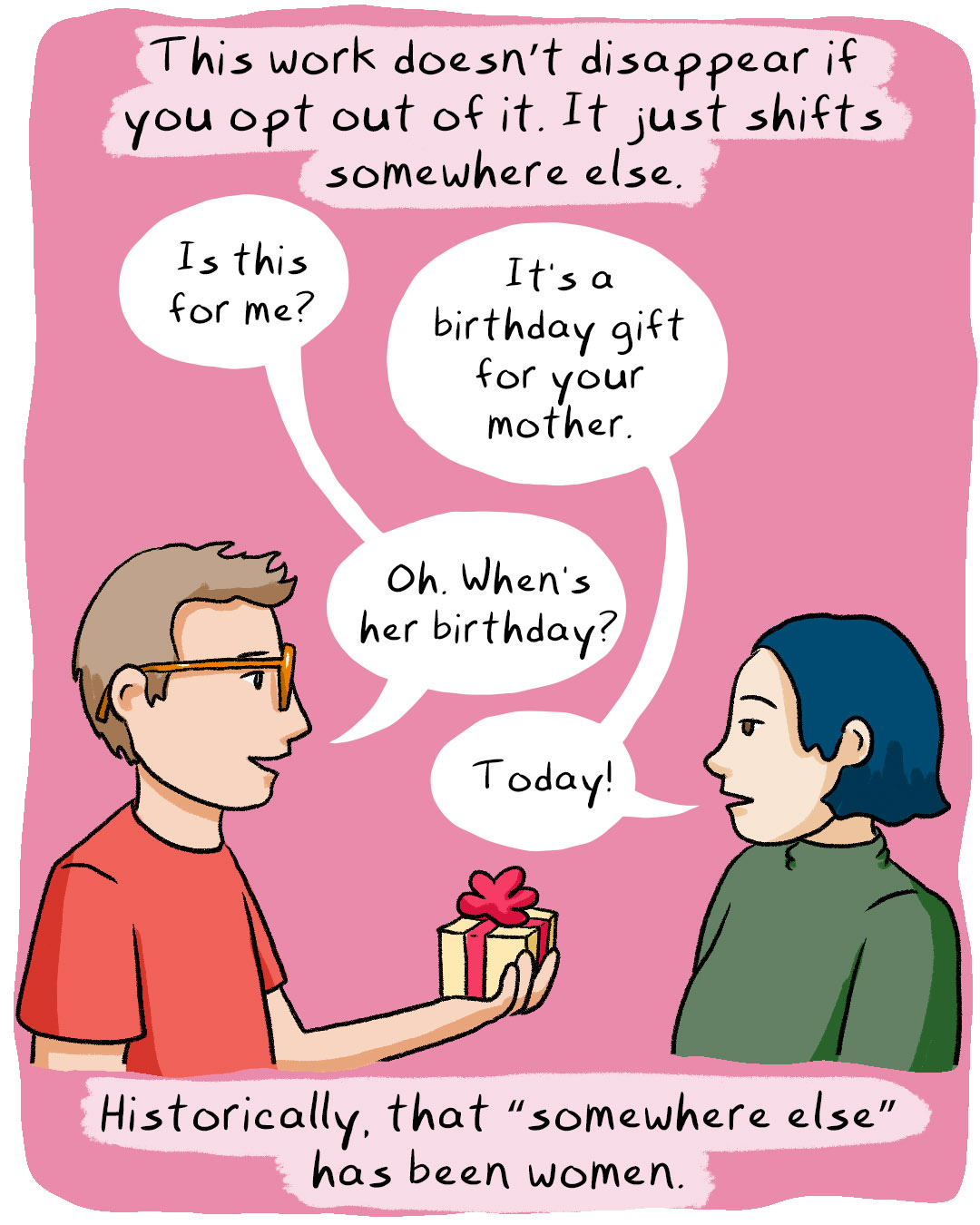
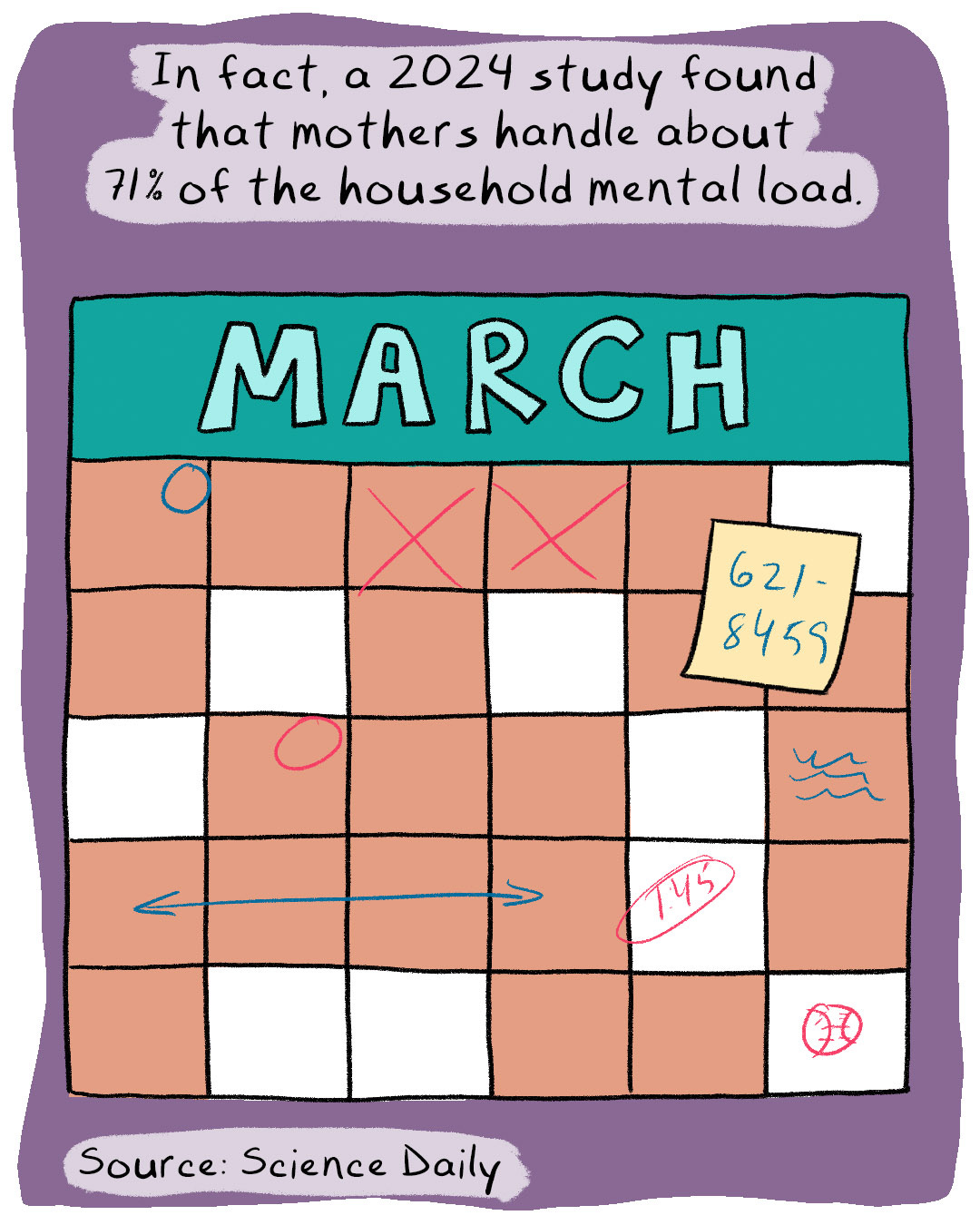
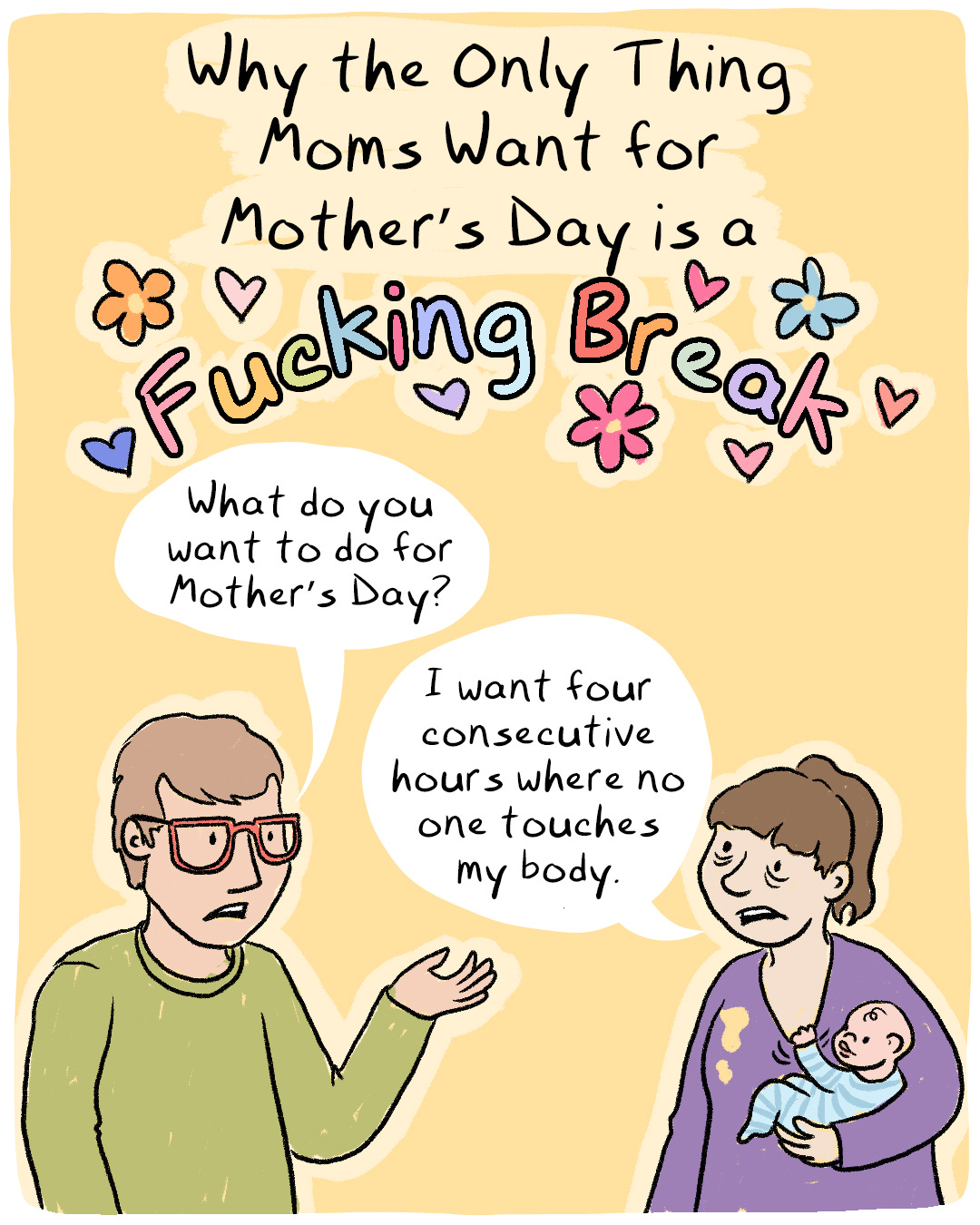
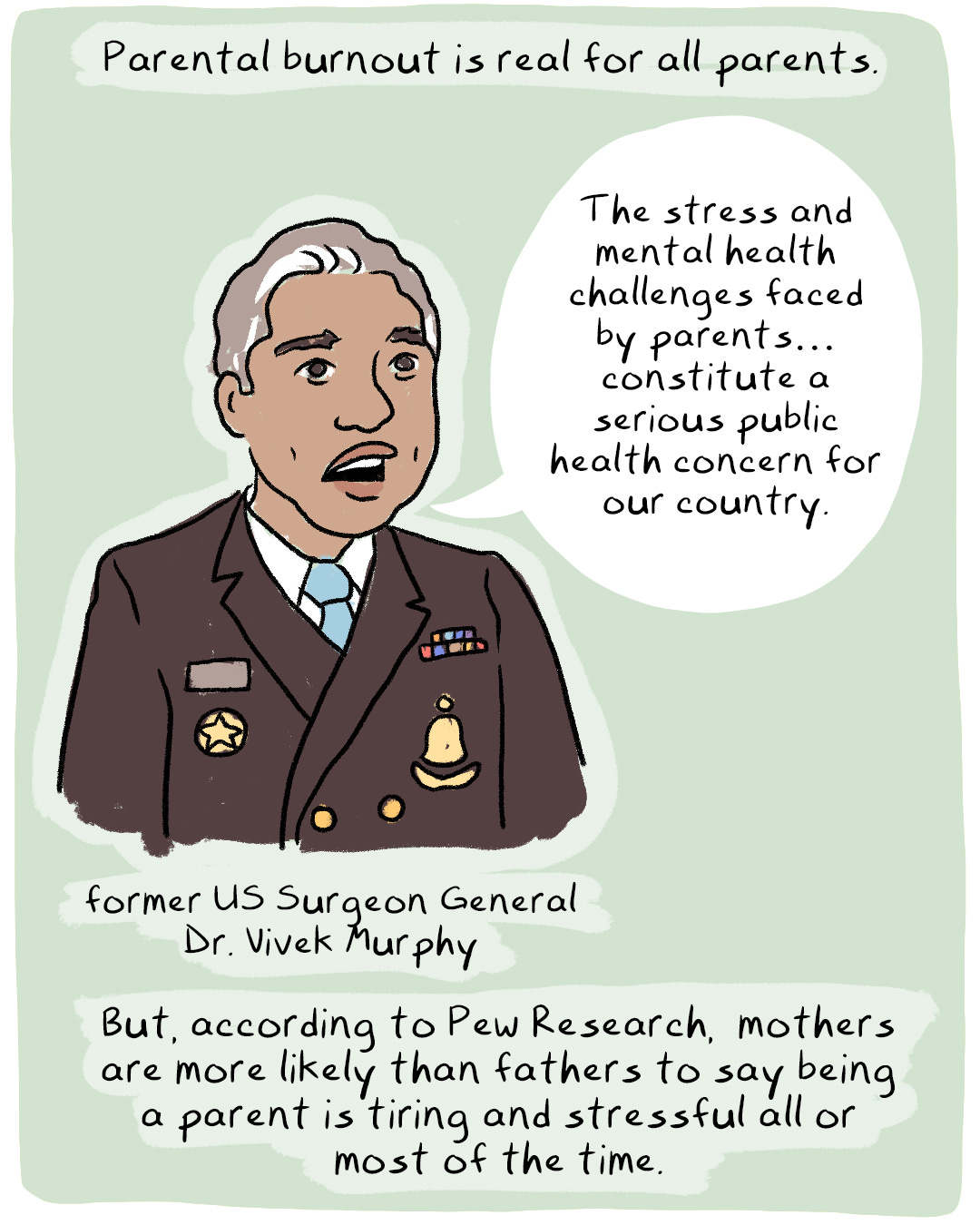
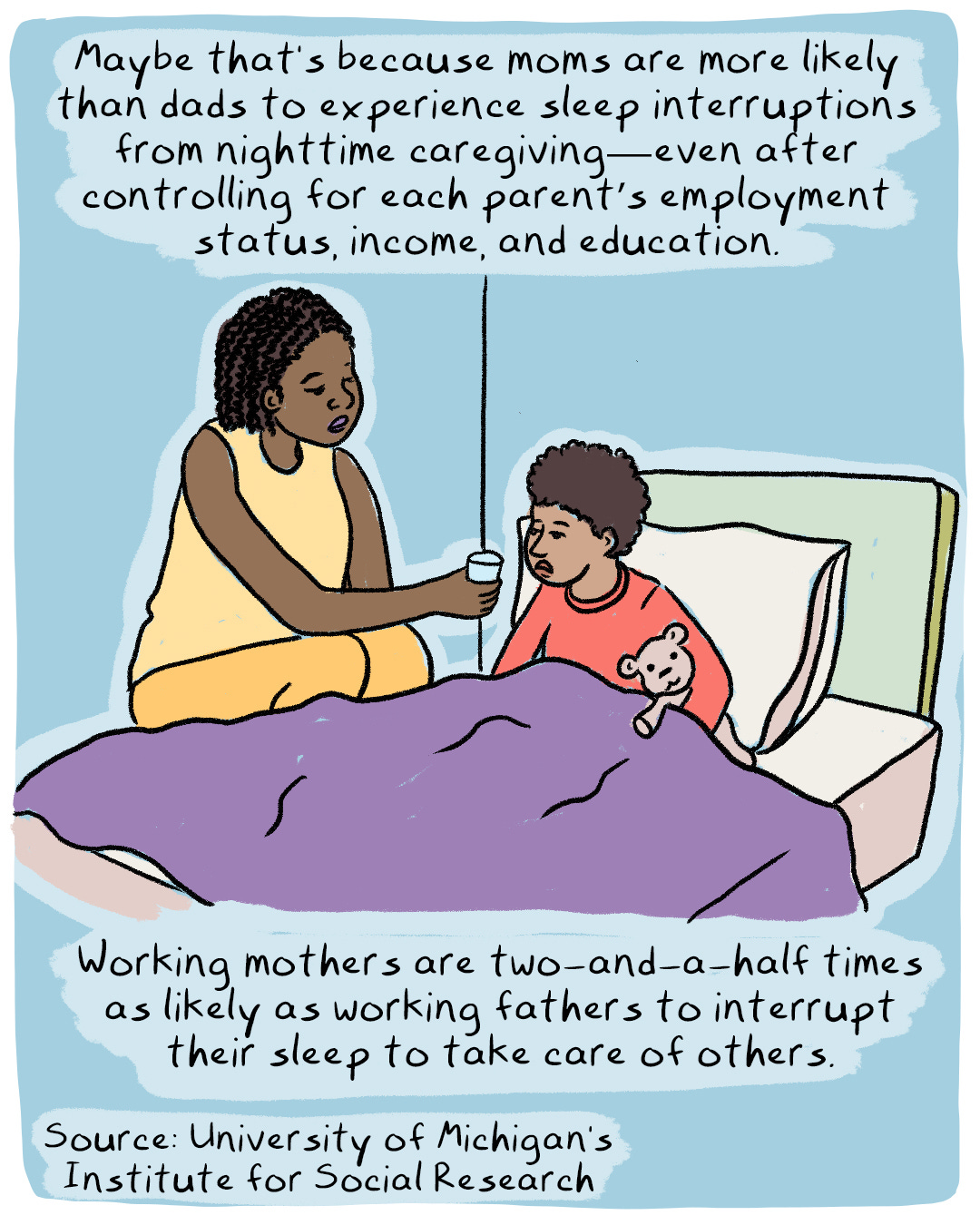
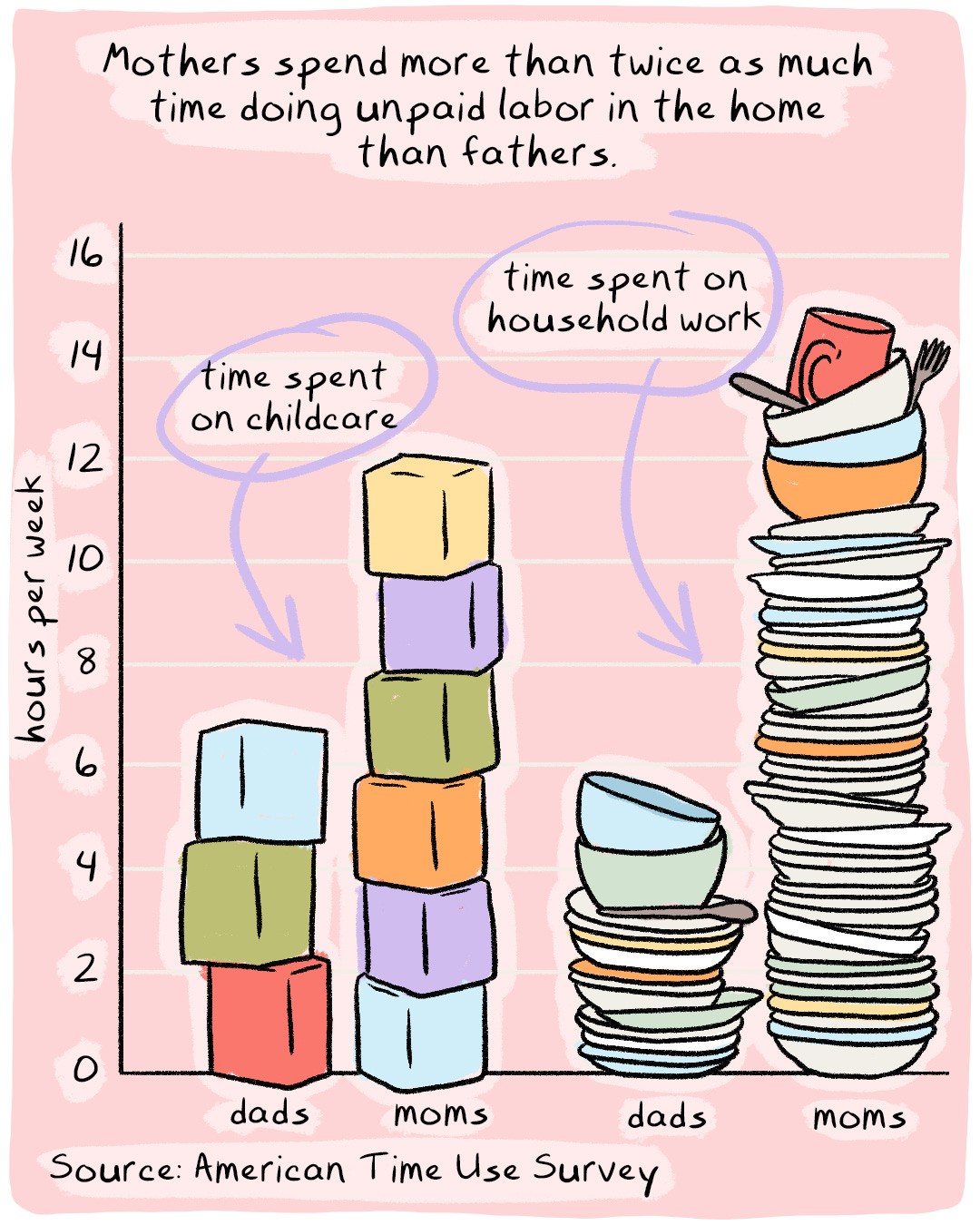
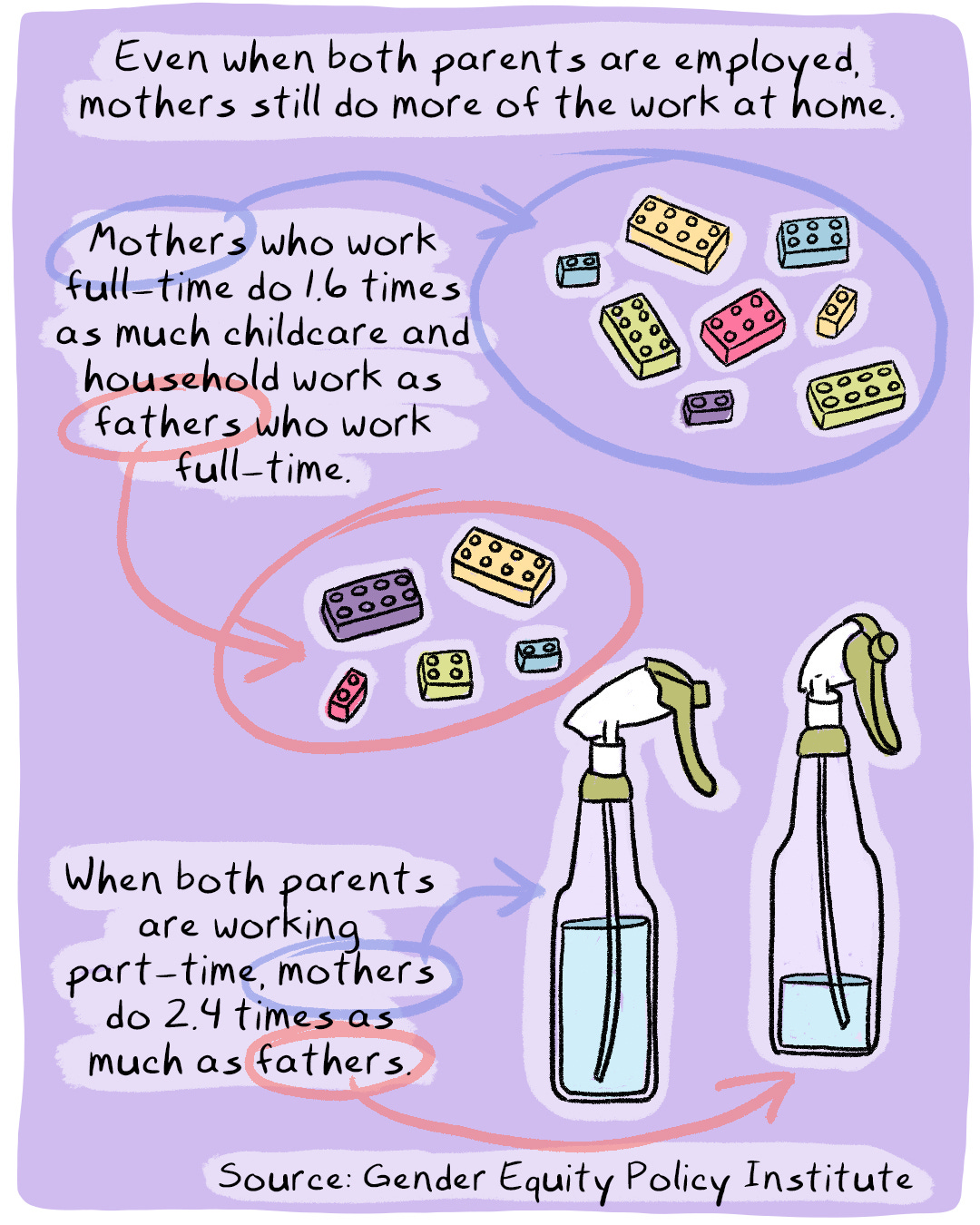
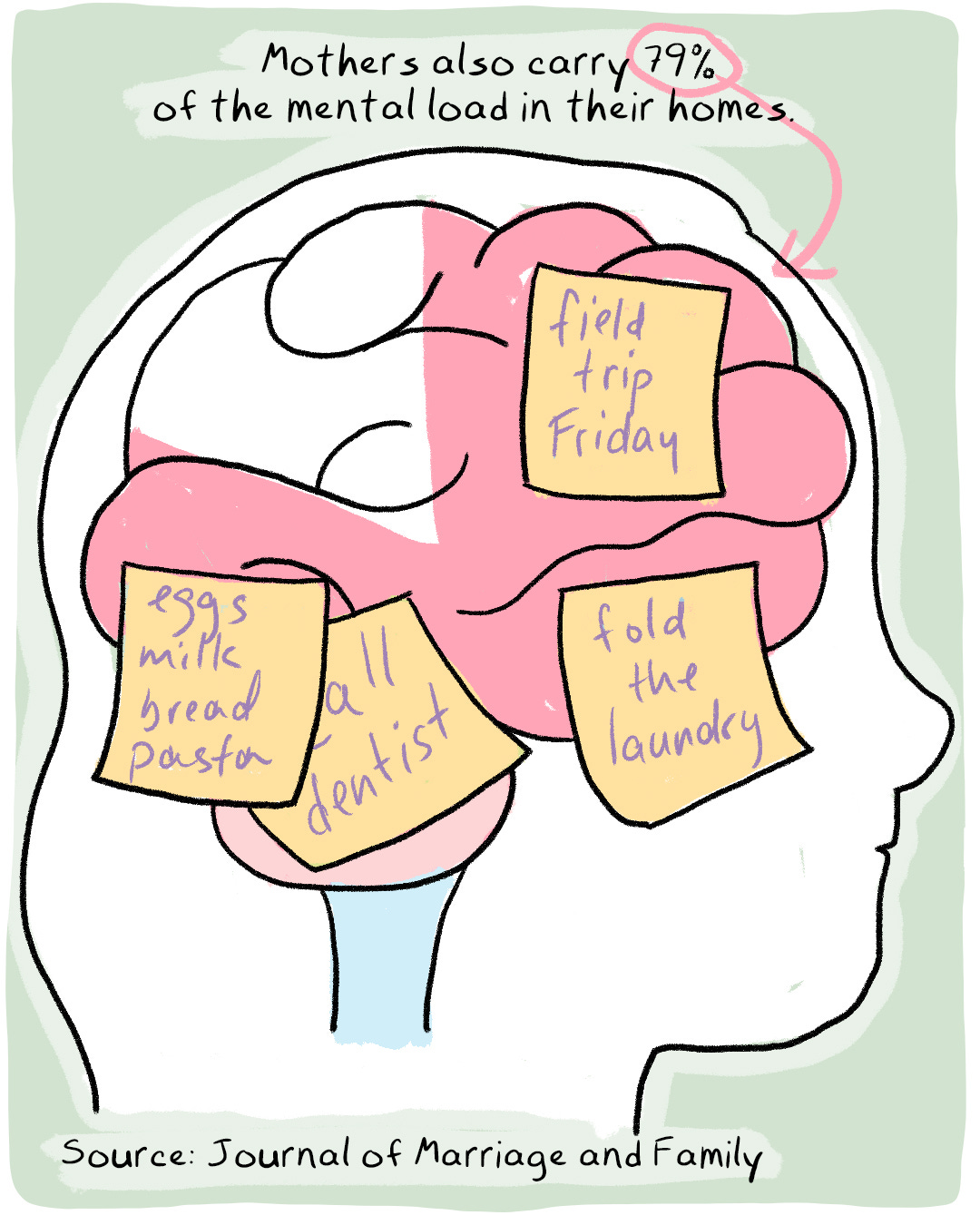
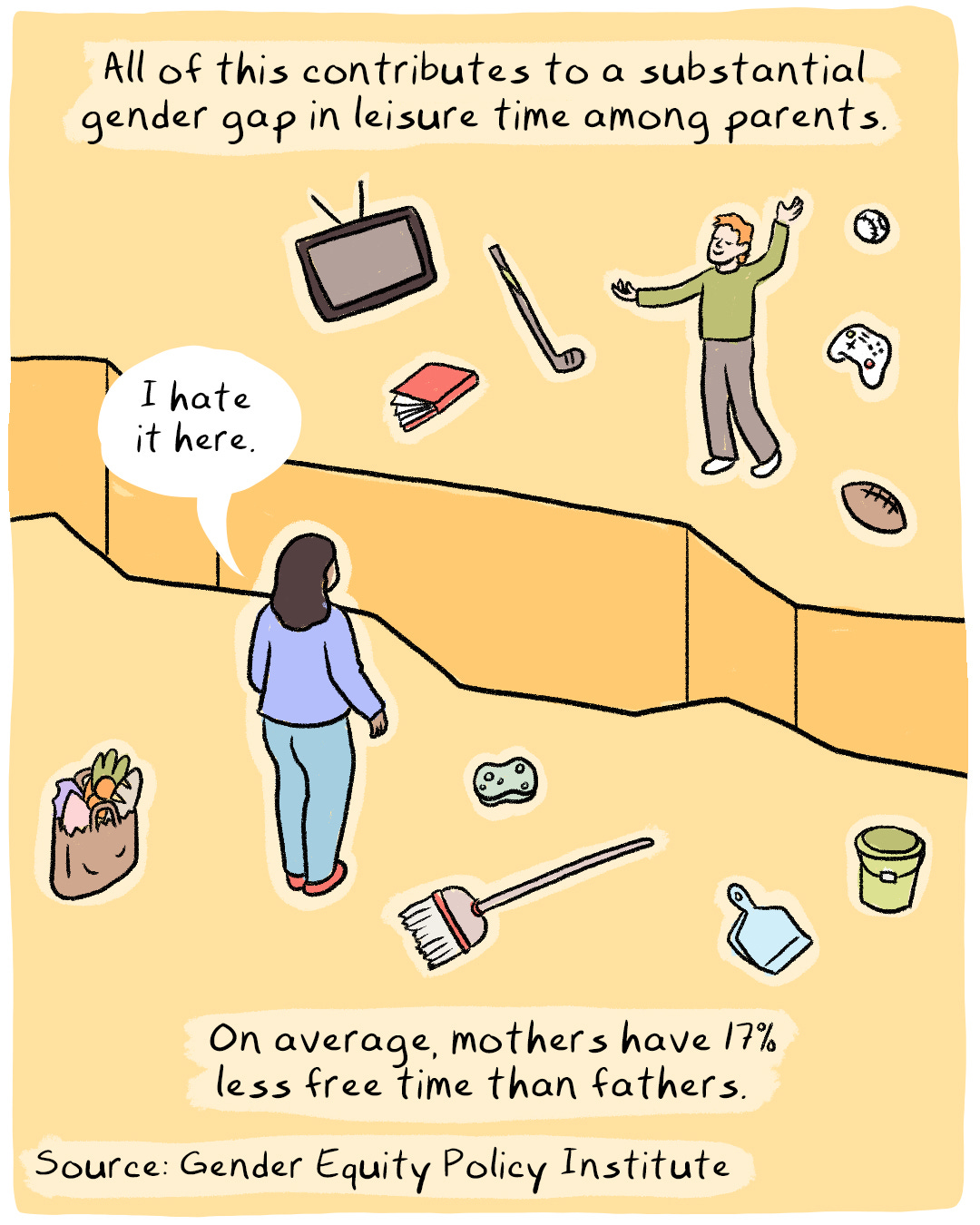
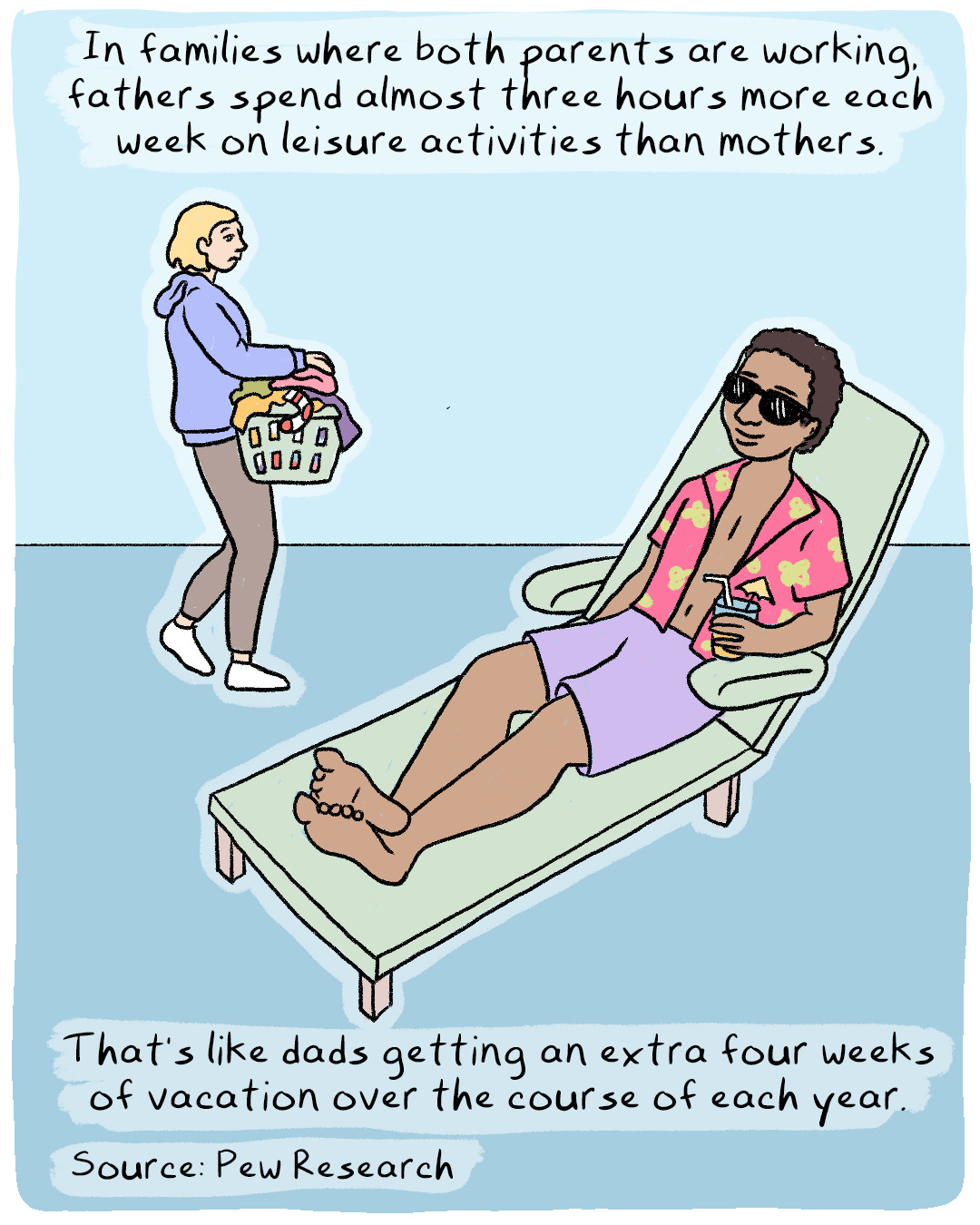
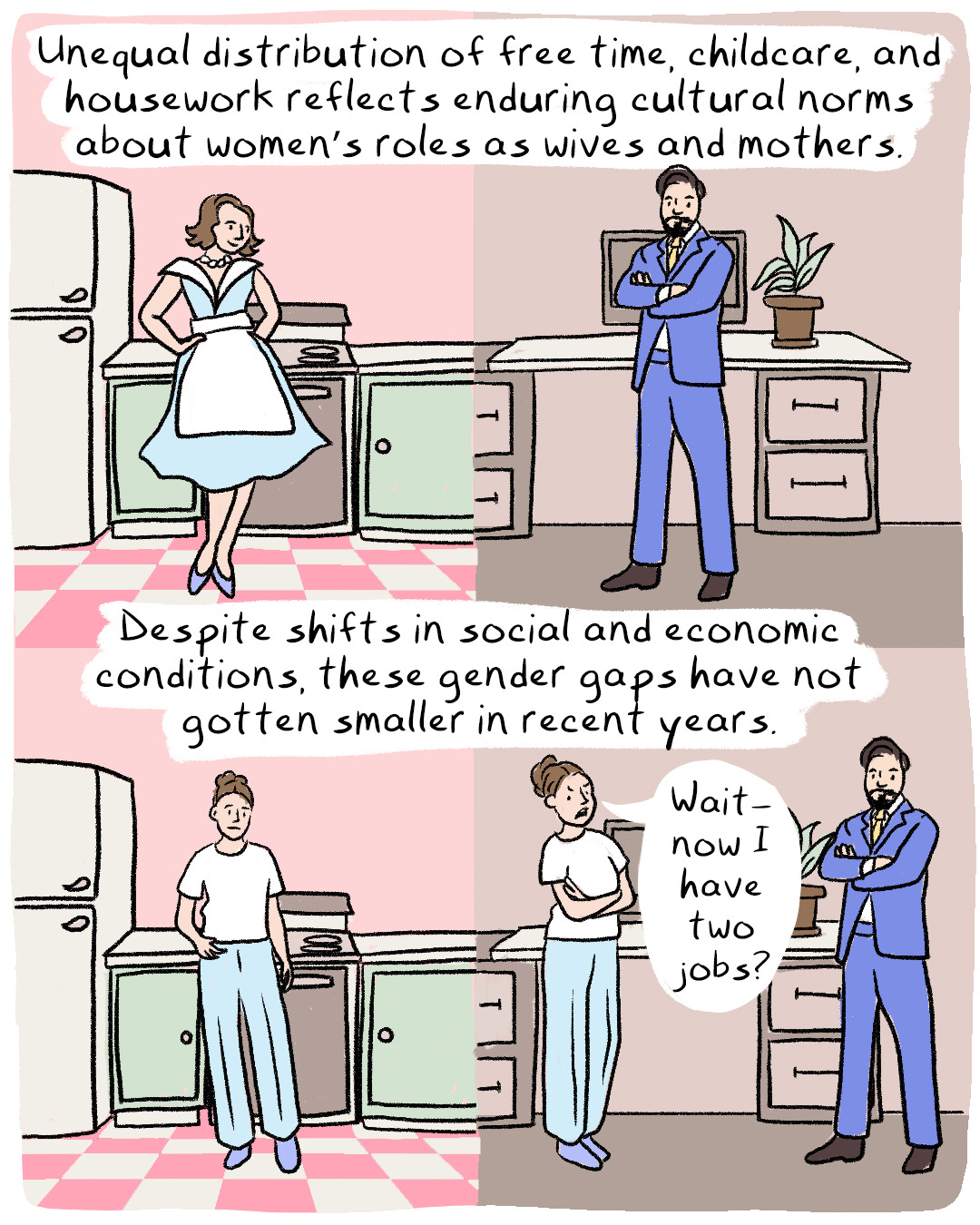
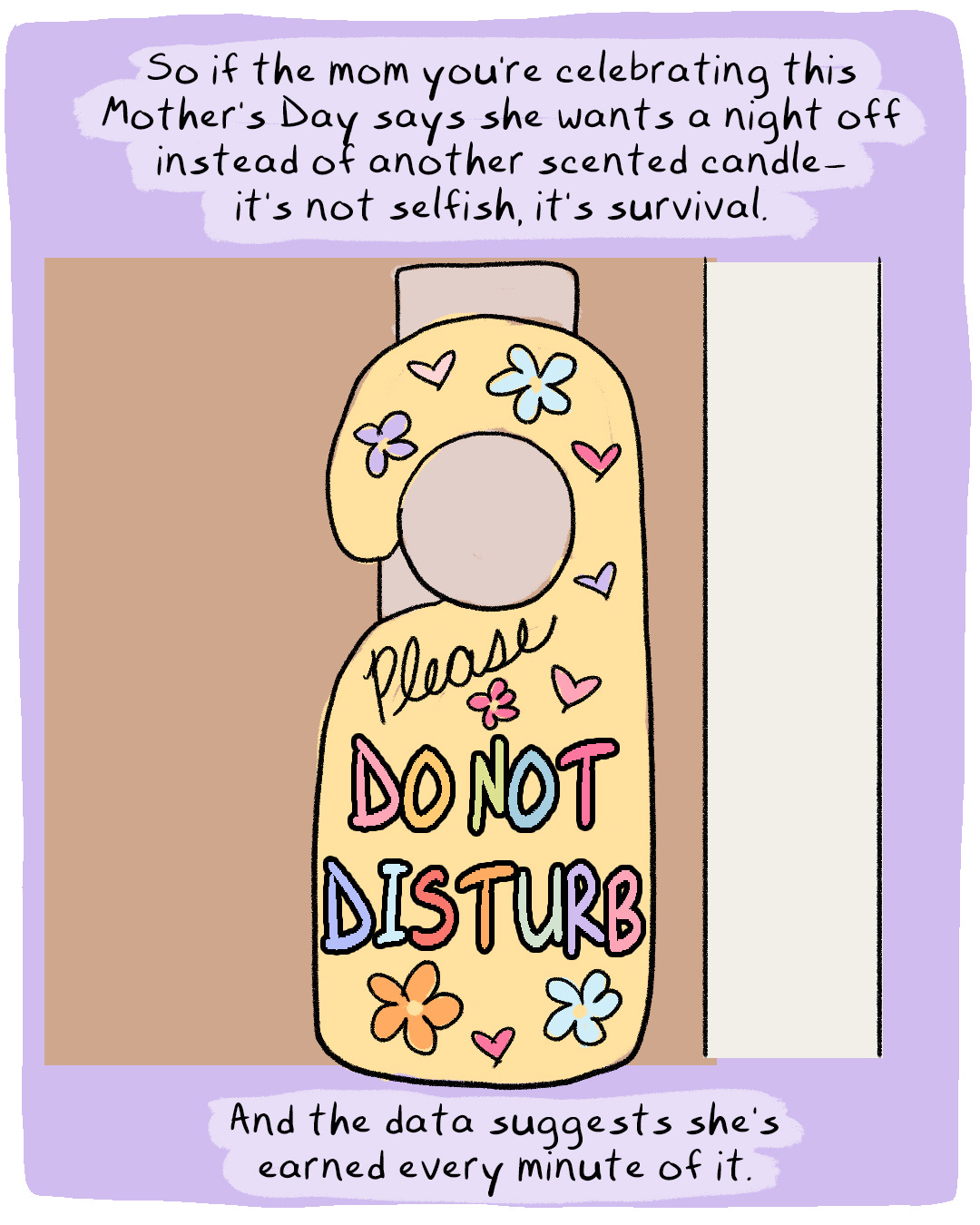
Mother’s Day is fast approaching, so let me help you out with the only Mother’s Day gift guide you’ll ever need! Moms still do the majority of the housework, carry most of the mental load, and have significantly less leisure time than dads (yes, even when both parents are employed!). This Mother’s Day, get her what she really wants: a fucking break.
Graphic Rage is a reader-supported publication. If you want to help support this work, consider becoming a paid subscriber!
If you’re interested in learning to make comics of your own, I teach a class called Comics For People Who Can’t Draw! I’m running the one-day version in August and the 6-week version starting in September. The six-week always sells out, so if you’re interested, grab your spot early!
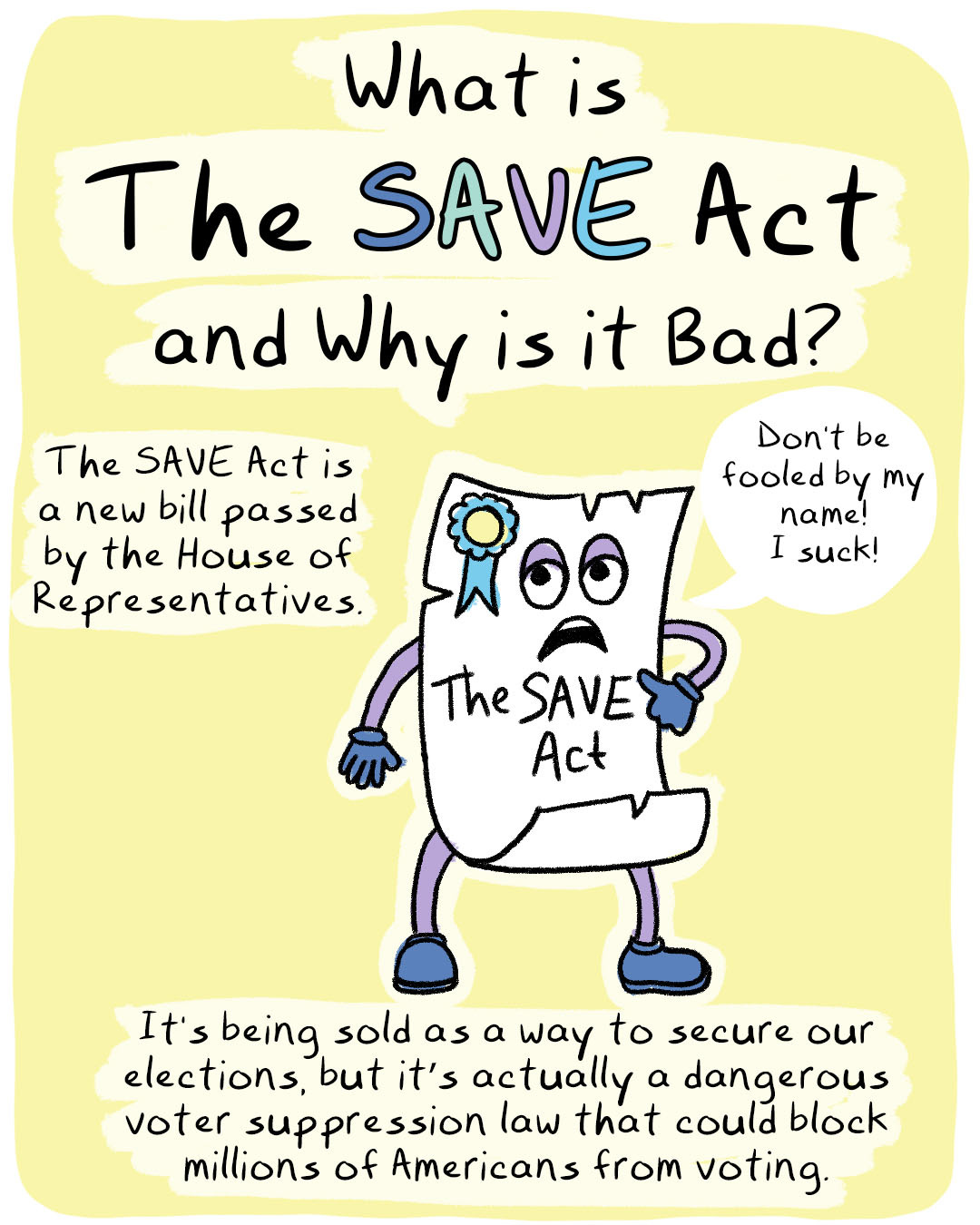
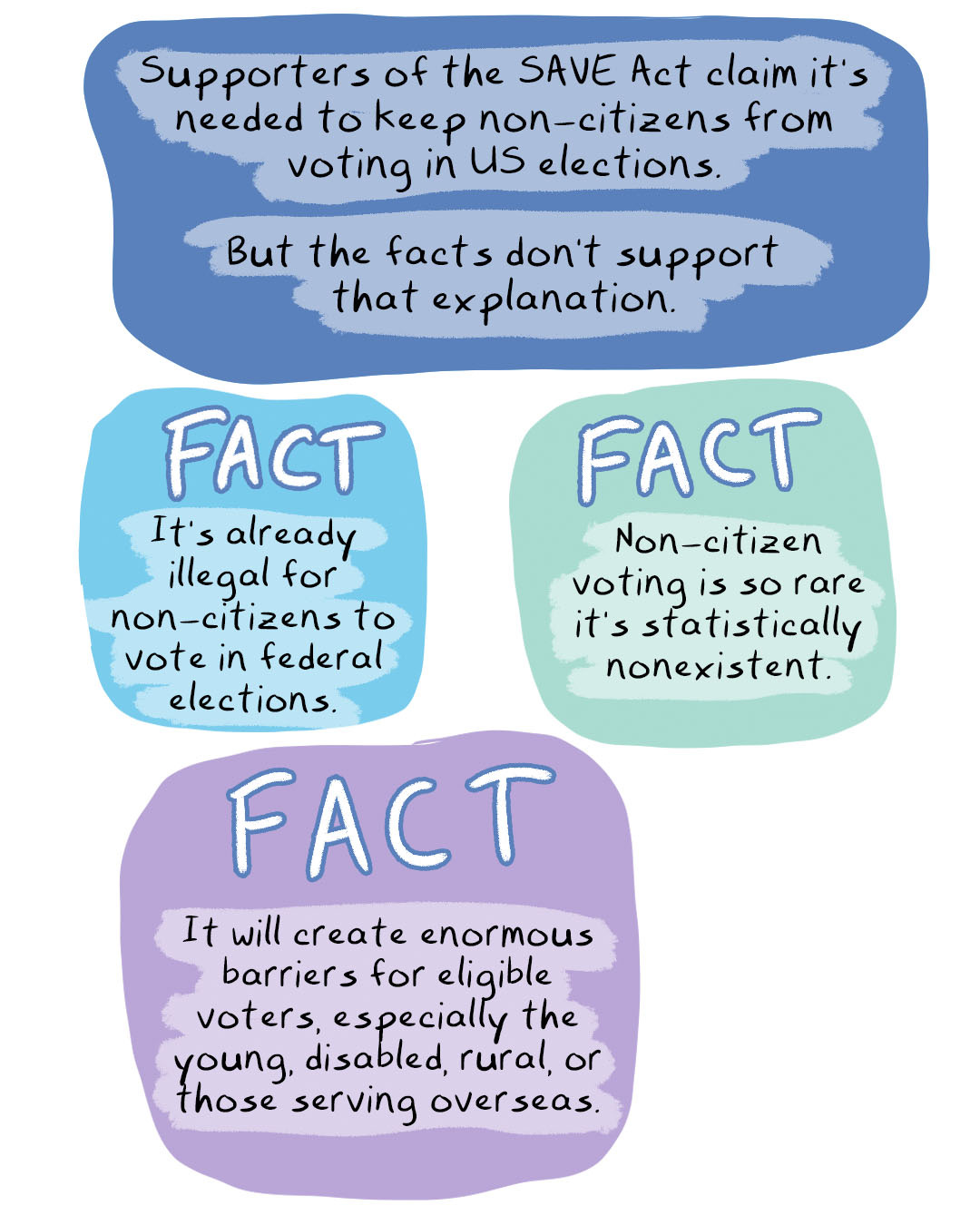
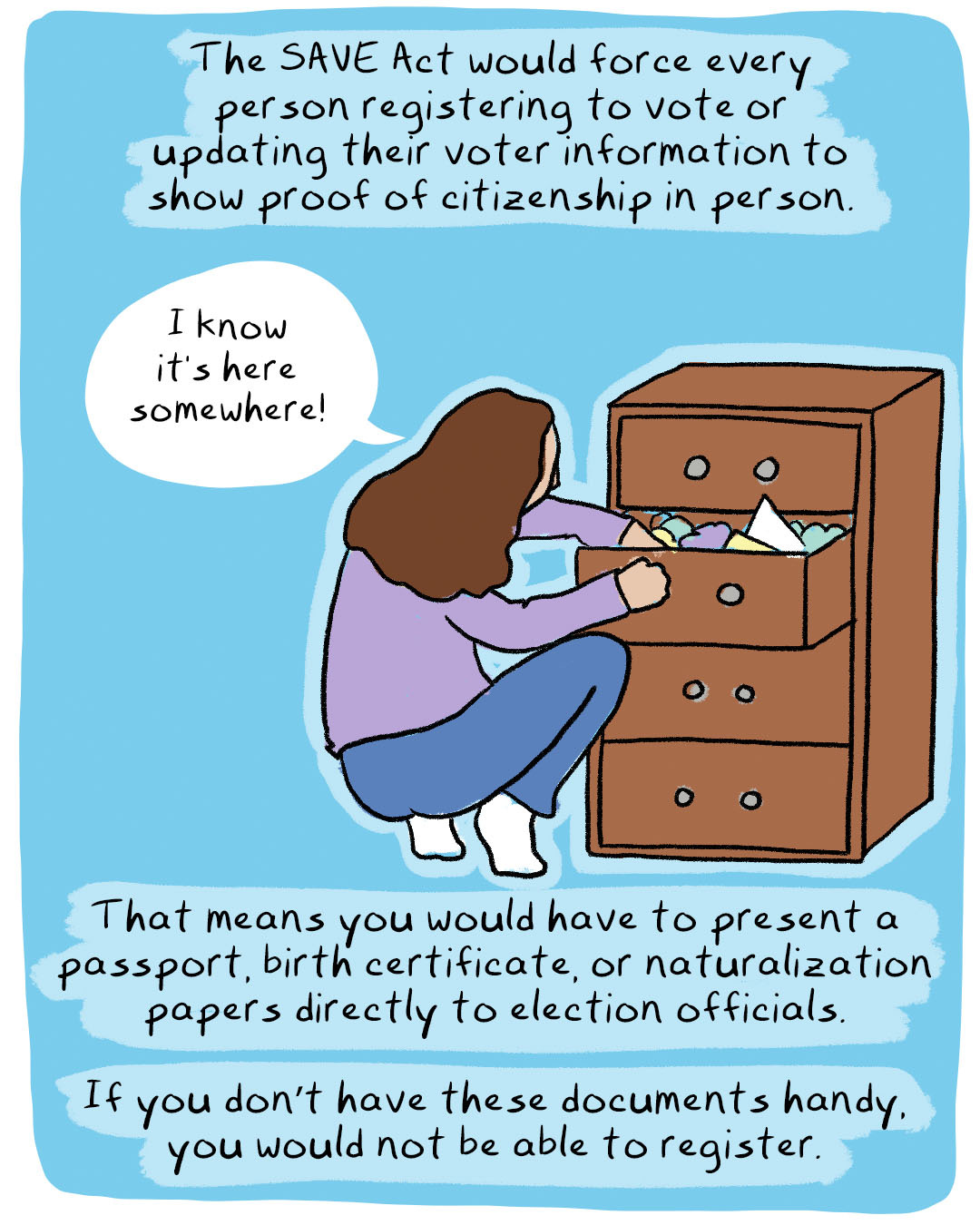
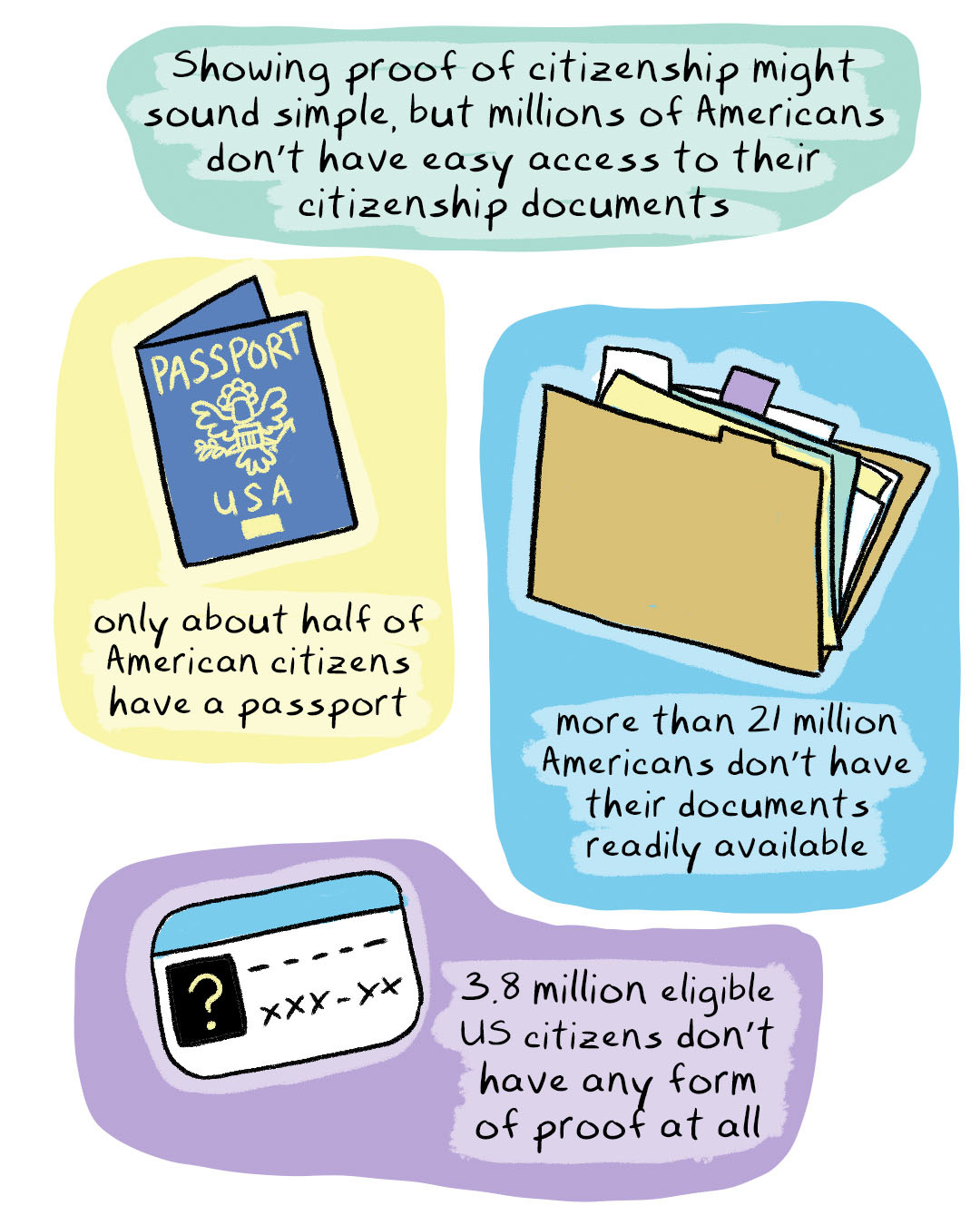
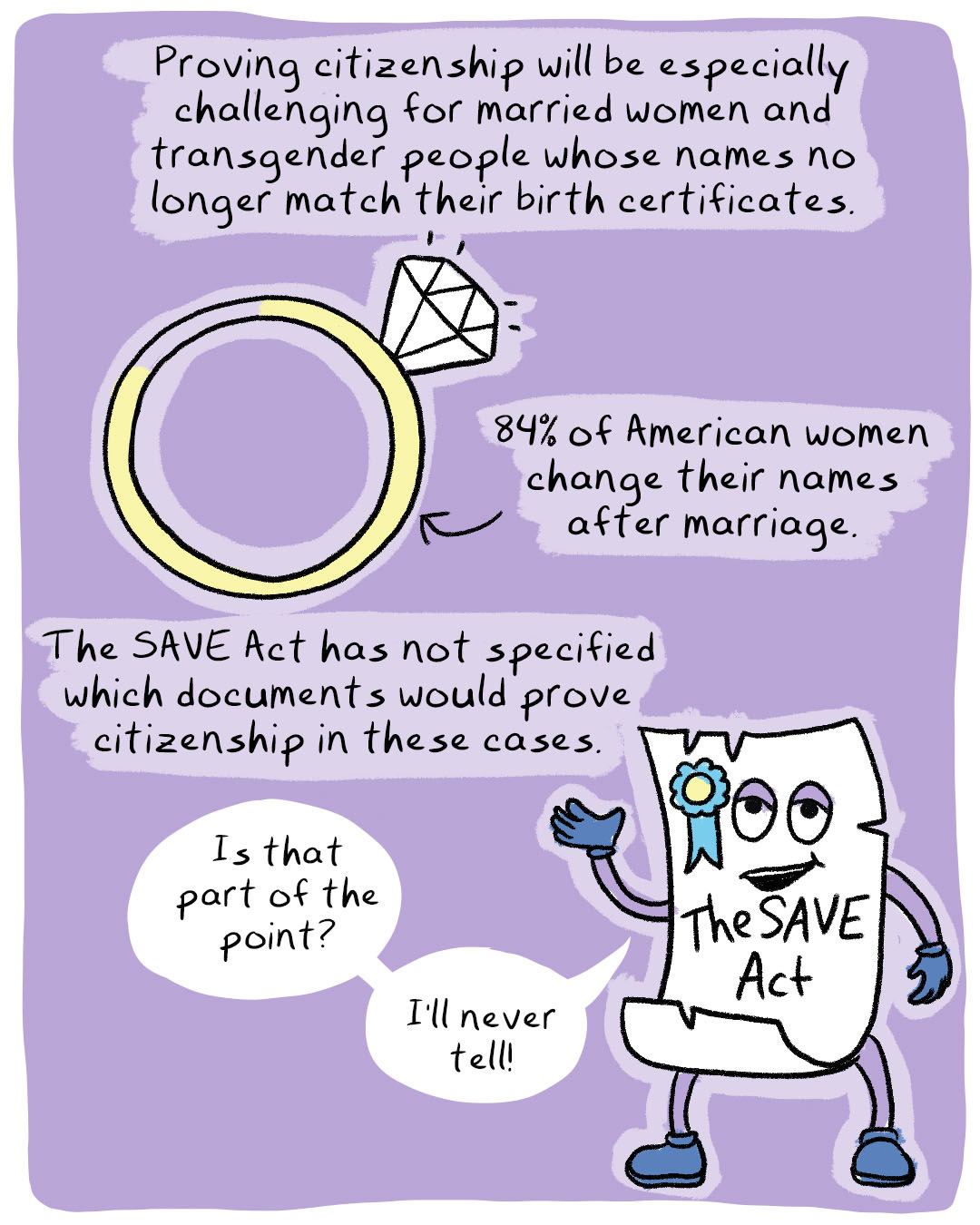
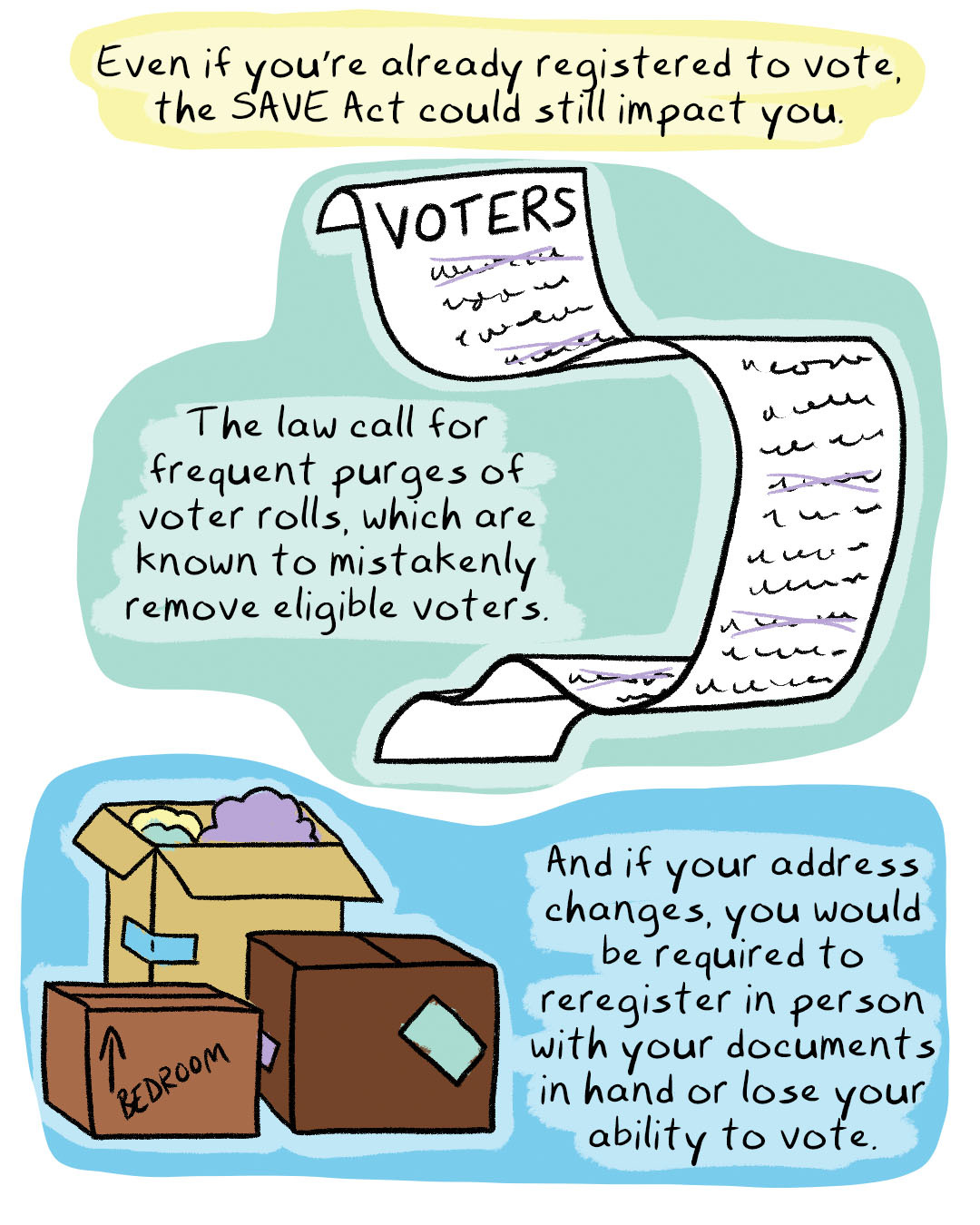
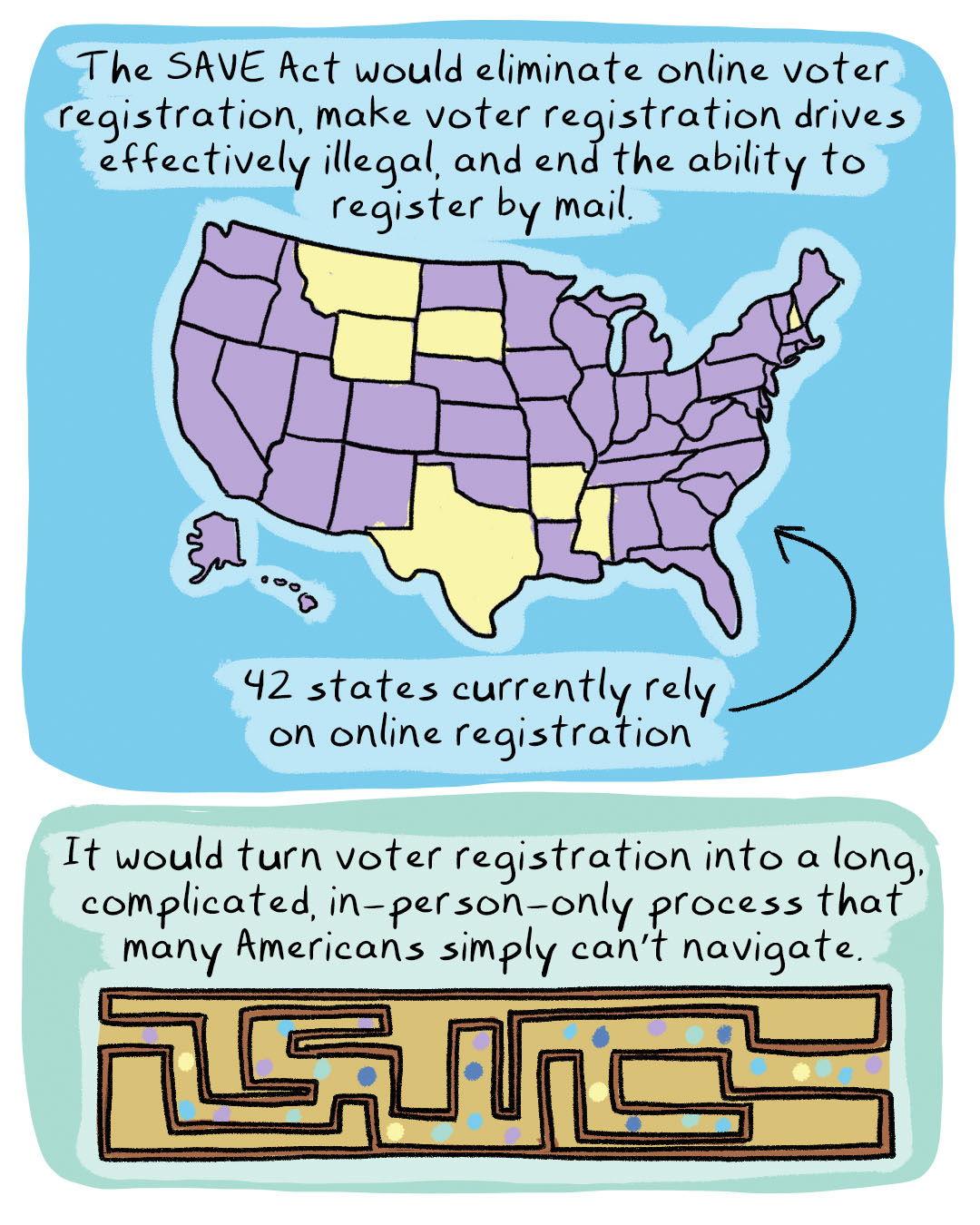
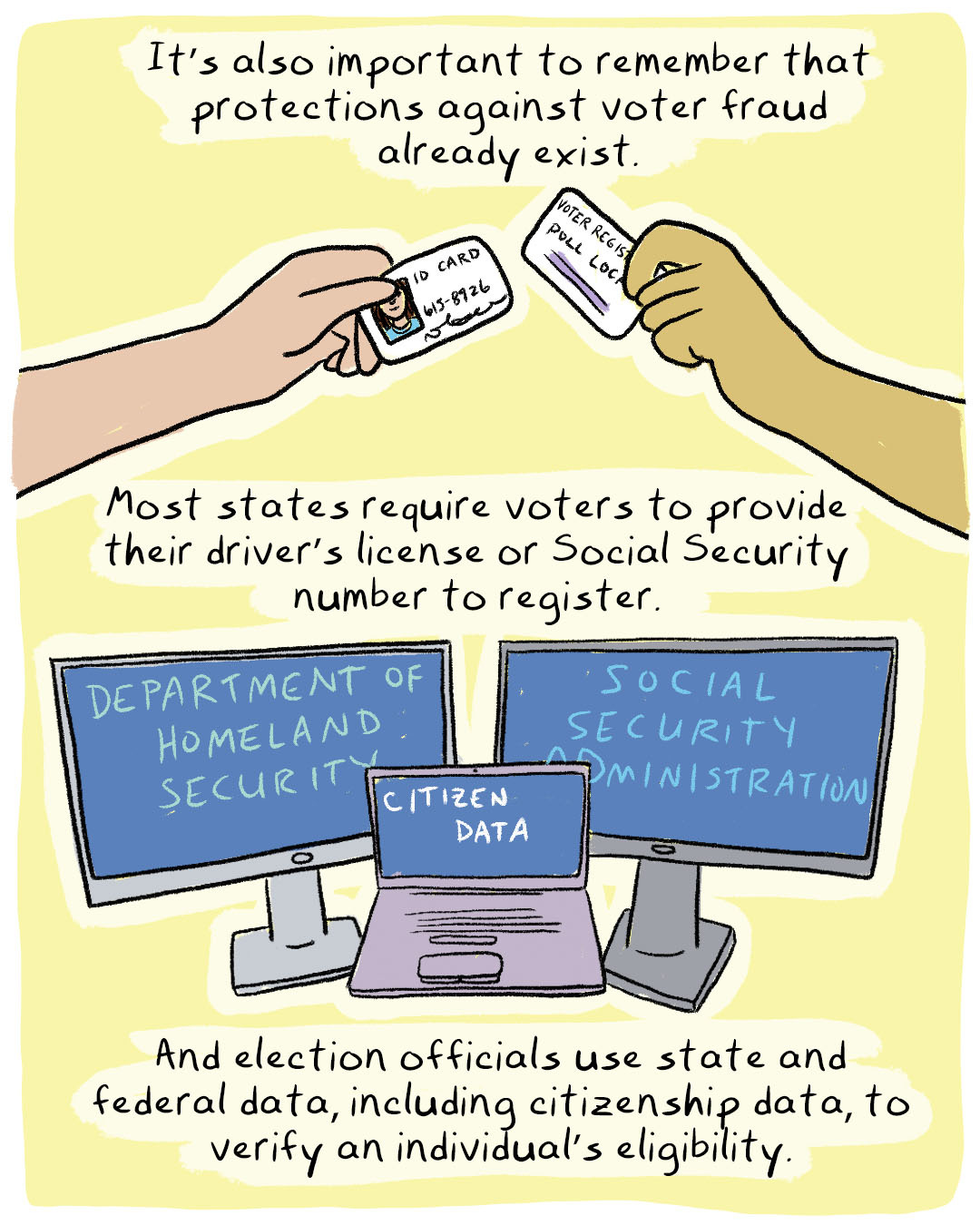
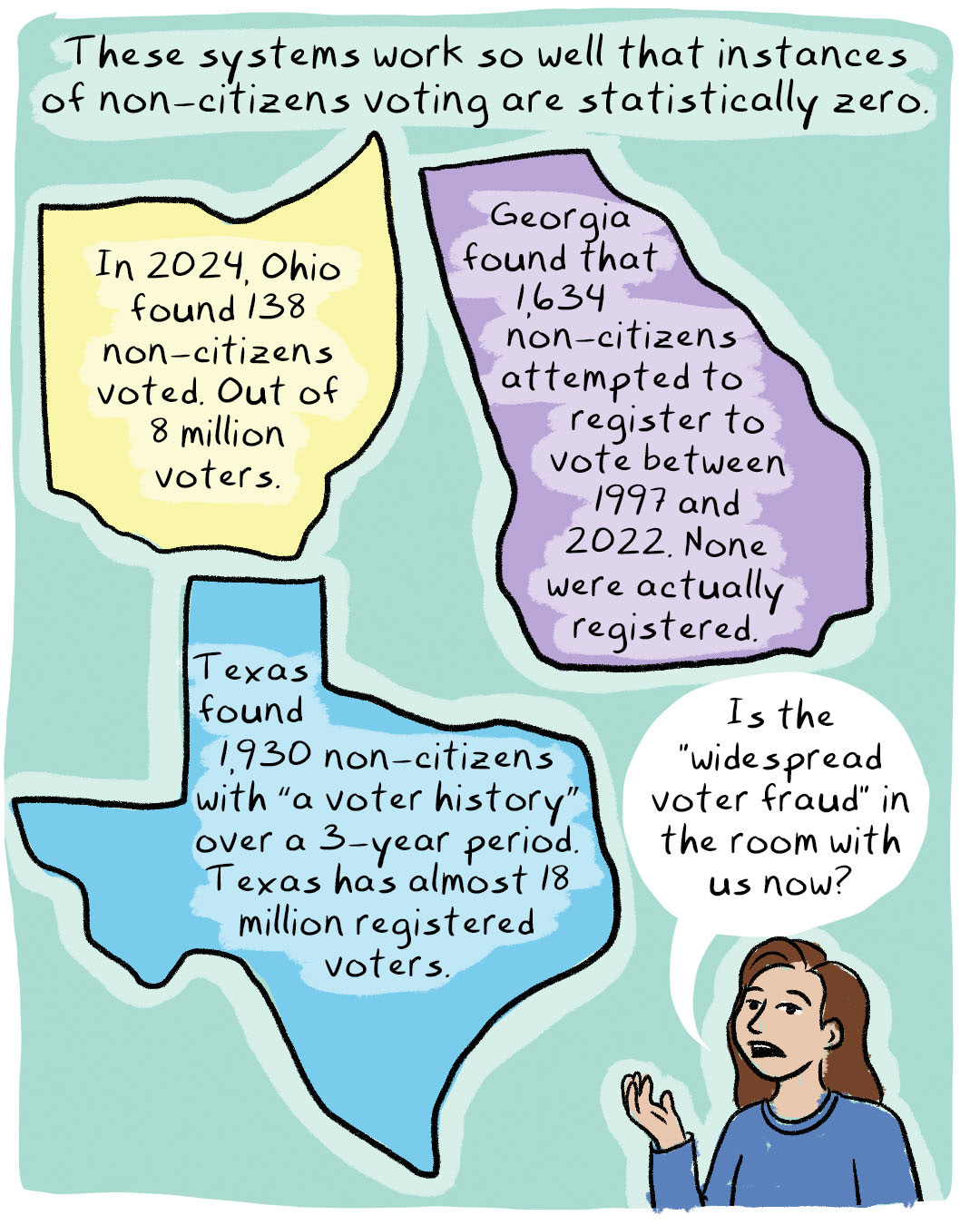
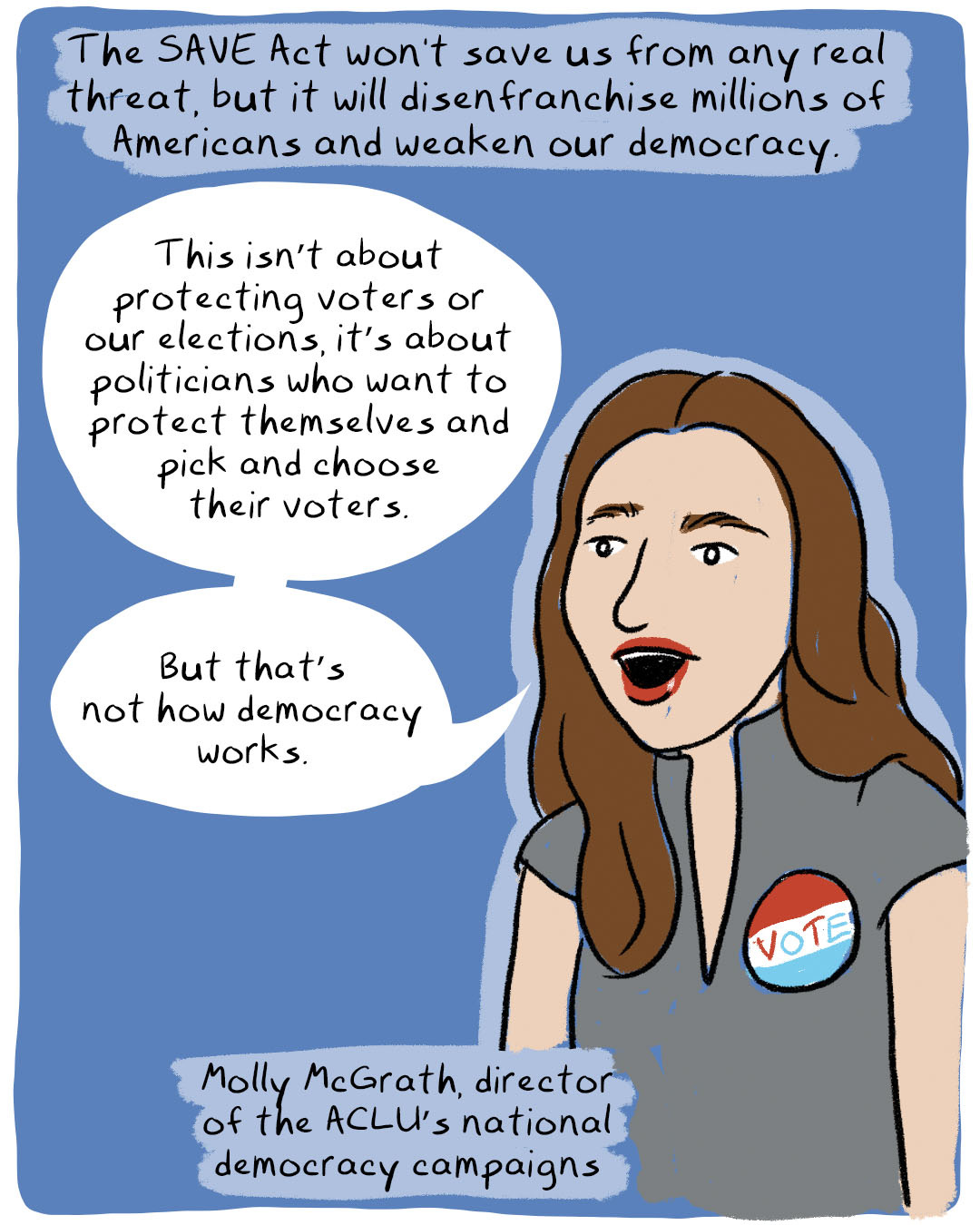
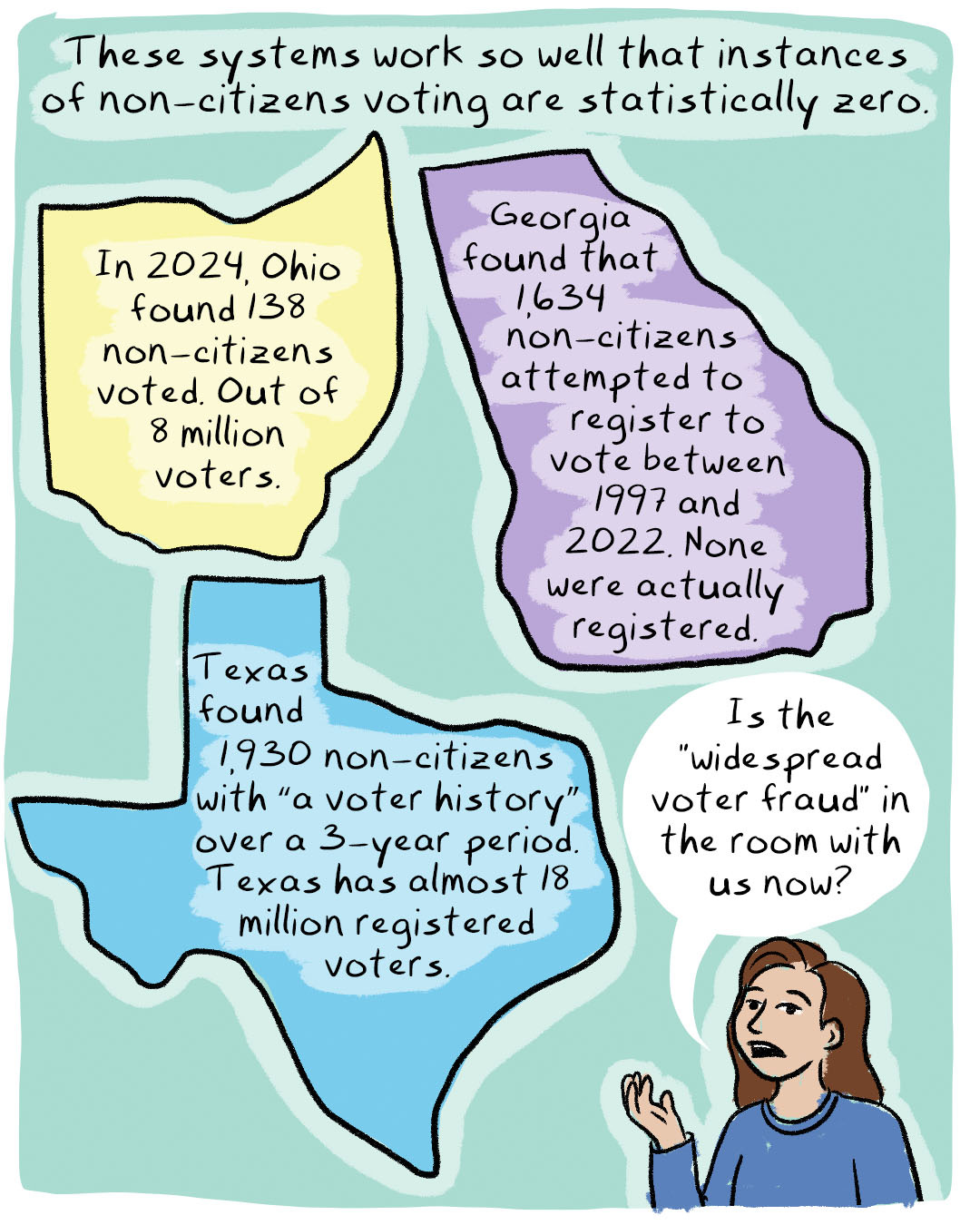
The U.S. House of Representatives passed the Safeguard American Voter Eligibility (SAVE) Act last week. This bill is bad and has the potential to disenfranchise millions of voters. Keep reading to learn about what this bill says it does, what it actually does, and why we absolutely do not need it.
Graphic Rage with Aubrey Hirsch is a reader-supported publication. To receive new posts and support my work, consider becoming a free or paid subscriber.
Thanks for reading! Here’s a couple quick things before you go!
If you’re interested in signing up for the next session of Comics For People Who Can’t Draw, I’m running the one-day version in August and the 6-week version starting in September! The six-week always sells out, so if you’re interested, grab your spot early!
Comics on Gender, Justice, and Life as a Woman in America
Show full content
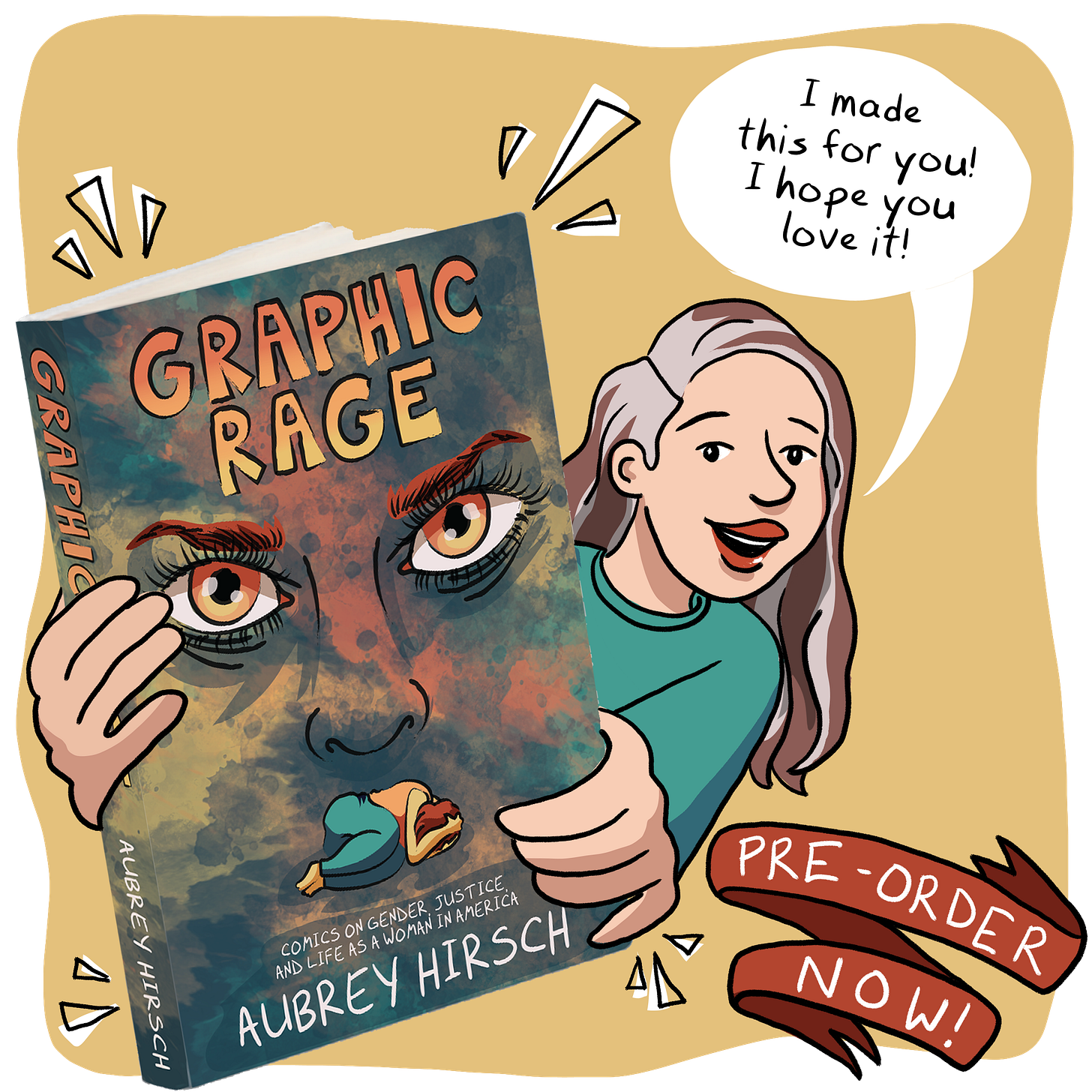
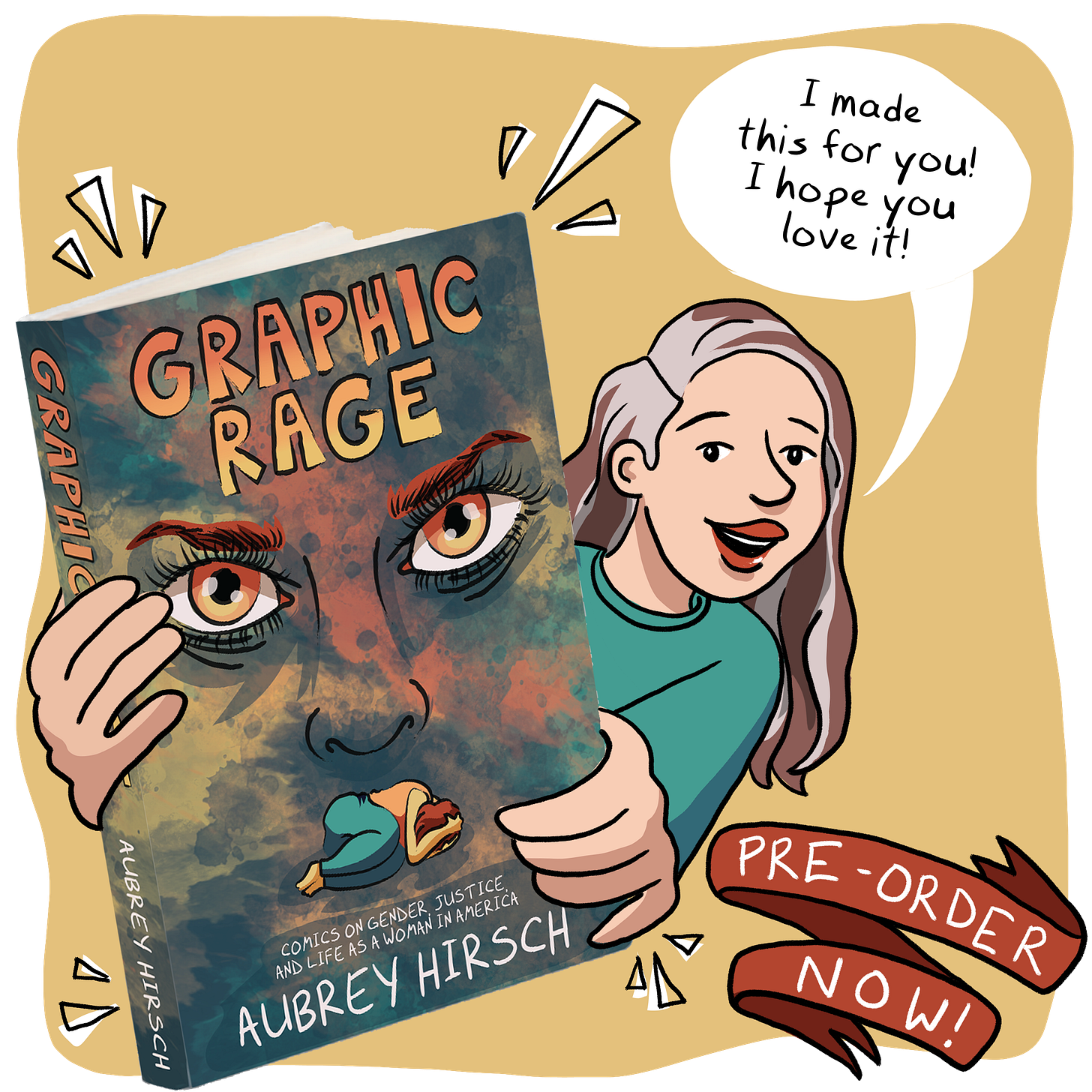
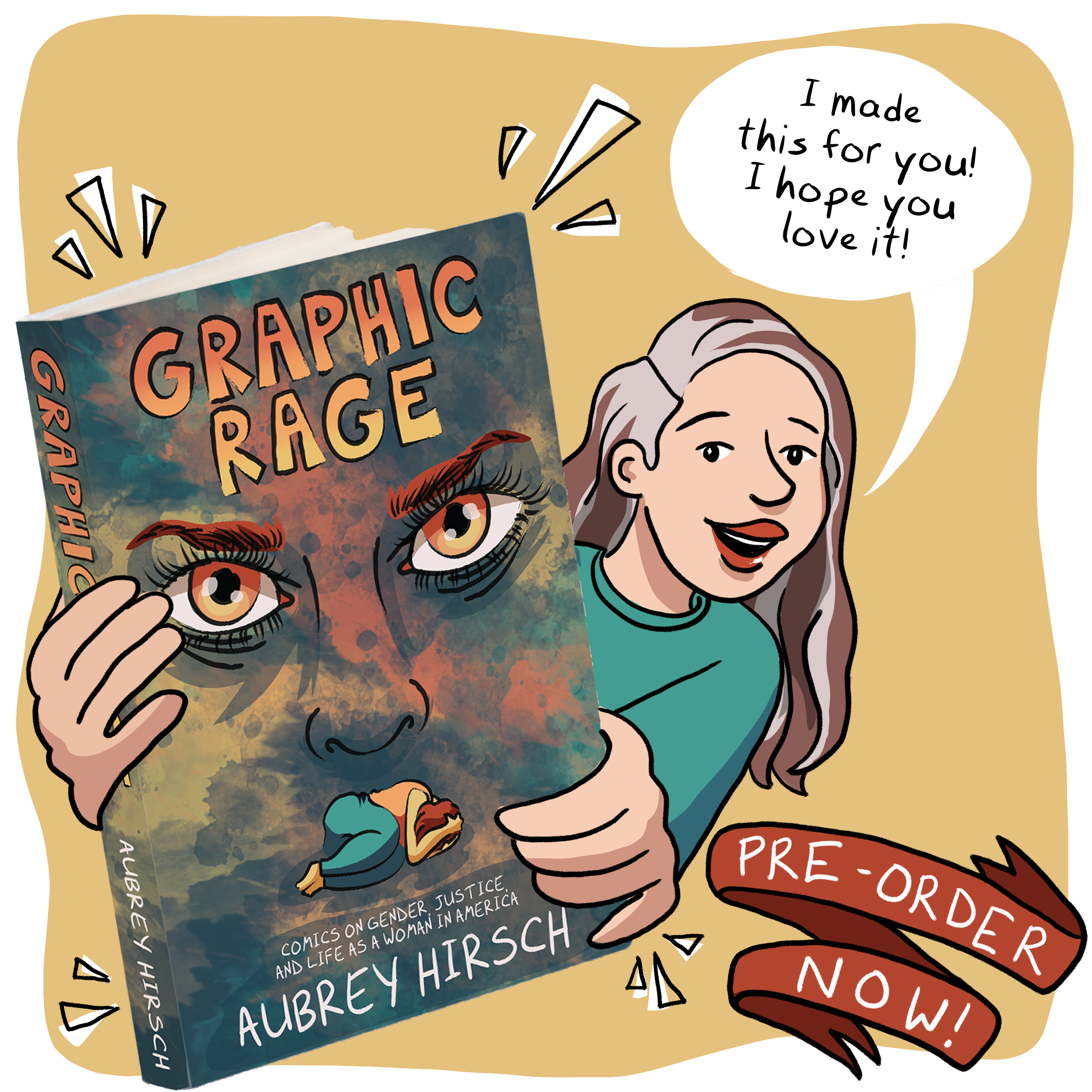
I am so very very very excited to tell you that my forthcoming book GRAPHIC RAGE: Comics on Gender, Justice, and Life as a Woman in America is officially available for pre-order from Split Lip Press! The book releases on October 7 and represents many years of hard work for me. It includes 25 deep-dive graphic essays on topics like the economic case for abortion rights, the reasons women are less happy now than we were in the 70s, an explainer on why your pants never fit right, the real costs of breastfeeding, and so many more!
Pre-orders are vital to the life of a book and I’m so proud of this one! So if you’re ready to cry, laugh, and rage on the patriarchy, CLICK HERE to pre-order your copy, or HERE to request an ARC for review! I think you’ll be glad you did. But you don’t have to take my word for it! Scroll down for some amazingly generous blurbs from Roxane Gay, Maggie Smith, Shay Mirk and Robert James Russell!
Praise for Graphic Rage:
"Aubrey Hirsch is a master of the graphic essay form. In her collection, Graphic Rage: Comics on Gender, Justice, and Life As a Woman in America, she brings her fierce intellect and commitment to justice to the page in deeply affecting ways. Whether writing about women living in legislated bodies or the gender inequities of medical research or being a woman online, Hirsch demonstrates a keen understanding of contemporary womanhood. These essays are beautifully drawn and full of visual wit. They are rigorously researched and they teach the most critical things we need to know without being overly didactic. Graphic Rage is, also, an exceptional expression of the eminently justifiable rage felt by anyone who sees the world as it is. The collection is necessary and urgent, now more than ever."
"Graphic Rage is an irresistible blend of comics, cultural criticism, research, and reportage, served with a scathing, and often hilarious, side-eye toward the patriarchy. No one else is doing what Aubrey Hirsch does. Hers is a voice I’ve come to rely on in these strange times—a voice we need more than ever."
—Maggie Smith, New York Times bestselling author of You Could Make This Place Beautiful
"Aubrey Hirsch's work is a feminist magnifying glass—when she points her sharp lens at an issue, the paper may actually burst into flames. Her comics skillfully connect personal experiences to larger societal issues, making her readers feel less alone as we see the bigger picture we're all (unfortunately) part of."
—Shay Mirk, author of Making Nonfiction Comics: A Guide to Graphic Narrative
"Fearless and unflinching, Aubrey Hirsch’s Graphic Rageconfronts injustice with sharp wit and raw honesty—both a searing indictment and a manifesto for hope."
Graphic Rage with Aubrey Hirsch is a reader-supported publication. To receive new posts and support my work, consider becoming a free or paid subscriber.
Thanks for reading! Here’s a couple quick things before you go!
I have a comic about Raising the Resistance in the forthcoming anthology, The People’s Project, edited by Saeed Jones and Maggie Smith. The book has new and selected work from some of my favorites (Alexander Chee! Mira Jacob! Ashley C. Ford! Ada Limon! Kiese Laymon! and so many more!). It’s available for pre-order now!
If you’re interested in signing up for the next session of Comics For People Who Can’t Draw, I’m running the one-day version in August and the 6-week version starting in September! The six-week always sells out, so if you’re interested, grab your spot early!
because even the president seems to have no idea what they do
Show full content
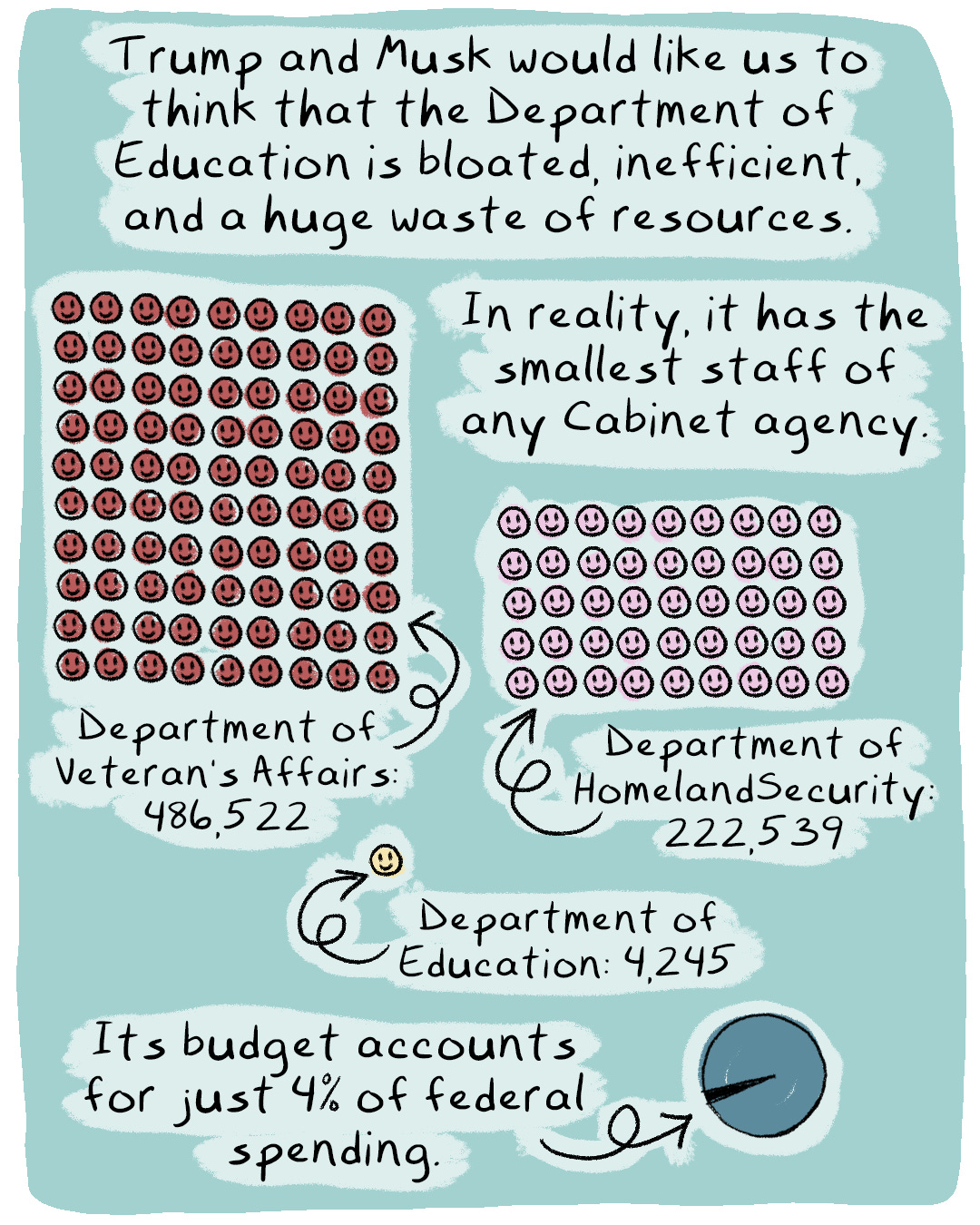
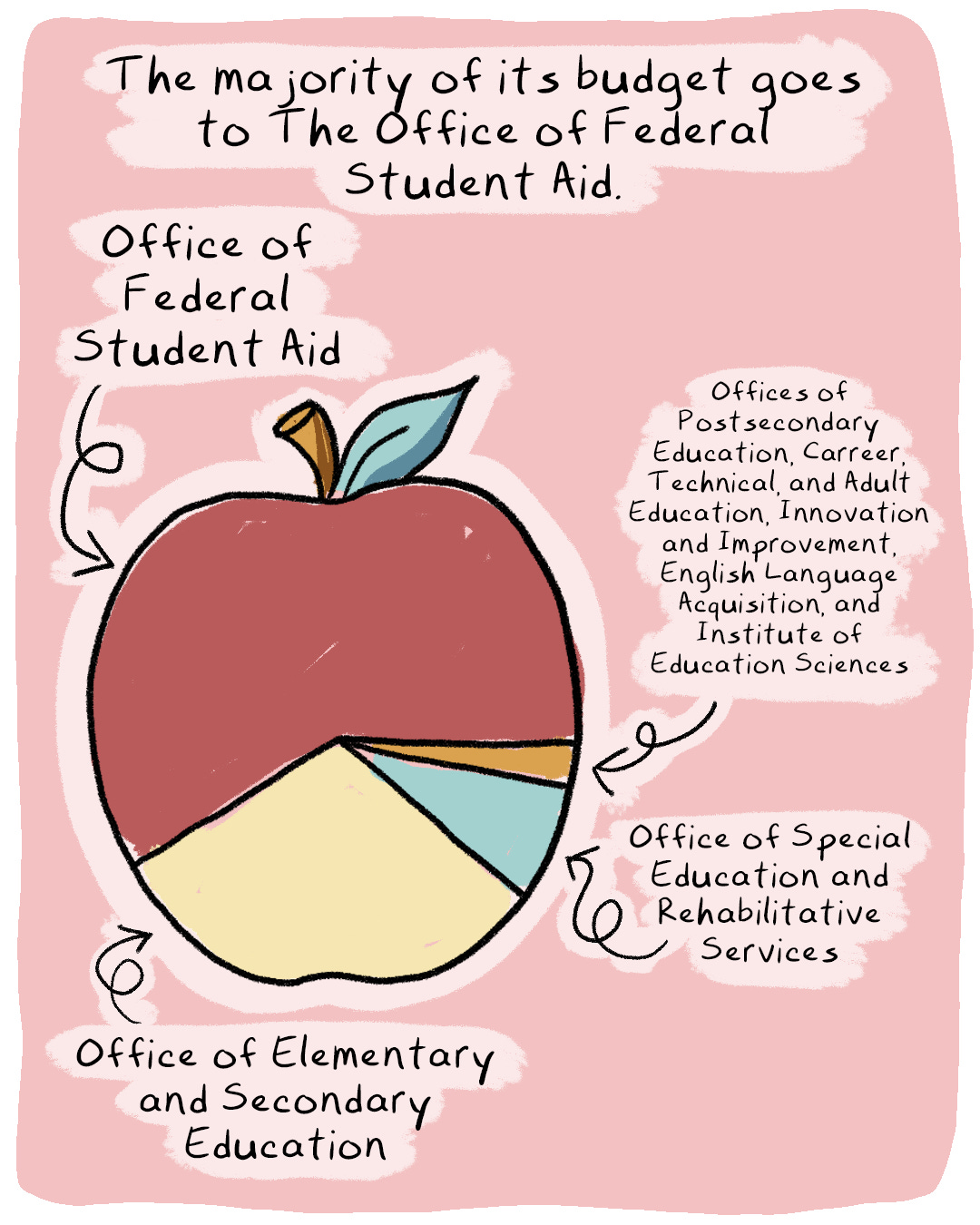
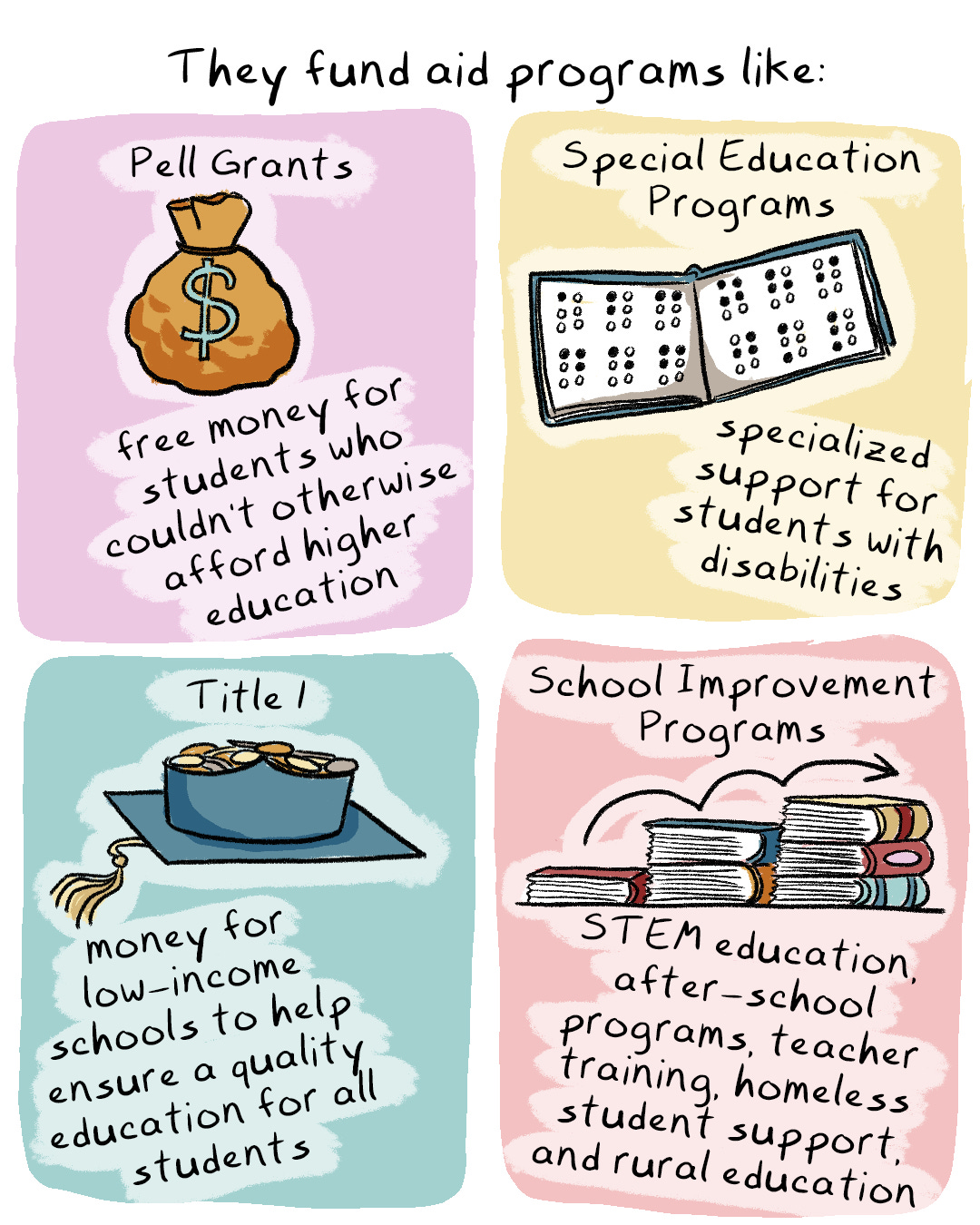
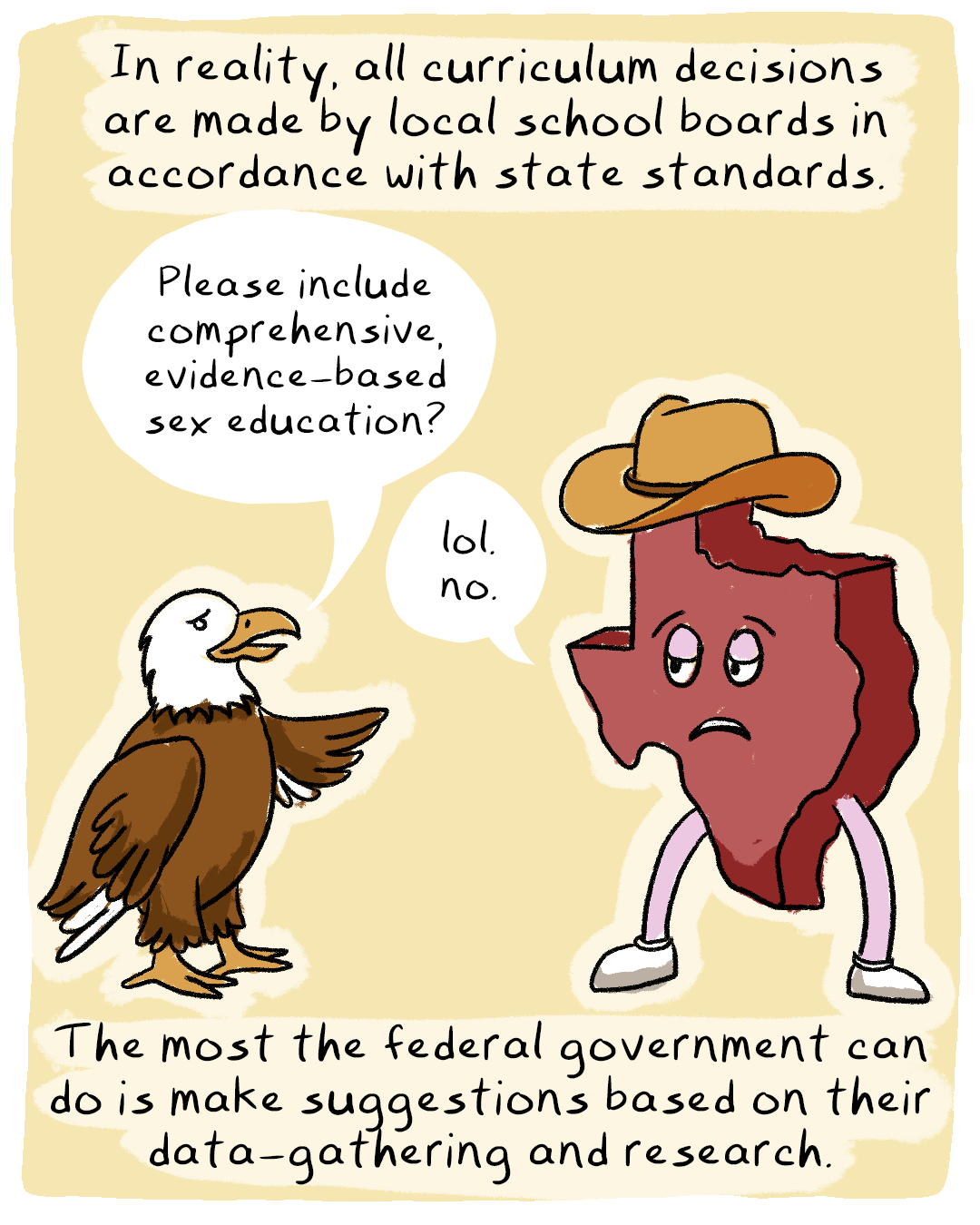
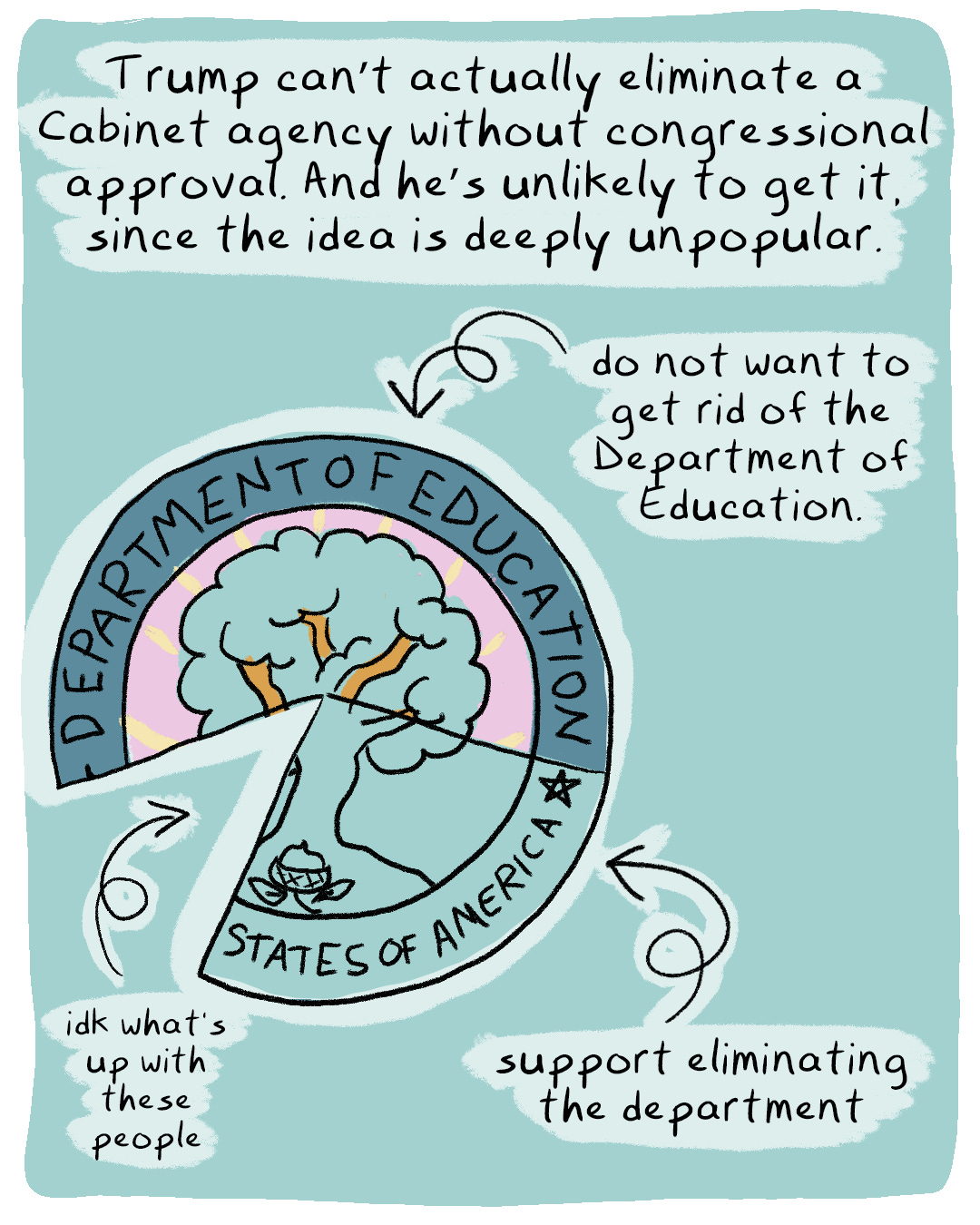
Today you’re getting a bonus rage-comic because I CANNOT LISTEN TO ANY MORE MISUNDERSTANDINGS OF THE FUNCTIONS OF THE DEPARTMENT OF EDUCATION!!! I hope this quick and dirty explainer can help more people understand what this department actually does, and, just as importantly, what it doesn’t do!
Graphic Rage with Aubrey Hirsch is a reader-supported publication. To receive new posts and support my work, consider becoming a free or paid subscriber.
If you’re interested in signing up for the next session of Comics For People Who Can’t Draw, I’m running the one-day version in August and the 6-week version starting in September! The six-week always sells out, so if you’re interested, grab your spot early!
Today I wanted to share with you an essay I wrote for the anthology Not That Bad: Dispatches from Rape Culture. What I love most about this project (edited by the fantastic Roxane Gay) is that it was meant to be a book not explicitly about trauma, but about the little, everyday assaults on our safety and humanity that we’re just supposed to ignore, let go, or see as “not THAT bad.” The whole book is excellent and I highly recommend it. Here is my contribution:
Fragments
He says, “You shouldn’t wave those around like that.”
You’re in the campus dining hall with your friend James. You’ve just popped a rust-colored birth control pill out of its slot in the rubbery blue envelope.
You say, “I wasn’t. I was just taking one.”
He says, “You should take them in your room. By yourself. Privately.”
“I have to take them with food,” you say, “or they make my stomach hurt.” It’s been that way since you were fifteen and first started taking them. That was years before you actually have sex and, even when you do, you are so afraid of getting pregnant accidentally that you don’t let a man come inside you until after you’re married.
You take them because your period is a terrifying beast. The hormones gallop through your veins. You wake up in the middle of the night, twisting, your stomach lurches, your intestines heave. The pills help. You don’t like taking them every day, though. Even the smell of the blue rubber envelope makes you a little queasy when you, dutifully, pull them out of your purse at the same time every afternoon to sedate the beast.
He says, “Still, you shouldn’t let everyone see. You don’t want some guy to see you taking those and think he can take advantage of you and there will be no consequences.”
You put the pill on the back of your tongue and the envelope back in your bag. James watches as you bring your water glass to your lips. You swallow. Hard.
****
Rape culture is when you get hollered at on the street and your first thought is, I’m not even wearing anything sexy.
Rape culture is when your boyfriend told you “I deserve you” and you thought it was romantic.
Rape culture is when you realize you are watching your drink more closely than you watch your kid.
Rape culture is wearing pants instead because going out in a skirt is too much hassle.
If rape culture had a flag it would be one of those “boob inspector” t-shirts.
If rape culture had its own cuisine it would be all this shit you have to swallow.
If rape culture had a downtown it would smell like Axe body spray and that perfume they put on tampons that make your vagina smell like laundry detergent.
The official language of rape culture is “Hey baby,” “You should smile more,” “Those legs were made for walking.”
****
You drink too much at the party because it’s college and you’re always drinking too much. The party is terribly generic with beer pong and a bass-heavy soundtrack. Everyone is drinking foamy beer out of red Solo cups. You think there might even be a blacklight somewhere.
Graphic Rage with Aubrey Hirsch is a reader-supported publication. To receive new posts and support my work, consider becoming a free or paid subscriber.
Daniel knows you don’t drink beer, so he has brought you a bottle of cheap vodka, which you drink mixed with even cheaper orange juice.
You flit around for a while, talking to one group of people, then another. A boy in the kitchen — a baseball player — takes his dick out to show everyone how big it is. It is, in fact, very big.
The last thing you remember is lying down on the couch. “Just to close my eyes,” you think,” just for a minute.”
When you wake up you are in a bed in an upstairs bedroom you have never seen. Daniel is in the bed next to you. Your clothes are on, but your shoes are off.
“Hey,” you say, pressing into your temples. Maybe if you press them hard enough the pounding will stop.
“You fell asleep,” he says, before you even ask. “I carried you up here.”
You say, “You carried me?”
“Yeah. I didn’t want to just leave you down there with all those dudes, passed out on the couch like bait or something.”
“Did you take my shoes off?”
“Yeah. So you could sleep.”
Your mouth feels dry. Everything is blurry. You rub your eyes and take in a breath so you can thank Daniel when he says, “I took your contacts out, too.”
You don’t know where your gratitude goes, but suddenly it’s gone.
****
These stories aren’t worth telling. There’s no arc to them, no dramatic climax. There’s nothing at stake, not really. You imagine your listener, leaning in, “And then what happened?” And you have to say, Nothing. That’s the whole story. “Oh,” she says, her mouth a firm line.
These are little bits of things that happened, or things you think about. They’re light on tension, you know that. There’s no real peril. There’s no resolution.
Still, they stick with you. You think about them even after they’re over, sometimes for a long time. Sometimes for a very long time. That’s how you know they’re important somehow. It’s why you can recall the smell of that party, even many years after the smell of your grandfather’s cologne has faded from your memory.
****
When you take a job as a creative writing teacher you inevitably end up looking at a lot of stories about rape stories
The first story is a rape story on purpose. A student hands it in for a fiction assignment in the freshman composition class you are teaching. In it, the hero finds his petite, brunette English teacher alone in a church. He pulls out a 24k gold-plated gun with a pearl handle, holds it to her head and rapes her, bending her over the back of a pew. When he’s finished, he drives off in a convertible and leaves a bag of money at the police station to avoid arrest.
You are the petite, brunette English teacher. It’s your first semester teaching and you’re only 22, just a few years older than this student who now sits in your office with his hat pulled down over his eyes. You’re too timid to call him out on this threatening misogynistic bullshit. What if you’re wrong? What if he complains to your boss? What if he gives you a low score on your teaching evaluation? Instead, you critique the story, which isn’t hard: It’s a horrible story. “The hero is unlikable and the ending is ludicrous.” You say all this to your student as he smirks beside you. “And look here,” you say, “a slip in verb tense; here, a comma splice.”
In the second rape story, the hero rapes a girl at a party. She’s beautiful, drunk, glassy-eyed and nearly incoherent. When she’s no longer able to walk, the hero, who hasn’t had anything to drink, carries her outside, to the beach. He strips off her clothes and has sex with her while she makes soft moaning sounds. Then he dresses her again and lies beside her on the sand.
“The tone is a bit confusing,” you tell your student when he comes in for a conference. “It seems romantic, almost. Are we supposed to feel sympathy for this character, even as he’s raping her?”
The student looks taken back, surprised. “He’s not raping her. They’re having sex.”
You point out all of the evidence that he is, in fact, raping her. She’s clearly very drunk. She can’t even walk by herself. She never takes any agency, just lies there while it’s happening.
The student cuts you off. “This is, like, based off of me hooking up with my girlfriend for the first time.”
It hadn’t occurred to you that the student might not have realized he was writing a rape story.
“All I can say,” you say, “is that a lot of people are going to read this as rape.”
“But it isn’t,” he says, weakly, sounding more like he’s trying to convince himself than you. “It wasn’t.”
The third story comes to you in a creative nonfiction class. The narrator gets very drunk at a party. She kisses one guy and another kisses her. She runs away and bumps into an acquaintance, who she barely recognizes through a haze of cheap beer. He is aggressive, putting his penis inside of her while she tries to stammer, “wait, wait.”
You start the workshop by asking your students to give a quick summary of the piece. Someone offers, “It’s about a girl who goes to a party and gets drunk and hooks up with a bunch of dudes.”
Interesting. “Does anyone have anything to add or a different read?” The students shake their heads. “Well,” you offer, “I think this first part is a hookup, and the second part, maybe a misunderstanding, but I read this last section pretty straightforwardly as being assault.”
All of the students look down, rereading the last section. Some of them tilt their heads, as if to say, “Hm.” The essay never uses the word “rape,” but it does say “wrong.” It says “wasted” and “sick” and “dizzy” and “vomit.” It says “ignore.” How is it possible they haven’t seen this? How is it possible they are learning about consent from their Advanced Creative Nonfiction teacher?
The author of the essay is forbidden to speak by the rules of the workshop, but you study her as she takes notes in silence. Did she know, you wonder. Does she know now?
****
You recognize the tension between “I am a body” and “I have a body” but you are unable to resolve it. “Have” implies that this body is just a possession, that it can be lost or thrown away. That you can do without it. It implies, perhaps, that someone else could have your body and that your body would be not your own. That it would belong to another.
That doesn’t feel quite right.
But “am” doesn’t seem right either. To “be” a body suggests that you are only a body. You are meat and some blood. You are hard bones and flexing cartilage. You are tangled veins and skin. Is that all, though?
You stand in front of the full-length mirror on your closet door and take inventory. Here are your knees; there are two of them. Two elbows. A chin. A torso with breasts that are heavy with milk. Feet. Hands. Knuckles. Two earlobes. Ten toenails. Several dime-sized bruises. Thousands and thousands of hairs.
There are things you can’t see, but you know they’re there. Two lungs. A liver. The stacked cups of your backbone. Your heart you saw once on an ultrasound machine. Your womb you’ve seen four times, but never when it was empty. Nerves. Ball joints. The intricate pleating of your brain.
It is a long list, but also, it is not so long. Looking at it now, you wonder, isn’t there more to you than that?
****
Sometimes people tell you that you’re lucky that you have sons so they won’t have to deal with all this crap.
It’s true that your kids, by virtue of being boys, will be in a privileged position, but the idea that they “won’t have to deal” with rape culture makes you shudder. You very much want them to “deal with” rape culture the way one “deals with” a cockroach problem.
Sometimes you think about what you’ll tell them and come up surprisingly blank. It’s the words that fail you, not the ideas. The ideas are there.
Though you aren’t sure exactly what you’ll say, these are the things you want them to know:
It’s not okay to hit the girl you like. And it’s not okay to hit the girl you love.
The world around you tells women that they should always nod politely no matter what they’re feeling inside. Don’t ever take a polite nod for an answer. Wait for her to yell it: “Yes!”
It’s okay to like pink and dolls and singing teapots with rainbow handles. It’s okay to be feminine, because being feminine is okay.
Not everyone gets sex when they want it. Not everyone gets love when they want it. This is true for men and women. A relationship is not your reward for being a nice guy, no matter what the movies tell you.
Birth control is your job, too.
Don’t ever use an insult for a woman that you wouldn’t use for a man. Say “jerk” or “shithead” or “asshole.” Don’t say “bitch” or “whore” or “slut.” If you say “asshole,” you’re criticizing her parking skills. If you say “bitch,” you’re criticizing her gender.
Here are some phrases you will need to know. Practice them in the mirror until they come as easy as songs you know by heart: “Do you want to?” “That’s not funny, man.” “Does that feel good?” “I like you, but I think we’re both a little drunk. Here’s my number. Let’s get together another time.”
****
Your friend texts you out of the blue to say, “I just got raped at the bank.”
“Oh my god,” you respond. “Are you okay?” Your brain goes turbo. You are trying to imagine which hospital she’s at, if she’s likely to press charges, why she’s reaching out to you and what you can possibly do to make this any less devastating.
The flashing ellipsis appears on your phone to signal that she’s typing. Then it turns to words that you struggle to focus on: “Yeah. I deposited my check in the wrong account so I’ve been overspending on my debit card. I got like $175 in fees.”
You watch for the ellipsis, but it doesn’t appear. After a moment you realize this is the whole story. By “I got raped” she meant “I got charged bank fees for overdrawing my account.”
You stare at your keyboard for a while, with its letters and exclamation points and frozen-faced emojis, and then you put your phone away. You can’t think of a single thing to say.
****
Word Problems:
Jordana has invented a new kind of rape-prevention underwear. If she orders a batch of 5,000 pairs, she can manufacture them for $2.25 per pair and wholesale them for $4.00 per pair. If she orders 10,000 pairs, she can manufacture them for $1.90 per pair and wholesale them for $3.50. Given these figures, and assuming no import taxes, how will she get the rapists to wear them?
Marc leaves work at 6:25 every evening. Moving at a steady 4 miles per hour, he walks 11 blocks north, 3 blocks west and 1 block south to get to his apartment. On his way home, he passes the diner where Gina works. When she works the afternoon swing shift, she leaves work just before Marc passes by. She walks 8 blocks north at an average speed of 3.5 miles per hour. Now that it's wintertime and starting to get dark, how far behind Gina should Marc stay so that she won’t be afraid that he's coming to attack her?
Carla is editing her online dating profile. When she adds the word "cheerleader," her message requests go up by 11%. When she changes her body type from "average" to "thin," her message requests increase by 42%. When she lists "feminism" as an interest, her message requests decrease by 86% and the number of threats of sexual violence she receives triples. Assuming she goes on an average of 3 dates per month, how many hours will she need to spend with any given man before she feels comfortable giving him her home address?
A child is raped in Montana. The rapist is 31; the child is 15. The age of consent is 16. The punishment for statutory rape in Montana is 2-100 years in prison and a fine of up to $50,000. If, however, the rapist is only sentenced to 30 days in jail and no fine at all, how much older than her chronological age must the child have been behaving when she seduced him?
****
This is your new thing: When a man yells at you on the street, you yell back. You are tired of pretending you can’t hear these men. You are tired of gluing your eyes to the sidewalk in shame. You are tired of taking it, of treating it like a tax you must pay for the privilege of being a woman in public spaces.
You think, perhaps foolishly, that you can explain your feelings to these men and they will listen.
You wear your resolve like armor and it doesn’t take long for you to get a chance to put your plan into action. You are leaving the store, a plastic bag of groceries dangling from each hand, when a man walking behind you says, “Hey hey hey! You are beautiful.”
You stop walking and he passes you. It’s now or never.
You say, “Can I talk to you for a second?”
He stops to face you, about three feet away.
“Why did you say that to me?”
Instead of answering, he just tries his line again: “Hey beautiful girl!”
“Can I tell you something?”
He doesn’t answer, but he doesn’t move away. He seems confused, like when you push a floor button on an elevator and the doors don’t close, so you just keep pressing it. Why aren’t you shutting up? This isn’t what’s supposed to happen.
You say, “When you say that to me, I don’t feel flattered. I don’t even feel angry, honestly. I feel afraid. Did you know that?”
“Why? Why are you afraid? Afraid of me?”
“Yes,” you say. “When men like you yell stuff at me on the street, I am afraid that you will hurt me.”
“Oh, I’m scary. Is that what you’re saying?” Now, he moves. He takes a big step toward you and, damn it, you flinch.
You say, “Yes,” trying to plate the word in steel but it crumbles in your larynx like tin foil. You start walking to your car.
He follows you the whole way, shouting, “Now I’m scaring you, huh? Now you’re afraid of me!”
He’s right. He is scaring you. You are afraid. But there’s something new, too. Before this, you really thought maybe these guys just didn’t know how their comments made people feel. You thought maybe they were trying to be nice. But now you know the truth—they know it makes you feel frightened. They like it.
There’s still fear, yes, but now there’s anger, too. So much anger that it boxes out some of your fear. The next time you yell back to the man yelling at you, it’s easier. And the time after that is easier still.
Now the responses roll off your tongue like perfect round stones. You’ve worried them in your mind and in your mouth until they are smooth as glass: “Why would you say that to me?” “That is an offensive thing to say.” “It’s hurtful to talk to women like that.” “You should never say that again.”
Your prize for all this effort is a small thing, but you cherish it. It is the astonishment on your harasser’s face. Sometimes he even mutters a flimsy “Sorry” before he hurries away from you. He doesn’t want a conversation. He’s not shouting at you as a method of engagement; he’s just testing something out. He needs to fumble around for his power in the dark, like a totem he carries in his pocket. He wants to make sure it’s still there.
Next time, you tell yourself when it’s done, this man won’t shout so readily. Next time he will see the woman coming, open his mouth to speak and for one second, one perfect second, he will be afraid of her.