A couple weeks ago, a post of mine went unexpectedly viral on Threads. As of this writing, it has been viewed 2,380,872 times. This is what I wrote:
To which Noah replied:
And then I wrote:
I did not expect it to be any more popular than any other silly thing I might post on Threads. But for some reason it resonated with people. It might have been the wholesome topic in troubling times. A lot of people replied sharing pictures of their own trees, or commenting that they’d be back on June 9 for Noah’s update.
A lot of people wrote that they were leaving a comment in the belief that engaging would make the algorithm more likely to show them any update that happens on June 9. And of course, when people engaged with the post, that made the algorithm more likely to show it to more people, and it snowballed over the day.
I think people were also amused by the timescale of the reply. Five years is a long time to wait before replying to someone. When I got my reminder about Noah’s trees, I vaguely remembered having set it, but I certainly hadn’t given it any thought since then. Five years passed but I only thought about it on two of those days: the first day and the last day. So it was a very low-effort win.
But Noah is really the master of long scale projects.
You may remember him from his viral “Everyday” video, which he posted in 2006, featuring photos of himself taken every day. He had been doing it for six years already at that point, and unbelievably he is still doing it. Here’s his updated version after 20 years:
Noah has other long-scale projects, too. He revisits the same spots and takes the same photos over time, like his Lumberland series, or his photos of a stone wall near his home, or this one tree that’s growing diagonally.
So five years to reply? That’s nothing. And I have more examples to prove it.
How long is too long to reply?
In 2014, I asked that question on Twitter:
After a year, Tim Chambers replied “One year?”
After two years, he wrote, “Two years, probably.”
Tim consistently replied every year on the anniversary of the original post. Other people did, also, but Tim was the most consistent.
After five years, he wrote, “Not sure, but replying to this tweet may be the only reason I stay on Twitter.”
And after ten years:
"It would be funny if I replied to this tweet every year," I thought. Maybe I didn't expect Twitter to be around this long? Anyway, here we go, year ten.
Ten years of annually replying to a single tweet! That’s impressive!
But then Elon’s transition from Twitter to X was just about complete, and nobody has replied since then. That’s fine, because I wouldn’t even be there to see it.
A twenty year note of congratulations
Just a couple months ago, I got this nice note from Matt Maldre on Bluesky:
Wow. I didn’t even realize that anniversary was coming up. It was nice to hear! And then, perhaps to assure me that he’s not a crazy stalker obsessed with my blog-turned-newsletter, he followed up with this:
Well that’s a nice thing to do. It reminds me of how Paul Rubens (Pee-Wee Herman) apparently kept track of birthdays of people he’d meet, and sent them texts on their birthdays.
Twenty years is a long time. But I think I have one more long reply that beats all of these.
Cindi’s letter
In 1998, my friend Cindi wrote herself a letter on her 25th birthday to be opened when she turns 50. She sealed it in an envelope and asked me to hold on to it and give it back to her in 25 years. I put it in a box and forgot all about it.
In 2017, I came across the letter while cleaning out a closet. I figured that if I’d held onto it that long, I might as well wait a few more years and send it to her. We had mostly fallen out of touch over 25 years, but of course we live in a world where social media means nobody is ever fully out of touch. So in 2023 I messaged her on Facebook and asked for her address, and dropped it in the mail.
I took a picture of it first. I’d held on to it so long, I wanted some sort of record of it just in case the post office lost it.
Cindi let me know that she got the letter, and that reading it was very emotional for her. I don’t know what it said. That’s between 25-year-old Cindi and 50-year-old Cindi. But she did let me know that 25-year-old Cindi told 50-year-old Cindi to tell me she says hi.
I have my entire email archive going back to 1997. I’m tempted to see what the furthest-back email is that I didn’t reply to, and write that person back. It’ll probably be something like, “Sorry I didn’t get back to you sooner. But yeah, that new movie The Matrix looks like it’ll be great!”
So what’s the longest you’ve ever gone before sending or receiving a reply? If you’re reading this newsletter in a year or two, or even more, it’s not too late to let me know. Just hit Reply if it’s in your email, or leave a comment below if you’re reading on the website.
Several years ago, while visiting friends in Atlanta, I visited the World of Coca-Cola museum. I think it cost ten dollars to get in. Near the start of the tour there was a room where you looked at 120 years or so of Coke advertising. They had the first magazine ads, the famous Santa ads, the Max Headroom “Catch the Wave” ads, the first Coca-Cola Classic ads, etc.
At some point in this room it suddenly dawned on me: I just paid ten bucks to be bombarded with advertising for Coca-Cola. That seemed wrong.
The only place along the tour where it felt like I was getting something worth paying for was at the end when I got to taste all the international Coke products that don’t exist in America. I remember an apple lychee version that was pretty good.
Years later, I took my kids to Hersheypark amusement park in Hershey, Pennsylvania. Afterwards, we took the Hershey’s Chocolate Tour. It was more of a ride than an actual factory tour. It took us through rooms set up with little make-believe factory dioramas that were supposed to make you think that’s what the actual Hershey’s factory might look like.
It was slightly terrifying
Those visits are more like corporate shows for tourists, but I have visited some actual factories in my life. I remember an elementary school field trip to the Carnation Dairy factory where we got to see how milk and ice cream gets packaged on assembly lines, and afterwards we got little ice cream sample cups with those tiny wooden spoons.
And I’ve visited big factories in the course of my work, like the time I visited the shipyard where naval battleships are built, but going someplace on business is a very different experience than seeing it as a tourist.
I once had a video shoot in Louisville, Kentucky and during some down time my associate producer went to the Louisville Slugger baseball bat factory tour. I regretted not going with him, but I had some work to do. He came back with some cool souvenirs.
Thinking about all this makes me wonder what factory tours might be near me where I live, or that I might visit while traveling for work. Maybe I can squeeze in a visit to, I dunno, the SPAM Museum next time I’m near Austin, Minnesota.
So I put together a map of corporate factory tours and museum-like visitor experiences in the United States. You can find one near you, or near where you’ll be traveling. It’s not complete by any means. If you know of more I should add, please tell me in the comments below.
Click to open in a new window
Click the map for the full list. Here are some of the highlights:
Spam, Spam, Spam, Spam, Spam, Spam, Spam, Spam, Spam! With exhibits on its history, cultural impact, and production. Just don’t give them your email address.
Did you know that Herr’s potato chips were first made in an old abandoned tobacco shed? And there’s an exclusive clip on the season three DVD of The Office where Kevin makes a quesadilla out of Herr's Sour Cream & Onion chips and spray cheese.
If you tour the Ford Rouge complex – so named because it’s on the River Rouge – you can actually see the F-150 assembly line where they make America’s most popular truck. Here’s a video where Mo Rocca shows what happens there, in case you can’t make it and love Mo Rocca:
Maybe you’re not a truck person. Maybe you’re more of an Airstream kinda person. No problem. There’s a factory tour for you, too.
There was an Airstream parked behind the Ralph Lauren store in East Hampton twenty years ago with a decked out interior as an extension of the store people could shop in, and I heard stories that employees... did things... in there after hours. For the past twenty years, I’ve thought about that every single time I see an Airstream. So I think I’ll skip this one, thanks. I’d much rather go to, I dunno, like, maybe the Winnebago factory.
You’re more of a Winnebago Person? Don’t worry. There’s a corporate tour for you. But you should know that, as per the FAQ, pets are not allowed on this tour. In all my research for this newsletter, this is the only corporate tour where I saw them mention that pets are not allowed, so I assume this has been a problem for them at some point. I don’t want to hear that story.
The Taylor Guitars factory was named the 2023 Assembly Plant of the Year by Assembly Magazine, the industry magazine about industrial assembly. This took me down a rabbit hole. I love industry magazines. I mean, come on, who wouldn’t want to read these articles from the latest issue?
I find this stuff so fastenating
Anyway, guided tours are available to see guitar production including woodworking, finishing, and assembly.
Wait, is this just a fancy crayon store? Like the M&M store in Times Square but for crayons? Hmm. I don’t know if it should be on this list. But you can get a crayon with your name on it, so I guess that’s cool. Or is Sam the name of the color?
I laughed when I first came across this one because it sounds so industrial in the quirkiest and kitchiest way. But after looking through the website it actually seems incredible. There’s a lot of both art and science on display here.
The “world’s largest factory” is open for visitors to see how airplanes get made. Please watch closely and make sure all the door plugs are properly installed.
Among other things, you can go on an Antique Tractor Walk for an “up-close view of some of our most rare vintage machines.” Or you could go to an actual construction site and see Caterpillar machines in action. In fact, if you have a toddler, I highly recommend it. From a safe distance, of course.
As long as you’re looking at tractors in Illinois, the John Deere Pavilion seems like the obvious next stop. Just don’t try to repair any of the tractors.
Close your eyes for a moment. Picture the Harley-Davidson museum. Imagine all the things you’d see if you visited. Can you picture it? Now hold on to that image while you click on their “Exhibits” link and get an error that says “We can't seem to find that page.” I’m sure it’s pretty cool, though, whatever it is.
Dr Pepper Museum
Waco, TX
This photo is on the museum website. I imagine there’s more to the museum than this wall, though. I mean, there must be, right?
Okay, pop quiz. Is Dr. Pepper a Coke product or a Pepsi product?
Neither! It’s owned by Keurig Dr Pepper, Inc. ever since the 2018 merger of the Dr Pepper Snapple Group and Keurig Green Mountain companies. I’m not making that up.
And it turns out that Dr. Pepper is not a cola, according to the FDA, but is its own beverage category. And it predates Coca-Cola by a year. Who knew? I guess that’s why it gets its own museum.
I wish the Zippo museum actually looked like a giant Zippo. But I guess it has a big Zippo on top of it so that’s close enough. I once read that Zippo has never paid for product placement even though it’s in a ton of movies. It’s just such a cool product that movies want to use it for free.
One surprising thing you’ll learn at the Zippo museum is that Zippo is actually short for Zippopotomus.
If you want to see behind the scenes of an actual working studio, skip the Universal theme parks. Pick an actual studio where things are in production, and you may find yourself on the set of a real TV show, or seeing real celebrities.
Let me tell you a story.
In the early 90s, I went with a group of friends to Los Angeles, and while we were there, we took the Paramount Studios tour. The tour guide walked us around the lot and through soundstages that were actually being used to film things. We got to see a set being built for a show called Viper, which was a sort of Knight Rider ripoff about a guy with a super-intelligent Dodge Viper. We stood in the Viper Lair, the main character’s secret headquarters with a design clearly copying the 1989 Batman movie. There’s a reason you don’t remember Viper.
Anyway, as we were on this tour, someone came up to our tour group and let us know that two TV shows were about to start taping, and they needed more people in the audience. But we’d have to leave the tour now if we wanted to be in the audience. The two TV shows were The Arsenio Hall Show and John & Leeza.
Well, one of my dear friends on our trip happened to be a huge fan of Leeza Gibbons. Her job hosting Entertainment Tonight was his dream job. So he really wanted to go see John & Leeza, the daytime talk show she co-hosted with John Tesh. To the rest of us, that sounded like hell. So we made him a deal: We would leave the tour and go see John & Leeza, but he didn’t get to decide anything else we did on our trip.
We got to our seats just as the warm-up guy was getting started. At one point, he asked for a volunteer from the audience. If I was going to be in the audience of John & Tesh, I was going to make the most of it, so I volunteered. He called me up to the microphone and said that if I could sing the full theme song to The Flintstones – both opening and closing credits versions, which had different lyrics – then I would get a prize.
Friends, if you’ve been reading this newsletter then you can probably guess this about me, but if there’s one thing I know, it’s the lyrics to The Flintstones opening and closing credits. So I sang about that modern stone age family from the town of Bedrock. They’re a page right out of history.
When I was done, the audience applauded, and I received my prize: an autographed copy of John Tesh’s newest CD.
I had no interest in John Tesh’s music, so I knew exactly what I was going to do with this CD. I was going to take it back home to Phoenix and see how much store credit I could get for it from Zia Records so I could buy something better.
When I got back to Phoenix, I gathered up a bunch of other CDs that I didn’t listen to anymore and took the stack to Zia. I went to the counter where they went through them all one by one.
After going through my stack, the clerk offered me a few bucks for every CD. But when he saw the John Tesh album, he simply said “No.”
But it’s autographed!
“No.”
But I got it in person at the John & Leeza Show!
“No.”
But I sang the Flintst–
“No.”
I must have brought that CD back to Zia three or four more times, trying to sneak it in with a bunch of other CDs. Maybe it would look good sandwiched between Belly and Elastica. But each time, they sniffed it out and rejected it.
Finally, someone at Zia took pity on me and offered me a buck for my autographed John Tesh CD. I’ll take it!
The moral of the story is that sometimes in life you pay ten dollars to watch advertising, and sometimes life gives you a dollar back.
Now please take a moment to rock out with John Tesh:
And that’s it for another newsletter!
There are a lot more corporate experiences and factory tours on the map than just the examples mentioned above. But even so, I’m sure I left a bunch out of the map. I seemed to mostly find automotive and food related tours, and I’ll bet there are entire categories I didn’t even consider.
Did you ever take a field trip to a company factory? Or do you have a cool one near you that people should know about? Let me know in the comments!
I occasionally share little web projects I’ve made now that technology lets me go from an idea to actually releasing something without knowing how to code. After six months, I can’t believe how many people are still playing DOOMscroll. And after nearly two years, even more people are still playing Gisnep!
But sometimes I get far enough on a project to scratch a weird itch, and then abandon it for one reason or another. I thought I’d share a few of those today, starting with a couple games that actually have prototypes you can play.
Your Friendly Neighborhood Pac-Man
If Spider-Man was just a normal guy who got the proportional strength, speed, and agility of a spider after being bitten by a radioactive spider, maybe Pac-Man started out as just a normal guy who got the proportional strength, speed, and agility of a pac after being bitten by a radioactive pac.
What's a pac? I have no idea. But I wondered if I could make a mash-up of Pac-Man and Spider-Man anyway.
Eventually I came up with a prototype that’s actually fun to play! Pac-Man swings through a city-like maze eating pellets and avoiding ghosts. A more traditional maze map in the corner shows an overview of where everything is.
But once I got it to this kinda-fun playable state, I realized that while this little one-level demo scratched my itch, I didn't think there was enough to it that made it worth developing further.
You're welcome to take a swing at it yourself. You can play the game here.
On mobile, you can switch between on-screen or tilt controls, and tap the map to switch on-screen controls between right or left handed.
Snake, But You’re The One Feeding It
You know the classic Snake game where you control a snake eating apples that make you get longer? I thought there might be a fun game that’s played in reverse, where you don’t control the snake directly, but you’re the one setting out the apples the snake eats.
This approach makes it less of an action game and more of a strategy game because you have to think about where the snake will go and plan ahead so it doesn’t run into itself as it gets bigger.
I called the game SINS which stands for SINS Is Not Snake, and doubles as a sideways reference to the snake in Genesis.
Here’s me testing the game inside the level editor to show you what it looks like. You can watch me set the apples in advance and then the snake goes after them in order, picking up keys that unlock gates so it can get to the exit:
This shows the game on the right, with the level editor interface on the left.
The level editor also lets me try out different gameplay rules. There is the variation seen above where you plan the snake’s entire path in advance turn by turn. Then there’s a version where the snake does more pathfinding on its own, going around obstacles as needed and you just set the next destination. There’s a version where you place the apples in real time while the snake is already moving; one where the higher the apple number, the more segments get added to the snake. And so on. I was trying to figure out what has the best challenge-to-fun ratio.
Ultimately I decided that while there was definitely something to the puzzle gameplay, it just wasn’t as fun as original Snake, and didn’t give me that “just one more time” feeling like a good game should. I kept asking myself, would I rather just play Snake? And too often, the answer was yes.
But you can play the eight-level prototype of SINS here.
The Exclamation Point Limiter
Way back in 2013, I had an idea for a snarky app that would force people to use fewer exclamation points.
When I wrote about it, I referenced F. Scott Fitzgerald’s quote, “An exclamation point is like laughing at your own jokes” and imagined the app working like this:
At first, it’s generous. The person using the software gets 15 exclamation points they can use each week. Eventually over time, it winds down to three a week. Each Monday, the counter resets and they get three exclamation points to use however they want. They can all be wasted at the end of one sentence!!! Or they can be used sparingly, and only when truly needed.
So after all this time, I made it! It lives in the toolbar and every time you use an exclamation point, it alerts you as it decreases your allotment until you’re all out, and then you’re cut off until it resets. But you can whitelist apps that actually need exclamation points, like if you program in a language that uses != to mean “not equal to.”
And because I thought it was funny, I added an option to purchase 10 more exclamation points for $1. I call it “getting more bang for a buck” but I’m not sure if people know that exclamation points are also called bangs. There’s no reason a person should ever use that feature. They can just quit the app if they need more exclamation points.
But in the 13 years since I first thought this up, my feelings around exclamation points have changed. Research has shown that women use exclamation points more than men, and the discussion around that is a bit complicated. Women are told to use fewer exclamation points in business communication. But the exclamation point is also seen as communicating a warmth and friendliness, as opposed to a bossy tone.
I don’t like that there’s a double standard around a punctuation mark. So I decided that this idea should be abandoned rather than add any bad feelings around how people communicate.
In a diabolical omission of the utmost cruelty, stone-hearted ice witch Leslie Schiller sent her friend a callous thank-you email devoid of even a single exclamation point, sources confirmed Monday. “Hey, I had a great time last night,” wrote the cold-blooded crone, invoking the chill of a thousand winters with her sparely punctuated missive—a message as empty of human warmth as the withered hag’s own frozen soul. “Nice to get together. We should do it again sometime.”
One That’s Actually Incredibly Useful
I use Hazel for organizing and filing documents. It’s a program that watches my Downloads folder and scans for files that match rules I set up. For example, when Hazel sees a document that contains my electric bill account number, it renames the file and moves it into a certain folder.
I like putting dates in my filenames, like what month a bill is for, but Hazel is terrible at figuring out what date a document was sent. It can find a date, but doesn’t know if it’s a date of service or the send date or when a payment is due, etc.
And even though I have a bazillion rules, there are tons of things that fall through the cracks: service letters that don’t include my account number, or scans of drawings my kids made, or report cards I don’t have rules for, or greeting cards, etc. After six months, those leftovers add up.
Document analysis is something AI is very good at, so I hoped that Hazel’s next major version would somehow use AI to solve these problems. But then they released a new major version and it didn’t have that feature.
So I made my own version of AI Hazel. It’s set up very similarly to Hazel, but the rules are written in plain English. Each category gets a written description and examples to guide the AI.
This shows the main window on the left, and the “Edit Rule” interface on the right
And here’s the most important part: Since these documents can include personal or sensitive information I wouldn’t want slurped up by the big AI companies, it runs entirely with a local LLM, which is good enough for this sort of task. It uses a combination of OCR and AI vision recognition for things like hand-written notes and photos. Nothing leaves my computer.
It’s slow, but it works pretty well. And it logs its reasoning behind each filing decision in case I need to adjust the rules.
This tool isn’t in the same “abandoned” category as the other apps above. It’s something made just-for-me that I won’t be distributing. I imagine this kind of vibe-coding use case where you just make your own version of the app you want, tailored to your particular needs, both excites and terrifies businesses.
Why I’m Done Writing About Vibe Coding
Literally two days after ChatGPT launched, I used it to fix some broken javascript on my website that I didn’t know how to fix myself, and I was amazed. Nobody called it vibe-coding yet, but that’s what it was. And I’ve been vibe-coding all kinds of projects ever since.
ChatGPT launched on November 30, 2022. Two days later I sent this message to a coder friend I’d been bugging to help me fix a website, telling him I didn’t need his help after all.
But the process has evolved a lot since then. I used to have ChatGPT write a bunch of code which I’d copy and paste in a text editor, then test, then report back what errors I get. Most of the time was spent arguing with it when it told me for the hundredth time that it fixed a bug that was clearly still there.
When I launched Gisnep, I wrote the whole story of how I developed it working with ChatGPT. I wrote a similar story when I launched DOOMscroll. The development process was as much a part of the story as the product idea itself.
But over the past few months, with the release of Claude Code and Codex, the process has become both much smoother and more opaque. (I was using tools like Cursor and Windsurf before that, but these feel like more of a turning point).
Working with those new tools, I’m rarely reporting back errors and more often getting exactly what I asked for, for better or worse. Now the conversation involves adding or refining features, or explaining misunderstandings. I don’t even see the code anymore. There are definite drawbacks, of course. I saw every line of code in Gisnep and that helped me understand how the site worked, even if I couldn’t have written the code myself. And for projects of high importance, I’m not sure how much I would trust vibe coding for things like security.
But for the kinds of silly projects I like to make, like the ones shown above, the process itself now feels beside the point. Vibe coding may not be a completely solved problem, but it doesn’t feel like magic anymore. So the how is no longer as interesting to me as the what and the why.
When word processors were new, it was cool to see how easily you could change fonts or make something bold or check your spelling with a click of a button. But now, I’m much more interested in what people are writing than the app they used to write it. Vibe coding tools are starting to reach the word processor stage for me.
I’m sure I’ll still be vibe-coding apps both stupid and useful, but unless there’s another seismic shift to nerd out about, I don’t think I’ll be gushing about the process anymore and focusing instead on what I’m making.
And that’s it for another newsletter! I’ve had a huge influx of new subscribers since the last one, so to all of you I say, welcome!
The last issue was about art. This one is a bit more tech focused. Mix in a bit of popular and unpopular culture, and I think you get a sense of the range of topics of this newsletter. I hope you stick around and enjoy it! I try to make most of my topics evergreen, so poke around and get lost in the archives. Let me know what kinds of things you want to see more of.
Oh man, just this little conclusion alone has three exclamation points.
Thanks for reading. See you next time!
(That’s four)
David
P.S. I made the header image at the top of this newsletter after I wrote it, but now I really am wondering what an actual Snake/Pac-Man mashup would be like, where Pac-Man is replaced by a snake, and maybe the snake would get longer each time it eats a power pellet or a ghost, making it harder to avoid them. Somebody stop me before I go make this.
Did you know that there is only one painting by Leonardo da Vinci on view in America? It’s a portrait of a teenage girl named Ginevra de’ Benci, a Florentine aristocrat, possibly commissioned for her wedding. And it’s one of only four portraits Leonardo painted of women. The most famous one, of course, is the Mona Lisa.
The portrait of Ginevra is on display at the National Gallery of Art in Washington, DC, which acquired the painting in 1967. There’s an interesting story of how the painting was brought from Liechtenstein Castle to Washington in carry-on luggage.
[I haven’t told you this yet, but for the past year I’ve been working full-time as Senior Video Producer at the National Gallery of Art. I love it. Working in a museum surrounded by some of the world’s best art and telling stories about how art makes a difference in people’s lives, every day is a good day. Another time, I’ll share some of the work we’re doing. But for now, I just need to make clear that this newsletter is in no way formally connected to the museum or my work there.]
Here is Ginevra, painted by Leonardo around 30 years before Mona Lisa:
I once heard someone refer to Ginevra as “America’s Mona Lisa.” Obviously that’s in part because they’re both by the same artist. But sometimes people refer to something as their Mona Lisa to mean it’s their prize possession, or an incredible work, or the draw that people come to see.
And that got me wondering: What do other museums and institutions refer to as their Mona Lisa?
So I did some digging and I’ve gathered 17 works of art and other surprising things where someone from the institution has gone on record calling it their Mona Lisa.
The Mona Lisa of the Museum of Modern ArtAndy Warhol, Gold Marilyn Monroe (1962)
What is it? Gold Marilyn Monroe (1962), a silkscreen portrait by Andy Warhol. Where is it? Museum of Modern Art, New York City. Exact quote: “Many people call her our Mona Lisa.” Who said it? Ann Temkin, Chief Curator of Painting and Sculpture. Source:MoMA Inside Out blog, July 22, 2015
The Mona Lisa of The Metropolitan Museum of ArtDuccio di Buoninsegna, Madonna and Child (c. 1300)
What is it? Madonna and Child (c. 1300) by Duccio di Buoninsegna Where is it? The Metropolitan Museum of Art, New York City. Exact quote: “...the first time I saw this work, I said, ‘this is our Mona Lisa.’” Who said it? Wolfram Koeppe, Senior Curator of European Sculpture and Decorative Arts. Source:Cabana Magazine interview, July 26, 2024
The Mona Lisa of Restoration HardwareRestoration Hardware’s flagship store in Paris
What is it? Restoration Hardware’s Paris flagship luxury home furnishings showroom. Where is it? Paris, France. Exact quote: “Guests don’t enter this gallery through a typical storefront. Instead, golden gates open to a hedge-lined walkway, a rear garden and dramatic medallion-carved doors that lead into a space CEO Gary Friedman calls the company’s ‘Mona Lisa.’” Who said it? Gary Friedman, CEO of Restoration Hardware. Source:Jetset Magazine, September 15, 2025.
The Mona Lisa of the Smithsonian African Art MuseumOusmane Sow, Toussaint Louverture (1989)
What is it? A 7-foot bronze sculpture by Ousmane Sow called Toussaint Louverture depicting a Black liberation leader and a formerly enslaved woman. Where is it? Smithsonian National Museum of African Art, Washington D.C. Exact quote: “The sculpture, which museum director Johnnetta Cole describes as ‘our Mona Lisa’...” Who said it? Johnnetta Cole, museum director. Source:Smithsonian Magazine, May 2011
The Mona Lisa of the St. Louis Art MuseumHenri Matisse, Bathers with a Turtle (1907)
What is it? Bathers with a Turtle (1907) by Henri Matisse. Where is it? St. Louis Art Museum, St. Louis, MO. Exact quote: “‘It’s one of the great Matisses,’ said Simon Kelly, the St. Louis Art Museum’s curator of modern art. ‘It’s kind of our Mona Lisa.’” Who said it? Simon Kelly, Curator of Modern Art. Source:St. Louis Post-Dispatch, February 22, 2014
The Mona Lisa of the National Museum of African American History & CultureB.F. Powelson, Harriet Tubman (c. 1868)
What is it? An early portrait photograph of Harriet Tubman by B.F. Powelson. Where is it? National Museum of African American History and Culture, Washington, D.C. Exact quote: “I felt like this is the museum’s version of a Mona Lisa... This is our Mona Lisa. She would be the equivalent.” Who said it? Rhea Combs, Curator of Photography. Source:TheGrio, March 26, 2019
The Mona Lisa of the LenbachhausAlexej von Jawlensky, Portrait of Alexander Sacharoff (1910)
What is it? Portrait of Alexander Sacharoff (1910) by Alexej von Jawlensky. Where is it? Lenbachhaus, Munich, Germany. Exact quote: “This is our ‘Mona Lisa’, almost every week we receive requests to lend the painting, which unfortunately is not possible because the painting is very fragile.” Who said it? Matthias Mühling, Director. Source:Simply Munich
The Mona Lisa of The Mob MuseumBullet-riddled wall from 1929 St. Valentine’s Day Massacre
What is it? The bullet-riddled brick wall from the 1929 St. Valentine’s Day Massacre garage. Where is it? The Mob Museum, Las Vegas, Nevada. Exact quote: “The wall, reassembled brick by brick, is pock-marked with bullet holes. ‘It's like our Mona Lisa,’ Barrie says.” Who said it? Dennis Barrie, Creative Director. Source: Cleveland Magazine, February 20, 2012
The Mona Lisa of the KunstgewerbemuseumDome Reliquary (Middle Ages)
What is it? The Dome Reliquary, “reputed to have contained the skull of Saint Gregory of Nazianzus” Where is it? Kunstgewerbemuseum (Museum of Decorative Arts), Berlin, Germany. Exact quote: “The dome reliquary is our Mona Lisa.” Who said it? Lothar Lambacher, Deputy Director. Source: The New Criterion, May 2022
The Mona Lisa of the Palace of VersaillesTemple of Minerva theater (c. 1754)
What is it? The Temple of Minerva theater set (c.1754) from Marie-Antoinette’s private theater. Where is it? Château de Versailles, Versailles, France. Exact quote: “a miracle of conservation ... our own Mona Lisa” Who said it? Raphaël Masson, Chief Curator of Heritage. Source: Tatler, March 15, 2021
The Mona Lisa of the Worcester Art MuseumPaul Gauguin, The Brooding Woman (1896)
What is it? The Brooding Woman (1896) by Paul Gauguin. Where is it? Worcester Art Museum, Worcester, Massachusetts. Exact quote: “My absolute favorite in this museum is Paul Gauguin’s ‘The Brooding Woman.’ It’s our Mona Lisa.” Who said it? Matthias Waschek, Director. Source:The Boston Globe, October 20, 2012
The Mona Lisa of the Israel Museum
What is it? The Dead Sea Scrolls collection Where is it? Israel Museum (Shrine of the Book), Jerusalem. Exact quote: “Placing the Dead Sea Scrolls—‘our Mona Lisa,’ Roitman called them—in a museum...” Who said it? Adolfo Roitman, Curator of the Shrine of the Book at the Israel Museum Source:The Atlantic, November 26, 2017
The Mona Lisa of the Smithsonian National Portrait GalleryAlexander Gardner, Abraham Lincoln (1865)
What is it? An 1865 photograph of Abraham Lincoln (1865) by Alexander Gardner with a crack through it. Where is it? Smithsonian National Portrait Gallery, Washington, D.C. Exact quote: “Our photograph of Lincoln by [Gardner], known as the ‘cracked-plate,’ is the museum’s ‘Mona Lisa.’” Who said it? Kim Sajet, Director. Source:Smithsonian Press Release, August 24, 2015
The Mona Lisa of the National Portrait Gallery in LondonJohn Taylor, Chandos Portrait of William Shakespeare (c. 1610)
What is it? The Chandos Portrait of William Shakespeare, attributed to John Taylor, c. 1610. Where is it? National Portrait Gallery, London. Exact quote: “She labels as ‘pretty high’ the odds that a living, breathing William Shakespeare posed for the National Portrait Gallery’s own Chandos portrait, which she calls ‘our Mona Lisa.’” Who said it? Tarnya Cooper, Curator. Source:Smithsonian Magazine, September 2006
The Mona Lisa of the University of Maryland School of MedicineUnknown Artist, Dr. John Beale Davidge (1844)
What is it? An 1844 portrait of Dr. John Beale Davidge, founder and first dean of the medical school. Where is it? University of Maryland Medical Alumni Association, Baltimore. Exact quote: “This is the only portrait of Davidge that we’re aware of that exists. It is certainly the oldest. Until another one shows up, this is our Mona Lisa.” Who said it? Larry Pitrof, executive director of the Medical Alumni Association Source:Baltimore Sun via ArtNet, July 24, 2025
The Mona Lisa of Tiffany & Co.
What is it? The Tiffany Diamond, a 128.54-carat yellow diamond. Where is it? Tiffany & Co. flagship store, New York City. Exact quote: “People can line up to view it. ‘Yes, it is our Mona Lisa.’” Who said it? Victoria Wirth Reynolds, Chief Gemologist. Source:CBS News, May 21, 2023
The Mona Lisa of the Oslo Natural History MuseumIda, a primate fossil
What is it? Darwinius masillae, a 47-million-year-old fossil of a human ancestor, seen as a “missing link” in the evolutionary tree. Its nickname is Ida. Where is it? Natural History Museum, University of Oslo, Norway. Exact quote: “You need an icon or two in a museum to drag people in... This is our Mona Lisa and it will be our Mona Lisa for the next 100 years.” Who said it? Jørn Hurum, Paleontologist. Source: The Guardian, May 19, 2009
If I had to choose which issue of this newsletter is my Mona Lisa, not based on my favorite but strictly based on which one brought the most new readers, that honor probably goes to I Get No Mail And It’s Glorious, about how I eliminated all paper mail to the point where most days I literally get no mail, causing confusion for my mailman.
I don’t have the raw numbers, but I’m pretty sure that was the most widely shared and read edition since I started this newsletter in 2020. In this newsletter’s earlier iteration as a blog, I’m sure I had posts that were more popular than that, but strictly among newsletter issues, that one definitely ranks high up there.
How the movie’s website became the first ever to be hacked
Show full content
When people think about early movie websites, they might first think of Space Jam, since its website from 1996 famously stayed untouched for decades. But Space Jam wasn’t the first movie to get a website. That credit actually goes to either Stargate or Star Trek: Generations, which both launched websites in October, 1994.
That was when movie studios began experimenting with how to take advantage of the web, already clearly the next big thing, for movie promotion. MGM/UA hired a company called Digital Planet to develop websites for several of their upcoming films, including one for the movie Hackers, starring Angelina Jolie and some other people.
It was the summer of 1995, and The Net had just come out in theaters when the Hackers website launched with a simple black page, white text and some light graphics. The site had pages about the cast, crew, production, and links to download movie clips. It was typical movie promo stuff. And it had an animated gif for the title. Fancy.
But around August 8, not long after launch, the website was defaced. Now people visiting the site were greeted with this:
The picture was scribbled on, and text on the website had been changed. Near the top it now said, “This is going to be a lame, cheesy, promotional site for a movie.” The film description was updated to say:
Hackers, the new action adventure movie from those idiots in Hollywood, takes you inside a world where there's no plot or creative thought, there's only boring rehashed ideas...
What Kool-Aid was to Jonestown... Hackers is to every Cyberpunk movie ever made.
The link to download a clip of the movie was now labeled, “Click Here for a Big Waste of Bandwidth.”
And perhaps most hilariously, the footer of the website told people to “go see The Net instead of this dog.”
The Internet Liberation Front was a hacking group that made news in 1994 when they “mail-bombed” a couple of journalists. They didn’t actually send a bomb in the mail, they just flooded their email inboxes with copies of their manifesto until their email was unusable. Time magazine reported:
Not only had someone jammed [Josh Quittner’s] Internet mailbox with thousands of unwanted pieces of E-mail, finally shutting down his Internet access altogether, but the couple’s telephone had been reprogrammed to forward incoming calls to an out-of-state number, where friends and relatives heard a recorded greeting laced with obscenities.
The ILF’s manifesto that filled his inbox said in part:
Once upon a time, there was a wide area network called the Internet.
A network unscathed by capitalistic Fortune 500 companies and the like.
Then someone decided to de-regulate the Internet and hand it over to the "big boys" in the telecommunications industry. "Big boys" like SprintNet, MCI, AT&T, and the like. Now we all know how this story ends - Capitalist Pig Corporation takes control of a good thing, and in the ever-so-important-money-making-general-scheme-of-things, the good thing turns into another overflowing cesspool of greed.
It’s like they were describing enshittification. They saw it coming. The manifesto continued:
The ILF has now declared war on any company suspected of contributing to the final demise of the Internet. If you fit into any of the above mentioned categories of disgust, FEAR US... we have already stolen your proprietary source code. We have already pillaged your million dollar research data. And if you would like to avoid financial ruin, then heed our warning and get the fuck out of dodge.
MGM/UA’s Response
Oh no, the website for their movie about hackers was hacked! So what else could they do but leave it that way and milk the situation for the publicity? Here’s how it was reported in the Los Angeles Daily News in a piece that was picked up and published in other papers:
MGM, sensing an opportunity to turn hackery into flackery, decided to maintain the site in its altered form. A prepared statement was released: “We don’t approve of their thrashing our web site, but are thoroughly impressed by their creativity.”
By now you’re thinking, surely this was all just a publicity stunt, right?
Well, when MGM/UA finally restored the website, they added this message:
Hah. You fools installed Gatekeeper, thinking it would protect you from the more evil denizens of cyberspace. But no. We, The Praetorians, have been forced to prove our worth to the lesser mortals at MGM.
They ignored our screenplay for the movie 'Praetorians', choosing instead to call it 'Hackers' and base it upon some adolescent compusive masturbators who hold not one-tenth of our supreme skills in their puny hands. Regrettably I was forced to fake my death at the hands of Sandra Bullock, but now I have wreaked revenge upon those who doubted my technique (which, incidentally, is very good) as an independant contractor for the dental insurance schemes, they supply me with the neccessary ub3rt00lz to bust root on your boxes. GreatCircle, I urinate upon your firewall. Sidewinder, I defecate in your general direction.
Oh, to the point. To prove to the movie-going chimps that my technique is supremely advanced, I have taken cybercontrol of MGM's so called 'home-page' for the 'movie' (and I use the term loosely) HACKERS, a cinematic abortion riding the wave of cyberriffic techno-thriller uber-gen-x flicks.
http://www.mgm.com/hackers/index.html
Point your puny webtools in this direction for confirmation of my k-rad ubertechnique(tm). Beware, this is only the beginning...
Hmm. That seems like a suspiciously different tone than the writing in the ILF manifesto. (Also, wow, I haven’t seen “k-rad” in a long time. That takes me back.)
I would like to offer an apology for my actions of last night. There was no malice intended, I just got carried away. I understand you may not appreciate the humor of my message; I agree, it was in poor taste and went entirely too far.
I'd like to stress that none of the sites or groups listed in my remake of the page had anything to do with the hack, either by technical assistance or moral support. I simply chose them because they are names people would recognize. I can't offer any proof of this, but ask that you accept it anyway, because it is true.
As a way of making up for some of the damage we have done, I'd like to offer some ways to secure your machines against any further intrusions
[security details deleted]
Again, I would like to offer my deepest apologies, and my hope that the damage I have done (even though it was unintentional) can be fixed with as little cost and inconvenience as possible.
This is a very formal sounding letter, not exactly what you expect from a hacker; I meant it to be so. I regret what I did, and hope to repair some of the damage done not only to you but to my fellow hackers, who are explorers and not vandals. I know this incident reflects badly upon tham, and I ask that you use what influence you have to convince others that what happened was the work of a thoughtless individual, not an entire community. Please don't let them be punished for what I did.
I realize you may view this anonymous note with some skepticism, and may not believe it is even from the person who hacked you. I didn't keep any logs of my activity so I can't show them to you. But I can tell you where the files were; which is something only someone who has been inside your machine should know. [security details deleted]
I hope this letter speaks for itself, because I won't be contacting you again. I'd rather not go to prison for what was at heart a prank. I hope you agree that would serve no good purpose. I'm not an ad man, but it's just possible you can use what I did to promote your movie. It would certainly be better publicity than being behind the prosecution of a hacker, or the persecution of his community.
I am truly sorry.
Anonymous
So it wasn’t the ILF after all. But was the site still really hacked, or was it all a publicity stunt?
The movie’s director, Ian Softley, told Slashfilm in 2015 that he saw the hacking as a “fringe activity” compared to the “affectionate response” they generally received from the hacking community. So at least he seemed to think it was real.
I reached out to Paul Grand, then CEO of Digital Planet, to see if he had anything to confirm or deny after 30 years. At the time of publishing, I haven’t heard back from him.
The first website to be hacked
Assuming that the hack was legit, it appears that the Hackers hack was actually the first ever website hack, or at least the first one to be documented. Perhaps some other site had been quietly hacked into without being altered or acknowledged, but this is the earliest defacing of a website I could find with a verifiable date.
The LA Timesreported on the hack on August 12, 1995, saying that the hack occurred “last weekend,” placing it on August 8 or 9.
The only other defacing of a website I could find that year was a Canadian ISP whose website was altered to say “You’ve been hacked MOFO” but I could not find an actual date when that happened or any contemporaneous report. So I suppose it’s possible that happened first, but in the absence of documentation, Hackers looks like the earliest recorded website hack.
To the best of my knowledge, the anonymous hacker still has not been identified. If anyone would like to come forward and confess, here’s where to reach me.
This was originally about Tank Girl
I actually started out this newsletter writing about the Tank Girl website, also by Digital Planet, and the absolutely bonkers invitation it had for people to email their sex fantasies to Tank Girl:
It was a more innocent time on the information superhighway
Don't forget to tell me all the nasty things you'd like to do to me, too. You can bet I'll love it!!!
I shudder to think of what people may have written. Or what they would write if something like that appeared on a major studio website today.
I was also going to write about a contest on the site where the winner would get drawn in a Tank Girl comic, and how I found a major mistake in the rules, and I emailed them about it, and they were so thankful that they shipped me a giant twenty-foot-long vinyl Tank Girl banner as a thank-you gift, and I thought it was cool but also what the hell was I going to do with a twenty-foot vinyl Tank Girl banner?! Hang it in my multiplex?
But as I was doing research for that story, I went down a Digital Planet rabbit hole and realized that the Hackers story, which was originally going to be this newsletter’s B story, was actually much more interesting than my giant vinyl banner.
And that’s it for another newsletter. Tank you for reading. Get it? That would have been hilarious if this newsletter was actually about the Tank Girl story as originally planned. Or... no, I guess it wouldn’t have been.
Anyway, see you next time. Until then: Hack the planet!
Did you know your support makes this newsletter possible? If you’d like to help out, you can upgrade to a paid subscription, or make a one-time donation. Every little bit helps. Thanks!
I just learned about a fun art thing from the ’80s that I’d never seen before. An artist in New York named David Robbins got a bunch of his artist friends, among them Cindy Sherman, Jeff Koons, Jenny Holzer, and others, and took them to get actor-style headshots.
It was 1986. Robbins booked the headshot sessions at the Times Square studio of James J. Kriegsmann, who had been shooting actor headshots in New York since the 1930s. Robbins wanted to treat artists like performers.
It was very important that these pictures be headshots, not just look like them. I didn’t want them to be parody, but to be fact. So rather than make them myself, I hired a photographer who does entertainment photography for a living. I think that artists have become a species of entertainment, particularly in the ’80s when artists have become media stars. Personally, I’ve always thought of an artist’s style as his “act,” the idea of working up a style is like working up an act; and then dealers and curators book your act into their venues.
I look at these and I can totally picture them hanging in the lobby of some small black-box theater where I just paid $20 to sit in a folding metal chair to watch a new one-act play called “The End of Ontology” or “My Mother’s Umbrella.” Or maybe I could imagine them hanging on the brick wall of a comedy club.
Robbins titled the complete collection of headshots “Talent.” In all, he had 18 of his artist friends attend headshot sessions, making a complete work of 18 images. One image features two people, and one features Robbins himself.
In no particular order – well, in the order they happen to be listed in the Wikipedia entry for the project – the artists were Cindy Sherman, Jeff Koons, Jenny Holzer, Robert Longo, Allan McCollum, Ashley Bickerton, Michael J. Byron, Thomas Lawson, Clegg & Guttmann, Jennifer Bolande, Larry Johnson, Alan Belcher, Peter Nagy, Steven Parrino, Joel Otterson, Robin Weglinski, Gretchen Bender, and David Robbins
He ordered 100 copies of each headshot, the same order that an actor might typically make, to create 100 complete editions of 18 photos. A quick Google search shows no shortage of galleries and museums that have exhibited them all at various times, even once with a retrospective of each artist’s subsequent work.
A few years ago, a complete set with each photo signed by the artist depicted (except Cindy Sherman) went up for auction with an estimate of just $4,000 - $6,000.
On his website, Robbins publishes his reflections on the project from its 25th anniversary in 2012, and shares some wonderful outtakes from the photo sessions. These pictures of Cindy Sherman hamming it up on a director’s chair are everything:
Headshot Photographers of Times Square
The portrait photographer who actually took the photos, James J. Kriegsmann, had a long history photographing celebrities like Johnny Carson, Jerry Lewis, Duke Ellington, and more. Kriegsmann also photographed the portraits for New York City’s Miss Subways beauty contest. You can just make out his logo in the bottom right of this poster:
A 2010 New York Timesarticle about Kriegsmann’s son, who had taken over his father’s photography business, notes that the elder Kriegsmann “charged $35 an hour, taking a dozen shots per session.” He died in 1994.
I was a photographer in New York starting in the late ’90s and I never really took headshots professionally but I did know some actors who occasionally asked if I would do it for them. I did a couple as a favor, but actor headshots are a specialty and I was not very good at it.
Looking back at these, especially compared to the headshots above, I’d say I was actually pretty bad at it.
Some of my bad ’90s headshots. They should have gone to Kriegsmann.
But one friend asked me to accompany her to meet a headshot photographer in Times Square and see what I thought of him. It wasn’t Kriegsmann’s studio, but I imagine the set-up was similar. As I recall, it was a large single-room space with a backdrop and lights set up on one end, and a little office area on the other. There was probably also a changing room somewhere. The photographer’s name was Robert Kim, and he counted among his headshot clients Angelina Jolie when she was first starting out. It looks like he’s still in business, actually.
What struck me as brilliant about his setup was his “before and after” photo albums that he showed my friend, a potential client. They were page after page of excellent examples of what a good photographer can do. But part of the brilliance was that of course the “before” images looked bad. That’s why people needed new headshots! It’s not like people hire someone if they have already-amazing images. Many of the “before” images struck me as temporary photos that people were using while they got their feet wet, deciding if they really wanted to pursue this acting thing, and now that they were serious about it they needed something real. It was a brilliant bit of marketing that showed off his skills in a very clear and obvious way.
It must have worked, because on his current website, Robert Kim still has a huge gallery of before-and-after images.
Wait, that guy near the top left. Was he using a mugshot as his original headshot?One more photographer to mention
You remember Noah Kalina? His “Noah Everyday” video was the first big viral project by someone who takes a picture of himself every day. One might even describe it as taking his own headshot every day if one wanted to make sure to stay on topic.
But self-portraits aside, Noah is an amazingly talented photographer. And he just debuted a new website to showcase twenty years of his photographs. It’s incredible. He’s so good. I’ve seen many of Noah’s pictures over the years, but this gallery is just something else. Take a look and keep clicking through to see the next image. It’s hard to stop.
It has been a long time since I’ve shared a story from my Inventor Profile series. So let me tell you about Andy Hildebrand, the inventor of Auto-Tune, the 47th inventor I interviewed for the series.
In 2014, I visited Andy at his secluded home in the hillside
Show full content
It has been a long time since I’ve shared a story from my Inventor Profile series. So let me tell you about Andy Hildebrand, the inventor of Auto-Tune, the 47th inventor I interviewed for the series.
In 2014, I visited Andy at his secluded home in the hillside redwoods of the Santa Cruz Mountains, south of San Jose.
The house that Auto-Tune built. Or bought maybe.
Down a little pathway from his house was a stand-alone woodshop where Andy did woodworking as a hobby to relax, spending 10 to 20 hours a week there. So that was where we did most of our interview.
I liked hanging out here and I don’t even do woodworking.
Andy got his PhD in electrical engineering, but he also had a music background. He played flute for studio sessions and symphony orchestras. So in his forties, after retiring young from a company he’d started, he went back to school and studied music composition at the Shepherd School of Music at Rice University.
Andy doesn’t play his flute so much since a table saw damaged a finger.
While at Shepherd, he was annoyed by how he could hear the repeating seams in the looping samples that their synthesizer used. He figured that with his engineering background, he could write some software to make those loops seamless. Once perfected, he started a new company called Antares Audio Technologies to sell the software.
At a trade show luncheon, a colleague’s wife mentioned that she wished there were a device that could make her sing in tune. And Andy instantly realized that he knew how to do that. It took about a year before he got to it, but soon he released the first version of Auto-Tune.
Andy didn’t quite realize how people would end up using it:
Auto-Tune has a dial called speed. For songs that are slow, you don't want to adjust the pitch rapidly. It sounds artificial. You want to adjust it slowly. For songs that are fast, a lot of words in a short time, you want to have the pitch adjust more quickly. So there's a dial to let you do that.
And I wanted to know at what speed I should let the user go. Should I let it go to an instantaneous speed or not? My director of marketing, Marco Albert, said “What's the harm in letting it go to instantaneous?” So we allowed the user to set this to instantaneous. I disagreed. I thought nobody in their right mind would ever use it that way. It created such an artificial sound.
But of course, people did. A couple years after Auto-Tune was released, Cher’s song “Believe” came out using instant pitch changes for effect. It was a new sound that caught on quickly and permeated across genres, but some people really hated it.
It more or less bifurcated the audiences. Some people liked it and some people hated it. I have been congratulated for doing a wonderful invention and helping people be in tune when they sing. And on the other hand, I have another half of the population saying that I ruined Western music.
I explain to people, I just build the car. I don't drive it down the wrong side of the freeway.
After our interview, I went with Andy to his office, where he gave me a demonstration of Auto-Tune.
At some point during the demonstration, he mentioned to me that Auto-Tune requires a hardware dongle as a measure to prevent piracy. I was surprised by this. I thought the idea of anti-piracy dongles was outdated. In the early days of digital photography, I used some professional camera control software that required a dongle, and it was a low-level annoyance.
So I told Andy that I assume pirates will always find ways to defeat that sort of thing, and it’s annoying to have something taking up a computer port just to use an app. It always seemed to me like hardware dongles just punish people who legitimately purchase software.
He disagreed, and I think he thought I was a little naïve to suggest it. I have no idea whether or not Auto-Tune still requires a dongle today.
We rounded out our conversation by talking about some viral uses of Auto-Tune, like the Gregory Brothers “Auto-Tune the News” series (you may know it as the renamed “Songify the News”). And we watched together the PBS video where Mister Rogers was remixed into a song called “Garden of Your Mind.”
Andy watching the video. And right below this, you can, too!
After gathering all my photos and footage of Andy, I thought that instead of making a straightforward documentary video about him like I did with so many other inventors, it would be funny if I did an Auto-Tuned video that tells the story of Auto-Tune, making use of my interview footage.
The only problem was that I had no idea how to do that. So I kept putting it off, thinking I would eventually find someone who does know how to use Auto-Tune and we could collaborate. But I didn’t look very hard, and weeks turned into months turned into years. Now it’s been so long that everything in my footage feels too much of-its-time. Seeing my shots of him demonstrate an old version of Auto-Tune on an old version of OS X would instantly date it. So perhaps it could work as a throw-back, but might be a bit weird to see old software in a brand new video.
I might have missed the window for making a finished video of this one. But if the Gregory Brothers happen to be reading, let’s talk!
Something I find great about Andy’s story is how much of it isn’t the cliche “Eureka!” invention moment that people think of sometimes when they think of inventors. The initial idea for Auto-Tune came from a colleague’s wife. And he not only didn’t want to allow for “instantaneous speed” but couldn’t fathom how anyone would make use of it.
It shows how invention is collaboration, and also how misusing something can sometimes be innovative.
And with that, another newsletter comes to a close. But before I sign off, I have this little problem.
A lot of times my newsletters get shared and tens of thousands of non-subscribers read it, and that’s great! But even the issues that get so widely distributed fail to translate into many new subscribers. I need to do a better job at conversion. Ghost doesn’t have as many nice tools to help with that as the other places, as far as I can tell, so I’m looking into some things I can integrate.
Meanwhile, if you’re not already a subscriber, and you made it this far, why not sign up while you’re here? It’s free!
In this era of Peak TV, we’re lucky to have so many choices that everyone can always find something good to watch. There are so many shows to choose from that one person’s favorite show may be something another person has never even heard of.
But that wasn’t always the case. Once there were three major TV networks, NBC, CBS, and ABC, and everyone pretty much watched the same thing. New TV shows came out in the fall, with reruns in the summer, and in between, “mid-season replacement” shows would fill in the time slots of canceled programs.
Some years, TV seasons were full of amazing shows. Other years, not so much. So when was the absolute worst TV season?
Easy candidates would be the seasons affected by strikes in Hollywood, where no new written content could be produced, and the networks just aired reruns or unscripted programs. But that’s not as much a factor of quality as it is talent availability.
For the worst TV season of all time, when the shows were so bad that the chairman of the FCC called television a “vast wasteland,” we have to go back to the 1960-61 season, a year that included one of the biggest flops in television history that’s mostly remembered today for its strange aftermath.
Heading into the season
NBC and CBS both launched as TV networks in 1941, with ABC not joining until 1948. So at this point, NBC and CBS had almost twenty years to experiment, and ABC had thirteen.
For the last few years leading up to this season, the hottest shows in prime time were the quiz shows where people showed off their trivia knowledge and won big bucks. But in a major scandal, those shows were revealed to be fixed, leading to Congress passing a law in 1960 prohibiting rigged quiz shows. So the networks pulled them from the schedule. And what did they replace them with? Westerns. Lots of Westerns.
One might even say there was a bonanza of Westerns.
In January 1960, a trade publication for TV and radio advertisers called Sponsor was already complaining about the number of Westerns on air:
With about 30 westerns and some 20 cops-and-robbers shows on the air, it’s difficult, if not altogether impossible, to tell the difference between them.
ABC had been the last of the major networks to launch, and it made up for lost time by developing cheap shows that beat the other networks in the ratings. So the other networks copied ABC’s formula, resulting in a homogenization of television.
In an essay called ABC and the Destruction of American Television, 1953 - 1961, media scholar James Lewis Baughman says the networks “mass produced” their shows, noting that “series like 77 Sunset Strip and Surfside 6 were distinguished only by their locale.”
The 1950s had been a Golden Age of television, but now the networks were blending together into a bland mass featuring imitations of each other’s Westerns, crime, and action shows.
The absolute worst show of the year
While quiz shows were now passé, game shows were still doable. These didn’t have big cash prizes and were meant as entertainment. Some were “panel shows” where a group of celebrities worked to solve a challenge either together or in playful competition. Some of the better panel shows include What’s My Line? and To Tell The Truth. But one panel show called You’re in the Picture hosted by Jackie Gleason was such a colossal flop that it resulted in something that had never happened on television before or since.
The show premiered on January 20, 1961. The premise of the show was that four celebrities would stick their heads through holes cut out in a picture – like those wooden stand-ups you might see at a beach or pumpkin patch – and they would ask questions to see if they could figure out what the picture is that their head is poking through.
Hilarious
It’s such a dumb idea, like something you’d see Jimmy Fallon do on The Tonight Show. It was like watching someone play a boring round of twenty questions: Am I a man? Am I tall? Am I wearing a uniform? The audience didn’t laugh much and critics hated it.
So the following Friday, instead of doing the show as scheduled, Jackie Gleason sat on stage with a cigarette and a spiked coffee (he called it “Chock Full-o’-Booze”) and spent 30 minutes apologizing to America for how bad the show was.
Ladies and gentlemen, I think you'll notice that there is no panel tonight. As a matter of fact, there's nothing here except the orchestra and myself. I'd like to modify that. There is one other thing. We have a creed tonight. And the creed is: Honesty is the best policy. Now, this program could be the most fascinating you'll ever watch. I know this, that it's the first of its kind. And could very easily be the last... Last week we did a show called You're in the Picture that laid without a doubt the biggest bomb. I'm telling you, friends, that I've seen bombs in my day. This would make the H Bomb look like a two-inch salute [a type of small firecracker].
He went on to explain how the idea seemed really funny when they first tried it around the office. They pulled people in to watch and everyone was falling on the floor laughing. But show business is unpredictable and the concept just didn’t translate to television.
He said he knew it was a disaster when the show was over and people said things like, “The commercials were great!”
Gleason shared some other personal stories of failure and ultimately concluded that the failure of You’re in the Picture can’t be blamed on any one person. It’s just a fluke of show business.
So while the show was a disaster, at least this unique, candid, and often rambling address to the viewers makes for an interesting television history footnote.
A close runner up
Towards the end of 1961, ABC rolled out a sitcom called The Hathawaysabout a married couple with three chimpanzees that they treated as children. Technically it premiered at the start of the ‘61-62 season, or it might beat You’re in the Picture for being the worst show of the season. But I lump it in with the rest of the drivel because it was developed during the same period. Executive producer Robert Sparks saw the chimps on the Jack Benny Show and came up with a sitcom idea for them.
I give him credit for trying something besides another western or detective show, but maybe he should have passed on this one.
In the 1984 bookWatching TV: Four Decades of American Television, critics Harry Castleman and Walter Podrazik called it “possibly the worst series ever to air on network TV”:
The scripts, acting, and production were horrible, and the premise itself was utterly degrading to both the audience and the actors... it stood as an embarrassing example of the depths programmers had reached in their desperate search for a chance hit in any format or premise.
It was a dreary time for television.
Time weighs in
As the 1961 TV season came to a close, Time magazine looked back at the season and summed it up:
As the bloodstained 1960-61 season crawled toward its grave last week, it had proved one thing to everybody’s satisfaction: it was the worst in the 13-year history of U.S. network television...
By next year, perhaps the 1960-61 season, in retrospect, will seem not half bad. At least, it will be over.
The exceptions
Just for the sake of completeness, it should be mentioned that while the season overall sucked, there were some good shows on TV that year. The Flintstones, The Andy Griffith Show, and The Twilight Zone were all new shows that stood out among the drivel. But they were the exceptions, not what was typically on the schedule.
A “vast wasteland”
In May of 1961, the newly appointed FCC chair, Newton Minow, gave a speech at the National Association of Broadcasters about television and the public interest. He called out the networks for the poor quality of their programming:
When television is good, nothing – not the theater, not the magazines or newspapers – nothing is better. But when television is bad, nothing is worse.
I invite each of you to sit down in front of your television set when your station goes on the air and stay there, for a day, without a book, without a magazine, without a newspaper, without a profit and loss sheet or a rating book to distract you. Keep your eyes glued to that set until the station signs off. I can assure you that what you will observe is a vast wasteland.
This speech and the general temperature of the industry marked a turning point for the networks. Minow emphasized that television needed to serve the public interest and was failing. His focus was largely on how television could inform the public by having more news, documentary, and children’s programming. But it was his insistence that television should be taken more seriously overall that helped pave the way for better shows.
Throughout the 60s, comedies got smarter with programs like The Dick Van Dyke Show and The Smothers Brothers, shows got more experimental with programs like Star Trek. And that set television on its trajectory to becoming what we recognize today.
So what do you think? Was 1960-61 the worst TV season ever? Or can you think of one that was even worse?
Let me know. In the meantime, thanks as always for reading. And I’ll see you next time!
You may recall that last year, instead of publishing a gift guide full of affiliate links like every other newsletter, I got you some presents. They weren’t physical gifts, just things you could experience through the magic of the internet that I thought you might like. I’ve decided to do it again. And the best part is that you don’t need to wait until Christmas morning to unwrap them. You can go ahead and open them now.
Since you read this newsletter, I know you like some of the same weird things I do. So I got you gifts with some of your strange preferences in mind.
Since I Know You Like Vintage Horror
I got you The Mummy and the Monkey. It’s a small YouTube channel that does a weekly livestream of a classic horror movie, hosted by two characters named Janet Decay (the mummy) and Grimm Gorri (the monkey) in the same spirit as old TV horror hosts like Elvira and Svengoolie.
The format follows those old shows: They do some intro banter, play the movie, and after occasional commercial breaks (showing vintage TV ads) they come back to share a bit of trivia about the movie or do a skit before returning to the program.
It appears to be a labor of love. They only have around 6,500 subscribers despite the fact that they’ve been doing this for more than ten years. But sometimes the number of subscribers isn’t as important as who those subscribers are and how passionate they are about what you’re doing [I say as I glance at my newsletter subscriber count].
Janet Decay is played by Janet Jay, an actor/model who began hosting horror movies on public access in Cleveland before she met James Harmon, who was doing something similar in Rhode Island as a monkey-costumed character. Now they’re married, living in Cleveland, doing this show together. (Only the performers are married. The mummy and the monkey are just friends.)
Since I Know You Like Comedy
I got you the Internet Archive’s collection of humor magazines.
It features thousands of issues of MAD, Cracked, National Lampoon, vintage issues of Judge, Ballyhoo, Capt. Billy’s Whiz Bang, the unfortunately-named Trump magazine and so much more. You’ll love going through them. And there’s even a fascinating collection of appearances of Alfred E. Neuman before he was the face of MAD!
Since I Know You Like Practical Special Effects
I got you this article from 1910 about how early movie effects people made illusions on film way before CGI and how they had to keep getting better and better as audiences became savvy:
Tricks popular a few years ago are being abandoned. Sophisticated audiences demand that the ideas be worked out in a logical way. This forced the manufacturers to drop the obvious or merely ingenious... The result has been that the tricks of the moving picture man have progressed to a point of mechanical complexity that is amazing to the layman, and have developed ideas worthy of a skilled dramatist or novelist.
“The human fly who sticks to the ceiling. In reality this picture is shown upside down. The man stands on his head while the furniture is suspended from the ceiling.”Since I Know You Like Alex Winter
I got you every episode of his short-lived TV show The Idiot Box, a sketch comedy series that Alex Winter made for MTV shortly after he starred as Bill S. Preston, Esq. in Bill & Ted’s Excellent Adventure.
The show was a mix of music videos and sketches. There were only six episodes, and once you take out the videos, you’re left with this hour of comedy uploaded a couple years ago to the official Vimeo channel for Alex Winter’s company Trouper Productions:
You already know this, of course, so this explanation is for everyone else: There was a movie in 1971 called Willard about a guy who befriends a bunch of rats, particularly one rat named Ben. There was a sequel a year later called Ben where the rat from the first movie becomes friends with a sick kid with a heart condition. These were horror movies, in case that wasn’t clear. But Michael Jackson recorded a tender song for the sequel that’s a sort of love song addressed to Ben. The rat.
This gift is an article at CoverMeSongs.com about the history of cover versions of this song. So now you can hear it sung by Crispin Glover (for the 2003 remake of Willard), by a six year old British girl (for a talent competition show), by Donny Osmond (for whom the song was originally written), and by The Brady Bunch star Maureen McCormick (for some reason).
Since I Know You Like Cartoons
I got you Disney In The Public Domain, a YouTube channel posting every Disney short as it becomes public domain. It’s not the only channel I’ve seen do this, but it does appear to be the most complete, and I like how the videos are organized in categories.
On reddit, the channel owner who goes by WeaknessOtherwise878 explained last year that of the 82 videos he uploaded, he got copyright claims on 17 of them. He noted, “Surely I’ll win every single one of them, due to proving the public domain status of each.”
He just announced that he has every short from 1930 that’s due to become public domain on January 1, 2026 ready to go:
Every 1930 Short will slowly release on that channel on January 1st, 2026 between 12 AM at 1:45 AM EST, one every 5 minutes to give enough time to watch each and enjoy them as they come out.
Since I Know You Like Stale Websites
I got you the late Swiss artist and Alien designer H.R. Giger’s website. It has barely changed since it went online around 25 years ago and still looks like this:
Yep, it even still uses frames for the navigation menu! If you explore, you’ll eventually come across the QuickTime VR tour of the Giger Museum, but the website warns you that because some QTVR files are as large as 180 KBites, “downloading will take some time.”
There’s also a FAQ, which includes answers to questions like:
WHEN SHOULD FANS CONTACT GIGER’S AGENT?
Hardly ever. But fans being fans and not always prone to listening to reason, they will do whatever they want, regardless of the advice given here.
And if you check your stocking, you’ll see I also got you the companion website called The Little Giger Page, which is similarly undesigned:
But interestingly, the link to the Giger Museum shop shows that someone is still updating the content, if not the design, with this unfortunate sign of the times:
Since I Know You Like Online Games
I got you Andy Baio’s list of his favorite web games of 2025. There are a few games here that I already play, plus a bunch of new favorites I’d never heard of. Check them out and be sure to scroll down to his reply where he added a bonus 11th game.
Hey, speaking of web games, what a coincidental opportunity this is to plug my own web games. Last year I launched Gisnep, which has just posted its 500th puzzle. So if you haven’t played in a while, or ever, there’s a huge archive awaiting you! (I’ve heard from several people who play daily and have solved every single puzzle. But no pressure.)
And a few months ago, I made Doomscroll, the action-filled shooter you play just by scrolling. It works great on desktop or mobile, and is a wonderful time-waster.
That’s it for this year! I hope you like the presents. Before you go, please gather any wrapping paper that’s on the floor and put it in the recycling bin. I’ll take it out to the curb later.
Thank you to everyone who read any of my newsletter nonsense this year. I appreciate you all. But an even bigger extra special thank you to everyone who shared any of my newsletter nonsense this year. The best way to help me grow is to spread the word.
And of course you can always gift yourself or a loved one a paid subscription to Ironic Sans – which doesn’t get you anything extra right now but provides a warm holiday feeling – or make a one-time donation.
Merry Holidays and Happy New Year. See you in 2026!
Do you have a favorite novelty version of The Twelve Days of Christmas? I think if I had to pick just one, it would be Allan Sherman’s Twelve Gifts of Christmas. The gifts Allan’s true love gave him for Christmas were already outdated by the time I first heard it, but Allan Sherman’s humor feels timeless to me.
Then of course there’s the Bob and Doug McKenzie version. There’s the one about the Twelve Pains of Christmas that everyone can relate to. And the version the Muppets did with John Denver is played pretty straight but I love it because it’s the Muppets (less good is Cookie Monster’s solo version about twelve cookies). Oh, and there’s that a cappella version that went viral back in the day, if you’re into a cappella.
The Thirteenth Day
Now my friend, bestselling author-illustrator Adam Rex, has a funny new picture book out that asks: What happens next for the person whose true love got them all those presents for twelve days? How do they deal with all those lords a-leaping and drummers drumming after Christmas?
But what amazes me is that Adam also wrote what’s practically a whole second book’s worth of material to promote this one. He sent it out to his mailing list over the thirteen days leading up to his book’s release.
I thought it was a really good promo. It shows a lot of the work that goes into writing a picture book behind the scenes – the character sketches, the cover designs, the legal considerations, etc – all with Adam’s wit and style.
But you’re probably not on Adam’s mailing list (which you can remedy right here), so with Adam’s permission I’m re-publishing his thirteen-day promo in this one newsletter. I don’t even know if I can send a newsletter this long with so many images, but we’ll find out together!
Without further ado, here from Adam Rex is...
The 13 Days of the 13 Days of ChristmasOn the Second Day of Promo...On the Third Day of Promo...
I know, I’m sorry. It’s started now and I have to see it through.
[Adam also had one more panel here announcing a contest, but the contest is over so I’ve omitted it so you don’t get your hopes up]
On the Fourth Day of Promo...
Only lost twenty followers since I started this
On the Fifth Day of Promo...On the Sixth Day of Promo
[Adam re-shared the promotional video in this newsletter for people who missed it the first time. I’m editing that part out since it’s already up above.]
On the Seventh Day of Promo...
Thinking of starting a new substack where I push a rock up a hill
On the Eighth Day of Promo...On the Ninth Day of Promo...On the Tenth Day of Promo...On the Eleventh Day of Promo...
Almost there, I swear
On the Twelfth Day of Promo...
[Then Adam included the video again. But you’ve already watched it by now, right?]
The End
Our long national nightmare of book promotion is over.
Gonna leave you alone now for a bit. Thanks for sticking with me through this!
I hope you enjoyed that as much as I did.
Adam’s book got starred reviews from Kirkus and Publishers Weekly and other places that do such things. You should totally buy a copy!
My newsletter schedule may get erratic around the holidays. I think I’ll still get one more out before Christmas, but if not, I’ll see you after.
In which a 92 foot model whale is listed on eBay for $2.25
Show full content
This newsletter is about giant models of whales, like the ones you see in museums. But it begins with a story about a movie premiere that took place in one of those museums.
I have a friend who used to plan movie premieres for Warner Brothers, and often when there was a premiere in New York, he’d invite me and a guest to the premiere (I wrote a whole thing once about what movie premieres are like). I always thought this would be an impressive thing to bring a date to, and finally I had the opportunity.
I had just started dating this graphic designer when my friend invited me to the premiere of M. Night Shyamalan’s Lady in the Water. The premiere was held at the American Museum of Natural History so that, in keeping with the in-the-water theme, the after-party could be in the Hall of Ocean Life beneath the giant blue whale model. You know, this one:
So we went. There were celebrities, and food and drinks, and all that was fun. But the movie was terrible. And there was something else that made it not exactly the best date. See, I mentioned that this woman was a graphic designer, but what I didn’t mention is that she happened to be a graphic designer for the American Museum of Natural History.
Look, I couldn’t control where the movie premiere was happening. I knew it wasn’t going to be as cool as if it was at Radio City Music Hall or something but it’s not every day you get to go to a movie premiere, right? Well, she was not impressed that I took her to a party under the big blue whale. She had been to plenty of events already in the Hall of Ocean Life.
At one point she said to me, “You realize that for our date, you pretty much took me to work.”
But eventually she married me anyway, so it worked out in the end.
A few weeks ago, I took our 12 year old to the same museum for the first time. When he saw the whale, he was absolutely amazed. His initial reaction was just being totally overwhelmed by its size. He couldn’t believe animals that big really exist. Thank you! Finally someone was impressed!
Other Giant Display Whales
So that visit got me thinking about whales in museums. I know the blue whale is the largest mammal on Earth, but is the model in New York the biggest model of a blue whale? Is there another museum somewhere with an even bigger model?
There’s no Wikipedia entry for “List of whale models” (although there is a list of individual whales) so I did some research. I don’t know if I found all the biggest whale models in the world, but these are the biggest whale models I could find, past and present, in order by size:
98 feet: National Museum of Nature and Science (Tokyo)Photo by 663highland (CC BY-SA 3.0)
At 98 feet, this life-size blue whale in Tokyo is the largest one I could find. Somehow in pictures it doesn’t look to me as big as the whale at AMNH but it could be because it’s outside with people in the foreground, so the scale is difficult to judge. Maybe those trees behind it are huge.
I will say that the museum looks very cool. If I ever go to Tokyo, I’m definitely going to check it out.
94 feet: American Museum of Natural History (New York)
Already mentioned above, the AMNH whale was built in the 1960s and then renovated in 2001 to correct some minor anatomical mistakes. My favorite thing about the renovation was that they added a little belly button. If you ever go, be sure to look for it.
Since I already shared a photo of the AMNH whale, here’s a video showing how it gets cleaned instead:
92 feet: National Museum of Natural History (DC) [Since Removed]Photo via Smithsonian Institution Archives
In 1963, the Smithsonian exhibited this giant blue whale model, replacing a smaller one you’ll learn about below. At the time it was made, no photographs had been taken yet of a living blue whale, so some assumptions made about the whale’s posture turned out to be scientifically inaccurate.
In 2000, the space was renovated and the contractor in charge of the renovation became the model’s new owner. He listed the model on eBay with a reserve price of $2.25. The description said:
from the Smithsonian Institution’s Museum of Natural History. (I KNOW THAT A WHALE IS NOT A FISH.) IT’S NO FLUKE, THIS IS FOR REAL!! 92 FEET LONG nose to fluke. ... I have been given the rights to find a new home for this gorgeous piece. ... This would make a fantastic showpiece for an amusement park or theme park, public aquarium, or municipality
But when the whale was taken down from the wall, it broke. So he canceled the sale.
83 feet: Natural History Museum (London)
Are we counting skeletons? Because this one’s not a model but an actual skeleton of a Blue Whale named Hope. I think that counts for the purposes of this list.
Wikipedia says that Hope is 83 feet long but the museum itself doesn’t seem to list a size on their page about Hope the whale. So I’ll trust Wikipedia in this case. The museum does have an interesting story about where the skeleton came from, though.
82 feet: Ethyl The Whale (Santa Fe)via Atlas Obscura
Ethyl is made out of plastic trash. Her name is short for polyethylene. Atlas Obscura has a ton of photos and this description:
Ethyl the Whale is an 82-foot-long, life-sized sculpture of a blue whale that holds the Guinness world record for largest recycled plastic sculpture. It was created by two artists from San Francisco, Yustina Salnikova and Joel Stockdill, to bring awareness to the negative impact plastics have on the environment, and was named after its polyethylene body.
Ethyl was originally built for the Monterey Bay Aquarium in California. It was subsequently acquired by the Santa Fe-based art collective Meow Wolf in 2019 and then dramatically transported to the New Mexico desert.
78 feet: The St. Louis World’s Fair, 1904 [Since Removed]
First displayed at the St. Louis World’s Fair in 1904, this blue whale model later went on view at the Smithsonian National Museum until around 1960 when it was replaced by the whale mentioned above that went unsold on eBay.
60 feet: Children’s Museum (Hartford, CT) [Since Removed]
As we get to smaller whales, we meet Connie the Whale, the first whale on this list that’s not a Blue Whale. Connie is a sperm whale. Or at least she was.
Connie sat outside the Children’s Museum in Hartford, Connecticut until the museum moved in 2022. Plans to move Connie with the museum proved to be too expensive, and Connie was dismantled.
In 2024, Connie’s tail found a new home across the street from the museum along the Trout Brook Trail.
I guess if you squint, you can imagine the whale is diving and her tail is sticking up before disappearing below the surface.
50 feet: The Lawrence Hall of Science (Berkeley)
In Berkeley, California, you’ll find Pheena, a fine whale, at the Lawrence Hall of Science. While fin whales are the second-largest species of whale, averaging around 65 feet but growing as long as 85 feet, the model here is not the size of a full grown adult at only 50 feet.
Image from Lawrence Hall of Science website
Pheena looks like a whale beached itself in a parking lot. I think it’s my least favorite whale on this list.
45 feet: National Museum of Natural History (DC)
After the two blue whales whose stories are told above, the Smithsonian didn’t get another model of a blue whale. Now their biggest whale is a 45-foot Atlantic right Whale named Phoenix, installed in 2003, based on an actual whale named Phoenix.
42 feet, or maybe just 30, depending on the source: Monterey Bay Aquarium (Monterey, CA)
I couldn’t find an official measurement of the gray whale at Monterey Bay Aquarium. Most of their literature simply describes it as “life-size.”
The model in question is one of several at the aquarium. Photo by Sharon Mollerus (CC BY-2.0)
When the aquarium opened, a local paper described the whale as being 42 feet long, which is such a specific number it sounds like they got it from somewhere official. But in a 2014 post on the aquarium’s Tumblr page, they ask, “How do you truck a 30-foot gray whale model down Cannery Row?” And those are the only two mentions of the whale I can find that give any measurements.
As for how you truck a 30-foot gray whale model down Cannery Row, the answer is: on a flatbed truck.
There are many more giant display whales around the world, but those are the biggest ones I could find. At this point in the list, the whales get to be of small enough size that they are common and too numerous to mention.
So that brings me to how you can...
Own Your Own Giant Whale
If you’re like me, then about now you’re wondering how you, too, can get your own giant whale. Well, a giant display whale can be expensive, but maybe not as expensive as you think. If you really want one, I’ll bet you can find one that fits your budget, if not your home.
In 2011, this 15 foot life-size fiberglass orca sold at auction for just $1,300:
If that’s not big enough for you, you can get a 30-foot orca made to order for $7,000 - $9,000 from MyDinosaurs:
But if size and budget are more important to you than, say, scientific accuracy, don’t worry. There’s a whale for you, too. On Alibaba, you can buy this beautiful, 27-foot long, purple and pink inflatable whale for only $468.
The title says it’s supposed to be a beluga whale, but I think it’s more likely a stylized humpback whale.
Well, those are all the biggest whales I could find. Do you know of a giant model whale that I missed? Send me an email or leave a comment.
Oh, and I apologize if this email triggered anybody’s megalohydrothalassophobia – fear of large things underwater. I hope you were reading it on dry land.
For more than fifty years, a man stopped New Yorkers on the street every day to ask questions like, “Why are you still single?” and “Would you work for a woman boss?” His name was Jimmy Jemail, the New York Daily News reporter known to readers as “The Inquiring Photographer.”
Jimmy would carry his camera around New York City, stopping people to take their photo and ask them questions. They could be about current events, politics, or just trivial matters. In his very first column, he asked, “Should a wife believe the things she hears her husband say in his sleep?”
Here’s what men in 1925 told him when asked why they were still single:
And the time he asked “Would you work for a woman employer?”
“The man I work for now is the greatest old woman in the world.” Okay.
Jimmy started working at the Daily News as a security guard in 1921. But on his very first day, the city editor recognized him from his days as a former football player and offered him a job as a reporter. Apparently that’s how people got journalism jobs in 1921.
Jimmy’s Inquiring Photographer column ran for so long that people assumed he must be the original Inquiring Photographer. But that was actually a man named John Chapman. John Chapman didn’t really like the job, and he quit to become a drama critic, creating the opening for Jimmy. Much like the Dread Pirate Roberts, Jimmy inherited the title of Inquiring Photographer. He held it for more than 50 years.
His column became so popular that it set a template that was copied across the country. Other newspapers hired their own Inquiring Photographers.
In Washington DC, the Times Herald hired an “Inquiring Camera Girl” for their column. She later became famous for something else entirely. Do you recognize her in this picture?
Maybe you’ll recognize her byline:
Yep, that’s Jacqueline Bouvier, soon to be first lady Jackie Kennedy, photojournalist for her local paper.
Jackie Bouvier photographing a bus driver in London
In her role as Inquiring Camera Girl, she published around 600 columns, including one where she asked a question of a young senator named John F. Kennedy:
The Library of Congress says that they frequently get people asking variations of the question, “Jackie Kennedy once took my mother’s photograph! Can you help me to find it?”
But I digress. Back to Jimmy. Over more than 50 years, Jimmy photographed and asked his questions of countless thousands of people, and got in trouble sometimes along the way. He once was restrained for asking President Charles de Gaulle of France whether the size of a man’s nose is an indication of character. A woman once called the police on him for asking if she remembered her first kiss and how she enjoyed it. And he once ran through a police line at a parade to ask Harry Truman why he likes parades. (The answer: “Because they make me feel like a kid again.”)
But in 1968, Jimmy was ready to retire. And just like the Dread Pirate Roberts, he passed his title along. His apprentice, John Stapleton, became the Daily News’ new Inquiring Photographer until his own retirement in 1991. He was profiled in the New Yorker in 1982.
The Inquiring Photographer columns may not be the journalism trend they once were, but there is one newspaper that has run a similar column every week for the past twenty years that you may still regularly see.
I’m talking, of course, about The Onion.
They used to call the column “What do you think?” and it featured photographs of six people all answering a question about the news of the week. The newspaper always ran the same six photos with different names and jobs, one of my favorite running gags. Now, the column is called “American Voices” and it features only three of the six each week.
But if anyone deserves the title of modern Inquiring Photographer, it’s probably Brandon Stanton, whose Humans of New York project has been going for 15 years and just concluded a major exhibit in Grand Central Terminal.
His platform is different, but like those Inquiring Photographers before him, he takes photos of New Yorkers and asks questions and publishes them together. It’s a similar idea, even if his photos are much better and the answers are more substantive than his predecessors.
He just has to keep going for another 35 years to catch up with Jimmy Jemail.
And that’s it for another newsletter! Thanks as always for reading. I’ll see you next time!
Between Halloween and Christmas lives a special breed of film: festive monster movies. There’s The Nightmare Before Christmas of course, and maybe Batman Returns is in that category, but Gremlins may just be the Christmas monster movie king.
So to get in the mood as we head into festive monsters season, let’s visit The Gremlins Museum, the “largest collection of original Gremlins movie props in the world.” Based in Seattle and curated by Ian Grant, the museum (which you can only visit online) has not only props and screen-used Gremlin puppets, but a treasure trove of art, photos, storyboards, stories, and more.
Ian has done such a great job documenting his collection that I spent over an hour going through it online and I don’t think I’ve even gotten to everything yet. But here are a few of my favorite things I had no idea about before visiting his virtual museum:
The Gremlins Logo Backstory
Buried deep on a page in the virtual museum is a scan of a letter from Bill McCloskey, designer of the Gremlins logo. Bill shares this story:
Steven Spielberg had seen a few of our presentation logo roughs and felt he wanted it to look like Walt Disney's actual signature. This was before there were even fonts that people use now all the time on their Disney-like projects. So I had to design letters that weren't in his signature and make them bolder so it would stand out on the poster.
So the logo is Bill’s imagining of how Walt Disney might have written it, but made bolder. I can totally see that!
But Bill found inspiration in another place, too: Roald Dahl’s first book, coincidentally written for Disney in 1943, with the extra-coincidental title “The Gremlins.”
I also found this great title from the Disney archives that had a nice happy arrangement.
You can see how some of the letterforms might have drawn inspiration from that cover. And then he adds one more little tidbit about the logo:
That Gremlins logo on that book also served me when I designed the Pee-Wee's Big Adventure logo.
I can totally see that, too!
One more cool thing about Bill McCloskey: He posed for the reference photo that his colleague John Alvin used as the basis for the Gremlins poster art.
John Alvin’s movie poster art is a whole other rabbit hole. We won’t be going there in this newsletter.
Polly Holliday and Mrs. Deagle
When Polly Holliday died last month, I was surprised it wasn’t bigger news. Maybe her character in Gremlins was a bit niche for the country to look back on, but she was Flo, the sassy waitress on Alice! She was a huge star! She had her own spin-off!
If you’re one of my younger readers, just believe me when I say that her catchphrase “kiss my grits” was even bigger than “six seven.” And she was also Dustin Hoffman’s mentor for how to play his character in Tootsie! What do you mean, “What’s Tootsie?” Sigh.
But while there was a lack of national mourning for Polly Holliday, Ian posted the most amazing behind-the-scenes remembrance of her work on Gremlins.
It turns out that Polly contributed a lot in shaping her character, writing dialogue and suggesting character attributes. Ian shared some of Polly’s letters to Joe Dante and lovely illustrations that Polly made to go with them. Ian wrote on his site:
The following drawings by Polly Holliday explore two sides of Ruby Deagle’s persona: the polished, high-brow exterior she presented to Kingston Falls, and the hidden reality of a closeted cat hoarder, complete with a stair-climber in her private home.
Polly even went so far as to write out a detailed wardrobe breakdown to accompany her drawings. From the pearls and tailored coats that signaled Deagle’s self-styled grandeur, to the more eccentric, behind-closed-doors touches that hinted at her secret life, Holliday was clearly thinking how her wardrobe choices revealed layers of Deagle’s identity.
Gremlins 2 is a zanier movie than Gremlins and takes some obvious inspiration from Looney Tunes, including an opening animated sequence by Chuck Jones featuring Bugs Bunny and Daffy Duck. But it turns out the influence is present in the original Gremlins movie, too.
One screen-used prop Ian owns is the pink toy Corvette that Gizmo drives in the department store scene. For storytelling purposes, it solved a problem of how to get Gizmo from one place to another in an entertaining manner.
But it also references a 1952 Looney Tunes cartoon called “Feed the Kitty.”
Daniel Clamp’s Autobiography
The villain of Gremlins 2, as you’ll recall, is Daniel Clamp, a Manhattan real estate tycoon played by John Glover who was based on Donald Trump with a bit of Ted Turner mixed in.
Most of the movie takes place in a skyscraper called the Clamp Center, and in one scene a tour guide lets her tour group know that they can buy Daniel Clamp’s autobiography in the building.
The book is shown briefly, but Ian has the original dust jacket, provided to him by John Glover himself. Seeing it up close, it’s obvious just how closely they were mocking Donald Trump’s own book.
Take The Tour
Ian has a section on his website where you can commission a custom video tour if there’s something particular you want to see. But for a general overview, watch this 30 minute walkthrough of the collection:
Who would collect all this stuff?
I mentioned that the museum is the collection of a guy named Ian Grant, but I couldn’t help but wonder why someone would collect so much Gremlins stuff. So I reached out to him for an interview. Below is our exchange. [For a couple questions, I pulled answers from his FAQ to avoid making him answer them again. Those are indicated.]
Tell me a little bit about yourself apart from your collection. I know you’re based in Seattle, but what do you do there for your day job?
I was lucky enough to sell a business a few years ago and that let me do what I’ve always known I was going to do in life if a little play money showed up: find and buy a Gremlin puppet.
That first Gremlin more or less lit the fuse and I’ve been finding and buying up significant Gremlin puppets and props from all over the world for the last five or so years now. I wouldn’t say it’s my full time job, but it’s the main thing I think about every day since then, so I’ve done a lot in a short amount of time.
I’ve also worked as a photographer for the last 20+ years, so those skills tend to come in handy pretty frequently with shooting and editing new photos and designing websites.
How did Gremlins become important enough in your life to want to create a museum? [Edited from his FAQ]
One of my first memories as a child involved visiting an old 1985 electronics store, my dad buying a Betamax player (whoops), and I guess the owner of the store felt I should own the Gremlins Rub n' Play transfer set. Maybe I had just come from seeing Gremlins at a drive-in theater and just talked his ear off about Gizmo, but I remember owning that set vividly.
Fast forward a half a decade and Gremlins 2 mania was making the rounds. I was very into the Nintendo game at the time and thought the image of Mohawk being surrounded by red and gray smoke was the coolest thing I had ever seen. I don't know how many times I just stared at that box just mesmerized- there's a surprising amount going on with the Mohawk design, so there's still really no getting bored looking at it.
The last major Gremlin bullet point from my childhood came around this same period and was probably the most defining in terms of where we are now. I was riding my bicycle around my rural town, crossing paths with the local barnyard type animals and I'm sure the latest Nintendo Power with the G2 feature was on my mind. I remember brainstorming "how could I go about getting my own Gremlin puppet". Somehow that memory stuck with me, despite it being a bit of a fleeting moment in time. Fast forward to now and being surrounded by many of these puppets I adored at the time and couldn't be happier.
Do you have a favorite prop? [from the FAQ]
It's a tough call because I tend to gravitate towards actual Gremlins vs Mogwai, but for the last year my favorite prop has been the hero Mohawk mogwai. He's been well taken care of and looks like he jumped right off the movie lot. I also tend to like puppets where it's obvious it had an important job to do on the set, and the giant rig he's situated on really shows how much work went into creating the animatronic. Clearly it took real skill to operate him.
Do you collect anything besides Gremlins memorabilia?
Not really, my brain likes cohesive things, so I find it’s much easier to be really good at one thing rather than dabble in a bunch of different collections. That being said, I still really like cameras and I’m usually trying out whatever new tech is coming out.
The Gremlins stuff has also led me into things like high-res 3d scanning and printing which has become a part of our archival efforts.
Who do you think of as your audience when you write articles for your website?
Honestly, I’m writing for myself and I figure there’s at least a few people out there in the world that would like these deep dives as much as myself. I’ve been lucky enough to have access to images and paperwork that hasn’t made it out into the world much, so I love finding new material and sharing it with other like-minded people.
How often do you update your website?
Sometimes I go through waves of publishing a lot of new articles in a short amount of time, or maybe go a few months without adding much new. It really depends if props are finding their way out of the woodwork or not, and you never know when that’s going to happen.
It’s clear that you’re in touch with director Joe Dante, among others. How well have you gotten to know members of the cast and crew?
I’ve been lucky enough to have Joe and a few other key fx people like Chris Walas, Jim McPherson, Steve Wang and others in that world know who I am. It’s nice to be able to reach out to these guys with nerdy questions about how specific puppets were used or whether in Gremlins 2, a lookalike Barney the dog was intentionally put living on the street outside Billy’s apartment. I’d like to think they see me as a good caretaker of their artwork and helping to preserve their legacies and stories through my site.
Do you have a holy grail prop or memorabilia that you just haven’t been able to get your hands on yet?
I have a list in the back of my head of puppets that are still on my radar to add to the collection. Thankfully I know more or less where they are in the world, it’s just a matter of when the time is right for the sellers. Mohawk is a big one along with Daffy, though the main Daffy Gremlin was basically destroyed in restoration in recent years. I’d really love the main Phantom Gremlin along with pretty much anything from the first Gremlins which is exceedingly rare. Gizmo’s box would be a dream pickup for me.
Why do you suppose the Gremlins movies still resonate for so many people?
I think both films had a little something for everyone when they were kids, so nostalgia is a big factor. Many people saw the first Gremlins way too young due to its PG rating, so it kind of birthed a lot of horror fans whose parents thought they were seeing a cute Christmas movie. Gremlins 2 attracts a very specific type of personality I think too, so I usually get along well with big fans of the sequel.
I see no mention on your website of the Gremlins animated series. Any thoughts or feelings about it?
I haven’t really picked up any major pieces from the animated series. I thought it was a pretty solid couple seasons and hopefully the engine starting up for a new movie.
Is there any major misconception you think people fail to understand about Gremlins?
Despite the plethora of products and t-shirts depicting Stripe wearing 3d glasses, no Gremlin ever wears 3d glasses in the movie except for a scene of Gizmo reading a comic book on Billy’s bed. The idea originated from a guy named Matt Painter who made a very convincing 3d render with Stripe and the glasses in a theater, which somehow became canon and created endless products referencing the image.
Not actually in the movie
You have a section on your website for a project you started with your daughter Lily when she was 10, sending Gremlins trading cards out to cast and crew for autographs. So how old is Lily now, and how old was she when she saw the movies? What does she think of all this? And if it’s not too personal a question, what does Lily’s mom think of all this?
I now have a 13 and 4 year old and they both love the movies and overall “Gremlin aura” that permeates our lives. Despite my wife’s efforts to have a calm and tranquil home, it's everywhere in our house. I think it might take a little while, but later in life they’ll appreciate how ridiculous their childhoods were because of this stuff. My oldest grew up camping out in my little museum as a kid and so I think it’s a bit of a “safe space” for both of them. It look a bit, but my four year old quickly realized I have way better toys than him.
A sample of autographed trading cards
Thank you so much, Ian!
The best way to follow Ian and his growing collection is through the Gremlins Museum website and on his frequently updated Instagram account where he shares a lot of things I haven’t seen on the website.
Gremlins 2 is such a different vibe than the original movie that it’s sometimes hard to imagine how they came up with such a crazy array of new creatures. In fact, here’s a photo of all the Gremlins in Gremlins 2:
Luckily, Key & Peele recreated the brainstorm session where the new monsters were all originally envisioned:
I’m sure that must be exactly how it went.
And that brings another newsletter to a close! If you happen to be a mogwai up late reading this after midnight, stay away from the snacks, okay?
Thanks as always for reading. See you next time!
David
P.S. The day I wrote this, I learned that poster artist Drew Struzan has died at 78. As long as you’re going down the rabbit hole mentioned above for John Alvin’s poster work (Alvin died in 2008 at just 59 years old) do yourself a favor and look at Struzan’s portfolio, too. Incredible work from both of them. For an interesting comparison, find Alvin’s poster for the Blade Runner theatrical release and Struzan’s artwork that was used for the Blade Runner DVD.
“A gripping tale of hubris, hyperbole, and hardcovers!” - a famous author
Show full content
Did you realize you can get this newsletter for free? You pay if you want, but you don’t have to! So if someone you know sent you here, why don’t you sign up?
You know I can’t resist a pun, so based on the title of this week’s newsletter, it would be a reasonable guess that I’m going to talk about Stephen King and how it seems like there’s no book he won’t blurb.
Back in 2008, King wrote about his blurb habit in Entertainment Weekly, saying, “I’ve lent my name to perhaps a hundred books.” He admits that his first blurb was for a book he didn’t especially like, but claims that since then “I’ve done it only for books I honestly loved.”
The year he wrote that article, a Seattle librarian noted that King described more than one book as his favorite of the year, which obviously can’t be possible. And over on Goodreads someone has attempted to crowdsource a list of all the books King has recommended in blurbs or other reviews, which seems an overwhelming challenge.
So yes, Stephen King blurbs a lot of books.
But as much as I like puns, in this case, I actually wasn’t talking about Stephen King. I meant “king” in the sense of a person who is at the top in a category. Because it turns out that, among literati, Stephen King is not the King of Blurbs. Another candidate might be A.J. Jacobs, an author who describes himself as having a “blurbing problem.” But he doesn’t get the title of Blurb King either.
That crown belongs to a guy named Gary Shteyngart.
Gary Shteyngart in 2008. Photo by Mark CogginsWho the heck is Gary Shteyngart?
Gary Shteyngart is a Russian-American humor novelist who, despite having been on the New York Times bestseller list with his critically praised novels, is not a household name the way Stephen King is.
But over several years, he developed a reputation among the literary-minded as a prolific blurber. There’s no official blurb leaderboard, but if he doesn’t have the most blurbs to his credit, he’s certainly high up there.
While King said he blurbed “only for books I honestly loved,” Shteyngart had a very different criteria. He once explained to the New York Times:
“My blurbing standards are very high,” Shteyngart told me. “I look for the following: Two covers, one spine, at least 40 pages, ISBN number, title, author’s name. Once those conditions are satisfied, I blurb. And I blurb hard. I’ve blurbed about a hundred novels in the past 10 years, nearly every one that landed on my desk.
Missing Kissinger by Etgar Keret “The best work of literature to come out of Israel in the last five thousand years—better than Leviticus and nearly as funny.”
Vintage Attraction by Charles Blackstone “If you like pugs, wine, and Greece, Vintage Attraction is for you. It’s so post-post-modern it’s almost pre-modern. I read it on a stone tablet and loved every word.”
Broken Piano for President by Patrick Wensink “I like Patrick Wensink’s work so much my heart had to issue its own cease-and-desist order.”
Shteyngart blurbed so freely that in 2013, writer Edward Champion made a short documentary about Shteyngart and his blurbs, including interviews with many of the authors whose books he blurbed.
In the film, Shteyngart explains his exuberance, saying, “I’m trying to get people to read good serious literary fiction… no hyperbole can be hyperbolic enough.”
Turns out there was too much after all
In April, 2014, the New Yorker published an open letter from Gary Shteyngart in which he announced his retirement from blurbing.
Dear Everyone,
During the past ten years, it has been my pleasure and honor to blurb over a hundred and fifty books. It is with deep sadness that I announce that the volume of requests has exceeded my abilities, and I will be throwing my “blurbing pen” into the Hudson River during a future ceremony, time and place to be determined.
He didn’t provide a specific reason for the halt in blurbing. But he explained that he would make some exceptions, with a list of exempt categories including his current and former students, authors of his editor or agent, authors who can prove they own a long-haired dachshund, and anyone with the first name Daria.
The New York Timesreported that when the news broke, “a disturbance rippled through M.F.A. programs, publishing houses and certain neighborhoods of Brooklyn.”
That sounds about right.
The blurb king is dead. Long live the blurb king.
Blurb. That’s a funny word.
I’ve written the word “blurb” so many times so far that it’s stopped looking like a real word. Blurb. I never really thought about that word before. It’s one of those words that sounds like it means, right? A blurb is just a small sentence of praise. Not a long review. Just a little thing. You know. A blurb.
But it turns out, the word blurb is named after a fictional character and was invented as a bit of a joke.
Putting promotional quotes on your book was already a practice in 1907 when a writer named Gelett Burgess published his book Are You A Bromide? But he decided to have a little fun with it for a special edition of his book. He was attending the annual dinner of the American Booksellers' Association as an honored guest, and as was customary, he brought copies of his book to give away to his colleagues.
For this special edition, he stole a photo of a woman from a dental ad and put her on the dust jacket. The photo had her posed as though she was shouting, and the image on the dust jacket was captioned “Miss Belinda Blurb in the act of blurbing.”
Below the photo was a paragraph filled with comments like, “When you’ve READ this masterpiece, you’ll know what a BOOK is,” and “it has that Certain Something which makes you want to crawl through thirty miles of dense tropical jungle and bite somebody in the neck.” Now that’s a blurb!
Burgess’s colleagues found it all so amusing that they soon made their own funny editions of their books with over-the-top quotes on them. They called these “Blurbs” in honor of the original Burgess edition.
Eventually, the word came to refer to that format of praise, whether sincere or humorous.
This worn copy of the very first blurb is available to purchase for $1,353.48:
The New York Timeswrote about the word’s emerging popularity in 1922, observing that:
The blurb-writer, when he is truly a master of his craft, will exaggerate so cautiously and so imperceptibly that we must believe him to be uttering truth. If he forces us to be aware of his exaggeration, then are we made to doubt his qualification for uttering truth.
So keep that in mind if you’re ever asked to write a blurb.
As this newsletter comes to a close, I will note that I am currently accepting blurbs, even though I don’t have a dust jacket to put them on. But I will put them on my phone and look at them whenever I need to feel better about myself.
Maybe that should be a thing, actually. Personal Blurbs. Your friends can send in over-the-top praise just about you as a person that you keep handy for when you’re down or stuck and really need a pick-me-up. Like, “An electrifying presence in any group text.” Or, “Her PowerPoint presentations will surely earn her a place on the Pulitzer short-list.” Or “A can’t-put-down friend that you’ll bond with in one night.” That sort of thing.
And if you don’t have any friends, maybe you can manage to get a Personal Blurb from Stephen King.
Way over in a seldom-updated corner of the internet, you can find the Trampoline History Blog, written by a woman named Dagmar Munn, whose father George Nissen developed the modern trampoline.
George didn’t invent the first ever trampoline, but he popularized trampolines for sports and recreation from the 1950s through the 1980s, and came up with new designs and ways to use them. The stories Dagmar tells on her blog are a fascinating history of something I knew very little about. Many of the stories are told through the words of her husband Ron Munn, who worked with her father in the trampoline business.
The blog is a bit of a rabbit hole, with every click revealing something new and interesting.
Here are some things you’ll find at the Trampoline History Blog:
The Great Pyramid
One of the most incredible stories on the blog tells how George and Ron tried to get a trampoline up to the top of one of the Great Pyramids in Egypt.
The trampoline set up at the pyramids’ base in 1977
At some point in its history, the very top of the Great Pyramid of Khufu was taken off, supposedly by Napoleon if Ridley Scott is to be believed. Whatever happened, it left the top of the pyramid with a surface flat enough to set a trampoline on.
In 1977, since Ron and George were going to be in Egypt for a trampoline event anyway, they wondered if they could get one up to the top of the pyramid. They planned to climb to the top and arranged for a helicopter to lower the trampoline to them. But at the last minute, the pilot felt the weather wasn’t cooperative enough and bailed out.
So instead, they carried a mini-trampoline to the top of the pyramid, where 63 year old George Nissen did flips on the mini-trampoline.
That’s pretty amazing. But that wasn’t the dream. The dream was a full-size trampoline. So over several months they plotted how they could get a trampoline up to the top. Finally, a return trip to Egypt presented an opportunity.
Inspired by how the pyramid had been built one stone at a time, they came up with a way to bring a full size trampoline to the top of the pyramid in pieces, and assemble it there.
I’m pretty sure this isn’t allowed anymore
The plan worked.
Ron later wrote, “this attempt was certainly the first somersault ever turned on a trampoline atop the Great Pyramid of Khufu!”
You can read the whole story, written by Ron and with all its twists and turns and many great photos, in a five-part series on Dagmar’s blog.
Someone should make that story into a movie.
Trampoline Centers
When I’ve taken my kids to birthday parties at trampoline centers, I’ve actually been kind of jealous because they look so fun. But there was a short time in the 1950s where “Jump Centers” sprang up all over the country. They were so popular that even gas station owners were starting to set up trampolines at their gas stations! I guess that way your kids could get some pent up energy out while you’re filling up on a road trip? They should really bring that back.
Jump Centers were pretty photogenic, so tons of photos exist, and you can find a lot of great pictures on the blog. The craze even made the cover of LIFE magazine!
Vintage Videos
The blog has an associated YouTube channel with lots of vintage videos from trampoline’s emergence in popularity. The oldest one is from 1937 and shows high diver Larry Griswold incorporating a trampoline and a trapeze into his diving routine!
And this clip from 1949 shows a great 31-bounce routine from a trampoline competition:
Here’s a bit of context from the video’s description:
Prior to 1948, early trampoline competition rules allowed each bouncer a full 2-minutes, which could be used for skills, intermediary bounces, or even dismounting the trampoline to consult with his coach before remounting and completing the time period.
By the time the 1949 NCAA Trampoline Championships were held, the rules changes to limited competitors to a 31-bounce routine.
Edsel “Ed” Buchanan, hailing from Amarillo, Texas, was the first to connect all this skills together in what was called SWINGTIME. Representing the University of Michigan men’s gymnastics team, Ed won the NCAA title on trampoline in 1949, 1950 and 1951.
Company Newsletters
Dagmar has a second blog where she’s archived a history of the Nissen Company’s internal newsletters, the Nissen News, from 1957 to 1980. It’s a quaint bit of ephemera preserved for the world to see, and it makes Nissen look like a fun place to work.
Which reminds me: Congratulations to George in accounting’s son Danny, who won first place in the “Big Wheel” division at the Merchant’s National Bank bike races in 1977 in Cedar Rapids, Iowa.
Every mop-headed Danny had a Big WheelDagmar Herself
Dagmar, who runs the blog and its spin-off blogs, was a jumper herself. She and others in her family used to perform as a trampoline act called The Nissens. Today, she writes about how she lives with ALS on the website ALS News Today.
And amazingly, she still jumps! In fact, she uses a trampoline as part of her ALS therapy. She recently posted this on Facebook:
Keep bouncing, Dagmar!
You know, one thing I don’t really talk about here often is my archive. I think of my writing as being primarily for my regular readers and secondarily for someone who discovers Ironic Sans for the first time and goes down a rabbit hole to see what else I’ve written about. So I try to write mostly evergreen content that could be enjoyed any time.
I’m thinking of that today because trampolines have made me think of this website’s “bounce rate” – the percentage of people who come to just one page and then leave. I don’t know what the bounce rate is, but it’s probably pretty high. Or low? Whichever one is worse.
Of course, if you get my newsletter in your Inbox, or follow the RSS feed, bounce rate doesn’t apply since you don’t visit the site to begin with (although you really should browse the archive if you never have). But if you’re new around here and visiting the website, maybe you want to look around. You’re sure to find something you like.
And that’s it for another newsletter! Thanks as always for reading. See you next time!



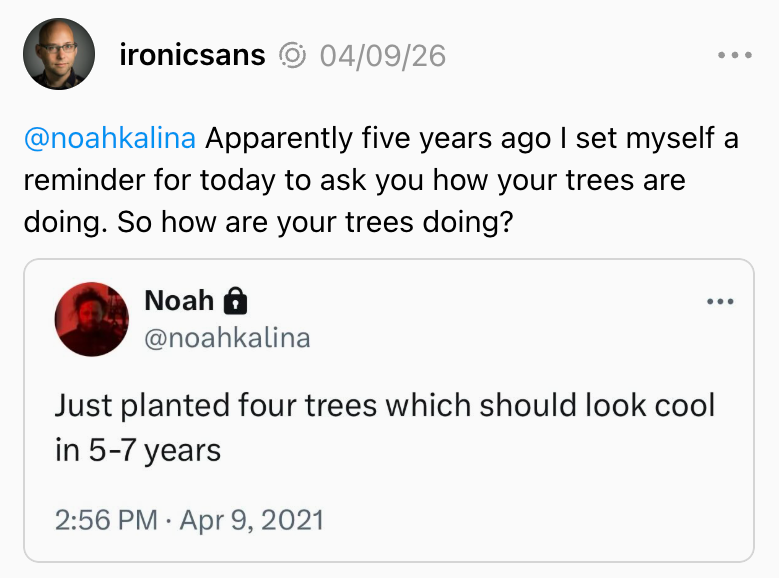
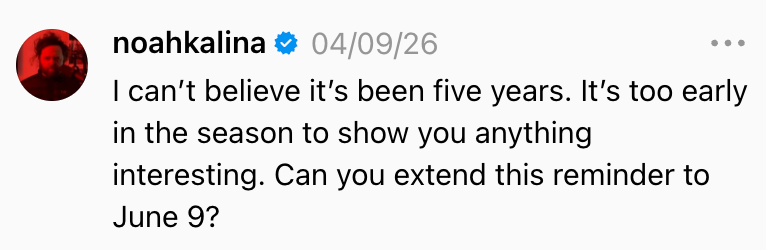
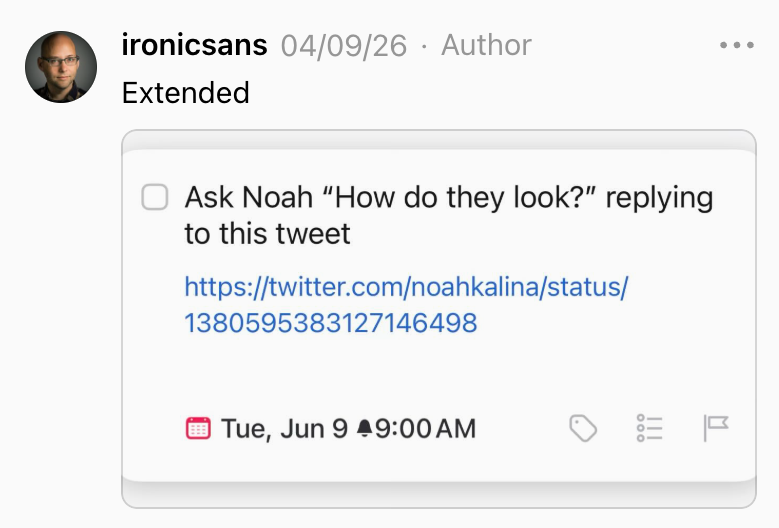
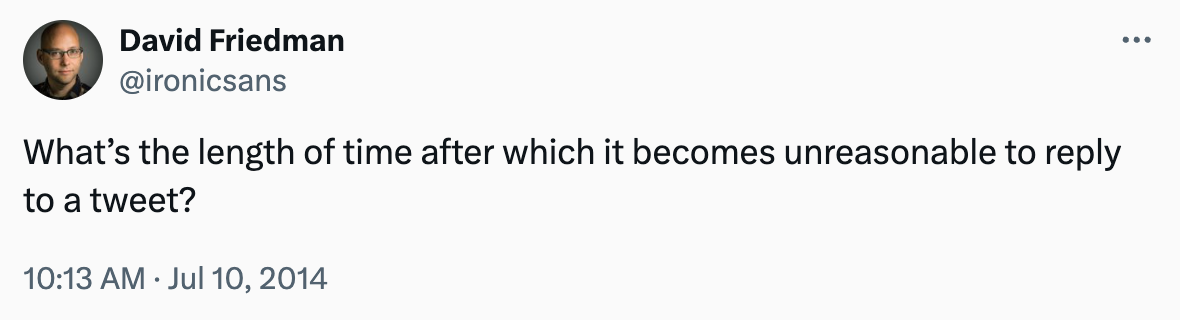
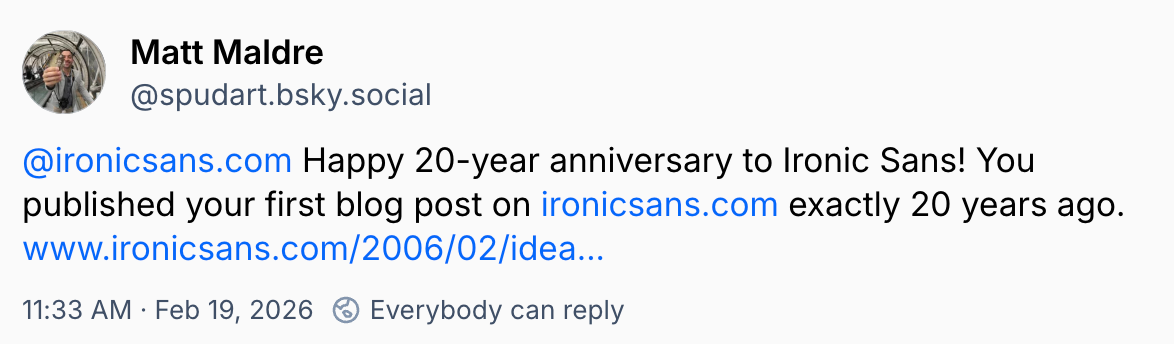
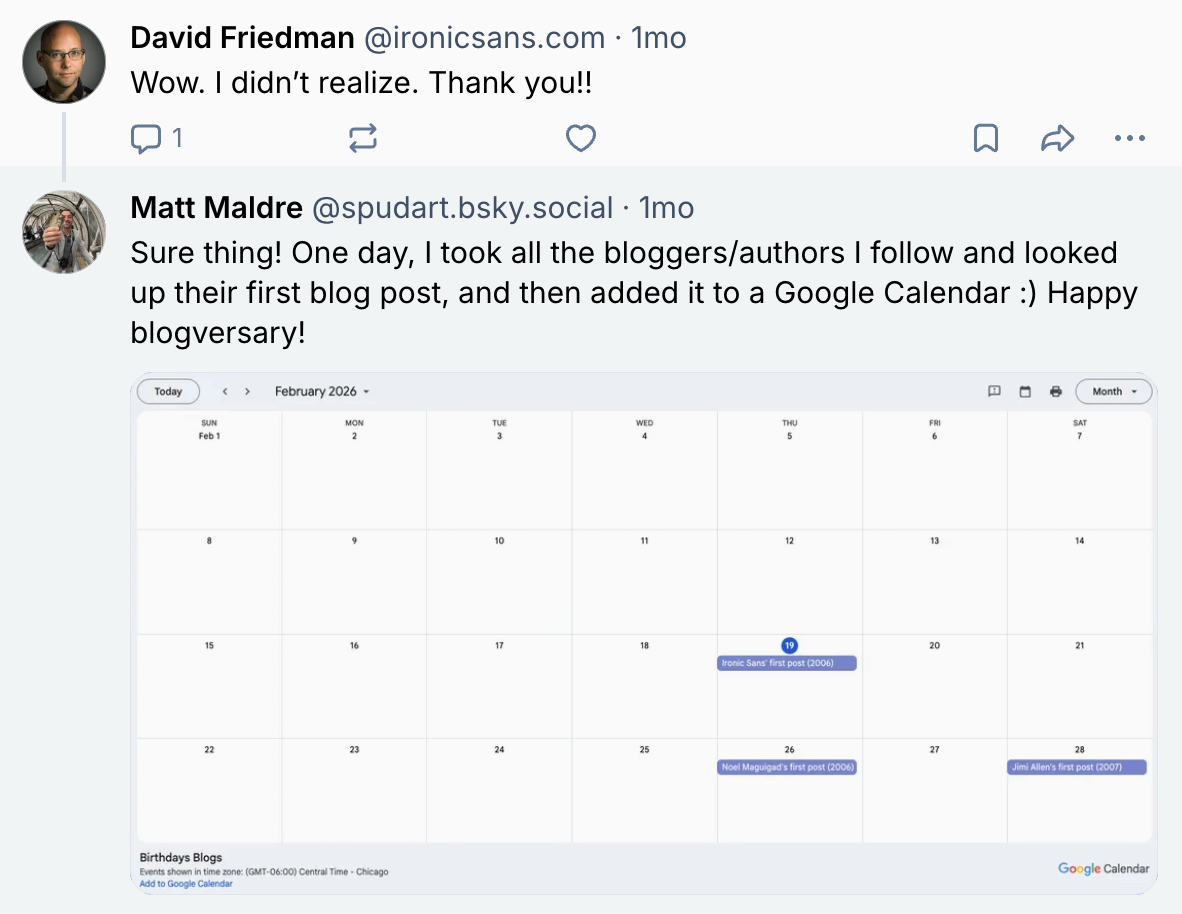
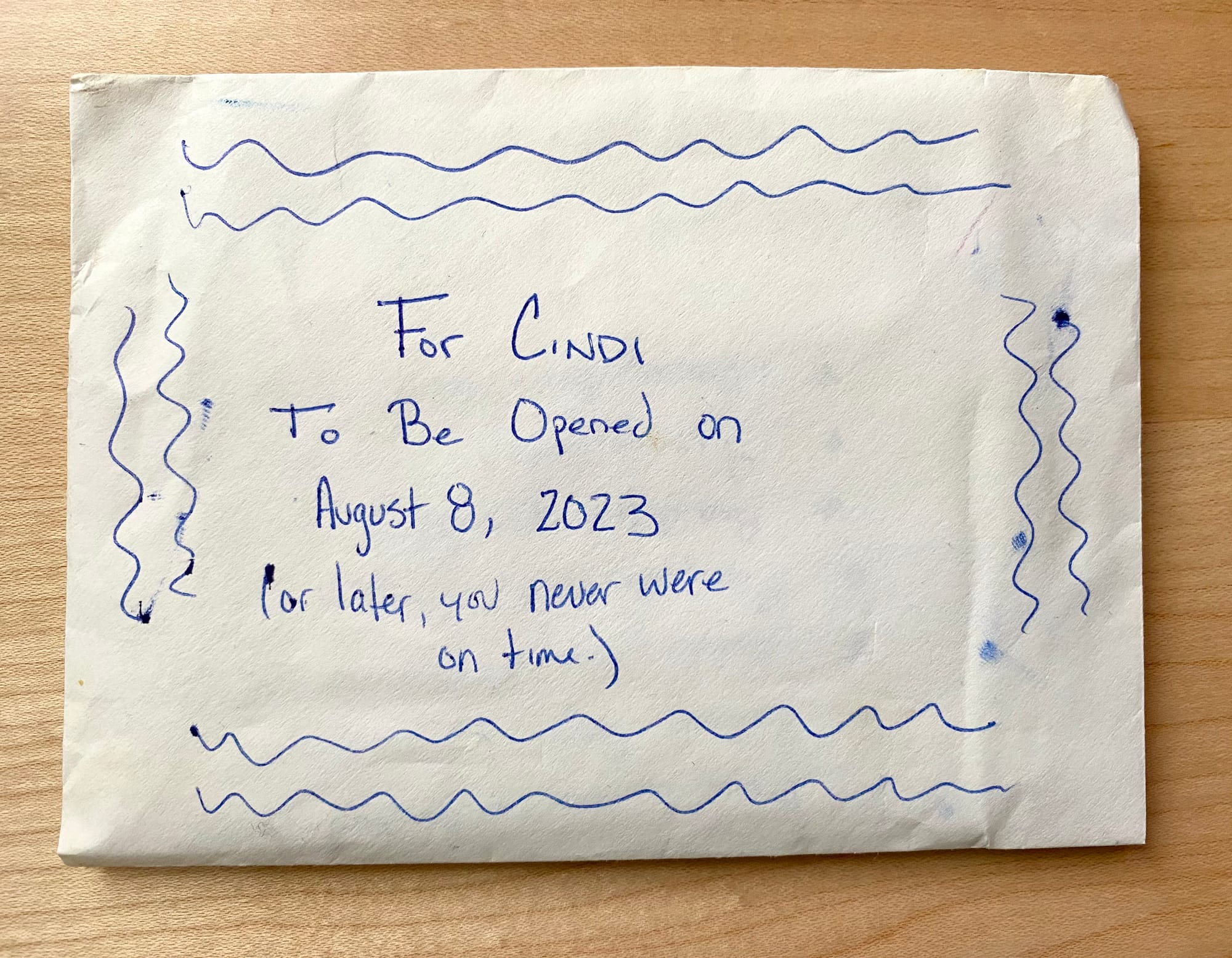

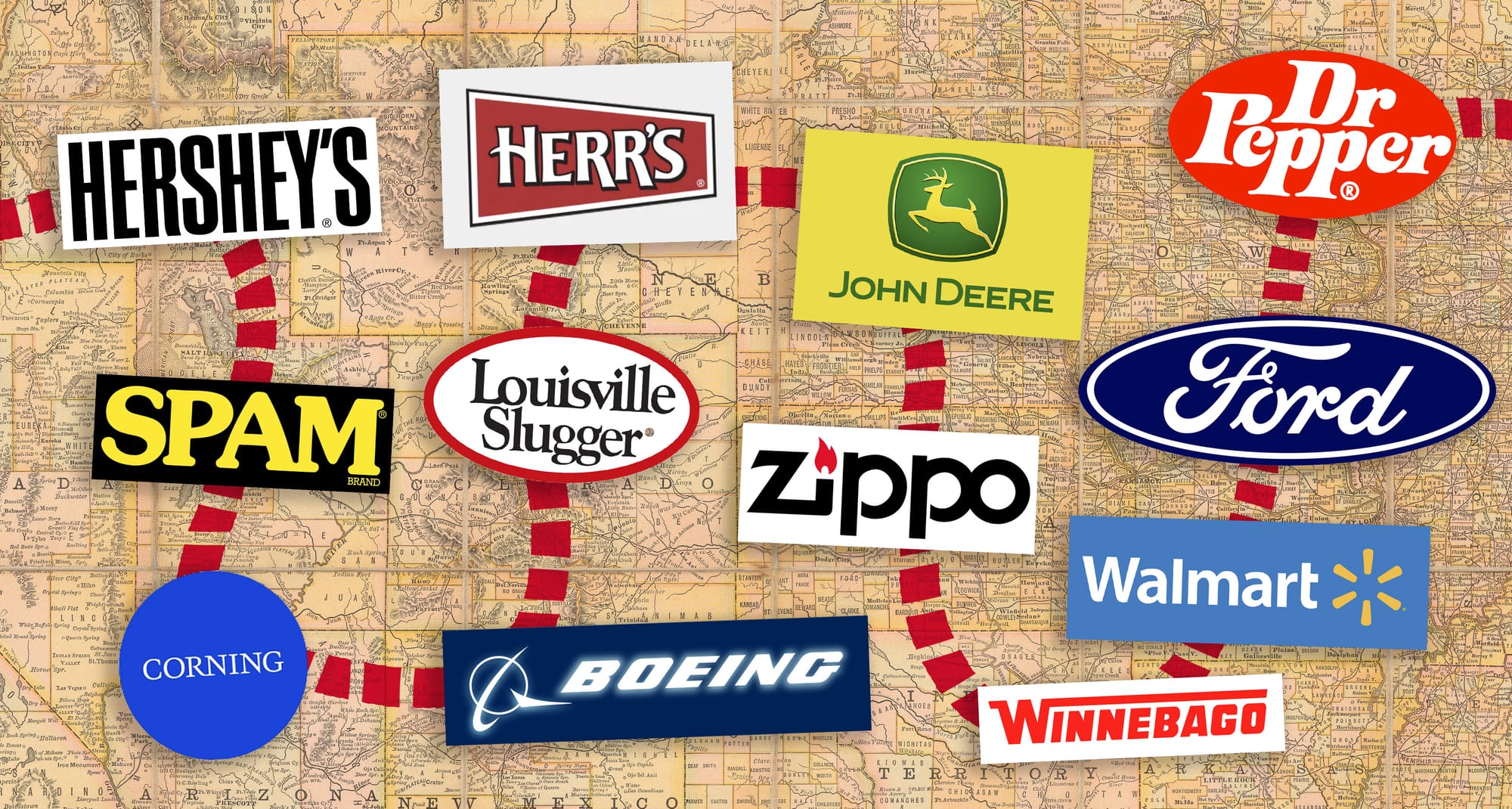
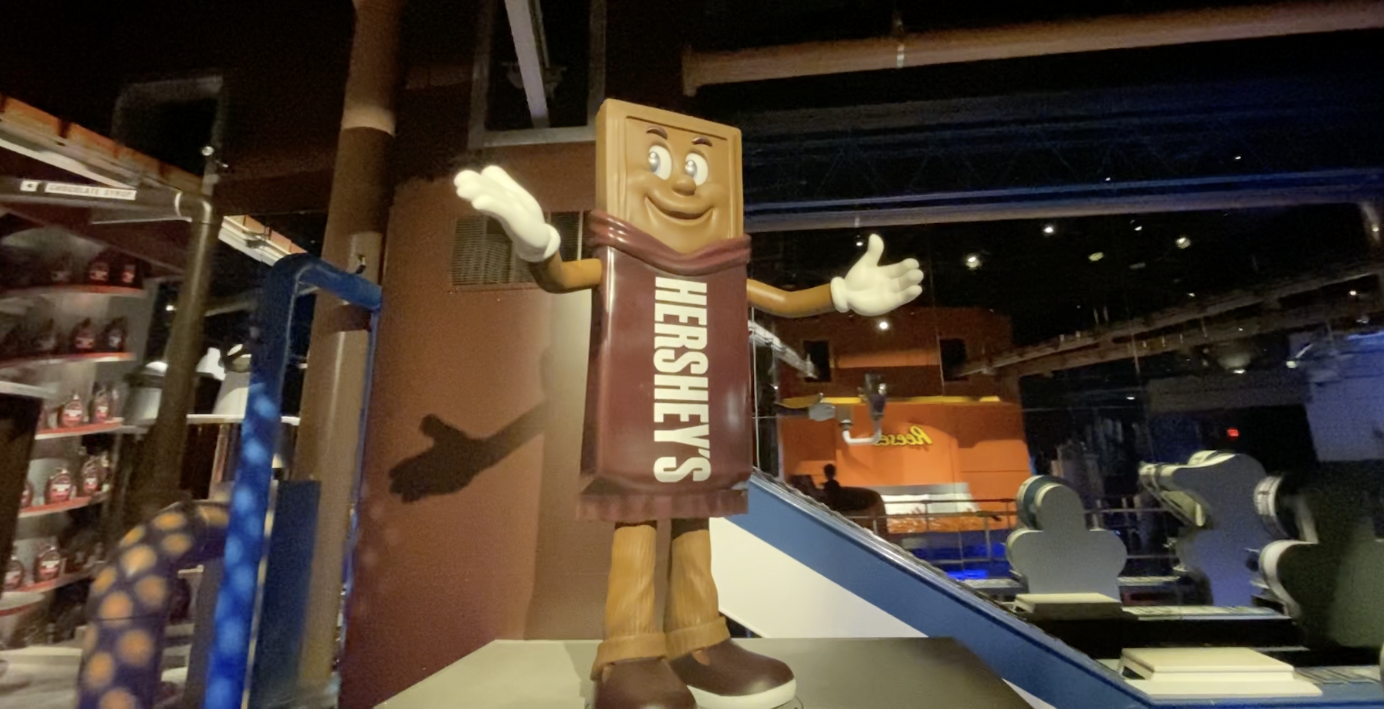
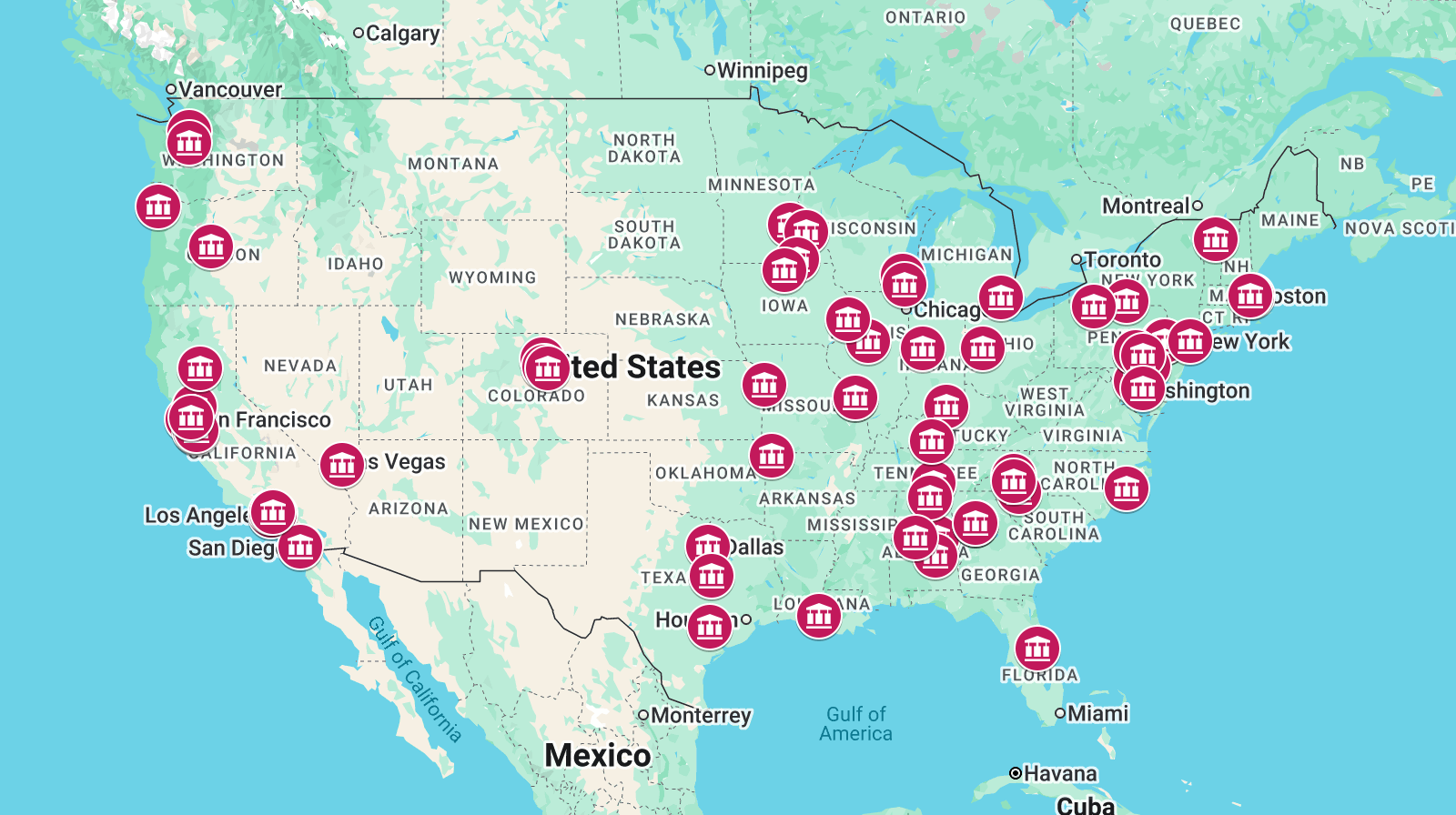

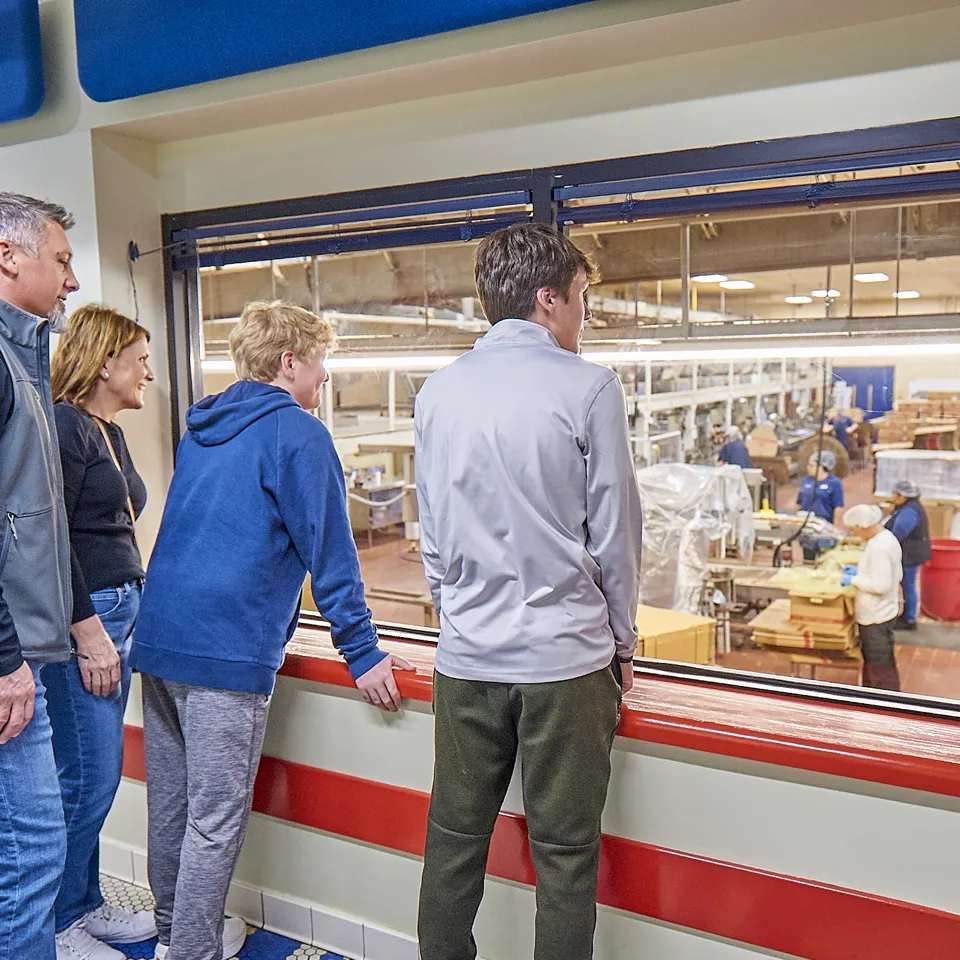
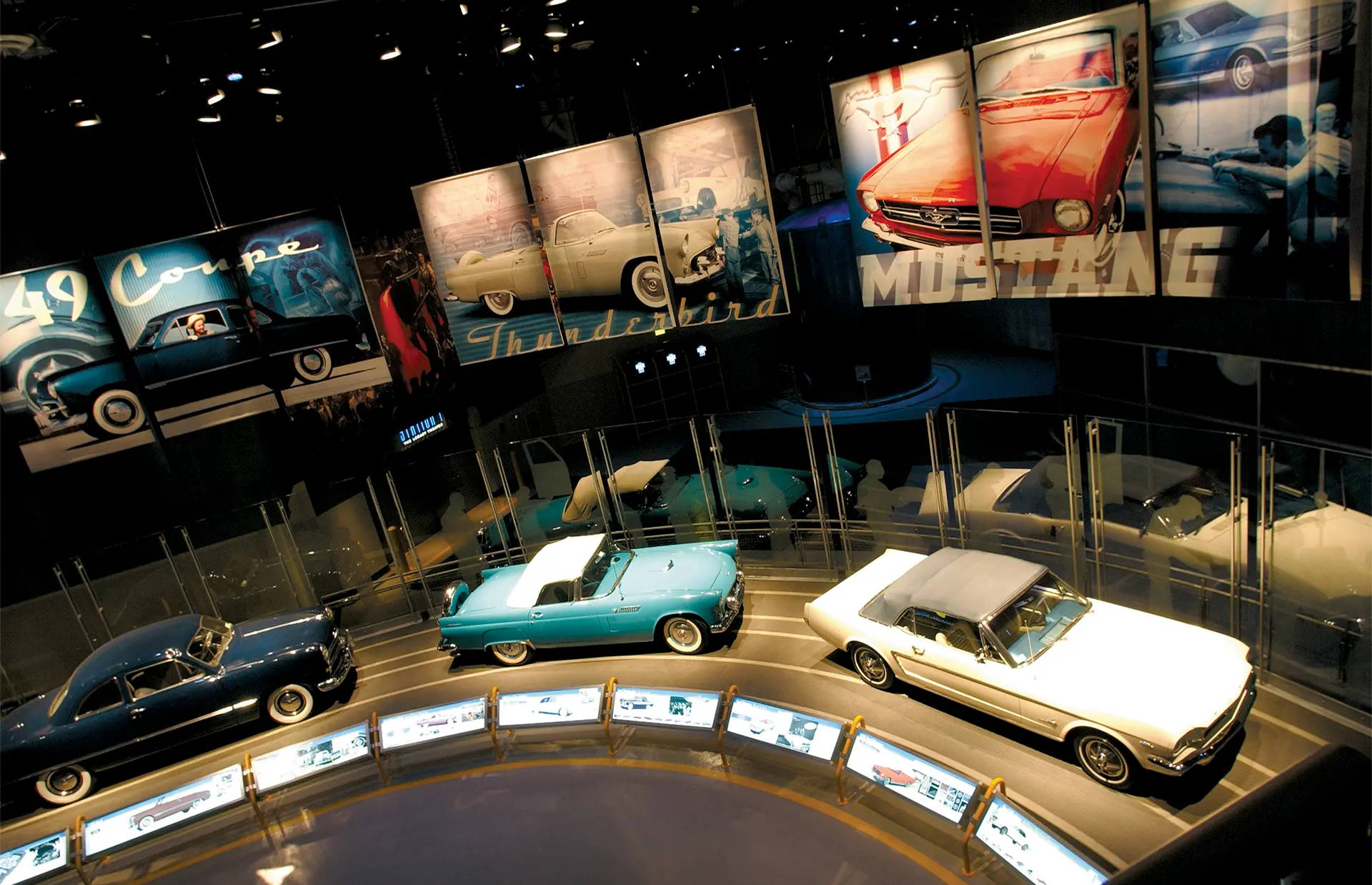




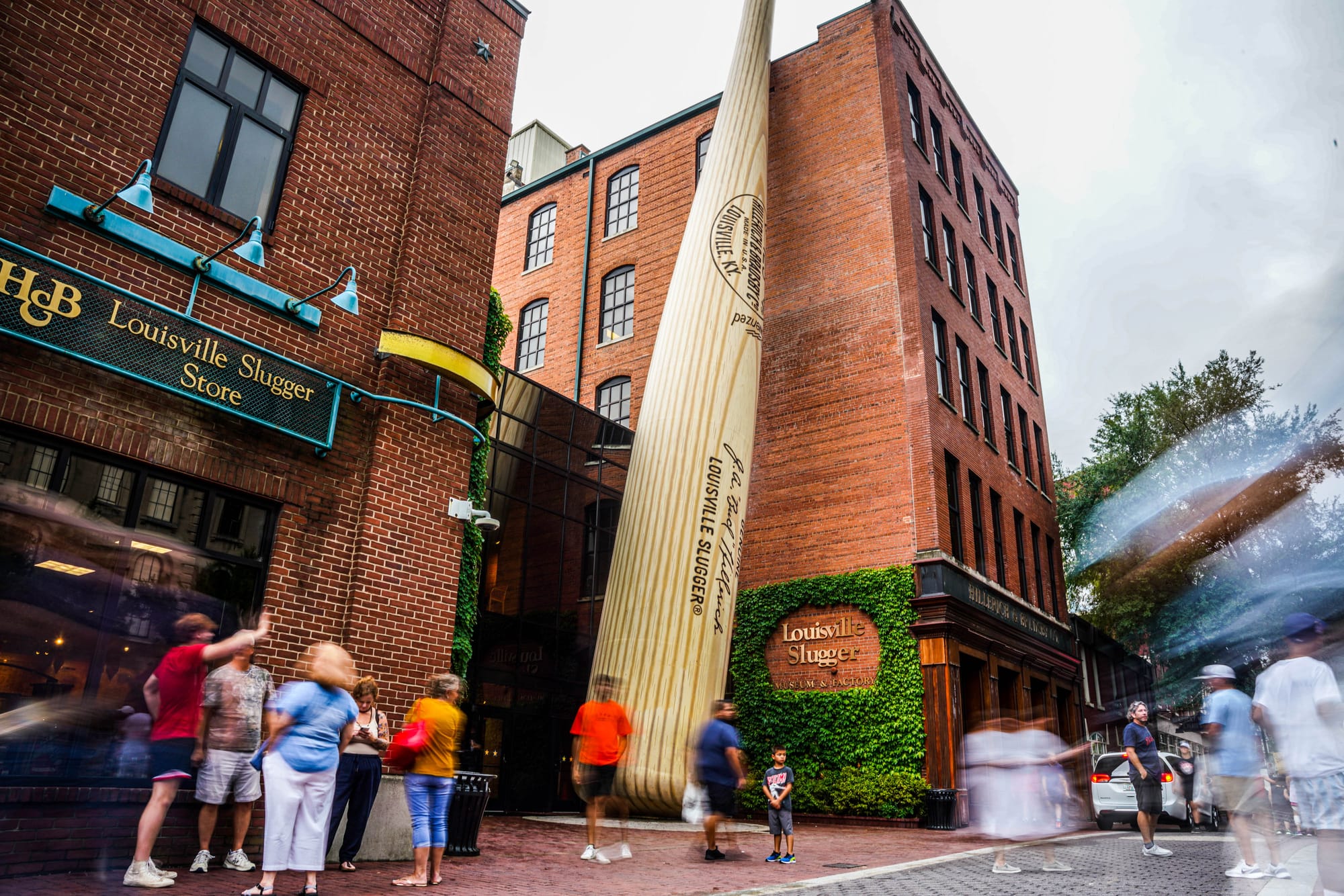
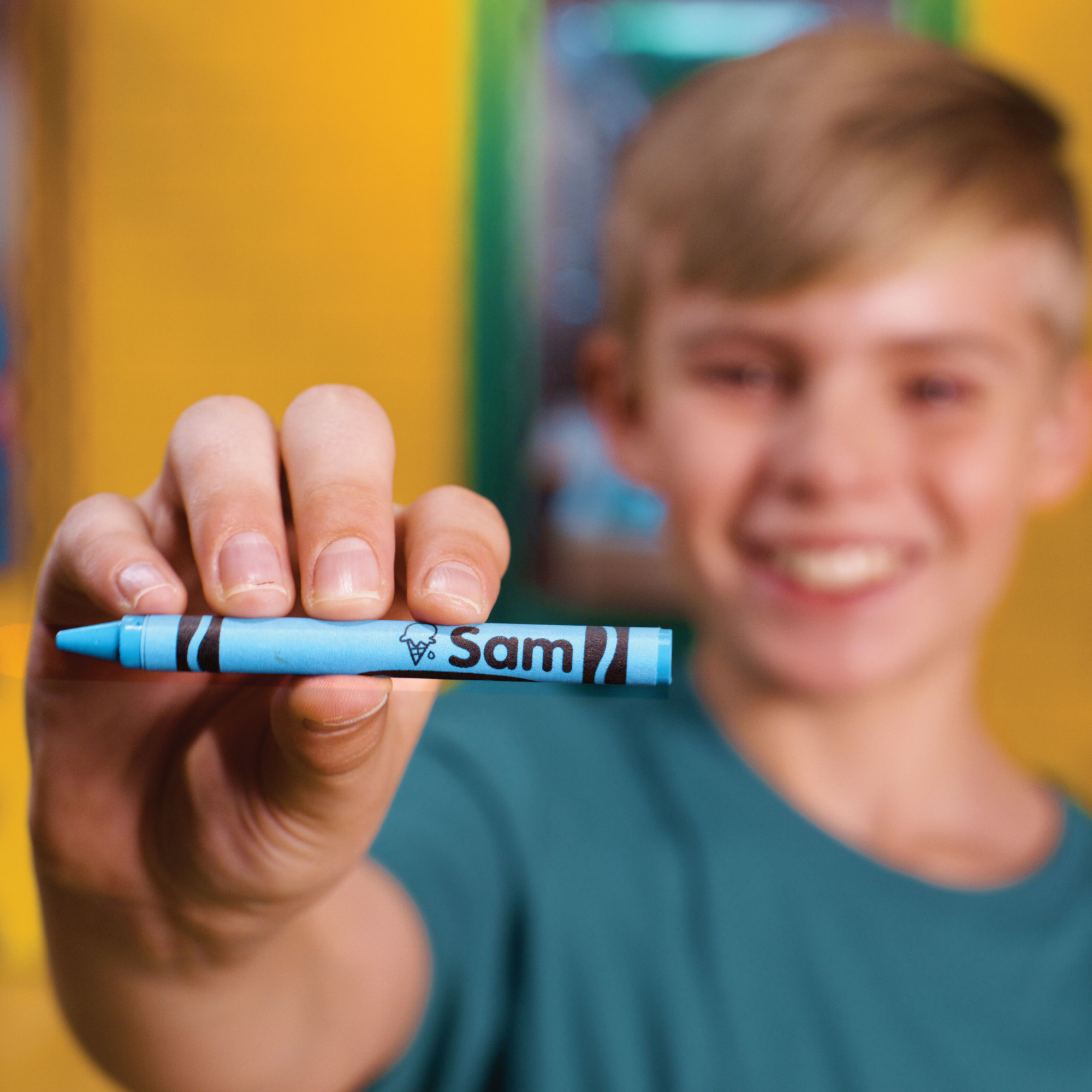





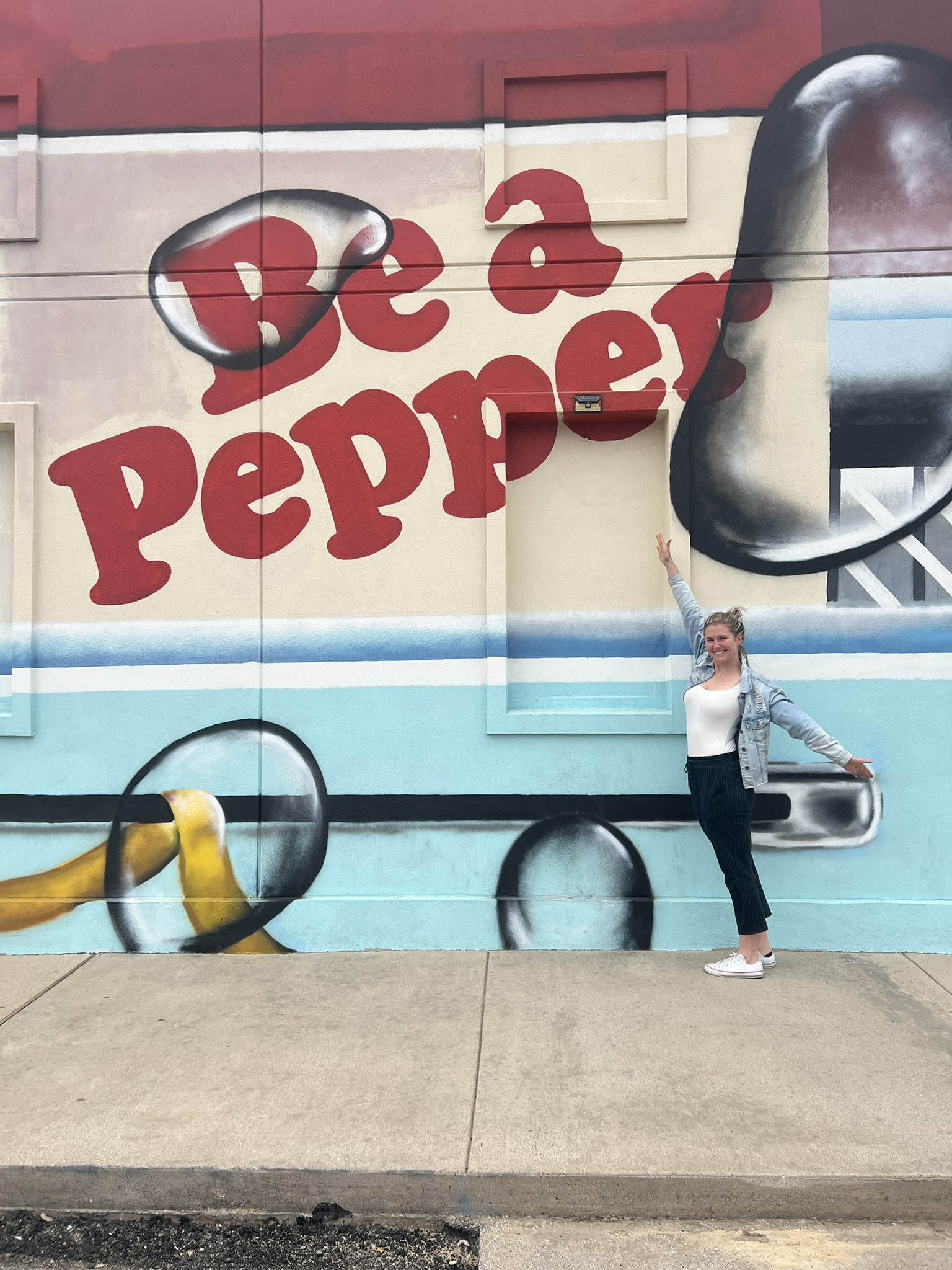


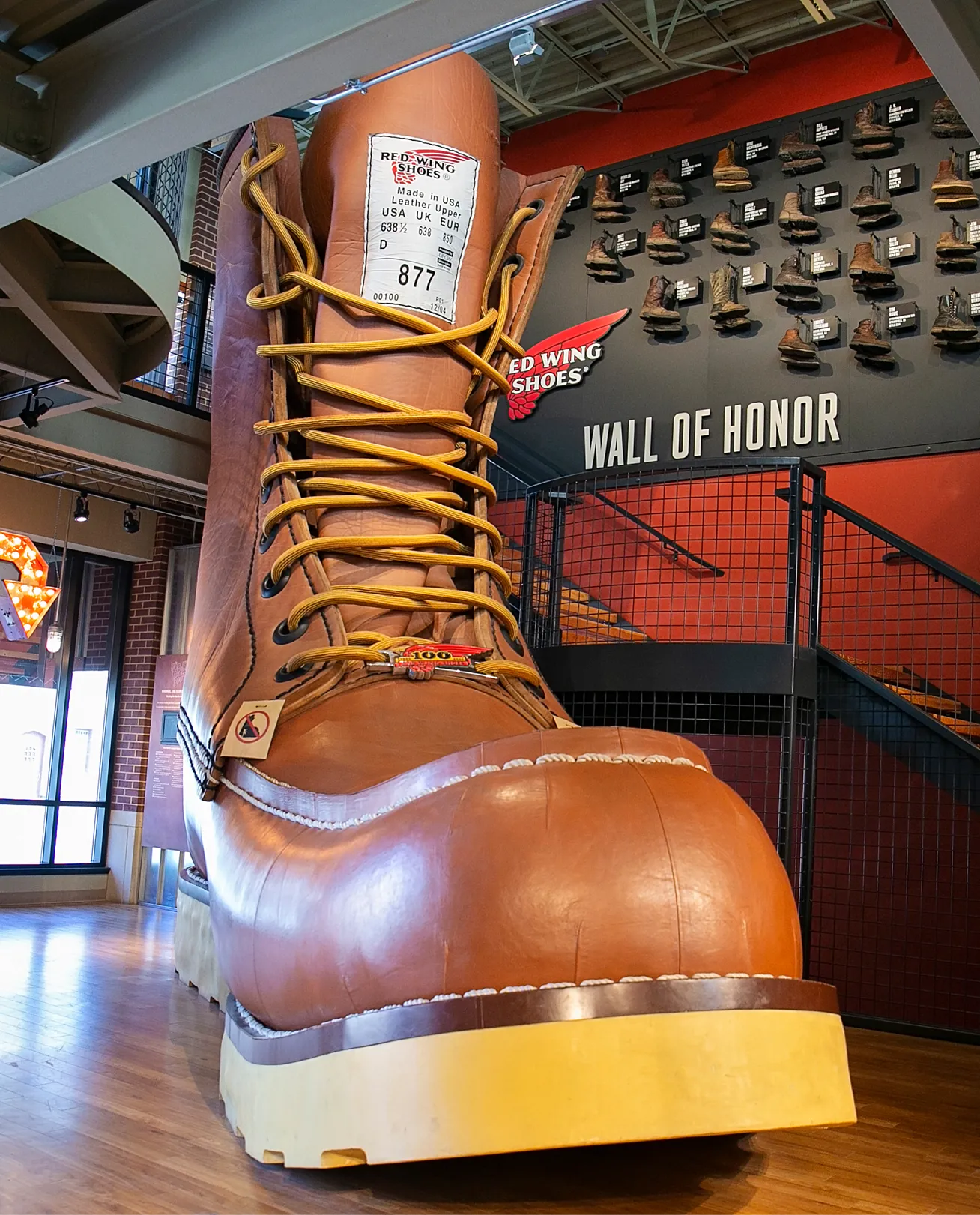






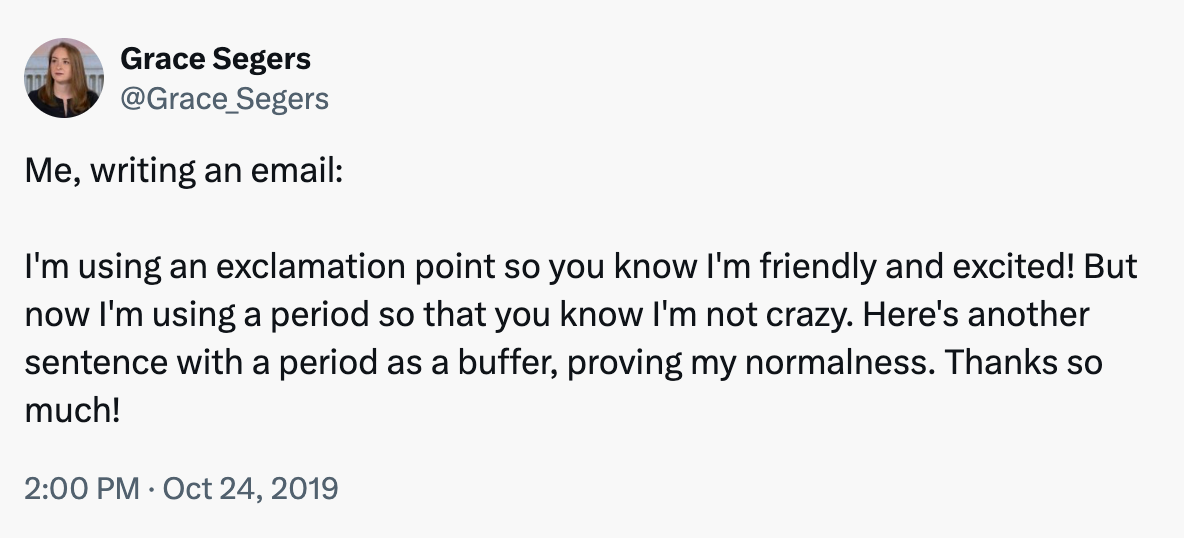



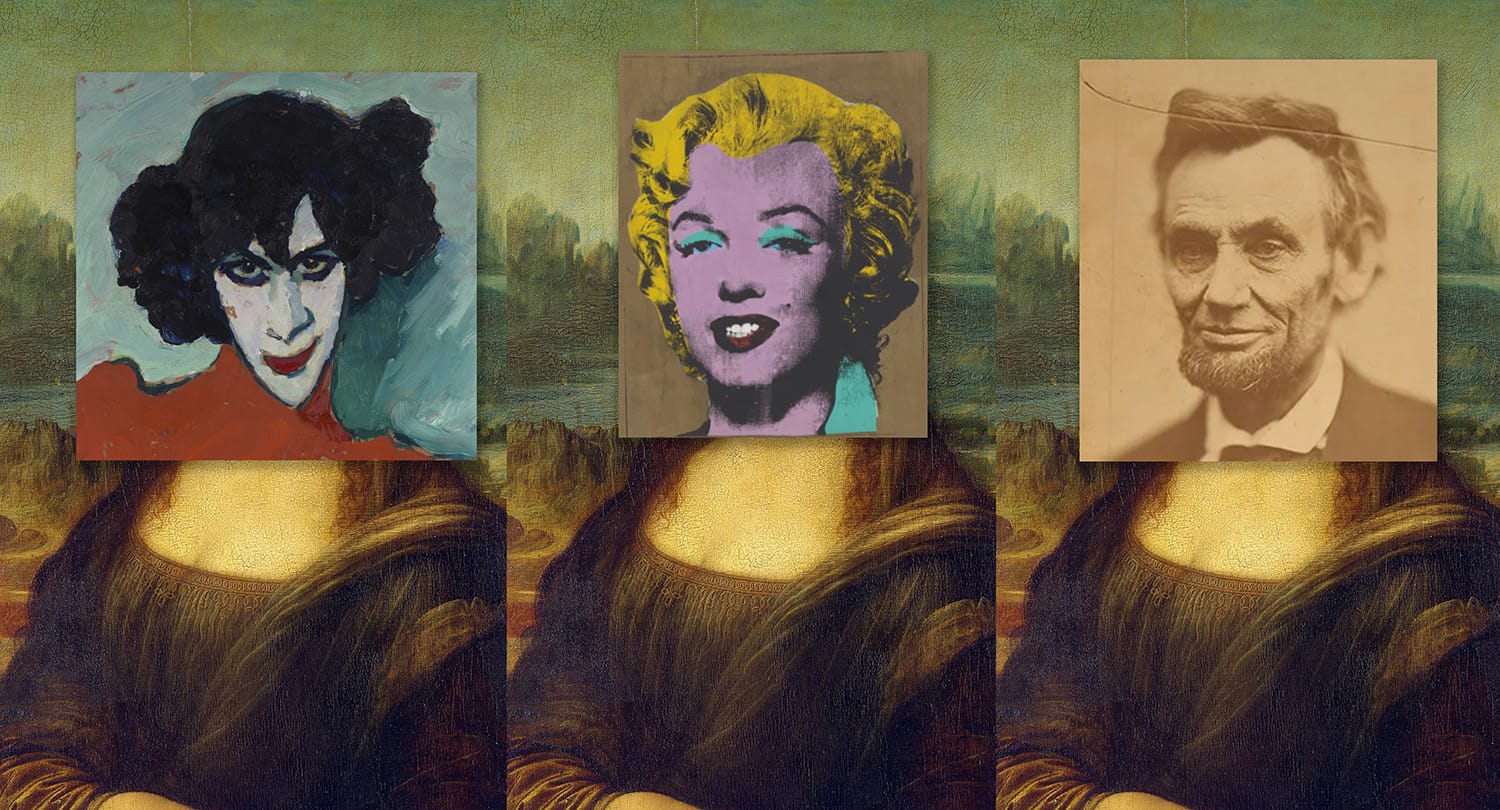
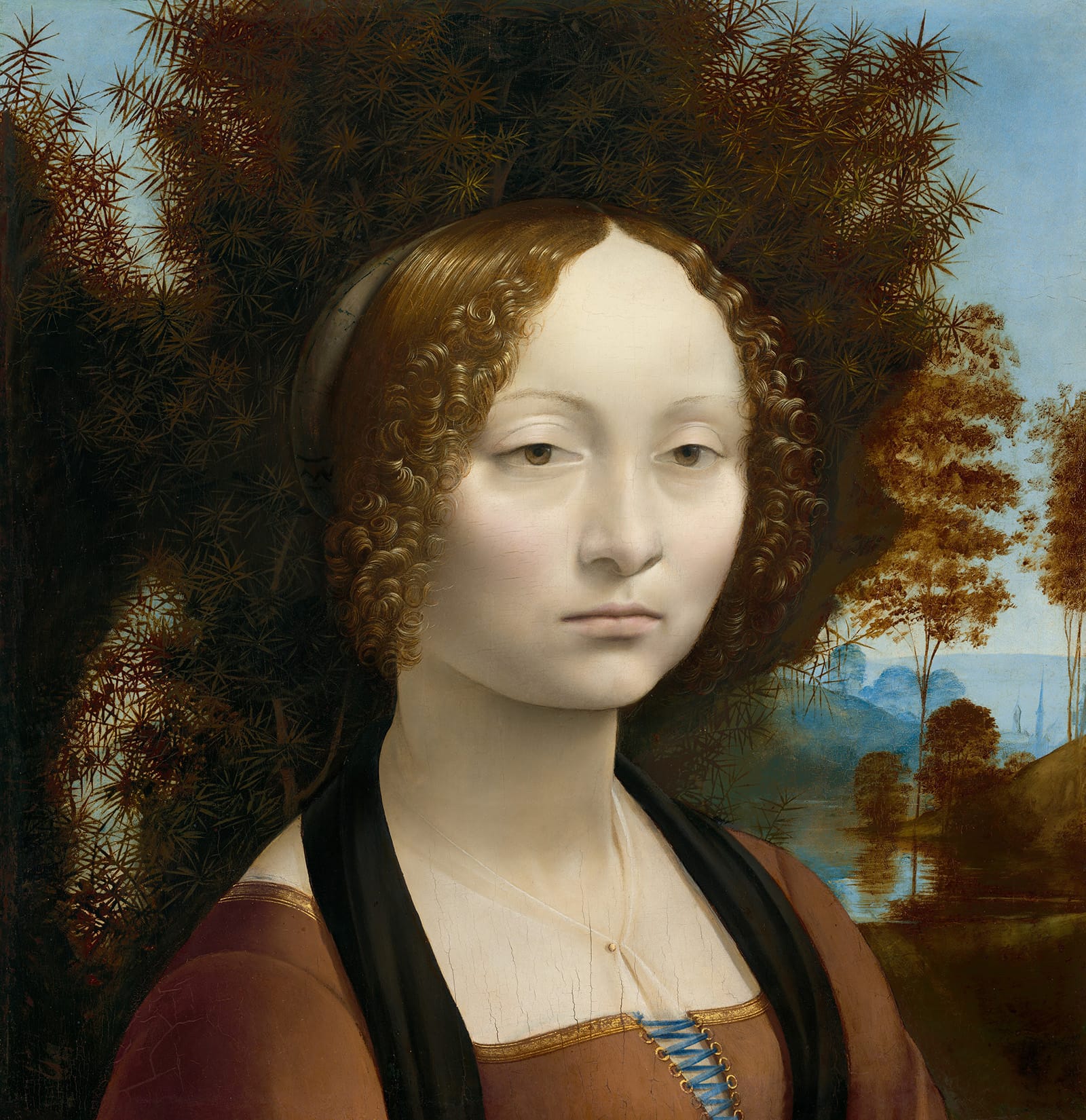
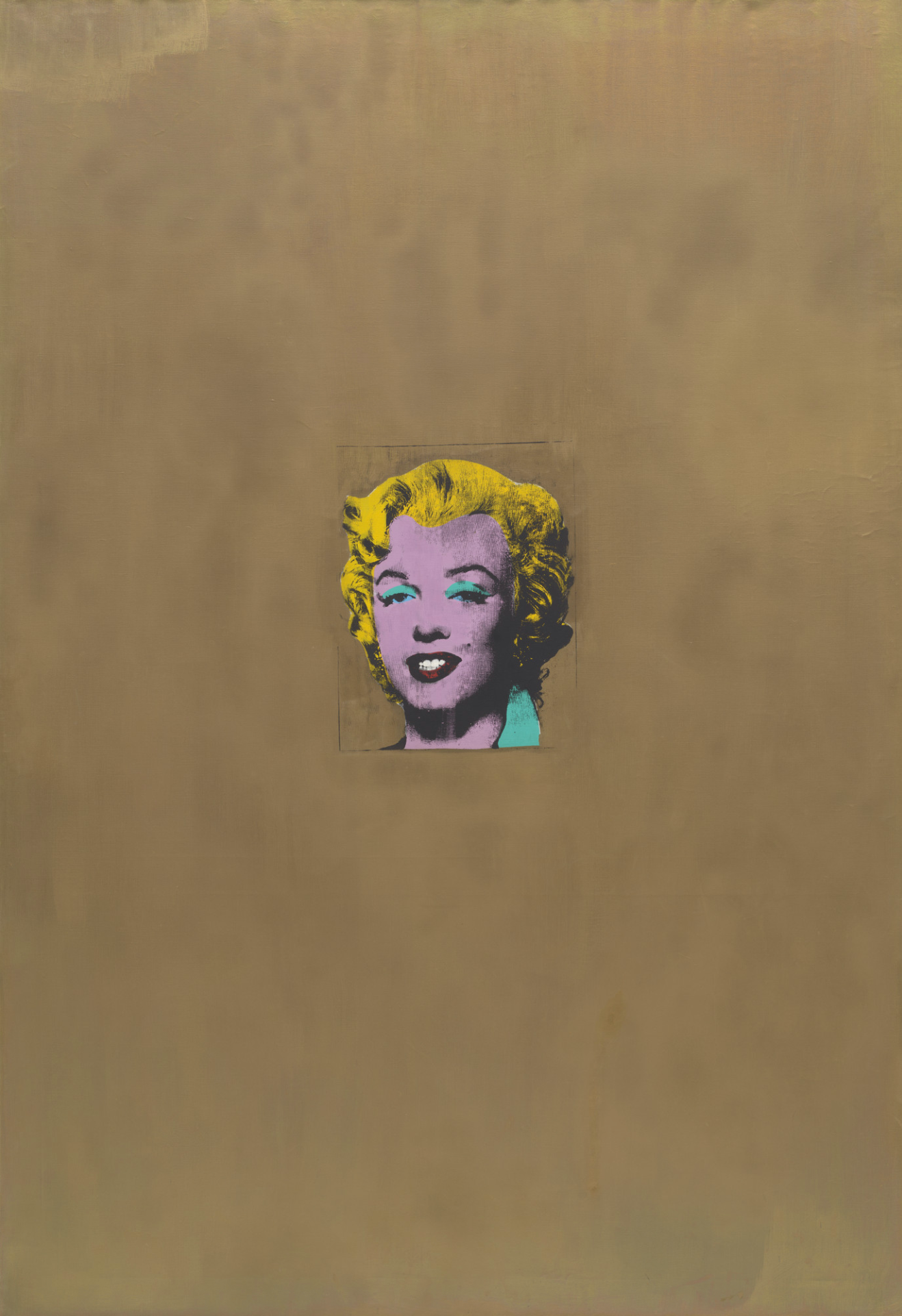


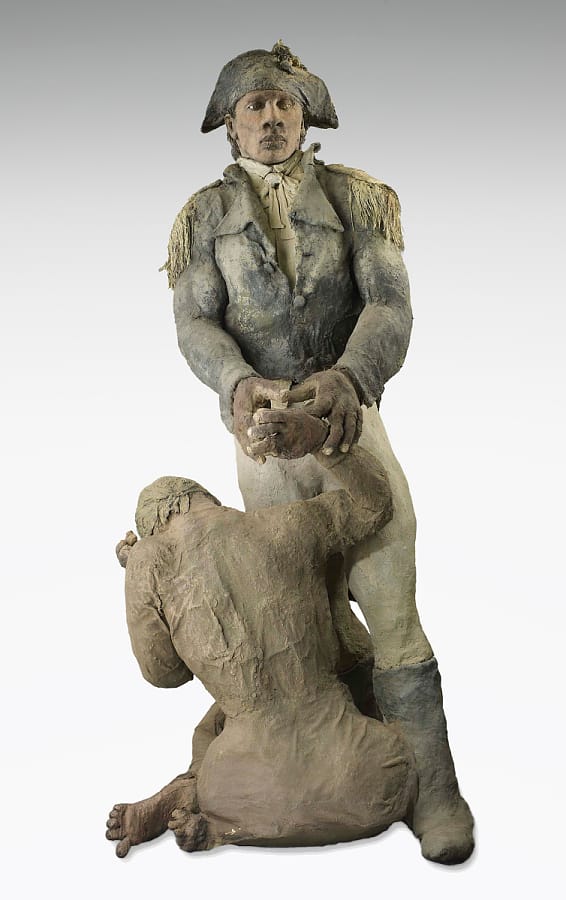
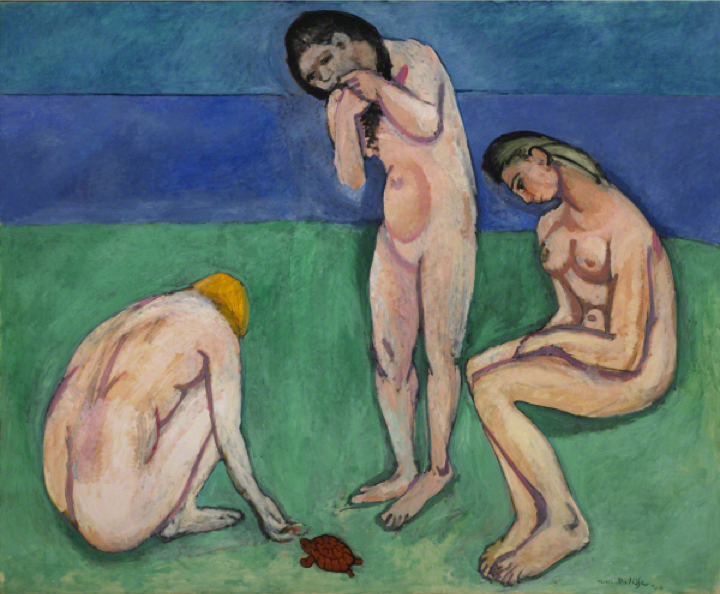
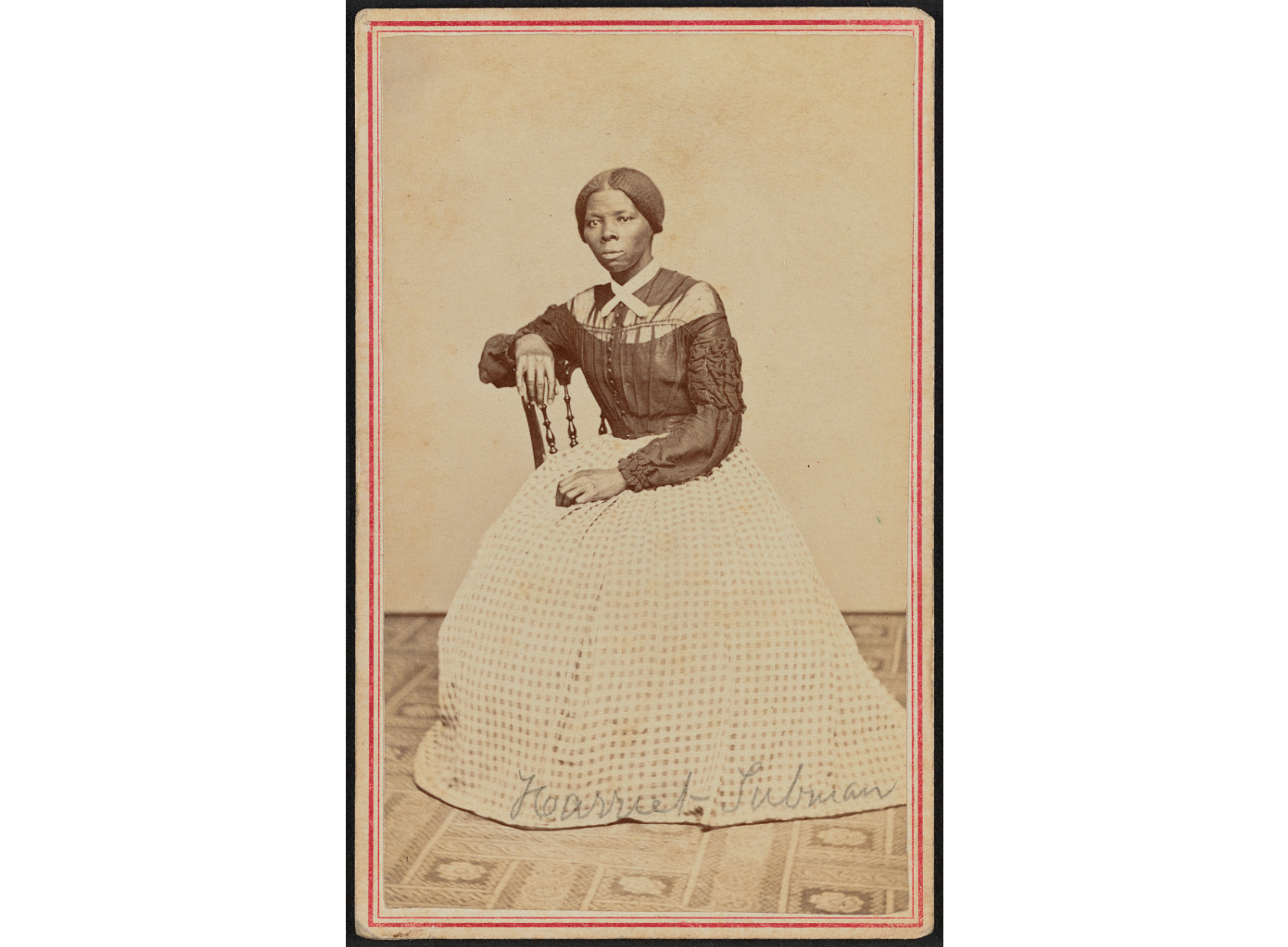



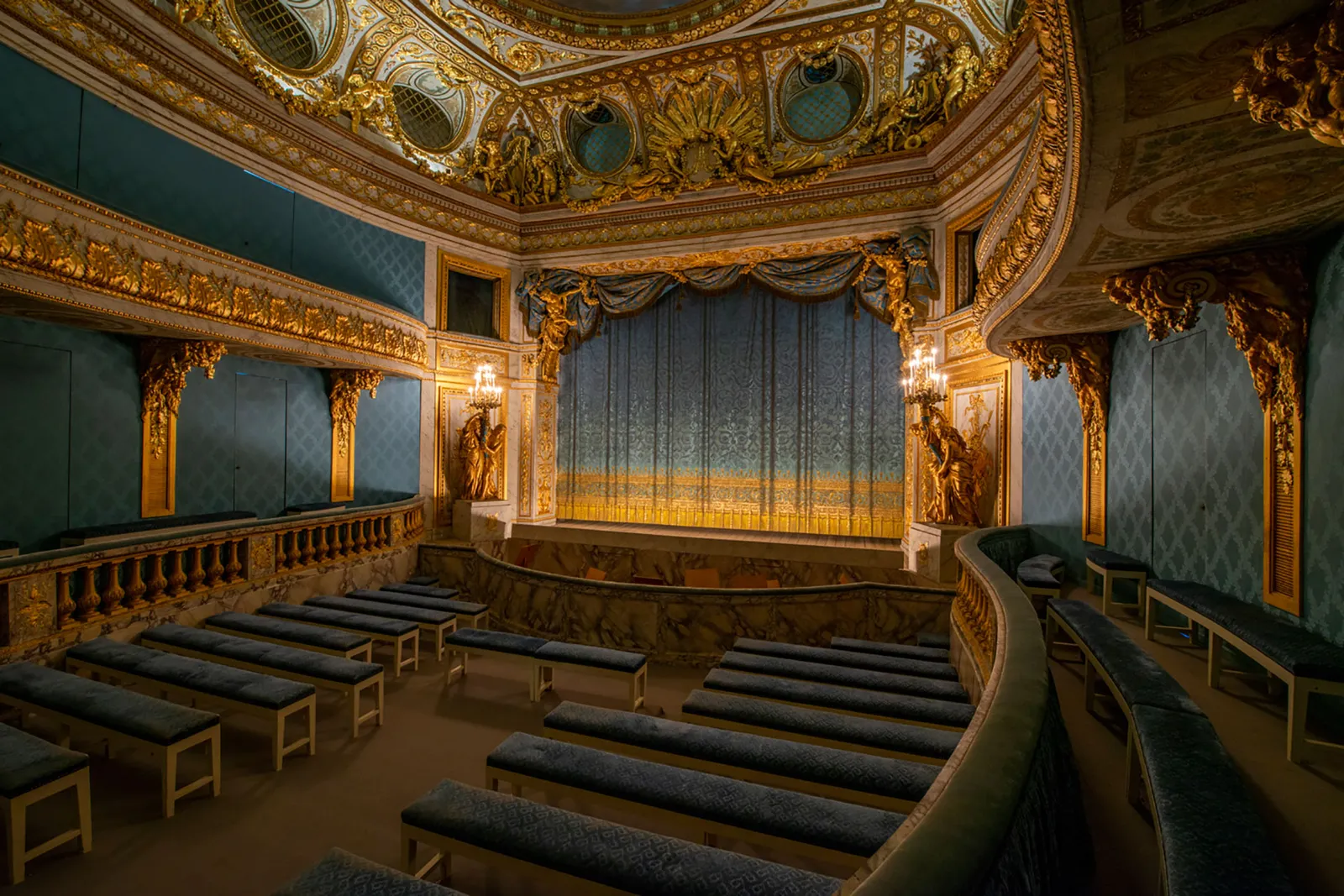


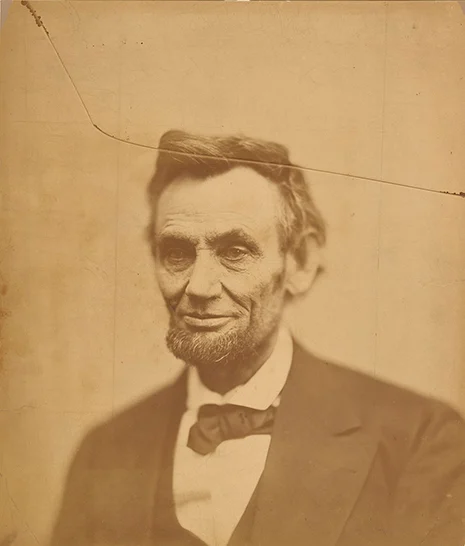
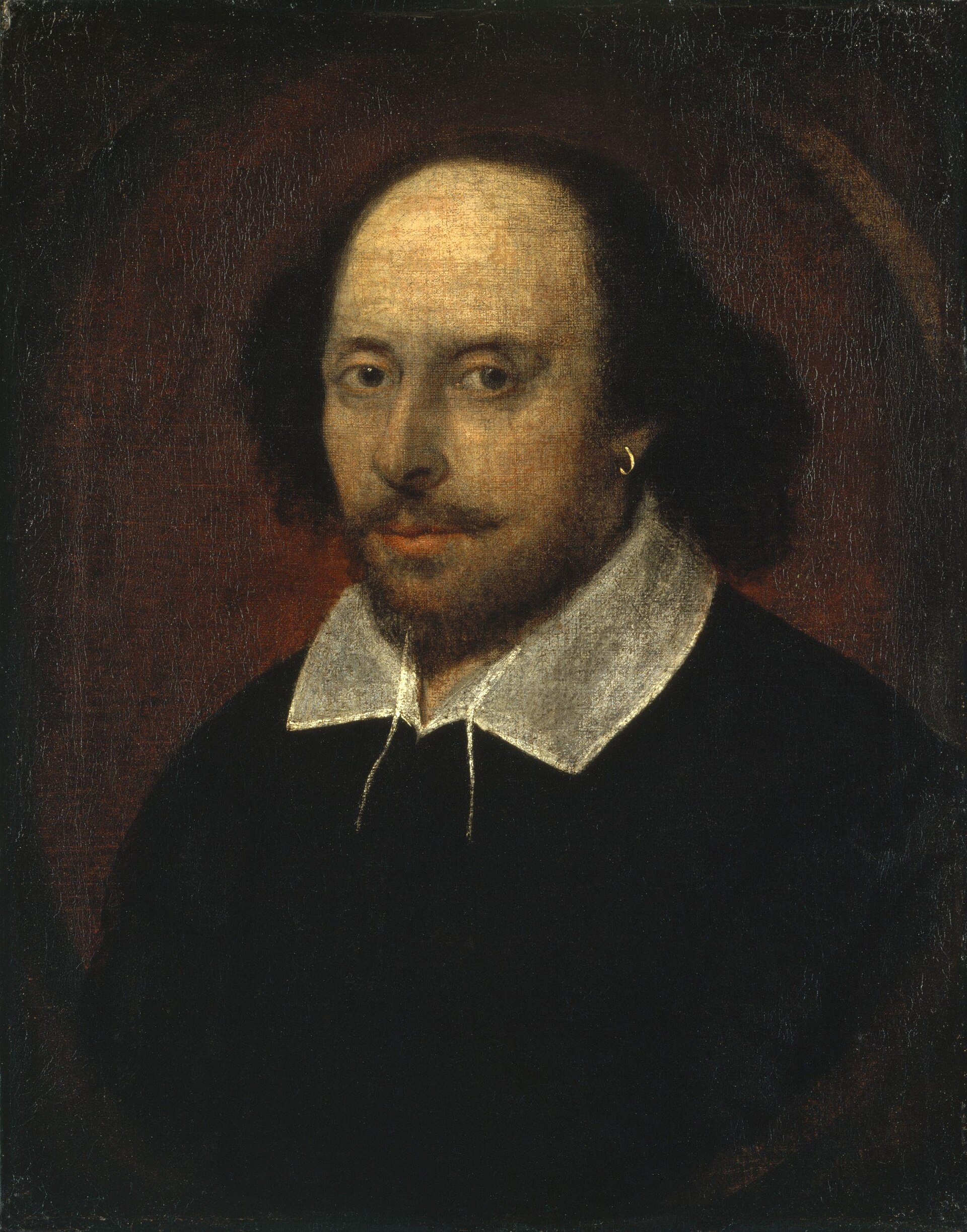
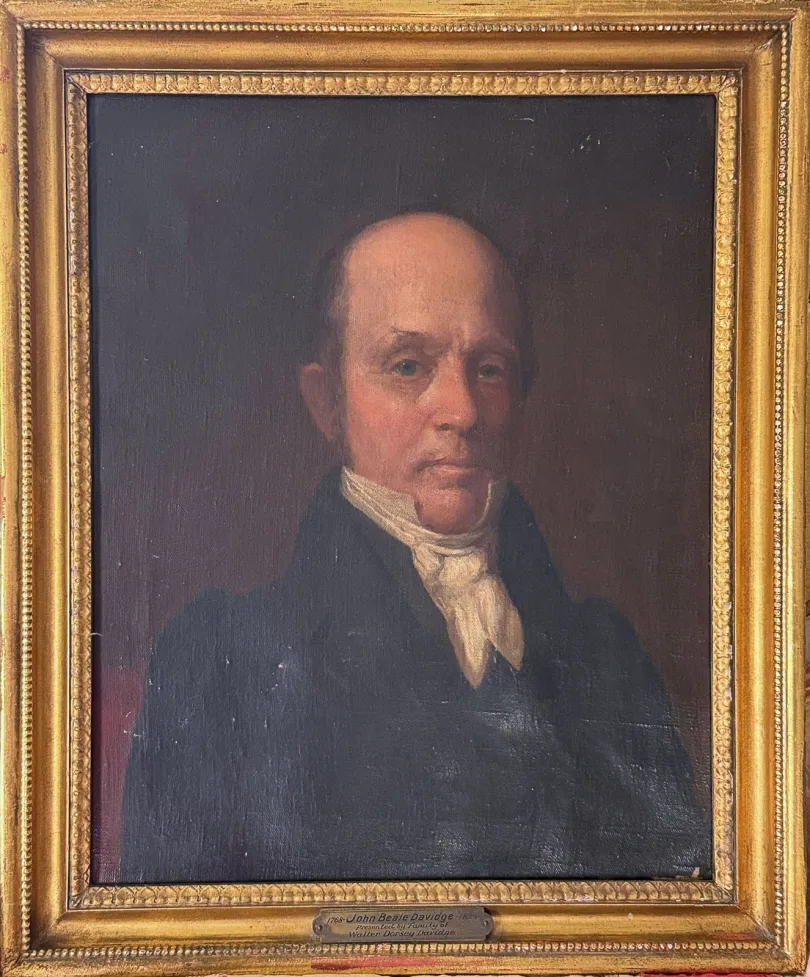
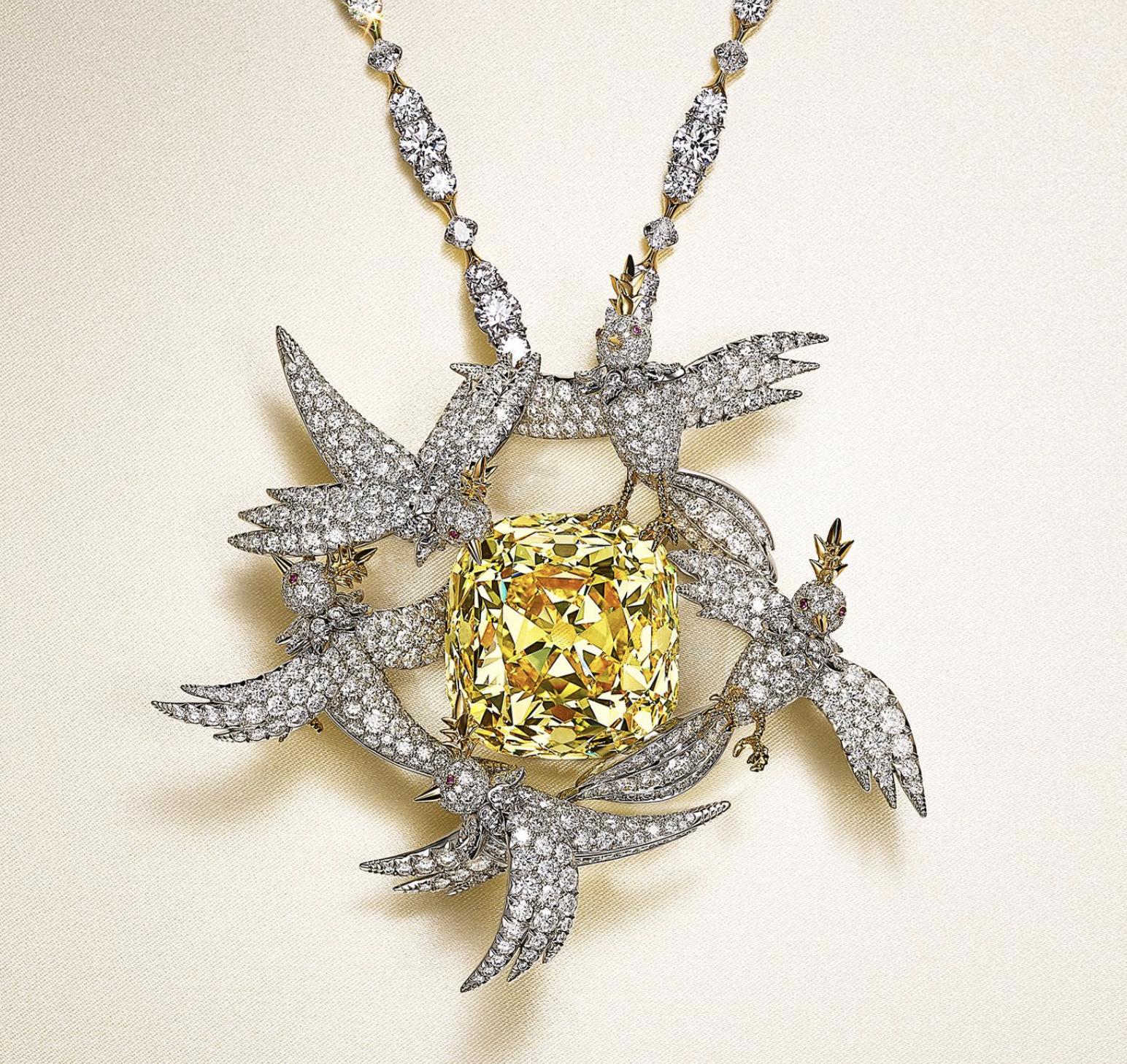

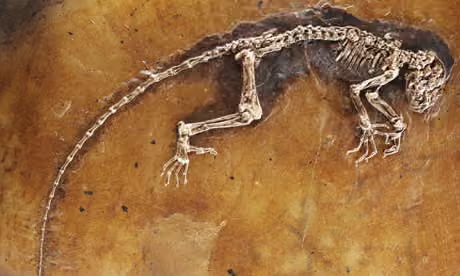



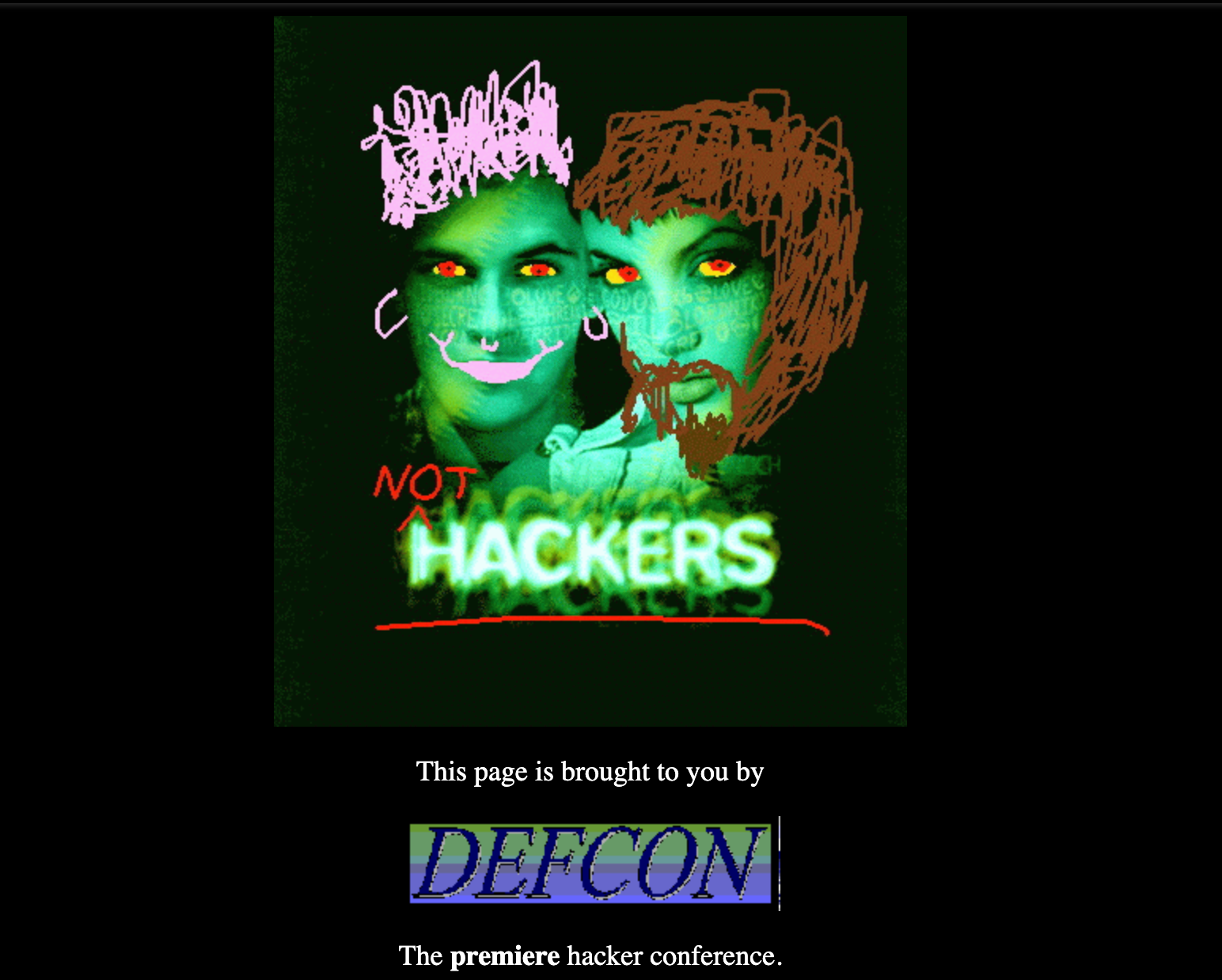
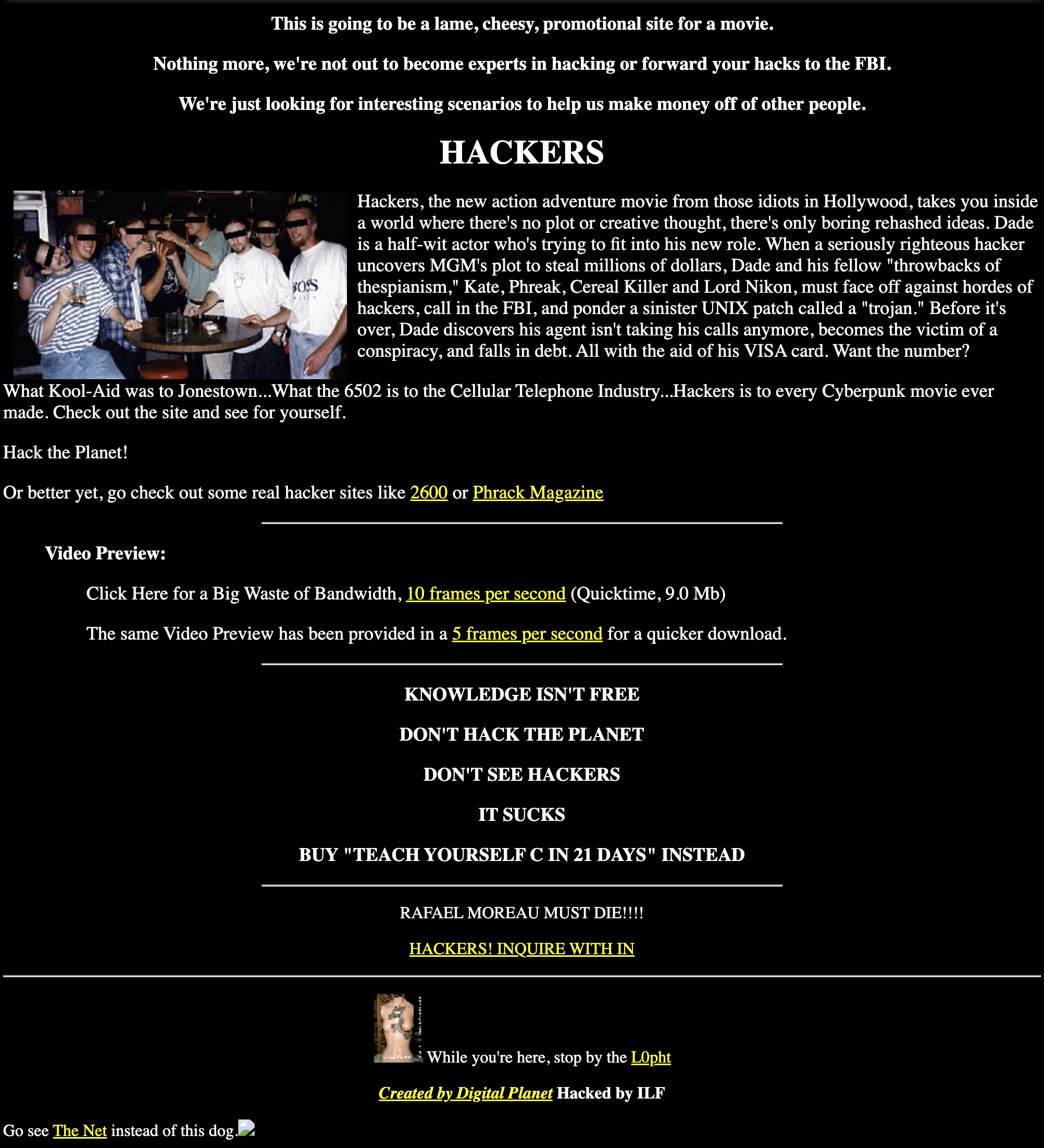
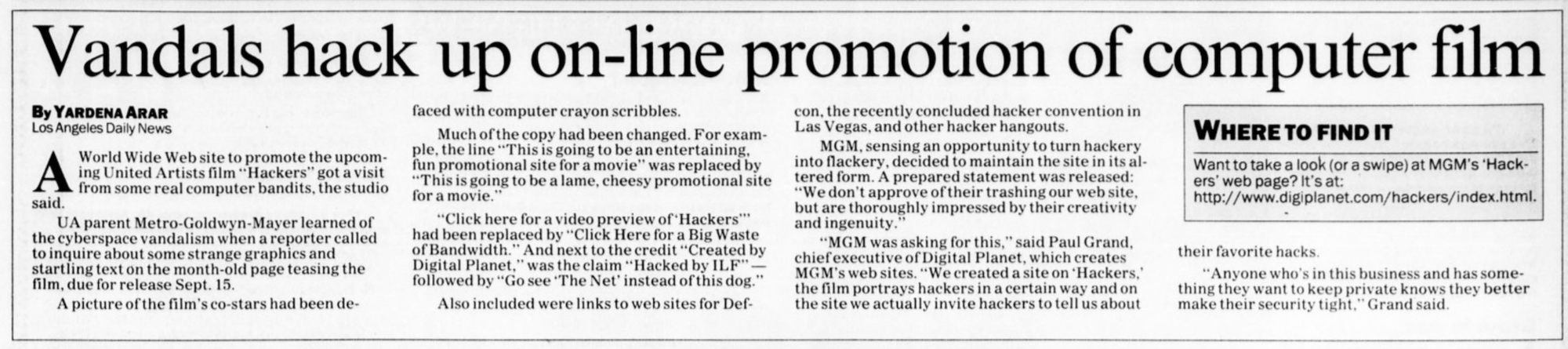
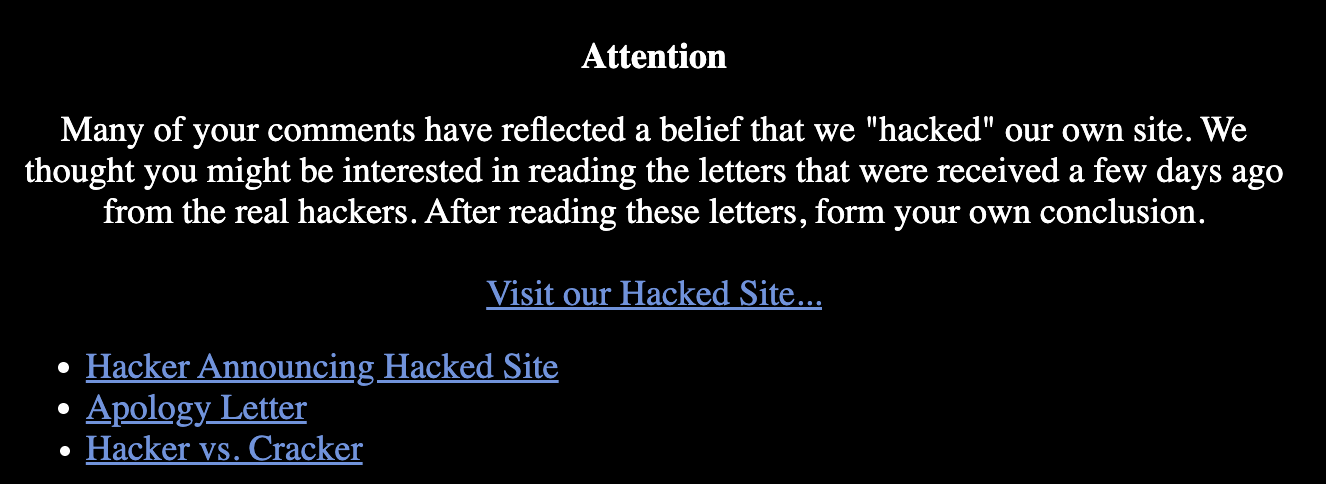
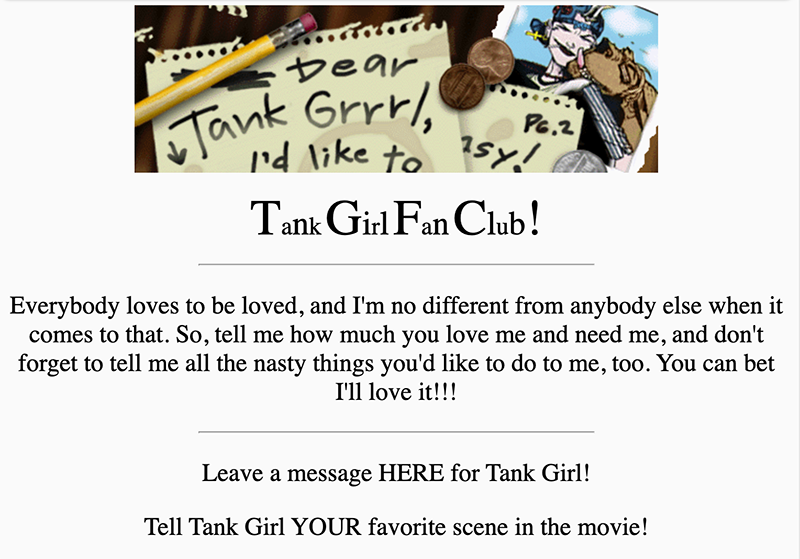

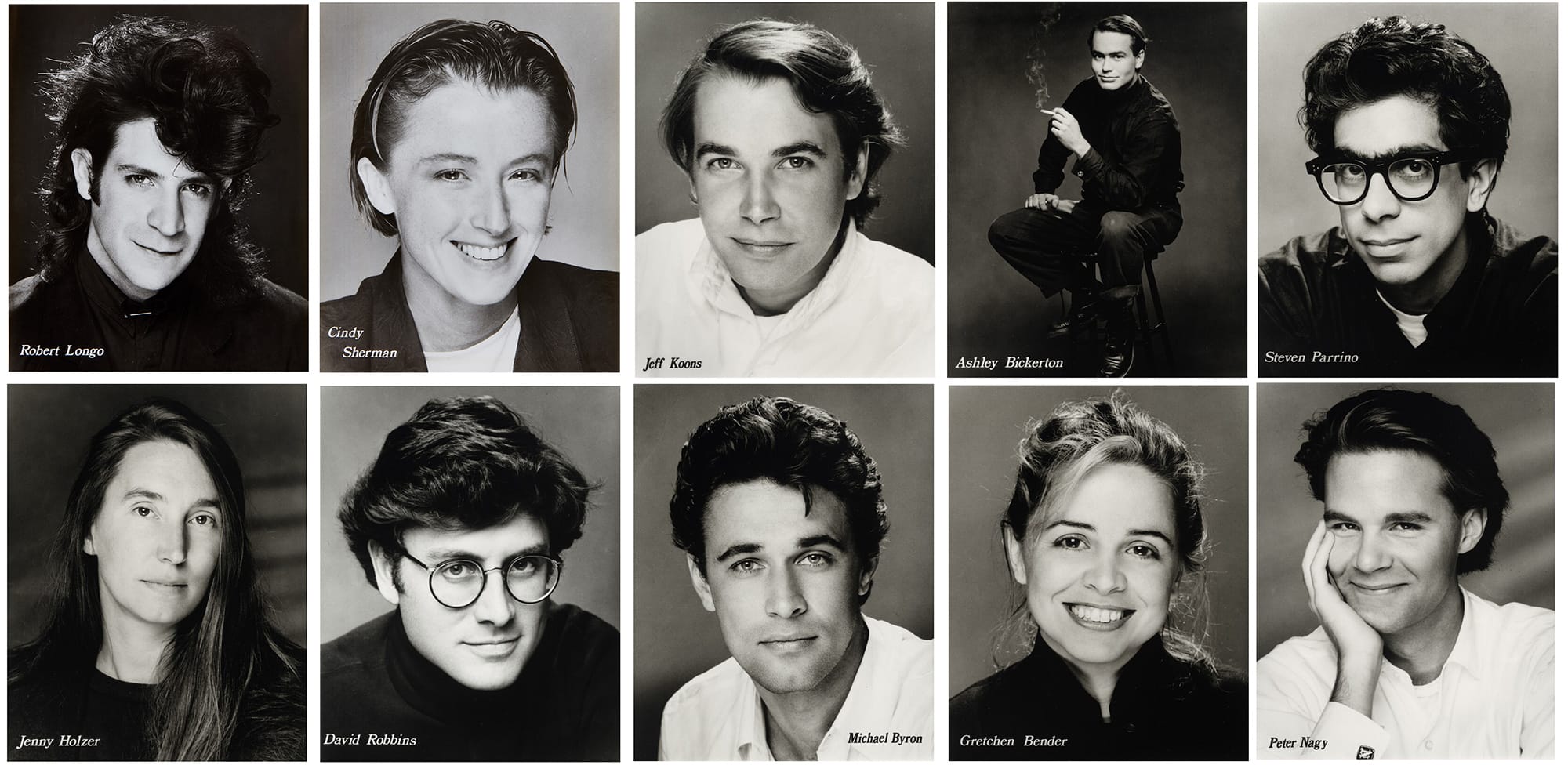
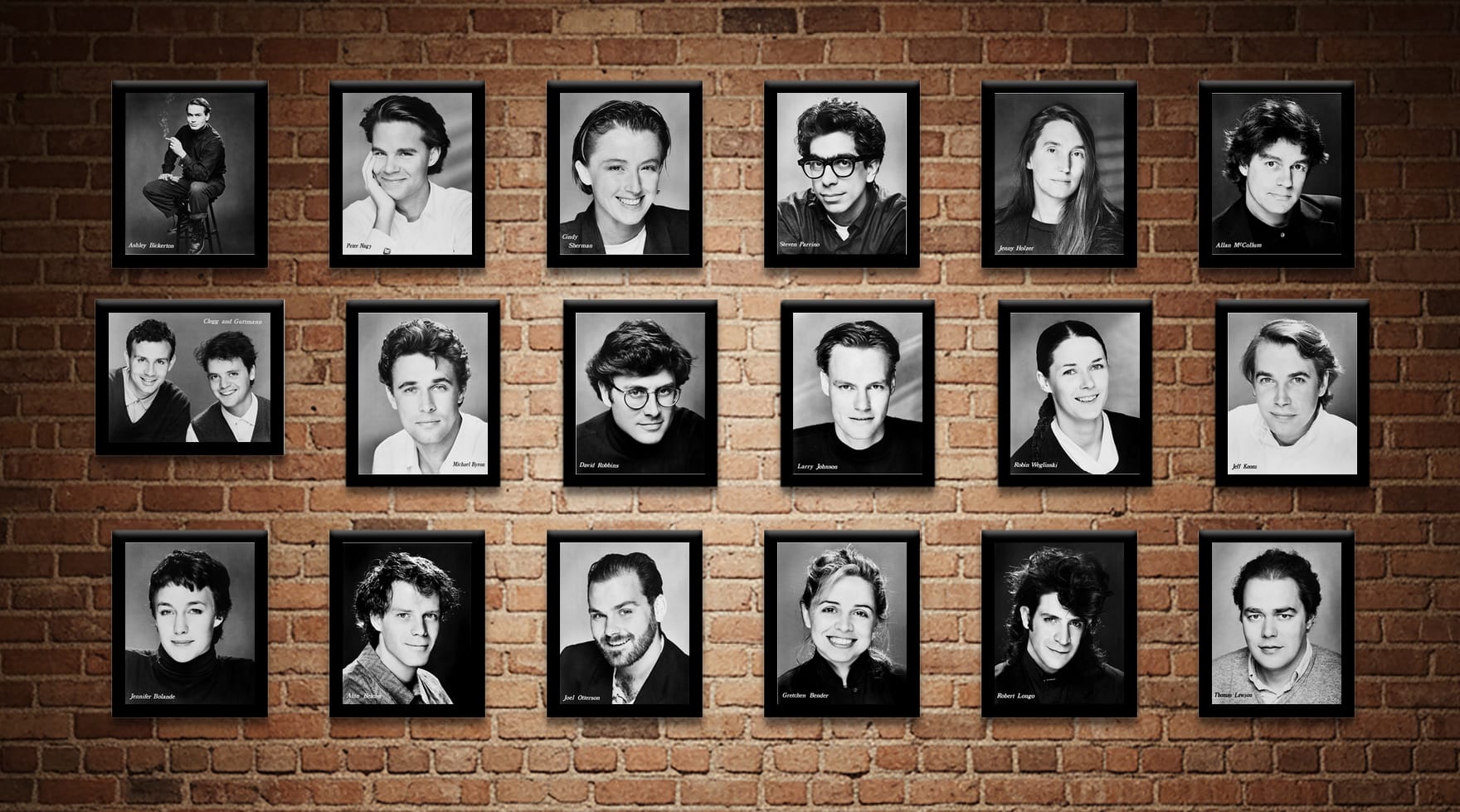

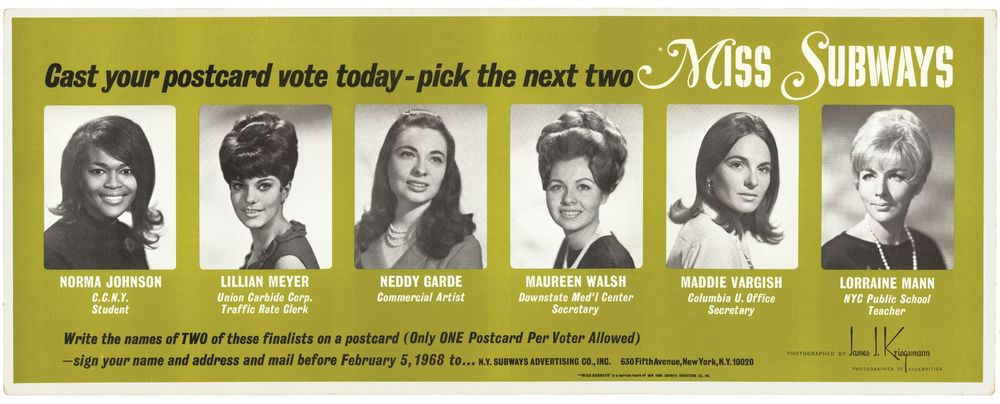




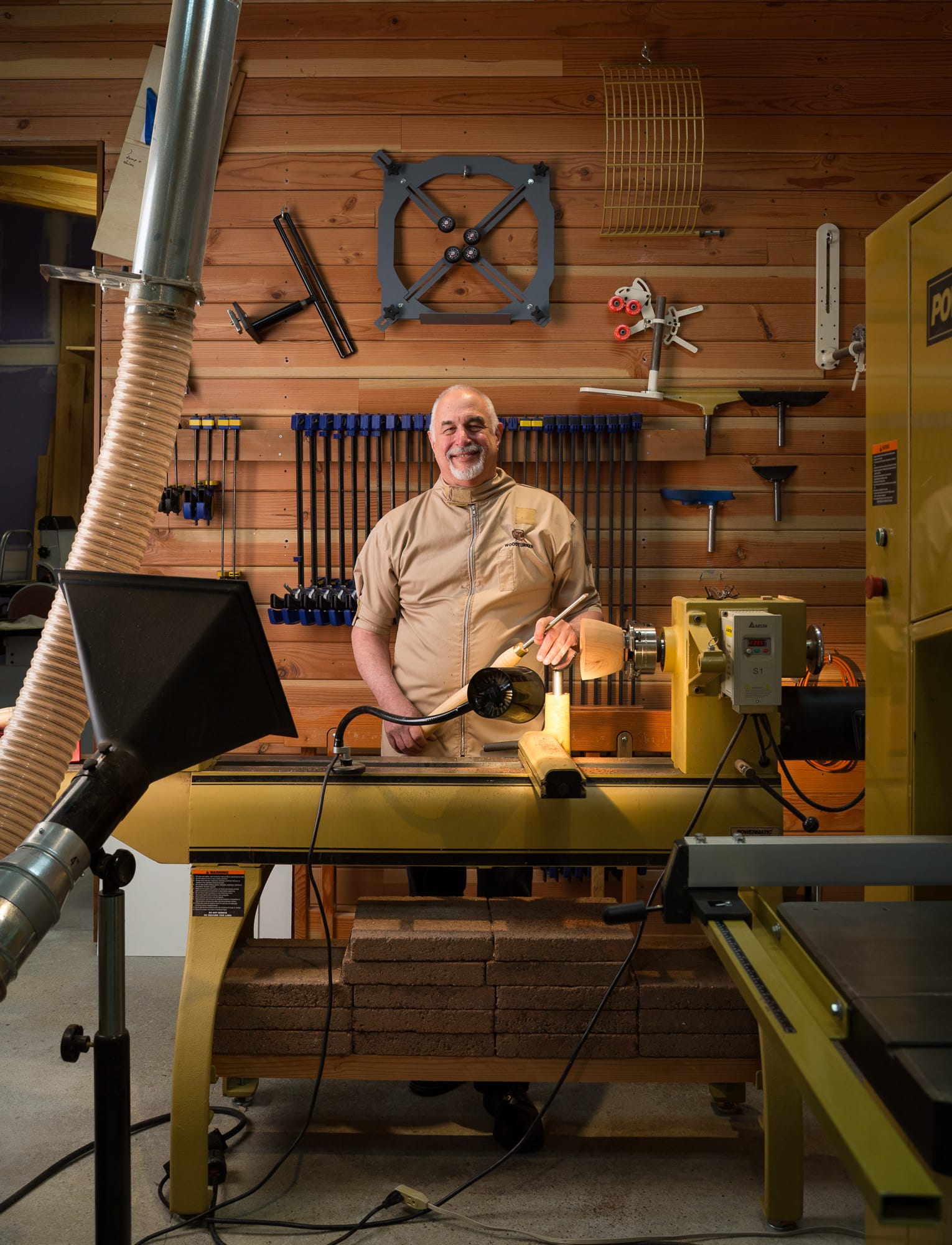
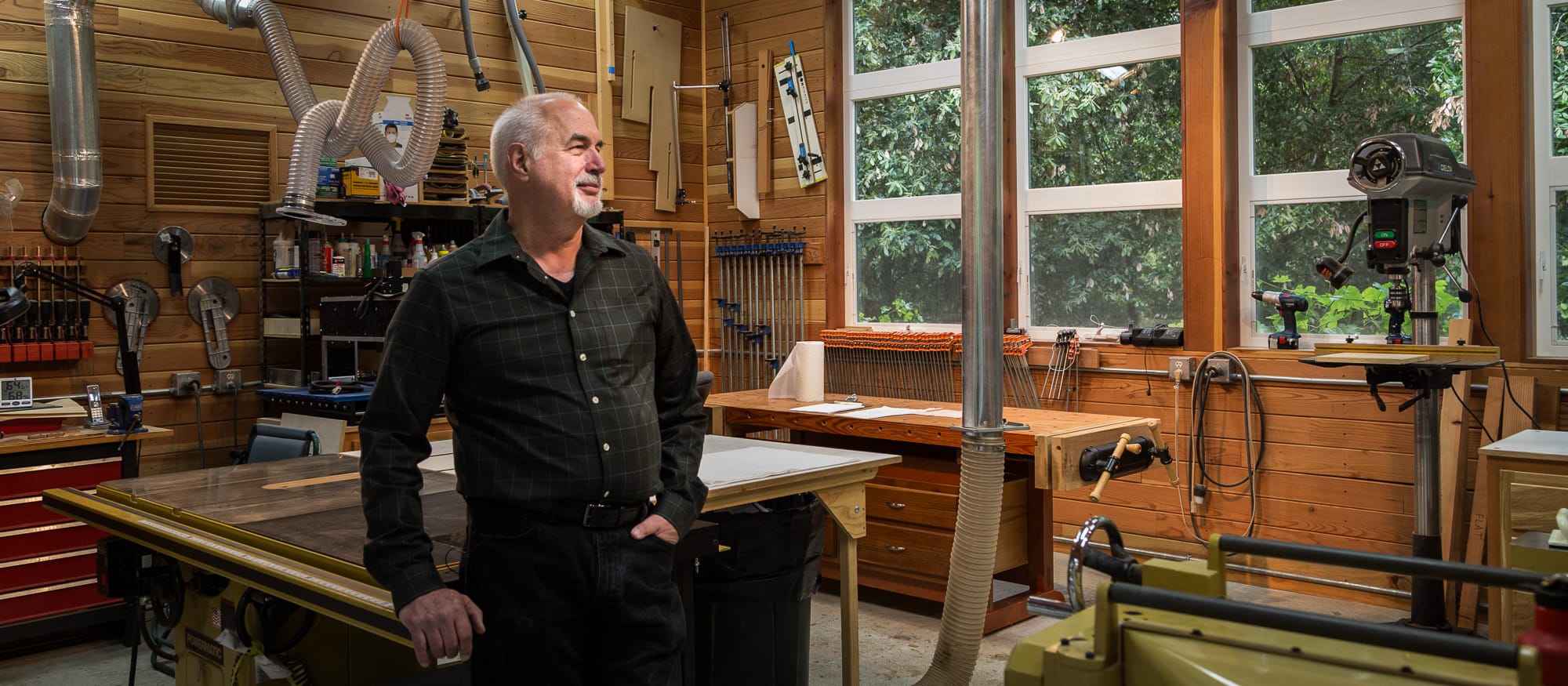





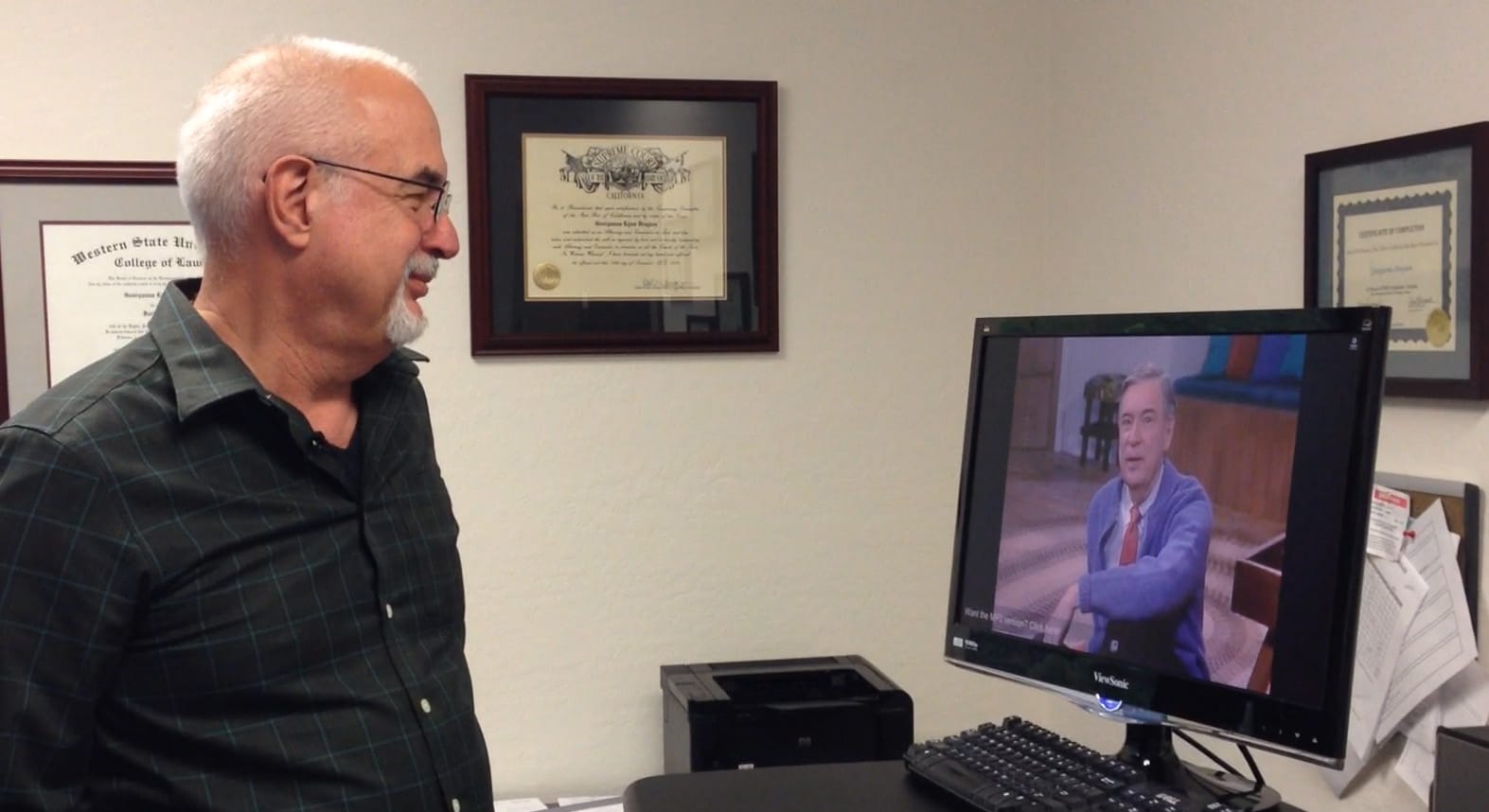

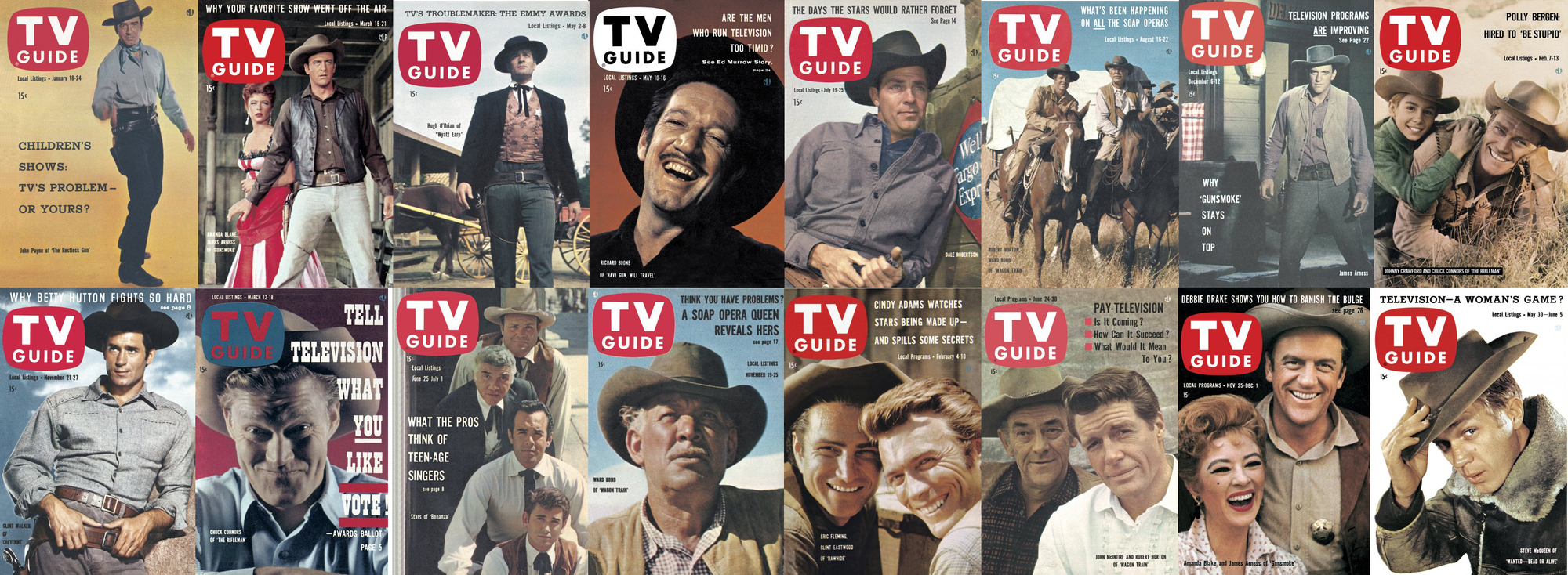
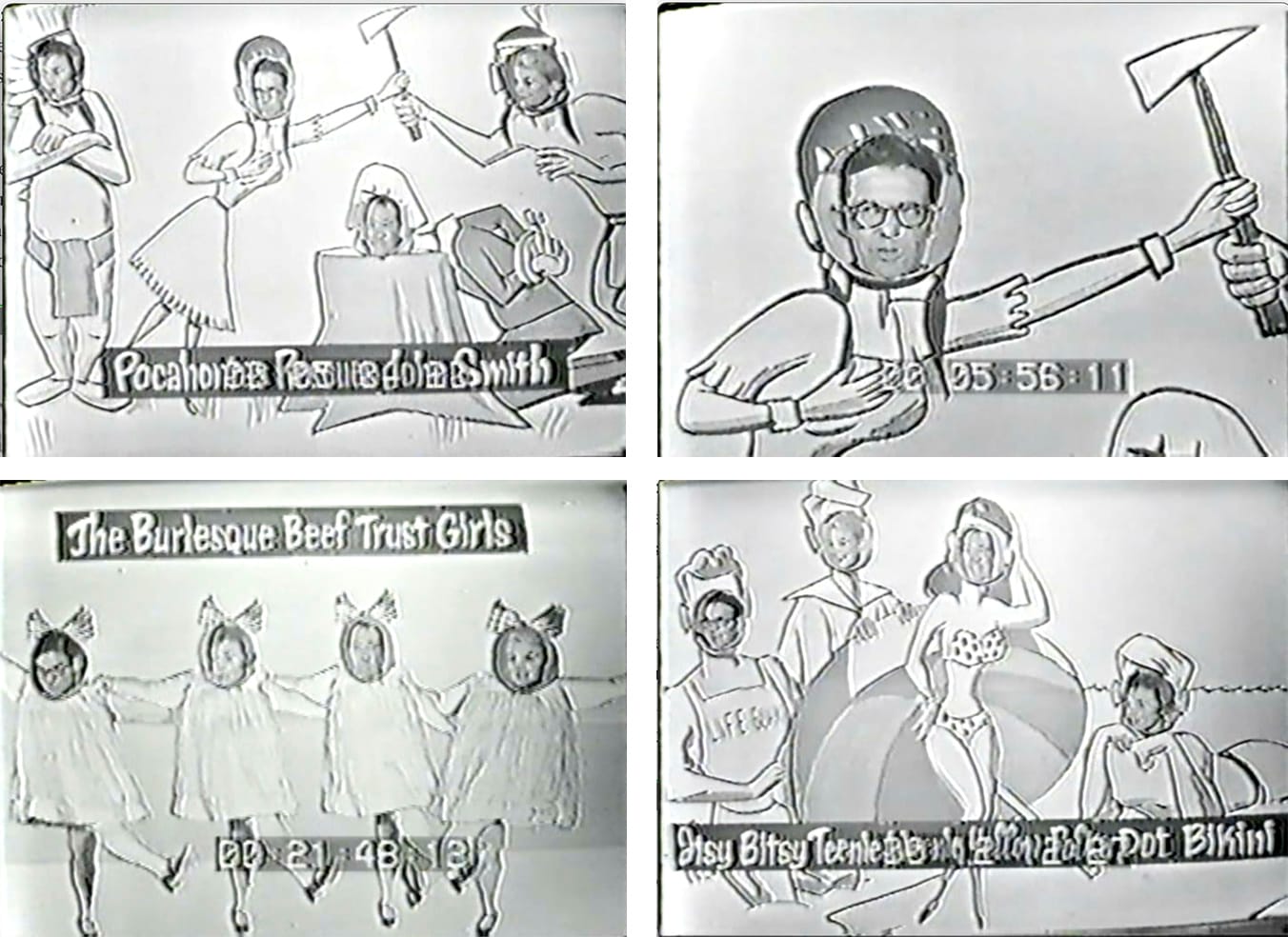
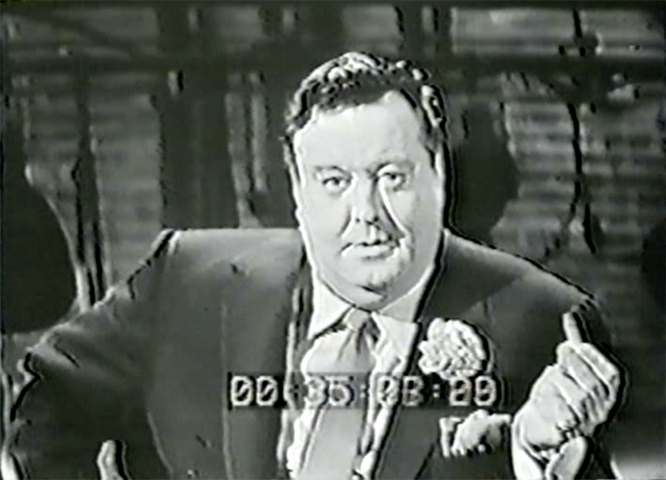
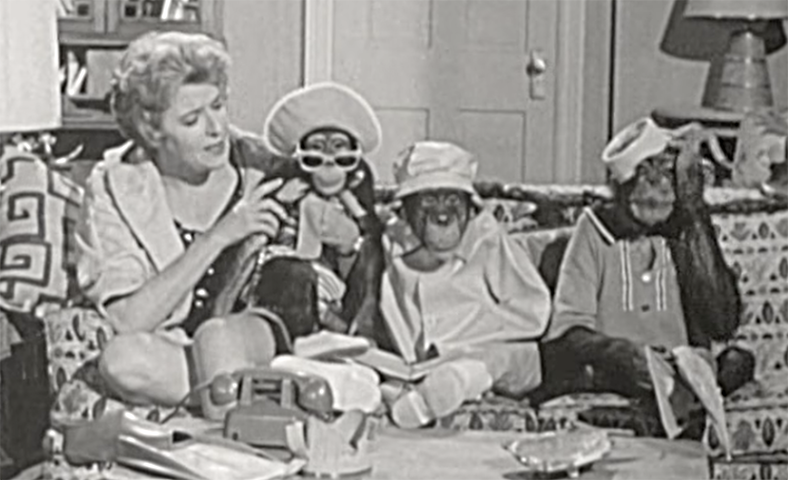

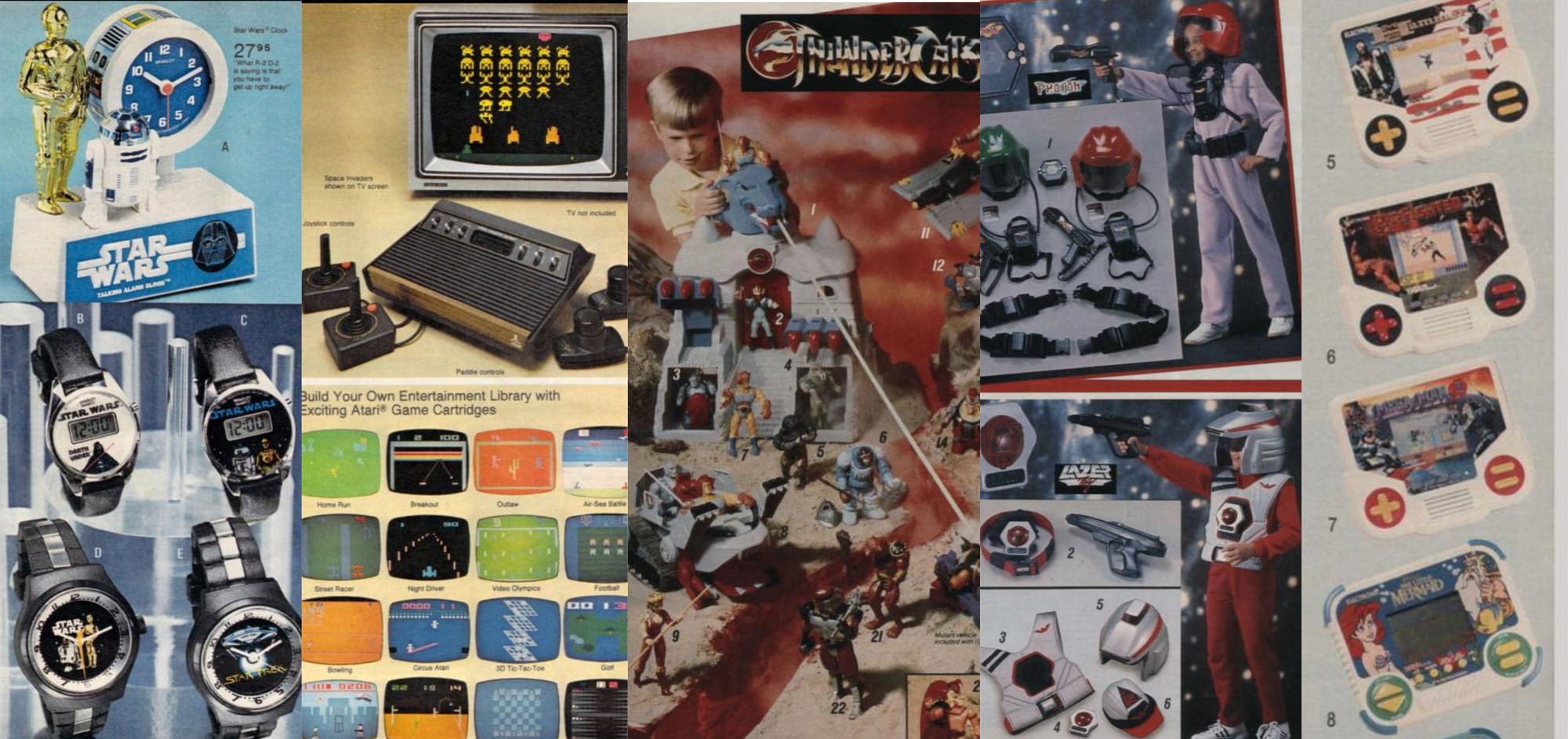
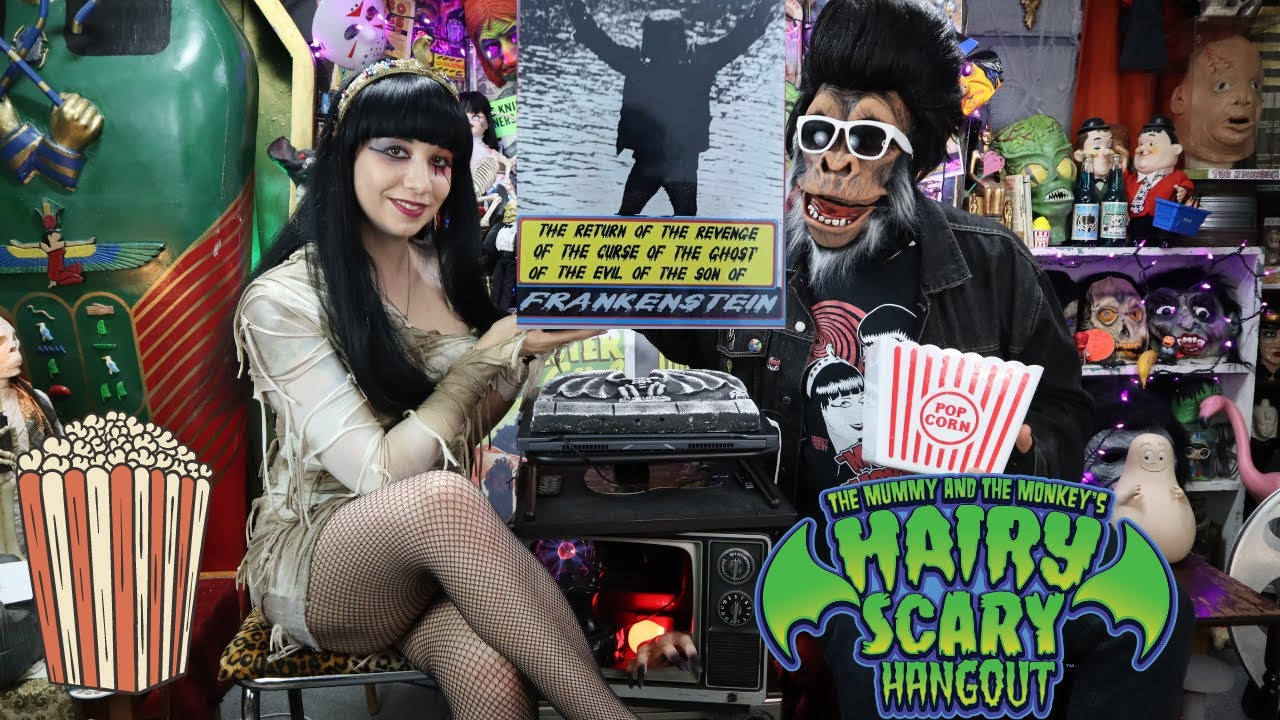
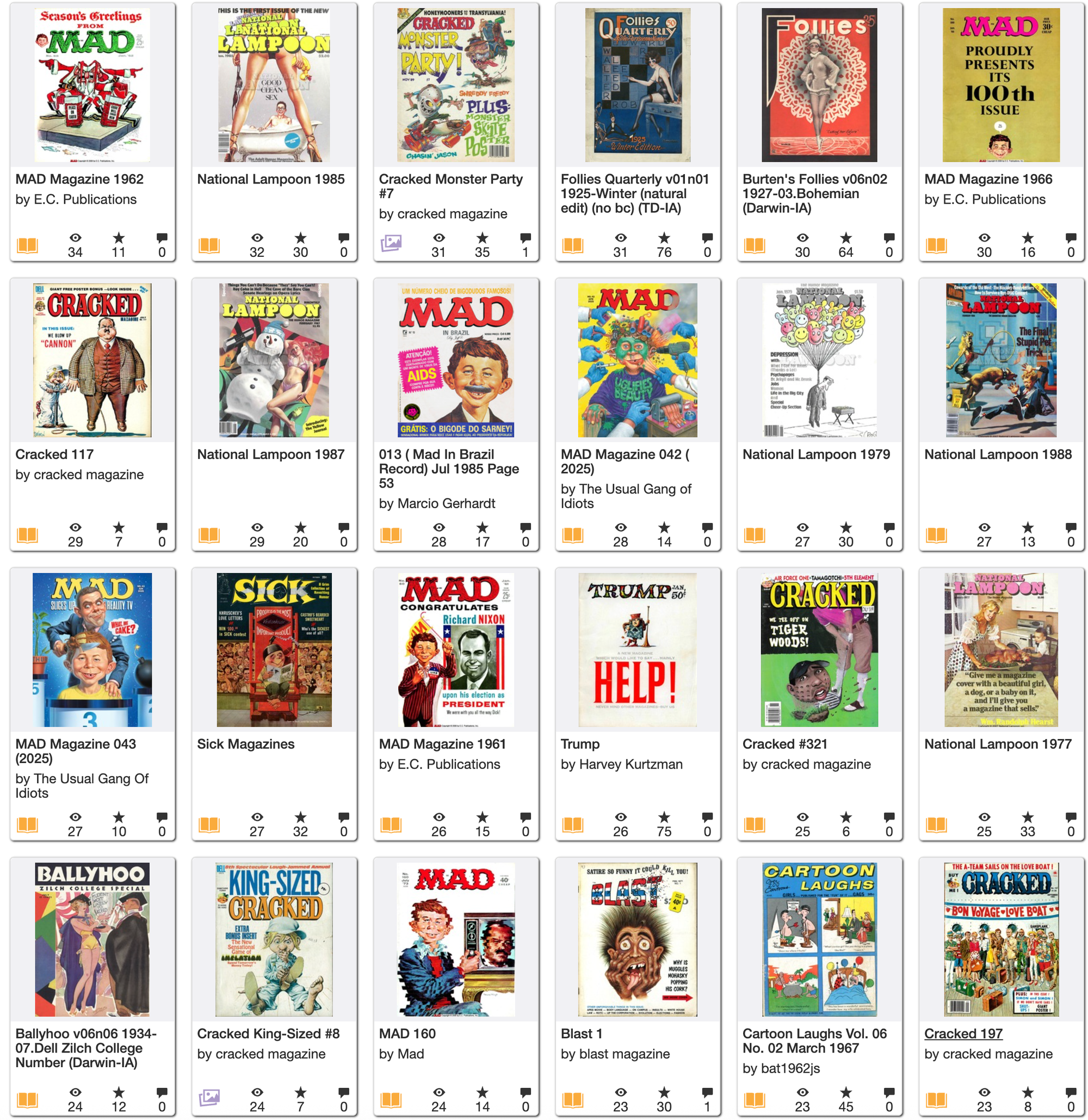
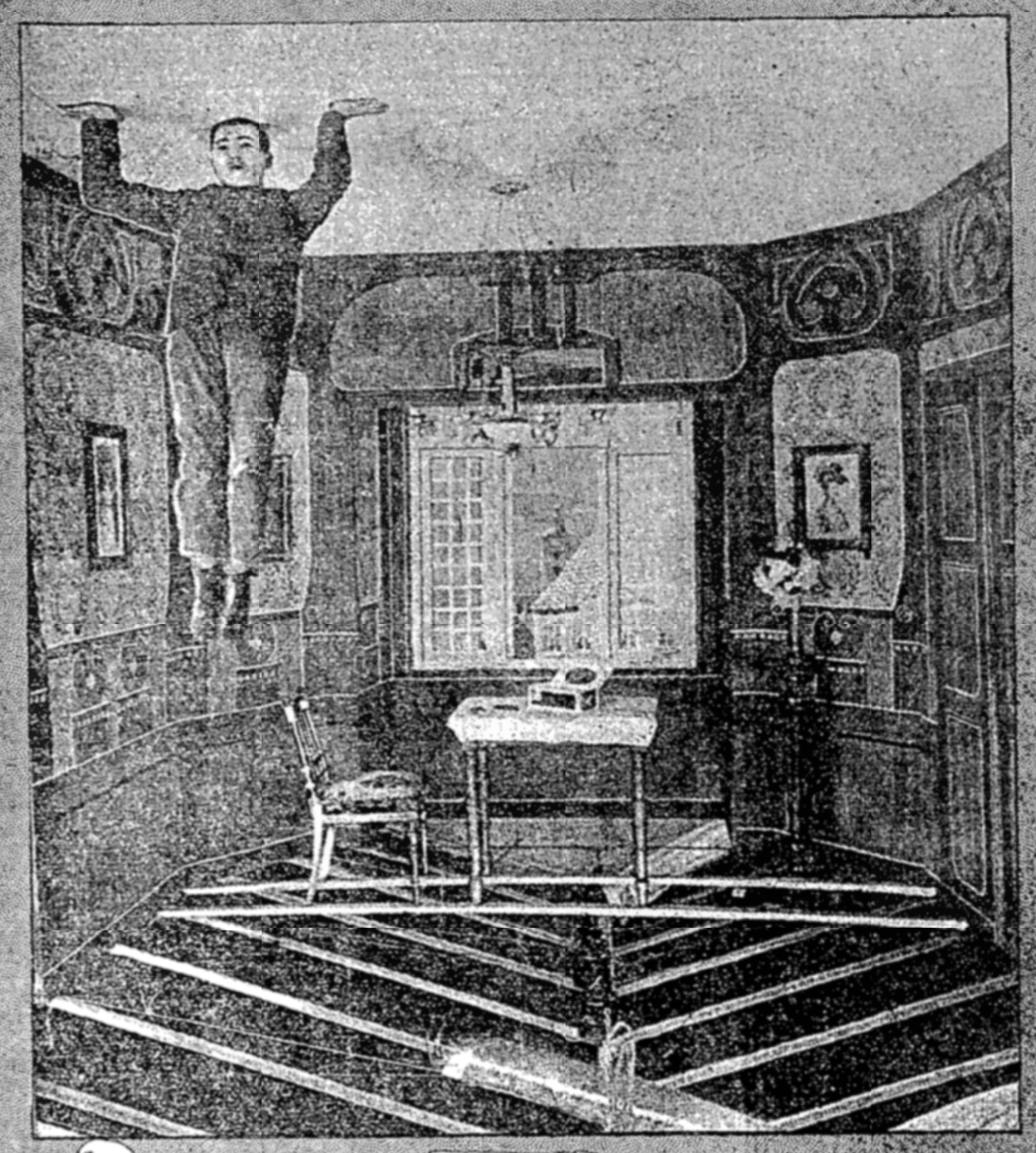
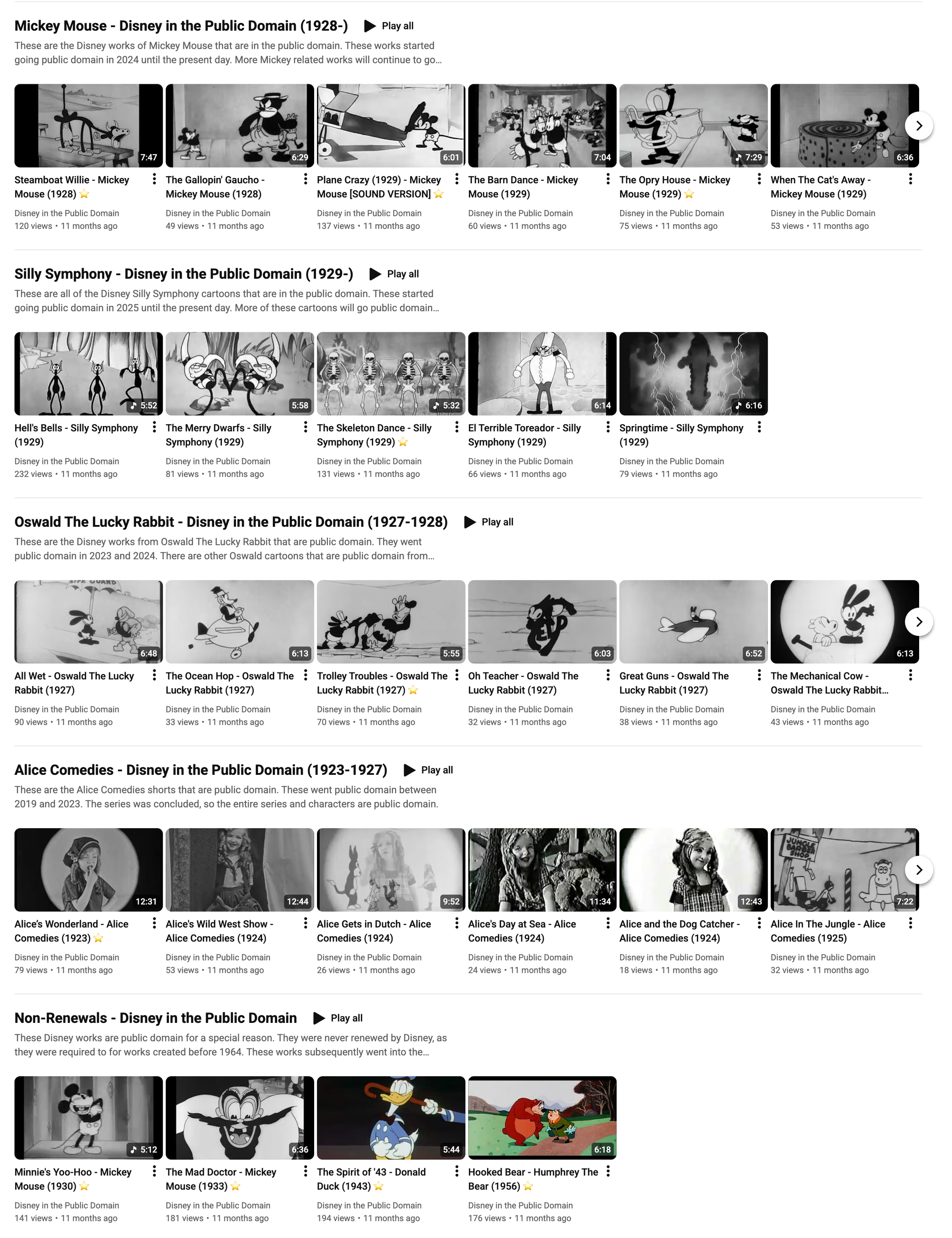

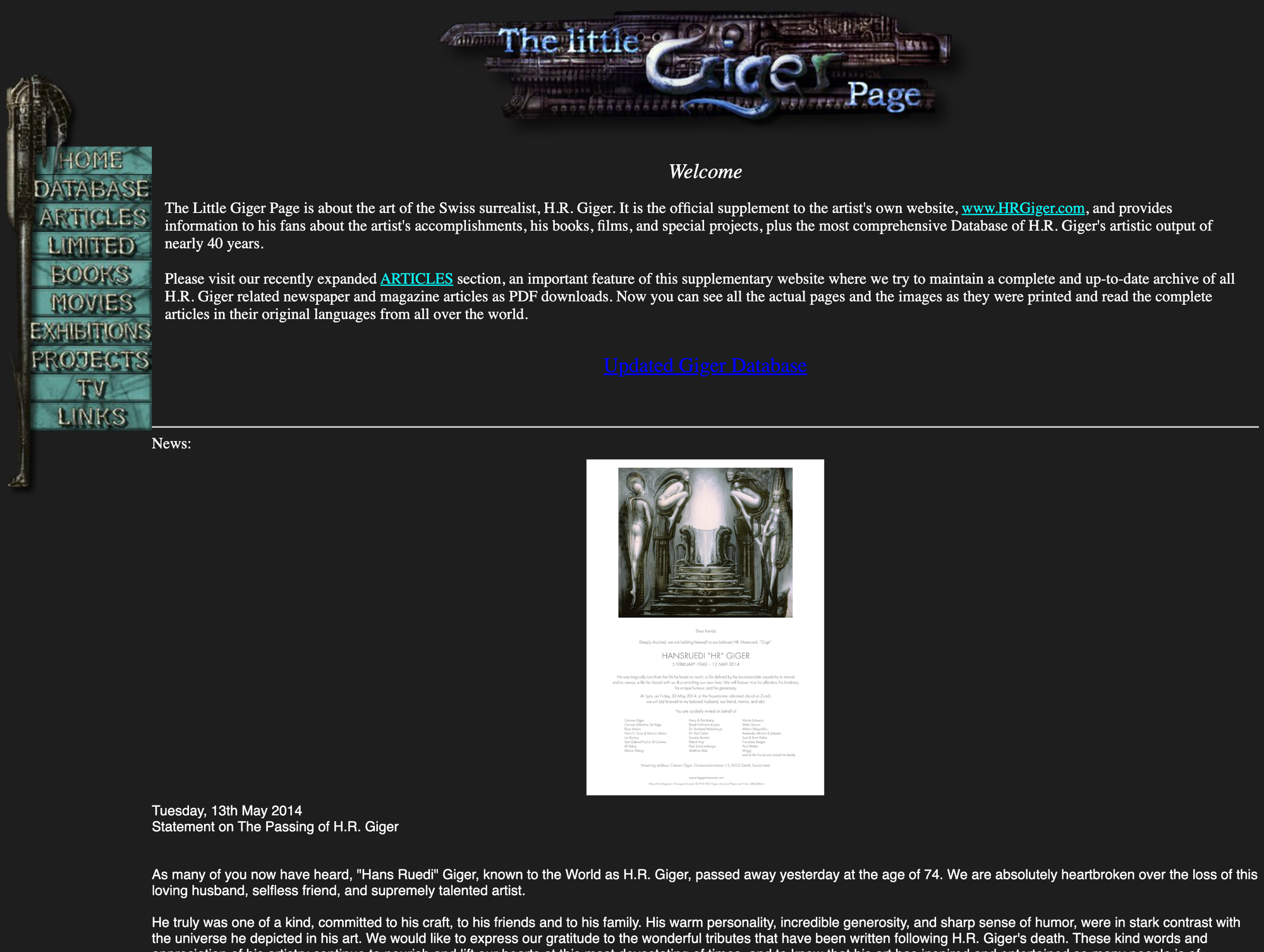
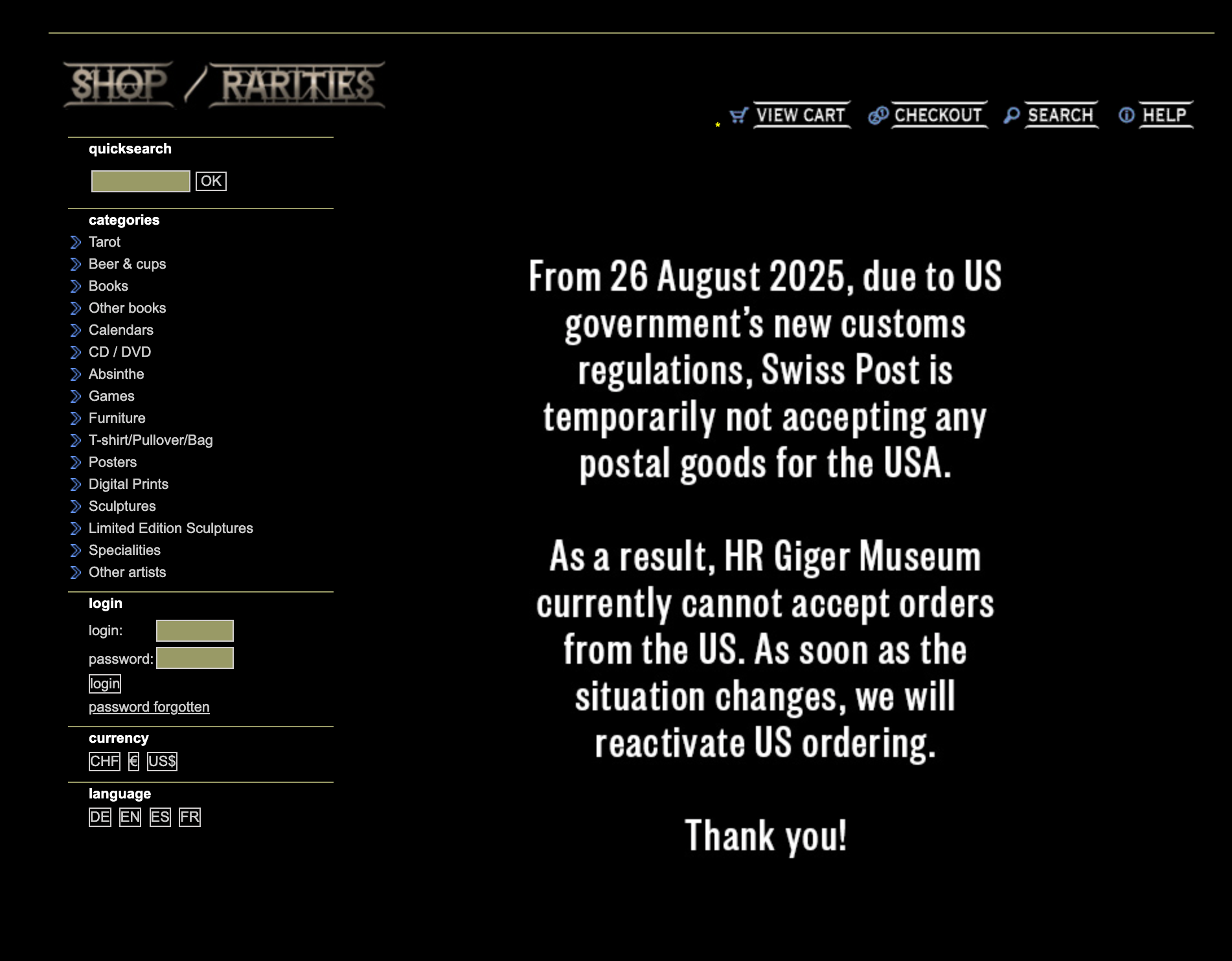
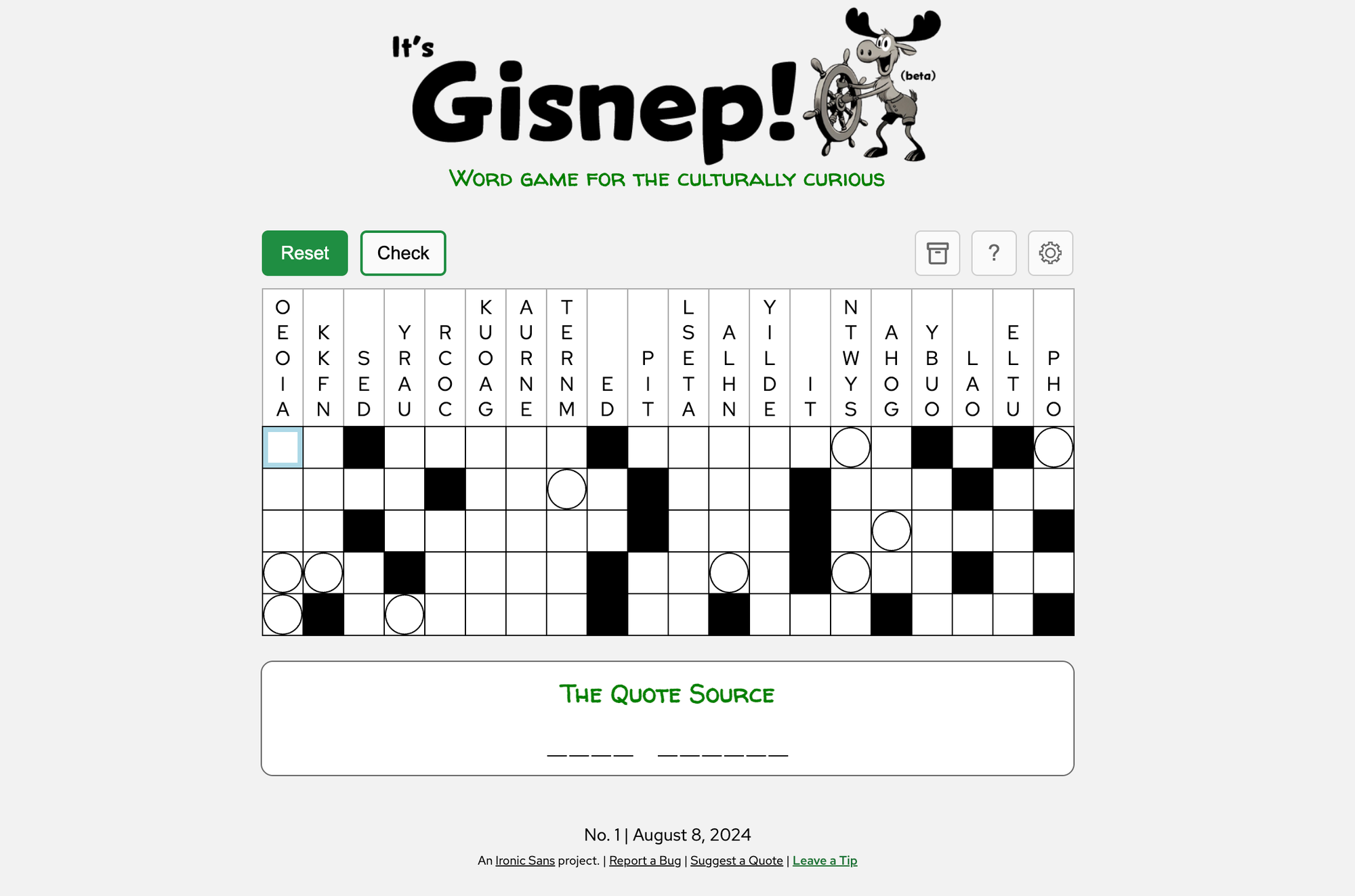


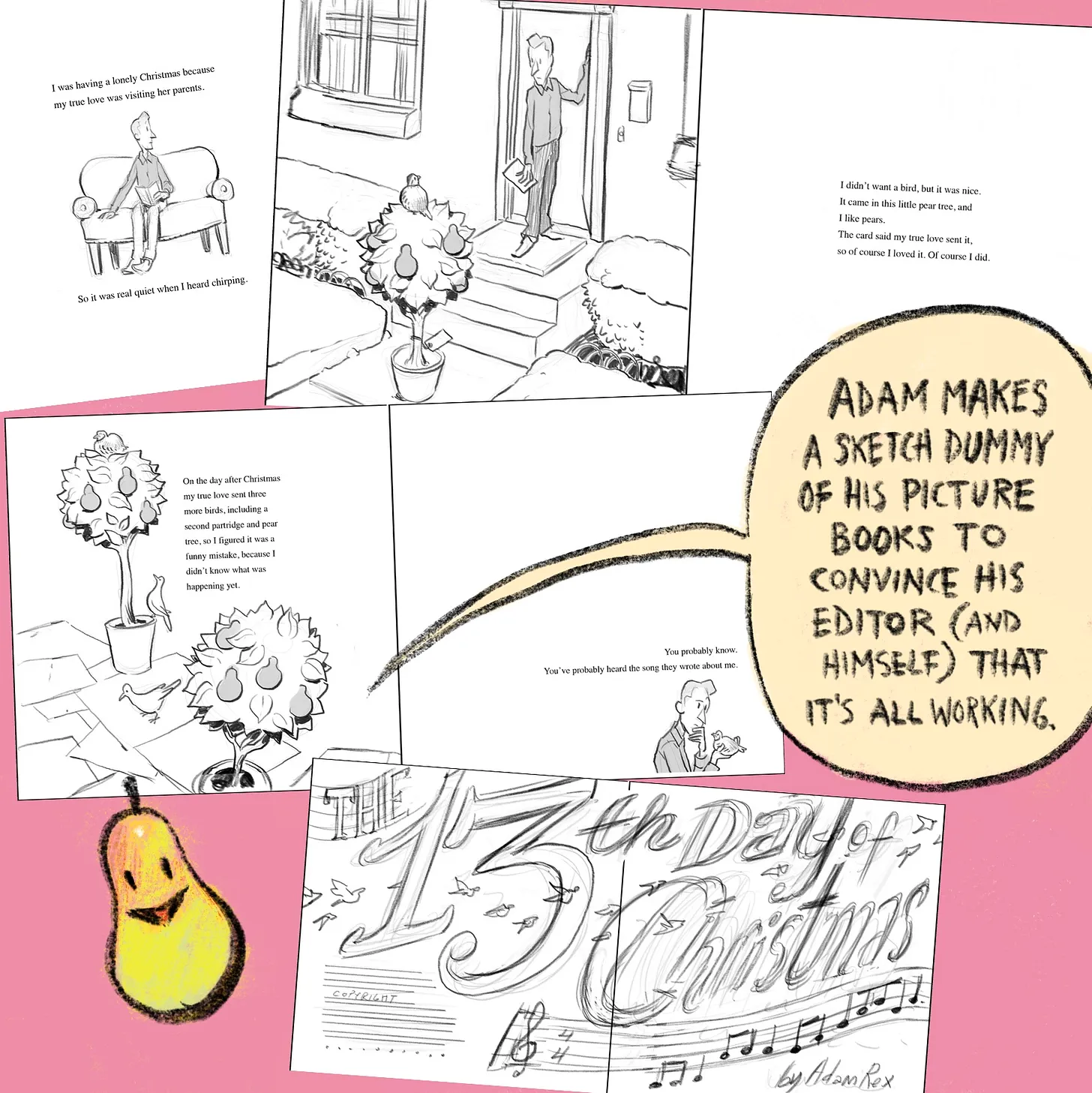
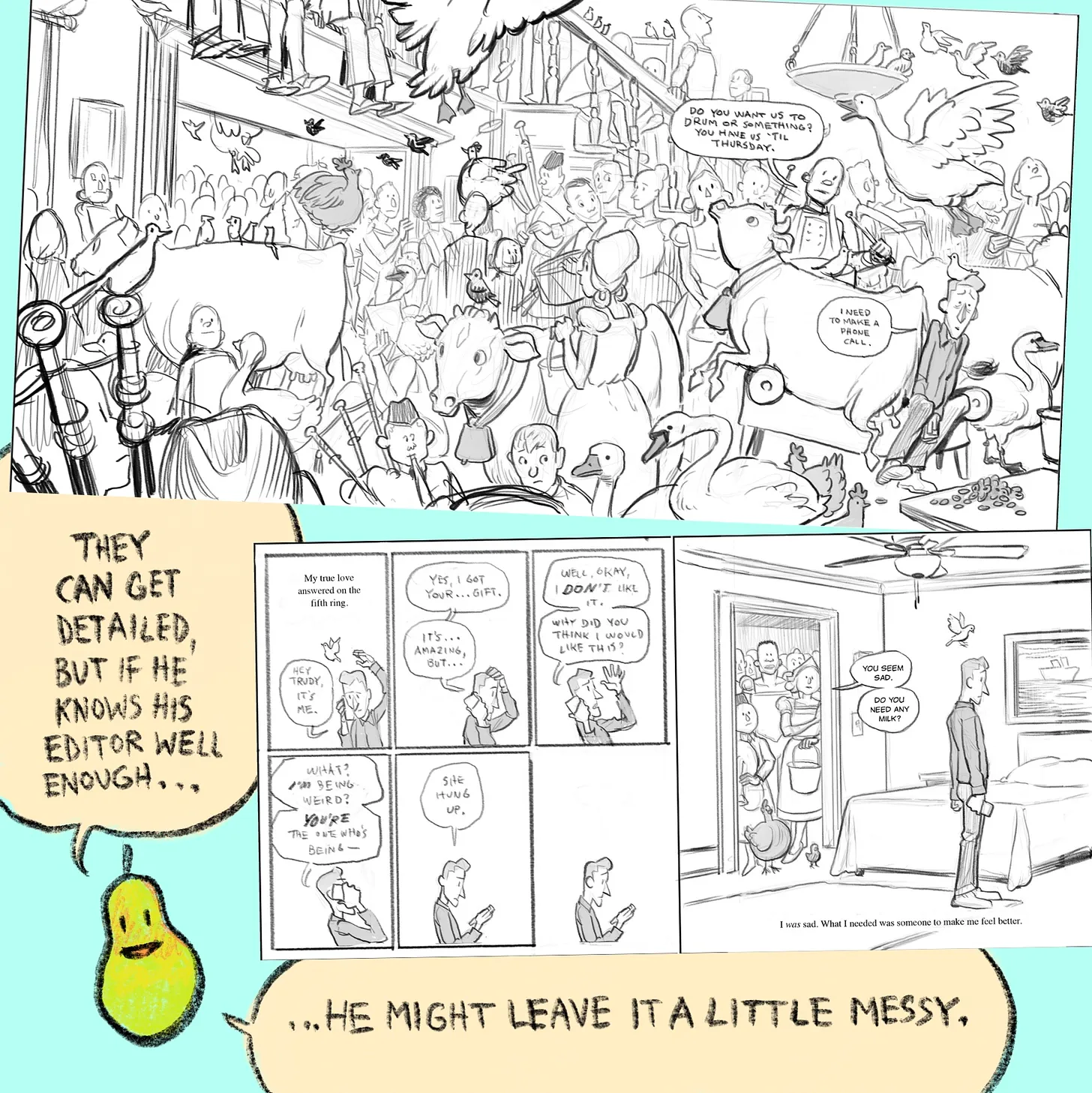
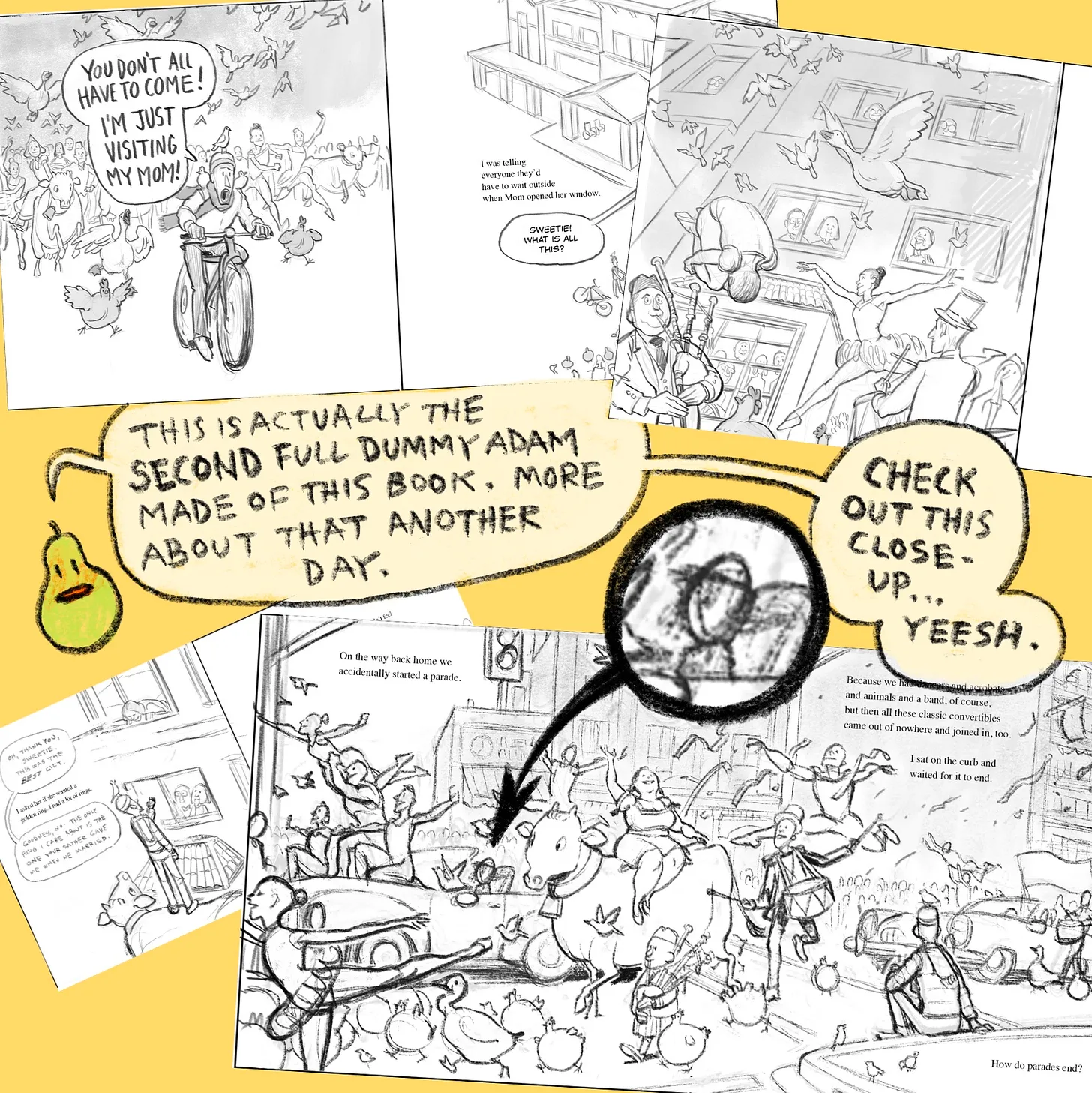
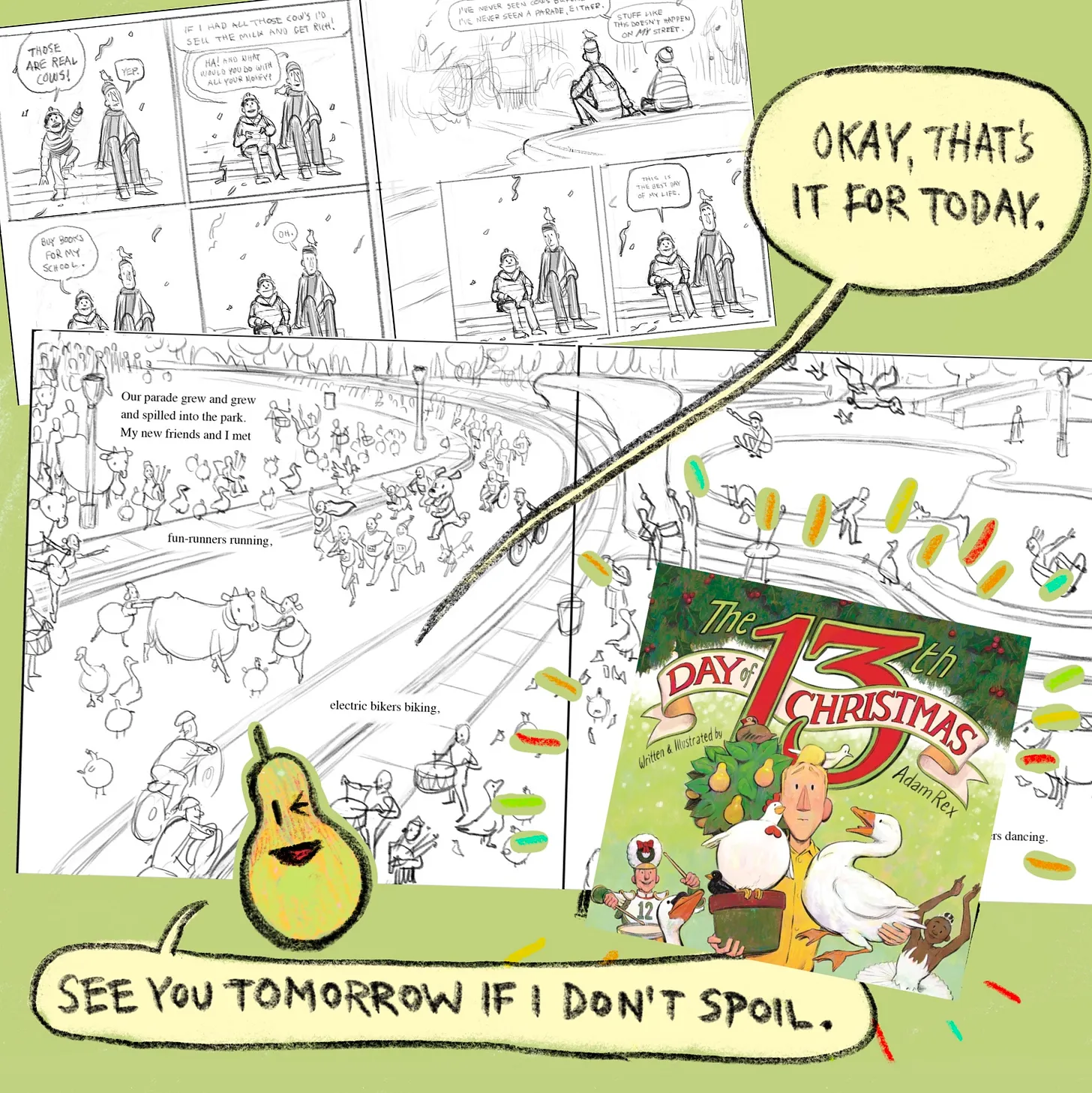
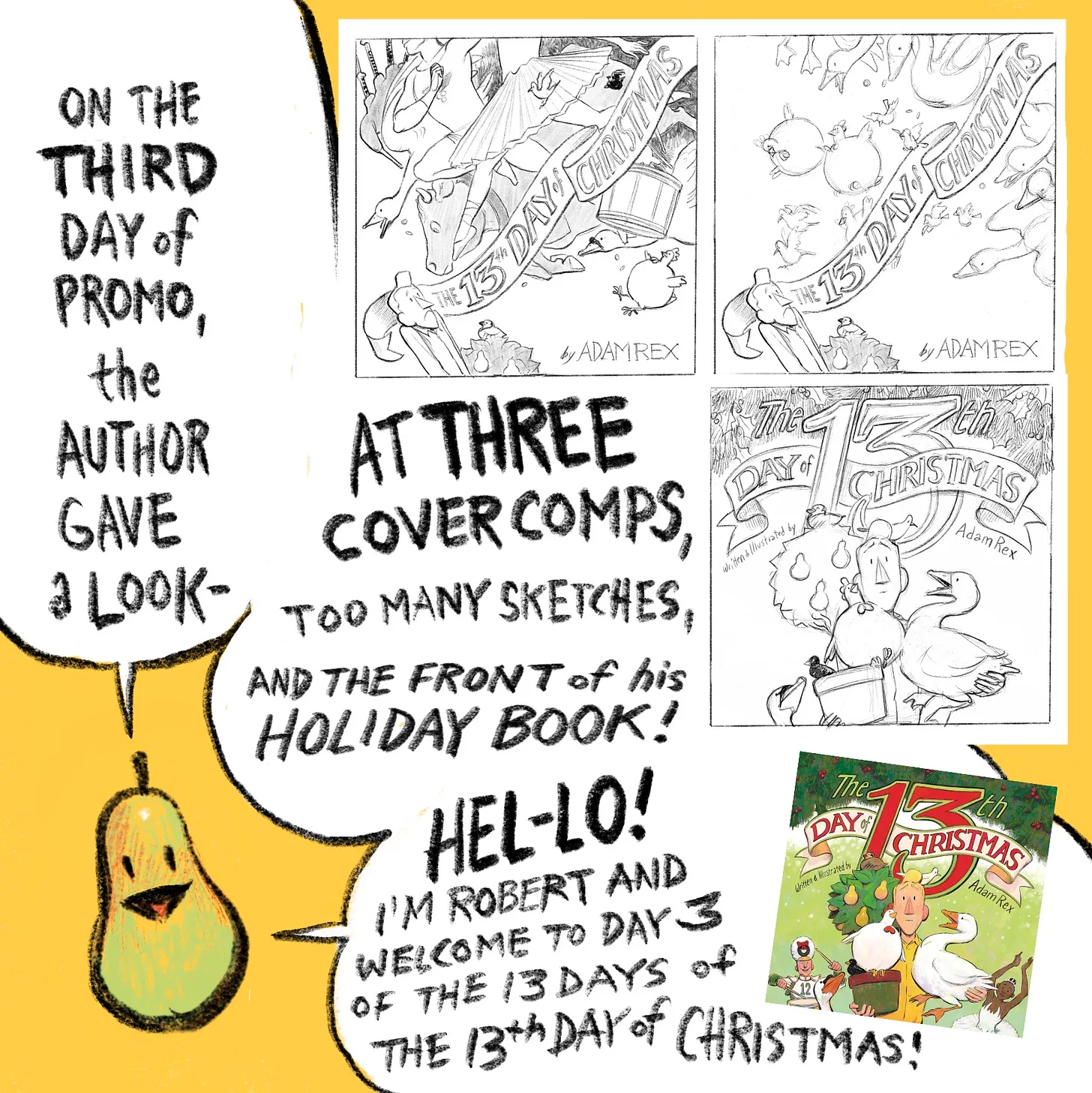
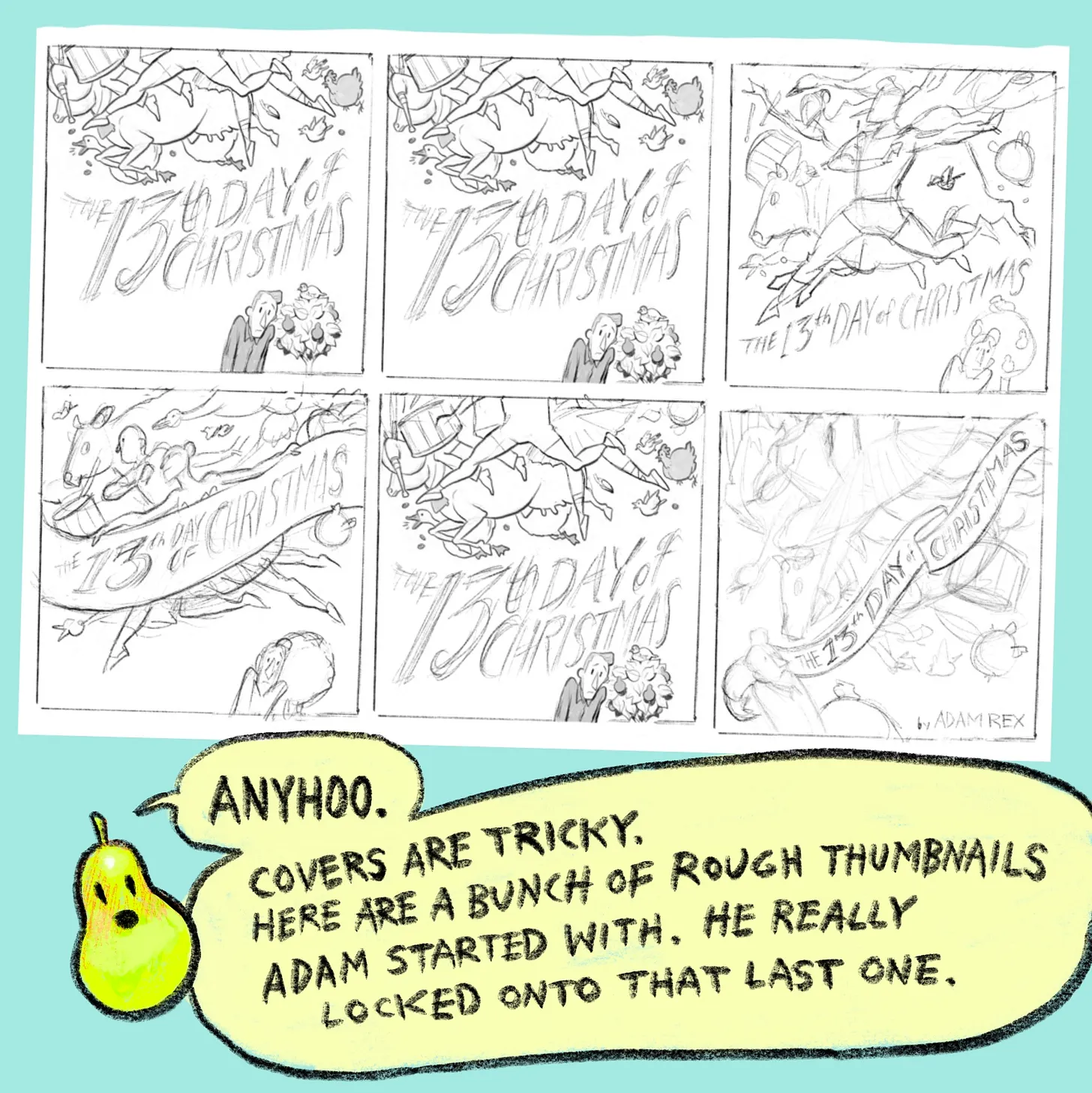
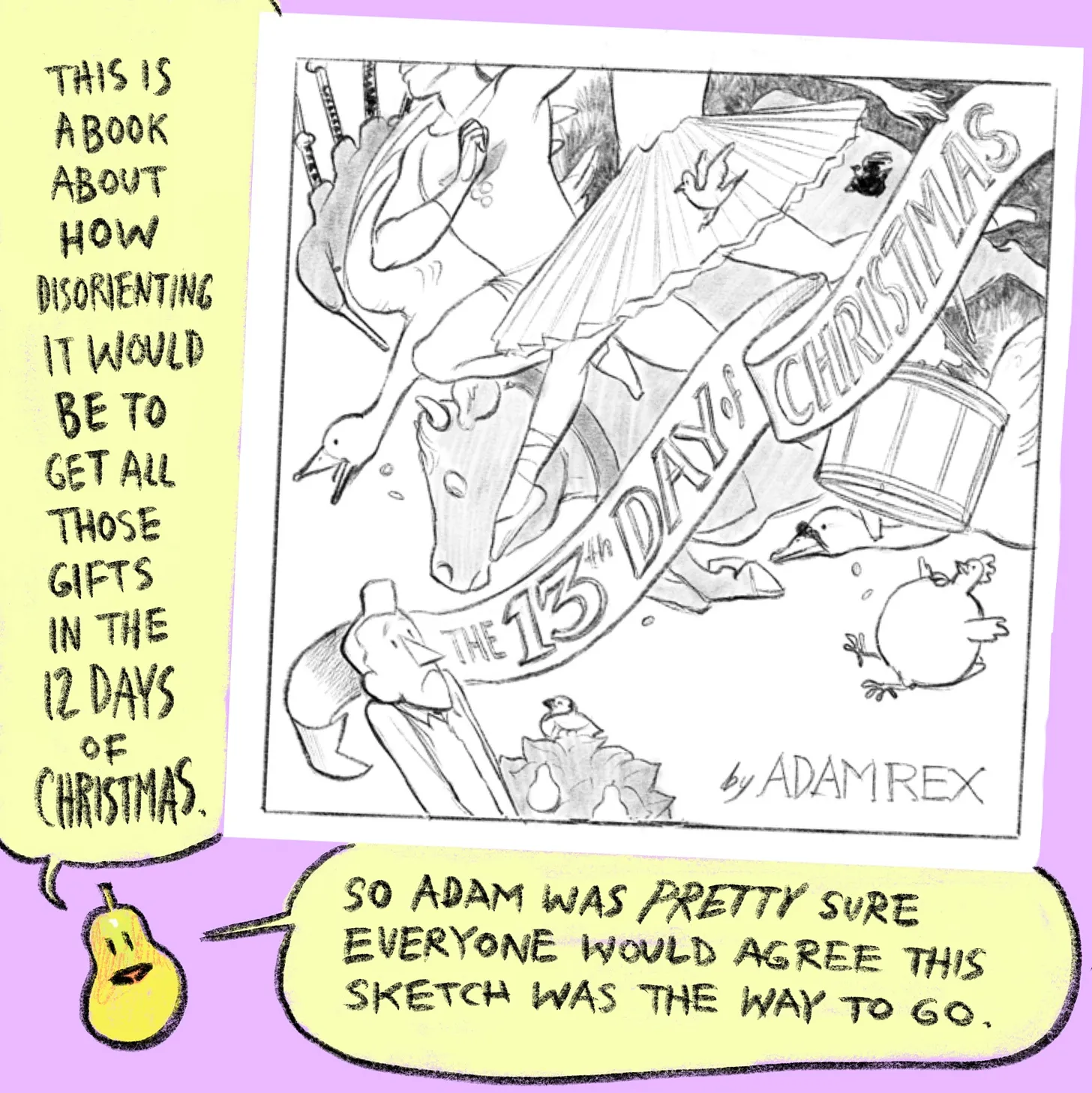
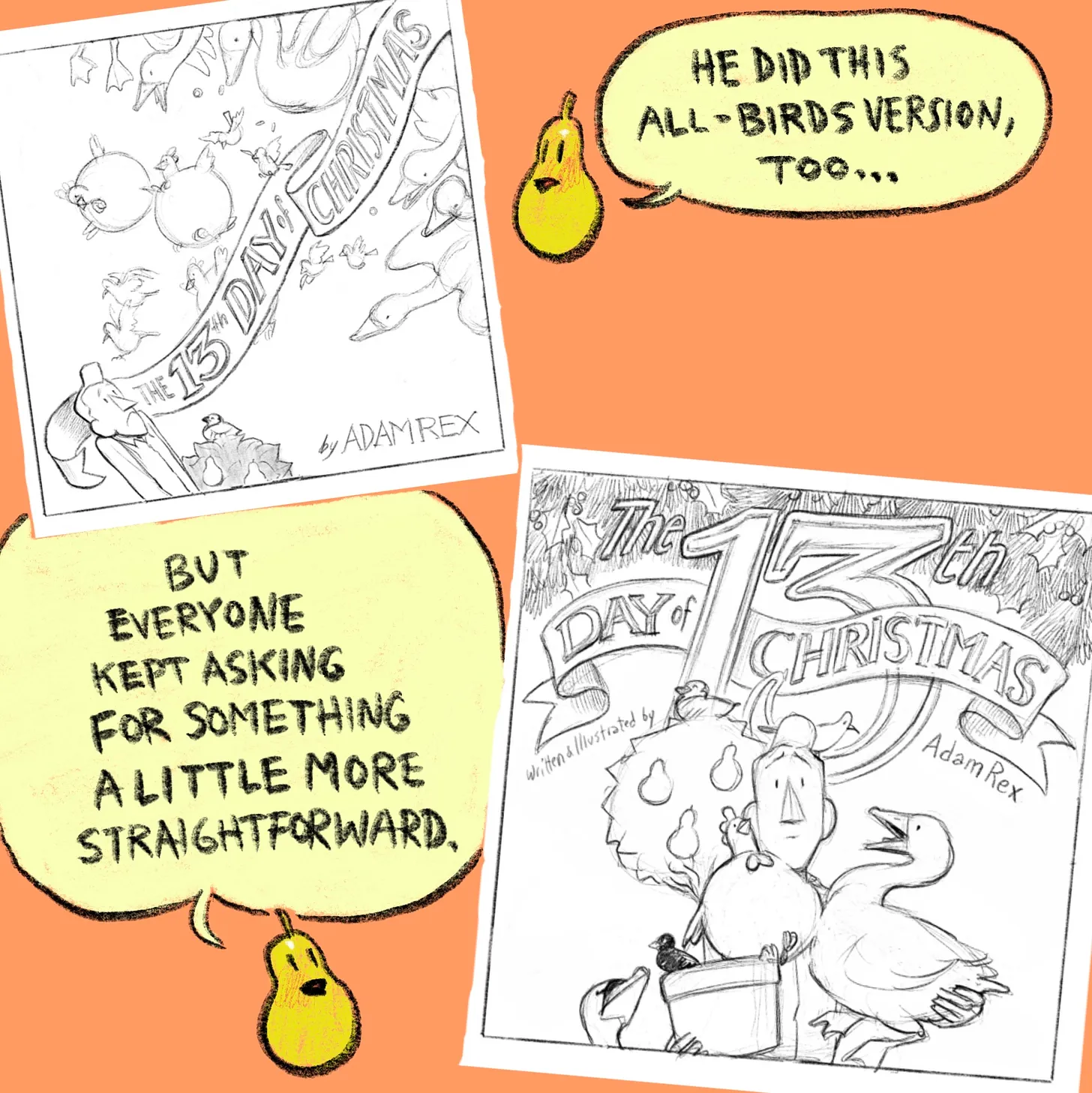
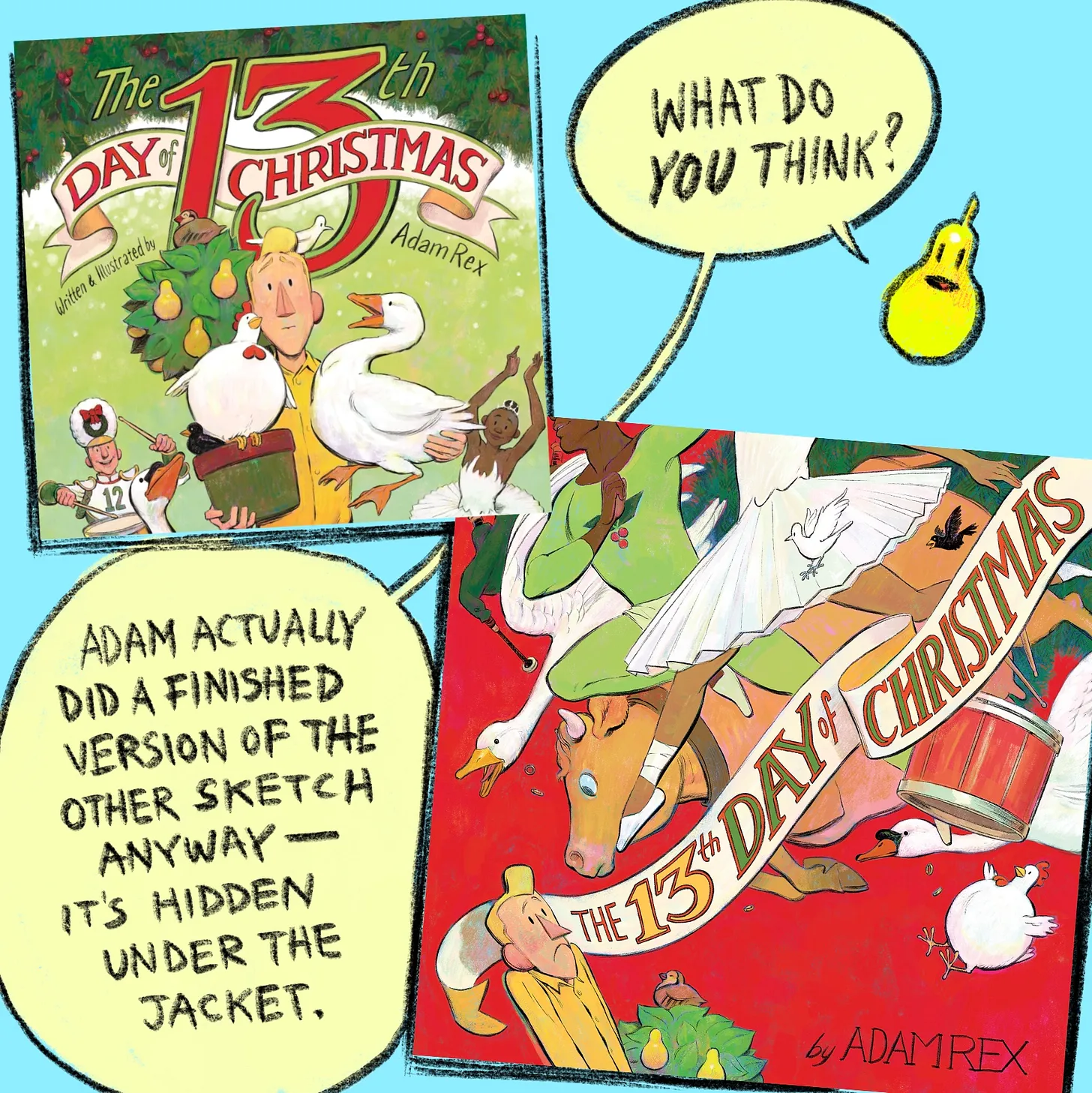
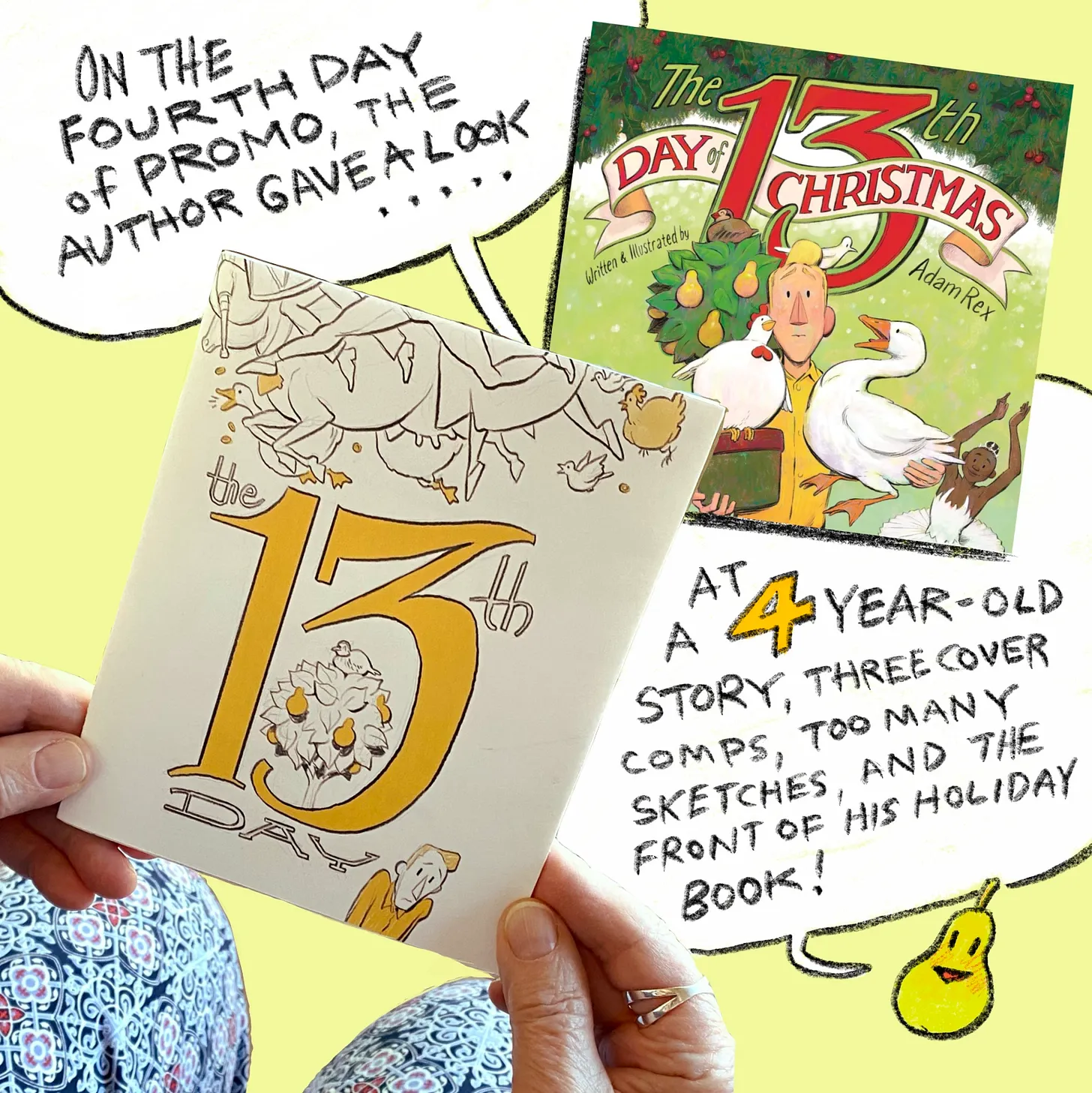
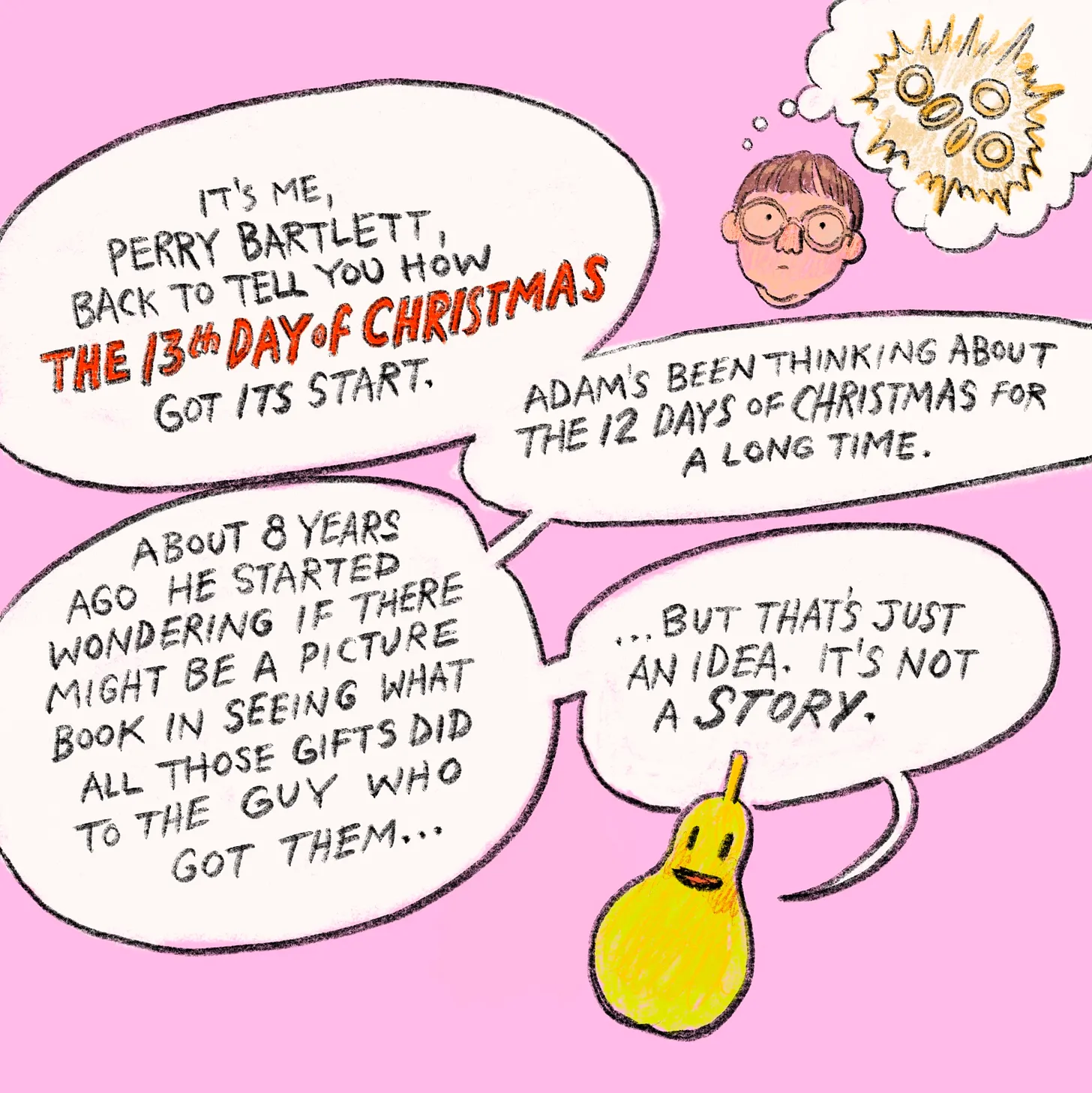
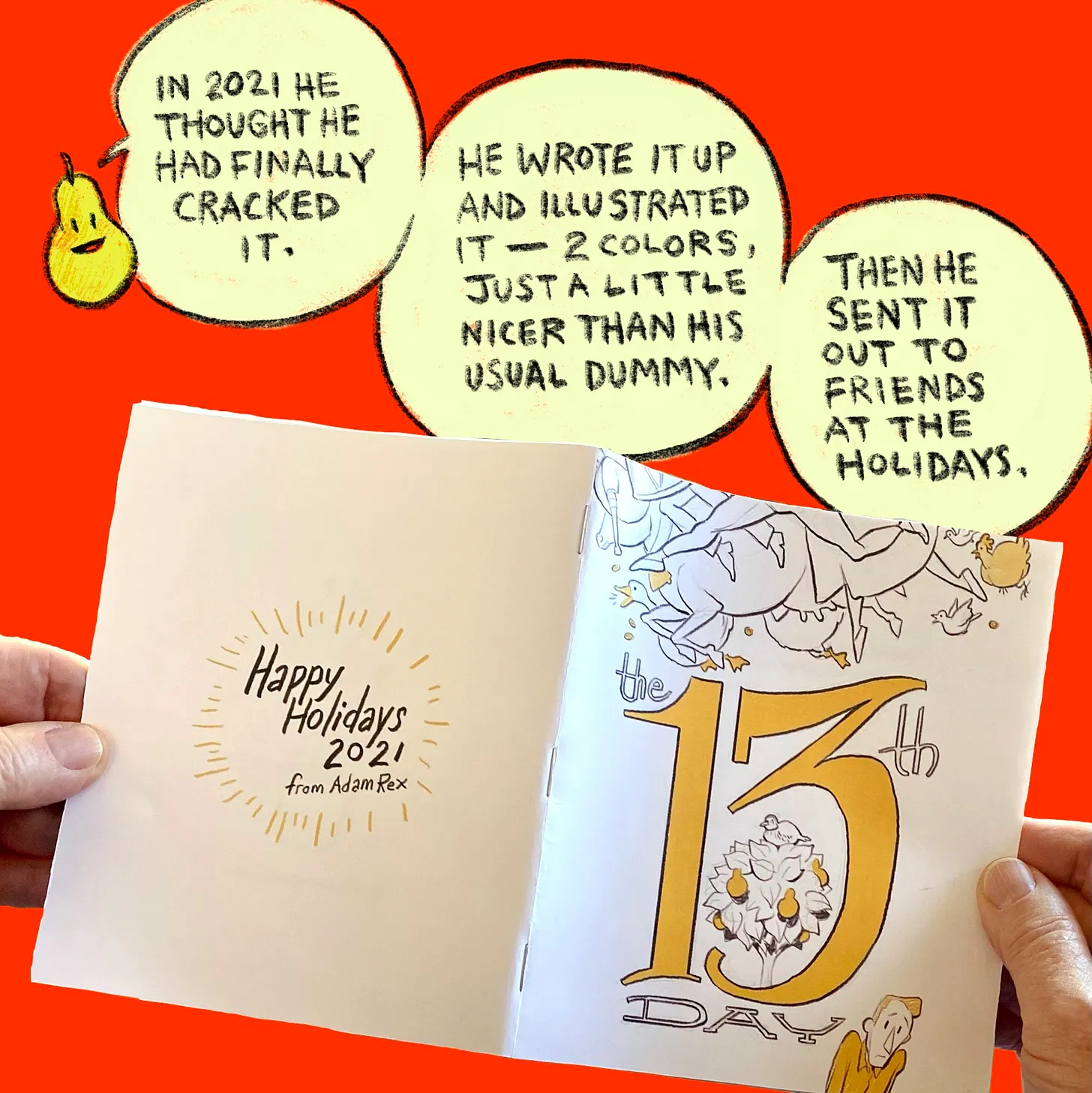
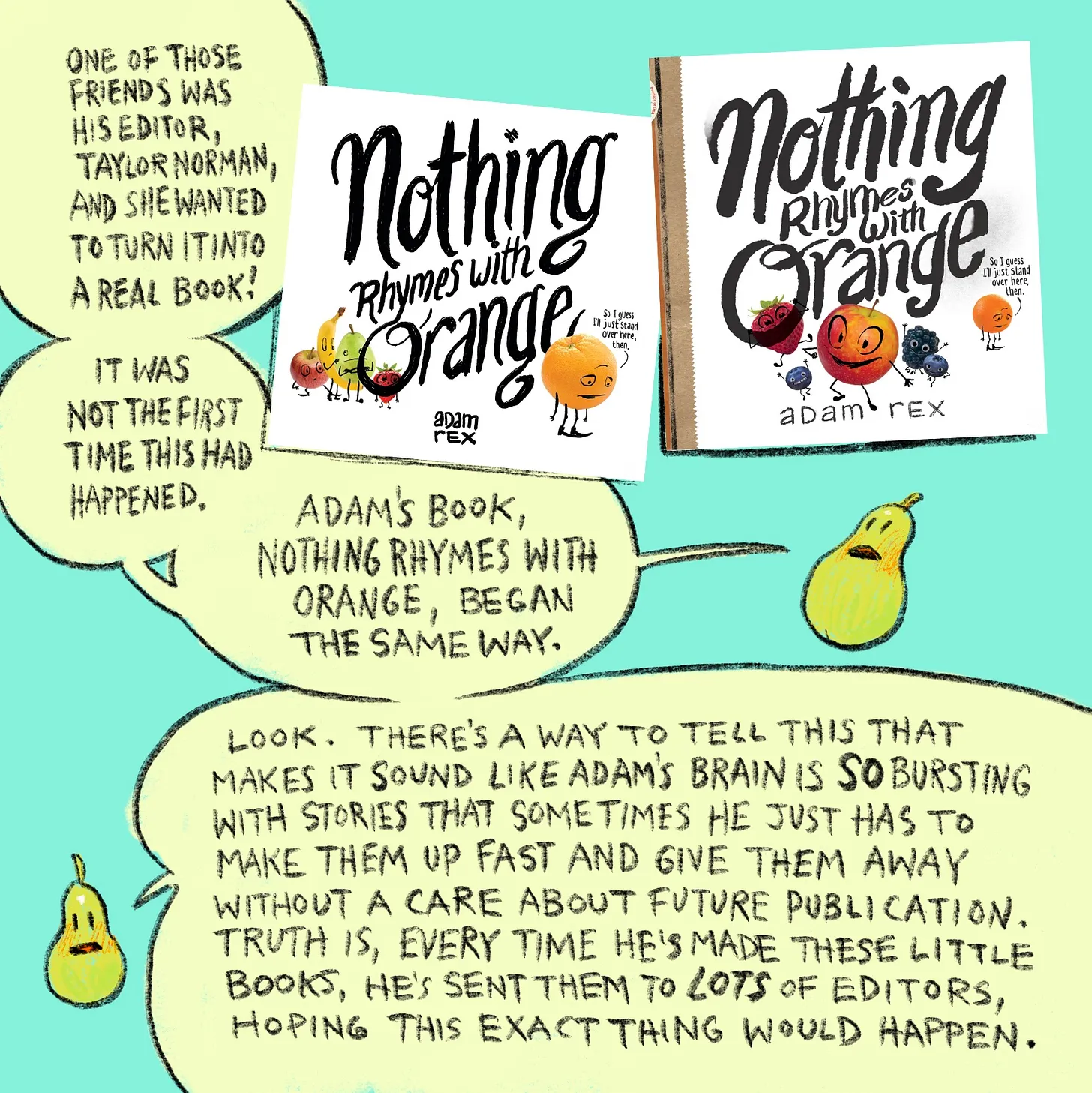
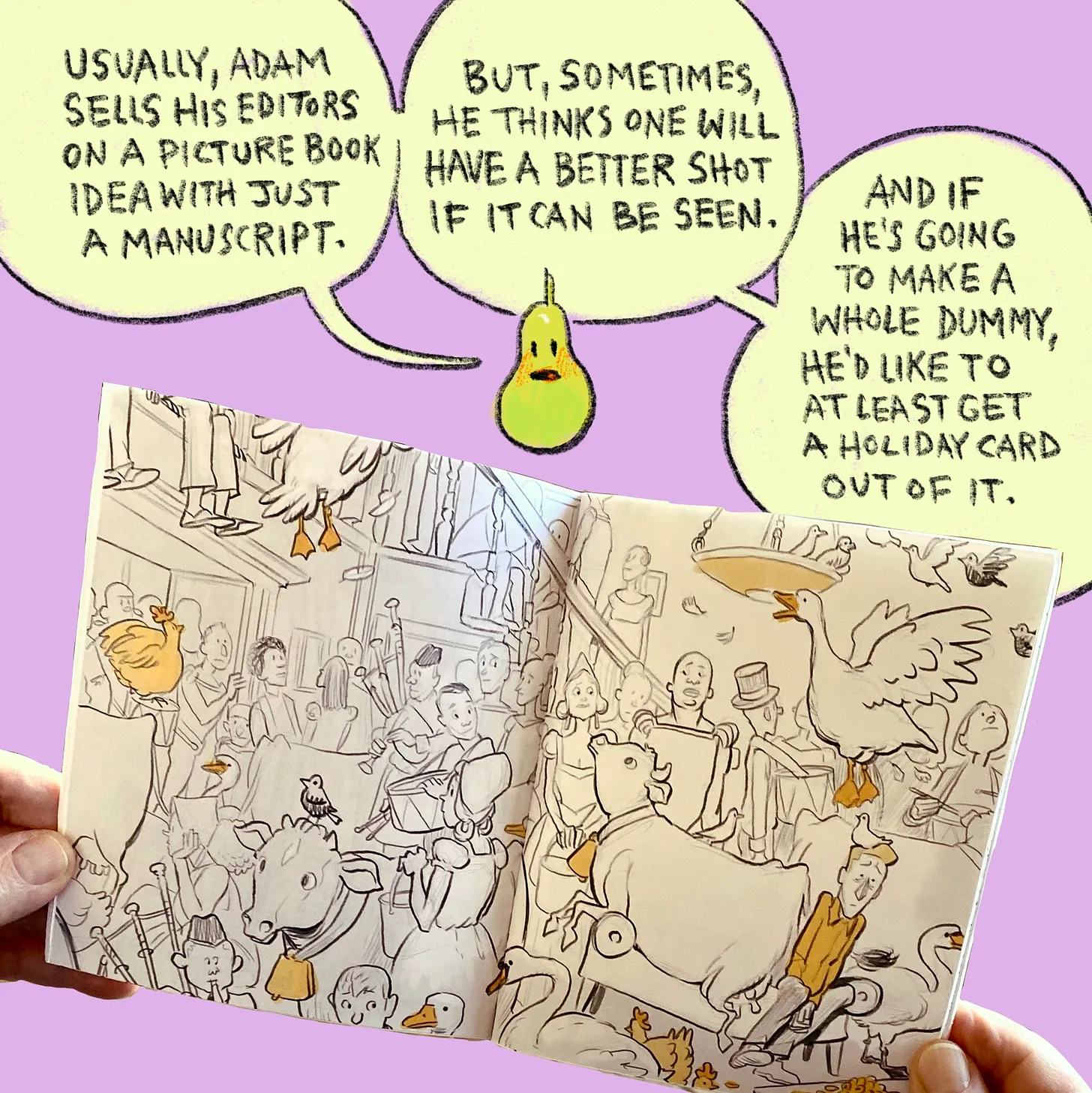
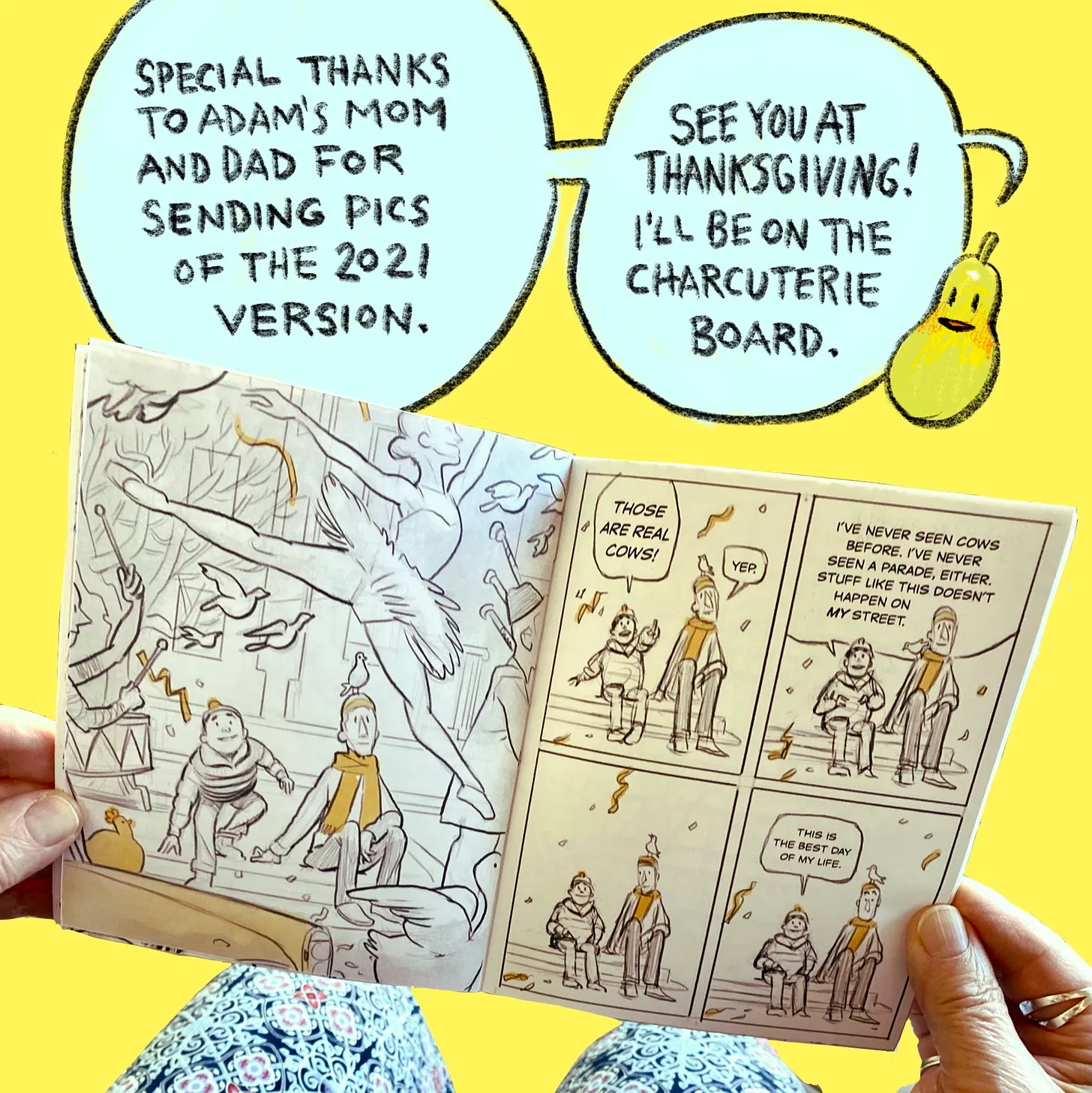


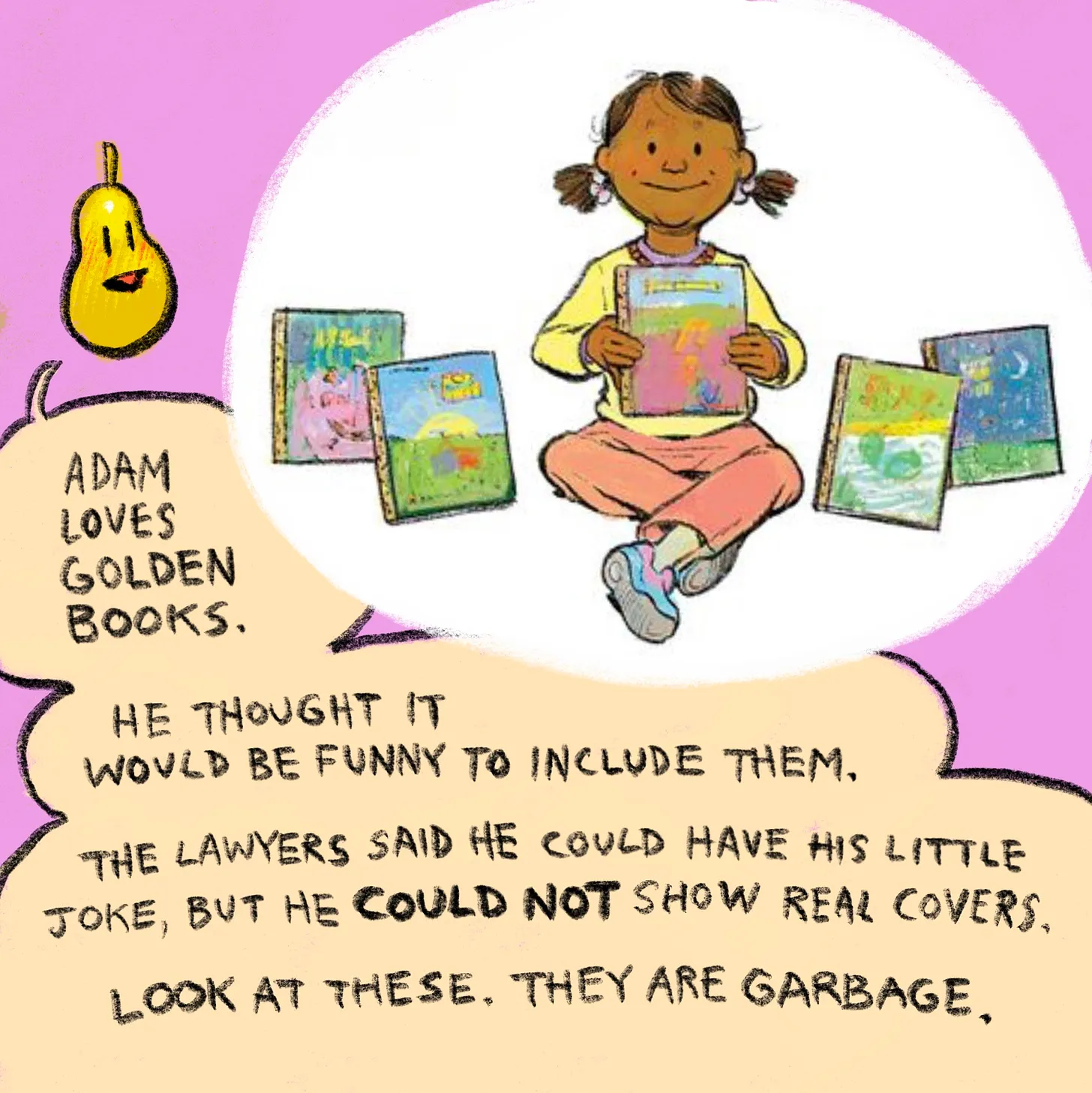
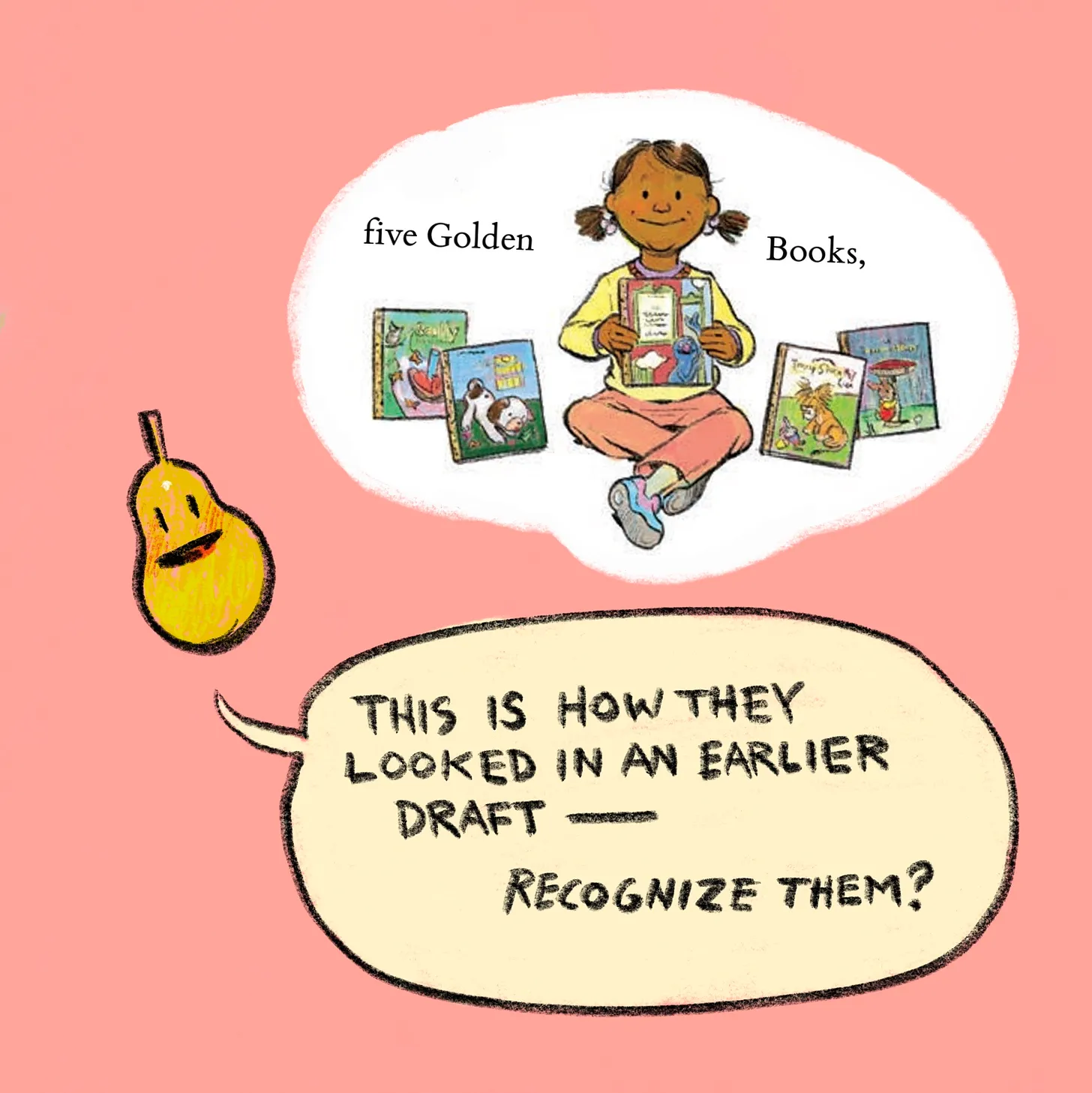
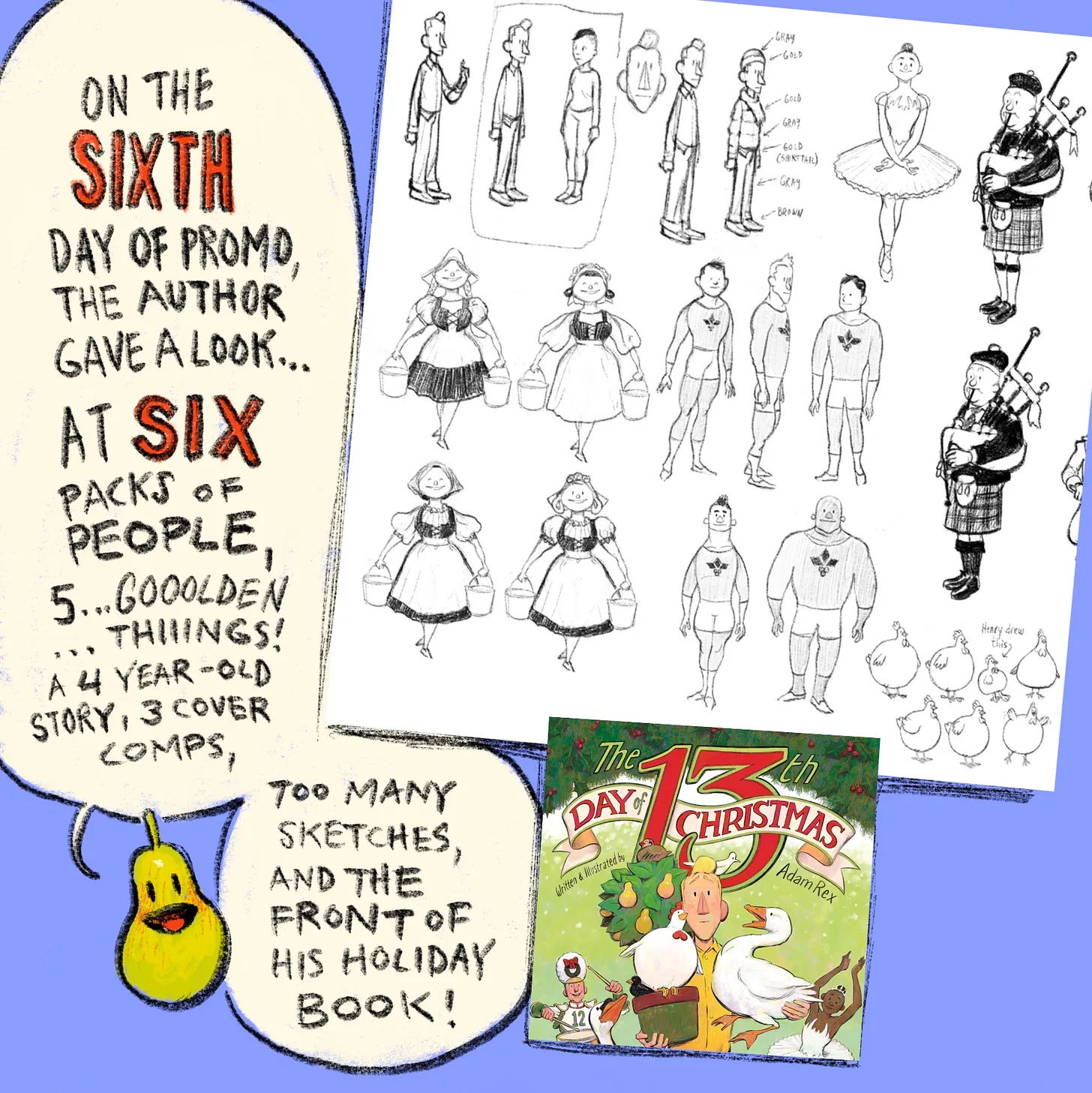
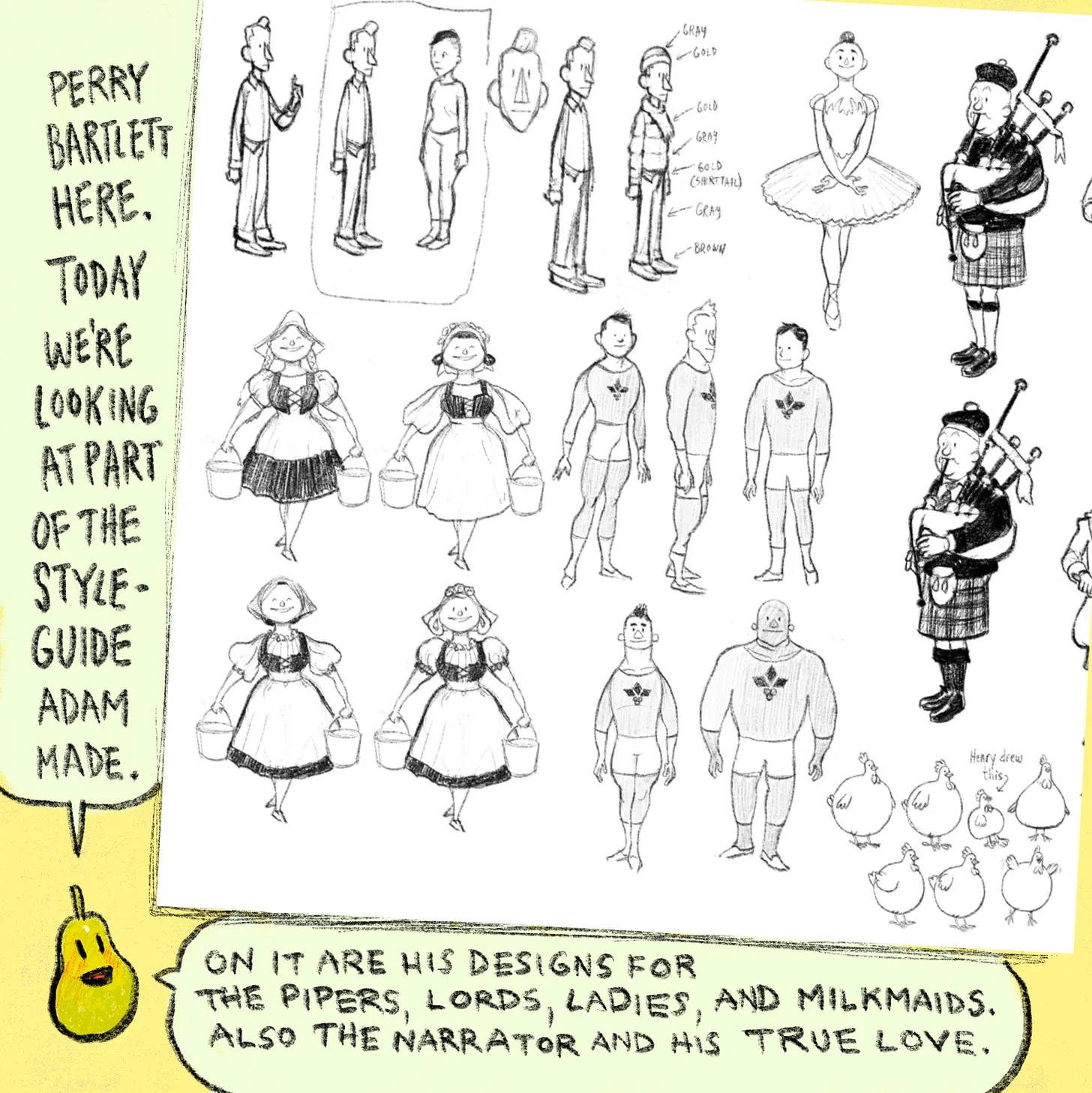
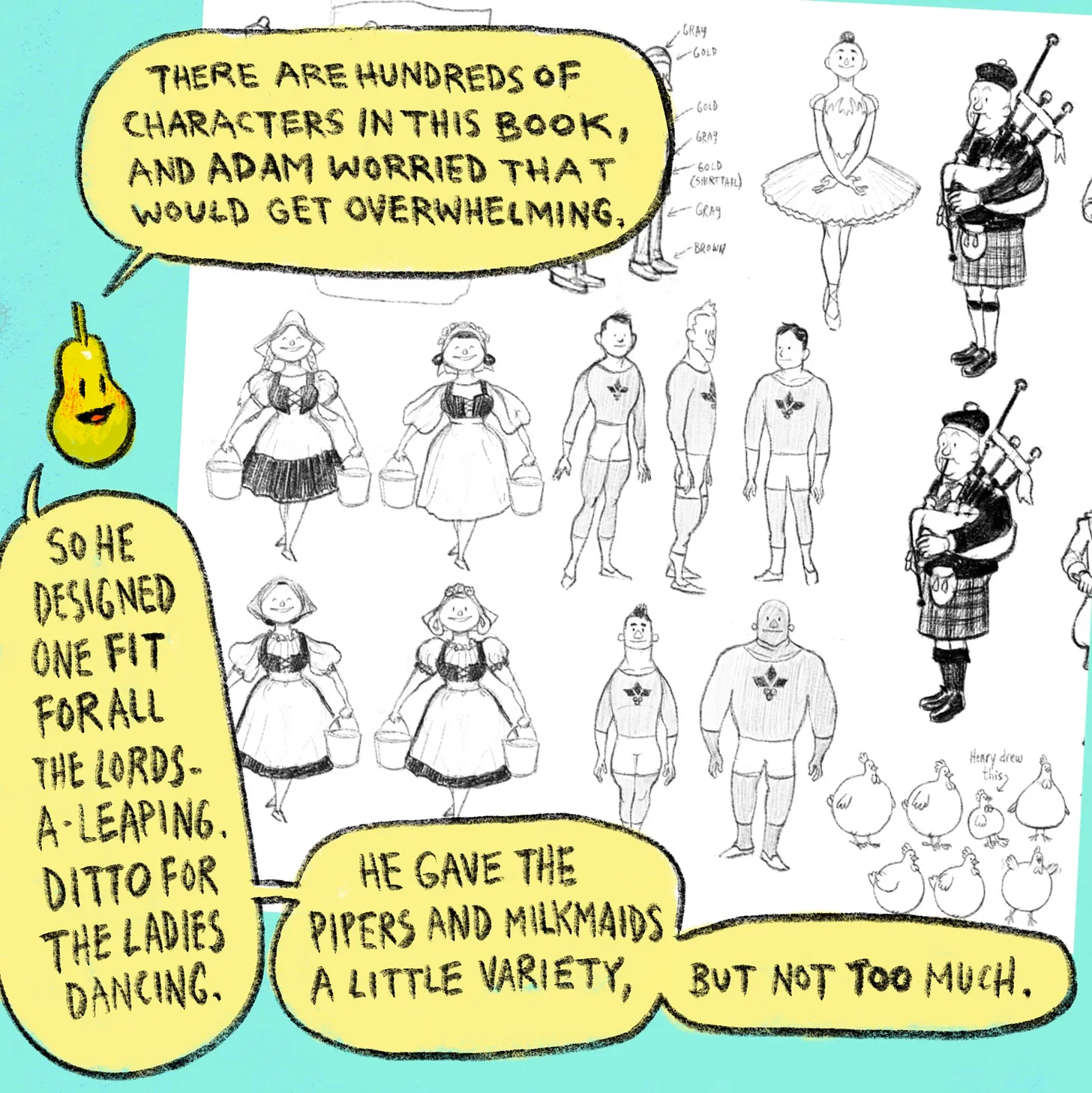
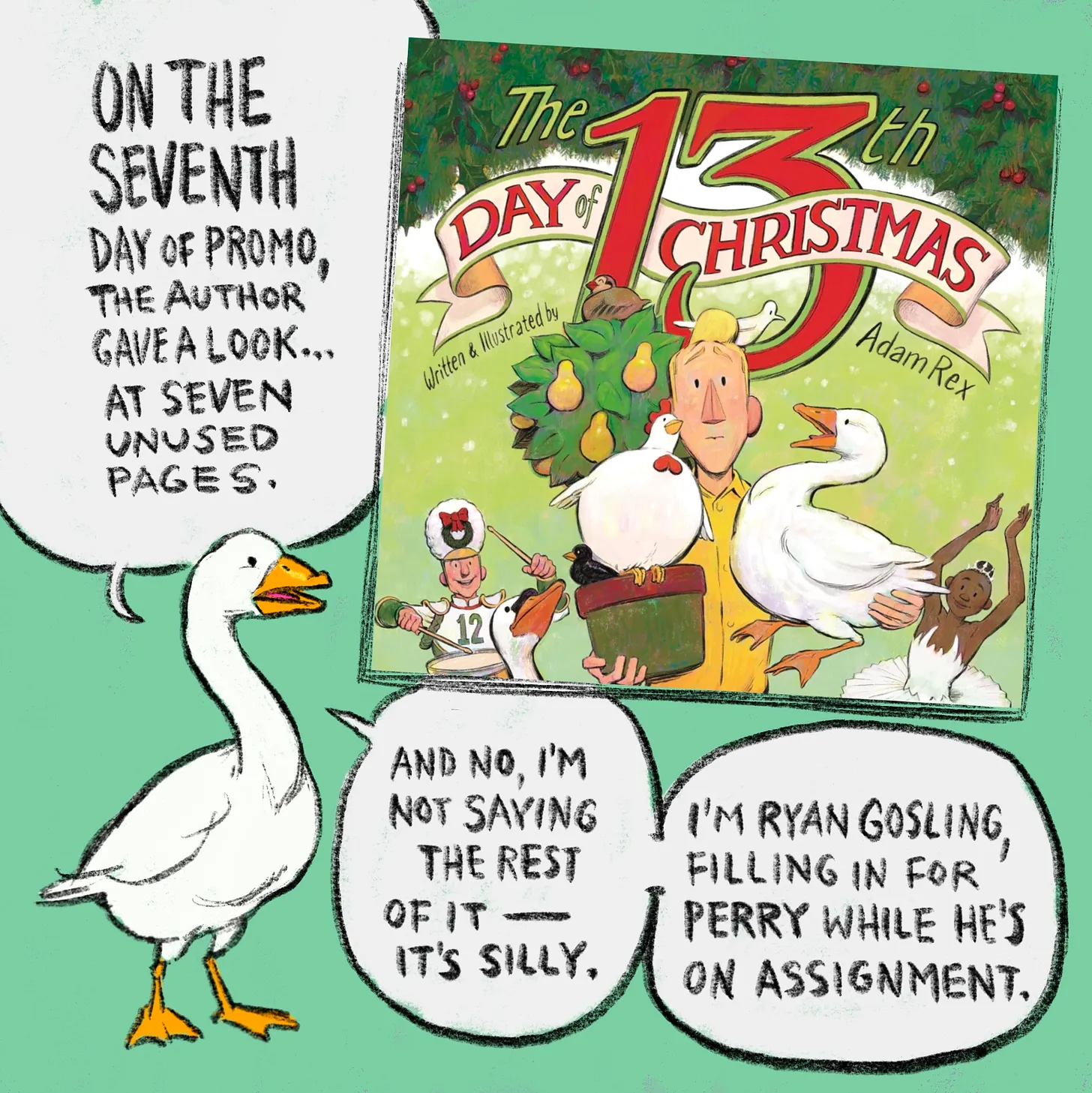
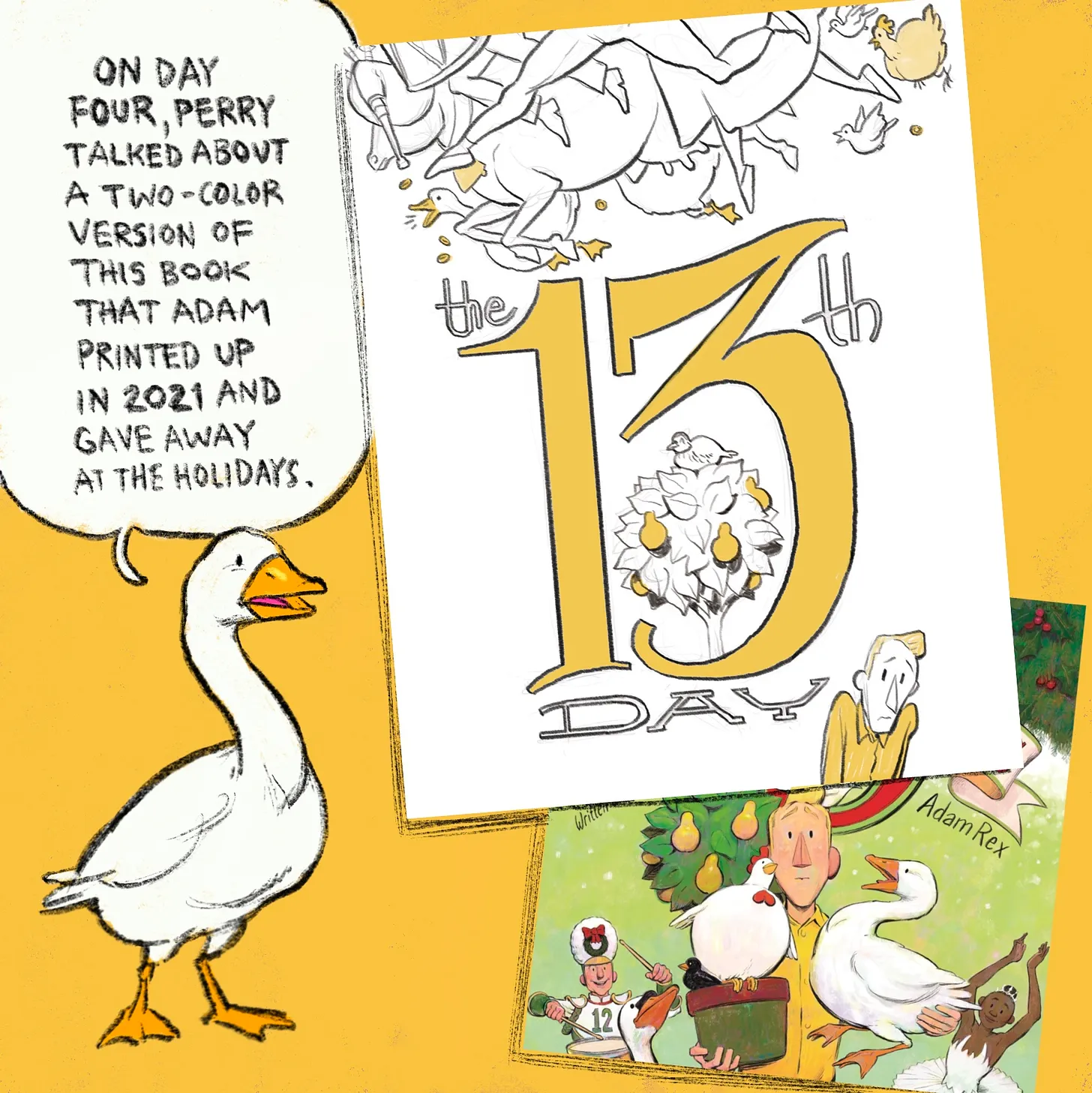
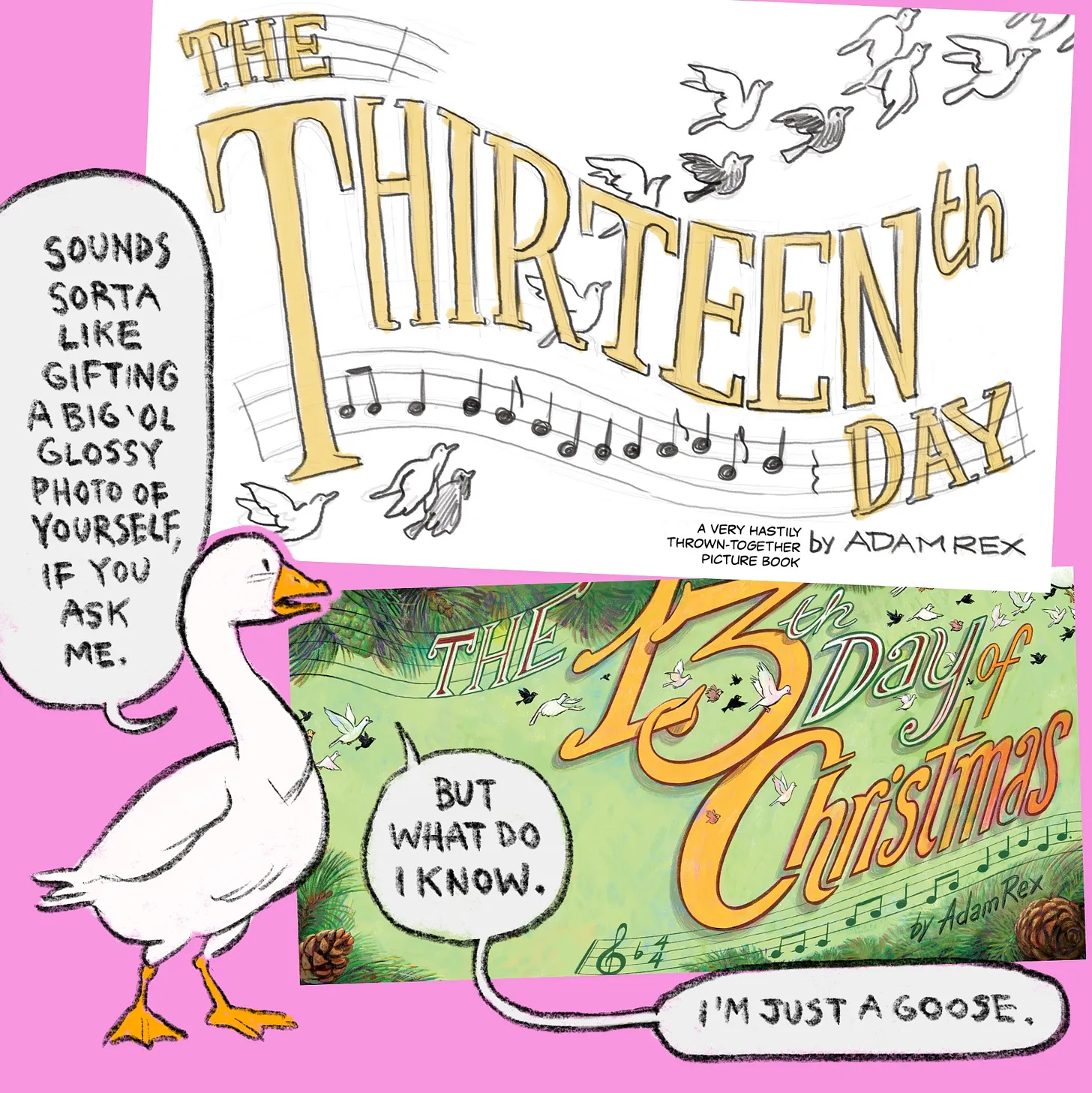
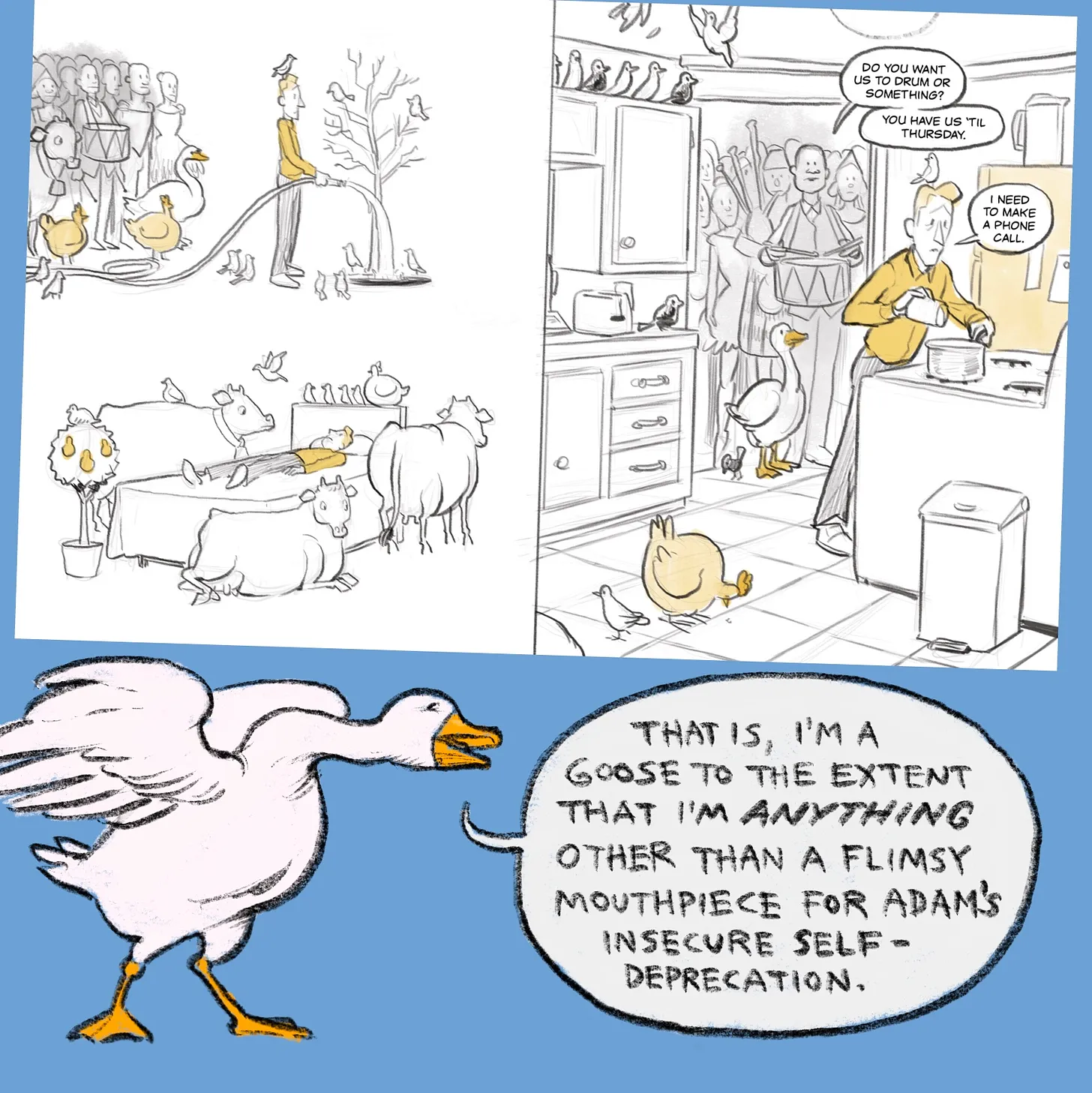
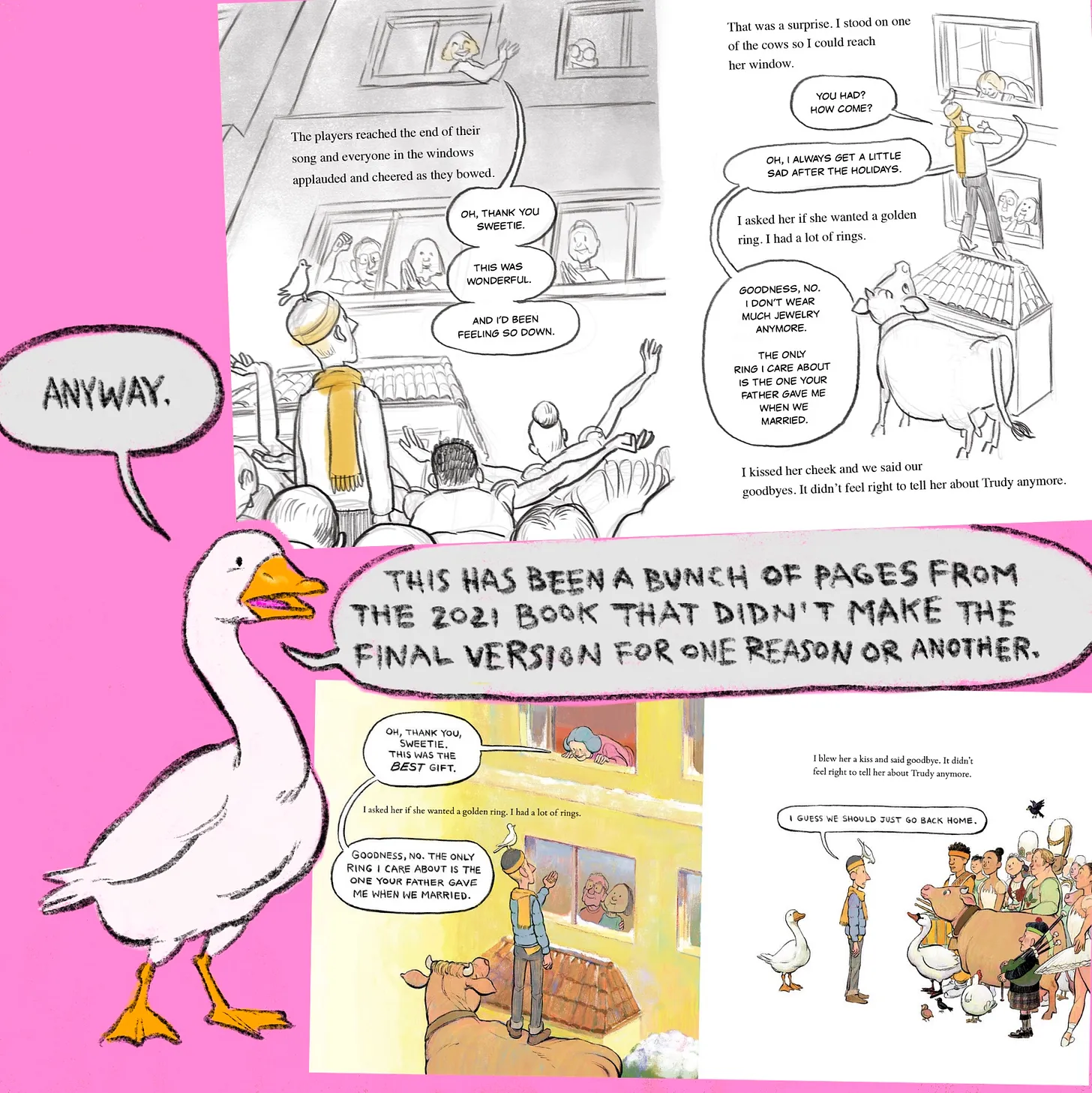
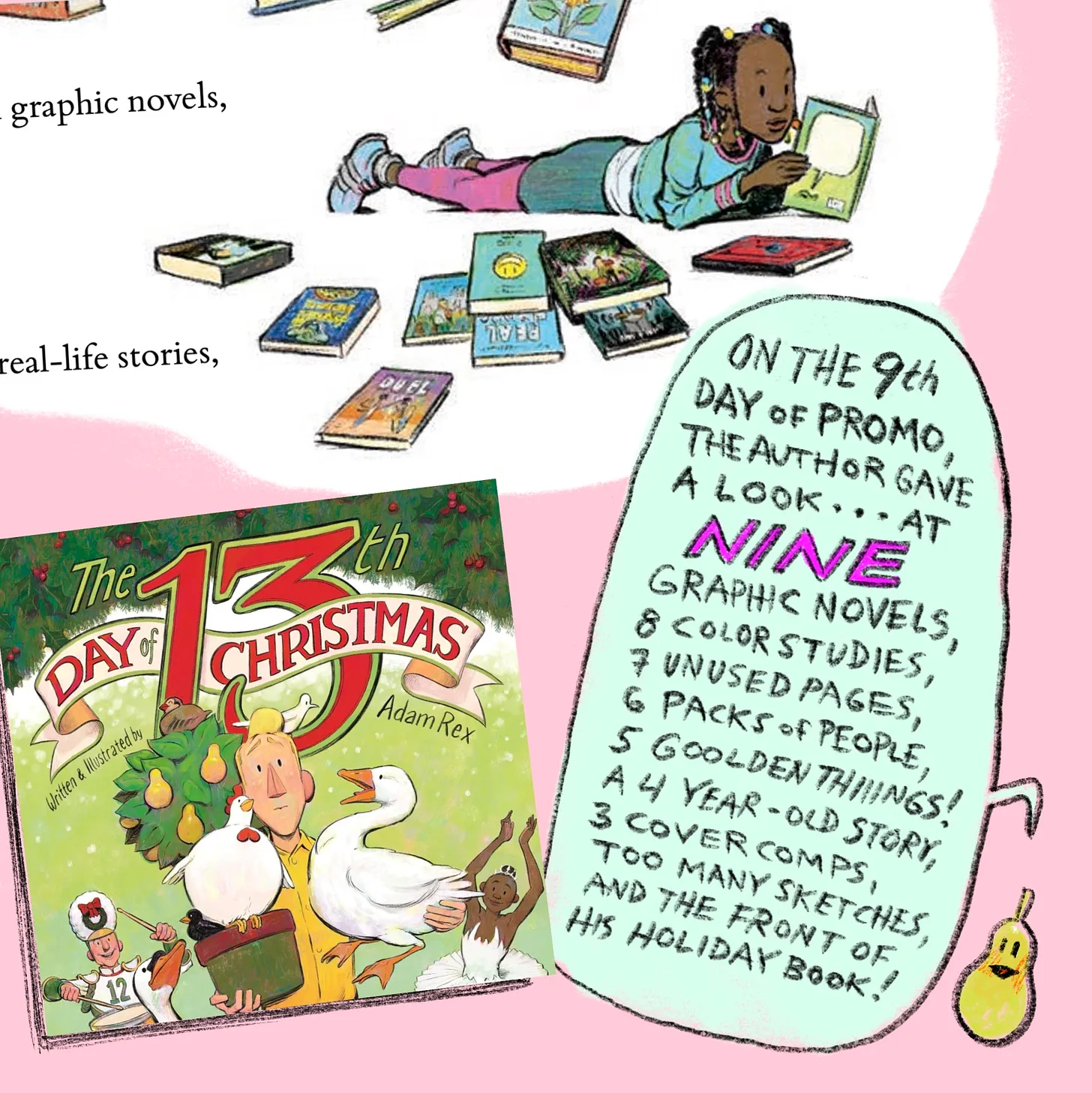
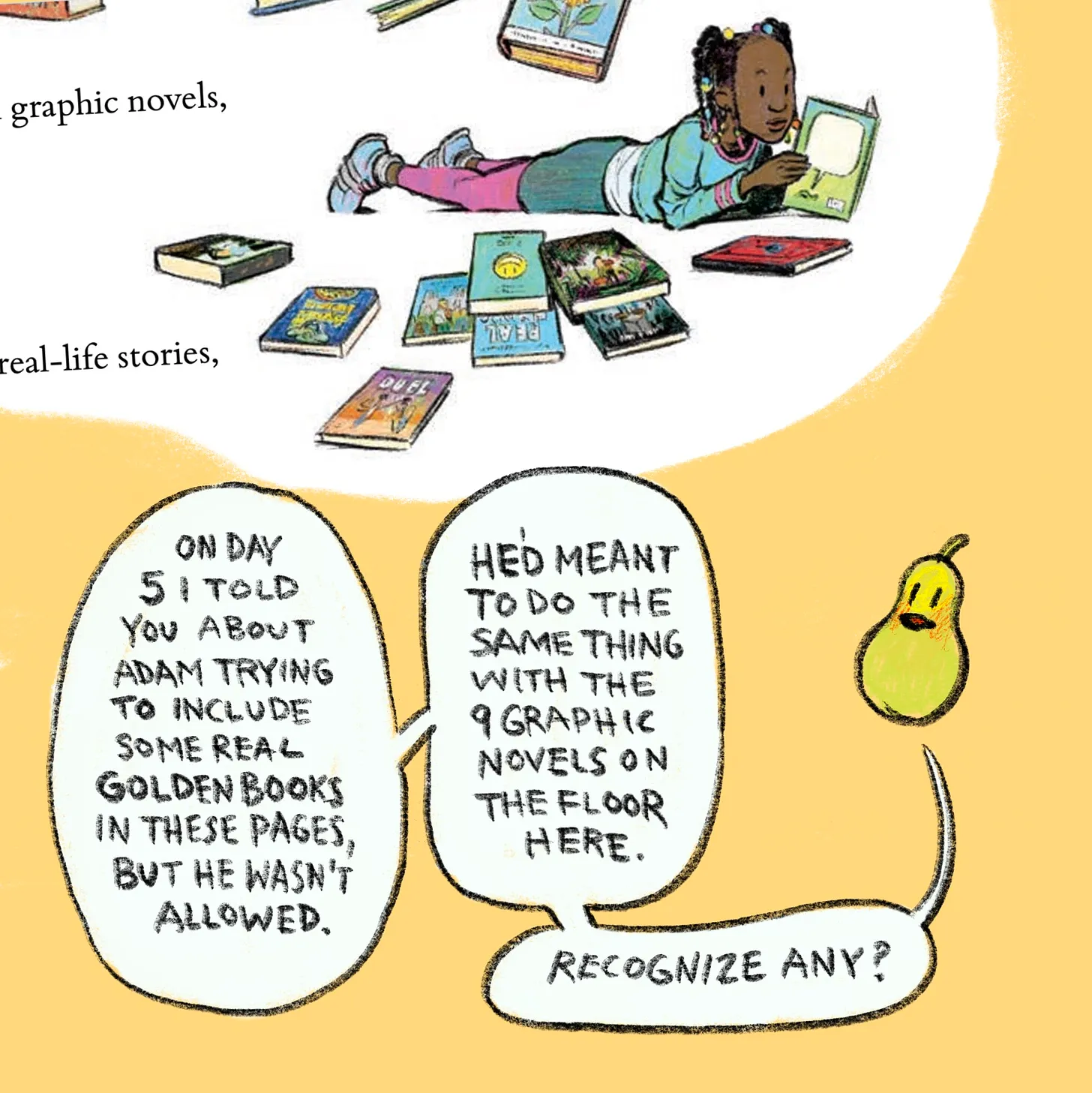
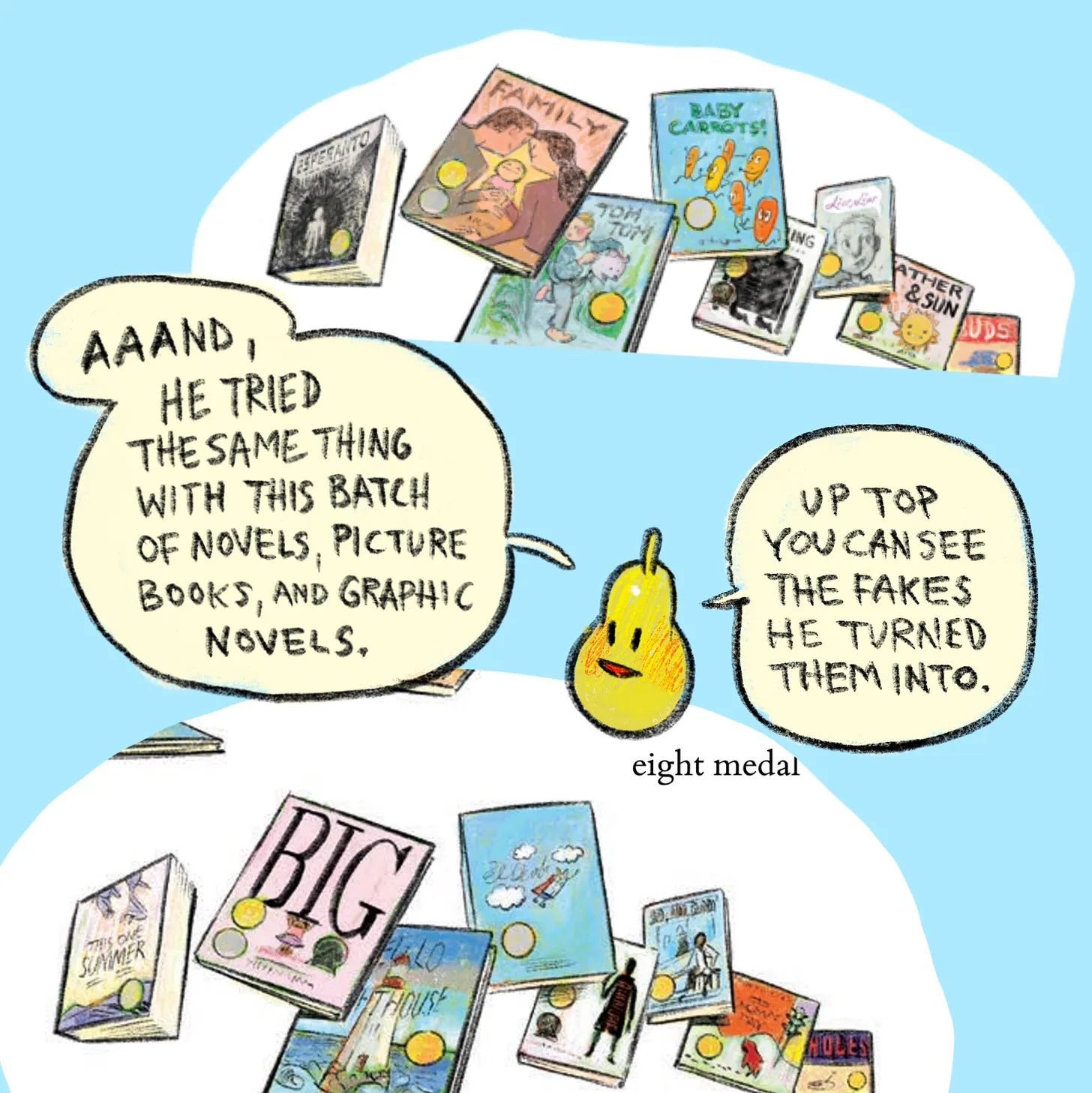
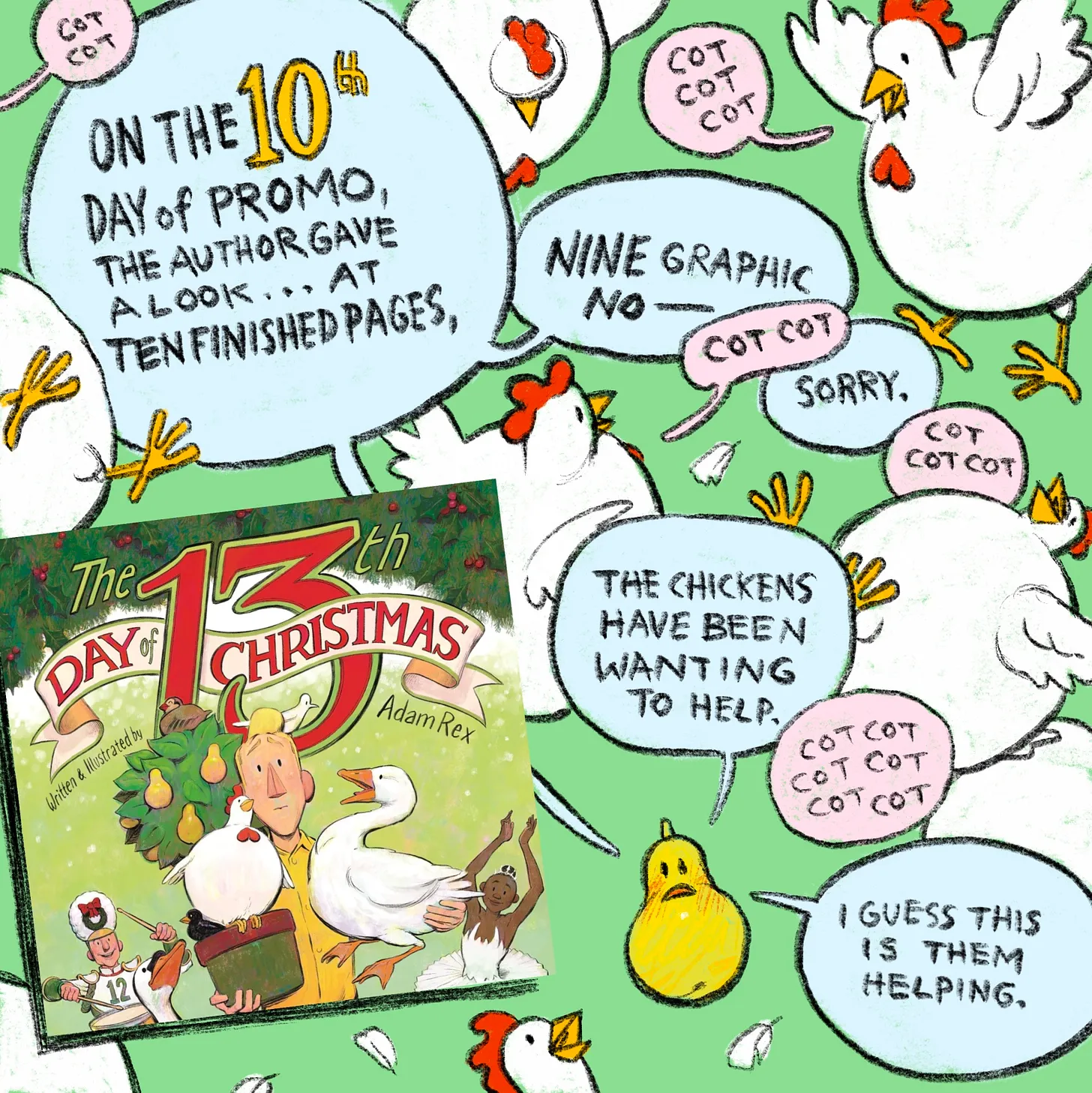

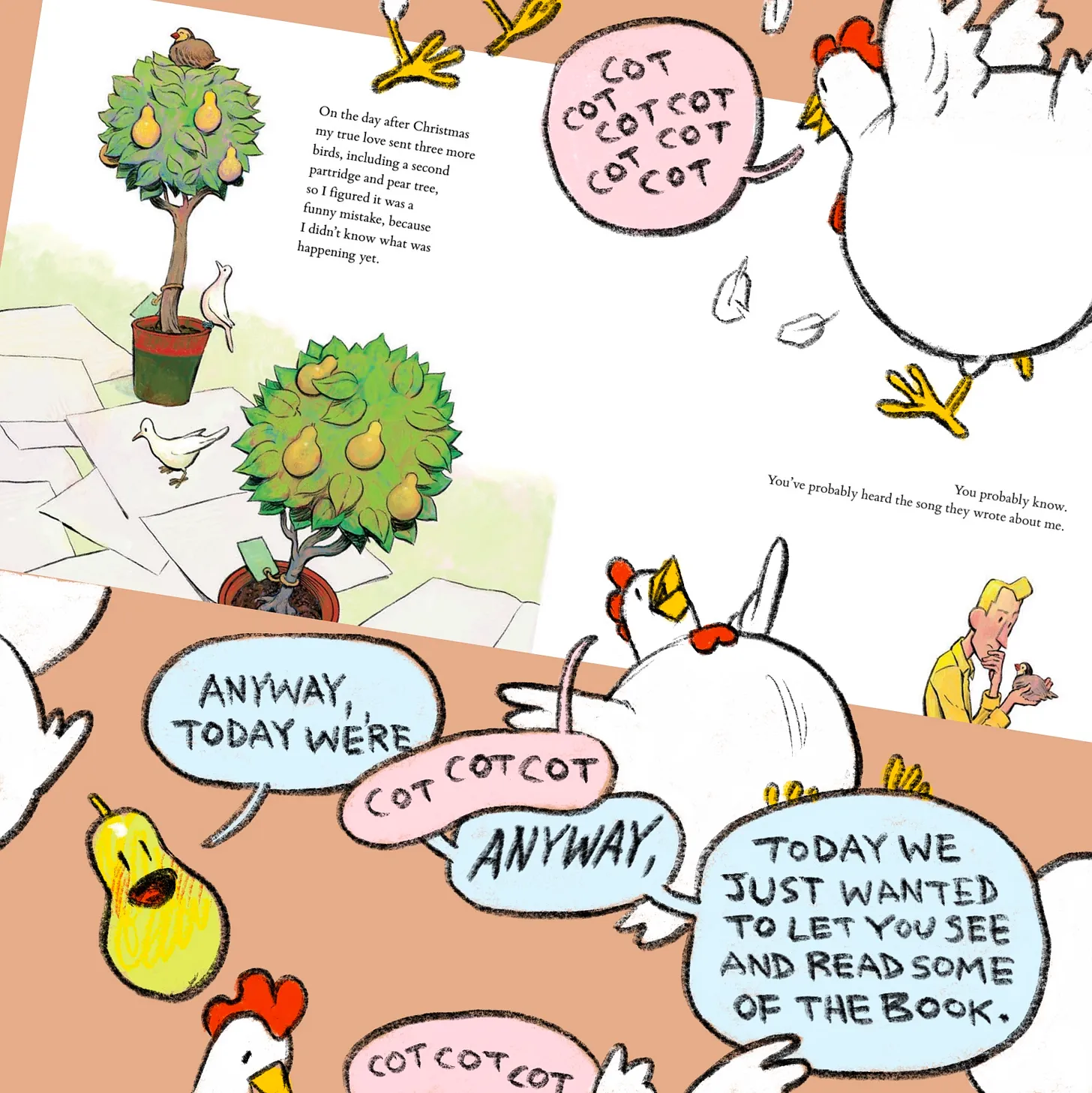
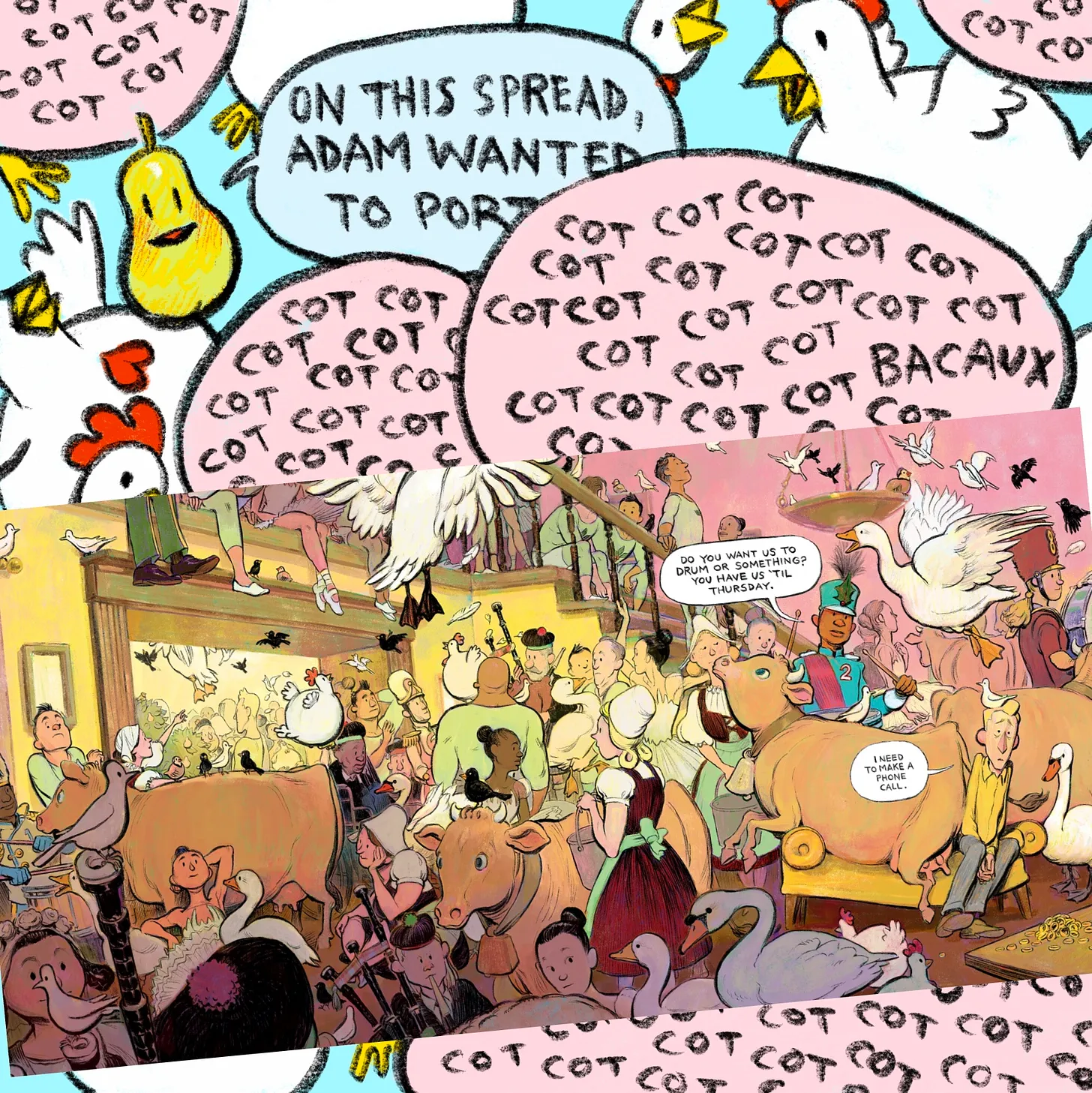
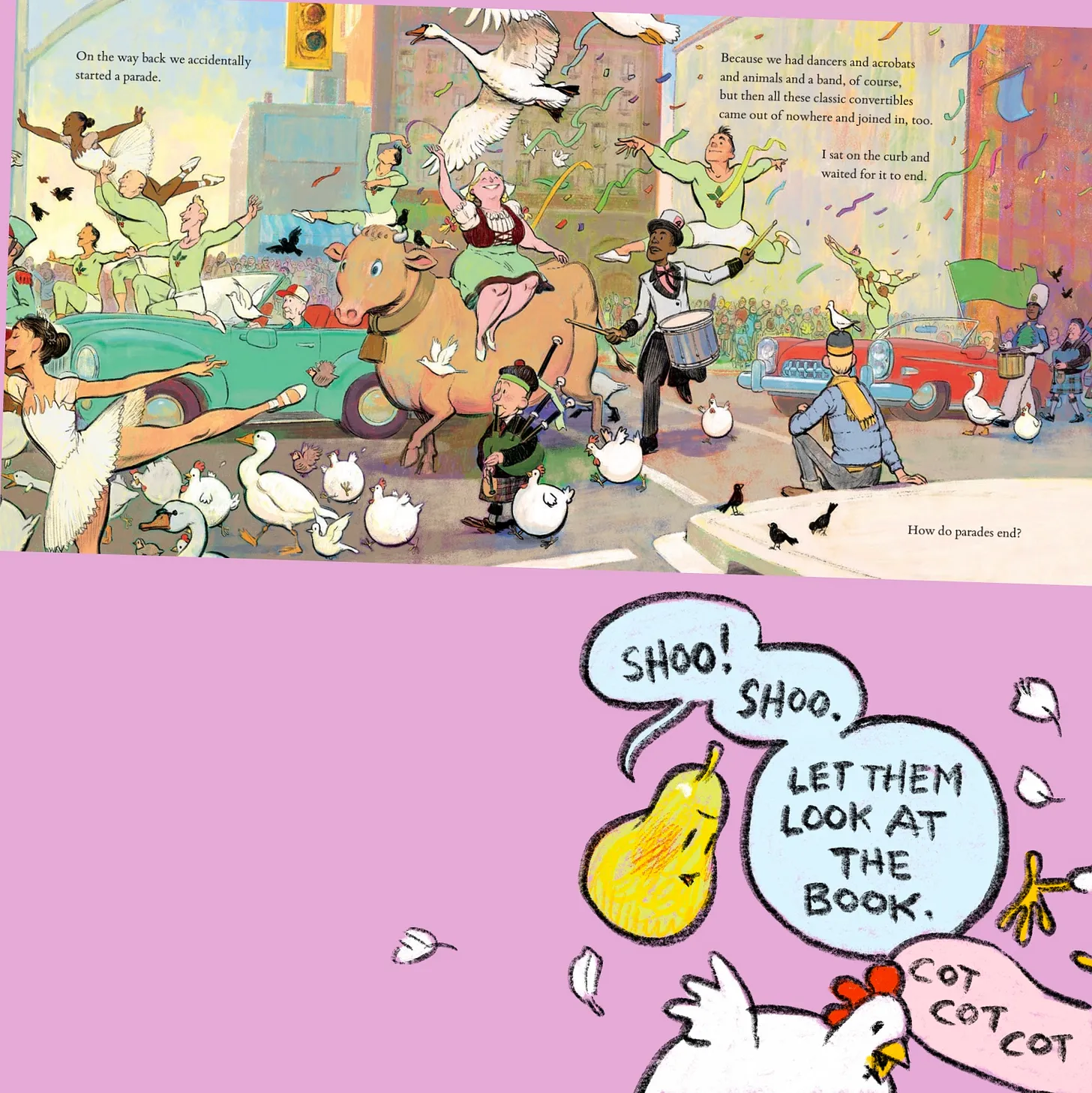
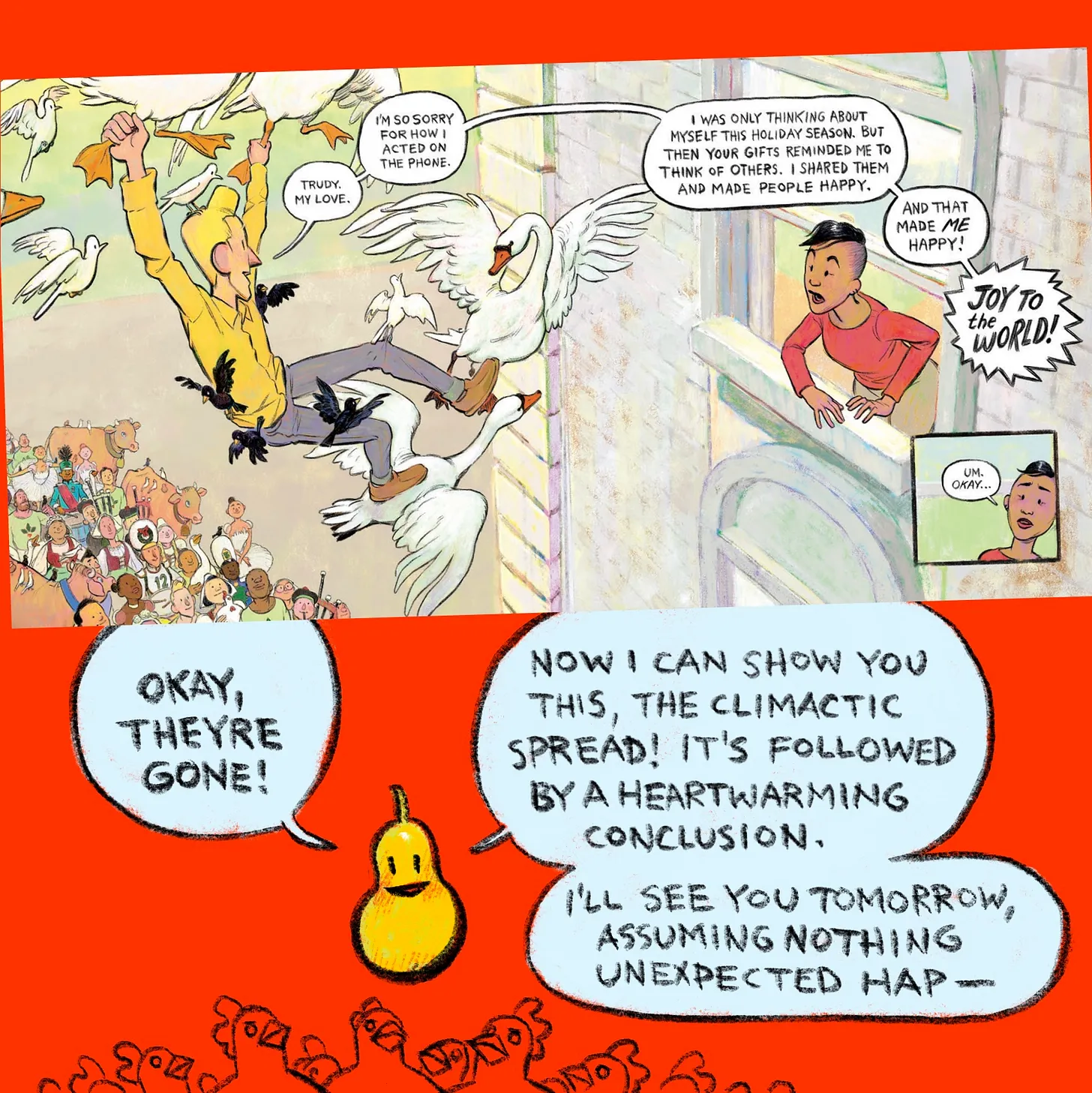
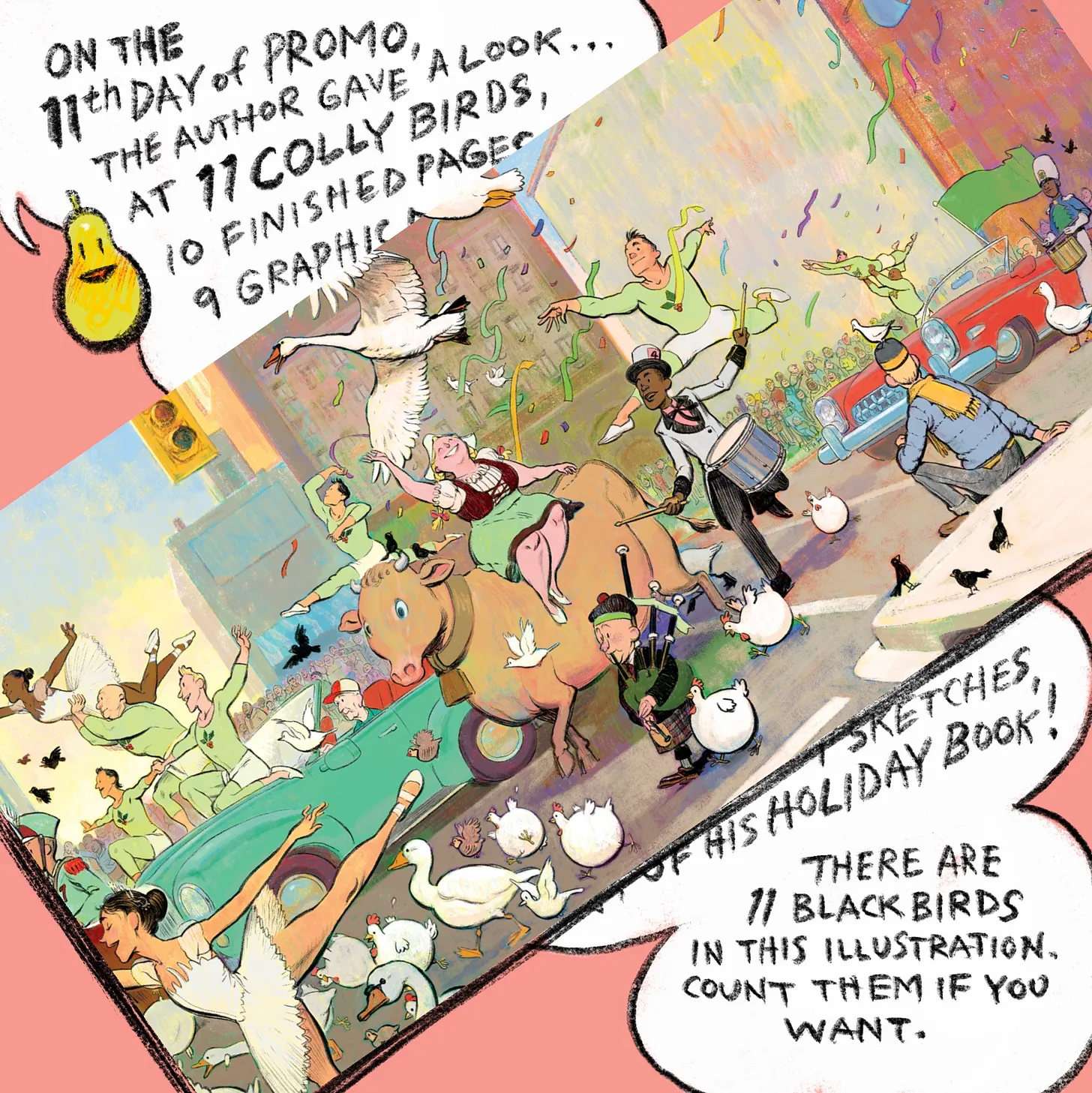
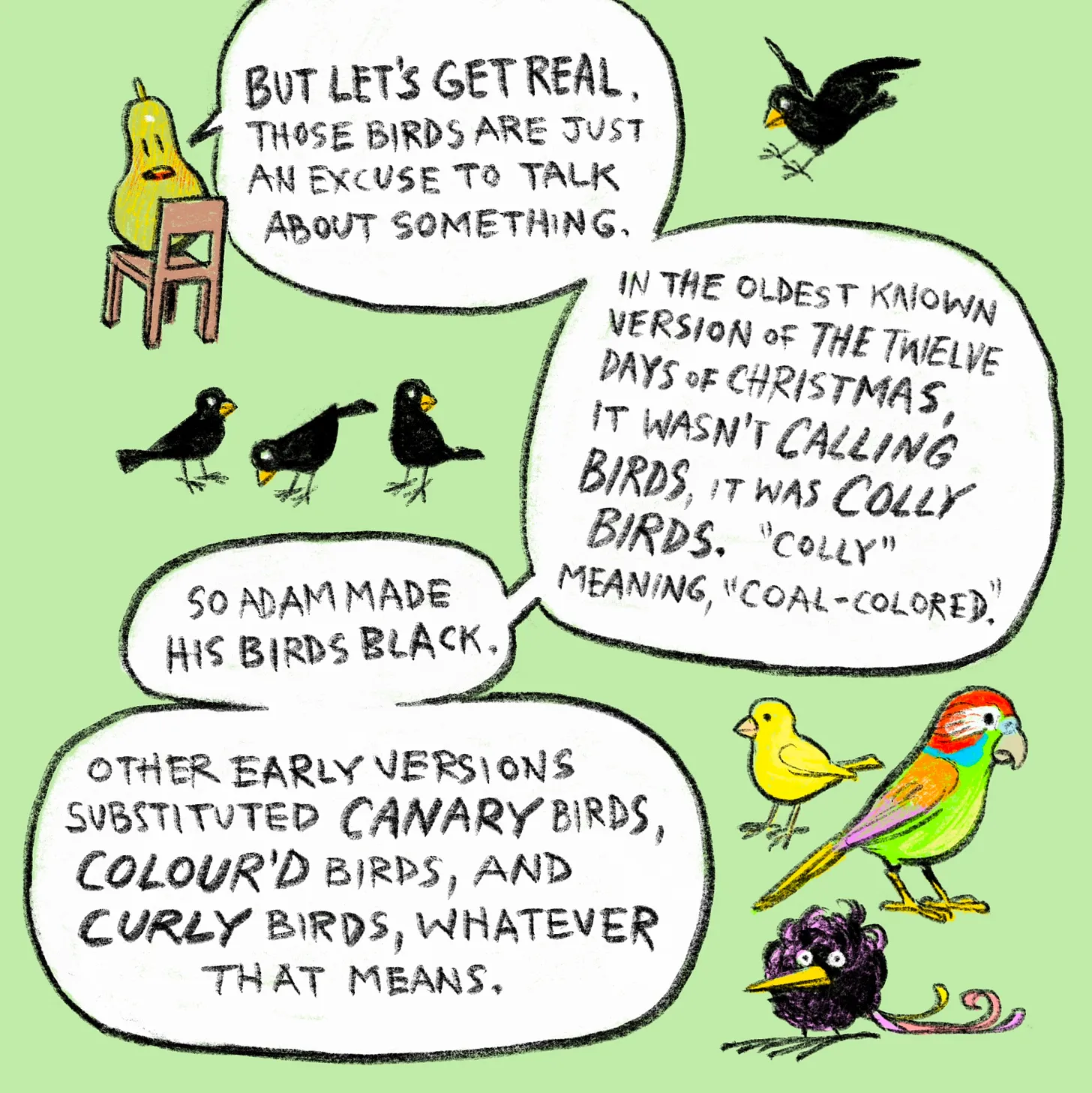
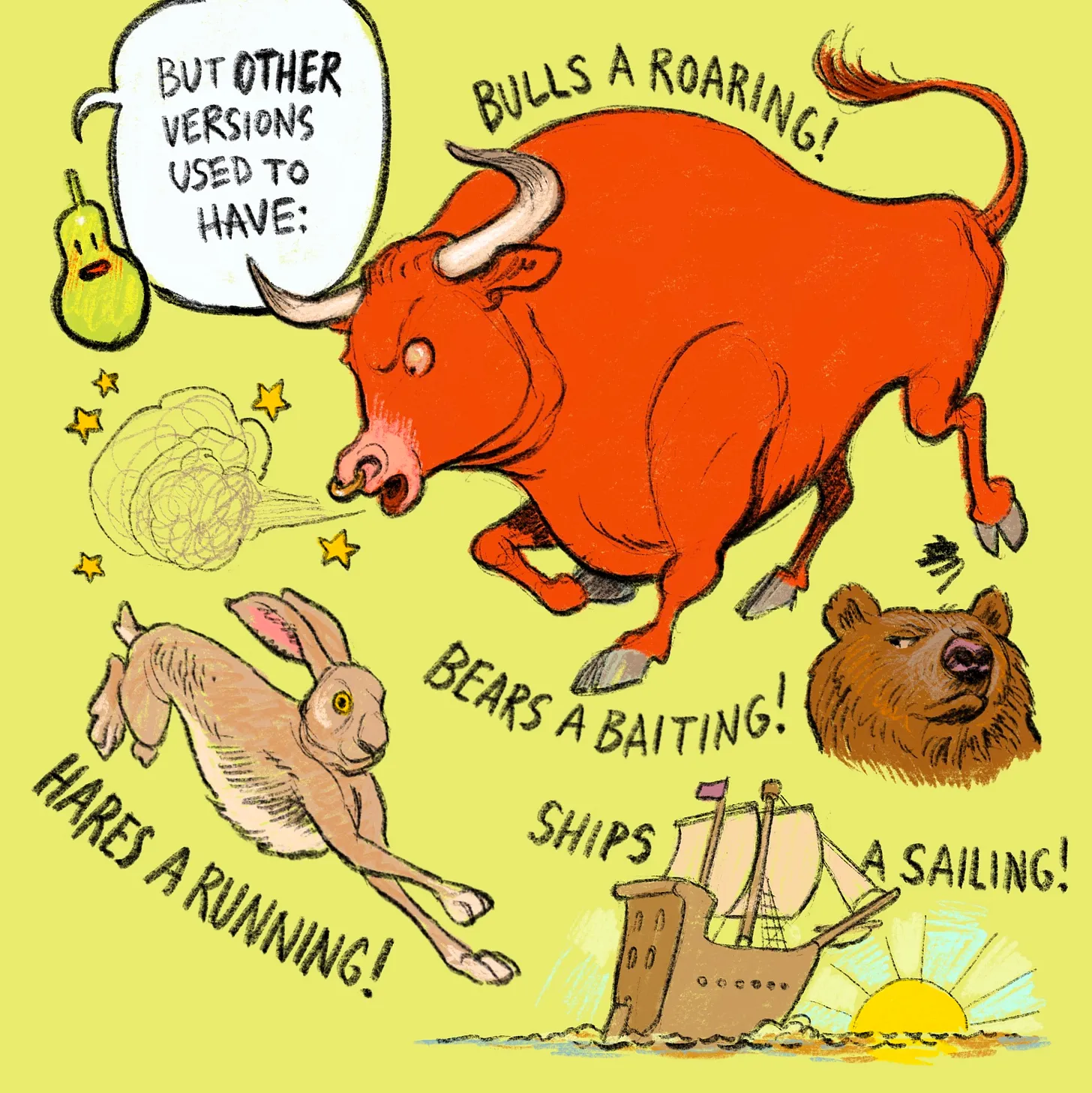
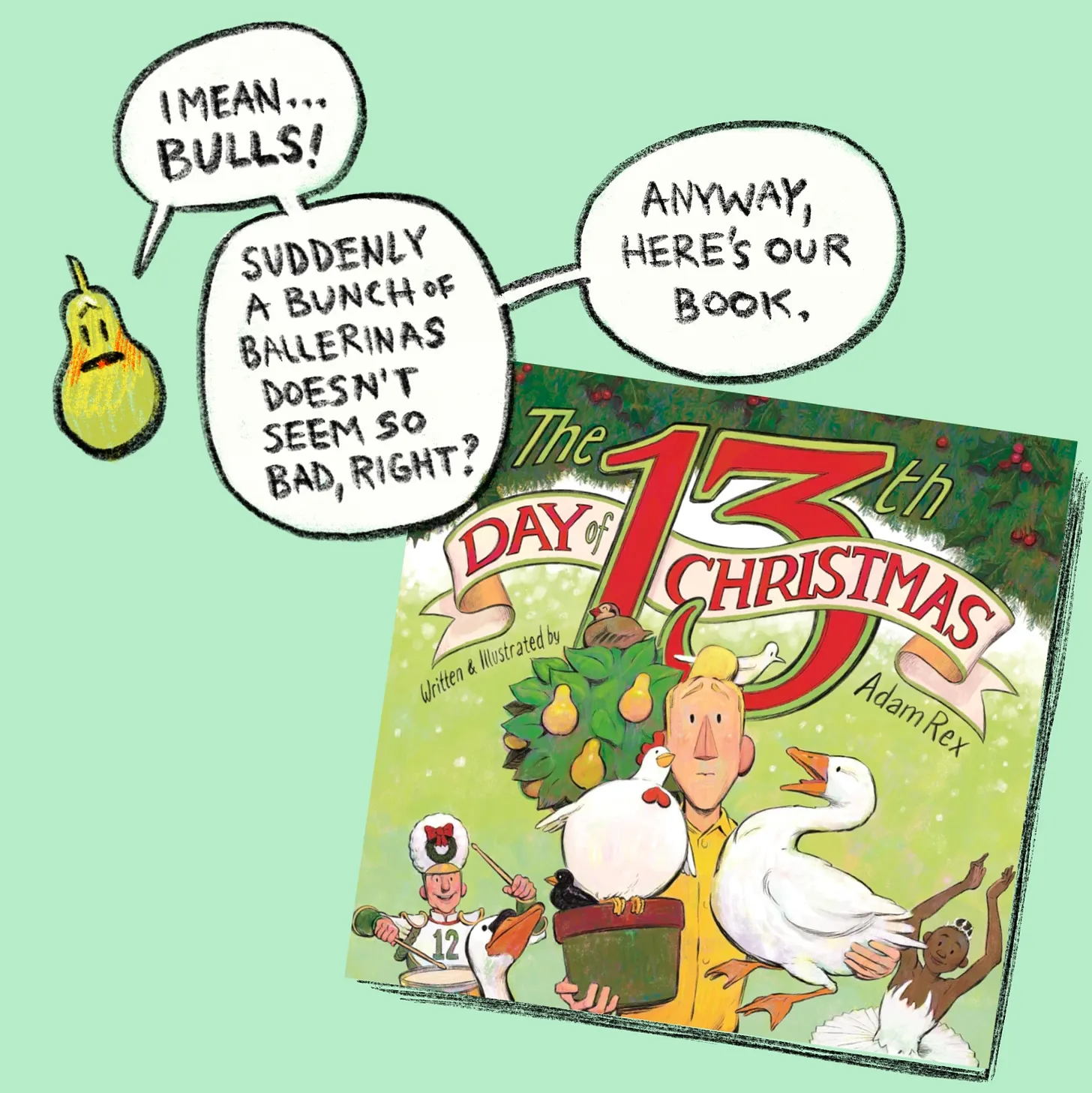
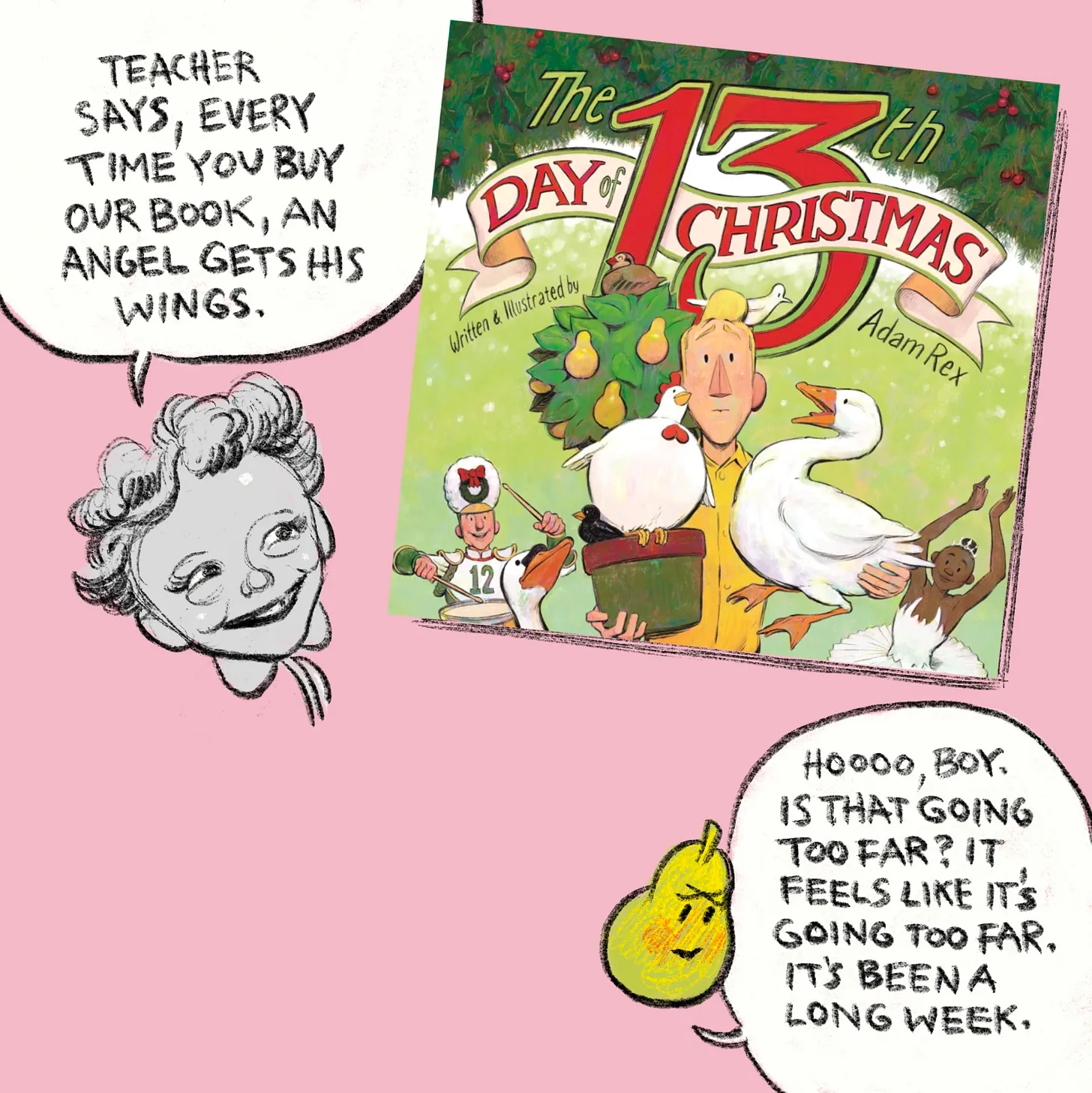
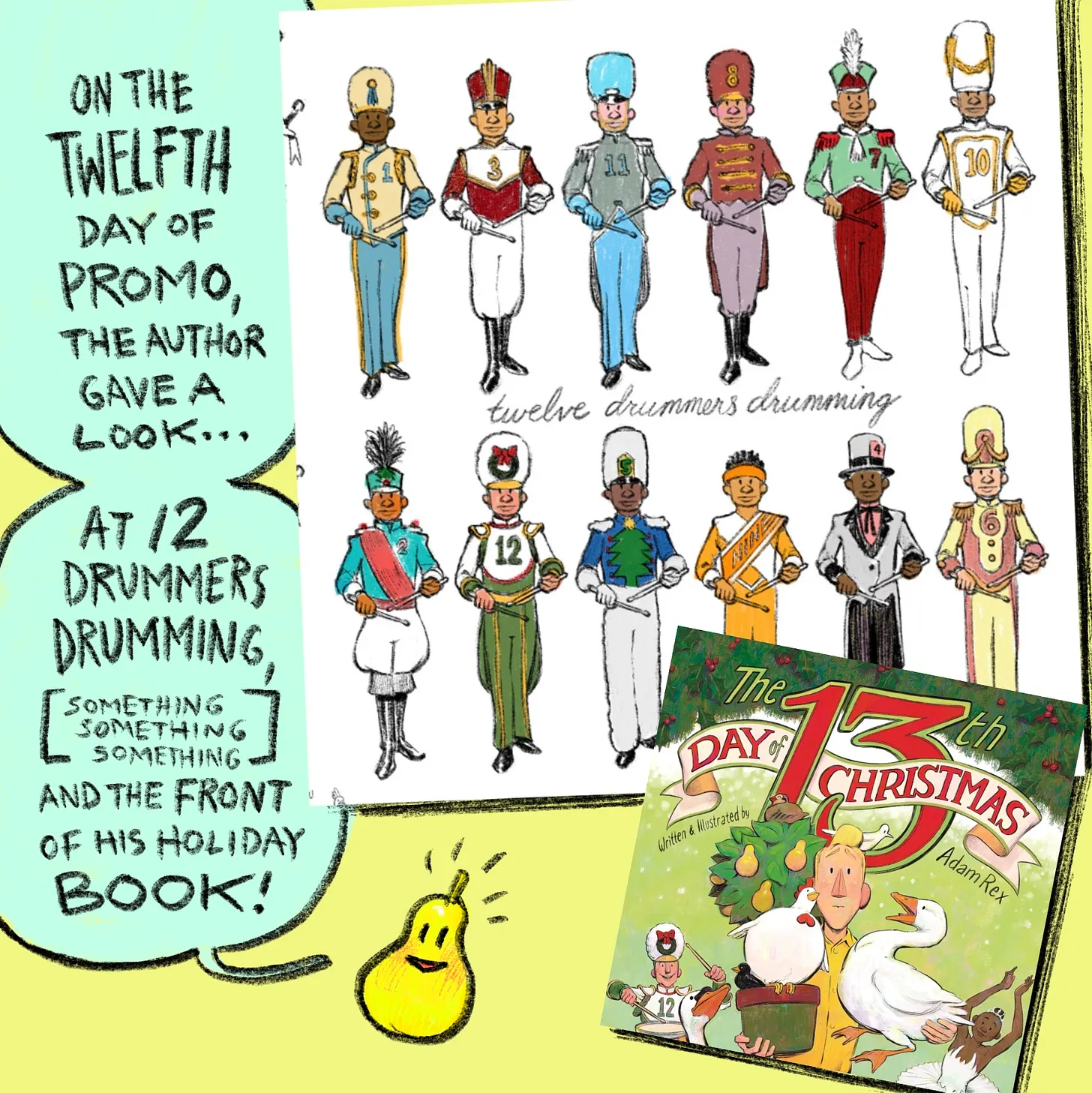
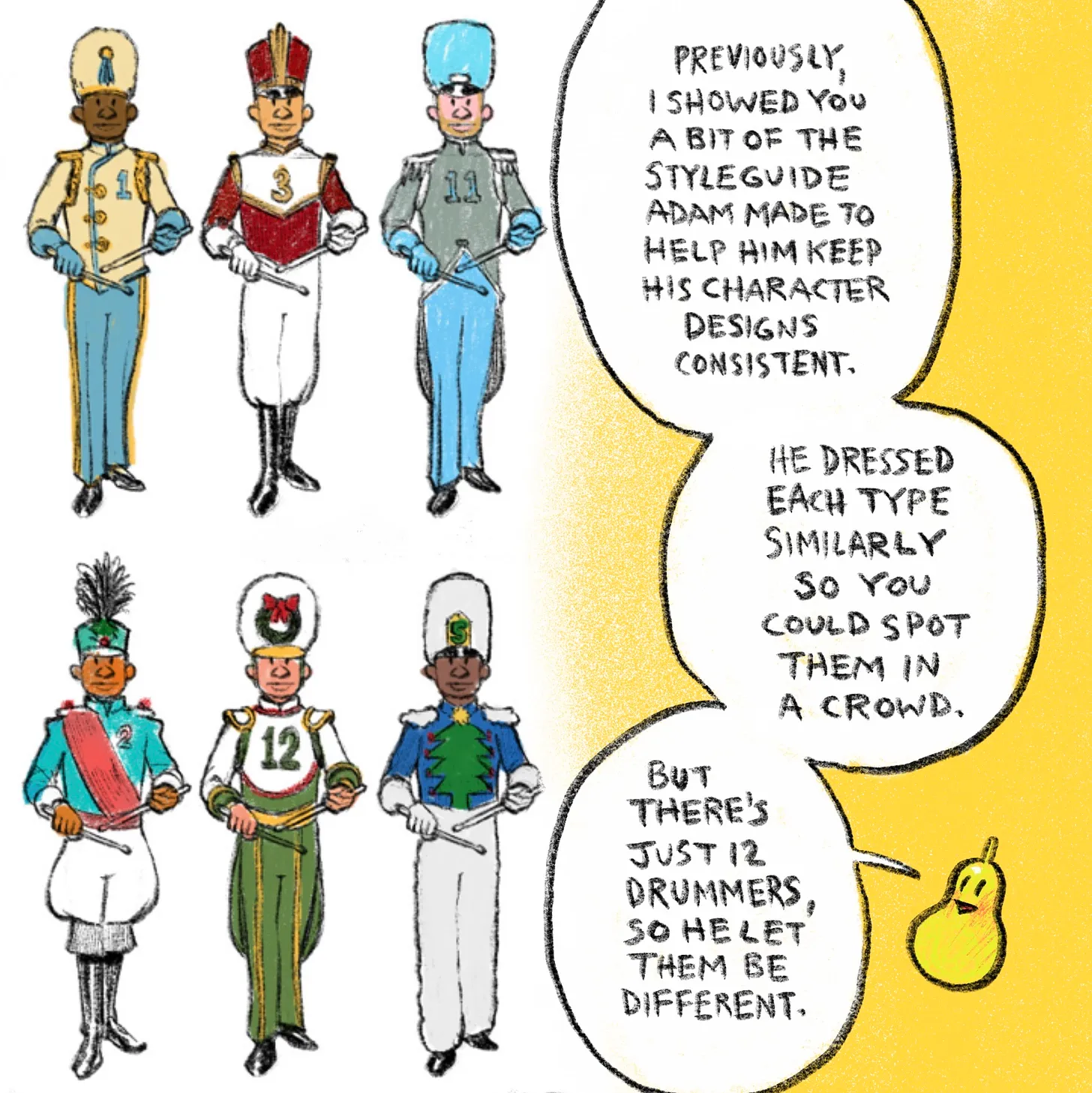
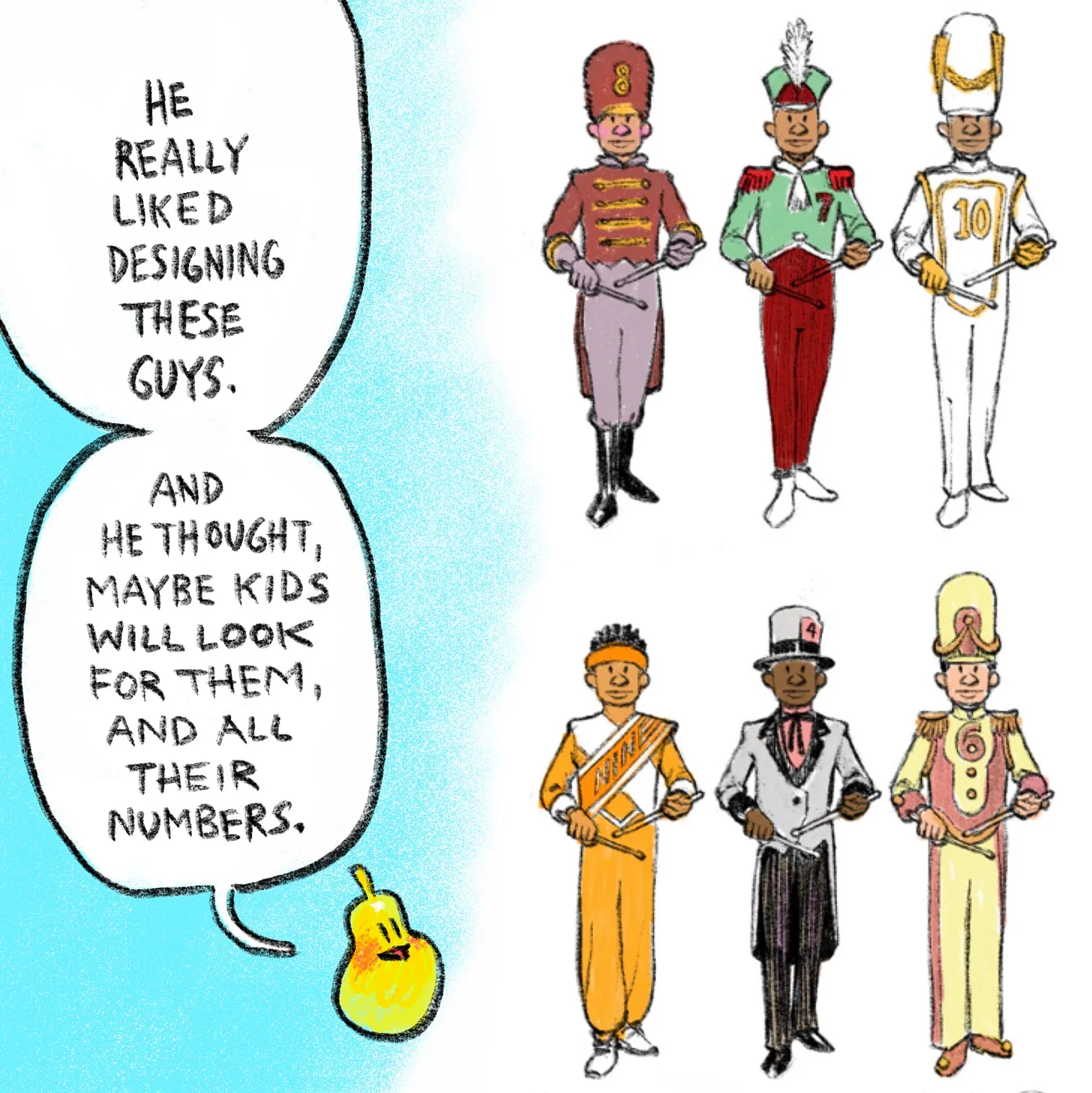

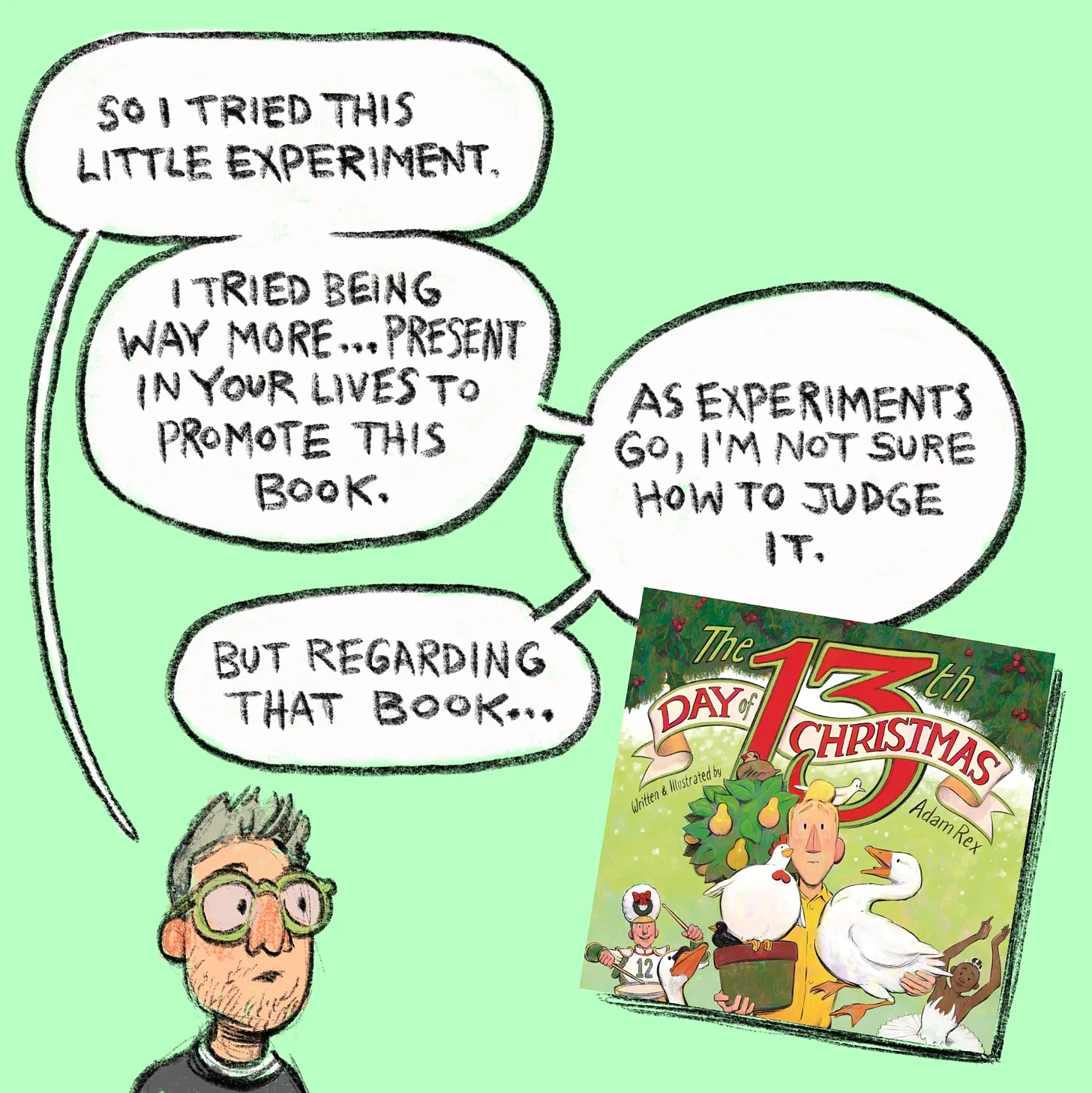
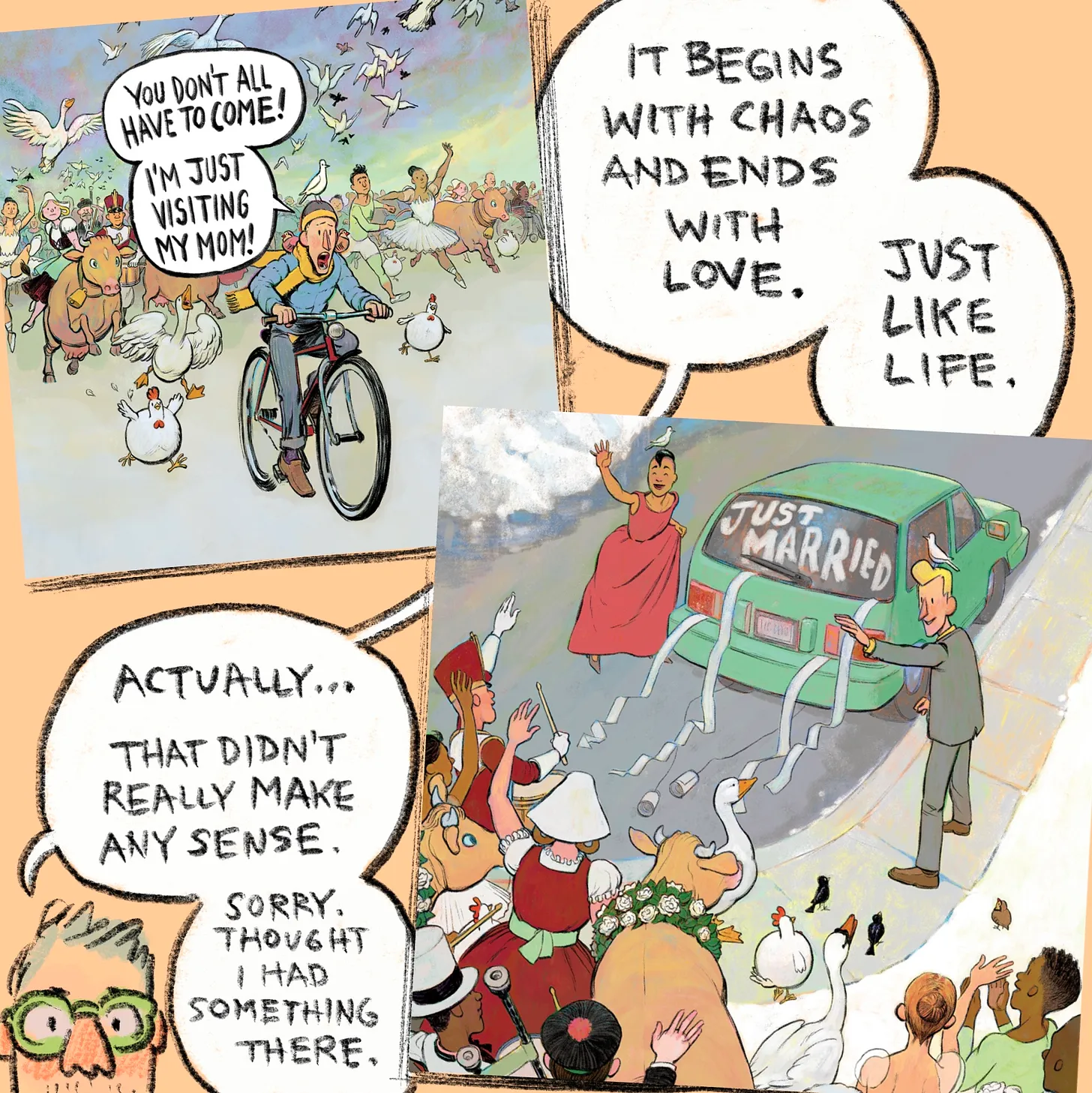

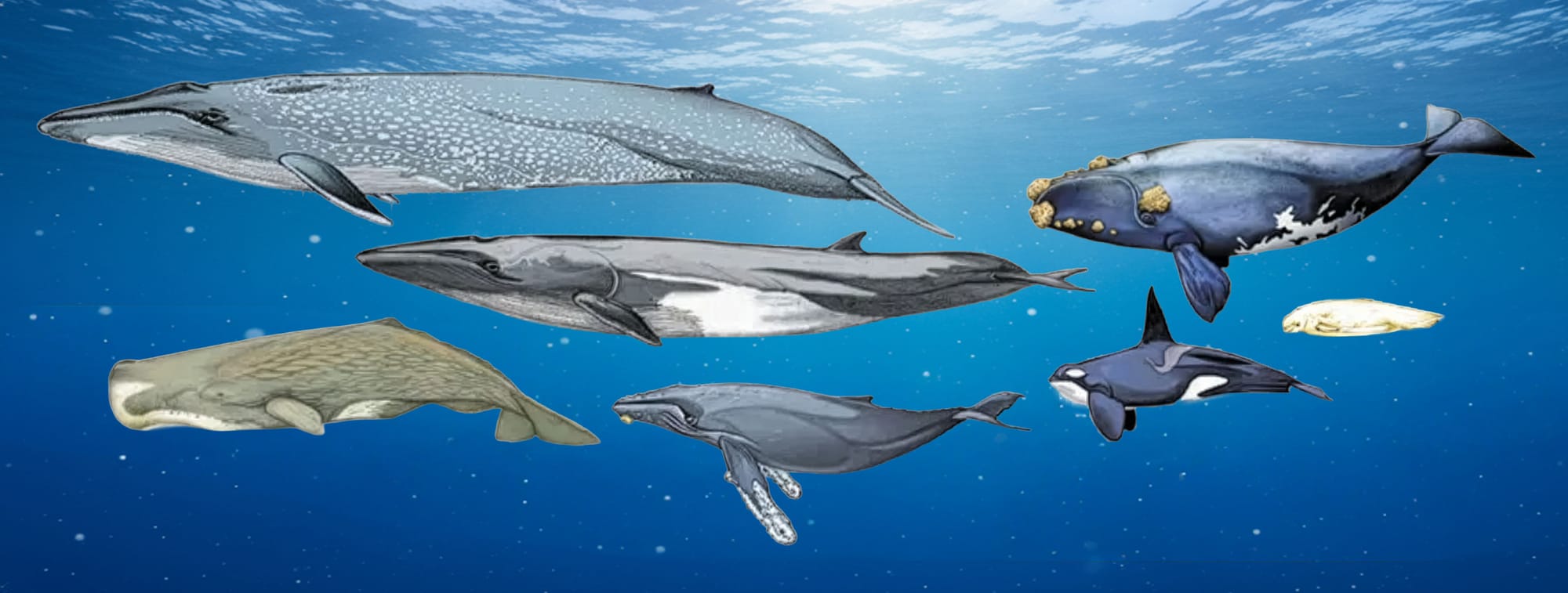
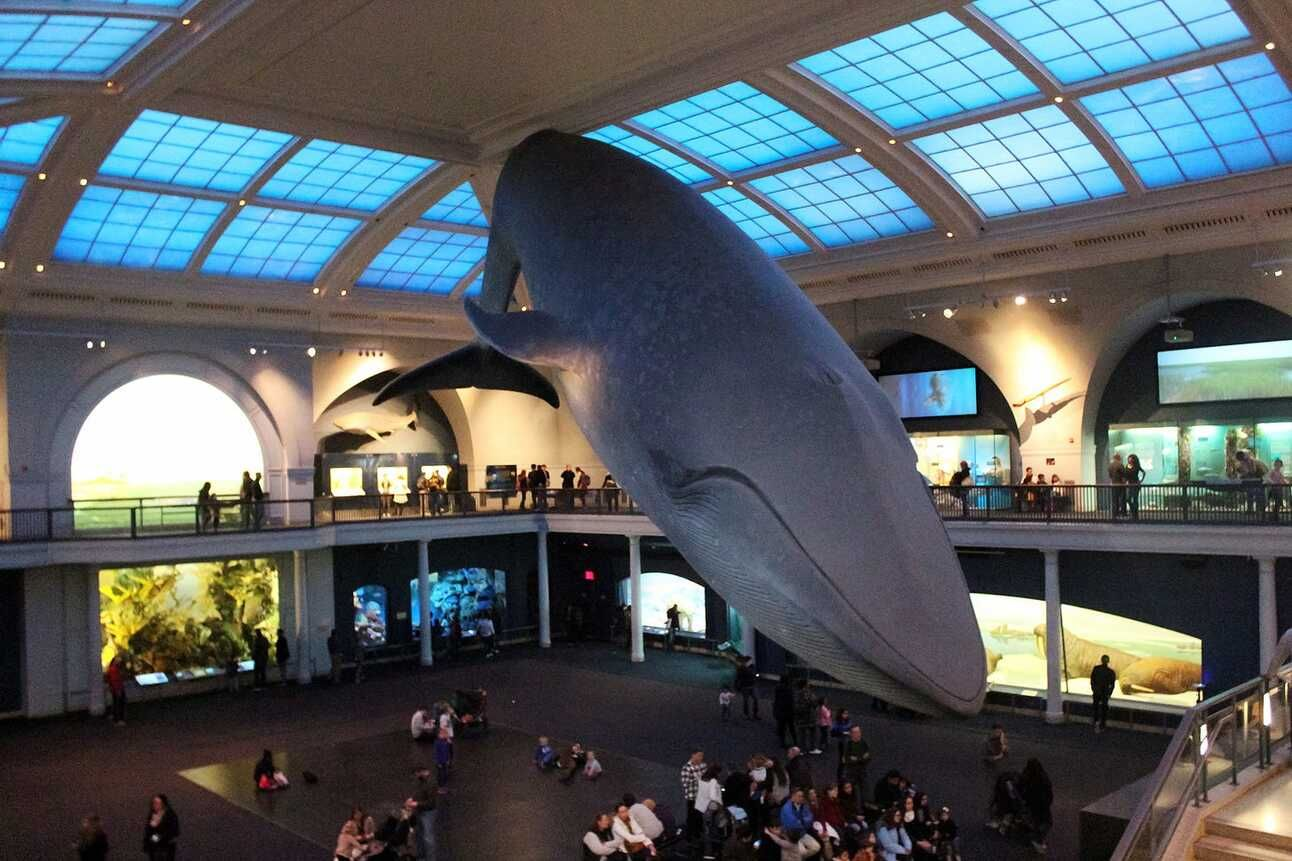

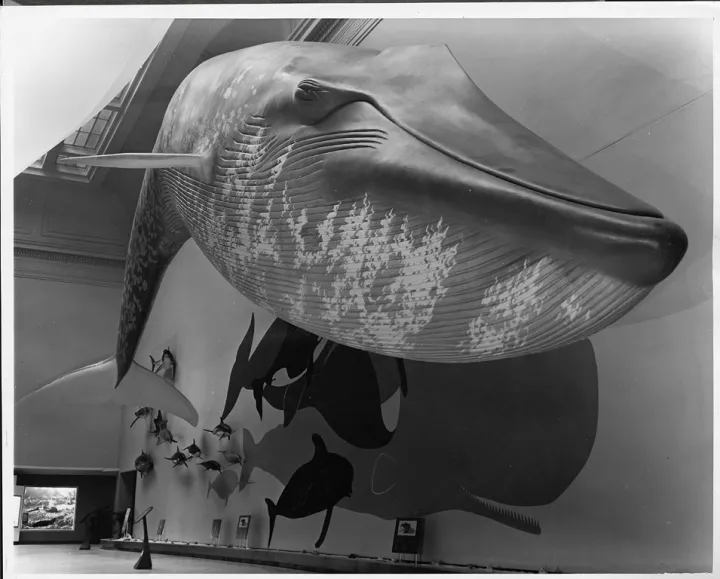
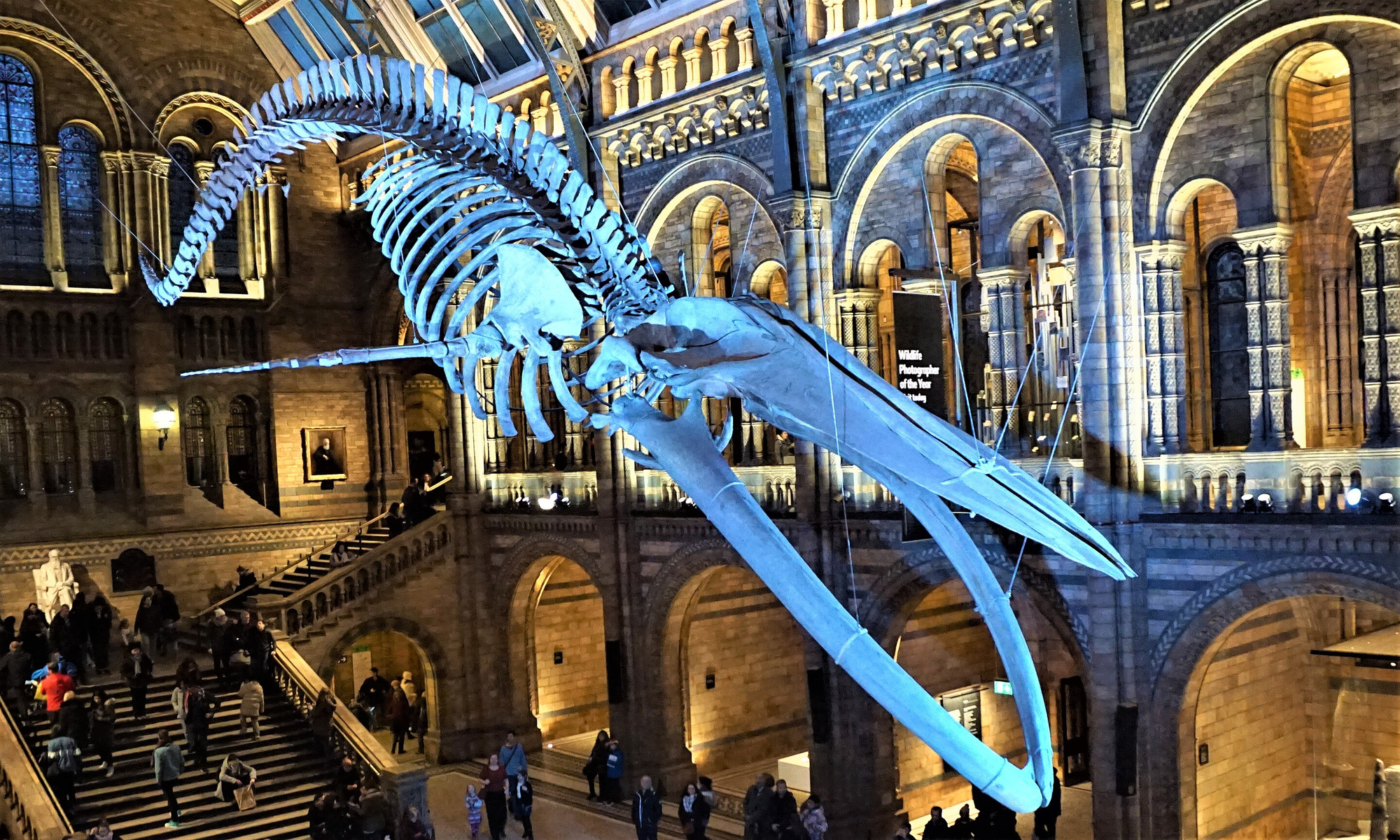
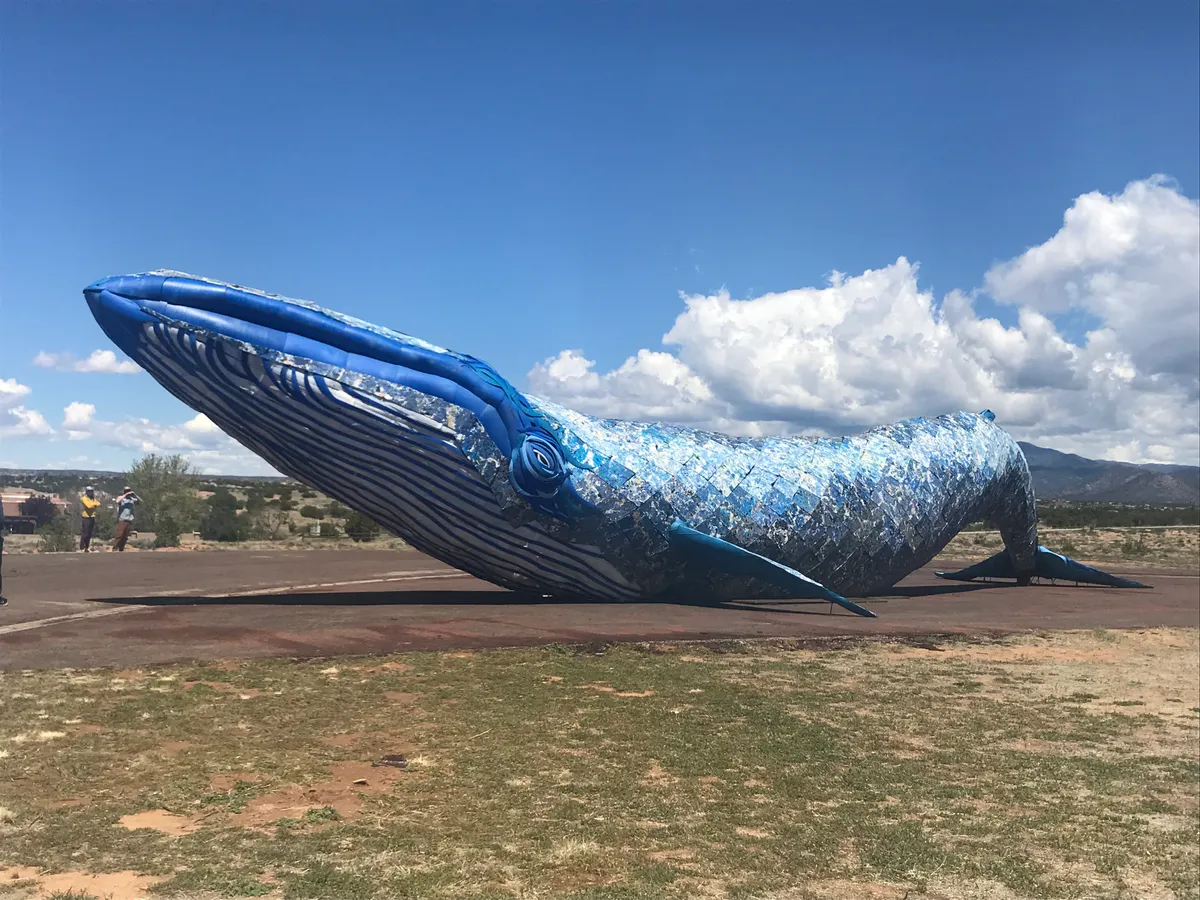
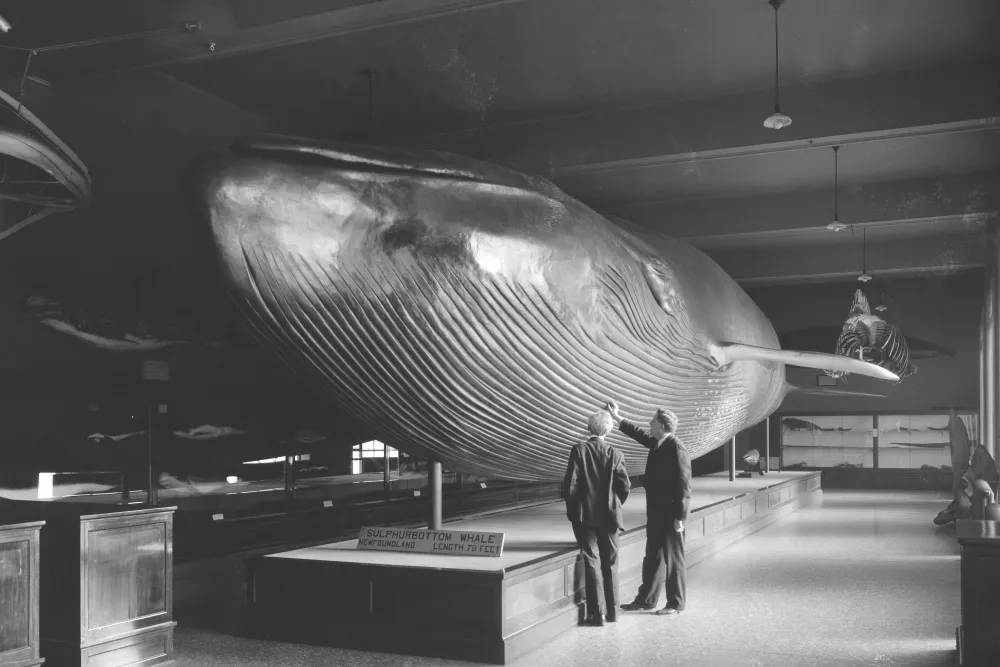
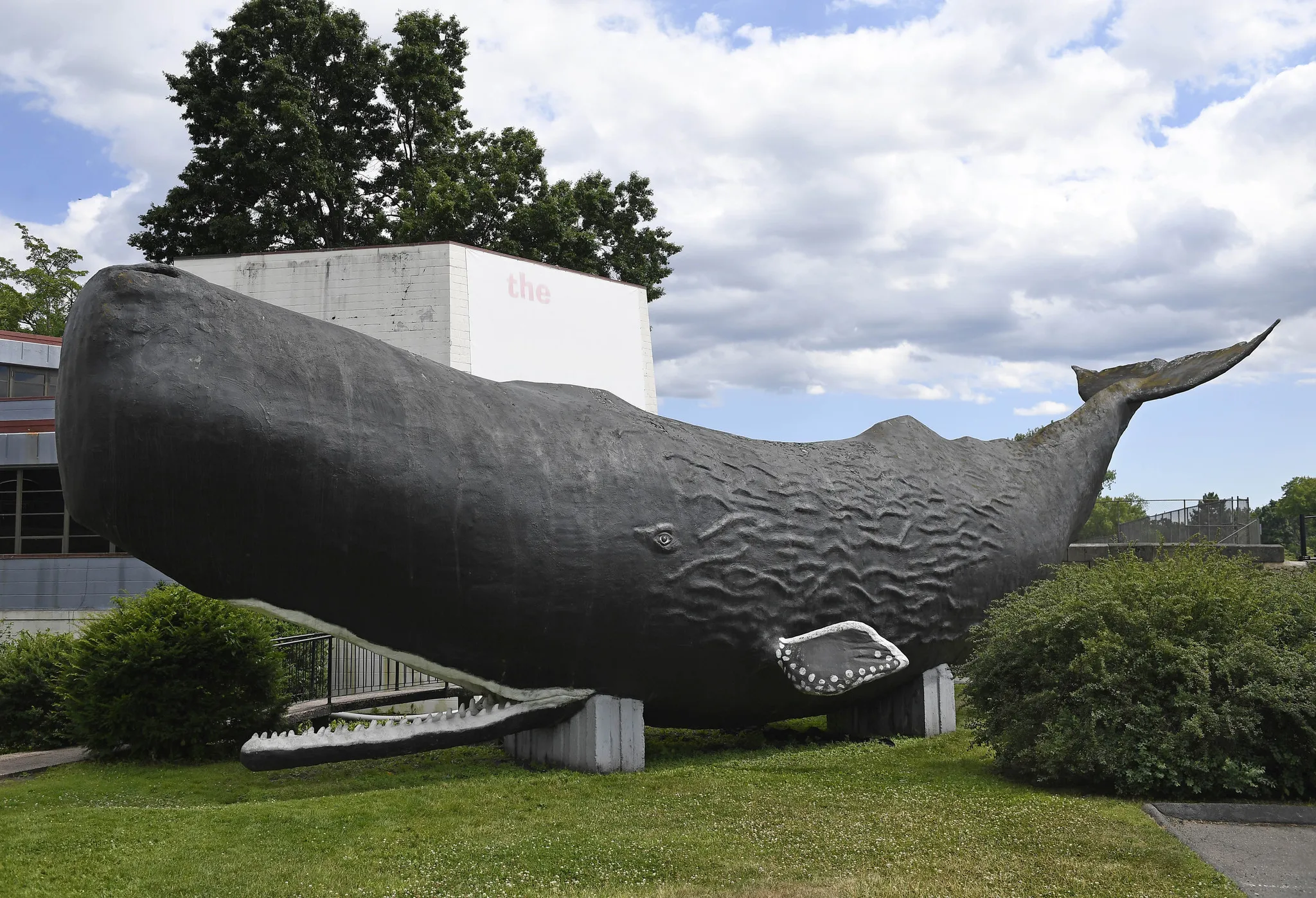

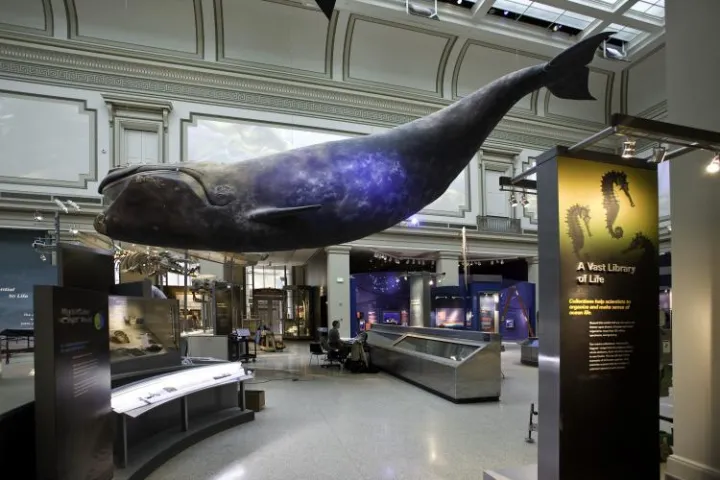
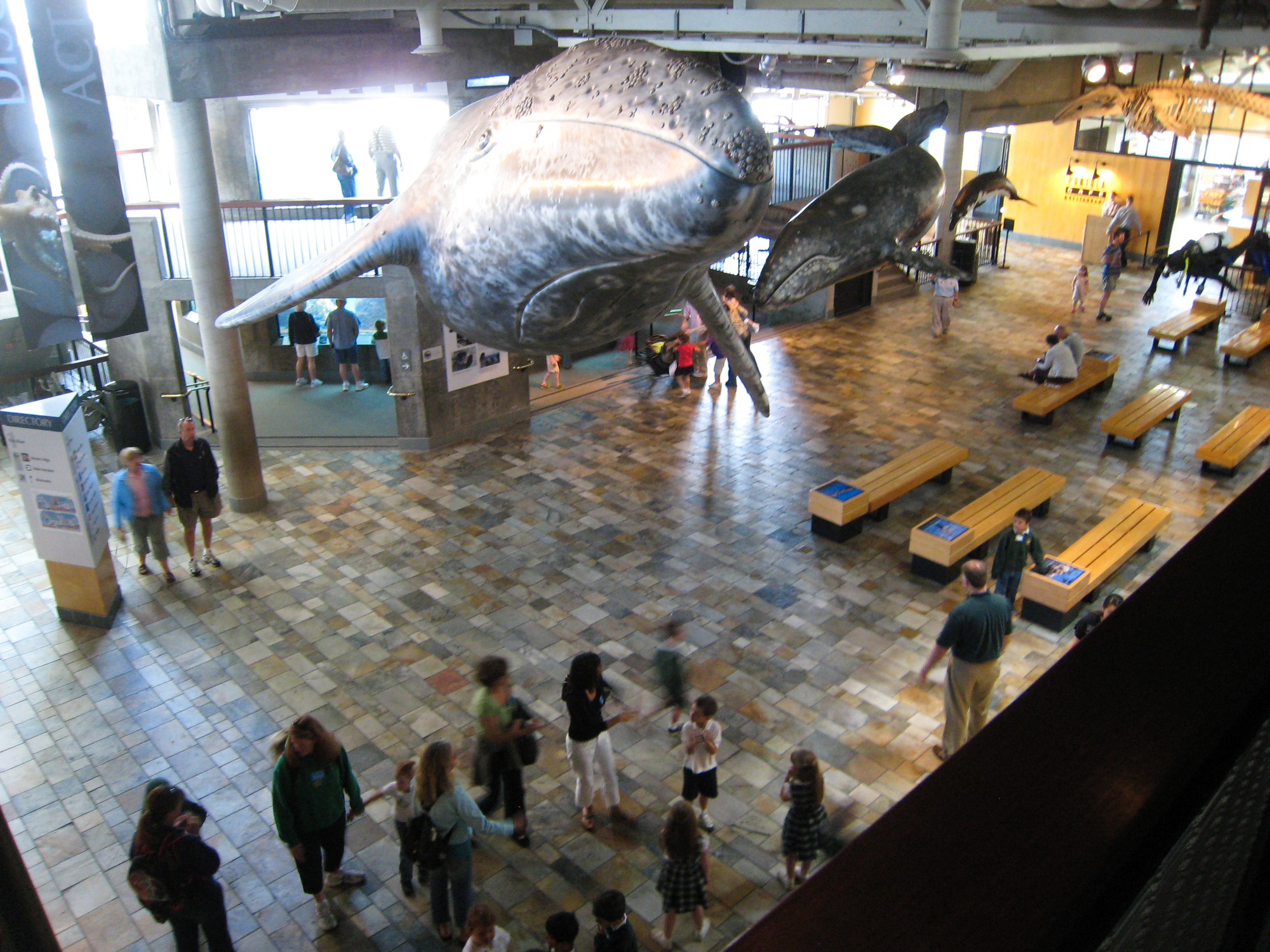
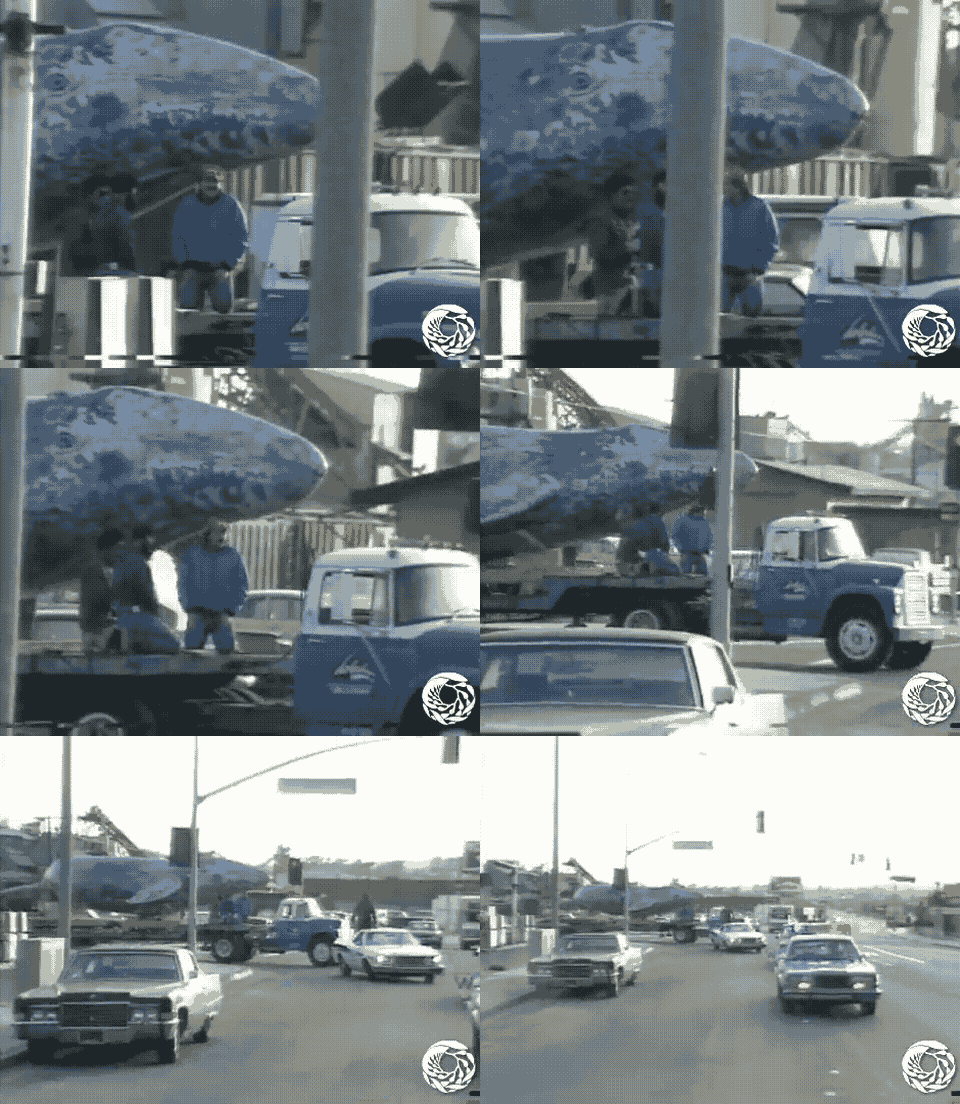

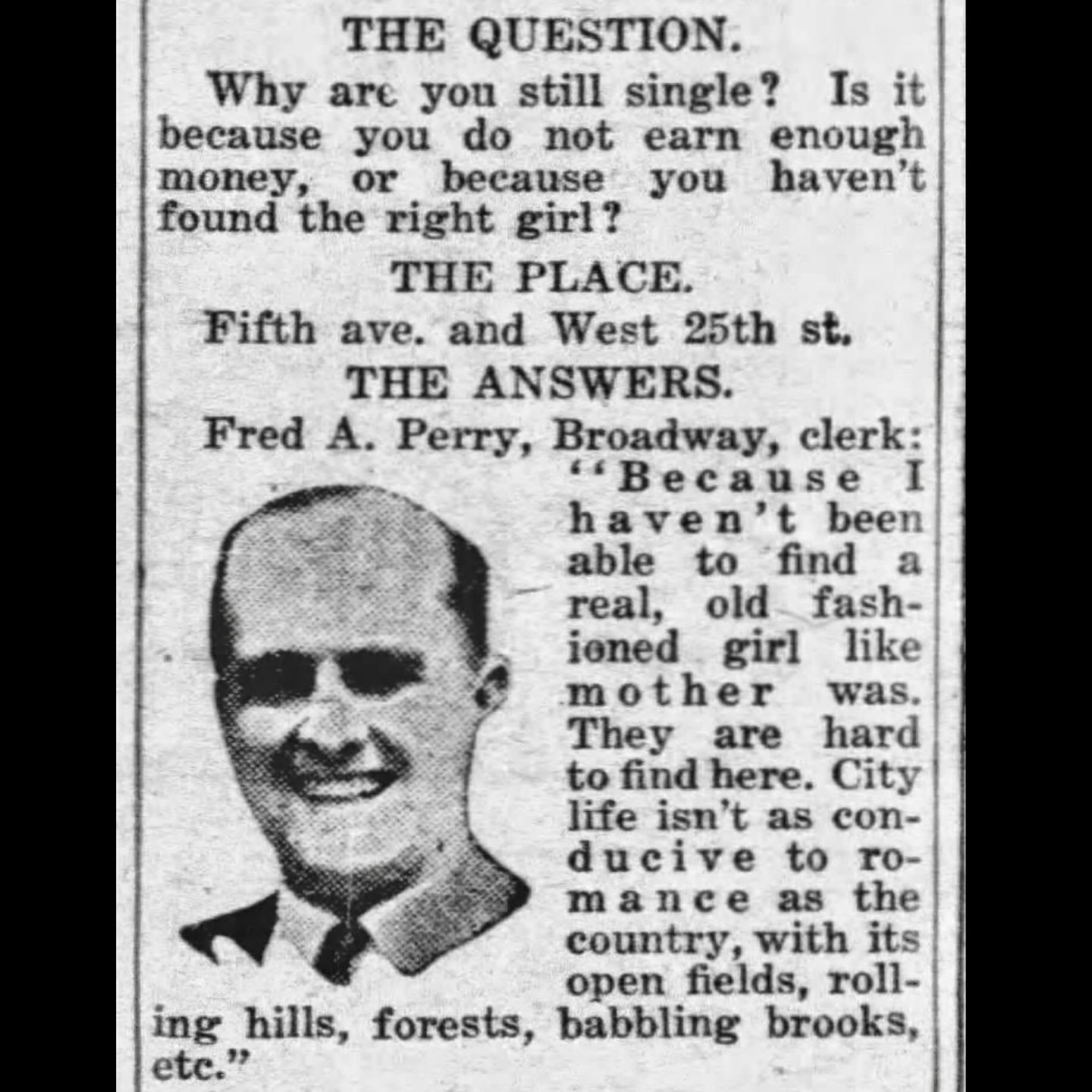
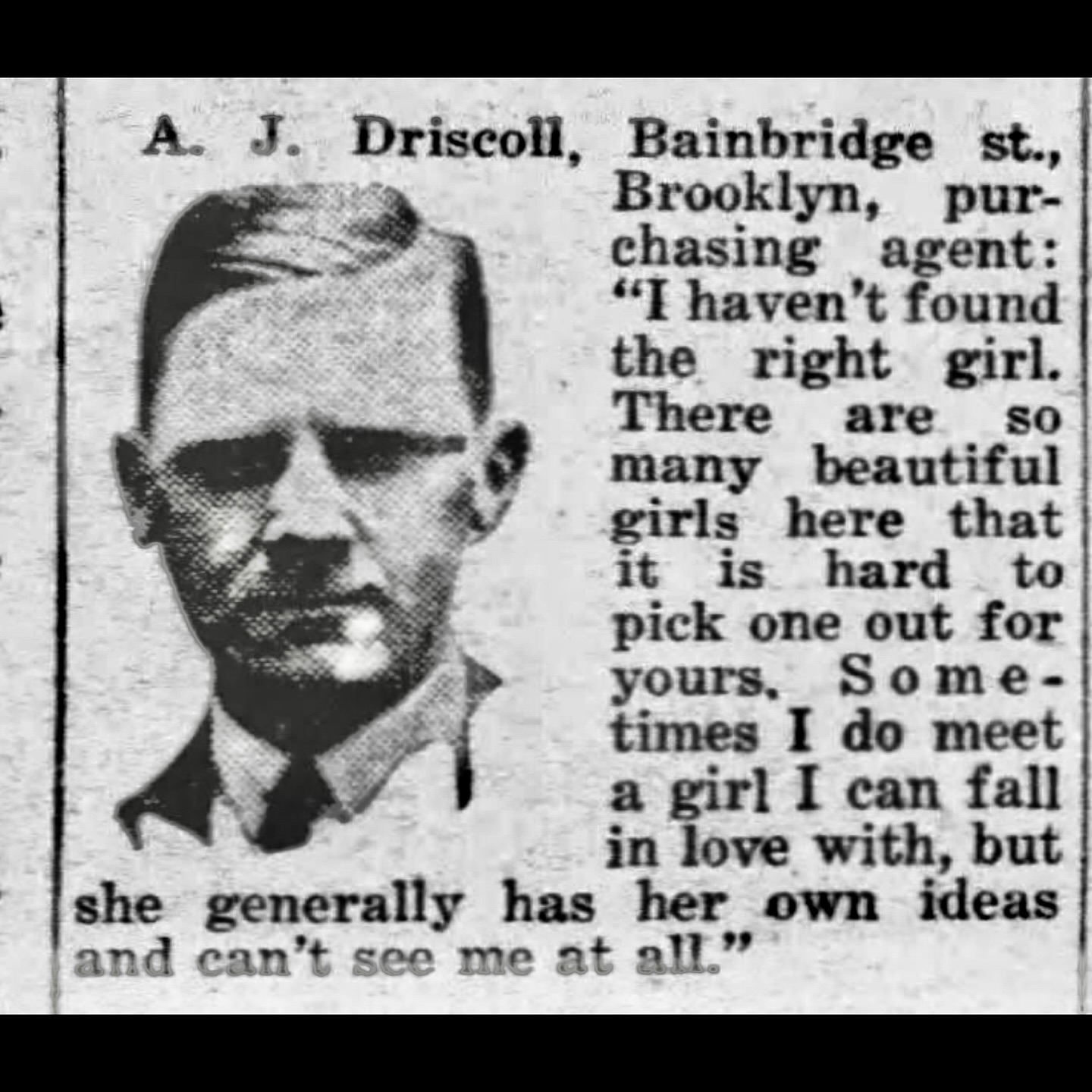

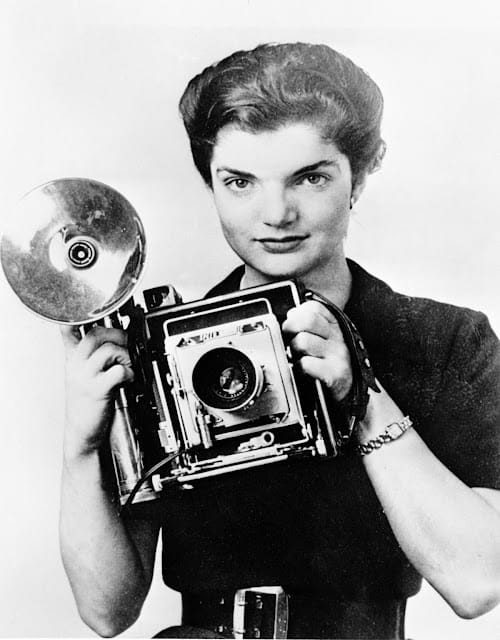
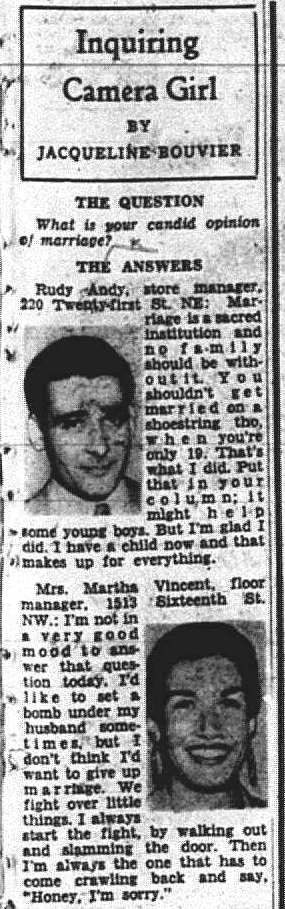

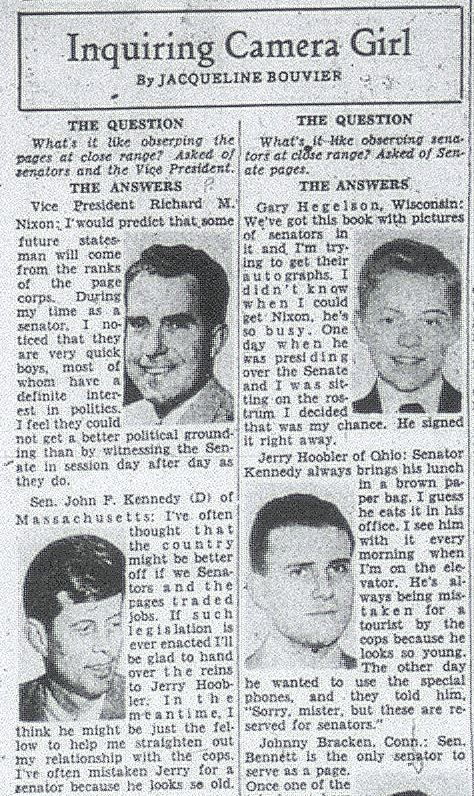
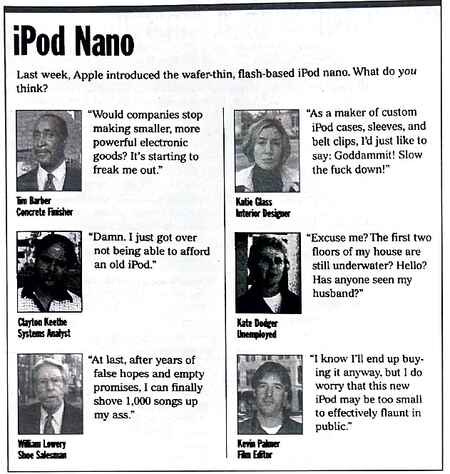

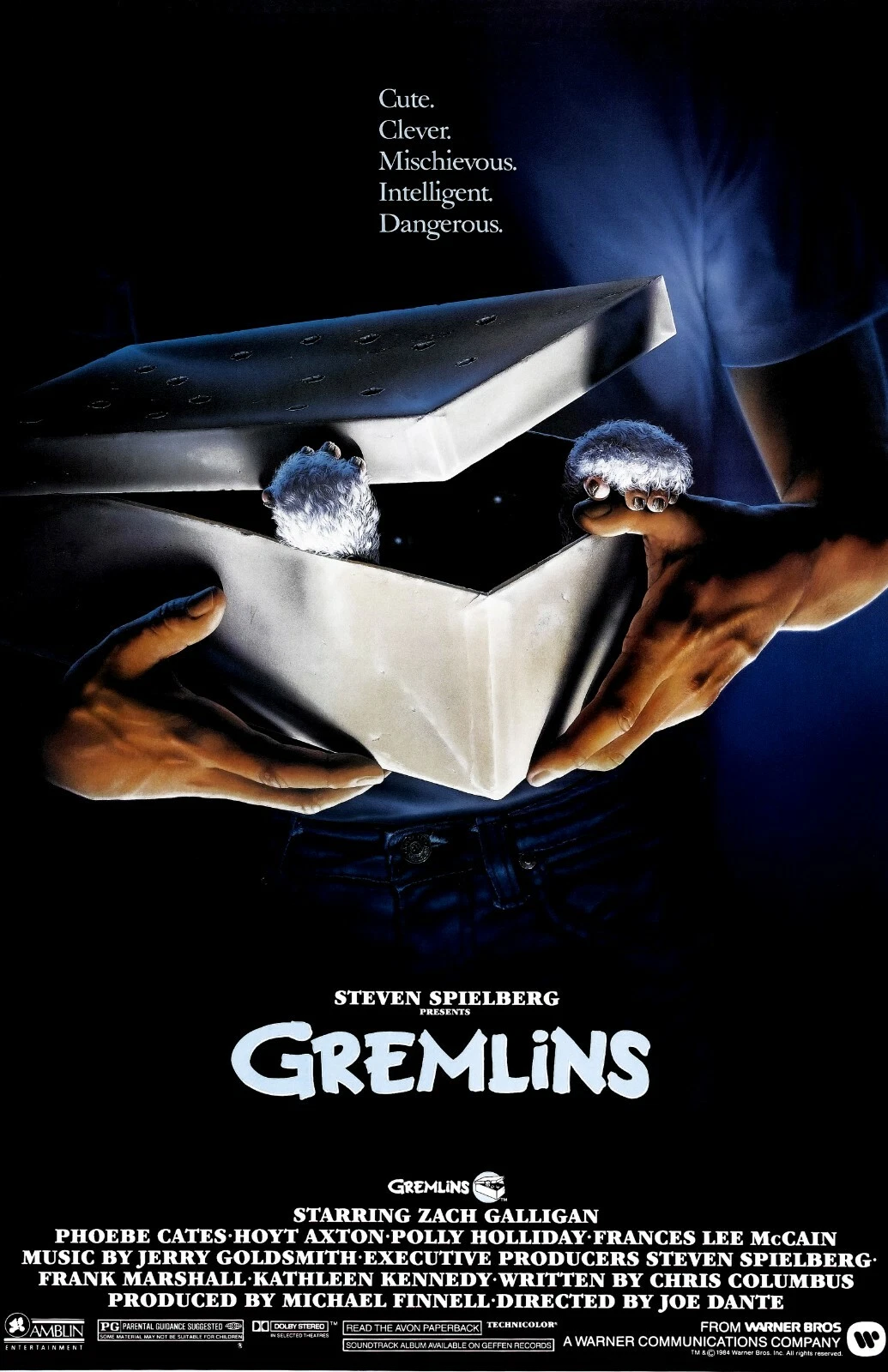
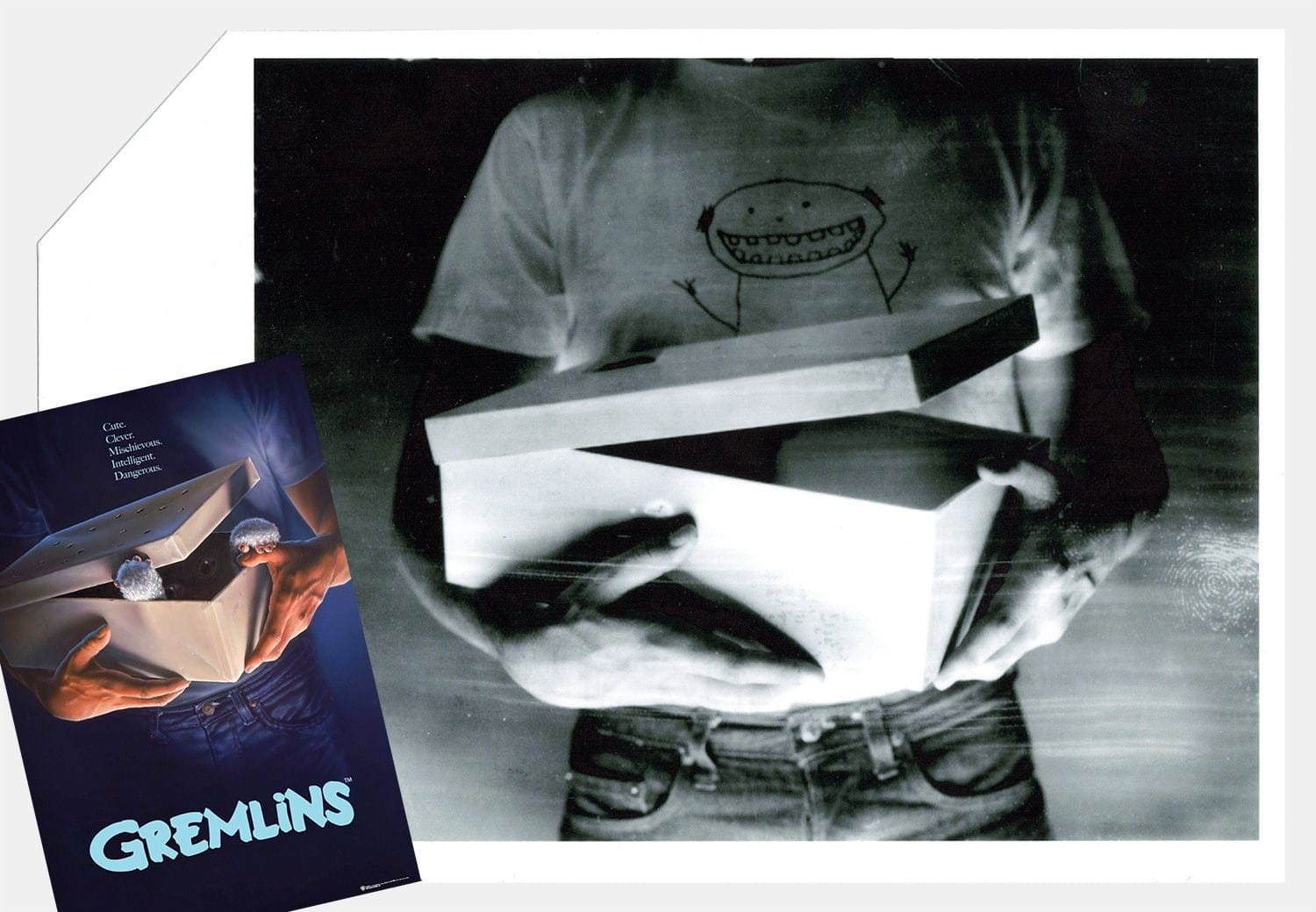
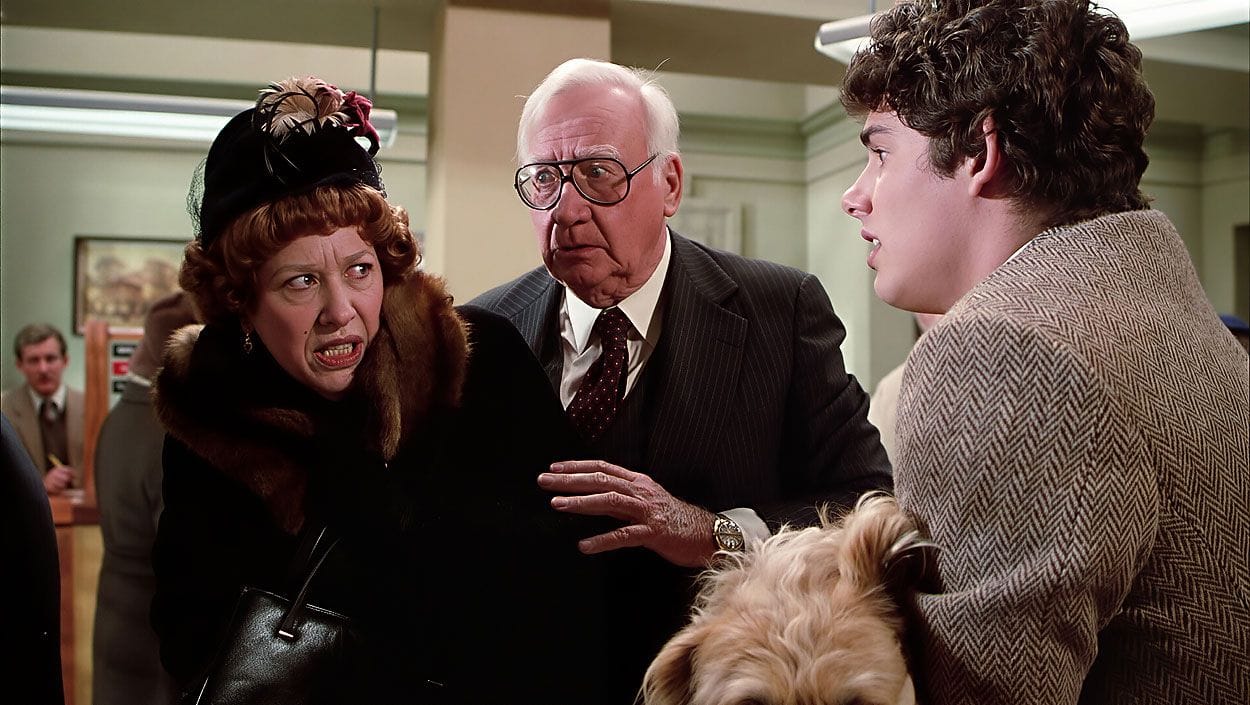
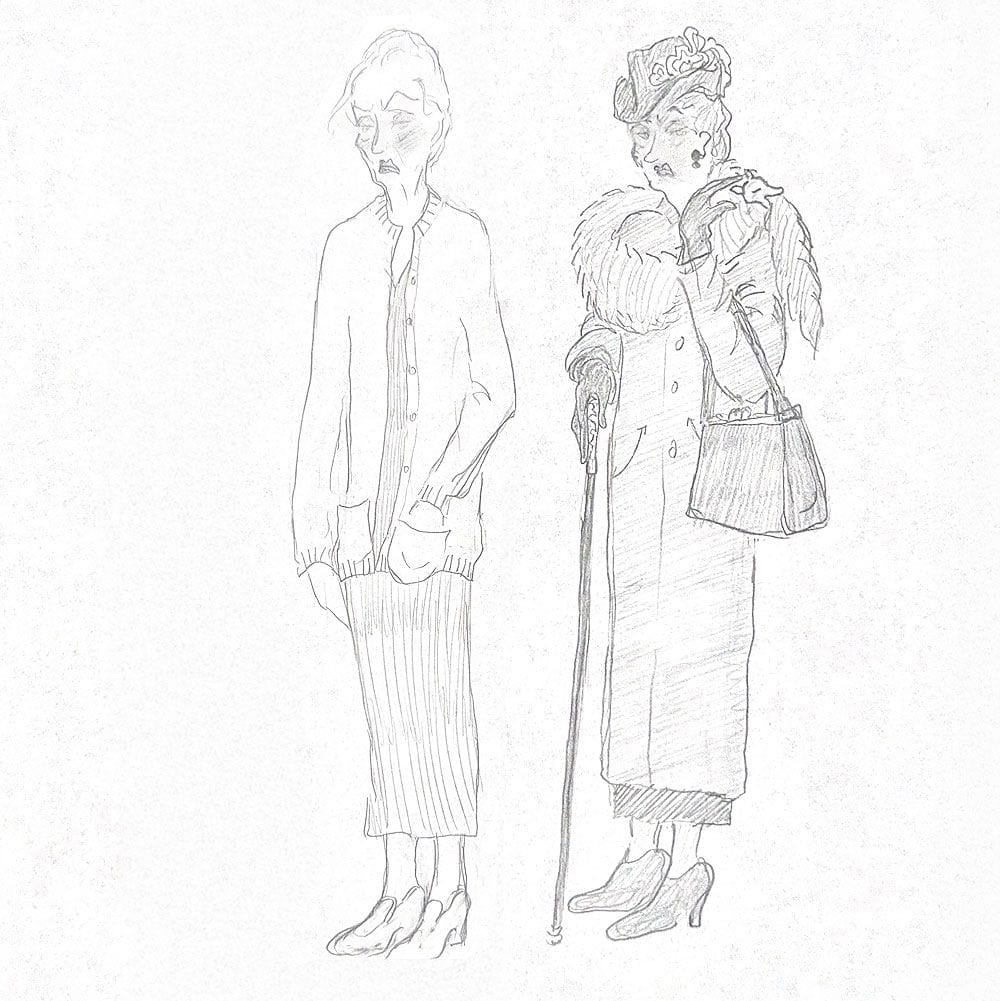
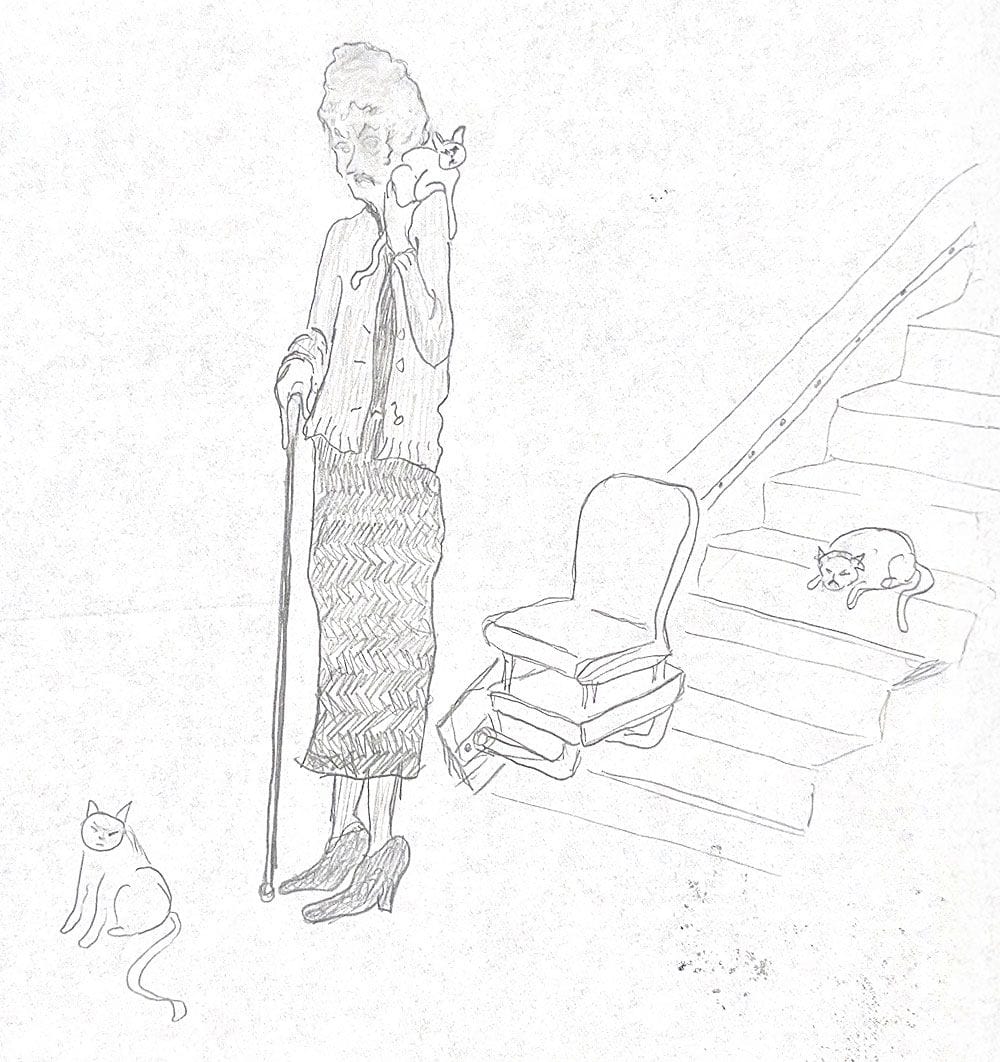
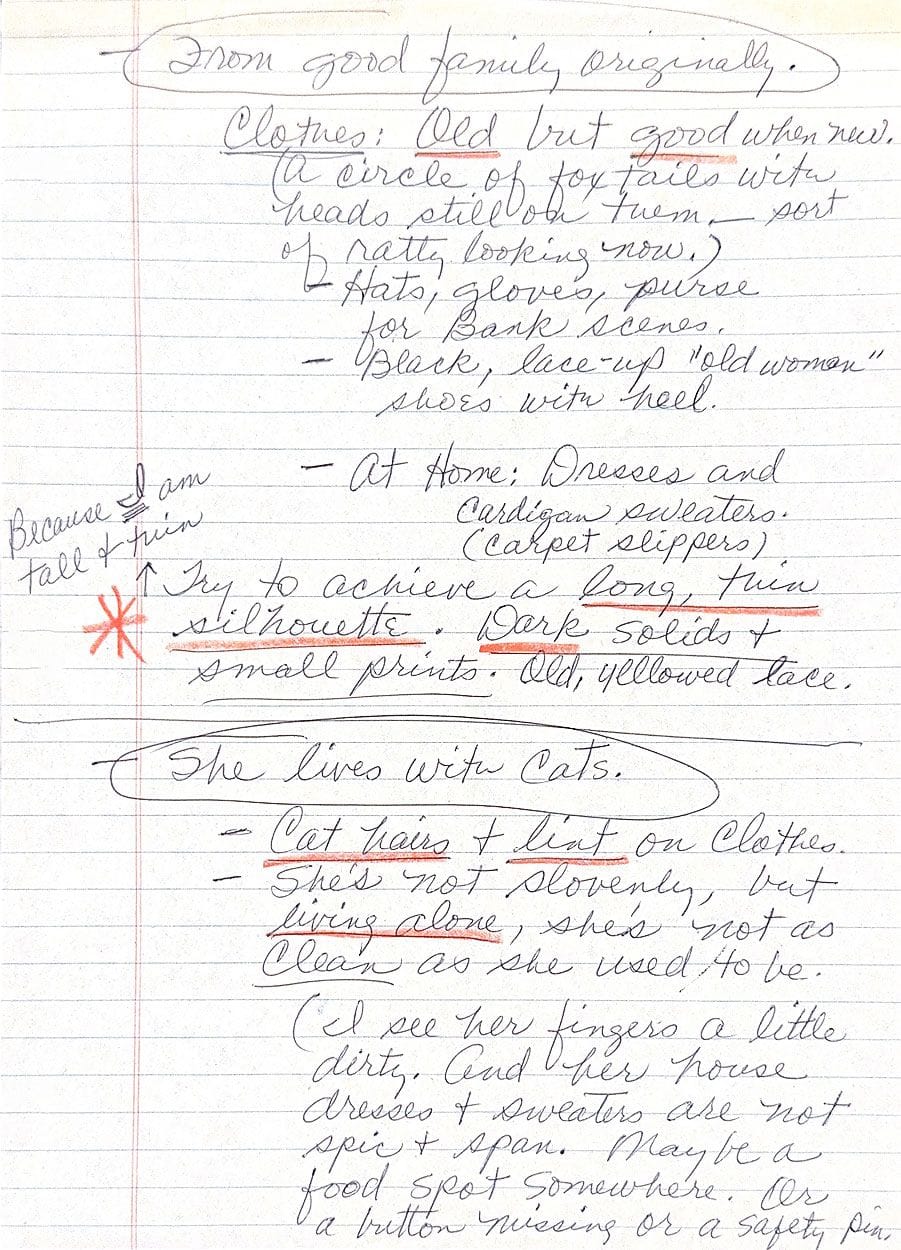

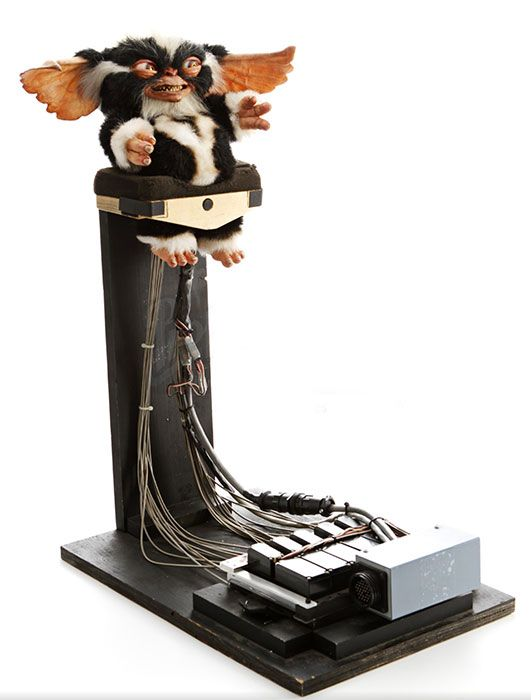
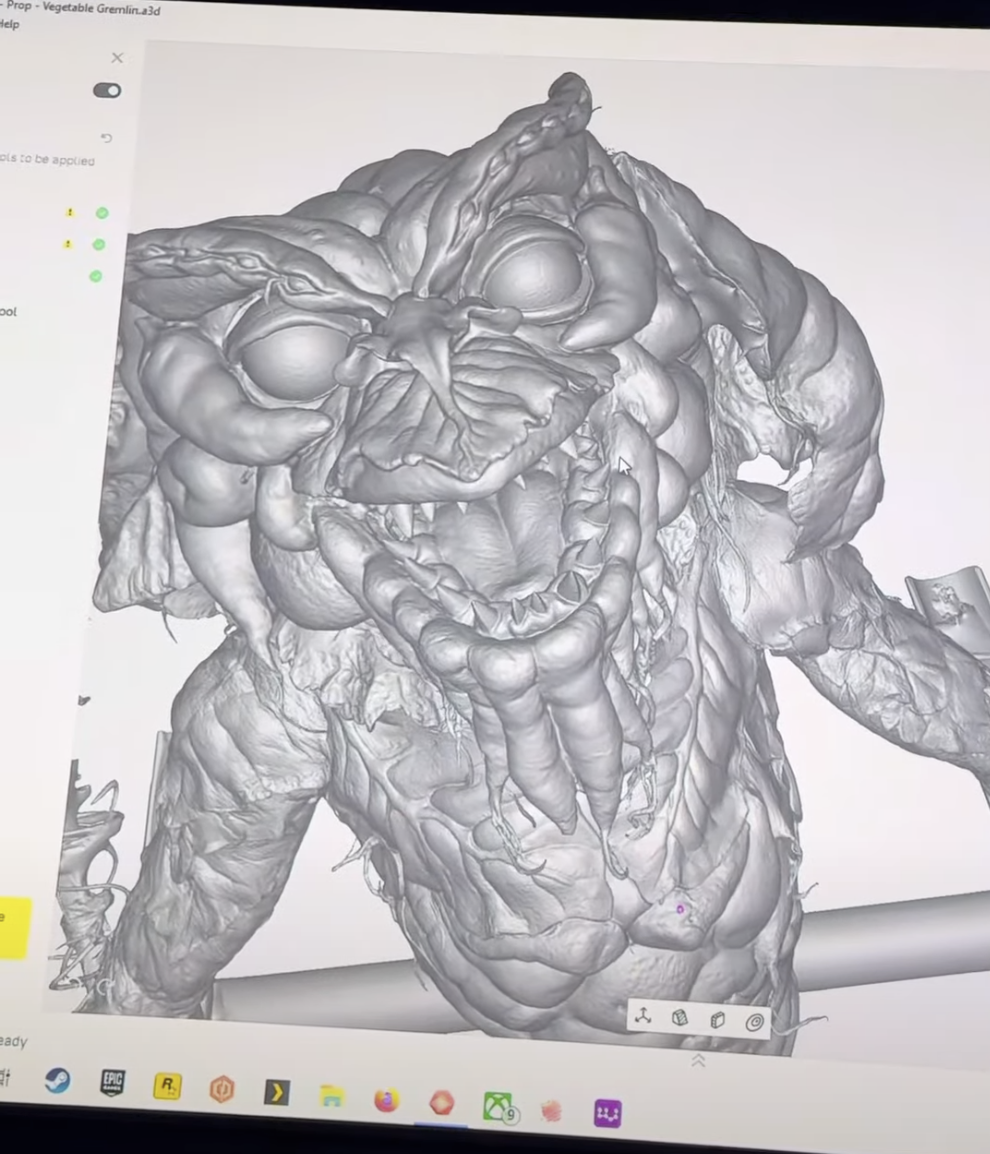
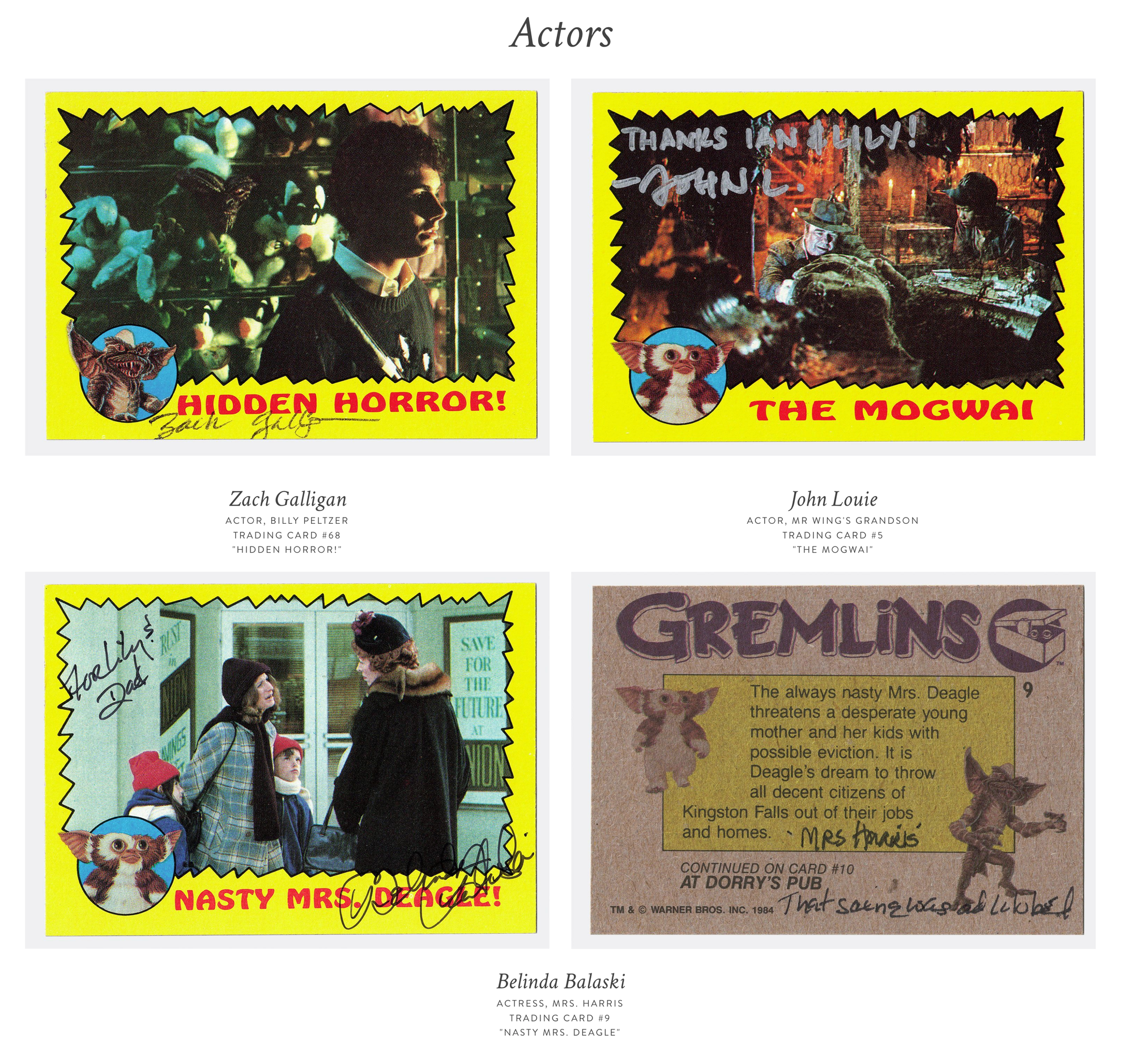

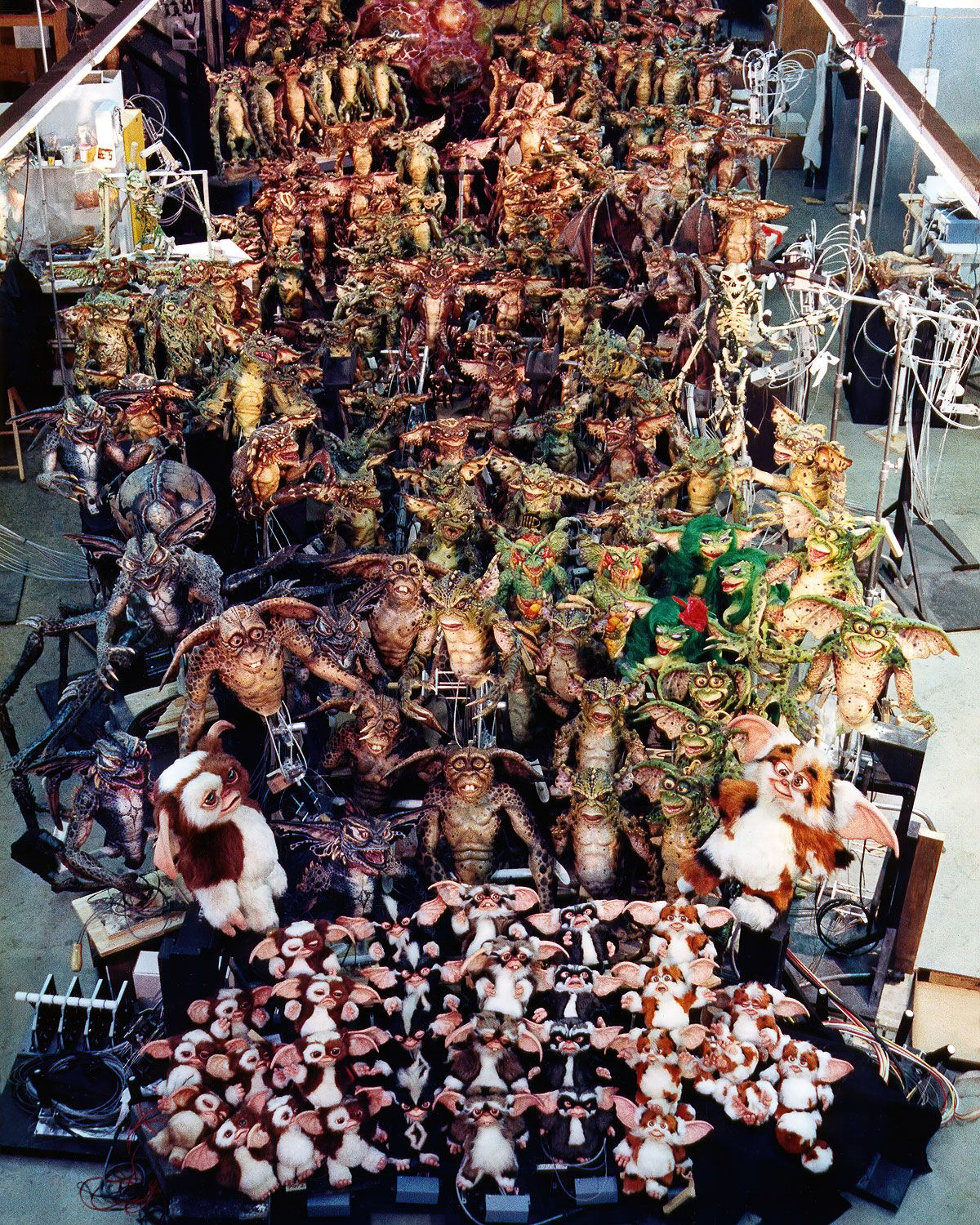
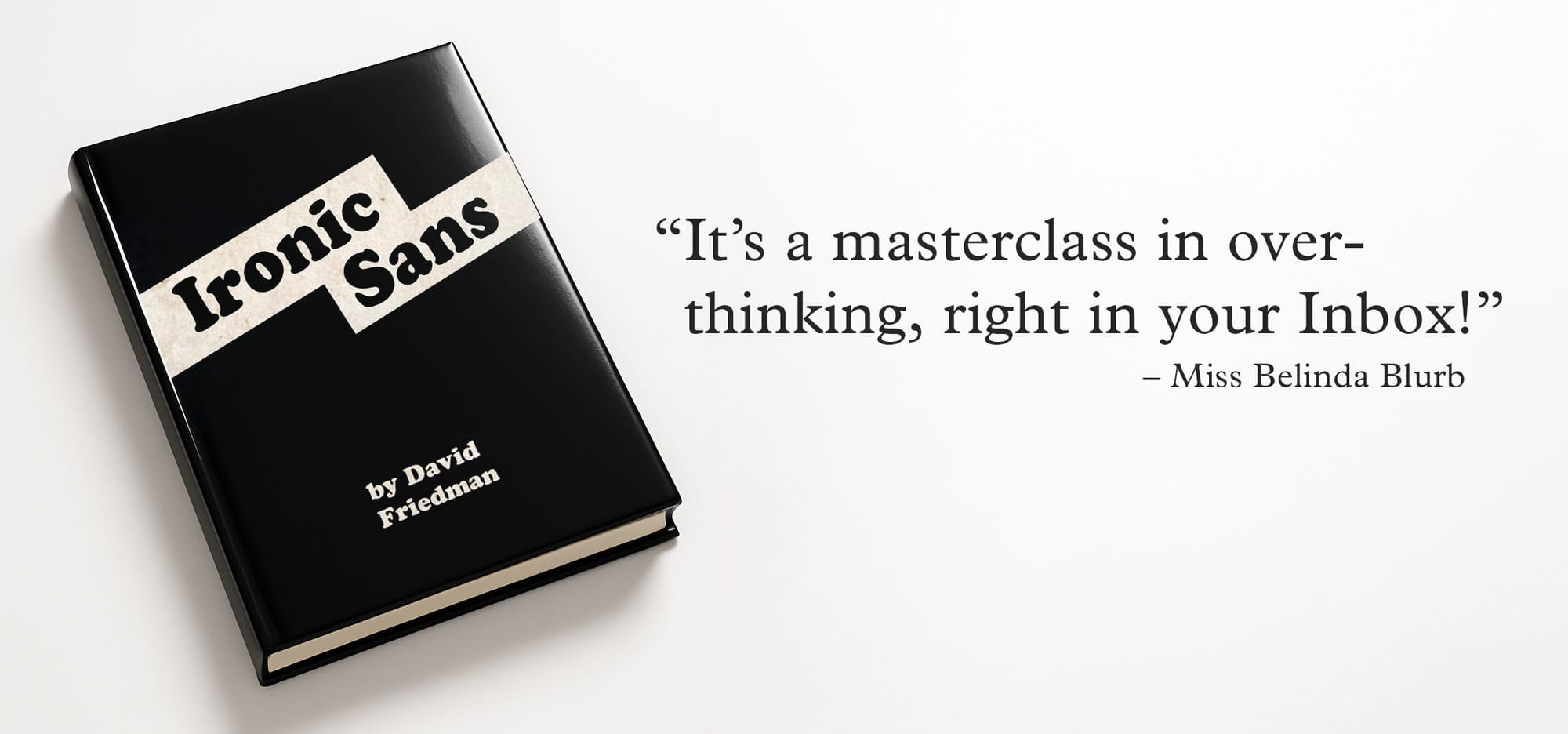

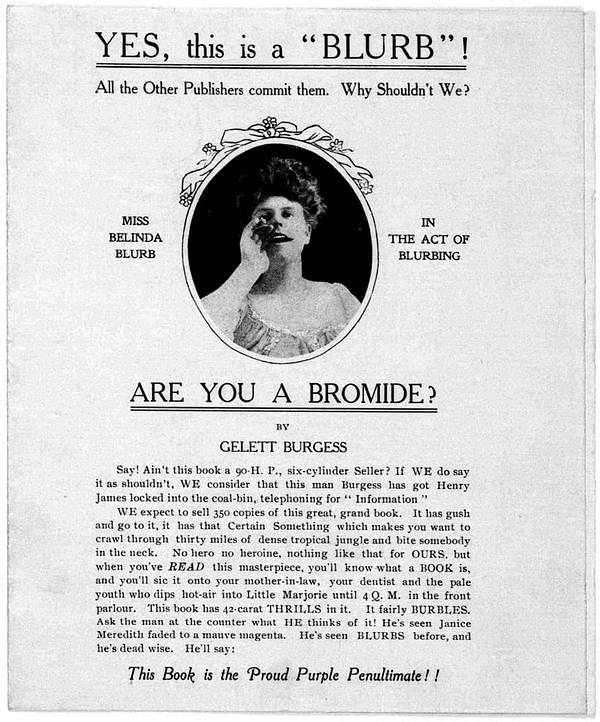



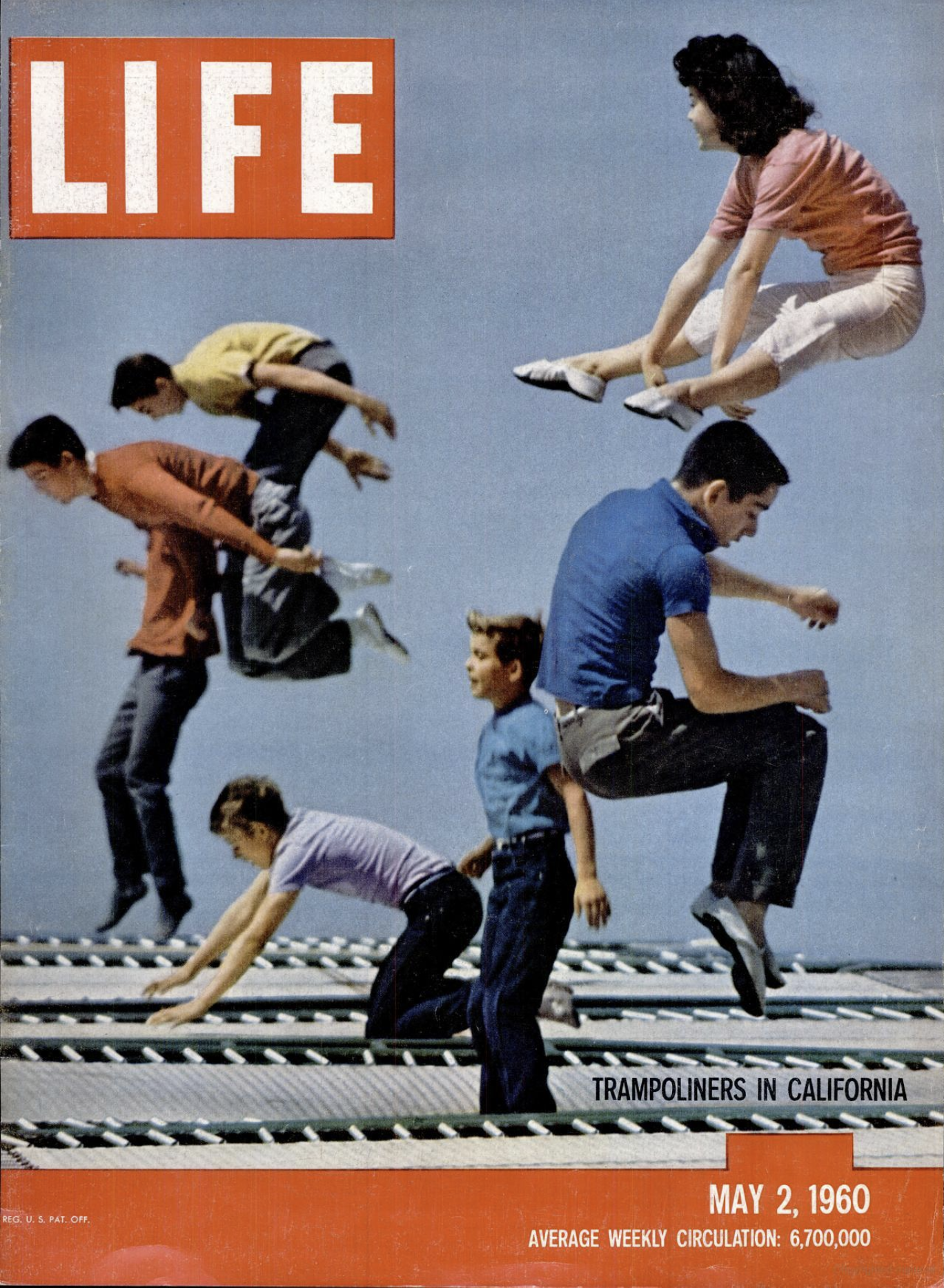
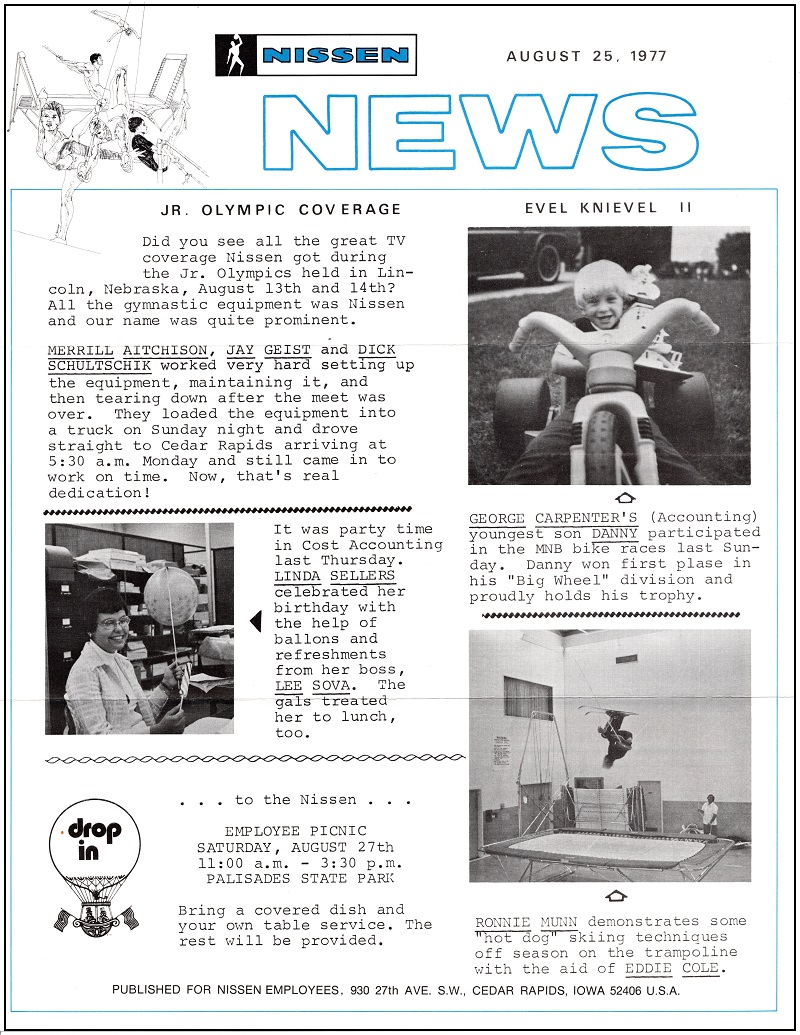


?ref=ironicsans.ghost.io#/media/File:Blue_Whale_-_Natural_History_Museum,_London_-_Joy_of_Museums.jpg)

