Show full content
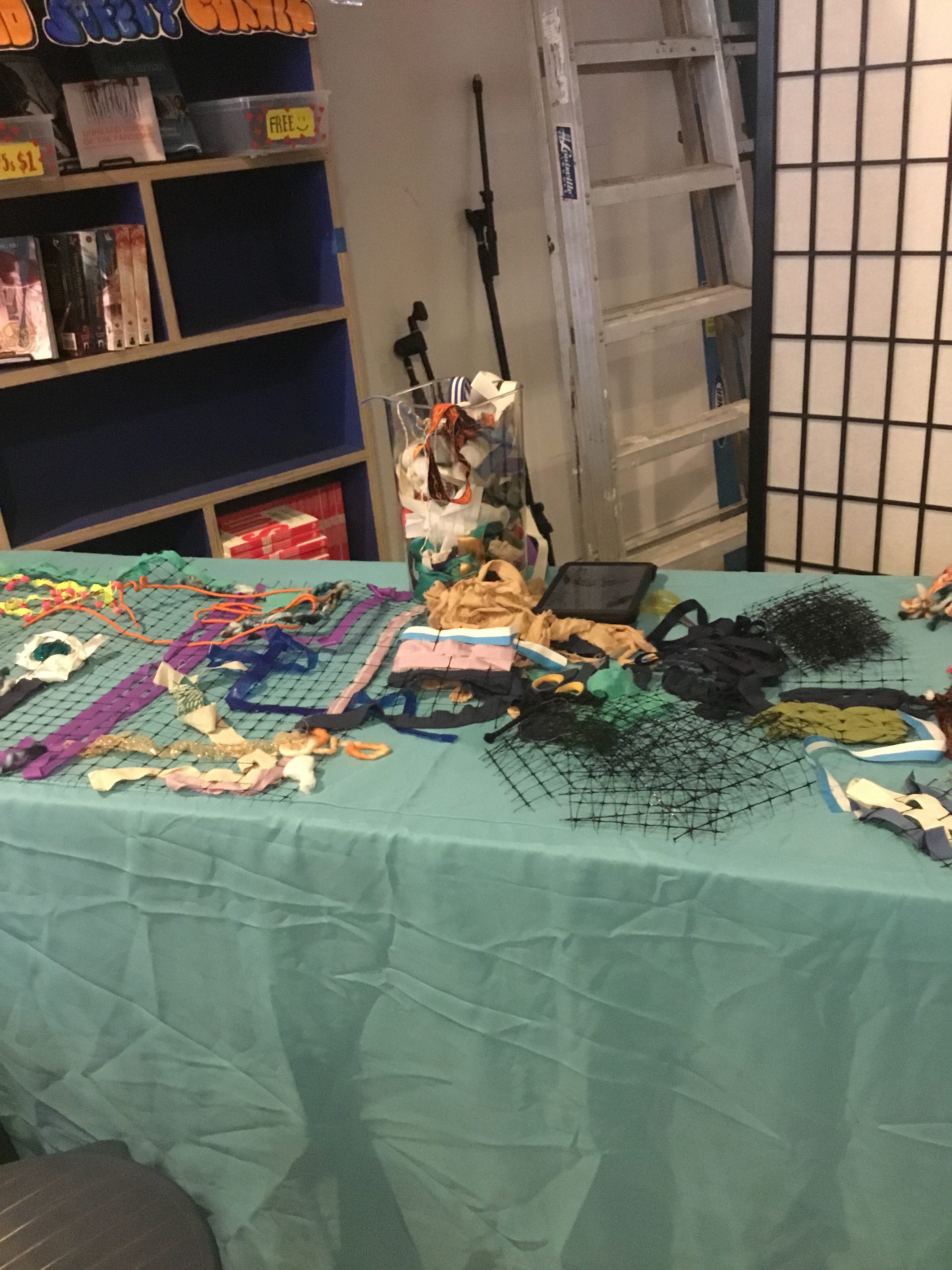
It’s hard to believe that we are only a month away from the 3rd Annual Black Zine Fair. Organized by Sojourners for Justice Press and hosted by Powerhouse Arts, the fair invites visitors to freely gather, trade and sell zines while exchanging knowledge about self-publishing, grassroots print culture, and the traditions of Black radical publishing. This year, we will be joined by over 100 Black artists, writers, publishers, educators, and collectives for a free, public celebration of independent publishing and do-it-yourself culture. Some of the exhibitors include 8-Ball Community, Afi Venessa Appiah, Auto(nomous) Body Shop, Binch Press, Black Salt Press, Bre’s Tiny Print Shop, Hammer and Hope, Marmoris Press (the debut press of Jenna Wortham), MONOLITH, Ralph’s Beach Parties, Shadowbanned Magazine, Support Ho(s)e Collective, The Chicory Project, Third World Press Foundation, and Zoë Pulley, among many others.
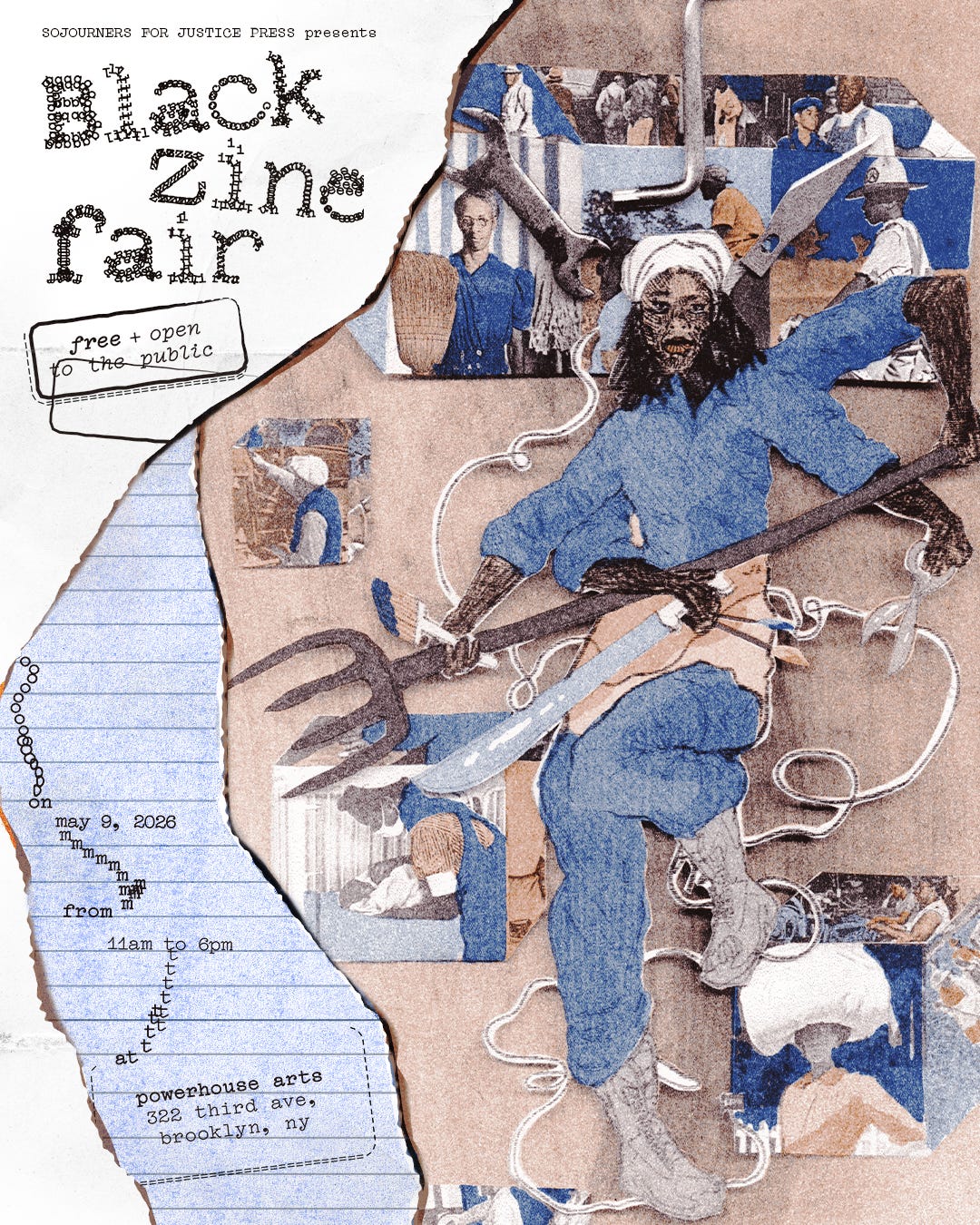
A full day of workshops will offer opportunities to learn practical skills alongside the histories and futures of Black publishing, including “Collaborative Screen Printing” with Du-Good Press; “How to Apply to Zine and Art Book Fairs” with Khari-Johnson Ricks; “Justice: The Story of André Aliker” with Bitter Kalli; and “Spiral Binding” with 8-Ball Community.
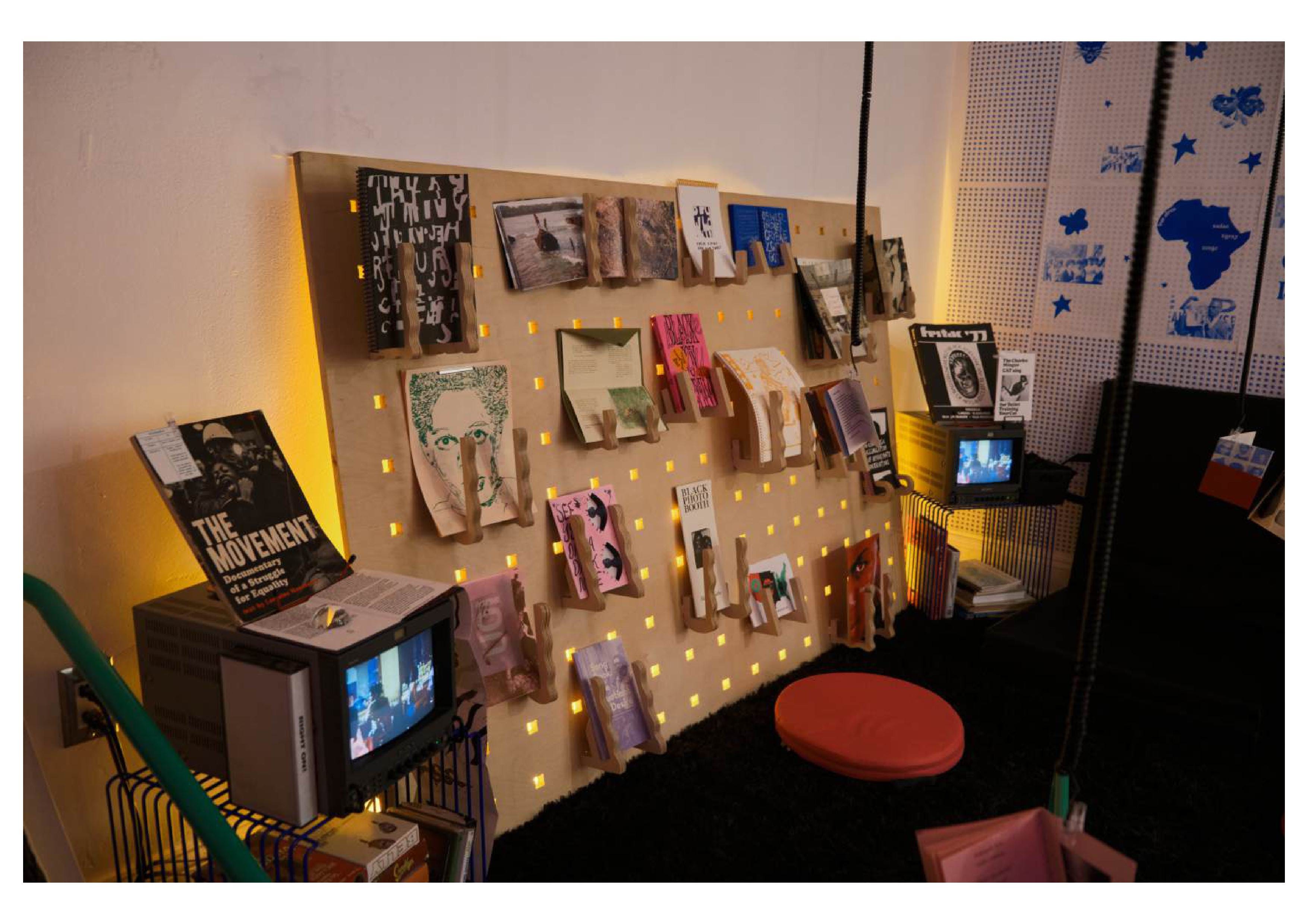
The fair will also feature the Black Reading Room, curated by artist Kameelah Janan Rasheed. The space extends Rasheed’s archival project gather & disperse, which includes PRESSURE ON THE PAGE, a digital archive of Black printed matter inspired by writer Dionne Brand’s idea that “poetry is pressure on the page.” Through a curated collection of zines, books, and films, the Black Reading Room operates as an intimate, living archive that honors the past, present, and future of radical Black publishing—uplifting freedom traditions and treating printed matter as a collective chorus of memory, refusal, and drafts of other possible worlds.
Registration for the fair as well as our virtual workshops is now open. While participants can register at no cost, we do appreciate donations that will help us to defray our expenses. See you virtually this month and in person next month!
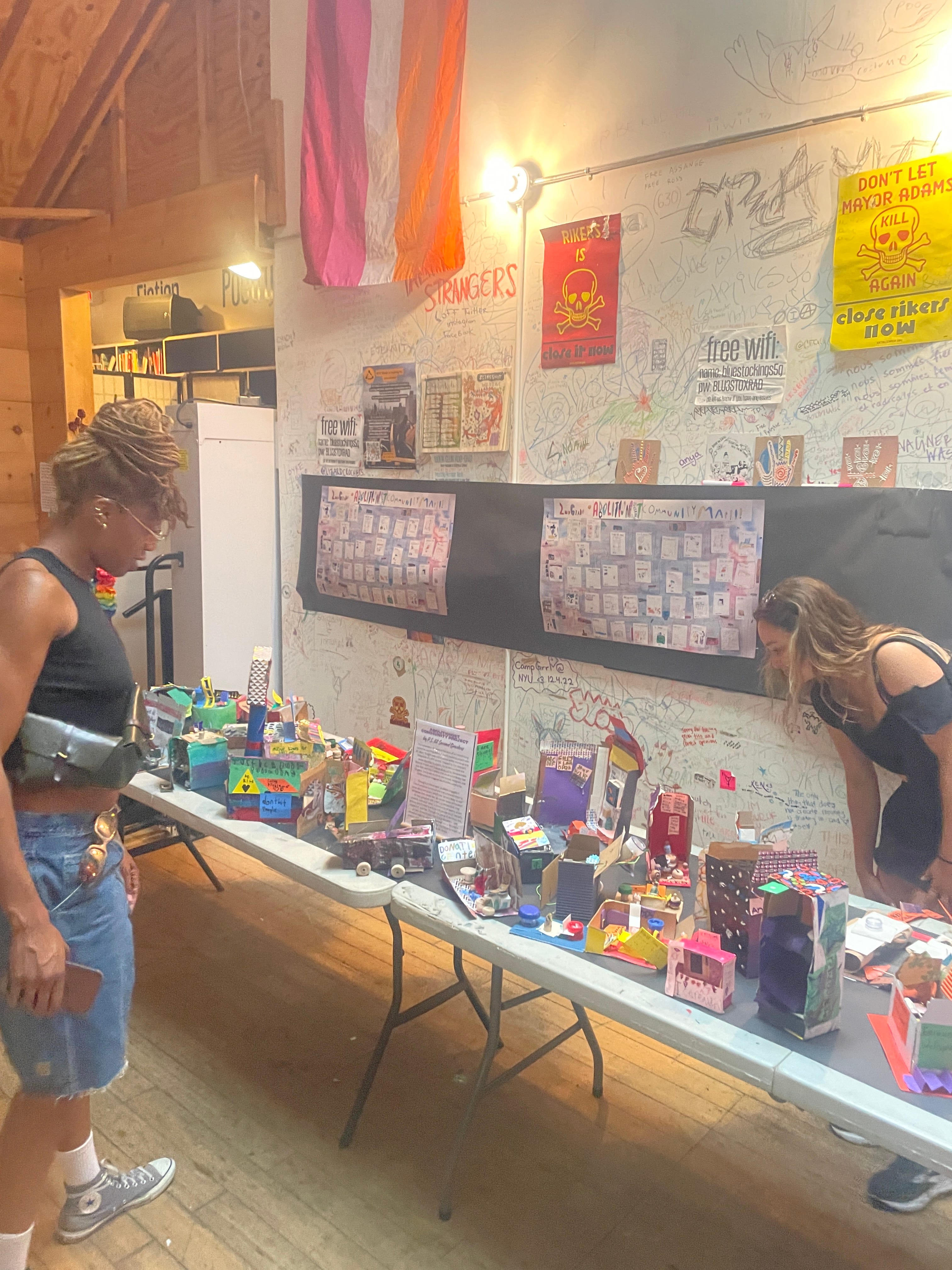
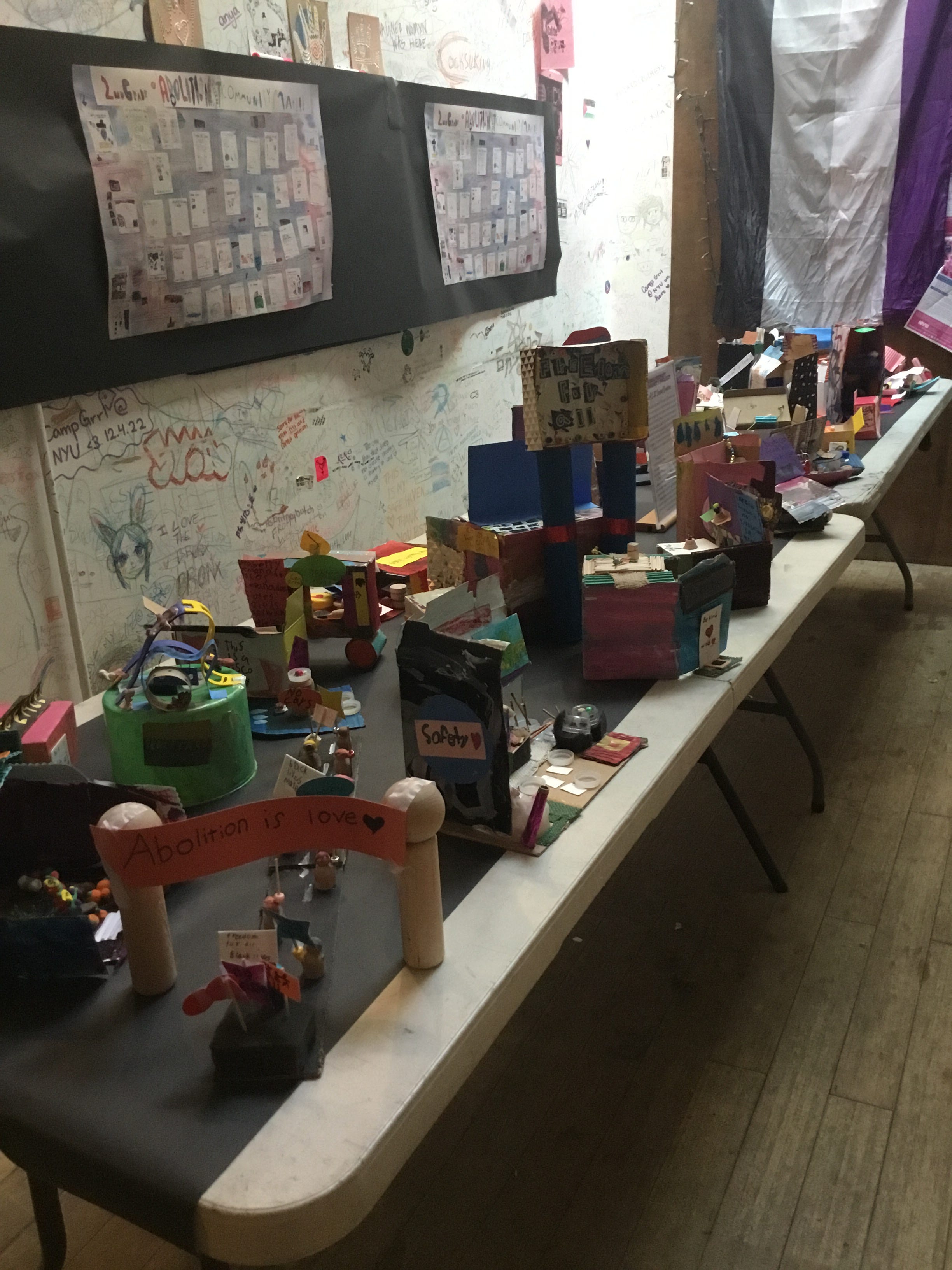
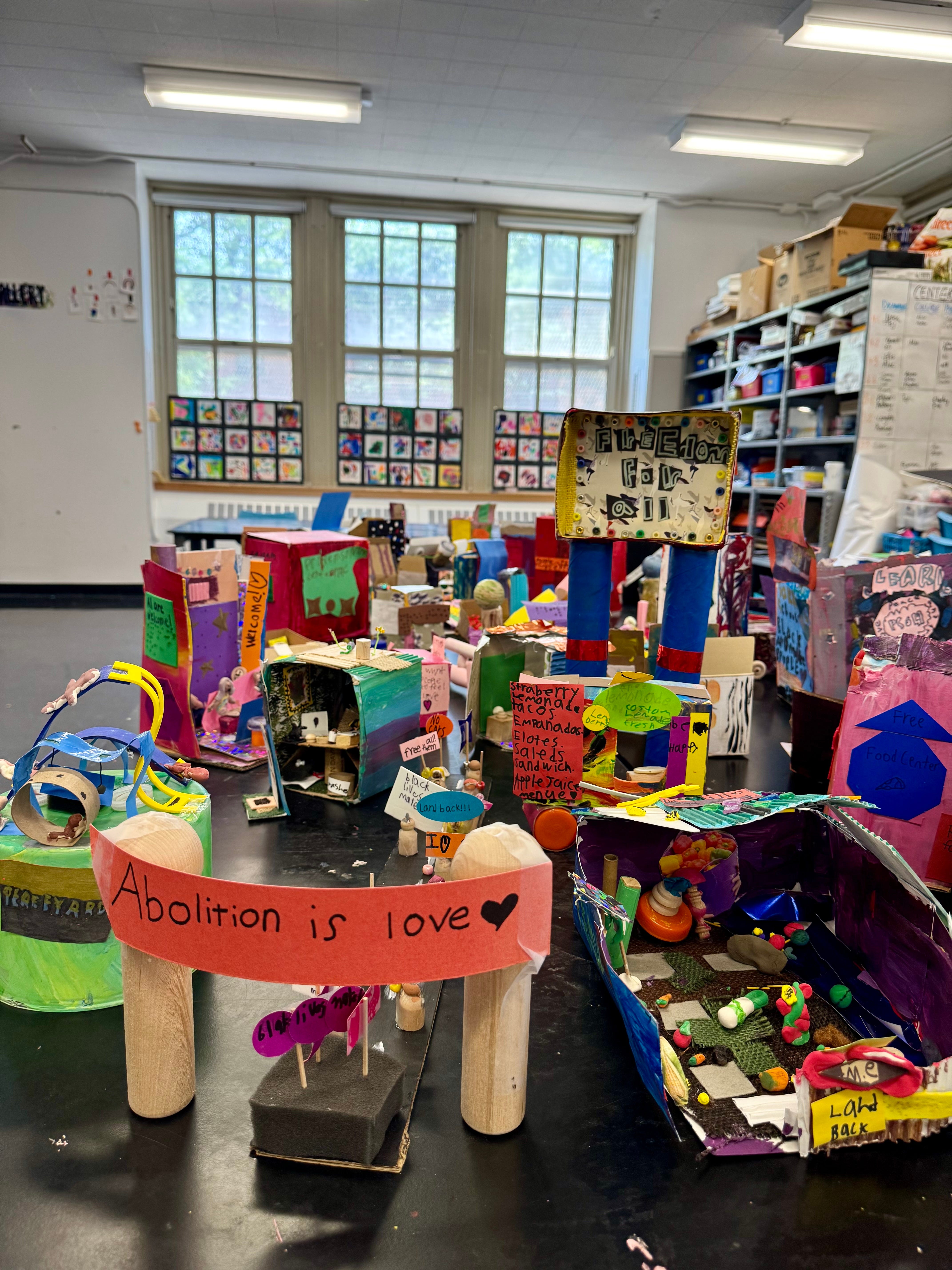
The Warehouse exhibition opened to a packed house at Bedford Library on Saturday. I can’t put my feelings into words but the most meaningful part of the afternoon for me was getting to hug my comrade Stevie Wilson in person. Stevie was finally released from prison in February and traveled from Philly to the opening. It’s such a miracle any time our people get free. The exhibition is open through June 28. Please visit and bring your friends. It’s free and open to the public.
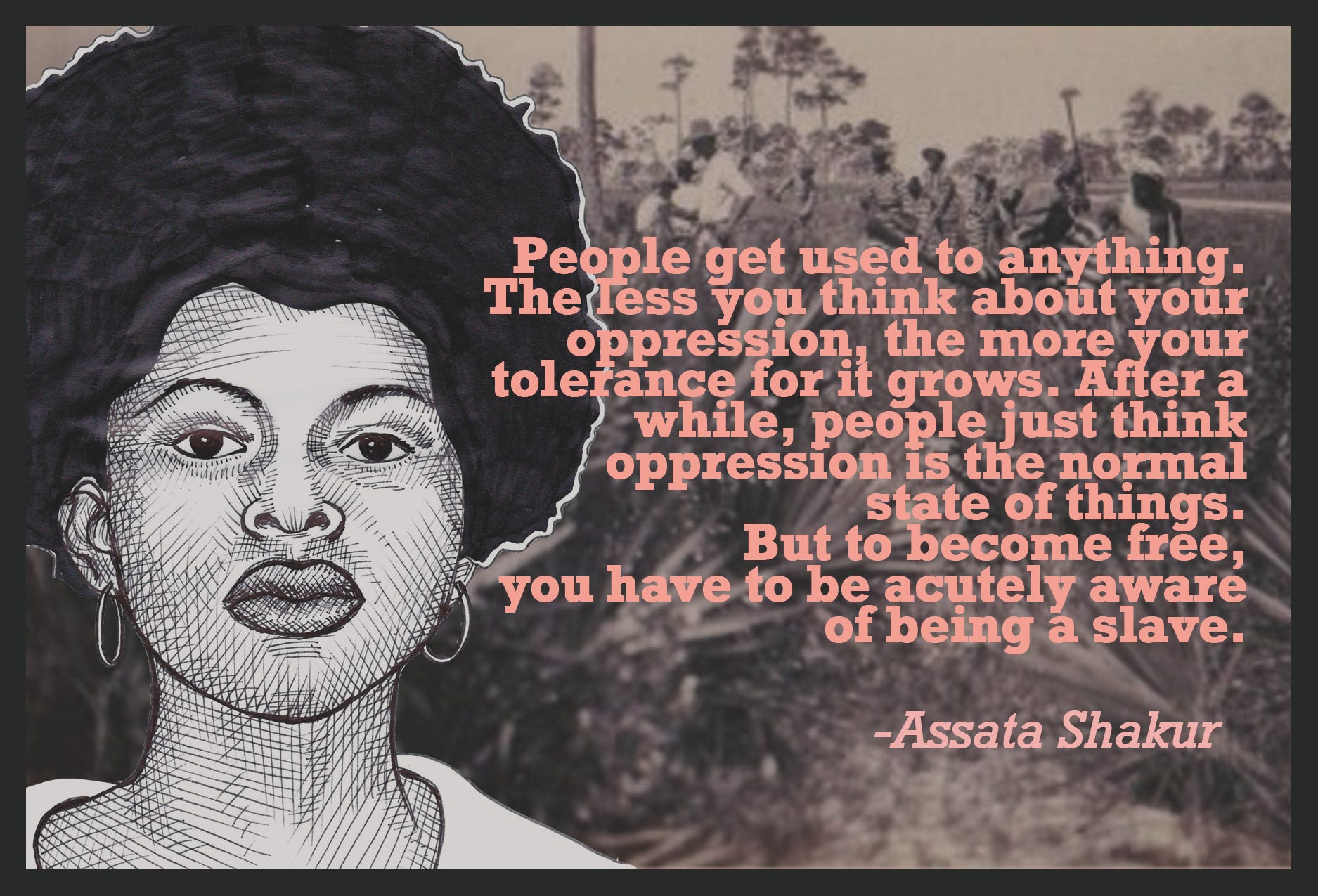
There’s a memorial event for Assata Shakur in NYC on May 30. Come celebrate her life and legacy alongside her comrades, friends and family.
In February 2026, some of you donated $4150.68 [after fees] to the Giving Circle. I donated $4306.37 in February to 12 groups/orgs. $4106.37 went to Minnesota mutual aid projects and organizations. Documentation of the groups that received funds is here.
In this edition of Prisons, Prose & Protest, I share an overview of a book about immigration policing and “sanctuary” policies, recommend two podcasts from the past month, several recent articles and essays, and more…
An Overview of Peter Mancina’s On The Side of ICE: Policing Immigrants In A Sanctuary City
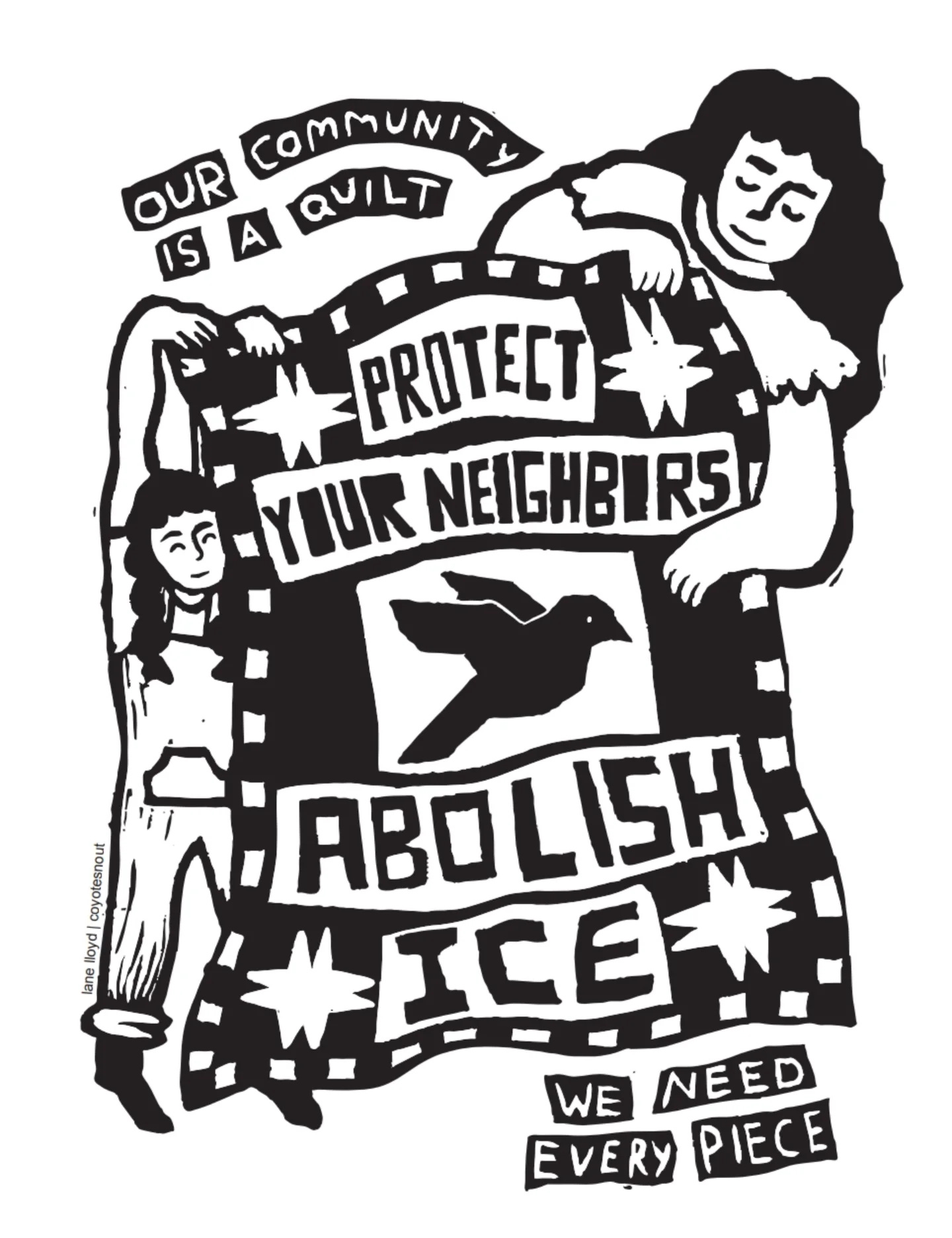
At the end of 2018, New Jersey Attorney General Gurbir Grewal put in place an executive directive that established the state as a sanctuary and directed local police not to collaborate with federal immigration enforcement except in narrowly defined circumstances. And yet, according to criminologist and anthropologist Peter Macina’s On the Side of ICE: Policing Immigrants in a Sanctuary City, New Jersey law enforcement agencies continued to work with and abet ICE routinely and in many ways.
Though Macina’s monograph is not explicitly abolitionist, it substantiates and underlines many abolitionist warnings about policing reforms. Police, Macina shows, are active agents in interpreting, shaping, and often simply ignoring laws and regulations meant to restrain them. As a result, reforms, like sanctuary laws, that are intended to limit police power are often ineffectual, or, worse, extend police power by codifying and normalizing it. “[S]anctuary policies,” Macina says, “paradoxically establish a facially ‘pro-immigrant’ immigration enforcement–assistance policing regime.” Mancina refers to this as “sanctuary policing”—a law enforcement mode that can sometimes protect people from deportation, but that is primarily concerned with facilitating agency collaboration in order to police immigrants.
To determine how police on the ground were actually responding to sanctuary city laws, Macina reviewed 50 videos of archived body-worn camera (BWC) footage of immigration or potential immigration stops. Sometimes, he found, local police simply ignored sanctuary city policies outright. The first video described in the book is a March 2020 traffic stop in which a cop discovers the driver lacks valid ID and contacts ICE to see if the person is in their database. He then provides ICE with information about the driver’s workplace so the agency might arrest him later.
The officer’s actions directly violated the attorney general’s directive. However, they are unlikely to have attracted discipline or reprimand. Macina conducted a separate study of San Francisco and discovered that cops who violated sanctuary policies in that city never received written demerits in their file; at most, they were verbally reprimanded or received training on sanctuary city policies.
“Effectively, San Francisco, during the period that I studied, did not enforce its own highly public policing policies restricting police officers from assisting ICE in immigration enforcement,” Macina writes. He cautions that New Jersey might have stricter enforcement, but the open, flagrant, and casual violation of the sanctuary policy literally recorded on video suggests that officers in 2020 were not worried about being taken to task for working with ICE.
In some cases that Macina analyzed, local police showed more caution, at least to the extent that they sought loopholes and claimed to be complying with the letter of the policy even as they actively collaborated with federal agents. For instance, Macina describes one incident from late 2019 in which ICE contacted local police asking for backup as they attempted to arrest a man who refused to leave his car. The man was being arrested solely for immigration violations, not criminal actions. Nonetheless, the police responded by parking their cars to further prevent the man from retreating. They also turned away or tried to warn off pedestrians—especially immigration advocates.
When confronted by those advocates, the police claimed they were not directly helping in the arrest but were responding to an “exigent” situation—that is, they were keeping the streets safe in a potential emergency. According to the New Jersey directive, police can help ICE in emergencies or where civilians might be at risk.
The immigrant targeted for arrest here had not, in fact, made any dangerous moves, nor threatened to ram anyone; he was just trying to take his child to school. The officers used the exigency clause as an excuse to serve as an “on-hand, ready-to-act, sentry force”, as Macina puts it, helping to intimidate the deportation target and to propagandize neighbors and passersby who might feel more trust in local police than in ICE.
ICE agents also asked police to use their body cameras to record the suspect and the scene to intimidate him and encourage him to come out of the car and submit to arrest. The very technology reformers hope will enforce police accountability, in this case, helped the police circumvent and violate the sanctuary ordinance. Police and their body cameras, Macina writes, served as “force multipliers,” expanding ICE’s reach and capacity.
There are times when sanctuary policing serves as what Macina calls a “force divider”—which is to say, local police refuse to inquire about immigration status and do not contact or rely on ICE. However, Macina emphasizes that this force division does not ramp down policing of immigrant communities and does not intend to do so. Instead, he writes,
the opposite is true—sanctuary policing is a form of intensively policing the immigrant, but dealing with their immigration status as an unknown factor that must remain unknown while they solve the policing problem—which crime was committed, who witnessed it, and all the other information required to determine guilt or innocence. [italics in original]
In other words, the rationale for sanctuary policing is in large part that using local resources to help ICE would undermine local law enforcement efforts. Walling off local police from ICE helps local enforcement by making immigrants more willing to report crimes; it also ensures that local resources are directed to local priorities. Sanctuary city policies are not, then, meant to reduce policing. They are meant to increase the efficiency of policing.
The term “sanctuary” generally connotes an active commitment to providing shelter and protection; a church which offers sanctuary to immigrants is dedicated to protecting them from deportation. Police in sanctuary jurisdictions, however, are not trying to protect immigrants from ICE. On the contrary, Macina shows, they continue to see ICE as an ally and collaborator in policing immigrant communities, sometimes together, sometimes apart, but always with the same broad goal of more efficiency and more control.
ICE’s popularity has plummeted in the second Trump administration, and it’s quite possible that their lawless, chaotic tactics have alienated some local police as they’ve alienated many members of the public. Macina’s research does not address the most recent era of relations between federal and local police in immigration enforcement. But he does show clearly that up to the very recent past, sanctuary city policies often provided little in the way of sanctuary for immigrant communities.
Publishing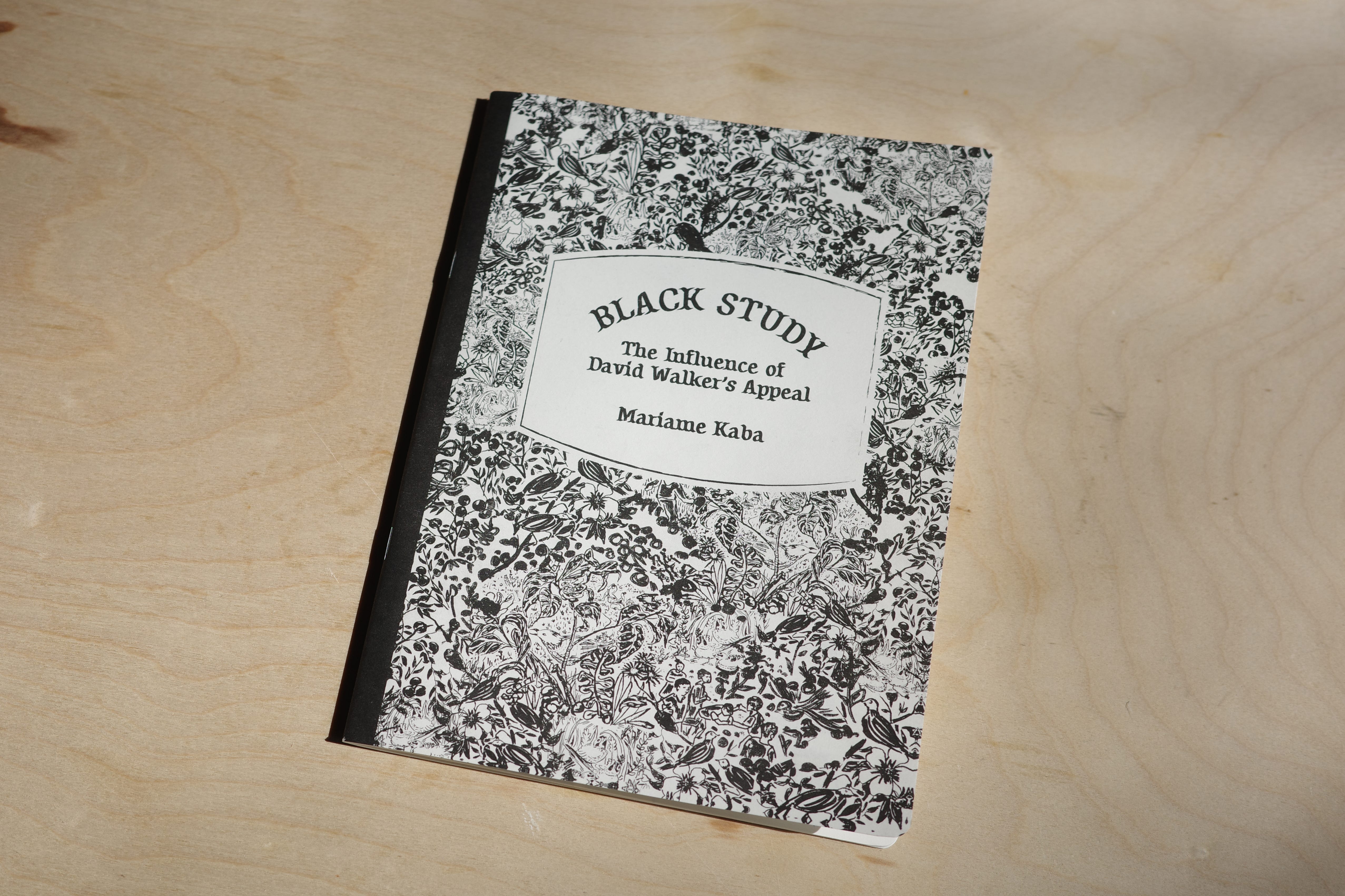
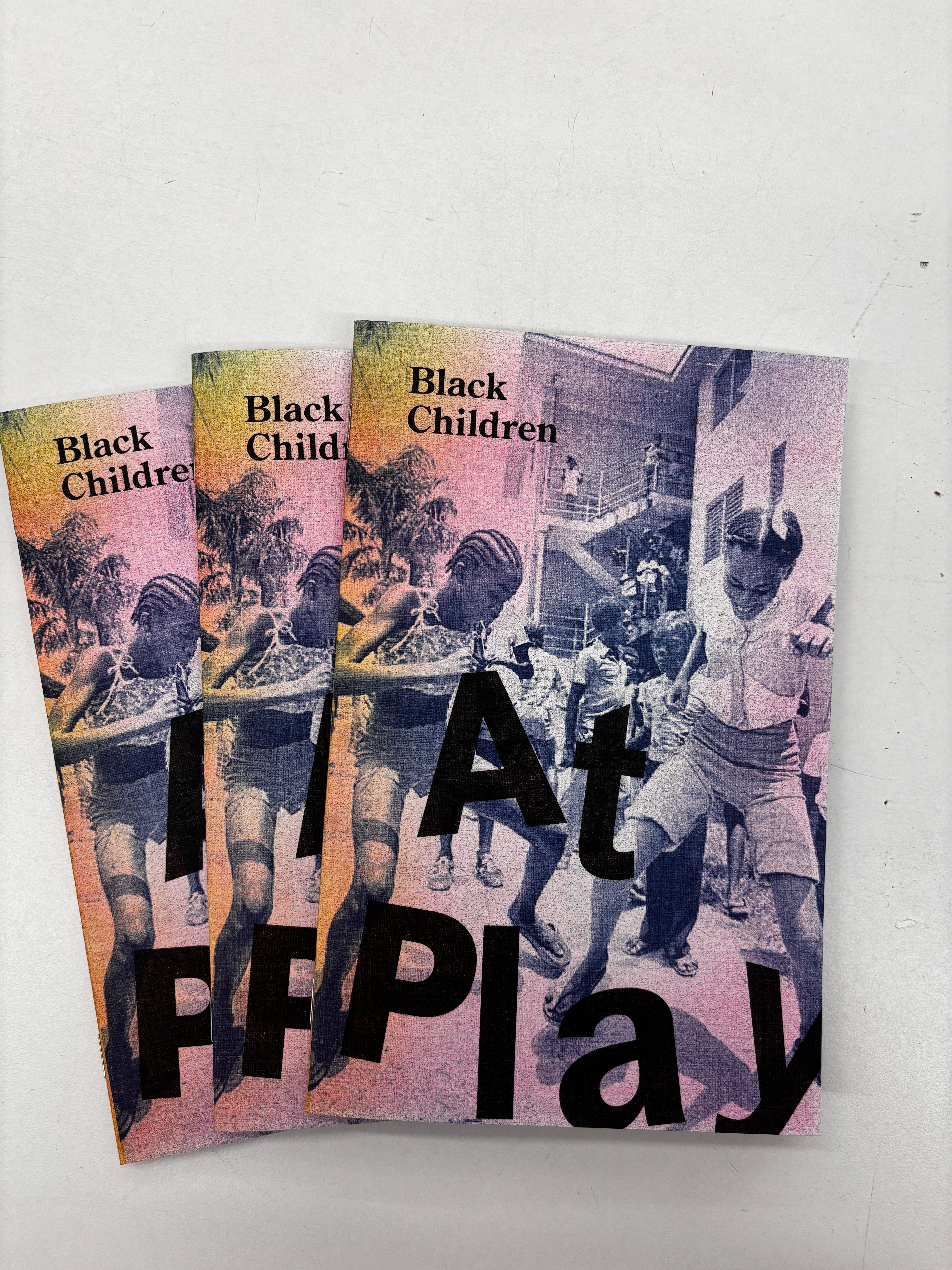
If you come to the Black Zine Fair on May 9, you can buy a special, limited-edition risograph print version of Sojourners For Justice Press’s most recent publication, Black Study: The Influence of David Walker’s Appeal, written by me, illustrated by Ezekiel Robinson, and designed by Neta Bomani.
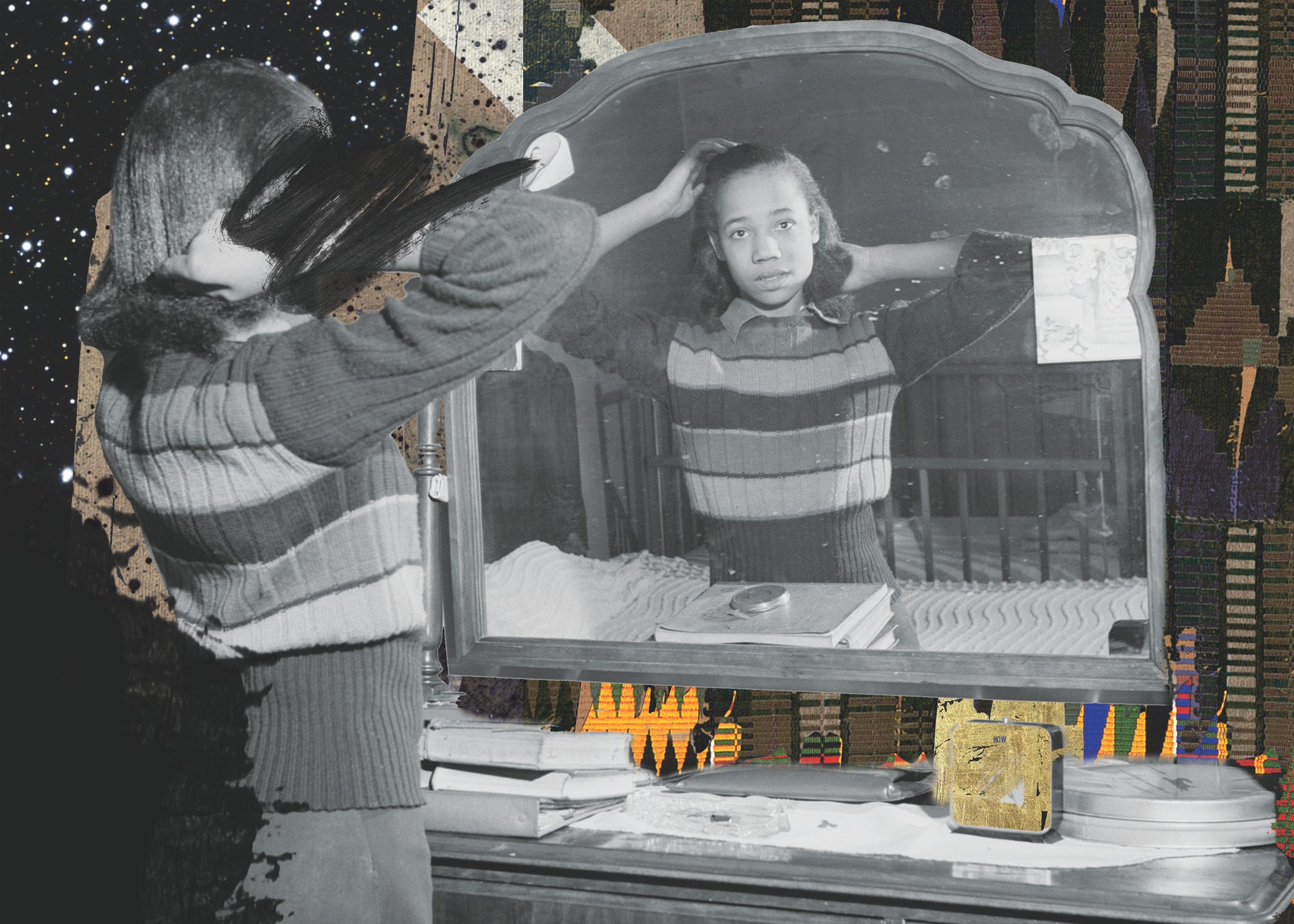
Black Study situates study as an act of remembrance and revolt. In 1829, David Walker published An Appeal to the Coloured Citizens of the World, a subversive pamphlet calling for enslaved Black people to revolt. His words inspired enslaved Africans and significantly influenced future abolitionist movements. Black Study traces this history alongside archival photographs of Black people reading and learning across generations. Black reading, writing, and study have always been forms of political action.
You can join me on April 26 for a discussion about education for liberation and to celebrate the release of our publication. Please bring a copy of a book that has influenced how you think of yourself and of the world. Attendees will work on creating personal collages or maps that depict and chart how they came to know what they know politically. Register here.
ProseSara Yasin’s introduction of her new publication The Key explores the failures of legacy media to produce thoughtful journalism about Palestine and about our world as it really is. The new magazine is “dedicated to covering Palestine as the core issue at the heart of the modern world”; I plan to subscribe and look forward to its contributions.
My friend Amisha is living with cancer and has written this beautiful essay about how this relates to our current fascist times.
Love this photo essay of regular Minneapolis people who stepped up and continue to step up to protect neighbors from ICE.
A wonderful comic in Jewish Currents depicting the history and lessons of the Chicago resistance to the ICE occupation there.
Tina Vásquez has written a heart-wrenchinging and important essay about her reckoning with the revelations that César Chávez raped movement leader Dolores Huerta and sexually abused the children of United Farm Workers staffers.
My friend Shannon Perez-Darby writes about what the disclosures about Chávez can teach us about addressing sexual violence within movement spaces. “To build movements free from sexual violence is to build movements that rely on collective power and shared, rotational leadership; it will come through millions of us building new practices step by step.”
Molly Crabapple reflects on the long history of women providing jail support, from the women of the Jewish Labor Bund in the late 19th and early 20th centuries, to those riding the bus today to visit loved ones incarcerated on Rikers Island. Molly’s book on the Bundists, Here Where We Live Is Our Country: The Story of the Jewish Labor Bund, came out this week.
This review of a recent book by John Fabian Witt outlines the story of an early 20th-century fund that was formed to spend down the inheritance of a reluctant millionaire in the service of radical change. Claire Dunning writes that “the book makes a compelling case for how and why philanthropy might support a leftist agenda,” even though modern philanthropy is dominated by liberalism and institutionalism.
I am so energized by this description of Free the Future, a nationwide organizing project for public education, and by the movement’s clarity that we must defend strong public schooling as a key bulwark against authoritarianism.
Another amazing comic, this one Vincent D’s story of hosting a DIY mutual aid swap, with advice about how to follow suit.
PodcastI appeared on two of my favorite podcasts this month. I talked with Kelly Hayes, Alison Macrina, and Katie Clark about the fascism-fighting power of public libraries on Kelly’s podcast Movement Memos. And Andrea Ritchie and I spoke with Beatrice Adler-Bolton on Death Panel about how the violence and cruelty that we see from ICE is inherent in policing itself.
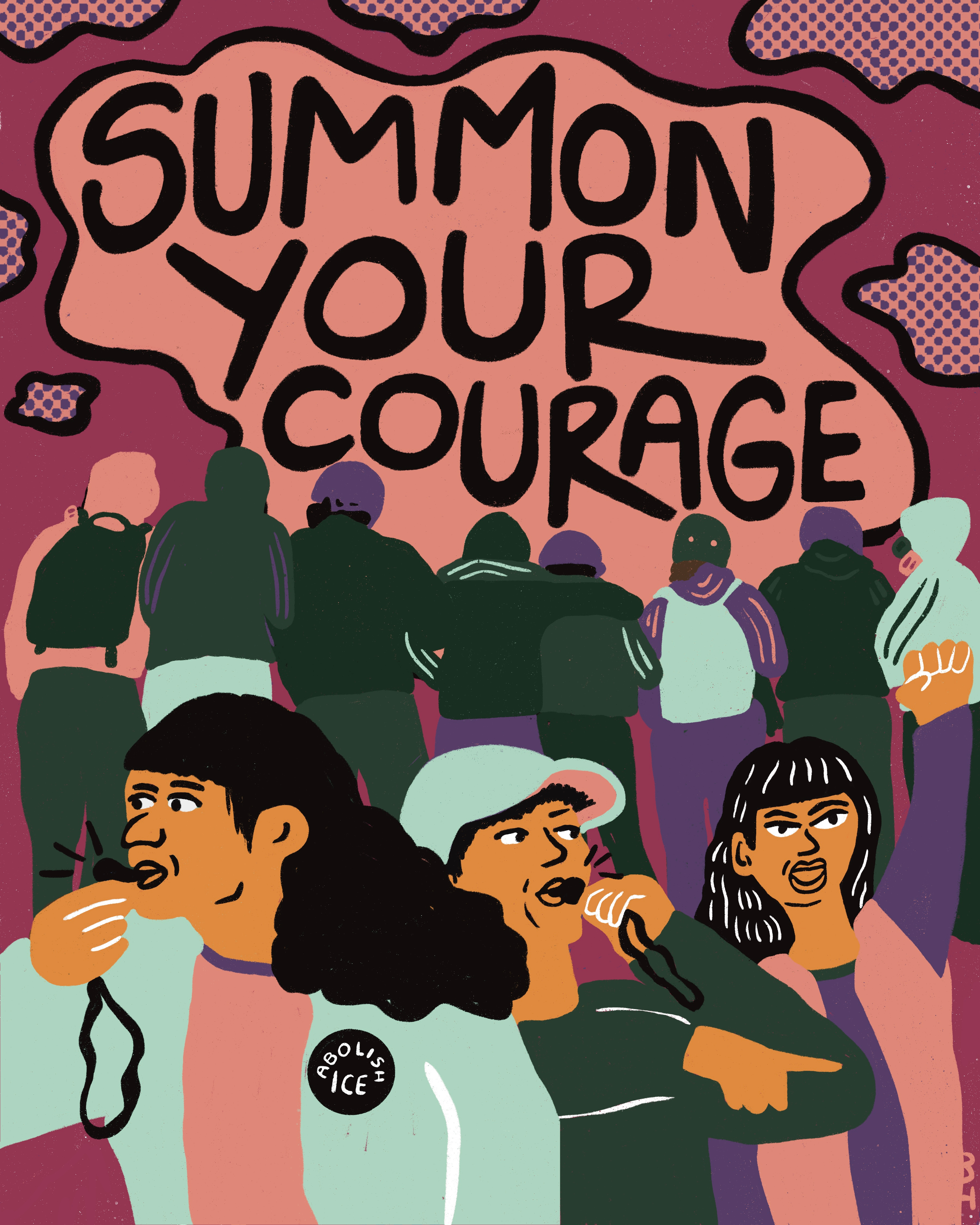
Poem“Summons” by Aurora Levins Morales proffers the most beautiful invitation into abolition and the transformation of harm; “There are no leaders who dare to say /every life is precious, so it will have to be us.”
PotpourriIf you’re in NYC between now and June 28, please come to the Bedford Library to see The Warehouse.
As part of the exhibition, abolitionist organizer Parissah Lin will lead a Jail Support 101 workshop at the Bedford Library on April 18 & my friend jackie sumell will host an abolitionist tea party on April 19.
If you are interested in and/or engaged in grassroots public history in NYC, you are invited to join a gathering that I am co-organizing on April 11. Space is limited & registration will close on Friday at 5 pm.
10 Years of Survived and Punished—a virtual celebration on April 28.
This looks like a great virtual talk and fundraiser for the East Bay Meditation Center—on April 25, Dean Spade, Weyam Ghadbian, and René Rivera will discuss connection, conflict, and showing up for each other in these times.
The New York Public Library will be holding an event April 29 to explore the power of oral history and the Rikers Public Memory Project.
The 5th Annual Black Mothers March on the White House— “an opportunity for people fighting against the Family Policing System across the country to come together”—will be May 10.
My friend Tanuja Jagernauth’s new zine, Healing Justice & Our Call to Practice, is indispensable. SJP is honored to publish it.
A new report from The Sentencing Project finds significant evidence that restorative justice diversion programs for young people offer meaningfully improved outcomes for both victims and youth offenders when compared to the traditional juvenile court system, but are still very rare nationwide.
Aorta is offering a free zine series called Five Defensive Strategies Against Fragmentation. The first of the zines, Democratic Decision Making, is available here.
If you have donations that could help the NYC Trans Archives “preserve materials that are significant to the trans community while prioritizing ephemera that is too often overlooked in formal archival collections,” here is their acquisitions form.
Another lovely comic, this one based on a poem by Nikita Gill and drawn by The Oatmeal, with a beautiful message.
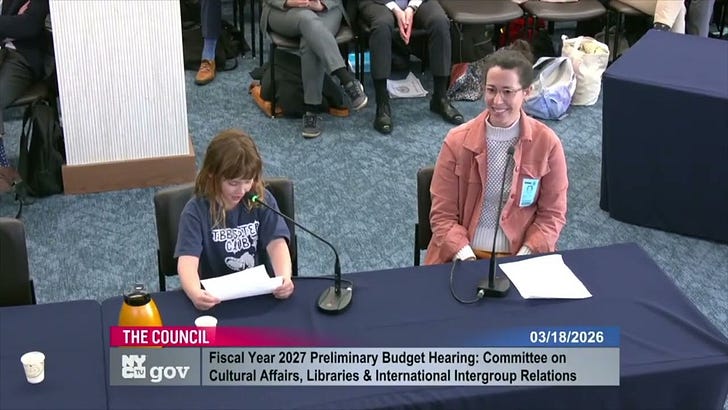
Cool Library Thing of the MonthWell! Enjoy the comments too.
Thanks for reading Prisons, Prose & Protest! Subscribe for free to receive new posts and support my work.