
2 photos.


https://www.gyford.com/phil/2026/04/27/
Trying to get to grips with this.
From Writing.
After last week’s “Onward to next week. Nothing can go wrong, nothing.” how did I do?
The week didn’t start great but generally, another good one.
(Let’s take it as read that I will largely continue to ignore the wider world in these solipsistic weeeknotes right up until the point at which it comes hammering on the doors of me and my loved ones. A stance that would get me pilloried by the righteous strikeforces of Bluesky. But we’re not there, we’re here, and lacing every one of my “What I did this week” accounts with outraged eye-rolling about sigh everything will never change the world. So…)
Having cleaned the coffee grinder last Sunday, on Monday morning I turned it on to silence. Dead. Having failed to find any useful help on Baratza’s quite bad site, I emailed them, they sent me a link to an article describing how to take it all apart, I found that the “interlock switch” had come loose, and after re-seating it on its little plastic blobs, everything worked. One-nil to me.
Confident, I decided to investigate our inherited Kärcher pressure washer, which leaks a lot of water from somewhere inside whenever it’s used. Eventually I found that it seemed to be coming from a white plastic part that links to the water and the electrics, would require dismantling the entire innards to replace, and costs over £50. Deciding this was not worth it, I then tripped over the power cable, the washer fell over, and the on-off knob snapped off this already-cracked part. So now it won’t even turn on. It’s now optimistically on Facebook Marketplace for a tenner. One-all.
§ I’m continually trying to catch up with reading editions of The Wire. I’m totally going to do it soon. Even though I’m only skimming a lot of it these days, especially the reviews, I hope to find at least one new album from each issue that I like enough to buy. Two this week.
First My Hair Is Everywhere by Klinck Trio. Slow and sparse, just piano, violin and saxophone feeling their way.
And then Swimming in the Early Hours by Emergence Collective, from Sheffield. Improvised, it reminds me at different times of Penguin Cafe Orchestra, Michael Nyman, and Philip Glass (which is kind of showing the paucity of my references for this kind of thing).
§ It’s very easy to take not working for granted, especially when feeling down or stressed, and the days slip by unloved and unappreciated.
But the past couple of weeks, probably helped by the warm summery weather, I’ve felt so fortunate. I’m getting lots of things done, only frustrated that I’m not getting enough done. So much to do I spent much of the afternoons this week wrangling those PDFs.
I’ve also started work on project Renovate Pond. We have a pond that’s lined with concrete that has cracked. We’ve tried repairing it twice with Pond Putty but it’s failed again. The easy thing to do would be to cover it with a liner. But its current shape, a smooth bowl, makes it hard to plant anything in there, and it could be a little deeper.
So muggins here has decided to break up the concrete, dig out the hole a bit and then line it. I also decided that using a sledgehammer and a crowbar would be less traumatising than hiring a pneumatic drill which would involve both, well, using a pneumatic drill, but also having to talk to Real Men at a Real Men’s Tool Hire Place.
I’ve had three short stints of bashing so far and it’s very hard work and I haven’t got very far. We’ll see who ends up as nothing but a shattered and worthless pile of broken parts first, the pond or me.

§ Five months ago I planted yellow rattle seeds on a 10×10m section of our lawn. Every so often I’ve been wandering around looking at the grass wondering if I planted them too late, or the birds ate them all, or if it’s just too early. This week I finally noticed some unfamiliar shoots and, yes, it’s the yellow rattle plants coming up!
I tried to take a photo but just end up with some small, blurry, pointy green leaves among a lot of other small blurry green leaves so they’re not much to look at yet.
§ We finished the second season of Paradise which continues to be nonsense, only now with several different narrative strands going on at once, all of them varying degrees of nonsense. Jumping from one set of characters to another made it all feel pretty slow early on, and unavoidably a bit derivative of The Last of Us (without any infected). But, you know, still watchably daft.
§ We also watched three behind-the-scenes films about The Detectorists, one for each season, which we hadn’t come across before. All of them were lovely, full of lovely people having a lovely time making a lovely show. Seasons one, two and three.
§ Probably no weeknotes next week. Hope you have a good one. Or two.
From Writing.
This week I finished the final little bit (80%) of making PDFs of my mum’s local history books and booklets. It was inevitably more complicated and confusing than I expected so I’m describing what I did in case it helps anyone do something similar, better, in the future.
I’m doing all this using macOS.
Scanning inner pagesI had extra copies of all the books so was able to cut all the pages out, slightly laboriously, using a scalpel and ruler. I could then feed all the inner pages through my ScanSnap s1300i, which I bought years ago after reading Getting Things Done – it’s an extremely useful luxury.
This scanner can only take 10 sheets at a time which made scanning a 300-page (150-sheet) book a bit more work than with a bigger scanner. But still pretty quick. I wouldn’t have contemplated this project if I’d only had a flatbed scanner.
I scanned all the pages to black-and-white PDFs using “Better” quality, black-and-white being the smallest MB-wise. I opened the first PDF file in Preview, opened the thumbnail draw, and dragged each subsequent PDF to the bottom of the thumbnails.
I then realised that some of the pages in some of the books included illustrations, maps, and graphs that used shades of grey, and the black-and-white scanning had, obviously, rendered them as purely black-and-white, which looked pretty bad.
So I re-scanned all the pages using greyscale. Doing all of them was quicker and simpler than working out exactly which pages needed re-doing.
Of course, the greyscale scanning results in larger files. So I opened the complete black-and-white PDF in Preview then, one-by-one, each of the greyscale PDFs. I dragged the thumbnails of any pages that used grey from its greyscale PDF to the black-and-white PDF, deleting the equivalent page from the latter.
The text on the greyscale pages was slightly greyer than the very black text in the black-and-white pages, but overall this seemed the best compromise between file size and using the greyscale for the pages which needed it.
Scanning coversThe paper/card of the covers were all too thick to go through the ScanSnap so I scanned them using my even older Epson flatbed scanner. More time consuming. I could have tried scanning them straight to PDF but I didn’t think of that and I’m not sure how well it would have worked.
Instead I scanned them to 300dpi TIFFs, then opened them in my usual image-editing software, Acorn, in which I touched up any blemishes. I then saved them as JPGs or PNGs, depending on what the image was like and what ended up smaller with decent quality, after fiddling with JPG compression and PNG colour indexing.
But I needed these to be PDFs. So I opened the image files in Preview and exported them as PDFs.
However, I did not use the File > Export as PDF… option because that results in a small version of the image in a sea of white background. Maybe this depends on some setting and/or the size/dpi of the image? I don’t know.
So instead I did File > Export… and chose the “PDF” Format.
However, again, I did not use the “Reduce File Size” Quartz Filter because, when I tried it, it resulted in a larger file size than without it. Having tried it with a different image just now, it did in fact reduce the file size so I don’t know what that depends on. Worth a try.
Because I ended up with quite a large PDF (e.g. a 600 KB JPG turning into a 3.8 MB PDF) I tried running it through online PDF compression tools: ILovePDF and PDF2Go. It takes some trial and error, and there’s not much control. I often wanted something in between “really small but extremely full of compression artifacts” and “only slightly smaller with a practically identical image”.
Eventually I’d settle on a suitable version, which I determined as “looks OK” and doesn’t feel too large given the current size of the black-and-white/greyscale PDF I’m about to add it to.
So I’d drag the PDF into the existing master PDF of black-and-white/greyscale pages.
Sometimes the cover would be much bigger or smaller (in terms of physical dimensions) than the existing pages, presumably because I’m an idiot who doesn’t pay much attention to dots-per-inch measurements. So I’d use PDF2Go’s Change PDF Page Size tool to change it to whatever the dimensions of the master PDF was (open it in Preview, then command-I to find that).
OCRAfter getting this far with all of the books I realised that none of them had been OCR’d to make them searchable. This was disguised by Preview because, these days, it will helpfully use some kind of image-to-text magic to make any PDF searchable and its text selectable. I could tell the difference by opening a large PDF that I knew had been OCR’d and searching that: the results were instant, while a non-OCR’d PDF showed results gradually, each page showing up in the sidebar as Preview worked through the file.
In the ScanSnap software there is an option to turn on OCR when scanning, which I’d missed while setting up my shortcuts for black-and-white and greyscale scanning. Presumably this would have done the trick, although I wonder if all the dragging of PDFs and pages into each other would then have messed this up?
Anyway, the ScanSnap also came with a copy of ABBYY FineReader and I was able to open each of the PDFs in that and have it OCR them, with results that seem to work well.
As a huge bonus, somehow, amazingly, this process also reduces the PDF file size. This makes no sense to me. Before I realised I had FineReader, I’d tried online OCR tools and they’d increased the file size. For example, OCRing a 6.5 MB PDF went like this:
I already did not understand PDF file sizes and at this point I gave up trying.
I had previously run the PDF pages through the online services’ Compress PDF tools, before adding the covers, but this was now an entirely superfluous step, so I reverted to the pre-compressed PDFs and OCR’d them.
One last wrinkle: the version of FineReader that came with my ScanSnap scanner would only process PDFs that had been made with that scanner. Because of something I’d done with one of the online services, one of my PDFs no longer counted as made by ScanSnap so it wouldn’t OCR. So I:
While checking the dimensions of a PDF I noticed some of the metadata fields available, and I wanted to set these appropriately. It seemed like the simplest way to do this (if you’re comfortable with the command line) is using ExifTool – I had no idea it could do things with PDFs as well as image files. So:
exiftool-Title="Men of Bad Character: The Witham Fires of the 1820s"-Author="Janet Gyford"-Keywords="Witham,Essex,history,fires,1820s,19th century"janet-gyford-men-of-bad-character.pdf
A more general tip for any process, not just this one: write everything down. I’ve always been keen on keeping documentation and writing commends in code, for me as much as anyone else. If you’re young and haven’t done enough for long enough to realise how much you can forget… you will! Soon!
Almost every project I have, no matter how small has a README.md file (or, usually, a _README.md so it’s alphabetically harder to miss) in which I describe exactly what I did. I did this for each of the books I PDF’d because each was slightly different.
This was already useful during the week as I found new problems and solutions along the way, forgetting what I’d already done with each book.
Write it all down! Even if you’re not planning to share it all in a long blog post.

Broken pond
Concrete pond cracked. We’ve repaired it twice. Still leaks. So it will be renewed.

Breaking pond
Turns out, breaking up concrete with a hammer and crowbar is quite hard work.
This is so good if you remember these things. So much detail and so many games. (via b3ta newsletter)
From Writing.
It’s been a few months since the last post so here are some blogs and newsletters I’ve started following since. Here are the previous posts and here’s my blogroll. I should maybe stop splitting that (and this) into blogs / newsletters because that distinction seems less useful than topics.
BlogsThat is all very, very male isn’t it. Tsk.
From Writing.
A good week, something I hesitate to say because my mind assumes something good is naturally followed by very bad things. But we must press on regardless. I felt good, busy, keen to get things done, and enjoyed doing them.
§ Lots of baking this week: a loaf of bread (this one, but 50% whole wheat); a surprise fruitcake while Mary was away, for her birthday later in the week; pizza dough for Friday night pizza; and two more loaves of the same bread.
When baking bread by hand (instead of using the breadmaker) I usually do that bread from Ken Forkish’s Flour Water Salt Yeast, preparing the dough through the late afternoon/evening and baking the next morning. Occasionally I do the “Saturday” whole wheat instead if I need to get it all done the same day.
Both are delicious, although they never quite have the amount of rise I hope for. The loaf at the beginning of the week was probably the highest-rising I’ve had… and that was made without the aid of weighing scales due to our decades-old ones breaking and the replacement having not then arrived. So who knows what exactly I did differently.
§ Early in the week I finished off the final little bit (80%, of course) of that HardWired blog post. It was one of those blog posts that’s been in the back of my mind for years, so it’s good to get it out of my system. I do enjoy filling gaps in the Internet, to help future searchers, although it’s starting to feel more like filling the gaps in AIs’ knowledge, which is much less pleasing.
Continuing from the scanning involved in that, I did some scanning of my mum’s local history books, to get those that aren’t already online, online. The size (MB-wise) of PDFs is some un-knowable metric that seems hard to control. Trying various PDF-size-reducing tools, unclear what has a big effect and why. Lots more to do.

§ I’ve converted a couple of existing web projects to use Biome for linting and formatting JavaScript and CSS instead of Prettier. I do not know why. At some point, months ago, I read enough that convinced me Biome was better, or more the future, than Prettier, and noted that I should move things over. It is not for Present Me to argue with Past Me.
This was slightly complicated by still getting to grips with my new Neovim set up but, when it was all working, Neovim / Neovide felt good, fast, and lightweight in a way that VS Code doesn’t. I should hope so too after so many, many hours of stupid fiddling with it.
I’m starting to feel like I need some more organised way to keep everything on my computer up-to-date rather than randomly remembering to run the commands: Homebrew, npm, uv, Neovim plugins, etc. No idea what that “more organised way” could look like though. And even though I’ve just now tried to update everything, the version of Biome that Neovim has installed is 0.0.2 versions ahead of the one npm has installed, which means one or other will continue to complain. Computers!
§ We used to keep Pippa the cat out of the garage, partly just so we didn’t accidentally leave her trapped in there. But since she managed to sneak in a while back and then heard, and then saw, a mouse, she’s been very keen to revisit the room where we – apparently – store our mice. I’ve become increasingly indulgent of this and most evenings this week have involved a quick trip to the mouse room before bed, me standing in the doorway to assure her there’s a way out, her creeping around, sniffing, sitting, staring. No more mice yet.
§ I watched three films this week:
§ Onward to next week. Nothing can go wrong, nothing.
Actual train departure board screens
"Add any public account from Instagram, Facebook, Mastodon, Bluesky, Threads, X, TikTok or YouTube to quickly get a [RSS] feed" by Kyle Ford. (via Adactio)
From Writing.
Around 1996-7 Wired Ventures, publishers of Wired magazine, had a book publishing company called HardWired. There’s barely any presence on the web for this so, as I looked at my shelf of some of HardWired’s books, I thought I should collect what information I could find.
As far as I can tell the company published 15 books – 12 non-fiction, 3 fiction – with at least 11 more in the pipeline before it closed down, all listed below. This isn’t many titles but it’s a great snapshot of a certain mid-90s tech-focused world. I’ve looked for information about the company and its books to piece together what I can here.

Publication years for Wired Ventures’ 15 books are 1996 or 1997, with those that were only planned having being scheduled from September 1997 into 1998. At least three of the later published books were published by Wired Books, rather than HardWired. Maybe they were far enough along in the process to see through to the end after HardWired closed.
Most of the books were original works but two of the 12 non-fiction works (both by Marshall McLuhan and Quentin Fiore) were first published in the 1960s, and the three fiction books were previously published in 1980 (two of them) and 1991.
I worked at the UK edition of Wired magazine during this period but had no connection with HardWired. Do email me if you have any corrections or additions to any of this.
On 30 May 1996 Wired Ventures filed an S-1 form with the Securities and Exchange Commission because it was planning an IPO (Initial Public Offering). This mentions HardWired as a recently-established division:
The Company has established a book publishing division, HardWired, which will publish its first books in 1996. A total of six books, many of which will contain content derived from Wired magazine, are scheduled for publishing in the Fall/Winter 1996 book season.
The six books it lists are Mind Grenades, The Medium is the Massage, Wired Style, Digerati, Reality Check, and BOTS.
Also:
HardWired books will be published by the Company and distributed through Publisher’s Group West (“PGW”). The Company’s book marketing program includes a cooperative agreement with PGW for advertising in wholesaler catalogs, book trade publications, consumer outlets, and national account promotions. The Company also expects to promote its books through trade shows, trade and consumer print advertisements (including Wired magazine), electronic kiosks, and online advertising (including on the Company’s online media properties), author appearances on television and radio, book tours, and speaking engagements.
Under the subheading COMPETITION it includes:
The Company’s book publishing operations will compete for sales with numerous other publishers and retailers, as well as with other media, including the Company’s own magazine and online media products. In addition, the acquisition of publishing rights to books by leading authors is highly competitive, and the Company will compete with numerous other book publishers. There can be no assurance that the Company’s book publishing efforts will be successful, or that the costs of such efforts will not have a material adverse effect on the Company’s business, financial condition, and operating results.
Searching my old Wired UK emails I found one dated 14 October 1996 from Louis Rossetto to everyone at Wired and HotWired, about critical coverage of the company’s proposed IPO, and emphasising how well all the parts were actually doing (he was unable to say anything publicly due to the “quiet period” imposed by the SEC). It included this paragraph:
At HardWired, two of our first six titles have been selected as Book of the
Month Club Alternates. And one, Mind Grenades, has made the Borders Top 50
bestselling books in America (less than a month after release) and is already
back on press -- an amazing start for a new company.
On 25 October the Wired Ventures IPO was withdrawn.
ScanningI also remember an email sent round the company earlier, asking for any copies of Marshall McLuhan’s The Medium is the Massage because HardWired was going to republish it and wanted to ensure it had the best quality originals possible from which to scan the pages.
Paulina BorsookIn searching for HardWired-related details I came across an article at Salon.com, ‘WIRED UNBOUND’ by Scott Rosenberg from 2 October 1996. It recounts how relations between HardWired and a potential author, Paulina Borsook a critic of Wired’s often libertarian mindset, broke down. (I’ve updated the links to roughly contemporary Internet Archive versions):
Borsook had a love-hate relationship with Wired; she’d published in the magazine early in its life, but had also written critically of the technoculture Wired champions — both in print, in the anthology “Wired Women” and online, at the Suck Web site.
Then, in late August — after she had signed her $42,000 contract but before Hardwired had countersigned it — an interview with her appeared on a Web site called Rewired. In it, she repeated some of her criticisms of Wired but mostly expressed bemused bewilderment over the company’s apparent continued enthusiasm for her work.
The next day, she received a bitter e-mail message from Peter Rutten, Hardwired’s publisher, complaining that the interview had undermined their relationship. He also set new conditions on the contract; the publisher would only dole out the author’s advance in $2000 increments as she turned in chunks of her draft. Borsook — convinced, as most writers presented with such terms would be, that Hardwired really wished to deep-six the deal — decided to walk.
You can read the Rewired interview with Borsook by David Hudson on the Internet Archive: Part 1 and Part 2.
That December Hudson published an interview with Louis Rossetto, about the Borsook interview, to the nettime mailing list. It also appeared in Hudson’s 1997 book Rewired (on Open Library and readable at the Internet Archive). It includes this from Louis:
                            ... Often I'm completely absent; I'm pretty
much hands-off on a large majority of the content that we create here.

Which, in point of fact, was the case with Paulina's book at HardWired. I
didn't even know it was happening until Peter told me it was one of the
books for next year, and then I only found out after the fact that it
wasn't.
That’s the only part directly relevant to HardWired; getting further into any of the larger topics is an entirely different rabbit hole.
I’ve compiled lists of all the books I can find that were published or not-yet-published. This is accurate as far as I can tell but feel free to email me if you have any corrections or additions. There is some further info and links on the Open Library page for HardWired.
Three of the books I own are actually published by Wired Books, not HardWired, with a cut-down version of the HardWired logo. Maybe the production of these were in progress when HardWired closed, so they were published under a different label? I’m just guessing. I’ve included them below but indicated the difference.
These are listed in order of publication year, and then alphabetically by title. I’ve scanned or photographed the covers of those I own (hence some fading), with others scavenged from elsewhere. The planned publishing dates for the not-yet-published works were either found on various sites or else listed in already-published books.
Published booksNon-fiction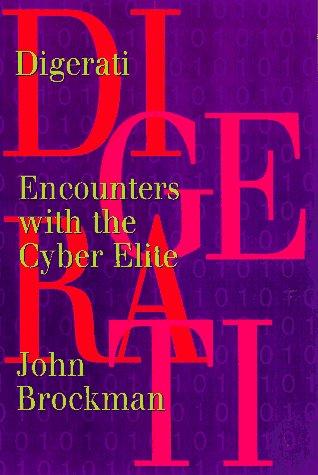 Digerati: Encounters With the Cyber Elite
By John Brockman
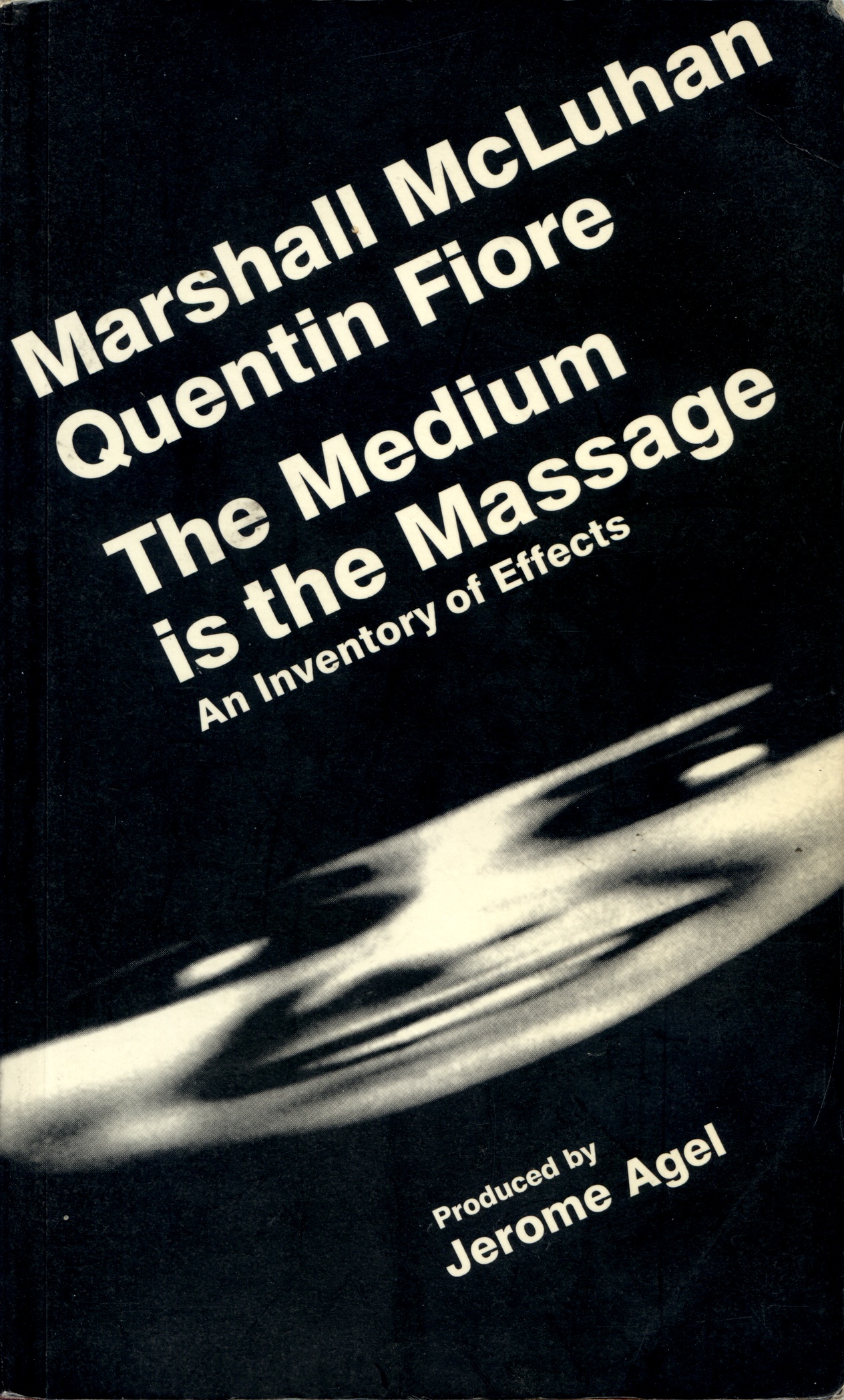 The Medium is the Massage: An Inventory of Effects
By Marshall McLuhan and Quentin Fiore
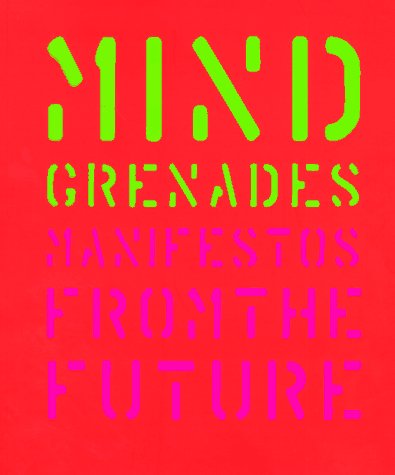 Mind Grenades: Manifestos from the Future
By John Plunkett
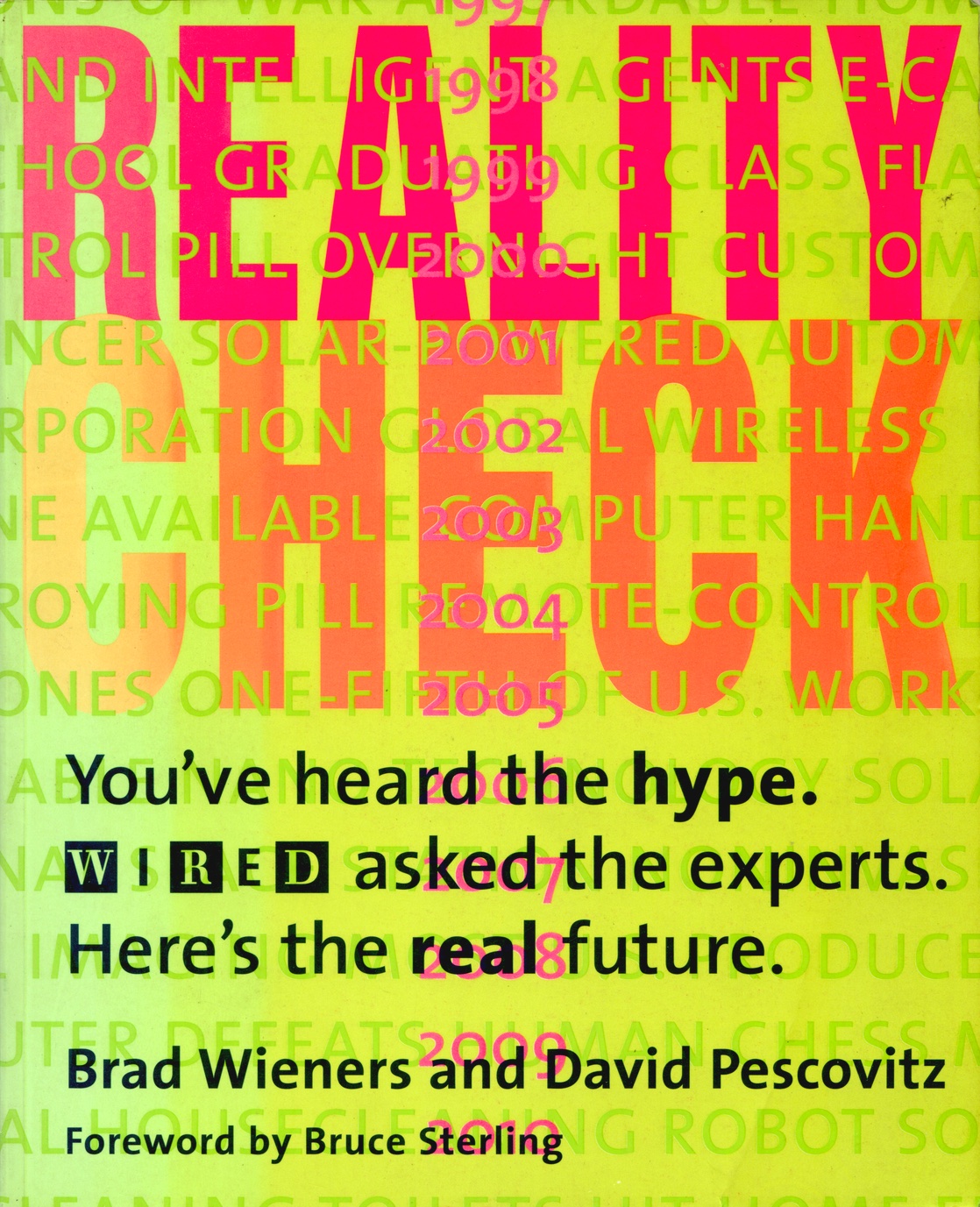 Reality Check
By Brad Wieners and David Pescovitz
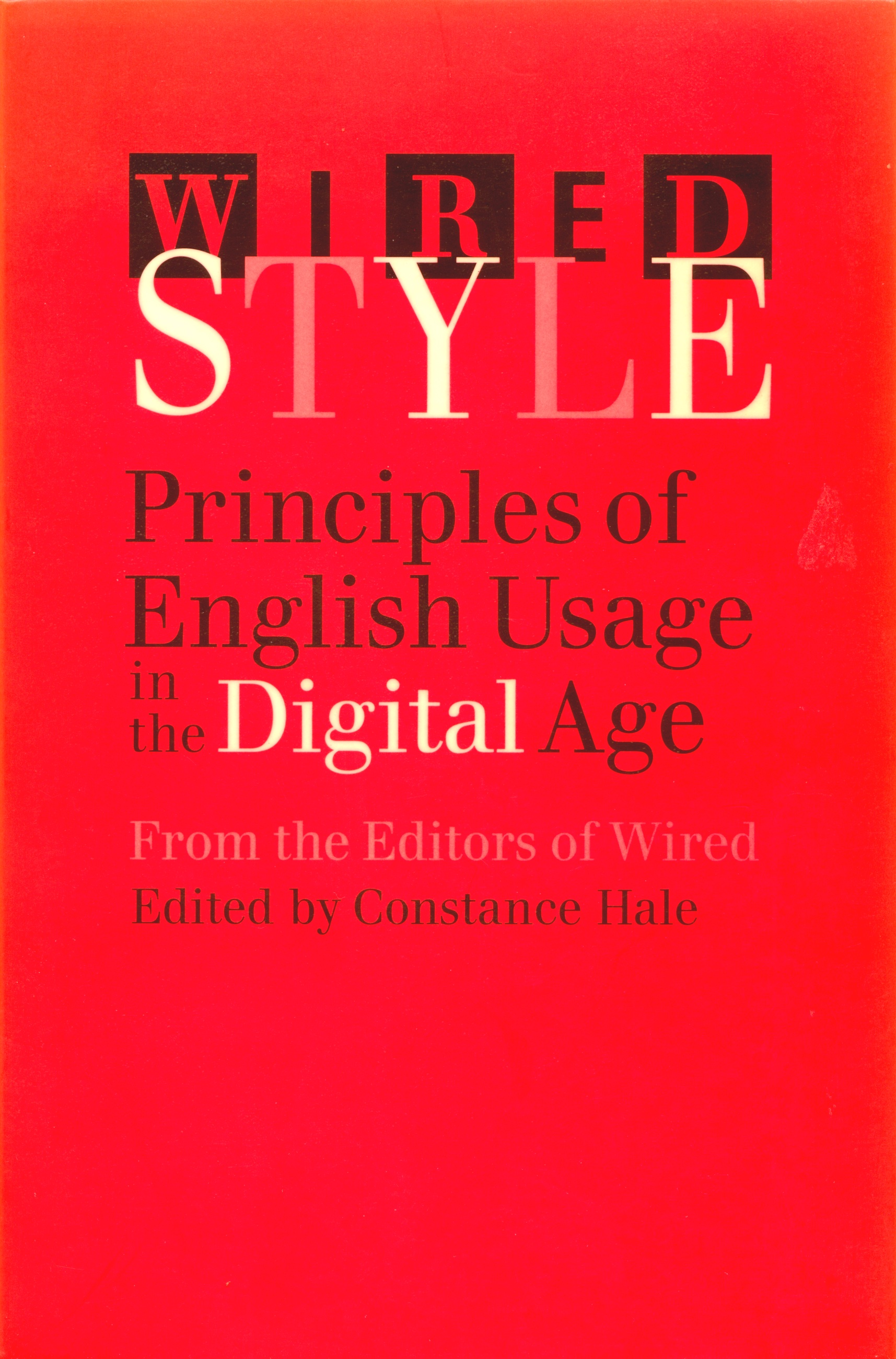 Wired Style: Principles of English Usage in the Digital Age
Edited by Constance Hale
 Bots: The Origin of New Species
By Andrew Leonard
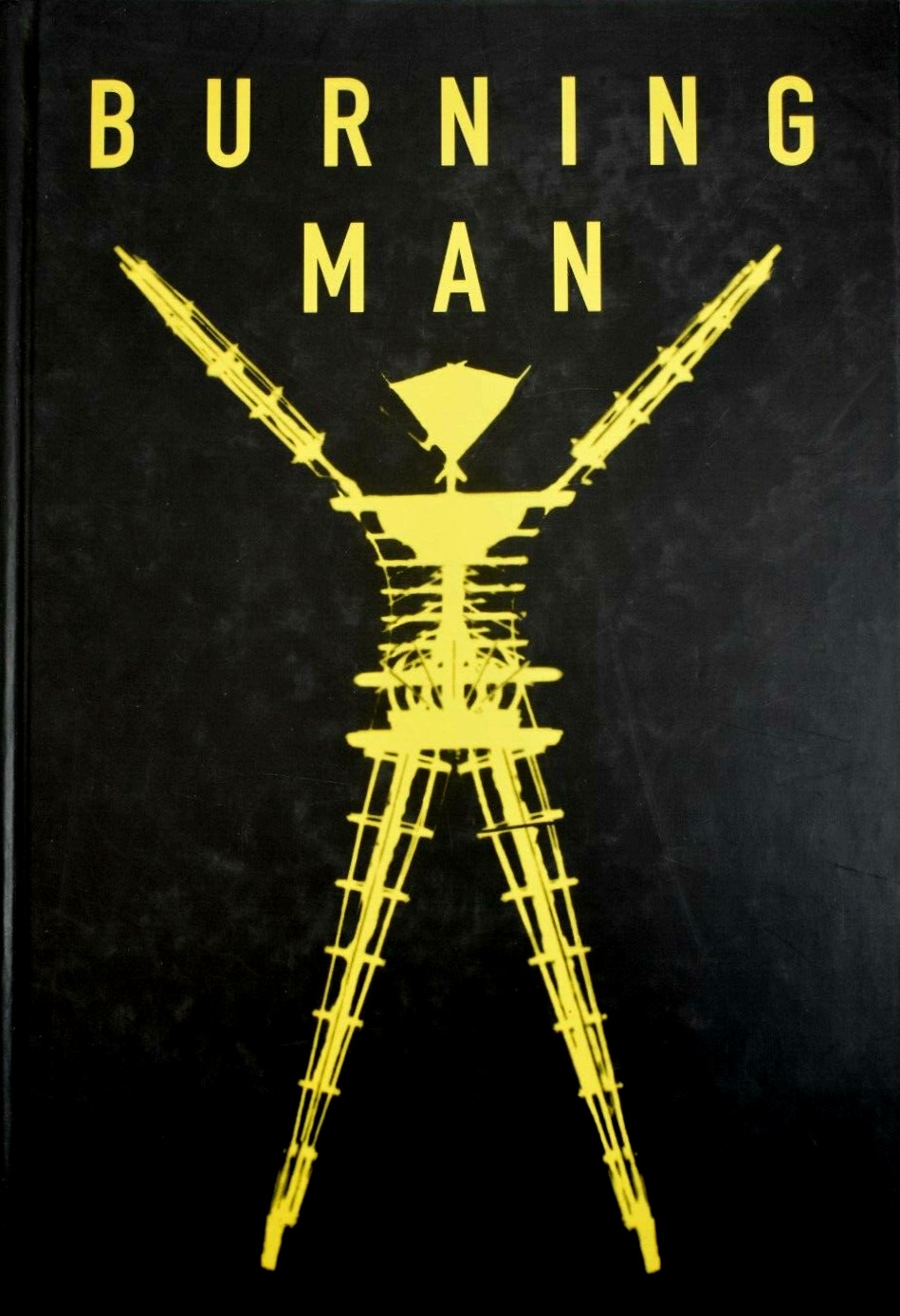 Burning Man
By John Plunkett
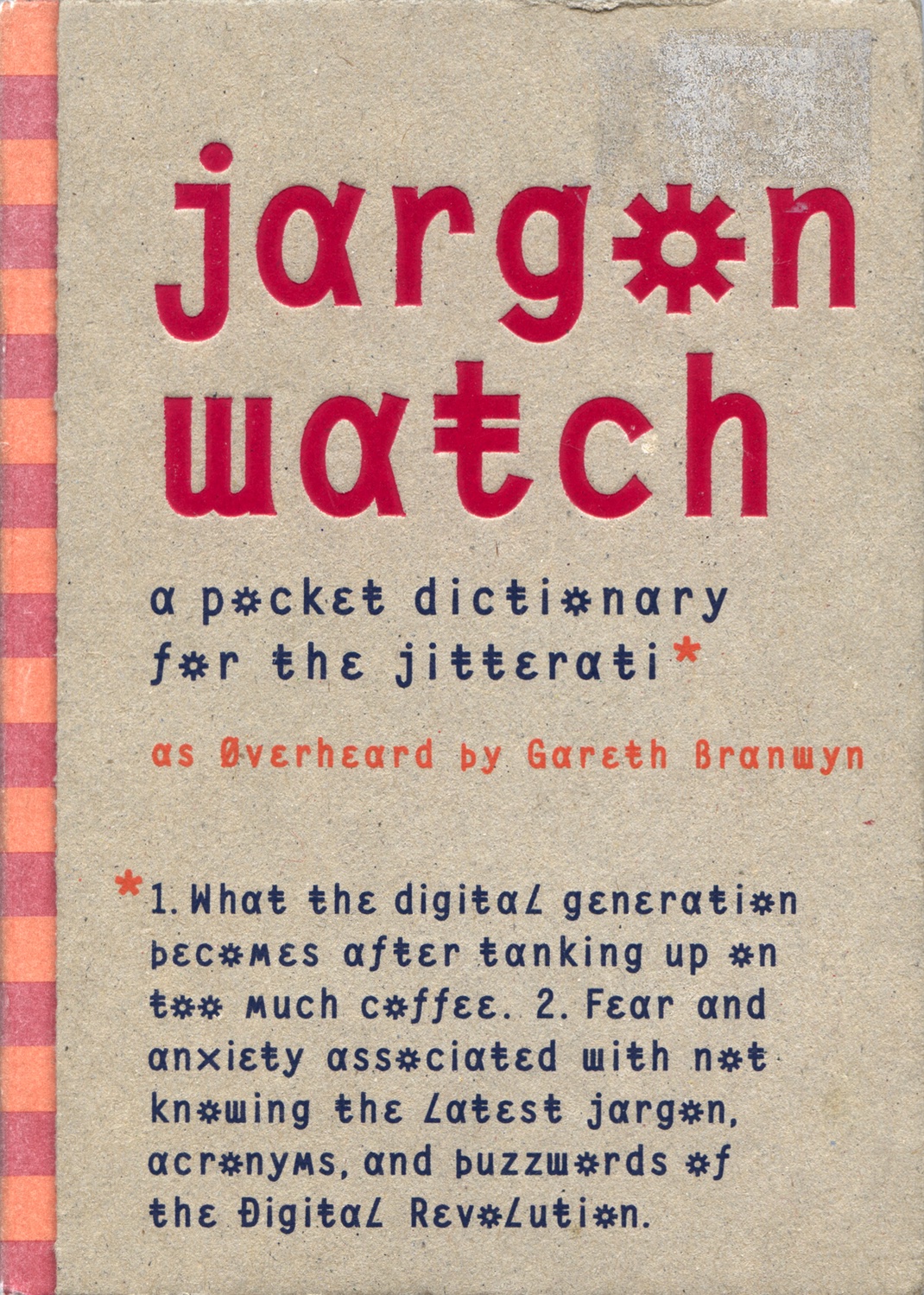 Jargon Watch: A Pocket Dictionary for the Jitterati
By Gareth Branwyn
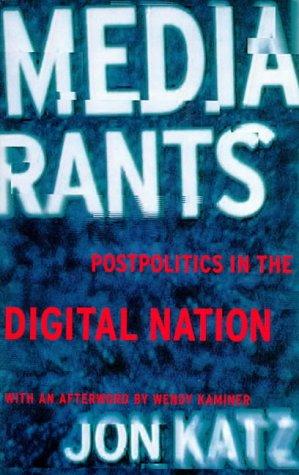 Media Rants: Postpolitics in the Digital Nation
By Jon Katz
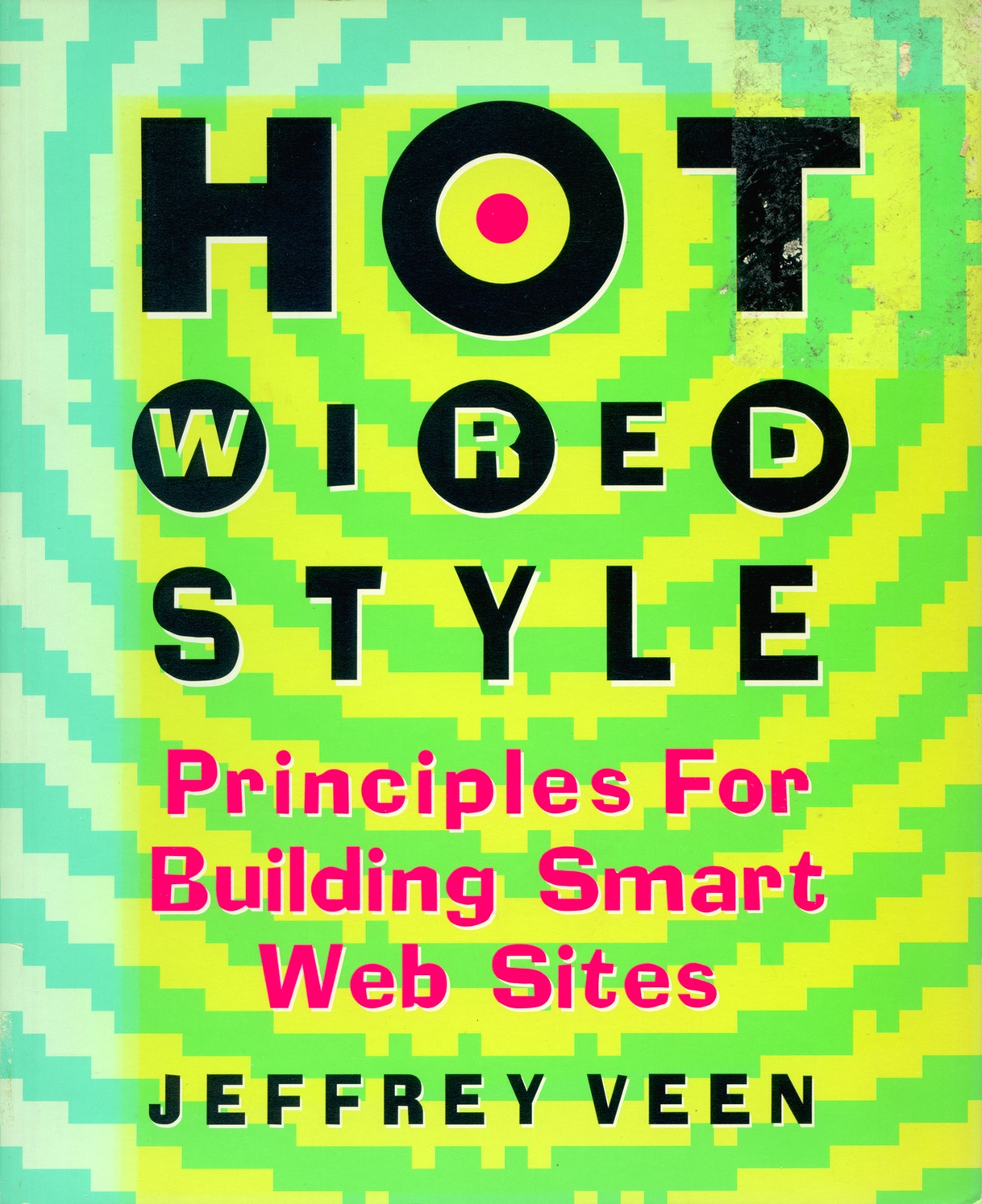 HotWired Style: Principles for Building Smart Web Sites
By Jeffrey Veen
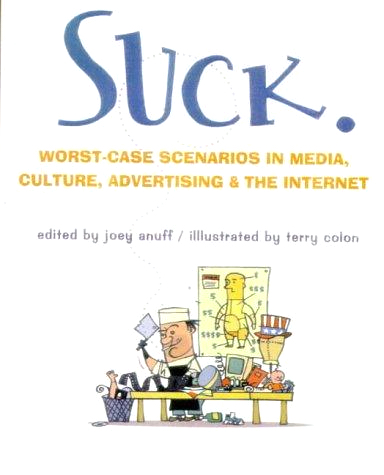 Suck: Worst-Case Scenarios in Media, Culture, Advertising, and
the Internet
Suck: Worst-Case Scenarios in Media, Culture, Advertising, and
the InternetBy Joey Anuff (editor), Terry Colon (illustrator), Ana Marie Cox (editor)
 War and Peace in the Global Village
By Marshall McLuhan and Quentin Fiore
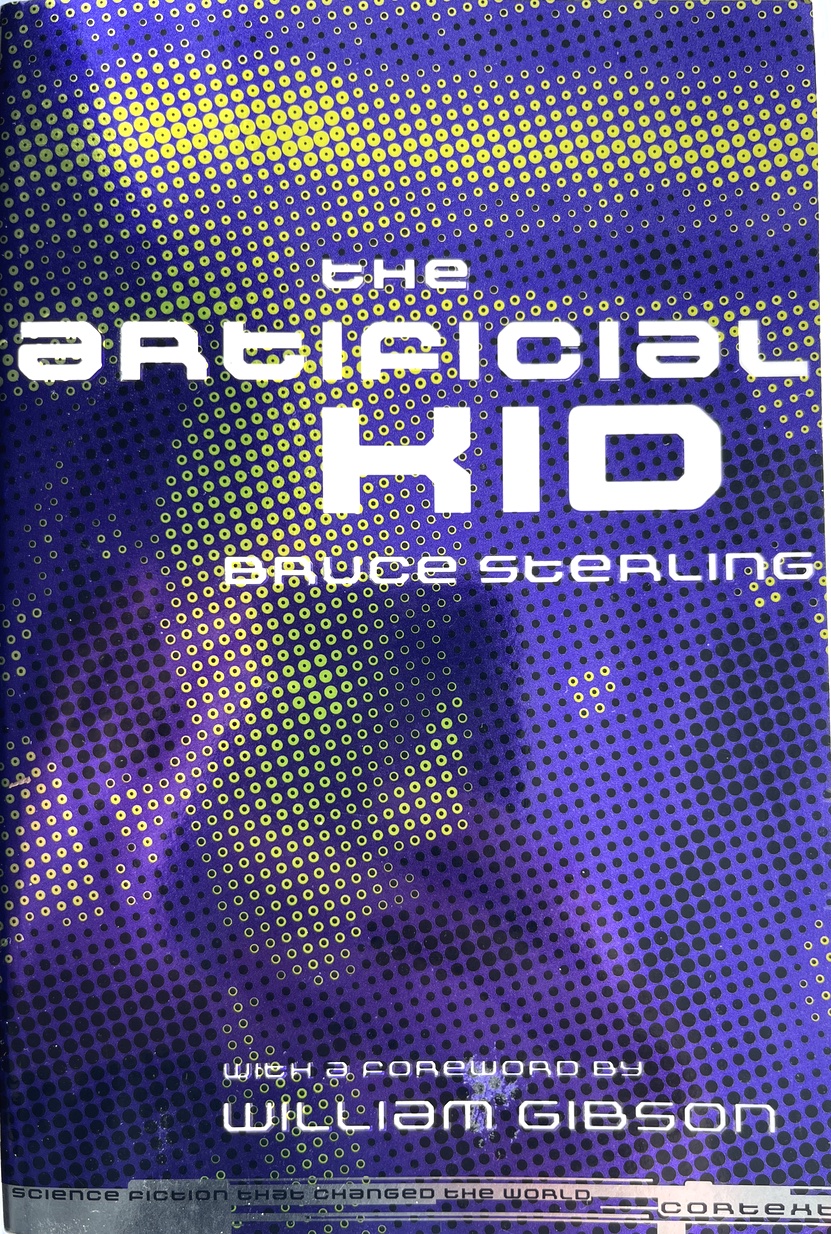 The Artificial Kid
By Bruce Sterling
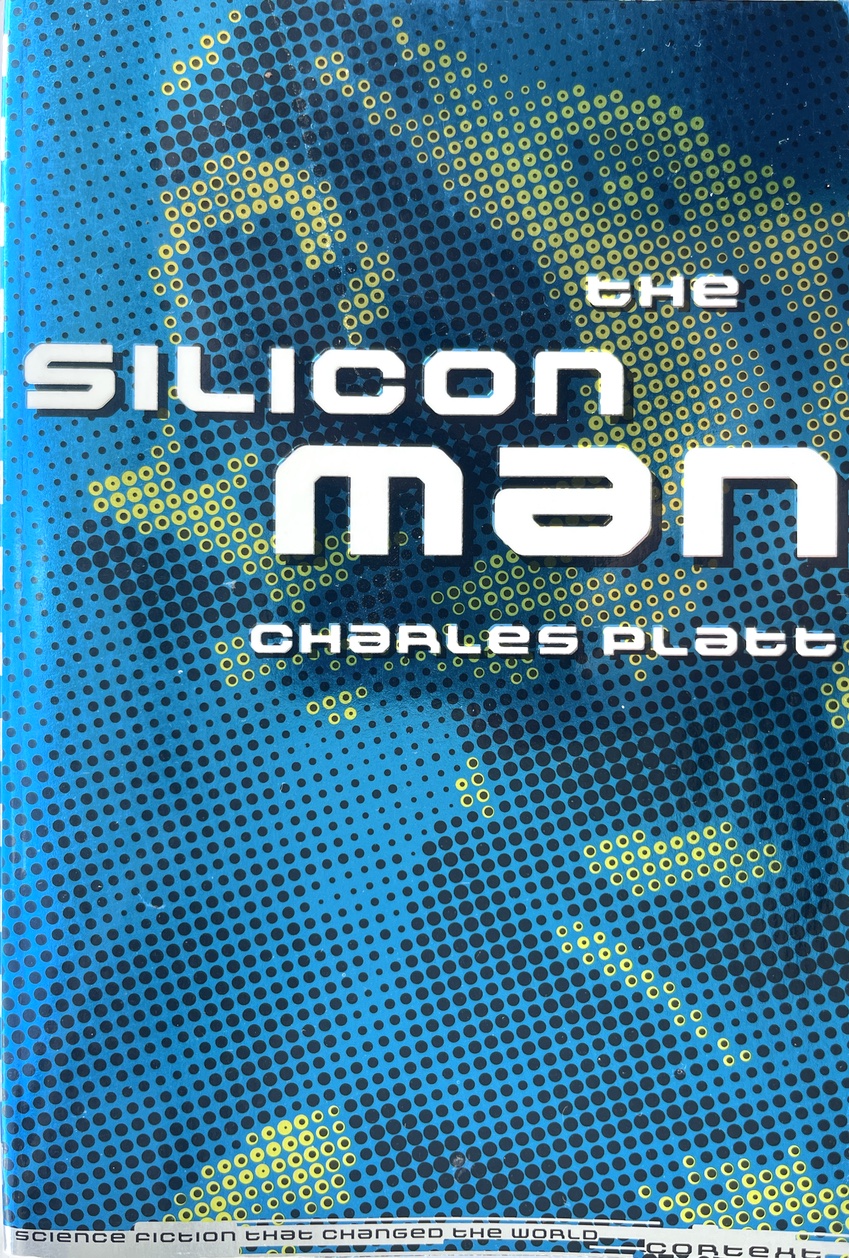 The Silicon Man
By Charles Platt
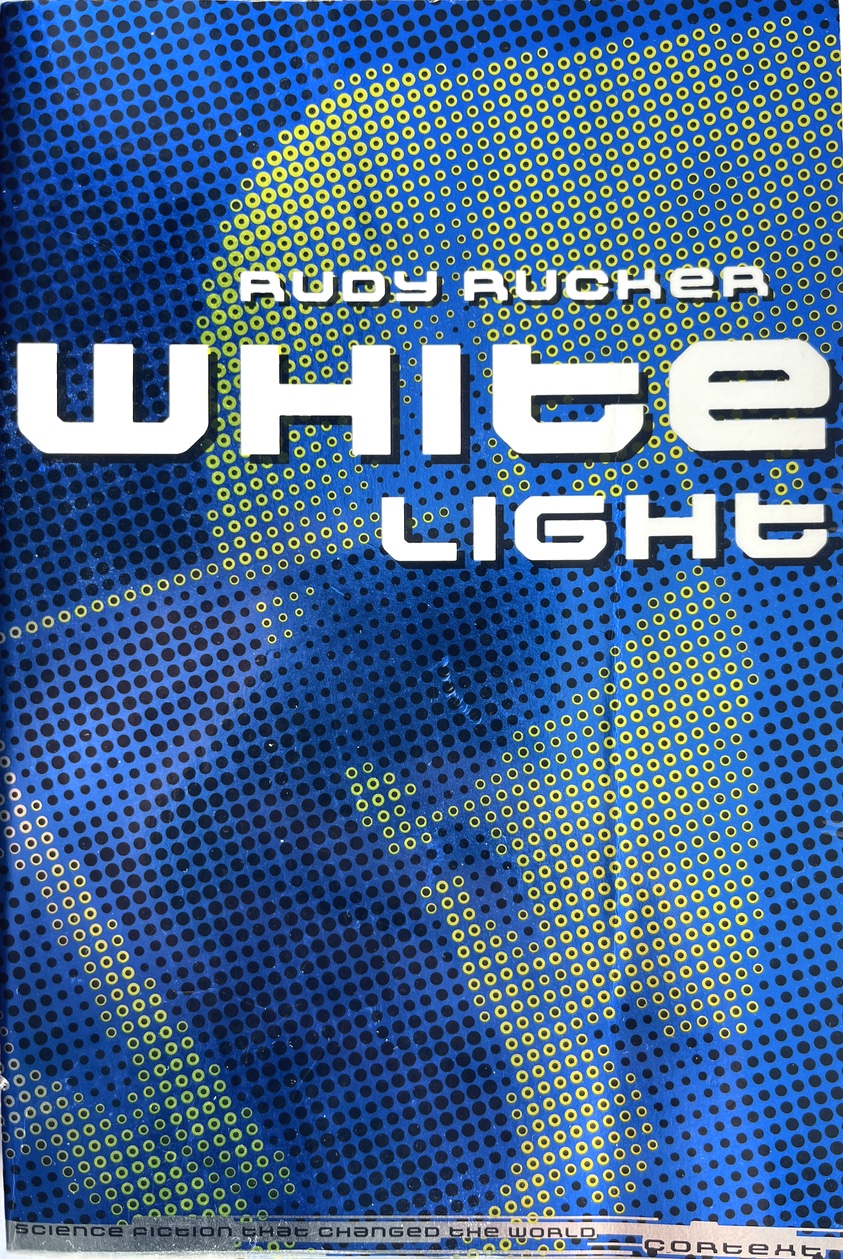 White Light
By Rudy Rucker
By Brad Wieners
By Peter Schwartz and James A. Ogilvy
By Max More
By Lawrence Wilkinson
By Lewis Shiner
By Marc Laidlaw
By Marc Laidlaw
By John Shirley
Edited by Marc Frauenfelder
By Richard Kadrey
Edited by Marc Frauenfelder
By Pat Cadigan
This is accurate as best I can judge from the information available, but send any additions or corrections to me via email.
Maybe we'll get fibre? Was originally due to be done in 2019.


