On the Language We Don't Have for Men Who Kill Their Wives.
Show full content
It’s 6:56 am, ET. Welcome to this morning’s Golden Hour.
It’s been a heavy, heavy week. Personally, I’m still in the stages of navigating loss and grief, while also watching back-to-back high-profile stories about men destroying the lives of the women and children around them. It’s been jarring to grieve my father, who was gentle and encouraging, while reading stories of men who destroyed their entire families, aka family annihilators.
The Golden Hour by Karen Attiah is a reader-supported publication. To receive new posts and support my work, consider becoming a free or paid subscriber.
Last week, I wrote about Dr. Cerina Fairfax and Coral Springs Vice Mayor Nancy Metayer, both of whom were killed by the men they married. I took some inspiration from Nancy Metayer’s family, who removed "Bowen" from her last name in her memorials and in editorial coverage. (Bowen is the last name of the man who killed her.)
Vice Mayor Nancy Metayer. She was killed by Stephen Bowen, the man she was married to.
I made the argument that men who kill their wives shouldn’t be called husbands anymore. After all, if vows say, “til death do we part”, essentially haven’t the men chosen to end their marriages in the most cruel and permanent way possible?
Of course, I got some pushback from men on social media, arguing that I was just playing semantics, and “married to at the time” was just a long-winded way of saying husband. Or that as a journalist, I would be hiding facts if I didn’t call the man “husband”. Why is this word so important to people?
After all, what is more concrete and factual than the ending of a marriage via death?
A woman can have multiple husbands in one lifetime. She can only have one killer.
Language matters, and I care about it very much. Which led me to my next question…
Language, violence, and women
I took Latin in school, leaving me with a lifelong interest in etymology. I have seen a number of accounts and writers explicitly use the term femicide, and specifically Black femicide— in the aftermath of the murder of Dr. Fairfax and Nancy Metayer.
As my readers and social media commenters and I went back and forth over how to describe men who kill their wives without using the word “husband”, I couldn’t help but feel a language gap.
Of course most people know suicide (to kill oneself) and homicide- (to kill another human). I realized we don’t have easily accessible language for the specific act of a man who kills his wife.
A quick Latin vocabulary lesson:
Patricide- killing of one’s father
Matricide- killing of one’s mother
Filicide- killing of one’s biological children
Fratricide- killing of one’s sibling (although technically, sororicide would be the killing of a sister)
The killing of a wife— the technical term is uxoricide.
First time hearing uxoricide? Yeah, me too. And I wonder why. What does it mean that we don’t use this— or any— specific term that immediately signifies the specific act of killing one’s wife? We know from the data that vastly more men kill their wives than wives kill their husbands. What do we lose by flattening the killing of wives into “domestic violence” or “intimate partner violence”— as if the violence is equally distributed among the genders in heterosexual marriages?
Children killing their own parents is shocking, and for the most part, parents killing their own children engenders shock and disgust. These killings go against the natural order of things.
But men killing their wives? All too common. So unspecial that it doesn’t deserve a separate crime category in a patriarchal system. Fatherhood, motherhood—- these are the most valued in such a system— but men’s lives, feelings, mental health, careers, matter most of all.
The central lie of the patriarchy is the delusion that men are women’s protectors and providers. If this were true, then uxoricide should be a crime that strips men of all social privileges and status.
But the fact that we don’t even have specific language for the crime of killing one’s wife just goes to show how devalued women are in a patriarchal system.
I’m not naive enough to think that if we all just improved our vocabulary, men would stop putting bullets in their wives. But language gaps can be damning diagnostic tools. Indeed, how can we solve a problem we refuse to give a specific name to?
Domestic Violence and DEI
Just days after the Fairfax murder, 31-year-old Shamar Elkins took a gun and killed seven of his own children and one of their cousins in Shreveport, Louisiana. The children ranged in age from 3 to 11. He also shot his wife in the face and the mother of one of the children. They both managed to survive. Elkins would end up being killed by police after a car chase. The New York Times reported that at one point during an argument, the mother of his kids threatened to leave him. Elkins reportedly told her, “I’ll kill you, my kids, and myself.”
Beyond being a domestic violence incident, this is classified as a mass shooting event. But already, it feels like America has shrugged this shocking incident off. After Sandy Hook, Uvalde, and other mass shootings of children, does this country even get riled up about men gunning down kids anymore? Seems not.
We know that guns and male violence are a leading cause of death for women, children, and pregnant women. And as I have written numerous times, Black women are more likely to face violence not only from the men in their lives, but also from the health care systems while birthing children from the men in their lives. The dark irony of this timing is that the Trump administration reminded us that they consider anything related to helping Black women to live is illegal DEI, and is subject to being targeted for cuts from this administration.
A viral exchange this week between Rep. Summer Lee and HHS Secretary Robert F. Kennedy Jr. underscored this. During a hearing, she confronted RFK Jr. over removing the word “black.” “Do you have an idea on how to solve the maternal mortality crisis if we can’t say the word Black?” Rep Lee asked. RFK responded with some gobbledygook about ending division.
Again, what do we do when our male-dominated government refuses to help keep vulnerable women, and especially Black women— alive?
We, women, have no choice but to put the dots together. In a piece called “Men Are Scary,” writes:
I have been sitting in conversation after conversation with women who are talking about the Justin Fairfax murder-suicide, the recent murders of a dozen more Black women since January, the CNN “rape academy” investigation, and now the horrific murder of eight children in Shreveport. These women are saying something that is deeply unsettling: Men are scary.
These women are not just tired, but scared in a way that sits deep in the body. They are saying, without hesitation, that they don’t want to date or marry. They don’t want to risk building a life with someone who could turn into a threat. They are choosing solitude not because they’ve given up on love, but because they are trying to stay alive inside their own lives because “men are scary.”
Men kill us when we are with them. They kill us when we try to leave them. We are more likely to be killed by them when pregnant. The language to name the specific violence doesn’t exist, and our own government refuses to care about our deaths.
Indeed, perhaps female solitude is our best form of self-defense.
The Golden Hour by Karen Attiah is a reader-supported publication. To receive new posts and support my work, consider becoming a free or paid subscriber.
In less than two months, the largest World Cup in history kicks off across the United States, Mexico, and Canada. 48 teams. 104 matches. Billions of viewers… in a little under two months.
The Golden Hour by Karen Attiah is a reader-supported publication. To receive new posts and support my work, consider becoming a free or paid subscriber.
But what is not being talked about? Who built the stadiums — and under what conditions? Which regimes are using this tournament to launder their reputations? What does it mean for the US, Mexico, and Canada to co-host in this political moment? What colonial scores are being settled on the pitch? How do we think about human rights and global sporting events? What are the prices that host cities are paying for the games? Why is President Trump’s envoy trying to replace Iran with Italy for the Games? Why are FIFA tickets so damn expensive?? And in the age of increased hostilities against immigrants in the United States, is hosting the World Cup even a good idea in the first place?
Next week, on Monday, April 27th, we are beginning our six-week virtual course that builds your critical framework before the tournament begins, so you can watch with clear eyes.
Deadline to Enroll is April 26th, 11:59 pm ET! Click to Enroll Here!Here’s what we’re building:
We will host six weeks of live sessions exploring FIFA’s history and corruption, sportswashing and geopolitics, labor rights, nationalism and identity, women’s football, colonial legacies, and media narratives.
This course is for everyone and anyone, but we are especially interested in sports journalists, analysts, creators, commenters and journalism students who will be covering the World Cup this summer.
Live Zoom lectures every Monday 6-7:30 pm ET, with discussion sessions on Thursdays 6-7pm ET.
All sessions are recorded and available for the duration of the course.
Weekly expert guest lecturers bring depth and rigor to each topic. Optional certificates of completion. Scholarships available.
The course runs April 27 through June 8 — right up to the opening match.
For those who want to go deeper — and make this possible for others. A portion of the Anchor-tier tuition goes directly toward supporting a Community-level scholarship for another student.
Details for applying will be posted on the enrollment page.
I’ll say it again, I am SO excited to bring this course on global football and politics to the Resistance Studies community.
Vamos!
We Move.
Karen
The Golden Hour by Karen Attiah is a reader-supported publication. To receive new posts and support my work, consider becoming a free or paid subscriber.
Some lessons from the media coverage of Dr. Cerina Fairfax and Vice Mayor Nancy Metayer's murders.
Show full content
It’s 7:50 pm EST. Welcome to the last bits of Friday evening’s Golden Hour.
Note: When I started writing here, I said I chose “Golden Hour” to represent the duality of beauty and survival. And that my goal is to write on fighting in — and through perilous times.
The Golden Hour by Karen Attiah is a reader-supported publication. To receive new posts and support my work, consider becoming a free or paid subscriber.
For photographers, the golden hour refers to the times of day when the sun bathes everything it touches in favorable, life-giving light. For emergency medical professionals, the golden hour refers to 60 minutes after a traumatic injury, after which the likelihood of permanent injury or death increases.
So on Fridays, find me here — morning or evening golden hour, Eastern time.
At the very least, let the Golden Hour alert hitting your inbox serve as a cue to look outside and remember to find whatever light you can in these dark times.
And if you do go outside and touch grass, come back and read my posts, of course. ;)
When the weapon that is formed against you— is your own husband
For anyone who grew up in the church, the verse from Isaiah is commonly quoted: “No weapon formed against me shall prosper.”
But for Black women, all too often, the weapons formed against us are the men sleeping in our beds and living in our homes.
And as two recent high-profile killings of Black women just this month have shown, no amount of church vows, political connections, or professional success will protect us from a putrid system that incubates the social contagion that is male violence against Black women.
Earlier this month, Nancy Metayer, who was the vice mayor of Coral Springs, Florida, and a rising democratic political star, was found shot to death in her home. Police arrested Stephen Bowen, who was married to her. He was charged with premeditated murder and tampering with evidence.
Coral Springs Vice Mayor Nancy Metayer.
This morning, the political world was shocked by the news that Dr. Cerina Wanzer Fairfax, a beloved dentist, was shot to death in her home by Justin Fairfax, a former Lt. Governor. He was married to her at the time, though she was in the process of divorcing him. Instead of facing justice and accountability, Cerima’s killer shot and killed himself, leaving their two teenage children orphaned.
Dr. Cerina Wanzer Fairfax
And these are just two high-profile cases. According to the CDC, Black women comprise 14% of the US population, but account for about 30% of homicides resulting from partner violence. According to the same study, the number of Black women who were killed rose during the pandemic. And in a majority of those cases, a gun was involved. And we know that one of the most dangerous times for a woman in a relationship with a man is when she tries to leave or divorce him. (I’ve also written before about how pregnant women and women who have recently given birth are also at risk of being killed by their partners)
But the violence that took these women’s lives isn't the only dangerous instrument that women, and Black women in particular, have to deal with when murdered by men they were married to at the time of their deaths.
The discourse and media framing of Dr. Cerina’s murder have been as predictable as they are disappointing. “Justin Fairfax Was Once A Rising Star before Scandal Sank His Career”, reads a headline from the Associated Press. “Justin Fairfax’s rapid rise in Virginia Politics Flamed Out After Scandal”, reads a headline from the Washington Post. What really happened wasn’t a “scandal” — Fairfax was accused of sexual assault by two women (he was never charged). But the stories are framed about his career, his rise, his fall
Now, as a former editor, I know that those outside of the DC / Maryland / Virginia area may just be coming to find out about Fairfax’s political career— and these types of headlines help feed the internet’s sudden interest in learning who the Lt. Governor was.
At the same time, we love when Black men’s careers fall from grace— and, if the Black man played his cards right, we can see how this narrative is an easy detour into “family-man-who-committed-heinous-act-must-have-had-mental-issues” route. A number of those stories have had photos accompany them of Justin and Cerina together— their wedding photos, family pictures with their children, and a well-circulated photo of (a sad-looking) Cerina at Justin’s side at his swearing-in ceremony. “Divorce judge was concerned about Justin Fairfax’s recent mental health, 2022 gun incident, court documents show” reads a headline from WTOP. Journalist Roland Martin came under intense criticism for a now-deleted Instagram post that showed him posing with Justin Fairfax at various glittery events, with Cerina touting the membership in the same Black Fraternity. He convened a panel on Black men’s mental health as a response.
We know certain things to be true of men, family, violence, and power in this country. We’ve all seen the darkly pointed memes of how the media treats regular white men who annihilate their entire families.
Studies have shown that “Reporters frequently distance male perpetrators from their violence by presenting a range of circumstances that are interpreted as relating to or having caused their violence, including mental illness, substance abuse, financial difficulties, and criminal reputation”.
What happens when the woman doesn’t survive to tell her own story?
Cerina’s story— who she was as a mother, dentist, community member, are, as of now, sidelined. I am sympathetic to the calls to “center” female victims of violence, instead of the mental health of their male killers— who ultimately, made a choice. I think as the news cycle goes on, we will get more of those stories that focus on Cerina. However, it is just a fact that the person with more fame will generate more attention.
So again— how can we defend against the twin weapons of male violence and media’s coddling of violent men?
Here’s a small symbolic thing that members of the media can do— we can strip these men of their family status, of their right to maintain posthumous access and connection to the women whose lives they took. We know very well that men benefit professionally and socially from being seen as devoted husbands and fathers.
We can take some inspiration from what Metayer’s family did and at least symbolically strip them of the right to claim possession of the wives that they killed.
According to the Miami Herald, ”In the days since Metayer’s shocking death, the councilwoman’s family and the city’s Instagram have dropped Bowen from her name, using Metayer only — a name that defined not just her Haitian lineage but her roots in activism, a path that some who knew her said ushered her into politics”.
Men who kill their female partners and wives should, at the absolute fucking minimum, lose their right to be called partners, husbands, or family men.
There is a reason that even in this post, I said that Cerina and Nancy were married to these men at the time of their murders —I will not call them husbands. There’s a reason why I put “partners” in quotes in the headlines. They are now their wives’ killers.
These men made the choices to change their relationship status from being these women’s life partners — to being their life-takers. And our coverage should reflect that.
I know, subtle, symbolic things like changing language can feel like throwing grains of sand against the missile-loaded juggernaut of systemic male violence against women, and against Black women especially.
But we gotta keep throwing rocks at the tank of violent patriarchy. We might not be stopping the machine. But maybe we can crack a window.
The Golden Hour by Karen Attiah is a reader-supported publication. To receive new posts and support my work, consider becoming a free or paid subscriber.
Join us for a virtual discussion on European Jewish Resistance, race and statecraft, and why the Bund rejected Zionism.
Show full content
I am so excited for our April Salon tonight with , author of the brand new book, “Here Where We Live is Our Country: The Story of the Jewish Bund” about the Bundists, a revolutionary Jewish collective that was founded in Russia in 1897.
The Golden Hour by Karen Attiah is a reader-supported publication. To receive new posts and support my work, consider becoming a free or paid subscriber.
She and I will be in conversation at Busboys and Poets in DC on Thursday-- but the event is SOLD OUT! So tonight is your chance to catch us live, in a more intimate setting.
Crabapple’s book has been getting rave reviews--- but also, unsurprisingly-- a fair share of criticism. After all, the Bund was defeated-- and they did not manage to stop the Holocaust.
According to Crabapple, she wrote the book out of a “hidden hope… to find out if the Jews of Eastern Europe could have saved themselves.” In this work, she discusses do’ikayat, or “hereness,” in which Jewish people in the diaspora have the right to live in freedom and dignity wherever they are. The Bund was known for rejecting Zionism, arguing that colonization and displacement would not free Jewish people.
Our conversation will touch on Bund history, anti-zionism, the fight for multi-racial and democratic socialism, and what it means to work in solidarity and imagine new worlds. But also —what is there to learn from “failed” resistance movements? Does statehood = safety in an age of global empire? And what does this mean for those of us in America struggling for progress and a more liberated world today?
We will also have a Q+A for Molly at the end, so come with your questions! If you can, you can email your questions ahead of time to me at karen@resistancesummerchool.com
Again, for those who cannot make it to the live discussion, the session will be recorded and sent to all paid registrants!
See you all tonight!
Karen
The Golden Hour by Karen Attiah is a reader-supported publication. To receive new posts and support my work, consider becoming a free or paid subscriber.
On grief and how the "Atrophy of feeling creates criminals".
Show full content
A note from me: I want to thank those of you who shared, commented, and felt that my pieces about my father and grief resonated. As I told a friend, what is peculiar about losing a parent in the West is both how isolating it is, while also being a universal experience. For me, writing is a pain reliever. Thanks to you all, this daddy’s girl, who lost her father, feels a little less alone.
Obviously, I’ve had a brutal time lately, with back-to-back losses. In a culture that loves constant winning, talking about loss too much feels risky. But I have (re)gained something in the last few weeks. I find myself finding comfort, joy, and agency in writing from the heart—as I did when I was younger. I wrote last week about turning my grief over my father’s death into discipline— and I want to make good on some of the promises I made to myself— and to my dad.
The Golden Hour by Karen Attiah is a reader-supported publication. To receive new posts and support my work, consider becoming a free or paid subscriber.
For those of you who remember, I ran a Friday newsletter while I was a columnist at the Washington Post's Opinions section. While I would write essays/columns from time to time, my usual format was to highlight a few topics I thought deserved more attention and connect the dots for readers as best I could. The newsletter was popular, but I bristled a bit under the editorial— and increasingly ideological— constraints at WaPo; now, maybe it’s time to finally test what it’s like to write freely.
So I will bring that format here every Friday to Substack and the Golden Hour, with a particular focus on themes that touch on global culture, beauty as a mobilizing force, resistance, and, generally, getting through these dark times. Oh, and of course, Artemis will make a cameo from time to time.
I’m excited to create regularly again. After all, I’ve lost quite enough already—nothing to lose but my old chains, and everything to gain.
Anaïs Nin’s warning to America
“America is in even greater danger because of its cult of toughness, its hatred of sensitivity, and someday it may have to pay a price for this, because atrophy of feeling creates criminals” - Anaïs Nin, writing in her diary from 1939-1944
Anyone who has followed my work for a long time knows that I find a lot of inspiration in the writings of Anaïs Nin, a French-Cuban diarist who moved permanently to the U.S. from Europe at the start of World War II.
Anaïs Nin
She is known for many things, being a writer, owning her own printer, as well as her— uh, complex sexual escapades— including being married to two men at the same time, and an illicit relationship with her father. At the same time, her observations about her inner and outer world were sharp, textured, and devastatingly accurate. Though she was criminally underrated and overlooked during her lifetime, I believe Anaïs has much to say about our collective condition today. Hence why I am a self-appointed Anaïs Ninvangelist— hoping to introduce more people to her thinking and work.
Her words about America’s “cult of toughness” and the heavy price the country will pay for its “hatred of sensitivity” came to mind this week. There was Trump’s threat to Iran, that an “entire civilization will die tonight” unless a deal was reached. As I write this, news is breaking that Trump shared a ghastly video of a woman being murdered in a hammer attack—in an attempt to stir up anti-immigrant sentiment.
But it’s not just Trump— its America’s carelessness with life, and the hatred of sensitivity, and the devaluation of art and expression in our politics
The “atrophy of feeling” is how the Washington Post editorial board can write a piece on the American aid cuts to Africa, without mentioning that global health models have projected that hundreds of thousands of Africans will die. Instead of grappling with the mortal toll, the editorial subhead said the abrupt change was “messy”— the first graf pathetically euphemized this toll as “pain, particularly in health care”. But everything is okay, the editors said, — Africans are “resilient” when it comes to pain— and that this will teach African goverments to not be charity cases. As Patrick Gathara notes for the New Humanitarian, foreign aid has not been propping up Africa. “One could be forgiven for asking what rock [the Washington Post Editorial board] crawled out from under, given that this has been the case for over two decades. Even before Trump returned to office, aid was just 2.4% of Africa’s GDP.
Nin spent much of her American life with artists and writers in New York before moving to Los Angeles. I thought of her observations on America’s hatred of sensivity and atrophy when I came across this essay, “New York Real Estate and the Ruin of American Art”, by artist Josh Kline. The piece has shaken the art world, apparently. And for good reason.
Contemporary art in twenty-first-century America is sick with problems. These are not problems raised by artworks as subjects of concern, but structural malignancies in the United States that are present in art’s curation, its institutions, and its patronage; in the commercial entities that sell it and the schools that produce the people who participate in its world. The result is a tidal wave of art whose primary function as decorative speculative financial instruments eclipses any possibility of inquiry, experimentation, or real meaning. These problems share a root cause: New York City real estate and its currently impossible prices and rents, which smother art in a choking conservative atmosphere.
In the essay, which is well worth your time, Kline also calls out the lack of direct state funding for artists, fancy donors preferring to give to have their names put on galas or wings of museums rather than to boring, day-to-day operating expenses. “If artists are starved of time to make their art, they are also starved of time to participate in political activism. Artists who care about politics and society will be forced to make a false choice between art and politics—and between both of them and making a living.” Kline concludes:
For all these reasons, New York no longer deserves the ambitions and ideas of the country’s young artists. They should stop fighting to give them away to an industry and to a city that no longer care about art except as a means to make some quick money or generate some fleeting attention before moving on.
It is easy to pin Trump, a New York real estate man, as the avatar of America’s profound cultural and political decline.
But America’s hatred of art, of sensitivity, of the human experience has long been rooted in our culture and politics, as Anaïs noted. Art gives space for grief, for letting go of old systems and narratives that have raised us but deserve to be shed. A culture that starves its artists, writers, and teachers will have emaciated politics— politics that center profit over people, a politics that will have little to rely on but fear and domination— both at home and abroad.
Could Kline’s essay extend beyond art? Aside from the horrible job market, and needless wars in the Middle East, one heavy price is the increasing risk of a massive “brain drain” from the United States under this administration, of scientists, researchers, artists, and teachers who must try to find lives for themselves elsewhere.
Reminder! Sign up for World Cup and the Politics of Global Football 101 !
Yes, despite the right-wing claiming that soccer is “the most anti-American sport ever devised,” we are still going to teach a six-week Resistance Studies Series course on soccer and global politics ahead of the World Cup!
There are still spots available! Virtual classes begin on April 27th. We will be joined by global soccer experts such as David Goldblatt, Stefan Szymanksi, Cas Mudde, Minky Worden, and more to be announced!
The Golden Hour by Karen Attiah is a reader-supported publication. To receive new posts and support my work, consider becoming a free or paid subscriber.
Join us on 4/15 EST at 7:00pm for a virtual discussion with artist and historian Molly Crabapple on her new book, "Here Where We Live is Our Country: The Story of the Jewish Bund"
Show full content
Hello everyone,
The Resistance Studies Salons are back! In February, we brought on Tim Wise for a discussion White Martyrdom after Minneapolis— thank you to all who “virtually” came out!
The Golden Hour by Karen Attiah is a reader-supported publication. To receive new posts and support my work, consider becoming a free or paid subscriber.
According to Crabapple, she wrote the book out of a “hidden hope… to find out if the Jews of Eastern Europe could have saved themselves.” In this work, she talks about do’ikayat, or “hereness” , where Jewish people in the diaspora have the right to live in freedom and dignity wherever they are. The Bund was particularly known for rejecting Zionism, that colonization and displacement would not free Jewish people.
Our conversation will touch on this history, anti-zionism, the fight for multi-racial and democratic socialism, and what it means to work in solidarity and imagine new worlds- especially when it feels like we are ruled by monsters.
Details: April 15, 7:00 pm EST (virtual)
For DC, Maryland, and Virginia RSS students who are interested in attending the Salon in person, please email support@resistancesummerschool.com.
Virtual registration cost $20. (Funds help go towards RSS programming, operations, and hosting more salons— and buying our favorite authors’ books!)
I’m really excited to bring this important discussion to you all.
We move!
The Golden Hour by Karen Attiah is a reader-supported publication. To receive new posts and support my work, consider becoming a free or paid subscriber.
With grief comes a ruthless clarity on what matters. And a chance to commit new love vows.
Show full content
Last Saturday, we had the funeral for my father in Dallas.
I took over writing Daddy’s obituary, the funeral announcement, setting up our a memorial fund in his honor, and creating a mini-biography book for him, complete with photos of his life.
By the time all of that was done, and it was time for the funeral, I had nothing left over for writing an actual eulogy. I never finished it. “Just speak from the heart,” everyone said. They were asking me to pour from a broken, empty cup. I almost did not want to speak at all. I told the audience that I was at a loss for words (which, in my normal life, is rare). All I had in my head were my father’s words, and not my own. My dad used to tell me that words weren’t important— especially when someeone had said something that upset me. “They are just words, Karen”, he would say.
“Just words, huh,” I said on the stage, before my dad’s closed casket. I didn’t have any words left for the audience. I didn’t want to talk to them about my dad. I talked directly to my father in front of me instead. About how I tried to buy new pens and paper to make writing the pain easier. About how I finally started the Twi lessons, so I could speak his language with him. And yet, despite all my efforts, words failed me when I was supposed to say my public goodbye.
At some point, I’ll write the eulogy I would have delivered if my heart hadn’t been so broken and depleted. But for now, my way of processing is to write through it.
Flowers from my father’s funeral
I have been speaking with many of my female friends who have lost parents these days— especially those whose parents have been ill for a while. One, who lost her mother, told me that the French have a word for watching a loved one slip—” It’s white grief”, she said. Perhaps the closest word we have for that is “anticipatory grief”.
And in many ways, this is what I have been dealing with for the last five or six years. I know white grief intimately— she’s been my travel companion. I knew my time with my father was coming to an end. Something in me was dying along with him all those years. That heaviness made it difficult to write, to create, to feel open to love, to joy.
But now that my Daddy is gone, I no longer have to fear his death. And the space that fear occupied can now be filled with something else.
I told my French friend that these days, my father’s death has produced a level of clarity that I have perhaps never had before. At least in the weeks after my father’s death, I’ve been feeling a certain type of energy.
“Try to hang on to that for as long as you can,” my friend said. She was right.
I know the world’s distractions and trivialities will come calling again. But my dad’s words keep playing over and over again in my head— like marching orders from beyond time and space. He told me all my life that I should write books. That I should one day work for myself. It was my father who put me in karate when I was eight, because he said it would be good for “discipline”. Whether it’s writing, Muay Thai/swords, or building my own platform, his words have shaped my life.
Perhaps there is a reason I have been so fixated on martial arts and swords during my father’s last years, and now with his death.
To practice martial arts, whether with a weapon or without, one must be aware of death, for it is a sword that cuts through so many illusions. The delusion that we have all the time in the world. We hold delusions that our energy, our beauty, our relationships, and our money will last forever. That our parents will always be around. A well-polished blade is also a mirror, reflecting back to you your choices in life, and who is surrounding you. When a loved one dies, you see clearly who was there for you and who wasn’t. That the jobs, the degrees, the worldly success— don’t always matter in the end. That reflection can be painful.
However, what remains after the cutting away of illusions and false attachments is what truly matters in life. All I feel since his death is a determination to live my life differently.
To that end, there are five organizing principles from my father that I can’t get out of my head since his passing.
The discipline of stillness and rest: As a kid, I could never sit still— if I sat for too long, I would twitch with excess energy. My dad, who was always a busy doctor, always told me that I should learn to still my mind, to meditate. I have not been great at maintaining a regular sitting meditation practice. I prefer moving meditation practices in general. But now, I see why the discipline of awareness and focusing the mind is so important in a chaotic world. So I will try. He would also always ask if I was resting enough or getting the sleep I needed. I know that he would want me to prioritize rest right now.
Physical Discipline: I have written before about my fitness journey. As a woman, I deeply appreciate men who encourage me to get stronger. It was my father who introduced me to karate at eight years old or so. I remember having to do push-ups with my knuckles— and how hard it was— but that perhaps I knew that learning how to do hard things over and over again could be good. I used to complain to my dad, in his hospital bed, about how busy I was. He said quietly— “At least you get to be busy”. That stunned me, and I felt terrible for saying that. It is a privilege to be able to use my body, to train it, to learn it. One day, my body will fail me and cease to function. Until then, I need to take care of it as best as I can.
Writing and discipline of learning: Even when my dad couldn’t walk, couldn’t travel, or leave home much, he was constantly learning about new things. He would spend hours on YouTube learning about farming, soil chemistry, construction, or spirituality. I’d find his notebooks everywhere with his scratchy handwriting. He was learning and scribbling until almost the very end. I, too, have had a desire to go into deep study, into research again. I admit that the world has, at times, drained me of my love for writing. “Just words” got me banned, canceled, and death threats. I am angry with the world for blocking my writing—I promised my dad I would finish my books so he could read them. I can only now pray that he can help me accomplish my dreams from the other side. I’ve started journaling again, for myself. And I want to commit to writing weekly on Substack. All I want is to get better at my craft.
Beauty and discipline: According to the book, “The Life-Giving Sword”, by 15th-century swordsman Yagyū Munenori, martial arts is not just for fighting— it is the art of cultivating awareness, in observing the world, in observing politics, and in observing your social circles. Martial arts can be found in how you arrange a living room, in preparing tea, in gardening, and in calligraphy. My father was not much of an aesthete, but he took us to enjoy culture— travel, plays, and independent films. Though he wasn’t the best at keeping plants alive ( the famous fig tree fiasco comes to mind), and was not one for style or fashion, I developed an interest in design, beauty, life, and expression. In an ugly and harsh world, I must be ruthless in the pursuit and cultivation of light and beauty. My father always told me to find things to just enjoy. Whether it was watching hummingbirds or bringing home new roses— the purpose of life was to enjoy what we can, while we can.
Which leads me to the most difficult mandate from my dad….
Love and forgiveness. Of course, this is the hardest discipline of all. So much so, that we have entire religions and industries trting to teach us how to practice them. But “love” and “forgiveness” were the two words my father drilled into my siblings and me all our lives. I rarely saw my father angry (except the one time I tried to sabotage my brother’s birthday party by spiking his drinks). I would ask him why he was so calm in the face of people doing him wrong, or even when I would say or do mean things to him growing up. And even in the rare instances my dad and I would fight, the next day we would be hanging out, eating ice cream or yogurt. Thats how we were— we would find our way back to each other. In his last years, I apologized for some of the things I said or did to him. I don’t believe that love means the absence of conflict, but rather, the commitment and the skill in navigating conflict so that harm between people is minimized— and that even when anger and pain demand that we separate, love is the force that wants us to find our way back to ourselves and each other.
If grief is like love, maybe there’s a certain beautiful and ruthless discipline that a loved one’s death can inspire. To live in the way that our loved ones taught us. And maybe sometimes, to carry out what they ran out of time to do.
It’s a chance to cut away what is useless. And to stop wasting time on shit that doesn’t matter. Death is an opportunity to reorganize one’s commitment to oneself, to community, and to the world at large. We tend to think the only vows made in love are romantic vows between spouses. But maybe death is a chance to make new love vows across time and space— to ourselves and to the person who has passed on.
So yeah, Daddy— you were right about stillness, hard work, joy, love, forgiveness, and discipline. I promise I’ll try to live your words out to the best of my ability. Until we meet again.
My favorite picture of my Daddy and me, in 2022. He would be gone four years later.
We will be joined by Cas Mudde, David Goldblatt, Minky Worden, and more.
Show full content
So! I’m thrilled to announce the guest speaker lineup for our upcoming course, The World Cup and the Politics of Football 101!
We are a month out from our first Resistance Studies Spring Course, and I could not be more excited.
The Golden Hour by Karen Attiah is a reader-supported publication. To receive new posts and support my work, consider becoming a free or paid subscriber.
This six-week course examines the 2026 World Cup as a lens for understanding the political, cultural, and economic power of global football. Soccer functions as more than a sport — it is an arena where nationalism, race, colonialism, migration, and liberation struggles are expressed and contested. The curriculum traces FIFA’s history, the growth of women’s soccer, and the role of capitalism and media in transforming football into a global spectacle.
The course will analyze how international tournaments are used for diplomacy, “sportswashing,” and state image-building. We have timed the course to run until the start of the World Cup in June.
From April 27th, - June 15th, 2026 we will have lectures every Monday evenings from 6:00–8:00pm EST, with an optional discussion session for Discourse+ tier members on Thursdays from 6:00–7:00pm EST.
Our confirmed guest lecturers so far:
David Goldblatt — British author, broadcaster, and sociologist. His book The Ball Is Round is the definitive global history of football, tracing how the sport was carried across the world by empire, migration, and media.
Stefan Szymanski — Professor of Sport Management at the University of Michigan and co-author of Soccernomics. The leading economist on the business of global football.
Cas Mudde — Professor at the University of Georgia and the world’s leading scholar on populism, nativism, and far-right politics — an essential voice for understanding the politics swirling around the 2026 World Cup.
— Global Initiatives Director at Human Rights Watch and one of the world’s leading voices on FIFA’s human rights failures and accountability gaps.
More speakers to be announced.
Note: We Have SOLD OUT of the Mentorship tier seats. But there are spots still available!
The Golden Hour by Karen Attiah is a reader-supported publication. To receive new posts and support my work, consider becoming a free or paid subscriber.
Resistance Studies Series is bringing its World Cup and Global Politics 101 course to the public this spring!
Show full content
Hello — it’s me, Karen, your Rogue Radical Professor, and undercover sports nerd (more on that later).
The Golden Hour by Karen Attiah is a reader-supported publication. To receive new posts and support my work, consider becoming a free or paid subscriber.
One thing about me: I LOVE the WORLD CUP. My late father, who passed away last week, also played soccer. The drama, the geopolitics, the controversies, the nationalism, the egos, the pride, the money—if there is one spectacle that draws the world together, it is the World Cup.
And I love teaching. While institutions are abandoning their commitments to academic freedom and the humanities, I created the Resistance Studies Series to continue teaching the subjects that are increasingly being banned, cancelled, or dropped.
The chance to teach about the World Cup? A DREAM!
Last time I wrote about our prospective World Cup course for the Resistance Studies Series, we were gauging interest.
You responded—- more than six hundred of you, to be exact. More than 100 of you from the interest forms have already pre- enrolled. (Thank you!)
Journalists. Academics. Sports nerds. Historians. Football obsessives. People who understand that the World Cup is never just about football. And that the “beautiful game” is more than just a game, it’s a framework for how we move through the world.
So now I can announce that…
Enrollment is officially open for Global Soccer & World Politics 101!
In June 2026, the largest World Cup in history kicks off across the United States, Mexico, and Canada. 48 teams. 104 matches. Billions of viewers. The narratives are already being written: unity, celebration, the beautiful game.
But what is not being talked about? Who built the stadiums — and under what conditions? Which regimes are using this tournament to launder their reputations? What does it mean for the US, Mexico, and Canada to co-host in this political moment? What colonial scores are being settled on the pitch? How do we think about human rights and global sporting events What are the prices that host cities are paying for the games? As tensions in the Middle East ramp up again, how will this affect the games? And in the age of increased hostilities against immigrants in the United States, is hosting the World Cup even a good idea in the first place?
These are the questions that matter. And nobody in mainstream media is going to ask them for you—- much less answer them.
That’s why Resistance Studies Series is launching its first Global Soccer and World Politics 101 — a six-week virtual course that builds your critical framework before the tournament begins, so you can watch with clear eyes.
This course is for everyone and anyone, but we are especially interested in sports journalists, analysts, creators, commenters and journalism students who will be covering the World Cup this summer.
We will host six weeks of live sessions exploring FIFA’s history and corruption, sportswashing and geopolitics, labor rights, nationalism and identity, women’s football, colonial legacies, and media narratives.
Live Zoom lectures every Monday 6-8 pm ET, with discussion sessions on Thursdays 6-7pm ET.
All sessions are recorded and available for the duration of the course.
Weekly expert guest lecturers bring depth and rigor to each topic. Optional certificates of completion. Scholarships available.
The course runs April 27 through June 8 — right up to the opening match.
• Live access to all weekly Zoom lectures and readings • Access to recordings during the course window • Live chat participation during lectures • Does not include small-group discussion sections
For those who want to go deeper — and make this possible for others. A portion of the Anchor tier tuition goes directly to supporting a Community-level scholarship for another student.
• Everything in Discourse • Certificate of Completion (digital)
For those committed to building an independent intellectual infrastructure.
• Everything in Anchor • Personalized written feedback on a major project (up to 2,500 words) • One 30-minute 1:1 strategy session • Optional acknowledgment as a founding supporter of the course
Directly supports scholarships, guest speakers, and future RSS offerings.
A limited number of scholarships will be available for students and working journalists based on contributions + enrollment in the Anchor and Mentorship tiers. Details for applying will be posted on the enrollment page.
Y’all have no idea — I am SO excited to bring this course on global football and politics to the Resistance Studies community this spring, and to continue the conversations as the World Cup launches in June.
We can love the beautiful game and still interrogate the systems, the history, the psychology, and the power behind it. In an era of censorship — of pressure to dumb ourselves down and avoid hard conversations — keeping our minds sharp and open is the most important goal of all.
Olé!
We Move.
Karen
The Golden Hour by Karen Attiah is a reader-supported publication. To receive new posts and support my work, consider becoming a free or paid subscriber.
My sweet father has left me, at a time when I need him the most.
Show full content
My father died on Tuesday.
Daddy, Gus, Augustine. The one man who seemed to “get me”, when no one else did… he’s gone. He was 75.
The Golden Hour by Karen Attiah is a reader-supported publication. To receive new posts and support my work, consider becoming a free or paid subscriber.
I knew our time together was coming to an end. Which is why I published this piece about his father, a minor chief of a royal Asante sword that was looted by the British, and my dad’s encouraging me to pursue justice.
Daddy taught me that if I wanted to do well in the world, I needed to read books and work hard. He taught me how to drive in a beat up 1982 black diesel Mercedes. He always said that true freedom was working for yourself one day. He told me to write books, to dream big… “to go up and up and up.”
Regular readers and followers of mine might know a bit about my dad from recent years, especially when I moved back to Texas in 2020 to be with my parents during the pandemic.
Then my father had a stroke in 2021. Beyond the threat of COVID, I knew the countdown clock on our time together had begun. I decided that instead of moving back to Washington. I would stay in Dallas and spend as much time with my dad as possible.
I posted on Twitter about watching hummingbirds with my dad from our porch. They will remember my viral tweet threads and my Washington Post article about the time my dad let some landscapers destroy my favorite fig tree in the courtyard, and how angry I was. So much so that I threatened to kill his favorite plant to get my point across. (I know, I’m a lot.)
Though he wouldn’t admit it, he knew his health was failing. He went on a health food kick, only buying organic, trying to make his own kombucha. He and I would watch YouTube videos about soil chemistry to grow better food. I was training for my first Muay Thai fight, juggling practice sessions and weight cuts with spending time with him during his various hospitalizations. When he developed diabetes, I learned how to measure his blood sugar to give him his insulin shots. I was dieting to cut weight to step in the ring, while he had to completely restrict his diet in order to control his glucose. As the stroke impaired his mobility and motor skills, I would be his personal trainer… helping him to do small exercises with dumbbells and resistance bands.
He sipped his tea once. “You don’t belong to Mommy or me. We don’t own you. You belong to the universe. You just came through us.” It was one of the most profound things anyone has ever said to me.
As long as my dad was around, I had some safety, his house in Dallas, a pit stop to refuel my engine in between life chapters and international exploits. After my Fulbright year in Ghana, I came home to Daddy’s house. After living in the Caribbean for a year, getting my first start in journalism in Curacao, I came back to Daddy’s house. After the Khashoggi murder and leaving the man I thought was the love of my life— I came right back to my father’s house. I told him months ago that I was fired from the Washington Post. Though I worried that it would make him sad and fearful for me, in his condition in the nursing home…. he was still my dad, who had good advice. “You will be okay. Everything will be fine.” I knew he believed in me.
Or maybe he was just trying to make me feel better.
“You need to hurry up and marry soon,” my father’s sister, my griveing aunt, said calling from Ghana. “Who is going to take care of you now?”
I don’t know. It’s a good—and devastating — question.
The universe that I supposedly belong to has been dealing me a lot of personal blows recently. I haven’t been knocked out, but social justice fighters can only take so many direct shots to the head— and damage to the heart.
And indeed, there is no special title for adults who lose their parents— there is no sympathetic status change for us. People who lose spouses are widows. Children who lose both parents are orphans. Adults who lose parents— well thats just being an adult, good luck, suck it up.
“Women like us need fathers like our dads”, one of my Tanzanian friends said. What she meant by women like “us” was that we are fighters, challengers, a little weird— the ones who lace up our gloves and become “digital gladiators”, scrapping in the arenas of truth, beauty, narrative, justice. We don’t really fit into the African cultures our fathers came from, but we also find ourselves raging against the systems in the countries they migrated to. We are hungry women, in that we not only want to experience everything the world has to offer, but we also know we can because our powerful dads have our back. They don’t try to force us to be anything but ourselves.
In dating, it means we aren’t content with being some ordinary man’s queen. We don’t settle for somebody’s son treating us anyhow. I never did, anyway. My father came to this country alone, not knowing the culture, worked to get to the best schools, and made sure I had the best education I could get. And I am supposed to settle for men who send low effort “wyd” texts? Am I supposed to settle for weaker men who don’t enjoy and take pride in my strength and zeal for life?
(kisses teeth) Msscheeww. Absolutely not. I don’t need men like that. I have my dad.
But now my Daddy is gone.
I went to view my father’s body. And I talked to him, told him I loved him. That he did a really, really good job. And then I was angry and scared. “How could you leave me here?! By myself???” This is the same terror and betrayal we feel as kids when our parents need to leave us at school or in day care for the first. I just want my dad to come pick me up and take me home.
My friend, who also lost her father six years ago, told me that daddy’s girls like us need to be careful about the void. We are now exposed, vulnerable in ways we’ve never known before. It is hard to find men who measure up to the image that we have built of our fathers. I fear what the pain of my dad’s loss will turn me into. I am angry that my father left me in the middle of a time when my questions about the world are getting me exiled from my institutional homes. If this is the universe taking care of me, it’s doing a really shitty job.
I’m old enough to know that the void will not be filled with prestige, shopping, going to the gym, money, food, sex, or social media likes. I see why people go to psychic mediums, desperate to connect with the people who have transitioned. I understand now why ancestor reverence is so prominent in many cultures— I want to believe that now my dad can protect me in deeper and more powerful ways on the other side, now that he is not trapped anymore in a failing body that was causing him pain and sadness.
I feel selfish and like a childish brat. I am not ready to accept that he has departed and left me here in this realm. My father was a fighter, but his body was tired. I told him when he was alive that he had done so much, that he had done enough for others. That he could rest.
But that doesn’t change the fact that I feel existentially, materially homeless without my daddy. That I feel purposeless. That the books I was writing, the Ghanaian identity I was exploring, the Twi language classes I was taking, the journalism I was doing, the ambition I had— all came because I wanted to make him proud. I know he would want me to keep going, whatever that looks like. He wanted me to keep teaching, to keep building Resistance Studies Series. He wanted me to do what I could to help other people. I know we will celebrate his journey, surrounded by friends, family, former patients, and so many people whom he helped.
But right now. I’m the little girl whose Daddy left her alone in a dark world on a sunny Tuesday morning. And that he won’t come back to get me.
And all I want is for my Daddy to come back.
The Golden Hour by Karen Attiah is a reader-supported publication. To receive new posts and support my work, consider becoming a free or paid subscriber.
When institutions abandon critical thinking, we build our own classrooms.
Show full content
Last summer, I taught my Race and Media course outside Columbia’s walls after it was canceled. Over 3,000 of you showed interest. In 2025, we taught over 1,000 students during the summer and fall. Our model also provided nearly 80 scholarships for people in need. You proved that when institutions cave to pressure and dismantle the humanities, communities step up. We created the Resistance Summer School, and then built that out into the Resistance Studies Series.
Now RSS, is doing it again—and this time, we’re not alone.
The Golden Hour by Karen Attiah is a reader-supported publication. To receive new posts and support my work, consider becoming a free or paid subscriber.
The New School recently gutted its humanities programs, part of a broader pattern of institutions retreating from critical inquiry. Hannah Leffingwell has an excellent piece, “The Dismantling of the New School” in Jacobin Magazine, writing, “it is one thing for conservative universities to tamp down on free speech. It is quite another for one of the country’s most outspoken bastions of leftist thought to crumble under the weight of neoliberal cowardice.”
Among the casualties: a course on the World Cup taught by South African journalists Sean Jacobs and Tony Karon—two people who’ve spent years covering global football not as entertainment, but as a site of political struggle.
As recently wrote, the course had “fallen victim to the austerity imposed on the neoliberal order in U.S. universities, even before the Trump assault. Knowledge for knowledge’s sake, or to arm the student to make sense of and change in the world? Nah mate, apparently insufficiently monetizable.”
The course was born out of a 2010 viral panel conversation betweeen , Teju Cole, and the late writer Binyavanga Wainaina.
Their course wasn’t about highlight reels or bracket predictions. It examined how FIFA operates as a geopolitical force. How “sportswashing” launders authoritarian regimes. How colonial legacies shape which nations host tournaments and which players get celebrated. How women’s football fights for legitimacy. How migration, nationalism, race, and liberation movements play out on the pitch and in the stands.
Or… like Karon asked on Bluesky, when is a handball an act of anti-colonial revenge? (Paging fans of the English and Argentina teams. Sore spot, we know.)
This is exactly the kind of provactive, course that gets axed when universities prioritize donors over critical thinking and intellectual rigor.
And this is exactly the type of course that we love.
The knowledge and the desire to learn doesn’t disappear just because institutions abandoned it.
This is where Resistance Studies come in. Their loss is our gain.
Welcome to RSS’s First Guest Course: Global Soccer and World Politics 101
Sean and Tony are bringing their World Cup and Global Soccer course to Resistance Studies Series.
If we get enough interest, we’ll run this as a six-week, virtual intensive course from late April through the start of the 2026 World Cup in June. The timing is deliberate—we’ll build the critical framework before the spectacle begins, so you can watch the tournament with clear eyes. This will also be helpful for journalists, creators and commenters to deepen their analysis of the games.
Here’s what we’re building:
Six weeks of live sessions taught by Tony Karon and Sean Jacobs exploring FIFA’s history, the political economy of football, nationalism and identity, women’s soccer, sportswashing, and media narratives
Weekly Zoom classes from 6:00-8:00 pm EST with optional discussion sessions for deeper conversation. All lectures will be recorded.
Guest speakers from athletics, history, and sociology who will bring diverse perspectives
A global cohort learning together in real time as the world gears up for the tournament
Optional certificates of completion
Scholarship opportunities, especially for sports journalists and students
Sean and Tony know this material intimately—not just as journalists, but as South Africans who watched the 2010 World Cup unfold in their own country, with all its promises and contradictions. They understand how football functions as both spectacle and political arena.
Why This Matters Now
Global soccer ( or football, for the non-Americans) is one of the most-watched sports spectacles on the planet. Just last week, a match between English Premier League teams Manchester City and Liverpool drew nearly 800 million viewers around the world. And spectacle on such a global scale will inevitably trigger conversations around money, power, politics, human rights, history, and corruption.
The 2026 World Cup will be hosted across the United States, Mexico, and Canada. It will be the largest World Cup ever—48 teams, 104 matches, billions of viewers. The narratives are already being written: unity, celebration, the beautiful game.
But what stories aren’t being told? Which labor conditions are being hidden? What old colonial scores are being settled on the pitch? What does it mean for these three nations to co-host in this political moment? How should we think about sports and narratives around nationalism, identity, and belonging? How will media coverage differ when the tournament unfolds in North America versus the Global South?
These are the questions institutions should be asking. When they won’t, we will.
This Is an Experiment in Liberation
Last summer taught me something crucial: people are hungry for education that institutions are abandoning. You showed up not just to learn, but to prove that knowledge-sharing doesn’t require institutional permission.
This is our first time hosting a guest course at Resistance Summer School, and honestly, I’m angry that we have to. I’m angry that The New School—an institution literally founded as a refuge for scholars fleeing fascism—is now dismantling the very programs that carry forward that legacy.
But I’m also hopeful. Because Sean and Tony’s work will reach people. Because you keep showing up. Because every time an institution caves, we’re building something they can’t control.
We will host six weeks of live sessions exploring FIFA’s history and corruption, sportswashing and geopolitics, labor rights, nationalism and identity, women’s football, colonial legacies, and media narratives.
Live Zoom lectures every Monday 6-8 pm ET, with discussion sessions on Thursdays 6-7pm ET.
All sessions are recorded and available for the duration of the course.
Weekly expert guest lecturers bring depth and rigor to each topic. Optional certificates of completion. Scholarships available.
The course runs April 27 through June 8 — right up to the opening match.
• Live access to all weekly Zoom lectures and readings • Access to recordings during the course window • Live chat participation during lectures • Does not include small-group discussion sections
For those who want to go deeper — and make this possible for others. A portion of the Anchor tier tuition goes directly to supporting a Community-level scholarship for another student.
• Everything in Discourse • Certificate of Completion (digital)
For those committed to building an independent intellectual infrastructure.
• Everything in Anchor • Personalized written feedback on a major project (up to 2,500 words) • One 30-minute 1:1 strategy session • Optional acknowledgment as a founding supporter of the course
Directly supports scholarships, guest speakers, and future RSS offerings.
A limited number of scholarships will be available for students and working journalists based on contributions + enrollment in the Anchor and Mentorship tiers. Details for applying will be posted on the enrollment page.
The Golden Hour by Karen Attiah is a reader-supported publication. To receive new posts and support my work, consider becoming a free or paid subscriber.
Come join me and Tim Wise to discuss Alex Pretti, Renee Good, and the complicated history of white martyrs for civil rights
Show full content
Friends! In just one hour, I will be sitting down with Tim Wise to discuss the killings of Renee Good, Alex Pretti, and the hidden history of White martyrdom.
There’s still time to sign up!
The Golden Hour by Karen Attiah is a reader-supported publication. To receive new posts and support my work, consider becoming a free or paid subscriber.
Tickets are $25 for non-RSS students— and all registrants will get a video of the conversation after.
Here’s a preview of what we will be talking about!
The Golden Hour by Karen Attiah is a reader-supported publication. To receive new posts and support my work, consider becoming a free or paid subscriber.
My grandfather guarded it. The British stole it. I'm named after it—and I'm going to fight for it.
Show full content
The leopard-fur-covered mponponsuo sword sits on display in Kumasi, Ghana. It was part of a collection of looted Asante objects loaned back to Ghana from the Victoria and Albert Museum. Photo taken Fall 2024.
(Note: This is the first part in an essay series about my personal journey with a looted golden sword in Ghana and the politics of cultural repatriation. This was originally supposed to appear in the Washington Post, but I was illegally fired before we could publish this. I am excited to share this with my Substack readers. Enjoy!)
New York City, Spring 2025: My phone rang in my hotel room in midtown Manhattan. It was my dad, calling from Dallas. Almost like he knew that his 38-year-old daughter was up to some mischief.
“What are you doing in New York?” he asked. I smirked as if he could see me from Texas. “Hey, Daddy, I’m near the United Nations. I’m going to talk about looted African art, and the mponponsuo.”
Of course, he had long told me to leave these matters alone, that what happened to the mponponsuo ‚ the royal Asante sword that his father was chief guardian of, which was stolen from the Asante kingdom by the British in 1874, was in the past.
The Golden Hour by Karen Attiah is a reader-supported publication. To receive new posts and support my work, consider becoming a free or paid subscriber.
And sometimes I thought he was right. Because ever since I encountered the sword for myself, I couldn’t bring myself to write the essay for the Washington Post.
I had seen the returned mponponsuo at the Manhyia palace in Ghana the previous August, and then developed writer’s block for months. I wondered if I had been spiritually afflicted by the encounter.
After all, those objects contained a lot of power. In December, I even went so far as to go to New York to a priestess for a spiritual ceremonial cleanse to figure out what was wrong with me, why I couldn’t put words to paper.
But there were other institutional blocks I was dealing with. My class that I was teaching at Columbia on race and media had been cancelled after I was outspoken against Israel’s horrific slaughter in Gaza. At the time, I was the only Black woman columnist at the Washington Post, and more and more of my pieces were getting killed by editors. I wondered how much longer my voice would be allowed to remain in the Washington Post’s golden cage. Progressive voices like mine were being hunted— and across America, Black women were first on the chopping block.
At the very least, the United Nations panel was a chance to break the block on speaking up about what had been stolen from Ghana, from the Asantes, from my family, in many ways. And, in some ways, as a first-generation Ghanaian born and raised in the U.S., to address the painful block of being separated from my own culture and heritage.
“It’s been hard, Daddy, to write. But you know, we gotta keep going.”
I expected him to tell me to just leave matters alone and enjoy life. All my life, whenever I talked about wanting to move back to Ghana or asked about the mponponsuo, he told me to just focus on school and work.
But these days, my dad has been softened by the harsh realities of age and health scares. He has been sick for the last few years, in and out of hospitals. My dad is a doctor by trade, but as a high school student in Kumasi, Ghana, he was the editor of his student magazine, known for calling out injustices he saw on campus. My aunties told me he was a thorn in the side of the school’s administration.
So much so that he even got kicked out of his high school for criticizing the shoddy paint job on the school walls.
I knew a thing or two about getting kicked out of institutions for speaking my mind. Like father, like daughter.
His answer was short, simple . . . and caught me completely off-guard.
“Yes, keep going.”
Accra, Ghana, September 2024: In early 2024, the British Museum and Victoria and Albert Museum agreed to a three-year loan of 32 looted Asante (Ashanti in English) artifacts to the current Asante king to mark his 25-year reign.
The dynasty from which he descended began in the 17th Century when several Akan-speaking chiefs united under one state, with Kumasi as its capital. The new kingdom, led by King Osei Tutu and his priest Okonfo Anokye thrived, with an economy based first on gold and later on the slave trade. But in five wars with the tribe, the British burned Kumasi to the ground and looted most of its artwork and relics.
Ghanaians across social media had plenty to say about the British decision to “loan back” what was stolen. For most, anything less than a permanent return was an imperial slap in the face. Writing for Modern Ghana, author and scholar Kwame Opoku asked, “How long will it take, at a rate of 32 objects per 150 years, to return all our Asante objects?”
Sitting in a cafe in Accra, I scanned the list of returned objects, most of which were made out of pure gold.
One item on the list took my breath away.
It was the “mponponsuo,” or the royal golden sword. My paternal grandfather, Opanin Kofi Antwi-Attiah, a wealthy cocoa farmer, was the mponponsuohene, or guardian ‚Äî of this very sword.
My paternal grandfather, the mponponsuohene, in his full regalia. He is carrying a replica of the original mponponsuo.
My dad, as the firstborn of the youngest of my grandfather’s five wives, was offered the mponponsuohene stool, or throne. He turned it down. He wanted to study and live in America as a doctor rather than to be a chief and “have to deal with people’s problems.” When I was in elementary school, learning about my heritage, I used to brag to my classmates that I was a Ghanaian princess.
As I got older, with dreams of moving back to Ghana to learn more about the country and my heritage—and the mponponsuo —my dad told me to leave it all alone and focus on school, work, and making money.
But how could I? After all, my aunts told me that my great-grandmother, Abena Nana Bimaa, the queen mother, gave me my full Asante family name when my parents presented me to her after my 1st birthday: Abena Nana Bimaa Mponponsuo Antwi.
This was personal; I was named for her and this sword. Its permanent return to Ghana was now my business.
I was nervous. My last encounter with another legendary Asante sword in Kumasi, fifteen years prior, had made me lose my voice. Literally.
In 2009, I was fixated on going to see the Okonfo Anokye sword‚ the legendary blade that, according to Asante tradition, the priest who co-founded the empire had planted in the ground. If it were to be removed, the kingdom would collapse.
Within 15 minutes of laying my eyes on the sword, I started breaking out in a cold sweat and chills. My voice became scratchy. By 30 minutes, I had lost the ability to speak completely. I made the 5-hour trip back to Accra, feverish and drained. My mystery fever lasted for two days. I told myself that I would leave Ashanti spiritual items alone.
Now I was back in Ghana, preparing to go to Kumasi to see the mponponsuo.
Accra, September, 2024
The loan from the British museums coincided with the 150th anniversary of a brutal British raid on the Ashanti palace, as well as the anniversary of Britain’s forced exile of a number of Asante chiefs to Seychelles in the Indian Ocean, thousands of miles from their home.
In Accra, I met with Ivor Agyeman-Duah, a negotiator for the return of the Asante artifacts. For him, too, negotiating the deal was personal. He is a direct descendant of a chief who was sent to Seychelles.
I asked Agyeman-Duah if the “loan” of these artifacts meant that, 150 years after the British stole the items, the Asante kingdom had effectively, legally, affirmed that Britain now owned them. He said that it meant just that.
Have you met the current mponponsuohene yet?” he asked. I told him no, that I had never met any members of the current Asante royal court. “Most likely, he is your lineage. He will know who your father is. I’ll introduce him to you.”
Kumasi, September 2024
I flew from Accra with my Aunt Adowa, my father’s sister, to Kumasi, the capital of the Ashanti region. Over the years, she has been the one to keep me informed about the family’s history. Together we approached the Manhyia Palace Museum, the former home of the Asantehene, where the swords were on display.
The souls of the Asante people and their deities are said to reside in the swords. There is a hierarchy of these swords and the custodians tasked with caring for them. The bosomuru is the most important sword‚ is on this sword that an incoming king, the Asantehene, swears his official oath. Women are not allowed to see it or even come close to it; it is veiled in a white cloth.
Next in rank is the mponponsuo, which is considered the Asantehene’s personal sword, he swears the oath of allegiance to the Asante people on it. Women may see the sword, but no woman can be the mponponsuohene. Despite my childhood fantasies of being a warrior queen of the Asante sword, it was not to be.
I read the text posted on the wall:
Colonial Period Looting
Acknowledgement and Healing
“The display includes regalia associated with the Asantehenes Kofi Karikari (r.1867-1874) and Prempeh I (1888-1931) taken by British forces as military loot or as enforced indemnity payments during the Anglo-Asante Wars of 1873-1874 and 1895-1896.
The crown Jewellers, Garrard & Co sold some of the regalia in the UK in 1874. The British Museum and the Victoria and Albert Museum purchased items from these sales. Other pieces of regalia were donated to them by the Government or acquired through private individuals. This homecoming marks an important step in the process of acknowledgment, reconciliation, and healing between the UK and Ghana. It recognizes the lasting cultural, historical, and spiritual significance of these objects to the Asante people.”
Nothing about the near-century of efforts and demands by successive Asantehenes and Ghanaian scholars to have the objects repatriated. Nothing about the rejection of those demands.
The purpose of the sign was to condition the viewer to accept the legal legitimacy of the British ownership of the objects that they had stolen.
This was supposed to be “healing”? I felt sick.
I saw the glimmer of the gold objects against grass-green bedding, but I wasn’t ready to fully set my eyes on the mponponsuo quite yet. Maybe I was afraid of losing my voice, my temper--- or both.
I averted my gaze to a display of returned kente cloth instead. The textile had been collected by a British textile enthusiast, who later donated it to the British Museum. Upon her death, she instructed that the kente be returned to the Ashanti people, permanently. So a full return was indeed possible.
I finally steeled myself to look at the glass box that contained the mponponsuo. The sword was short, perhaps broken. The pommel was gold, and the partial sheath that remained was of leopard skin.
The original mponponsuo sword, which was taken by the British in 1874, is now on loan back to Kumasi and the Ashanti people. Taken at Manhiya Palace, 2024.
The tag read: Asante Regalia: “On Loan from the British Museum and the Victoria and Albert Museum”, a humiliating reminder that the British still considered themselves to own the stolen loot. There was only one paragraph narrating the story of the sword:
“1. Ceremonial sword. (mponponsuo) and sheath. The sword has a gold leaf and a leopard skin pommel. The sheath is also made of leopard skin and has eight amulets (safis) covered with gold and silver leaf. The lost wax cast gold sword ornament (abosodee) is in the form of a coiled snake, probably a python, gripping an antelope, possibly, a duiker (otwe) in its jaws. The inside of the ornament is filled with scraps of red woollen cloth of European manufacture. Height: 77 cm (A&B); Width: 9.50 (a&b max); Depth 13 (a&B).”
After 150 years away, that was it? The “probably” and the “possibly” read like an outsider passing guesses, instead of knowing for sure. For the legendary mponponsuo, the highest of the soul swords, it was quite the soulless description.
We finished the tour, and my half-uncle walked out, with my aunt and Ivor Agyeman-Duah. “Come, let’s go outside and talk, he said.”
We sat on benches under a 100-year-old Indian rubber tree, older than the independent country of Ghana itself. Britain may have fancied itself as the universal keeper of the mponponsuo, but I was about to talk to its rightful custodian and get properly educated about what the sword meant to the Asantes, to Ghana, and to my family.
“So tell me everything about yourself… and the sword.”
Nana Osei Kwadwo Boadu, aka my half-uncle, walked out with a button-up orange printed shirt. He looked a lot like my grandfather. Like so many, he left Ghana to find better opportunities abroad. He went to Germany. For three years, Boadu drove a bus in Saudi Arabia for pilgrims at the Hajj. He then went to the United States for three years.
“But then something came to me, like, ‘ why don’t you go home”. Boadu returned to Ghana in 1999. Back in the country, he bought a Mercedes-Benz container truck and started a trucking company.
The then-mponponsuohene was in failing health. Given his wealth, power, and importance to Asante and the Ghanaian people, Boadu would accompany the Asantehene on global tours. When the mponponsohene died, Otumfuo asked Boadu if he would take up the position of chief of the sword. “He told me it is a family affair,” And now I have been serving him all these years.” He was formally enstooled as the mpoponsuohene in 2017. Part of his role is to care for the Asantehene’s jewelry, escort it to the workshop with a police escort, and supervise the goldsmiths at work.
He paused. “The mponponsuo itself—do you want me to talk about it?” I smiled and said yes, sensing the pride coming from my uncle. He pulled out his phone and showed me a few pictures in his full regalia, with the replica mponponsuo.
“The original sword was created by Otumfuo Opoku Ware the 1st, in 1726,” my uncle told me. “And the original sword was stolen by these British people. So we made another one. That’s how it is.”
Indeed, another was made, and it is stored at Manhiya Palace along with other regalia and treasures.
He scrolled through his phone to a picture of himself in full regalia, a crown of eagle feathers atop his head, the replica mponponsuo over his shoulder.
“There are several things within the sword that make it great. The skin is made of leopard. And this is the snake,” pointing to the golden curled python near the hilt. “If you look here,” he said, pointing to the rear of the sword, “This is called the akuma bringpong, a smaller sword. It means, ‘it kills the paramount chiefs.’ In the olden days, if there was misbehavior among the chiefs, it was the immediate weapon for the king to use. Then, there are the eagle feathers. So, gold, silver, leopard, python, eagle and the akuma bimpong, these make the mponponsuo great.”
All the symbols represented the identity of the Asante people and their connection to the animal and earthly worlds. The leopard stood for the Asantes’ hunting prowess. The python represented intelligence and patience. The gold, of course, wealth and riches.”
As he spoke, I could feel the mponponsuo coming alive, a spiritual actor with its own agency.
But the thousands of ordinary visitors and Ghanaians who come to view the sword will not hear what I heard. The loan agreement stipulates that the objects must be displayed with the soulless British text. It felt like the equivalent of pouring textual concrete over a vibrant garden— and calling it “healing”.
The fight to repatriate African artifacts dates back to the African independence movements of the 1950s. Ghana gained its independence in 1957, followed by 17 other former colonies in 1960, the “Year of Africa.”
As this was happening, European museums made legal moves to protect their objects from restitution claims. In 1960, France transferred its African artifacts from the Ministry of the Colonies to the Ministry of Culture, effectively confirming them as part of France’s inalienable heritage. And in 1963, the British parliament amended the British Museum Act of 1902, effectively banning the museum from parting with any of its holdings.
The early 1970s saw African countries step up challenges to these laws. In October 1973, Mobutu Sese Seko, president of the newly independent nation of what was then-Zaire, gave an impassioned speech to the United Nations General Assembly. He devoted a portion of his speech to the restitution of Africa’s looted artifacts:
“During the colonial period, we suffered not only from colonialism; slavery, economic exploitation, but also and above all, the barbarous, systematic pillaging of all of our works of art‚ we are therefore poor not only economically but also culturally‚ Those works, which were acquired for nothing, have increased in value so much that none of our countries has the material means to recover them. . .”
He pointed out that after Hitler’s forces pillaged the Louvre during the Second World War, France fought fiercely to regain its art, “even before thinking of signing the armistice. . . That is why I would also ask this General Assembly to adopt a resolution requesting the Rich powers that possess works of art from poor countries to restore some of them so that we can teach our children and our grandchildren the history of their countries.”
The next year, during the hundred-year anniversary of the third Anglo-Asante war that resulted in most of the looting, the Ghanaian government and the Asantehene formally asked the British government for restitution of the looted artifacts.
When the matter was raised in the British parliament in December of 1974, a Lord Montague of Beaulieu asked, “In view of the fact that these relics are, and were originally, war booty captured by the British Army, are Her Majesty’s Government aware of the very deep feelings of the Ashanti people about the return of these sacrosanct objects, which are supposed to contain the soul of the Ashanti people?”
His plea did not fall on receptive ears. “Would it not be possible,” Lord Gisborough replied, “to keep the booty and return the soul?”
In December 1974, after nearly a year of debate, the British government rejected the request.
Today, estimates suggest that up to 90% of sub-Saharan African heritage is outside Africa.
I had tried to request the actual loan agreement between Ghana and the Victoria and Albert Museum, but was denied and told it was confidential.
Kumasi, Ghana, Fall 2024
Back under the indian rubber tree, Boadu kept scrolling through his phone. A number of black cars pulled up in front of the palace—a group of lawyers from the Ghana Bar Association had come to pay the Asantehene a visit.
I asked him how it felt when he learned that the original mponponsuo was coming back to the Asante kingdom. He kept scrolling.
“At first, when I heard of the mponponsuo coming back to the Ashanti kingdom here, I was excited, [but] at times I felt so sad. Why is it that something that doesn’t belong to you (the British), and for no reason you just came for it? I led the coming of the mponponso to the public for people to see.”
(Video of my half-uncle explaining how he felt when the mponponsuo was returned to Ghana)
At that point, he got up and motioned for me to follow back to the museum. “Let’s go in there so I can show you what I am talking about.”
We went back to the room with the mponponsuo, It was as if Boadu was examining the sword for injuries, pointing out pieces that were missing. “Imagine how much money the British made off of this,” he said, referring to the fact that museums is one of the most visited tourist attractions in the UK.
But the Ashantis made a new mponponsuo. “The new sword we made it.. so big” Boadu said.
“But now, this is not going to stay in Ghana,” I said, referring to the loan agreement. He paused and said nothing. “Or…. We will see?” He propped his glasses on top of his head.
After a half beat of silence, he smirked. “Do you think we are going to return this thing to Britain?” Boadu said. “If it comes to the point that we have to take this thing back, it will be a very big problem for them, because they are not admitting that it is a stolen item. For us, where did they get all these stolen things from? Because of the war? They said they are giving this as a loan, that we have to return it.
But, heh, are you sure this thing is going back?”
And with that, a dose of comedic timing mixed with defiance in the question, Boadu turned and walked away. I had to chuckle. I was moved by his defense of the sword and what it meant for the soul of the Asante people. Wherever he was taking me next, I wanted to follow him.
That sword belonged to us.
As my half-uncle and I headed to the car after viewing the mponponsuo, my mind was on a different Ashanti sword, the akrafena, which was used for battle. I had heard that the martial art of the sword was still taught in the Ashanti region, but I didn’t know where, or even whether women like me were allowed to learn it. I asked my uncle if he knew where it was taught or how one could learn. Like my father, he laughed it off. “We put the war drums away a long time ago,” he said.
The men in the group walking with us laughed at me as we walked to the car. “Nooo, we don’t beat war drums and pick up swords anymore,’ Boadu said. ‘It awakens things that we don’t want to surface again.”
‘You mean to fight?’ I asked, smiling. He chuckled.
‘Well, if you want to keep the objects from going back to Britain, it’s going to be a fight,” I said. “So maybe it’s time to truly bring back our swords.’ In my mind, I imagined what would happen if the British came back for the mponponsuo in 2027, after the loan agreement for the gold objects expires.
The souls of a people were worth fighting for, and in that moment, I wanted to be a part of that battle. Even if I had to learn the sword art for myself. Or to pick up my pens and voice. As far as I was concerned, the mponponsuo should never return to Britain again.
But what could I actually do about it?
Me with my half-uncle, the current mponponsuohene (Chief of the Mponponsuo). Kumasi, Ghana, August 2024
January, 2026: Ayutthaya, Thailand
“Are you coming to Ghana with your dad?” my aunt asked. It was the 10th anniversary of my paternal grandmother’s death. My father had once again been admitted to the emergency room in Dallas for yet another scare. I wanted desperately to take him home, even if it was for one last time with him and me together, but all of his doctors, nurses, and my mother were against any travel.
“I— uh— can’t make it this time. I’ll try to come back this year.” I felt like a colossal failure as an eldest daughter for not being able to overcome science and biology and take my father to Kumasi. I had also been illegally and controversially fired from the Washington Post for speaking out about the realities of race and violence in America.
After all the political fighting I had done in newspaper pages over the years, I needed a break—- to so some actual combat training.
Instead of going to Ghana, I was in the ancient capital of Thailand, Ayutthaya, hunting for traditional krabi krabong swords. Krabi Krabong was a martial arts system in Thailand. I took a few Krabi Krabong classes and was hooked. But the art was fading.
The shopkeeper in the souvenir market next to Wihan Phra Mongkon Bophit showed me a rattan wrapped dhab with a gold hilt. I drew the blade out of the scabbard, admiring the curvature of the blade and the Thai inscription on it. “This one, king’s sword, ceremonial, 5,000 baht", he said.
Those words hit me. The mpoponsuo was in Ghana. My family was together in Ghana. Why the fuck am I in Thailand looking at ceremonial swords? The next day, I went to Aranyik, a village known for making swords and knives. I picked up a long dagger with a golden blade.
I ended up in Aranyik, a small village in Thailand known for making swords and knives. Here I am with the shopkeeper. I am holding a curved dhaab blade used for fighting in Krabi Krabong.
As I was looking at the various Thai blades couldn’t stop thinking about the mponponsuo, held in Kumasi, 150 or so years after it was taken.
But as a lifelong devotee of Muay Thai, I had always wanted to go to Thailand, the birthplace of the deadly “art of 8 Limbs.”
But why did I really need to go to Thailand now, instead of Ghana? Quite the detour, yes, but perhaps there was something I needed to learn about fighting in Thailand— a country that had never been subjugated by colonization. Maybe I needed to learn the how of sword hunting and the art of finding lost martial arts before they were lost to time, commercialization, and indifference. Or maybe I needed to experience what it felt like to be among a people that had not experienced Western humiliation on the scale that the Asantes had.
And every warrior huntress needs a few special, blessed weapons. And to learn how to use them.
“Thanks, I’ll take two,” I said.
My golden Thai blades were beautiful, but I couldn’t shake the stabbing guilt I felt. I decided enough was enough with the blocking and with my detours. Time was running out. 2027 was the year that Ghana was slated to return the objects to Britain. My father’s health was worsening.
When I returned to the U.S., I signed up for Twi language classes and booked a one-way ticket to Ghana.
It was time to return and get into the fight, not only for Ghana’s cultural heritage and the mponponsuo, but to find out whether the Ashanti fighting art was still alive.
The mponponsuo had come home, even if only on loan. Now it was my turn.
Like so many children who grew up in the western diaspora, away from their parents’ home countries, I felt the pain of estrangement. I was tired of my voice, my time, my culture, my identity being taken from me. Time was taking my father away from me. It was time to train hard in the sword arts, defend against the mponponso as it returned to Britain, and find out whether the Ashanti fighting arts were still alive.
Overall, though, after years of avoidance and gallivanting around the world, Ghana was calling. I spent my adult life told I needed to fit into hostile Western institutions that only rejected me. It was time to go home, to find out where I truly belonged.
The Golden Hour by Karen Attiah is a reader-supported publication. To receive new posts and support my work, consider becoming a free or paid subscriber.
Register for a Feb. 10th Zoom lecture with Tim Wise about the erased history of white sacrifice in the struggle against white supremacy.
Show full content
It’s no stretch to say that Minneapolis, Minnesota, has become the latest ground zero in America’s modern human rights struggle. The killings of Renee Good and Alex Pretti, two white people, by federal ICE agents have sparked global debates about race, brutality, and differences in how the media treats victims of state violence depending on race.
But this moment is an opportunity to examine the lesser-known history of white people who have given up their lives while fighting white supremacy. This history has been erased from textbooks. Tim Wise of the African American Policy Forum and I discussed this hidden history in my Resistance Studies Series course on Race, Media, and International Affairs last semester. Watch a clip below.
The Golden Hour by Karen Attiah is a reader-supported publication. To receive new posts and support my work, consider becoming a free or paid subscriber.
On Tuesday, Feb 10th, at 6:00 pm EST, join Tim Wise of the African American Policy Forum and me for our first-ever virtual Resistance Studies Salon.
Tim and I will deliver a lecture and discussion on Minneapolis, whiteness, and the erased history of white sacrifice in the fight for civil rights and a multi-racial democracy.
We will have a discussion and a Q&A to follow; you won’t want to miss it. These are the very discussions that the powers that be do not want us to have.
Minneapolis and the Politics of White Martydom
Date and time: Feb 10th, 2026, 6:00 pm -8:00 pm est 🎟 $15 RSS students | $25 non-RSS Students 📍 Live salon conversation + audience Q&A 🎥 Recording available to paid registrants
Looking forward to having you all for this important conversation. For any questions, email support@resistancesummerschool.com.
We move!
-Karen
The Golden Hour by Karen Attiah is a reader-supported publication. To receive new posts and support my work, consider becoming a free or paid subscriber.
A field report on building education under censorship — drawing lessons from Mozambique’s anti-colonial bush schools,
Show full content
Behind the scenes of the first day of Race, Media and International Affairs 101, for the fall semester. (Photo by Ethan Wong)
For me, 2025 was a year of snakes and bushes.
The Golden Hour by Karen Attiah is a reader-supported publication. To receive new posts and support my work, consider becoming a free or paid subscriber.
In the Chinese lunar calendar, 2025 marks the Year of the Snake — a symbol of shedding, transformation, proximity to the ground, and striking at the right moment.
Growing up in an evangelical home, I was taught that snakes were evil and demonic. In the Biblical Garden of Eden, it was the snake that encouraged Eve to eat from the forbidden tree of knowledge and share it with Adam. For this, humanity was punished.
In February, I made a conscious decision to override my inherited anti-snake bias. I was drawn to what 2025 represented as a year of serpentine logic: adaptability, patience, and survival under threat. I began collecting snake imagery — rings, clothing, even a pair of limited-edition Year of the Snake Doc Martens. Little did I know it was symbolic preparation for what 2025 would bring.
2025 was the year the Trump administration sunk its fangs into the country once again, accelerating the degradation of core institutions — media, law, and academia. Under the banner of attacking “DEI,” anything and anyone non-white, non-male, non-straight, and non-American has been recast as a threat.
As teaching about race, gender, history, and resistance becomes increasingly targeted by the regime — and as minorities are purged from institutions — I was forced to ask a practical question: how do we transform and build knowledge communities when formal structures become hostile? What assumptions about education do we need to shed?
As many of you know, I taught a class on Race and Western Journalism at Columbia University’s School of International and Public Affairs in the spring of 2024. The course was over-enrolled, and I had to turn students away and place others on a waitlist.
I was vocal in my criticism of Israel’s genocidal violence against Palestinians, and I was also critical of the Columbia administration’s crackdown on student protesters. In the summer of 2024, I was informed that my class would not be renewed.
So, in the spirit of snakes and transformation, I took the canceled class to the people and launched an online course — Race, Media, and International Affairs 101 / 102 — under what became the Resistance Summer School, now part of the Resistance Studies series.
With a small but formidable team, we taught more than 500 people in the seven-week pilot of 101, including over 40 scholarship recipients. Beginning in October, I taught 101 again and added a 102 course for returning students. This fall, we taught more than 660 students.
Yup — we set up a bush school for the digital age.
Rida, the Governess, Morenike the Gatekeeper, and I make up the core RSS operations team. (Photo by Ethan Wong) Lessons from Mozambique’s Bush Schools
During the 1960s, the Mozambique Liberation Front (FRELIMO) established bush schools as part of the anti-colonial struggle against Portuguese rule.
During the liberation struggle, FRELIMO treated education as essential infrastructure inside its liberated zones — mobile, concealed, accessible, politically explicit, and designed to reproduce itself under attack.
Their first pilot school was built in Tete, on a hill surrounded by thick brush. As FRELIMO documents explained, “the spreading branches of high trees cover the whole area of the school, hiding it from enemy airplanes.”
Students at the FRELIMO bush schools also described how colonial education had been made inaccessible through cost and coercion. According to a 1975 New York Times report, while many colonial schools were multiracial, African families struggled to afford the full cost of schooling.
“I attended the second grade in Chiuta in 1958 but was compelled to abandon school because the Portuguese forced me to pay a personal tax,” a student named José Jeque wrote. He tried to find work to pay the tax, but instead returned home, where the Portuguese were waging war. His village was attacked.
“I decided to run away before the Portuguese found me,” Jeque wrote. “I entered the base and was teaching first grade — I had 109 students — before coming to this pilot school, where I am now studying in third grade. Of course, I am very happy that I came to FRELIMO. I am only doing third grade, although I am 28 years old, but this is one of the consequences of colonialism. Our struggle will enable our children to have better conditions.”
The FRELIMO bush schools also encouraged participation from girls and women, who were often pressured to marry at a young age. They also had white teachers instrucing the guerilla soldiers and ressistance movements.
I did not come into building the Resistance Studies series with extensive teaching credentials or a formal background in pedagogical design theory. What I did have was experience inside elite institutions, a love of learning, and a problem to solve: how to teach seriously about race, media, and power once formal institutions became hostile.
With inspiration from Mozambique’s freedom struggle, what follows are year-end reflections — field notes on what it means to build schools in the digital bush and to create our own liberated zones beyond the censorship of formal institutions.
Accessibility must be intentionally engineered, especially in the digital age
While elite institutions draw their power from exclusivity and barriers to entry, inclusion becomes a strategic advantage under pressure. Like FRELIMO, the strength of the bush schools lay in their commitment to financial and pedagogical accessibility.
As José Jeque explained, colonial taxation kept him pursuing a third-grade education well into his twenties. Another FRELIMO student, Maria Njanje, put it this way: “With the colonialists only those who have money can study. Here everybody who wants to study is allowed to do so.” She also noted that colonial teachers showed little interest in ensuring comprehension, while teachers in the bush schools made every effort to ensure students understood the material.
With RSS, I deliberately kept prices affordable, with no entry exam or application. Participation was open to people of all ages and educational backgrounds. Accessibility also meant building multiple pedagogical entry points — recorded lectures, live sessions, guest speakers, shared readings, and structured online discussion groups.
Accessibility also required responding to conflicting student expectations. Many students trained in elite institutions expected a familiar format — syllabi, a single lecturer, formal discussion. Others were hungry for dialogue, connection, and a chance to meet new people. Designing a space that could hold both academic structure and and outline for community community proved to be one of the most difficult and necessary challenges.
Keeping costs low, offering scholarships, and eliminating entrance exams were not ideological commitments so much as practical responses to who showed up — and who has been left out of access to higher education. The student body now spans a wide range of ages and educational backgrounds, from those with little formal schooling to advanced degree holders and retirees.
I also learned the importance of deliberately selecting varied materials — films, short videos, charts, podcasts, and primary documents — so that students with different learning styles could participate meaningfully, especially in a disembodied digital environment.
The idea that accessibility means lowering standards needs to be challenged. The material I taught was no less rigorous than what I taught at Columbia. Accessibility, instead, requires designing pathways that allow serious study to take place across uneven life circumstances.
That said, accessibility also depends on resources. Institutions have the capacity to recruit globally and curate diverse cohorts in ways grassroots projects often cannot. Despite the diversity of RSS students, the majority were U.S.-based, largely because they discovered the course through social media and online networks.
Technology, sovereignty, and mobilityBehind the scenes during rehearsal for the RSS summer pilot. Photo by Ethan Wong
The FRELIMO bush schools operated with minimal physical infrastructure inside liberated zones. They were decentralized by necessity, designed to avoid easy detection, and able to disperse and re-form as military conditions changed.
Today, tools like Zoom and digital platforms have normalized remote learning. Online education can offer partial workarounds to visa barriers and deportation risks — in theory, at least — and frees students from dependence on physical proximity to elite institutions.
At the same time, access to technology does not automatically produce balanced or global participation. RSS data showed a student population that skewed older, U.S.-based, and female — unsurprising given discovery through platforms like Substack, Bluesky, Facebook, and Instagram.
This raised a persistent question for our team: without traditional credentials or institutional pipelines, how do we replicate the labor of recruitment and outreach without becoming dependent on social media algorithms? Is algorithmic reliance a necessary compromise, or something we must actively work to escape?
Technology also enables instructors under threat to teach without disclosing their physical location. I taught from overseas, on trains, and across multiple states. Guest lecturers joined from around the world.
At the same time, we are conditioned to believe that in-person education is inherently more legitimate than online learning. Yet the bush schools remind us that community-resourced education, not formal infrastructure, laid the foundations for a free Mozambique.
Security remains a central concern. Digital platforms are vulnerable to surveillance, data extraction, and deplatforming. Given the subject matter of Race, Media, and International Affairs, I made a deliberate decision not to rely on standard course-management systems. We chose instead the harder road: building and managing our own platform.
Long-term technological and intellectual sovereignty matters far more than short-term ease.
We have to be honest about money and resources
Early in the RSS summer pilot, one Substack commenter asked why, if one is truly serious about abolitionist praxis, the course was not completely free. It is a question that would never be posed if I were still teaching at Columbia, where tuition, endowments, and institutional subsidies quietly absorb the costs of education. Outside those structures, the question of resources becomes unavoidable.
Charity alone is not resistance, and financial martyrdom is not inherently moral. If we are serious about surviving this era, we must normalize the accumulation and stewardship of money and resources in service of our aims.
The right wing understands this well. Last year, Turning Point USA reports revenues exceeding $80 million. PragerU, which increasingly infiltrates public education, reports revenues nearing $70 million. This is the scale of the right-wing infrastructure we are up against.
The bush schools were not sustained by benevolence alone. Teachers received material support through food production, shared labor, and collective responsibility, allowing education to continue without exhausting those doing the work. Resources were not denied — they were organized. And that system helped make Mozambican independence possible.
RSS has forced me to confront the same reality. Sustainability requires thinking less about purity and more about continuity: how to support teaching labor, maintain infrastructure, and ensure that schools can be repeated — rather than burning out the individuals who build them.
We need to celebrate the wins
We ended the year with a bang— a standing room-only panel at Busboys and Poets on December 3rd, called Pivot to the People, featuring of Zeteo, former editor-in Chief of Teen Vogue Versha Sharma, Georgetown political philopsher Olufemi O. Taiwo. You can check out the full recording on Youtube.
Despite the seriousness of the oppression and censorship we are facing— we know that we can transform our energy into joy and fun. This not optional— it’s necessary for survival.
RSS crew with a few pilot students who joined us for the year-end festivities. (Photo by Ethan Wong) From Left to right: Versha Sharma, Me, Olufemi Taiwo, and Medhi Hasan speak at Busboys and Poets, Dec. 3rd 2025. (Photo by Ethan Wong)Getting down with some RSS Class of 2025 students (Photo by Ethan Wong)From Left to Right: Busboys and Poets Founder Andy Shallal, former editor in Chief of Teen Vogue Versha Sharma, me, Olufemi Taiwo, and Mehdi HasanThe full fall RSS Crew. I could not have done this without this team.
From our RSS crew to you and yours, heres to a new year of moving around, above and through the forces that hold us back.
As our motto says, in Portuguese— A luta continua— the struggle continues, but as always— we move!
We move! Photo by Ethan Wong
The Golden Hour by Karen Attiah is a reader-supported publication. To receive new posts and support my work, consider becoming a free or paid subscriber.
Come join me, Mehdi Hasan, Versha Sharma and Olufemi Taiwo in D.C. on Dec. 3 at Busboys and Poets
Show full content
Hello friends!
It’s obviously been a *busy* season for me in more ways than one. If there is anything I’ve learned up close (and learned the hard way), it’s that our institutions are failing us.
The Golden Hour by Karen Attiah is a reader-supported publication. To receive new posts and support my work, consider becoming a free or paid subscriber.
From media to academia, institutions that present themselves as defenders of freedom are censoring free speech, suppressing truth, and betraying their values.
This is the reason why I decided to take my canceled course on race and journalism at Columbia’s School of International and Public Affairs and offer it to the public.
This is why, after being illegally fired at the Post, I’ve decided to write here, on Substack.
Well, I am happy to report that we just finished our second fall class, Race Media and International Affairs— and we taught over 600 students this round! (Over the summer, we taught over 500 students online!)
I wanted to have an event to talk about the experience of building new things in a time of institutional collapse— with others who have done so.
*Drumroll please*!
Next week, in DC, I’ll be chatting with of , of Georgetown University, and Versha Sharma (Formerly of Teen Vogue) to talk about building outside of institutions in this age.
And I will be talking about my founding of the Resistance Studies Series and the lessons we have learned in forming independent learning communities.
Date and Time
Dec 3, 2025 6:00 pm
Location
14th & V, 2021 14th St NW, Washington, District of Columbia, 20009
The Golden Hour by Karen Attiah is a reader-supported publication. To receive new posts and support my work, consider becoming a free or paid subscriber.
The Saudi crown prince accused of ordering the murder of my friend and Washington Post writer gets the (blood) red carpet treatment.
Show full content
REUTERS— MOHAMMED BIN SALMAN AND DONALD TRUMP AT THE WHITE HOUSE, NOVEMBER 19TH 2025.
In January 2019, 100 days after the murder of Washington Post columnist Jamal Khashoggi, I was invited to Glamour Magazine’s Women of the Year Summit to talk about Jamal, whom I had hired and worked with for a year.
Glamour Editor-in-Chief Samantha Barry asked me what I would say to Saudi Crown Prince Mohammed bin Salman, who the CIA determined was responsible for ordering the killing of Jamal Khashoggi (a claim the prince denies). Jamal’s body was reportedly dismembered.
The Golden Hour by Karen Attiah is a reader-supported publication. To receive new posts and support my work, consider becoming a free or paid subscriber.
Here is the video of my answer.
Yes, I said that I would tell him, to his face, that as a man, he would not be remembered as a great man of history. He would be remembered as a murderer.
And that I hoped that Jamal’s spirit would haunt him for the rest of his life.
Yesterday, almost seven years to the day since the CIA determined that MBS was responsible for ordering Jamal’s killing ( a charge the Prince denies), Donald Trump rolled out the (blood) red carpet for Mohammed bin Salman, who has earned the nickname of Saudi Arabia’s “bonesaw” prince. Trump gave MBS a complete military flyover, with F-35s and F-16s.
But the sound of fighter jets wasn’t enough to chase away Jamal Khashoggi’s ghost.
The gaudy display turned into an exercise in the grotesque when reporters rightfully asked Trump and MBS about Jamal Khashoggi.
Yesterday, ABC news reporter Nancy Bruce asked the question of MBS. “Your royal highness, the U.S. concluded that you orchestrated the brutal murder of a journalist. 9/11 families are furious that you are in the Oval Office. Why should Americans trust you?”
At first, the crown prince smirked at the camera during the mention of 9/11 families. Then, seconds after that question about Khashoggi’s murder, the millennial crown prince looked down, fidgeting with his hands like a nervous schoolchild called into the principal’s office. And he let Trump do the dirty work -to attack ABC as fake news before launching into more vile commentary and smearing Jamal’s name:
“You’re mentioning someone [Khashoggi] who was extremely controversial; a lot of people didn’t like that gentleman that you’re talking about. Whether you like him or didn’t like him, things happen,” Trump said.
Pointing to MBS, “But he knew nothing about it, and we can leave it at that. You don’t have to embarrass our guest by asking a question like that.”
MBS said on Khashoggi, “It’s really painful to hear a journalist losing his life for no real purpose, and it's been painful for us in Saudi Arabia, we did all the right steps for the investigation.
“It was painful and a huge mistake,” MBS said.
It was the only thing said that was true. The messy killing of Jamal, and the clumsy attempts to cover their tracks, we saw in real time seven years ago. We remember the body double walking out in Jamal’s clothes, the images of a clean-up crew carrying bleach to the consulate in Istanbul, nervous Saudi officials clumsily opening and closing cabinets in the consulate to prove Jamal wasn’t there.
The killing and the clumsy cover-up permanently smeared MBS’s reputation around the world 7 years ago. Investors publicly backed away from any association with Saudi Arabia. Western leaders were pressured to stop the sale of weapons and jets to Saudi Arabia for use in their assaults against Yemen.
MBS has denied ordering the killing, but told Norah O’' Donell of CBS in 2019, “I take full responsibility as a leader in Saudi Arabia, especially since it was committed by individuals working for the Saudi government.”
In his 2020 book, “Rage”, Bob Woodward wrote that Trump reportedly bragged about shielding the crown prince from the American fallout over the Khashoggi killing. “I saved his ass…I was able to get Congress to leave him alone. I was able to get them to stop.” Trump would go on to authorize an $8 billion sale of weapons to Saudi Arabia and the U.A.E..
I read before that Mohammed bin Salman had a fantasy of going down as a great man in history, an Alexander the Great type of figure. But yesterday's shambolic display in the Oval Office showed the pathetic reality— the fidgety crown prince of Saudi Arabia has to rely on Trump, America’s geriatric, Temu pharaoh, to save him.
In my op-ed for the Guardian, “The Saudification of America is Underway”, I wrote about how Jamal’s last year of life and murder was a warning about what it looks like when a country closes in on itself, and speech and freedom are restricted under strongmen. In the aftermath of Jamal’s murder, the Kingdom began dumping insane sums of money into American sports and entertainment. And now we see, the increasing censorship of American media— akin to the “red-line” royal censors Jamal had to work around as an editor and journalist in Saudi Arabia.
Fighting censorship and silencing was the main theme of Jamal’s work during his last year of life. Jamal’s last, posthumous piece for the Washington Post that I edited was “What the Arab World Needs Most is Free Expression.” His passion and commitment to freedom of information, ideas, and exchange were clear. Jamal would tell me about how he did not want to criticize the crown prince too strongly; he just wished he could advise him and guide him. Far from the “controversial” dissident that Trump was making him out to be.
Mohammed bin Salman is not “our” guest. He is not a friend to the American people. He is no friend to anyone who values freedom and the right to speak without being killed. This is why MBS and all his enablers deserve every bit of the smoke.
I believe in various forms of justice, in this realm and beyond. Jamal’s memory and legacy deserve justice.
And MBS deserves to be more than embarrassed— he deserves to be haunted by Jamal for the rest of his life.
The Golden Hour by Karen Attiah is a reader-supported publication. To receive new posts and support my work, consider becoming a free or paid subscriber.
On angel numbers, capture of the media and the purge of non-white journalists
Show full content
I’ve been quiet recently.
Someone asked the other day if I was shadowbanned from social media. Another reader's email asked why there had been no emails from me in their inbox for a while and demanded an explanation, or else, basically.
The Golden Hour by Karen Attiah is a reader-supported publication. To receive new posts and support my work, consider becoming a free or paid subscriber.
The truth is, the psychological fallout from all of this was more than I expected. Getting unjustly fired from the Washington Post and being canceled by Columbia have turned into multiple full-time jobs in ways I did not expect.
Getting fired unexpectedly is bad enough, but to have the fallout play out in global media is a whole different game of mid-boggle. At the same time, I was not prepared for the grief, the identity loss, and the anger. And I had to manage that on top of teaching the new 600-student+ fall cohort in my Race, Media, and International Affairs class, after Columbia canceled my original class.
Sometimes, I just have to sit on the floor and put myself in timeout— because its all too much. Artemis has been cheering me up lately.
In the midst of this terrible, bad, downright demonic time. I’m stacking up my angel number luck.
For those who believe in angel numbers, “111” symbolizes new beginnings, manifestations, and moving on from the past.
Today, 11/11, marks two months to the day that I was fired by the Washington Post (Sept.11) after 11 years as an editor and a columnist. And it was around this time a year ago that I was battling with Columbia SIPA’s administration over the cancellation of my class on Race and Journalism.
A certain famous male comedian (who performed in Saudi Arabia, ahem) told me a few weeks ago that my firing was a “badge of honor.” Since then, I’ve been getting this comment on social media from time to time. (From men, mostly.)
I’m conflicted about that, and not just specifically about the Post or losing a job. Yes, I fought the good fight— and as the last Black full-time opinion writer left, I did my best to do good work until I literally couldn’t any longer.
But sometimes I think people might say, “Be proud! It’s a badge of honor”! — because they don’t want to deal with your anger. They don’t want to deal with your grief. They’d rather you perform happiness and resilience, for doing so in that moment absolves them of having to do anything. “Be happy and proud you got fired!” is a lot different from “This is wrong, you’ve lost income and health insurance— how can I help you fight back and survive this”?
There’s a lot to mourn and be angry at right now— as an individual and a collective.
Personally, part of the pain of my last years at the Post was the erosion of my love of writing while working within the system. Creativity was not often rewarded; in fact, it was seen as a threat. Bosses and colleagues tell us to reach as many people with our writing and ideas as possible —but if you become *too* visible or influential, you become a threat. Sometimes I wonder about how much of myself I lost by staying too long.
Reading, writing, and talking to different people is how I process the world. It’s one of my joys. I loved keeping notebooks as a kid, asking questions. Words, above all, were fun!
But little me didn’t imagine that writing about the world, and asking questions as an adult, could come with a heavy price. Professional purging because of words. I’ve had writers jailed and killed because of words.
That fear of writing was not something I had as a child. As an adult, that fear has kept me from the page at times.
But as I said on Bluesky, I have to write. It keeps me sane, keeps me regulated, keeps me curious, and keeps the depression away. Writing gives me pleasure. And that alone is a reason to do it — pleasure in dark times is a source of strength and resilience.
Writing has literally kept me alive, so I will keep doing it.
Still, there’s nothing to romanticize about the purging of non-white voices from the public sphere.
Of course, since my firing, there has been a concerted purge of Black and brown voices from mainstream media. Bari Weiss, the anti-woke propagandist who has been elevated from canceling herself at the New York Times to now the leader of CBS News, has cut its Race and Culture unit. In a TikTok that went viral, producer Trey Sherman said that CBS laid off all the people of color working on his team, while white staffers were reassigned within the company.
Recently, Condé Nast announced that it was consolidating Teen Vogue into Vogue.com—and effectively dismantling its political coverage. I have long said that in the last few years, Teen Vogue (beginning with the excellent EIC Elaine Welteroth) has punched above its weight on heavy-hitting political coverage and cultural commentary— one of the rare publications that actually hired, commissioned, and spoke to the younger, more diverse generation. Editor-in-chief Versha Sharma has done a spectacular job with Teen Vogue over the last few years— its coverage of the pandemic, Gaza, and the election—would go where mainstream media wouldn’t. (The last interview I gave for them is up now, about the dangers of Blackface and AI)
It’s a badge of shame upon the American journalism industry that nonwhite, non-male voices are being shuffled out. It’s a badge of shame that while people were willing to go to war over Jimmy Kimmel, and pull their dollars from ABC after his suspension, Black women being fired only get headlines and getting “badges of honor”, instead of boycotts in our honor.
This is not a time for games— the stakes are high. The job market is abysmal. Censorship is becoming normalized. The right-wing has realized that it needs to capture as many information sources as possible forcibly. Many will put down their pens for good, to find work that will put food on the table. Others may see what is happening to us and decide that speaking truth to power isn’t worth it. Which could mean—never entering journalism at all—or that stirring up fact-free emotions online and going viral is a stable career path.
To those of you who have been my readers, supporters, allies, and co-conspirators in this fight, thank you.
I don’t know what the future holds for me, for journalism, and for America. However, I do know that today is 11/11, and I’m choosing to make this my day of new beginnings, embracing the pen and the page again without fear.
The Golden Hour by Karen Attiah is a reader-supported publication. To receive new posts and support my work, consider becoming a free or paid subscriber.

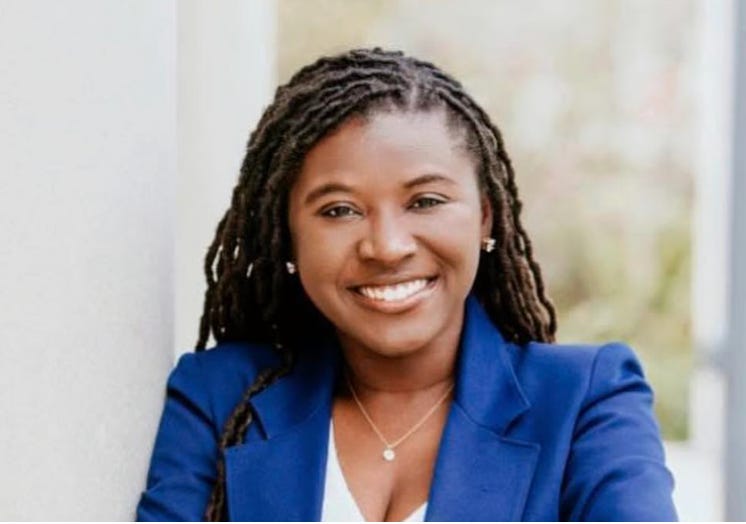

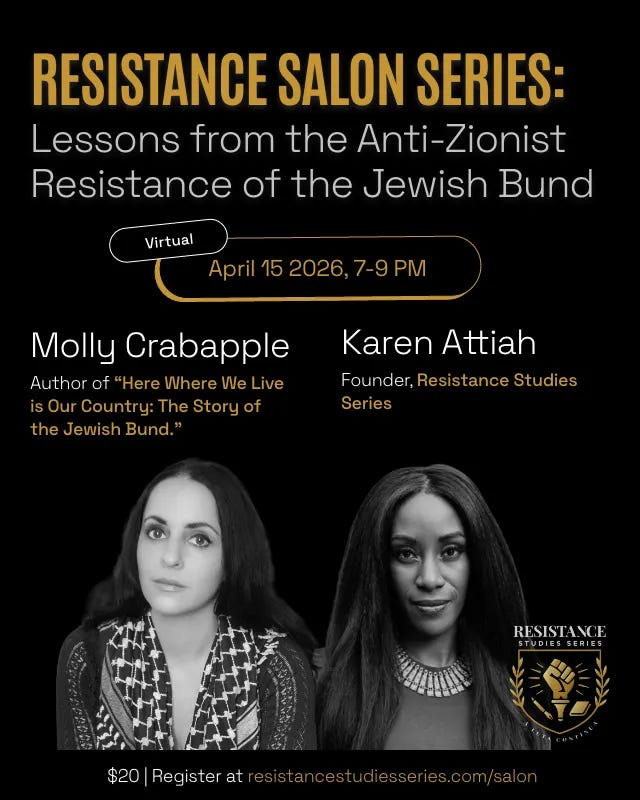
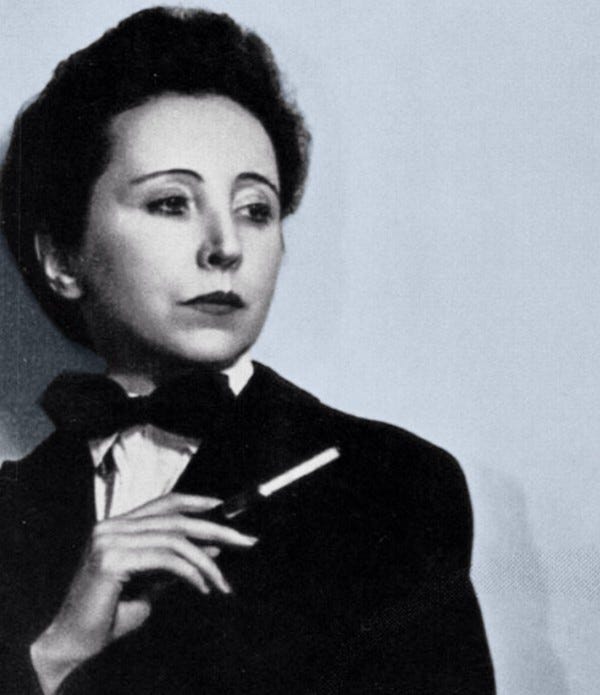
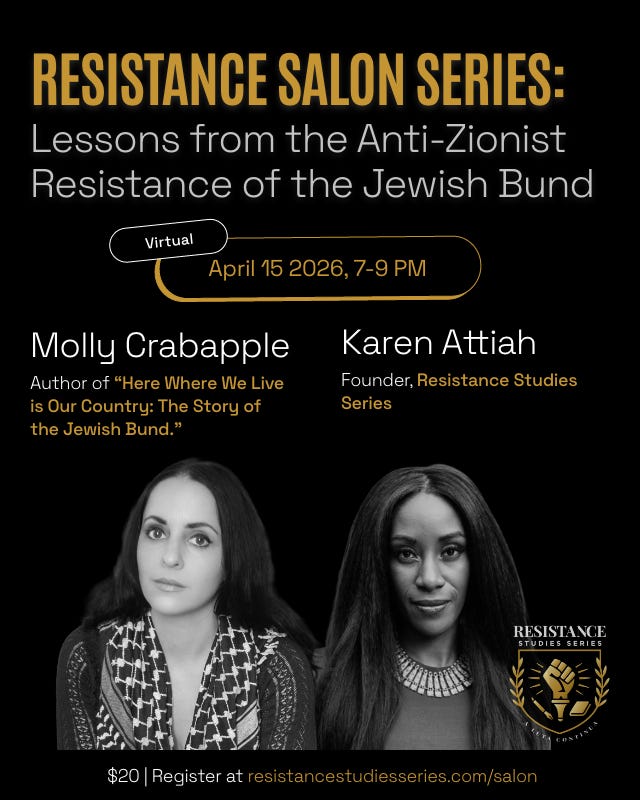
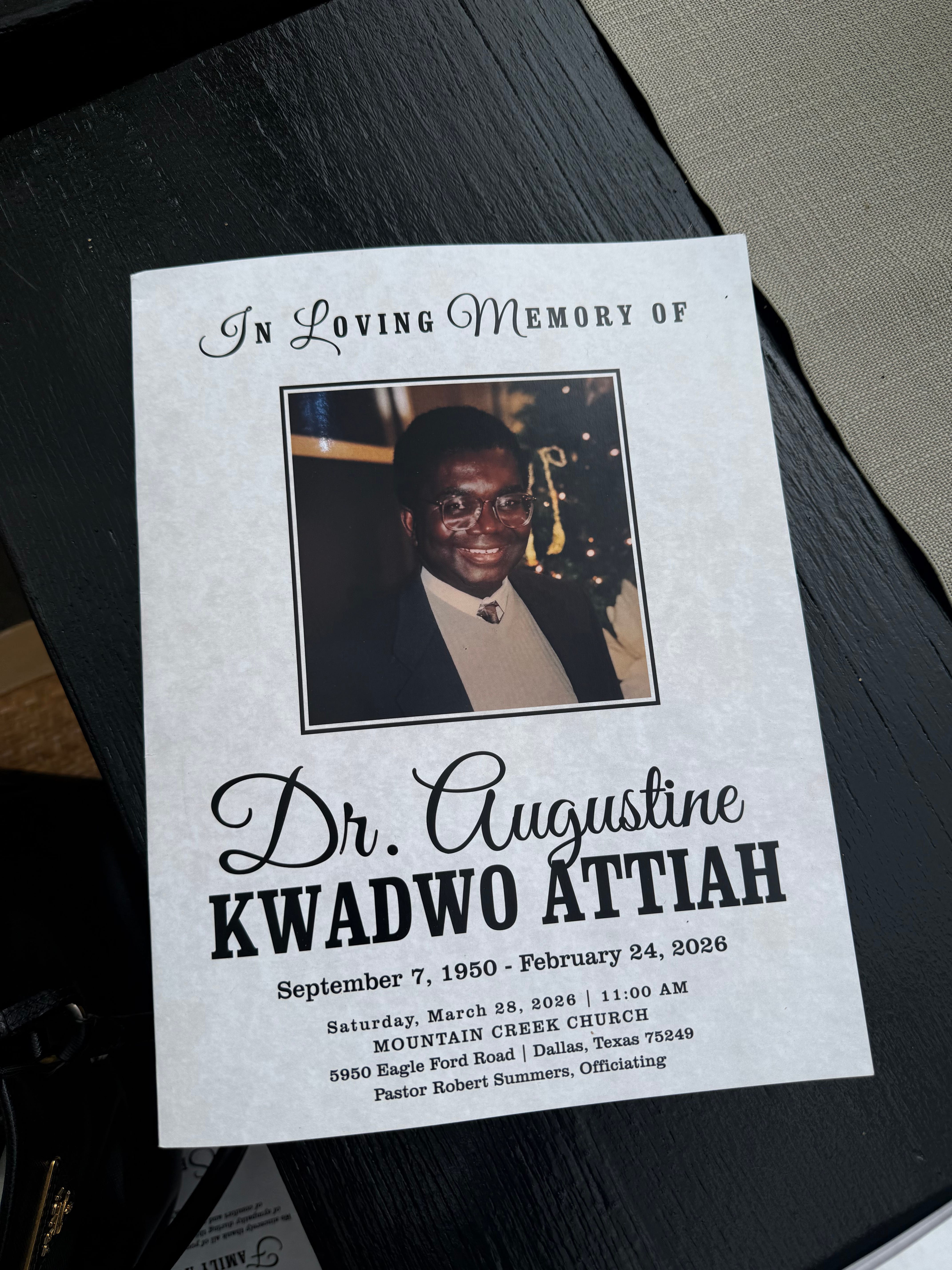
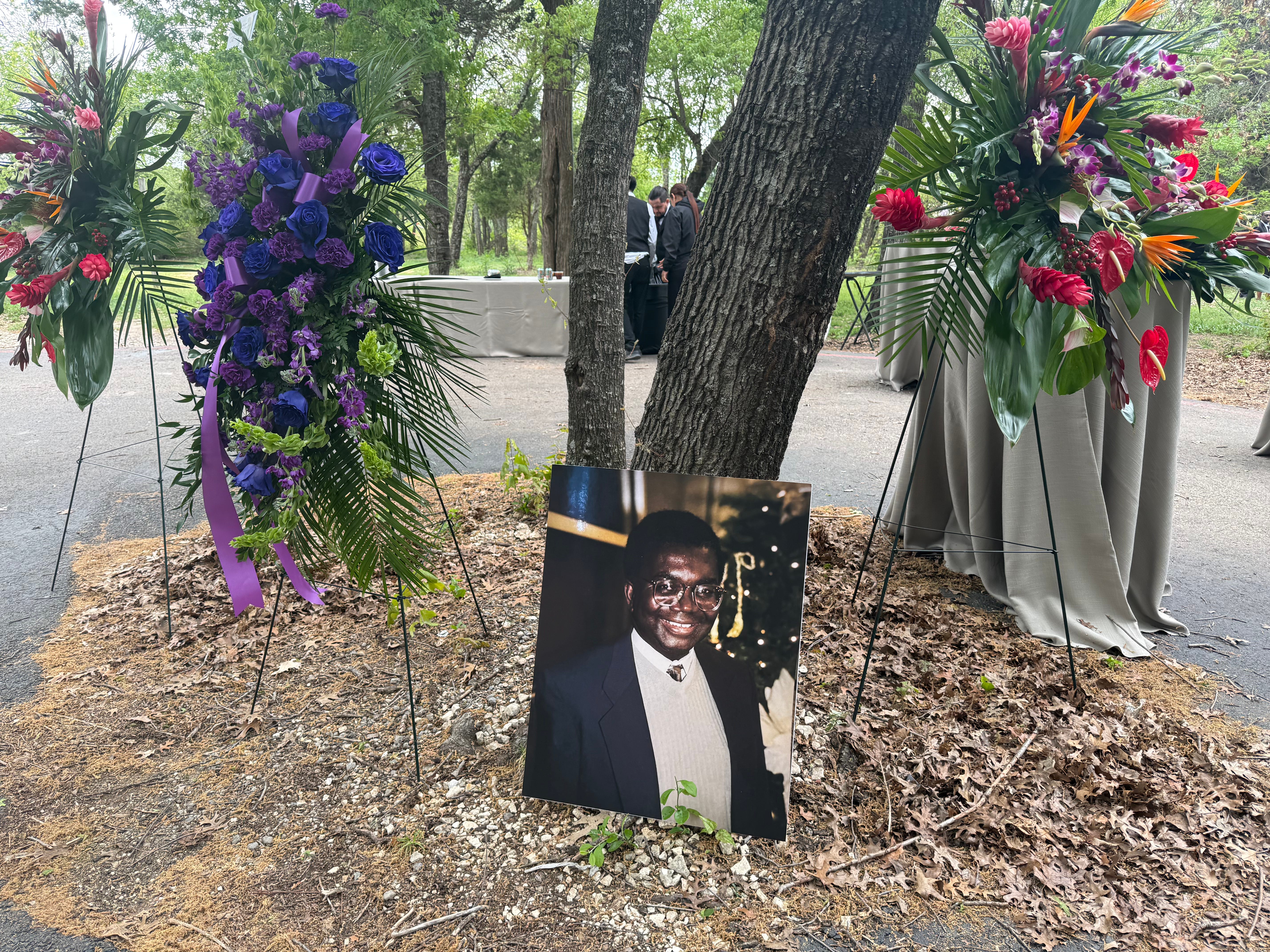
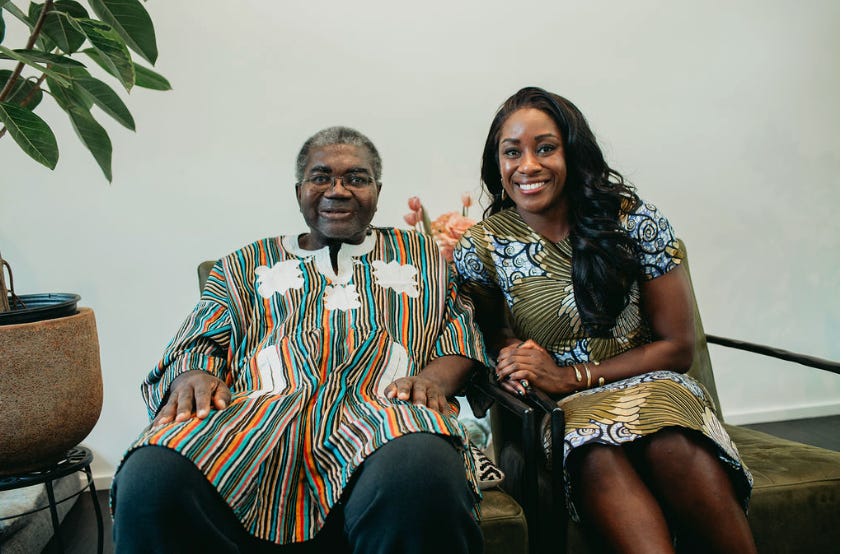
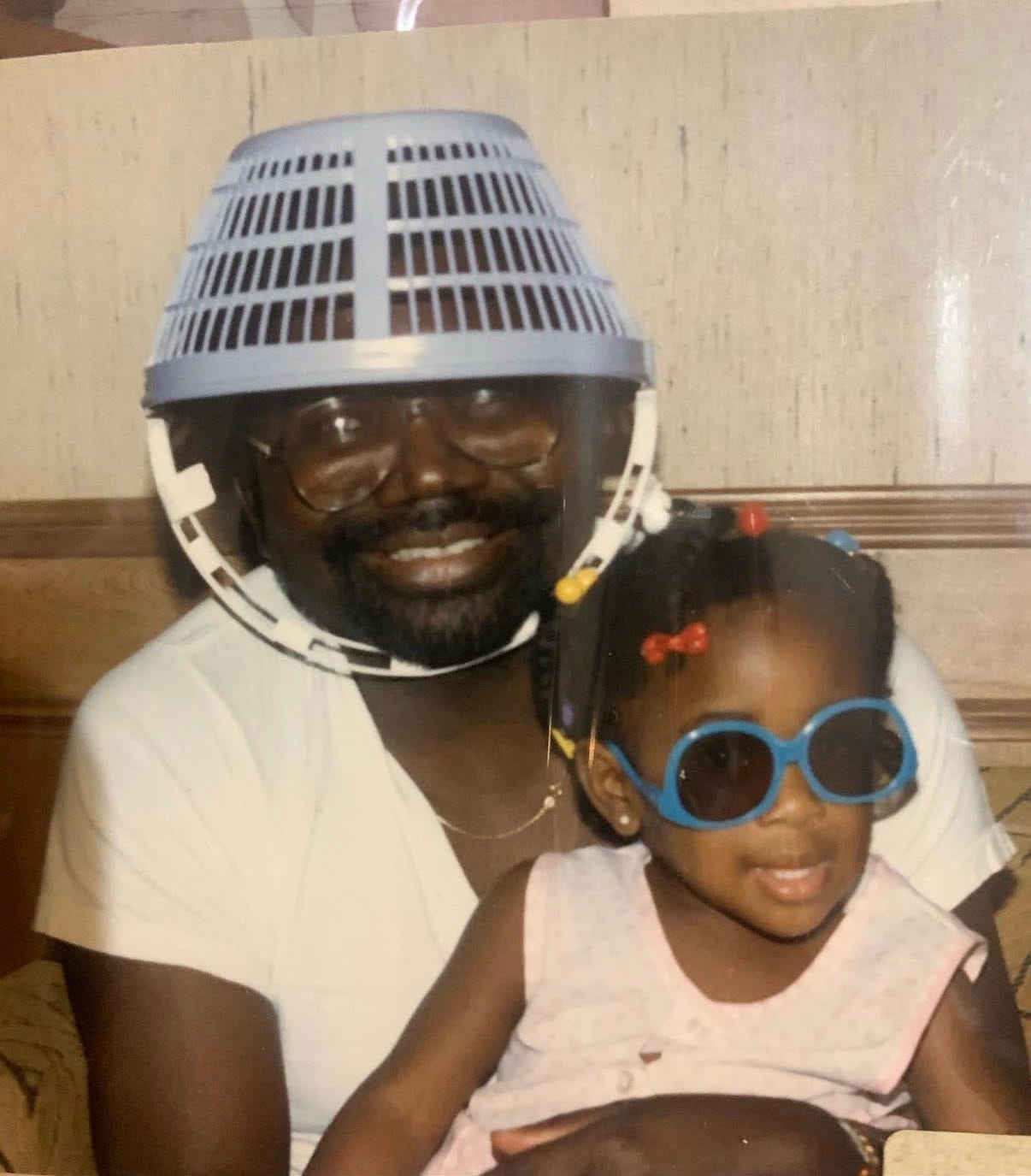
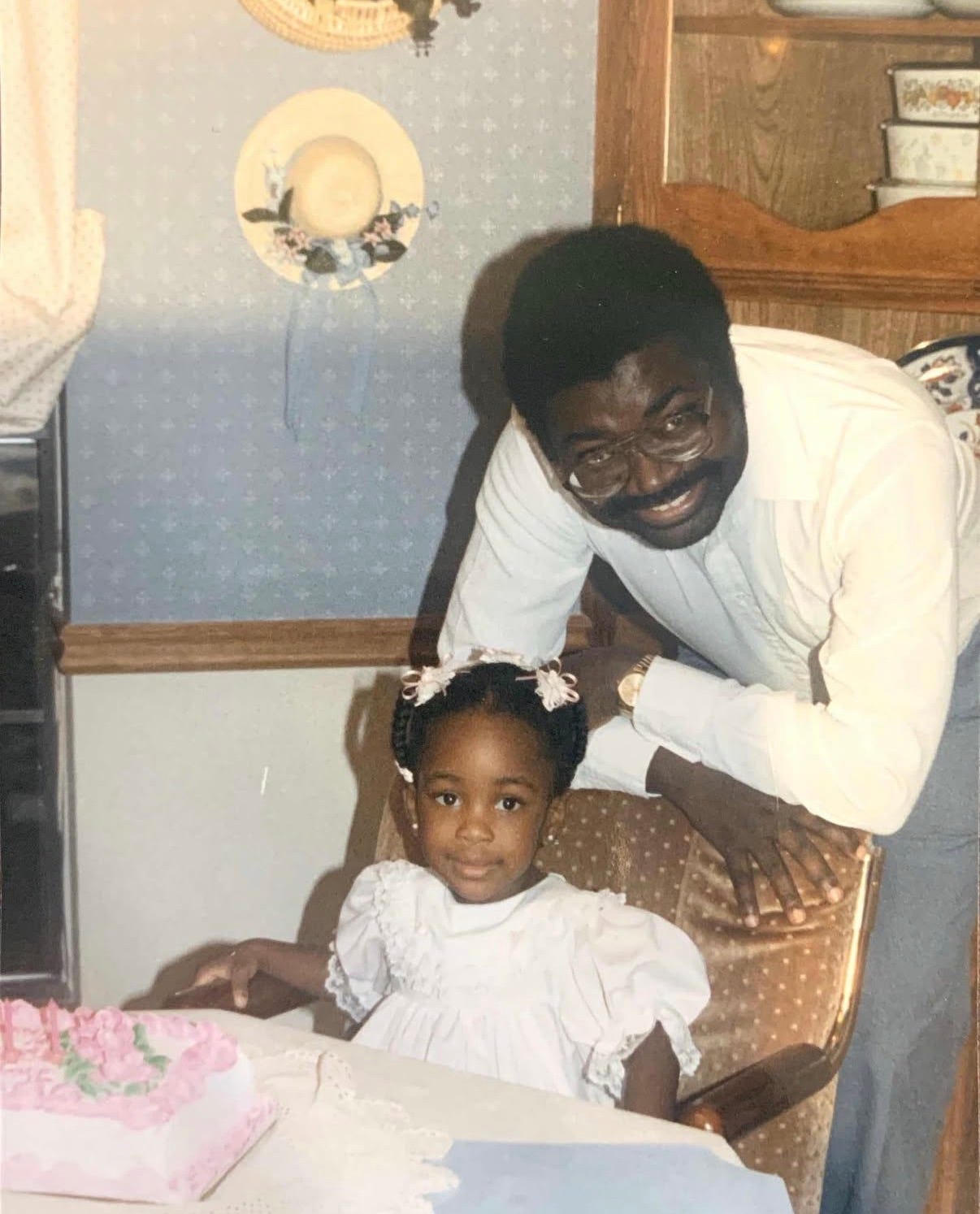
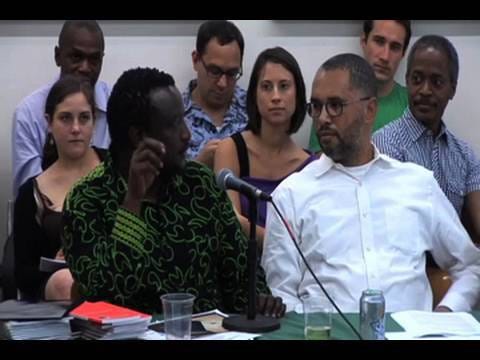
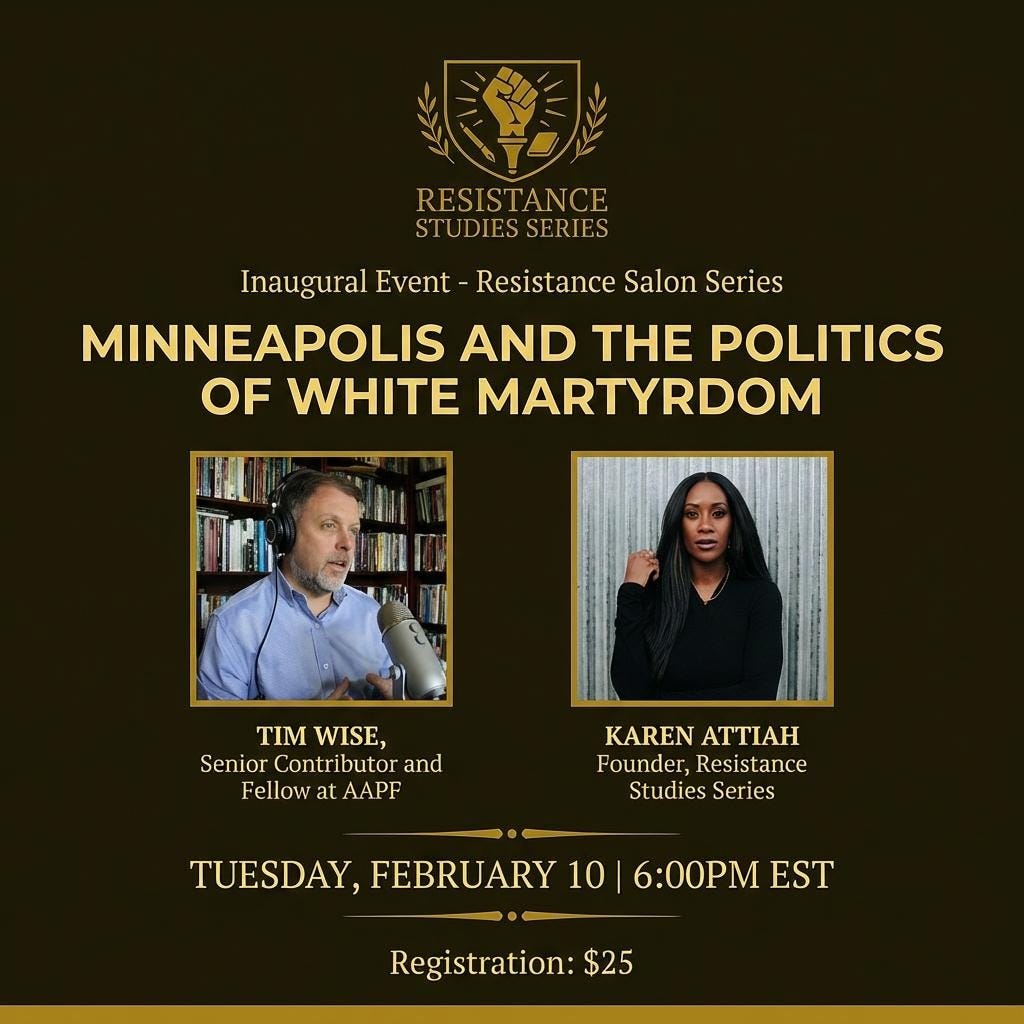
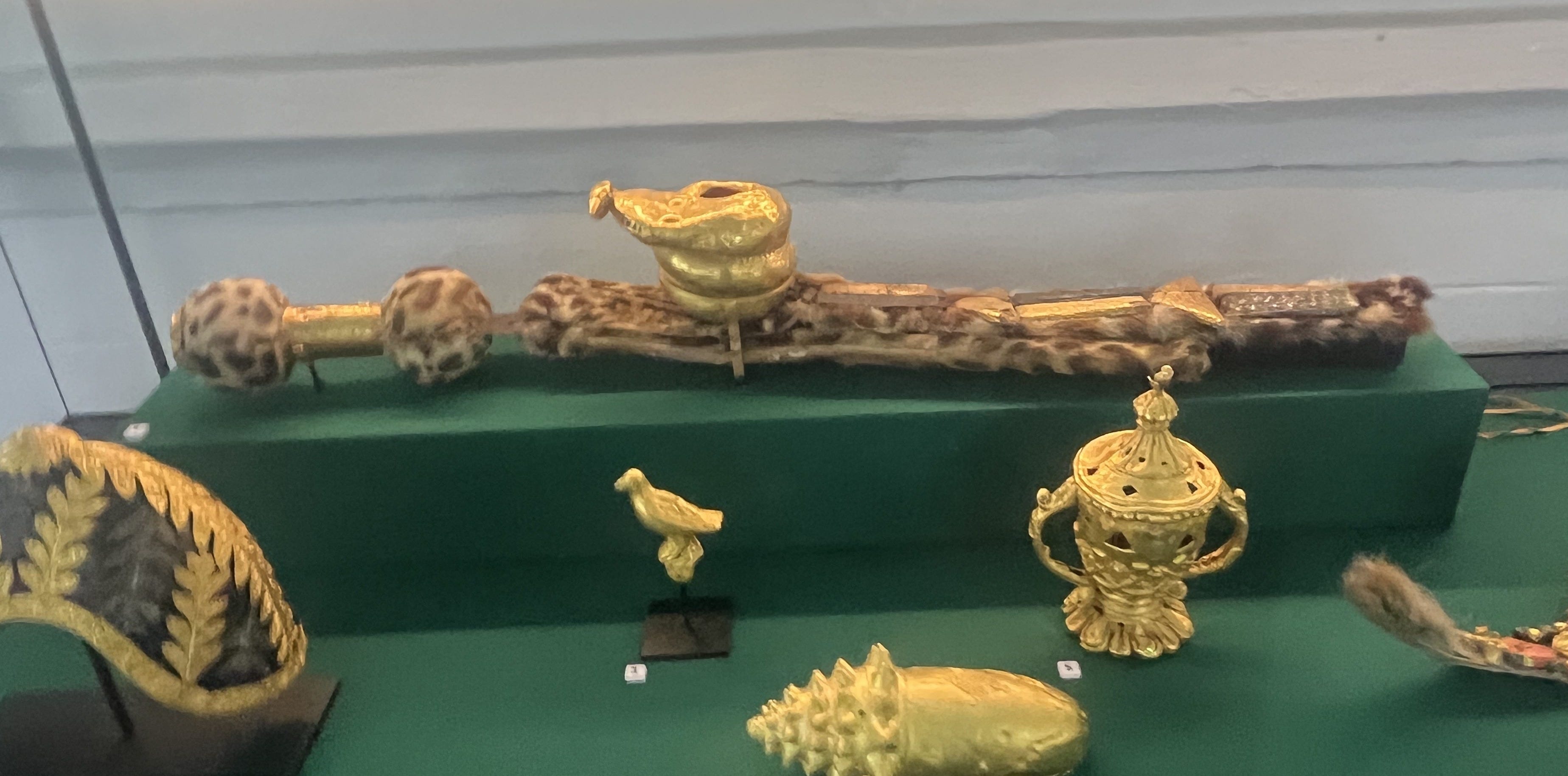
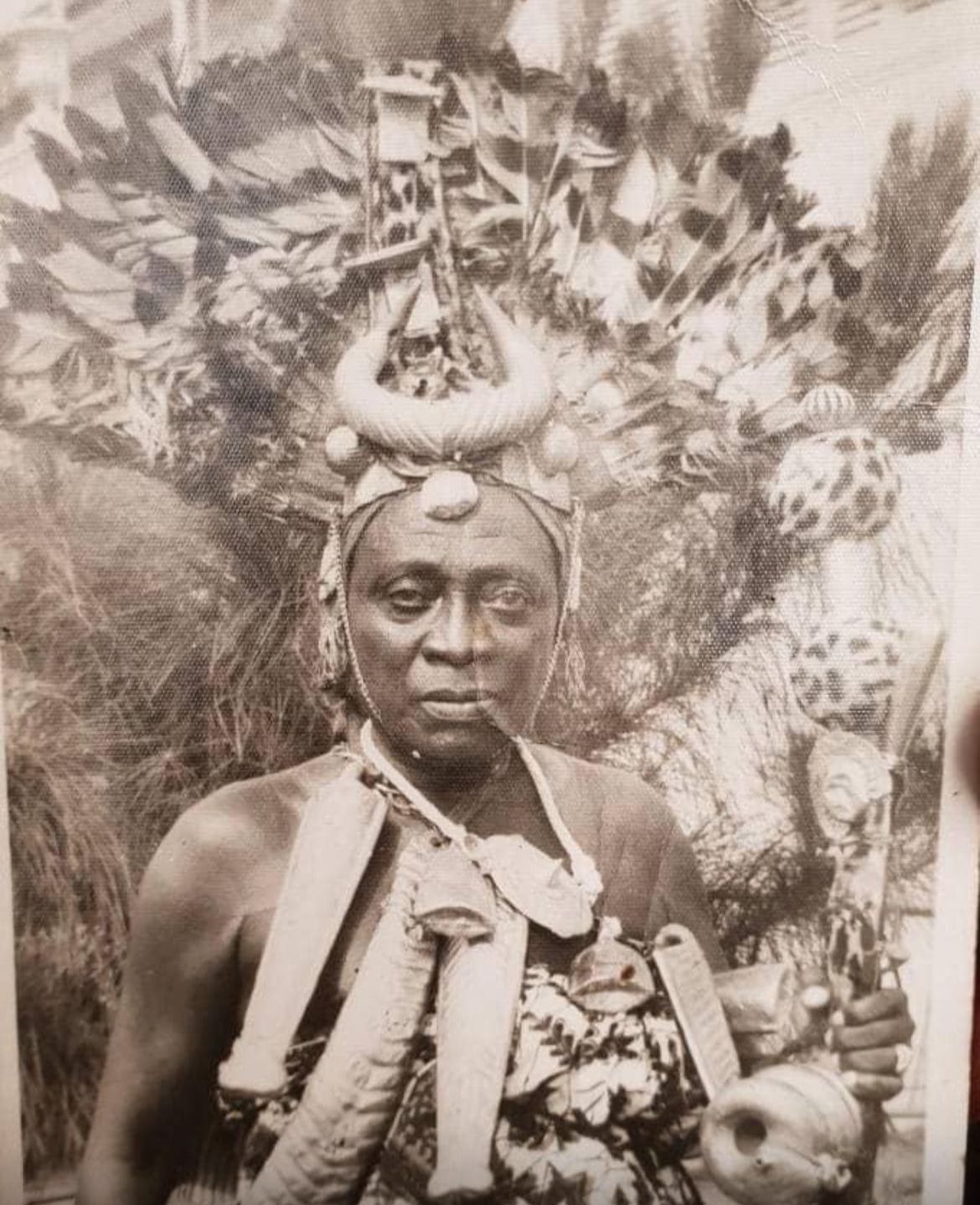
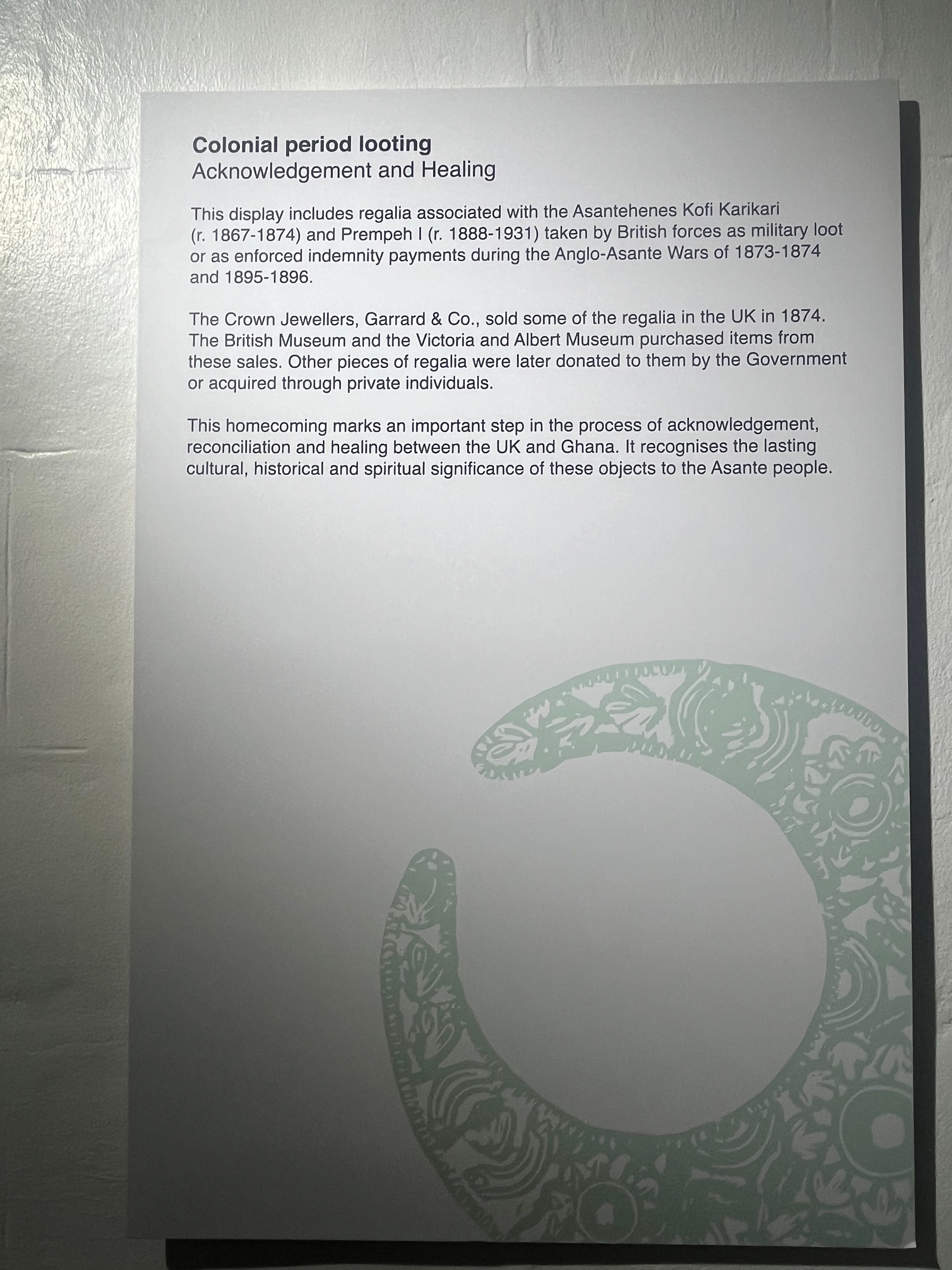
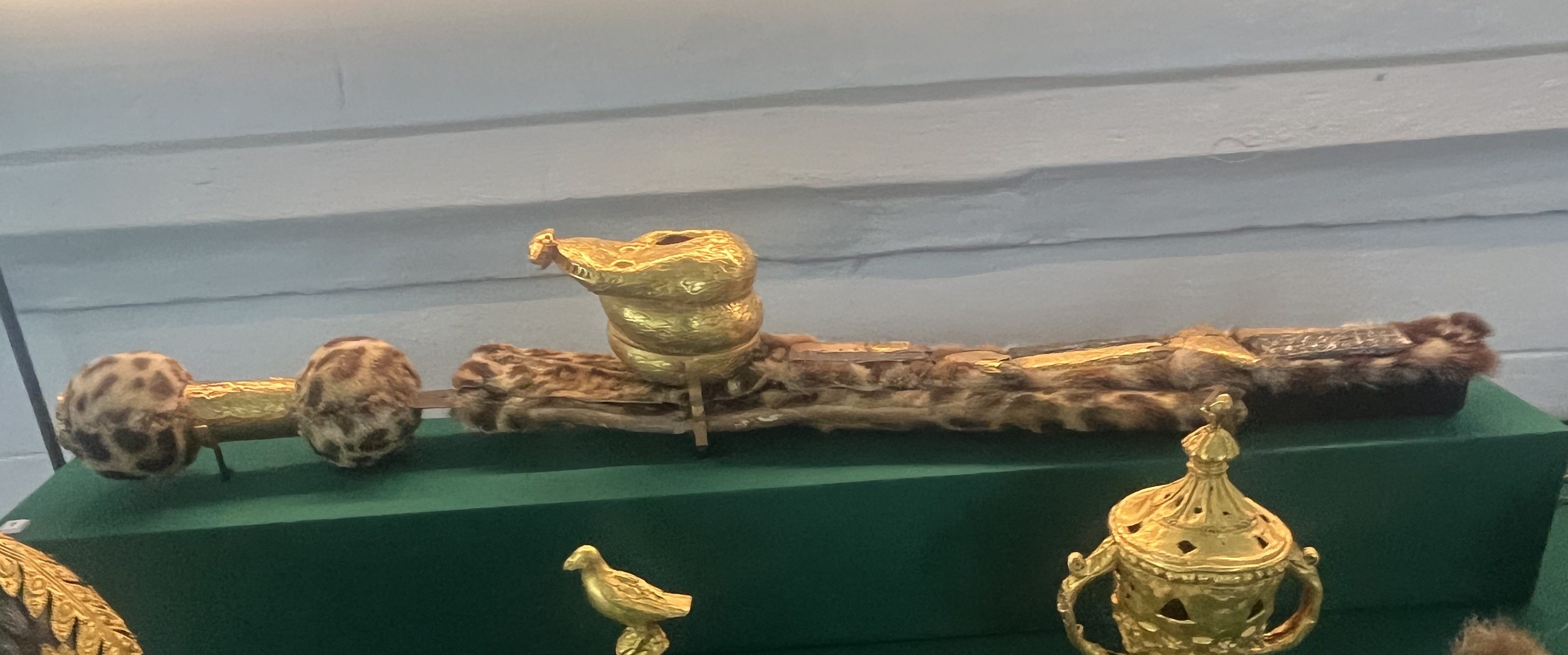
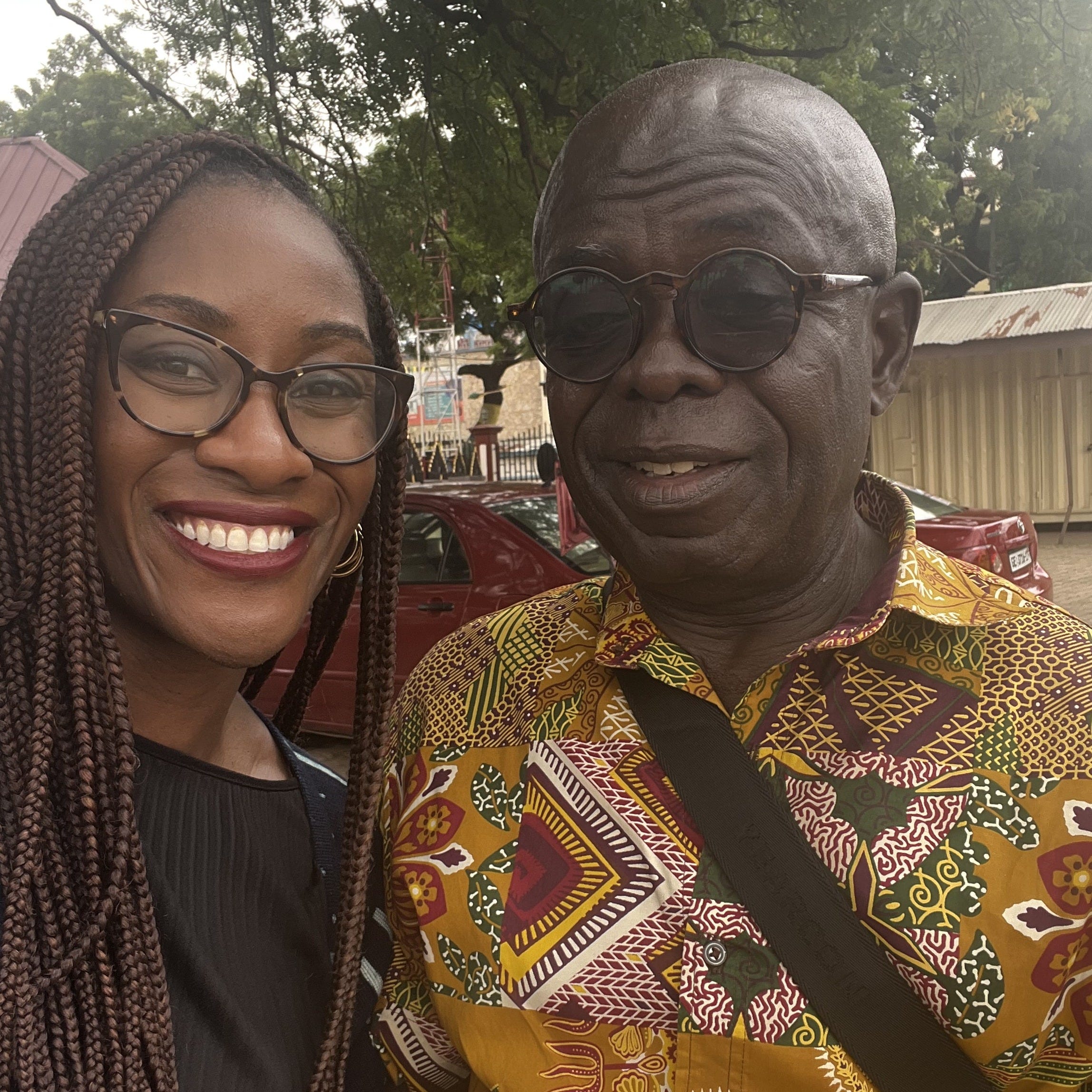
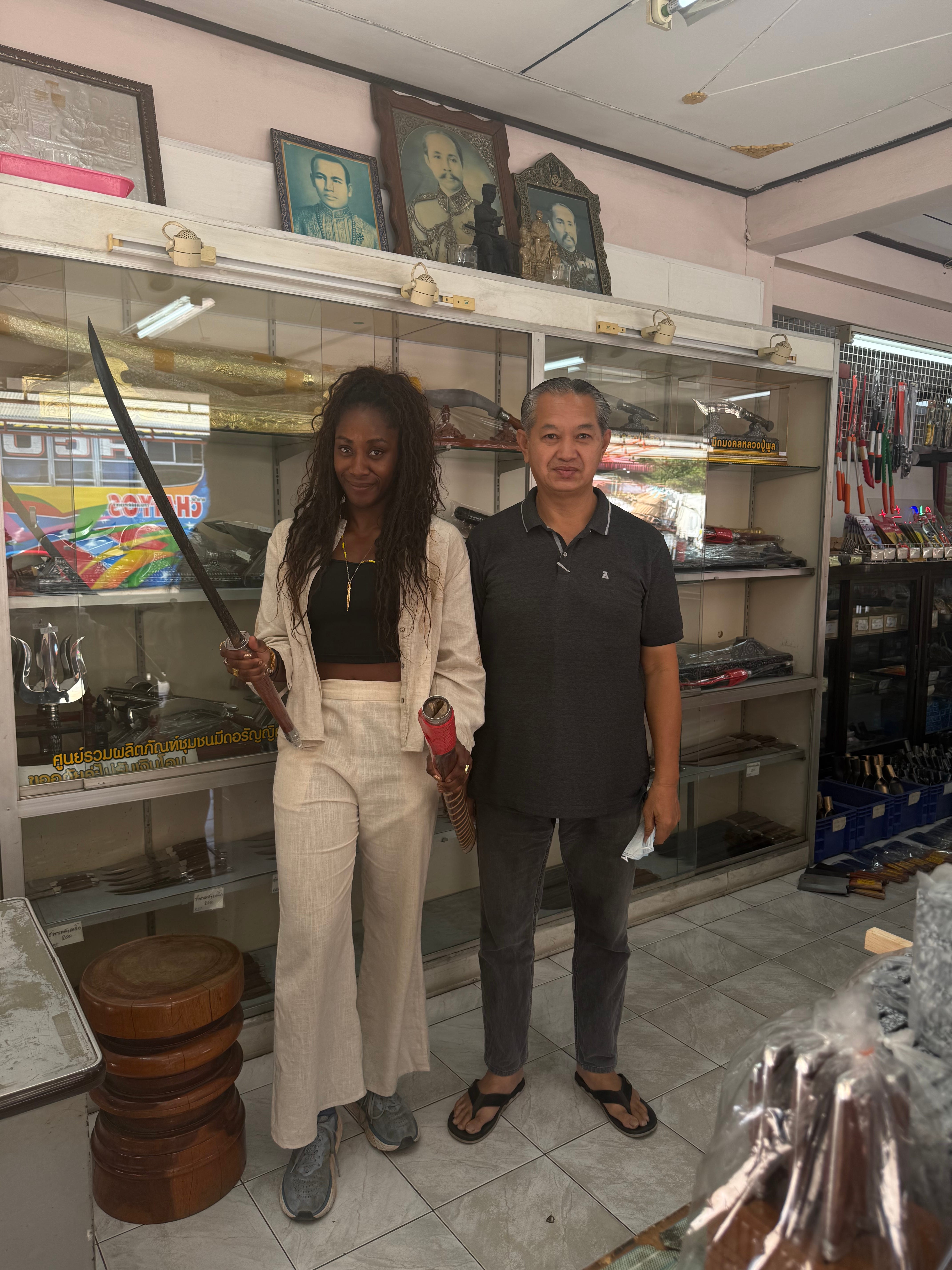
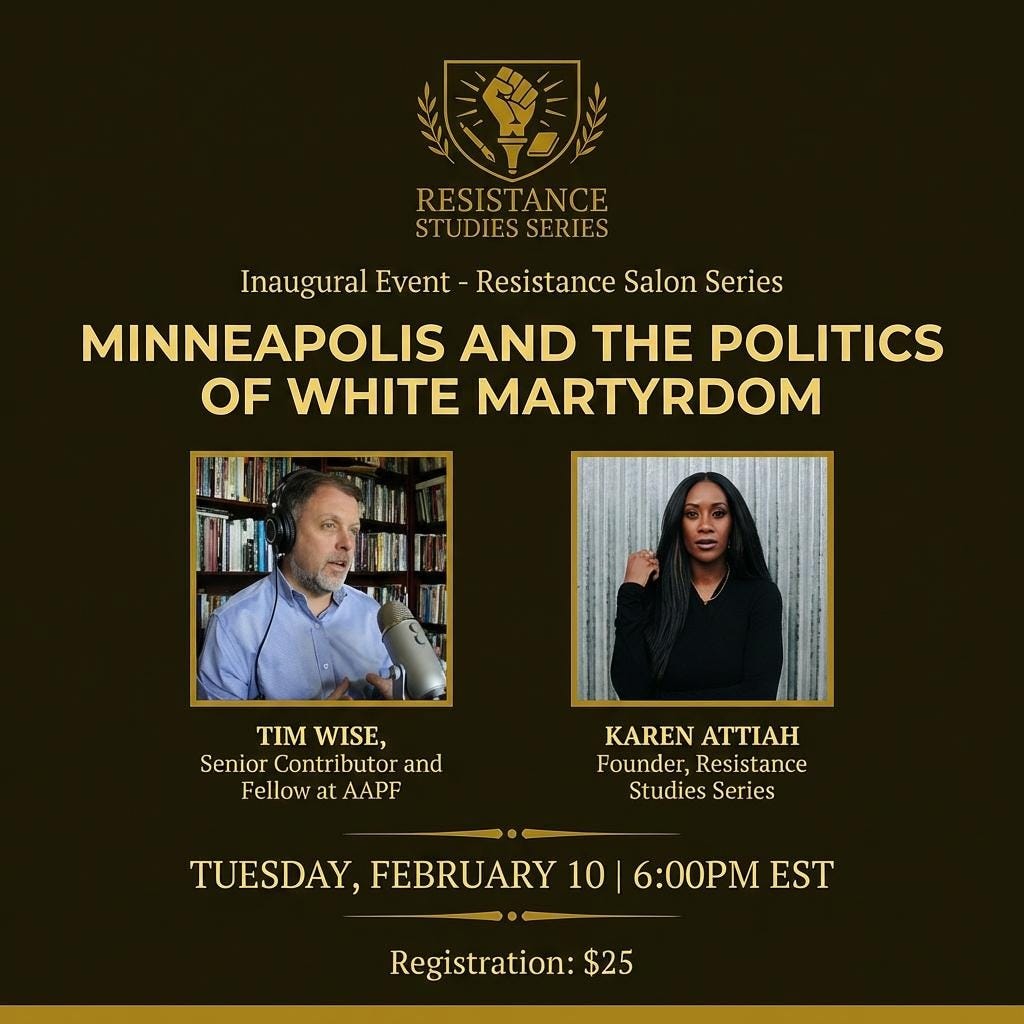
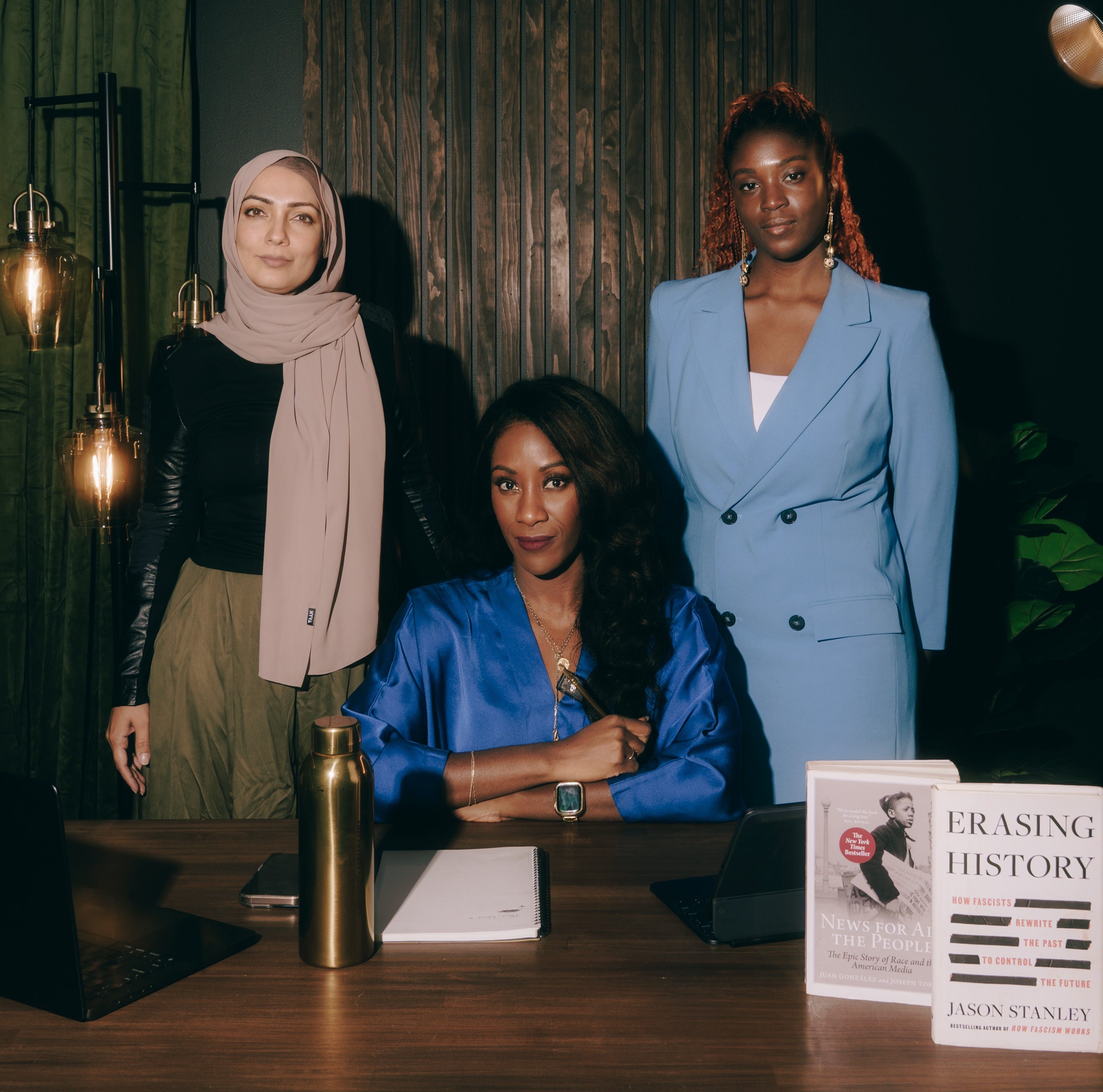
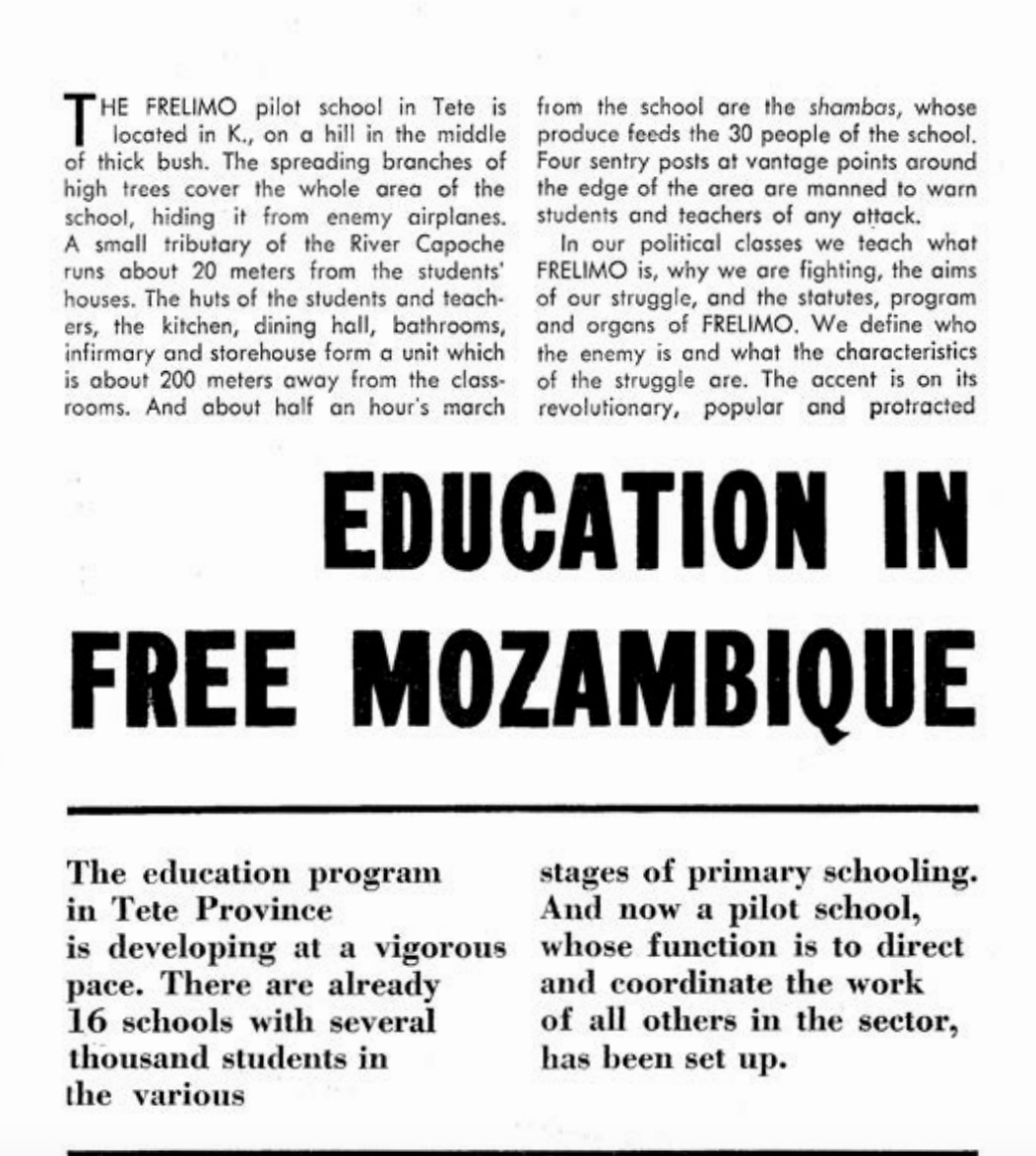
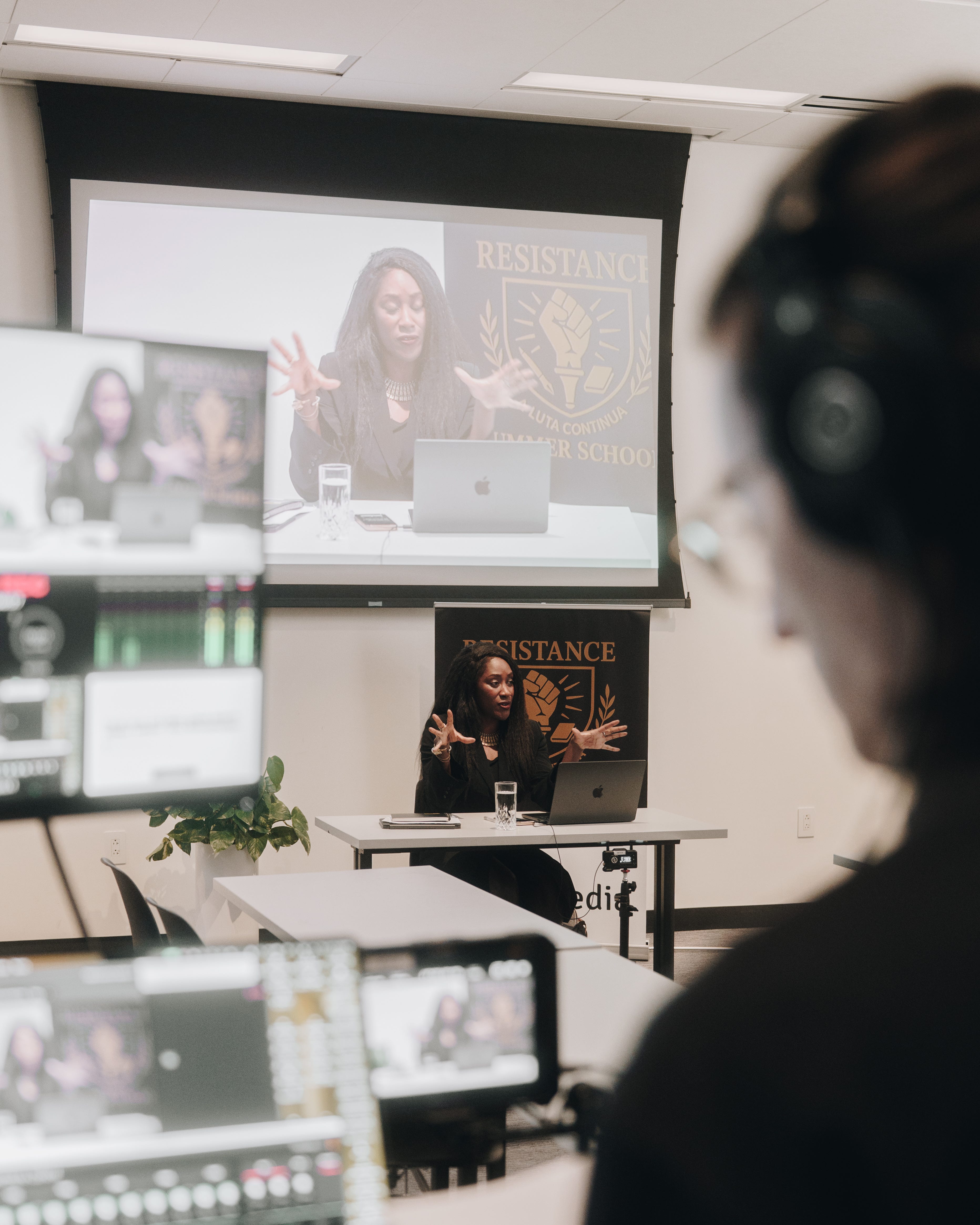
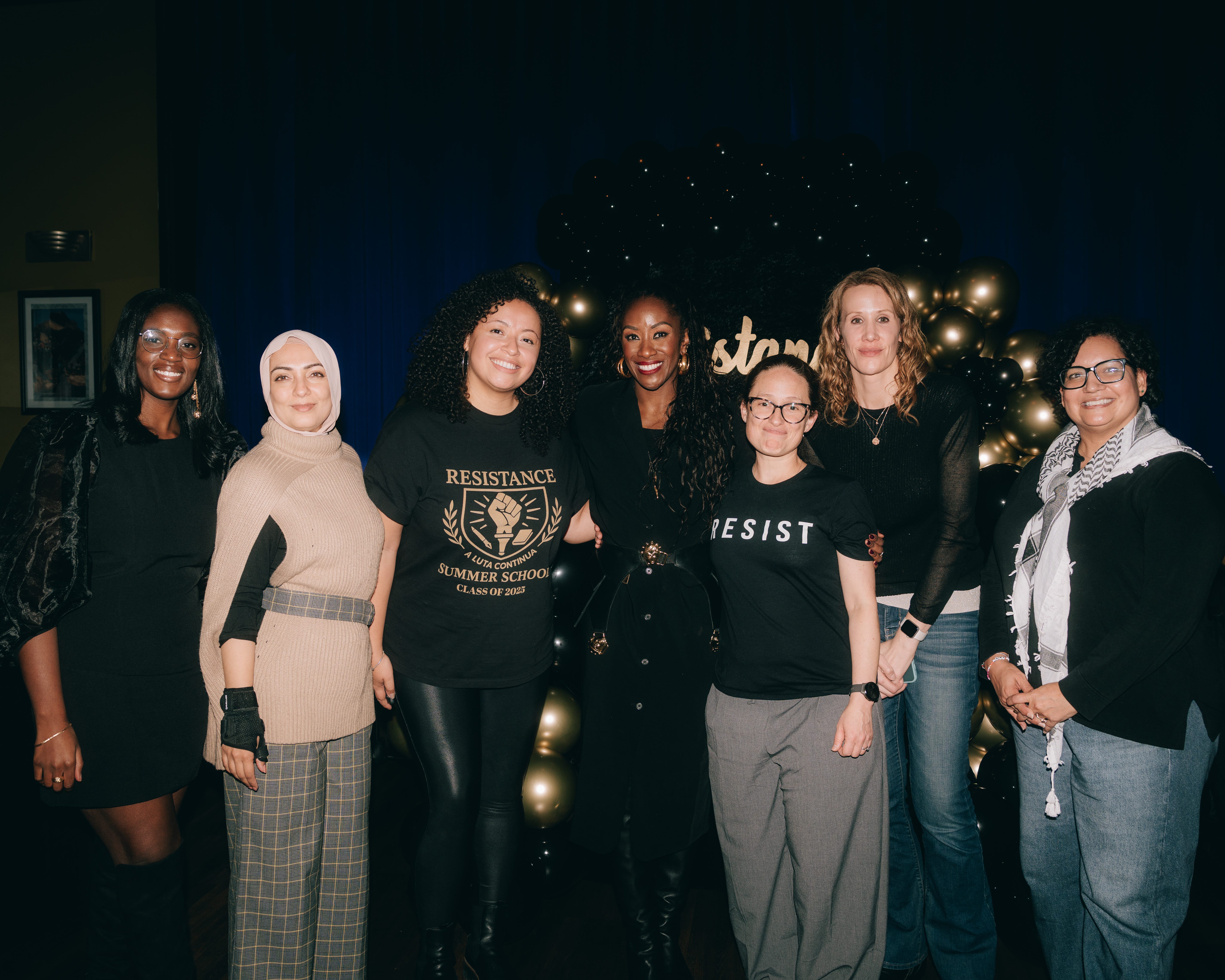
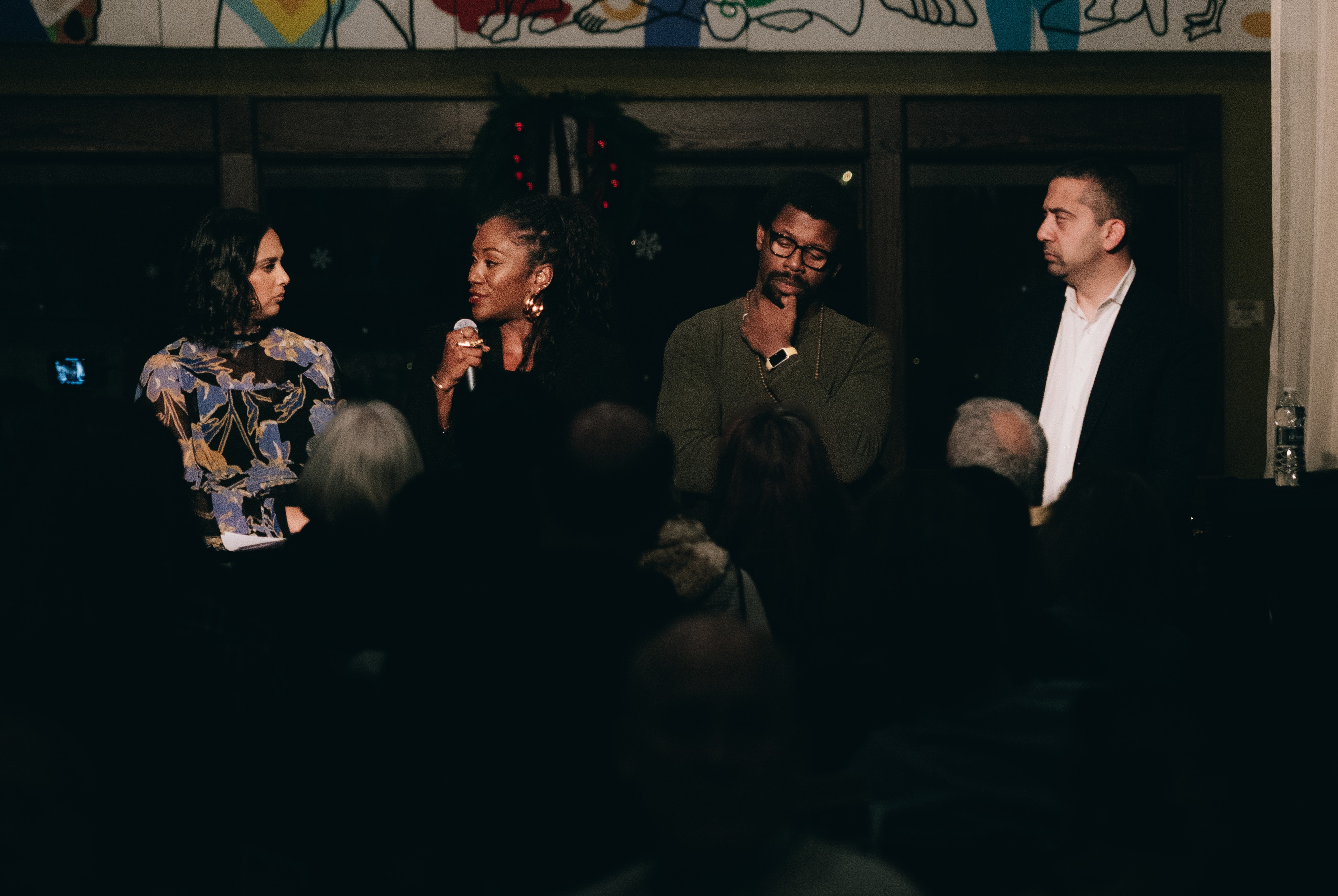
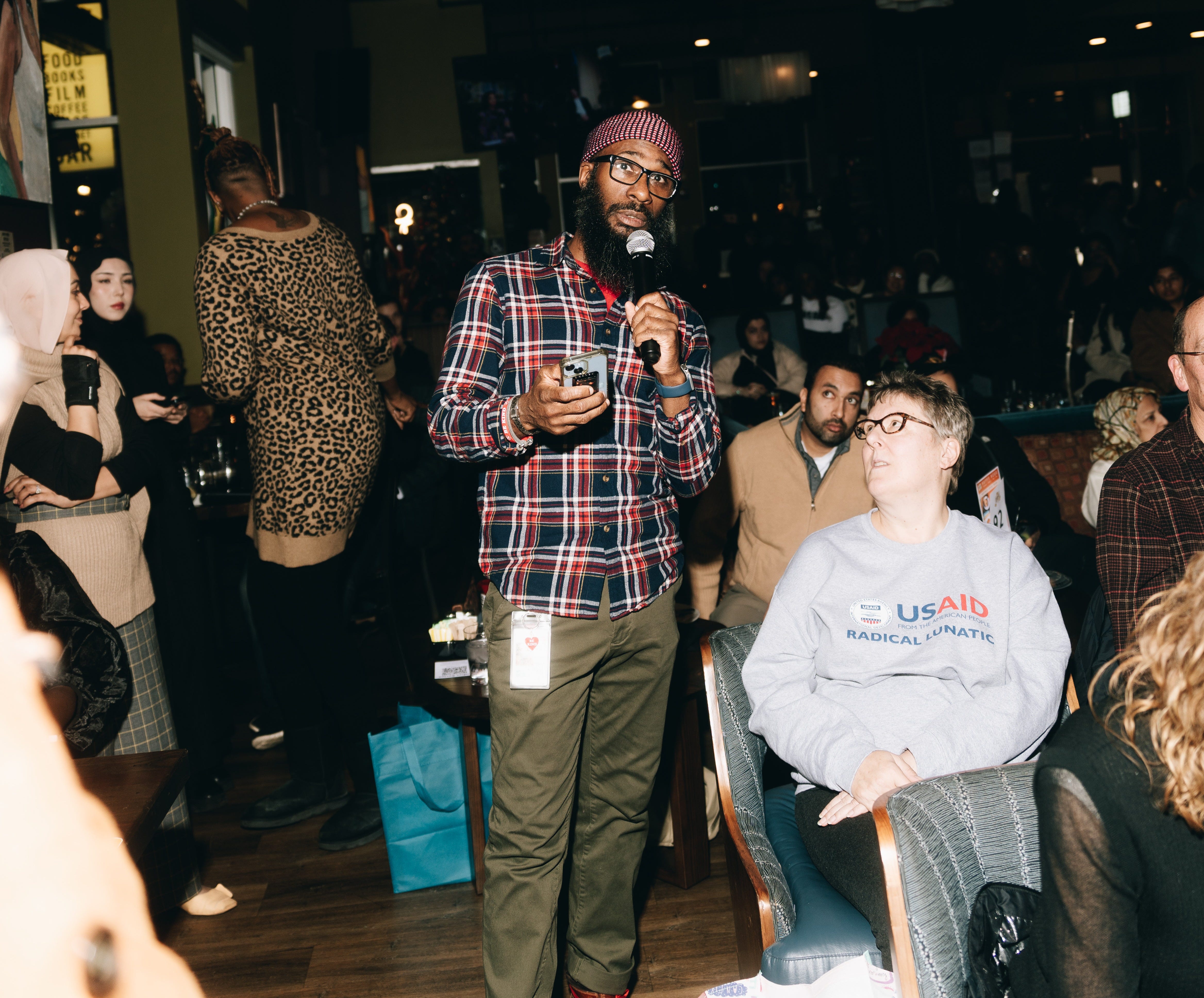
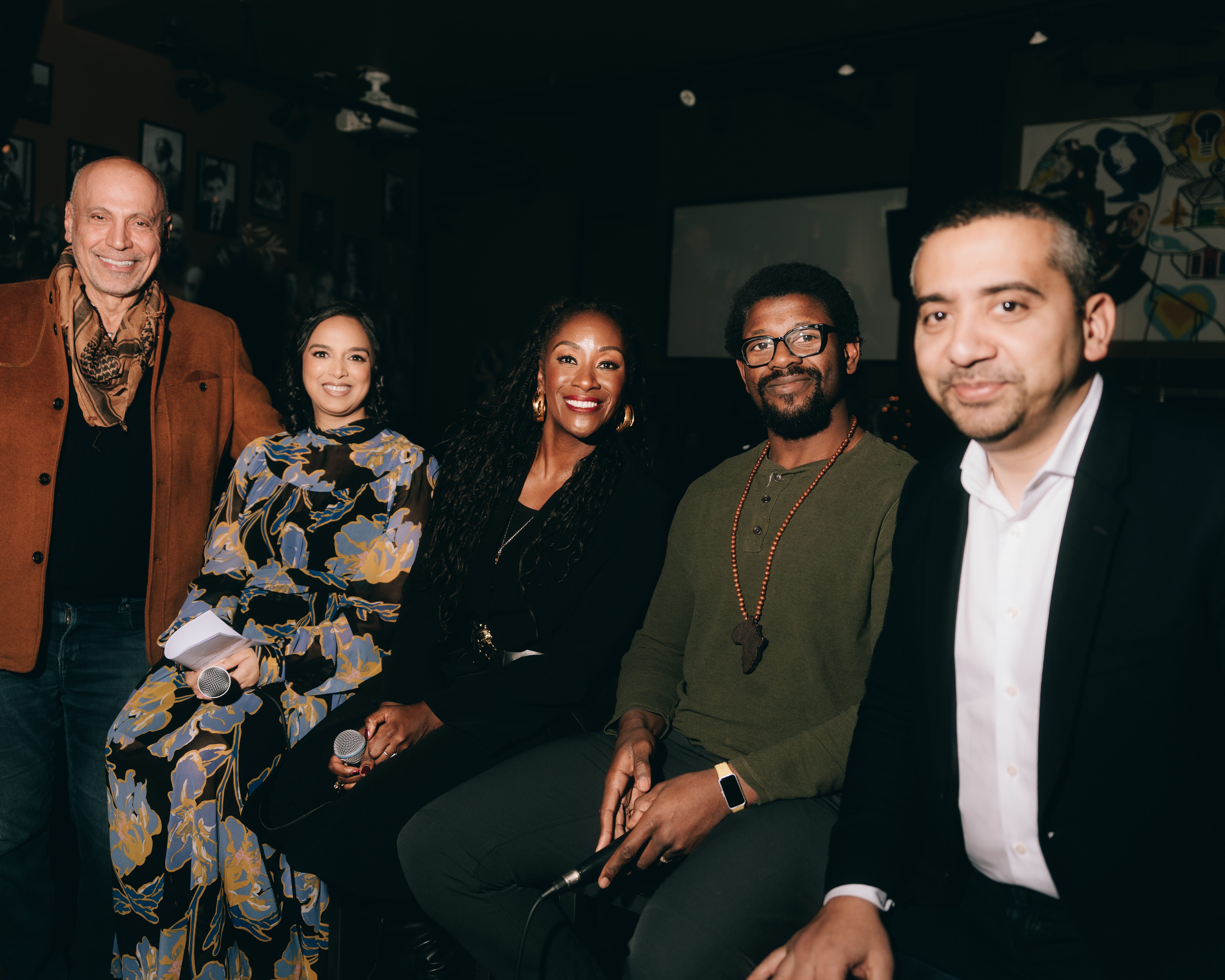
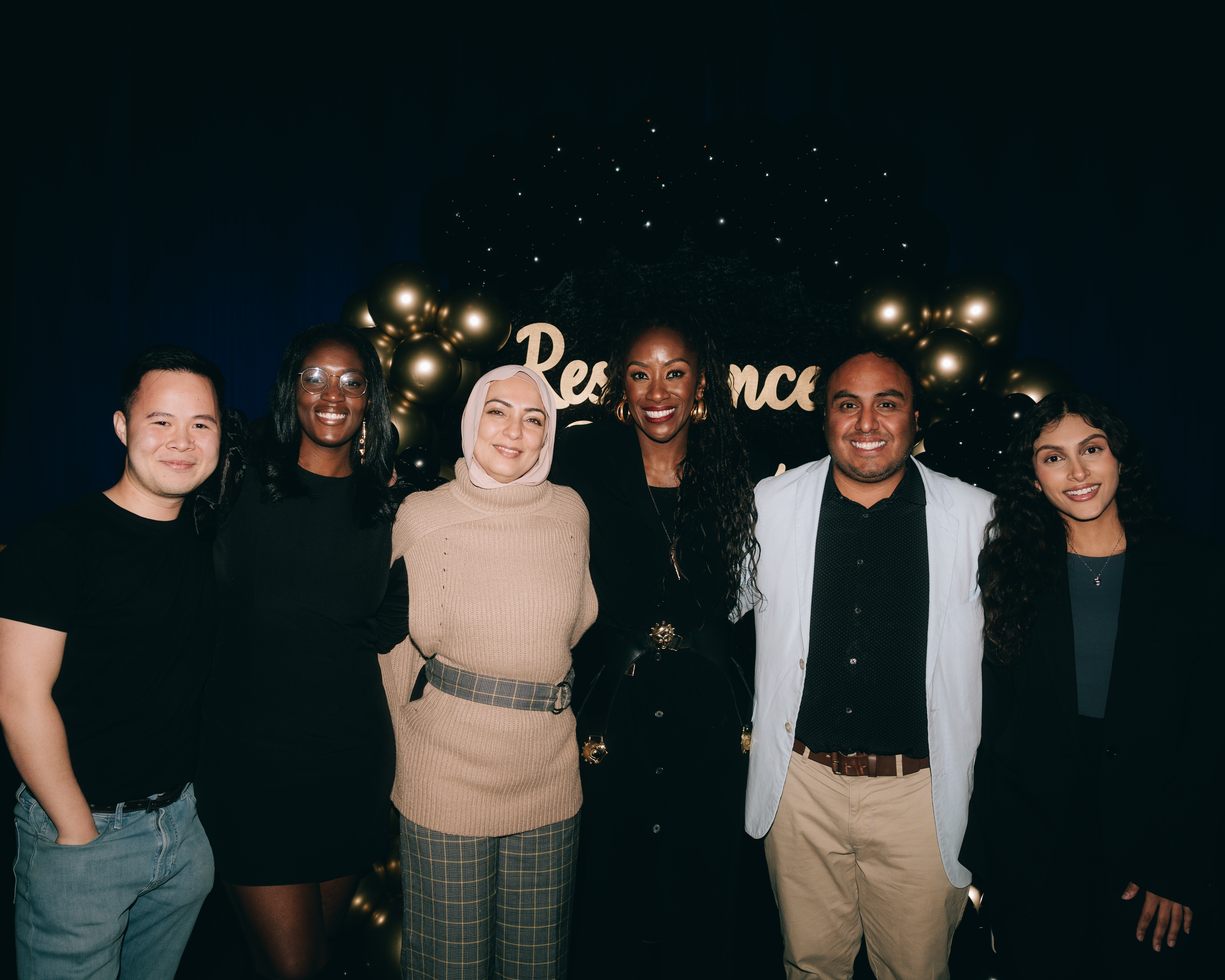
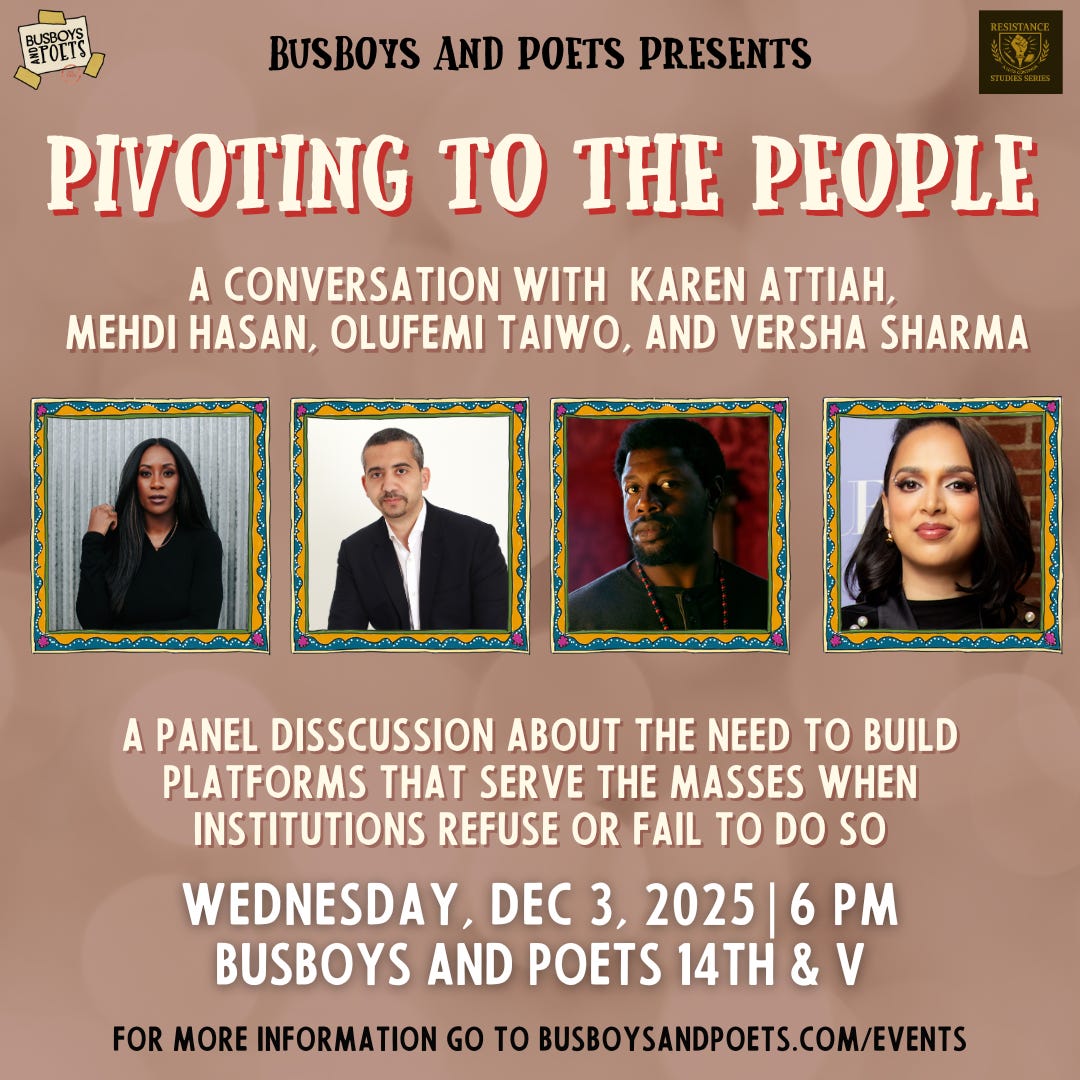
 Get more from Karen Attiah in the Substack appAvailable for iOS and Android