'I've been in the industry for 20 years, and those of us who joined in the early 2000s, we had it very good'
Show full content
While we all know deep down that CEOs are monsters who would fire all of you in a heartbeat just to keep a line going up, there's a charade most of them feel compelled to take part in where they pretend publicly to care about their workers and the lives those workers lead.
Or, at least that's how it used to be. The last few years of turbo-charged capitalistic decline and mass layoffs in the video game industry seem to have brought that status quo into question for some. In an interview with Game Developer, Ustwo Games CEO Maria Sayans has decided that quite frankly she doesn't need to bother with it at all anymore.
While discussing game budgets and staffing costs at Ustwo--best known as the developers of the Monument Valley series, and also as union-busters--Sayans laments the fact that her company will "never be able to achieve" the more nimble operating costs of some of their competitors "because we're based in London and have employees with pensions and so on".
She then goes on to say:
We've been a little bit too romantic about the idea that we should have employees and give people long-term job security. I think that got us into a place where, reaching the heights of Monument Valley 3 [production], contractors were always a relatively low percentage of our employee base. I think that's something we're looking to change going forward.
I think going forward, we'll see that we've got a core team and any growth will come through contractors, which is something I hate about the industry. I've been in the industry for 20 years, and those of us who joined in the early 2000s, we had it very good. You want to be able to give that kind of stability [...] but I think that's a shift in how we want to work with people going forward.
Ah, yes, she had it very good, but now you cannot, because that is simply the way it must be. She hates it, to be clear, but as CEO of the company the way they hire and pay people is totally out of her control, alas!
It feels like sticking your head directly into an old Dell computer that has never been cleaned.
Show full content
Remember the computer room? My family never had a room entirely dedicated to a computer, but my parents did stick two desktops in our finished basement, out of sight from the rest of our home. I would sneak down there to play pirated copies of DOS games like Princess Maker 2 when I stayed home sick from school. Eventually, the two side-by-side computers would fill the small space with a pungent scent of hot metal, dust, and mousepads. Cero, a perfume by agar olfactory, replicates this scent perfectly.
Cero is part of a perfume series that explores ecological collapse. It includes perfumes that reflect sentient plastics, the fetishization of the smell of fresh bread, the musk of the mycelium network, and eventually the damp, wet earth lush with plant life and bereft of human beings. But it begins with Cero, which is meant to evoke the scent of 1999, when the computer had its own room instead of living in your pocket. At that point in time, the computer—and all the knowledge to which it was a portal—was localized to a single place, creating the possibility for nostalgia. It reminds me of DJ Ninajirachi’s sonic equivalent, her album I Love My Computer, but with cultural touchstones meant for people just a little bit older than her. When she sings about a secret song that sounds like an iPod Touch with a crack in the screen, it evokes in me a memory of dial-up modems and anime fansites on Angelfire.
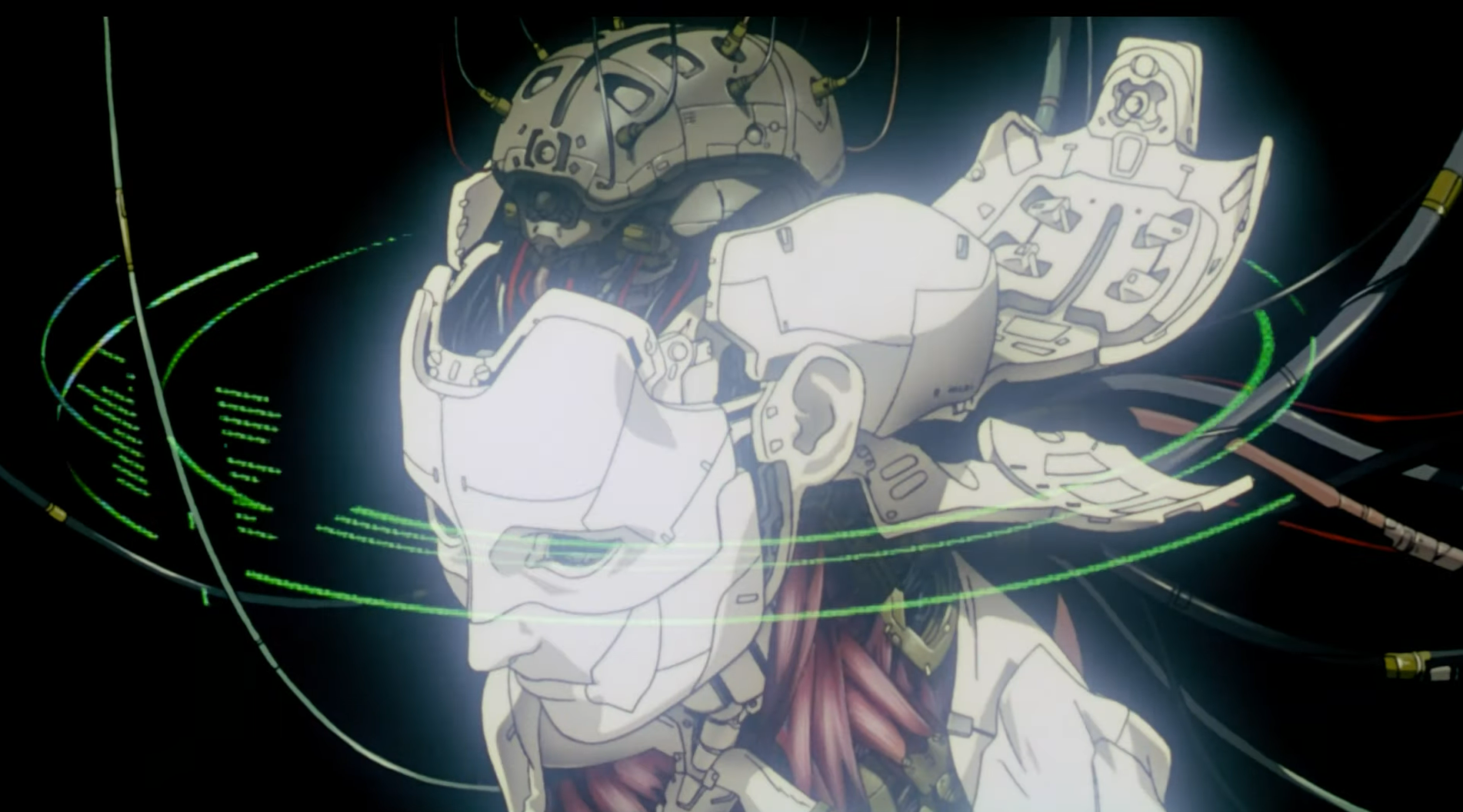
What really strikes me about Cero is that it resists prettifying that scent. I love how wearing it makes me feel transported into a dark basement where I could discover new things—but the note of dust is so pronounced that it often makes me sneeze. It feels like sticking your head directly into an old Dell computer that has never been cleaned. It smells like minerals with electricity running through them, like rubber, like plastic. The Ghost In The Shell scent from L’Etat Libre D’Orange also tries to evoke these computer-y smells, focusing mostly on the metallic side of things, but it mixes the scents of latex and silicon with powders and florals. Comparatively, the agar olfactory scent attempts to be a purer reflection, more than just a gesture towards a glimmering nostalgic image.
The most intense aspects of Cero, the smell of mousepads especially, die down throughout the day. But that smell of metal and dust clings to my skin, and eventually I find it comforting to wear, to smell as I gesticulate and talk. The smell of the computer room is a hopeful smell. It’s the smell of childhood, for me. It’s the smell of possibility, of a time when using the computer was neither a necessity nor something in control of a ruling class that wants us all dependent on them. It is also the first scent in agar olfactory’s cycle of complete human extinction. Perhaps I love wearing it also as a warning.
If you browse the AEW or WWE storefronts right now, I can guaran-damn-tee the offerings from either T-shirt section would fall into three categories: genuinely inspired classics with logos ruining the vibe, hyper-specific shirts referencing a title change that are scrapbooking as fashion, or a “graphic design is my passion” disaster slapping together a logo and a wordy catchphrase. And for the price they’re charging, most of these shirts are apparel I wouldn’t be caught dead in unless I couldn’t kick out from underneath a sentient pile of laundry. Deadass, whenever new merch drops from either company, my friends and I immediately DM each other—not because the shirts look beast, but to laugh at how they managed to out-ugly the last design they carted out.
Even on their best days, wrestling shirts either suffer from the same minimalist, soulless trend plaguing modern NBA jerseys or they lean so hard into internet meme aesthetics that they’re dated the moment the ink dries. We’re talking designs that’d rival the weapons-grade cringe stitched into edgy DBZ shirts. And when a design does catch fire—like the Bullet Club logo’s chokehold on the international wrestling community in the 2010s—it gets run into the ground until it becomes the wrestling equivalent of the Ataktsuki cloud: once iconic, now shorthand for a guy you probably don’t want to hang out with. While some of them are fucking hilarious, I’m not trying to explain the lore behind why I’m wearing a shirt with the words “Big, Black, and Jacked” or “Scissor Me, Daddy Ass” across my chest.
I write all this not to flex my ability to roast wrestling merch through prose; I’m writing this because I’ve finally identified the universal problem with professional wrestling t-shirts: They weren’t designed to be worn by the human body.
Professional wrestling t-shirt designs feel like they’re tailor-made to be posters on a college freshman’s wall beside their poster of Pulp Fiction and the Naruto wall scroll they bought in Chinatown, not for a human person to walk around in. Honestly, half of them would work better as desktop wallpapers than clothing. As shirts, they’re absolute dog water.
To be fair, things used to be far worse. WWE once insisted on embroidering its logo and the words “Authentic Wear” across the lower third of every shirt, completely ruining whatever design caught your eye. AEW fares better these days—leaning into the joke that they’re a “T‑shirt company”—but even then, you have to wade through a swamp of stinkers before finding something worth wearing.
John Oliver famously once said, “Wrestling is better than the things you like.” And shirts from my favorite wrestlers have been put to good causes like the Trevor Project and Local Hearts Foundation. My only wish is that more merch designs lived up to that boast instead of being yet another thing wrestling fans have to be embarrassed about.
AnimeRumiko TakahashiMaoHiromu TakahashiDaemons of the Shadow Realm
In an era built for on shows as content, anime like Daemons of the Shadow Realm and Mao are reviving the slow‑burn magic that made anime feel timeless in the first place
Show full content
Aftermath co-founder Luke Plunkett once penned an excellent blog (with a cameo from yours truly) about how they don’t make anime like they used to. And while that still tracks, something’s shifted. There’s a new wave of anime with an unmistakably retro feel that evokes the shows that once defined the medium.
Streaming has reshaped how TV is made globally. Everything now comes with prestige-gloss production value packed into fewer episodes, engineered not just to tell a story but to squeeze another month of big money subscription dollars out of you. It’s changed how television is made, and thus, how those shows feel to watch.
Anime hasn’t escaped that gravitational pull either. Gone are the 50+ episode shows where a story can drift off track on an adventure where nothing happens. Seasonal anime are given 12 episodes to “prove themselves.” Fans expect plot acceleration, constant spectacle, and no downtime during a three-episode trial period to decide whether it's worth their time. Likewise, the emergence of episodic reviews from legacy publications crank up the pressure, scrutinizing the propulsion of a show as if it were a crime scene—or a season finale. And every week becomes an online referendum over whether a show is peak or ragebaiting viewers on purpose if it doesn’t deliver the goods.
This tendency creates reactionary viewers. By god, if Surf Dracula dares spend less than half the runtime not hitting that shit with the prettiest sakuga you’ve ever seen, and instead focuses on some slow-burn filler flashback about how his Liberace-after-dark-looking-ass pearled his first wave, the showrunners are playing in your face.
Ironically, that same pressure for a prestige product has carved out space for some anime to feel like it used to—even when it’s being created in the era of streaming—by restoring the pleasure of watching a story unfold at its own pace.
Despite being new anime, studio Sunrise’s Mao and Bones’ Daemons of the Shadow Realm stand out for evoking the cadence of shows from yesteryear. Of course, it helps that both studios are OG production houses that gave us Cowboy Bebopand Fullmetal Alchemist, and they’re adapting the works of the matriarchs of manga, Rumiko Takahashi and Hiromu Arakawa. But what’s striking is how these shows put back into focus the qualities that make a so-called retro show feel good in the first place: their genre-meshing storytelling, patient pacing, and of course, their visual style.
Despite MyAnimeList tagging it as action, adventure, and fantasy, Daemons of the Shadow Realm refuses to fit neatly into one box. In the opening stretch of its 24-episode run, Bones delivers a shonen teeming with slice-of-life softness, bloody and dark-fantasy violence, and gag-manga humor, all to the rhythm of a supernatural detective drama. While the real hook is the fantastic first episode twist that I refuse to spoil, that twist is just one morsel of its intricate plotting.
Most importantly, it feels like the tonally elastic anime of old that’s willing to take time establishing its world and mood. As a consequence, the show moves at a slower pace that nonetheless gives you fascinating glimpses into the lives of its heroes and supposed villains in the span of five episodes that you wouldn’t mind stretching to fifty just to see what they get into whenever they aren’t running the dozens.
And while I’m still waiting to see if there’s more to Mao besides it being Inuyasha again—swapping out its dog boy for a cat boy—I can’t fault mama for reheating her nachos. Takahashi is the Lady Gaga of manga; she can plagiarize herself to her heart's content because she perfected the era-hopping, romance-tinged, monster-of-the-week action formula isekai’s been aping for years. Watching Mao turns me into the food critic from Ratatouille, whisking me back to hearing Inuyasha’s outro blaring from sleep-crusted eyes at 3 am.
Daemons and Mao aren’t compelling simply because they feel old. They’re compelling because they’re reintroducing a new era of anime fans to what shows used to feel like when every episode didn’t live or die by eventized sakuga and Twitter posts. These are not shows that encourage discussion about how much ground an episode should cover from the source material to be must-watch and what episodes you could skip. They’re reminders that the older cadence of shows still resonates, and feel oddly new when dropped into the modern stream of anime. What’s got me even more geeked out is that they’re not alone in restoring that feeling.
And in their wake are other throwback shows on the horizon. Including Science Saru’s The Ghost in the Shell, which looks poised not only to evoke the aesthetics of Masamune Shirow’s art style but to reintroduce whimsy to the philosophical cyberpunk world that its sea of adaptations has been lacking. Likewise, classics like the ‘90s magical girl isekai Magic Knight Rayearth are getting an anime remake, and shojo Red River, finally getting its own anime treatment a whopping 14 years after its manga series finale, is on the horizon. It comes alongside Studio Outline’s upcoming Netflix anime adaptation of Osamu Tezuka’s ‘50s era shojo manga, The Ribbon Hero.
Inspired by Osamu Tezuka's legendary manga "Princess Knight," witness a lone hero attempt to overcome their harsh destiny in THE RIBBON HERO.
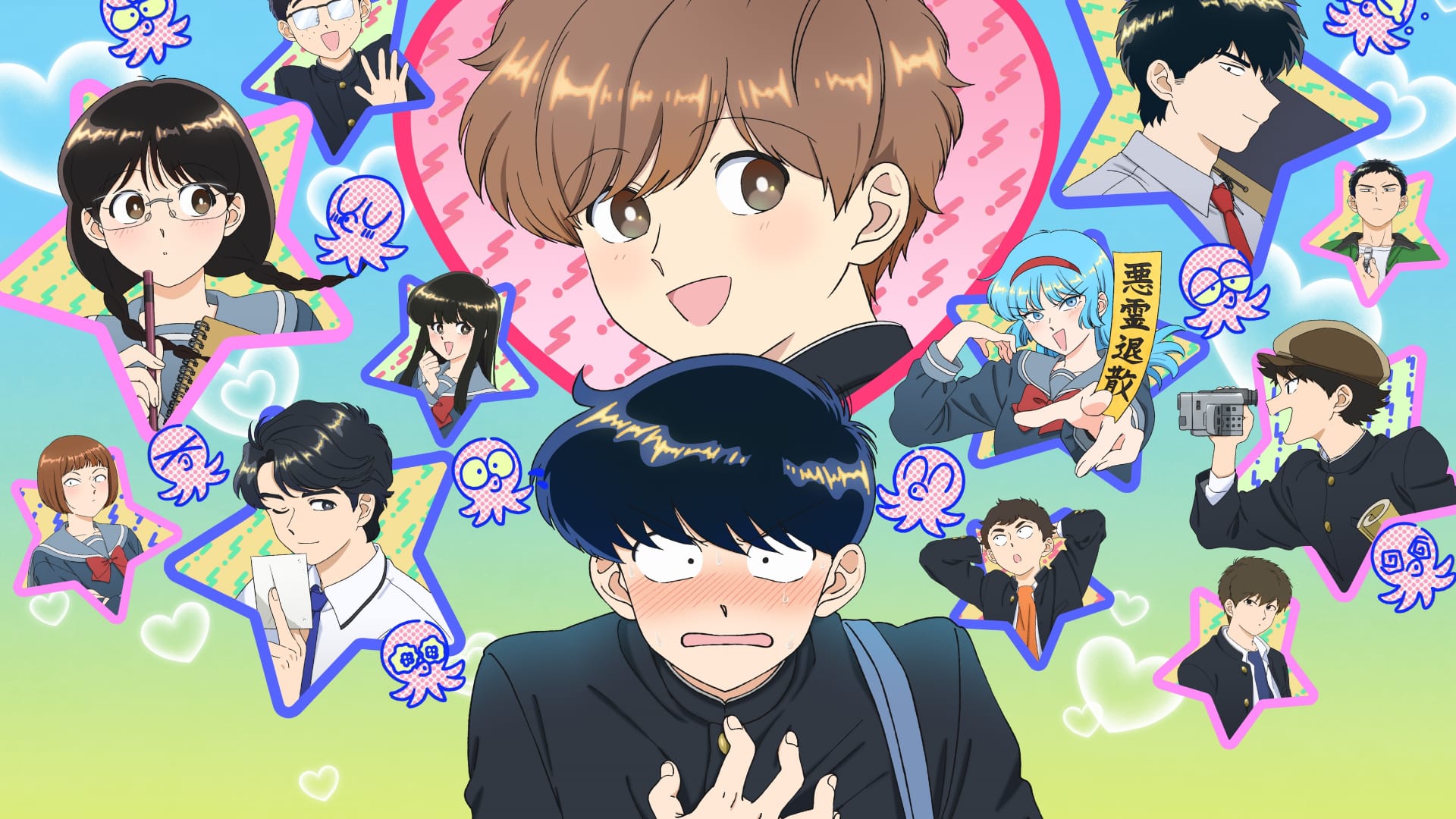
Arguably, my favorite byproduct of newer anime with a throwback old-school feel is the boys' love anime Go For It, Nakamura! On the one hand, its art style is giving peak Takahashi with its rounded character designs. The show also has the added flair of its ending themes featuring a revolving door of certified city pop bangers like Yasuha’s “Fly-day Chinatown.”
The real win here is the sense that studios are finally drifting back toward non‑shonen projects that aren’t trapped in the twelve‑episode obstacle course. While we’ll never see an era when they make anime the way they used to, as a fan, it’s been a joy to find shows that go beyond retro aesthetics and remind me how fun slower, weirder, more genre‑fluid anime can be. Yippee dopamine.
Subscribe to a bunch of cool worker-owned outlets for one low price
Show full content
Since Aftermath first launched, folks have been asking us for a bundle subscription--a way to subscribe to us and other indie sites all at once. Well, it took us a while (it's more complicated than you'd think!), but today we're excited to launch our "Independent Media Collective" bundle, featuring Aftermath and some other cool sites.
When you sign up, you'll get a discounted one month subscription at the following sites:
Rascal, an independent, reader-supported, worker-owned outlet for journalism about tabletop roleplaying games and the people who make them
Rogue, covering video games and video game culture written by humans, for humans
If you're already an Aftermath subscriber, or a subscriber to another bundled site, you won't get new or discounted access; those sites will be left out of the bundle, reducing the overall price.
We're offering this bundle in collaboration with Trustfnd, and as part of an effort you might have seen as all talk about to bring our sites together more. For the last few months, all of the members of this bundle (and others) have been meeting together regularly to talk about how we can pool our efforts and support each other. We want to promote each other's work and help grow the independent media space, and this bundle is part of a larger effort that's still taking shape. It's a good deal for you--more sites for less money--and a great way for us to put our solidarity into action as we keep exploring ways to work together.
We hope you'll take advantage of this bundle to check out some other worker-owned sites. Tell your friends! And let us know if you have any questions, or if you're an indie site that wants to work with us.
NewscwaVideo GamesunionunionsLabormagic: the gatheringwizards of the coast
A group of workers at Magic: The Gathering Arena maker Wizards of the Coast is asking management to voluntarily recognize the union.
Show full content
Magic: The Gathering Arena workers at developer Wizards of the Coast are unionizing, the group, called United Wizards of the Coast, announced Monday. The union is under Communications Workers of America, and covers more than 100workers at the company. Workers told Aftermath that union efforts have been underway for a few months to a year in different phases, but recent changes at the company sparked the latest push, including return to office mandates and questions around AI.
United Wizards of the Coast notified the company Monday morning and is filing a petition for a vote with the National Labor Relations Board. Game designers, artists, producers, engineers, and others who work on Magic: The GatheringArena are included in the union.
"Over time, communication [with management] has broken down a bit," digital product manager Rogue Kessler told Aftermath. "We've started to get defensive attitudes from leadership, much more 'it's our way or the highway.' That's what pushed a lot of us into union organizing, because we don't have another viable mechanism for redress."
United Wizards of the Coast is looking to address protections around layoffs, remote work, and generative AI, as well as sustainable workloads and policies around crunch, career progression, and the removal of a policy that allows Hasbro (which owns Wizards of the Coast) ownership of creative materials made by employees of the company—even what's done outside work hours. Both Kessler and Valentine Powell, a senior software engineer and organizing committee member, cited generative AI and return to office mandates as important issues.
Powell told Aftermath that they were hired with the promise they would be able to continue to work remotely. Now, they're being asked to move to Seattle within the next two years. "Somebody at Hasbro basically was like, 'Hey, you have to come back to the office,'" Powell said. "And nobody at Wizards of the Coast can do anything about it."
Kessler said Powell's situation is "very common" on the Magic: The Gathering Arena team. "We've expanded the team a lot," Kessler said. "We've grown the Arena team by an order of magnitude, and a tremendous portion of the people we've hired have been remote. We've gone where the talent is, looked beyond the immediate Seattle area to find the best and the brightest to make this game. And now that we've been using those people's labor for years, all of a sudden, you're not allowed to be remote anymore. The circumstances under which you were hired are being changed out from under you."
The union is asking Hasbro and Wizards of the Coast to voluntarily recognize the union and to ensure neutrality in the union election. The deadline for that recognition, the group wrote in a letter to management, is May 1, International Workers Day. (United Wizards of the Coast said it would withdraw its petition to the NLRB should the company voluntarily recognize the union.)
United Wizards of the Coast, Kessler and Powell said, is asking players and fans to support the union. "We are asking our fans to use their voices to be vocal in support of our union and help us call on Hasbro and Wizards to be a high road employer, which means voluntarily recognizing our union, committing to not union bust, and to engage with us in good faith."
Powell added: "I believe that leadership will listen to [players] if they speak up."
Conspiracies are flourishing in the aftermath of gunfire at The White House Correspondents' Association dinner
Show full content
On Saturday night, the press and the president who hates them did not get to have their fancy party, after an armed man rushed past security at the DC Hilton where the White House Correspondents’ Dinner was taking place and allegedly fired shots. Trump and other White House officials were swiftly evacuated, while the press received conflicting instructions about whether to stay or go. For a while, it seemed like the event would continue; eventually everyone was told to leave the hotel, after which many reporters headed to the White House to cover the president’s press conference about the event they’d just been part of.
Acting Attorney General Todd Blanche told CNN suspect Cole Tomas Allen appeared to be “targeting members of the [Trump] administration,” though said it’s not yet clear who; CBS reports that “anti-Trump” writing was found connected to the suspect. Breaking news events are often chaotic and full of conflicting information: in the immediate aftermath, rumors swirled that the whole thing was a false alarm, that the suspect had been killed, that Trump intended to still give his dreaded speech, and more. It seemed like everyone in the room and following along leapt to the assumption that Trump was the target, despite the event being full of journalists at a time when Trump himself has stoked distrust of and violence against journalists. Trump certainly milked that assumption on Saturday night, touting in his press conference that he’s faced so many apparent assassination attempts because he’s “done a lot” in his time as president and using the moment to champion his ballroom.
Before all this happened, I’d been watching the C-SPAN livestream of the event, where host John McArdle asked attendees who they were wearing and acted like the whole thing was a fancy night on a red carpet and not a tone-deaf celebration of the particular brand of DC decorum that aimed to see journalists champion the First Amendment literally alongside the very administration that’s energetically eroding it. Some media figures declined to attend; others planned to undertake a milquetoast fashion protest from their seats. Satellite parties included one by Substack and one celebrating Trump hosted by David Ellison, who needs to cozy up to the administration to get his Paramount merger through.
The whole lead-up to the dramatic moment felt like the bizarre business as usual that’s come to define some journalists’ relationship to the White House. And the attempted shooting itself feels the same: another moment of gun violence, another (assumed) attack on a political figure who routinely spouts violence, another threat for reporters. Even Trump’s press conference was the usual bluster and bullshit, a moment for the president to make it all about his bungling priorities. The whole thing happening in black tie was certainly striking, but everything else–the ass-kissing and glad-handing, and then the chaos and fear–we see every day.
Also usual is the conspiracy theorizing roiling the internet in the aftermath: baseless suspicions of the whole thing being a false flag, people reading into comments made during the event, some on the right blaming the left despite little yet being known about Allen– even a video game connection, with Wired reporting that Allen is the developer of a small indie game called Bohrdom that saw an uptick in players after his name was revealed. If the correspondents’ dinner drew ire for normalizing our deeply abnormal times, its unexpected aftermath is also staying the course.
I subjected myself to a livestream of the dinner in case something newsworthy happened, a plan that I suppose panned out. And yet the most newsworthy thing about it is how rote it all is, which is what made the dinner newsworthy in the first place. So maybe it’s no surprise that some people are reaching for conspiracy theories– it’s so hard to accept that this is just how things are, from some members of the press buddying up to Trump in exchange for a fancy night out to yet another day that ends with people hiding under tables in fear for their lives.
I get the desire for there to be some underlying deeper reasonfor it all, some kind of proof that everything isn’t just like this. But everything is just like this, the engine of the status quo churning along through another shocking event. It doesn’t currently seem like any kind of conspiracy theory will suddenly surface that will make us not be living in the world we’re living in, one that can feel so hard--but not impossible--to change.
Whatever narrative ultimately emerges as more about the suspect’s motives become known–whether Trump was the target or whether it was the journalists in the room or whether there’s no deeper reason to be found at all–the people who can get themselves into the news cycle are already doing their work, casting blame on security and transit (??) and looking for anything that could make this an aberration and not just the latest thoroughly precedented unprecedented event that will get swept under the rug when the next one happens. Plans are already in the works to reschedule the dinner, where Saturday night’s events seem likely to mute even further whatever muted protest attendees had planned. At least some people got a fancy salad out of the deal.
Update, 4/26/26, 2:40pm--Reports now claim writing by Allen indicates he was targeting Trump.
"She’s a child who’s a robot, but also he’s not her dad. He’s her weird uncle"
Show full content
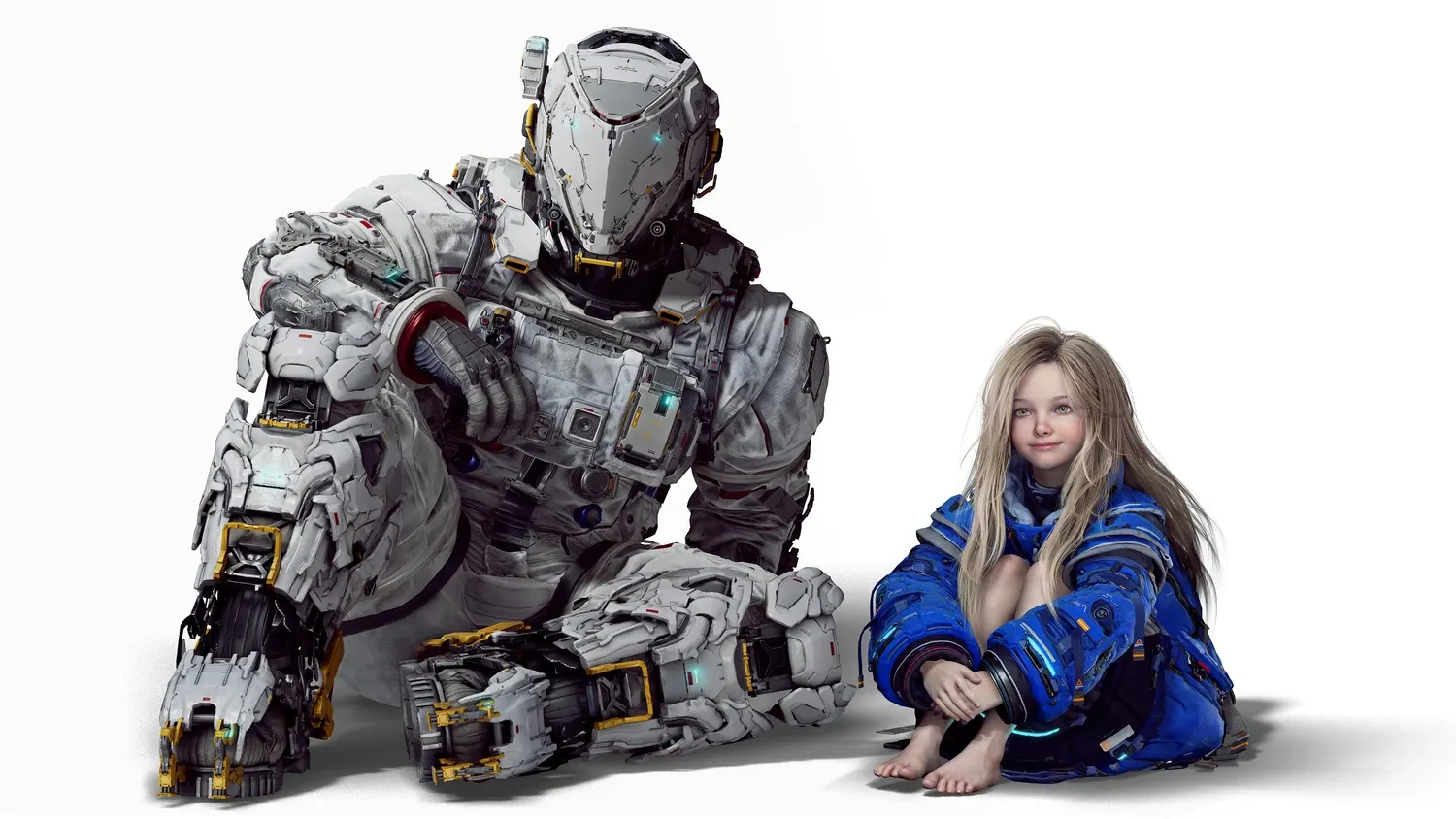
What’s the deal with Pragmata, the latest entry in the vaunted “games that used to come out on Xbox 360 all the time” genre? To hear many tell it, Capcom—on an impressive hot streak that also includes Resident Evil Requiem—continues to demonstrate that sometimes making an eccentric, well-paced single-player game is enough even during these turbulent times. But others have decided it’s several strains of strange in a way that has, at least to an extent, poisoned the well. On the latest Aftermath Hours, we attempt to approach the game on its own terms while also grappling with the dark cloud hanging over it.
This time around, we’re joined by games reporter extraordinaire Rebekah Valentine, formerly of IGN and now (very) newly of Kotaku—which of course none of us have ever heard of. We ask her about the whys and hows of her big move to a site that—fingers crossed—seems to be in the midst of a renaissance, as well as little things like The State Of Games Journalism.
We also discuss the way discourse around games has evolved as games journalism’s influence has waned, handily exemplified by the absolutely deranged takes that Capcom’s otherwise great new action game, Pragmata, is generating. Chris argues that a) it’s not (ew) “pro-natalist propaganda,” and b) that it’s actually uncle-core, which is different from a dad game in several crucial ways. Finally, we decide how many rooms in a house is too many, not that anybody who works for Aftermath knows much about that.
You can find this week's episode below and on Spotify, Apple, or wherever else you prefer to listen to podcasts. If you like what you hear, make sure to leave a review so that we can create a new internet where people can be normal about things for even a single week, please, I’m begging you.
Here’s an excerpt from our conversation (edited for length and clarity):
Chris: I was looking at Kotaku, and there was a piece [about how] everyone should just be normal about this game. It’s true. It’s correct.
The “pro-natalist” thing is like, she’s a child who’s a robot, but also he’s not her dad. He’s her weird uncle. Pragmata at its core is uncle-core. It is an uncle-based game. You have a different relationship with a child who is a nephew or niece than you do with a son or a daughter. I think that every time that I see something that makes me annoyed about this game, it is because that person is either trying to put an overly paternalistic view of the narrative on there—which is an easy conclusion to come to because so many narratives involving an older man and a younger child are intrinsically [about] their spiritual dad.
Nathan: Especially in video games.
Chris: I think people keep going back to The Last Of Us and Bioshock, and I think that Pragmata is better than those games.
It kills that relationship so well. I have never felt a game where the banter has just been like “Hey, yeah, I like crayons, blah, blah, blah,” and it feels like a kid. As a person of both nephew and uncle experience, my relationship with both my uncles and aunts was like, I get to see the best version of them. And then later on in life, I realize the things where they were faulty and where they weren’t complete.
But my aunt will always be the person that I watched King Kong with on a black-and-white TV with. Later on in life, she was a mess. But that is kind of what the relationship feels like, and it doesn’t feel lacking for that information. It feels like a good time. It is so weird to play what is functionally arcade Dead Space and for it to just feel nice for, like, 90 percent of the game—to just feel warm and good. Maybe that’s childish or immature, but it feels really good.
Rebekah: So a million people bought this game. How many of the million people who bought the game are on the internet in a deep way? They’re not just checking their phone and seeing a Google News headline from IGN or Kotaku or wherever and clicking on it and reading it and closing it. Like, they’re online having discourse about Pragmata. A very small number! And then that number’s inflated a little bit because there’s a lot of people who are online having discourse about Pragmata who did not buy that game.
But ultimately, the actual meaningful impact of that stupid discourse on the overall world impression of Pragmata is so small and so miniscule. And so to some extent, there’s this whole thing I feel like we get caught up in sometimes where we see something going on over on the really bad website, and it feels overwhelming. It feels like “Oh my gosh, what is happening here?” When really, it’s just a bunch of weirdos in their weirdo corner having weirdo talk, and we can have a whole different conversation about Pragmata over here that doesn’t have to have anything to do with them.
That said, we all know in here how groups of people on the internet saying crap can actually have real material impact on the world. And so on one hand, I want to just dismiss it and let them gripe in their little room about whatever they think Pragmata is about, and we can do whatever we wanna do over here. But on the other hand, I have this impulse to be like “No, but we have to open our mouths and say, ‘Actually, that’s a really weird thing to take away from this game, and maybe we should not do that.’” I feel both ways about it, and I don't know how to confront it.
Warframe is community oriented to a degree that most games can’t touch, such that many have experienced births, graduations, weddings, and funerals within its digital bounds. JT Cavey, who’s been playing since Warframe first came out 13 years ago and has 1,700 hours in the game, is one of those fans. But there’s a difference between him and other diehards who’ve spent over a decade dipping in and out: He’s the frontman of a progressive metal band with millions of listeners.
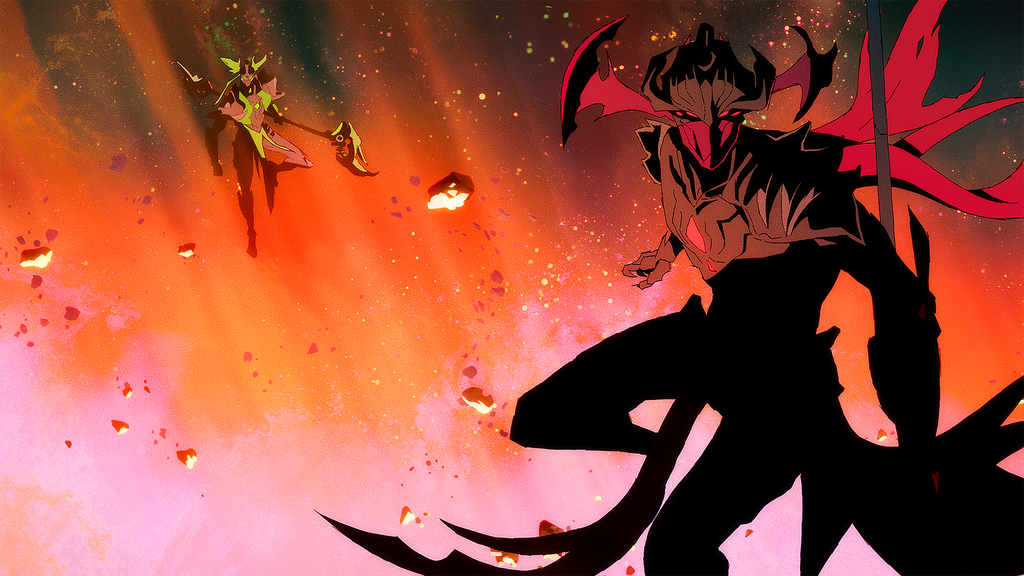
Formed in 2009, Erra has been a metalcore scene favorite for longer than Warframe has existed. Cavey joined the band in 2016, which is somehow a decade ago, and has made no secret about his love of games over the years. So when Warframe creative director Rebb Ford and community director Megan Everett approached Erra about contributing a song to an anime-style Warframe video they were working on, Cavey was thrilled.
"[When Rebb and Megan talked about the band on Twitter], I was like 'Oh my god, that's so cool. I can't believe they know who I am or know who we are,'” Cavey told Aftermath. “And then at some point, [one of us] reached out when [Erra] came to Toronto a couple years ago, and I was like 'Oh my god, we should get coffee.’ So I met up with Rebb and Megan, got them into the show, and we all had a great time. I think a year later, Rebb inboxes me, and she's like 'Hey, I have a wild idea: How about we borrow one of your songs to release some more Warframe content?' I was like 'Say less. Let's go.'"
The song, “Crawl Backwards Out Of Heaven,” is off Erra’s 2024 album Cure and accompanies an anime-style video of two versions of a character the player was able to pick the name of during a previous quest, Jade Shadows, duking it out in a style that evokes classic Gainax works like Gurren Lagann. As a result of divergent in-game timelines and the character's two possible futures, Sirius and Orion, fighting for supremacy, there are actually two versions of the video:
The whole thing, animated by London-based studio The Line, gives early-2000s AMV, something about which you will not hear Cavey complaining.
"I grew up watching tons of anime music videos back in the day,” said Cavey. “The first ones were always Linkin Park or Breaking Benjamin or Disturbed or whatever. And recently, we've seen peers in our space, like Bad Omens and Spiritbox, doing animated videos [the latter in conjunction with Riot Games]. There's been more presence of anime and drawings and kind of making an extended universe outside of just the music with art. So that's reminiscent of the AMV days. For us to do our own version and get an animated music video was perfect."
In Cavey’s eyes, the Warframe video harks back to a specific all-time great anime rivalry.
"Yin and Yang, good meets evil, light versus dark, Goku versus Frieza—I think the song was representative of that for [the Warframe team], and the animation of the video reflects that as well," he said.
Ford feels similarly, though she took a longer and more specific road to get there.
"My mom is also the reason for Erra," she told Aftermath. "She lives far away from me, so it’s just under a two-hour drive to see her on the weekends. On a long highway stretch, I was listening to ‘Crawl Backwards Out Of Heaven’ on repeat, and I started seeing things in my mind for Warframe. JT’s voice and Jesse’s voice in contrast, the musicality, then the lyrics: 'Asleep beneath the surface.' It made me think of my days making AMVs from Dragon Ball Z, and I started seeing characters doing things, but I didn’t recognize them. Then they slowly focused, and I realized I was looking at Sirius and Orion battling it out to Erra's song. I wrote everything down as soon as I got home: the full quest, the characters, the arc, the song. It was that isolated highway drive that created this update, and it's all because of the song."
The video—and the in-game narrative chapter set to tie into it this summer—joins a long lineage of Warframe music projects, many with lyrics and accompanying cutscenes. The game’s discography has grown so sizable, in fact, that the game’s dev team and numerous other musicians—including Ford on bass—were able to perform a full concert at last year’s TennoCon. Many of Warframe’s songs are somber or heavy, with a few entering metal territory. Others, born of the game’s slightly more lighthearted 1999 expansion, are boy band parodies. But if you ask Cavey which is his favorite, he can’t resist citing a classic.
"The iconic Fortuna song, ['We All Lift Together'],” he said. “That one for sure."
Music, Ford said, often shapes the game.
"Every update we do, there is a moment where Erich from the sound team and Matthew Chalmers, our composer, sort of say, 'Well, we read the update briefs, and what if…' and then we end up with the wildest scoring ideas to complement whatever it is we’re doing," she said. "We all trust in the ideas we bring to the table, and I’m glad we take risks every time. Music is such an important part of the mood and expression of Warframe."
"[Our song “Eidolon”] doesn't have anything to do with the Eidolon creatures of Warframe,” he said, “but [guitarist Jesse Cash] gave me a list of song titles to pick, and that was one of them. He doesn't know that's the reason I chose that one."
On Erra’s most recent tour, Cavey got the band’s drummer and media guy to play Warframe as well, and while the other members might take additional persuading, he wouldn’t be surprised if they come around. Games, after all, are a great way to pass the time on the tour bus, but more than that, they share a long history and a sort of spiritual bond with heavy music.
"There's always the cliche of [how] dorks can sometimes feel like outsiders or nerds, and I think any alternative underground metal music or anything of that caliber resonates with a similar type of mindset," he said. "You look at the success of Doom in the '90s and how that got translated into the 2000s version, and that soundtrack is so good. ... It's very interesting how that does seem to be an always existing connection."
Cavey thinks that extends to how fans of games and heavy music share the things they’re passionate about as well.
"When people love a game, they want to introduce people to the game. And most of the time, when you're excited about the game, you're usually overly generous, because you want to share your love of that game and excitement with somebody else to make them feel the same,” he said. “Metal communities are the exact same way. People are very friendly at metal shows. They love finding new circles of people like 'Oh, you like the same band.' It's very likely that I'm gonna go somewhere and find someone who also likes The Beatles. But it's more fun to find somebody that likes a more obscure, hard-to-find artist, because then it's like those two people know a secret that nobody else knows."
Cavey has been playing games since the Game Boy days—longer than he’s been a musician. If he has his way, he’ll do more games-related work in the future. That could include writing a song from start to finish with a specific game in mind, or perhaps even more.
"Nah dude, I want to be in a game. Make me a final boss," he said. "I mean, I'm down to do anything, whether [developers] want us to co-write stuff. Shit, I'll do voice lines for a character. If I see the Erra logo buried behind a crate in a little secret room, I'll take that. I'll take whatever they want to do. I'm just happy to be part of it."
Given the opportunity to collaborate with any band, dead or alive, Ford would rope in Supertramp. But what actually happens next remains, like so many psionically-controlled space ninjas, up in the air.
"We kind of do things in weird ways," she said. "Very much a game developed in the garage with friends mindset. ... It becomes very overwhelming to me when I think of how many people I’d love to work with. But maybe next time I drive to my mom's, I’ll have my answer."
Remember how HBO kept changing its name under Warner Brothers, eventually realizing that the thing people associated it with and wanted to pay for was HBO? Well, it looks like Xbox has done the same thing, reportedly deciding that no, actually, it’s Xbox.
Previously, new Xbox leadership also threw former Xbox president Sarah Bond under the bus for the company’s misguided “This Is An Xbox” campaign, which has now been thoroughly scrubbed from the internet. An effort to sell Xboxes by talking about all the things that aren’t Xboxes was always a baffling idea and I’m glad the company killed it, but painting the whole thing as some kind of pivot is equally baffling when it felt like Xbox’s efforts to not be Xbox never gained much traction, shockingly, among people who care about Xboxes.
According to Warren, in what is always a sign of a healthy and normal company,
Microsoft has now plastered the “return of Xbox” slogan on the walls of its Xbox offices this week, along with “great games” and “future of play.” … A new Xbox logo has also started appearing on Microsoft’s campus this week, ahead of the Xbox showcase in June.
I have to be honest with you: I, a person who writes about video games professionally and so often writes about Xbox, had largely forgotten about “Microsoft Gaming” and have infrequently used it instead of just writing “Xbox,” the word for "Xbox" I assume most of our readers associate with Xbox. That Microsoft spent four years coming to the same conclusion is real business brain hours, definitely the kind of thing I’d expect from a company that’s wasted time and money confusing people about which company it is.
Video GamesImpressionsvampire crawlersvampire survivors
The followup game to Vampire Survivors keeps the hook but loses some of the chaos
Show full content
I wasn’t exactly a model fan of Vampire Survivors, Poncle’s 2022 reverse bullet hell. I absolutely loved its strangely Zen blend of chaos and strategy and mindlessness, but I never got great at the strategy part. I’m not by nature a min-maxxer, and I tend to get a bit overwhelmed when a game has too many stats, instead picking some power or combo I like and sticking with it even if it isn’t ideal. So far, followup game Vampire Crawlers is giving me the same things I loved and the same things I’m less passionate about, but with a slower pace that’s helping me get more into the strategy mindset.
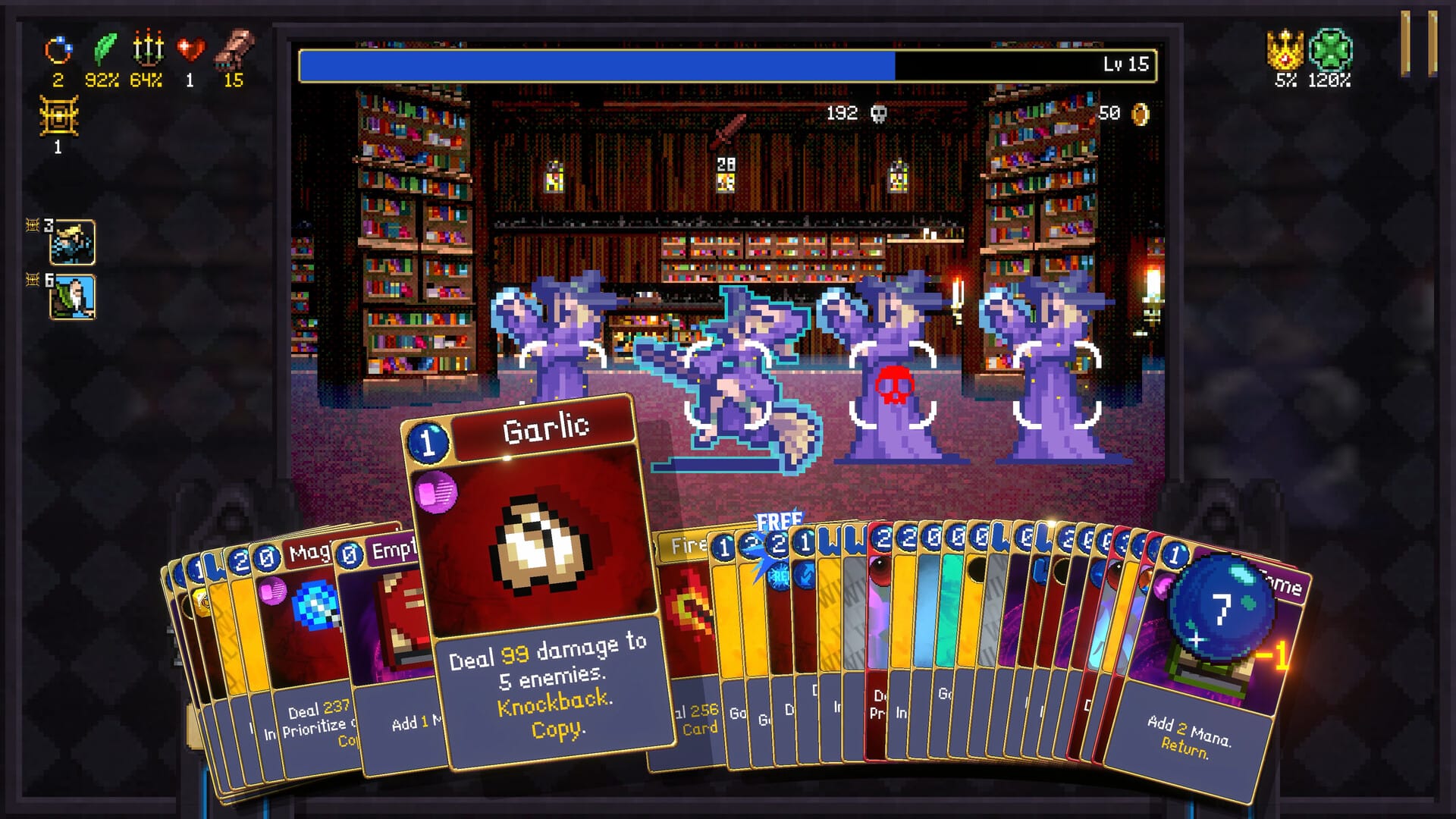
Vampire Crawlers (full title: Vampire Crawlers: The Turbo Wildcard From Vampire Survivors, and out now for PC and consoles) is developed with a studio called Nosebleed Interactive. You still traverse areas like a forest and a library, and you’re still levelling up all the time. But it turns Vampire Survivors into a first-person, deck-based dungeon crawler: each turn, you have a certain amount of mana to spend playing cards that can do damage, give you armor, boost your other cards, and more. As you play, you get new cards or the opportunity to tinker with your current cards to make them more powerful.
The key thing to think about here is combos, in particular the order you play your cards in. If you play them in ascending order of mana cost (0, 1, 2, etc), you’ll run up a streak that boosts the next costliest card. It’s not always the move–sometimes a nasty boss required me to ignore the combo in favor of piling on my armor, or I was me about a turn and just couldn’t resist a powerful card even if it broke my combo–but it was always on my mind as I chose my plays. This can feel a little rote at times, or at least in the early game where I still am, but I also felt like it helped guide my decision-making a little more than my long-running natural tendency to just start clicking instead of taking my time.
Like Vampire Survivors, there’s a meta-game, though this time it’s laid out in an interface charmingly stylized like a village. You can spend the gold you earn during runs on permanent power-ups and on characters with unique abilities. There’s a world of things to unlock and combine and tinker with, and I get the sense this will all become vital as the difficulty ramps up.
You could argue there’s something a little disappointing there, an encouragement to replay and grind for coins and levels that could start to drag when combined with Vampire Crawlers’ slower pace. In Survivors, the chaos of the game distracted me from all this–every level, even if I’d seen it all before, was fast and exciting, so it never felt like I was just doing the same thing over and over, even though I was arguably doing less than I do in Crawlers. But so far, I’m finding it a good balance: Even if I’m playing a level again, I’m still excited about which cards I’ll get and which order I’ll play them in and what I can do to boost a hand. It feels like there’s a little more to do in each turn of each run, combined with the primordially satisfying flood of damage and XP. And there’s still the pleasantly thoughtless allure of “one more battle” and “one more level” that made Survivors such a particular mix of complexity and ease.
Similar to Balatro, I think one of the core appeals of Survivors and now Crawlers is sort of “breaking” the game–getting so strong and pulling down such big combos that the whole thing becomes an overpowered exercise in absurdity. It’s a strange kind of mastery when compared to other games that require more personal skill, and it’s one I find both appealing and a little hollow. I’m not sure I’ll ever have the kind of brain that will get me there before other games pull me away–the ability to develop an encyclopedic understanding of Crawlers’ trinkets and stats and combos–but so far it feels more achievable for me in Crawlers than in Survivors given its slower pace.
Vampire Crawlers keeps the core hook and essential structure of Survivors while doing its own unique thing with its own particular rhythm. I can see it joining the rotation of games I play when it’s a little too soon to go to bed, but without the adrenaline rush of Survivors that made it not great for actually going to bed. I spent the morning with it and am excited to see more of what it has to offer, even if I’m probably not the kind of person who will ever find my way to its end.
"If a player in a high stakes battle can lose out on thousands of dollars for shaking the table, what kind of space have we built?"
Show full content
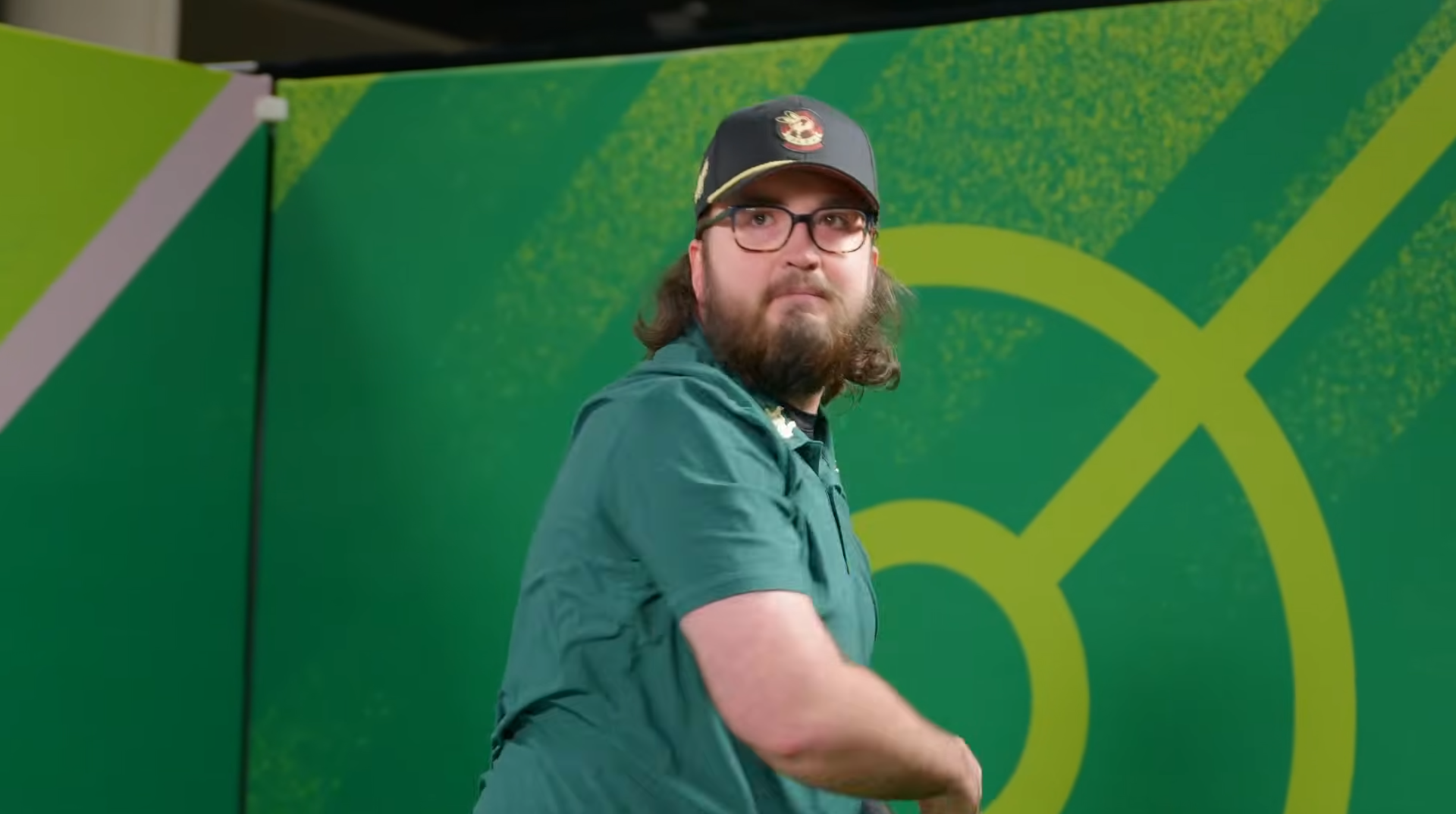
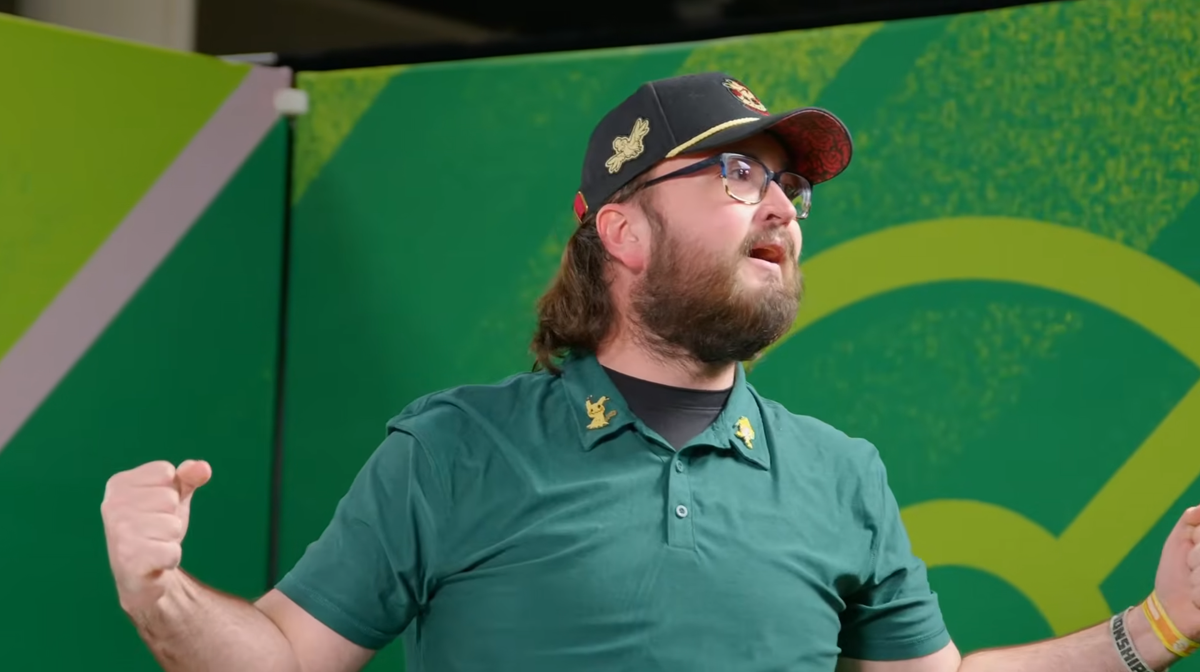
After a period of deliberation, Play! Pokémon—the Pokémon Company subsidiary that seems to believe Panic! At The Disco was really onto something—has reached a verdict in the curious case of Firestar73, aka the Pokémon Go pro who celebrated too hard. This week, it announced that it’ll be upholding its previous decision, meaning that Firestar73 remains disqualified after technically winning the 2026 Pokémon Orlando Regional Championships. To say that Pokémon Go pros and fans are dissatisfied would be an understatement.
In a statement on two rulings—the other of which took place during a separate trading card game tournament—Play! Pokémon said the following of Firestar73’s situation:
During the Pokémon Go Grand Finals, we would like to share some information which may not be known to the broader community. Prior to the final game incident, during game one of the bracket reset series, a player was issued a Warning for the action of hitting and shaking the table during gameplay. Actions such as these can have a negative impact on the experience of participants and disturb the match in progress. Then, during game five, this same player’s behavior continued to be disruptive, including shaking the table to the point that there was a disruption to the broadcast experience. These repeated infractions resulted in a penalty that was escalated to Game Loss.
We will uphold the decisions made by the Judges at this event. Pokémon Judges are committed to bringing the best possible experience to our players by preserving the competitive integrity of our events. Without them and their commitment to Play! Pokémon, we would not be able to hold events, and it is our expectation that they are treated with the same respect as all people in the community.
However, in the same statement, Play! Pokémon went on to encourage the act of celebration more generally:
In the moment of a win, emotions are high, and we recognize that these emotions can lead to energetic reactions celebrating a win. We want to support this authentic, positive reaction, and not discourage this excitement. Celebrations are not an issue, but actions that disrupt or can negatively impact competitive integrity can be.
That’s nice and vague, but sure! Moreover, it now sounds like Firestar73 was disqualified for playing the game too hard, not celebrating—or that a prior infraction of playing too hard informed judges’ decision to later disqualify him for celebrating too hard, even though those are two different things. On top of all that, it is very difficult to hold completely still during a heated Pokémon Go match.
“Pokémon Go is literally an action-based game,” Smash Bros pro and Team Liquid co-owner Hungrybox wrote on Twitter. “Players [are] constantly tapping the screen nonstop for about five minutes per game. It’s natural to have some exasperation.”
Firestar73, meanwhile, has disputed Play! Pokémon’s account of events entirely.
“The ‘incident’ you are now, for the first time, claiming was the basis of the decision did not affect the gameplay at all, yet decided the whole tournament,” he wrote on Twitter. “Section 2.1 requires a ‘clear explanation of any infraction and its penalty,’ and I was never given this as the basis at all.”
NiteTimeClasher, who won the tournament by disqualification, doesn't seem pleased either. "Was not my decision," he appears to have written in a Pokémon Discord. "Firestar is the Orlando regional champion. Hope you all understand."
Others have attempted to divine what the company meant by a “disruption to the broadcast experience,” and what they’ve found doesn’t look all that severe.
Not long after Play! Pokémon handed down its edict, one judge who was not involved in this particular match, Professor Rex, publicly voiced his outrage.
“As a judge I’m not supposed to discuss ruling[s] publicly,” he wrote. “However, I also believe that as a judge my job is to give players a fair space to compete. If a player in a high stakes battle can lose out on thousands of dollars for shaking the table, what kind of space have we built? If the table can’t handle the intensity of the competition, that’s not the players’ fault. I’ve judged multiple Go regionals, [and] I just can’t support how this was handled.”
It’s everybody’s favorite kind of mess: the kind in which no one emerges looking entirely good. Hopefully this will at least convince Play! Pokémon to reevaluate what it considers excessive celebration—if not its approach to certain elements of judging more broadly—but given the ruling it settled on, that doesn’t strike me as entirely likely. Then again, firestorms have a way of making people second guess themselves down the line, and I imagine Play! Pokémon will feel the burn from this one for some time to come.
As the quality of LED lighting has improved over the years, what you can buy on a budget from brands like amaran would have shocked me in film school.
Show full content
I went to film school, and aside from being the last class to edit a freshman film by splicing it on a Steenbeck, I had to handle a lot of hot lights. The experience of going to film school was largely an exercise in carrying heavy fucking lights in Pelican cases to your friend’s poorly conceived kitchen sink drama or, if you were lucky, goofy fourth rate Troma knock off. The lights were heavy and turned whatever environment you were shooting in into a furnace. The wiring you would have to do ranged from borderline to actually illegal. You had to use these burlapy gloves and were often burned, and if you touched the bulbs the oil from your fingers could cause them to explode.
If you had money you got one of the (still quite good) Arri lights and if you were poor you had to use Lowell light looked like it was made of chicken wire. (Credit: Arri, B&H)
A not insignificant portion of cinematography class was devoted to teaching a bunch of indoor kids who never played sports or worked in the trades how many lights a 15 amp circuit could handle before you blew a fuse. Given how much of my current career involves rewiring appliances, it is probably the most useful class I ever took at the School of Visual Arts. Eventually Kino Flos, big fluorescent bulb fixtures pioneered for the Mickey Rourke movie Barfly, became fairly ubiquitous on tiny indie sets, and students loved them because they did not give you an undiagnosed hernia in your early 20s. These would give way partially to Litepanels, from the company of the same name. LEDs were a game changer. Tungsten lights and HMIs didn’t die though. The big fuckoff 12K and 18Ks still stick around because it’s shockingly hard to replicate the quality of light that comes from a filament getting way too hot.
The Diva Kit was not gonna match the output of a hot light but man was it lighter. Kino-flo mainly sells LEDs now. I had an earlier version of the thing on the right and it cost me an arm and a leg. Credit: B&H
My early 20s was spent being a permalancer, which is to say I was functionally unemployed. The term “preditor,” a portmanteau for “producer” and “editor,” was often used to mean a weird jack of all trades video person. I really hope they don’t use that term still. Before DSLRs and cellphones fucked up the game, you could make at least rent and beer money with a handful of jobs a month if you owned a semi decent video camera and an onboard light. I had a Panasonic AG-HVX200 I had bought with my savings and a big dumb camera-mounted light panel brick. It would give off an unflattering, blinding glow, made everything look like the show Cops and cost like $800 to $1,000. I think they still sell a version of those but there’s no reason to buy one any more, because the lights got good.
Lights got good
Since becoming a video editor full time at Kotaku, eventually adding writer to that resume, I have not had to touch lights except recreationally. The quality of basic, cheap LEDs has risen dramatically over the years, and I’ve spent a lot of time doing open source addressable smart home lighting in my spare time (that’s a blog I have threatened to write for a very long time). If you follow the right people and go down the right rabbit holes, you can get very fantastic strips for home lighting for a song (BTF Lighting for color strips and Auxmer on AliExpress for single or bicolor strips are good examples.). As with many goods, the trusted American brands that would often outsource to China would get slowly overtaken by the brands more organically integrated into that supply chain.
I have used these old Sennheiser packs countless times, but TikTok has expanded the market to include people holding lav mics in a really weird way. Credit: Sweetwater, Hollyland
As content creation has become a ubiquitous intrusion into normal people's lives, what was once a professional tool for cinematography found rich soil in which to flourish. This is a pattern mirrored in the explosion of gimbals, podcast mics and TikTok lavaliers, with DJI, Røde, and Hollyland now operating in a space previously dominated by mics like the bulky Sennheiser EW100 G3. I still have one of those in my camera case from my preditor days. The old professional standbys still exist, and professional shoots use adult gear, but the line is increasingly blurred.
Elgato sold a boatload of these things, they were pretty OK lights although the quality of lights has risen dramatically. Credit: Elgato
LED panel lights would eventually find a home with YouTubers, Twitch streamers, and internet pornographers – vocations with significant aesthetic overlap when it comes to lighting your combination bedroom/home office. Tube lights became a cheap and portable way to add a splash of color whose lighting sensibility is equally between gamers and bisexuality. Elgato’s Key Lights were a hit, they work over WiFi and integrate into their beloved Stream Deck system, although at this point they’re fairly dated and have been surpassed by budget cinematography brands in terms of sheer light quality. Though brands like Godox and amaran offer big ass streamer lights, many with attachments, their semi-professional COB light offerings have gotten much more inviting and increasingly competitive.
Instead of offering a wide grid of LEDs, recent COB lights are concentrated, focused, and take a standard Bowens mount. The Bowens mount is a standardized mount for adding diffusion to lights. I mainly remember using them on strobes in still photography shoots more than video shoots, but as the lines between those two vocations have blurred so too has the gear. Panels still have their uses, but a single universal mount that lets you attach soft boxes with grids, spotlights, and fresnel lenses simplifies things immensely.
Like I said, the lights got good, particularly when it comes to color rendering. In particular the brand Aputure has been dominating. Aputure is an American brand with production facilities in Shenzhen, pointed at professionals and with offerings that have been getting absurdly competitive. Instead of simply doing RGB (red, green, and blue), RGBW/RGBWW (the same but with one or more white temperature added) or bicolor (two different color temperatures of white light), many professional LED lights will offer some combination of different colors to better render skin (this is often referred to as a “light engine”). Aputure’s Storm series are absurdly nice in this regard and use systems called BLAIR and BLAIR-CG that use five and seven colors respectively. For serious film sets it’s still hard to top an ARRI kit, but every year the technology gets a bit better.
Mark does tests of these things every time a new one comes out. Here's his comparison between how the Ray and Storm render light.
Aputure’s content creator sub-brand is amaran, and many of the basic quality of life features from their pro lights have trickled down into those products. The amaran app to control their lights as a unified ecosystem is quite nice, not unlike Aputure’s Sidus Link. The amaran Ray and Halo series both have Bowens mounts, and the former is lightly weather rated. Some of the Ray and all of the Halo series can be controlled via DMX (an industry standard for controlling lights, particularly in live settings) over USB as well as Bluetooth and NFC. The Ray series has their "Omnicolor" engine that noticeably improves skin tones, while the Halo is cheaper and just bicolor.
UpgradingThe amaran Verge series are attractive and cost significantly less than the Elgato Key Lights, in part by selling the desk mount separately. Unfortunately, the lack of modifiers limit it compared to COB lighting or its brother the Pano.
When we started Aftermath I had a few aging Elgato panels I had inherited from when G/O Media laid me off. I had wanted to upgrade for a very long time, and took a chance on panels aimed at content creators: the amaran Verge series. The Verge series are simplified bicolor alternatives to the amaran Pano series aimed at streamers. For about 80 bucks each they’re a lot of light; the light output on them is rock solid and the basic quality of light clears the Elgatos. They have front-facing physical knobs to adjust intensity and color temperature, a nice added touch that the Elgatos lacked. Wirelessly, the amaran Verge controls primarily via Bluetooth, which I severely dislike. Nilay Patel from The Verge (the publication) tipped me off to Stream Deck integration that seems to work. I wish there was a WiFi or Ethernet option in some capacity, if only because I am a Home Assistant pervert and will automate anything even remotely connected to my network.
Unfortunately for me, the amaran Verge lights are lacking in one very crucial way: modifiers. The amaran Pano series has several soft boxes and grids you can attach to soften the light, none of which are compatible with the Verge series. This is a deal breaker, as the entire point of getting new lights was to lessen the strain of appearing on podcasts and video calls, and despite my attempts to create a diffusion using the harvested diffuser of an LCD TV on the street, it was insufficient. I had fucked up and ignored a basic rule of gear nerds, “Buy once, cry once.” Why was I still dicking around with gamer panels when real lights existed?
The amaran Ray 60c. The mount allows for multiple modifiers. A lower bicolor cost "halo" was recently launched but I decided to treat myself.
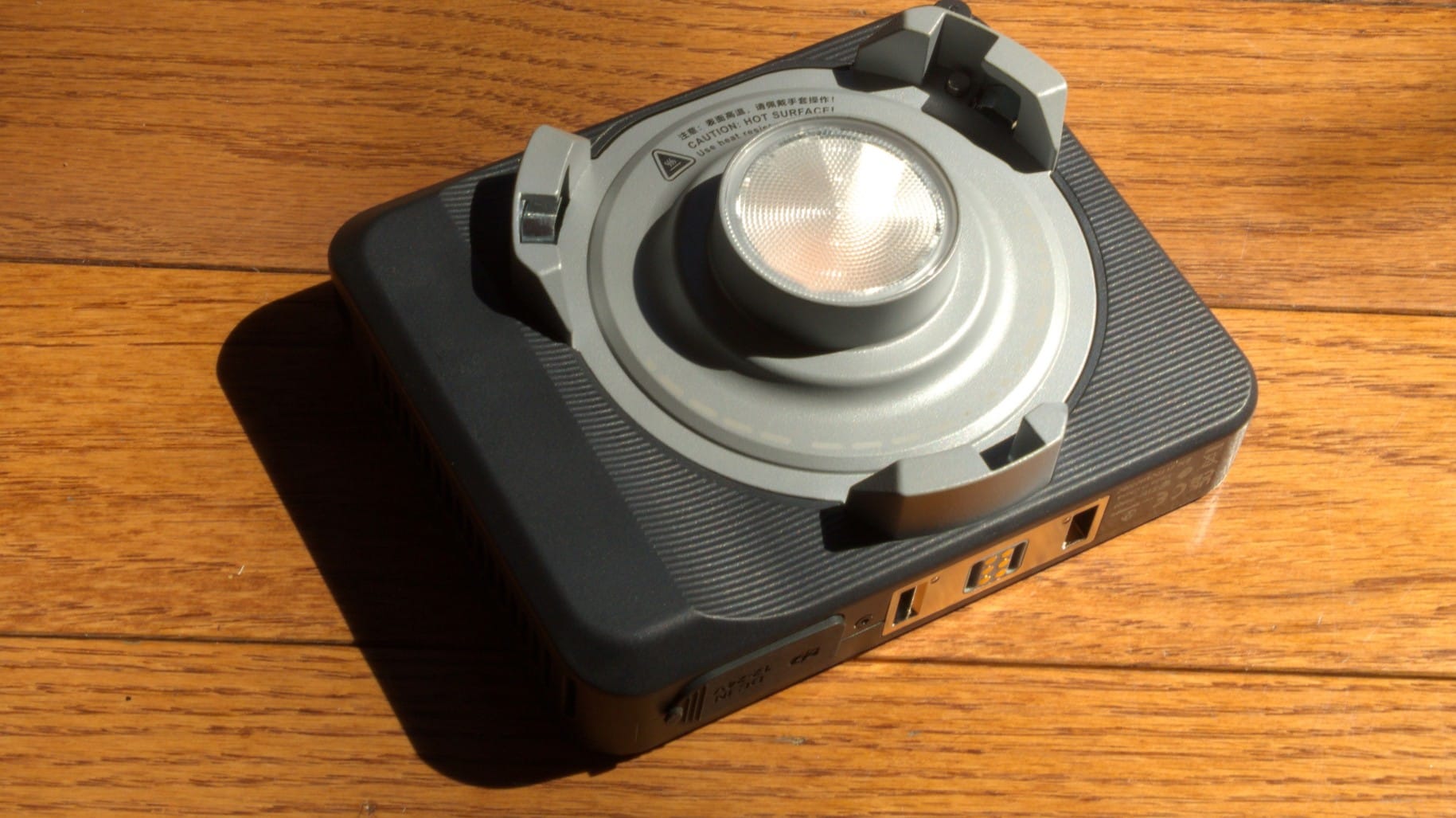
Despite the recent introduction of the bicolor Halo series starting at $119, I decided to treat myself right and get the amaran Ray 60c specifically for that nice indigo channel. The amaran Ray 60c is such a nice little light. It’s tiny. It comes in a cute case to carry it around that I will probably never use, but thoroughly appreciate. Earlier criticism of the light I have seen was that the power brick they included was nonsensically short, and they have attempted to solve this by having a little holder for the power supply that mounts right under the light. Unfortunately they did not think the placement out thoroughly, and the brick will collide with any modifier you place on it if you tilt it downwards.This is easily solved one of several ways: getting an extension to the power cable so you don’t have to use the mount, powering the light via USB-C, or by disassembling the handle and flipping the power supply holder backwards. None of these are terribly unrealistic, but it’s still an annoying thing to have to do.
Don't talk to me or my son ever again. The amaran Ray 60c comes with the amaran Octa Dome 30, but the Light Dome 60 has two layers of diffusion. Both include grids.
The Ray 60c comes with a tiny modifier, the Octa Dome 30. This is a little baby soft box that is useful in terms of how compact it is, but is not diffuse enough if you are pointing it at you while you stream for extended periods of time. I decided to go with the Light Dome 60, which also comes in its own bag. It’s far more substantial, allowing for two levels of diffusion, which the Ray 60c can just barely handle. It looks a little absurd mounted above my desk, but the diffused glow of the light does not bother my eyes and it makes my camera render the skin tones just right. I could stay in that bright light all day and never tire.
Aside from being a very nice light, the Ray 60c has a feature I would be remiss if I did not point out: the haptics on its wheel. Depending on which level of a menu you are on, the click wheel will feel different. If you are someone who designs hardware, I would recommend you go to a photo store to try it because it’s satisfying on a basic, reptilian level. Everyone should rip this off.
The wheel on this thing feels incredible and anyone designing hardware should try it.
I am writing this not to glaze amaran and its parent company, although I love the amaran Ray 60c and the company’s continued pressure in the market is helping standardize those features. Nanlux and its subsidiary Nanlite are similarly competitive in many ways, and Godox has some fun offerings as well if you’re trying to do content creation. You could pick almost any COB light from the companies above and be thoroughly satisfied as a newbie. Though much about technology has gotten expensive and shitty, socially corrosive and dangerous to our continued well-being, occasionally a product category slowly but surely gets better and cheaper while you aren’t looking. You will research something after seriously being out of the game for a decade and say “damn, when did this happen?”
If you had told me when I was 20 and hauling cases up five flights of stairs that lights would be this good in the future and described these features I would have freaked out. This is not to say that people in film shoots don’t still have to haul a bunch of heavy ass tungsten lights and run power cables into an adjacent building, but I’ve walked by plenty of film and TV shoots in New York City lately, and some of the gear is a little less physically debilitating, particularly when combined with those huge battery backups. I am so happy at the continued improvement of lighting technology. The lights got good, thank god.
Absurd looking? Perhaps a little. But I am on camera like once or twice a month for a podcast and I'm sick of feeling blinded all the time. It's all the night I need (for now).
If Nintendo gets tariff refunds from the government, these consumers want that money back.
Show full content
Two Nintendo customers from California and Washington are suing Nintendo in an effort to get tariff refunds from the video game company, according to a new filing obtained by Aftermath. Gregory Hoffert and Prashant Sharan filed the proposed class action complaint in the United States District Court's Western District of Washington on Tuesday; they want the court to force Nintendo to pass along the money it's likely to receive from U.S. Customers and Border Protection through the newly-opened tariff refund portal.
In March, Nintendo filed a lawsuit against the United States government for a tariff refund after the Supreme Court ruled that U.S. president Donald Trump's International Emergency Economic Powers Act of 1977 tariffs were unconstitutional. It was one of thousands of companies that did so before Customs and Border Protection vowed to open a refund portal to streamline the process. The lawsuit was paused as the government got that process in order.
Some companies, like FedEx and UPS, said they would pass the tariff refunds back to their customers. Nintendo is one of many companies that raised prices to account for the massive tariffs—many of the companies' products are manufactured in countries that were heavily impacted—but Nintendo hasn't said what it would do with the returned money. Hoffert and Sharan are asking the court to decide what happens with that money. Several other companies, like Costco, are being sued by customers for the same reason.
"In practical terms, Nintendo stands to receive a windfall: it has already recouped tariff costs from consumers through higher prices, and it now stands in line to recover the same unlawful tariff payments from the federal government," the plaintiffs' lawyers wrote in the complaint.
The argument is that Nintendo didn't really face much financial hardship due to the tariffs, because those added costs were passed along to customers. The tariffs were imposed right before preorders were supposed to be opened up for Nintendo's Switch 2 console. While preorders began later than expected, the console's price did remain the same, but Nintendo increased the prices of certain Nintendo Switch and Switch 2 accessories, as well as the original Nintendo Switch consoles.
"Nintendo now seeks to recover from the government duties whose economic burden was borne, in whole or in part, by Plaintiffs and Class members," lawyers wrote.
Nintendo reported "strong, and in some periods improving, financials" during the tariff period, lawyers wrote. Nintendo president Shuntaro Furukawa said in May that its sales forecast wouldn't be impacted by tariffs or production issues; it expected to sell 15 million units during the fiscal year. As of February, Nintendo sold nearly 18 million Nintendo Switch 2 consoles. However, Furukawa also saiid during that financial earnings report that the tariffs have a "negative impact of several tens of billions of yen at the profit level."
As a proposed class action, this case will need the a judge to confirm its class action status before it can move forward. Lawyers for the plaintiffs suggest the class could be in the hundreds of thousands or millions of people. It would include anyone in the United States "who purchased goods from Nintendo during the period February 1, 2025, through February 24, 2026, in which Nintendo raised prices."
Aftermath has reached out to Nintendo for comment.
Pitt actor Tal Anderson on how HBO’s medical drama is breaking Hollywood’s myth about neurodivergency and how her children’s book aims to teach kids to trust their own way of thinking
Show full content
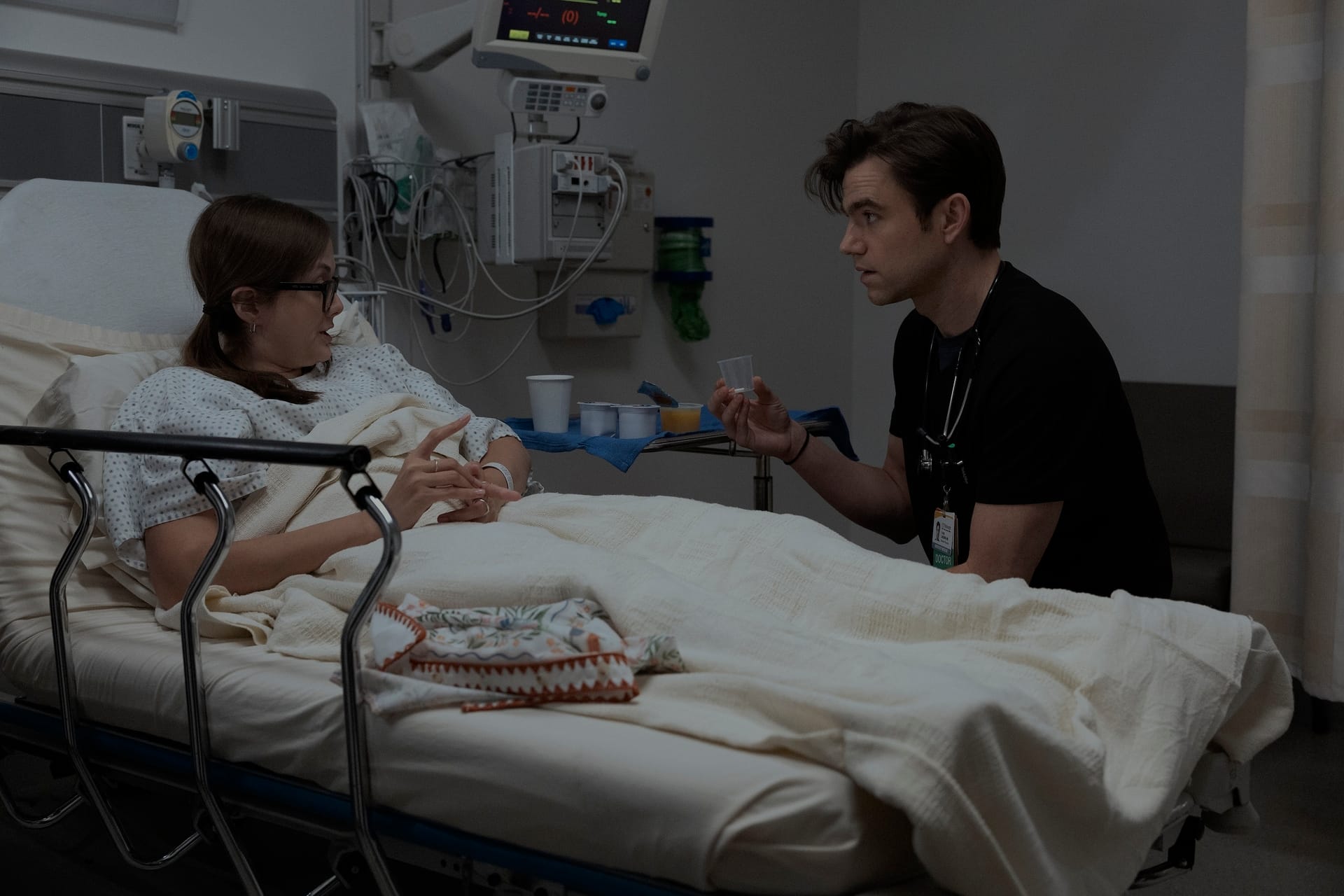
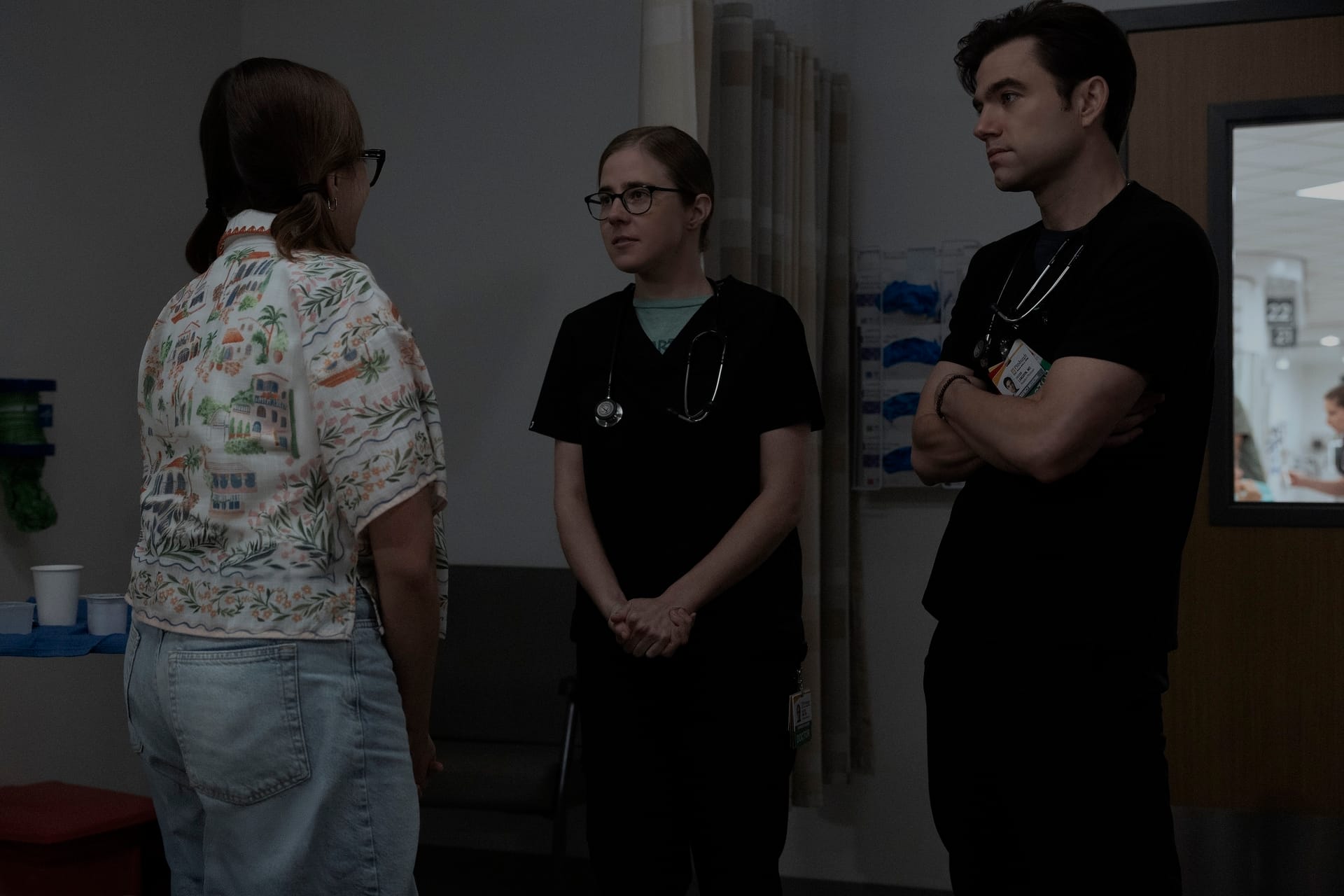
In the age of streaming, only a handful of series have managed to break Hollywood’s habit of flattening autism and neurodivergency into a pastiche of clichés—and The Pitt sits at the frontlines of that shift. Fresh off a knockout season 2 finale, the medical drama series continues to earn critical acclaim with its portrayal of neurodivergency, thanks in no small part the lived-in authenticity of Melissa and Becca King (played by Taylor Dearden and Tal Anderson), whose dynamic presents one of television’s most refreshing and earnest portrayals of autism.
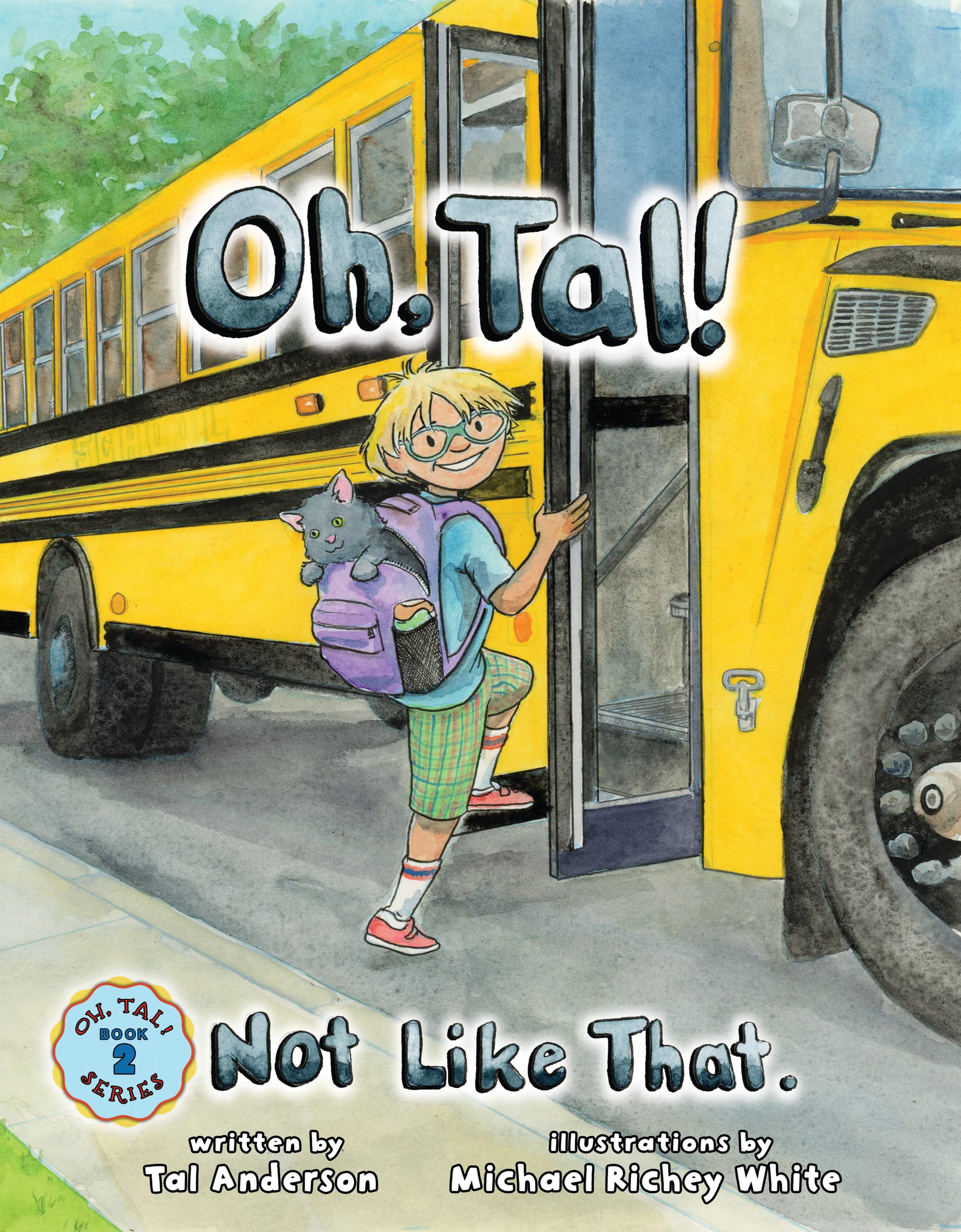
Aftermath spoke with Anderson over email about what sets The Pitt’s neurodivergent representation apart and how far Hollywood still has to go. Anderson is an actor on the autism spectrum, and on The Pitt, she plays an autistic character with high needs. Her new children’s book, Oh Tal! Not Like That, aims to push that conversation further by teaching kids and parents alike that there’s more than one way to get things done.
The Pitt has always excelled at showing its doctors as brilliant, flawed, and compassionate human beings first. The HBO show also doubles as a kind of narrative compendium of modern medicine. It offers viewers glimpses into perspectives and walks of life they might never encounter unless they were to sit for hours in a real emergency room—along with insight into medical services folks might not be privy to that can improve their quality of life in the hellscape we live in.
The show’s second season sharpens one of its most honest through lines with the sweet, very stressed and autistic Dr. Mel coming to grips with the fact that she’s not her sister’s keeper, even if she is her sister’s primary caregiver. Mel is her sister Becca’s shared decision maker, and she has to allow her sister to make her own choices. No amount of time spent watching Elf will change the fact that Becca isn’t a dependent orbiting her life; she’s an adult woman with her own identity, agency, and HIPAA rights.
Long before this became a plot point for Becca, Anderson says it was that very same distinction, planted way back in the script for the show’s second season, that signaled to her that the character’s portrayal of autism was different from the media she grew up watching.
“Although Becca has very high support needs, her relationship with her sister wasn’t written as a burden, or something that kept her caregiver, her twin sister, from achieving her own personal goals,” Anderson said. “Becca was written to be a very important part of Mel’s life, not just because they are related, but because they both provide support to each other in their own way. They both need each other.”
For decades, autistic characters have been slotted into the same limited archetypes: the prodigy, the robot, the quirky sidekick, or the infantilized innocent—sometimes all at once, reinforcing the myth that all autistic people fit a single mold. Hollywood’s portrayal of autism has rarely ventured beyond a narrow set of stereotypes, ranging from Rain Man-style savants, The Good Doctor’s hypercompetent freaks to gawk at, or whatever The Predator thought it was cooking when it treated autism like a genetic superpower worth hunting. Anderson wishes writers in Hollywood understood that autism simply doesn’t work that way.
“I wish they would understand that you don’t need to write and include every possible stereotypical behavior or circumstance associated with autism into one character,” she said. “It’s okay to have a character just represent themselves, instead of taking on the burden of representing an entire community. Not every autistic person has a special interest, or has terrible eye contact, or rocks and stims, and there are varying levels of support needs, verbal communication, and physical abilities. We don’t need to see all of that in one character. In fact, to be authentic, we shouldn’t see that.”
HBO Max
To keep Becca authentic rather than trope-driven, Anderson says her biggest priority was avoiding the visual stereotypes that television relies on with the accuracy of a shotgun spread. For Anderson, that meant her performance as Becca meant “no rocking or flapping or tip-toeing.”
“Not because those can’t be authentic behaviors for autistic people,” she said, “but because I wanted Becca’s behaviors to be shaped by her story and not the stereotypes and tired narrative we see all of the time on screen.”
As an actor who’s portrayed autistic characters before—including Sid on Netflix’s Atypical—Anderson says she’s been continuously impressed by how thoughtfully The Pitt writes Becca. The respect and nuance on the page were what drew her to the role in the first place, a sharp contrast to the portrayals she grew up seeing.
“I had a couple of questions about a scene at one point, and just wanted to be sure I could play it the way I wanted to without changing the writer’s intention, but I never needed to, or wanted to change the script,” she said. “I’ve been continuously impressed with how authentic the writing is, and proud to be able to give Becca life to tell her story in that way.”
One aspect of that authenticity is that Anderson and Dearden are bringing their own lived experience to these roles. Dearden has ADHD, which is a type of neurodivergence, but she isn’t on the autism spectrum like Anderson. Both actors bring these two unique flavors of neurodivergence into their performances especially when the characters clash, as they do in Season 2 when Dr. Mel learns that Becca has a boyfriend. On a performance level, Anderson tells me the ease herself and Dearden worked as scene partners wasn’t something they had to engineer.
“We clicked, and it just worked,” she said.
Their shared neurodivergent lived experience made the twin dynamic feel instinctive, and it also meant they were quick to recognize when the other needed clarity, calm, or a moment to get grounded on set.
“[Dearden] seems to know ahead of time when something might be confusing, or if I could use some advice,” Anderson said. “For instance, my first time on set for season 2, she asked me if I wanted to see the set, because I wasn’t filming on the soundstage. I was shooting on location for episode seven, but while I was at the studio, she knew that I was dying to see the set, and ultimately that helped me in later episodes, because I was prepared in advance for how shockingly amazing the set is. I could focus on my work and not be as overwhelmed by the set.”
“I also, at one point, had a question about the script, and she helped me get in touch with the writer in the production office so I could get clarification before I had to shoot my scene,” Anderson continued “She knew that my anxiety over questioning anything would take over my brain, and that helping me get an answer would immediately settle me down. I’m sure there are many other examples, but the strongest ones involve Taylor’s support.”
Hollywood still has a long way to go before representation on screen and advocacy behind the scenes move beyond platitudes. Thankfully, Anderson has a few structural fixes that could make the industry genuinely accessible rather than symbolically inclusive behind the screen, starting with mentorship and internship programs for disabled creatives at both the studio level and within unions.
“Success in this industry relies a lot on networking, and the biggest problem for disabled creatives is getting access to the places where networking is possible,” Anderson said. “I’m an editor, and I’m also a writer, but I’m working on knocking down barriers in my acting career, and have no idea where to start in my editing or writing career. Having access to an [America Cinema Editors] mentor, or a [Writers Guild of America] mentor to help me find my way into those rooms would make a huge difference.”
Oh Tal! is for the children (and adults like you)
Anderson’s upcoming children’s book expresses the same kind of advocacy for representation that her portrayal of Becca does, in a way that’s appropriate for a parent to share with their child
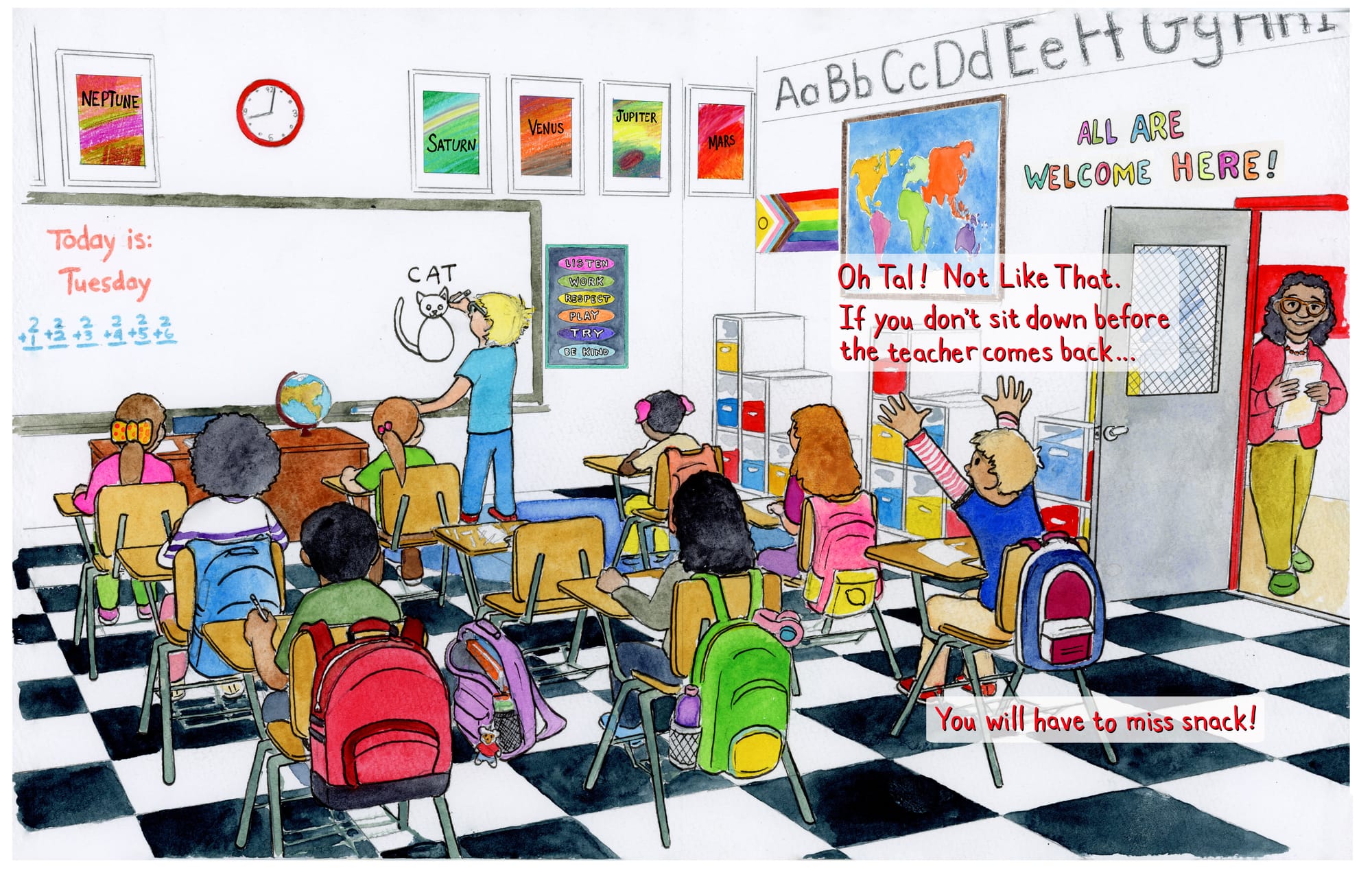
Oh Tal! Not Like That is the second book in the autobiographical series penned by Anderson. Not dissimilar to how The Pitt showcases a day in the life of Pittsburgh's hardest-working teaching hospital, Oh Tal illustrates the first, exciting day of school, showing how classroom rules and conduct are treated as the norm from the eyes of a child. More specifically, Anderson says the book tells the story of the shared childhood experiences she and illustrator Michael Richey White had as creative, autistic kids, despite being 25 years apart.
Violet Sky Media
“Being able to see a character who is like you in a book at a very young age who models behavior that encourages being yourself instead of being another voice telling you to just behave and fall in line, is important for kids like Michael and I were,” Anderson said. “We both felt squashed, misunderstood, and pushed down.”
“For me, it was especially hard, because I didn’t speak until I was almost four years old,” she continued, “so I couldn’t even verbally explain why I was doing something differently, and because I didn’t speak, a lot of my decisions were made for me, and a lot of times, especially at school, people felt the need to speak on my behalf, and they were usually not expressing what I would have said, had I been speaking at that time.”
Violet Sky Media
One of the core themes of Anderson's books is the idea that “there’s more than one way to get things done,” a message she says captures the frustration she and White struggled with growing up. Anderson hopes this book also sheds light on the lived experiences of autistic people for neurotypical people, helping them empathize with and understand those experiences.
“These books encourage parents to foster those differences, and praise the creative solutions their kids have to make them feel like thinking differently should be treated as something to be celebrated, instead of something that sends you to [a] time out,” she said.



 AftermathChris Person